Birds in Suffolk
Explore 226 species found in this region.
Suffolk is a remarkable county for birdwatching, with 218 recorded species thriving across its diverse landscapes of coastal marshes, estuaries, heathlands, and ancient woodlands. The county's renowned reserves, including RSPB Minsmere and the Suffolk Coast, attract an impressive range of birds from elegant Common Shelducks and Northern Lapwings on the wetlands to elusive Great Grey Shrikes on the heaths. Whether you're scanning mudflats for Common Sandpipers or listening for Eurasian Woodcock roding at dusk, Suffolk offers outstanding birding opportunities throughout the year.
Visiting in July? Look out for Black Tern and Cattle Egret arriving this month, and Bar-headed Goose and Eurasian Woodcock depart for the season.


Showing 162–184 of 226 species
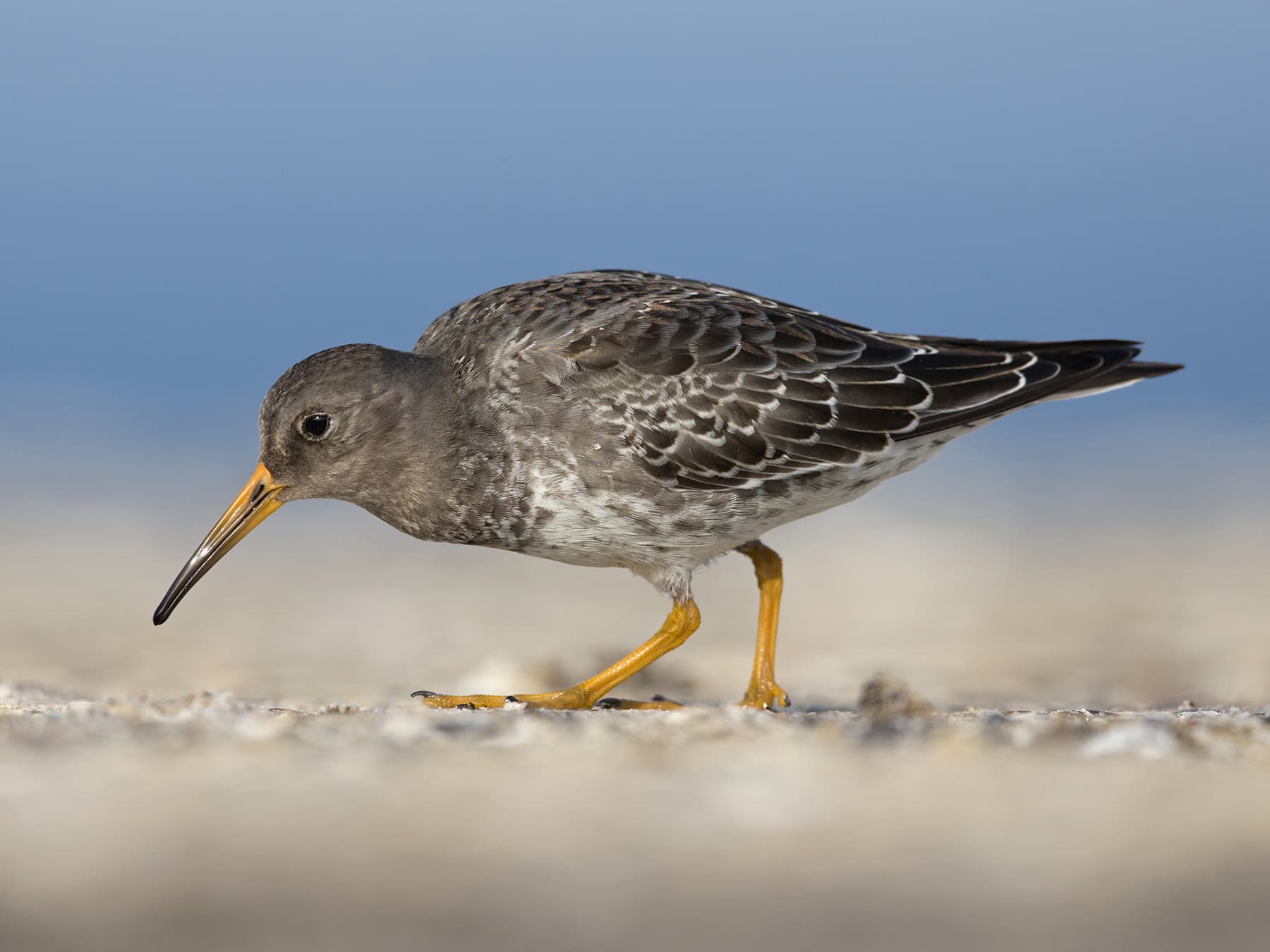
Purple Sandpiper
Calidris maritimaLC
A rare winter visitor to Suffolk's rocky coastal structures such as groynes and harbour walls, as the county lacks the natural rocky shoreline this species prefers.
Sep–Mar
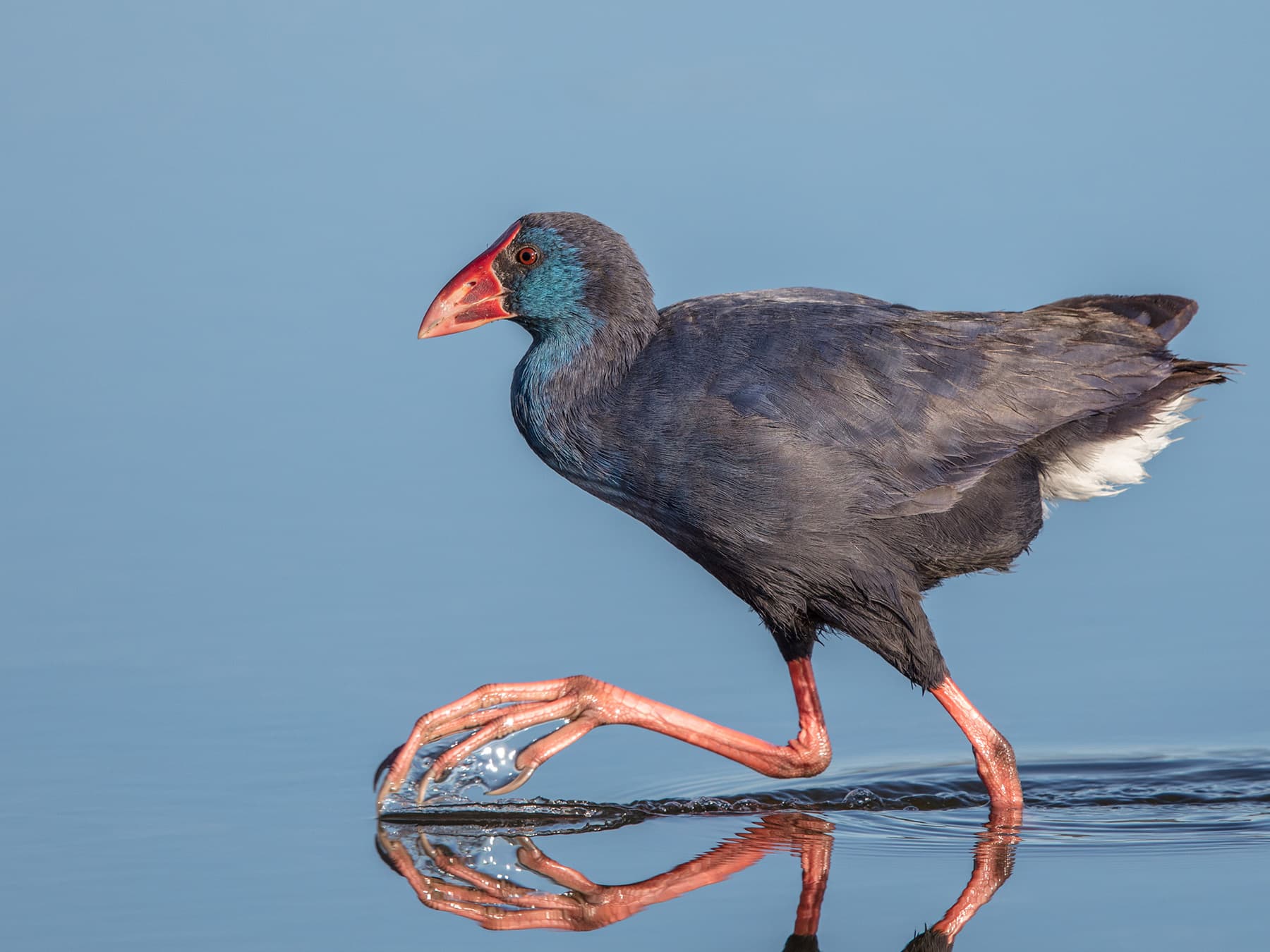
Purple Swamphen
Porphyrio porphyrioLC
An exceptionally rare vagrant, recorded briefly in August. Any sighting in Suffolk would be a major county rarity.
Aug
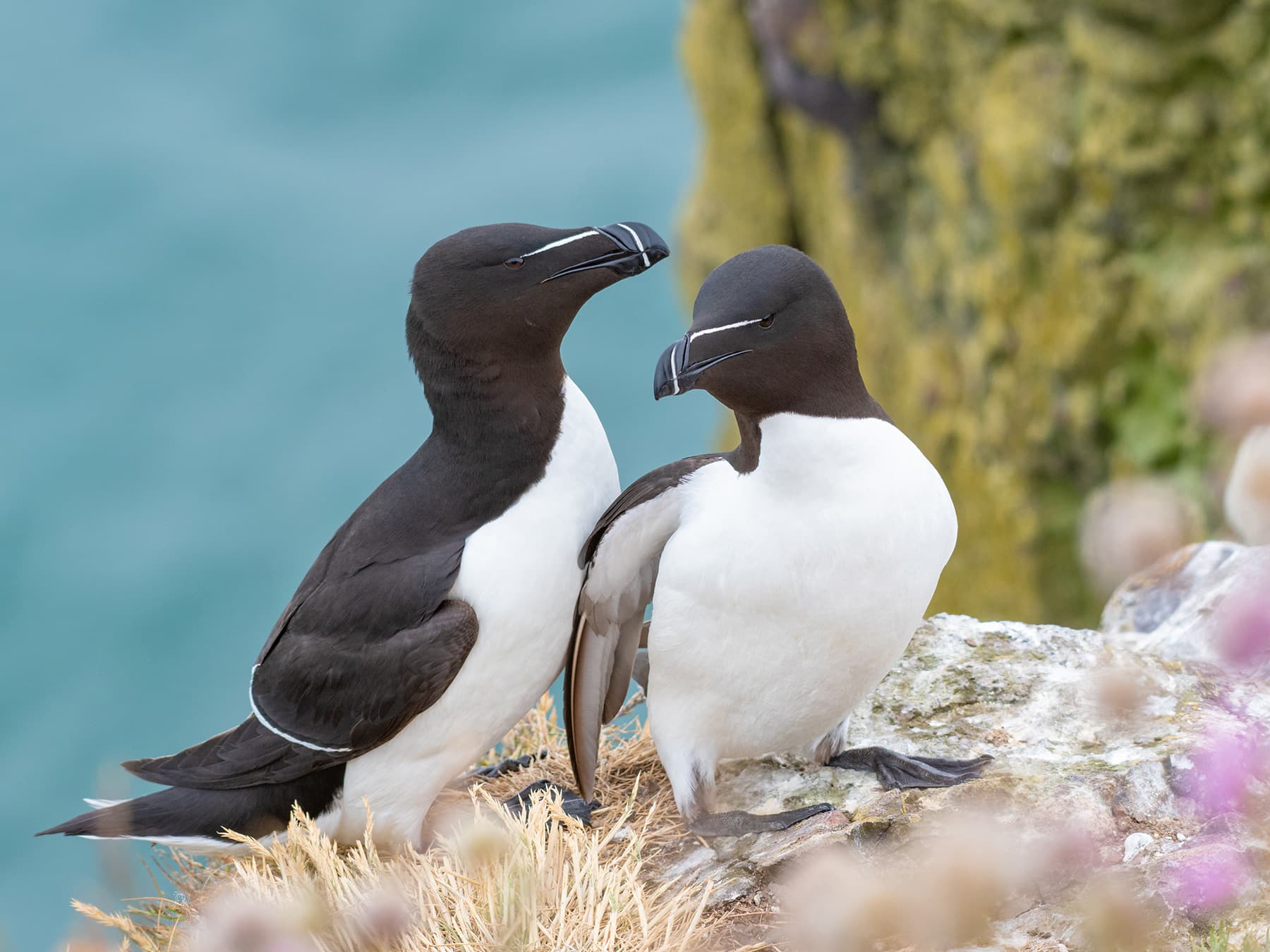
Razorbill
Alca tordaLC
A rare late-autumn passage visitor, occasionally seen offshore or washed ashore after storms. Most records come from seawatches between October and December.
Oct–Dec
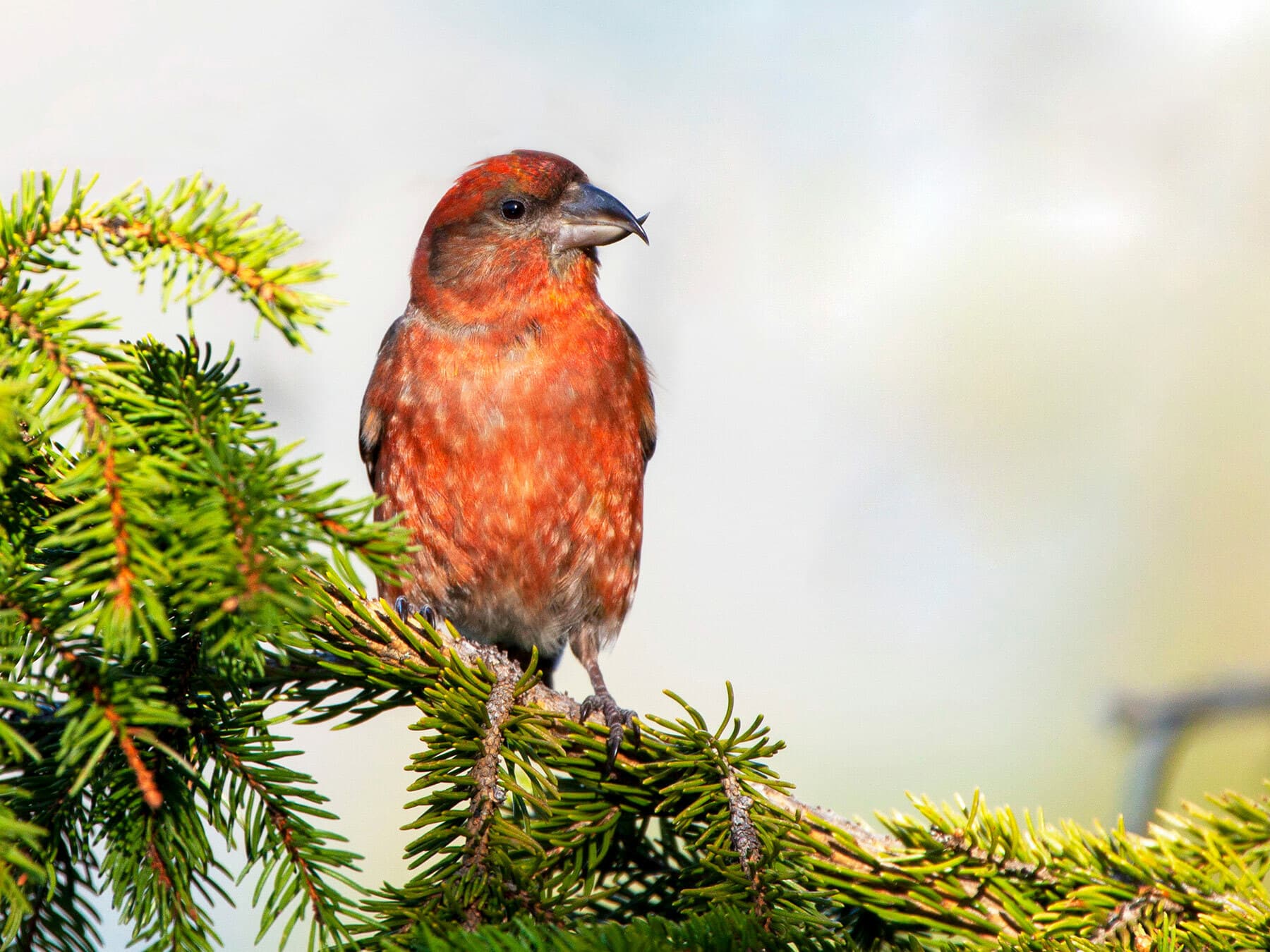
Red Crossbill
Loxia curvirostraLC
A rare resident of Suffolk's conifer plantations, notably Thetford Forest fringes. Numbers fluctuate with periodic irruptions from the continent.
Jul–May
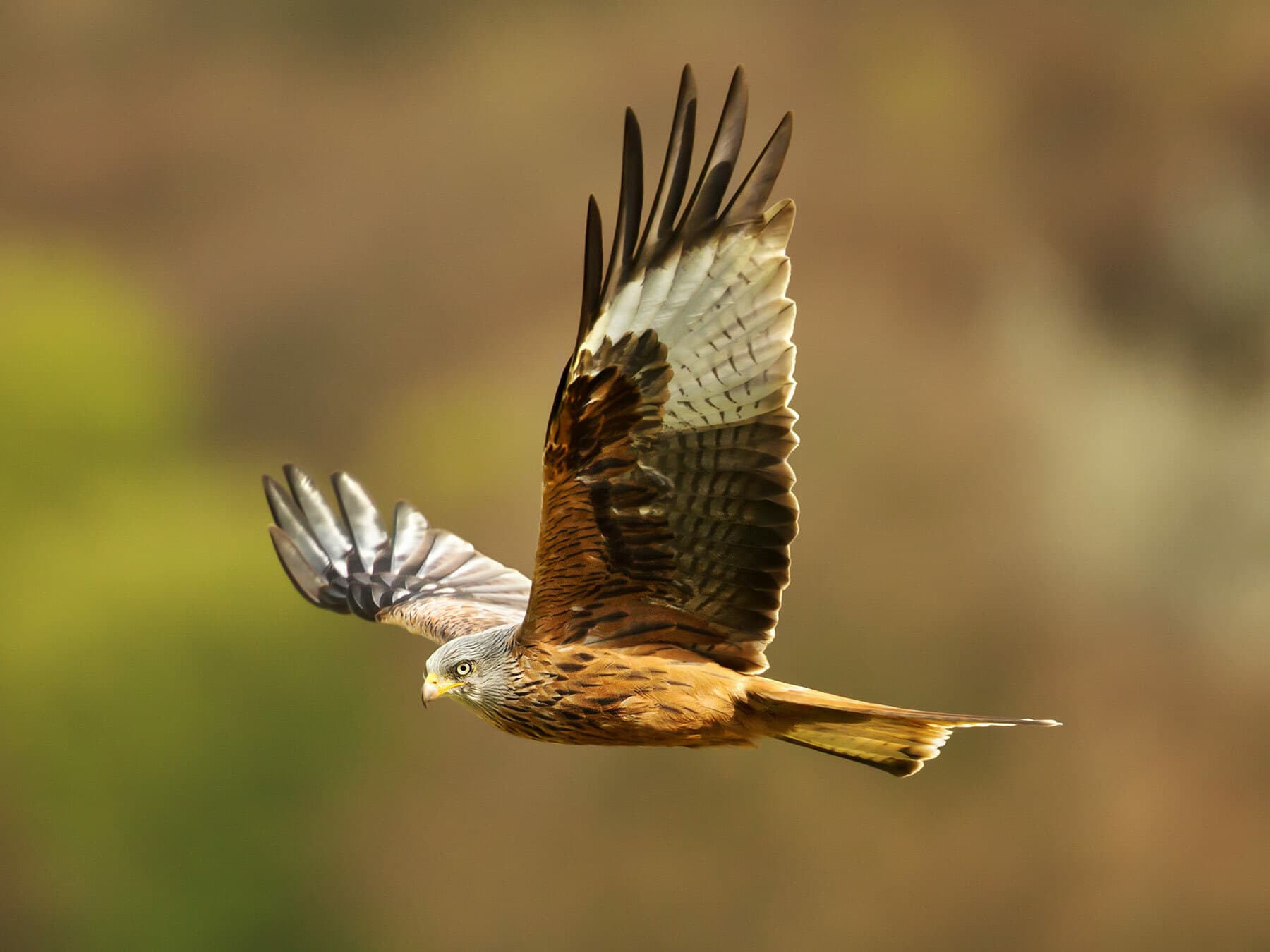
Red Kite
Milvus milvusLC
An increasingly established resident, now regularly seen soaring over Suffolk's farmland and woodland edges year-round.
Year-round
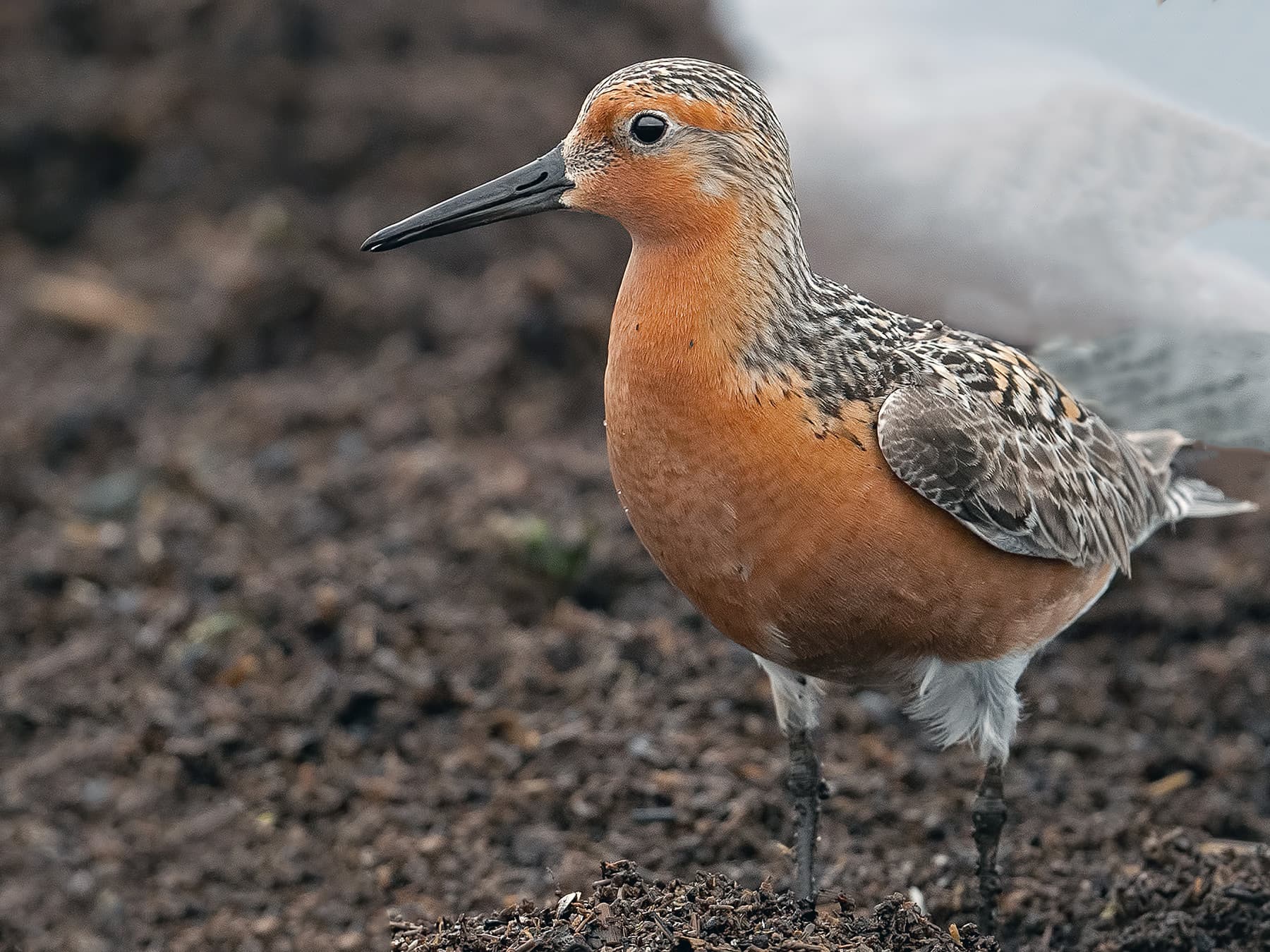
Red Knot
Calidris canutusNT
Uncommon on Suffolk's coast, small flocks gather on estuarine mudflats, particularly at the Deben and Stour. Numbers peak in winter and during passage periods.
Year-round
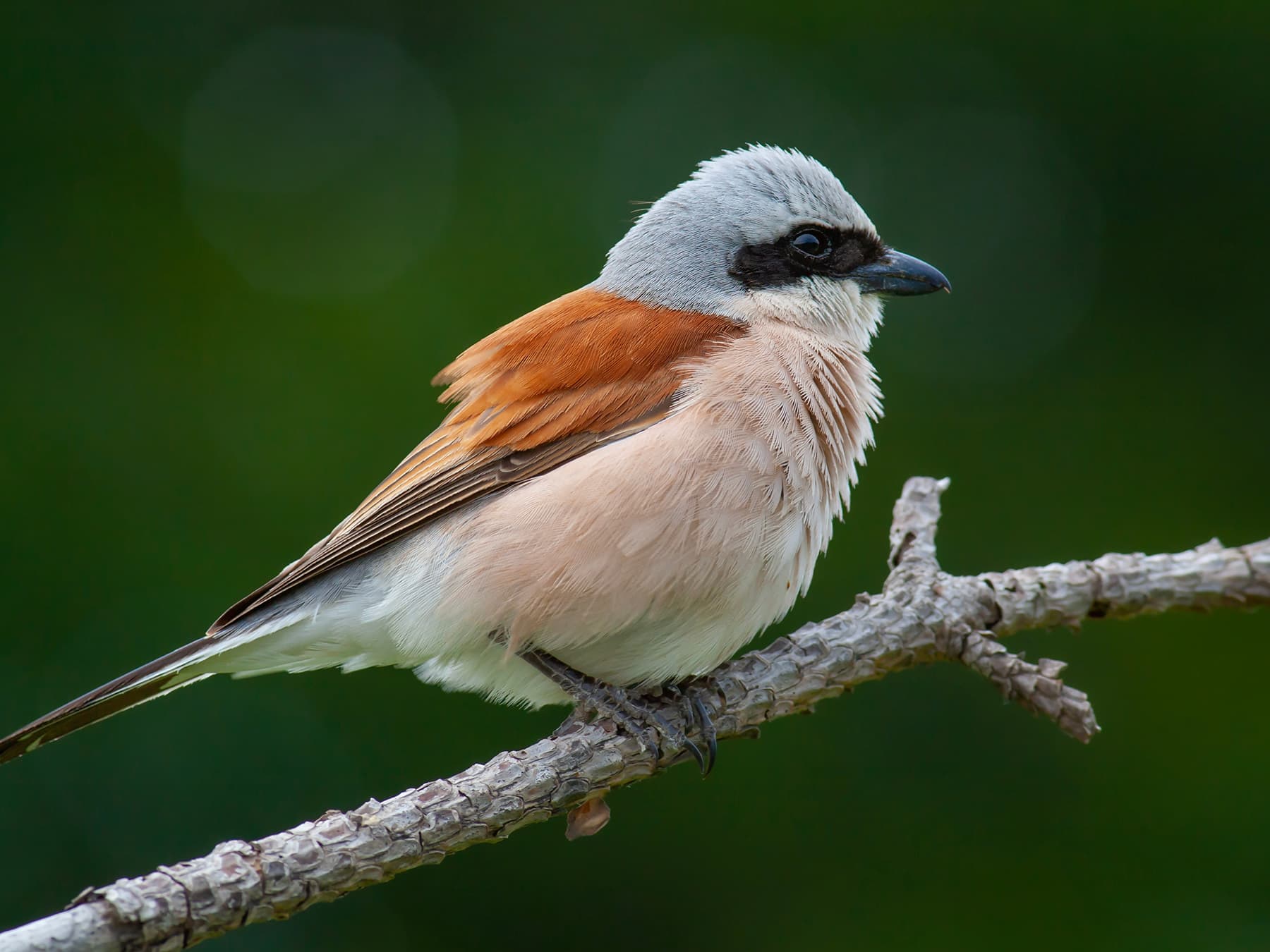
Red-backed Shrike
Lanius collurioLC
A rare passage migrant, mainly seen on the Suffolk coast from June to September. Once bred in the county but now only an occasional visitor.
Jun–Sep
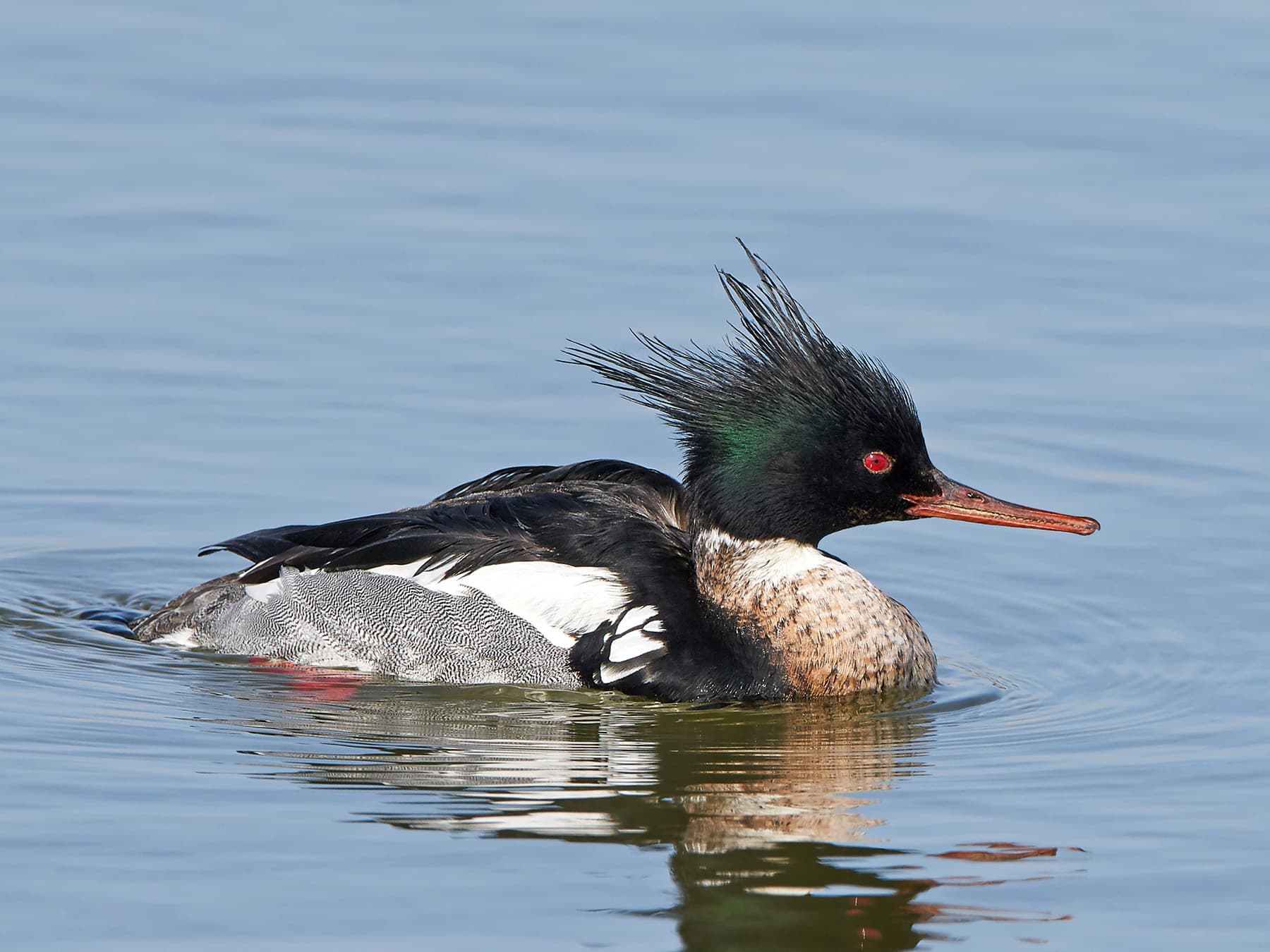
Red-breasted Merganser
Mergus serratorLC
A rare winter visitor found along Suffolk's estuaries and coastal waters, present from October through to March.
Oct–Mar
Spotted something?
Upload a photo to identify it
Identify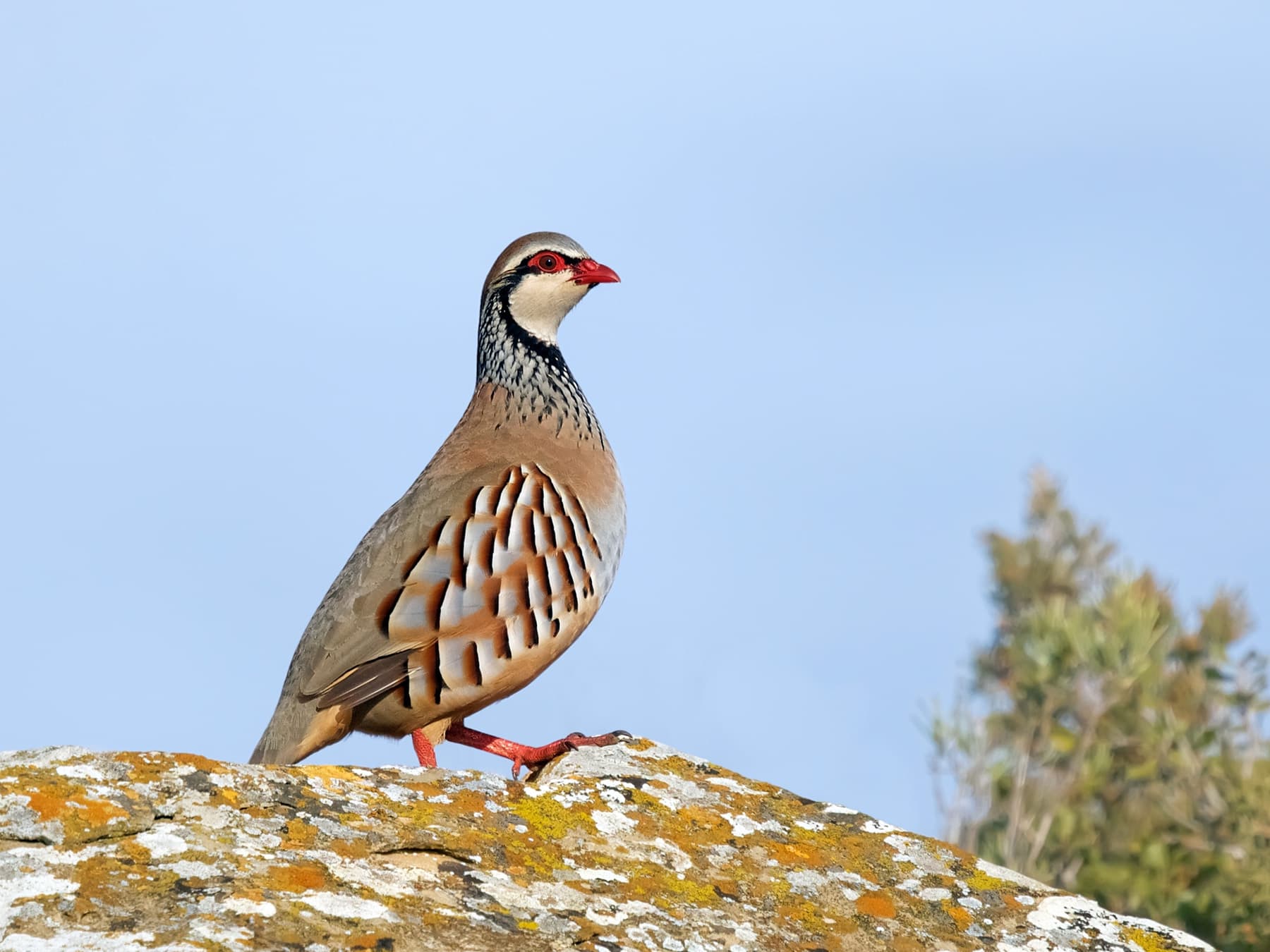
Red-legged Partridge
Alectoris rufaNT
An uncommon resident of arable farmland and field margins. Often seen in small coveys along sandy tracks and open fields across the county.
Year-round
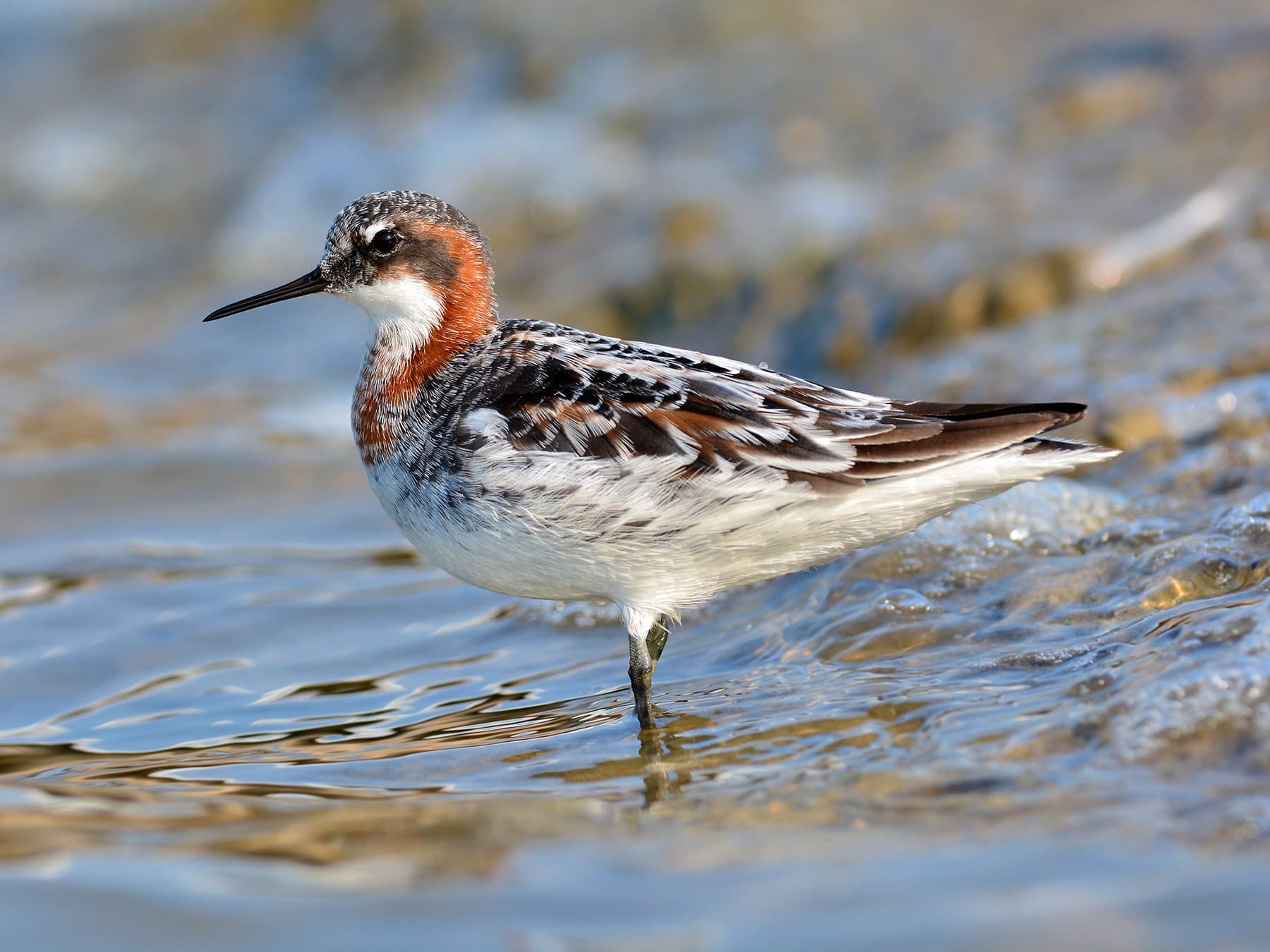
Red-necked Phalarope
Phalaropus lobatusLC
A rare autumn passage migrant, occasionally seen spinning on pools at Suffolk's coastal reserves in September.
Sep
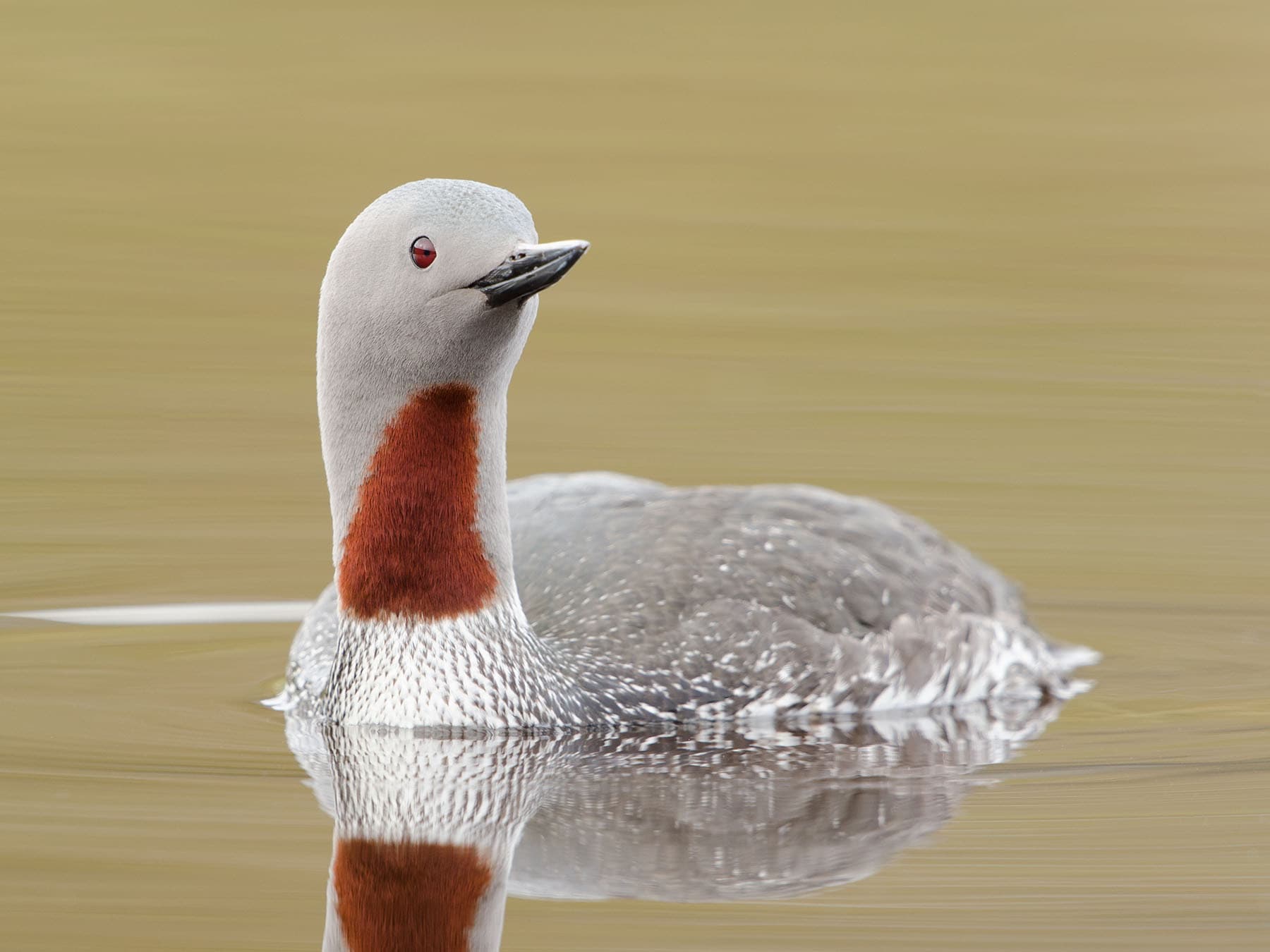
Red-throated Loon
Gavia stellataLC
A non-breeding visitor to Suffolk's coastal waters from autumn through spring, often seen flying low offshore.
Sep–Apr
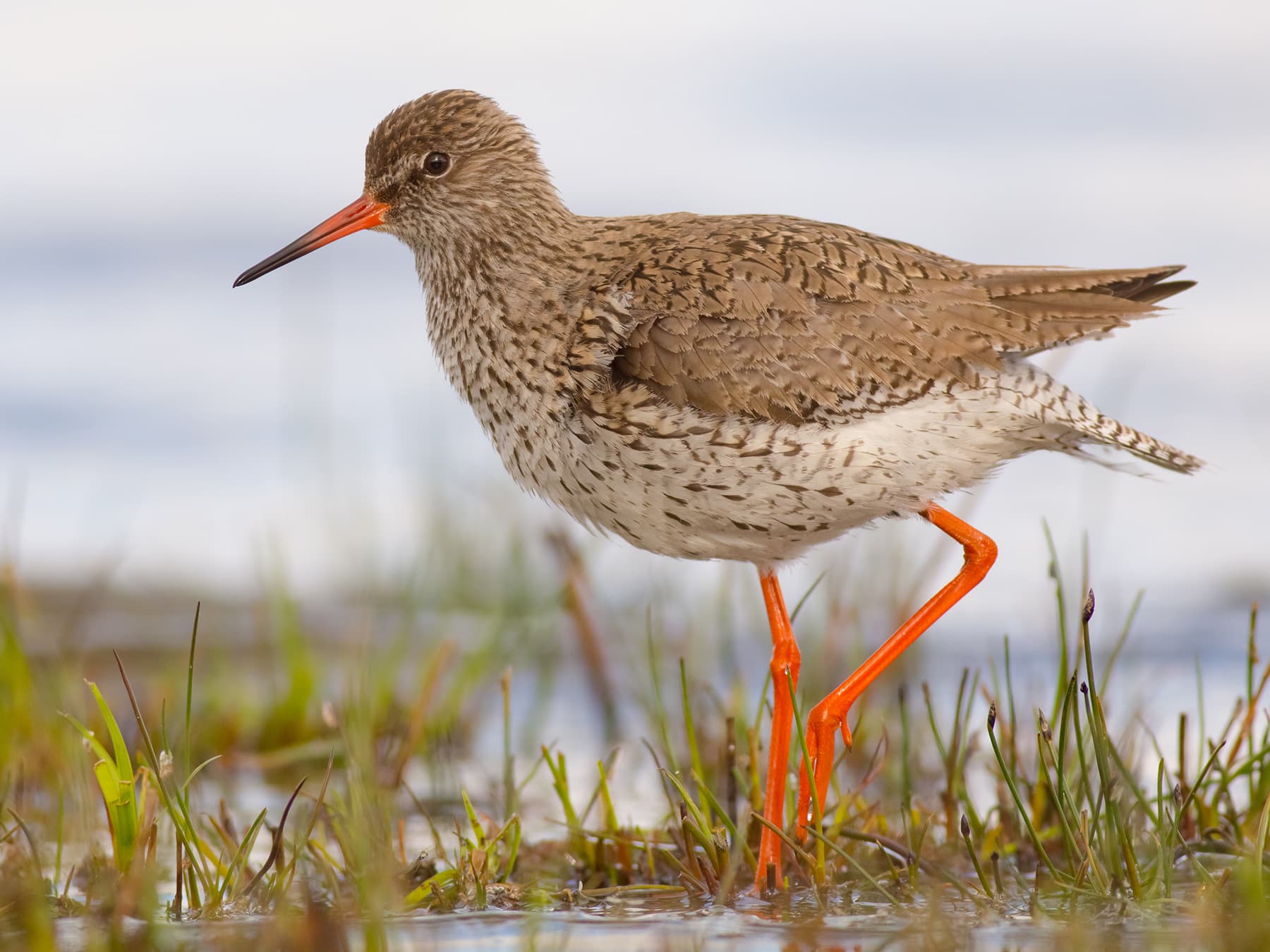
Redshank
Tringa totanusLC
A common year-round resident of Suffolk's coastal marshes and estuaries, its loud piping calls are a familiar sound at sites like the Alde-Ore and Deben estuaries.
Year-round
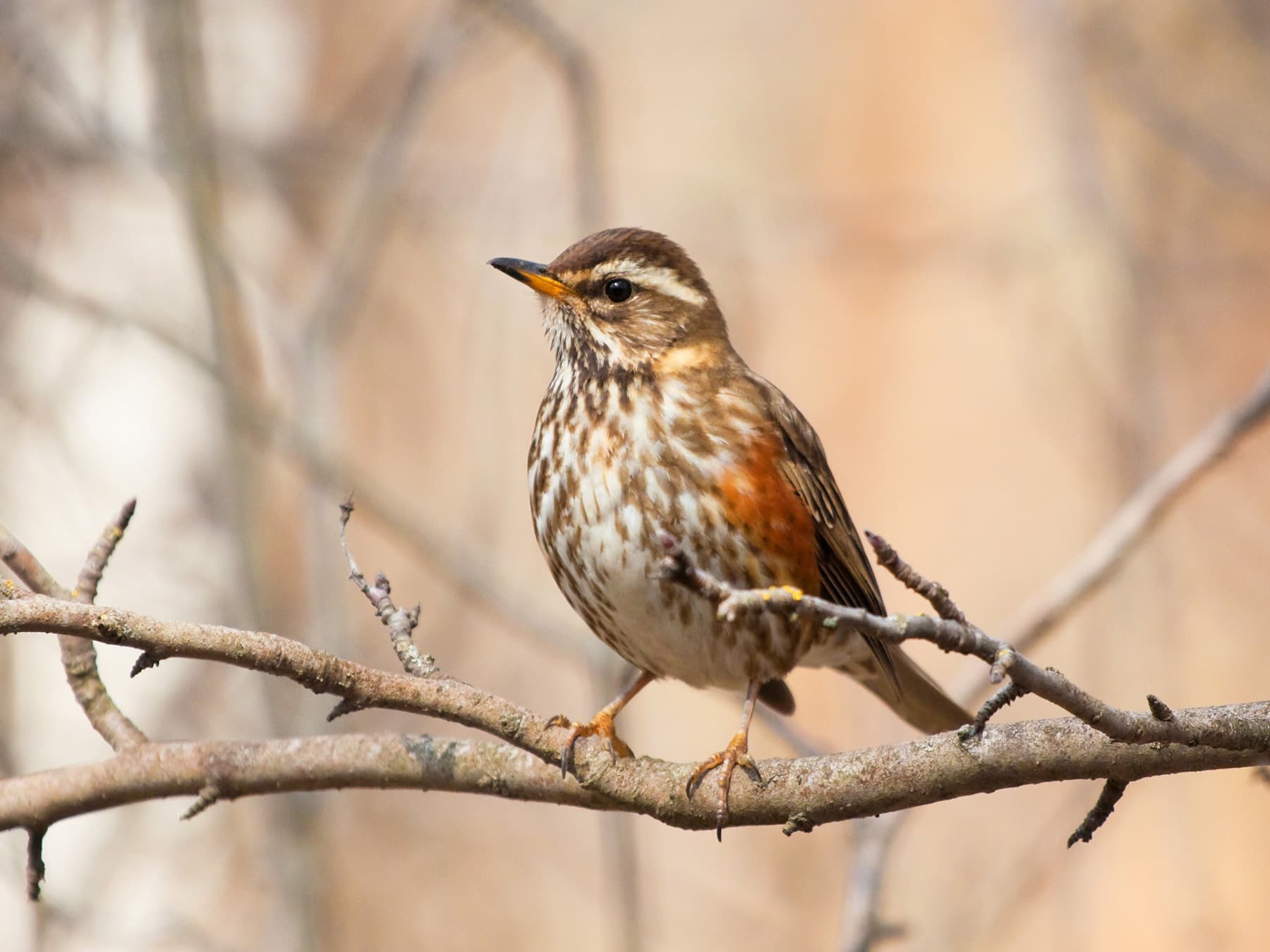
Redwing
Turdus iliacusNT
An uncommon winter visitor arriving from Scandinavia, present October to April. Feeds in hedgerows and on berry-laden trees across the county.
Oct–Apr
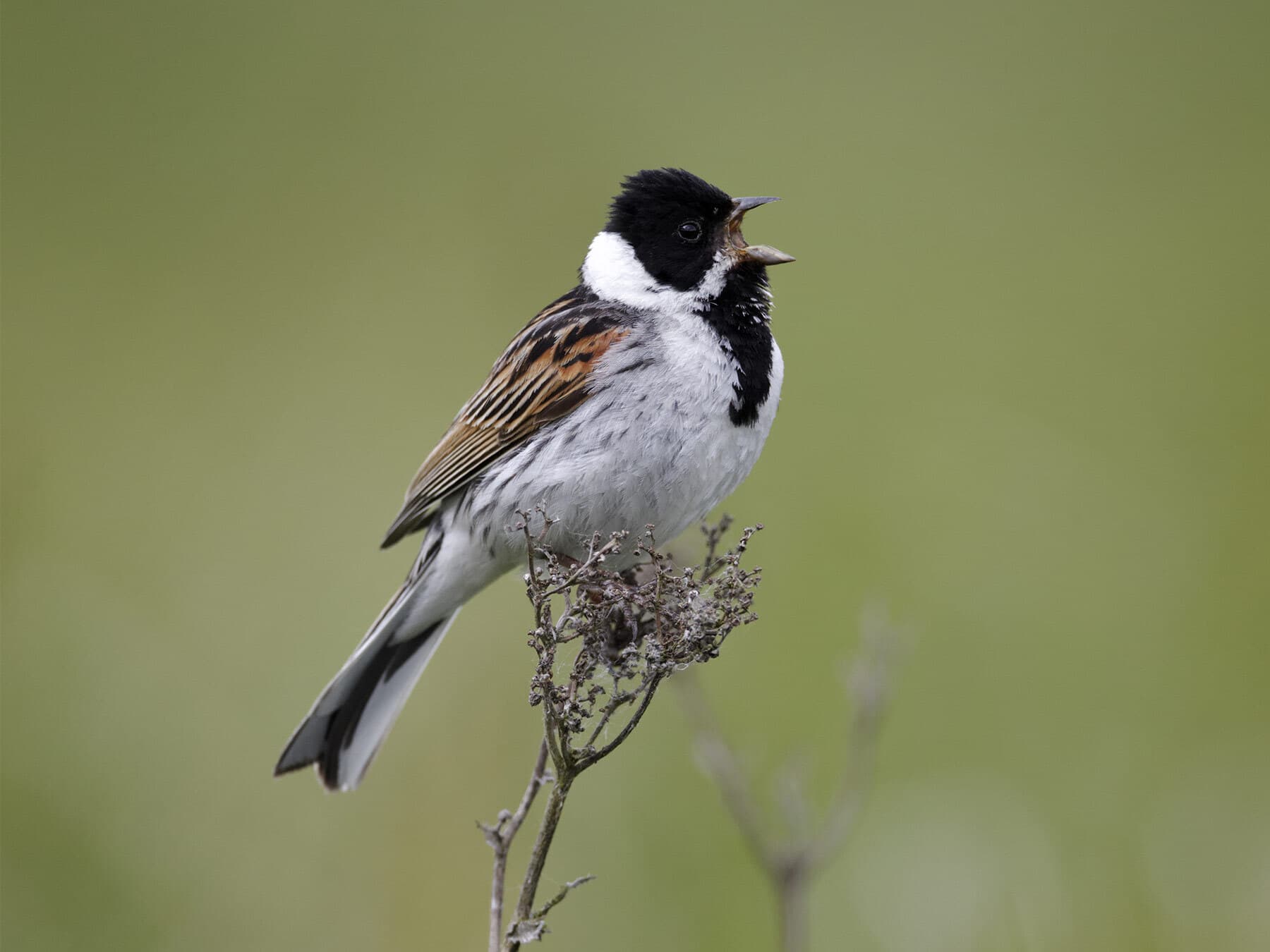
Reed Bunting
Emberiza schoeniclusLC
A common resident of reedbeds, ditches and damp farmland across Suffolk. Readily visits garden feeders in cold winter weather.
Year-round
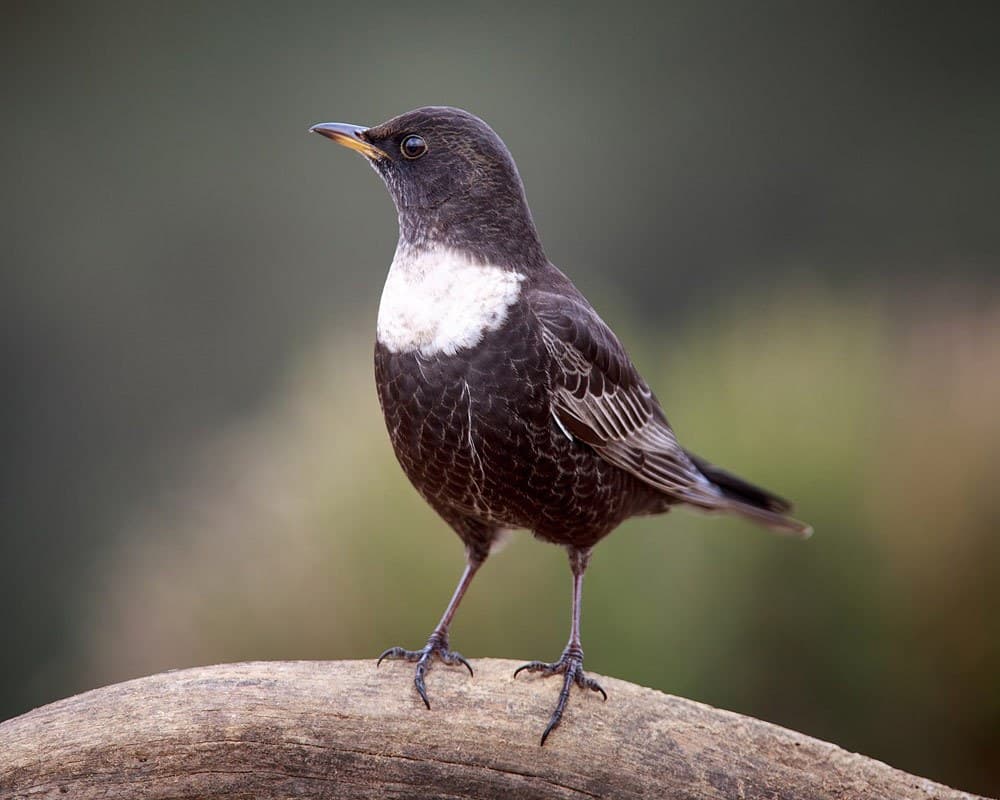
Ring Ouzel
Turdus torquatusLC
A rare passage migrant seen briefly in April and October on Suffolk's coast. Favours open scrubby areas and clifftops during stopovers.
Oct–Apr
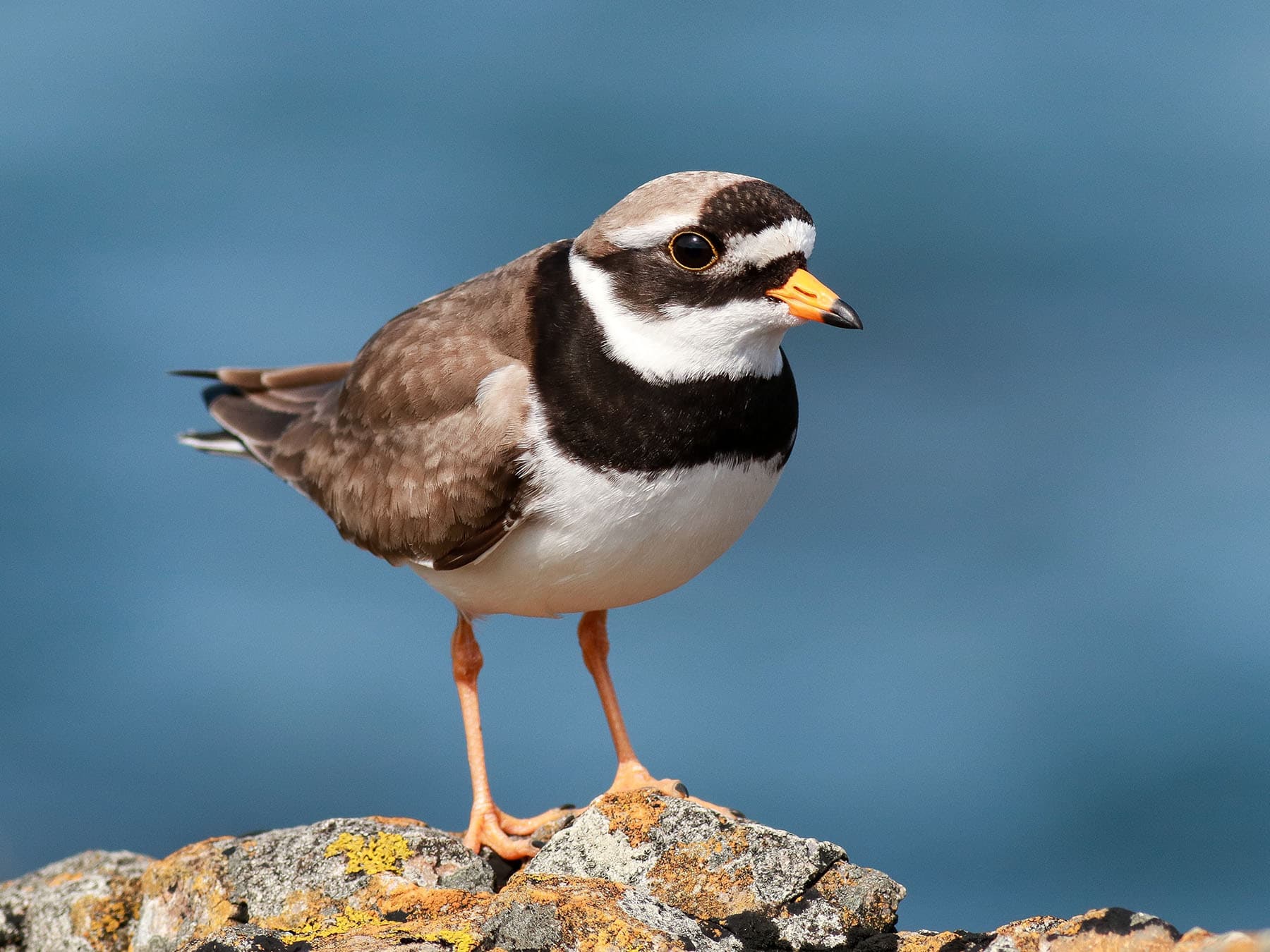
Ringed Plover
Charadrius hiaticulaLC
An uncommon resident nesting on Suffolk's shingle beaches, with numbers boosted by passage migrants in spring and autumn.
Year-round
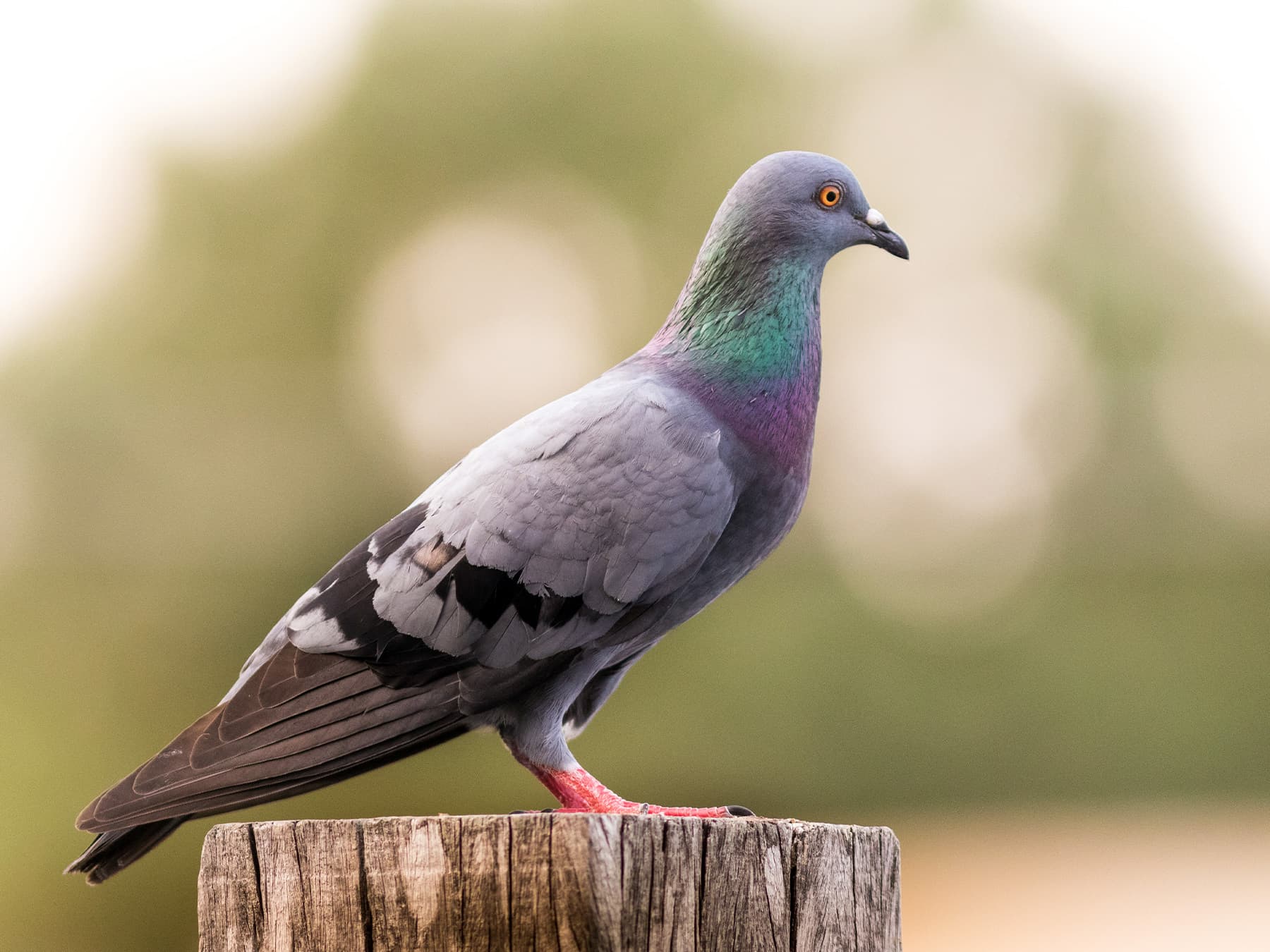
Rock Dove
Columba liviaLC
Present year-round in Suffolk's towns and along coastal cliffs, though most birds are feral descendants rather than truly wild stock.
Year-round
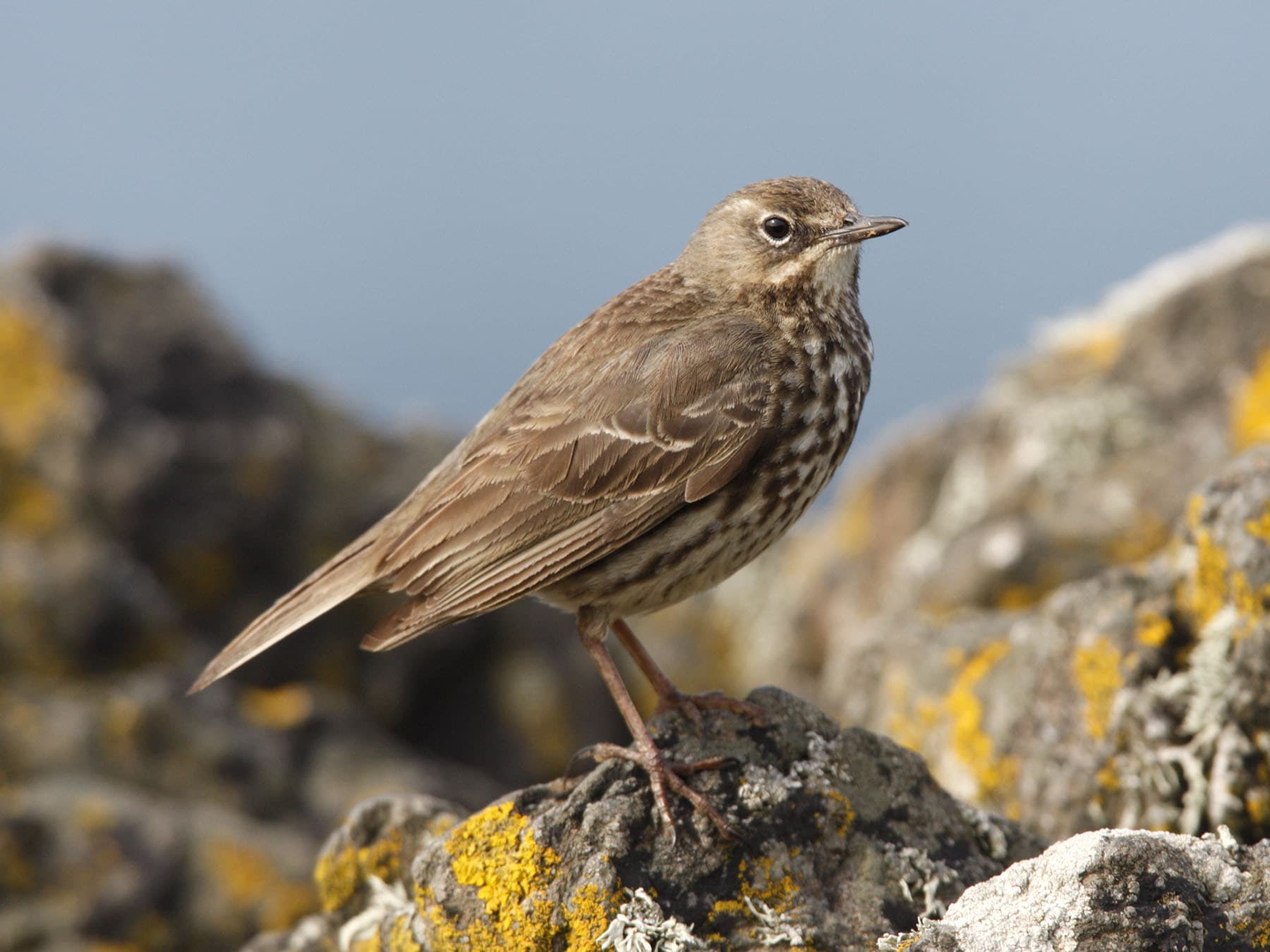
Rock Pipit
Anthus petrosusLC
An uncommon non-breeding visitor to Suffolk's rocky coastal structures and sea walls from September to March. Feeds along the tideline.
Sep–Mar
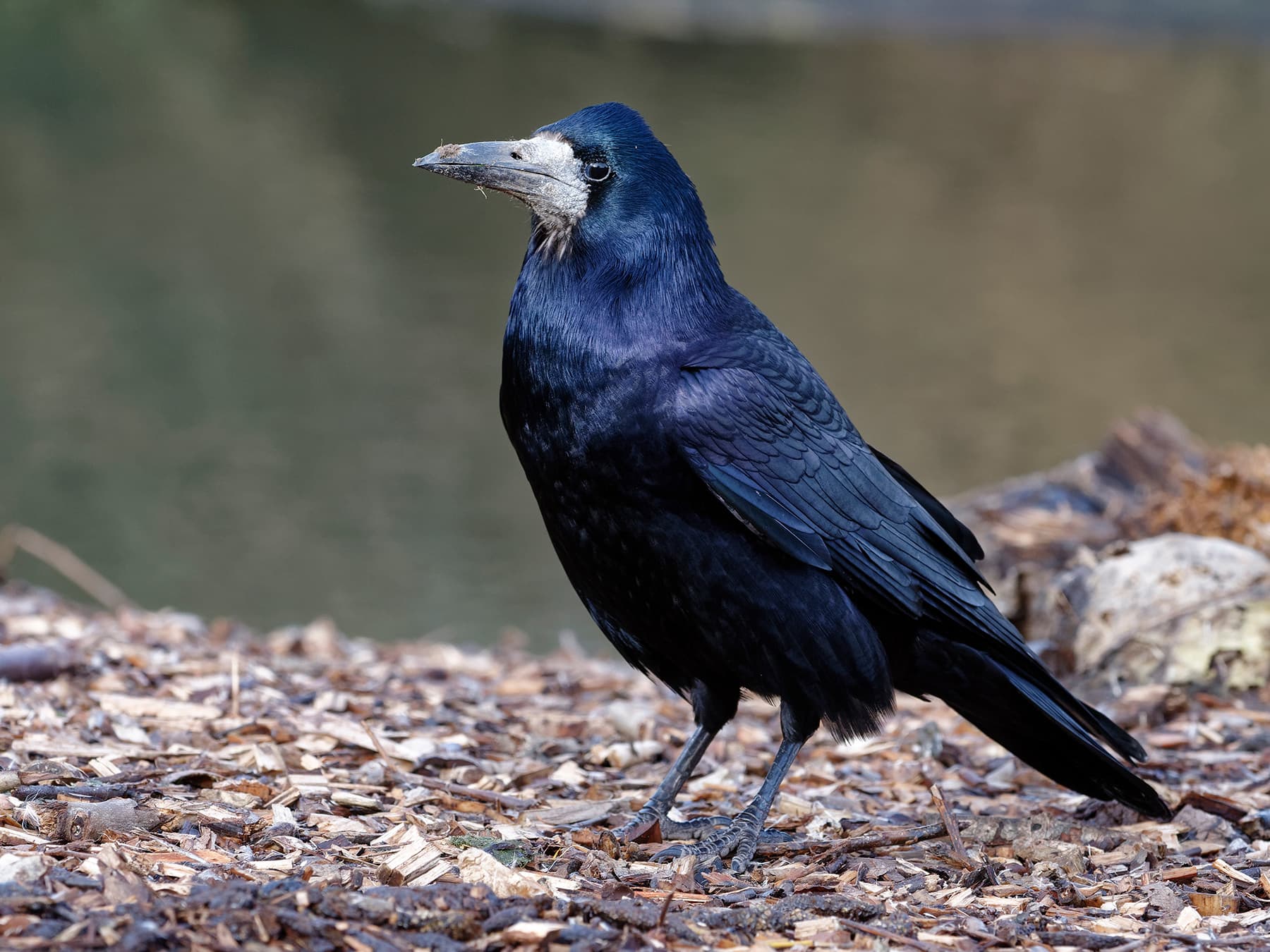
Rook
Corvus frugilegusLC
A common resident of Suffolk's arable farmland, nesting colonially in tall trees. Noisy rookeries are a familiar sight.
Year-round
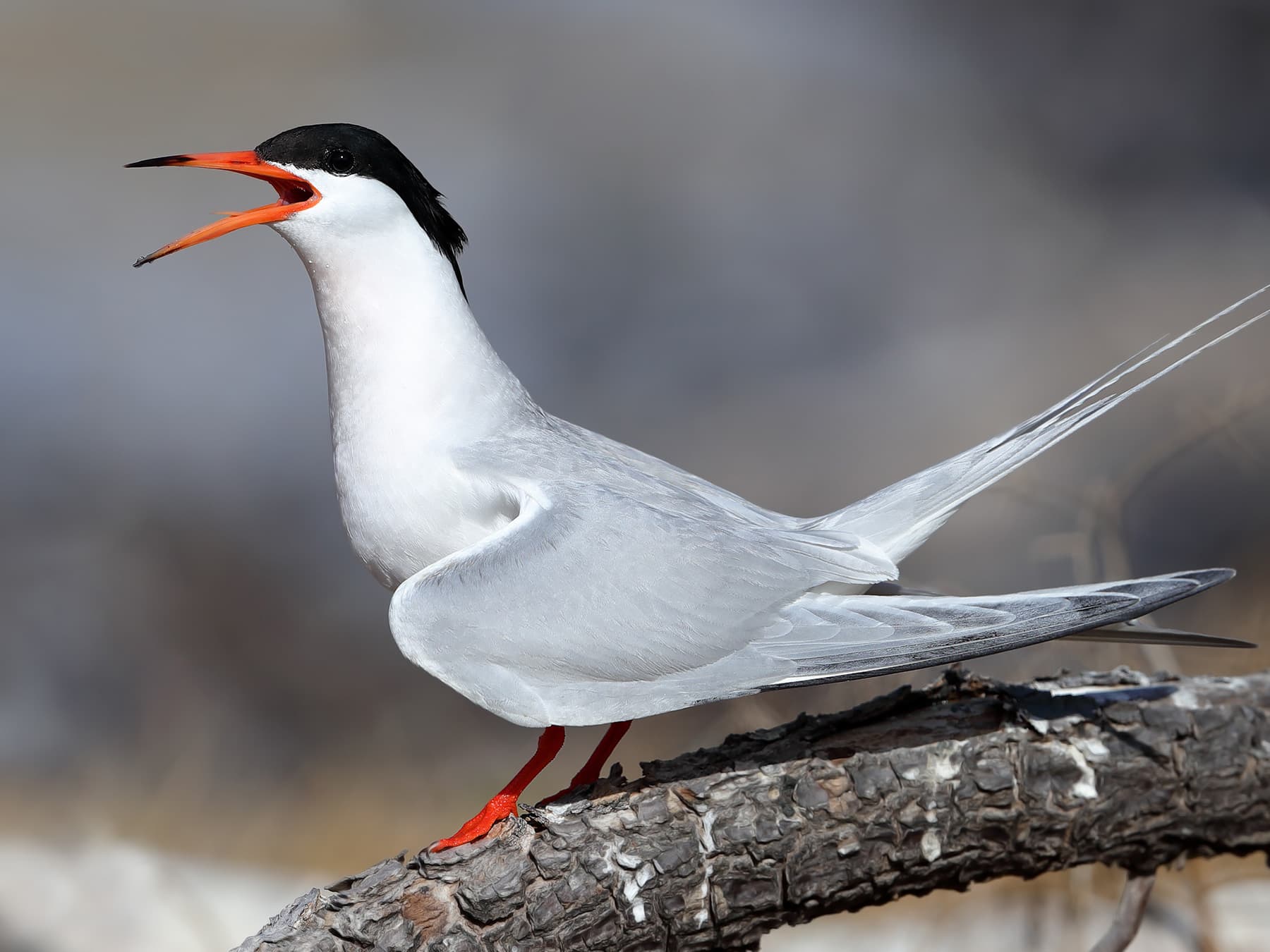
Roseate Tern
Sterna dougalliiLC
A rare passage visitor in June and July, occasionally seen offshore or at coastal tern colonies. One of Britain's rarest seabirds.
Jun–Jul
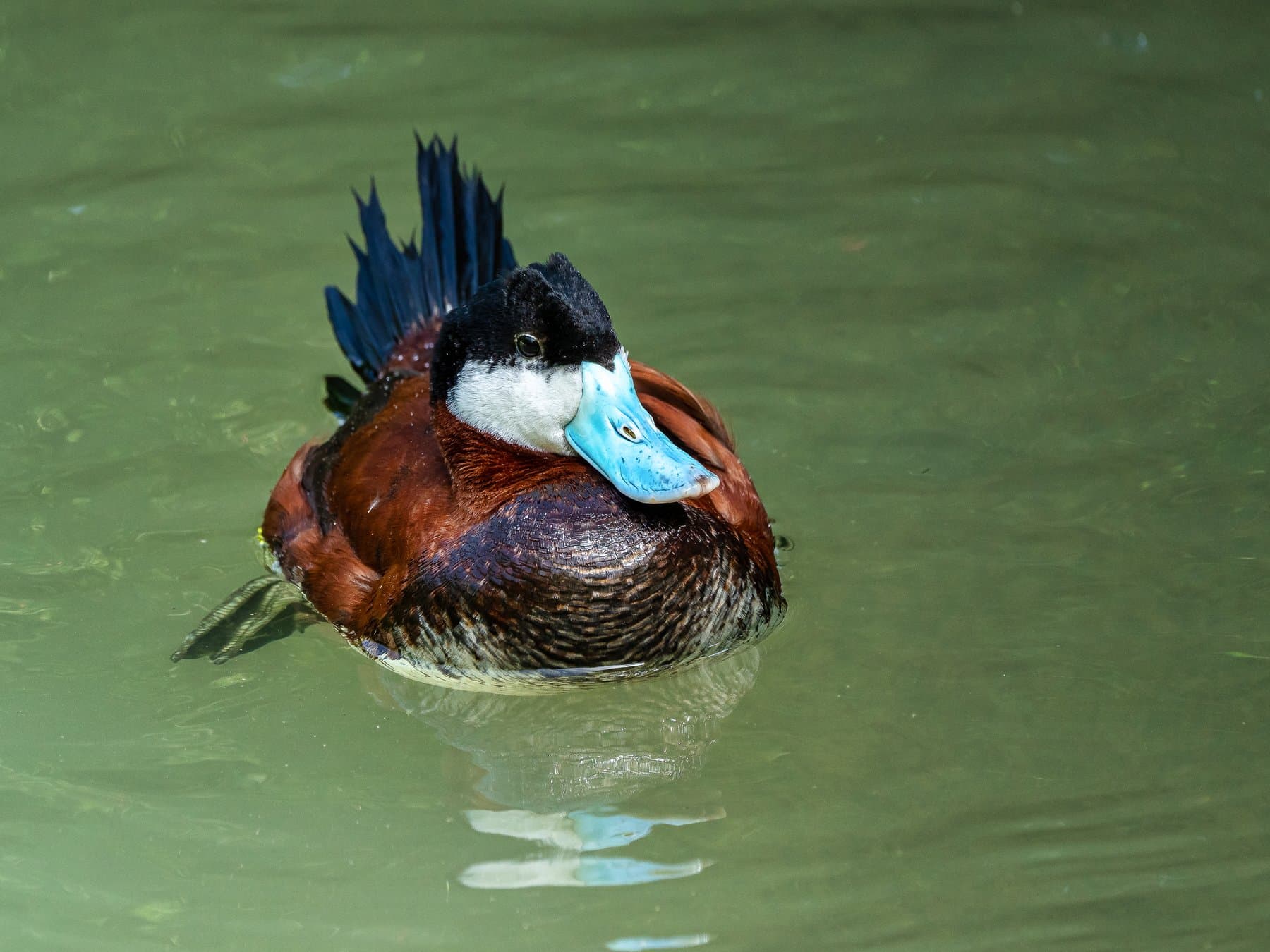
Ruddy Shelduck
Tadorna ferrugineaLC
A rare midsummer visitor of uncertain origin—some may be genuine vagrants from central Asia, while others are likely escapees from collections.
Jul–Aug
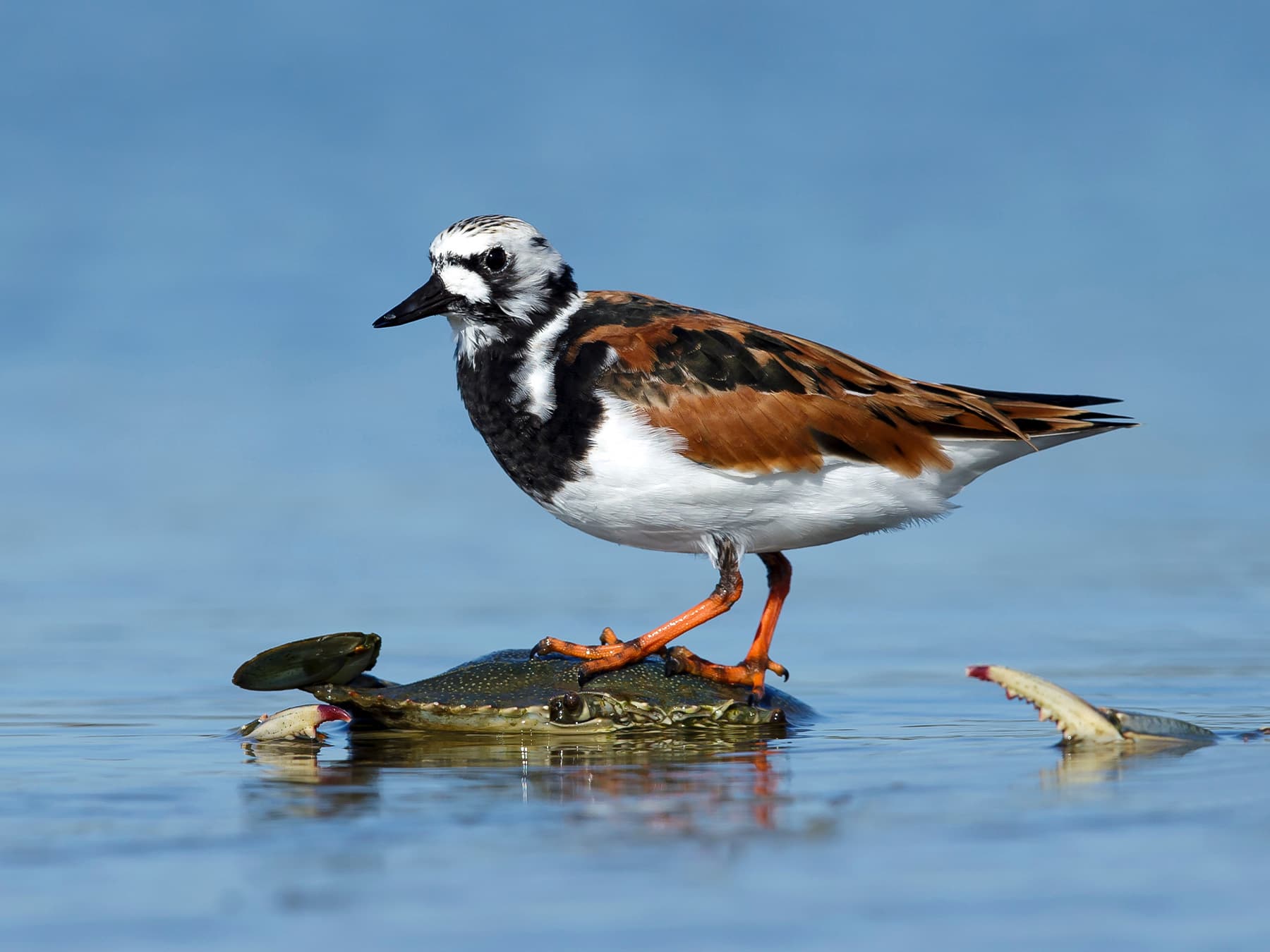
Ruddy Turnstone
Arenaria interpresLC
Present year-round along Suffolk's rocky groynes and shingle beaches, busily flipping stones for invertebrates.
Year-round
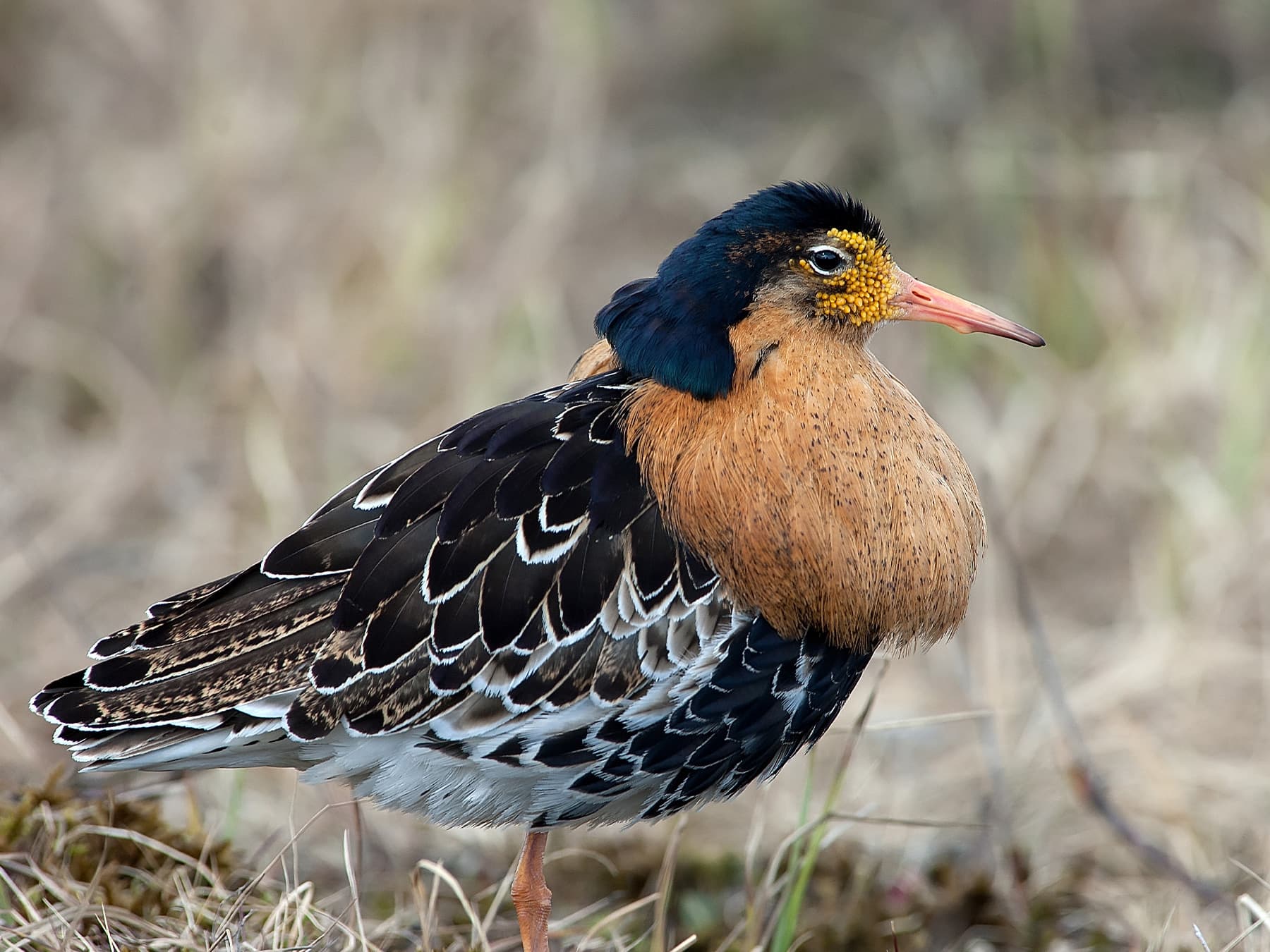
Ruff
Philomachus pugnaxLC
An uncommon wader found year-round on Suffolk's coastal marshes, with numbers peaking during autumn passage.
Year-round