Rare Birds in Suffolk

81 species matching this filter.

All birds in Suffolk

Suffolk is home to an impressive array of rare bird species, with 81 recorded across the county's diverse habitats, from the windswept shingle beaches of Orford Ness to the ancient woodlands of Bradfield Woods and the expansive reedbeds of Minsmere. Among these scarce visitors and residents, birdwatchers may encounter striking species such as the Great Grey Shrike, Common Crane, and Arctic Jaeger, alongside elusive woodland birds like the Lesser Spotted Woodpecker. Whether scanning coastal waters for Great Skuas or listening for the churring of a Barn Owl at dusk, Suffolk offers exceptional opportunities to observe some of Britain's most sought-after birds.

Firecrest
FirecrestSmallest · 9cm
to
Tundra Swan
Tundra SwanLargest · 150cm
Ranges from the Firecrest (9cm) to the Tundra Swan (150cm)35 families represented18 year-round residents

Showing 2446 of 81 species

Fulmar

Fulmar

Fulmarus glacialisLC

A rare breeder on Suffolk's coastal cliffs, present from spring into early autumn. Small numbers nest at scattered sites along the coast.

Apr–Sep

J
F
M
A
M
J
J
A
S
O
N
D
Garganey

Garganey

Spatula querquedulaLC

A rare summer breeder on Suffolk's wetlands, arriving in spring and departing by September. Minsmere and the Waveney valley are favoured sites.

Mar–Sep

J
F
M
A
M
J
J
A
S
O
N
D
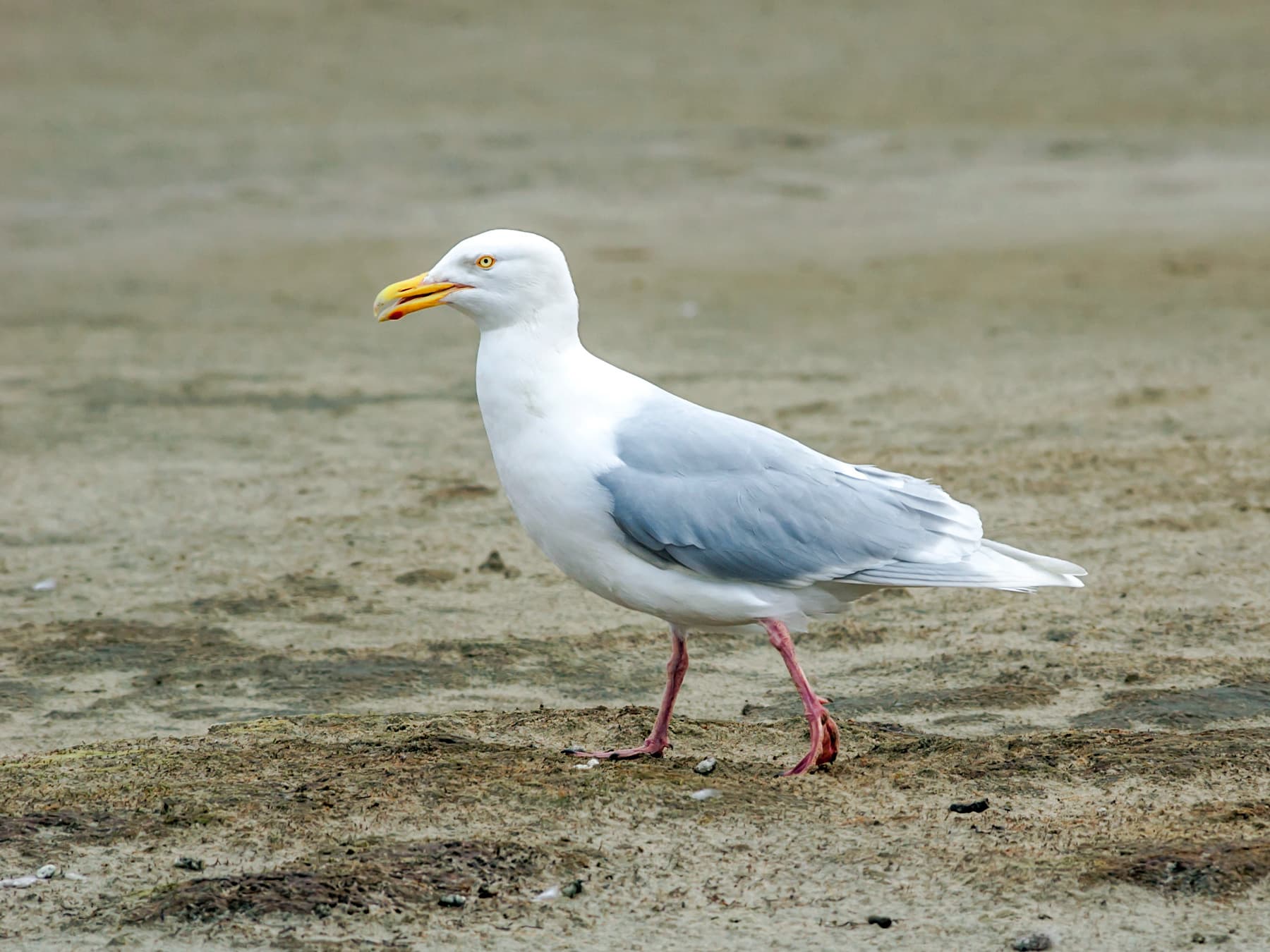
Glaucous Gull

Glaucous Gull

Larus hyperboreusLC

A rare winter visitor to the Suffolk coast, occasionally spotted among gull flocks at harbours and beaches during January cold spells.

Jan

J
F
M
A
M
J
J
A
S
O
N
D
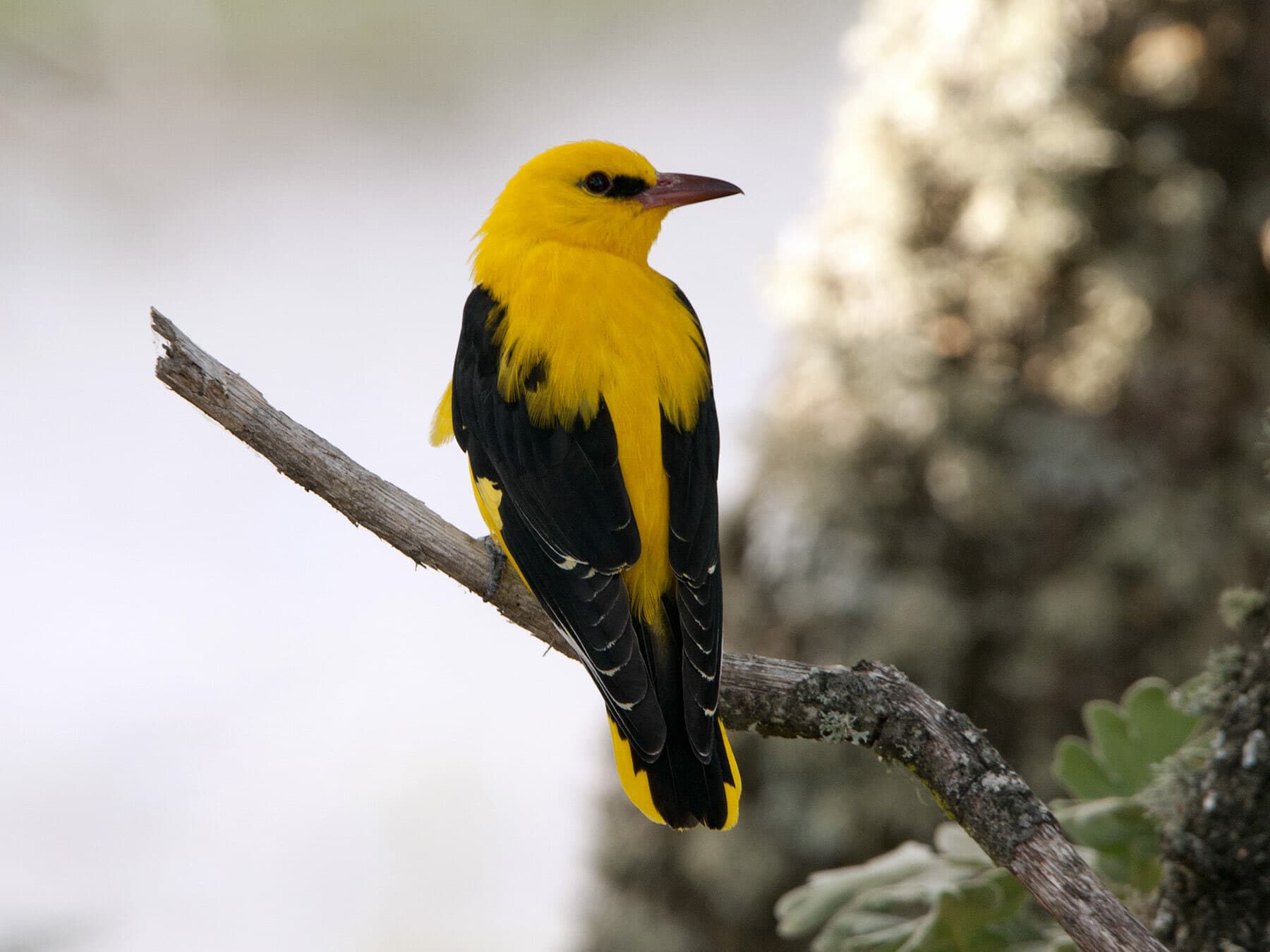
Golden Oriole

Golden Oriole

Oriolus oriolusLC

A rare and elusive spring passage migrant in May and June. Suffolk's poplar plantations were once a breeding stronghold.

May–Jun

J
F
M
A
M
J
J
A
S
O
N
D
Grasshopper Warbler

Grasshopper Warbler

Locustella naeviaLC

A rare breeding visitor from April to July, skulking in dense scrub on heathland and marshes. Best detected by its insect-like reeling song.

Apr–Jul

J
F
M
A
M
J
J
A
S
O
N
D
Great Grey Shrike

Great Grey Shrike

Lanius excubitorLC

A rare passage visitor, occasionally seen perching prominently on heathland bushes or hedgerows during early spring.

Mar

J
F
M
A
M
J
J
A
S
O
N
D
Great Skua

Great Skua

Catharacta skuaLC

A rare but regular autumn passage bird, best seen during seawatches from Lowestoft or Southwold in strong northerly winds between September and November.

Sep–Nov

J
F
M
A
M
J
J
A
S
O
N
D
Greater Scaup

Greater Scaup

Aythya marilaLC

A rare winter visitor, occasionally found on coastal waters and estuaries from November to February, often associating with Tufted Duck or Pochard flocks.

Nov–Feb

J
F
M
A
M
J
J
A
S
O
N
D

Spotted something?

Upload a photo to identify it

Identify
Grey Partridge

Grey Partridge

Perdix perdixLC

A declining resident of Suffolk's arable farmland and field margins, now rarely encountered despite historically being widespread.

Nov–Sep

J
F
M
A
M
J
J
A
S
O
N
D
Hawfinch

Hawfinch

Coccothraustes coccothraustesLC

A rare passage visitor, occasionally recorded in January and February. May appear in mature woodland with hornbeam during irruption years.

Jan–Feb

J
F
M
A
M
J
J
A
S
O
N
D
Hen Harrier

Hen Harrier

Circus cyaneusLC

A rare winter visitor to Suffolk's coastal marshes and heathlands, present from October to April.

Oct–Apr

J
F
M
A
M
J
J
A
S
O
N
D
Hoopoe

Hoopoe

Upupa epopsLC

A rare passage visitor, occasionally turning up on the Suffolk coast in autumn. Its striking crest and pinkish plumage make it unmistakable.

Nov

J
F
M
A
M
J
J
A
S
O
N
D
Horned Lark

Horned Lark

Eremophila alpestrisLC

A rare winter visitor to the Suffolk coast, favouring shingle beaches and saltmarshes. Most likely in October to January.

Oct–Jan

J
F
M
A
M
J
J
A
S
O
N
D
Jack Snipe

Jack Snipe

Lymnocryptes minimusLC

A secretive winter visitor to Suffolk's wet marshes and boggy margins, rarely flushed and easily overlooked from October to April.

Oct–Apr

J
F
M
A
M
J
J
A
S
O
N
D
Lesser Spotted Woodpecker

Lesser Spotted Woodpecker

Dryobates minorLC

A rare and declining species in Suffolk's mature woodlands. Listen for its high-pitched call in spring among old oaks and dead timber.

Apr

J
F
M
A
M
J
J
A
S
O
N
D
Little Auk

Little Auk

Alle alleLC

A rare late-autumn visitor, occasionally driven close to Suffolk's coast by North Sea storms in November and December.

Nov–Dec

J
F
M
A
M
J
J
A
S
O
N
D
Little Owl

Little Owl

Athene noctuaLC

A scarce resident of Suffolk's farmland, favouring old barns and hedgerow trees. An introduced species now in slow decline.

Mar–Jan

J
F
M
A
M
J
J
A
S
O
N
D
Little Stint

Little Stint

Calidris minutaLC

A rare visitor to Suffolk's coastal scrapes and pools, mainly seen on passage from late summer into autumn.

May–Oct

J
F
M
A
M
J
J
A
S
O
N
D
Long-tailed Duck

Long-tailed Duck

Clangula hyemalisVU

A rare winter visitor to Suffolk's coastal waters, occasionally seen off headlands and estuaries from November to January.

Nov–Jan

J
F
M
A
M
J
J
A
S
O
N
D
Long-tailed Jaeger

Long-tailed Jaeger

Stercorarius longicaudusLC

A rare autumn passage seabird, occasionally spotted from Suffolk headlands during September seawatches, often in strong onshore winds.

Sep

J
F
M
A
M
J
J
A
S
O
N
D
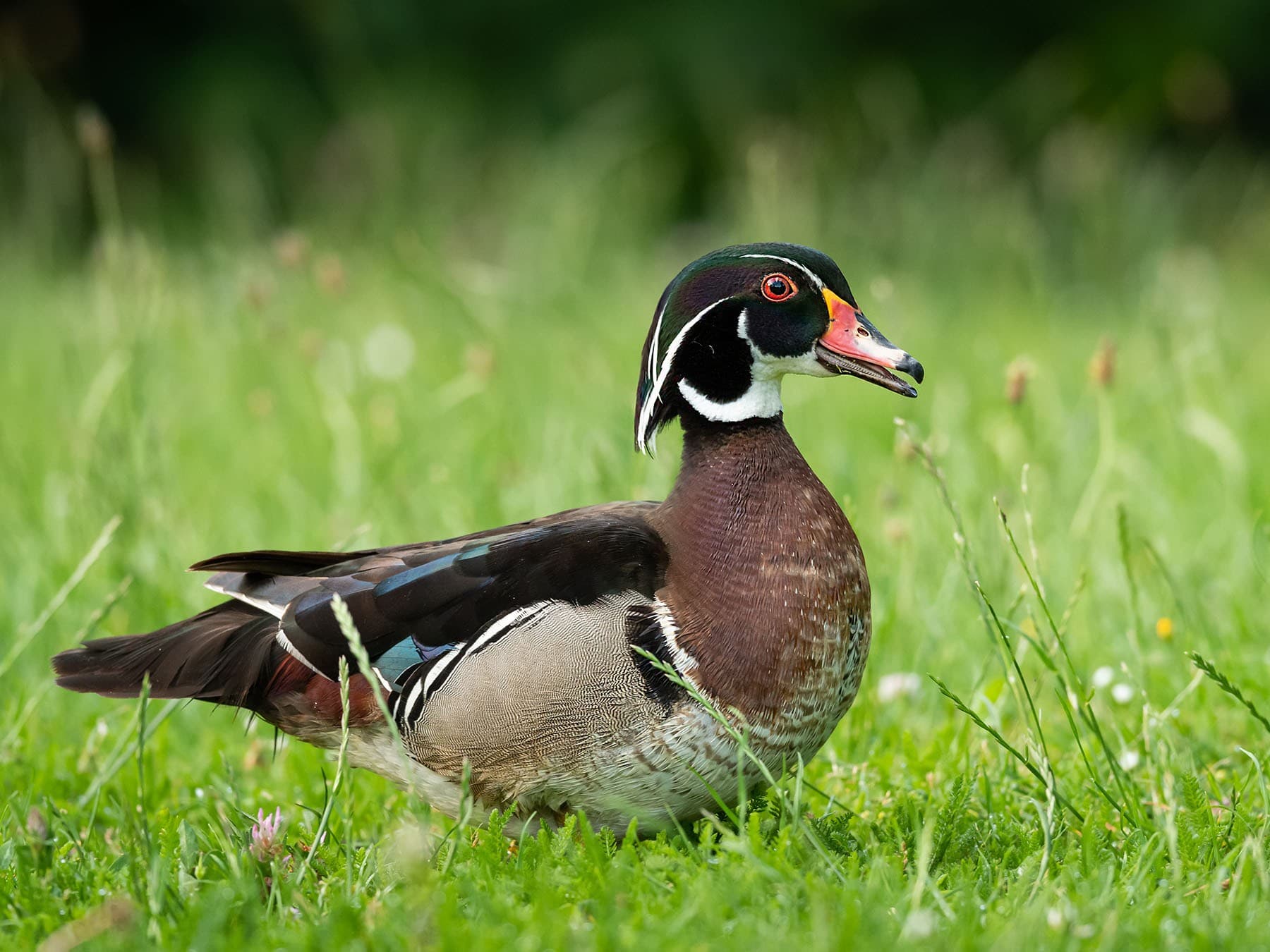
Mandarin Duck

Mandarin Duck

Aix galericulataLC

A rare but established resident, found on wooded lakes and rivers. Suffolk's small population originates from escaped birds now breeding in the wild.

Year-round

J
F
M
A
M
J
J
A
S
O
N
D
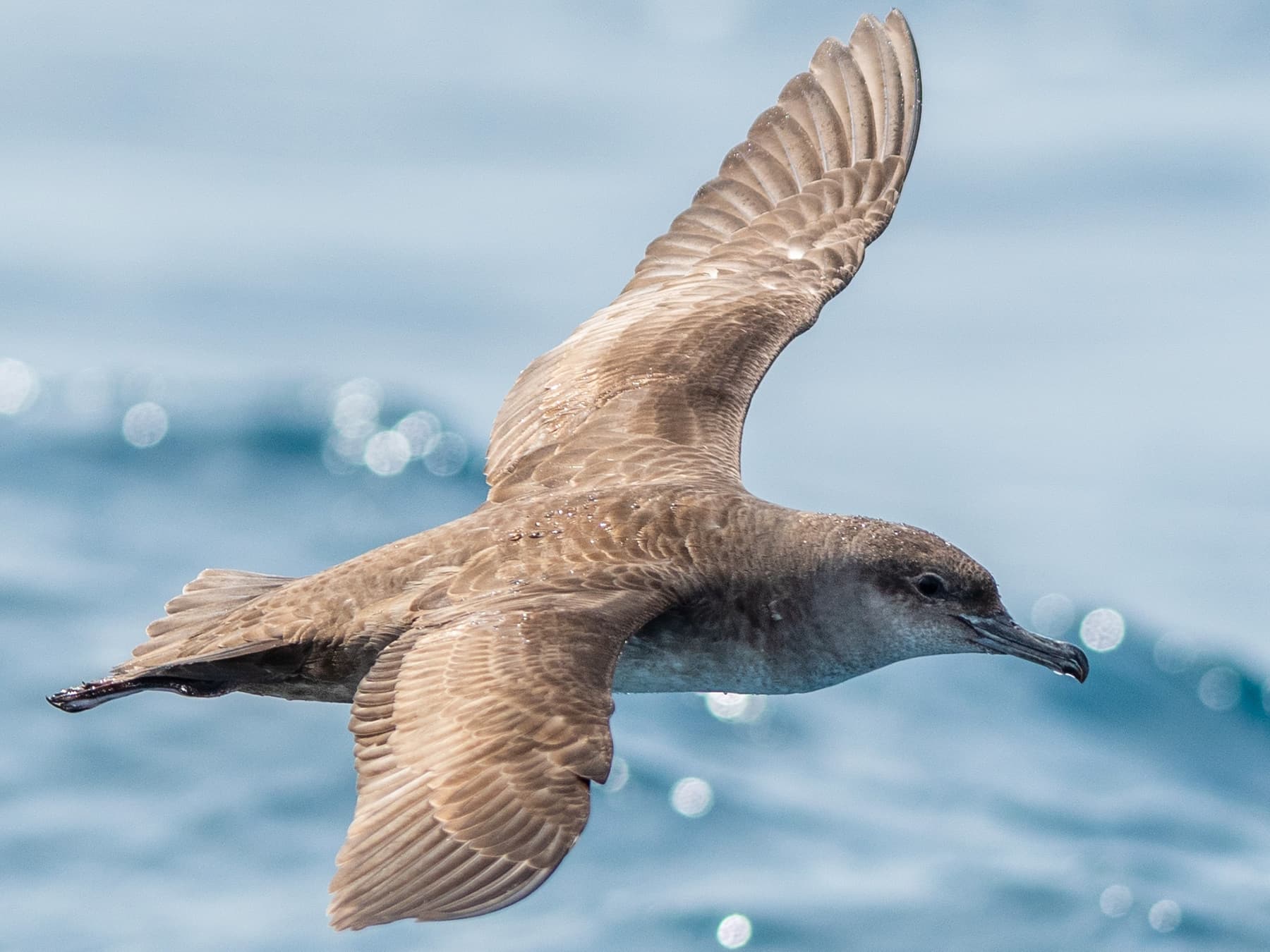
Manx Shearwater

Manx Shearwater

Puffinus puffinusLC

A rare passage visitor, occasionally seen from coastal watchpoints during September seawatching, usually in strong onshore winds.

Sep

J
F
M
A
M
J
J
A
S
O
N
D
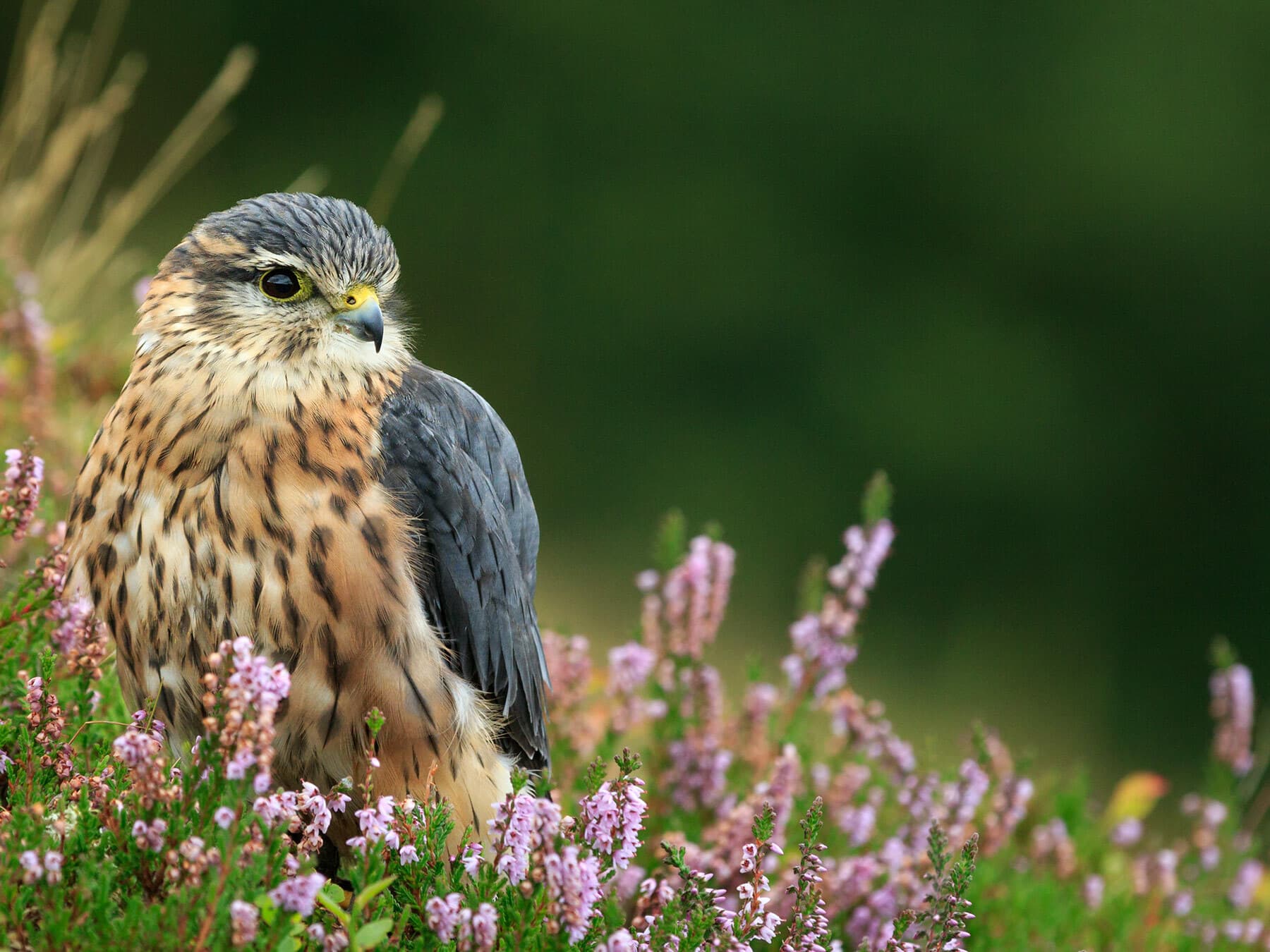
Merlin

Merlin

Falco columbariusLC

A rare autumn and winter visitor, dashing low over coastal marshes and heathland. Most likely seen from September to December.

Sep–Dec

J
F
M
A
M
J
J
A
S
O
N
D
PreviousPage 2 of 4Next

Frequently Asked Questions