Birds in Staffordshire
Explore 197 species found in this region.
Staffordshire supports a rich and varied birdlife, with 193 species recorded across the county's diverse habitats, from the moorland edges of the Peak District in the north to the lowland wetlands and river valleys further south. Notable species include the elegant Northern Lapwing on farmland, the striking Mandarin Duck along wooded waterways, and scarce winter visitors such as the Great Grey Shrike. With reservoirs like Blithfield and Chasewater providing important refuges for wildfowl and waders, the county offers rewarding birdwatching opportunities throughout the year.
Visiting in September? Look out for Arctic Tern and Cattle Egret arriving this month, and Bar-headed Goose and Eurasian Oystercatcher depart for the season.


Showing 70–92 of 197 species
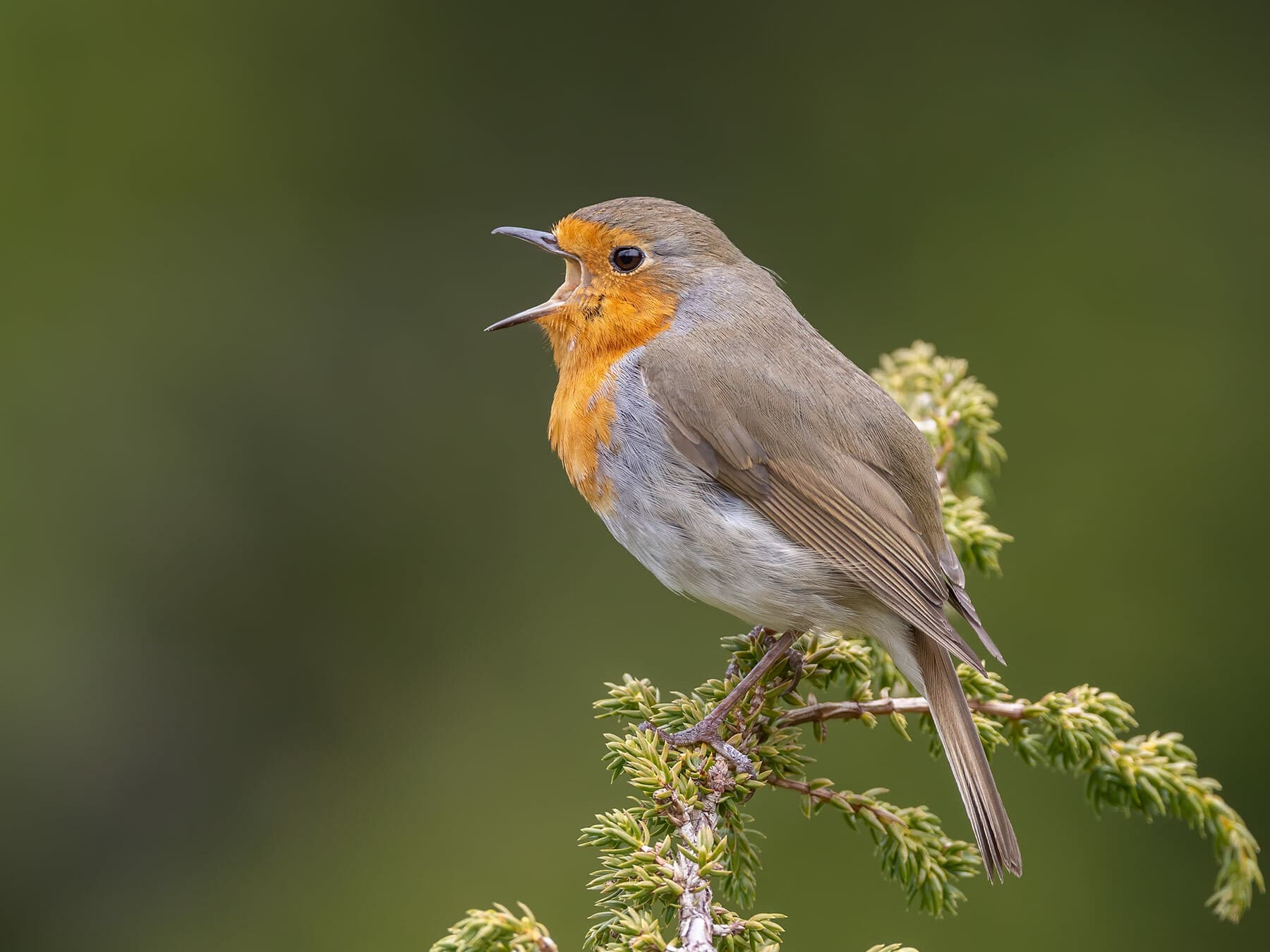
European Robin
Erithacus rubeculaLC
A beloved year-round resident, one of the most familiar birds in Staffordshire's gardens, parks and woodland understorey.
Year-round
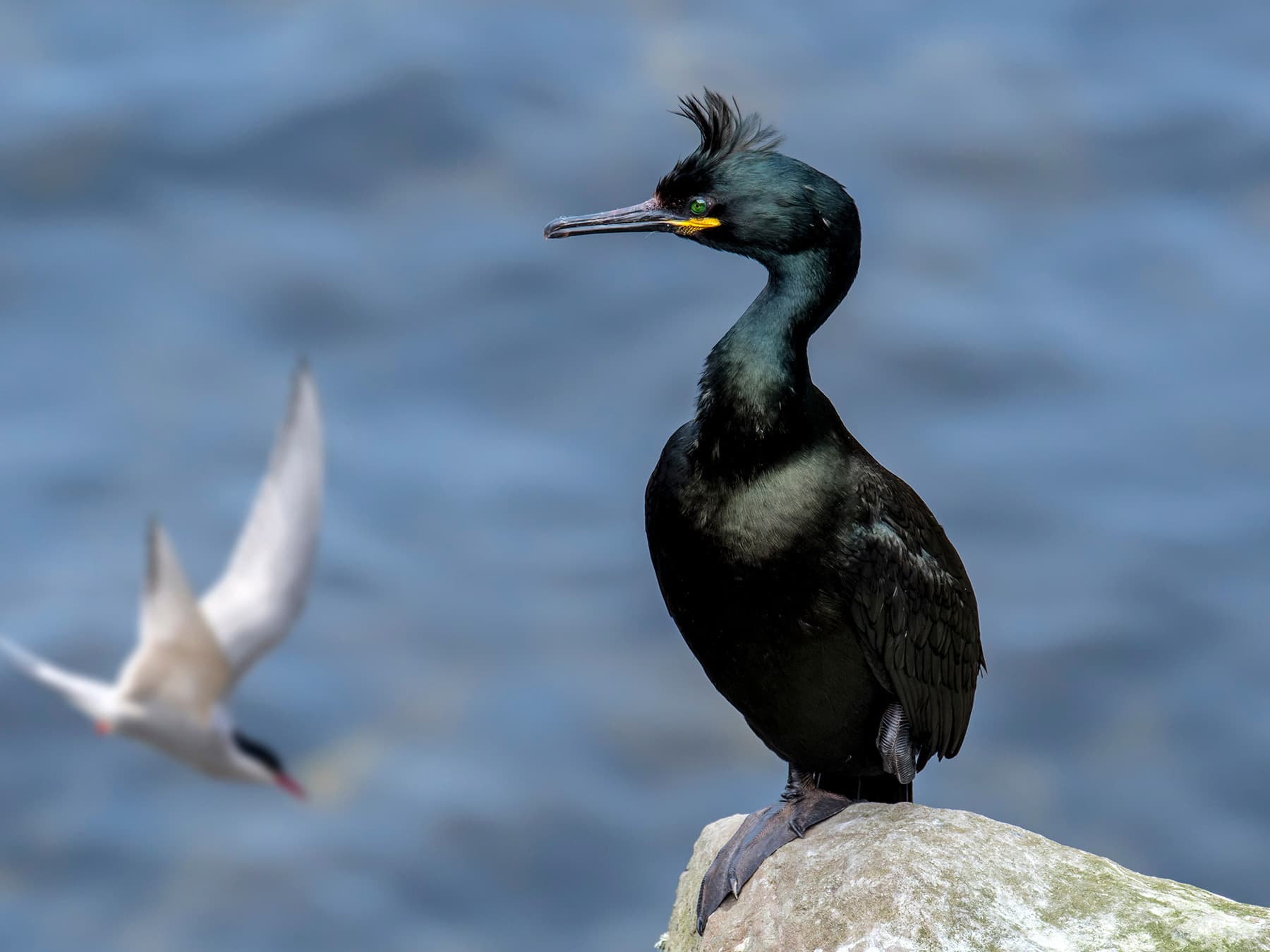
European Shag
Phalacrocorax aristotelisLC
A rare inland wanderer, with December records likely involving storm-driven birds. Primarily a coastal species, very unusual in Staffordshire.
Dec
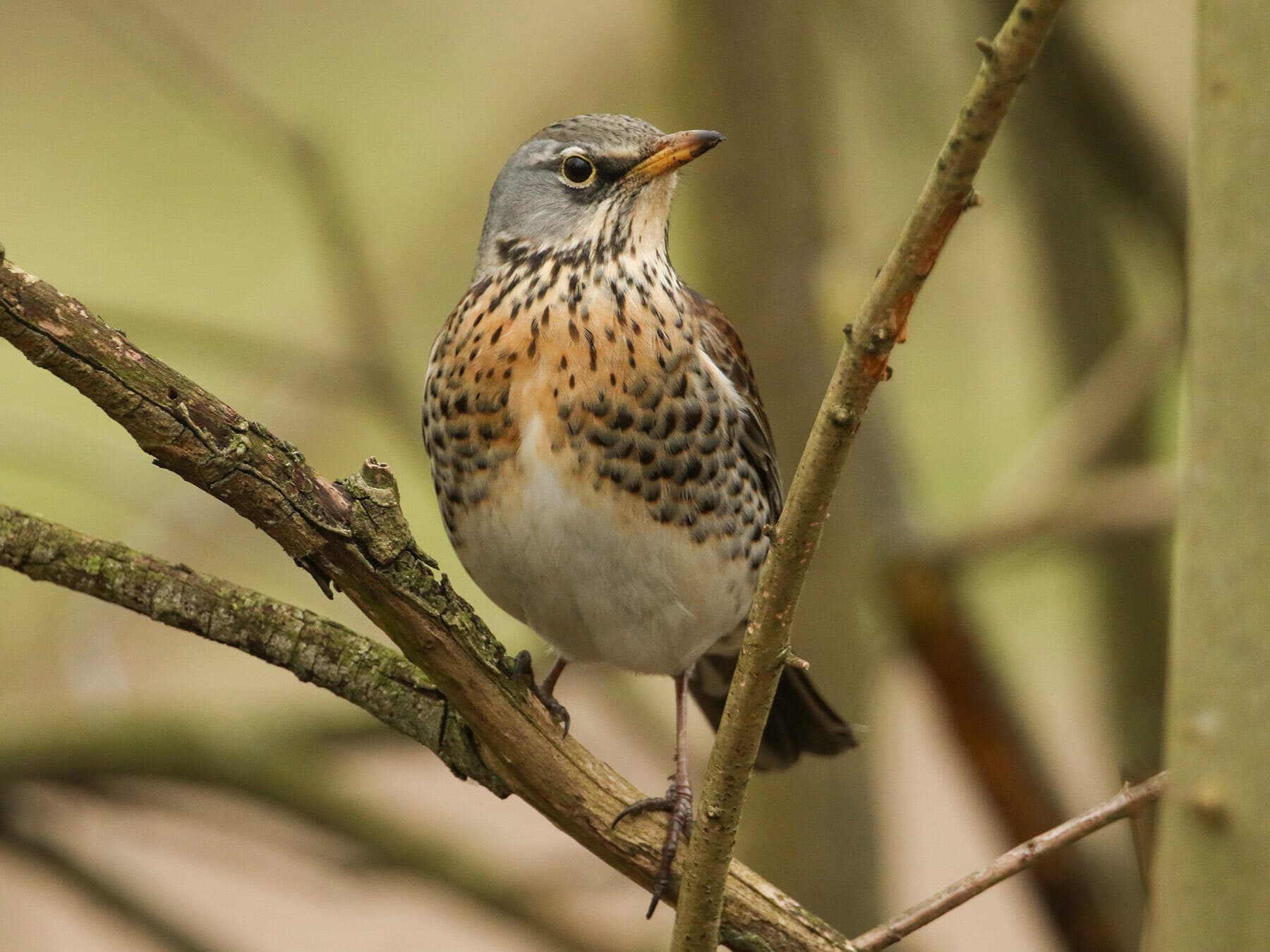
Fieldfare
Turdus pilarisLC
An uncommon winter visitor from Scandinavia, feeding in flocks on berried hedgerows and open fields from October to April.
Oct–Apr
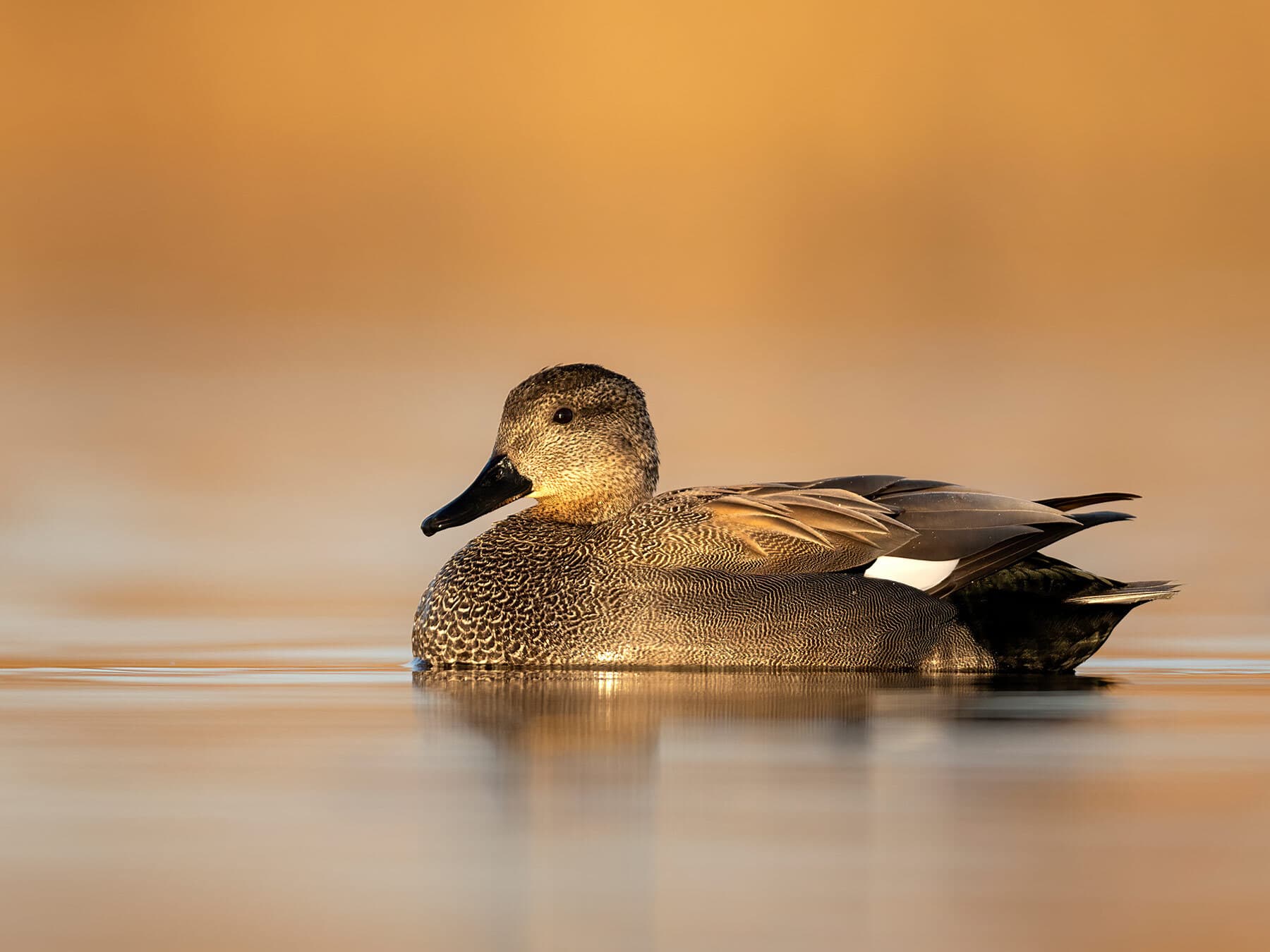
Gadwall
Mareca streperaLC
A common year-round duck on reservoirs, gravel pits and larger pools. Often overlooked among Mallards but steadily increasing in the county.
Year-round
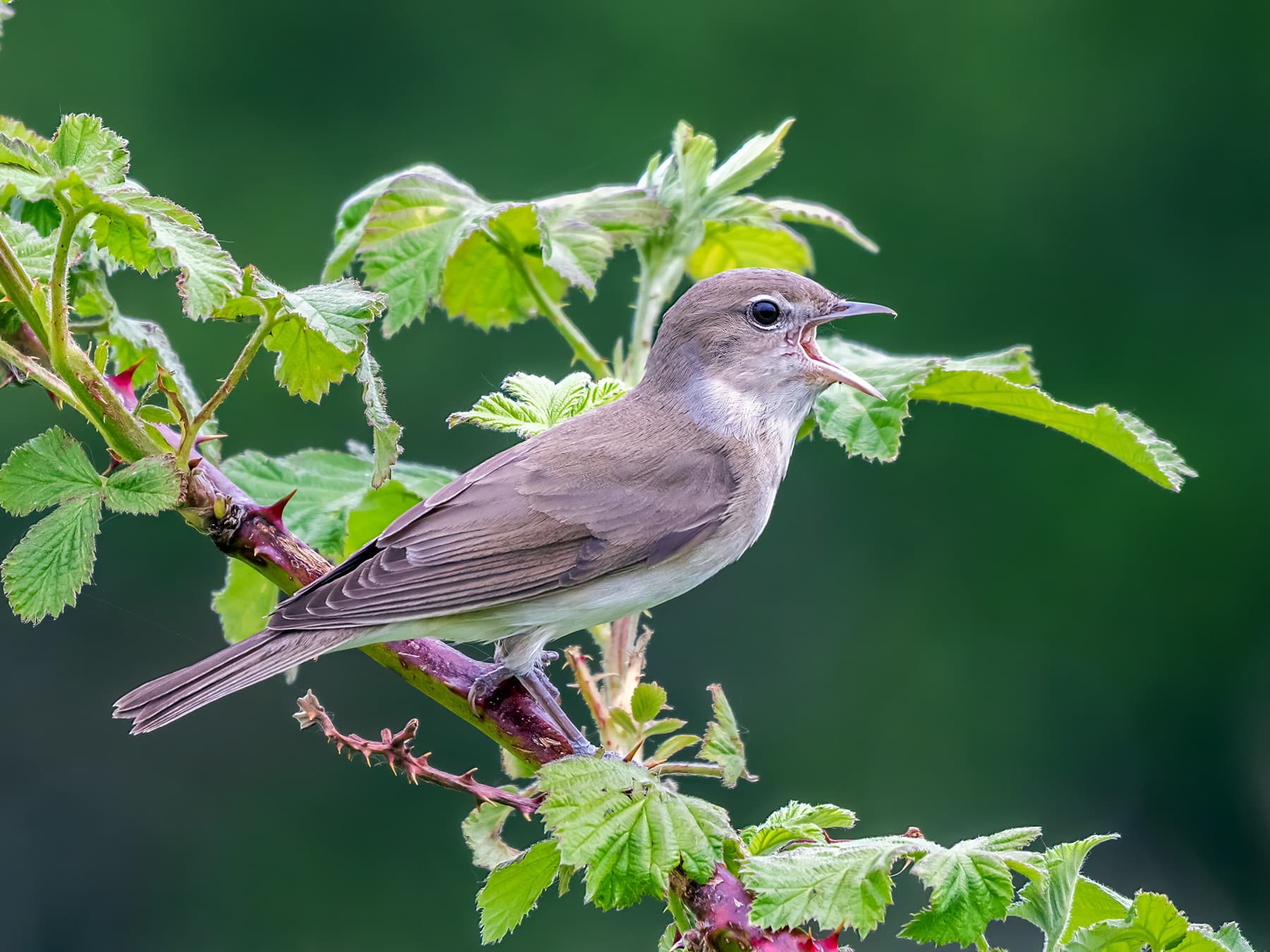
Garden Warbler
Sylvia borinLC
An unobtrusive summer breeder in dense woodland understorey and thick hedgerows. Present from April to August, best located by song.
Apr–Aug
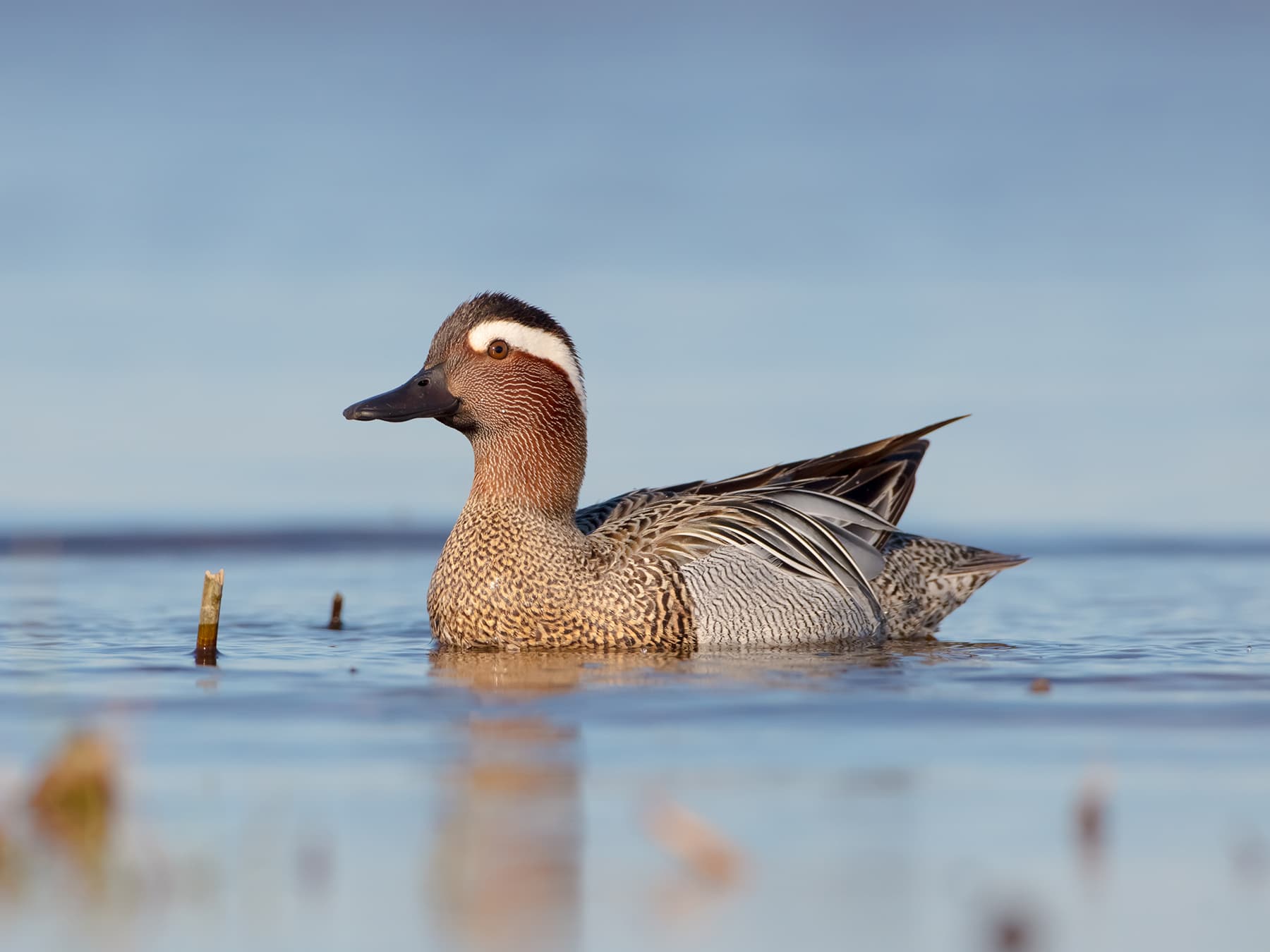
Garganey
Spatula querquedulaLC
A rare breeding visitor arriving in April, favouring shallow wetlands and flooded gravel pits. This elegant small duck is one of the county's scarcest breeding wildfowl.
Apr–Oct
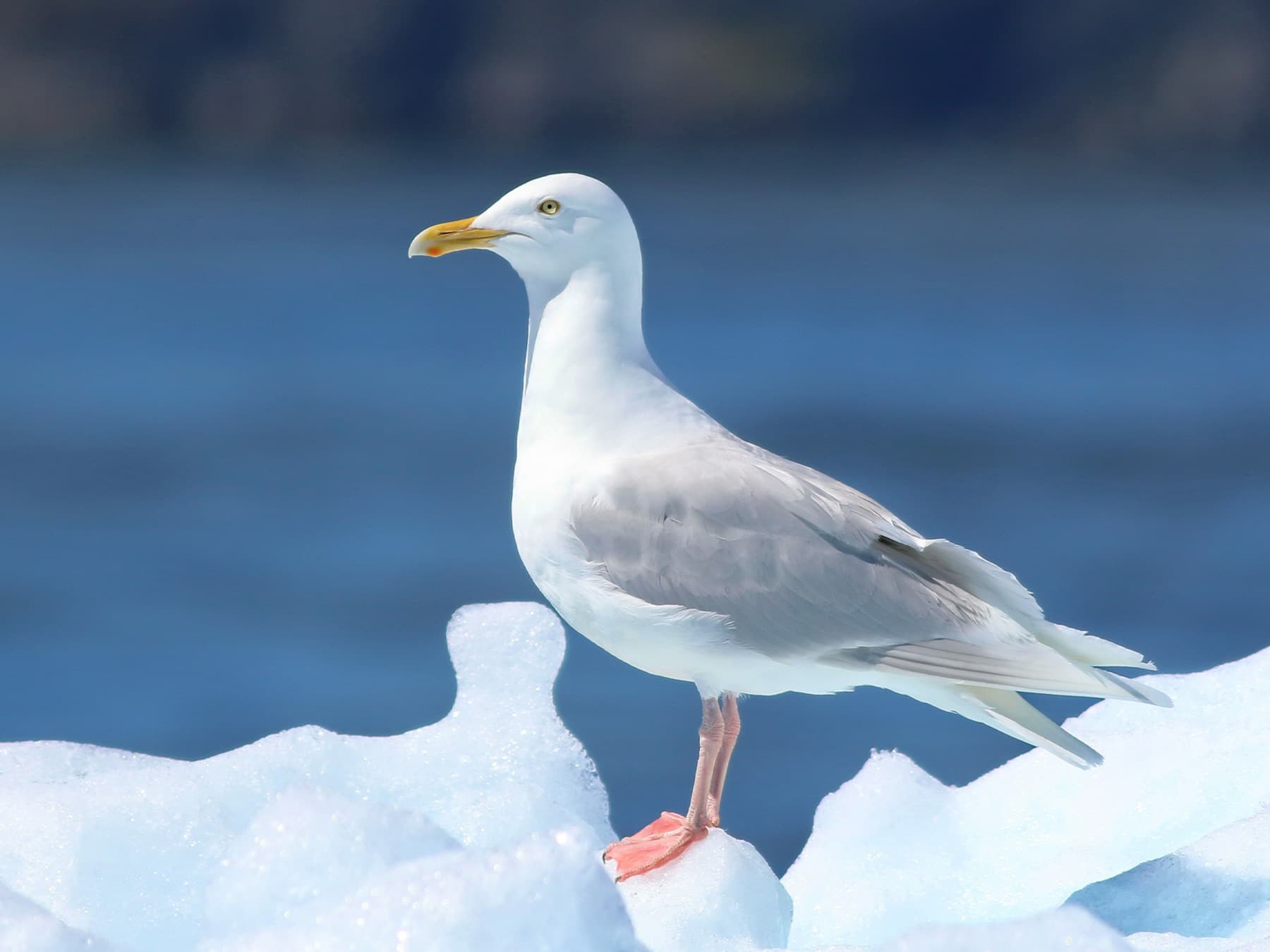
Glaucous Gull
Larus hyperboreusLC
A rare Arctic visitor occasionally turning up at reservoirs in midwinter. January and February offer the best chance of a sighting.
Jan–Feb
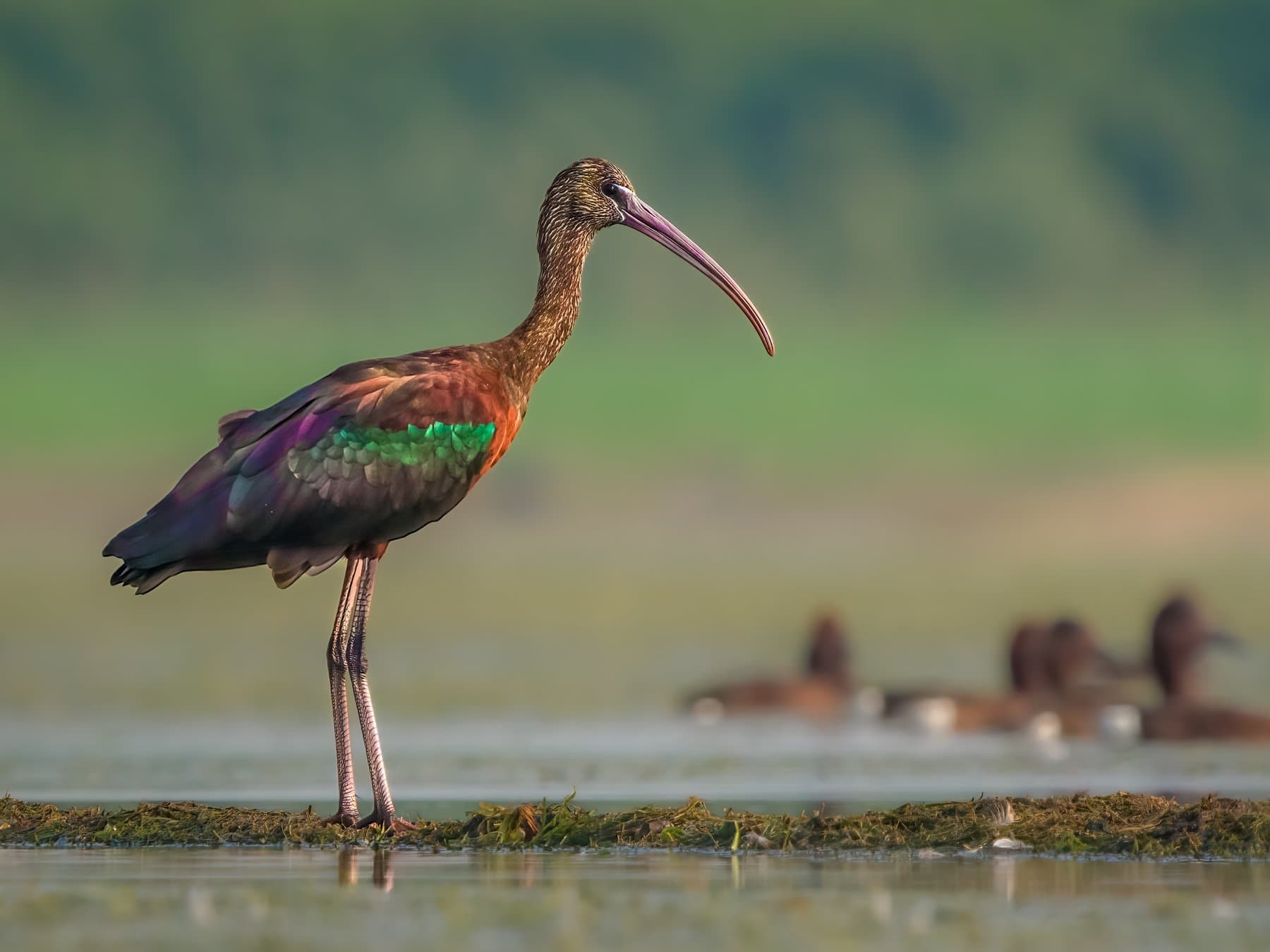
Glossy Ibis
Plegadis falcinellusLC
An exceptionally rare autumn vagrant, recorded in September. Any sighting in Staffordshire is a notable county event, reflecting the species' recent northward spread.
Sep
Spotted something?
Upload a photo to identify it
Identify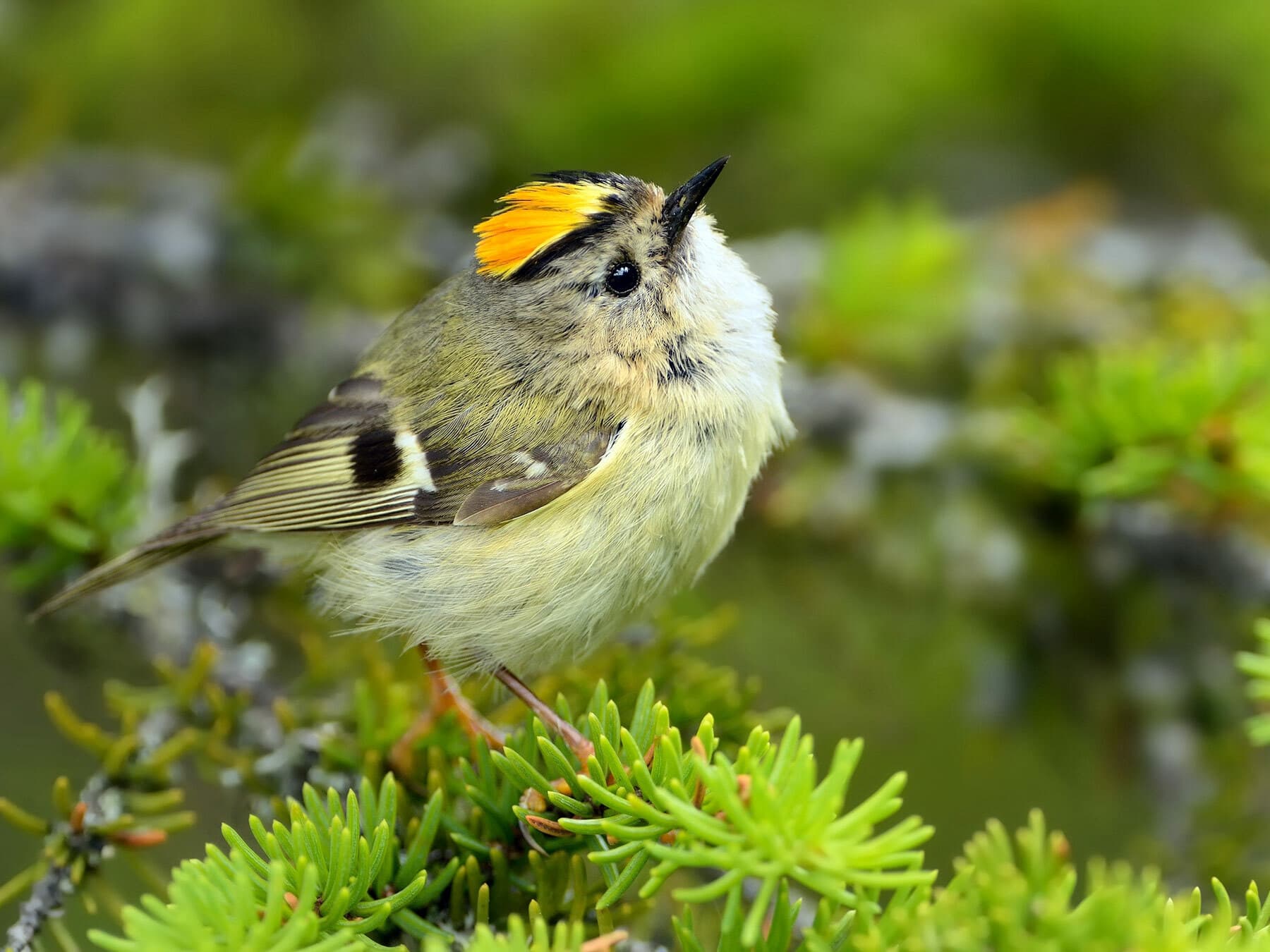
Goldcrest
Regulus regulusLC
A tiny but common resident of coniferous and mixed woodland, its high-pitched call heard year-round across Staffordshire's forests.
Year-round
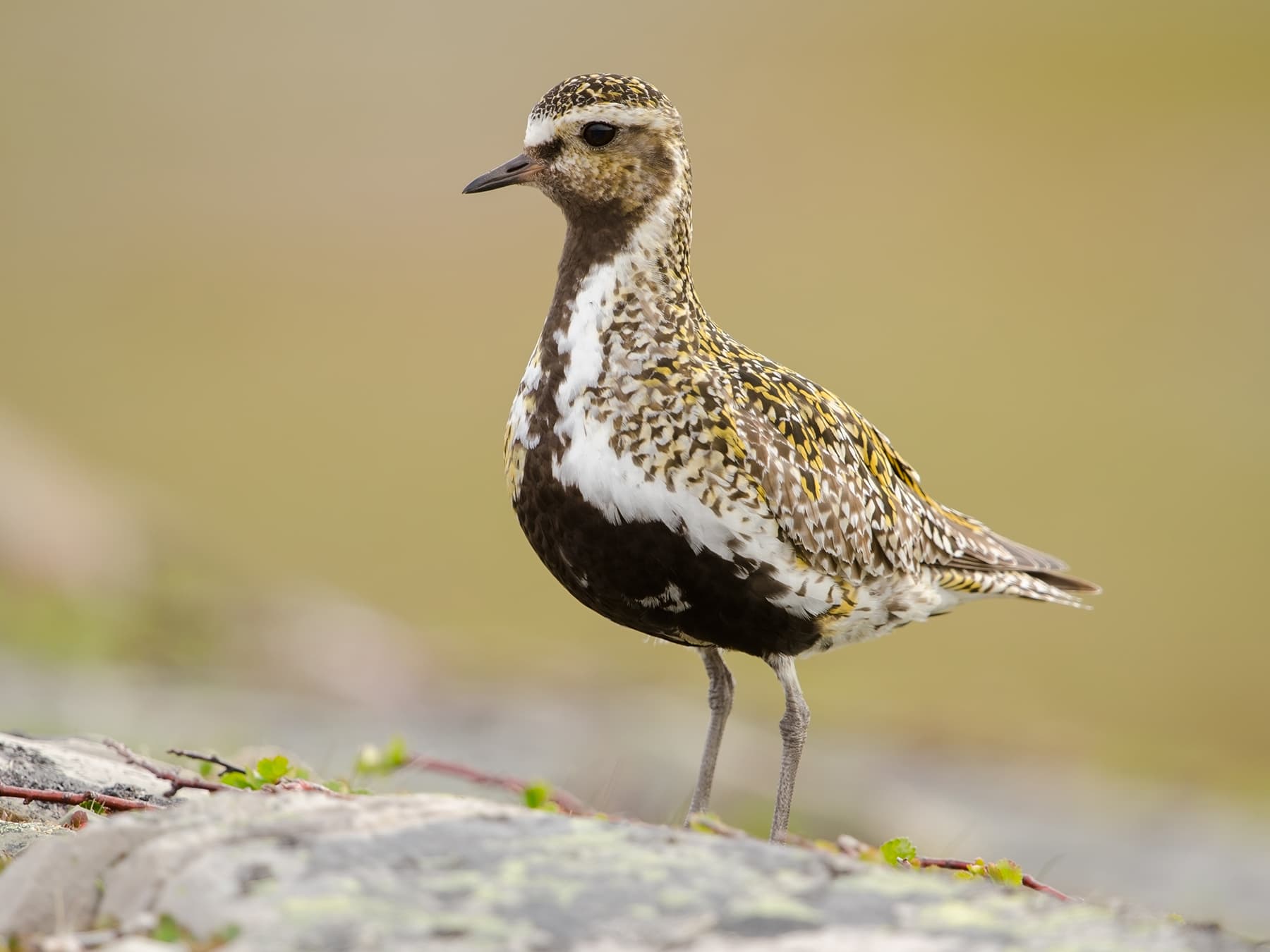
Golden Plover
Pluvialis apricariaLC
A rare non-breeding visitor to farmland and moorland edges from autumn to spring. Flocks sometimes gather on ploughed fields in cold weather.
Sep–Apr
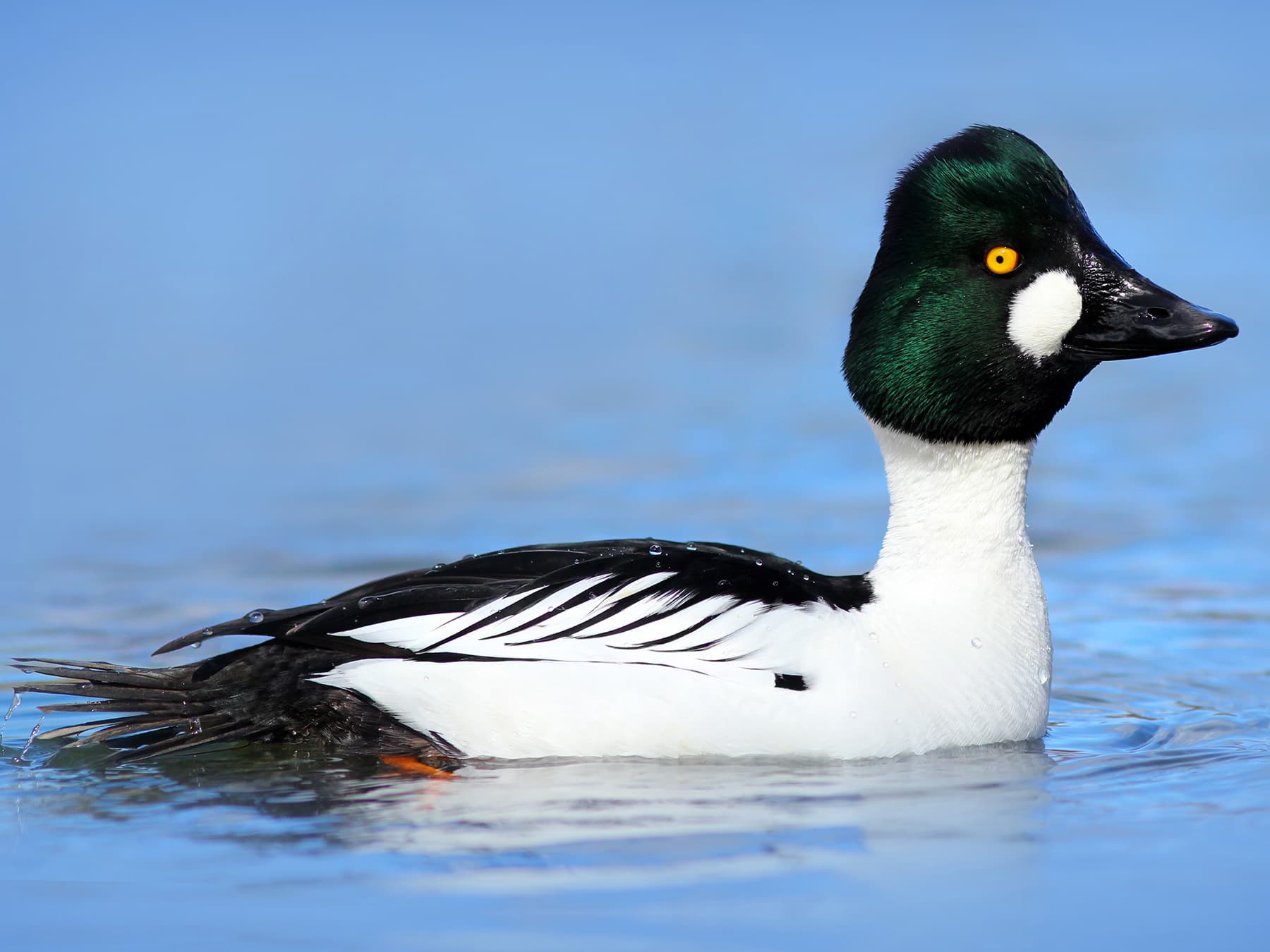
Goldeneye
Bucephala clangulaLC
An uncommon non-breeding visitor to larger reservoirs and gravel pits from autumn to spring. Numbers peak in midwinter.
Aug–Apr
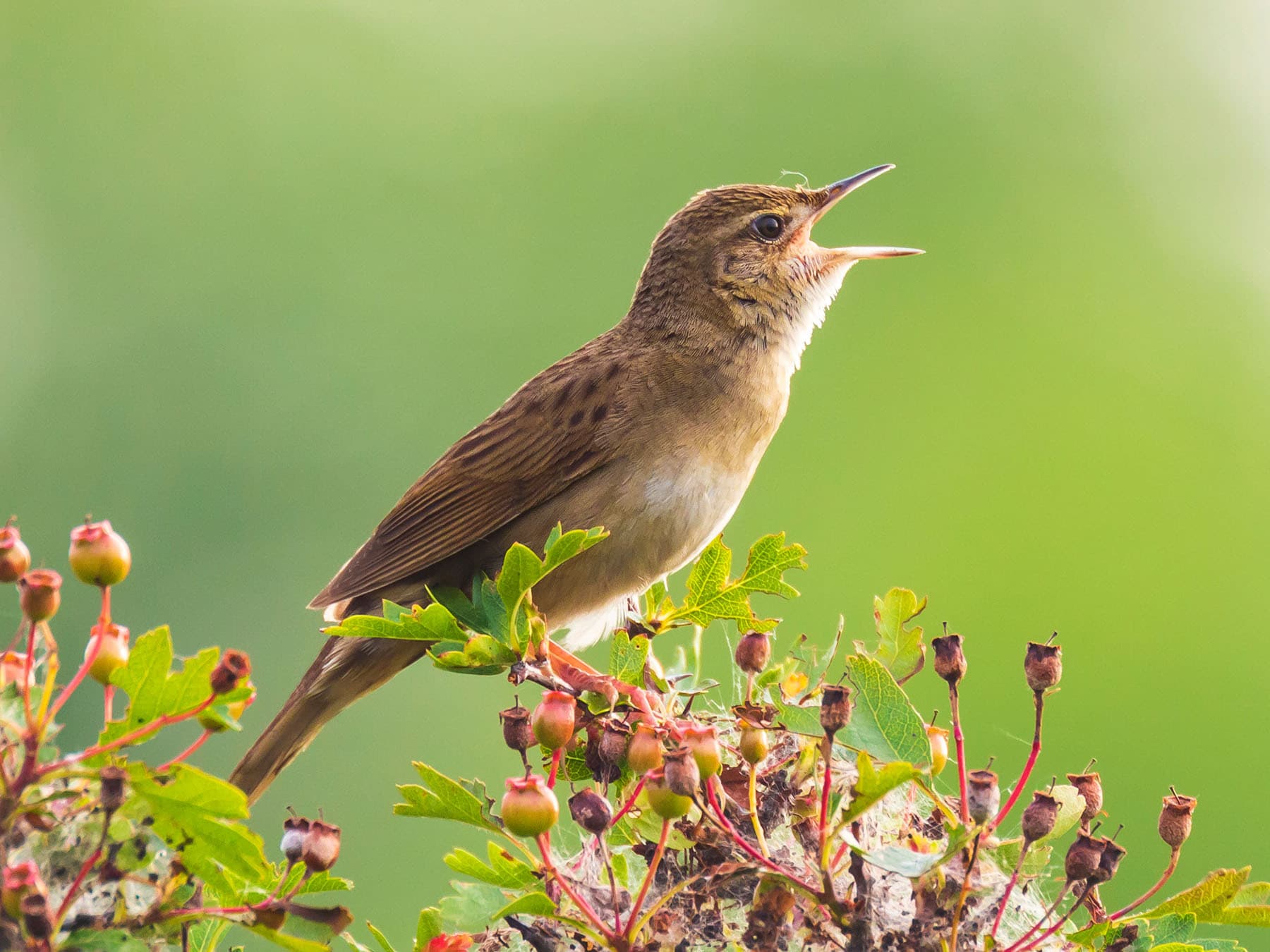
Grasshopper Warbler
Locustella naeviaLC
An uncommon breeding visitor from April to August, favouring rough grassland and young plantations. Best detected by its distinctive reeling song.
Apr–Aug
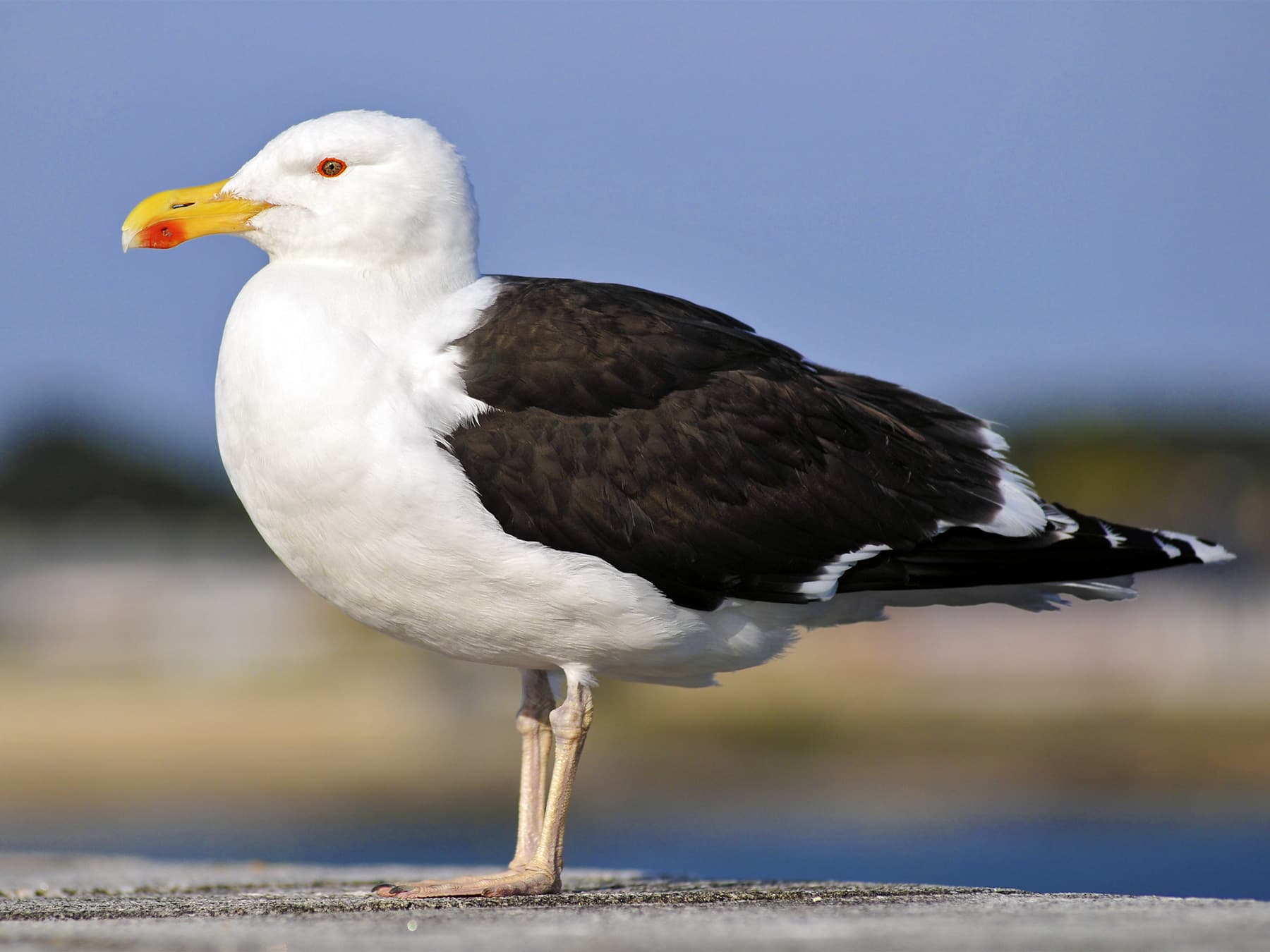
Great Black-backed Gull
Larus marinusLC
A rare but year-round resident, most often seen at large reservoirs and tips. Dwarfs other gulls with its imposing size and heavy bill.
Jun–Apr
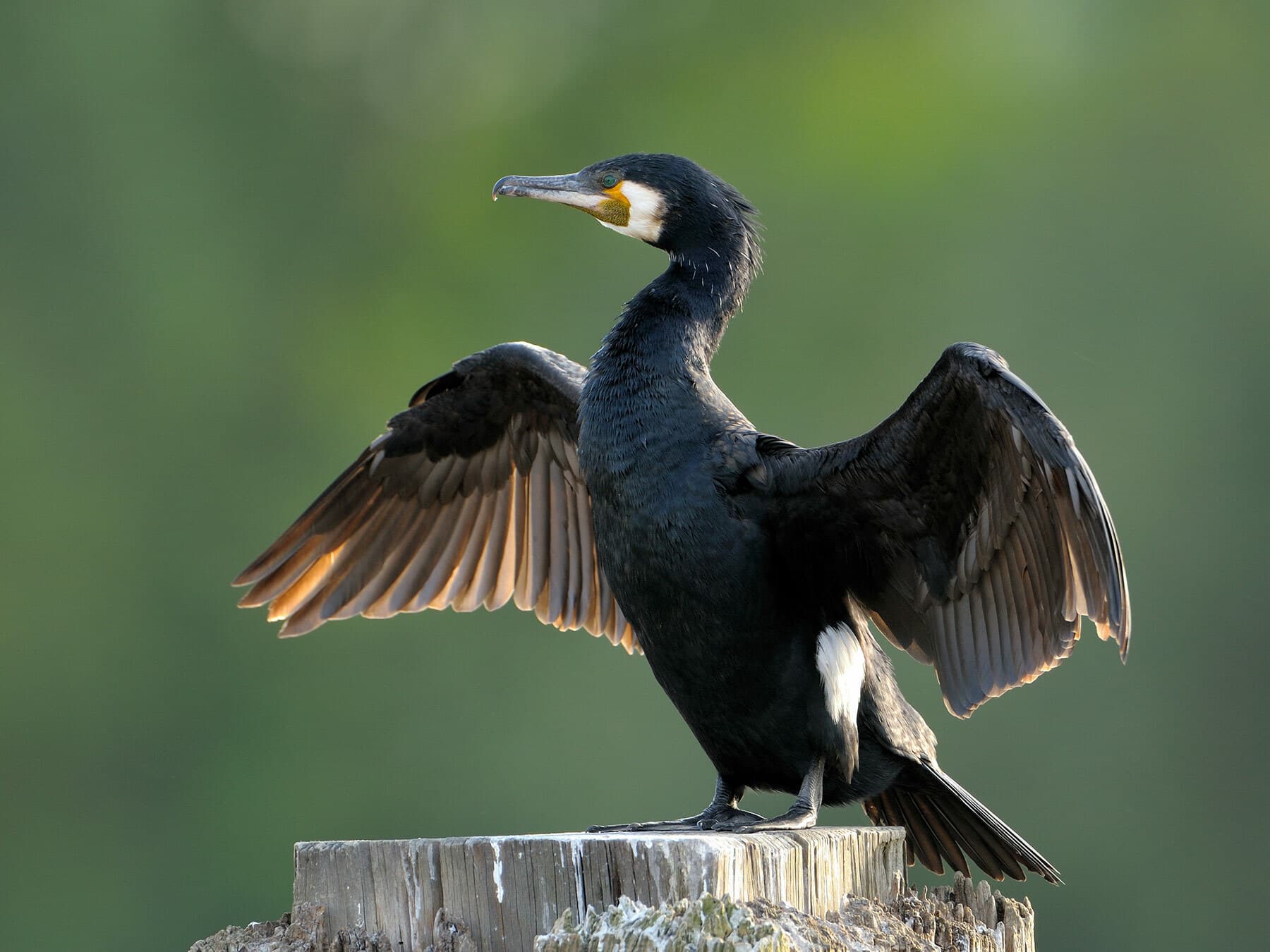
Great Cormorant
Phalacrocorax carboLC
A common resident found year-round on rivers, reservoirs, and larger pools. Often seen perched with wings outstretched to dry.
Year-round
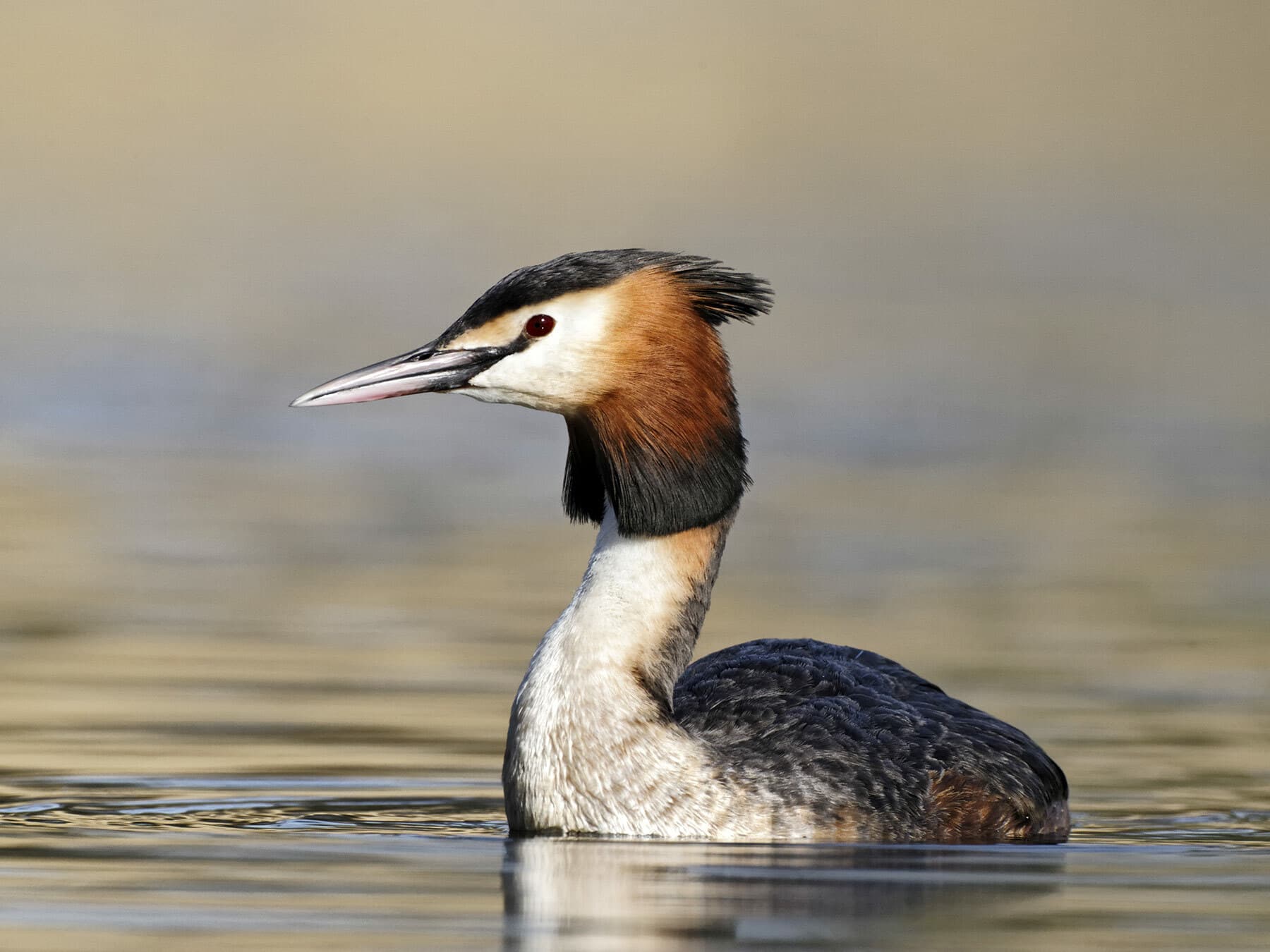
Great Crested Grebe
Podiceps cristatusLC
A common resident on larger lakes and reservoirs throughout the county. Its elaborate head-shaking courtship display is a highlight of early spring.
Year-round
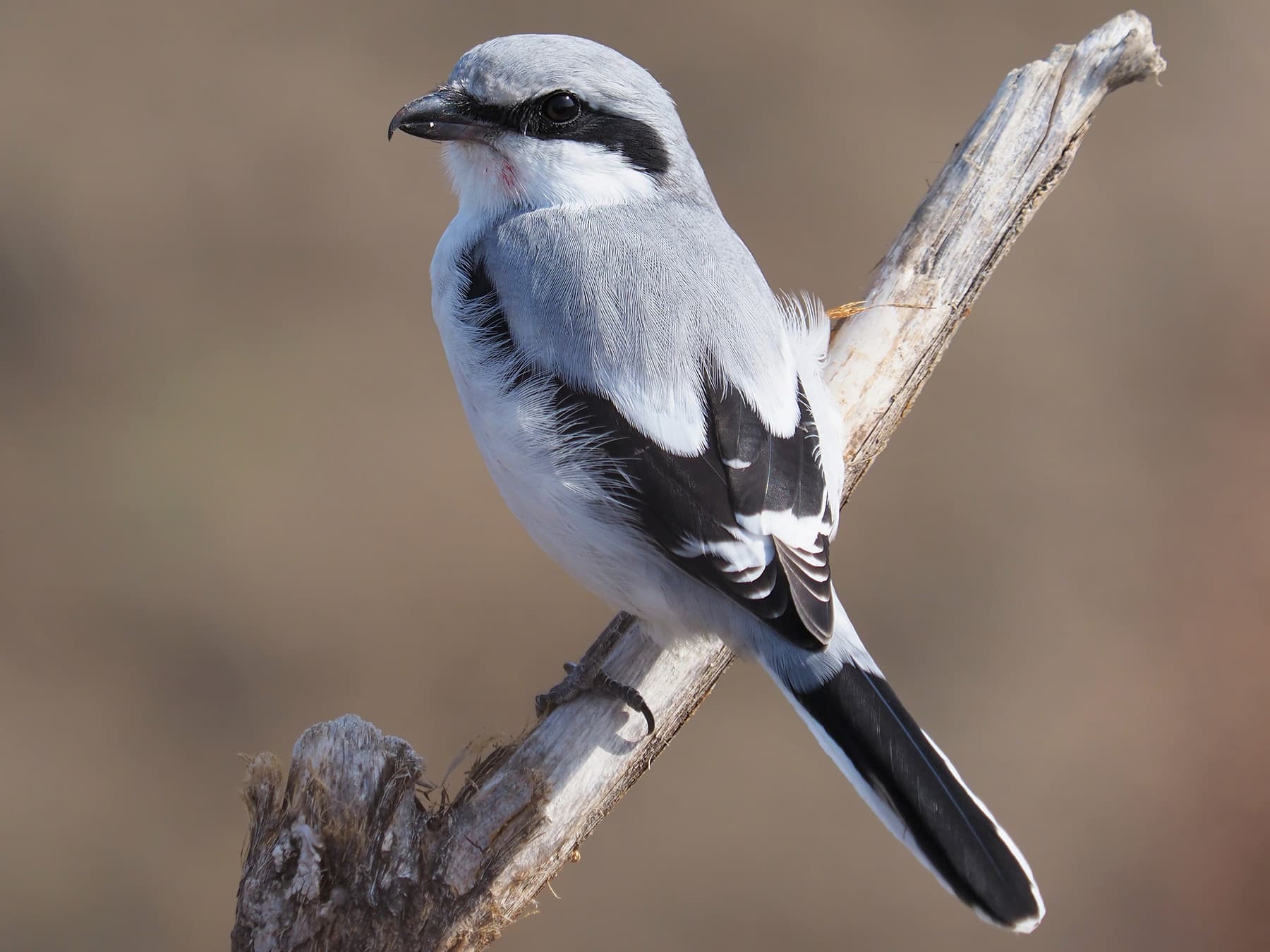
Great Grey Shrike
Lanius excubitorLC
A rare winter visitor to Staffordshire's heathlands and moorland edges, sometimes lingering on prominent perches at Cannock Chase.
Nov–Mar
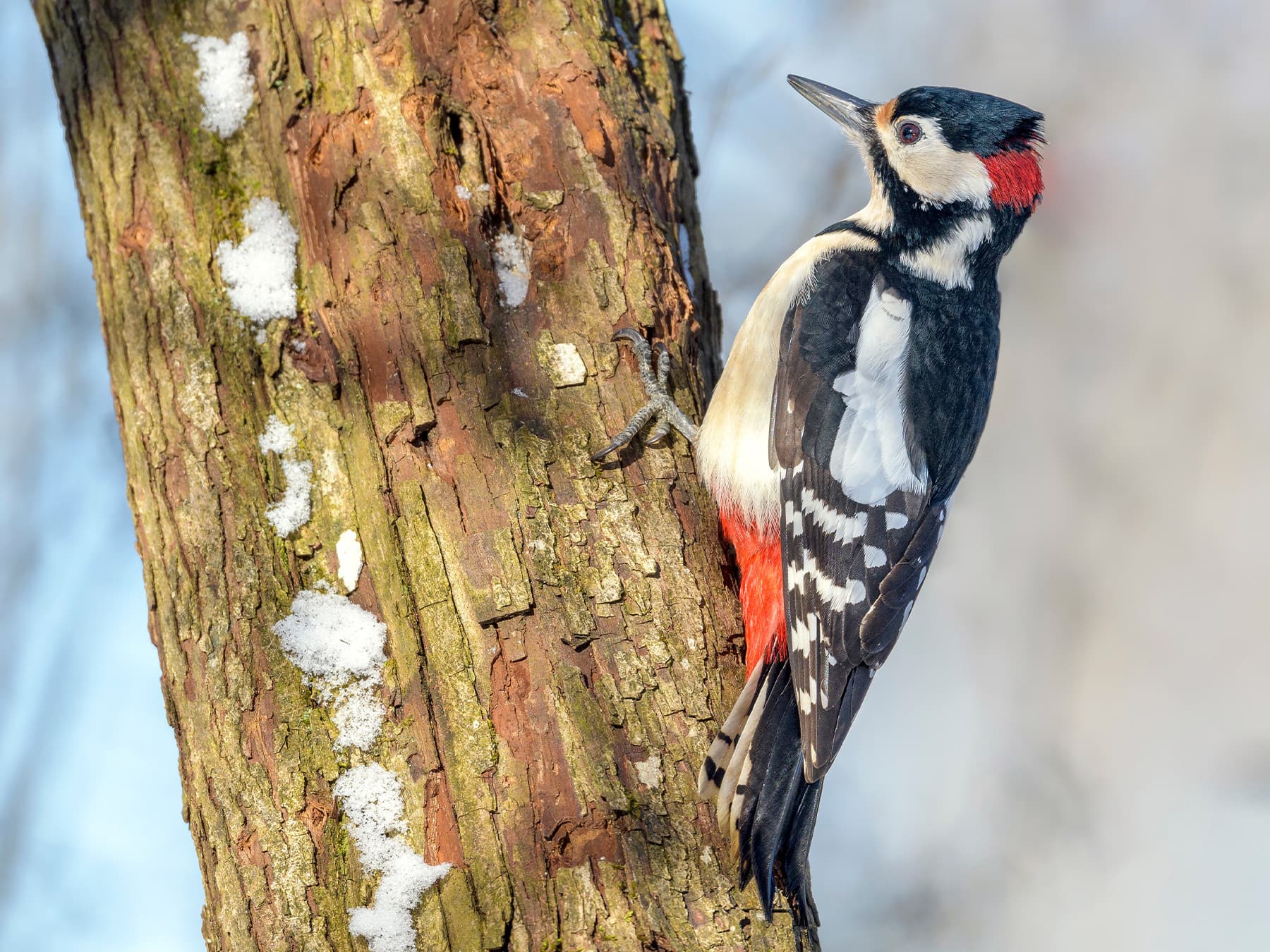
Great Spotted Woodpecker
Dendrocopos majorLC
A common resident of mature woodland and gardens, heard drumming on trees from late winter. Readily visits peanut feeders.
Year-round
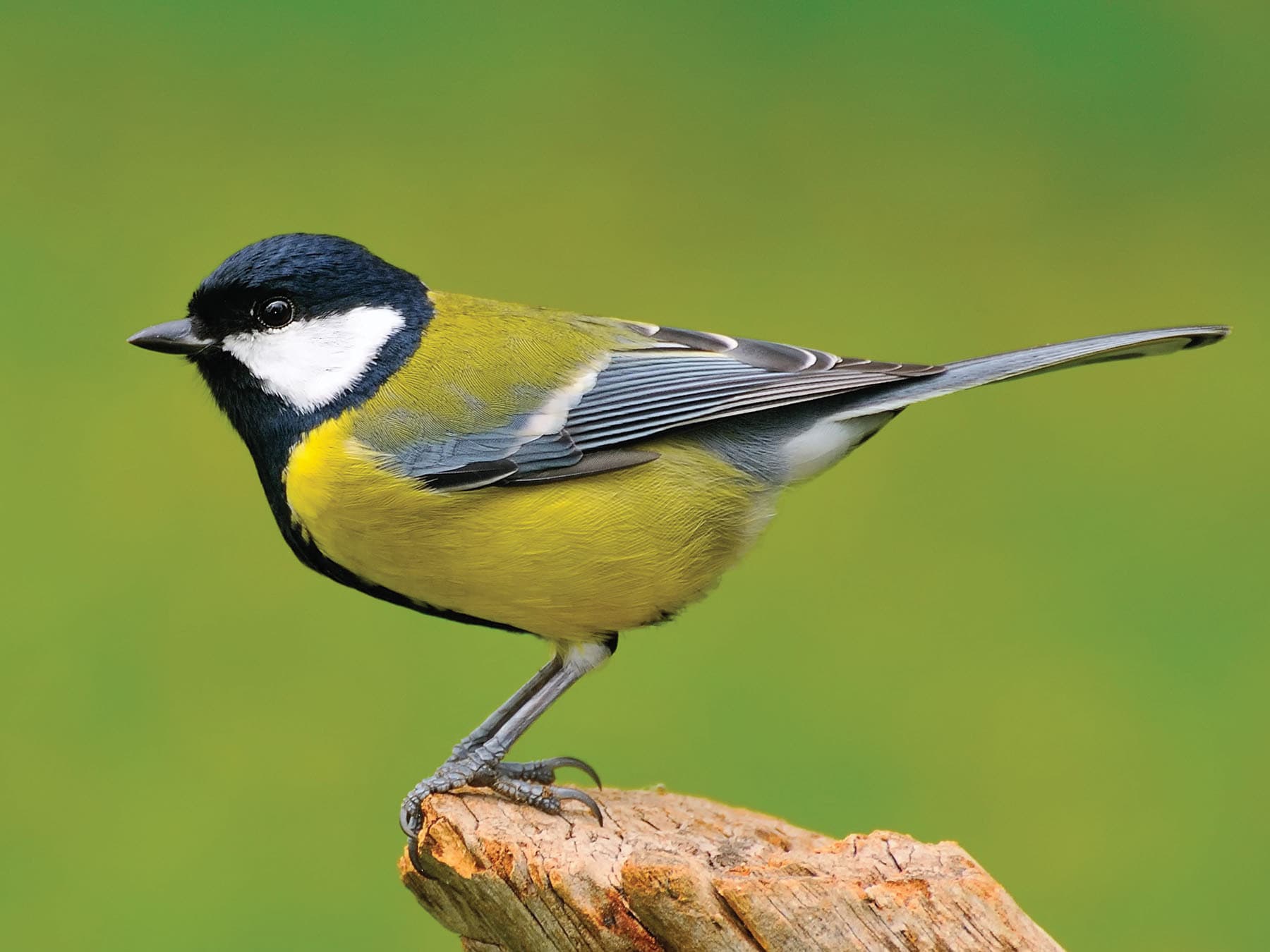
Great Tit
Parus majorLC
A common and bold garden visitor year-round, equally at home in woodland, parks, and hedgerows. Its two-note song is a familiar spring sound.
Year-round
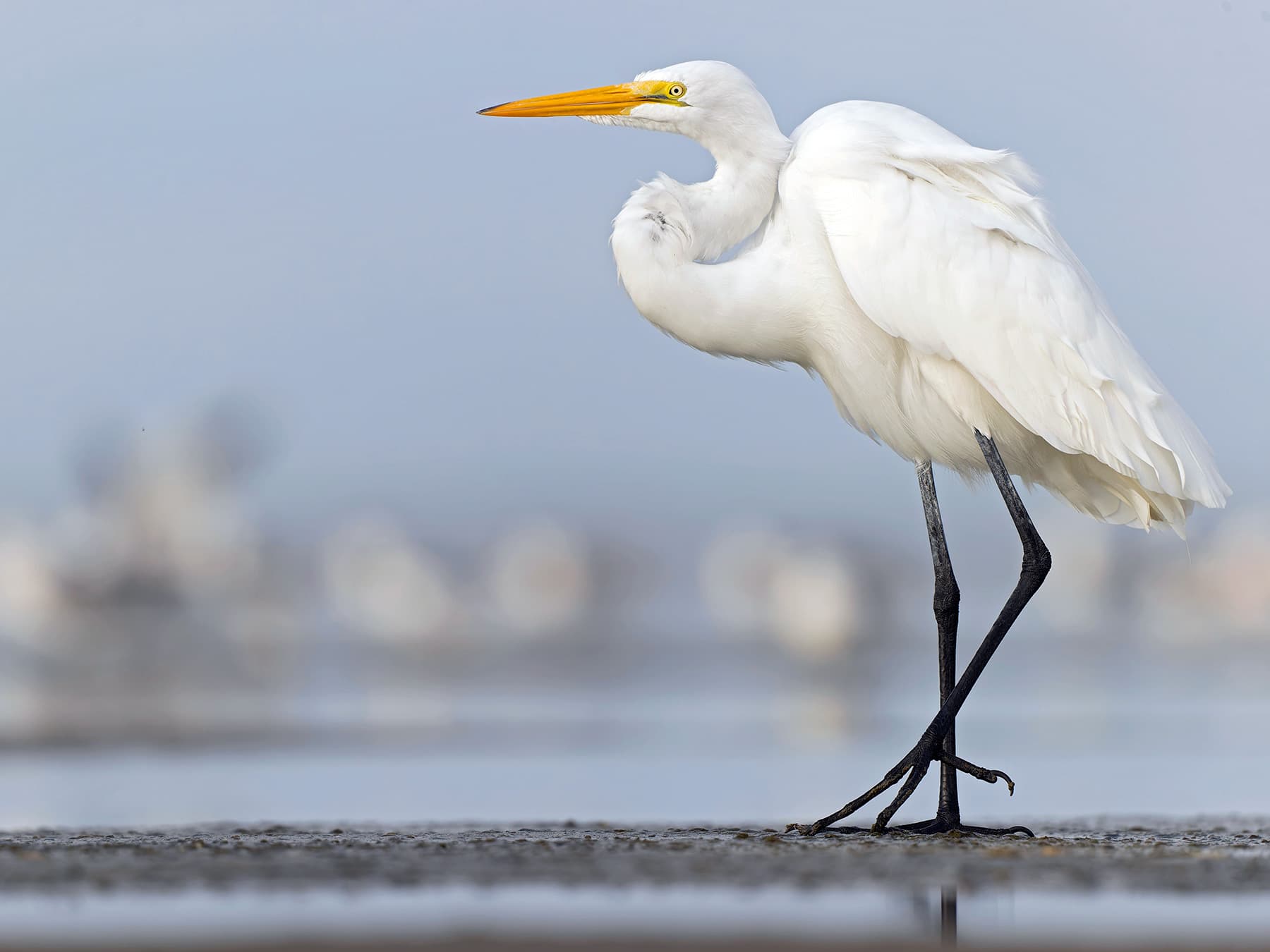
Great White Egret
Ardea albaLC
Now present year-round following a dramatic national increase. Favours larger wetlands and reservoirs, standing tall among Grey Herons.
Year-round
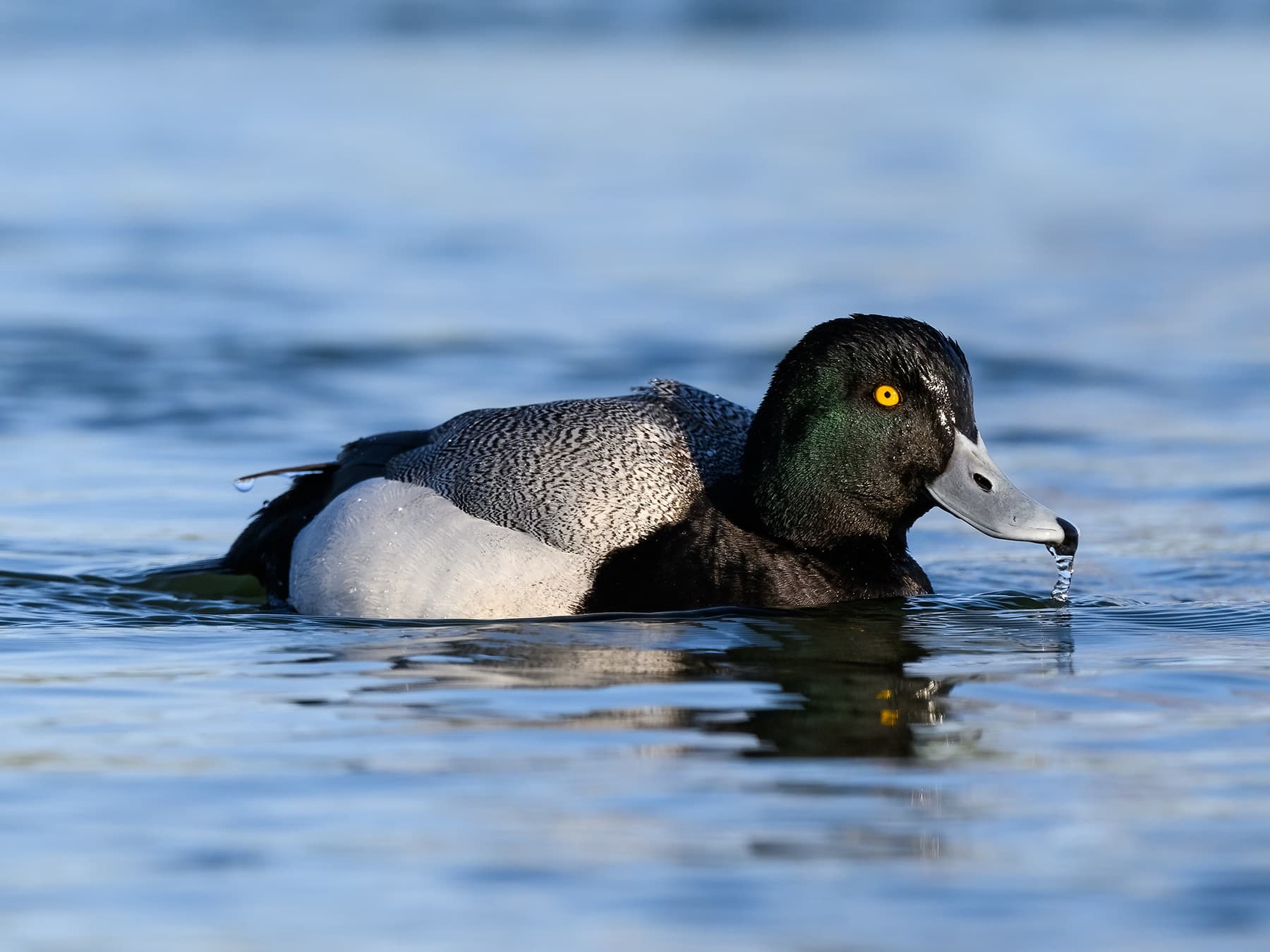
Greater Scaup
Aythya marilaLC
A rare winter visitor to larger reservoirs, typically seen from October to April. Usually found singly or in very small numbers among flocks of Tufted Duck.
Oct–Apr
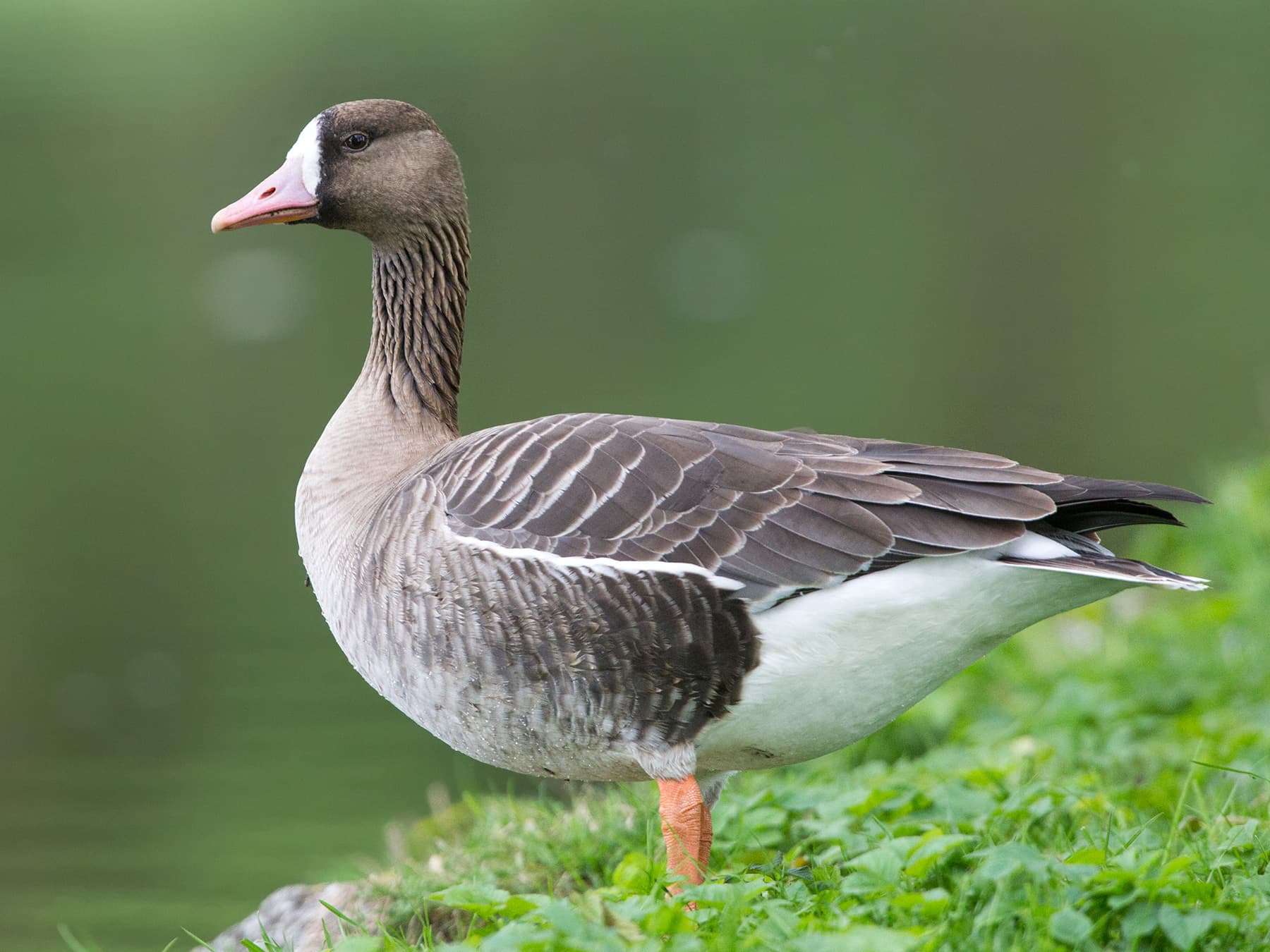
Greater White-fronted Goose
Anser albifronsLC
A rare winter visitor occasionally recorded in January and February, sometimes joining flocks of other geese on flooded fields and reservoirs.
Jan–Feb
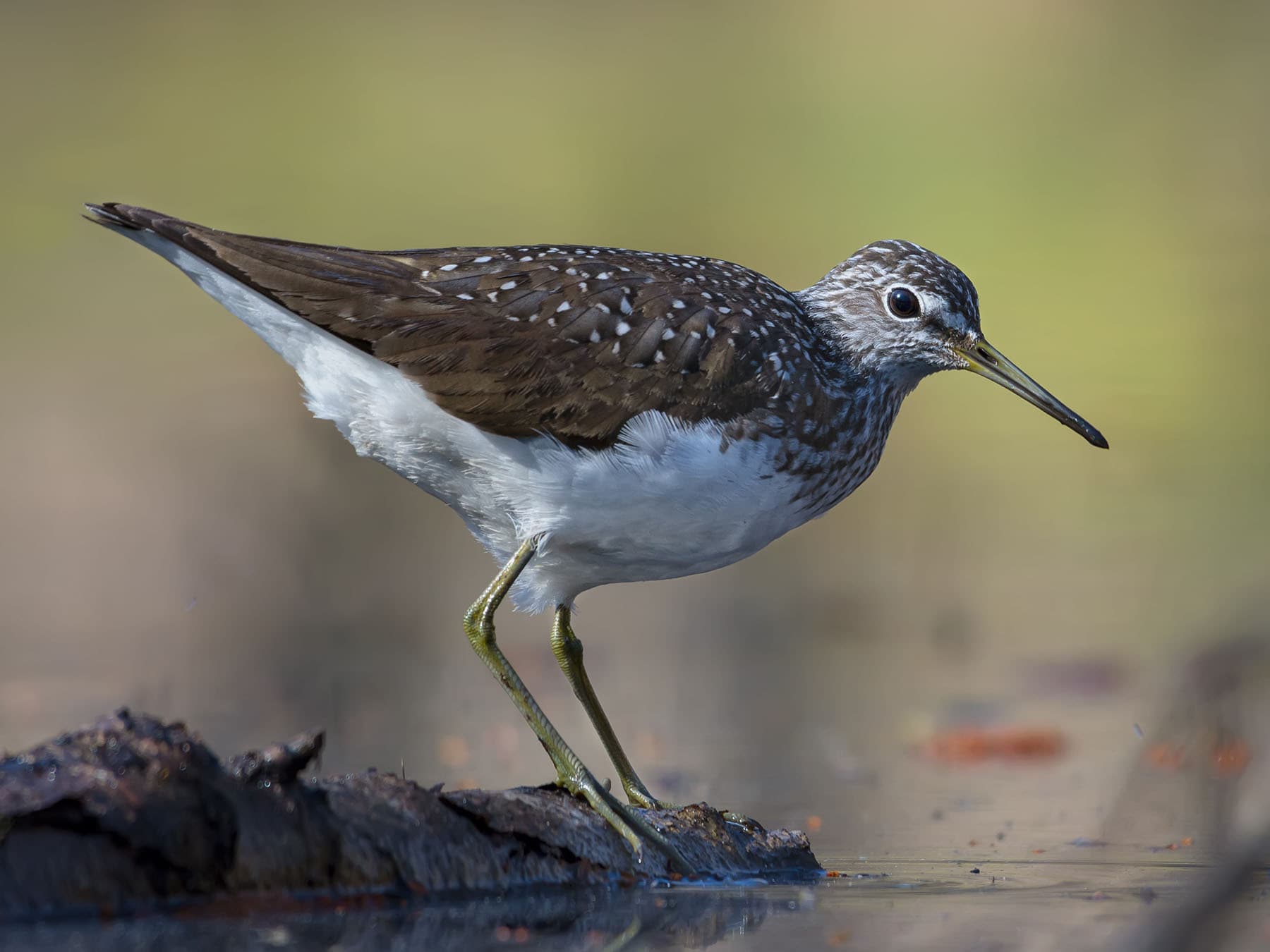
Green Sandpiper
Tringa ochropusLC
An uncommon visitor to muddy reservoir margins and sewage works, present from spring through autumn. Breeding is exceptional in the county.
Mar–Nov
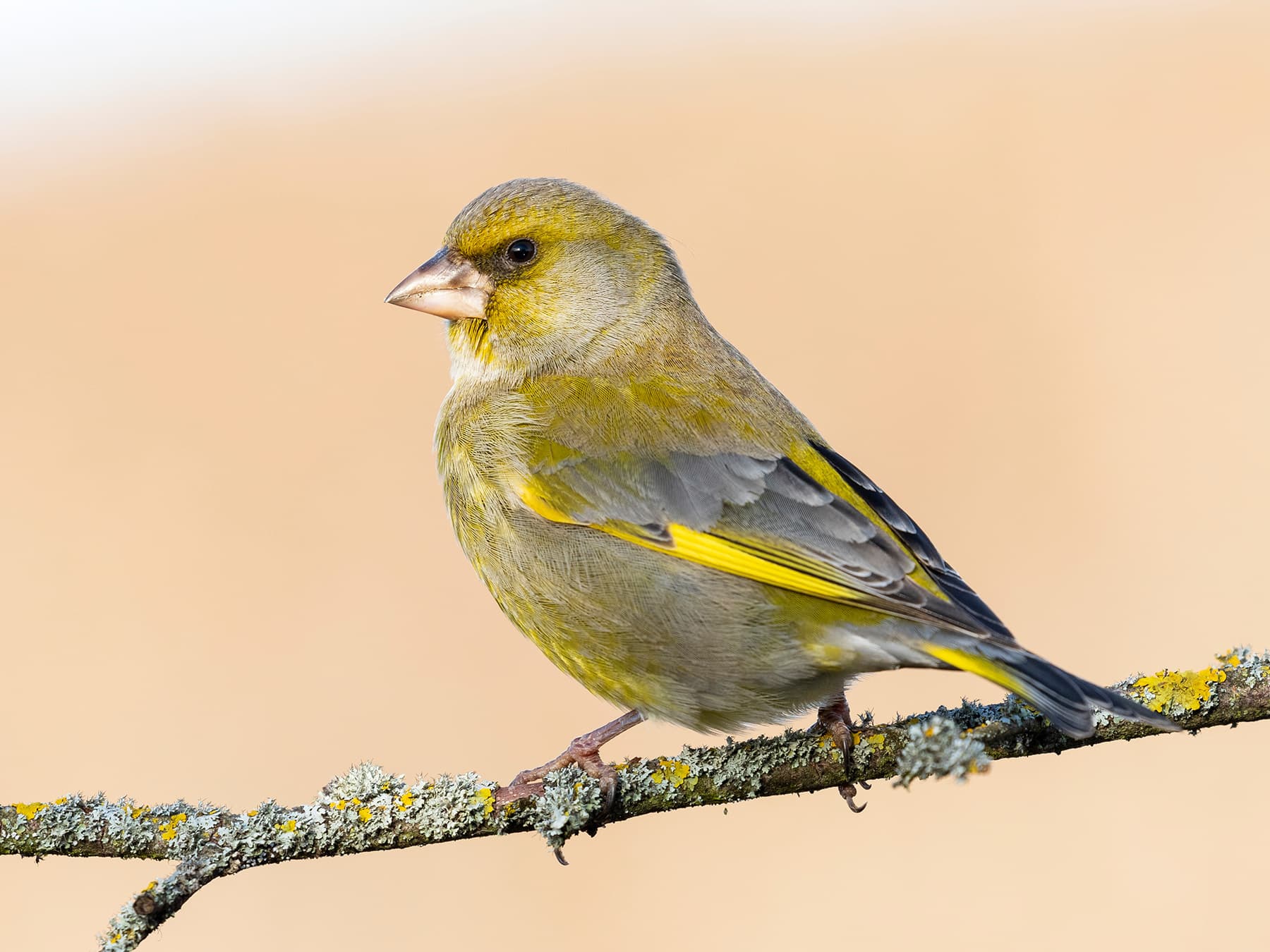
Greenfinch
Chloris chlorisLC
A common resident of gardens, hedgerows and farmland year-round, though numbers have declined significantly in recent decades due to disease.
Year-round