Rare Birds in South Yorkshire
80 species matching this filter.
South Yorkshire's diverse landscapes — from the moorlands of the Peak District fringe to the wetlands of the Dearne Valley and the Don corridor — attract a surprising variety of rare bird species. With 78 rare species recorded across the county, patient observers may encounter elusive gems such as Barn Owl, Common Crane, Little Bittern, and Dotterel. These sightings reflect the region's mix of upland, lowland, and wetland habitats that provide vital stopover and breeding sites for uncommon visitors.


Showing 1–23 of 80 species
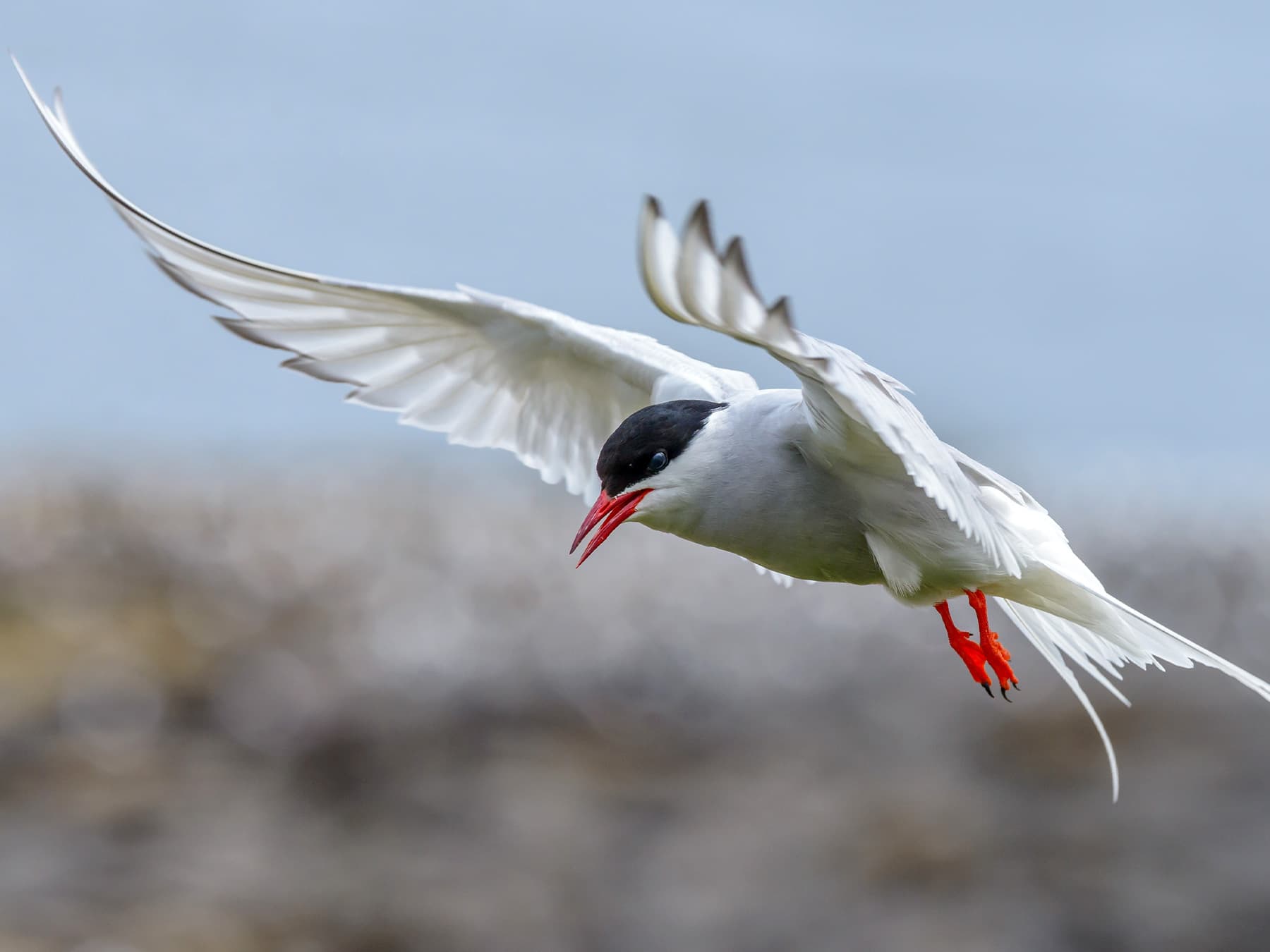
Arctic Tern
Sterna paradisaeaLC
A rare spring passage migrant in April and May, occasionally seen over reservoirs. Most birds pass through quickly heading to northern colonies.
Apr–May
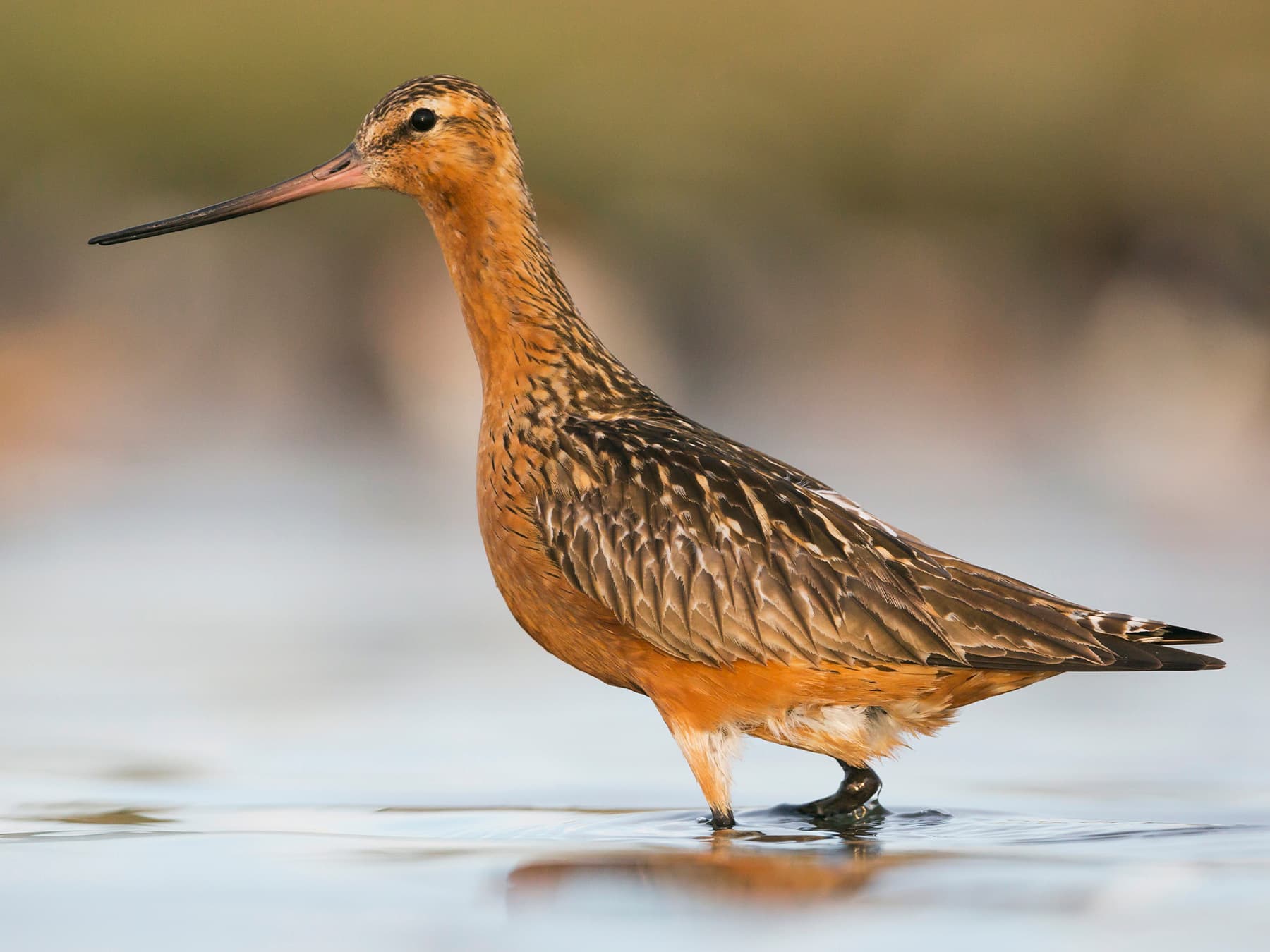
Bar-tailed Godwit
Limosa lapponicaNT
A rare spring passage visitor, occasionally noted at wetland sites in April. Primarily a coastal species, so inland records are noteworthy.
Apr
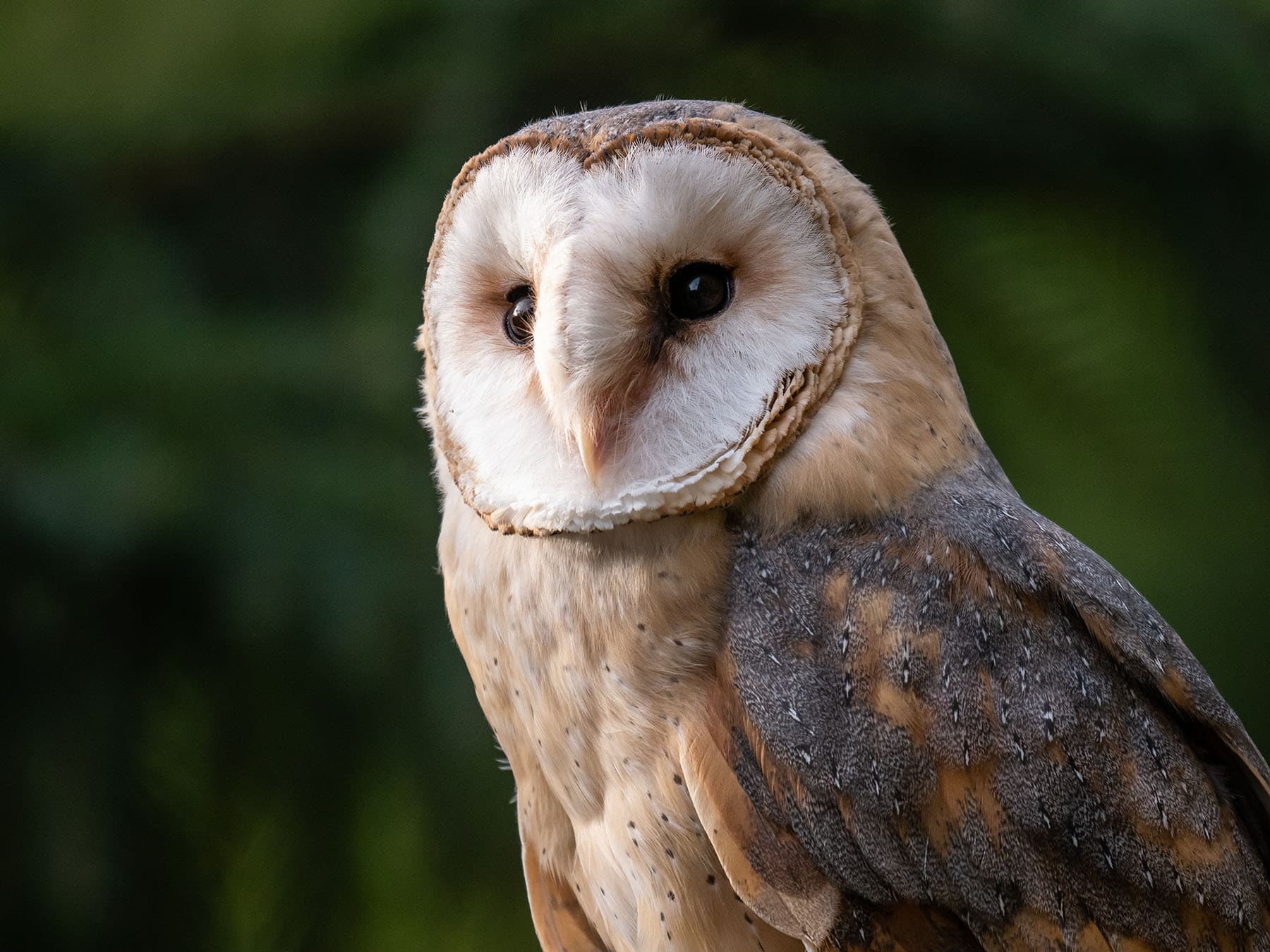
Barn Owl
Tyto albaLC
A rare but resident species hunting over rough grassland and farmland, mainly in the lowland east. Best spotted at dusk quartering fields silently.
Year-round
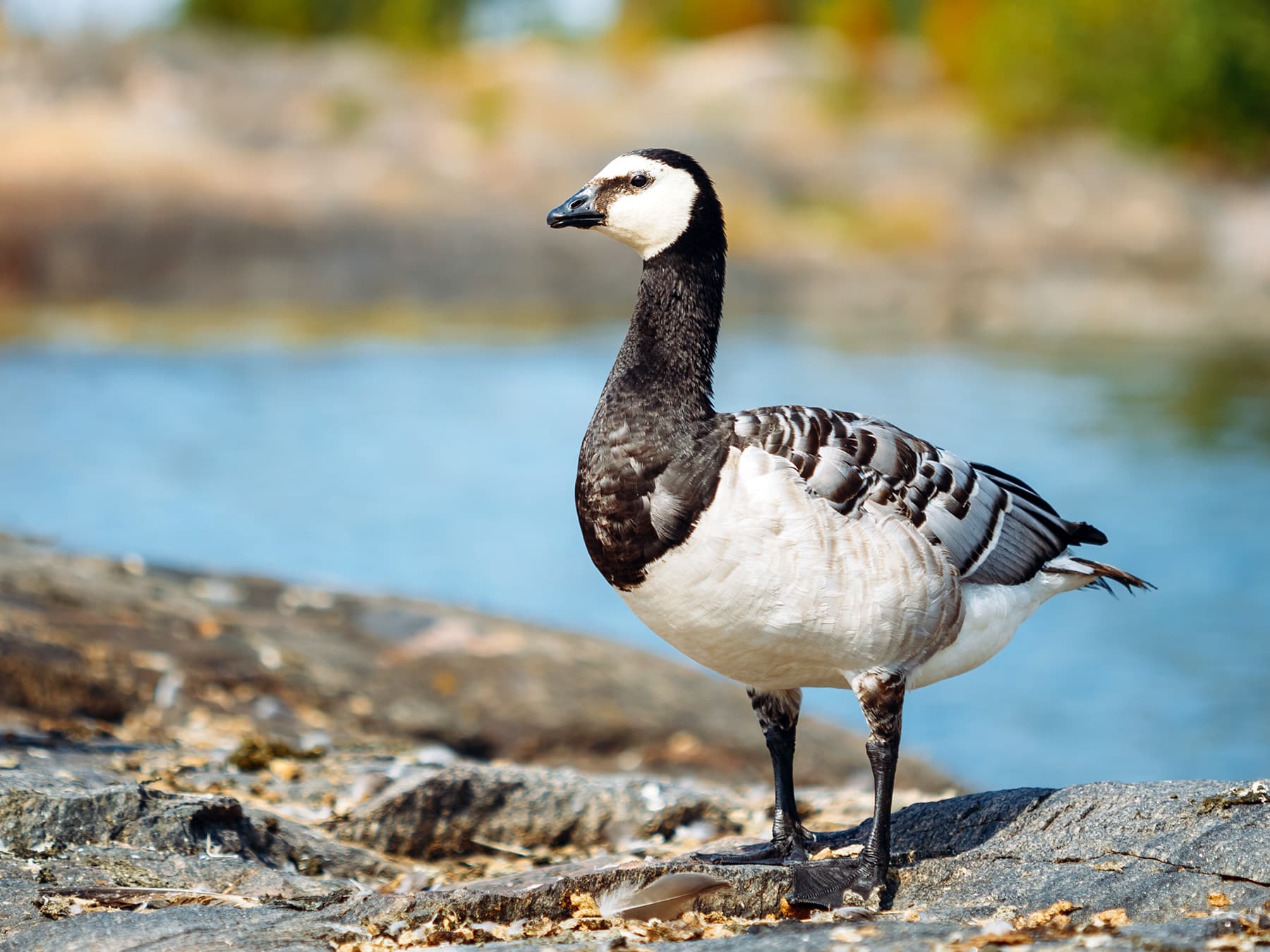
Barnacle Goose
Branta leucopsisLC
A rare passage visitor, with occasional birds appearing among feral flocks. Origins of sightings can be difficult to determine.
Feb–Jul
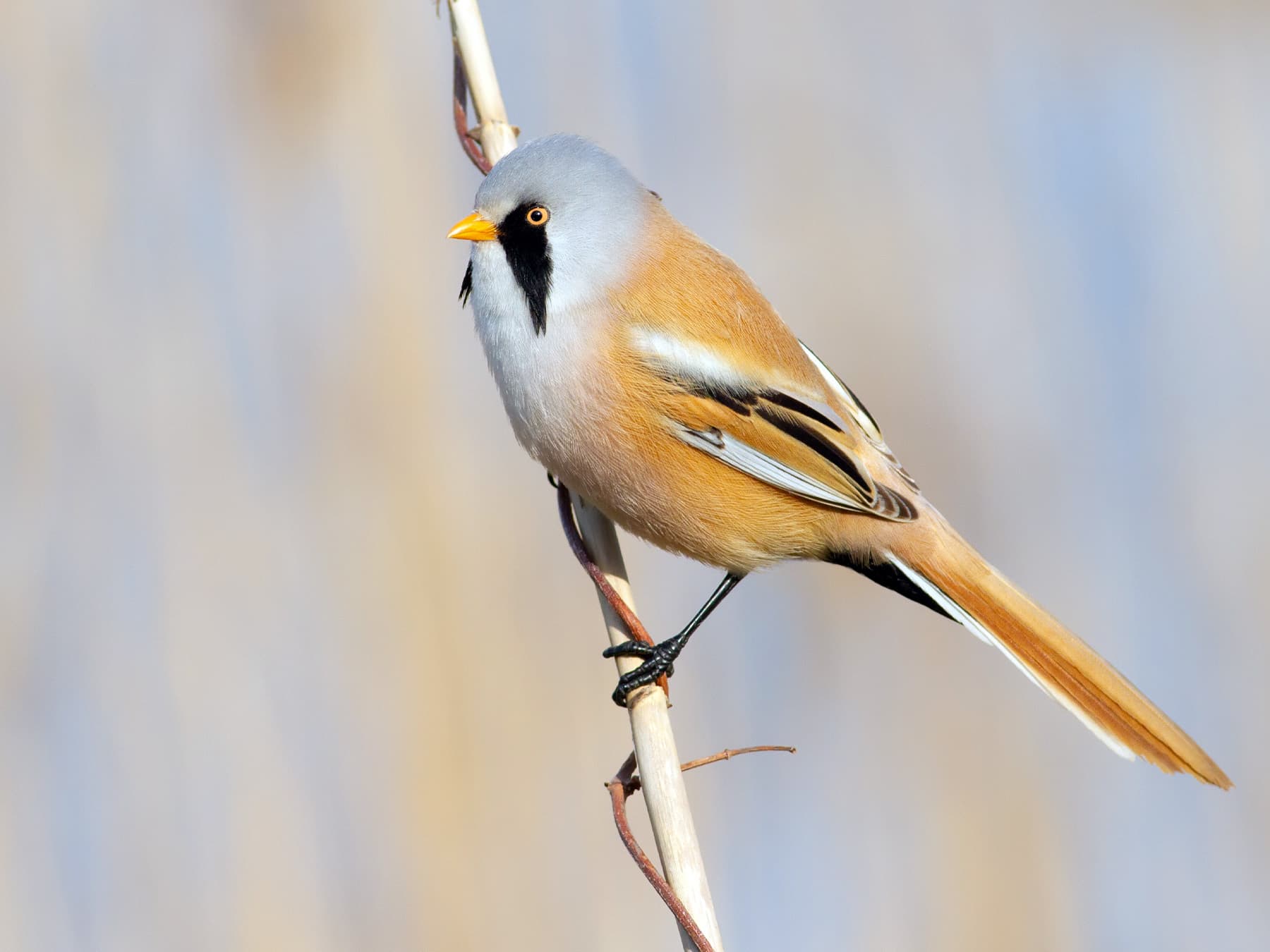
Bearded Tit
Panurus biarmicusLC
A rare resident confined to extensive reedbeds such as those at Old Moor RSPB. Listen for distinctive pinging calls among the reed stems.
Year-round
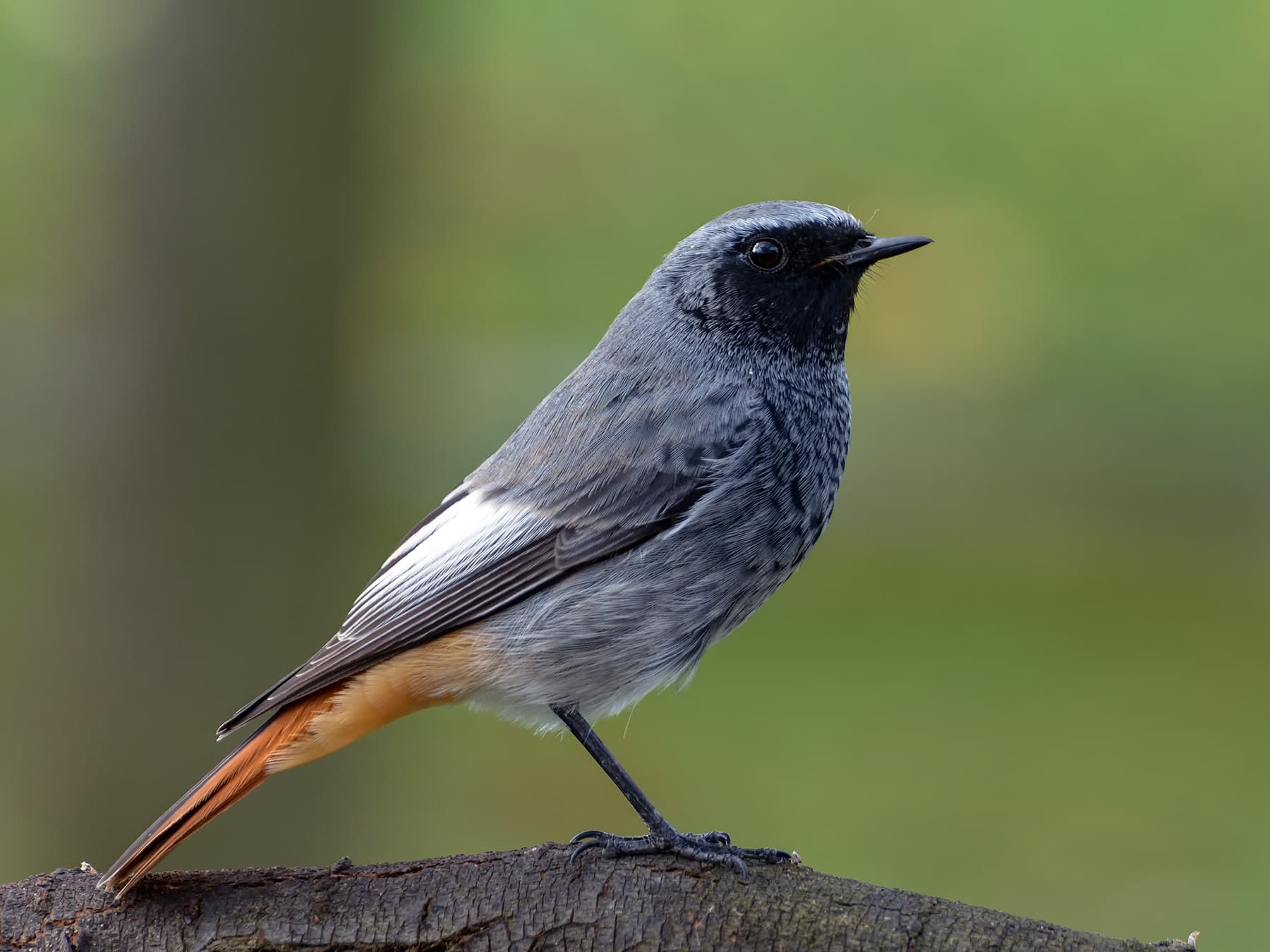
Black Redstart
Phoenicurus ochrurosLC
A rare passage visitor, occasionally recorded around industrial sites and urban buildings in December. Always a notable sighting.
Dec
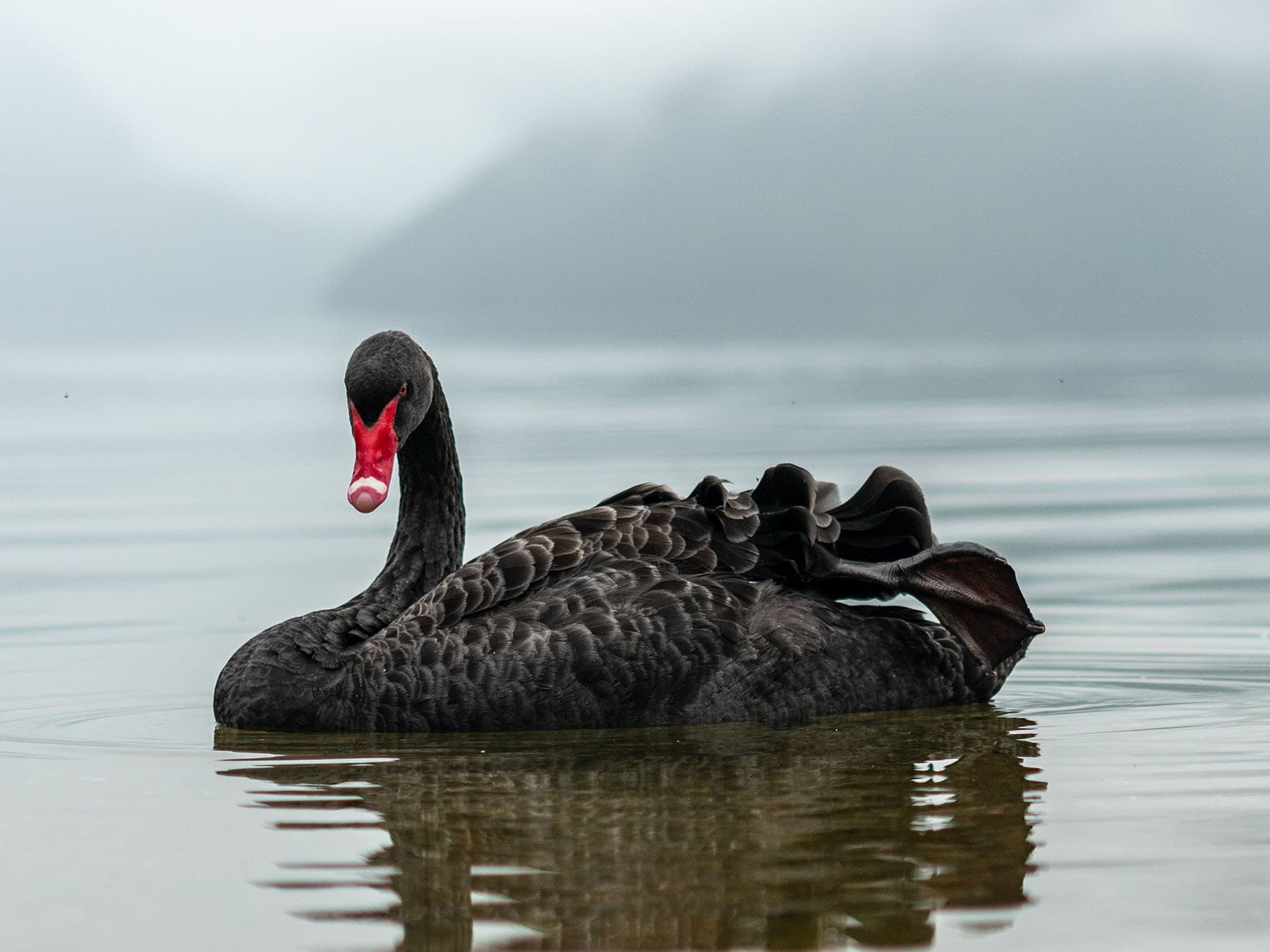
Black Swan
Cygnus atratusLC
A rare May visitor, most likely an escapee from captive collections rather than a genuine wild vagrant from Australasia.
May
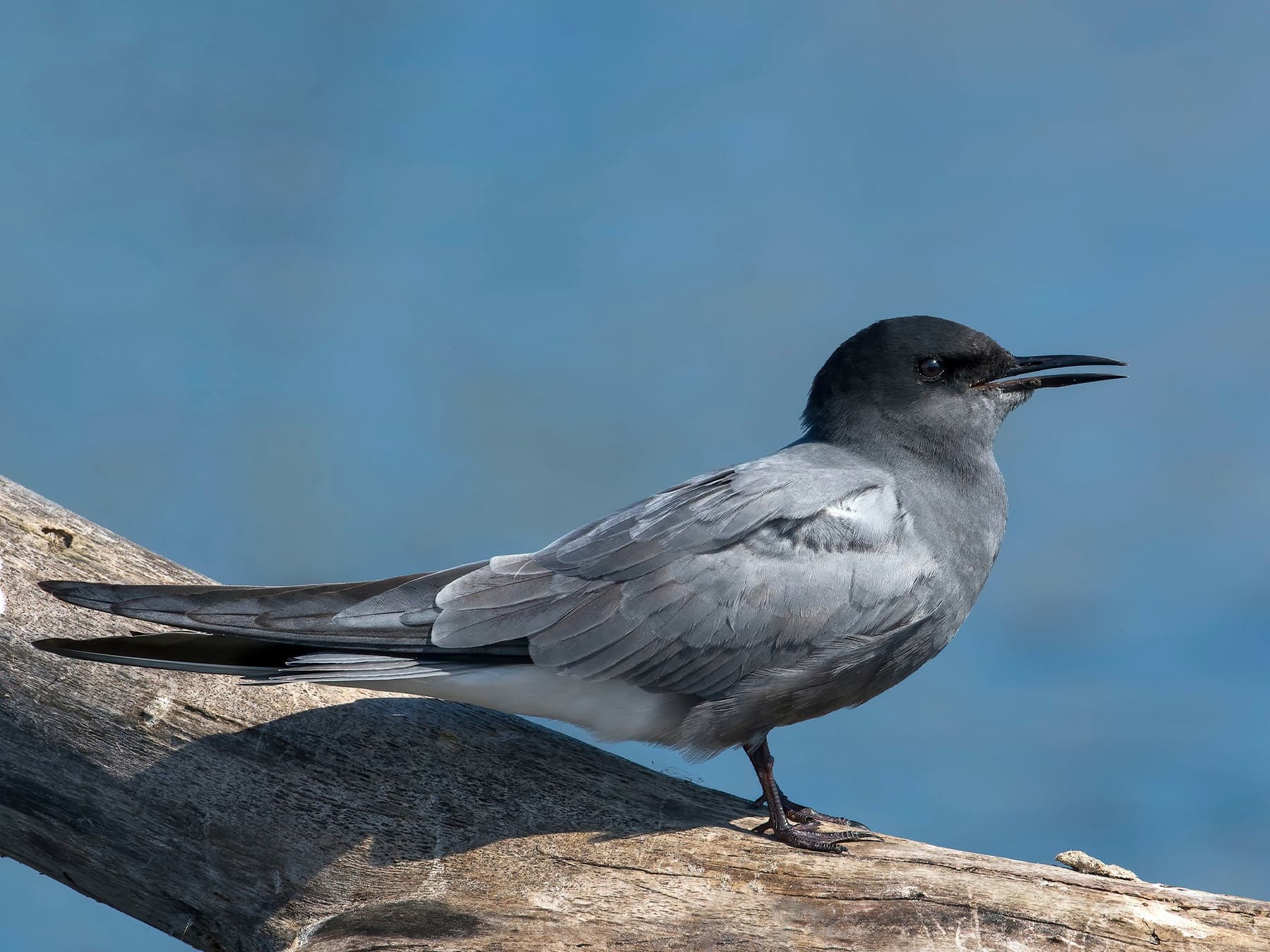
Black Tern
Chlidonias nigerLC
A rare passage migrant in spring and autumn, occasionally hawking insects over reservoirs and larger wetlands.
May–Sep
Spotted something?
Upload a photo to identify it
Identify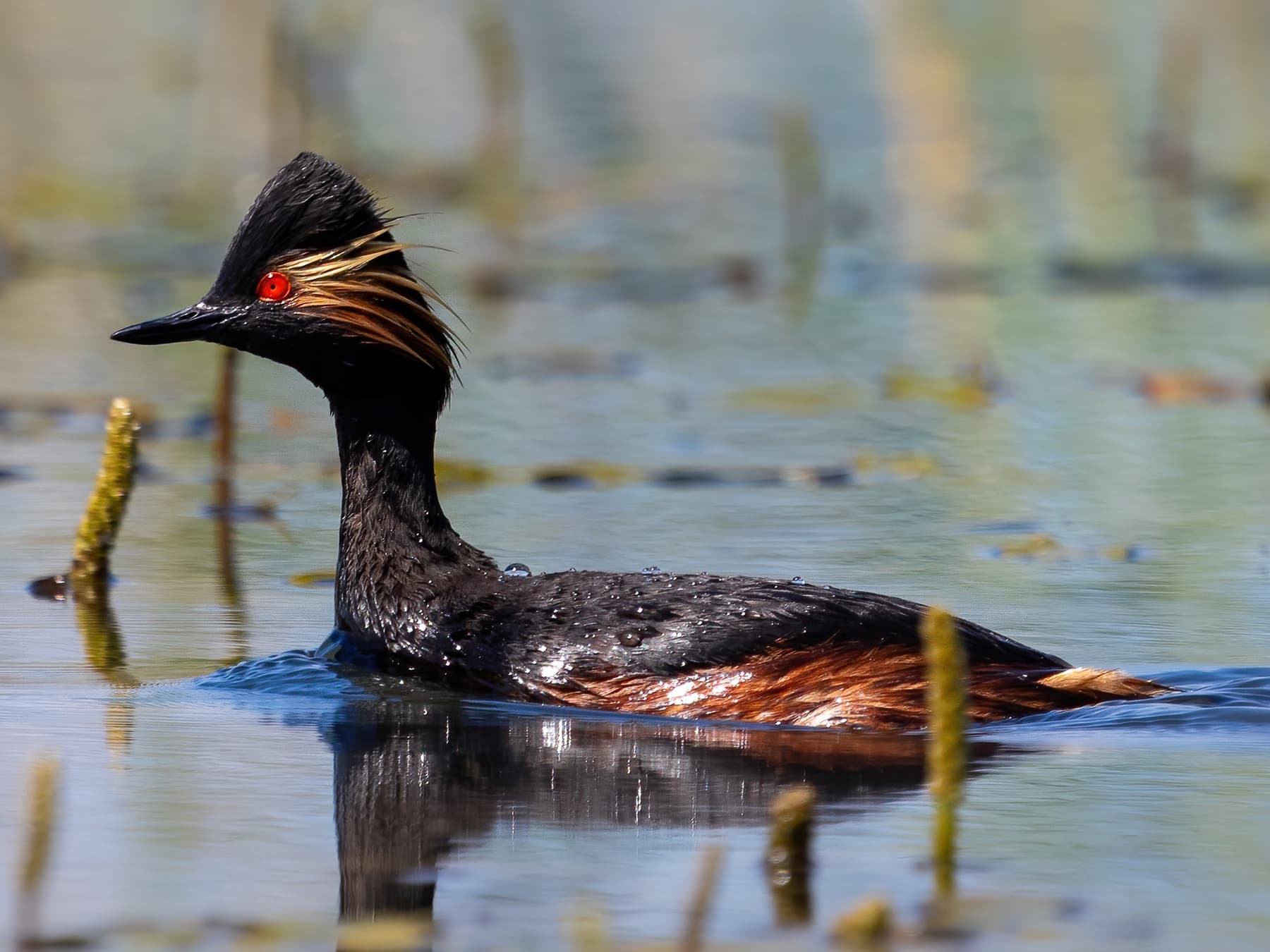
Black-necked Grebe
Podiceps nigricollisLC
A rare breeding species, nesting at select wetland sites from April to August. South Yorkshire is one of few English strongholds.
Apr–Aug
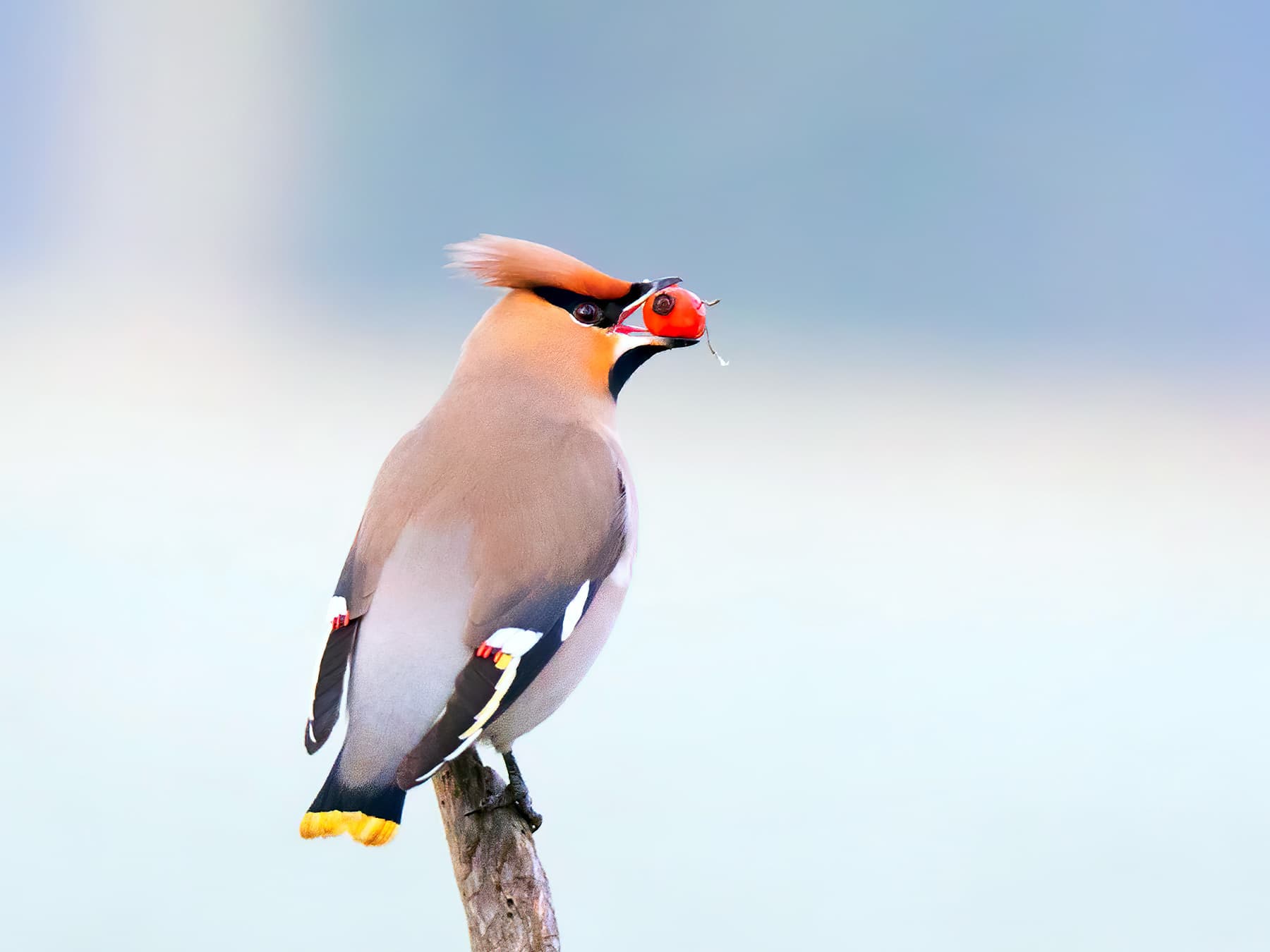
Bohemian Waxwing
Bombycilla garrulusLC
A rare and irruptive winter visitor, sometimes appearing in flocks in urban areas to feed on rowan berries, mainly in November to January.
Nov–Jan
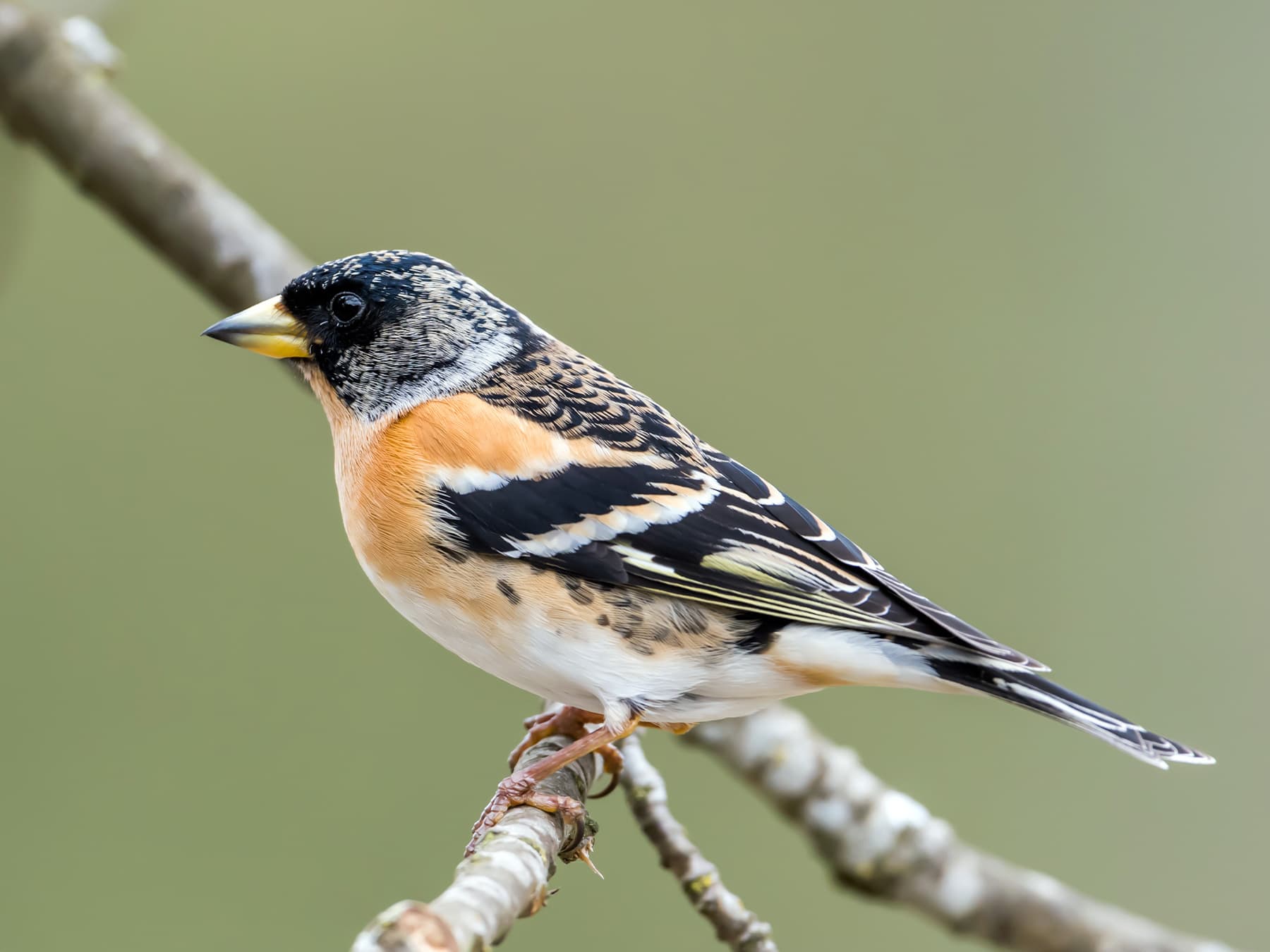
Brambling
Fringilla montifringillaLC
A rare winter visitor from Scandinavia, sometimes joining Chaffinch flocks at woodland edges and beneath beech trees from October to April.
Oct–Apr
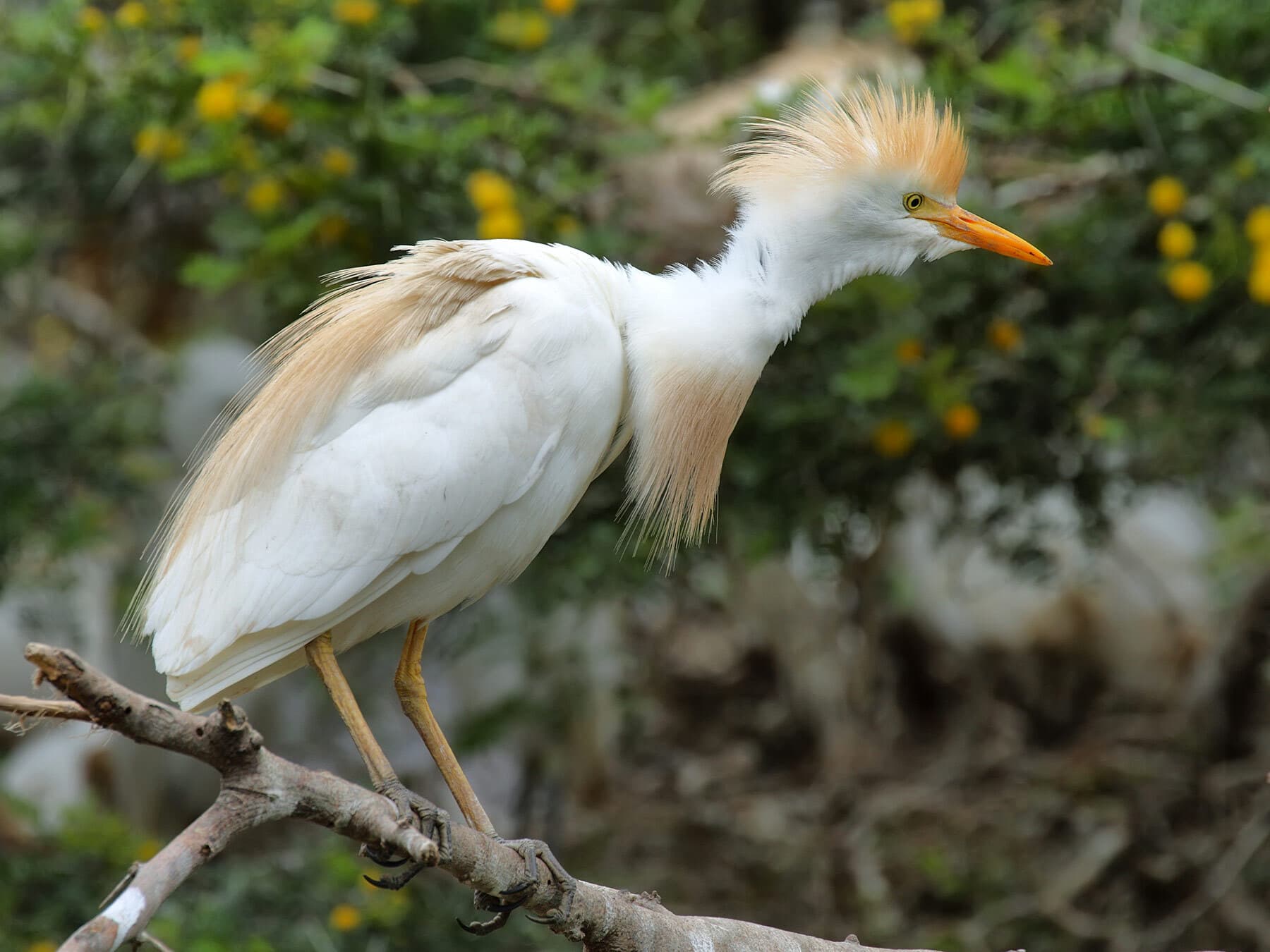
Cattle Egret
Bubulcus ibisLC
A rare passage visitor, occasionally seen in August around livestock fields and wetland margins as the species expands its UK range.
Aug
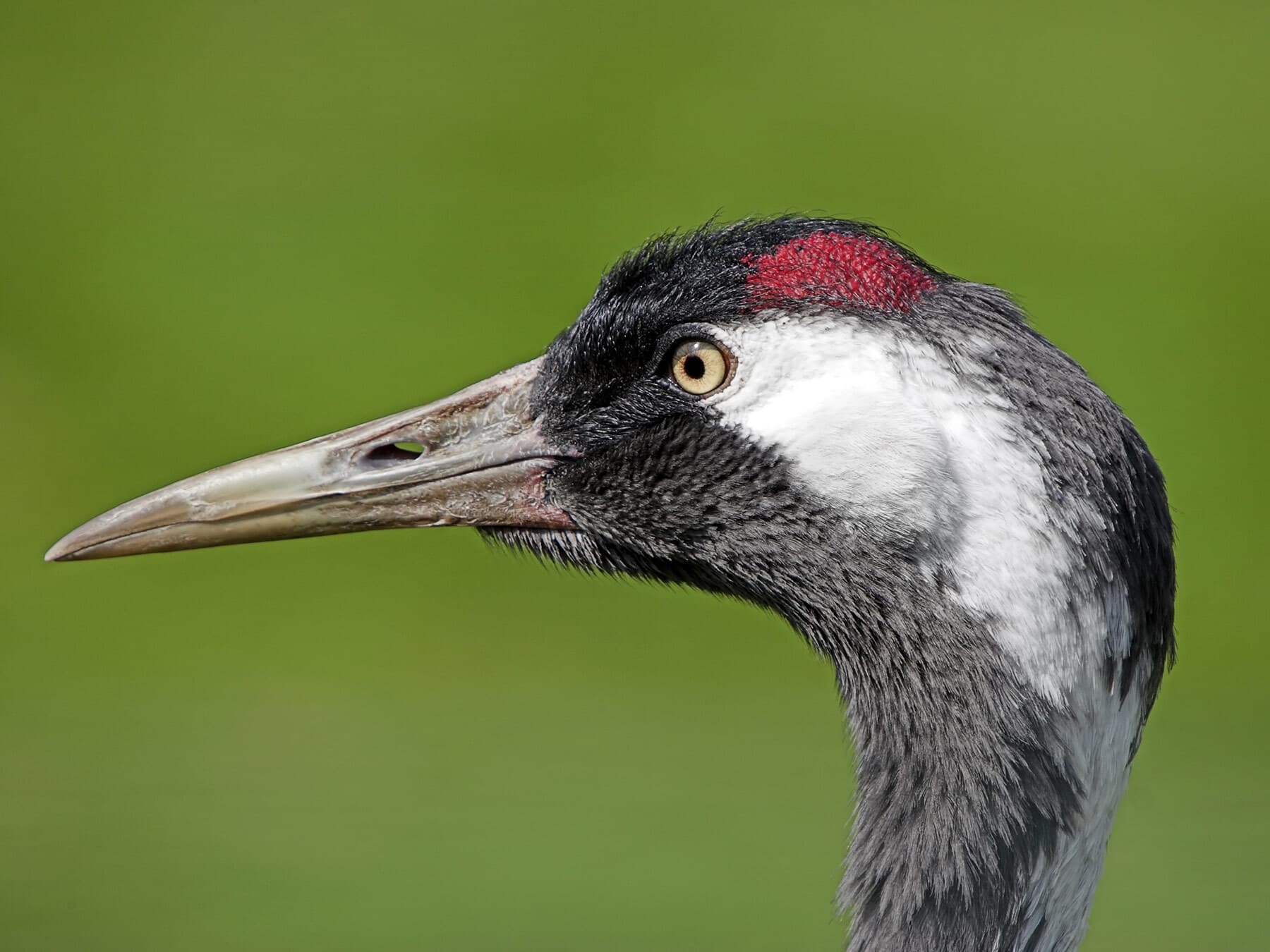
Common Crane
Grus grusLC
A rare but increasingly recorded breeder, part of the species' gradual recolonisation of England, seen at wetland sites.
Feb–Oct
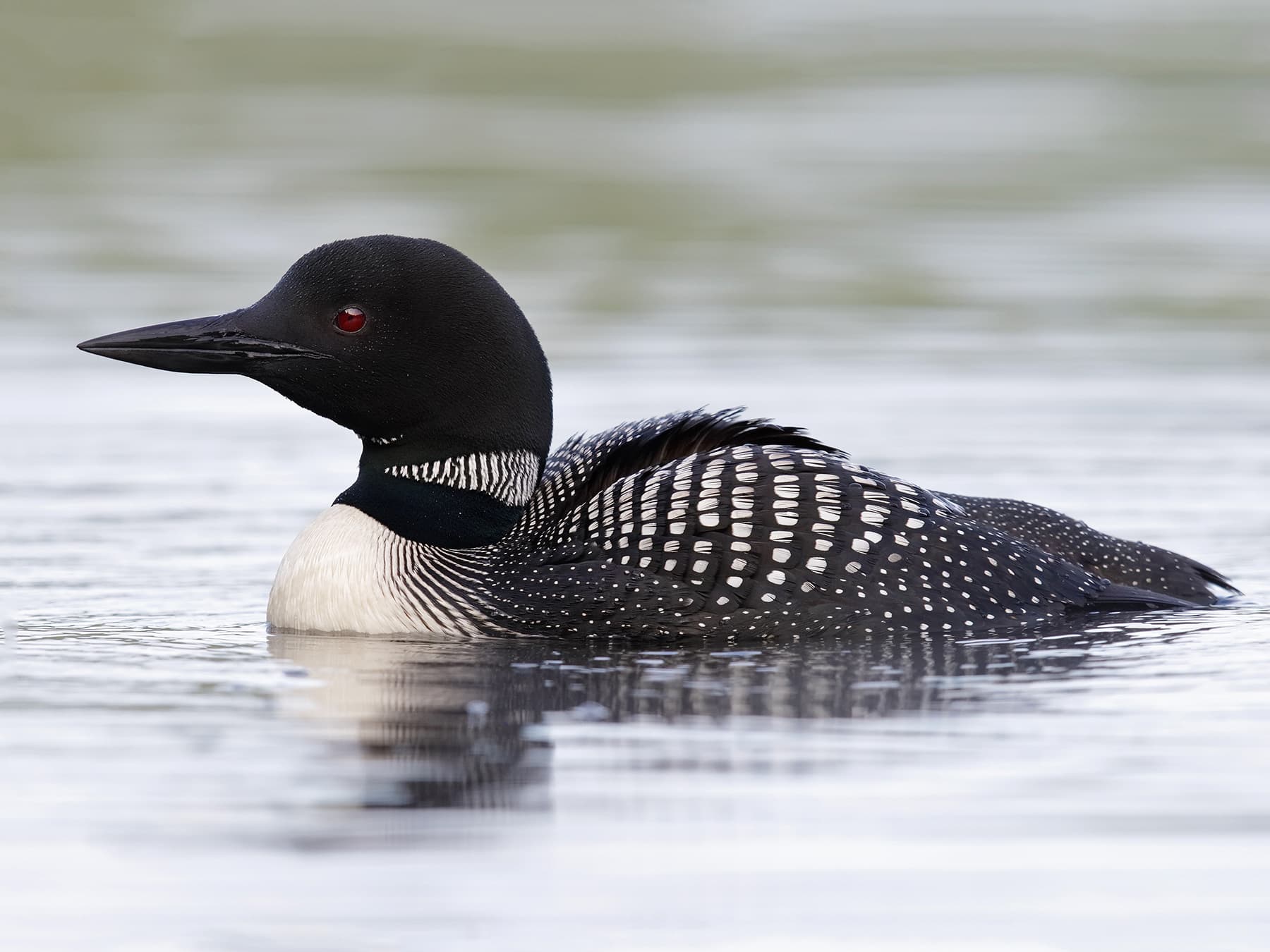
Common Loon
Gavia immerLC
A rare passage visitor, occasionally recorded on larger reservoirs in November. Known locally as Great Northern Diver.
Nov
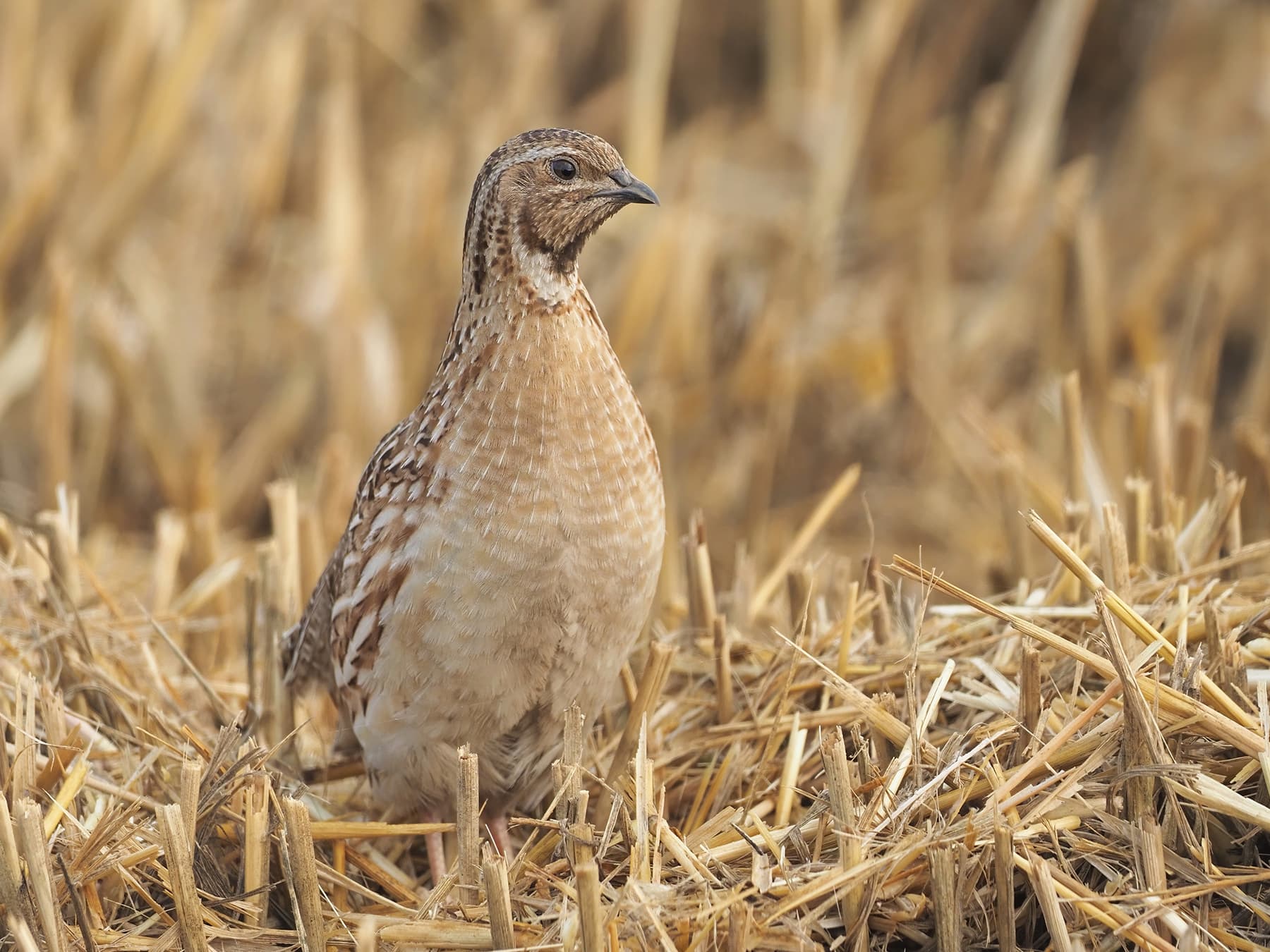
Common Quail
Coturnix coturnixLC
A rare and elusive summer visitor, more often heard than seen calling from cereal fields in June. Numbers vary greatly between years.
Jun
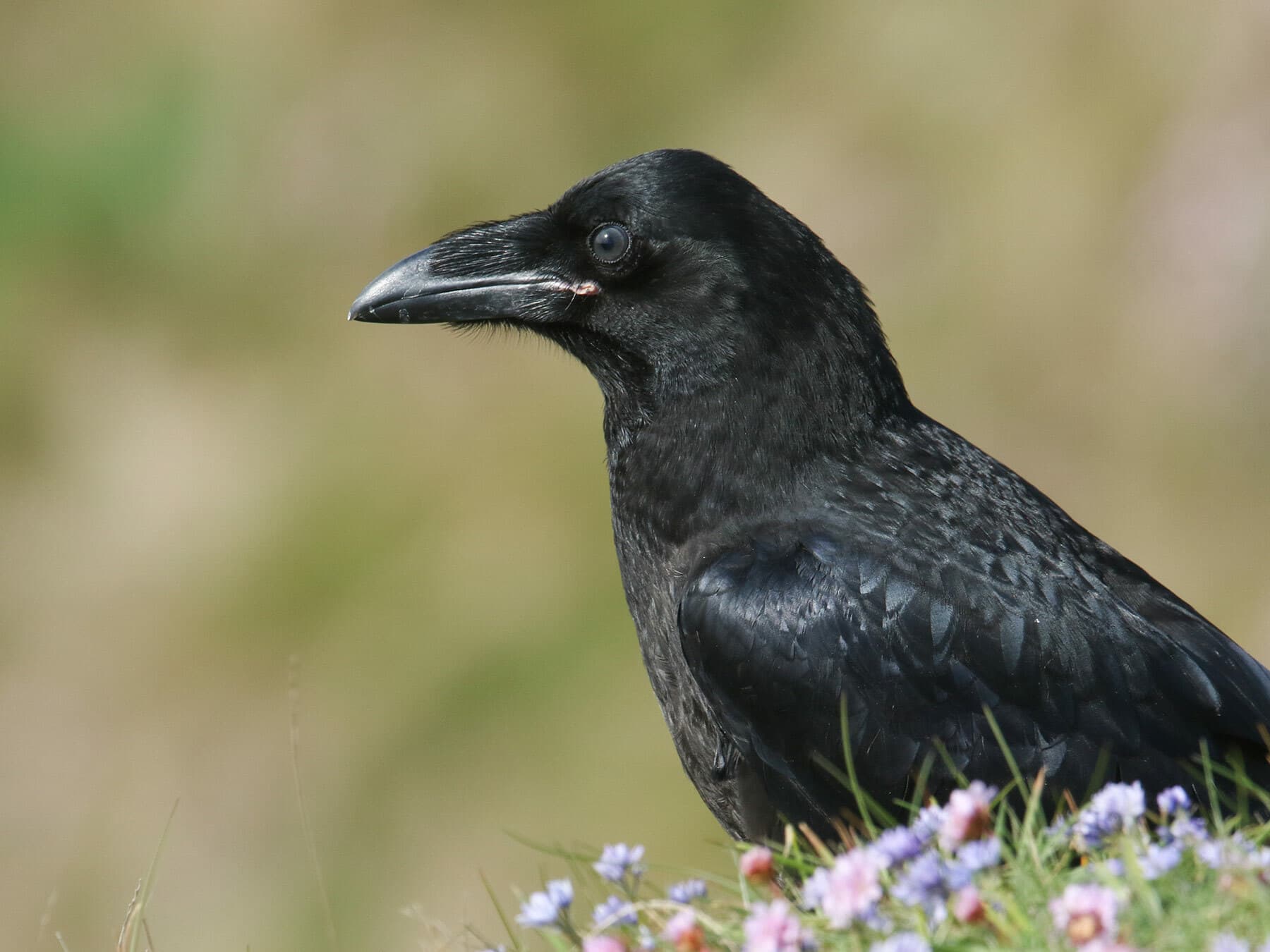
Common Raven
Corvus coraxLC
A rare but increasing resident, recolonising the region after historical absence. Deep cronking calls may be heard over moorland and wooded valleys.
Year-round
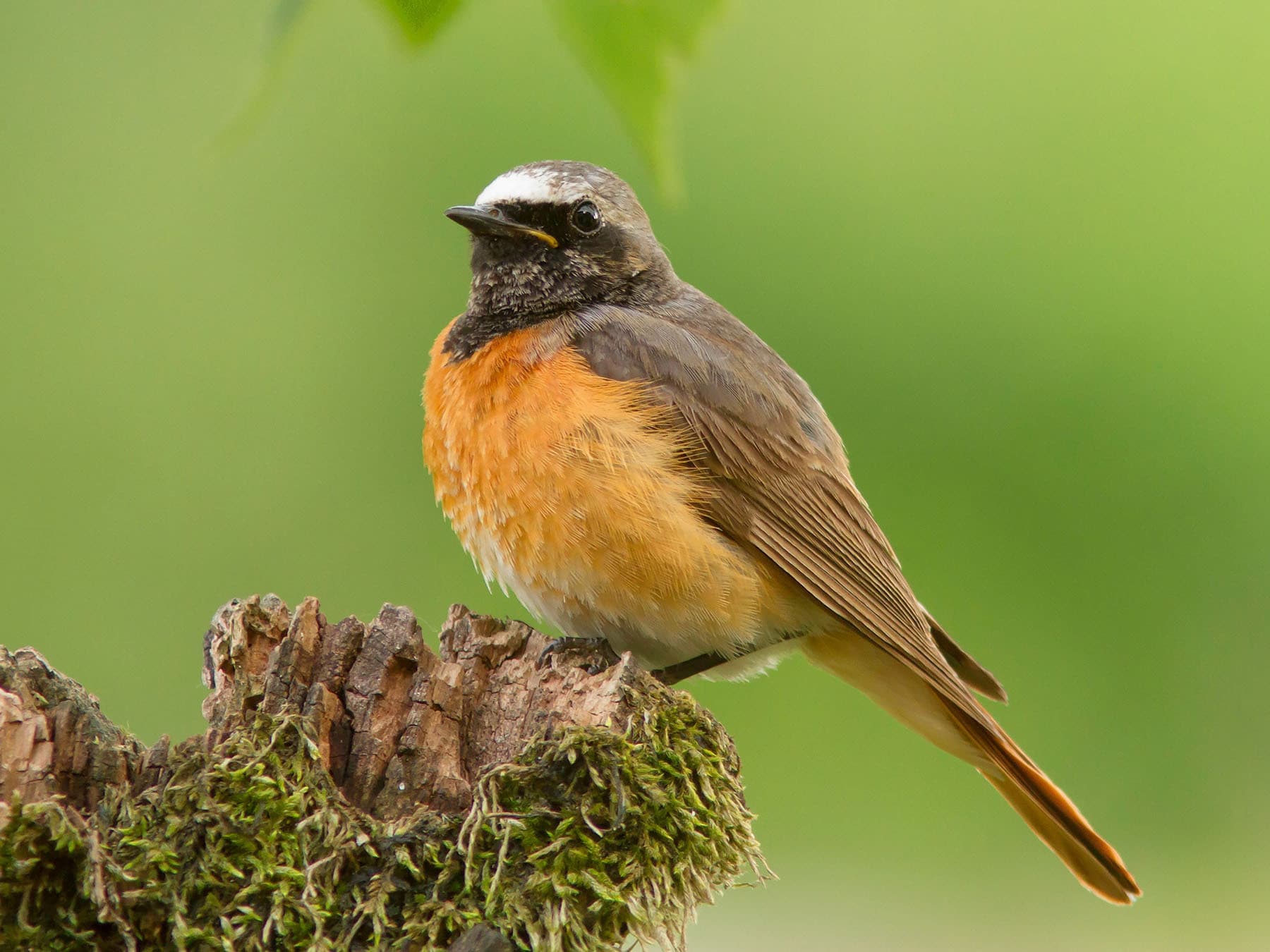
Common Redstart
Phoenicurus phoenicurusLC
A rare summer breeder arriving in April, favouring mature oak woodland on the western fringes of the region. Males flash their vivid orange-red tails.
Apr–Aug
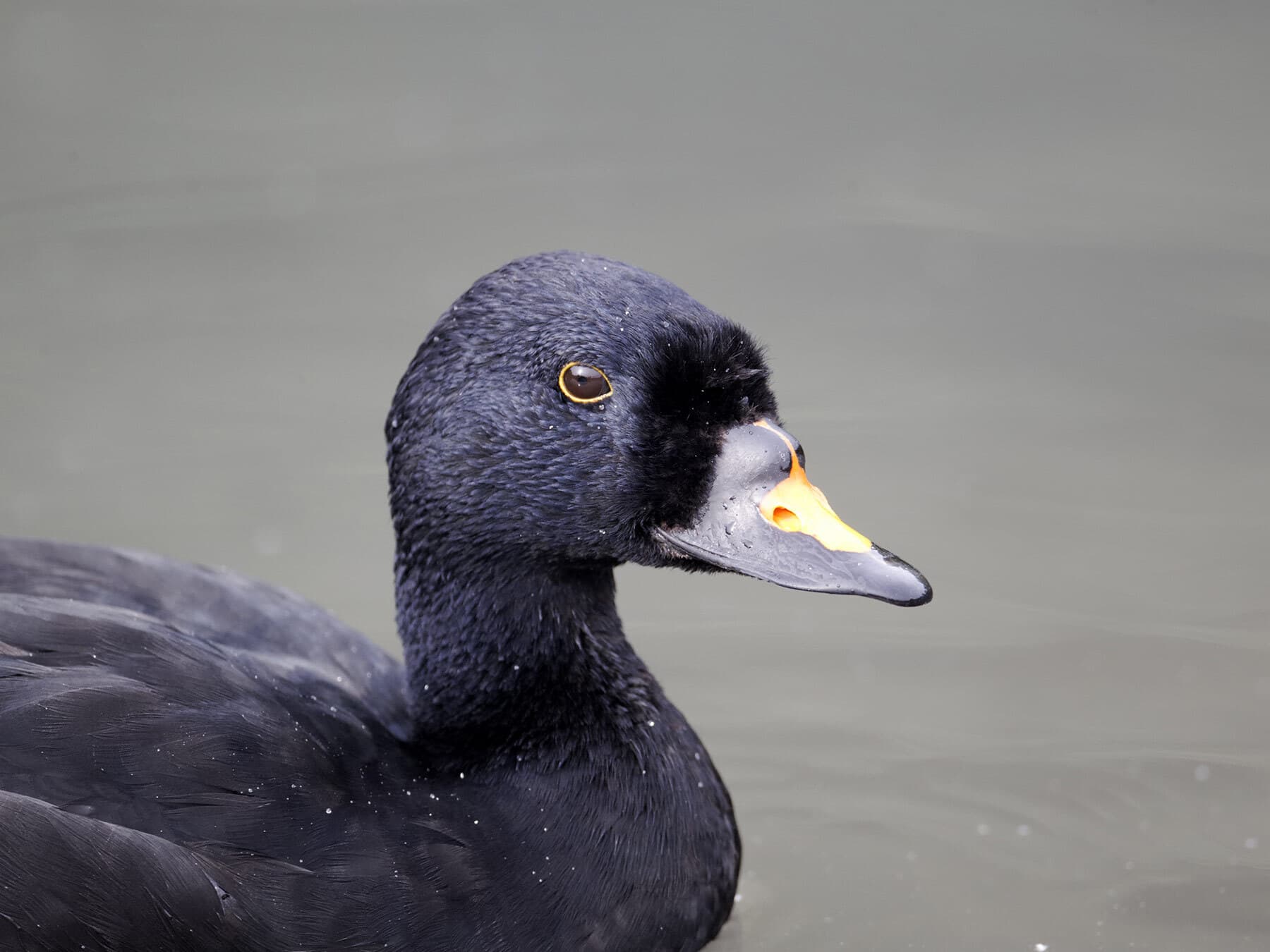
Common Scoter
Melanitta nigraLC
A rare inland passage visitor, occasionally dropping onto larger reservoirs in summer or autumn. An unexpected find away from its usual coastal haunts.
Jul–Oct
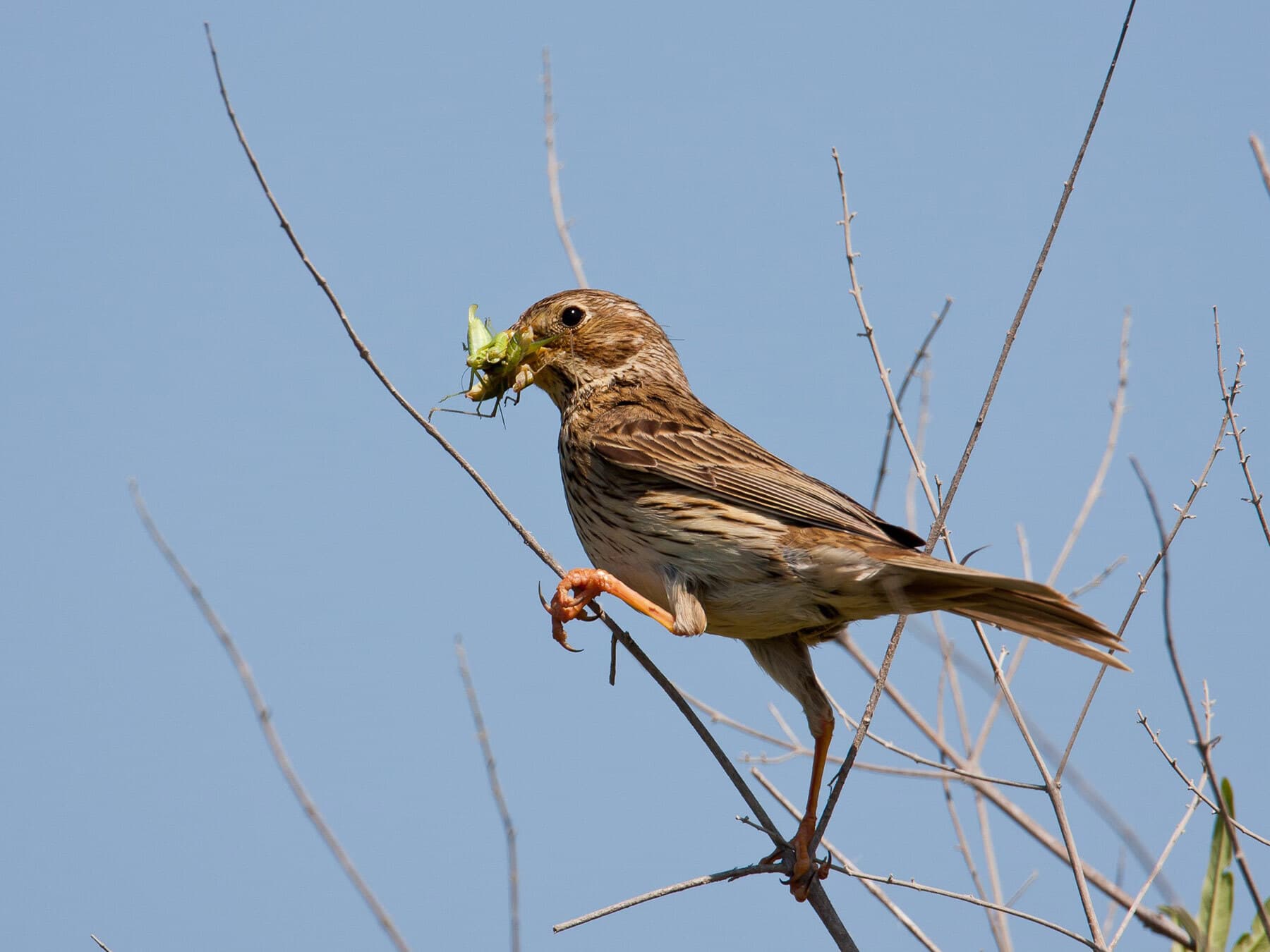
Corn Bunting
Emberiza calandraLC
A rare and declining resident of open arable farmland, singing its jangling song from fence posts. One of the region's scarcest buntings.
Nov–Jun
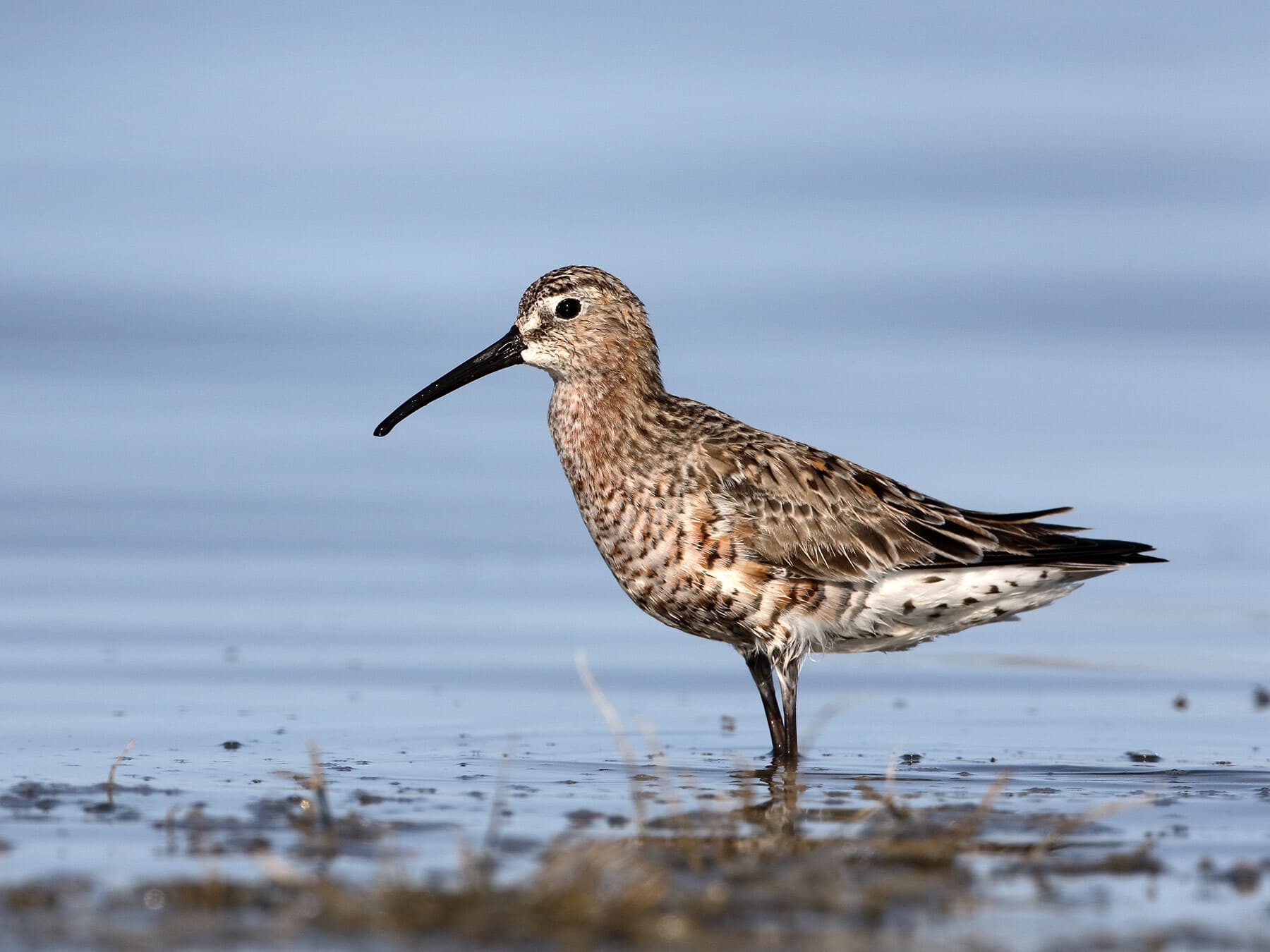
Curlew Sandpiper
Calidris ferrugineaNT
A scarce autumn passage wader in September and October, picking through muddy scrapes at the region's key wetland sites.
Sep–Oct
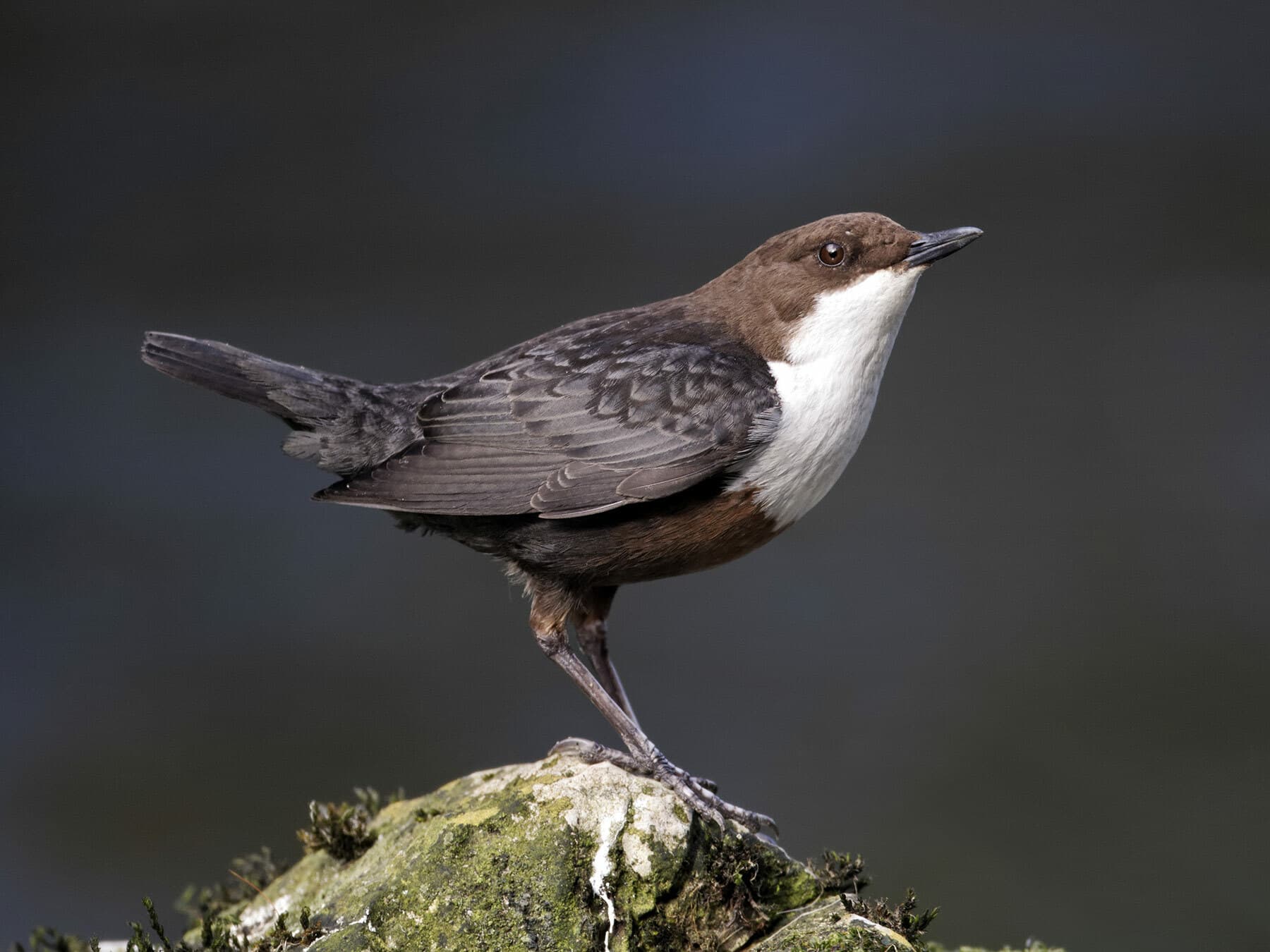
Dipper
Cinclus cinclusLC
A rare resident of fast-flowing streams in the western Pennine fringes, a charismatic indicator of clean upland waterways.
Sep–Jul
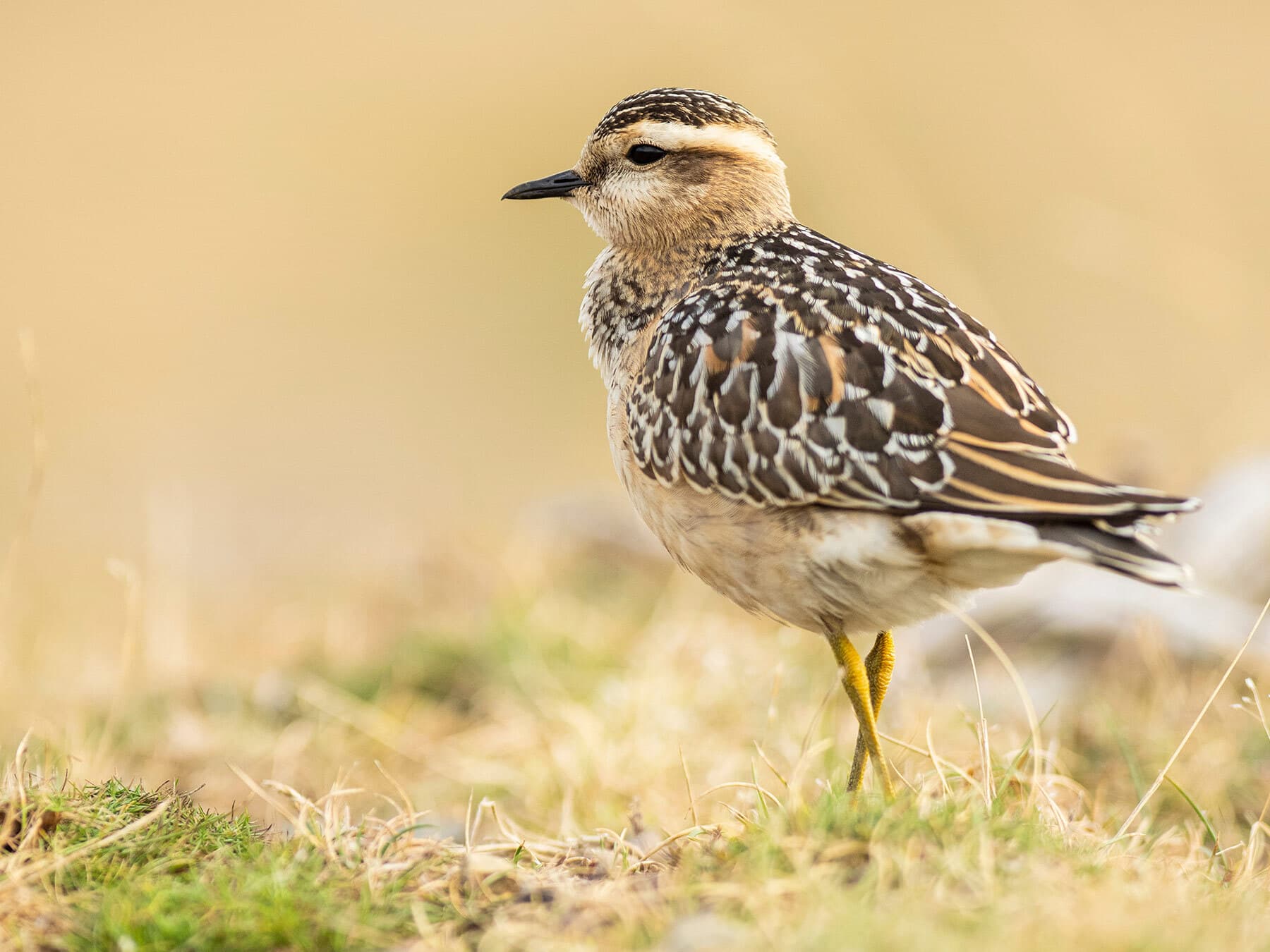
Dotterel
Eudromias morinellusLC
A rare autumn passage migrant through the region in August and September, occasionally stopping on upland fields and moorland edges.
Aug–Sep
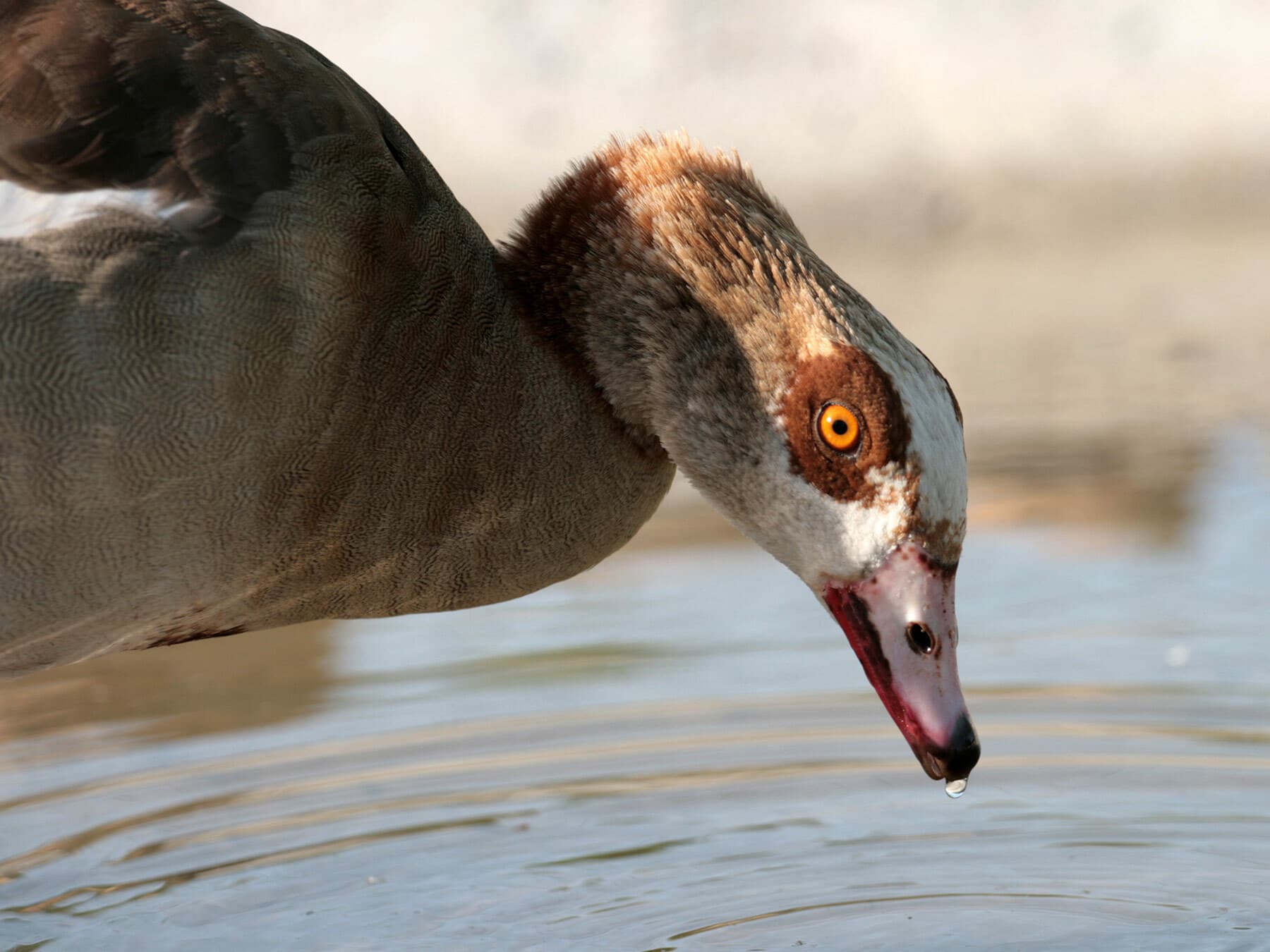
Egyptian Goose
Alopochen aegyptiacaLC
A rare but year-round resident, this expanding non-native species occasionally turns up at lowland reservoirs and lakes across the region.
Year-round