Sandpipers & Snipes in England
32 species matching this filter.
England's diverse coastlines, estuaries, and wetlands provide vital habitat for 25 species of sandpipers and snipes. From the evocative call of the Curlew on upland moors to vast flocks of Bar-tailed Godwits gathering on coastal mudflats, this family of wading birds is one of the most rewarding groups to observe across the seasons. Notable species such as the Eurasian Woodcock, Common Snipe, and Jack Snipe can be found in damp woodlands and marshy grasslands throughout the country.


Showing 1–23 of 32 species
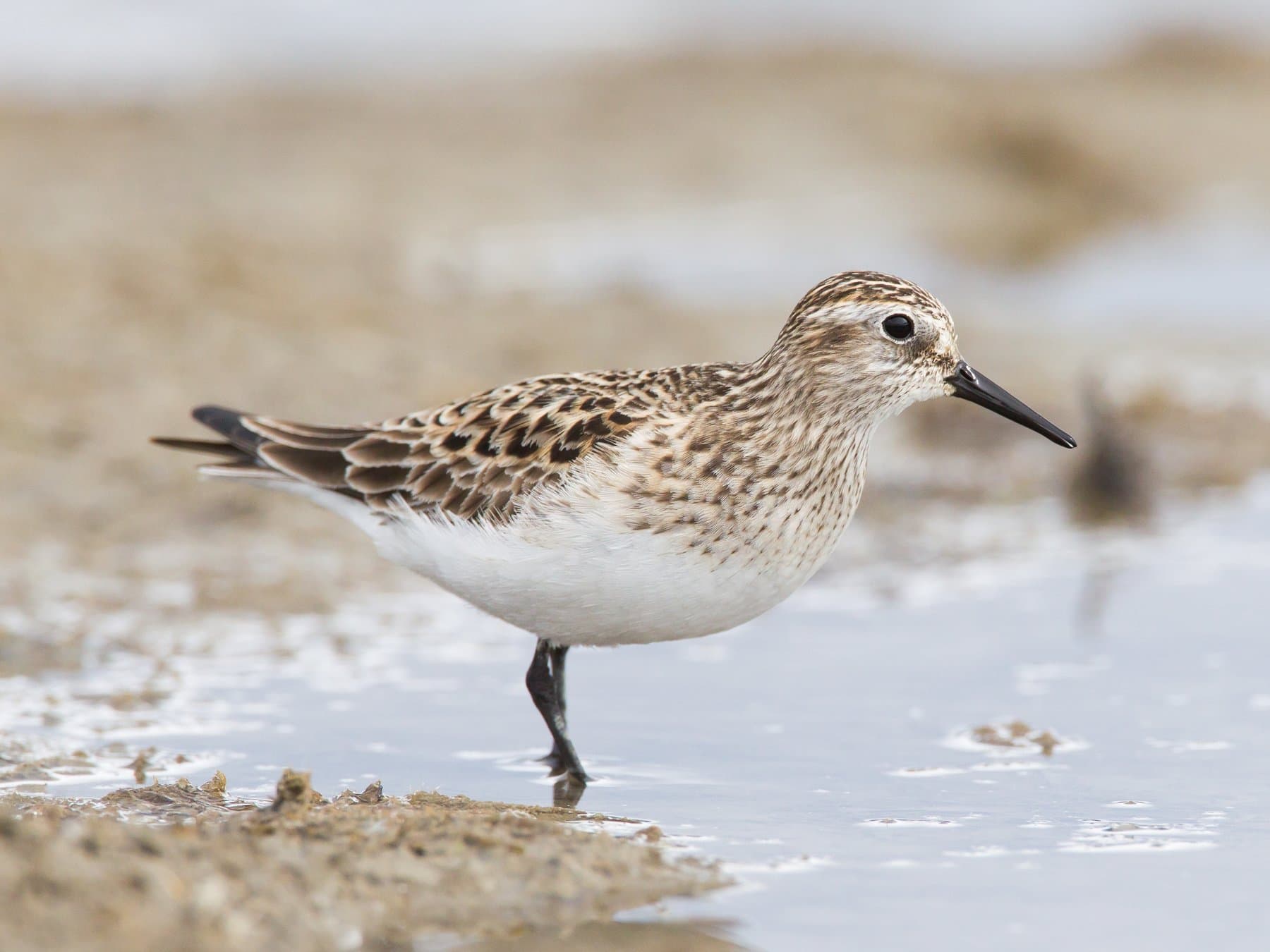
Baird's Sandpiper
Calidris bairdiiLC
A rare autumn vagrant from North America, occasionally found on coastal pools and mudflats between August and October.
Aug–Oct
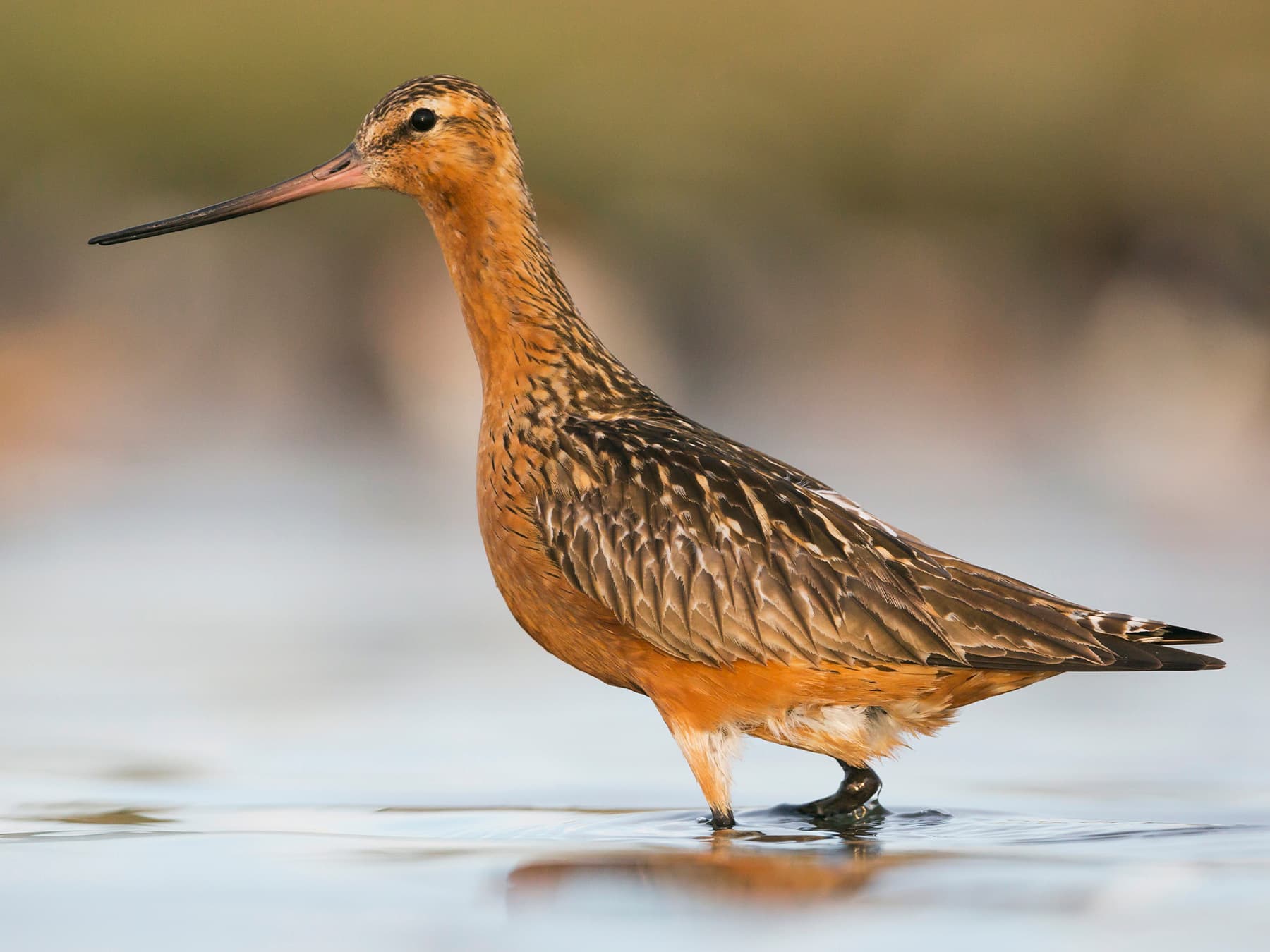
Bar-tailed Godwit
Limosa lapponicaNT
An uncommon wader found on estuaries and sandy shores year-round, with peak numbers in winter when Arctic breeders arrive.
Year-round
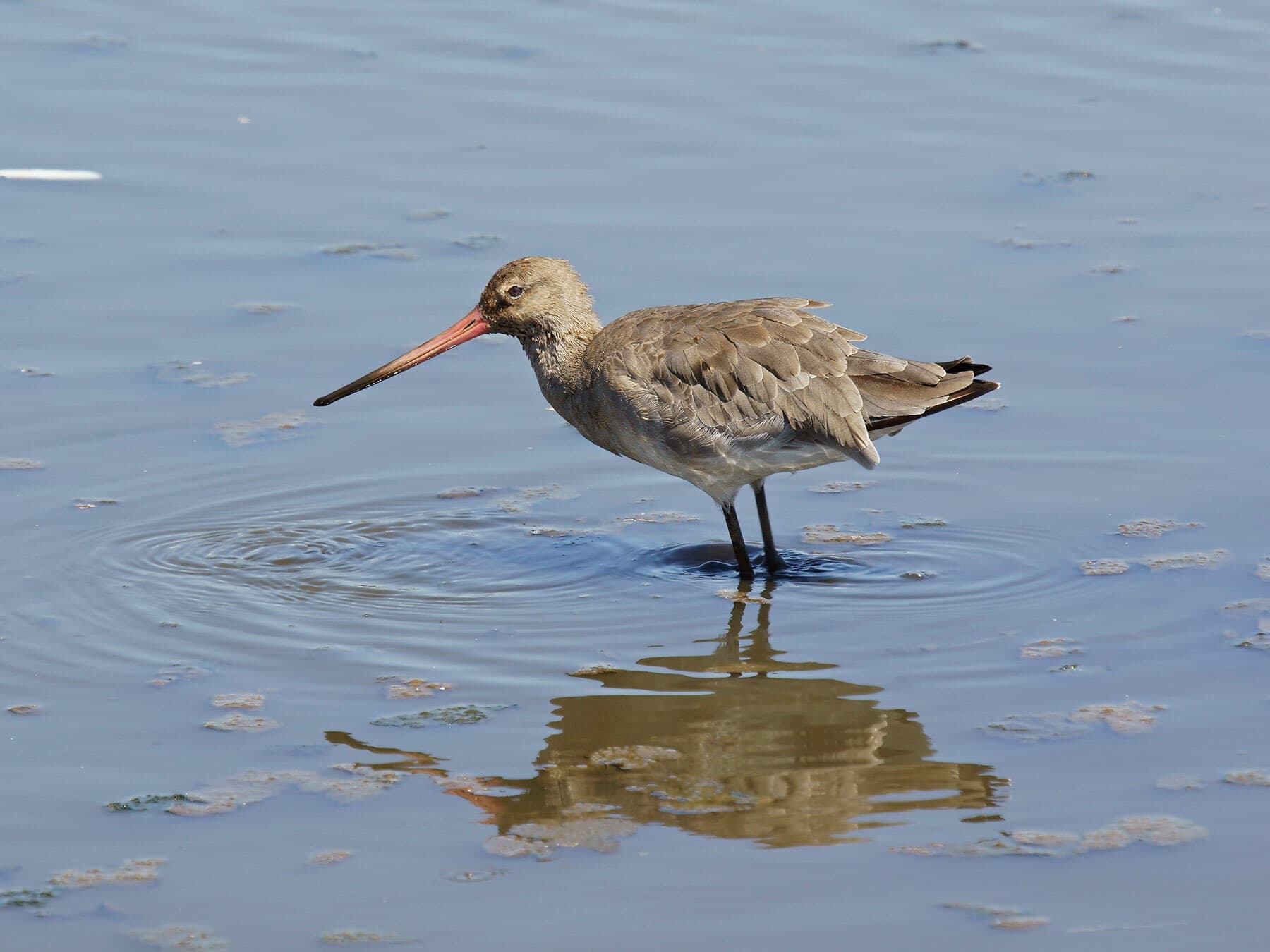
Black-tailed Godwit
Limosa limosaNT
Present year-round on estuaries and wet grasslands. The Ouse and Humber Washes host important breeding and wintering populations of this elegant wader.
Year-round
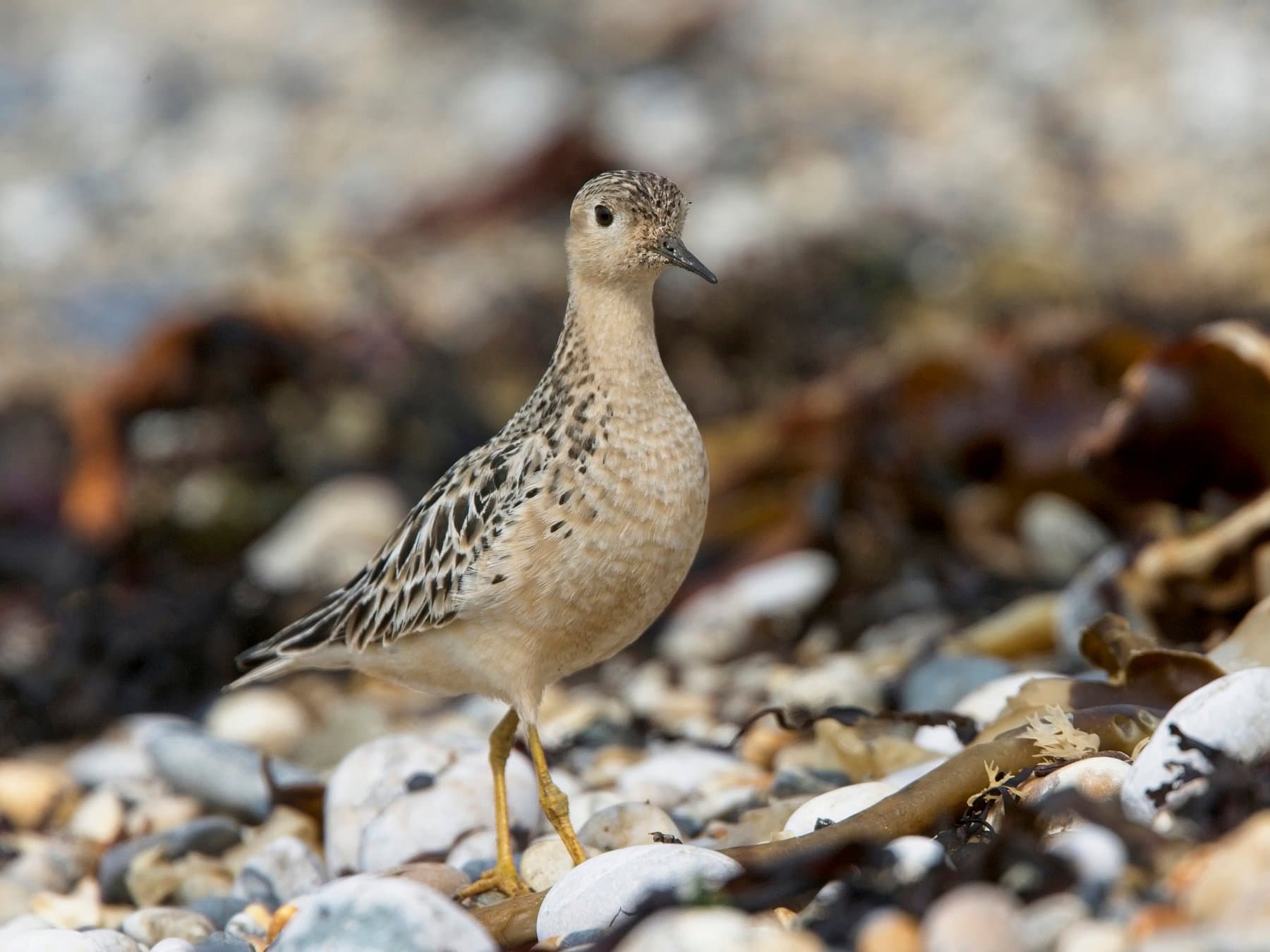
Buff-breasted Sandpiper
Calidris subruficollisVU
An uncommon autumn passage migrant from North America, favouring short-grass coastal fields. Most records come from south-west England in September.
May–Oct
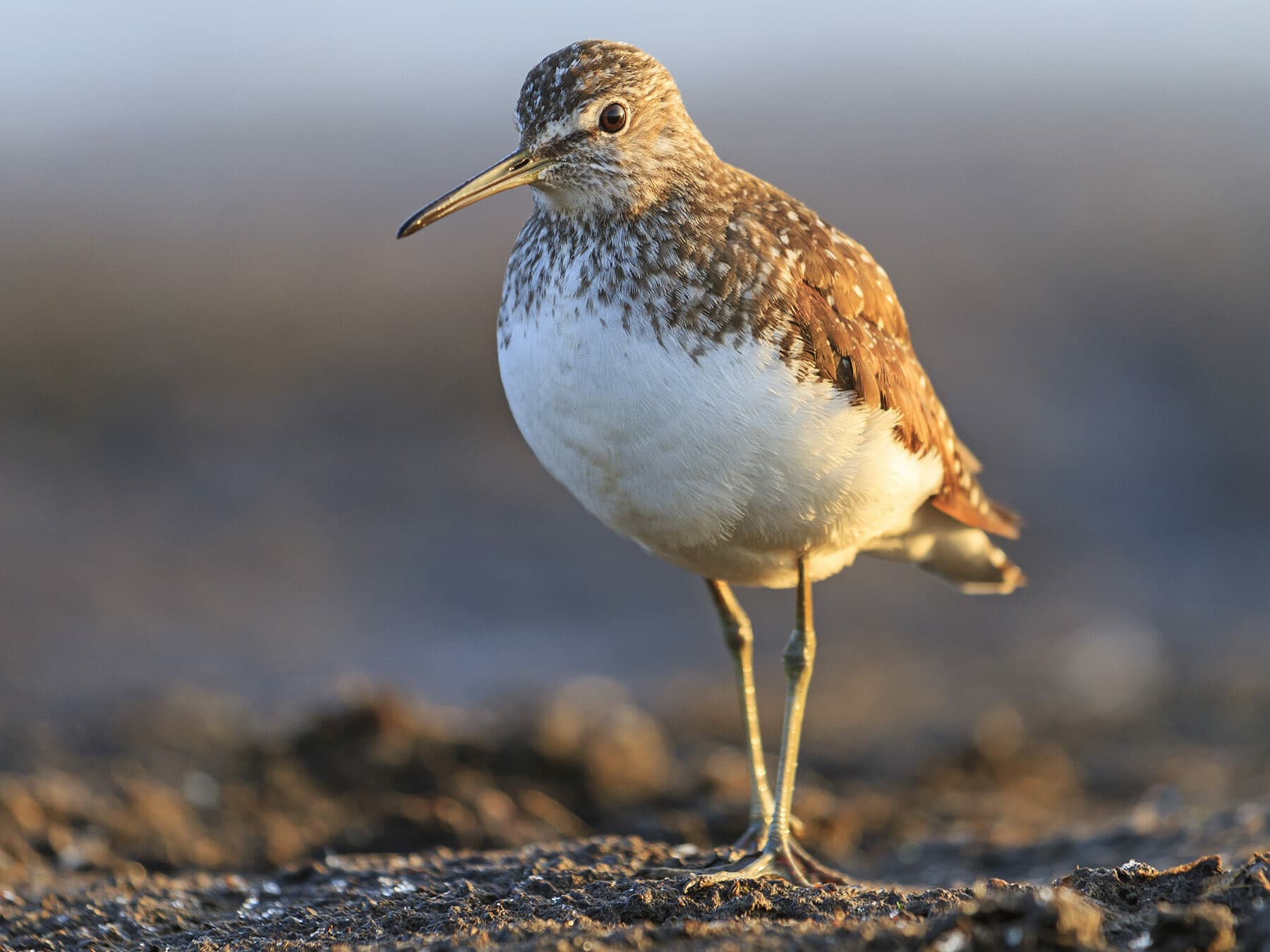
Common Sandpiper
Actitis hypoleucosLC
Present year-round along rivers, lakes and reservoirs, bobbing its tail as it feeds along stony shorelines. Breeds mainly in northern and western England.
Year-round
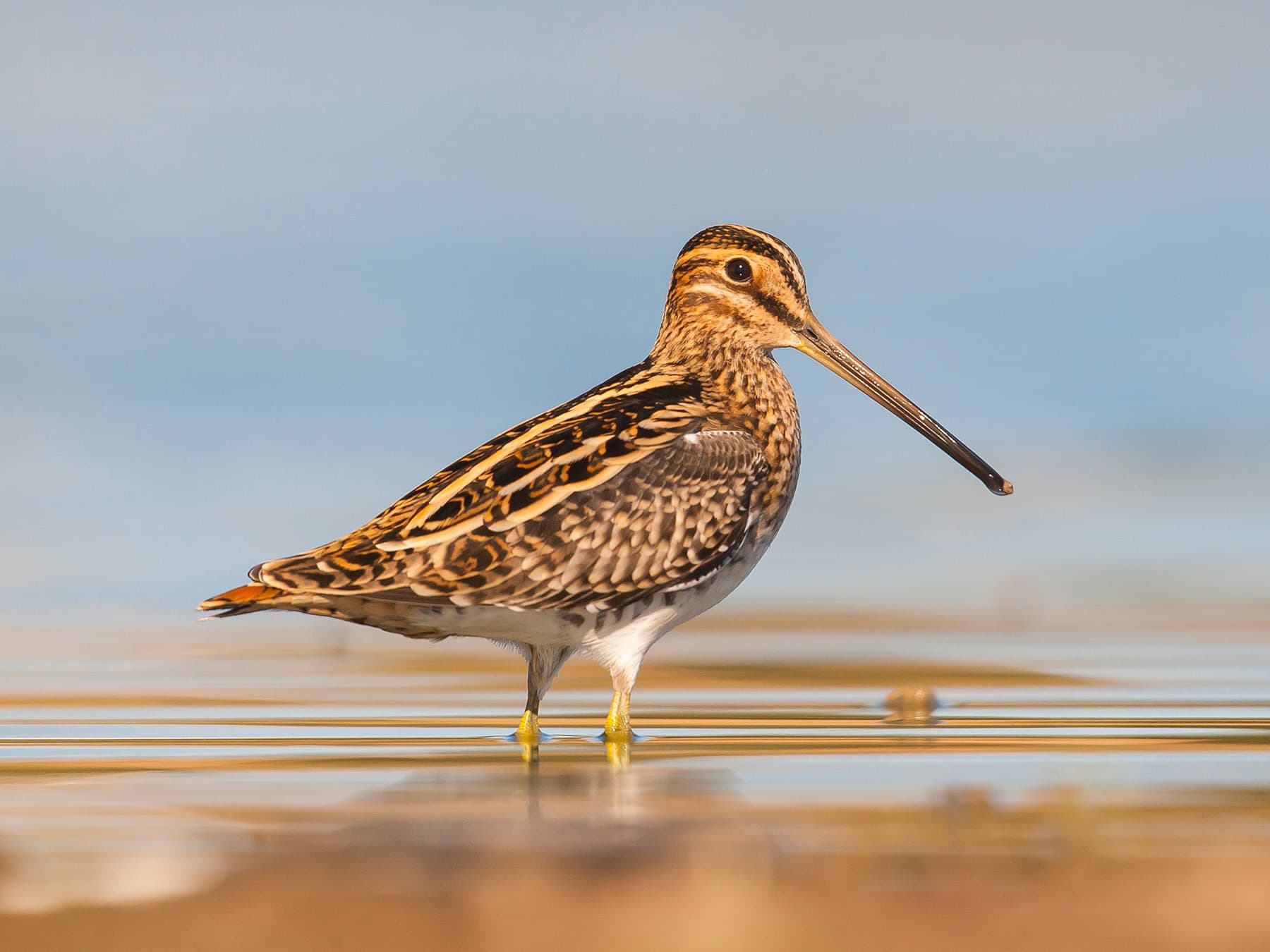
Common Snipe
Gallinago gallinagoLC
A common resident of wet meadows, bogs and marshes throughout England. Its distinctive drumming display flight is a characteristic sound of spring.
Year-round
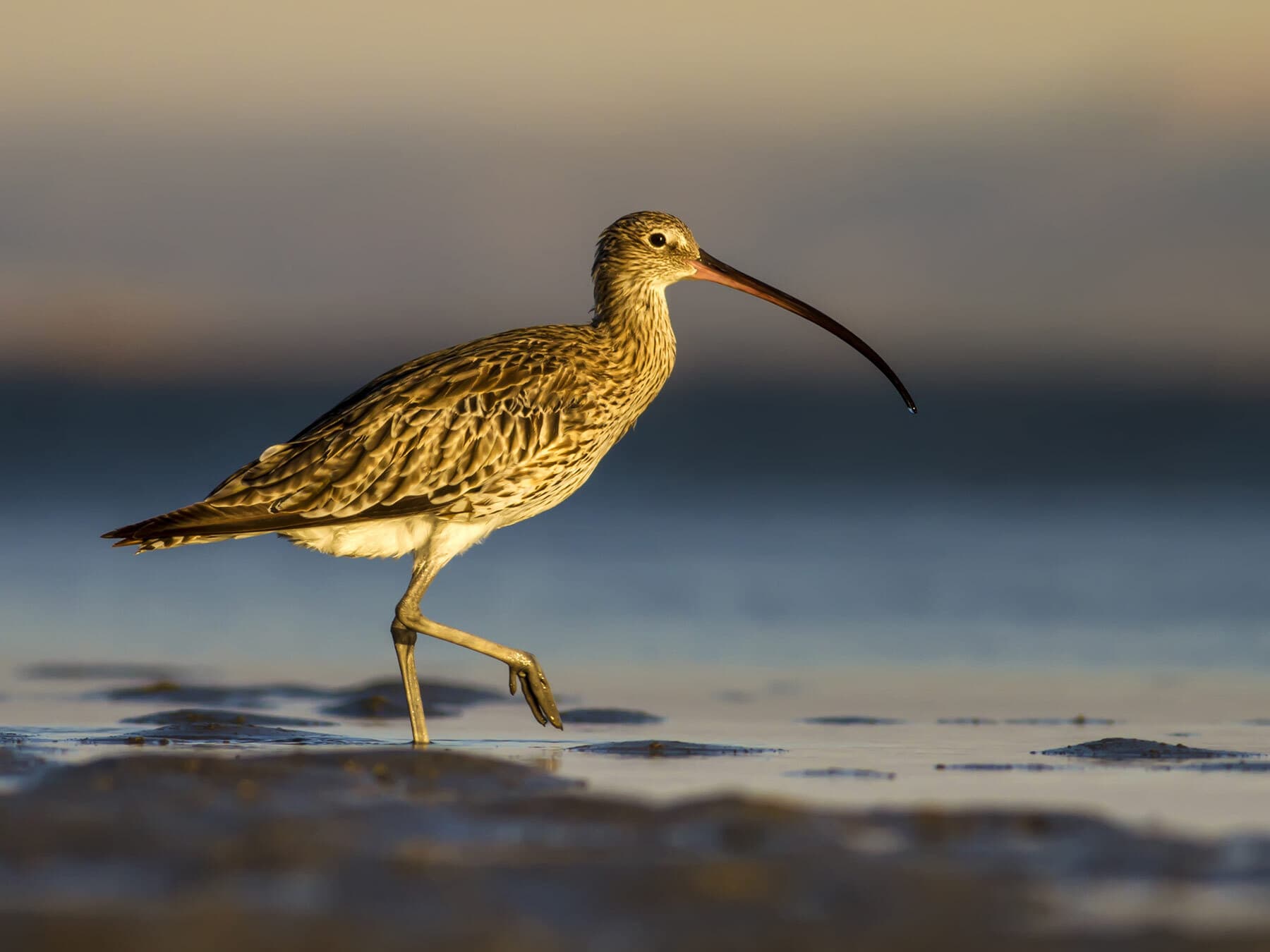
Curlew
Numenius arquataNT
A common resident breeding on upland moors and farmland. Winters in large flocks on estuaries and coastal marshes across England.
Year-round
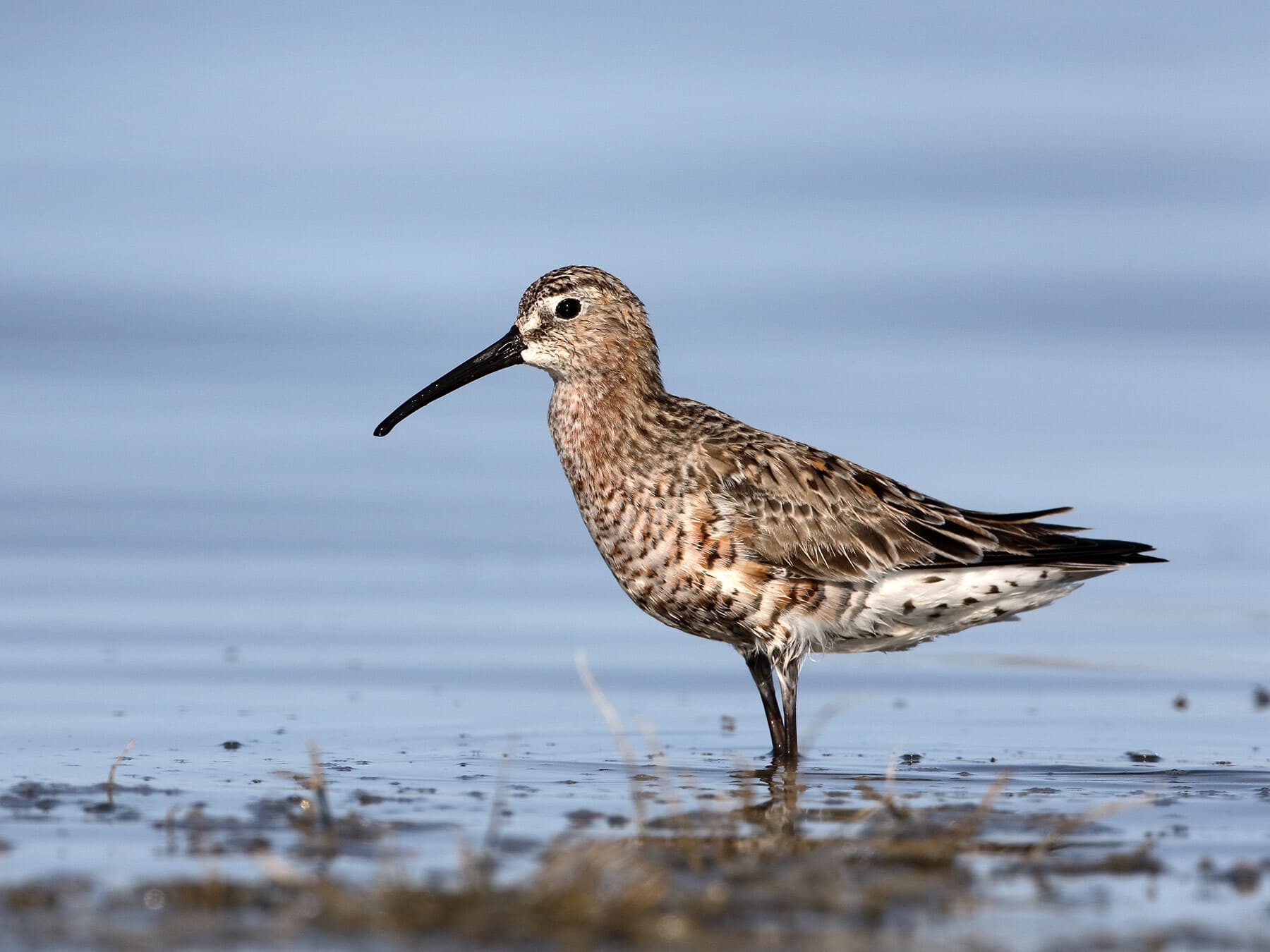
Curlew Sandpiper
Calidris ferrugineaNT
An uncommon passage wader seen on coastal mudflats and estuaries, mainly from late summer into autumn. Numbers vary greatly year to year.
Apr–Nov
Spotted something?
Upload a photo to identify it
Identify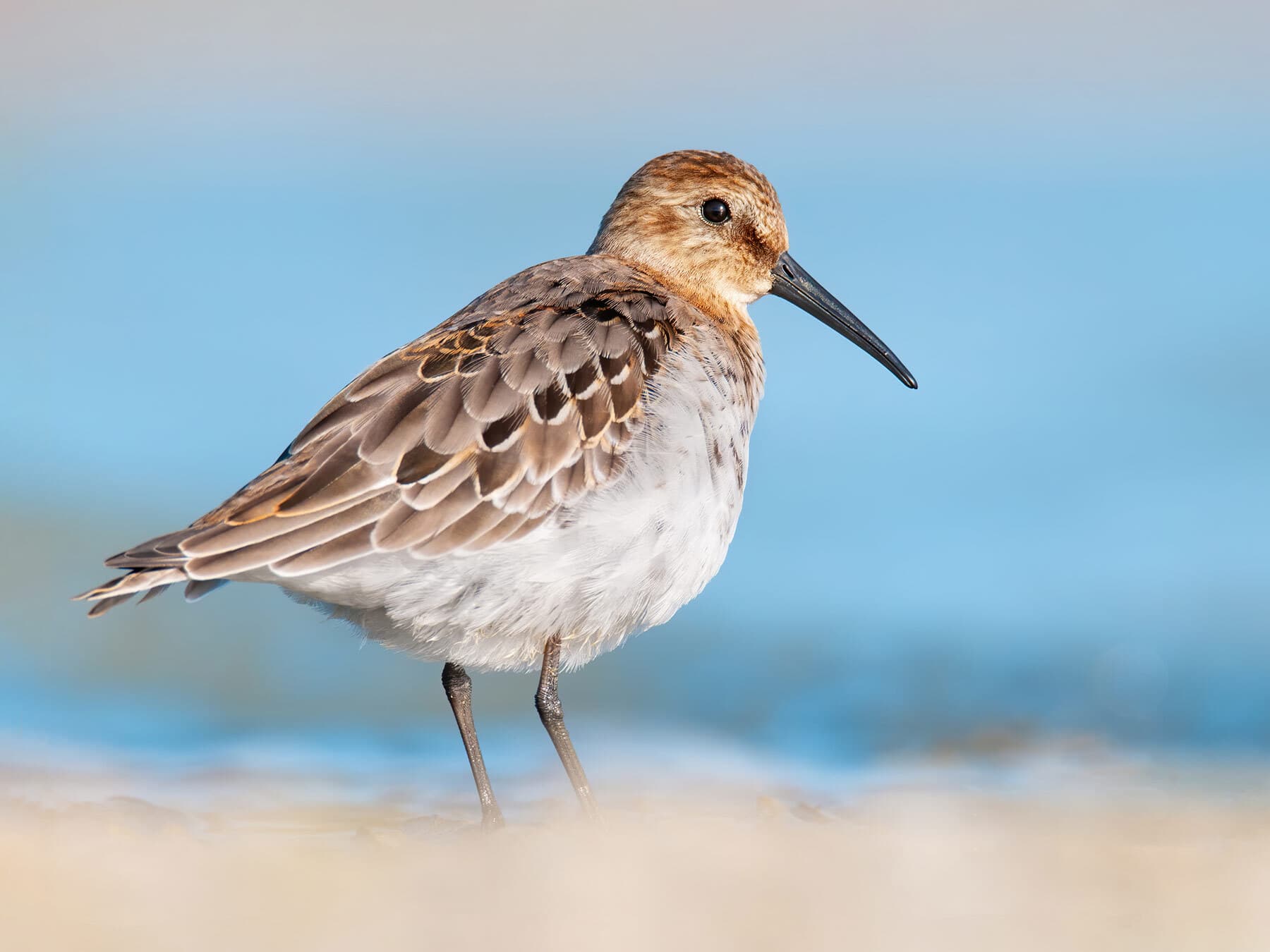
Dunlin
Calidris alpinaLC
A common wader present year-round, with huge winter flocks on estuaries. Small numbers breed on upland moors in northern England.
Year-round
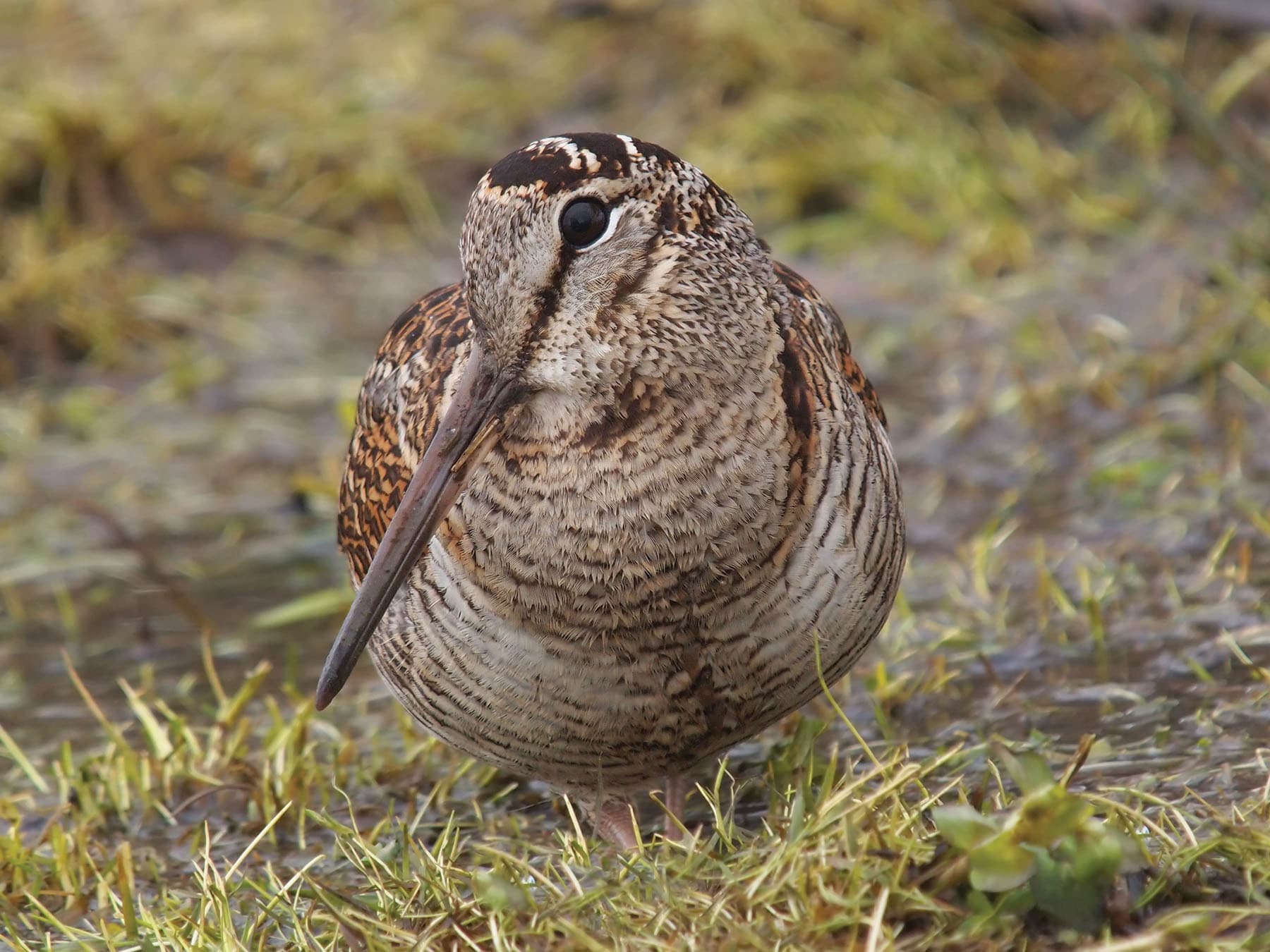
Eurasian Woodcock
Scolopax rusticolaLC
An uncommon resident of damp woodlands, with numbers swelled by continental arrivals in autumn. Most easily seen during its roding display flights.
Oct–Jul
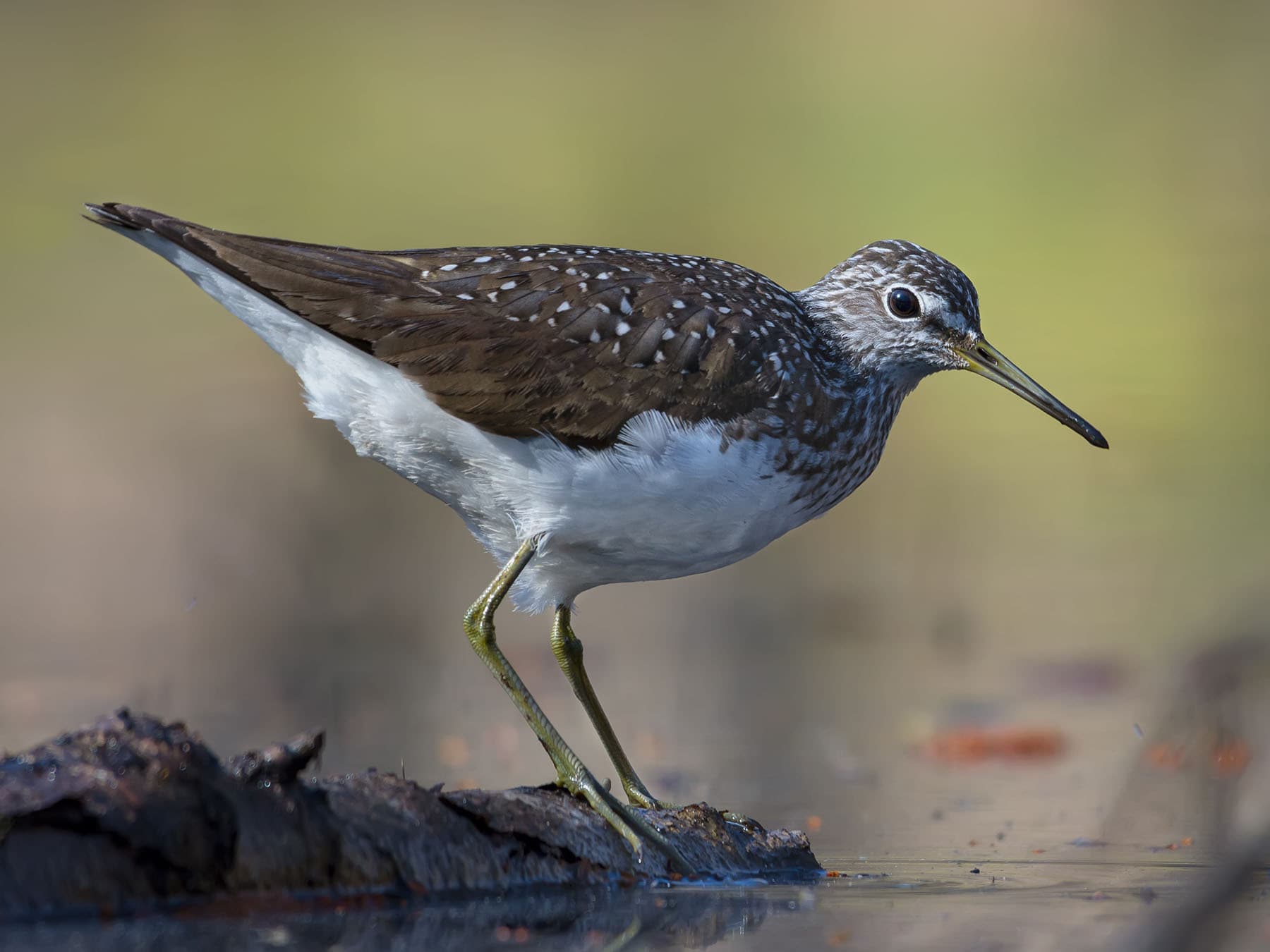
Green Sandpiper
Tringa ochropusLC
A common but often solitary wader found along freshwater streams, ditches and lake margins. Bobs its tail distinctively and flushes with a sharp call.
Jun–Apr
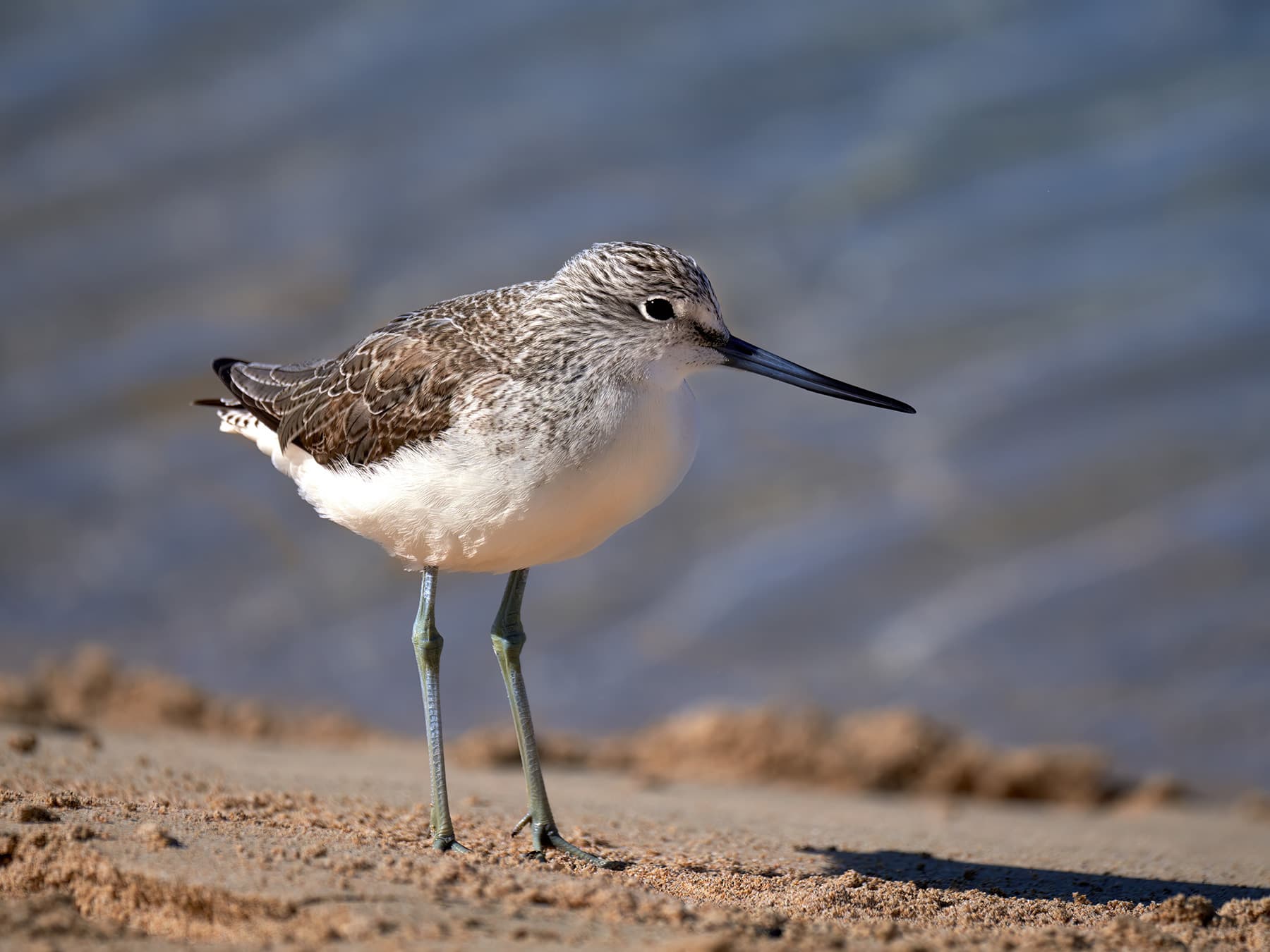
Greenshank
Tringa nebulariaLC
An uncommon but year-round wader, most often seen on estuaries and coastal marshes during passage and winter months.
Year-round
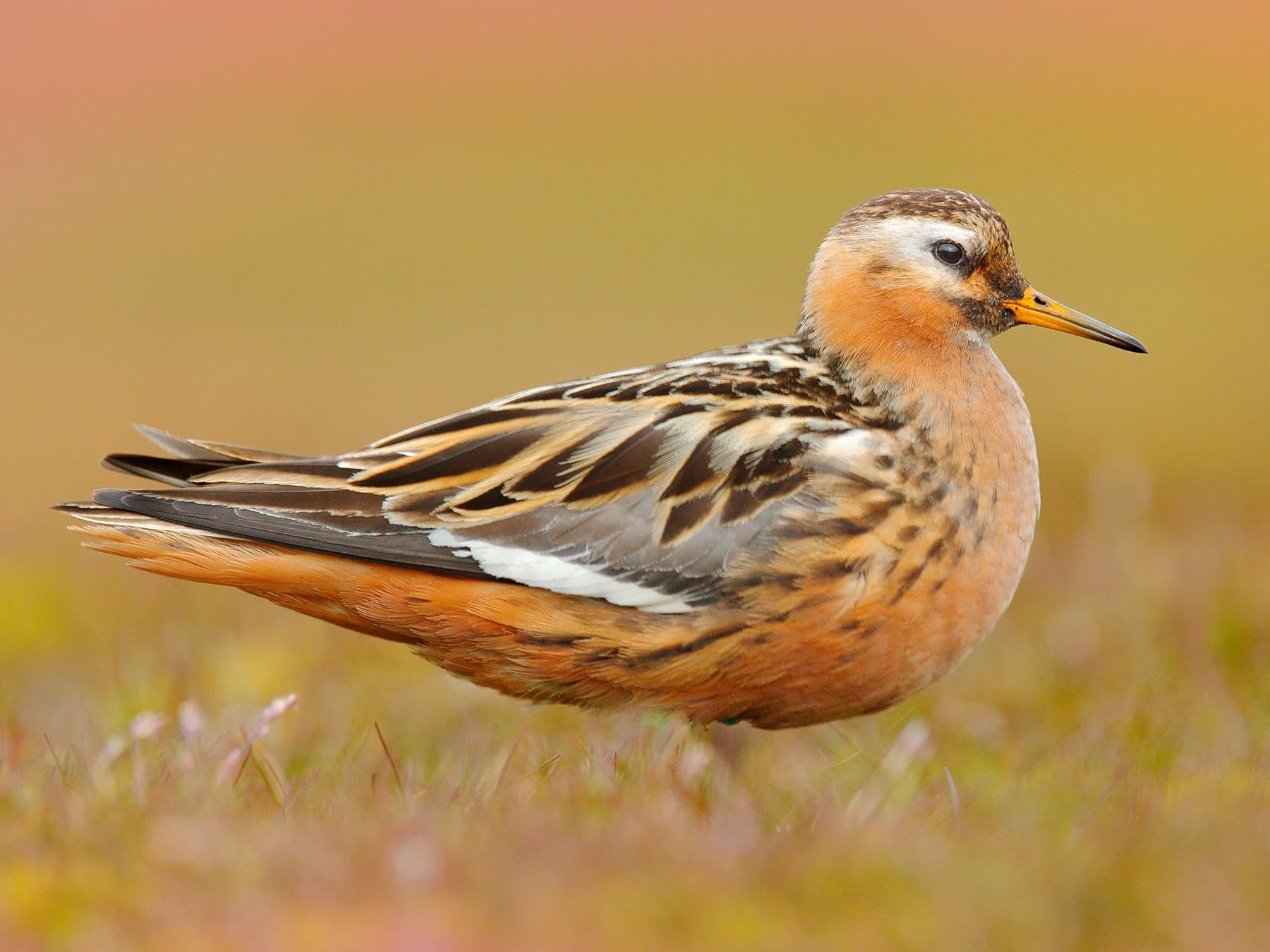
Grey Phalarope
Phalaropus fulicariusLC
A rare autumn and winter passage visitor, typically driven inshore by Atlantic storms. Most often seen at coastal headlands and harbours.
Aug–Dec
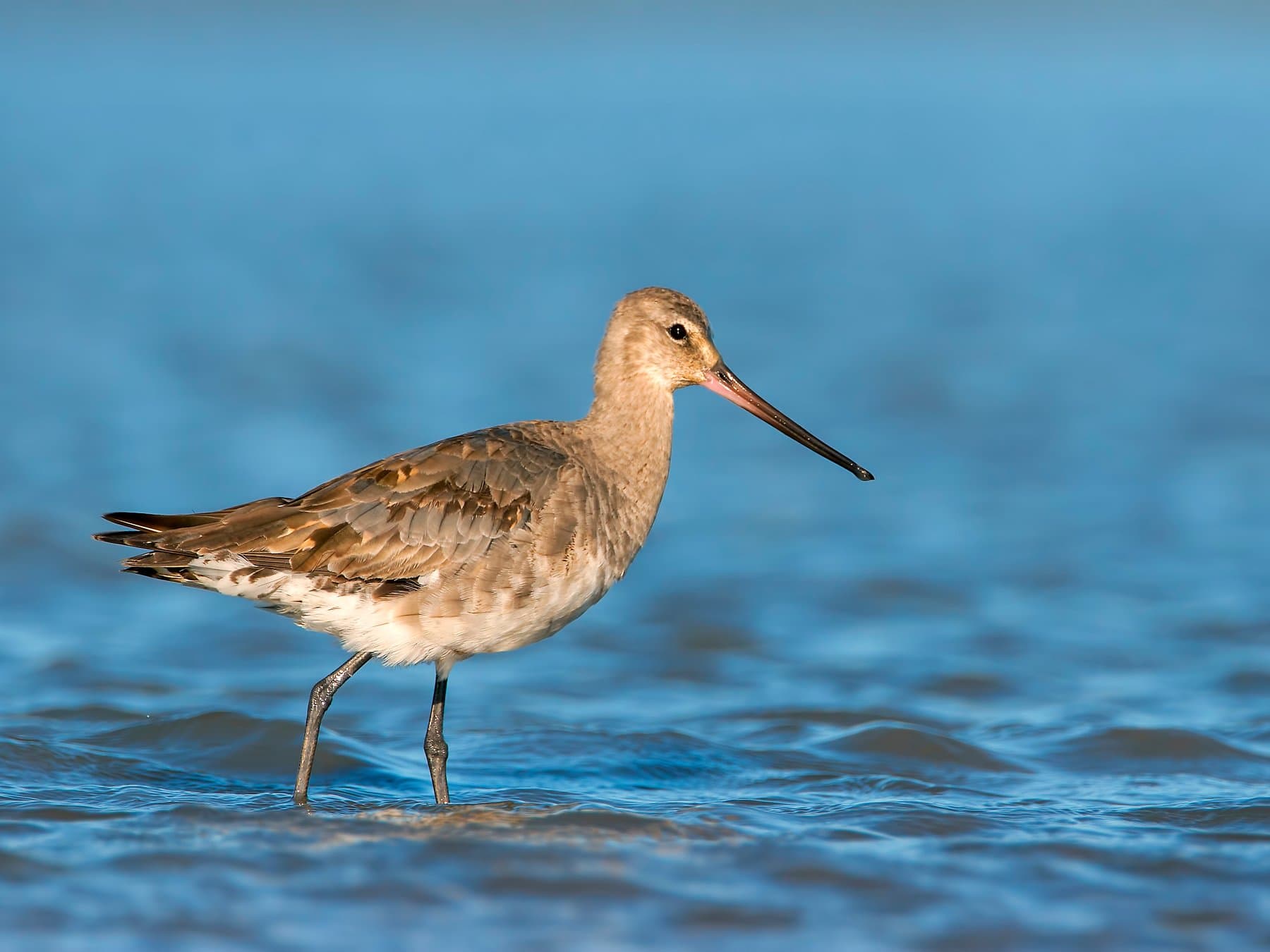
Hudsonian Godwit
Limosa haemasticaVU
An extremely rare transatlantic vagrant, with only a handful of English records. Most likely to appear at coastal estuaries during spring or autumn passage.
May–Aug
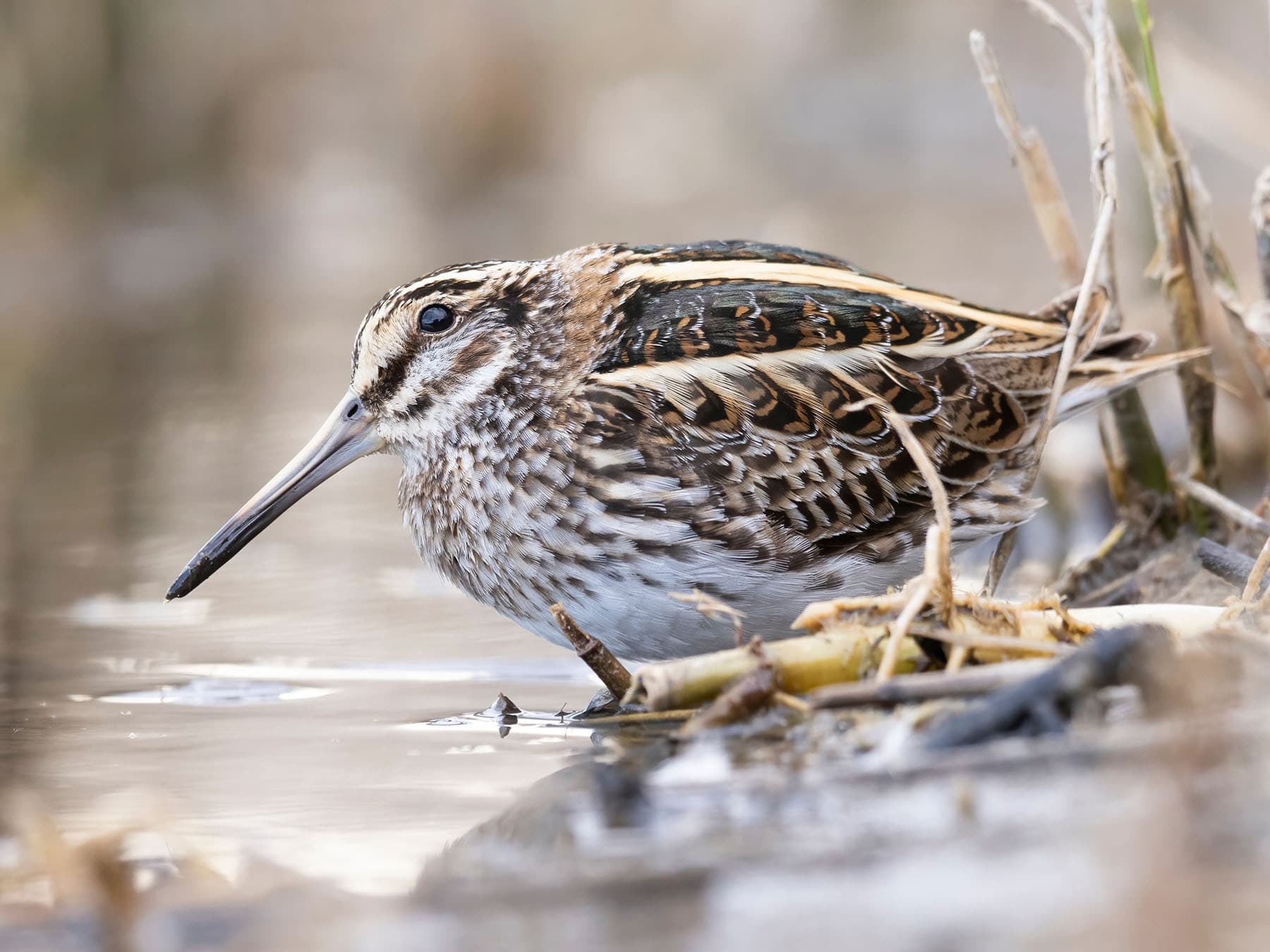
Jack Snipe
Lymnocryptes minimusLC
A secretive winter visitor to boggy marshes and wet meadows, arriving from northern breeding grounds. Often sits tight and flushes silently at close range.
Sep–Apr
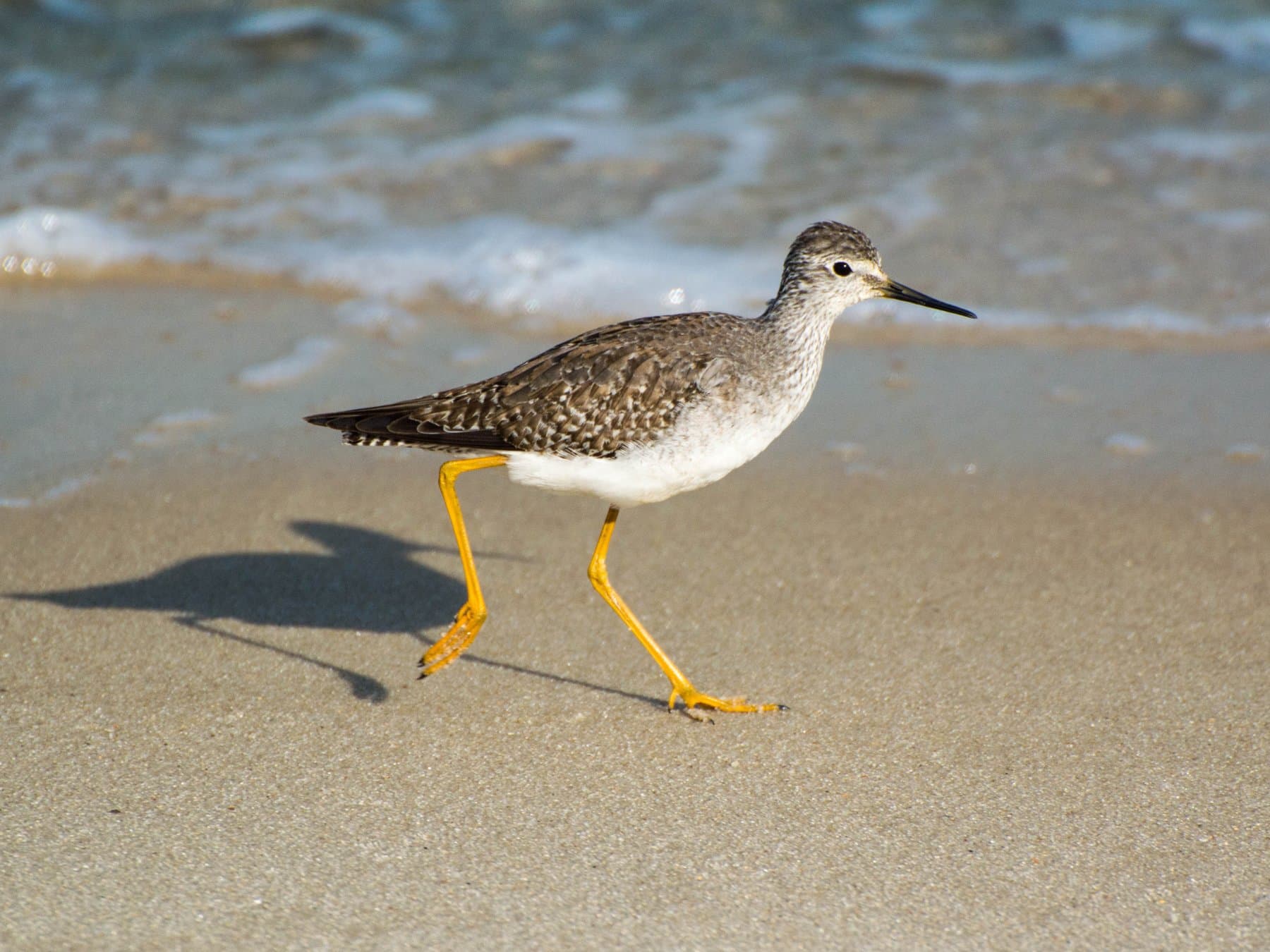
Lesser Yellowlegs
Tringa flavipesVU
An uncommon Nearctic wader occasionally recorded at freshwater pools and coastal marshes. A prized find for birders, most likely at well-watched wetland reserves.
Year-round
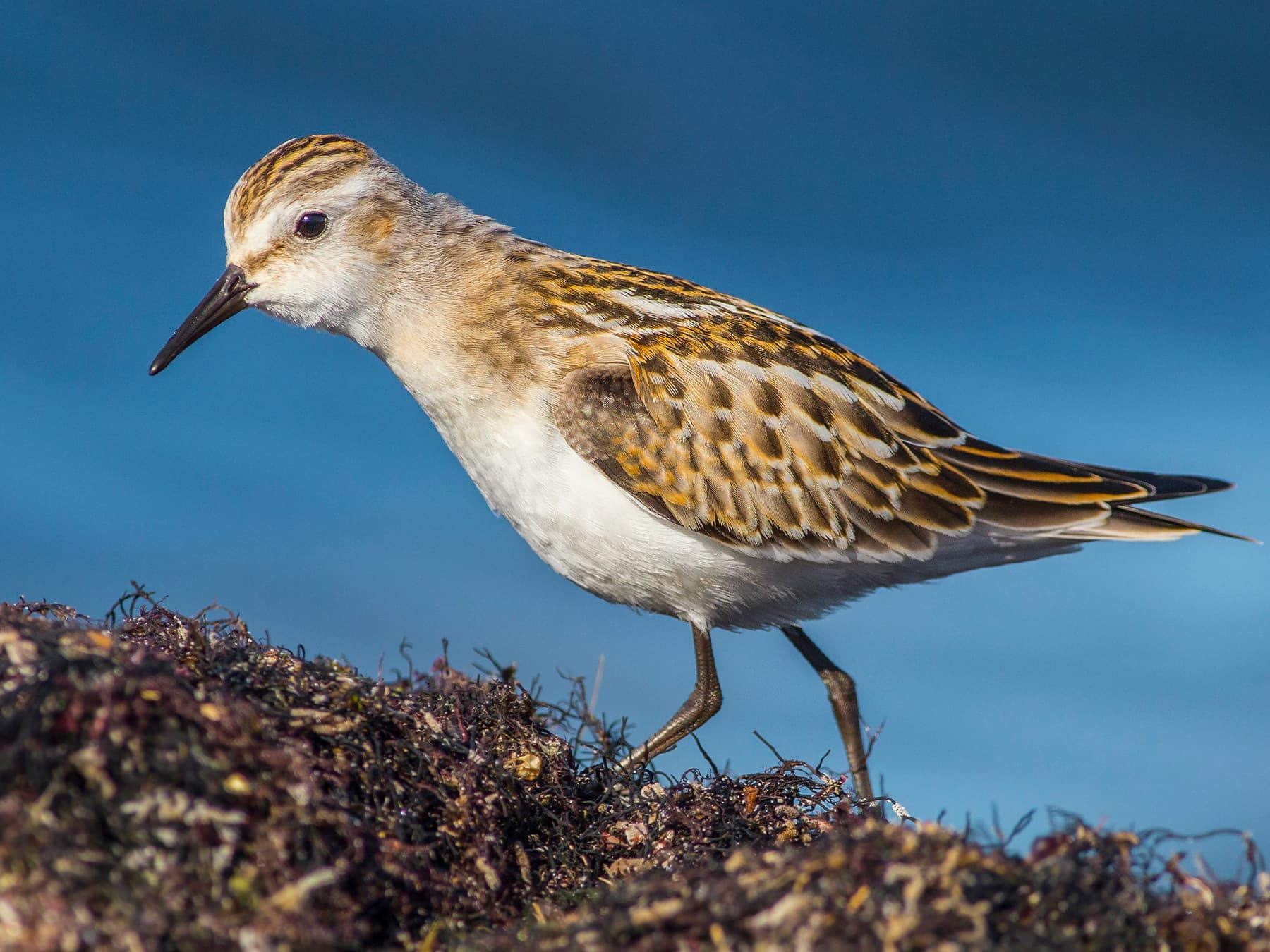
Little Stint
Calidris minutaLC
An uncommon but regular wader, most numerous on passage at coastal pools and estuaries in autumn. A tiny, active bird often feeding alongside Dunlin.
Year-round
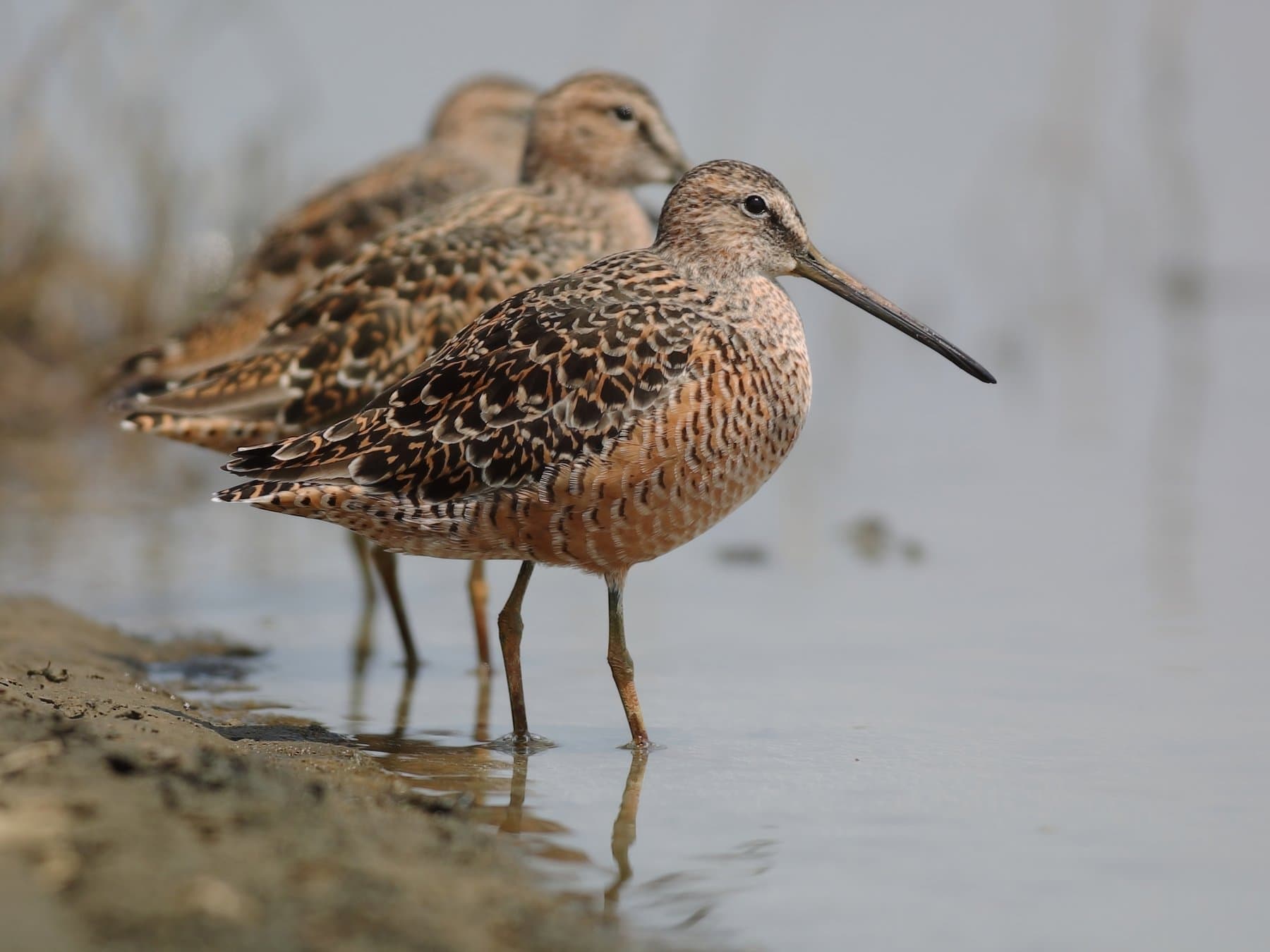
Long-billed Dowitcher
Limnodromus scolopaceusNT
A rare Nearctic wader occasionally found at freshwater marshes and reservoirs, most often in autumn. Long-staying individuals sometimes overwinter.
Jul–Apr
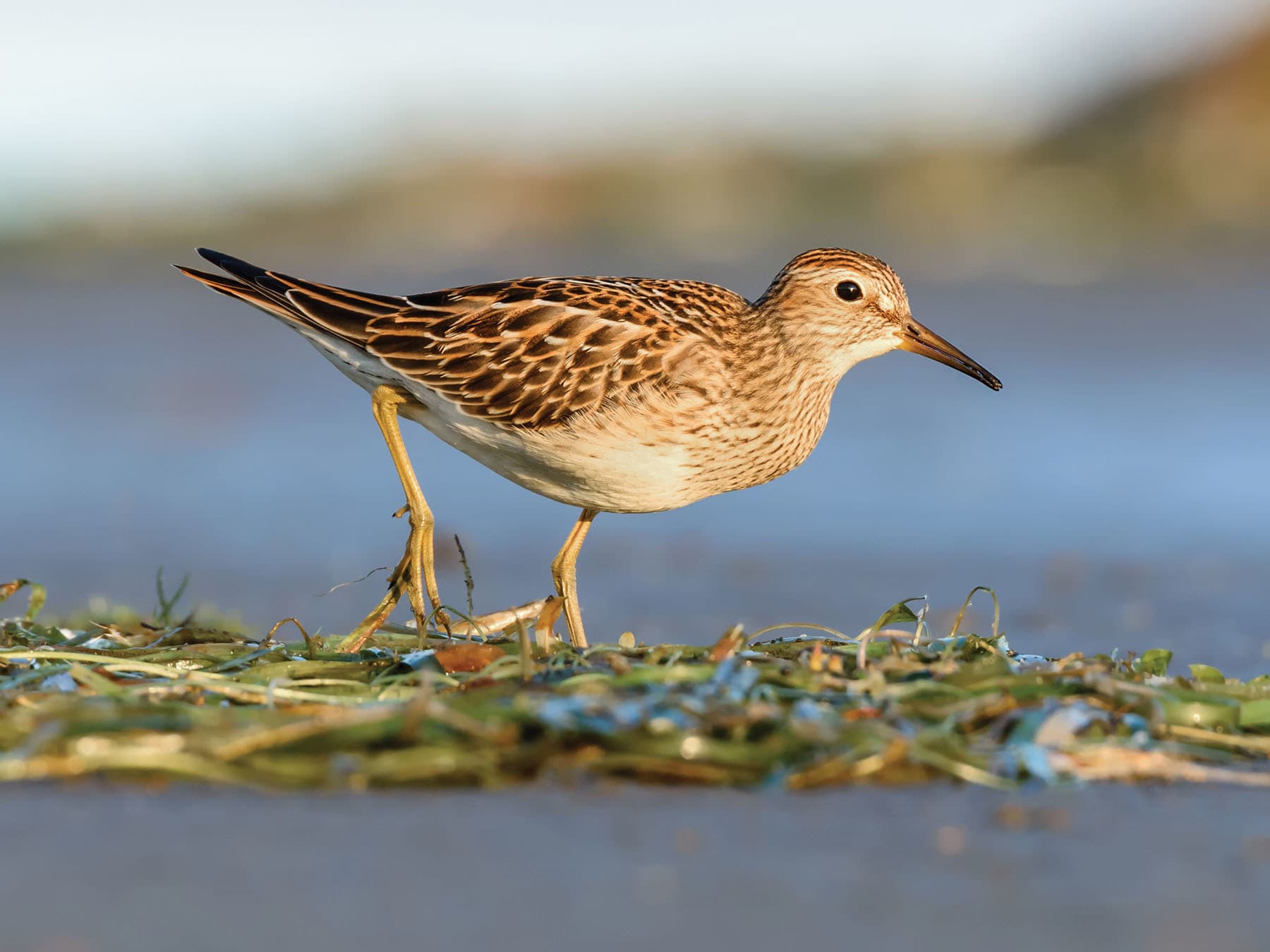
Pectoral Sandpiper
Calidris melanotosLC
A rare Nearctic passage wader, mainly seen at freshwater scrapes and coastal pools from July to October. Most records come from well-watched wetland reserves.
May–Oct
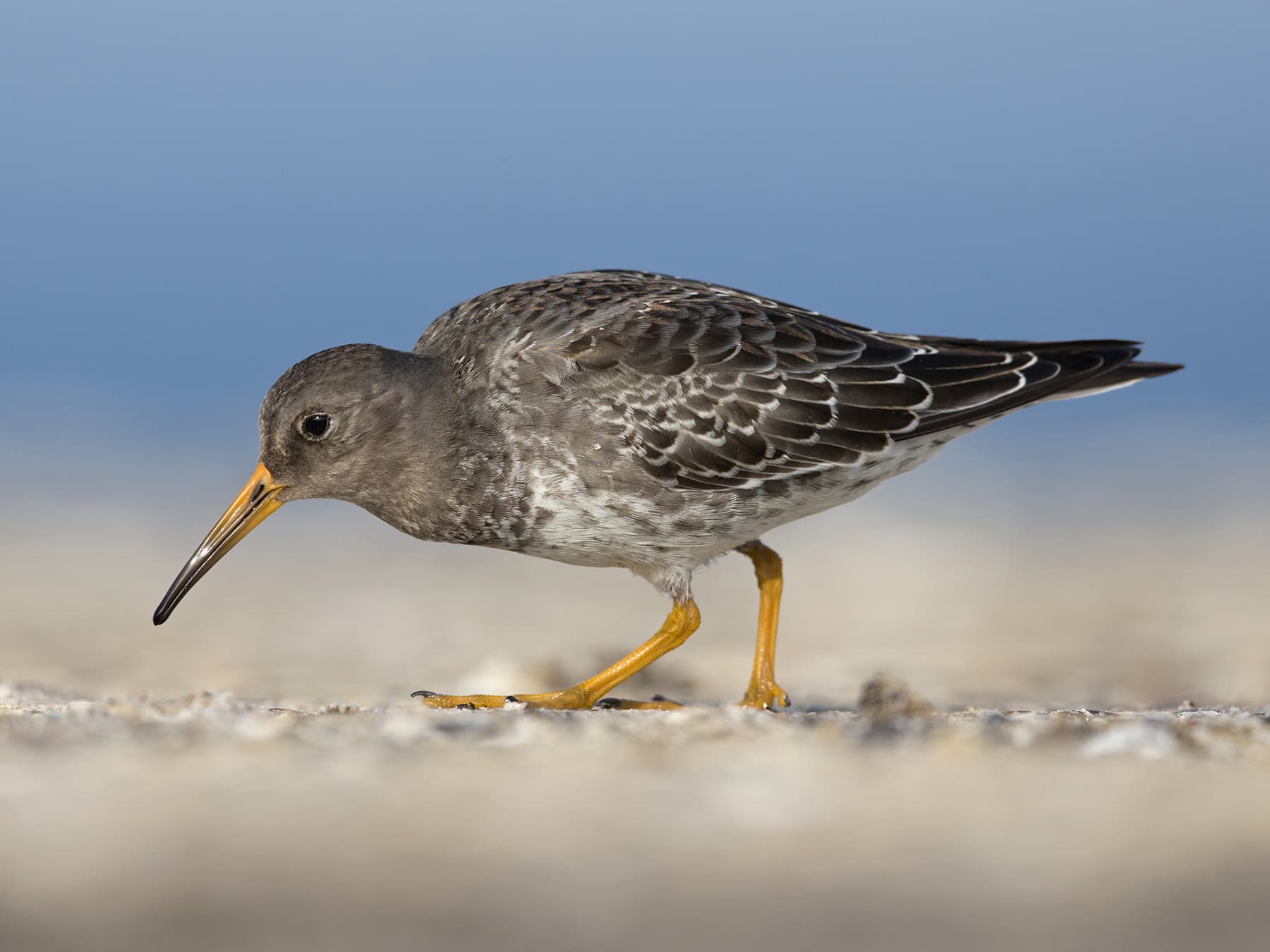
Purple Sandpiper
Calidris maritimaLC
An uncommon wader favouring rocky coasts and harbour walls, mainly in winter. Scarce in June but otherwise present most of the year.
Jul–May
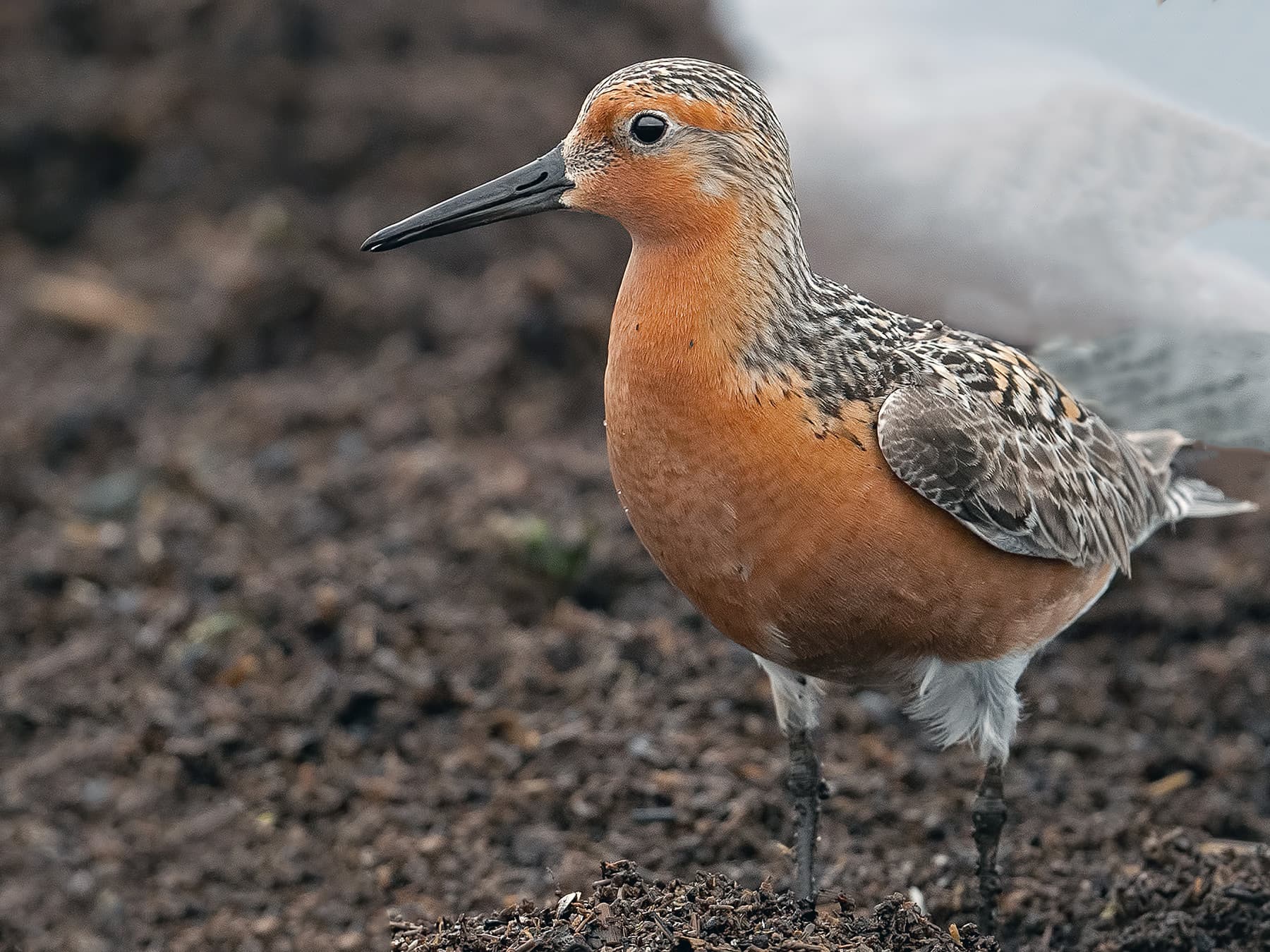
Red Knot
Calidris canutusNT
An uncommon but locally abundant wader on estuaries and mudflats, with large winter flocks gathering at sites like the Wash and Morecambe Bay.
Year-round
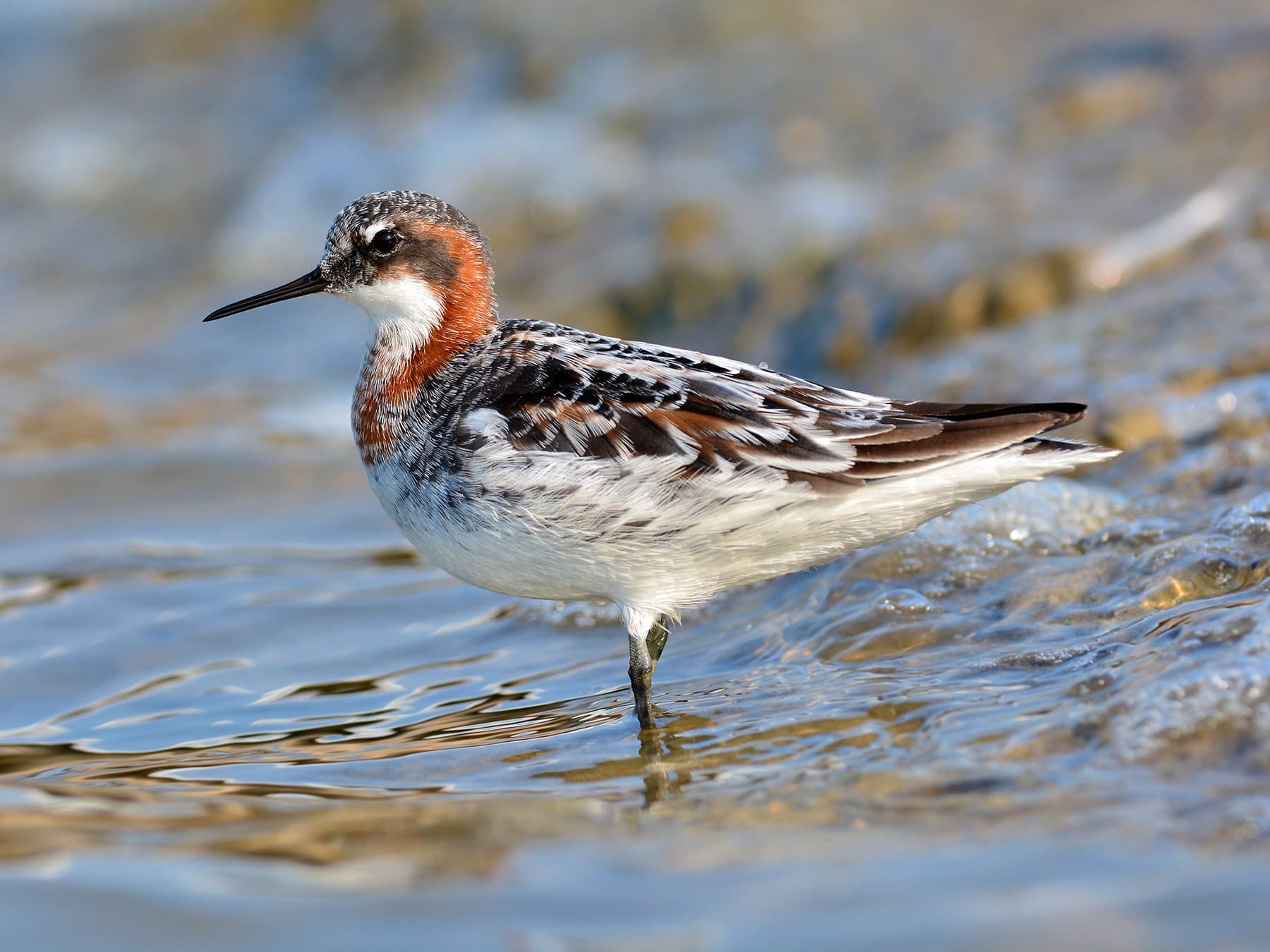
Red-necked Phalarope
Phalaropus lobatusLC
A rare passage migrant, mainly in autumn, favouring coastal pools and freshwater margins. Most breed far to the north.
May–Oct
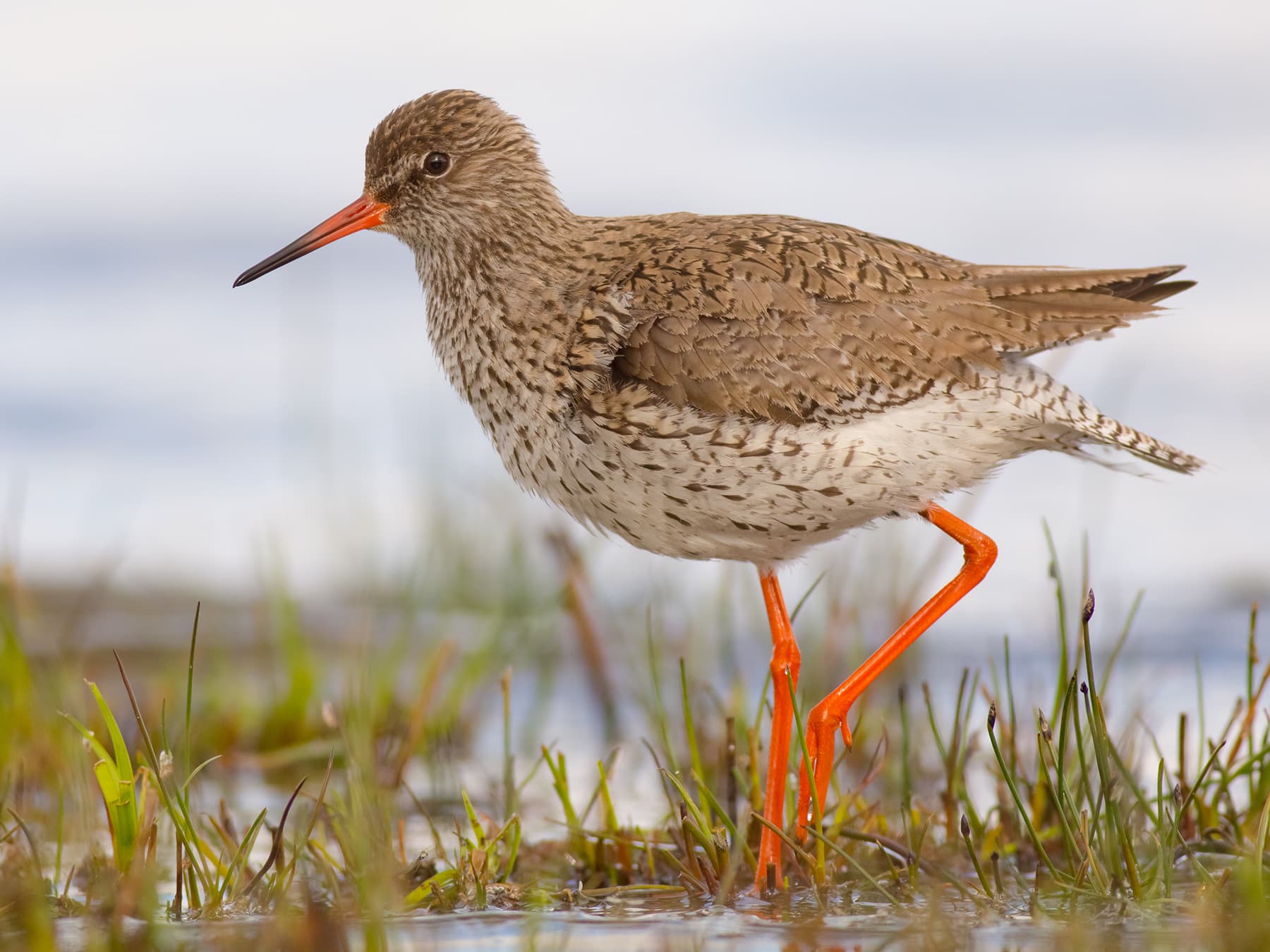
Redshank
Tringa totanusLC
A common year-round wader found on estuaries, saltmarshes and wet grasslands. Breeding populations have declined, but winter numbers remain healthy.
Year-round