Sandpipers & Snipes in England
32 species matching this filter.
England's diverse coastlines, estuaries, and wetlands provide vital habitat for 25 species of sandpipers and snipes. From the evocative call of the Curlew on upland moors to vast flocks of Bar-tailed Godwits gathering on coastal mudflats, this family of wading birds is one of the most rewarding groups to observe across the seasons. Notable species such as the Eurasian Woodcock, Common Snipe, and Jack Snipe can be found in damp woodlands and marshy grasslands throughout the country.


Showing 24–32 of 32 species
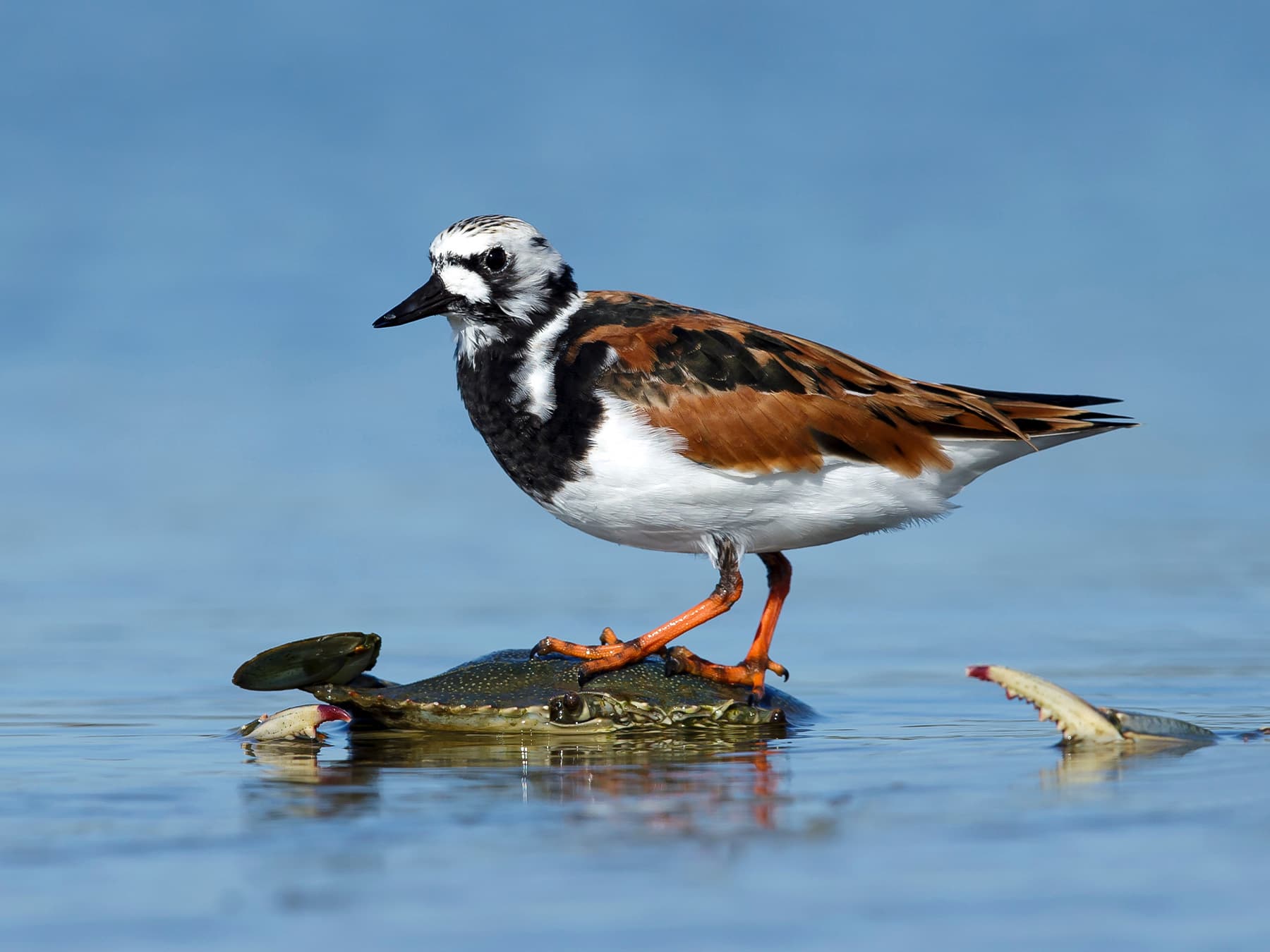
Ruddy Turnstone
Arenaria interpresLC
An uncommon but widespread coastal wader, flipping stones and seaweed to find invertebrates. Present year-round, with numbers highest outside the breeding season.
Year-round
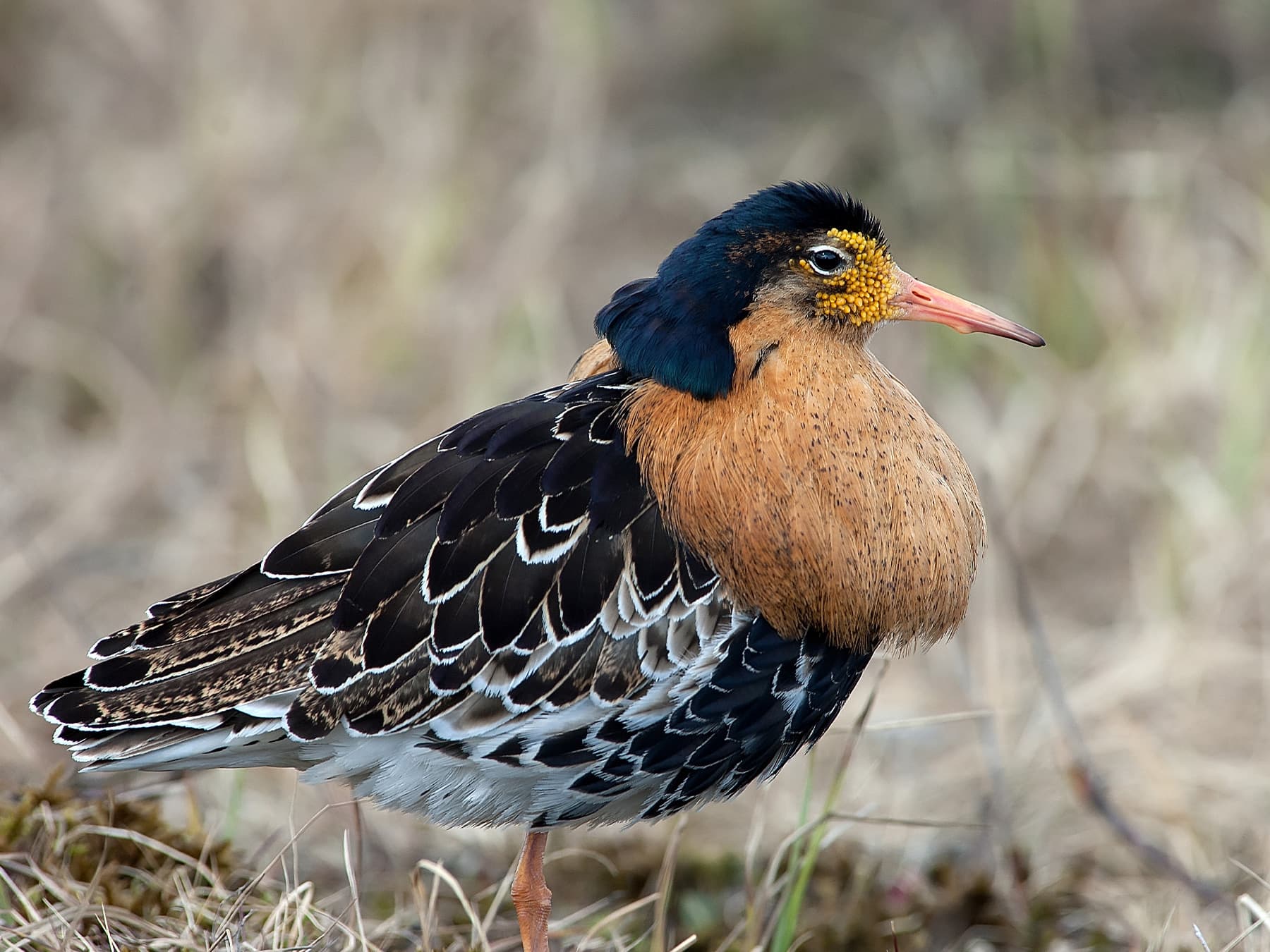
Ruff
Philomachus pugnaxLC
An uncommon wader found on coastal marshes and flooded fields. Numbers peak on passage, though a few breed at fenland reserves in eastern England.
Year-round
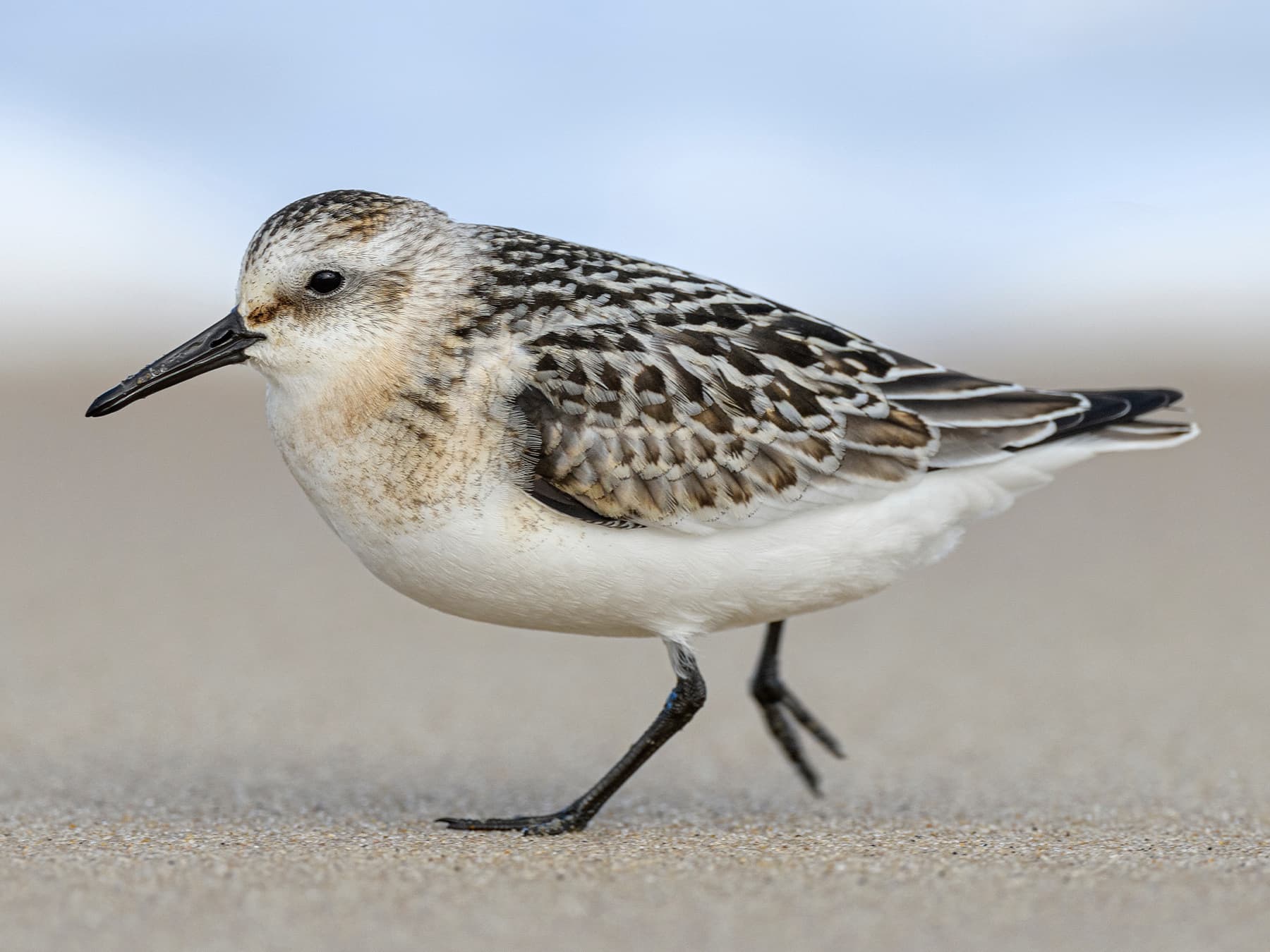
Sanderling
Calidris albaLC
An uncommon but regular wader found year-round on sandy beaches, running along the tideline in small flocks. Numbers peak during autumn and winter passage.
Year-round
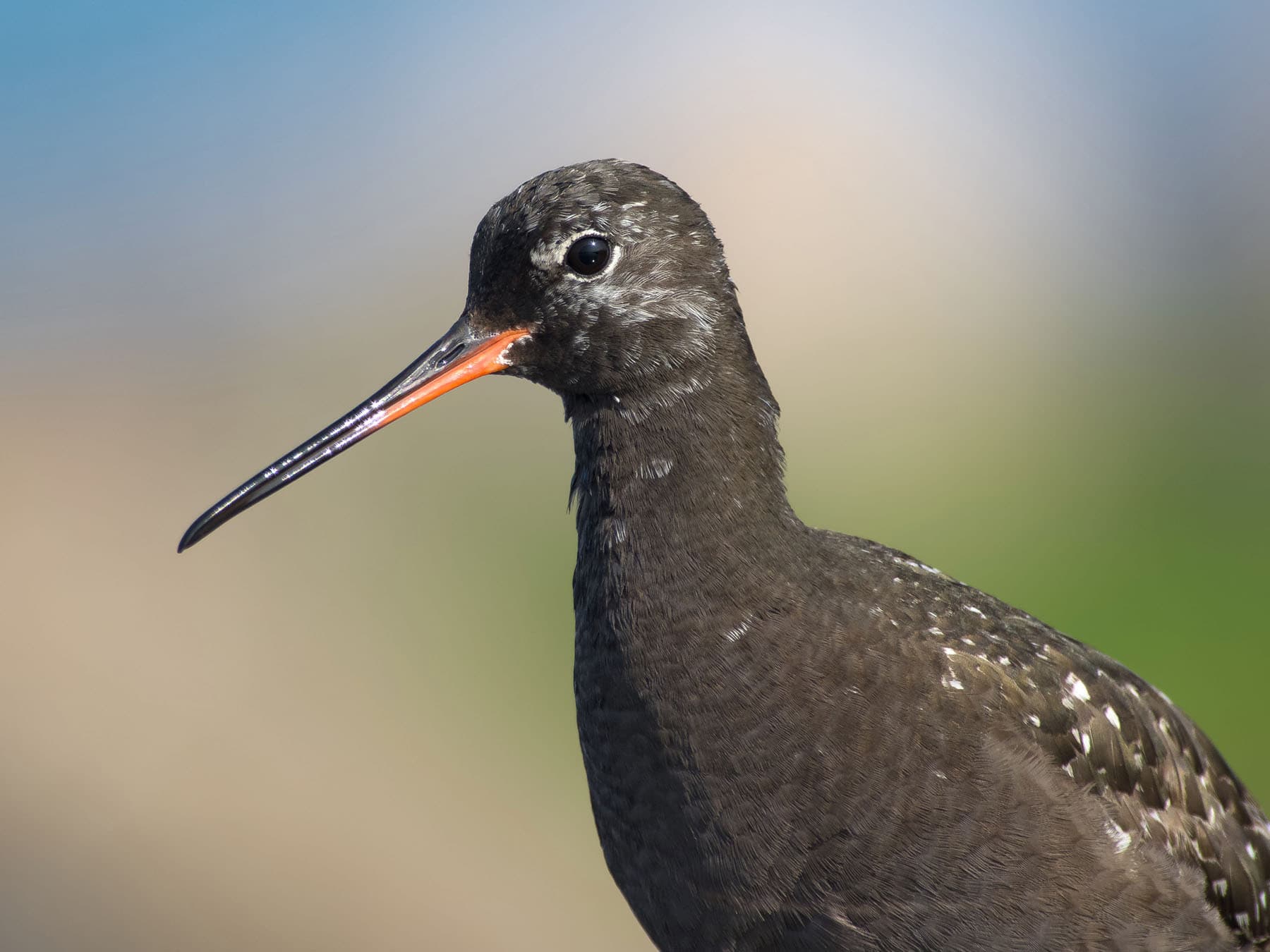
Spotted Redshank
Tringa erythropusLC
An uncommon wader found mainly on coastal marshes and estuaries. Most numerous on autumn passage, with small numbers lingering through winter.
Year-round
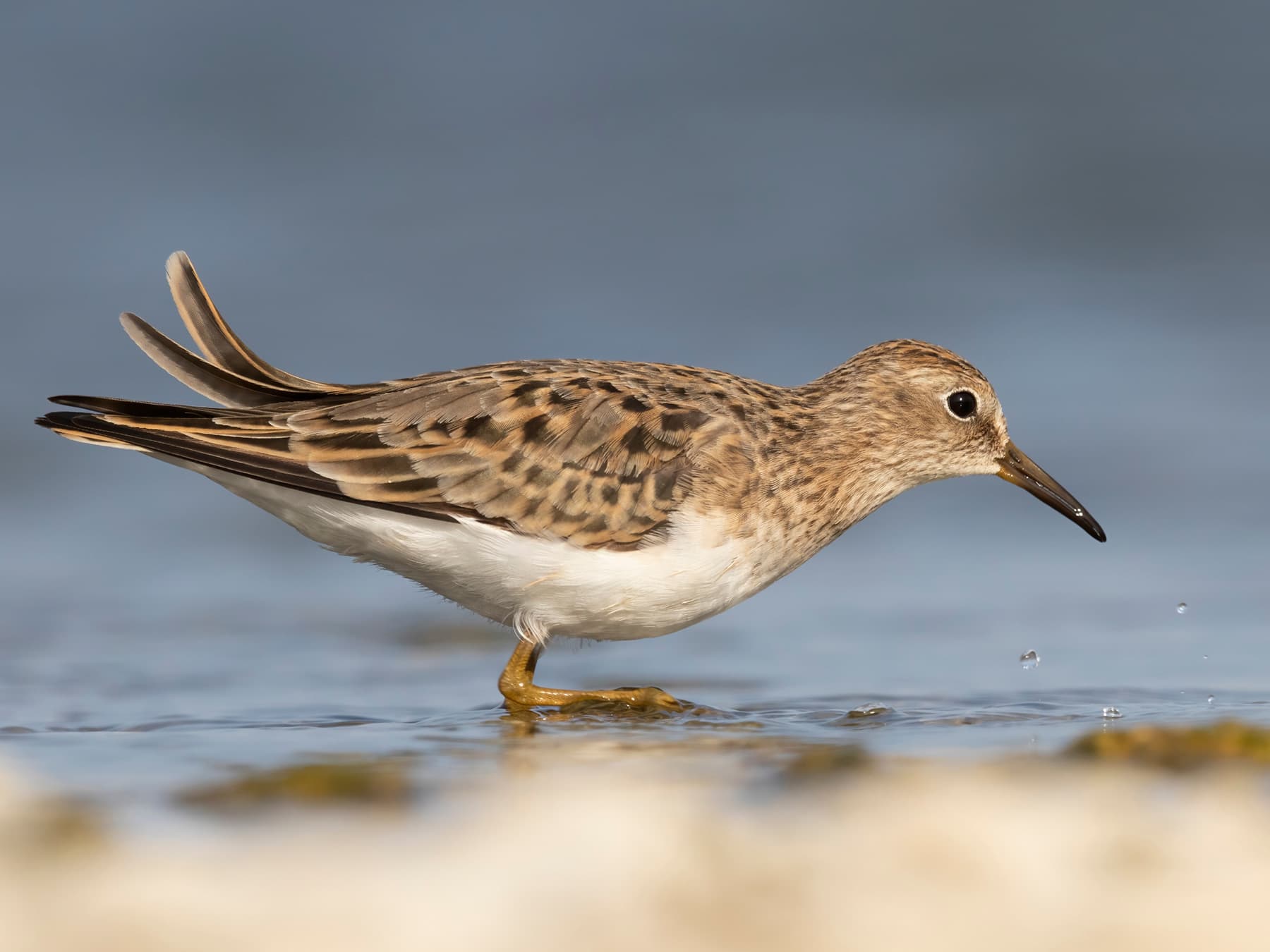
Temminck's Stint
Calidris temminckiiLC
A rare passage migrant, mainly in spring and autumn, favouring freshwater pool margins. Most records come from eastern England.
May–Dec
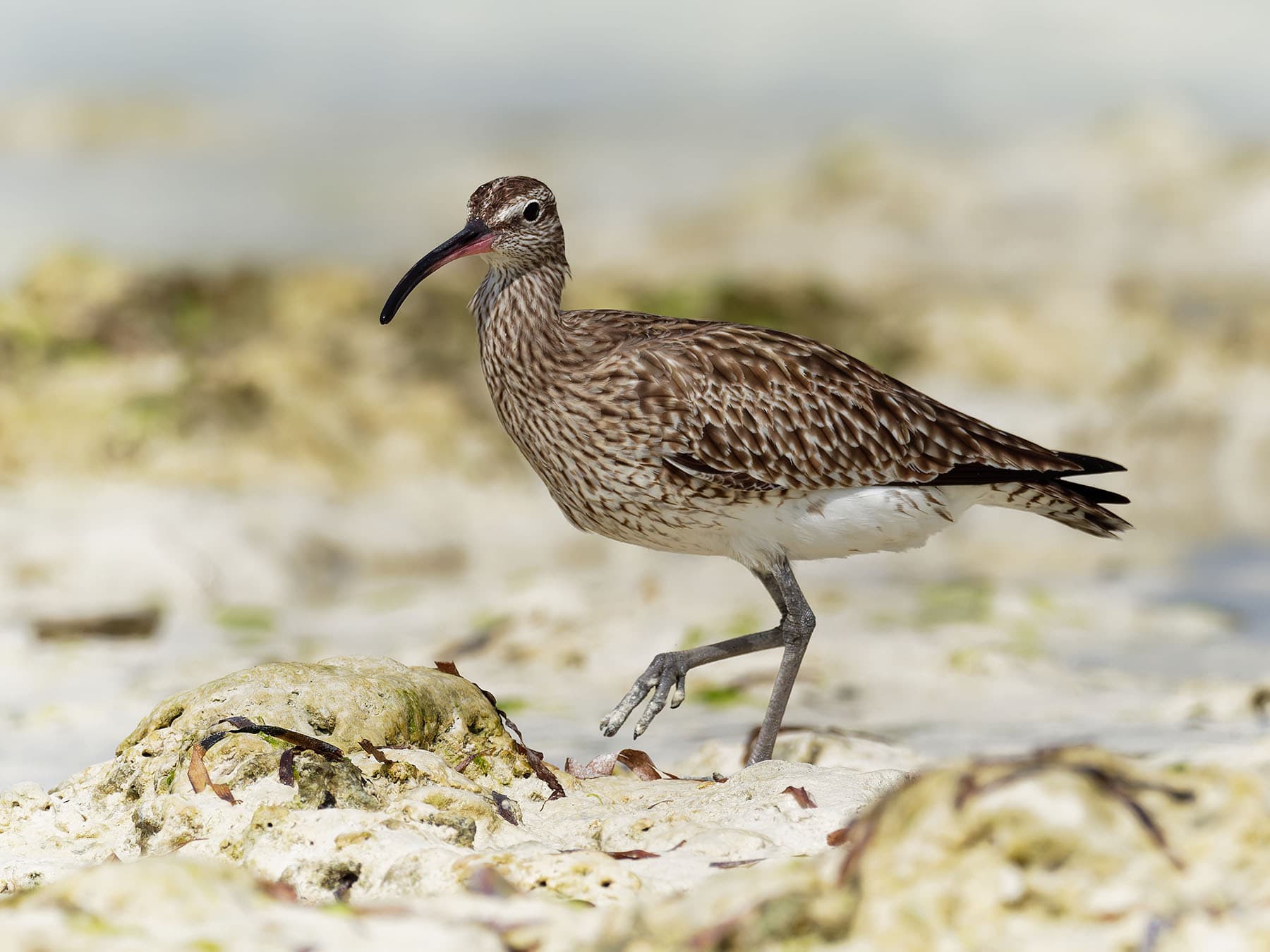
Whimbrel
Numenius phaeopusLC
An uncommon wader present year-round but most conspicuous on spring and autumn passage along coasts. Its distinctive rippling call carries far across estuaries.
Year-round
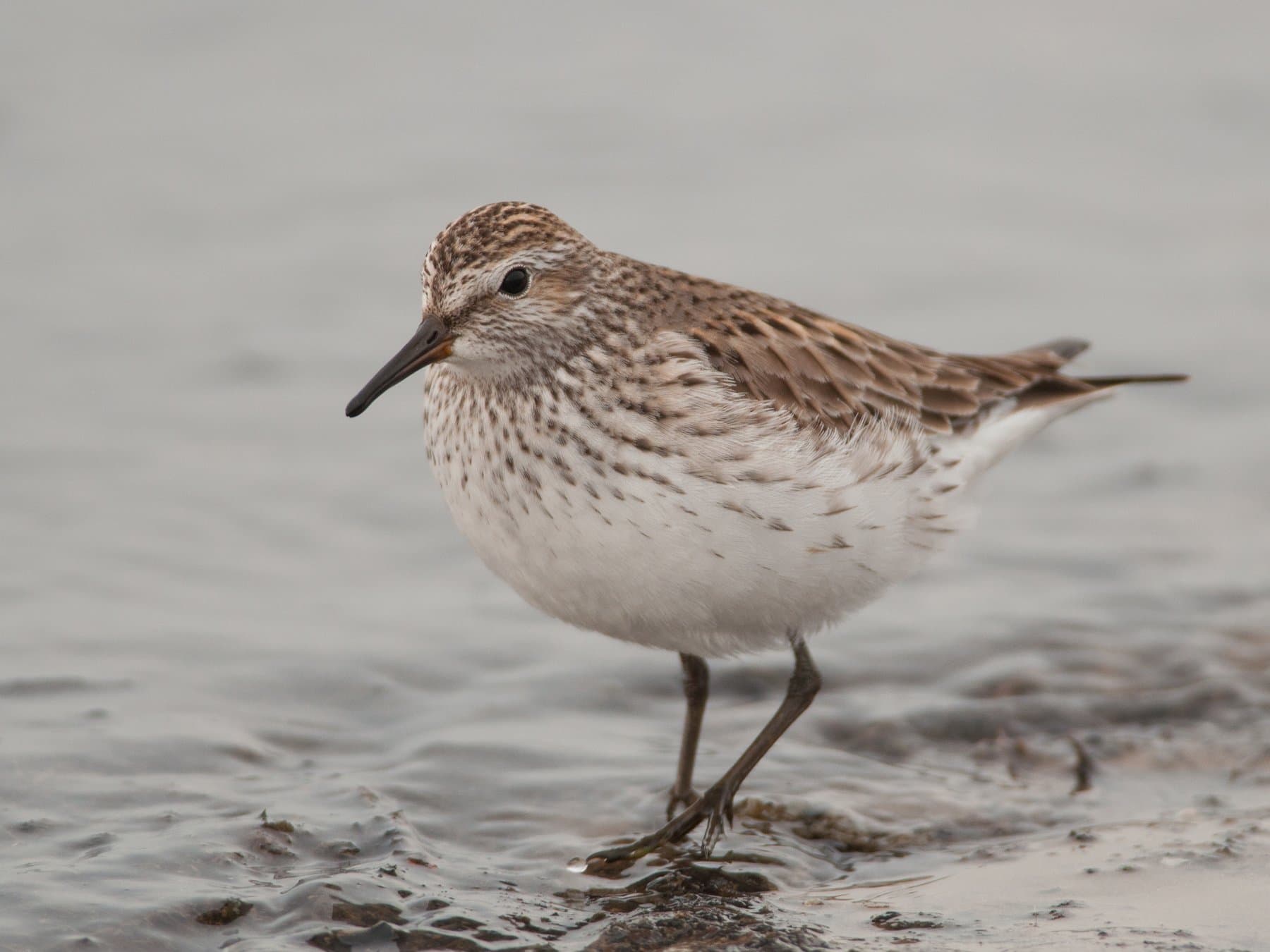
White-rumped Sandpiper
Calidris fuscicollisVU
A rare transatlantic vagrant, most likely seen at coastal pools and estuaries during autumn passage from July to November.
Jul–Feb
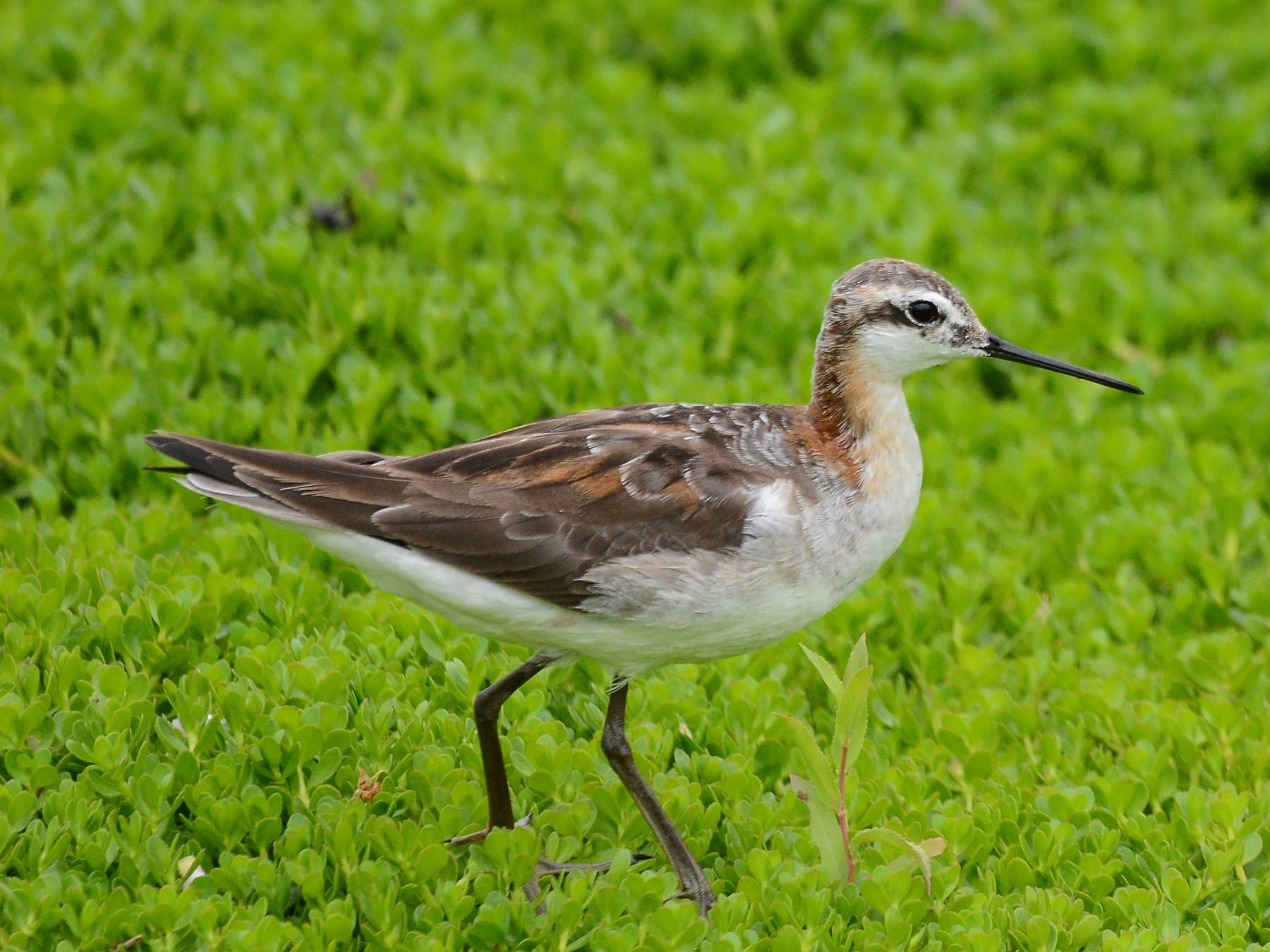
Wilson's Phalarope
Phalaropus tricolorLC
A rare autumn vagrant from the Americas, occasionally found at freshwater pools and marshes between September and November.
Sep–Nov
Spotted something?
Upload a photo to identify it
Identify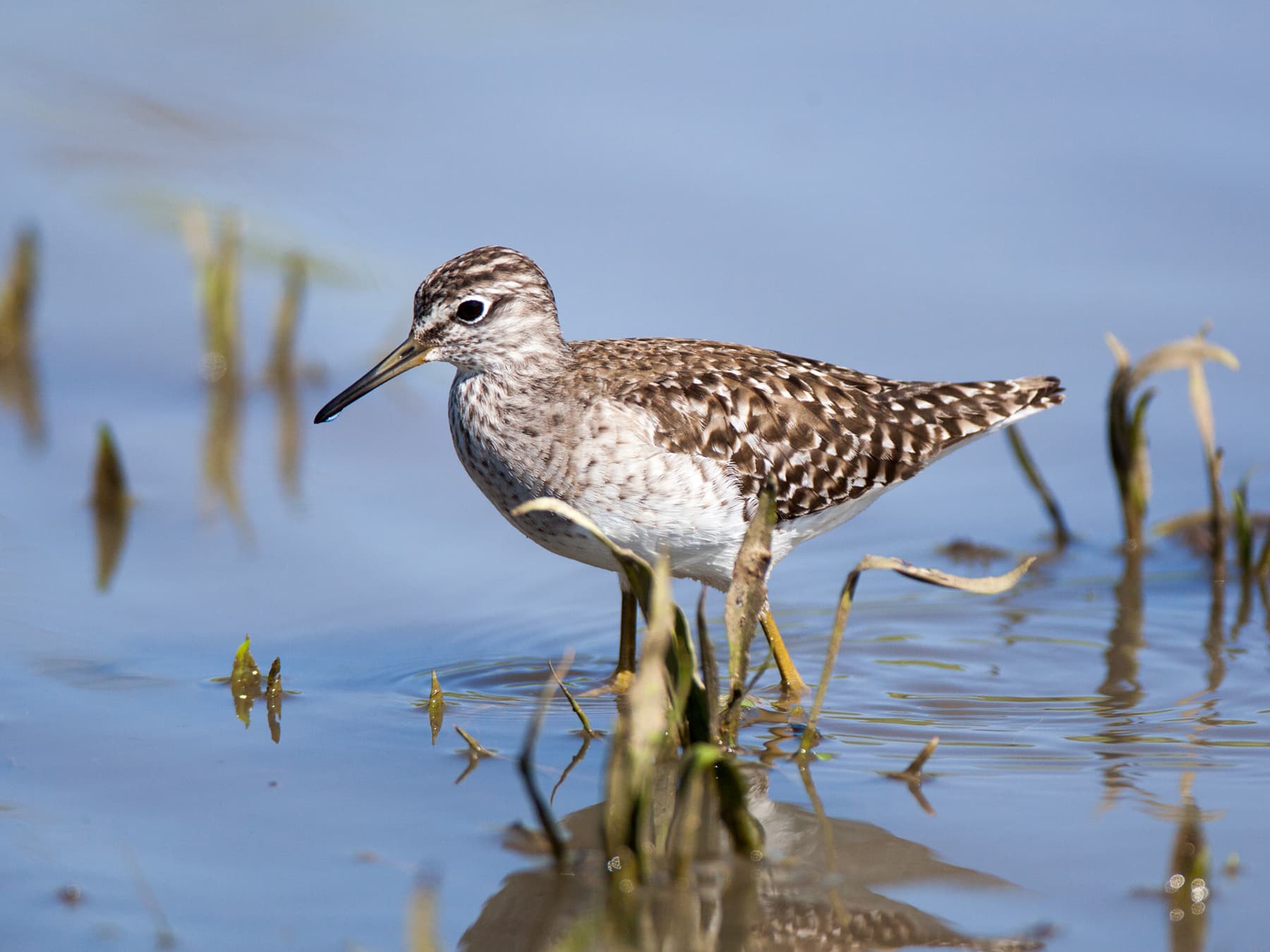
Wood Sandpiper
Tringa glareolaLC
An uncommon passage and scarce breeding wader, favouring freshwater marshes and pool edges. Most frequently encountered in autumn on migration.
Apr–Oct