Birds in Nottinghamshire
Explore 180 species found in this region.
Nottinghamshire supports a rich diversity of birdlife, with 177 species recorded across the county's varied habitats, from the ancient woodlands of Sherwood Forest to the wetlands of the Trent Valley. The county's rivers, reservoirs, and gravel pits attract notable species such as Common Merganser, Northern Pintail, and Mandarin Duck, while farmland and heathland provide important habitat for Northern Lapwing and Eurasian Woodcock. Whether you're exploring urban parks where Great Tits and Magpies thrive or venturing to wilder areas in search of scarcer visitors like the Great Grey Shrike, Nottinghamshire offers rewarding birding throughout the year.
Visiting in September? Look out for Common Merganser and Curlew Sandpiper arriving this month, and Avocet and Common Redstart depart for the season.


Showing 24–46 of 180 species
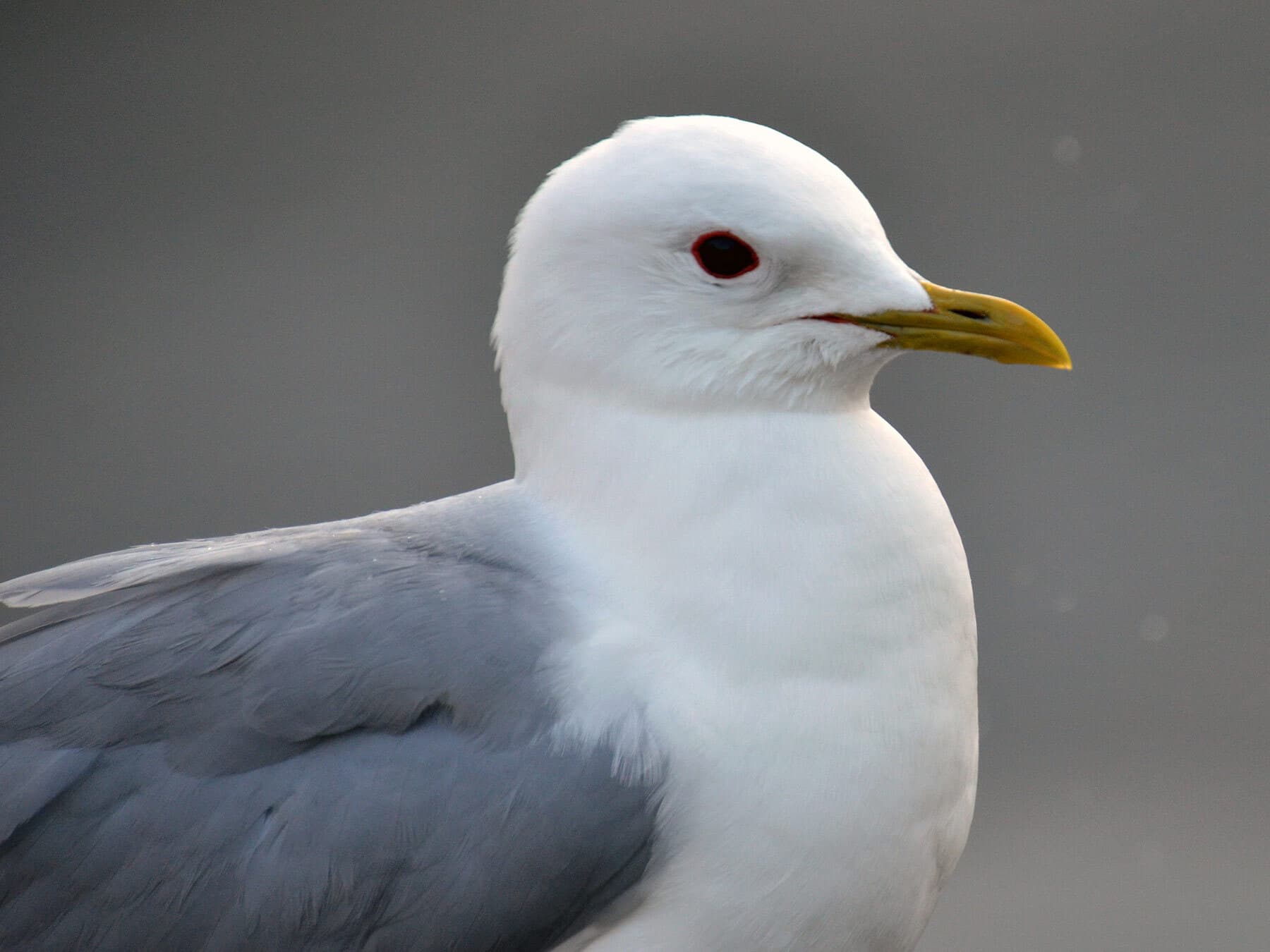
Common Gull
Larus canusLC
An uncommon resident found on playing fields, reservoirs and farmland, with numbers boosted in winter by continental visitors.
Jul–May
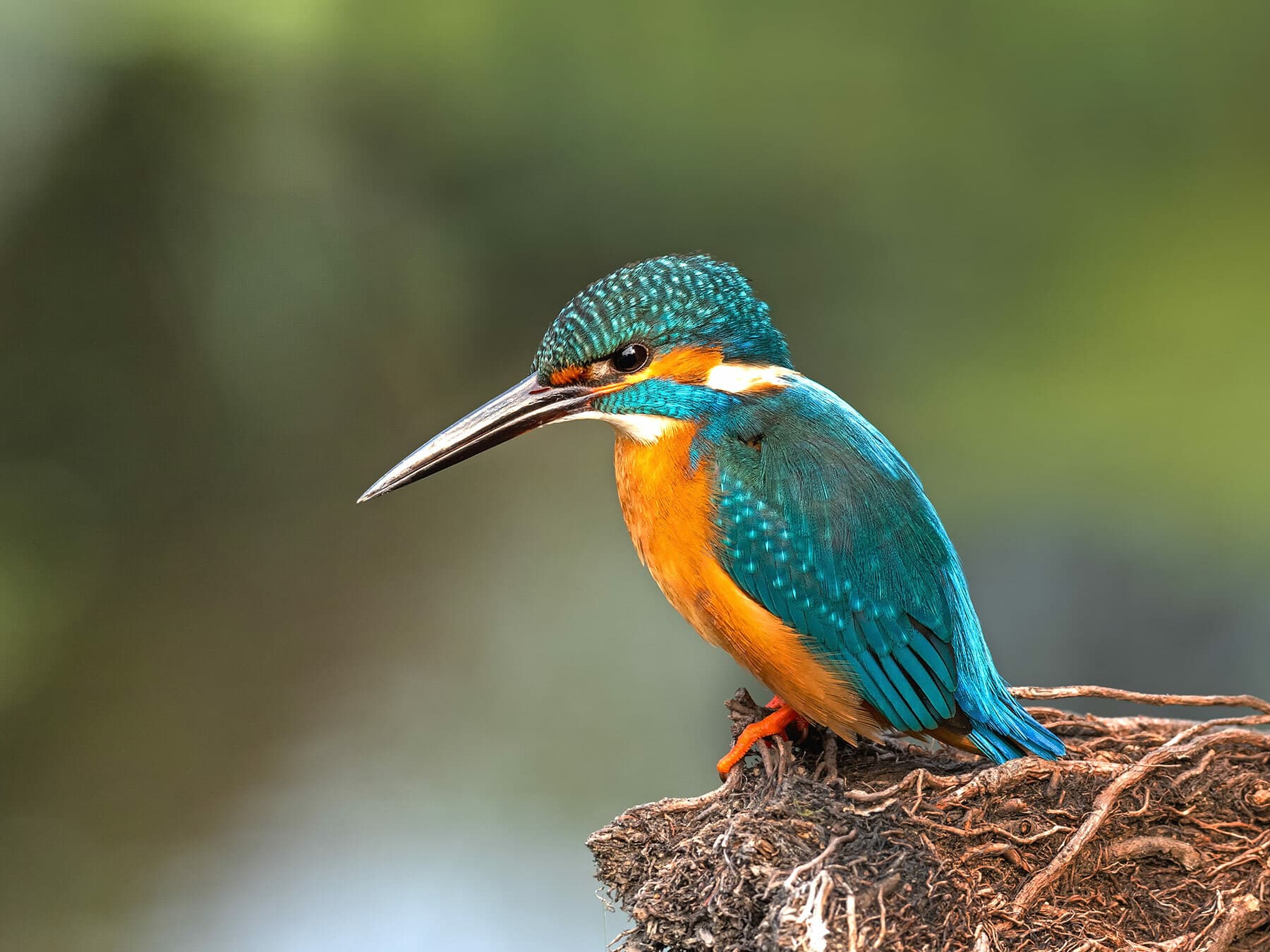
Common Kingfisher
Alcedo atthisLC
Found year-round along the Trent and its tributaries. A flash of electric blue darting low over the water is often the first sign.
Year-round
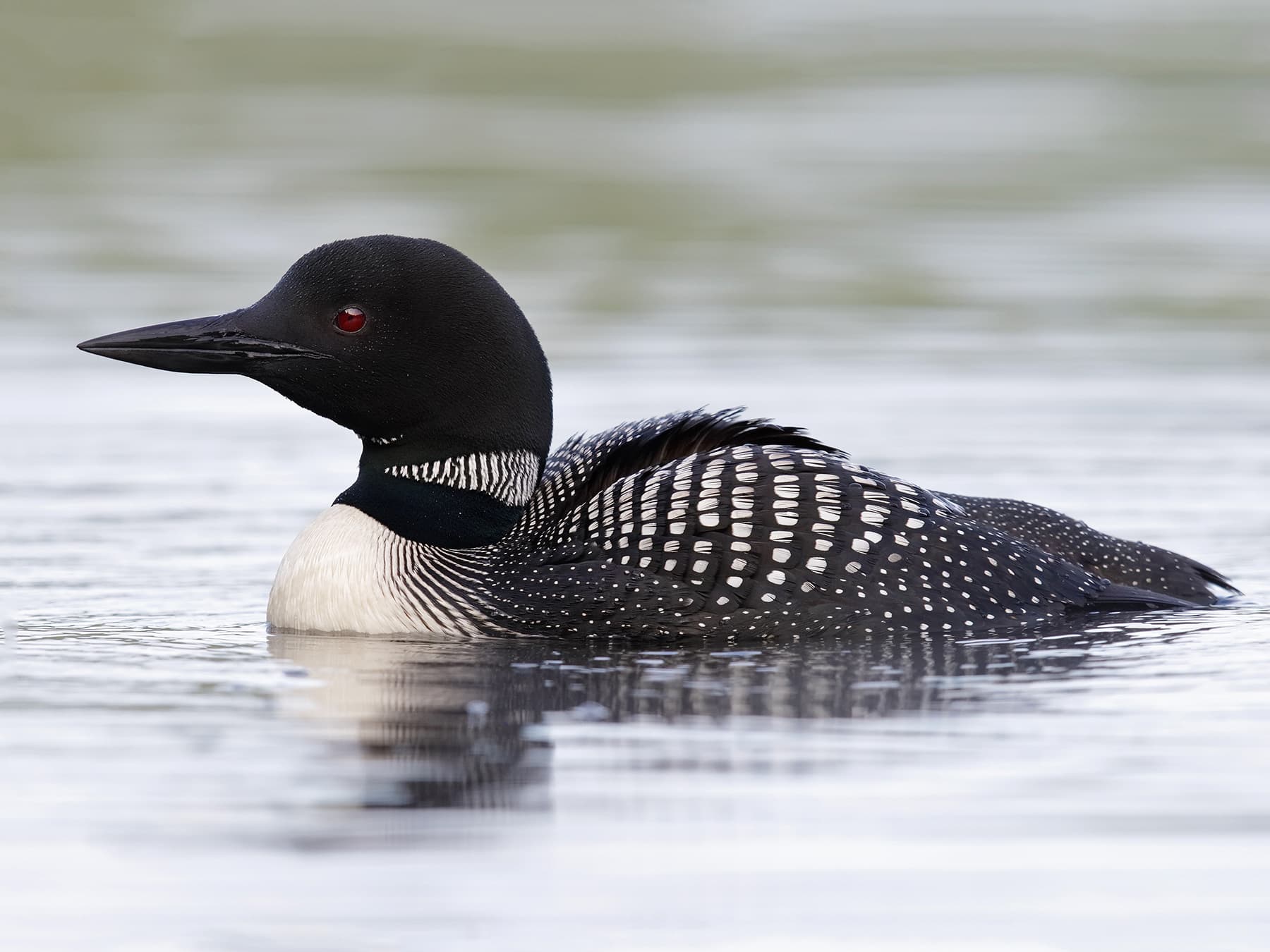
Common Loon
Gavia immerLC
A rare midwinter vagrant occasionally found on large reservoirs. Any record inland in Nottinghamshire is highly noteworthy.
Jan
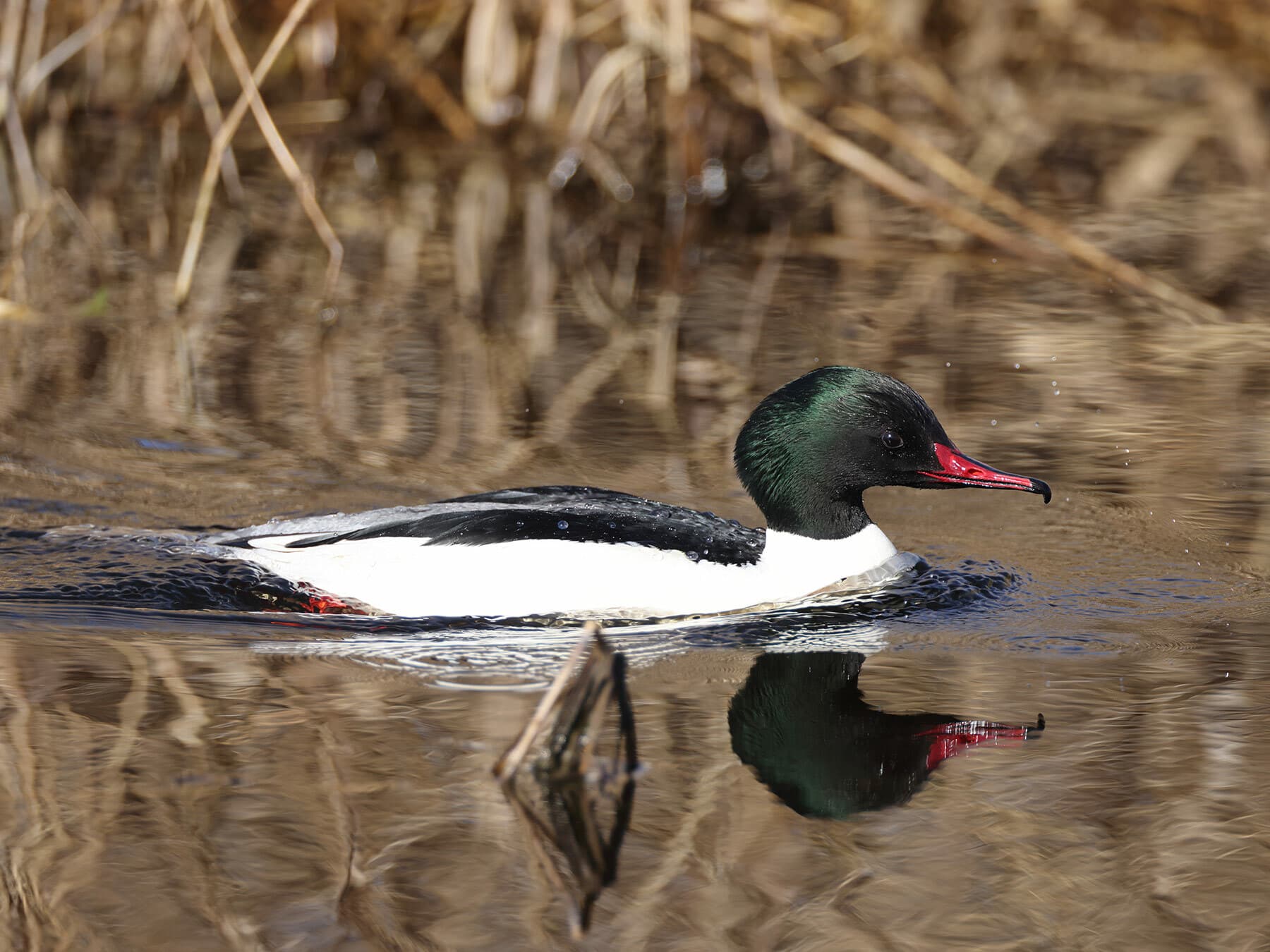
Common Merganser
Mergus merganserLC
Uncommon but regular on the Trent and larger rivers, mainly from autumn to spring. Sawbill flocks fish in clear stretches through the winter months.
Sep–May
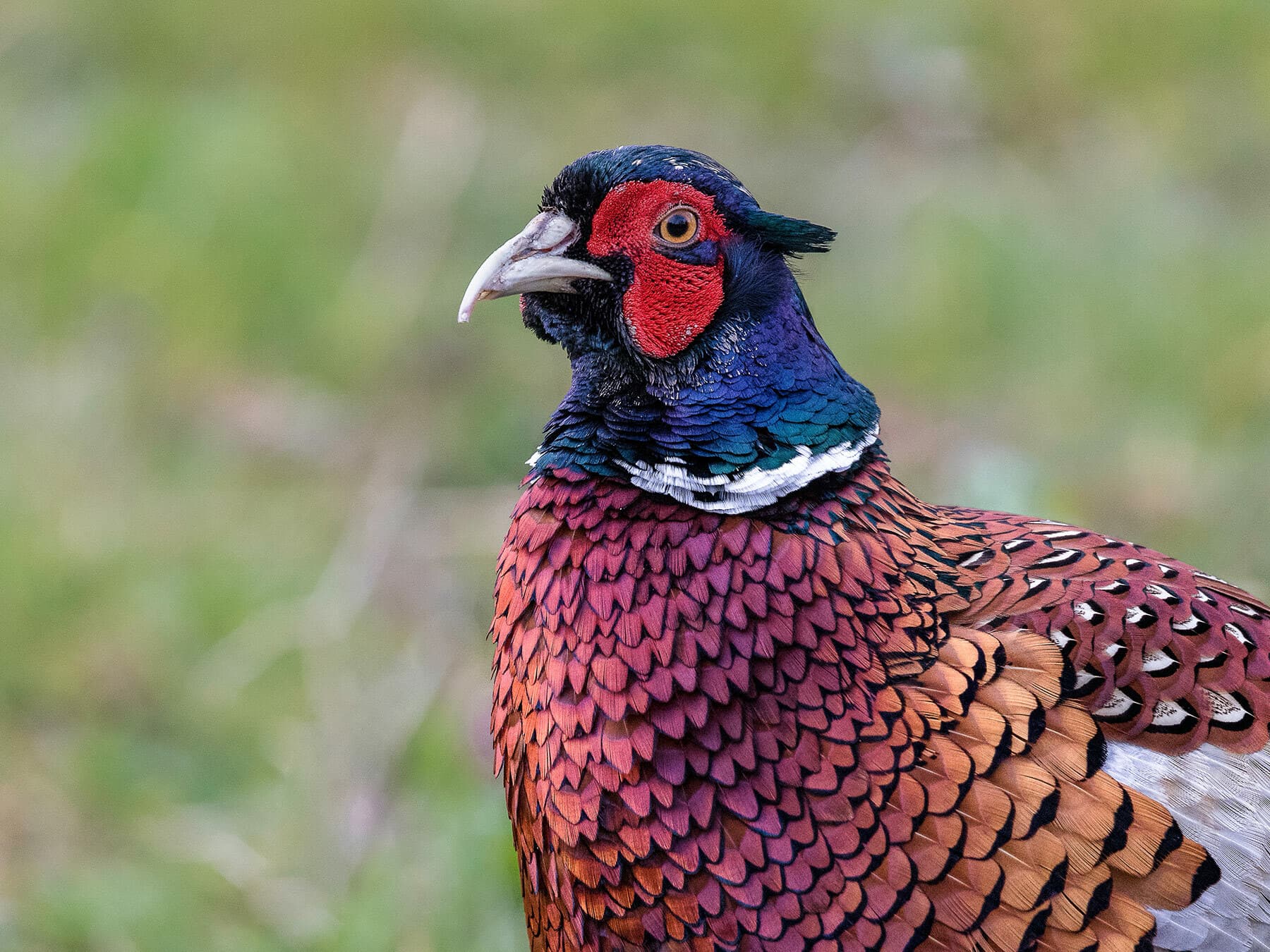
Common Pheasant
Phasianus colchicusLC
Abundant year-round across farmland, woodland edges and country estates, largely sustained by releases for shooting.
Year-round
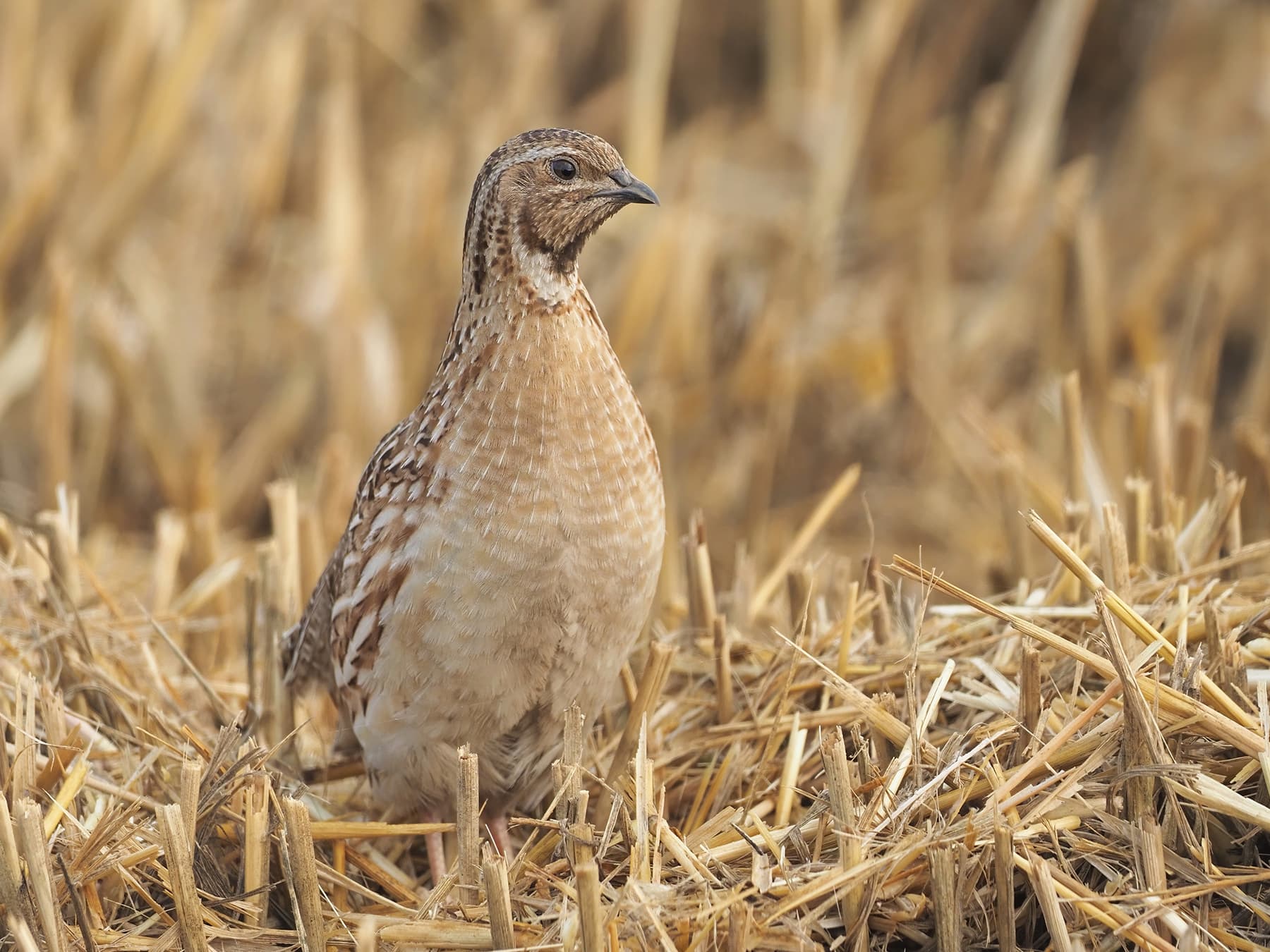
Common Quail
Coturnix coturnixLC
A rare and elusive passage visitor in June, more often heard calling from cereal fields than seen.
Jun
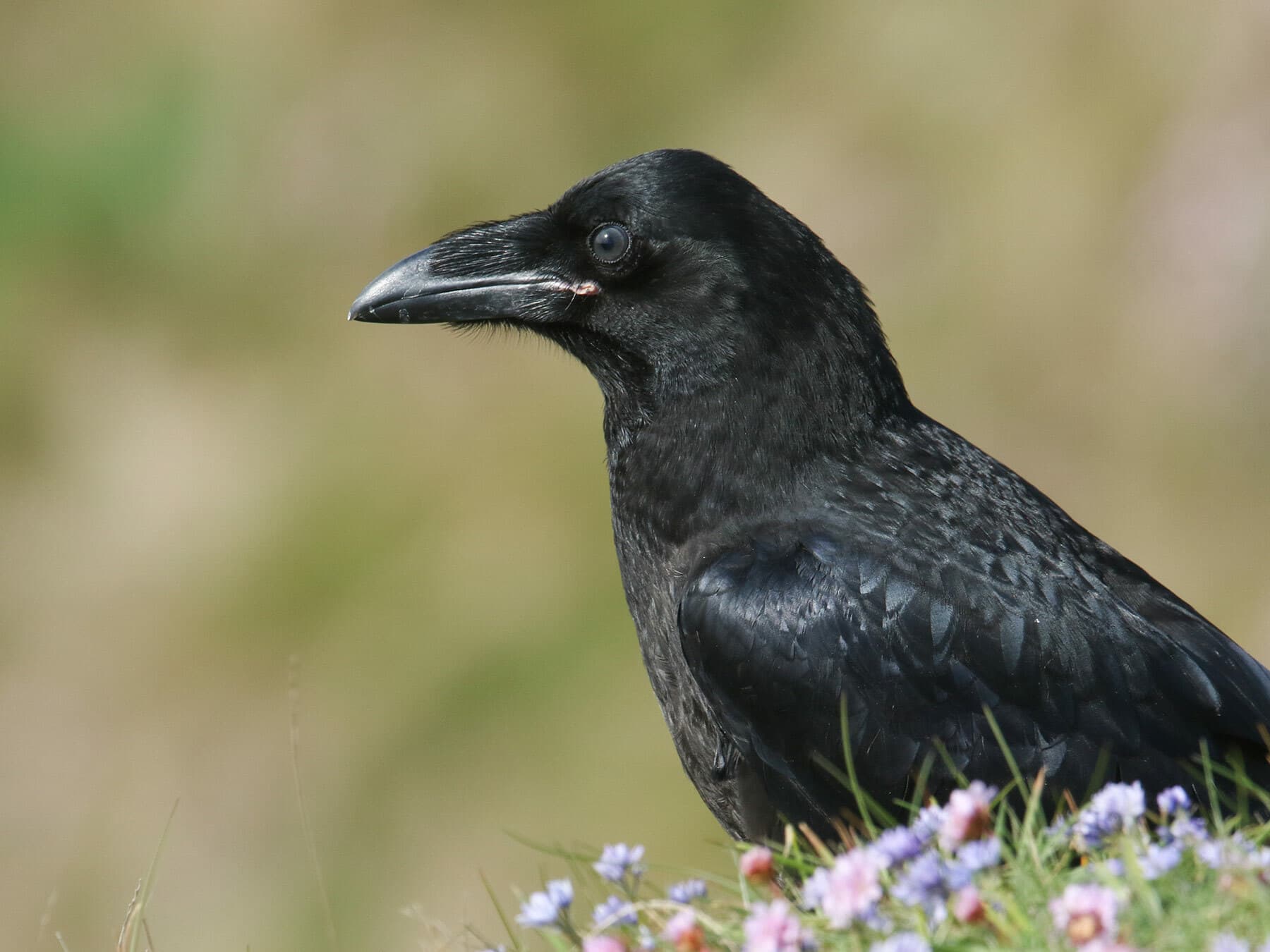
Common Raven
Corvus coraxLC
An uncommon but increasing resident, now regularly seen soaring over woodland and farmland. Its deep cronking call is increasingly heard countywide.
Year-round
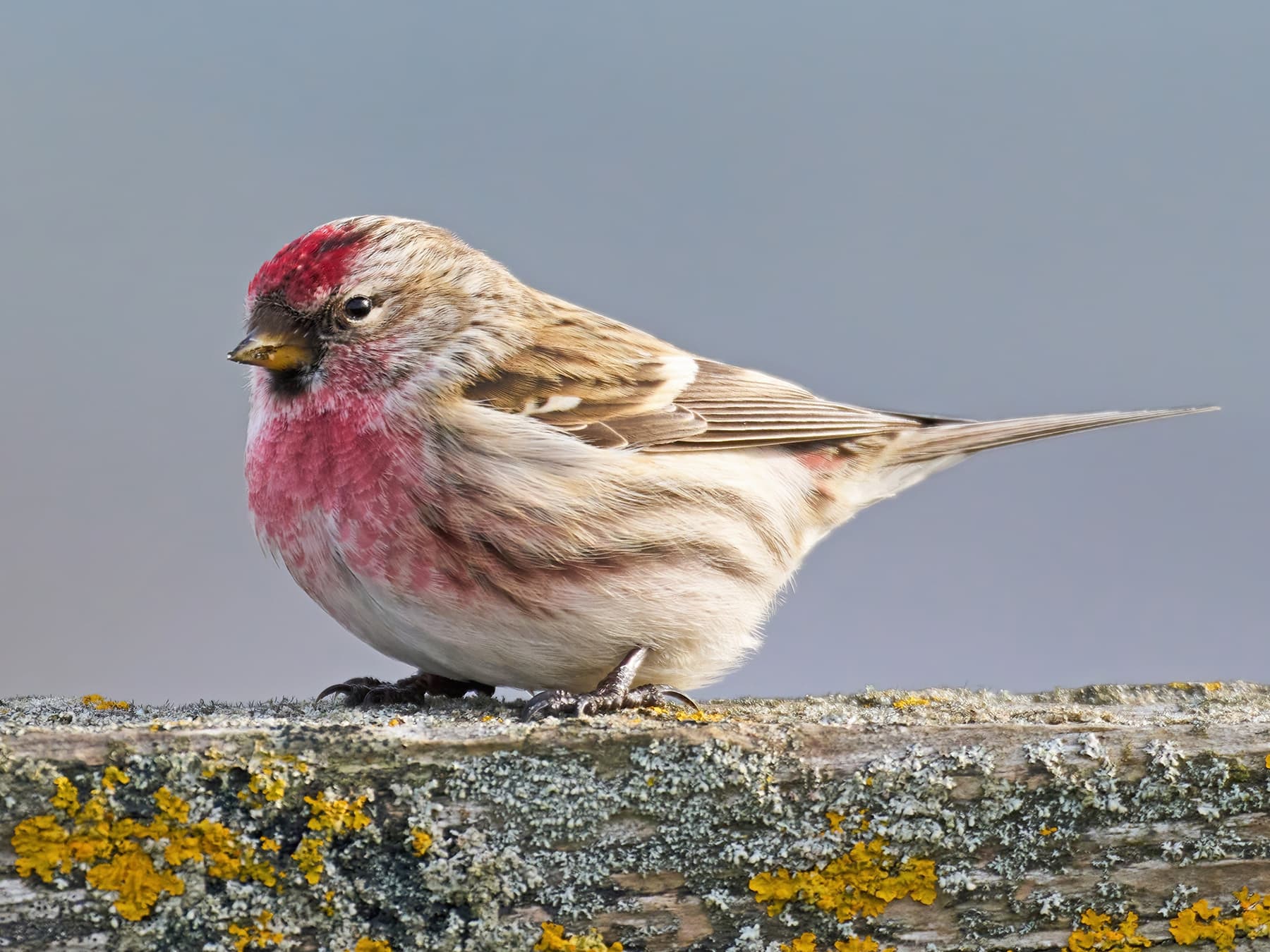
Common Redpoll
Acanthis flammeaLC
An uncommon visitor to birch and alder woodland, most often seen in winter flocks at Sherwood and along the Trent Valley.
Jul–May
Spotted something?
Upload a photo to identify it
Identify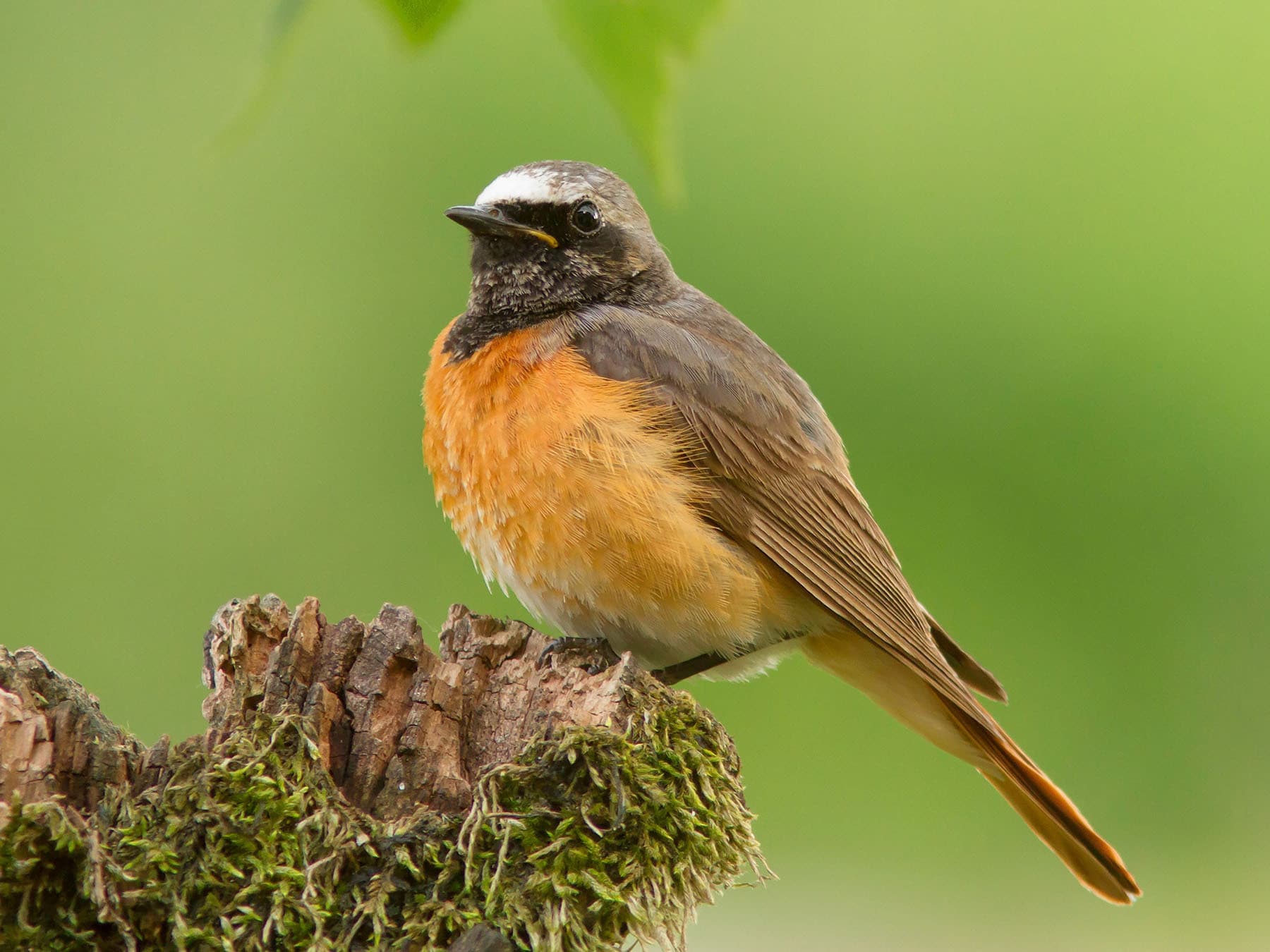
Common Redstart
Phoenicurus phoenicurusLC
A rare summer breeder favouring mature oak woodland, with Sherwood Forest and Clumber Park among the best local sites for this striking bird.
Apr–Aug
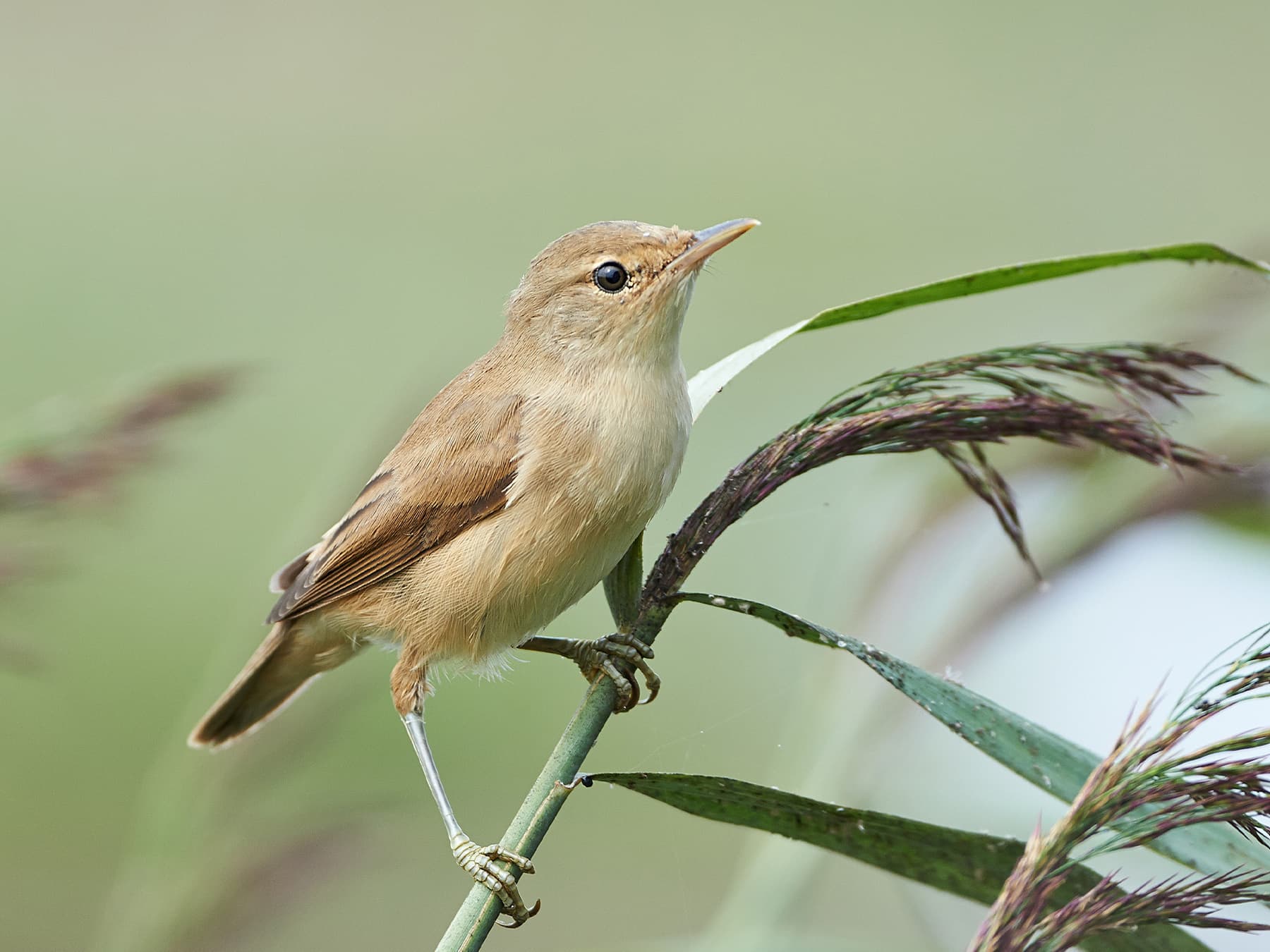
Common Reed-warbler
Acrocephalus scirpaceusLC
A common summer breeder arriving in April, found in reedbeds along the Trent Valley and at wetland reserves like Attenborough. Departs by September.
Apr–Sep
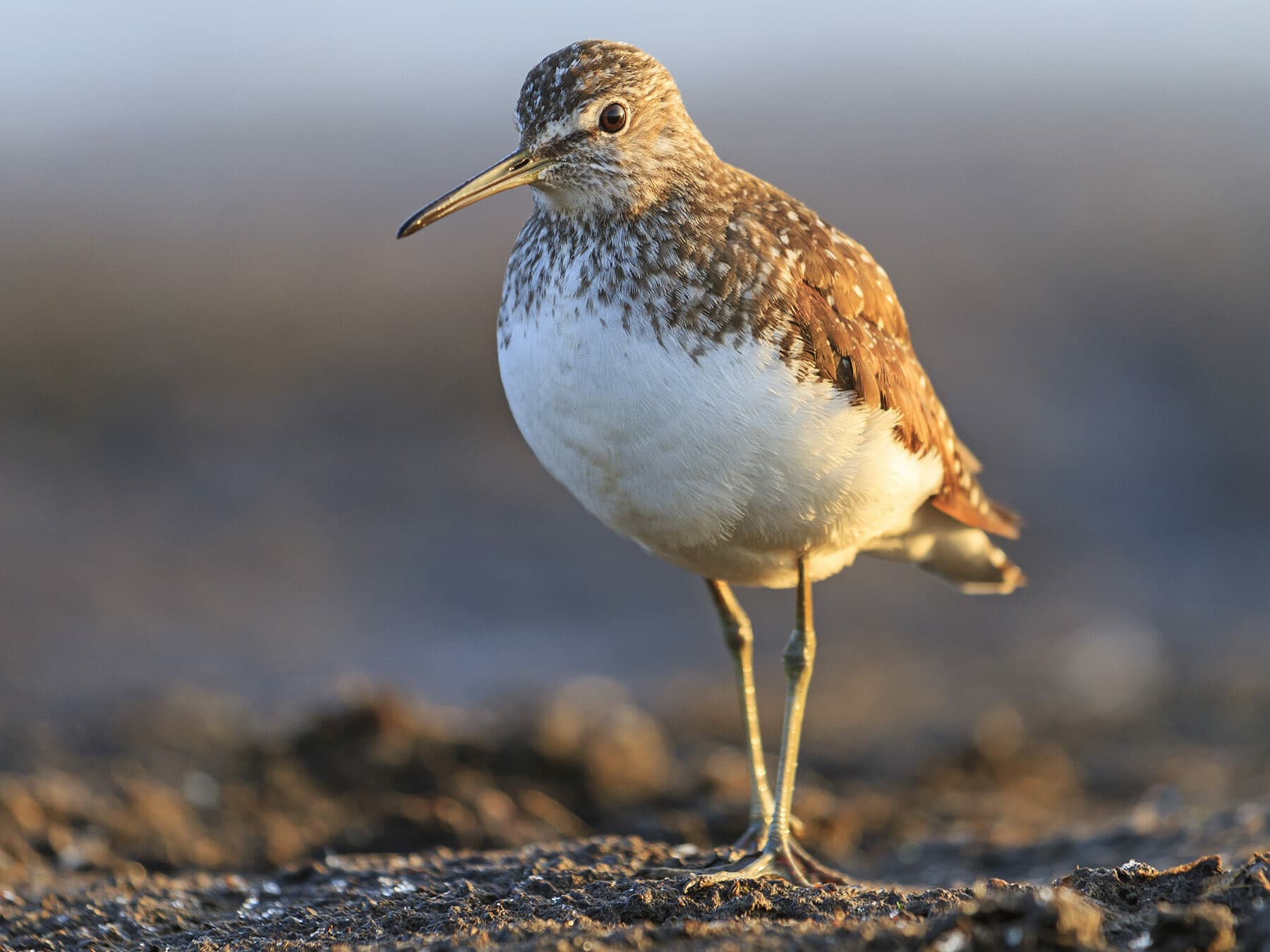
Common Sandpiper
Actitis hypoleucosLC
An uncommon breeder along rivers and gravel pits from April to October, often seen bobbing on rocks at the water's edge.
Apr–Oct
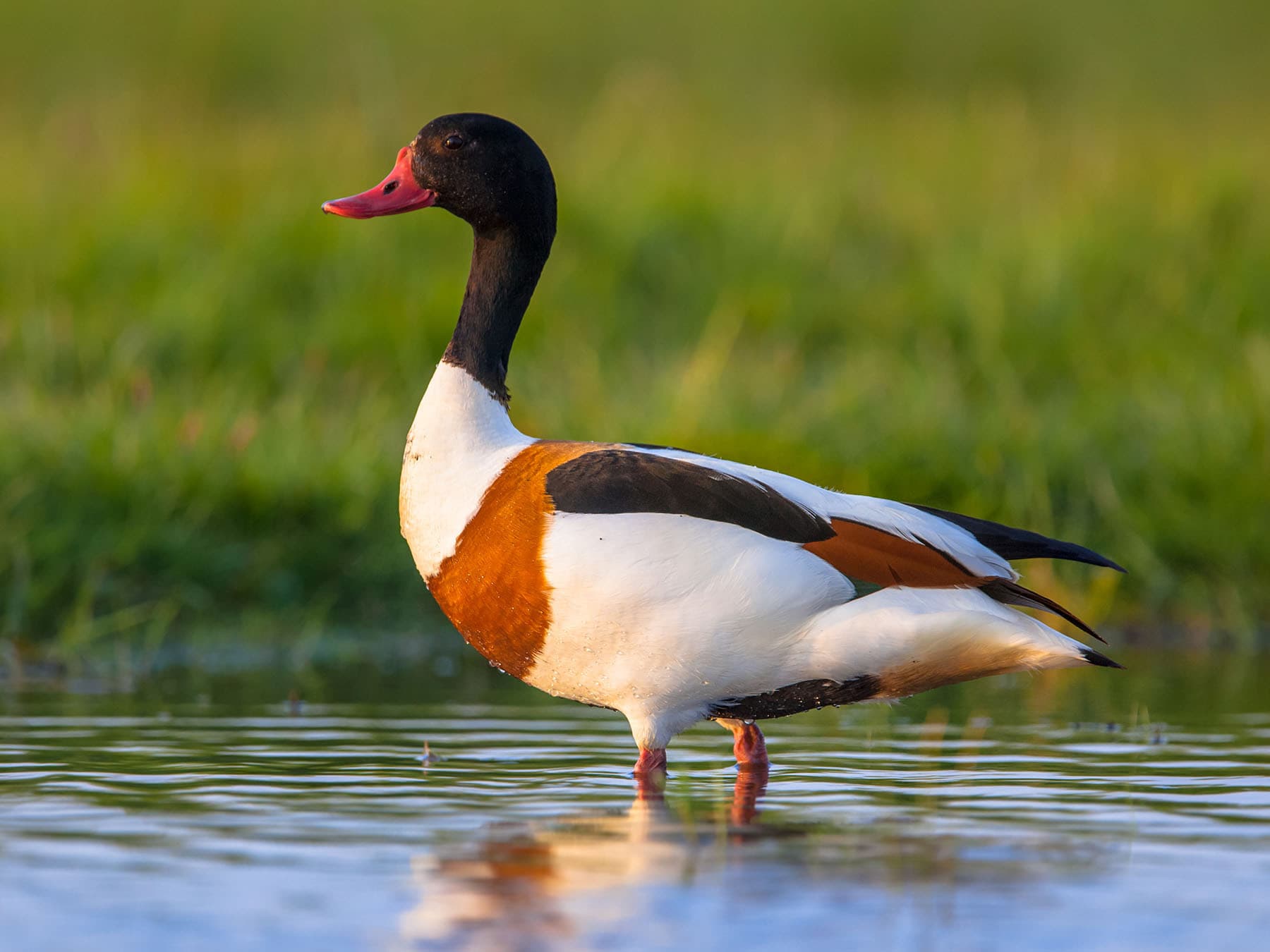
Common Shelduck
Tadorna tadornaLC
An uncommon resident, breeding at a few wetland sites. More often seen on gravel pits and the Trent floodplain outside the breeding season.
Year-round
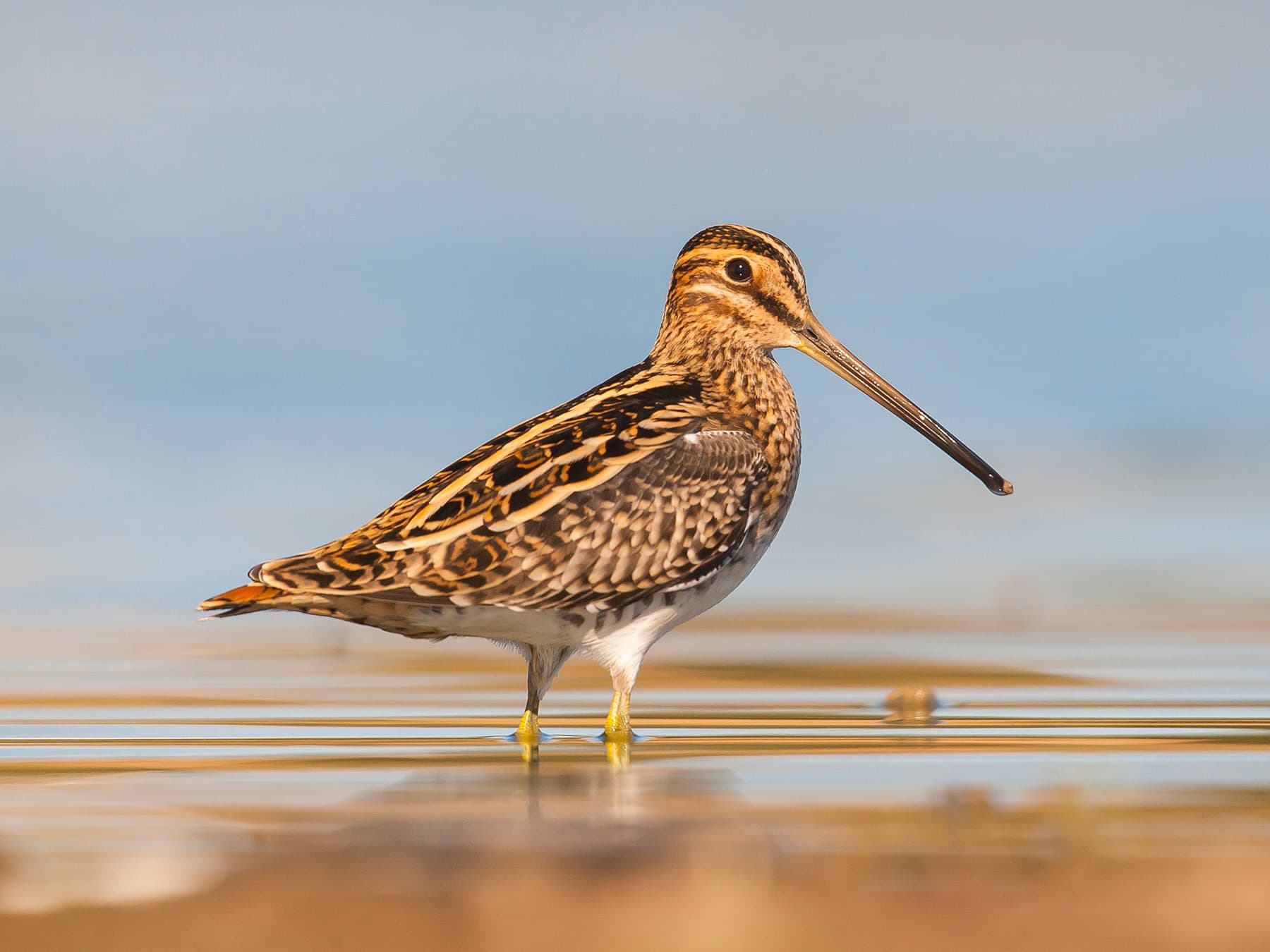
Common Snipe
Gallinago gallinagoLC
An uncommon resident found in marshy fields and wetland edges. Numbers increase in winter, with drumming displays heard over suitable bogs in spring.
Jul–May
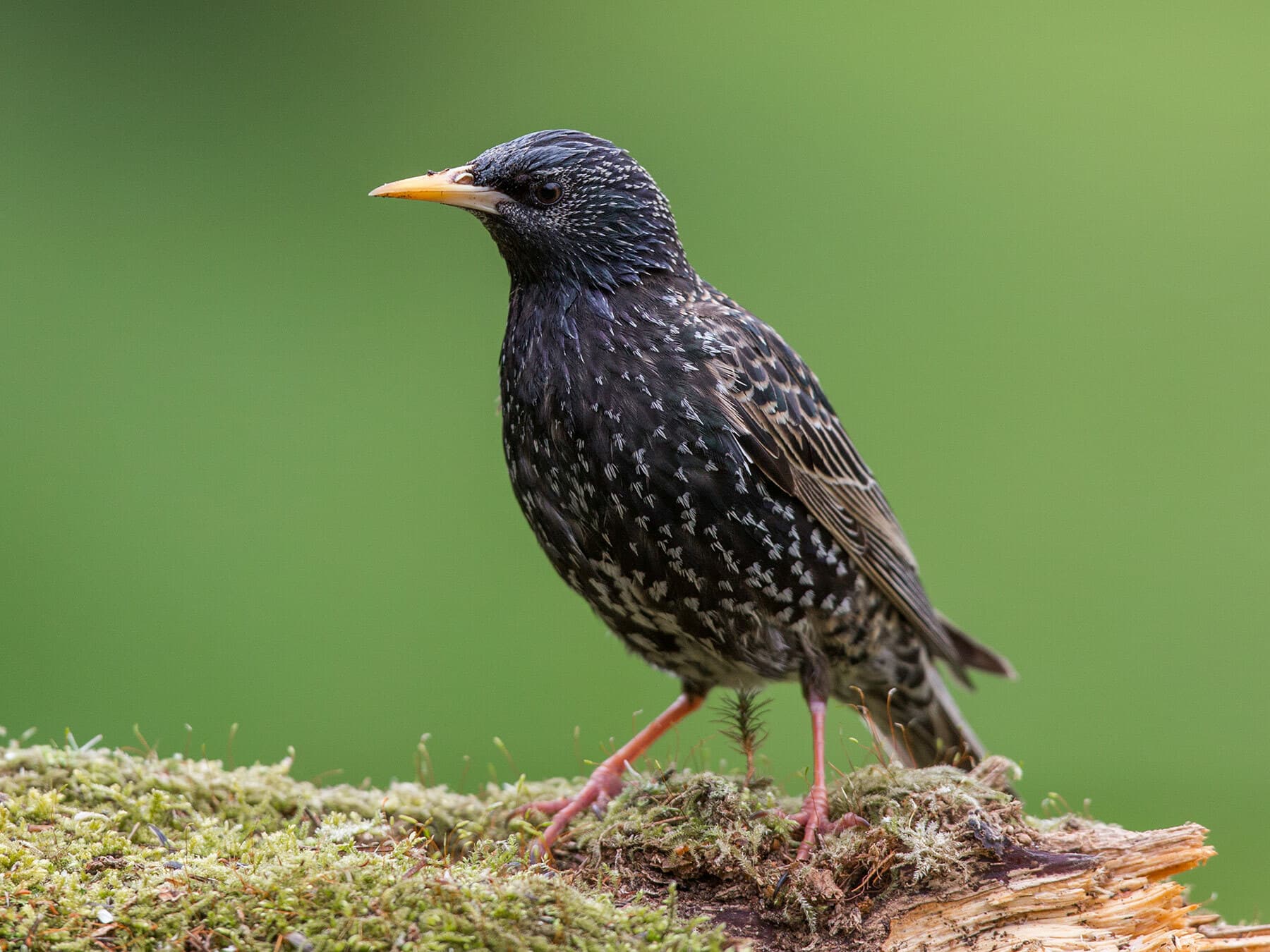
Common Starling
Sturnus vulgarisLC
Common and conspicuous year-round, forming spectacular winter murmurations over towns and reedbeds despite ongoing national decline.
Year-round
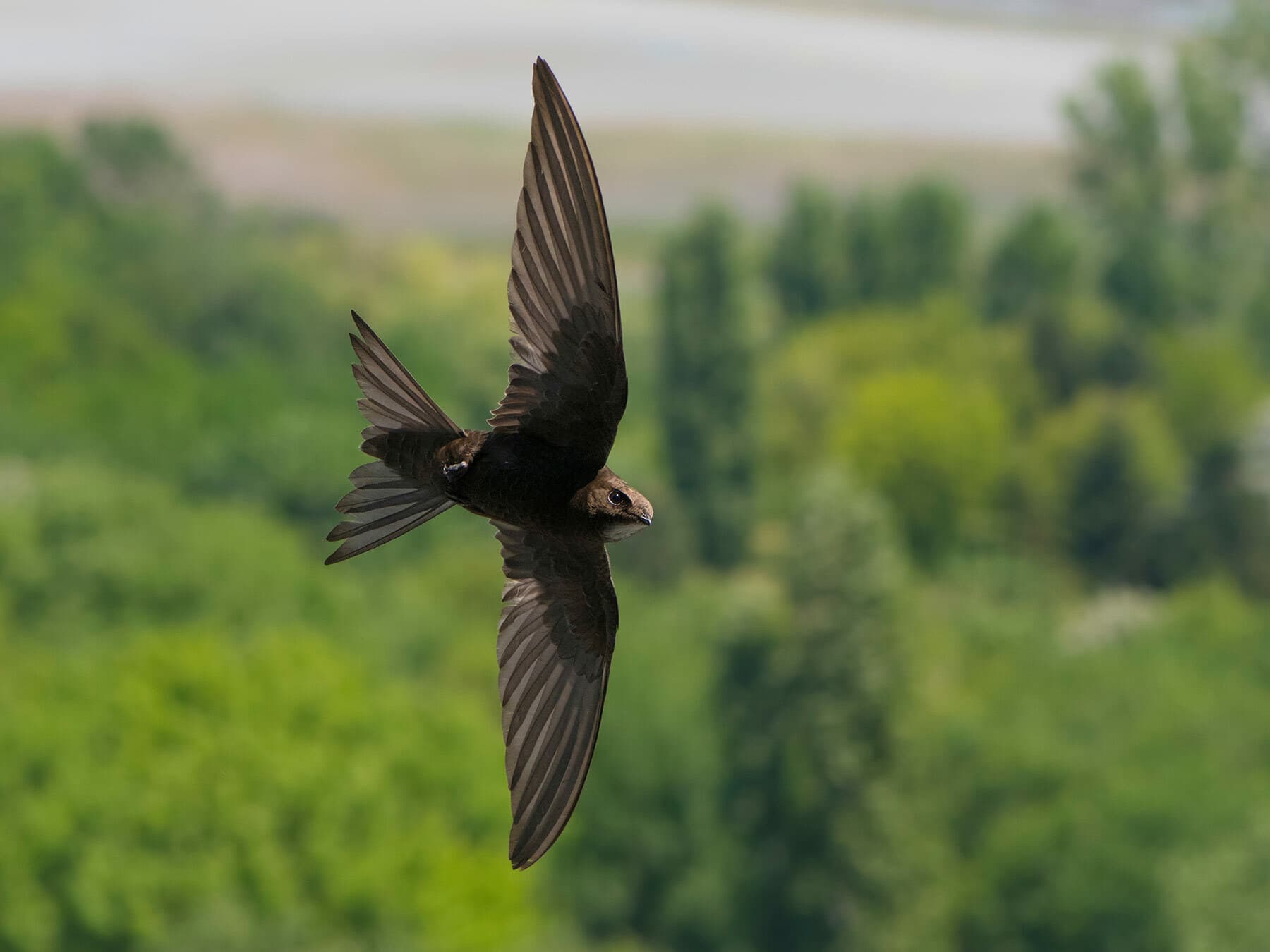
Common Swift
Apus apusLC
A common summer visitor screaming over towns and villages from late April to August. Nests in older buildings across Nottingham and market towns.
Apr–Sep
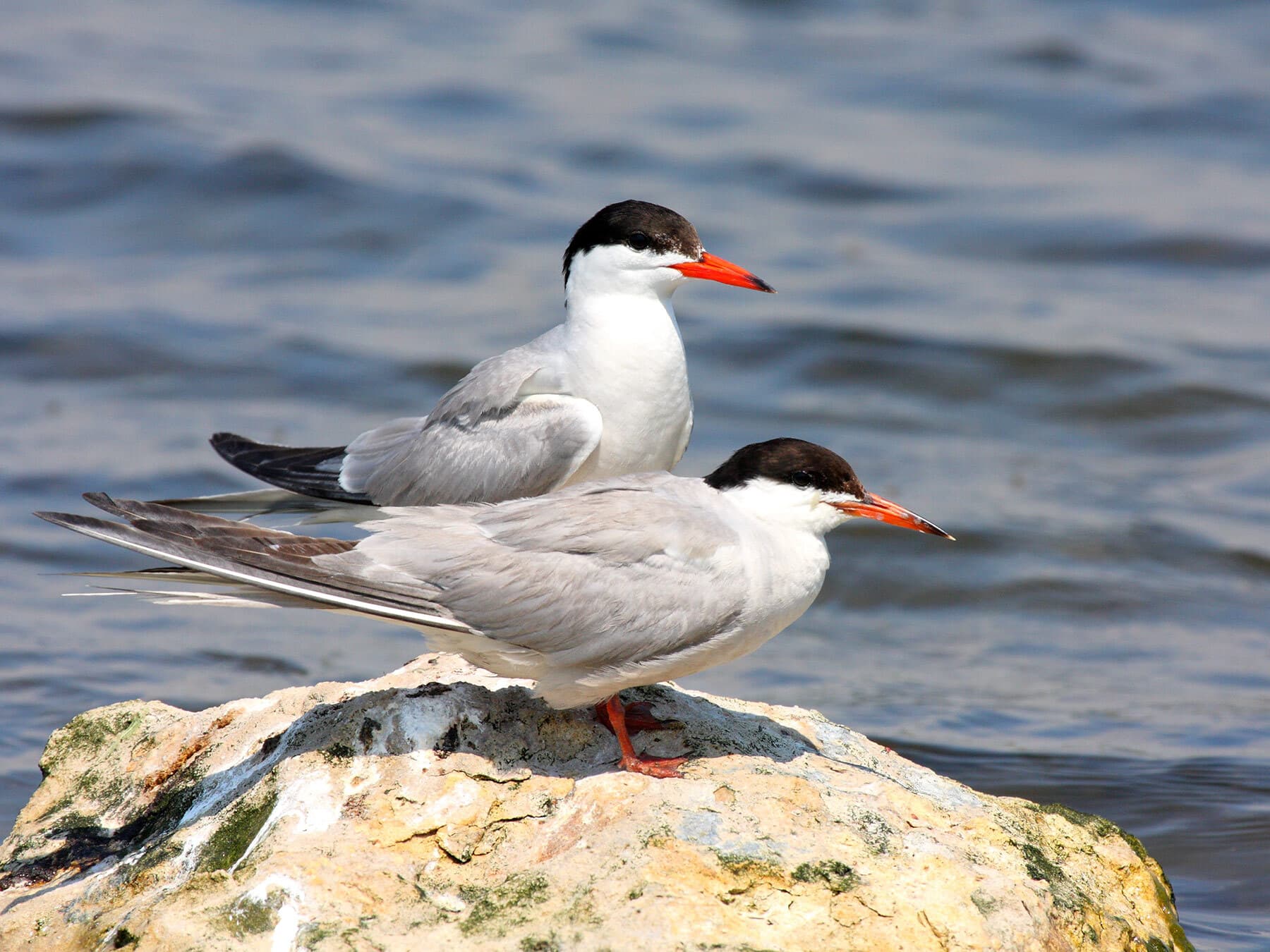
Common Tern
Sterna hirundoLC
A common breeding visitor from April to September, nesting on rafts and islands at gravel pits along the Trent Valley.
Apr–Sep
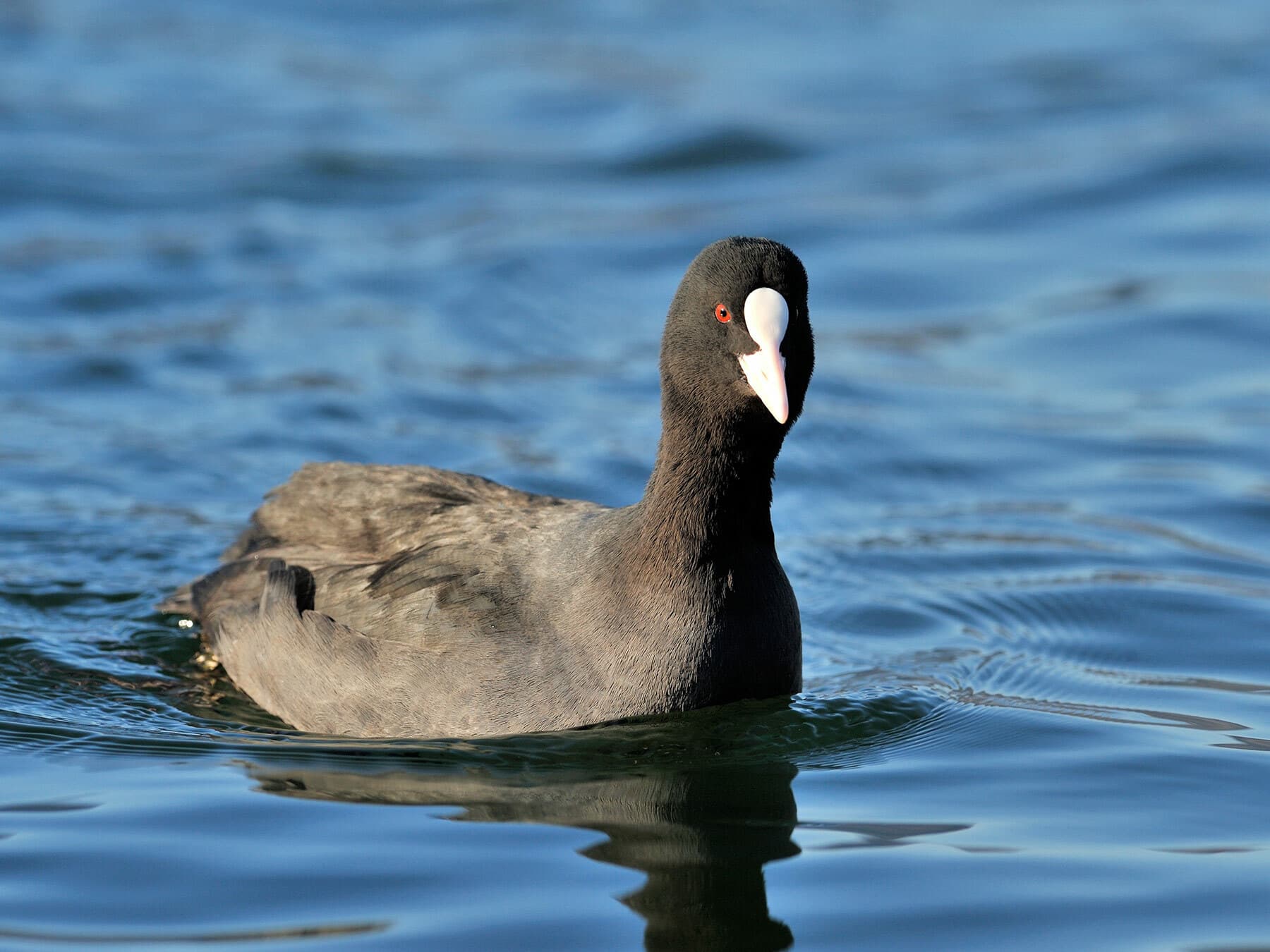
Coot
Fulica atraLC
A common resident on lakes, reservoirs and gravel pits across the county, often forming large winter flocks at sites like Attenborough.
Year-round
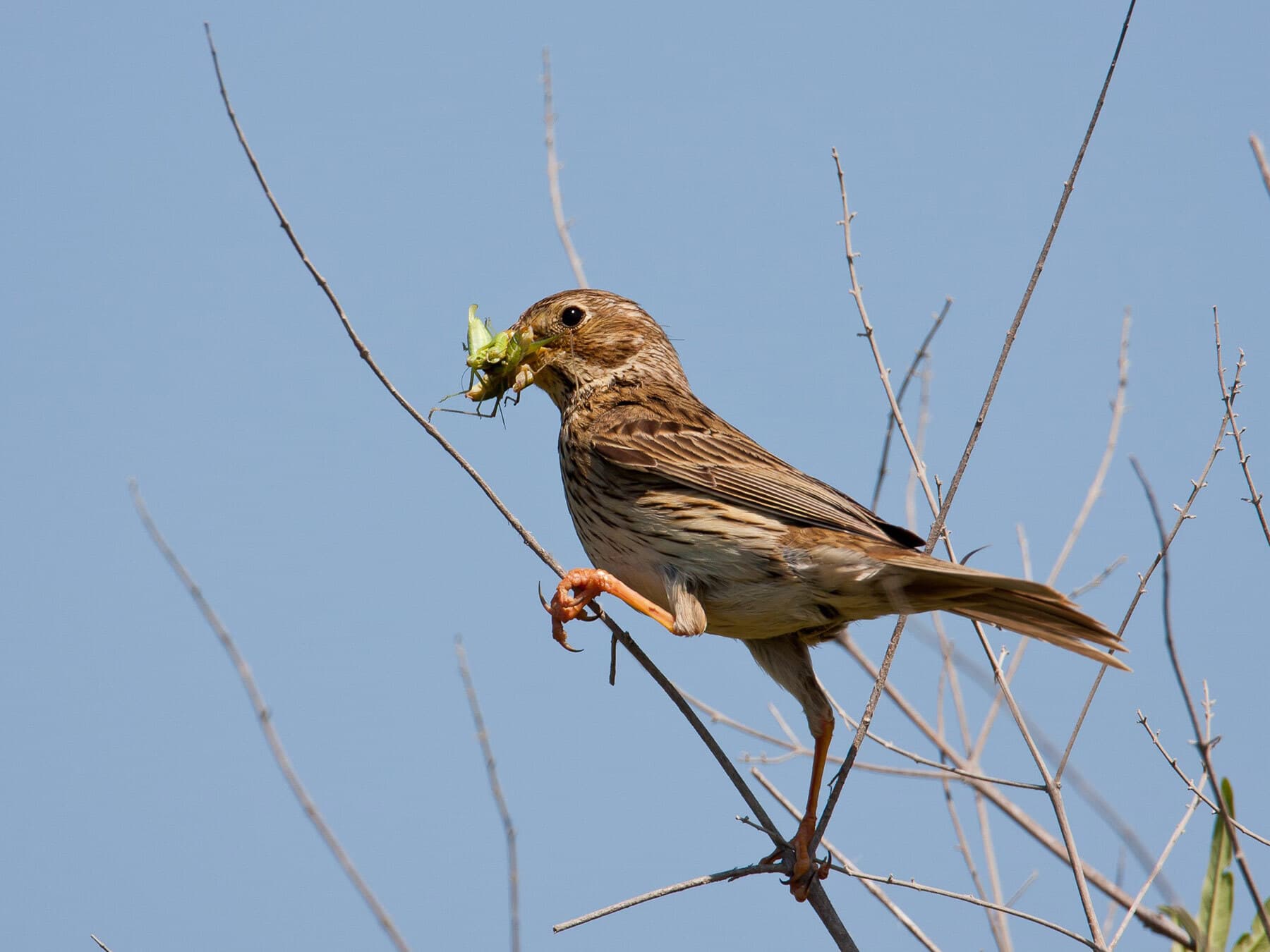
Corn Bunting
Emberiza calandraLC
A rare and declining resident of open arable farmland, now confined to a few scattered sites in the county.
Nov–Jul
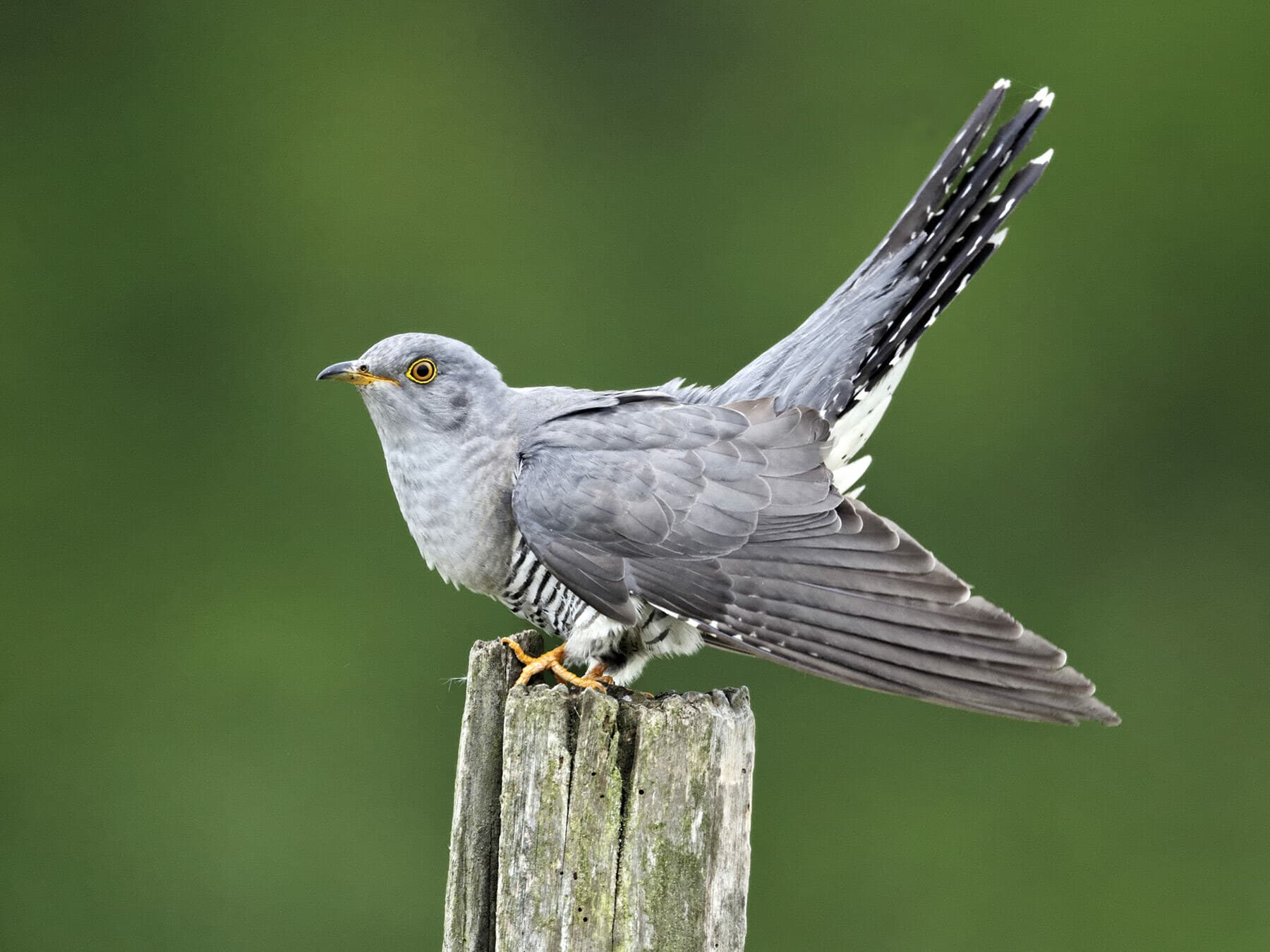
Cuckoo
Cuculus canorusLC
An uncommon summer visitor from April to July, its distinctive call heard around reedbeds and woodland where it parasitises Reed Warbler nests.
Apr–Jul
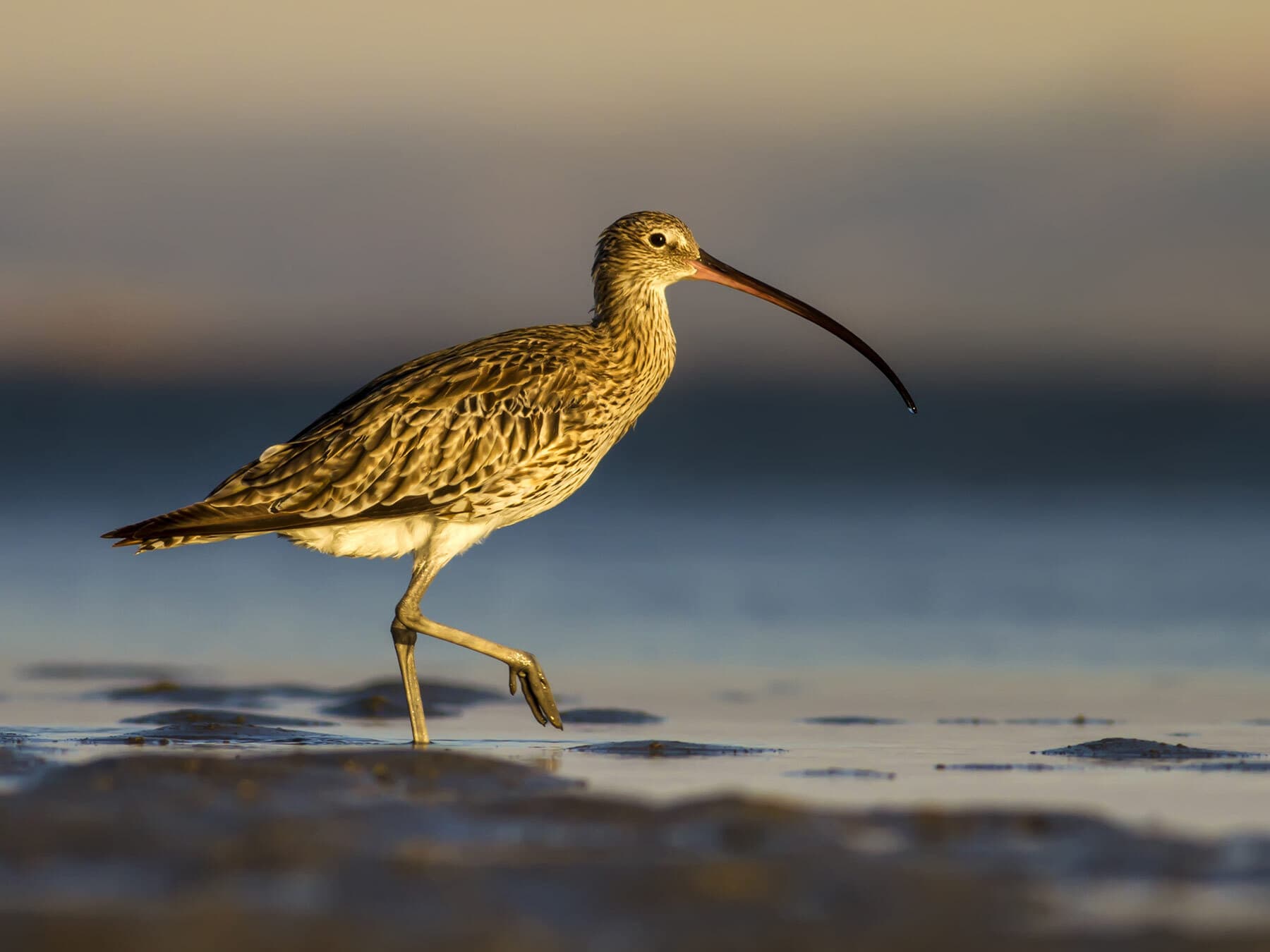
Curlew
Numenius arquataNT
A rare and declining resident, breeding on damp pastures in the north of the county. Passage birds visit Trent Valley wetlands.
Mar–Jan
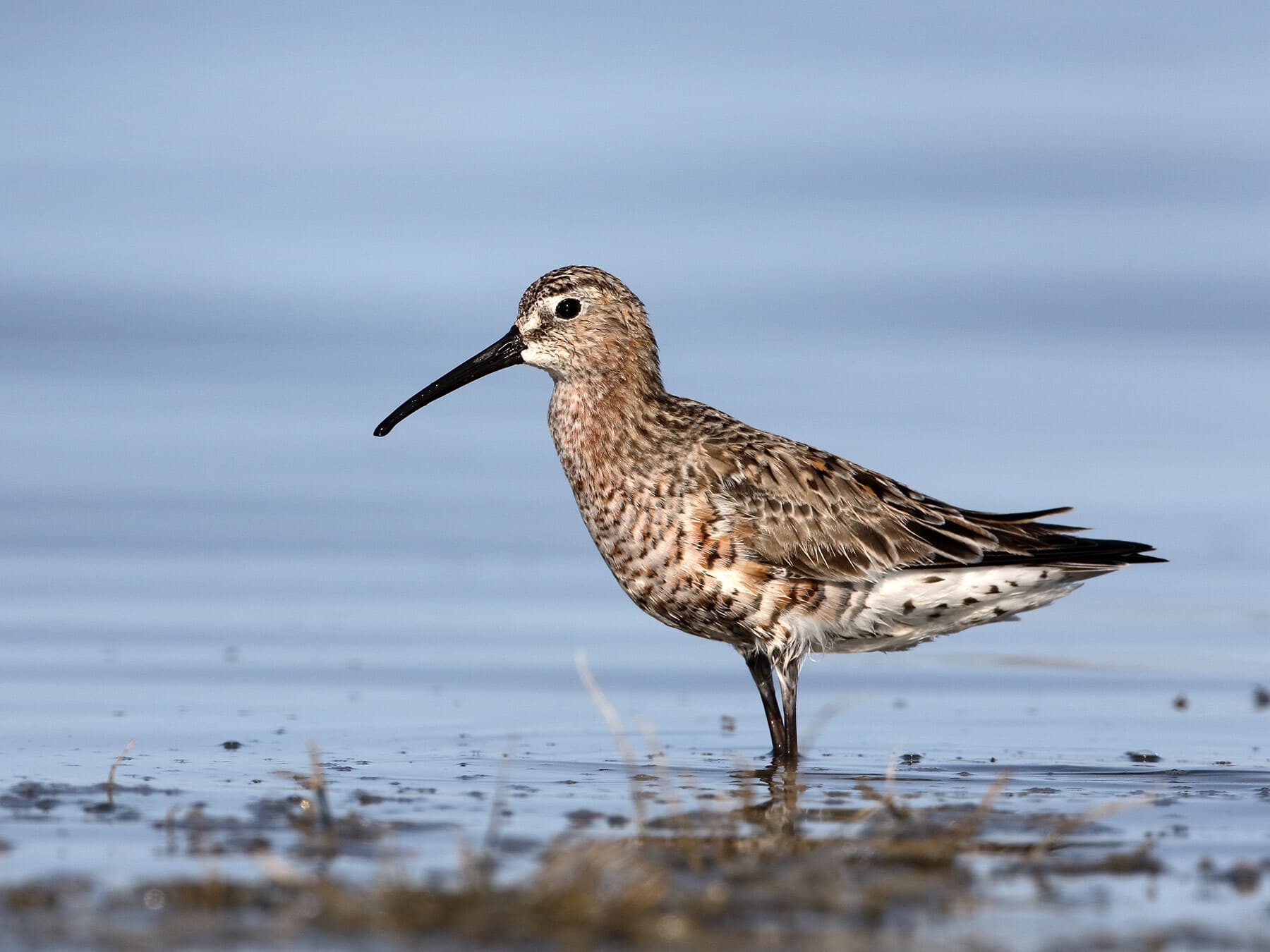
Curlew Sandpiper
Calidris ferrugineaNT
A rare passage wader in September and October, favouring exposed mud at reservoirs and gravel pits along the Trent Valley.
Sep–Oct
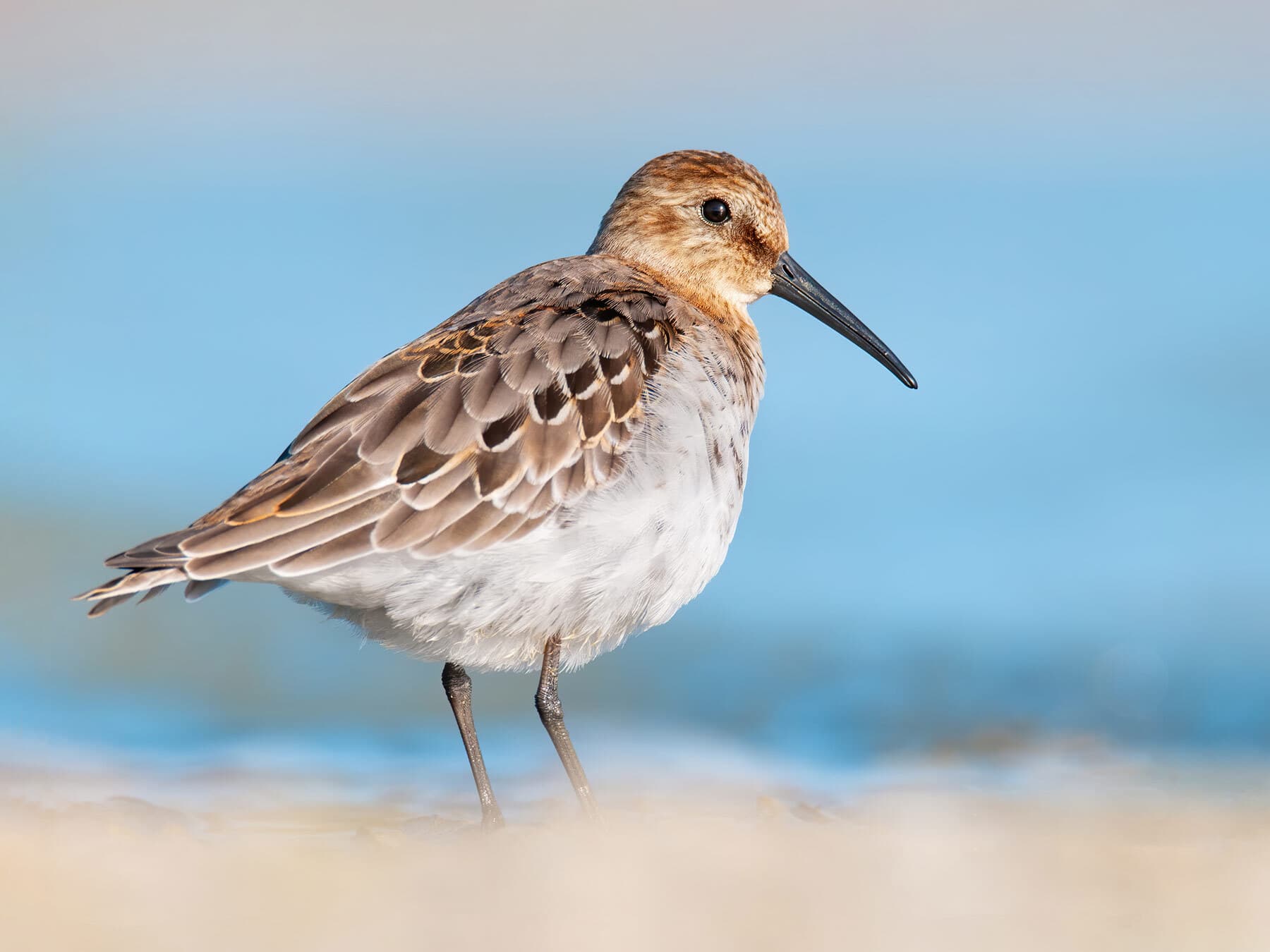
Dunlin
Calidris alpinaLC
A rare year-round presence at wetland sites, most often seen on passage or in winter at muddy reservoir margins.
Year-round
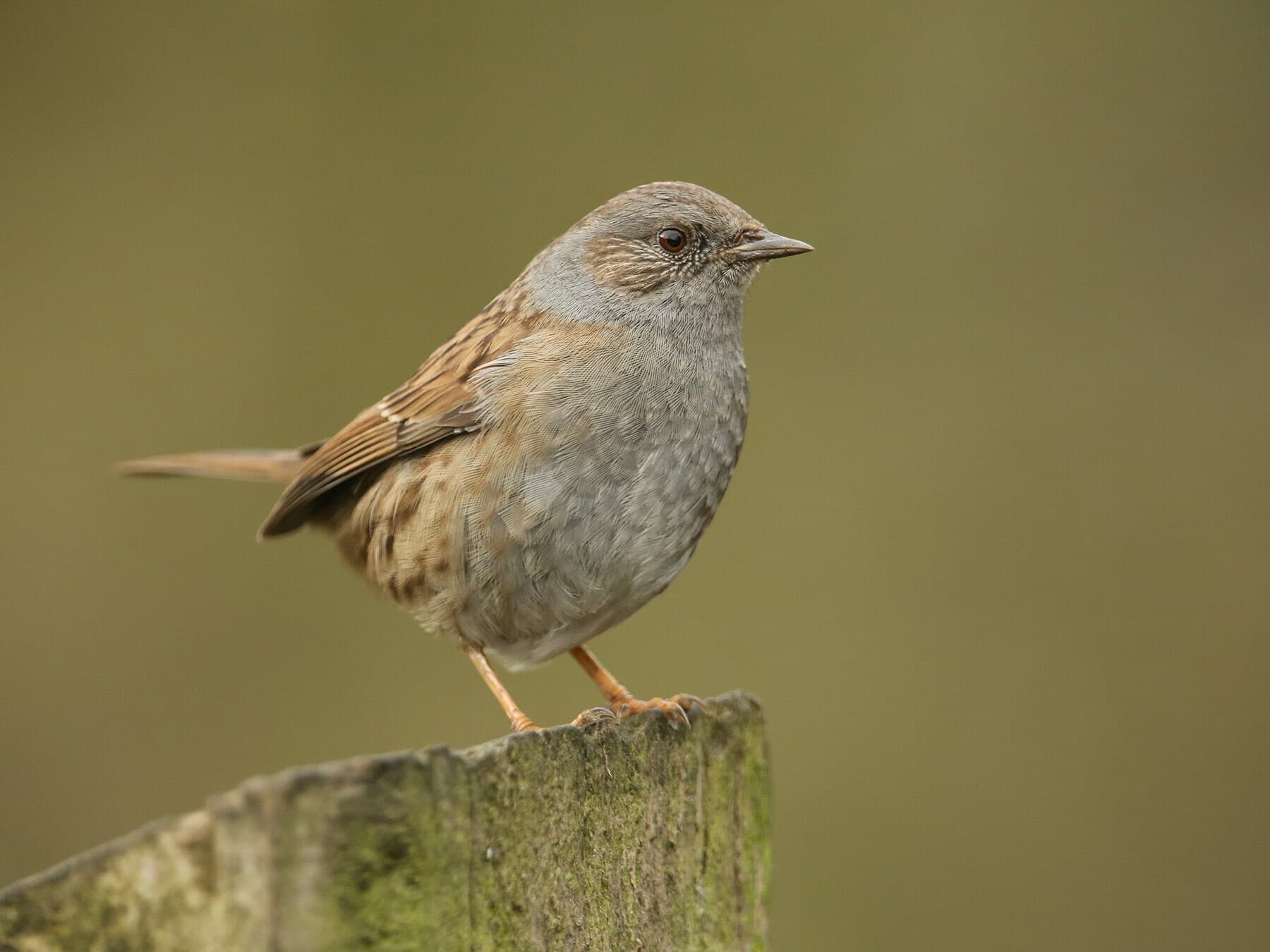
Dunnock
Prunella modularisLC
A common and unobtrusive resident of hedgerows and garden shrubbery across the county. Its thin, warbling song is one of the earliest heard each spring.
Year-round