Uncommon Birds in Nottinghamshire
43 species matching this filter.
Nottinghamshire supports a diverse range of uncommon bird species across its varied habitats, from the ancient woodlands of Sherwood Forest to the wetlands of the Trent Valley. With 43 species classified as uncommon, birdwatchers can look out for striking residents such as the Bullfinch and Great Spotted Woodpecker in woodland areas, while wetland sites may reward patient observers with sightings of Great White Egret and Goldeneye. The county's mix of farmland, rivers, and nature reserves provides vital habitat for less frequently encountered species like the Eurasian Tree Sparrow and Cetti's Warbler.


Showing 1–23 of 43 species
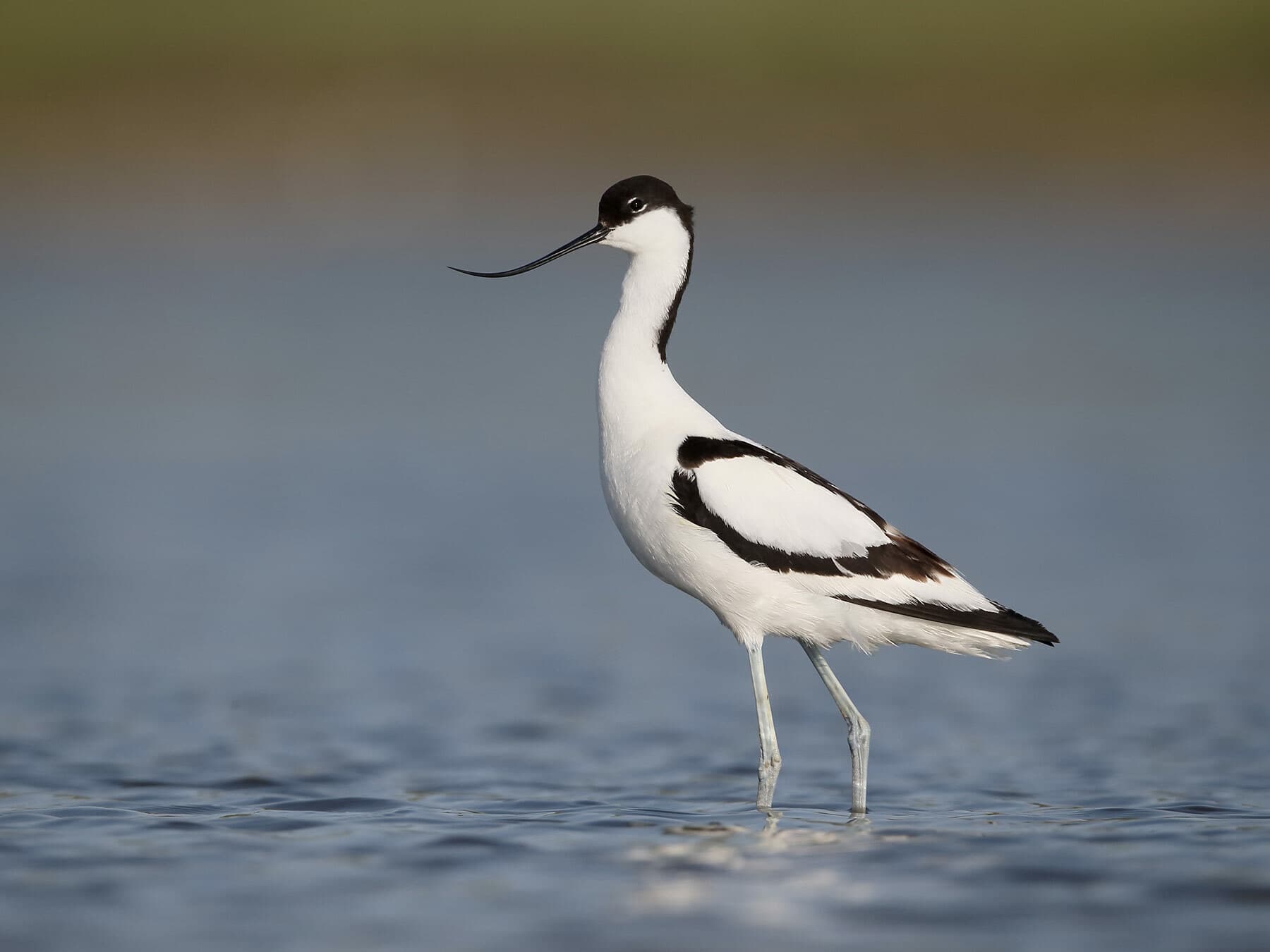
Avocet
Recurvirostra avosettaLC
An uncommon breeder present from March to August, nesting at wetland reserves such as Langford Lowfields and Attenborough.
Mar–Aug
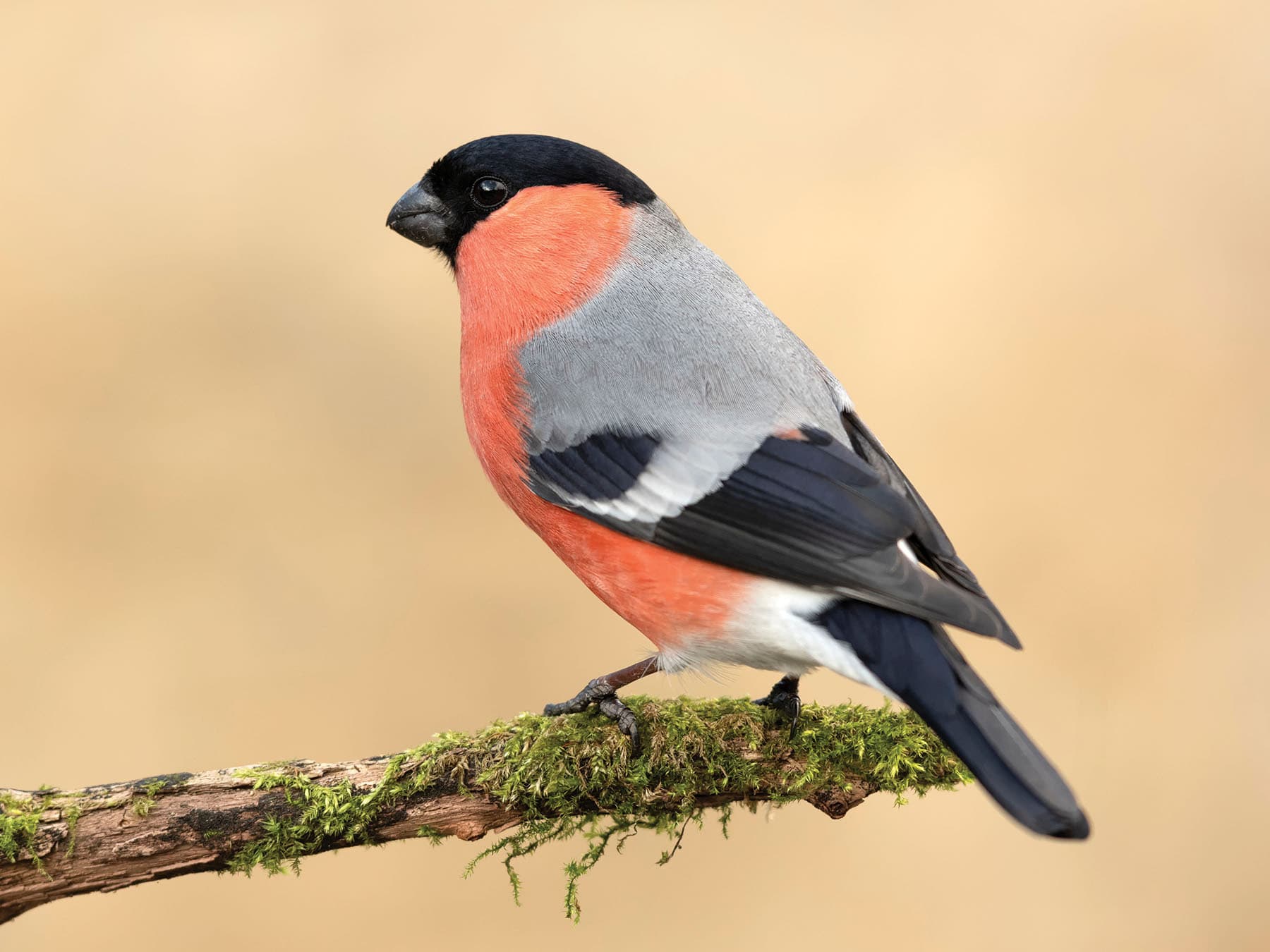
Bullfinch
Pyrrhula pyrrhulaLC
An uncommon but year-round resident of thick hedgerows and scrubby woodland. Shy and unobtrusive, often detected by its soft piping call.
Year-round
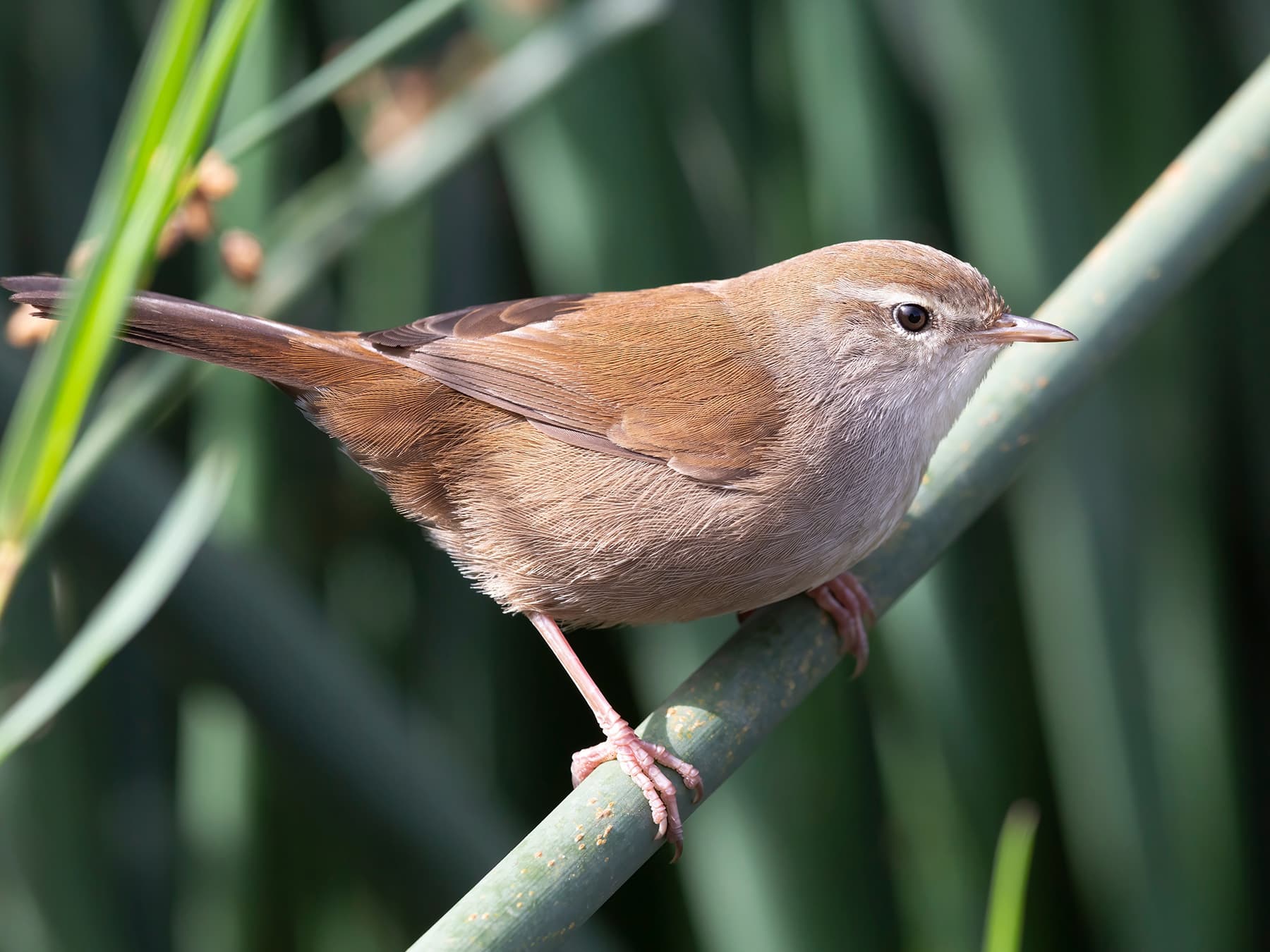
Cetti's Warbler
Cettia cettiLC
An uncommon but increasing resident of dense wetland scrub. More often heard than seen, with its explosive burst of song.
Year-round
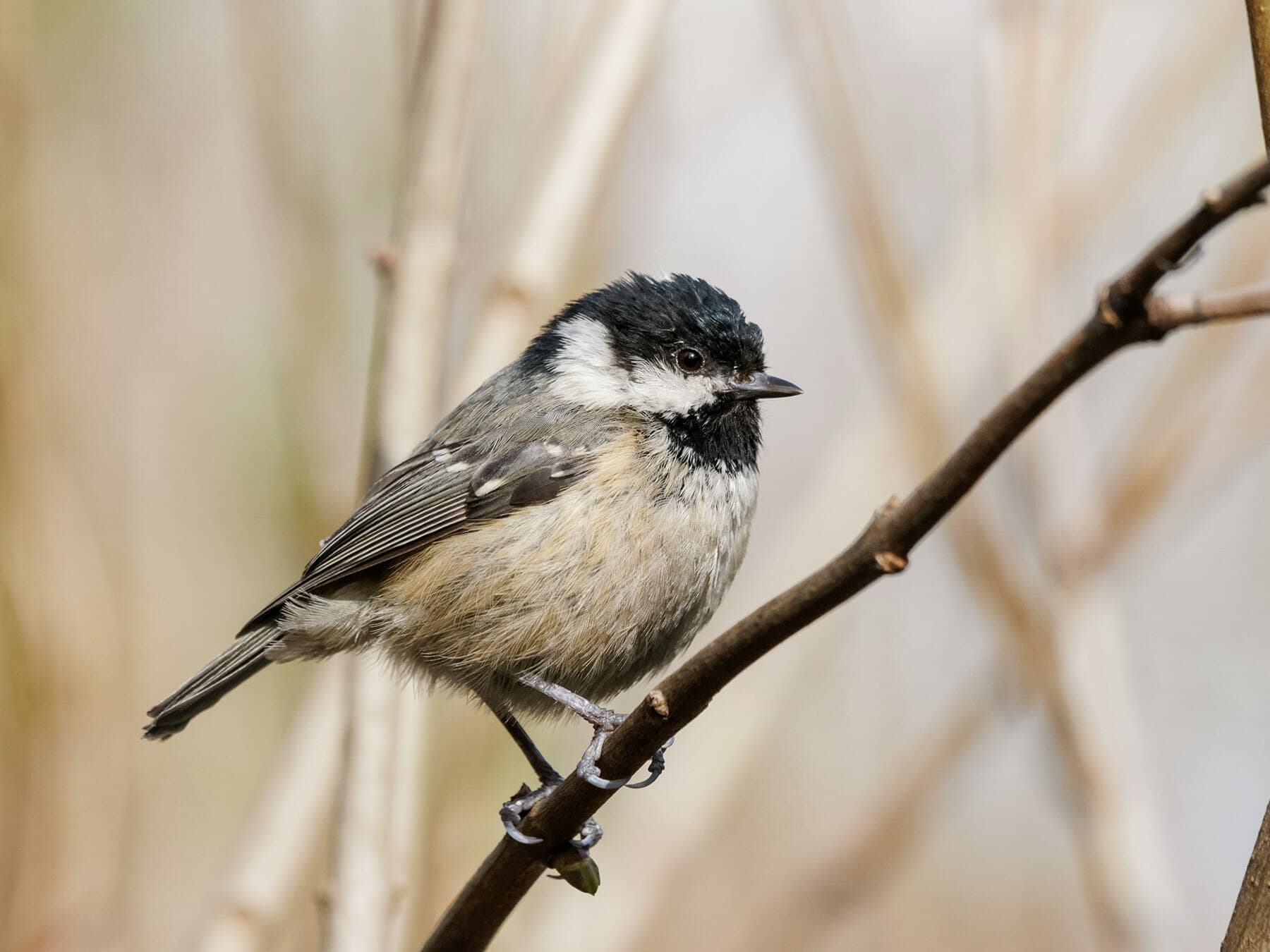
Coal Tit
Periparus aterLC
An uncommon resident favouring coniferous and mixed woodland. Regularly visits garden feeders, especially in winter months.
Year-round
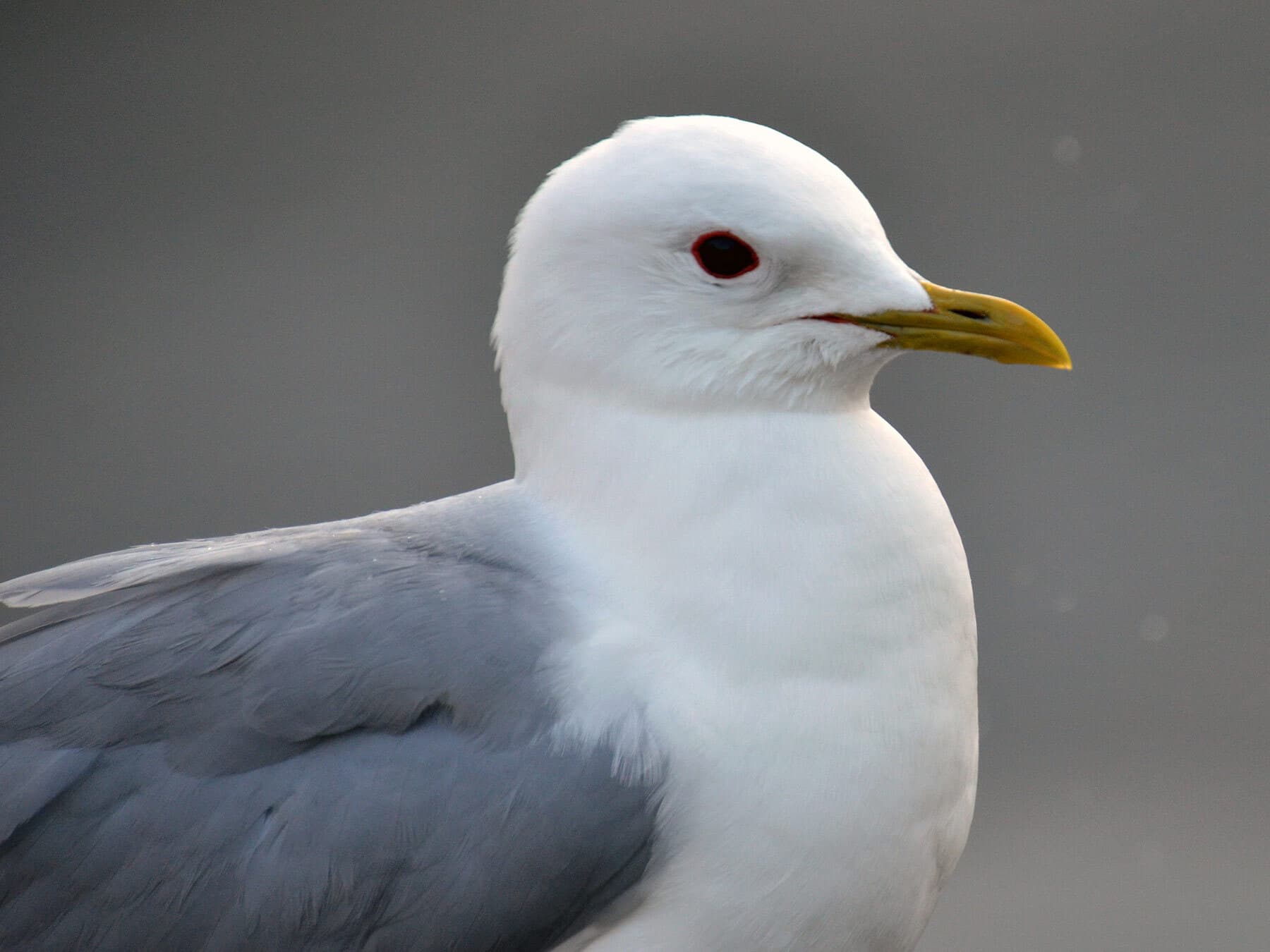
Common Gull
Larus canusLC
An uncommon resident found on playing fields, reservoirs and farmland, with numbers boosted in winter by continental visitors.
Jul–May
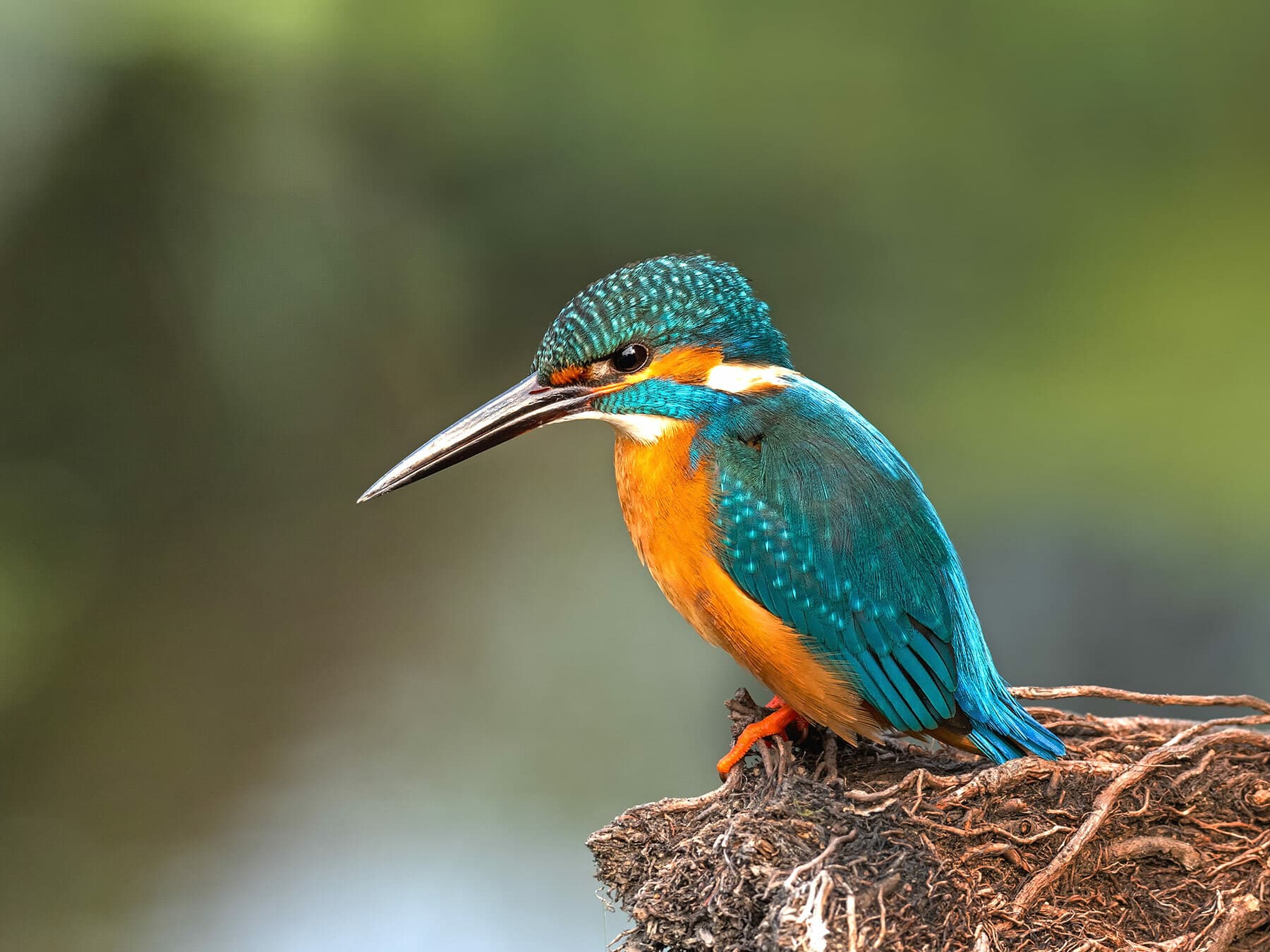
Common Kingfisher
Alcedo atthisLC
Found year-round along the Trent and its tributaries. A flash of electric blue darting low over the water is often the first sign.
Year-round
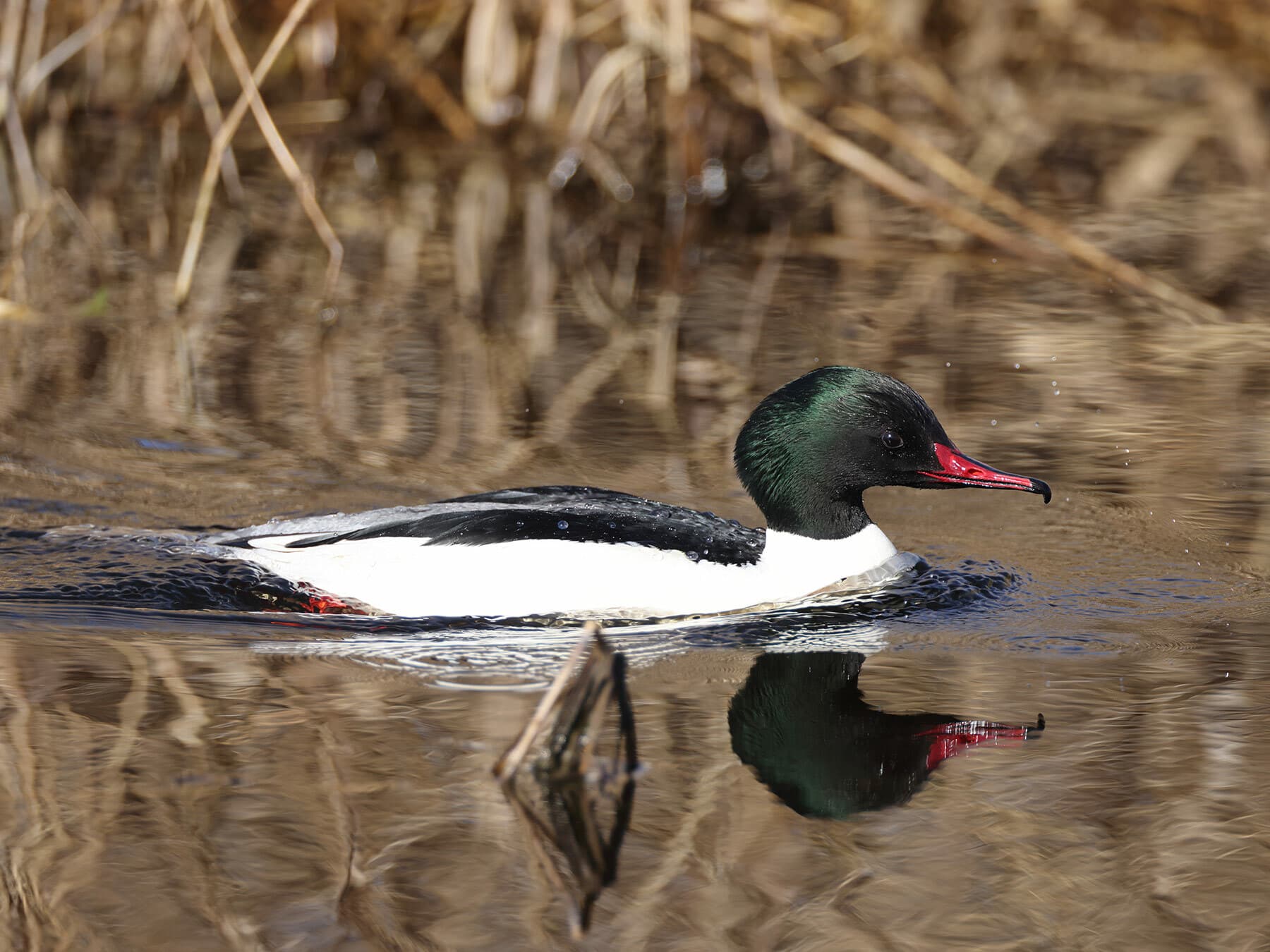
Common Merganser
Mergus merganserLC
Uncommon but regular on the Trent and larger rivers, mainly from autumn to spring. Sawbill flocks fish in clear stretches through the winter months.
Sep–May
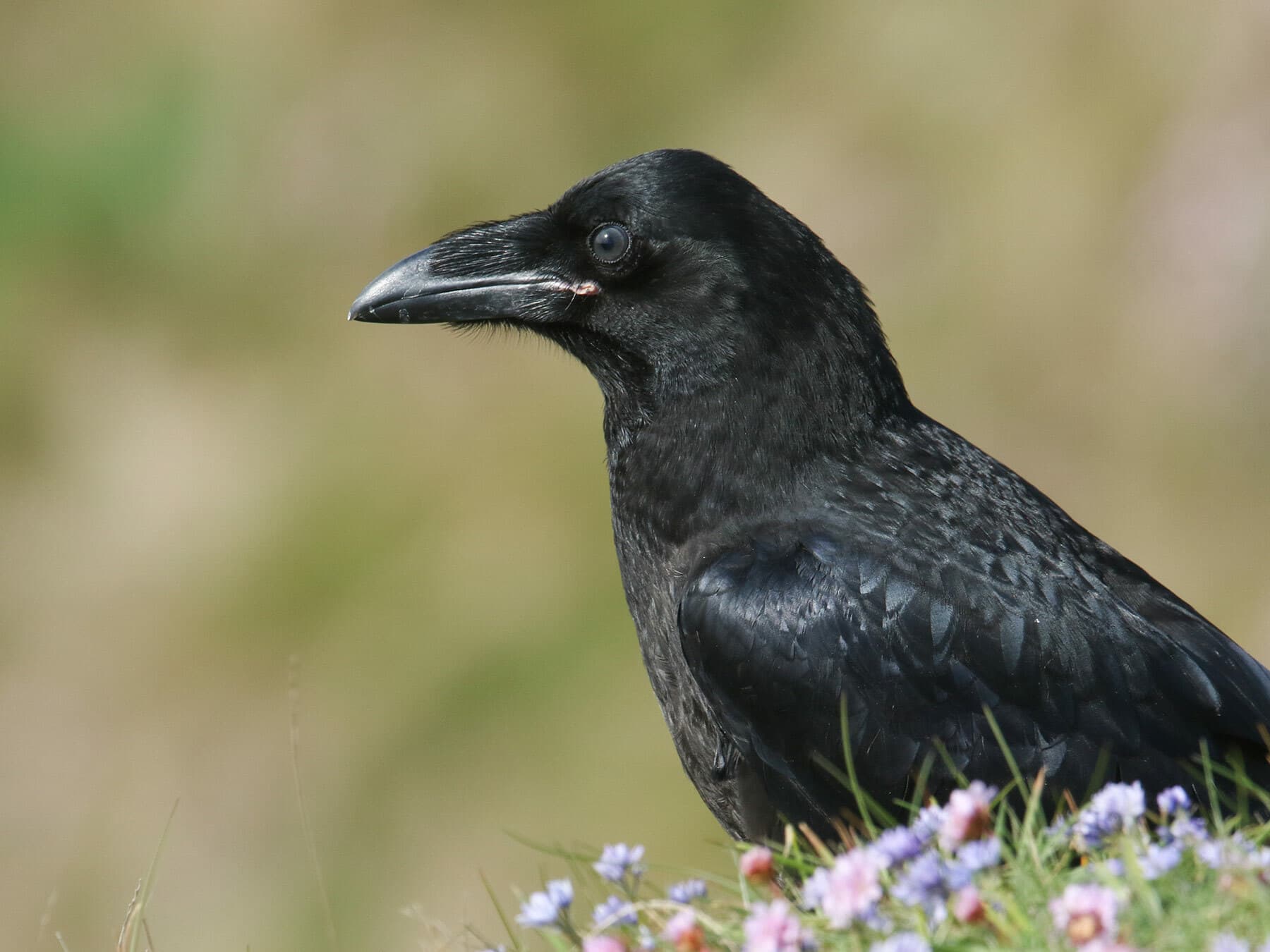
Common Raven
Corvus coraxLC
An uncommon but increasing resident, now regularly seen soaring over woodland and farmland. Its deep cronking call is increasingly heard countywide.
Year-round
Spotted something?
Upload a photo to identify it
Identify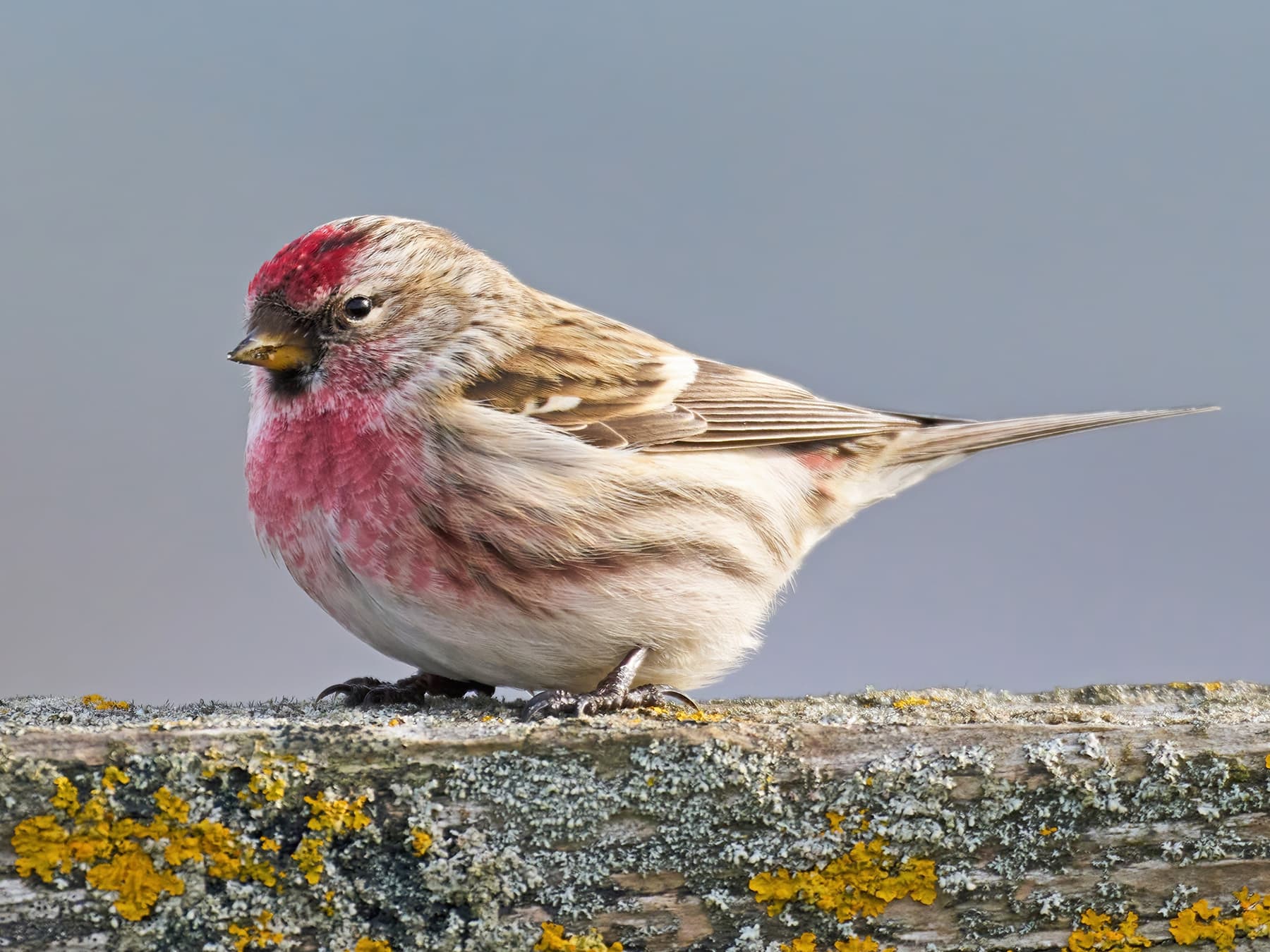
Common Redpoll
Acanthis flammeaLC
An uncommon visitor to birch and alder woodland, most often seen in winter flocks at Sherwood and along the Trent Valley.
Jul–May
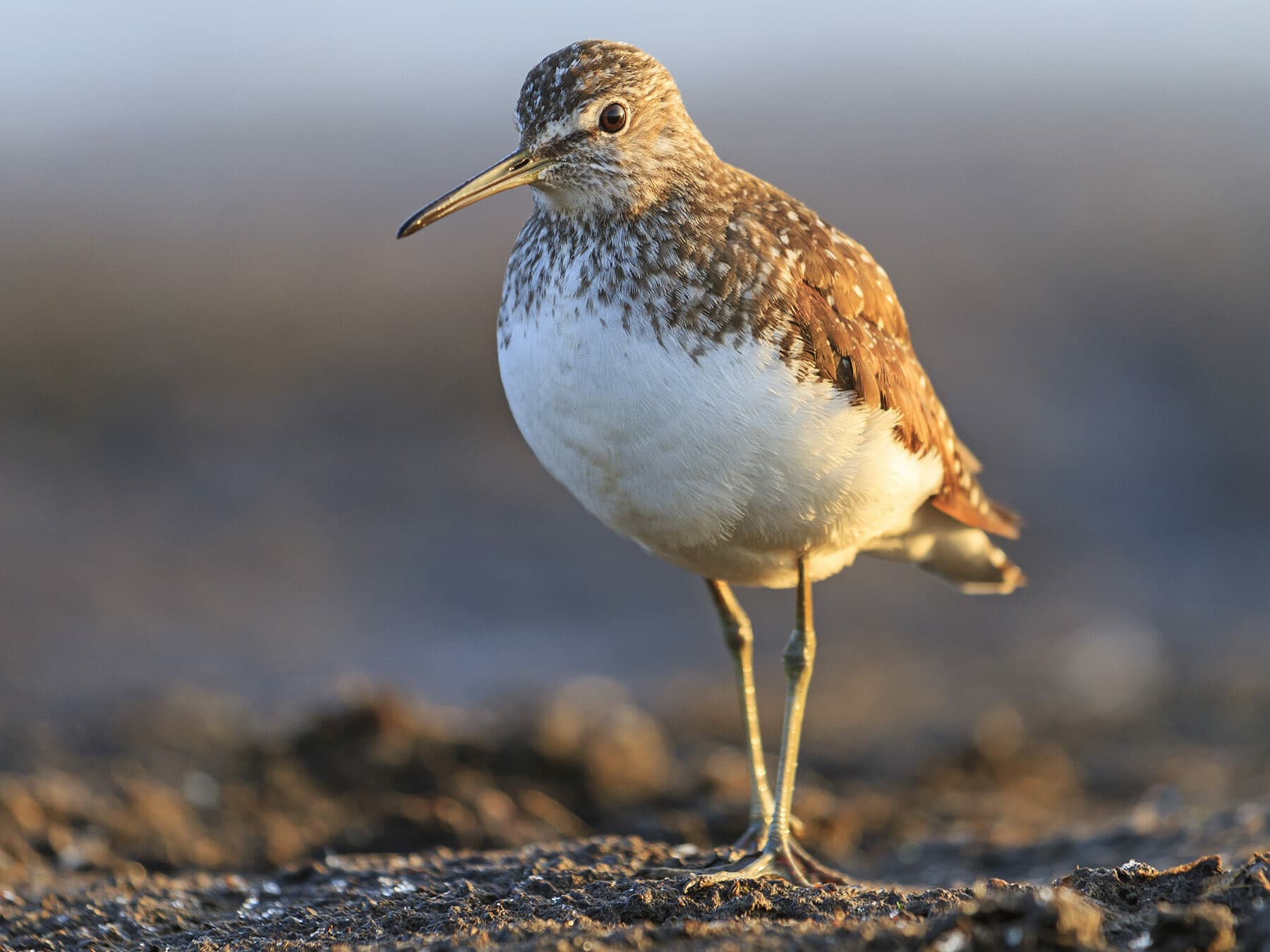
Common Sandpiper
Actitis hypoleucosLC
An uncommon breeder along rivers and gravel pits from April to October, often seen bobbing on rocks at the water's edge.
Apr–Oct
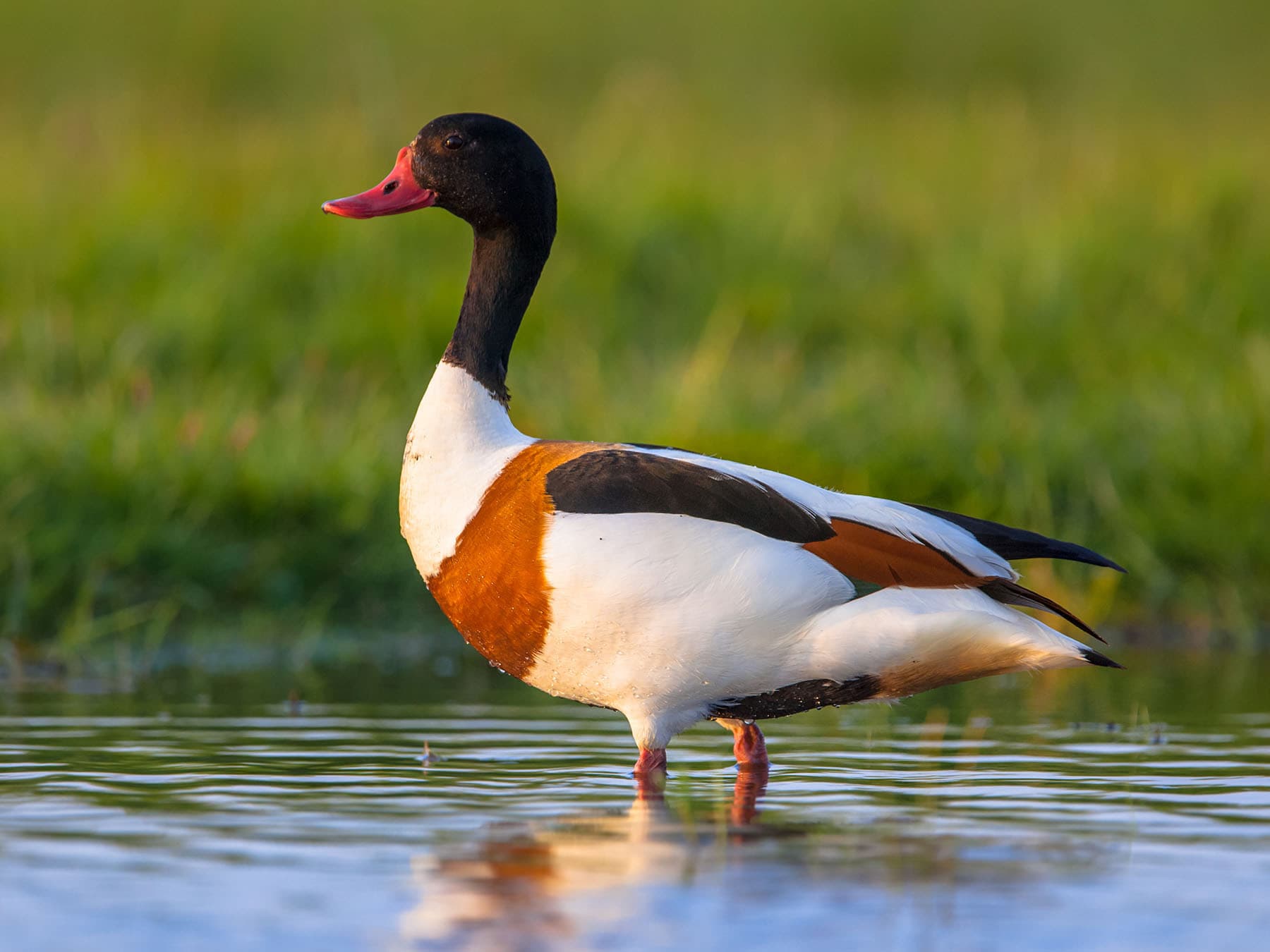
Common Shelduck
Tadorna tadornaLC
An uncommon resident, breeding at a few wetland sites. More often seen on gravel pits and the Trent floodplain outside the breeding season.
Year-round
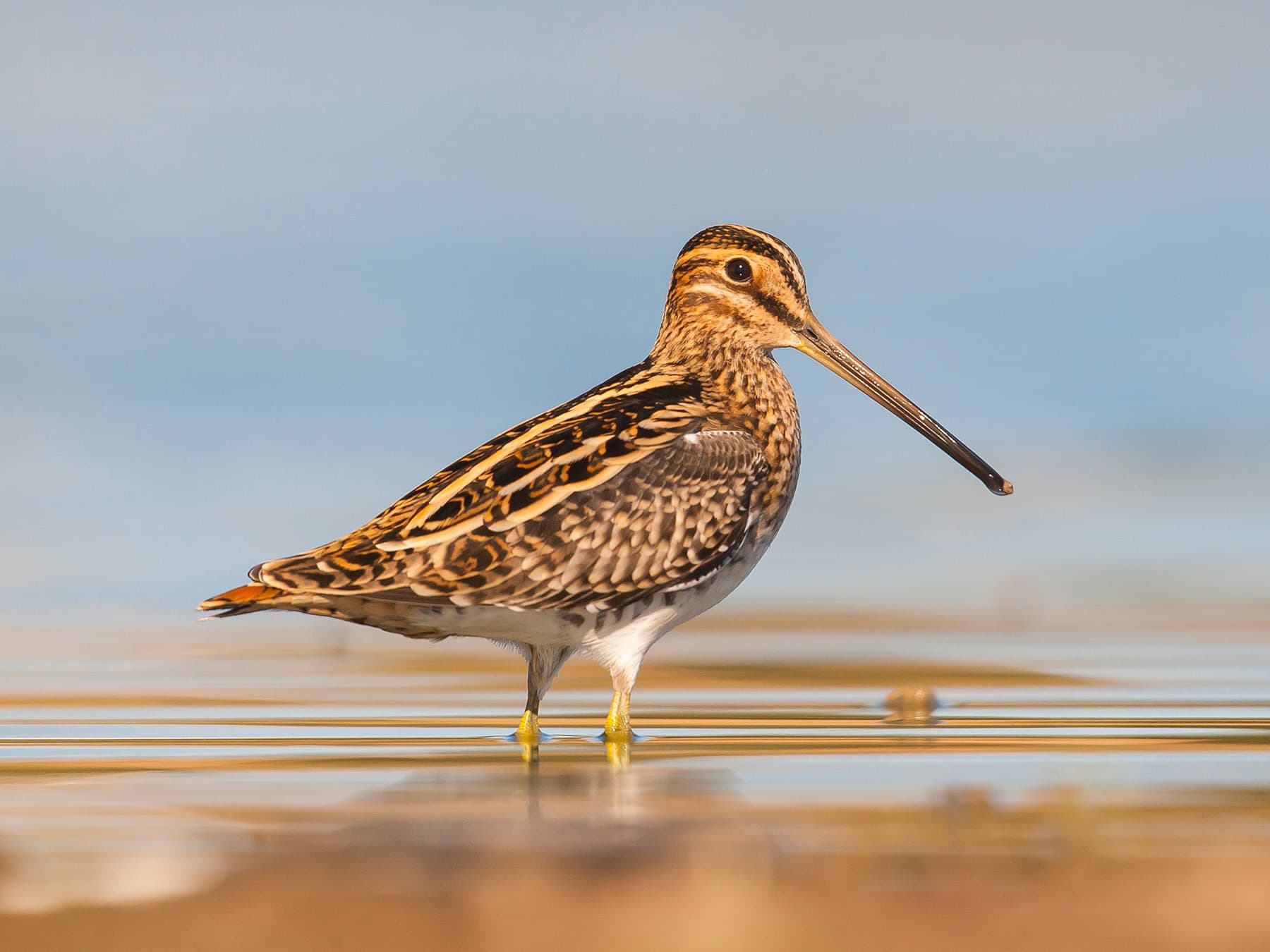
Common Snipe
Gallinago gallinagoLC
An uncommon resident found in marshy fields and wetland edges. Numbers increase in winter, with drumming displays heard over suitable bogs in spring.
Jul–May
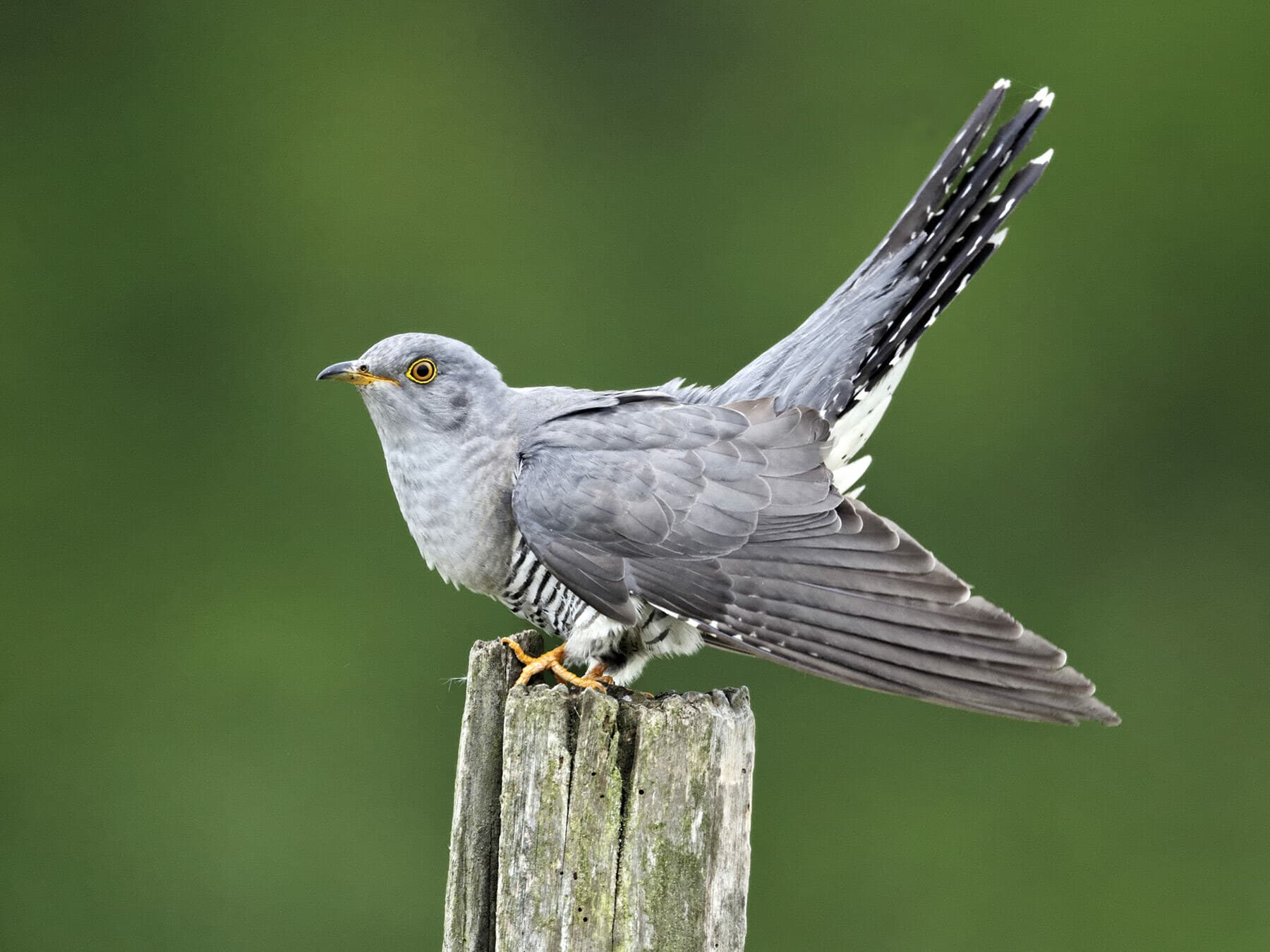
Cuckoo
Cuculus canorusLC
An uncommon summer visitor from April to July, its distinctive call heard around reedbeds and woodland where it parasitises Reed Warbler nests.
Apr–Jul
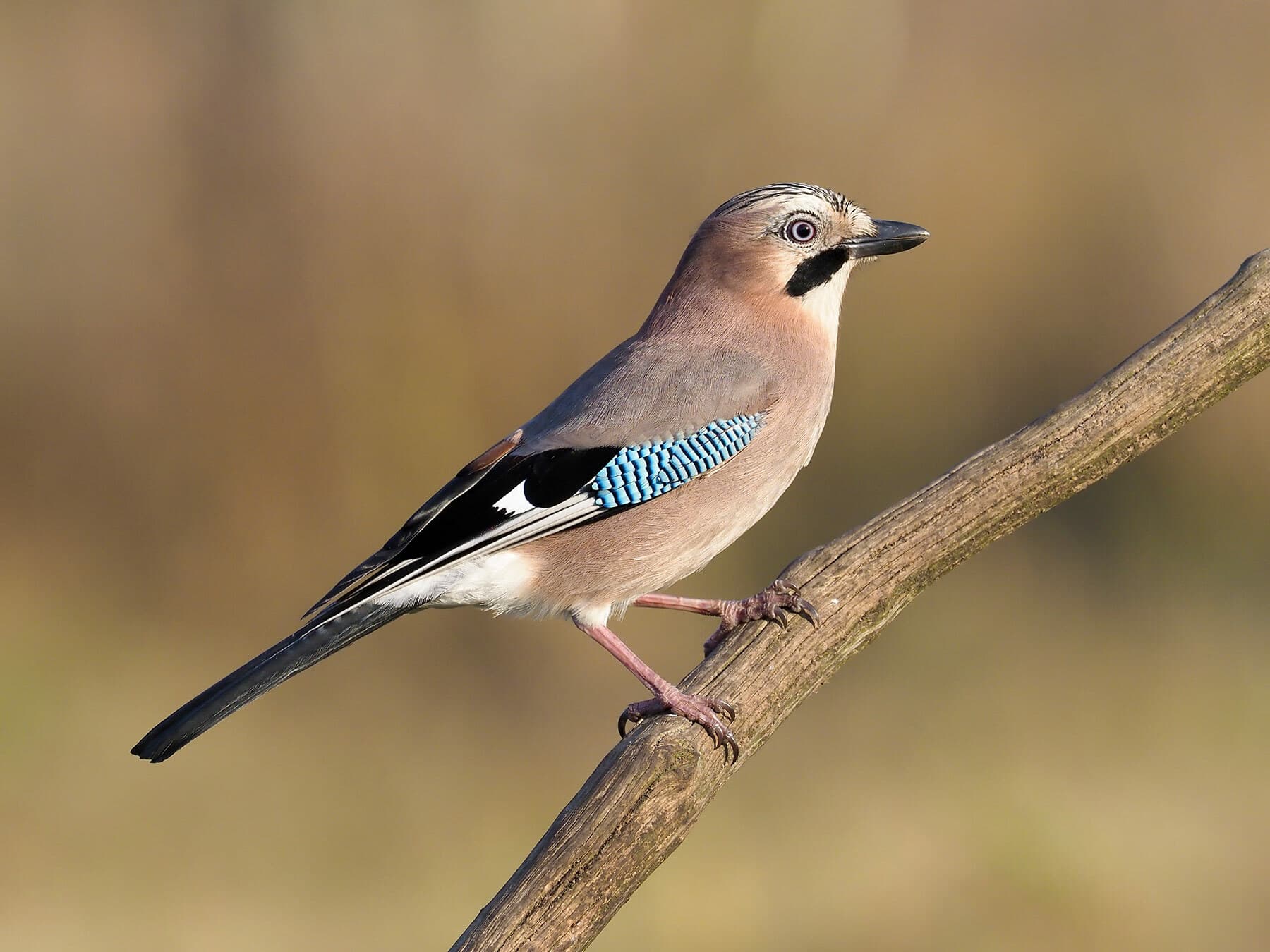
Eurasian Jay
Garrulus glandariusLC
An uncommon but year-round resident of broadleaved and mixed woodland, often detected by its harsh screeching call. Buries acorns in autumn.
Year-round
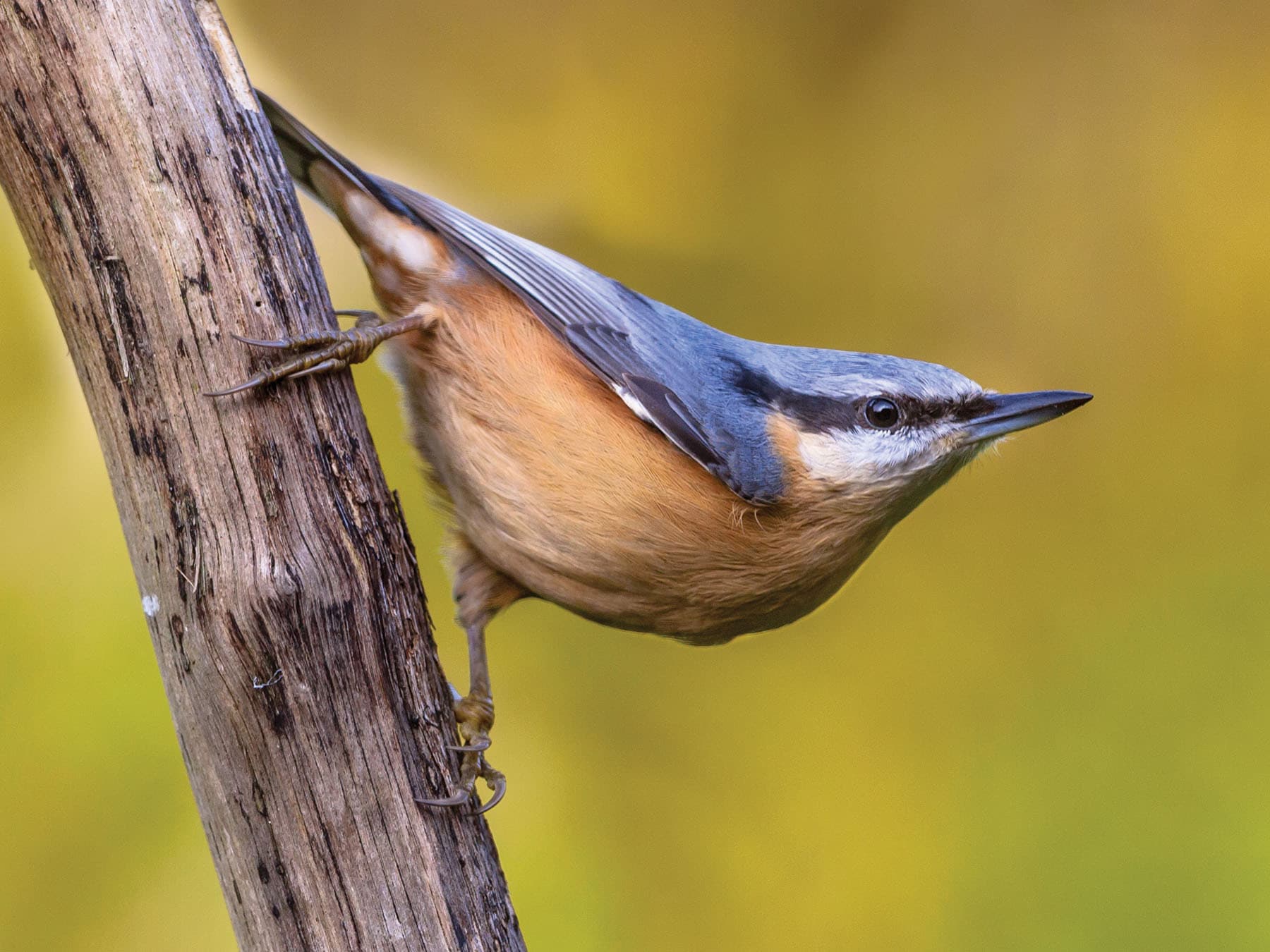
Eurasian Nuthatch
Sitta europaeaLC
An uncommon resident of mature woodland, found at sites like Clumber Park and Sherwood Forest. Its loud calls ring through oak and beech canopy year-round.
Year-round
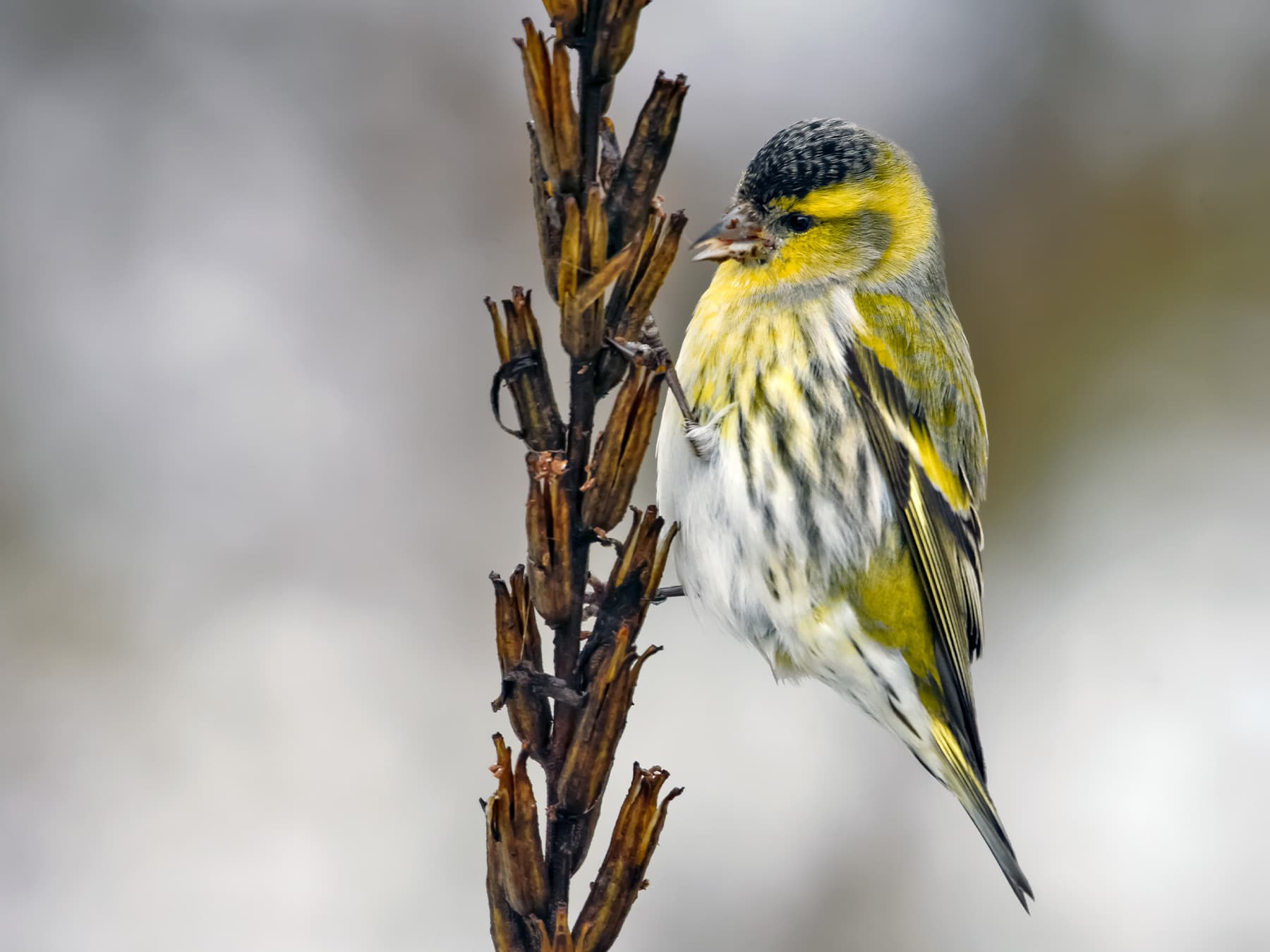
Eurasian Siskin
Spinus spinusLC
Present year-round but uncommon, favouring alder-lined waterways and conifer plantations. Numbers swell in winter with continental arrivals.
Year-round
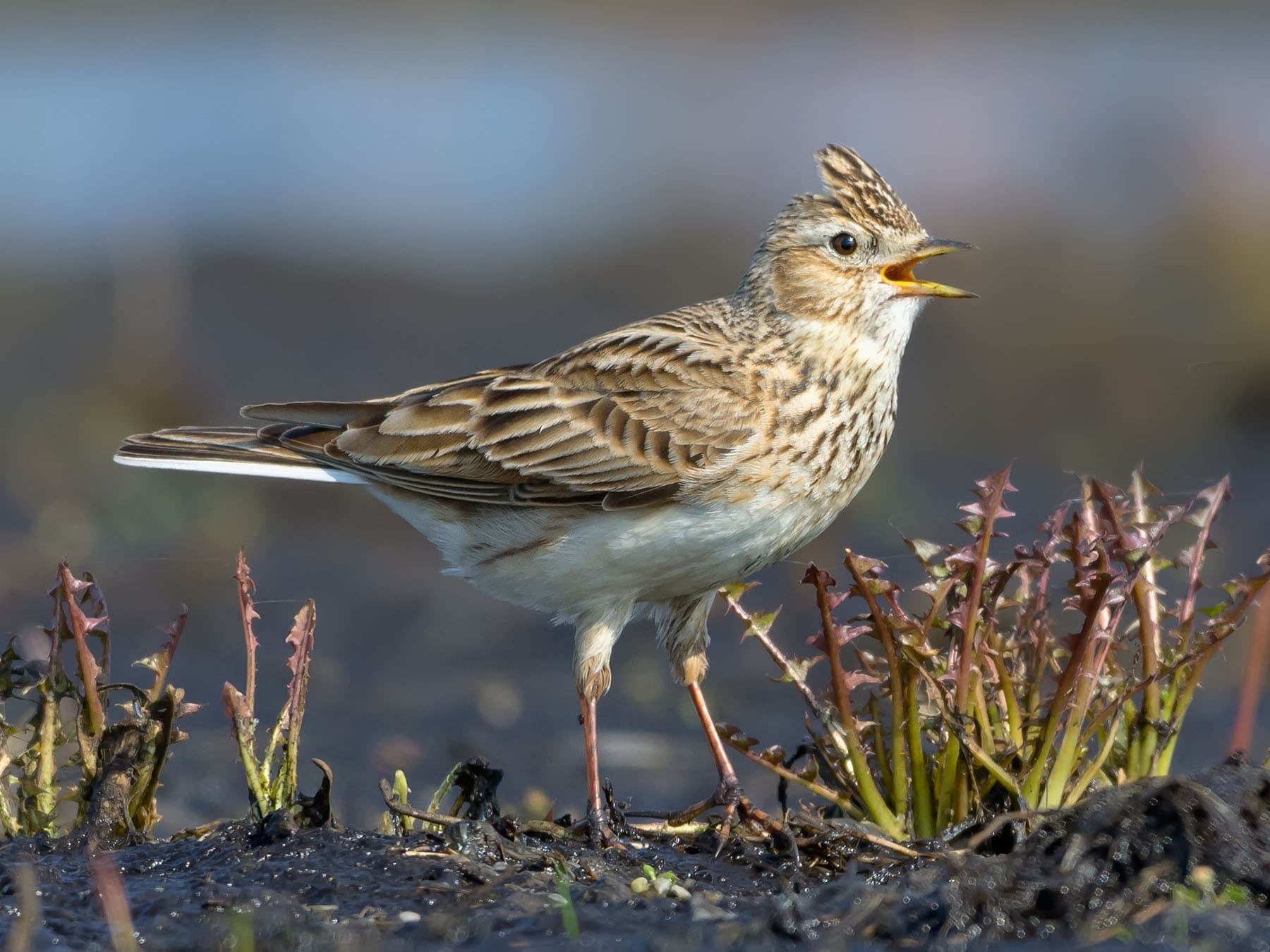
Eurasian Skylark
Alauda arvensisLC
An uncommon resident of arable farmland and grassland, declining due to agricultural intensification. Song flights can be heard over open fields in spring.
Year-round
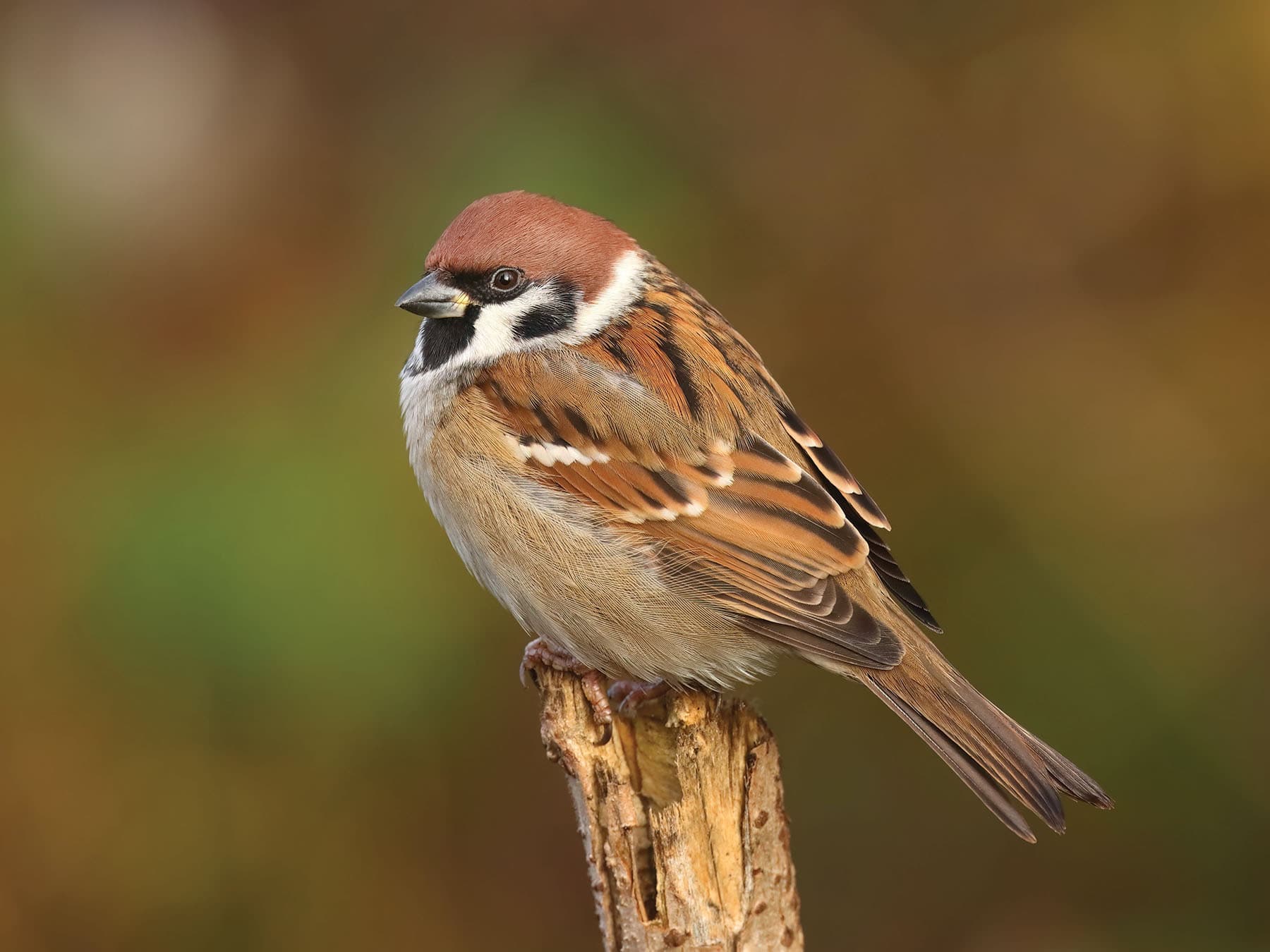
Eurasian Tree Sparrow
Passer montanusLC
An uncommon resident of farmland and rural edges, often visiting feeding stations in small flocks. Has declined nationally but persists locally.
Year-round
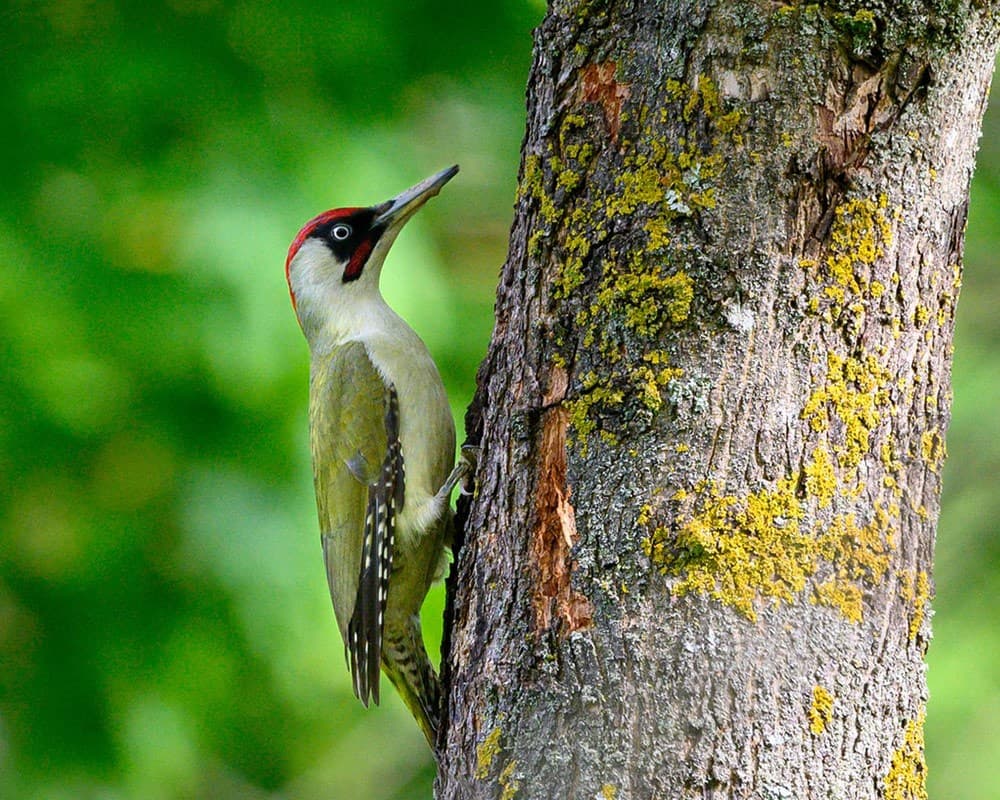
European Green Woodpecker
Picus viridisLC
An uncommon resident of parkland and woodland edges, often heard giving its loud, laughing call. Feeds on ants in short grassland year-round.
Year-round
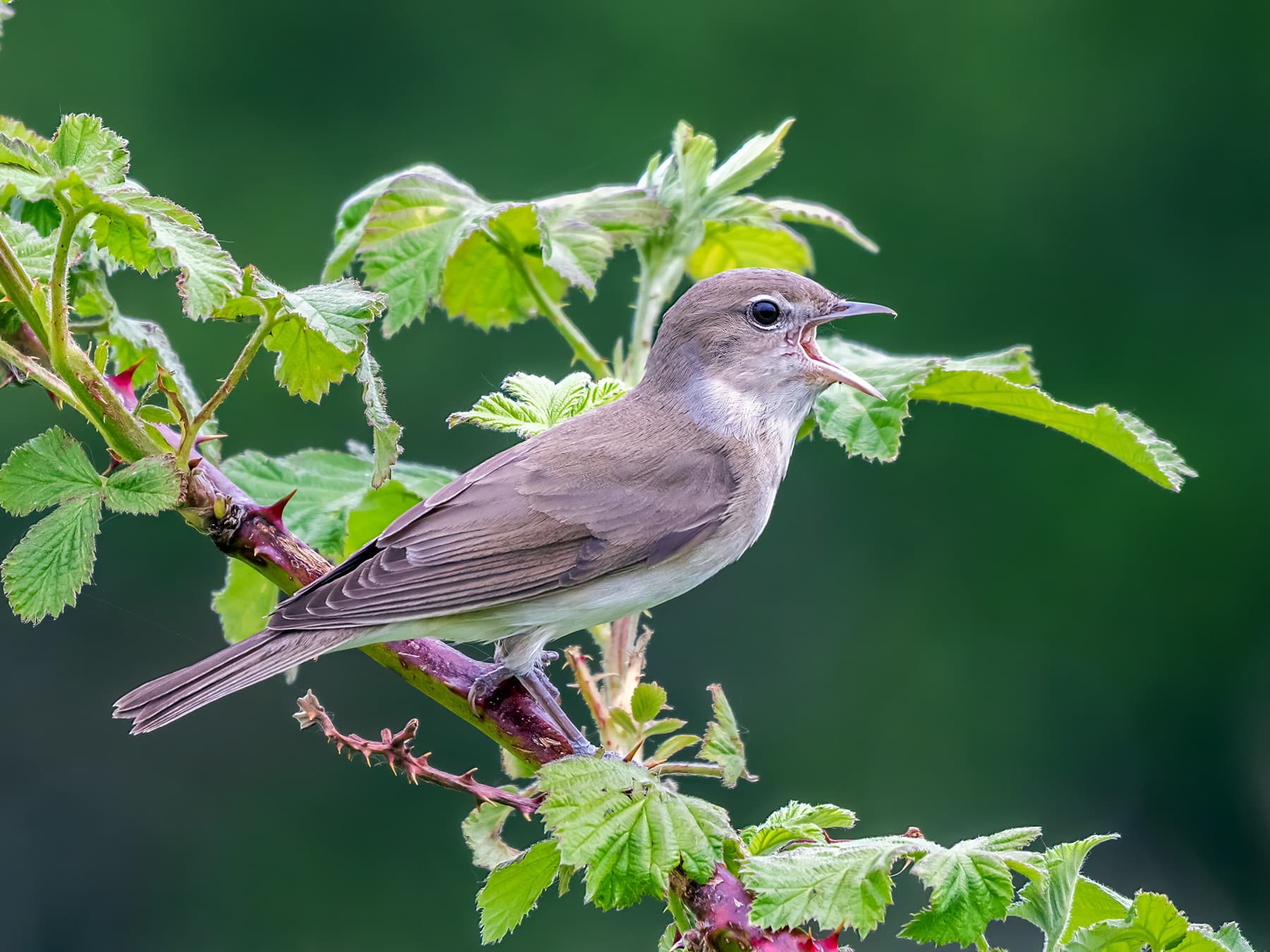
Garden Warbler
Sylvia borinLC
An uncommon summer breeder arriving in April, favouring dense scrubby woodland. Its rich warbling song lacks the Blackcap's clarity.
Apr–Sep
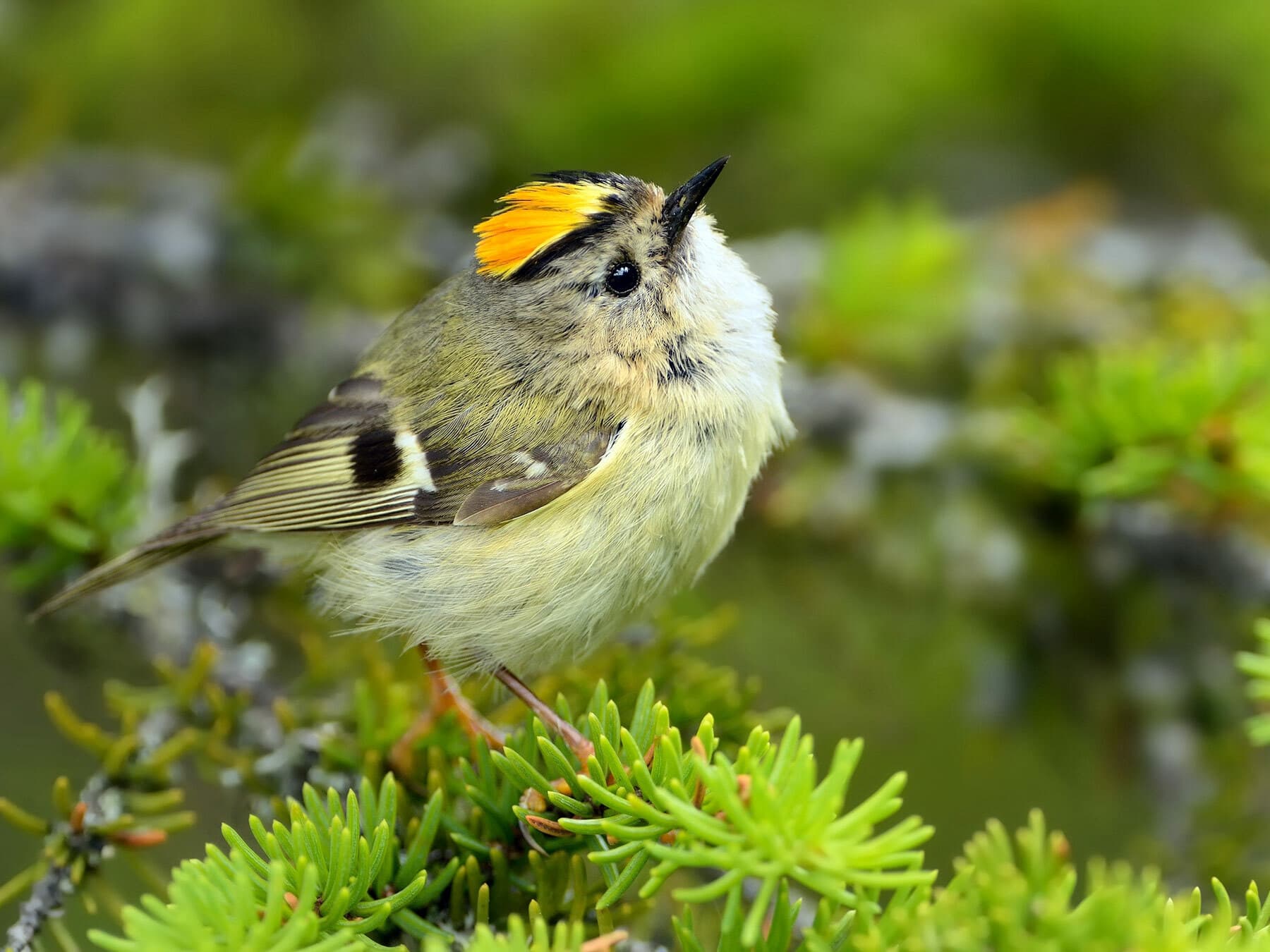
Goldcrest
Regulus regulusLC
Britain's smallest bird, resident year-round in coniferous and mixed woodland. Numbers swell in autumn with continental migrants.
Year-round
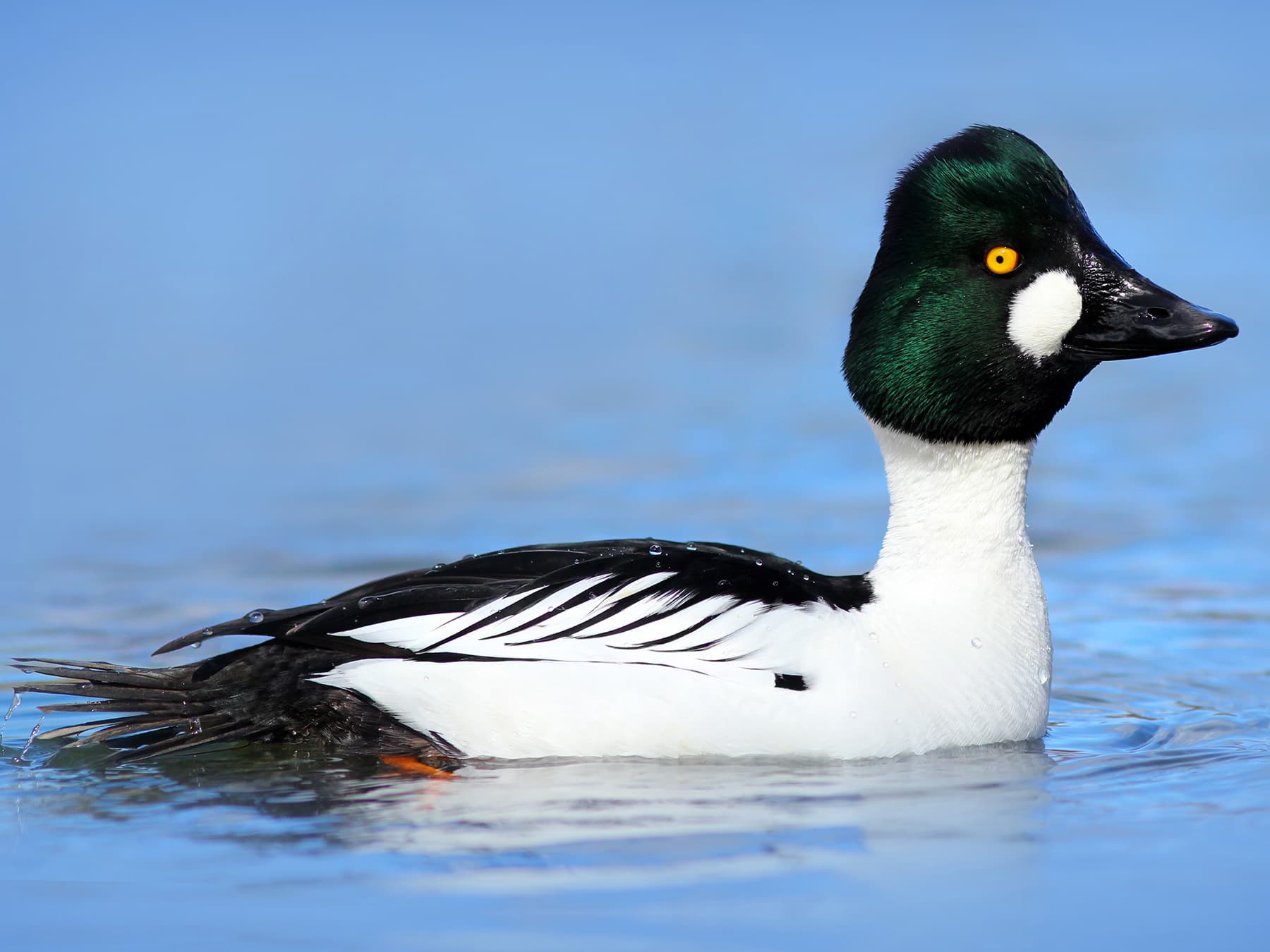
Goldeneye
Bucephala clangulaLC
An uncommon but regular visitor, mainly present from autumn through spring on gravel pits and reservoirs. Diving birds catch the eye on calm waters.
Jul–May
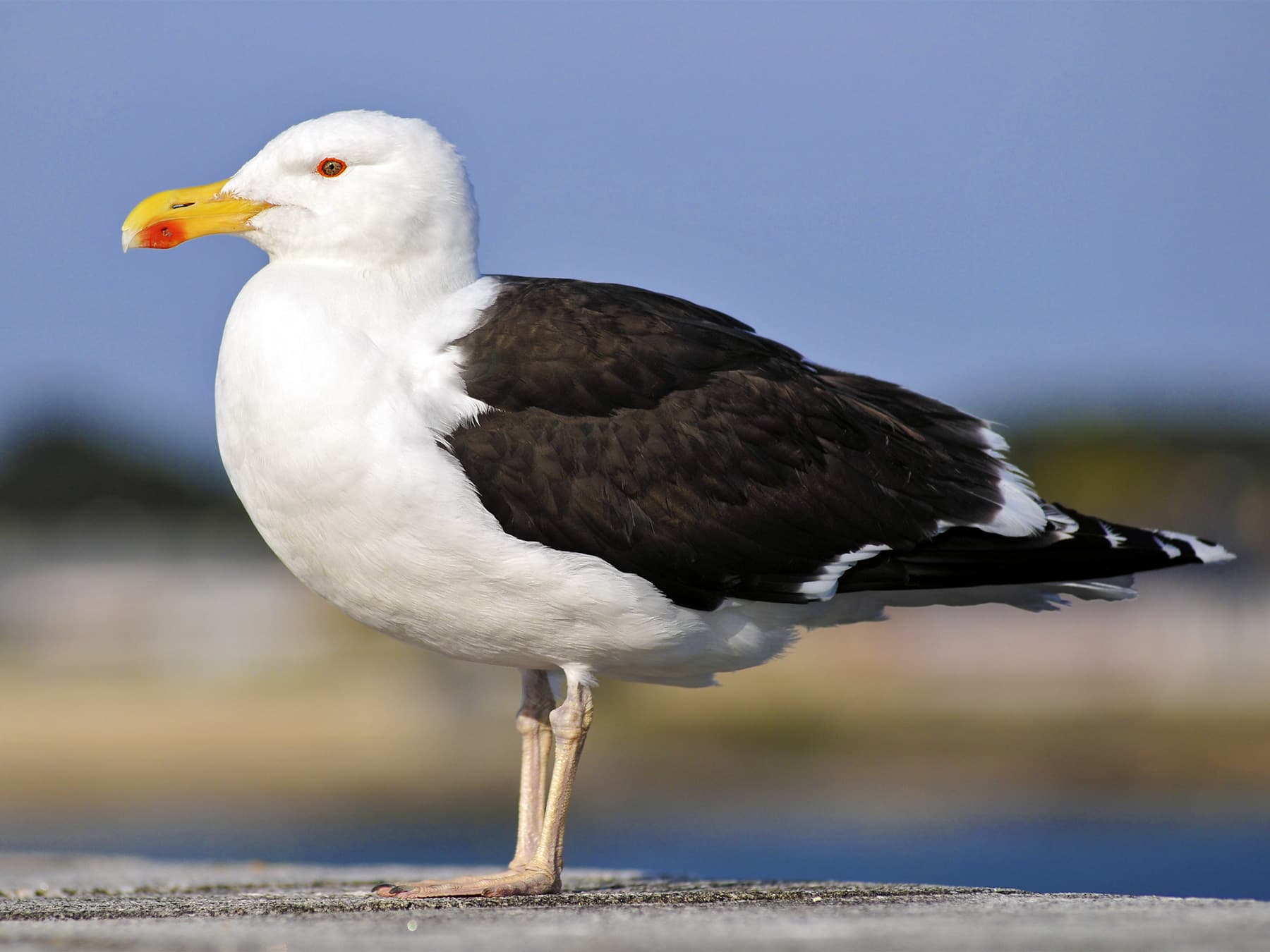
Great Black-backed Gull
Larus marinusLC
An uncommon year-round resident, seen at reservoirs, landfill sites and gravel pits, often loafing among other large gulls.
Year-round