Uncommon Birds in Nottinghamshire
43 species matching this filter.
Nottinghamshire supports a diverse range of uncommon bird species across its varied habitats, from the ancient woodlands of Sherwood Forest to the wetlands of the Trent Valley. With 43 species classified as uncommon, birdwatchers can look out for striking residents such as the Bullfinch and Great Spotted Woodpecker in woodland areas, while wetland sites may reward patient observers with sightings of Great White Egret and Goldeneye. The county's mix of farmland, rivers, and nature reserves provides vital habitat for less frequently encountered species like the Eurasian Tree Sparrow and Cetti's Warbler.


Showing 24–43 of 43 species
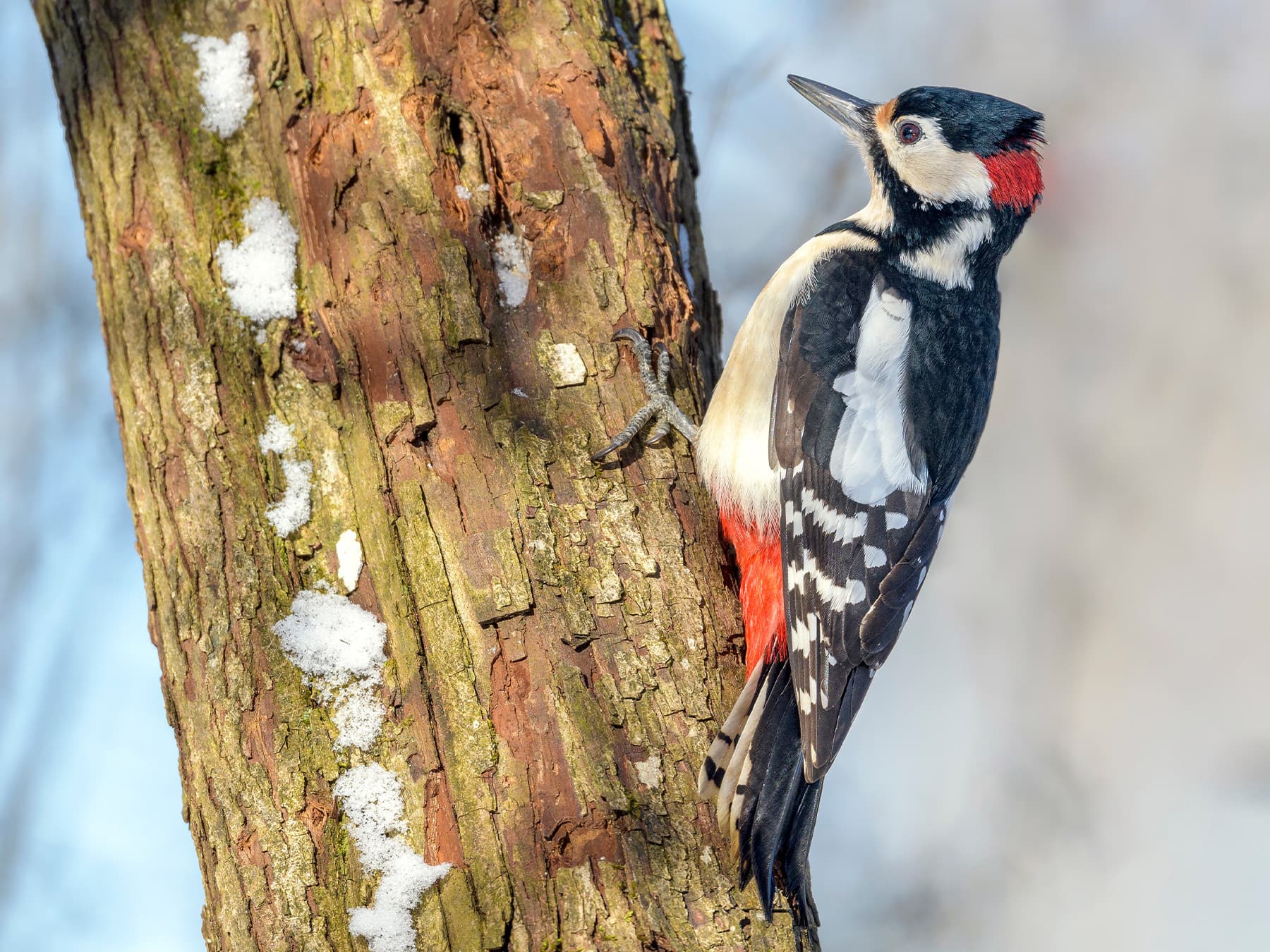
Great Spotted Woodpecker
Dendrocopos majorLC
An uncommon but widespread resident of mature woodland and parks. Its loud drumming is a familiar spring sound in Sherwood Forest.
Year-round
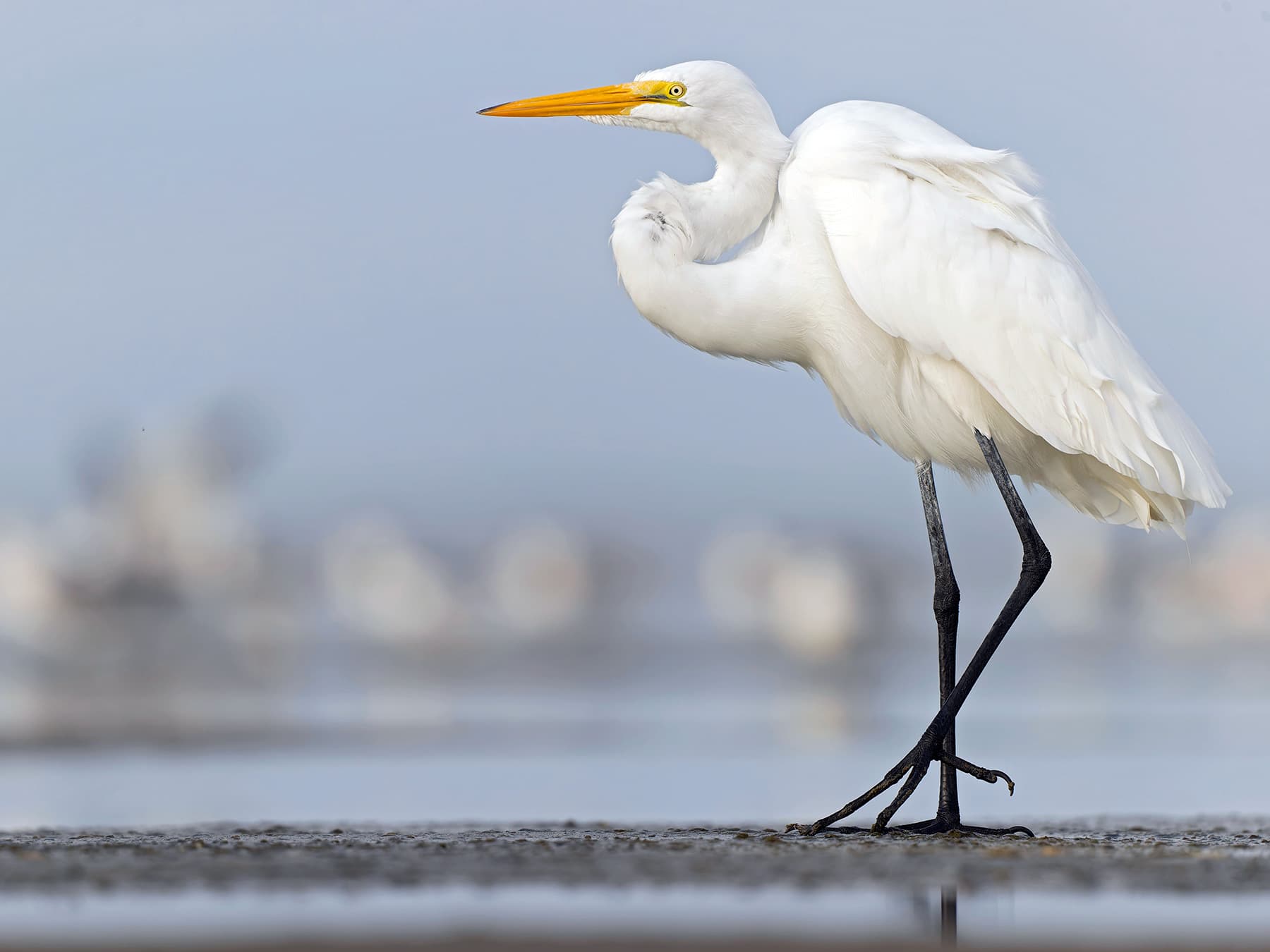
Great White Egret
Ardea albaLC
An increasingly regular resident at wetland reserves, part of a wider UK range expansion. Often seen at Attenborough and the Trent Valley.
Year-round
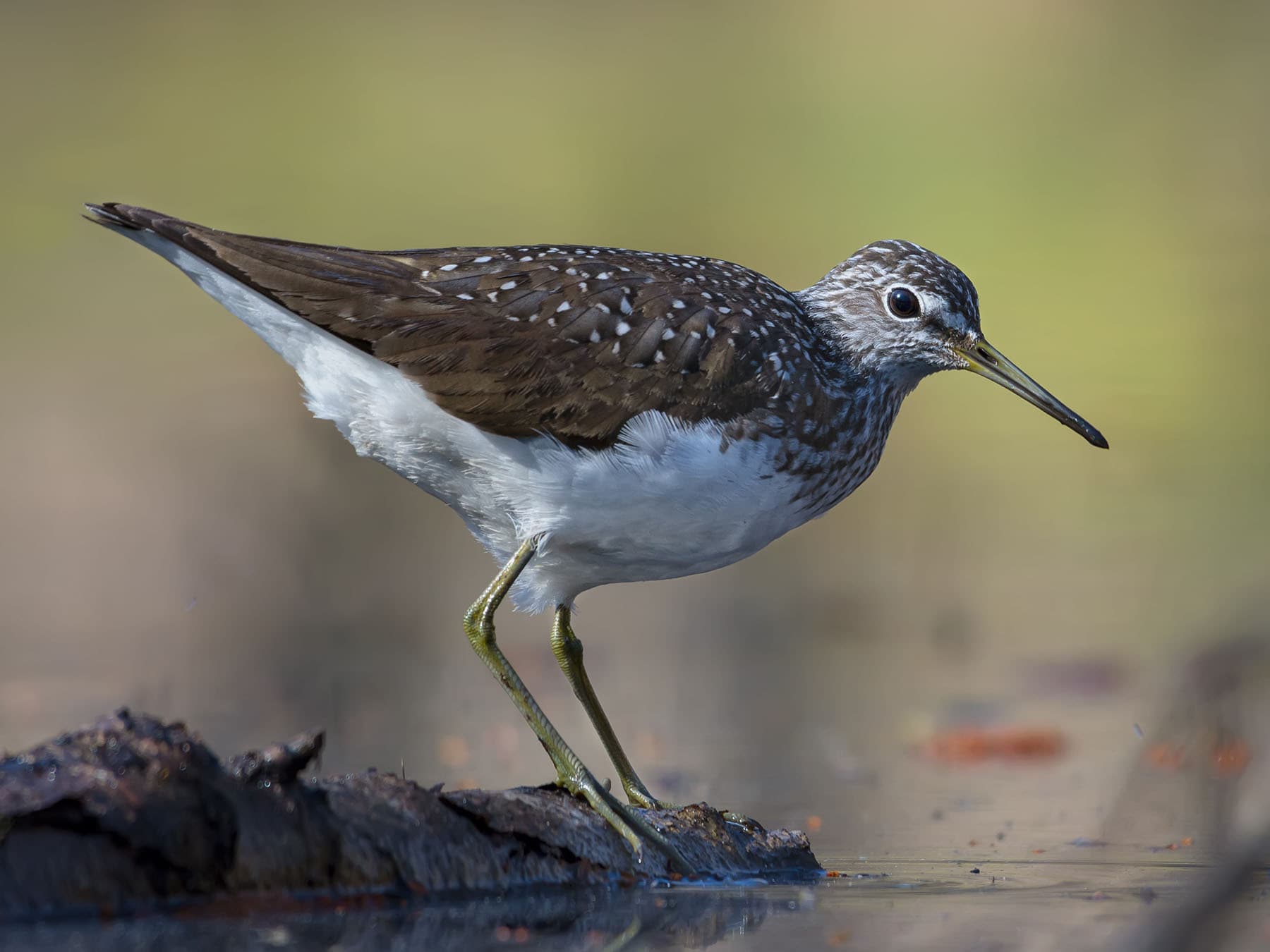
Green Sandpiper
Tringa ochropusLC
An uncommon but year-round visitor to muddy ditches and watercress beds. Often bobs along stream edges, flushing with a distinctive white rump.
Jun–Apr
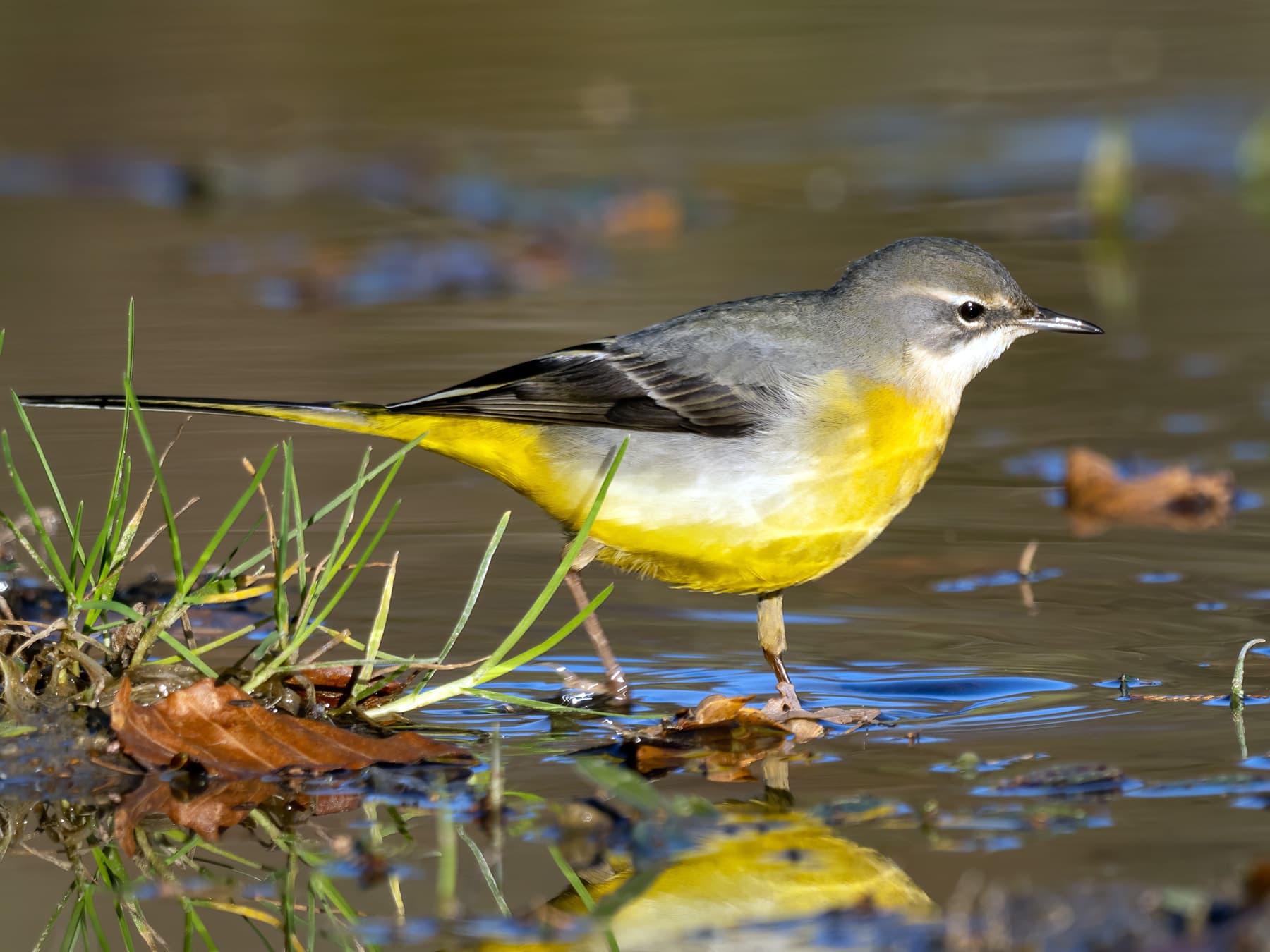
Grey Wagtail
Motacilla cinereaLC
An uncommon year-round resident, favouring streams and waterways. Often bobs its long tail on rocks along the Trent and its tributaries.
Year-round
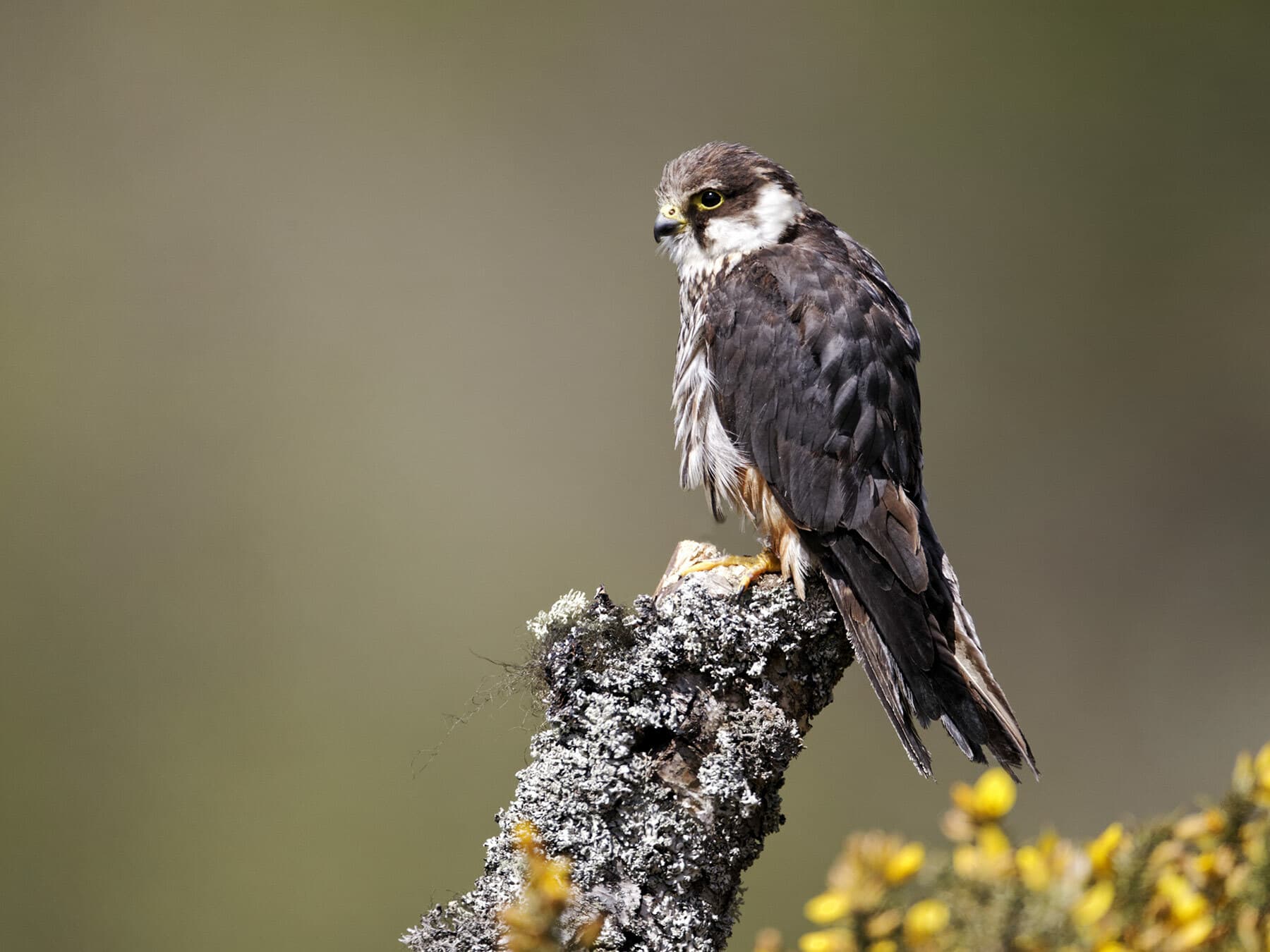
Hobby
Falco subbuteoLC
A graceful summer visitor from April to September, hunting dragonflies over gravel pits and wetlands at sites like Attenborough.
Apr–Sep
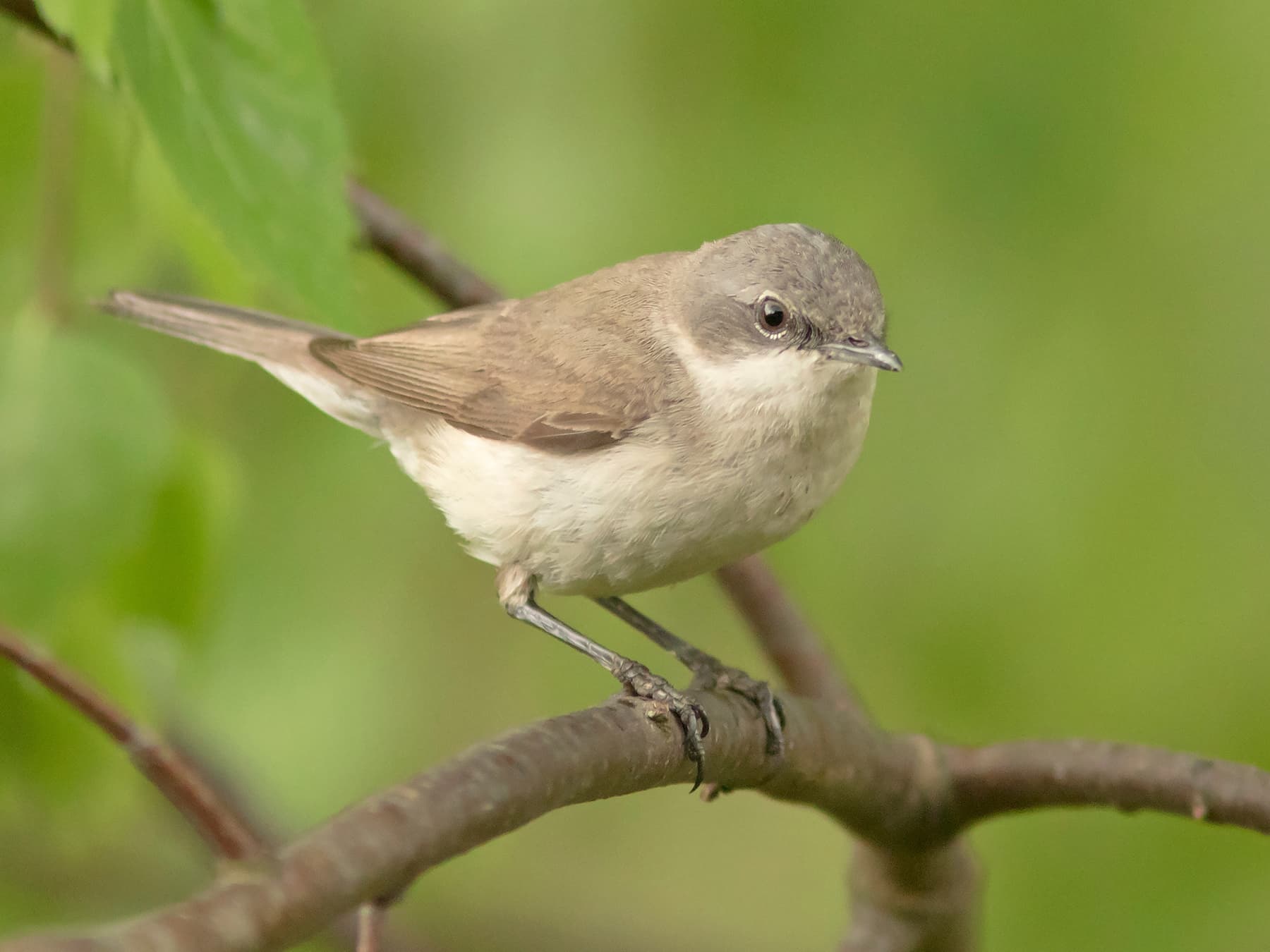
Lesser Whitethroat
Curruca currucaLC
An uncommon summer breeder arriving in April, favouring tall hedgerows and scrubby woodland edges across the county.
Apr–Sep
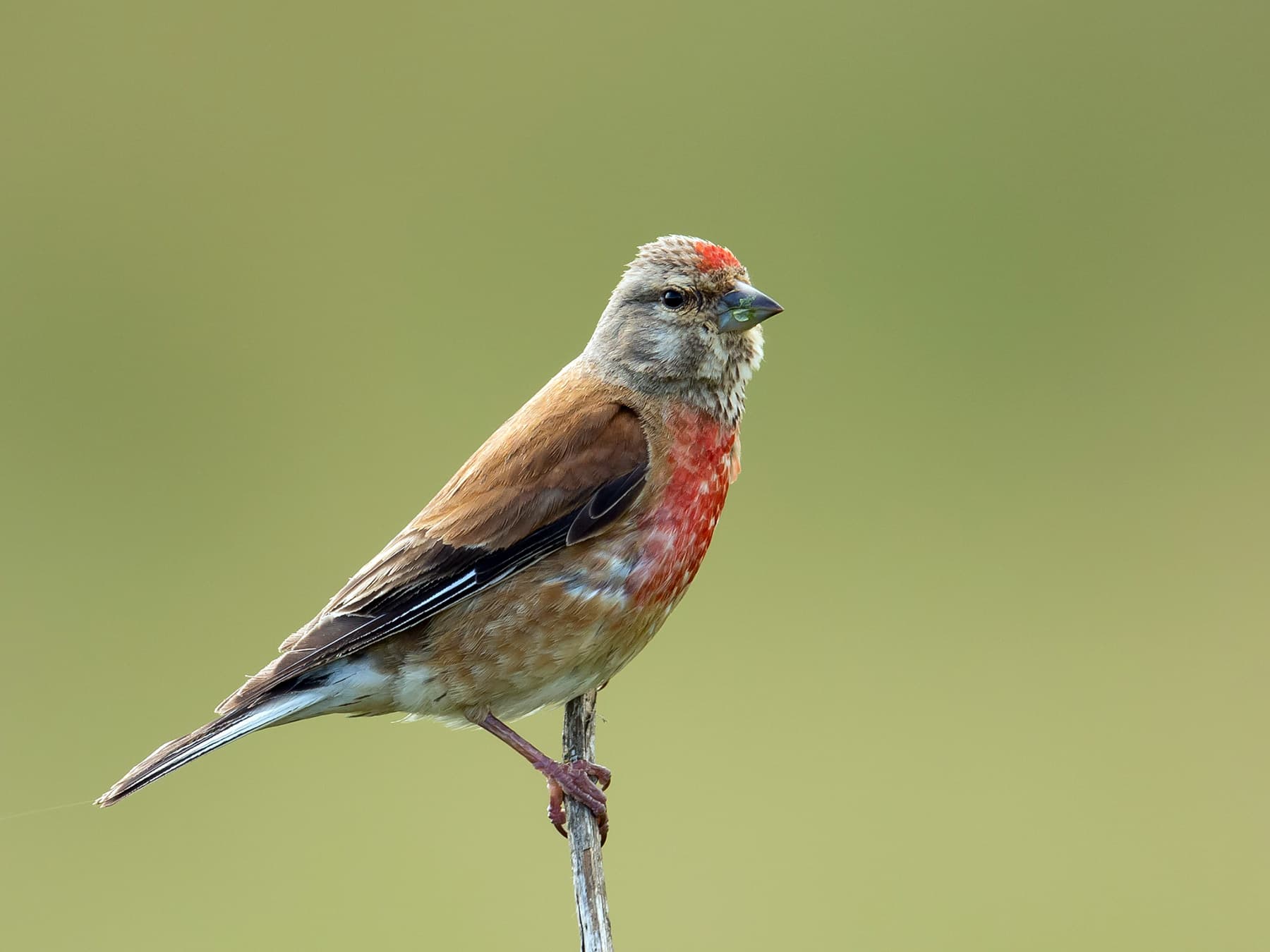
Linnet
Linaria cannabinaLC
An uncommon resident of open farmland and weedy margins, sometimes forming sizeable flocks in winter. Numbers have declined significantly.
Year-round
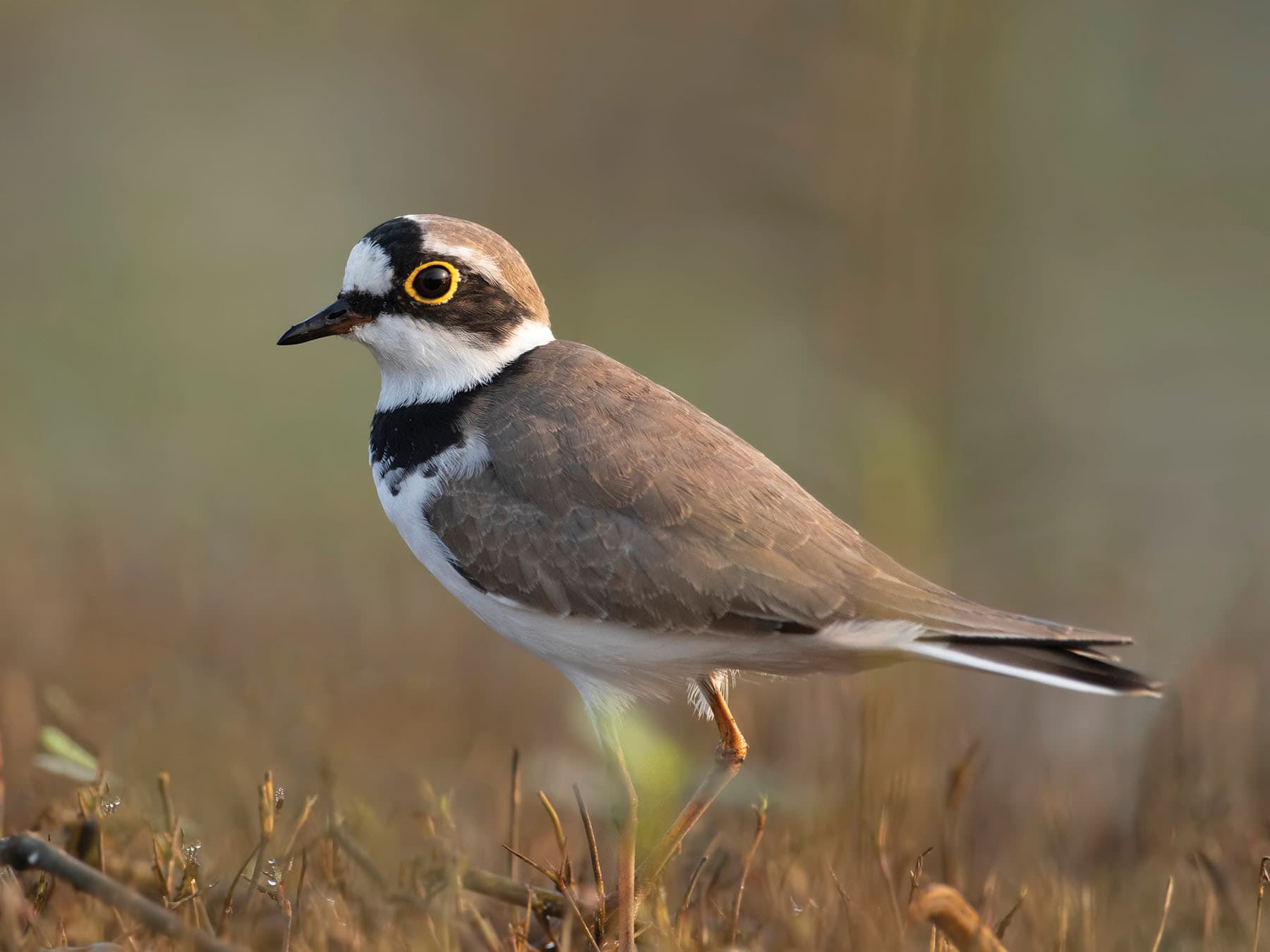
Little Ringed Plover
Charadrius dubiusLC
An uncommon summer breeder, nesting on bare ground at gravel pits and construction sites. Arrives in March and departs by September.
Mar–Sep
Spotted something?
Upload a photo to identify it
Identify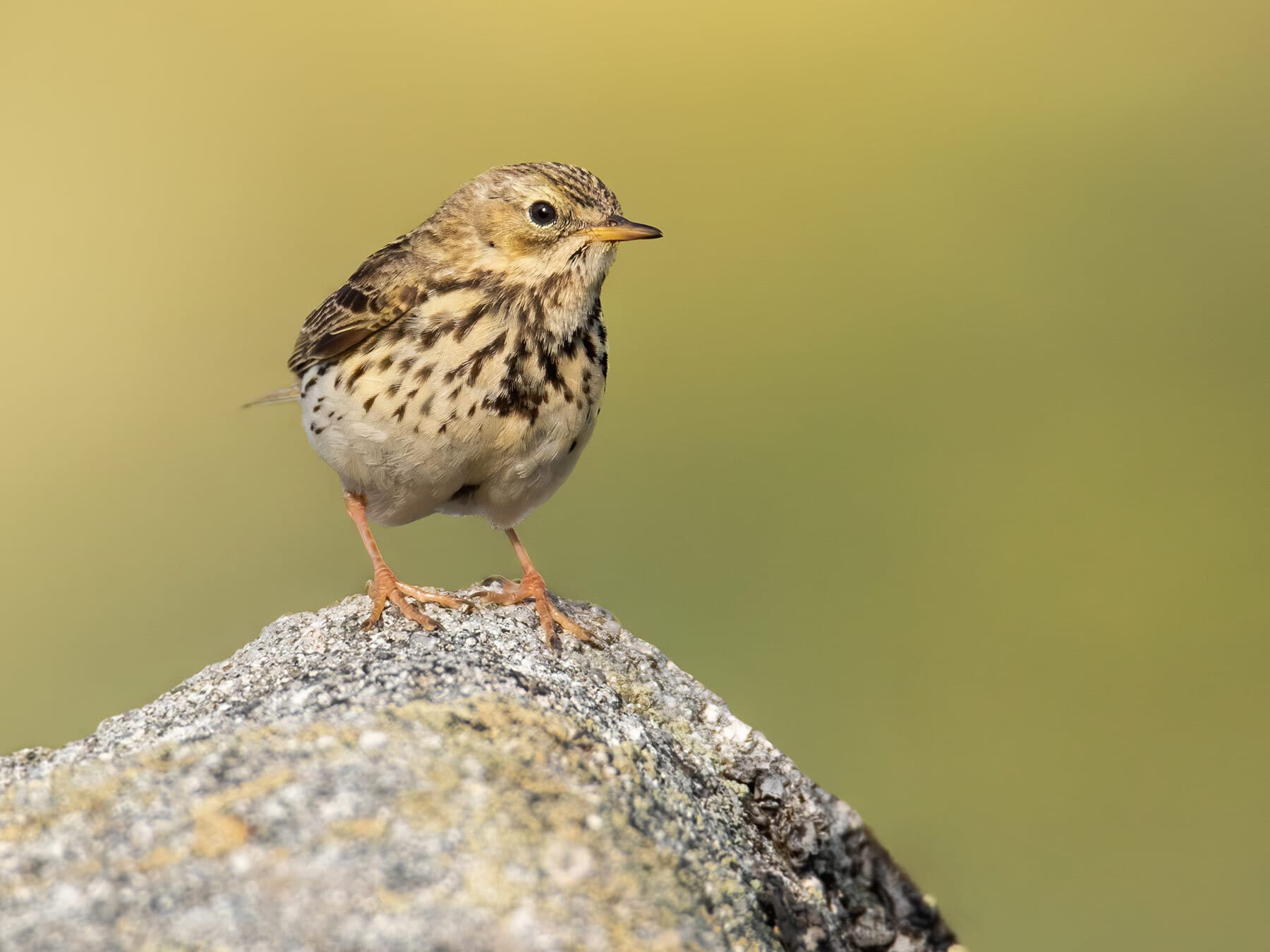
Meadow Pipit
Anthus pratensisLC
An uncommon resident of rough grassland and heathland, more conspicuous in winter when numbers are boosted by migrants.
Year-round
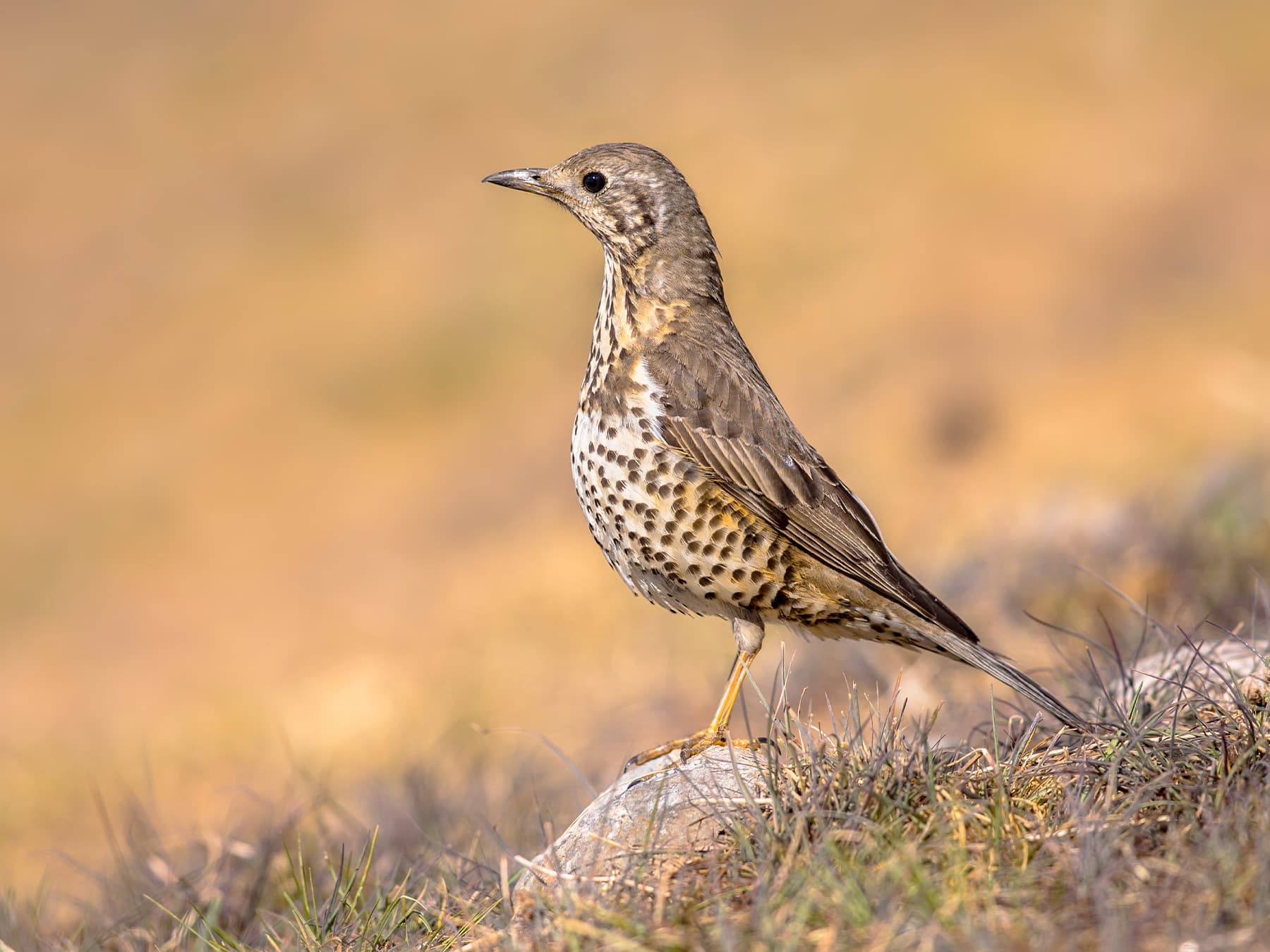
Mistle Thrush
Turdus viscivorusLC
An uncommon but vocal resident of parkland and open woodland. Often the first thrush to sing, sometimes from January.
Year-round
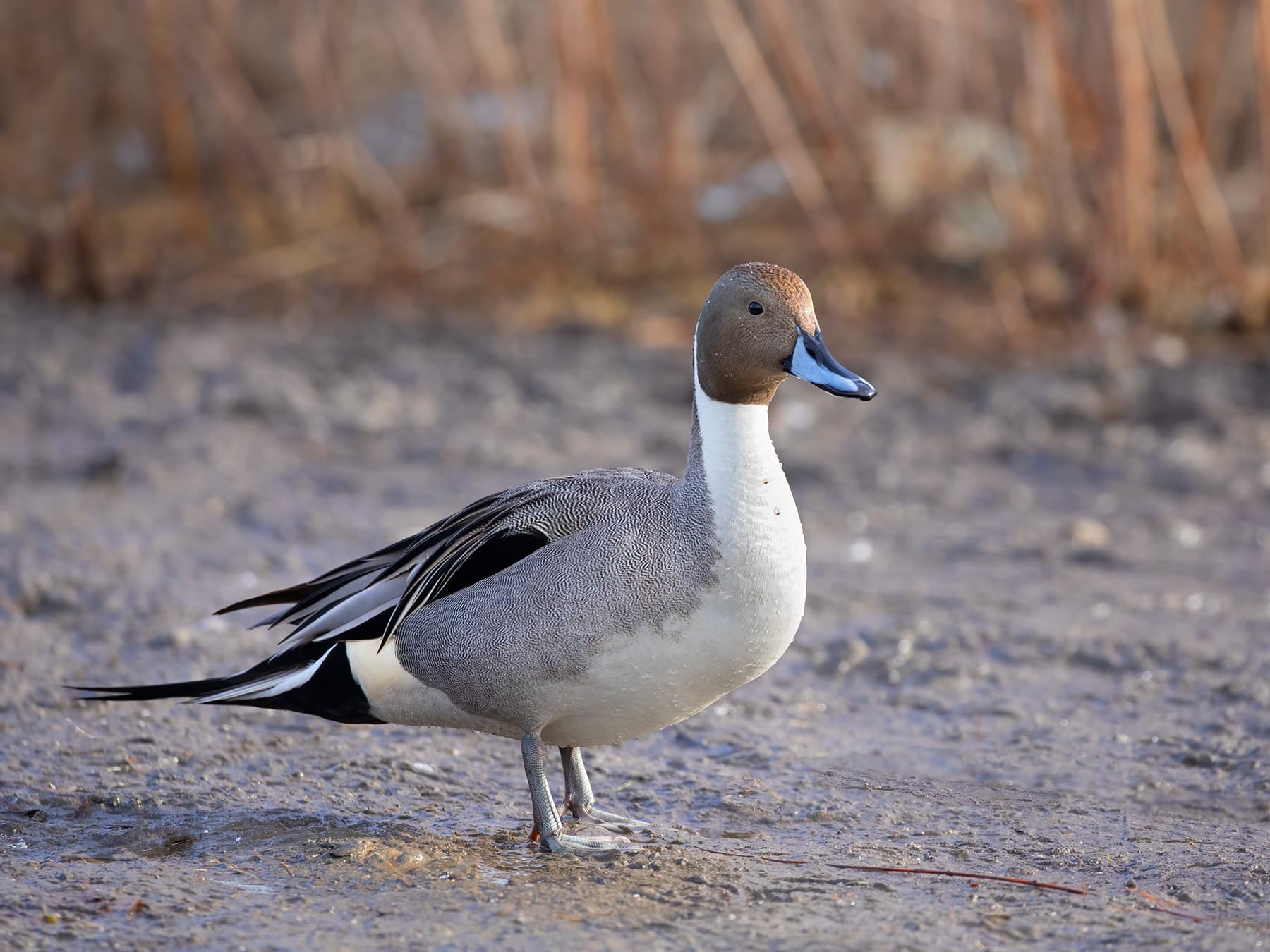
Northern Pintail
Anas acutaLC
An uncommon winter visitor to Trent Valley gravel pits and flooded fields, with elegant drakes arriving from autumn.
Sep–Apr
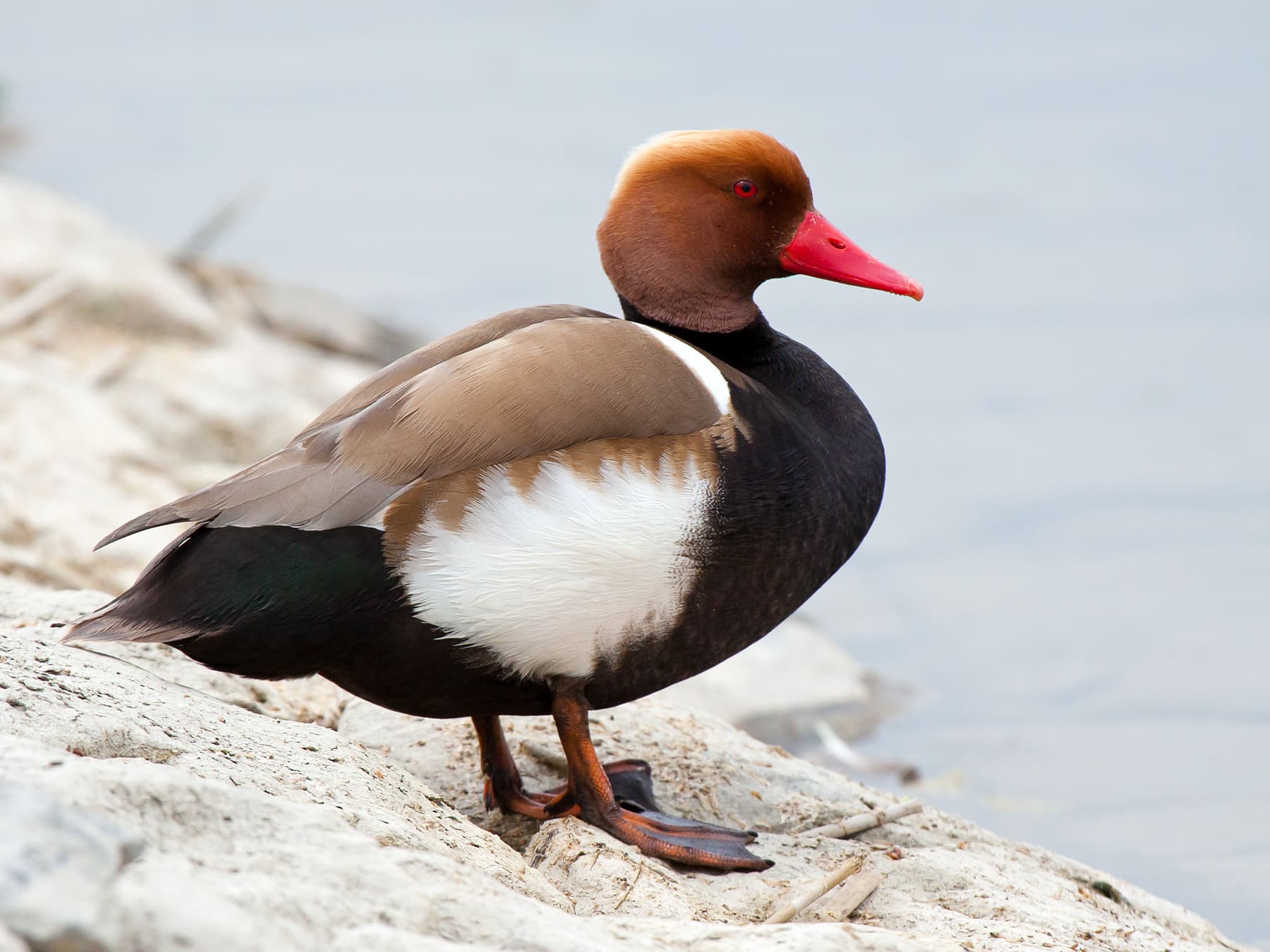
Red-crested Pochard
Netta rufinaLC
An uncommon resident on larger lakes and gravel pits. The striking orange-headed males are increasingly seen, likely of mixed feral and wild origin.
Year-round
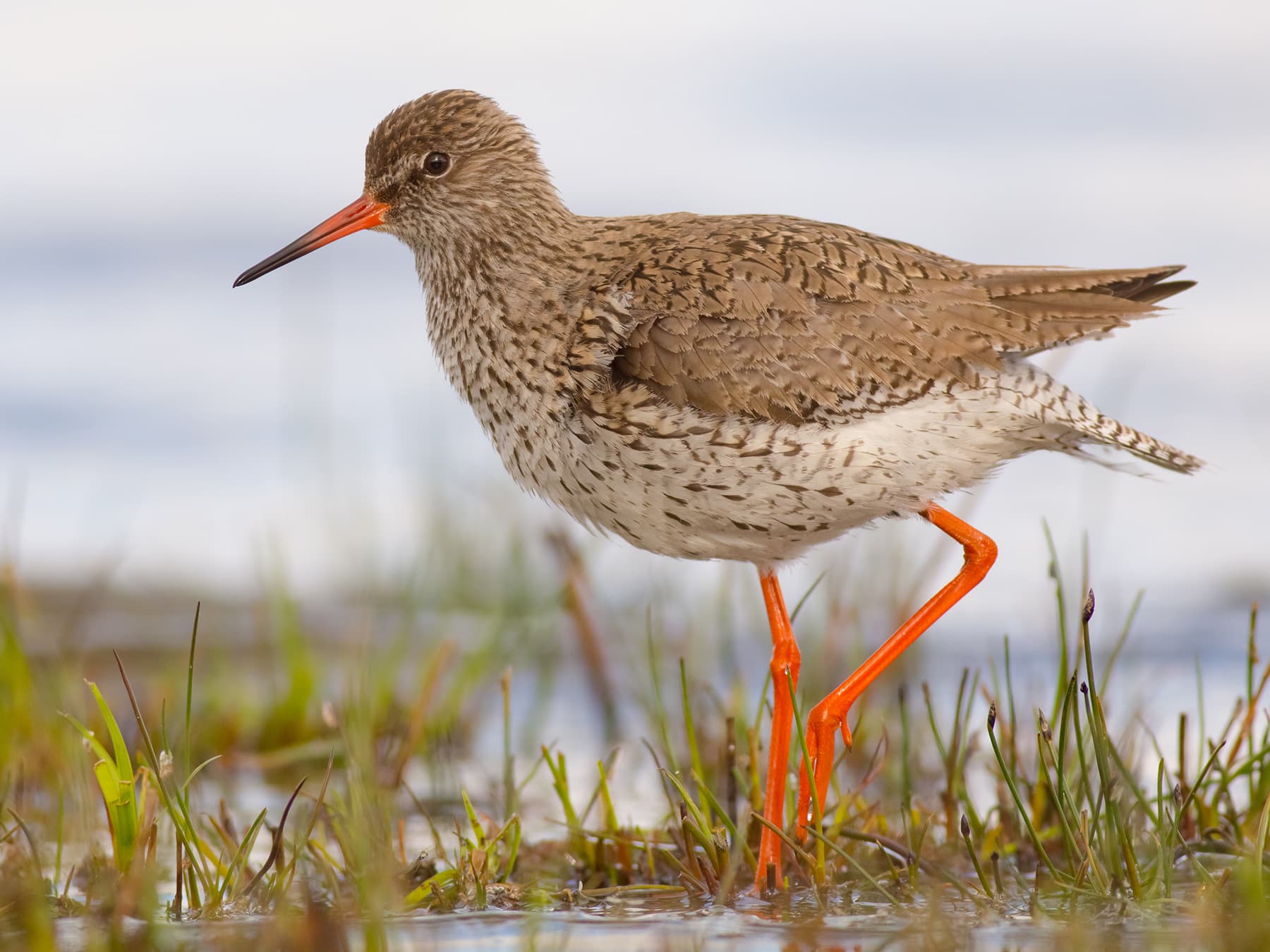
Redshank
Tringa totanusLC
An uncommon resident breeding on wet grasslands and marshes. Present all year at sites like the Idle Valley, with noisy alarm calls in spring.
Year-round
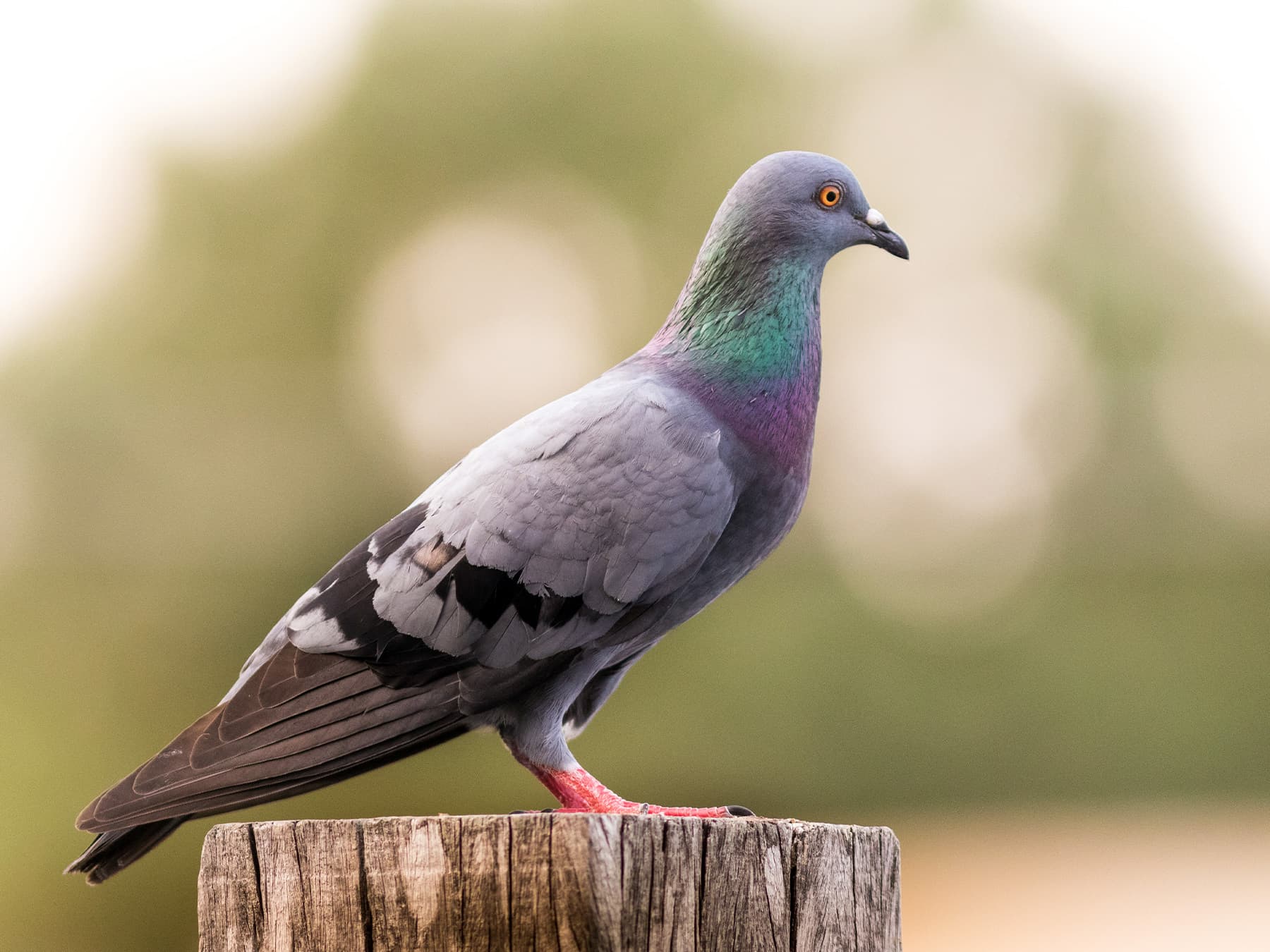
Rock Dove
Columba liviaLC
Feral populations are widespread in Nottingham's urban areas year-round. True wild-type birds are scarce; most show varied plumage from domestic ancestry.
Year-round
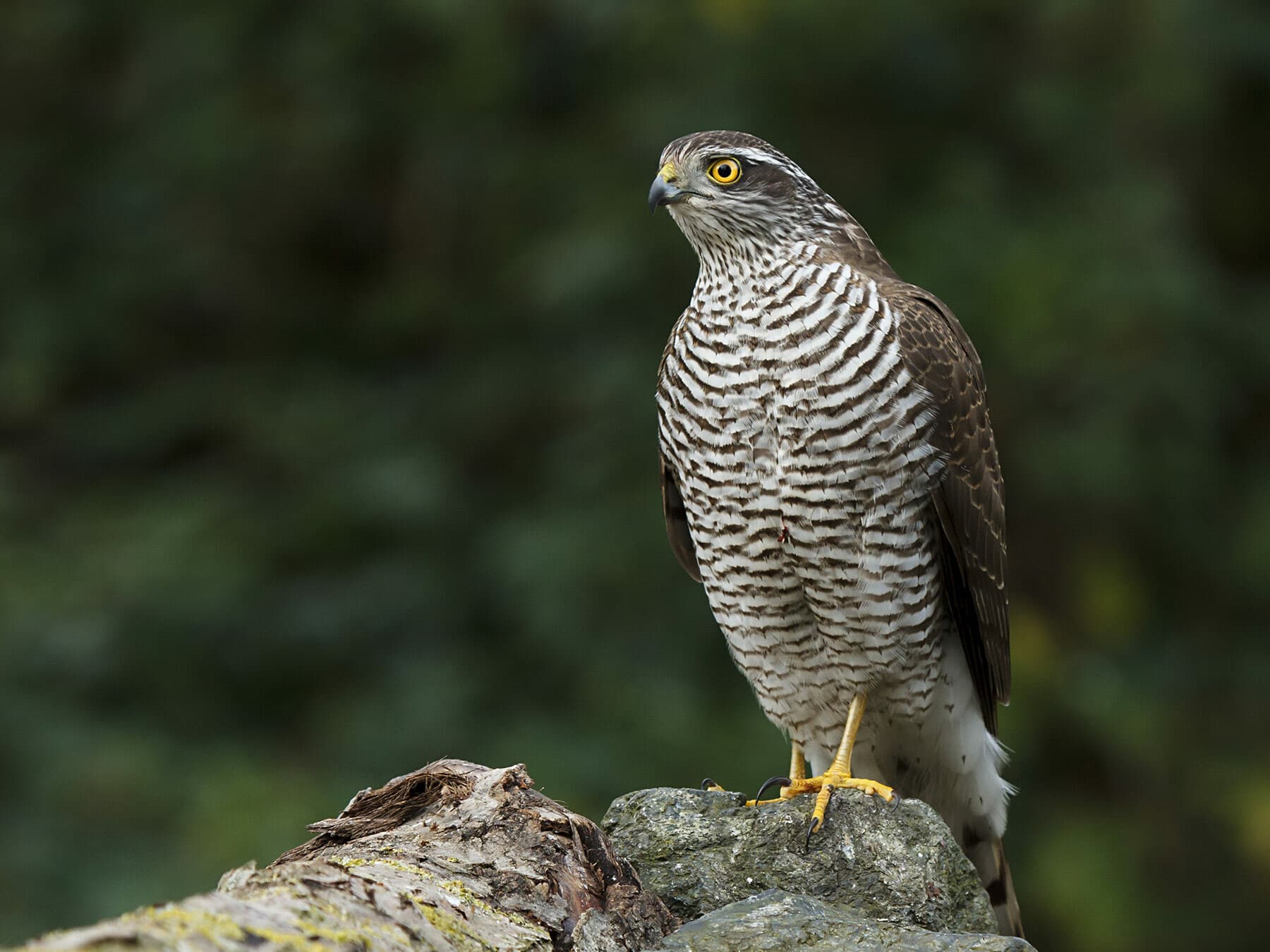
Sparrowhawk
Accipiter nisusLC
A secretive resident of woodlands and suburban gardens, often detected by panicked songbird alarm calls. Hunts along hedgerows and garden bird feeders year-round.
Year-round
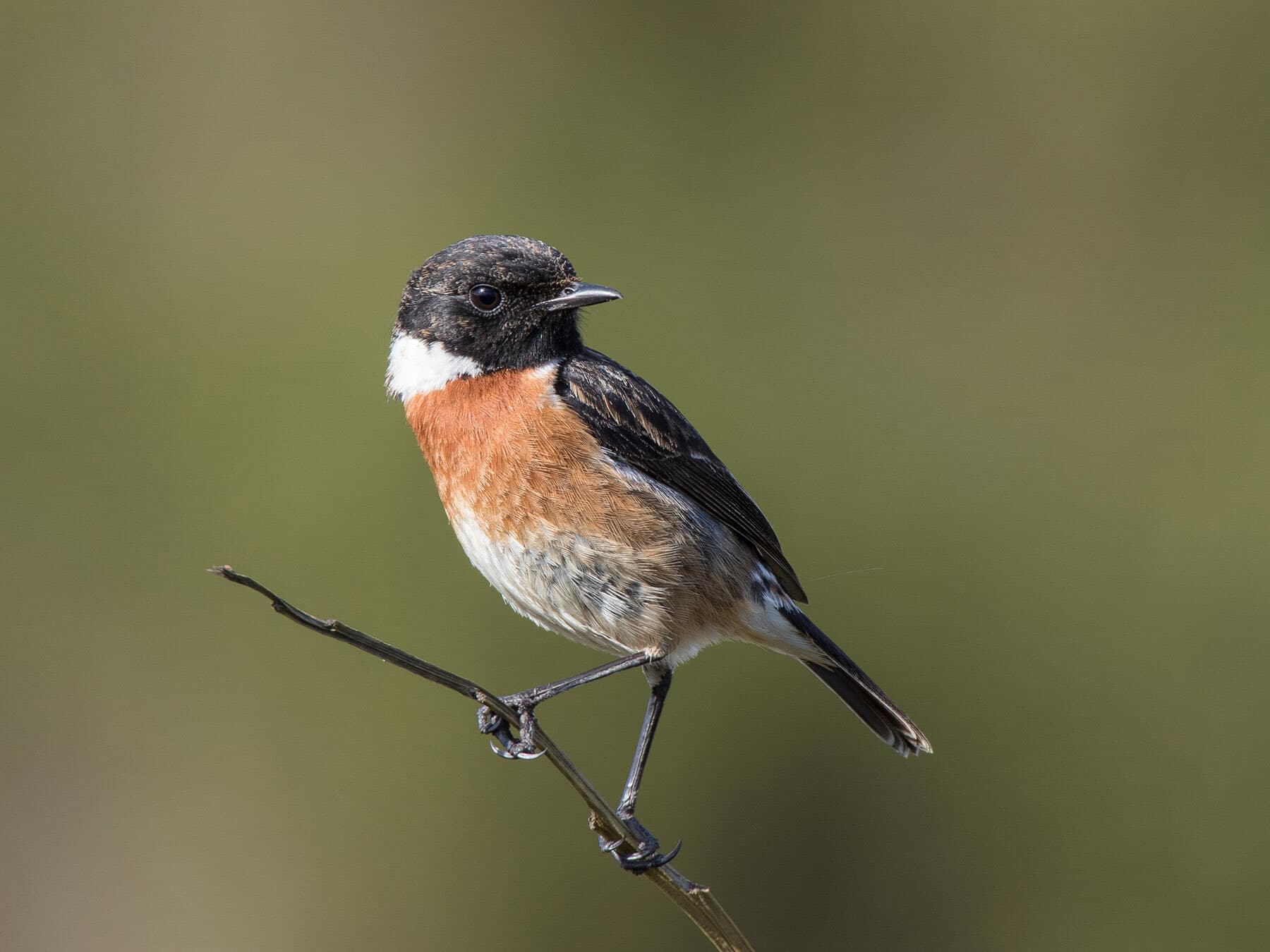
Stonechat
Saxicola torquatusLC
An uncommon resident found year-round on heathland and scrubby margins, often perching prominently on gorse or fence posts.
Year-round
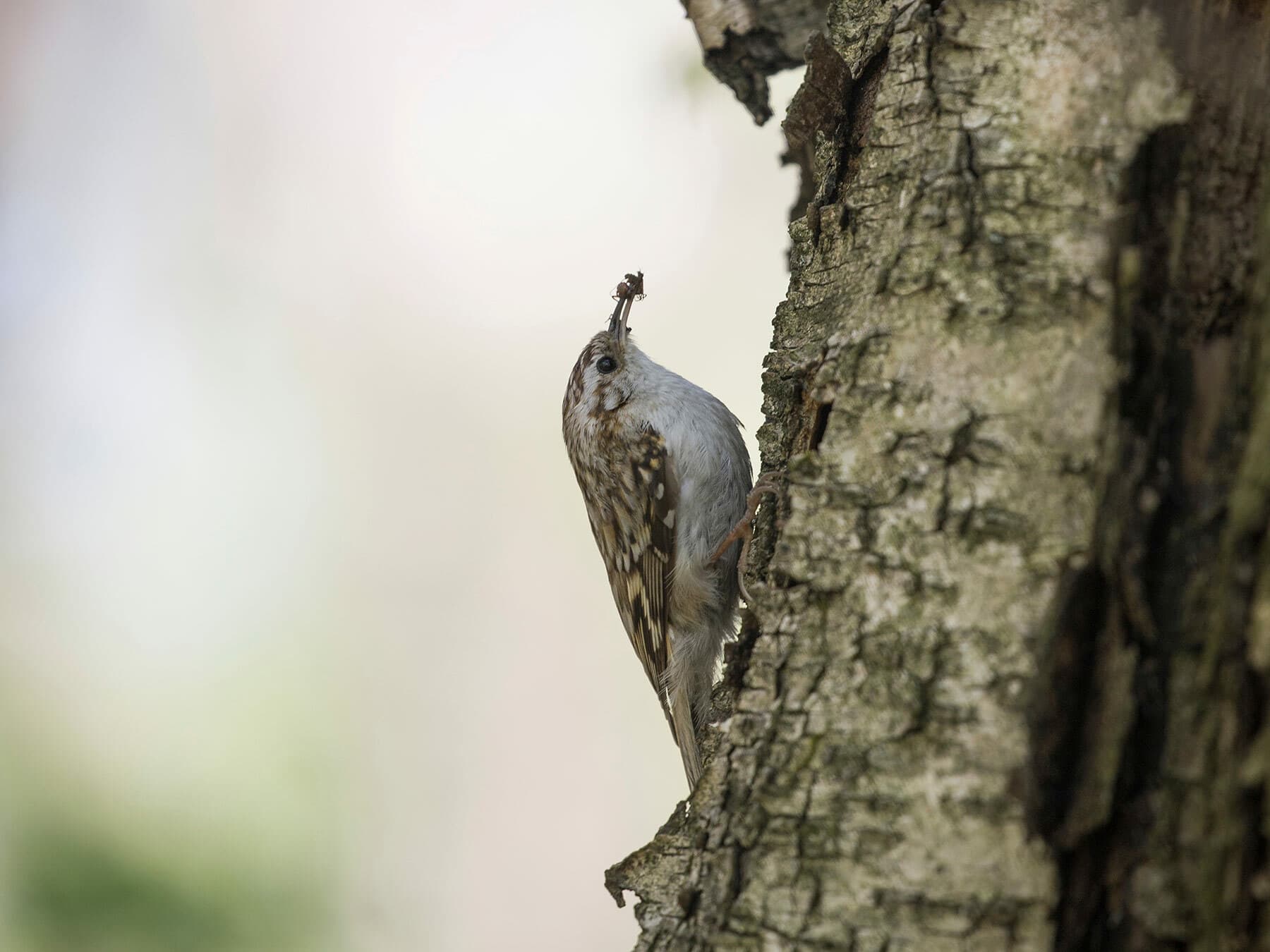
Treecreeper
Certhia familiarisLC
A quiet resident of mature woodland, spiralling up tree trunks in Sherwood Forest and other wooded areas throughout the year.
Year-round
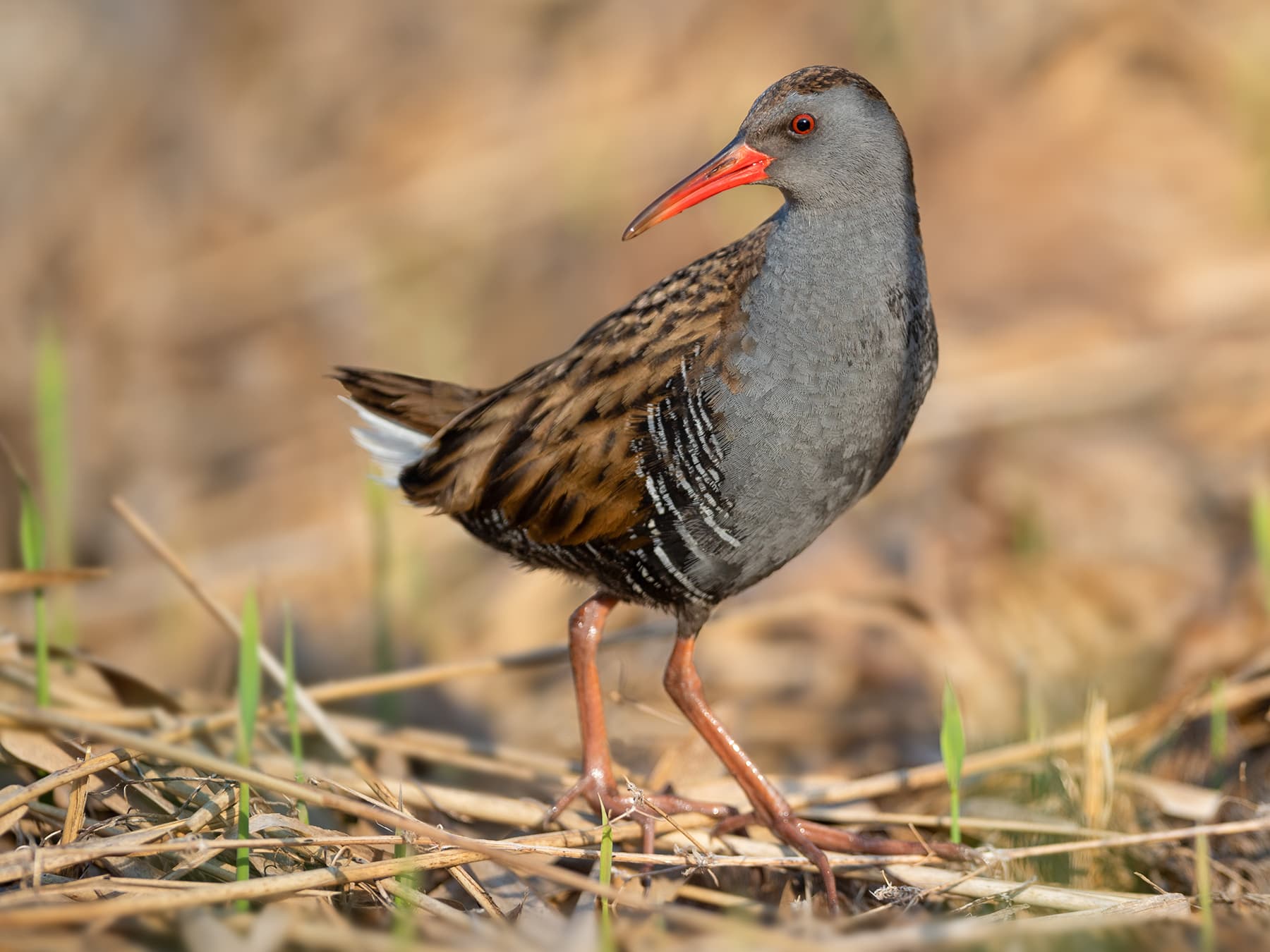
Water Rail
Rallus aquaticusLC
A secretive resident of reedbeds and marshy margins, more often heard squealing than seen. Sites like Attenborough hold birds year-round.
Year-round
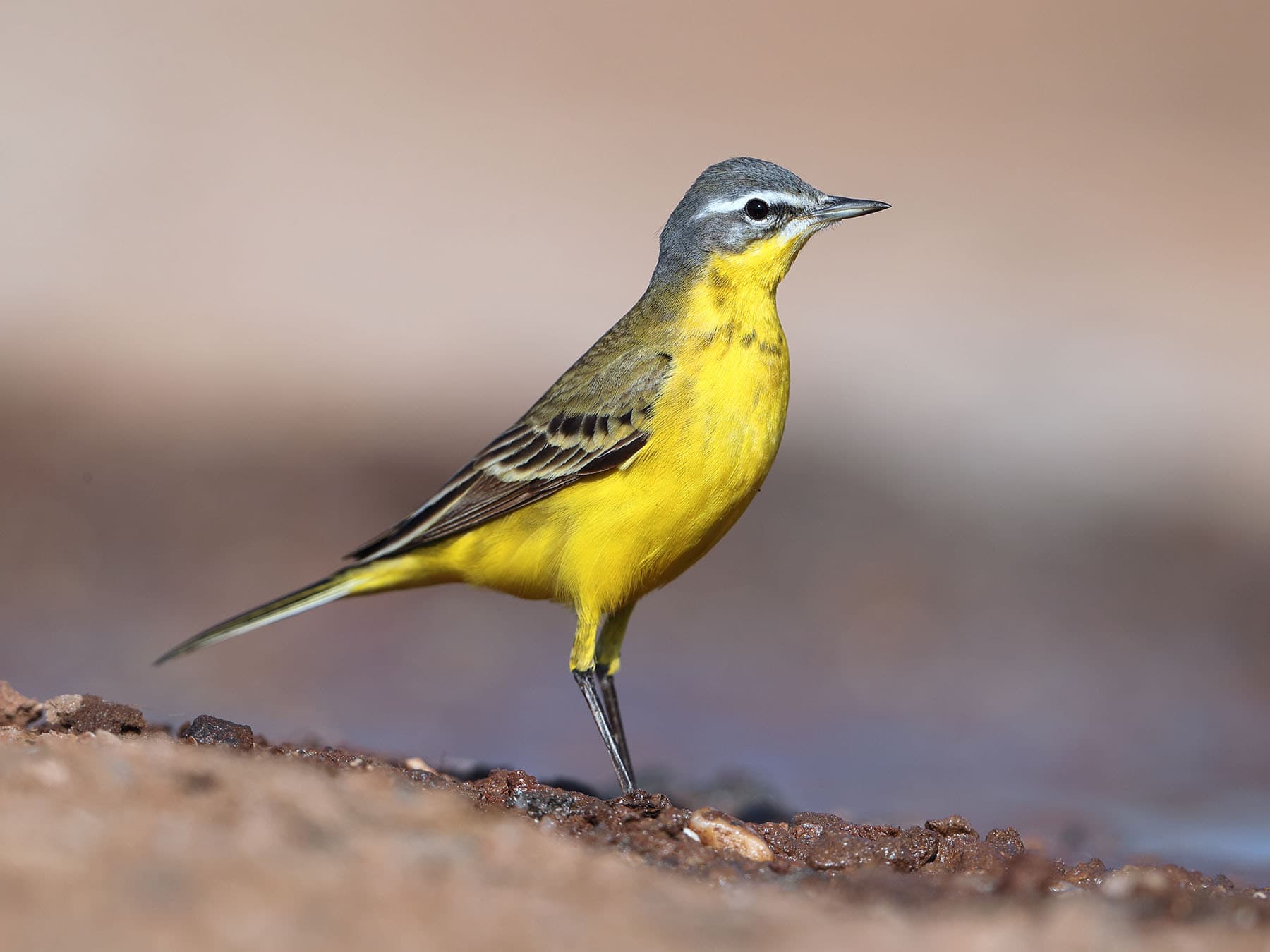
Yellow Wagtail
Motacilla flavaLC
An uncommon summer breeder on lowland pastures and arable fields along the Trent Valley. A declining species nationally.
Apr–Sep
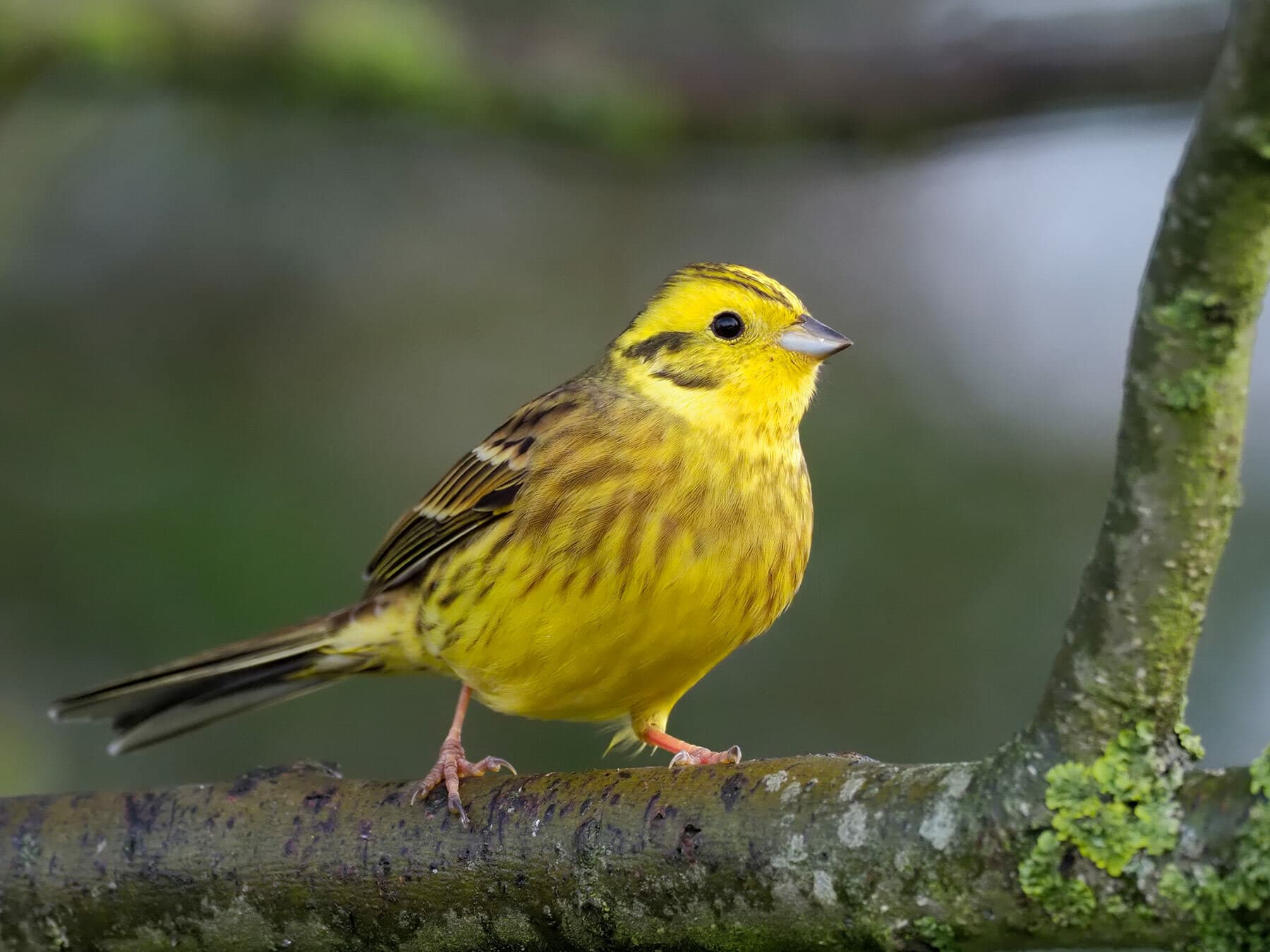
Yellowhammer
Emberiza citrinellaLC
A year-round resident of farmland hedgerows, though declining. Listen for its distinctive 'a-little-bit-of-bread-and-no-cheese' song.
Year-round