Rare Birds in Nottinghamshire
79 species matching this filter.
Nottinghamshire may be a landlocked county, but its diverse habitats — from the wetlands of the Idle Valley and Attenborough Nature Reserve to the ancient woodlands of Sherwood Forest — attract a surprising variety of rare bird species. With 76 species classified as rare, patient birdwatchers may be rewarded with sightings of elusive visitors such as Bohemian Waxwing, Eurasian Bittern, Hawfinch, and passage migrants like Arctic Tern and Greenshank. The county's gravel pits, reservoirs, and river corridors serve as vital stopover points for scarce migrants and occasional winter wanderers.


Showing 47–69 of 79 species
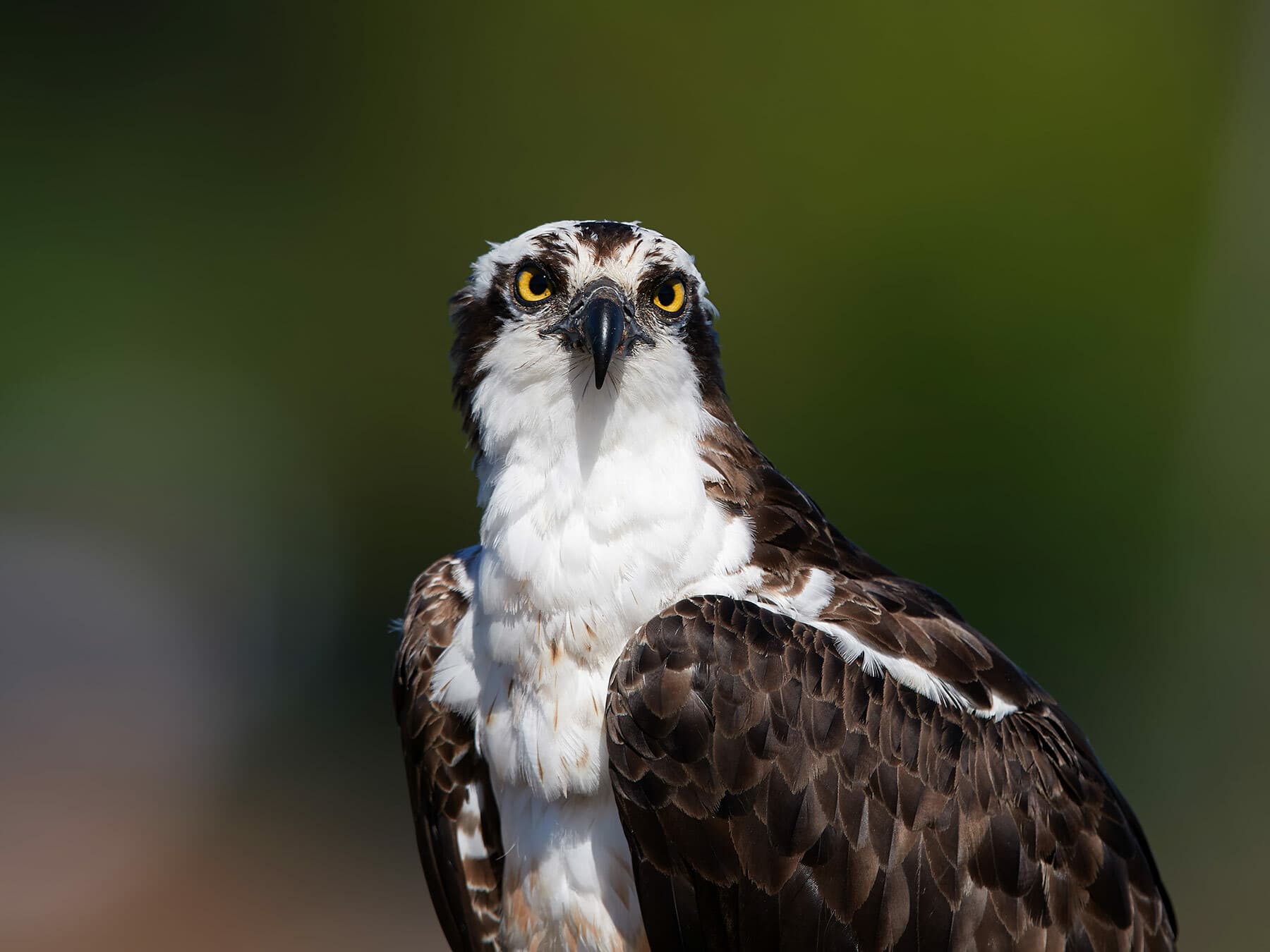
Osprey
Pandion haliaetusLC
A rare but eagerly awaited passage visitor in summer, seen fishing at larger lakes and reservoirs in the Trent Valley.
Jun–Jul
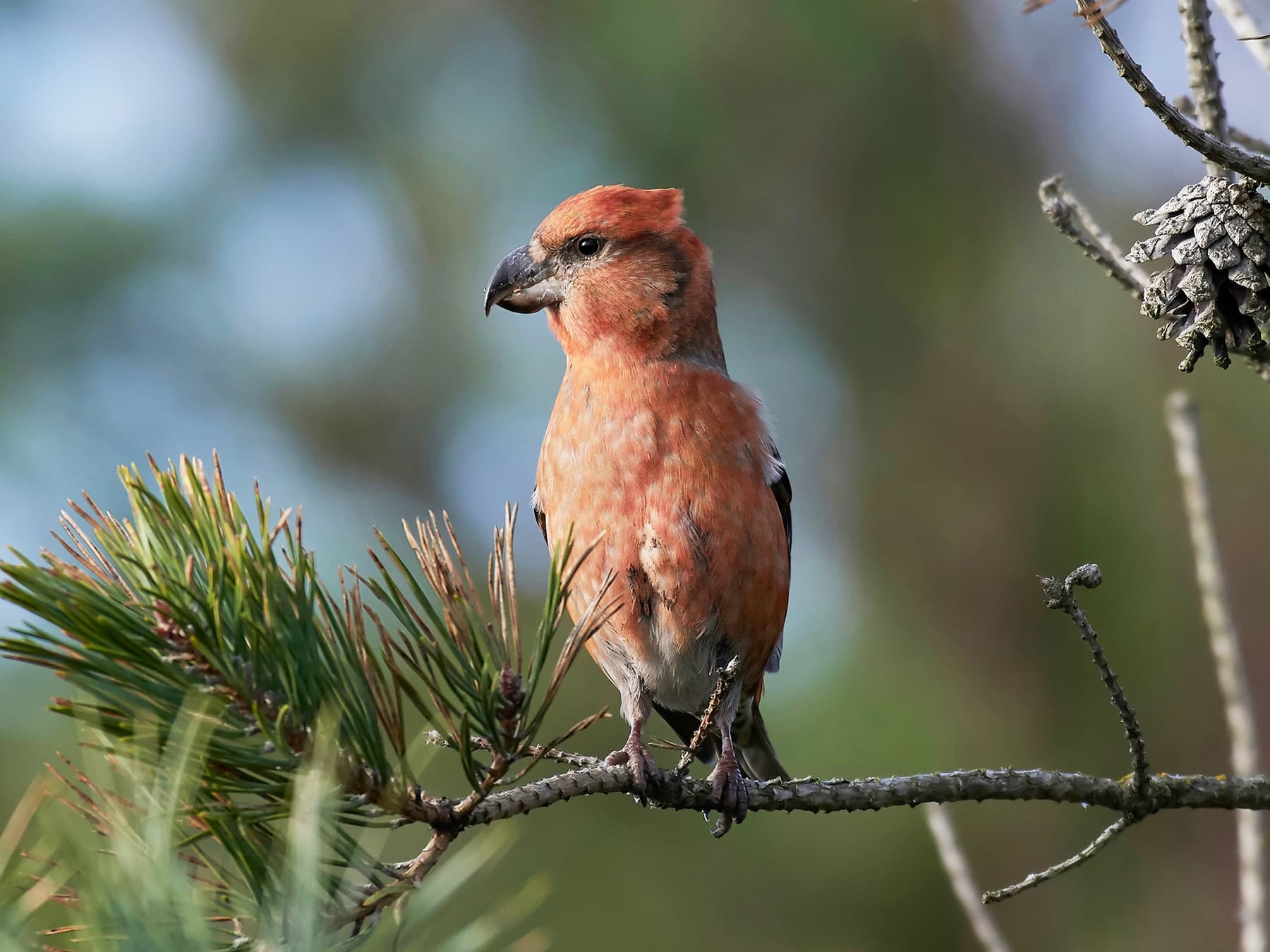
Parrot Crossbill
Loxia pytyopsittacusLC
An extremely rare irruptive visitor; occasionally recorded in conifer plantations during invasion years.
Dec
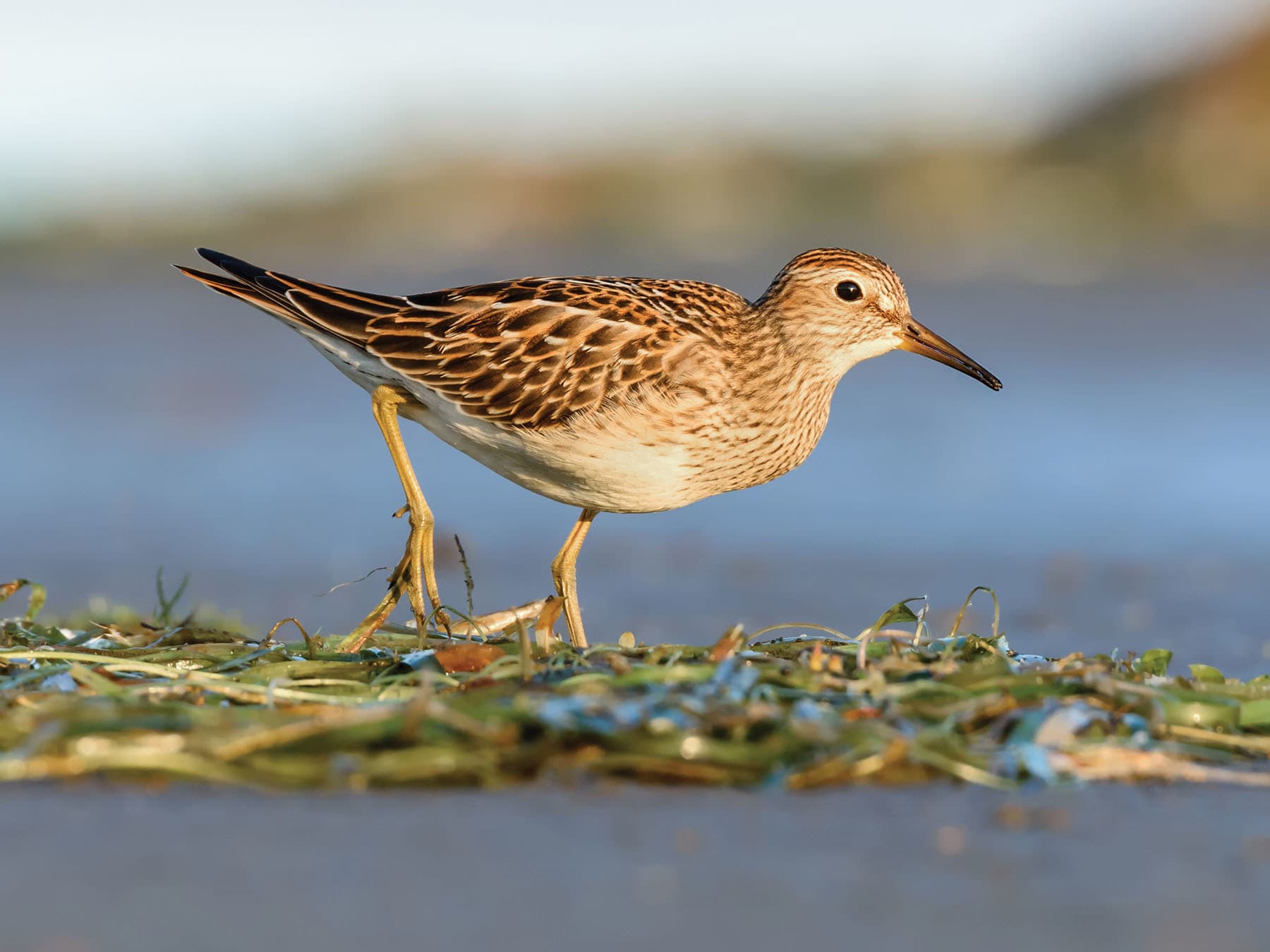
Pectoral Sandpiper
Calidris melanotosLC
A rare Nearctic vagrant appearing on autumn passage in September and October. A prized find at any of the county's wetland reserves.
Sep–Oct
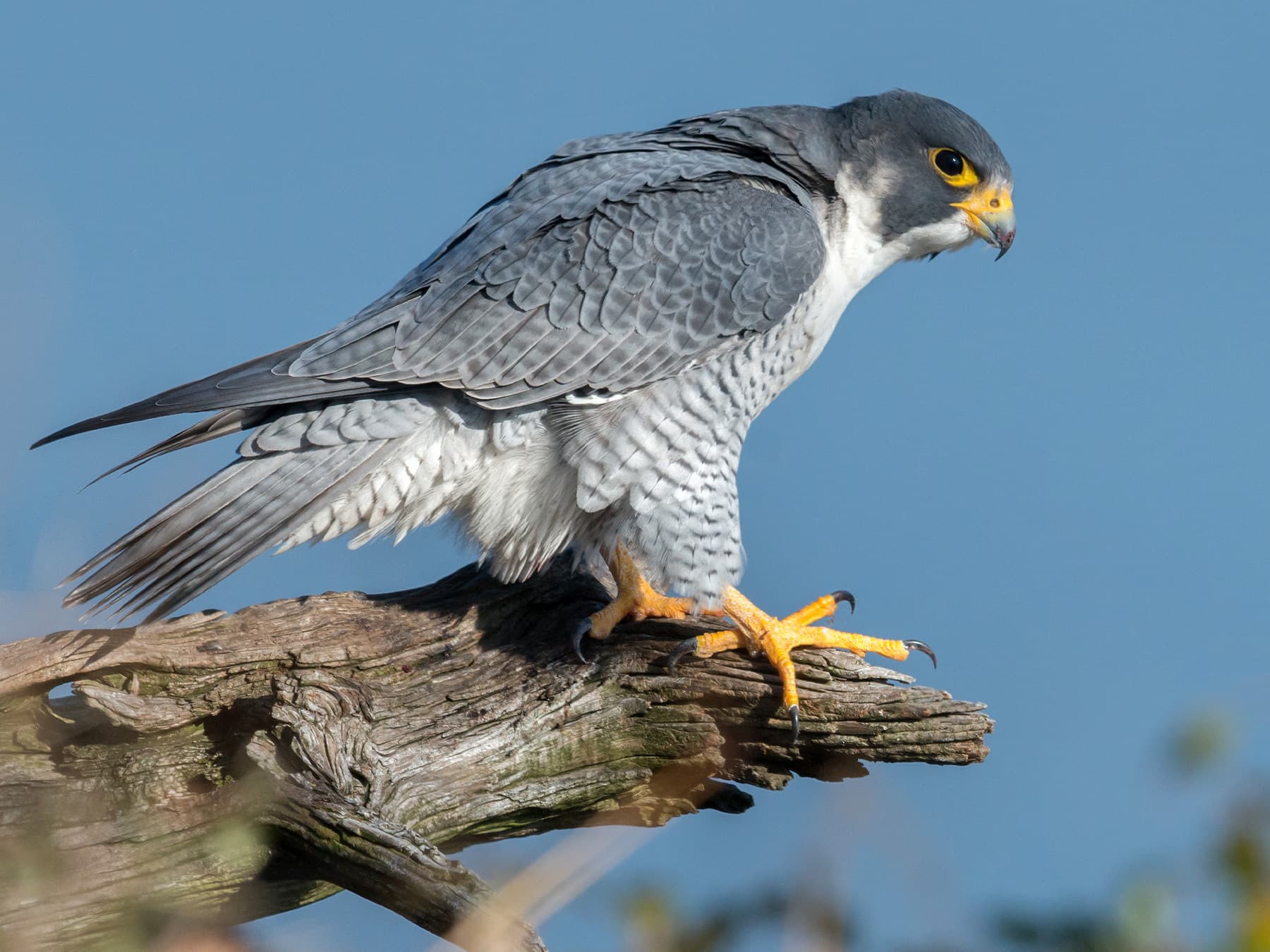
Peregrine Falcon
Falco peregrinusLC
A rare but year-round resident, nesting on tall buildings in Nottingham city centre. Occasionally seen hunting over wetland reserves.
Year-round
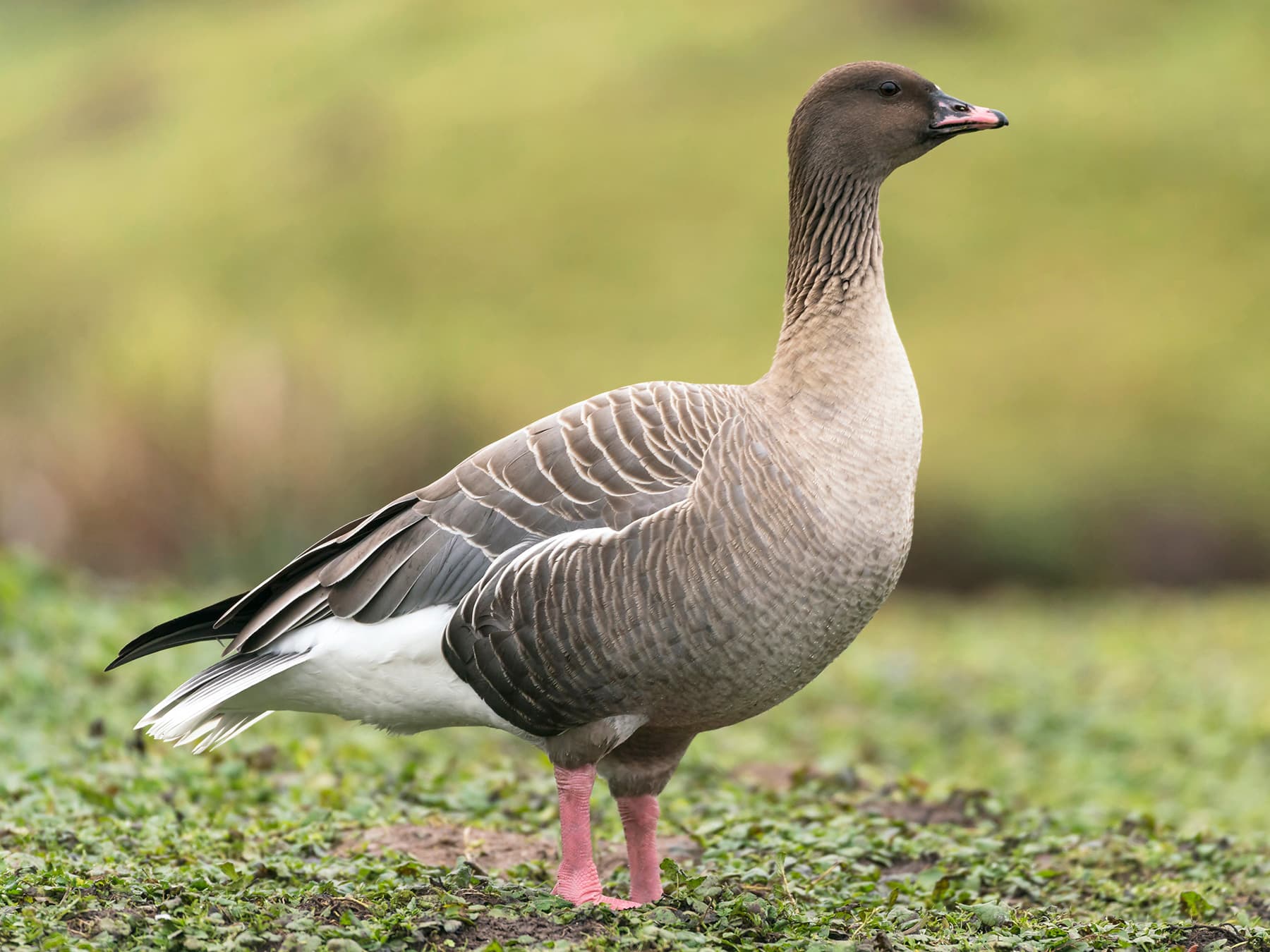
Pink-footed Goose
Anser brachyrhynchusLC
Rare but regular, mainly seen in winter and early spring on Trent valley farmland. Skeins are sometimes spotted overhead during autumn migration.
Sep–May
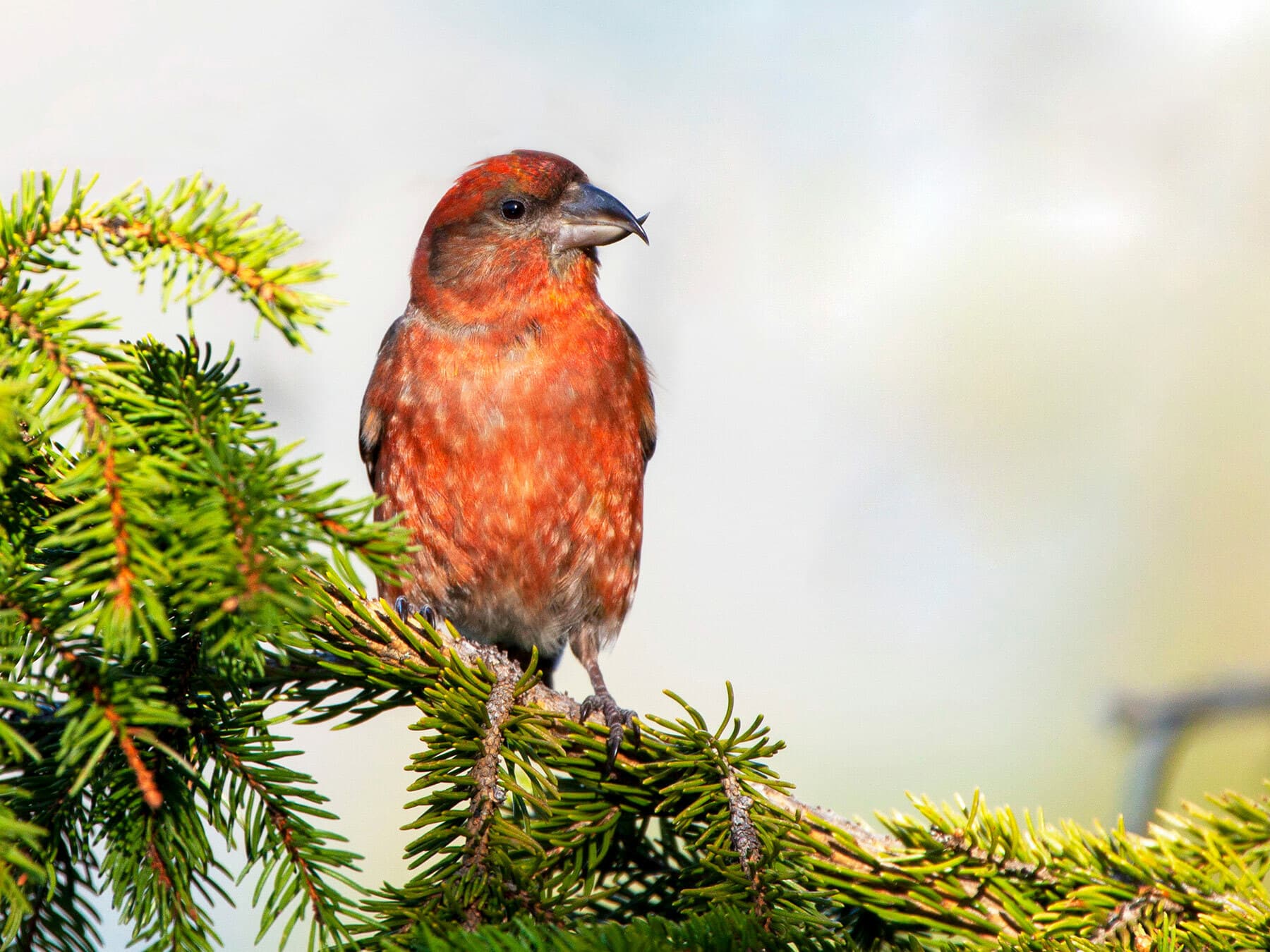
Red Crossbill
Loxia curvirostraLC
A rare and irruptive visitor to conifer plantations, most likely in autumn and late winter. Numbers vary greatly between years.
Oct–Apr
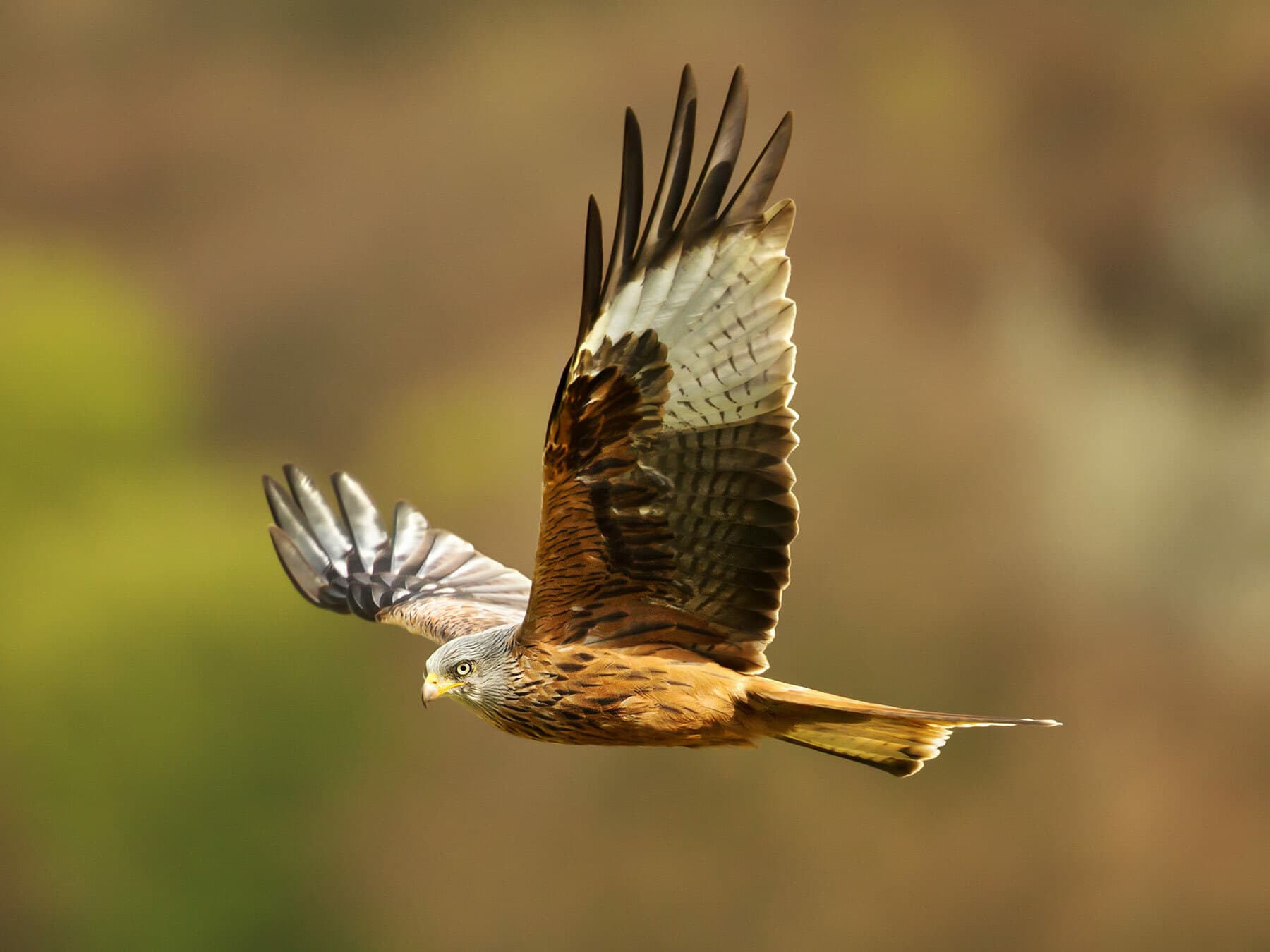
Red Kite
Milvus milvusLC
Once persecuted to near-extinction, now slowly recolonising. Seen year-round soaring over farmland and woodland edges.
Year-round
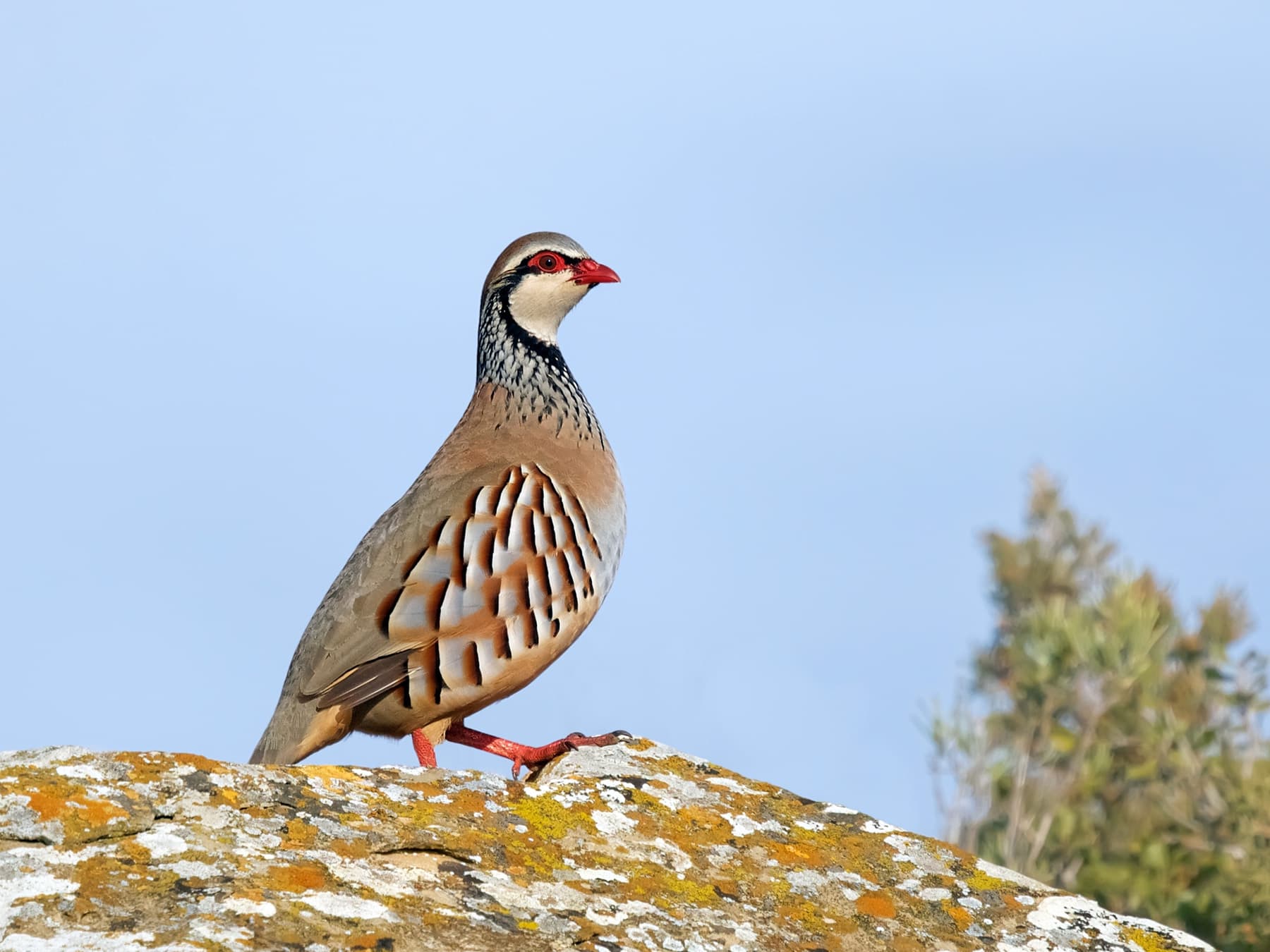
Red-legged Partridge
Alectoris rufaNT
A rare resident of arable farmland, occasionally encountered on open fields but far less numerous than the Common Pheasant.
Year-round
Spotted something?
Upload a photo to identify it
Identify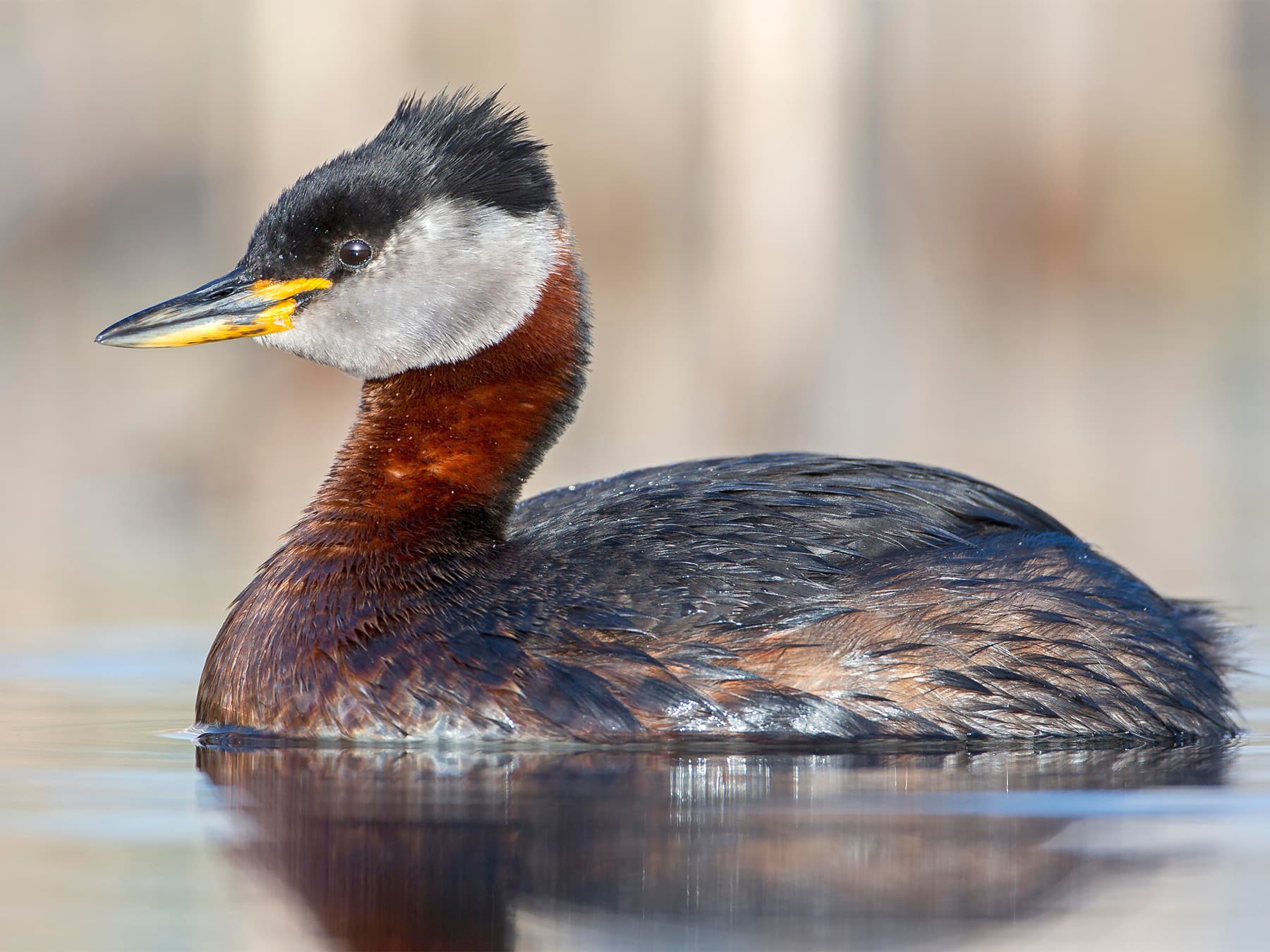
Red-necked Grebe
Podiceps grisegenaLC
A rare winter vagrant, very occasionally turning up on larger lakes and reservoirs during December cold spells.
Dec
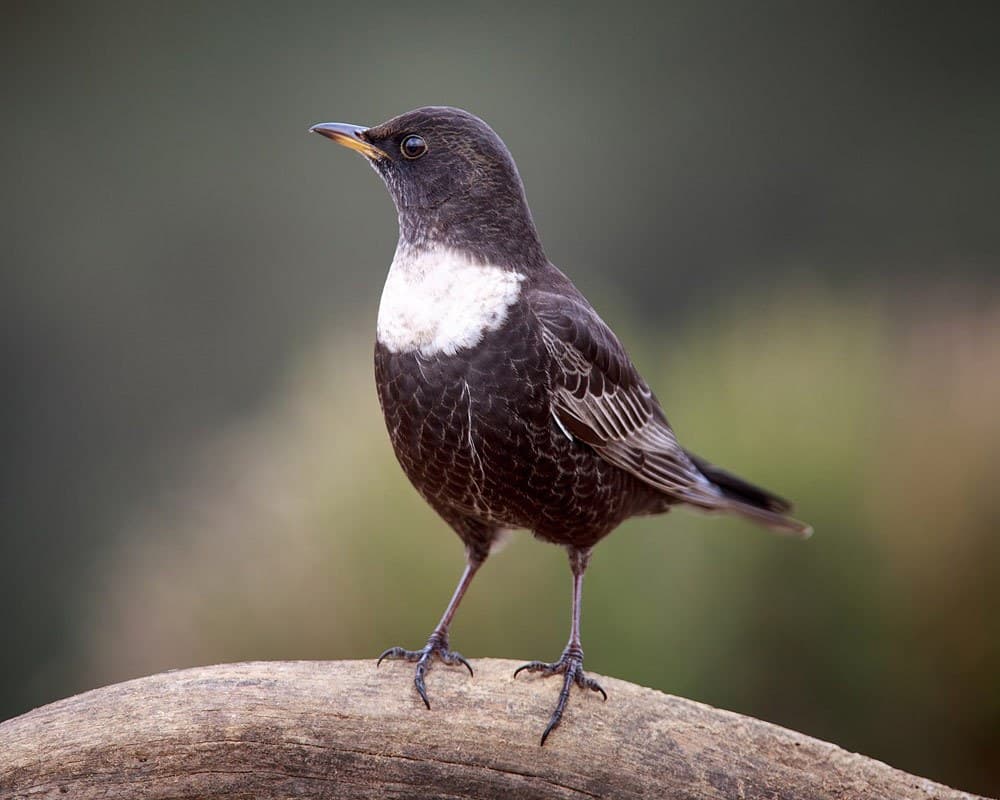
Ring Ouzel
Turdus torquatusLC
A rare spring passage migrant, briefly passing through in April en route to upland breeding grounds. Occasionally recorded on open heathland and hilltops.
Apr
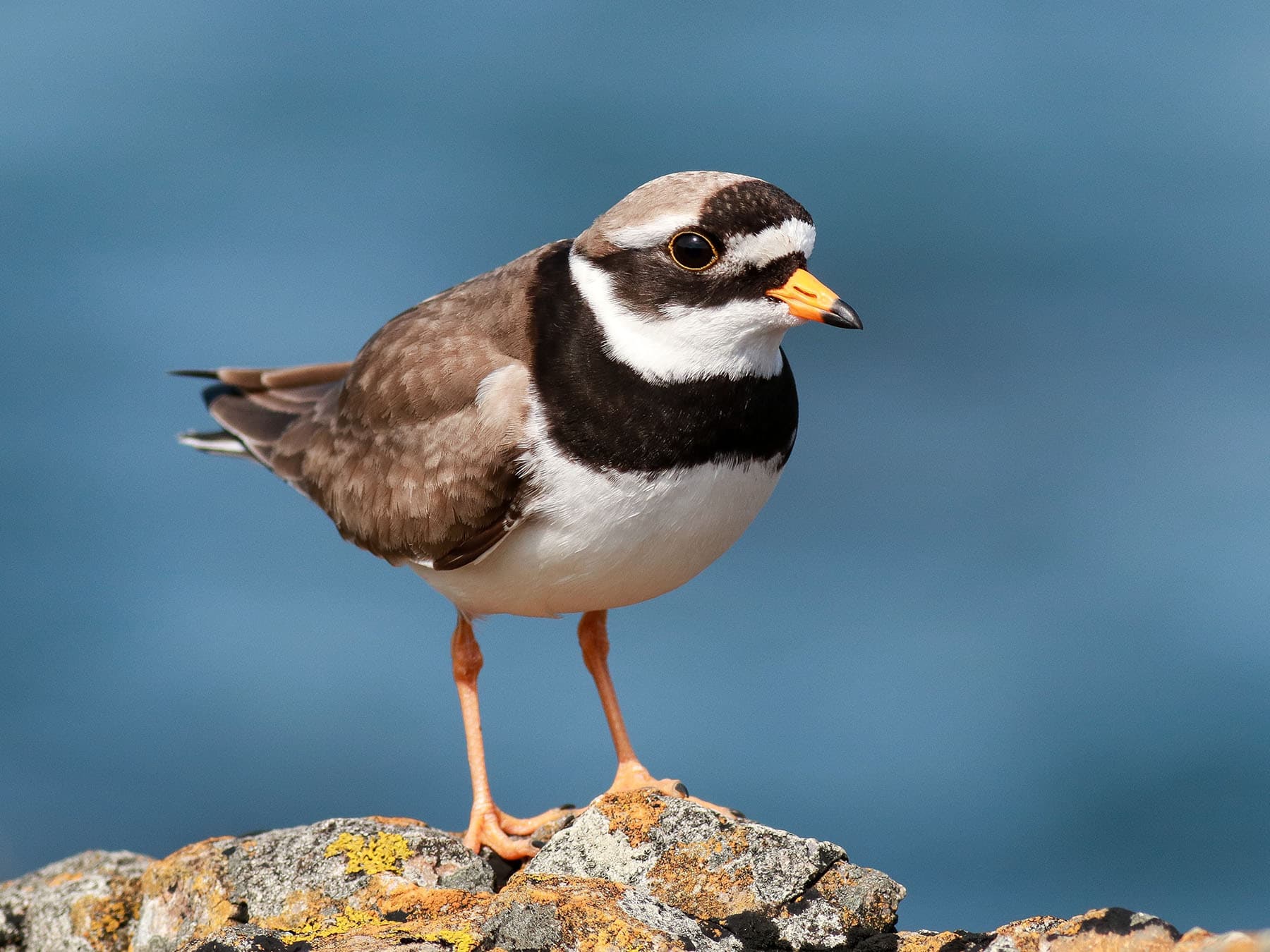
Ringed Plover
Charadrius hiaticulaLC
A rare breeding bird on bare gravel and reservoir margins, with small numbers on passage at wetland sites from March to October.
Mar–Oct
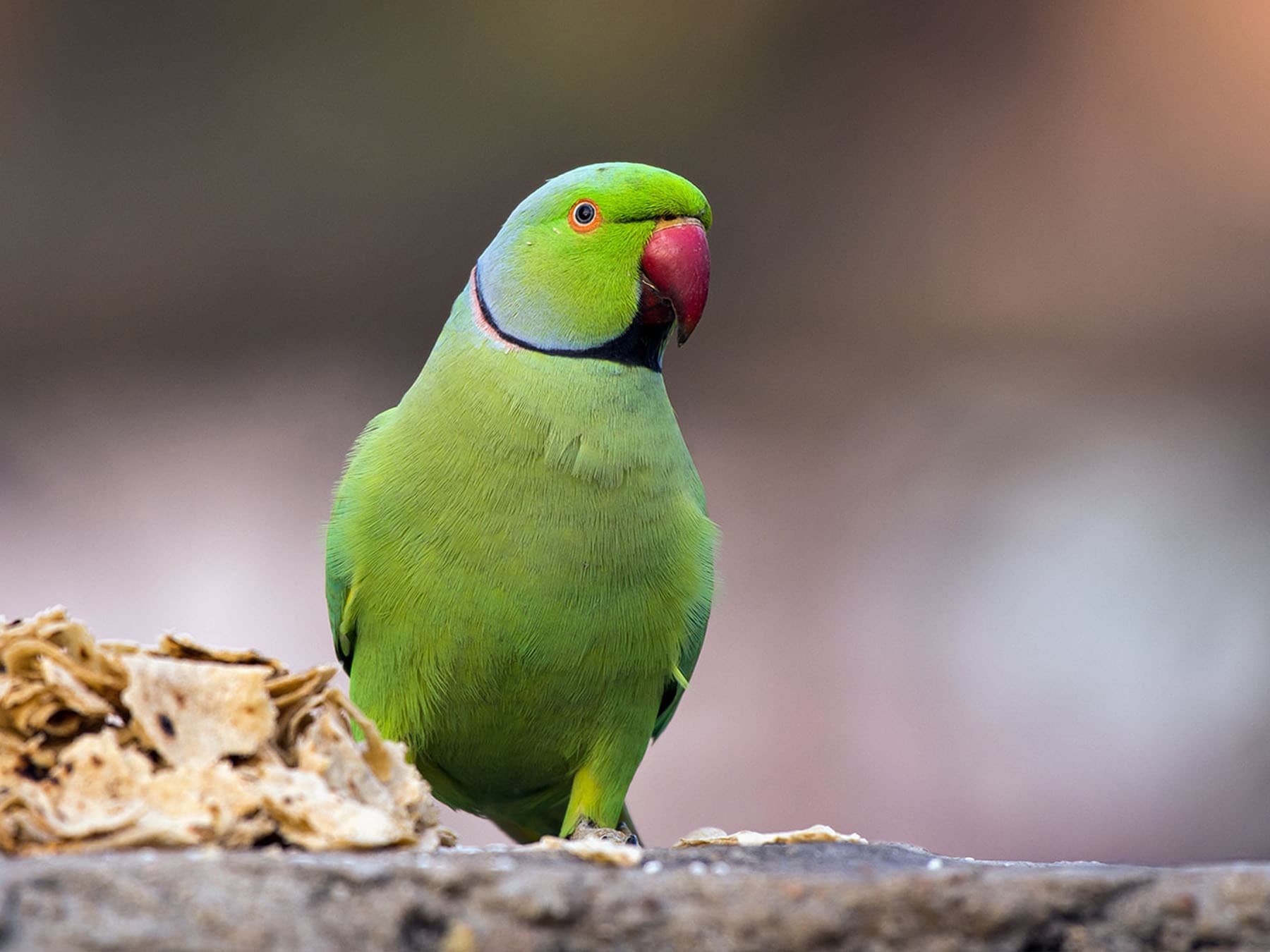
Rose-ringed Parakeet
Alexandrinus krameriLC
A rare resident, part of the slowly expanding feral population. Occasionally seen around suburban parks and gardens in the county.
Aug–Jun
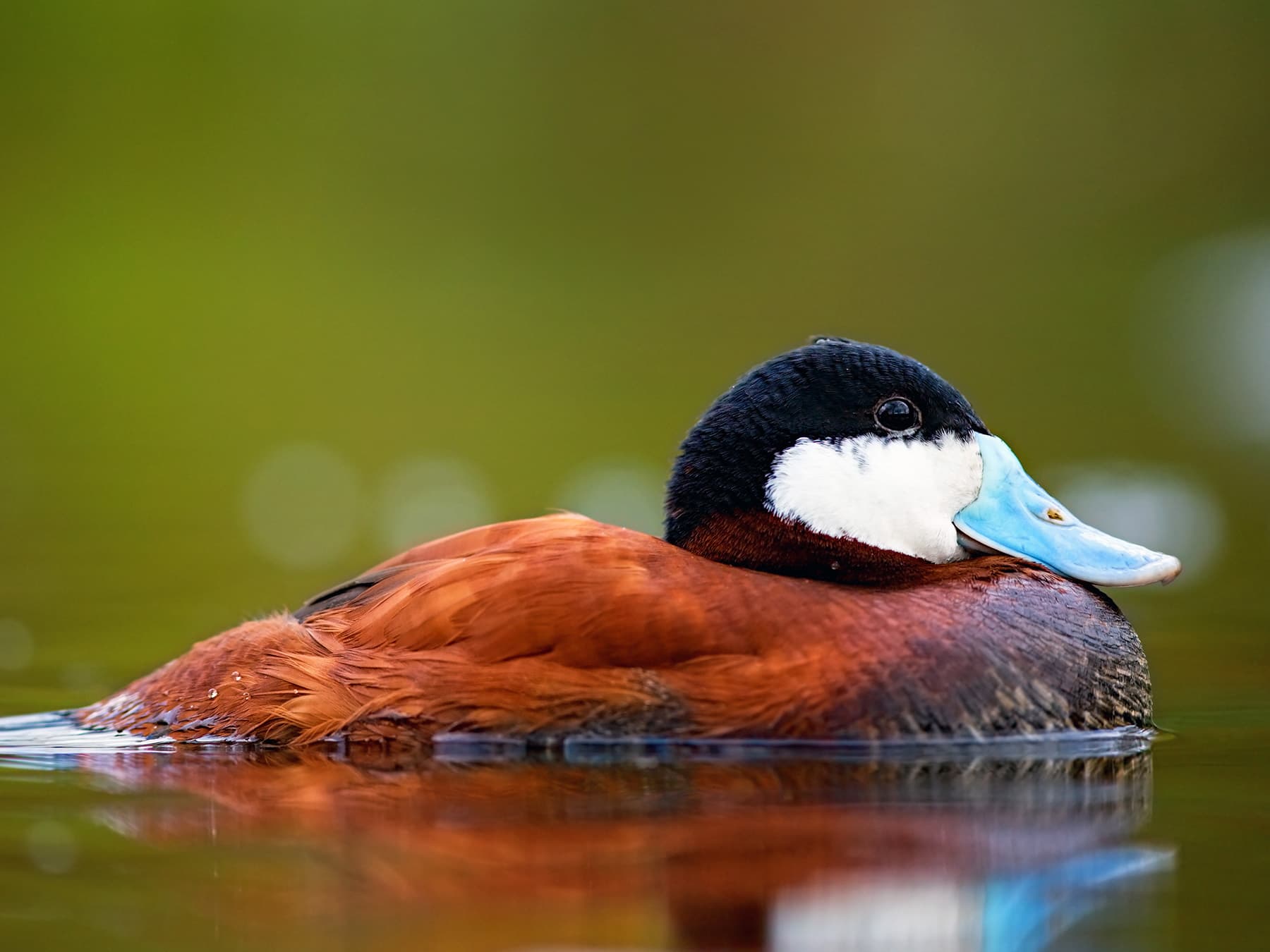
Ruddy Duck
Oxyura jamaicensisLC
A rare resident, now largely eradicated through national culling programmes. Any remaining birds on county lakes are increasingly unusual sightings.
Year-round
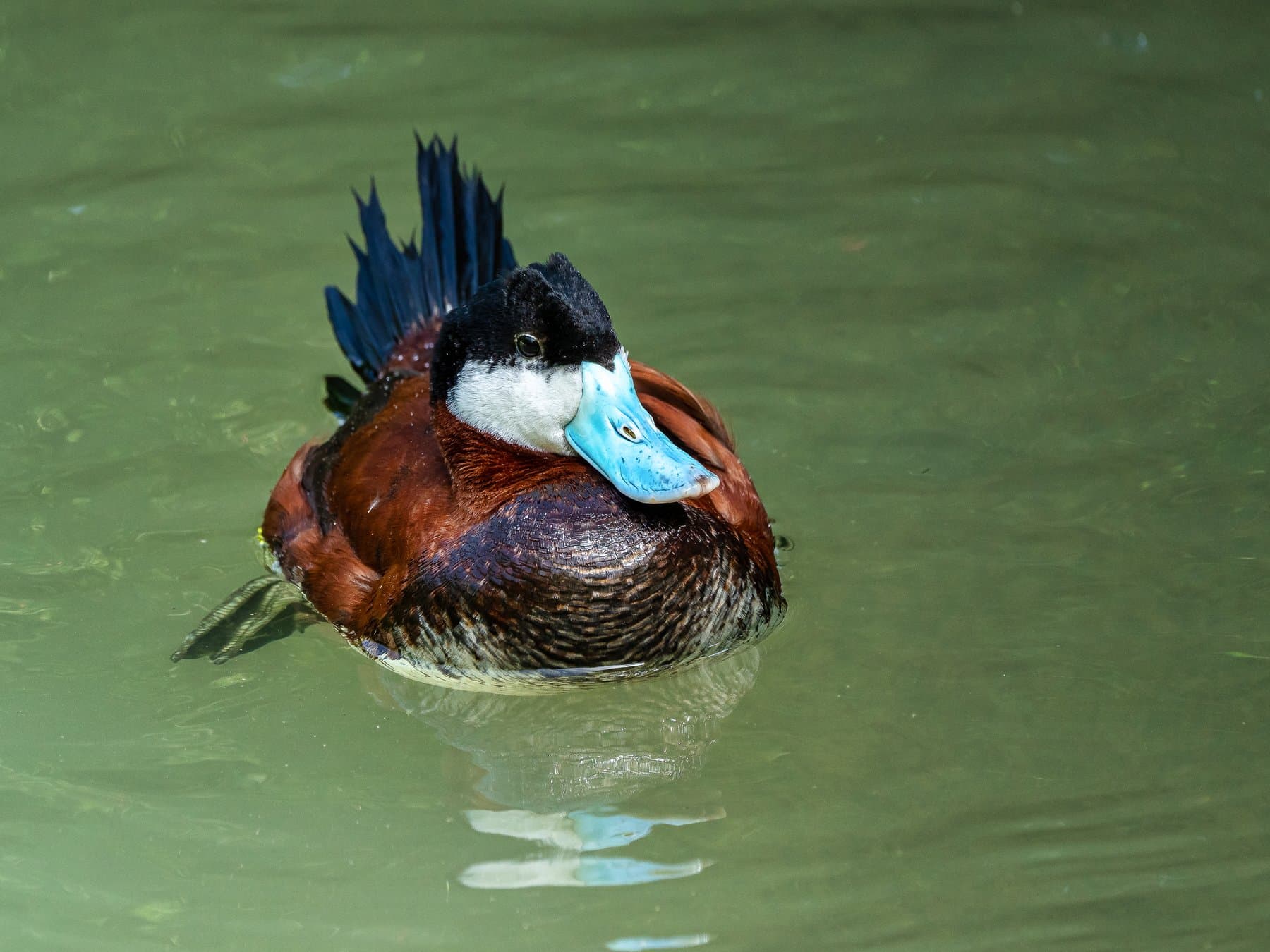
Ruddy Shelduck
Tadorna ferrugineaLC
A rare and unexpected visitor; records likely involve escapes from collections. Occasionally noted on gravel pits and lakes in late winter.
Feb
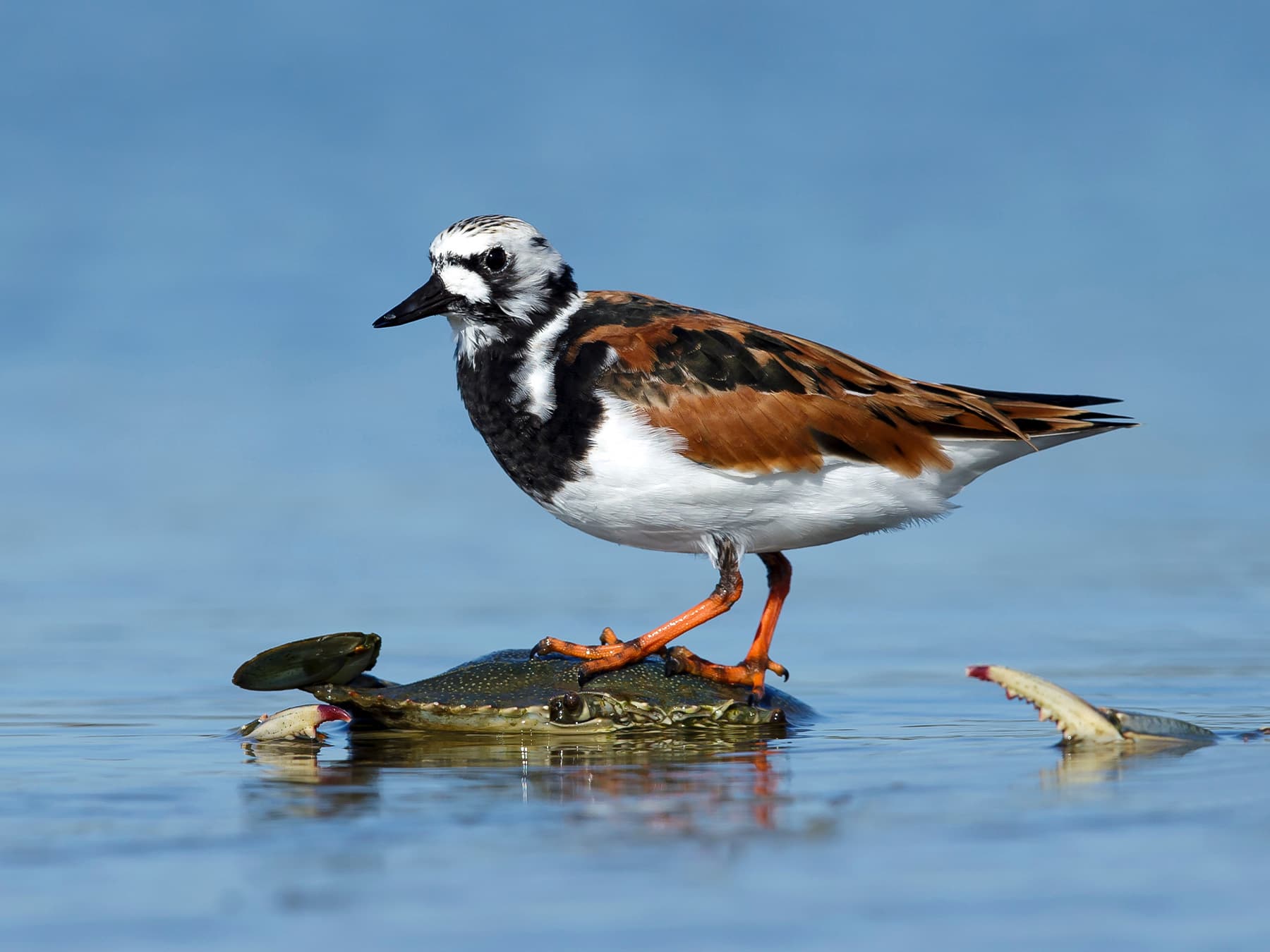
Ruddy Turnstone
Arenaria interpresLC
A rare passage visitor in May, this coastal wader occasionally turns up at inland reservoirs and gravel pits in the county.
May
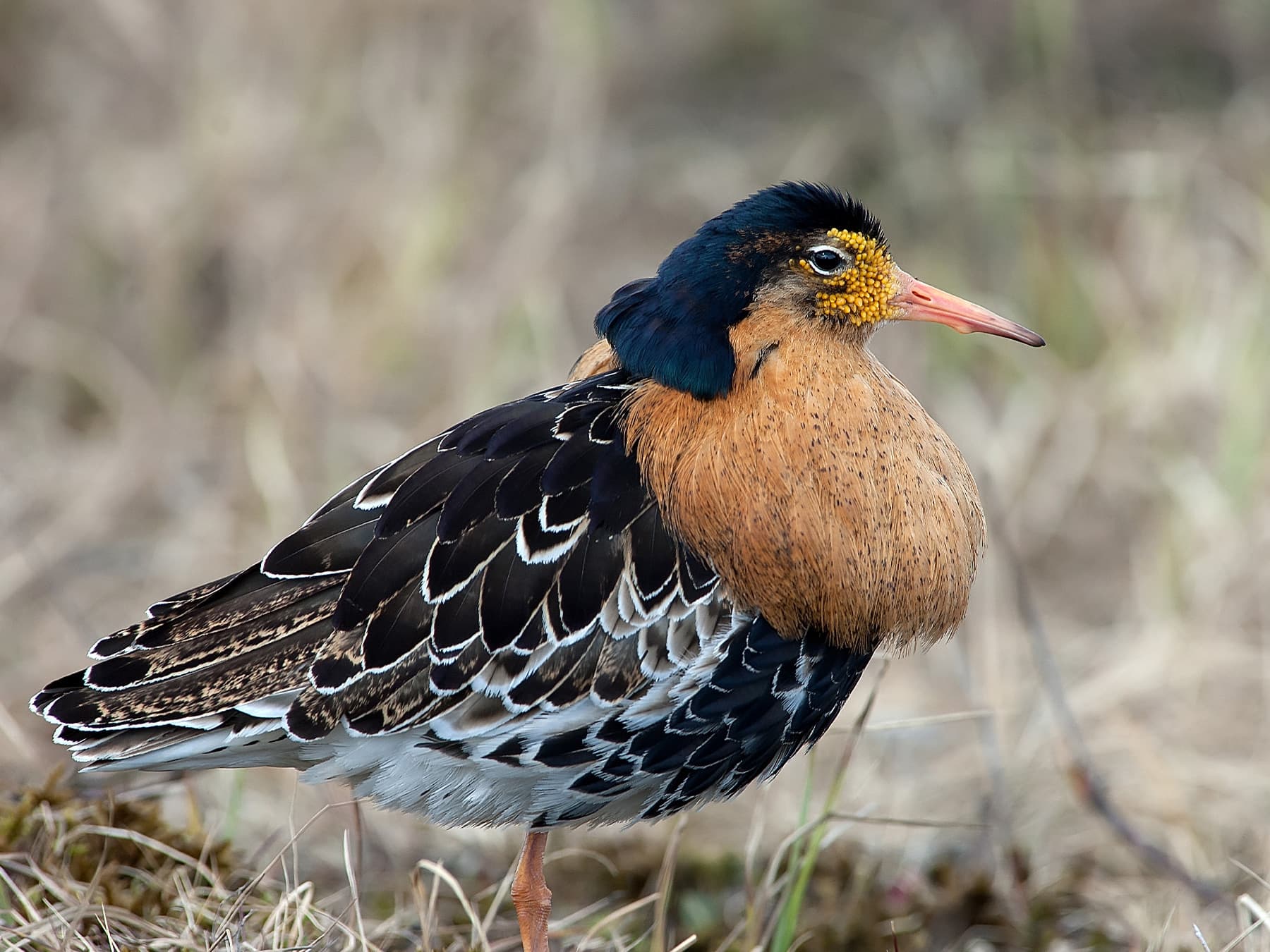
Ruff
Philomachus pugnaxLC
A rare but near year-round visitor to shallow scrapes and flooded fields. Small numbers linger at key wetland reserves along the Trent Valley.
Jul–May
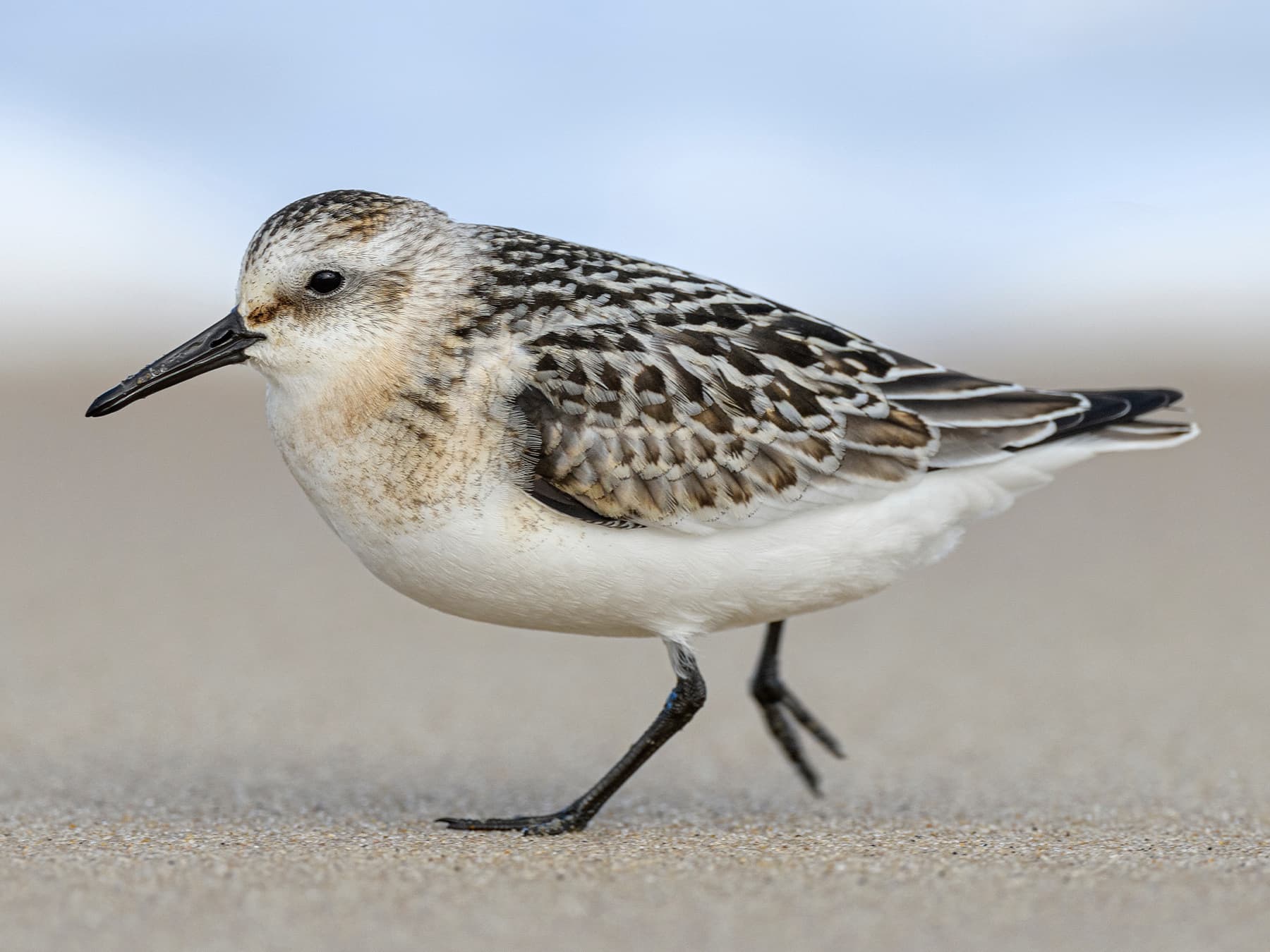
Sanderling
Calidris albaLC
A rare inland passage migrant, occasionally noted at reservoir edges and gravel pits in May. Far more typical on coastal beaches.
May
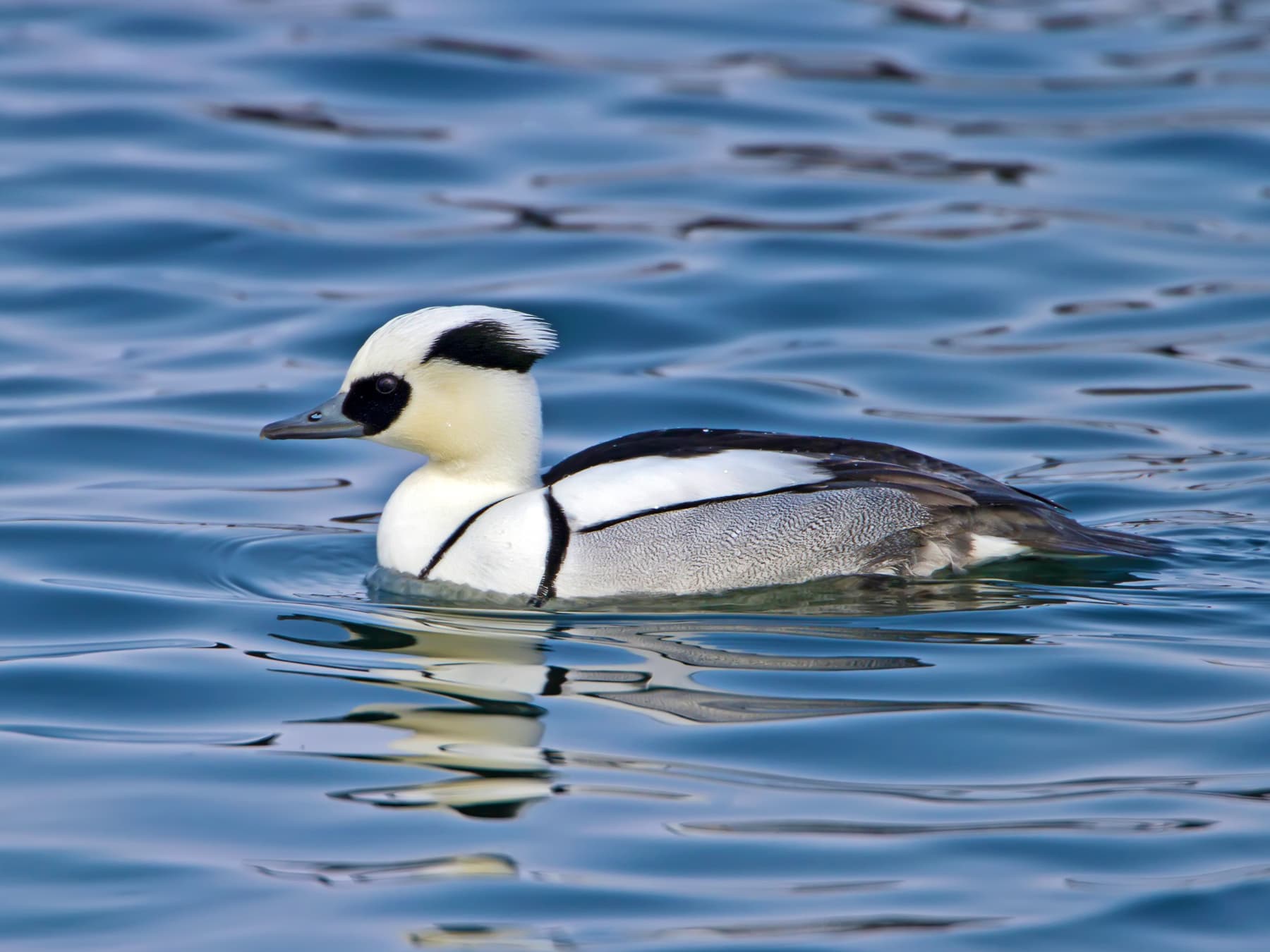
Smew
Mergellus albellusLC
A rare and prized winter visitor, with smart black-and-white drakes occasionally appearing on Trent Valley lakes in cold winters.
Nov–Mar
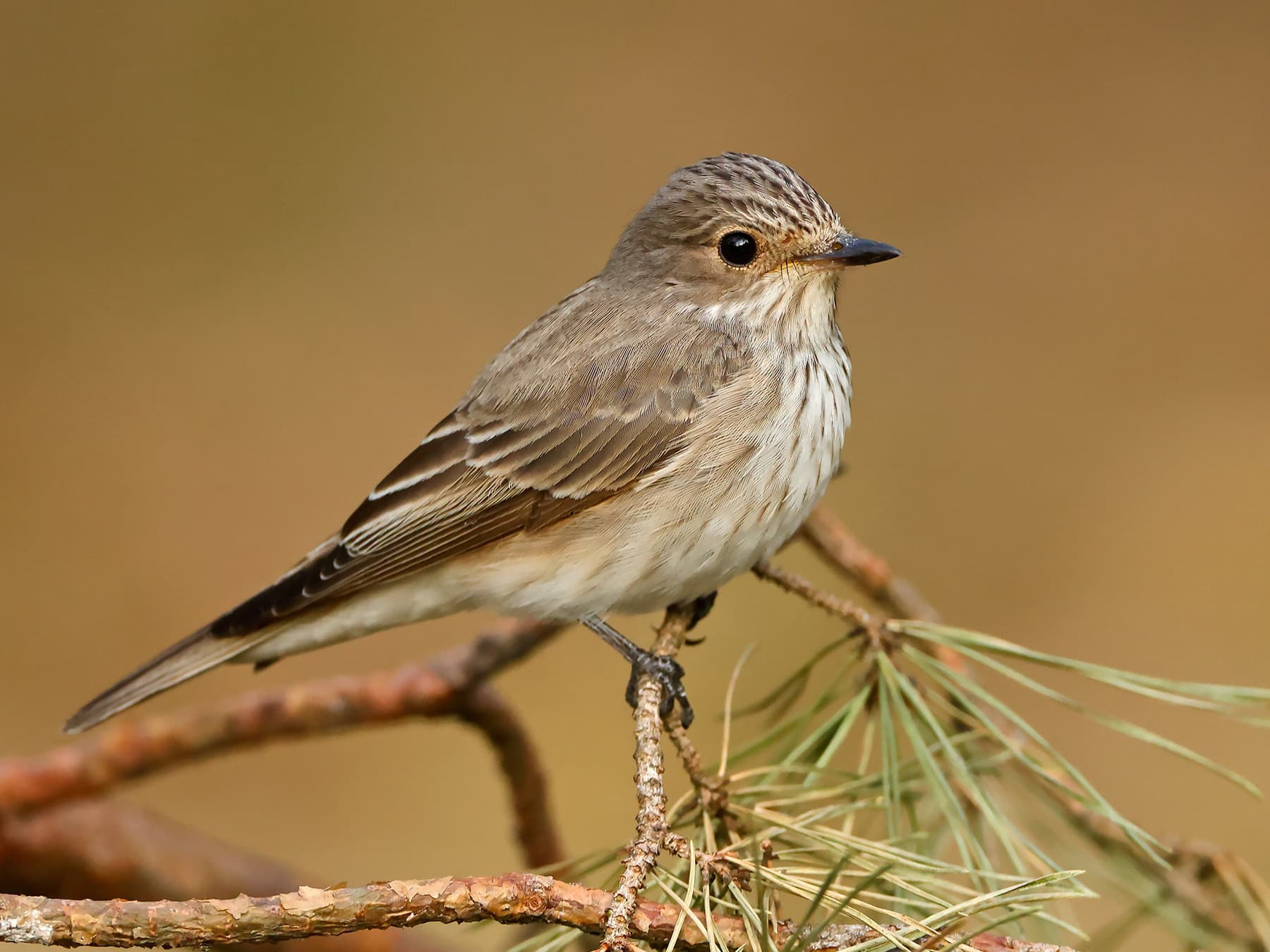
Spotted Flycatcher
Muscicapa striataLC
A rare and declining summer breeder, arriving in May to nest in mature woodland edges and parkland. Sherwood Forest holds occasional pairs.
May–Sep
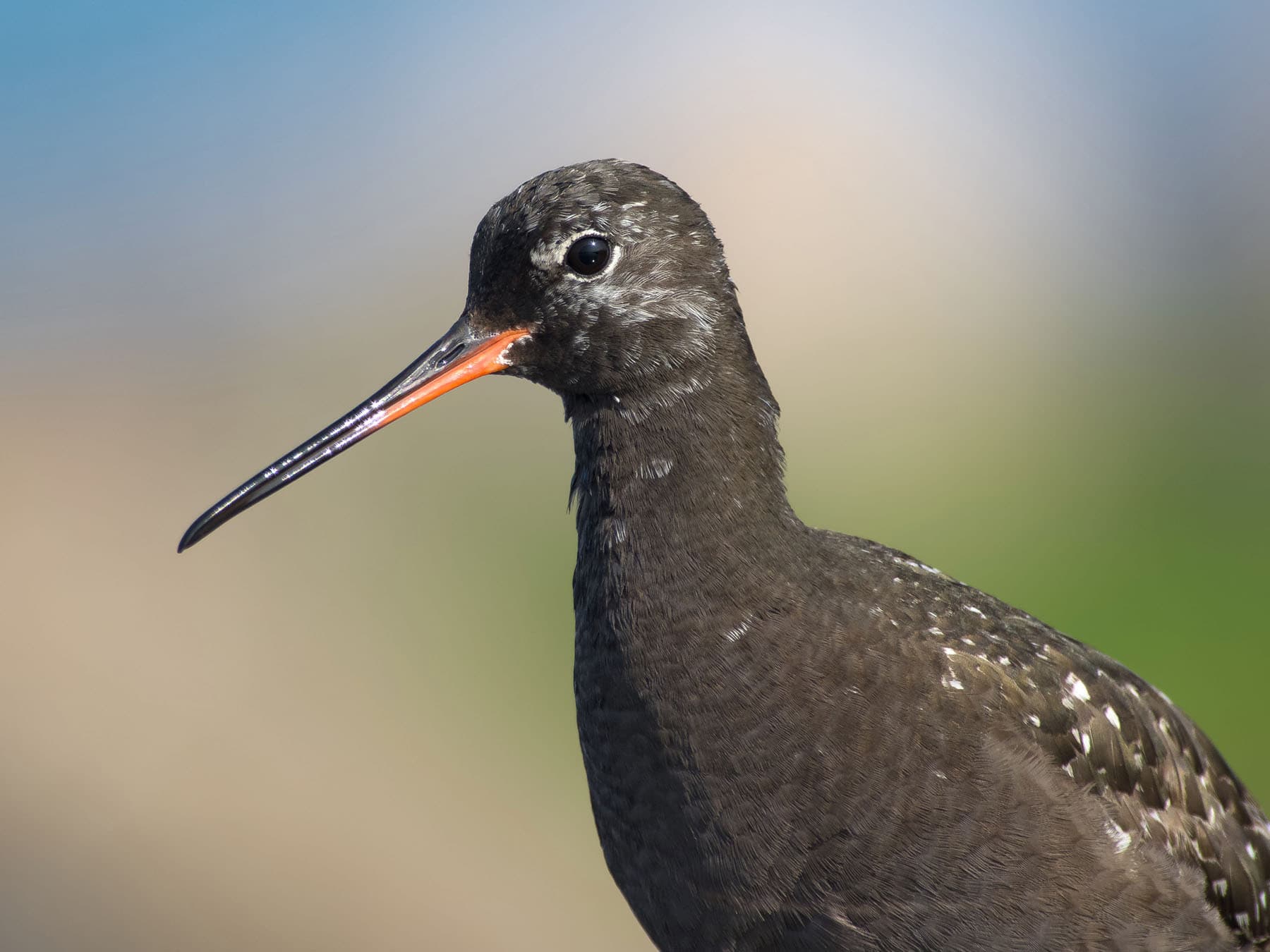
Spotted Redshank
Tringa erythropusLC
A rare autumn passage wader, occasionally stopping at muddy reservoir edges and gravel pits during September.
Sep
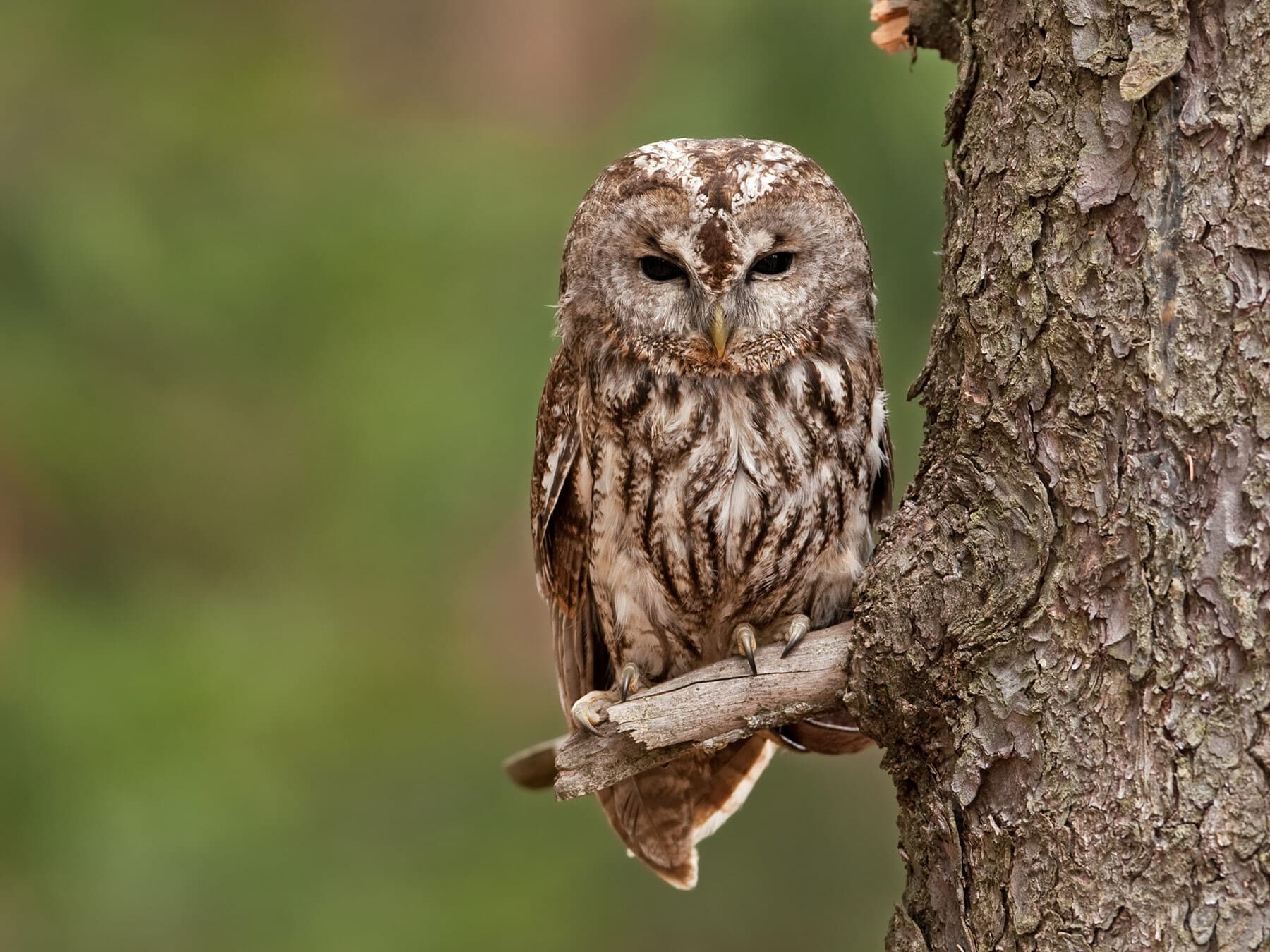
Tawny Owl
Strix alucoLC
A scarce but resident owl of mature woodland, including Sherwood Forest. Its familiar hooting carries through Nottinghamshire's ancient oaks on still nights.
Year-round
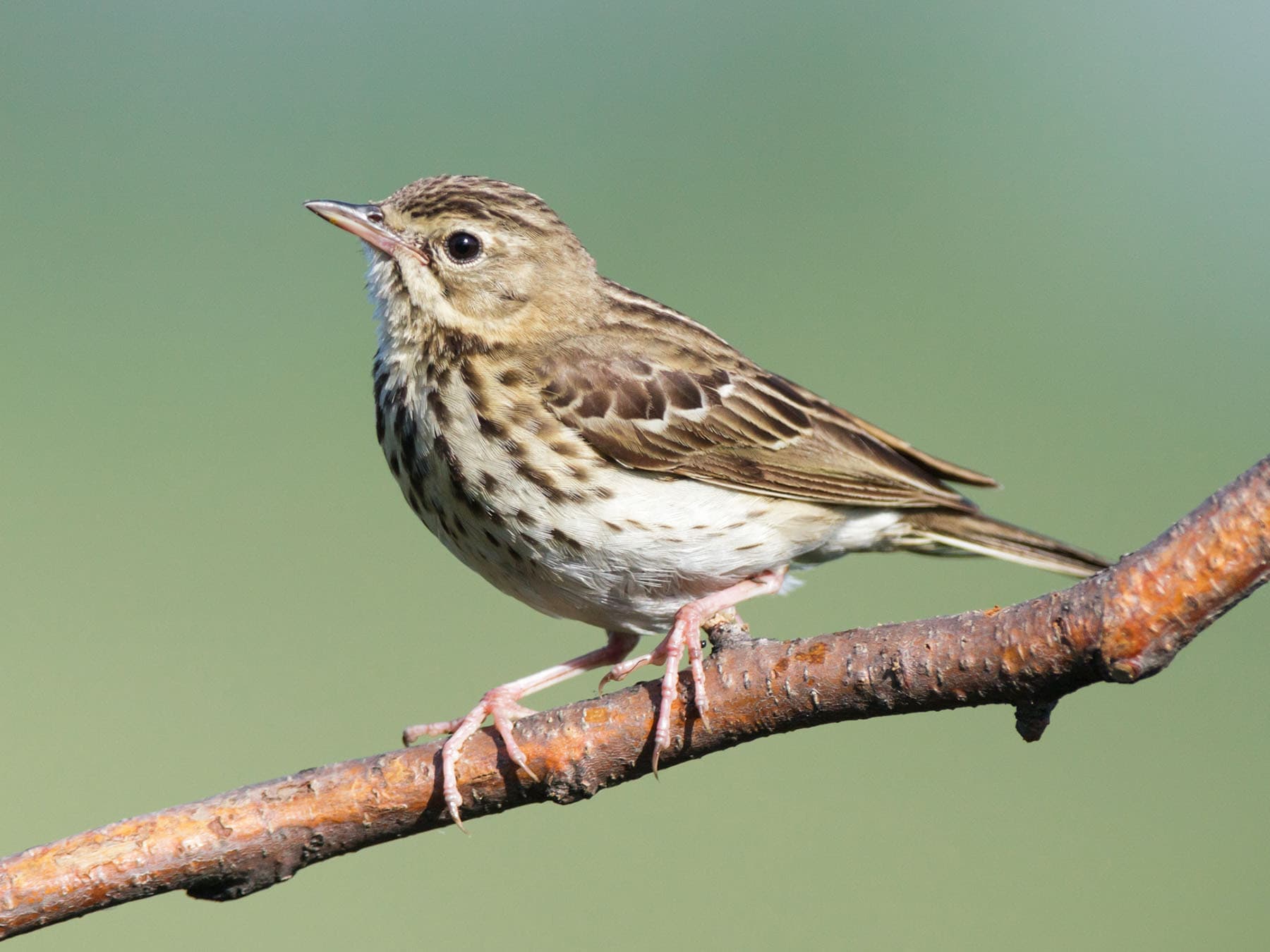
Tree Pipit
Anthus trivialisLC
A rare summer breeder arriving in April, favouring heathland and open woodland clearings. Its distinctive parachuting song flight is a highlight.
Apr–Jul
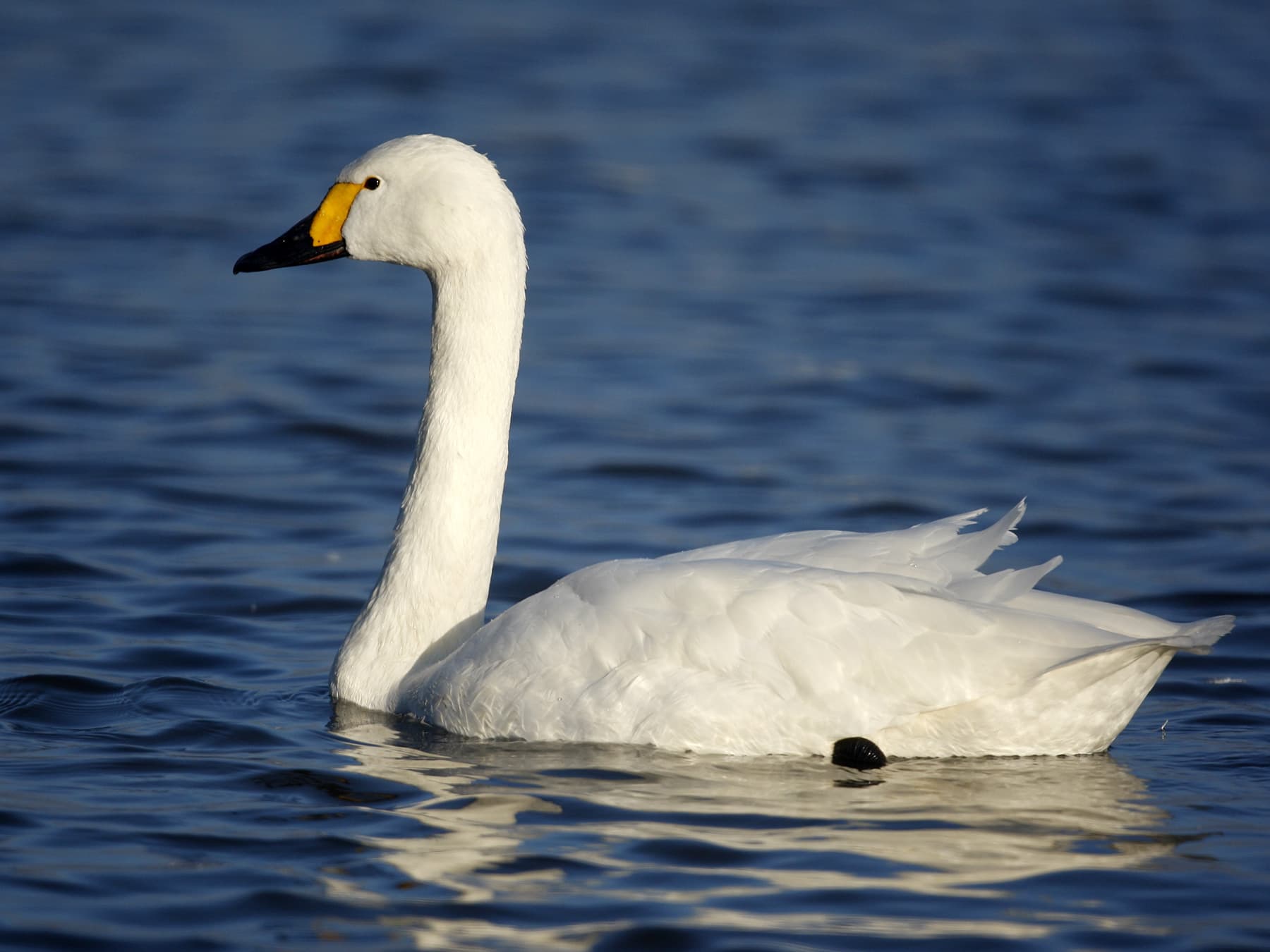
Tundra Swan
Cygnus columbianusLC
A rare winter visitor, occasionally turning up on Trent valley floodwaters or larger reservoirs, typically in harsh weather further north.
Jan