Birds in Northumberland
Explore 230 species found in this region.
Northumberland is one of England's most rewarding counties for birdwatching, with 218 recorded species found across its diverse landscapes of rugged coastline, upland moors, ancient woodlands, and estuarine mudflats. From the Farne Islands' famous seabird colonies to the high Cheviot Hills where Dotterel and Horned Lark breed, the county offers exceptional birding throughout the year. Notable species include Great Grey Shrike on winter heathlands, Eurasian Woodcock in dense woodland, and the striking Mandarin Duck along sheltered river valleys.
Visiting in August? Look out for Brent Goose and European Pied Flycatcher arriving this month, and Barnacle Goose and Long-eared Owl depart for the season.


Showing 93–115 of 230 species
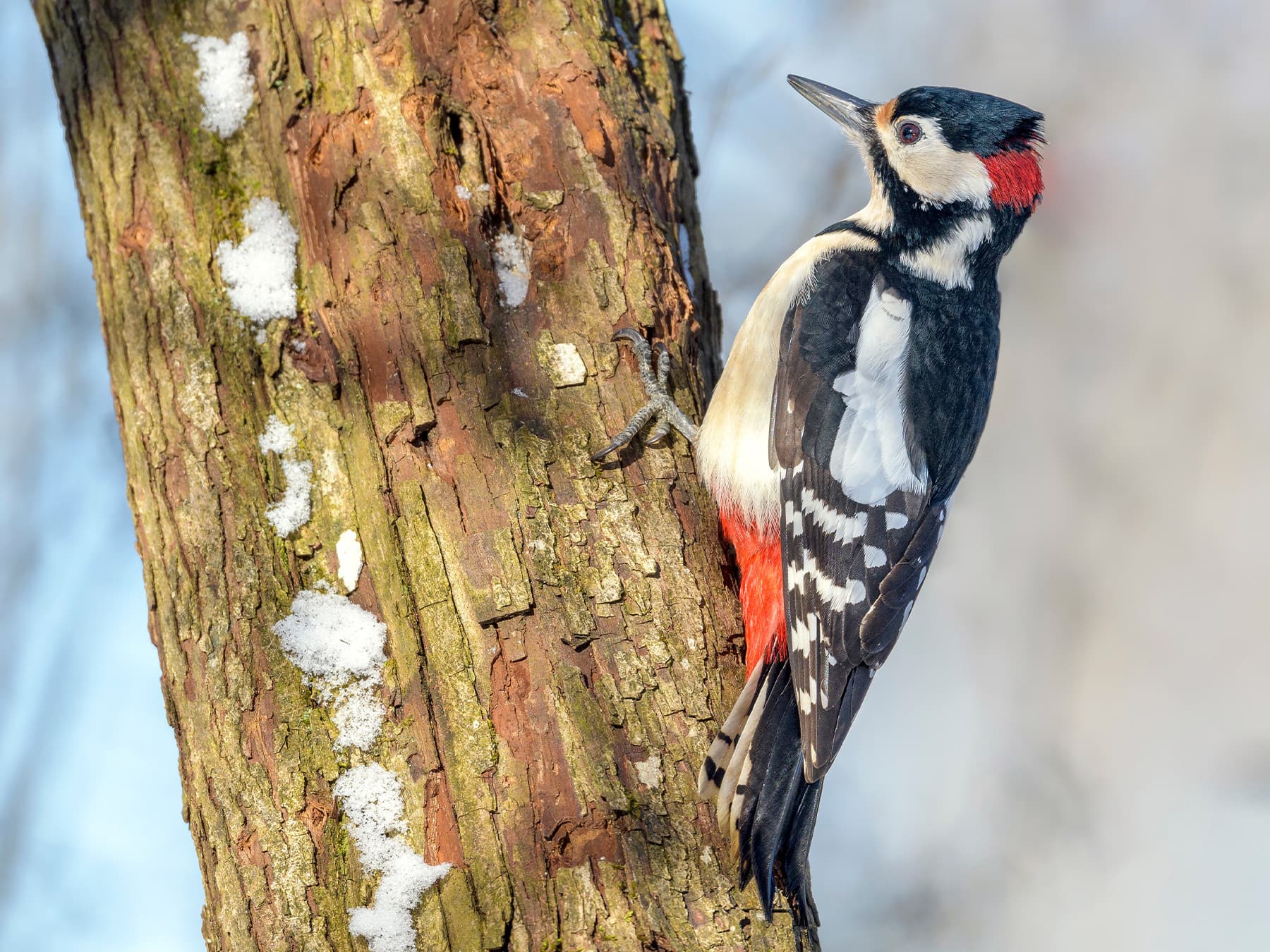
Great Spotted Woodpecker
Dendrocopos majorLC
An uncommon resident of mature broadleaved and mixed woodlands. Listen for its distinctive drumming in spring across Northumberland's valleys.
Year-round
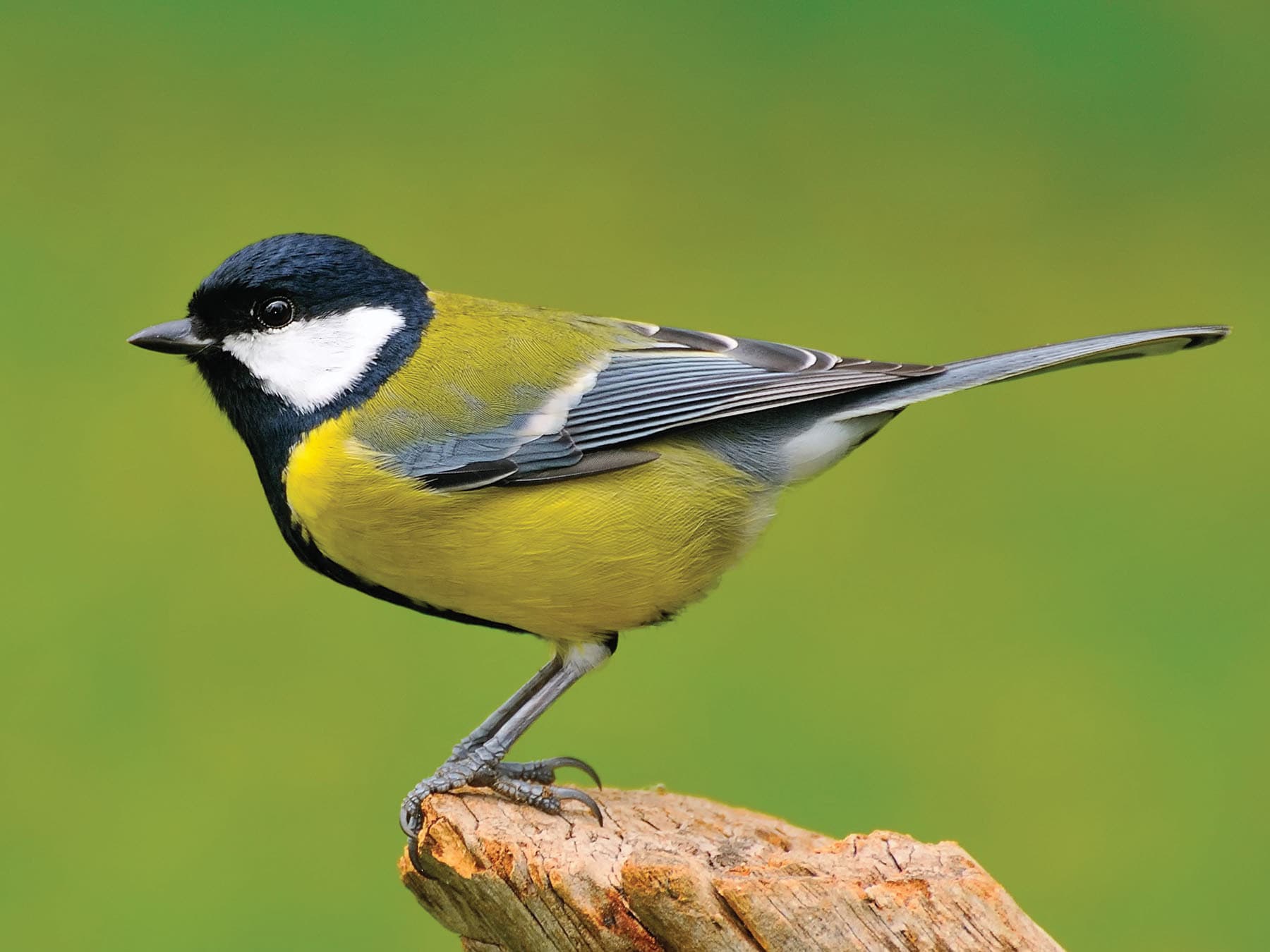
Great Tit
Parus majorLC
A common resident of woodlands, hedgerows and gardens. A familiar visitor to bird feeders across the county throughout the year.
Year-round
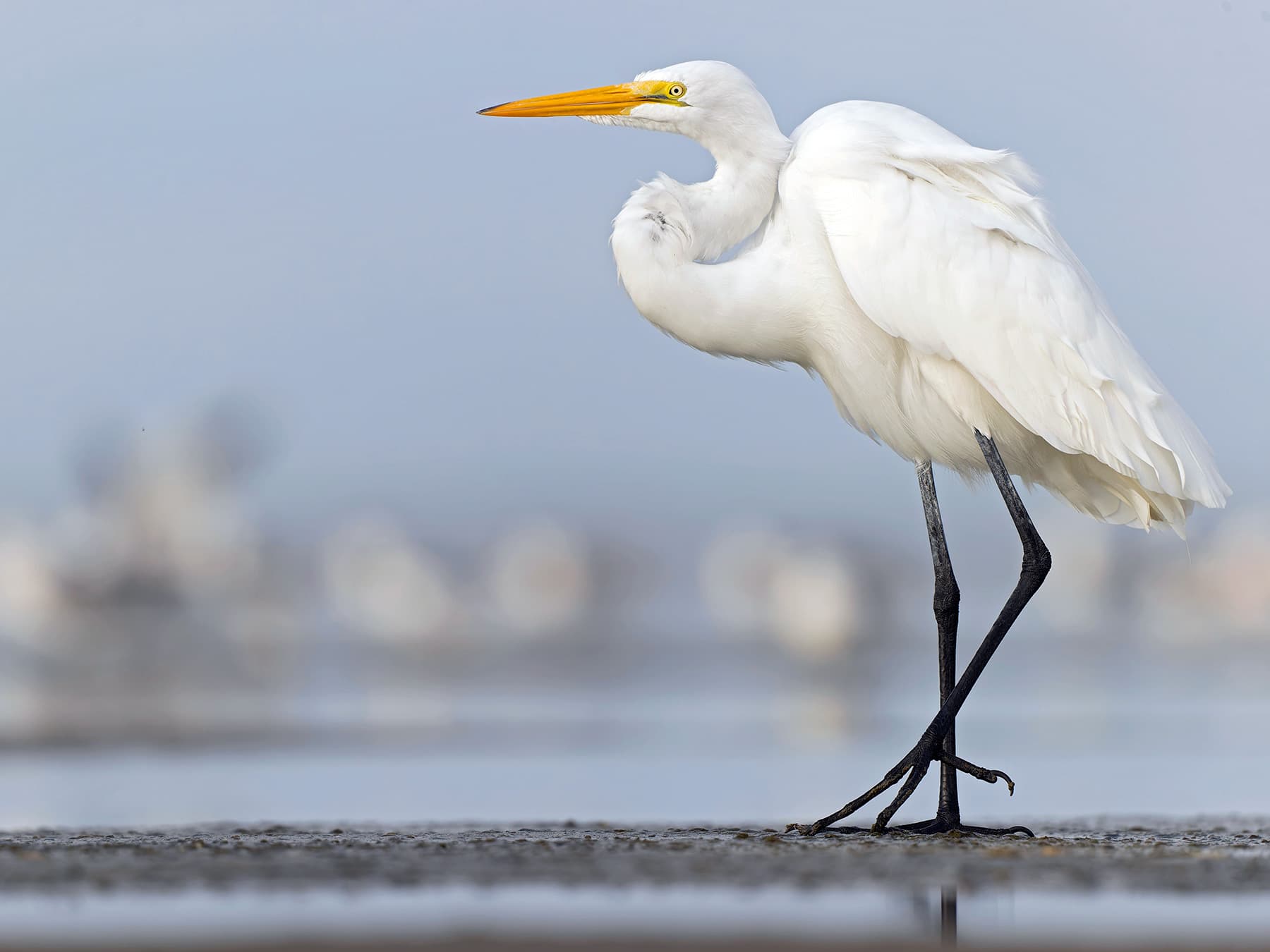
Great White Egret
Ardea albaLC
A rare but increasingly recorded passage visitor in spring and autumn, favouring wetlands and coastal marshes.
Sep–Mar
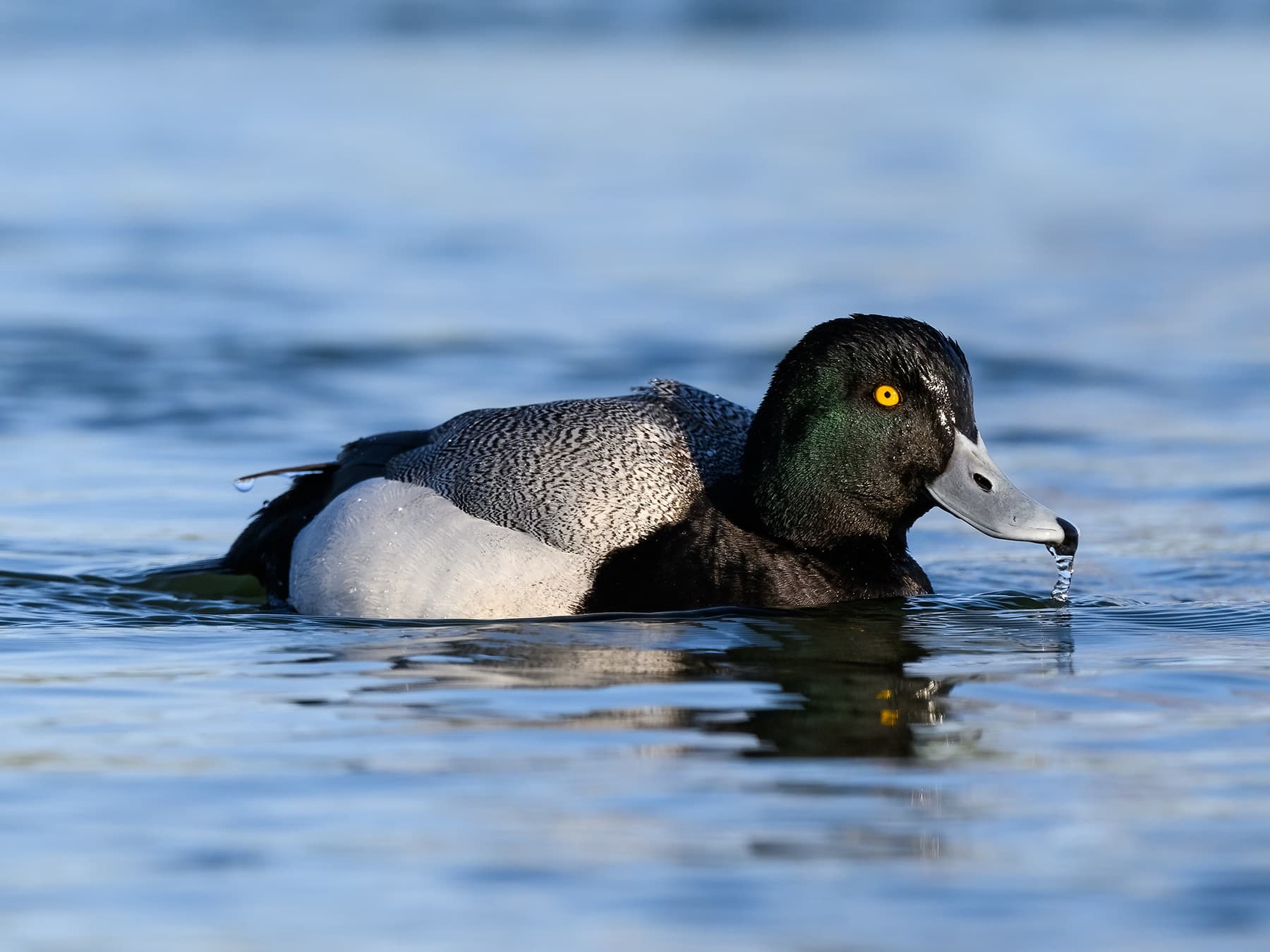
Greater Scaup
Aythya marilaLC
A rare diving duck found on sheltered coastal waters and estuaries, mainly in winter. Absent during the summer breeding months.
Jul–Apr
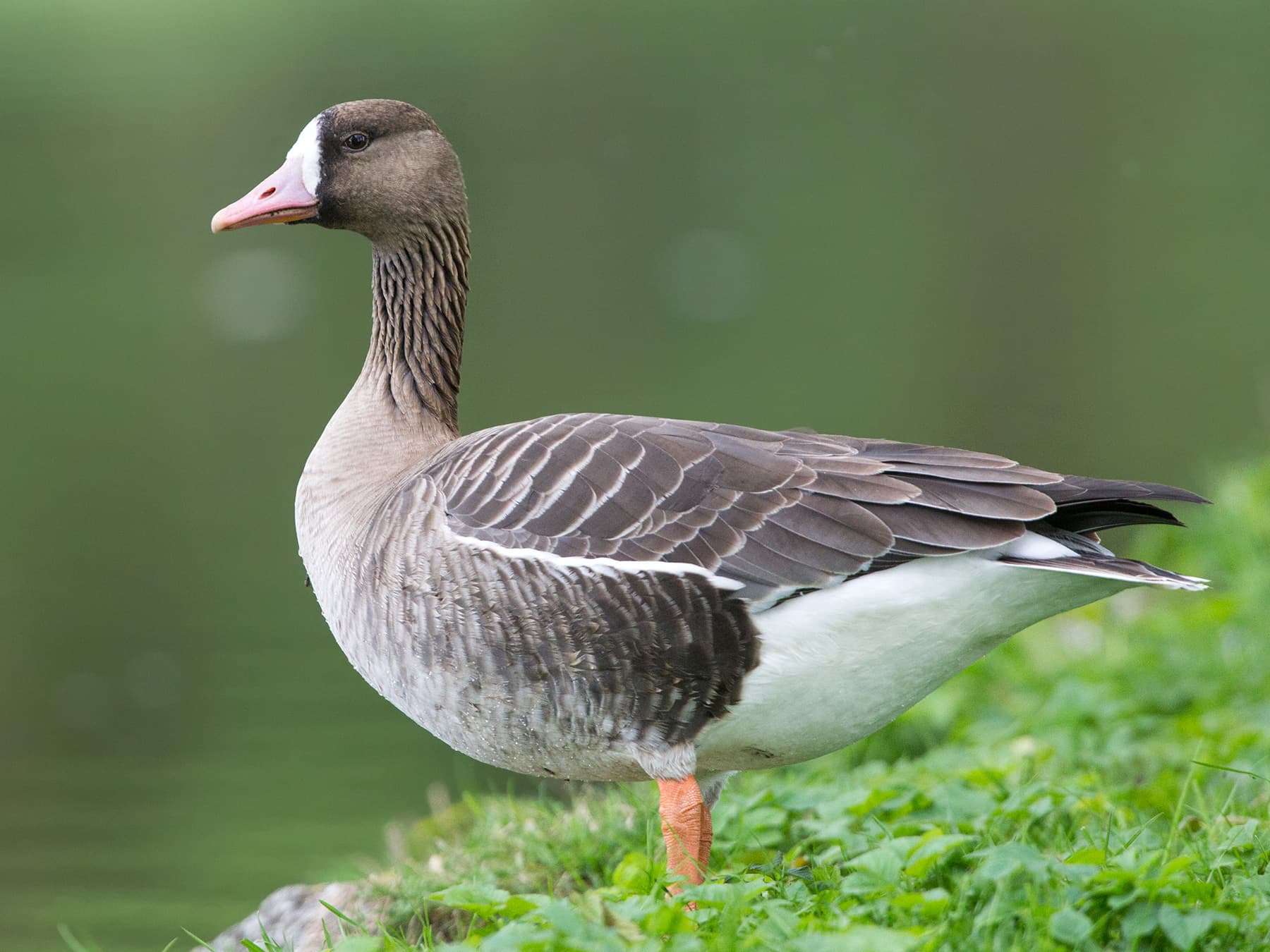
Greater White-fronted Goose
Anser albifronsLC
A rare winter visitor, occasionally joining flocks of other grey geese on farmland or around Lindisfarne between November and March.
Nov–Mar
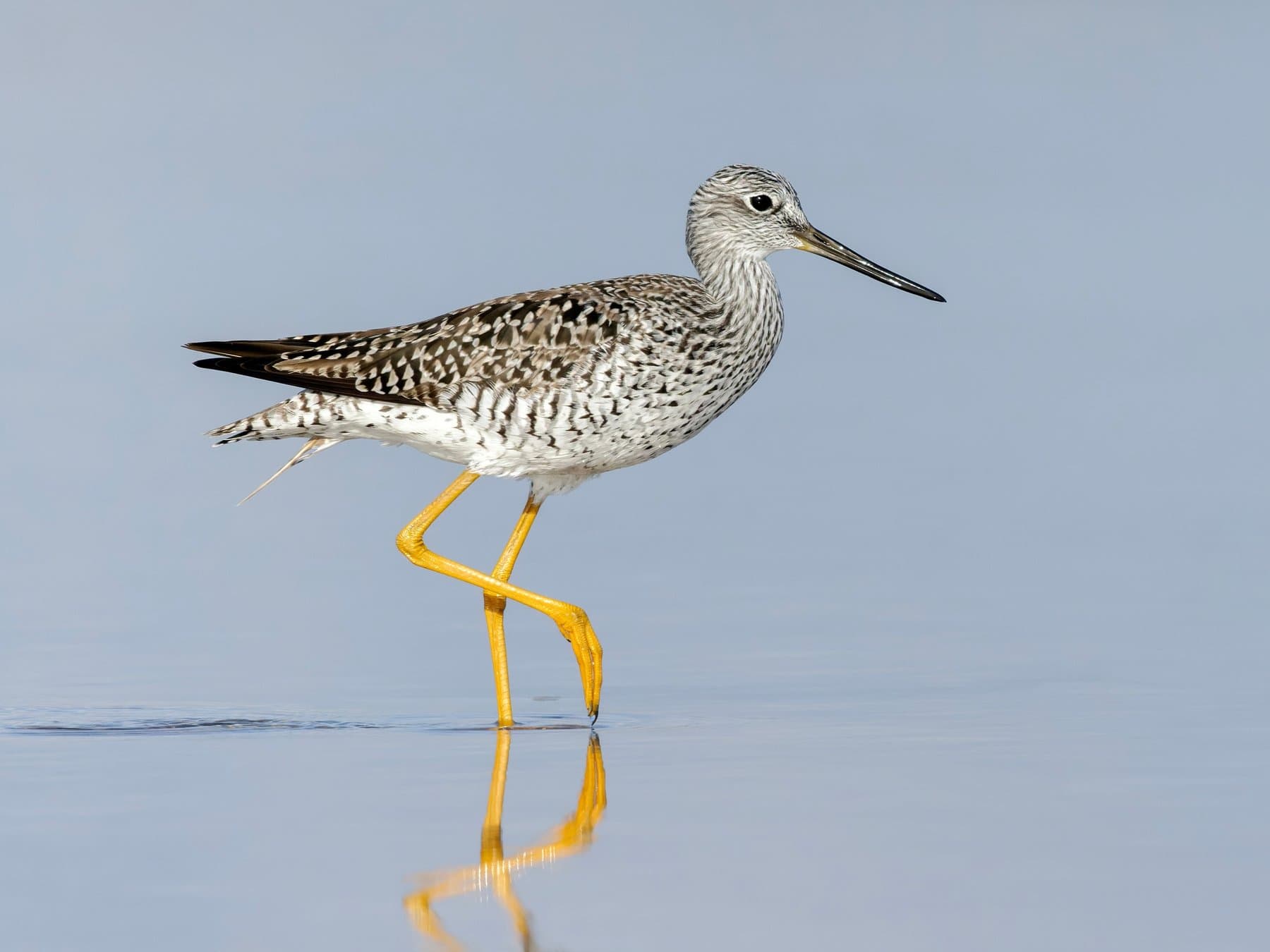
Greater Yellowlegs
Tringa melanoleucaNT
A rare Nearctic vagrant, occasionally turning up at coastal pools or estuaries in November. A prized find for Northumberland birders.
Nov
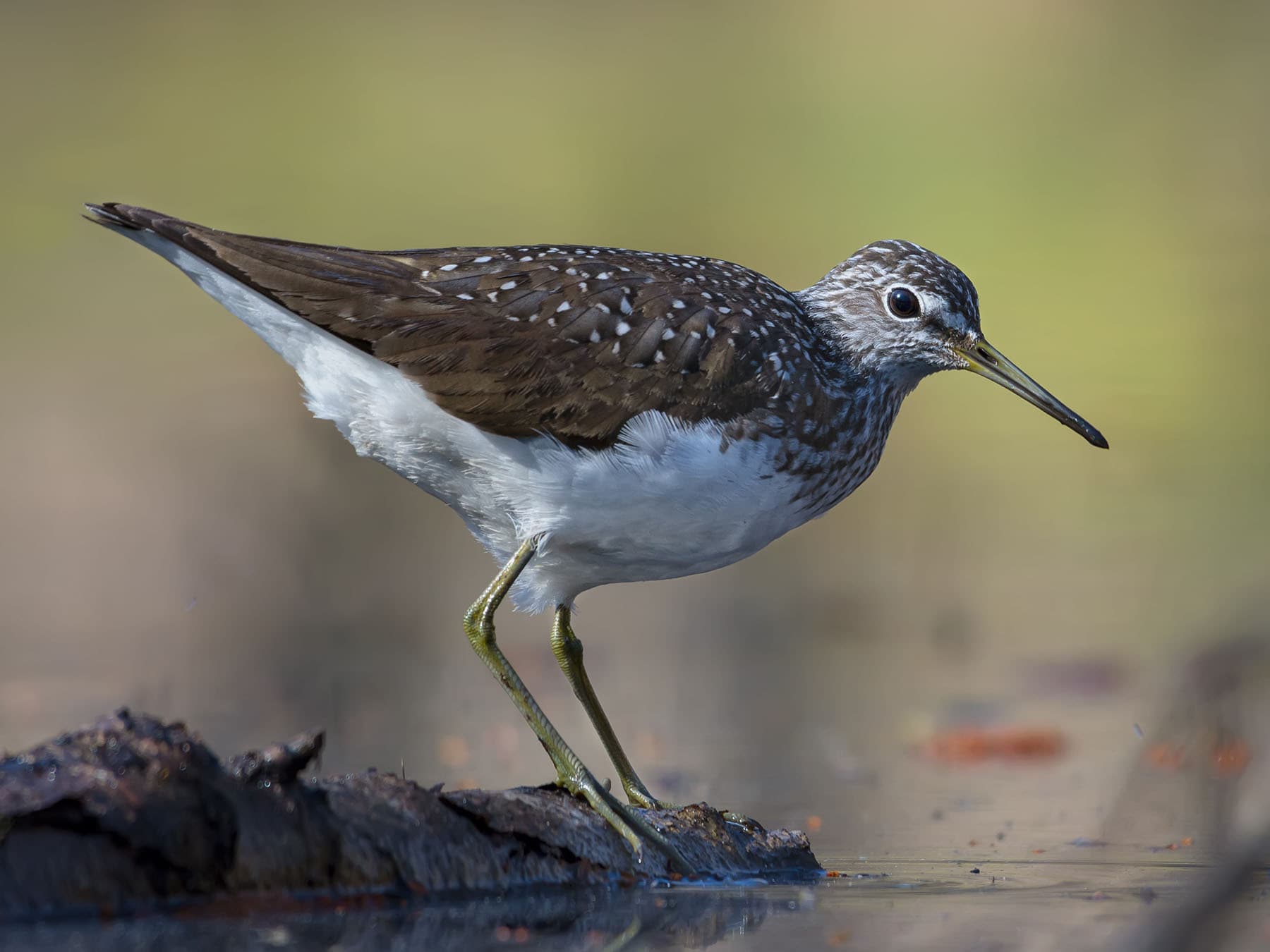
Green Sandpiper
Tringa ochropusLC
A scarce passage migrant from July to September, favouring muddy margins of inland pools and sheltered streams.
Jul–Sep
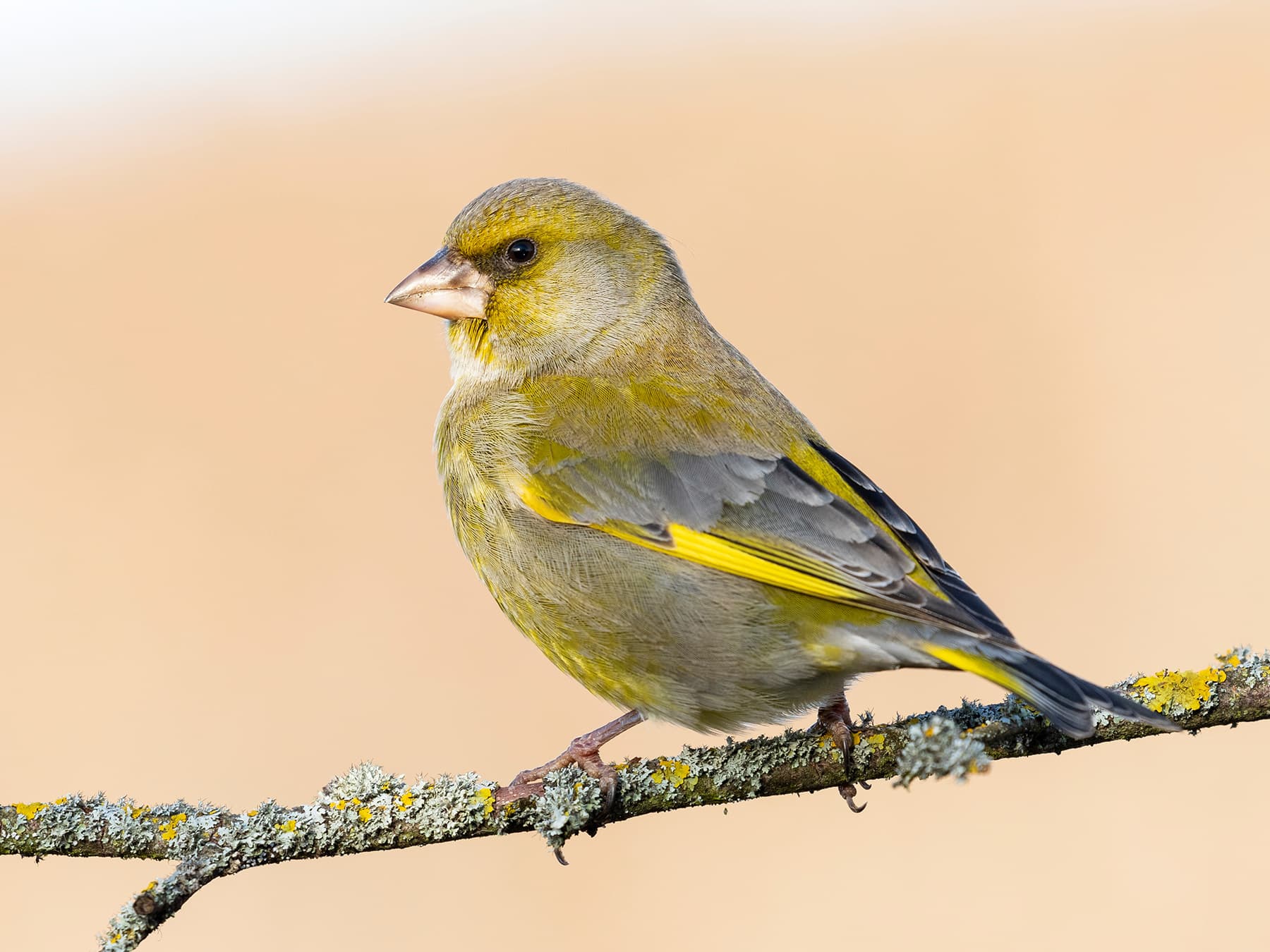
Greenfinch
Chloris chlorisLC
Present year-round but declining, found in gardens, hedgerows, and woodland edges. Numbers have dropped sharply due to disease.
Year-round
Spotted something?
Upload a photo to identify it
Identify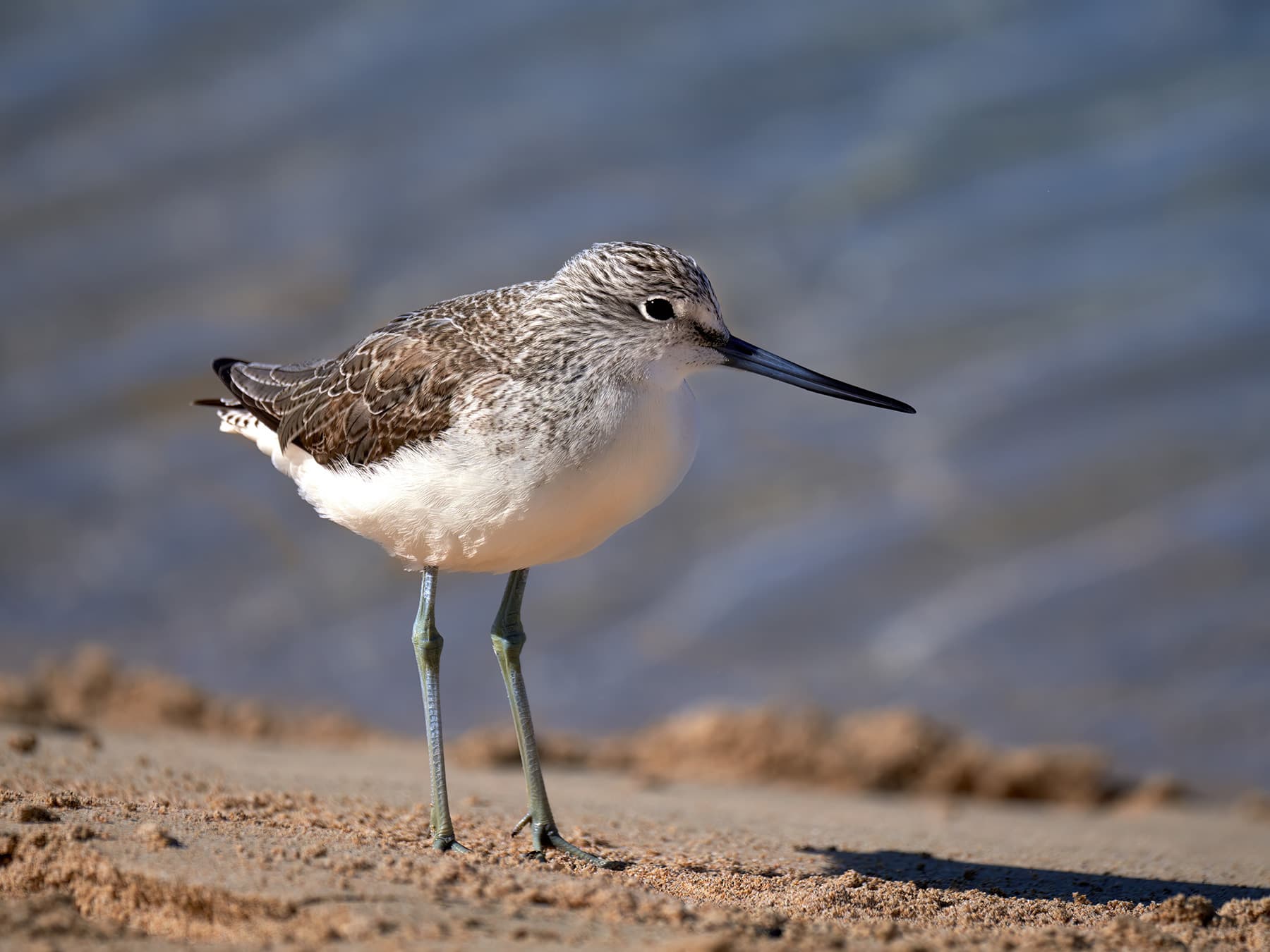
Greenshank
Tringa nebulariaLC
An uncommon breeder on upland bogs and loch margins, also noted on coastal passage from April to October.
Apr–Oct
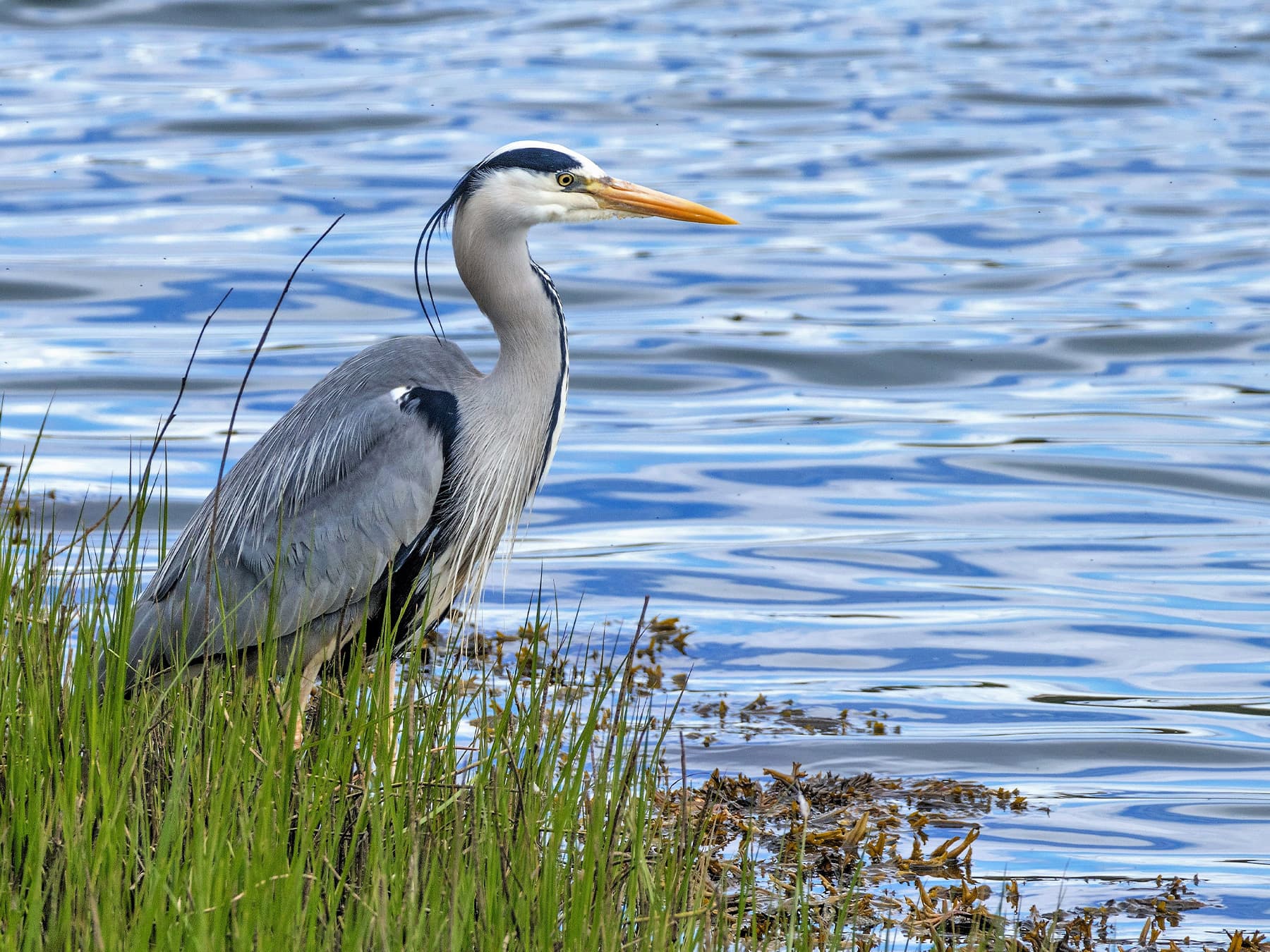
Grey Heron
Ardea cinereaLC
A common year-round resident found along rivers, lakes, and estuaries. Heronries are established at several sites across the county.
Year-round
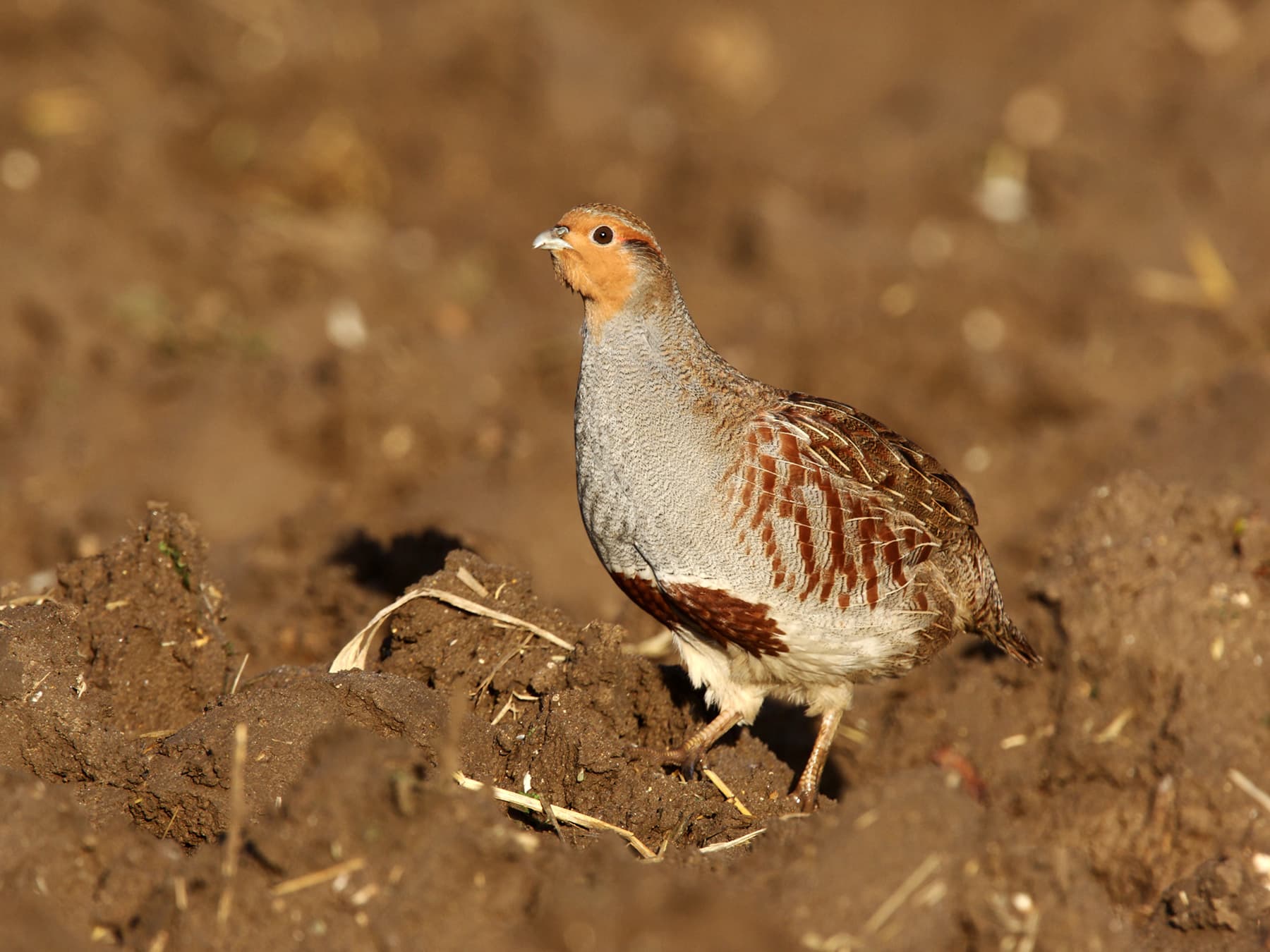
Grey Partridge
Perdix perdixLC
An uncommon and declining resident of arable farmland and rough grassland. Coveys may be found on Northumberland's lowland fields year-round.
Year-round
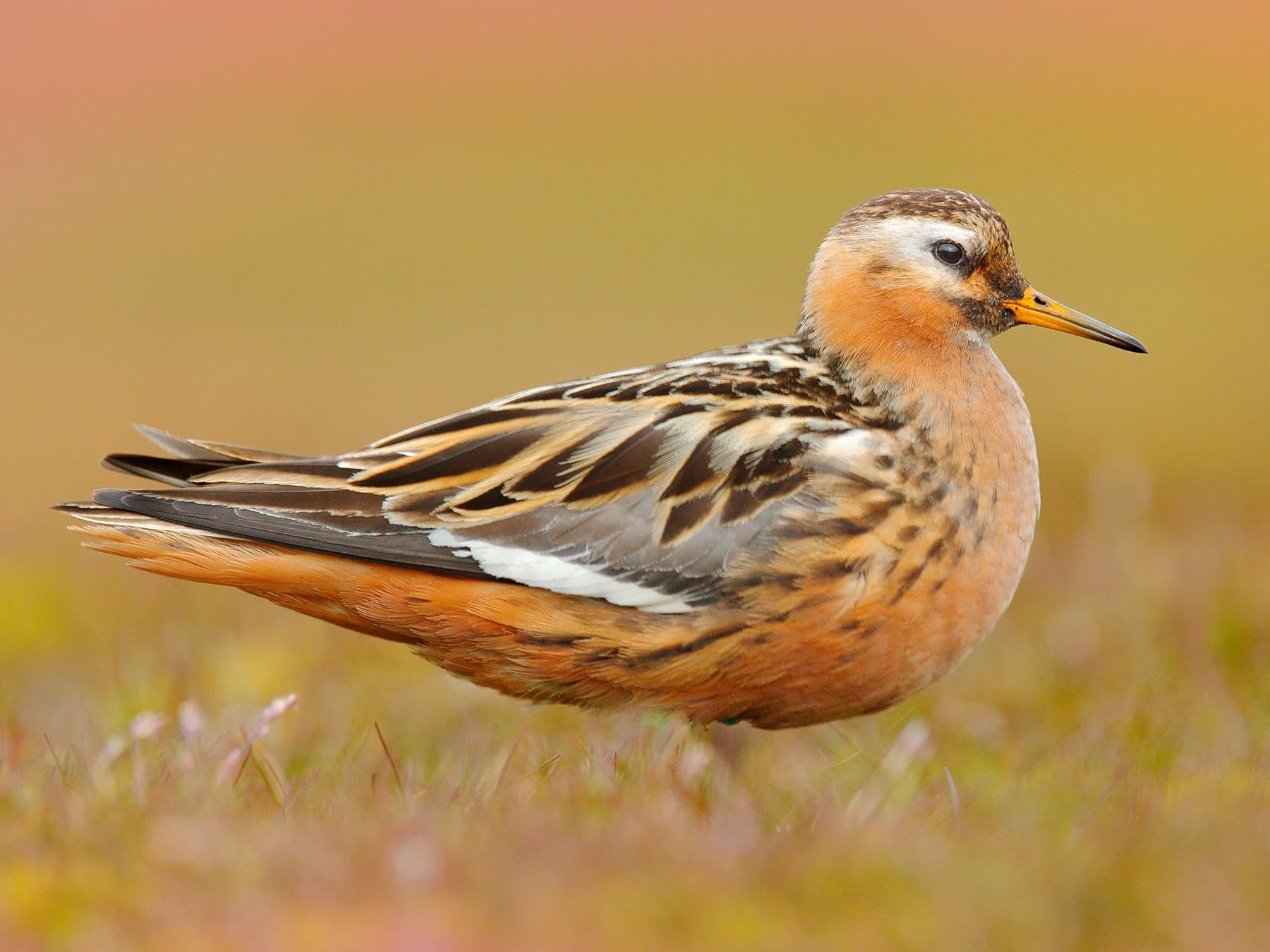
Grey Phalarope
Phalaropus fulicariusLC
A rare autumn passage migrant, typically storm-driven to the Northumberland coast in November. Usually found on sheltered pools near the shoreline.
Nov
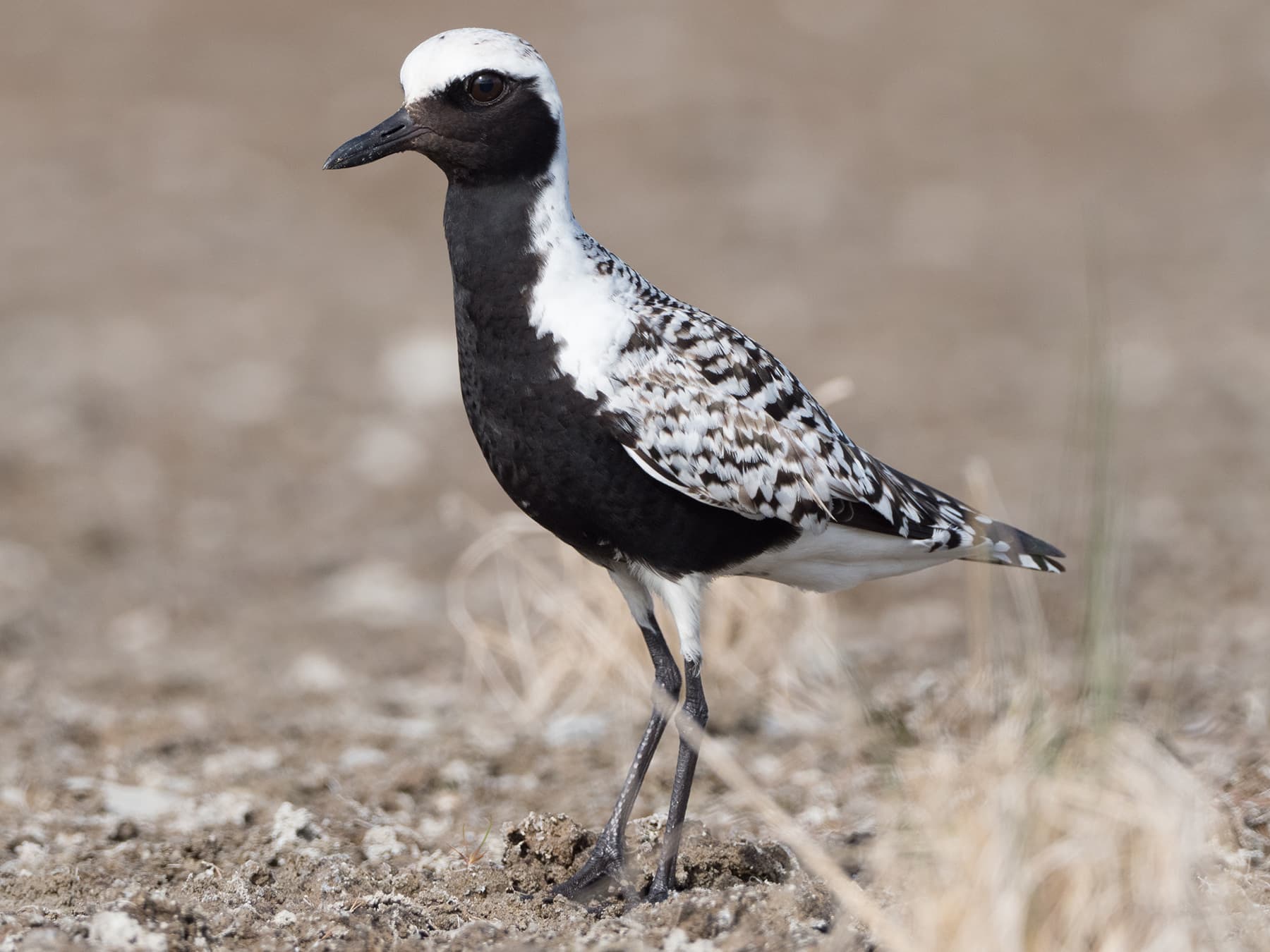
Grey Plover
Pluvialis squatarolaLC
Frequents estuaries and mudflats such as Budle Bay and Lindisfarne, most numerous in autumn and winter passage periods.
Aug–May
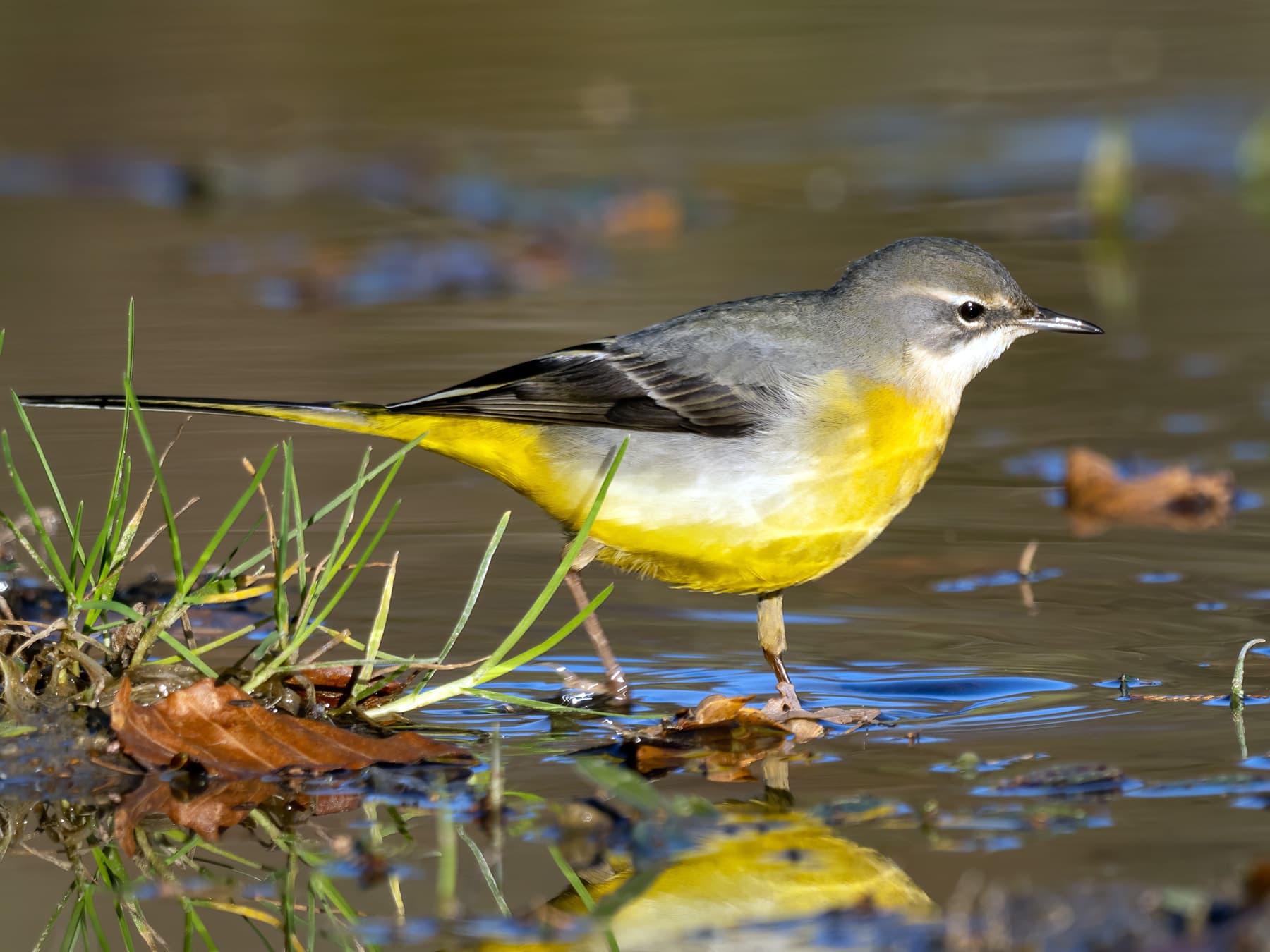
Grey Wagtail
Motacilla cinereaLC
An uncommon resident favouring fast-flowing streams and rivers. Often bobs its long tail on rocks in upland burns.
Year-round
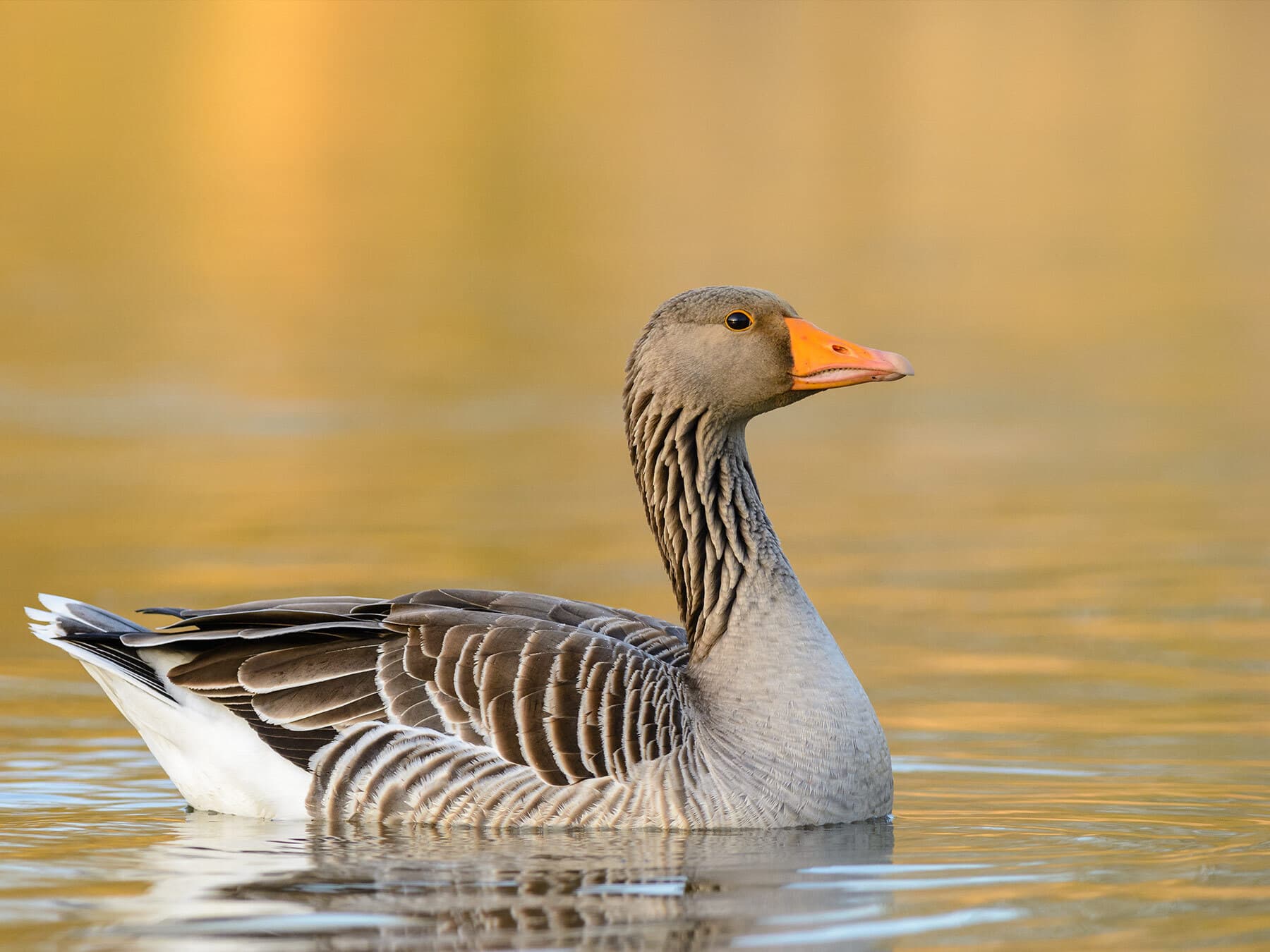
Greylag Goose
Anser anserLC
A common resident found on farmland, lakes and coastal marshes throughout the year. Feral and wild populations mix, especially around Lindisfarne in winter.
Year-round
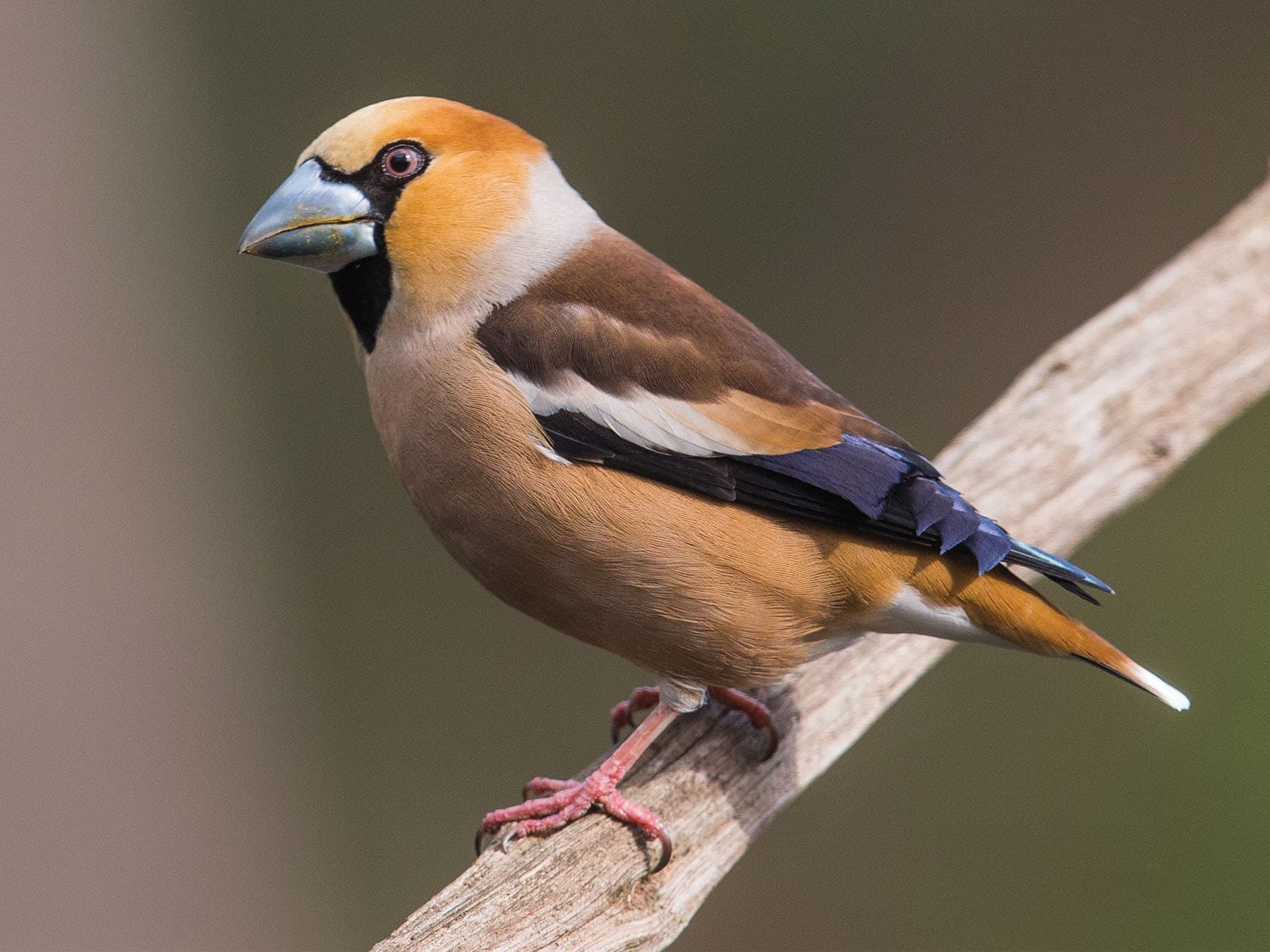
Hawfinch
Coccothraustes coccothraustesLC
A rare passage visitor in November, this elusive finch may appear briefly in mature woodland with hornbeam or cherry trees.
Nov
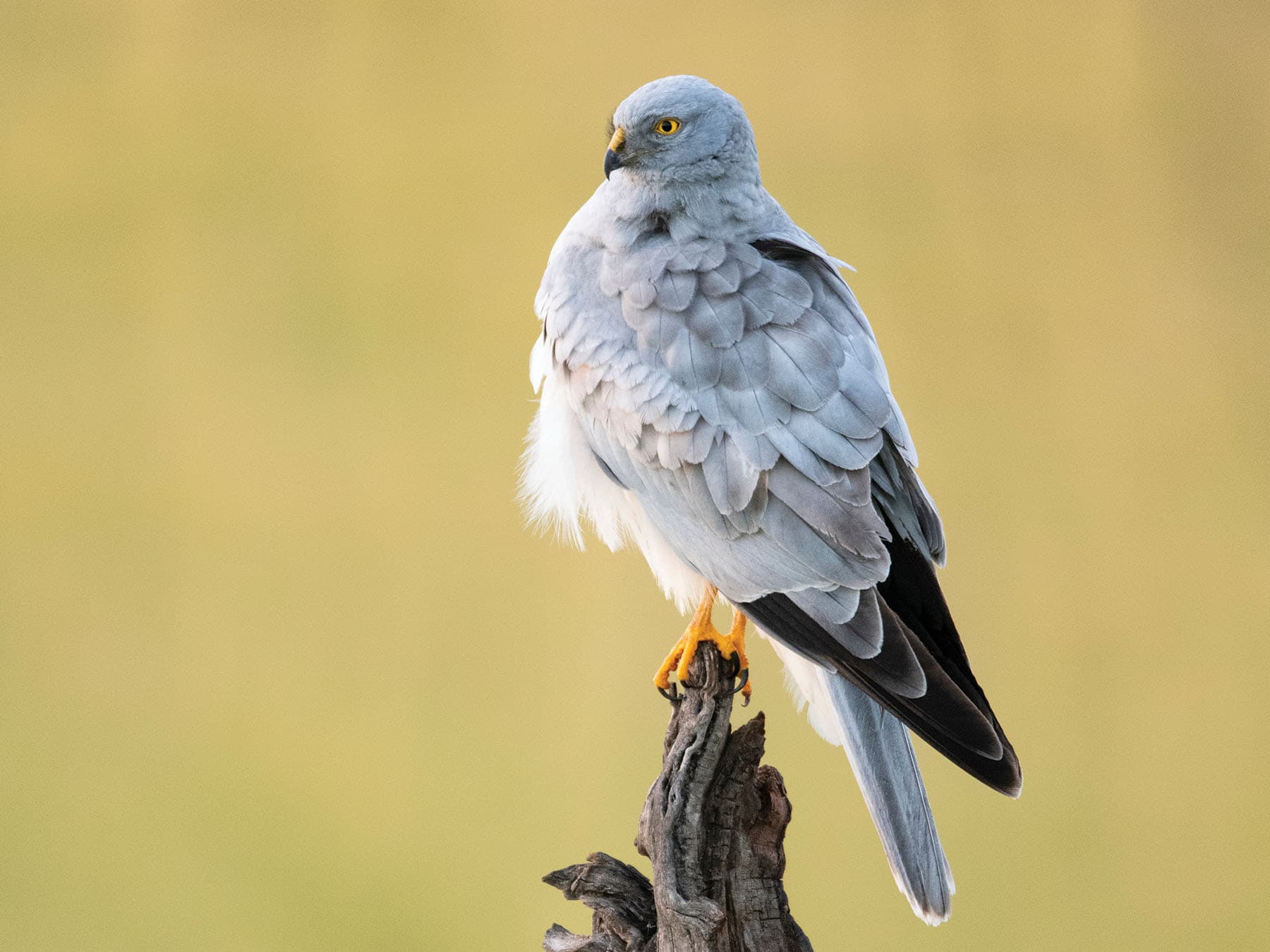
Hen Harrier
Circus cyaneusLC
A rare non-breeding visitor to upland moors and coastal marshes in winter. Occasionally hunts over stubble fields and rough grassland.
Oct–Feb
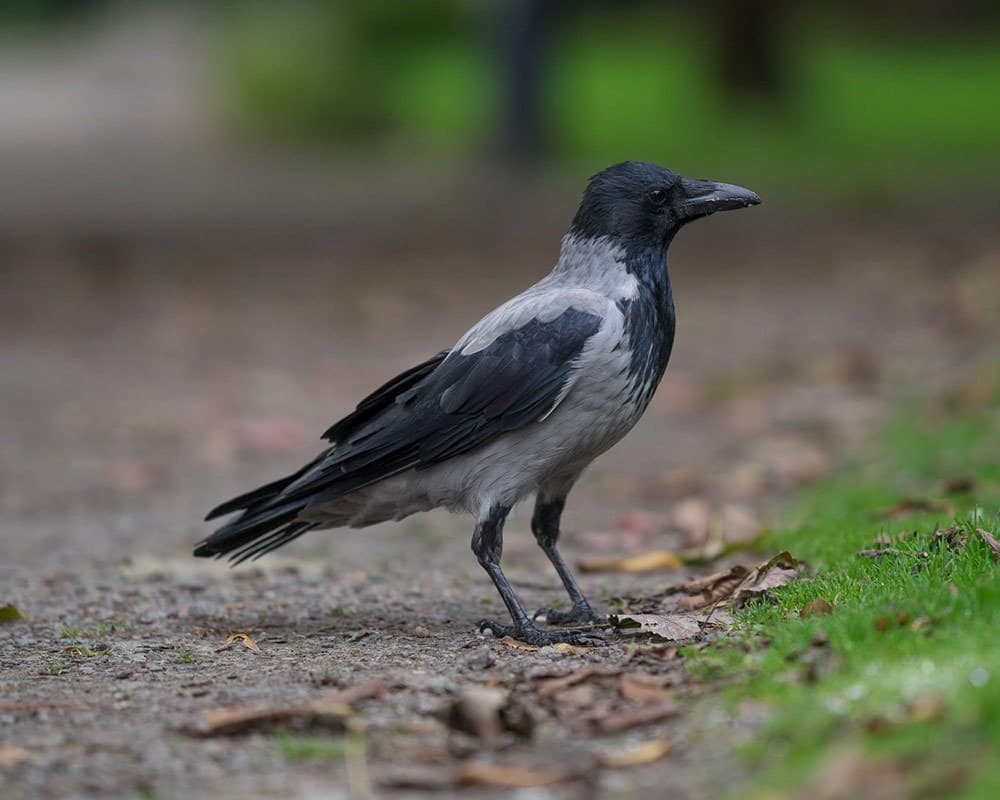
Hooded Crow
Corvus cornixLC
A rare midwinter visitor, occasionally turning up along the coast. Northumberland lies near the boundary of Carrion and Hooded Crow ranges.
Jan
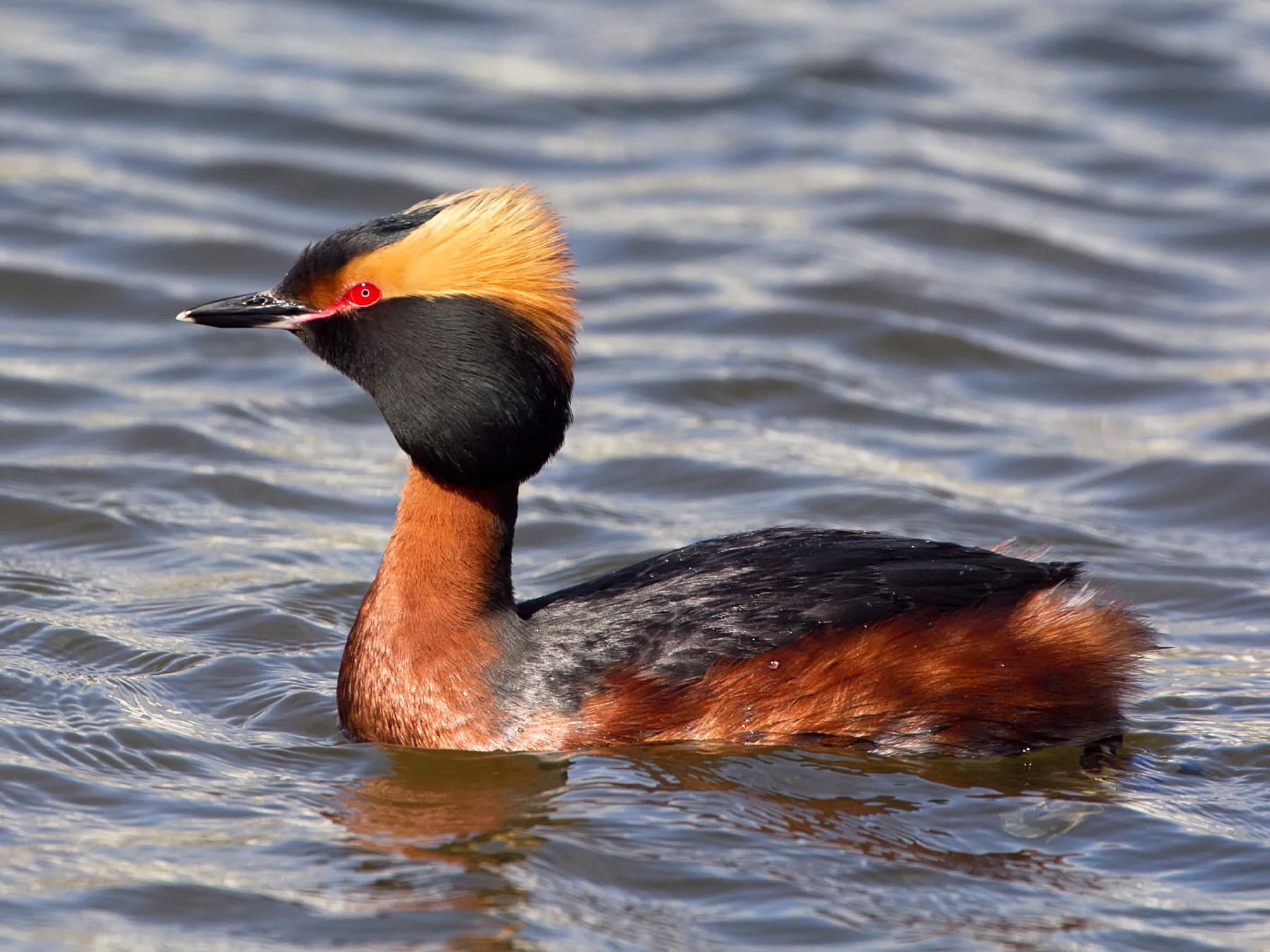
Horned Grebe
Podiceps auritusVU
A rare non-breeding visitor to sheltered coastal bays and harbours from October to March. Often called Slavonian Grebe in British usage.
Oct–Mar
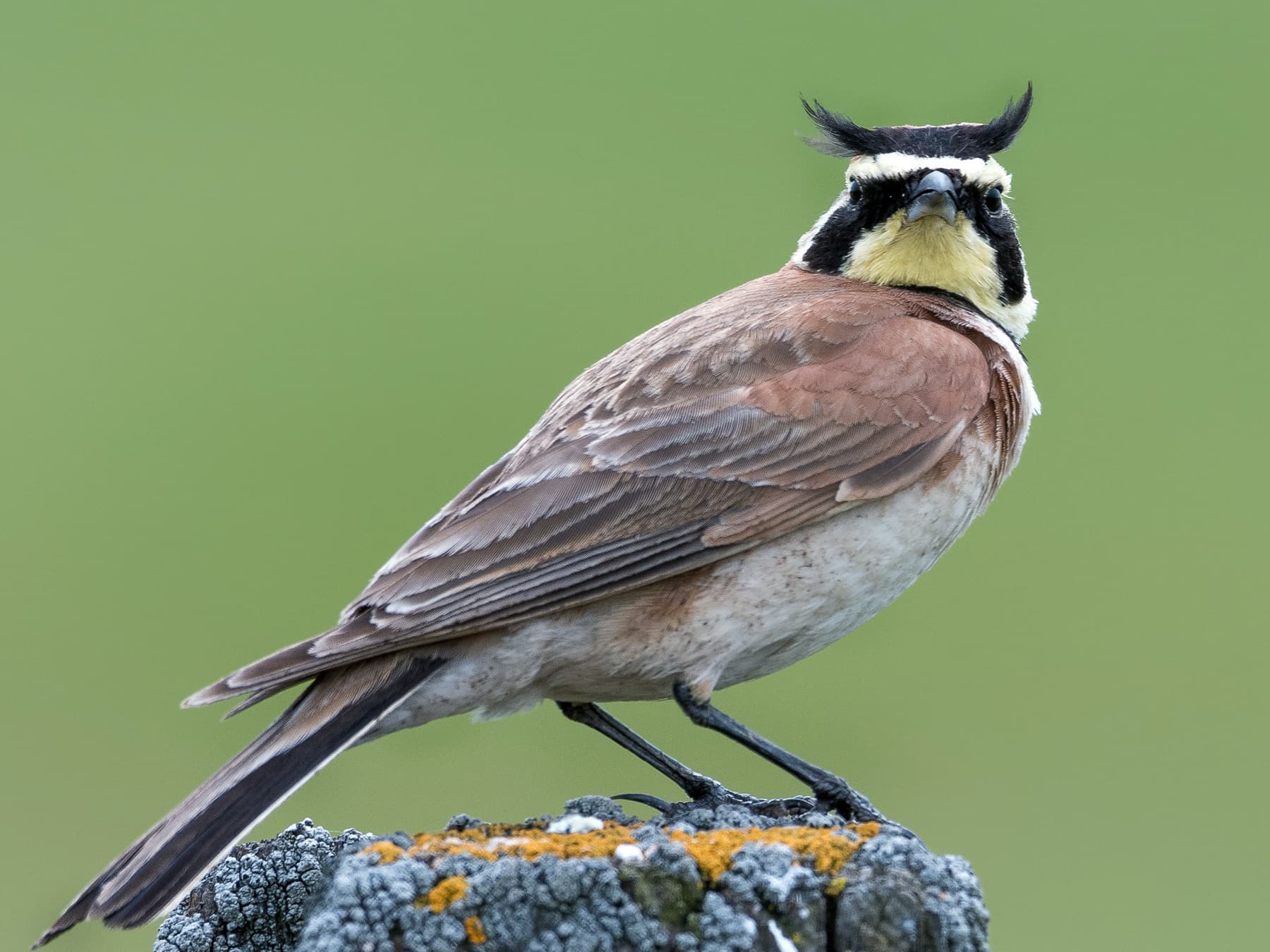
Horned Lark
Eremophila alpestrisLC
A rare winter visitor to the Northumberland coast, favouring shingle beaches and stubble fields. Most likely seen from December to March.
Dec–Mar
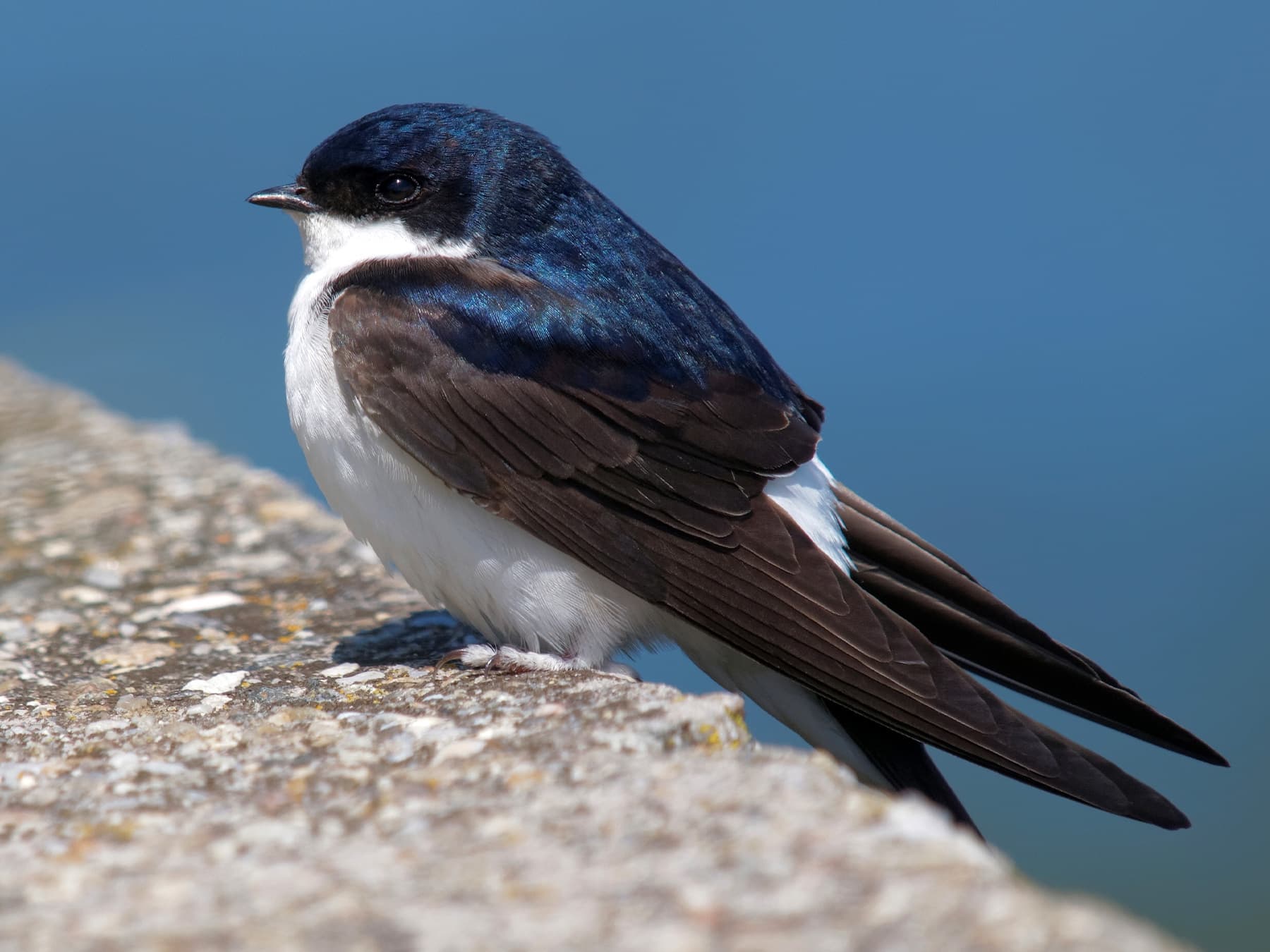
House Martin
Delichon urbicumLC
A common summer visitor nesting under eaves in towns and villages. Arrives from April and gathers in flocks before departing by October.
Apr–Oct
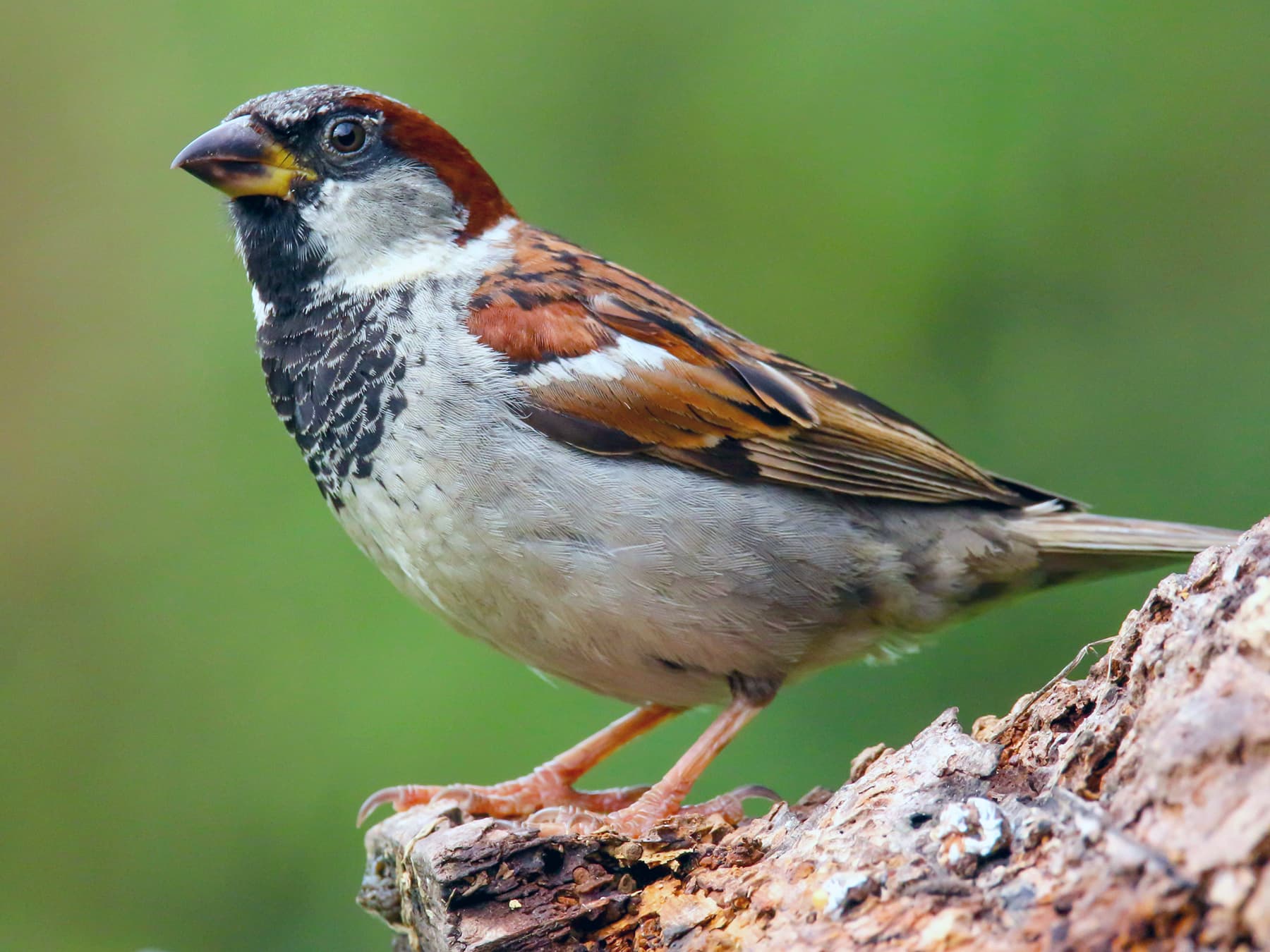
House Sparrow
Passer domesticusLC
A familiar year-round resident of Northumberland's towns, villages, and farmsteads, often nesting under eaves and gathering in noisy flocks.
Year-round
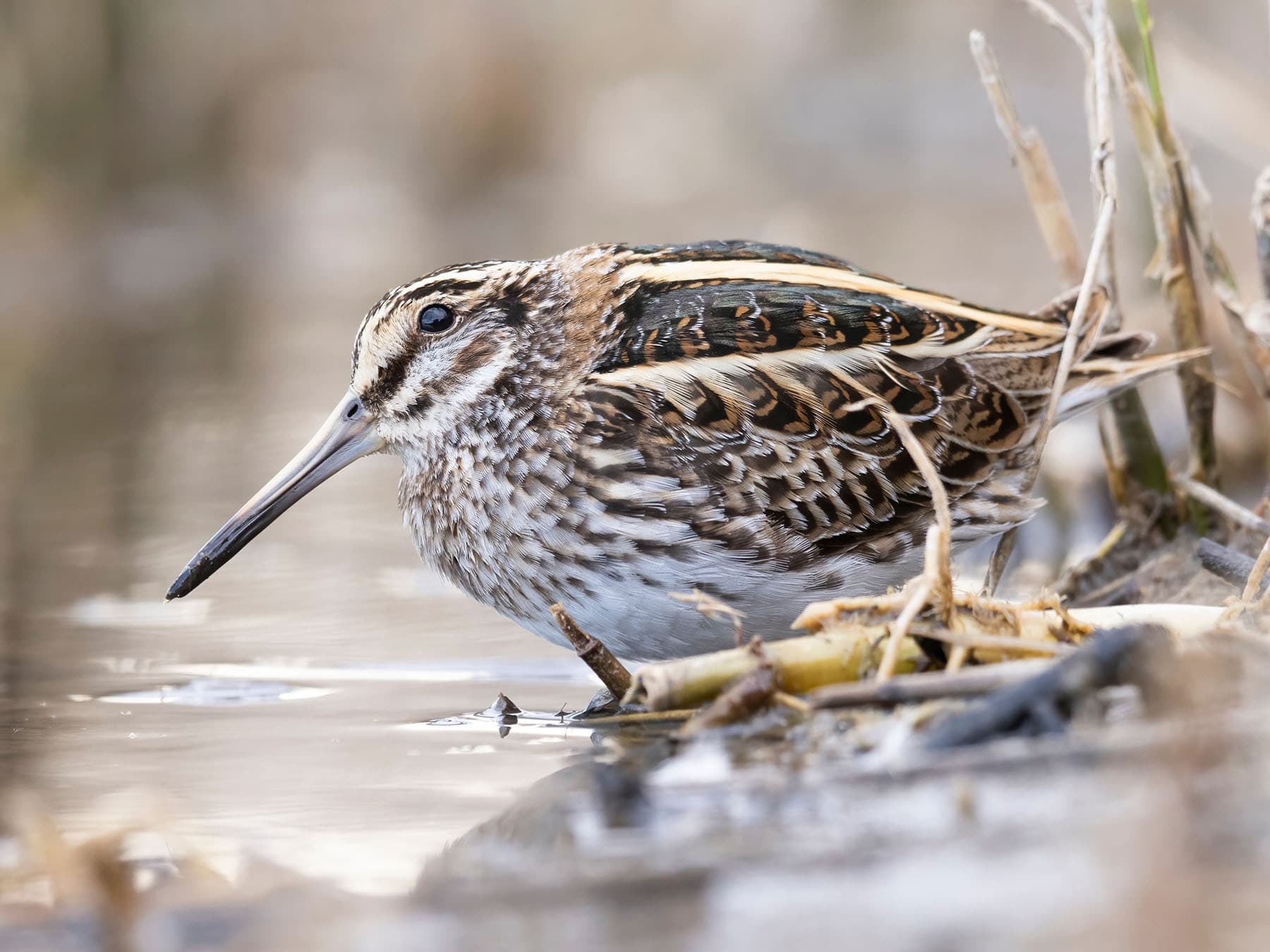
Jack Snipe
Lymnocryptes minimusLC
A secretive autumn passage migrant, typically glimpsed in October in boggy margins and wet meadows. Easily overlooked due to its skulking habits.
Oct