Sandpipers & Snipes in Northumberland
30 species matching this filter.
Northumberland's diverse coastal mudflats, estuaries, upland moors, and river valleys provide outstanding habitat for 25 species of sandpipers and snipes. The county is particularly notable for wading birds such as the Curlew, whose evocative call echoes across the moorlands, alongside passage migrants like the Curlew Sandpiper and Greenshank that visit during spring and autumn. Wintering flocks of Bar-tailed Godwit and Black-tailed Godwit can be found along the Northumberland coast, while the secretive Eurasian Woodcock and Jack Snipe inhabit the county's woodlands and wetlands.


Showing 1–23 of 30 species
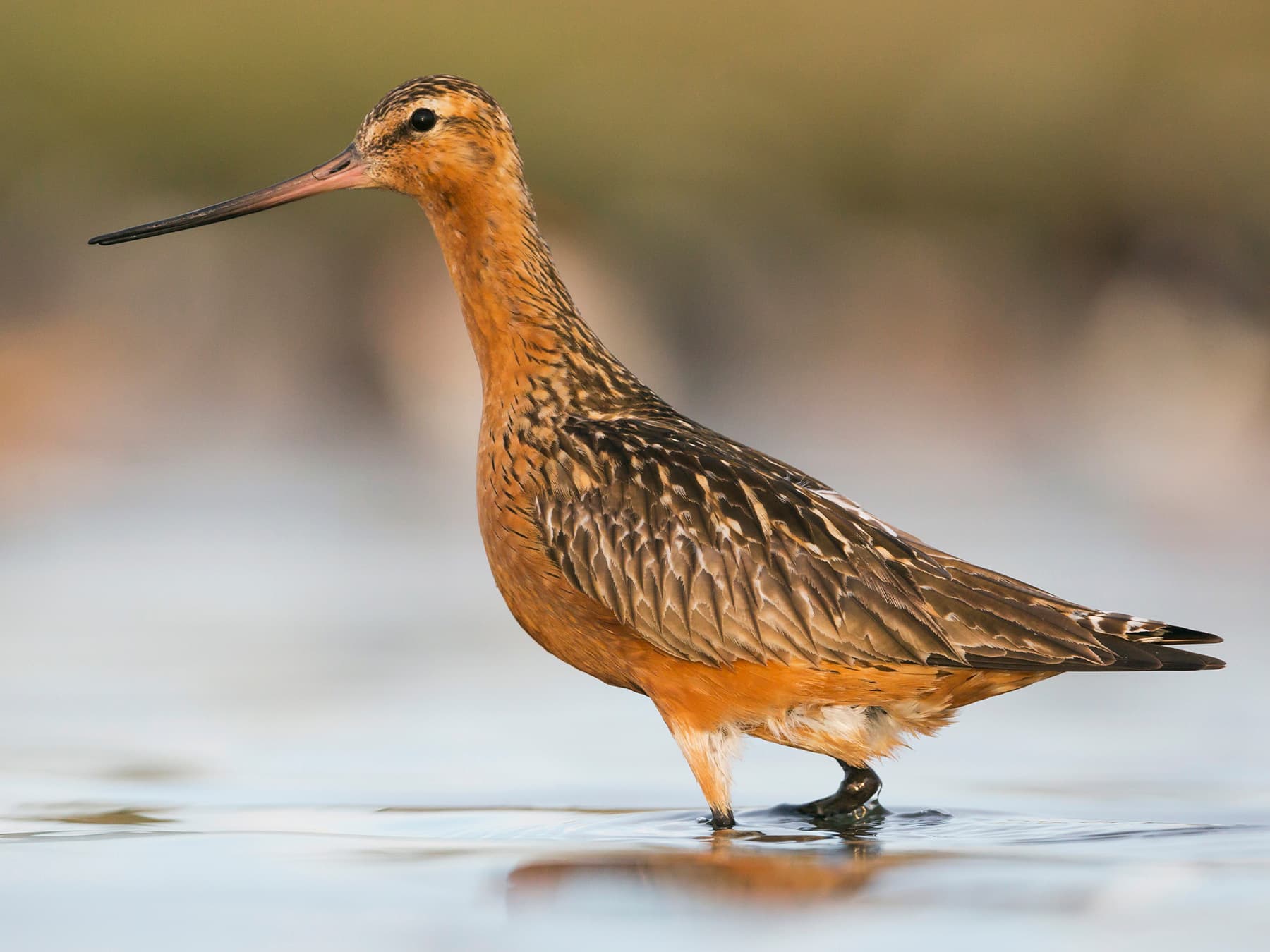
Bar-tailed Godwit
Limosa lapponicaNT
Found year-round on coastal mudflats and estuaries such as Lindisfarne. Numbers peak in winter when Arctic-breeding birds arrive on passage.
Year-round
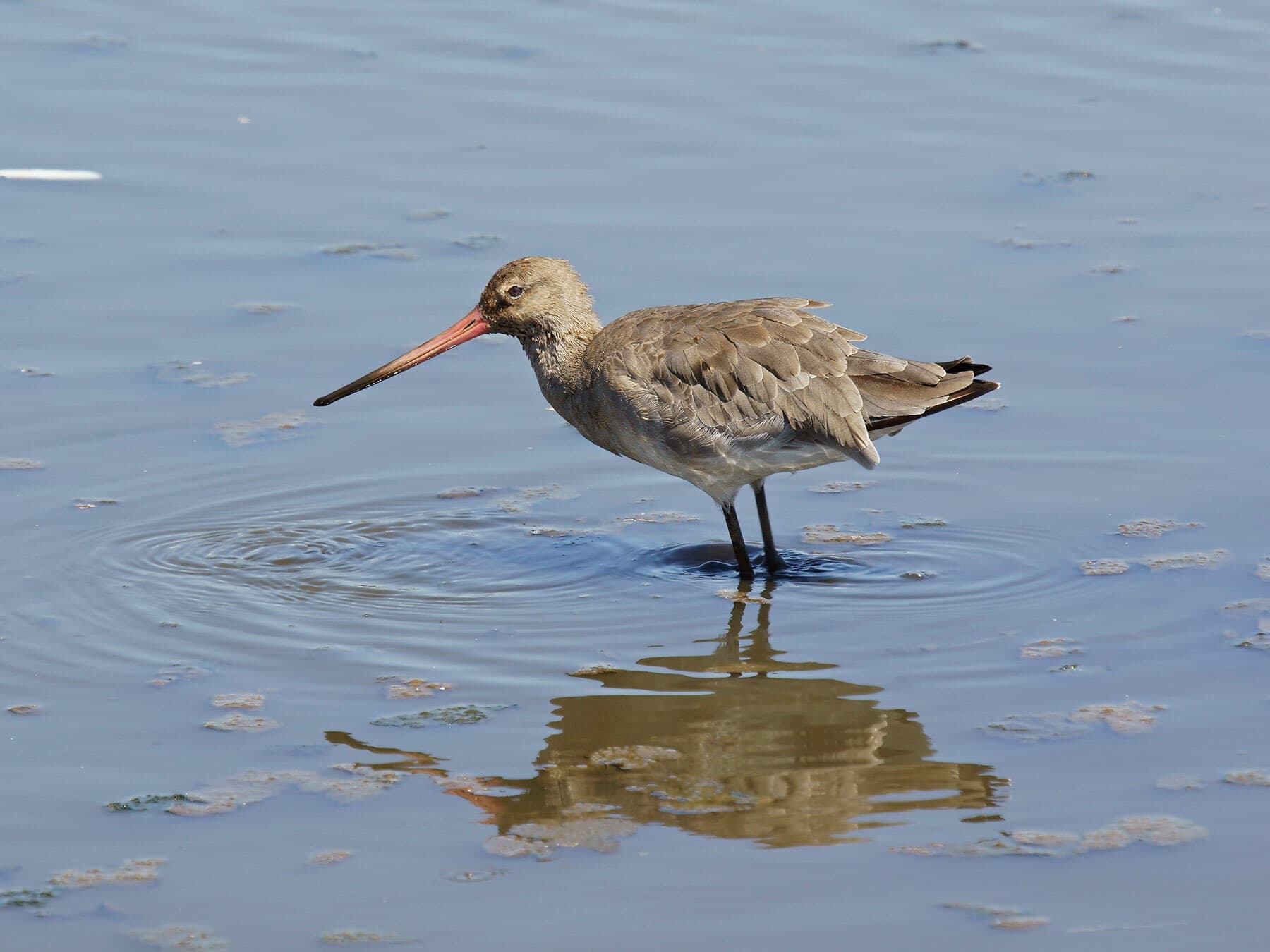
Black-tailed Godwit
Limosa limosaNT
Present year-round in small numbers on coastal estuaries and wet grasslands, with peak counts during autumn passage.
Year-round
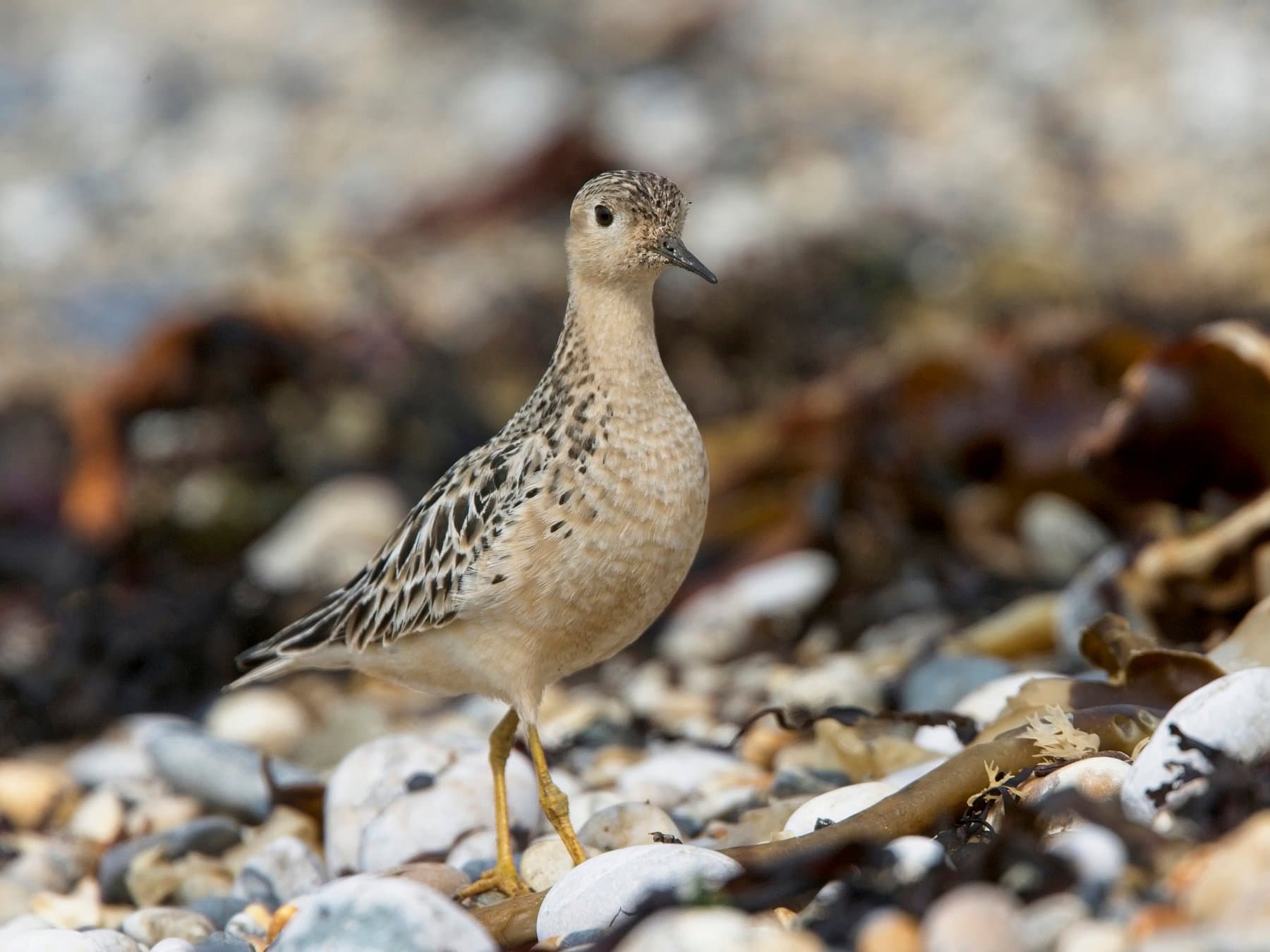
Buff-breasted Sandpiper
Calidris subruficollisVU
A rare Nearctic wader appearing briefly in September, typically on short coastal turf or ploughed fields around Druridge Bay pools.
Sep
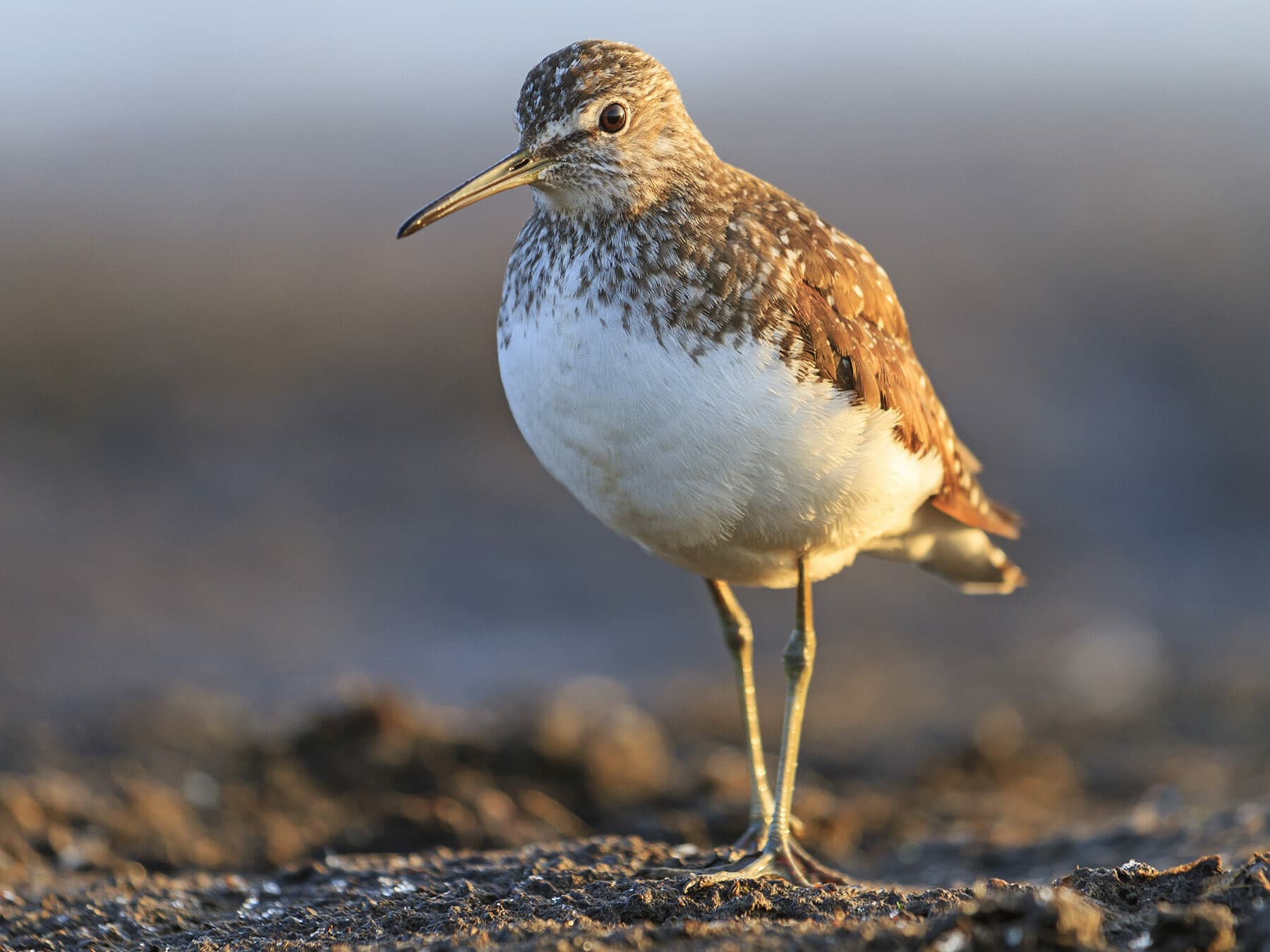
Common Sandpiper
Actitis hypoleucosLC
An uncommon breeding visitor, bobbing along upland rivers and reservoir edges from April to September. Listen for its shrill call over Kielder and the North Tyne.
Apr–Sep
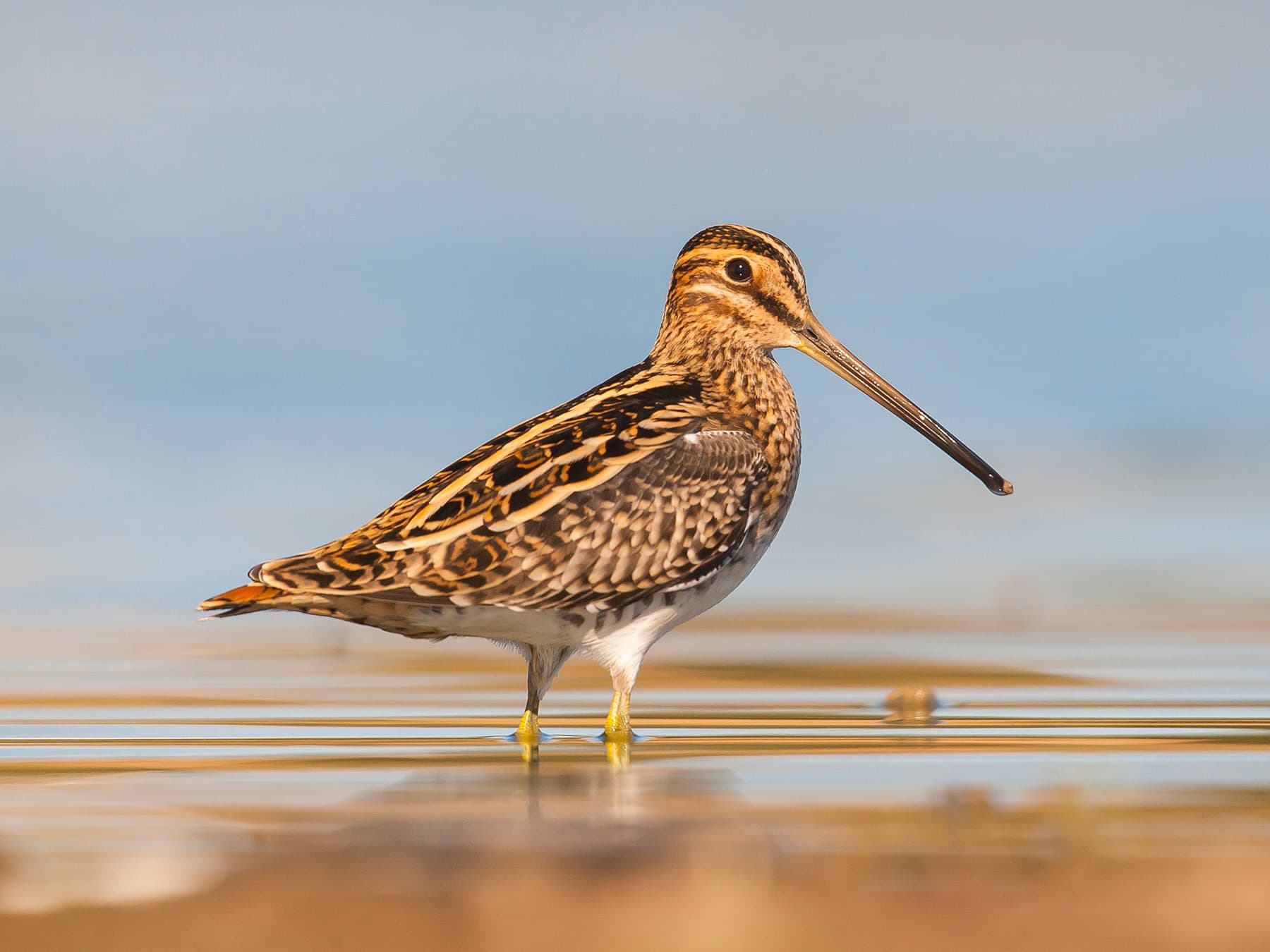
Common Snipe
Gallinago gallinagoLC
Resident in wet grasslands, moorland bogs and rushy fields across the county. Its drumming display flight is a characteristic sound of upland Northumberland.
Year-round
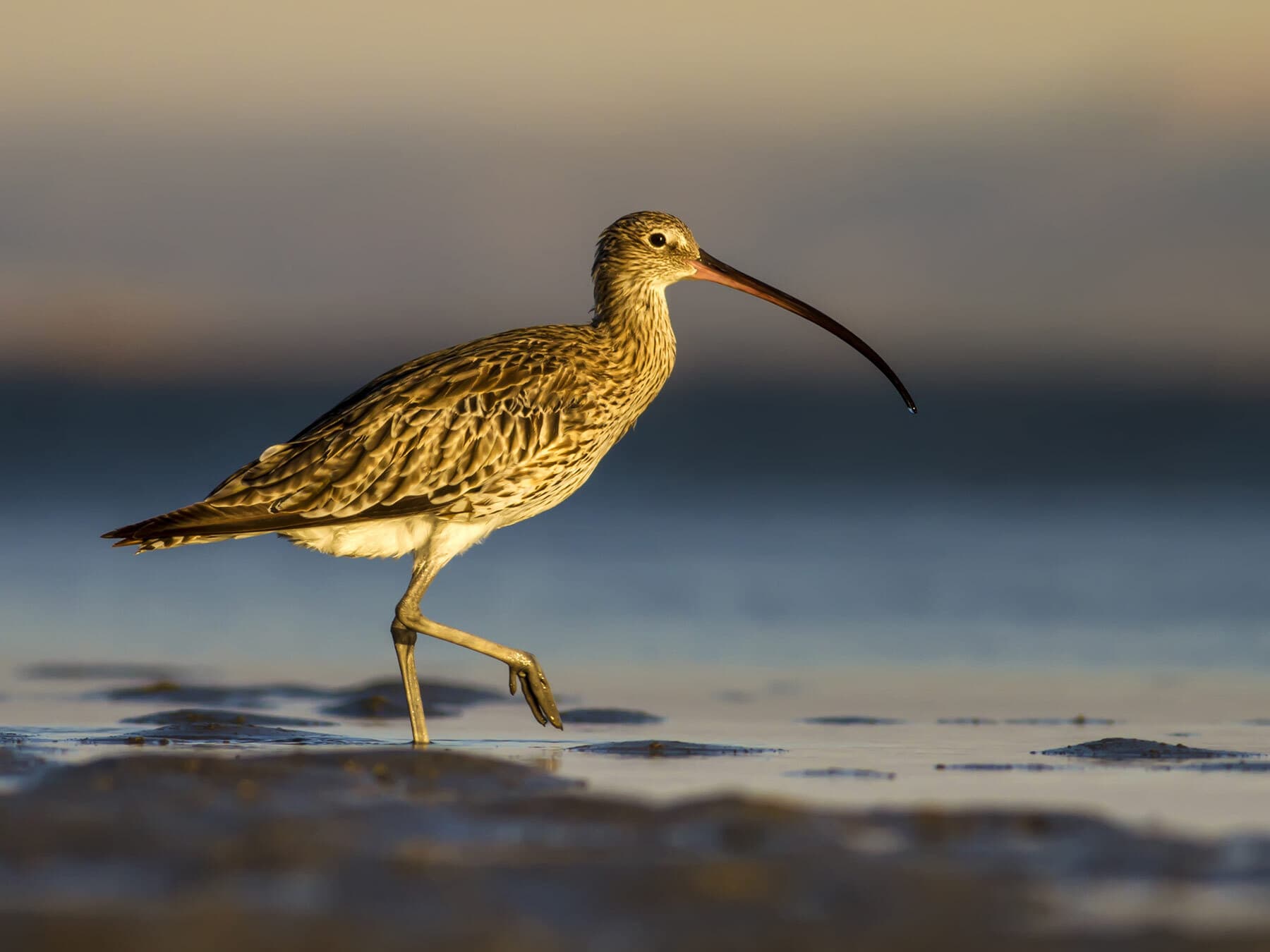
Curlew
Numenius arquataNT
A common resident whose evocative call defines Northumberland's upland moors in spring. Moves to estuaries and coasts outside the breeding season.
Year-round
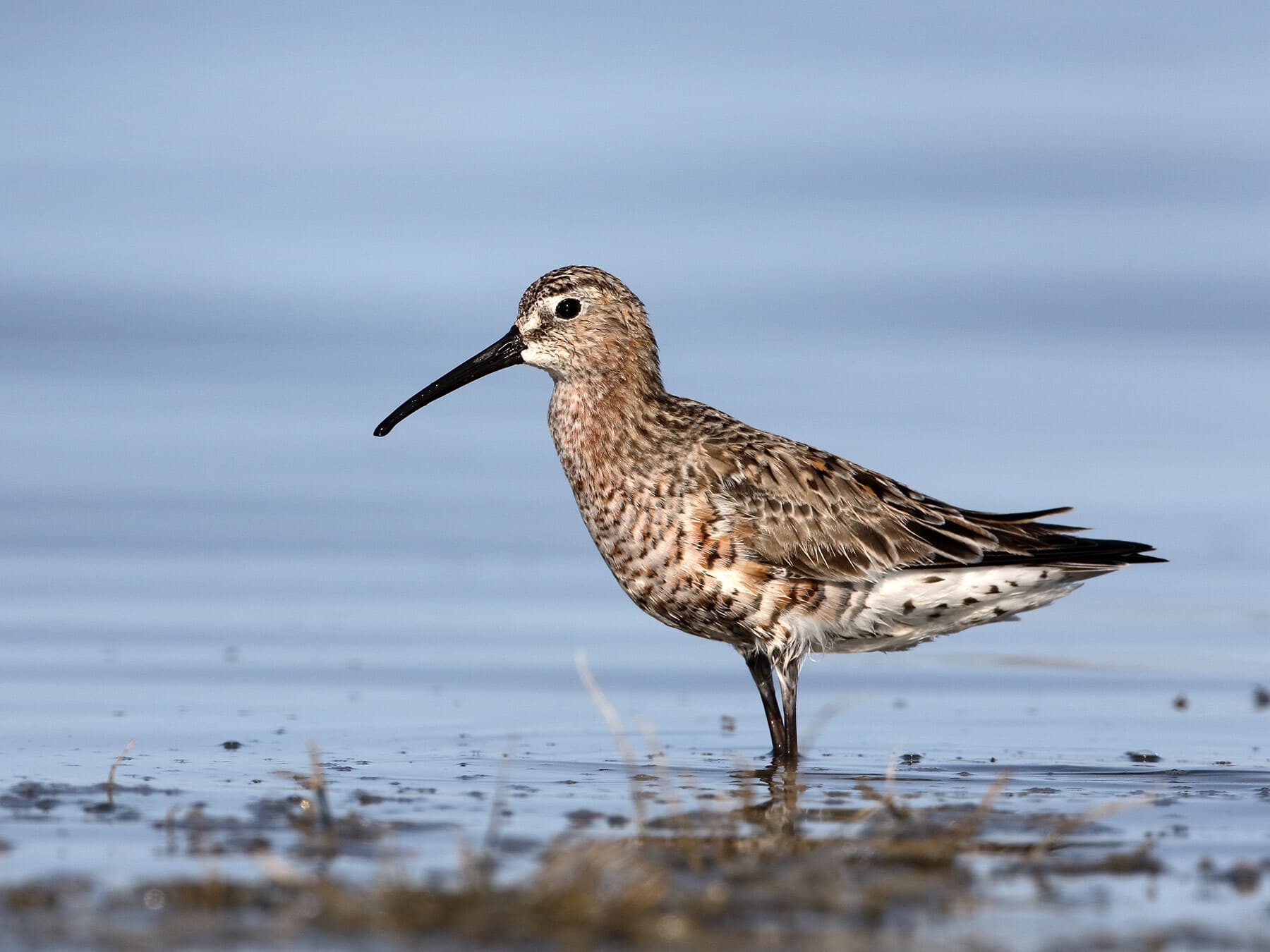
Curlew Sandpiper
Calidris ferrugineaNT
A rare visitor to coastal pools and estuarine edges, mainly between July and October during southward passage.
May–Oct
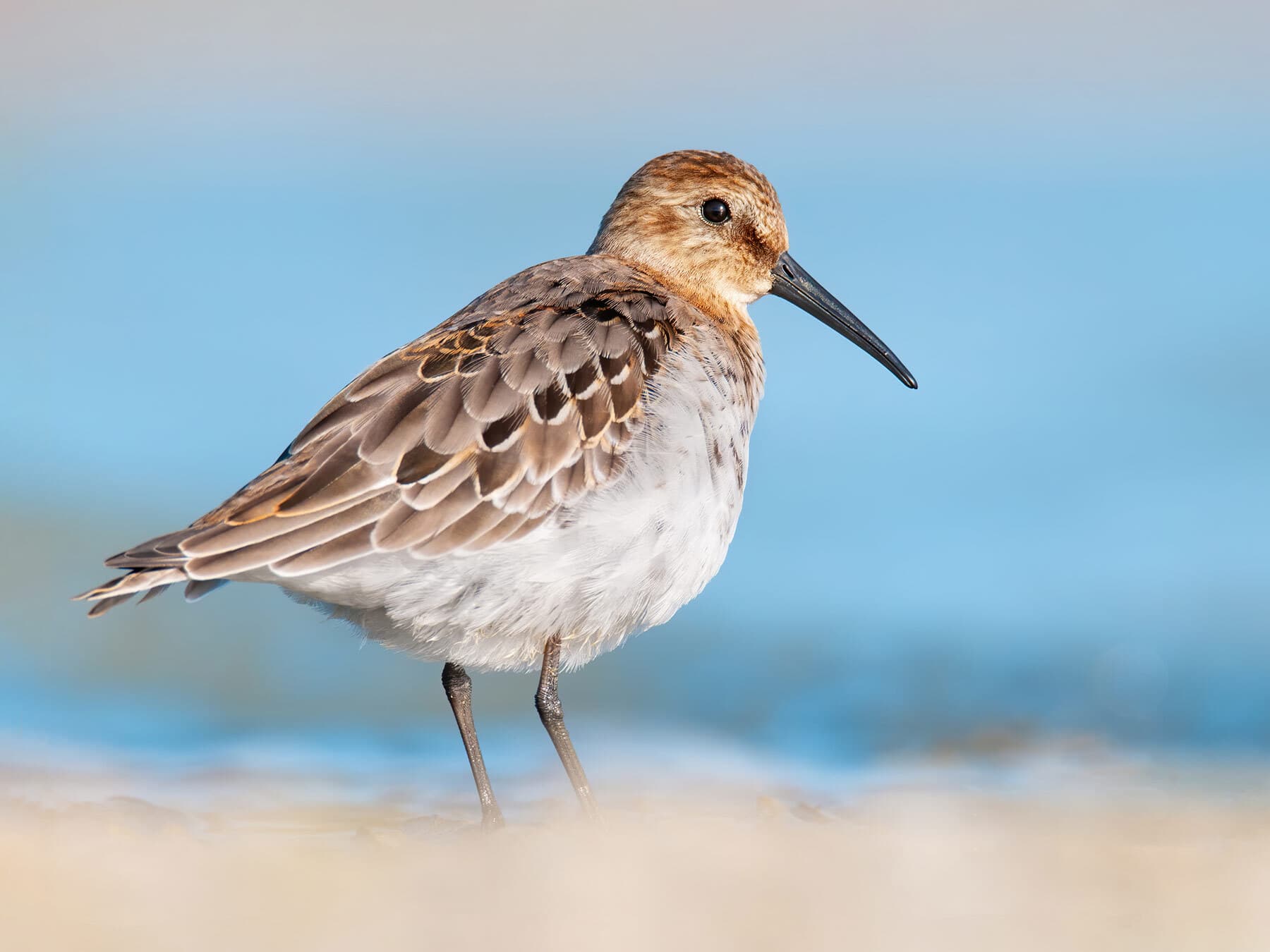
Dunlin
Calidris alpinaLC
Present year-round on estuaries and mudflats, with large winter flocks at Lindisfarne and smaller numbers breeding on upland moors.
Year-round
Spotted something?
Upload a photo to identify it
Identify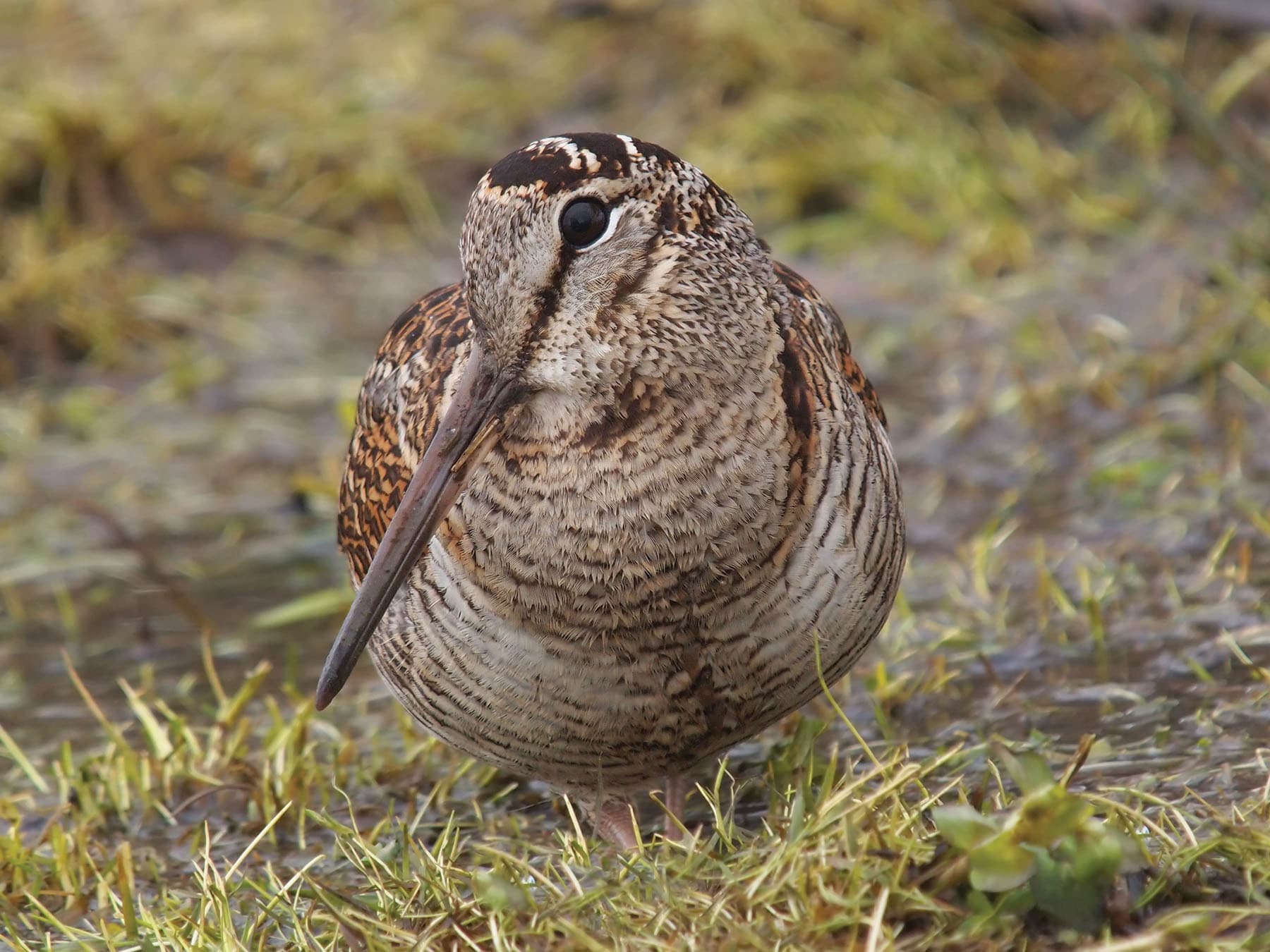
Eurasian Woodcock
Scolopax rusticolaLC
A secretive resident of damp woodland, best seen during roding display flights at dusk over Kielder and other forests.
Oct–Jun
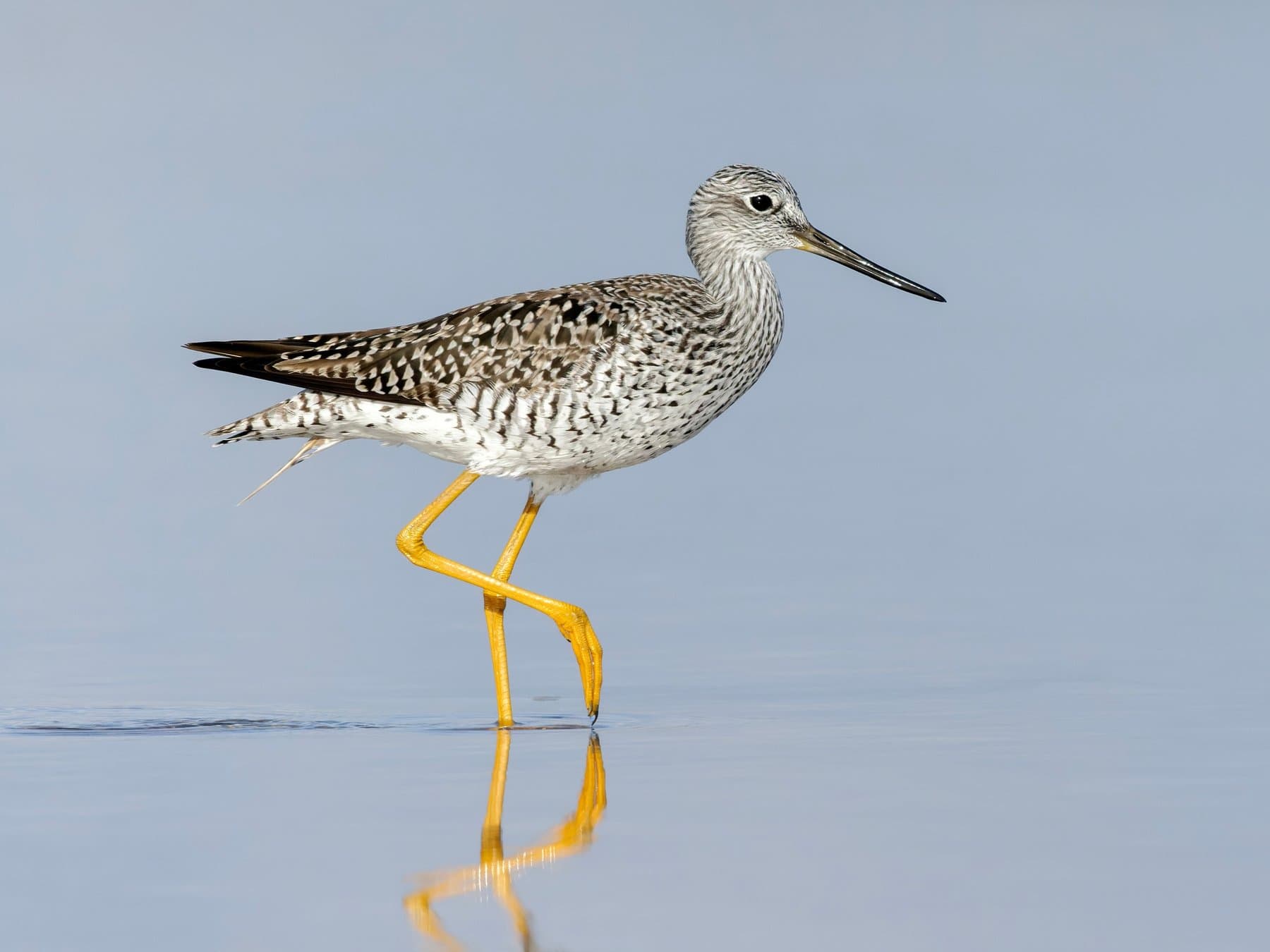
Greater Yellowlegs
Tringa melanoleucaNT
A rare Nearctic vagrant, occasionally turning up at coastal pools or estuaries in November. A prized find for Northumberland birders.
Nov
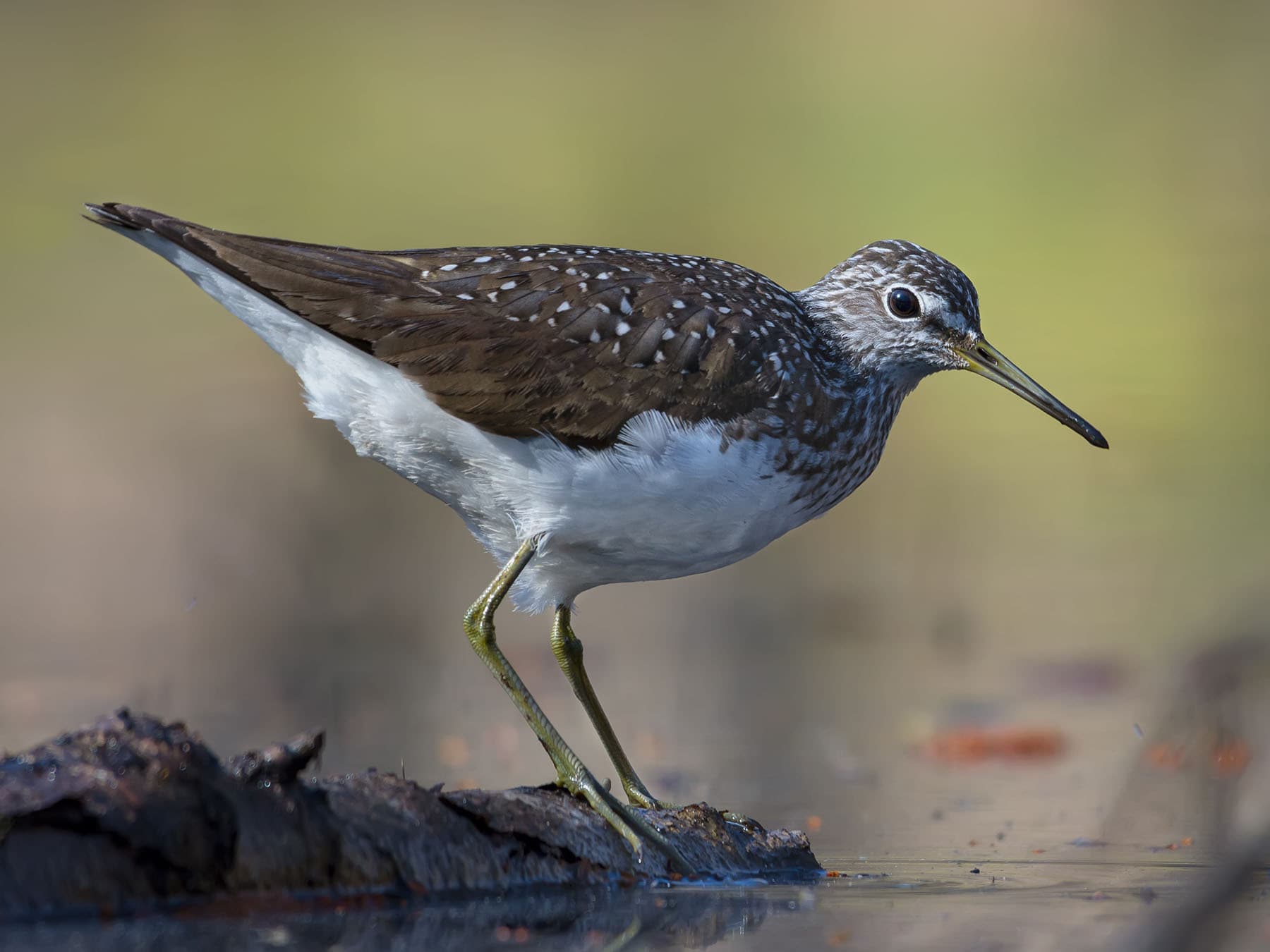
Green Sandpiper
Tringa ochropusLC
A scarce passage migrant from July to September, favouring muddy margins of inland pools and sheltered streams.
Jul–Sep
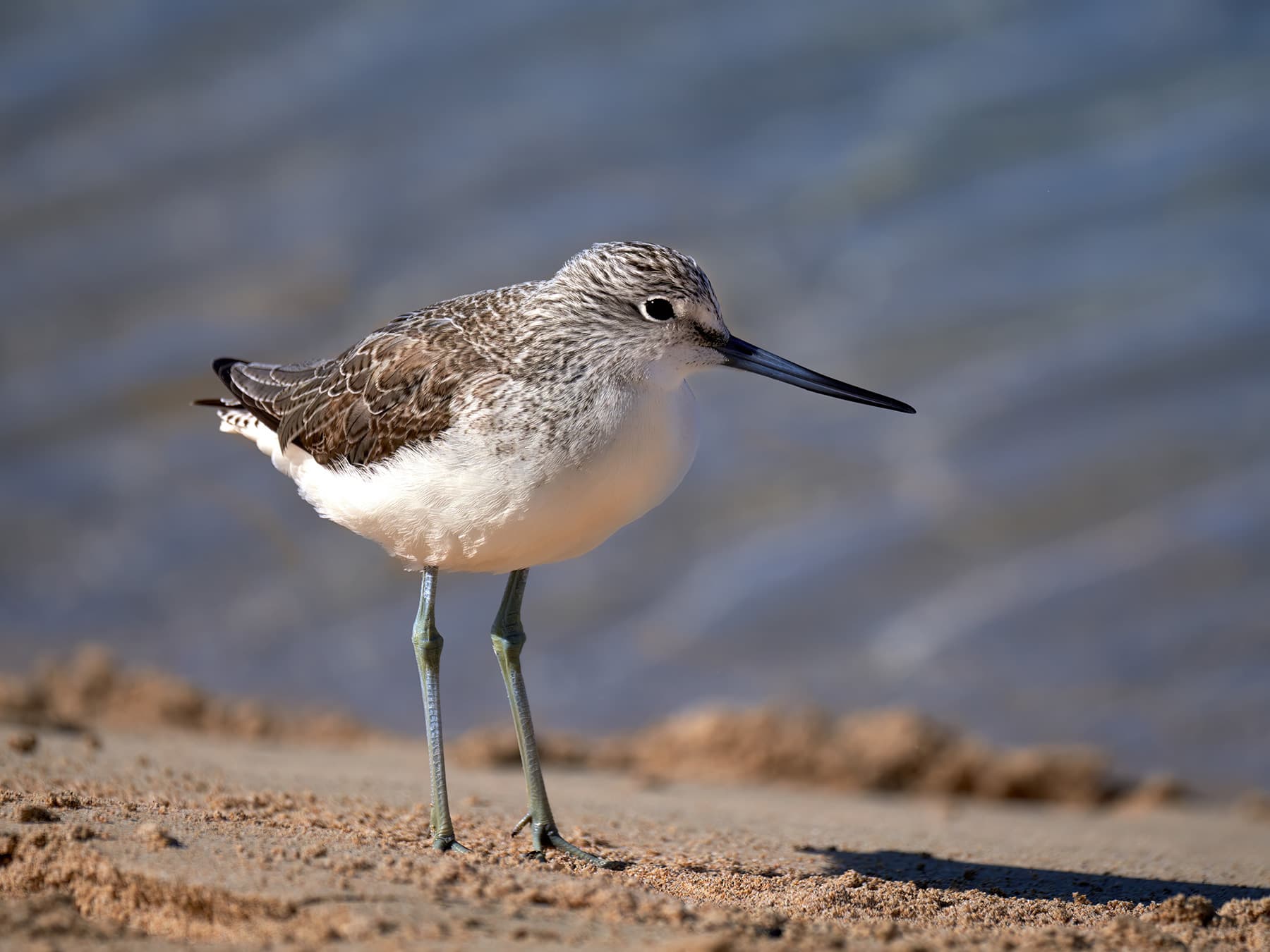
Greenshank
Tringa nebulariaLC
An uncommon breeder on upland bogs and loch margins, also noted on coastal passage from April to October.
Apr–Oct
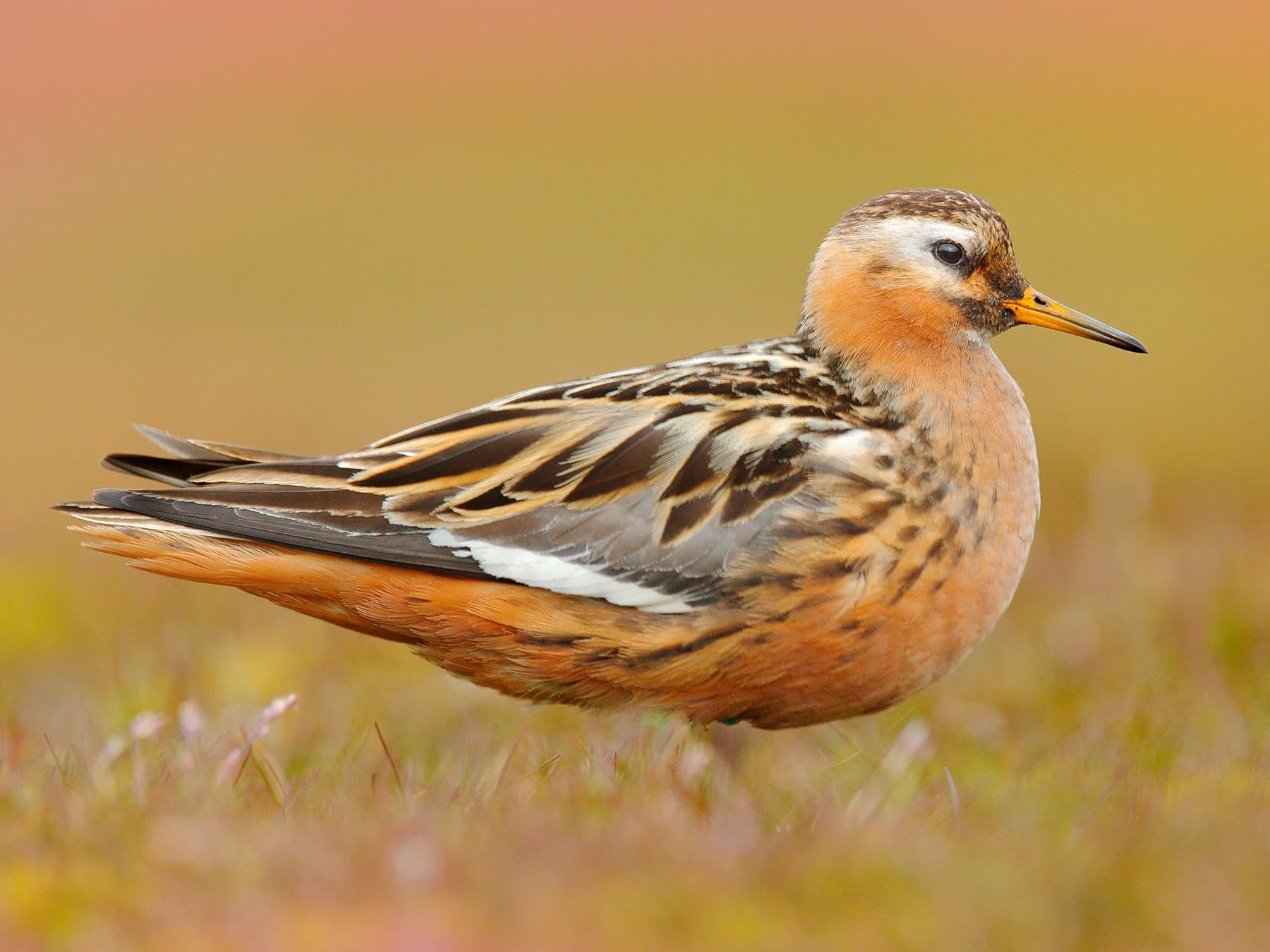
Grey Phalarope
Phalaropus fulicariusLC
A rare autumn passage migrant, typically storm-driven to the Northumberland coast in November. Usually found on sheltered pools near the shoreline.
Nov
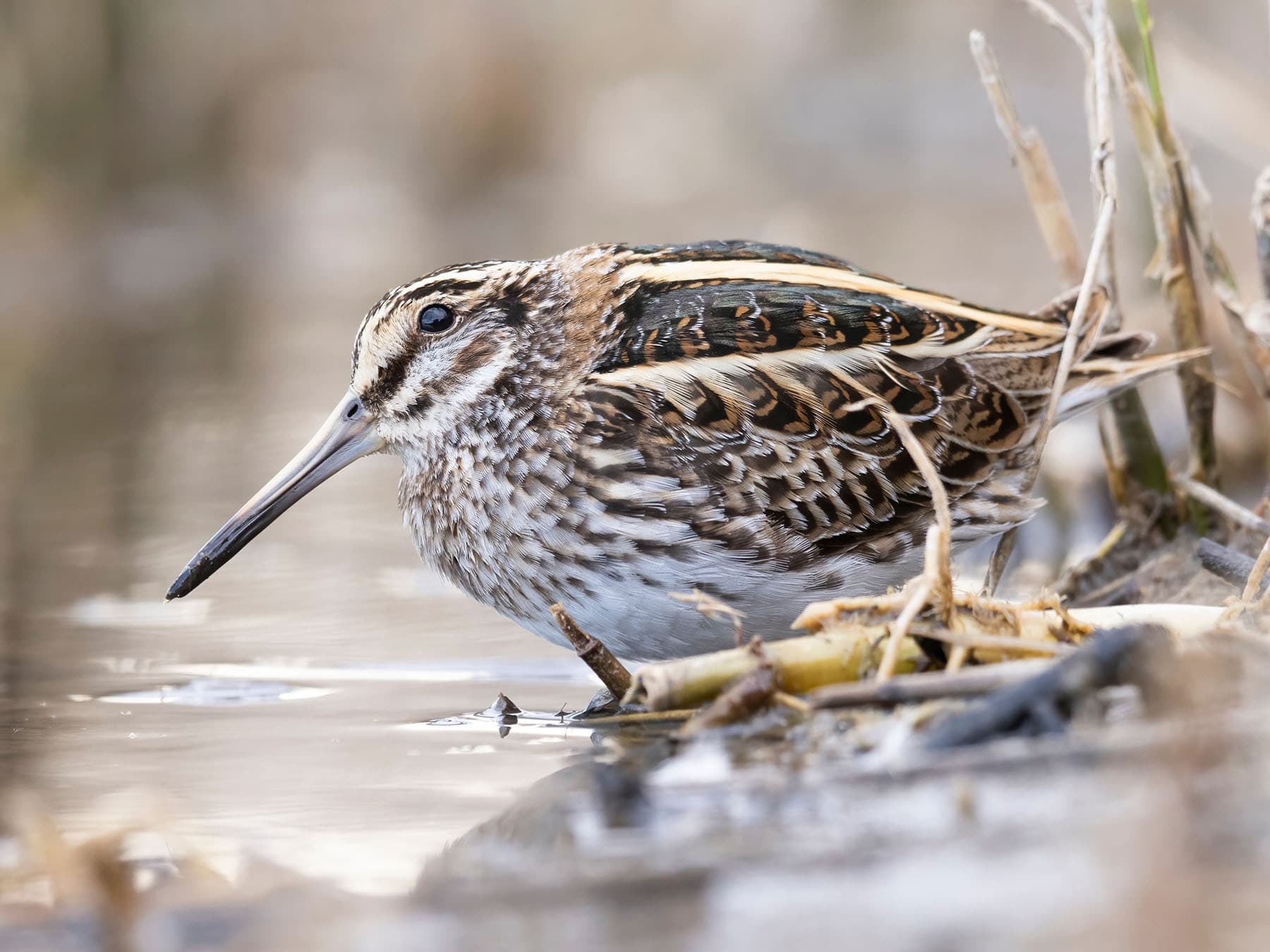
Jack Snipe
Lymnocryptes minimusLC
A secretive autumn passage migrant, typically glimpsed in October in boggy margins and wet meadows. Easily overlooked due to its skulking habits.
Oct
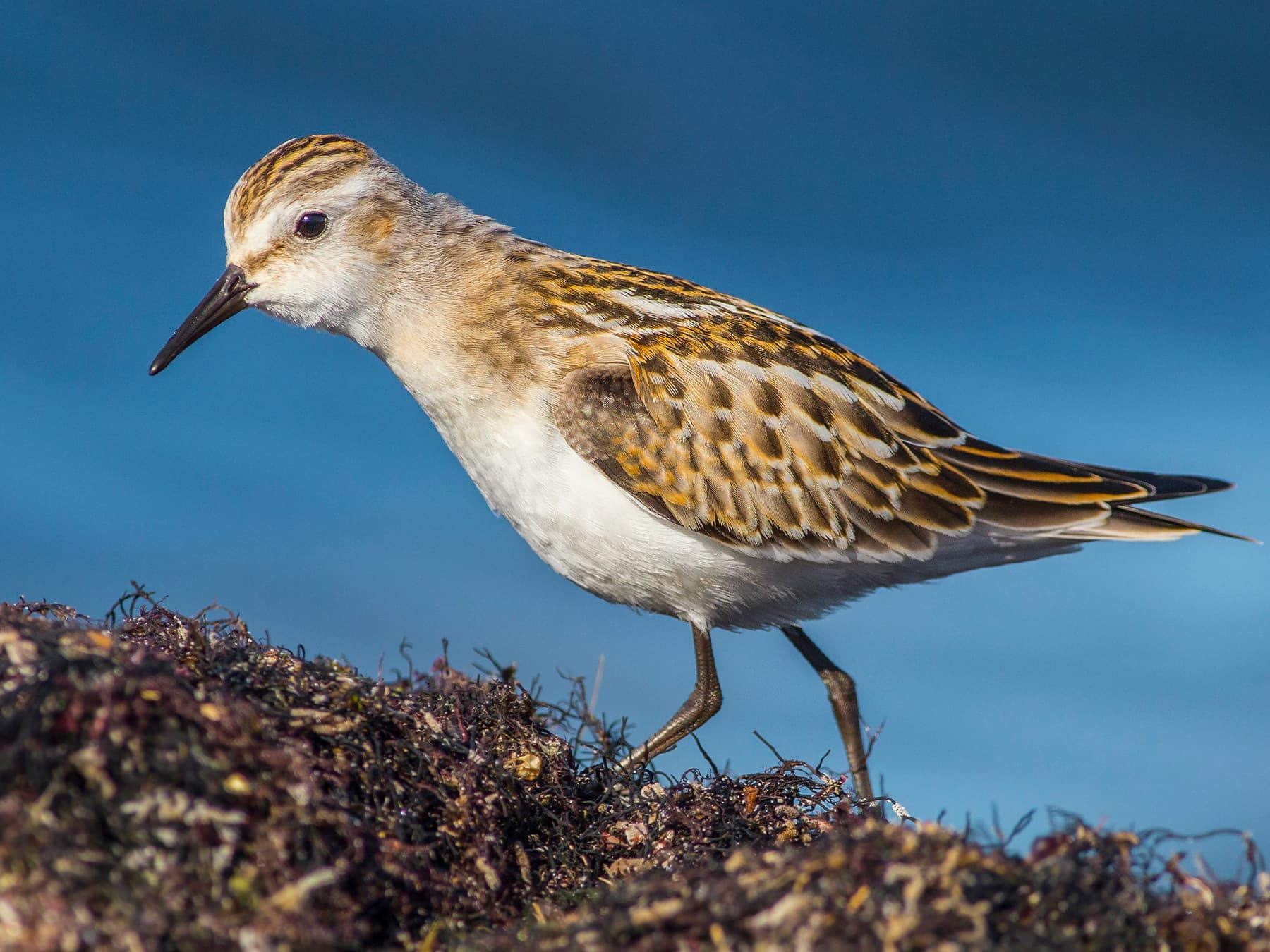
Little Stint
Calidris minutaLC
A rare but regular visitor to coastal scrapes and estuarine margins, mostly during autumn passage from August to October.
May–Oct
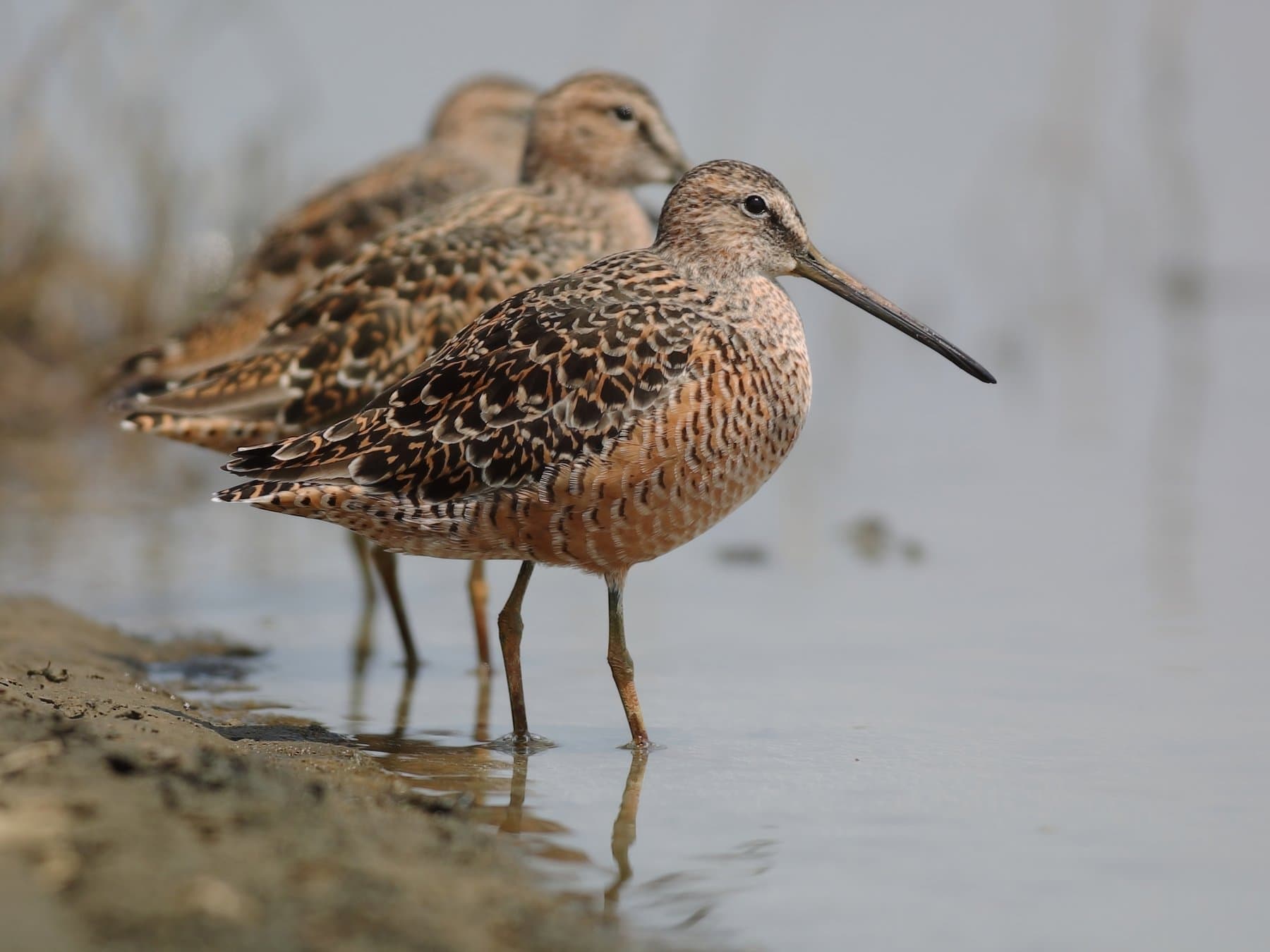
Long-billed Dowitcher
Limnodromus scolopaceusNT
A rare Nearctic vagrant occasionally recorded in November. Any sighting on Northumberland's coastal pools is a notable county record.
Nov
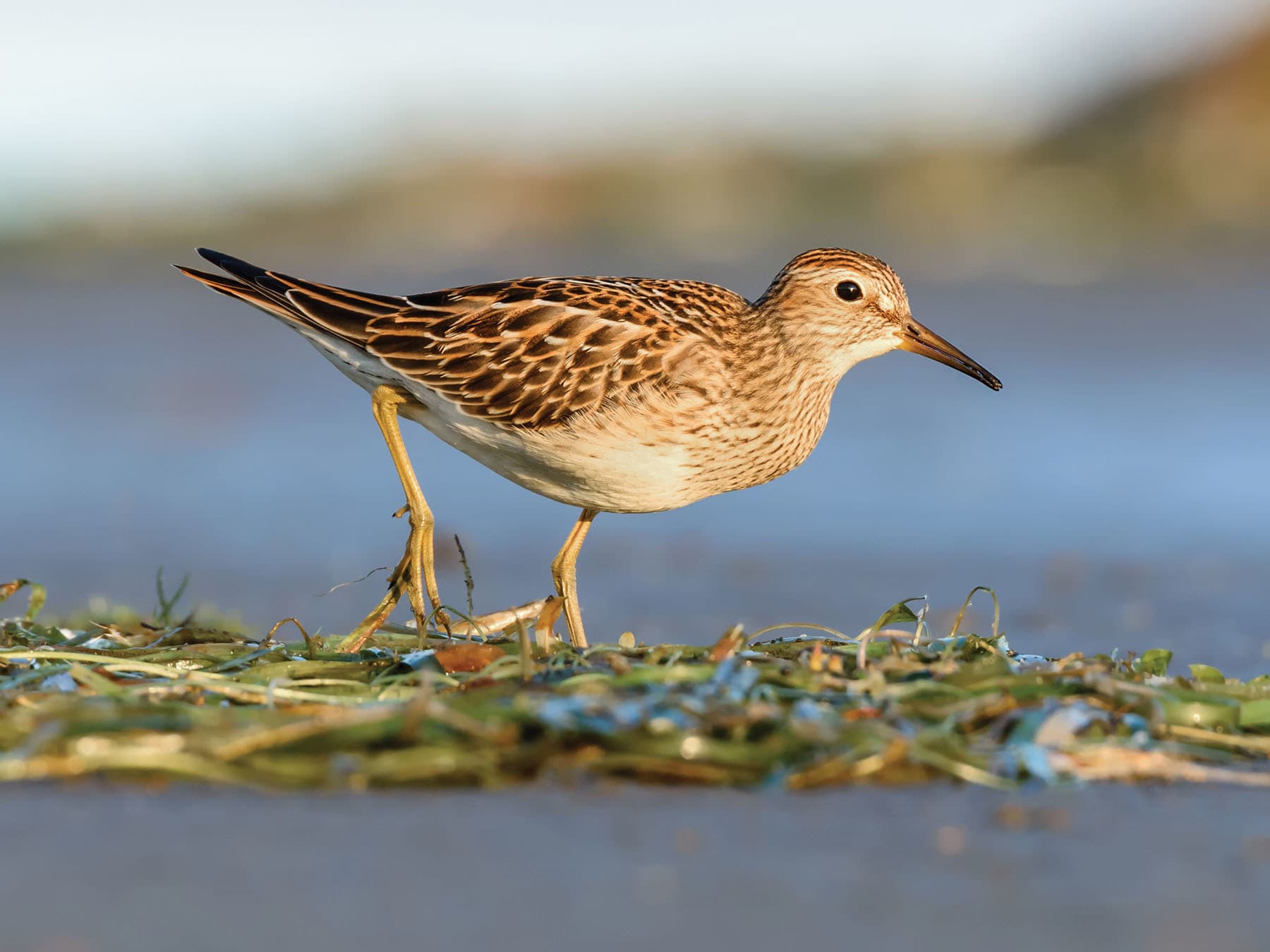
Pectoral Sandpiper
Calidris melanotosLC
A rare Nearctic vagrant, occasionally turning up at coastal pools in July and September. Any record draws keen birders to the county's wetland sites.
Jul–Sep
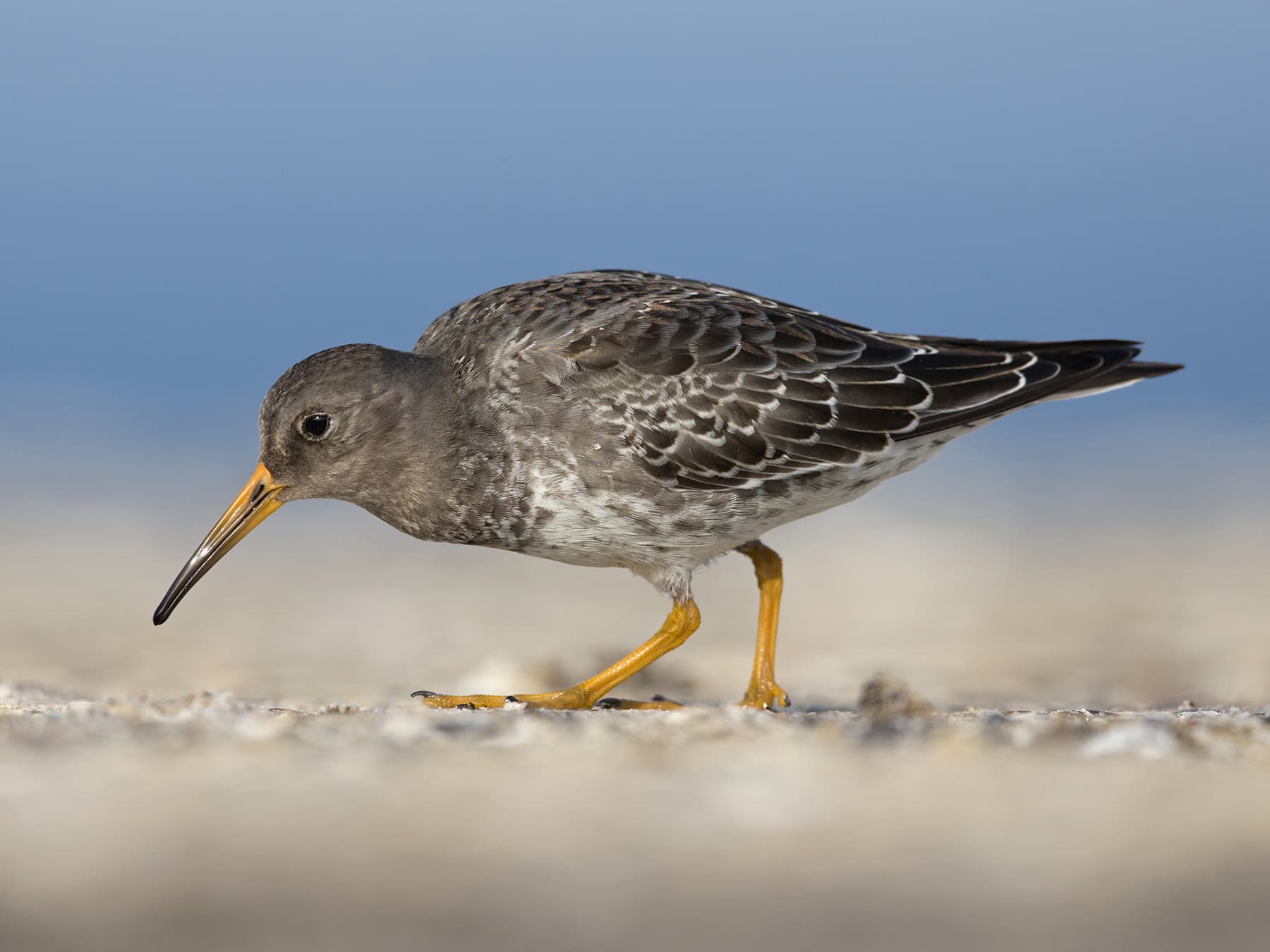
Purple Sandpiper
Calidris maritimaLC
Clings to rocky shorelines and harbour walls nearly year-round. The Farne Islands, Seahouses, and Amble piers are reliable spots.
Jul–May
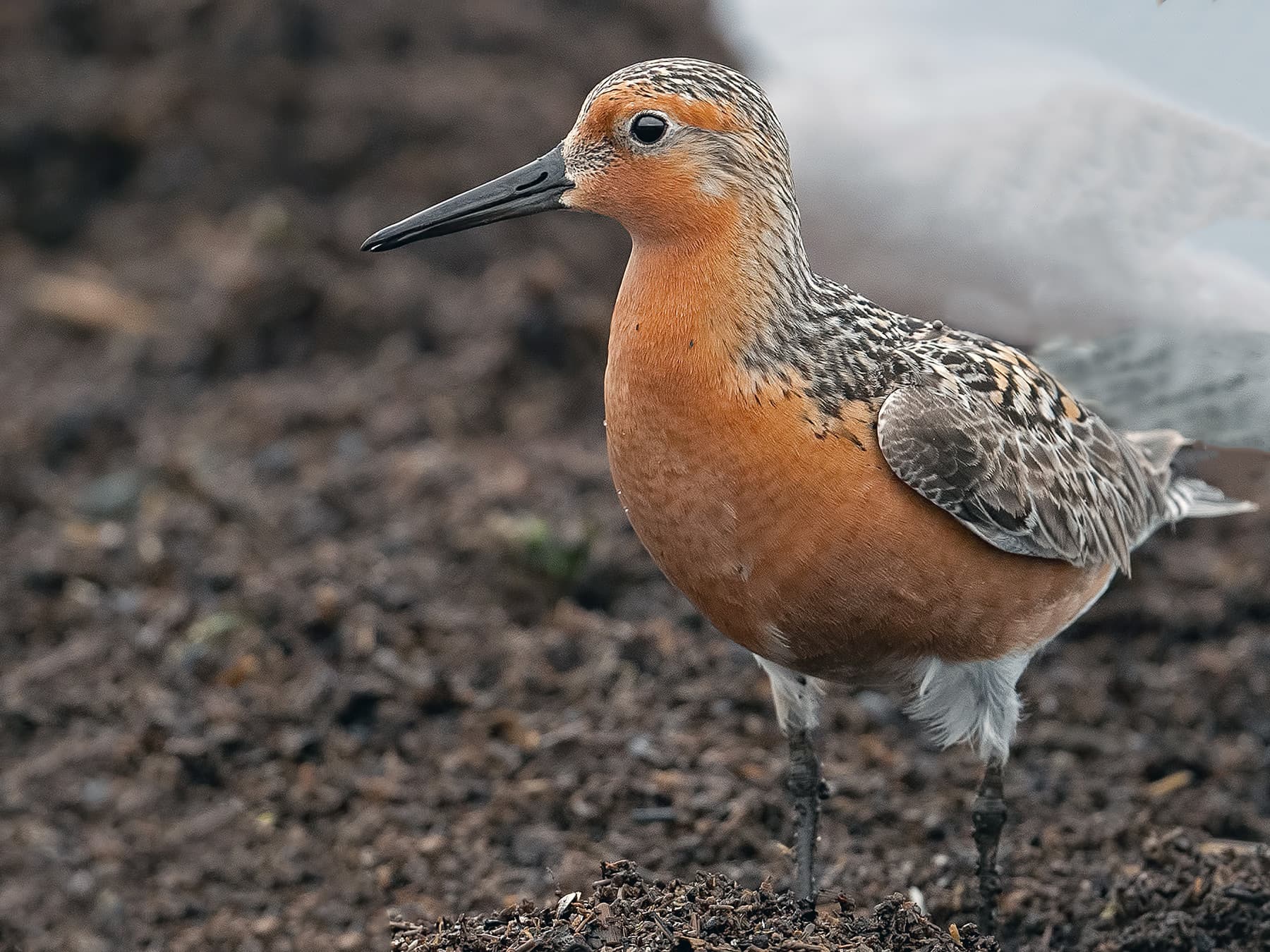
Red Knot
Calidris canutusNT
Gathers in large winter flocks on Lindisfarne's mudflats, with smaller numbers lingering through summer months.
Year-round
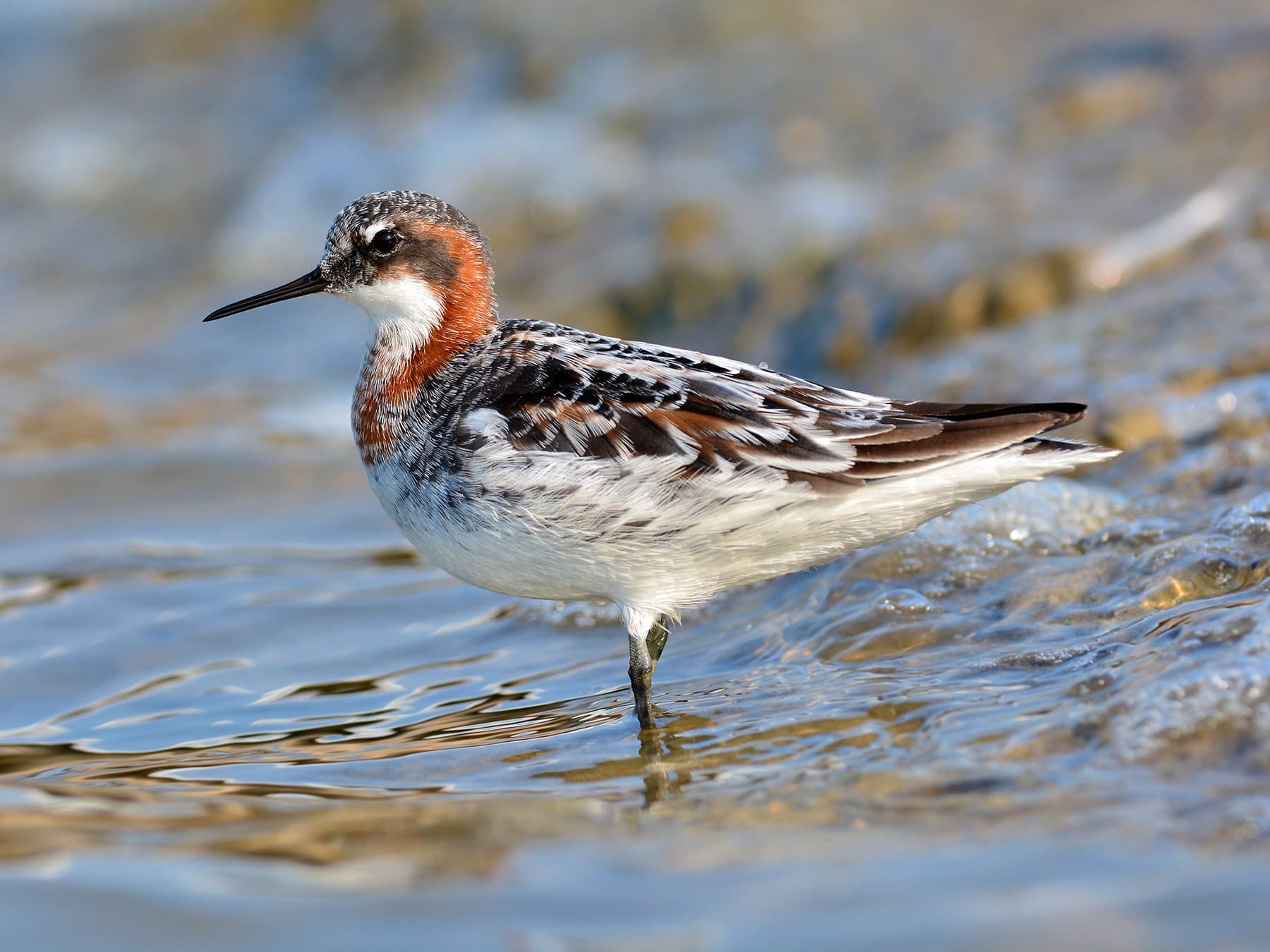
Red-necked Phalarope
Phalaropus lobatusLC
A rare spring passage visitor, occasionally seen spinning on pools at coastal wetlands in May. One of the UK's scarcest regular migrants.
May
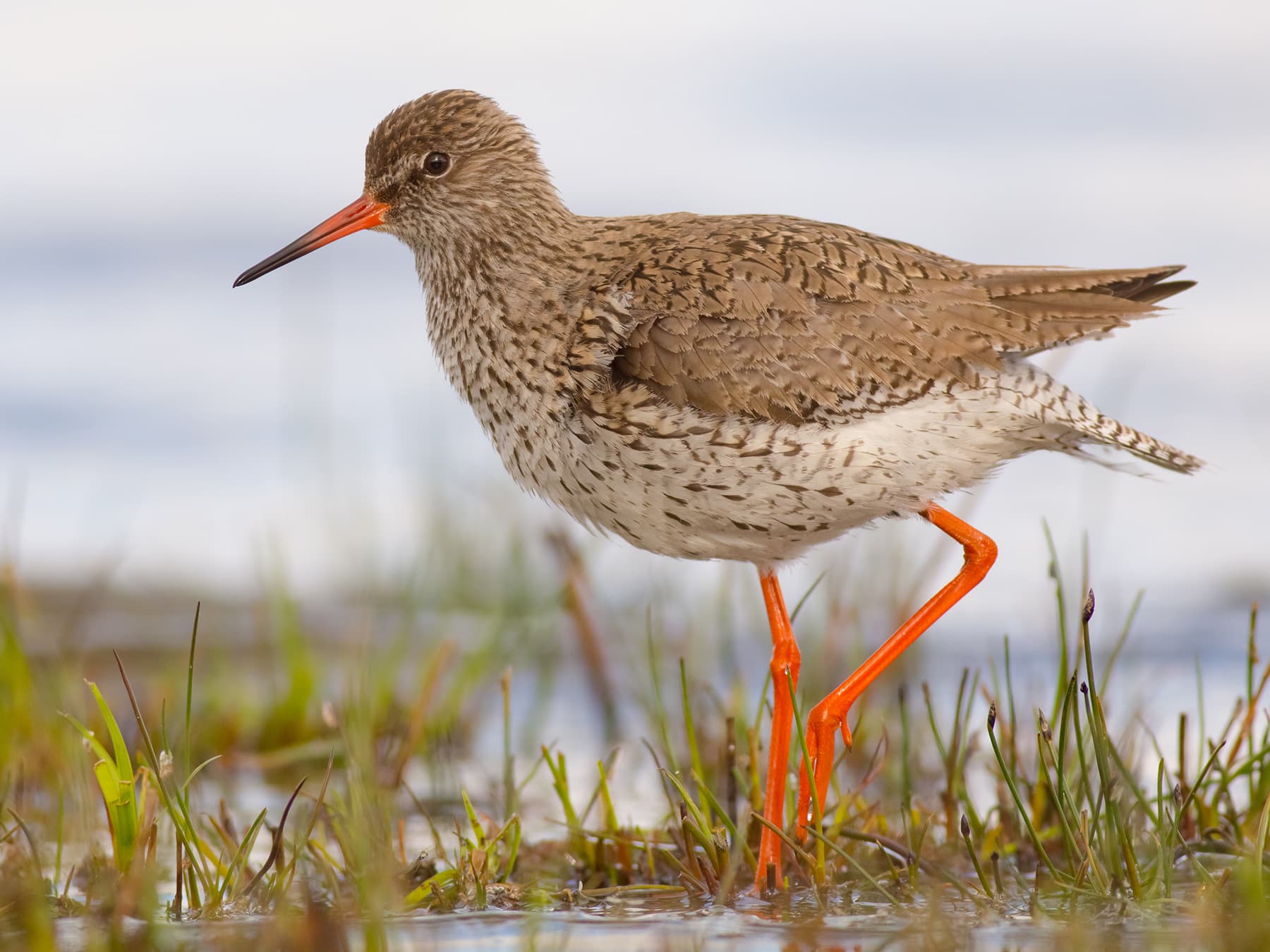
Redshank
Tringa totanusLC
Common on estuaries, saltmarshes and wet pastures year-round, with Lindisfarne and the Tweed estuary holding key flocks.
Year-round
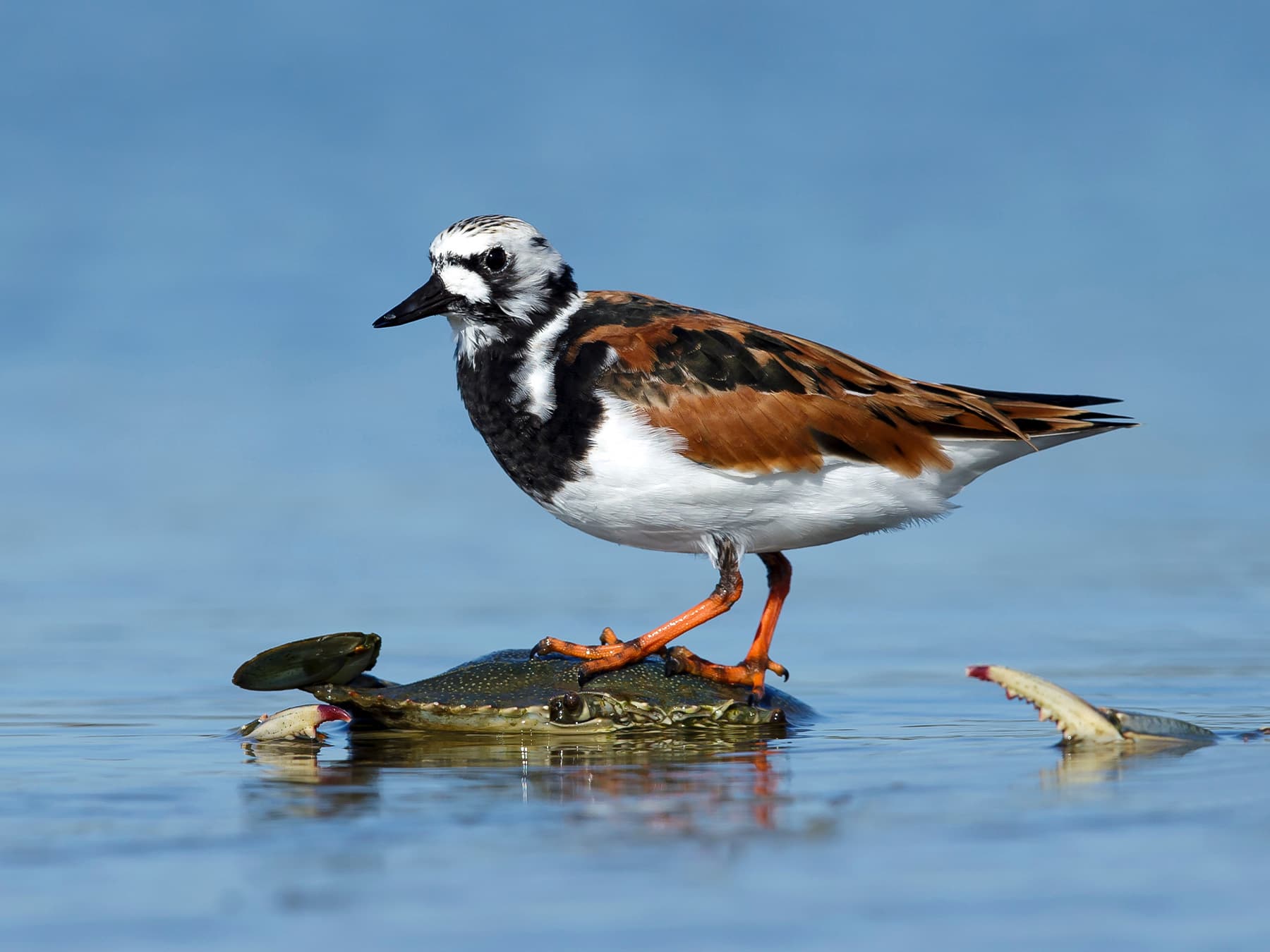
Ruddy Turnstone
Arenaria interpresLC
Frequents rocky shorelines and harbour walls year-round, flipping stones and seaweed to find invertebrates. Most numerous in winter along the coast.
Year-round
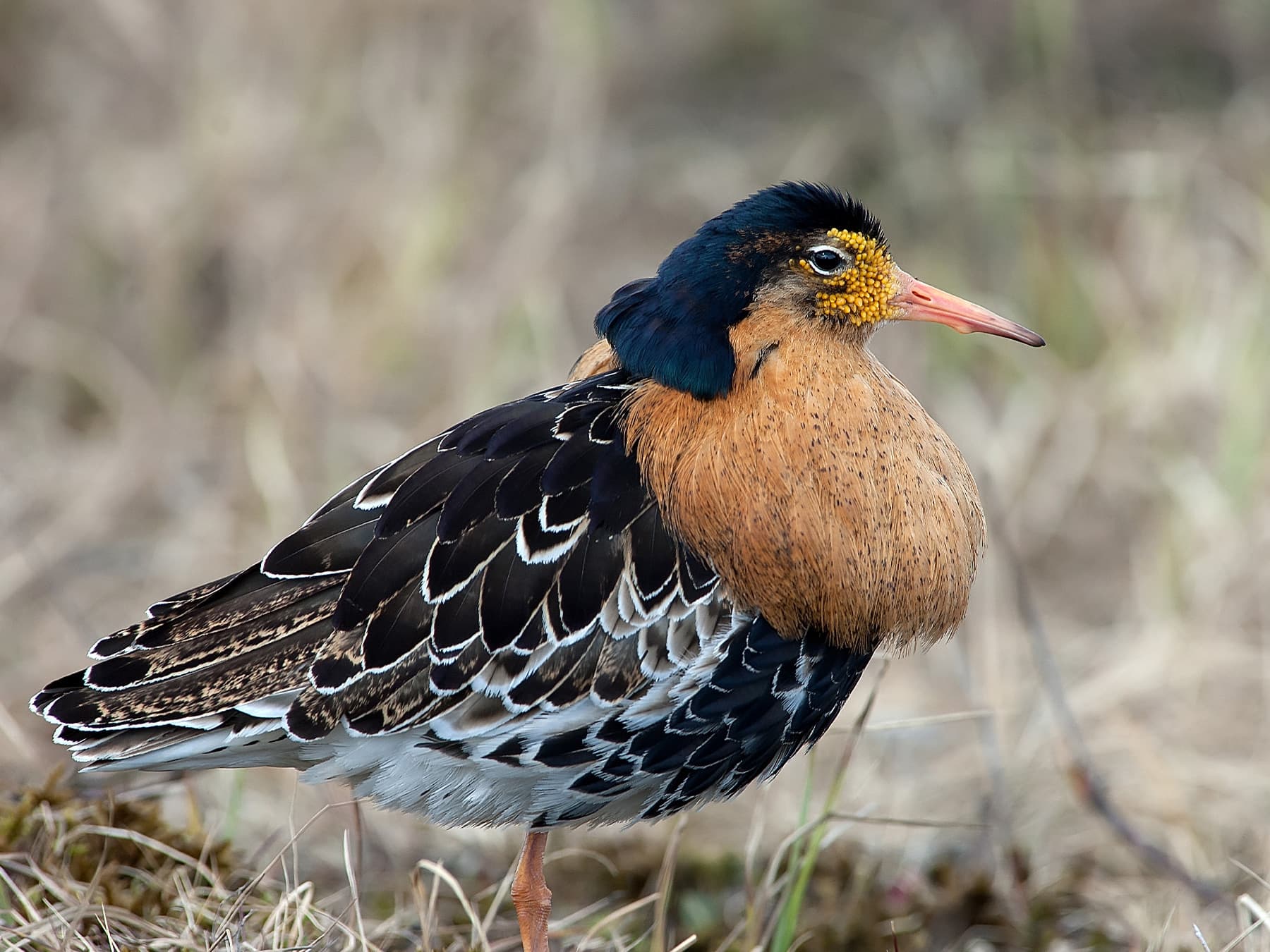
Ruff
Philomachus pugnaxLC
Present year-round but uncommon, favouring wet grasslands and coastal lagoons. Numbers peak on autumn passage at sites like Druridge Bay.
Year-round