Sandpipers & Snipes in Northumberland
30 species matching this filter.
Northumberland's diverse coastal mudflats, estuaries, upland moors, and river valleys provide outstanding habitat for 25 species of sandpipers and snipes. The county is particularly notable for wading birds such as the Curlew, whose evocative call echoes across the moorlands, alongside passage migrants like the Curlew Sandpiper and Greenshank that visit during spring and autumn. Wintering flocks of Bar-tailed Godwit and Black-tailed Godwit can be found along the Northumberland coast, while the secretive Eurasian Woodcock and Jack Snipe inhabit the county's woodlands and wetlands.


Showing 24–30 of 30 species
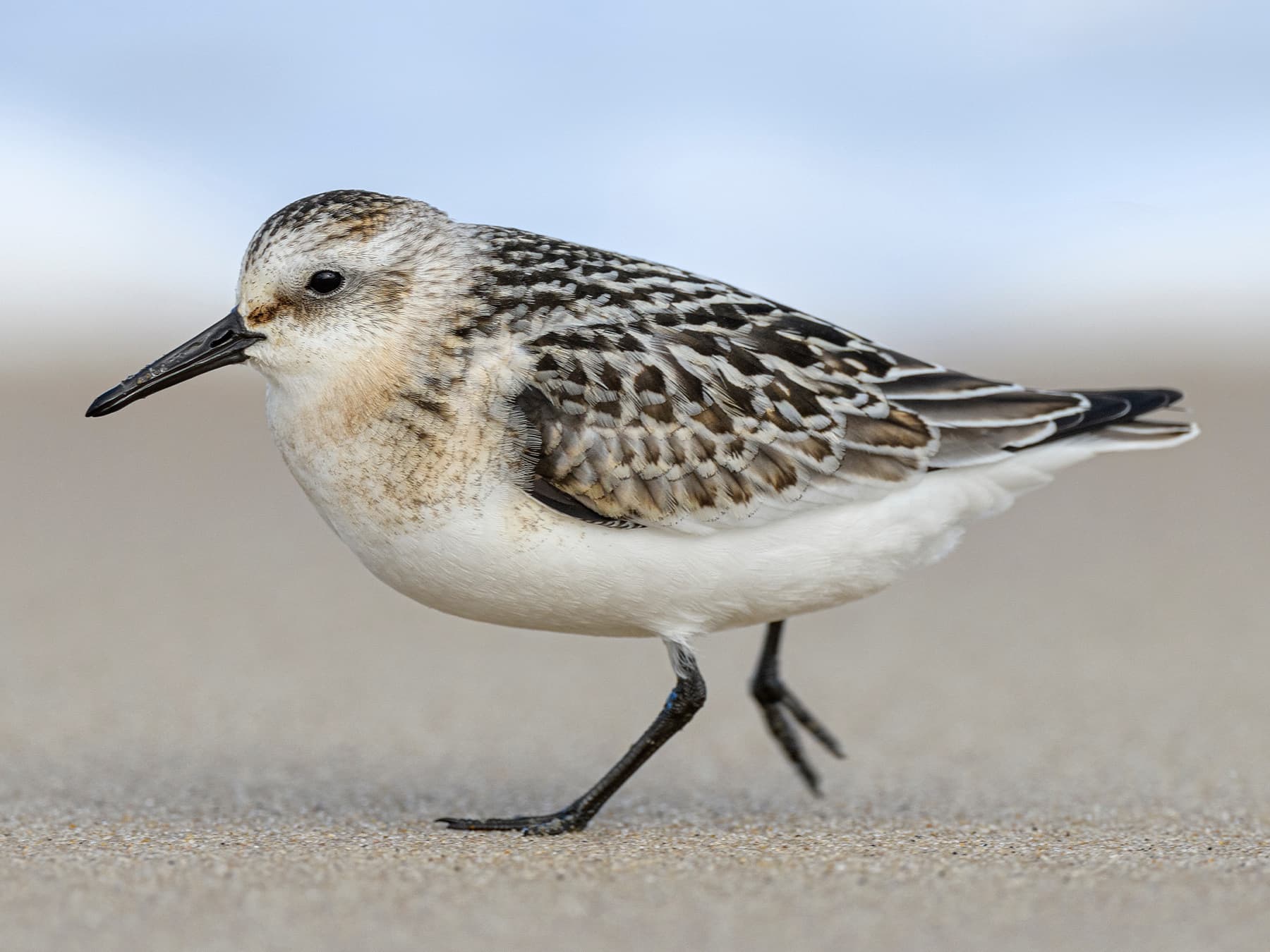
Sanderling
Calidris albaLC
Runs along sandy beaches year-round, chasing retreating waves for food. Most conspicuous in winter flocks on broad stretches of Northumberland's coast.
Year-round
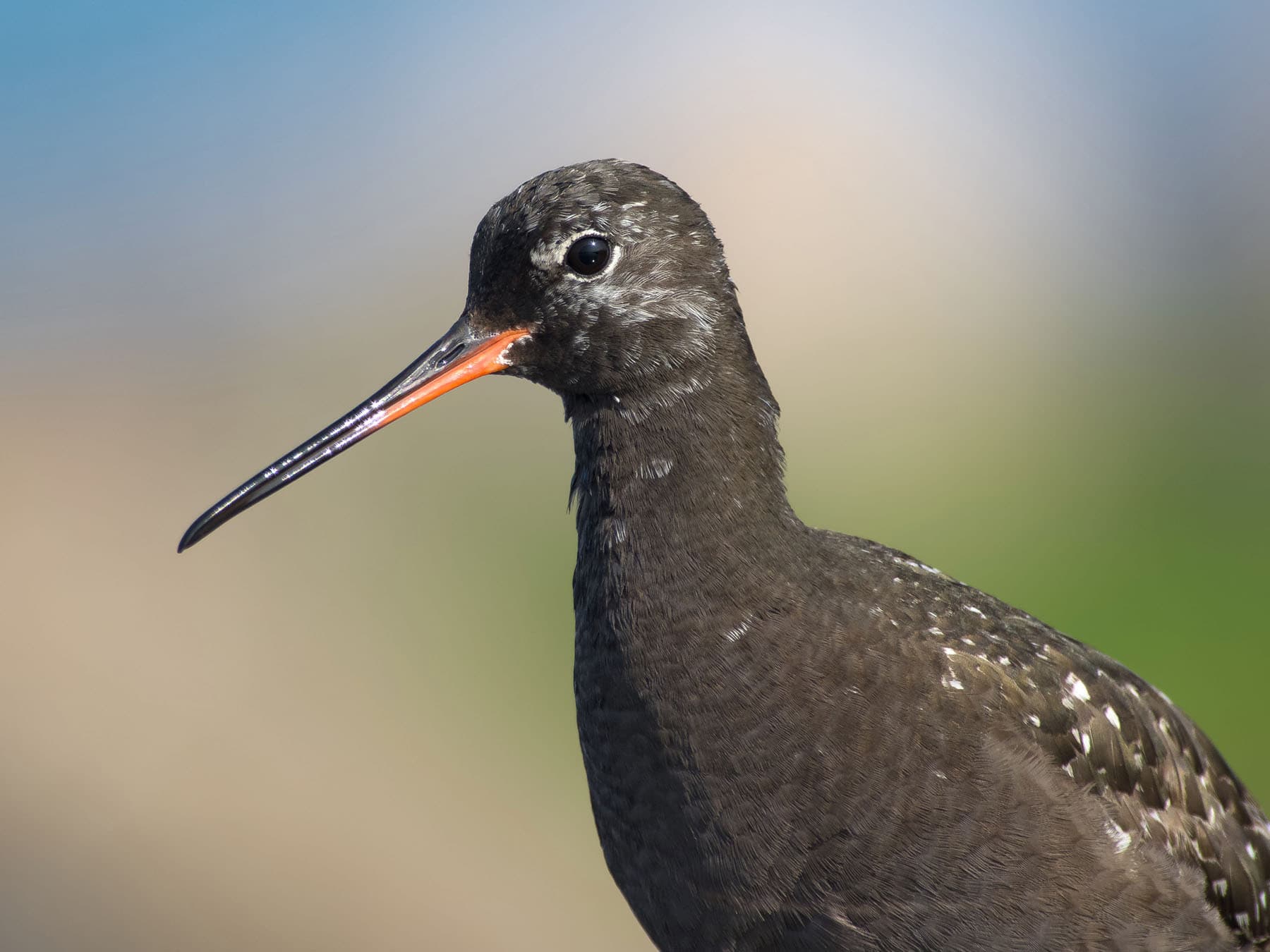
Spotted Redshank
Tringa erythropusLC
A rare but regular visitor to estuarine mudflats, present in most months except midwinter. Often seen alongside commoner redshanks at sites like Budle Bay.
Jan–Oct
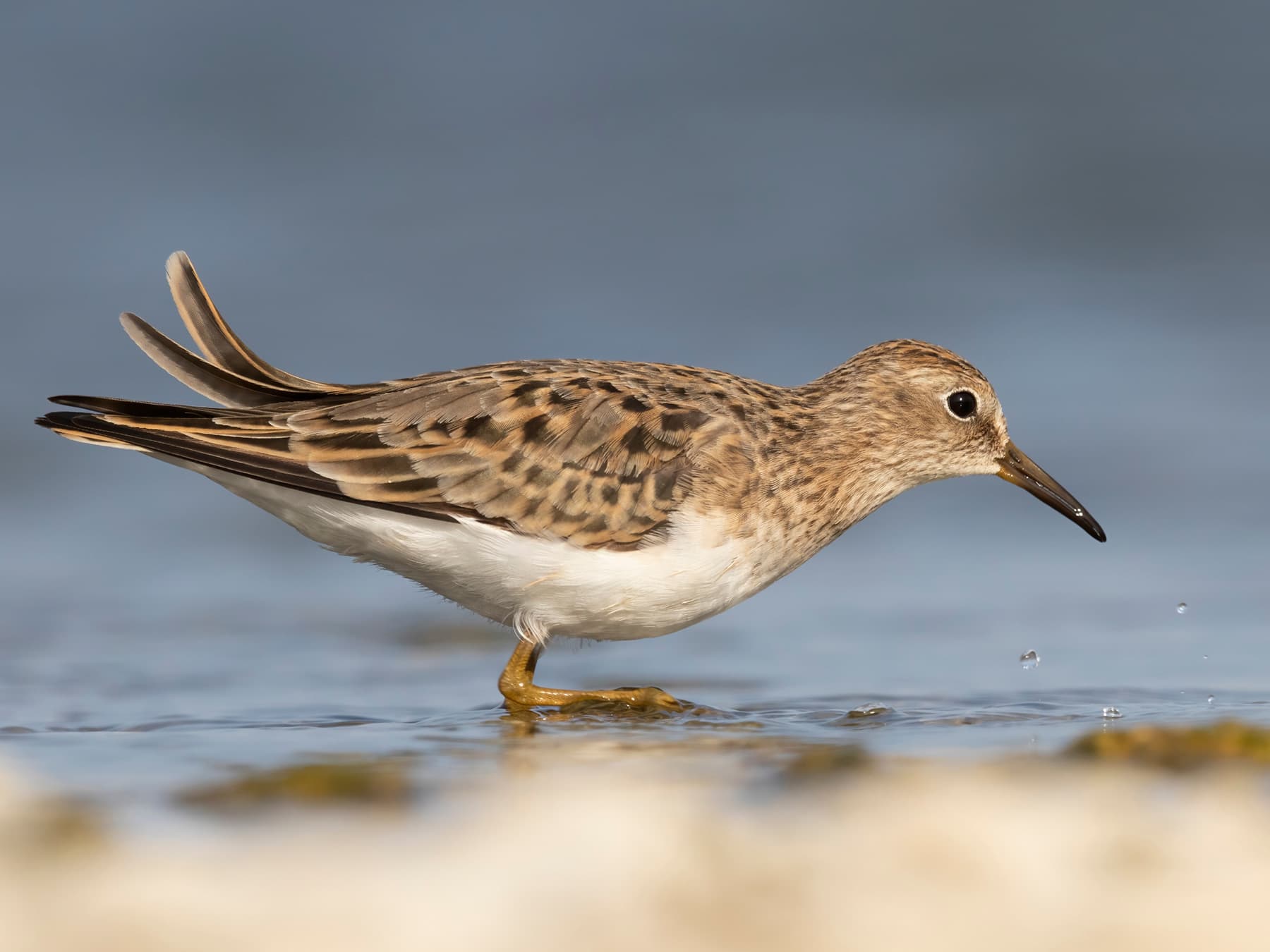
Temminck's Stint
Calidris temminckiiLC
A rare spring passage migrant, occasionally stopping at freshwater pool margins in May. Smaller and more skulking than the commoner Little Stint.
May
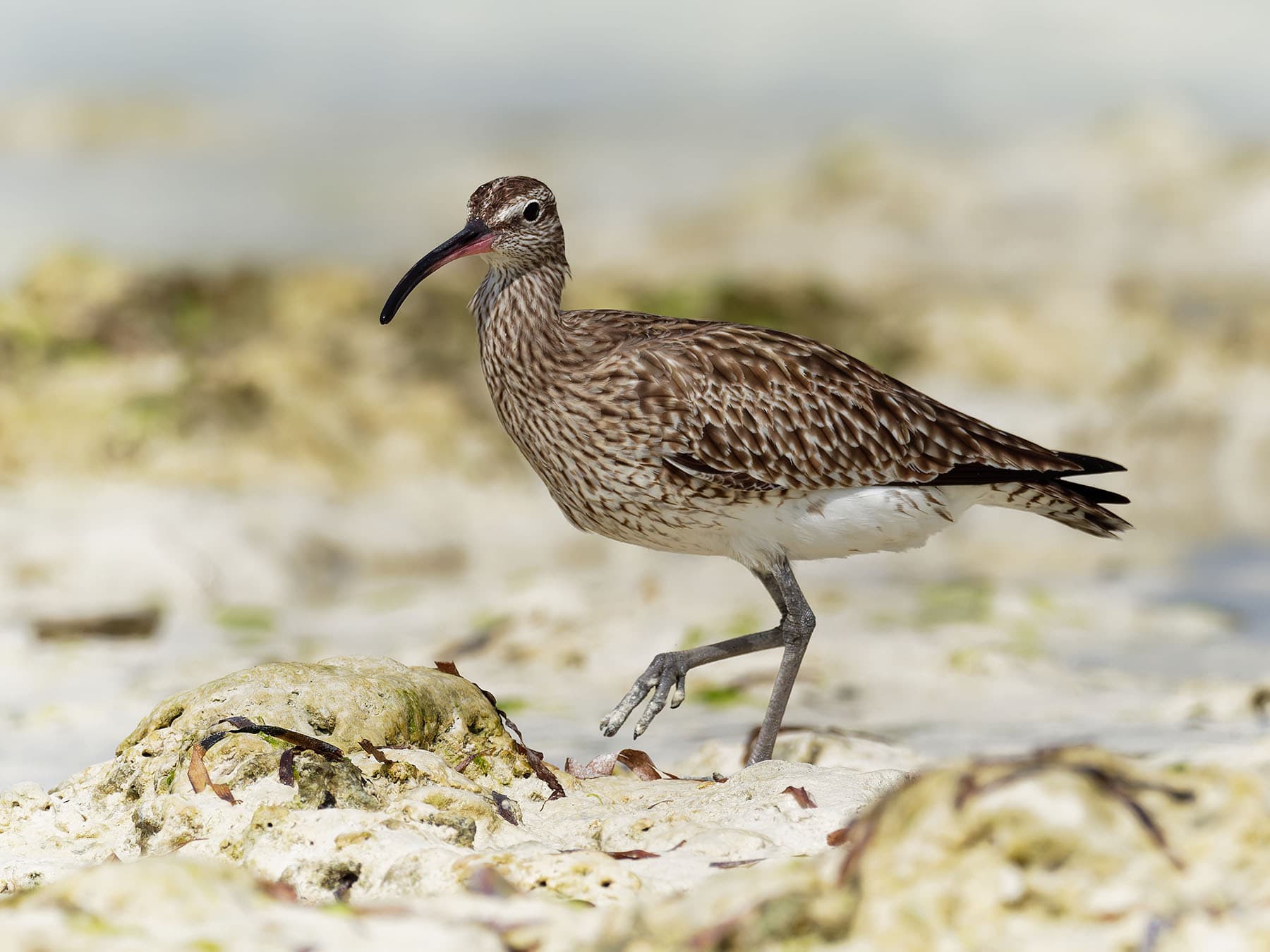
Whimbrel
Numenius phaeopusLC
An uncommon breeder on upland moorland, also seen on passage along the coast from April to September.
Apr–Sep
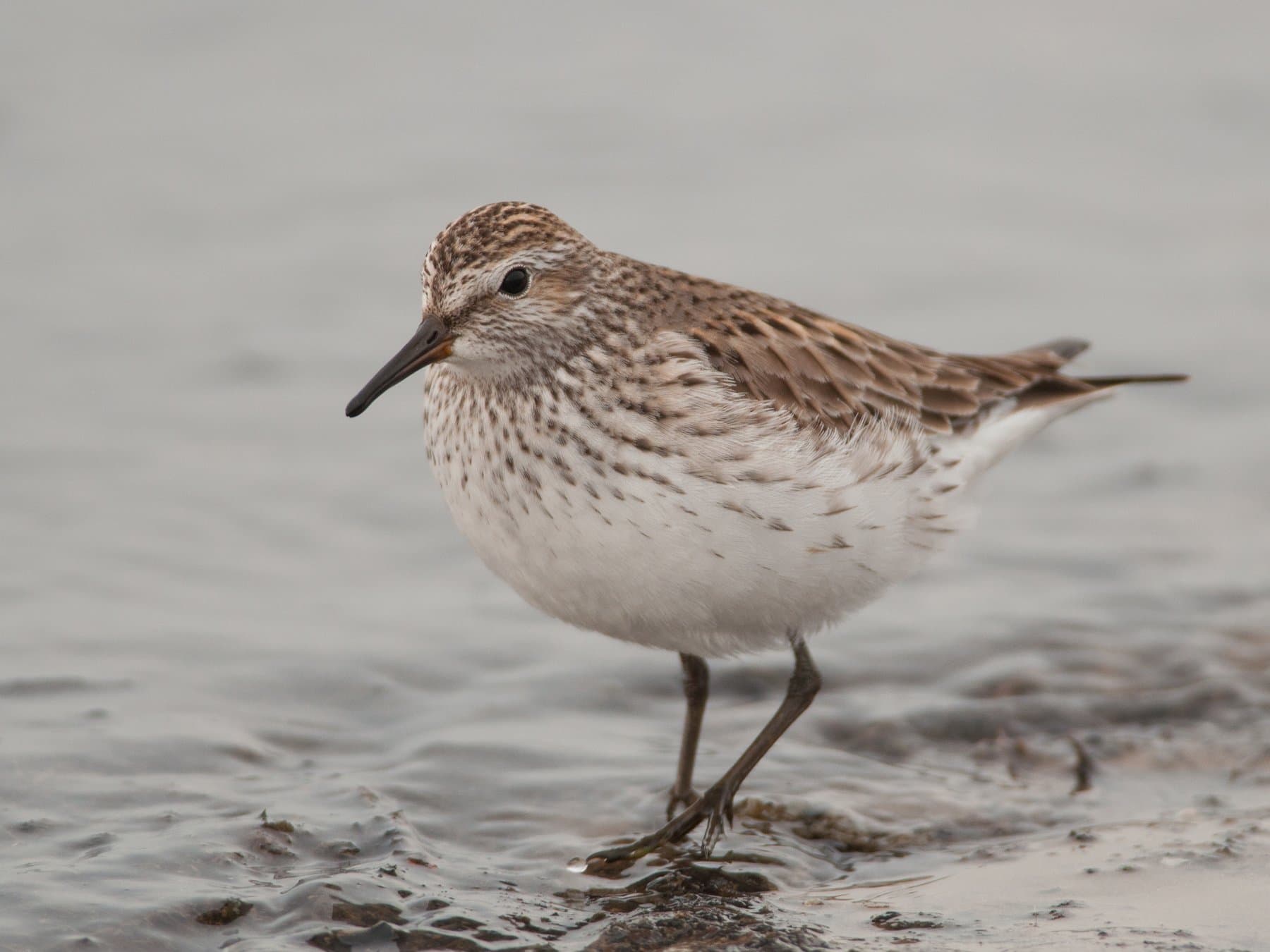
White-rumped Sandpiper
Calidris fuscicollisVU
A rare transatlantic vagrant, occasionally found among flocks of small waders at coastal pools in August.
Aug
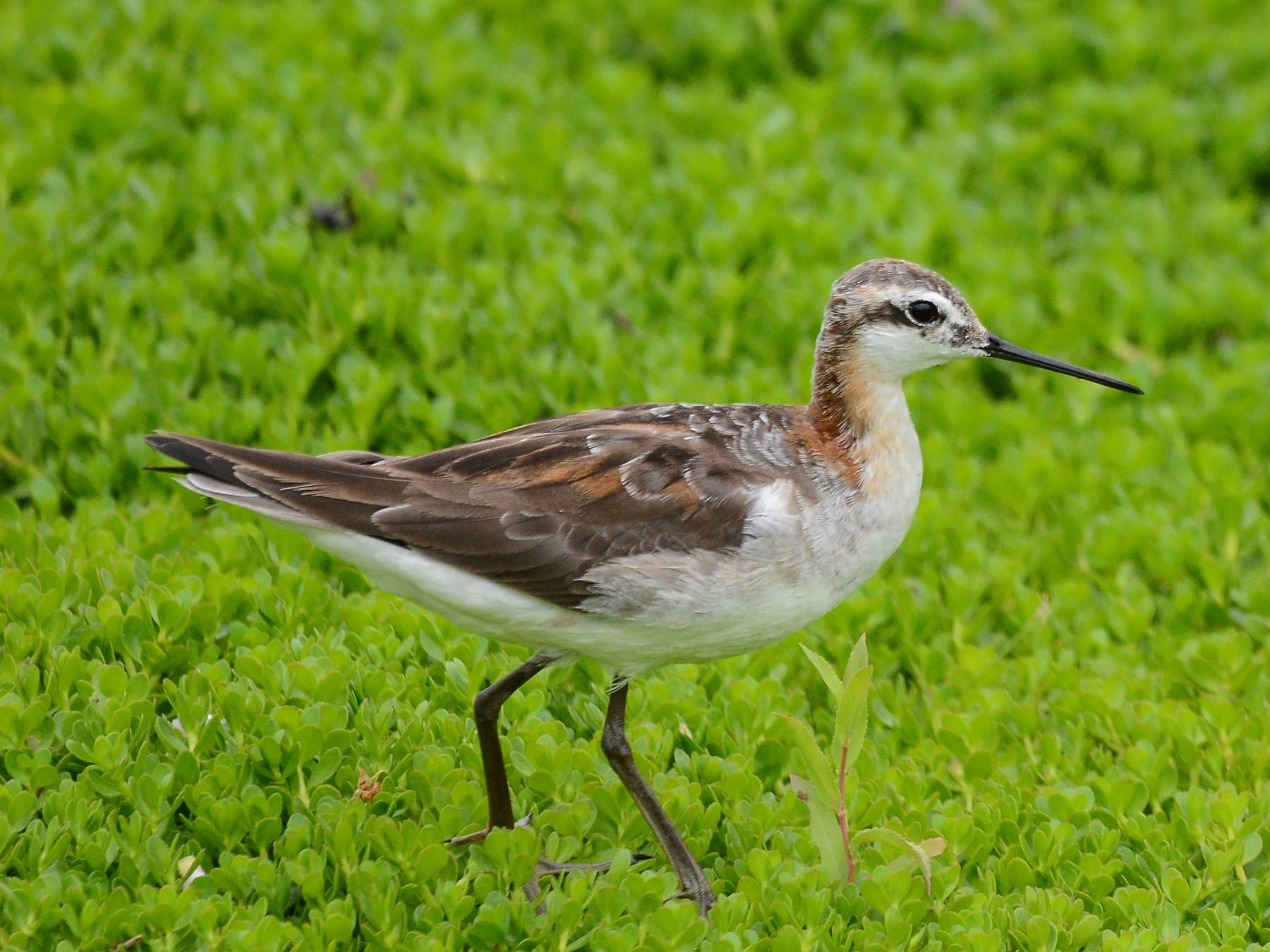
Wilson's Phalarope
Phalaropus tricolorLC
An extremely rare transatlantic vagrant, with occasional November records at coastal pools and wetland scrapes.
Nov
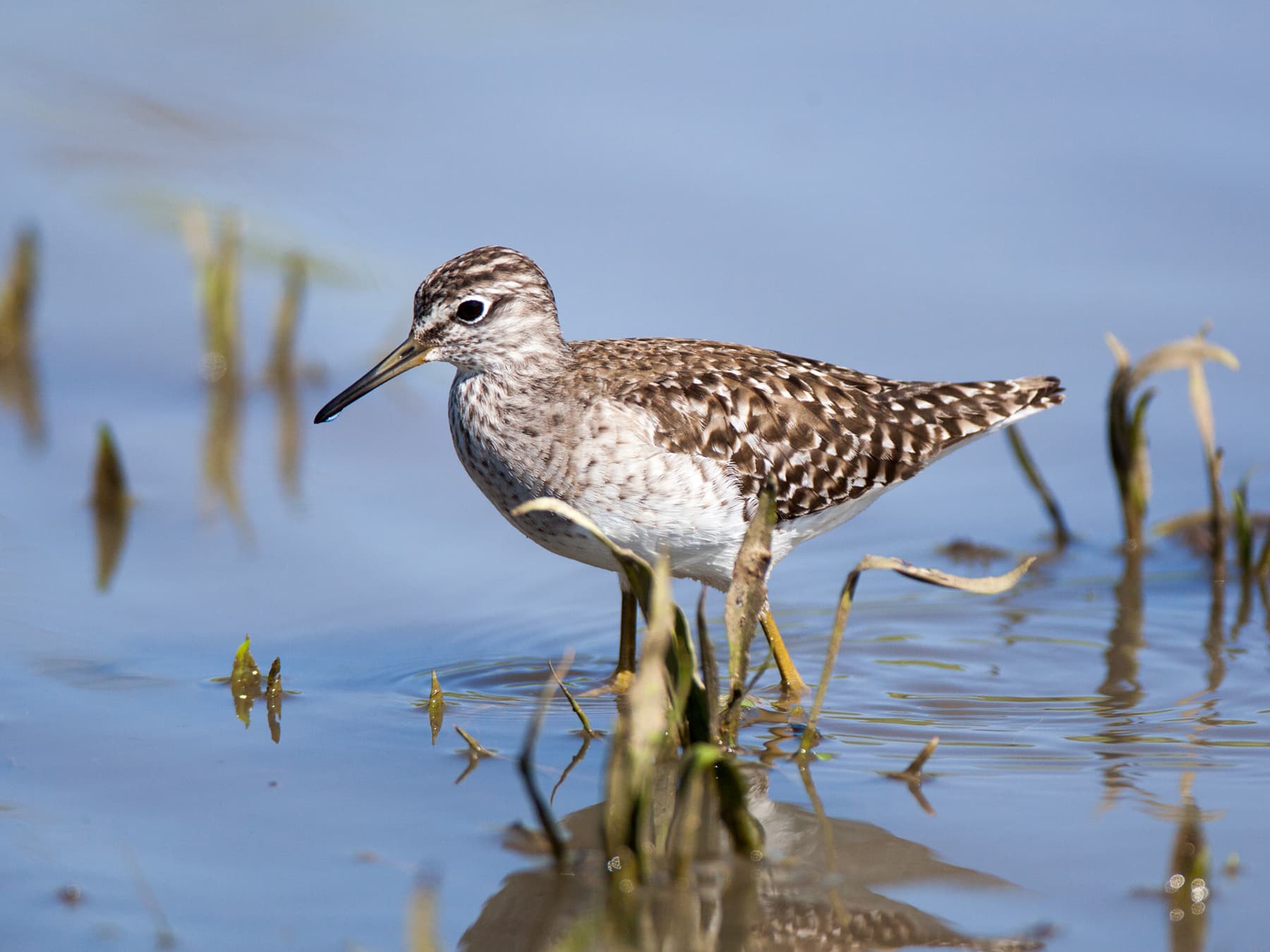
Wood Sandpiper
Tringa glareolaLC
A rare breeding species found at secluded boggy pools in the uplands from May to September. Northumberland is one of very few English breeding sites.
May–Sep