Ducks, Geese & Swans in Northumberland
34 species matching this filter.
Northumberland's diverse wetland habitats — from the wild Northumbrian coast and Holy Island mudflats to inland reservoirs and the river systems of the Tyne and Coquet — support an impressive variety of ducks, geese and swans. With 31 species recorded, the county plays host to notable visitors such as Barnacle Goose, Greater White-fronted Goose and Long-tailed Duck, alongside resident breeders like Common Shelduck and Greylag Goose. The region's estuaries and coastal lagoons are particularly important for overwintering wildfowl, making Northumberland a rewarding destination for waterfowl enthusiasts year-round.


Showing 1–23 of 34 species
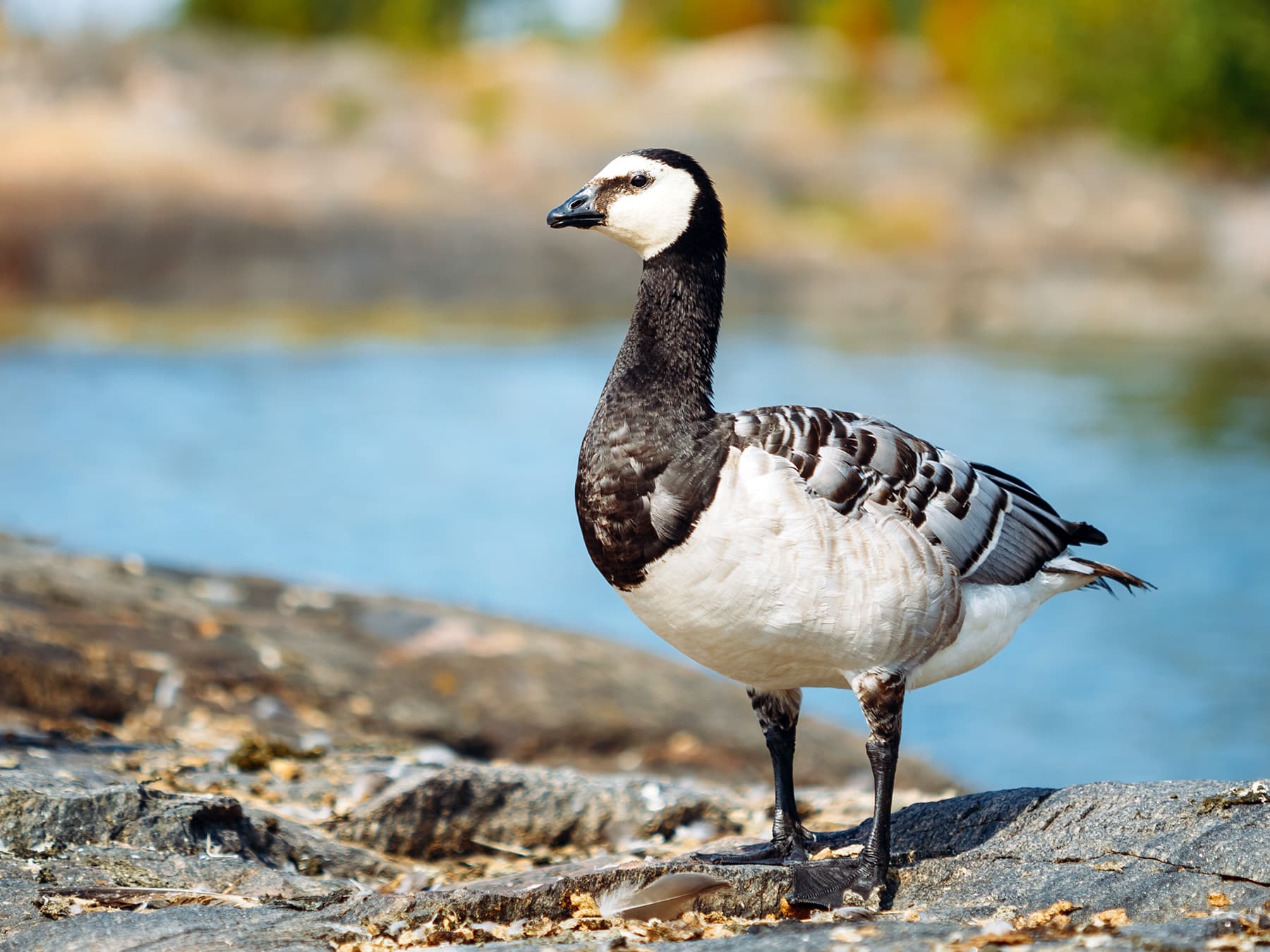
Barnacle Goose
Branta leucopsisLC
Small numbers linger year-round, but the Svalbard population winters spectacularly on Lindisfarne's mudflats in their thousands.
Sep–Jul
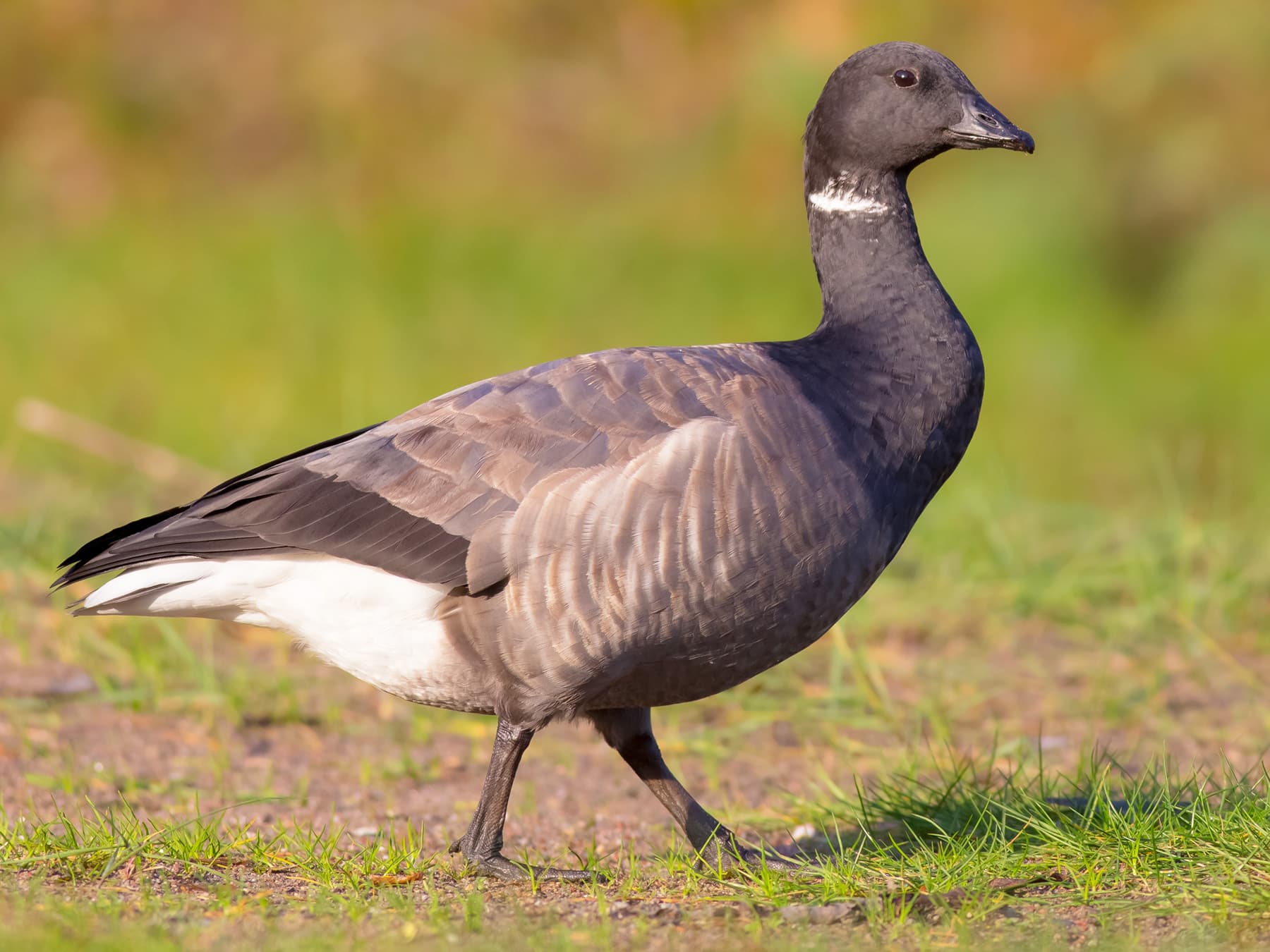
Brent Goose
Branta berniclaLC
An uncommon winter visitor to Northumberland's estuaries and coastal mudflats, with dark-bellied birds grazing on eelgrass and algae from autumn through spring.
Aug–Apr
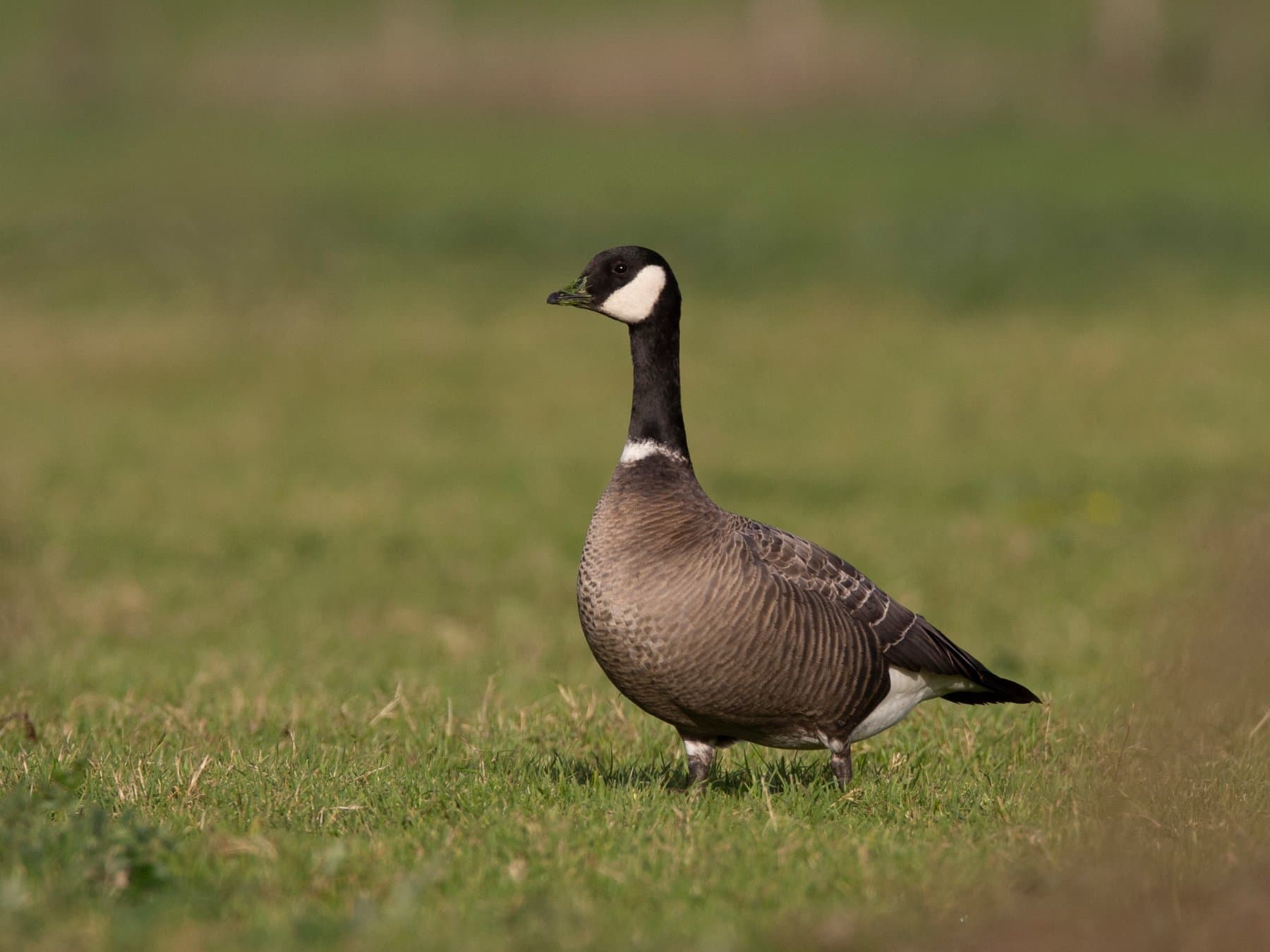
Cackling Goose
Branta hutchinsiiLC
An extremely rare vagrant from North America, with occasional March records among wintering goose flocks. Careful separation from Barnacle Goose is required.
Mar
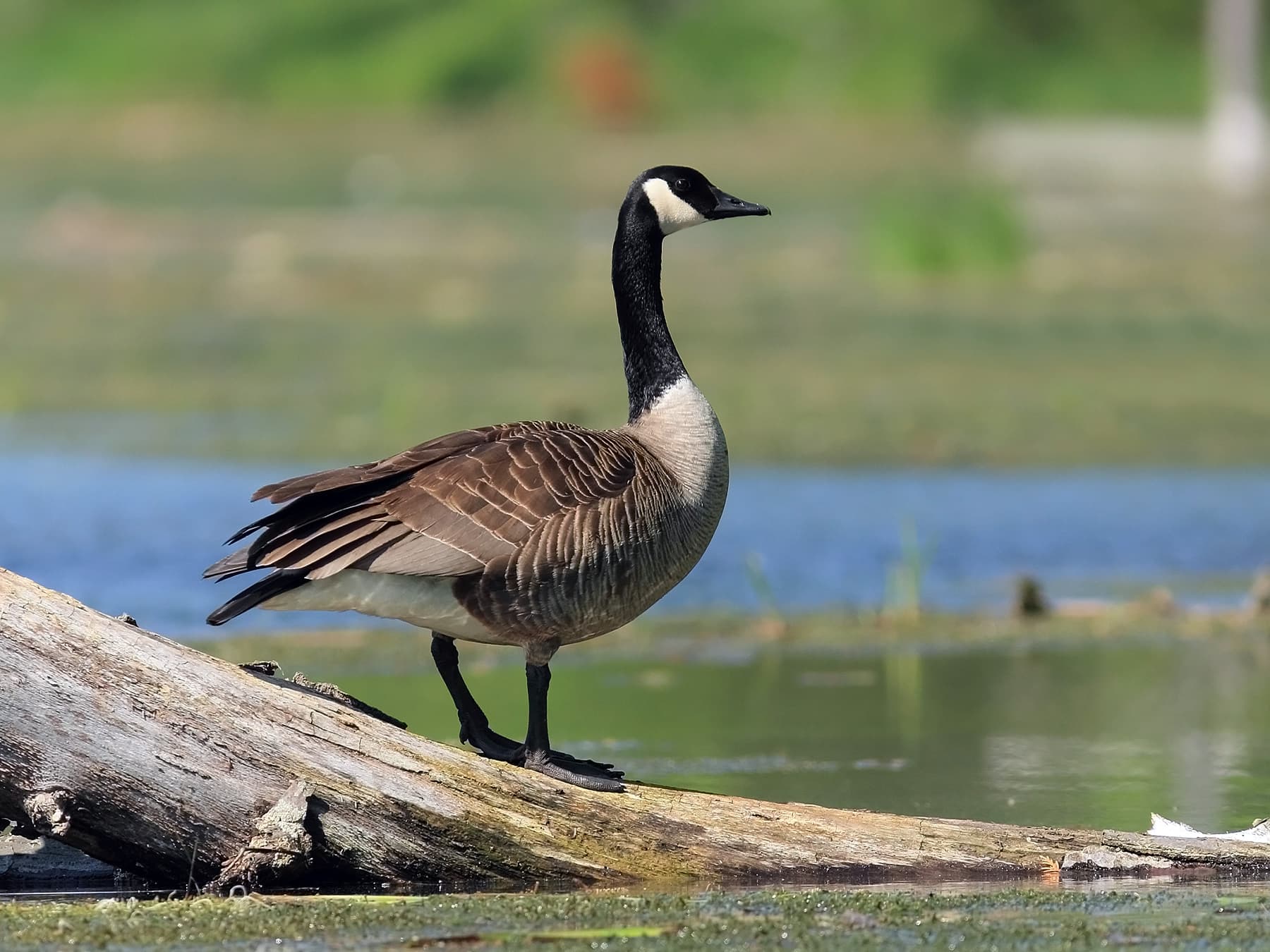
Canada Goose
Branta canadensisLC
A common resident found year-round on lakes, reservoirs and parkland throughout Northumberland. Often seen in large flocks on grassy fields.
Year-round
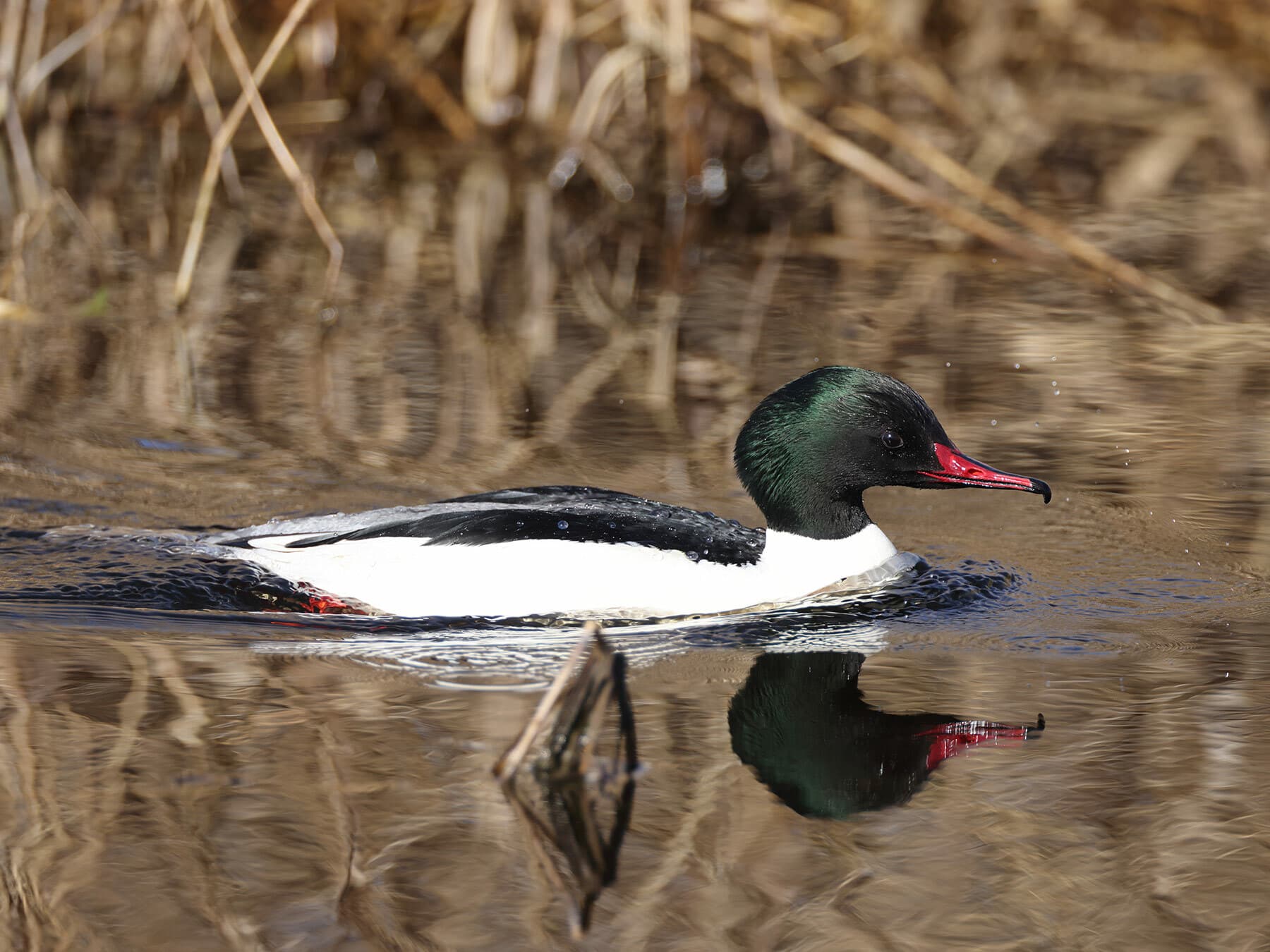
Common Merganser
Mergus merganserLC
An uncommon resident breeding along upland rivers such as the Tyne and Coquet. More widespread in winter when birds move to lowland waters.
Year-round
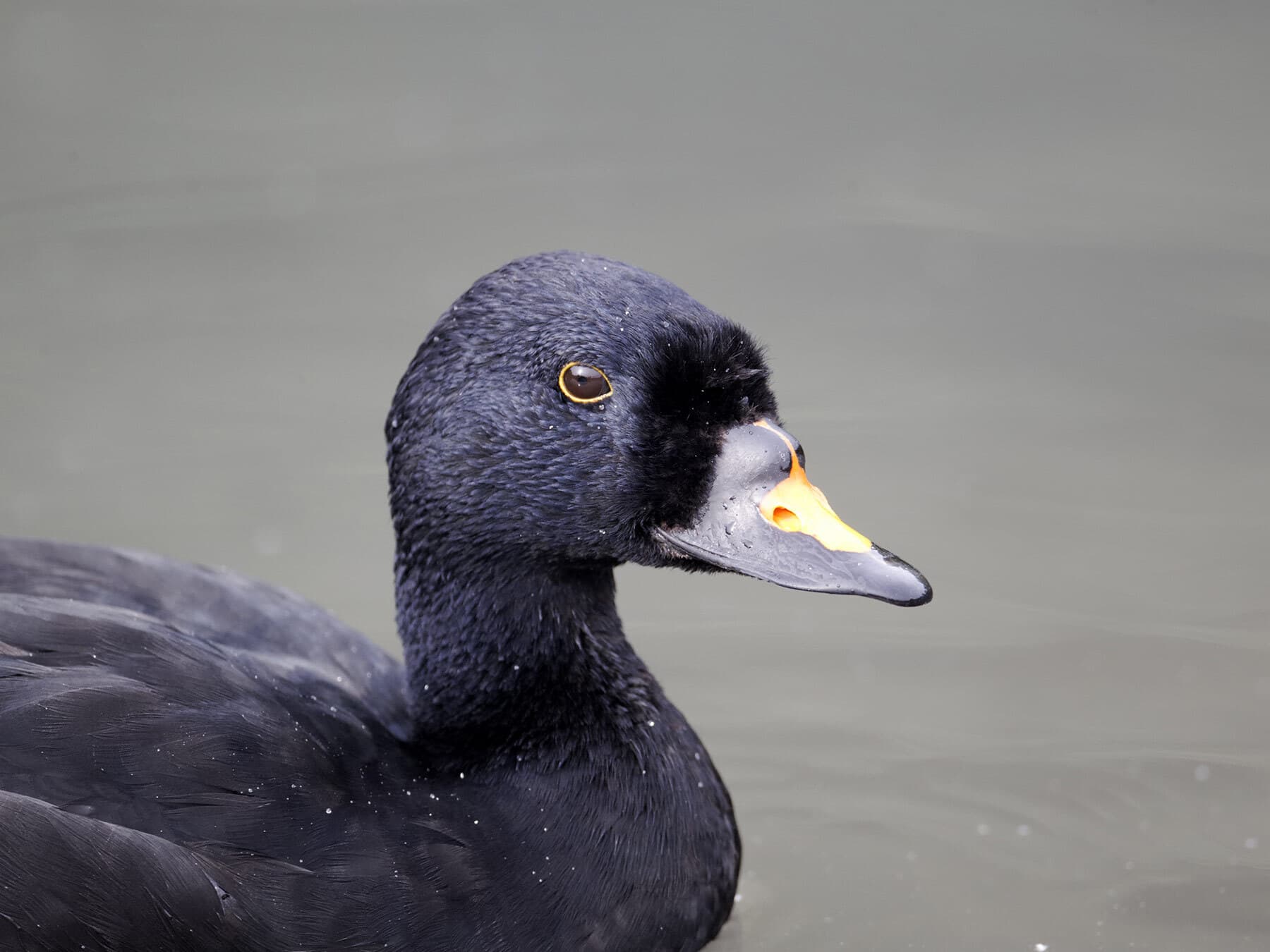
Common Scoter
Melanitta nigraLC
Uncommon but present year-round in offshore waters. Dark flocks can be seen from coastal vantage points, sometimes in sizeable rafts during winter.
Year-round
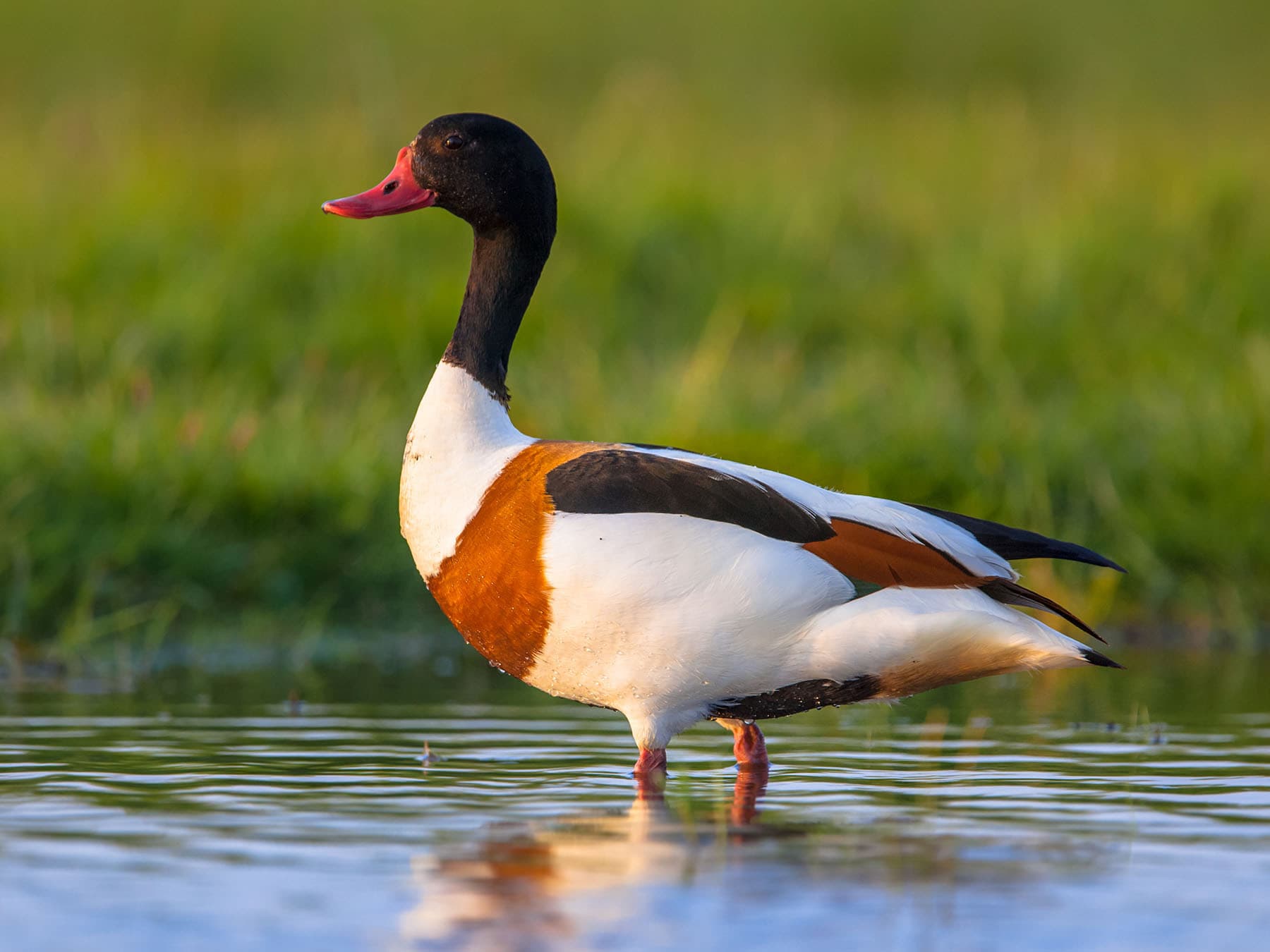
Common Shelduck
Tadorna tadornaLC
A common resident of Northumberland's estuaries and sandy coasts, often nesting in rabbit burrows. Readily seen at Lindisfarne and Budle Bay.
Year-round
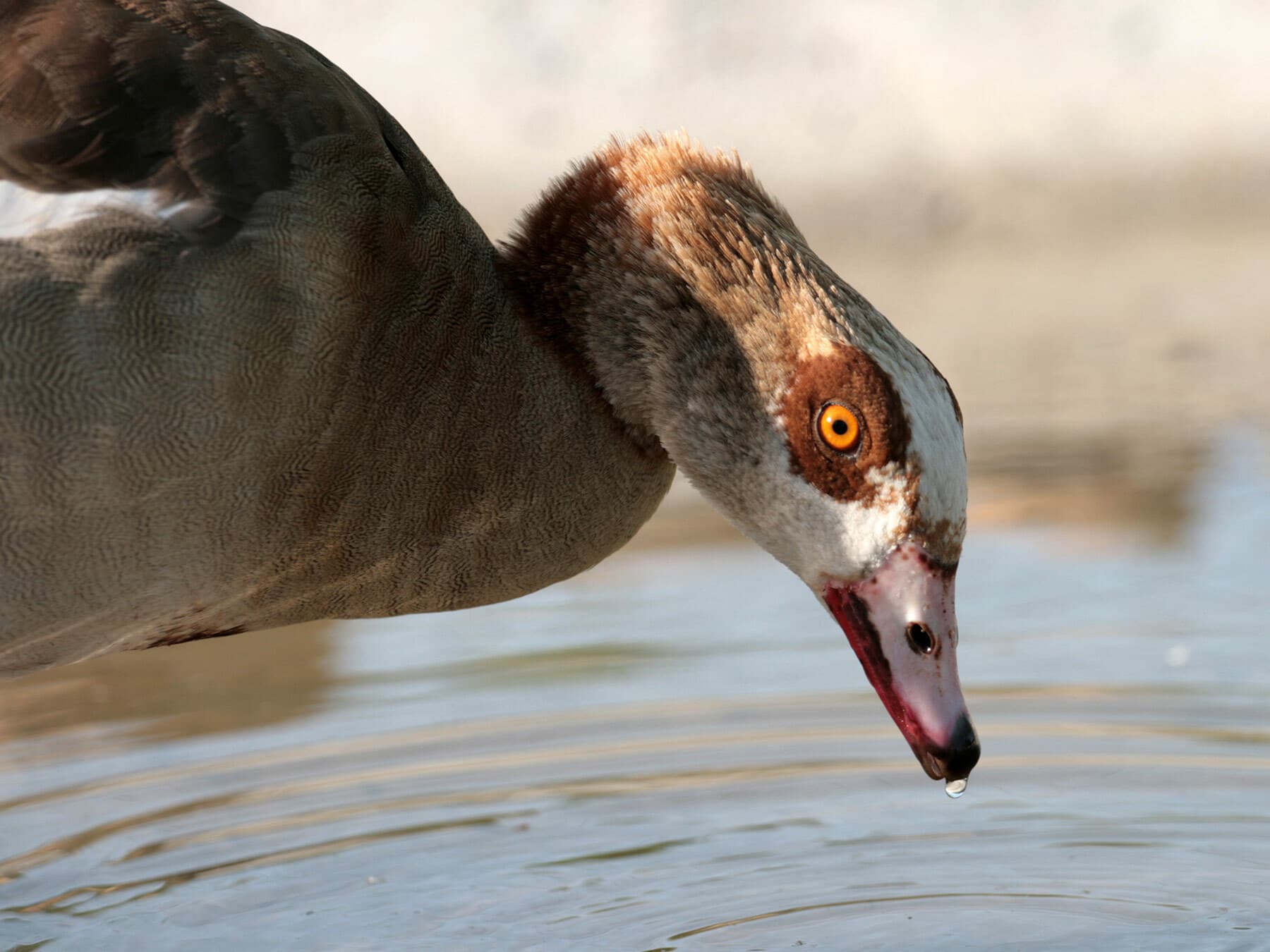
Egyptian Goose
Alopochen aegyptiacaLC
A rare passage visitor with occasional sightings in April and November. This introduced species remains scarce this far north.
Nov–Apr
Spotted something?
Upload a photo to identify it
Identify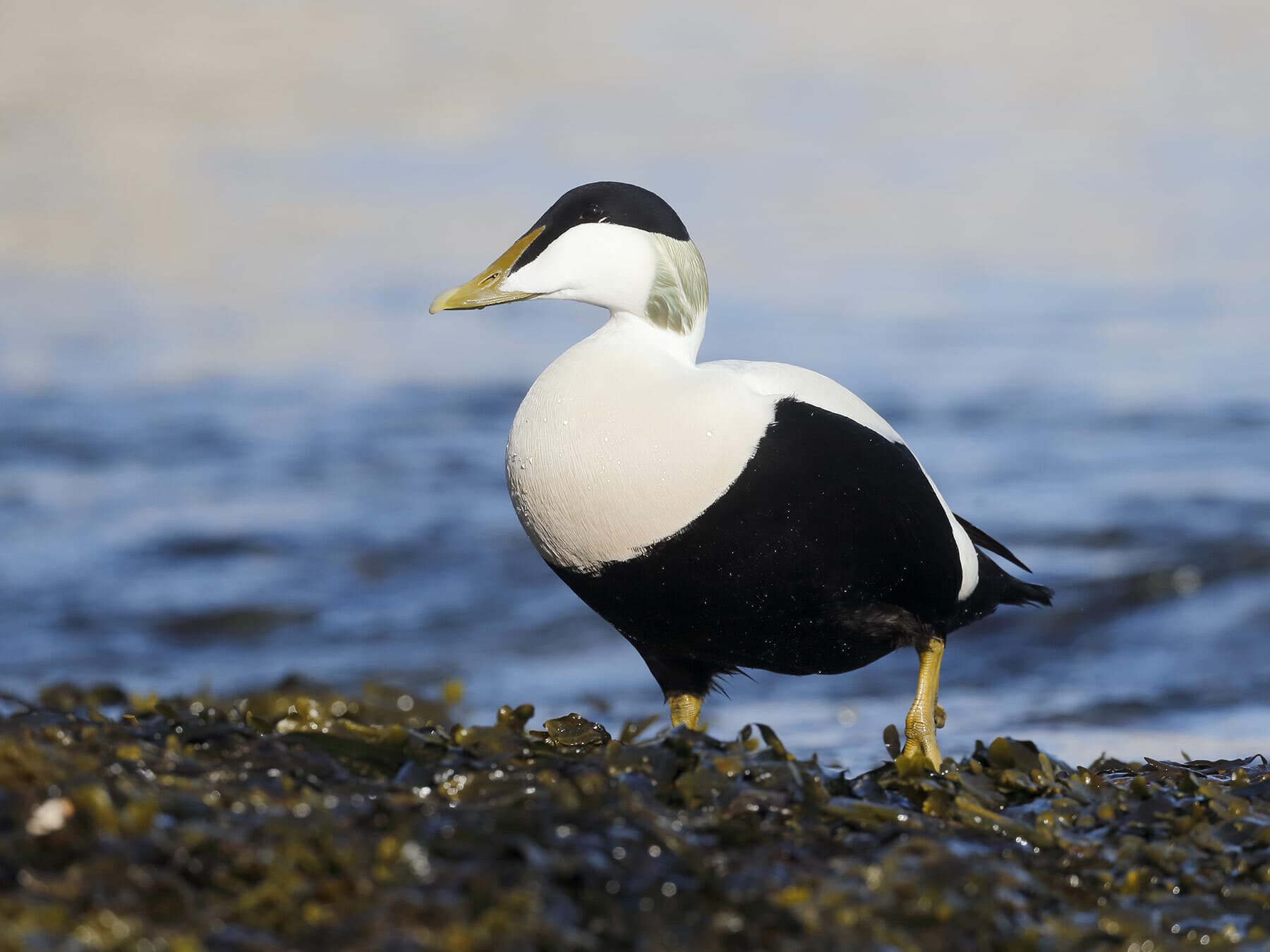
Eider
Somateria mollissimaNT
A common resident along the coast, with large rafts off the Farne Islands and Coquet Island. Breeds on offshore islands in summer.
Year-round
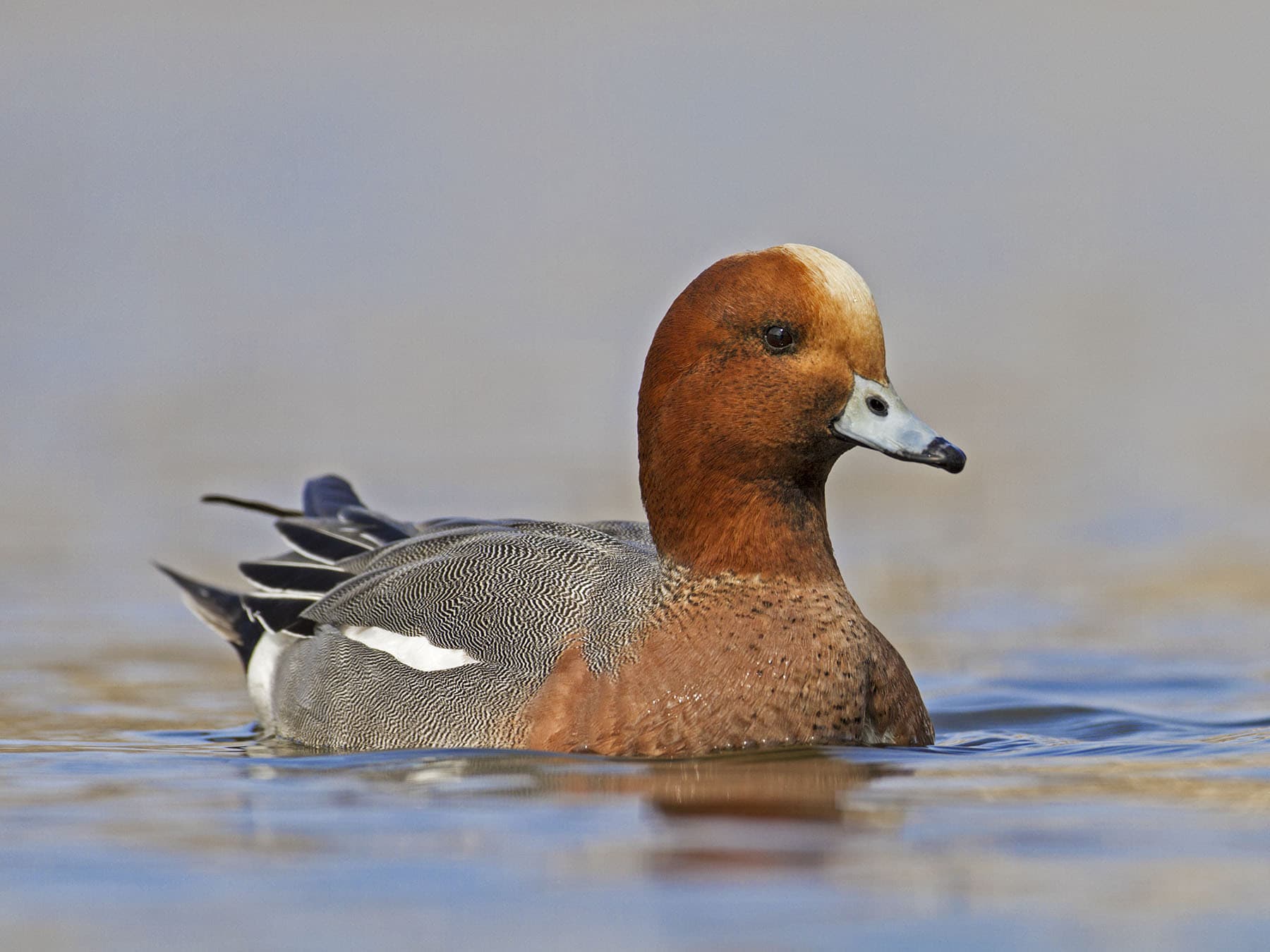
Eurasian Wigeon
Mareca penelopeLC
Common and widespread on coastal marshes, flooded fields and reservoirs. Large winter flocks gather at Lindisfarne and other key Northumberland wetlands.
Year-round
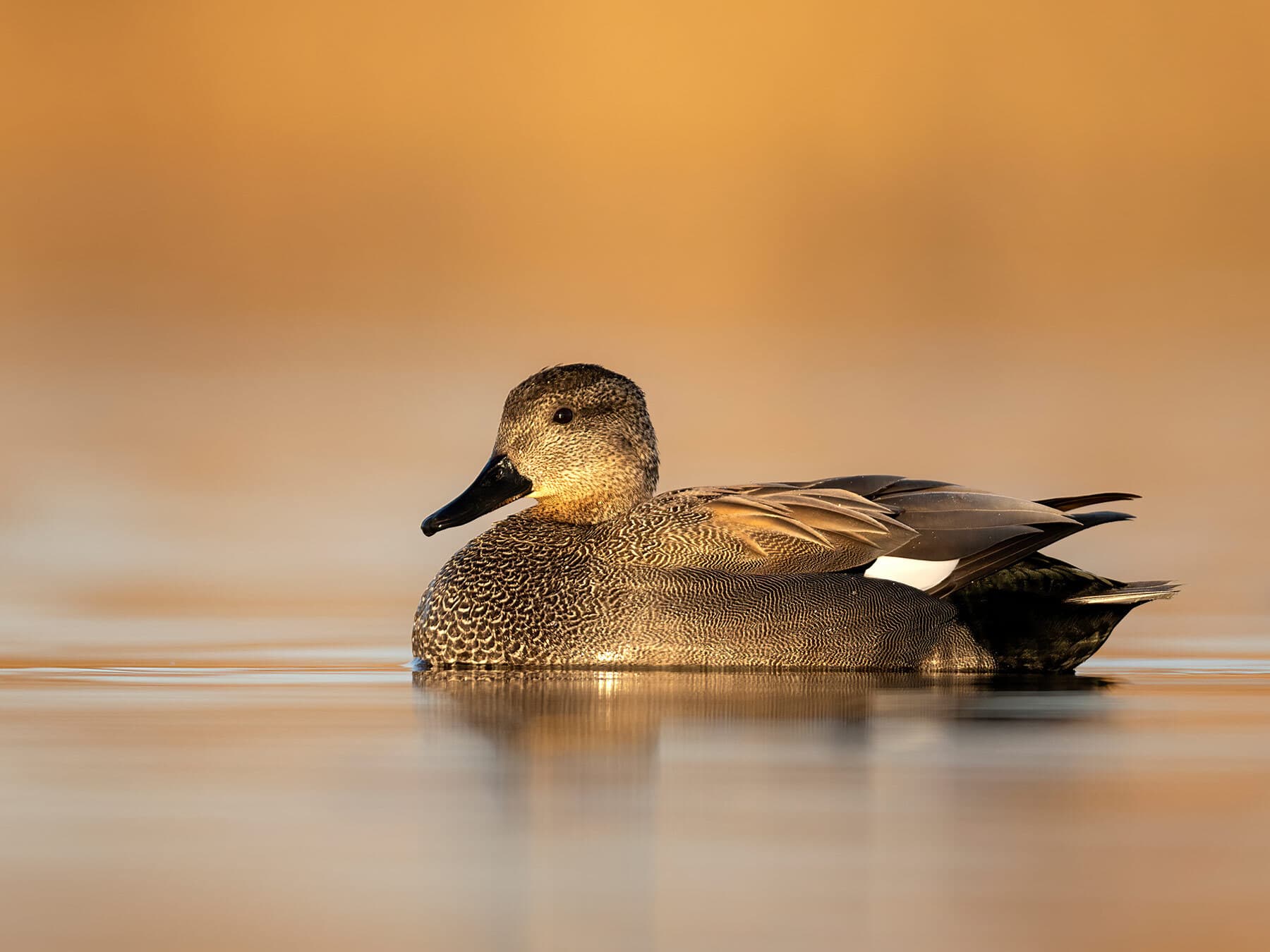
Gadwall
Mareca streperaLC
A common resident on lakes, reservoirs, and sheltered wetlands throughout the county. Breeds at sites like Gosforth Park and Druridge Bay.
Year-round
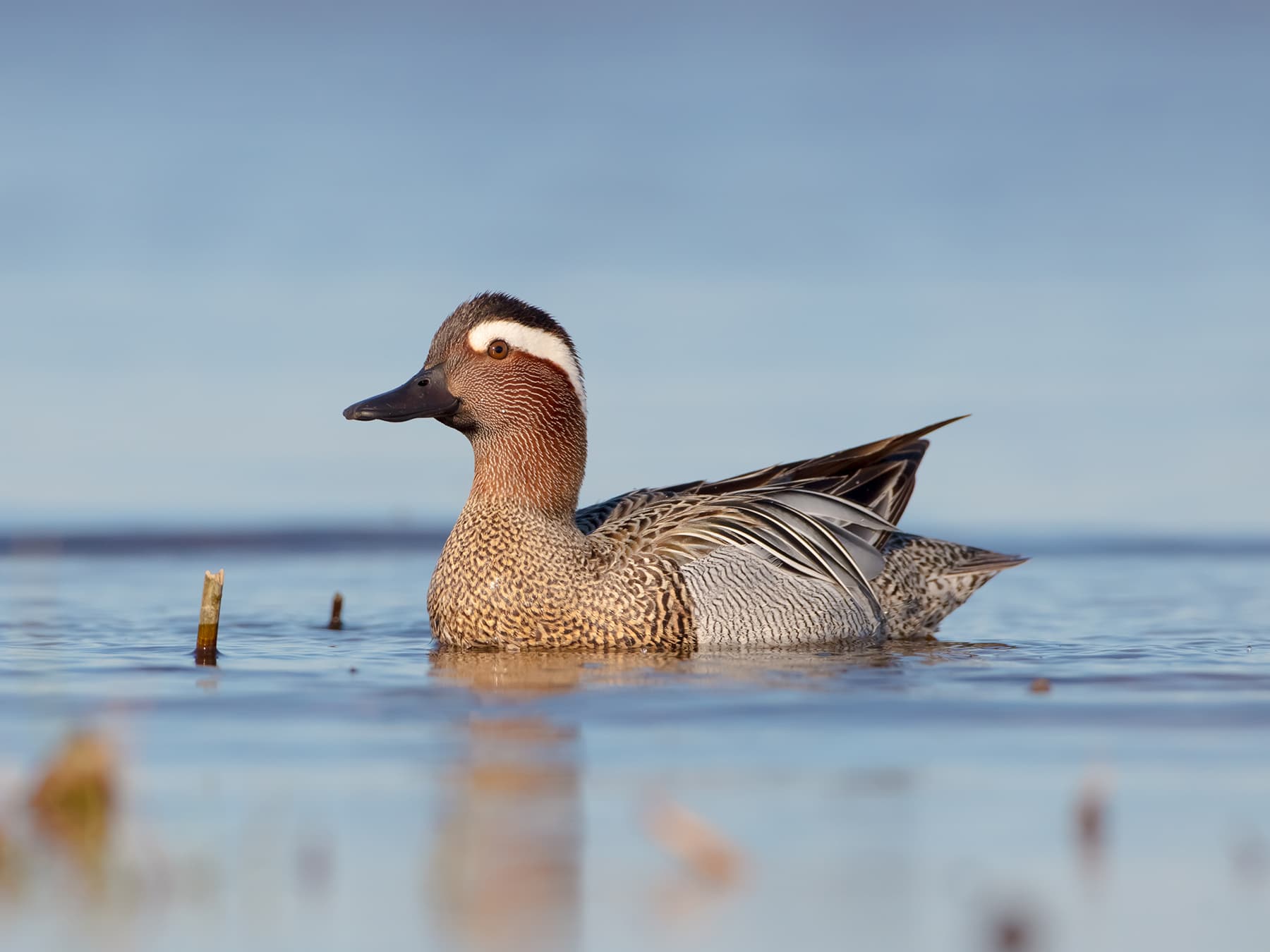
Garganey
Spatula querquedulaLC
A rare summer visitor breeding at a few secluded freshwater wetlands from April to August. The UK's scarcest regularly breeding duck species.
Apr–Aug
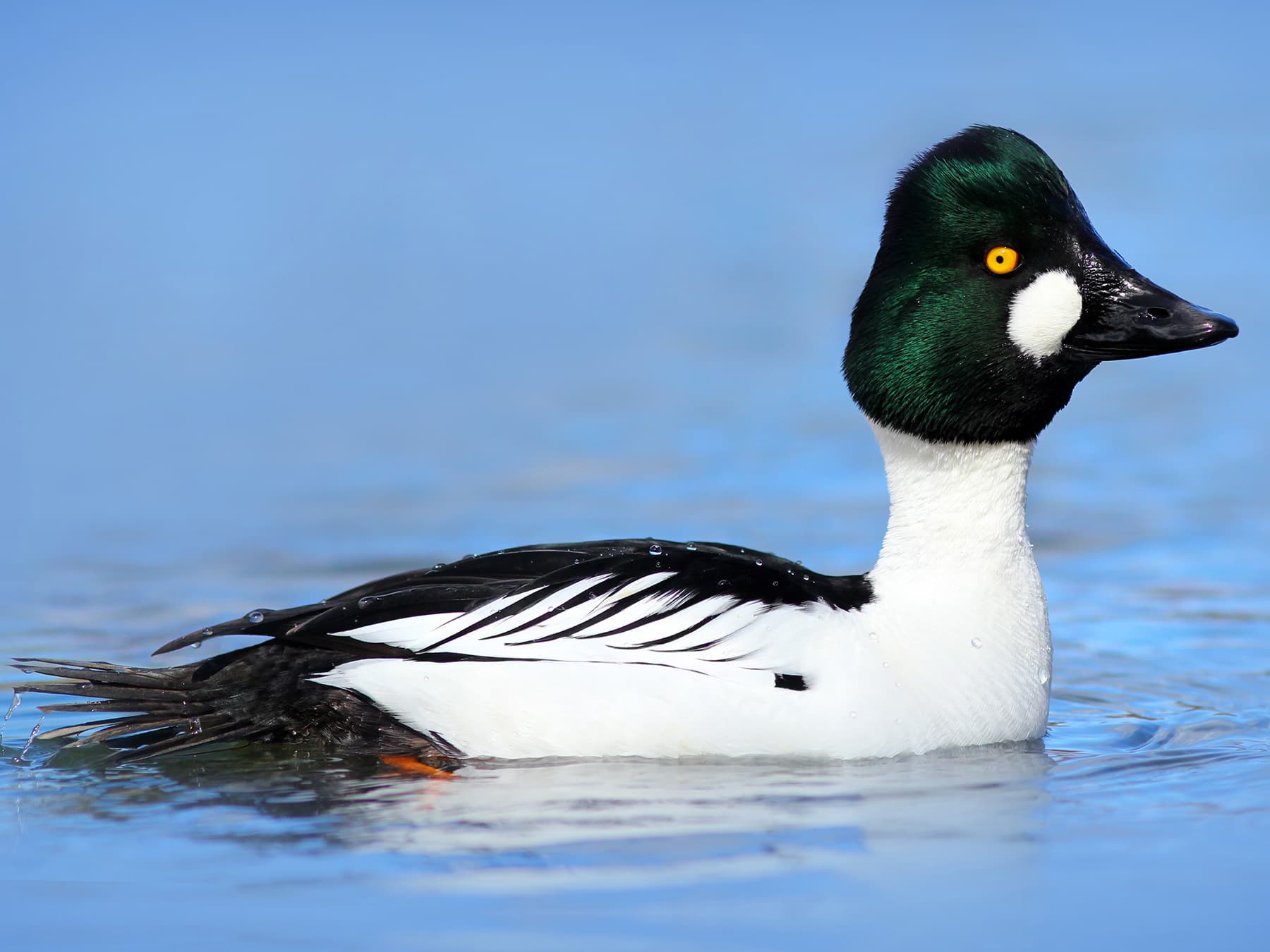
Goldeneye
Bucephala clangulaLC
An uncommon resident, most conspicuous in winter on rivers and lakes. A small breeding population exists in Northumberland's wooded river valleys.
Year-round
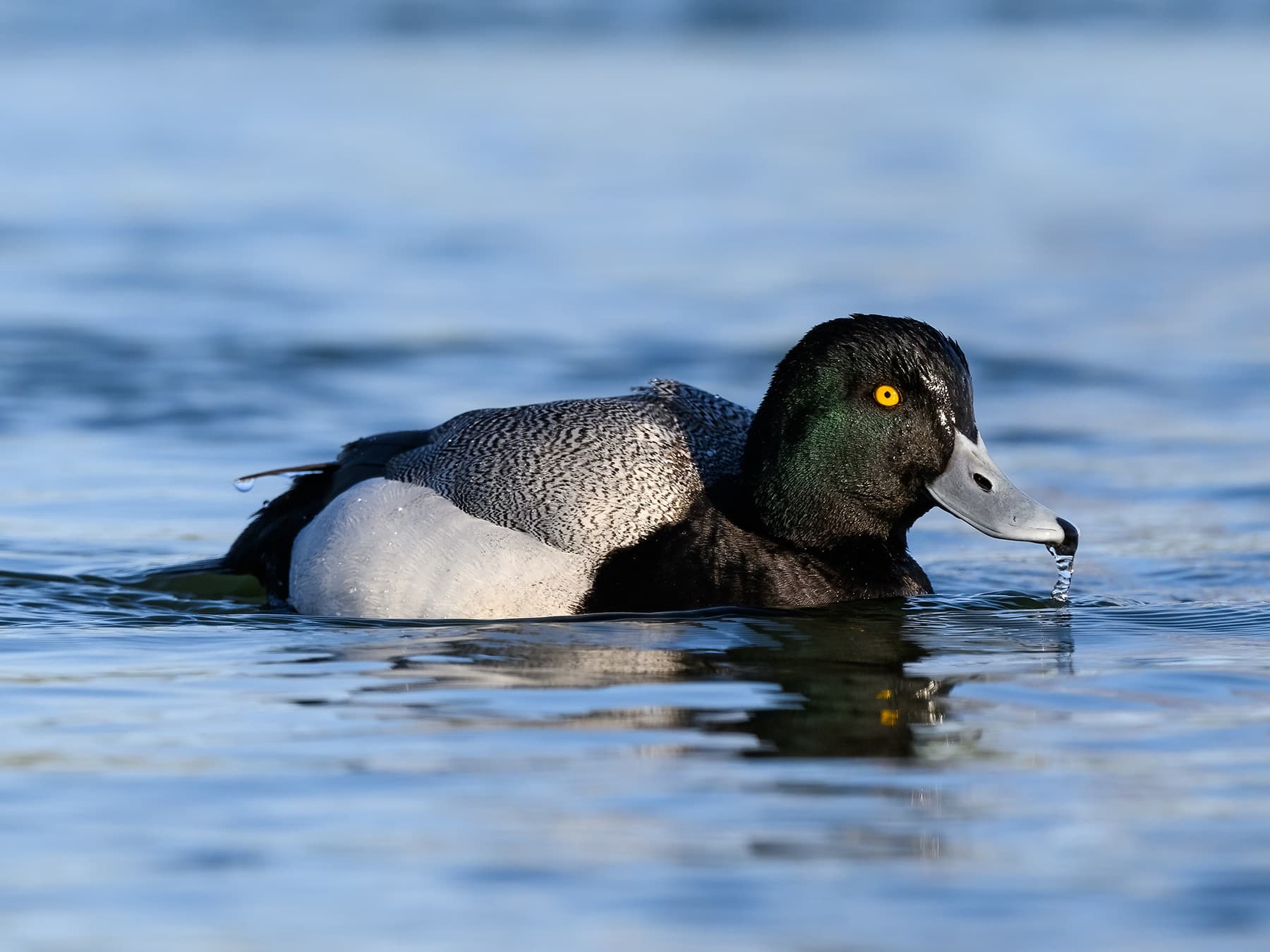
Greater Scaup
Aythya marilaLC
A rare diving duck found on sheltered coastal waters and estuaries, mainly in winter. Absent during the summer breeding months.
Jul–Apr
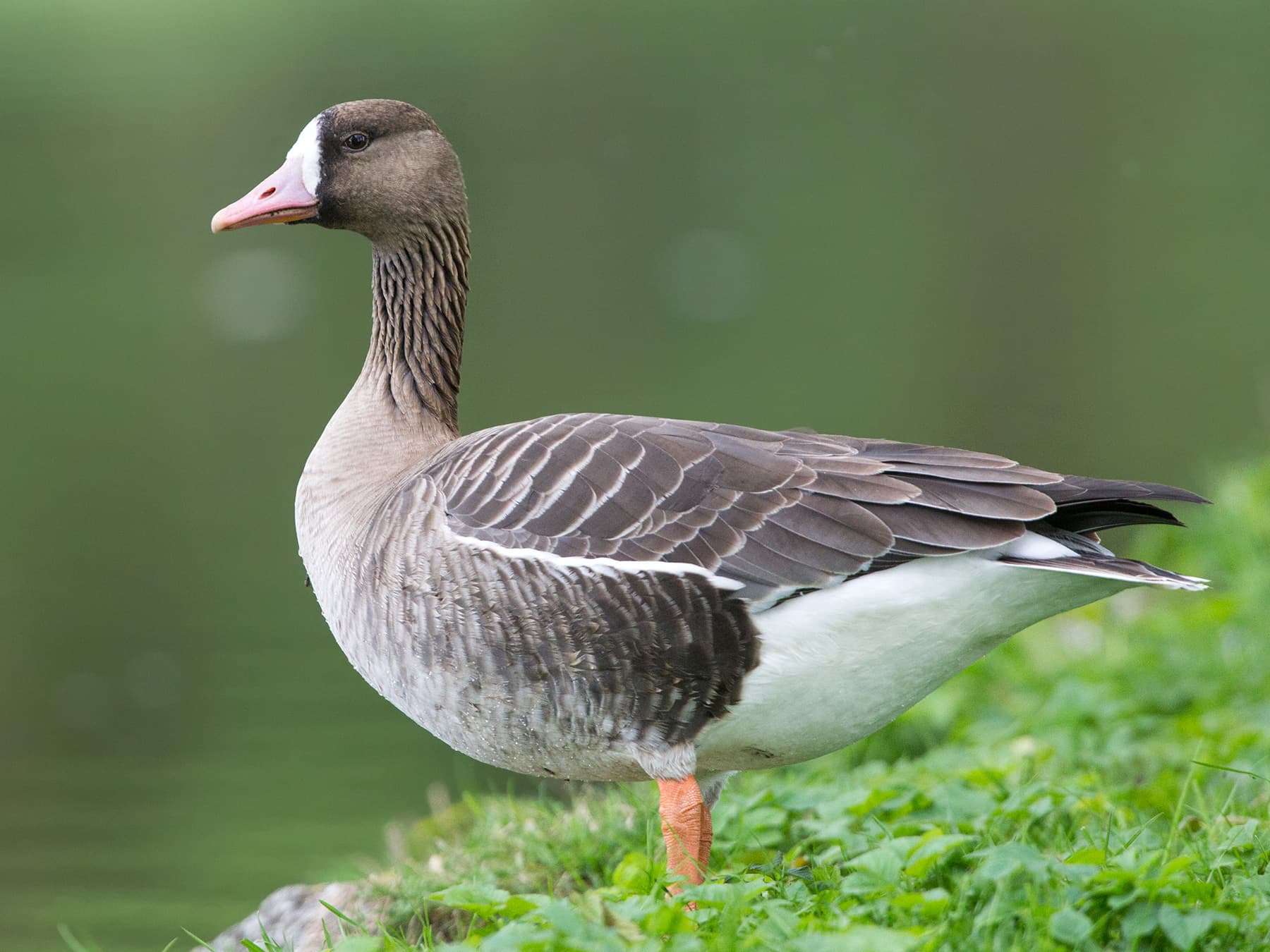
Greater White-fronted Goose
Anser albifronsLC
A rare winter visitor, occasionally joining flocks of other grey geese on farmland or around Lindisfarne between November and March.
Nov–Mar
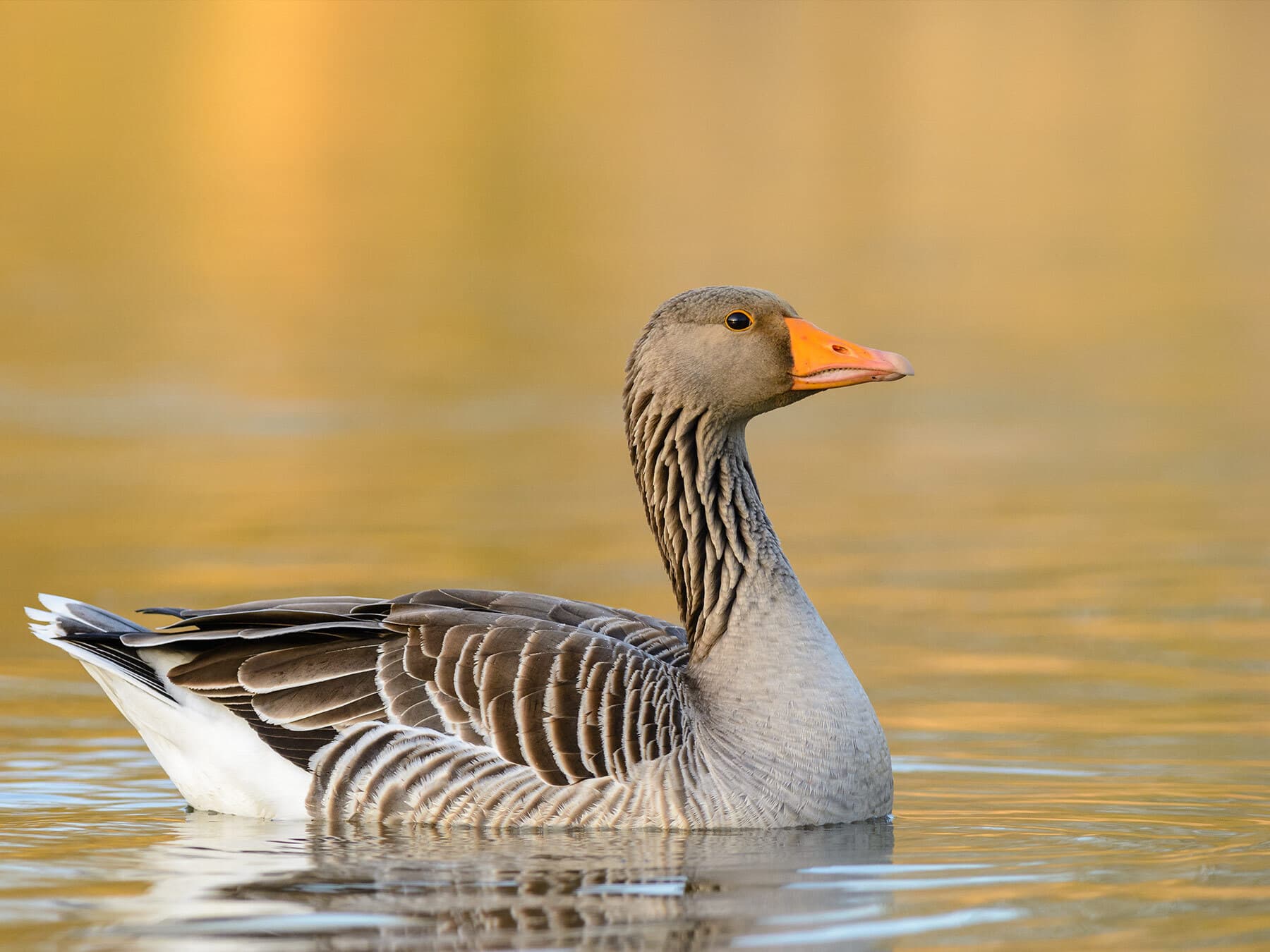
Greylag Goose
Anser anserLC
A common resident found on farmland, lakes and coastal marshes throughout the year. Feral and wild populations mix, especially around Lindisfarne in winter.
Year-round
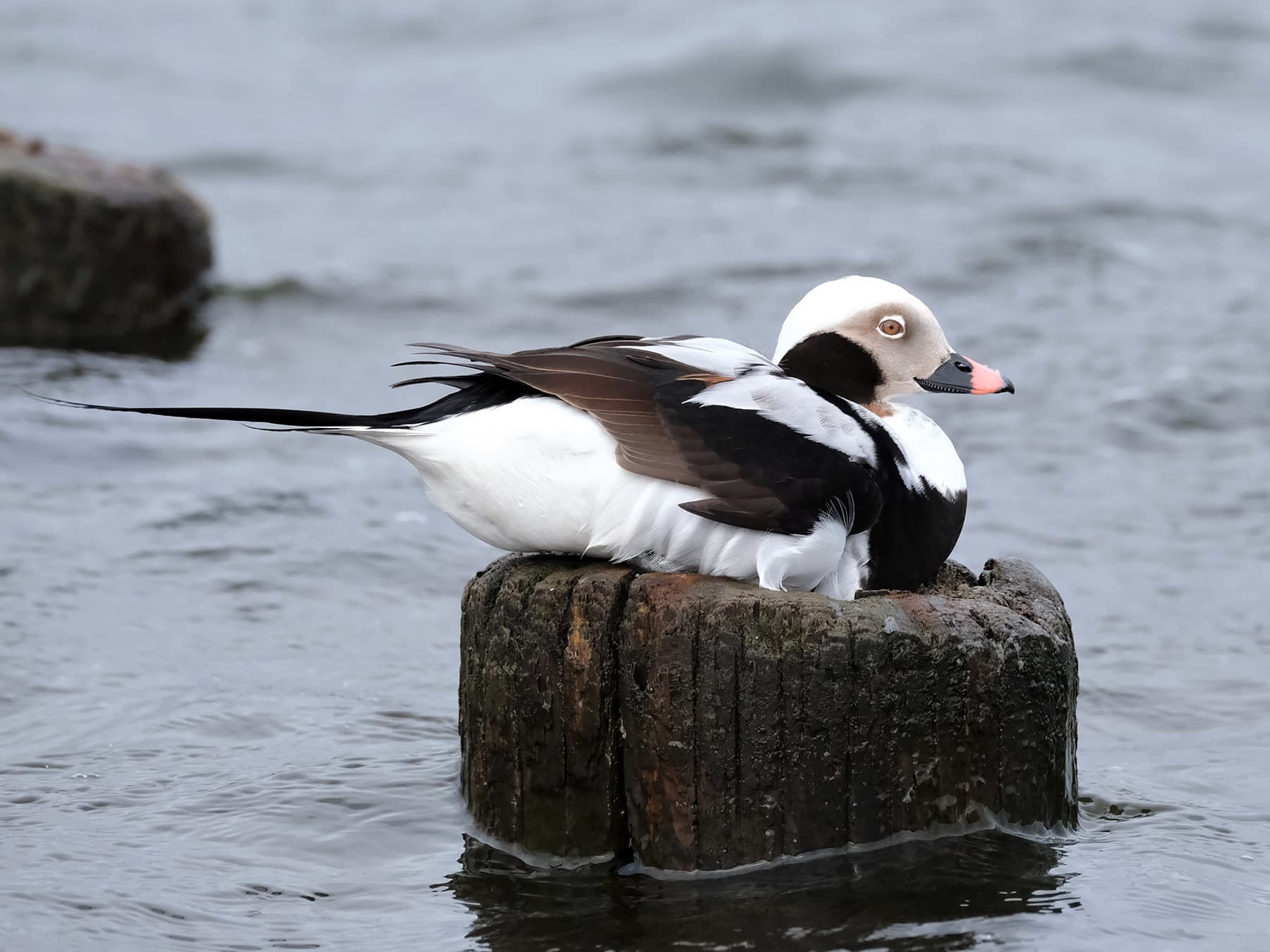
Long-tailed Duck
Clangula hyemalisVU
An uncommon winter visitor to inshore waters, arriving from October. Small groups favour sheltered bays along the Northumberland coast.
Oct–Apr
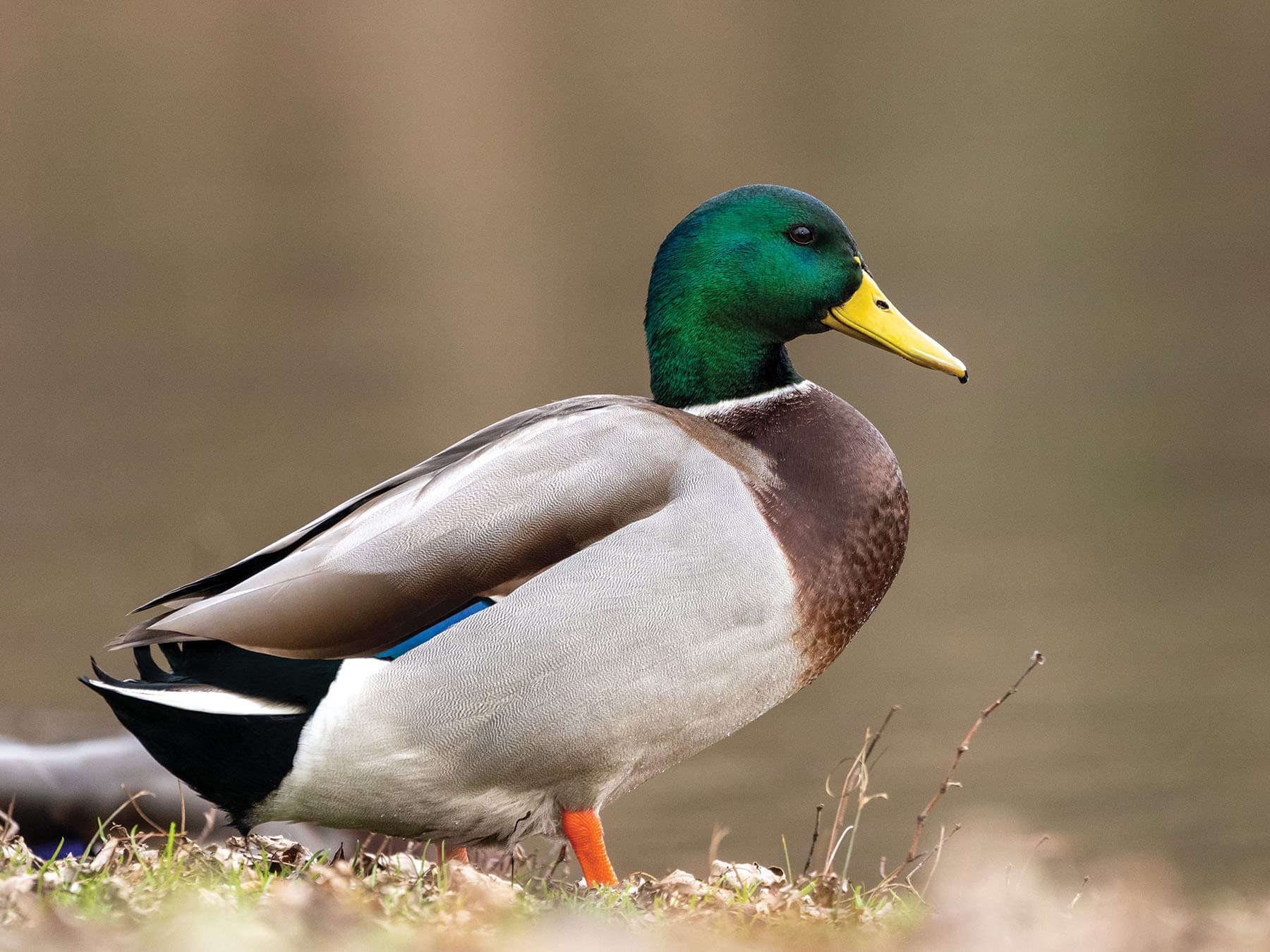
Mallard
Anas platyrhynchosLC
Abundant and familiar year-round on rivers, lakes, ponds, and estuaries across the county. Readily seen in parks and farmland.
Year-round
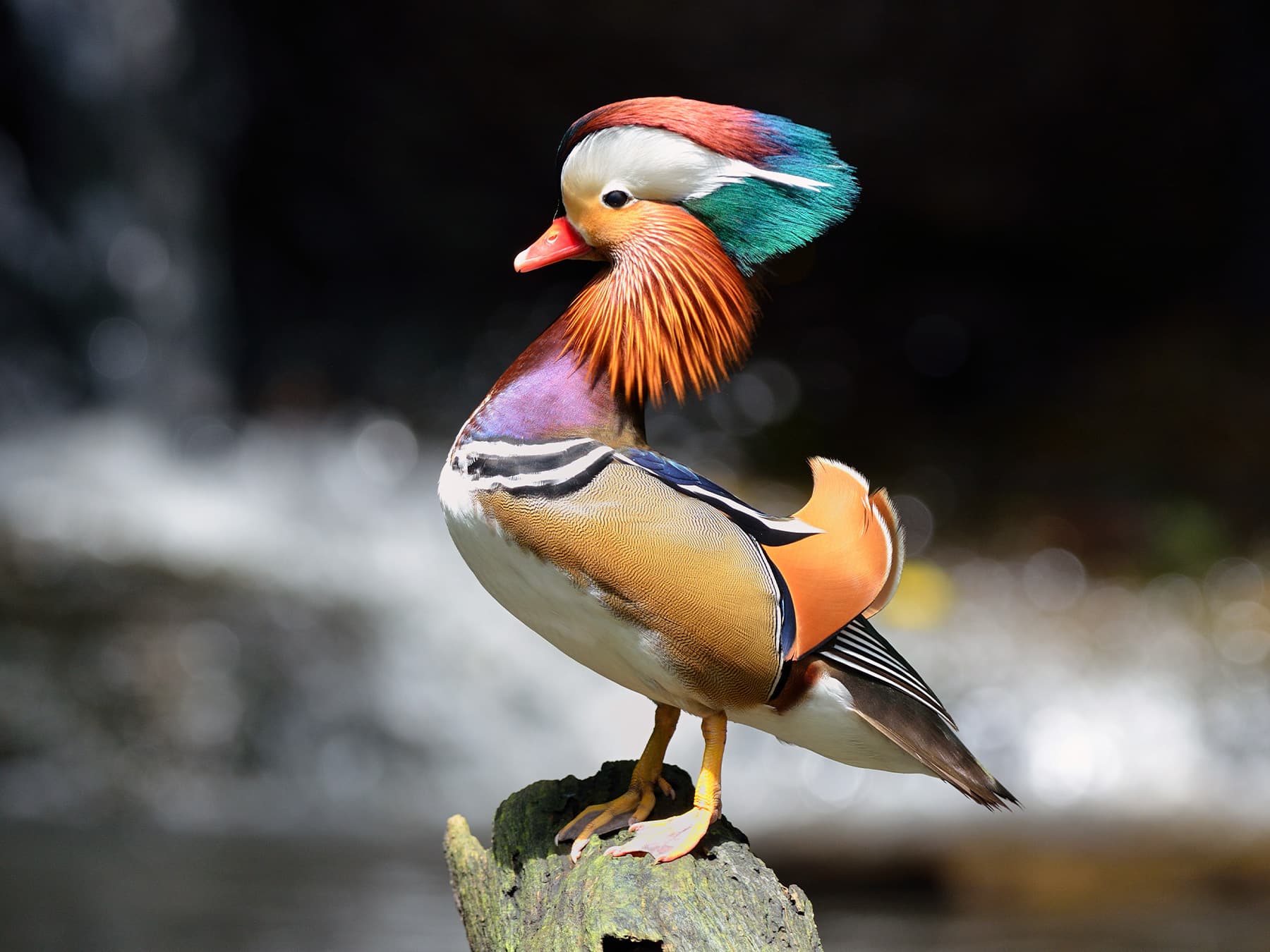
Mandarin Duck
Aix galericulataLC
A rare passage visitor occasionally noted in April. Any sightings likely involve wandering feral birds from populations further south.
Apr
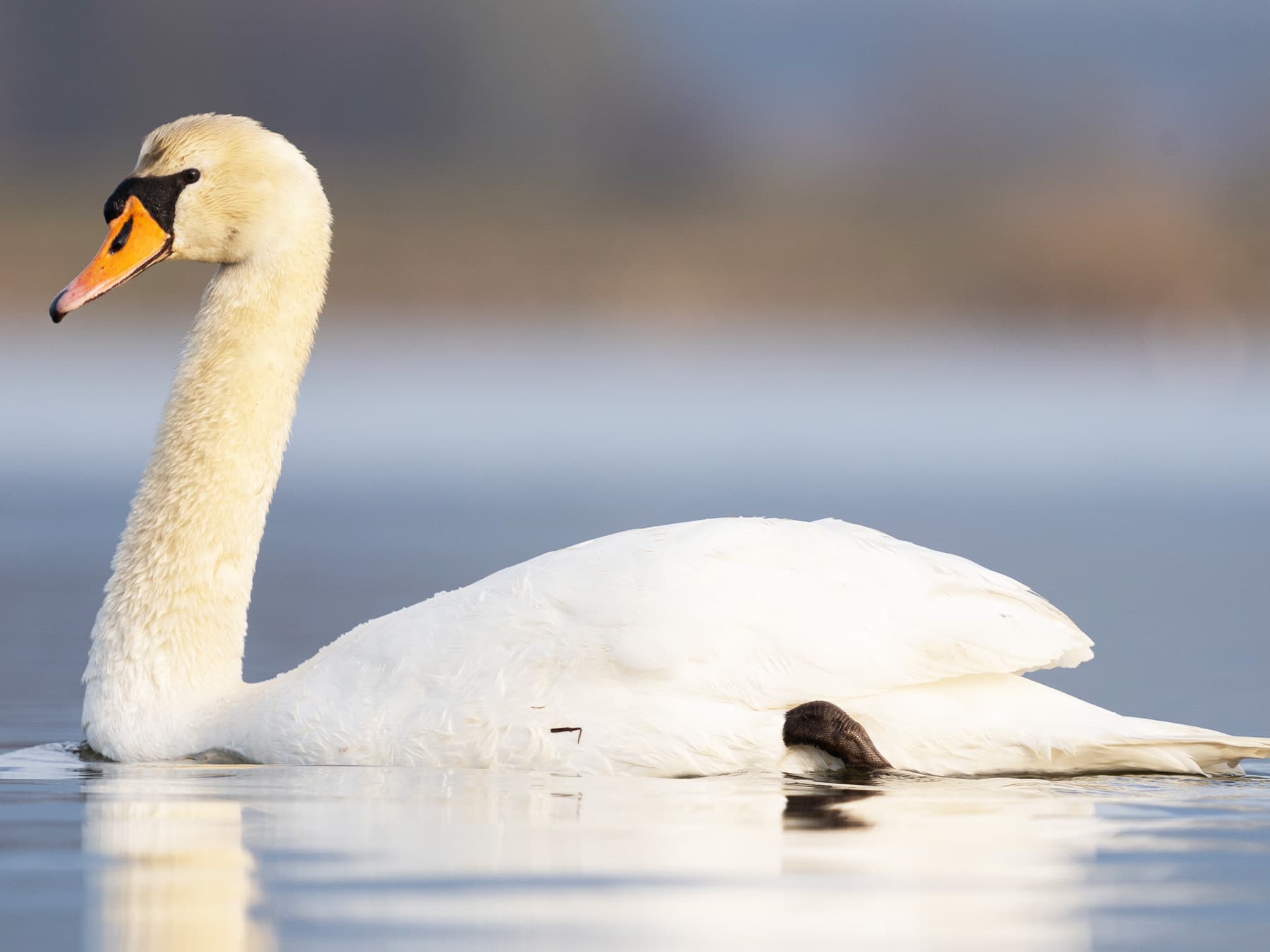
Mute Swan
Cygnus olorLC
A familiar year-round resident on rivers, lakes and sheltered coastal waters. Pairs nest along the Tyne and other lowland waterways across the county.
Year-round
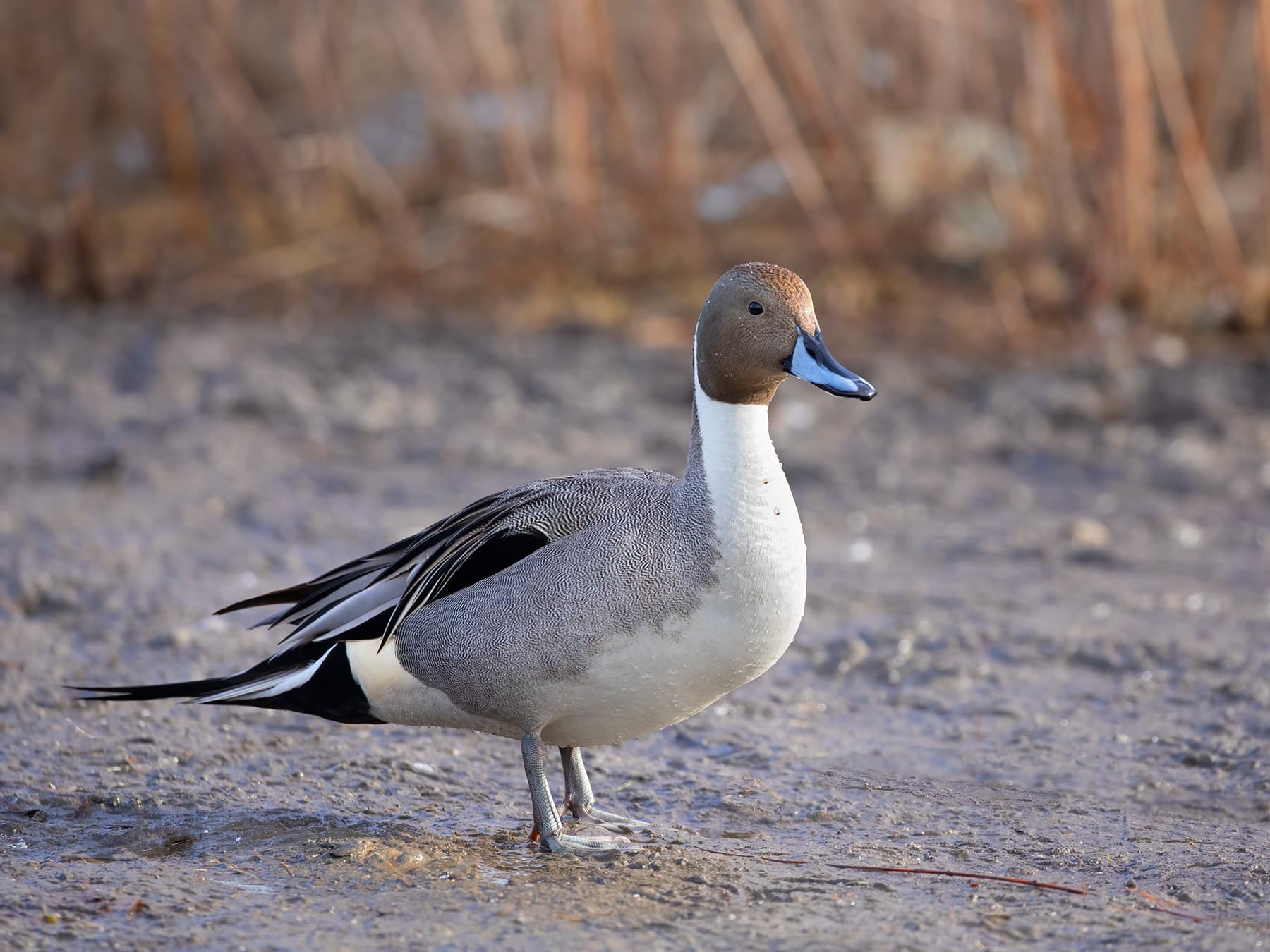
Northern Pintail
Anas acutaLC
A rare resident, most likely seen in winter on coastal pools and estuaries. Largely absent during midsummer months.
Aug–May
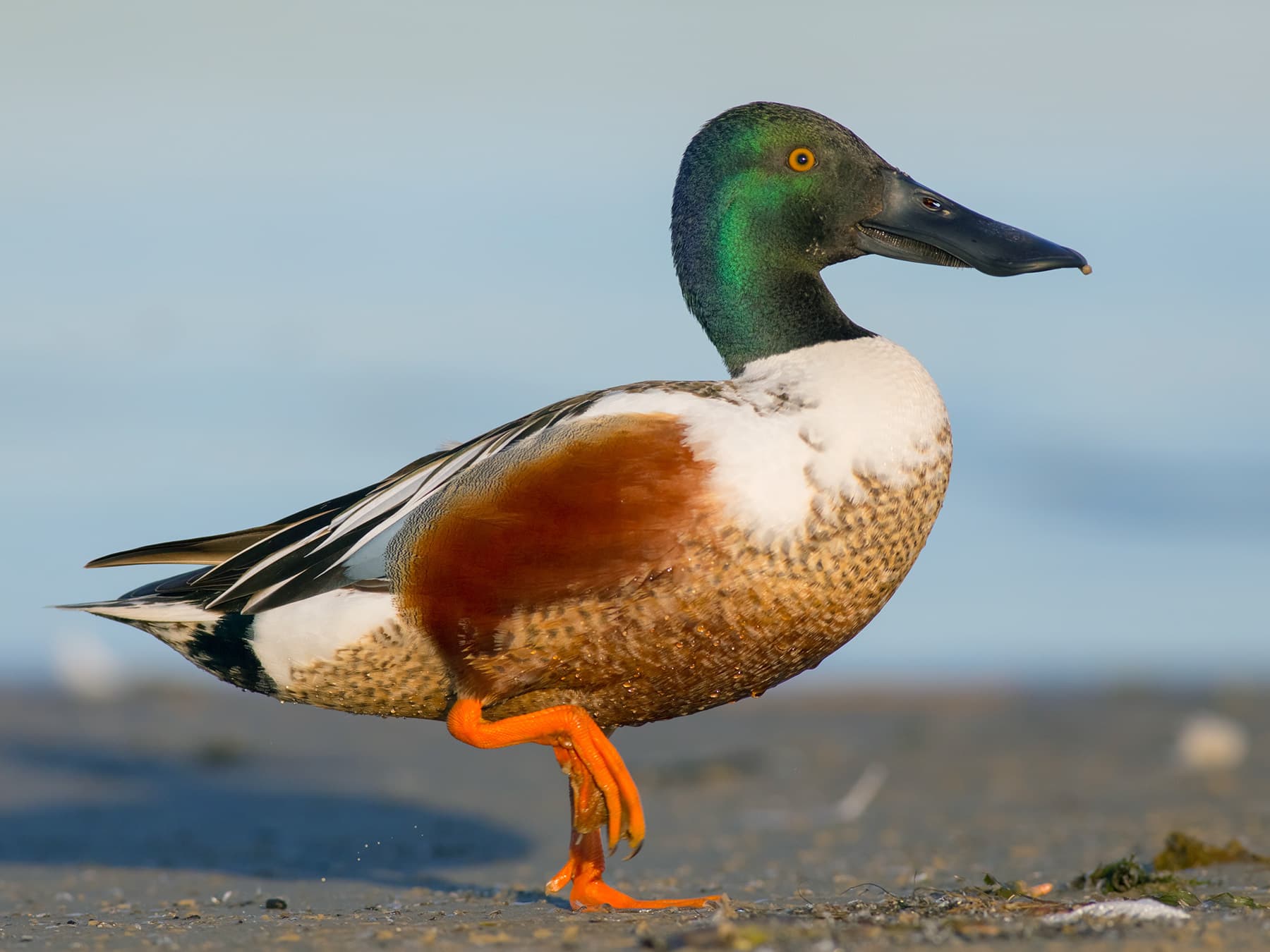
Northern Shoveler
Spatula clypeataLC
An uncommon resident of shallow wetlands and flooded fields, using its distinctive broad bill to filter-feed. Numbers increase in winter.
Year-round
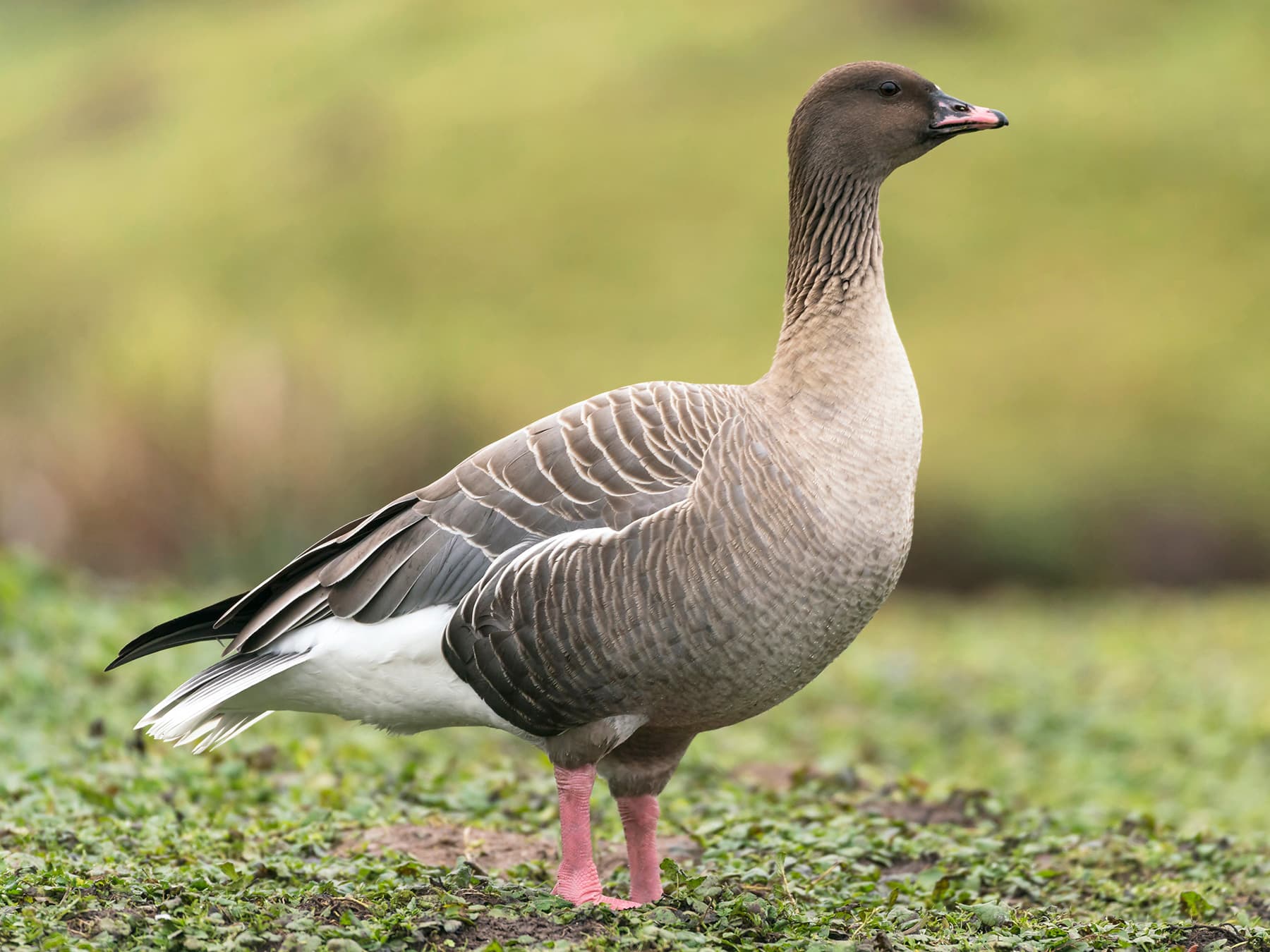
Pink-footed Goose
Anser brachyrhynchusLC
Winters in large skeins around Lindisfarne and coastal fields from September to April. One of Northumberland's great wildlife spectacles at dawn and dusk.
Sep–May