Birds in Northamptonshire
Explore 181 species found in this region.
Northamptonshire, often known as the county of spires and squires, supports a rich diversity of birdlife with 177 recorded species across its mix of rolling farmland, river valleys, reservoirs, and ancient woodlands. The county's wetland sites attract notable species such as Common Merganser, Northern Pintail, and Pink-footed Goose, while its hedgerows and woodlands are home to familiar residents like Great Tit, Magpie, and Eurasian Woodcock. From the wading Northern Lapwing on open fields to the striking Mandarin Duck along wooded waterways, Northamptonshire offers rewarding birdwatching throughout the year.
Visiting in July? Look out for Black-necked Grebe and Black-tailed Godwit arriving this month, and Avocet and Barn Owl depart for the season.


Showing 24–46 of 181 species
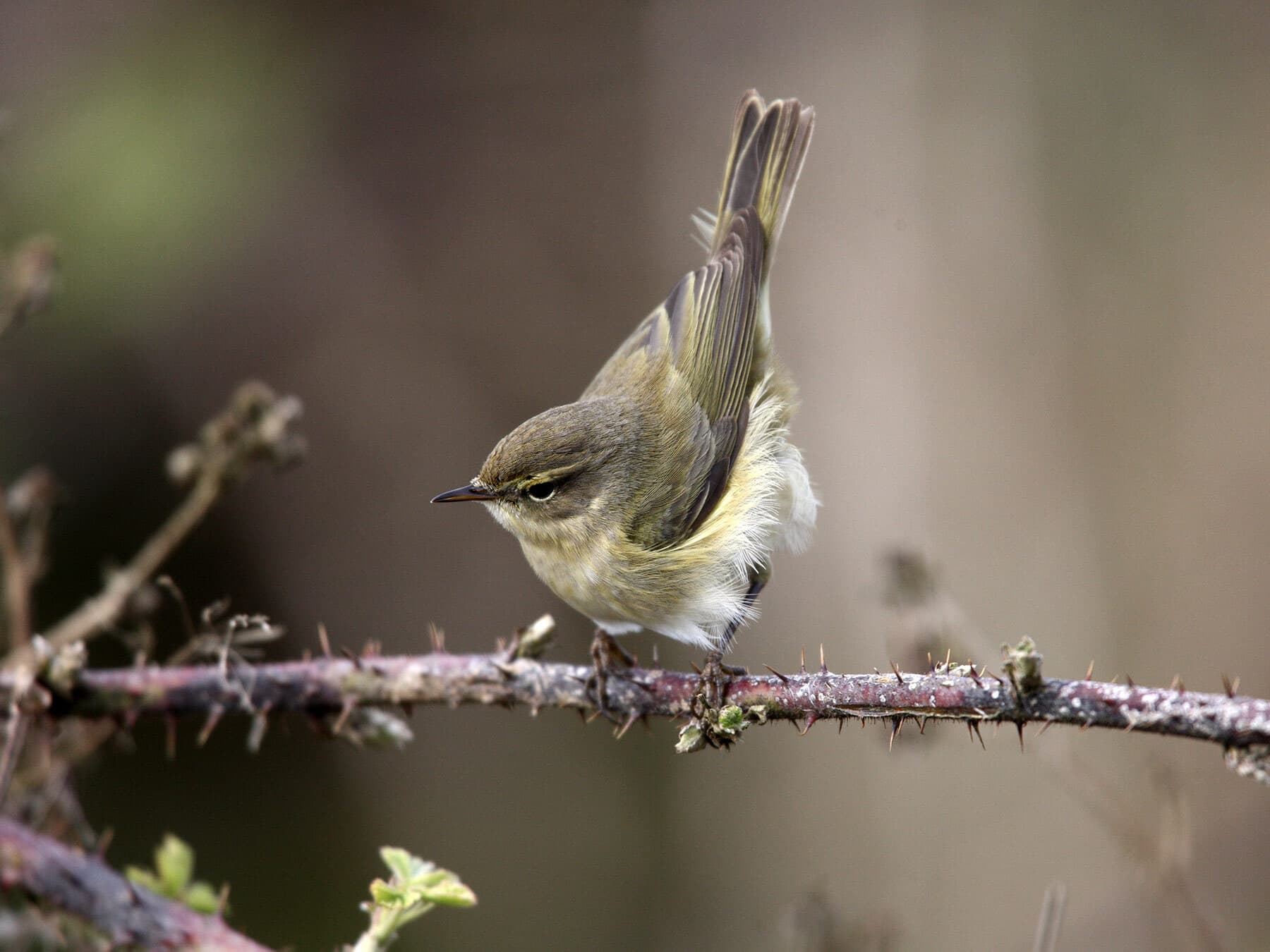
Chiffchaff
Phylloscopus collybitaLC
A common resident heard year-round in woodlands, parks and gardens. Its distinctive two-note song is one of the earliest signs of spring.
Year-round
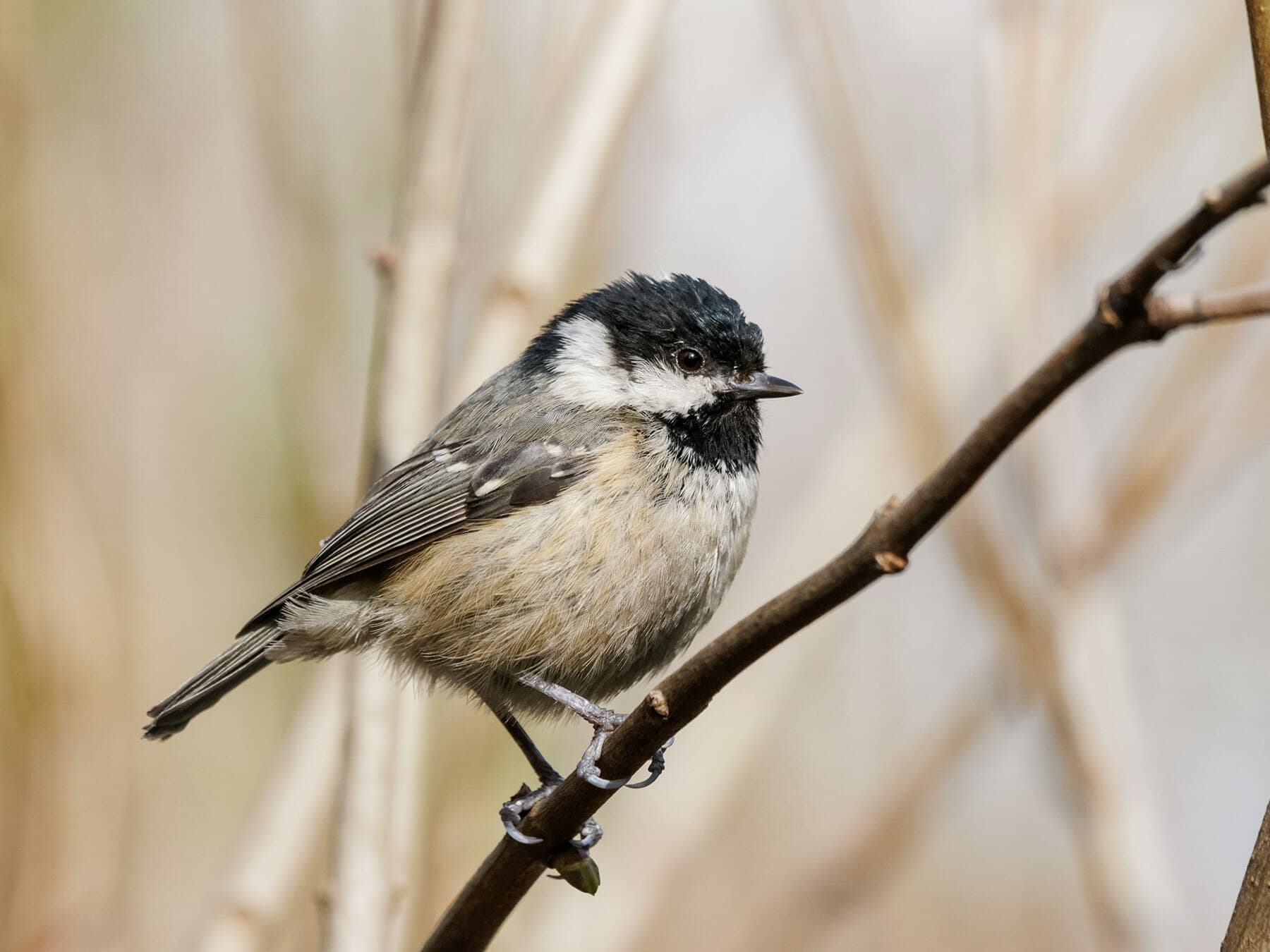
Coal Tit
Periparus aterLC
An uncommon but year-round resident of coniferous and mixed woodland, also visiting garden feeders in winter.
Year-round
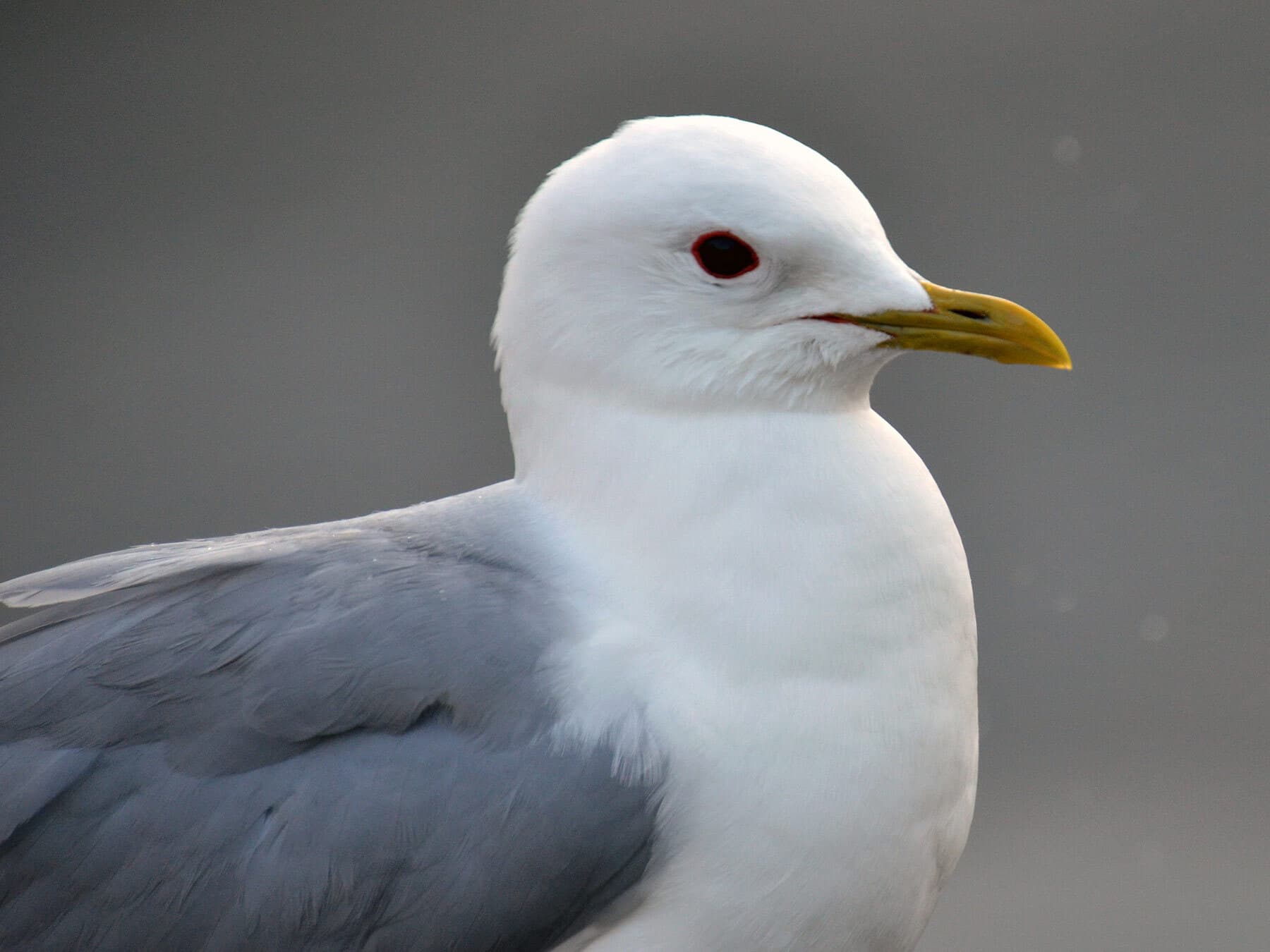
Common Gull
Larus canusLC
An uncommon resident, most numerous in winter on playing fields and reservoirs. Scarcer in summer than other gulls.
Jul–May
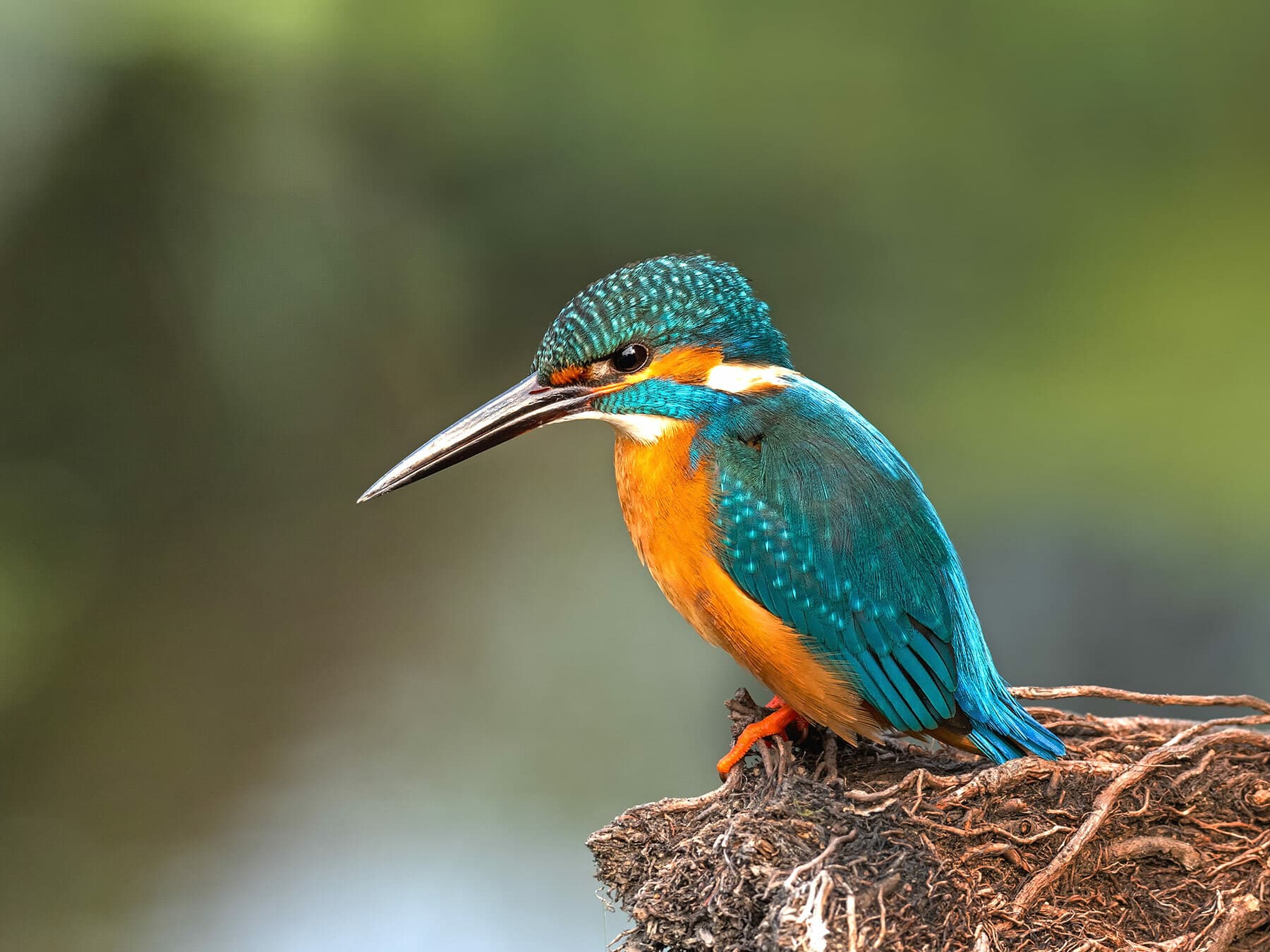
Common Kingfisher
Alcedo atthisLC
An uncommon but year-round resident along rivers and canal banks, its electric-blue flash a rewarding sight.
Year-round
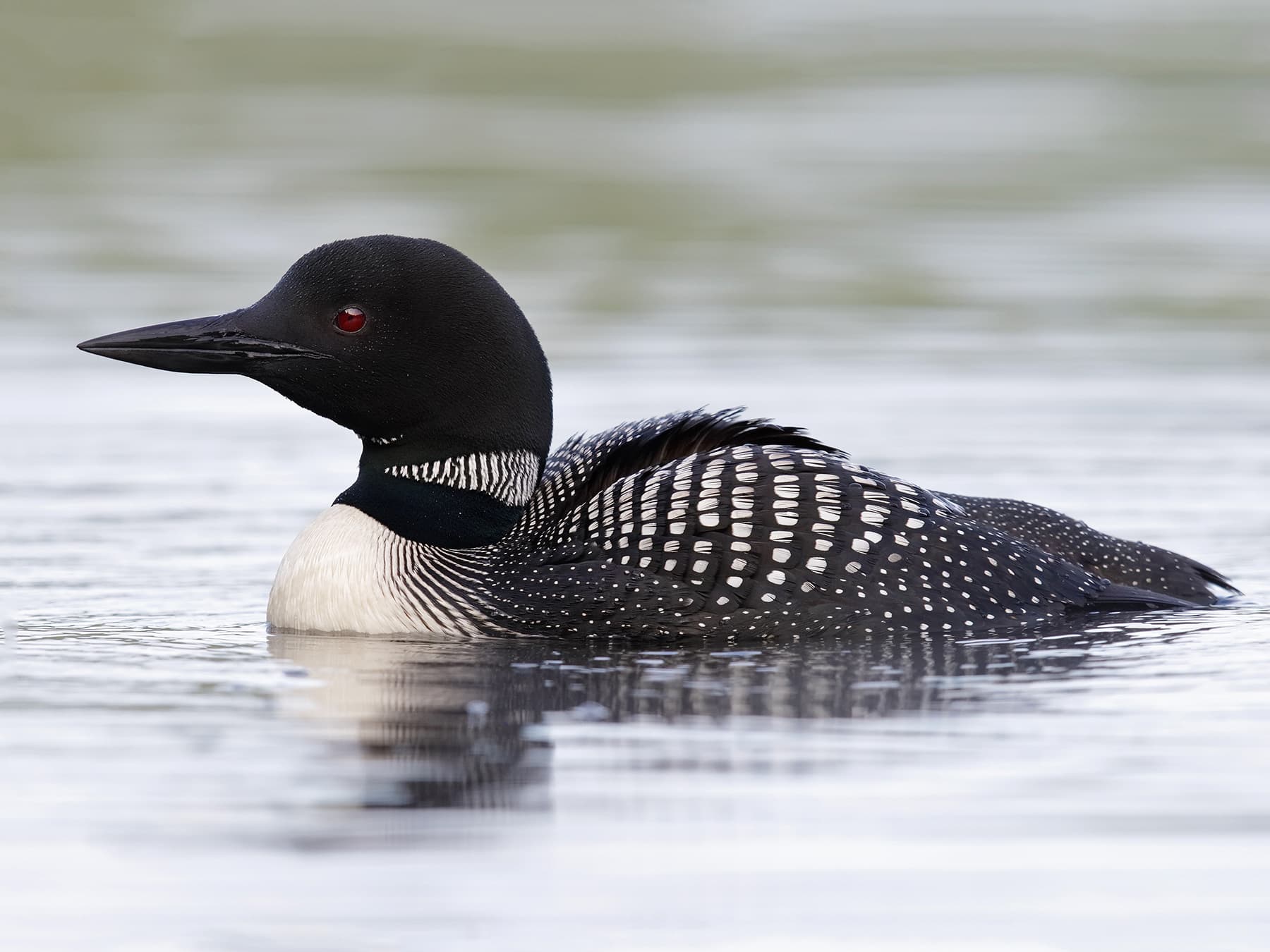
Common Loon
Gavia immerLC
A rare winter visitor occasionally found on the county's larger reservoirs such as Pitsford and Ravensthorpe in midwinter.
Dec–Feb
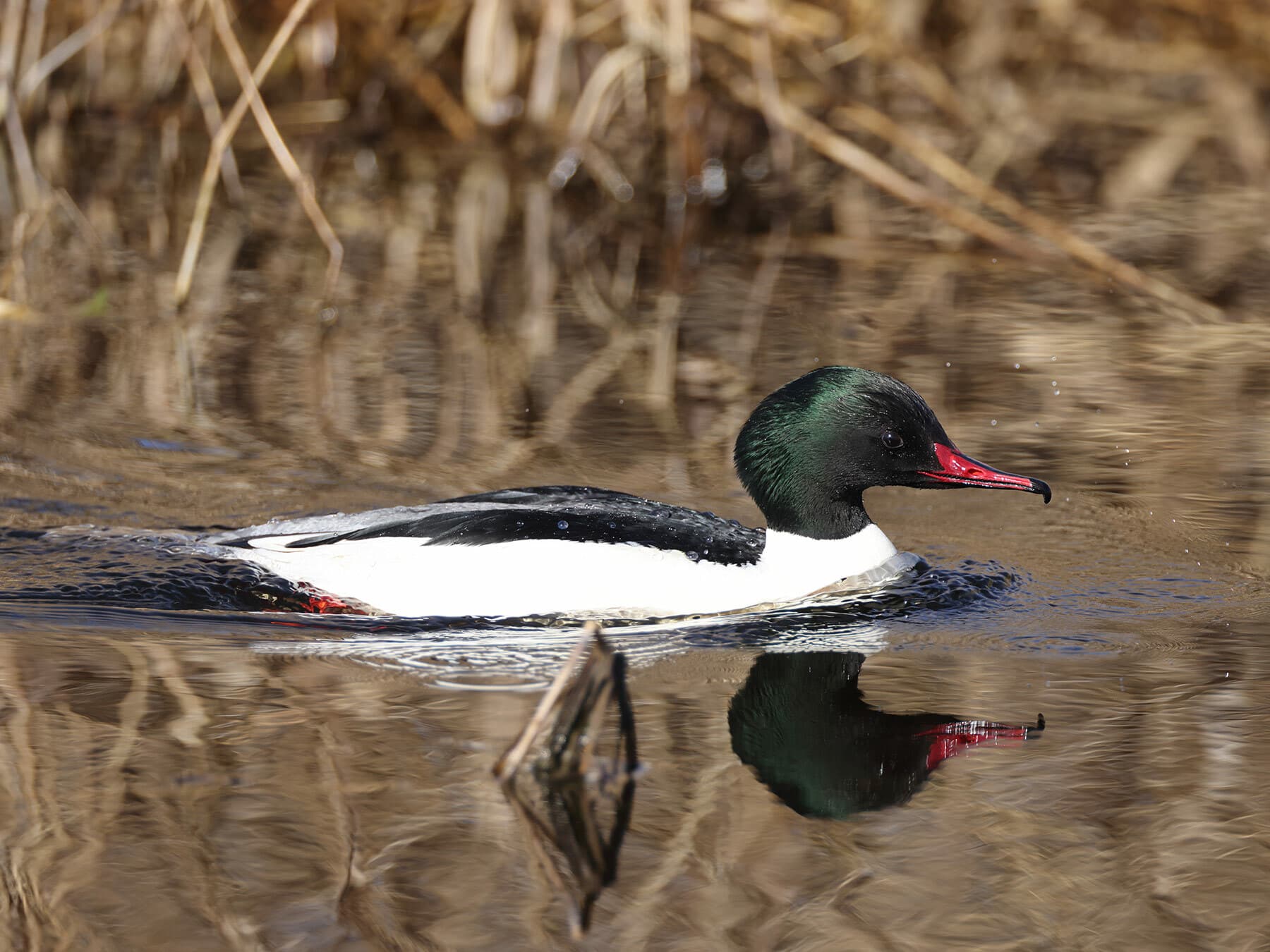
Common Merganser
Mergus merganserLC
An uncommon resident mainly seen in winter on rivers and reservoirs, with small numbers lingering into spring.
Nov–May
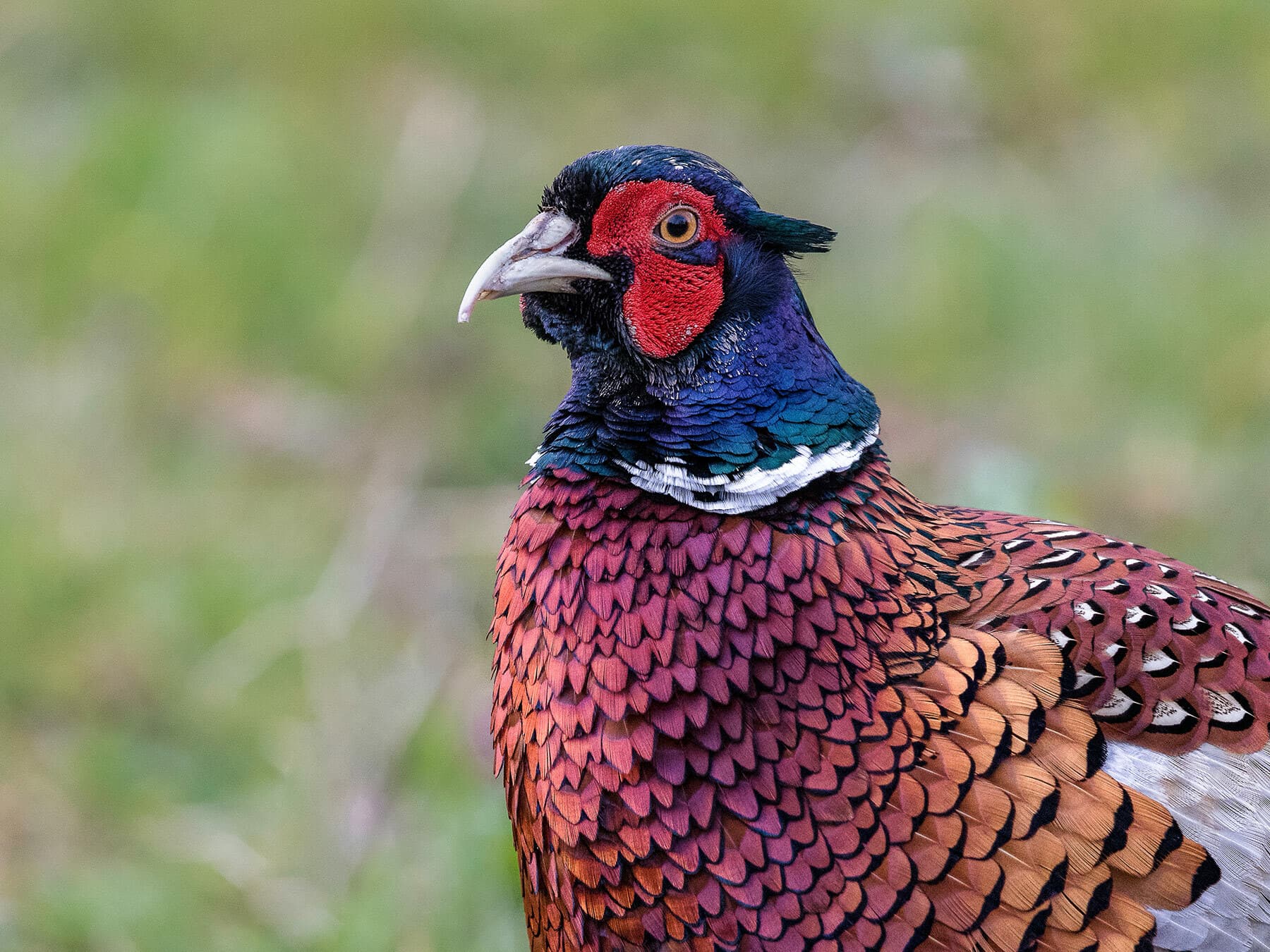
Common Pheasant
Phasianus colchicusLC
A common resident across farmland and woodland edges, bolstered by regular releases for shooting throughout the year.
Year-round
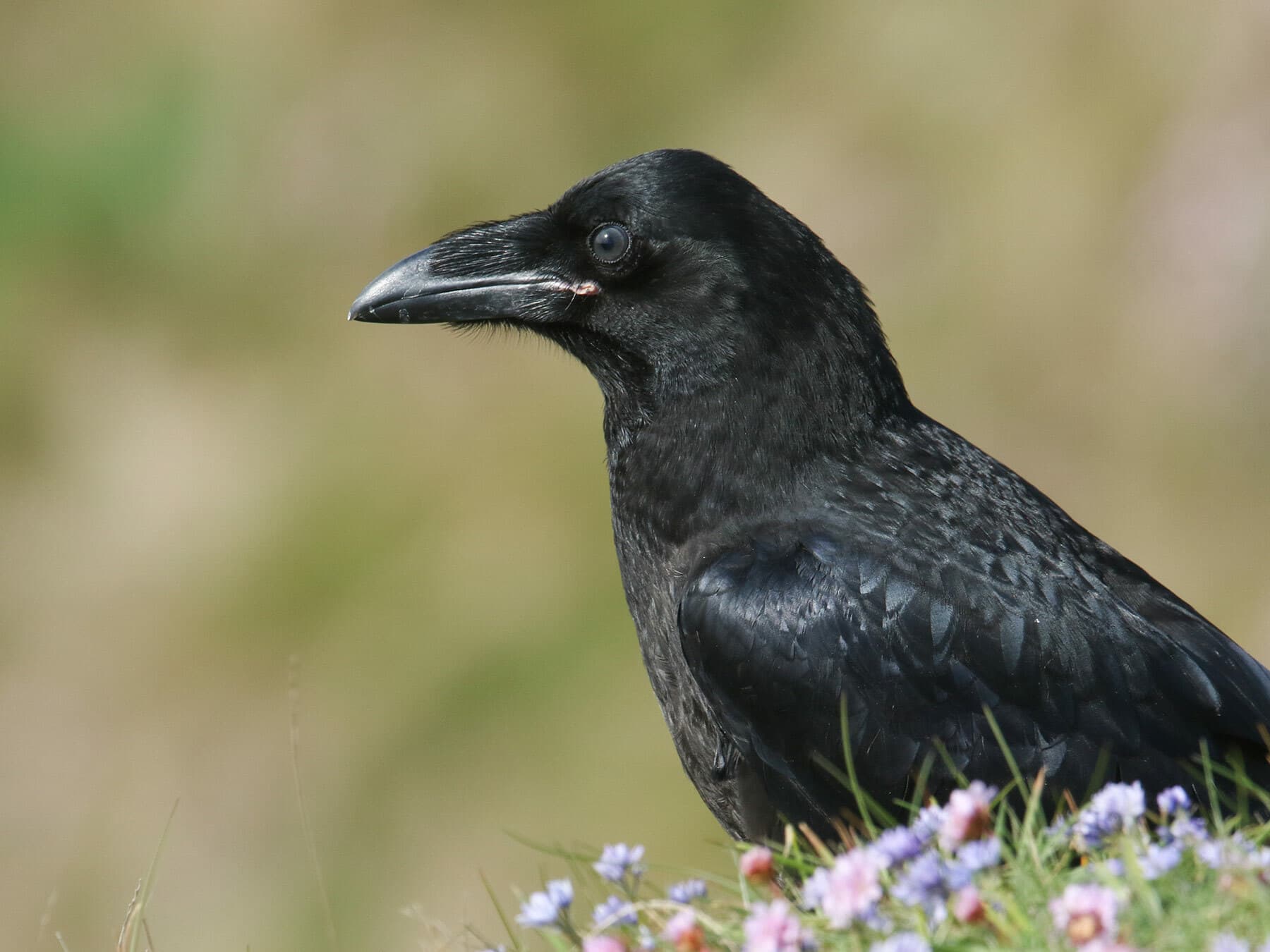
Common Raven
Corvus coraxLC
An uncommon but increasing resident, recolonising the county after a long absence. Deep cronking calls betray its presence over woodland and farmland.
Year-round
Spotted something?
Upload a photo to identify it
Identify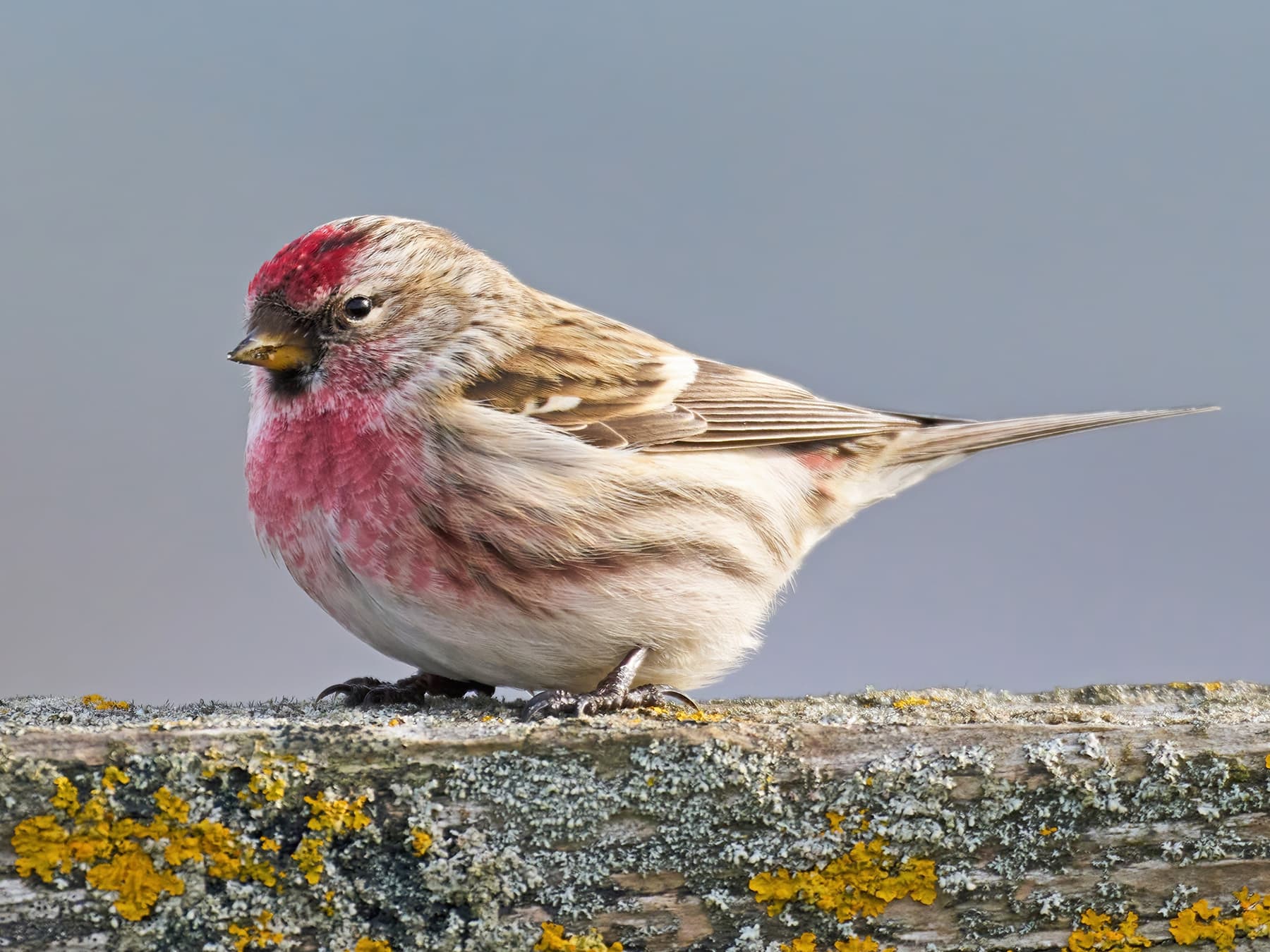
Common Redpoll
Acanthis flammeaLC
An uncommon non-breeding visitor, typically found in birch and alder along river valleys from autumn to early spring.
Sep–Apr
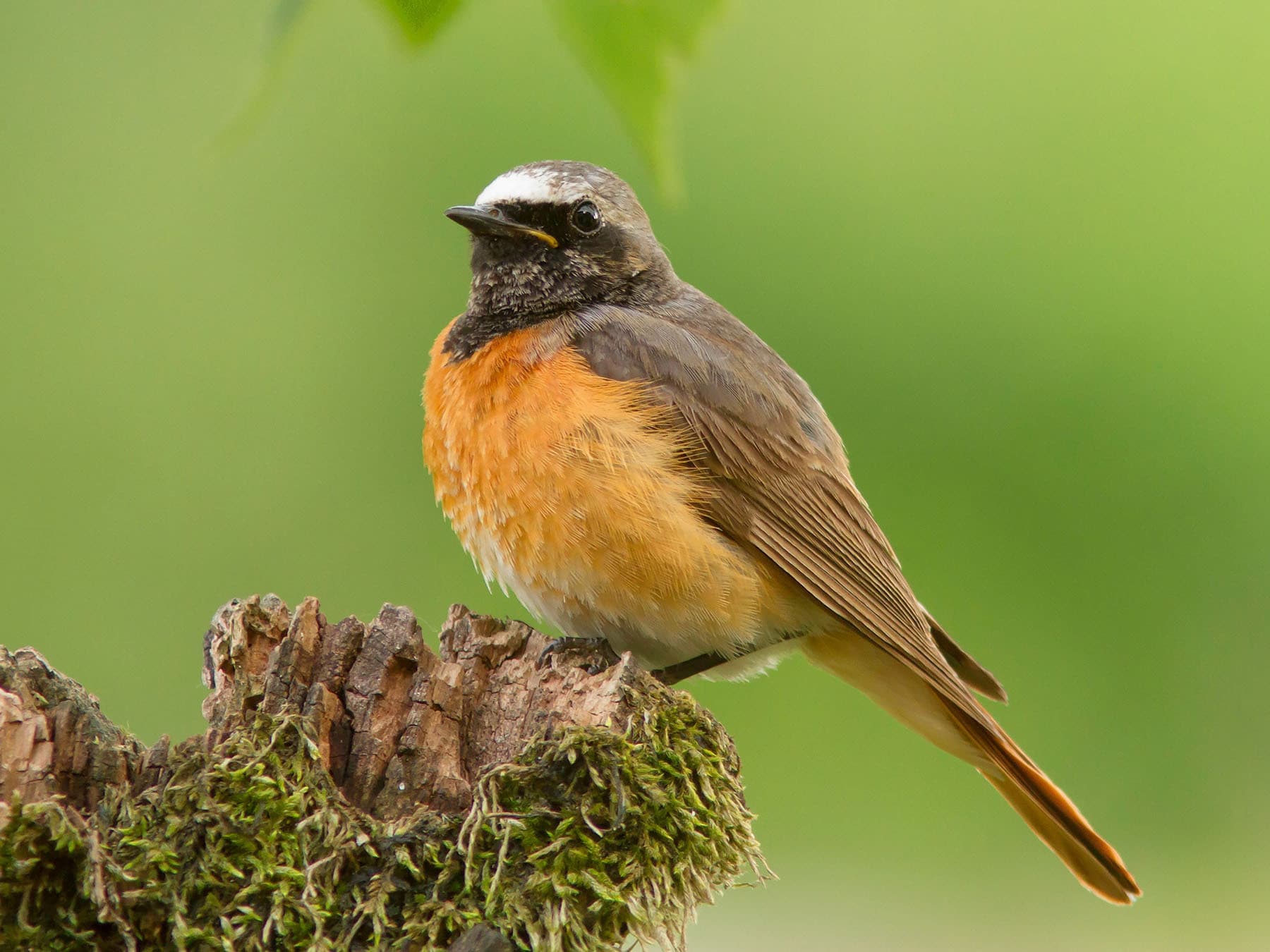
Common Redstart
Phoenicurus phoenicurusLC
A rare passage migrant, occasionally noted in spring and late summer. Does not breed in the county but may appear in mature parkland.
Apr–Aug
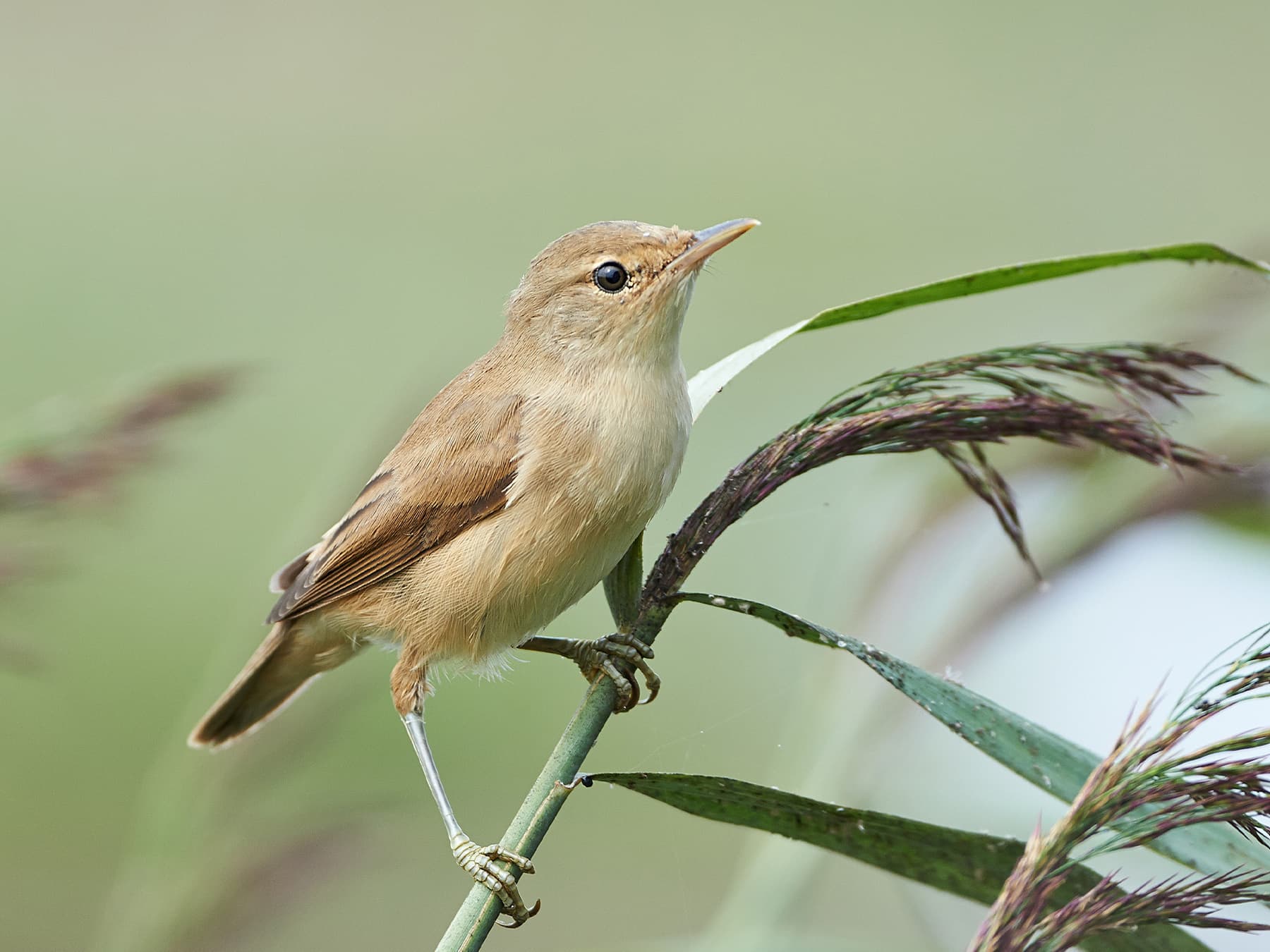
Common Reed-warbler
Acrocephalus scirpaceusLC
An uncommon summer breeder arriving in April, singing its chattering song from reedbeds and waterside vegetation.
Apr–Sep
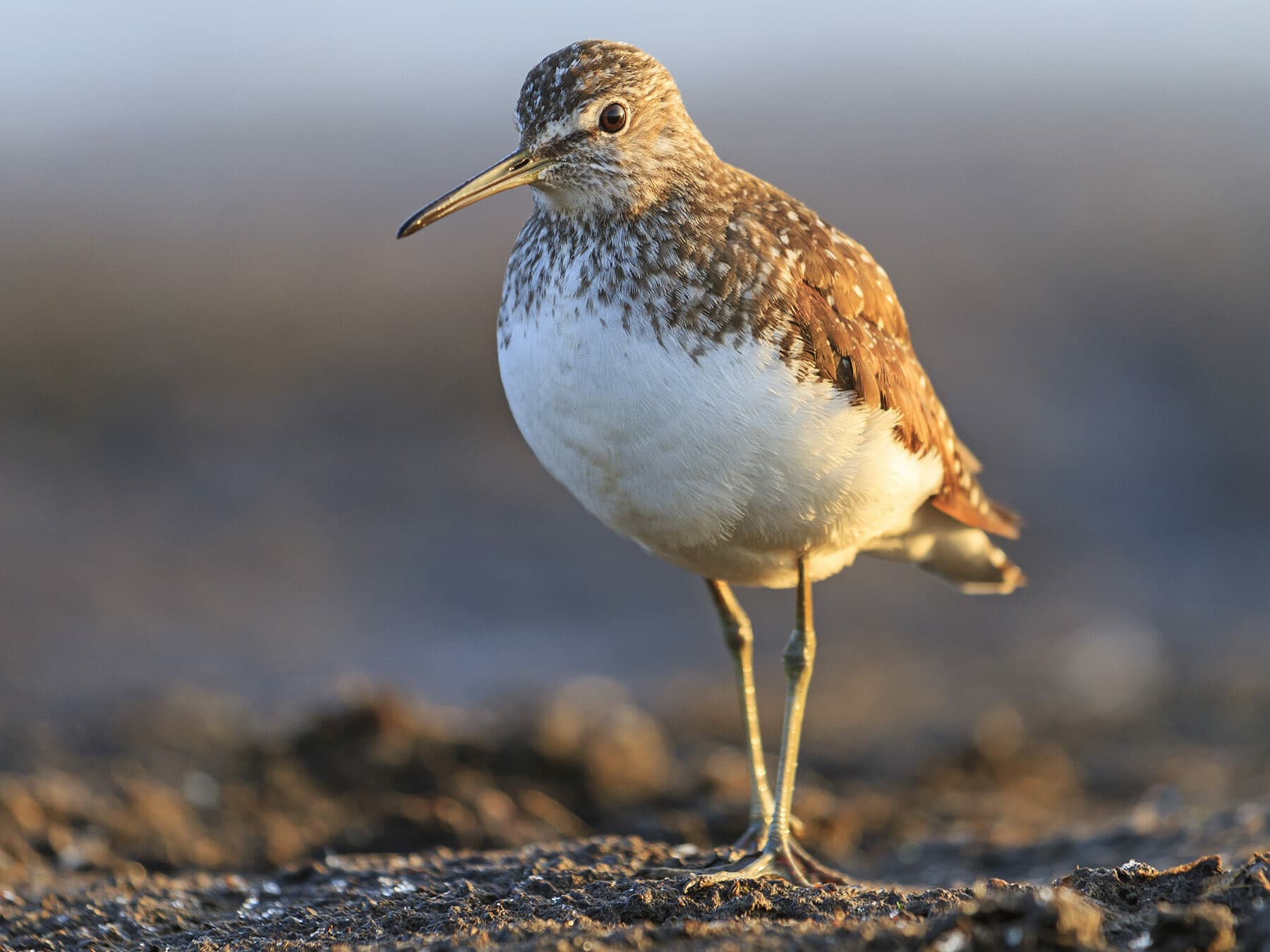
Common Sandpiper
Actitis hypoleucosLC
An uncommon summer visitor, bobbing along reservoir shores and gravel pit edges from April to September.
Apr–Sep
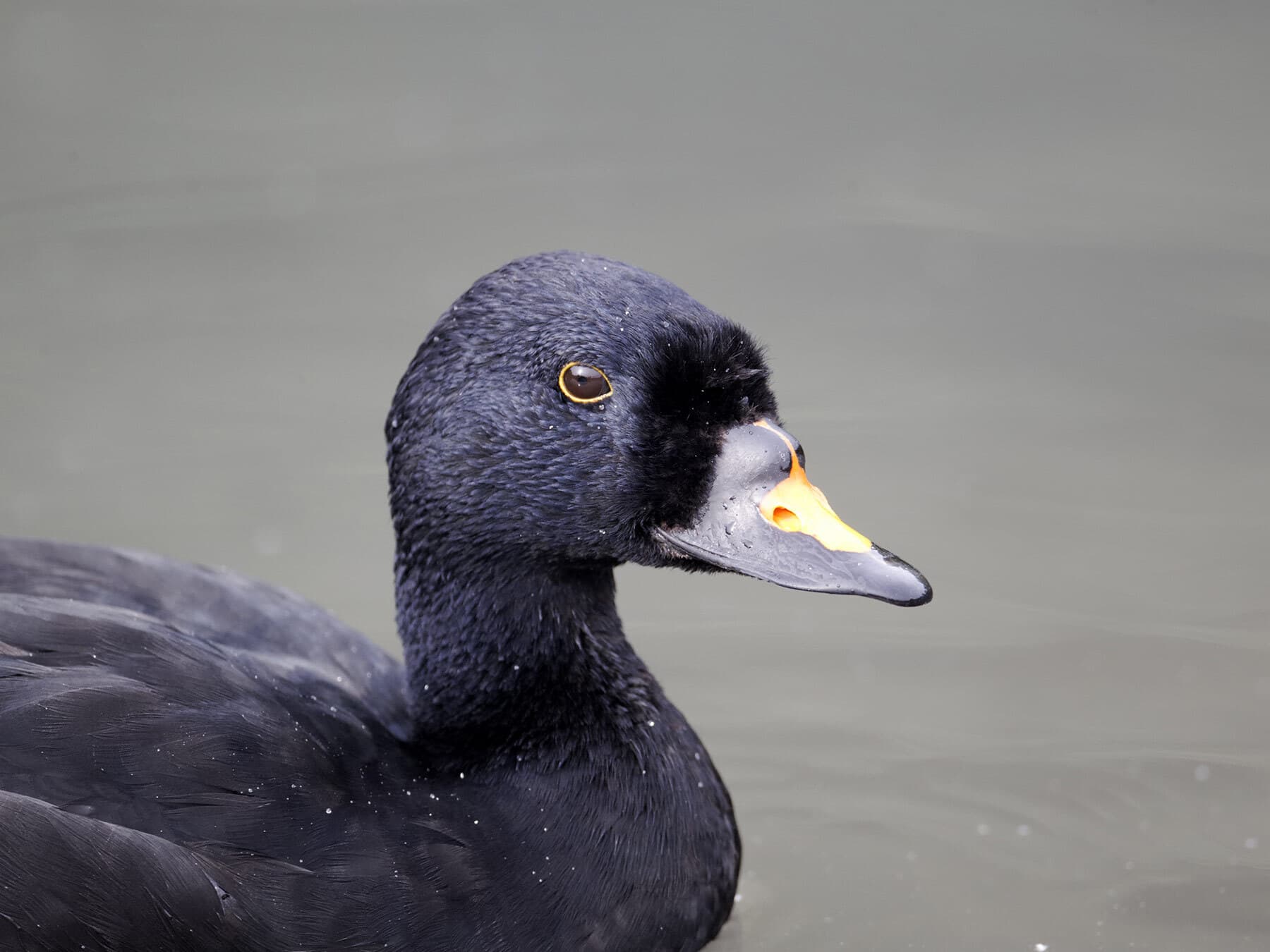
Common Scoter
Melanitta nigraLC
A rare passage migrant, occasionally dropping in at reservoirs during February and September, far from its usual coastal haunts.
Sep–Feb
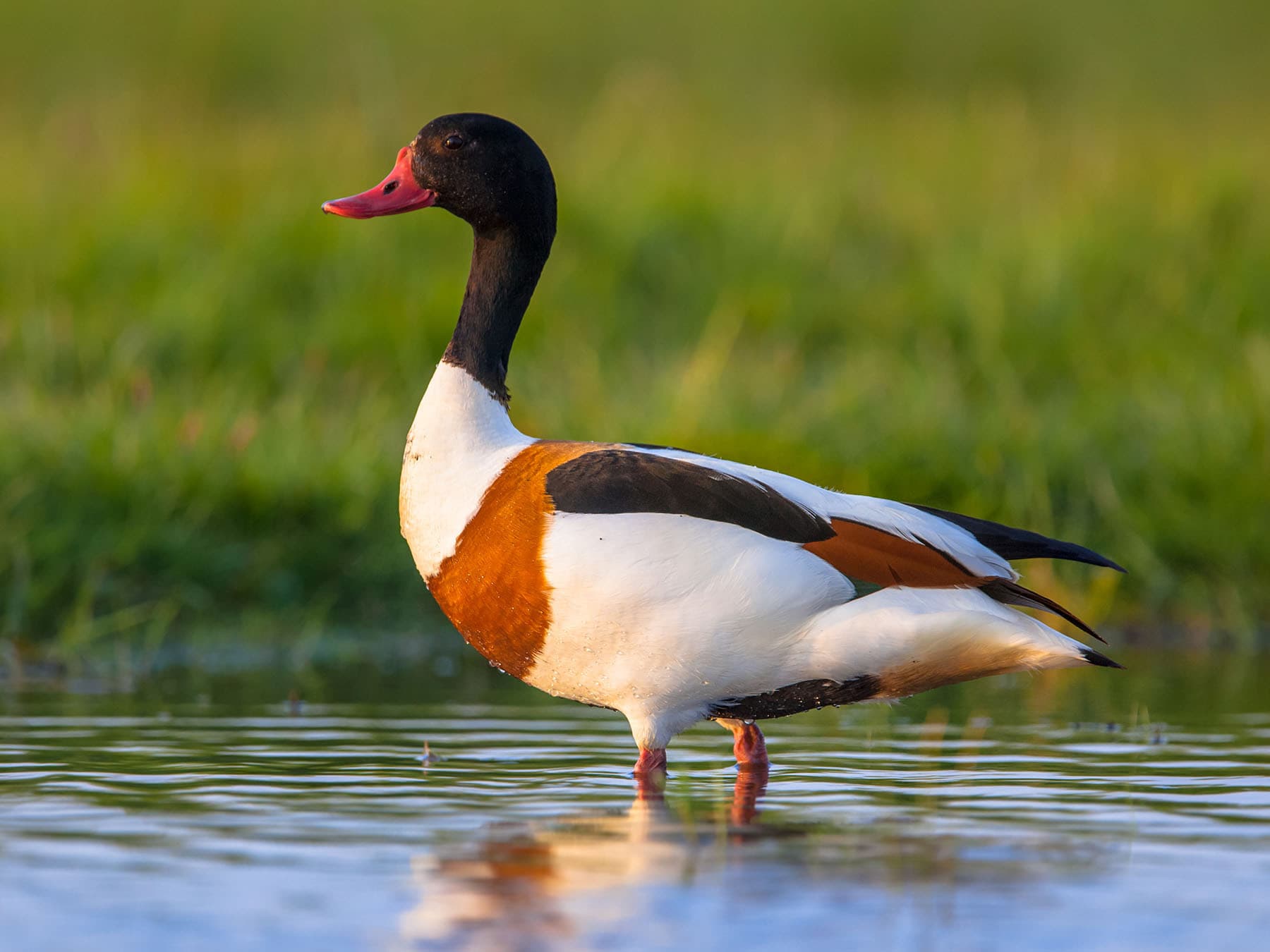
Common Shelduck
Tadorna tadornaLC
A scarce resident breeding in small numbers at reservoirs and gravel pits, with occasional gaps in late summer and autumn records.
Sep–Jul
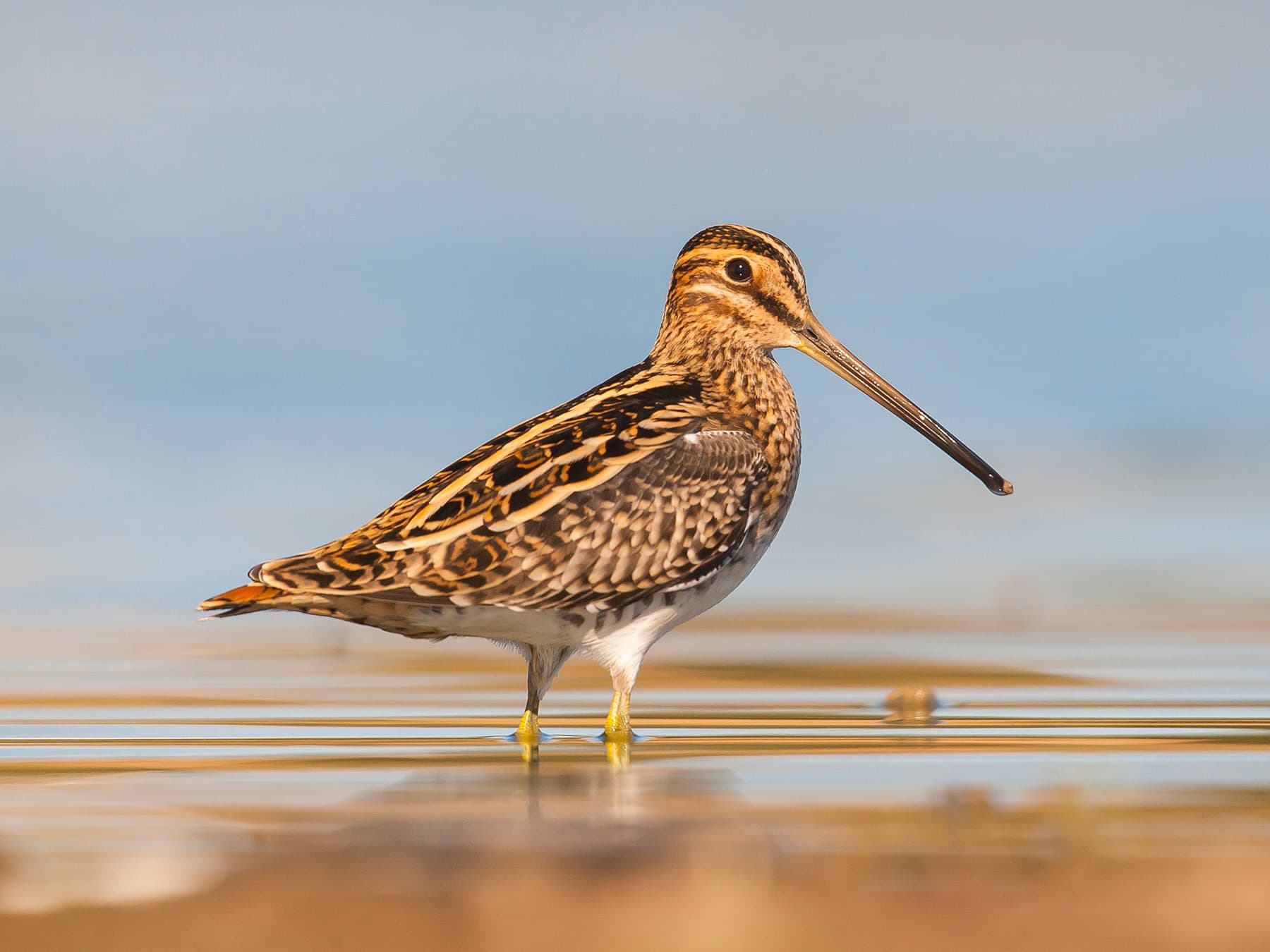
Common Snipe
Gallinago gallinagoLC
An uncommon resident of wet meadows and marshy areas, most conspicuous when flushed from waterside vegetation in winter.
Jul–May
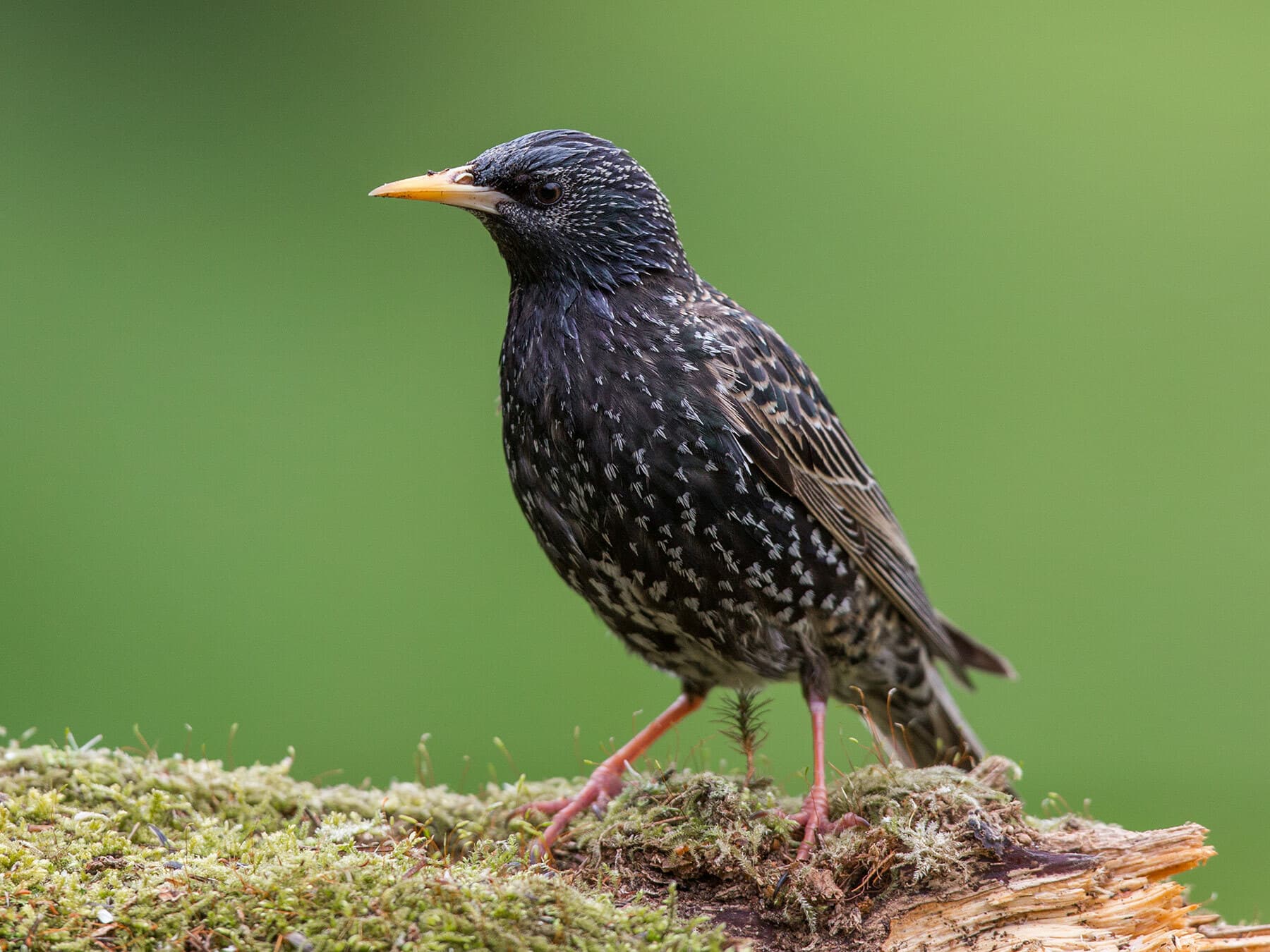
Common Starling
Sturnus vulgarisLC
A common resident, though declining nationally. Winter roosts can number thousands, with spectacular murmurations over towns and reedbeds.
Year-round
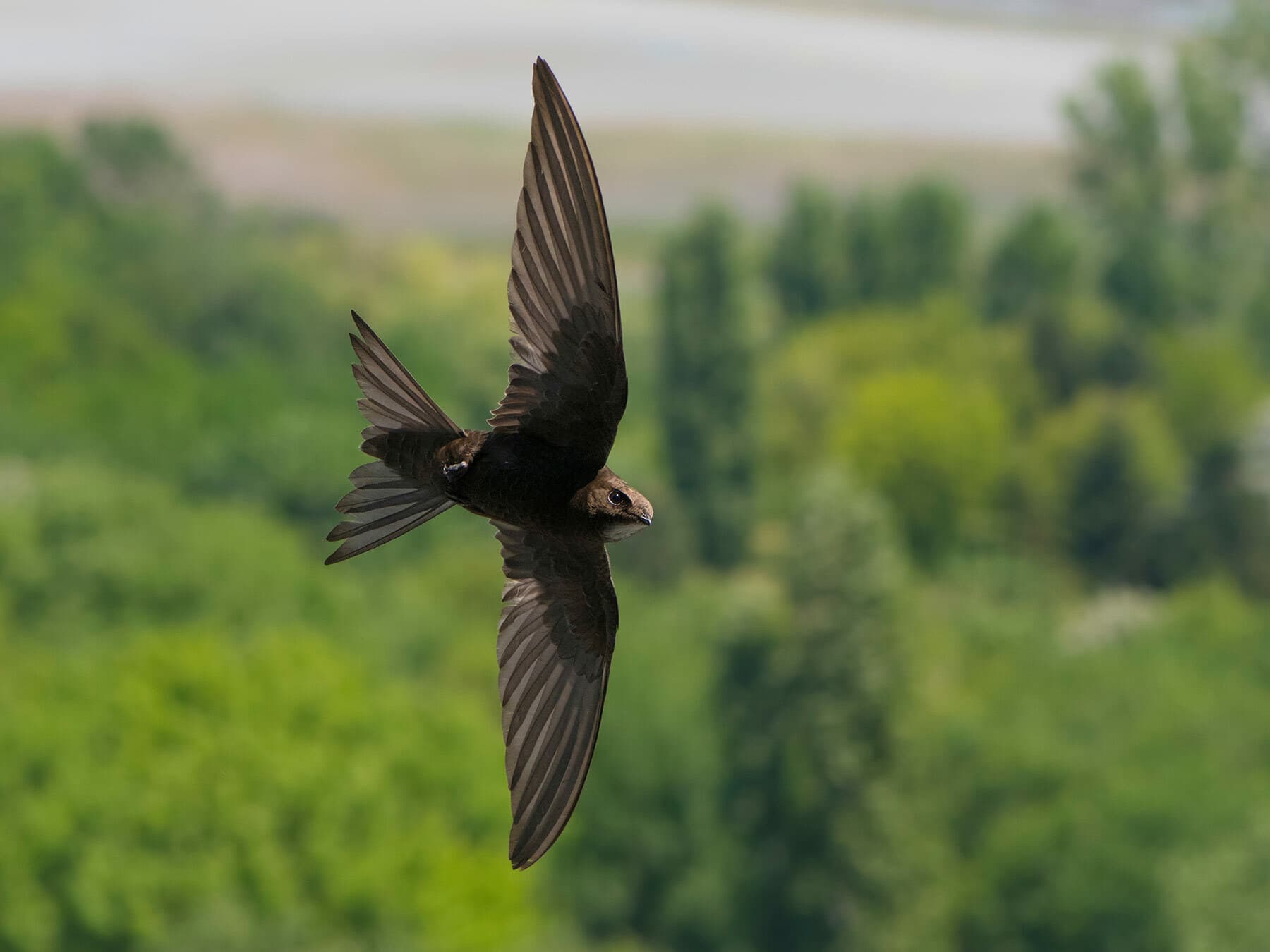
Common Swift
Apus apusLC
A common summer breeder screaming over towns and villages from late April to August. Numbers have declined in recent decades.
Apr–Sep
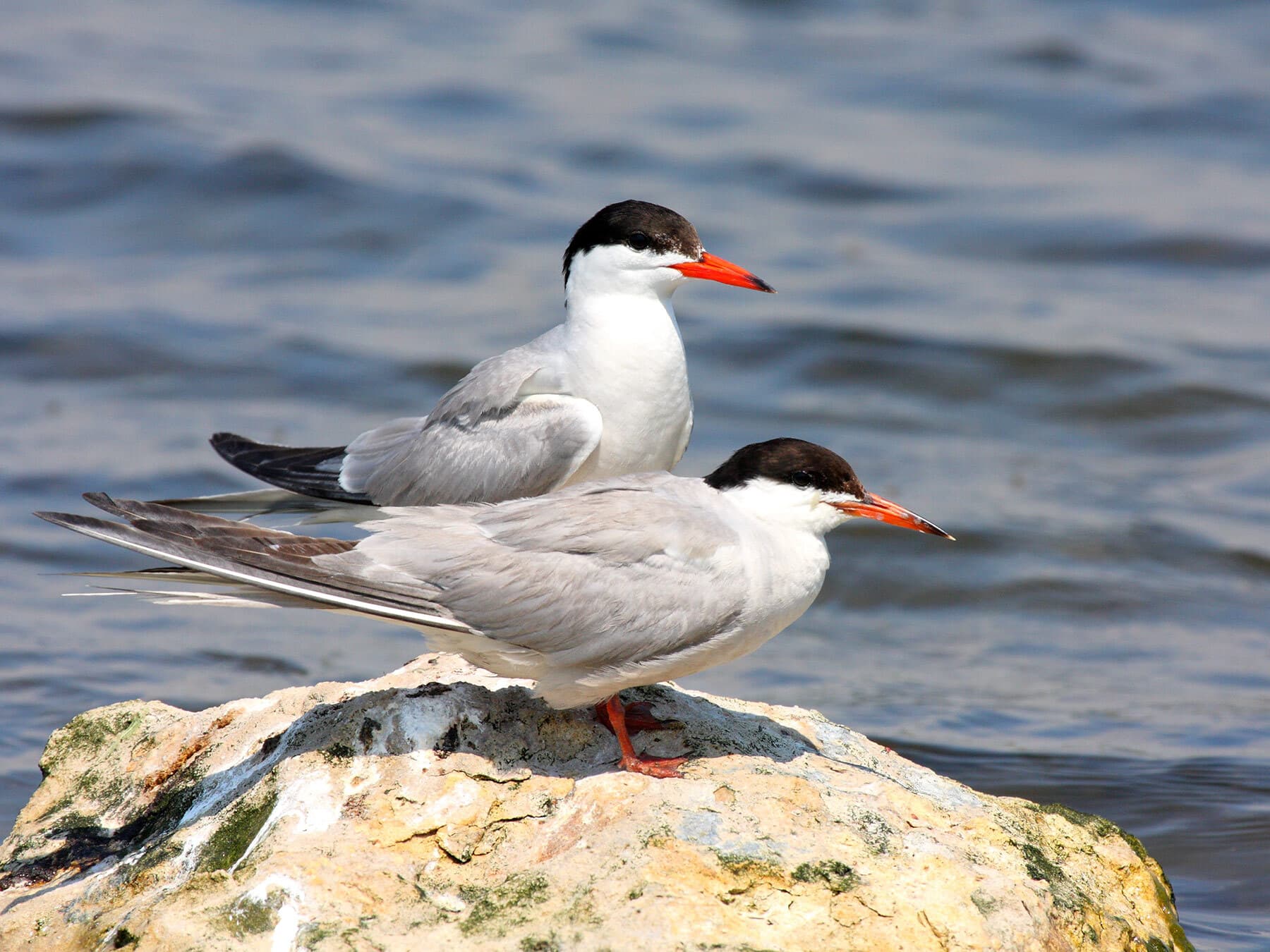
Common Tern
Sterna hirundoLC
A common breeding summer visitor nesting at gravel pits and reservoirs such as Pitsford and Daventry, arriving from April.
Apr–Sep
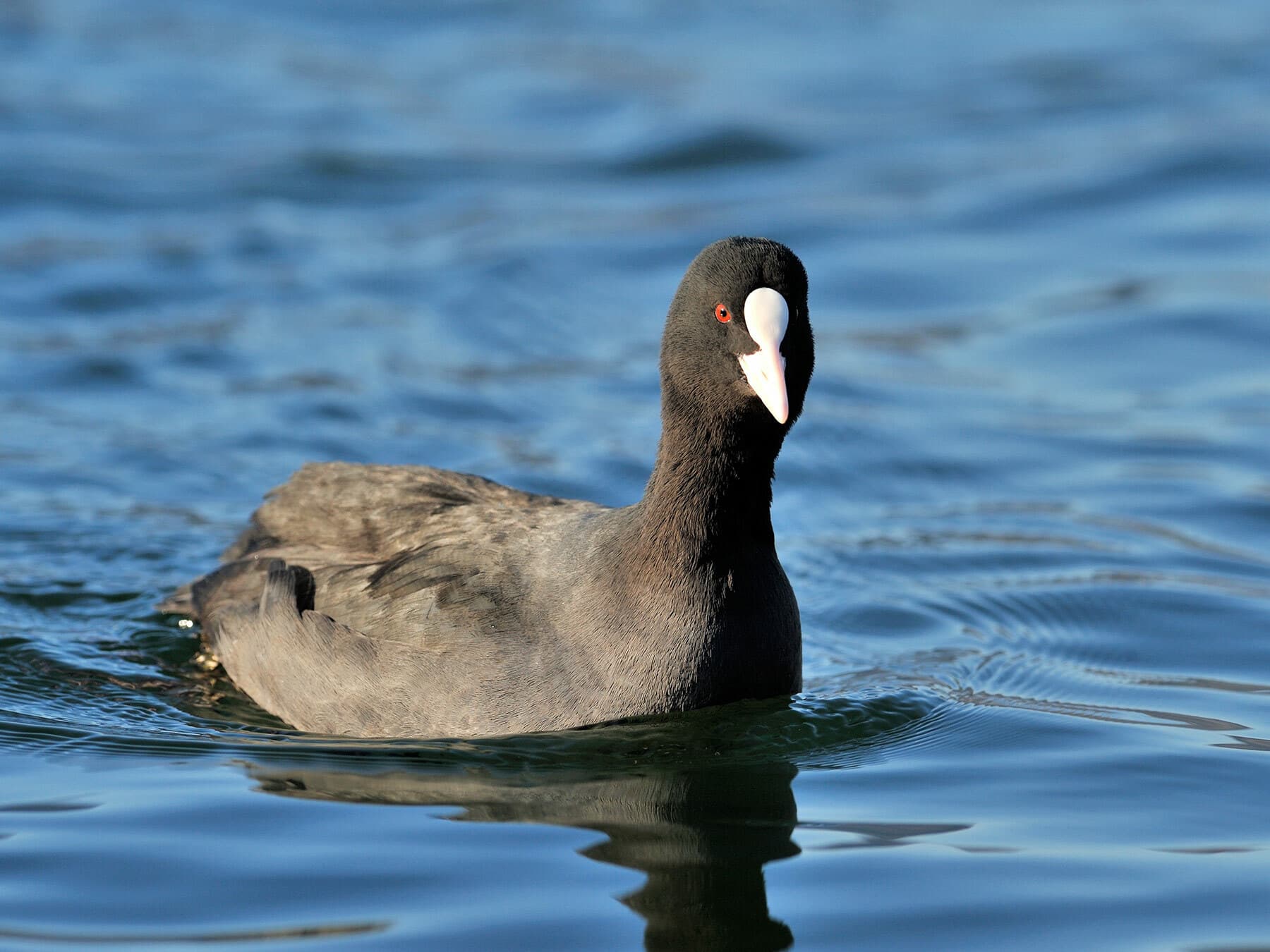
Coot
Fulica atraLC
A common resident on lakes, reservoirs, and gravel pits throughout the county, forming large winter flocks.
Year-round
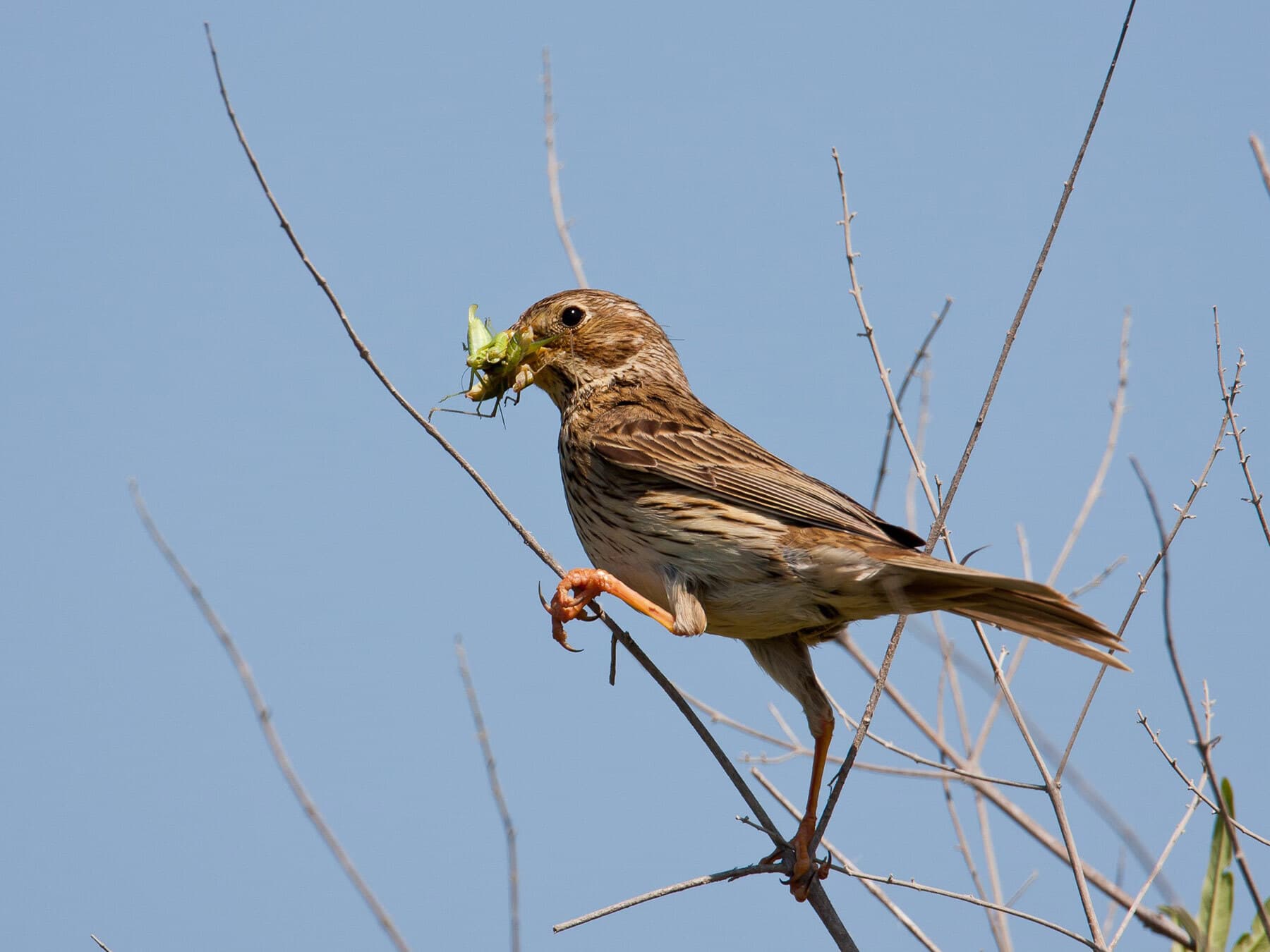
Corn Bunting
Emberiza calandraLC
A rare passage bird now virtually lost as a breeding species in the county. Occasional May records hint at lingering migrants on arable land.
May
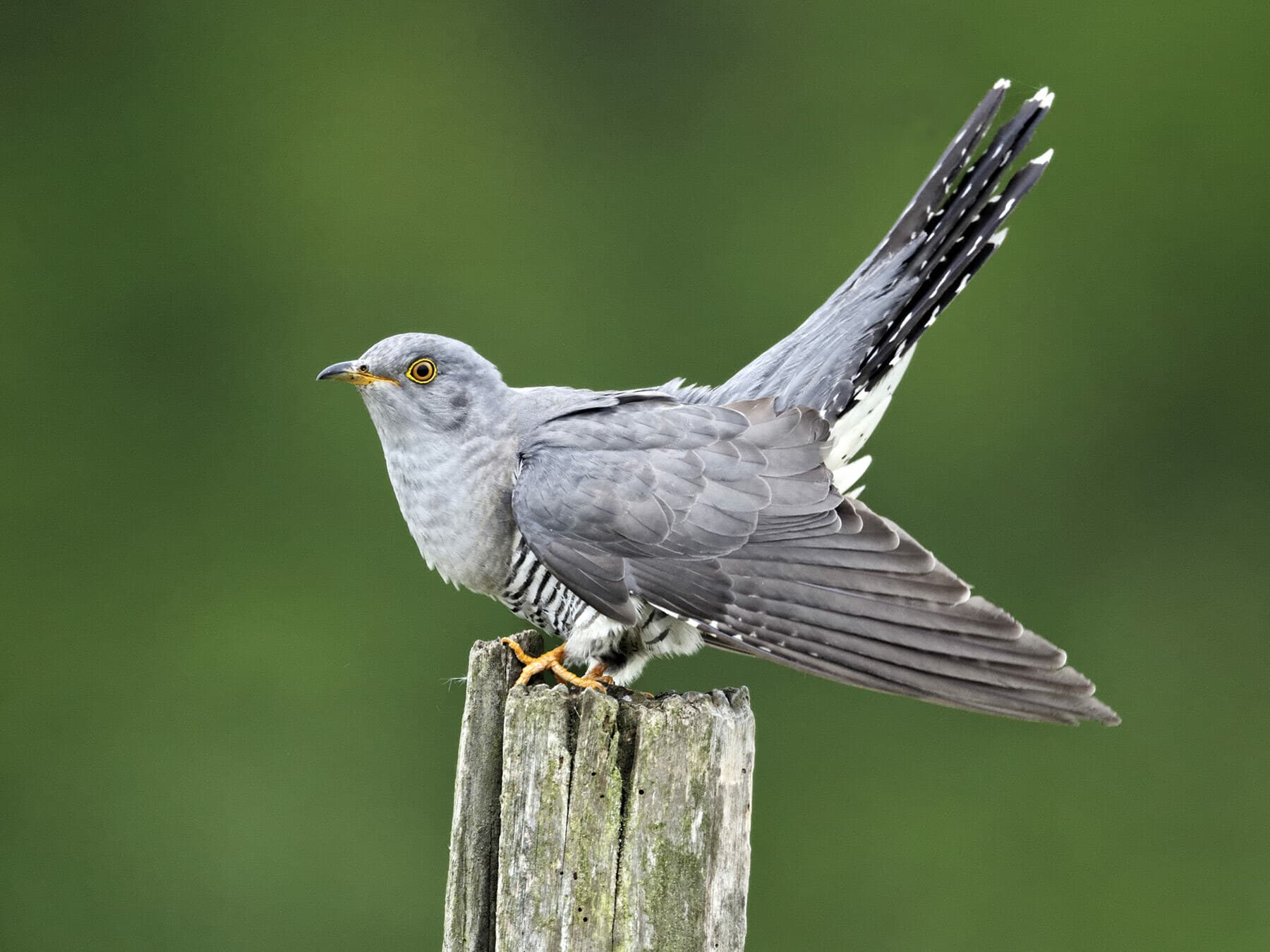
Cuckoo
Cuculus canorusLC
An uncommon summer breeder arriving in April, its distinctive call heard around woodland edges and reedbeds until July.
Apr–Jul
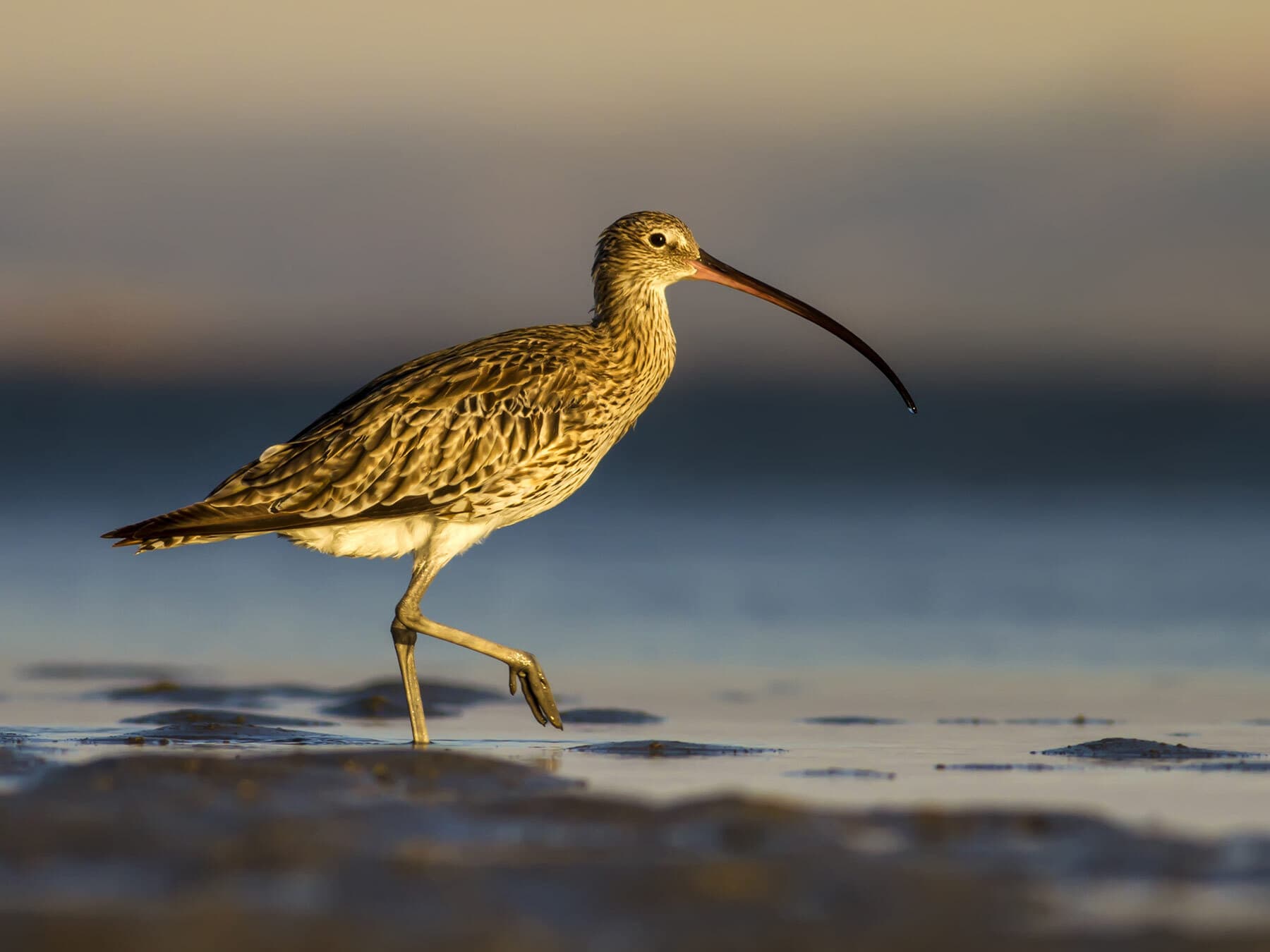
Curlew
Numenius arquataNT
A rare passage visitor, heard calling over wetlands and fields mainly in late winter and midsummer as it moves through.
Feb–Aug
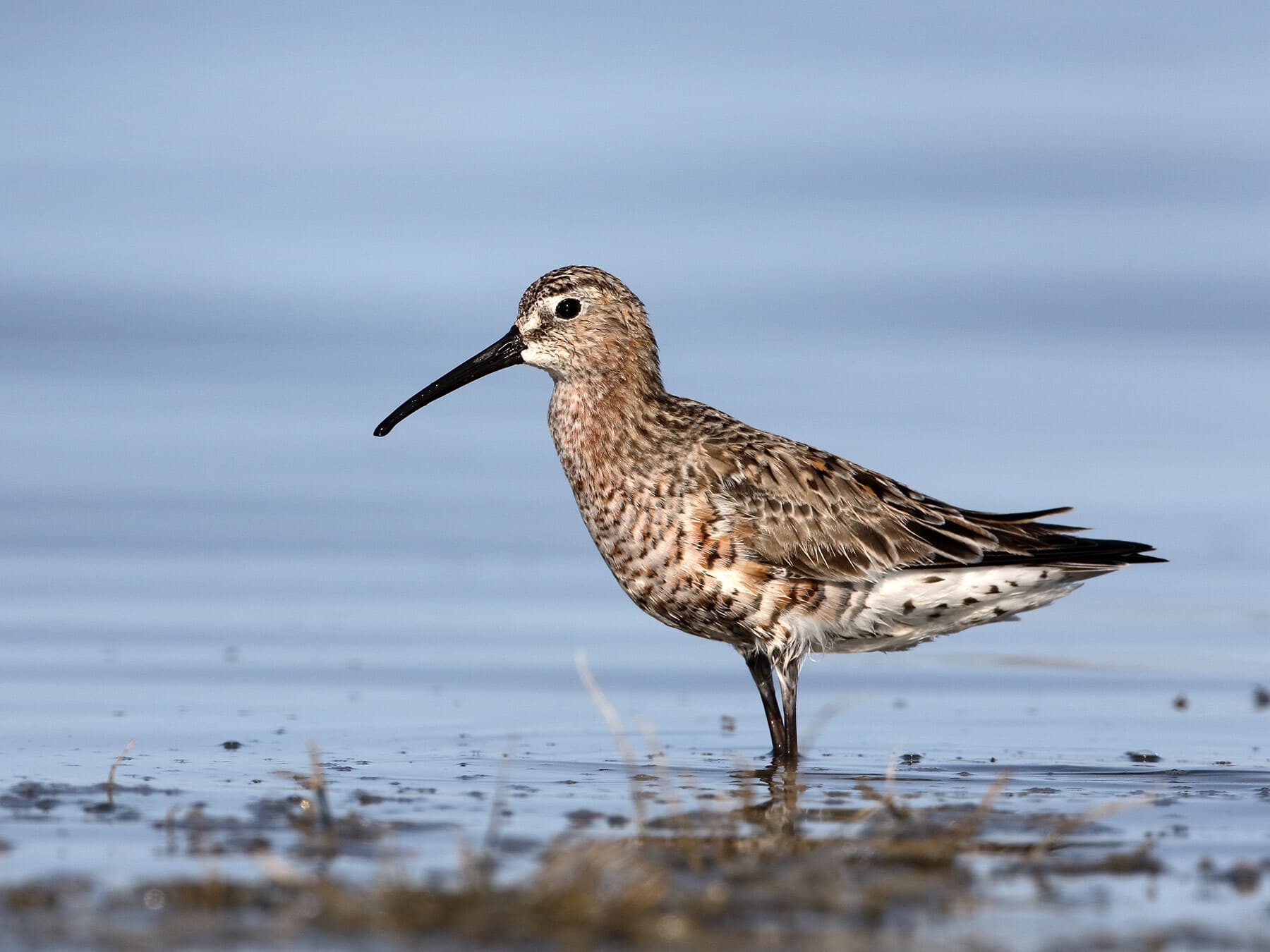
Curlew Sandpiper
Calidris ferrugineaNT
A rare autumn passage wader appearing briefly at muddy reservoir margins in September.
Sep