Birds in North Yorkshire
Explore 218 species found in this region.
North Yorkshire is one of England's largest and most diverse counties for birdwatching, with 217 recorded species across its sweeping moorlands, rugged coastline, river valleys, and expansive wetlands. From the upland heaths of the North York Moors, where Hen Harriers and European Honey-buzzards breed, to the coastal reserves and lowland lakes that attract wintering Goldeneye and Great White Egrets, the county offers exceptional birding year-round. Scarcer visitors such as Cetti's Warbler and Long-tailed Jaeger add further excitement for keen observers.
Visiting in September? Look out for Balearic Shearwater and Brambling arriving this month, and Cuckoo and European Storm-petrel depart for the season.


Showing 185–207 of 218 species
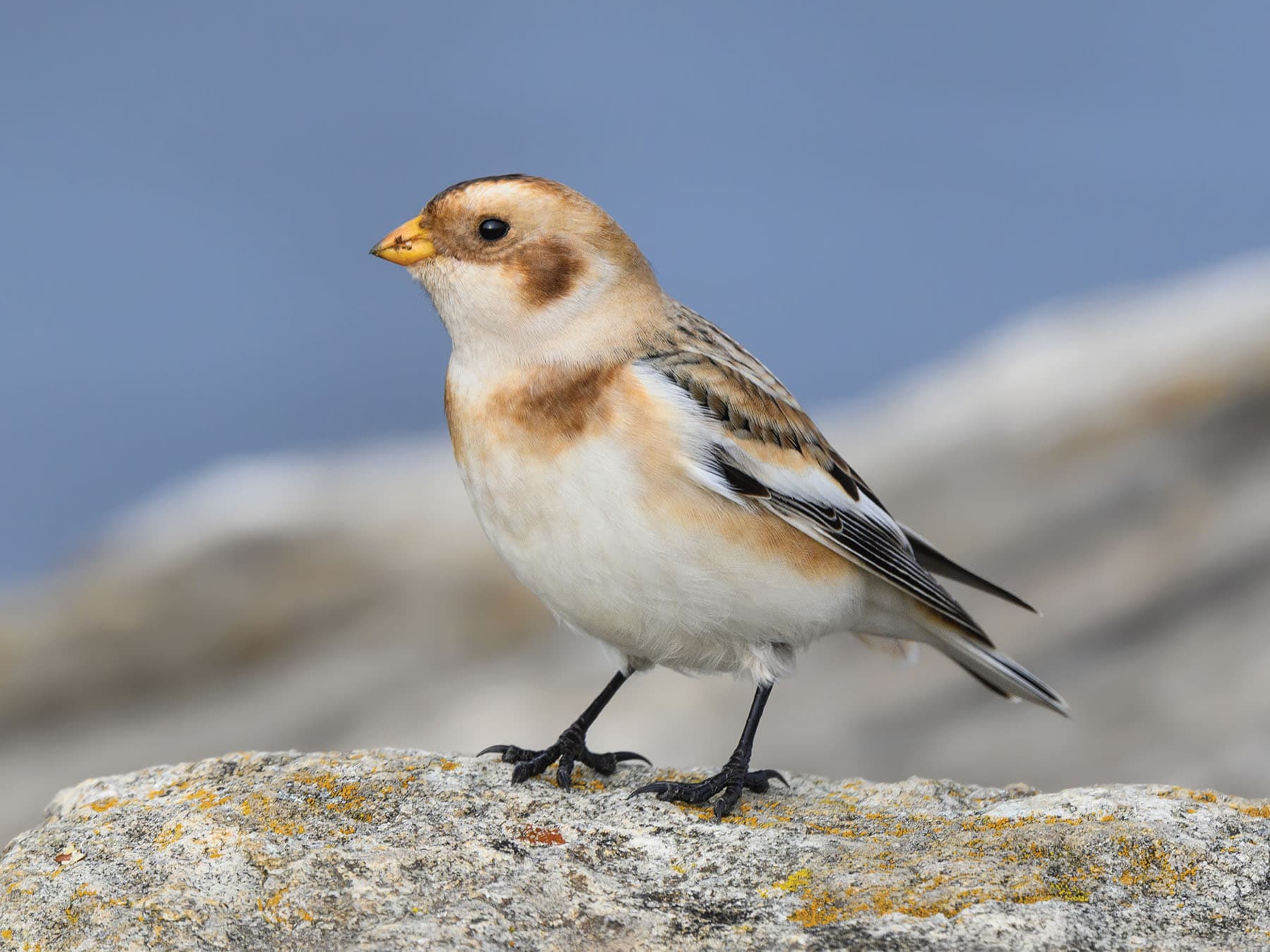
Snow Bunting
Plectrophenax nivalisLC
An uncommon winter visitor to high moorland tops and the coast from October to March. Breeds in the Arctic and favours exposed, windswept ground.
Oct–Mar
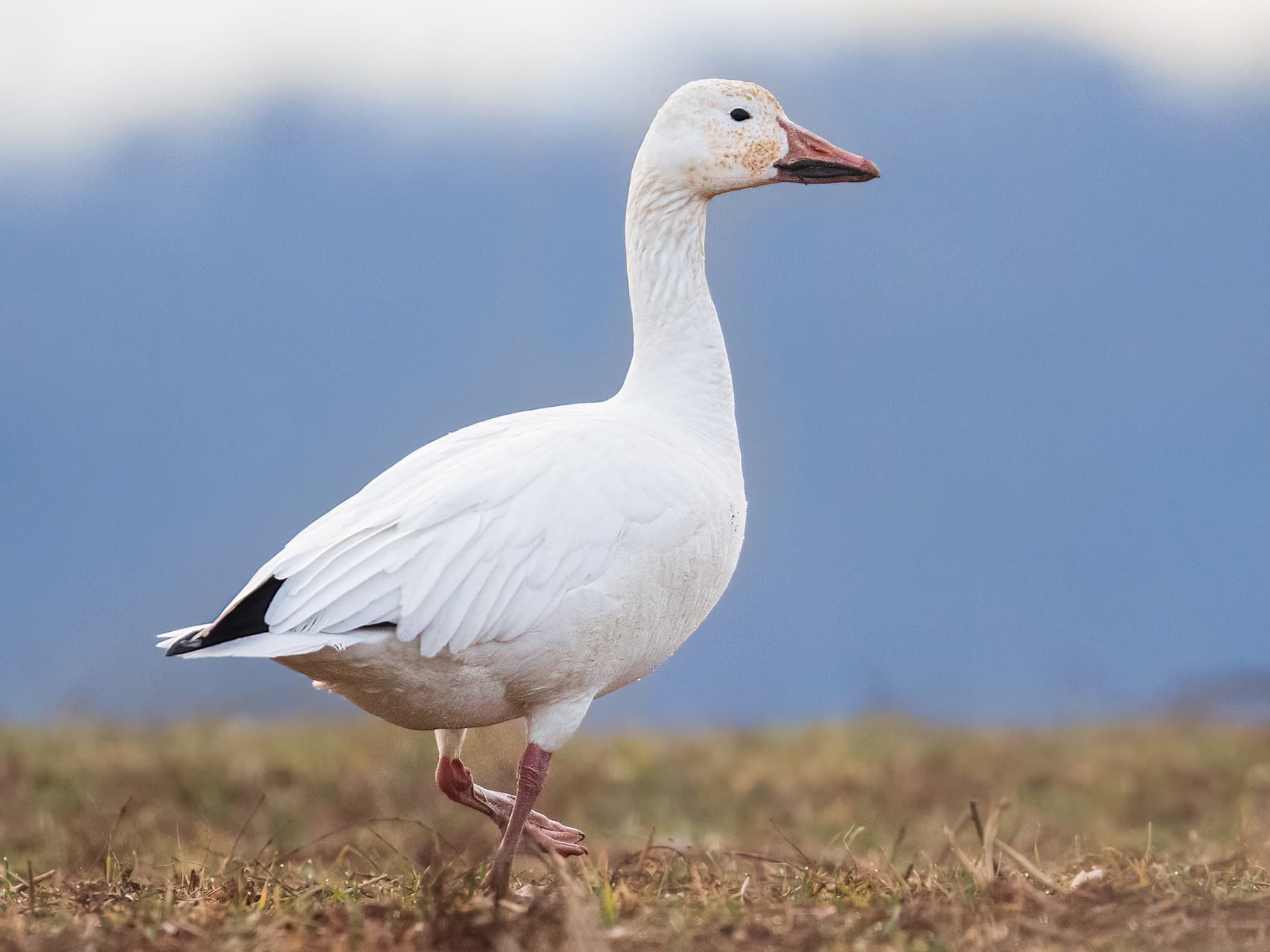
Snow Goose
Anser caerulescensLC
A rare passage visitor in late summer and autumn. Records may involve genuine wild birds or escapes from collections.
Aug–Oct
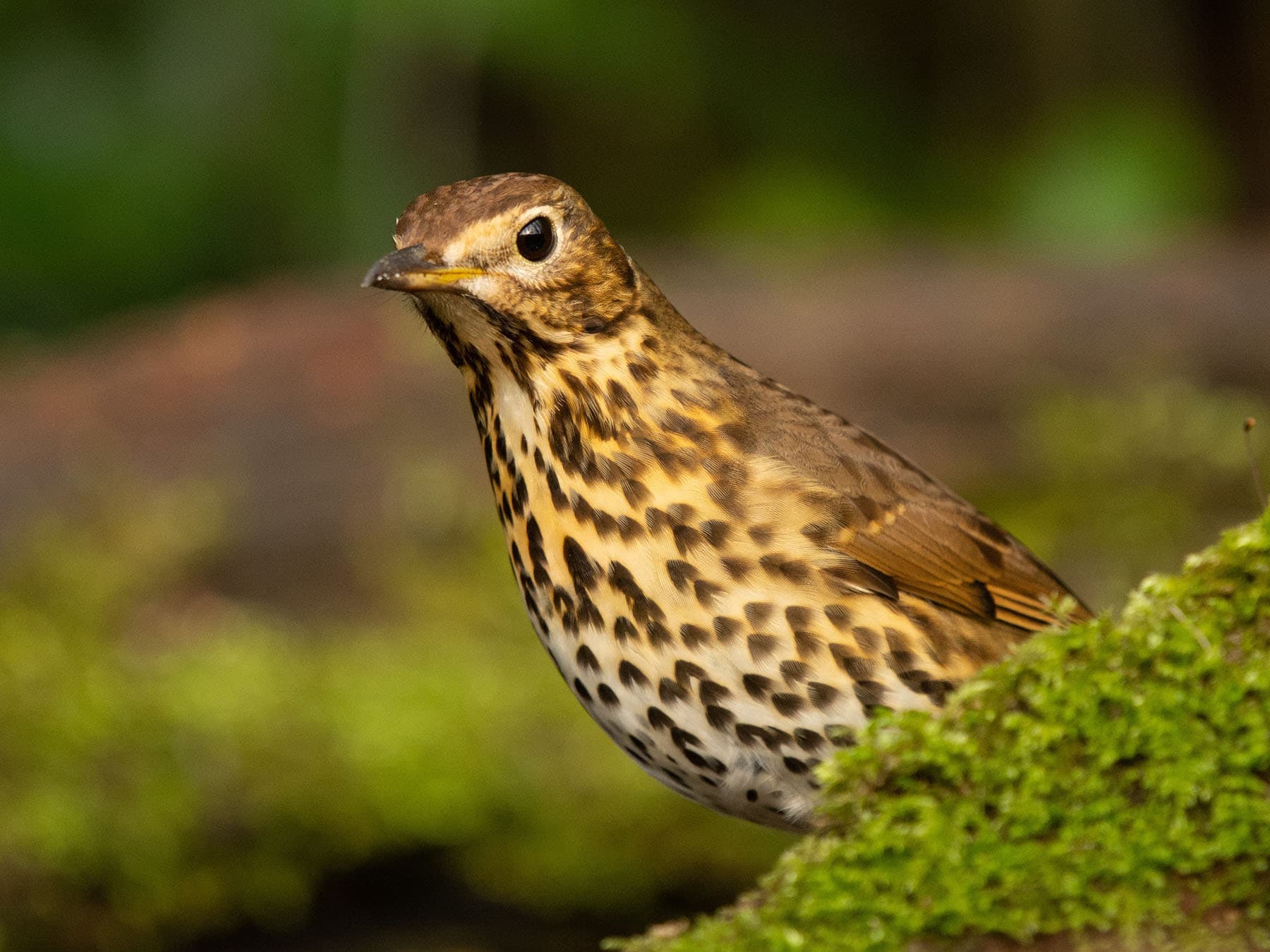
Song Thrush
Turdus philomelosLC
A common resident of gardens, hedgerows and woodland, often heard smashing snails on stones. Sings its repeated phrases from early spring through summer.
Year-round
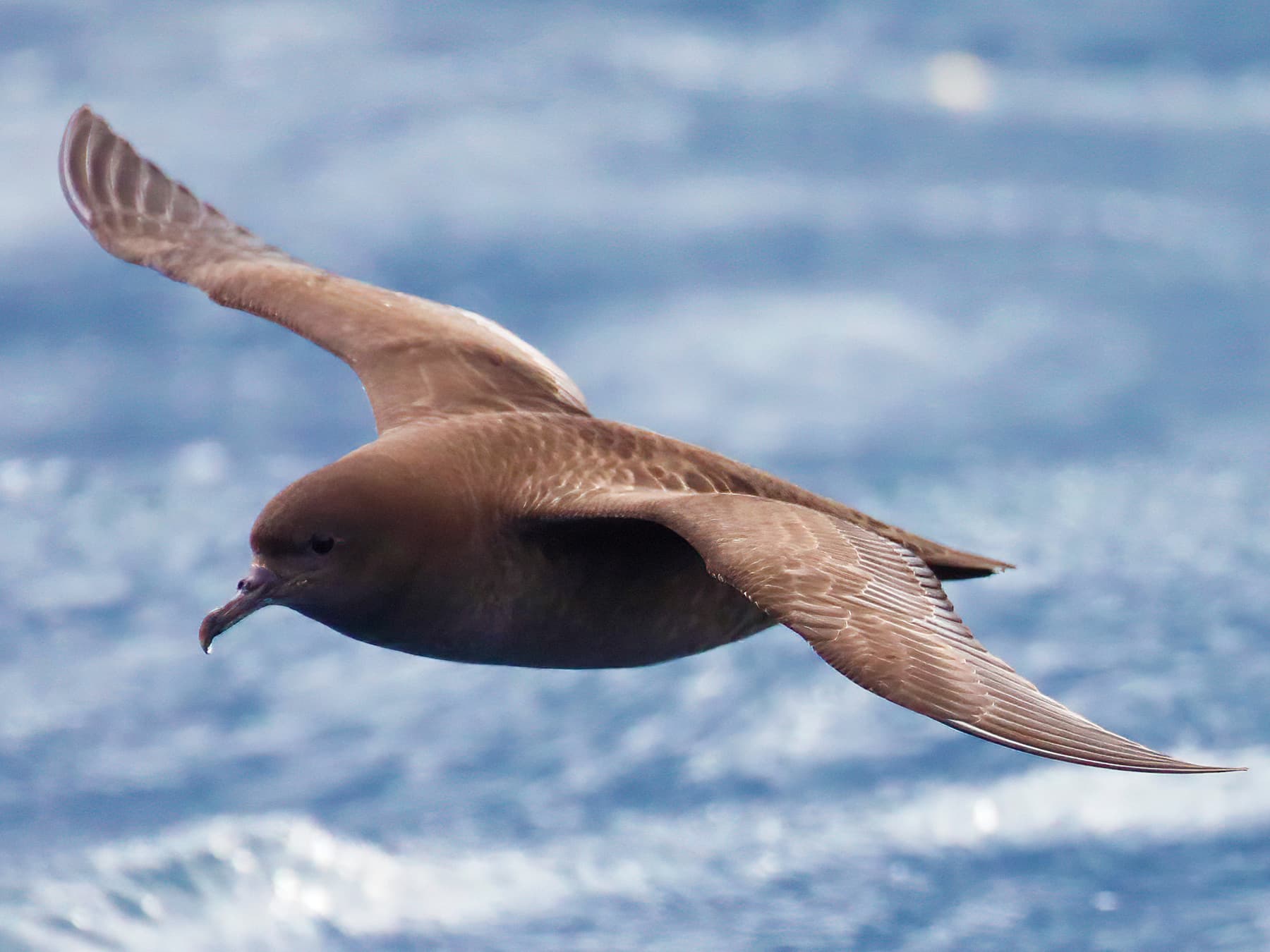
Sooty Shearwater
Ardenna griseaNT
A rare autumn passage seabird, best spotted from headlands during strong onshore winds between August and October.
Aug–Oct
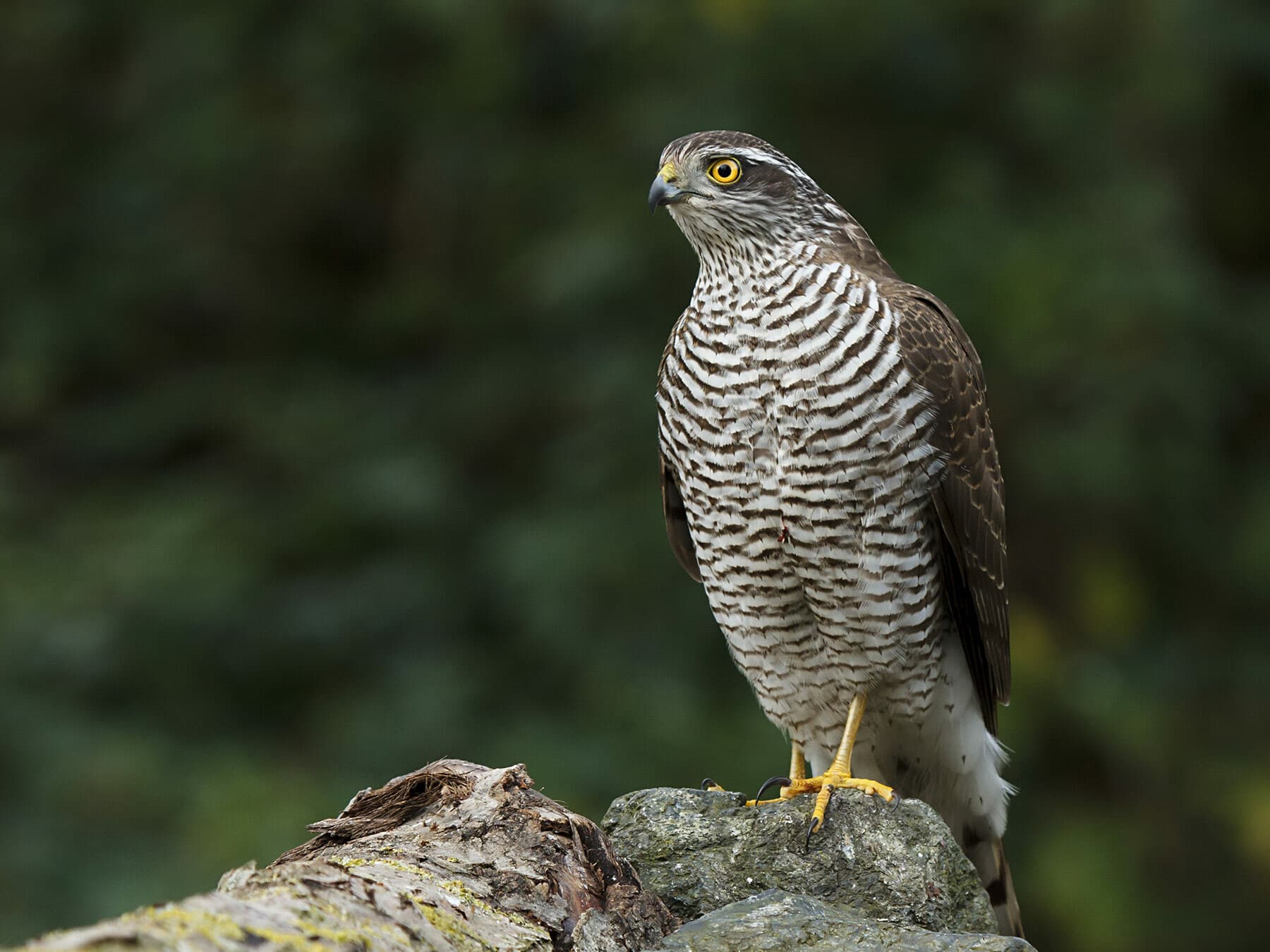
Sparrowhawk
Accipiter nisusLC
A year-round resident, hunting small birds through woodland edges, hedgerows and gardens across the county with dashing low-level flights.
Year-round
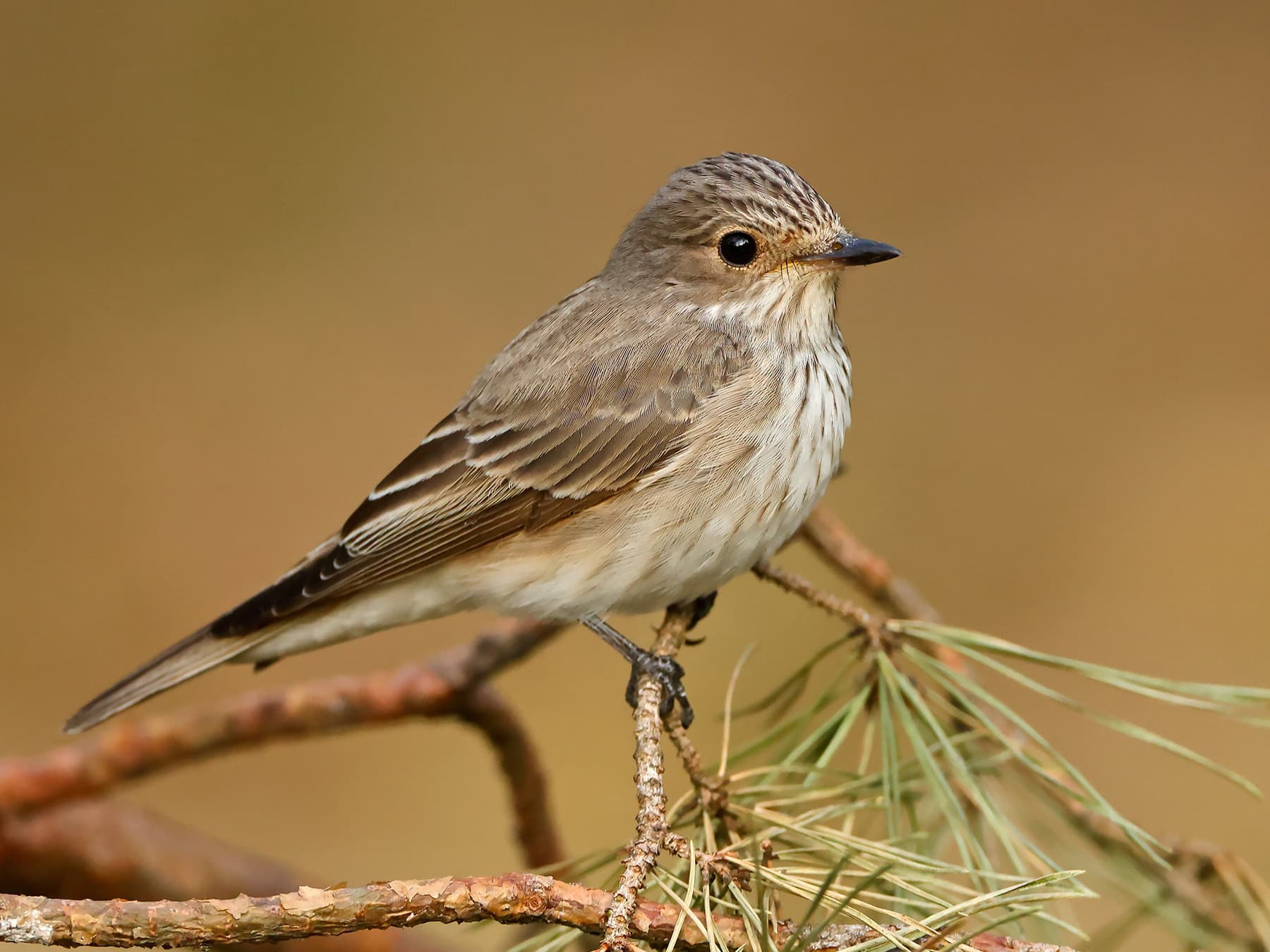
Spotted Flycatcher
Muscicapa striataLC
A declining summer visitor from May to September, favouring woodland edges and mature gardens. Sallies from exposed perches to catch insects in flight.
May–Sep
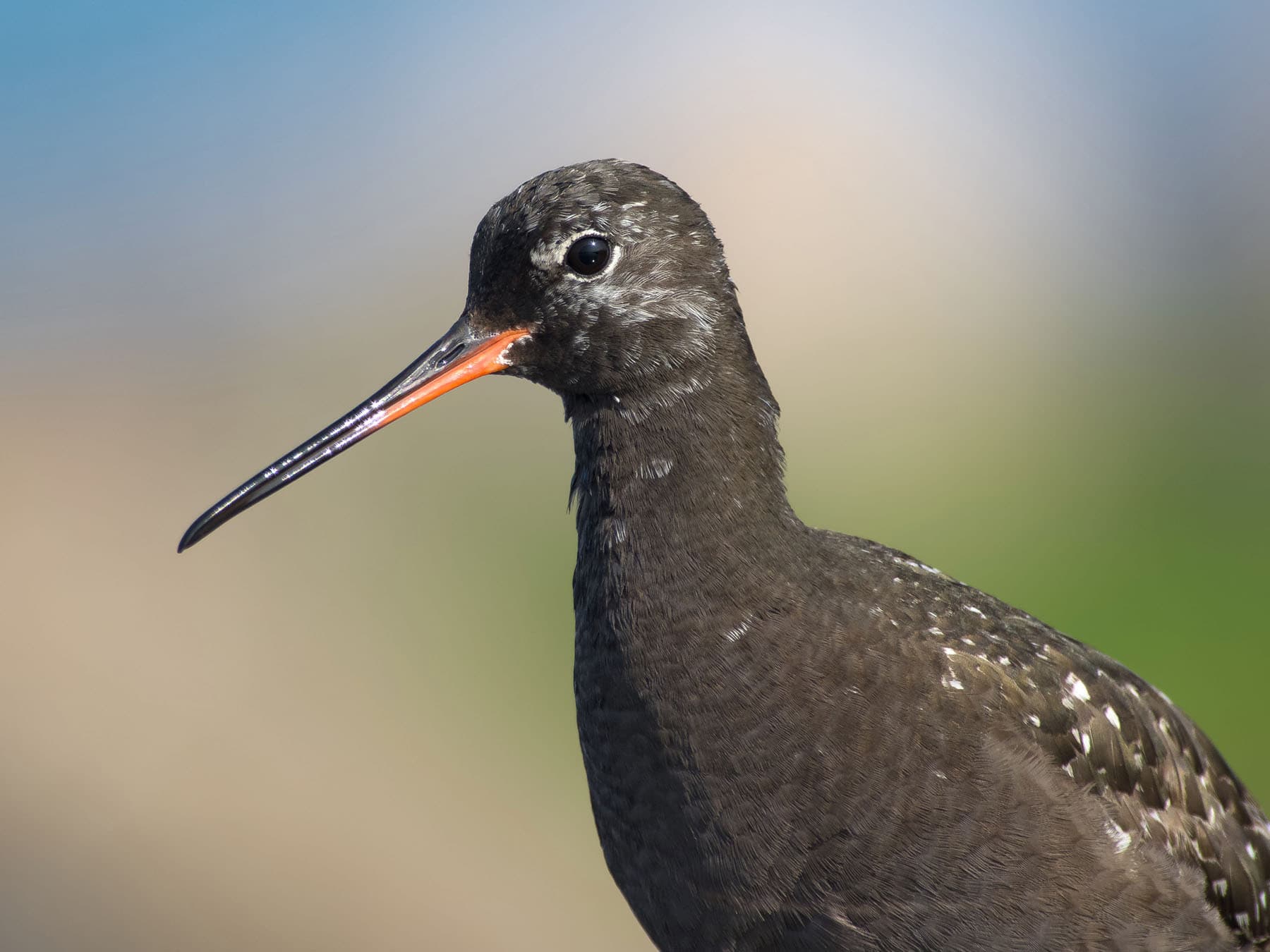
Spotted Redshank
Tringa erythropusLC
A rare autumn passage bird, occasionally stopping at coastal pools and estuaries in August and September during southward migration.
Aug–Sep
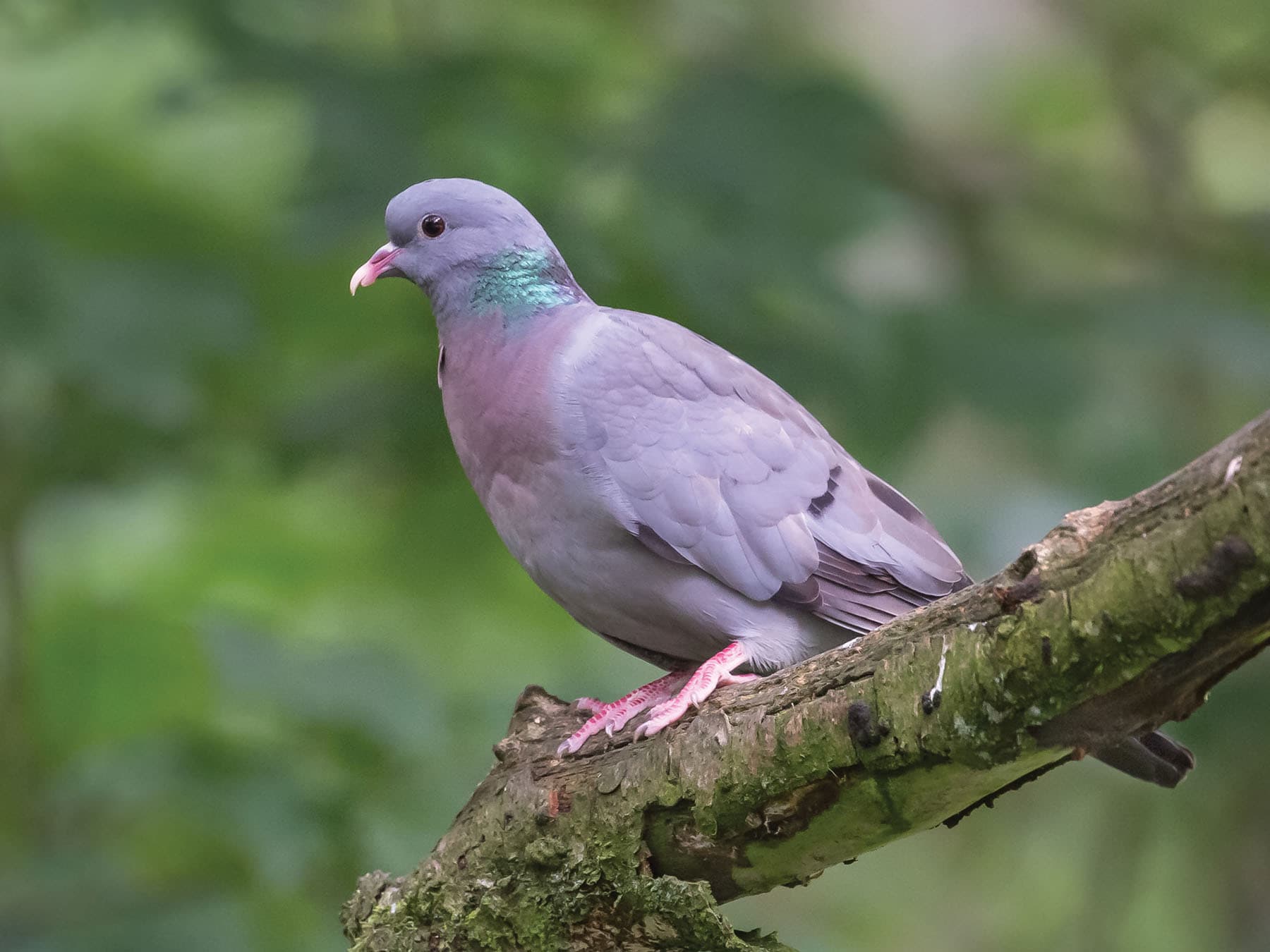
Stock Dove
Columba oenasLC
A resident breeder nesting in tree holes and old buildings across farmland and parkland. Quieter and less conspicuous than its woodpigeon cousin.
Year-round
Spotted something?
Upload a photo to identify it
Identify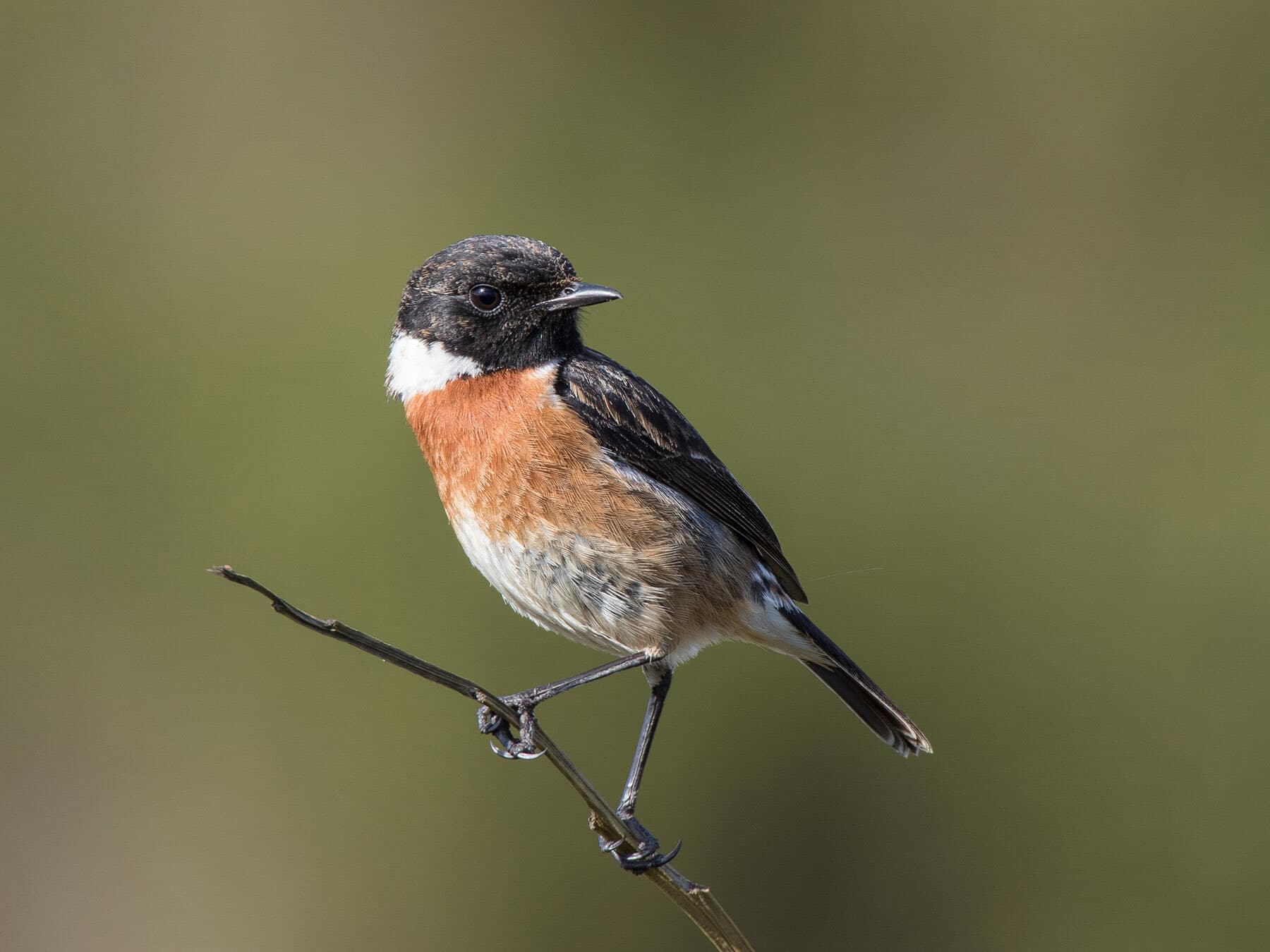
Stonechat
Saxicola torquatusLC
Resident on gorse-clad moorland edges and coastal scrub year-round. Hardy enough to remain on upland territories through harsh winters.
Year-round
Tawny Owl
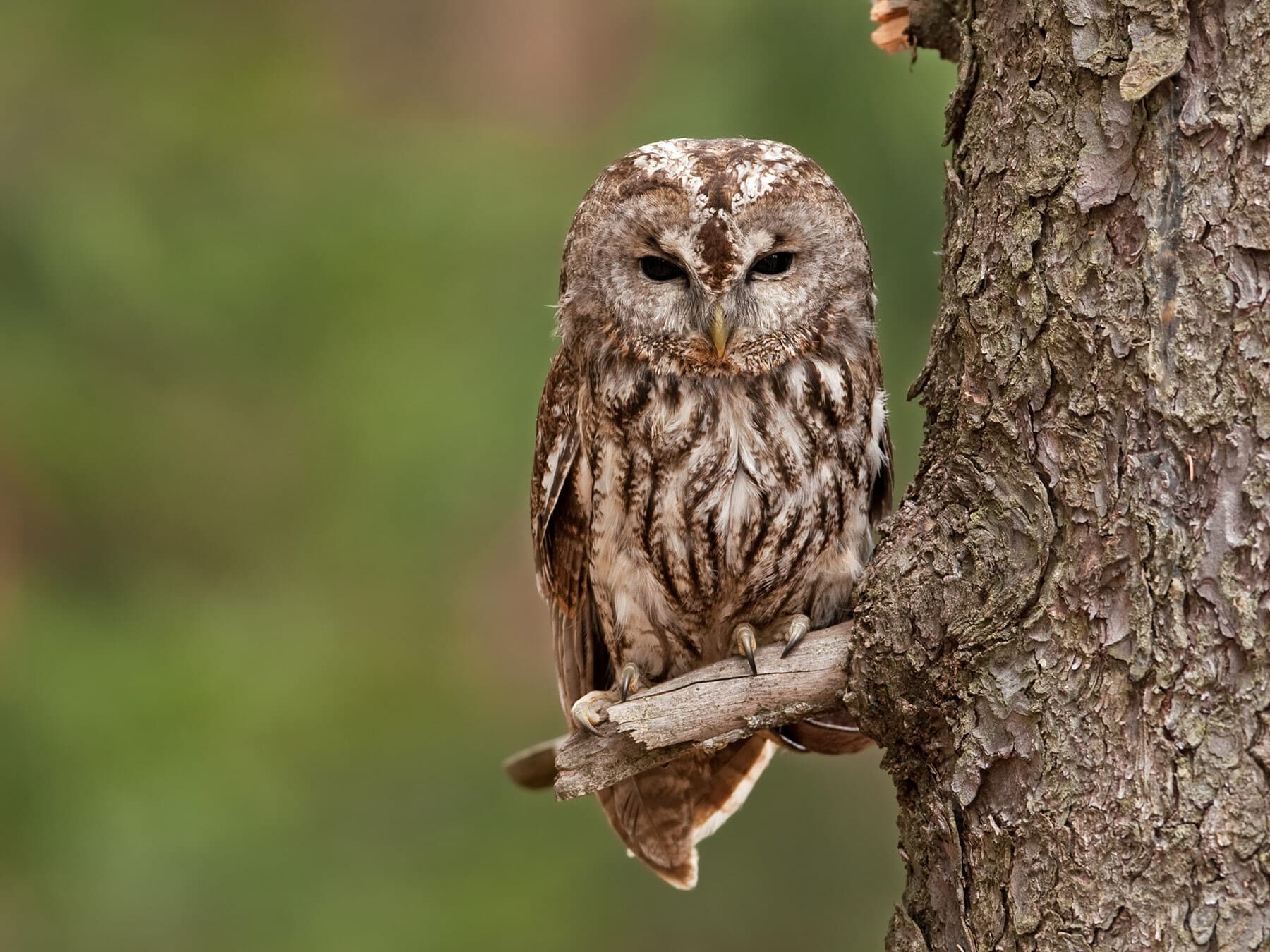
Strix alucoLC
A rare but resident owl of mature woodland, more often heard than seen; its hooting carries through the Dales on still nights.
Year-round
Tree Pipit
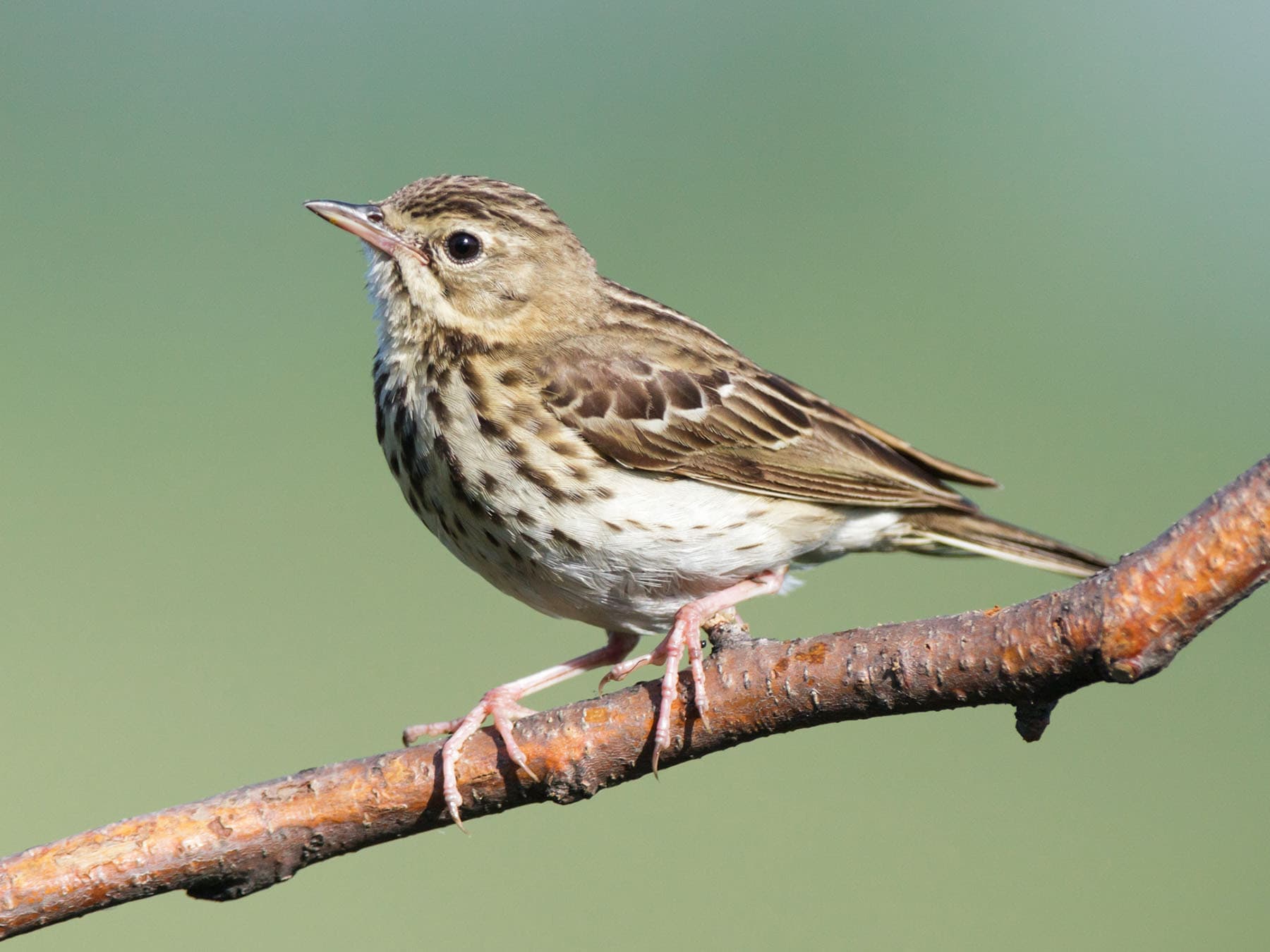
Anthus trivialisLC
A rare summer breeder on moorland fringes and open woodland from April to September. Delivers its distinctive parachuting song flight over scattered trees.
Apr–Sep
Treecreeper
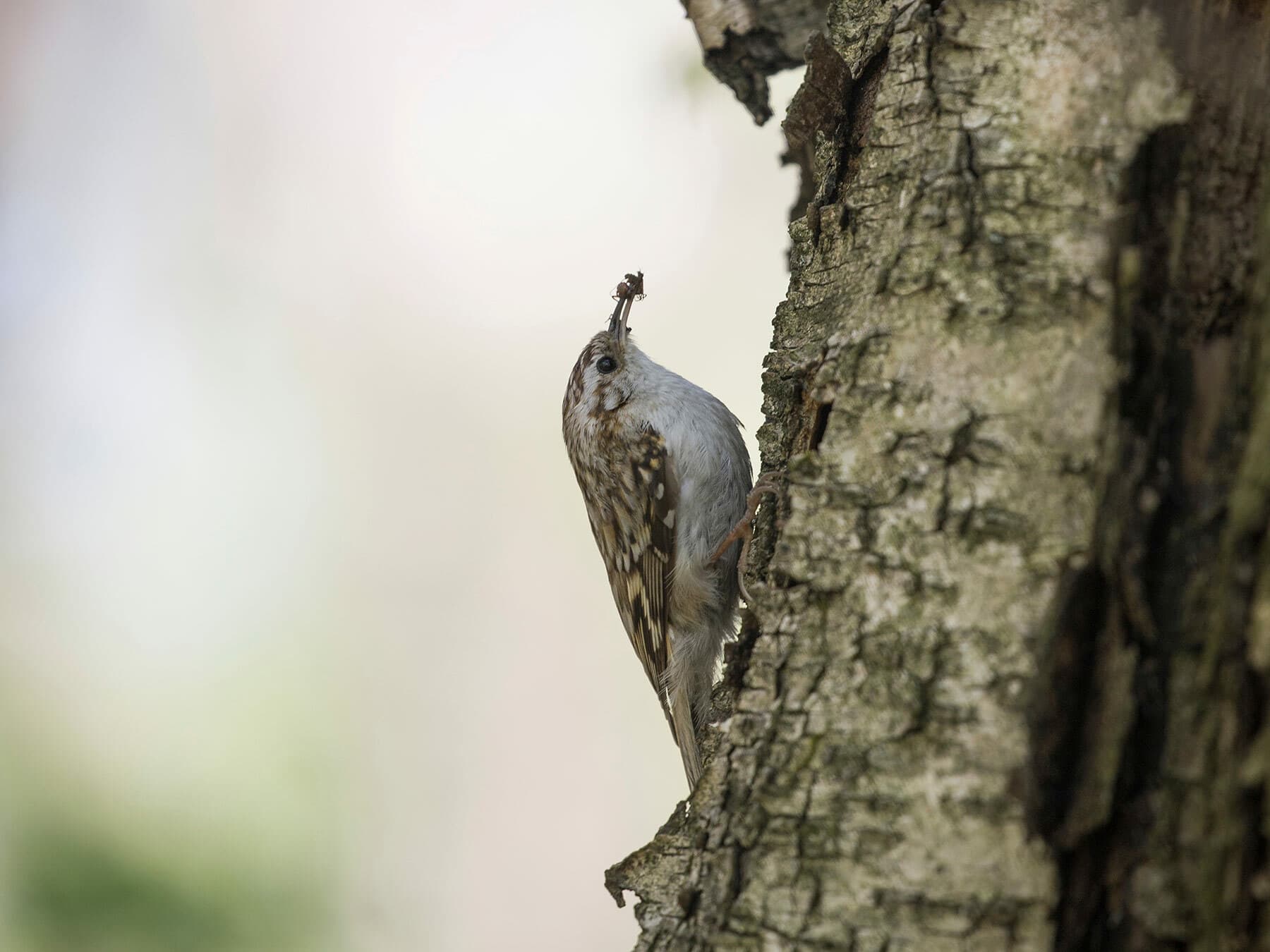
Certhia familiarisLC
A quiet resident of mature woodland, spiralling mouse-like up tree trunks. Found year-round in deciduous and mixed woods throughout the region.
Year-round
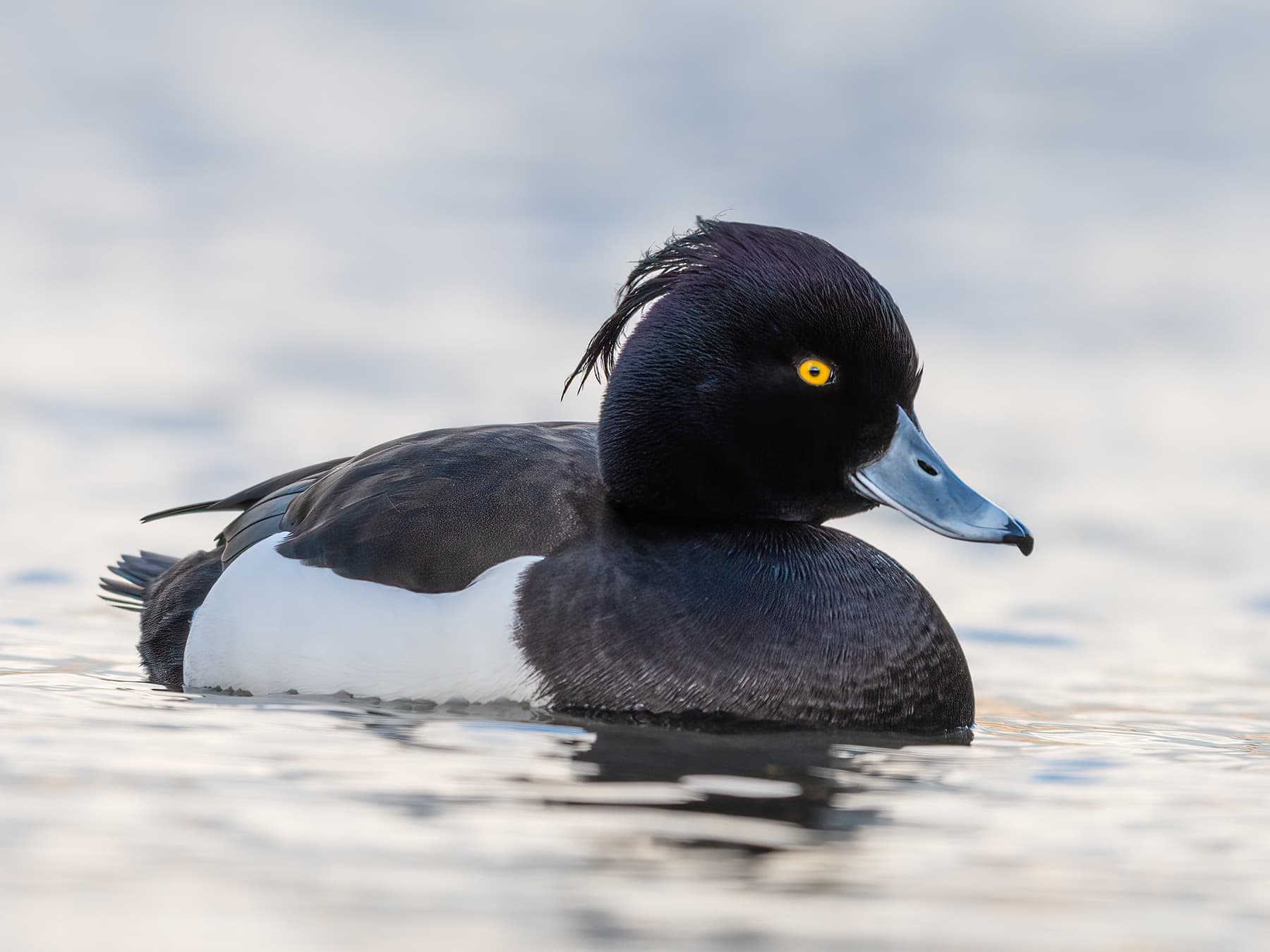
Tufted Duck
Aythya fuligulaLC
A common diving duck found on lakes, reservoirs and gravel pits throughout the year. Often seen in tight rafts on open water.
Year-round
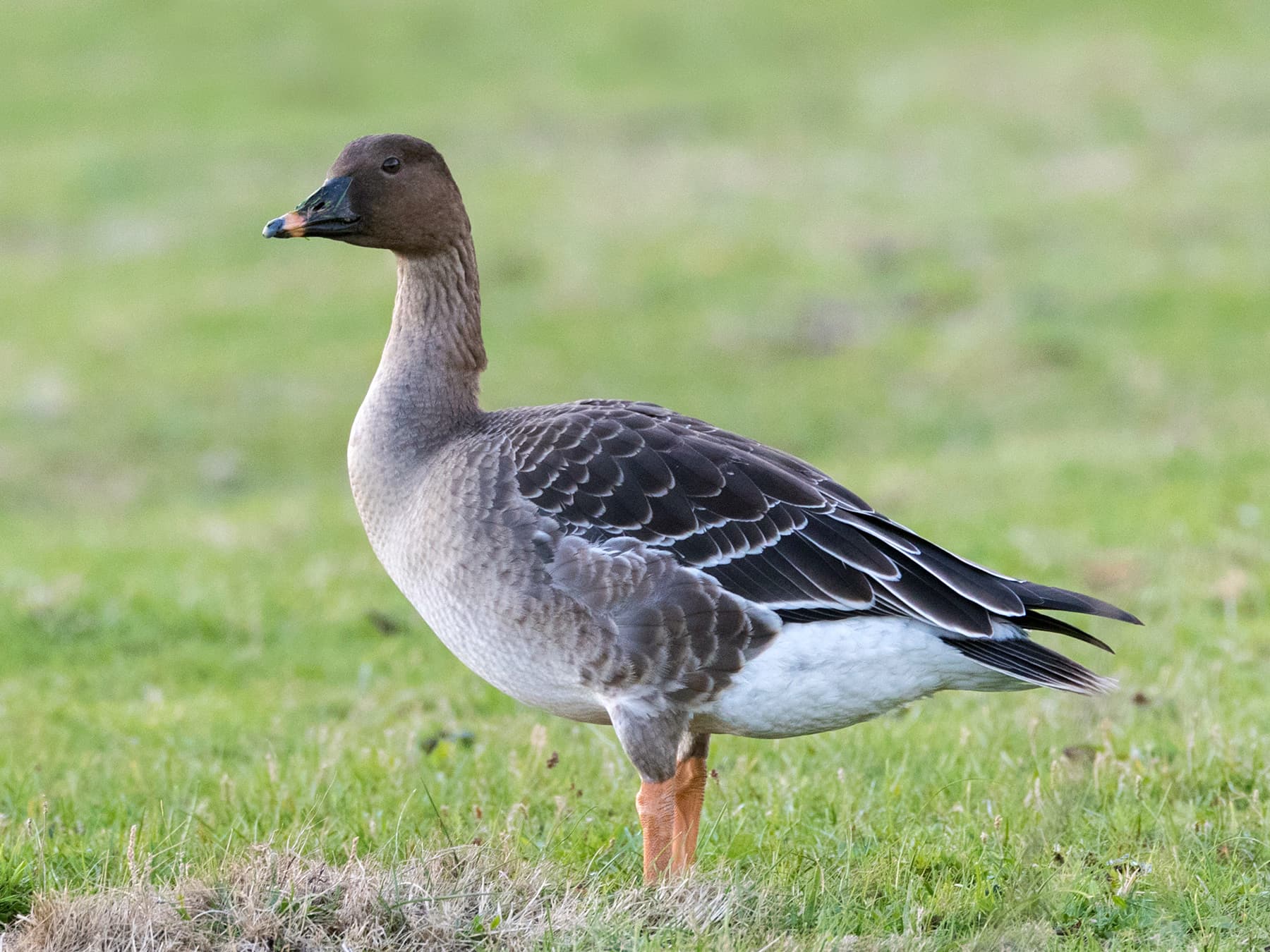
Tundra Bean Goose
Anser serrirostrisLC
A rare passage visitor, occasionally recorded in February on farmland or wetlands. Easily confused with the closely related Taiga Bean Goose.
Feb
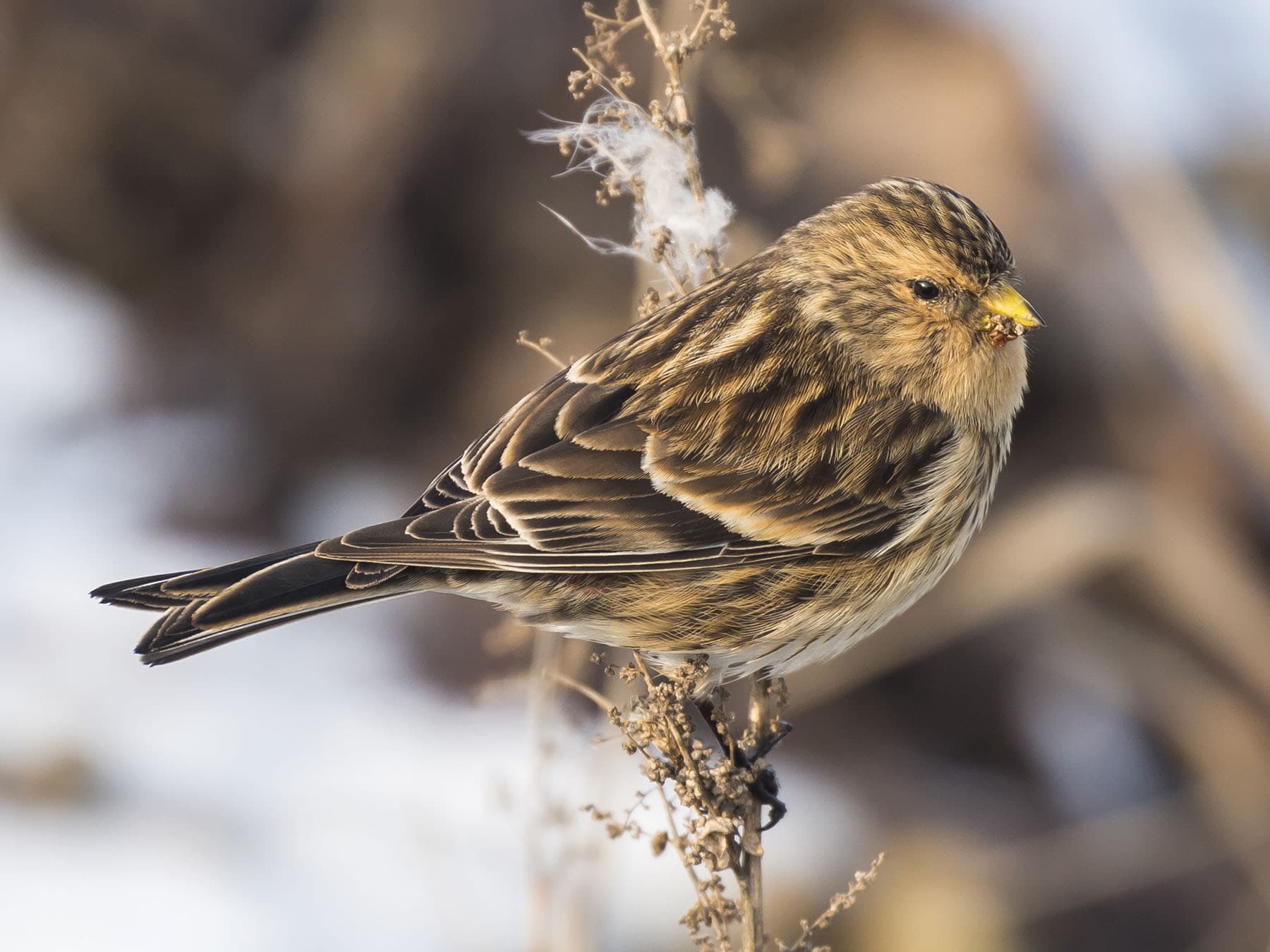
Twite
Linaria flavirostrisLC
A rare non-breeding visitor, mainly to coastal saltmarshes and moorland edges in winter. A declining upland finch closely associated with the Pennines.
Oct–Mar
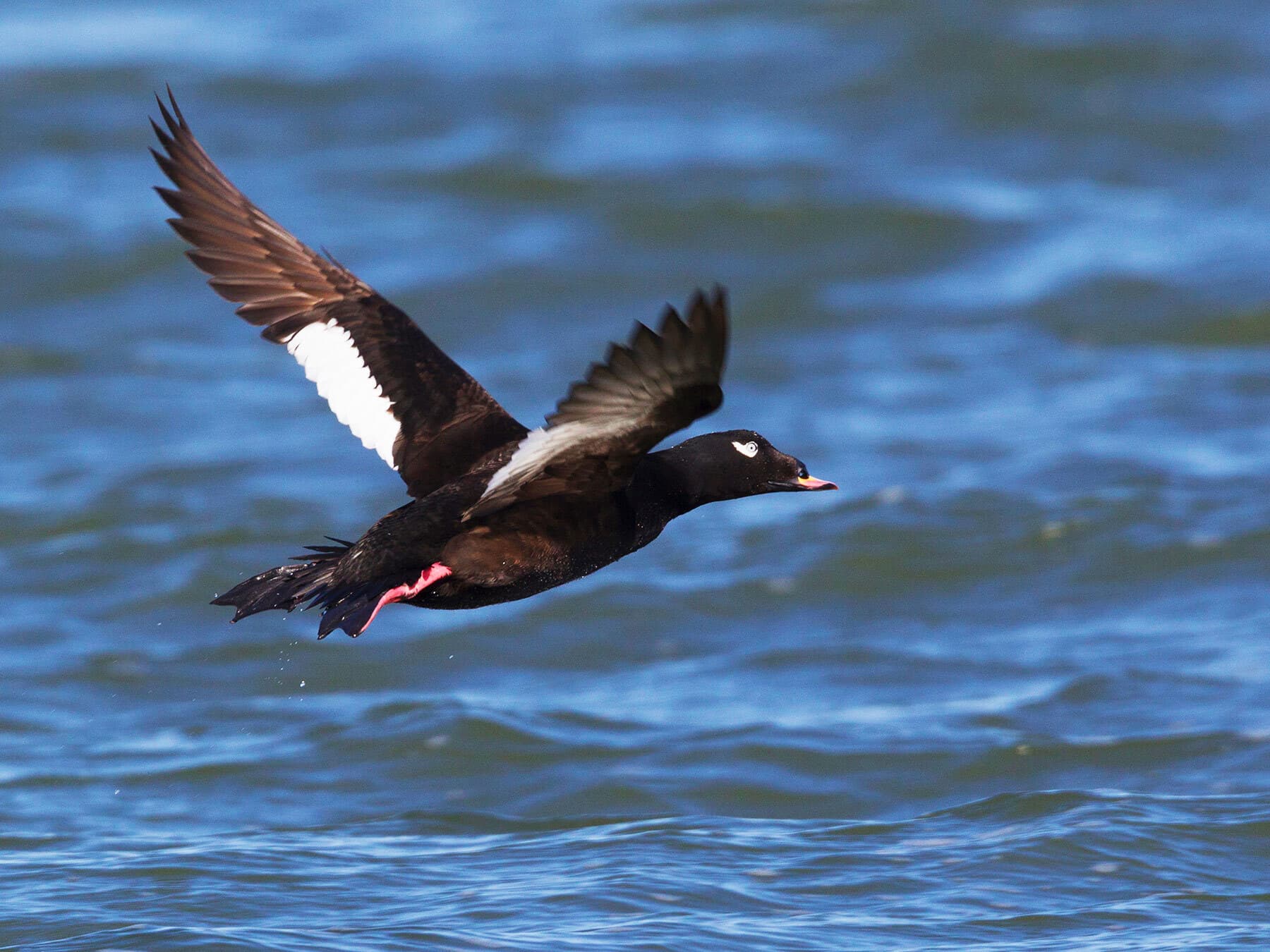
Velvet Scoter
Melanitta fuscaVU
A rare non-breeding visitor to coastal waters, mainly seen from late autumn to early spring. Often found among Common Scoter flocks.
Aug–Mar
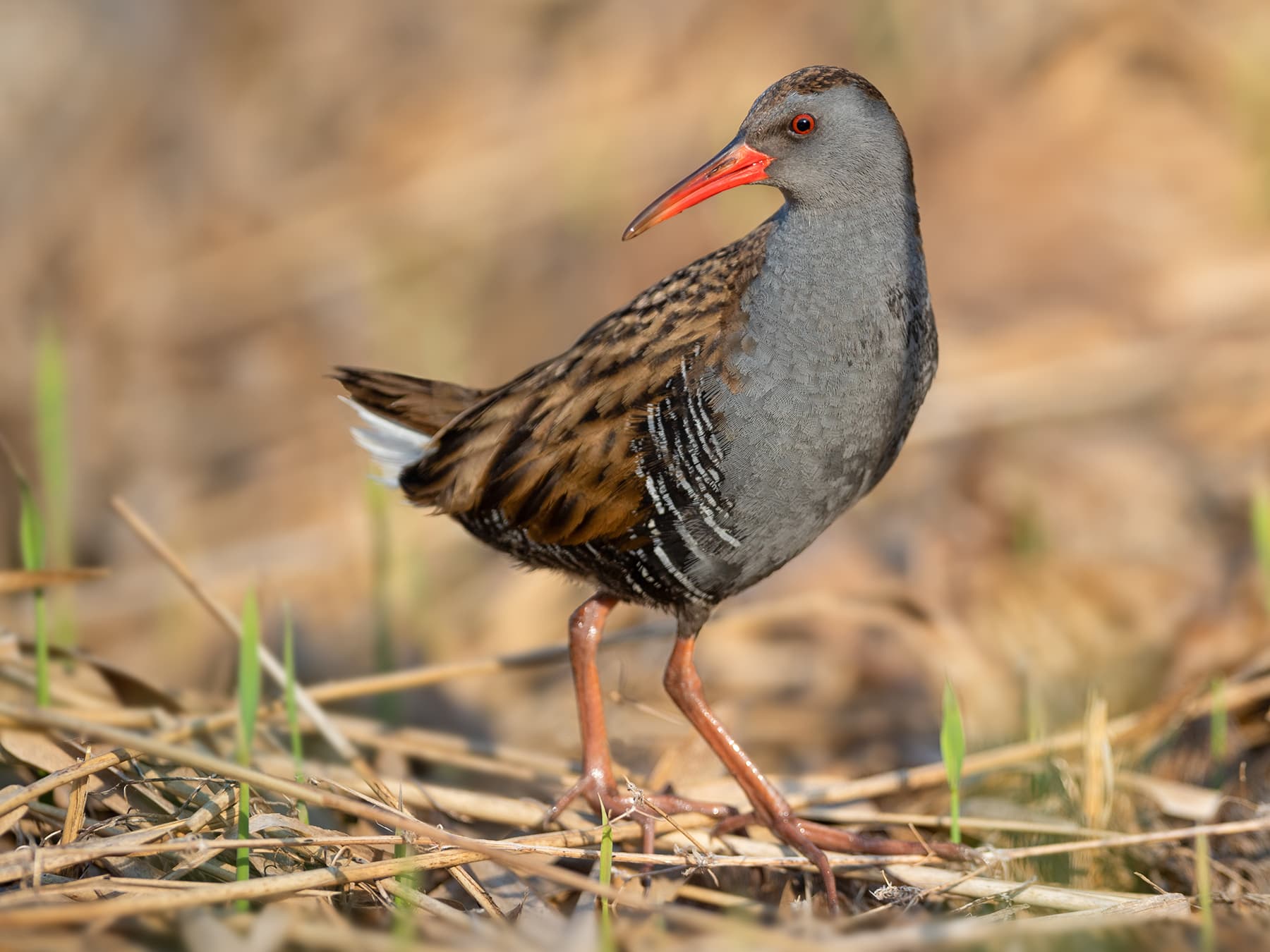
Water Rail
Rallus aquaticusLC
A secretive resident of reedbeds and marshy margins, more often heard squealing than seen. Sites like Lower Derwent Valley offer the best chances.
Jul–May
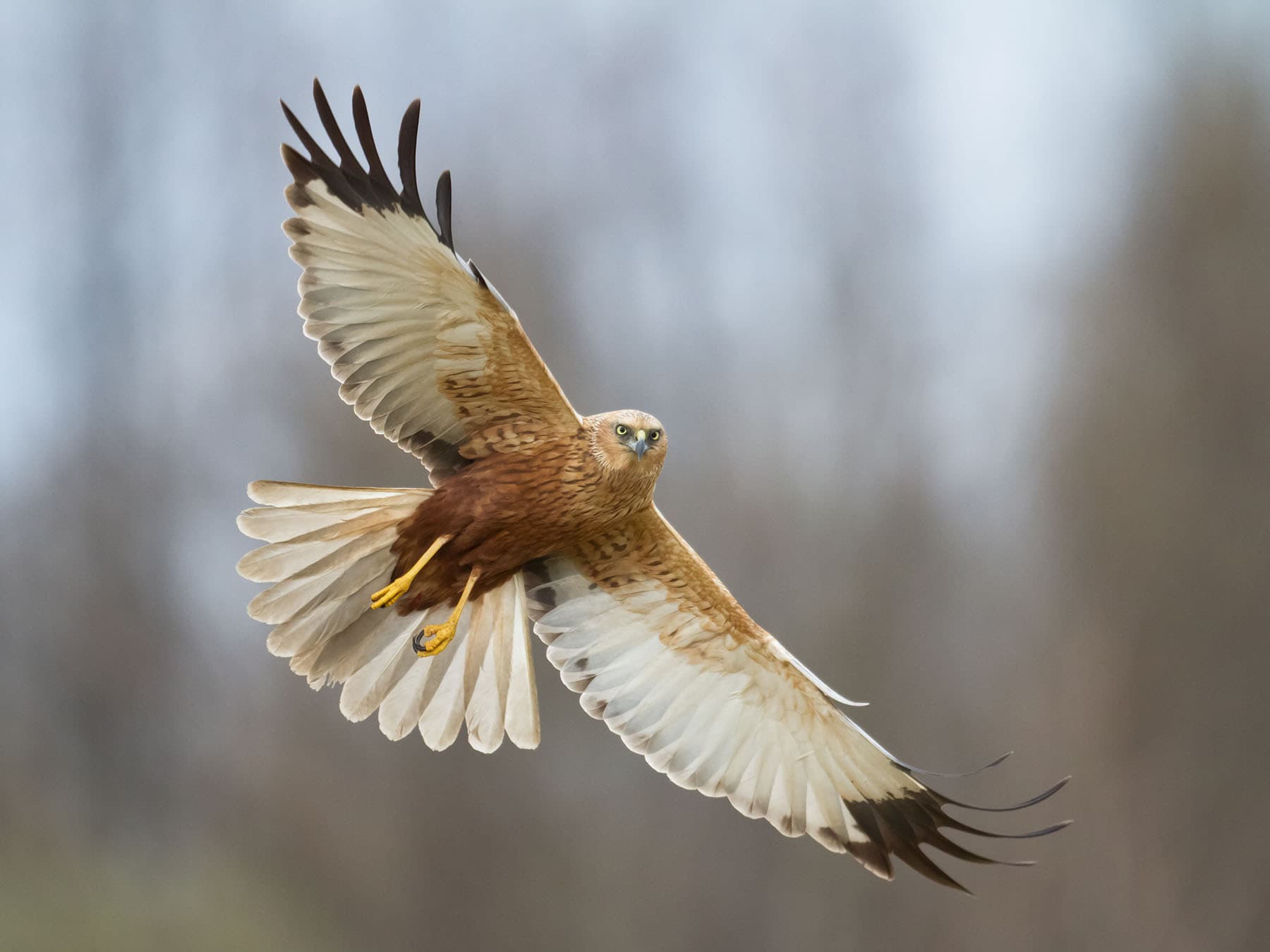
Western Marsh-harrier
Circus aeruginosusLC
A rare resident hunting over reedbeds and marshes, increasingly seen at lowland wetland reserves as the species recolonises northern England.
Year-round
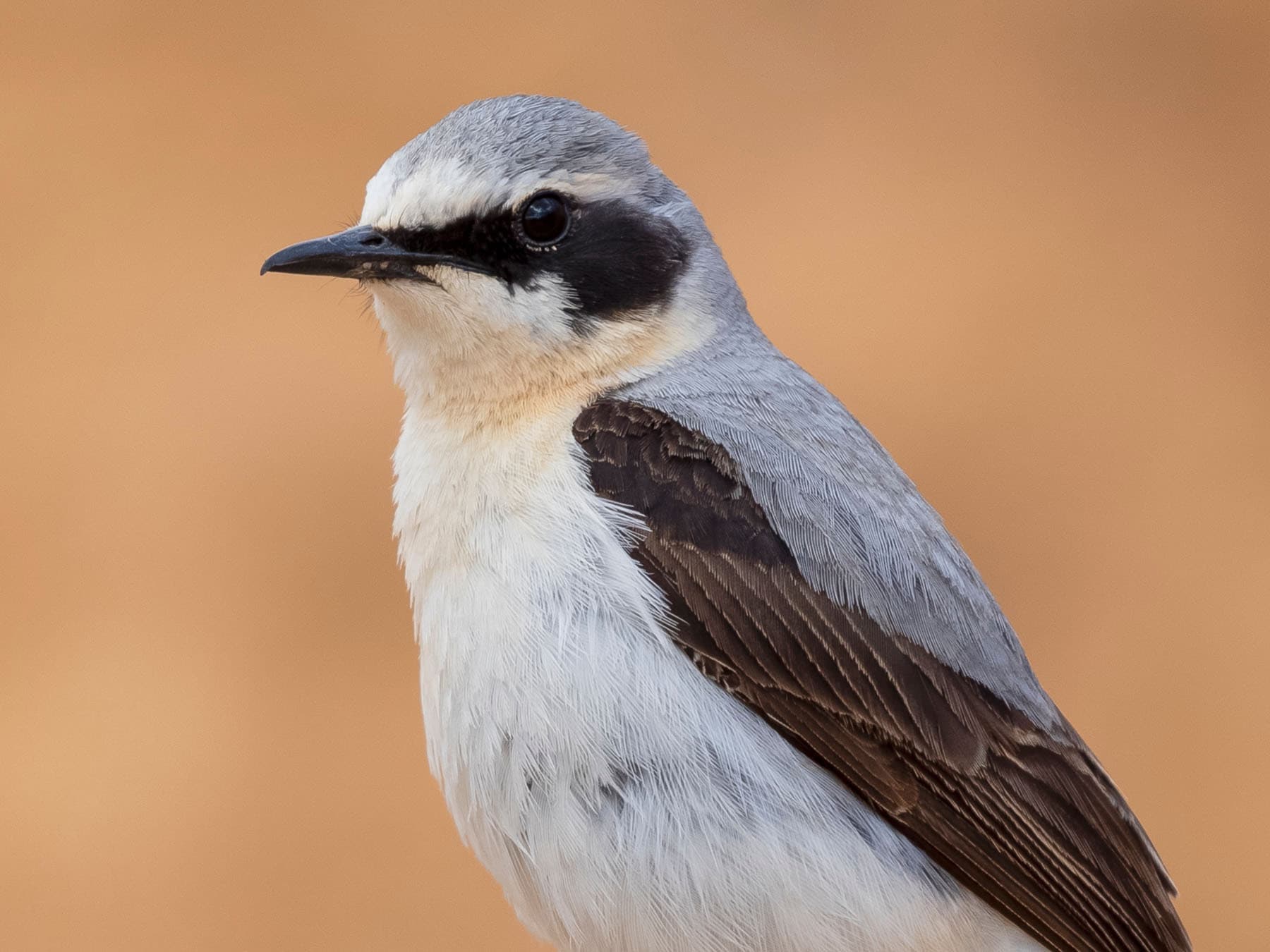
Wheatear
Oenanthe oenantheLC
A summer breeder on upland moors and stone walls of the Dales, arriving from March. Also seen on passage along the coast.
Mar–Oct
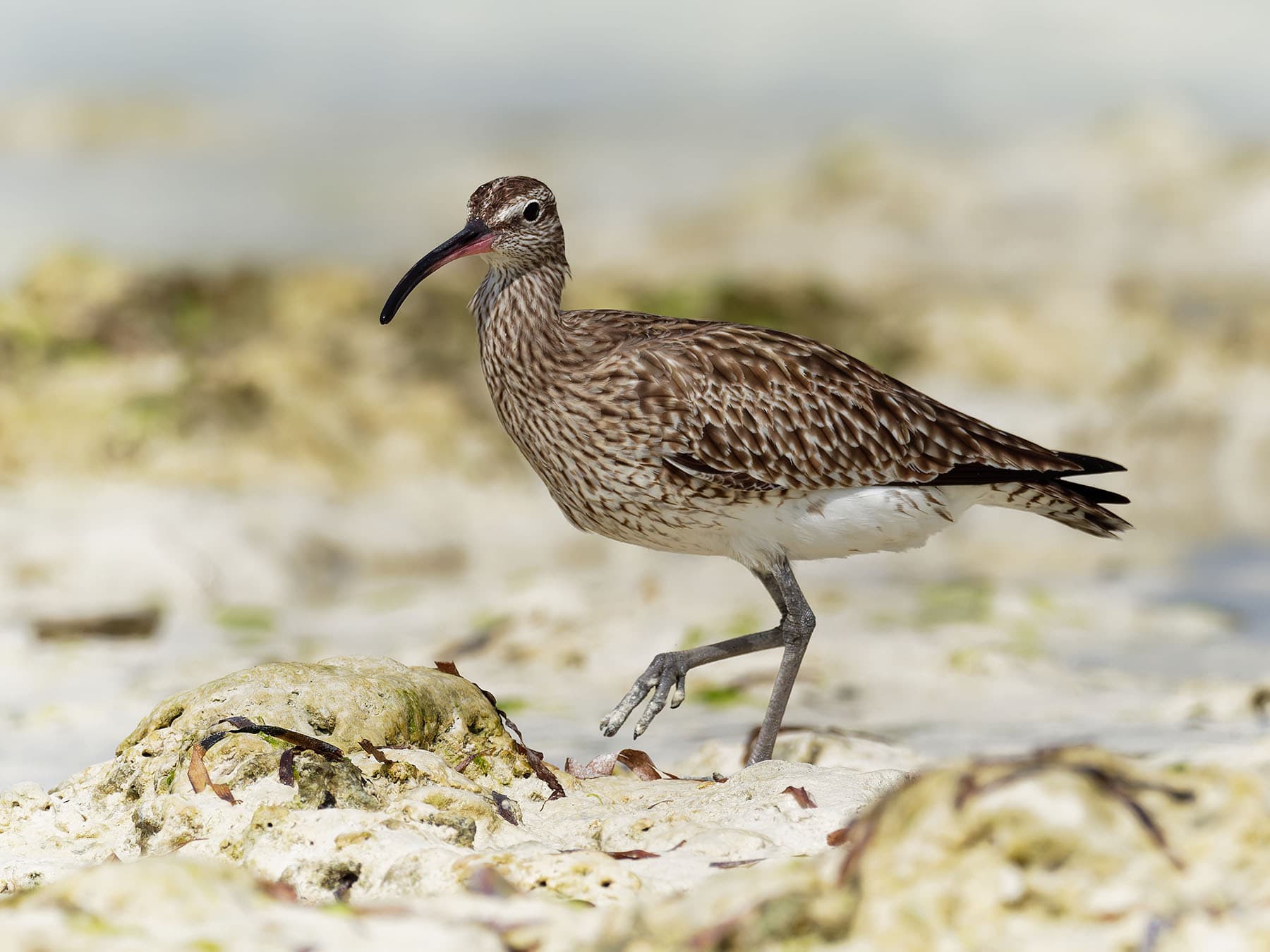
Whimbrel
Numenius phaeopusLC
An uncommon breeder on upland moors, present from April to September. Its distinctive seven-note whistle carries across the open landscape.
Apr–Sep
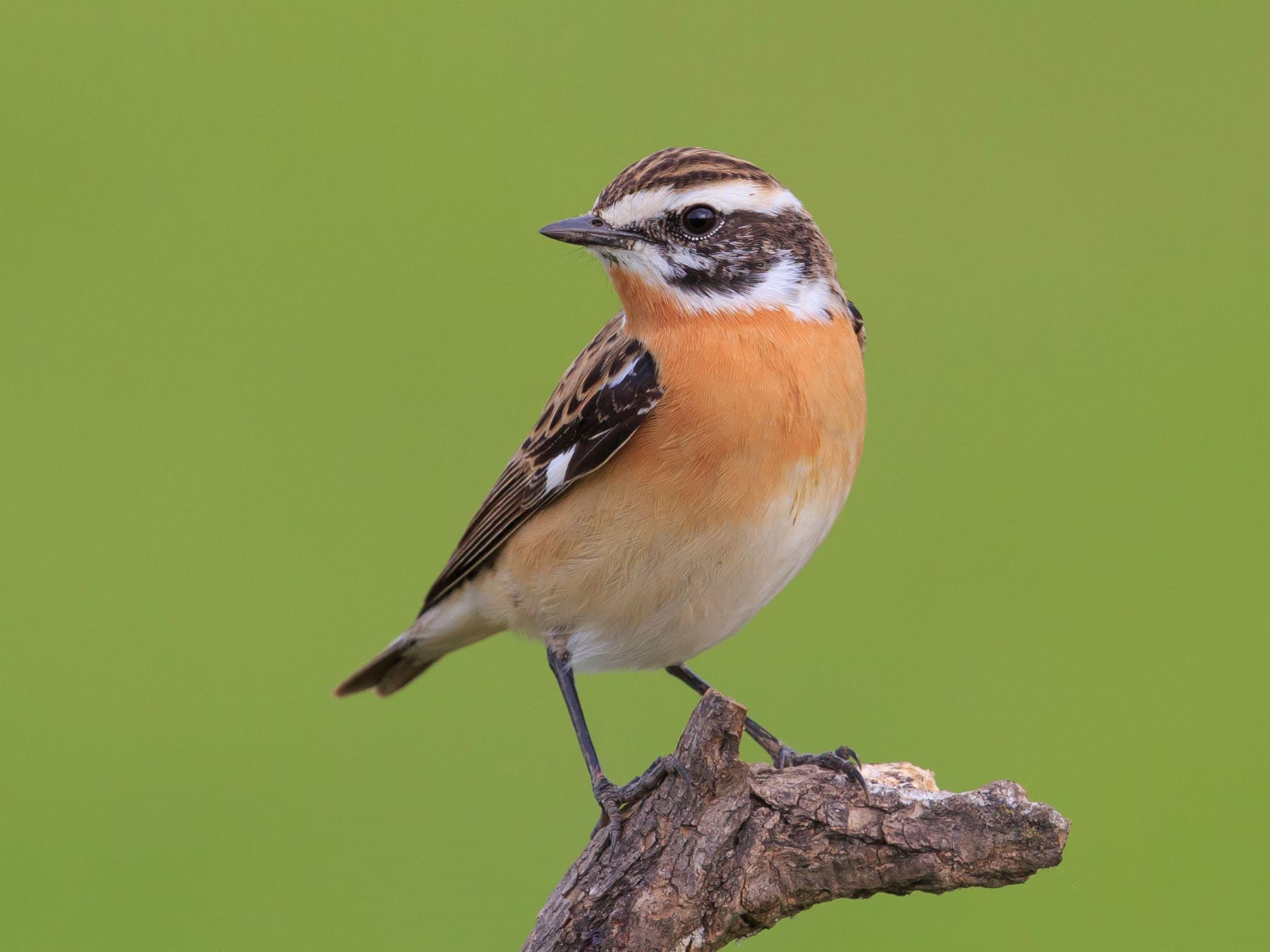
Whinchat
Saxicola rubetraLC
A rare breeding visitor to upland moorland edges, arriving in spring and departing by September. Declining across much of England.
Apr–Sep
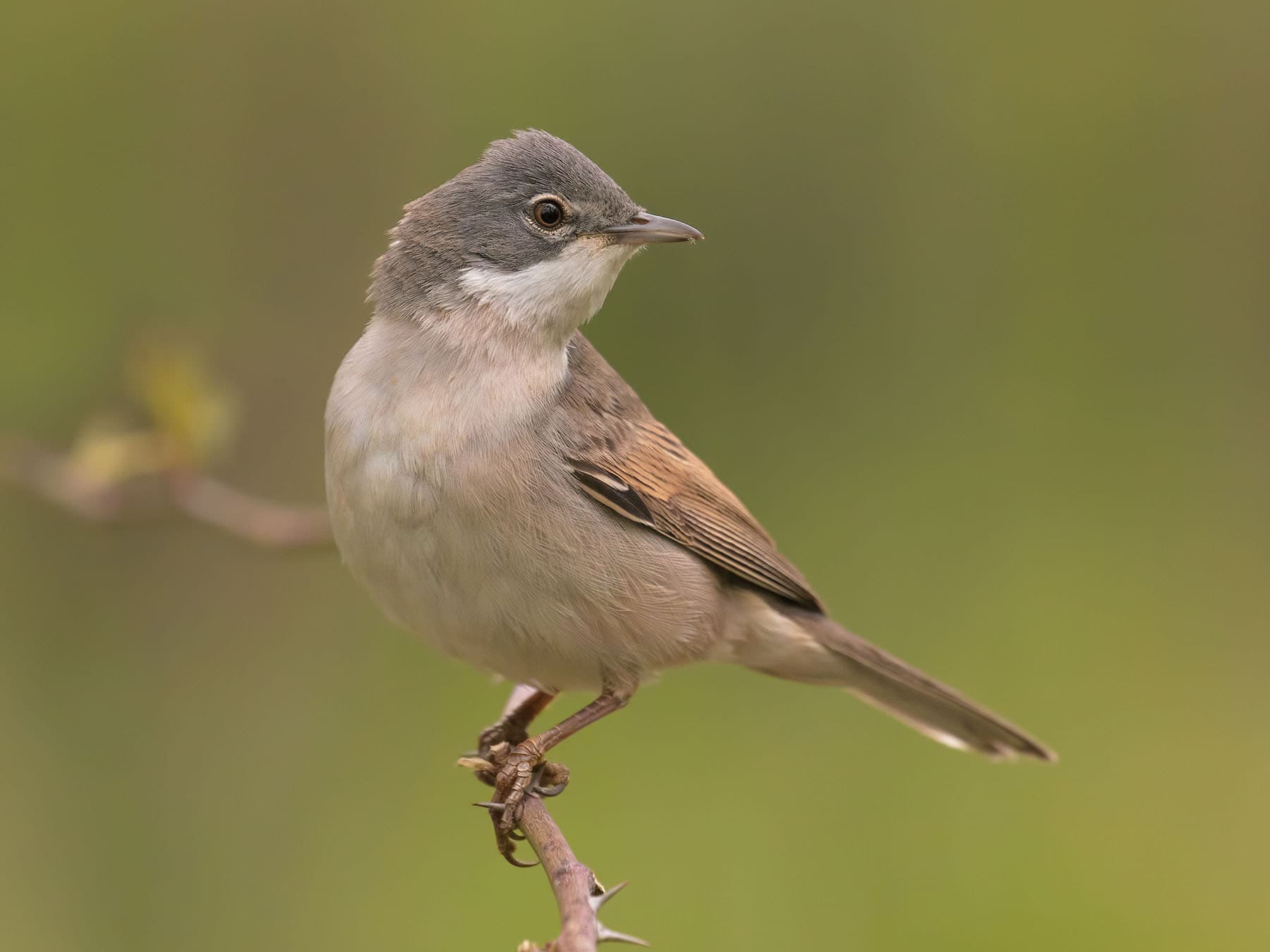
Whitethroat
Curruca communisLC
A summer visitor breeding in scrubby hedgerows and field margins from April to September. Often spotted performing its scratchy song flight over farmland.
Apr–Sep
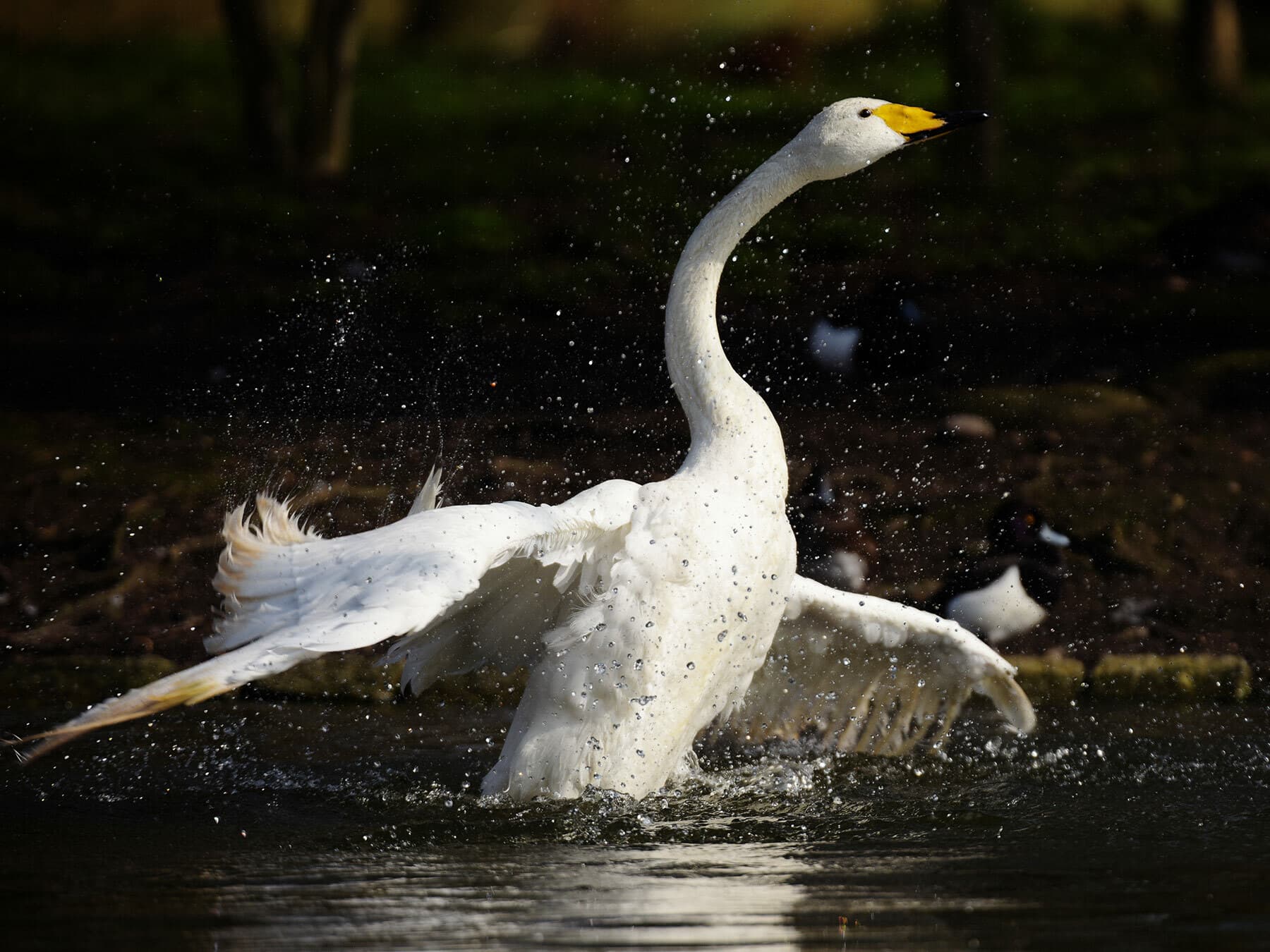
Whooper Swan
Cygnus cygnusLC
Winters on lowland floodplains and lakes, arriving from Iceland in October. Bugling calls carry across the Vale of York.
Oct–May