Birds in North Yorkshire
Explore 218 species found in this region.
North Yorkshire is one of England's largest and most diverse counties for birdwatching, with 217 recorded species across its sweeping moorlands, rugged coastline, river valleys, and expansive wetlands. From the upland heaths of the North York Moors, where Hen Harriers and European Honey-buzzards breed, to the coastal reserves and lowland lakes that attract wintering Goldeneye and Great White Egrets, the county offers exceptional birding year-round. Scarcer visitors such as Cetti's Warbler and Long-tailed Jaeger add further excitement for keen observers.
Visiting in September? Look out for Balearic Shearwater and Brambling arriving this month, and Cuckoo and European Storm-petrel depart for the season.


Showing 208–218 of 218 species
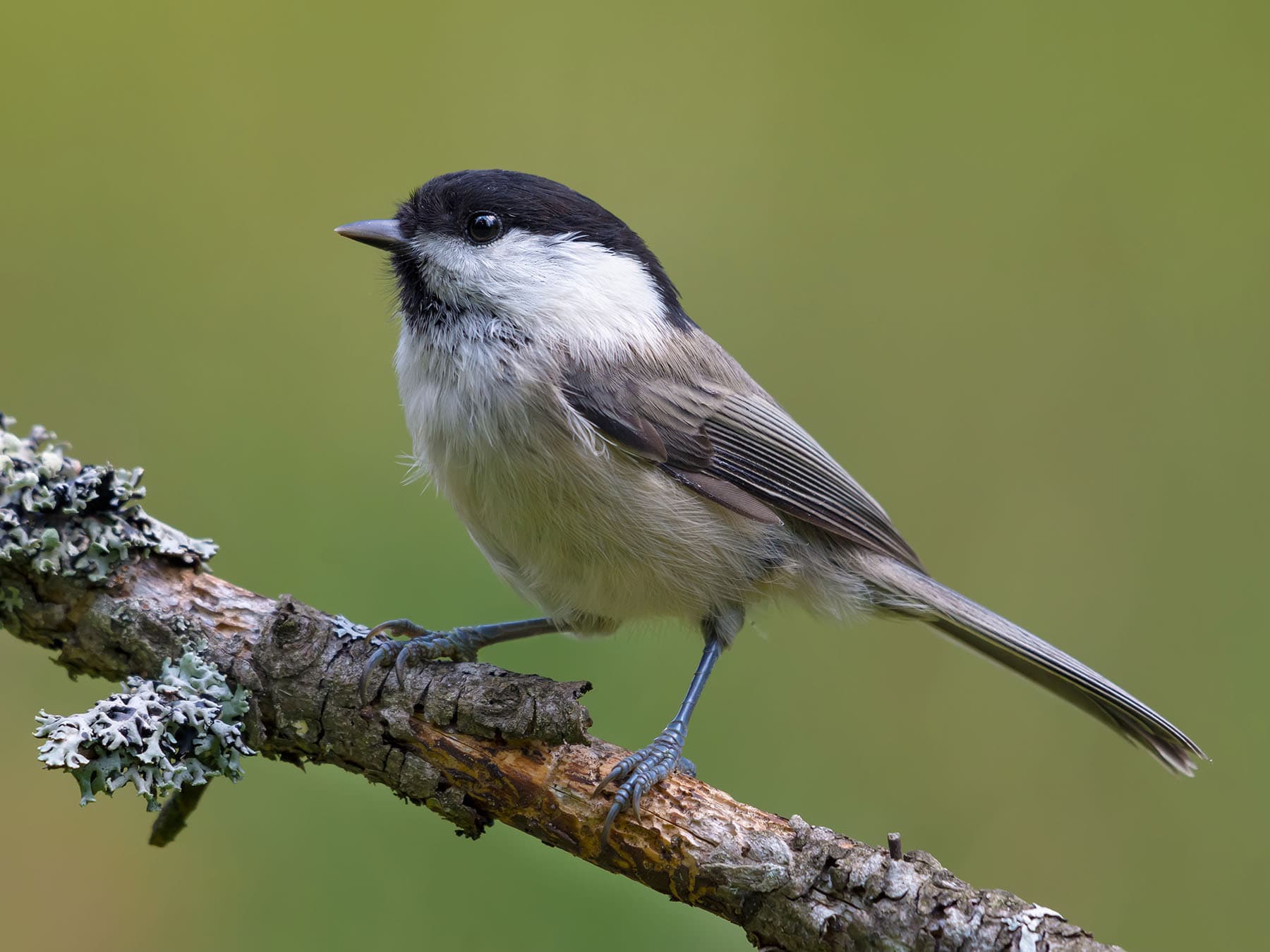
Willow Tit
Poecile montanusLC
A rare and declining resident of damp woodland with standing deadwood; North Yorkshire holds some of England's last strongholds.
Aug–Jun
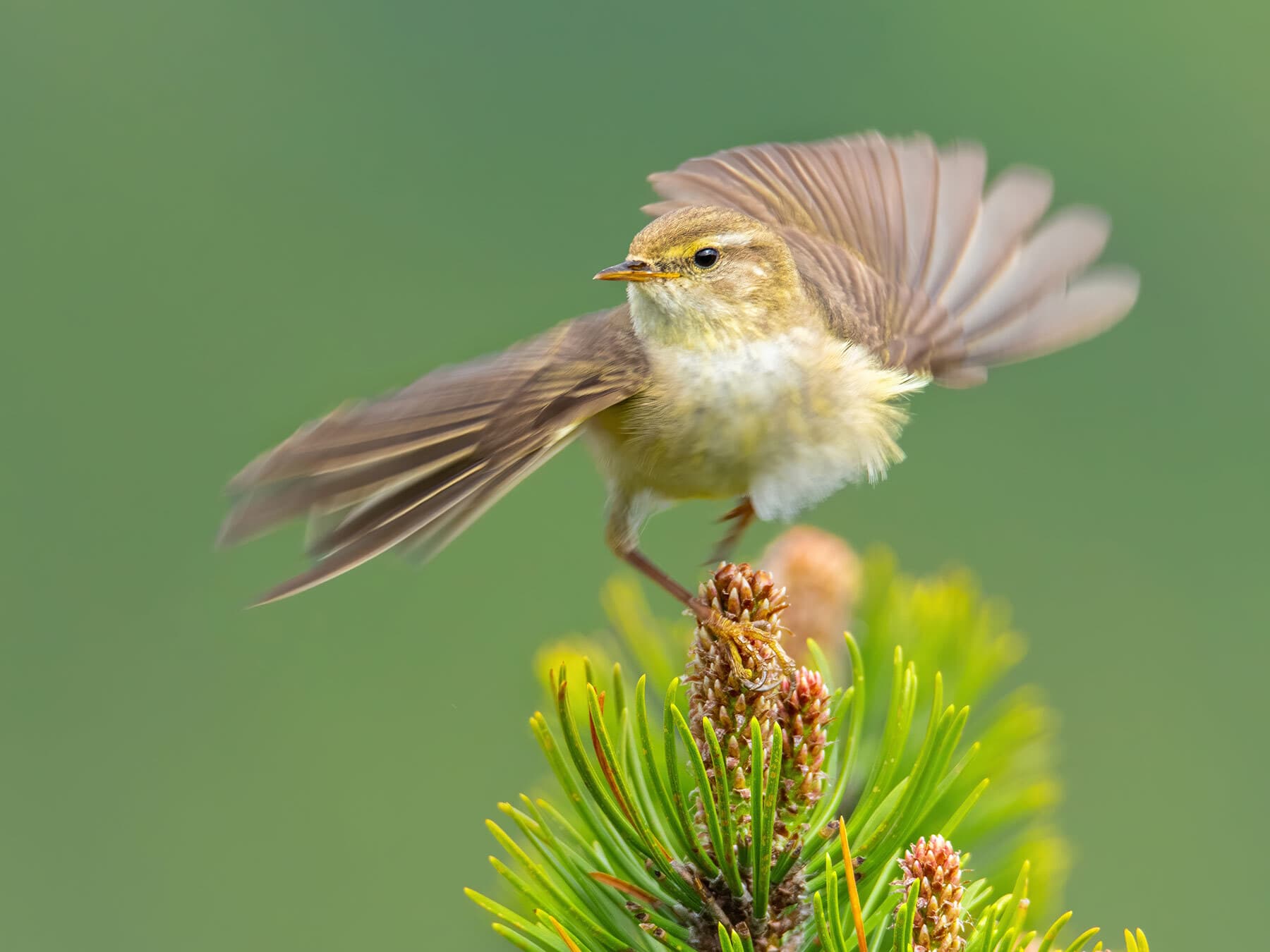
Willow Warbler
Phylloscopus trochilusLC
A common summer breeder of moorland edges, scrubby hillsides and open woodland, arriving from Africa in April.
Apr–Oct
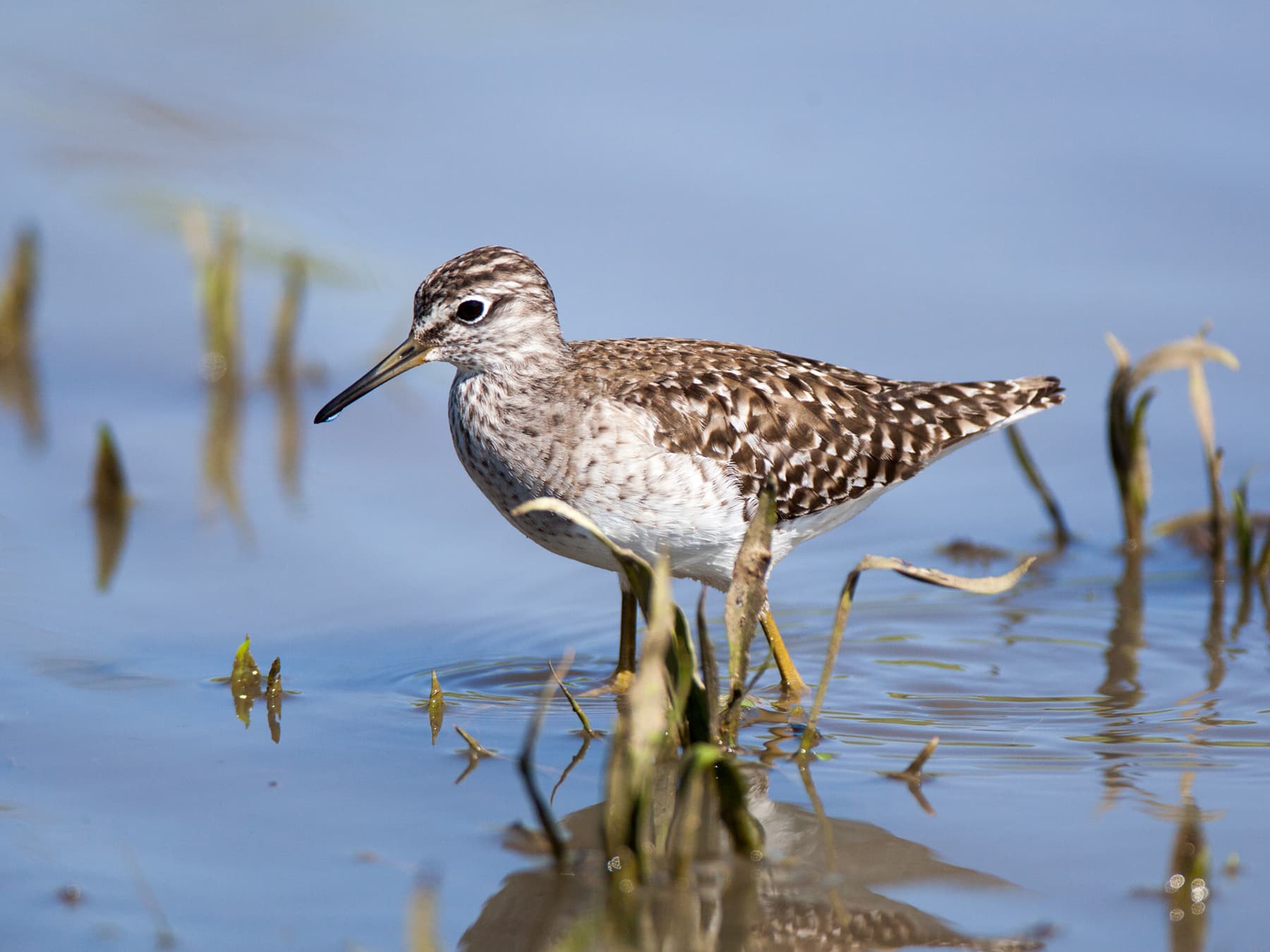
Wood Sandpiper
Tringa glareolaLC
A rare passage wader seen briefly at freshwater pools and marshes, mainly in May and again in July–August on return migration.
May–Aug
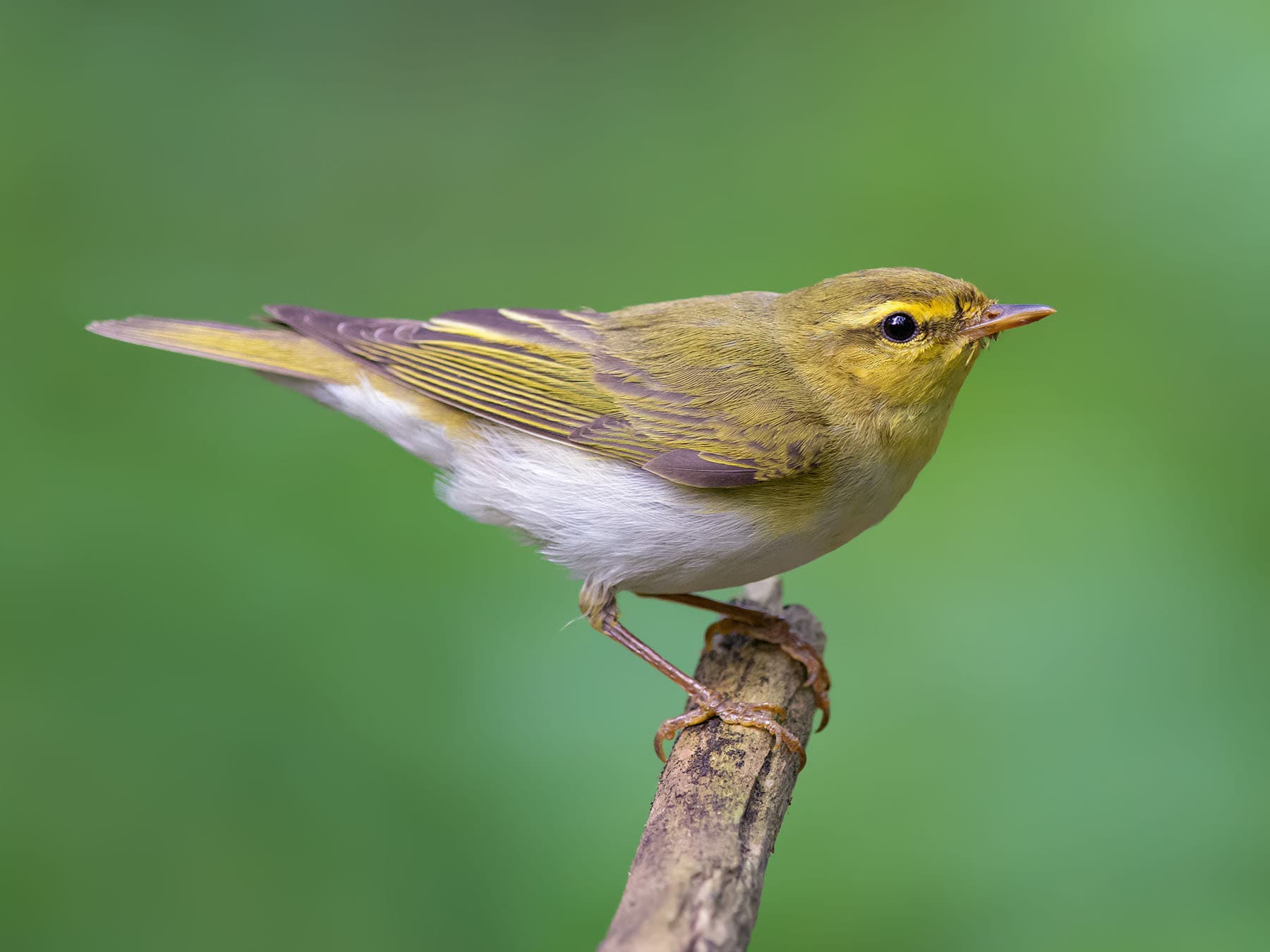
Wood Warbler
Phylloscopus sibilatrixLC
A rare passage migrant in May, occasionally noted in mature oak woodland. Once bred more widely but has declined sharply in northern England.
May
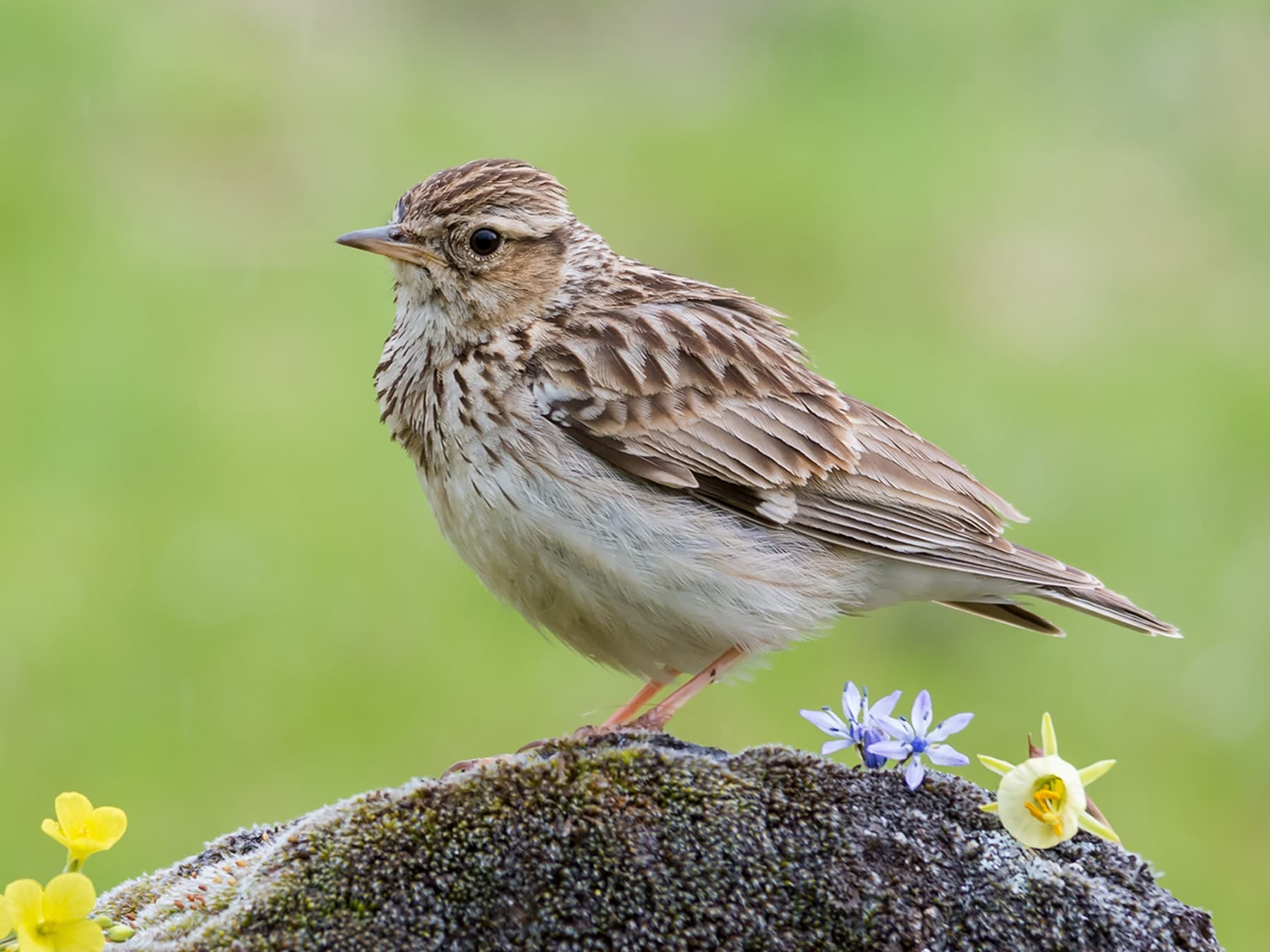
Woodlark
Lullula arboreaLC
A rare passage migrant in spring, occasionally recorded on coastal headlands and open ground. Does not breed in the region.
Feb–May
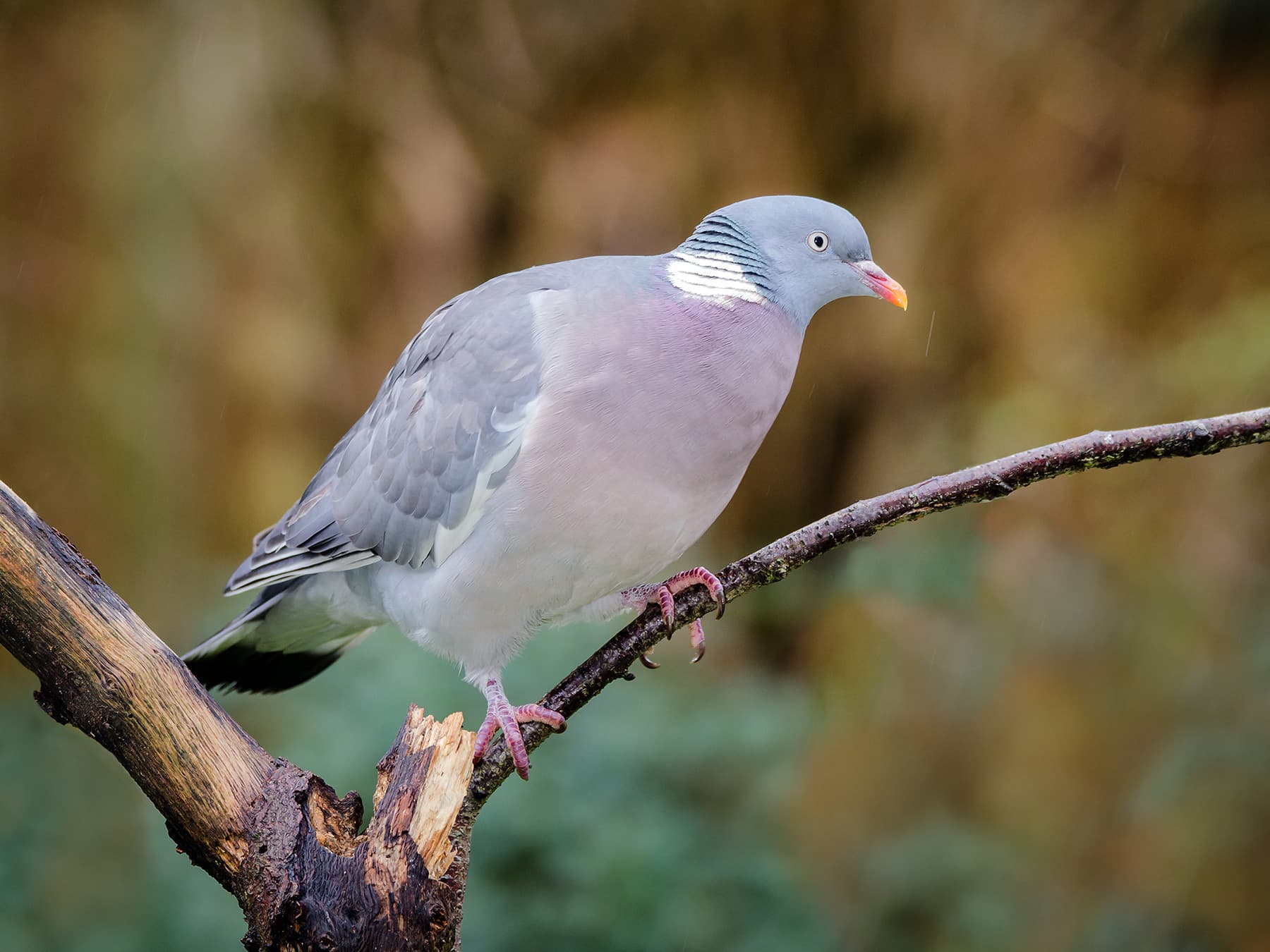
Woodpigeon
Columba palumbusLC
A common resident seen in farmland, woodlands, parks, and gardens throughout the county all year round.
Year-round
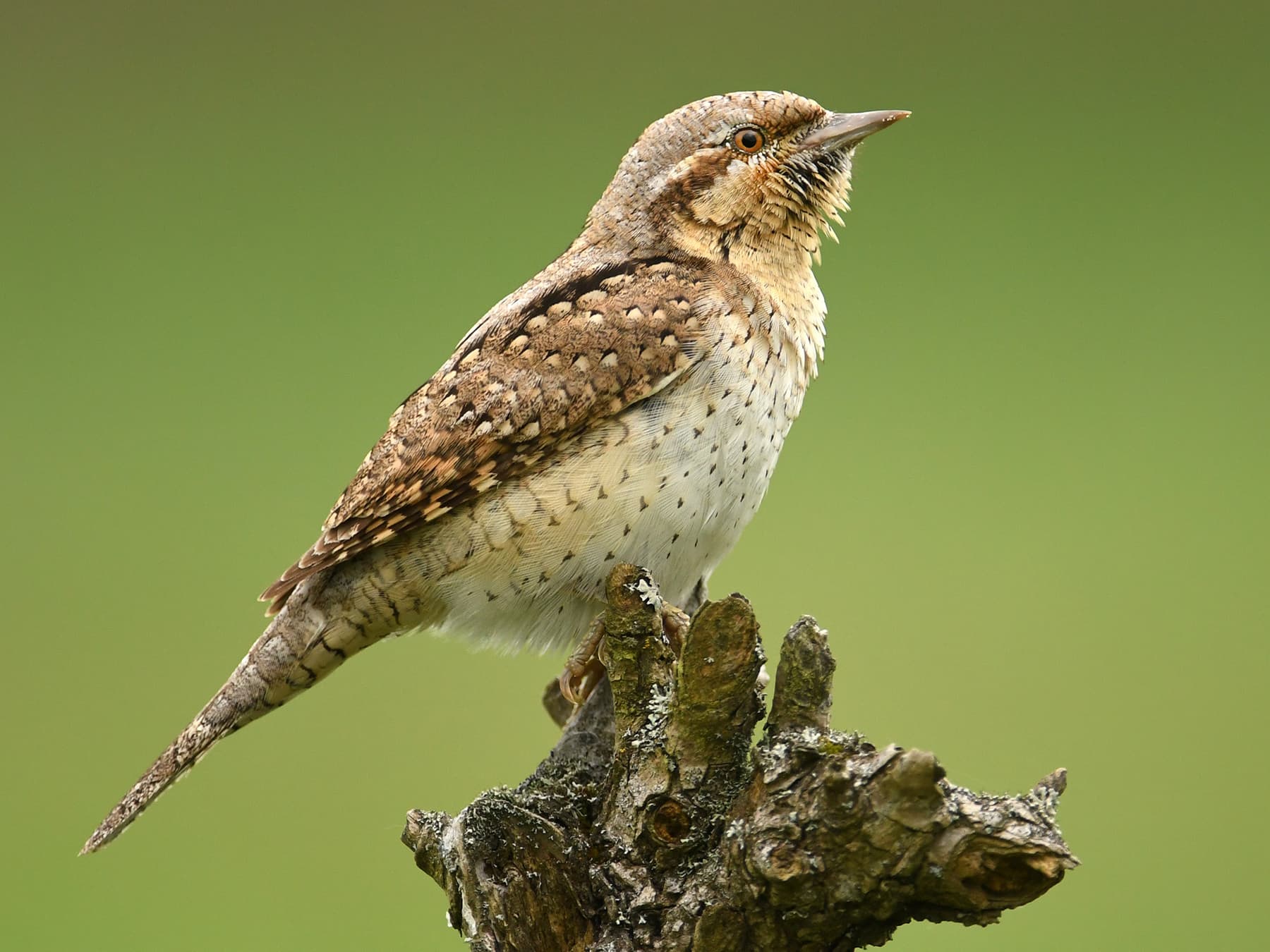
Wryneck
Jynx torquillaLC
A rare autumn migrant, mainly recorded along the coast in September. Feeds unobtrusively on ants in low scrub and dune edges.
Sep
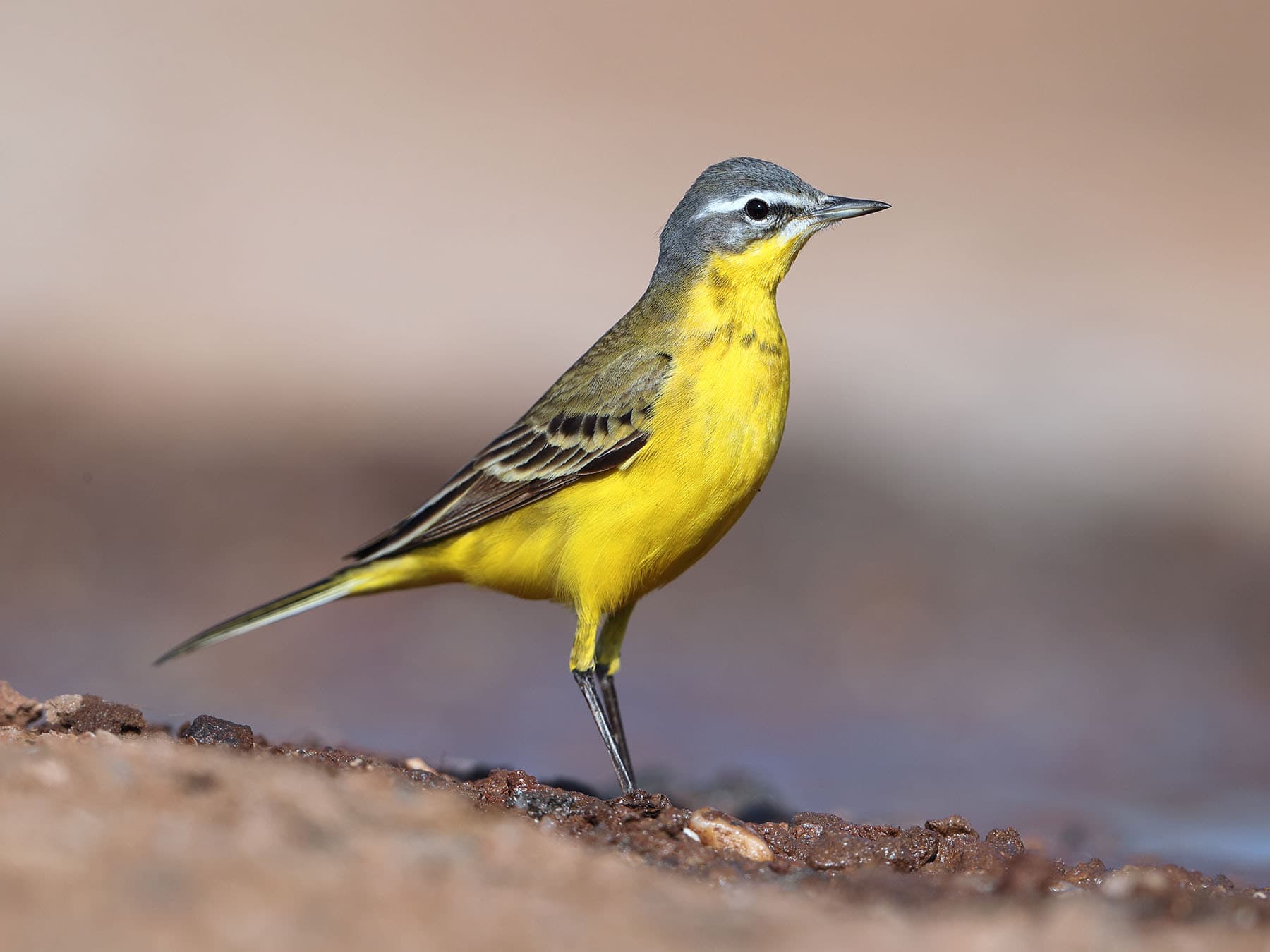
Yellow Wagtail
Motacilla flavaLC
An uncommon summer breeder favouring lowland wet meadows and arable fields. Arrives in April and departs by September.
Apr–Sep
Spotted something?
Upload a photo to identify it
Identify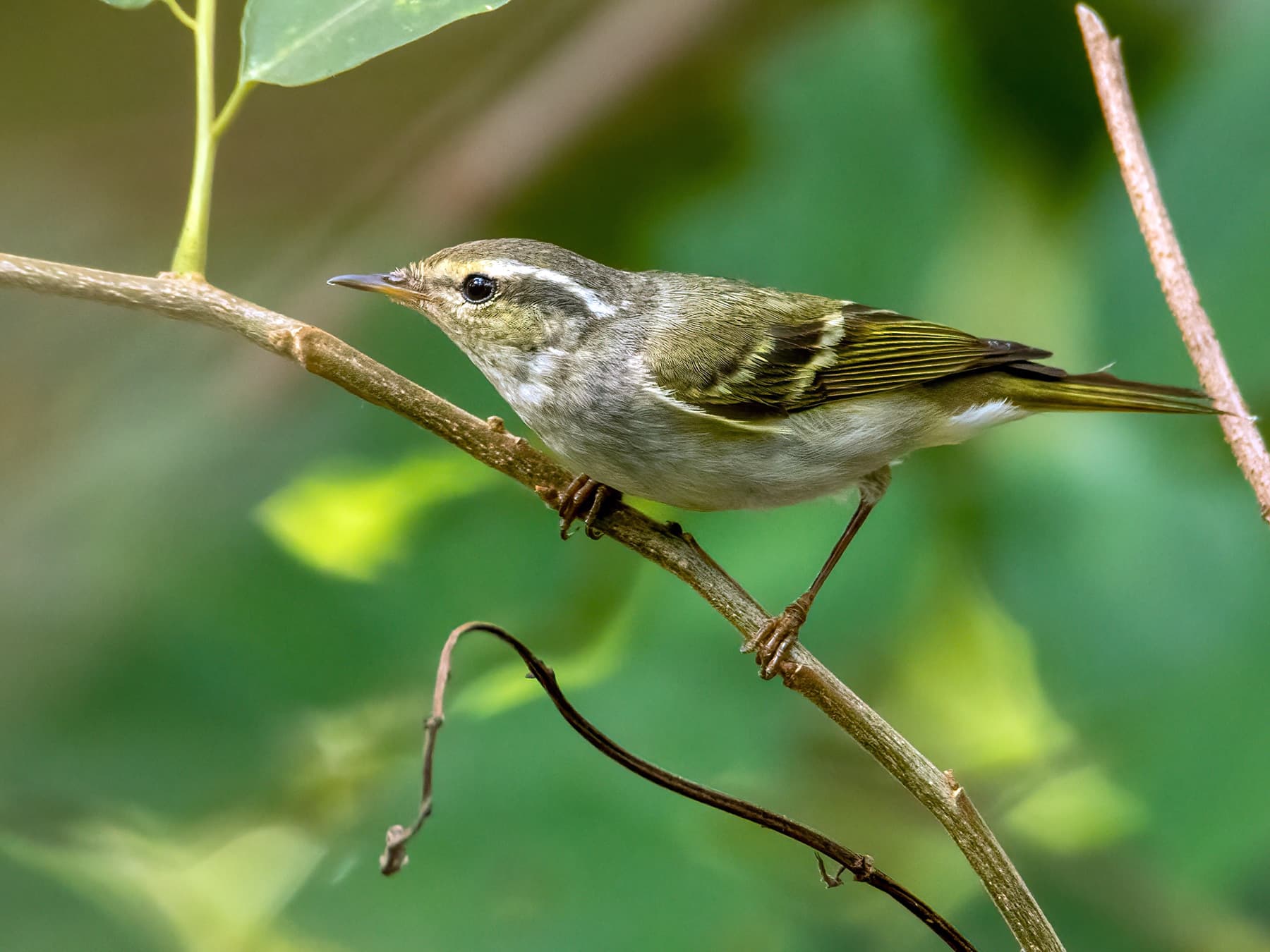
Yellow-browed Warbler
Phylloscopus inornatusLC
An uncommon autumn passage migrant from Siberia, turning up in coastal scrub and hedgerows during September and October.
Sep–Oct
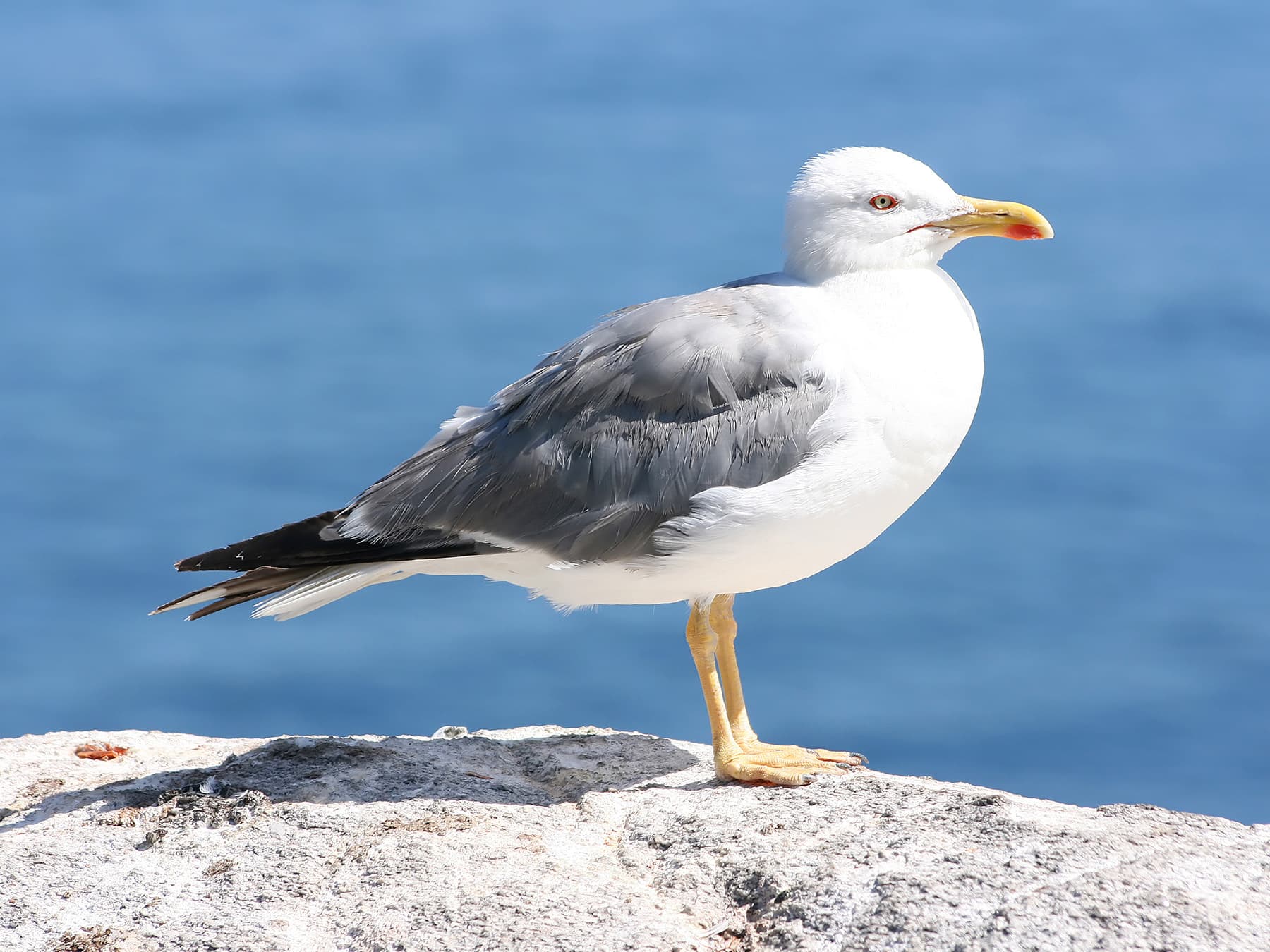
Yellow-legged Gull
Larus michahellisLC
A rare passage visitor in late summer, occasionally noted among large gull flocks at the coast or reservoirs in August and September.
Aug–Sep
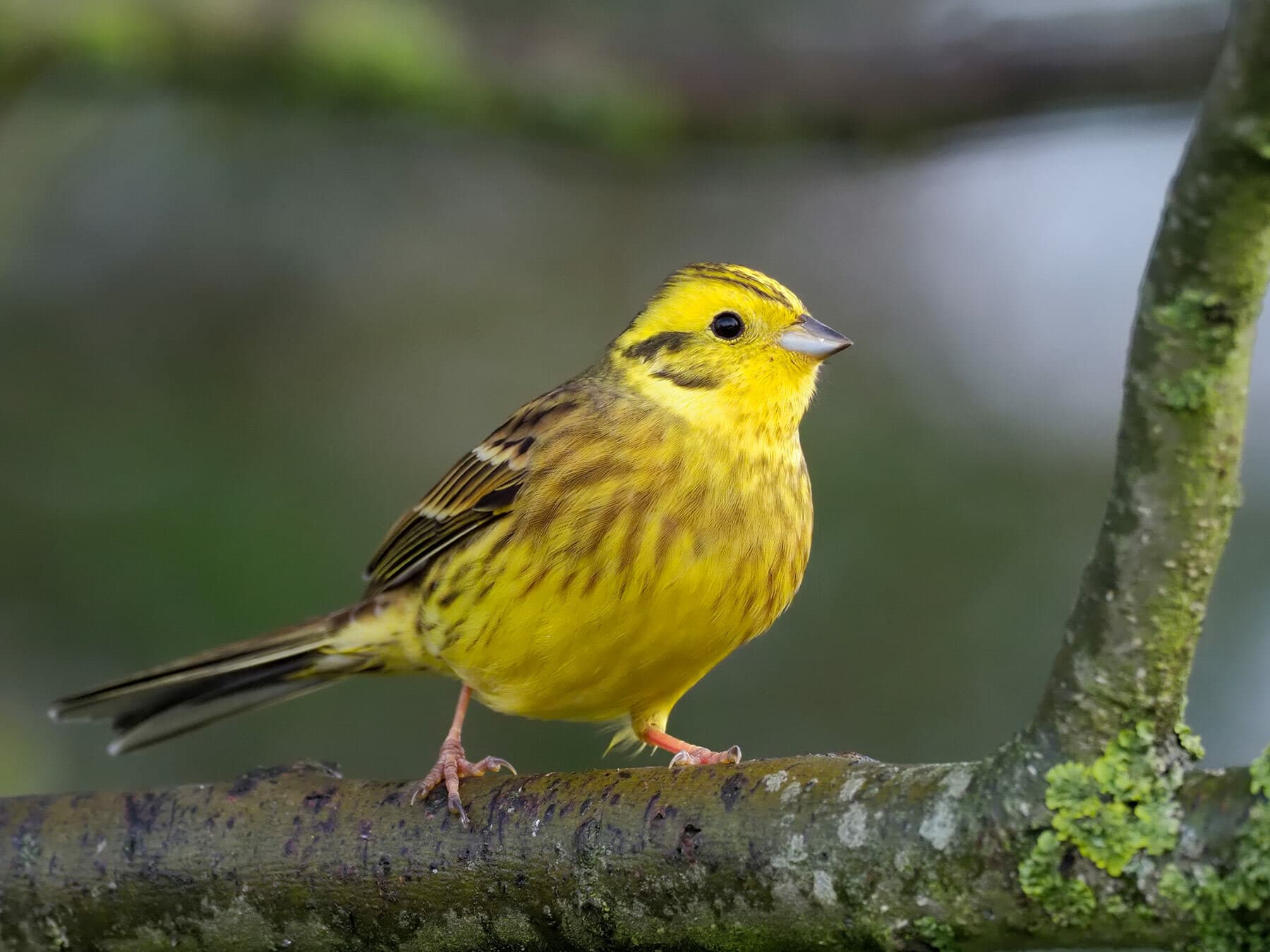
Yellowhammer
Emberiza citrinellaLC
An uncommon resident of hedgerows and arable farmland, declining nationally. Its bright yellow head and jangling song enliven field margins year-round.
Year-round