Rare Birds in North Yorkshire
92 species matching this filter.
North Yorkshire's diverse landscapes — from the rugged moorlands of the North York Moors and Yorkshire Dales to its dramatic coastline and sheltered river valleys — provide habitat for an impressive array of rare bird species. With 91 species classified as rare in the county, patient observers may encounter elusive residents such as Black Grouse on upland heath edges, Little Owl in lowland farmland, and European Green Woodpecker in mature deciduous woodlands. Coastal areas and passage periods also bring scarce visitors including Arctic Loon, Great Skua, Iceland Gull, and Little Stint, making North Yorkshire a rewarding destination for birders seeking something out of the ordinary.


Showing 70–92 of 92 species
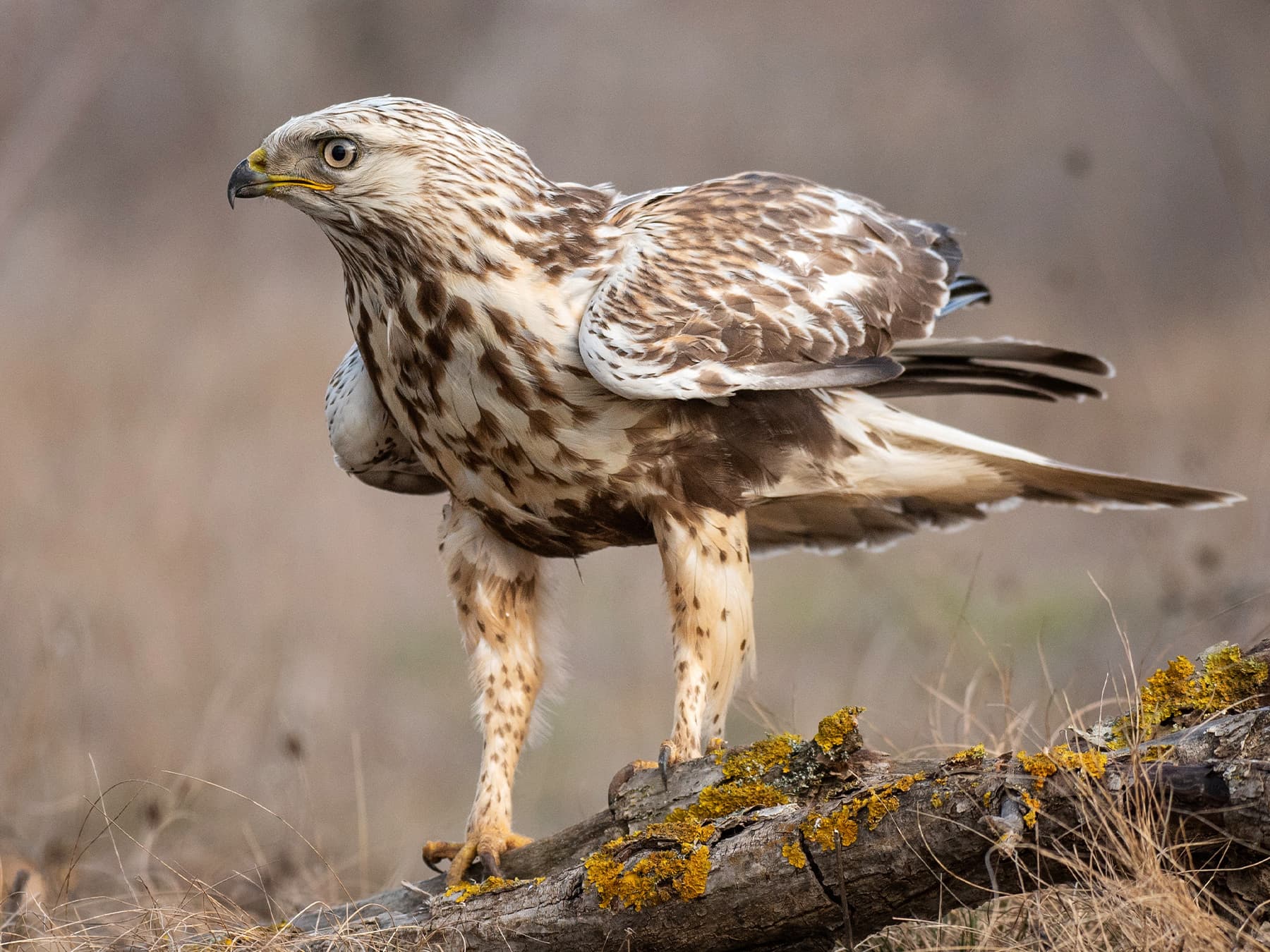
Rough-legged Hawk
Buteo lagopusLC
A rare passage visitor, occasionally recorded on the coast or open farmland in late winter. Always a prized sighting in the county.
Feb
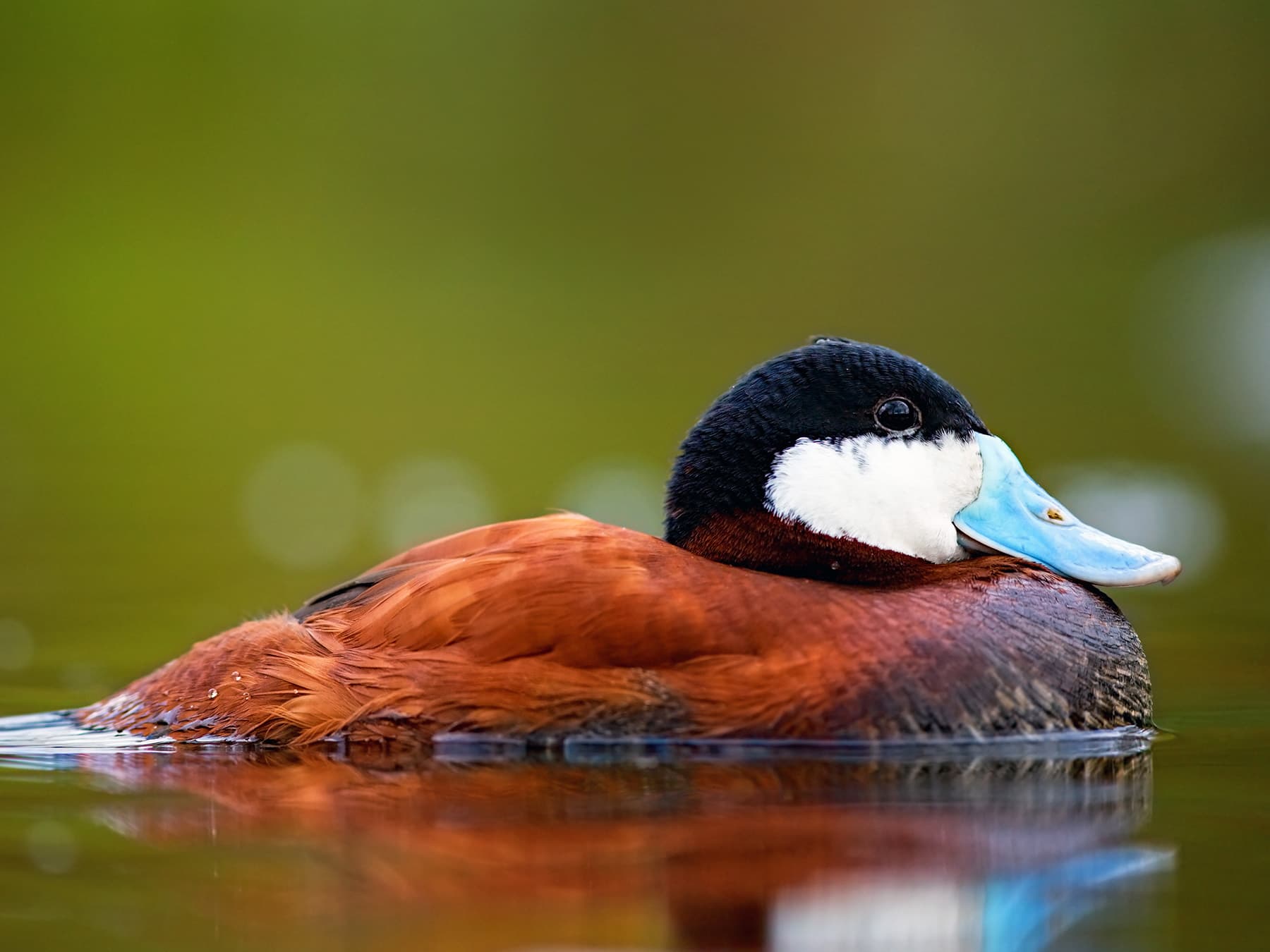
Ruddy Duck
Oxyura jamaicensisLC
A rare and declining breeder, present from April to July. Subject to national eradication efforts due to its non-native status.
Apr–Jul
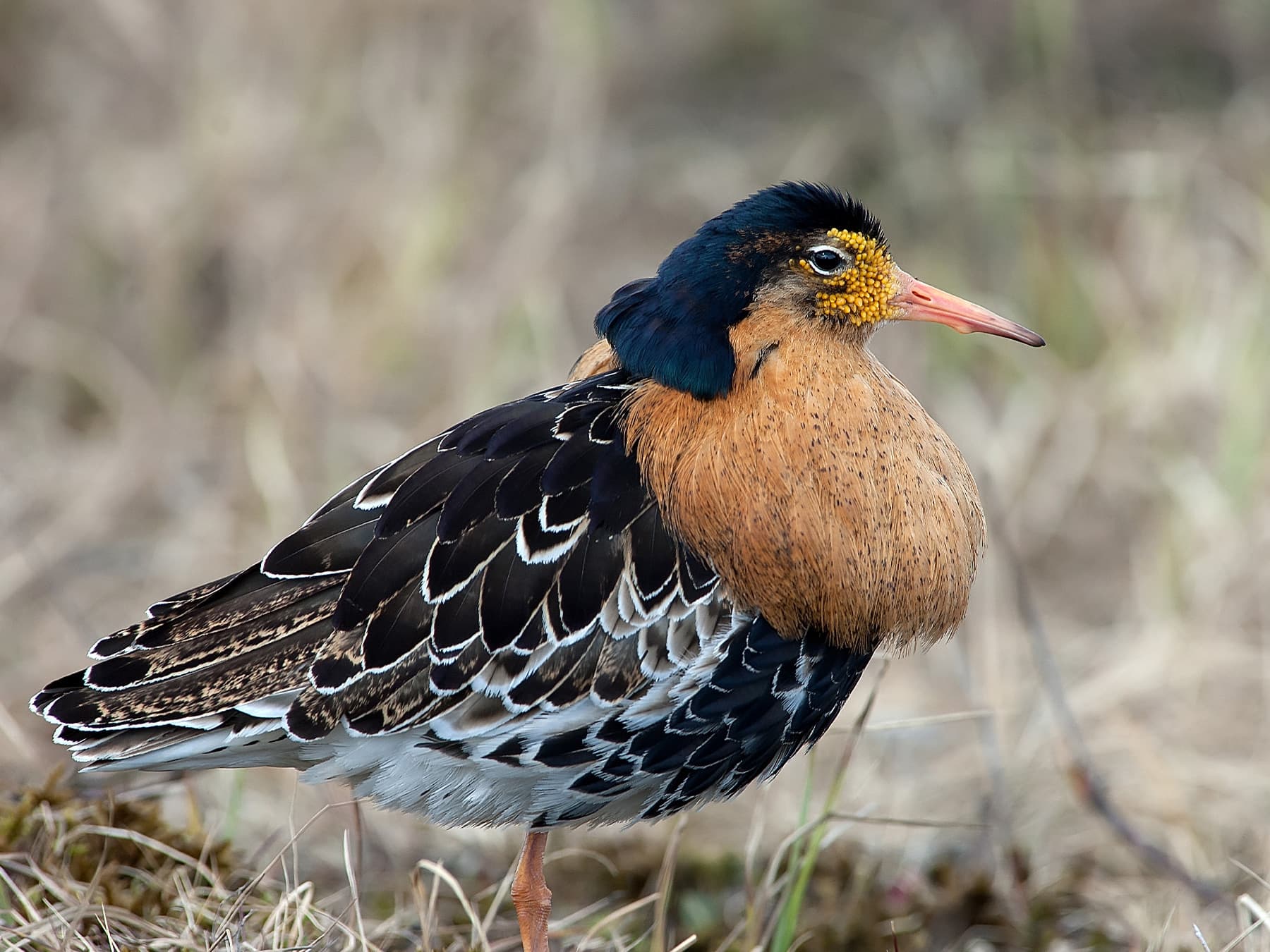
Ruff
Philomachus pugnaxLC
A rare visitor to coastal marshes and freshwater pools, mainly on passage. Males in breeding plumage with elaborate ruffs are seldom seen here.
Aug–May
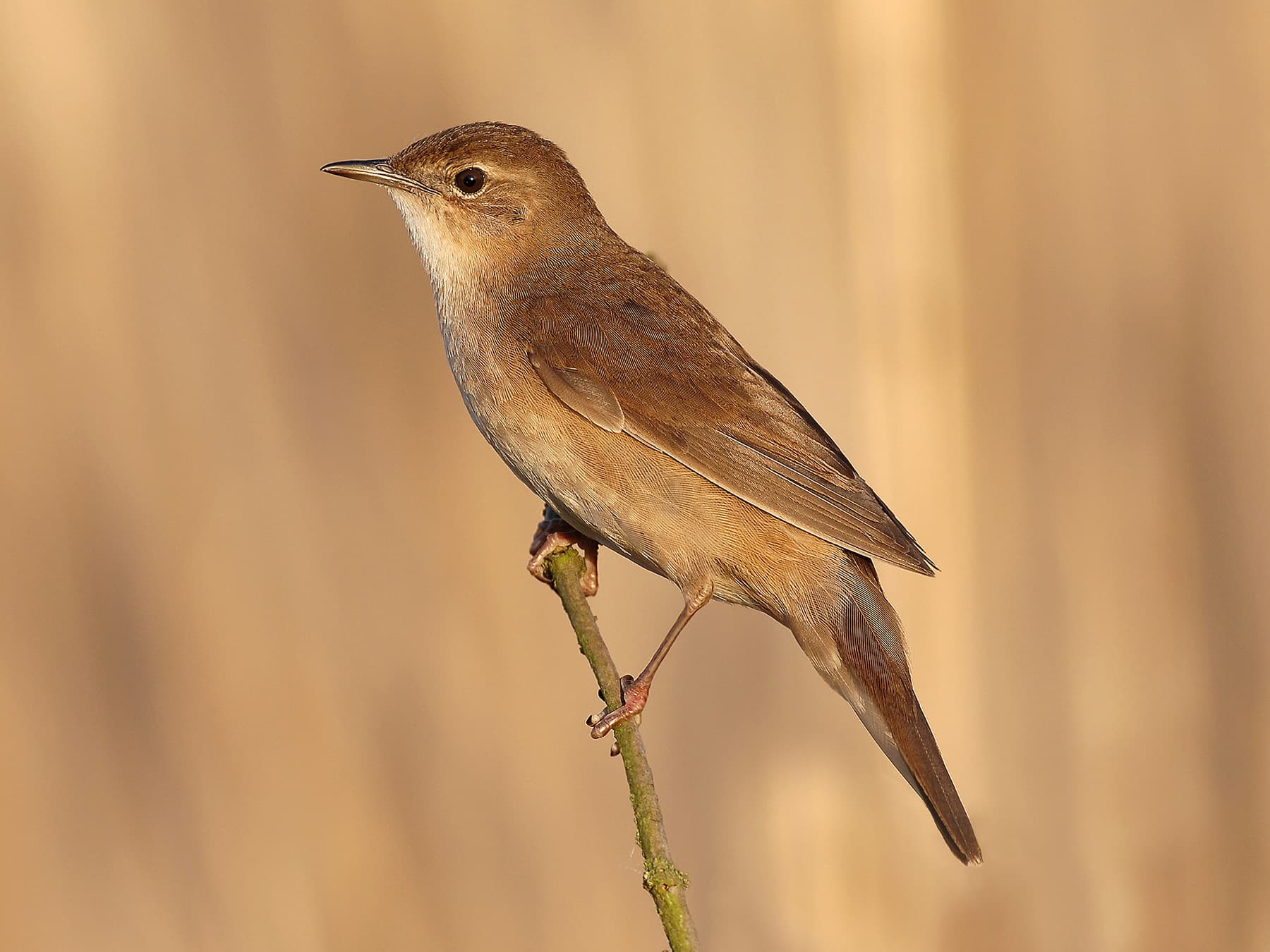
Savi's Warbler
Locustella luscinioidesLC
A rare passage visitor, occasionally recorded in May at reedbed sites; its reeling song is easily overlooked.
May
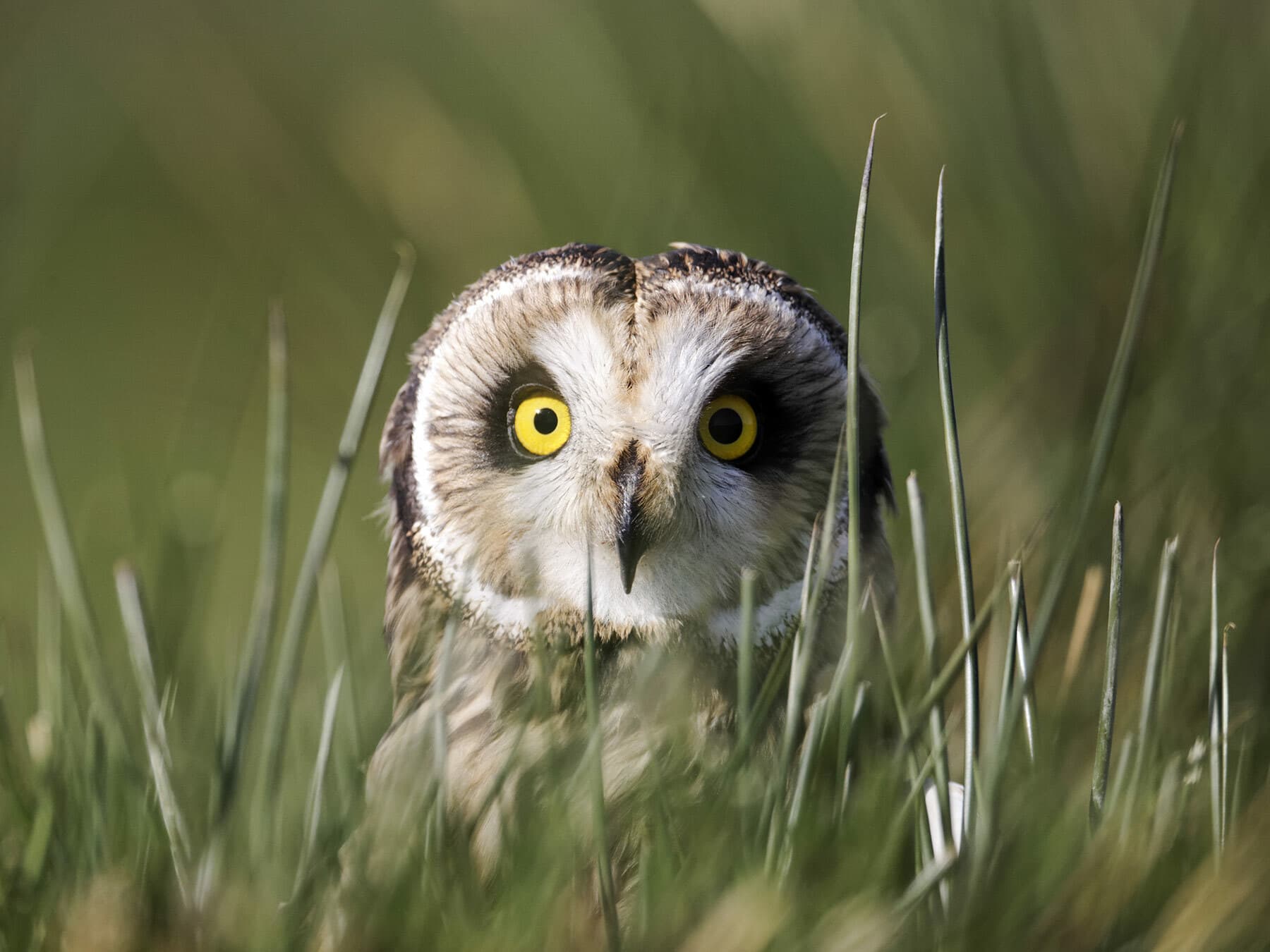
Short-eared Owl
Asio flammeusLC
A rare resident of open moorland, hunting by day with buoyant, wavering flight over the North York Moors and Dales.
Oct–May
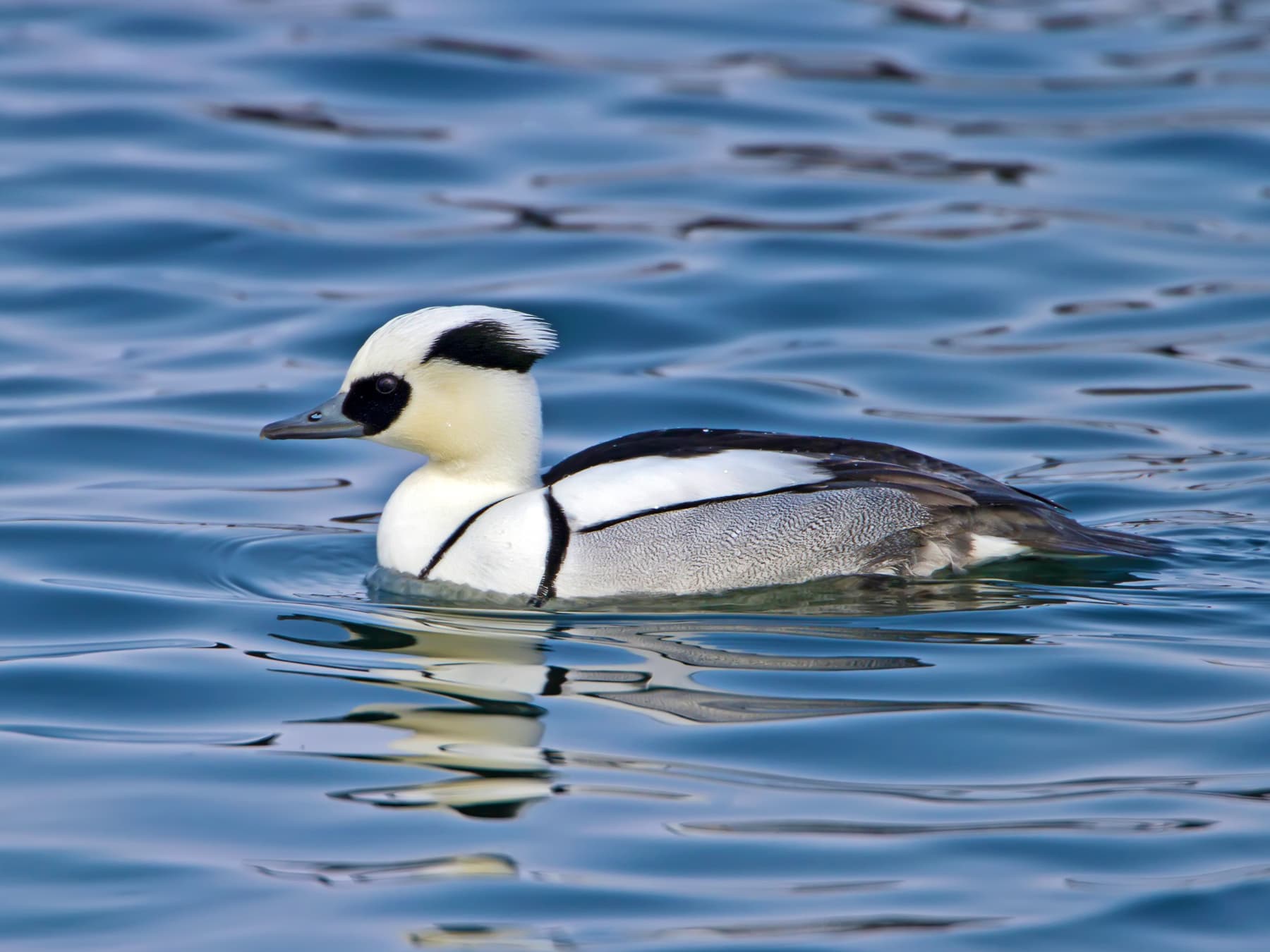
Smew
Mergellus albellusLC
A rare and striking winter visitor, occasionally appearing on inland lakes and reservoirs in January and February.
Jan–Feb
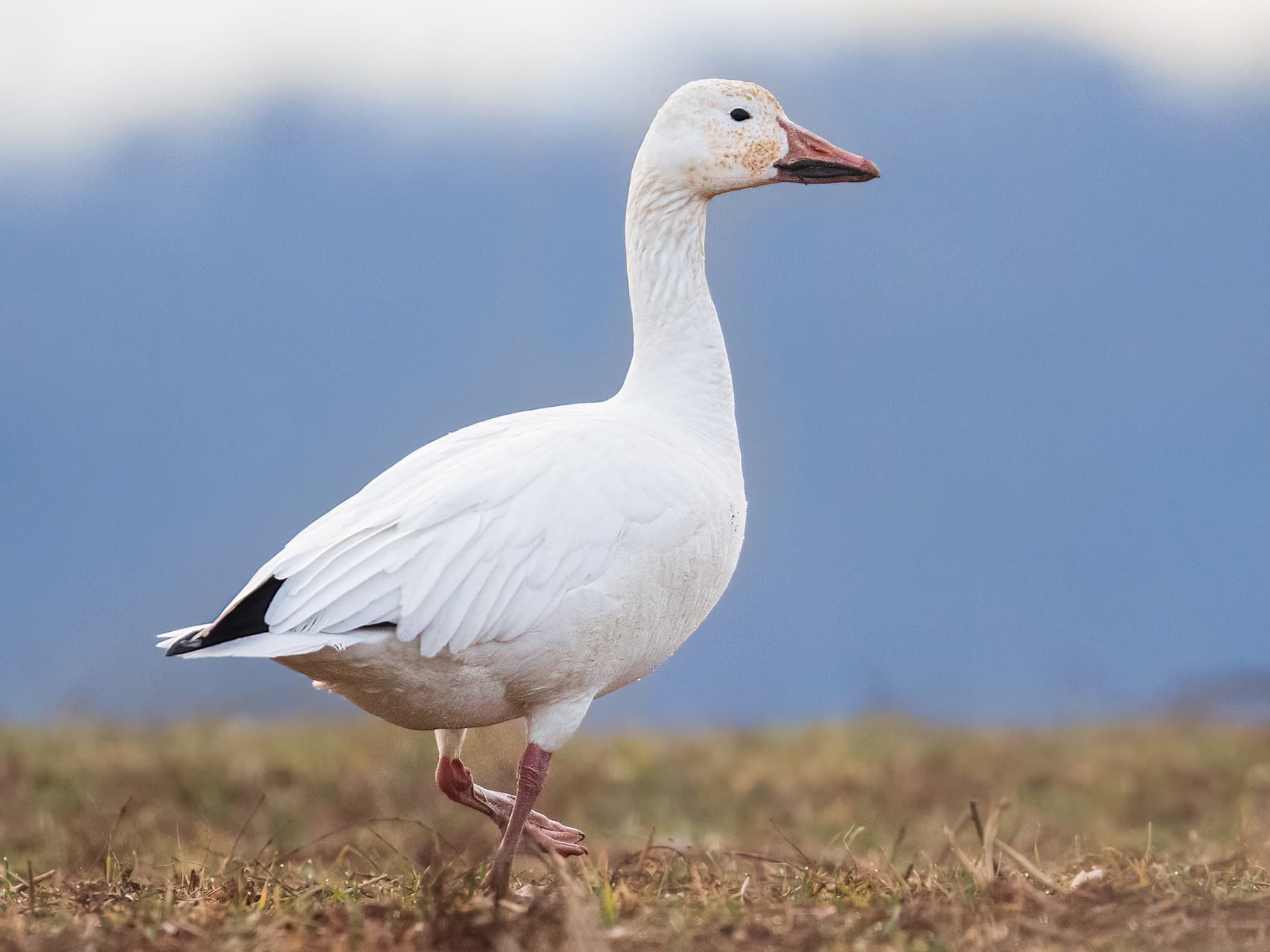
Snow Goose
Anser caerulescensLC
A rare passage visitor in late summer and autumn. Records may involve genuine wild birds or escapes from collections.
Aug–Oct
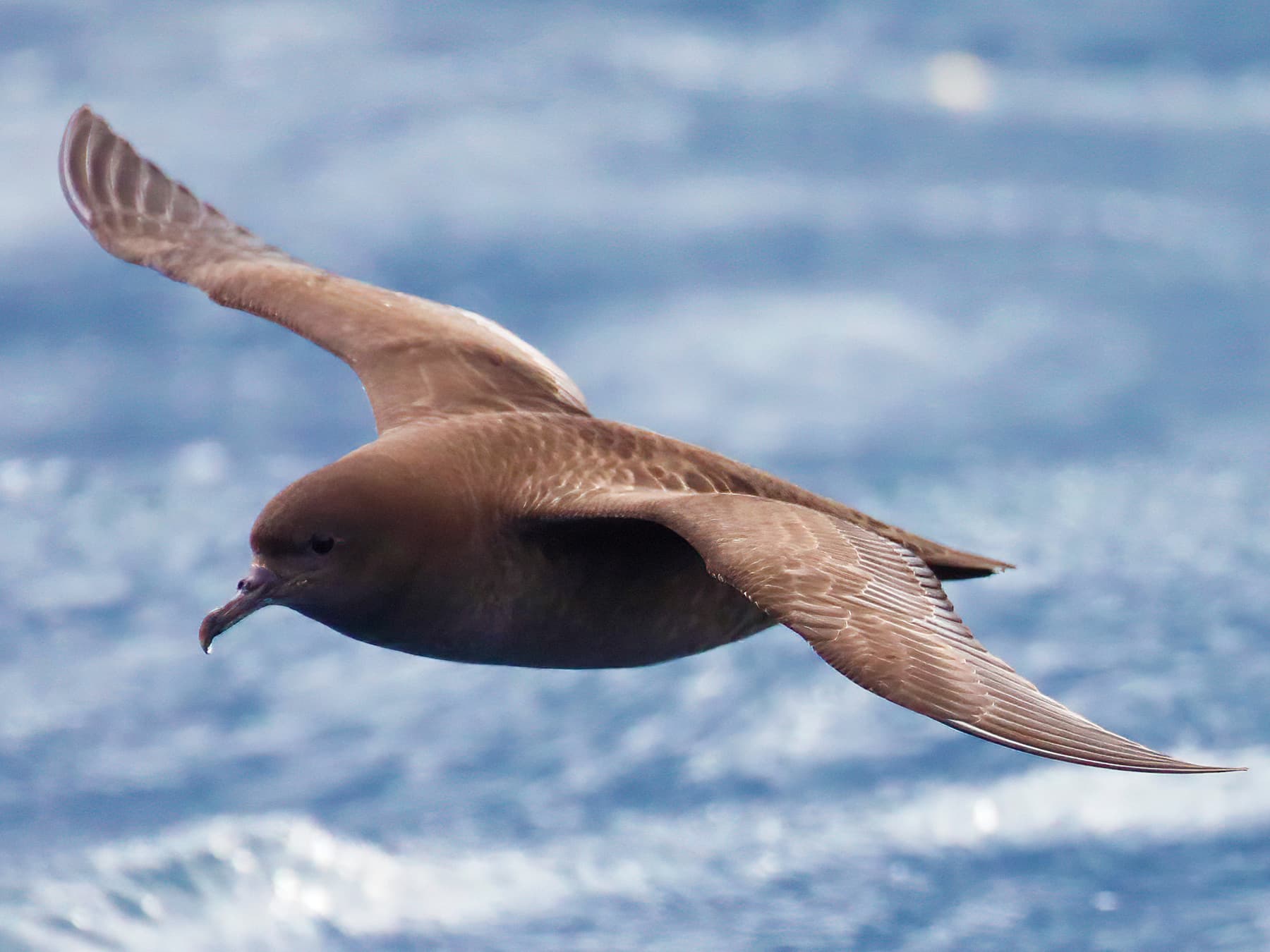
Sooty Shearwater
Ardenna griseaNT
A rare autumn passage seabird, best spotted from headlands during strong onshore winds between August and October.
Aug–Oct
Spotted something?
Upload a photo to identify it
Identify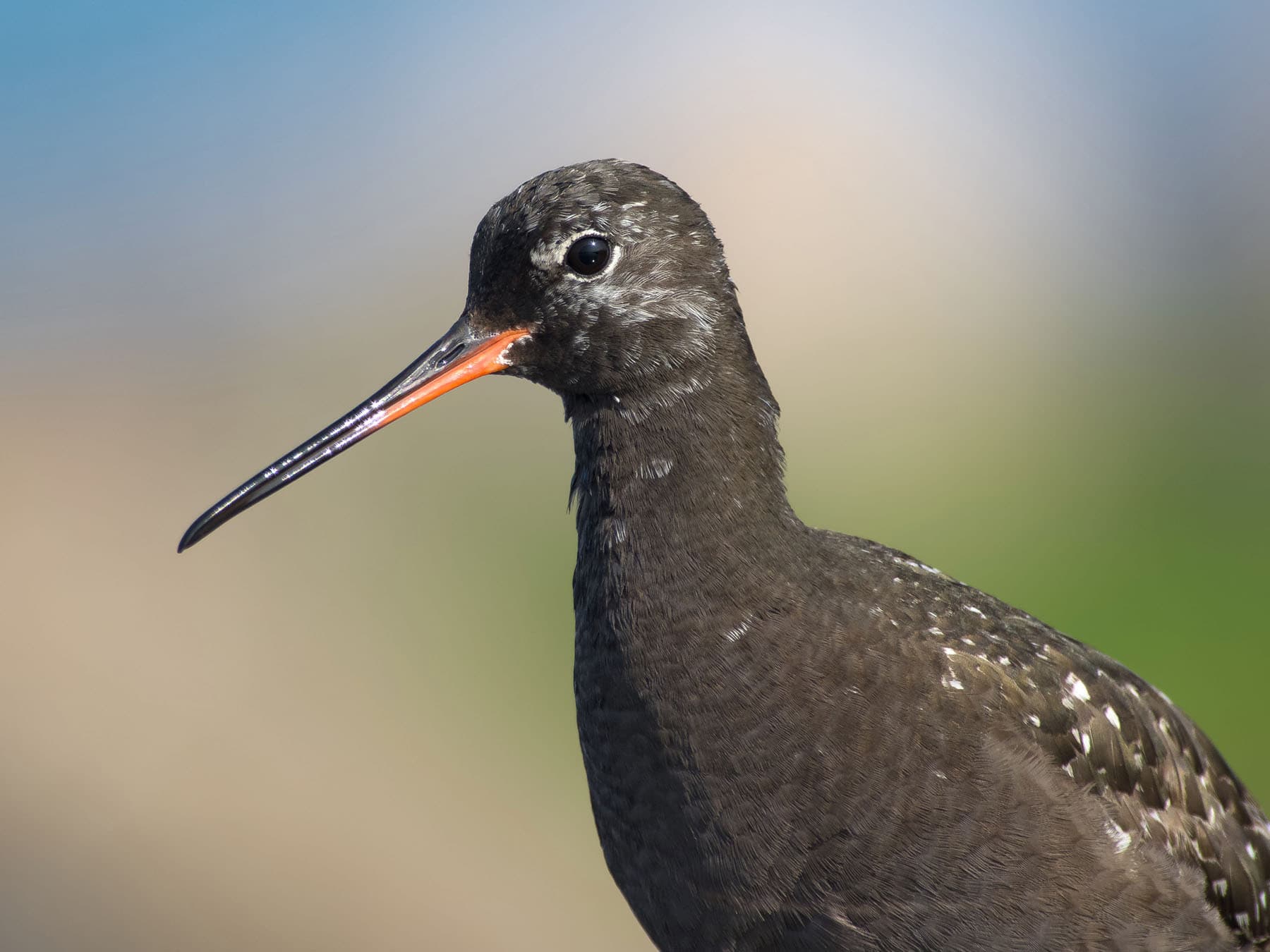
Spotted Redshank
Tringa erythropusLC
A rare autumn passage bird, occasionally stopping at coastal pools and estuaries in August and September during southward migration.
Aug–Sep
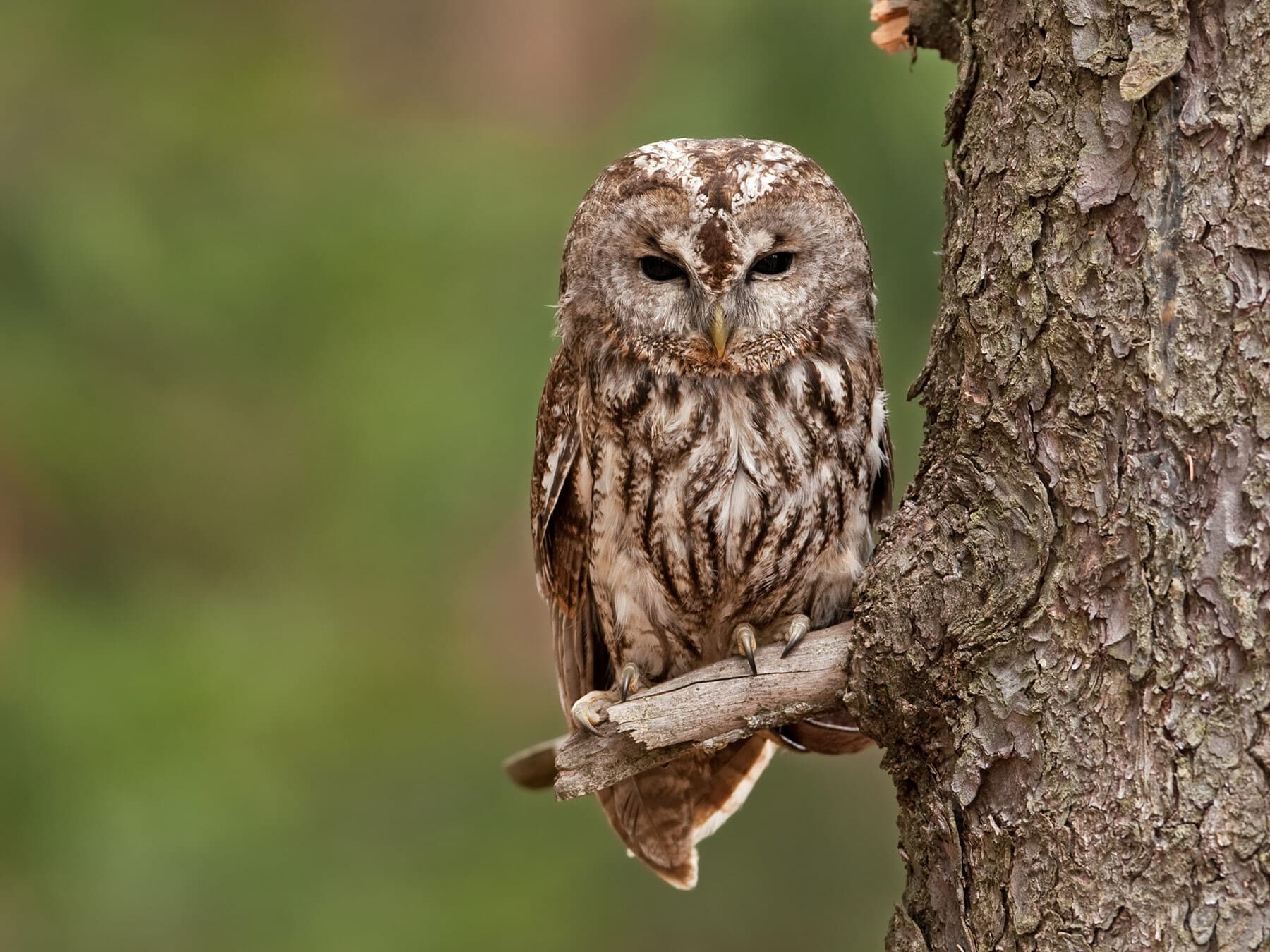
Tawny Owl
Strix alucoLC
A rare but resident owl of mature woodland, more often heard than seen; its hooting carries through the Dales on still nights.
Year-round
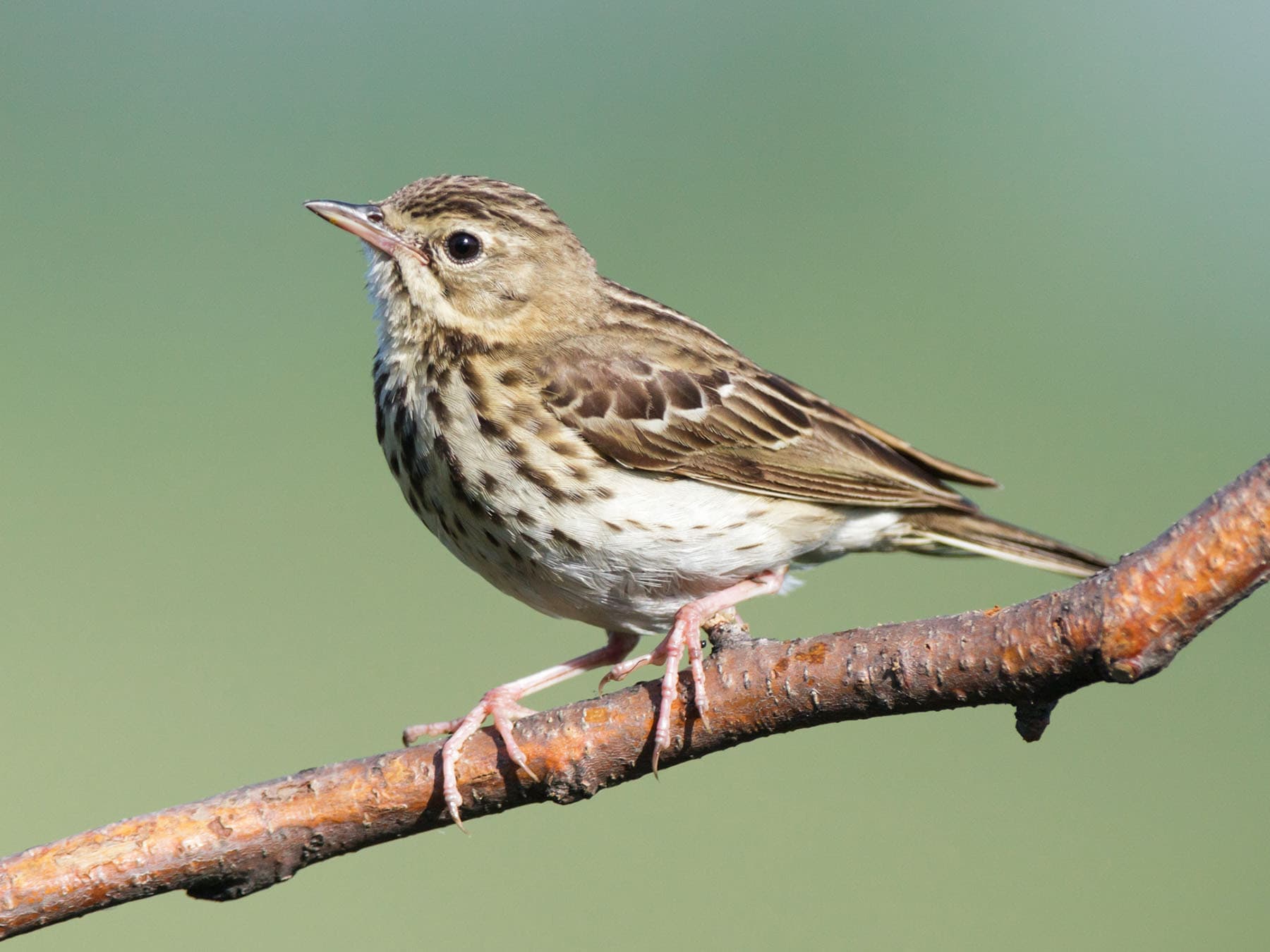
Tree Pipit
Anthus trivialisLC
A rare summer breeder on moorland fringes and open woodland from April to September. Delivers its distinctive parachuting song flight over scattered trees.
Apr–Sep
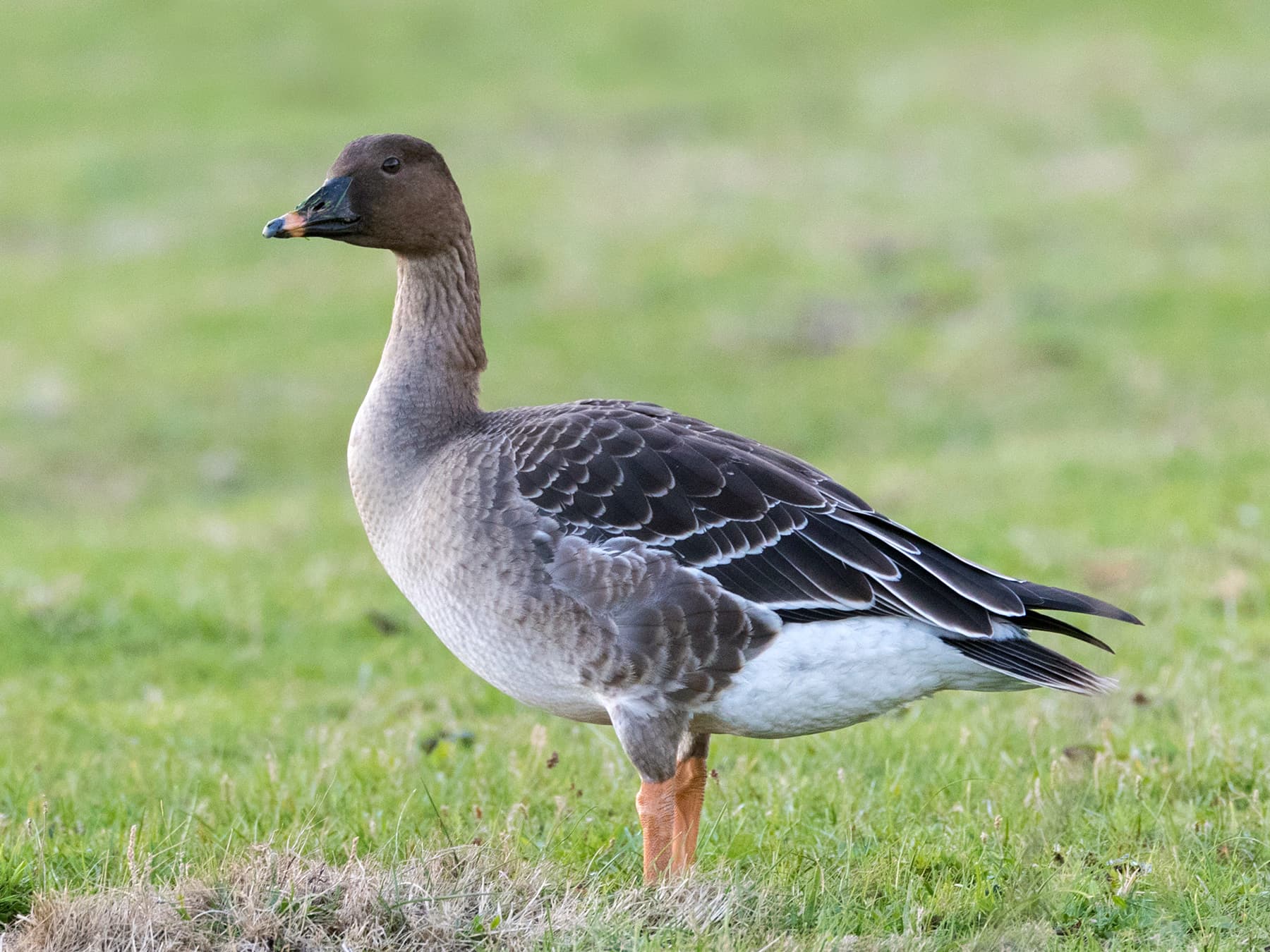
Tundra Bean Goose
Anser serrirostrisLC
A rare passage visitor, occasionally recorded in February on farmland or wetlands. Easily confused with the closely related Taiga Bean Goose.
Feb
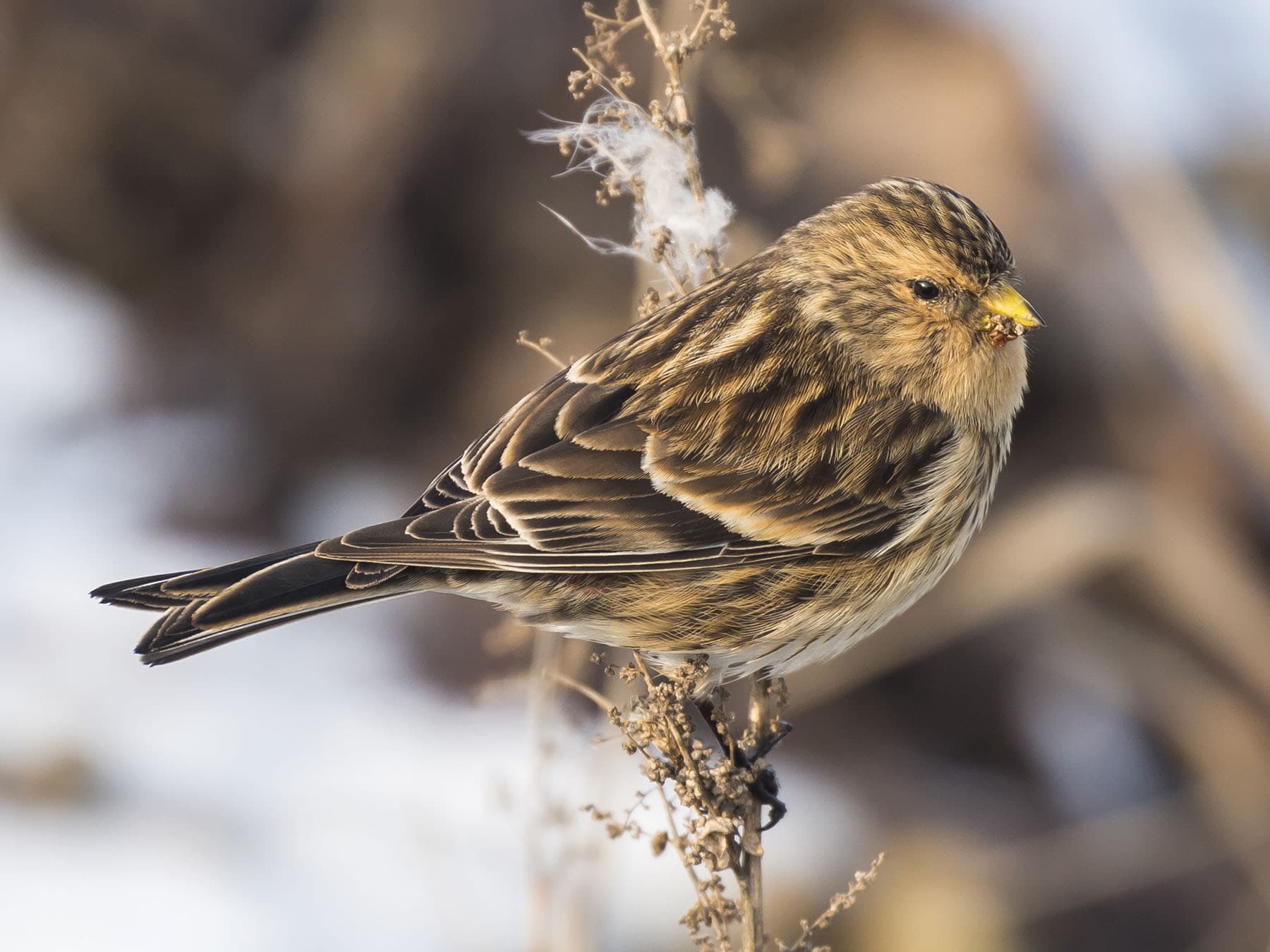
Twite
Linaria flavirostrisLC
A rare non-breeding visitor, mainly to coastal saltmarshes and moorland edges in winter. A declining upland finch closely associated with the Pennines.
Oct–Mar
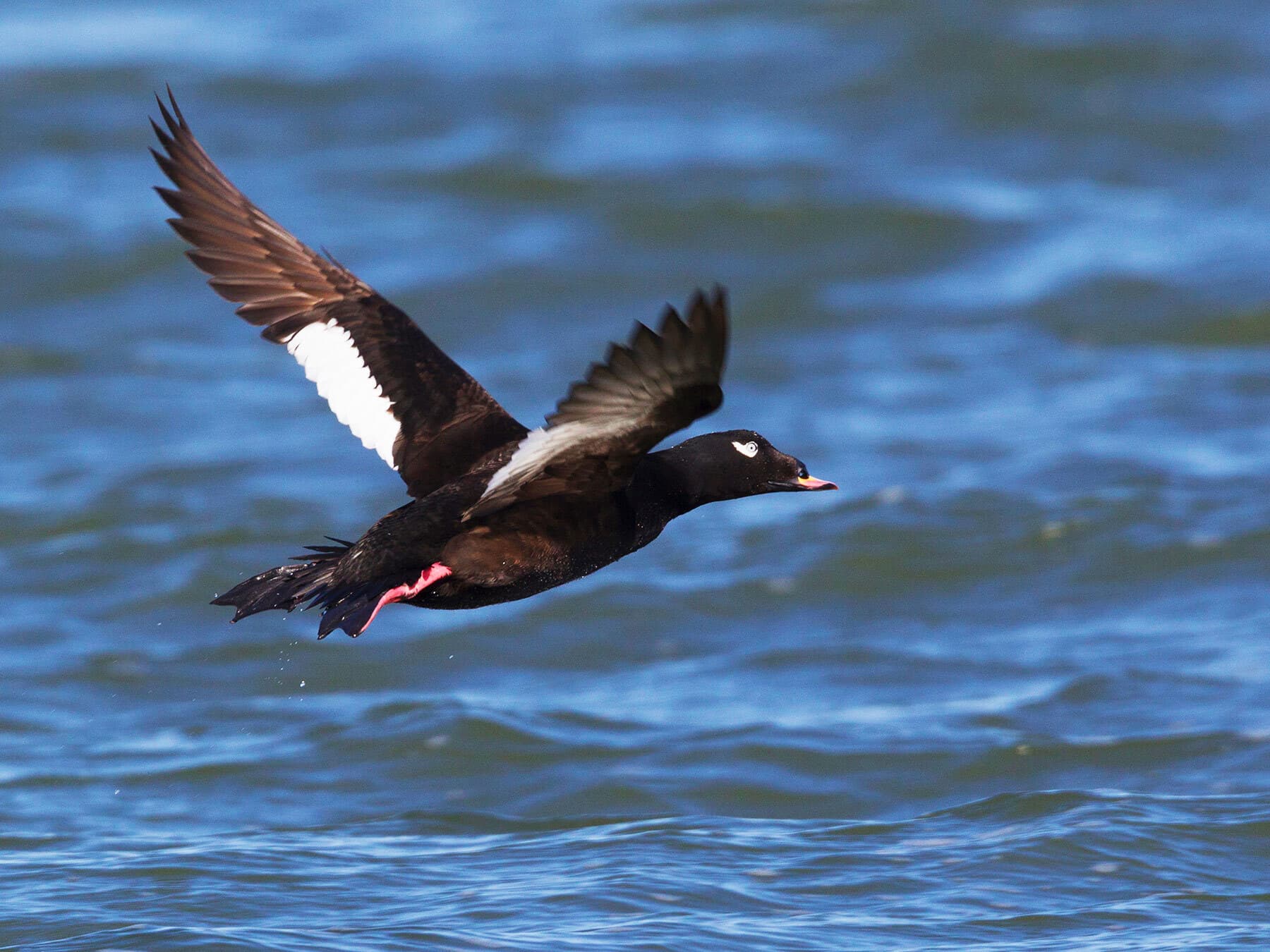
Velvet Scoter
Melanitta fuscaVU
A rare non-breeding visitor to coastal waters, mainly seen from late autumn to early spring. Often found among Common Scoter flocks.
Aug–Mar
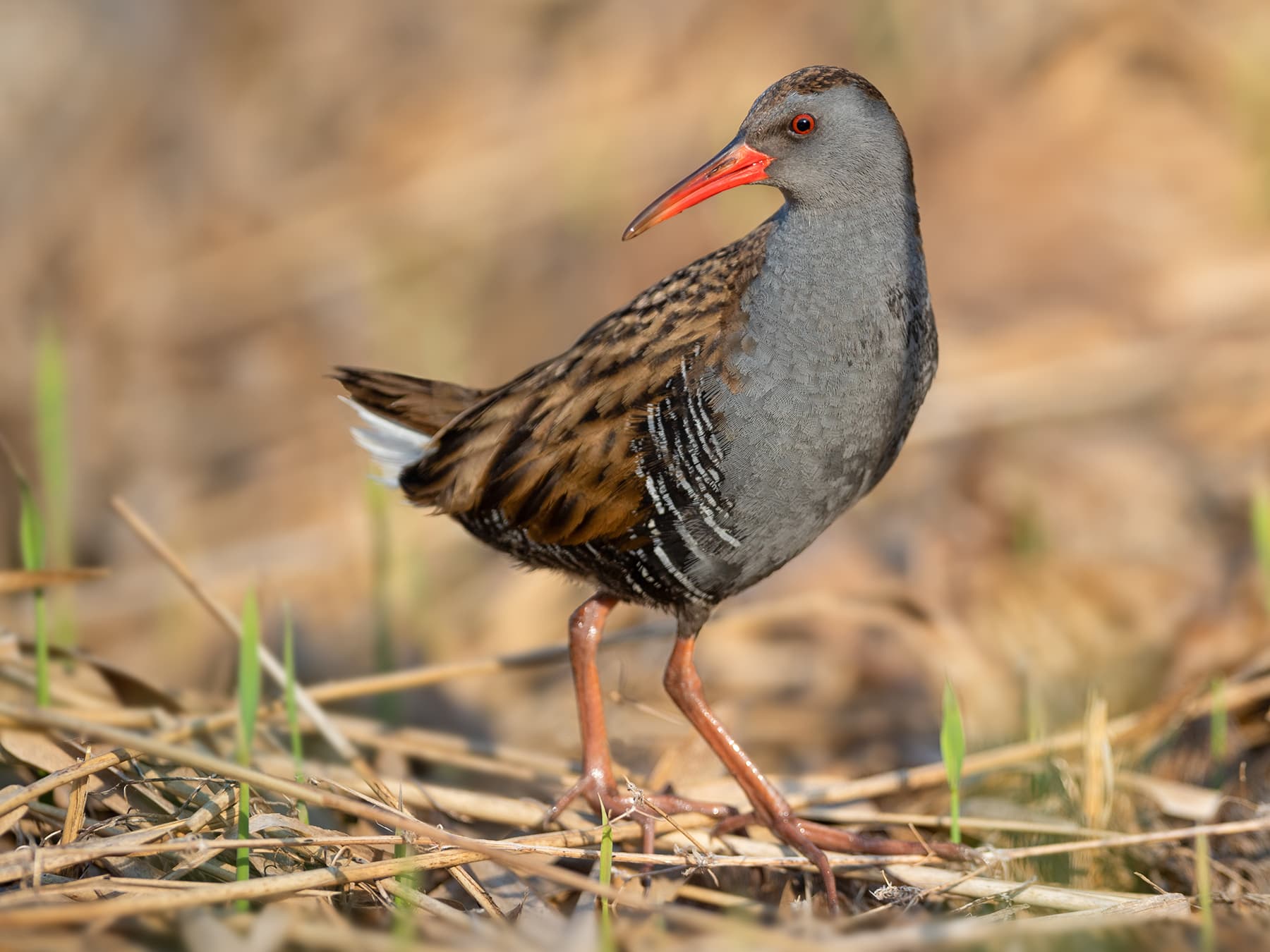
Water Rail
Rallus aquaticusLC
A secretive resident of reedbeds and marshy margins, more often heard squealing than seen. Sites like Lower Derwent Valley offer the best chances.
Jul–May
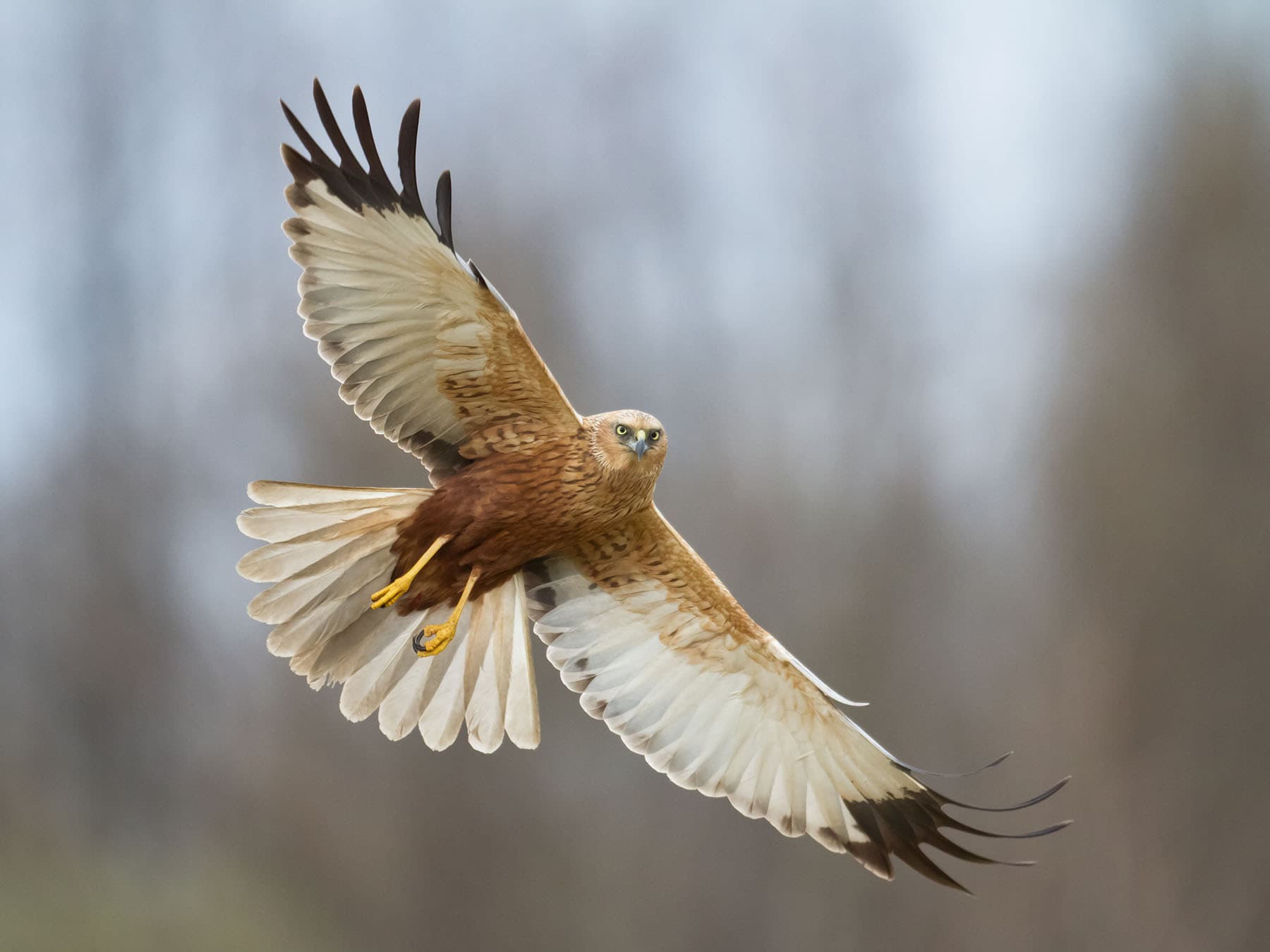
Western Marsh-harrier
Circus aeruginosusLC
A rare resident hunting over reedbeds and marshes, increasingly seen at lowland wetland reserves as the species recolonises northern England.
Year-round
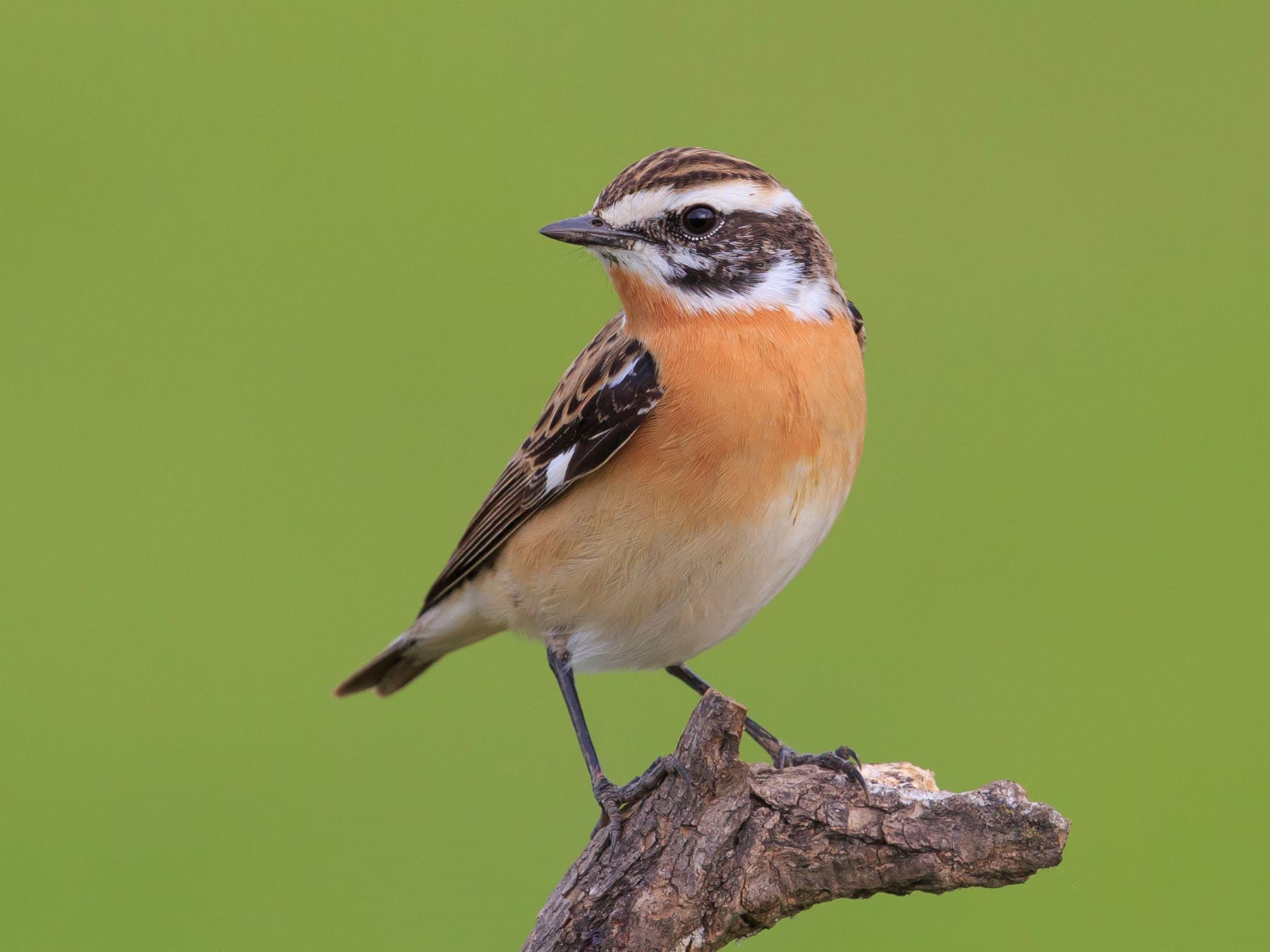
Whinchat
Saxicola rubetraLC
A rare breeding visitor to upland moorland edges, arriving in spring and departing by September. Declining across much of England.
Apr–Sep
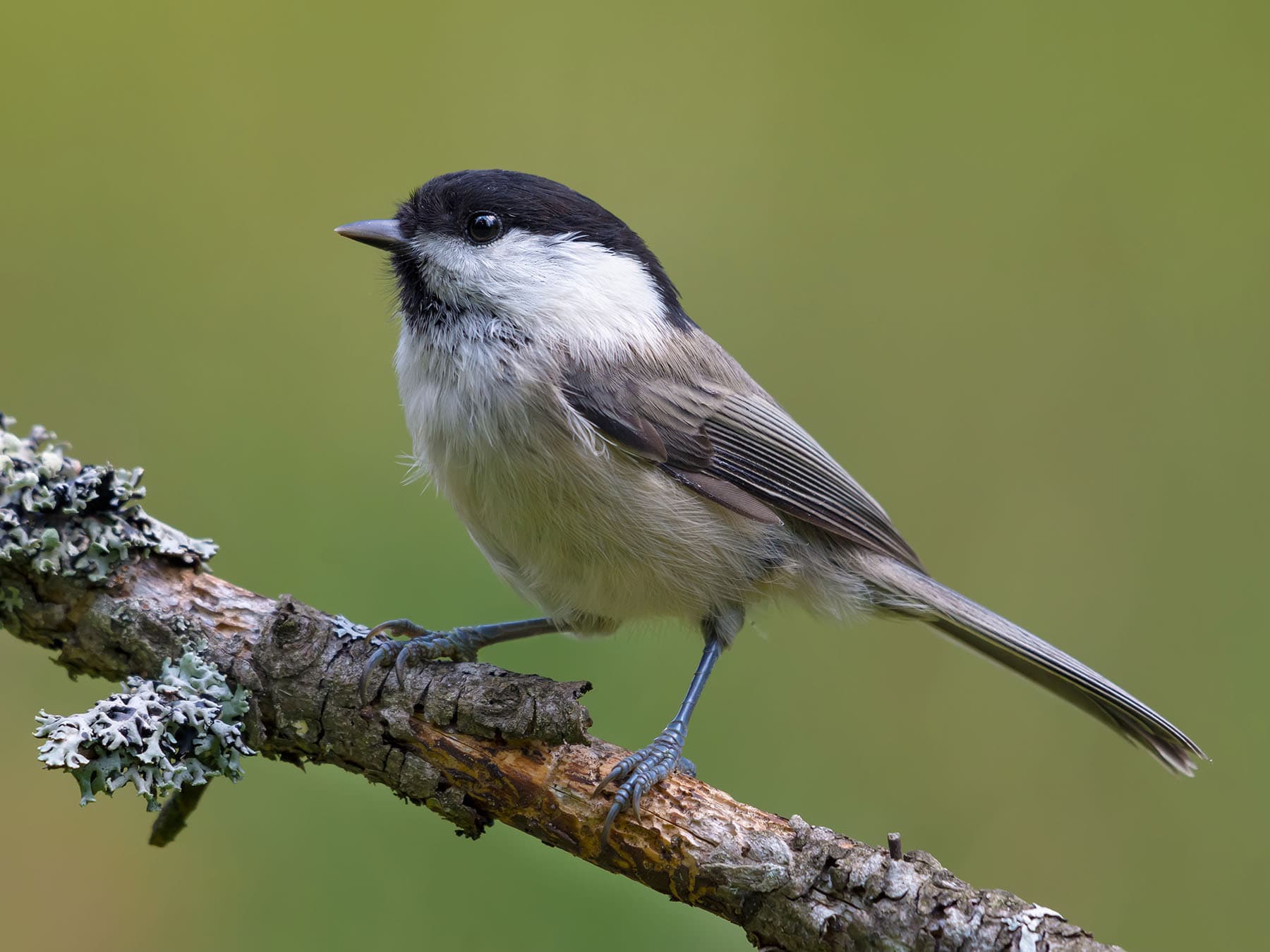
Willow Tit
Poecile montanusLC
A rare and declining resident of damp woodland with standing deadwood; North Yorkshire holds some of England's last strongholds.
Aug–Jun
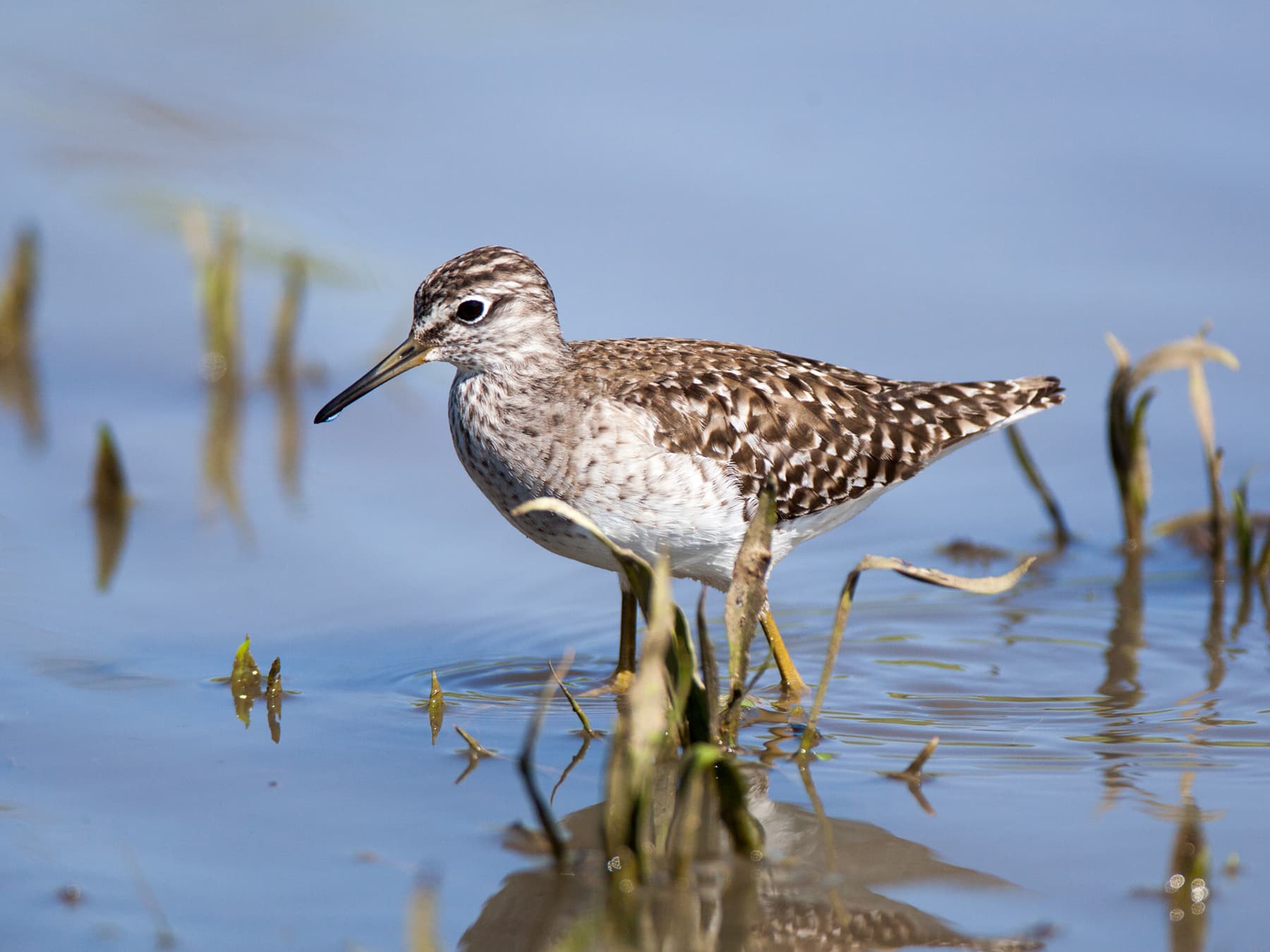
Wood Sandpiper
Tringa glareolaLC
A rare passage wader seen briefly at freshwater pools and marshes, mainly in May and again in July–August on return migration.
May–Aug
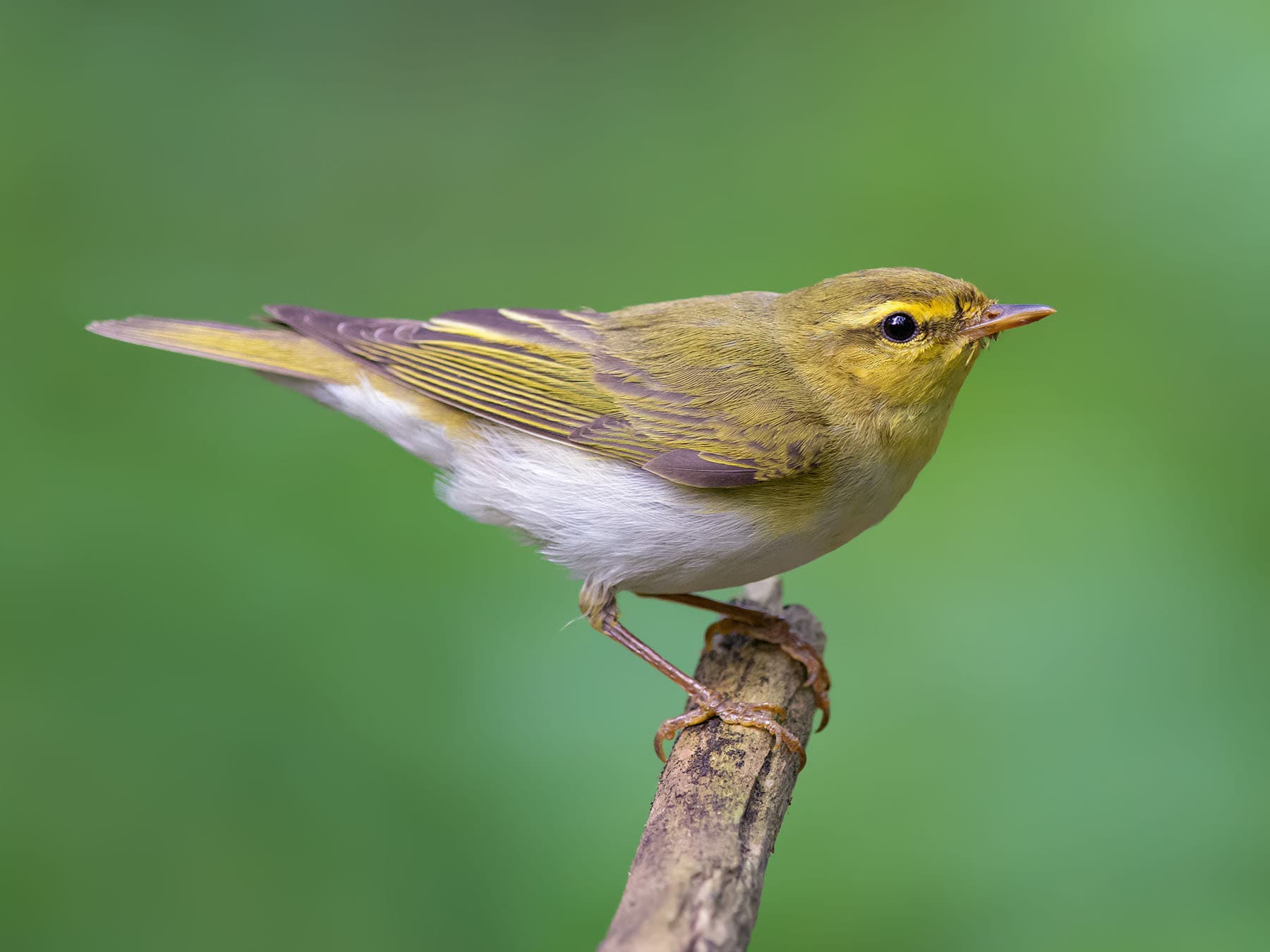
Wood Warbler
Phylloscopus sibilatrixLC
A rare passage migrant in May, occasionally noted in mature oak woodland. Once bred more widely but has declined sharply in northern England.
May
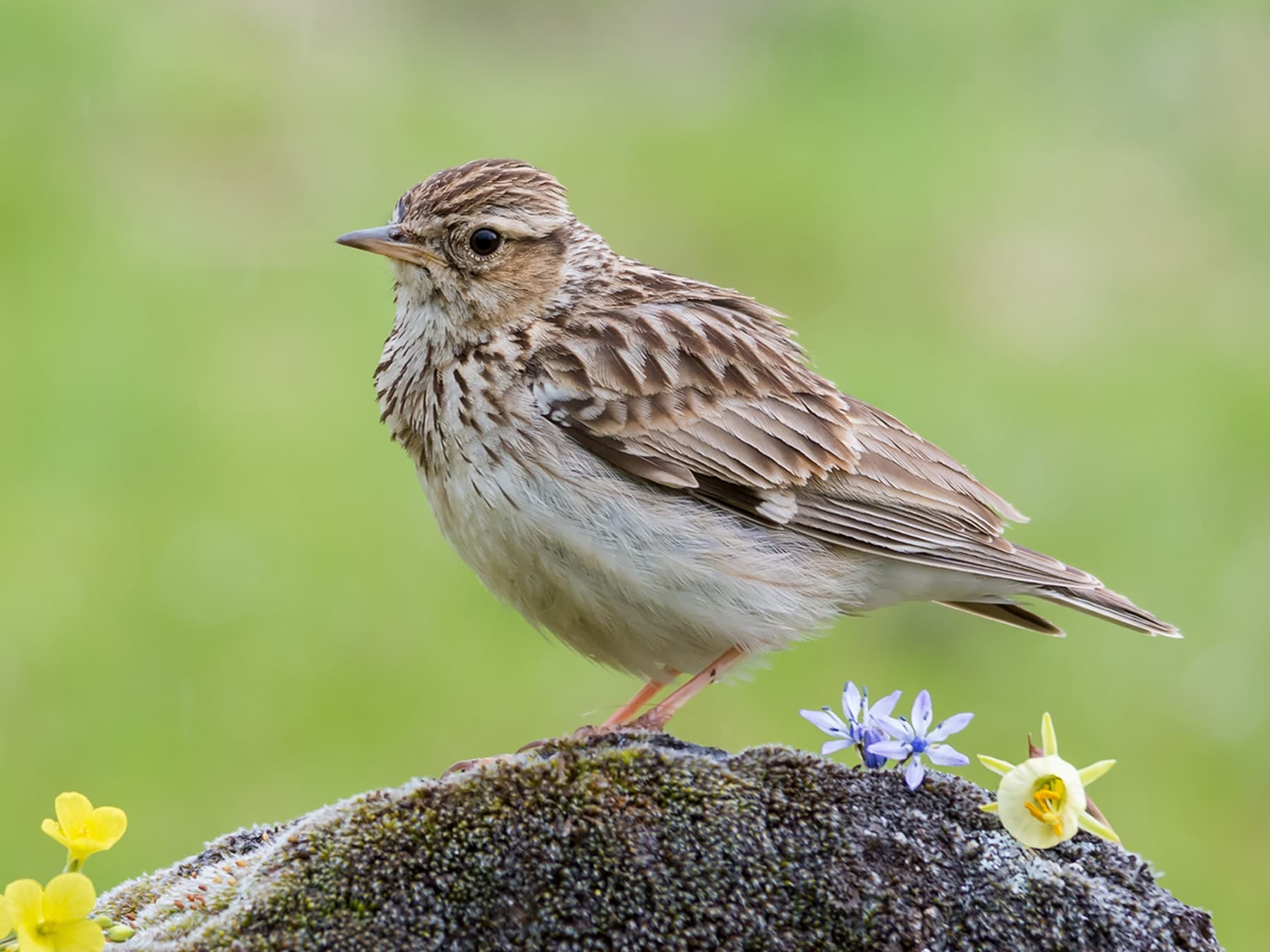
Woodlark
Lullula arboreaLC
A rare passage migrant in spring, occasionally recorded on coastal headlands and open ground. Does not breed in the region.
Feb–May
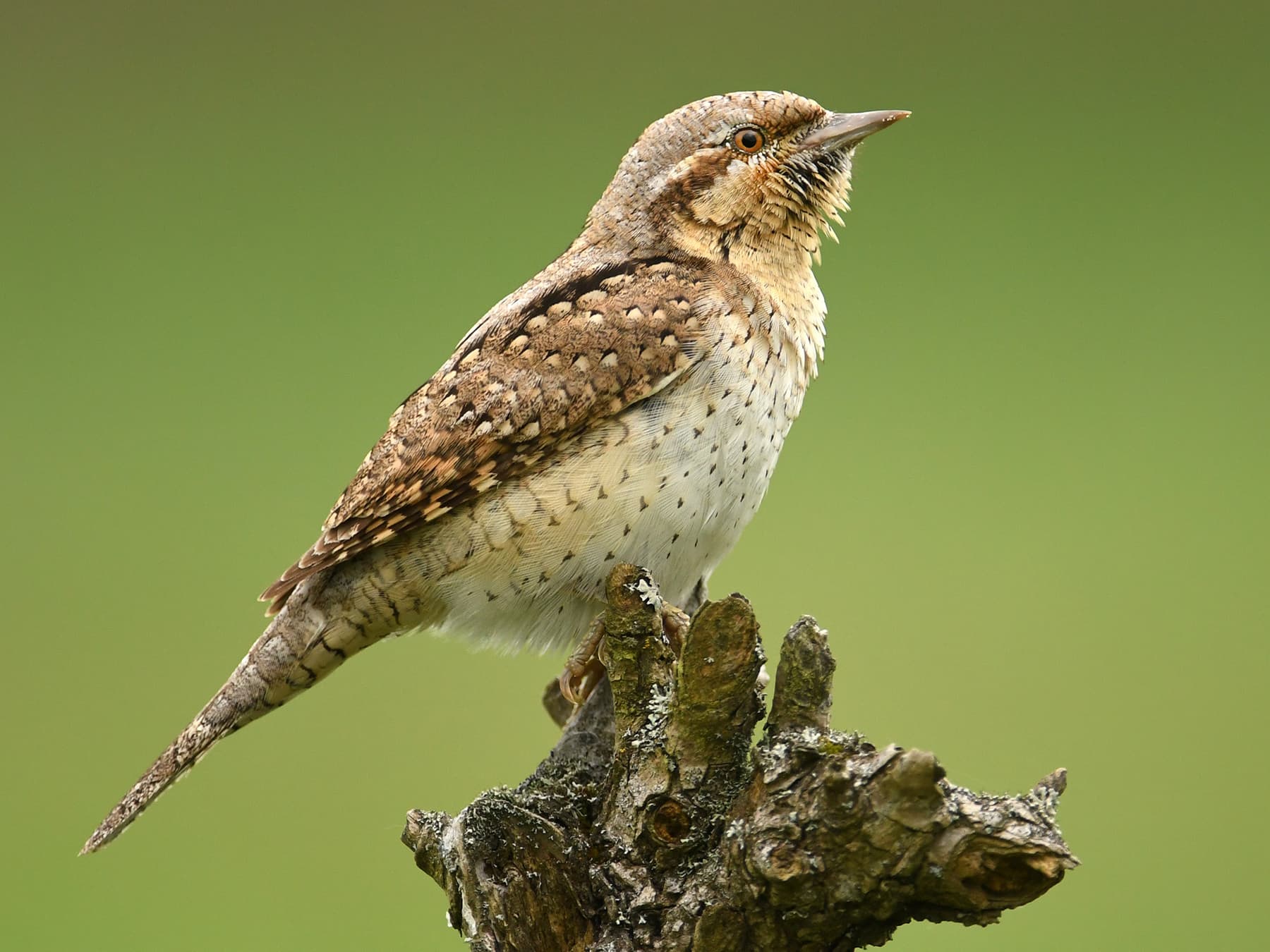
Wryneck
Jynx torquillaLC
A rare autumn migrant, mainly recorded along the coast in September. Feeds unobtrusively on ants in low scrub and dune edges.
Sep
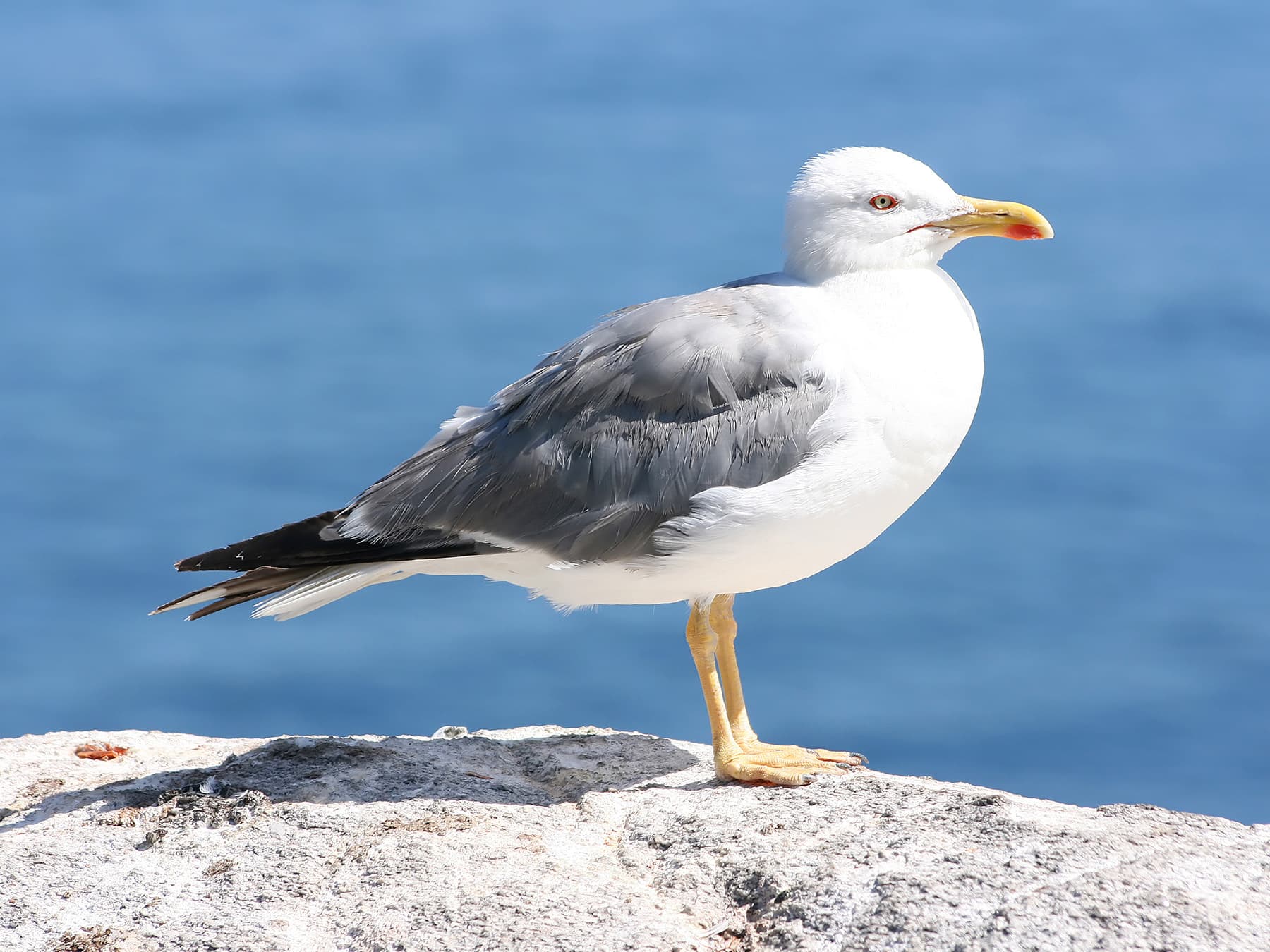
Yellow-legged Gull
Larus michahellisLC
A rare passage visitor in late summer, occasionally noted among large gull flocks at the coast or reservoirs in August and September.
Aug–Sep