Birds in Norfolk
Explore 235 species found in this region.
Norfolk is one of the premier birdwatching destinations in the United Kingdom, with 229 recorded species thriving across its diverse mosaic of coastal marshes, reed beds, estuaries, and arable farmland. The county's extensive coastline and renowned reserves such as Cley Marshes, Titchwell, and the North Norfolk coast attract vast numbers of wildfowl and waders, including Eurasian Wigeon, Common Shelduck, and Garganey. Norfolk is also a vital stronghold for increasingly rare species such as the European Turtle-dove and supports impressive winter gatherings of Barnacle Geese and Goldeneye.
Visiting in September? Look out for Brambling and Common Redpoll arriving this month, and Cuckoo and European Bee-eater depart for the season.


Showing 47–69 of 235 species
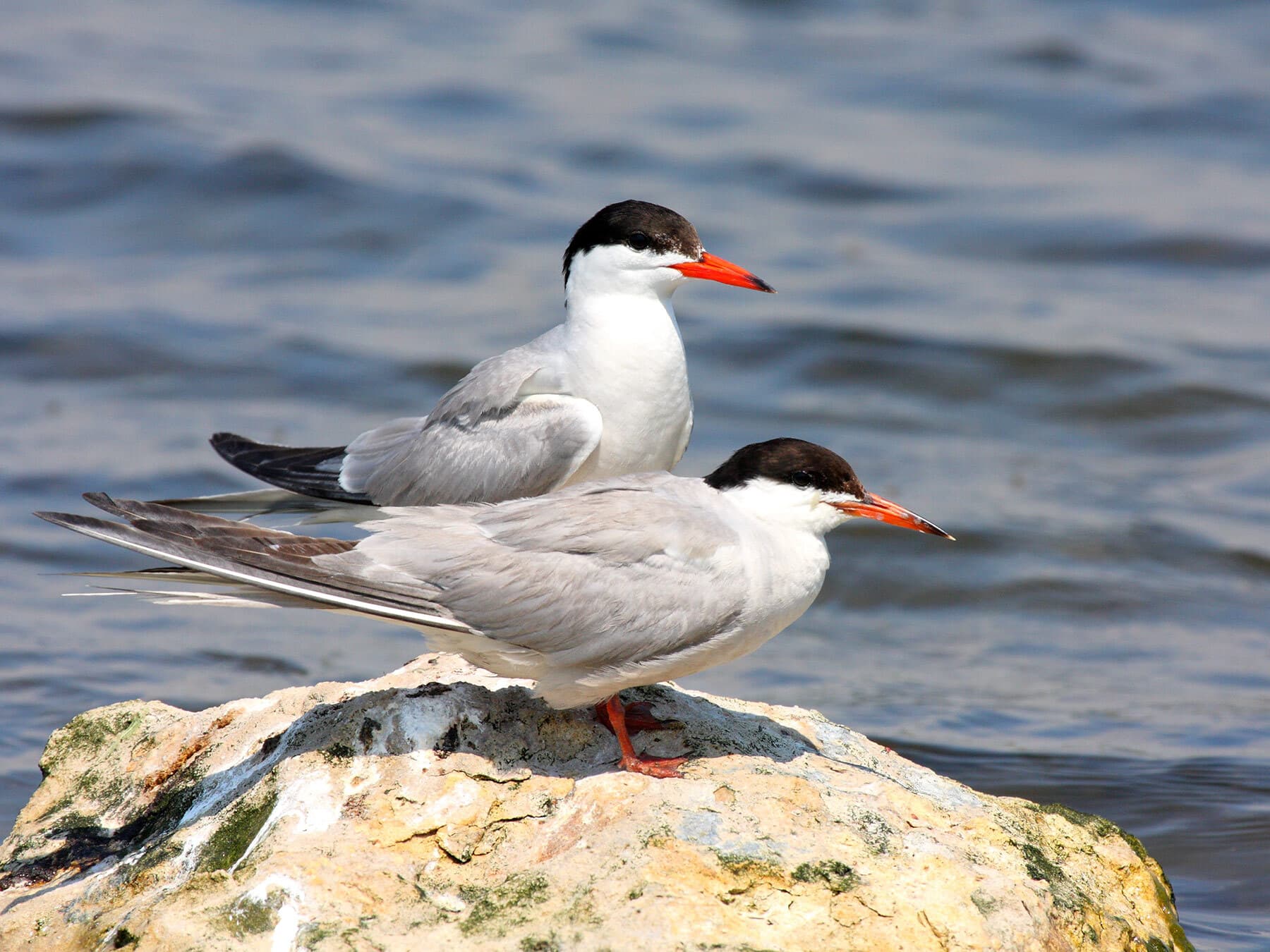
Common Tern
Sterna hirundoLC
Breeds at coastal colonies such as Blakeney Point and Scolt Head, arriving in April and departing by October.
Apr–Oct
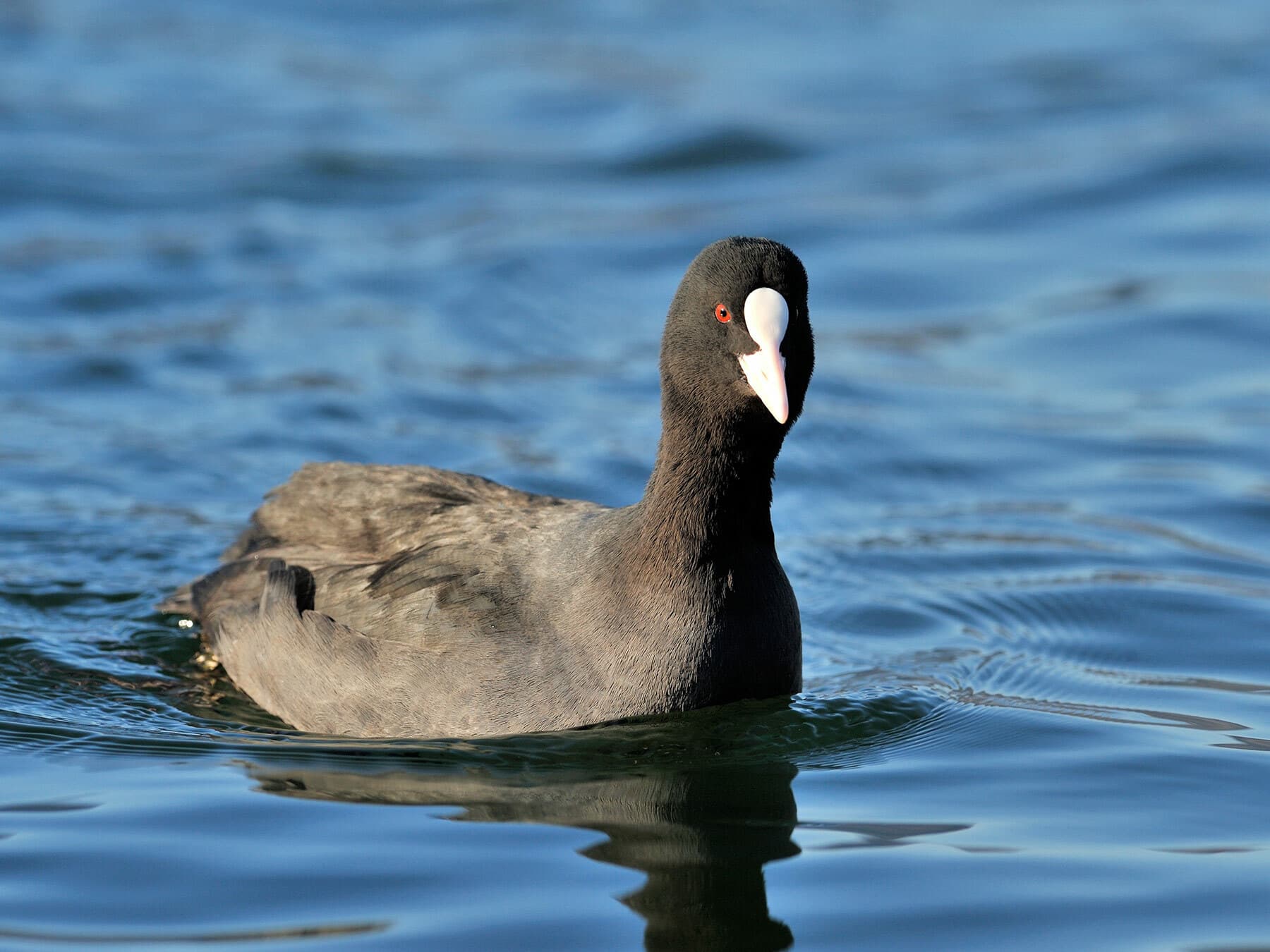
Coot
Fulica atraLC
A common resident on Norfolk's broads, lakes, and gravel pits. Large winter gatherings form on open water across the county.
Year-round
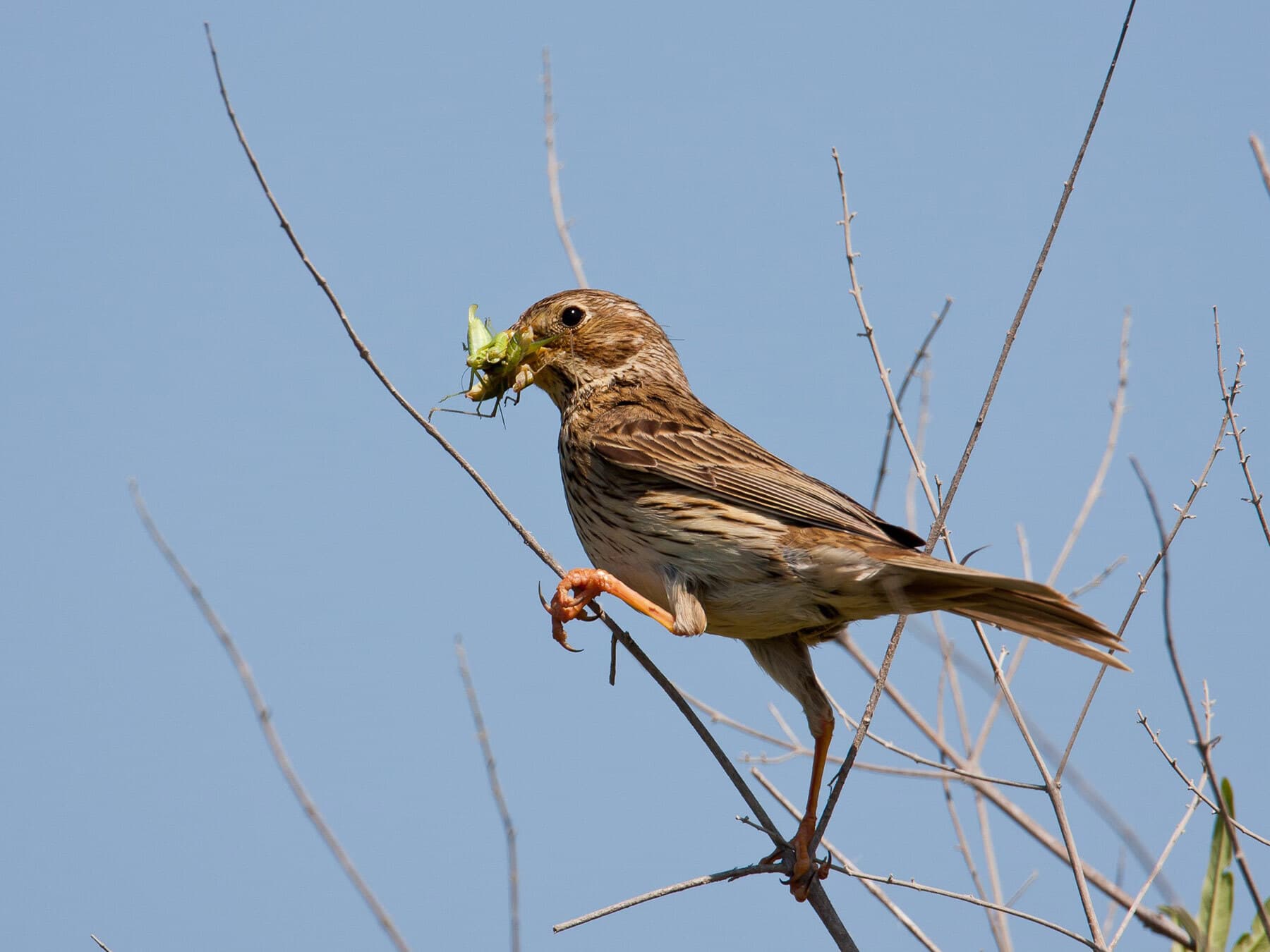
Corn Bunting
Emberiza calandraLC
A rare and declining breeding bird of open arable farmland, most likely encountered in the Breckland area from late winter to midsummer.
Feb–Jul
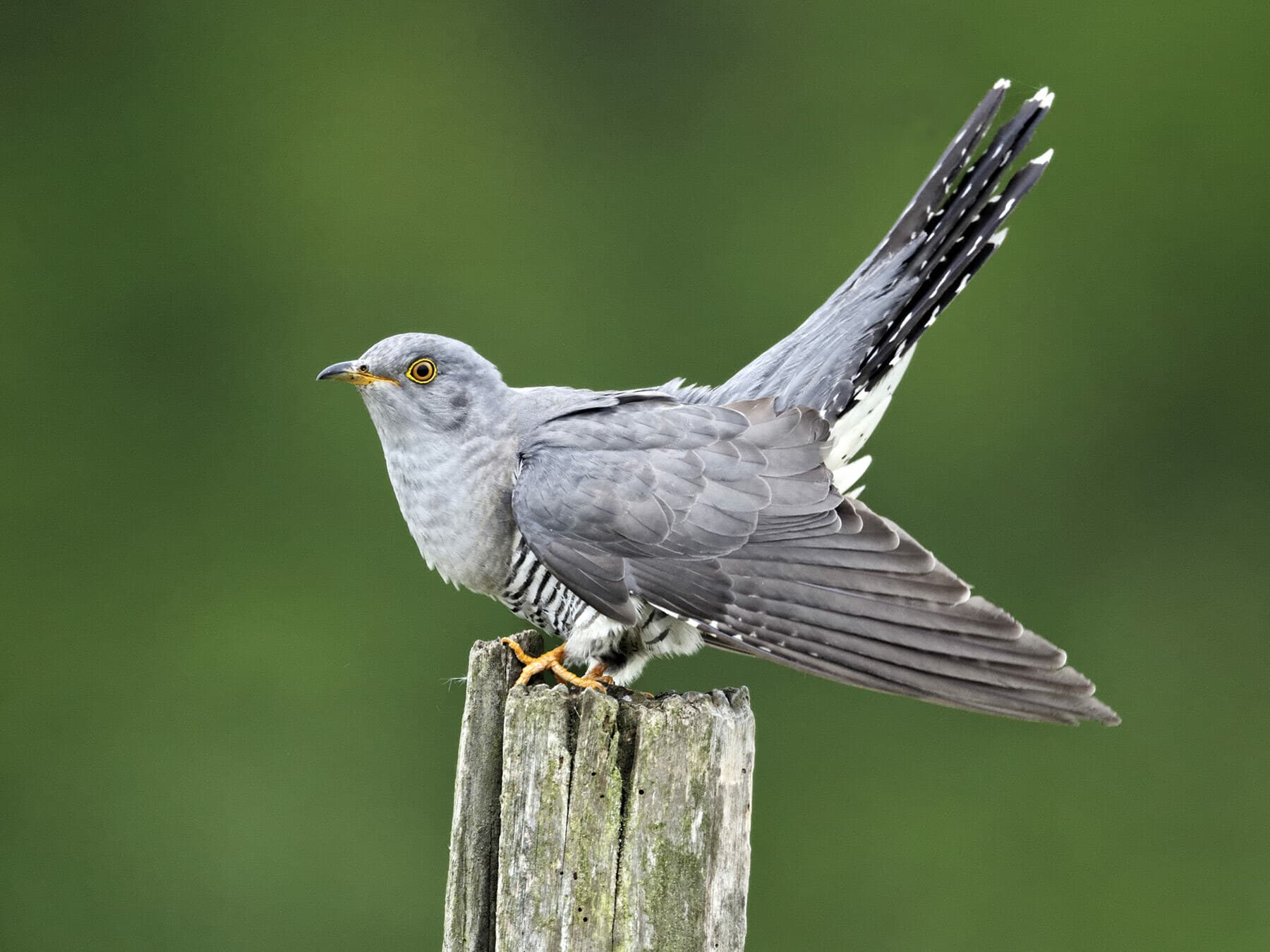
Cuckoo
Cuculus canorusLC
An uncommon summer visitor arriving in April, heard calling across reedbeds and heathland. Norfolk remains a key county for this declining species.
Apr–Aug
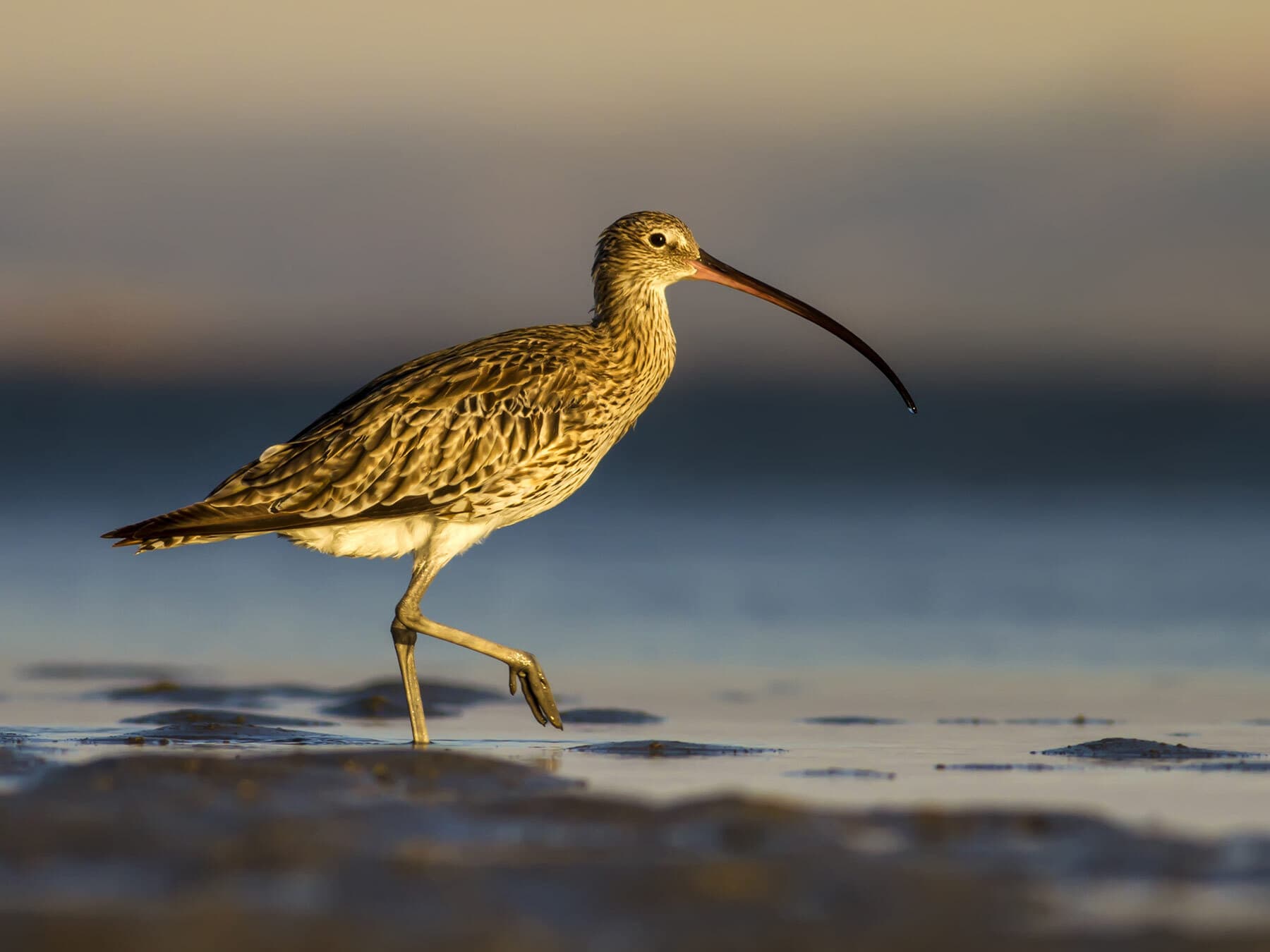
Curlew
Numenius arquataNT
Common on coastal marshes, estuaries and farmland throughout the year. Numbers swell in winter with continental arrivals.
Year-round
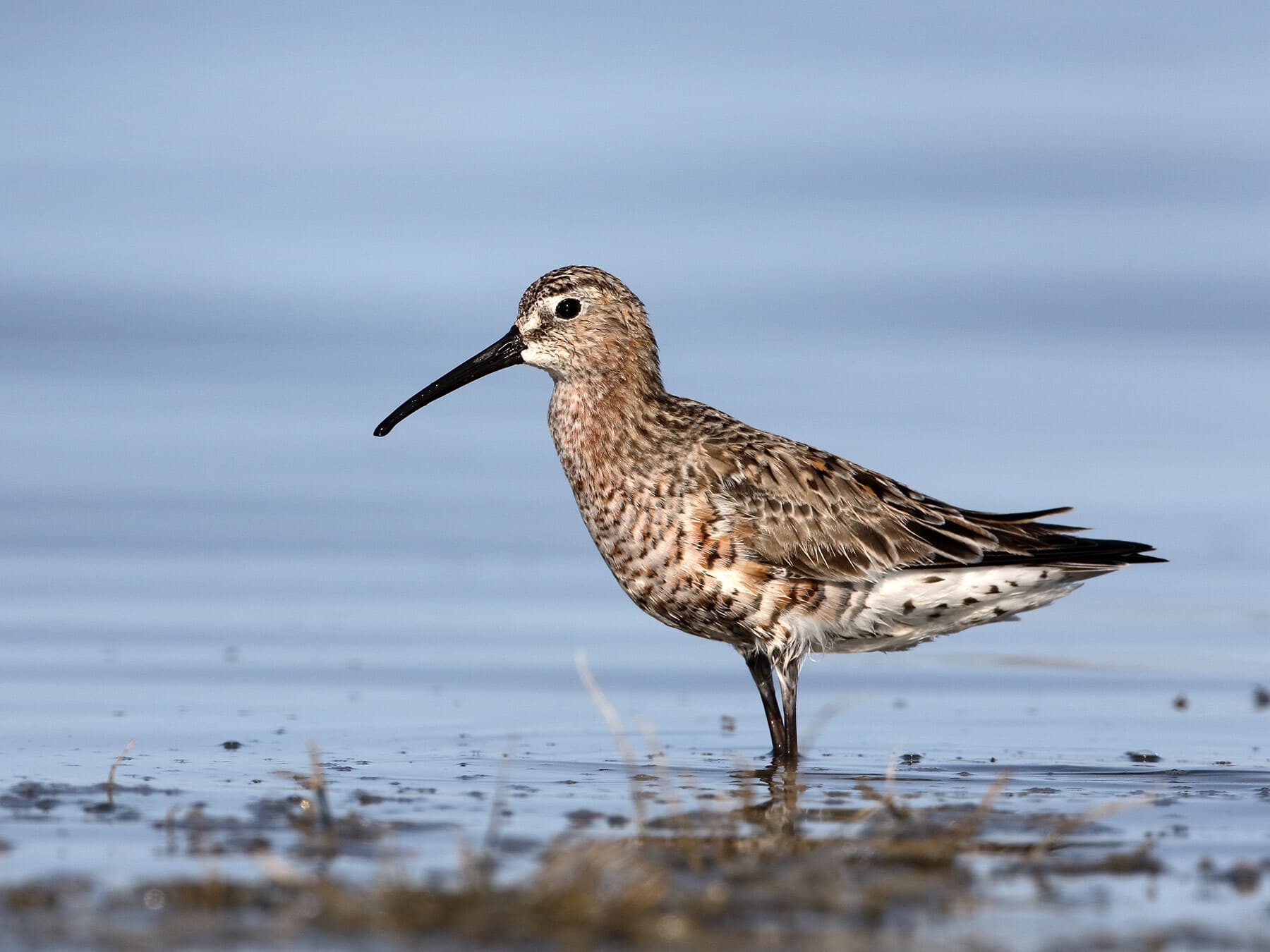
Curlew Sandpiper
Calidris ferrugineaNT
An uncommon passage wader seen on coastal pools and mudflats from May to October. Adults in rufous breeding plumage appear in late summer.
May–Oct
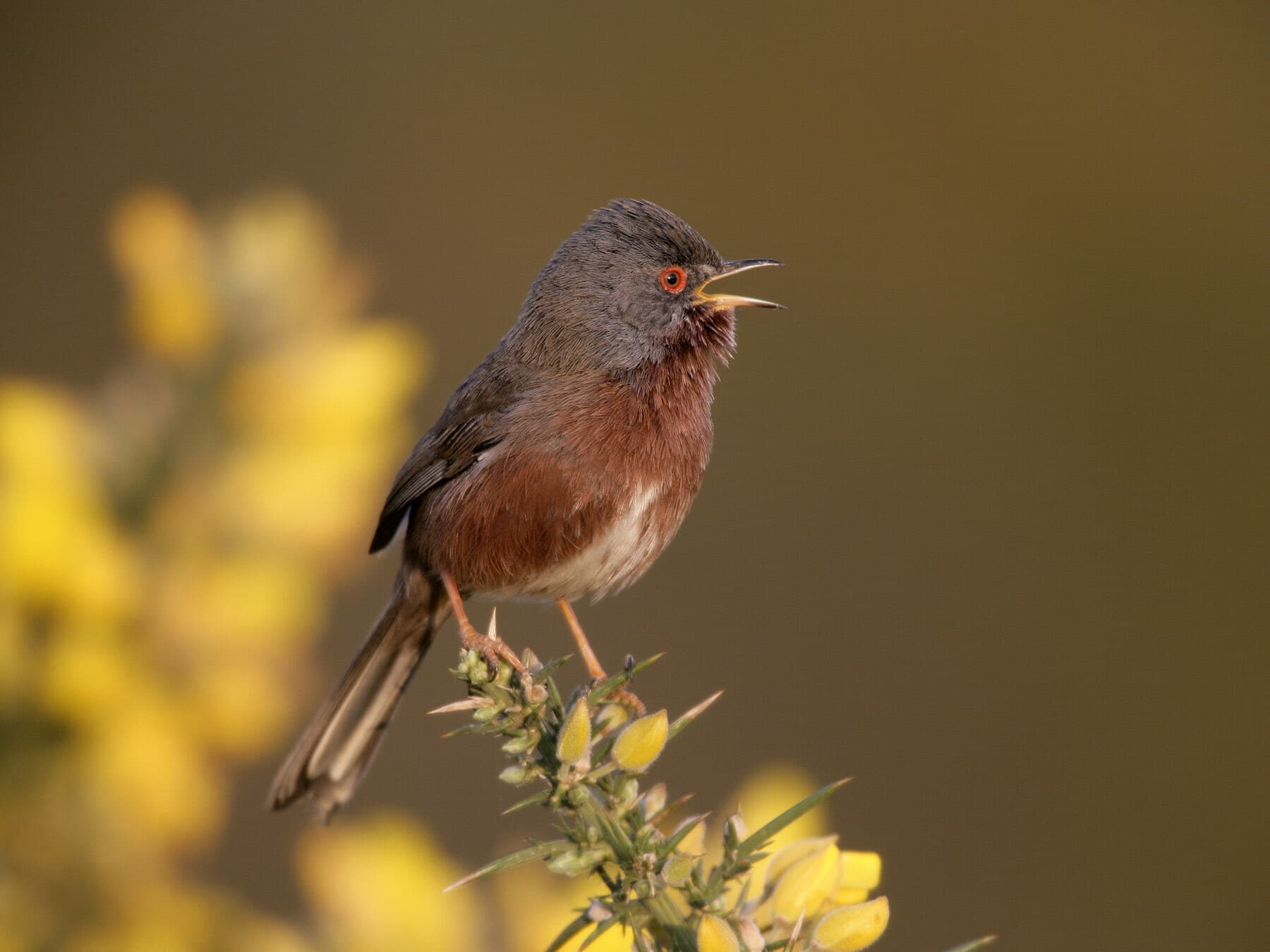
Dartford Warbler
Curruca undataNT
A rare passage visitor in spring, occasionally overshooting from southern heathlands into Norfolk in March and May.
Mar–May
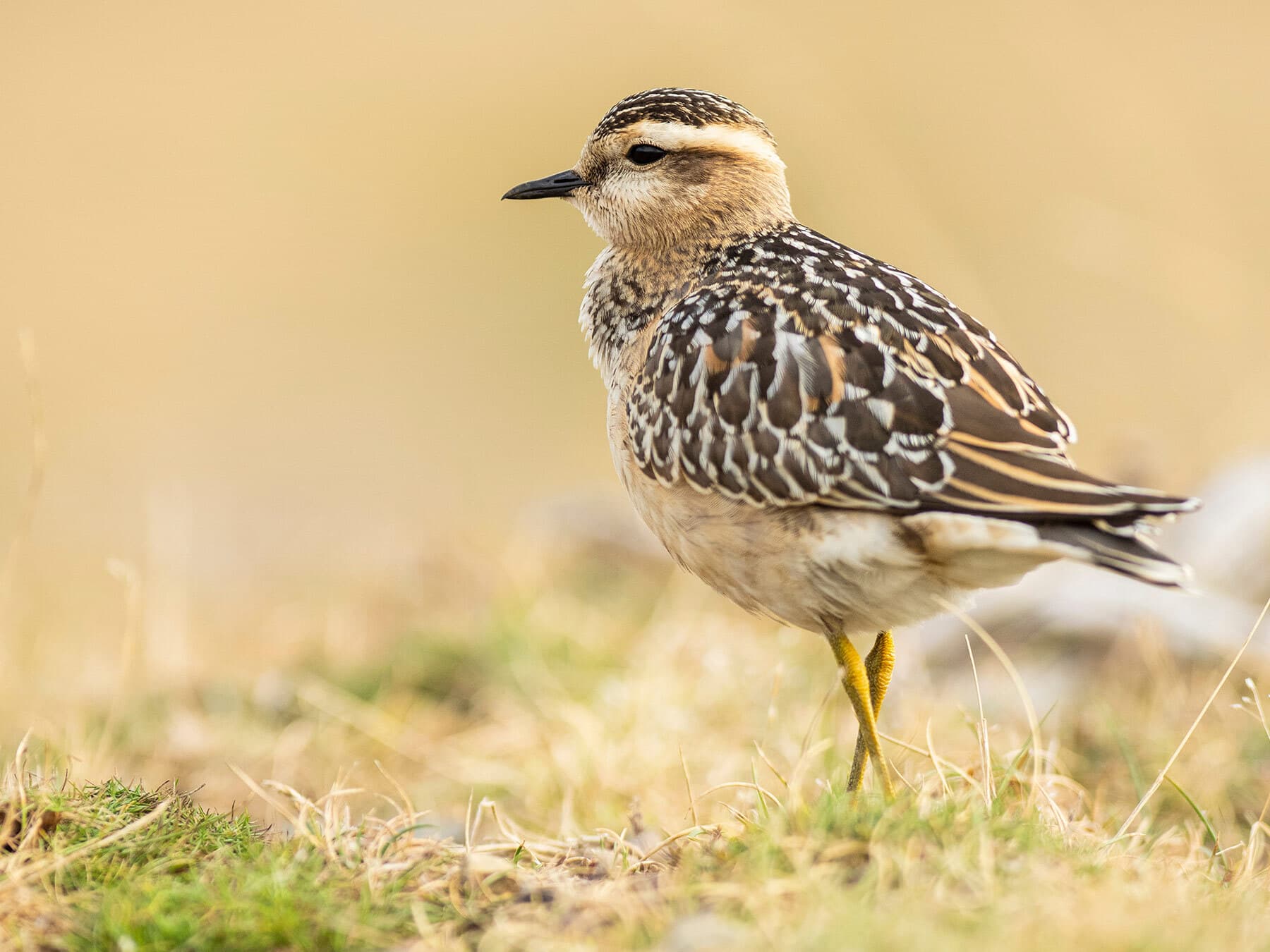
Dotterel
Eudromias morinellusLC
A rare spring passage migrant, occasionally stopping on Norfolk's ploughed fields and short grassland in small 'trips' during May.
May
Spotted something?
Upload a photo to identify it
Identify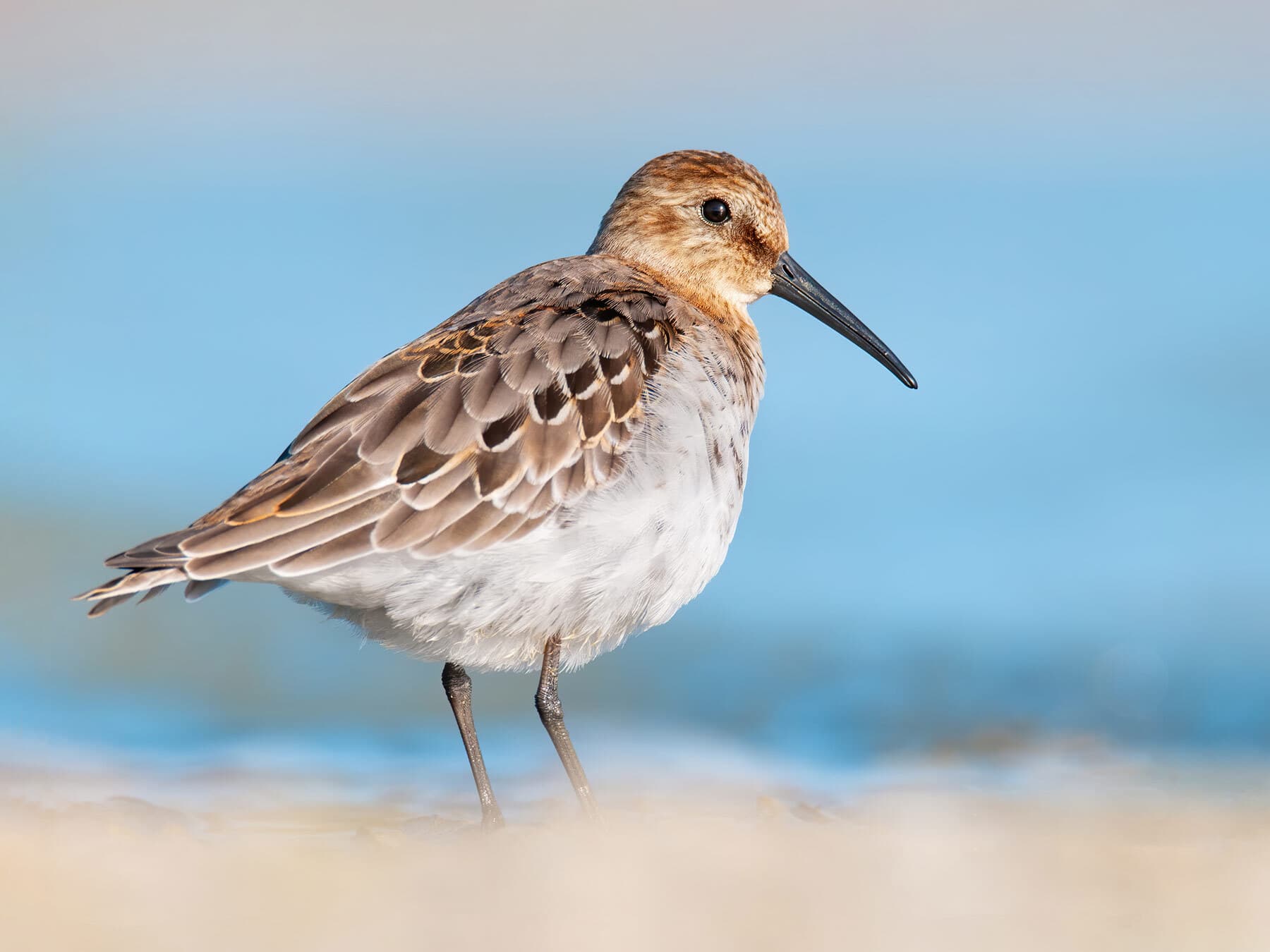
Dunlin
Calidris alpinaLC
Present year-round on estuaries and saltmarshes, with large winter flocks on the Wash. Breeding numbers in the UK have declined sharply.
Year-round
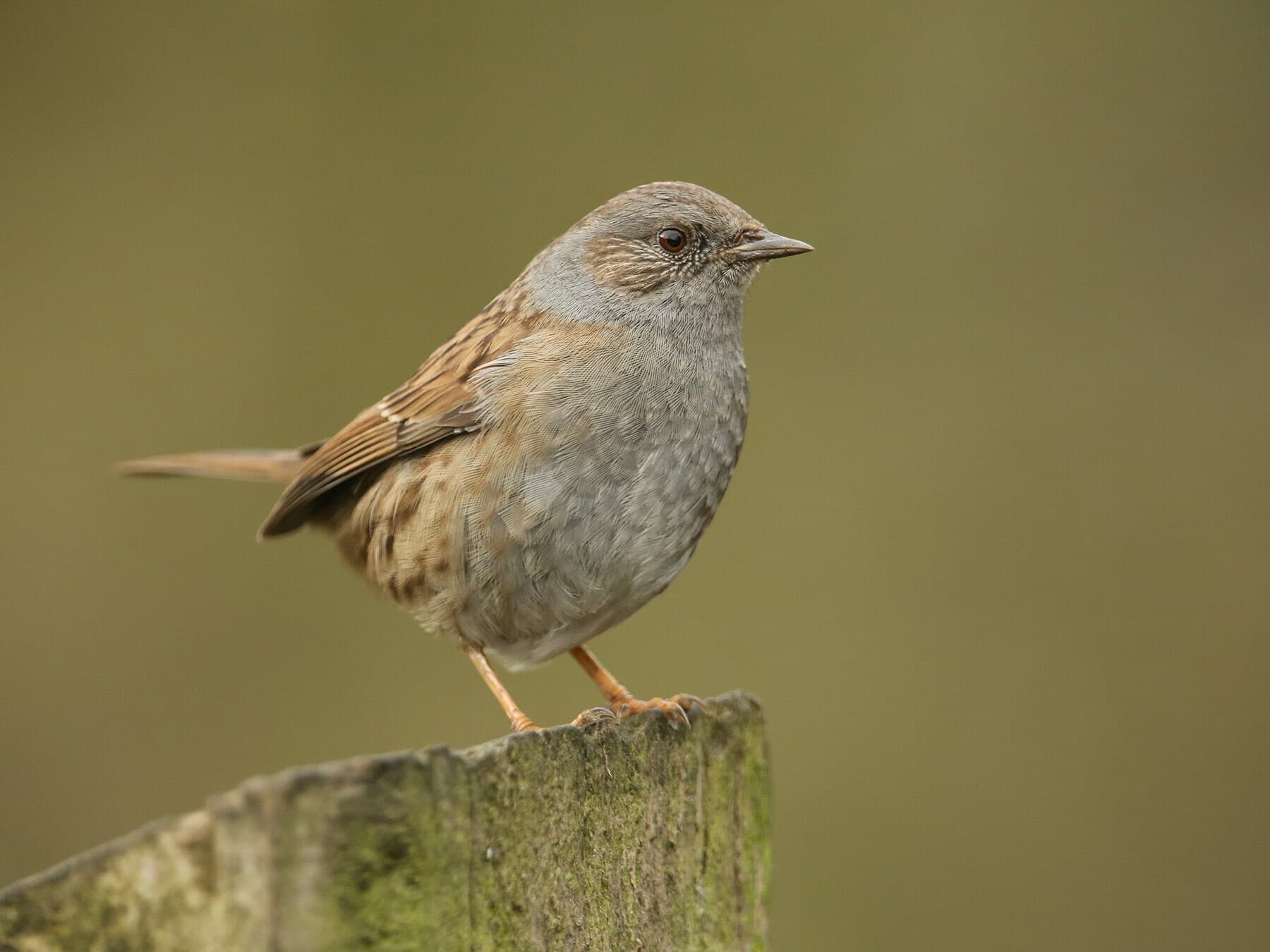
Dunnock
Prunella modularisLC
A common year-round resident, skulking through hedgerows and garden undergrowth. Its thin, warbling song is heard in every Norfolk parish.
Year-round
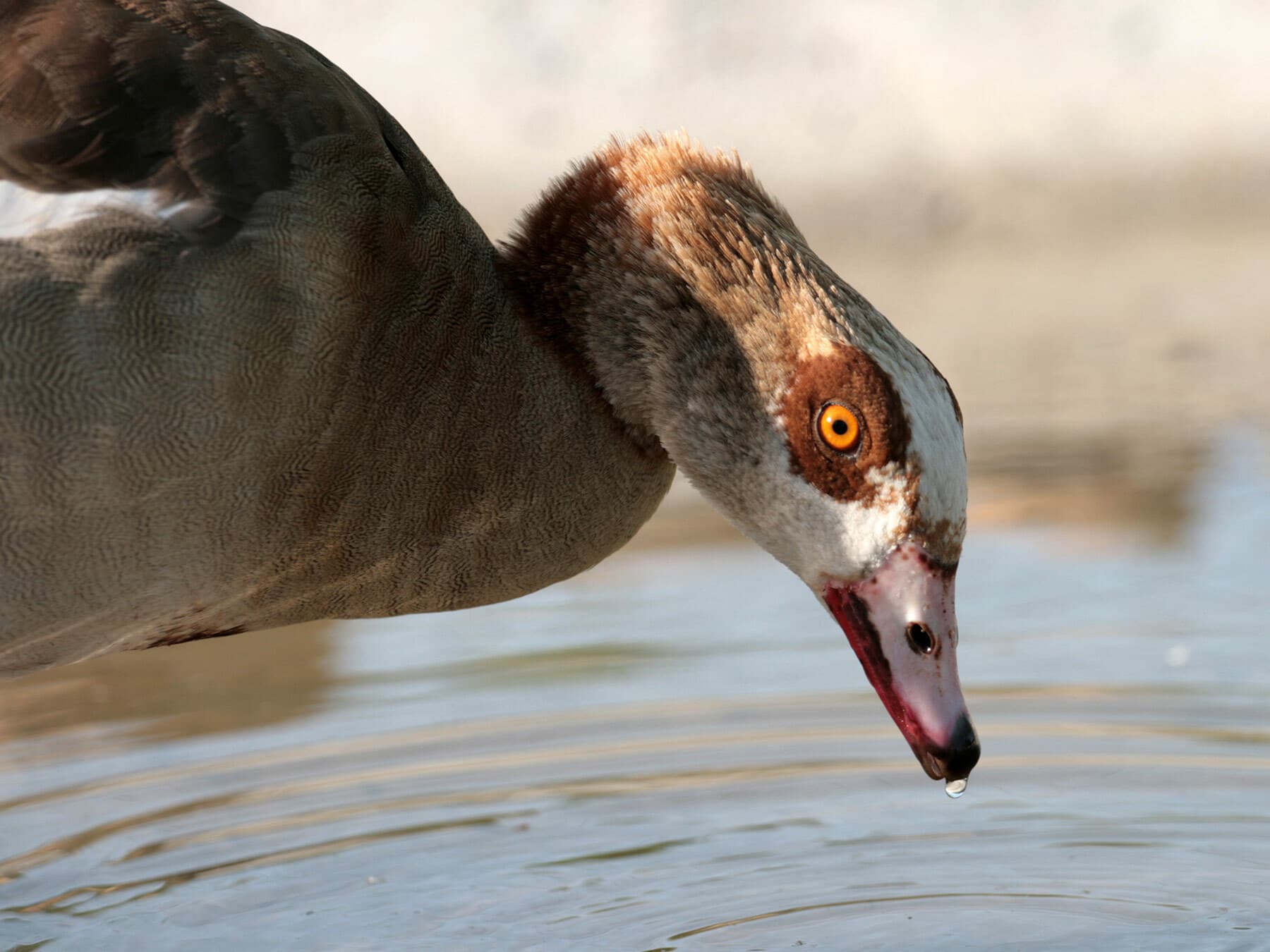
Egyptian Goose
Alopochen aegyptiacaLC
Norfolk is a stronghold for this established resident. Commonly seen on parkland, lakes, and grazing marshes throughout the county year-round.
Year-round
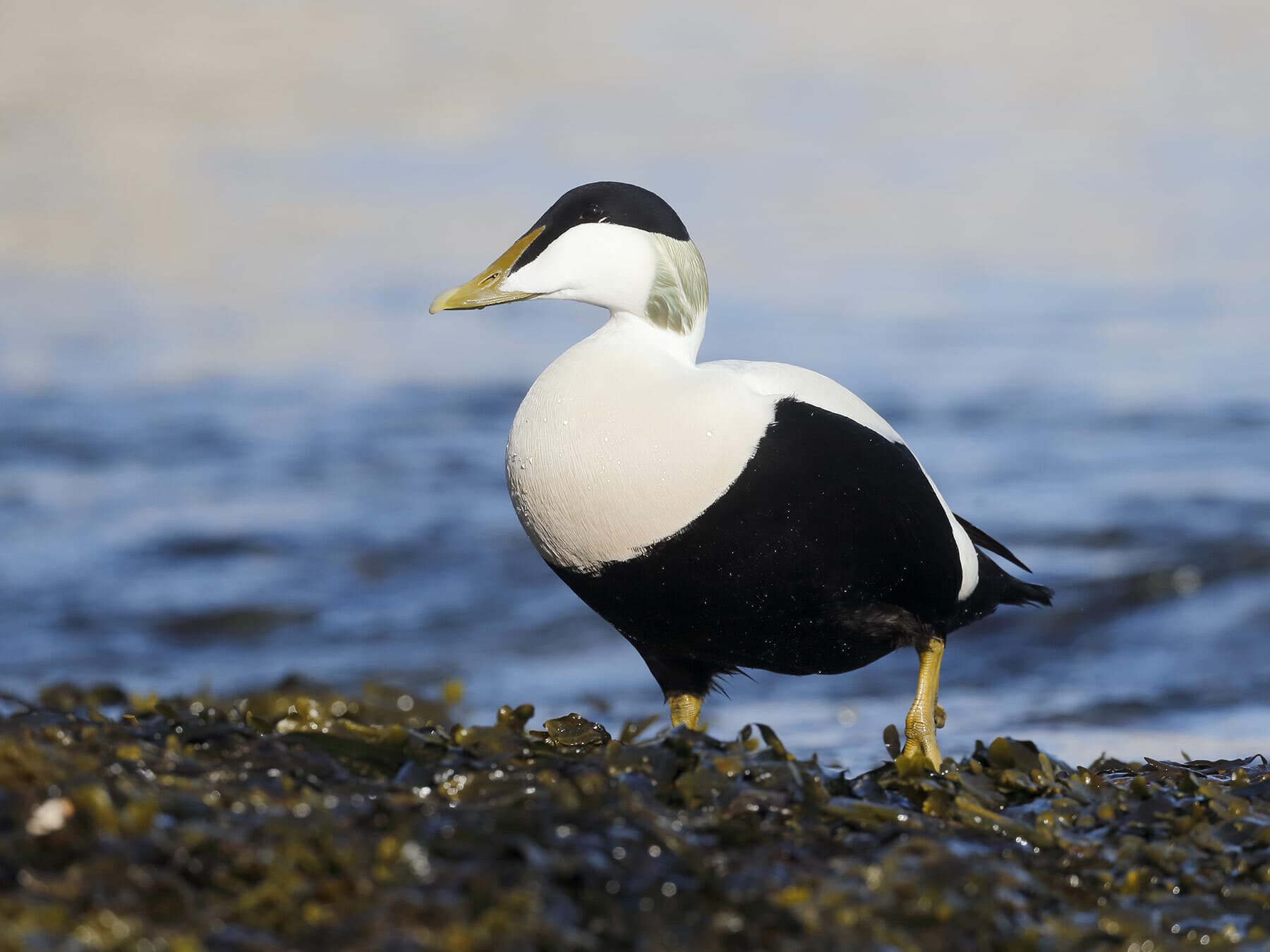
Eider
Somateria mollissimaNT
A rare resident along the north Norfolk coast, often seen bobbing on the sea off Titchwell or Holkham. Numbers remain small year-round.
Year-round
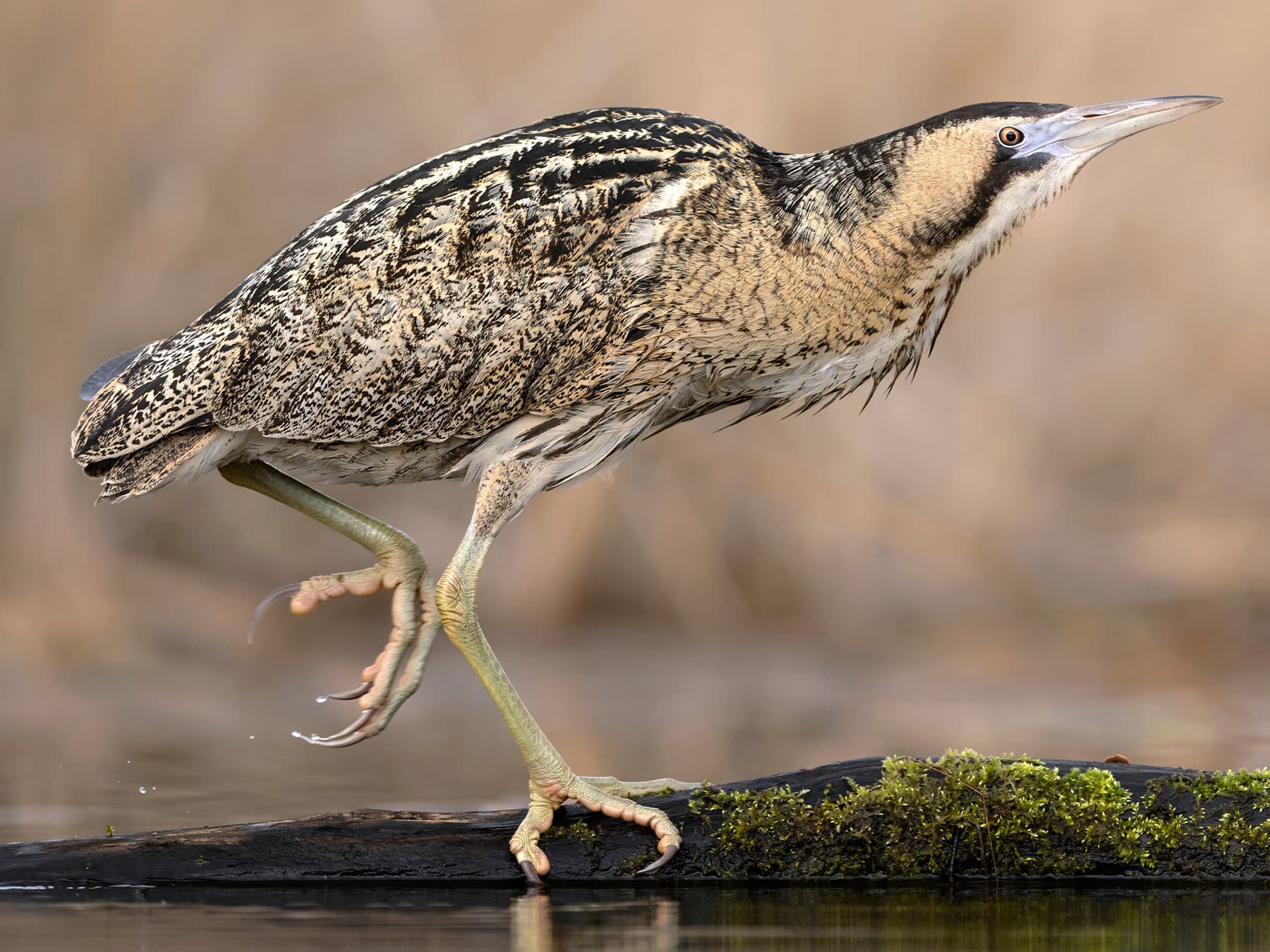
Eurasian Bittern
Botaurus stellarisLC
Norfolk's reedbeds are a national stronghold for this secretive species; listen for its booming call at reserves like Bittern.
Year-round
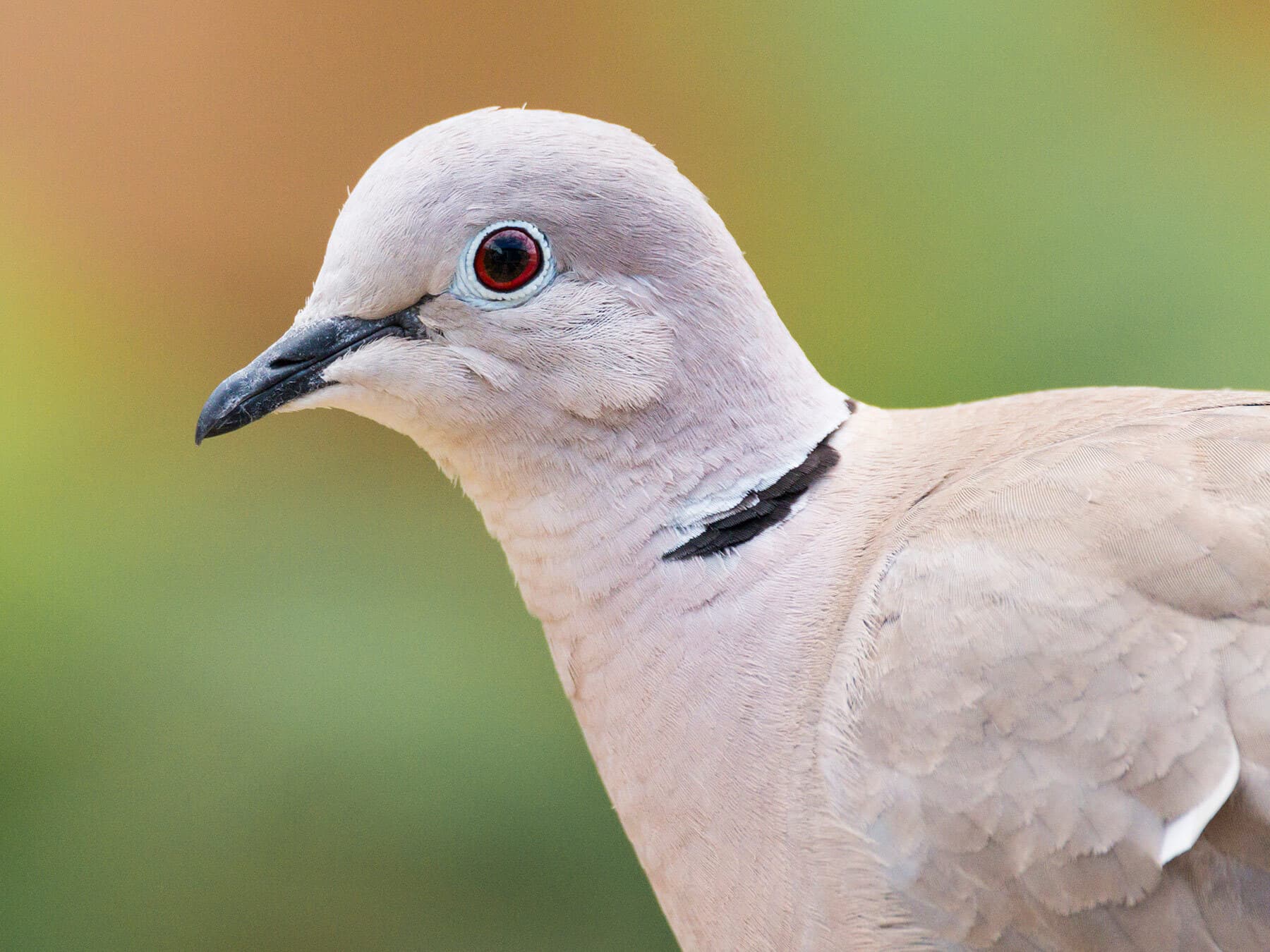
Eurasian Collared Dove
Streptopelia decaoctoLC
A common year-round resident in towns, villages, and farmyards. Its monotonous cooing call is a familiar sound across Norfolk.
Year-round
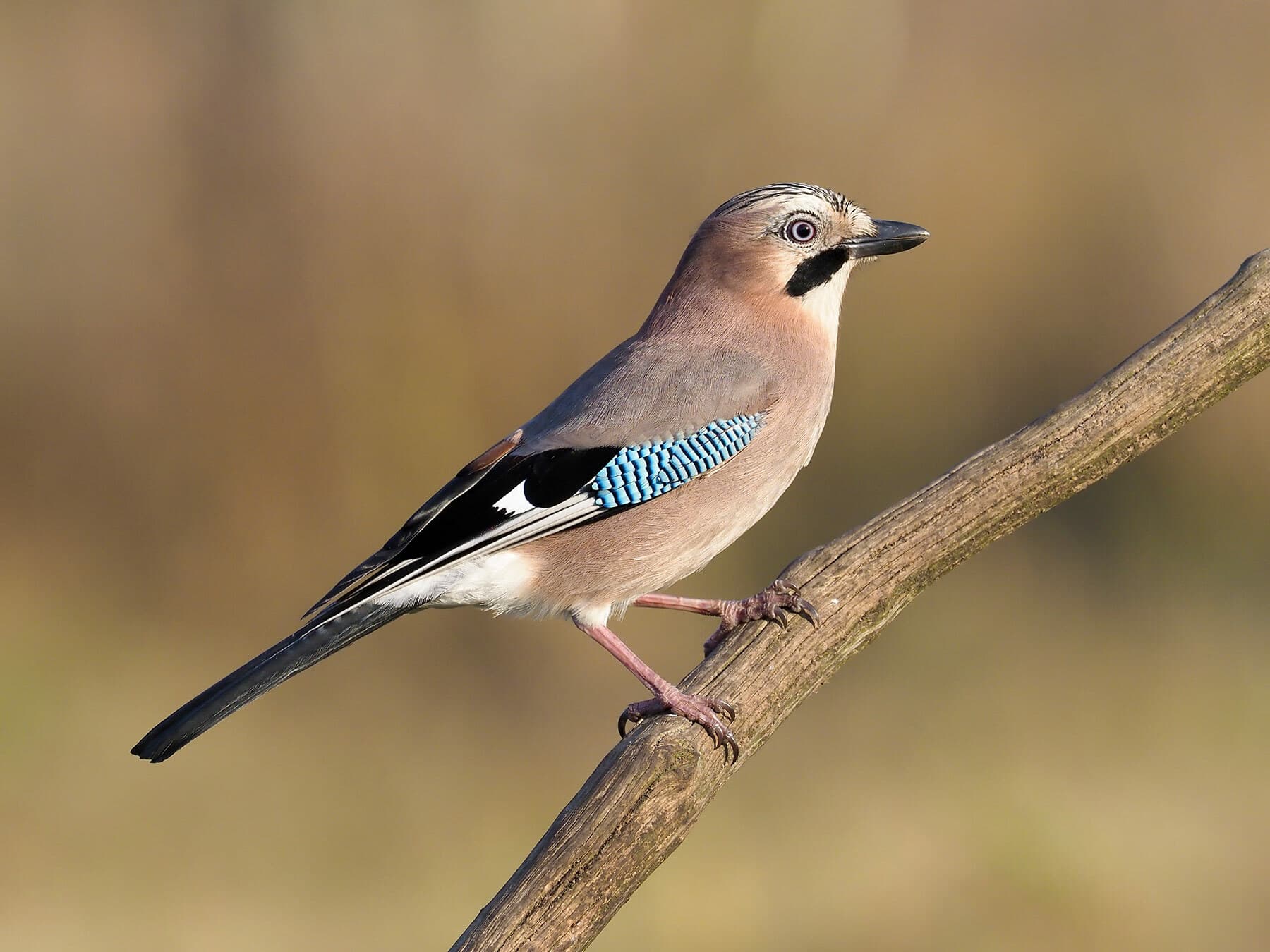
Eurasian Jay
Garrulus glandariusLC
A common resident of woodlands and mature gardens, often noisy in autumn when caching acorns.
Year-round
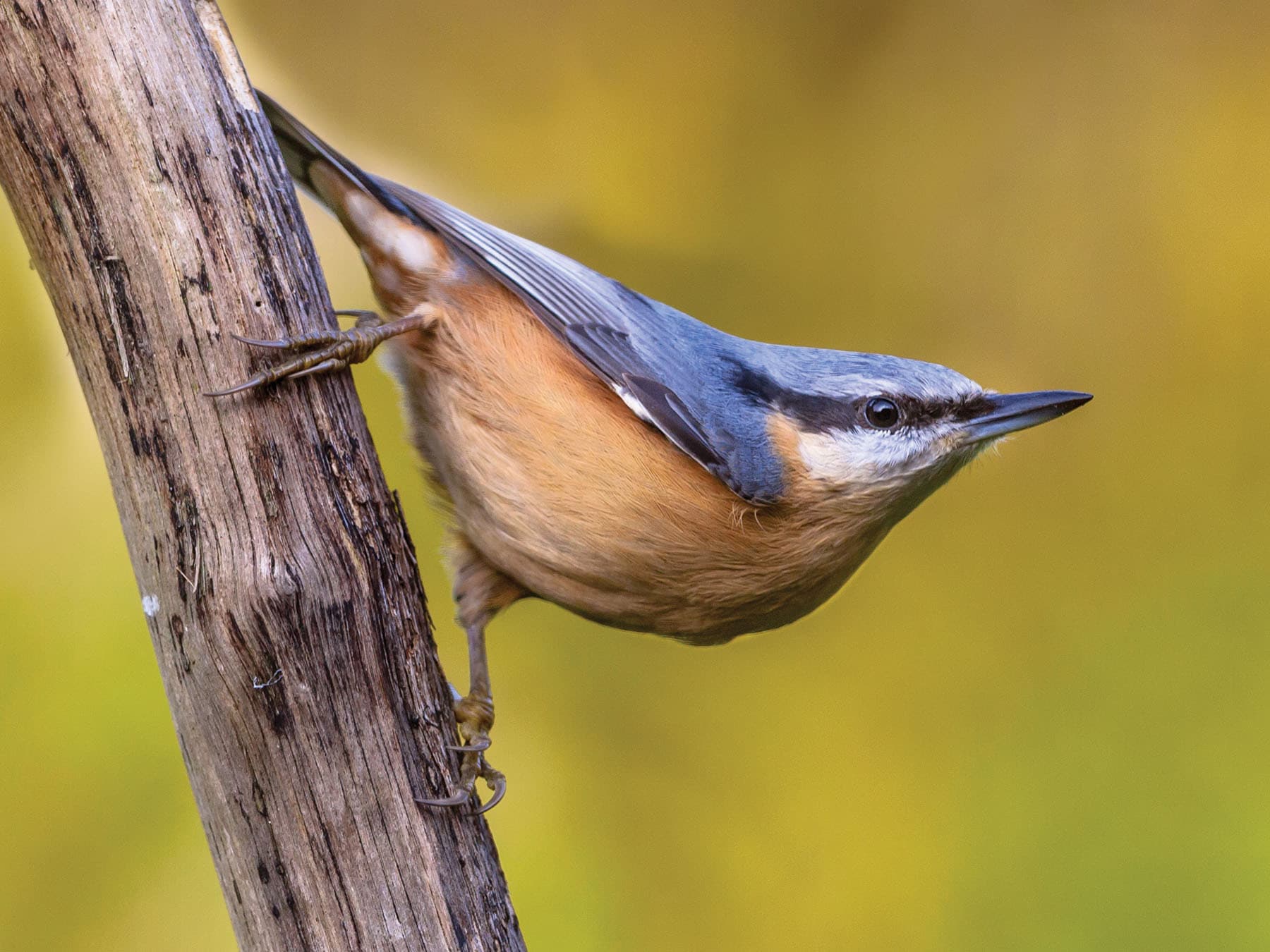
Eurasian Nuthatch
Sitta europaeaLC
An uncommon but increasing resident of mature deciduous woodland and parkland, often visiting garden feeders in well-wooded parts of Norfolk.
Year-round
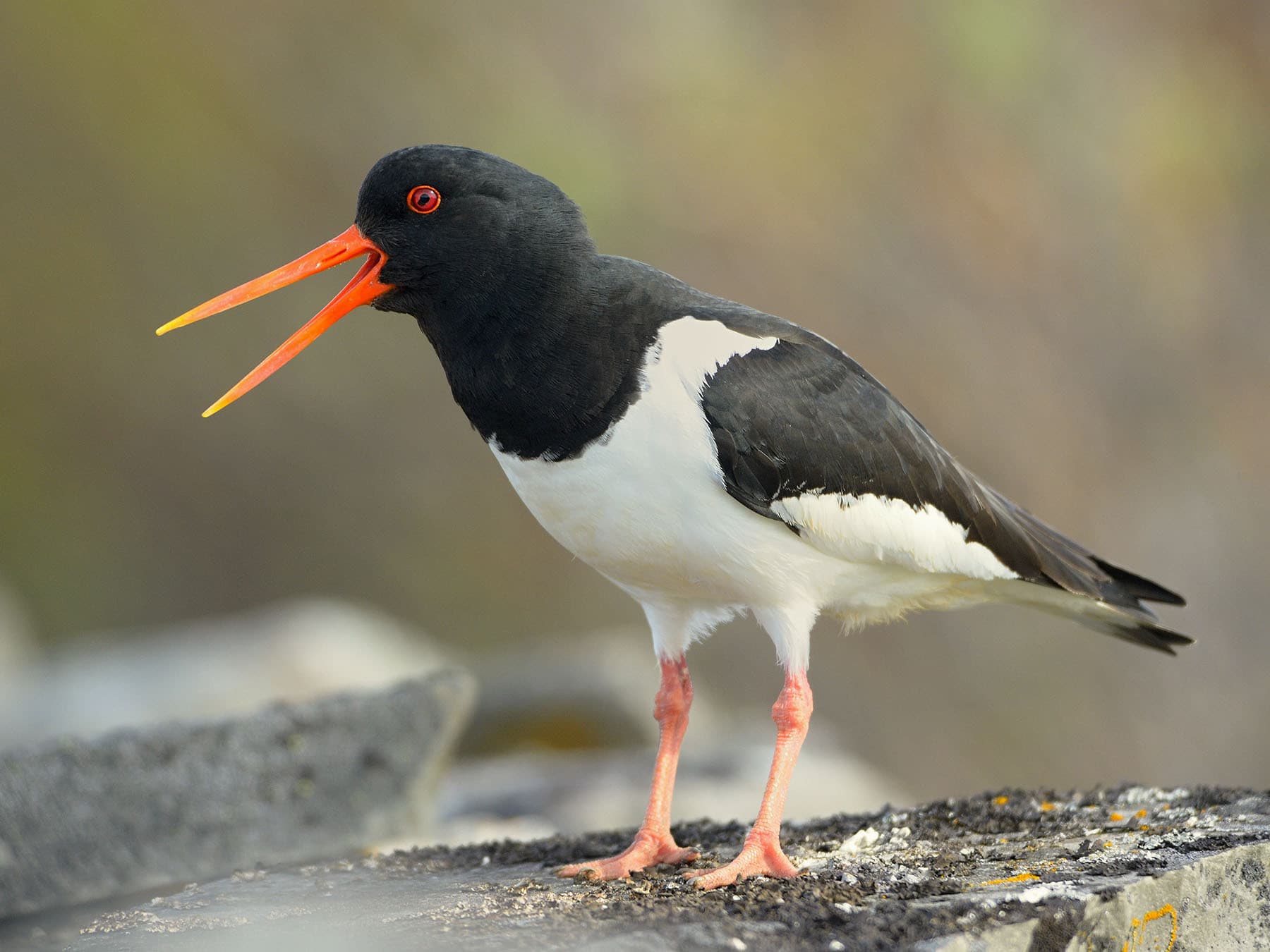
Eurasian Oystercatcher
Haematopus ostralegusNT
Common year-round along Norfolk's beaches and saltmarshes, its piping calls a familiar sound on the north coast.
Year-round
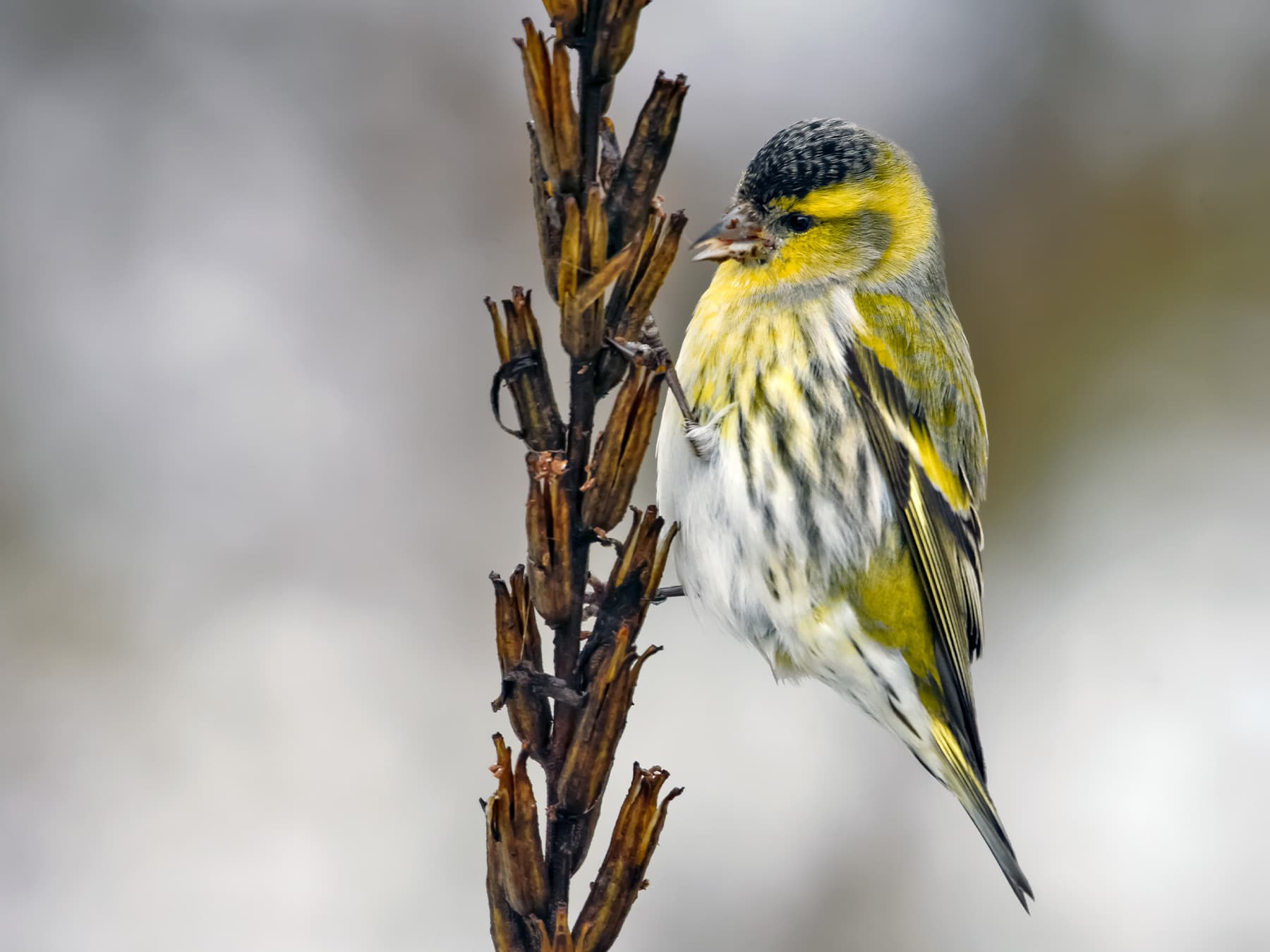
Eurasian Siskin
Spinus spinusLC
An uncommon resident most visible in winter when flocks visit alder and birch trees, often alongside redpolls in riverside woodland.
Year-round
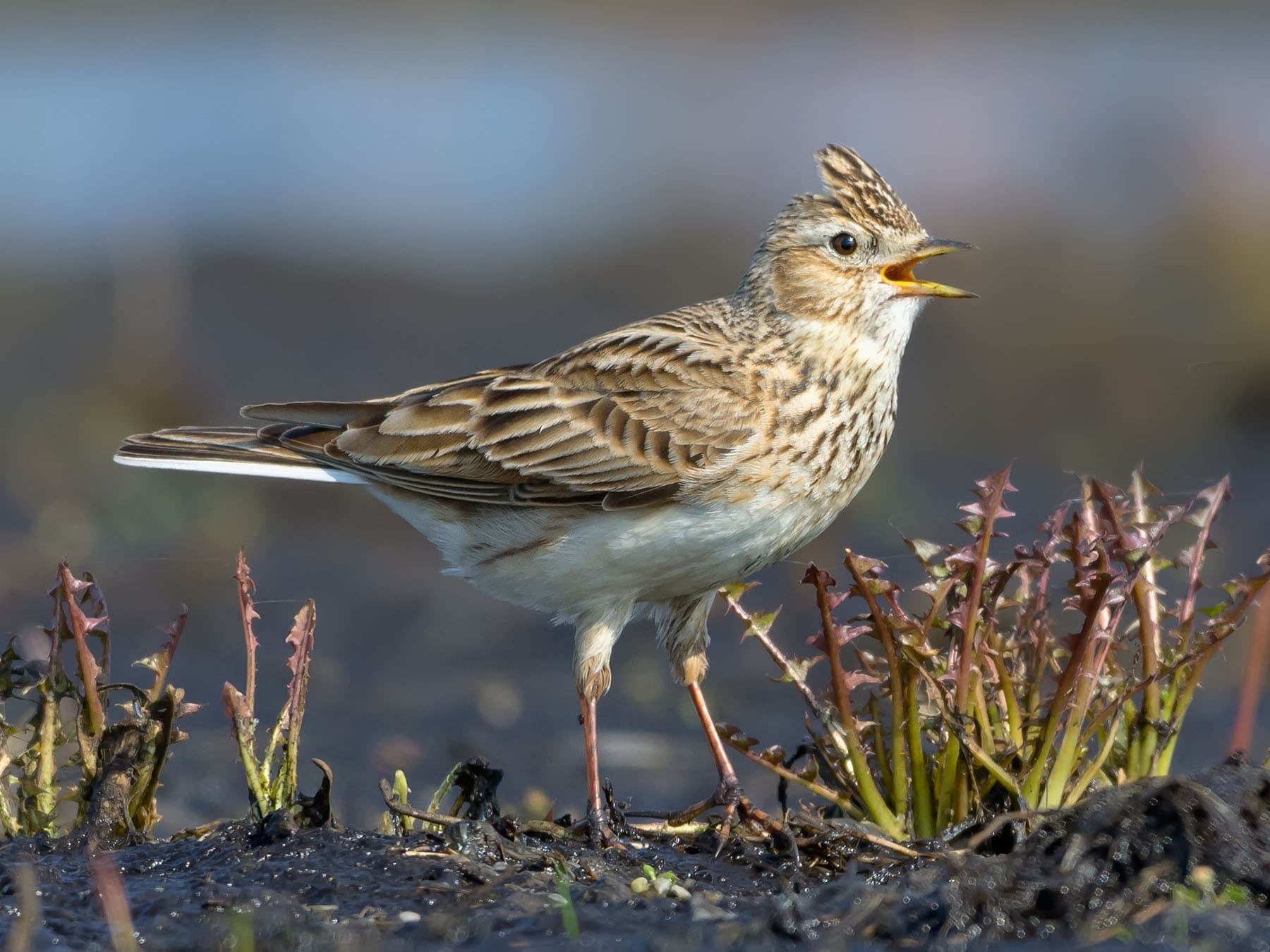
Eurasian Skylark
Alauda arvensisLC
Sings its soaring flight song over Norfolk's open farmland and coastal marshes. A year-round resident, though numbers swell in winter with continental arrivals.
Year-round
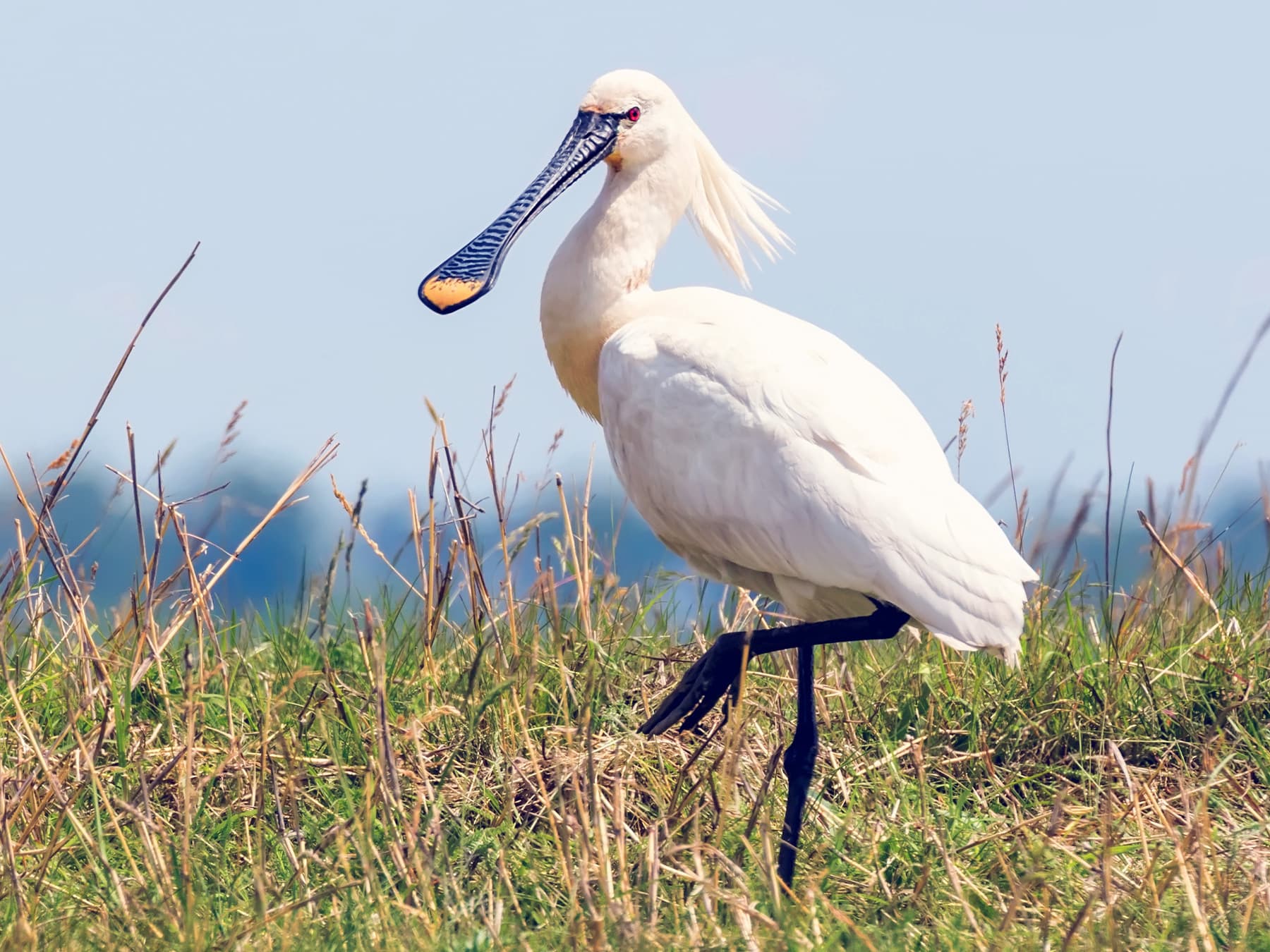
Eurasian Spoonbill
Platalea leucorodiaLC
An uncommon but increasing resident, breeding at key reserves like Holkham. Feeds in shallow marshes year-round.
Year-round
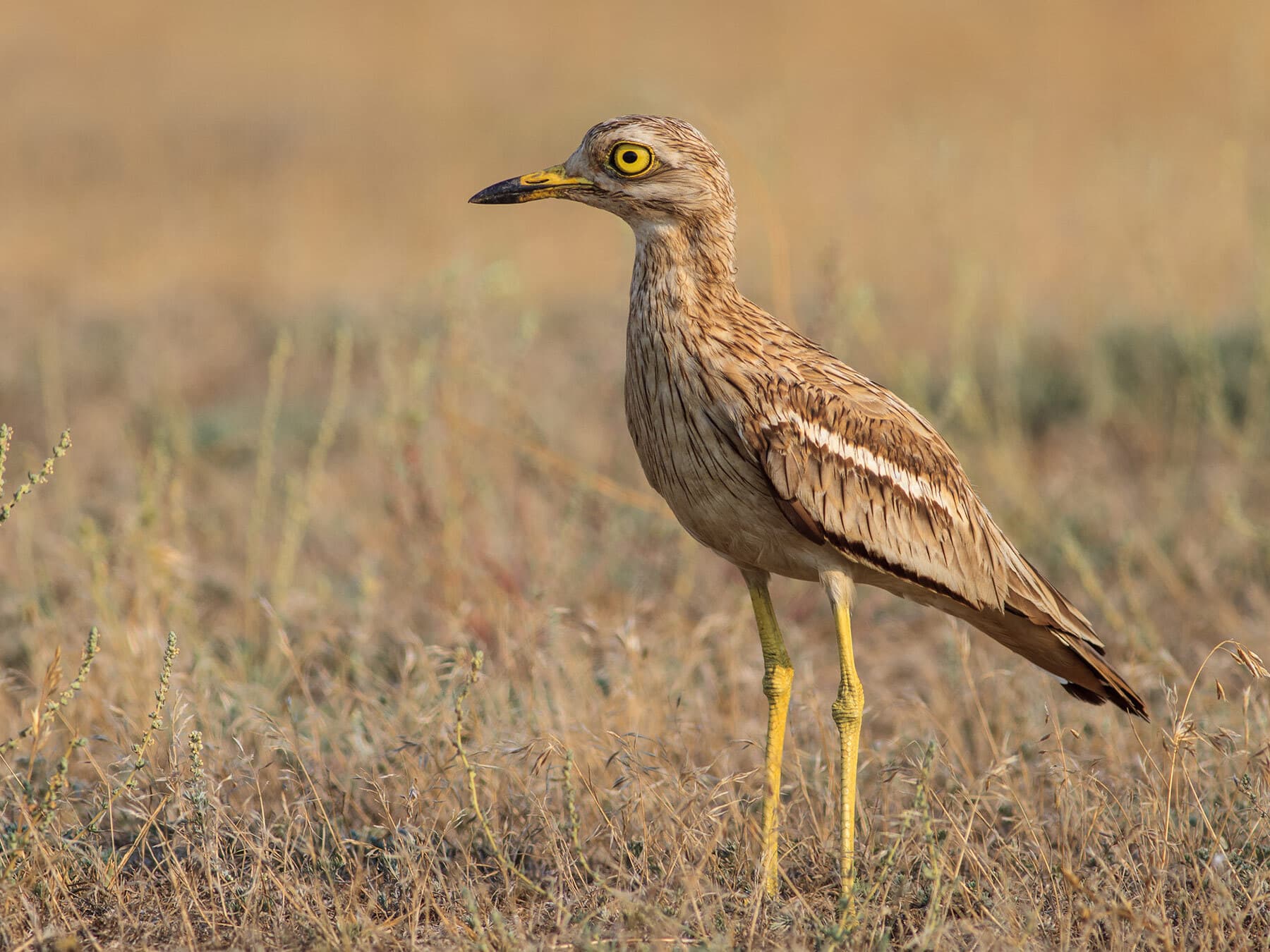
Eurasian Stone-curlew
Burhinus oedicnemusLC
A rare and secretive summer breeder on the Breckland heaths, arriving in March and departing by September.
Mar–Sep
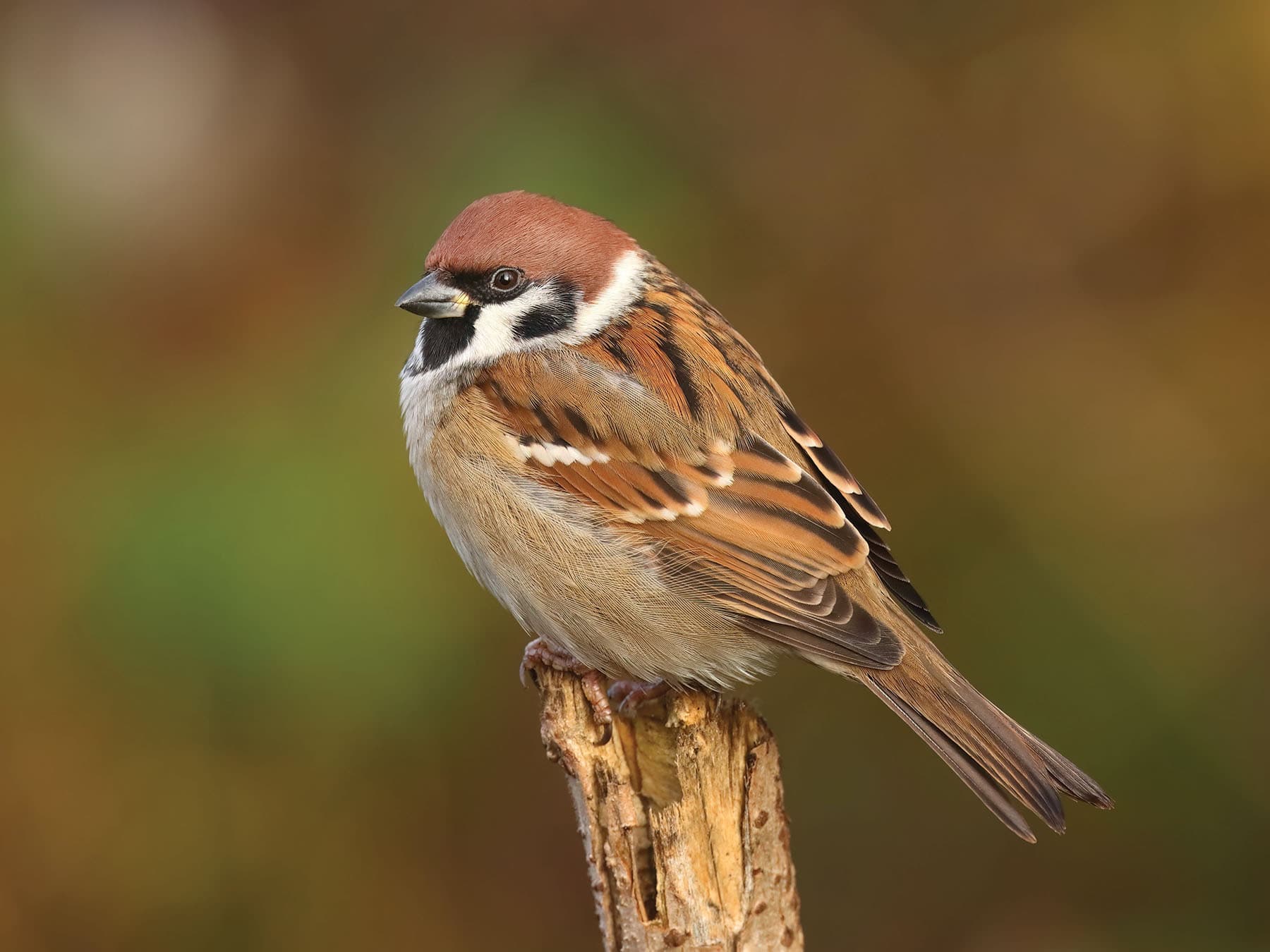
Eurasian Tree Sparrow
Passer montanusLC
A rare resident, now very localised in Norfolk farmland. Often found near stubble fields and farmyards with supplementary feeding.
Year-round
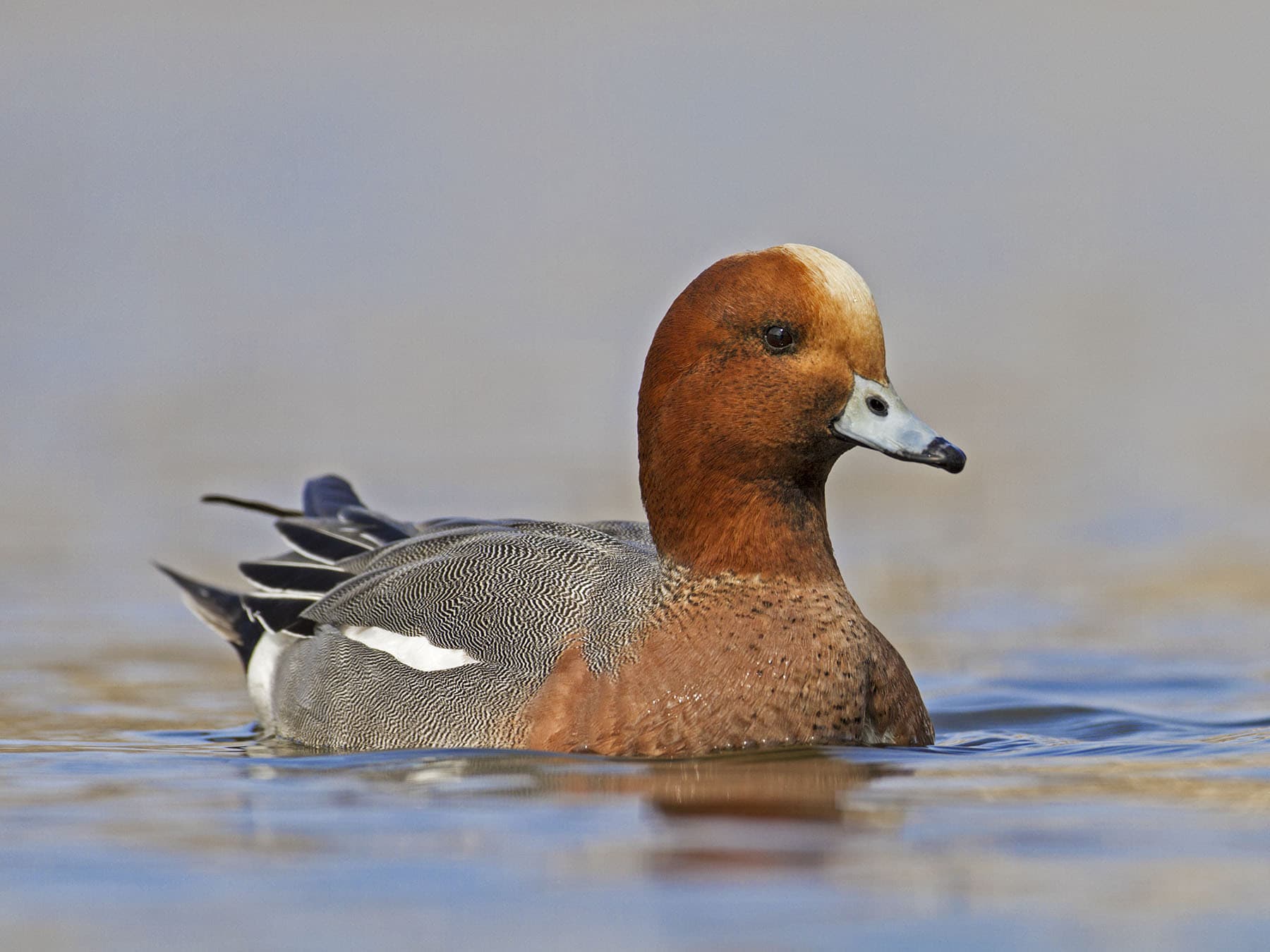
Eurasian Wigeon
Mareca penelopeLC
Common on coastal marshes and grazing meadows, with large winter flocks at sites like Cley and Holkham. Present all year.
Year-round