Birds in Merseyside
Explore 203 species found in this region.
Merseyside supports a rich diversity of birdlife, with 195 species recorded across the county's varied habitats. From the internationally important estuarine mudflats of the Dee and Mersey, which attract large flocks of Northern Pintail, Pink-footed Geese and Northern Lapwing, to urban parks where Great Tits and Magpies thrive, the region offers excellent birding year-round. Notable species include wintering wildfowl such as Common Shelduck and Common Merganser, as well as passage waders like Common Sandpiper and the elusive Eurasian Woodcock in woodland areas.
Visiting in July? Look out for Arctic Jaeger and Black-necked Grebe arriving this month, and Barnacle Goose and Black Tern depart for the season.


Showing 70–92 of 203 species
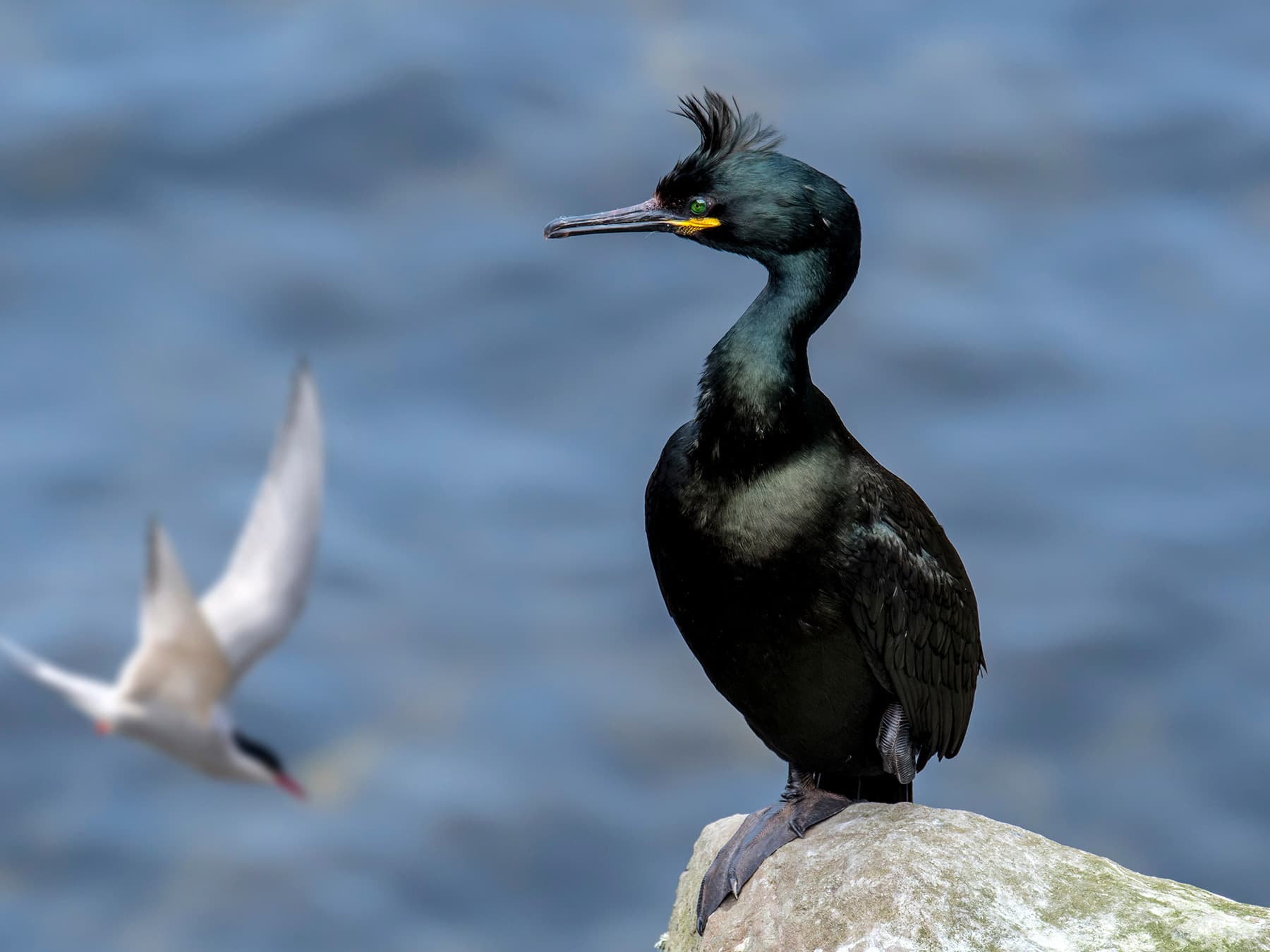
European Shag
Phalacrocorax aristotelisLC
A rare visitor to rocky shores and harbour walls, most likely in late autumn and winter, far scarcer than Cormorant here.
Aug–Dec
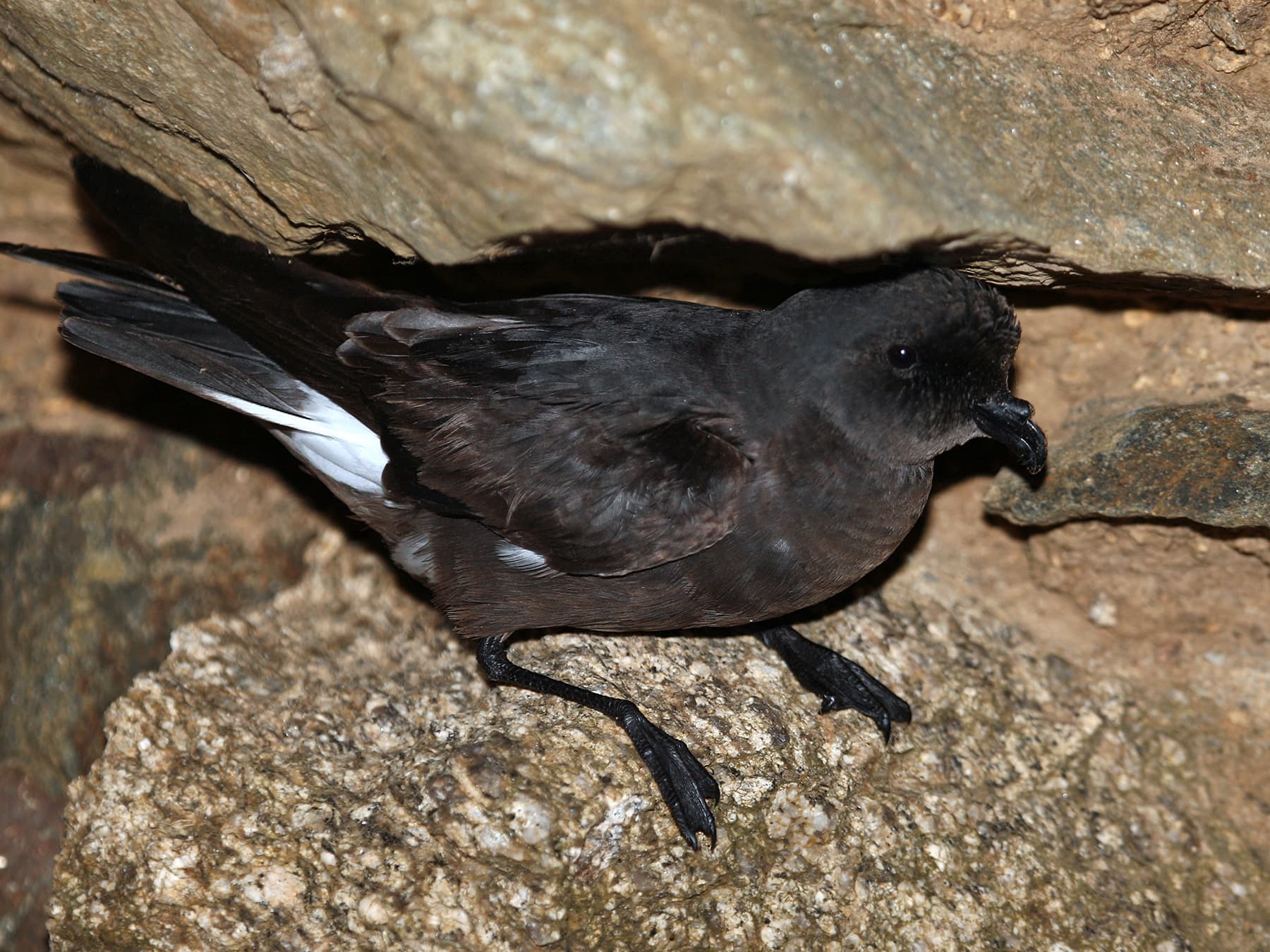
European Storm-petrel
Hydrobates pelagicusLC
A rare October passage visitor, typically driven close to shore by strong westerly gales and seen from coastal watchpoints.
Oct
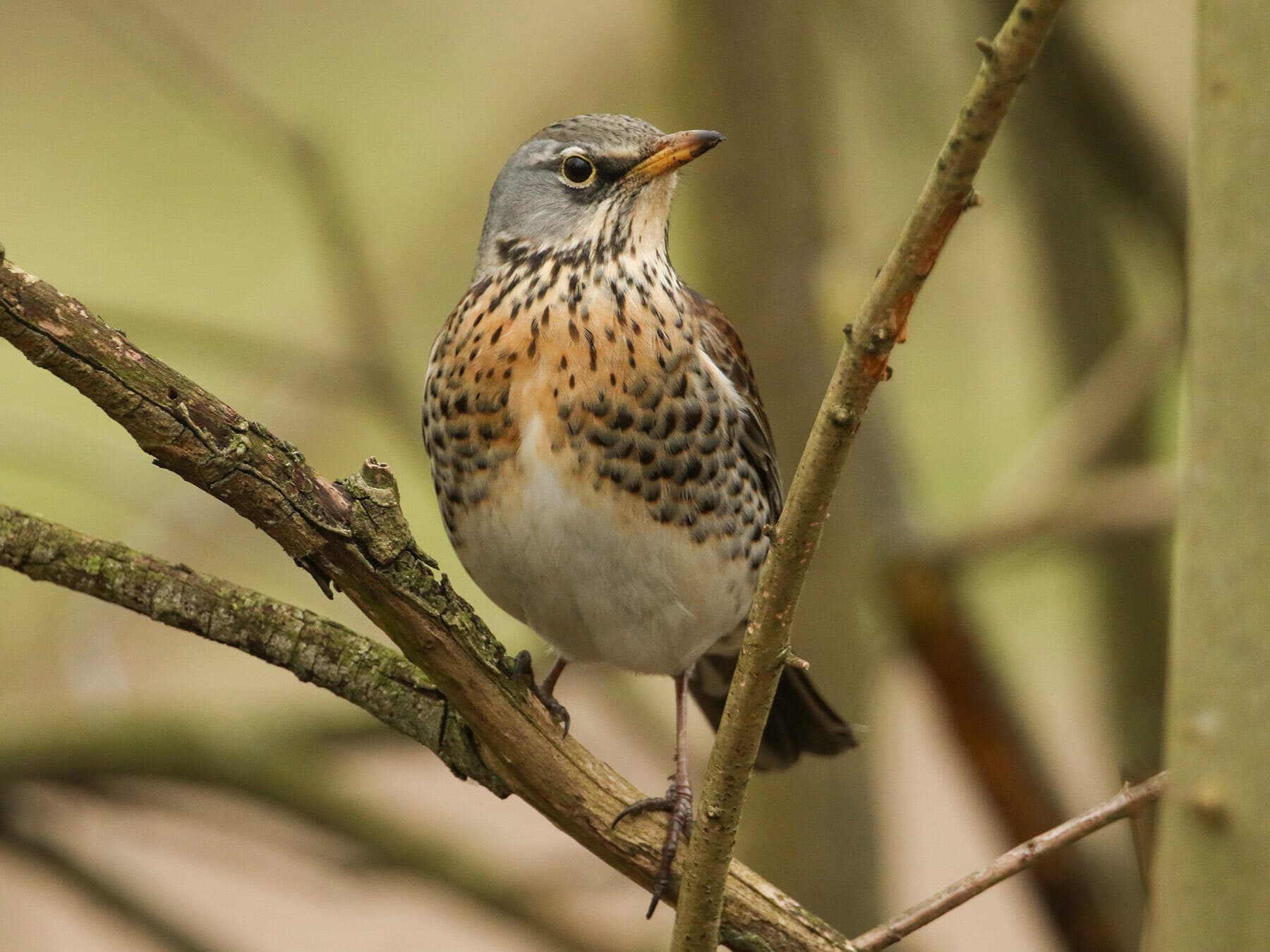
Fieldfare
Turdus pilarisLC
An uncommon winter visitor from Scandinavia, feeding on berries in hedgerows and open farmland from October to April.
Oct–Apr
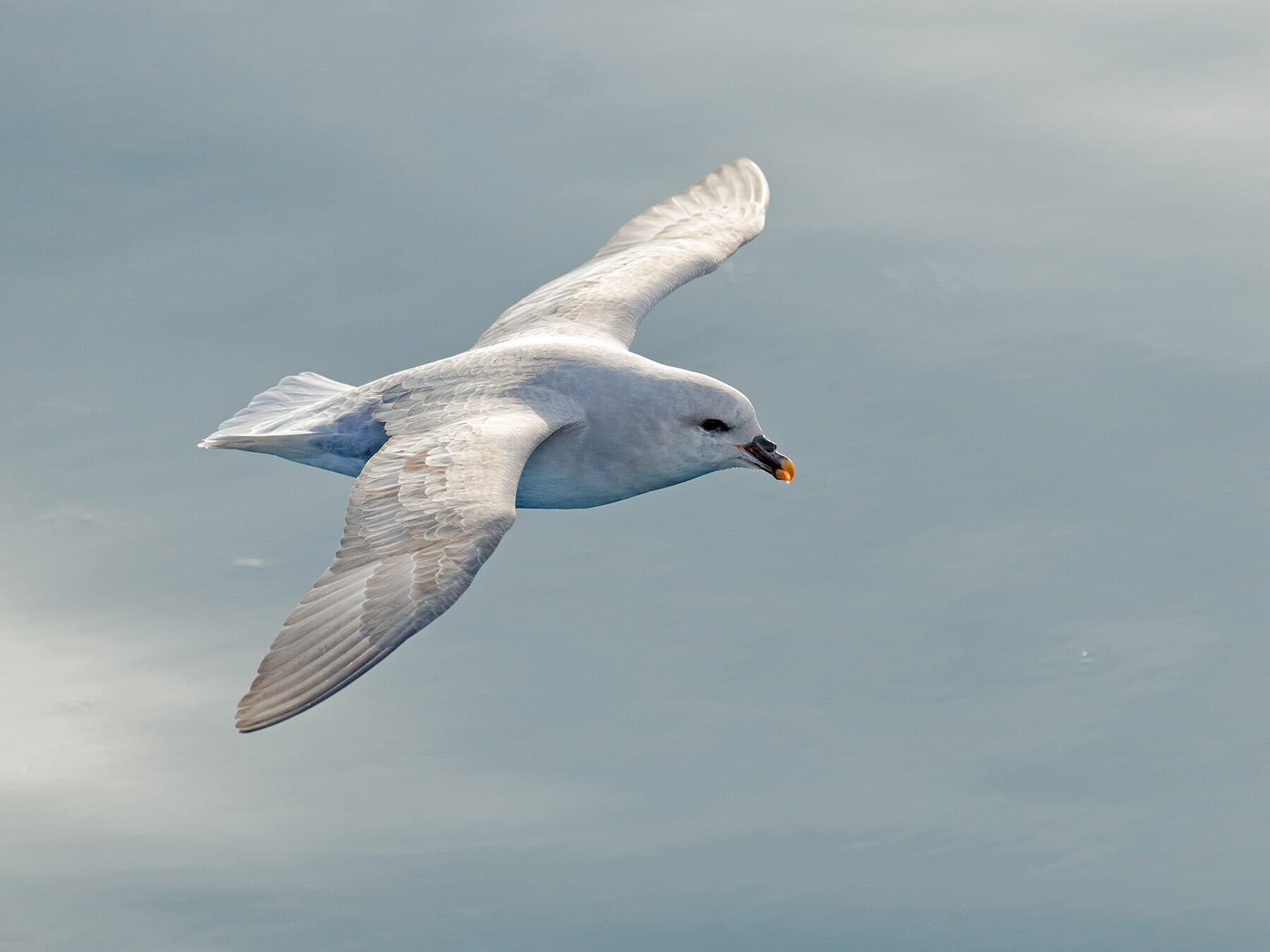
Fulmar
Fulmarus glacialisLC
A rare passage visitor in September, typically seen from seawatching points during strong onshore winds along the coast.
Sep
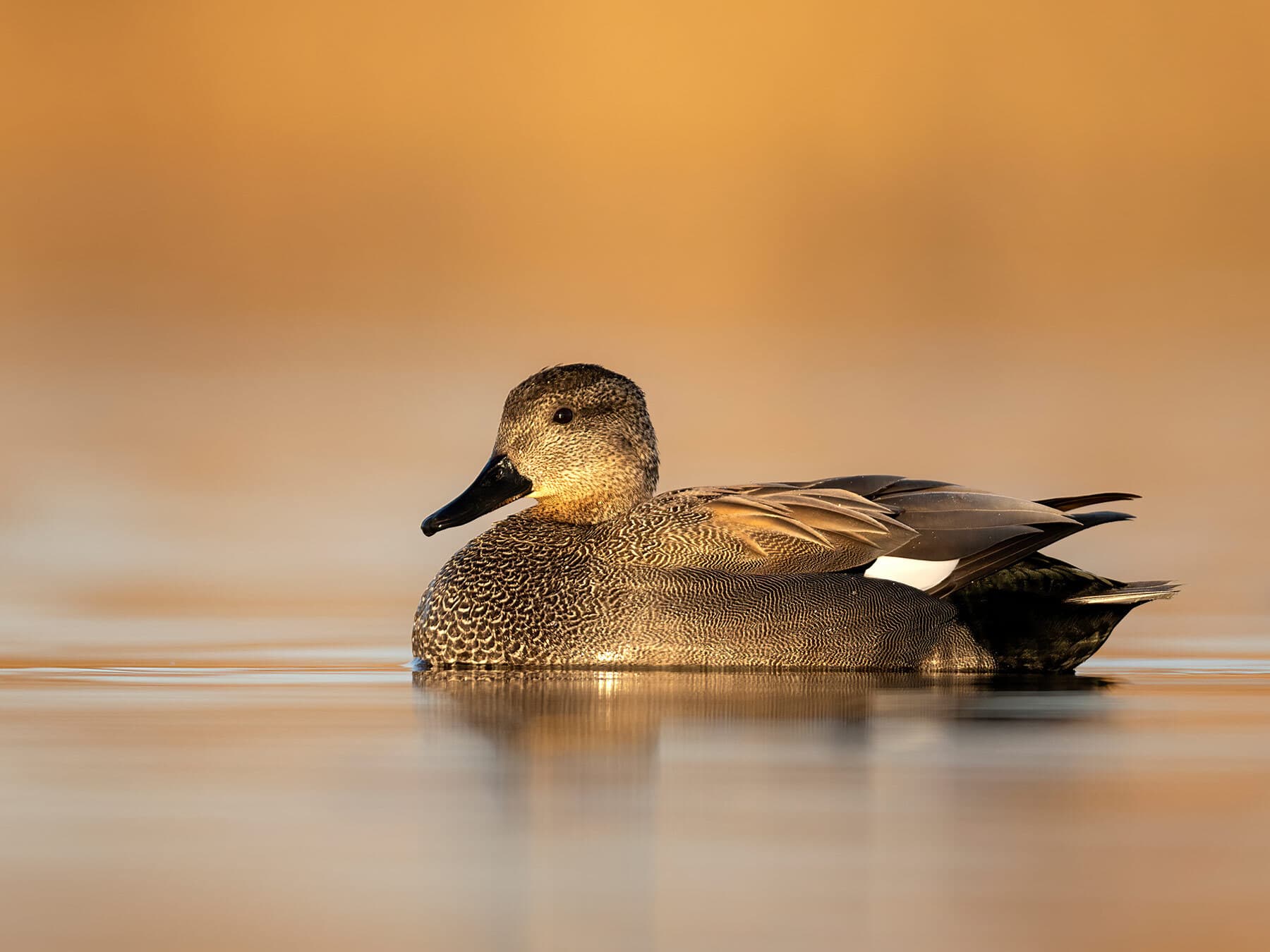
Gadwall
Mareca streperaLC
An uncommon year-round resident favouring freshwater lakes and marshes, often found alongside other dabbling ducks.
Year-round
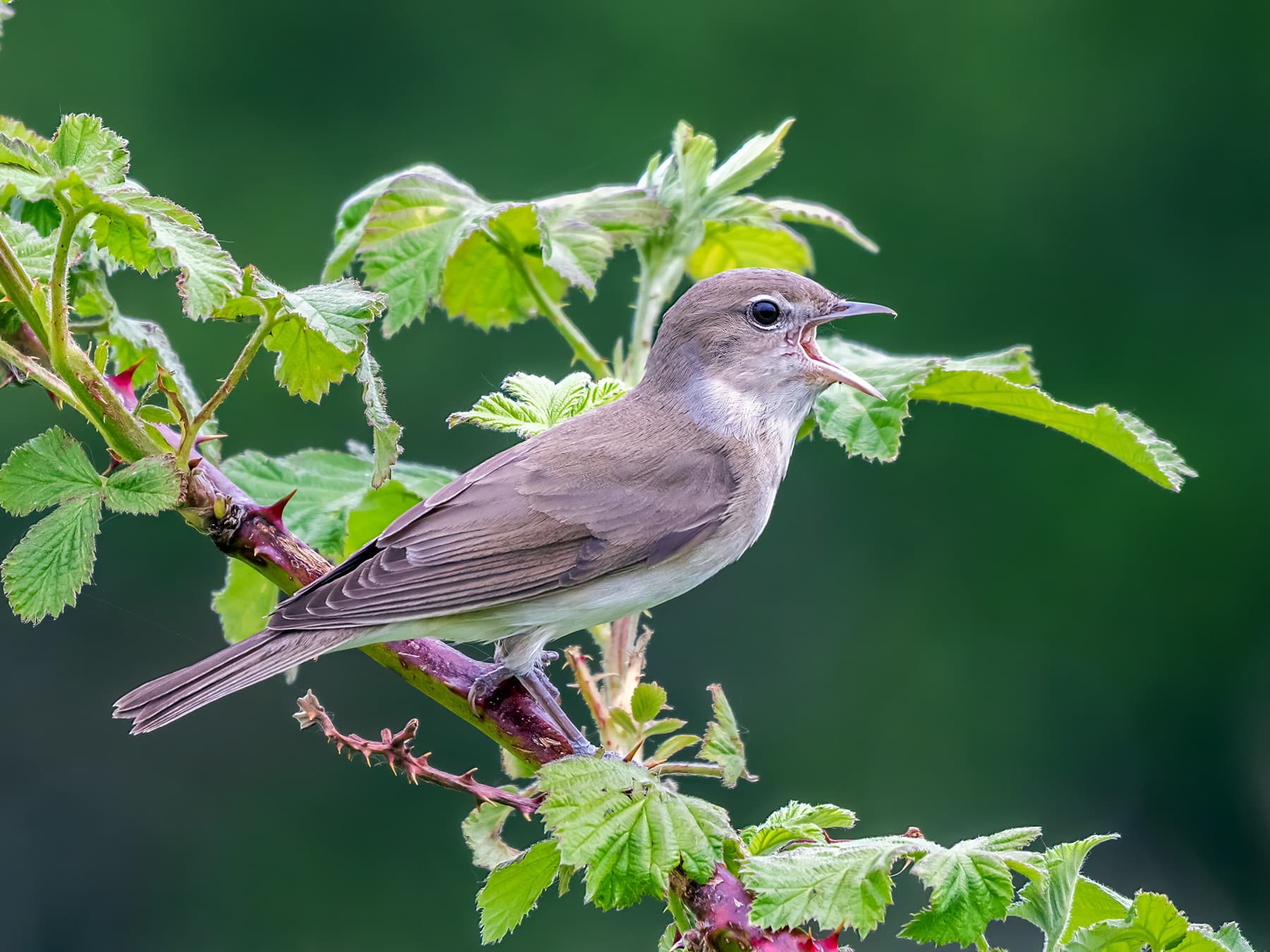
Garden Warbler
Sylvia borinLC
A rare passage visitor in late spring and autumn, occasionally found in dense scrub and woodland with thick undergrowth.
May–Aug
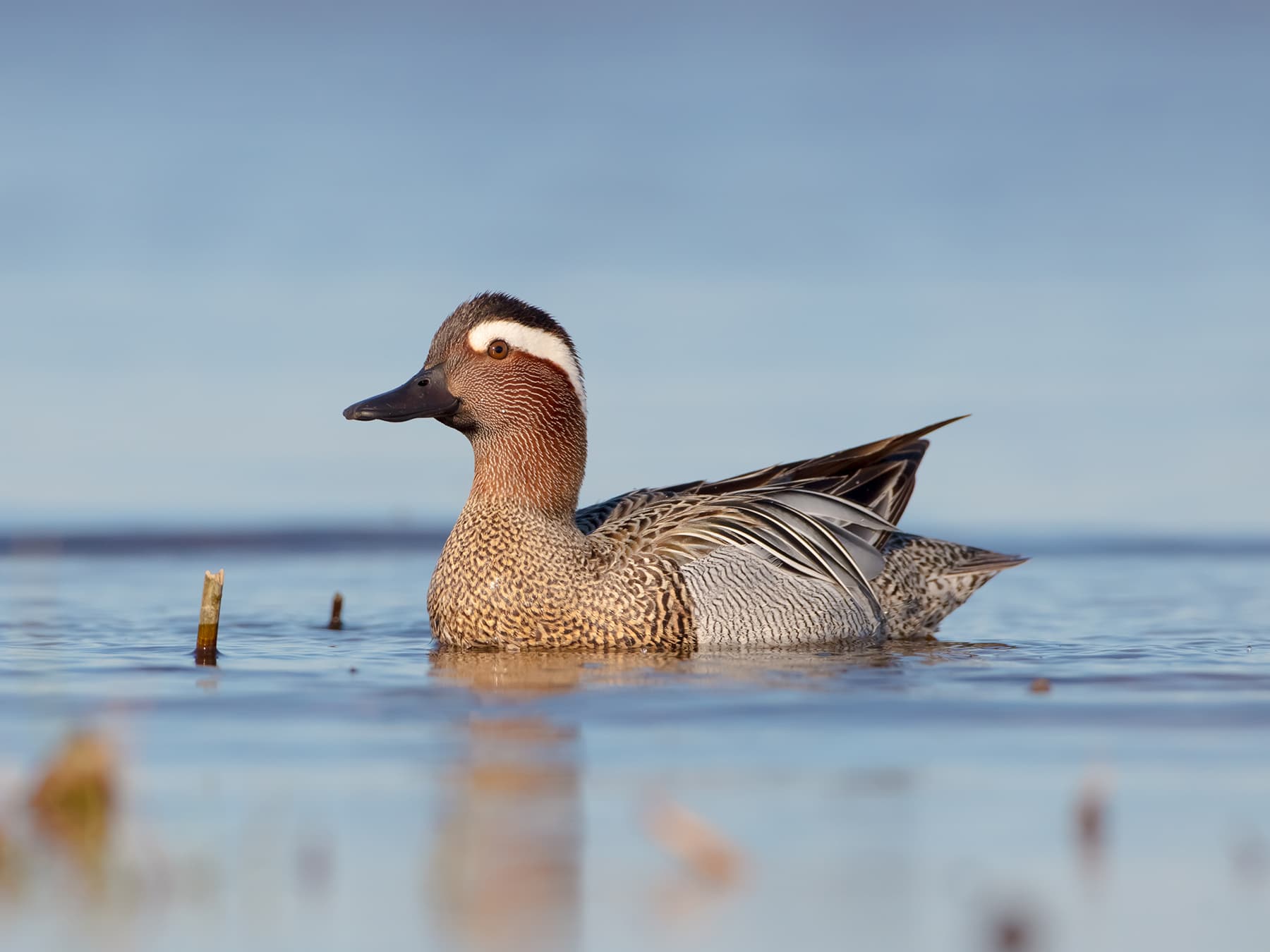
Garganey
Spatula querquedulaLC
A rare summer breeder, arriving in April and departing by June. Favours shallow freshwater pools with emergent vegetation.
Apr–Jun
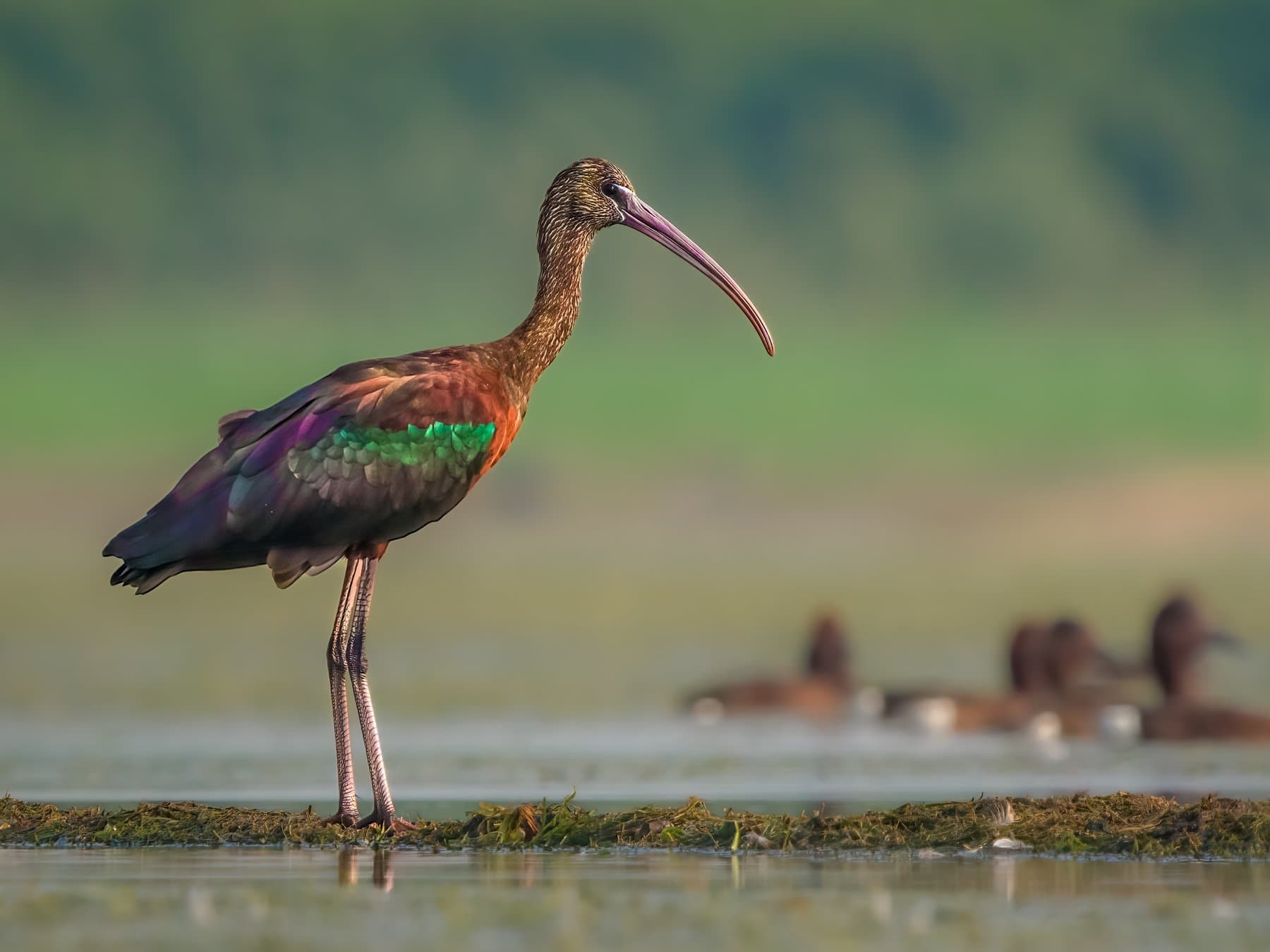
Glossy Ibis
Plegadis falcinellusLC
A rare passage visitor in July, occasionally appearing at marshes and wetlands. A striking dark wader with a glossy sheen.
Jul
Spotted something?
Upload a photo to identify it
Identify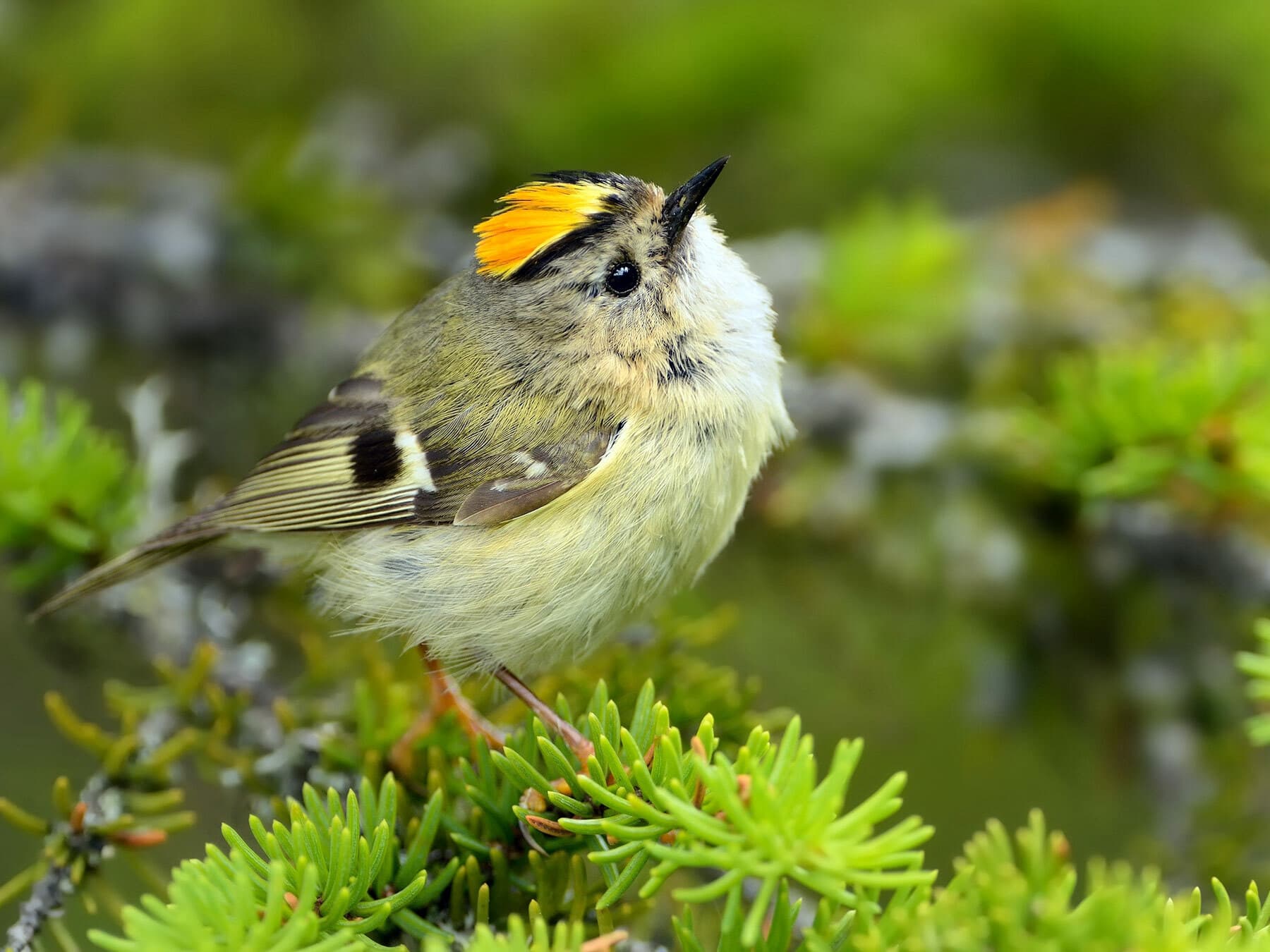
Goldcrest
Regulus regulusLC
An uncommon resident of coniferous and mixed woodland, easily overlooked despite its high-pitched call. Numbers swell in autumn.
Year-round
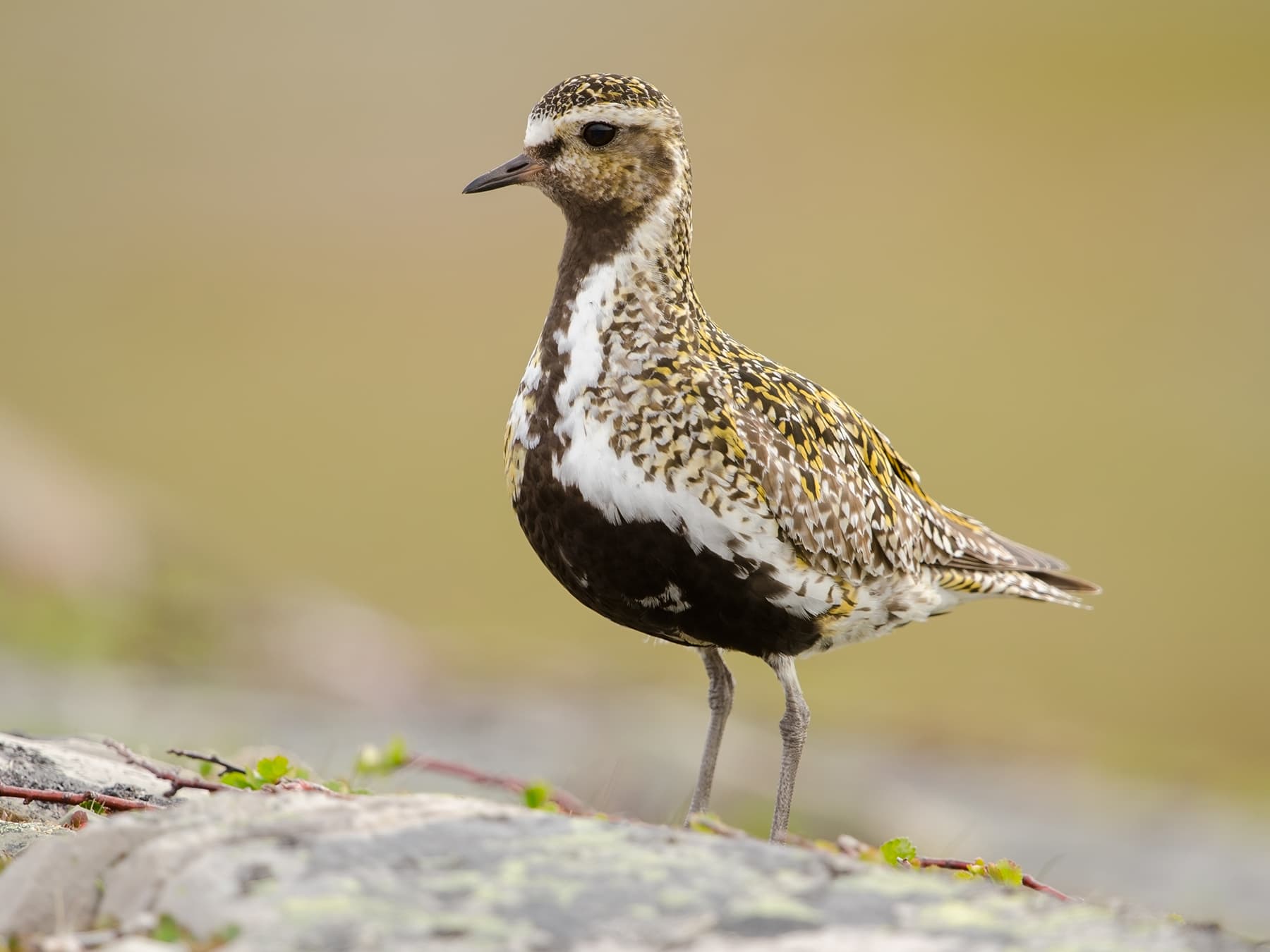
Golden Plover
Pluvialis apricariaLC
An uncommon non-breeding visitor forming flocks on Merseyside's farmland and coastal marshes from autumn through spring. Often associates with lapwing flocks.
Aug–Apr
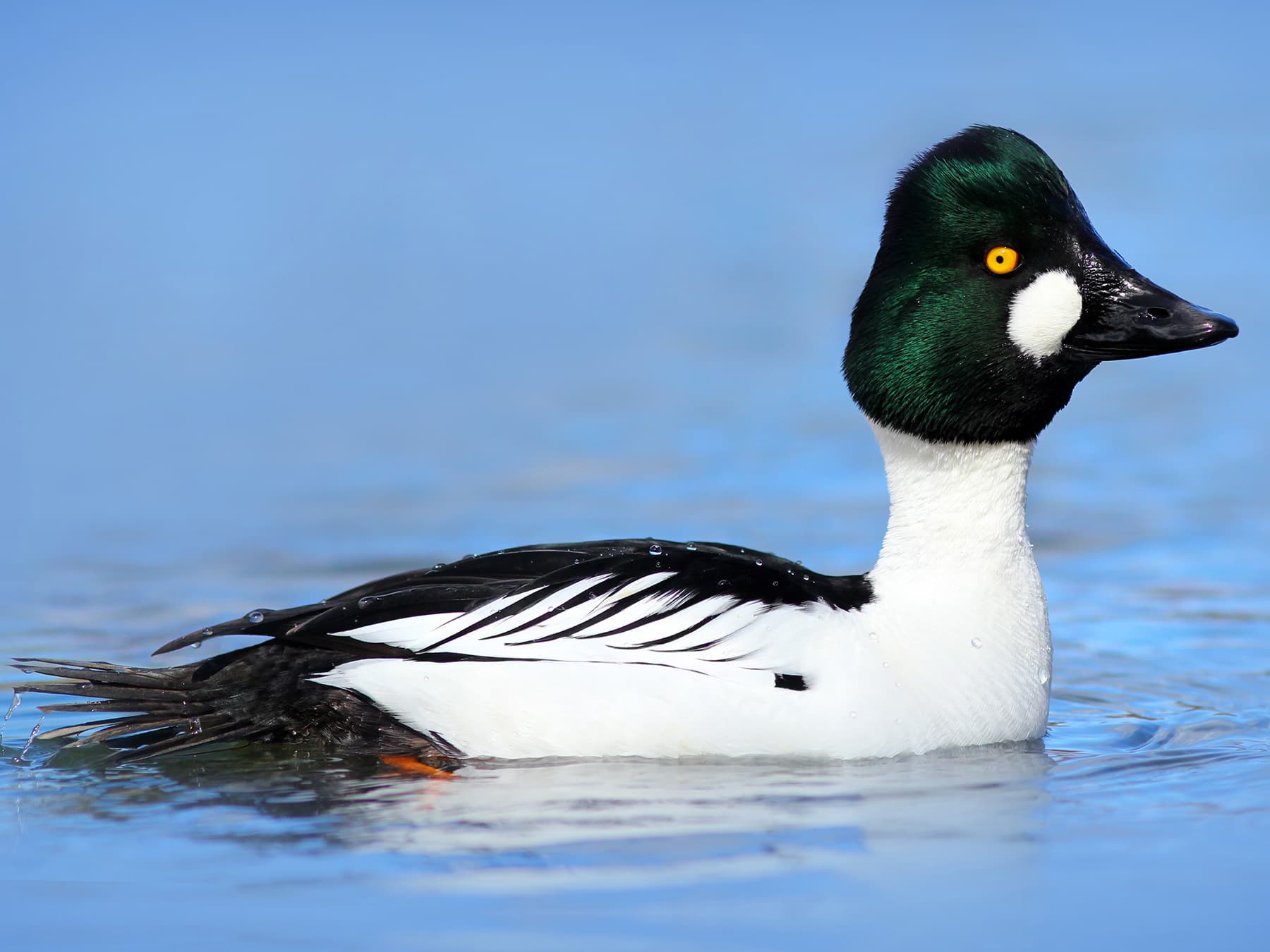
Goldeneye
Bucephala clangulaLC
An uncommon winter visitor to Merseyside's lakes and reservoirs, arriving from October and lingering into spring. Males are unmistakable with their glossy green heads.
Oct–May
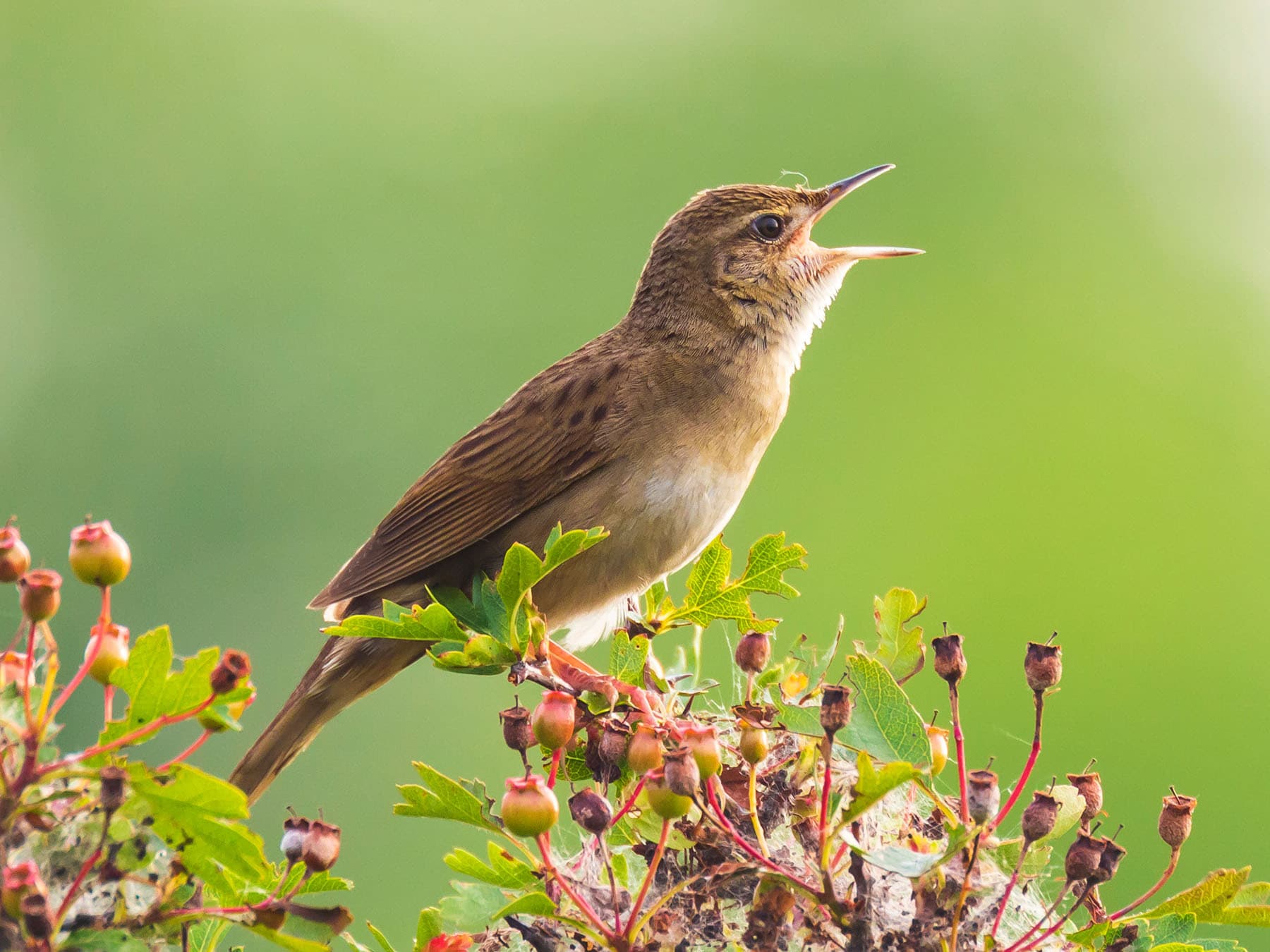
Grasshopper Warbler
Locustella naeviaLC
A rare and declining summer breeder, best detected by its insect-like reeling song in dense scrub and rough grassland.
Apr–Jul
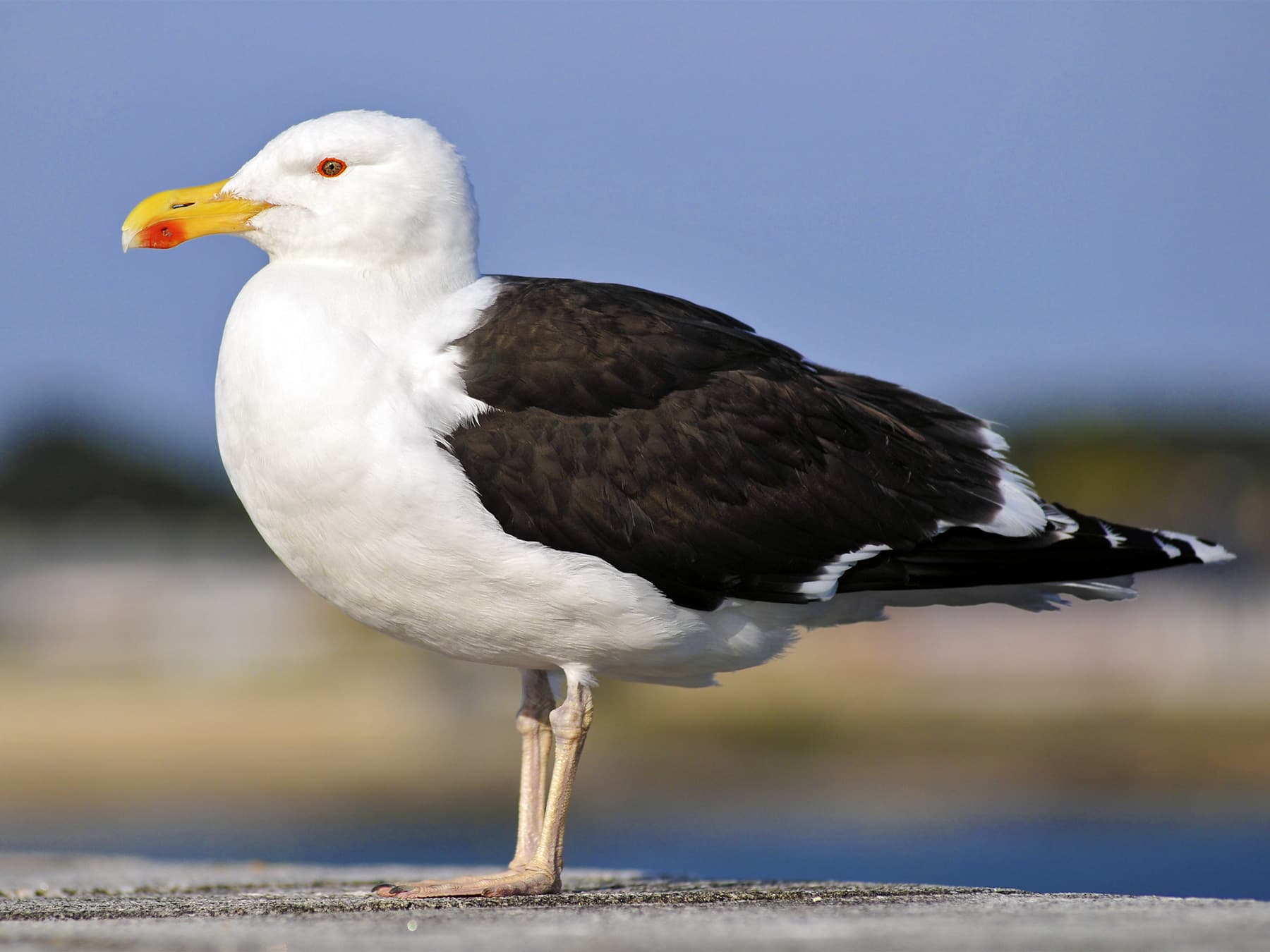
Great Black-backed Gull
Larus marinusLC
A bulky, dominant gull found year-round along the coast and at landfill sites, often loafing on piers and breakwaters.
Year-round
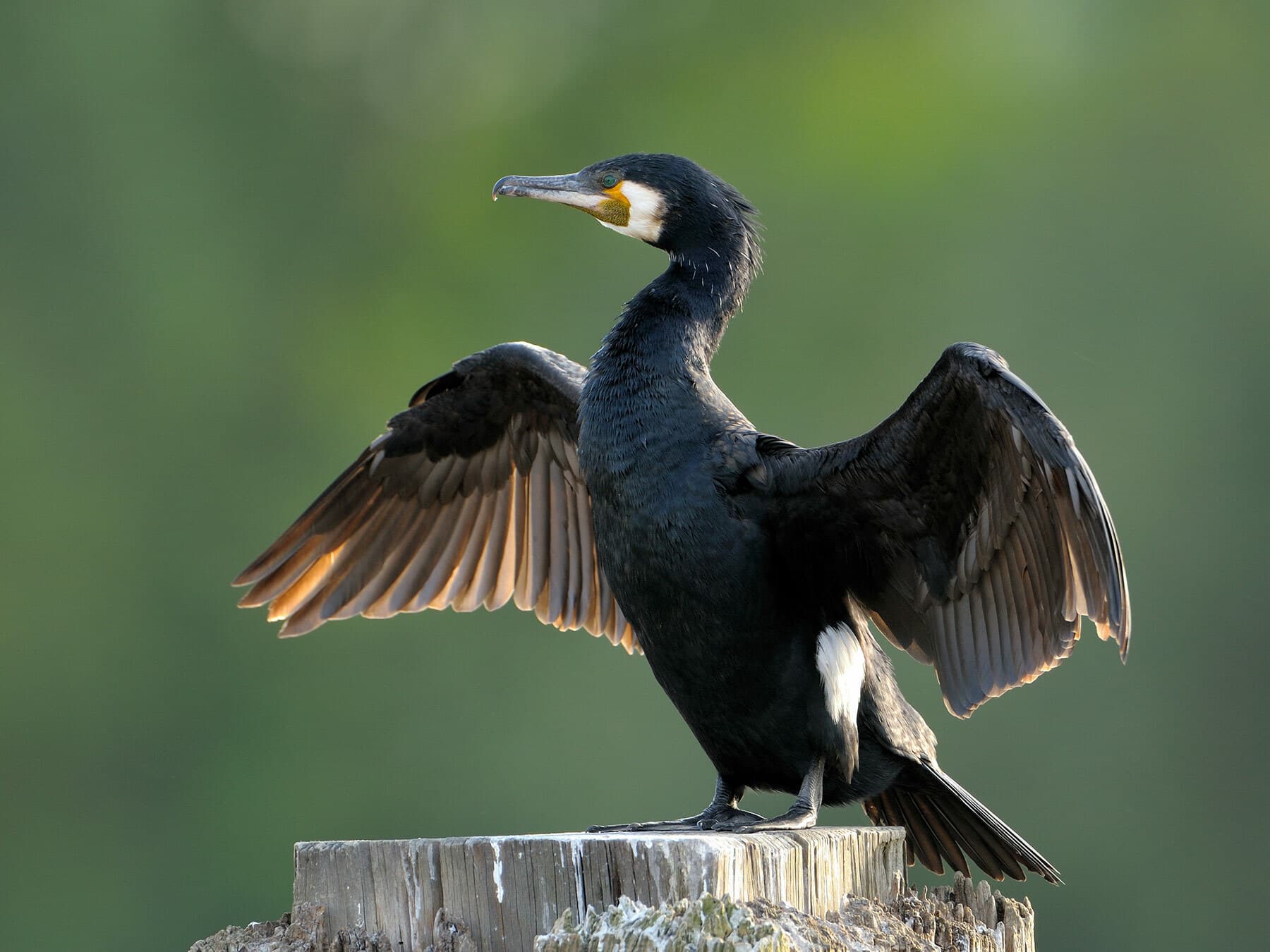
Great Cormorant
Phalacrocorax carboLC
A common resident along the Mersey estuary and coast, often seen perched with wings outstretched on jetties and channel markers.
Year-round
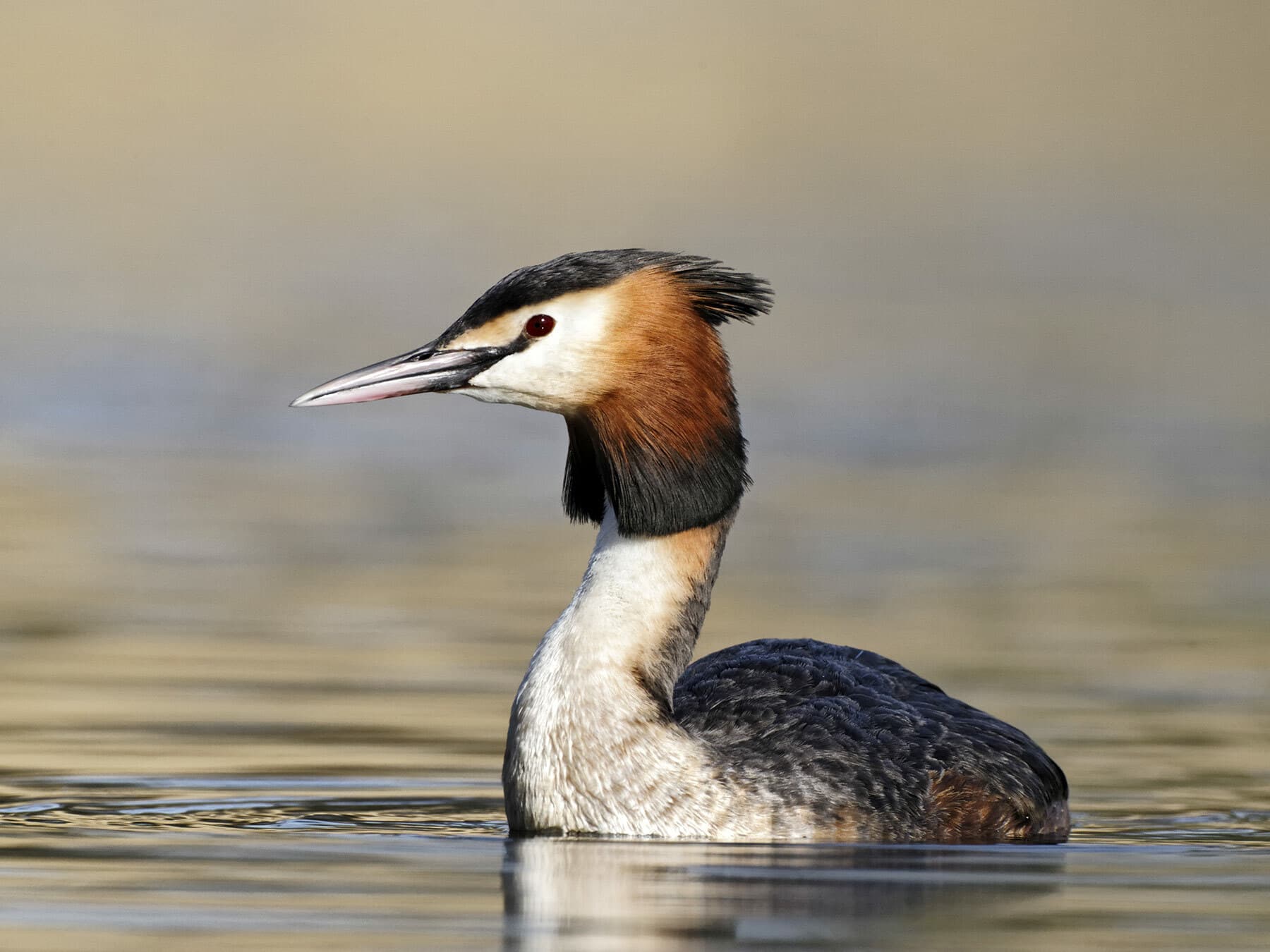
Great Crested Grebe
Podiceps cristatusLC
An uncommon year-round resident on larger lakes and reservoirs, performing its elaborate courtship display in spring.
Year-round
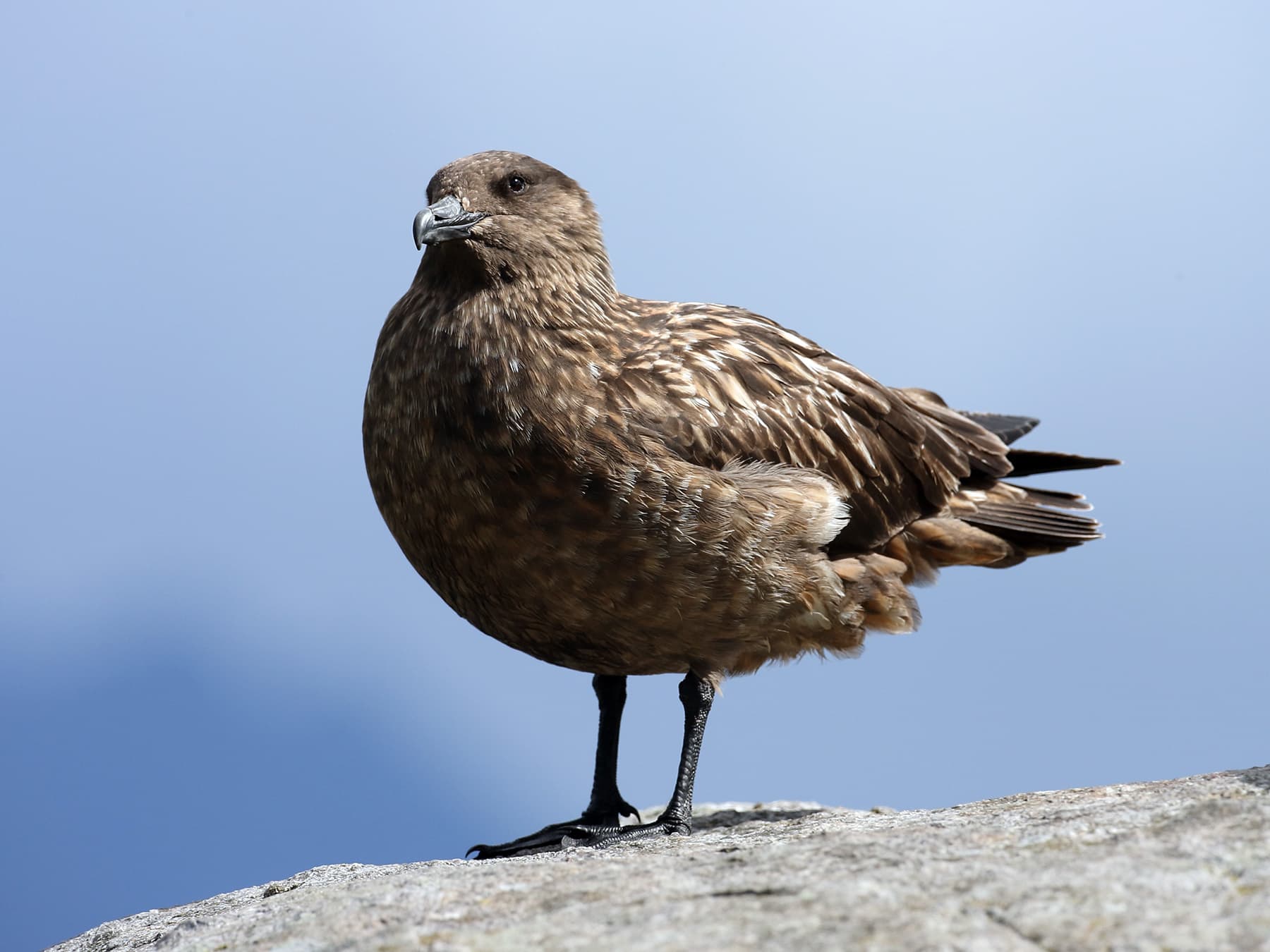
Great Skua
Catharacta skuaLC
A rare autumn passage visitor, seen offshore or from seawatching points in September and October. A powerful, bulky skua.
Sep–Oct
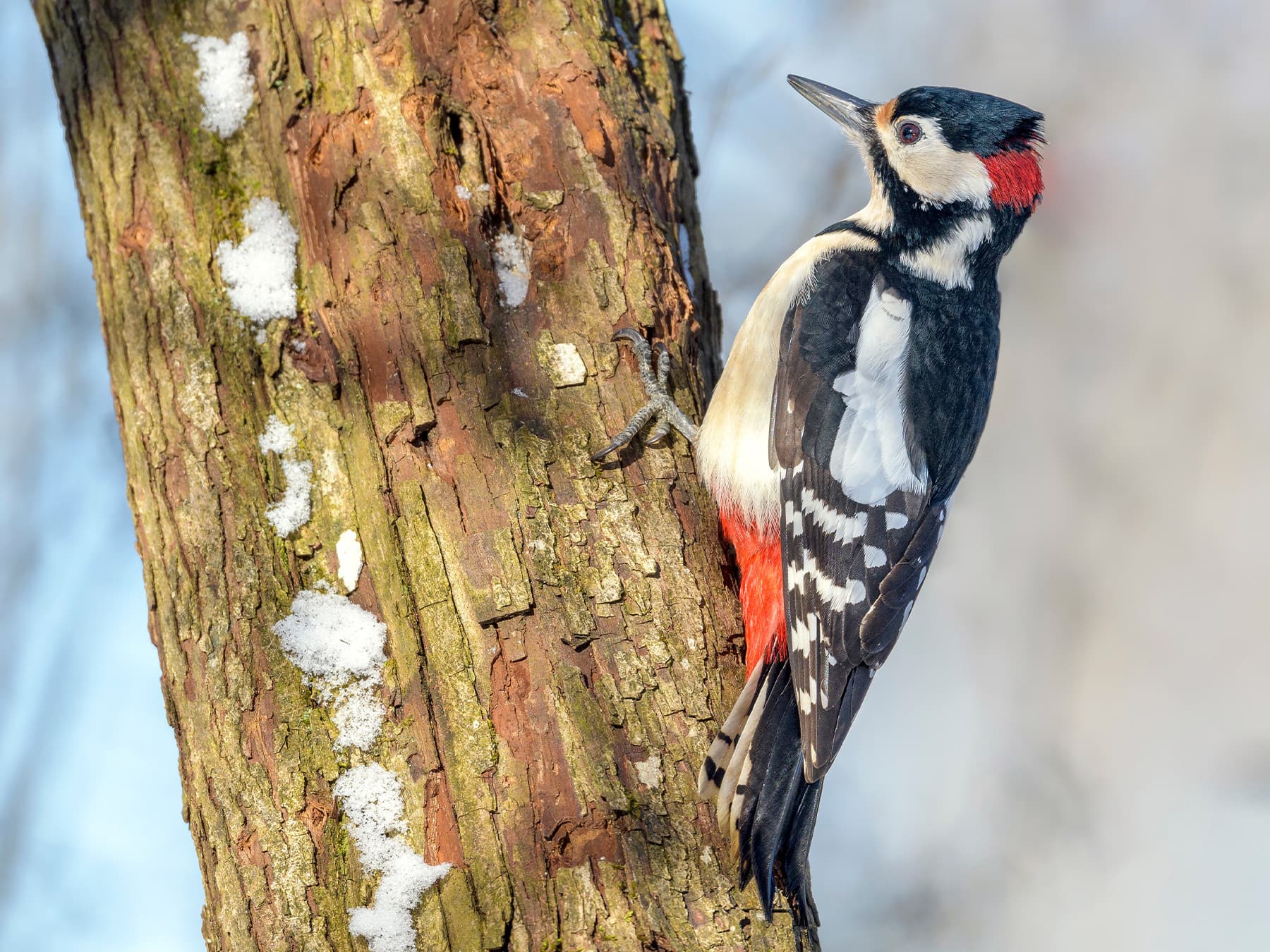
Great Spotted Woodpecker
Dendrocopos majorLC
An uncommon resident found in mature woodland and parks, with its drumming heard in spring at sites like Dibbinsdale and Croxteth.
Year-round
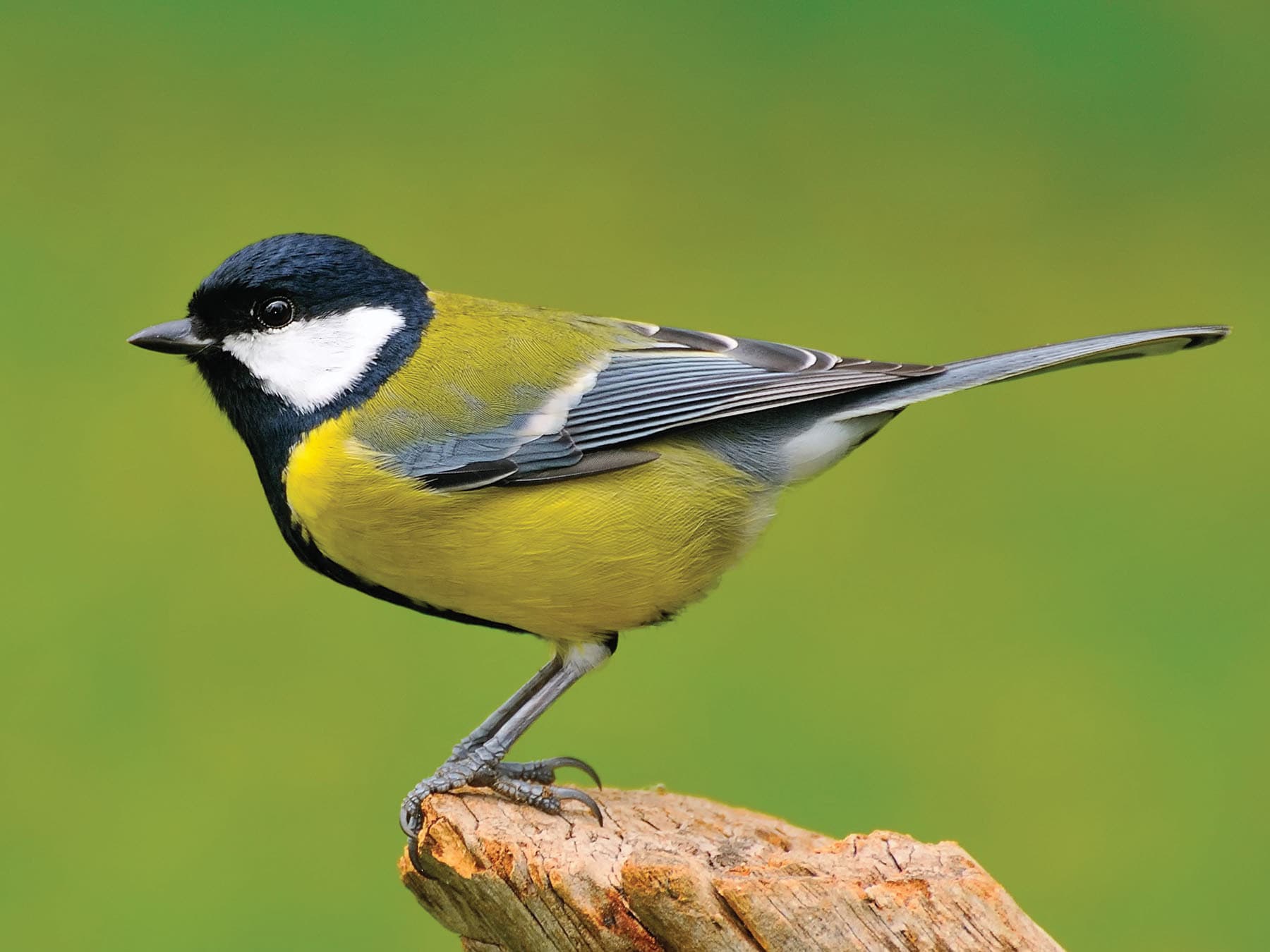
Great Tit
Parus majorLC
A common year-round resident, readily visiting garden feeders and nesting in holes in trees, walls, and nest boxes.
Year-round
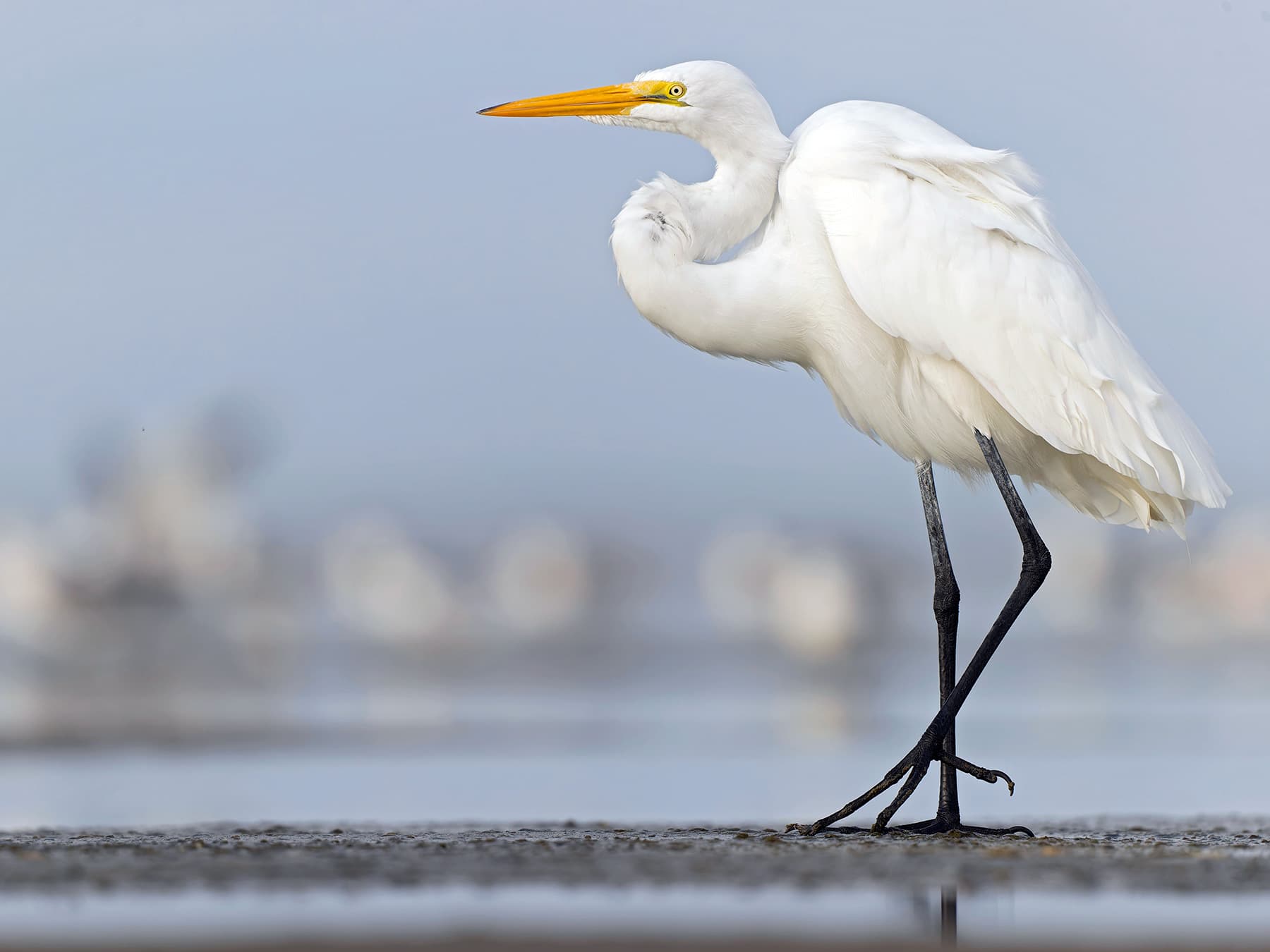
Great White Egret
Ardea albaLC
An increasingly regular sight at Merseyside wetlands, reflecting its national expansion. Absent only in early summer months.
Jul–Apr
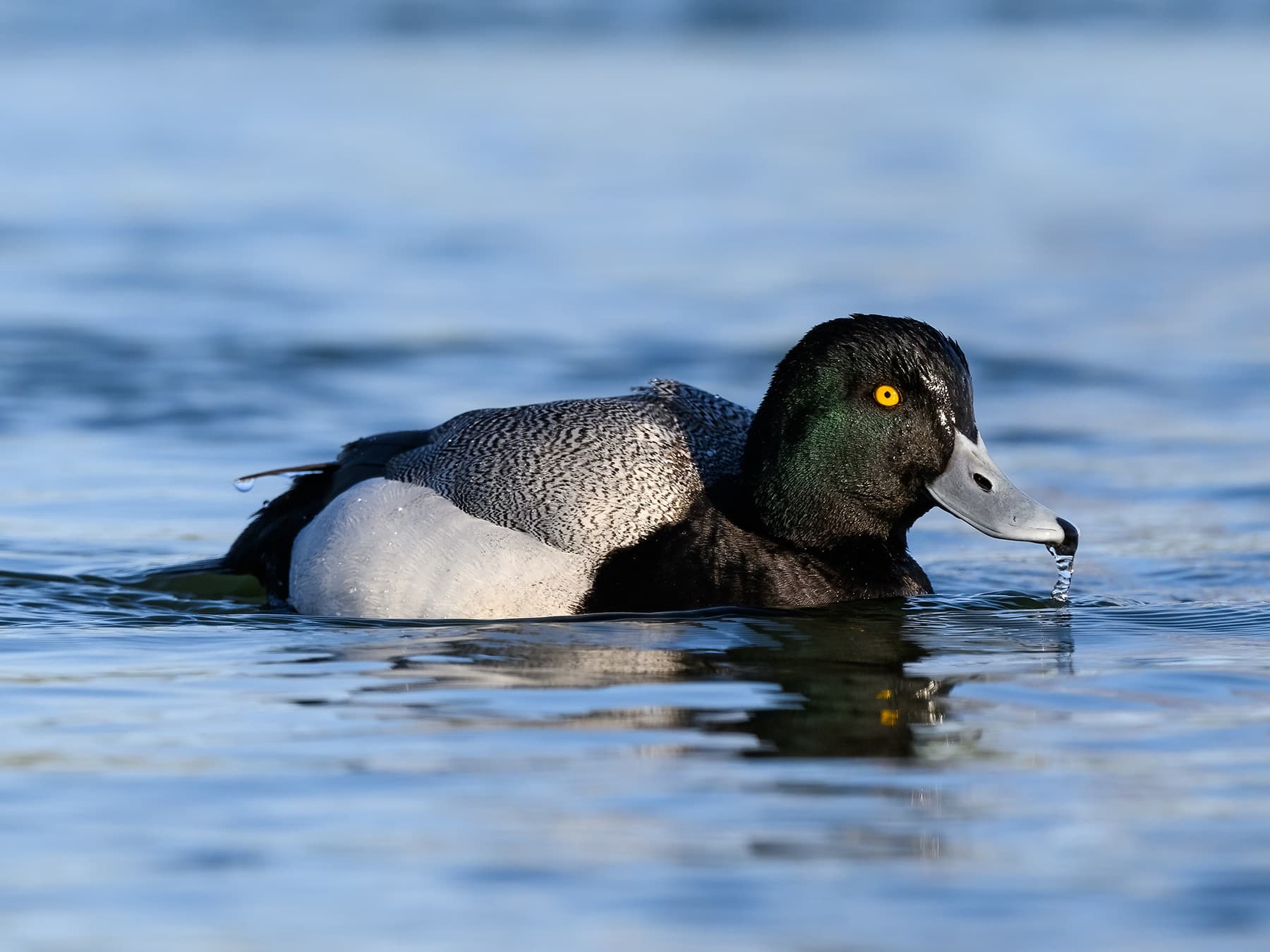
Greater Scaup
Aythya marilaLC
A rare non-breeding visitor from October to April, occasionally found on the Mersey estuary or marine lakes.
Oct–Apr
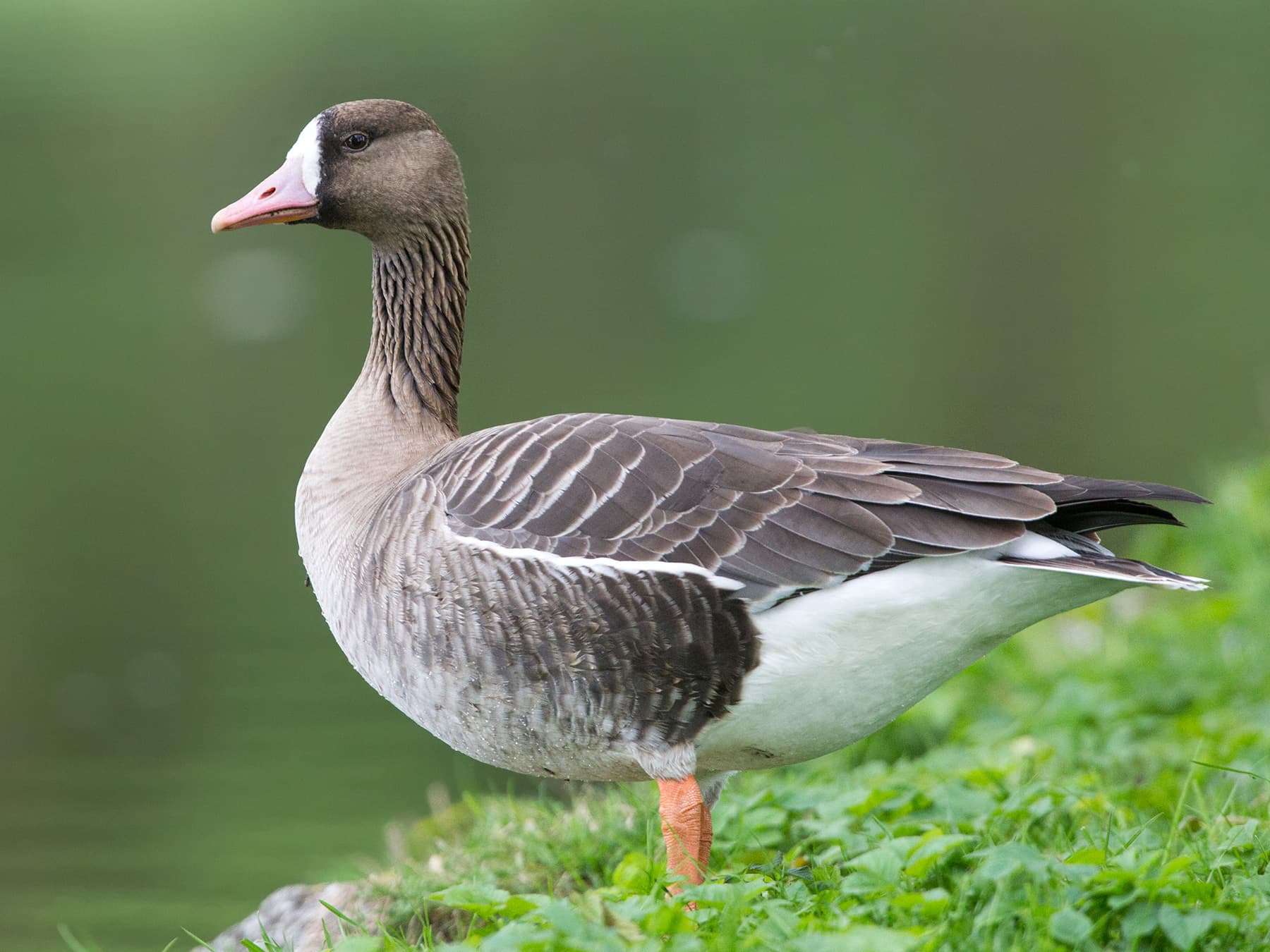
Greater White-fronted Goose
Anser albifronsLC
A rare spring passage visitor, occasionally turning up among Pink-footed Goose flocks on farmland near the coast.
Apr
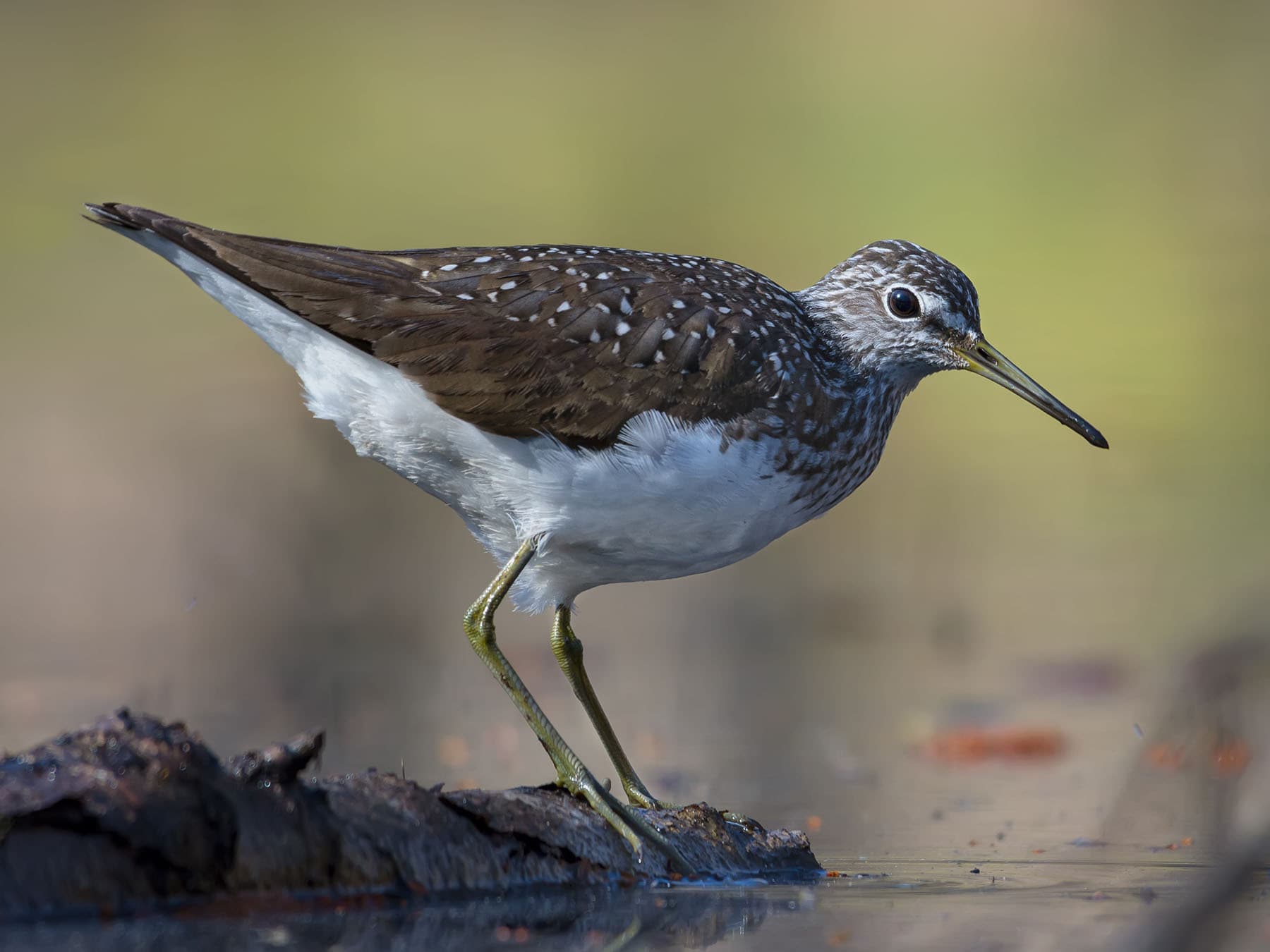
Green Sandpiper
Tringa ochropusLC
A scarce but regular visitor to freshwater pools and ditches, most often encountered on autumn passage at inland wetland sites.
Jun–Apr
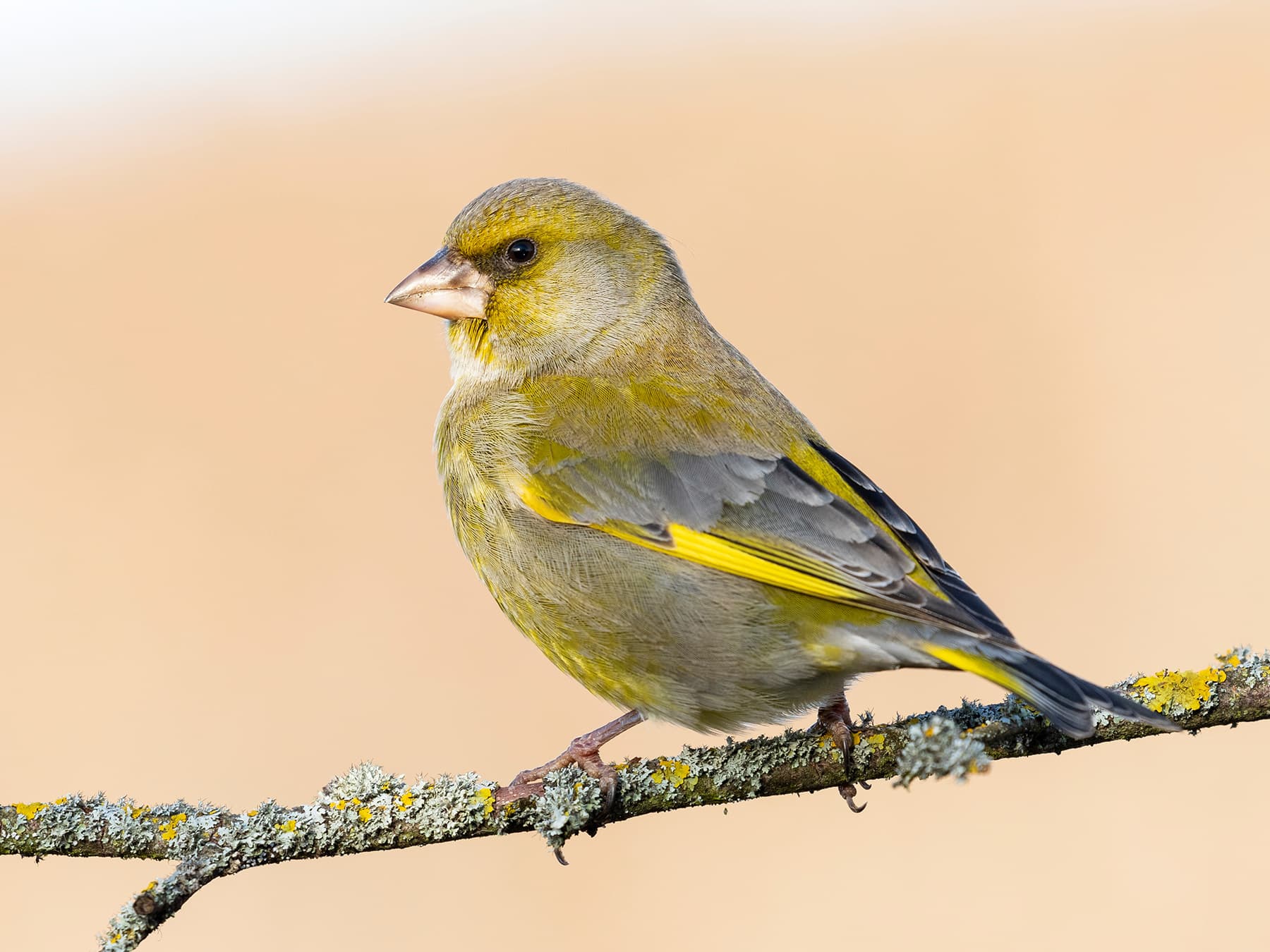
Greenfinch
Chloris chlorisLC
Present year-round in gardens and hedgerows, though numbers have declined sharply due to trichomonosis disease in recent years.
Year-round