Birds in Lincolnshire
Explore 228 species found in this region.
Lincolnshire is one of England's most rewarding counties for birdwatching, with 217 recorded species found across its diverse landscapes of coastal marshes, fenlands, farmland, and woodland. The county's extensive coastline along The Wash and the Humber Estuary provides vital habitat for wading birds and wildfowl, while inland sites attract notable species such as Cetti's Warbler, Hen Harrier, and Great White Egret. From the commons of the Lincolnshire Wolds to the vast skies over the fens, the county offers exceptional birding opportunities throughout the year.
Visiting in July? Look out for Arctic Tern and Little Stint arriving this month, and Aquatic Warbler and Eurasian Woodcock depart for the season.


Showing 162–184 of 228 species
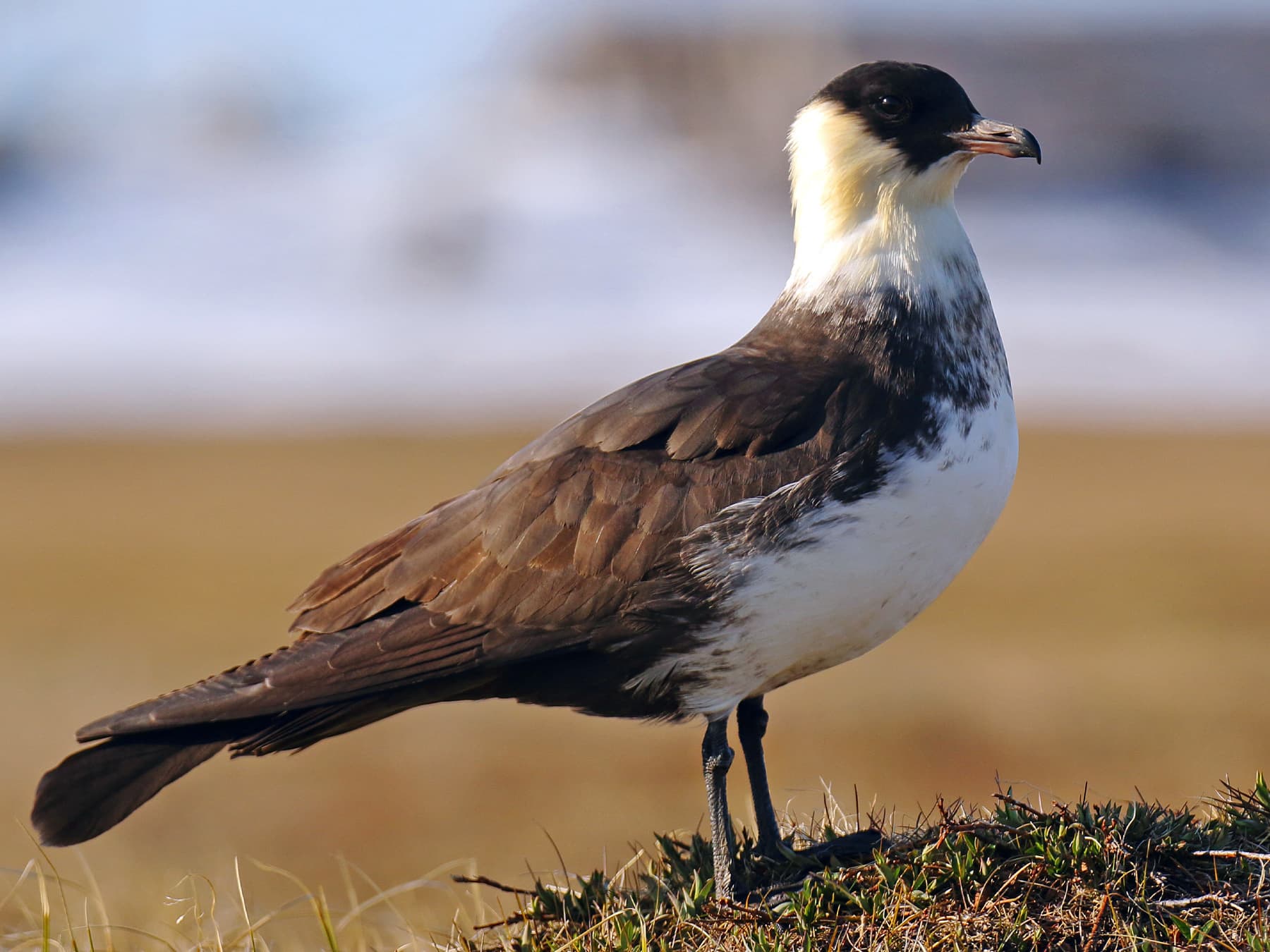
Pomarine Jaeger
Stercorarius pomarinusLC
A rare autumn passage migrant seen offshore from September to November. Best spotted during seawatches at Gibraltar Point in strong winds.
Sep–Nov
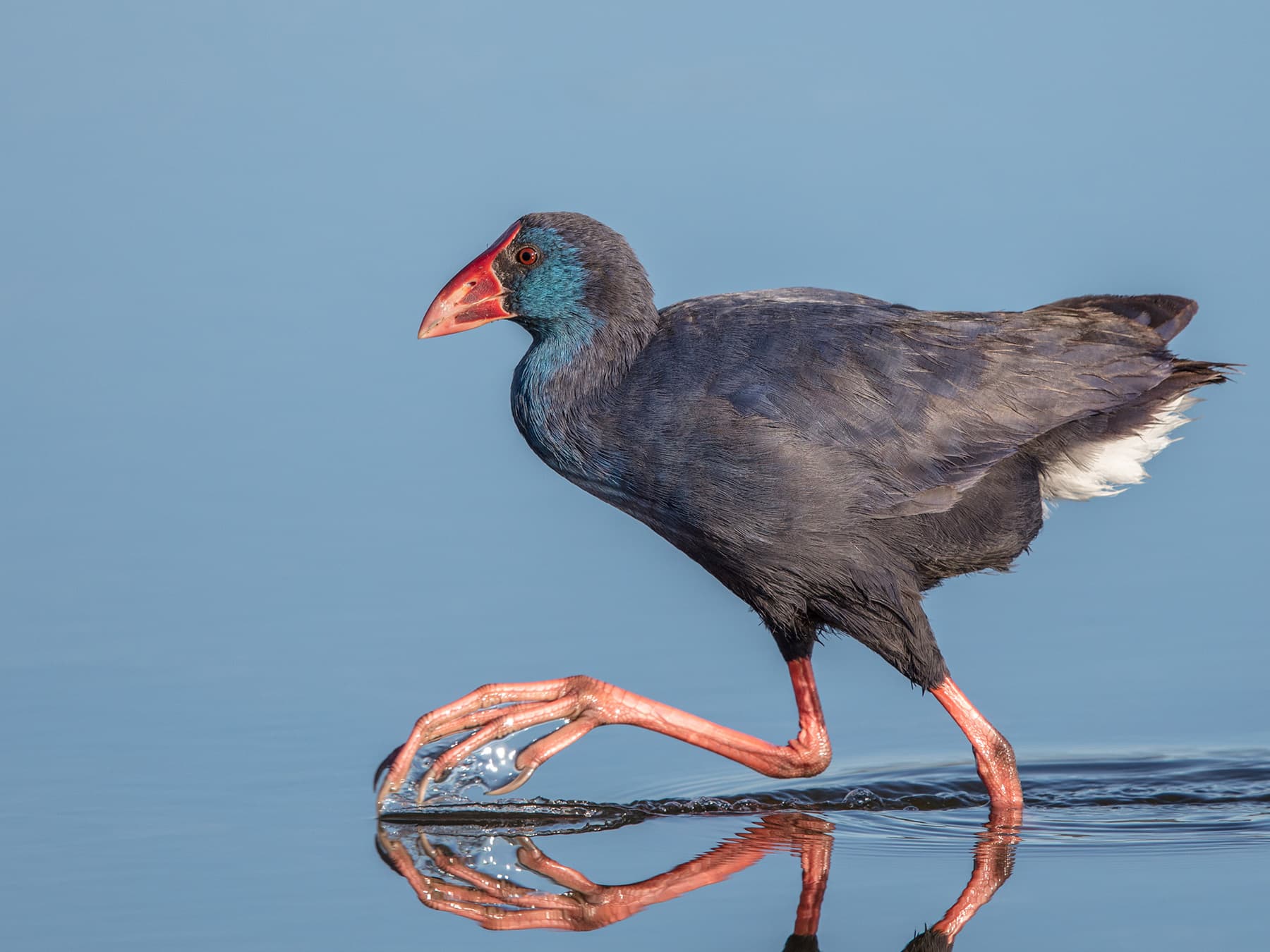
Purple Swamphen
Porphyrio porphyrioLC
An exceptionally rare passage vagrant, with occasional September records. Any sighting in Lincolnshire is a major county event.
Sep
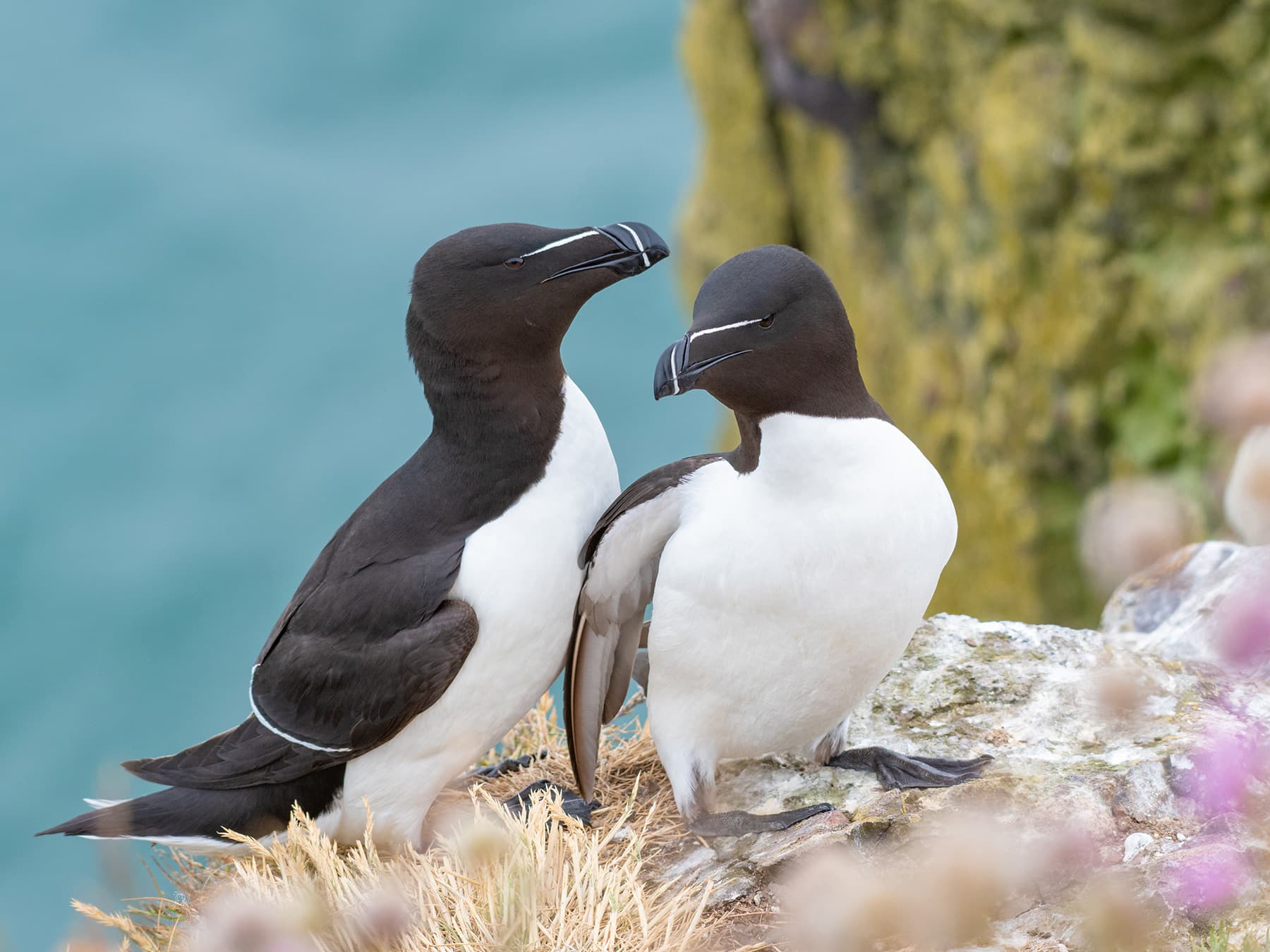
Razorbill
Alca tordaLC
Rarely noted offshore in autumn, occasionally driven close to the coast by strong winds. Most records come from seawatching points.
Sep–Oct
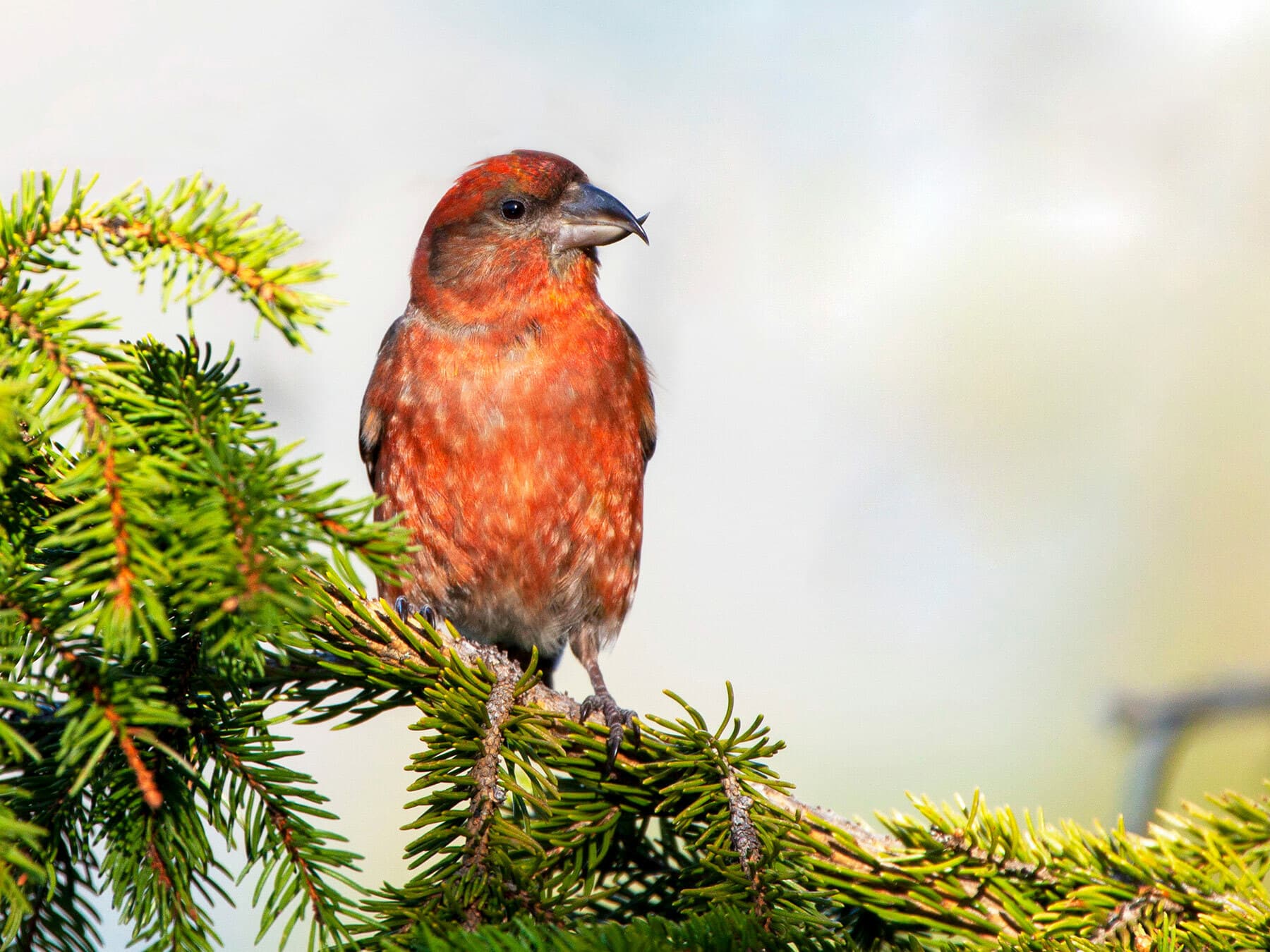
Red Crossbill
Loxia curvirostraLC
A rare passage visitor, occasionally recorded in October during irruption years at conifer plantations and coastal migration points.
Oct
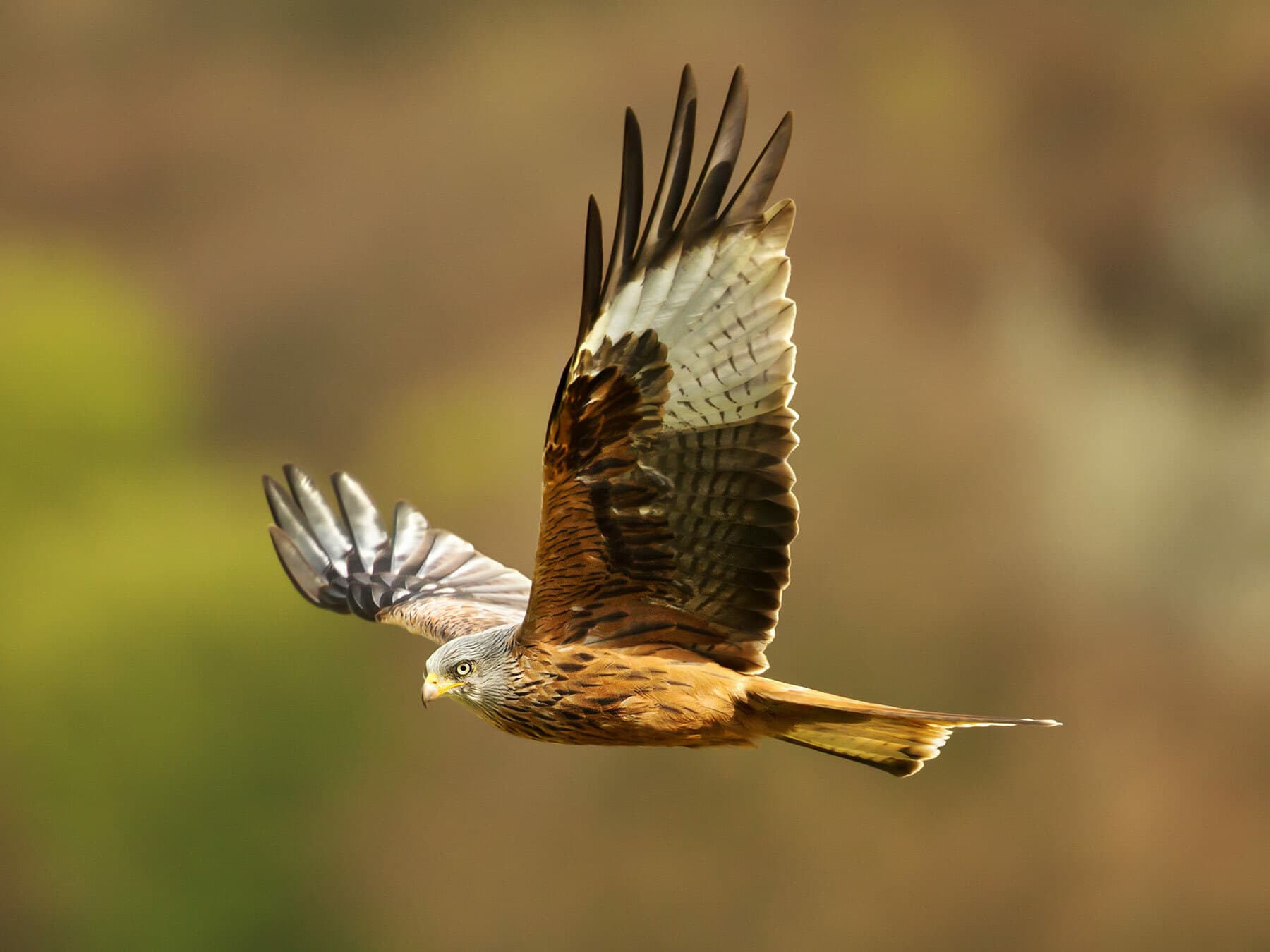
Red Kite
Milvus milvusLC
An uncommon but increasing resident, now regularly seen soaring over farmland and woodland edges across the county.
Year-round
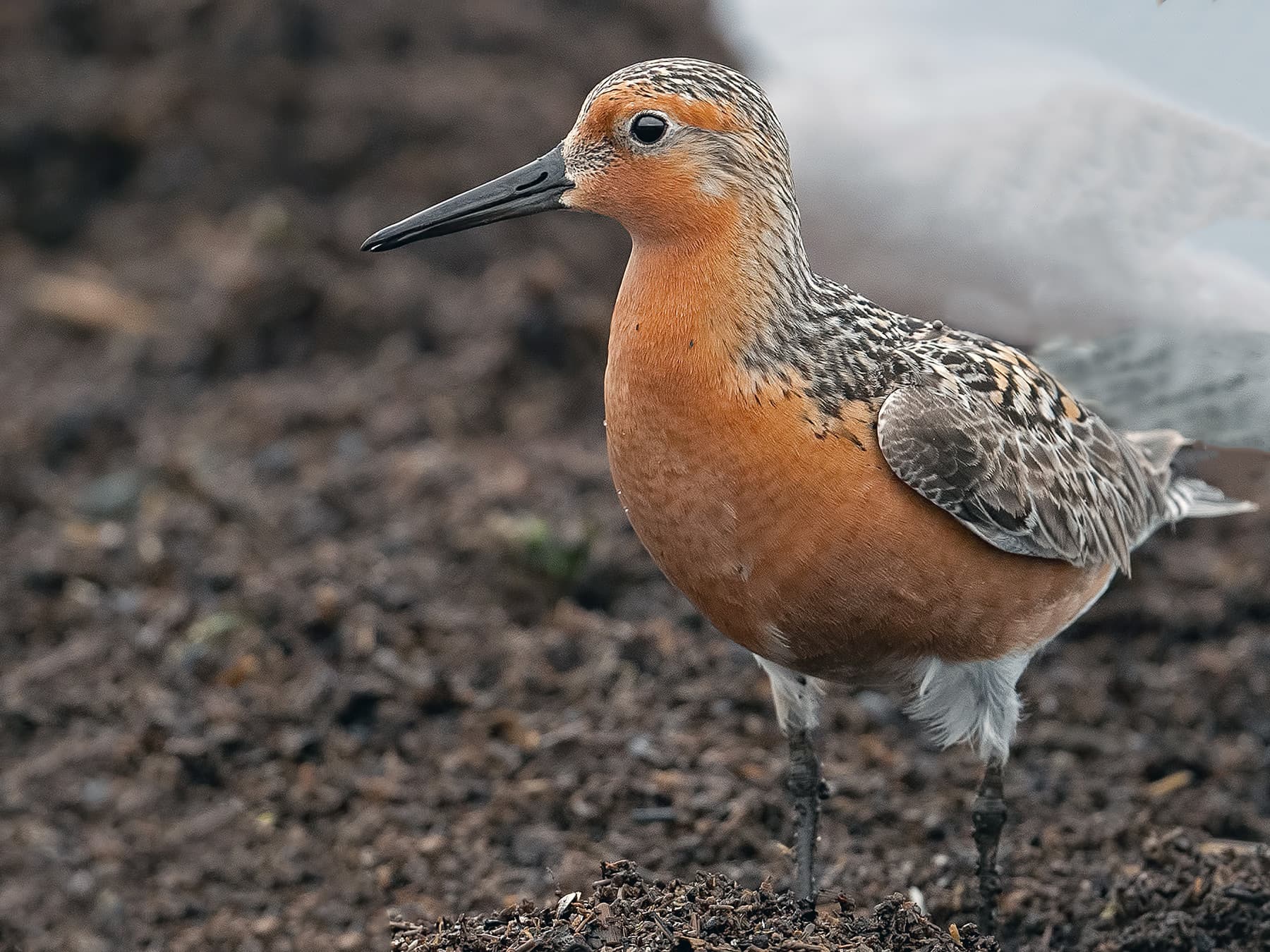
Red Knot
Calidris canutusNT
The Wash hosts internationally important wintering flocks. Spectacular dense formations swirl over mudflats, peaking from autumn to spring.
Year-round
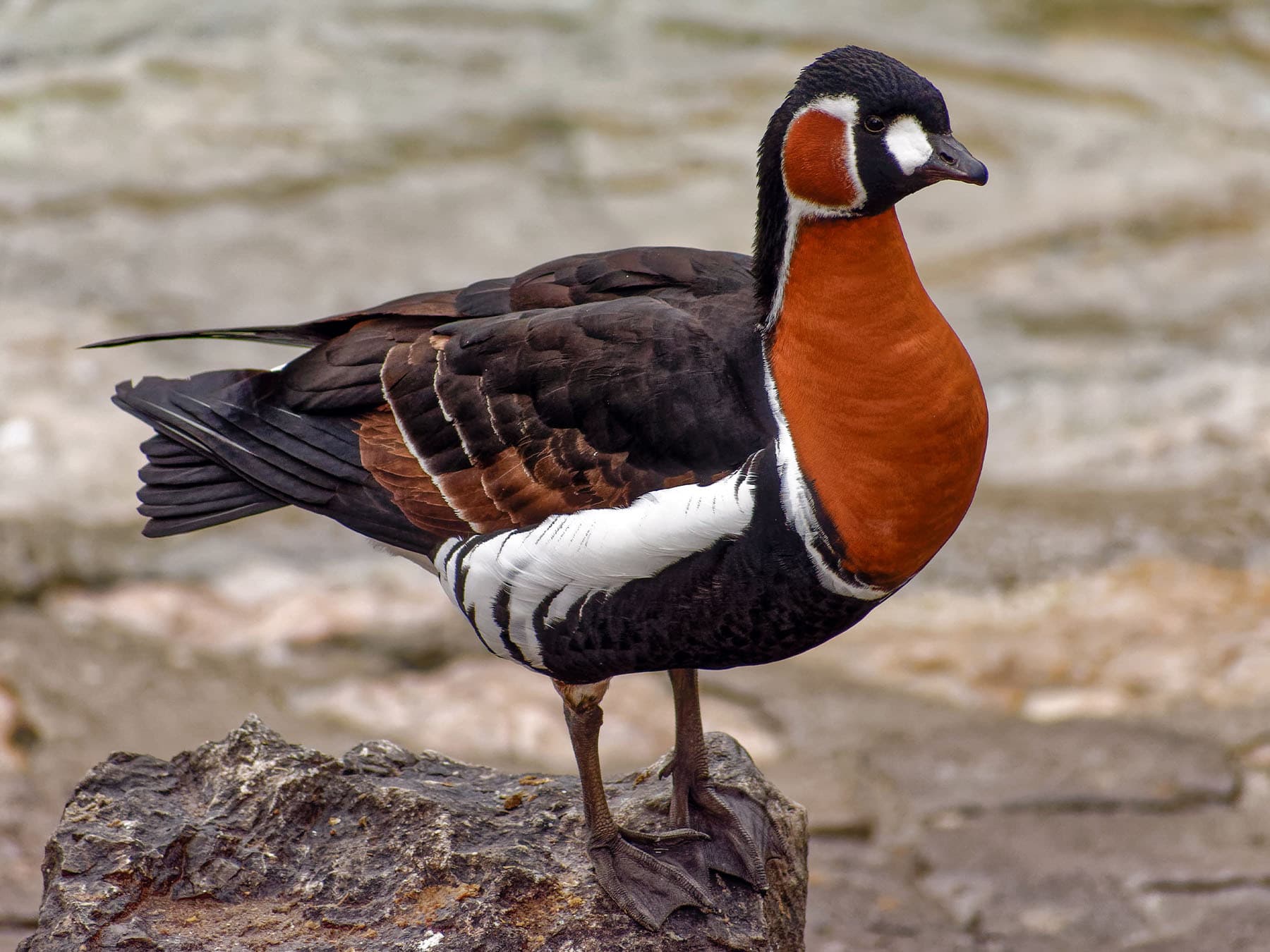
Red-breasted Goose
Branta ruficollisVU
A rare spring passage visitor, occasionally spotted among flocks of Brent Geese on the Wash or coastal marshes in April and May.
Apr–May
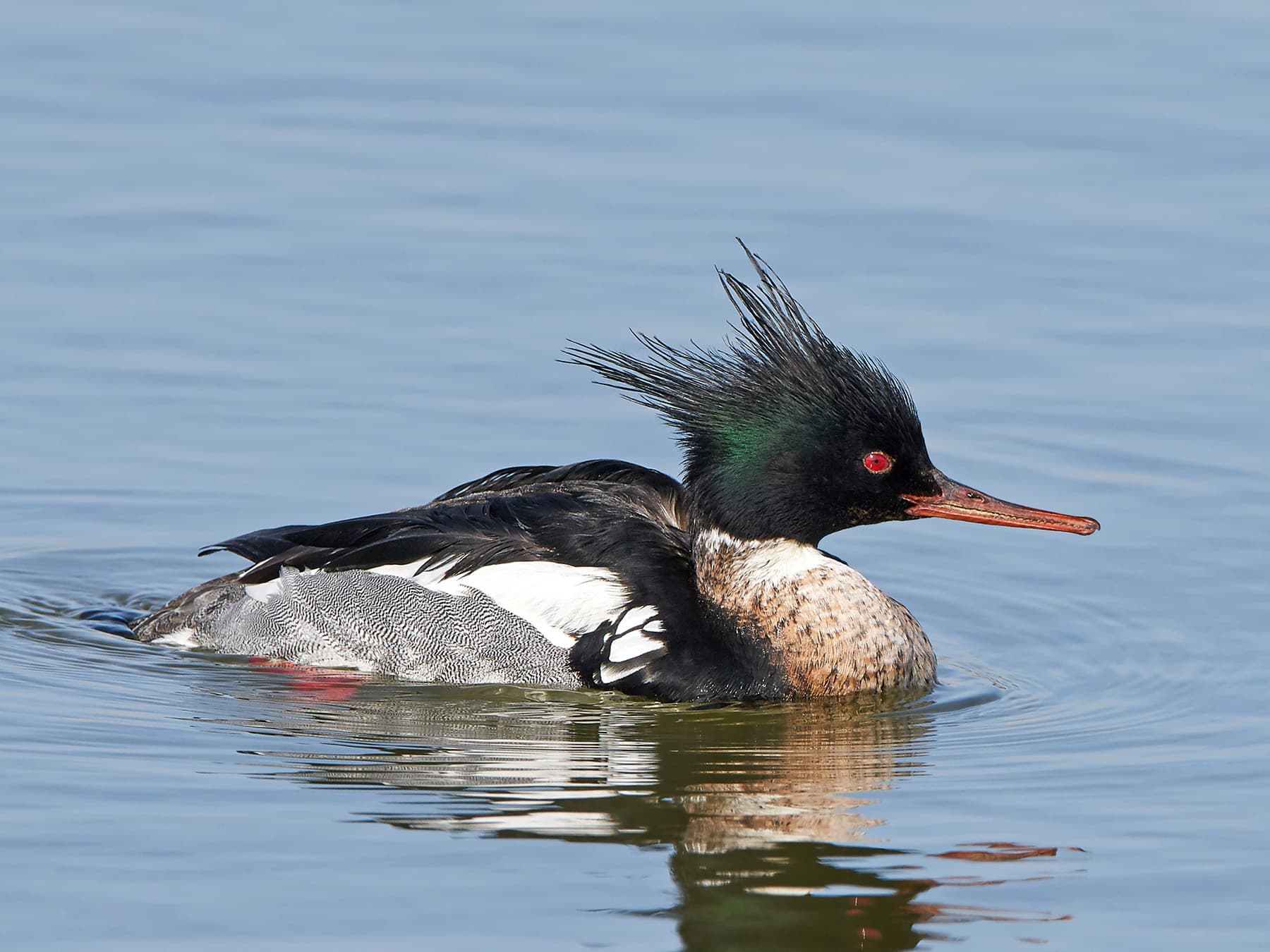
Red-breasted Merganser
Mergus serratorLC
A rare non-breeding visitor, mainly seen along the coast and the Wash from autumn through to early spring.
Sep–Mar
Spotted something?
Upload a photo to identify it
Identify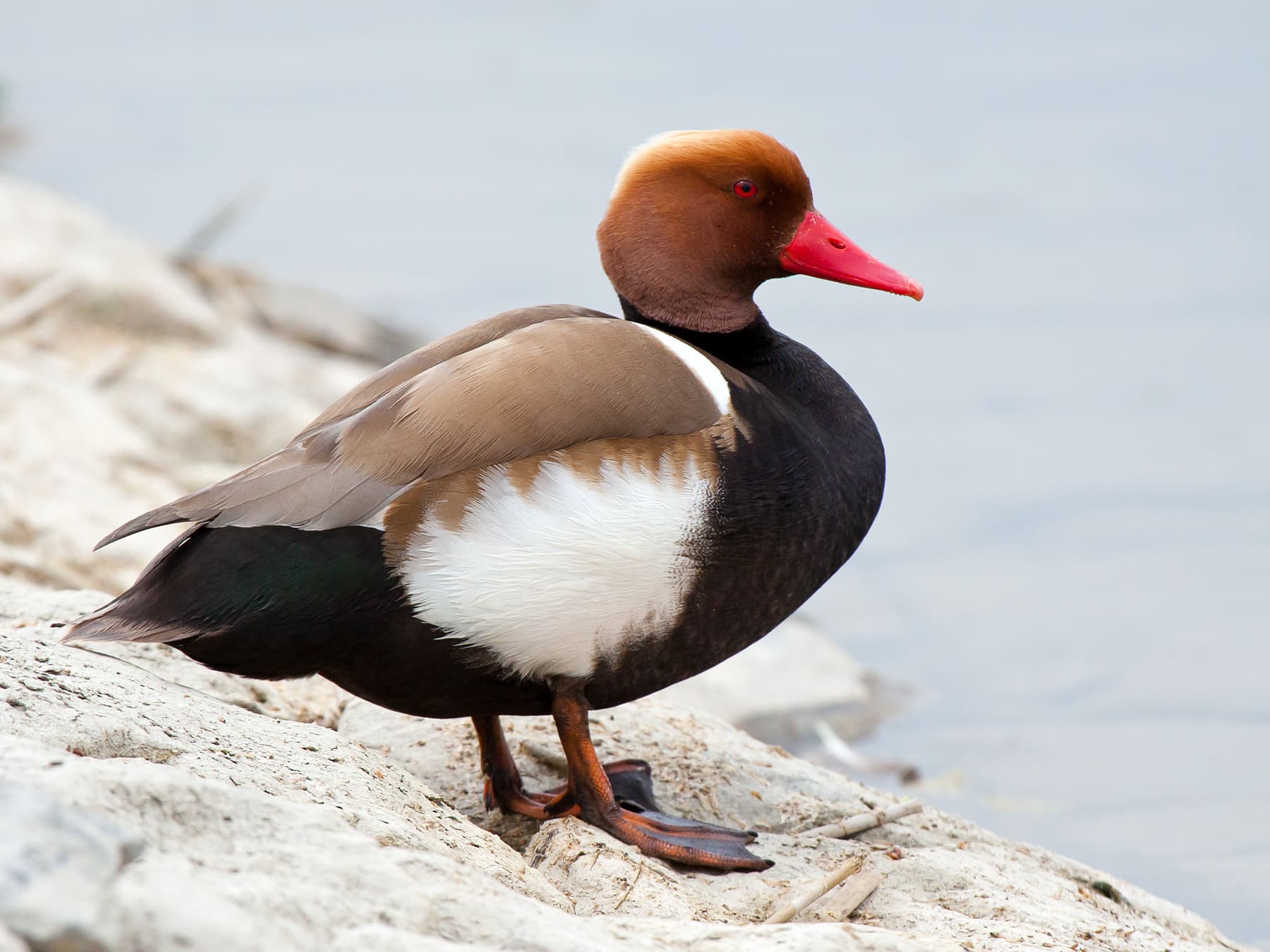
Red-crested Pochard
Netta rufinaLC
A rare resident, occasionally seen on larger lakes and gravel pits. Numbers in England are slowly increasing from feral and continental birds.
Year-round
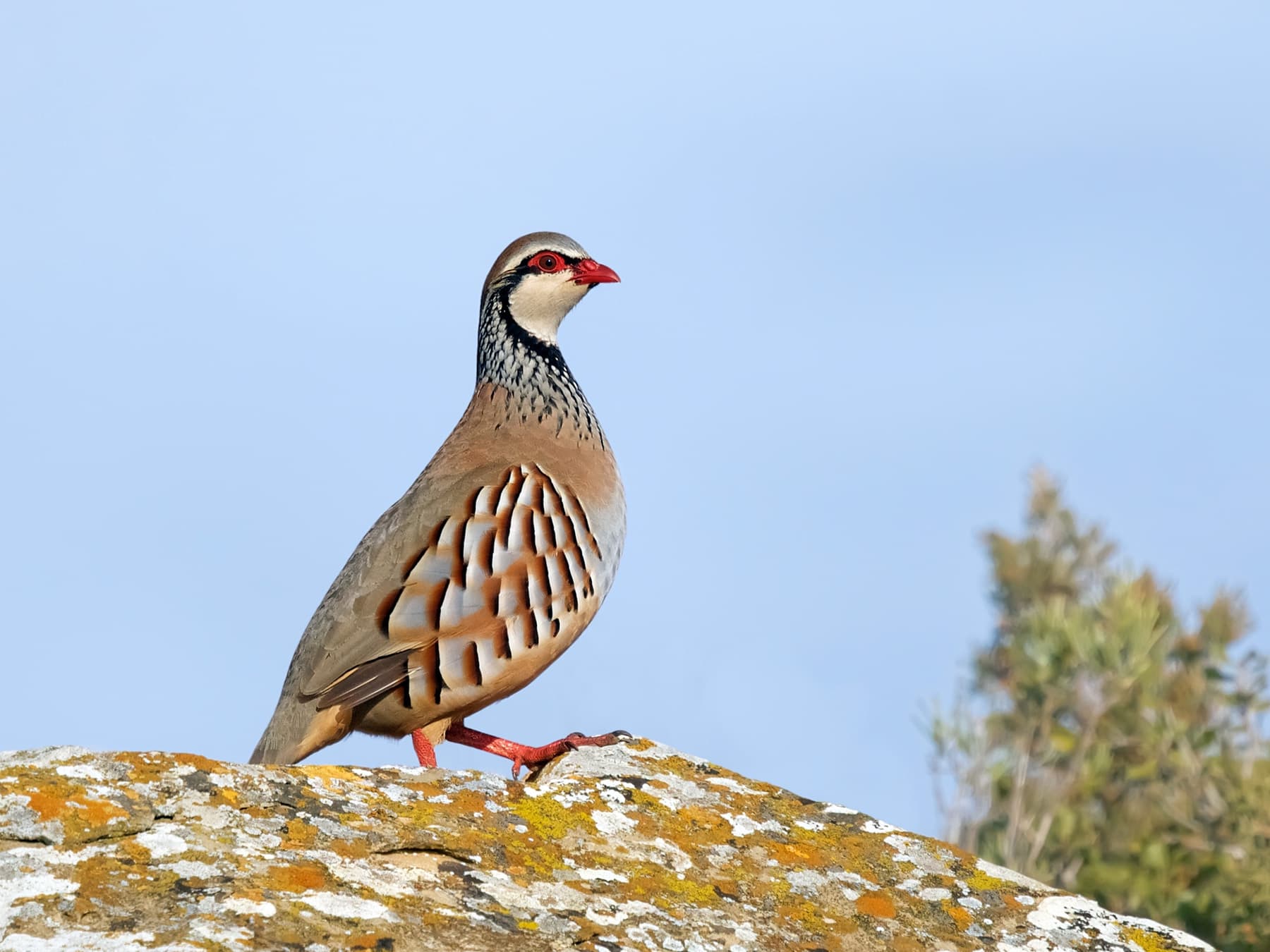
Red-legged Partridge
Alectoris rufaNT
An uncommon resident of arable farmland and field margins. An introduced species, it favours the open agricultural landscapes of the county.
Year-round
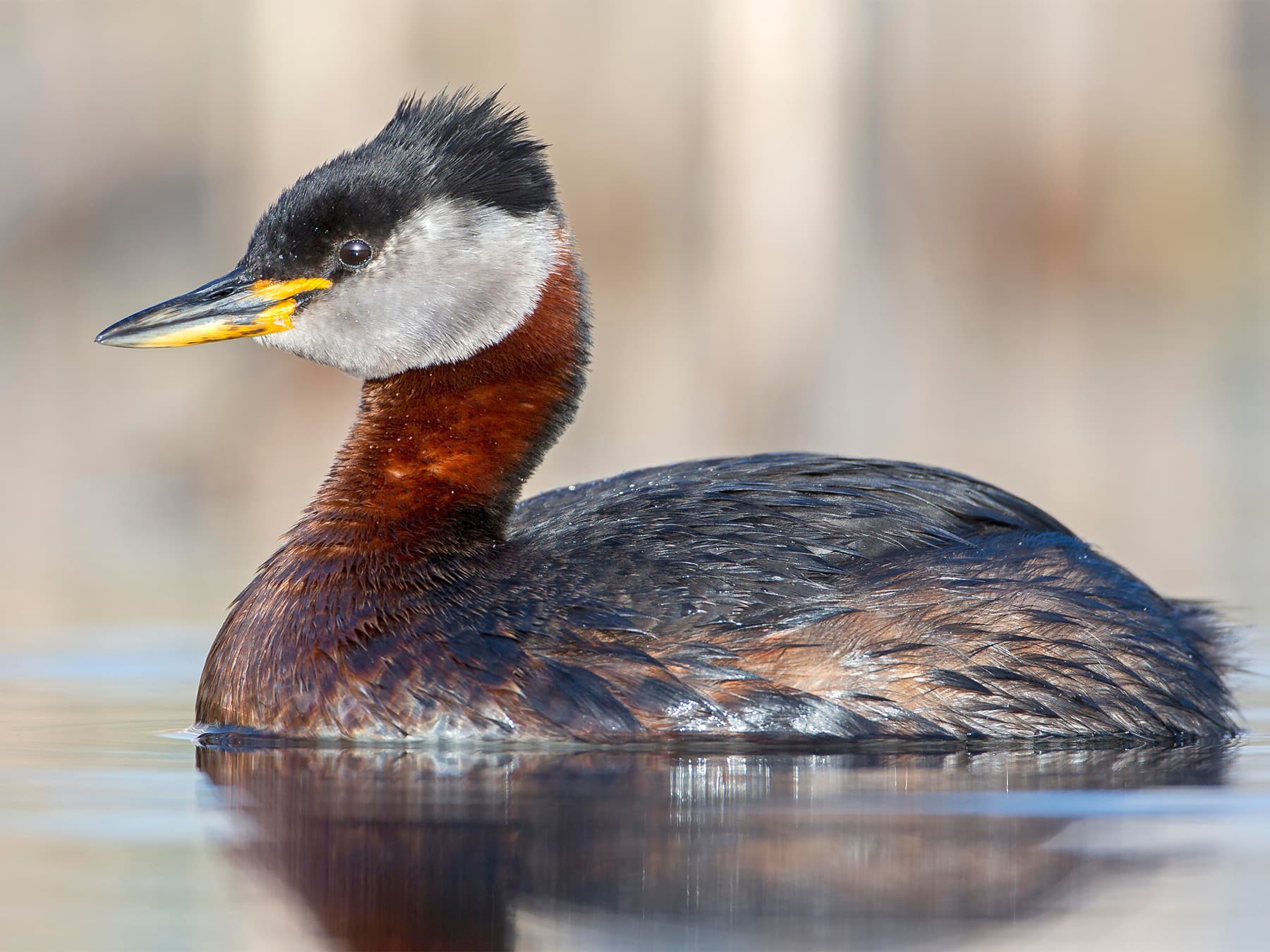
Red-necked Grebe
Podiceps grisegenaLC
A rare winter visitor, occasionally seen on coastal waters or sheltered estuaries in December during cold-weather movements.
Dec
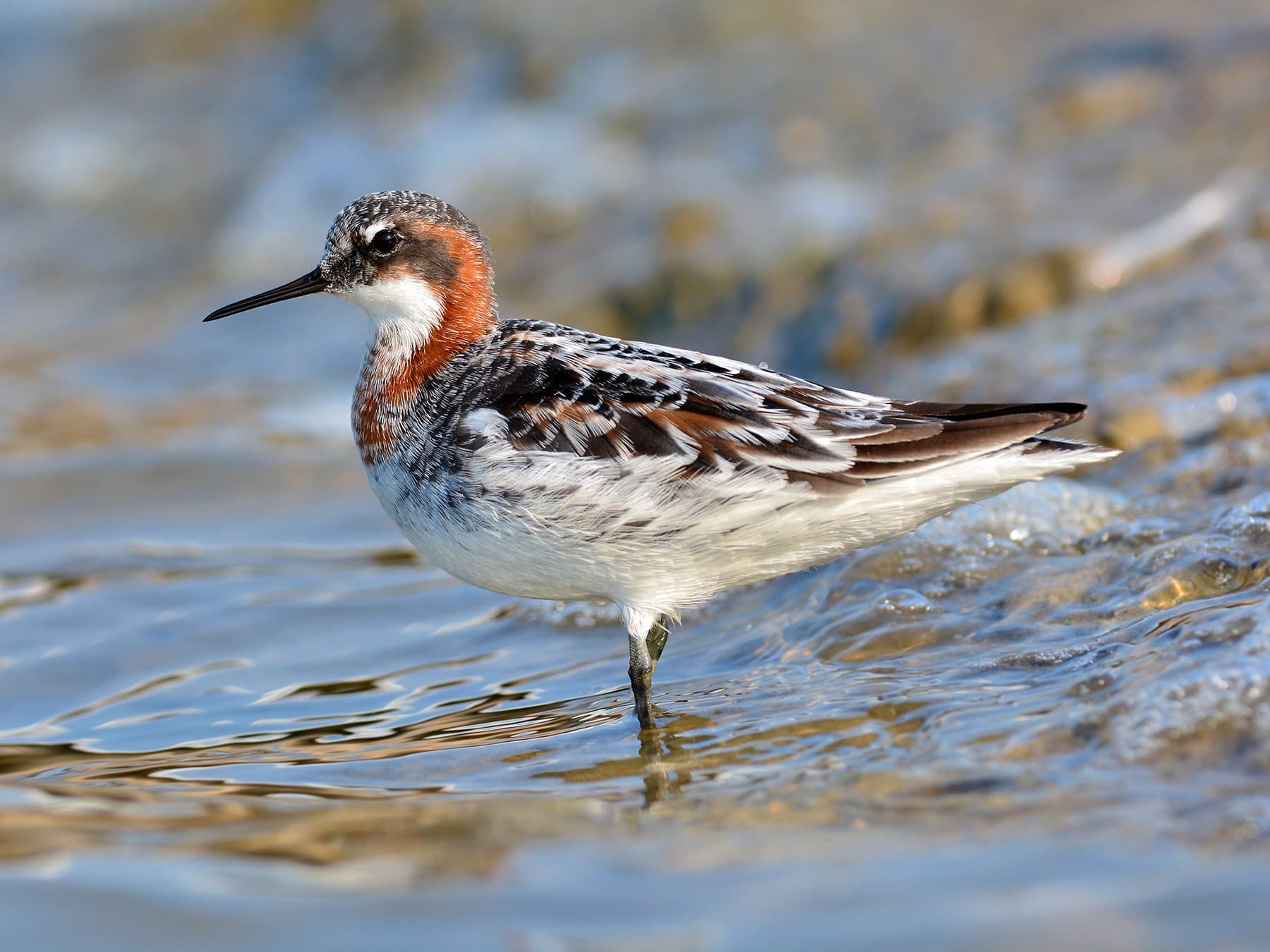
Red-necked Phalarope
Phalaropus lobatusLC
A rare passage migrant in June and July, occasionally stopping at coastal pools and inland scrapes on its Arctic migration.
Jun–Jul
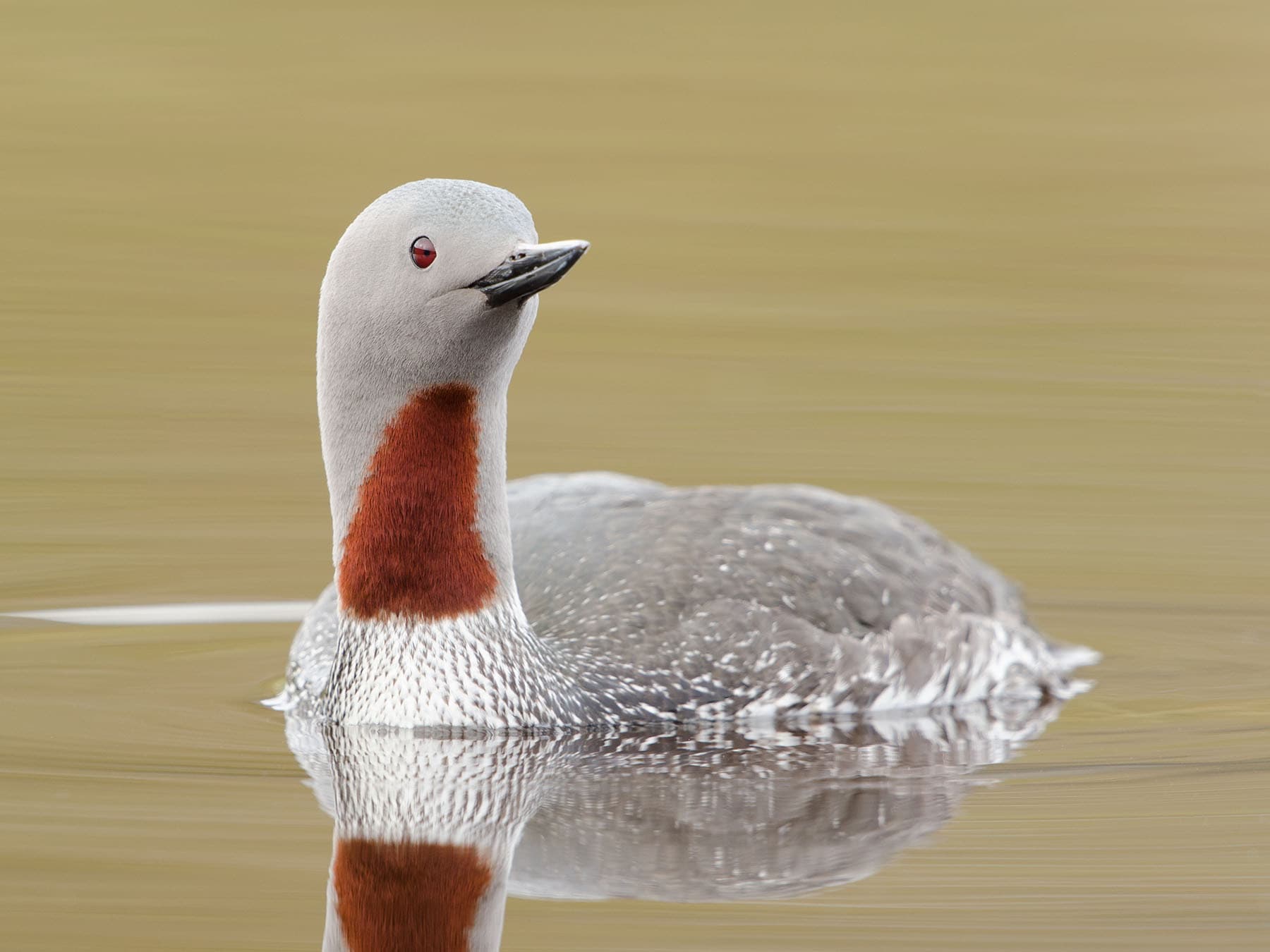
Red-throated Loon
Gavia stellataLC
Rare non-breeding visitor to coastal waters, most often seen offshore from autumn through early spring during seawatching sessions.
Sep–Mar
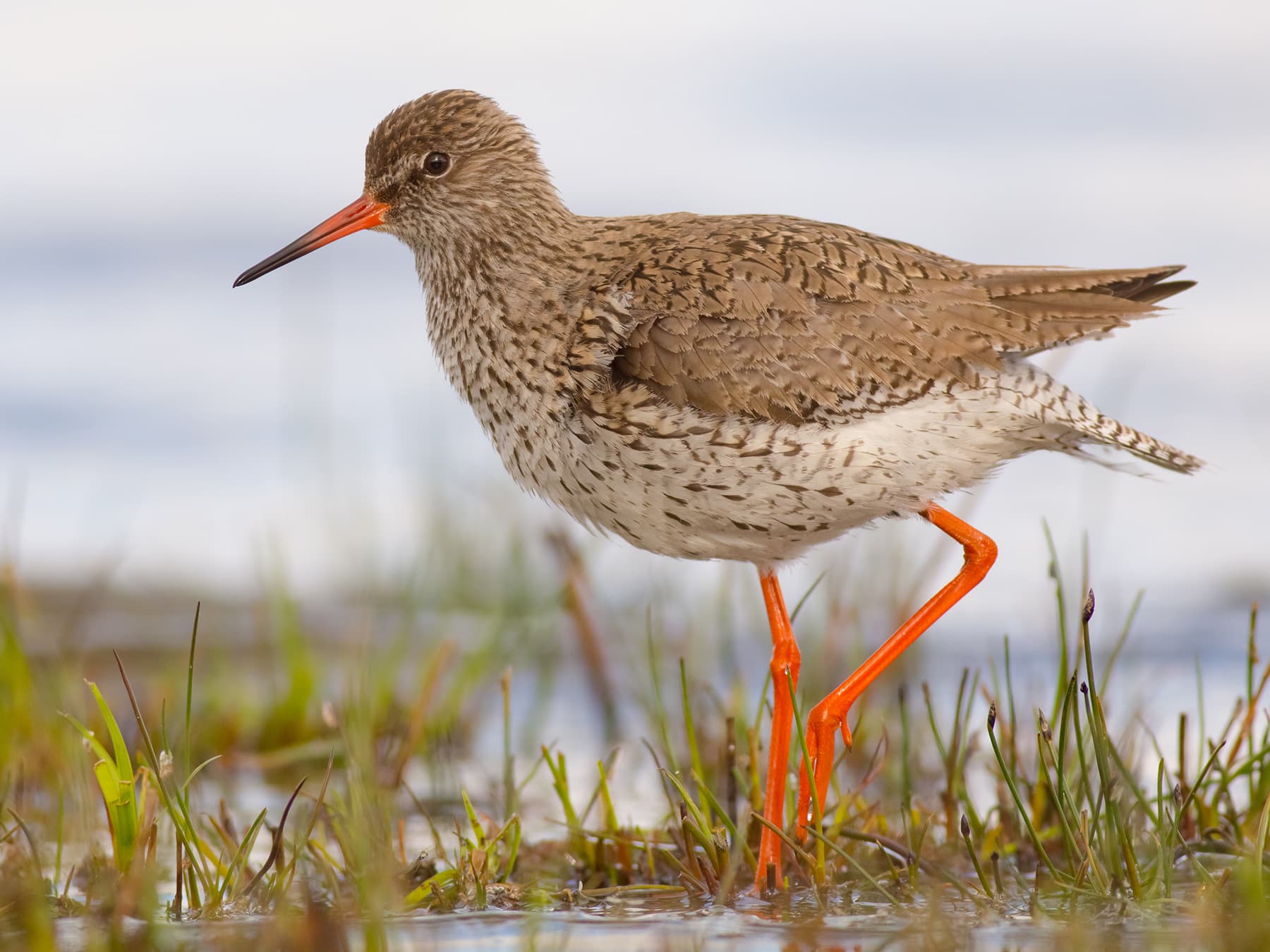
Redshank
Tringa totanusLC
A common resident of saltmarshes and wet grasslands across the county. Breeds on coastal grazing marshes and winters on the Wash.
Year-round
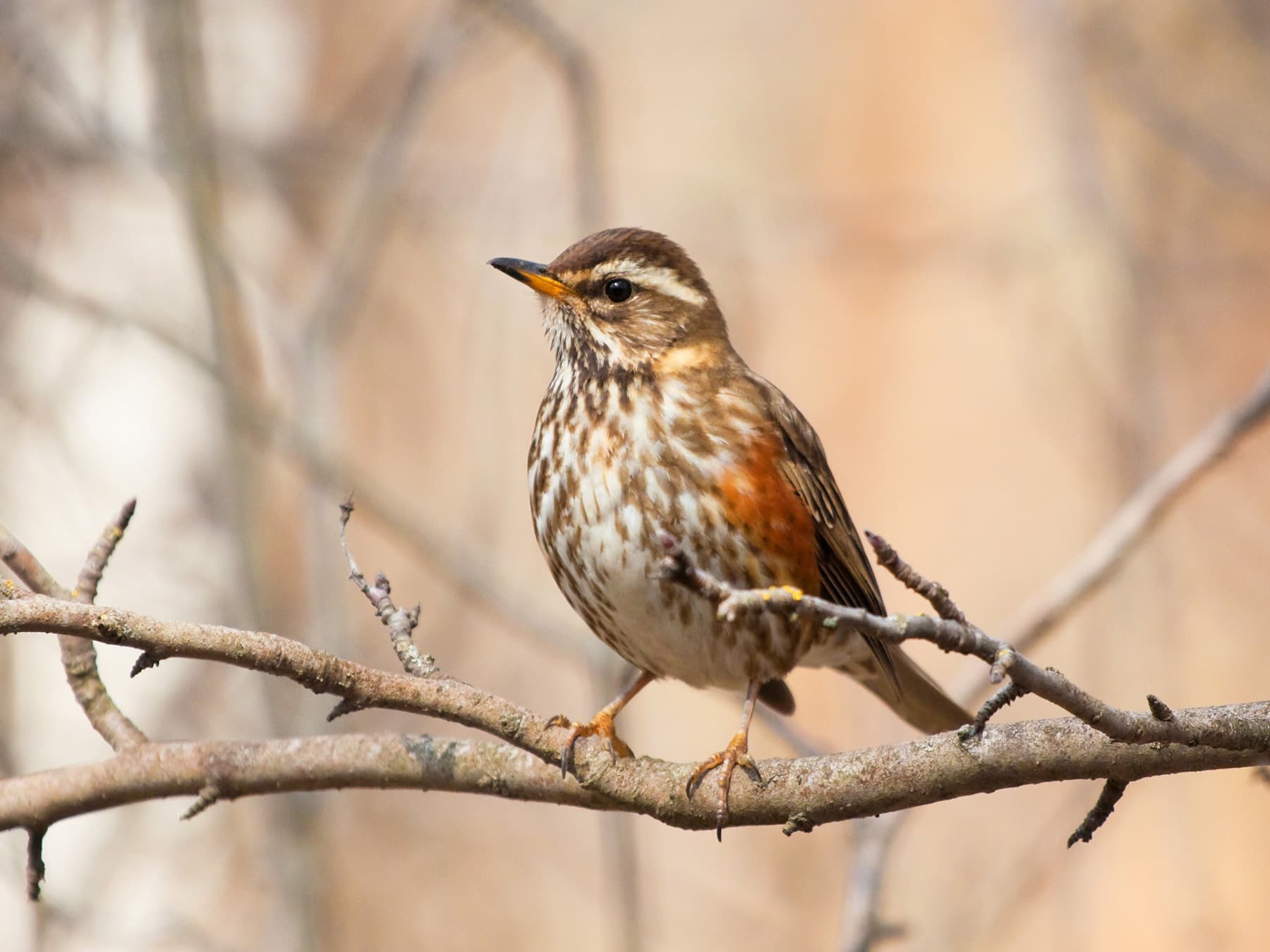
Redwing
Turdus iliacusNT
A common winter visitor arriving from Scandinavia, foraging in hedgerows and open fields across the county. Often seen in mixed flocks with Fieldfares.
Sep–Apr
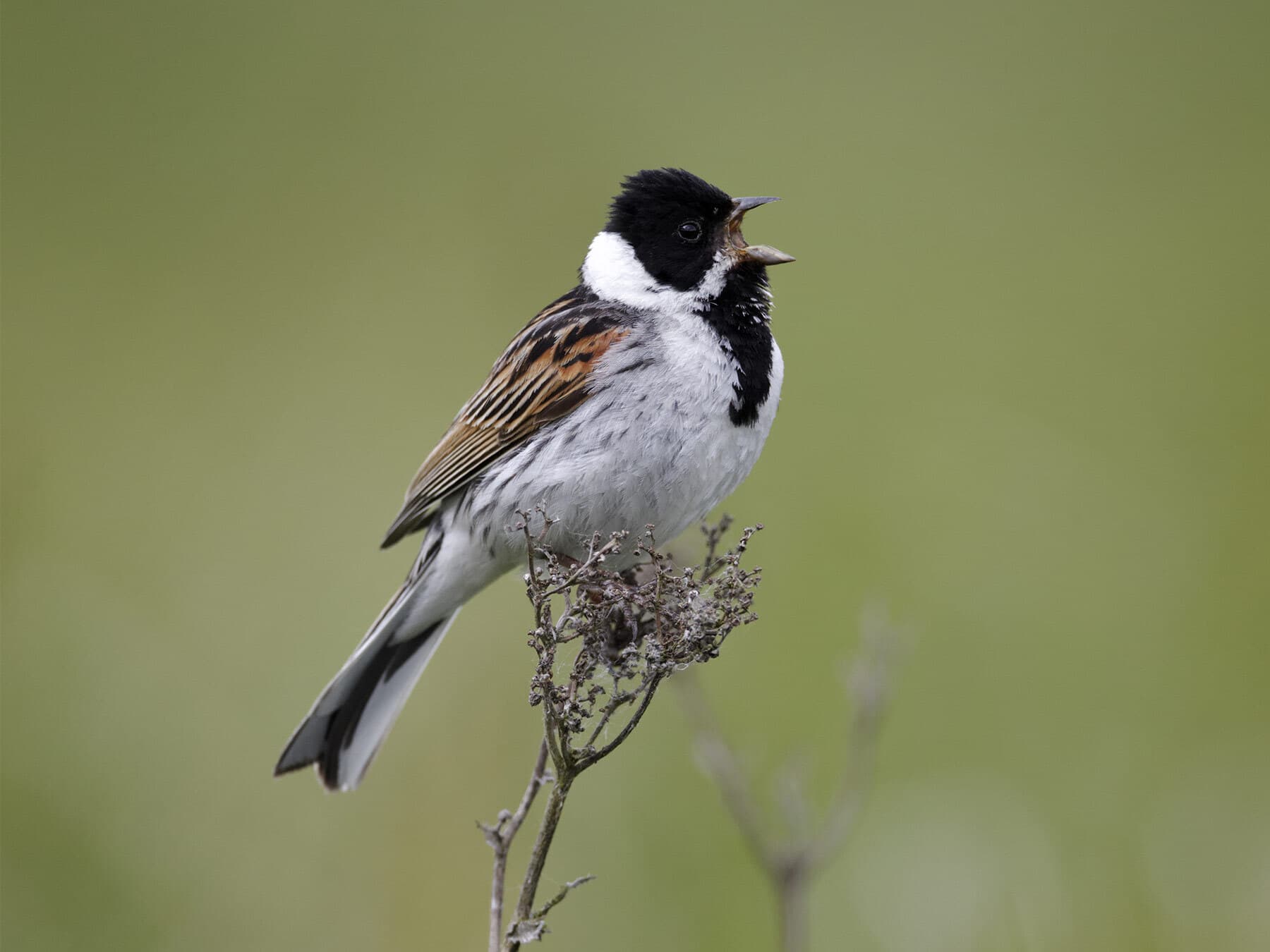
Reed Bunting
Emberiza schoeniclusLC
A common resident of reedbeds, ditches and fenland margins. Winter flocks gather on farmland stubble across the county.
Year-round
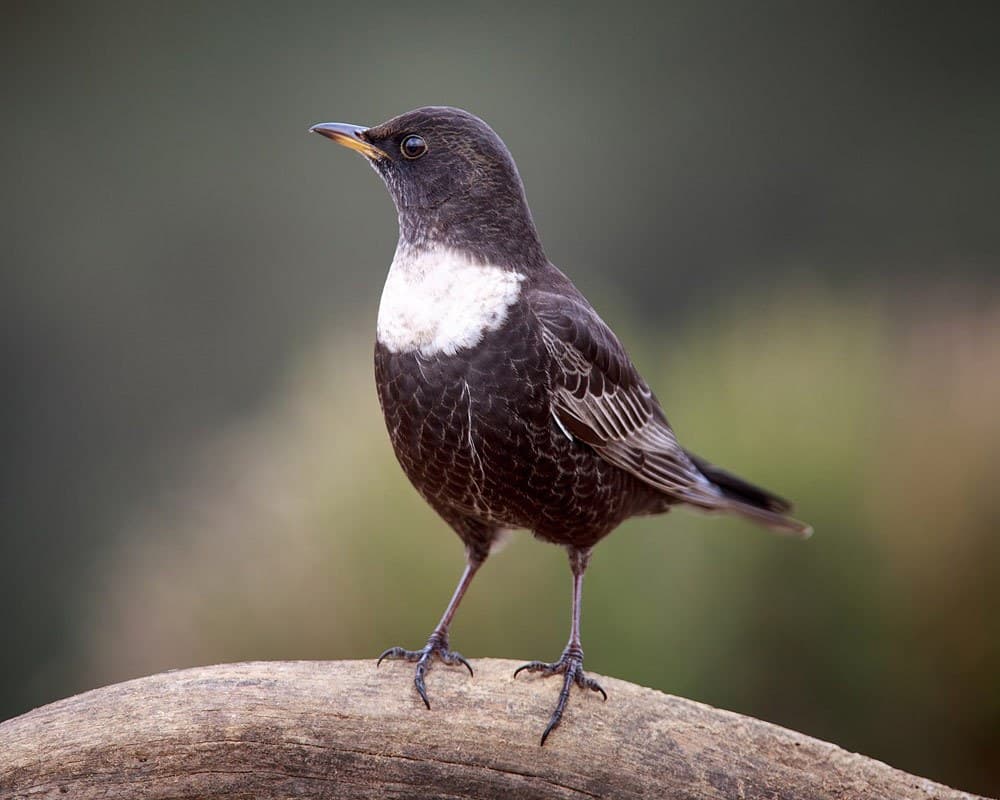
Ring Ouzel
Turdus torquatusLC
A rare passage migrant seen briefly in April and October, mainly at coastal sites. This upland thrush pauses in Lincolnshire during migration.
Oct–Apr
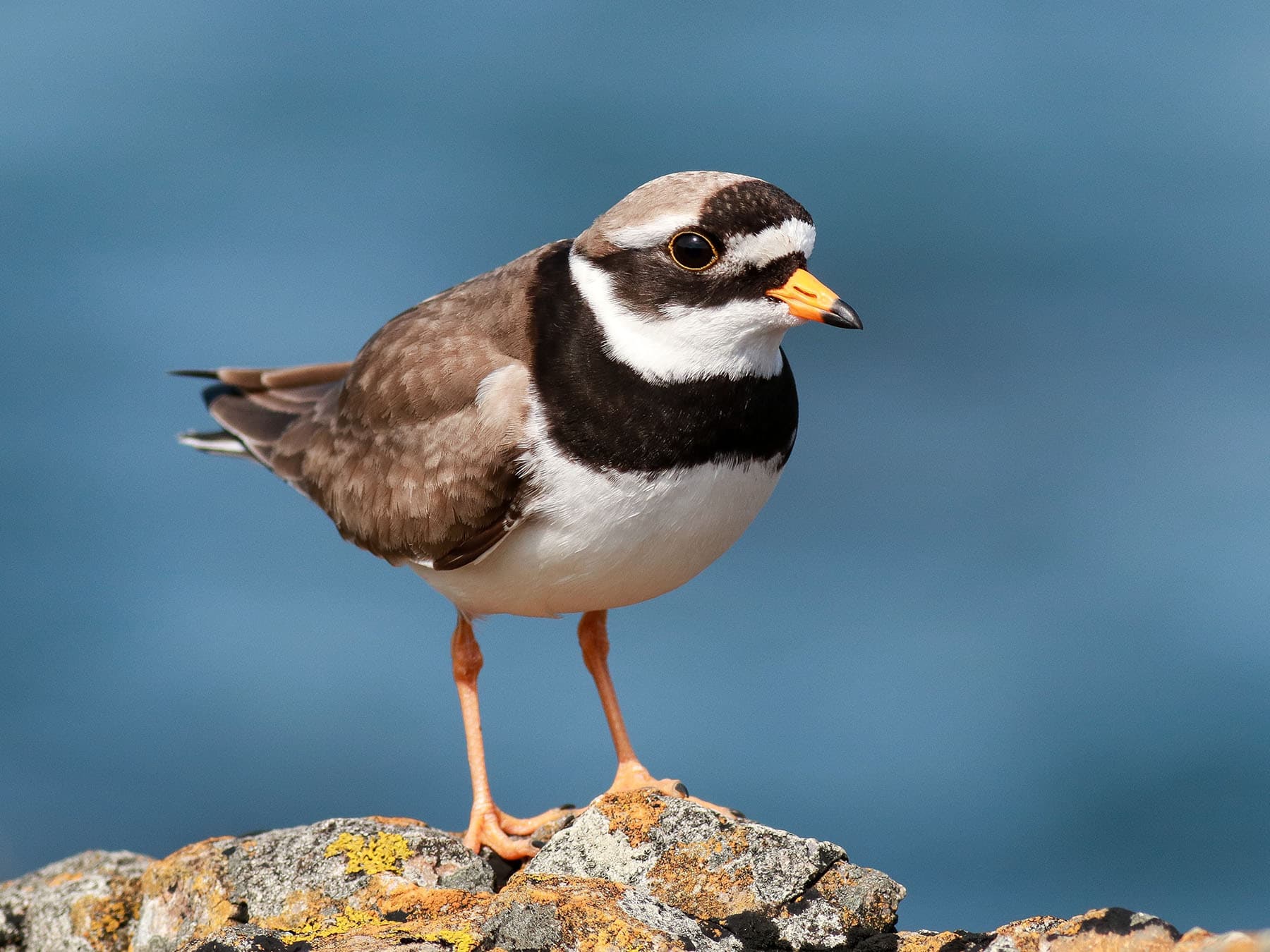
Ringed Plover
Charadrius hiaticulaLC
An uncommon resident, breeding on shingle beaches and bare ground along the coast. Winter flocks gather on the Wash mudflats.
Year-round
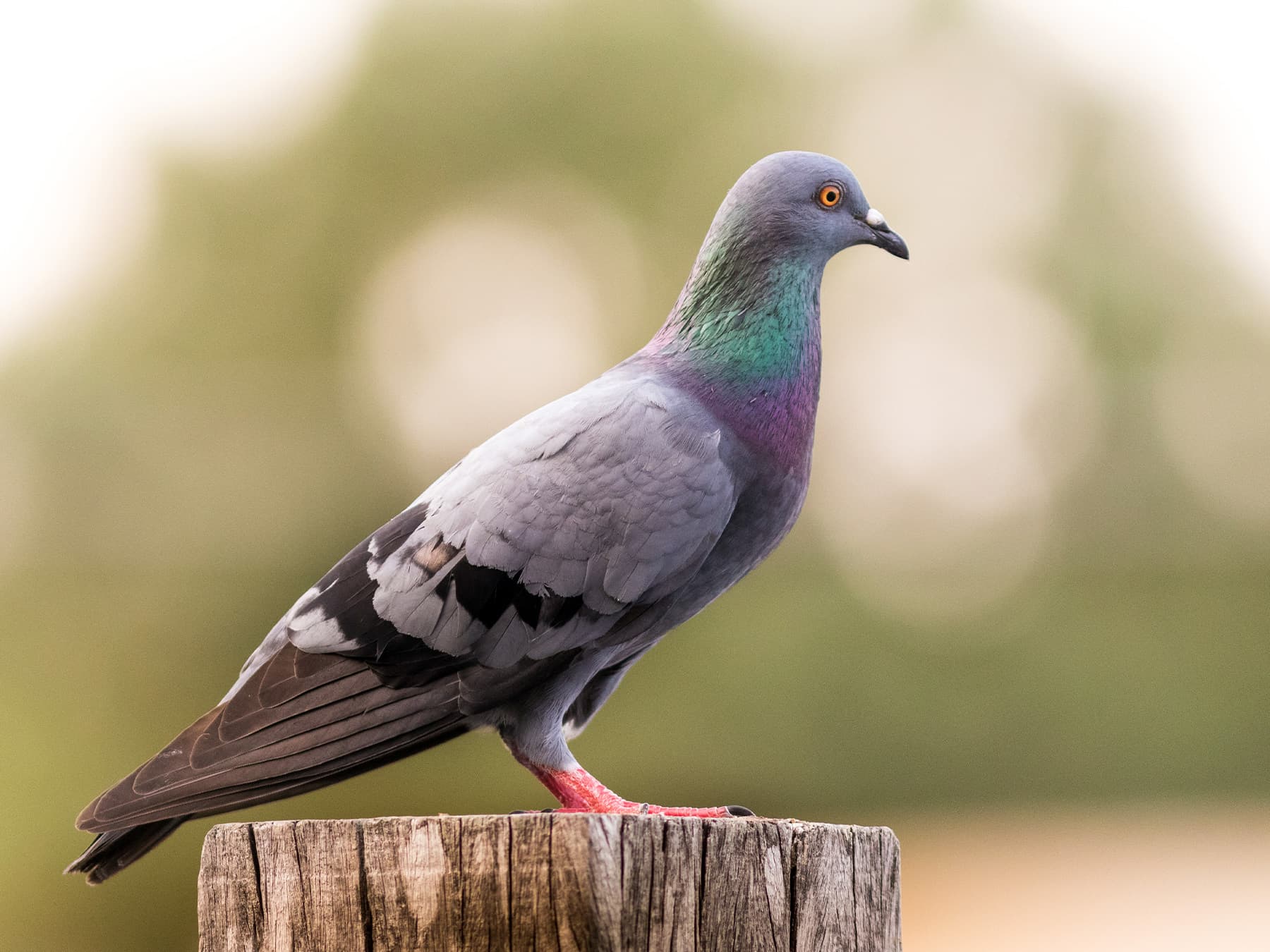
Rock Dove
Columba liviaLC
An uncommon resident found in towns and on coastal cliffs. Most birds are feral descendants rather than truly wild Rock Doves.
Year-round
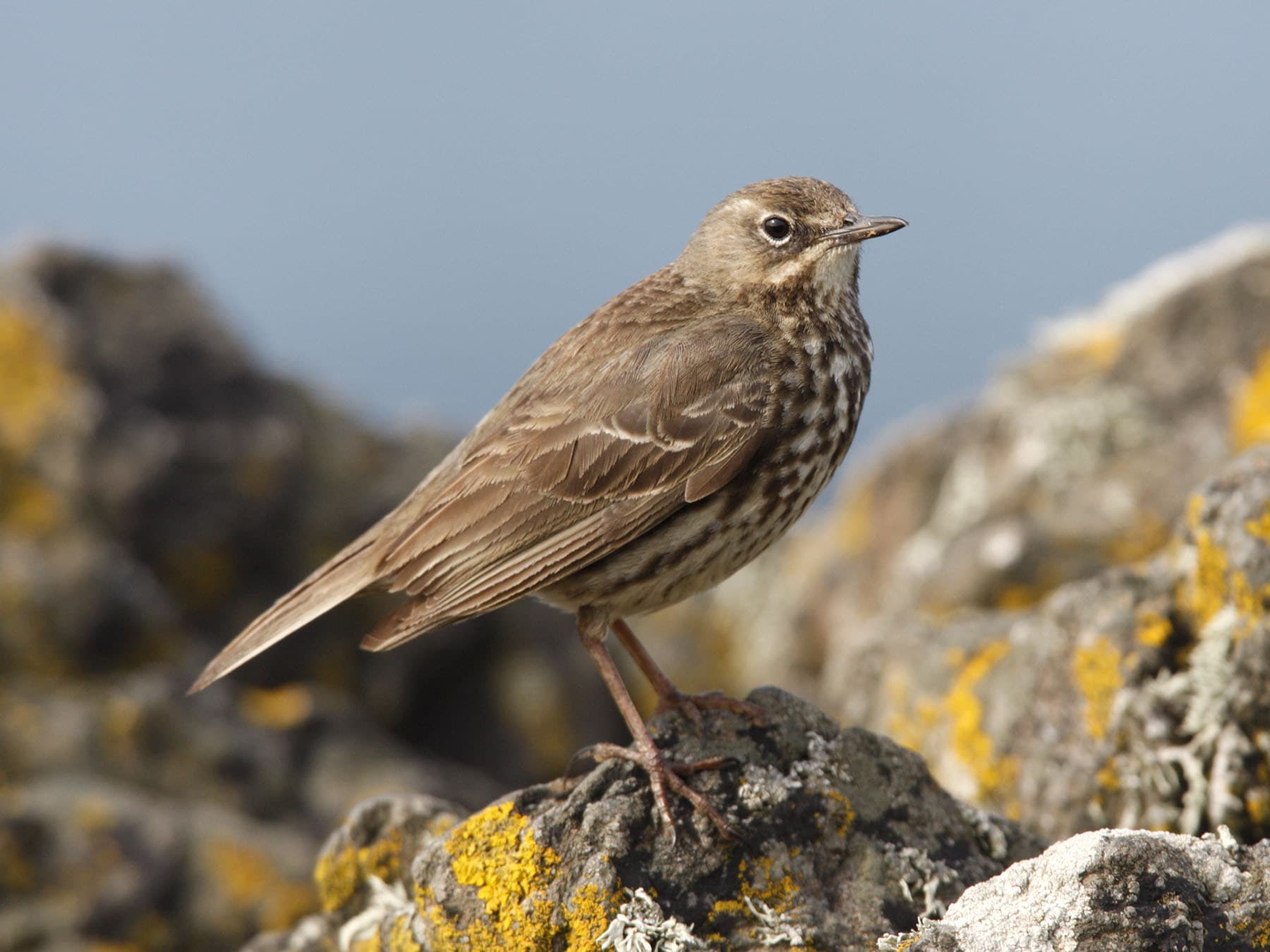
Rock Pipit
Anthus petrosusLC
An uncommon non-breeding visitor to the Lincolnshire coast, favouring rocky sea defences and saltmarsh edges from September to March.
Sep–Mar
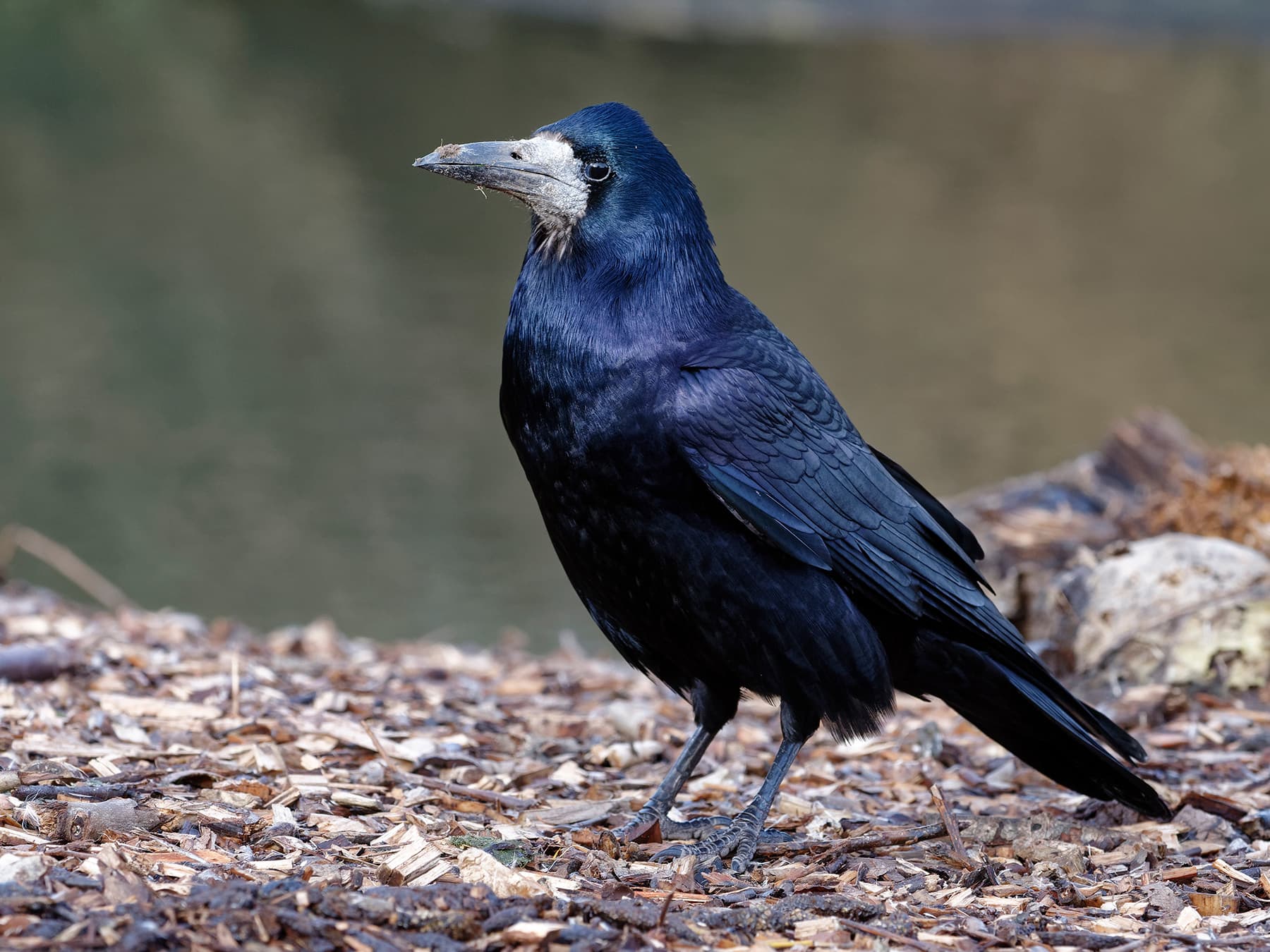
Rook
Corvus frugilegusLC
A common and characteristic sight across Lincolnshire's farmland, nesting in noisy rookeries in tall trees near villages.
Year-round
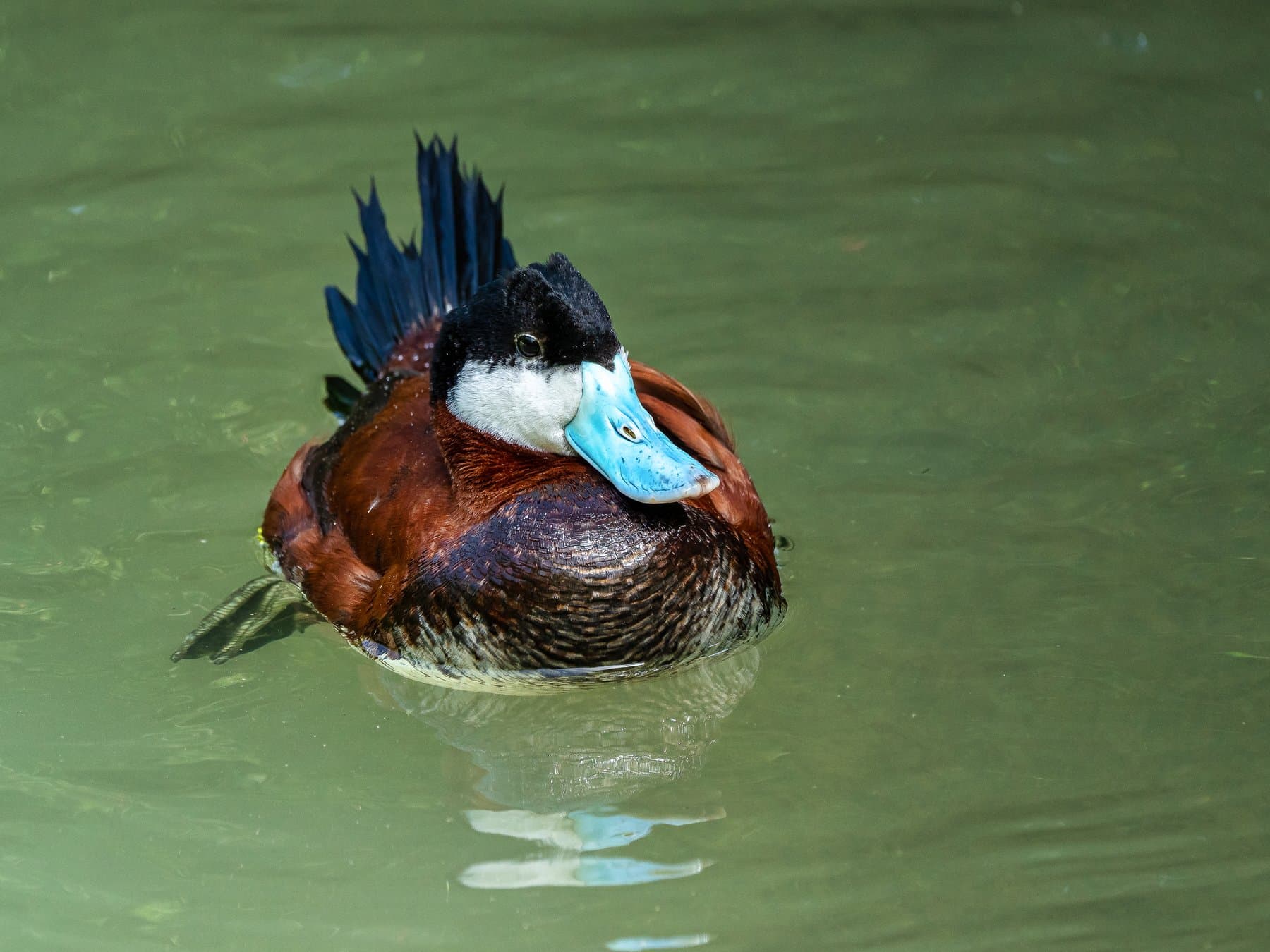
Ruddy Shelduck
Tadorna ferrugineaLC
A rare passage visitor in late summer, with occasional sightings on gravel pits and reservoirs. Origins of individuals are often debated.
Jul–Sep
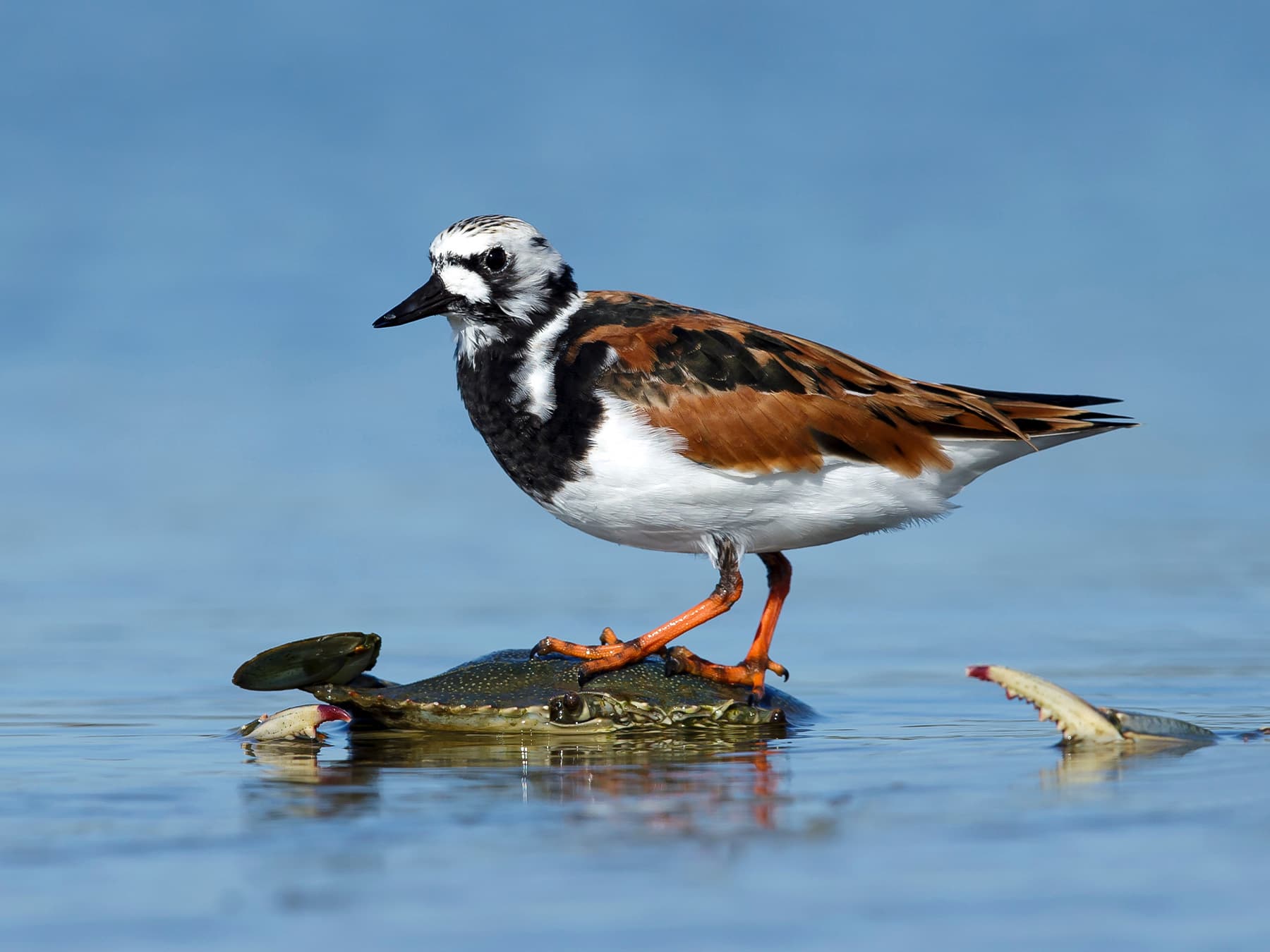
Ruddy Turnstone
Arenaria interpresLC
An uncommon but year-round presence along rocky groynes and mussel beds on the coast. Often feeds among seaweed at the tideline.
Year-round