Birds in Lincolnshire
Explore 228 species found in this region.
Lincolnshire is one of England's most rewarding counties for birdwatching, with 217 recorded species found across its diverse landscapes of coastal marshes, fenlands, farmland, and woodland. The county's extensive coastline along The Wash and the Humber Estuary provides vital habitat for wading birds and wildfowl, while inland sites attract notable species such as Cetti's Warbler, Hen Harrier, and Great White Egret. From the commons of the Lincolnshire Wolds to the vast skies over the fens, the county offers exceptional birding opportunities throughout the year.
Visiting in August? Look out for Arctic Jaeger and Baird's Sandpiper arriving this month, and Common Quail and Grasshopper Warbler depart for the season.


Showing 47–69 of 228 species
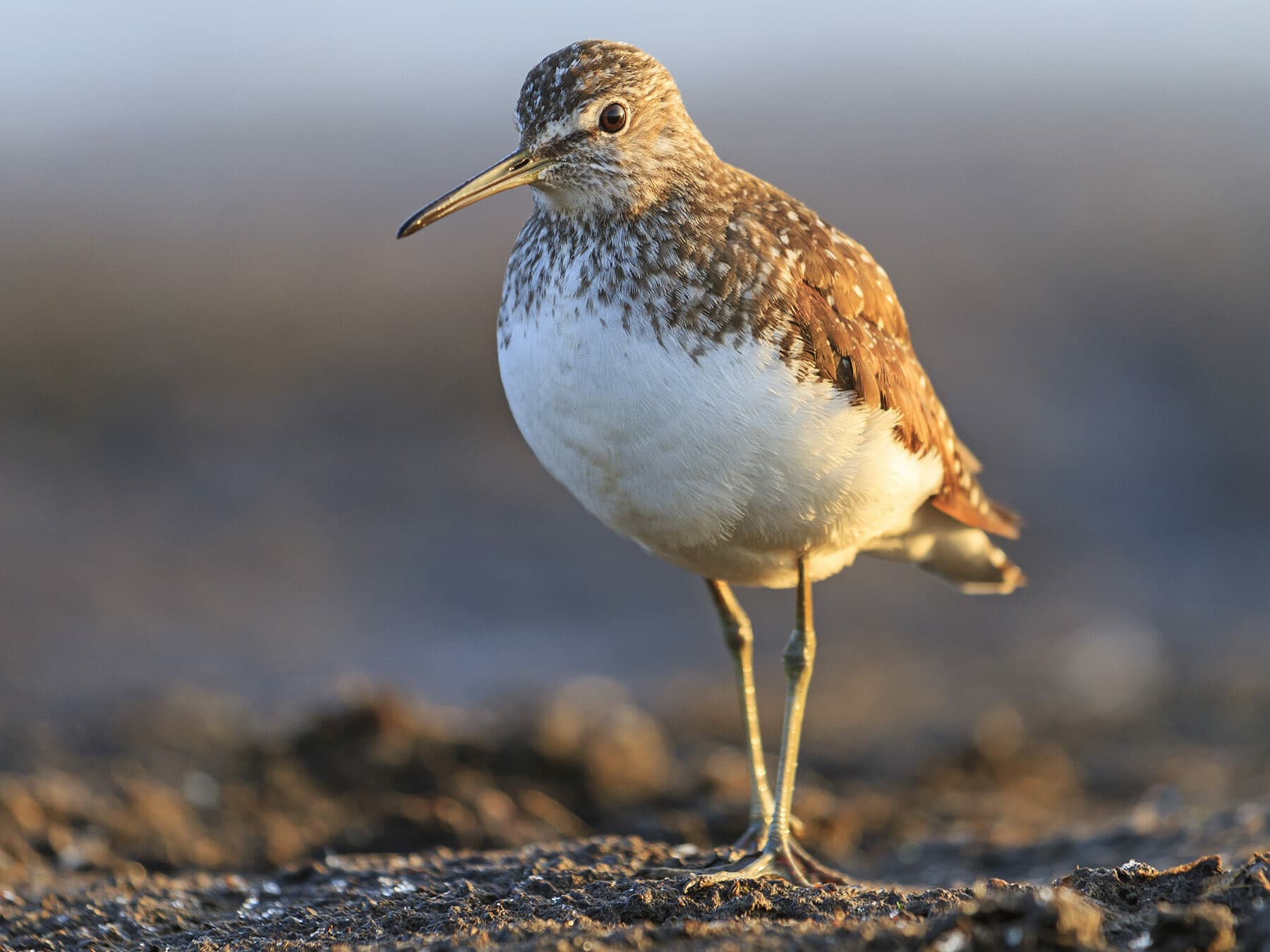
Common Sandpiper
Actitis hypoleucosLC
An uncommon breeding visitor from April to October, found along rivers, reservoir margins and gravel pit edges.
Apr–Oct
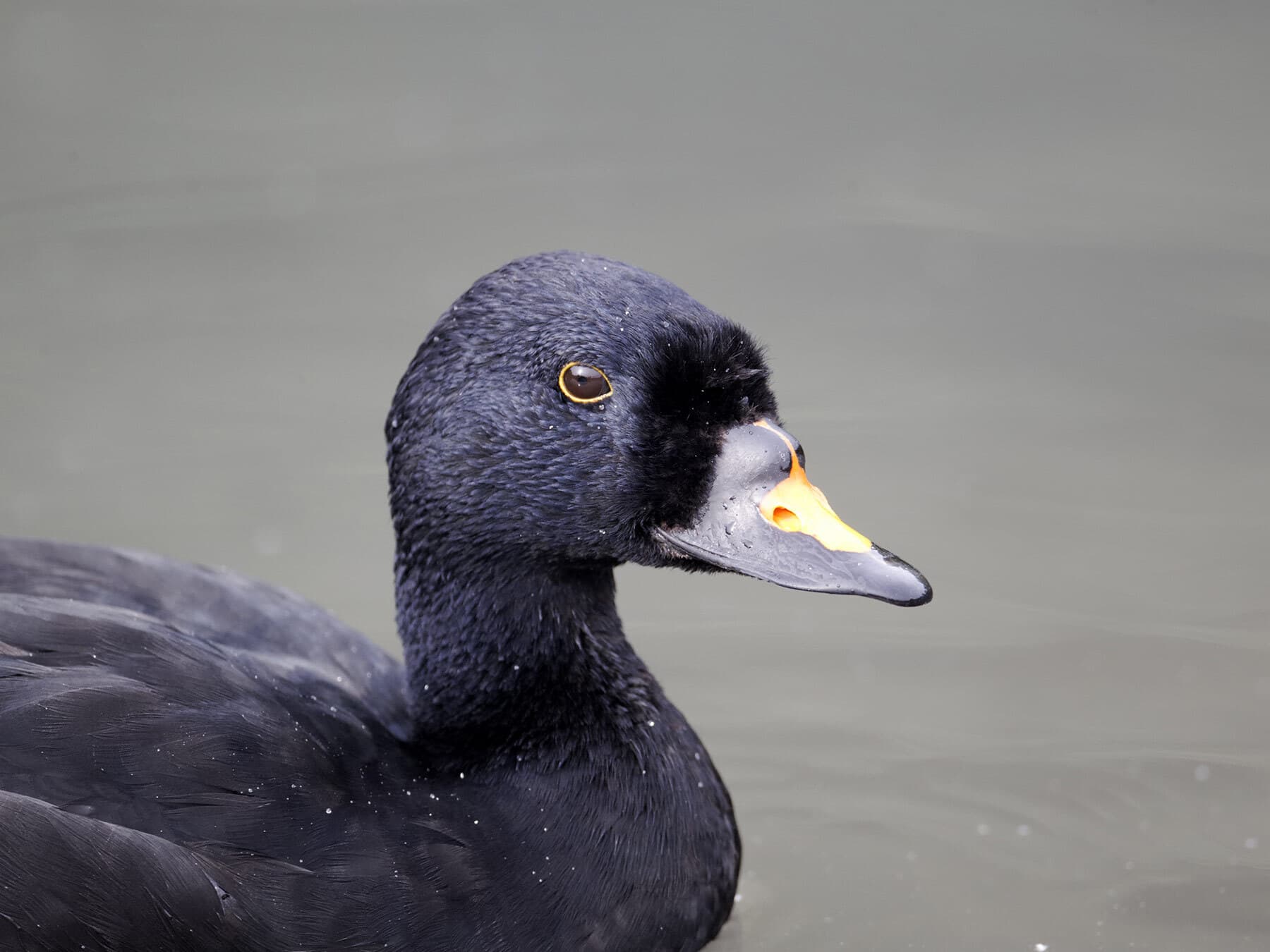
Common Scoter
Melanitta nigraLC
A rare but year-round presence, mainly seen offshore along the coast. Small numbers linger through summer off the Wash.
Apr–Feb
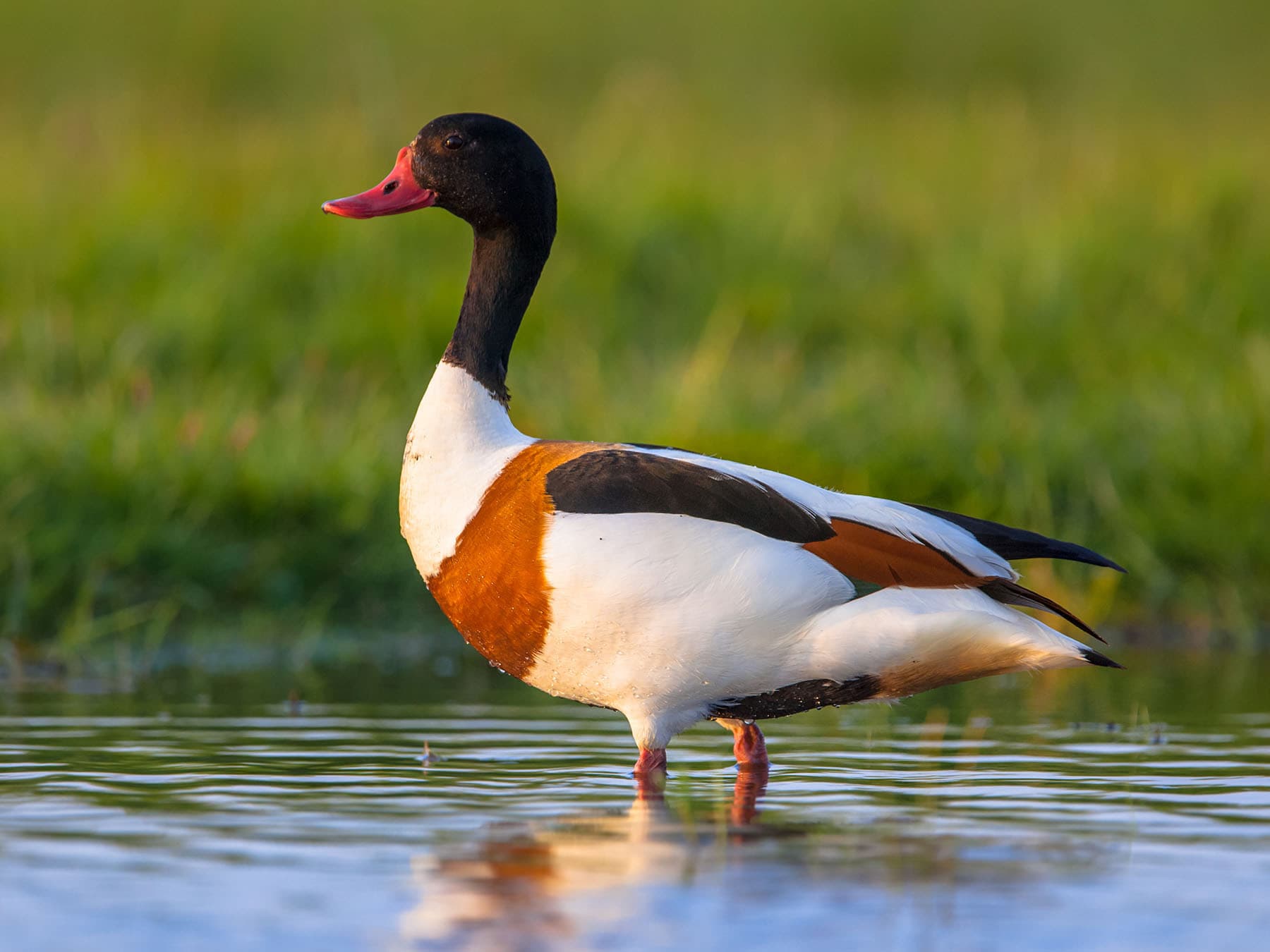
Common Shelduck
Tadorna tadornaLC
A common resident, breeding on coastal marshes and The Wash. Large moulting flocks gather in summer on tidal mudflats.
Year-round
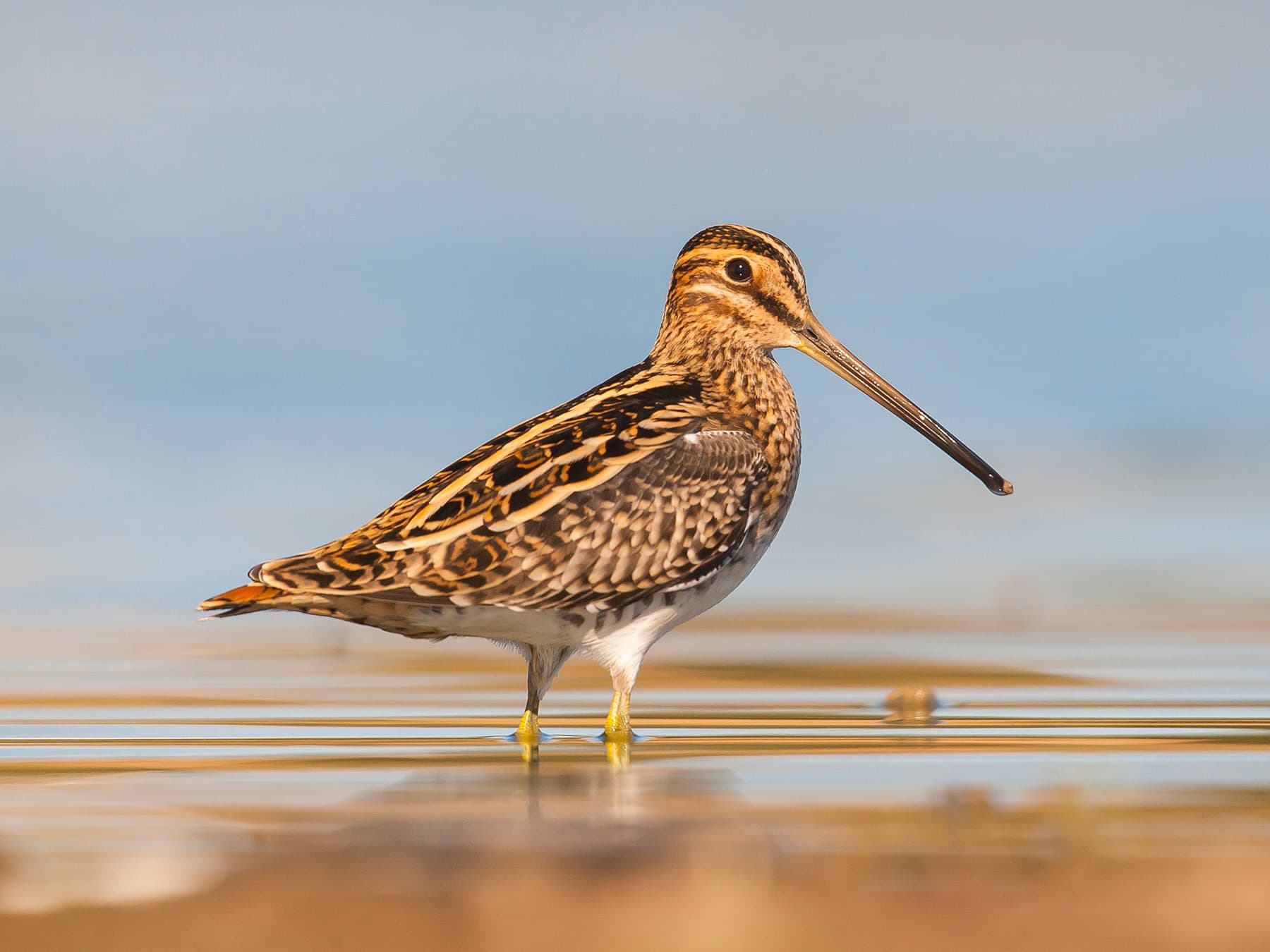
Common Snipe
Gallinago gallinagoLC
An uncommon resident of wet grasslands, marshes, and fenland edges. Numbers swell in winter with continental immigrants.
Year-round
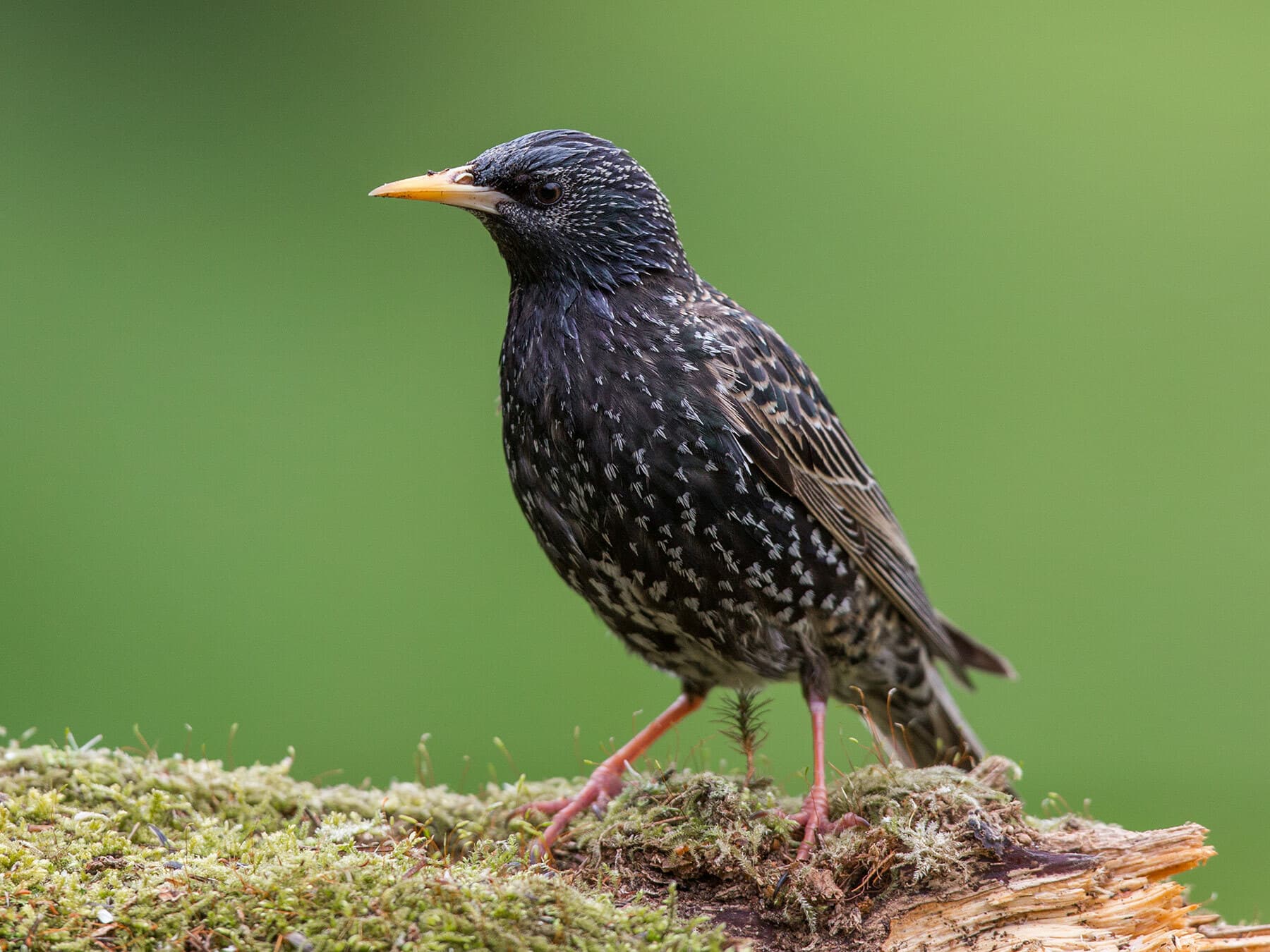
Common Starling
Sturnus vulgarisLC
Common year-round, with spectacular winter murmurations forming over reedbeds and towns. Numbers boosted by continental arrivals.
Year-round
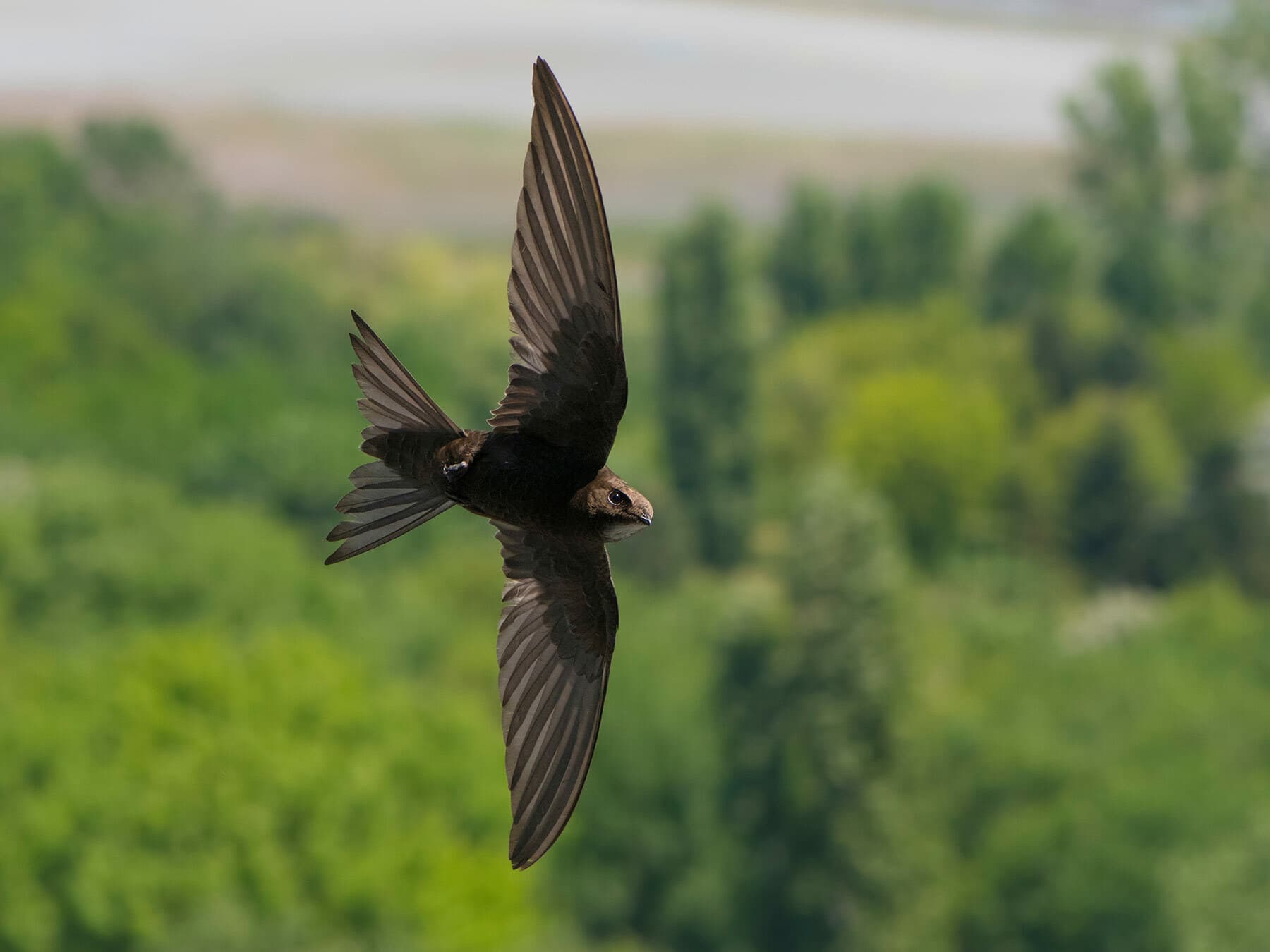
Common Swift
Apus apusLC
A common summer breeder, screaming over towns and villages from April to September. Nests in older buildings and church towers.
Apr–Sep
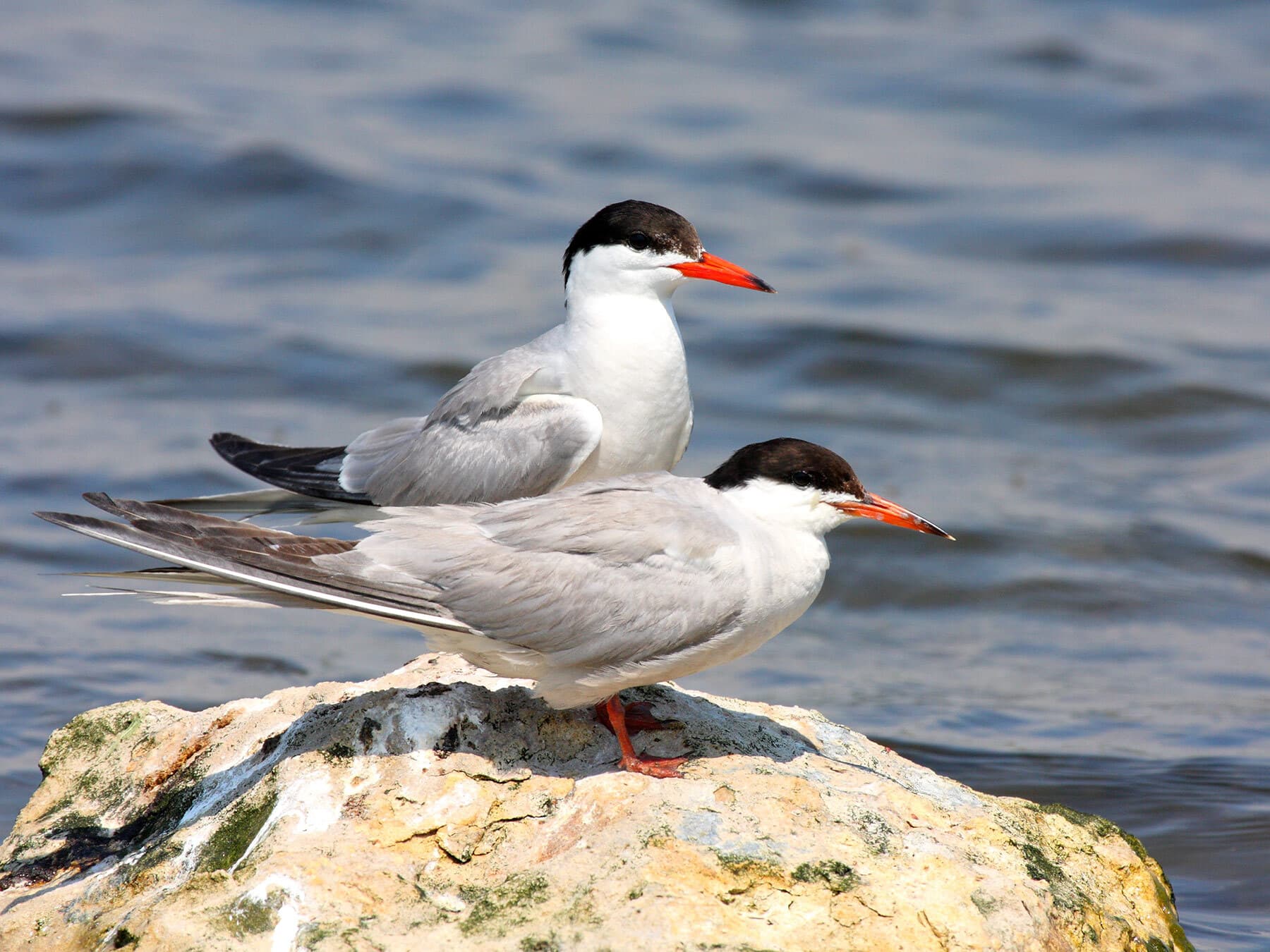
Common Tern
Sterna hirundoLC
Uncommon summer breeder at gravel pits and coastal lagoons, arriving in April and departing by October after raising young.
Apr–Oct
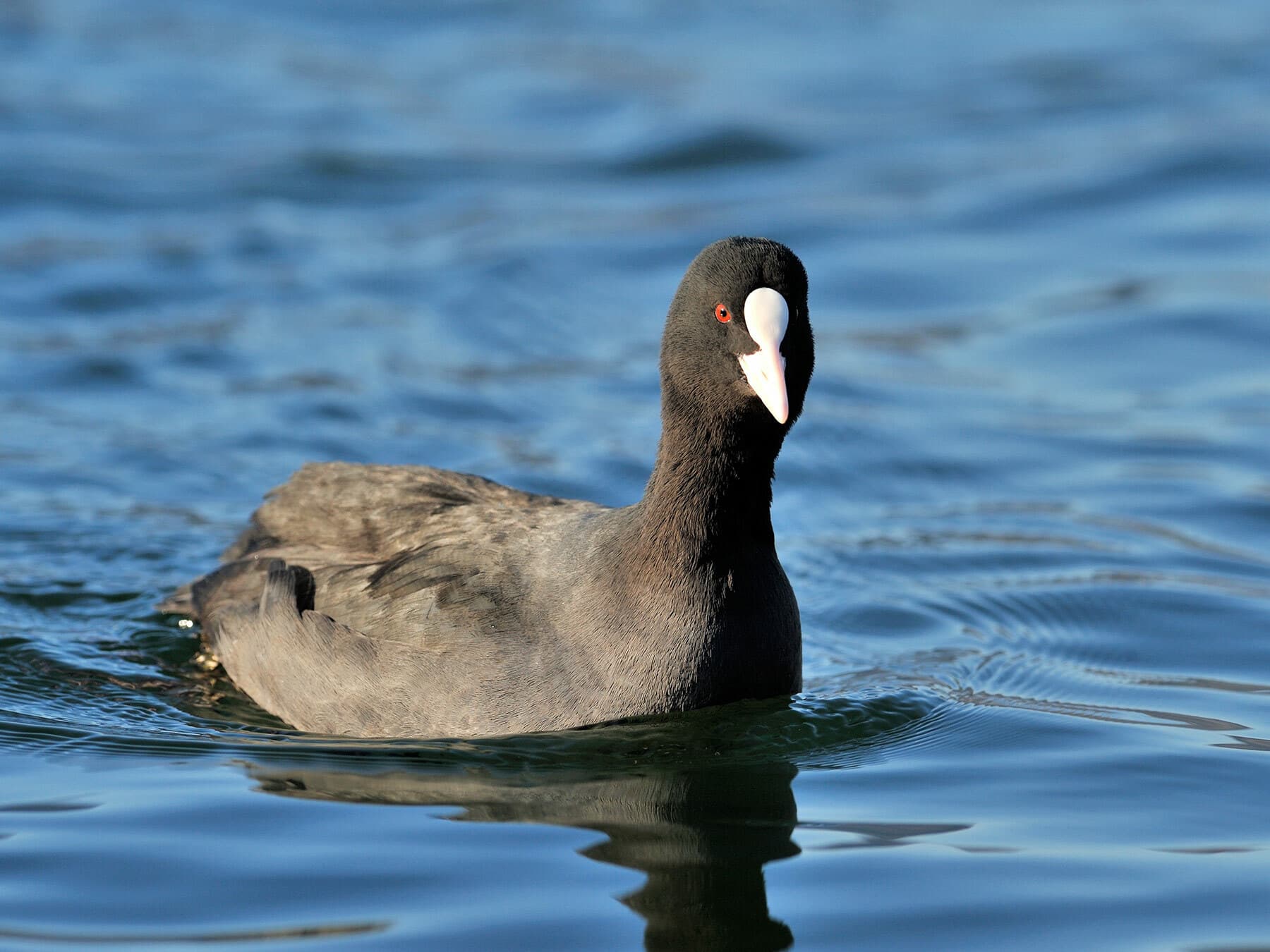
Coot
Fulica atraLC
A common resident on lakes, gravel pits and drainage channels, forming large winter flocks on the bigger waterbodies.
Year-round
Spotted something?
Upload a photo to identify it
Identify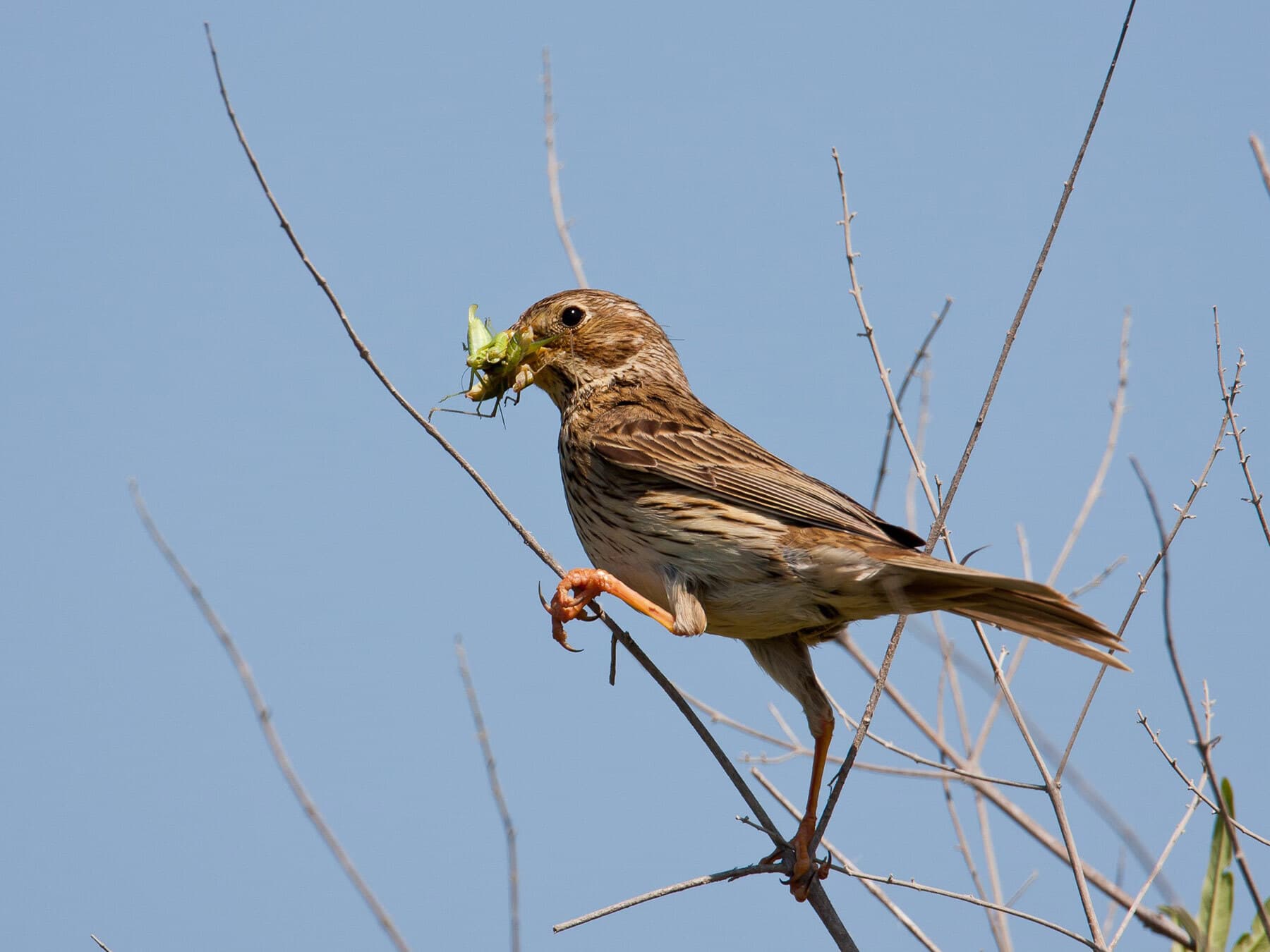
Corn Bunting
Emberiza calandraLC
An uncommon resident of open arable farmland, particularly the Wolds. Lincolnshire remains a stronghold for this declining species.
Oct–Aug
Cuckoo
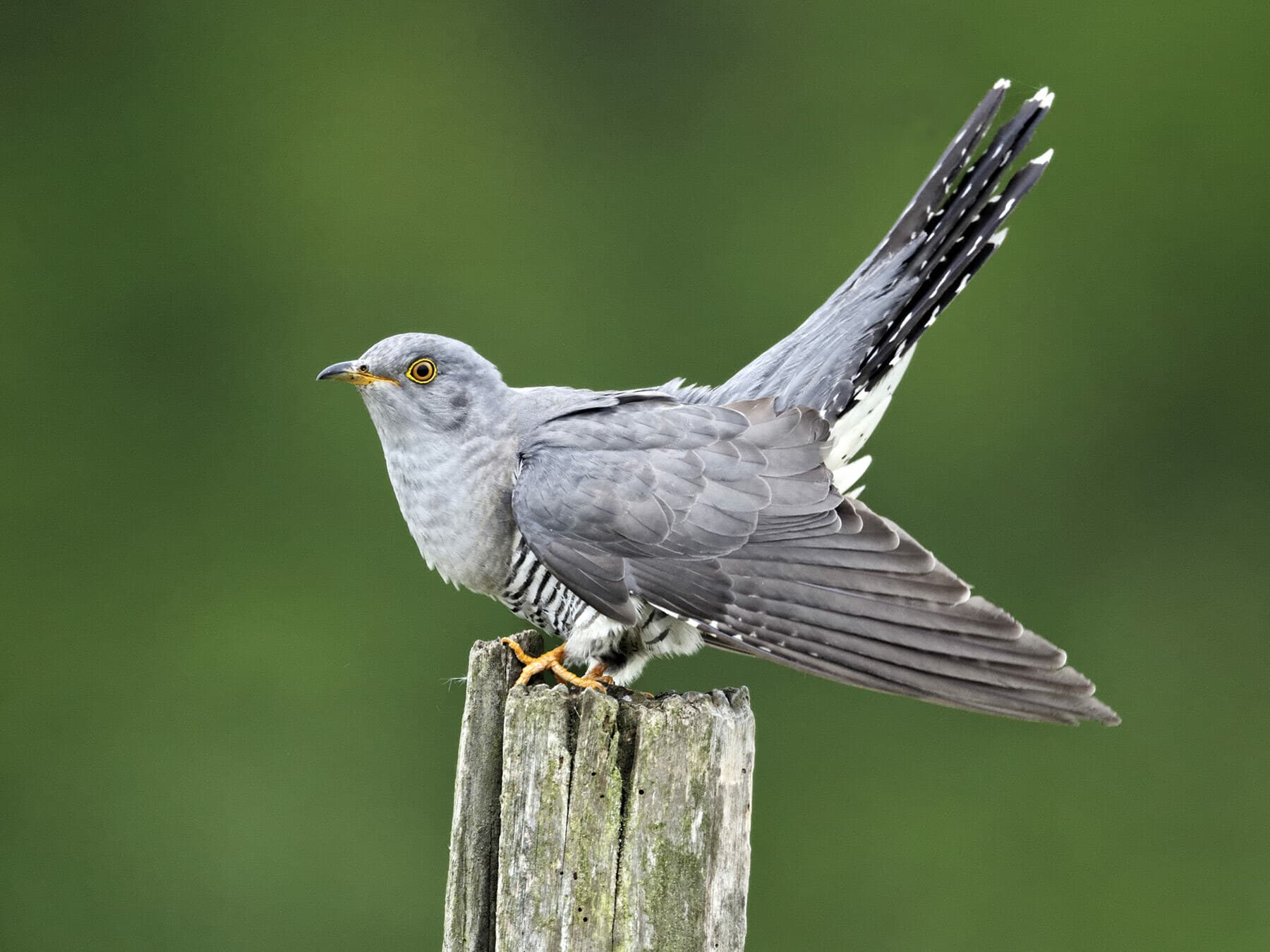
Cuculus canorusLC
An uncommon breeding visitor from April to August, its distinctive call heard across fenland and reedbed edges. Numbers are declining.
Apr–Aug
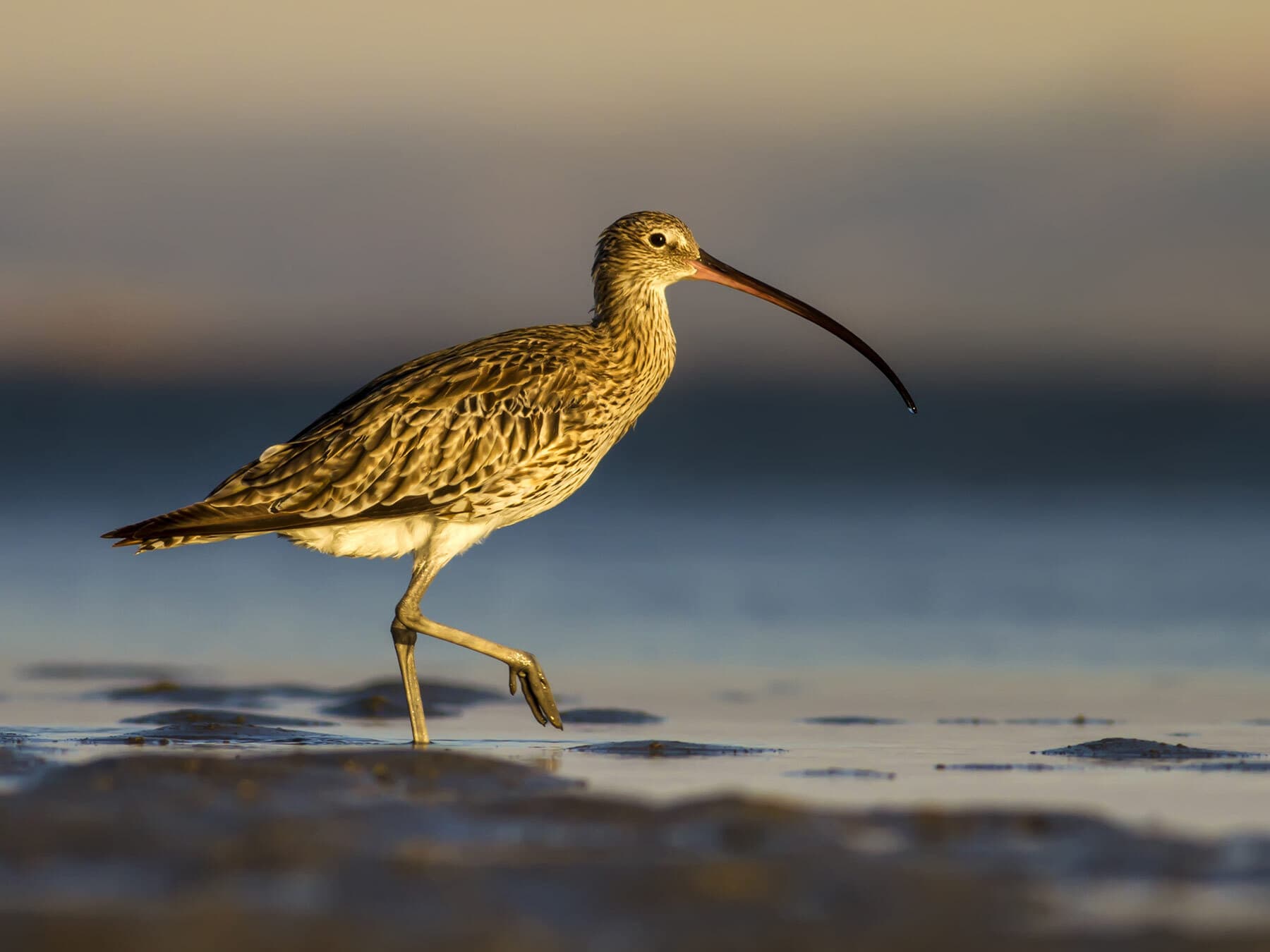
Curlew
Numenius arquataNT
A common resident found on coastal mudflats, farmland and marshes year-round. Its evocative call is a hallmark of the Wash.
Year-round
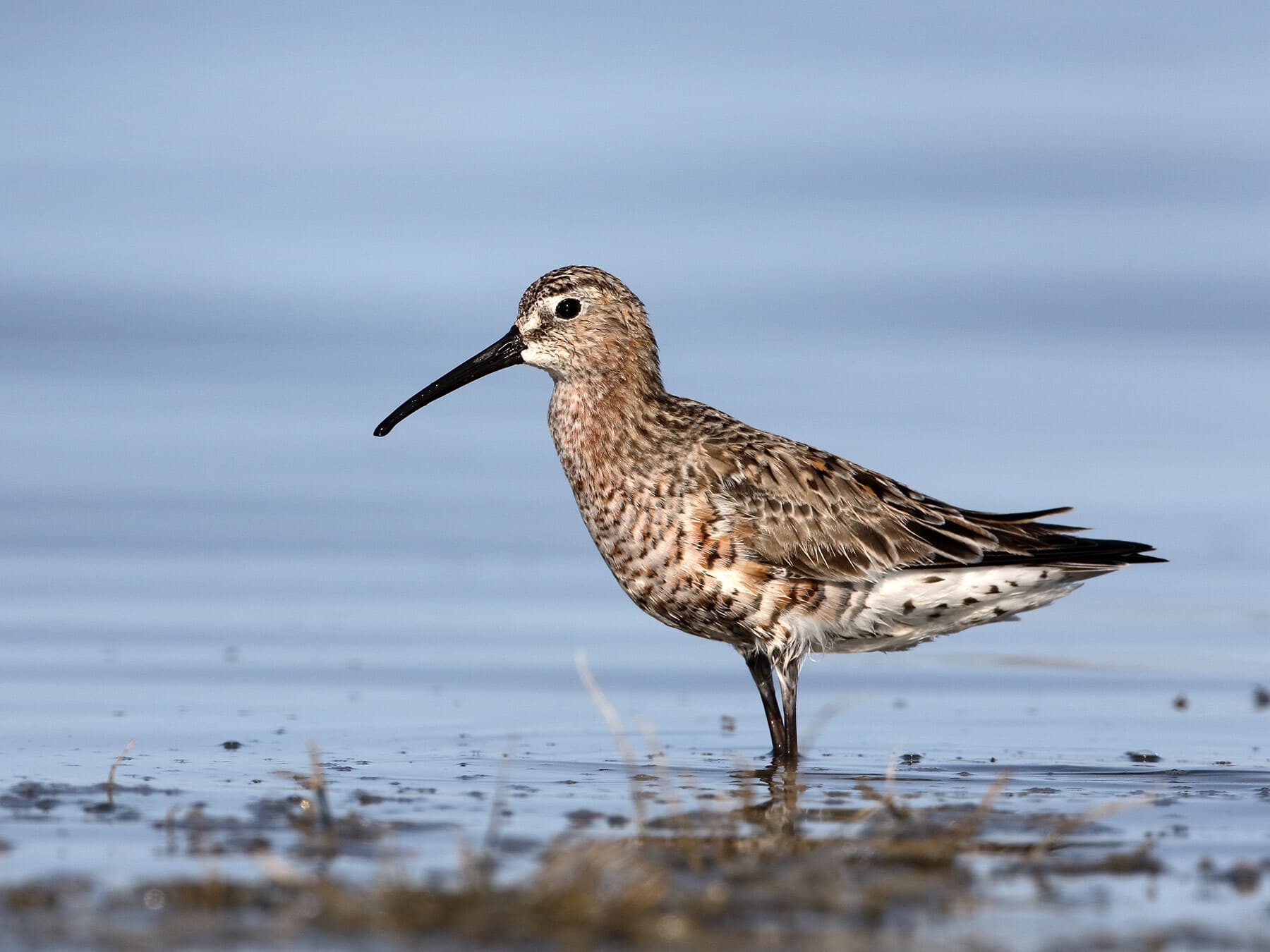
Curlew Sandpiper
Calidris ferrugineaNT
Uncommon on coastal mudflats and wash margins from spring through autumn, with numbers peaking during autumn passage in striking rufous plumage.
Apr–Oct
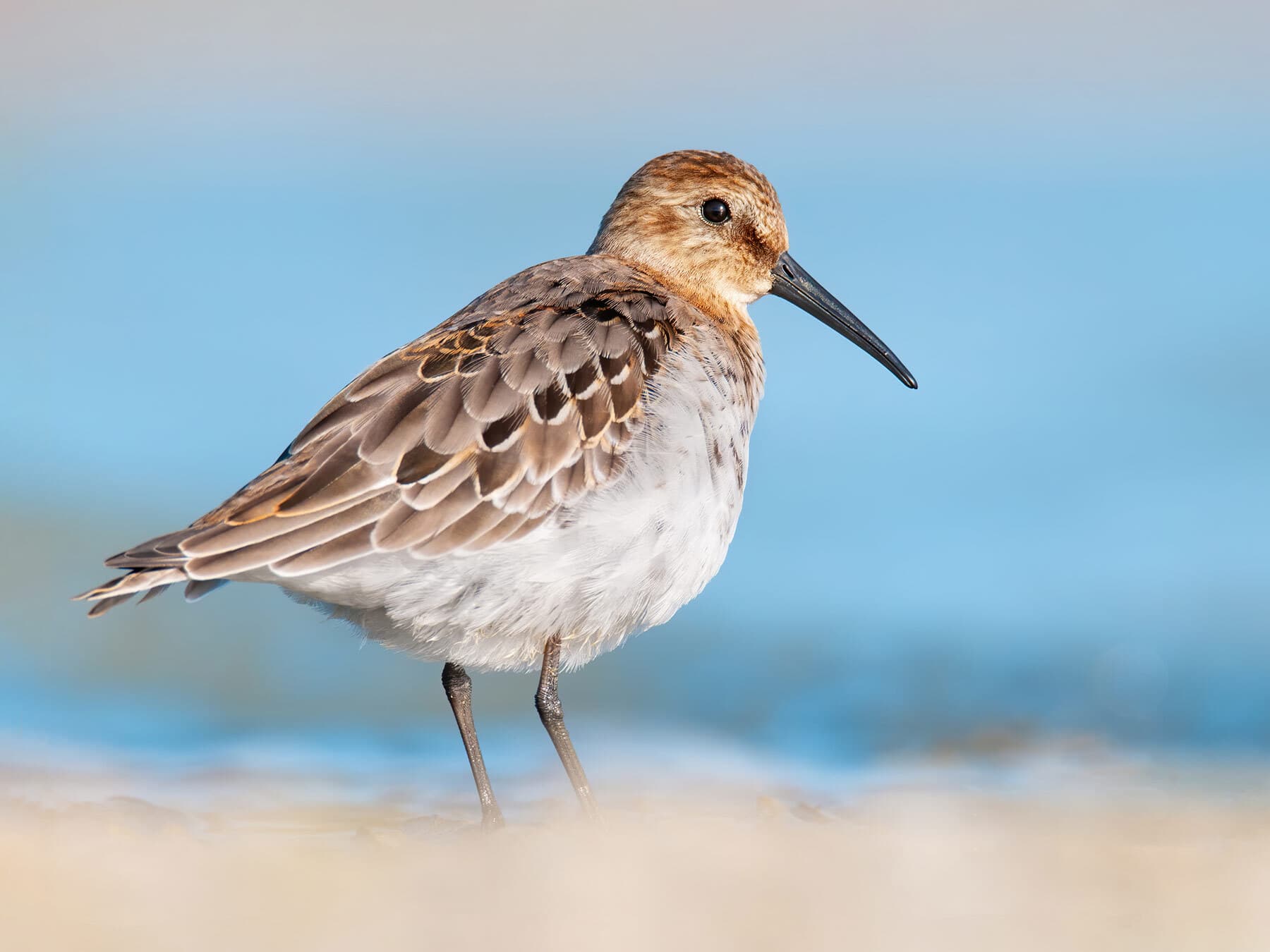
Dunlin
Calidris alpinaLC
Abundant on the Wash mudflats year-round, forming large winter flocks. One of the most numerous waders along the Lincolnshire coast.
Year-round
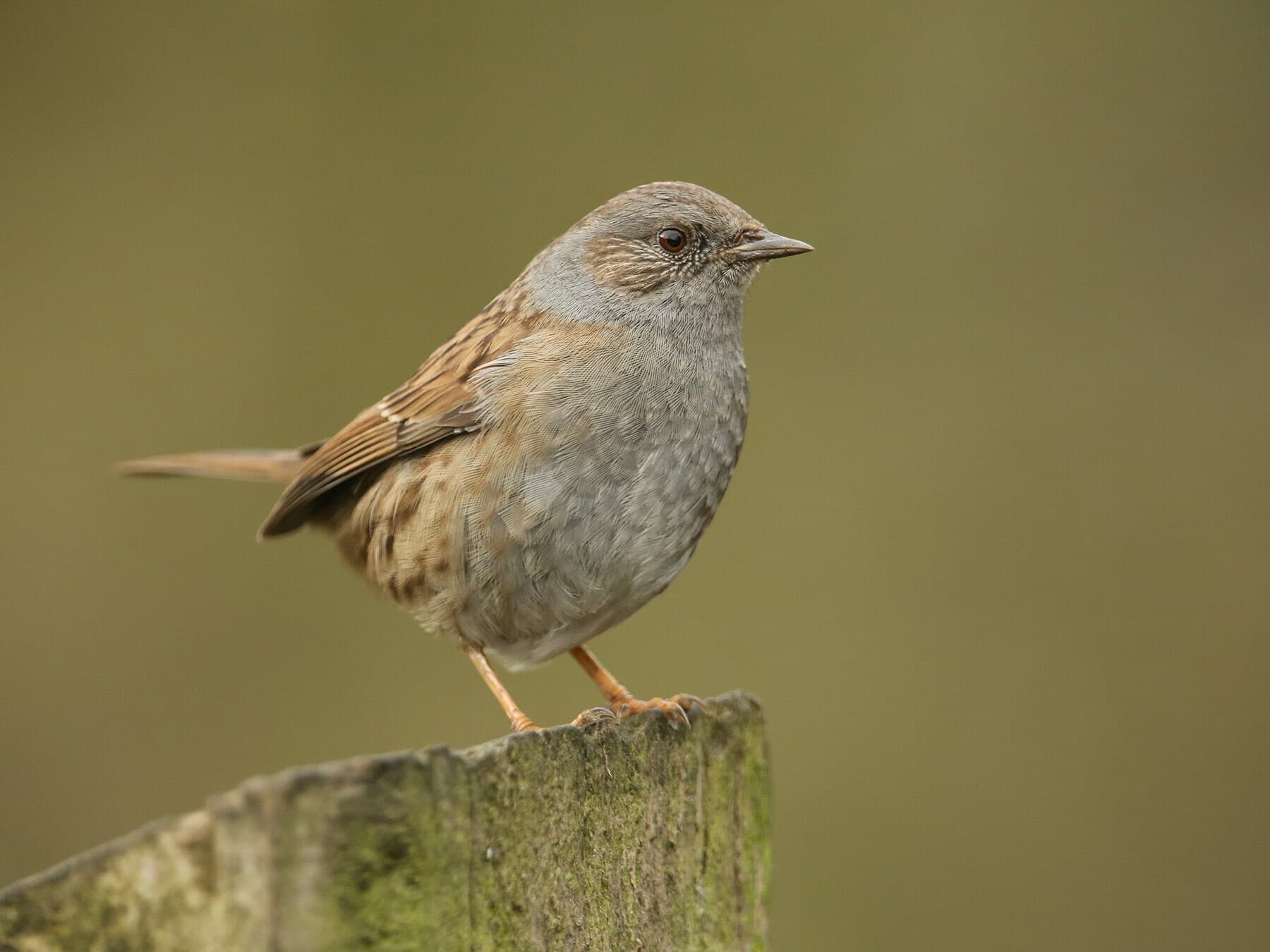
Dunnock
Prunella modularisLC
A common and widespread resident, skulking in hedgerows and garden shrubbery year-round. Its thin, warbling song is often heard from dense cover.
Year-round
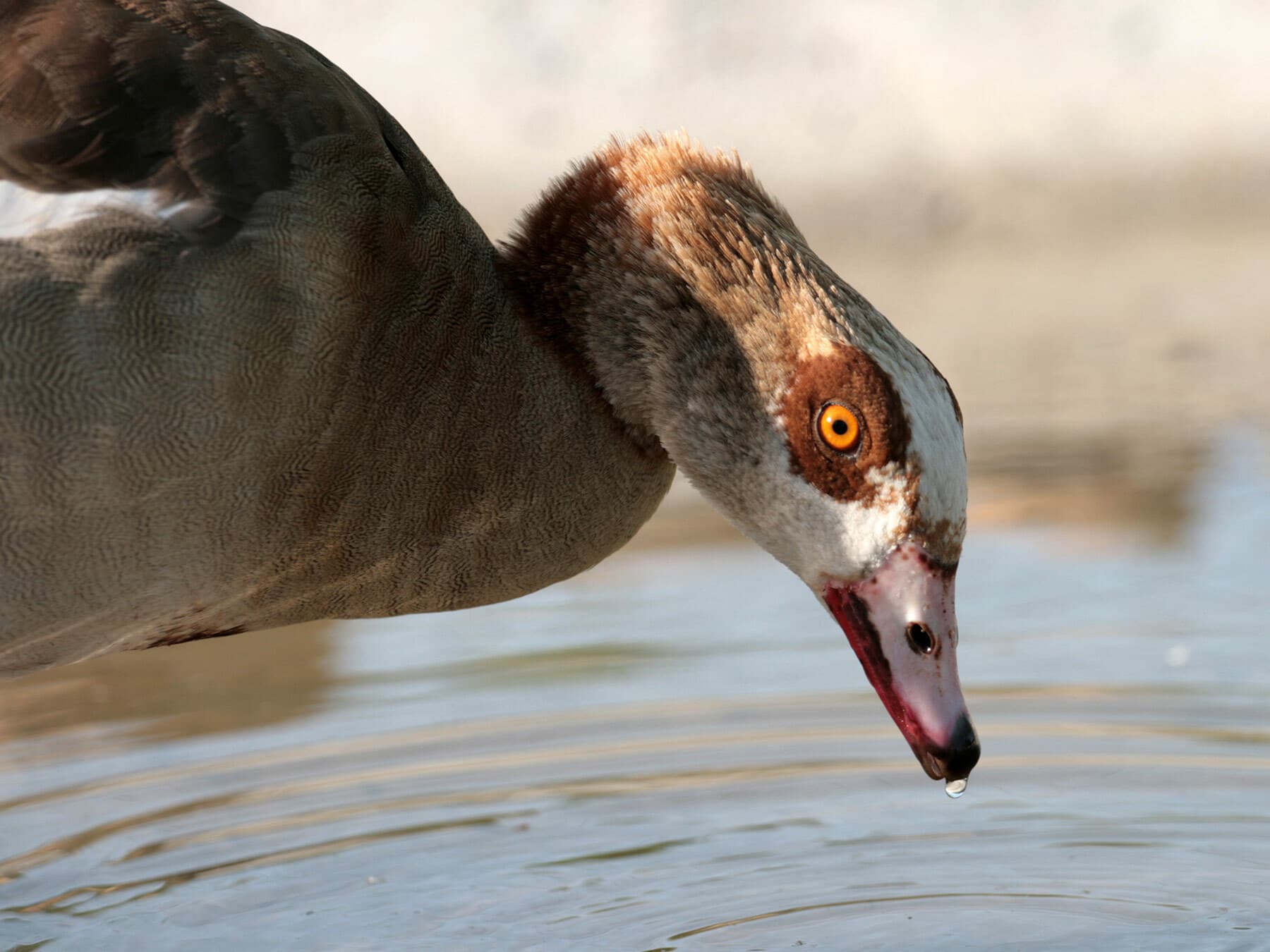
Egyptian Goose
Alopochen aegyptiacaLC
An uncommon but increasing resident, found around lakes, gravel pits and parkland. This established non-native species is spreading northward.
Year-round
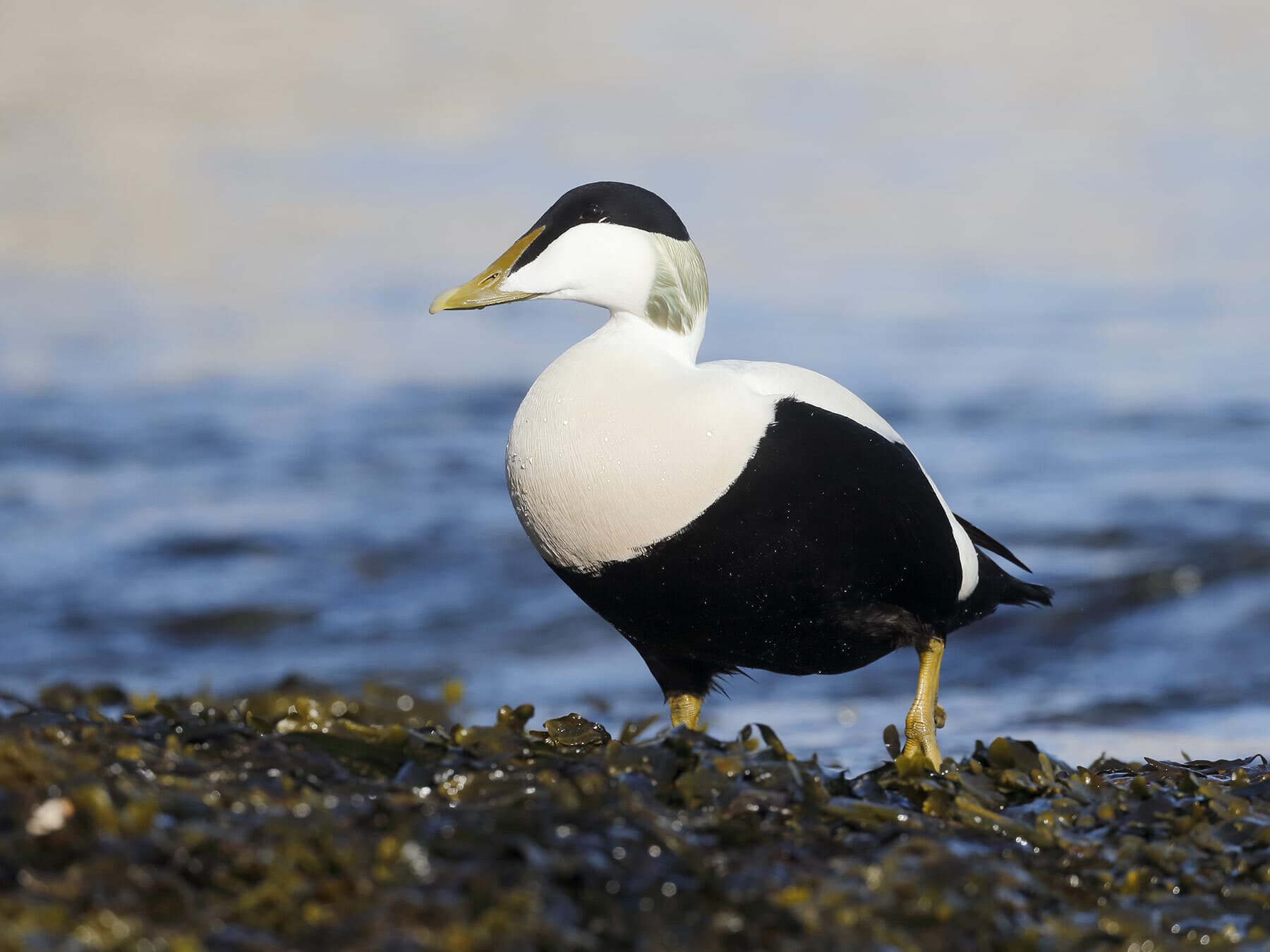
Eider
Somateria mollissimaNT
A rare resident along the Lincolnshire coast, most often seen on the sea near Gibraltar Point. Largely absent during midsummer.
Aug–May
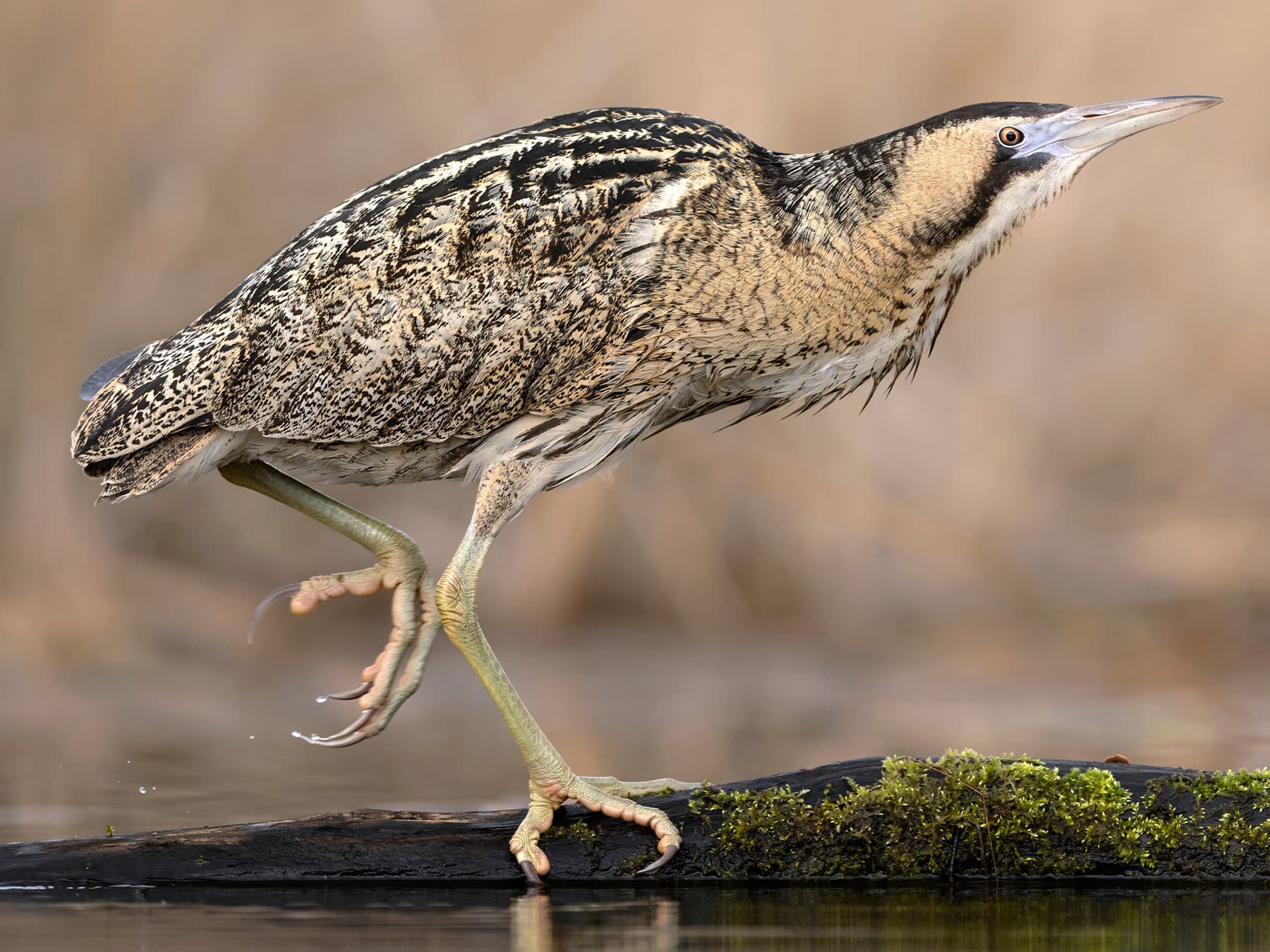
Eurasian Bittern
Botaurus stellarisLC
A rare but resident breeder in Lincolnshire's extensive reedbeds, most reliably found at sites like Far Ings and Alkborough Flats.
Nov–Aug
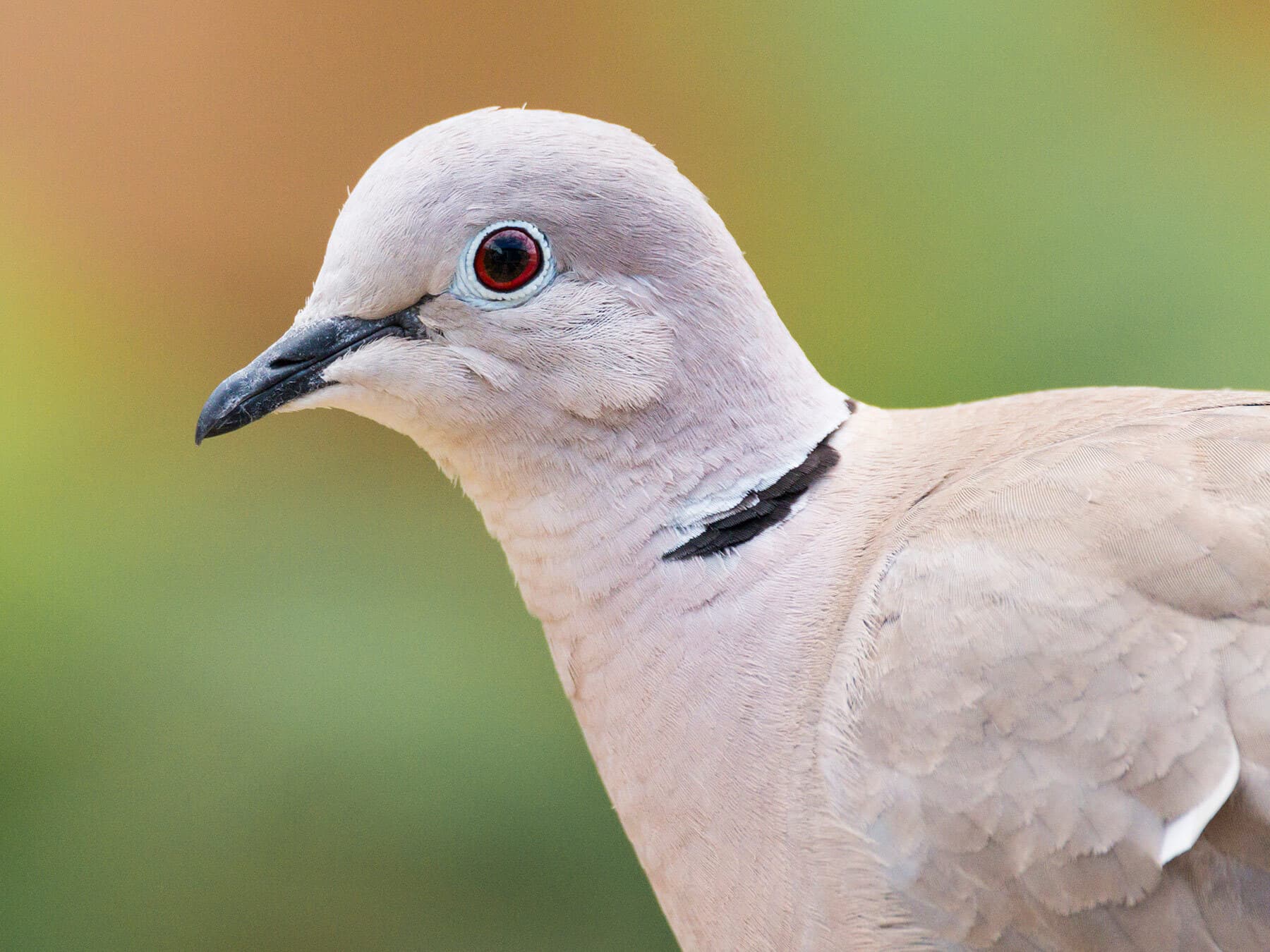
Eurasian Collared Dove
Streptopelia decaoctoLC
A familiar garden and farmyard resident heard year-round, with its persistent three-note cooing a constant backdrop across the county.
Year-round
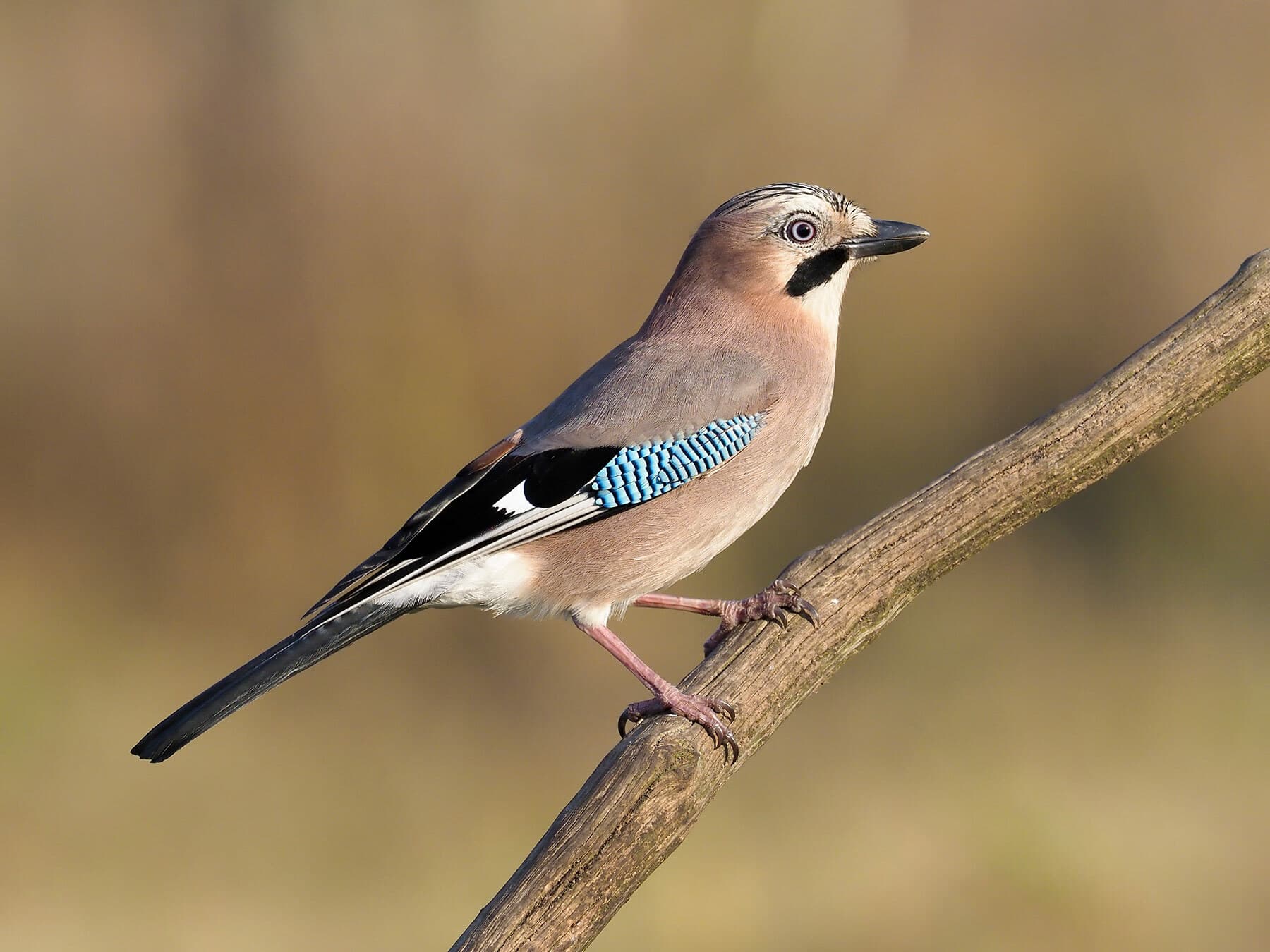
Eurasian Jay
Garrulus glandariusLC
An uncommon but year-round resident of broadleaved woodland and mature parks, often betrayed by its harsh screaming call.
Year-round
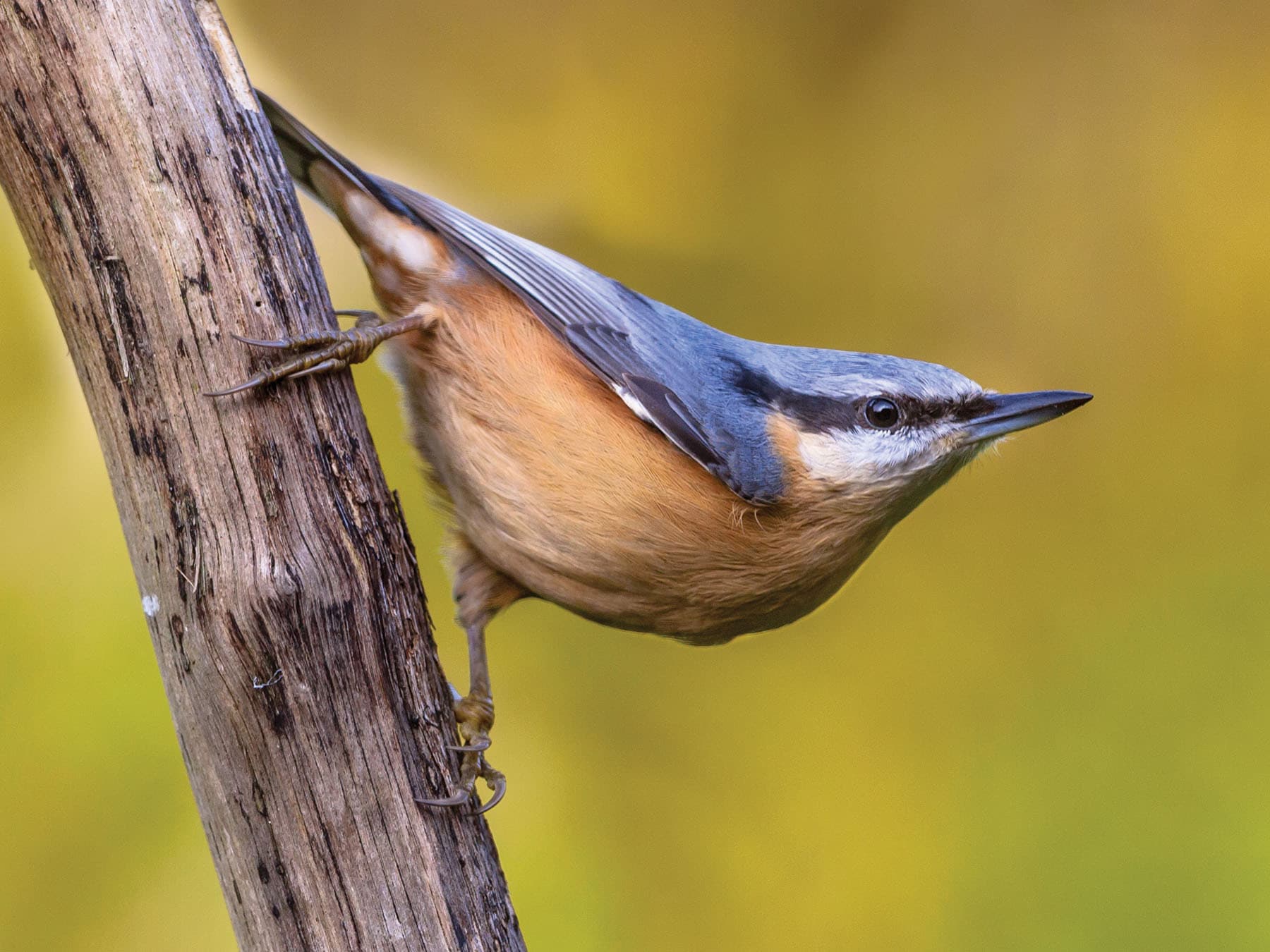
Eurasian Nuthatch
Sitta europaeaLC
A rare resident found in mature deciduous woodland. Lincolnshire sits at the edge of its range, making sightings a notable find.
Year-round
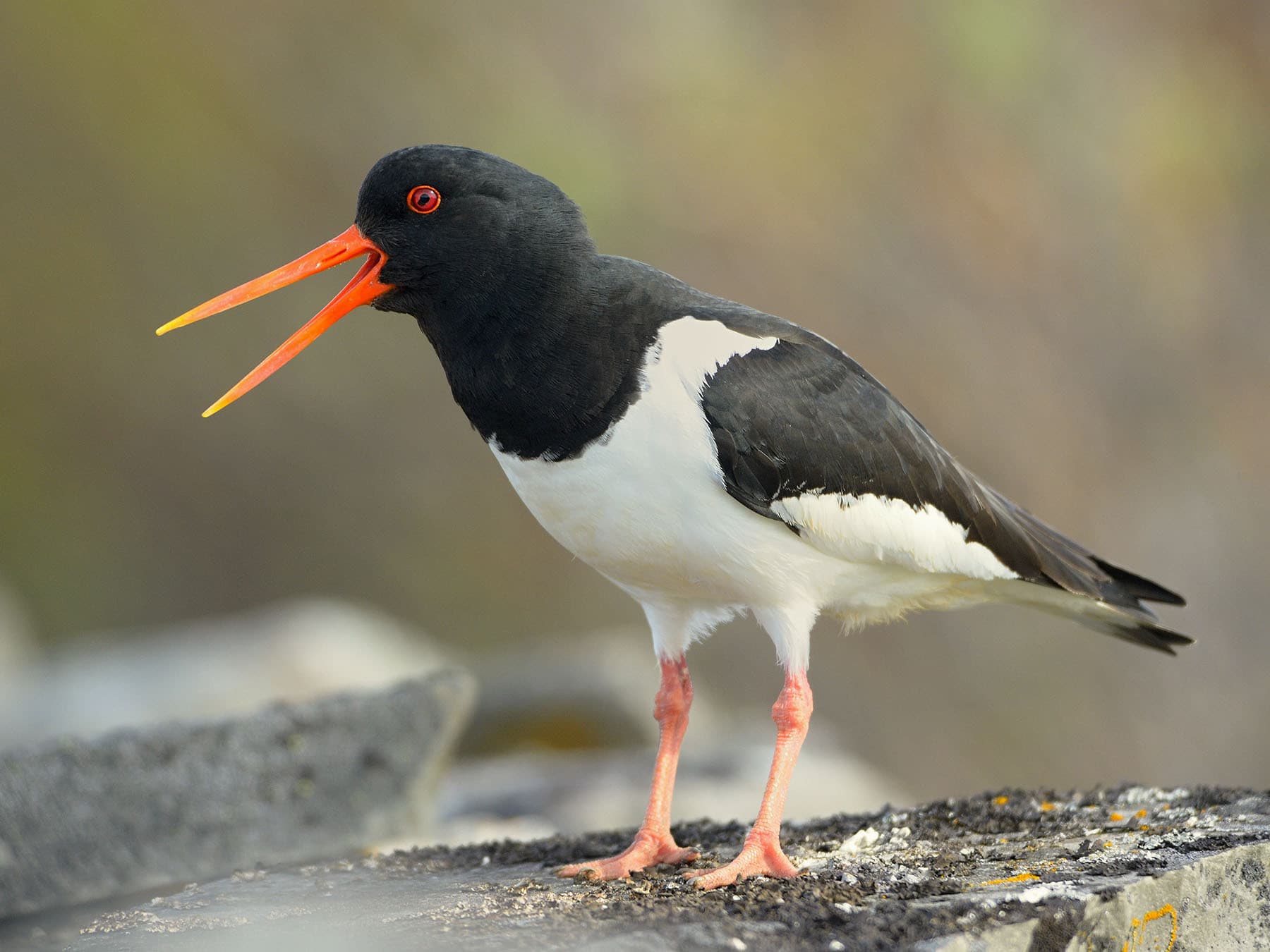
Eurasian Oystercatcher
Haematopus ostralegusNT
A common resident along the Wash and Lincolnshire coast, also breeding inland on arable fields. Noisy and conspicuous year-round.
Year-round
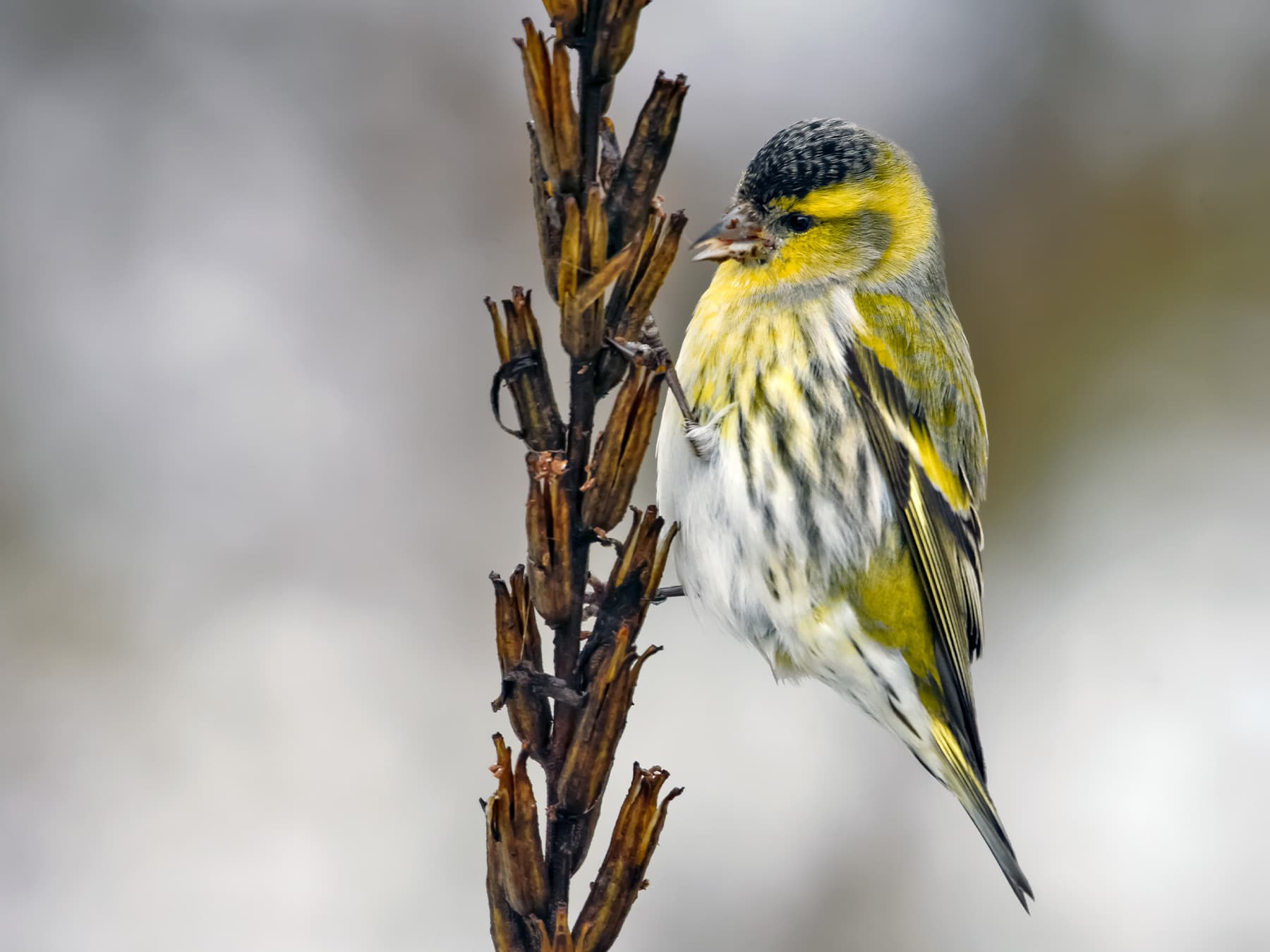
Eurasian Siskin
Spinus spinusLC
An uncommon resident most visible from autumn to spring, feeding in alder and birch. Largely absent during midsummer months.
Sep–May
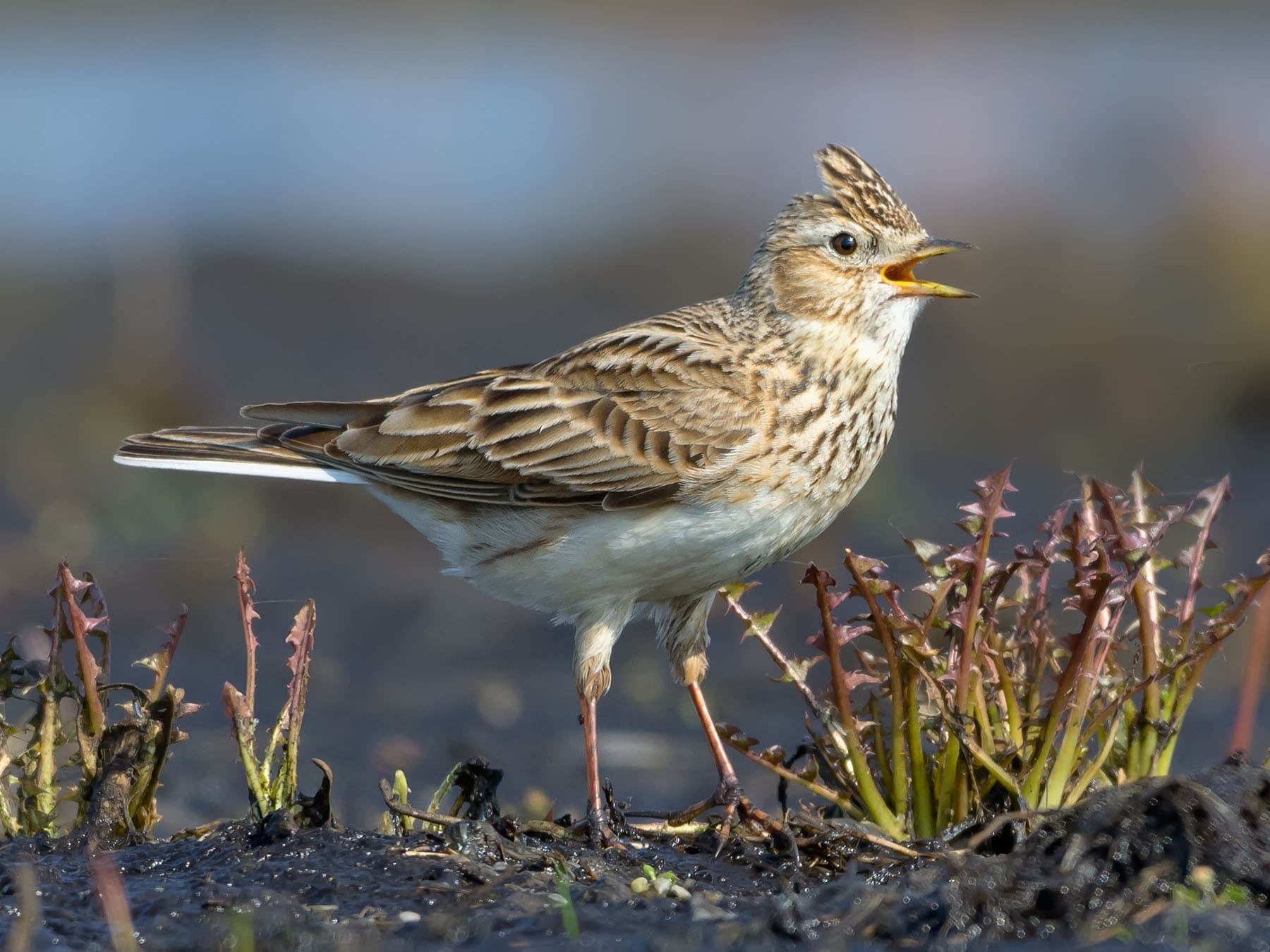
Eurasian Skylark
Alauda arvensisLC
A common resident of arable farmland and open grassland, though declining nationally. Its soaring song flight is iconic over Lincolnshire's fields.
Year-round