Sandpipers & Snipes in Lincolnshire
31 species matching this filter.
Lincolnshire's extensive coastline, estuaries, and inland wetlands make it one of England's premier destinations for observing sandpipers and snipes. With 24 recorded species in this family, the county hosts an impressive diversity of waders, from the elegant Bar-tailed and Black-tailed Godwits feeding on the Wash's mudflats to the secretive Eurasian Woodcock skulking in woodland. Key sites such as Gibraltar Point, Frampton Marsh, and the Humber Estuary attract both common and scarce passage migrants throughout the year.


Showing 1–23 of 31 species
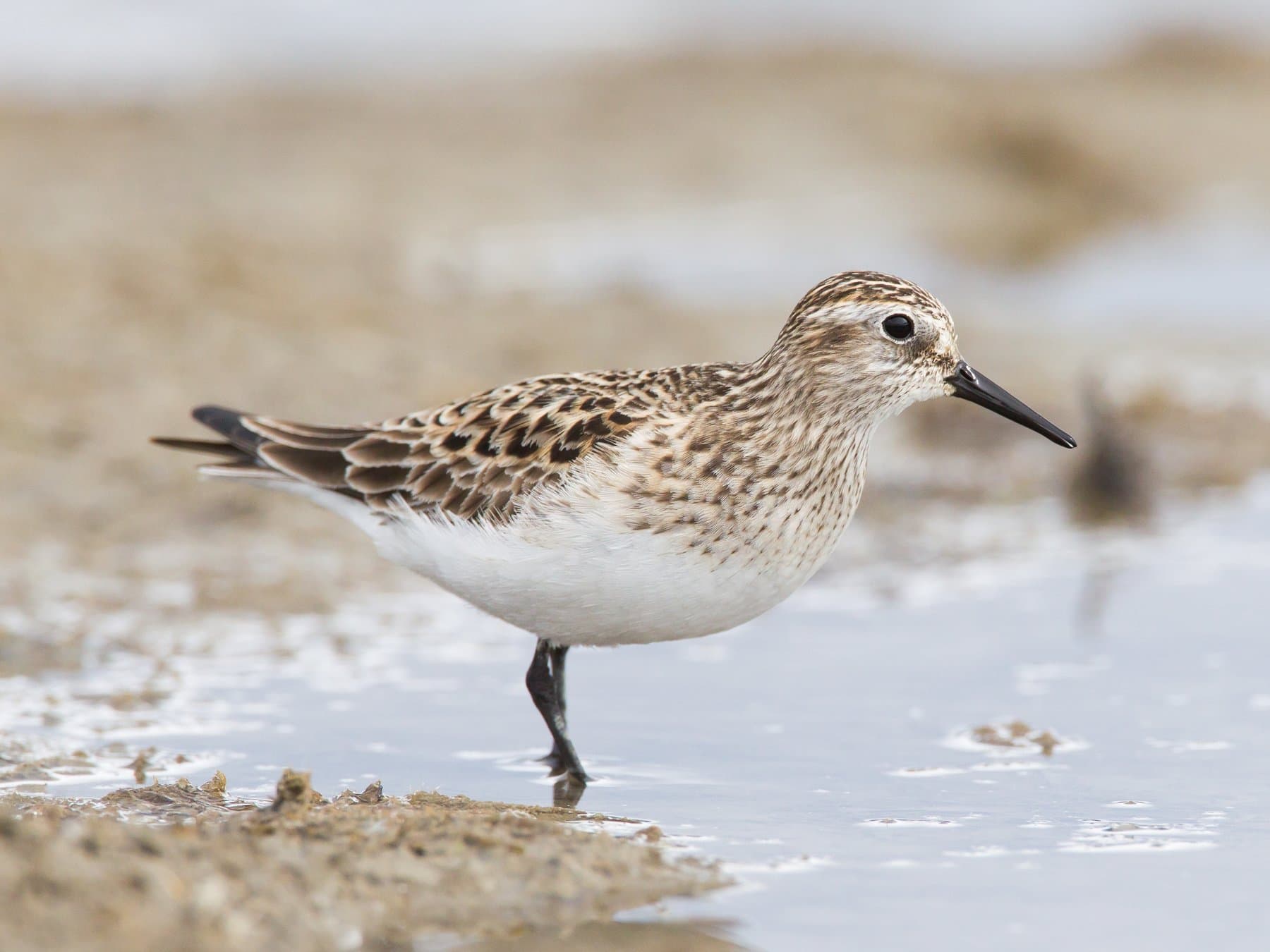
Baird's Sandpiper
Calidris bairdiiLC
An extremely rare Nearctic vagrant, with occasional August records. Any sighting at coastal pools is a major county rarity.
Aug
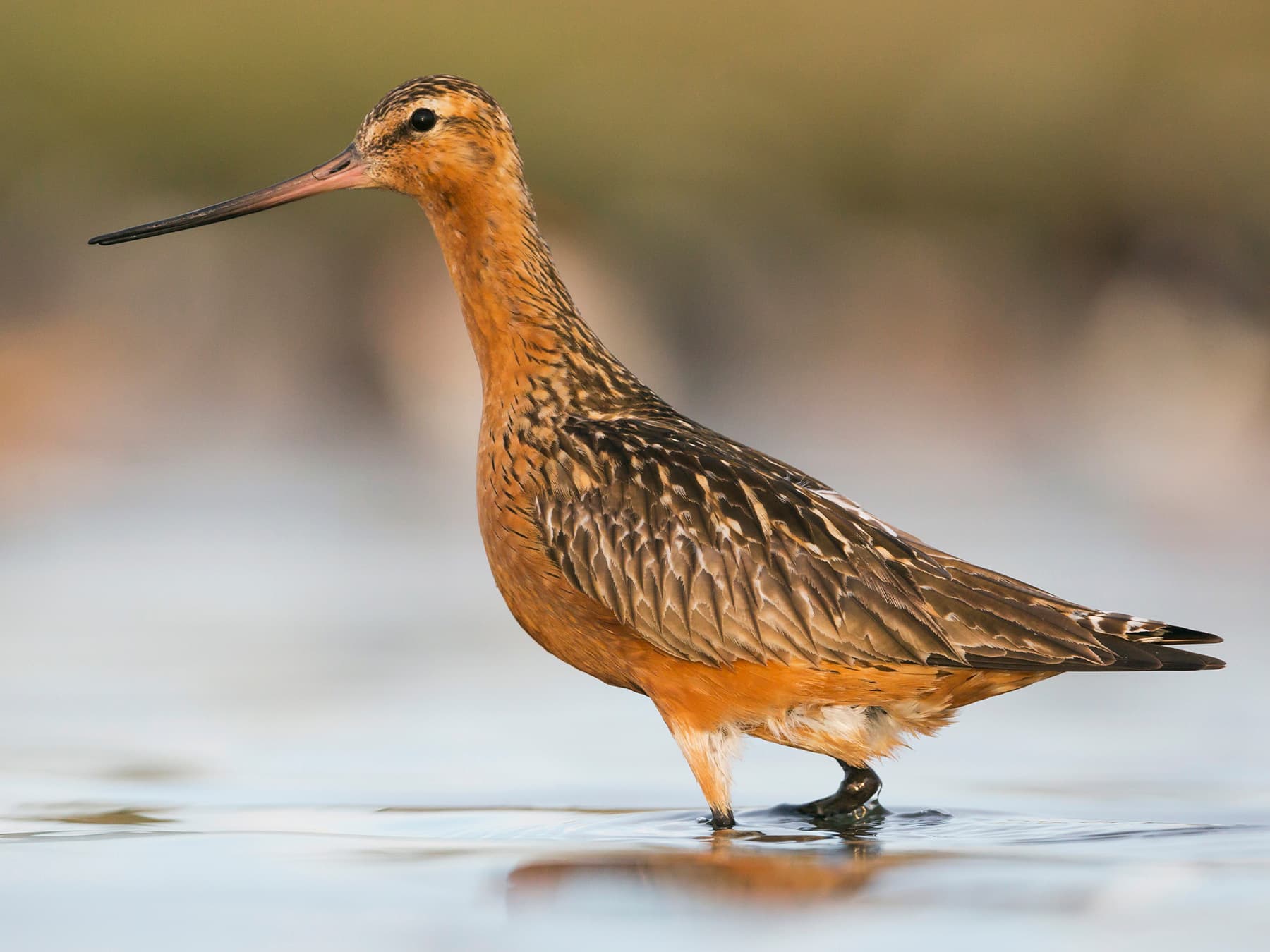
Bar-tailed Godwit
Limosa lapponicaNT
An uncommon but year-round presence on the Wash, with peak numbers in winter. Feeds on mudflats and sandy shores.
Year-round
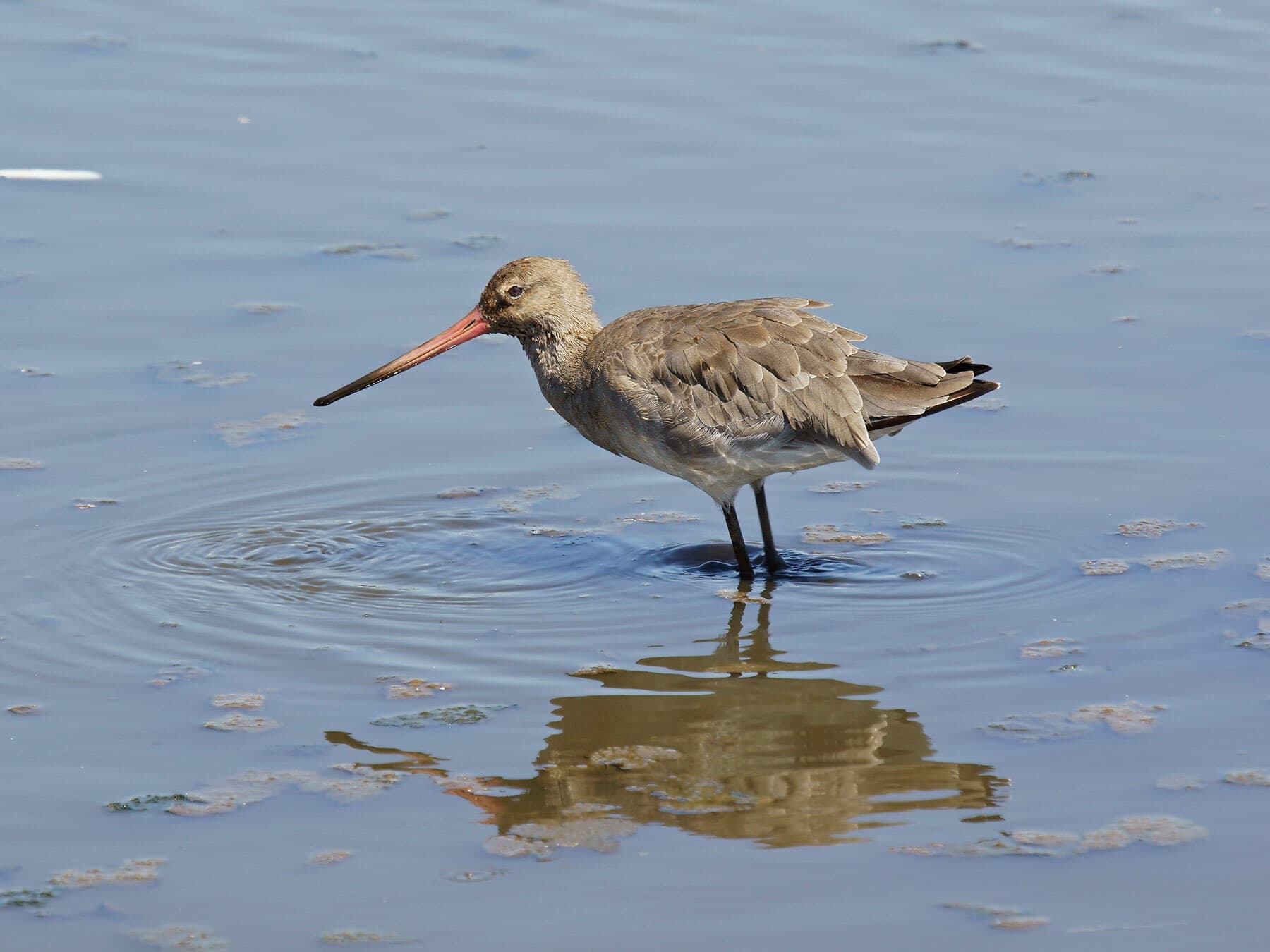
Black-tailed Godwit
Limosa limosaNT
Present year-round on the Wash and coastal grazing marshes. Large flocks gather at sites like Frampton Marsh, a key UK stronghold.
Year-round
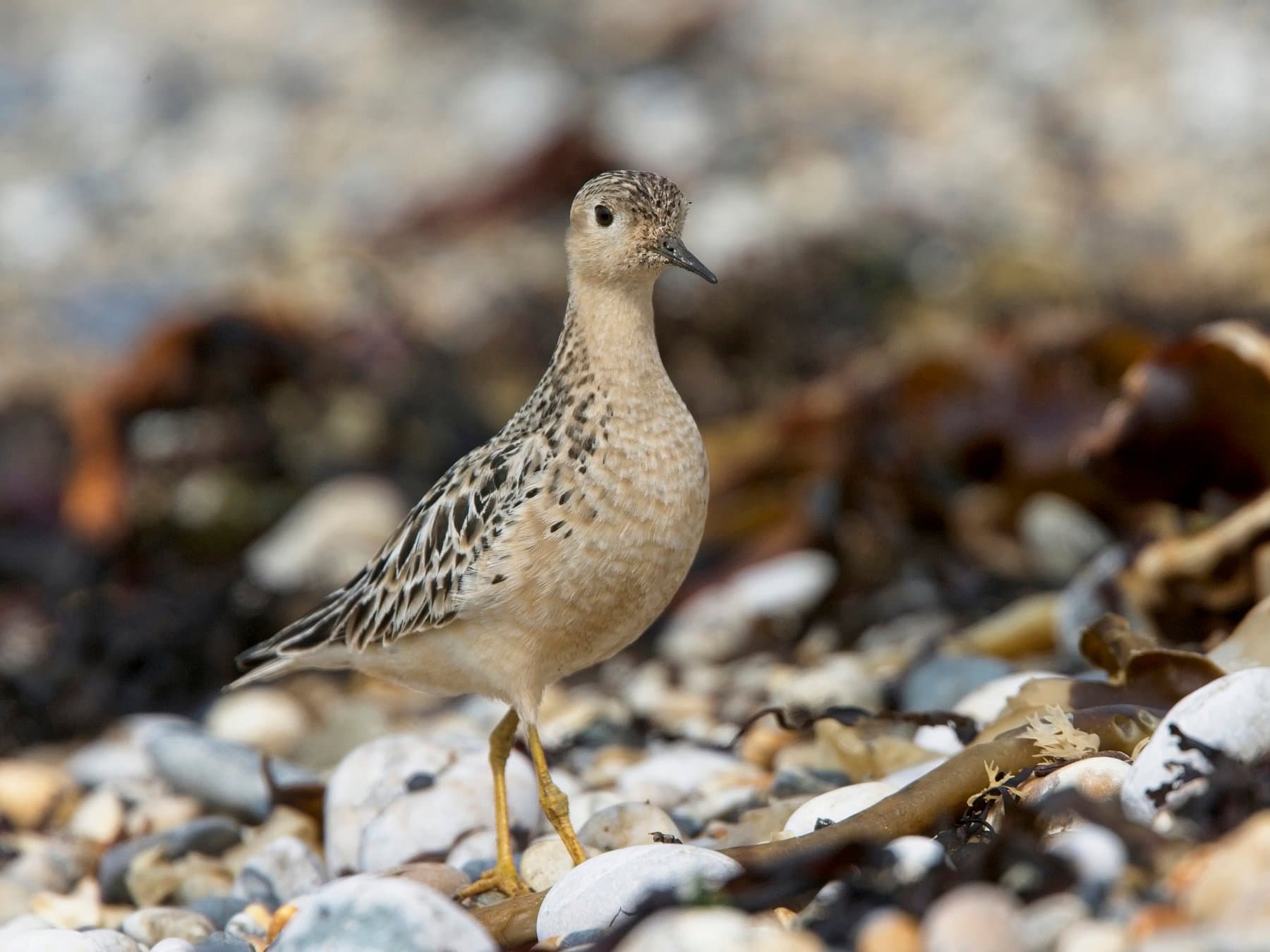
Buff-breasted Sandpiper
Calidris subruficollisVU
A rare Nearctic vagrant, occasionally found on short-grazed coastal fields and muddy scrapes, mainly during autumn passage.
May–Oct
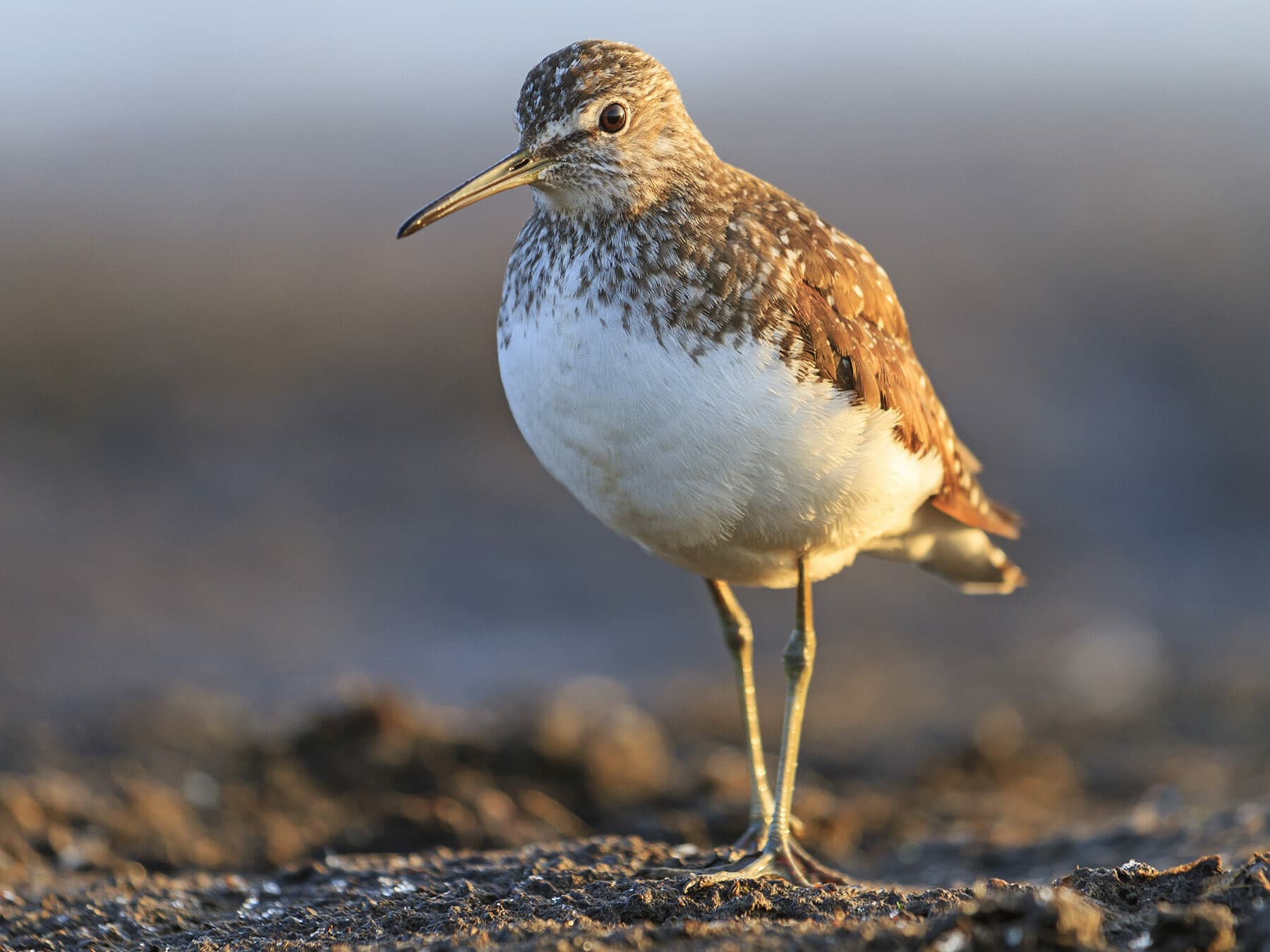
Common Sandpiper
Actitis hypoleucosLC
An uncommon breeding visitor from April to October, found along rivers, reservoir margins and gravel pit edges.
Apr–Oct
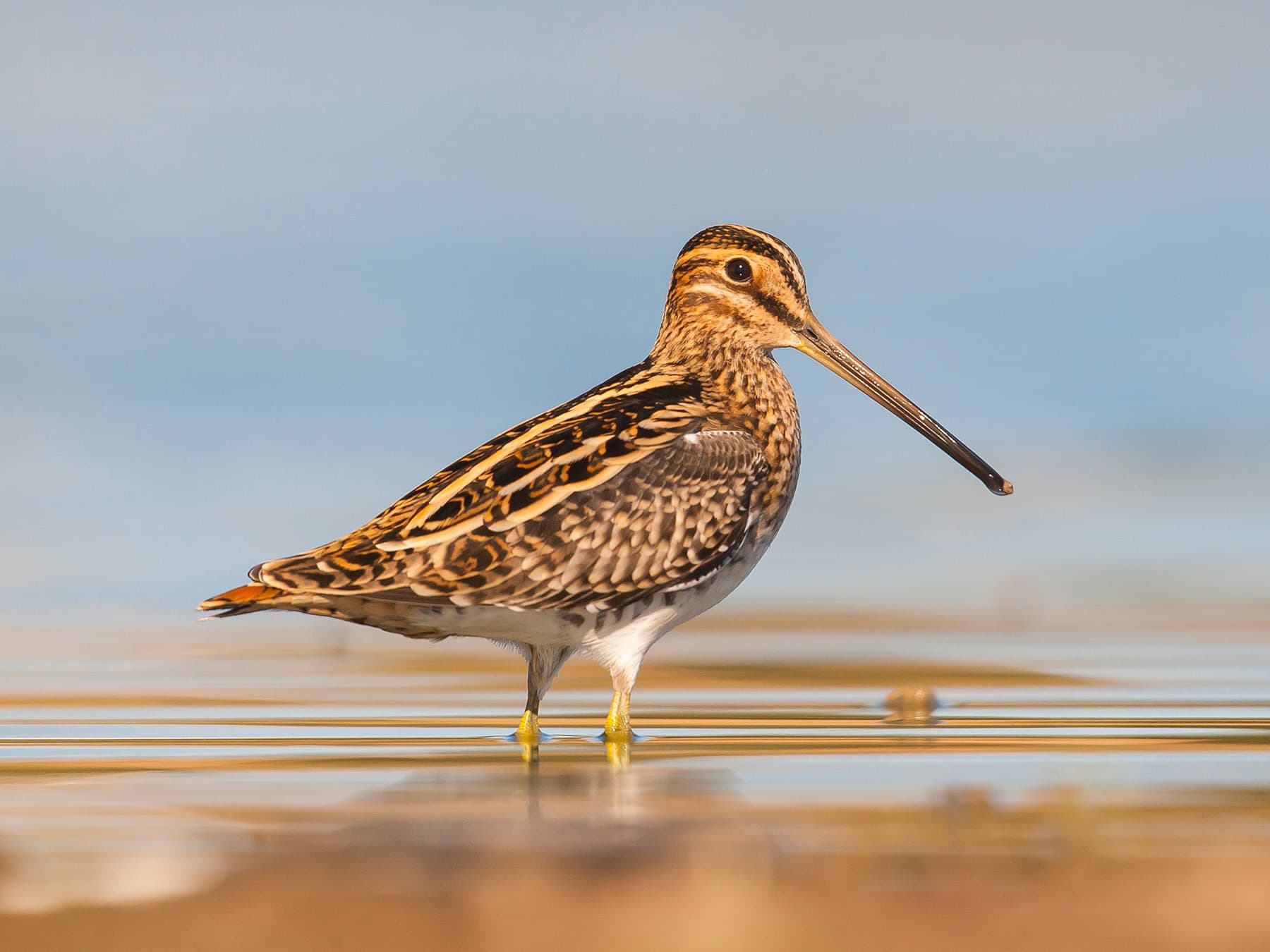
Common Snipe
Gallinago gallinagoLC
An uncommon resident of wet grasslands, marshes, and fenland edges. Numbers swell in winter with continental immigrants.
Year-round
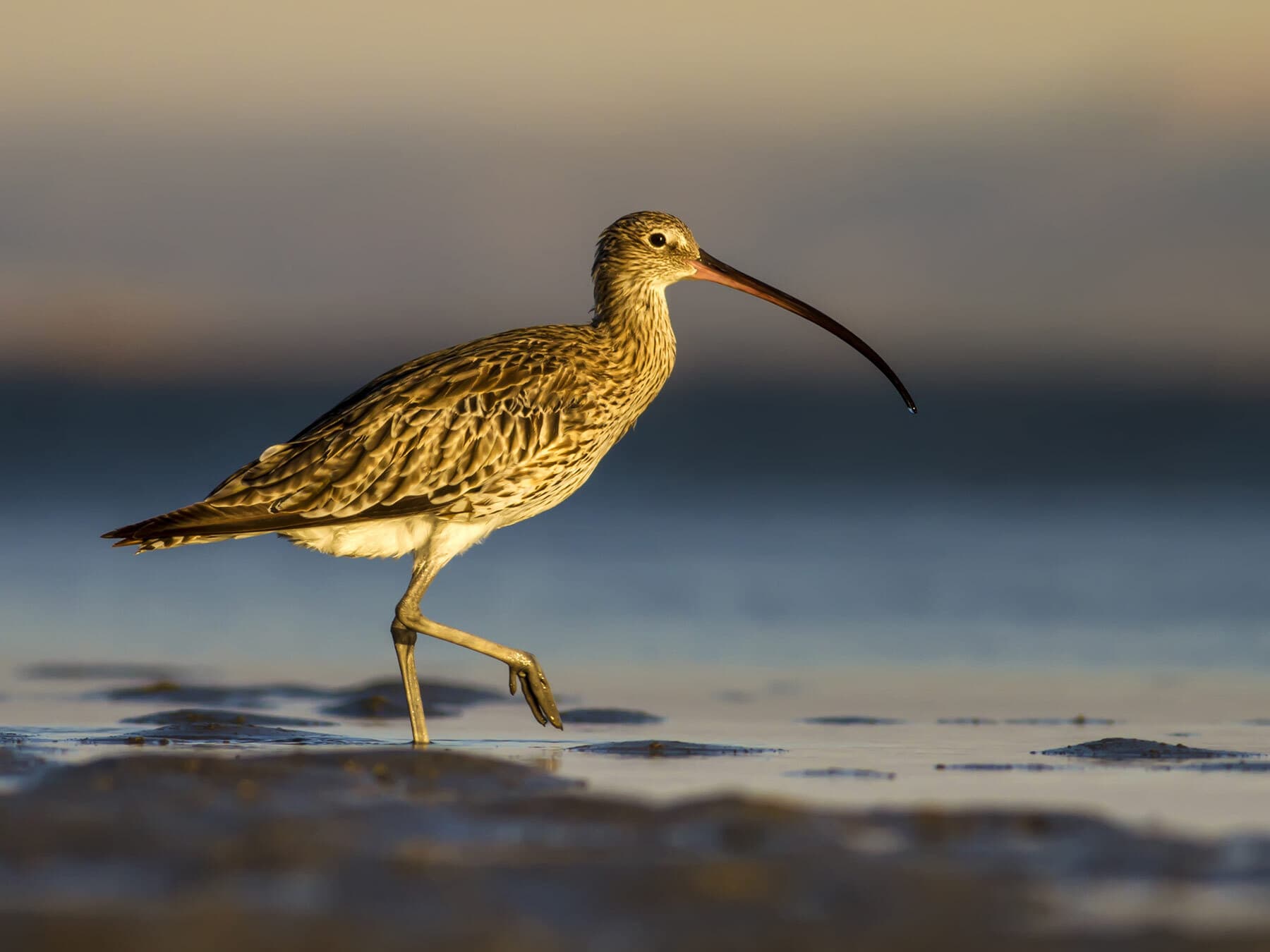
Curlew
Numenius arquataNT
A common resident found on coastal mudflats, farmland and marshes year-round. Its evocative call is a hallmark of the Wash.
Year-round
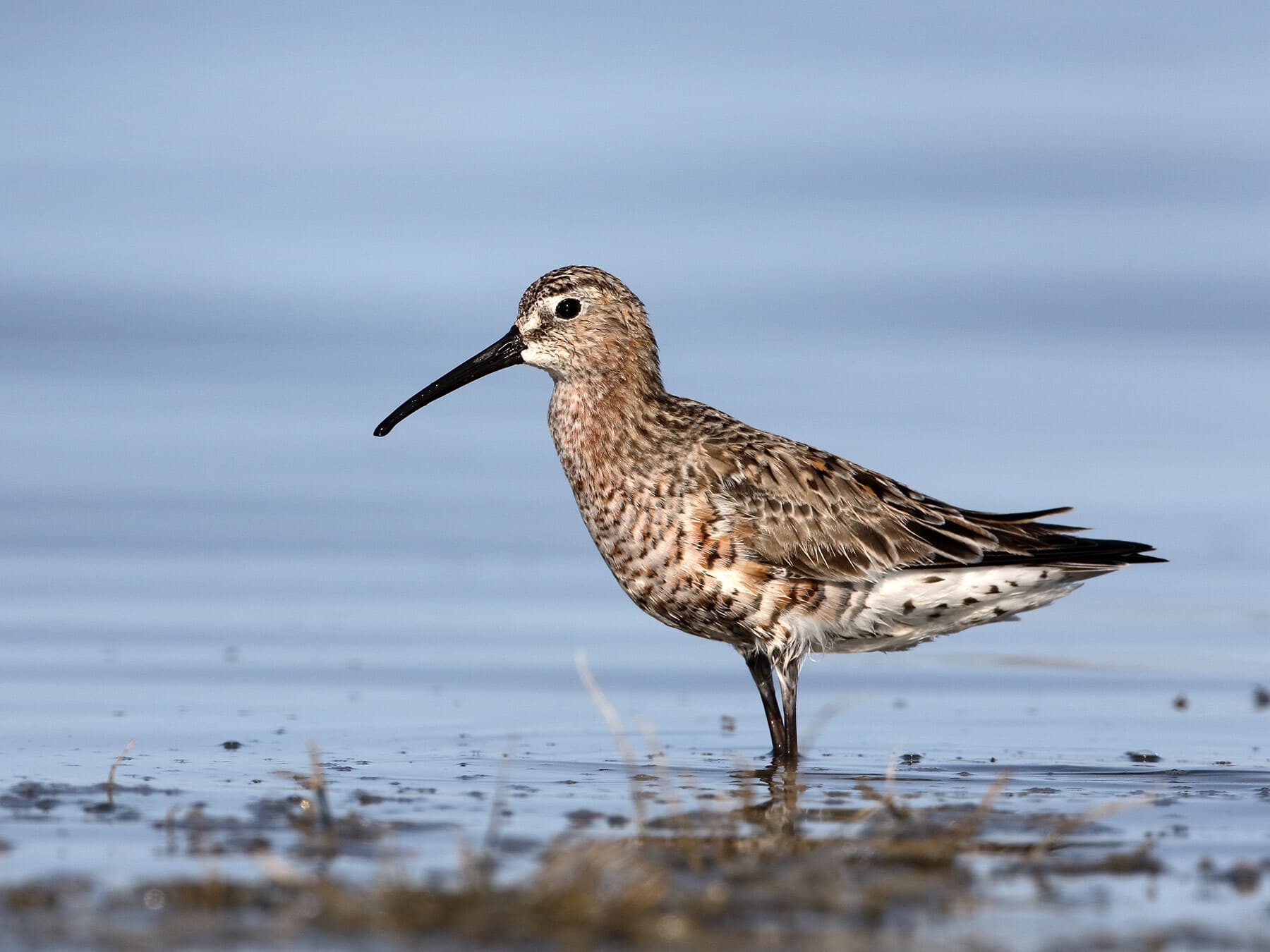
Curlew Sandpiper
Calidris ferrugineaNT
Uncommon on coastal mudflats and wash margins from spring through autumn, with numbers peaking during autumn passage in striking rufous plumage.
Apr–Oct
Spotted something?
Upload a photo to identify it
Identify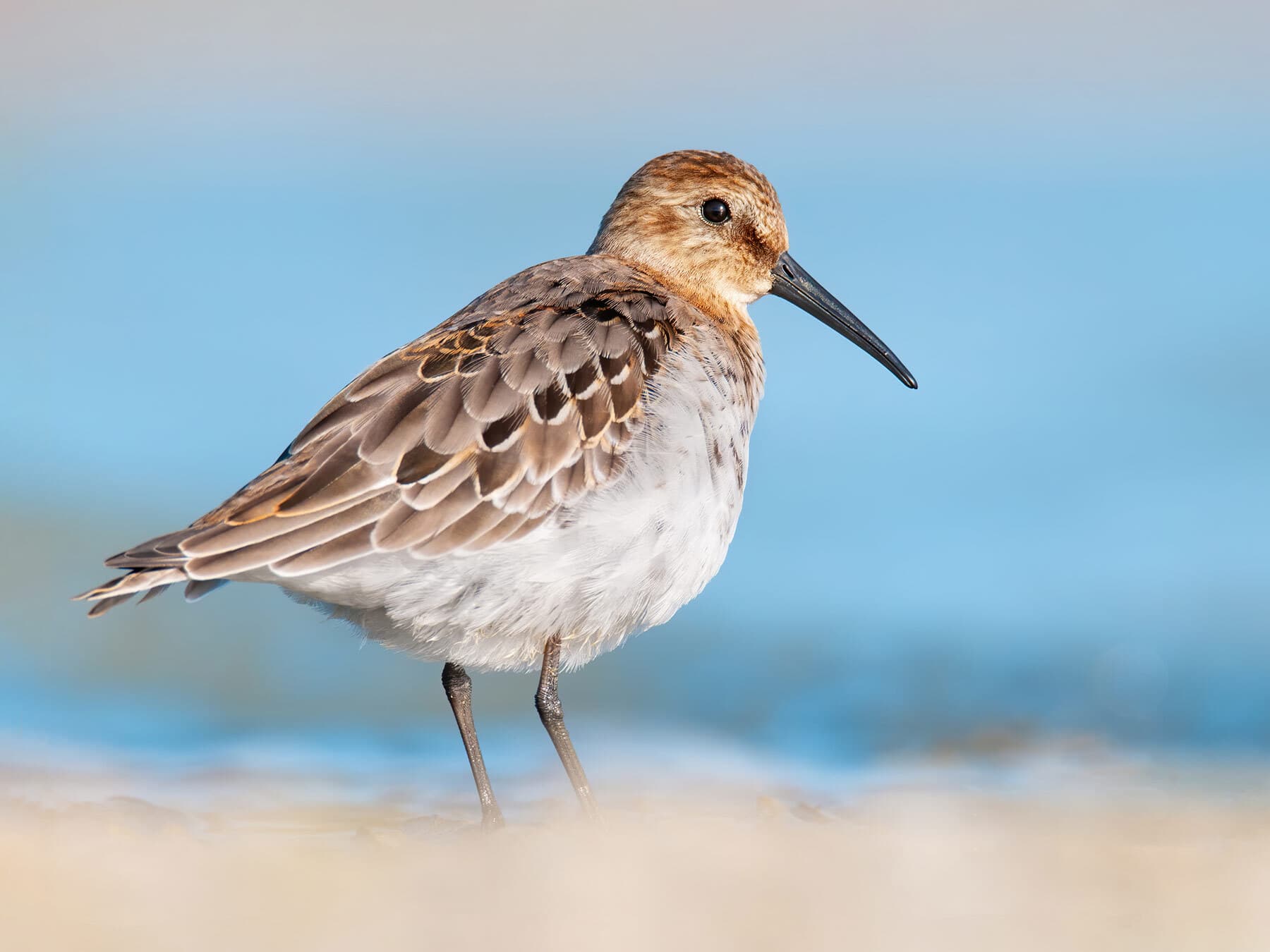
Dunlin
Calidris alpinaLC
Abundant on the Wash mudflats year-round, forming large winter flocks. One of the most numerous waders along the Lincolnshire coast.
Year-round
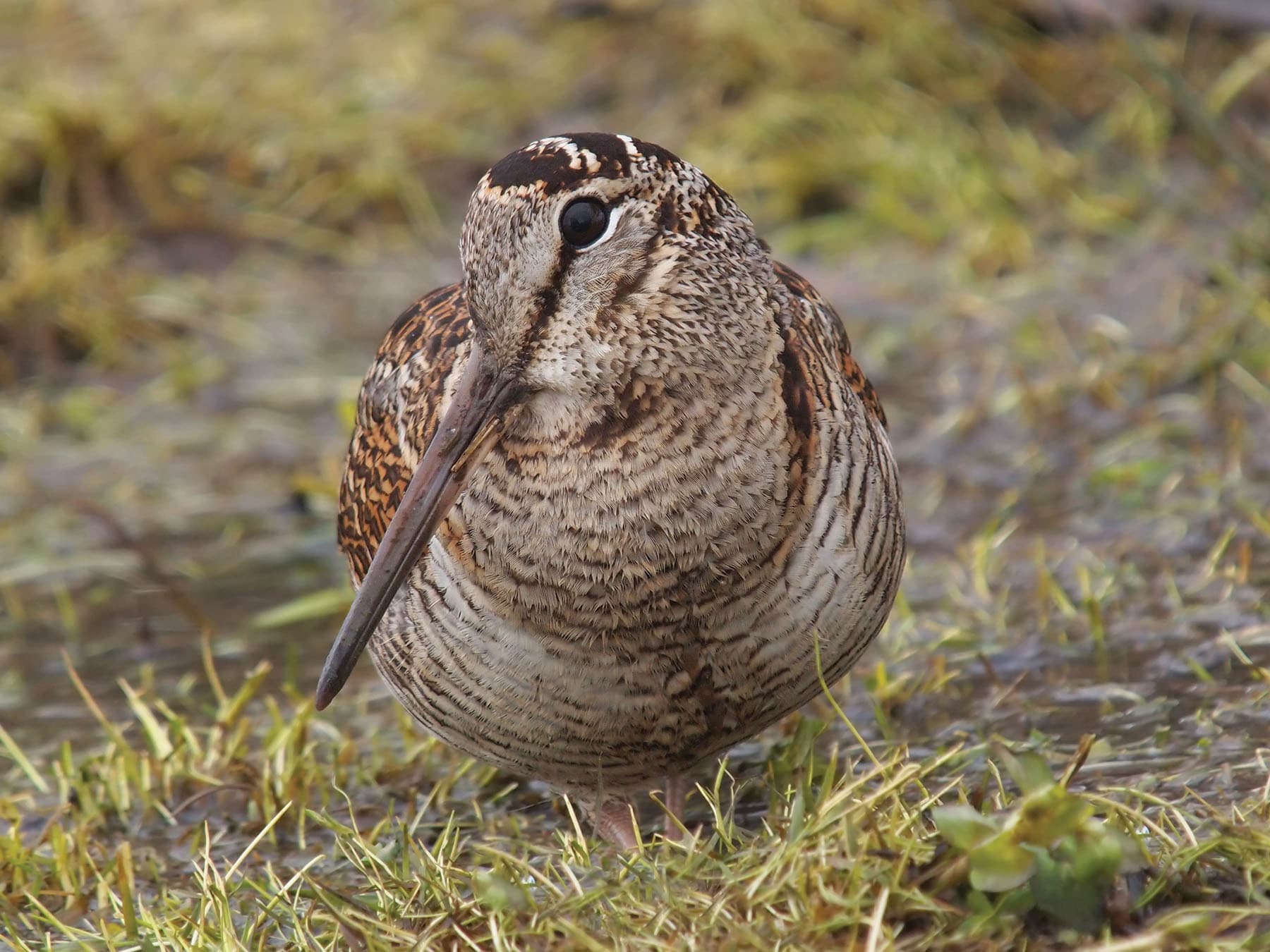
Eurasian Woodcock
Scolopax rusticolaLC
A secretive winter visitor to damp woodland and hedgerows. Most likely encountered during cold-weather movements from October to March.
Oct–Jun
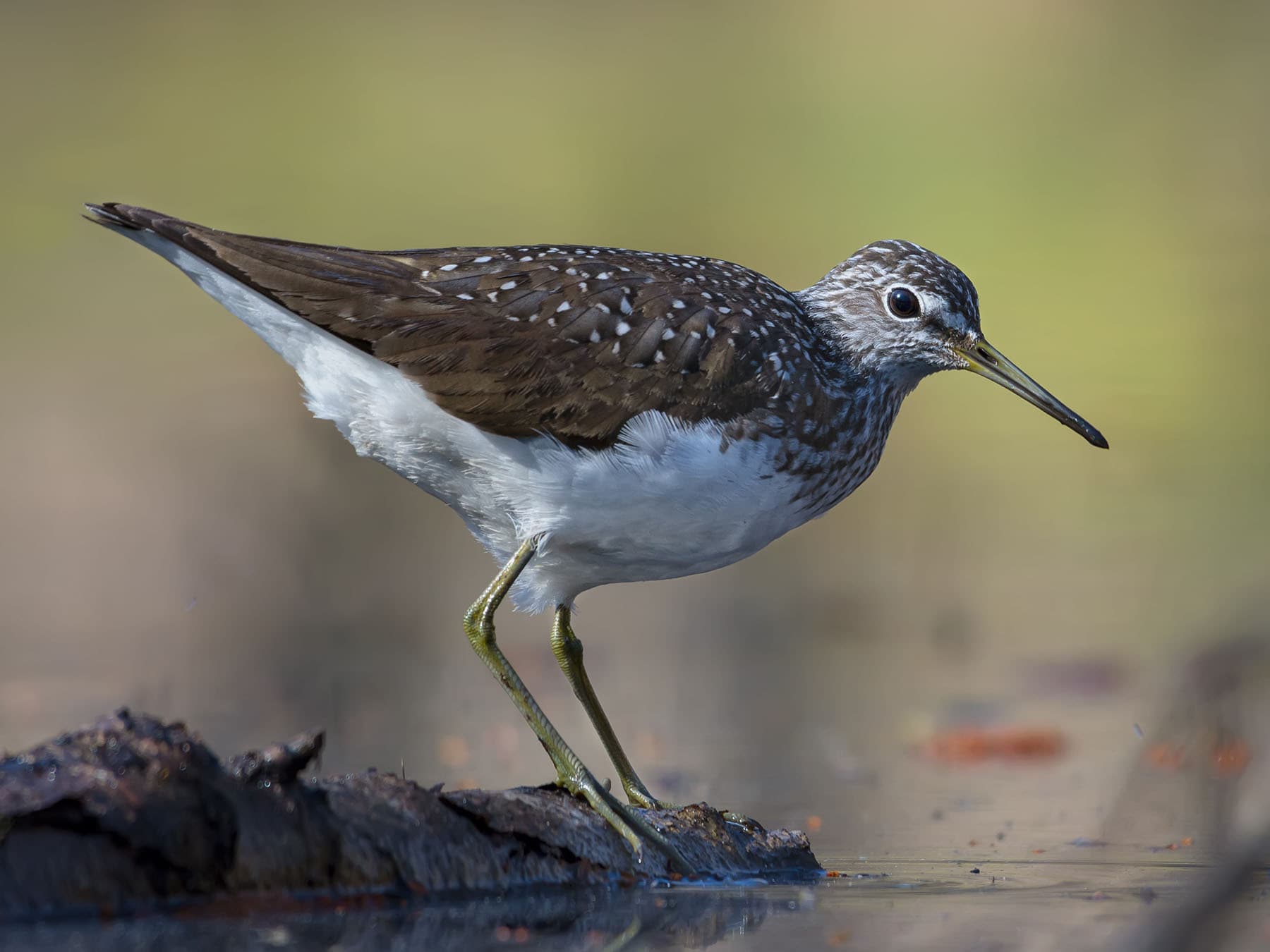
Green Sandpiper
Tringa ochropusLC
Found year-round at freshwater pools, ditches, and watercress beds. Often solitary and easily flushed, showing dark underwings in flight.
Jun–Apr
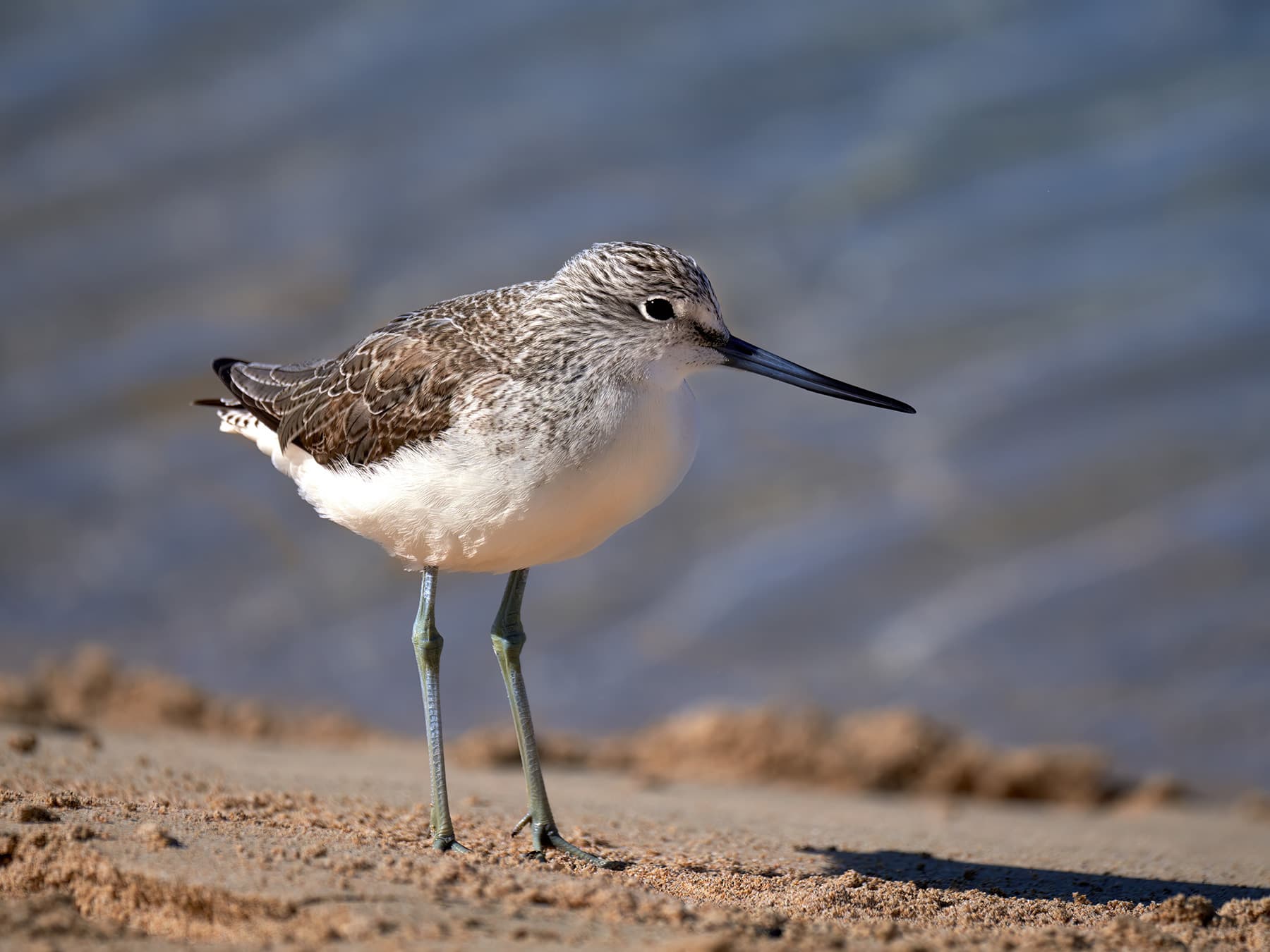
Greenshank
Tringa nebulariaLC
An uncommon but regular presence on estuarine creeks and pools. Most frequently seen on autumn passage along the Wash and at inland reserves.
Feb–Dec
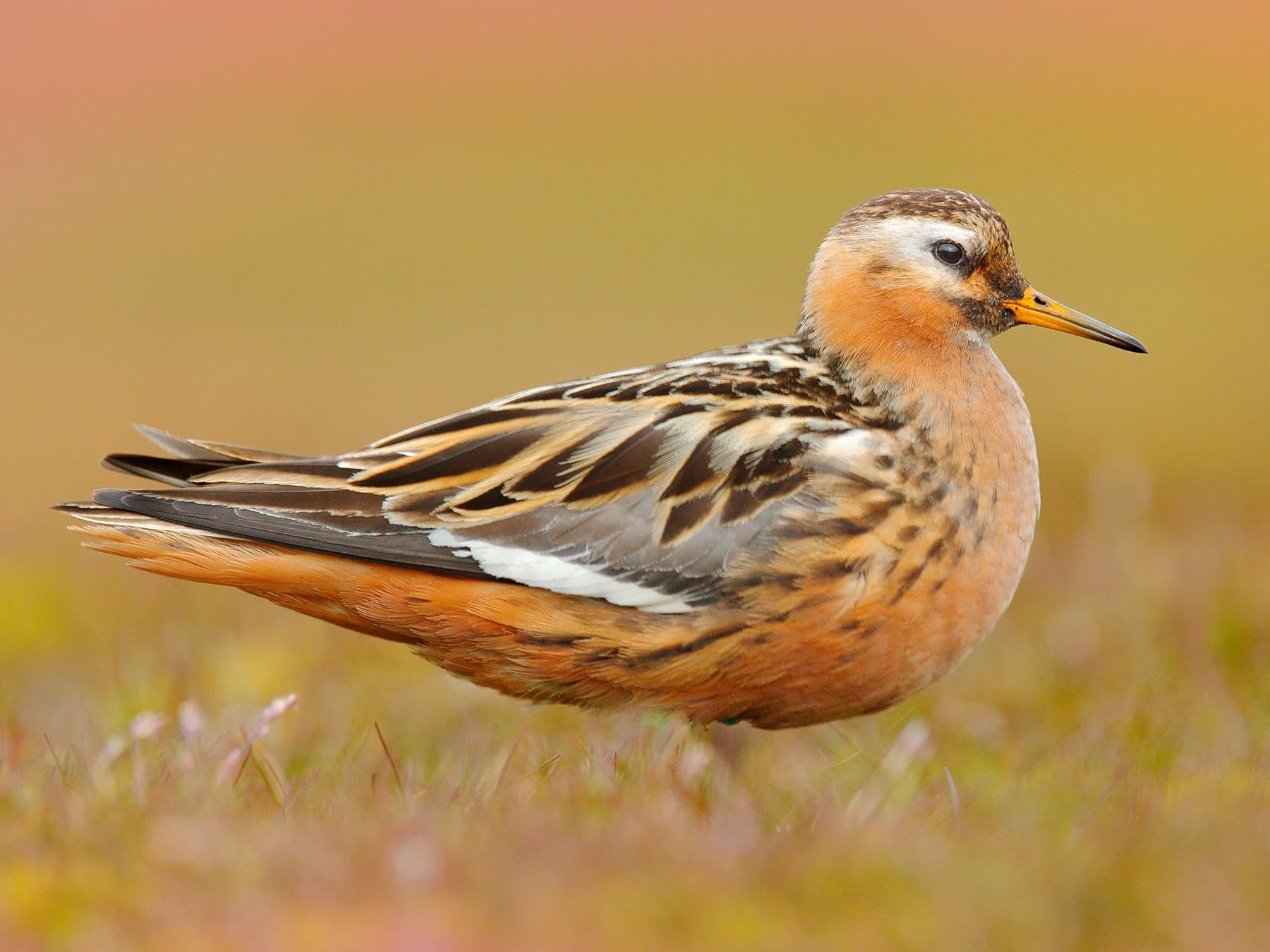
Grey Phalarope
Phalaropus fulicariusLC
A rare autumn passage visitor, typically storm-driven to the coast in September. Most records come from the Wash area.
Sep
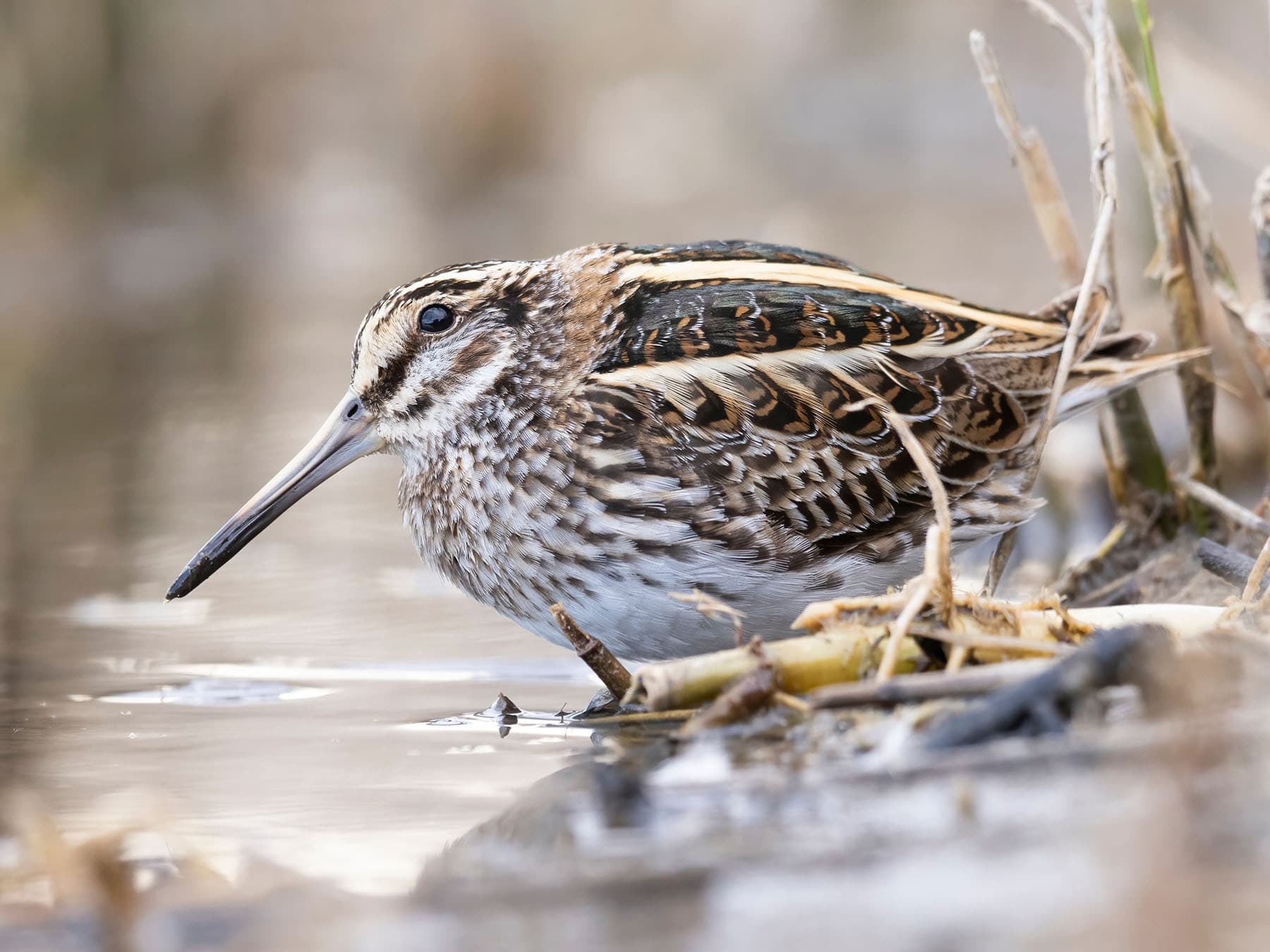
Jack Snipe
Lymnocryptes minimusLC
A rare winter visitor to marshy fields and wet grasslands from October to April. Secretive and easily overlooked among snipe.
Oct–Apr
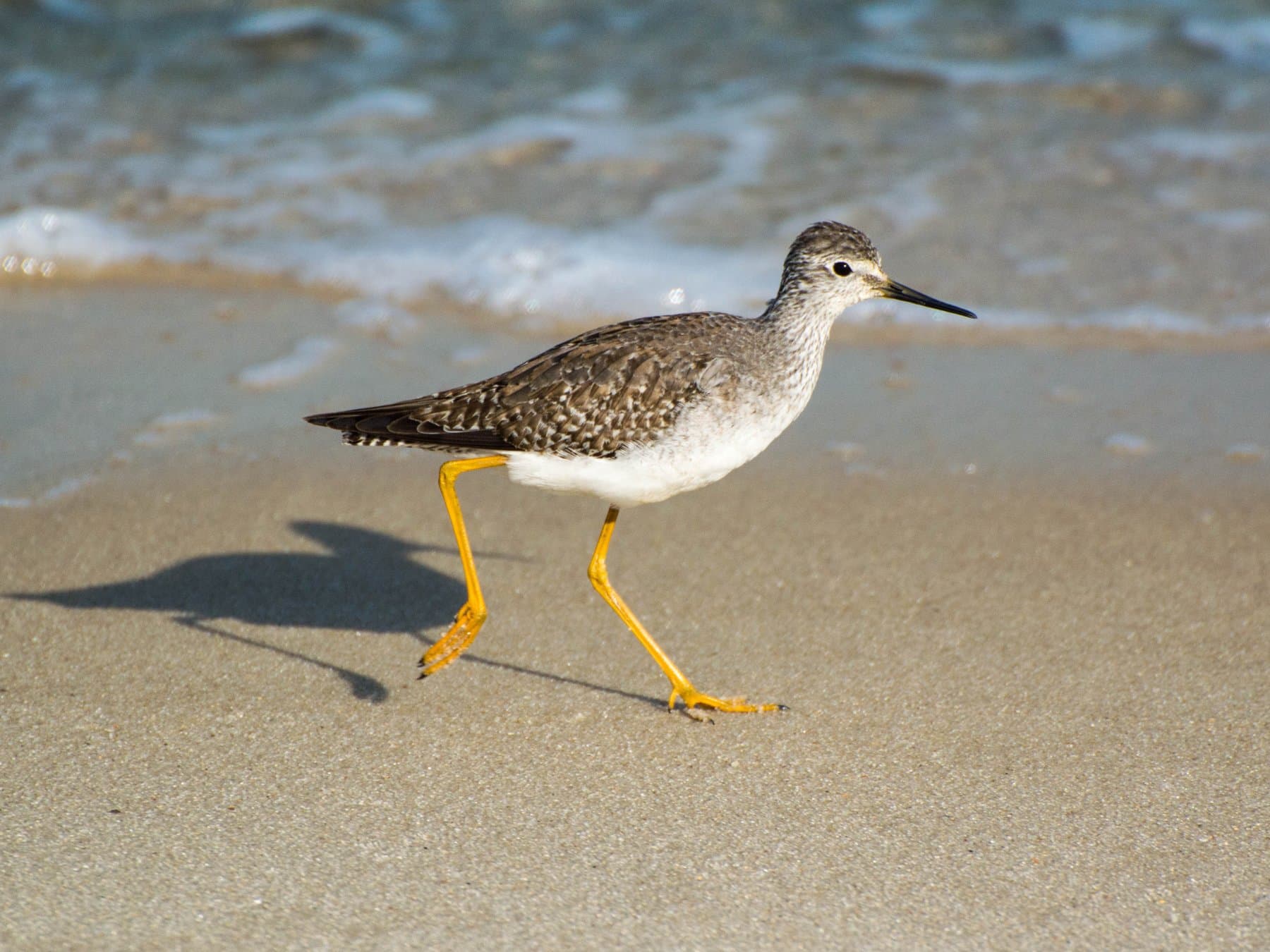
Lesser Yellowlegs
Tringa flavipesVU
A rare Nearctic vagrant, with long-staying individuals occasionally found on freshwater scrapes and marshes across the county.
Sep–Jul
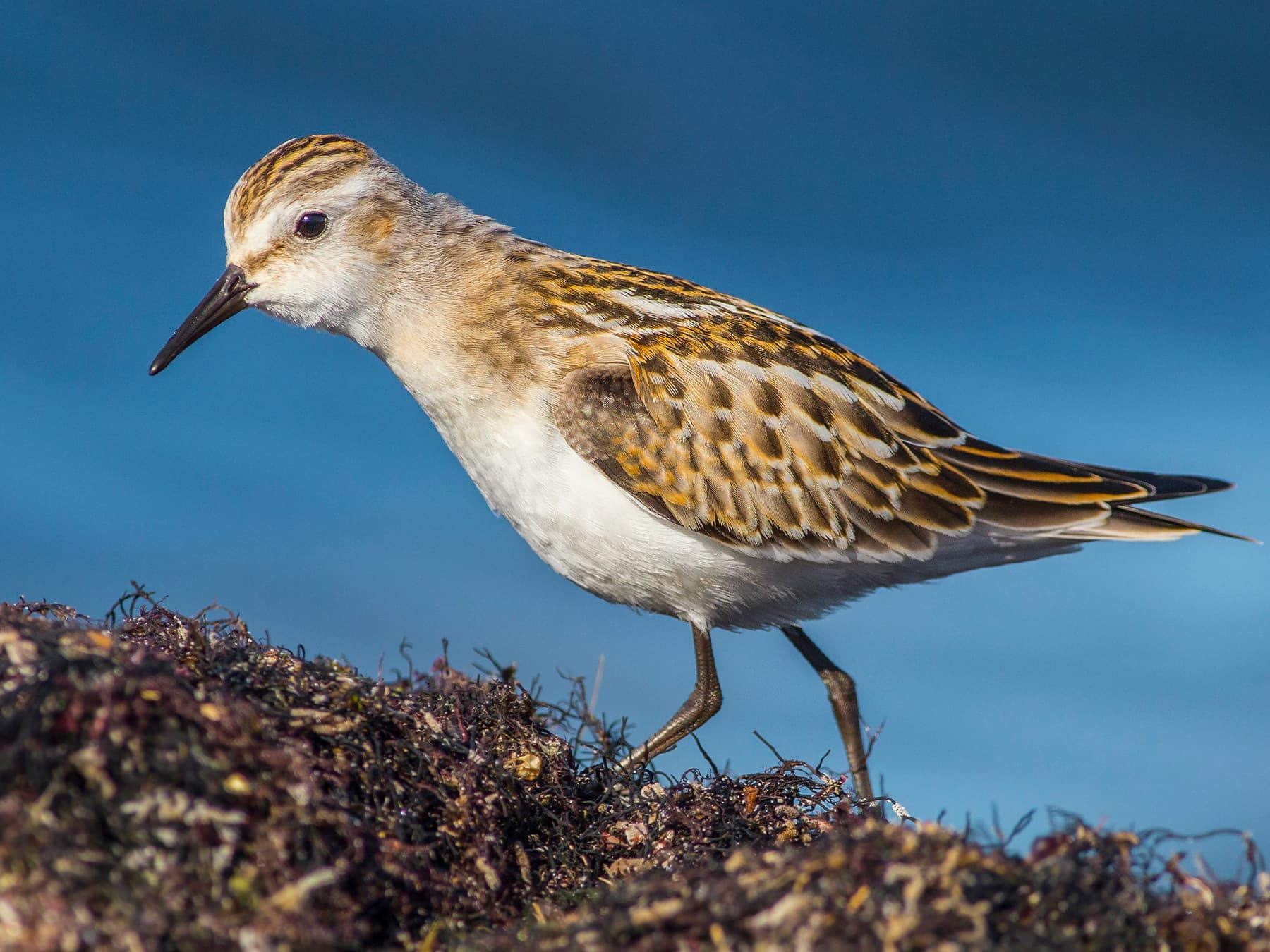
Little Stint
Calidris minutaLC
An uncommon visitor to coastal scrapes and pools, mainly on passage from July to October. Tiny size and active feeding style are distinctive.
Mar–Oct
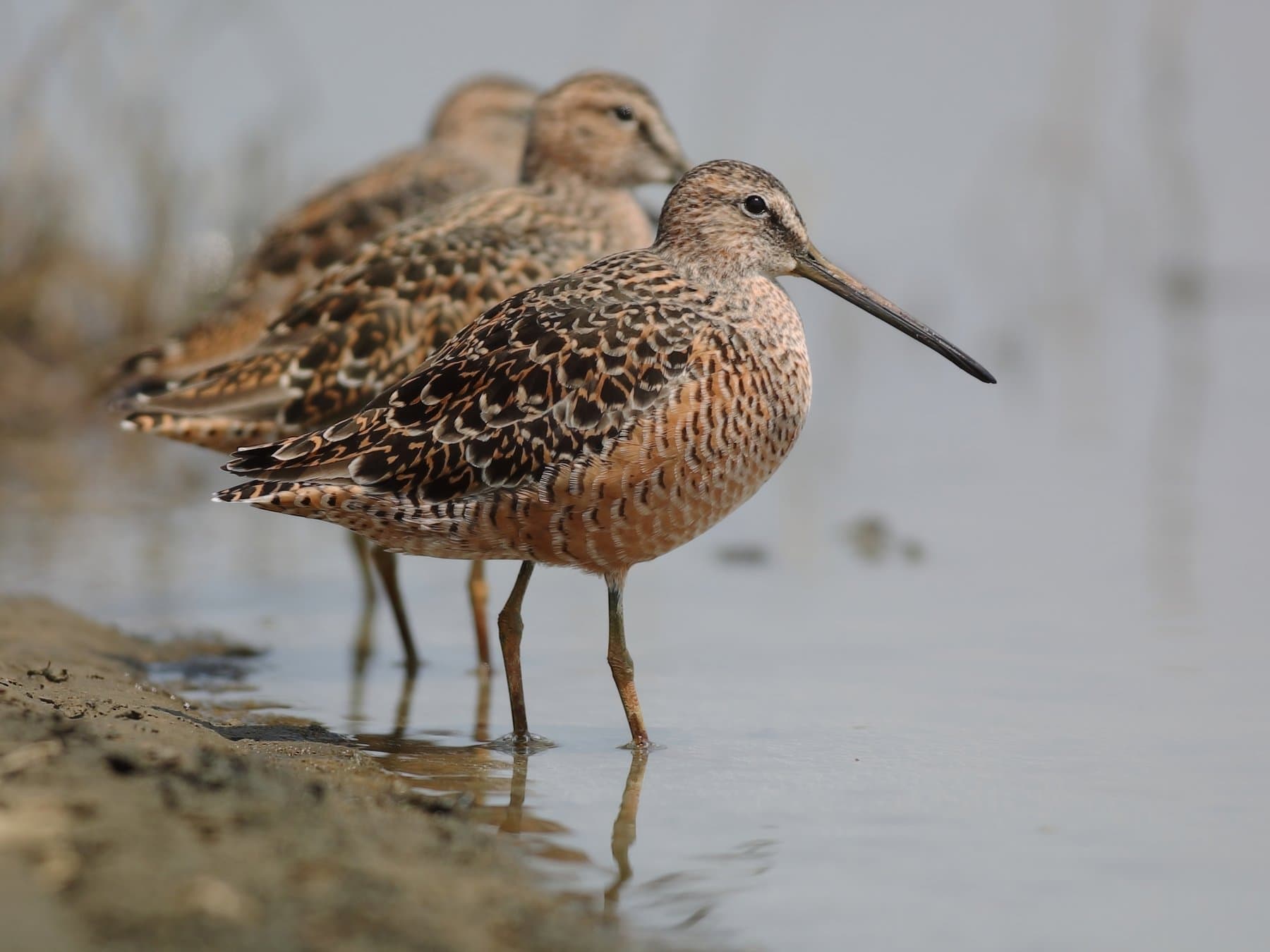
Long-billed Dowitcher
Limnodromus scolopaceusNT
A rare Nearctic wader on passage from July to October, occasionally lingering at coastal pools and freshwater scrapes.
Jul–Oct
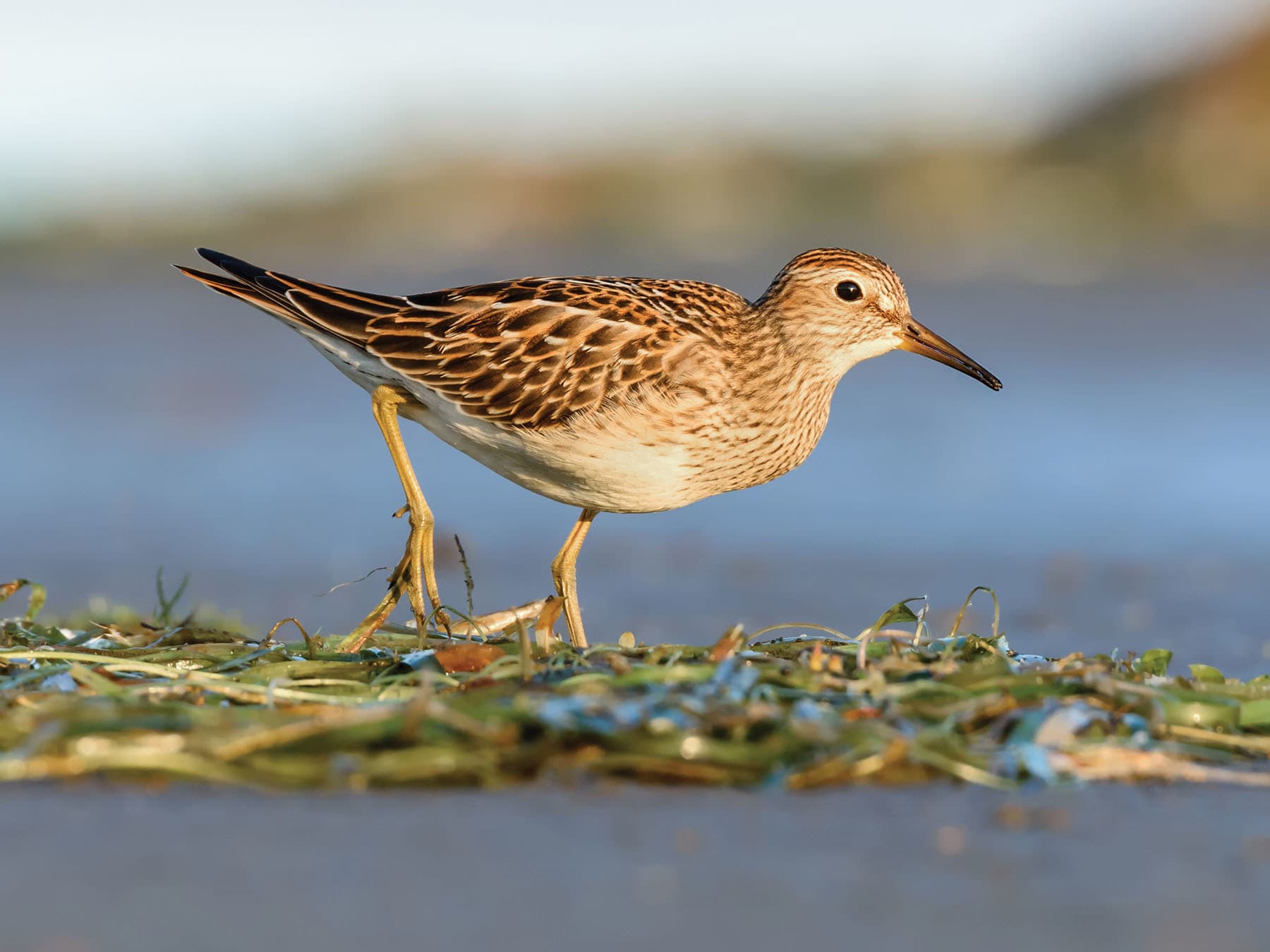
Pectoral Sandpiper
Calidris melanotosLC
A rare but regular autumn passage migrant from July to October, favouring freshwater scrapes and flooded fields.
Jul–Oct
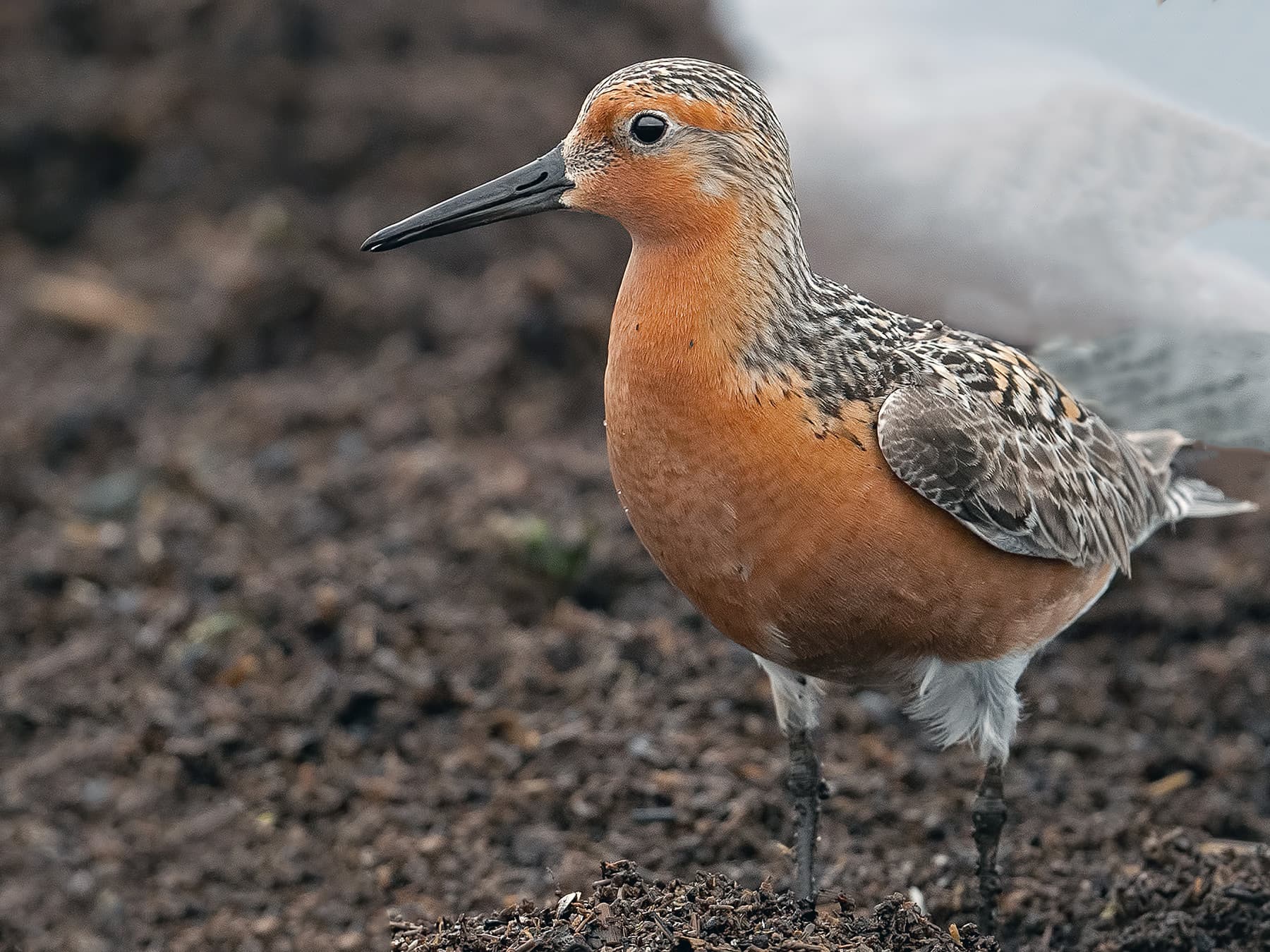
Red Knot
Calidris canutusNT
The Wash hosts internationally important wintering flocks. Spectacular dense formations swirl over mudflats, peaking from autumn to spring.
Year-round
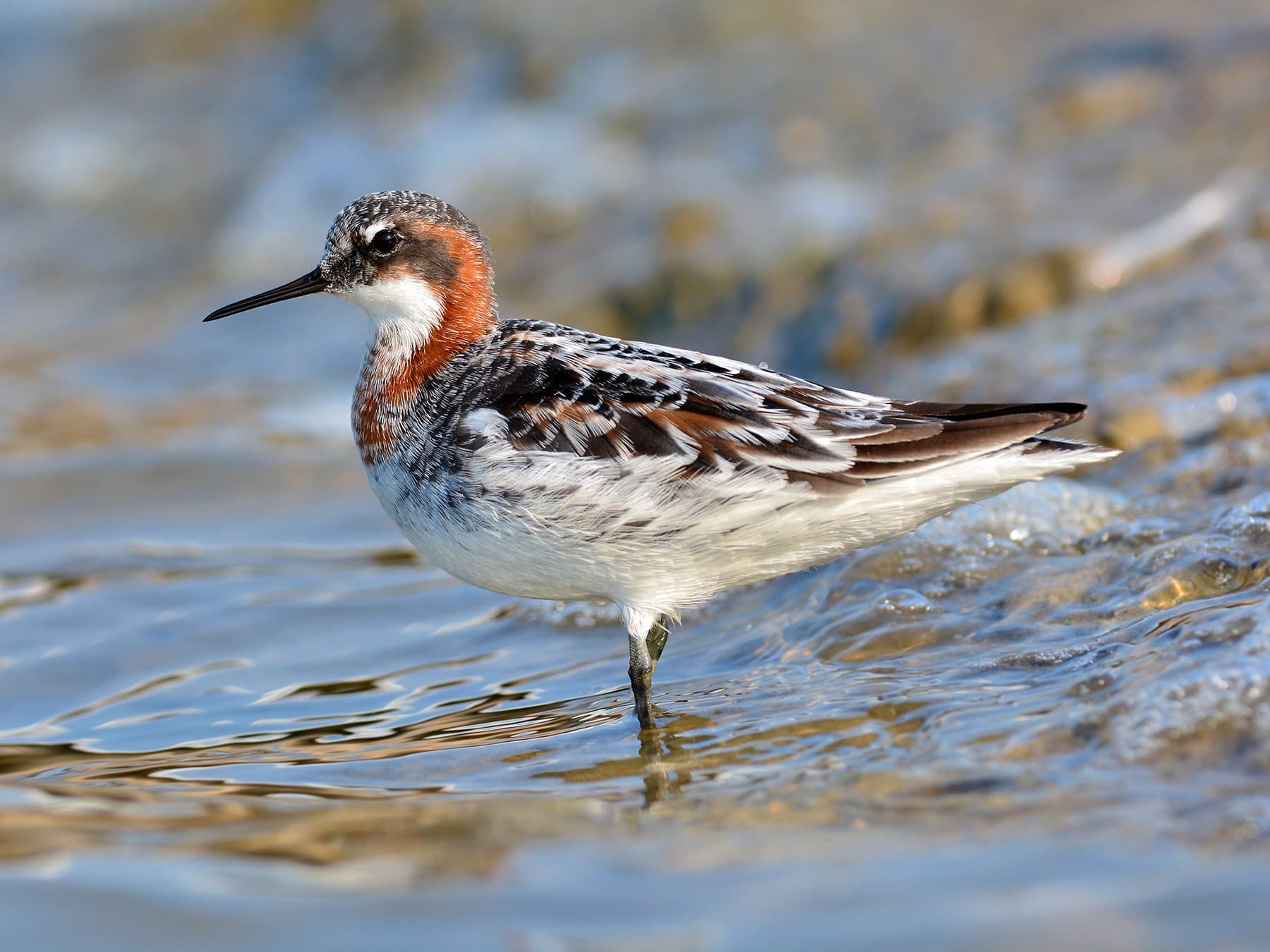
Red-necked Phalarope
Phalaropus lobatusLC
A rare passage migrant in June and July, occasionally stopping at coastal pools and inland scrapes on its Arctic migration.
Jun–Jul
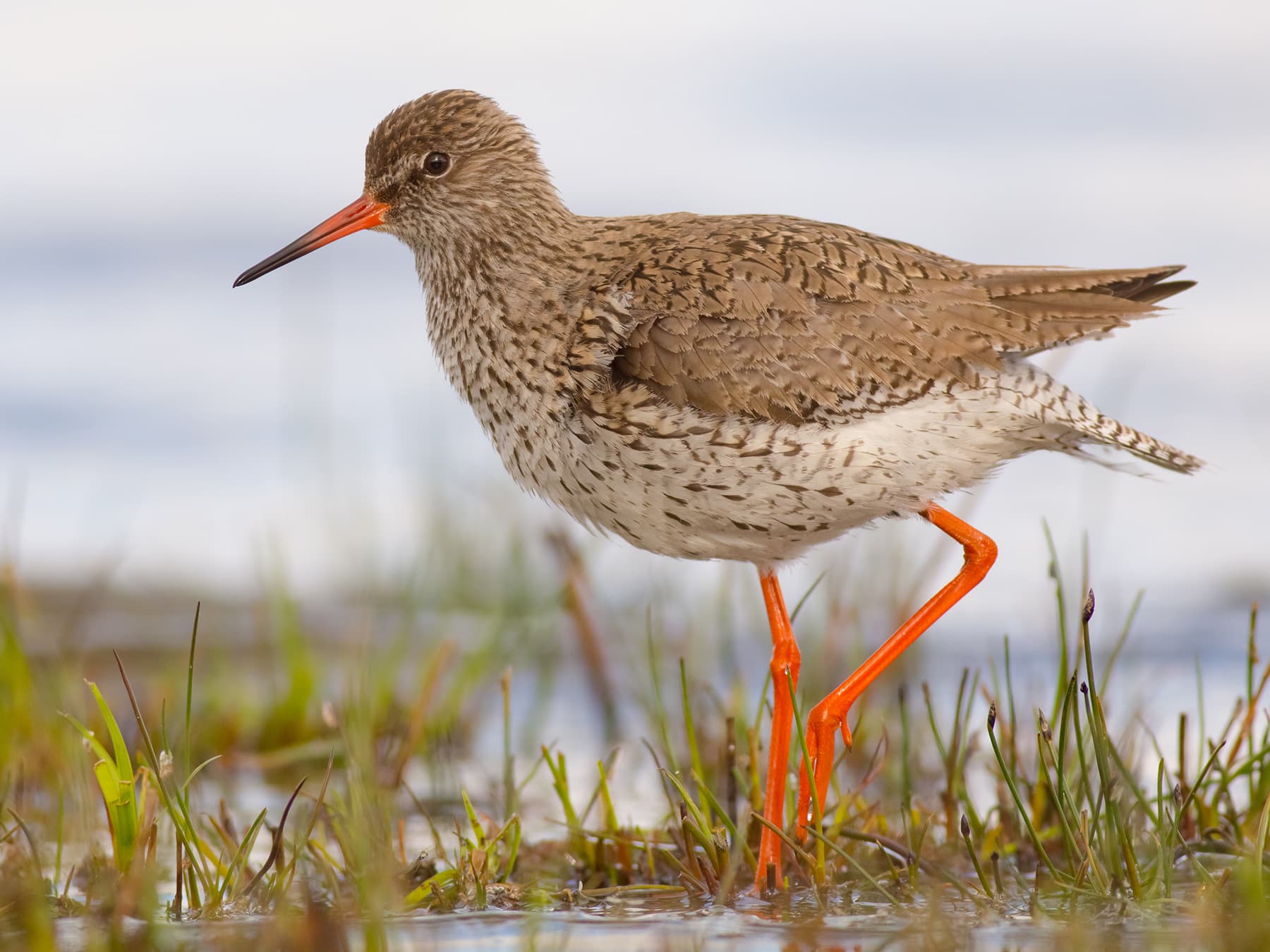
Redshank
Tringa totanusLC
A common resident of saltmarshes and wet grasslands across the county. Breeds on coastal grazing marshes and winters on the Wash.
Year-round
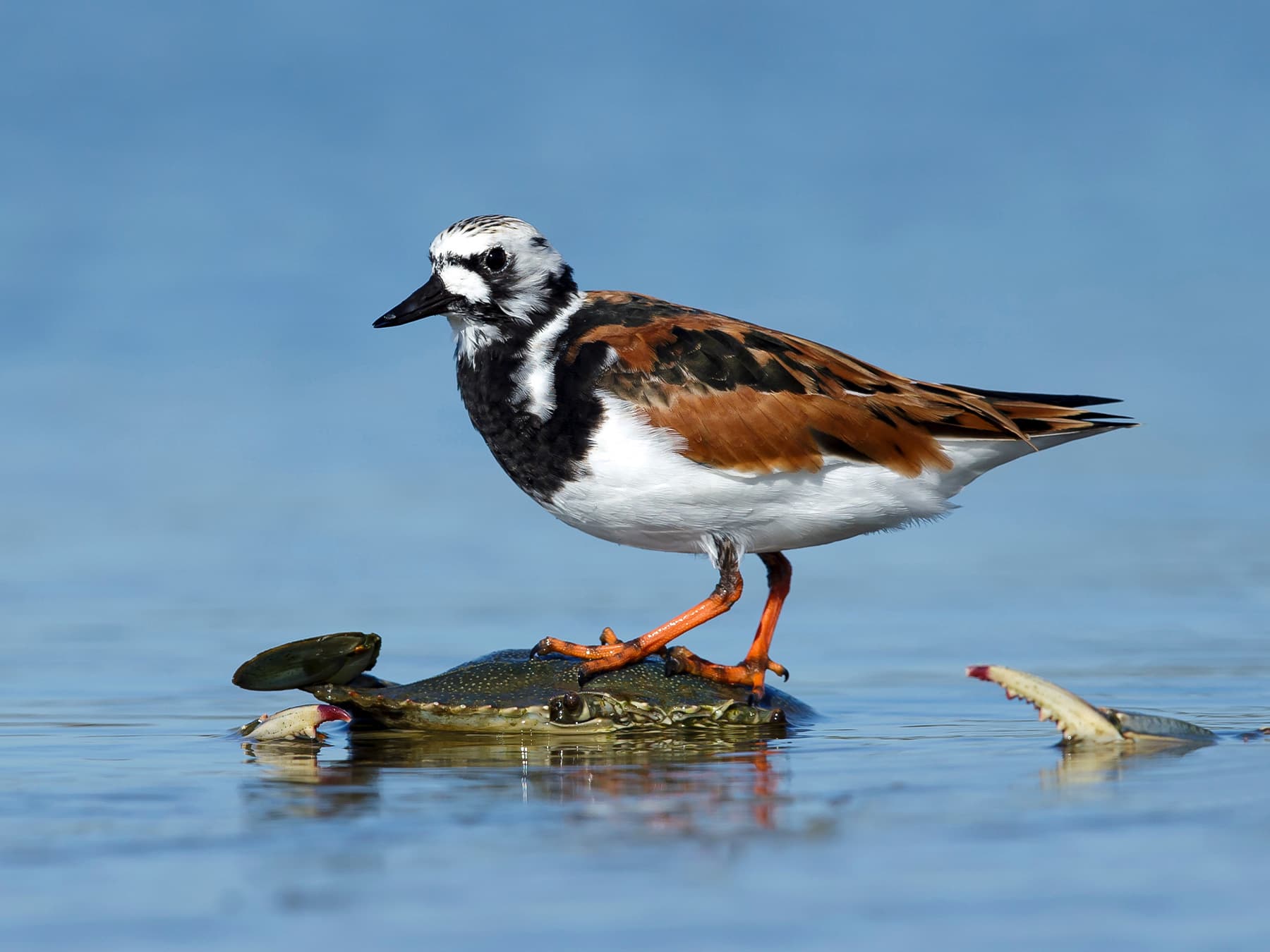
Ruddy Turnstone
Arenaria interpresLC
An uncommon but year-round presence along rocky groynes and mussel beds on the coast. Often feeds among seaweed at the tideline.
Year-round
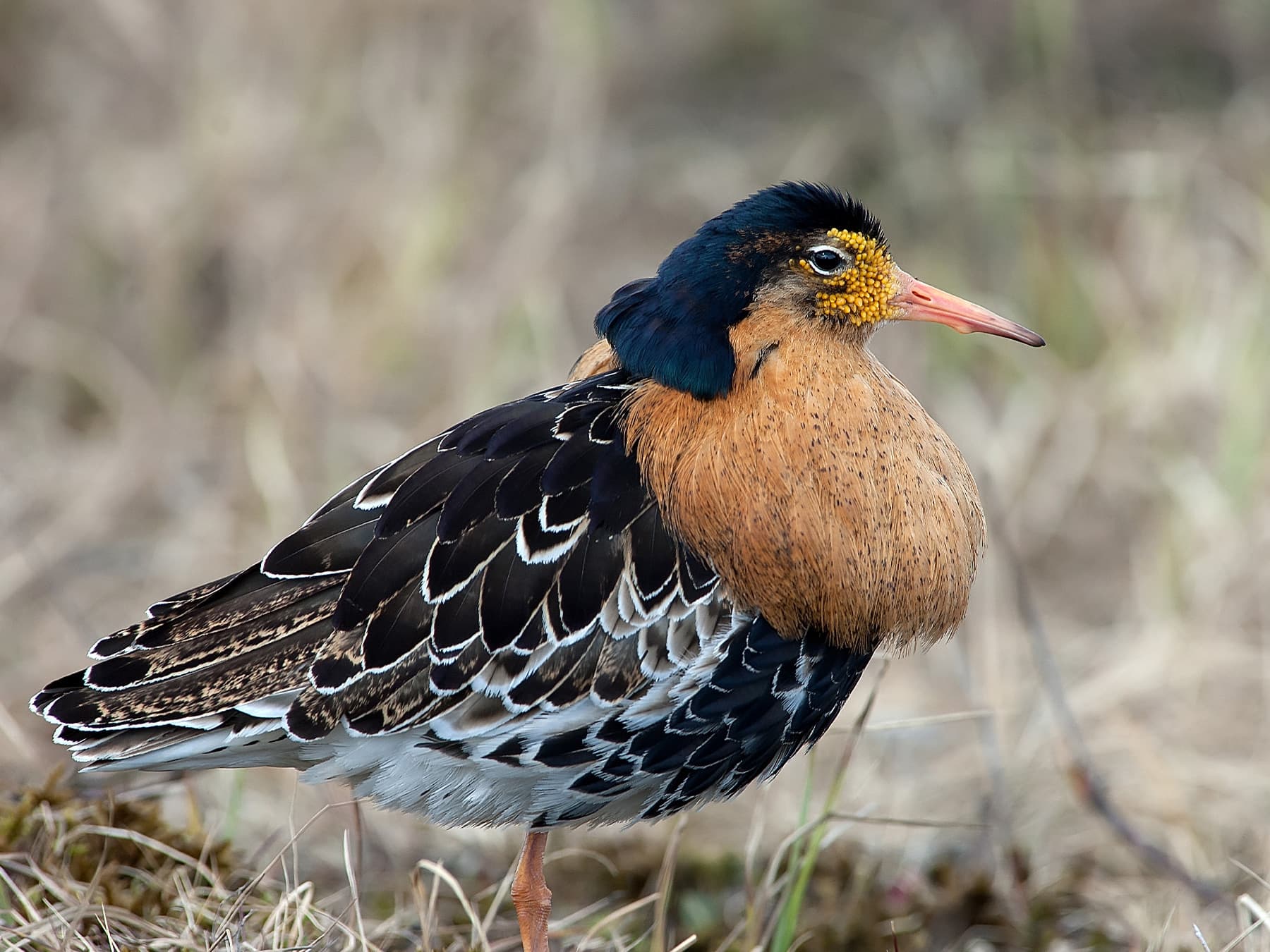
Ruff
Philomachus pugnaxLC
An uncommon year-round resident, with passage birds boosting numbers on coastal and fenland scrapes in spring and autumn.
Year-round