Sandpipers & Snipes in Lincolnshire
31 species matching this filter.
Lincolnshire's extensive coastline, estuaries, and inland wetlands make it one of England's premier destinations for observing sandpipers and snipes. With 24 recorded species in this family, the county hosts an impressive diversity of waders, from the elegant Bar-tailed and Black-tailed Godwits feeding on the Wash's mudflats to the secretive Eurasian Woodcock skulking in woodland. Key sites such as Gibraltar Point, Frampton Marsh, and the Humber Estuary attract both common and scarce passage migrants throughout the year.


Showing 24–31 of 31 species
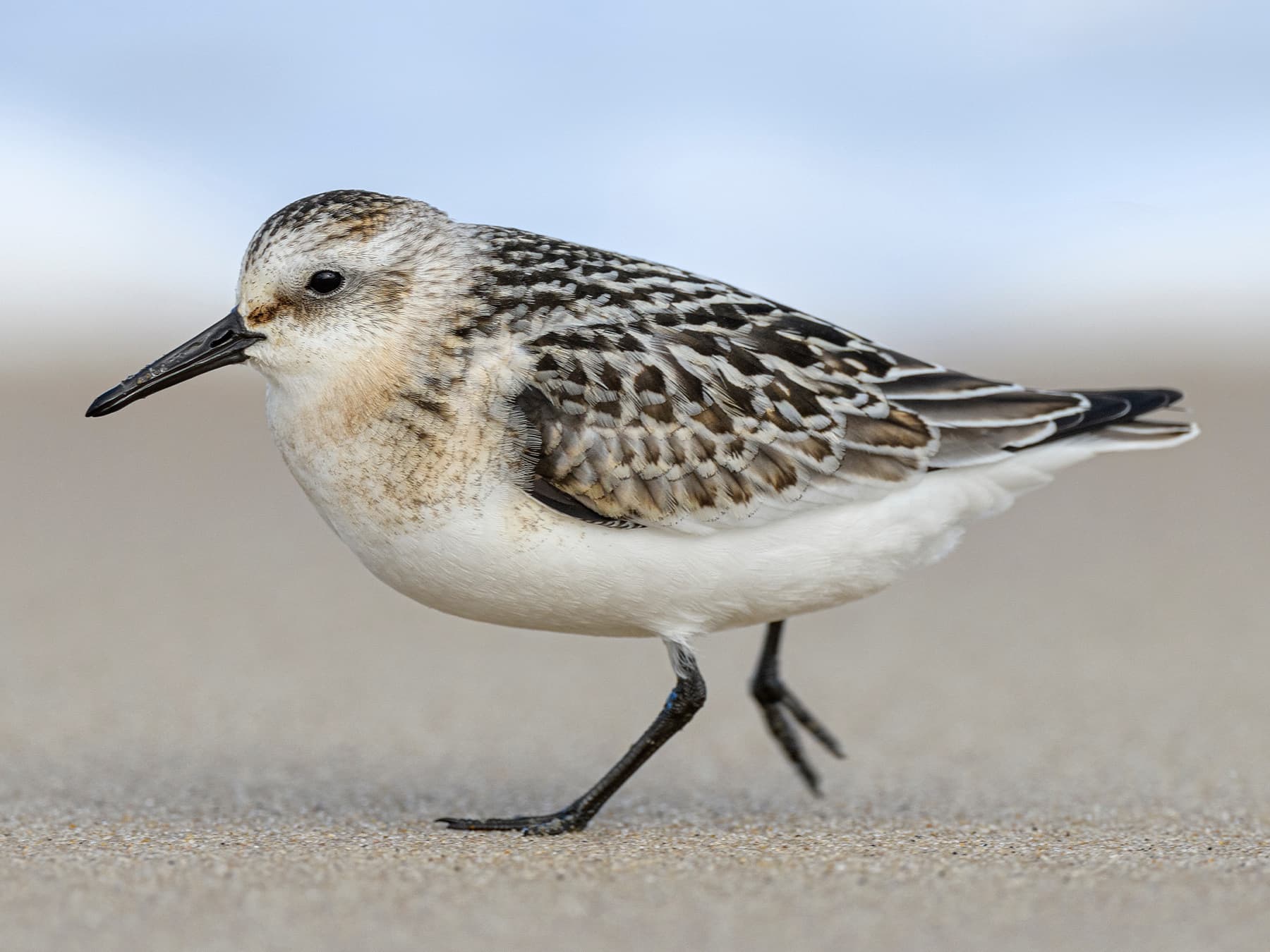
Sanderling
Calidris albaLC
A rare but year-round visitor to sandy beaches along the coast, often seen in small flocks running along the tideline.
Year-round
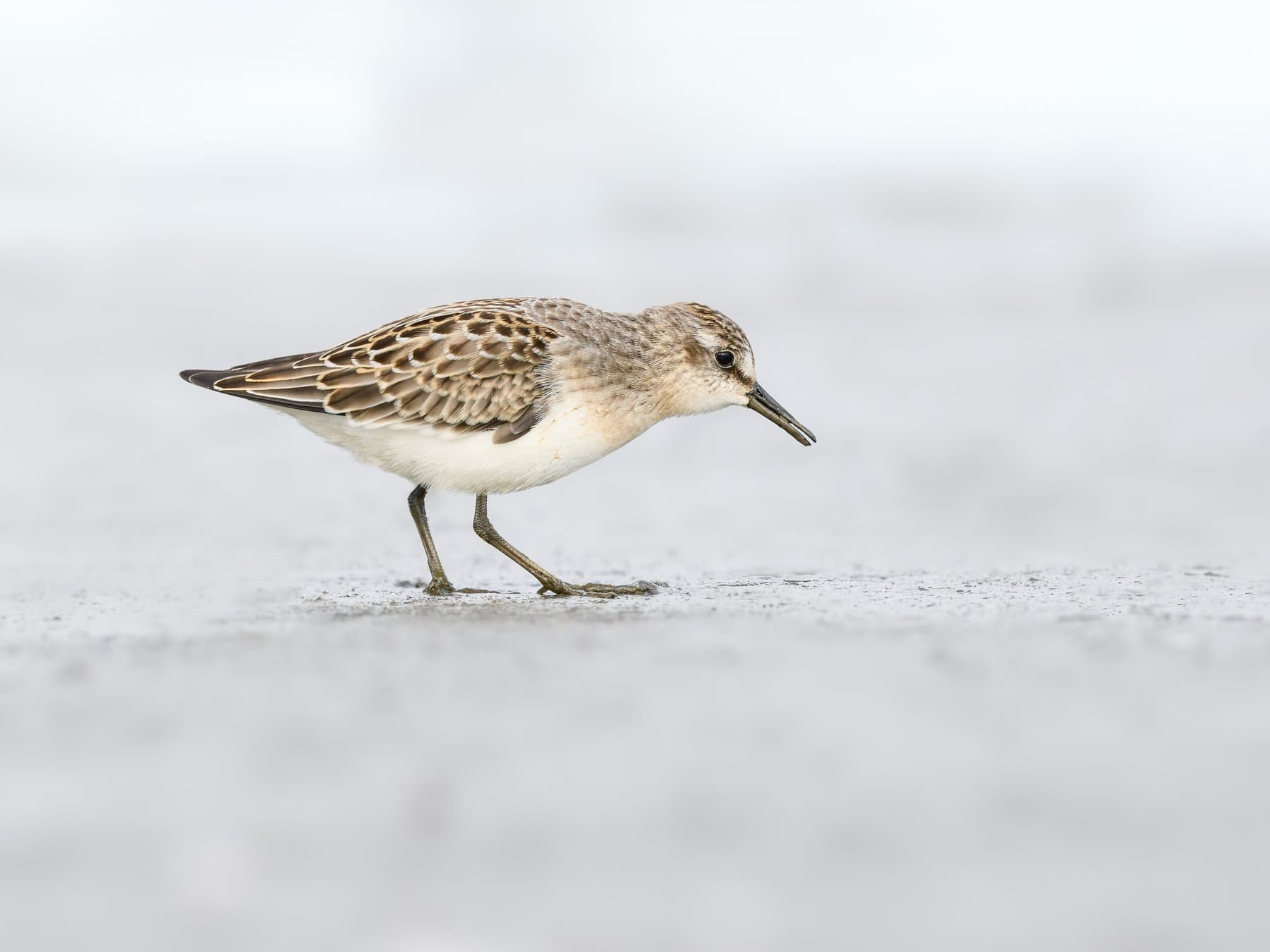
Semipalmated Sandpiper
Calidris pusillaNT
A very rare transatlantic vagrant, occasionally recorded in October among flocks of small waders on coastal pools and mudflats.
Oct
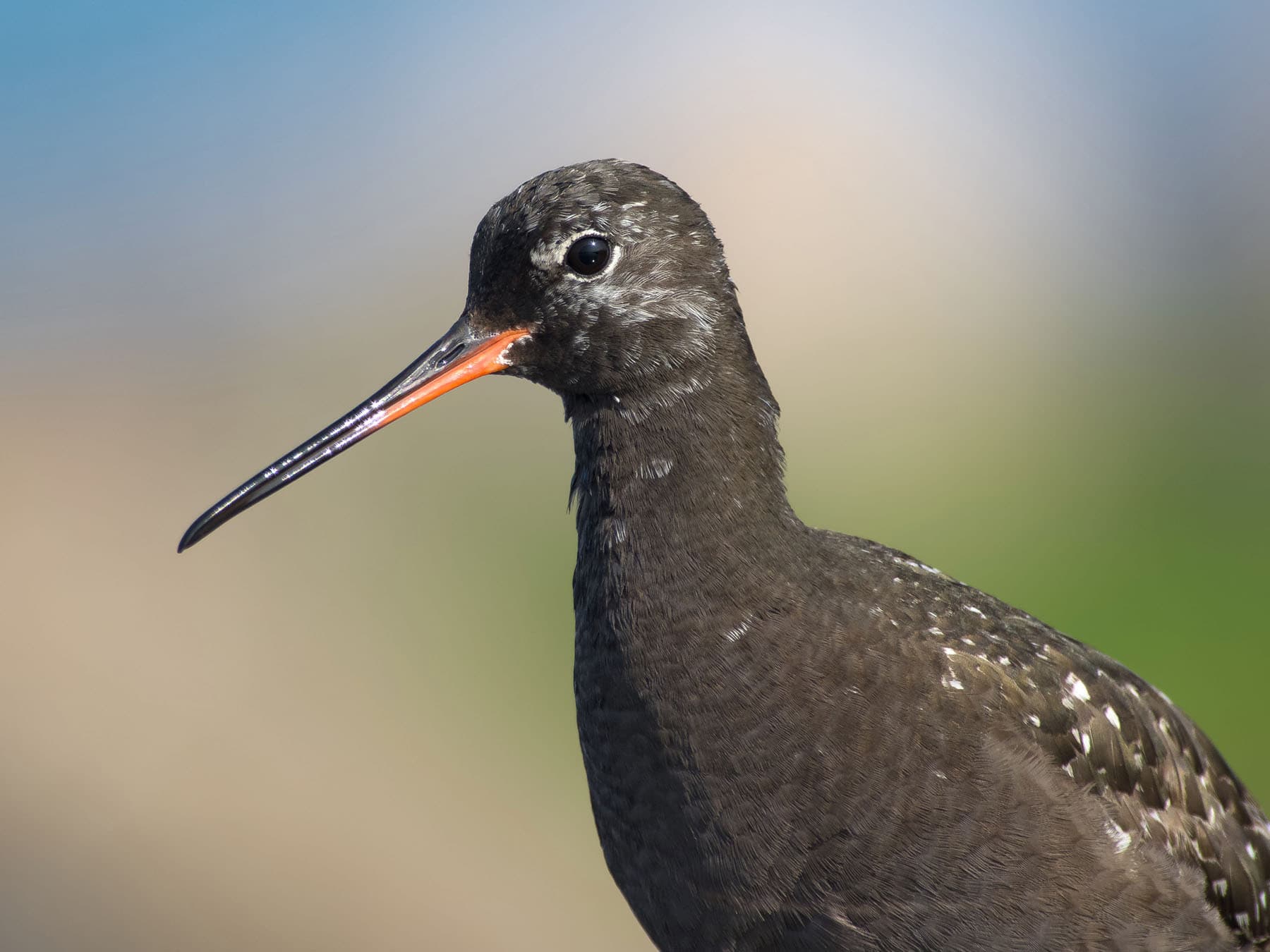
Spotted Redshank
Tringa erythropusLC
An uncommon year-round resident of coastal marshes and estuarine mudflats, most conspicuous on the Wash during autumn passage.
Year-round
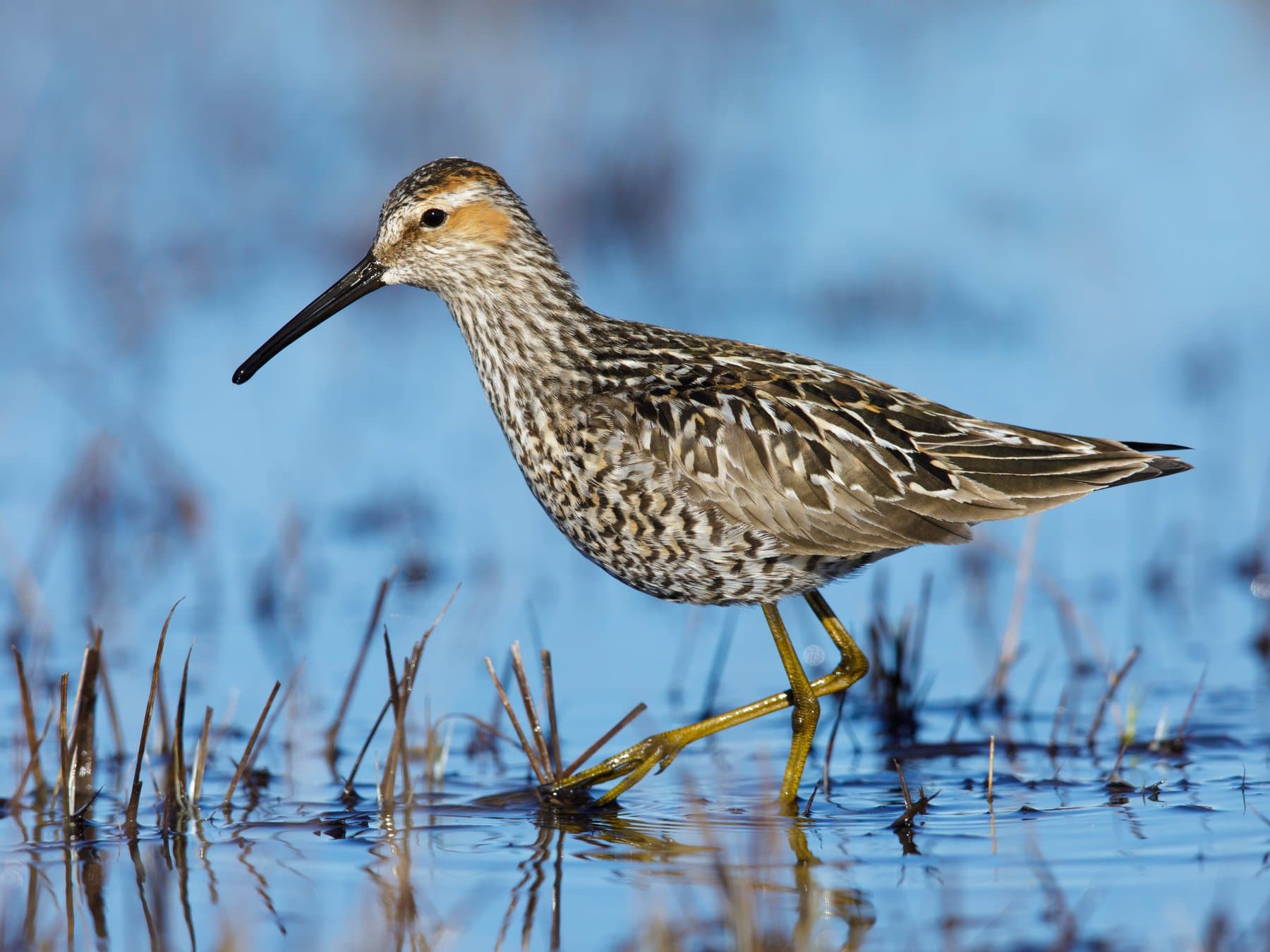
Stilt Sandpiper
Calidris himantopusNT
An extremely rare Nearctic vagrant, with occasional July–August records at coastal scrapes. A prized find for county listers.
Jul–Aug
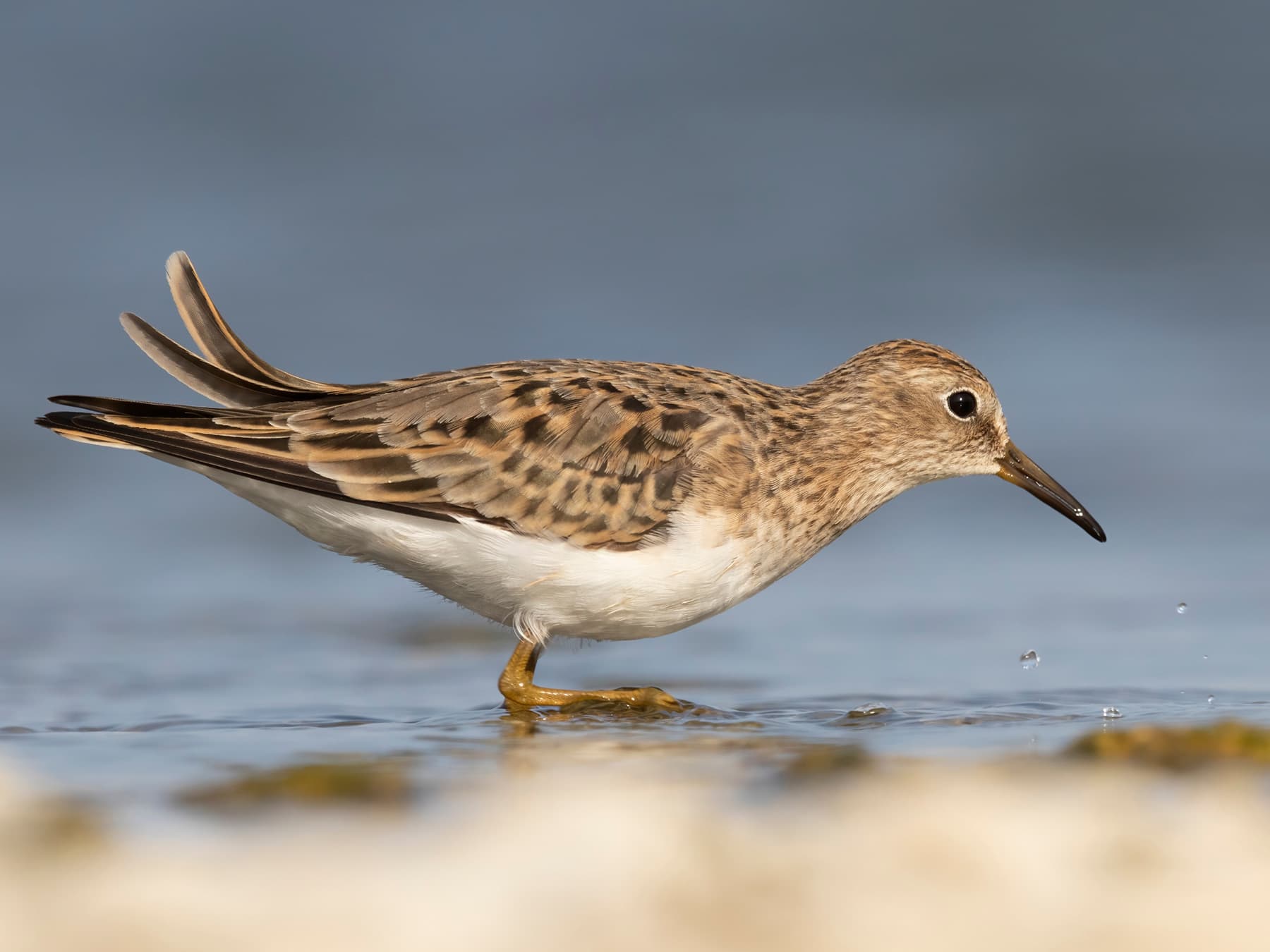
Temminck's Stint
Calidris temminckiiLC
A rare passage migrant, briefly visiting freshwater scrapes in May and August. Easily overlooked among flocks of Little Stints and Dunlin.
May–Aug
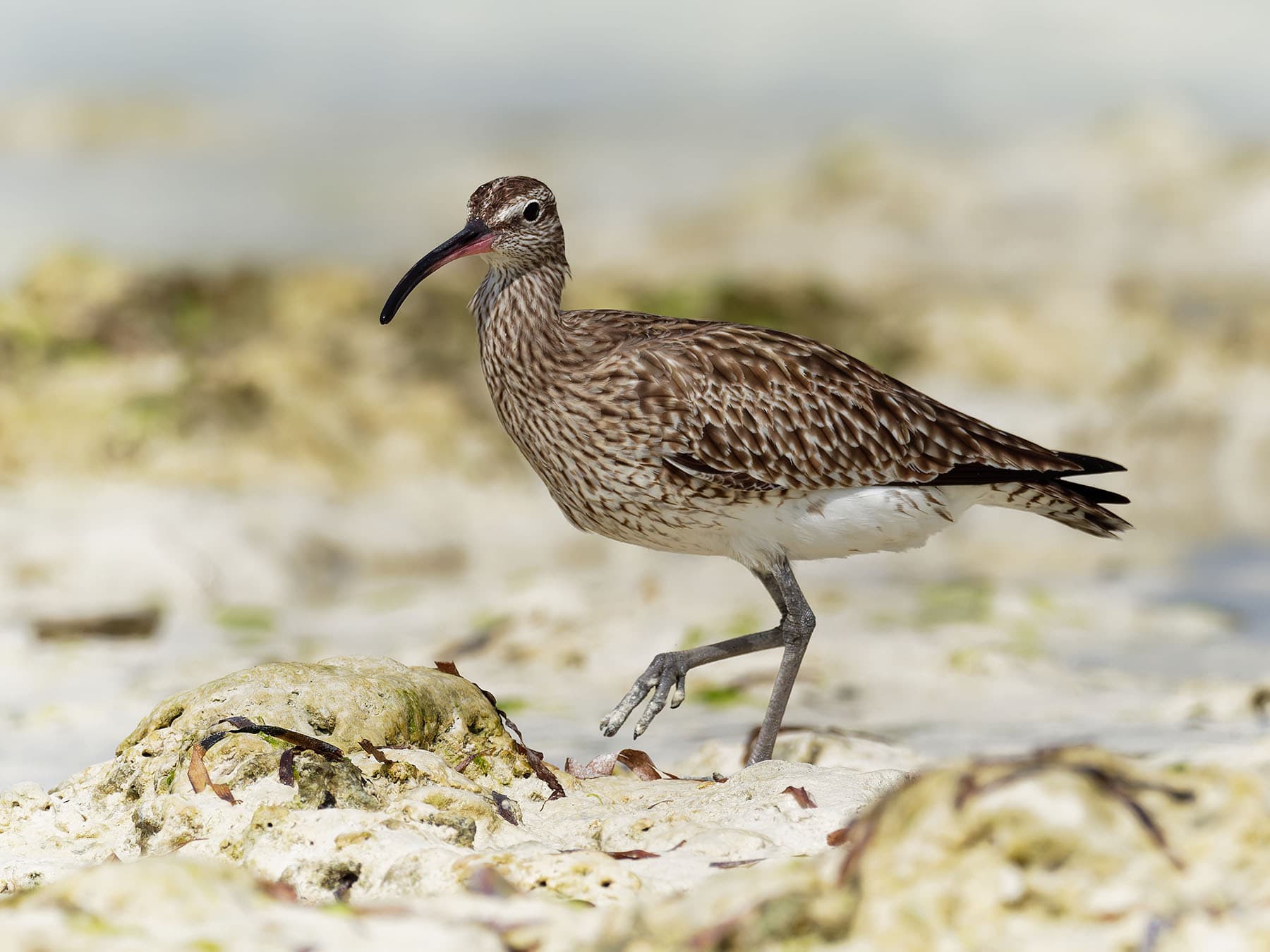
Whimbrel
Numenius phaeopusLC
Passes through coastal marshes and fields from April to October, with distinctive seven-note call. A scarce breeder in the county.
Apr–Oct
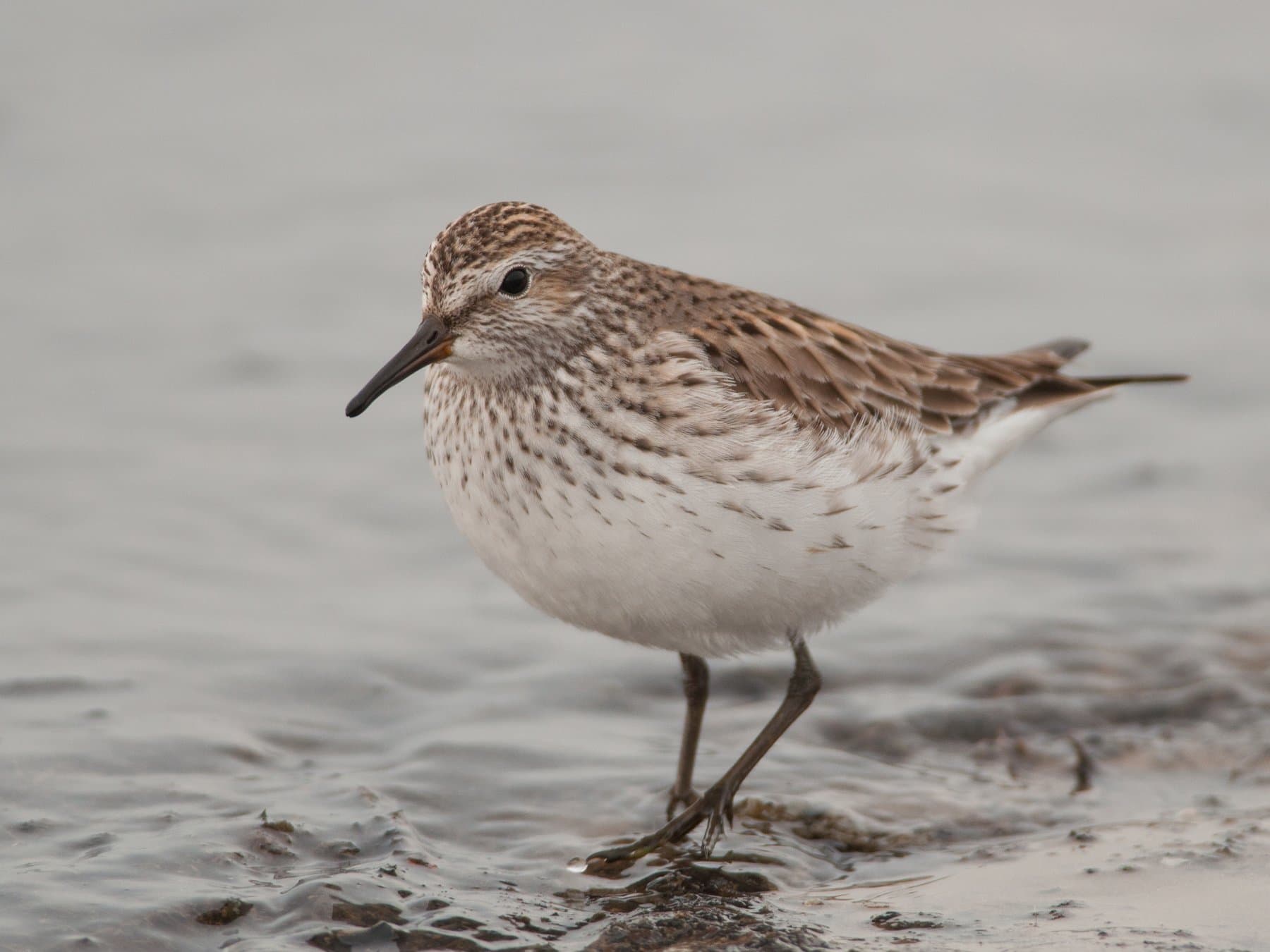
White-rumped Sandpiper
Calidris fuscicollisVU
Rare transatlantic vagrant appearing on coastal pools and mudflats from July to October, favouring freshwater margins alongside other waders.
Jul–Oct
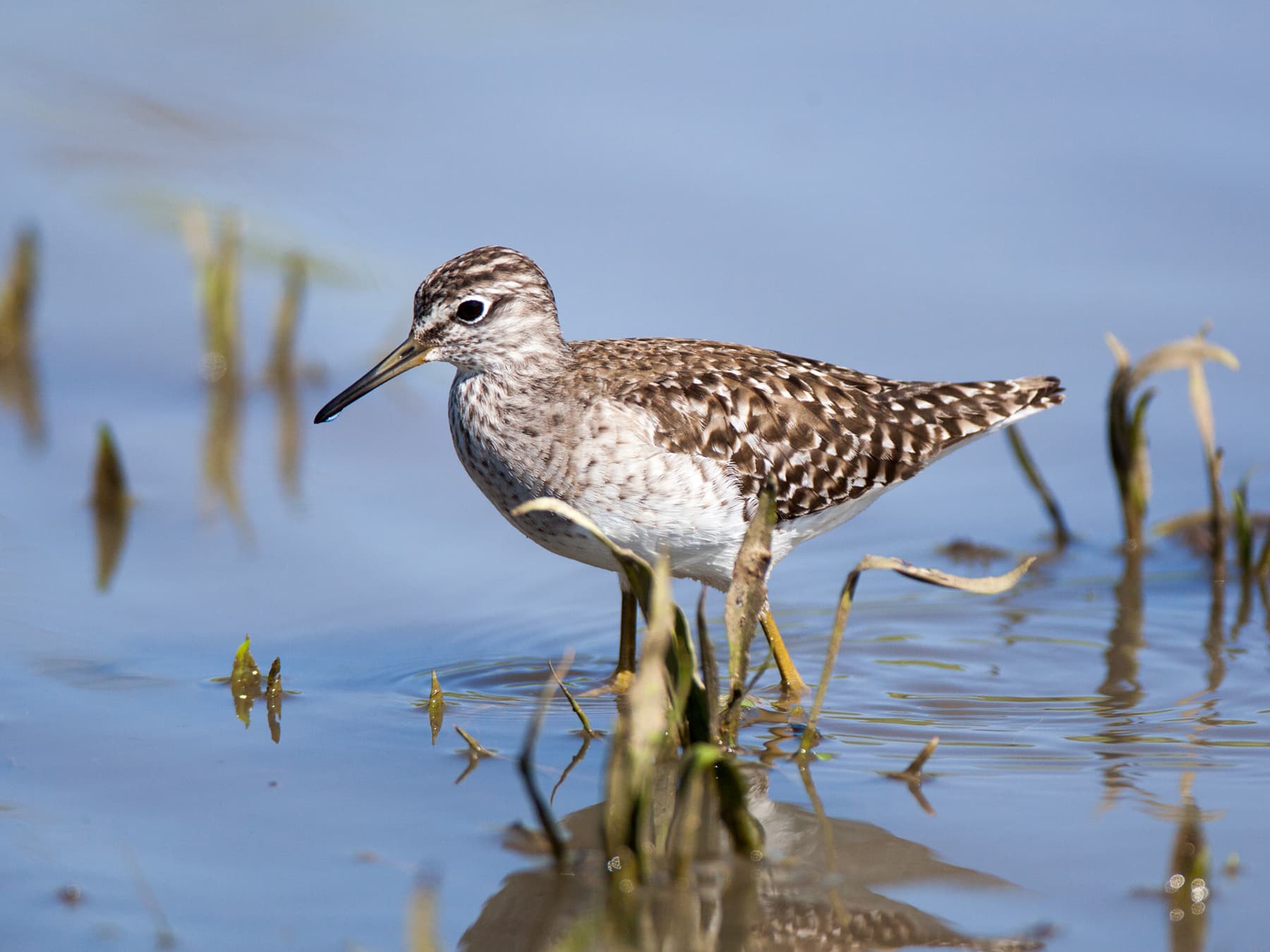
Wood Sandpiper
Tringa glareolaLC
An uncommon breeder from May to September, favouring marshy pools and wet meadows. A scarce but regular presence at key wetlands.
May–Sep