Birds in Isle of Wight
Explore 186 species found in this region.
The Isle of Wight is a remarkable destination for birdwatching, with 185 recorded species thriving across its diverse mosaic of coastal estuaries, chalk downland, ancient woodland, and farmland habitats. The island's sheltered harbours and mudflats attract wading birds such as Northern Lapwing, Common Sandpiper, and Greenshank, while its rural heartland supports iconic species including Barn Owl, Great Tit, and Eurasian Woodcock. Whether you're scanning the shoreline for Common Shelduck or listening for the chatter of Magpies and Common Starlings in the hedgerows, the Isle of Wight offers year-round birding opportunities.
Visiting in July? Look out for Common Gull and Common Redstart arriving this month, and Aquatic Warbler and Barn Owl depart for the season.


Showing 116–138 of 186 species
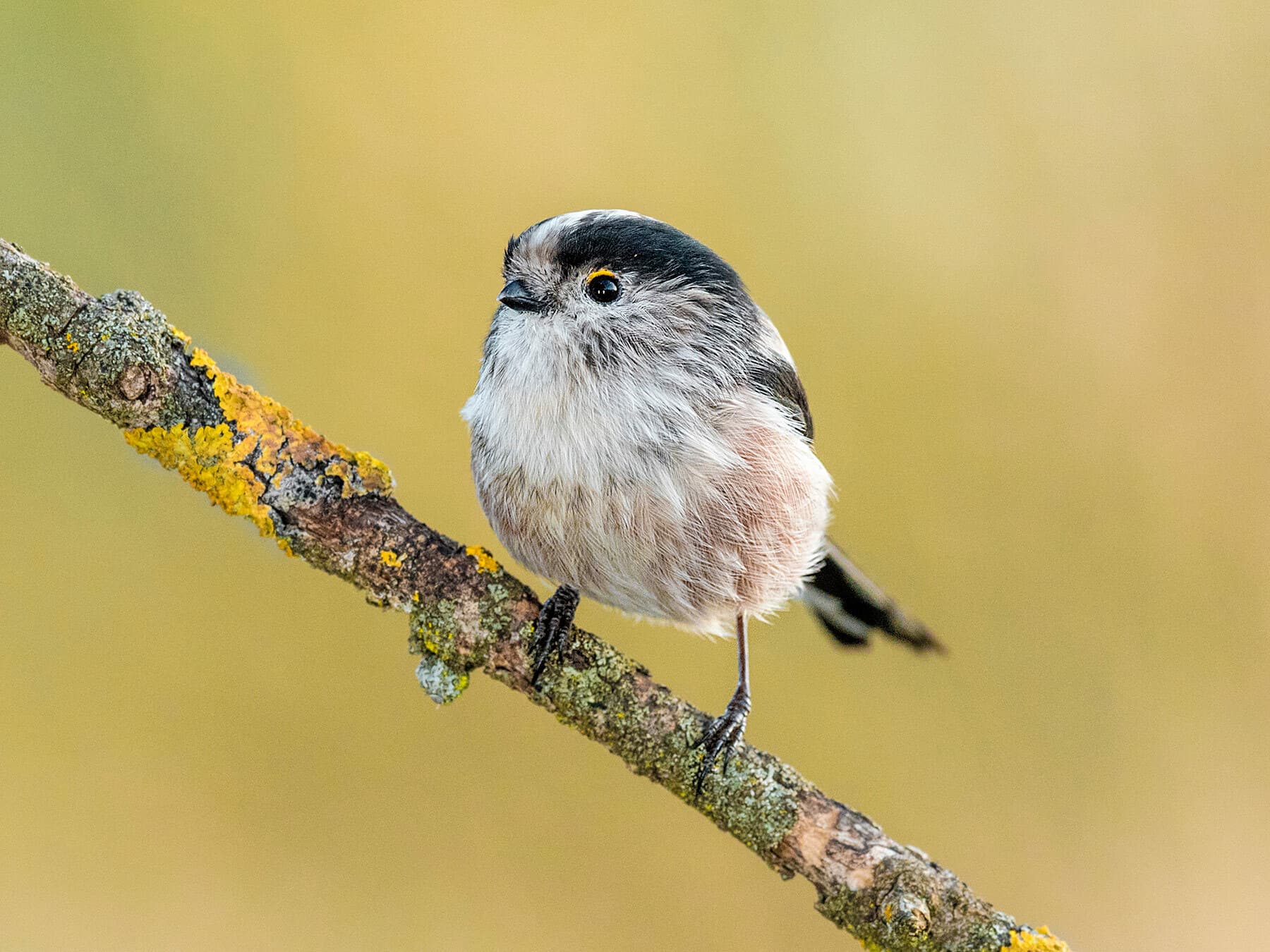
Long-tailed Tit
Aegithalos caudatusLC
A common resident found year-round in hedgerows, woodlands and gardens, often seen in lively, acrobatic family flocks moving through the island's copses.
Year-round
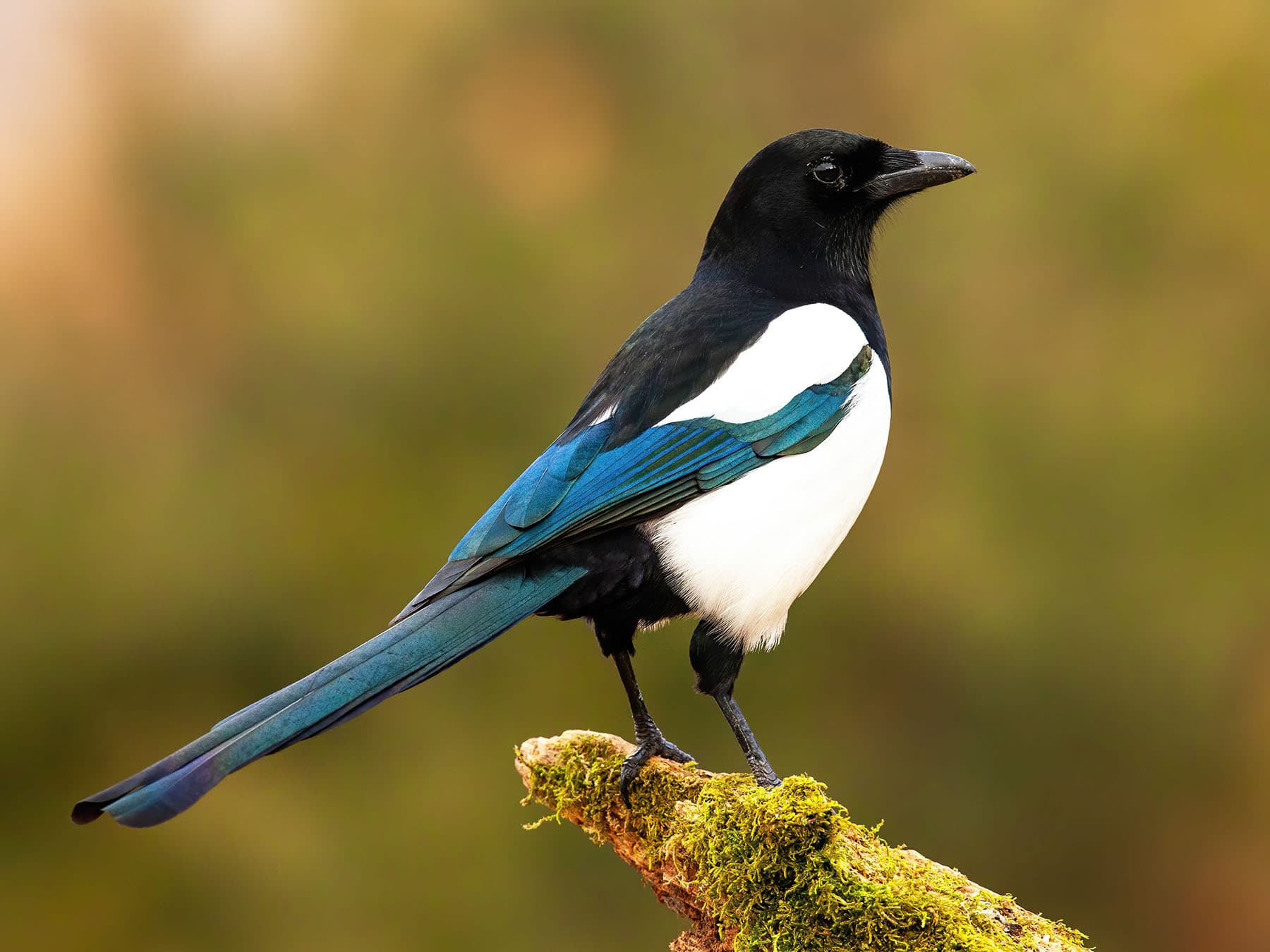
Magpie
Pica picaLC
A common and conspicuous resident found in gardens, hedgerows, and farmland across the island.
Year-round
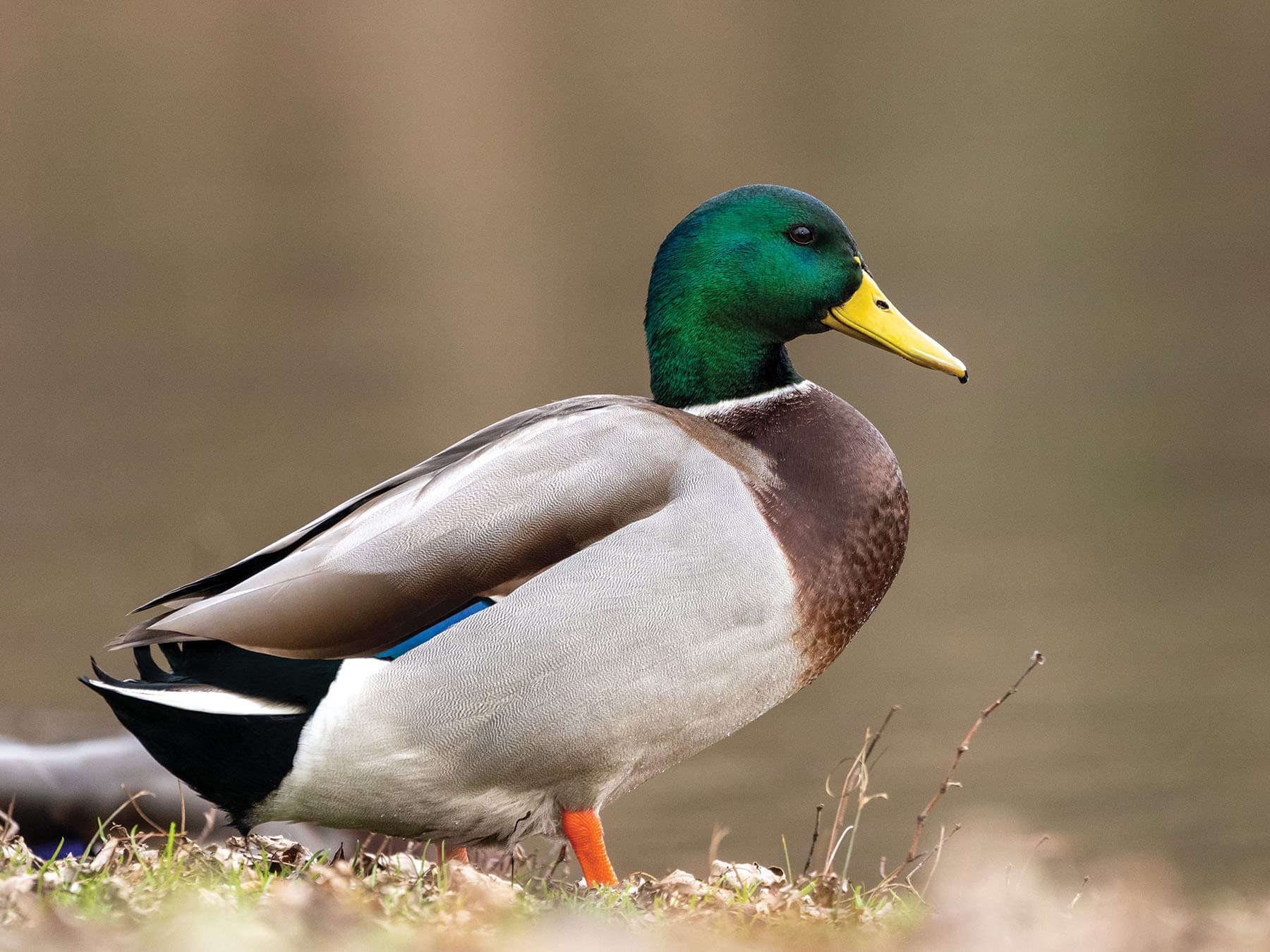
Mallard
Anas platyrhynchosLC
Common and widespread year-round on virtually any waterbody, from village ponds to coastal marshes and estuaries across the island.
Year-round
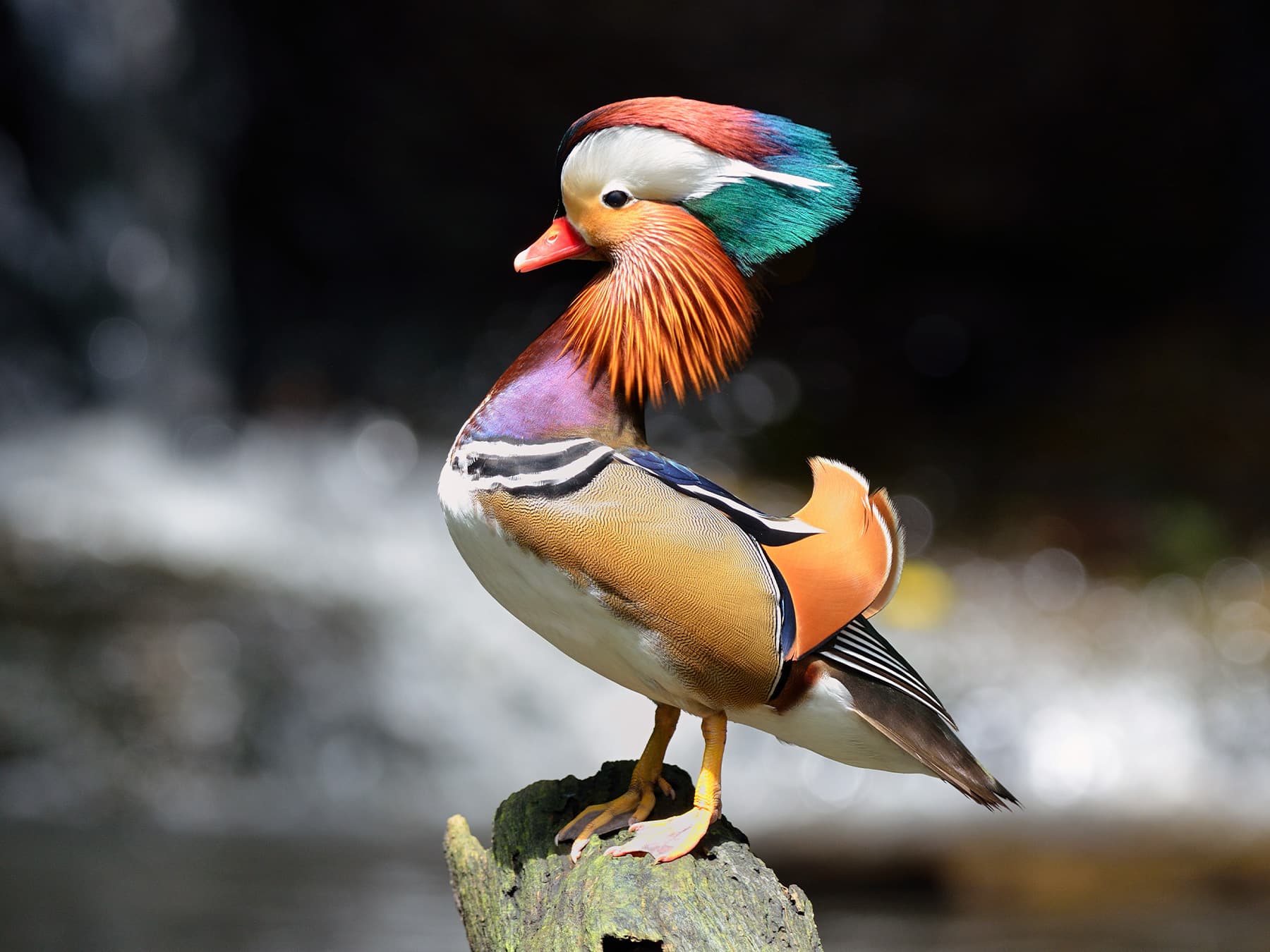
Mandarin Duck
Aix galericulataLC
A rare non-breeding visitor in late autumn and winter. This colourful duck occasionally wanders to the island from mainland populations.
Nov–Jan
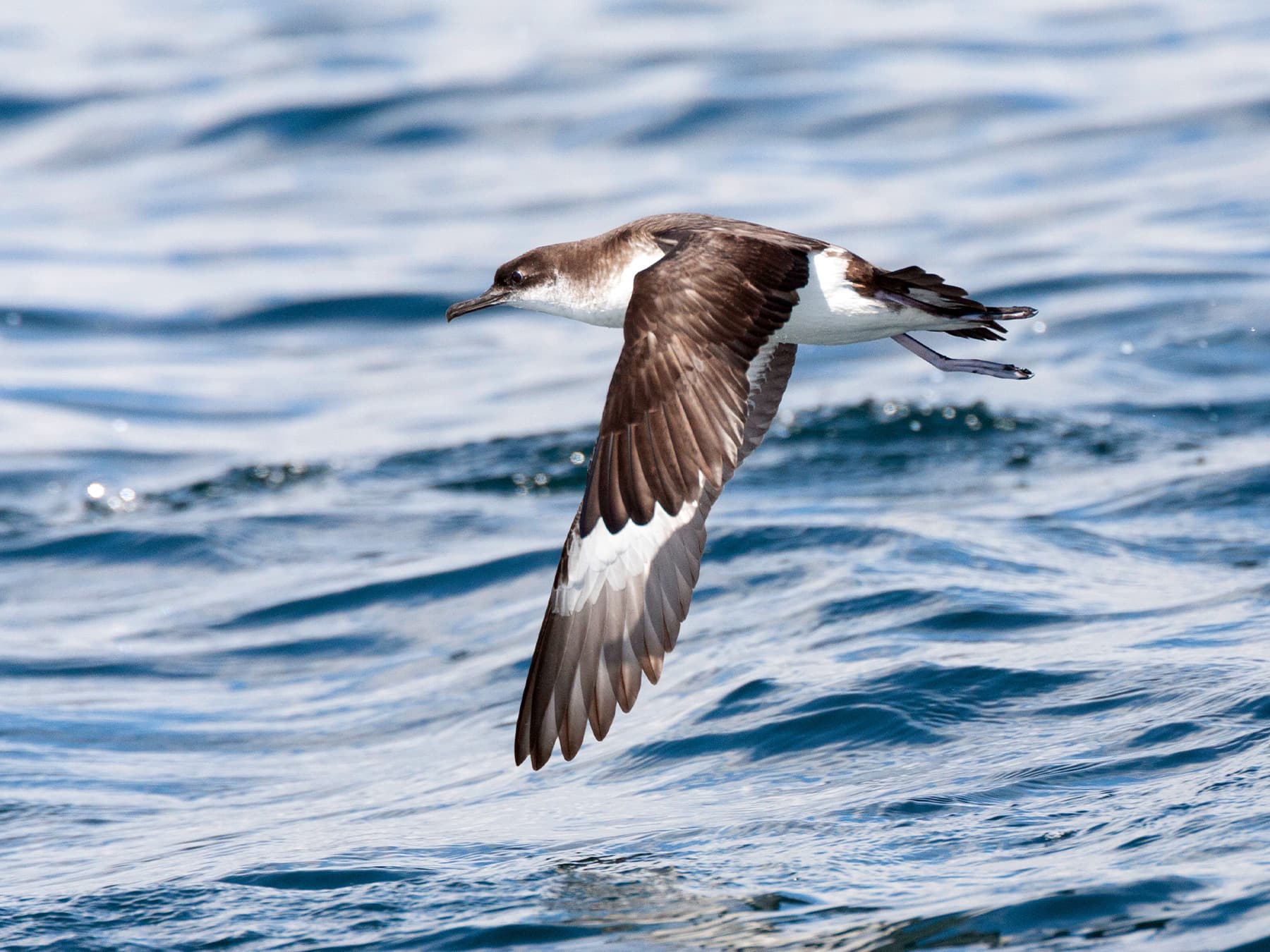
Manx Shearwater
Puffinus puffinusLC
A rare passage visitor seen from island headlands in April and July as birds move through the English Channel.
Apr–Jul
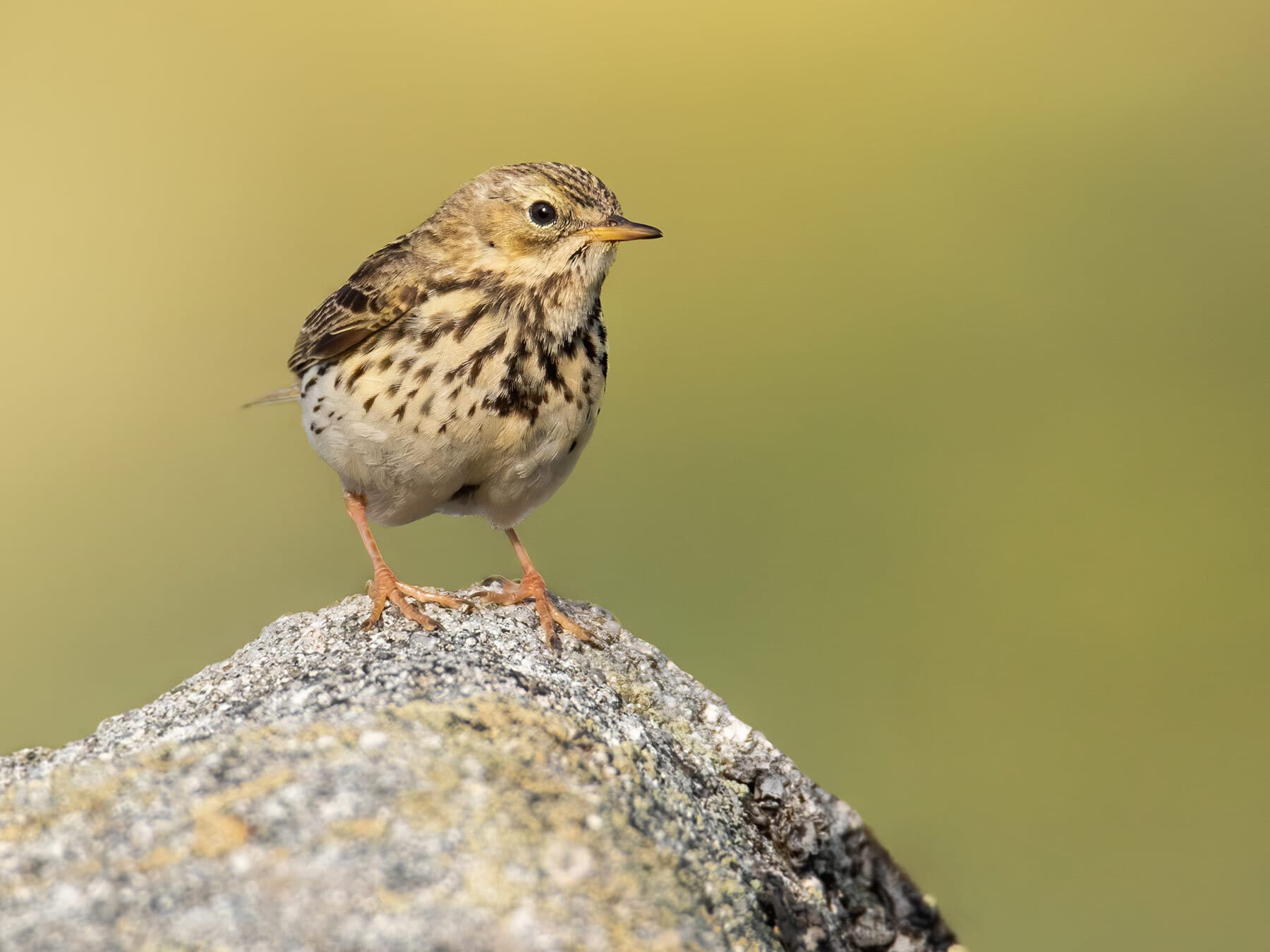
Meadow Pipit
Anthus pratensisLC
A common year-round resident of the island's downland, heathland, and rough grassland. Numbers swell in autumn with passage migrants.
Year-round
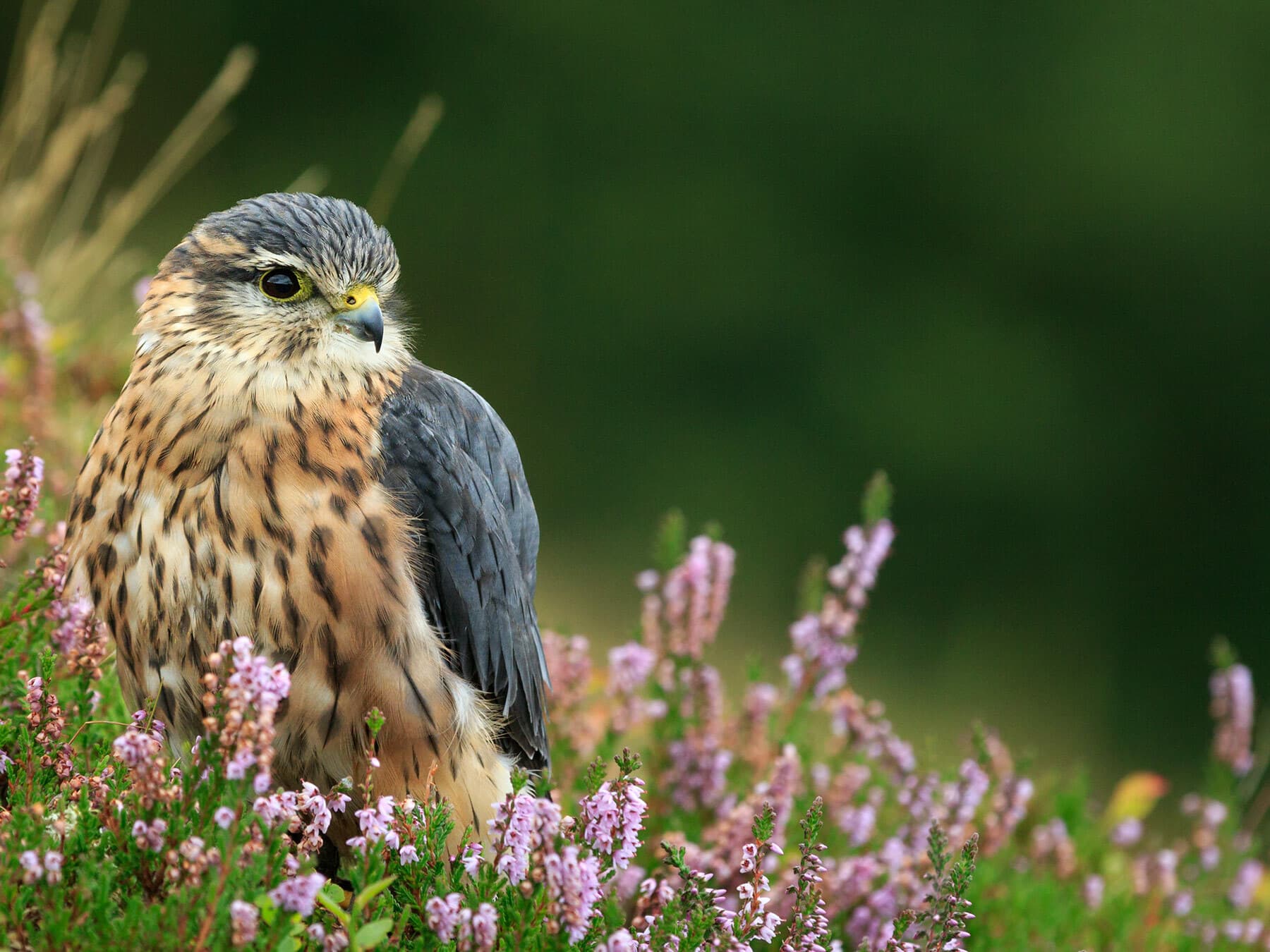
Merlin
Falco columbariusLC
A rare passage visitor in January and October, dashing low over open downland and marshes.
Oct–Jan
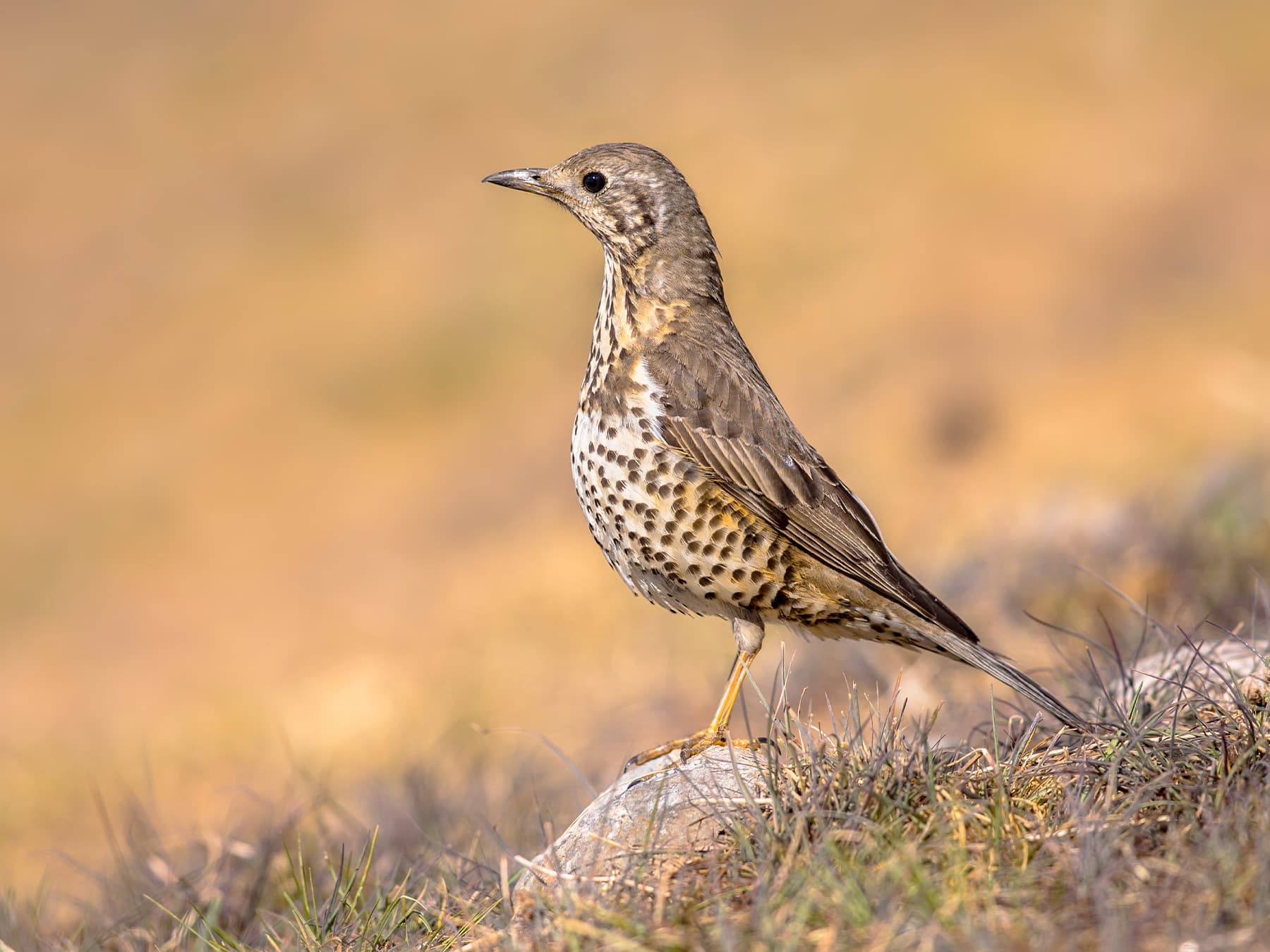
Mistle Thrush
Turdus viscivorusLC
An uncommon but year-round resident, often heard singing boldly from tall trees in parkland and open woodland even in midwinter.
Year-round
Spotted something?
Upload a photo to identify it
Identify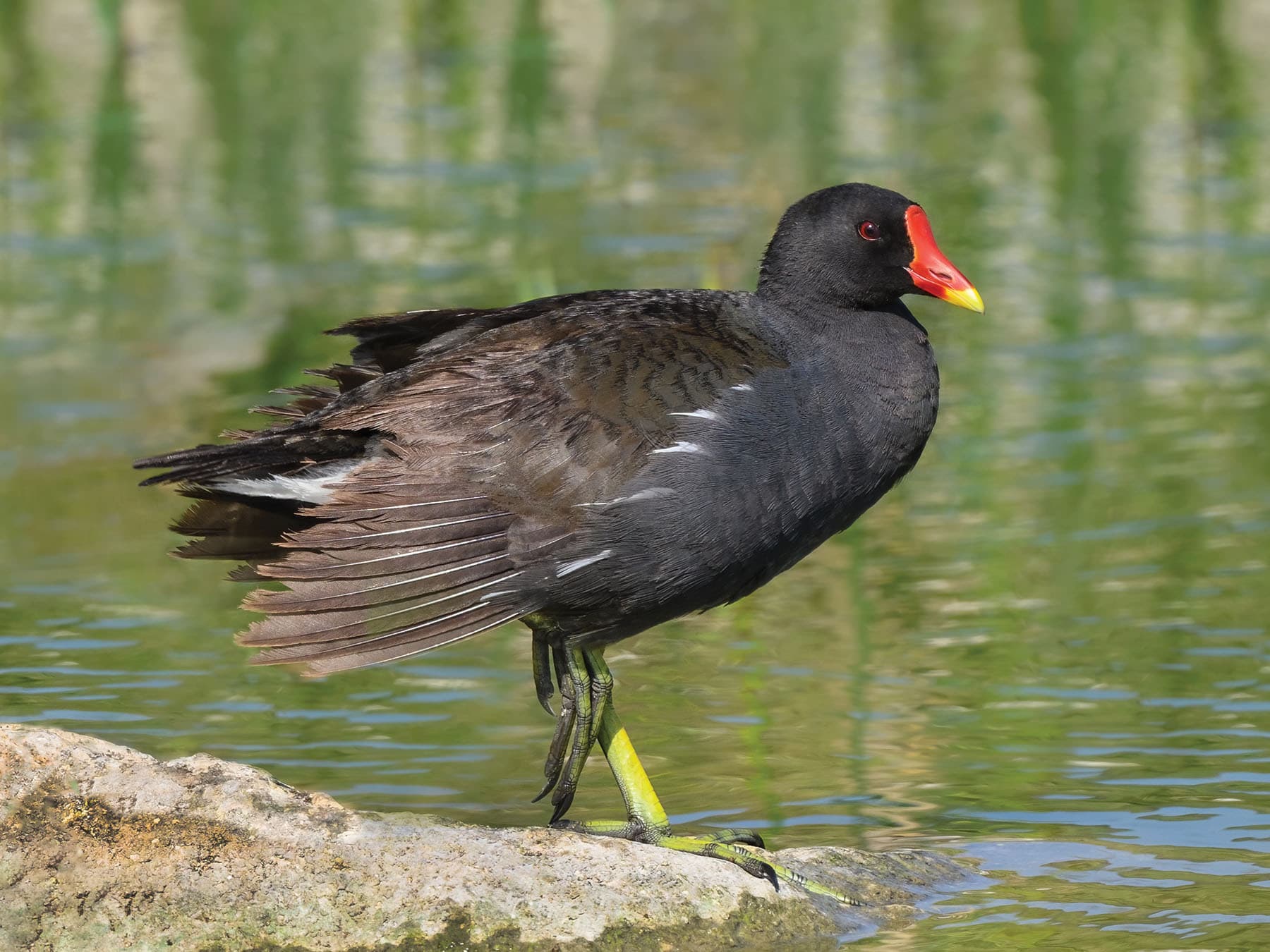
Moorhen
Gallinula chloropusLC
A common resident of ponds, streams, and marshes across the island, often seen picking its way along vegetated waterside edges.
Year-round
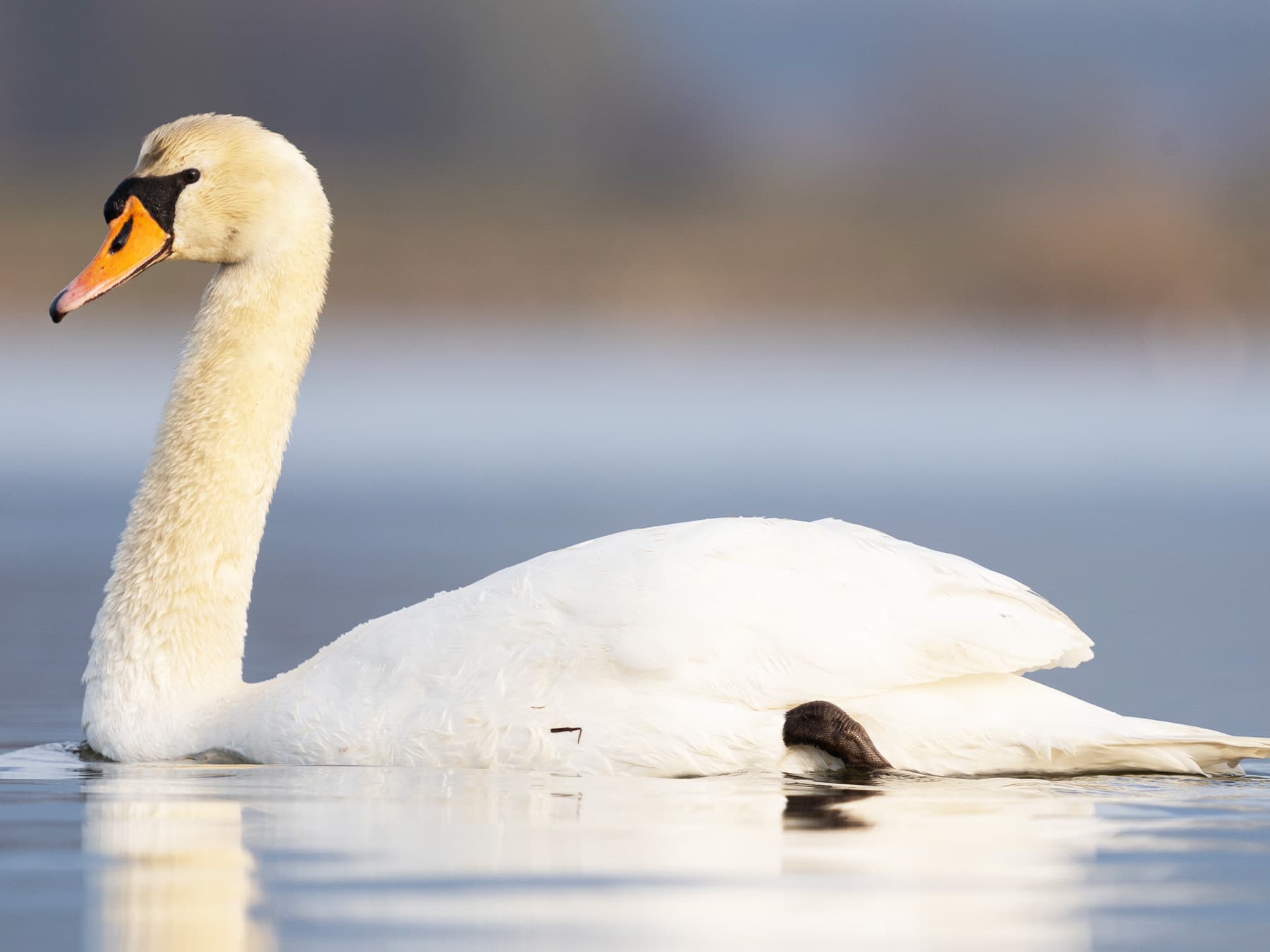
Mute Swan
Cygnus olorLC
A familiar sight year-round on the island's rivers, ponds and estuaries. Breeds on freshwater sites and often seen on the Eastern Yar.
Year-round
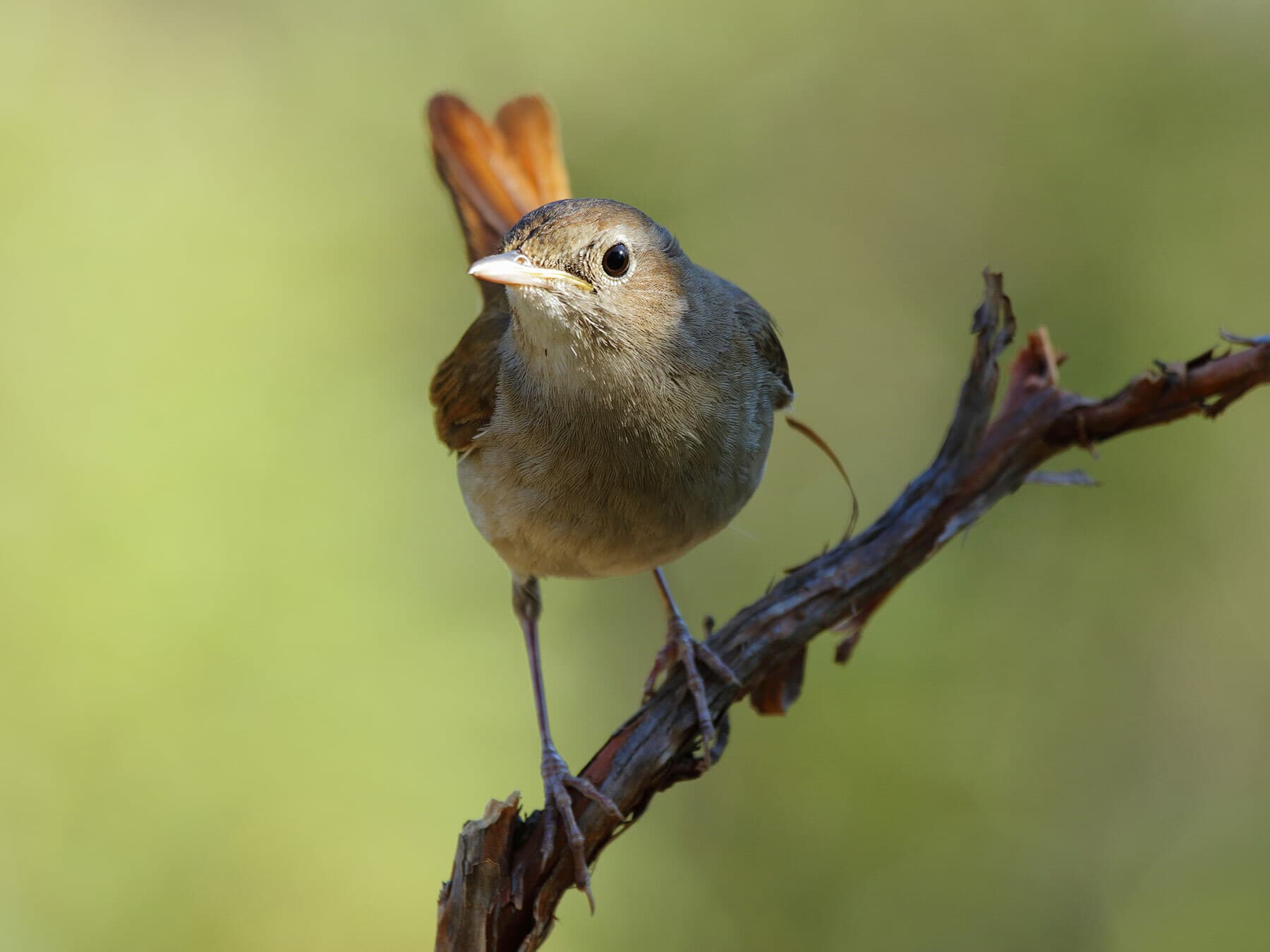
Nightingale
Luscinia megarhynchosLC
A rare passage visitor recorded in May, pausing in dense thickets and scrub. Once bred more widely in southern England but has declined.
May
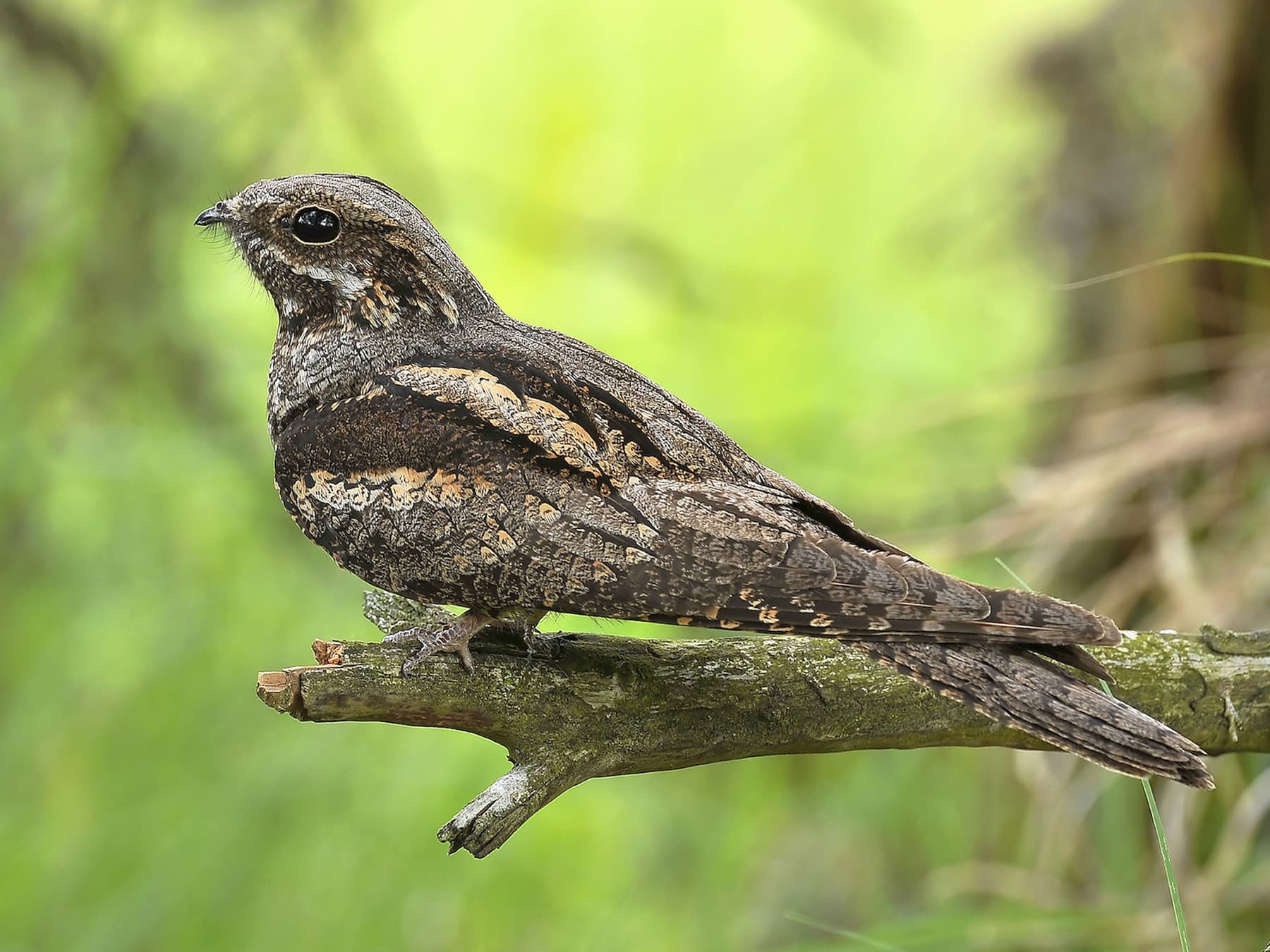
Nightjar
Caprimulgus europaeusLC
A rare passage visitor, occasionally recorded in June. Heathland habitat on the island may attract birds on migration.
Jun
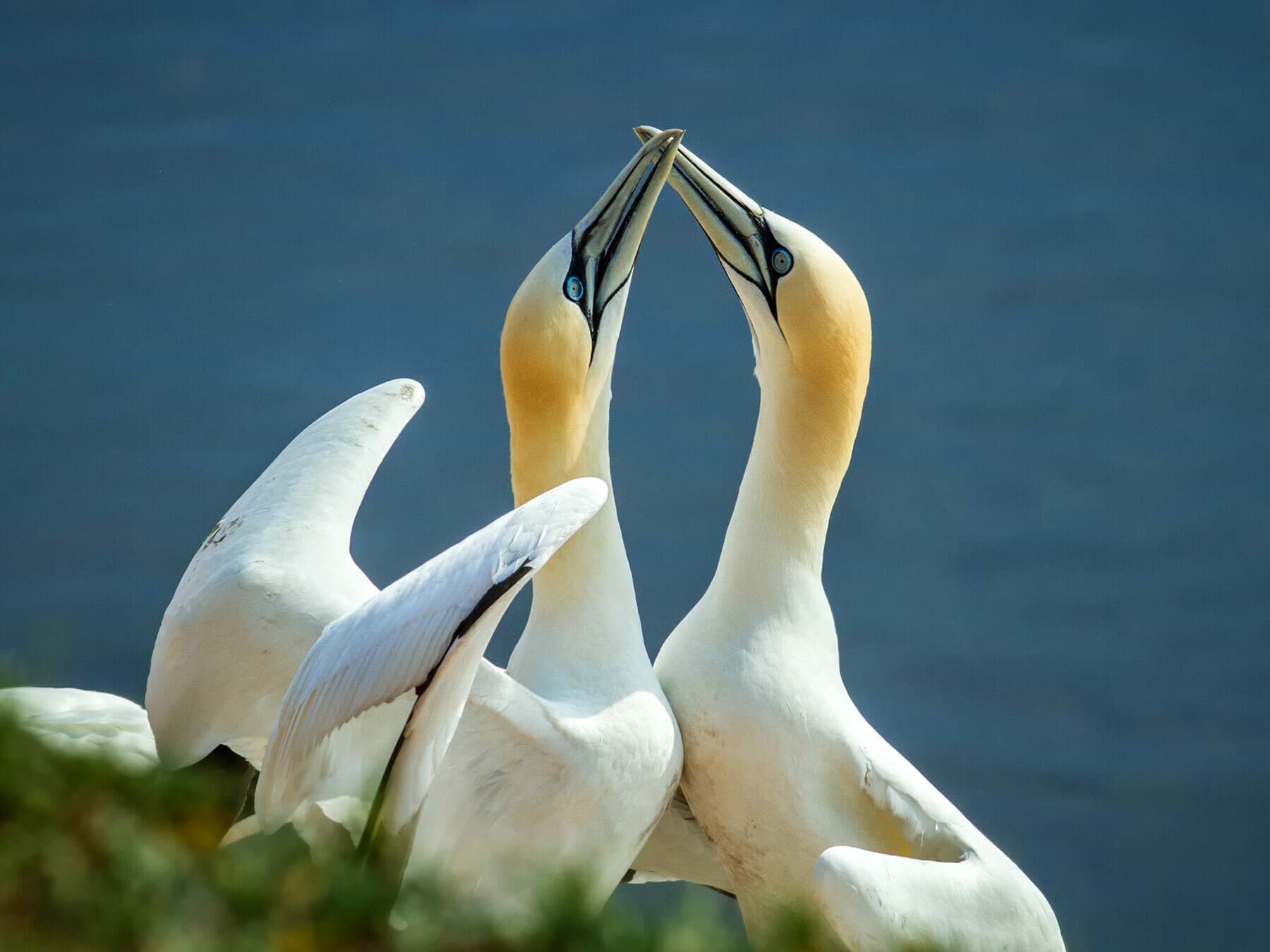
Northern Gannet
Morus bassanusLC
Seen year-round plunge-diving offshore, especially from the island's southern cliffs. Most conspicuous during autumn passage.
Year-round
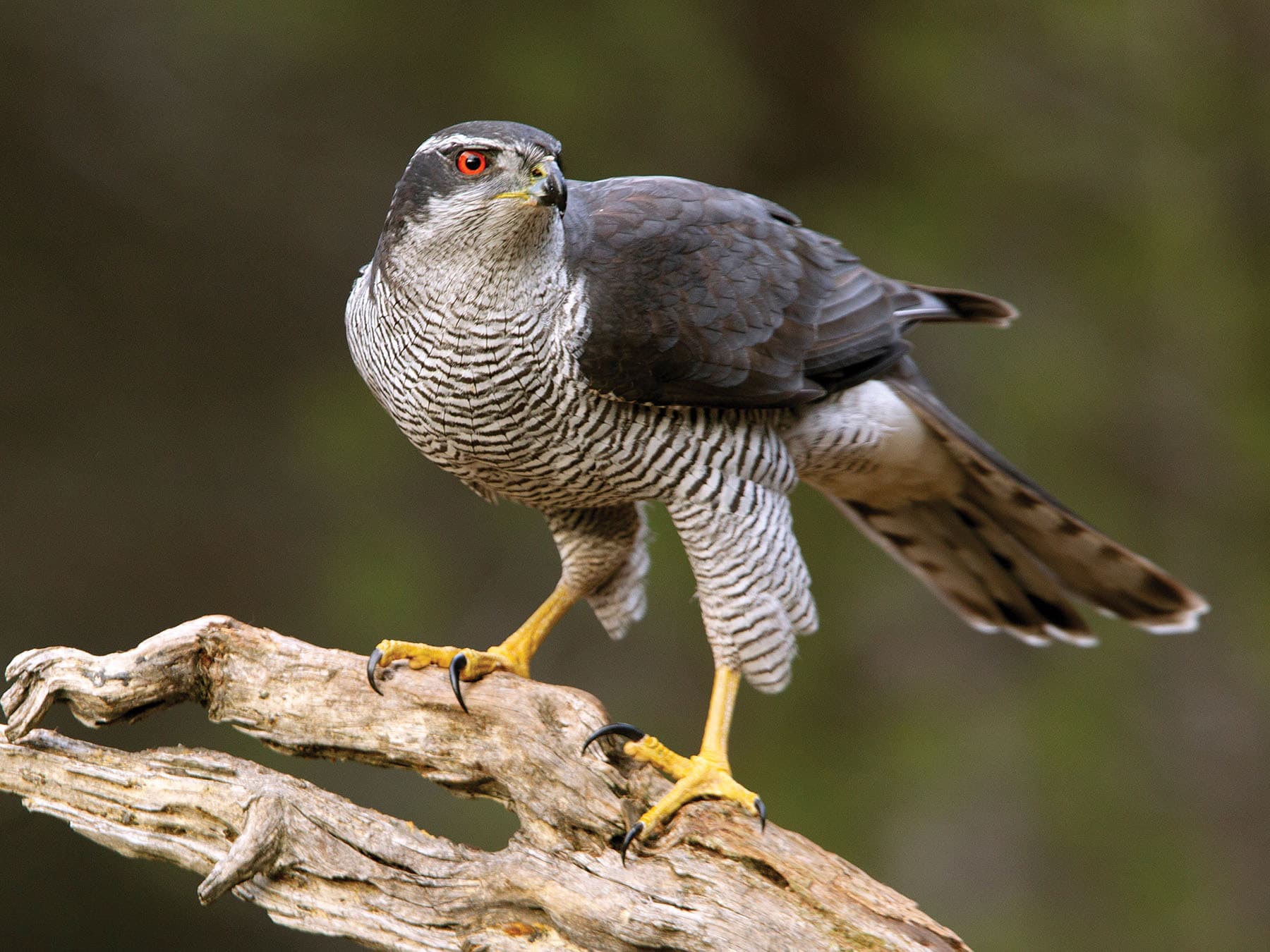
Northern Goshawk
Accipiter gentilisLC
A rare winter visitor, very occasionally recorded in the island's larger woodlands during January.
Jan
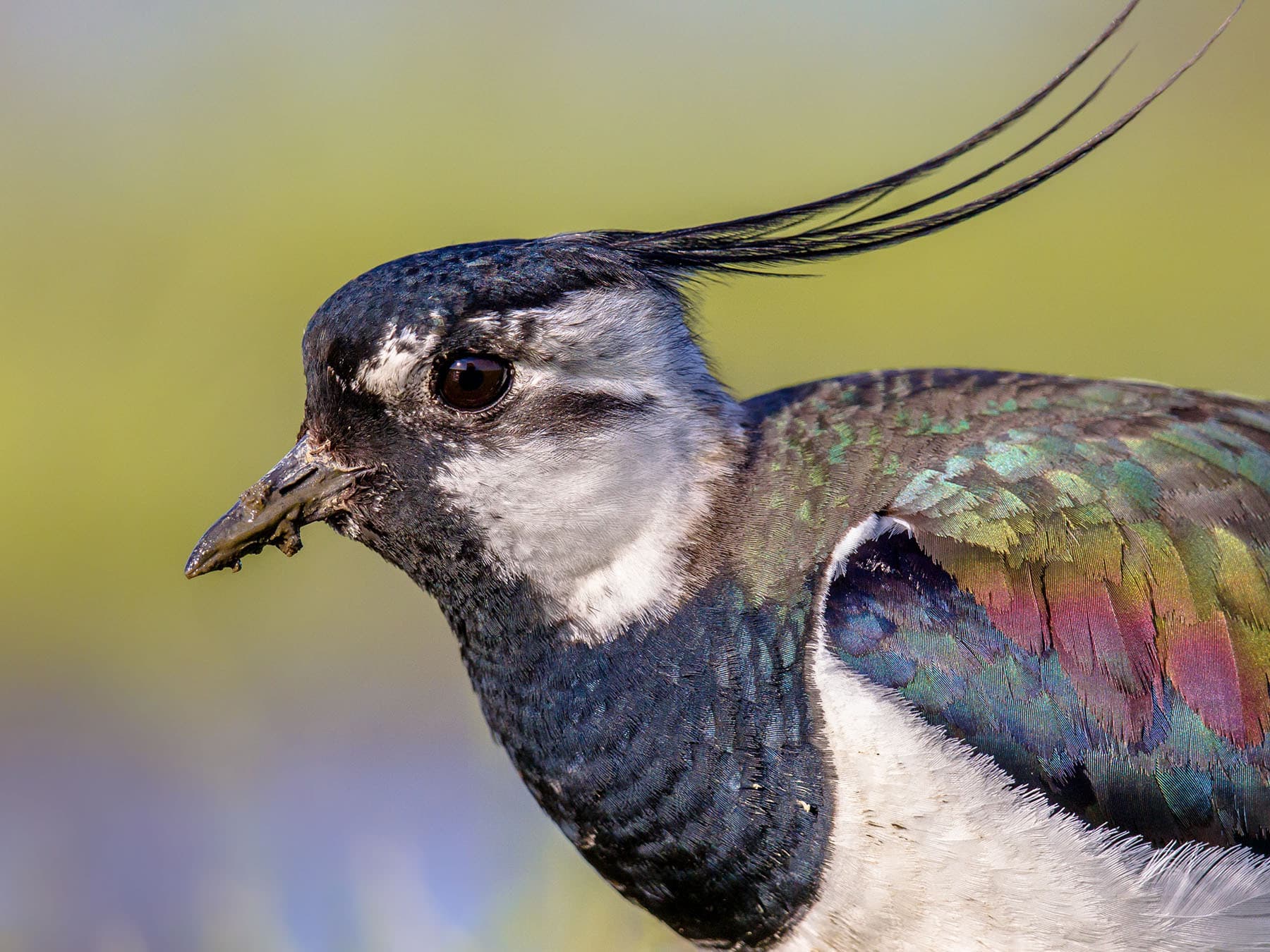
Northern Lapwing
Vanellus vanellusNT
A common resident of farmland and wet meadows, with winter flocks swelling on fields across the island. A declining breeder nationally.
Year-round
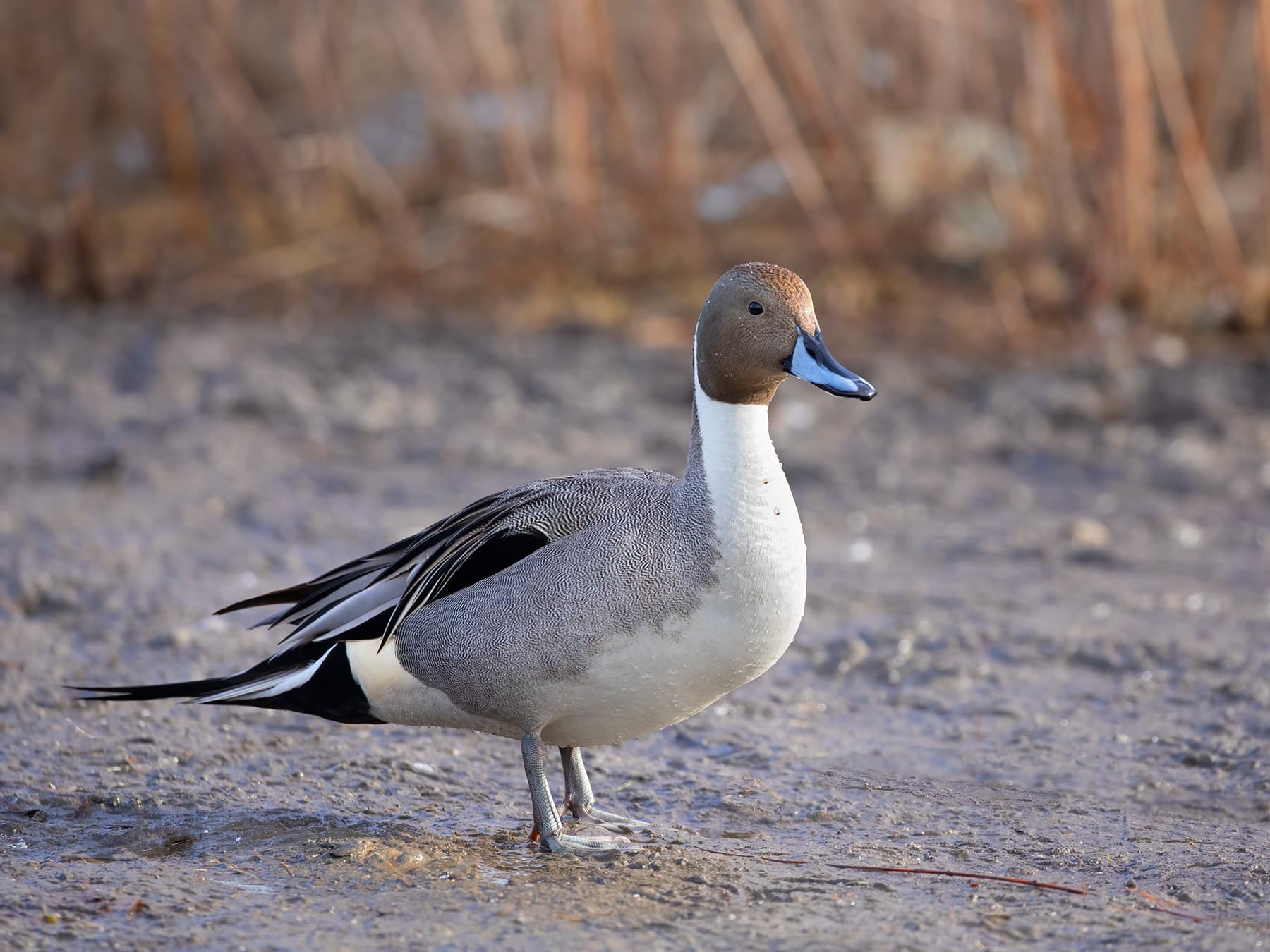
Northern Pintail
Anas acutaLC
An uncommon winter visitor to the island's estuaries and harbours, with elegant long-necked silhouettes on sheltered mudflats from autumn through early spring.
Sep–Mar
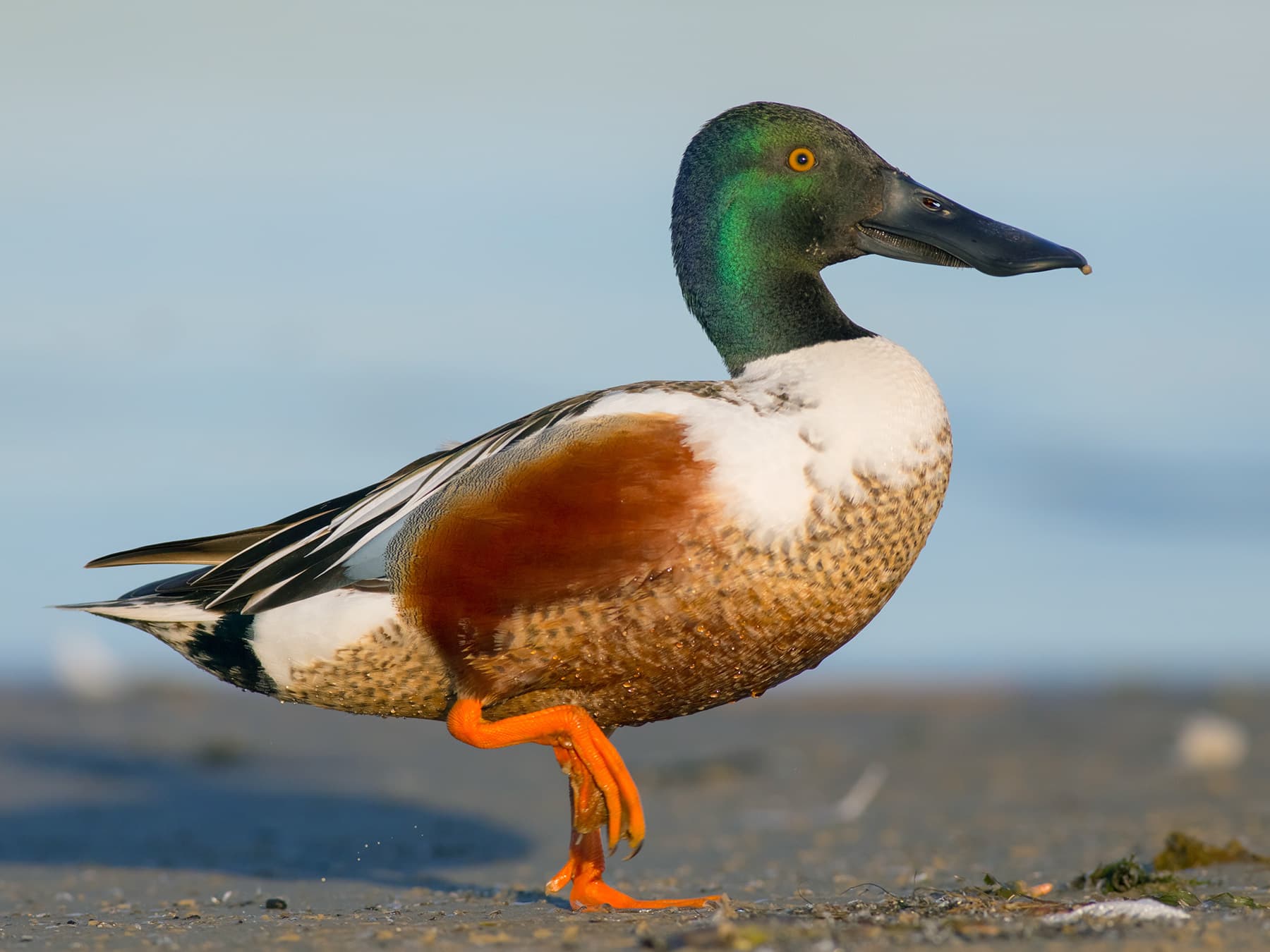
Northern Shoveler
Spatula clypeataLC
An uncommon resident of shallow freshwater wetlands, using its distinctive broad bill to filter-feed. Numbers peak in winter.
Aug–Jun
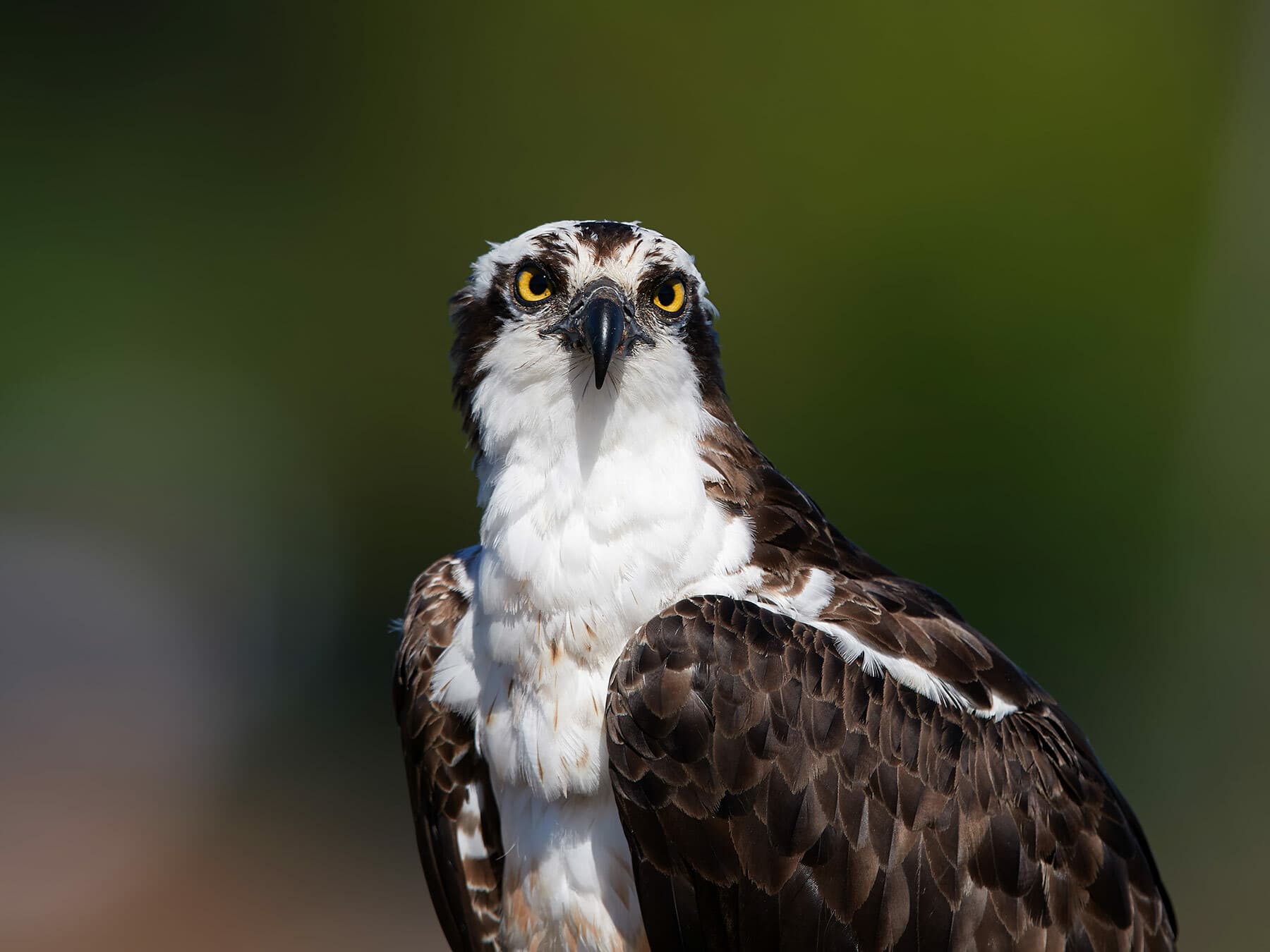
Osprey
Pandion haliaetusLC
A rare but thrilling passage migrant in late summer, occasionally seen fishing over island estuaries and reservoirs in August and September.
Aug–Sep
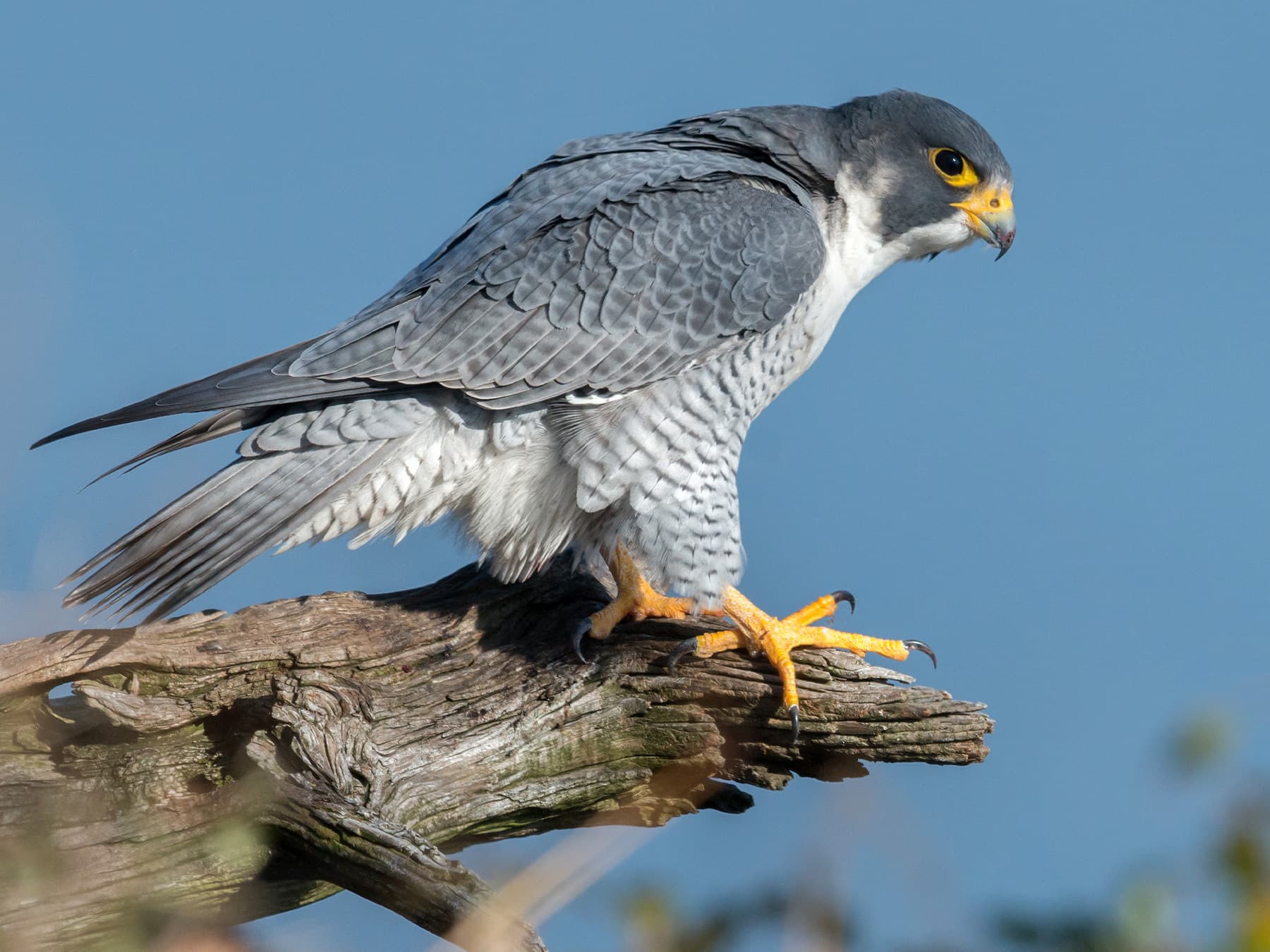
Peregrine Falcon
Falco peregrinusLC
An uncommon year-round resident nesting on the island's sea cliffs and sometimes hunting over estuaries.
Year-round
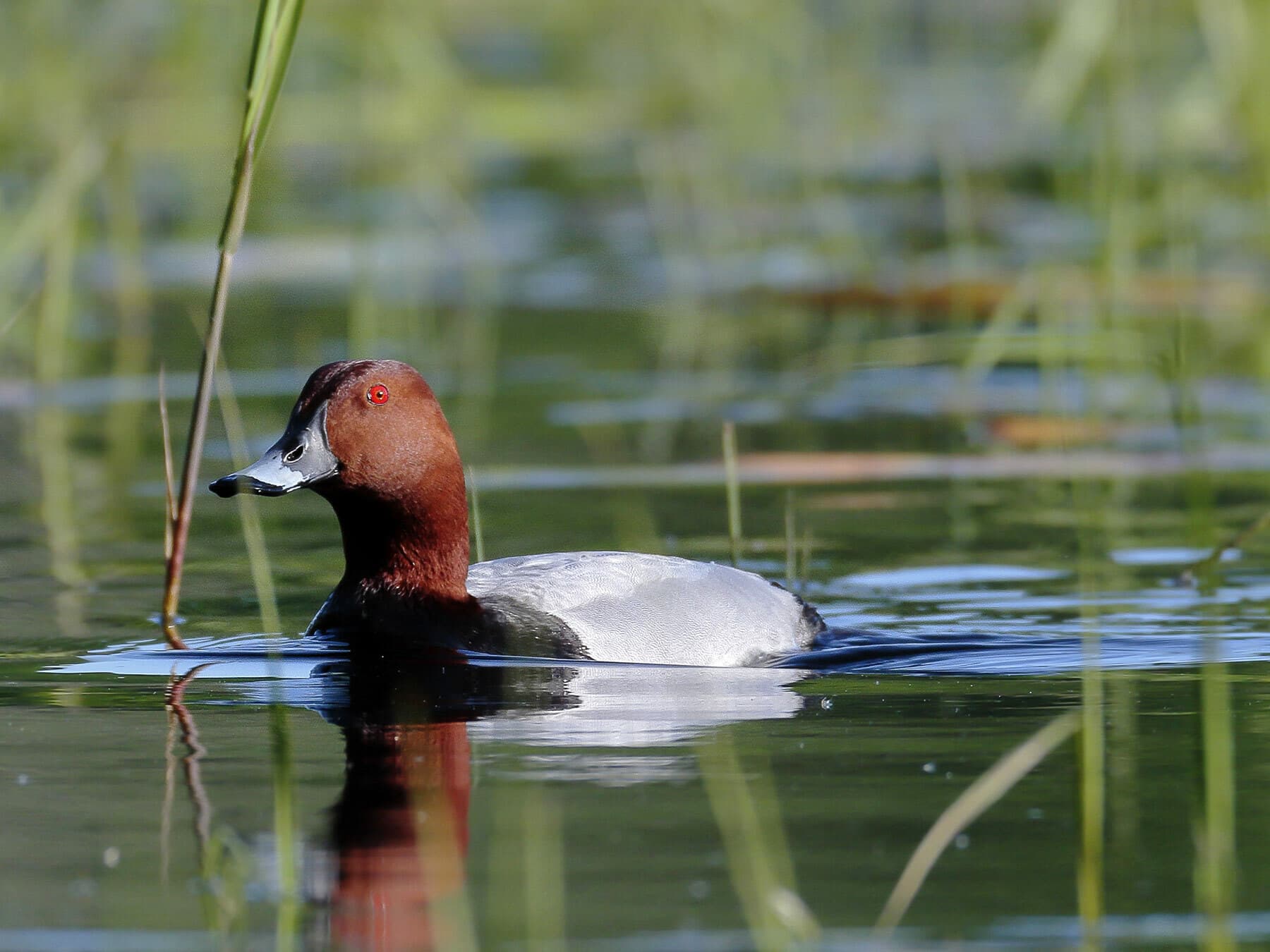
Pochard
Aythya ferinaVU
A rare resident found on freshwater lakes and reservoirs, most likely at sites like Brading Marshes. Numbers have declined significantly across the UK.
Oct–Aug
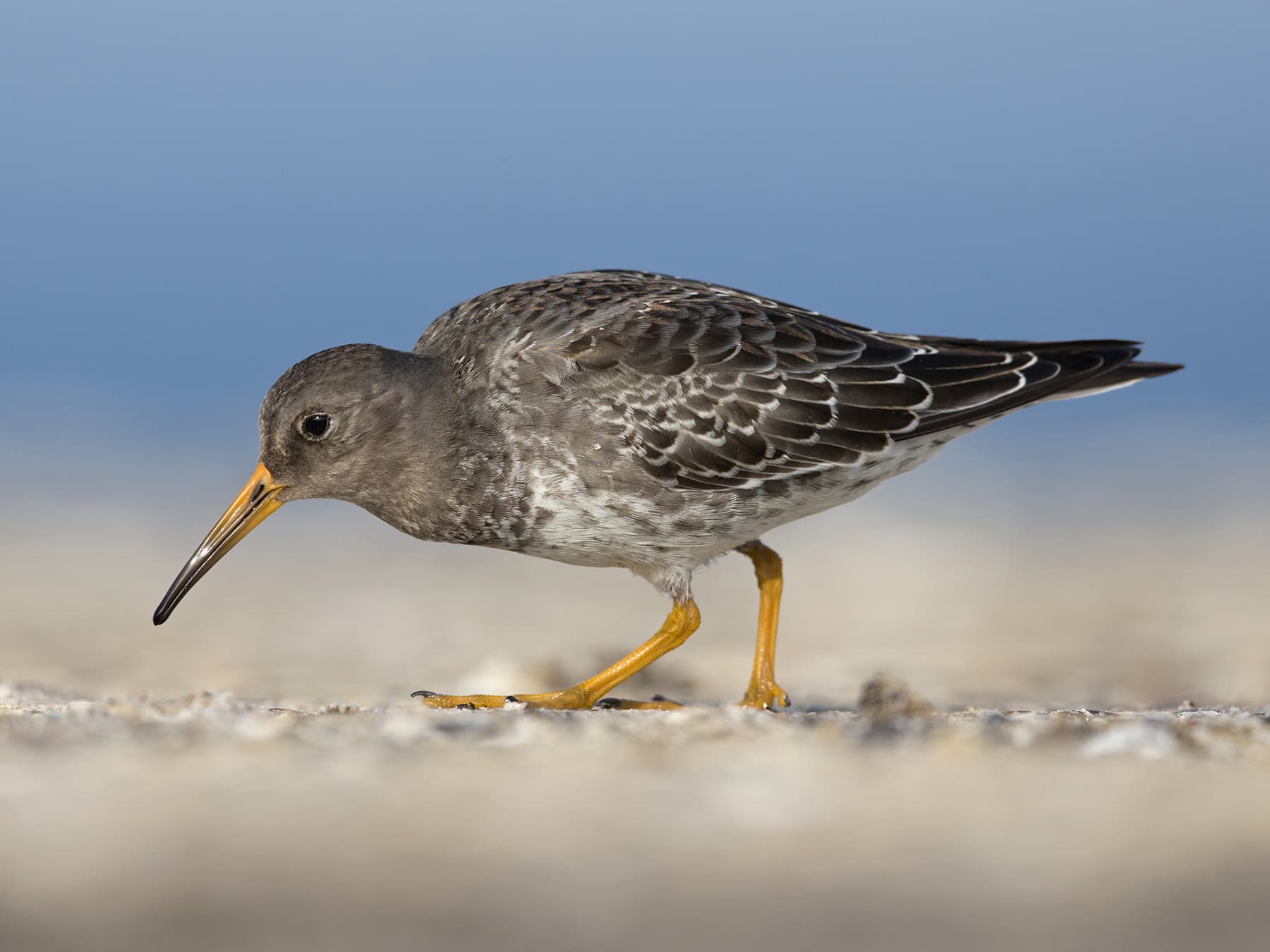
Purple Sandpiper
Calidris maritimaLC
A rare winter visitor to rocky shorelines and harbour walls, occasionally found at the island's more exposed coastal sites.
Dec–Feb
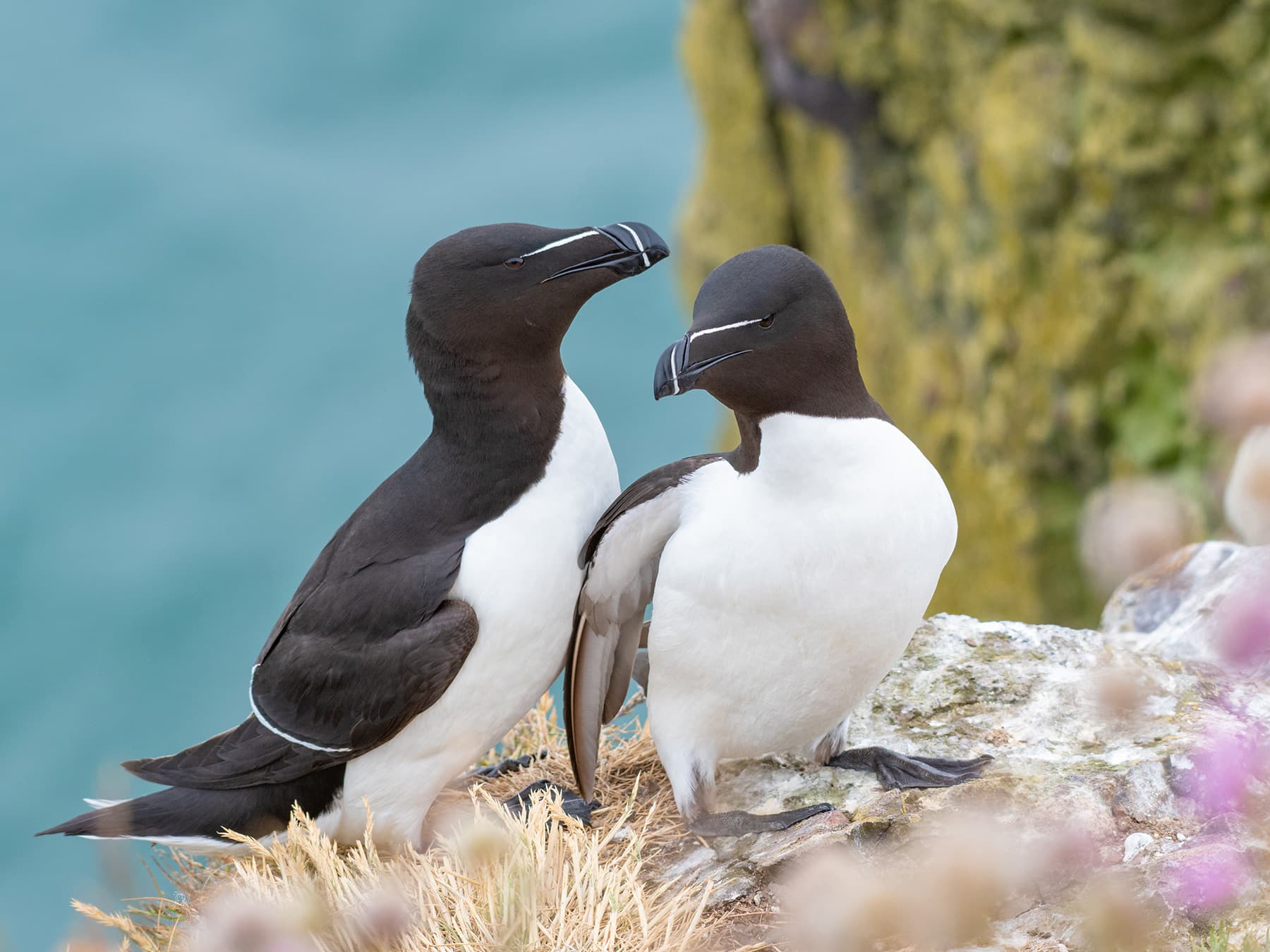
Razorbill
Alca tordaLC
A rare resident seen offshore, particularly from the island's southern cliffs. Most visible in winter and spring on the open sea.
Oct–Jun
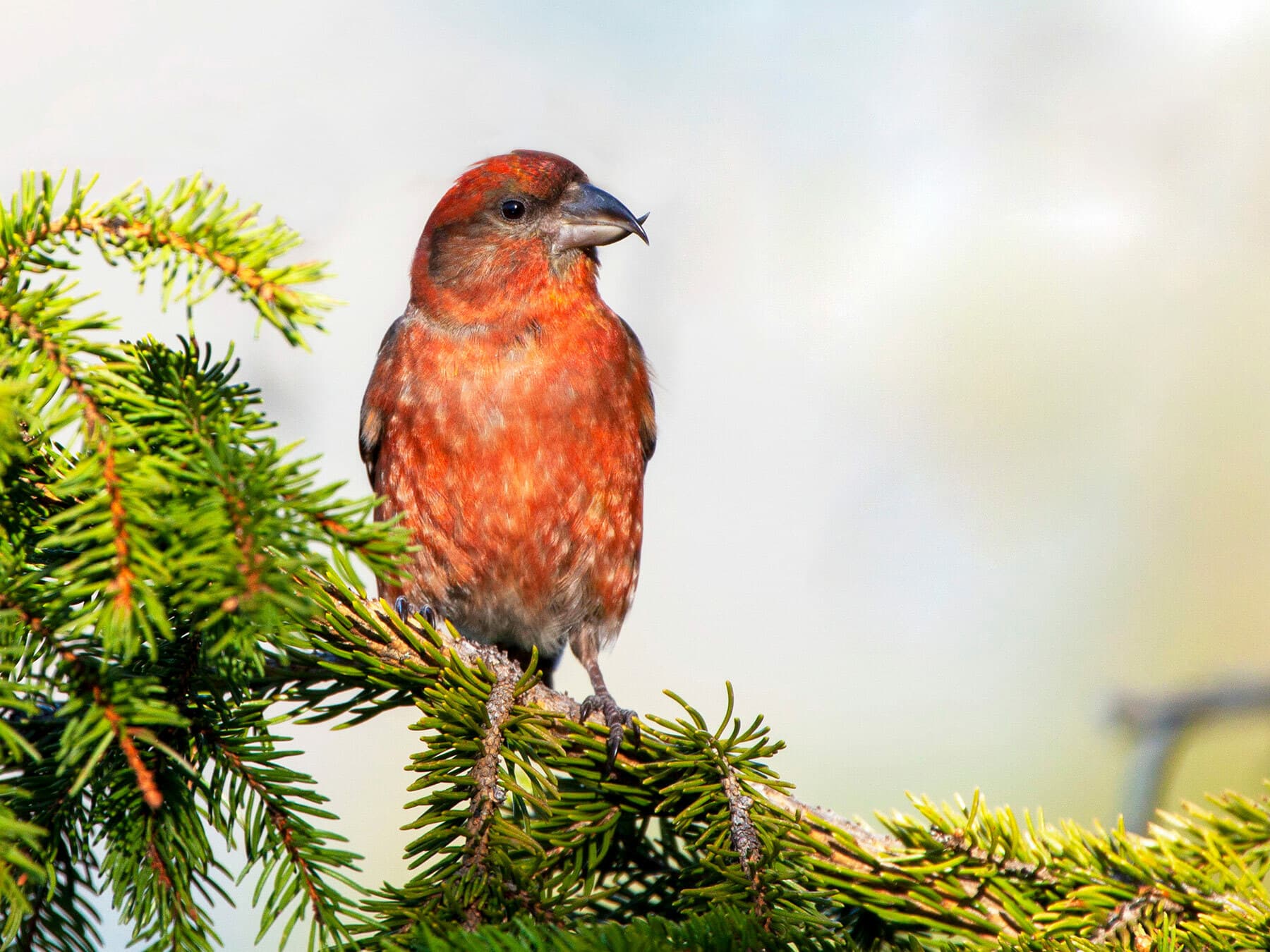
Red Crossbill
Loxia curvirostraLC
A rare and irruptive resident found in conifer plantations such as Parkhurst Forest, with sightings peaking during invasion years.
Jun–Feb