Birds in Isle of Wight
Explore 186 species found in this region.
The Isle of Wight is a remarkable destination for birdwatching, with 185 recorded species thriving across its diverse mosaic of coastal estuaries, chalk downland, ancient woodland, and farmland habitats. The island's sheltered harbours and mudflats attract wading birds such as Northern Lapwing, Common Sandpiper, and Greenshank, while its rural heartland supports iconic species including Barn Owl, Great Tit, and Eurasian Woodcock. Whether you're scanning the shoreline for Common Shelduck or listening for the chatter of Magpies and Common Starlings in the hedgerows, the Isle of Wight offers year-round birding opportunities.
Visiting in September? Look out for Bar-tailed Godwit and Brent Goose arriving this month, and Barn Owl and Barnacle Goose depart for the season.


Showing 47–69 of 186 species
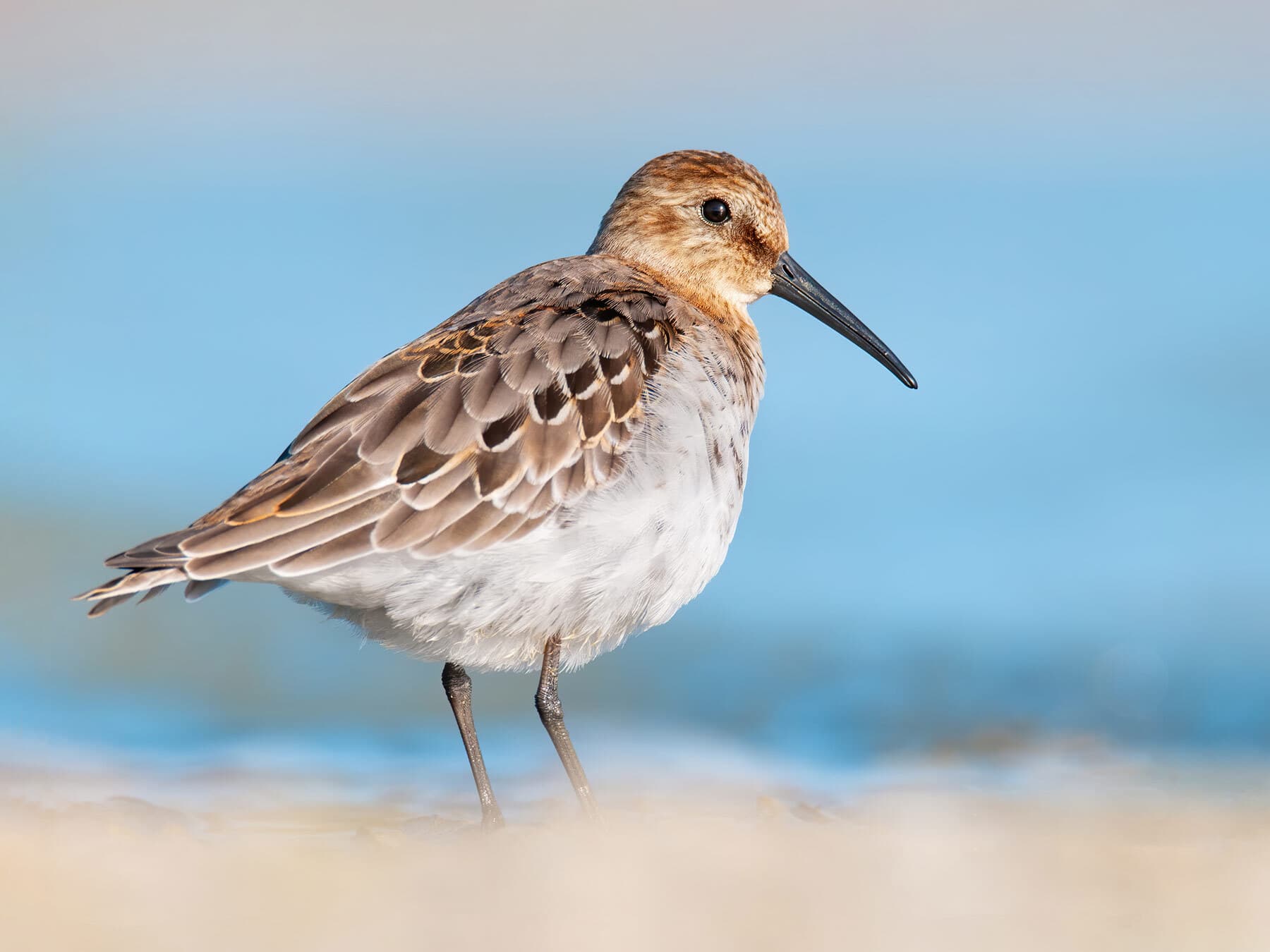
Dunlin
Calidris alpinaLC
An uncommon but year-round presence on the island's estuaries and mudflats, often seen in small flocks probing the shoreline.
Jul–May
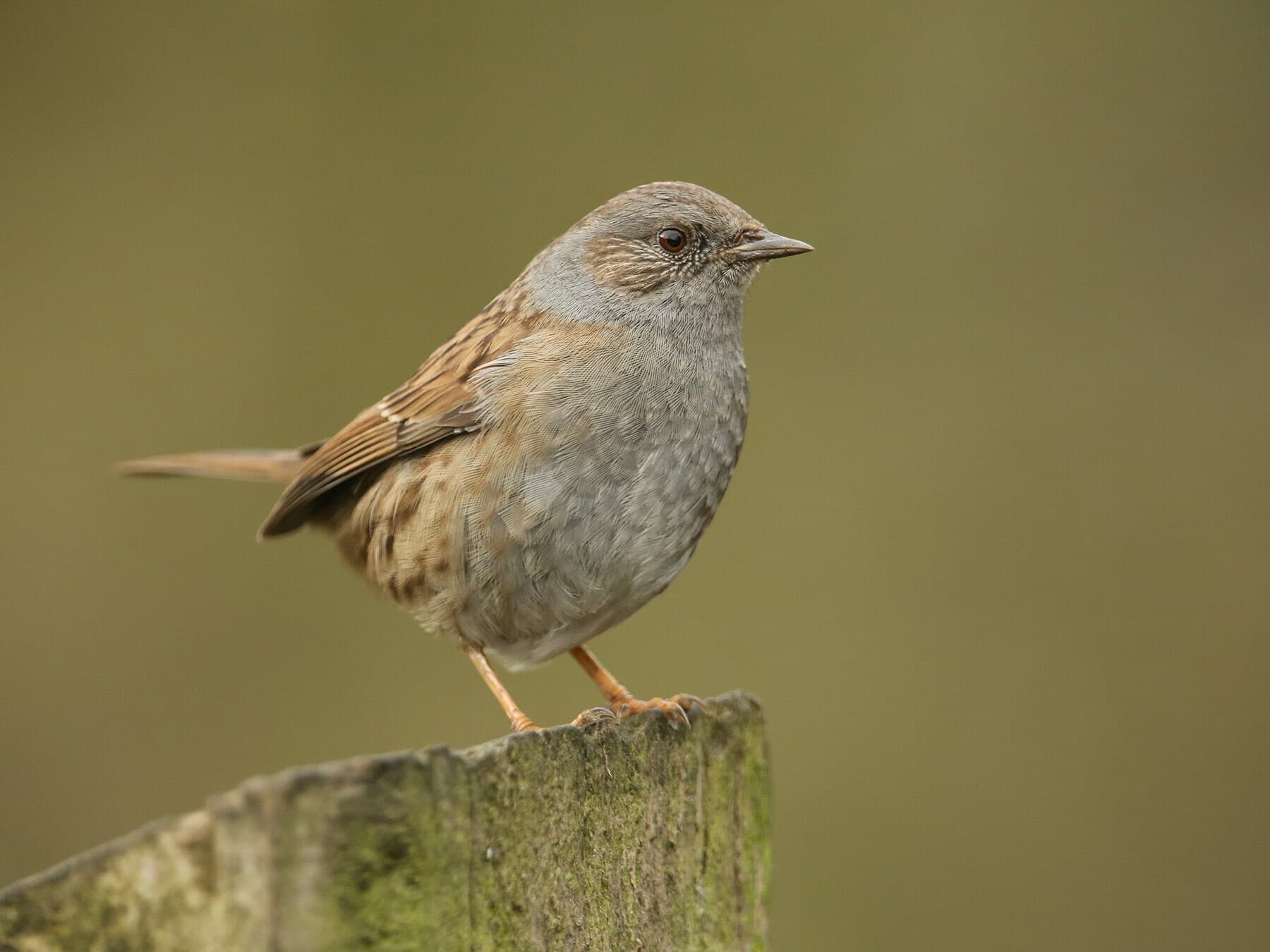
Dunnock
Prunella modularisLC
A common but unobtrusive resident of hedgerows and garden shrubbery across the island, best detected by its thin, warbling song.
Year-round
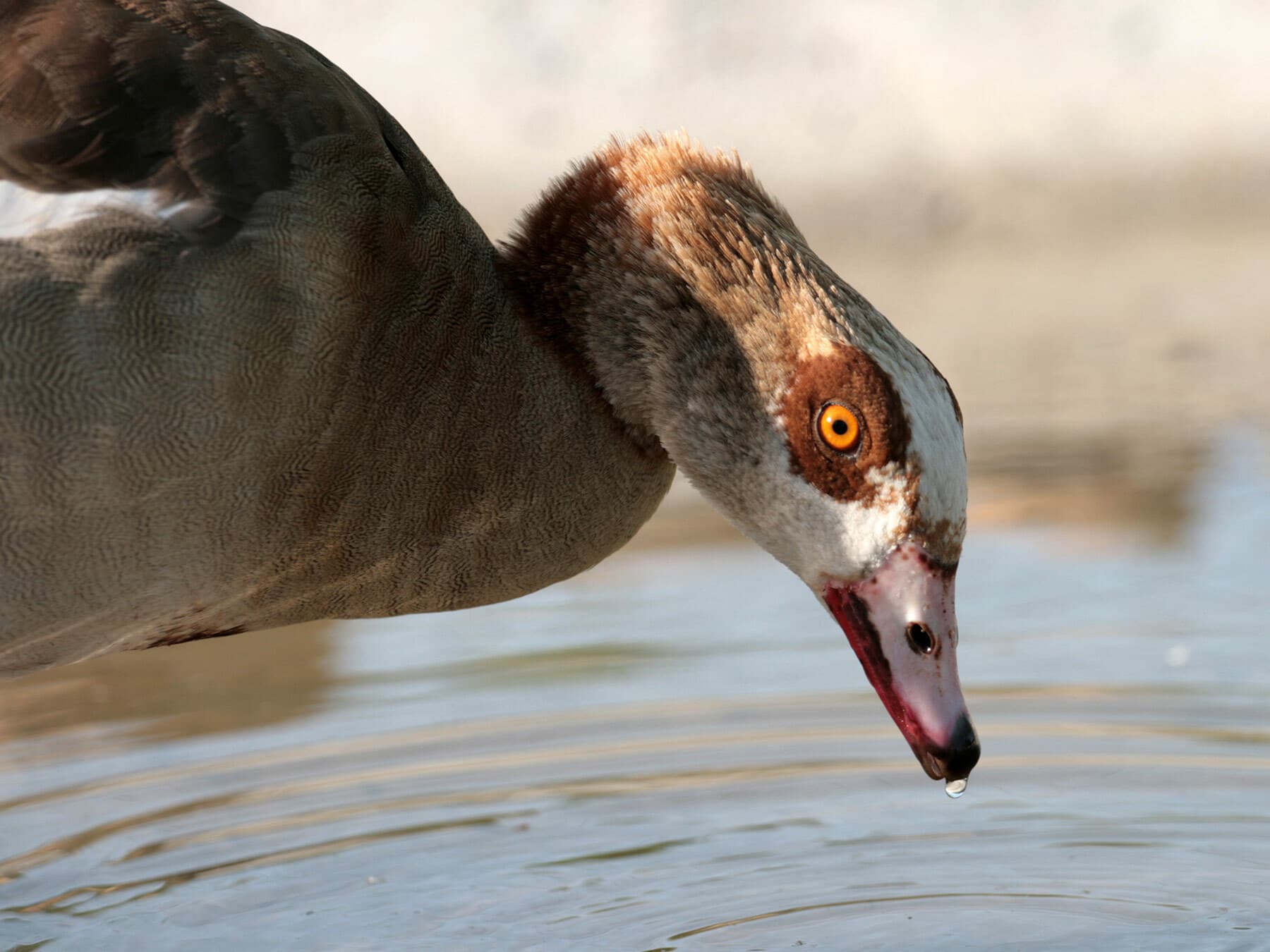
Egyptian Goose
Alopochen aegyptiacaLC
An uncommon but increasing non-native resident, found around freshwater lakes and parkland. Absent during late summer moult period.
Oct–Jul
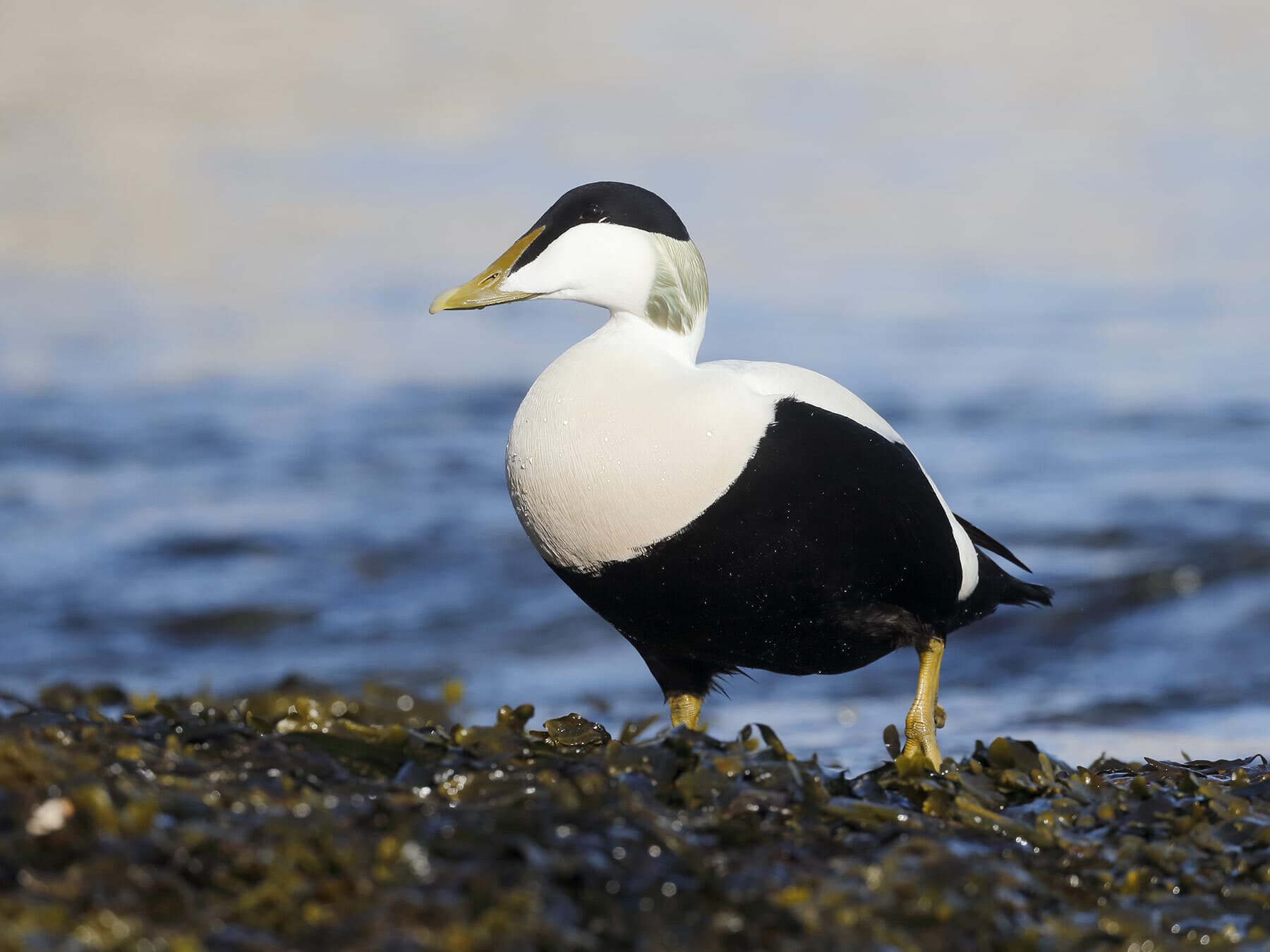
Eider
Somateria mollissimaNT
A rare passage visitor, occasionally spotted offshore or in sheltered bays during the early months of the year.
Jan–Mar
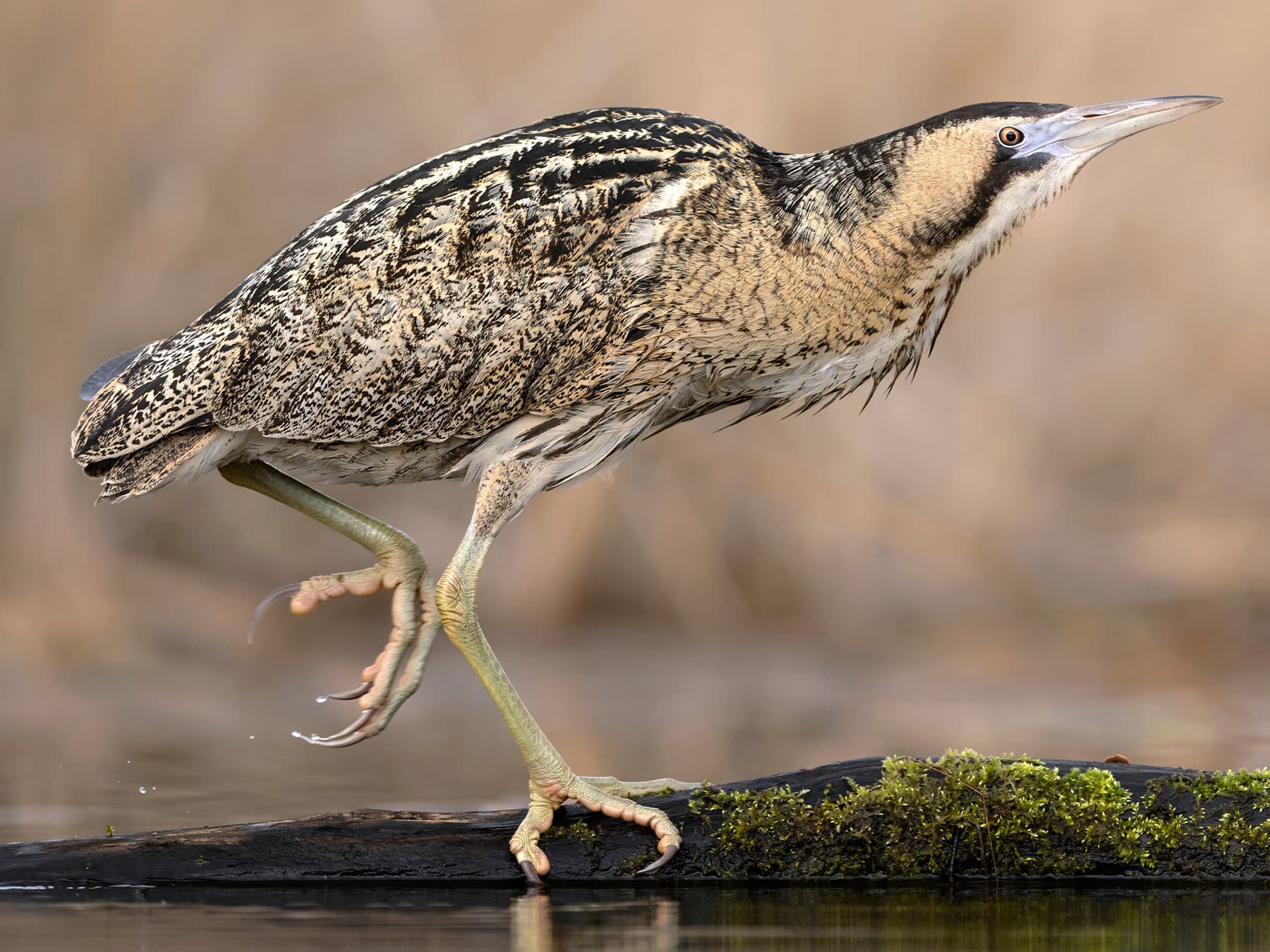
Eurasian Bittern
Botaurus stellarisLC
A rare breeding visitor to island reedbeds from March to June; listen for the distinctive booming call in spring.
Mar–Jun
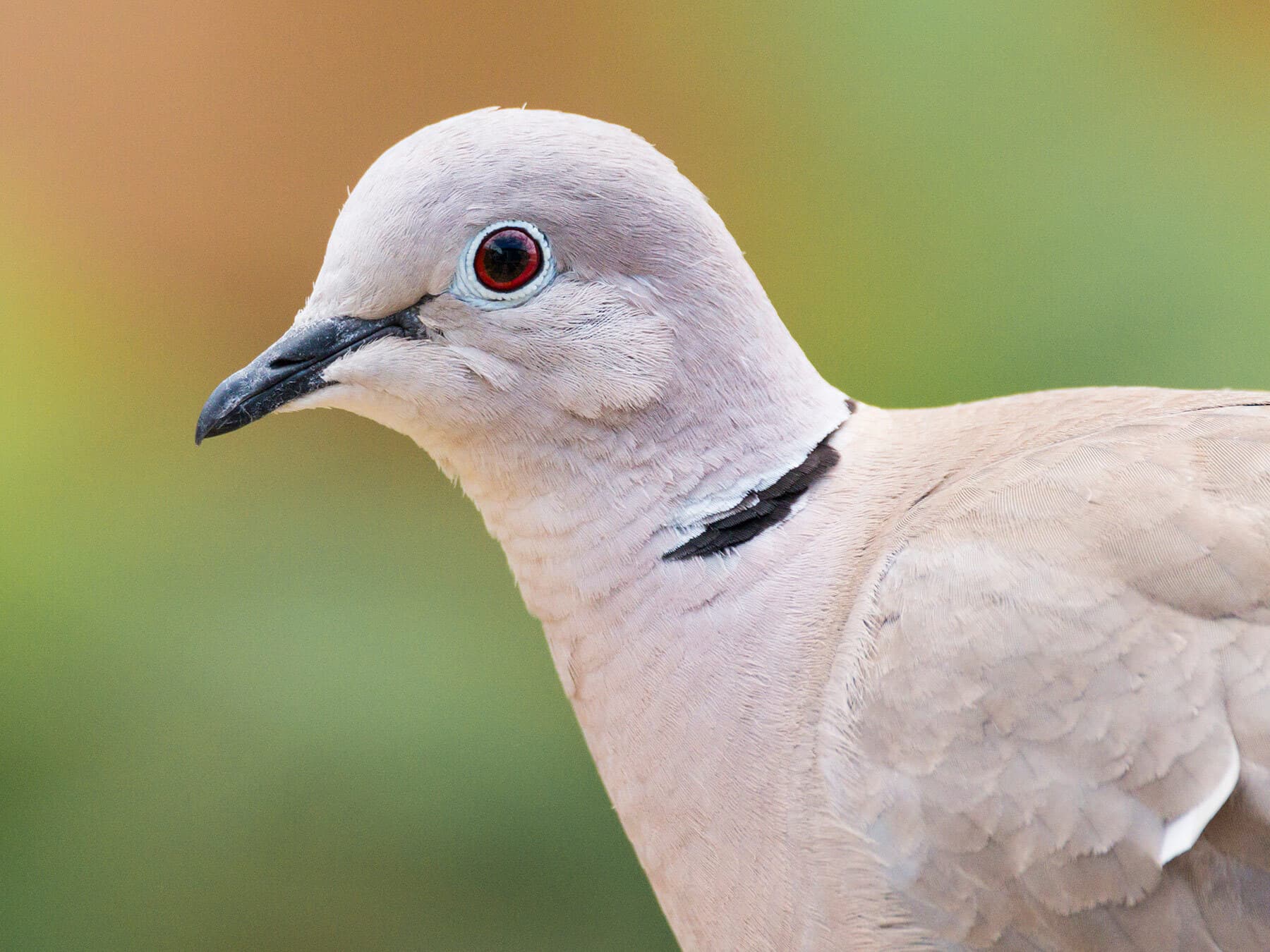
Eurasian Collared Dove
Streptopelia decaoctoLC
Resident in towns, villages and farmsteads across the island, its monotonous three-note call a familiar sound year-round.
Year-round
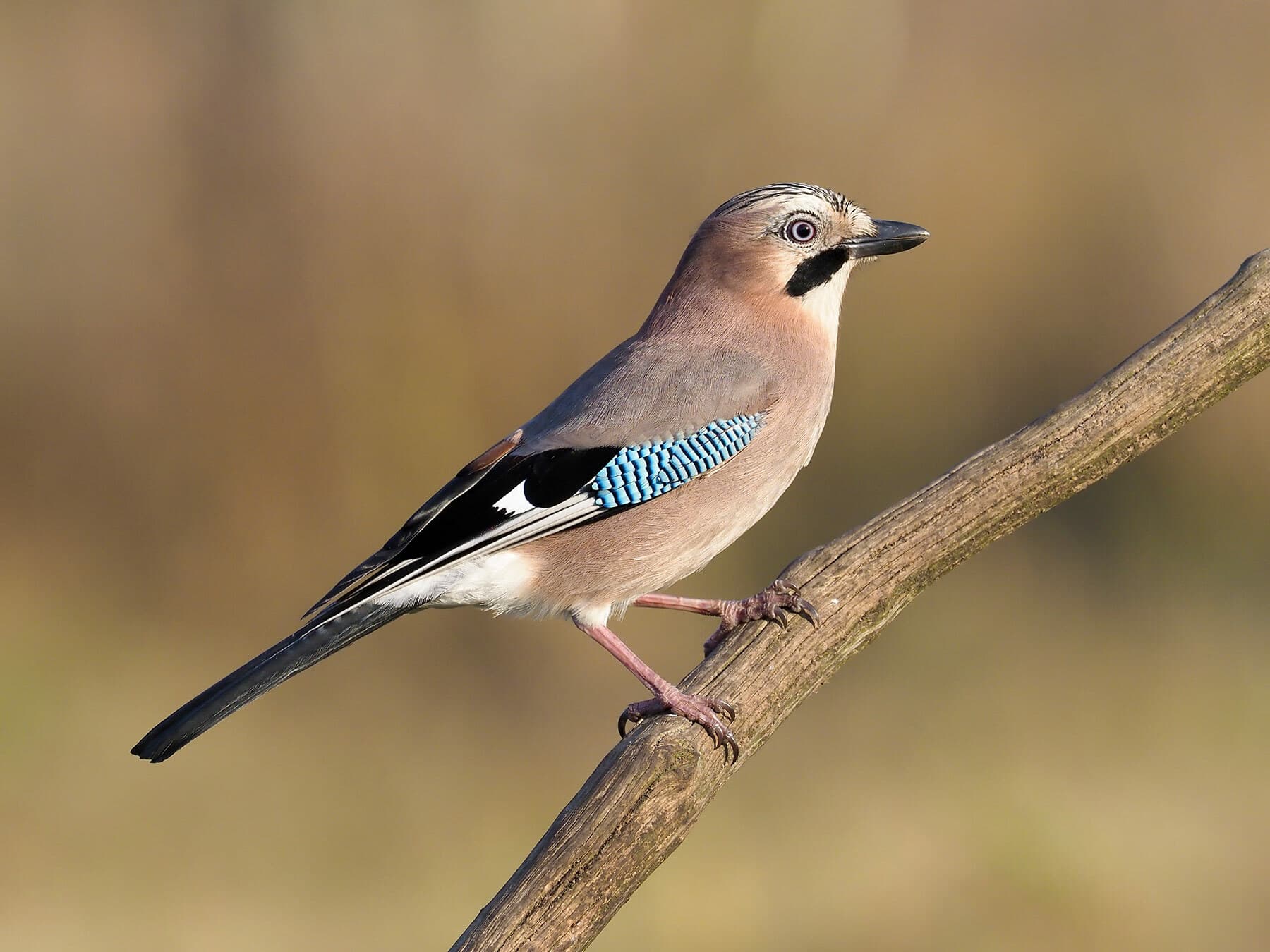
Eurasian Jay
Garrulus glandariusLC
A common resident of the island's woodlands and copses, often heard giving its harsh screeching call before being seen amongst the oaks.
Year-round
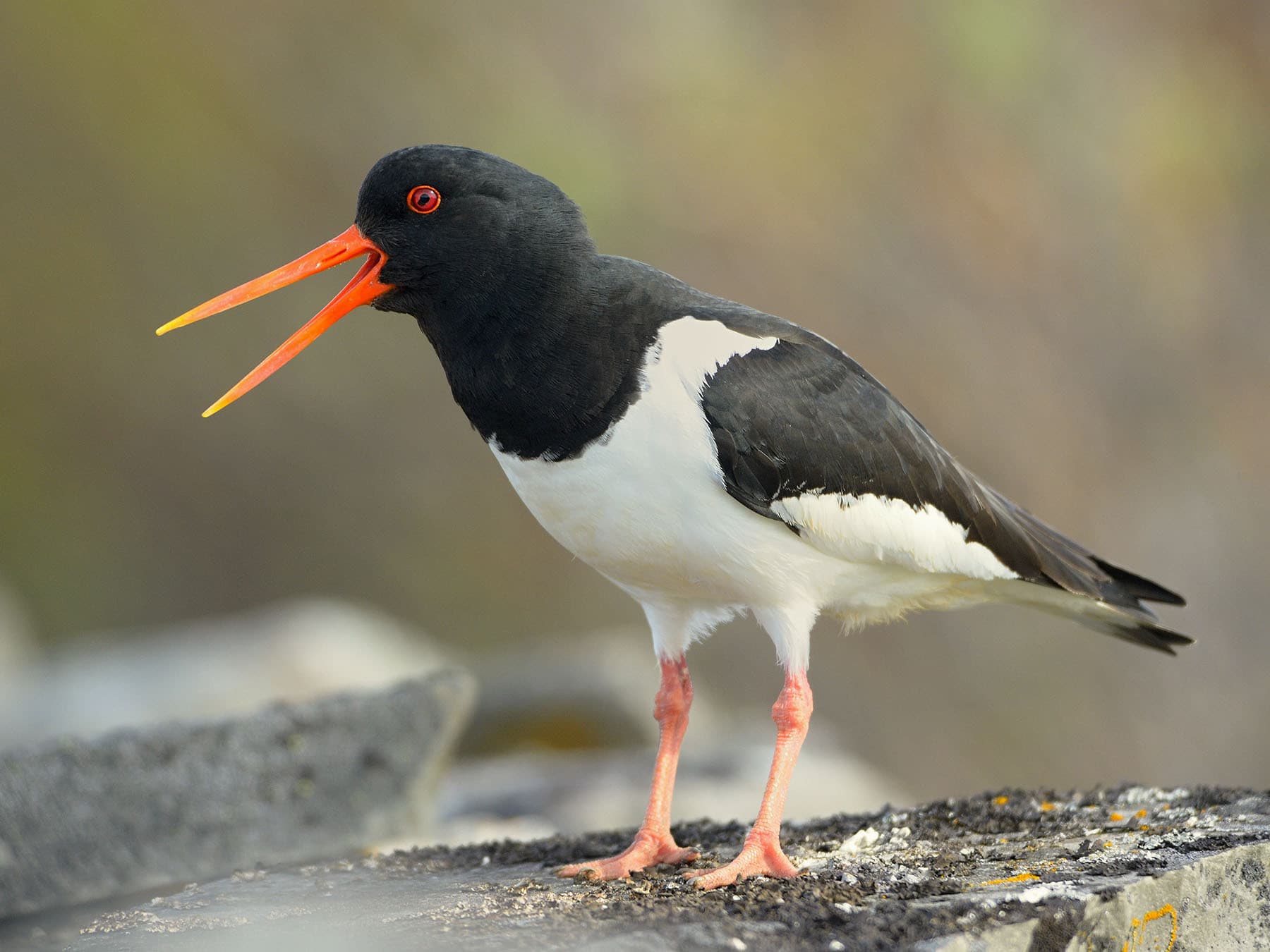
Eurasian Oystercatcher
Haematopus ostralegusNT
Common year-round on the island's estuaries and rocky shores, with its piping call a characteristic coastal sound.
Year-round
Spotted something?
Upload a photo to identify it
Identify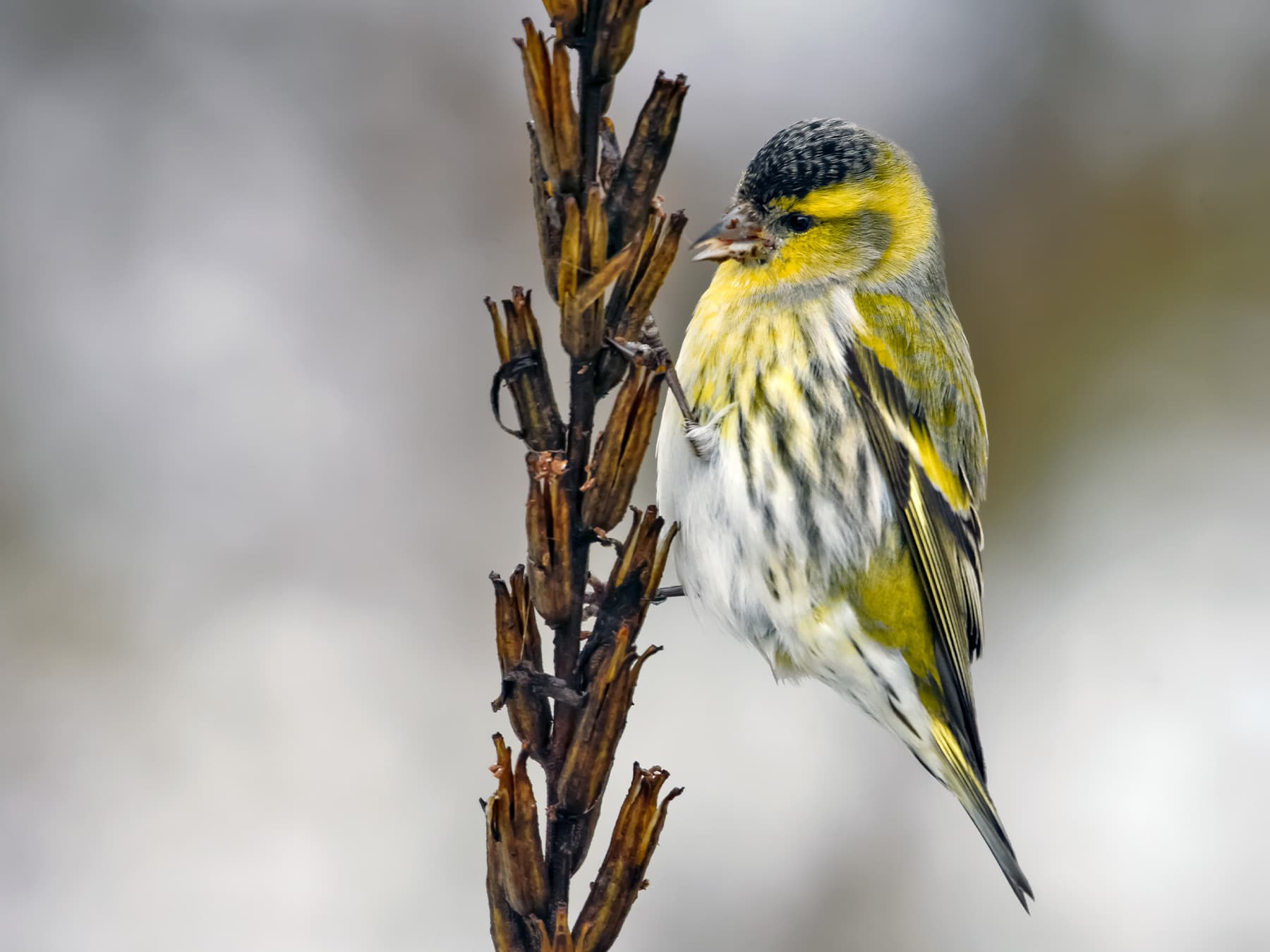
Eurasian Siskin
Spinus spinusLC
A rare winter visitor from September to April, feeding in alder and birch trees along the island's river valleys and woodland edges.
Sep–Apr
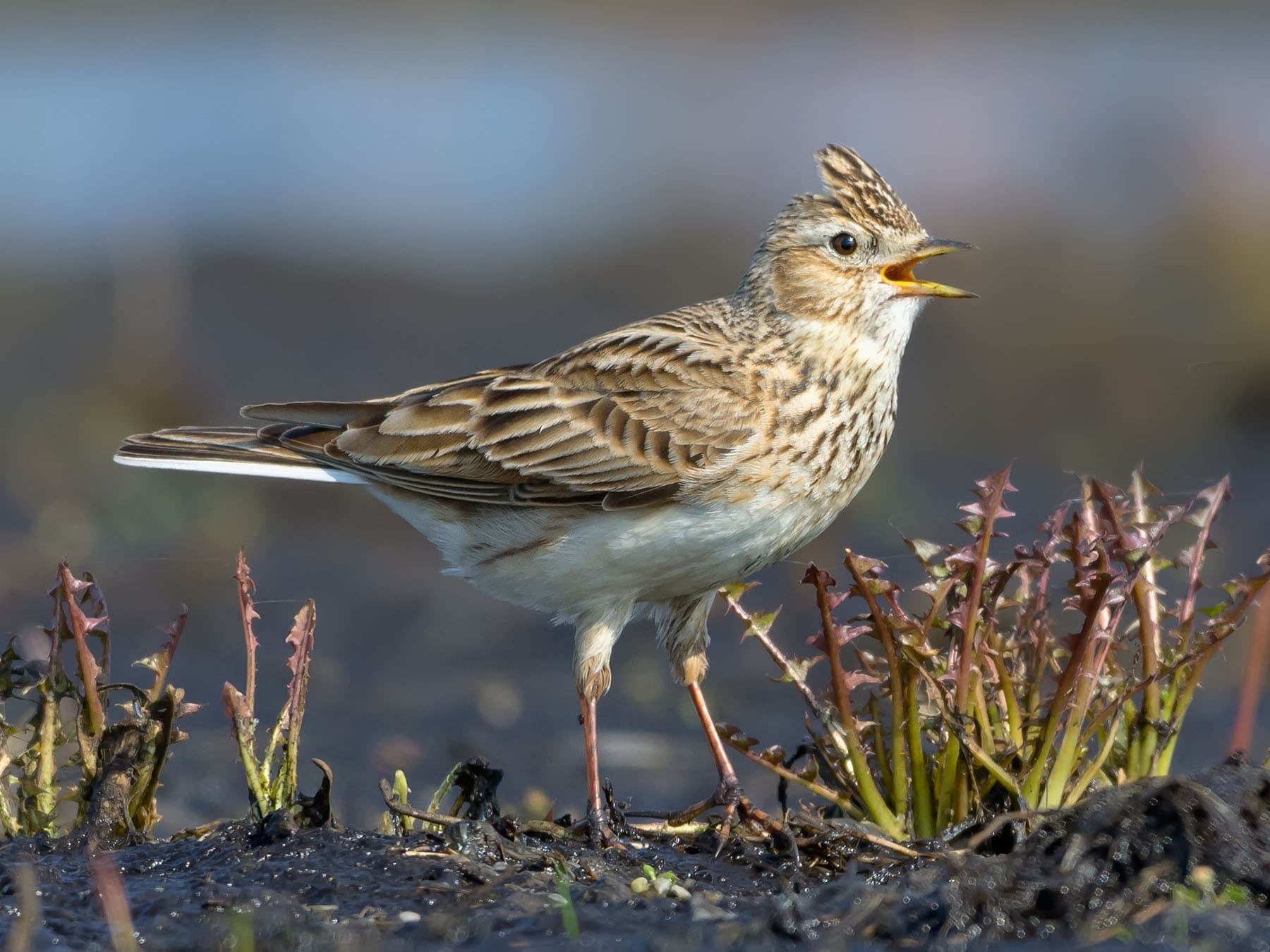
Eurasian Skylark
Alauda arvensisLC
A common resident of the island's chalk downland and farmland. Its soaring song flight is a familiar sound over open grasslands.
Year-round
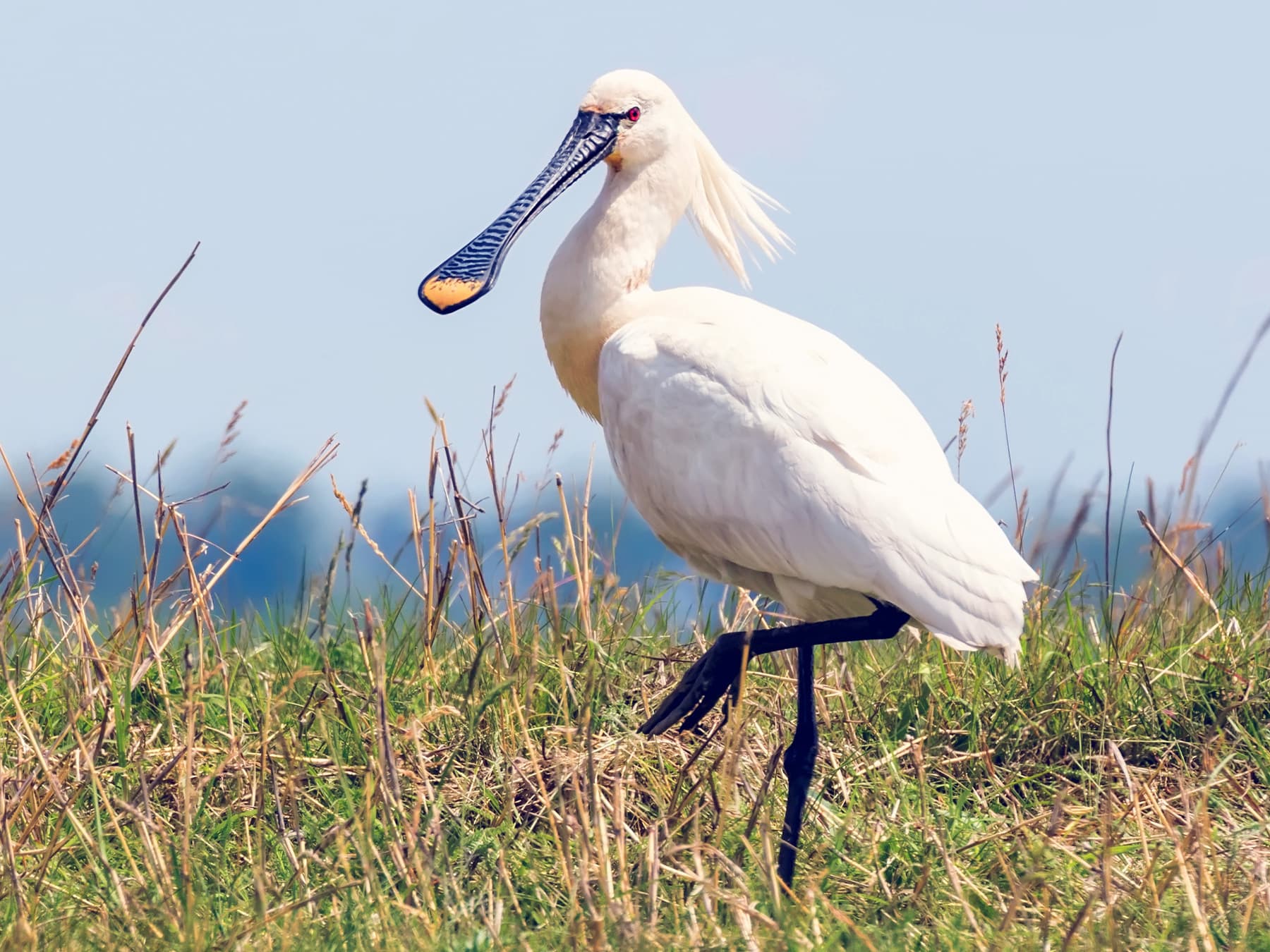
Eurasian Spoonbill
Platalea leucorodiaLC
A rare non-breeding visitor to island estuaries and marshes, increasingly recorded as the UK population grows.
Nov–Jun
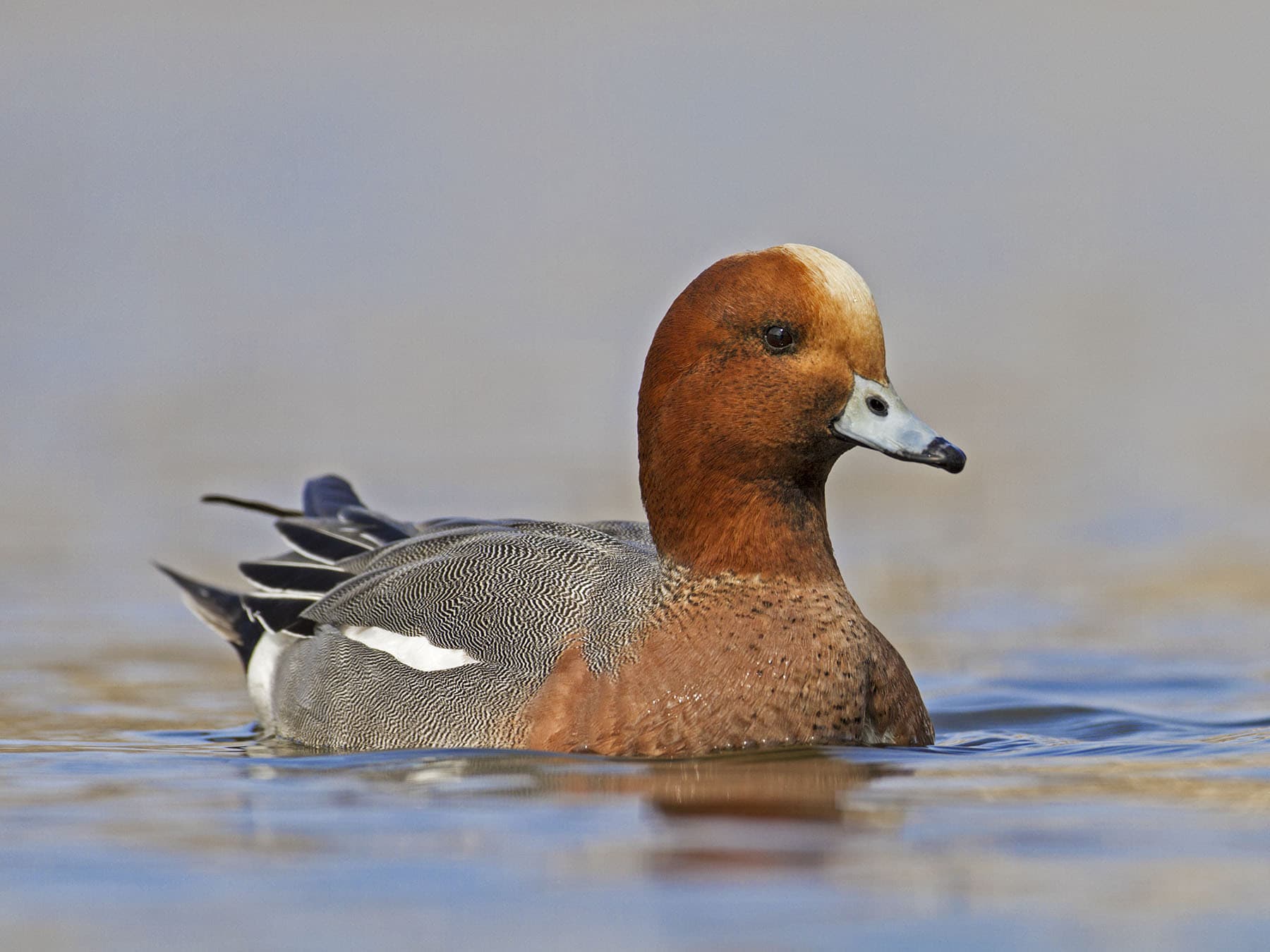
Eurasian Wigeon
Mareca penelopeLC
Common on the island's estuaries and flooded grasslands from autumn through spring, with large flocks gathering on the Newtown and Medina estuaries.
Sep–May
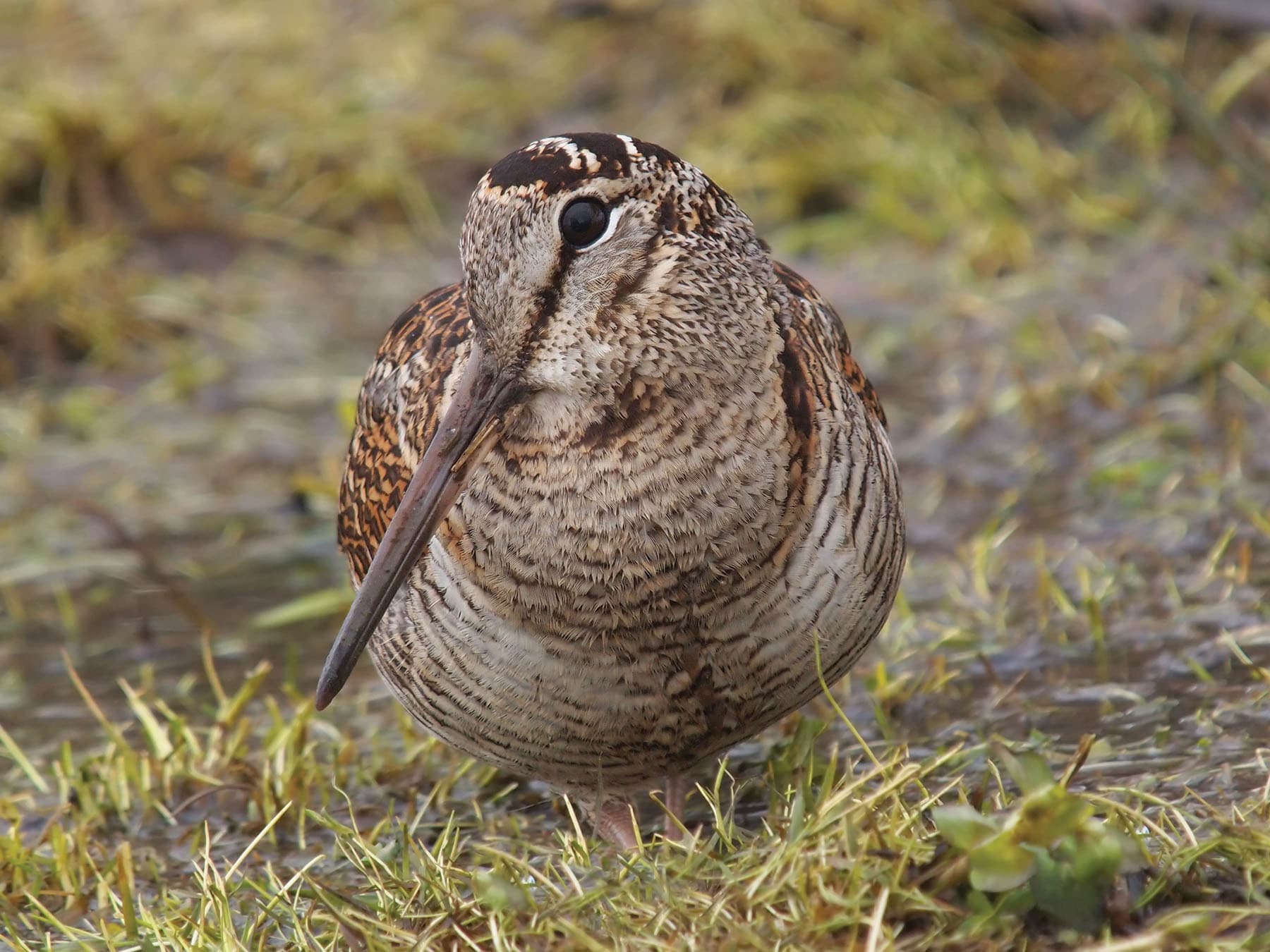
Eurasian Woodcock
Scolopax rusticolaLC
A rare passage record in June; more typically a winter visitor to the island's damp woodland and copses.
Jun
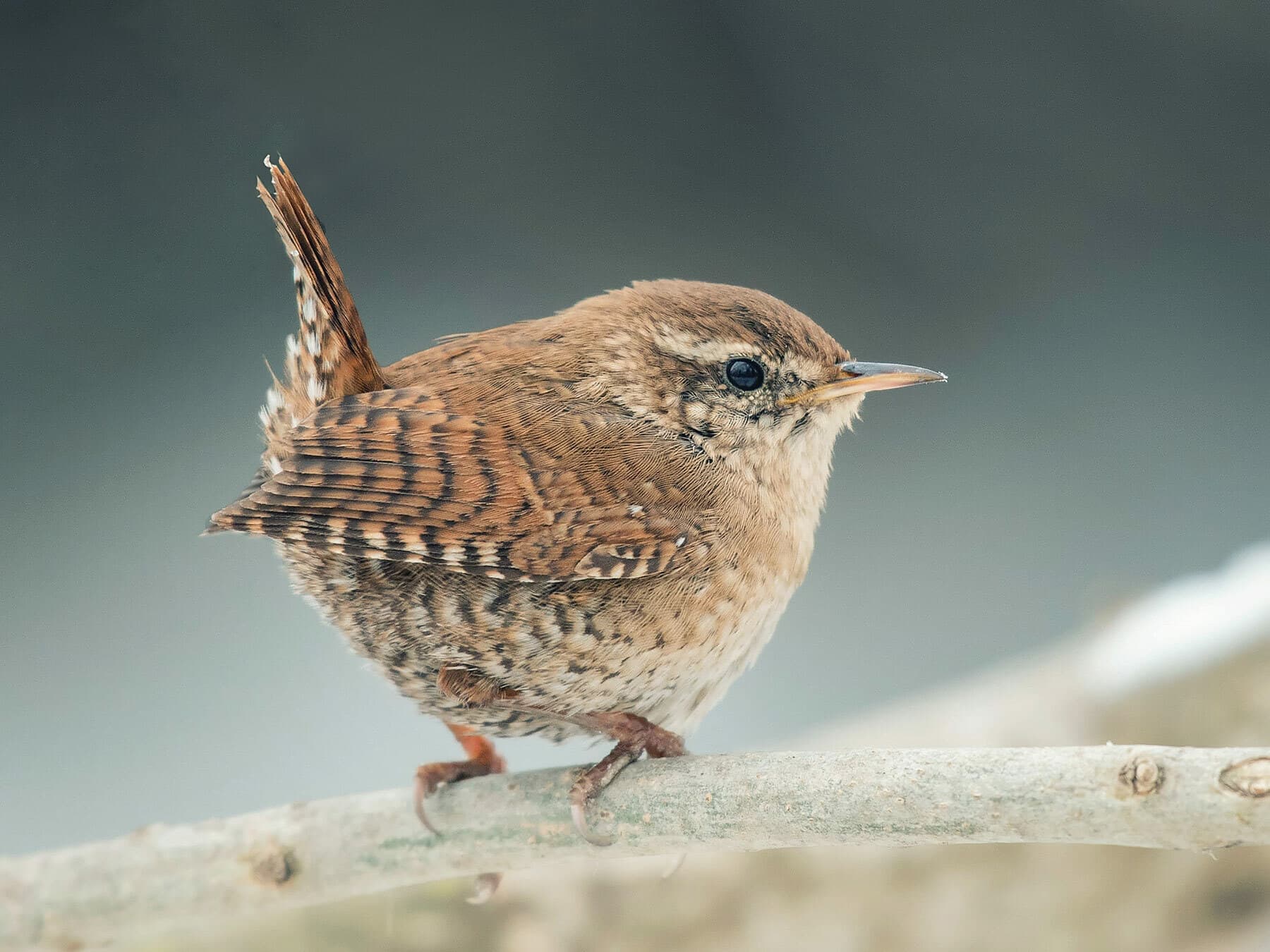
Eurasian Wren
Troglodytes troglodytesLC
A common and vocal resident found in virtually every habitat with dense cover, from woodland to coastal scrub and island gardens.
Year-round
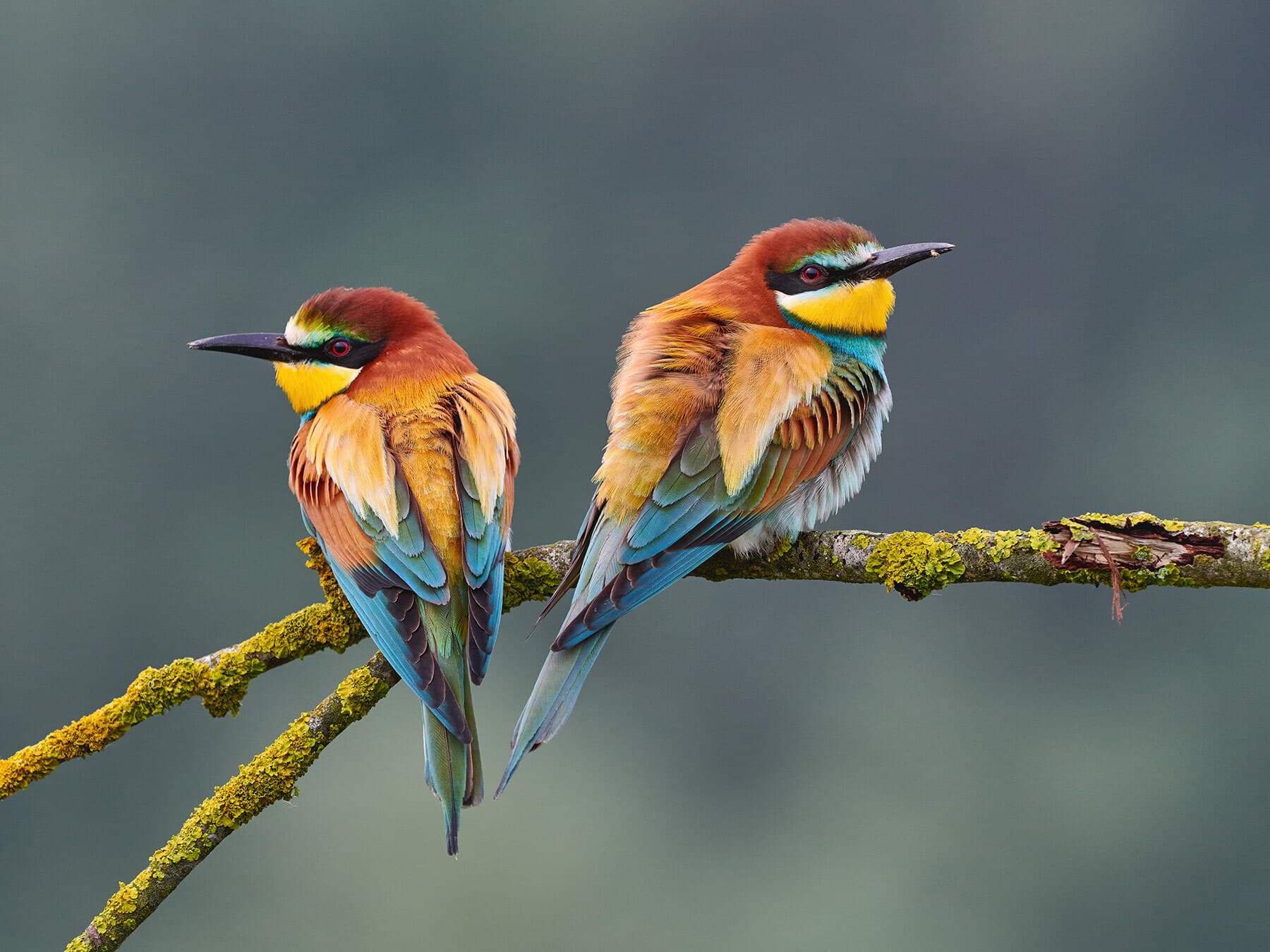
European Bee-eater
Merops apiasterLC
A rare and exotic August vagrant, occasionally overshooting from the continent to delight island birdwatchers with its dazzling plumage.
Aug
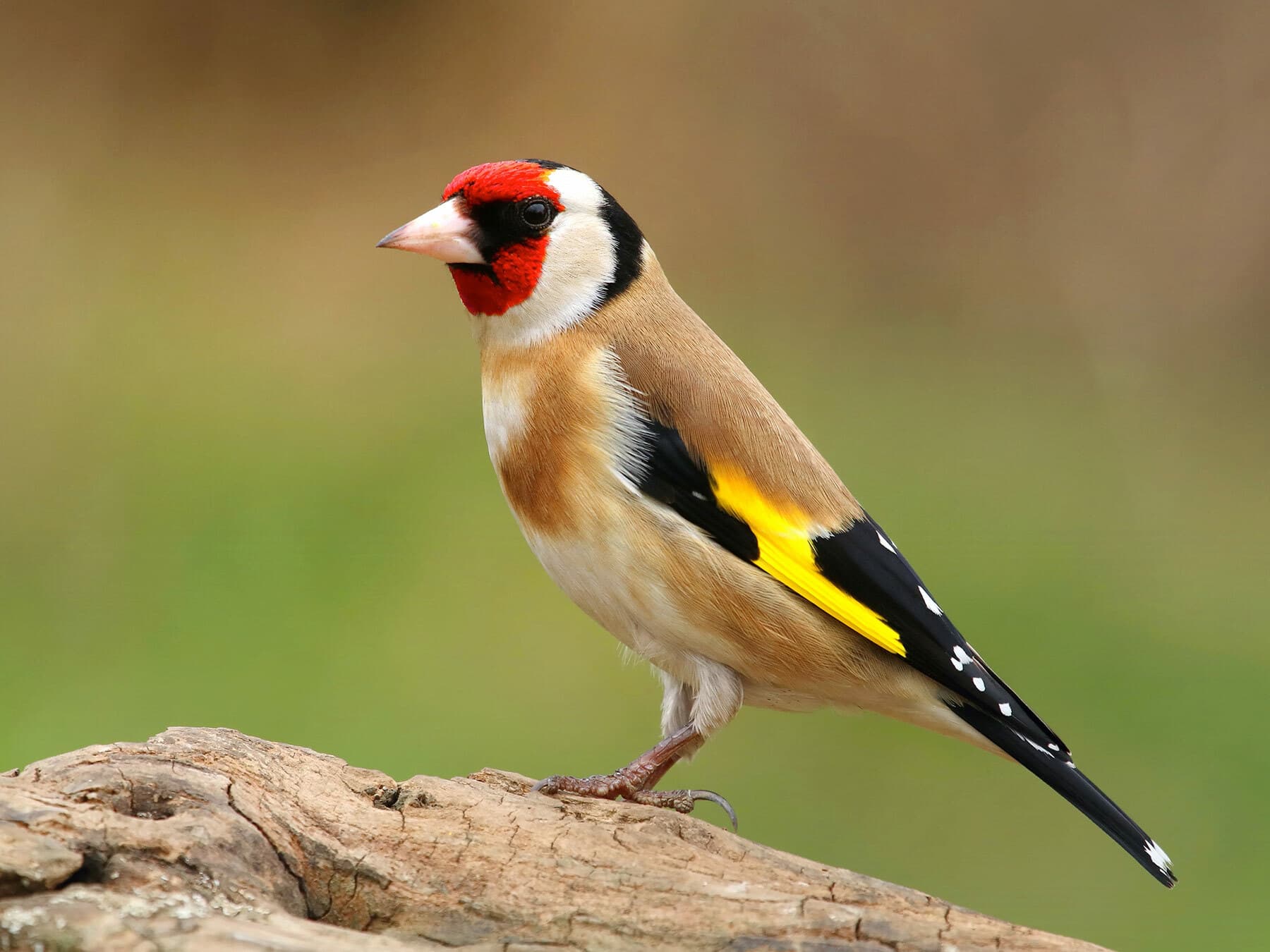
European Goldfinch
Carduelis carduelisLC
A common and colourful year-round resident, often seen in chattering flocks feeding on teasels and thistles across the island.
Year-round
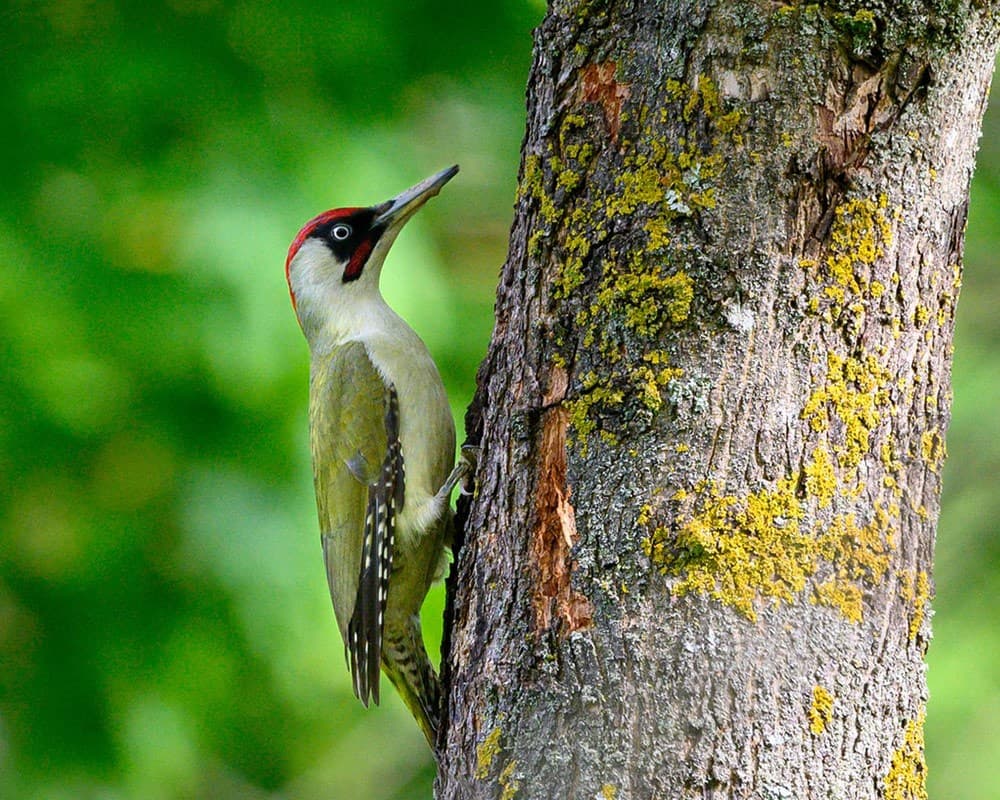
European Green Woodpecker
Picus viridisLC
Common year-round in parkland, orchards, and woodland edges. Its loud laughing call is a familiar island sound.
Year-round
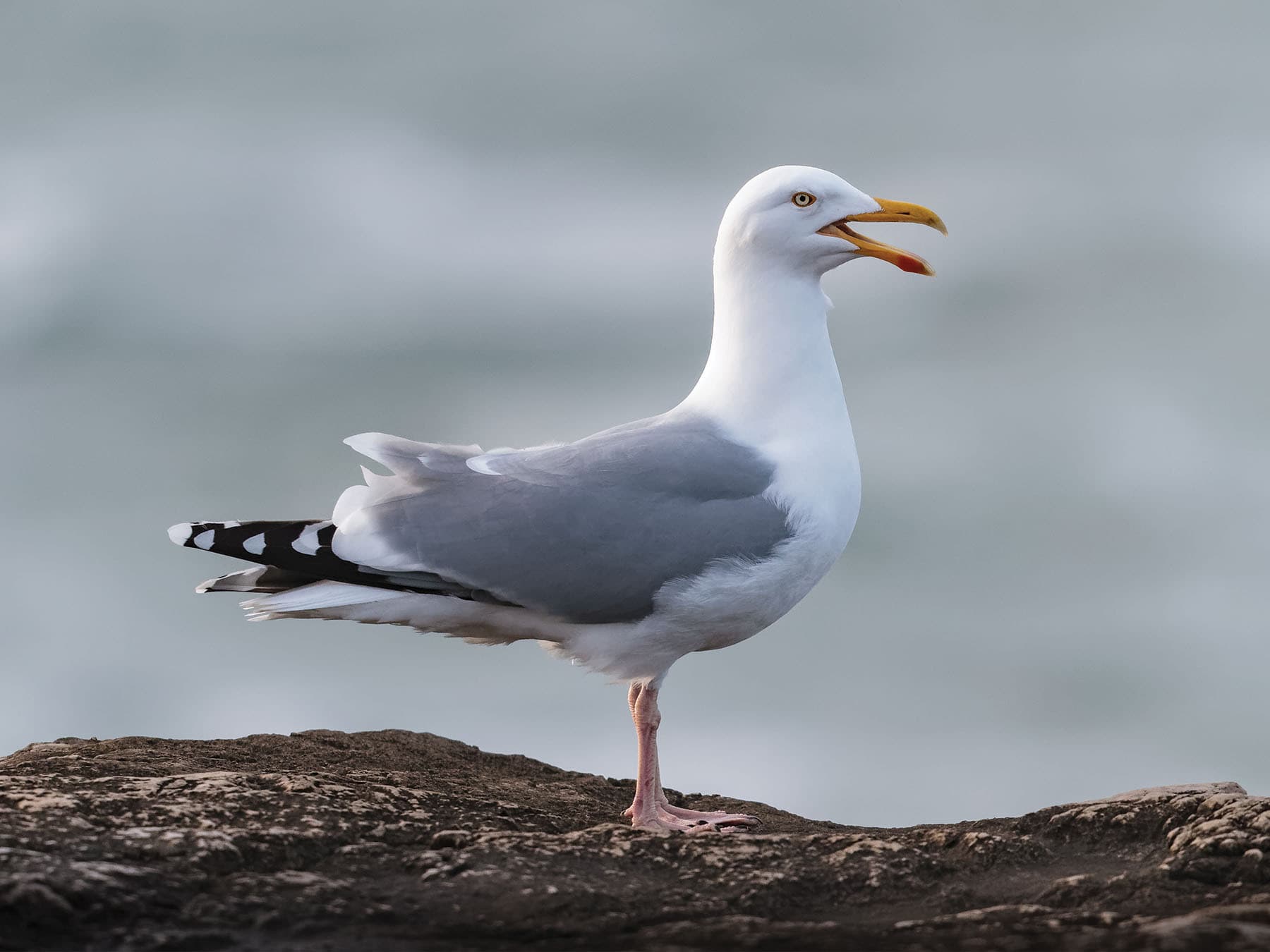
European Herring Gull
Larus argentatusLC
A common and conspicuous resident found around harbours, cliffs and towns across the island throughout the year.
Year-round
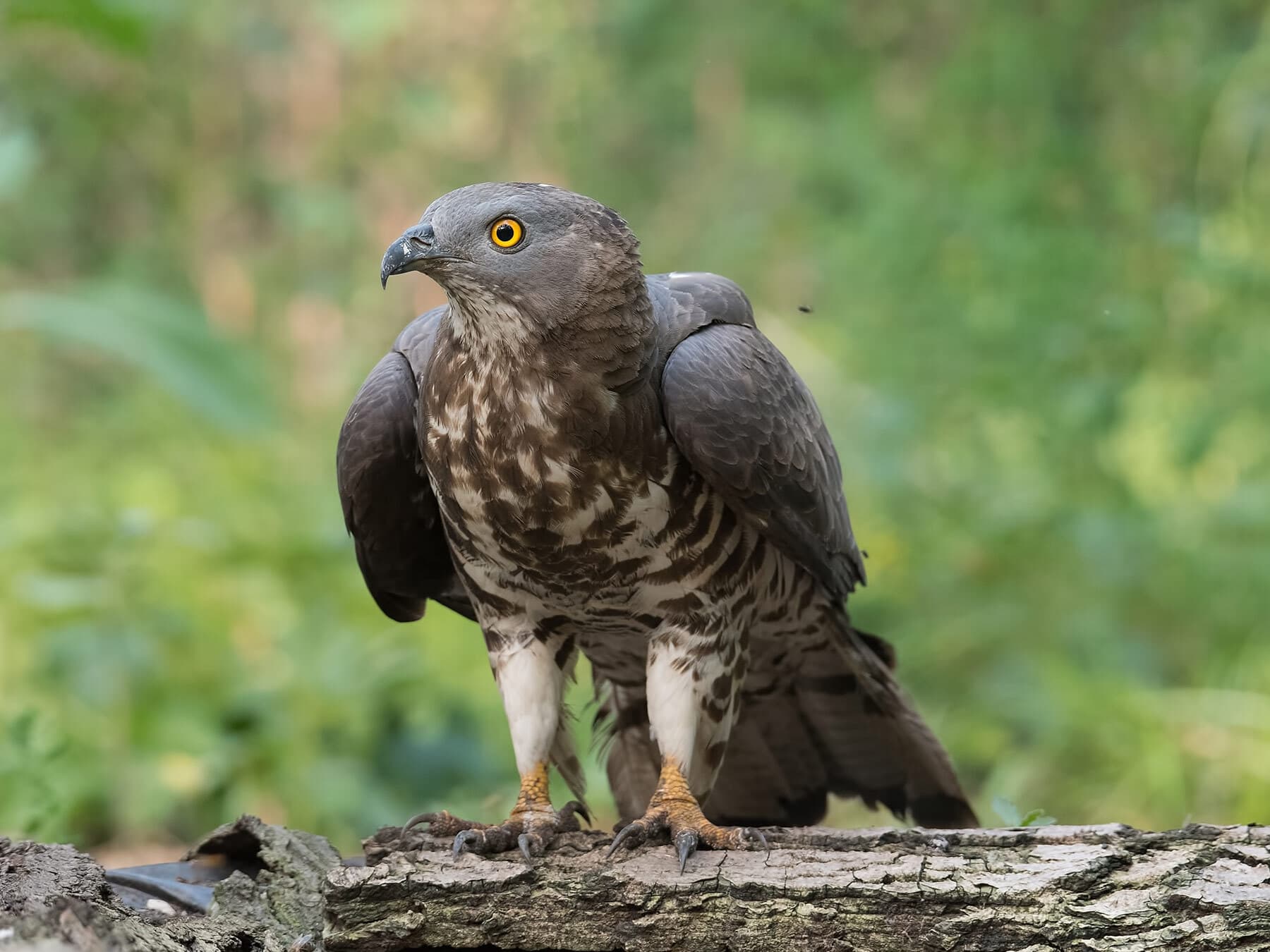
European Honey-buzzard
Pernis apivorusLC
A rare September passage migrant, occasionally drifting over the island's wooded areas during autumn migration.
Sep
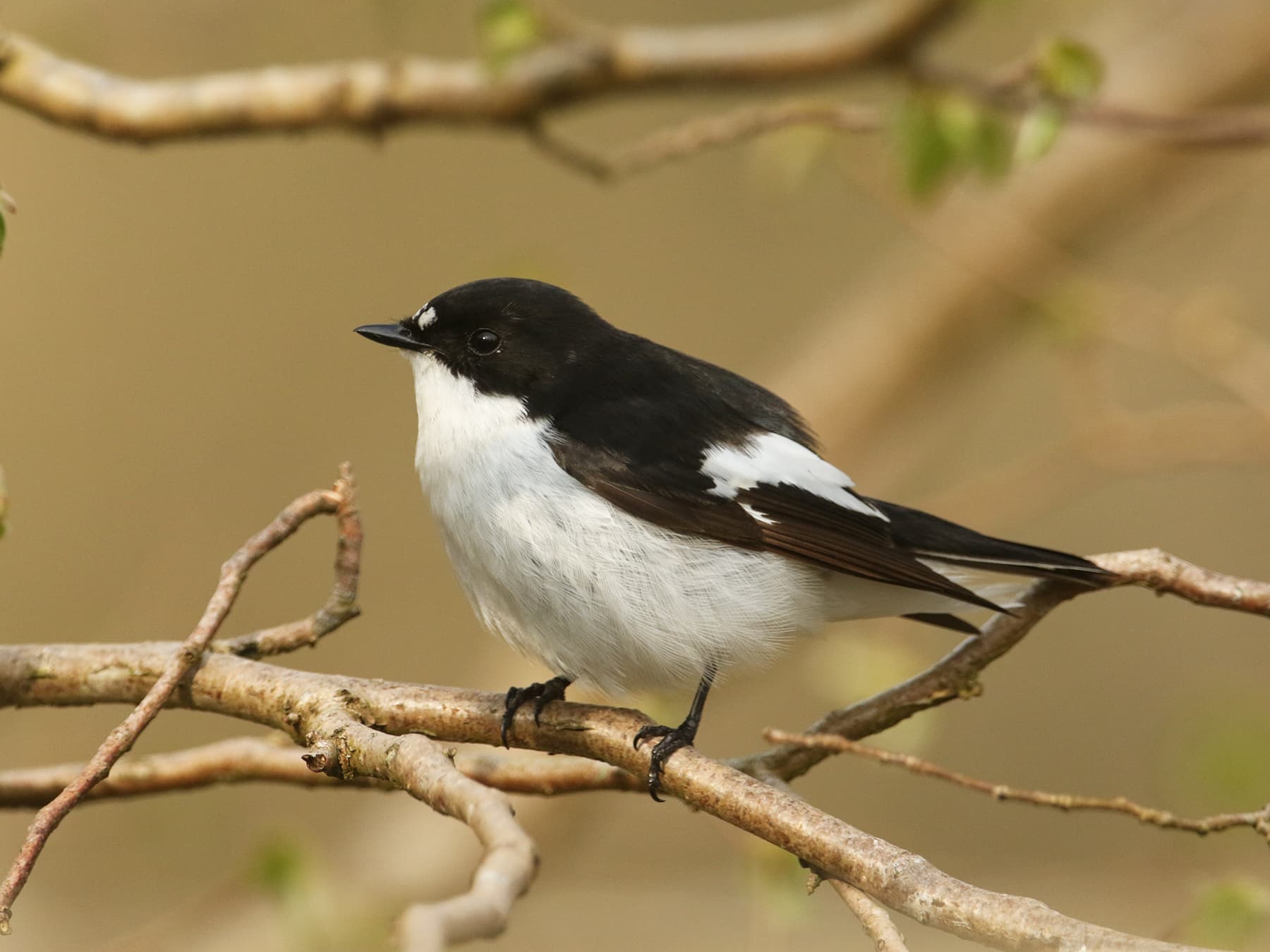
European Pied Flycatcher
Ficedula hypoleucaLC
A rare autumn passage migrant noted in August, stopping in woodland edges and coastal scrub on its southward migration.
Aug
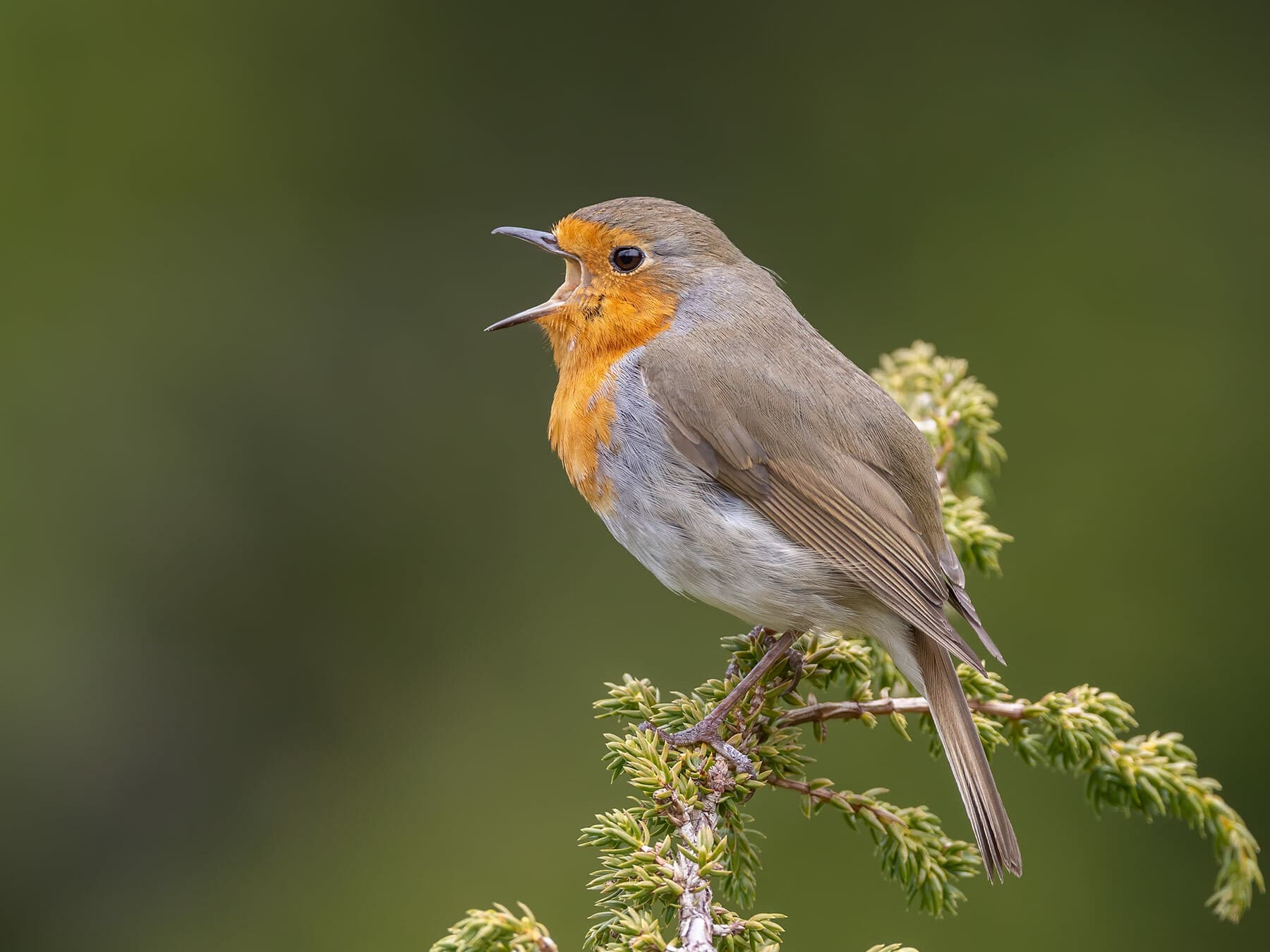
European Robin
Erithacus rubeculaLC
One of the island's most familiar garden birds, present all year. Its sweet, wistful song can be heard even through the winter months.
Year-round
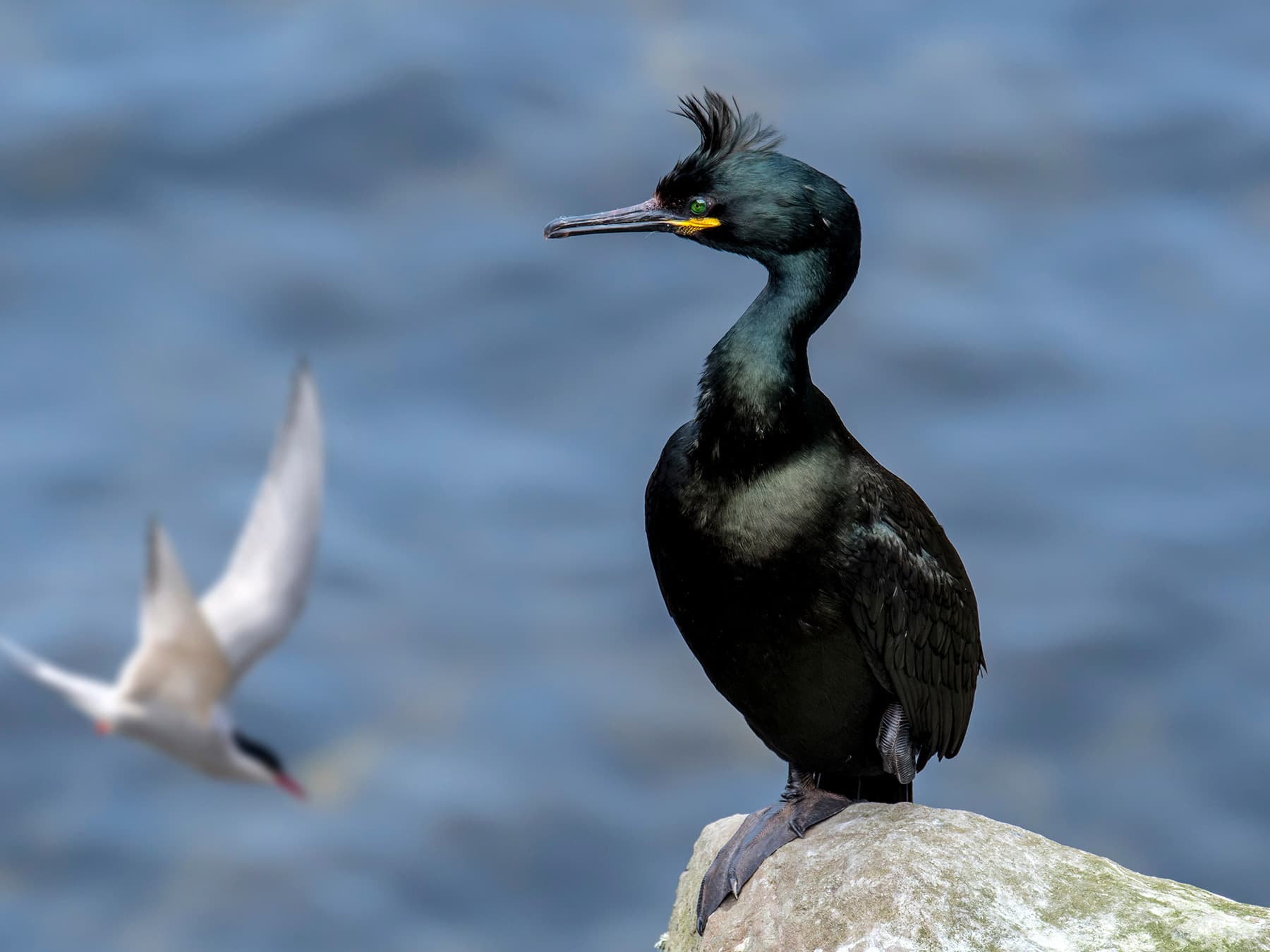
European Shag
Phalacrocorax aristotelisLC
An uncommon year-round resident breeding on the island's dramatic chalk cliffs, especially around the Needles.
Year-round
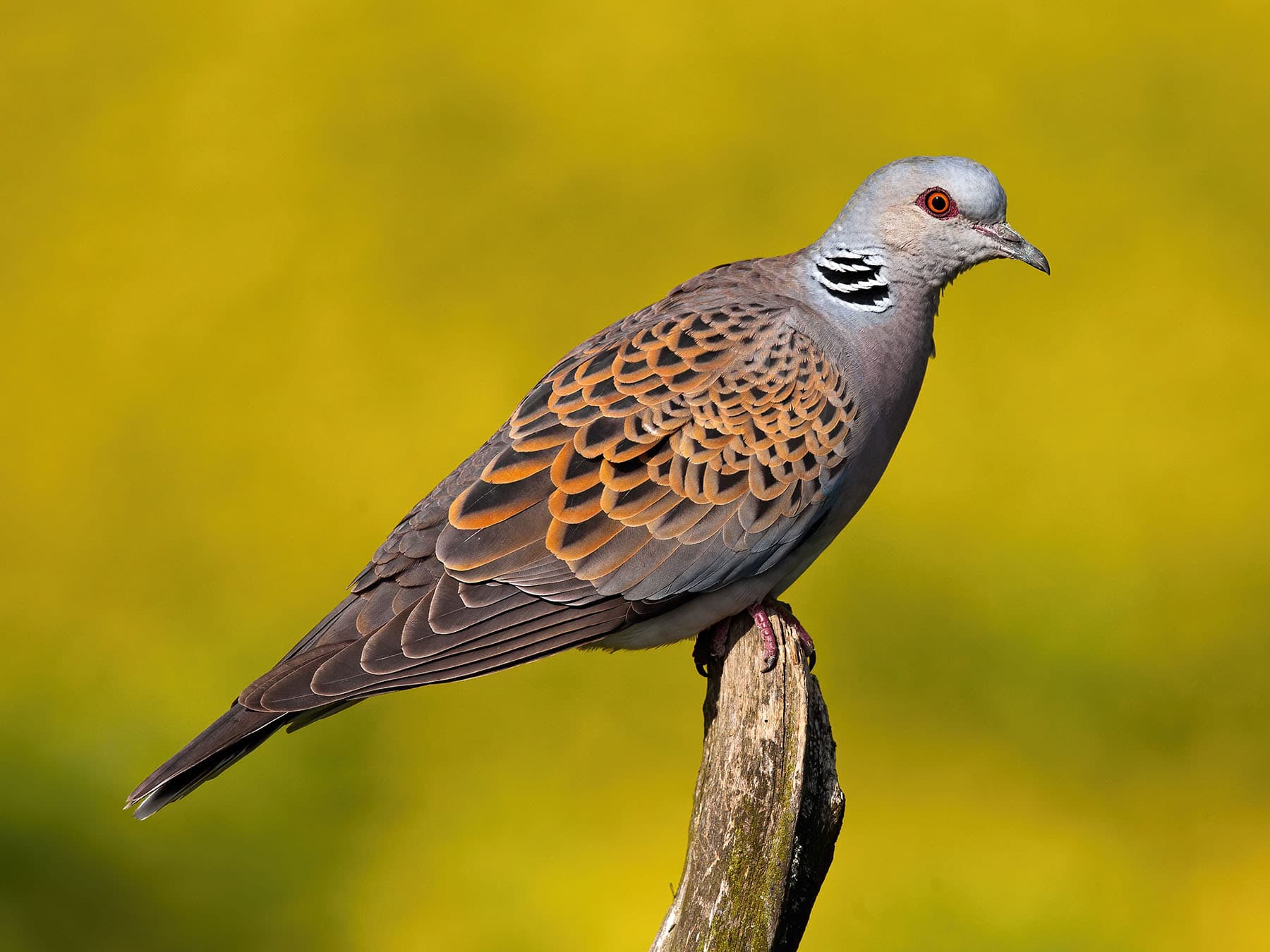
European Turtle-dove
Streptopelia turturVU
A rare and declining passage migrant in late spring. The island's hedgerows and scrub offer brief stopover habitat.
May–Jun