Rare Birds in Isle of Wight
78 species matching this filter.
The Isle of Wight's diverse coastal habitats, estuaries, and sheltered woodlands make it a magnet for rare and uncommon bird species, with 77 recorded as rare visitors to the island. Notable sightings include the elusive Aquatic Warbler, the striking Eurasian Spoonbill, and the secretive Eurasian Bittern, often found in the island's reedbeds and wetlands. Passage migrants such as Arctic Tern and Common Sandpiper pass through seasonally, while scarce winter visitors like Brambling and Black Redstart reward patient observers.


Showing 1–23 of 78 species
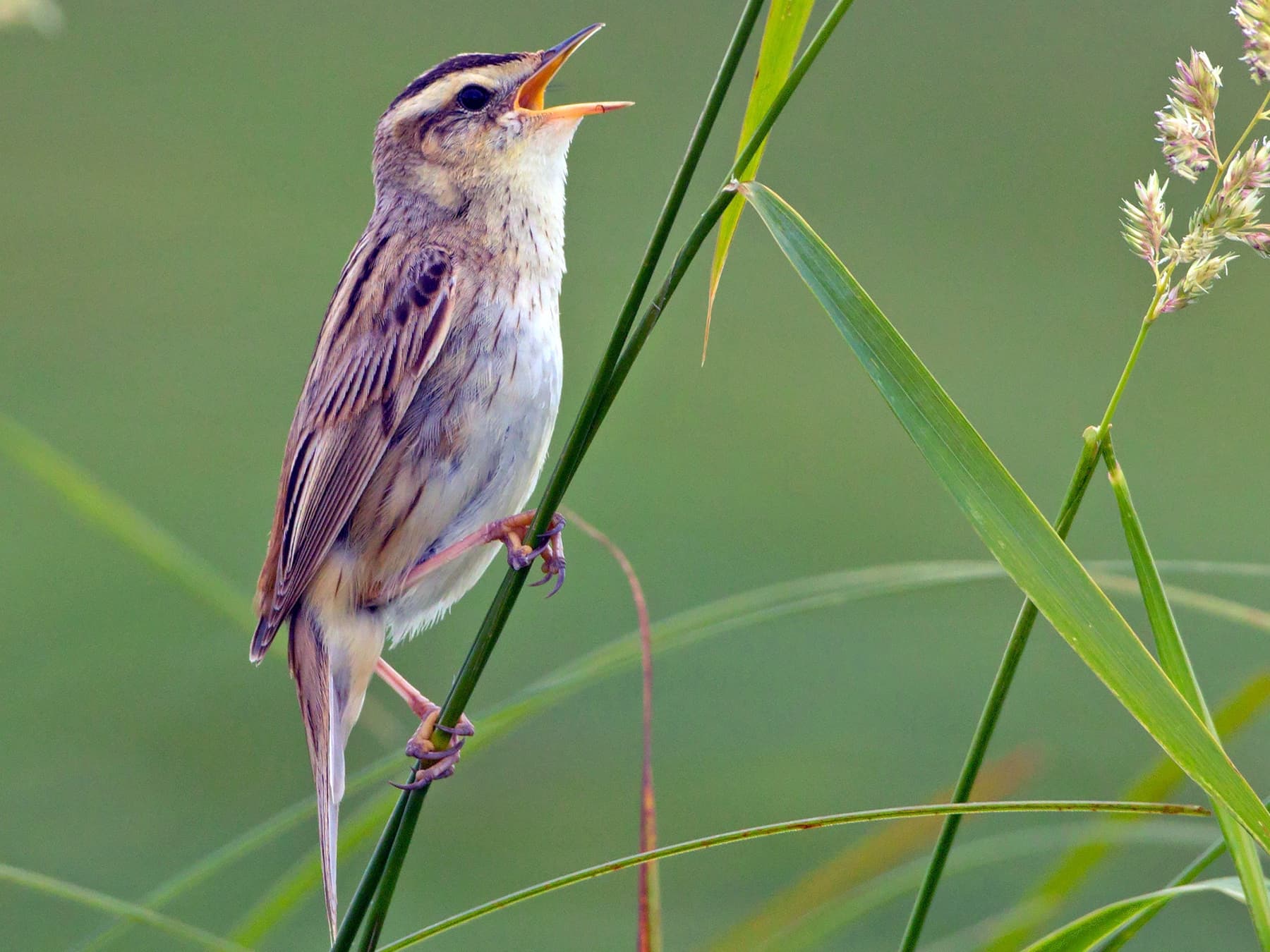
Aquatic Warbler
Acrocephalus paludicolaVU
A rare passage visitor, occasionally recorded in June. This globally threatened warbler may pause briefly in marshy wetland habitats.
Jun
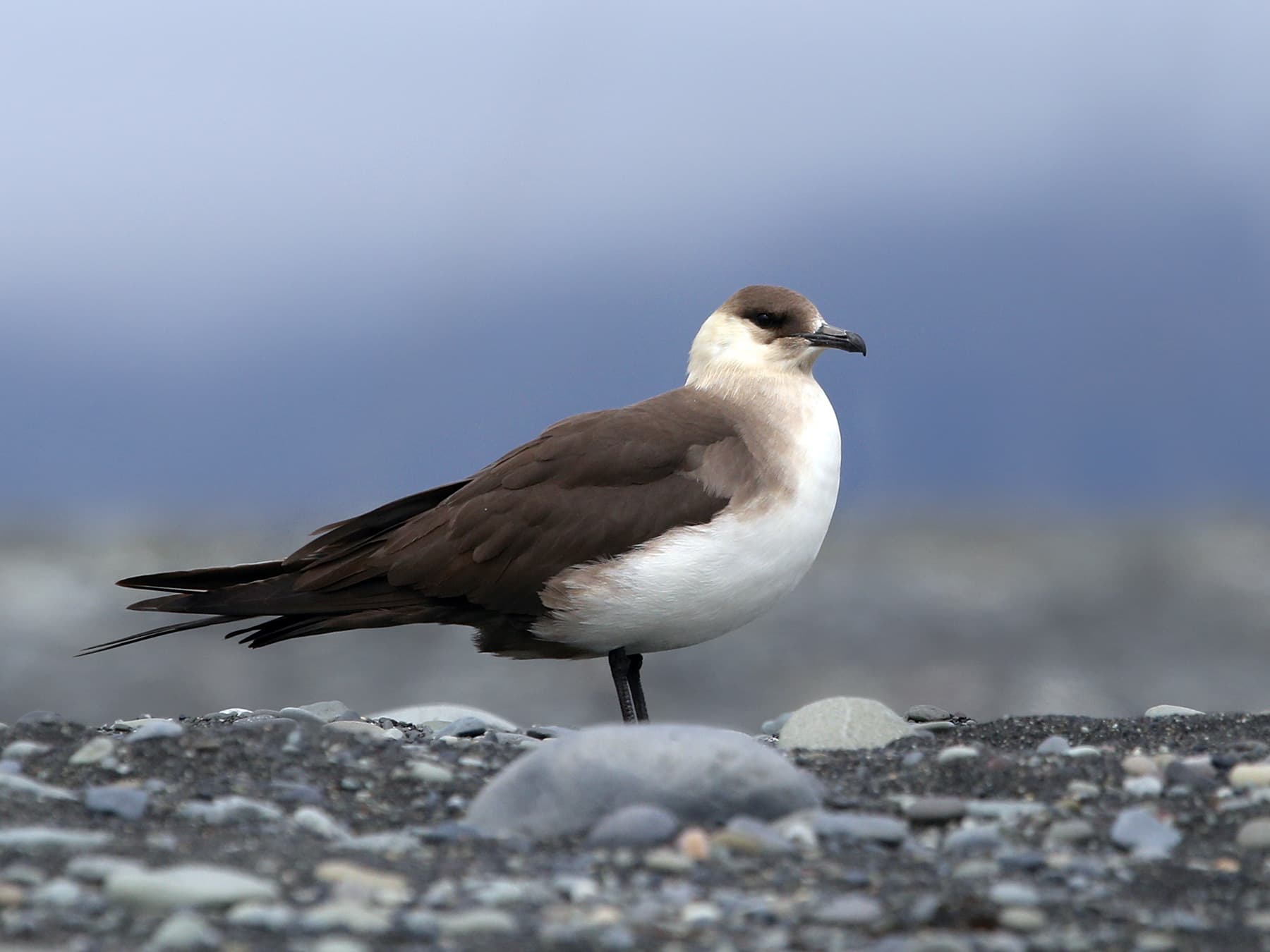
Arctic Jaeger
Stercorarius parasiticusLC
A rare spring passage visitor, occasionally seen harassing terns and gulls offshore around the island's headlands in March and April.
Mar–Apr
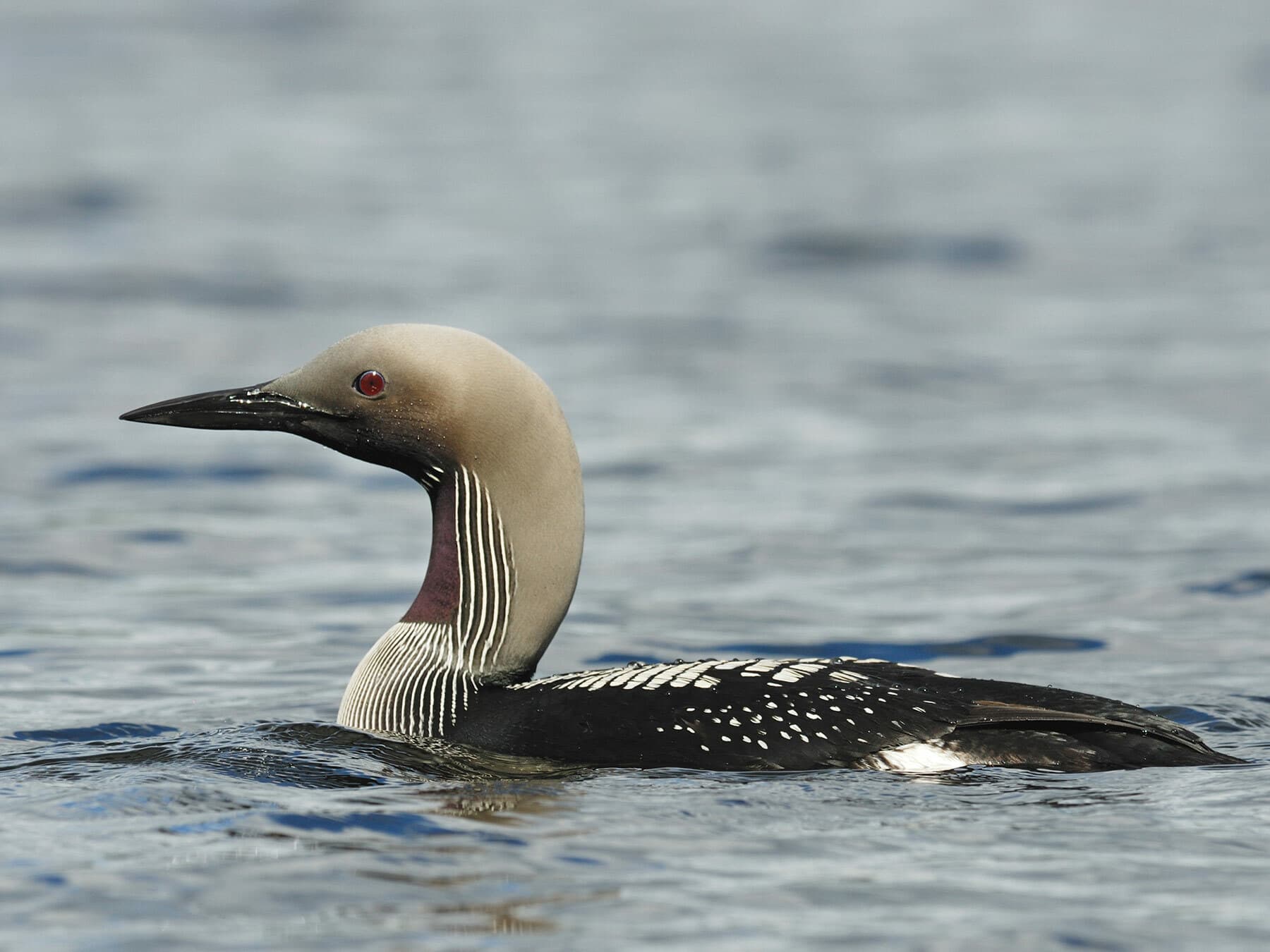
Arctic Loon
Gavia arcticaLC
A rare winter passage visitor, occasionally spotted offshore in the Solent or around the island's coast during January and December.
Dec–Jan
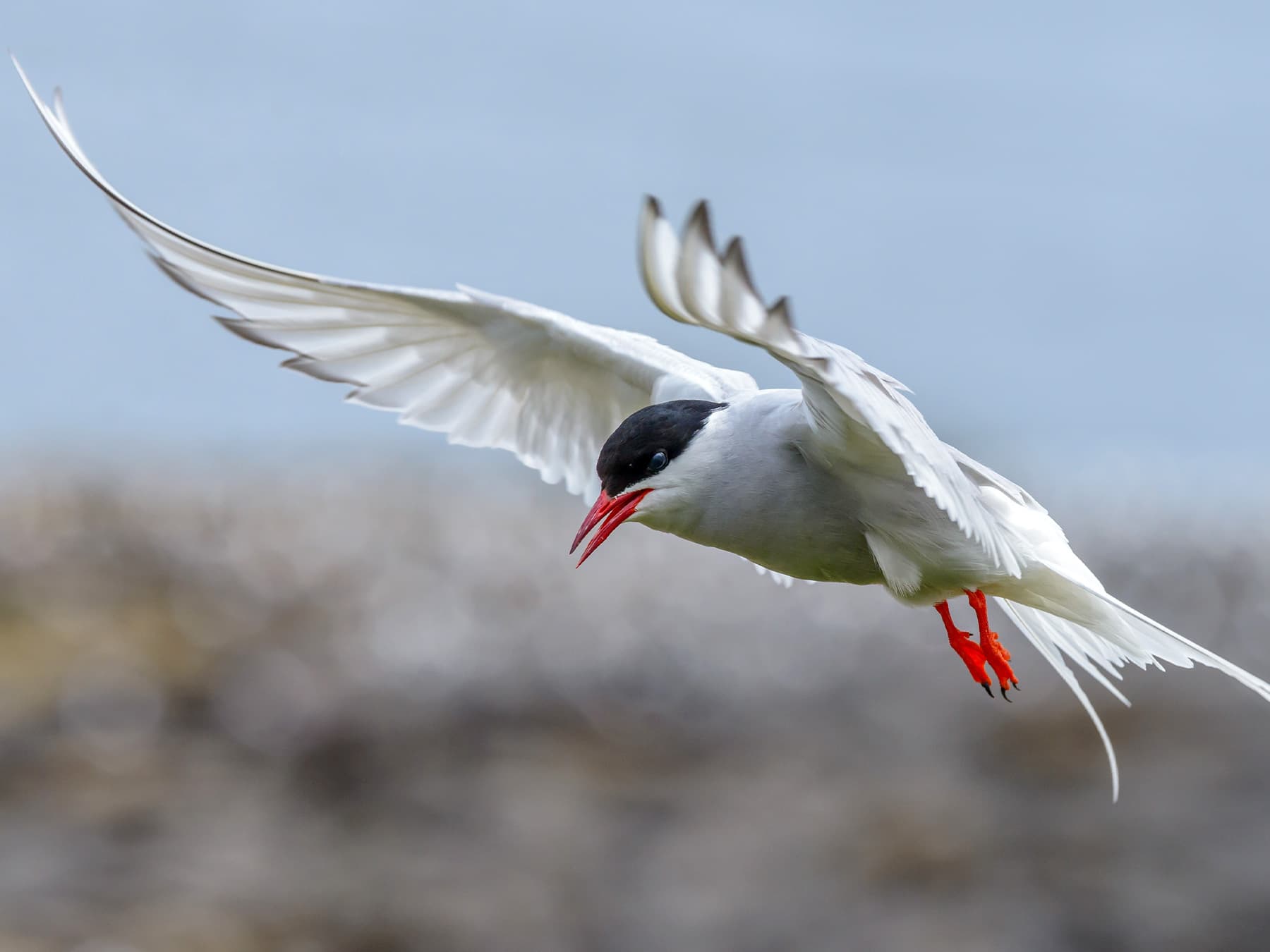
Arctic Tern
Sterna paradisaeaLC
A rare passage migrant glimpsed briefly in May as birds head north to Arctic breeding grounds.
May
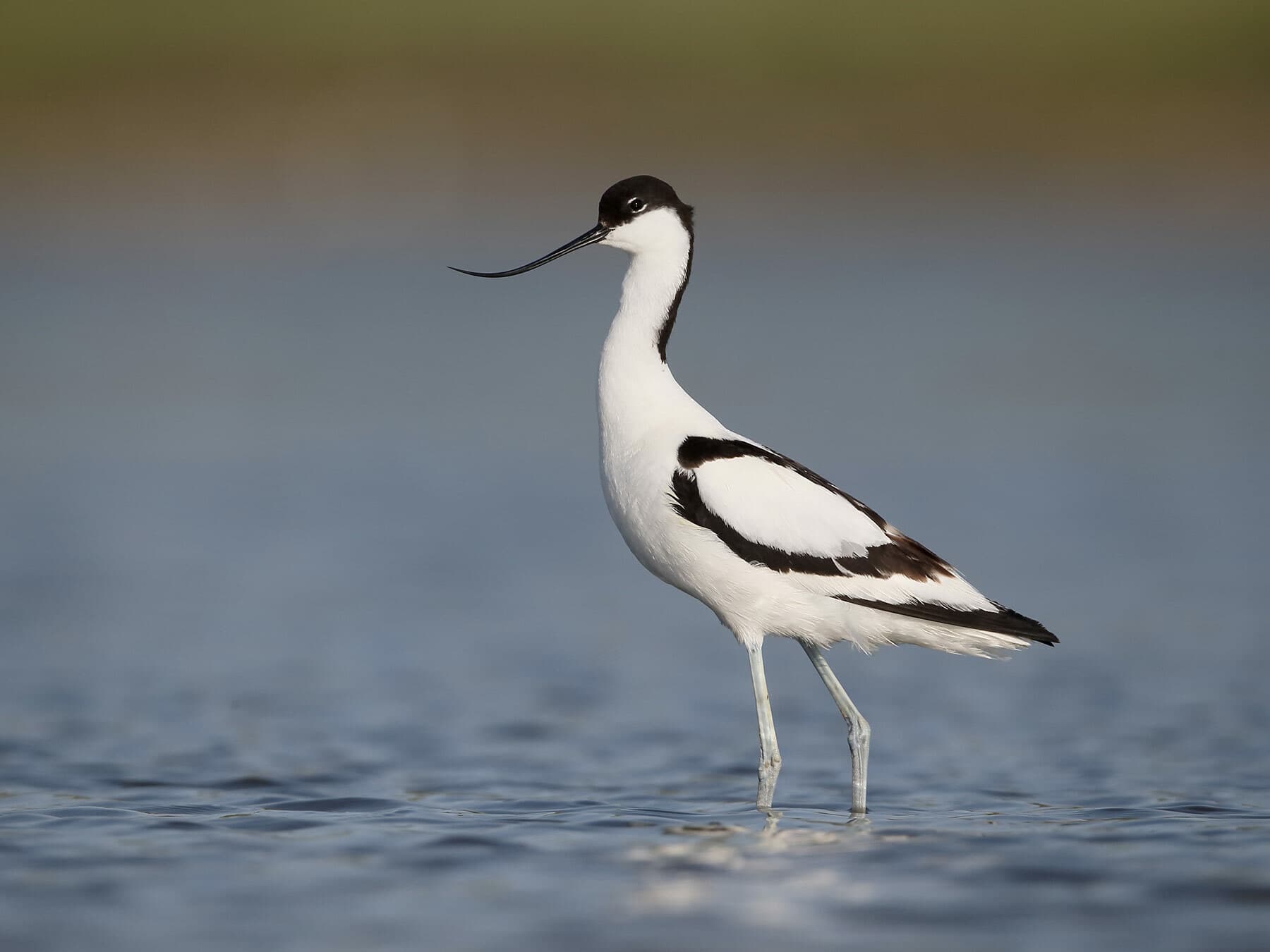
Avocet
Recurvirostra avosettaLC
A rare passage visitor, occasionally seen in April on coastal lagoons and mudflats during spring migration northwards.
Apr
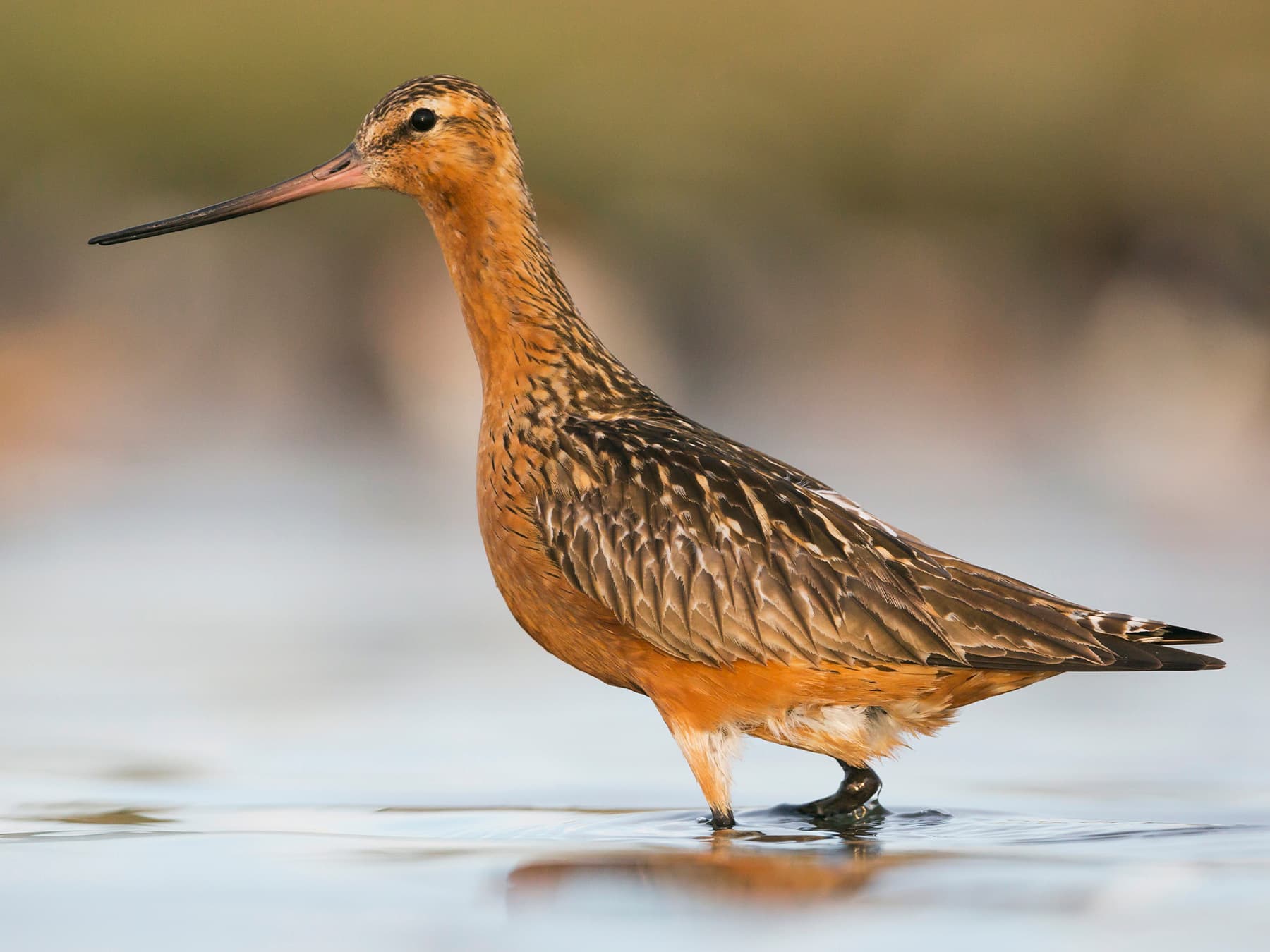
Bar-tailed Godwit
Limosa lapponicaNT
A rare passage wader seen on island estuaries and mudflats, mainly during spring and autumn migration in February, April, September and November.
Sep–Apr
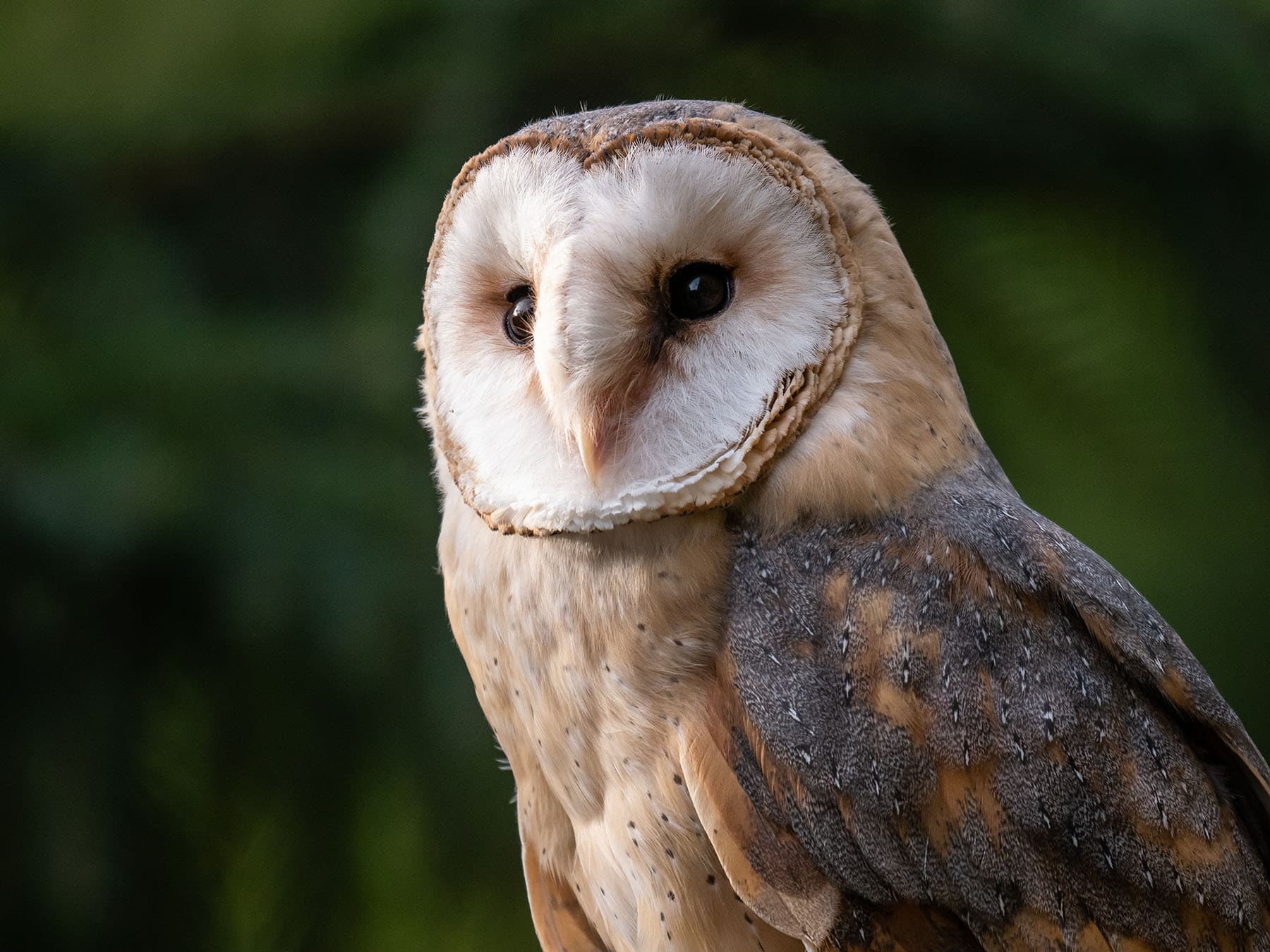
Barn Owl
Tyto albaLC
A rare visitor to the island's farmland and grasslands, occasionally recorded during late spring and summer months.
May–Aug
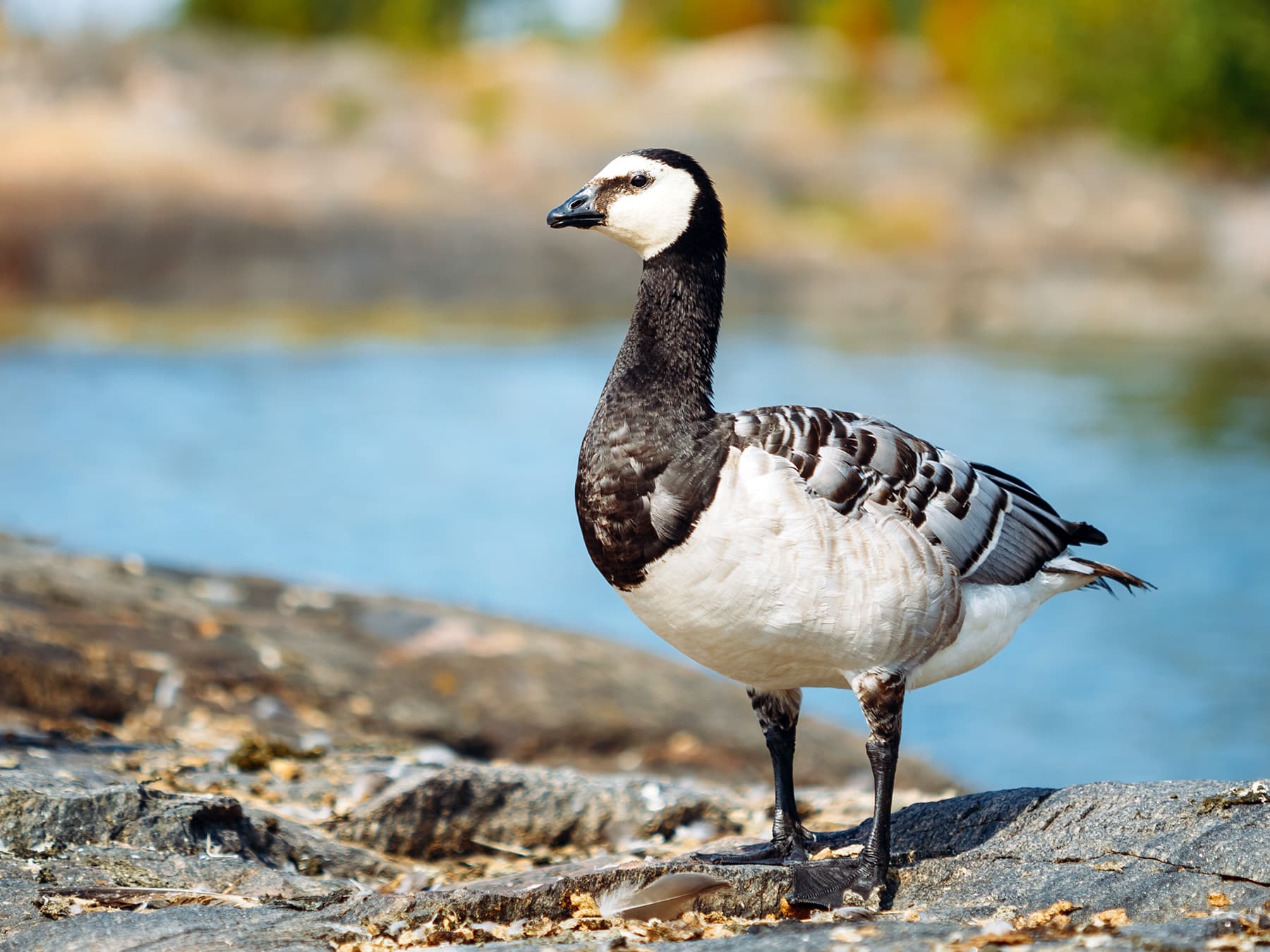
Barnacle Goose
Branta leucopsisLC
A rare resident, likely originating from feral populations. Occasionally seen grazing coastal fields and marshes alongside other geese.
Oct–Aug
Spotted something?
Upload a photo to identify it
Identify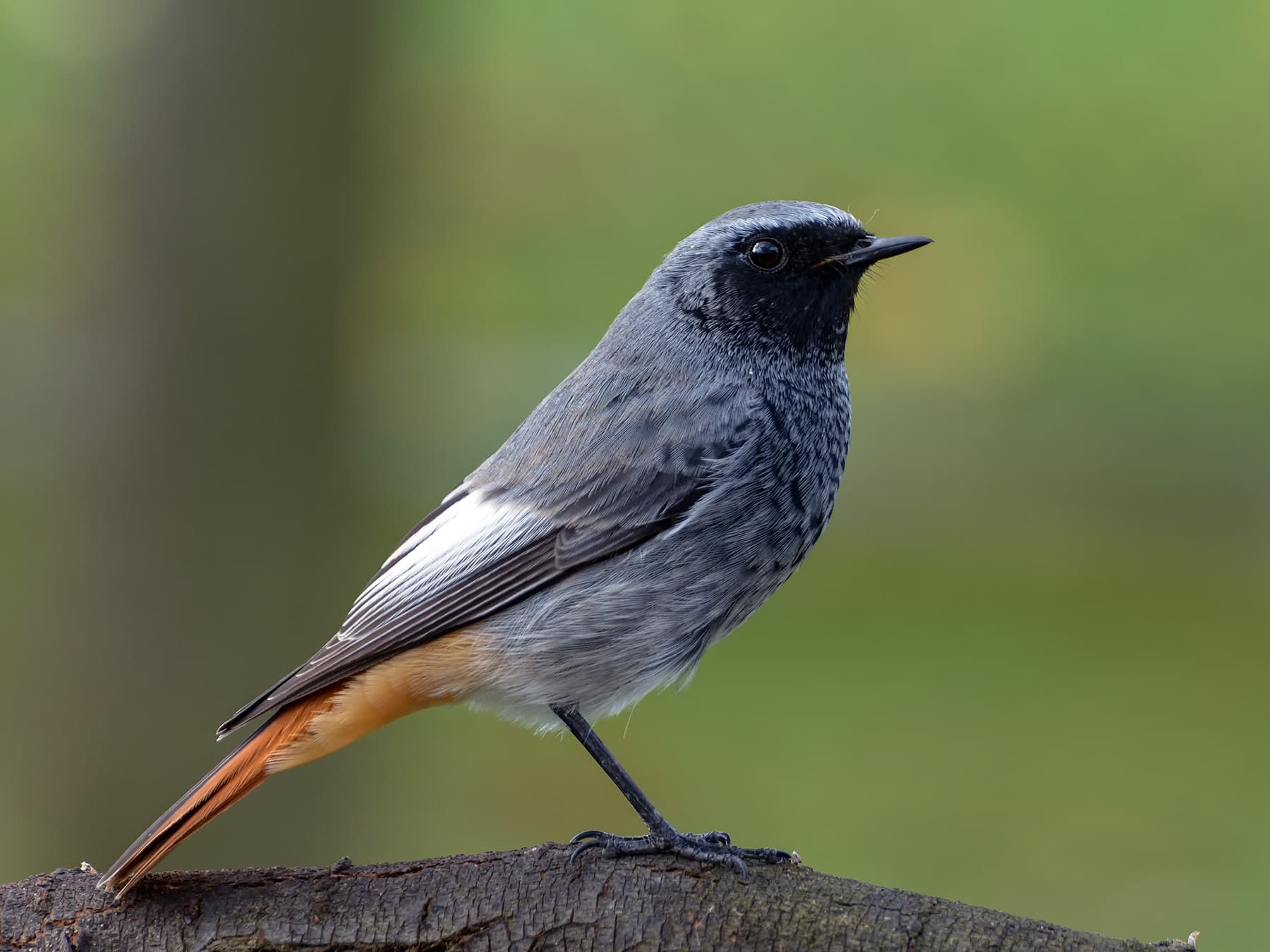
Black Redstart
Phoenicurus ochrurosLC
A rare visitor, occasionally seen on coastal cliffs and buildings, mainly during spring and autumn passage. A prized sighting on the island.
Oct–May
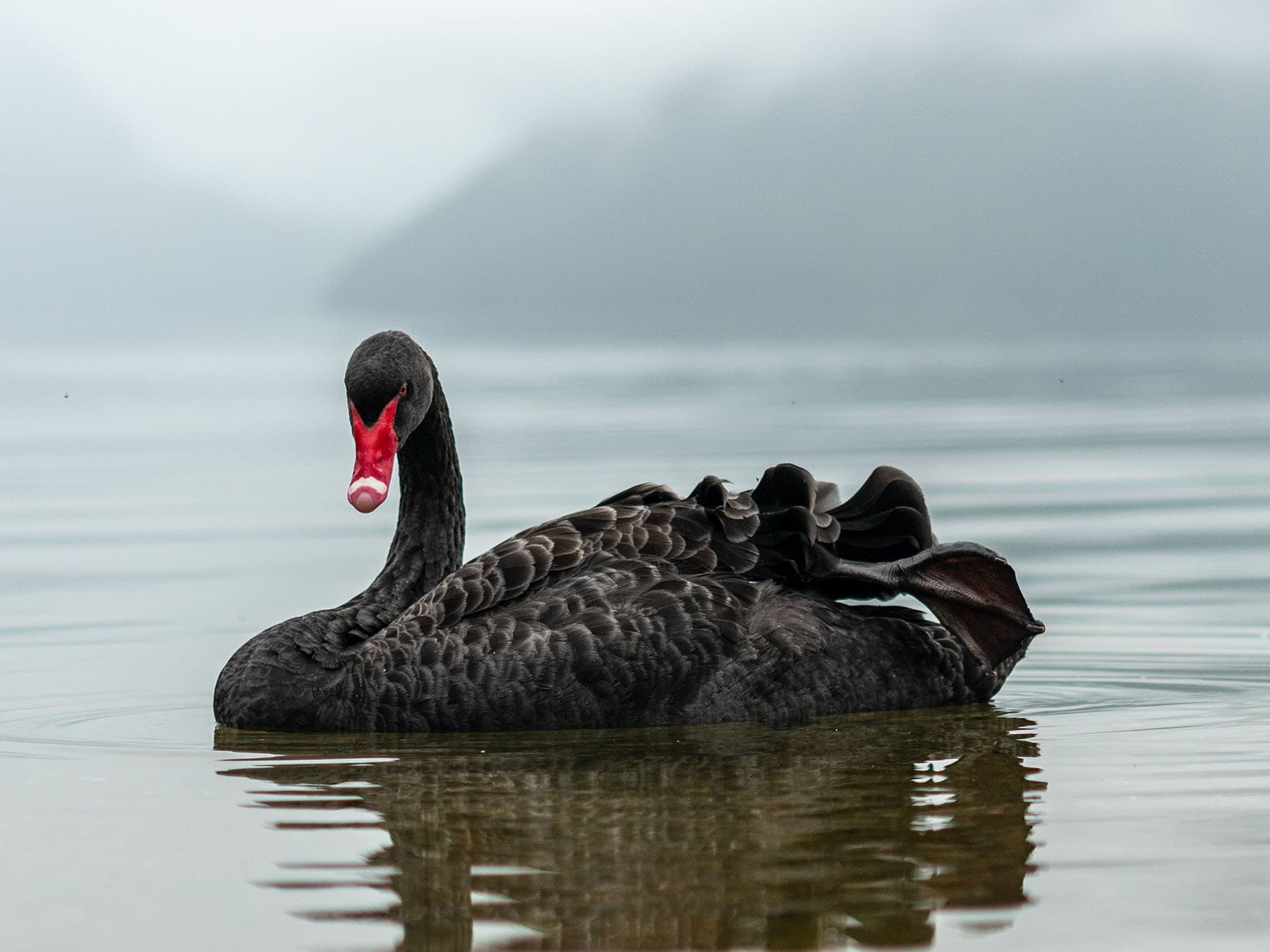
Black Swan
Cygnus atratusLC
A rare passage record, likely an escapee from a captive collection. This Australian native is not established in the wild here.
Dec
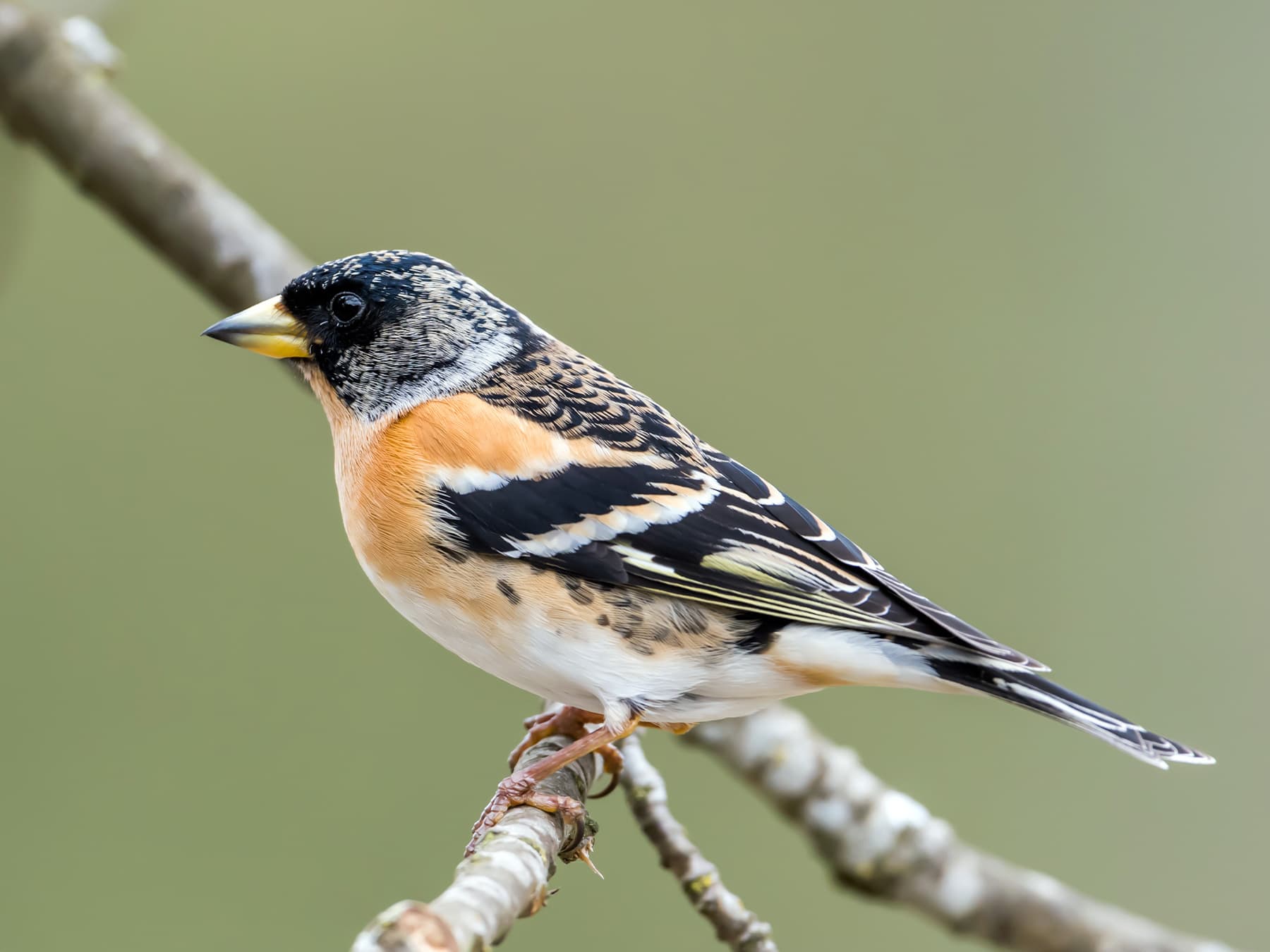
Brambling
Fringilla montifringillaLC
A rare autumn passage migrant seen in October and November. May join Chaffinch flocks in beech woodland and farmland hedgerows.
Oct–Nov
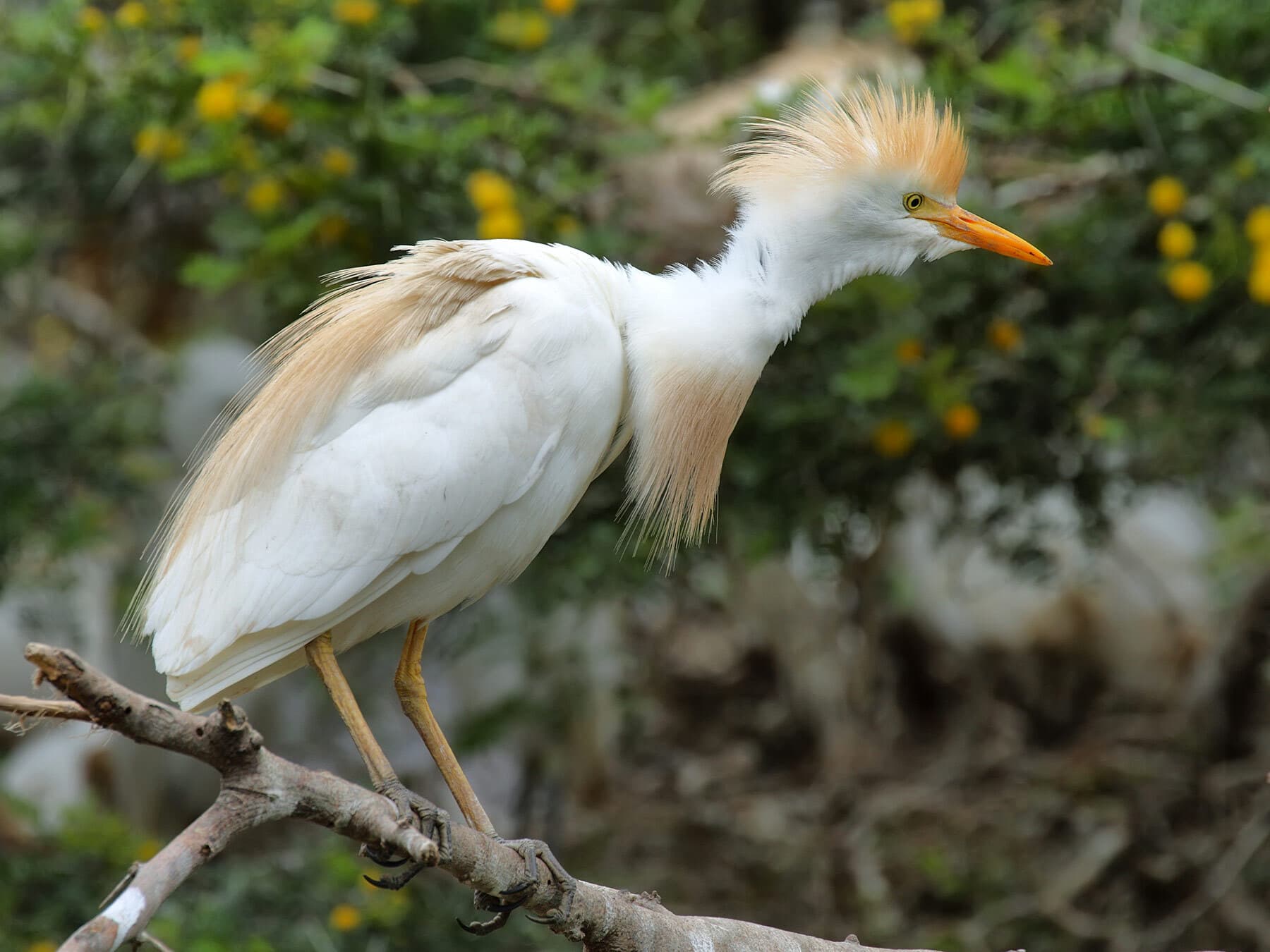
Cattle Egret
Bubulcus ibisLC
A rare but increasingly regular resident, reflecting its northward range expansion. Often found near livestock in lowland fields across the island.
May–Mar
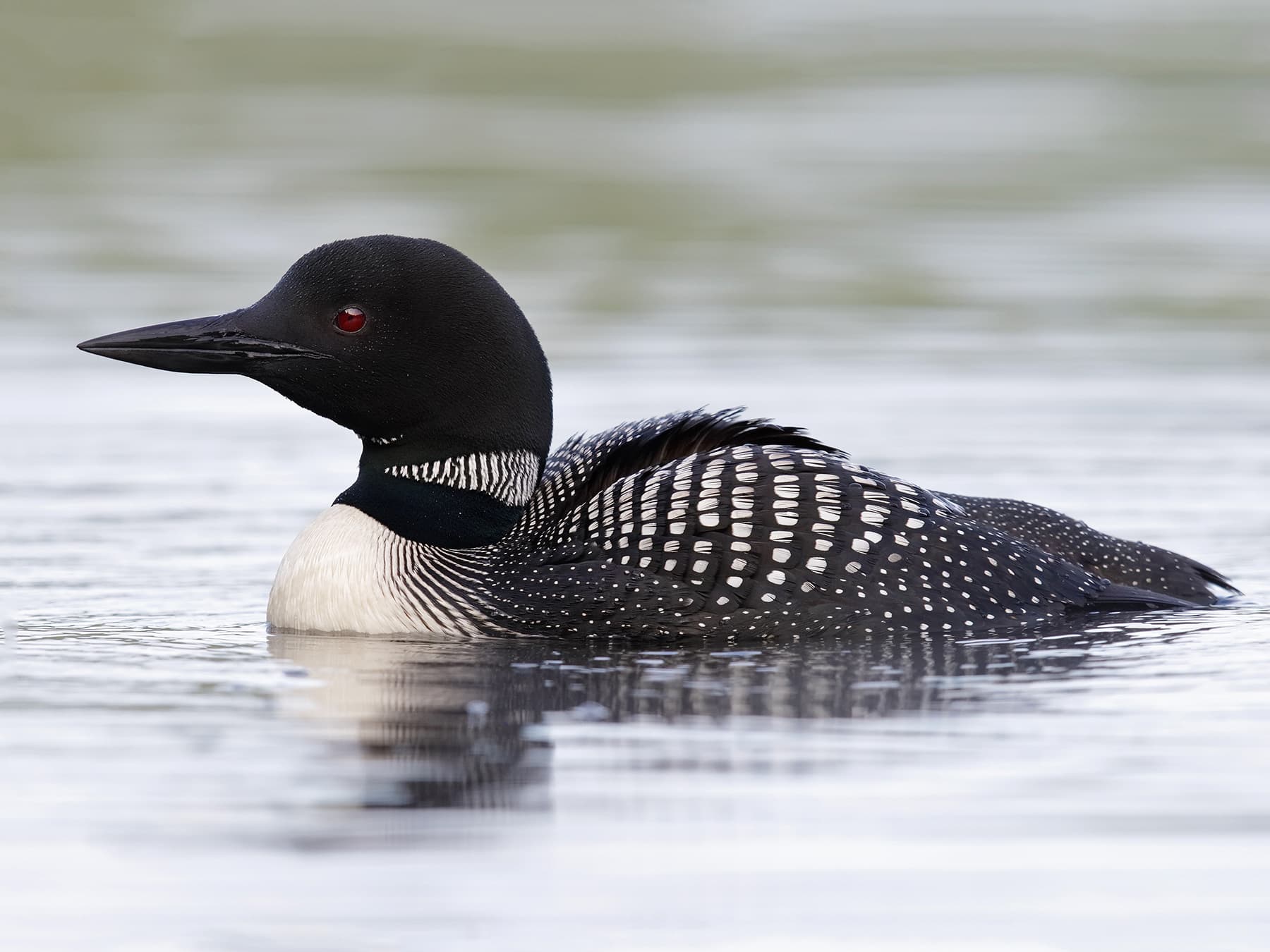
Common Loon
Gavia immerLC
A rare winter visitor to coastal waters, occasionally seen diving in the Solent and around island headlands from December to April.
Dec–Apr
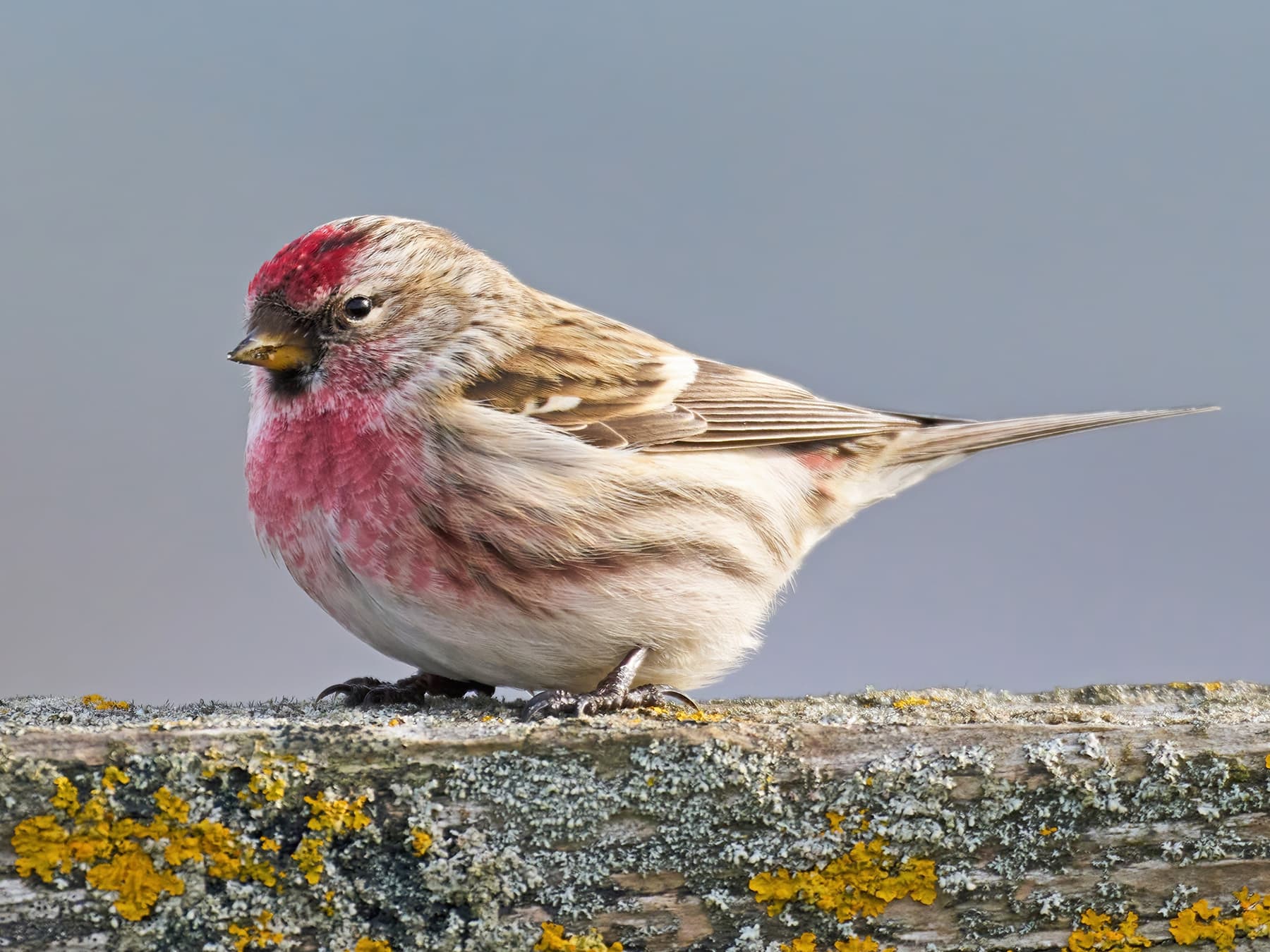
Common Redpoll
Acanthis flammeaLC
A rare autumn passage migrant recorded from September to November. May visit alders and birches in small flocks during irruption years.
Sep–Nov
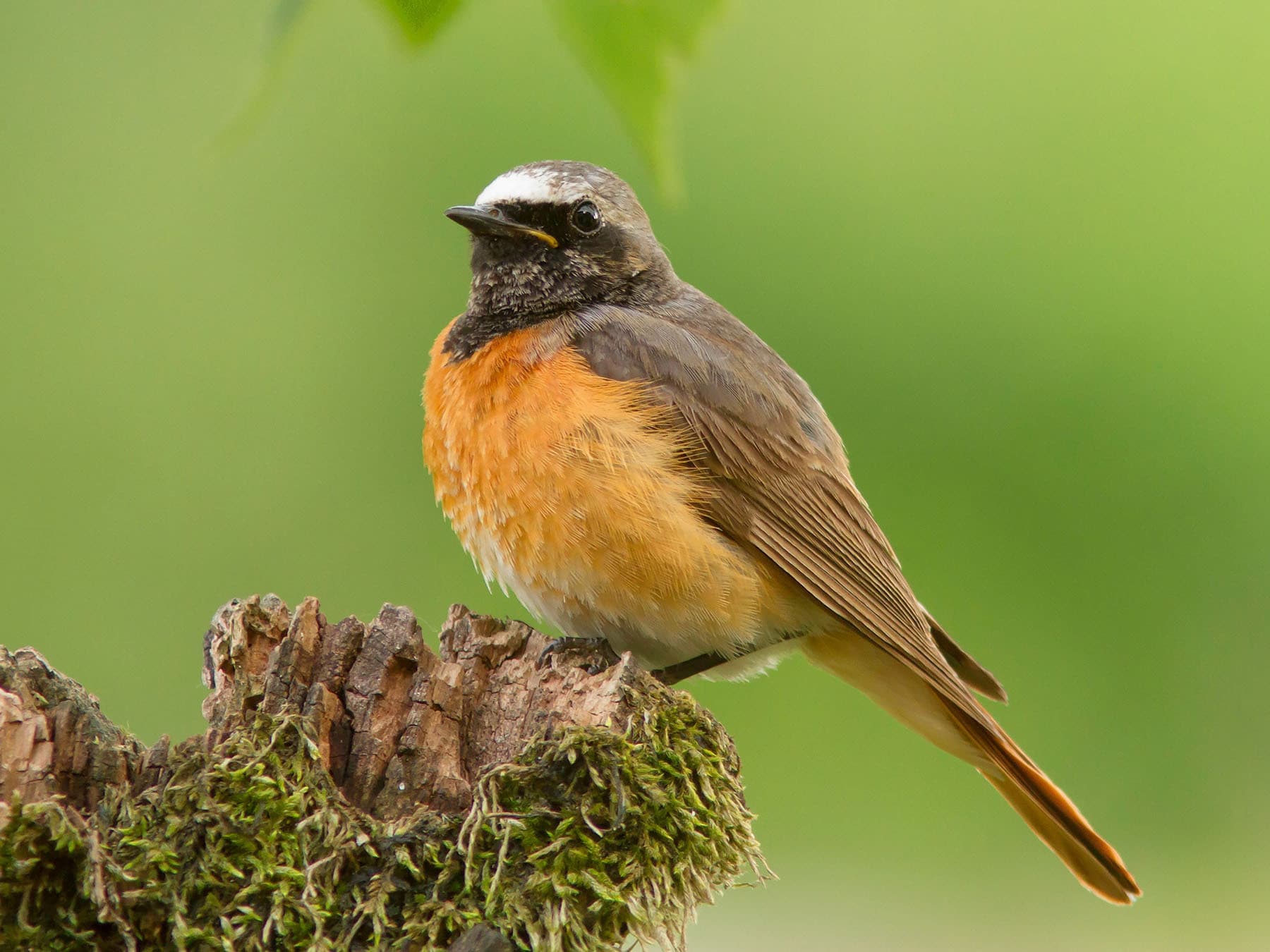
Common Redstart
Phoenicurus phoenicurusLC
A rare breeding visitor, favouring mature oak woodland with nest holes. Look for the male's striking orange tail in wooded valleys from April.
Apr–Sep
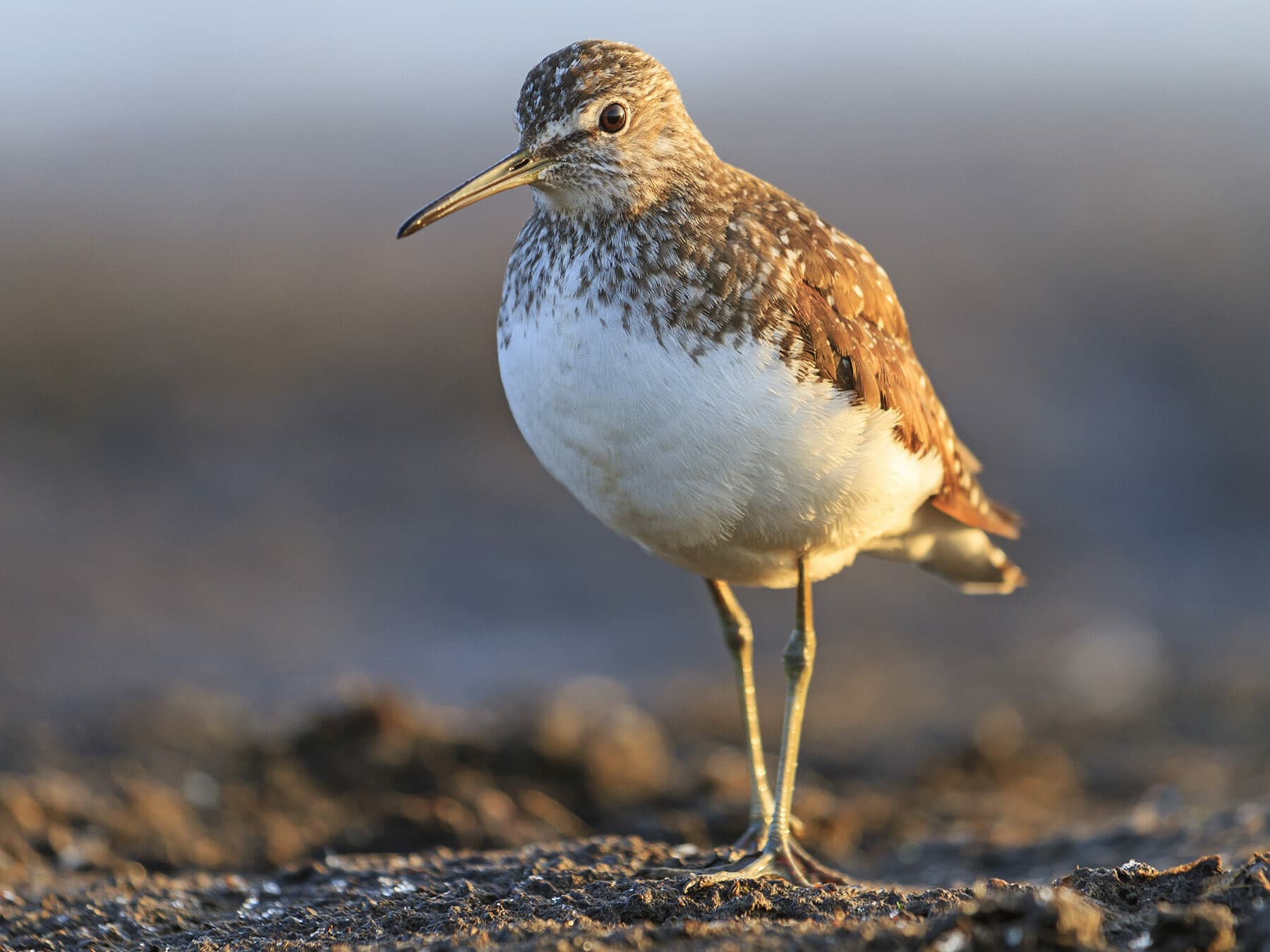
Common Sandpiper
Actitis hypoleucosLC
A rare visitor found bobbing along freshwater margins and coastal creeks, most likely seen during spring and autumn passage periods.
Feb–Nov
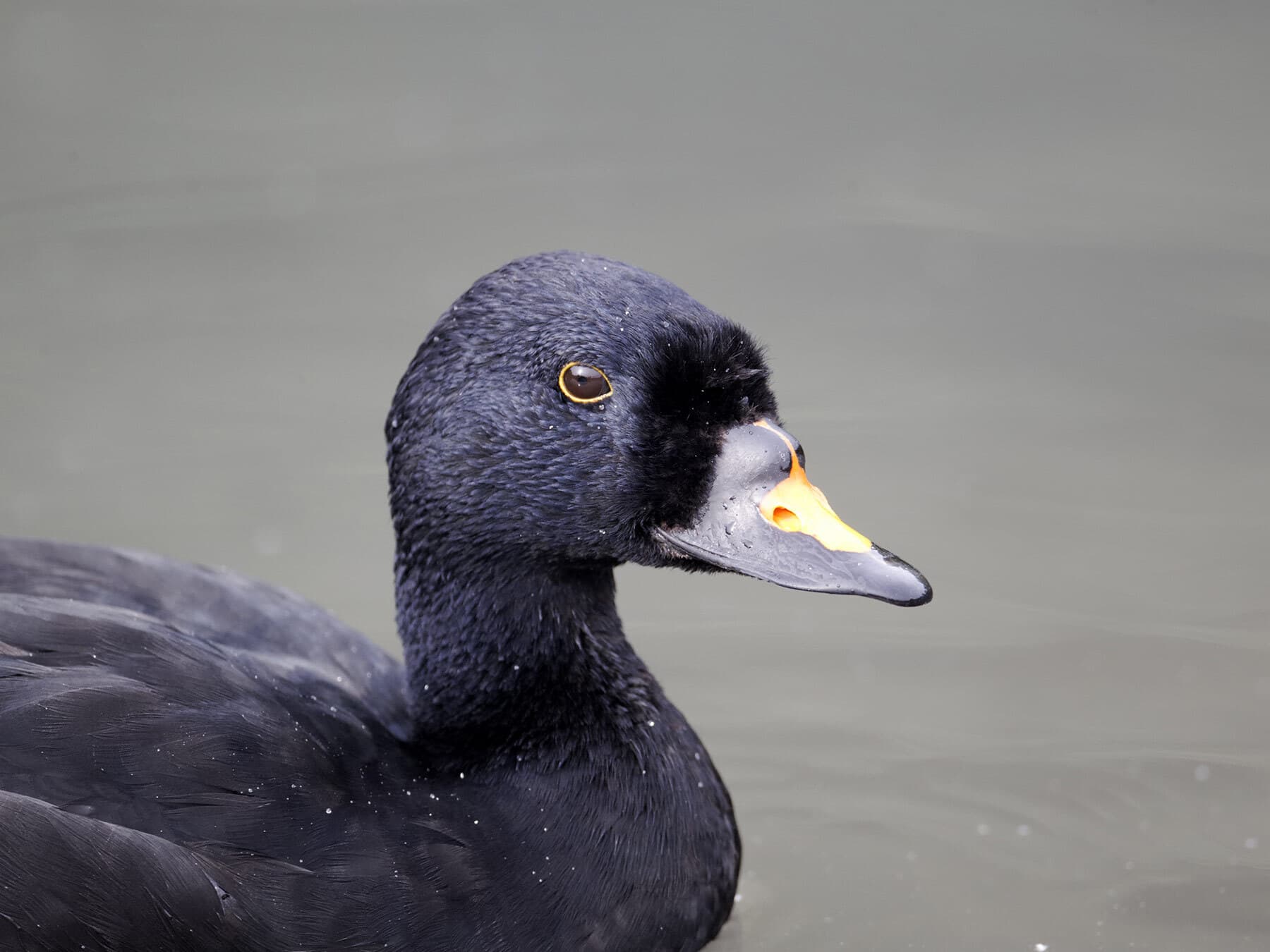
Common Scoter
Melanitta nigraLC
A rare sea duck, occasionally seen in small groups offshore during winter and spring, especially in the eastern Solent.
Dec–May
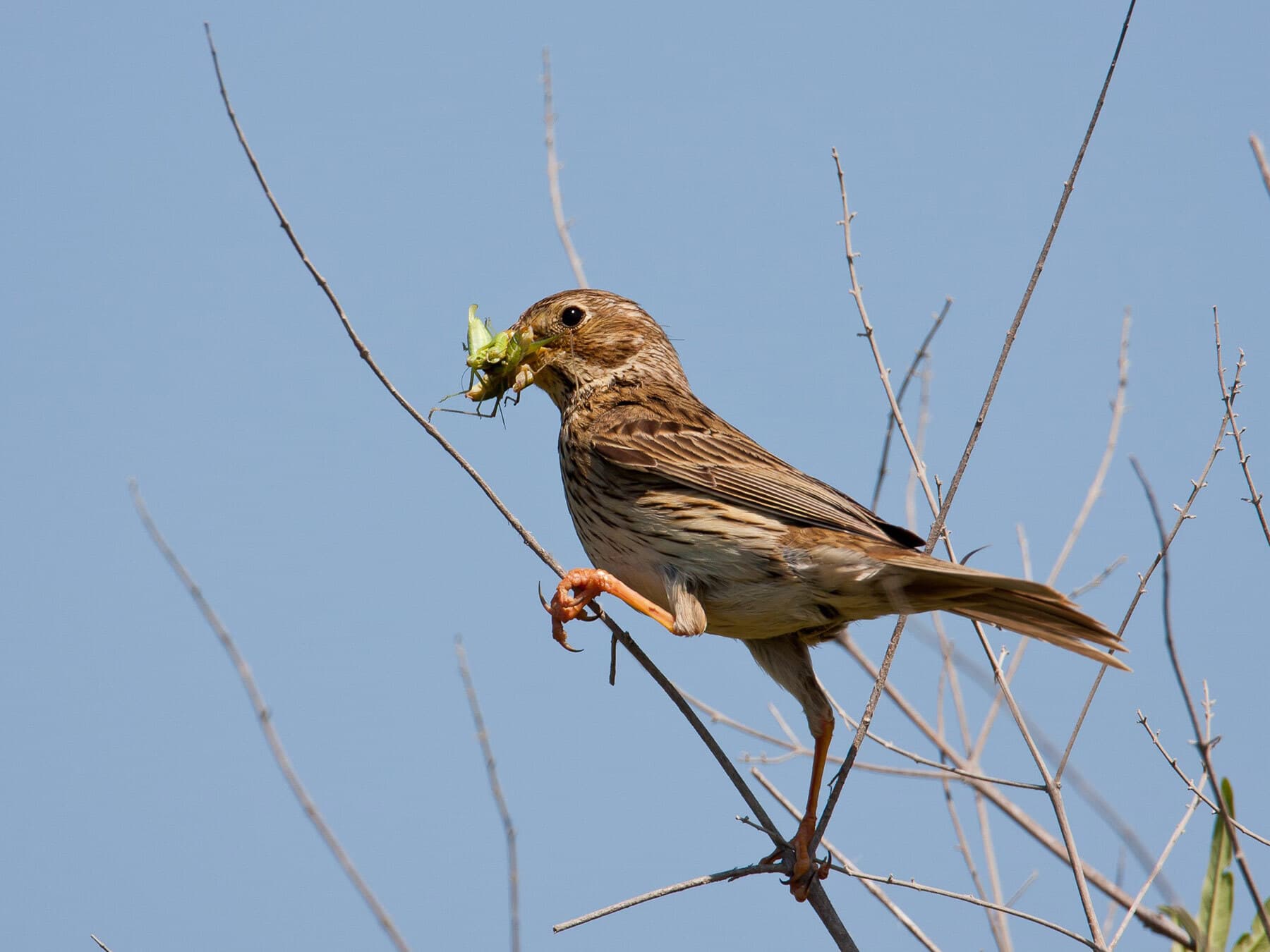
Corn Bunting
Emberiza calandraLC
A rare passage visitor, occasionally recorded in May and December. This declining farmland species no longer breeds on the island.
Dec–May
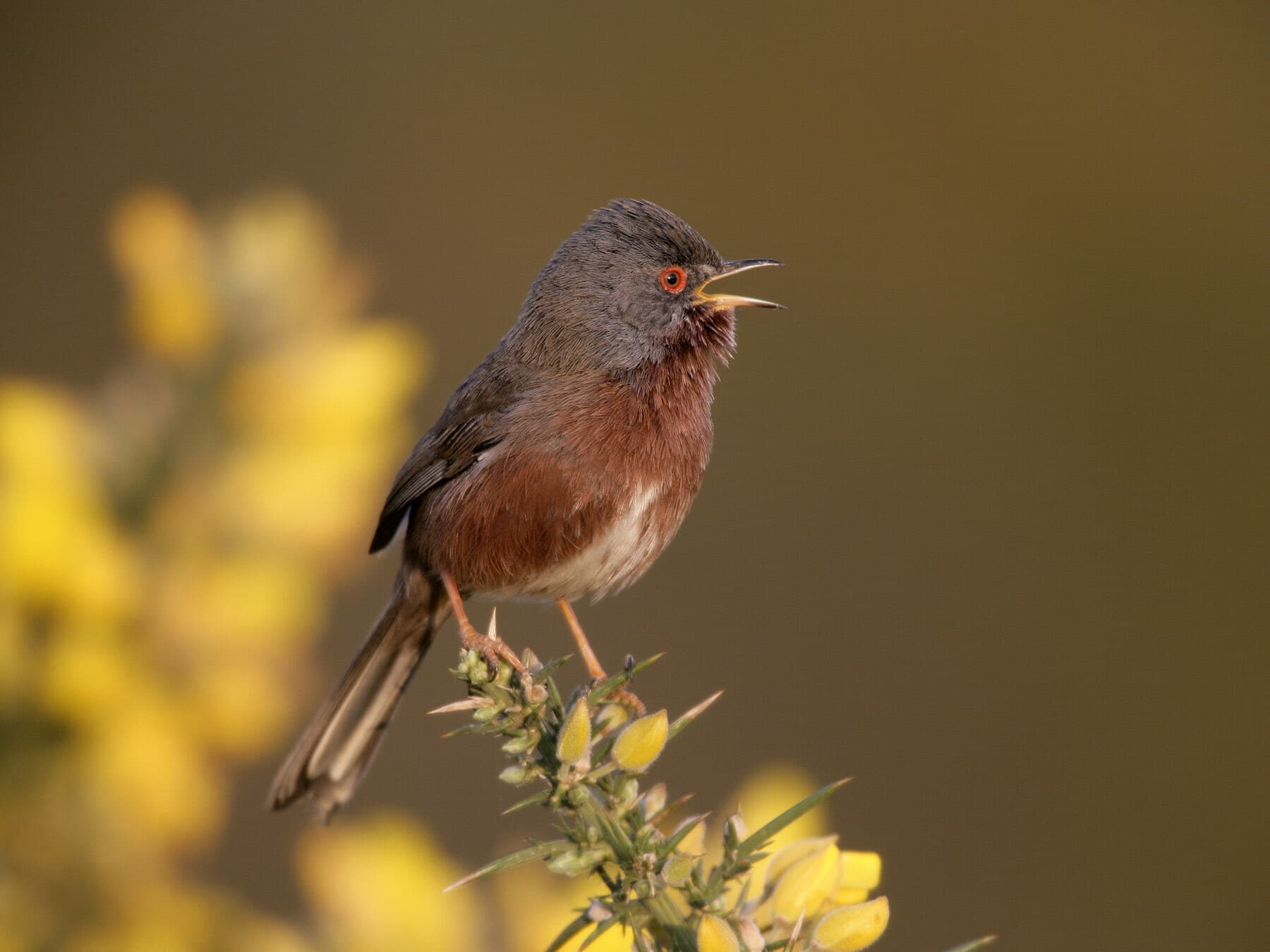
Dartford Warbler
Curruca undataNT
A rare but prized resident of the island's lowland heathland and gorse scrub. Vulnerable to harsh winters but benefits from mild island conditions.
Jan–Nov
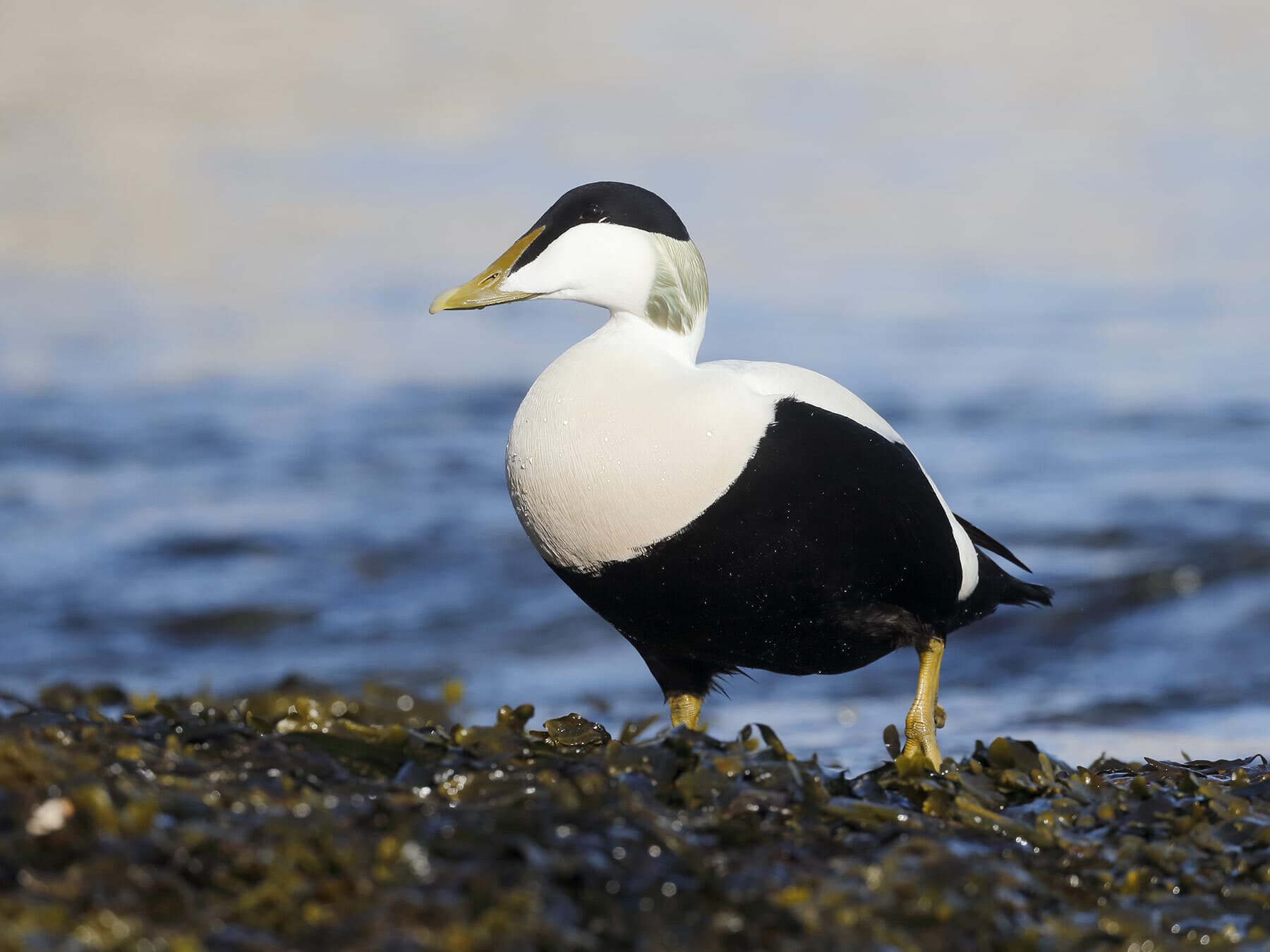
Eider
Somateria mollissimaNT
A rare passage visitor, occasionally spotted offshore or in sheltered bays during the early months of the year.
Jan–Mar
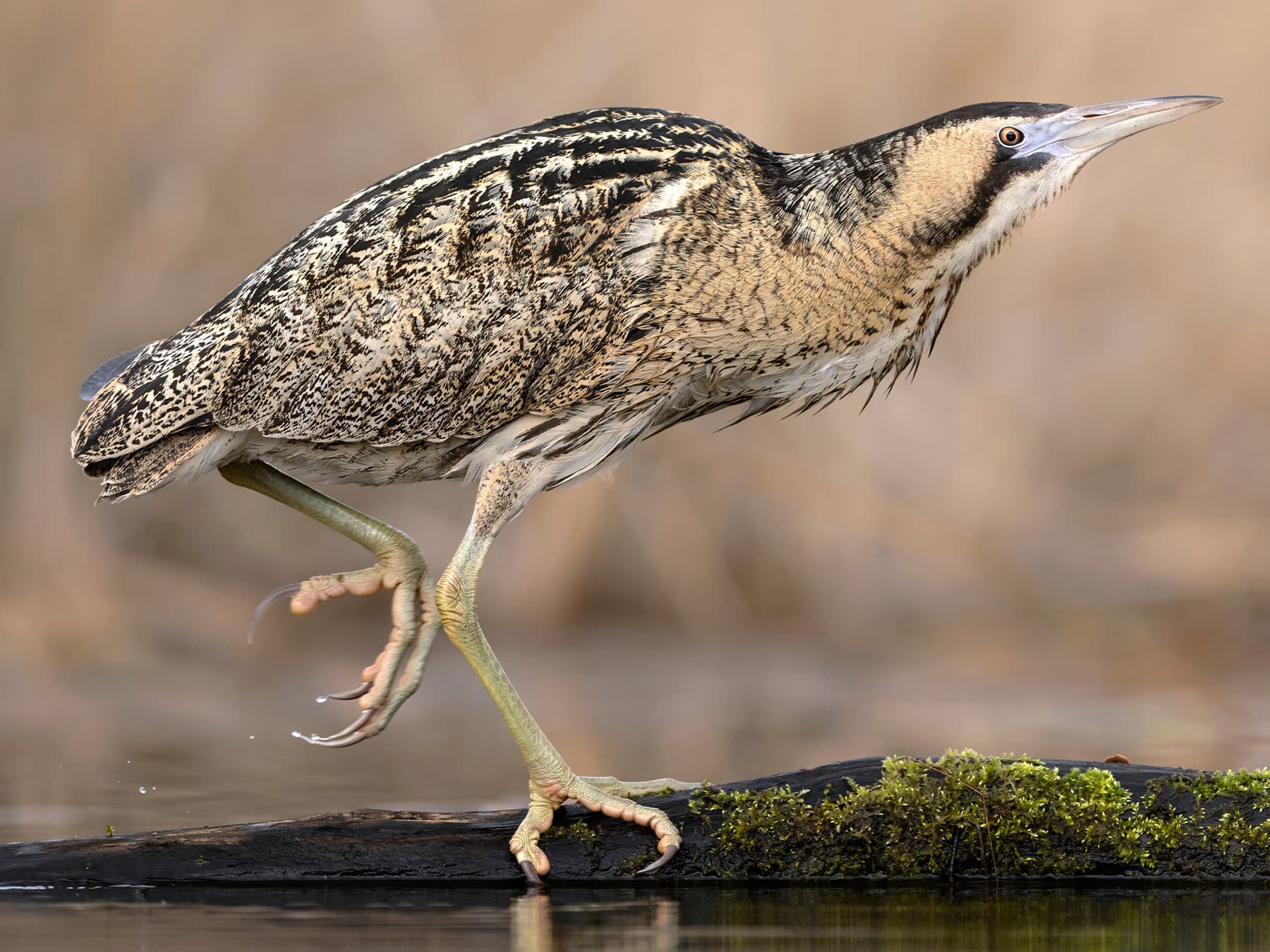
Eurasian Bittern
Botaurus stellarisLC
A rare breeding visitor to island reedbeds from March to June; listen for the distinctive booming call in spring.
Mar–Jun
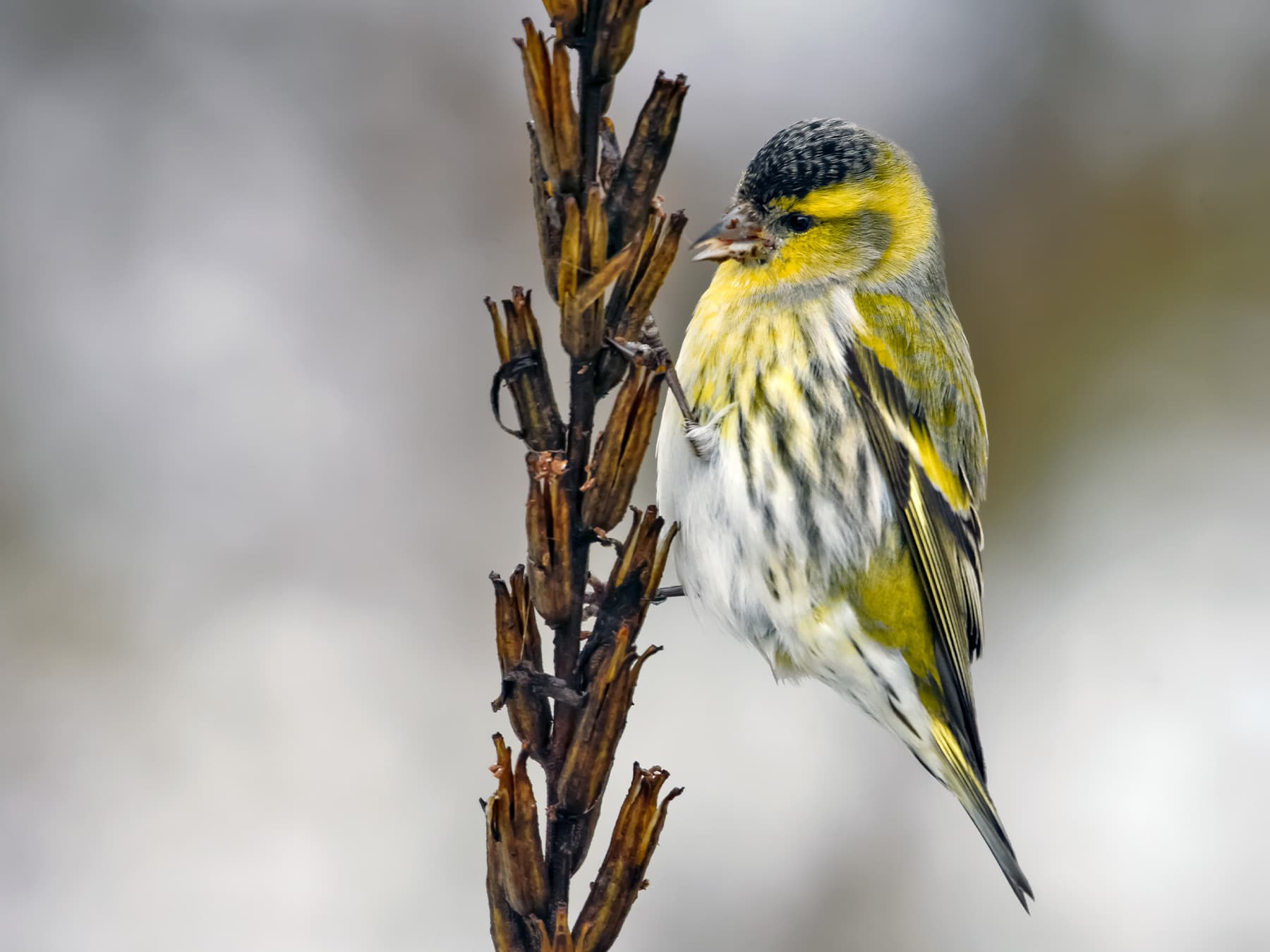
Eurasian Siskin
Spinus spinusLC
A rare winter visitor from September to April, feeding in alder and birch trees along the island's river valleys and woodland edges.
Sep–Apr
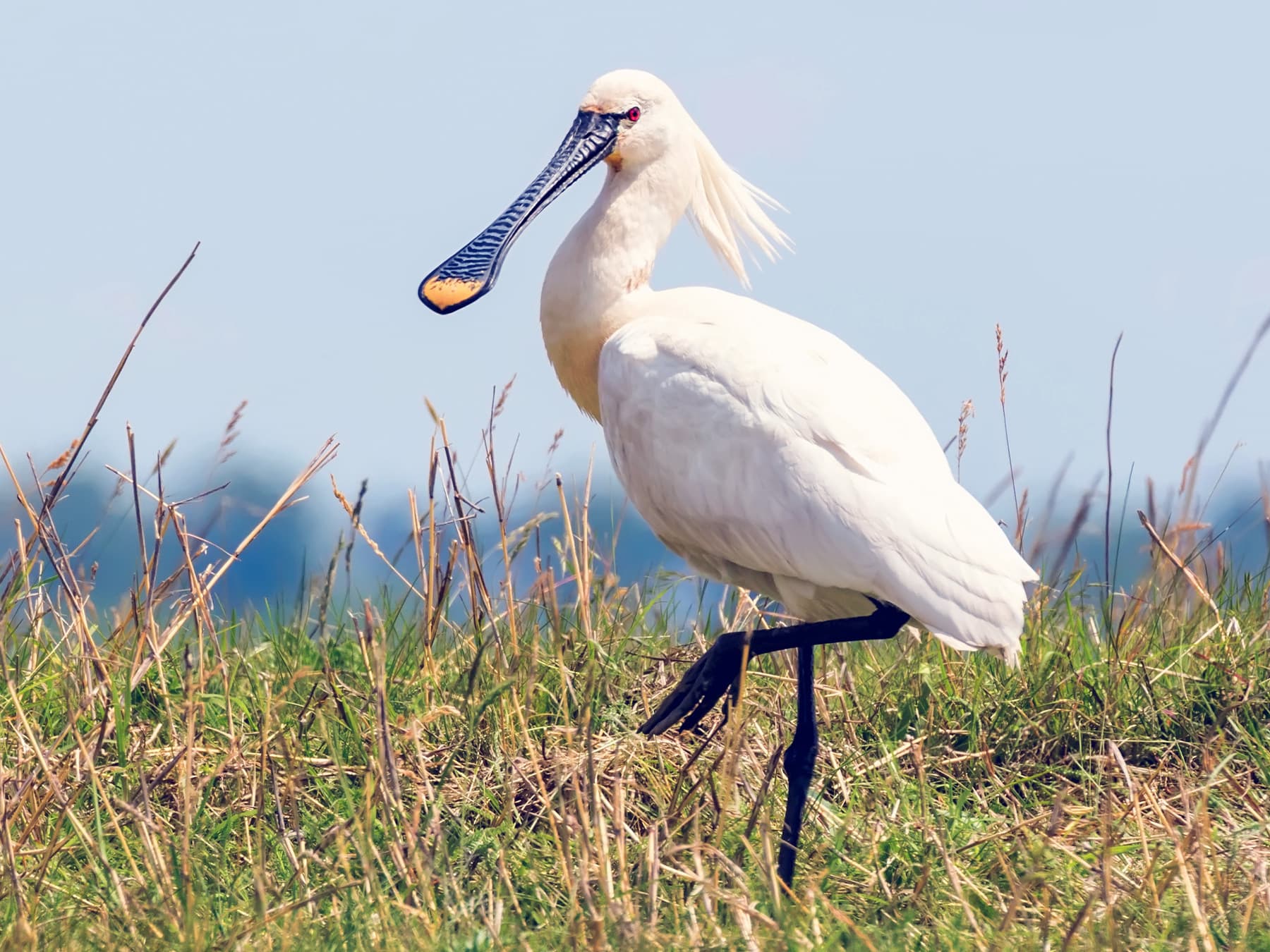
Eurasian Spoonbill
Platalea leucorodiaLC
A rare non-breeding visitor to island estuaries and marshes, increasingly recorded as the UK population grows.
Nov–Jun