Birds in Hertfordshire
Explore 153 species found in this region.
Hertfordshire's diverse landscape of reservoirs, river valleys, ancient woodlands, and farmland supports an impressive array of 153 recorded bird species. From the striking Mandarin Duck and Red-crested Pochard found on the county's lakes and waterways to familiar garden visitors like the Great Tit and Magpie, the region offers rewarding birdwatching throughout the year. Notable wetland sites attract waders such as the Northern Lapwing and Common Sandpiper, while the Eurasian Woodcock can be encountered in the county's wooded areas.
Visiting in July? Look out for Black-crowned Night-heron and Black-tailed Godwit arriving this month, and Aquatic Warbler and Common Shelduck depart for the season.


Showing 116–138 of 153 species
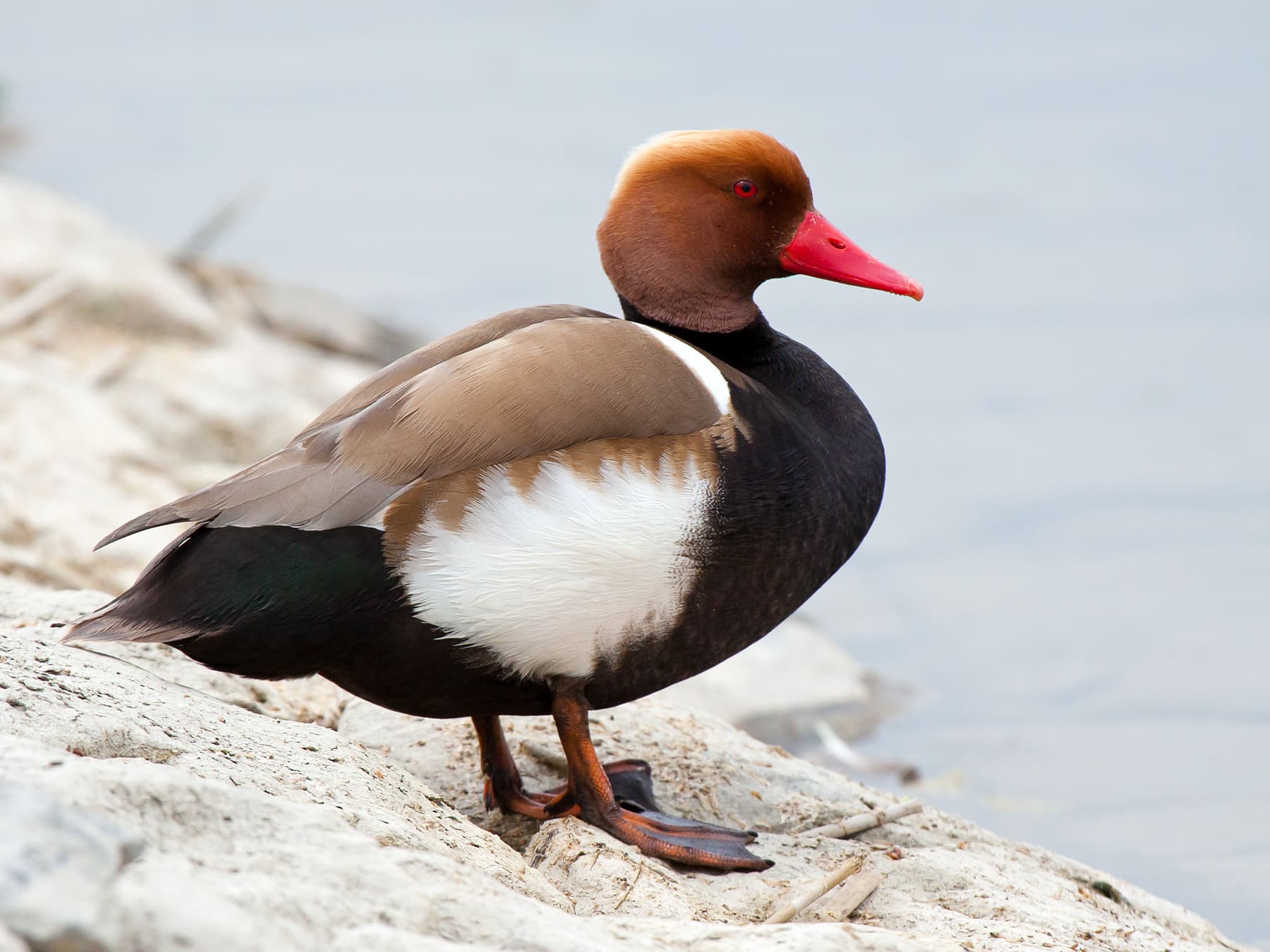
Red-crested Pochard
Netta rufinaLC
An uncommon but increasing resident, often seen at Tring Reservoirs and the Lee Valley. Likely of feral origin but now well established.
Year-round
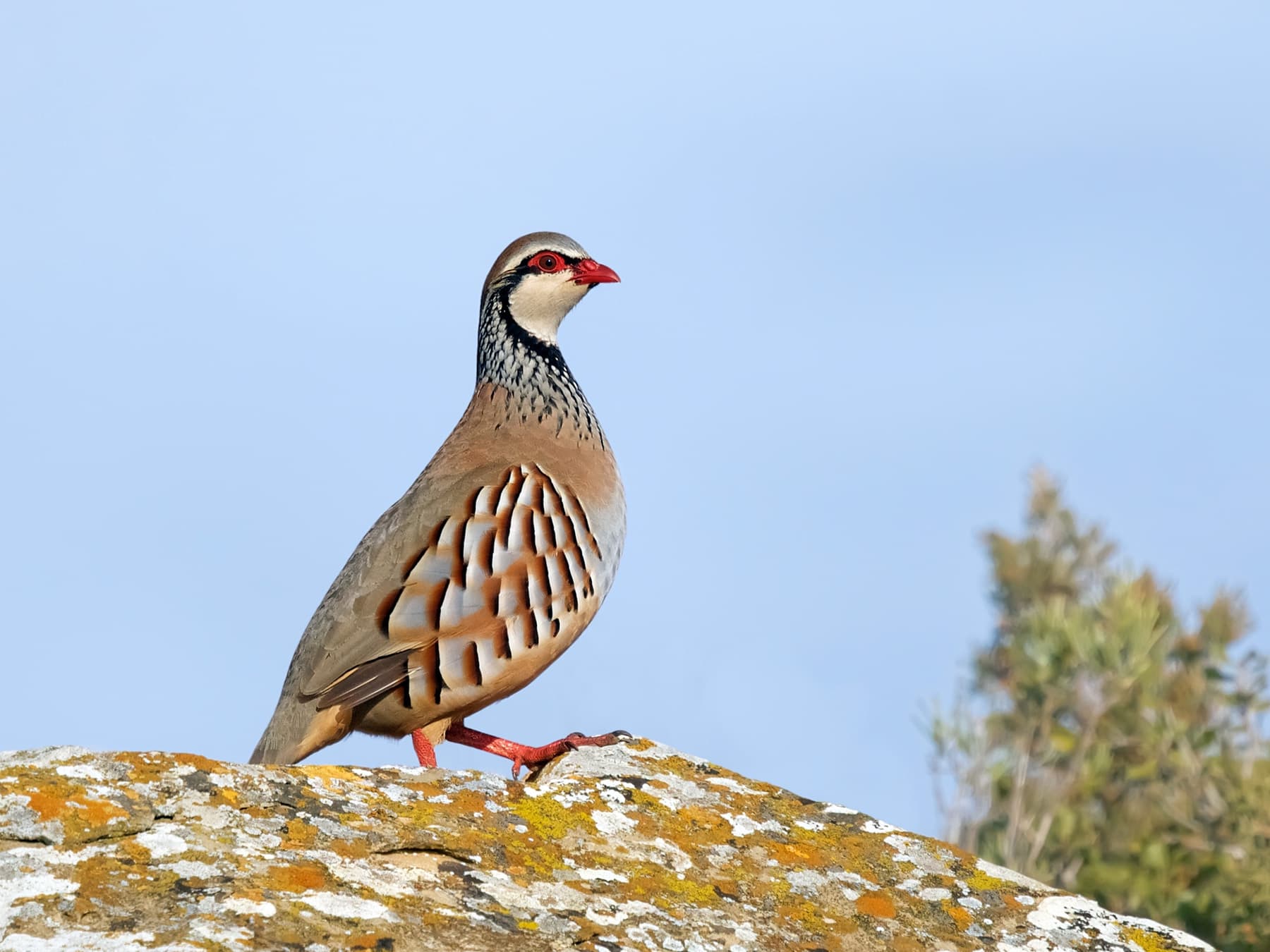
Red-legged Partridge
Alectoris rufaNT
An uncommon resident of arable farmland and field margins. Numbers are maintained largely through game releases across the county.
Year-round
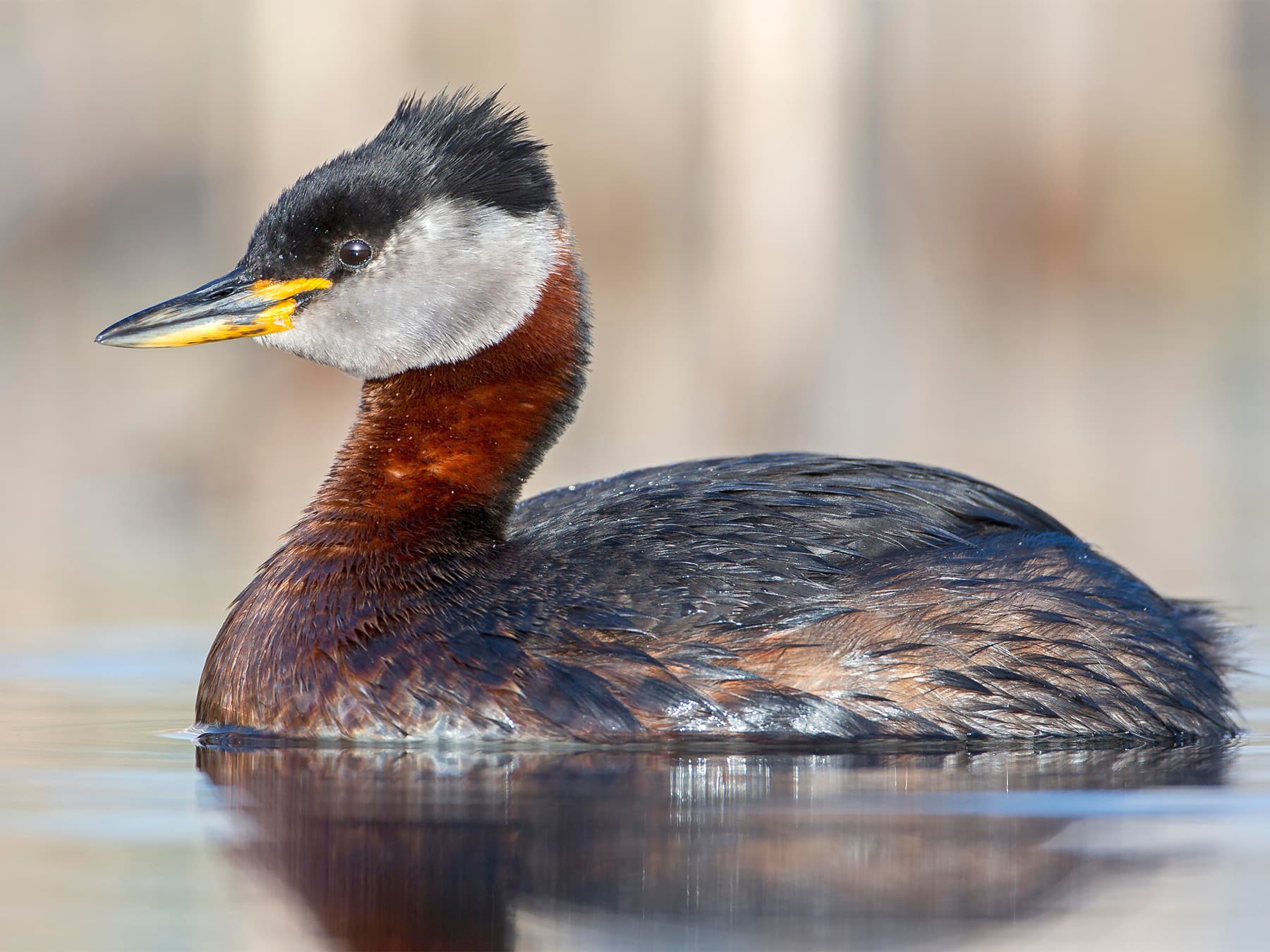
Red-necked Grebe
Podiceps grisegenaLC
A rare spring passage visitor, occasionally turning up on larger waterbodies between February and April. Always a notable county record.
Feb–Apr
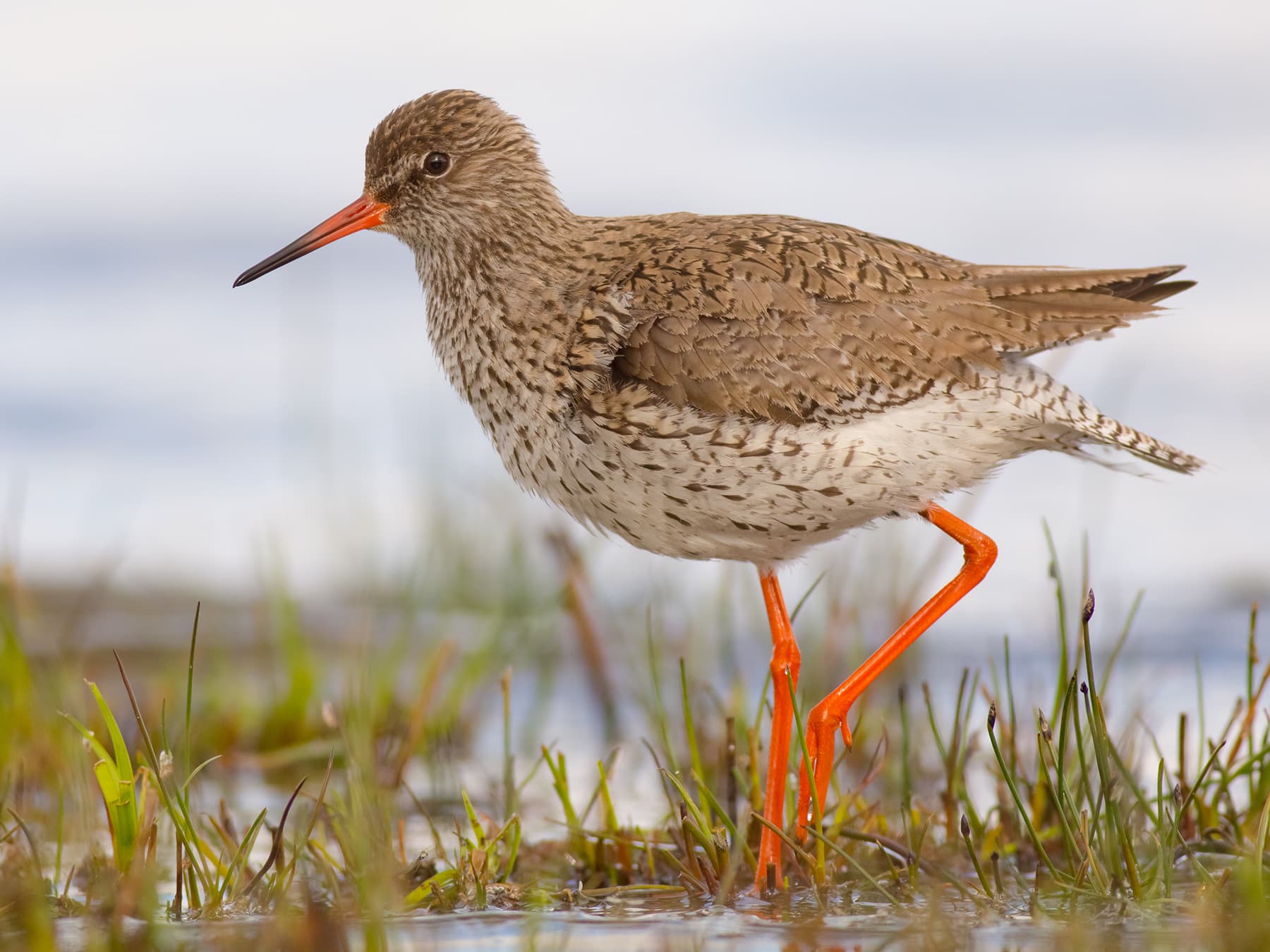
Redshank
Tringa totanusLC
An uncommon breeding visitor to wet meadows and marshes from March to July. The Lea Valley holds most of the county's nesting pairs.
Mar–Jul
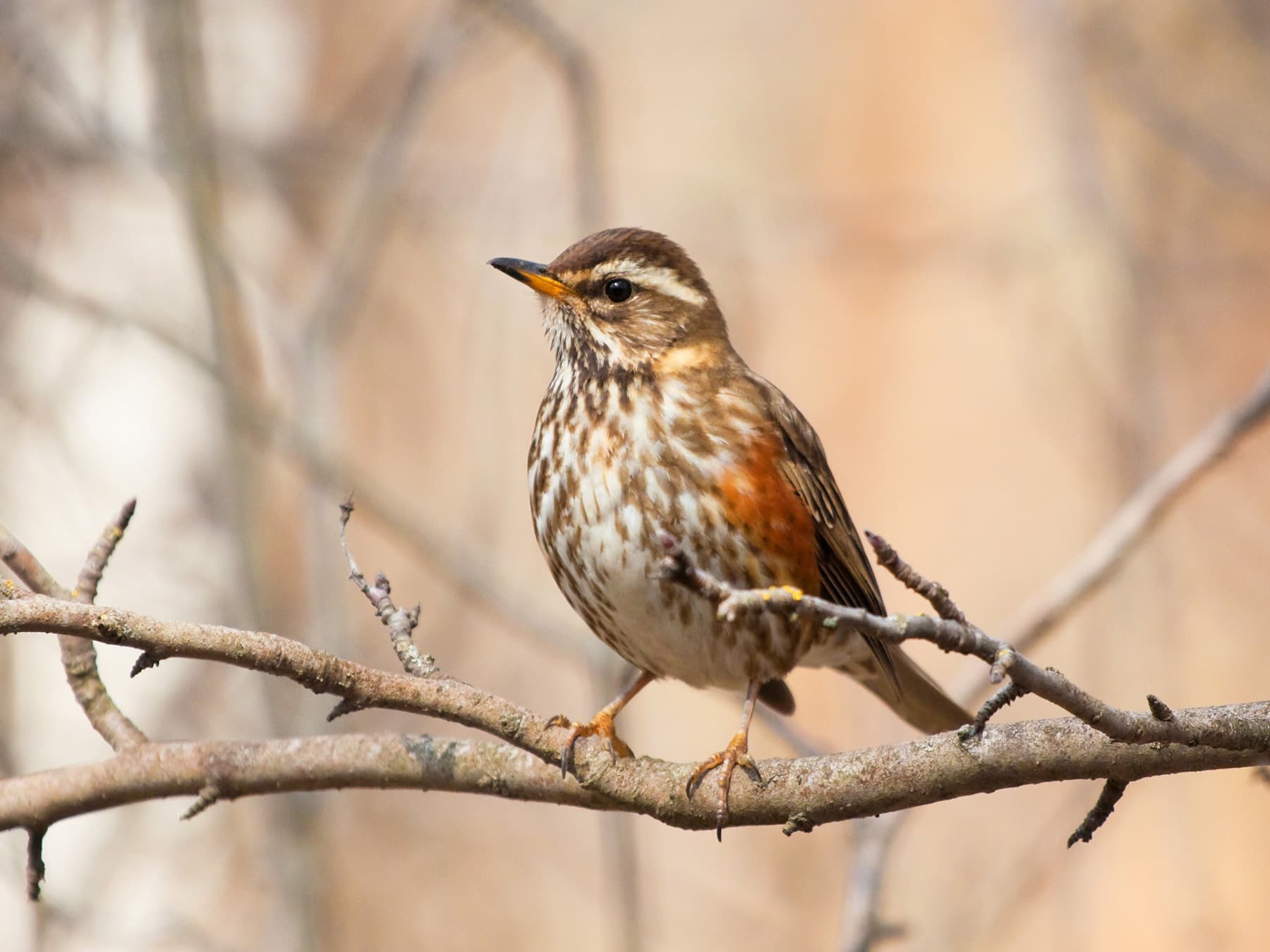
Redwing
Turdus iliacusNT
A common winter visitor from Scandinavia, arriving from October and feeding in hedgerows and on berry-laden trees. Often found alongside Fieldfares in open fields.
Oct–Apr
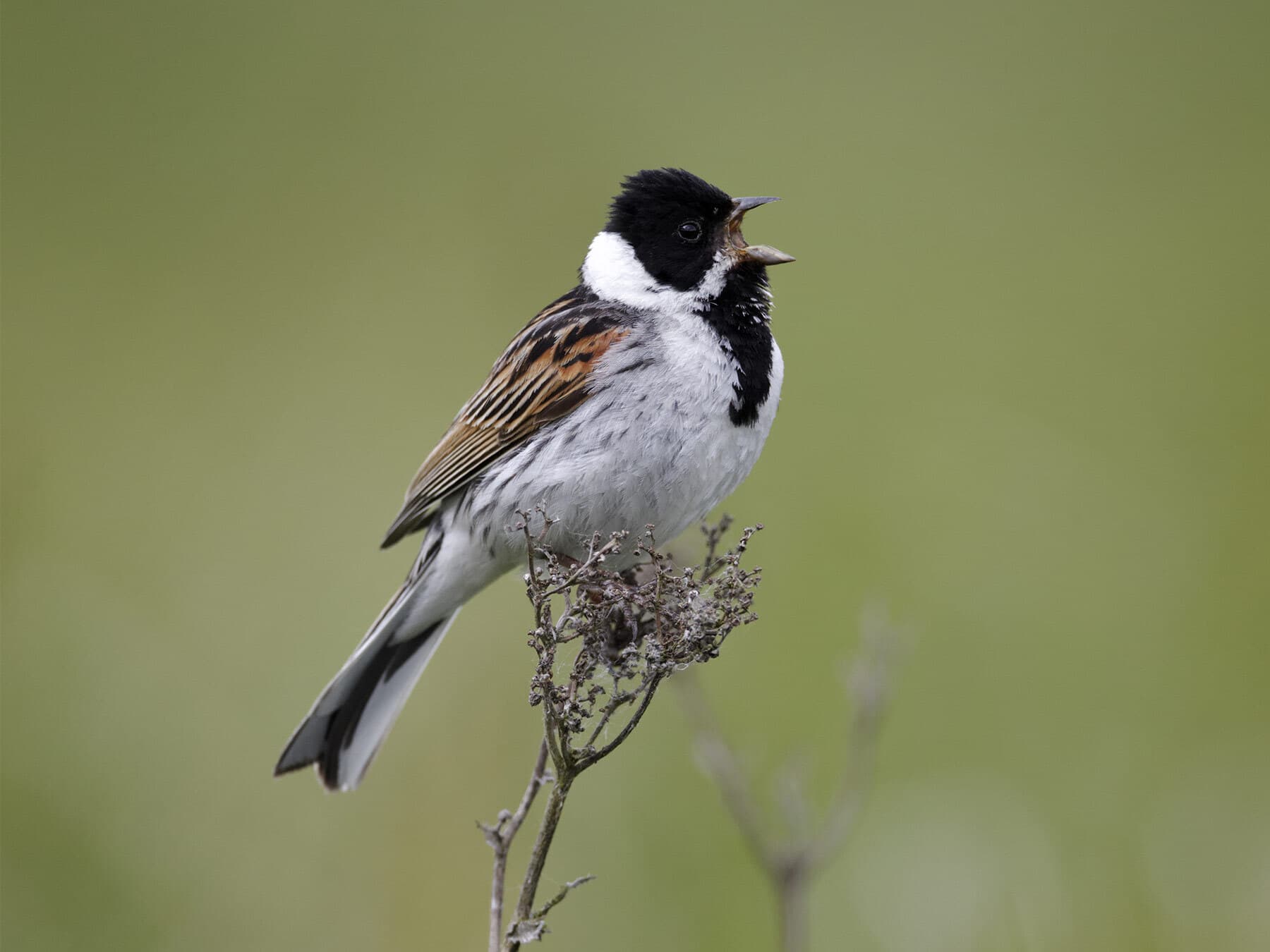
Reed Bunting
Emberiza schoeniclusLC
A common resident around reedbeds, marshes and waterside scrub. Males sing from prominent perches in spring.
Year-round
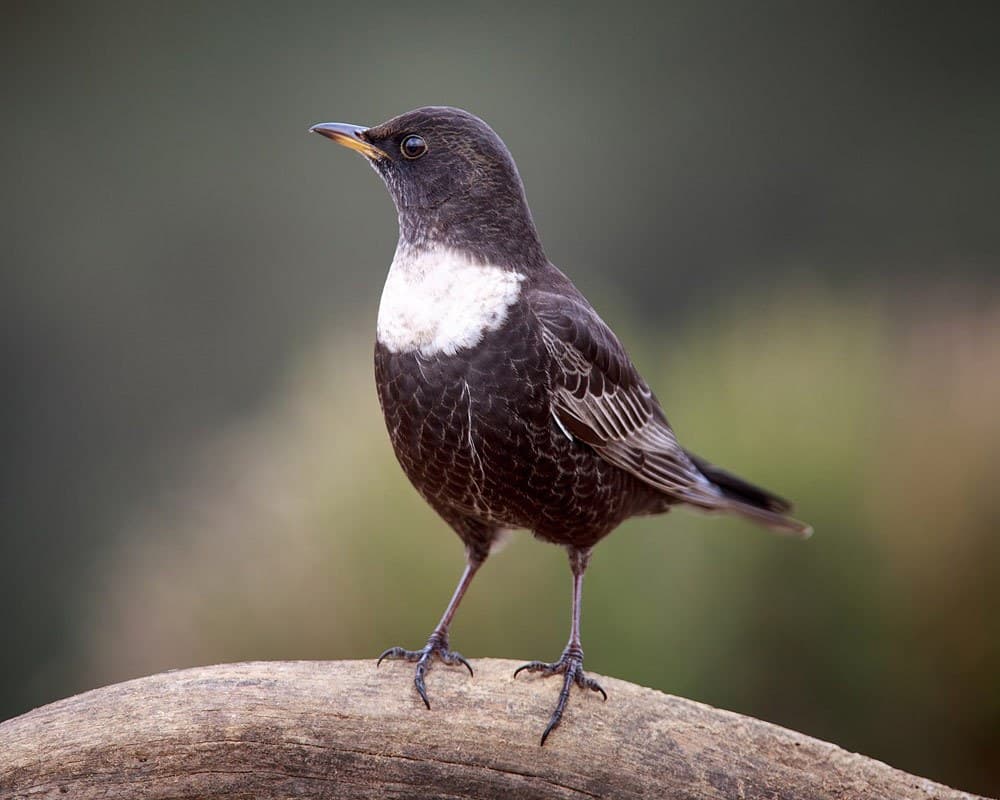
Ring Ouzel
Turdus torquatusLC
A rare spring passage migrant, briefly pausing in April on open ground or hilltops. Most records come from the chalk downland edges of the Chilterns.
Apr
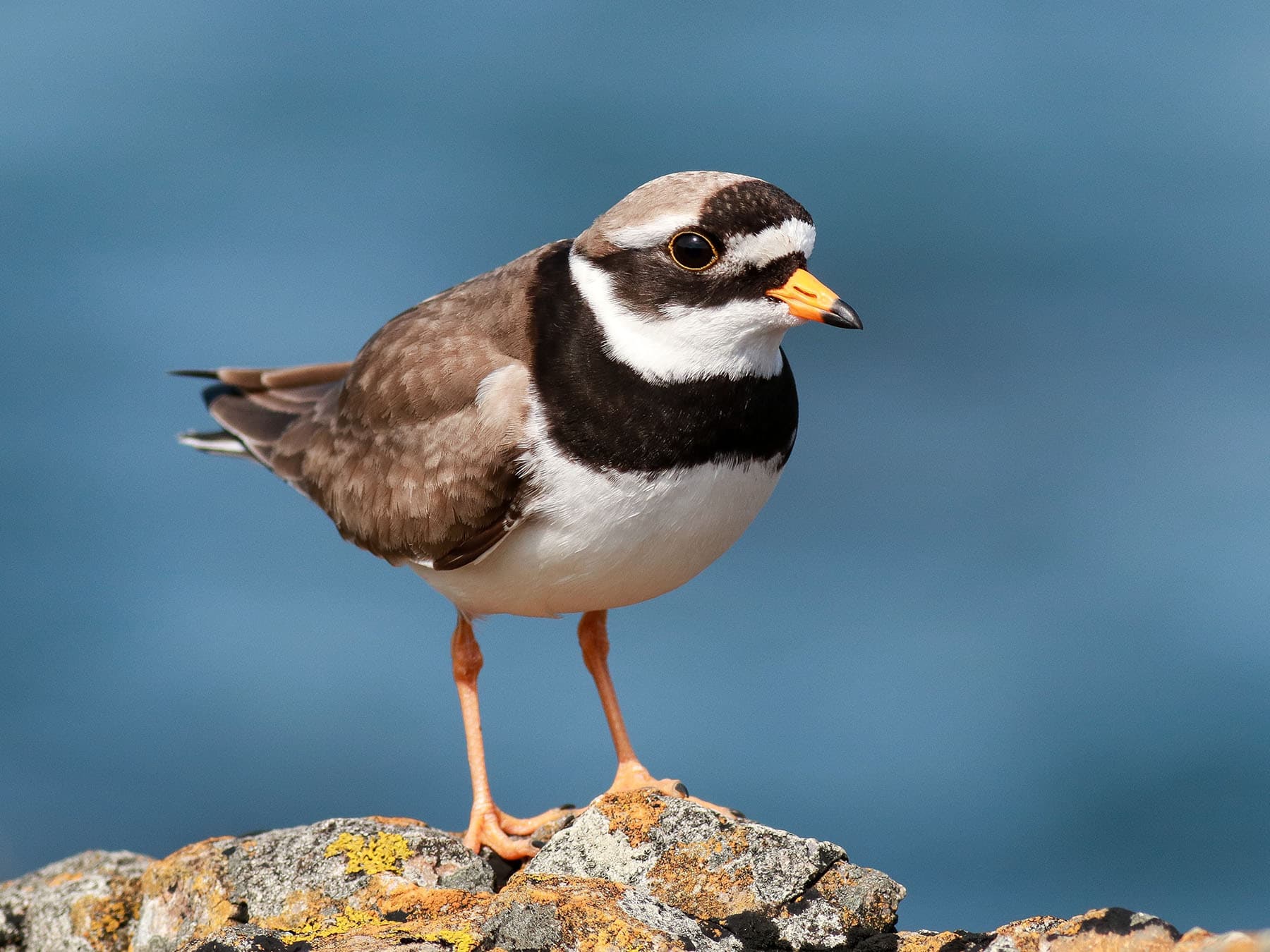
Ringed Plover
Charadrius hiaticulaLC
A rare breeding visitor, favouring gravelly shores at reservoirs and gravel pits. Present from March to September.
Mar–Sep
Spotted something?
Upload a photo to identify it
Identify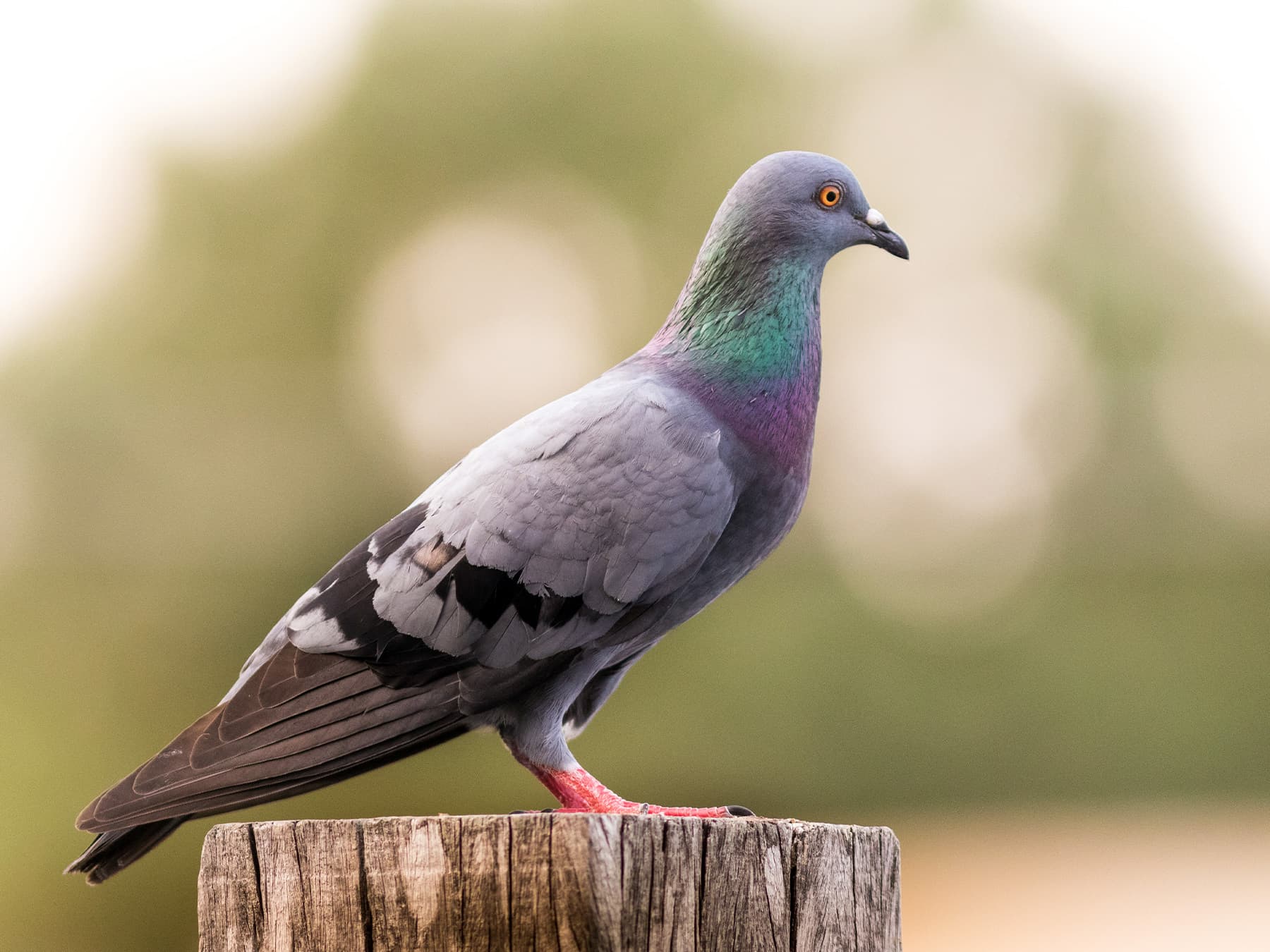
Rock Dove
Columba liviaLC
Feral pigeons are a common year-round presence in Hertfordshire's towns and cities. Truly wild Rock Doves are not found in the county.
Year-round
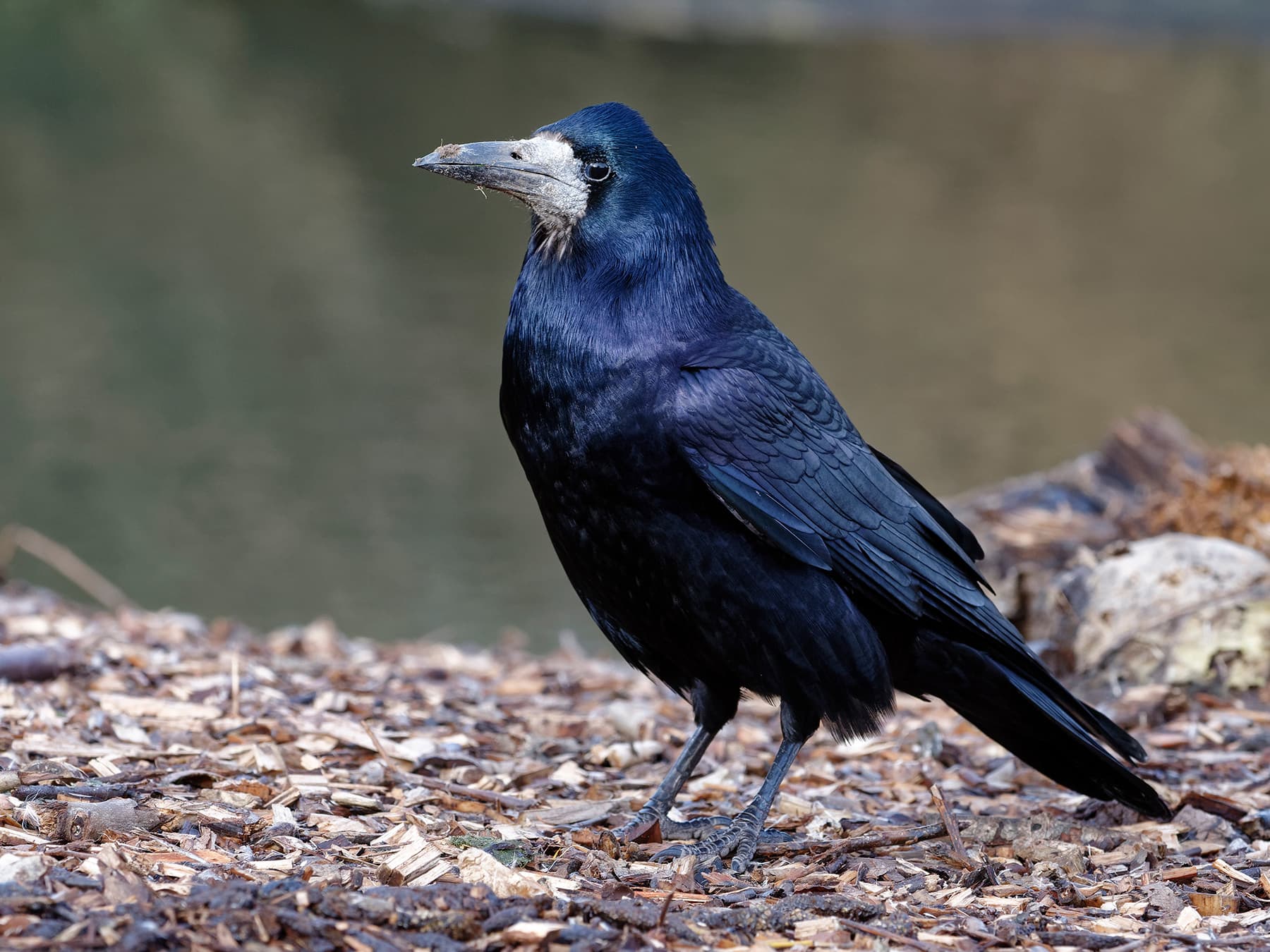
Rook
Corvus frugilegusLC
Common in farmland and parkland, nesting in noisy rookeries in tall trees. Large flocks gather on arable fields throughout the year.
Year-round
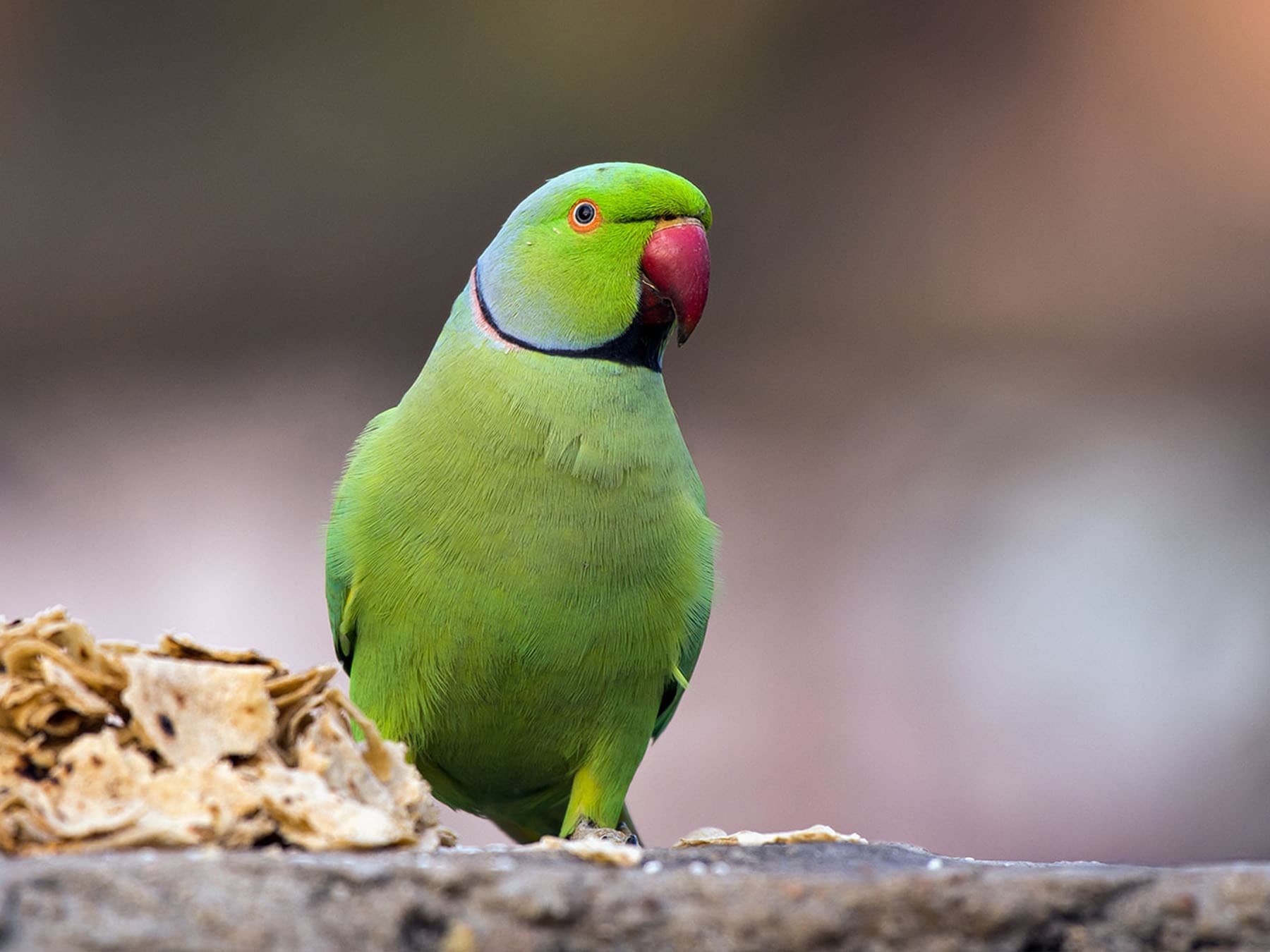
Rose-ringed Parakeet
Alexandrinus krameriLC
A common and increasing resident, with noisy flocks now well established in parks and gardens across the county.
Year-round
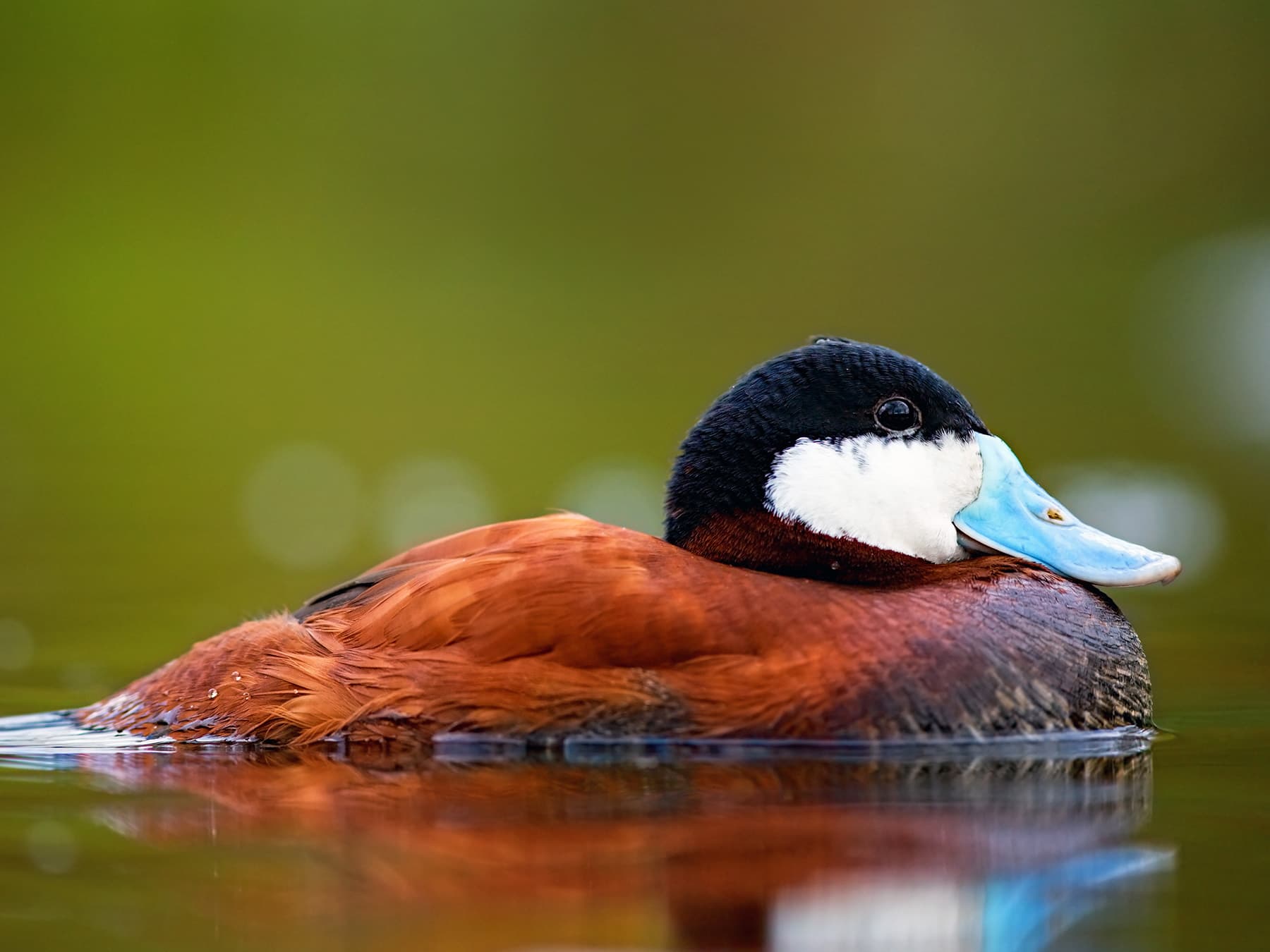
Ruddy Duck
Oxyura jamaicensisLC
Now extremely rare following a national eradication programme. Occasional sightings at gravel pits between April and October likely involve lingering individuals.
Apr–Oct
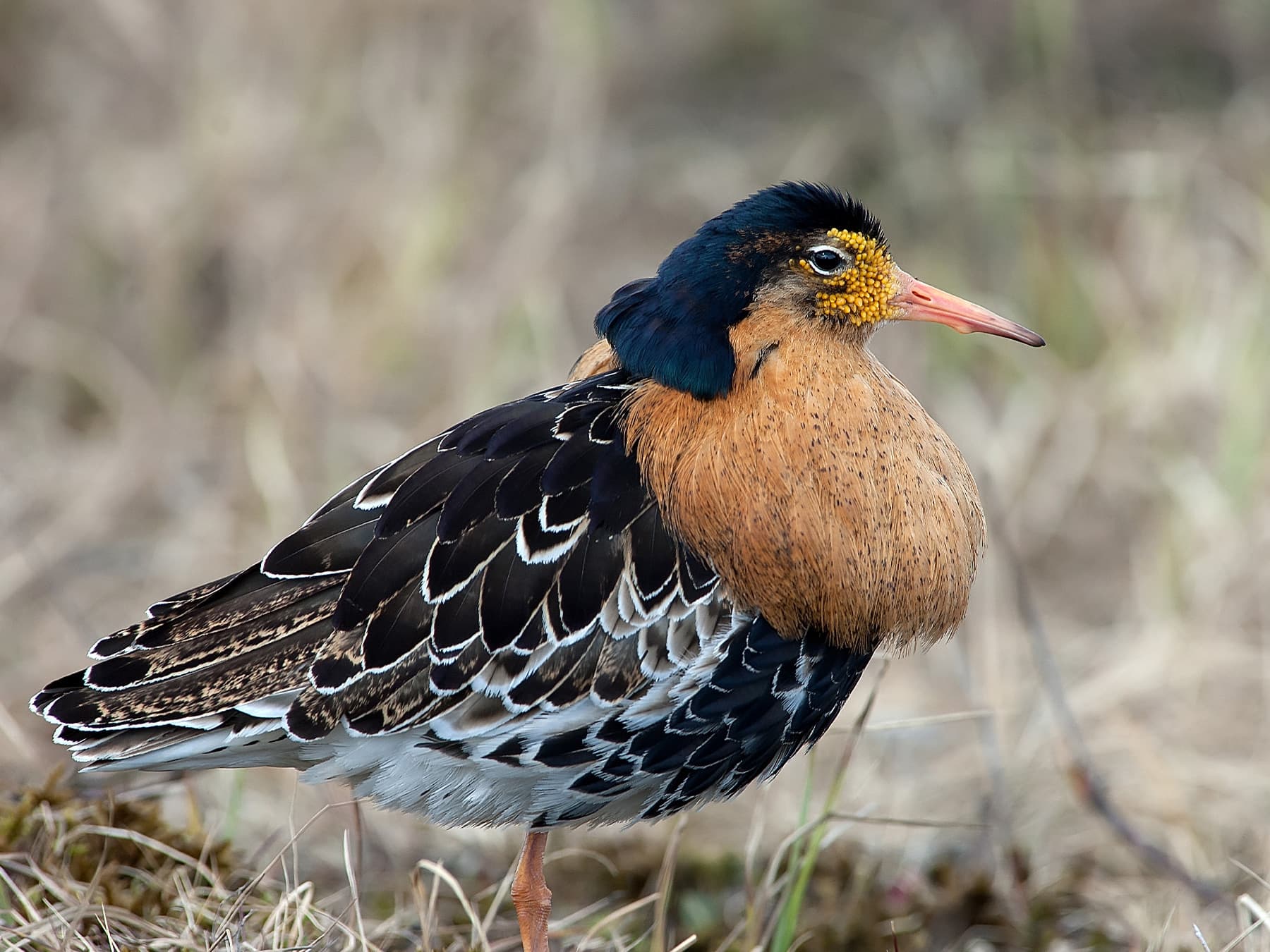
Ruff
Philomachus pugnaxLC
A rare autumn passage migrant appearing briefly at muddy reservoir margins and gravel pits in August and September.
Aug–Sep
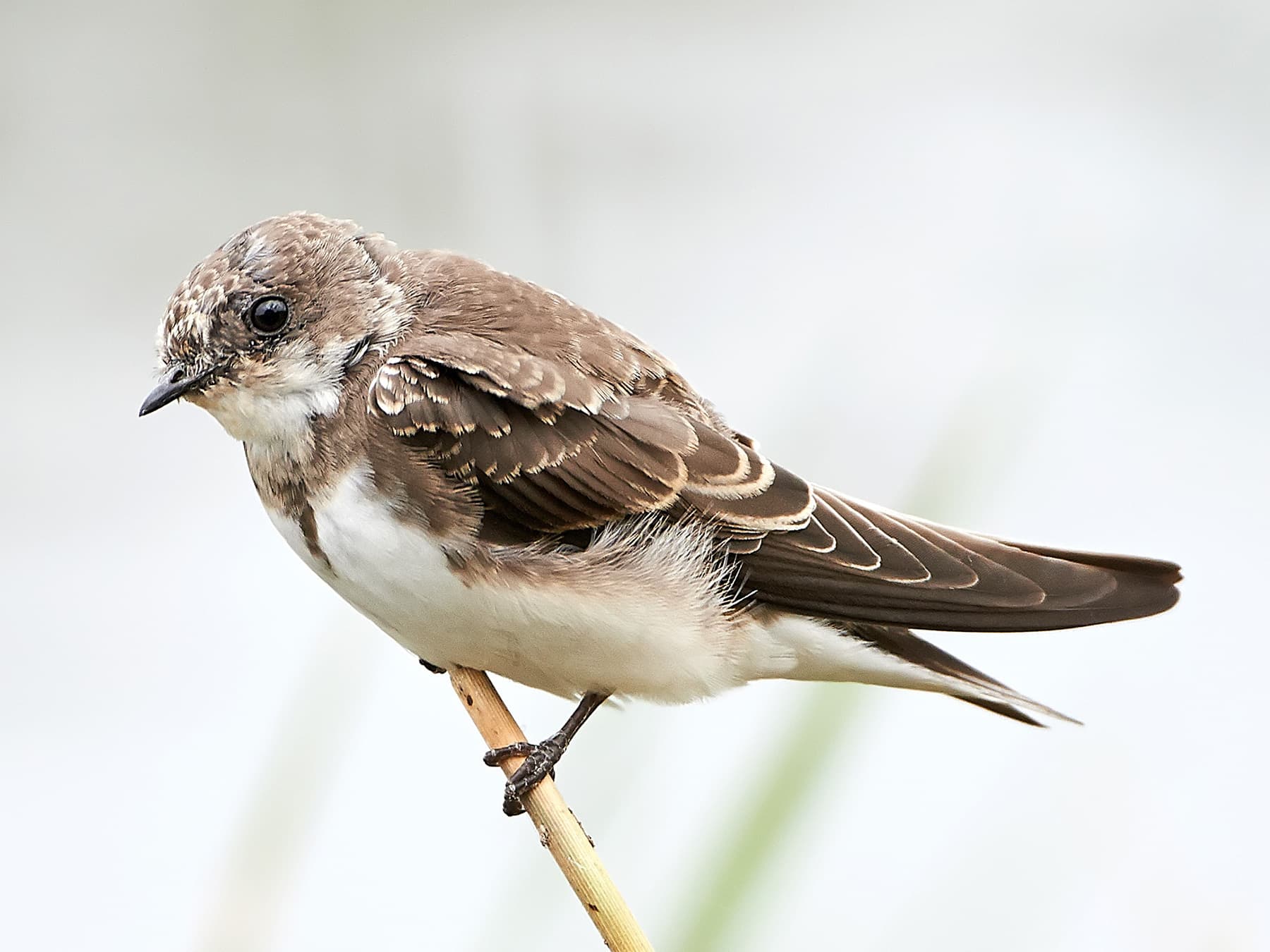
Sand Martin
Riparia ripariaLC
An uncommon summer breeder arriving from March, nesting in sandy riverbanks and gravel pits. Departs by September for African wintering grounds.
Mar–Sep
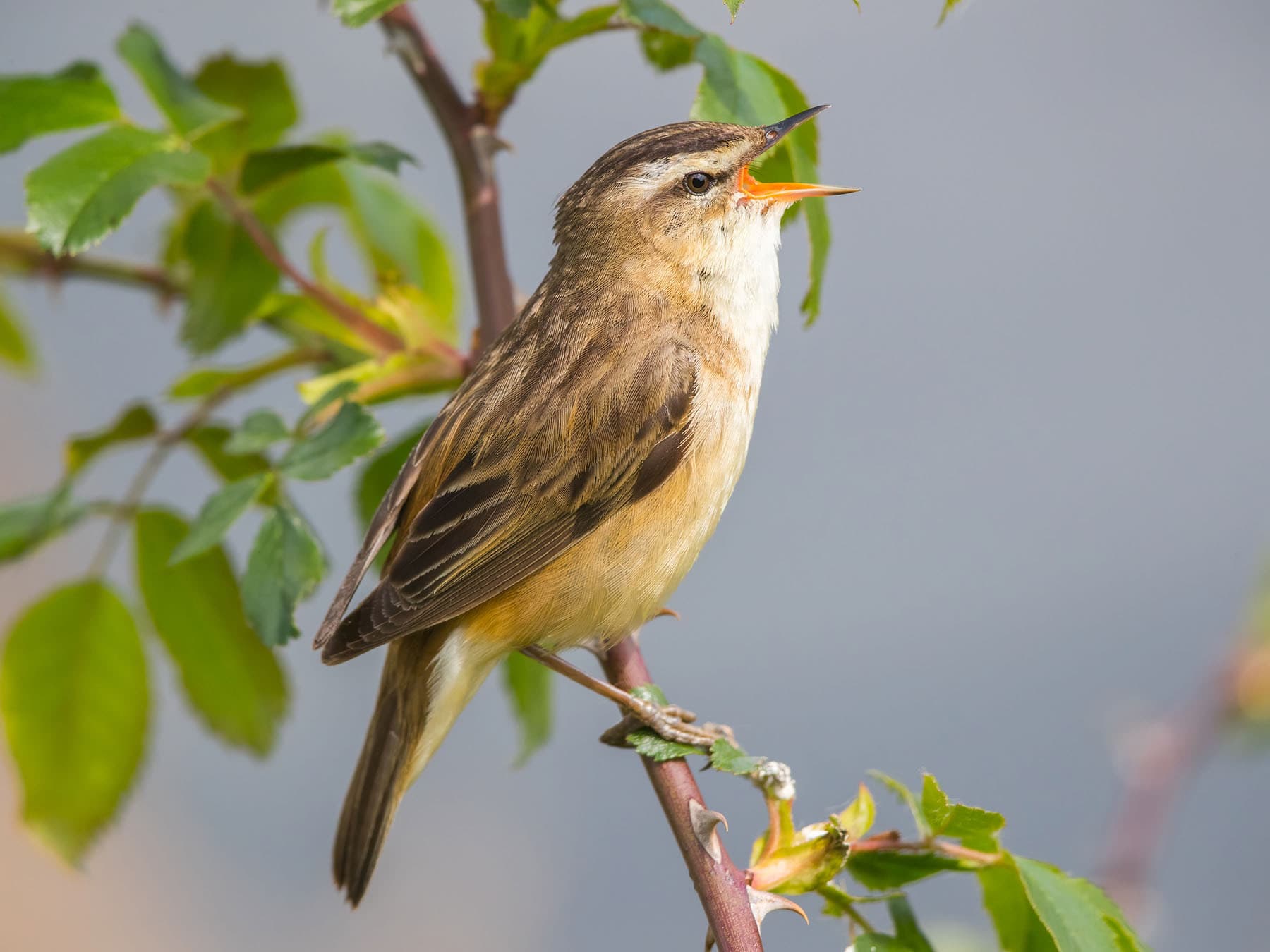
Sedge Warbler
Acrocephalus schoenobaenusLC
An uncommon summer breeder found in reedbeds and waterside scrub, arriving in April and departing by September.
Apr–Sep
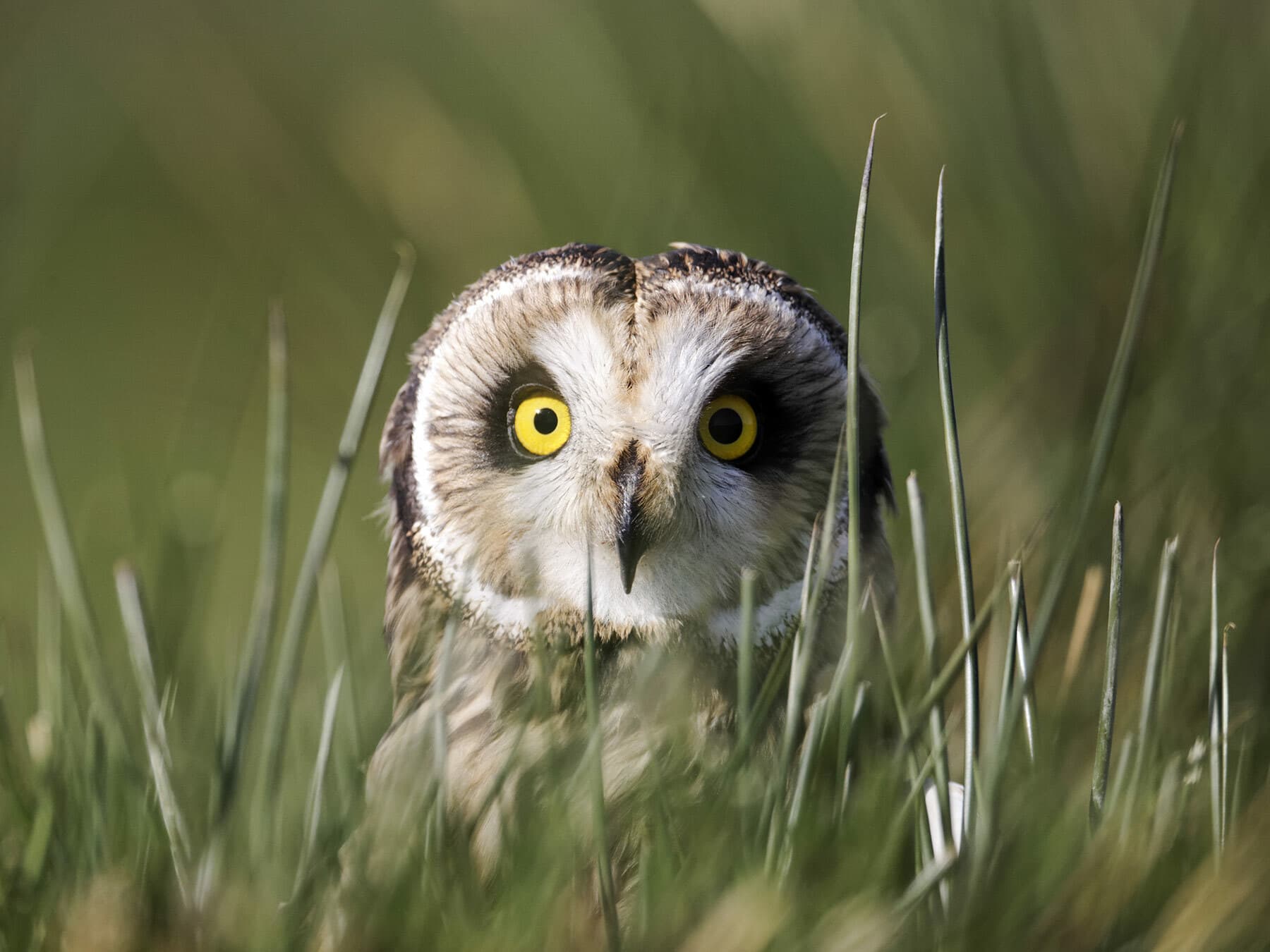
Short-eared Owl
Asio flammeusLC
A rare passage visitor, occasionally recorded hunting over open farmland and rough grassland in midwinter.
Jan
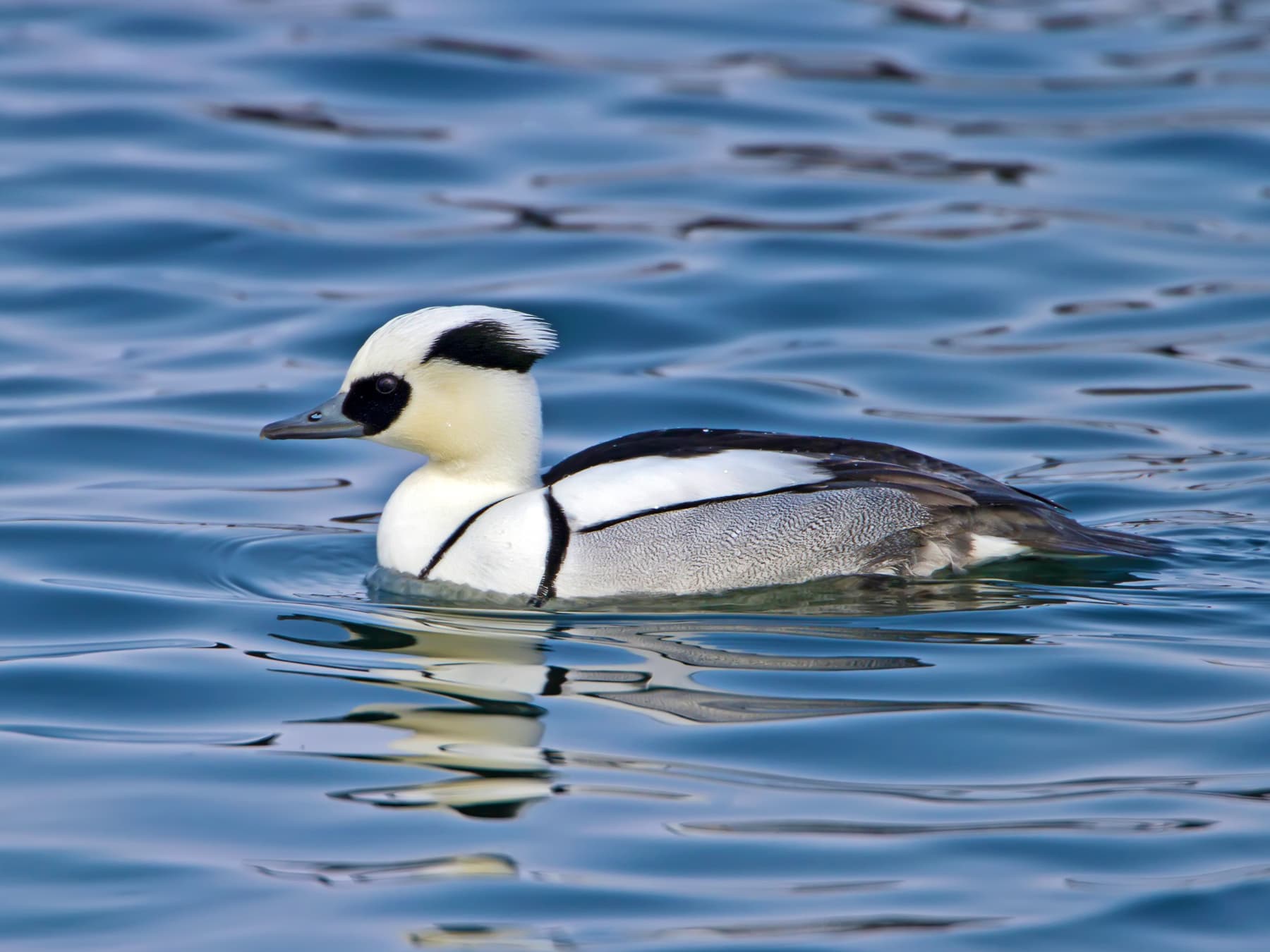
Smew
Mergellus albellusLC
An uncommon but prized winter visitor from northern Europe, arriving from November. The striking males are a highlight at Tring and Lee Valley reservoirs.
Nov–Mar
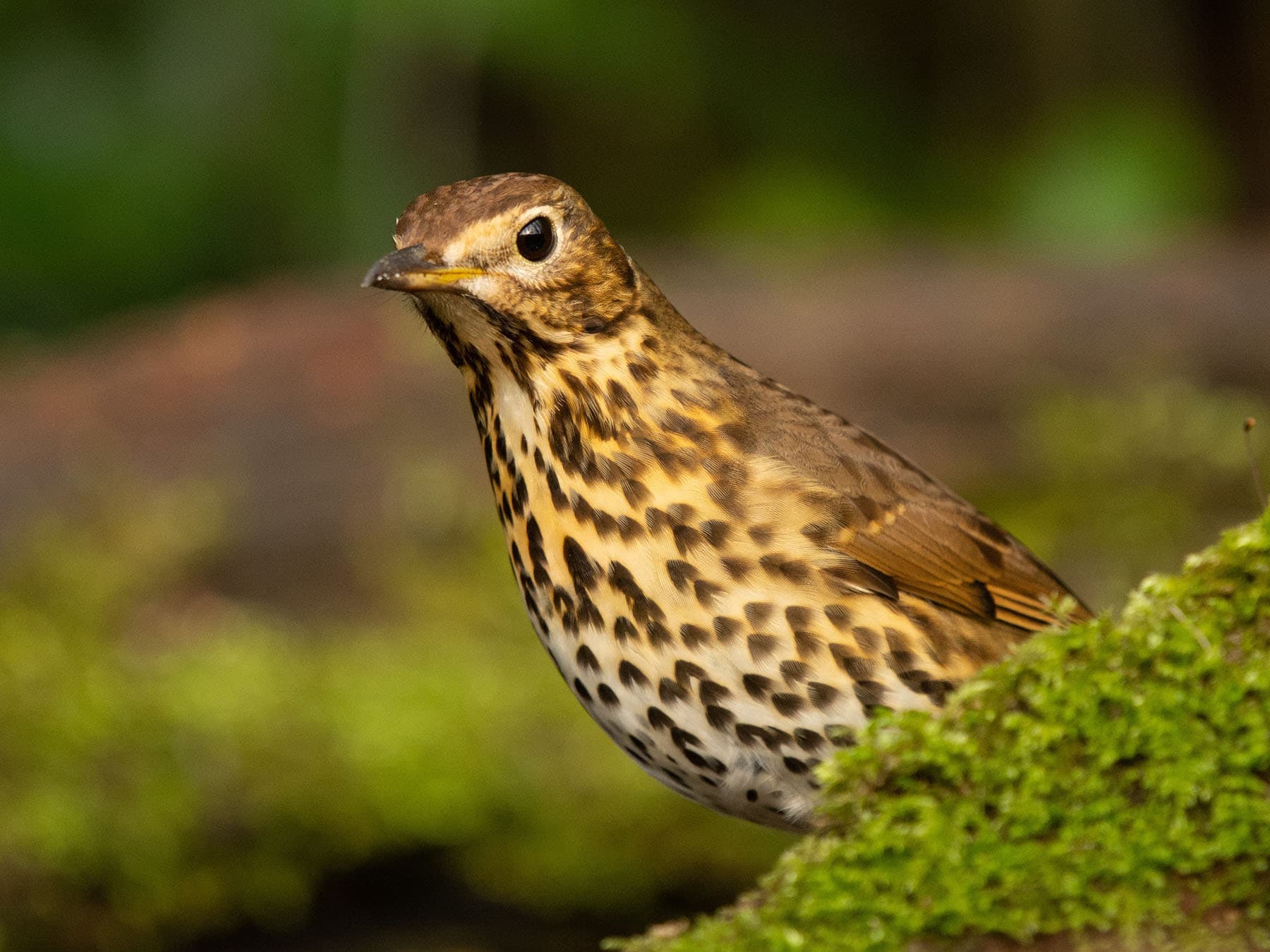
Song Thrush
Turdus philomelosLC
A common resident heard singing from early spring in gardens and woodland. Often seen smashing snails on a favourite stone 'anvil'.
Year-round
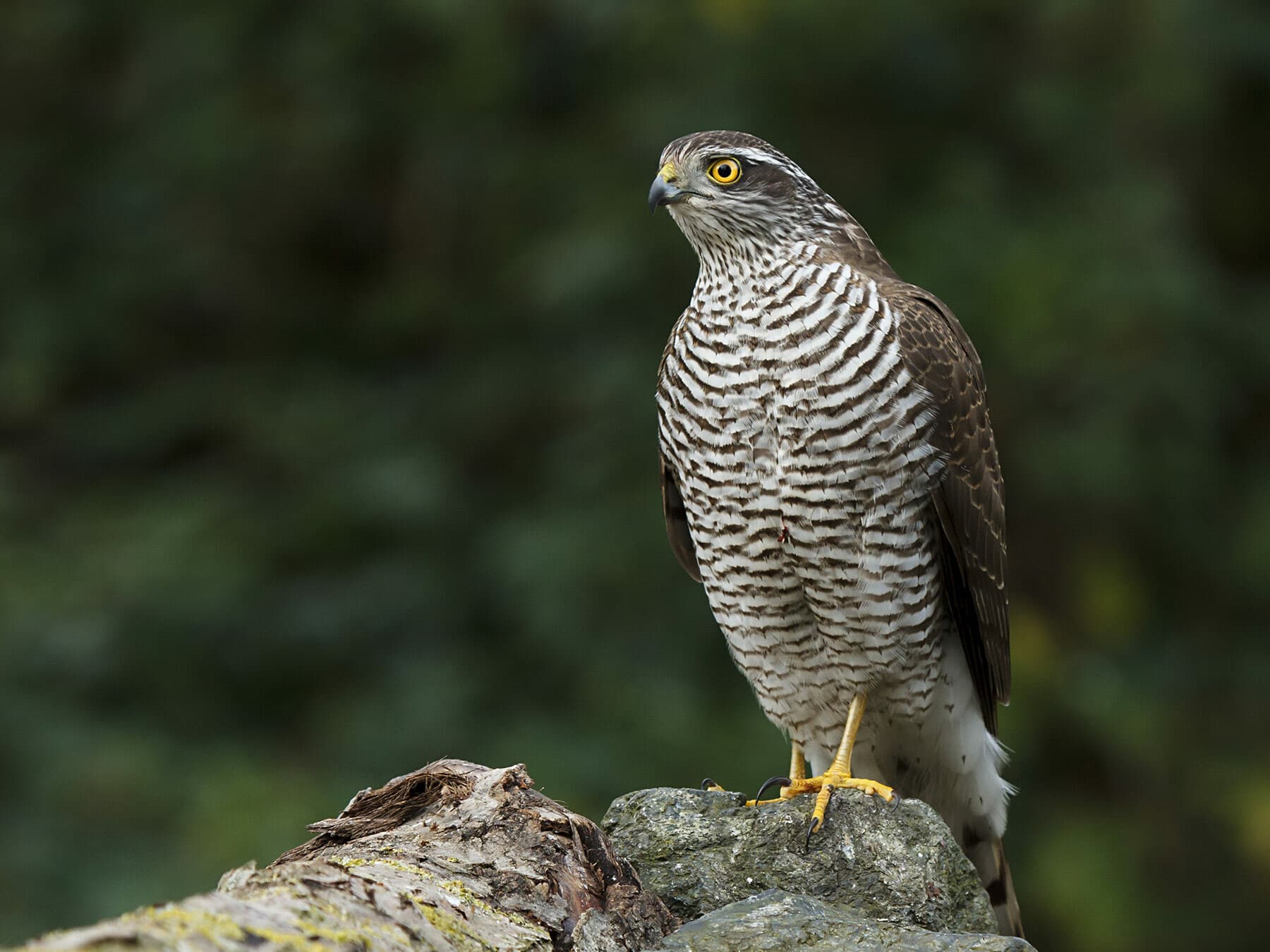
Sparrowhawk
Accipiter nisusLC
An uncommon but widespread resident, hunting small birds in woodland, farmland and suburban gardens. Often seen dashing along hedgerows at speed.
Year-round
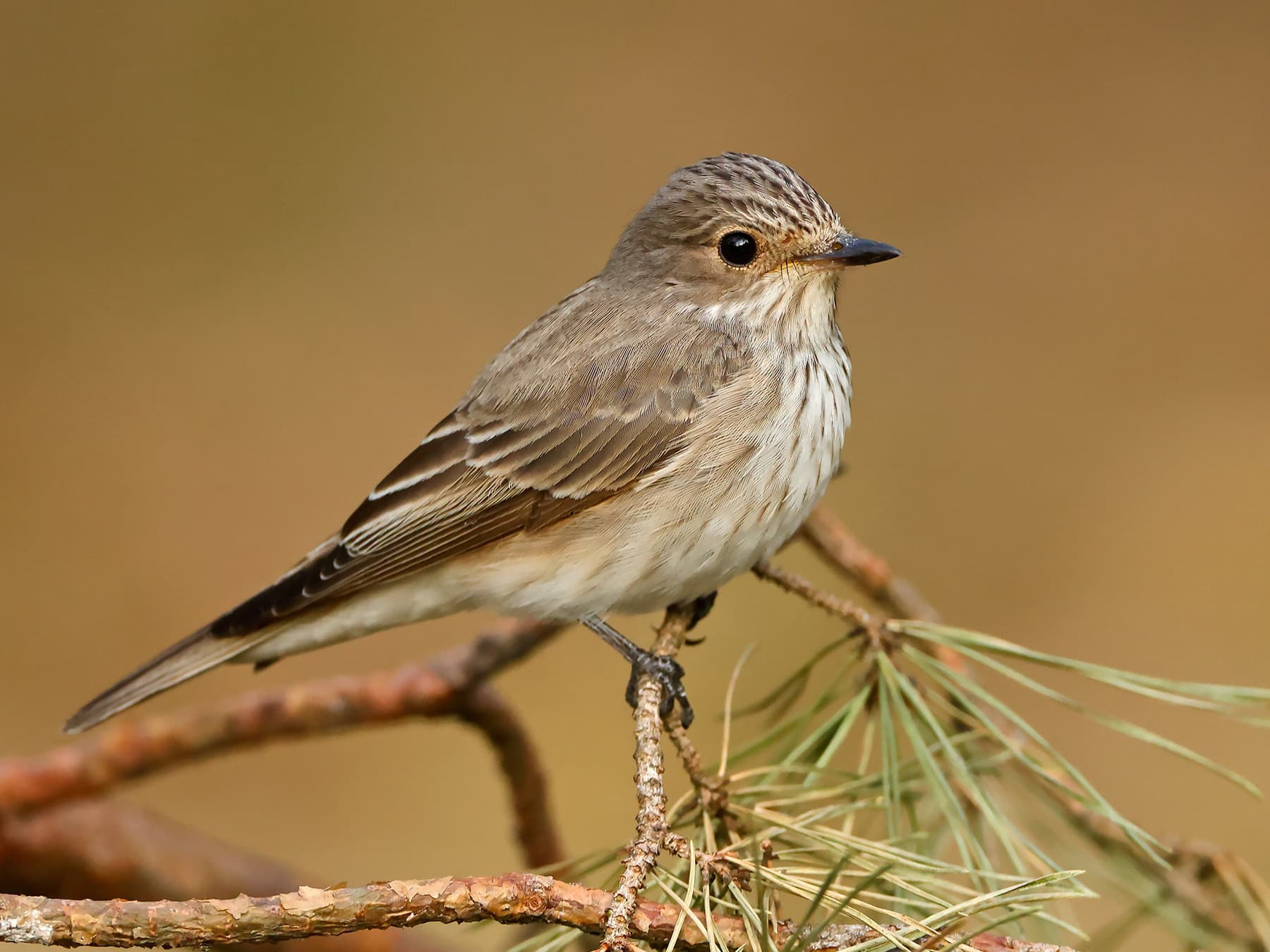
Spotted Flycatcher
Muscicapa striataLC
A rare and declining summer breeder, favouring woodland edges and churchyards; present from May to September.
May–Sep
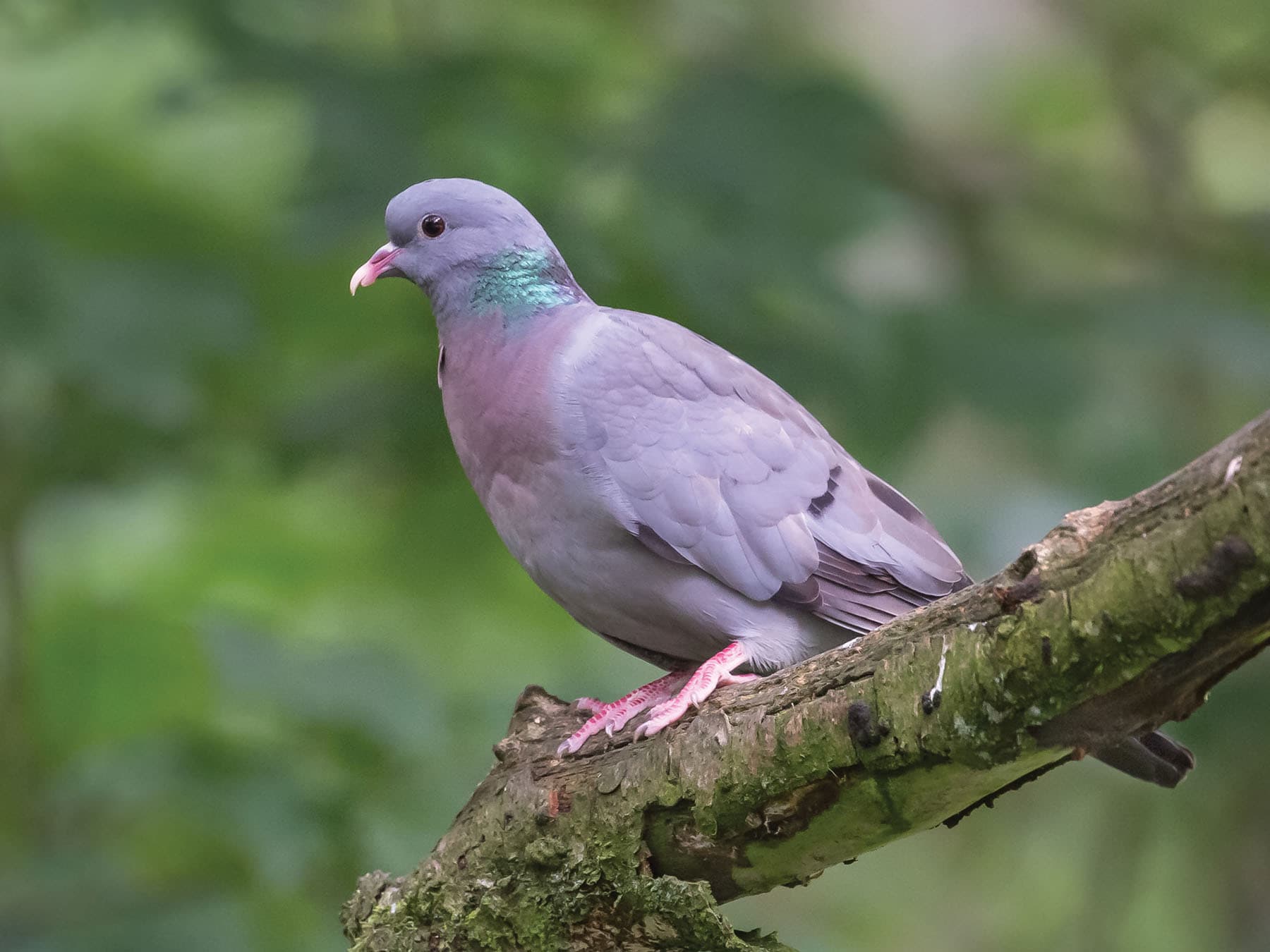
Stock Dove
Columba oenasLC
A common resident breeding in mature parkland trees and old woodpecker holes. Often overlooked alongside the abundant Woodpigeon but lacks the white neck patch.
Year-round
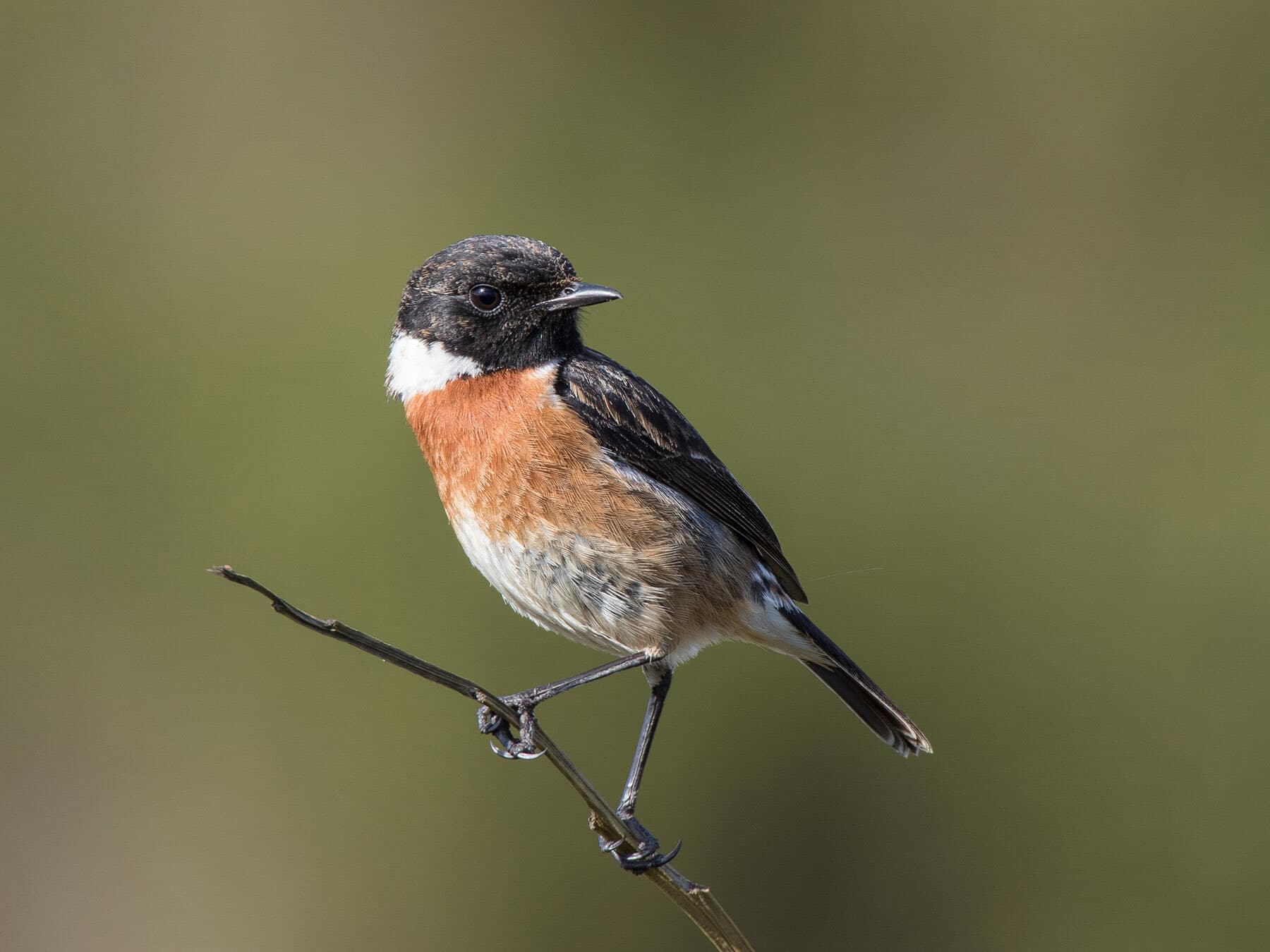
Stonechat
Saxicola torquatusLC
An uncommon non-breeding visitor to rough grassland and heathland edges. Most likely seen from autumn through early spring on open ground.
Sep–Mar
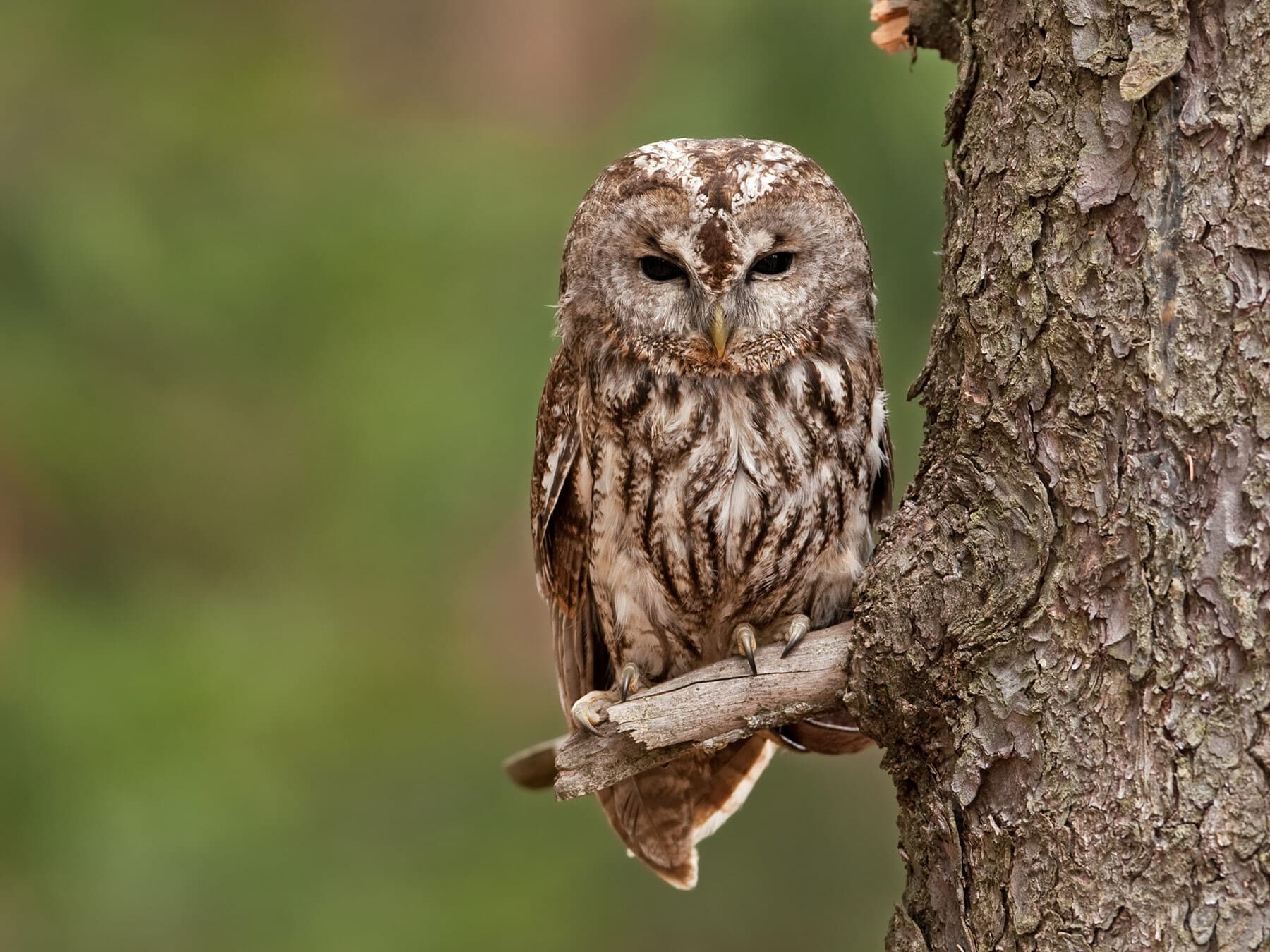
Tawny Owl
Strix alucoLC
A scarce but widespread resident of mature woodland and wooded parks. Its hooting call carries through the night across the county's ancient woodlands.
Year-round