Rare Birds in Gloucestershire
80 species matching this filter.
Gloucestershire's diverse landscapes — from the Severn Estuary mudflats to the ancient woodlands of the Forest of Dean and the rolling Cotswold hills — occasionally attract some truly remarkable avian visitors. With 74 species classified as rare in the county, patient birders may be rewarded with sightings of elusive species such as Great Grey Shrike, Bluethroat, Arctic Jaeger, and Grasshopper Warbler. The county's mix of wetlands, river valleys, and open countryside creates the varied habitats that draw these uncommon birds, making each encounter a memorable event.


Showing 1–23 of 80 species
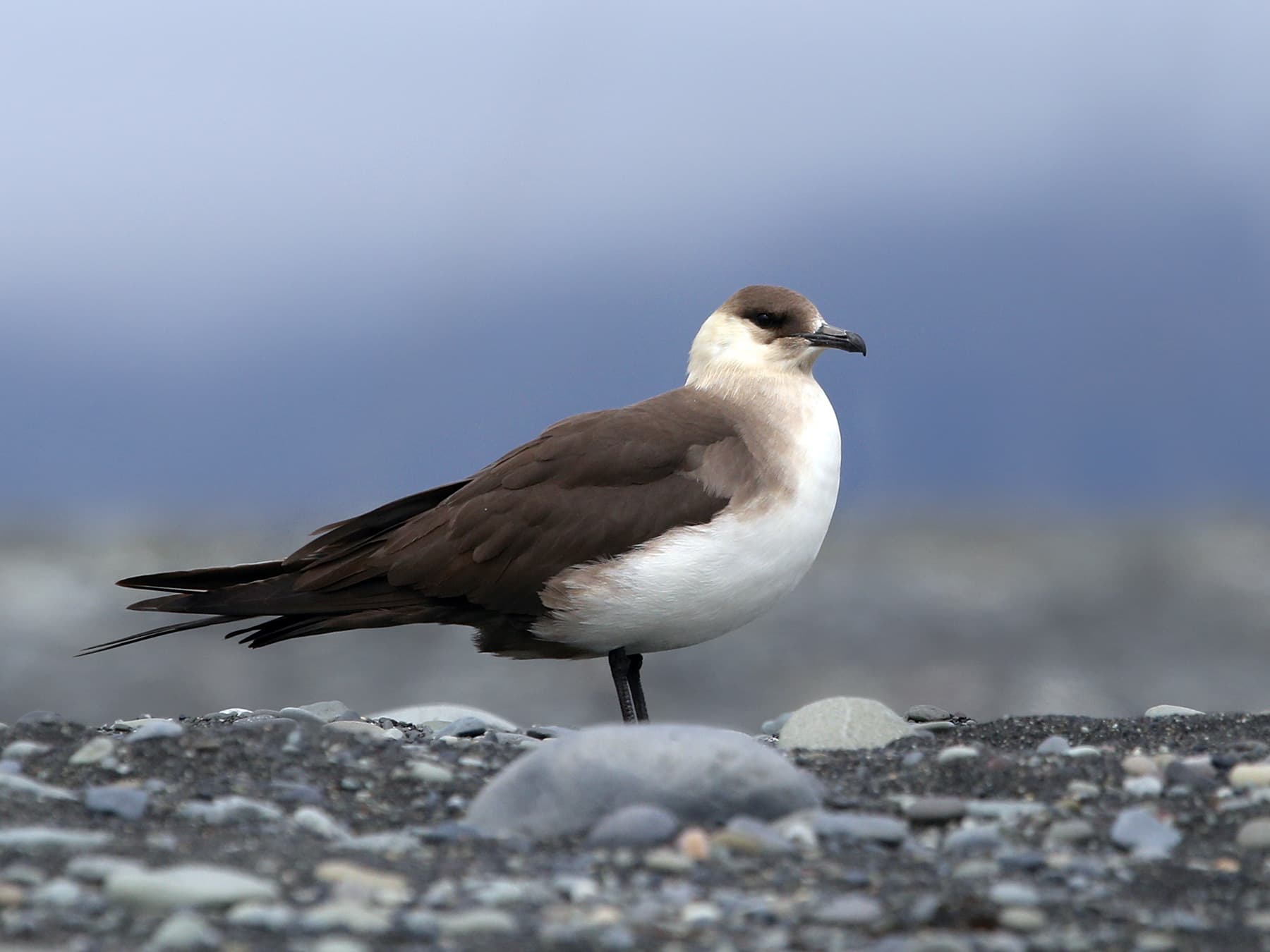
Arctic Jaeger
Stercorarius parasiticusLC
A rare passage visitor, very occasionally recorded over the Severn Estuary in spring, far from its usual pelagic haunts.
Apr
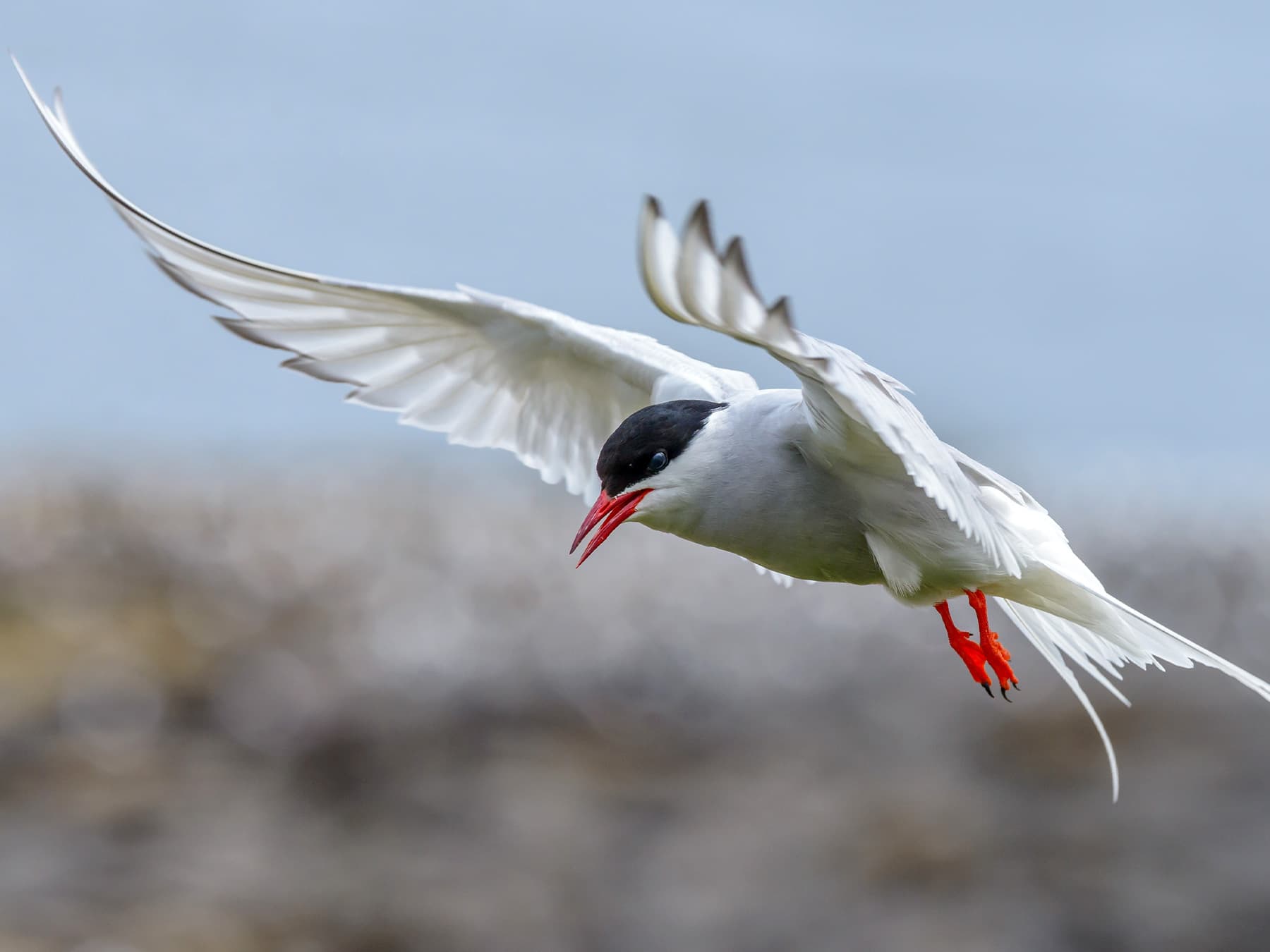
Arctic Tern
Sterna paradisaeaLC
A rare spring passage migrant, occasionally noted at gravel pits and reservoirs in April as birds head north to breeding grounds.
Apr
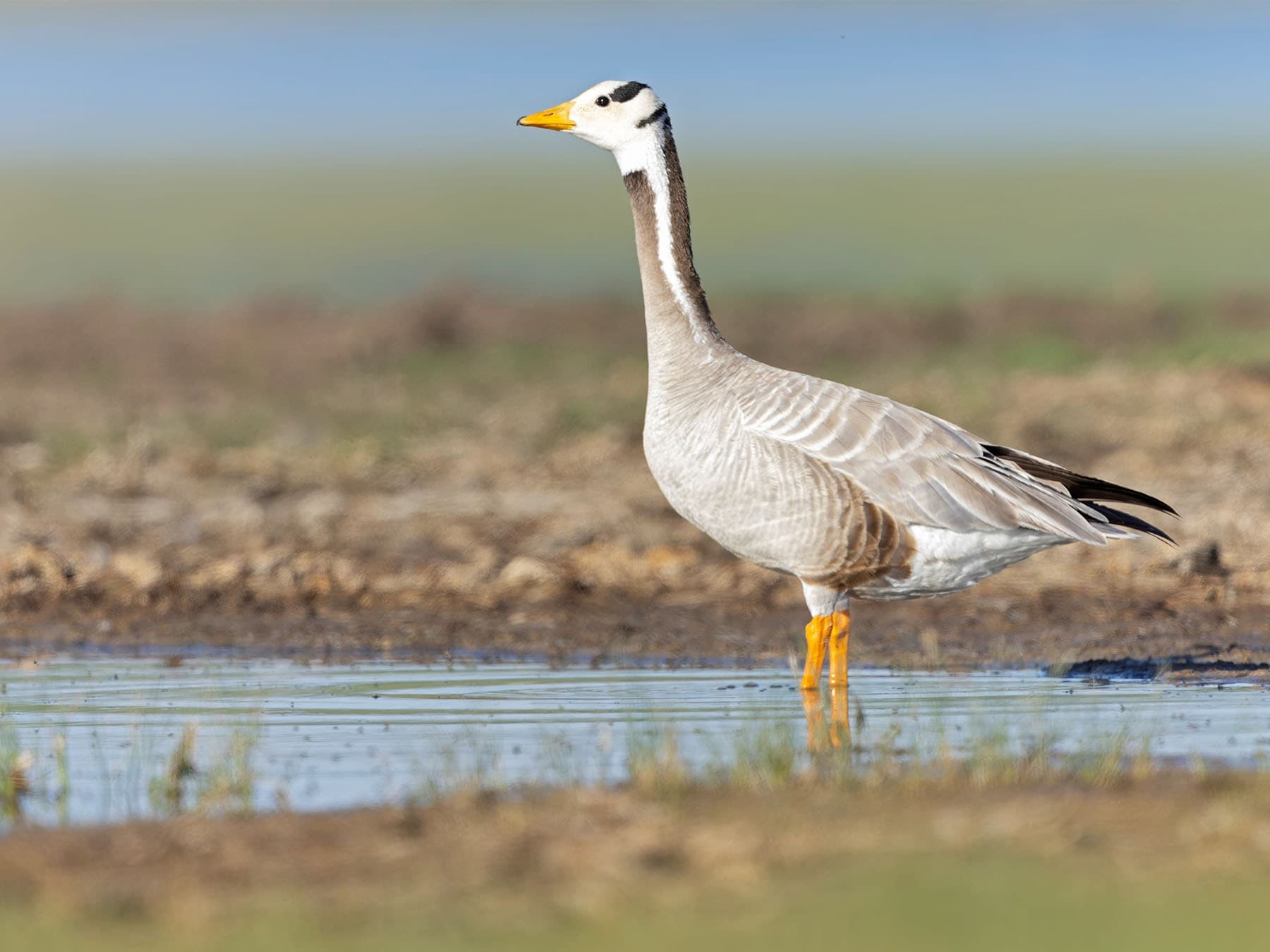
Bar-headed Goose
Anser indicusLC
A rare passage record, likely of feral or escaped origin. Occasionally seen among wild goose flocks on the Severn Estuary in winter.
Jan
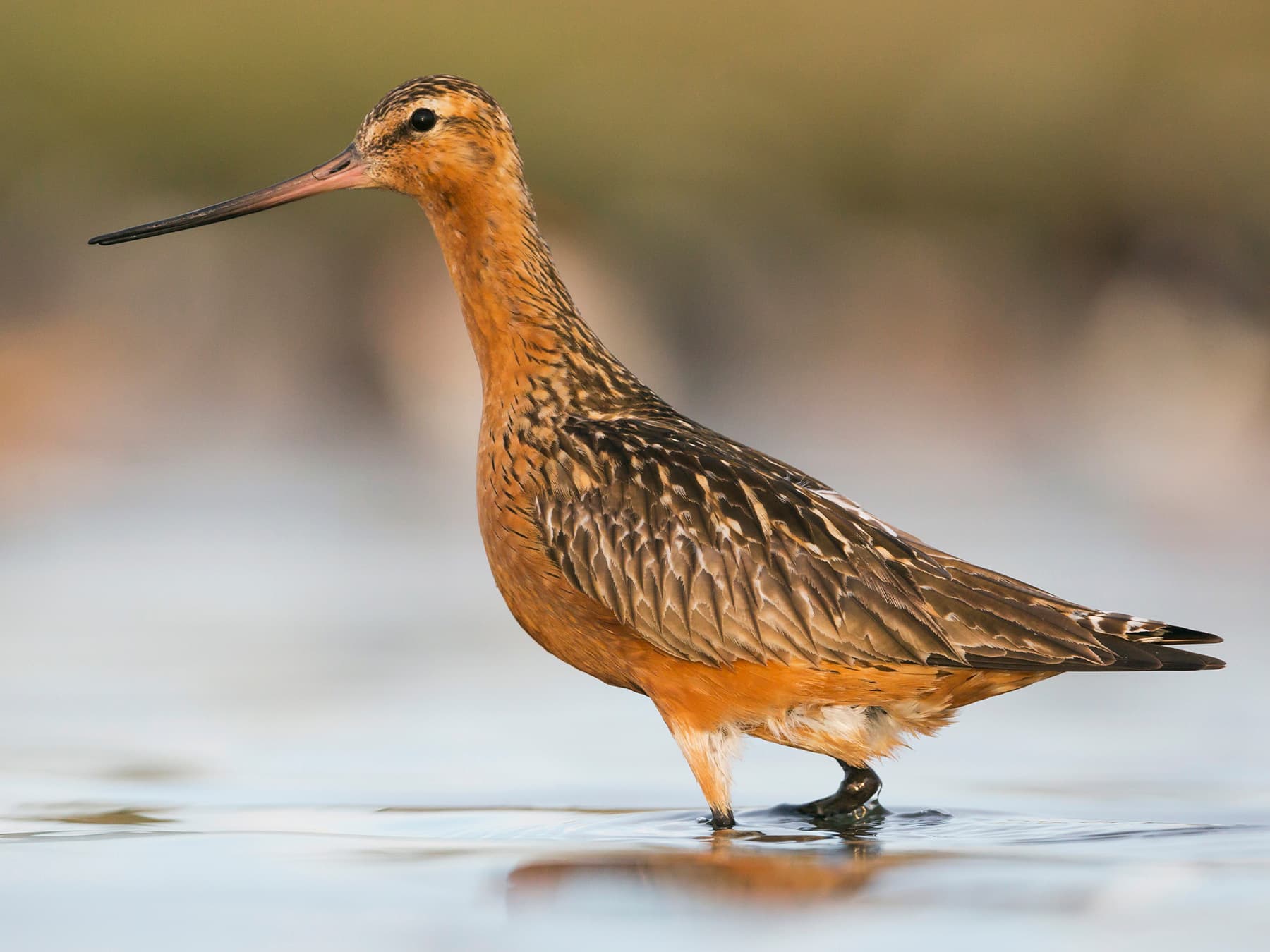
Bar-tailed Godwit
Limosa lapponicaNT
A rare visitor to the Severn Estuary mudflats, most likely seen during passage periods in spring and autumn.
Year-round
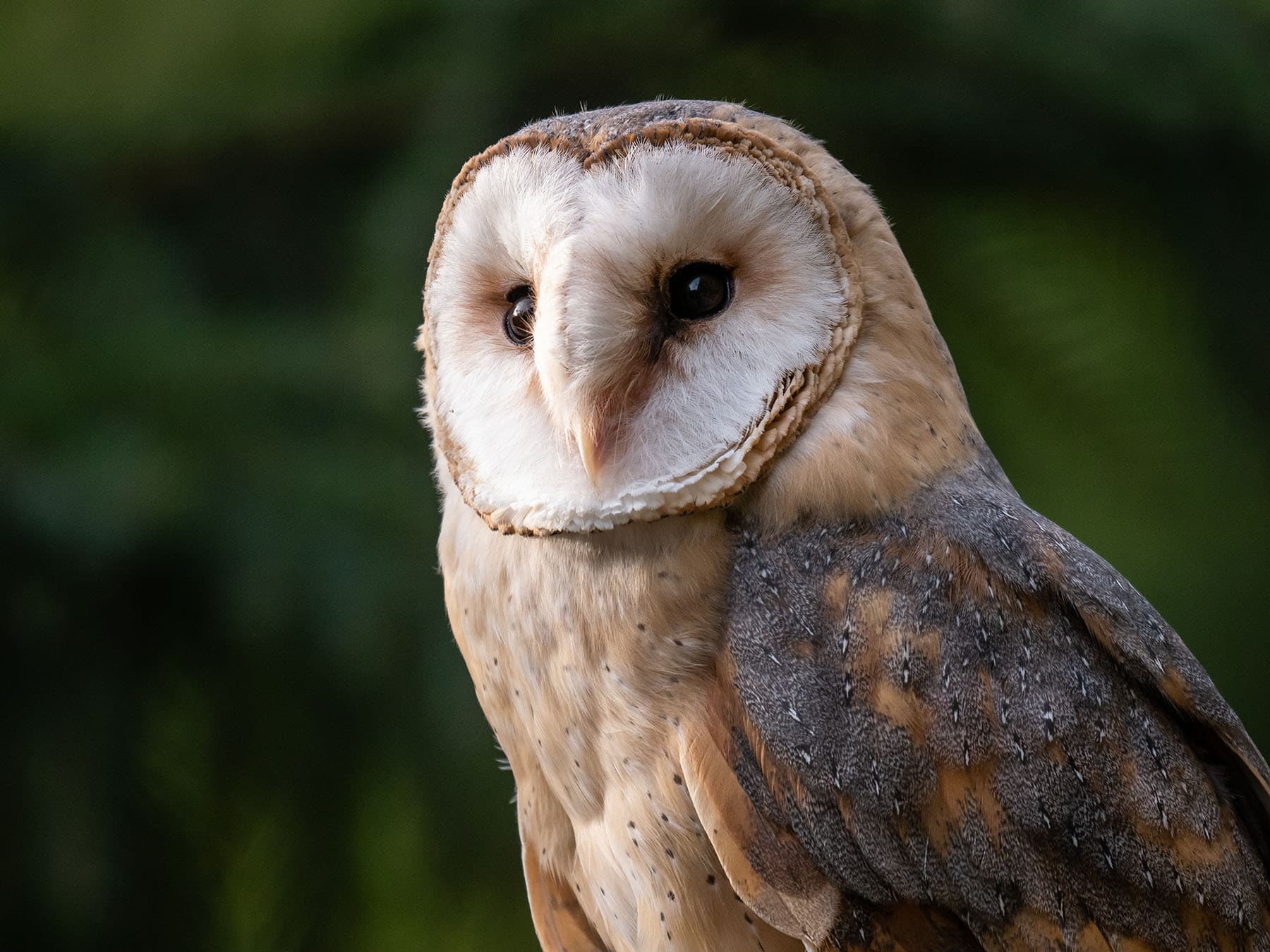
Barn Owl
Tyto albaLC
A rare passage visitor in early winter months, occasionally hunting over rough grassland and farmland edges in the Severn Vale.
Jan–Mar
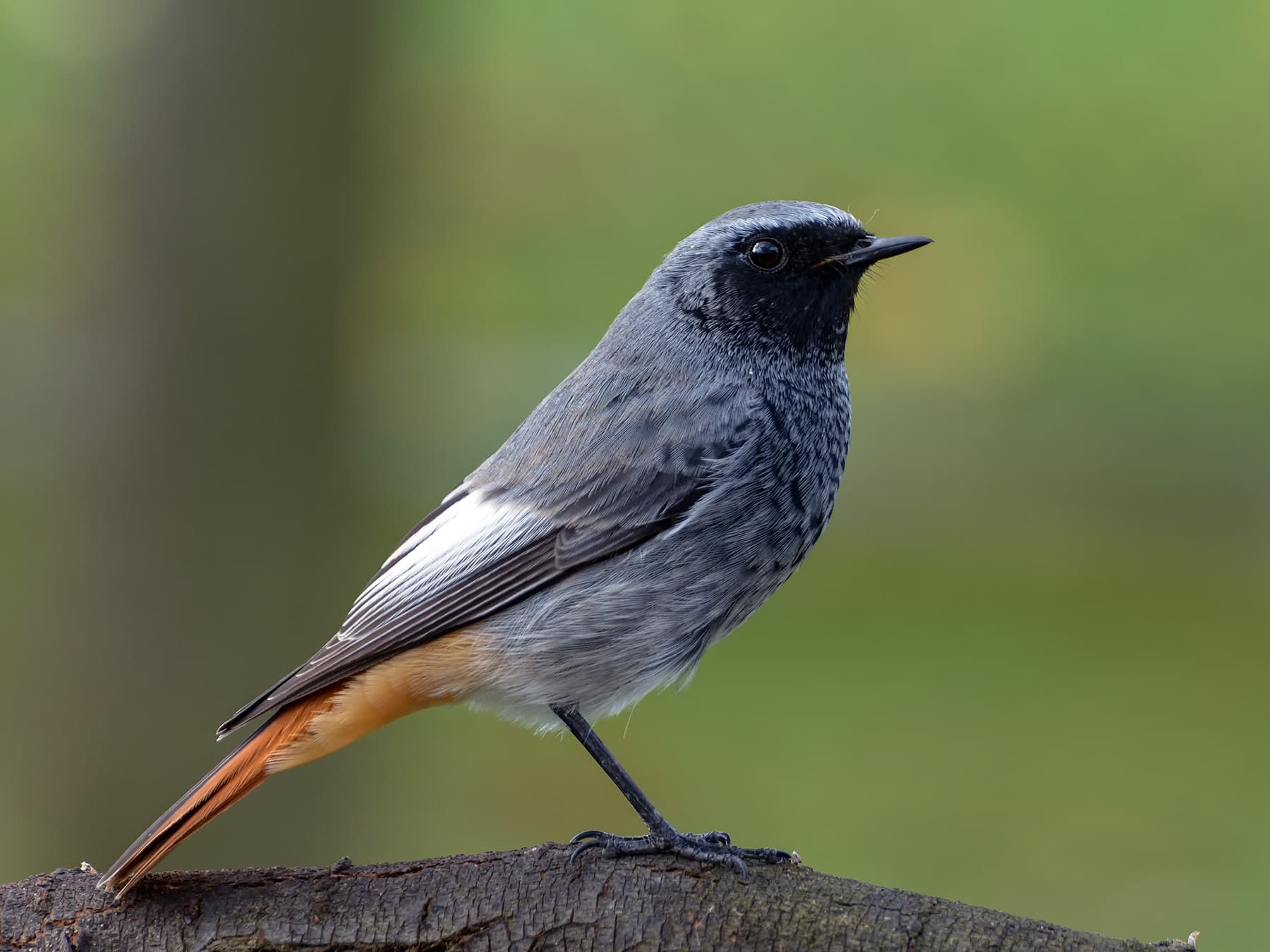
Black Redstart
Phoenicurus ochrurosLC
A rare winter visitor, occasionally turning up around buildings and industrial sites in Gloucester or Cheltenham from November to March.
Nov–Mar
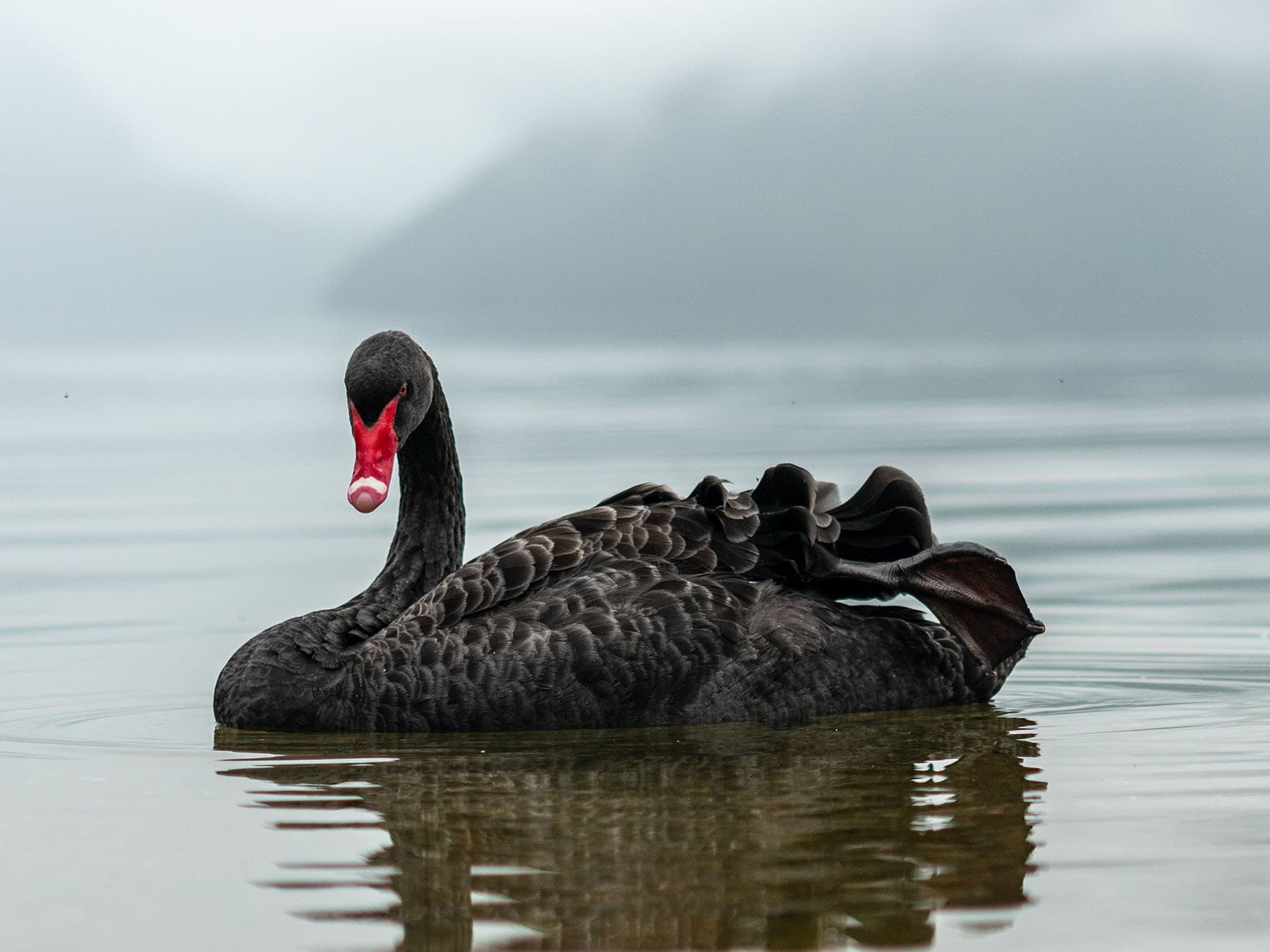
Black Swan
Cygnus atratusLC
A rare resident, likely originating from ornamental collections. Occasionally seen on lakes and gravel pits across the county.
Year-round
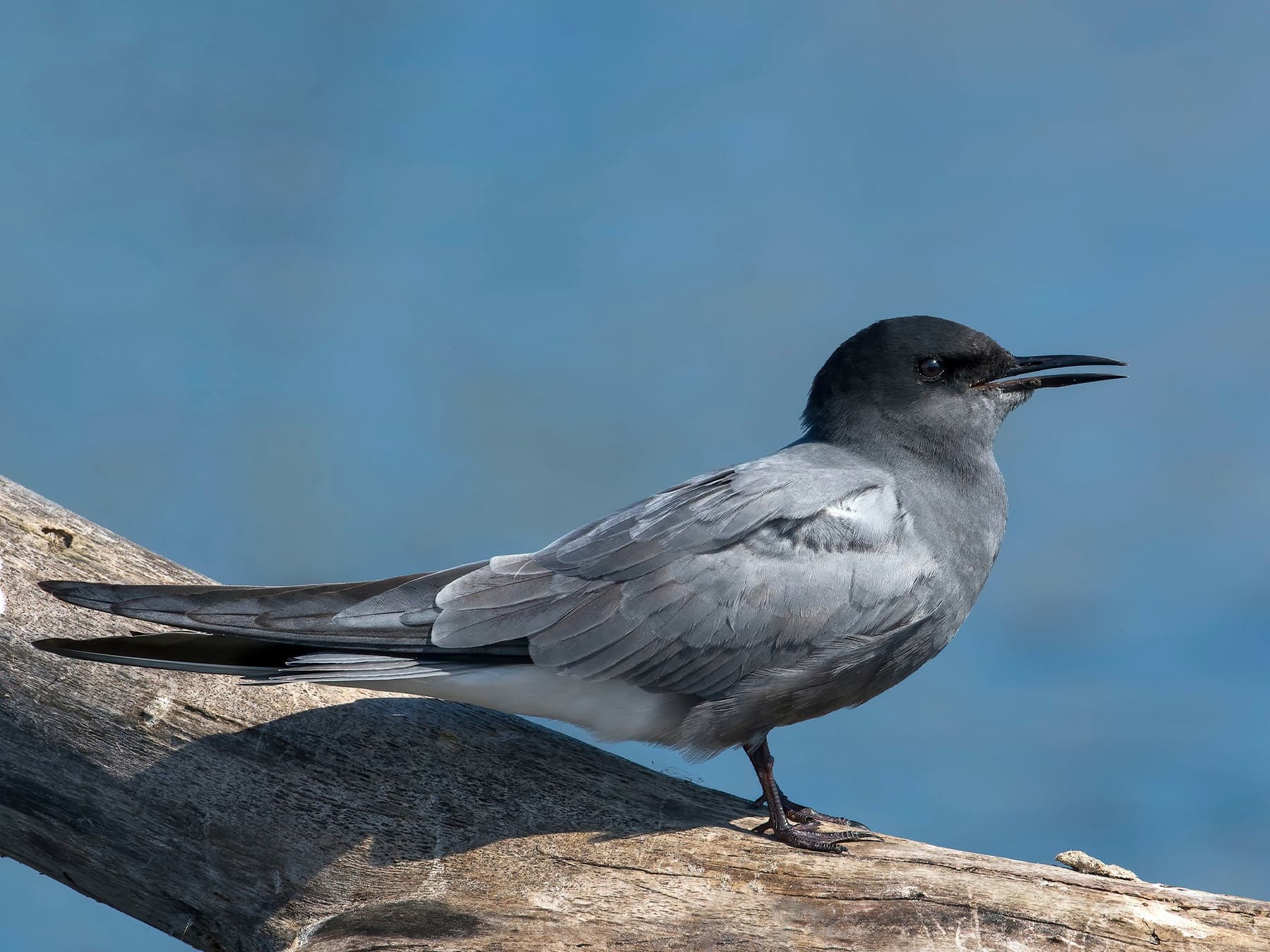
Black Tern
Chlidonias nigerLC
A rare autumn passage migrant, briefly appearing over lakes and reservoirs in September, often after easterly winds.
Sep
Spotted something?
Upload a photo to identify it
Identify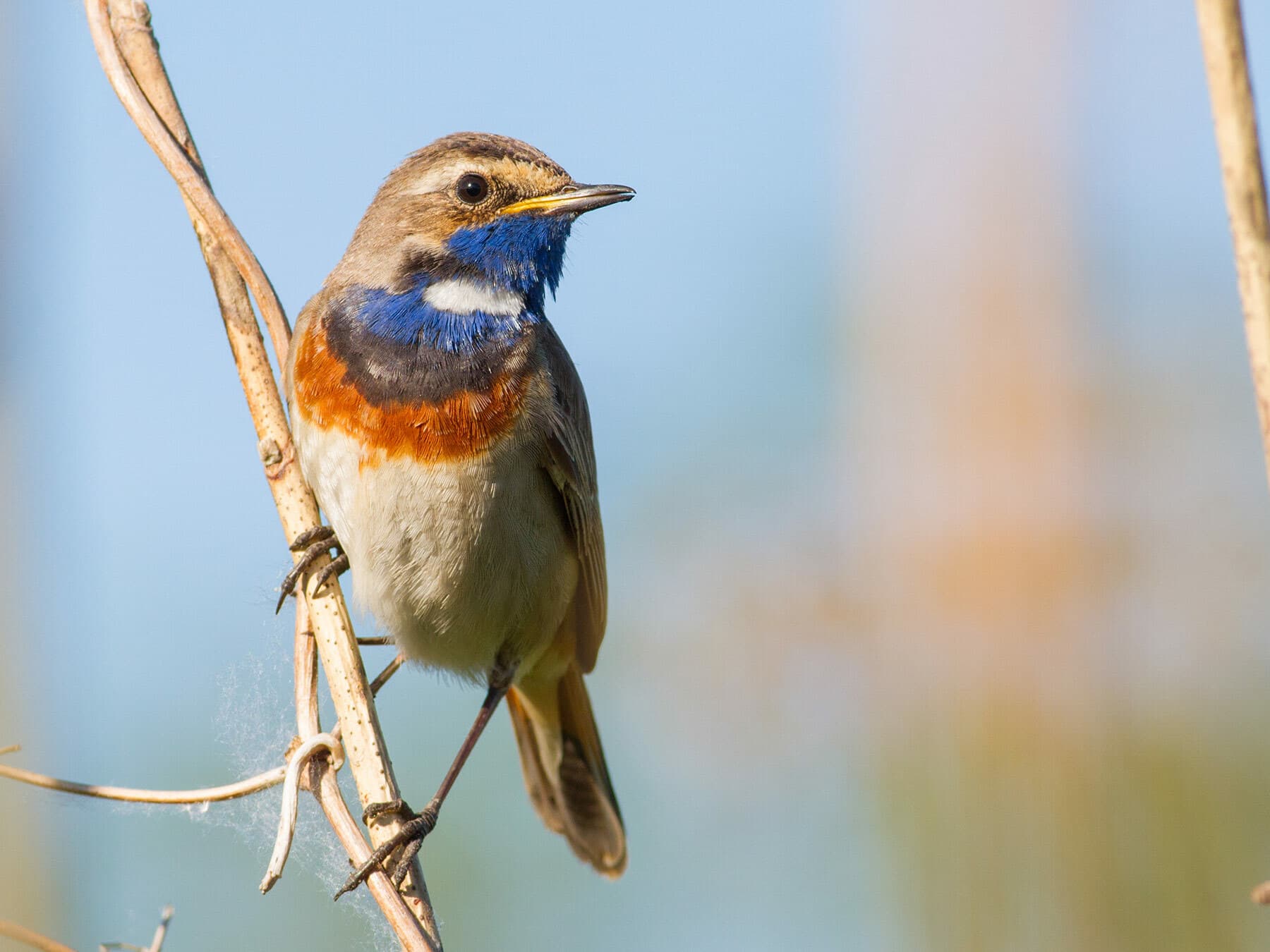
Bluethroat
Luscinia svecicaLC
A rare breeding visitor, occasionally recorded at wetland sites with dense low vegetation during the summer months.
May–Jul
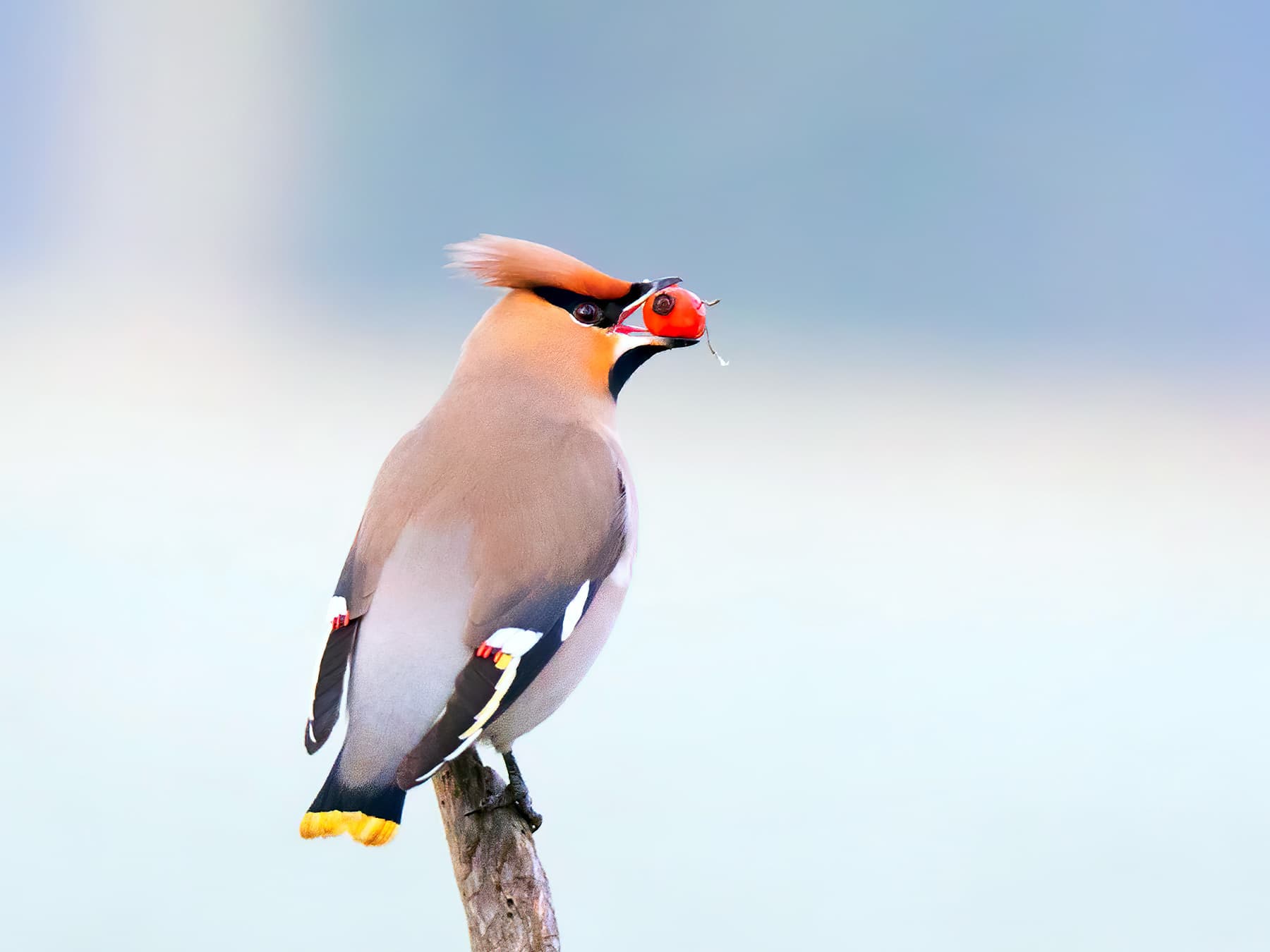
Bohemian Waxwing
Bombycilla garrulusLC
A rare and irruptive winter visitor, descending on berry-laden trees in towns and gardens during invasion years.
Jan
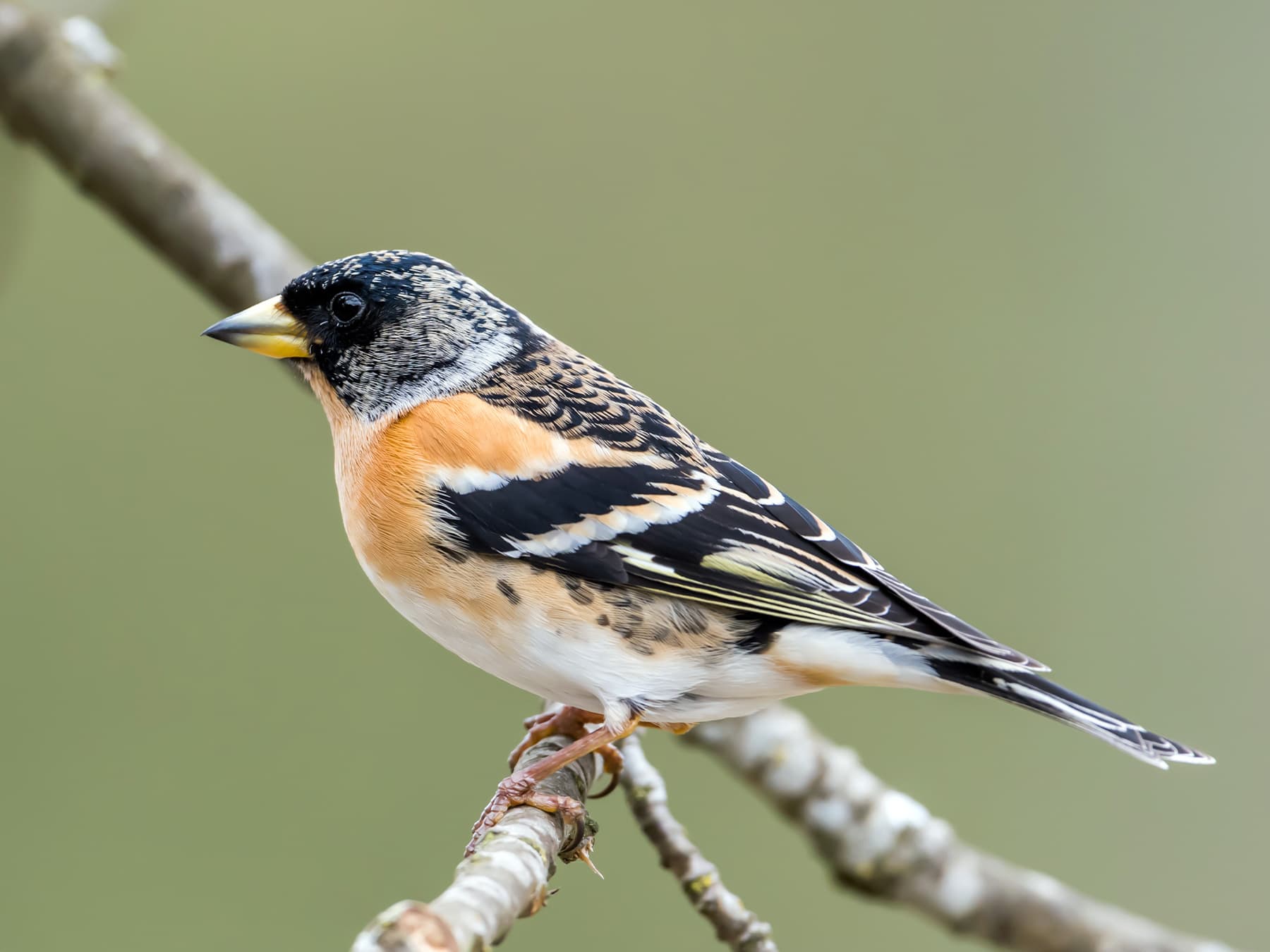
Brambling
Fringilla montifringillaLC
A rare winter visitor to Gloucestershire, sometimes joining chaffinch flocks at woodland edges and farmland feeding stations from October to March.
Oct–Mar
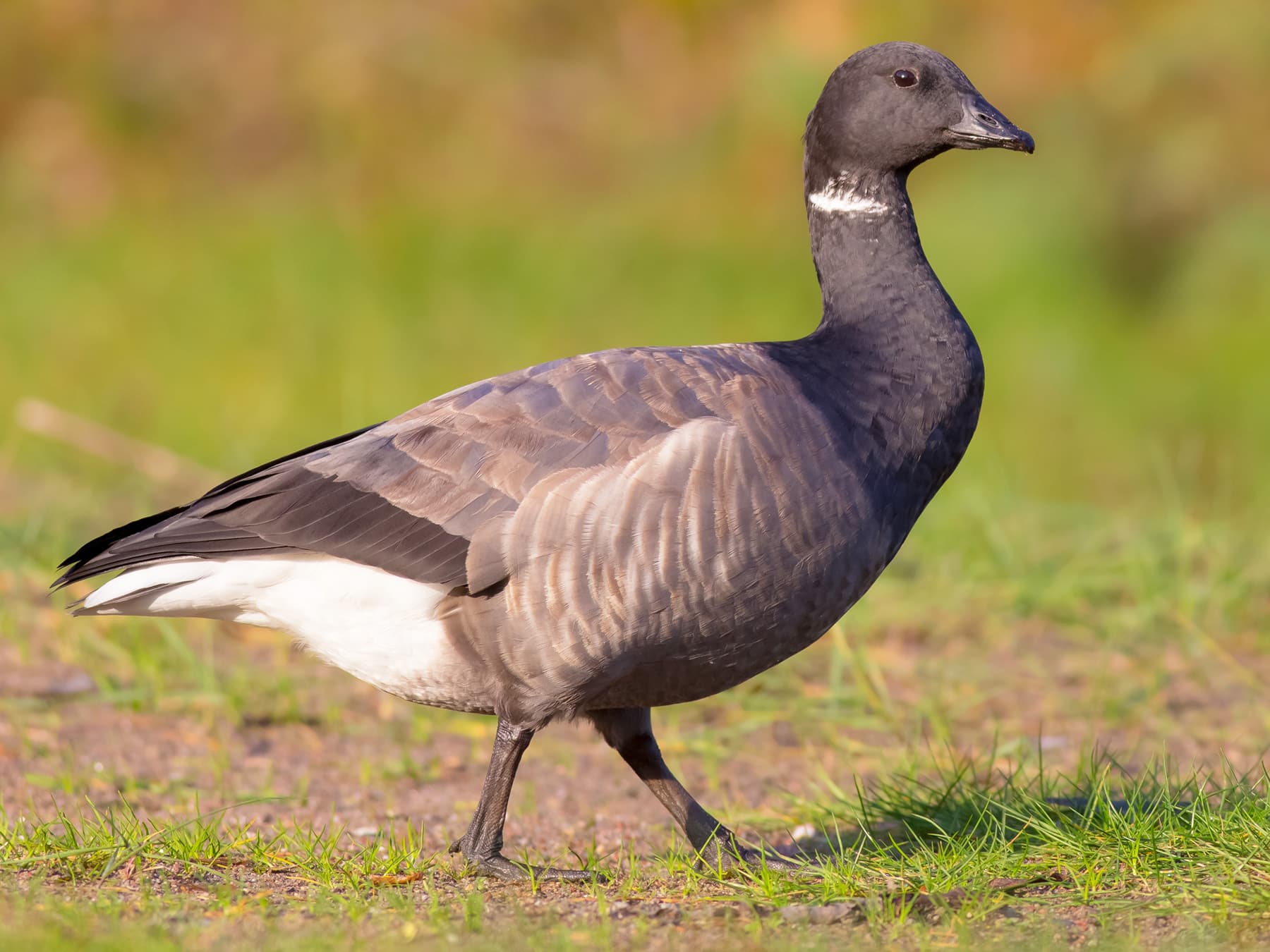
Brent Goose
Branta berniclaLC
A rare winter visitor to the Severn Estuary, with small numbers occasionally grazing saltmarsh between October and April.
Oct–Apr
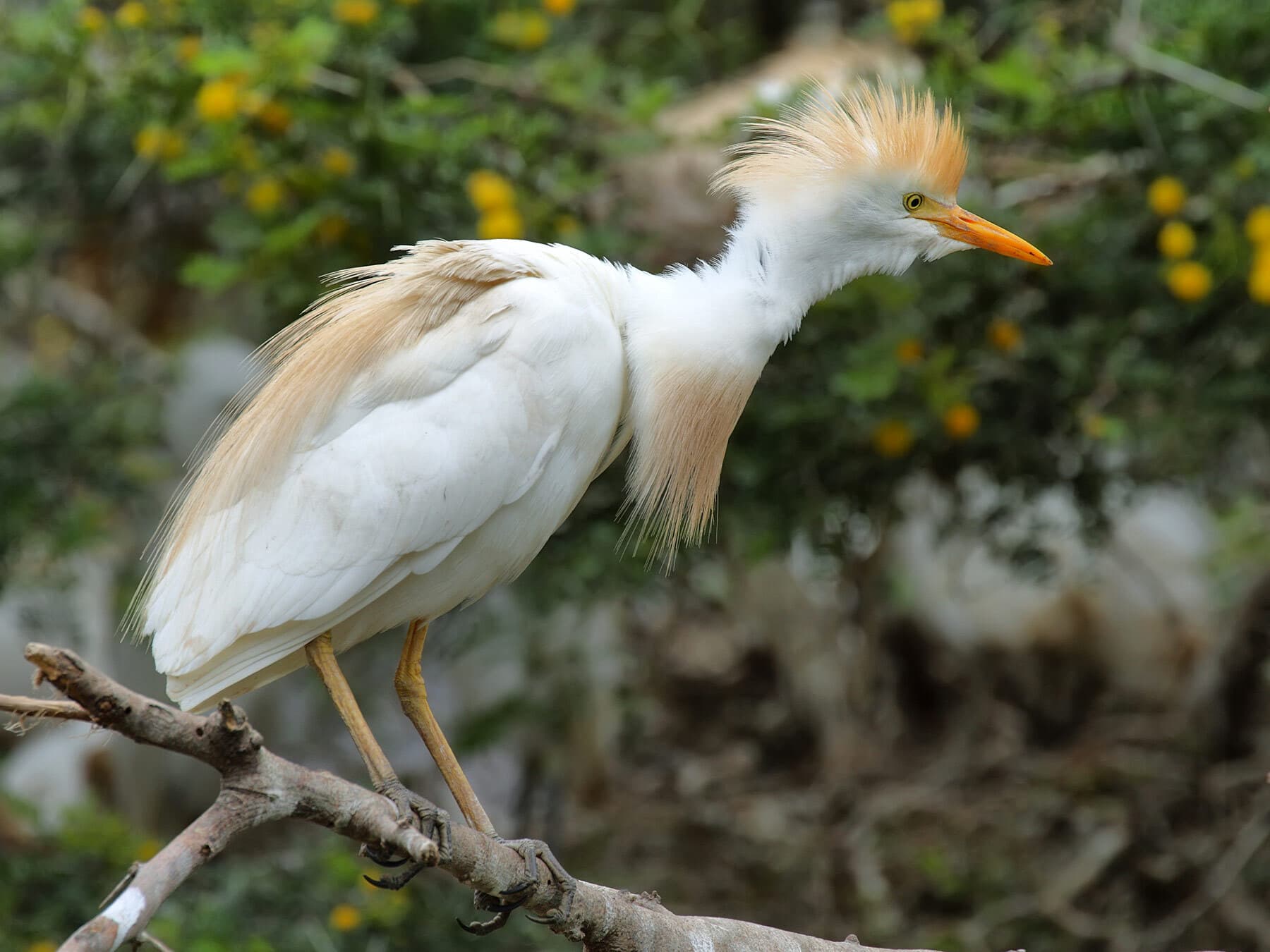
Cattle Egret
Bubulcus ibisLC
A rare but increasingly seen resident, often found alongside livestock on the Severn Vale's wet pastures. A recent colonist of southern England.
Jul–May
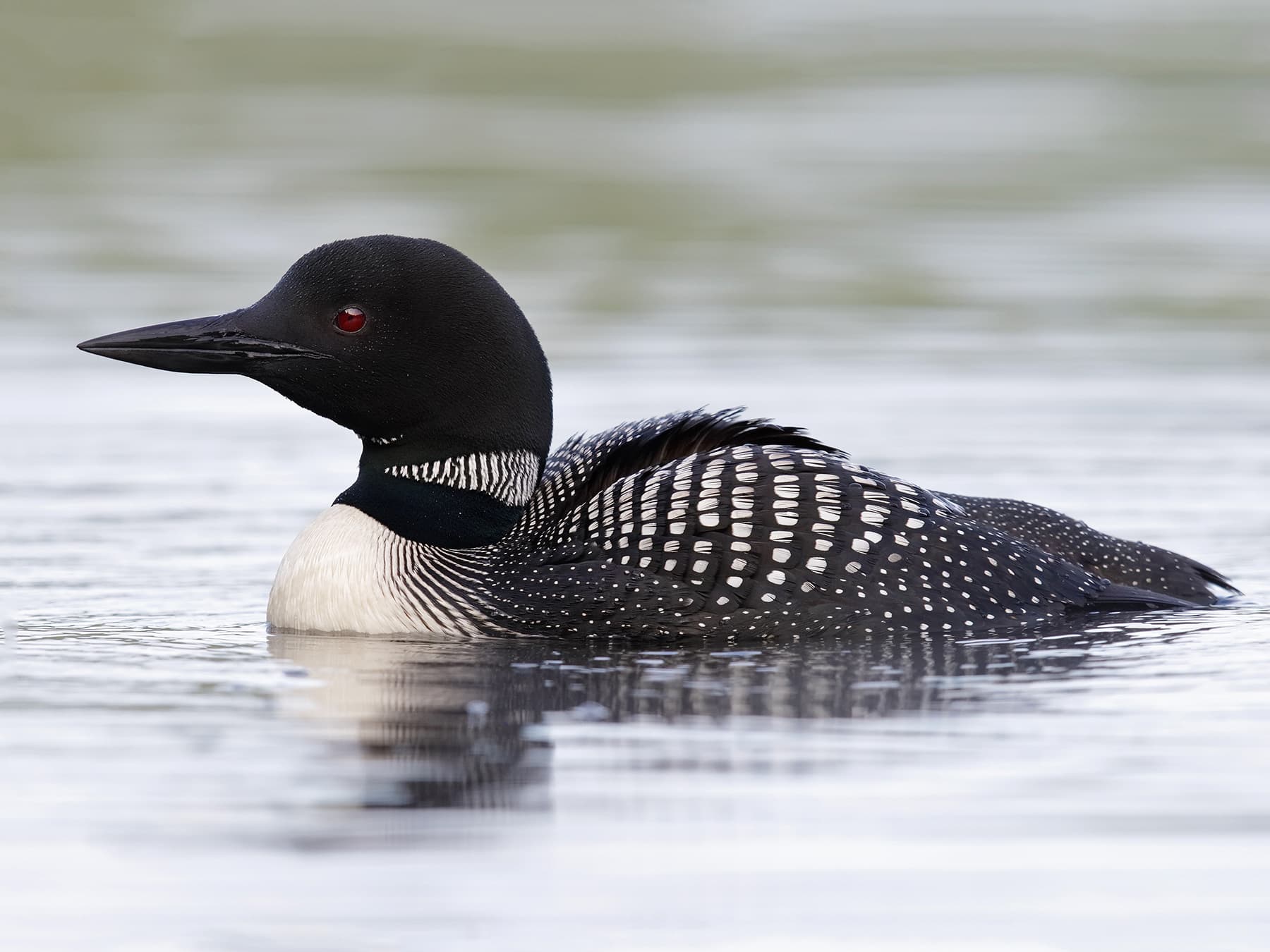
Common Loon
Gavia immerLC
A rare midwinter visitor, occasionally found on larger reservoirs or the Severn Estuary during harsh weather.
Jan
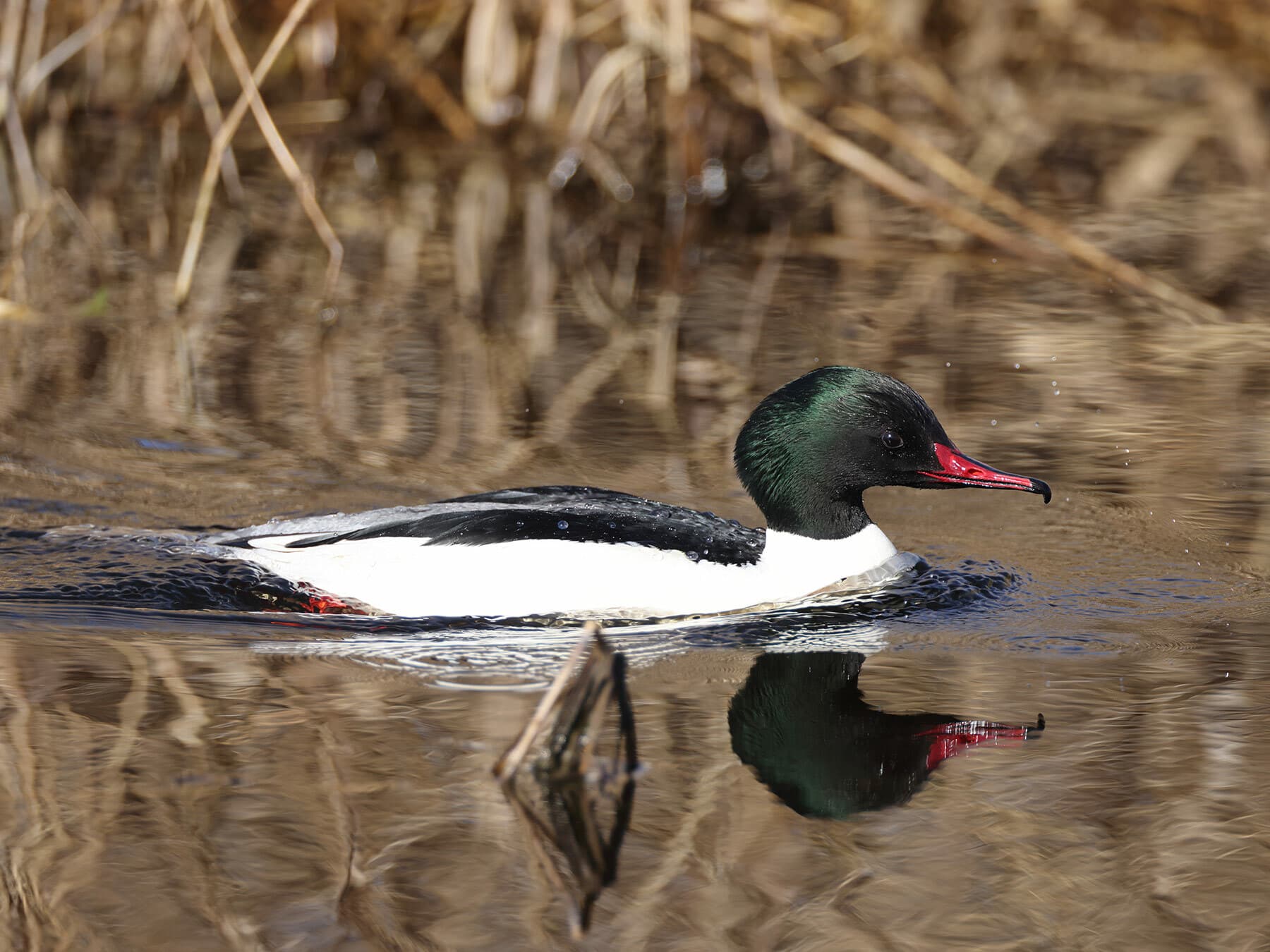
Common Merganser
Mergus merganserLC
A rare non-breeding visitor to rivers and lakes, most likely seen on the Severn in the colder months.
Oct–Apr
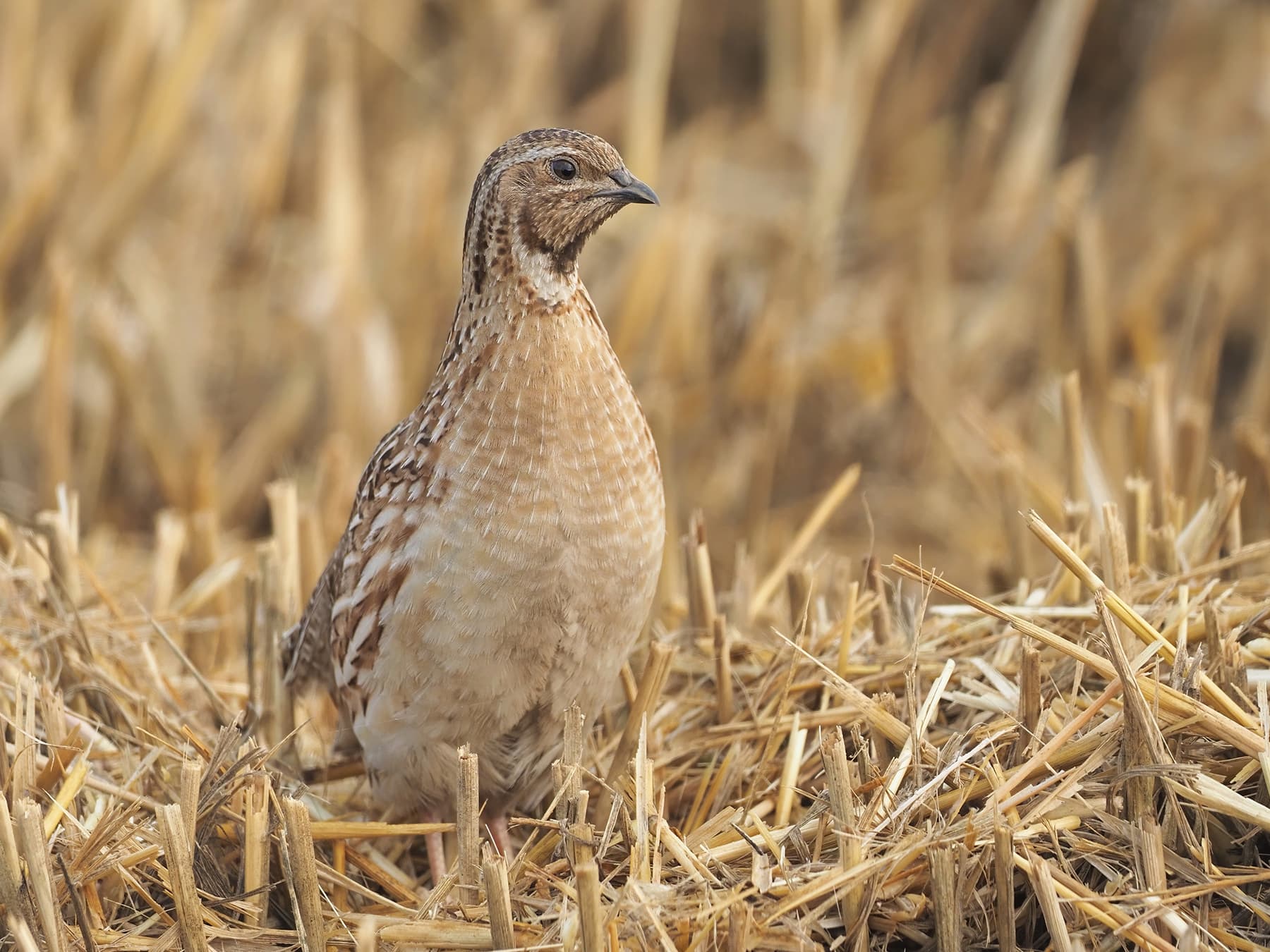
Common Quail
Coturnix coturnixLC
A rare and elusive passage bird, more often heard than seen calling from Cotswold arable fields in July.
Jul
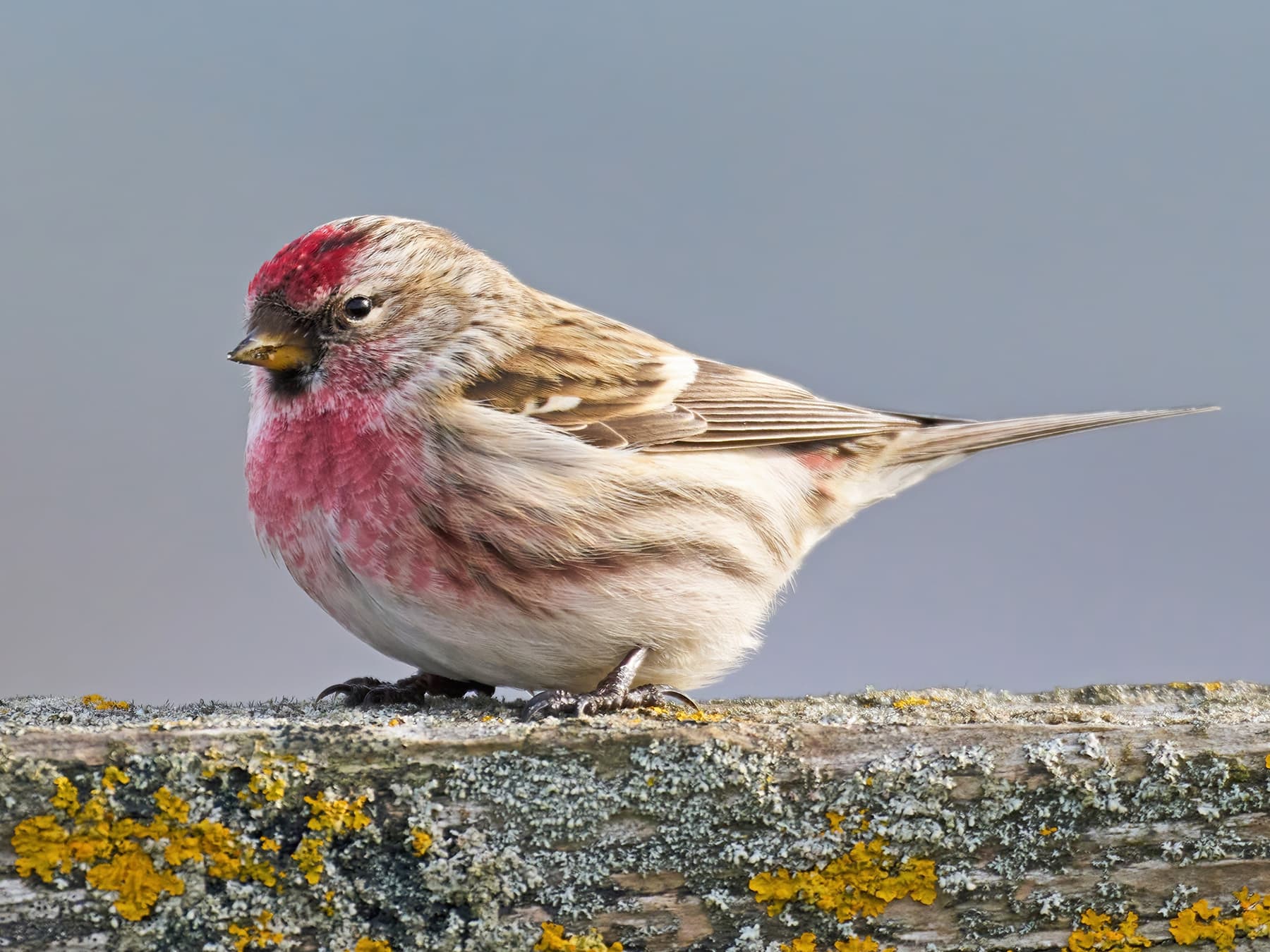
Common Redpoll
Acanthis flammeaLC
A rare resident, most likely encountered in birch and alder woodland. Largely absent during summer months, with numbers bolstered by winter visitors.
Sep–May
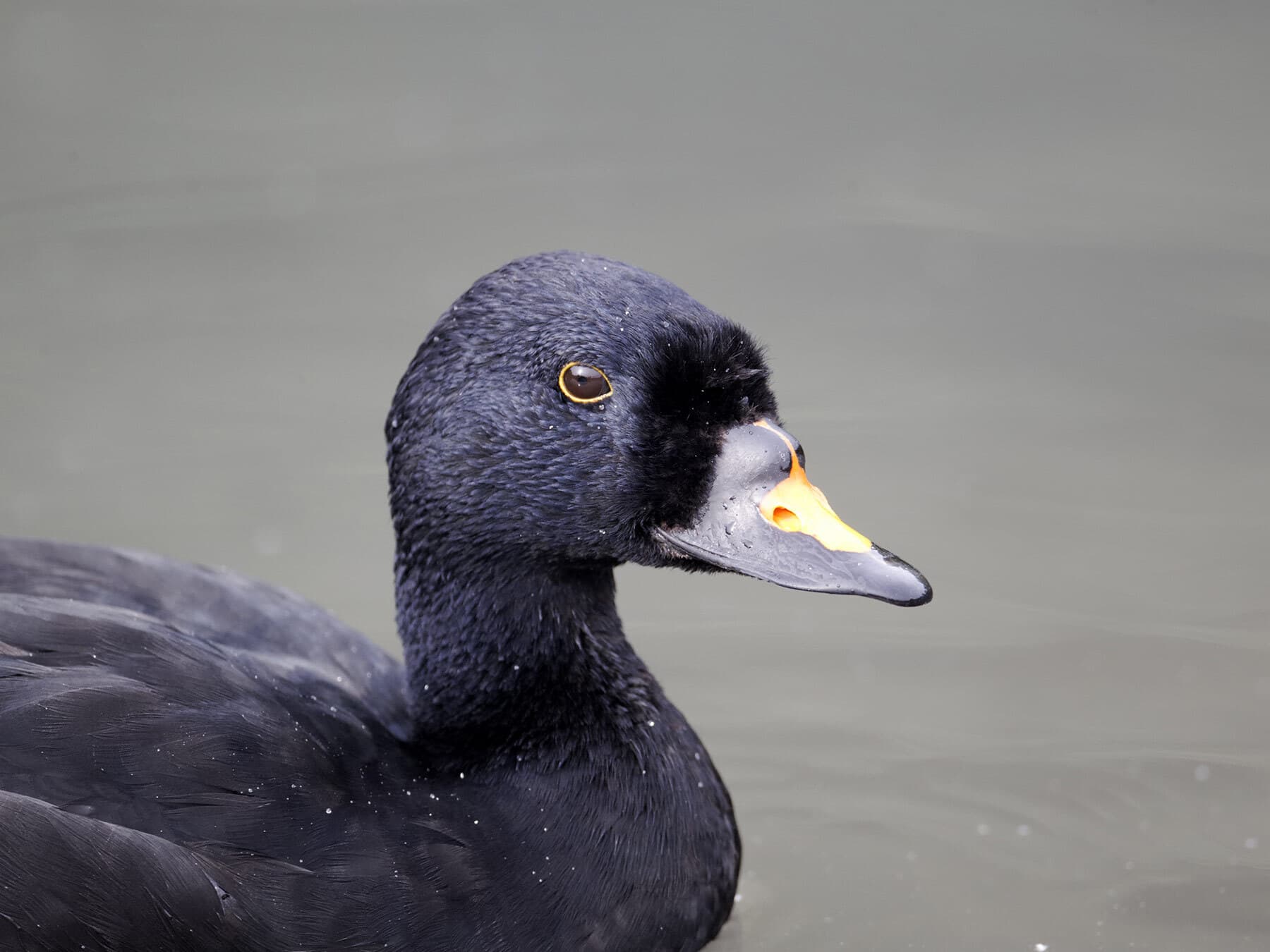
Common Scoter
Melanitta nigraLC
A rare passage visitor, occasionally appearing on reservoirs or gravel pits during July and November movements.
Jul–Nov
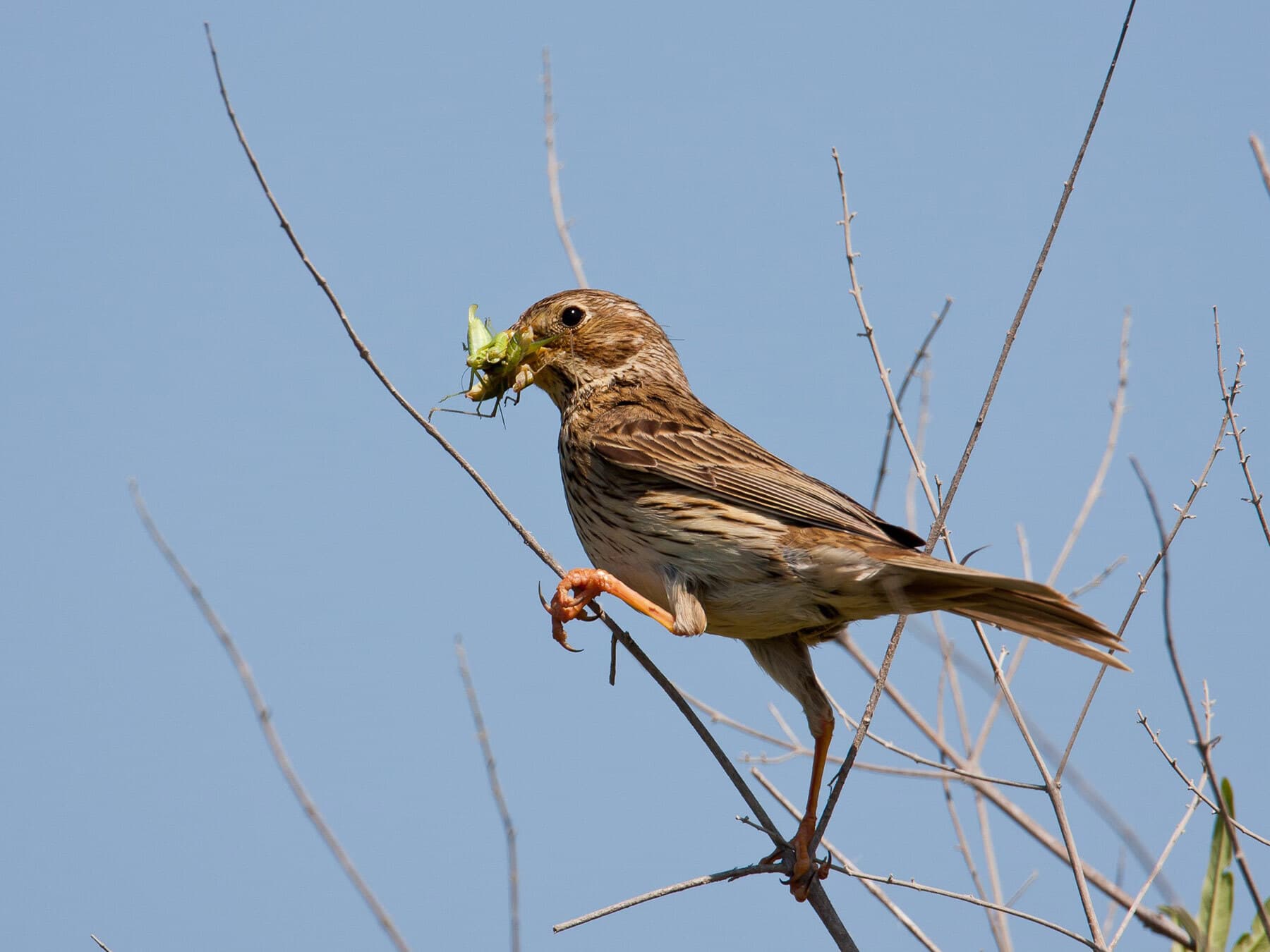
Corn Bunting
Emberiza calandraLC
A rare and declining resident of open arable farmland in the Cotswolds. One of the county's most threatened breeding birds.
Jan–Jul
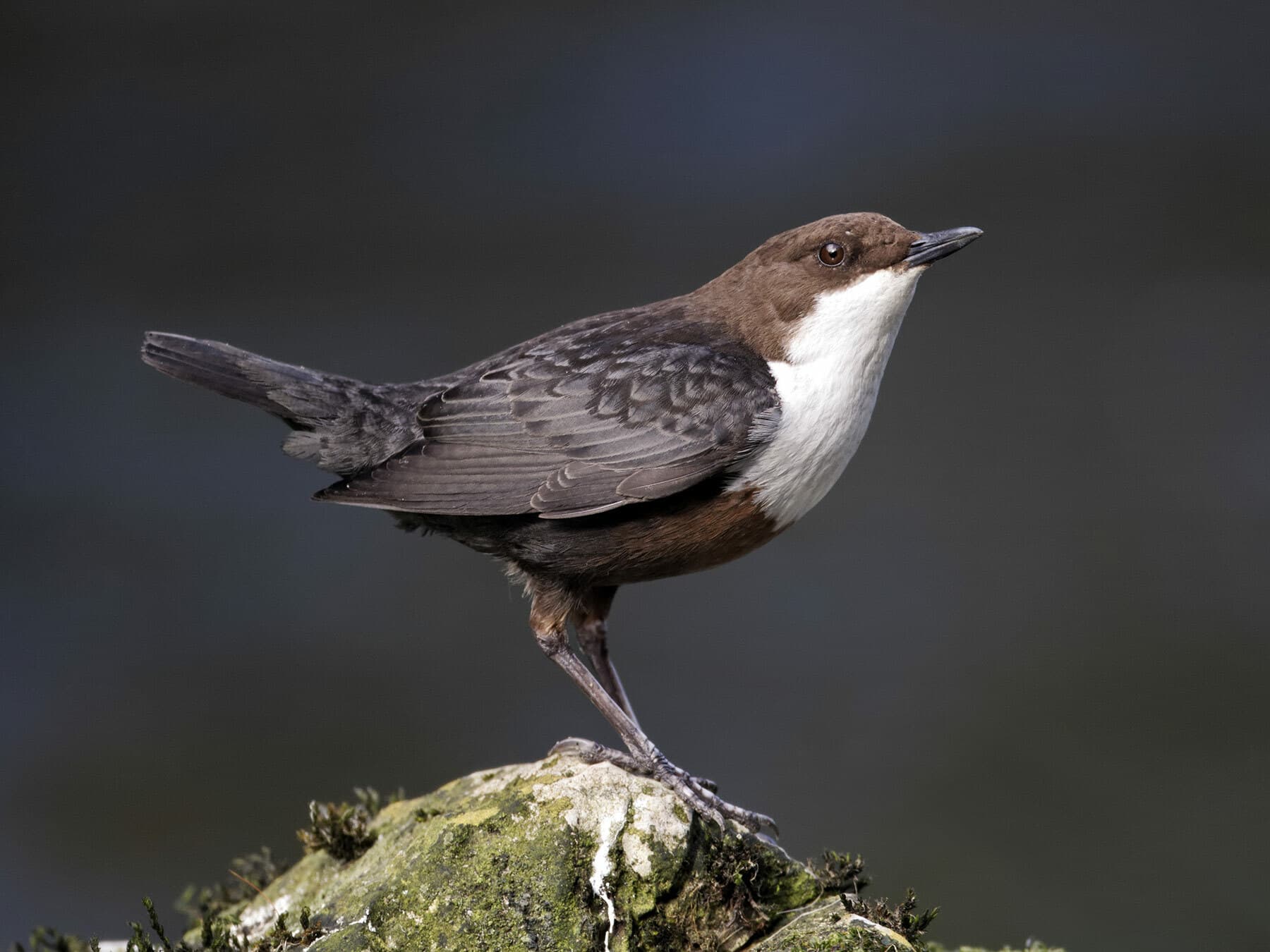
Dipper
Cinclus cinclusLC
A rare resident of fast-flowing streams in the Forest of Dean and Cotswold valleys, bobbing on rocks and diving for aquatic invertebrates.
Sep–Jun
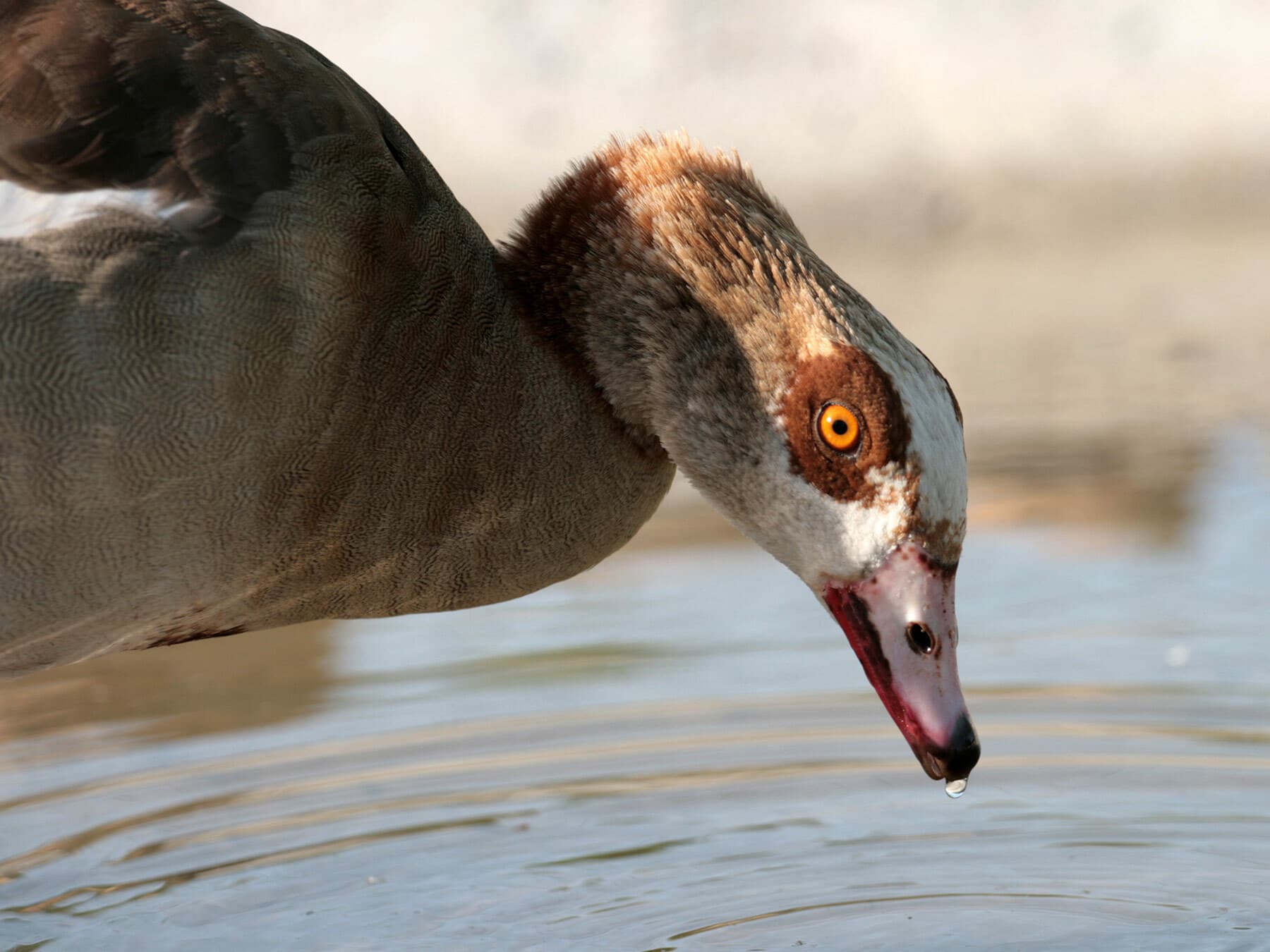
Egyptian Goose
Alopochen aegyptiacaLC
A scarce but established non-native resident, found around lakes and parkland. The UK population continues to spread from south-east England.
Sep–Jul
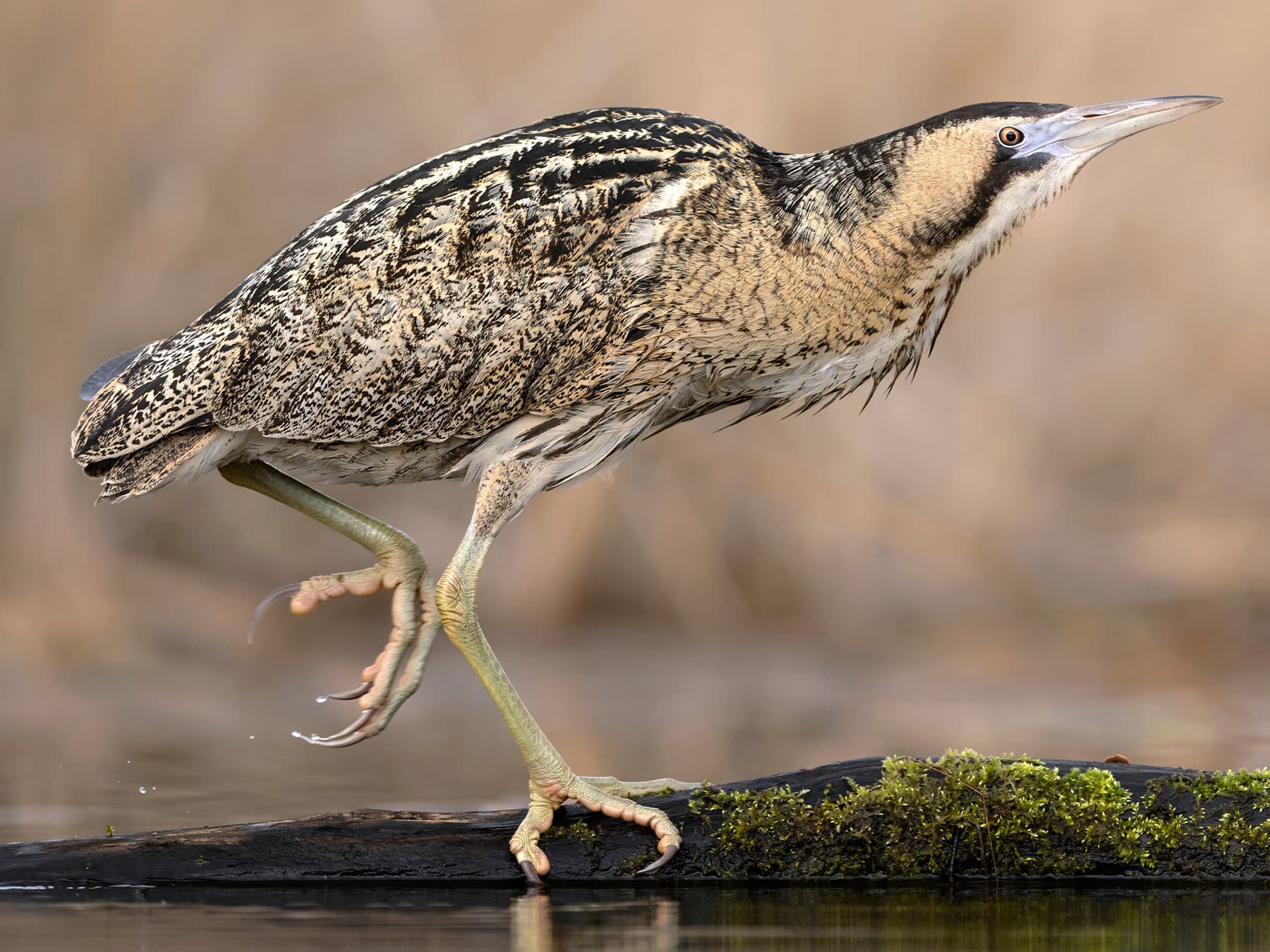
Eurasian Bittern
Botaurus stellarisLC
A rare and secretive winter visitor to reedbeds, occasionally recorded at Slimbridge and other wetland sites in the county.
Sep–Apr
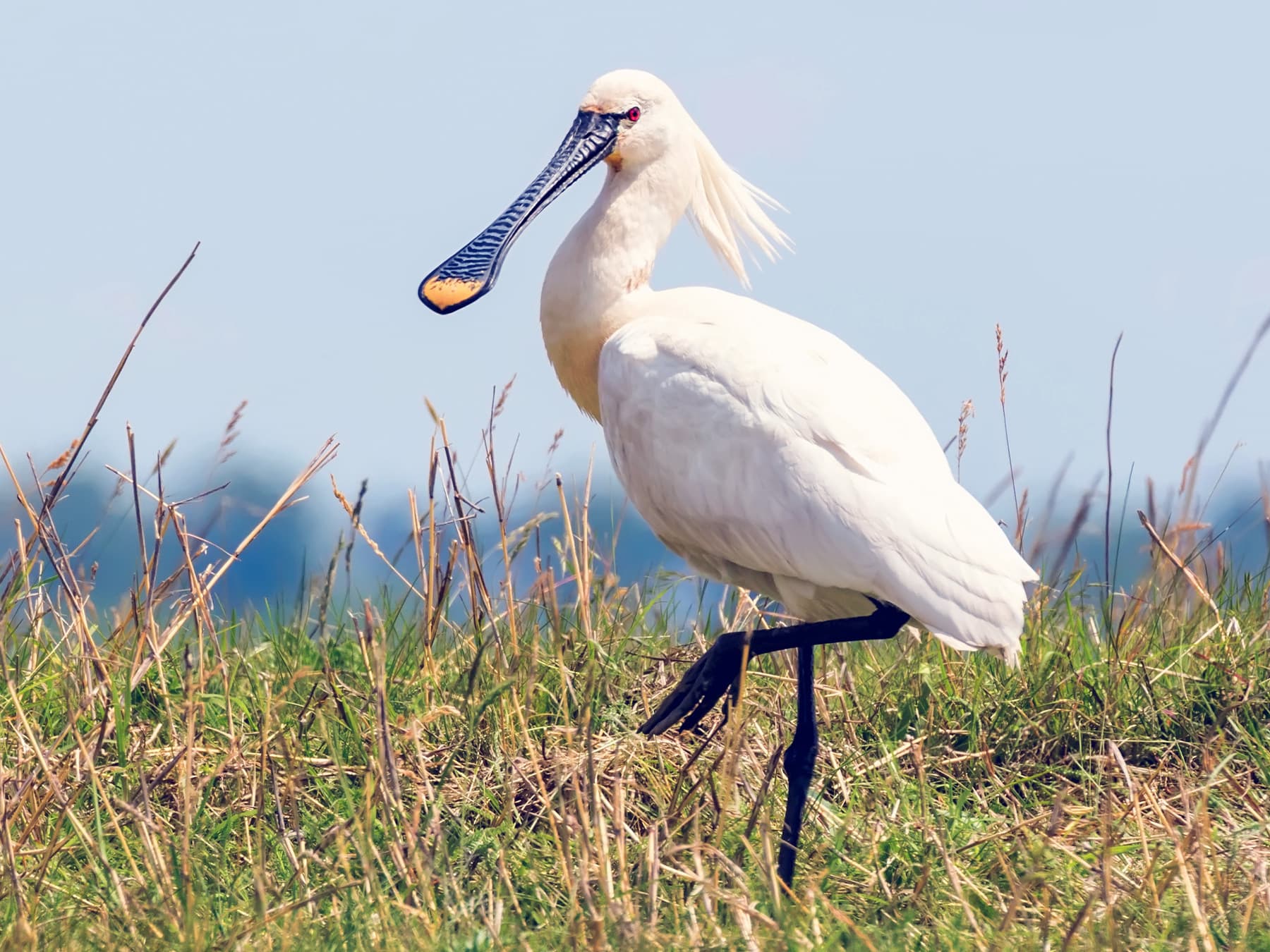
Eurasian Spoonbill
Platalea leucorodiaLC
A rare but increasingly recorded resident, seen at Slimbridge and Severn Estuary wetlands throughout the year.
Year-round