Birds in Essex
Explore 212 species found in this region.
Essex is a remarkably rewarding county for birdwatching, with 208 recorded species found across its diverse mosaic of coastal marshes, estuaries, ancient woodlands and urban parklands. The Thames Estuary and the Blackwater and Colne estuaries provide internationally important habitat for wintering wildfowl and waders, including Brent Goose, Eurasian Wigeon and Northern Pintail. From scarce visitors like the Great Grey Shrike and Great Skua to established populations of Mandarin Duck and Common Shelduck, the county offers exceptional birding opportunities throughout the year.
Visiting in September? Look out for Brent Goose and Common Redpoll arriving this month, and Black Swan and Cuckoo depart for the season.


Showing 93–115 of 212 species
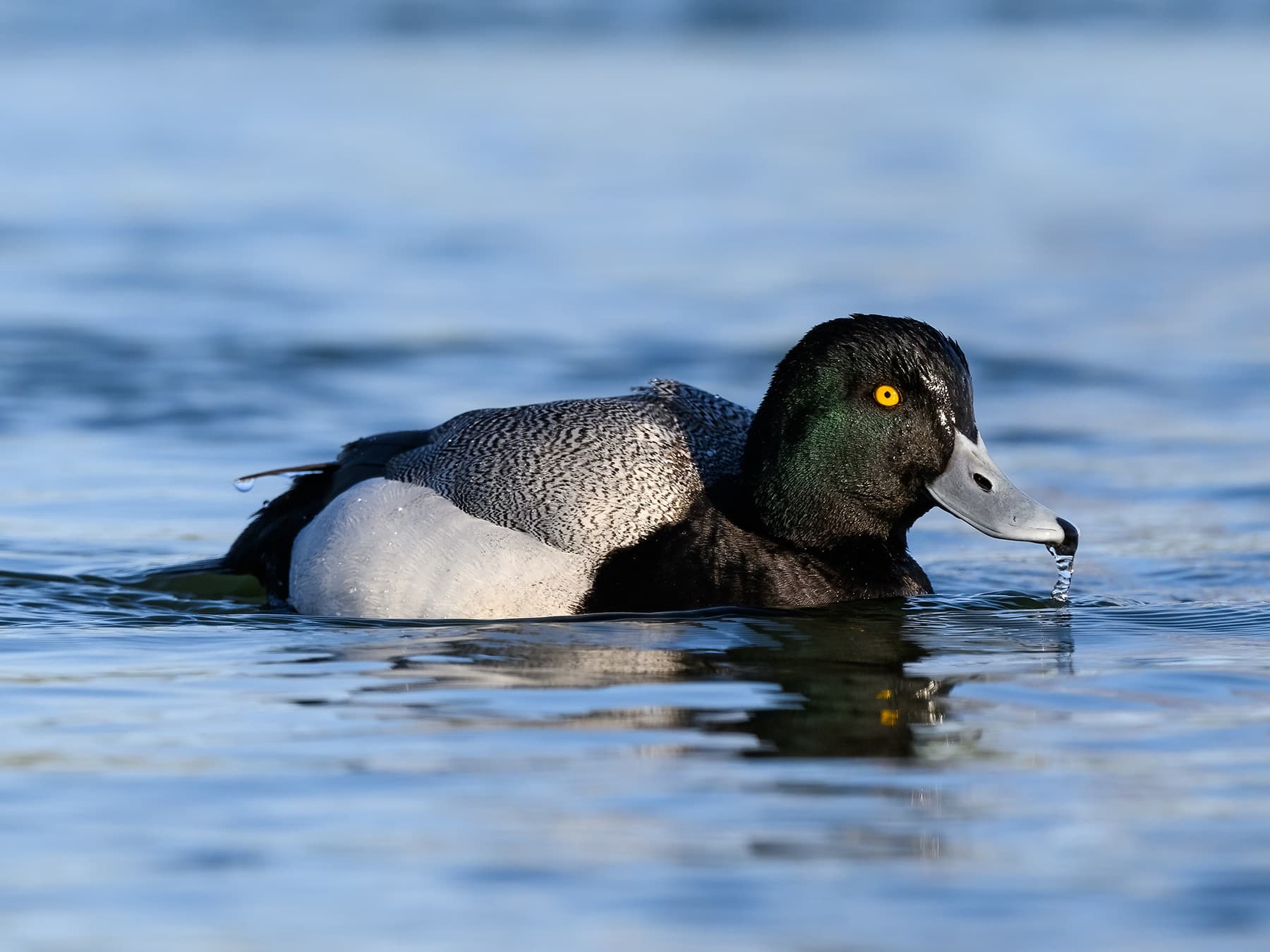
Greater Scaup
Aythya marilaLC
A rare non-breeding visitor to Essex reservoirs and coastal waters from October to April, often mixing with Tufted Duck flocks.
Oct–Apr
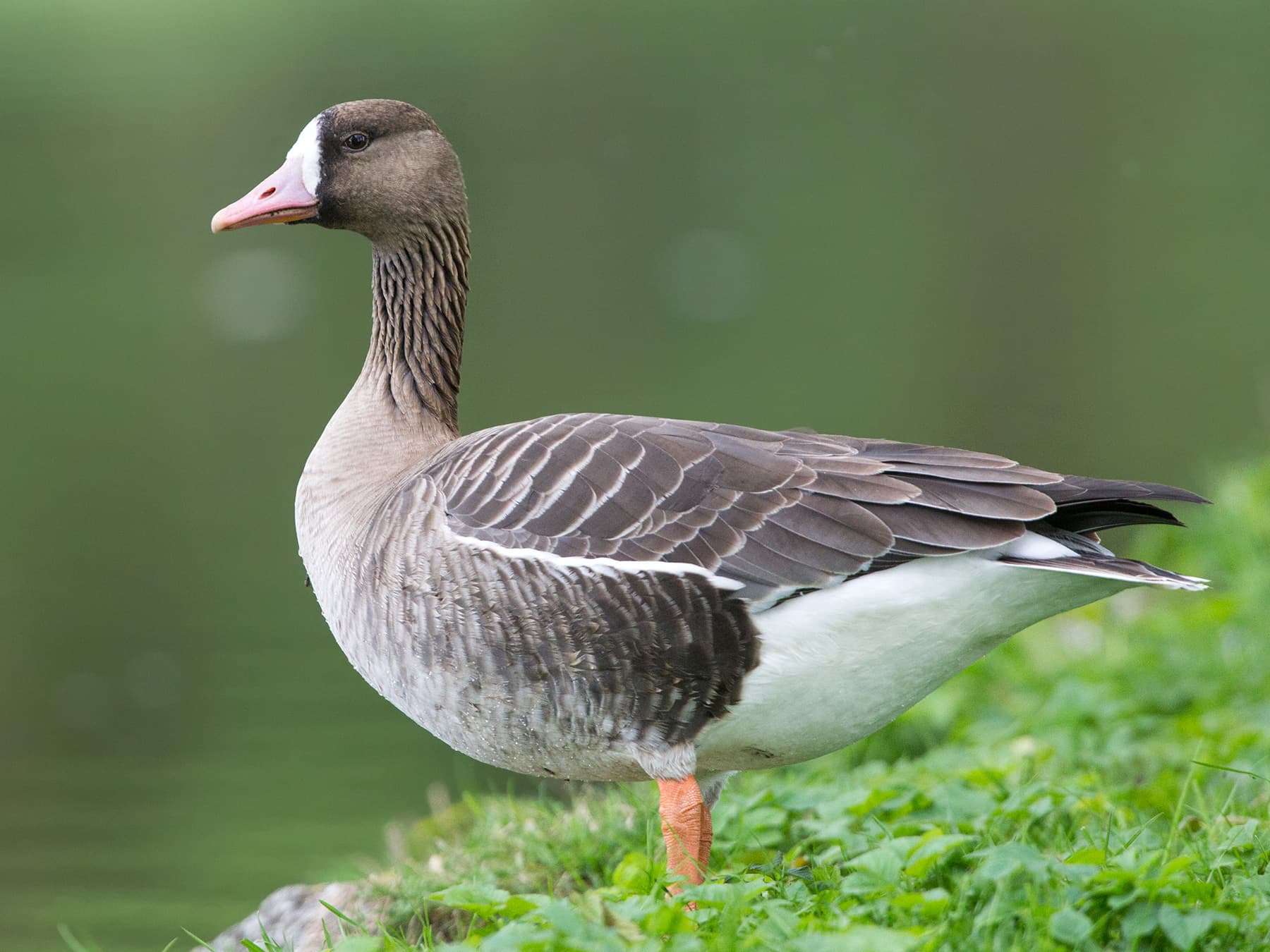
Greater White-fronted Goose
Anser albifronsLC
A rare winter visitor to Essex marshes and coastal grazing land, occasionally joining flocks of other geese at sites like Old Hall Marshes.
Nov–Feb
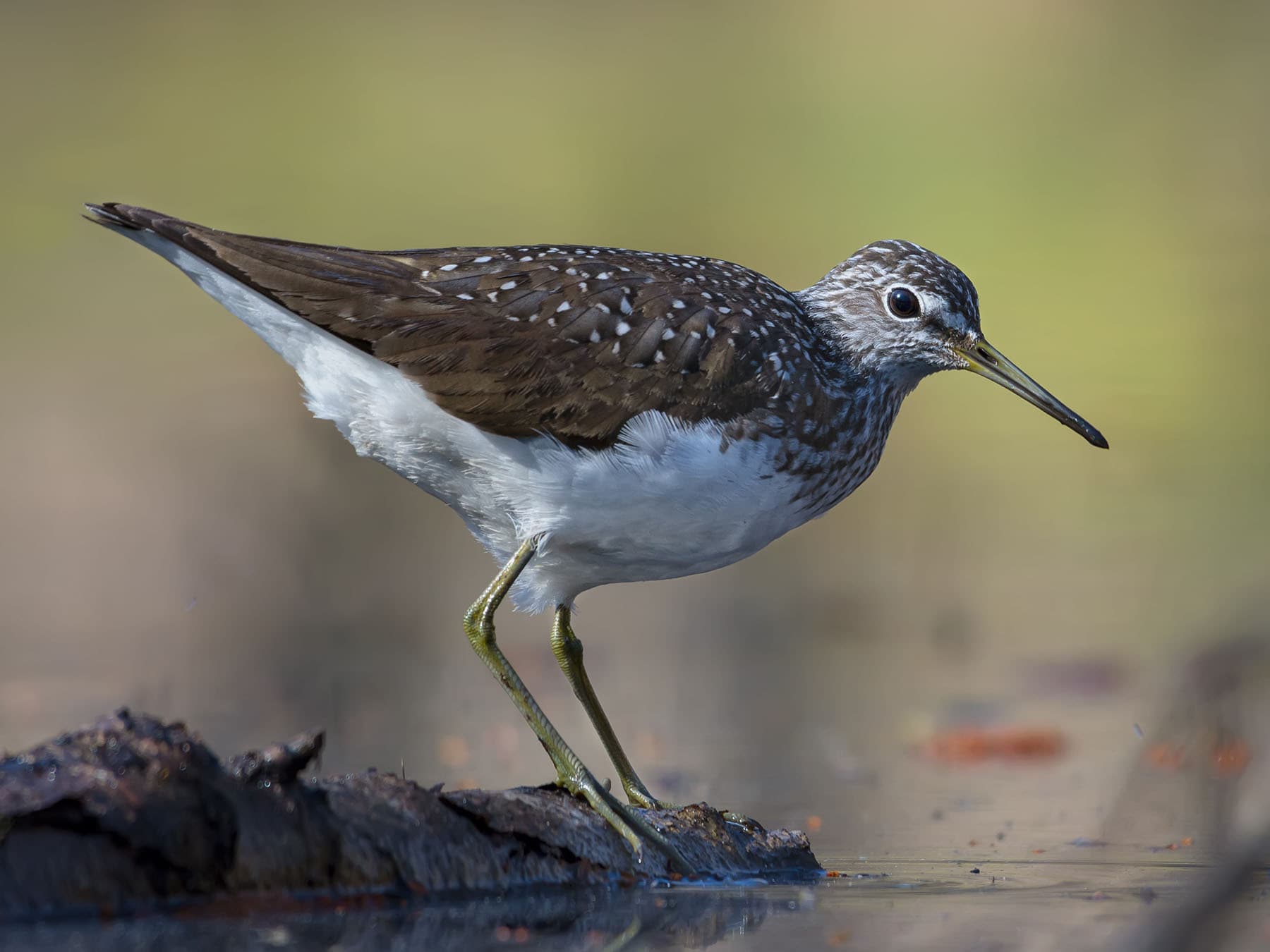
Green Sandpiper
Tringa ochropusLC
An uncommon but regular wader found at freshwater pools, ditches, and marshes, present most months except May.
Jun–Apr
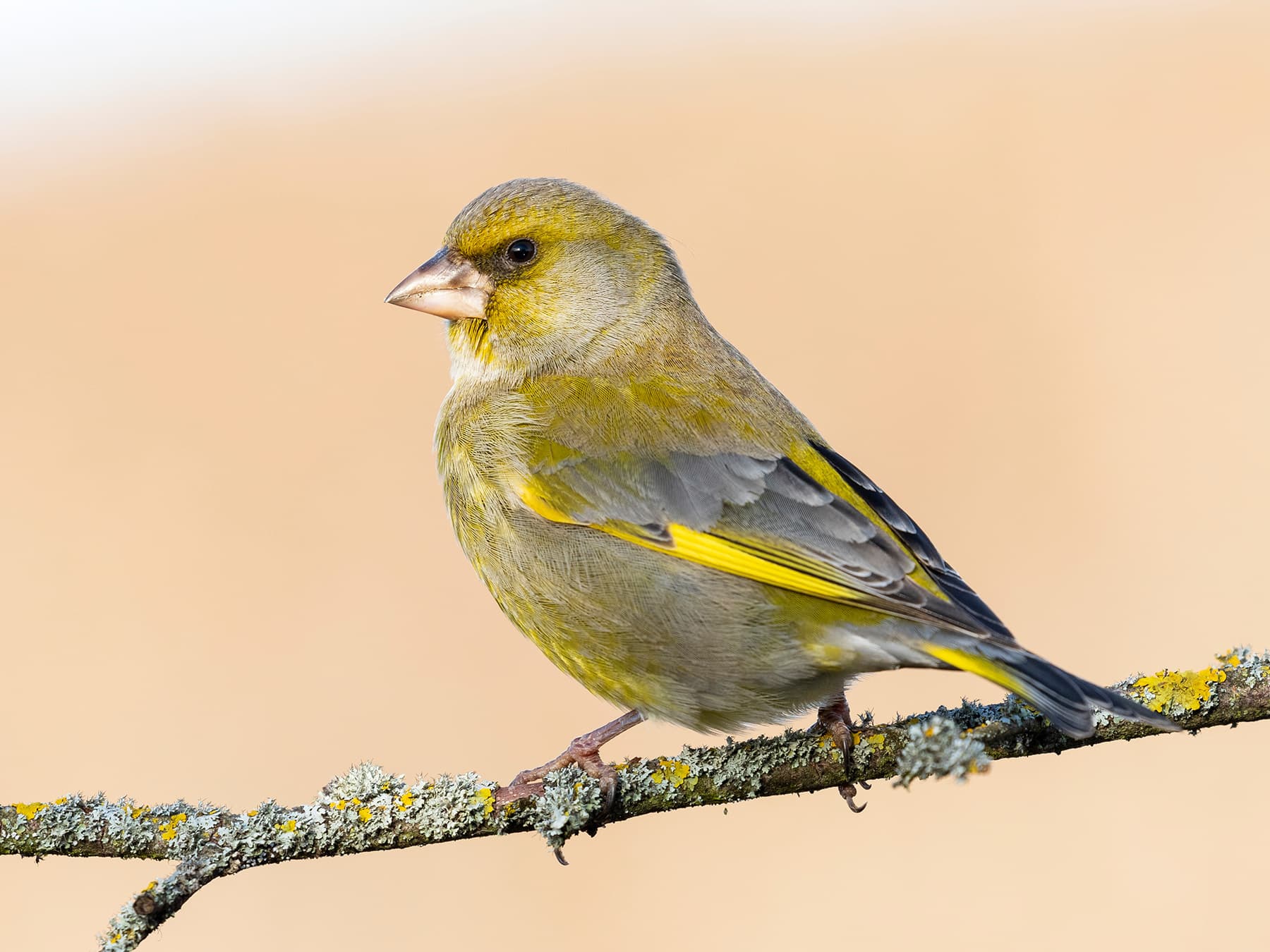
Greenfinch
Chloris chlorisLC
A year-round garden and hedgerow resident, though numbers have fallen sharply due to trichomonosis disease. Still commonly seen at Essex bird feeders.
Year-round
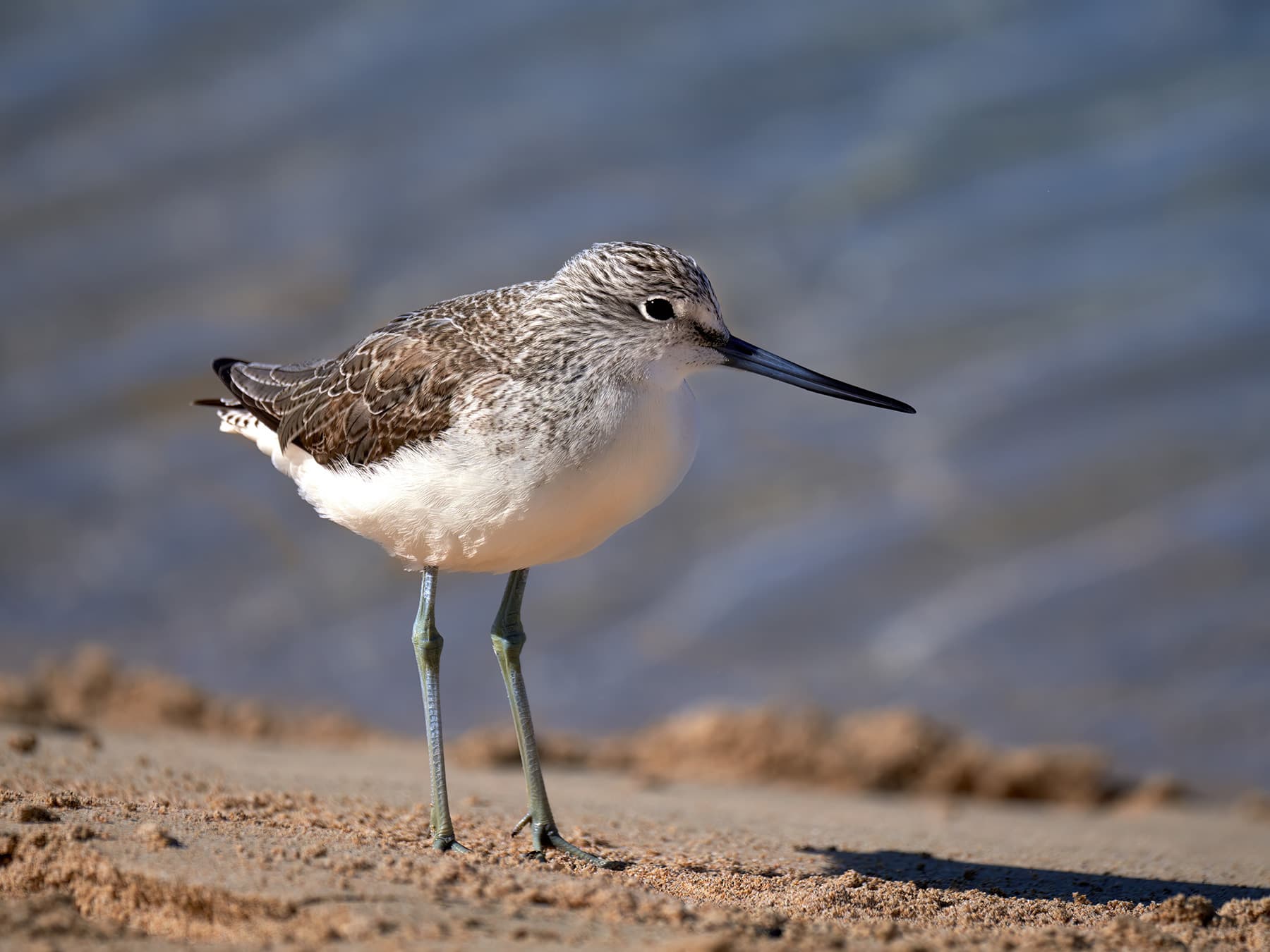
Greenshank
Tringa nebulariaLC
Uncommon but present year-round, favouring estuarine mudflats and coastal pools, with numbers peaking on autumn passage.
Year-round
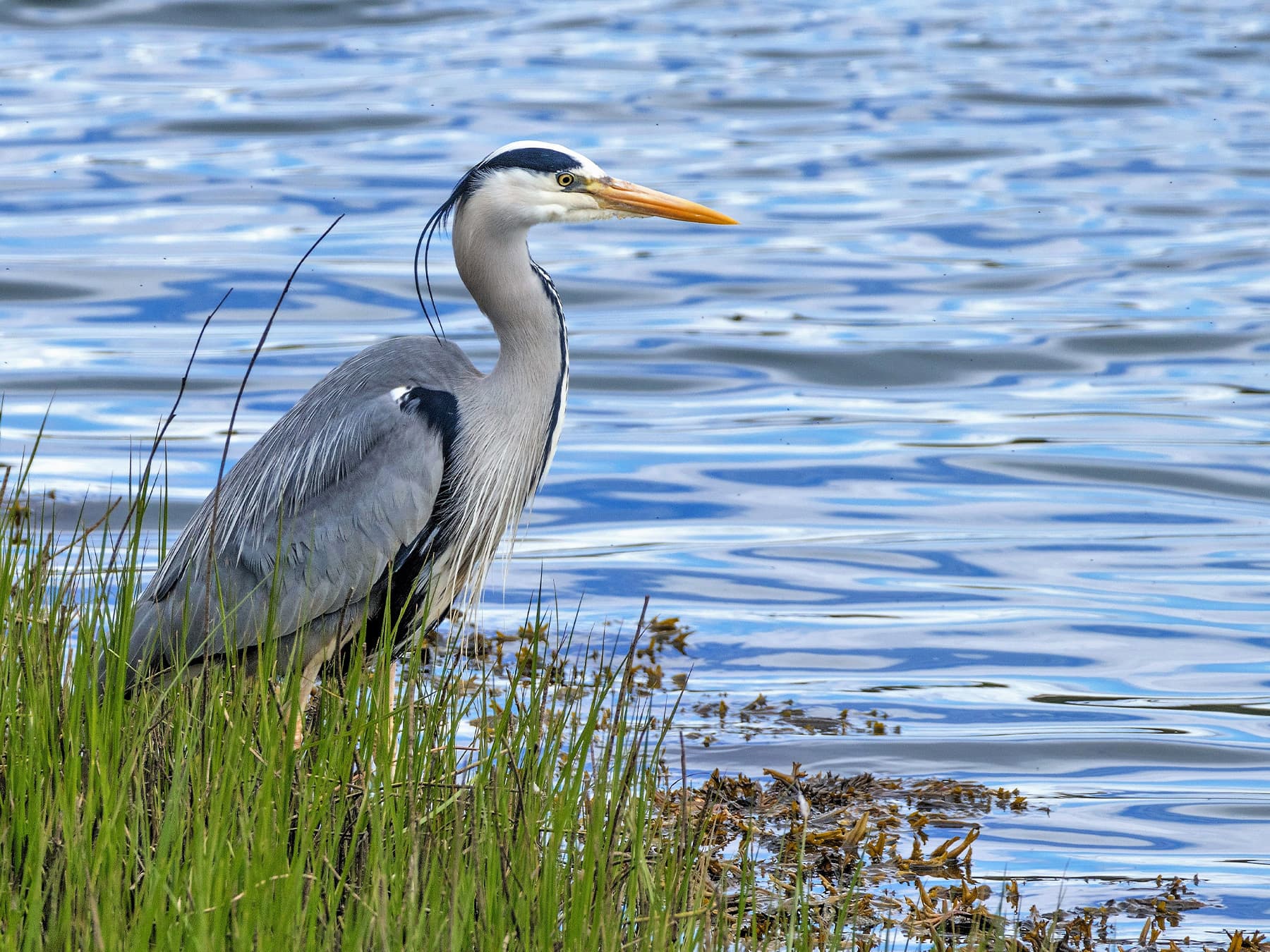
Grey Heron
Ardea cinereaLC
A common year-round resident seen at lakes, rivers and estuaries, often standing motionless at the water's edge. Breeds in established heronries.
Year-round
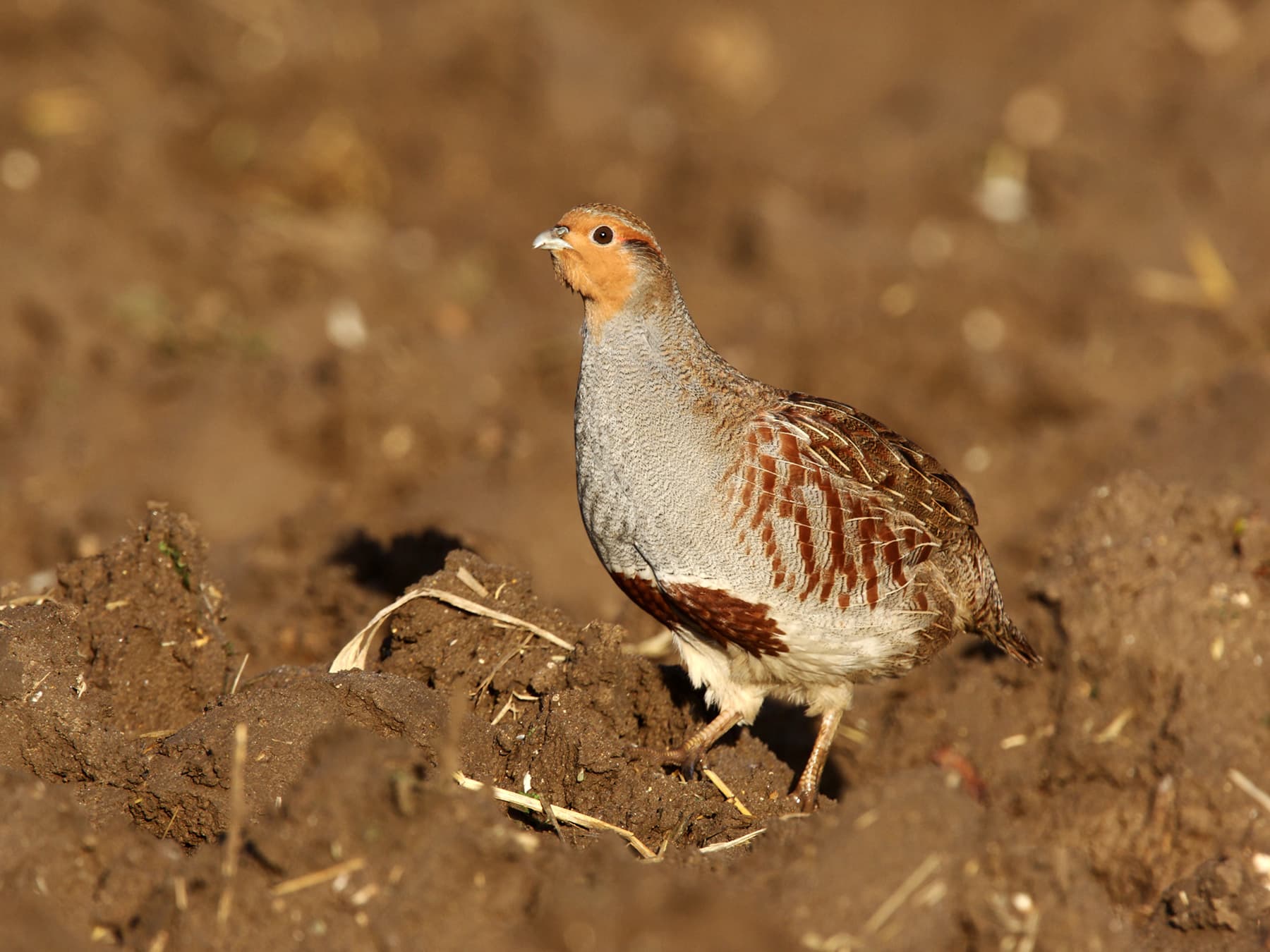
Grey Partridge
Perdix perdixLC
A declining resident of Essex farmland, now rare. Favours arable fields with hedgerows, mainly in the north of the county.
Dec–Sep
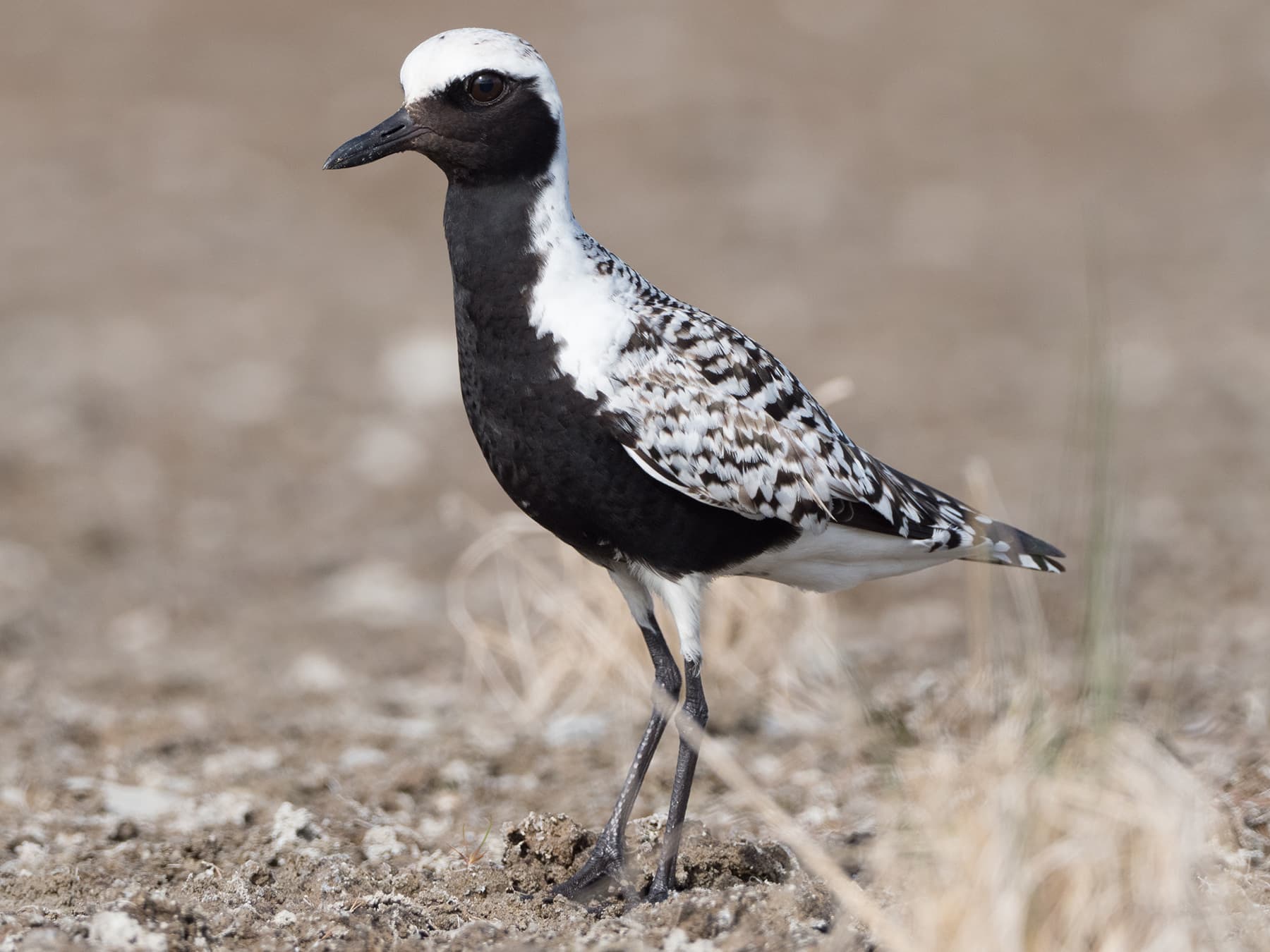
Grey Plover
Pluvialis squatarolaLC
Present year-round on Essex mudflats and estuaries, with numbers peaking in winter. Often seen in silver-grey plumage on the Thames estuary.
Year-round
Spotted something?
Upload a photo to identify it
Identify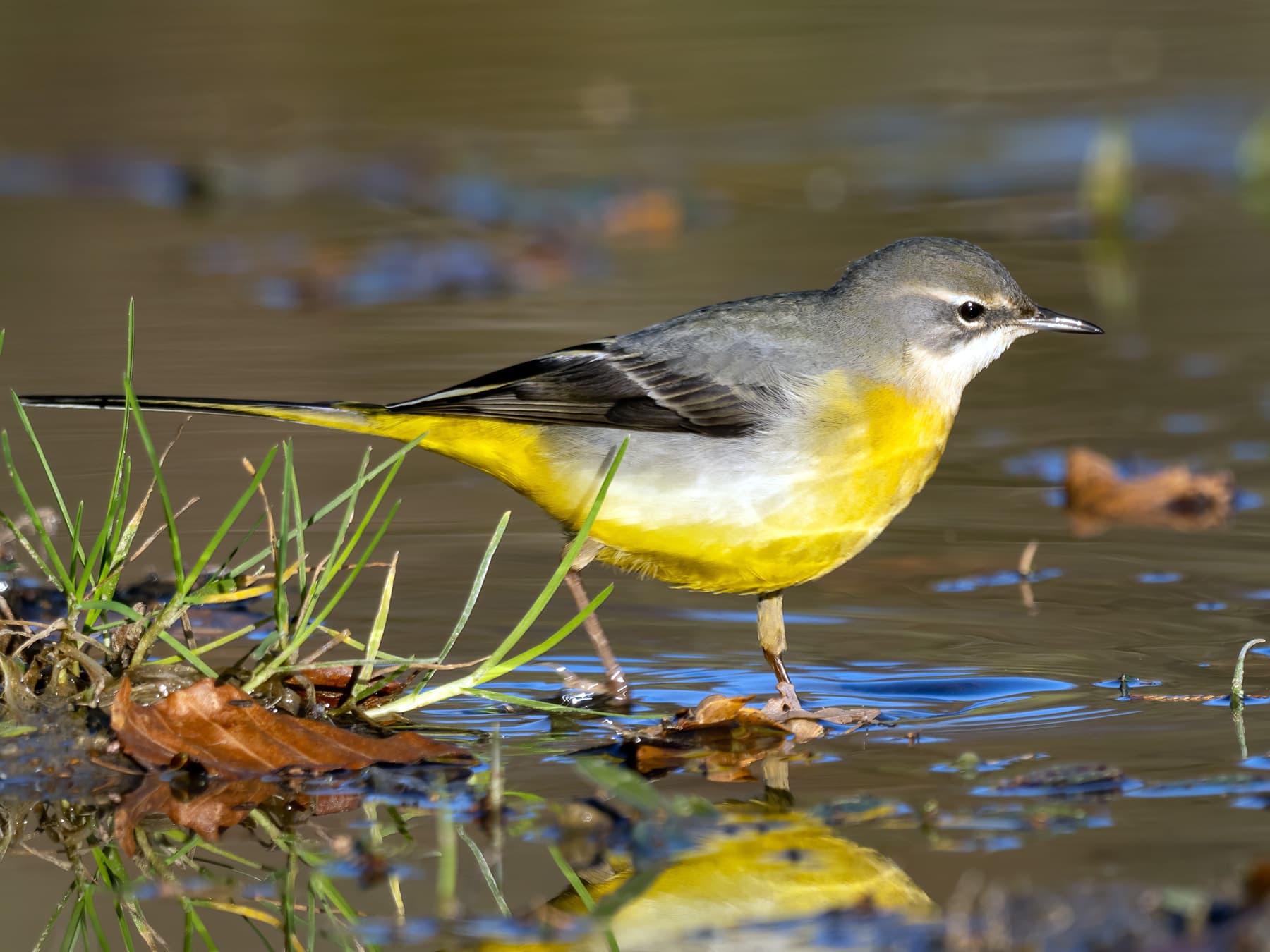
Grey Wagtail
Motacilla cinereaLC
An uncommon resident, scarcer in Essex than in western Britain. Found near streams, weirs, and waterways, bobbing its long tail constantly.
Year-round
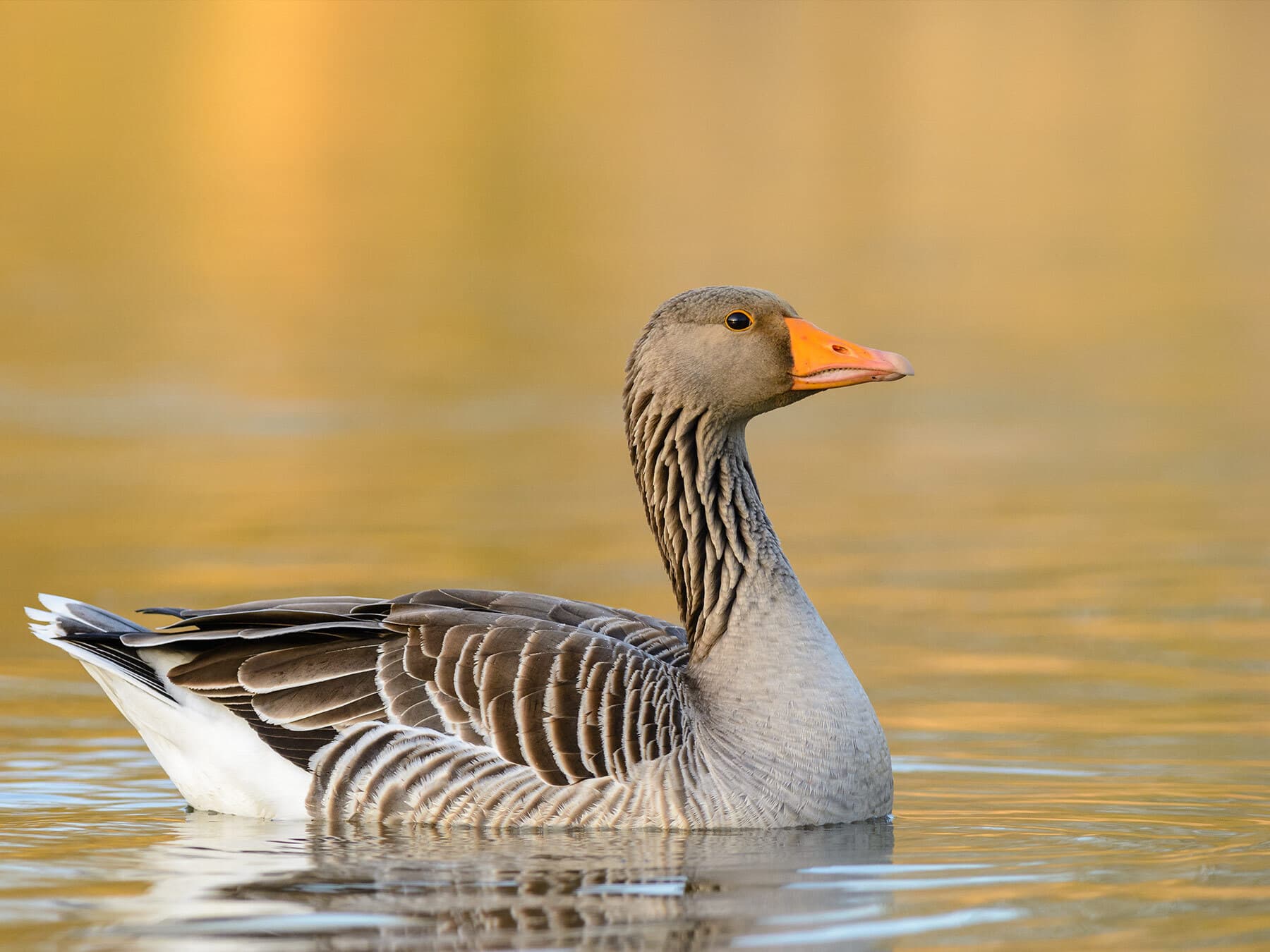
Greylag Goose
Anser anserLC
Common year-round on Essex lakes, marshes, and farmland, with both feral and wild populations present.
Year-round
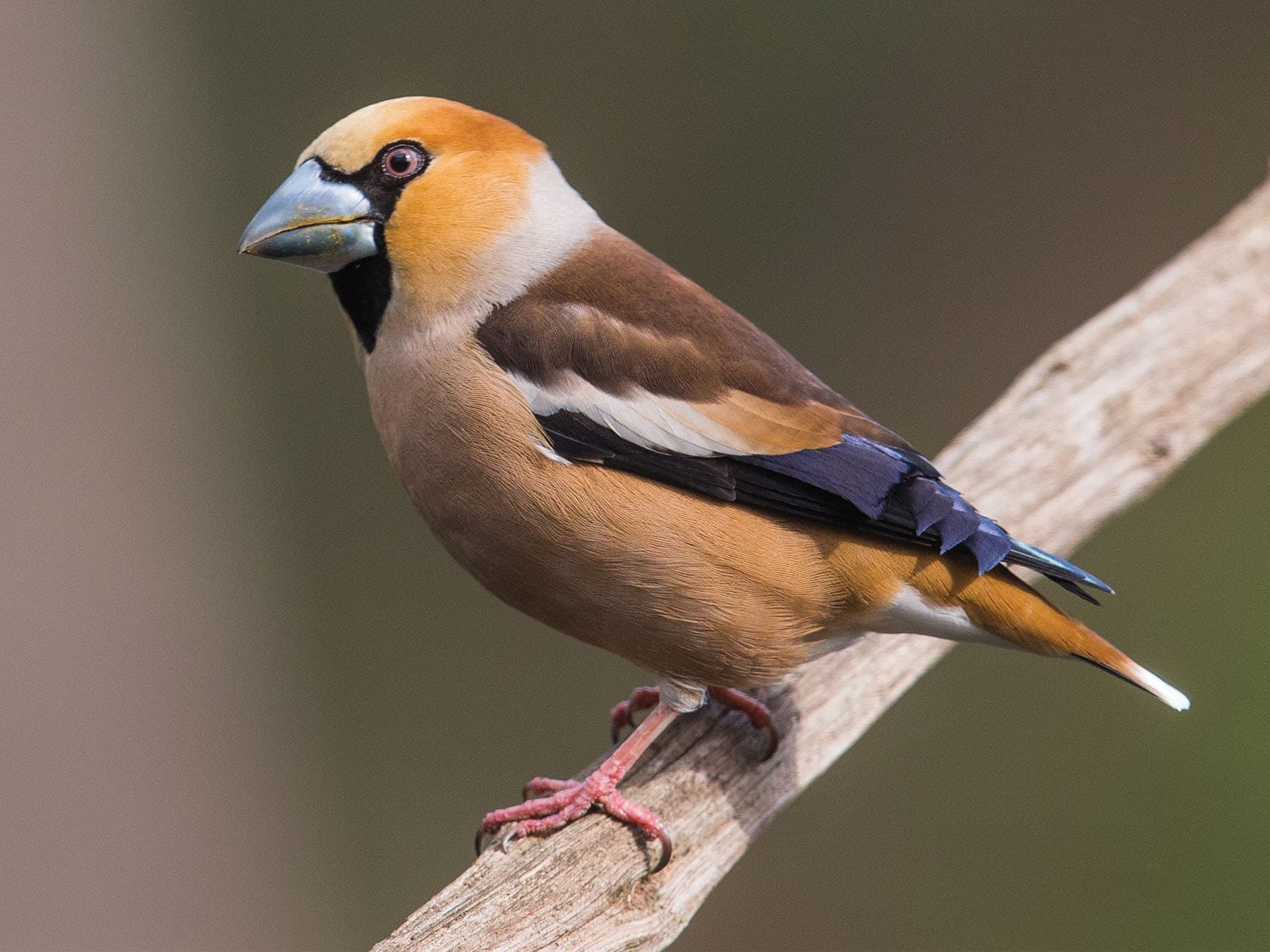
Hawfinch
Coccothraustes coccothraustesLC
A rare and elusive passage visitor, occasionally seen in autumn and winter in mature woodland with hornbeam, such as Epping Forest.
Oct–Jan
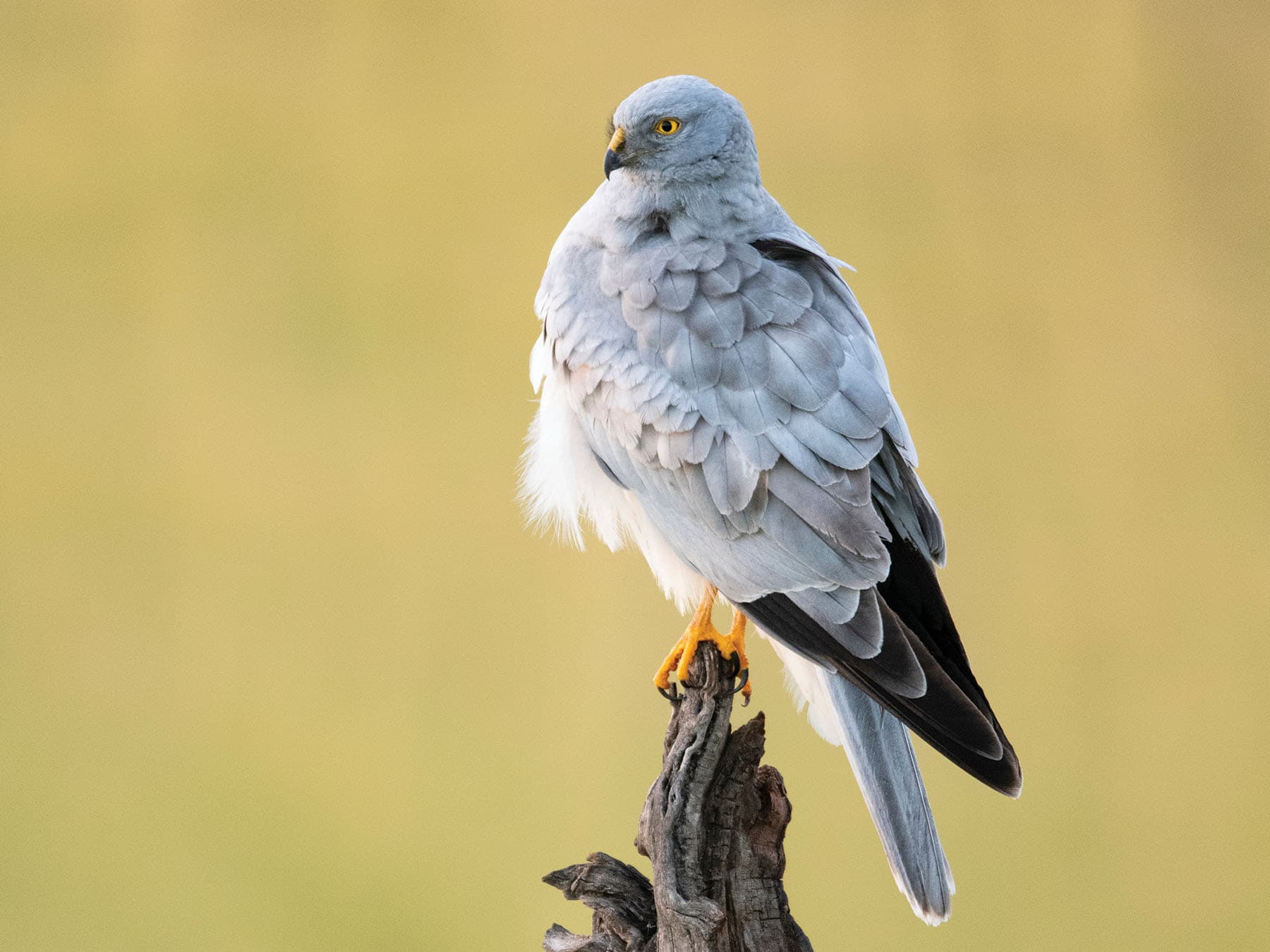
Hen Harrier
Circus cyaneusLC
A rare winter visitor quartering over coastal marshes and farmland from October to March, most regularly seen on the remote Essex marshes.
Oct–Mar
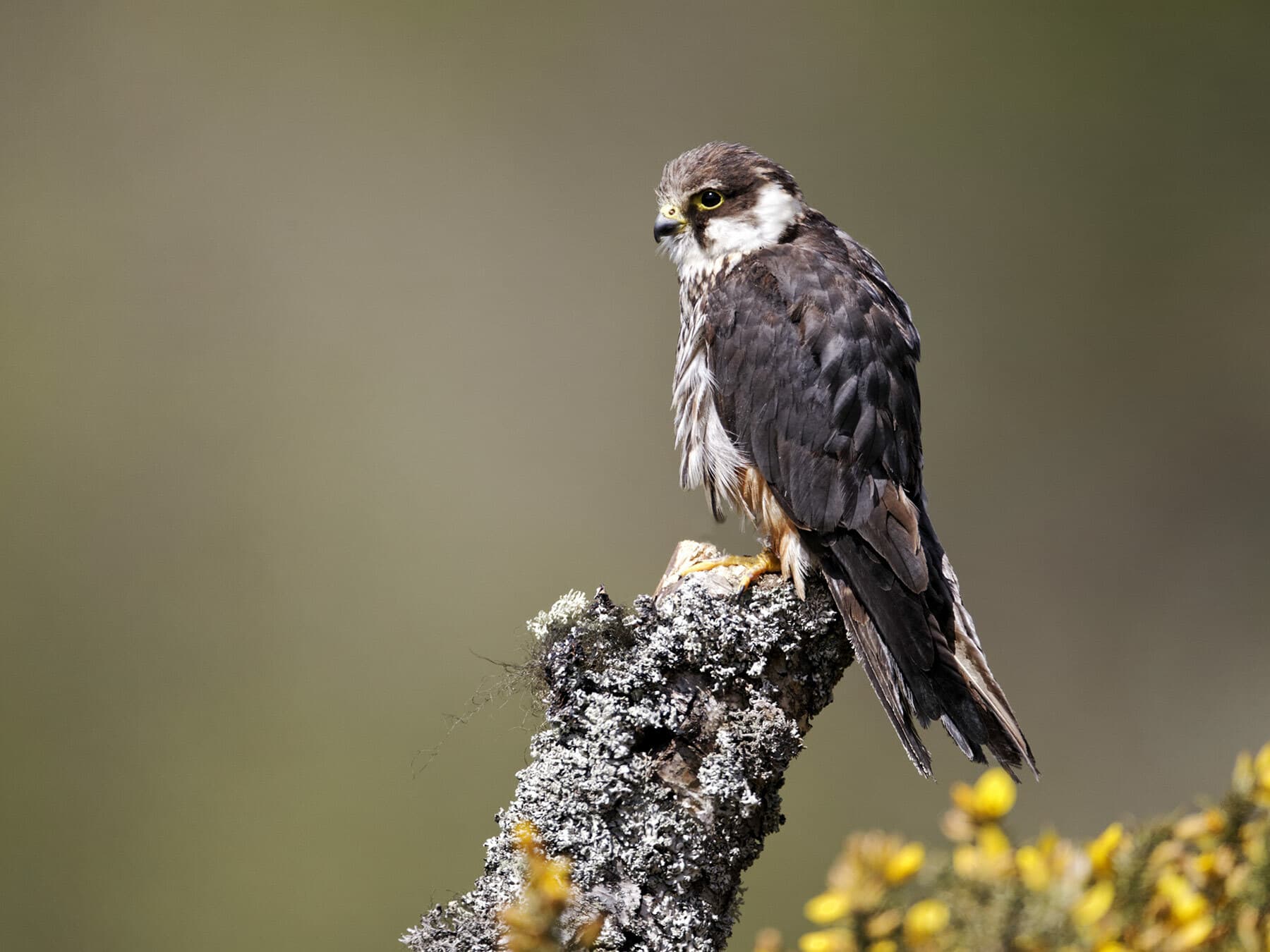
Hobby
Falco subbuteoLC
An uncommon but elegant summer breeder arriving in April, hunting dragonflies and hirundines over heathland, wetlands and open countryside.
Apr–Oct
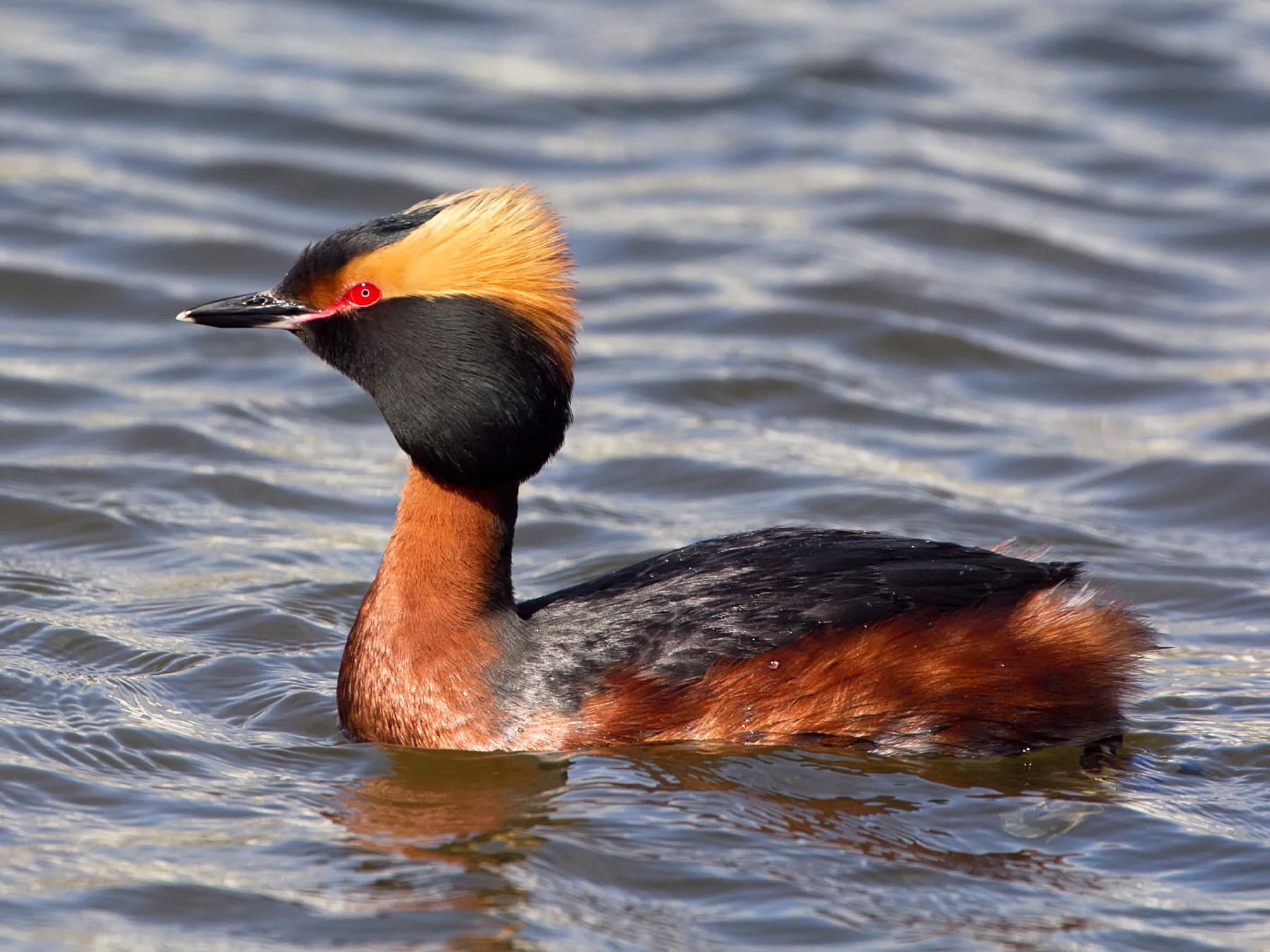
Horned Grebe
Podiceps auritusVU
A rare non-breeding visitor to reservoirs and sheltered coastal waters, most likely encountered during winter months in smart black-and-white plumage.
Jul–Mar
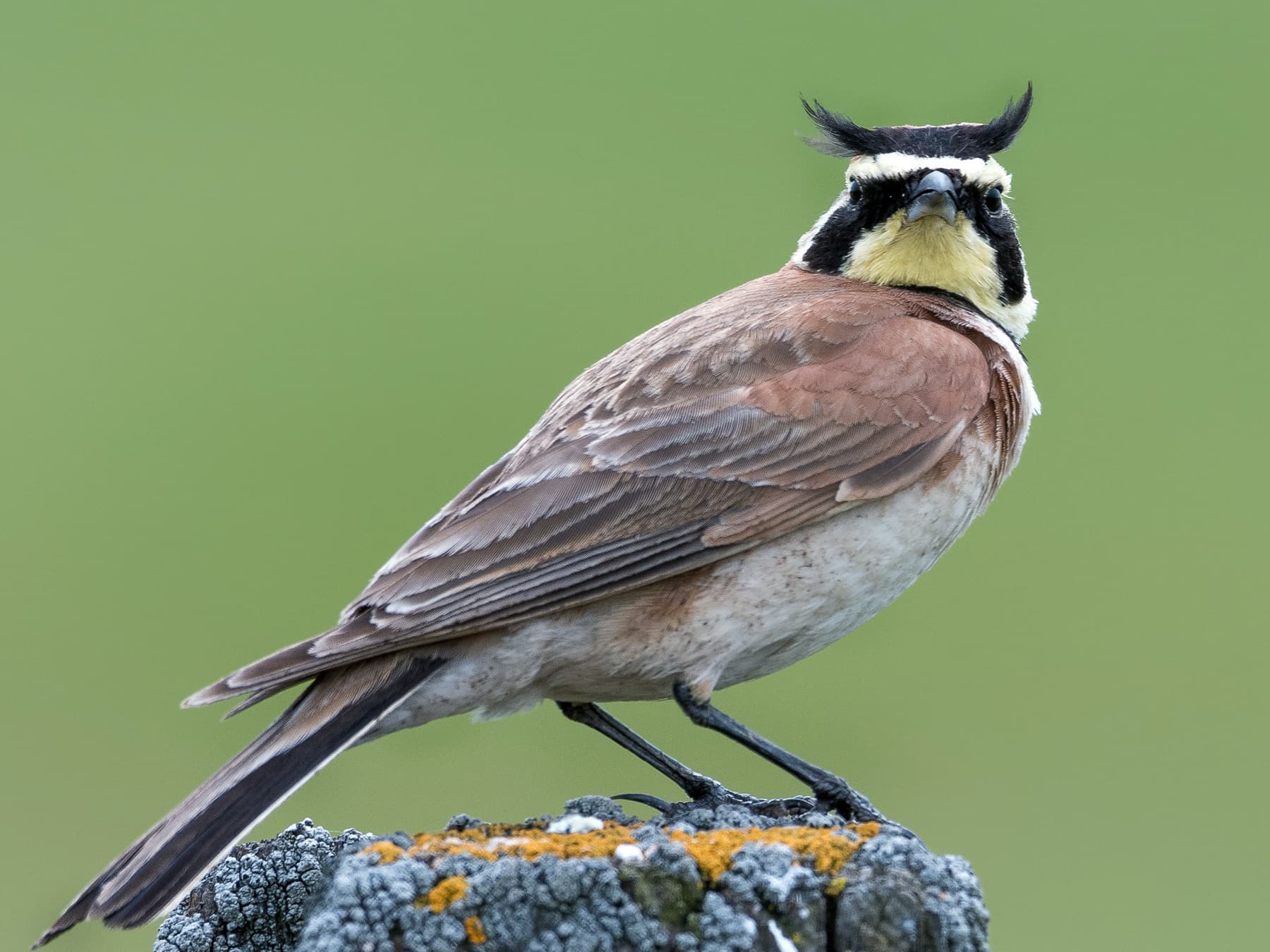
Horned Lark
Eremophila alpestrisLC
A rare winter visitor to the Essex coast, favouring shingle beaches and saltmarsh fringes, mainly around the Thames estuary.
Dec
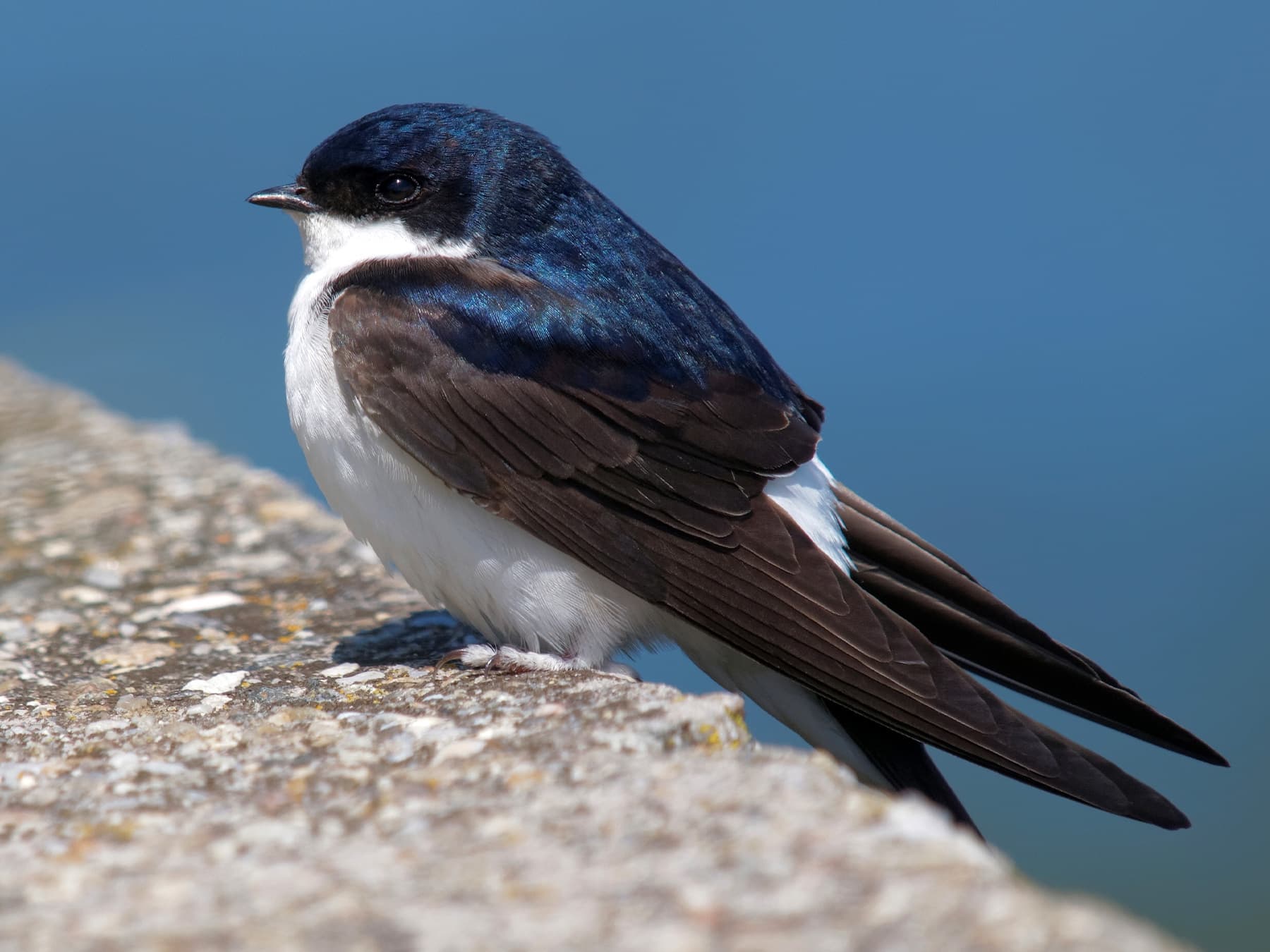
House Martin
Delichon urbicumLC
An uncommon summer breeder nesting under eaves in Essex towns and villages, arriving in April and departing by October.
Apr–Oct
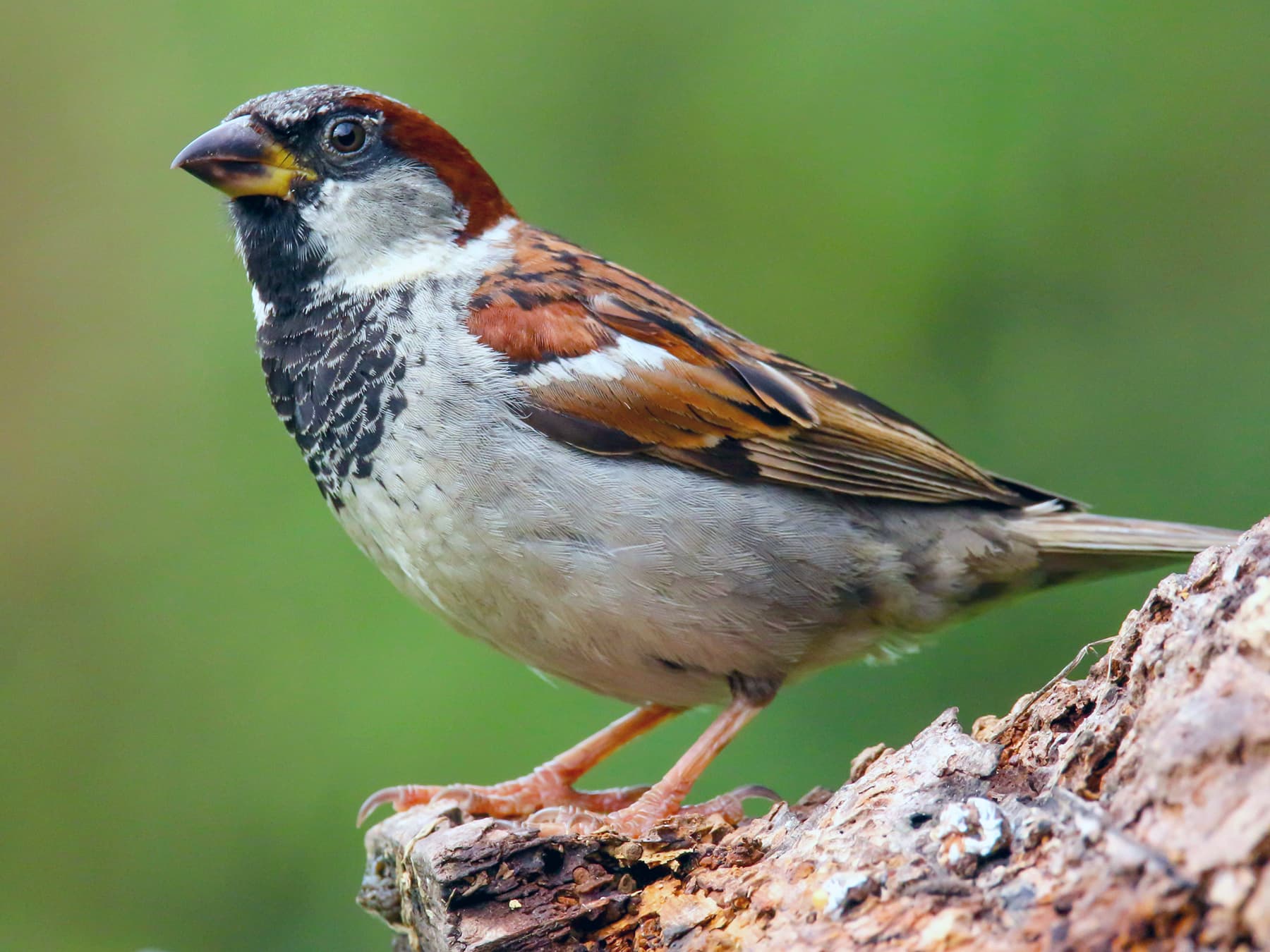
House Sparrow
Passer domesticusLC
A familiar year-round resident of Essex towns and villages, often nesting under roof tiles. Numbers have declined but it remains common in urban and suburban areas.
Year-round
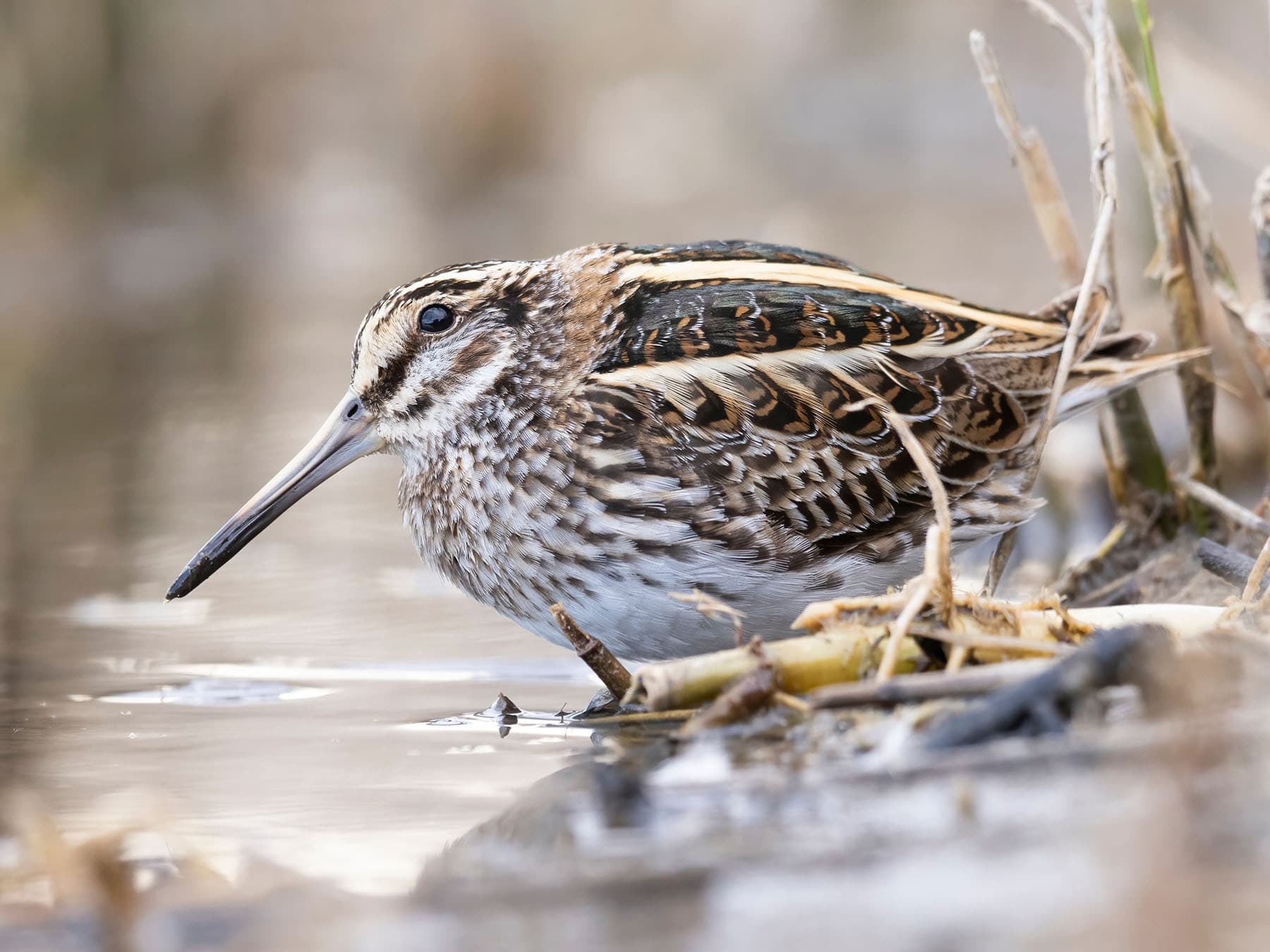
Jack Snipe
Lymnocryptes minimusLC
A rare and secretive non-breeding visitor to marshy areas and wet ditches, present from late autumn to early spring.
Nov–Apr
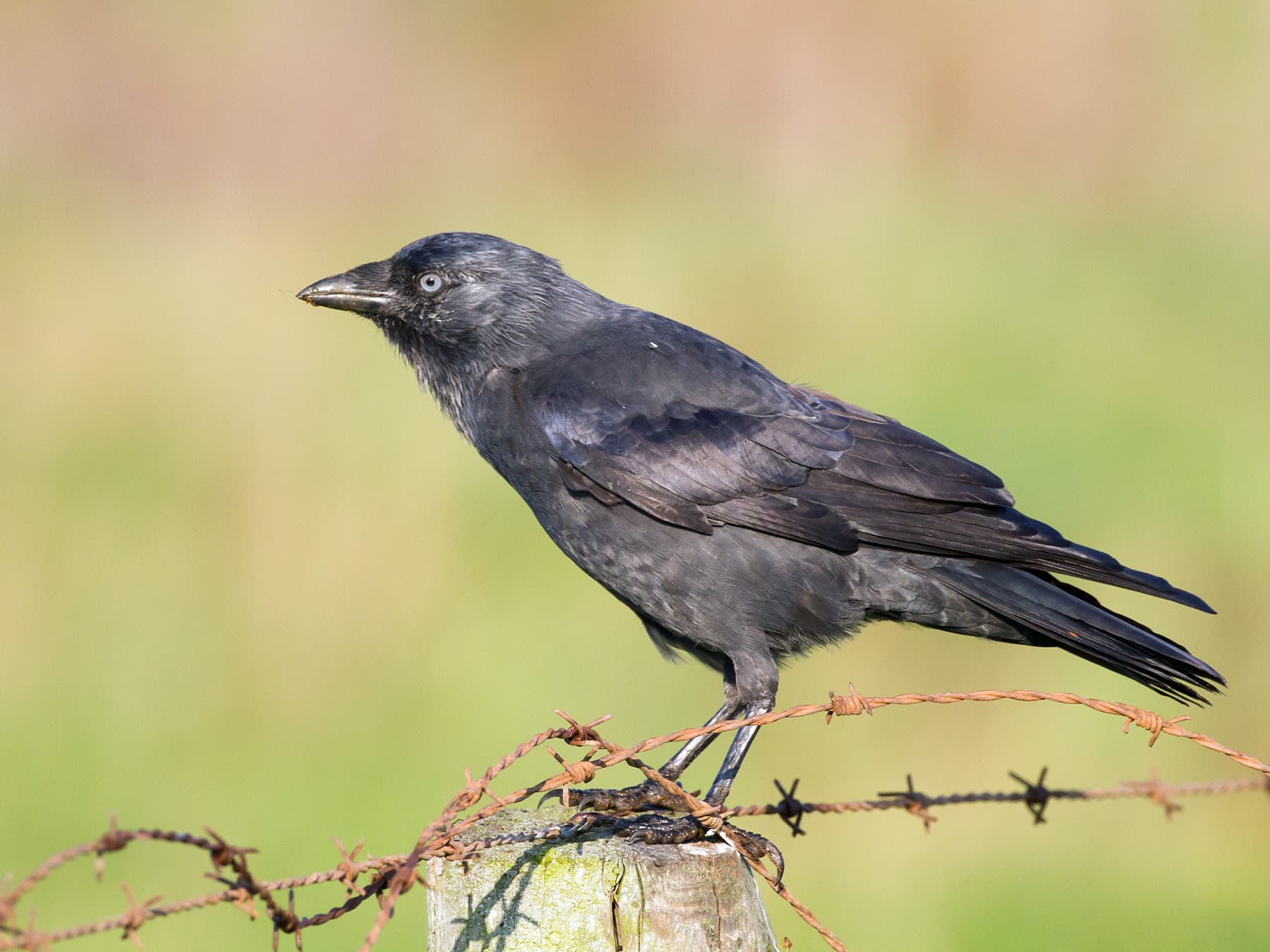
Jackdaw
Coloeus monedulaLC
A common and sociable resident found year-round in towns, farmland and church towers, often in noisy flocks with Rooks.
Year-round
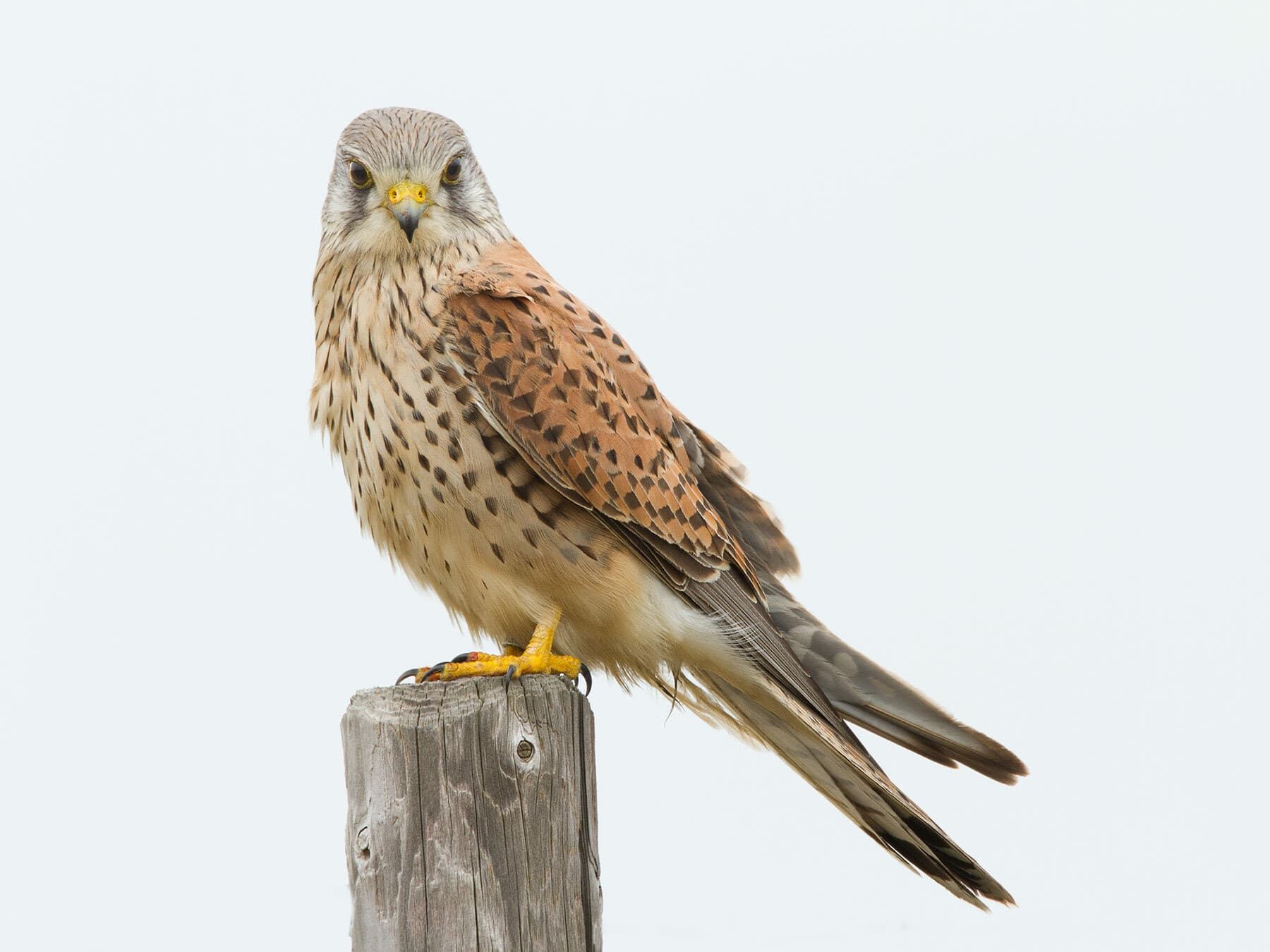
Kestrel
Falco tinnunculusLC
A common resident hovering over roadside verges, farmland and marshes throughout the year, one of Essex's most visible birds of prey.
Year-round
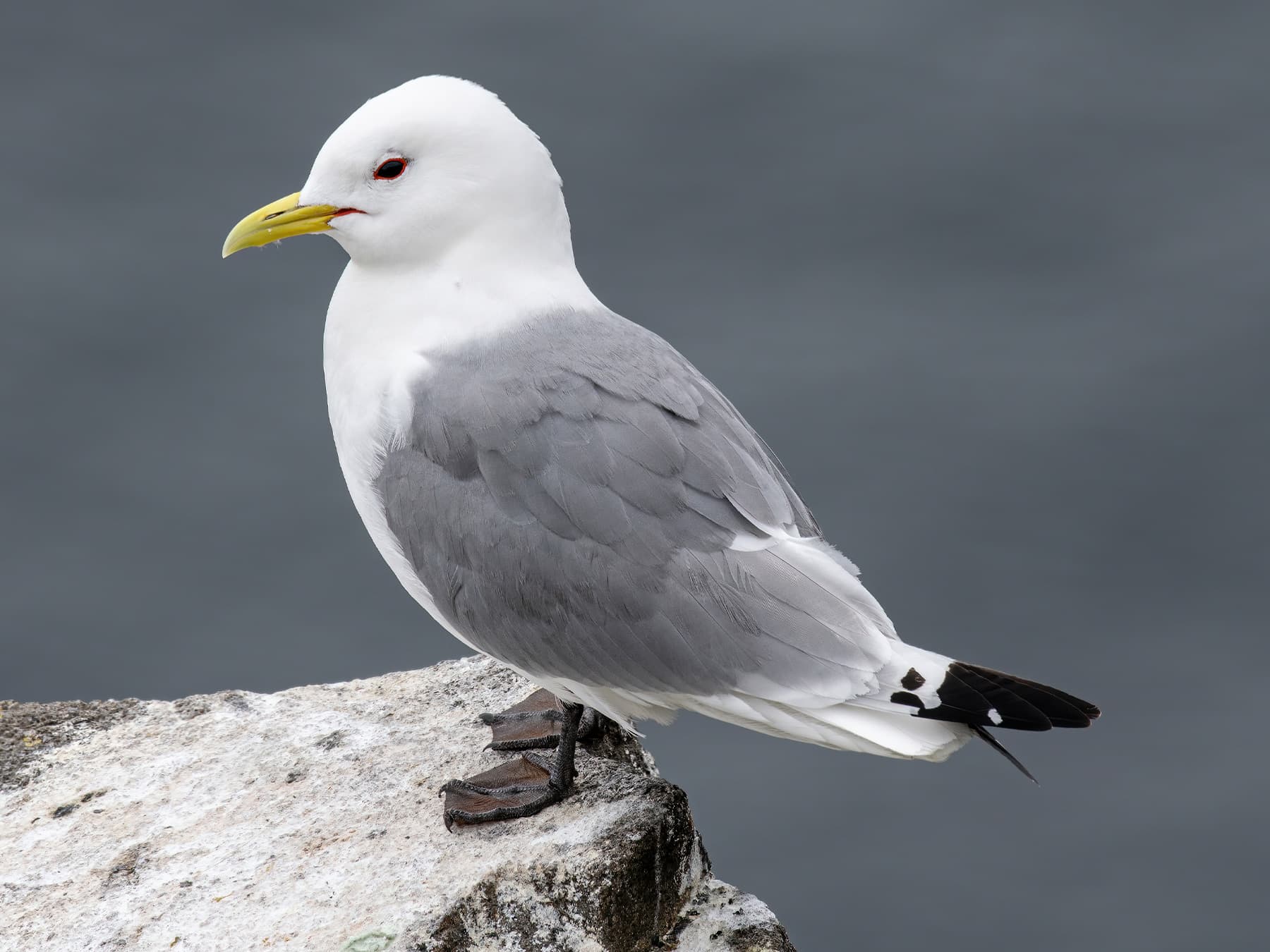
Kittiwake
Rissa tridactylaVU
A rare non-breeding visitor seen offshore and at estuaries, mainly in winter months and during autumn storms.
Aug–Mar
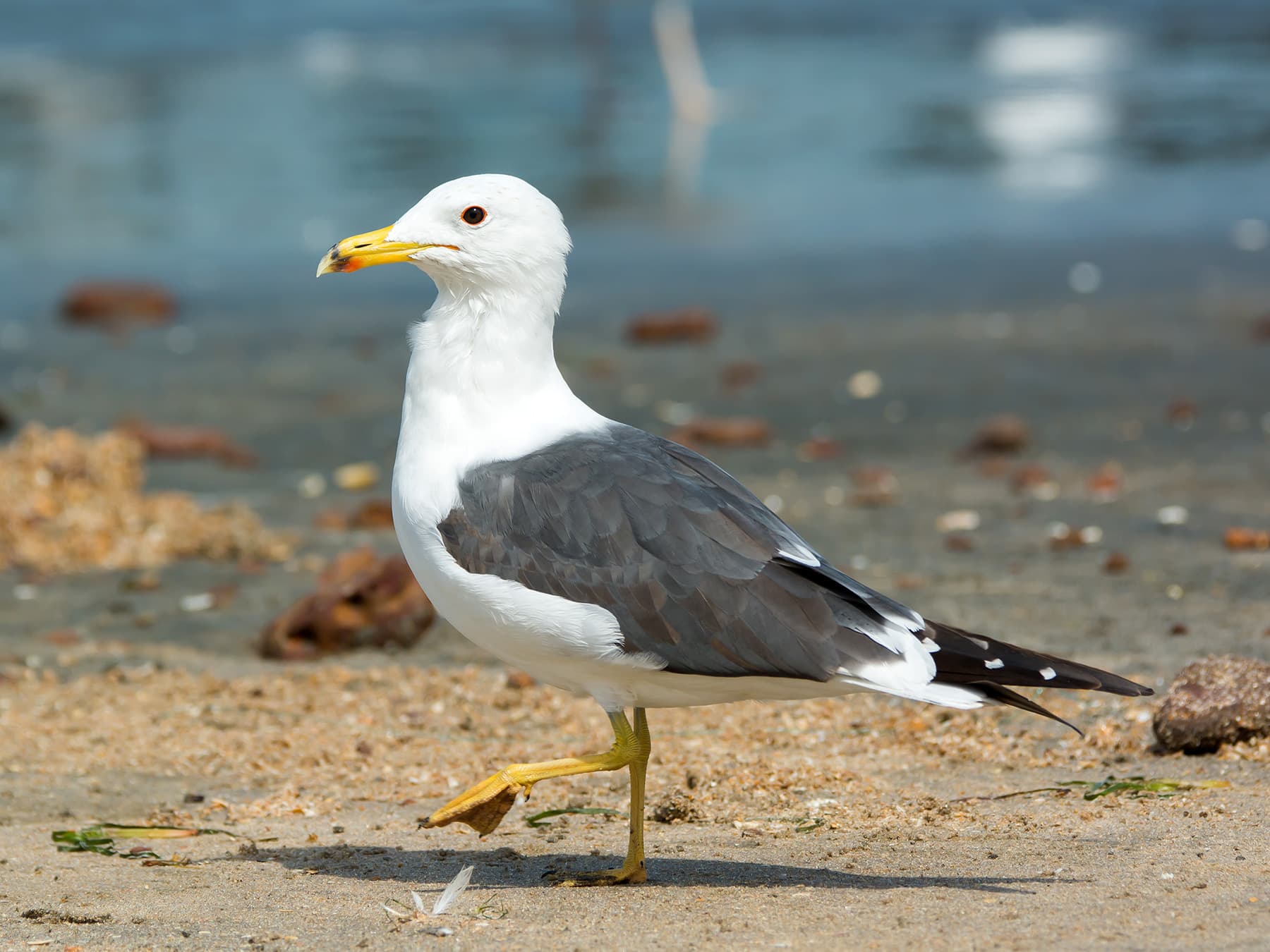
Lesser Black-backed Gull
Larus fuscusLC
A common resident gull found year-round at landfill sites, reservoirs, and along the coast, with numbers peaking in summer.
Year-round
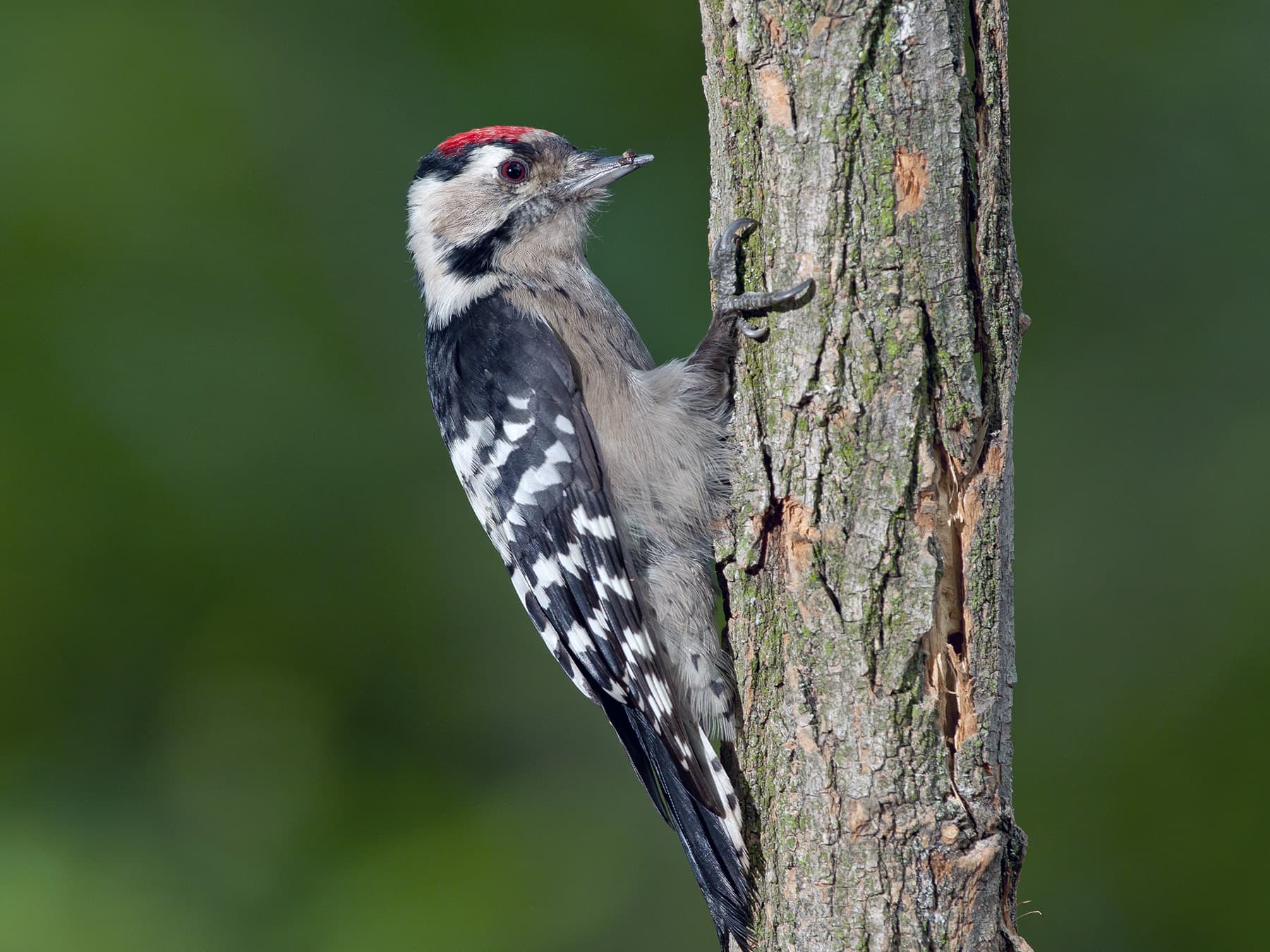
Lesser Spotted Woodpecker
Dryobates minorLC
A rare passage visitor in spring, this declining woodpecker may be found in mature broadleaved woodland with dead timber.
Feb–May