Birds in Essex
Explore 212 species found in this region.
Essex is a remarkably rewarding county for birdwatching, with 208 recorded species found across its diverse mosaic of coastal marshes, estuaries, ancient woodlands and urban parklands. The Thames Estuary and the Blackwater and Colne estuaries provide internationally important habitat for wintering wildfowl and waders, including Brent Goose, Eurasian Wigeon and Northern Pintail. From scarce visitors like the Great Grey Shrike and Great Skua to established populations of Mandarin Duck and Common Shelduck, the county offers exceptional birding opportunities throughout the year.
Visiting in September? Look out for Brent Goose and Common Redpoll arriving this month, and Black Swan and Cuckoo depart for the season.


Showing 24–46 of 212 species
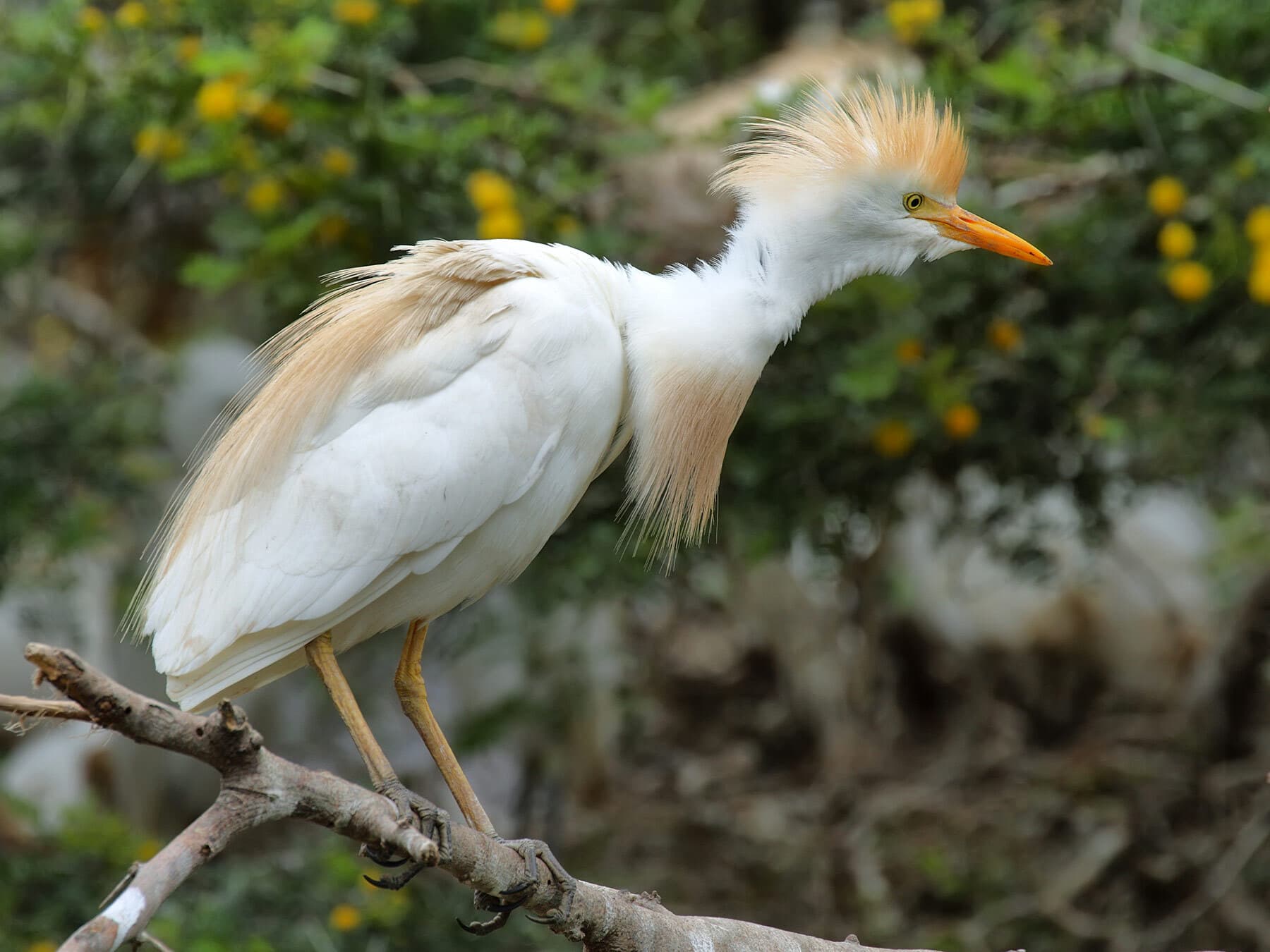
Cattle Egret
Bubulcus ibisLC
A rare but increasingly established resident, part of a recent colonisation of southern England. Often seen alongside livestock on Essex grazing marshes.
Year-round
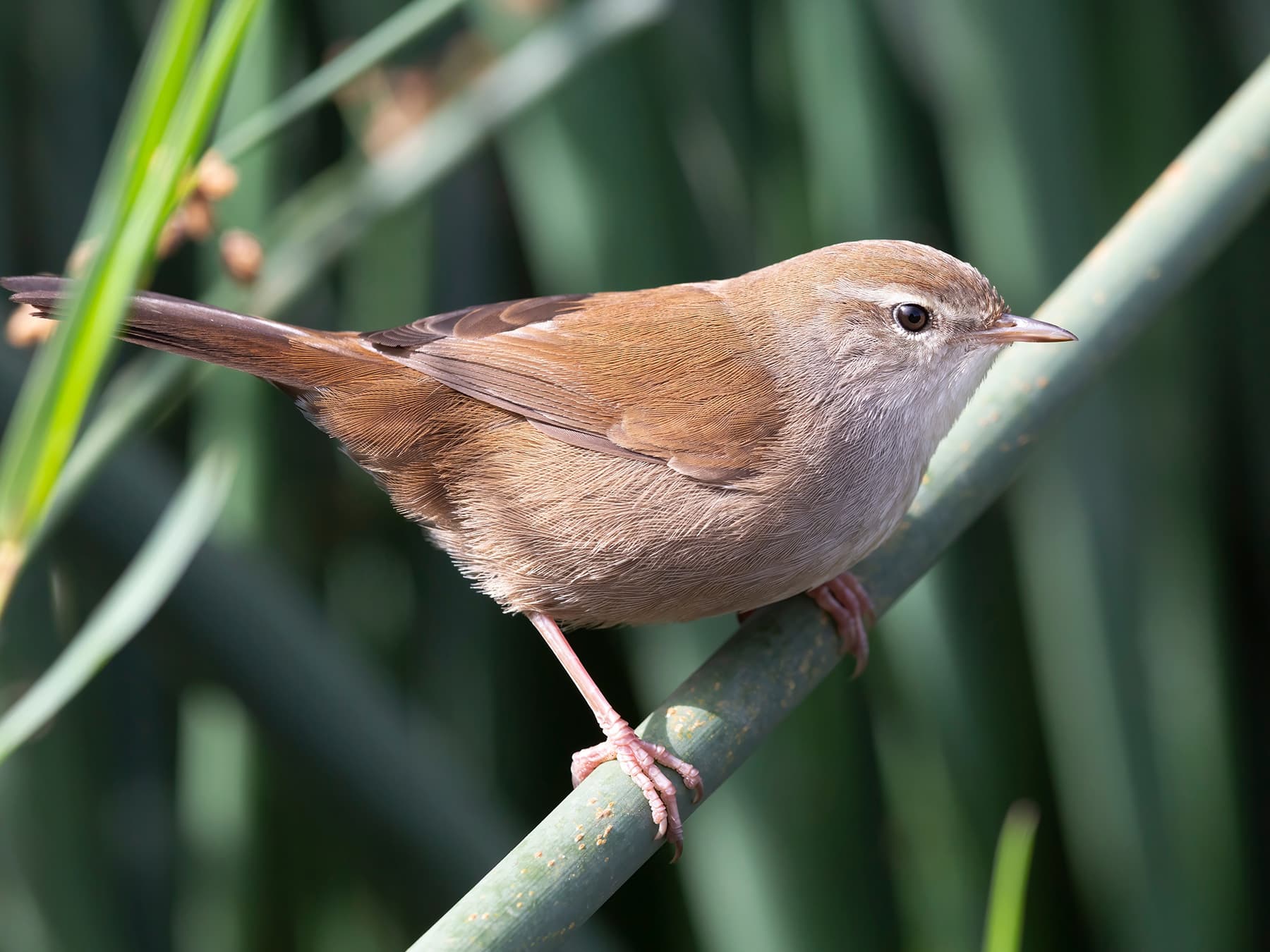
Cetti's Warbler
Cettia cettiLC
A resident warbler that has expanded rapidly across Essex's reedbeds and waterside scrub. More often heard than seen, with an explosive burst of song.
Year-round
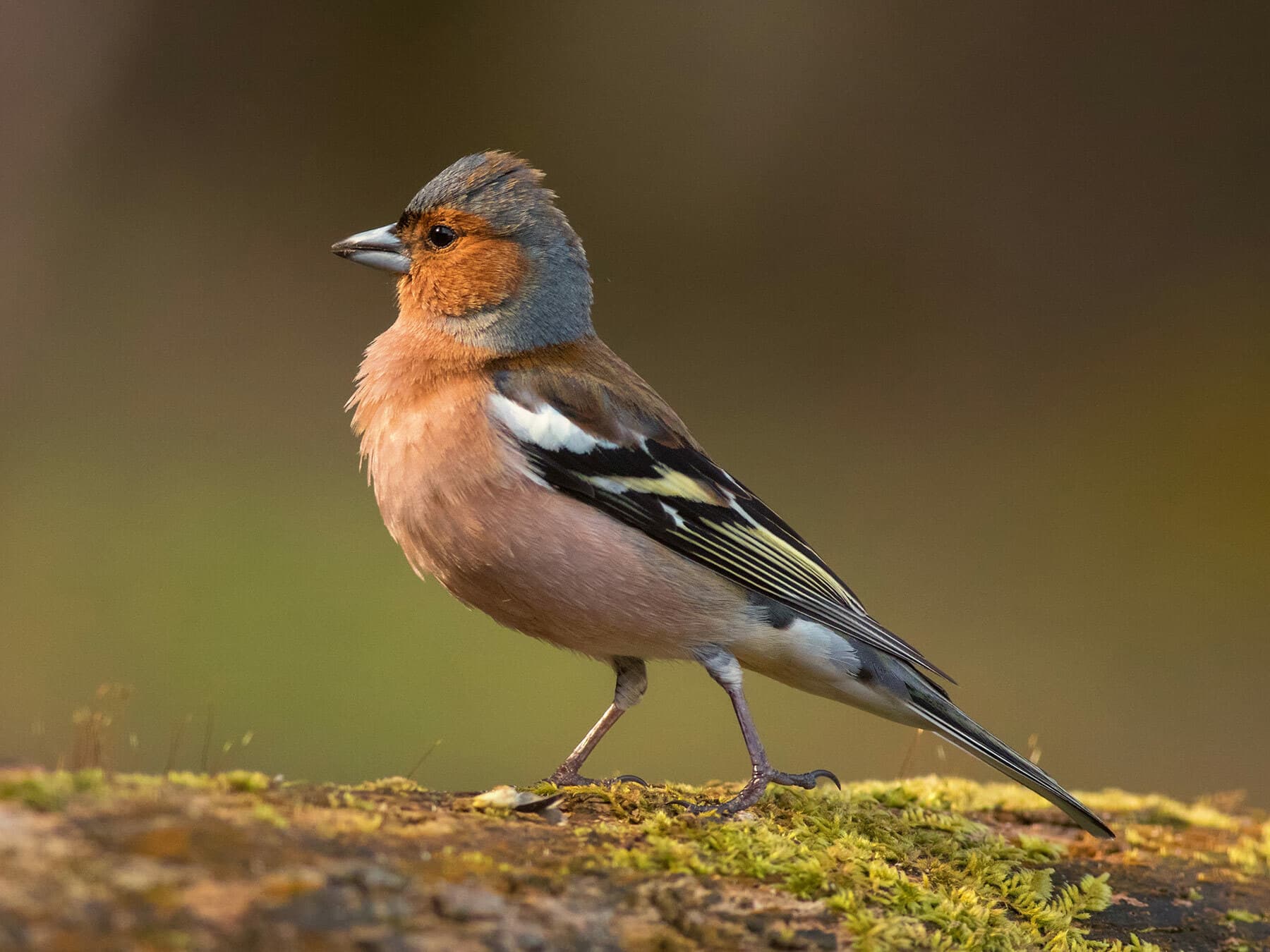
Chaffinch
Fringilla coelebsLC
A common year-round resident of woodlands, hedgerows and gardens across Essex. Its cheerful song is one of the earliest heard in spring.
Year-round
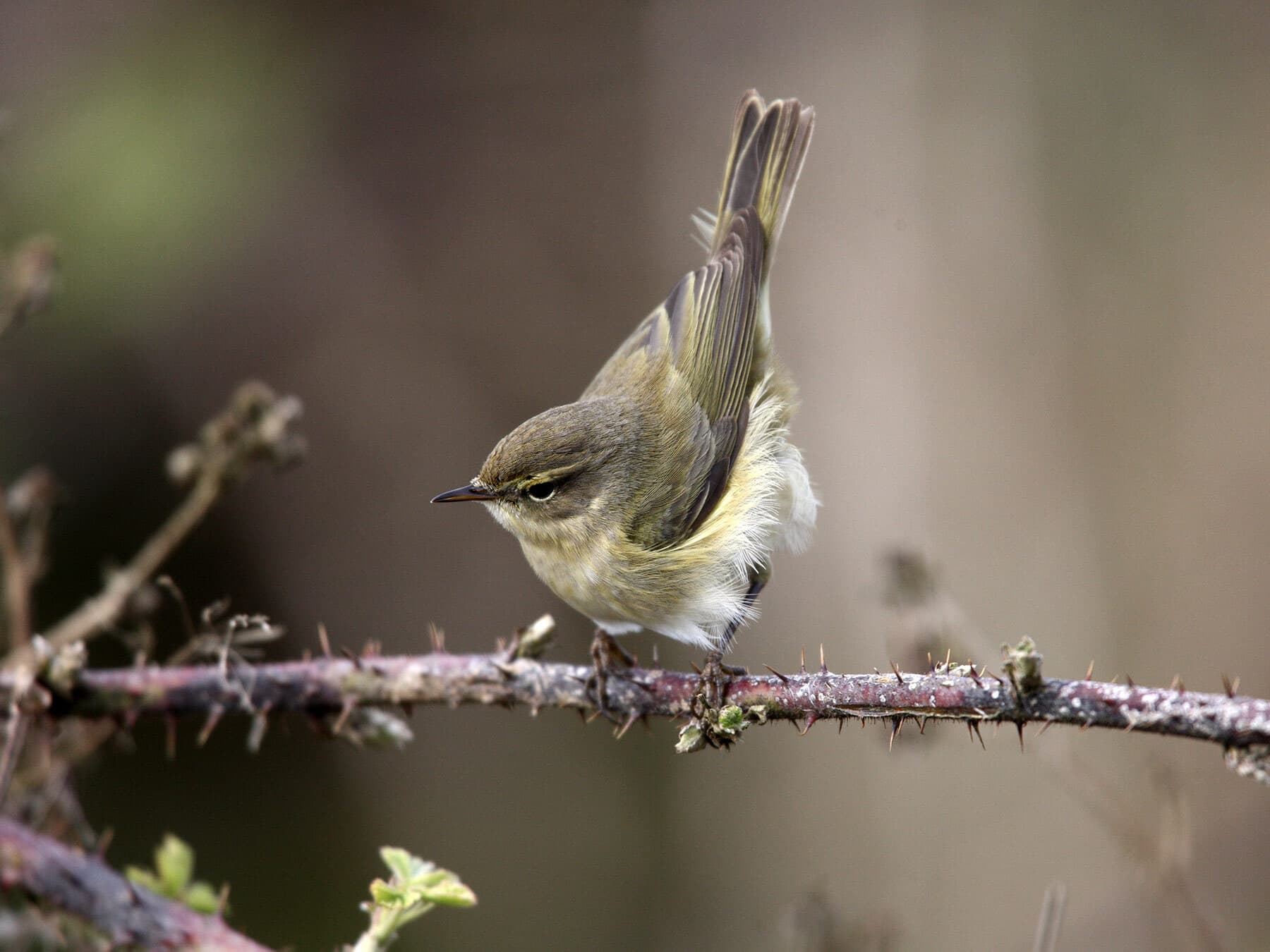
Chiffchaff
Phylloscopus collybitaLC
Now present year-round in Essex, increasingly overwintering. Its distinctive two-note song is one of the earliest signs of spring in woodland and scrub.
Year-round
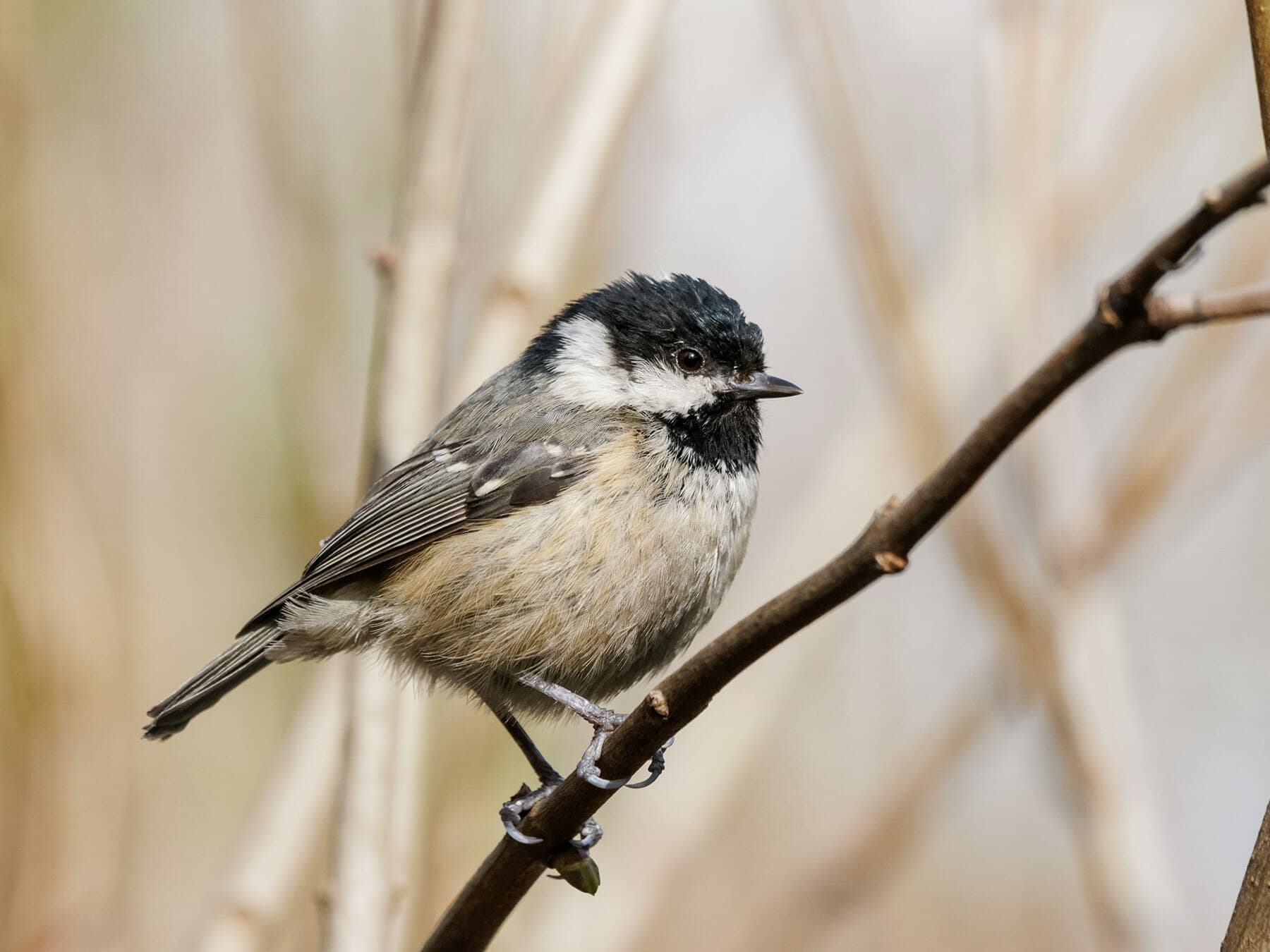
Coal Tit
Periparus aterLC
An uncommon resident, preferring coniferous and mixed woodland. Less numerous in Essex than in western counties, often visiting garden feeders in winter.
Year-round
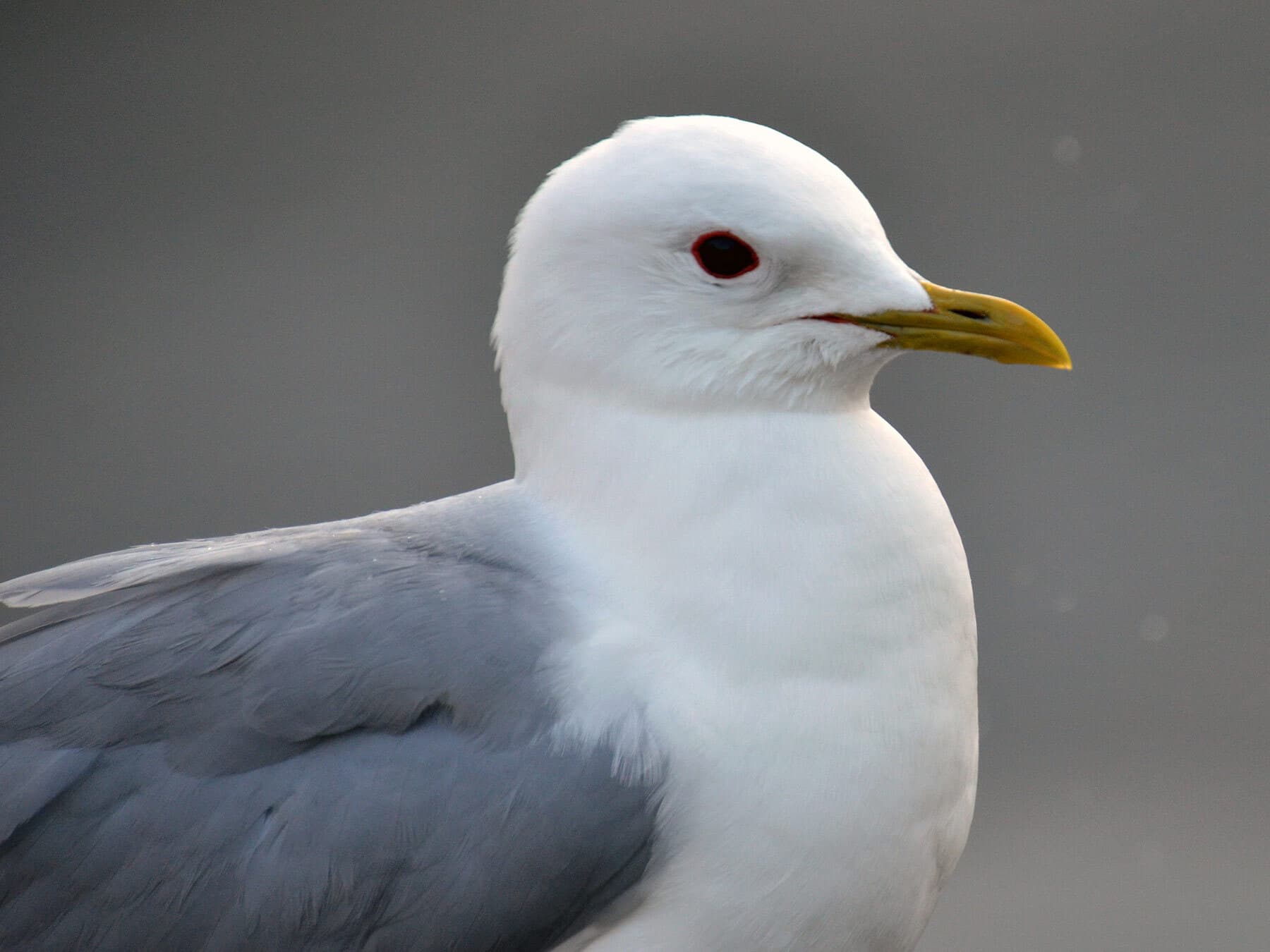
Common Gull
Larus canusLC
Common year-round, frequenting playing fields, reservoirs, and farmland, with numbers boosted by winter visitors.
Year-round
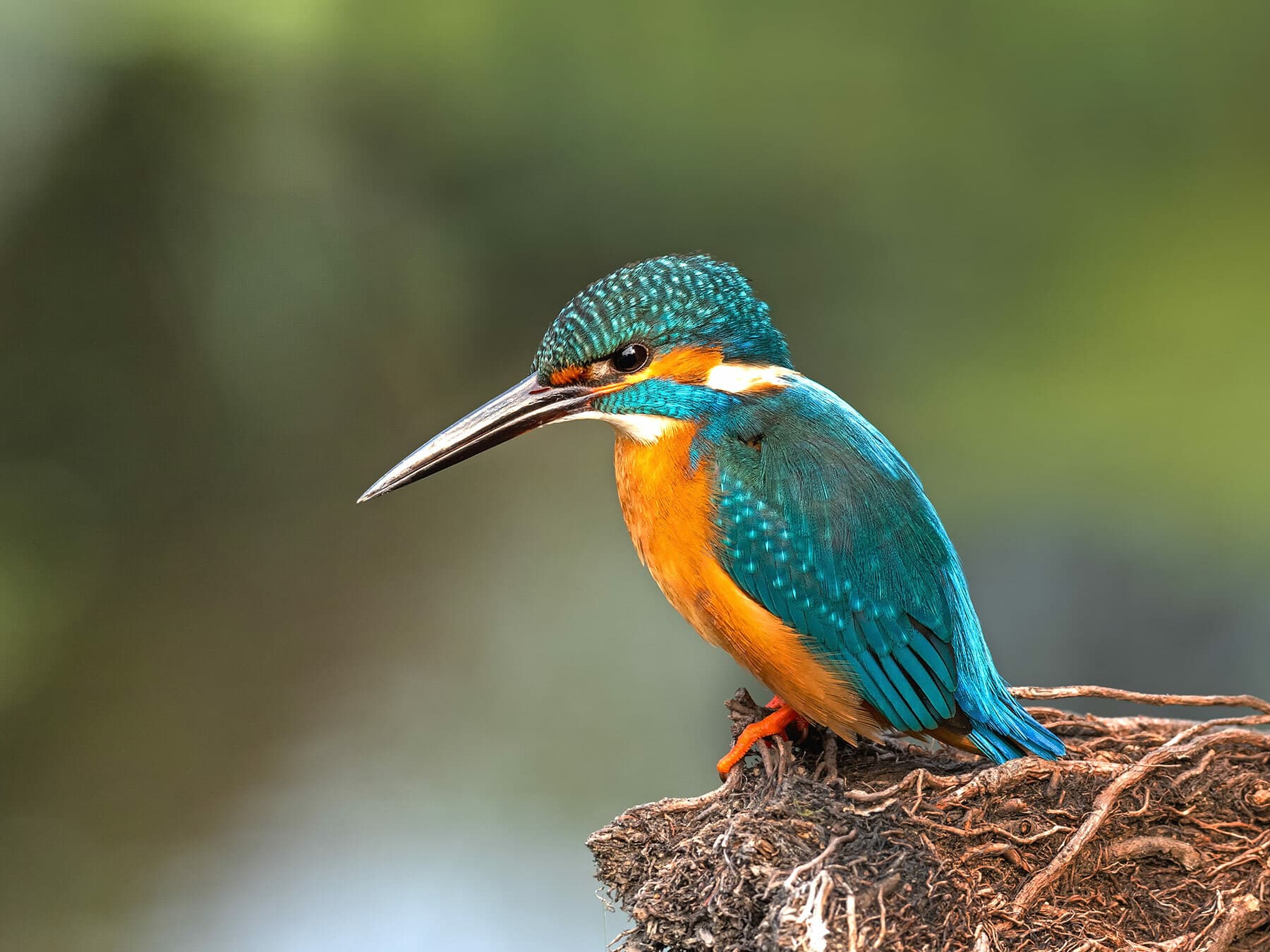
Common Kingfisher
Alcedo atthisLC
An uncommon but year-round resident along Essex rivers, streams and gravel pits, often seen as a flash of electric blue.
Year-round
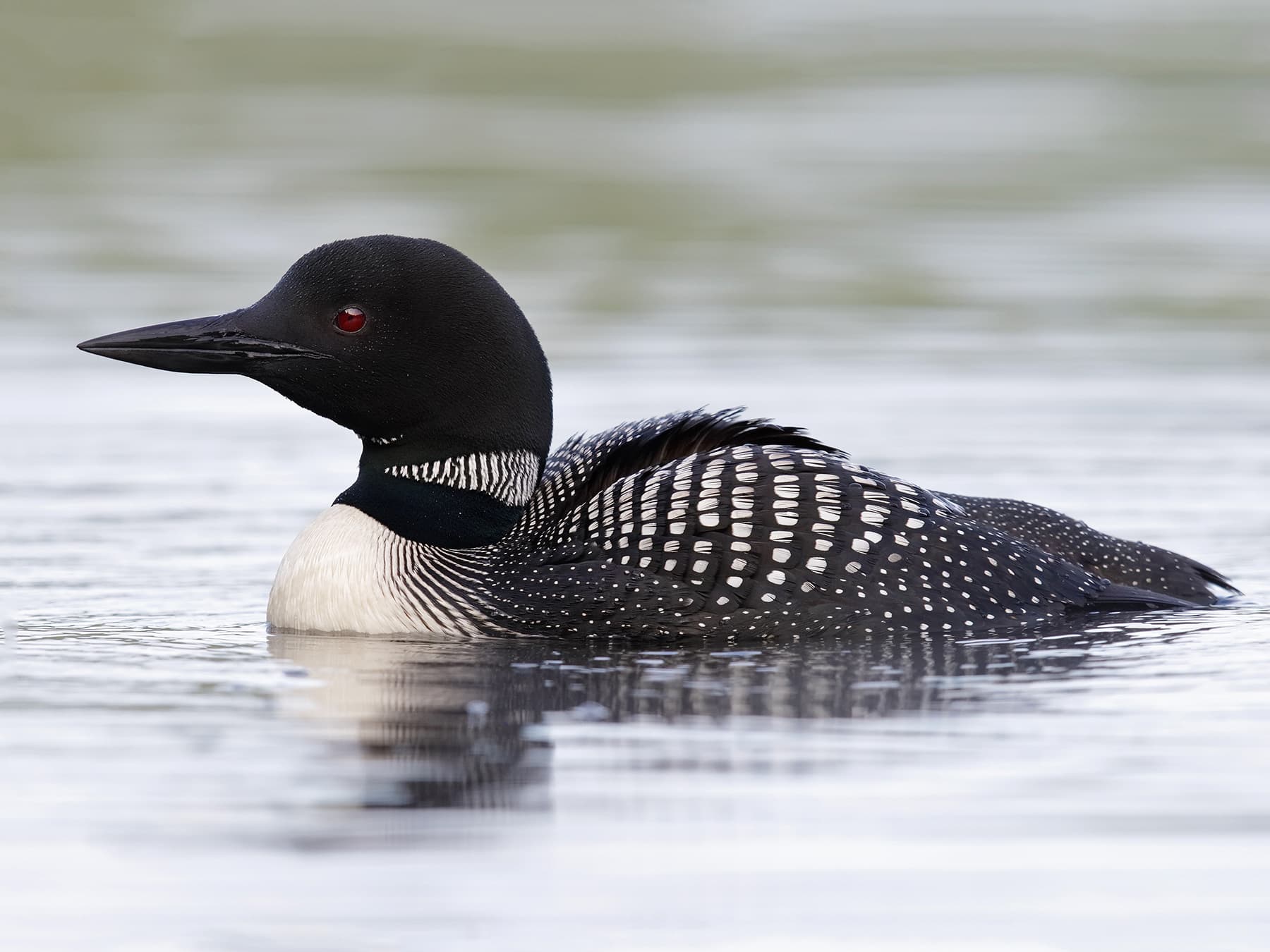
Common Loon
Gavia immerLC
A rare winter visitor to Essex coastal waters and large reservoirs, occasionally seen between November and March in sombre non-breeding plumage.
Nov–Mar
Spotted something?
Upload a photo to identify it
Identify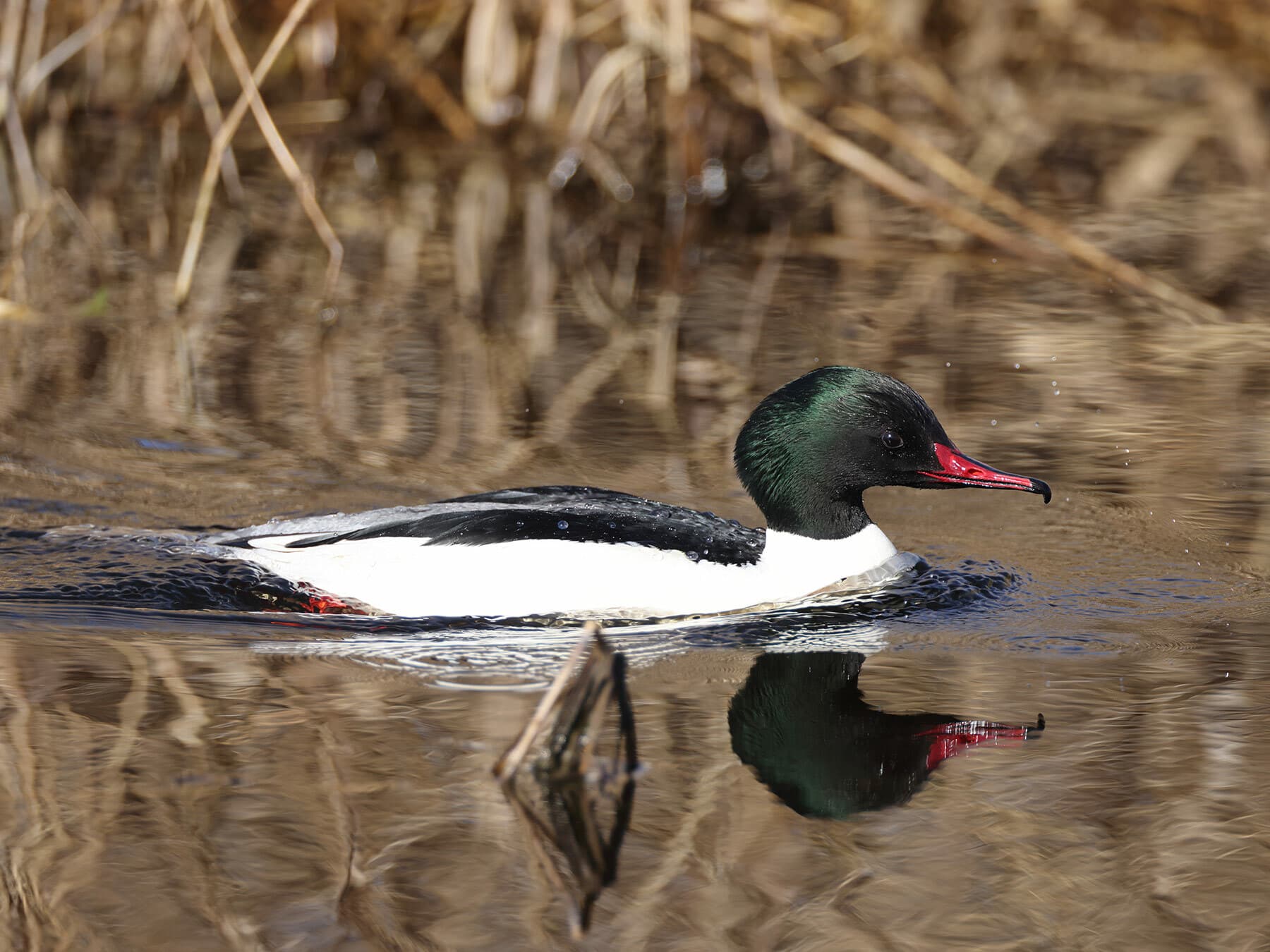
Common Merganser
Mergus merganserLC
An uncommon winter visitor to Essex reservoirs and rivers, typically arriving in October and lingering into early spring.
Oct–Apr
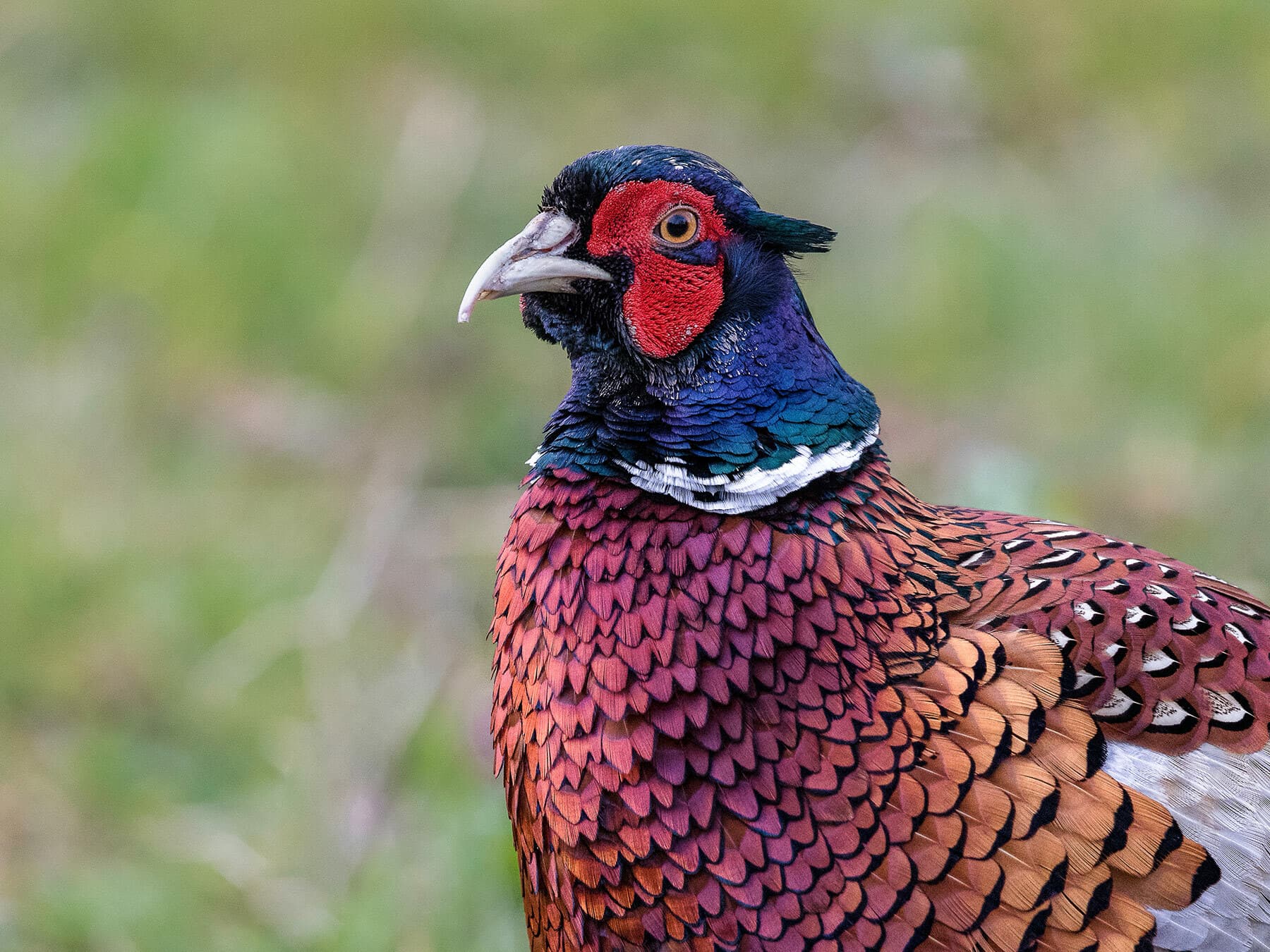
Common Pheasant
Phasianus colchicusLC
A common resident across Essex farmland, woodland edges, and hedgerows. Widely released for shooting, seen throughout the year.
Year-round
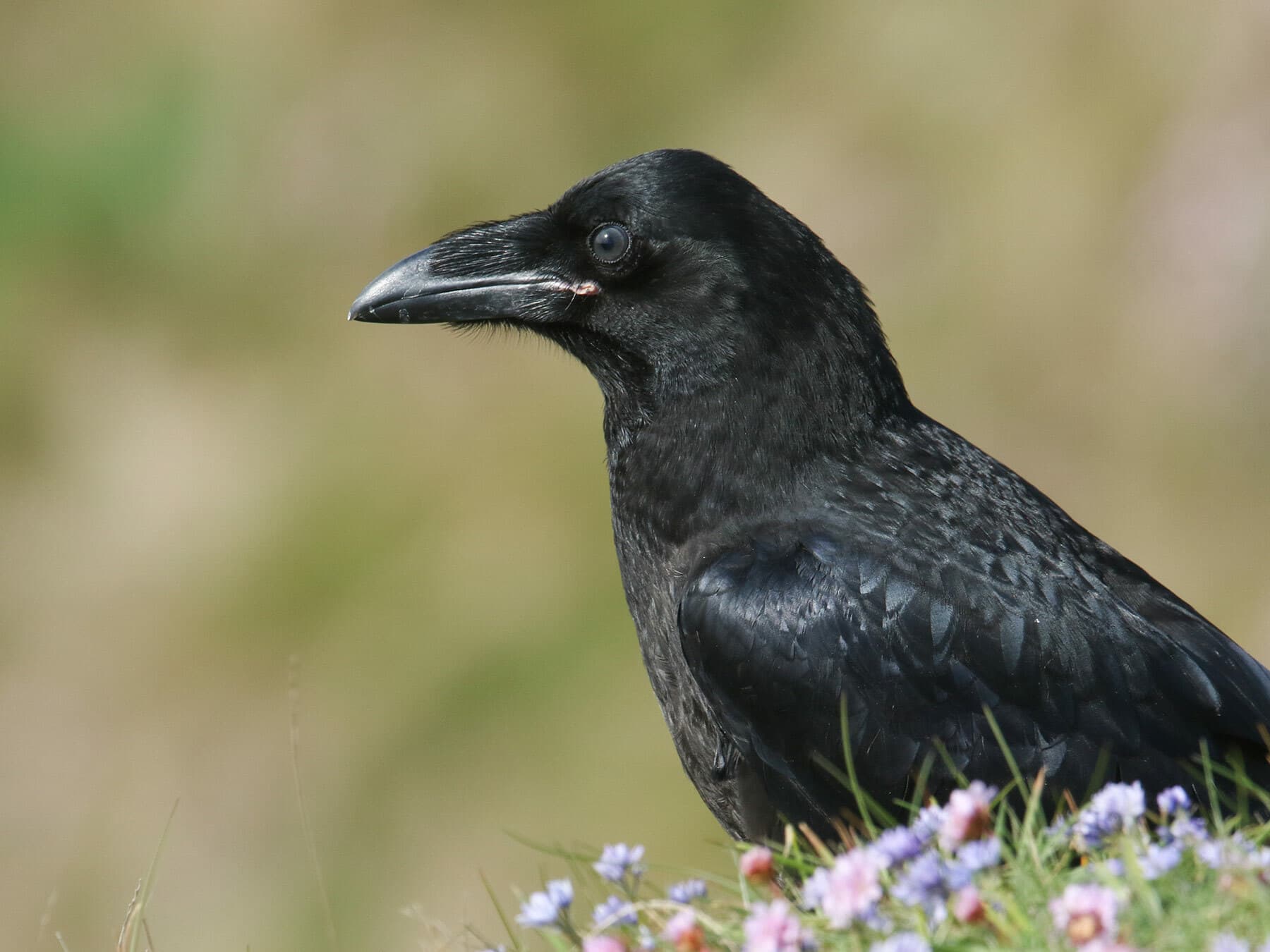
Common Raven
Corvus coraxLC
A rare but increasing resident, slowly recolonising Essex. Deep, cronking calls may be heard over woodland and open country.
Year-round
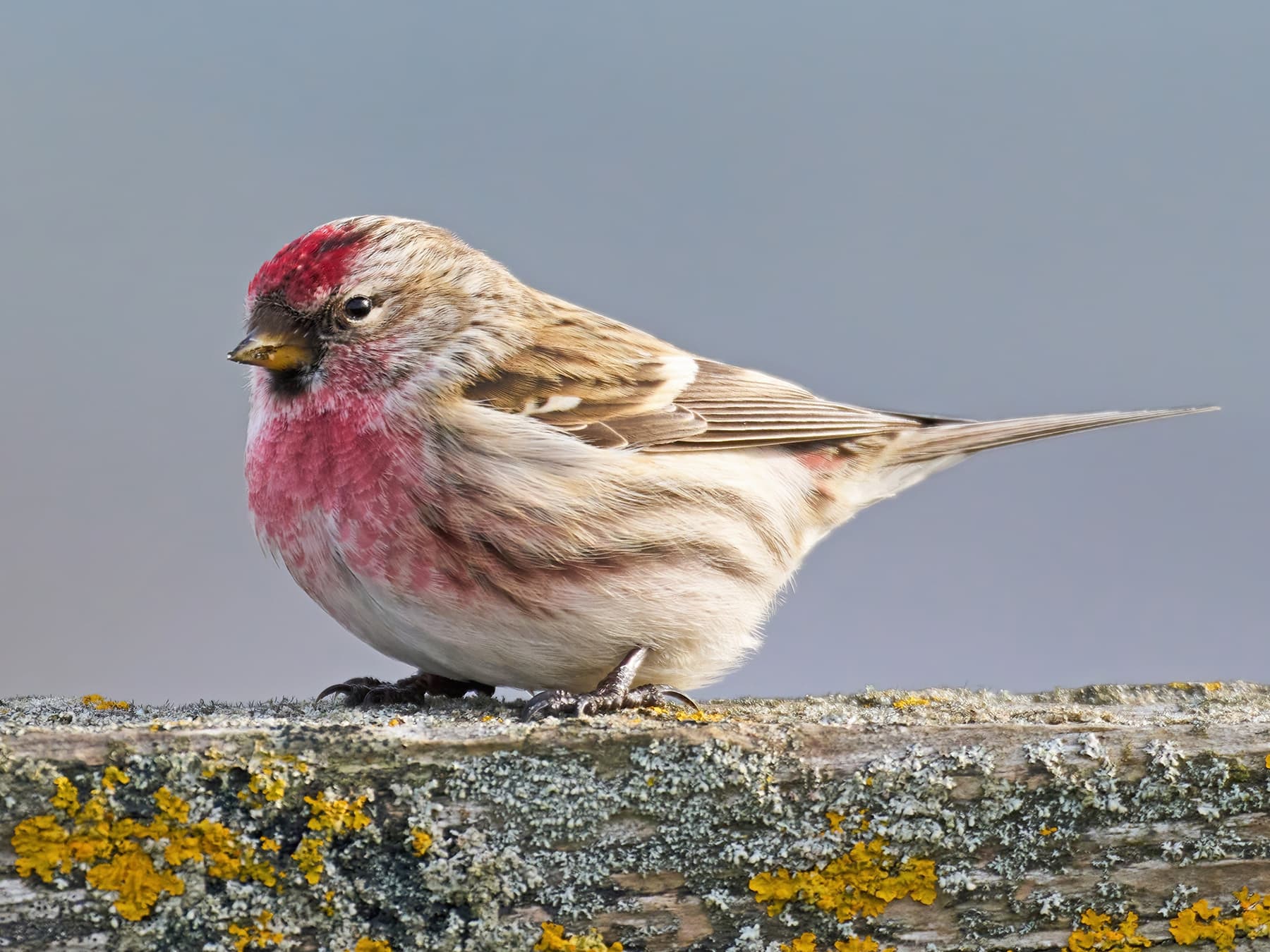
Common Redpoll
Acanthis flammeaLC
A rare resident, favouring birch and alder woodland. Small numbers breed in Essex, with winter flocks sometimes appearing at coastal and scrubby sites.
Sep–May
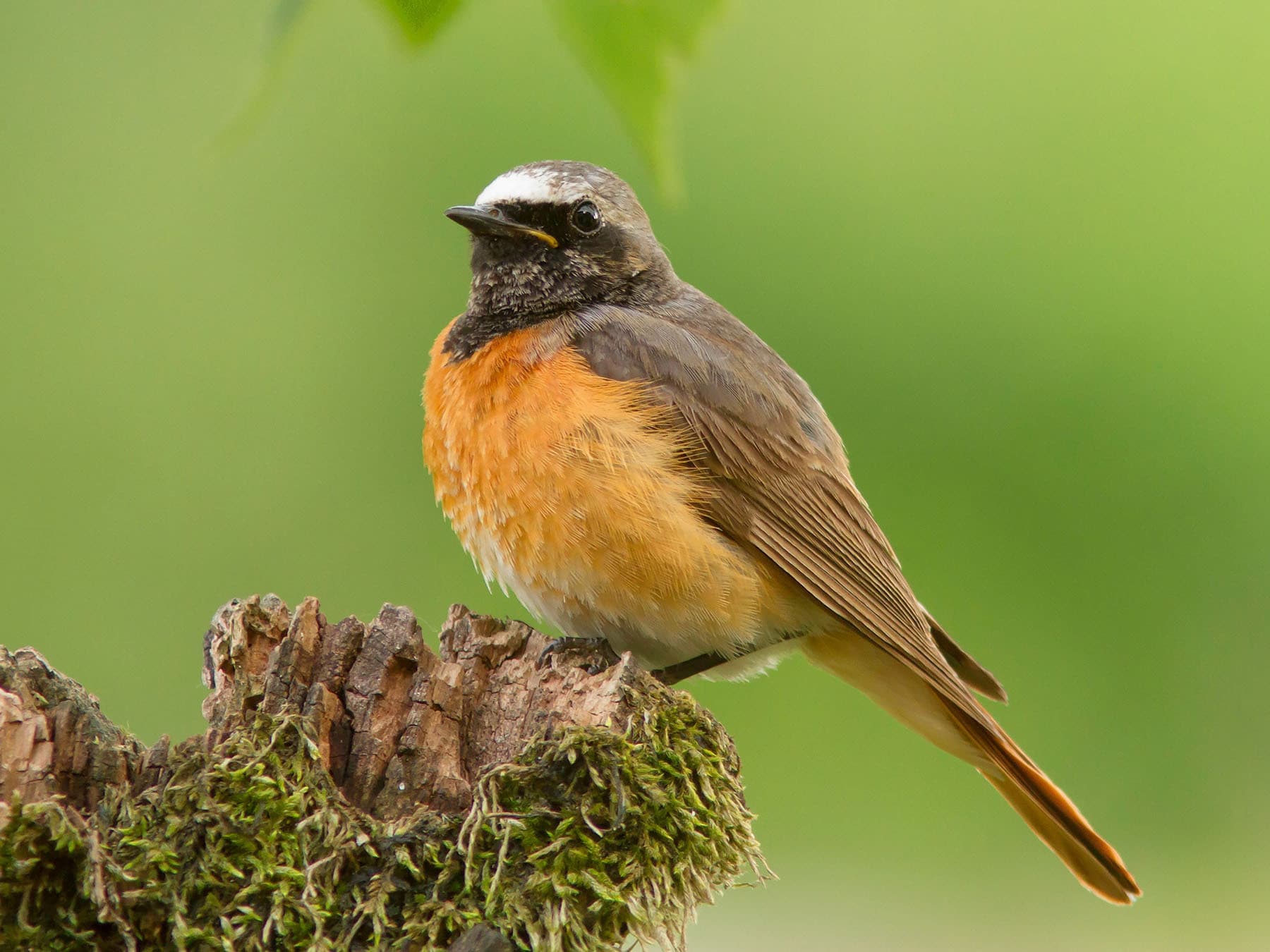
Common Redstart
Phoenicurus phoenicurusLC
A rare passage migrant through Essex in spring and autumn. Most likely encountered in coastal scrub during migration periods.
Apr–Sep
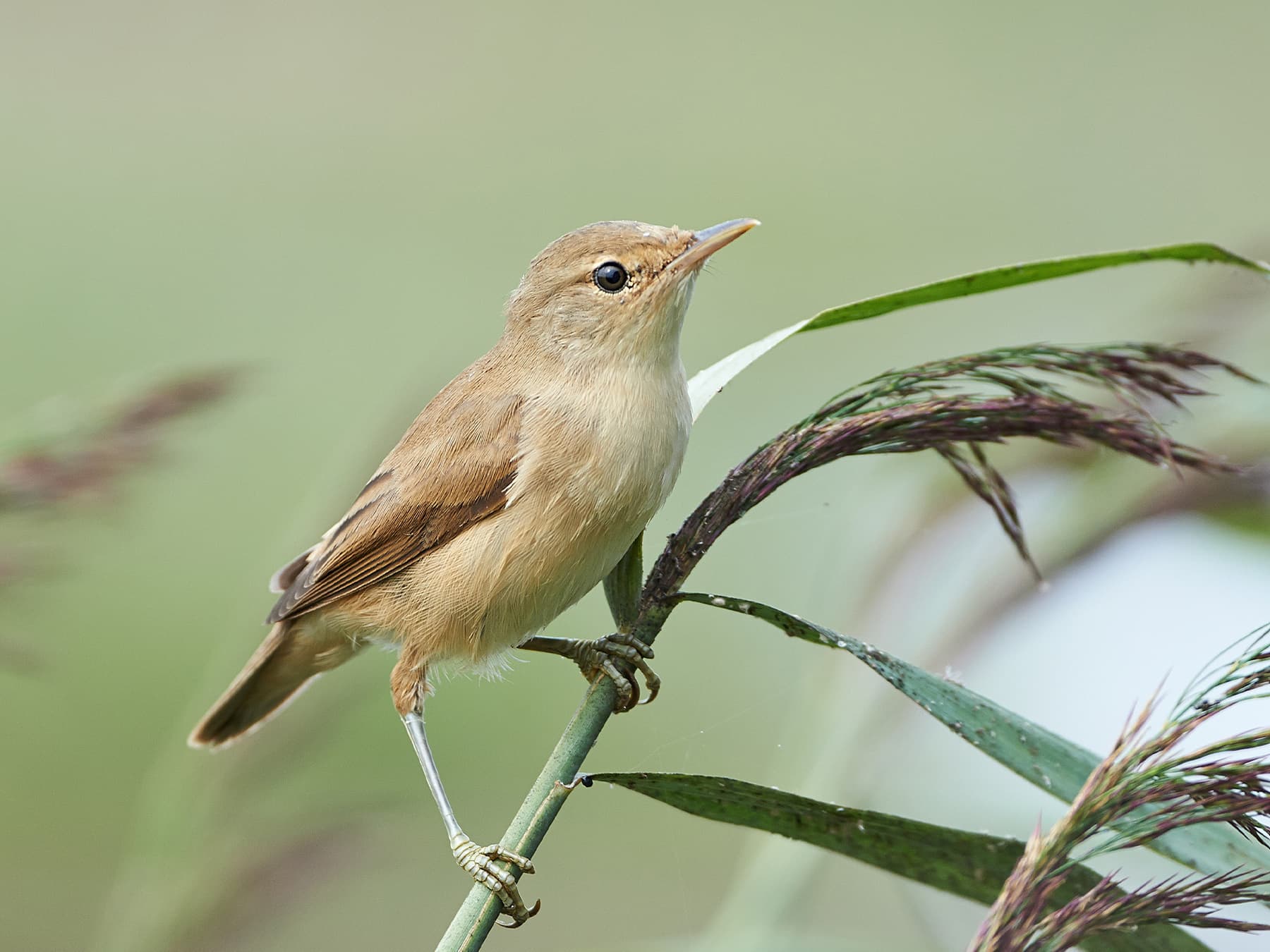
Common Reed-warbler
Acrocephalus scirpaceusLC
A common summer breeder arriving in April, its chattering song fills Essex reedbeds and waterside vegetation until autumn.
Apr–Oct
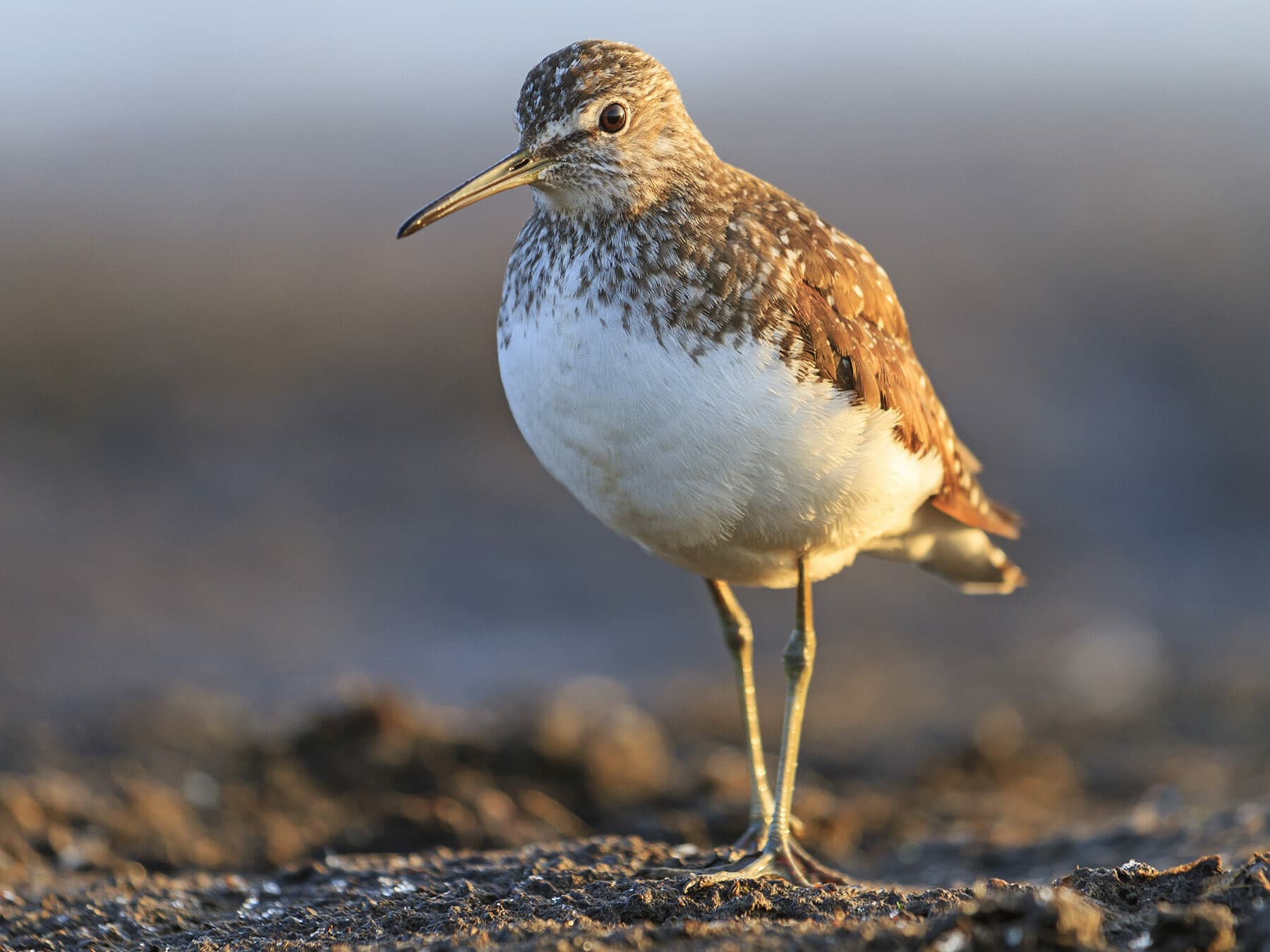
Common Sandpiper
Actitis hypoleucosLC
An uncommon visitor found bobbing along reservoir edges and river banks, most frequently seen on passage in spring and autumn.
Apr–Jan
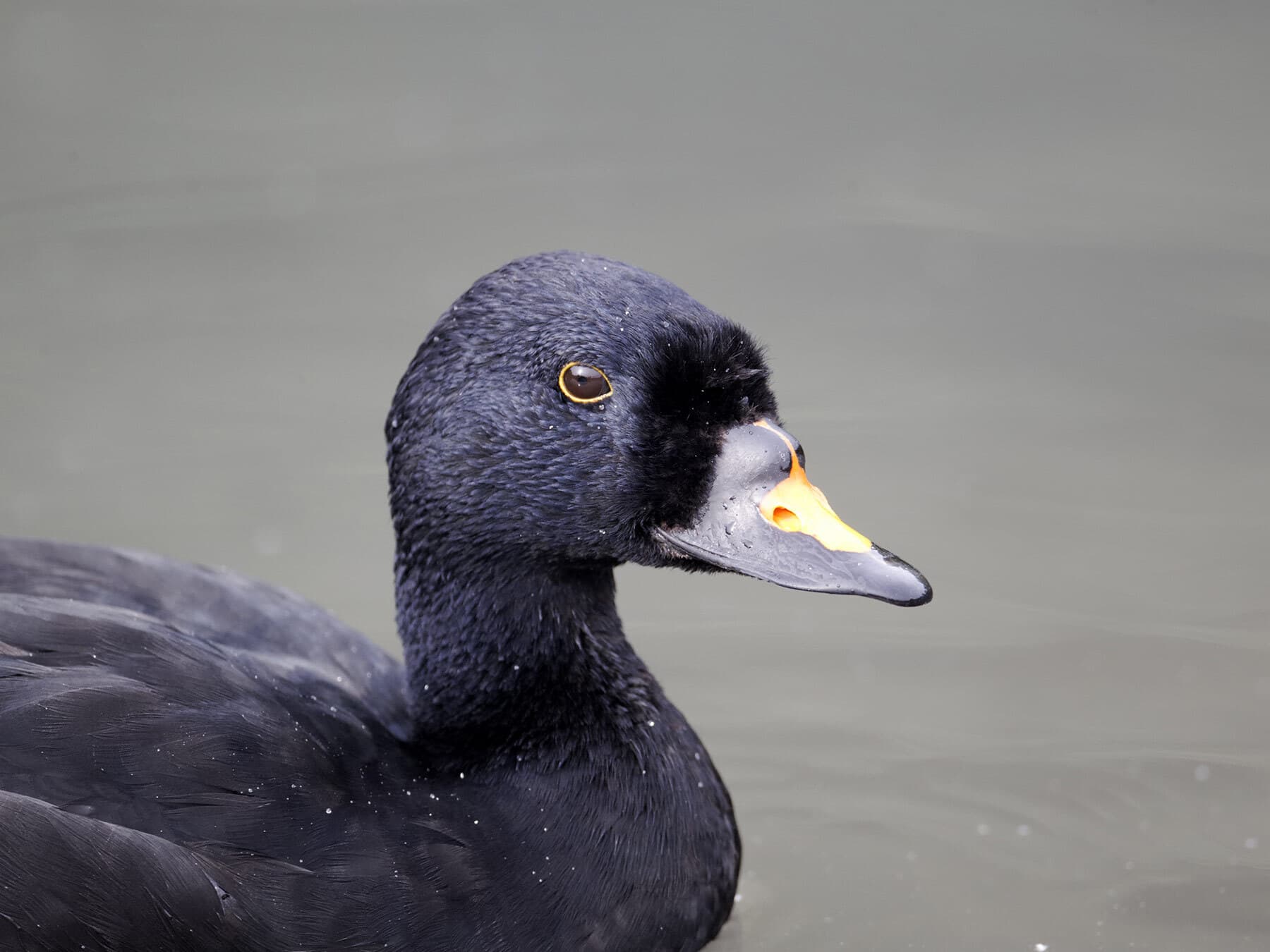
Common Scoter
Melanitta nigraLC
Rare non-breeding visitor, sometimes seen in small groups offshore along the Essex coast from autumn through to early spring.
Aug–Mar
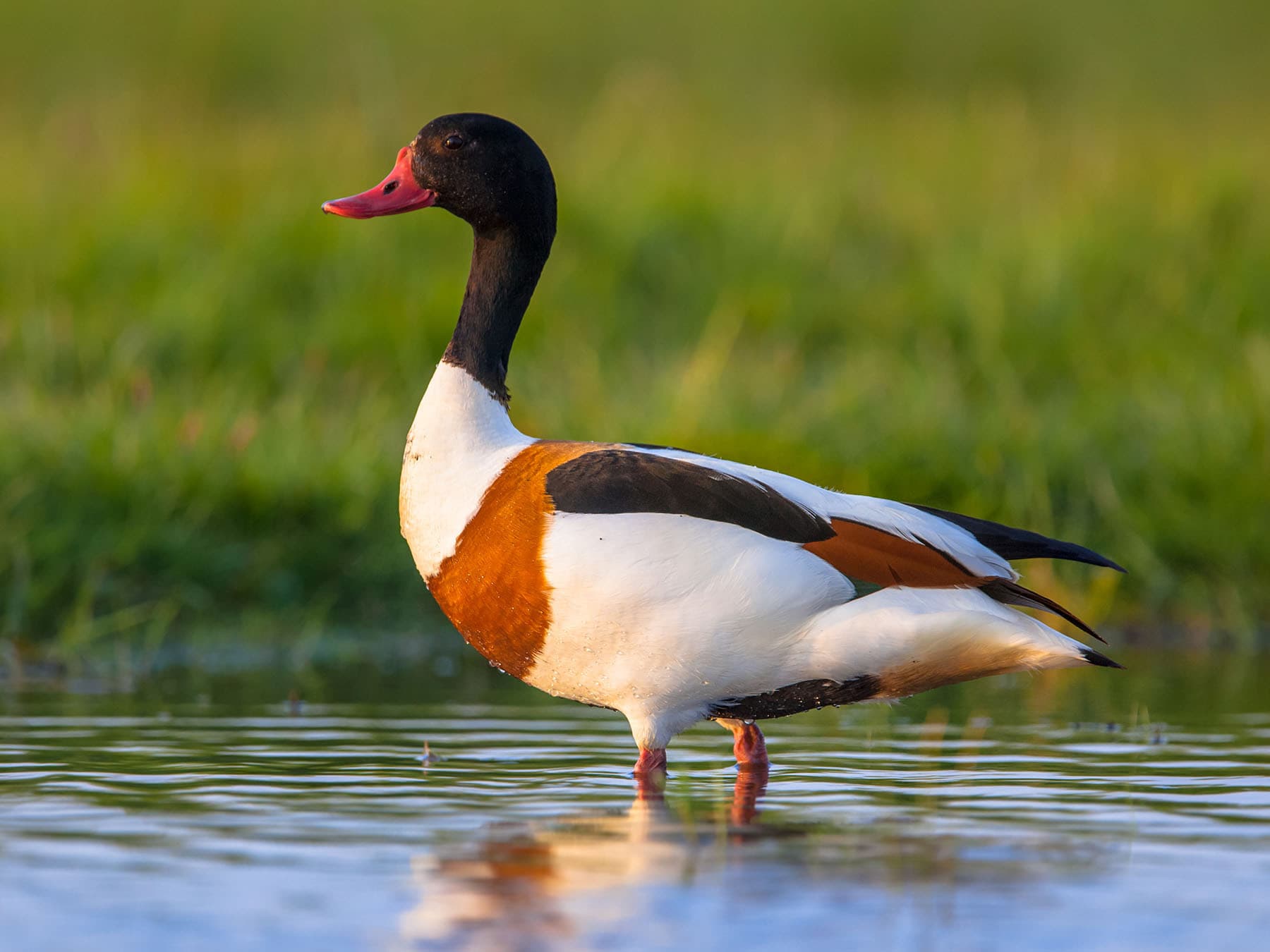
Common Shelduck
Tadorna tadornaLC
A common and striking resident of Essex estuaries and coastal marshes, breeding on grazing marshes in spring.
Year-round
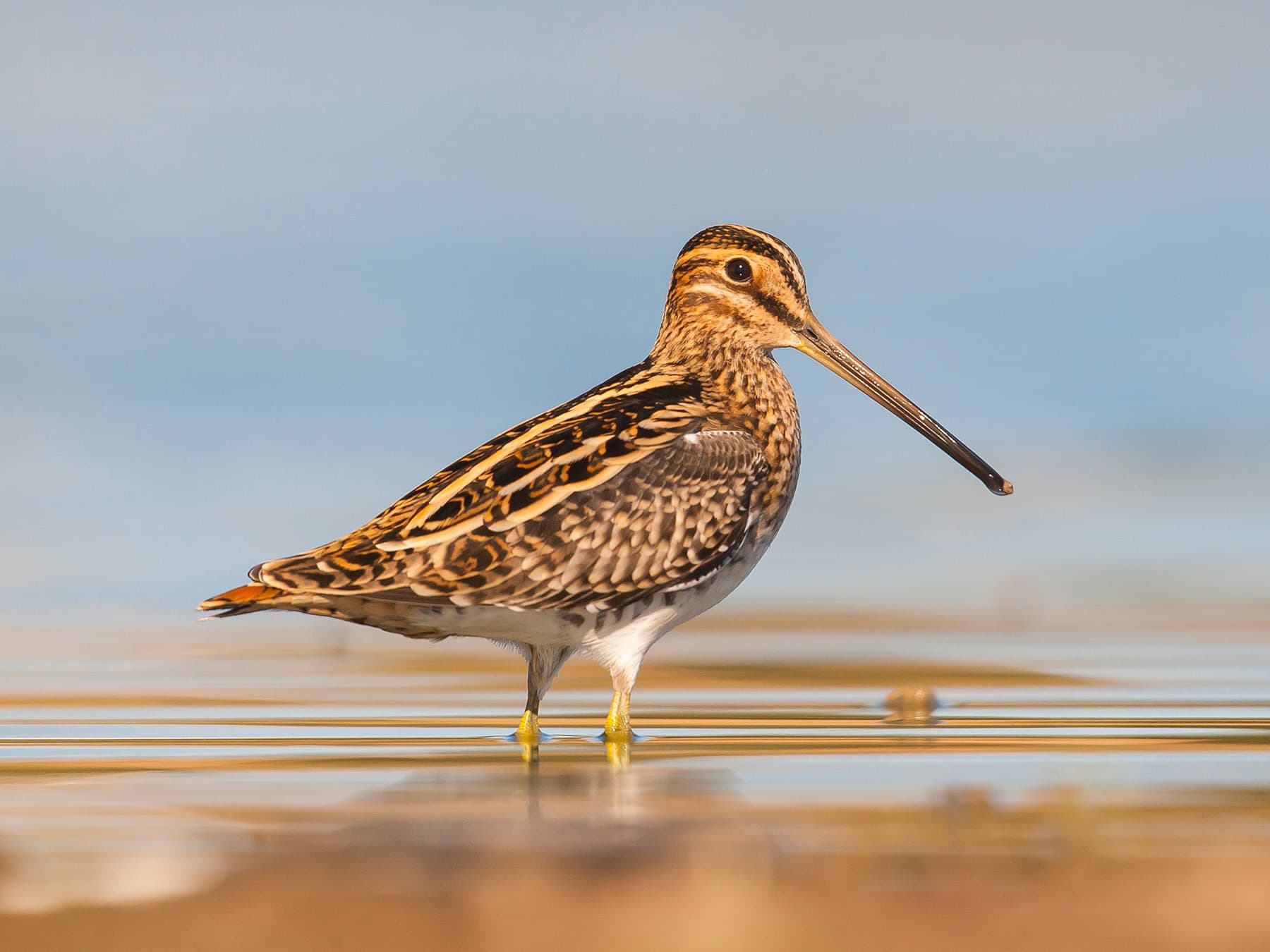
Common Snipe
Gallinago gallinagoLC
An uncommon resident of wet grasslands and marshes, most easily found in winter when birds probe soft mud at sites like Rainham Marshes.
Jul–May
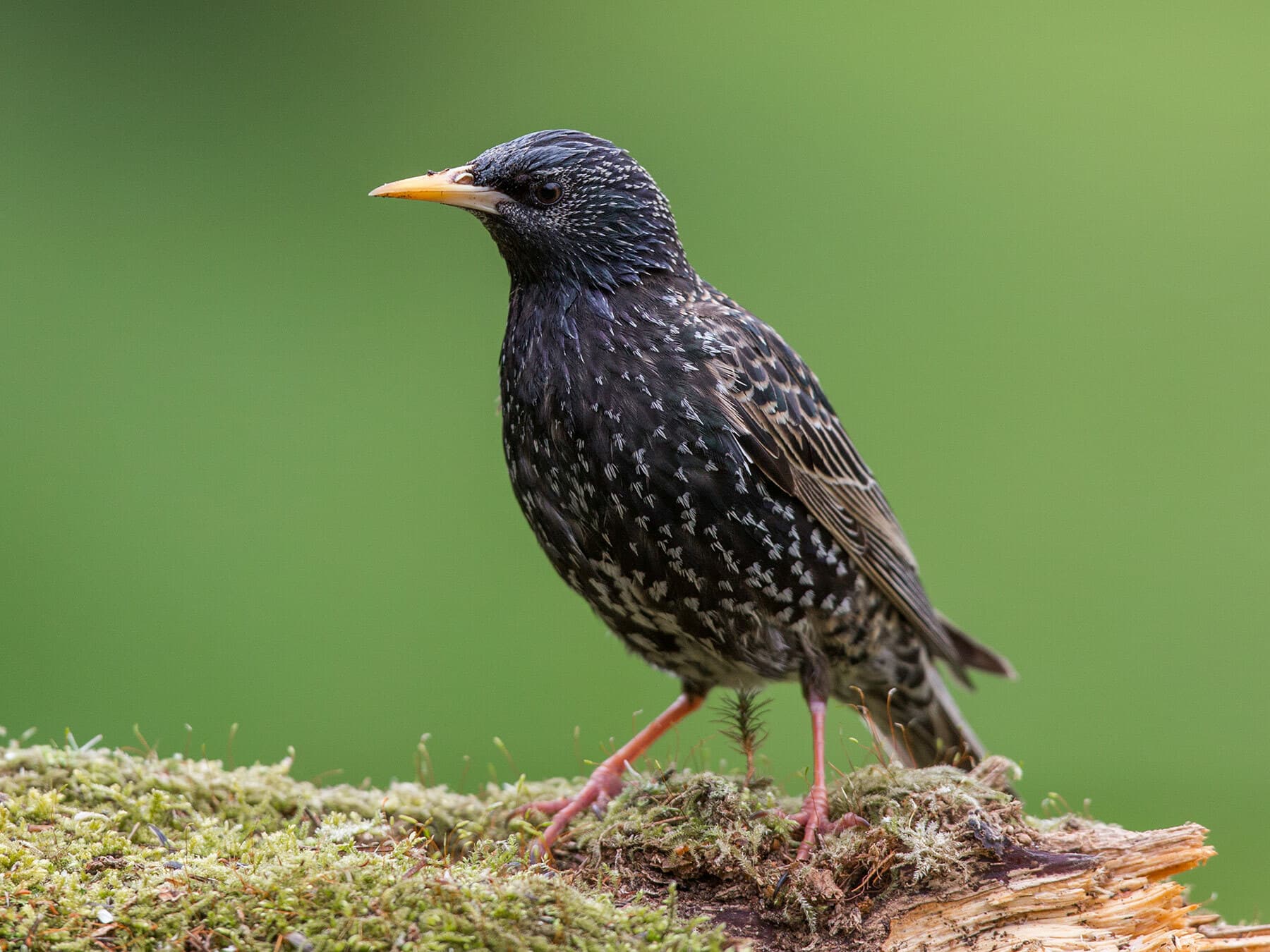
Common Starling
Sturnus vulgarisLC
A common resident forming spectacular winter murmurations over Essex reedbeds and town centres, with Continental birds swelling numbers.
Year-round
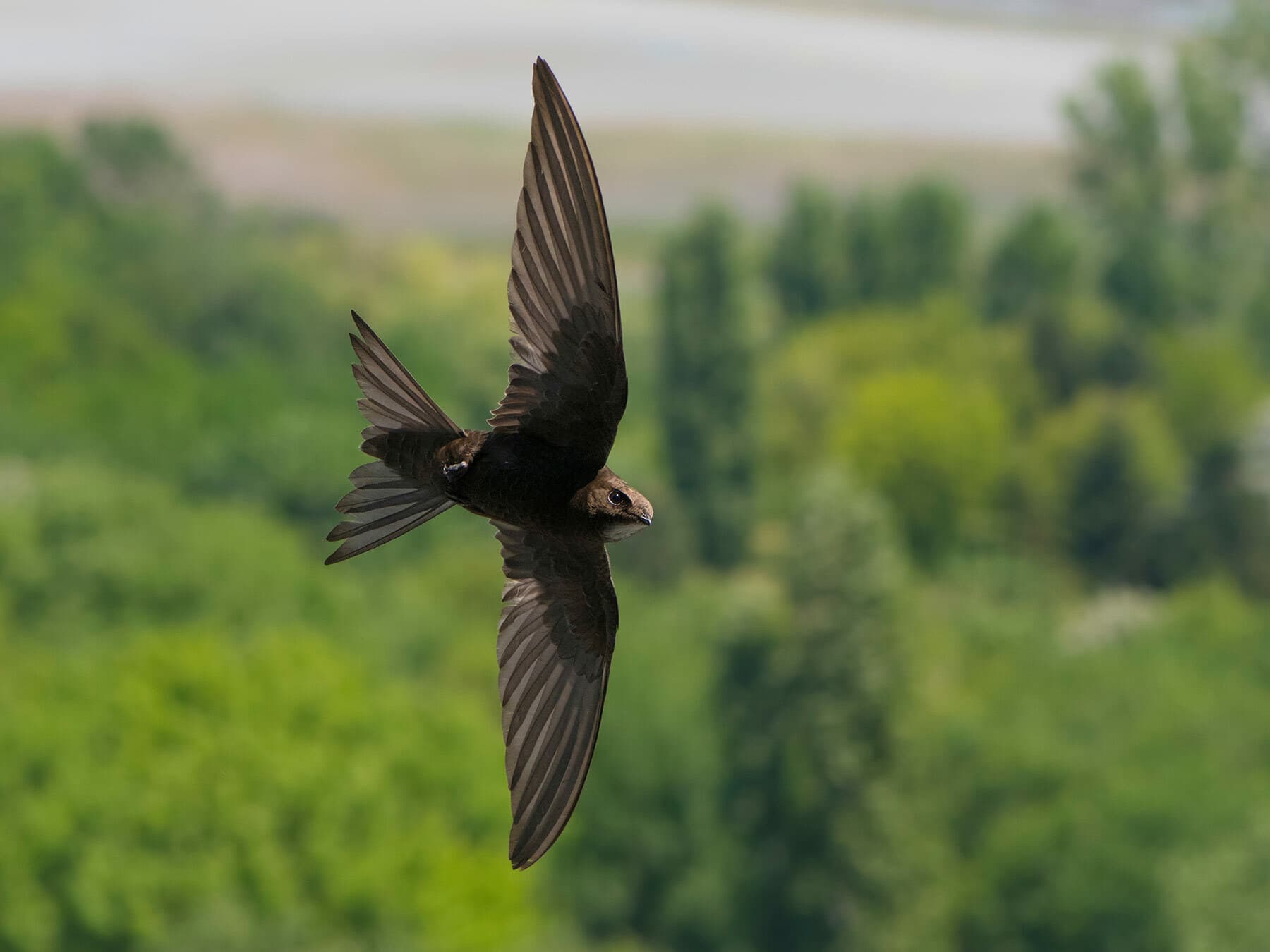
Common Swift
Apus apusLC
A common summer visitor screaming over Essex towns and villages from late April to August, nesting under eaves and in roof spaces.
Apr–Sep
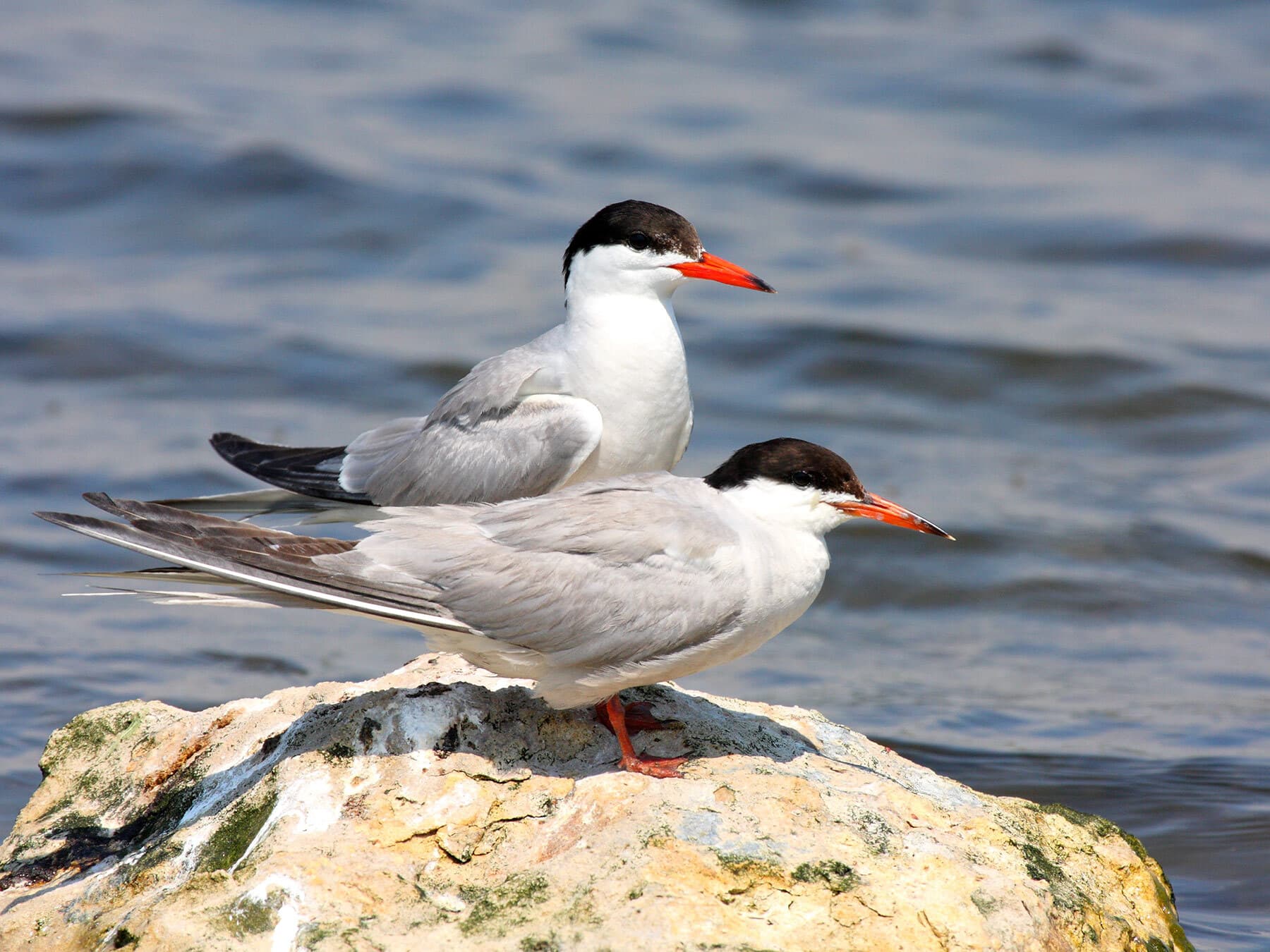
Common Tern
Sterna hirundoLC
A common breeding summer visitor, nesting on rafts and islands at reservoirs and along the Thames estuary from April to October.
Apr–Oct
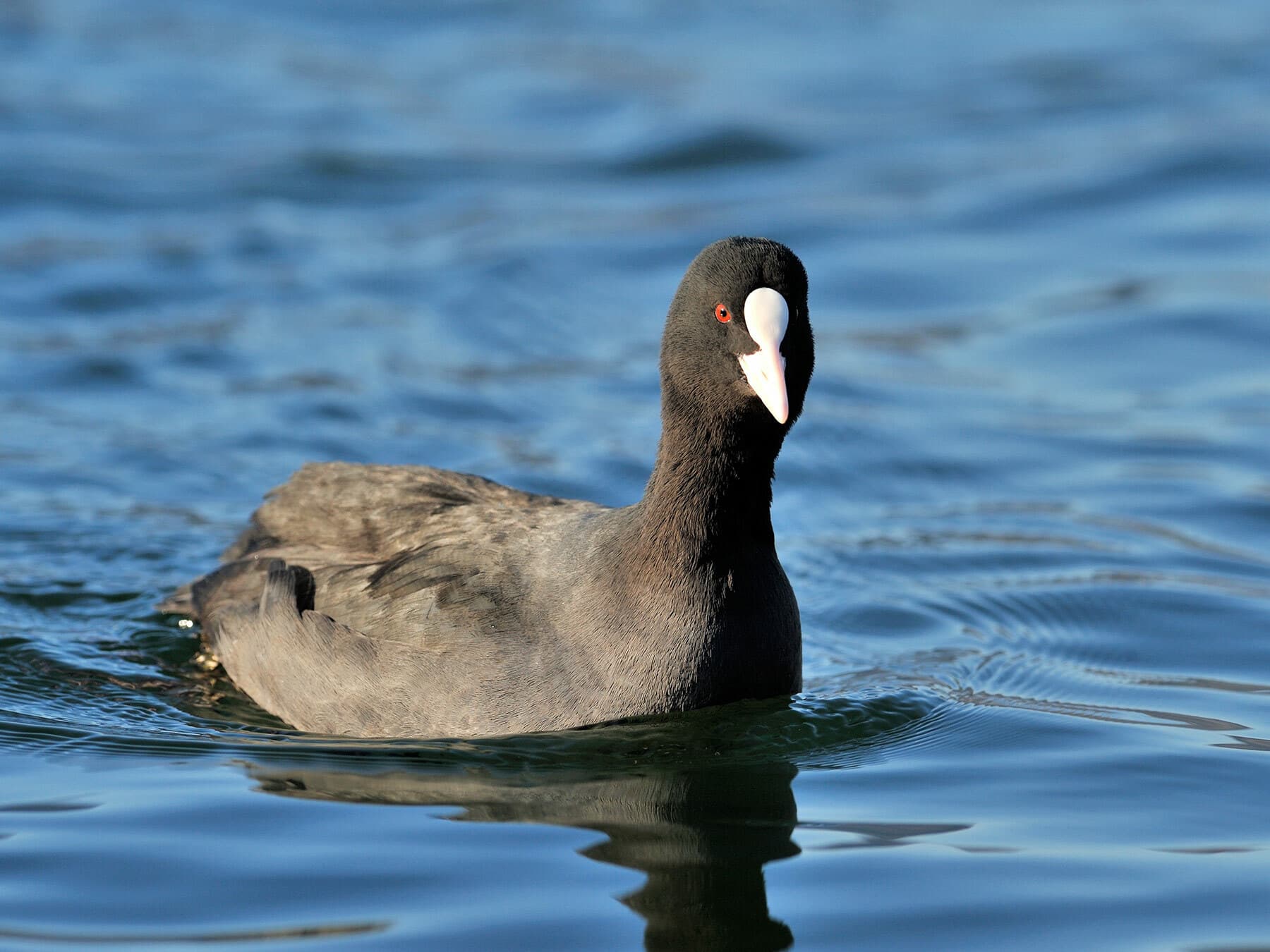
Coot
Fulica atraLC
A common resident on lakes, reservoirs, and gravel pits across Essex. Numbers increase in winter with continental arrivals.
Year-round
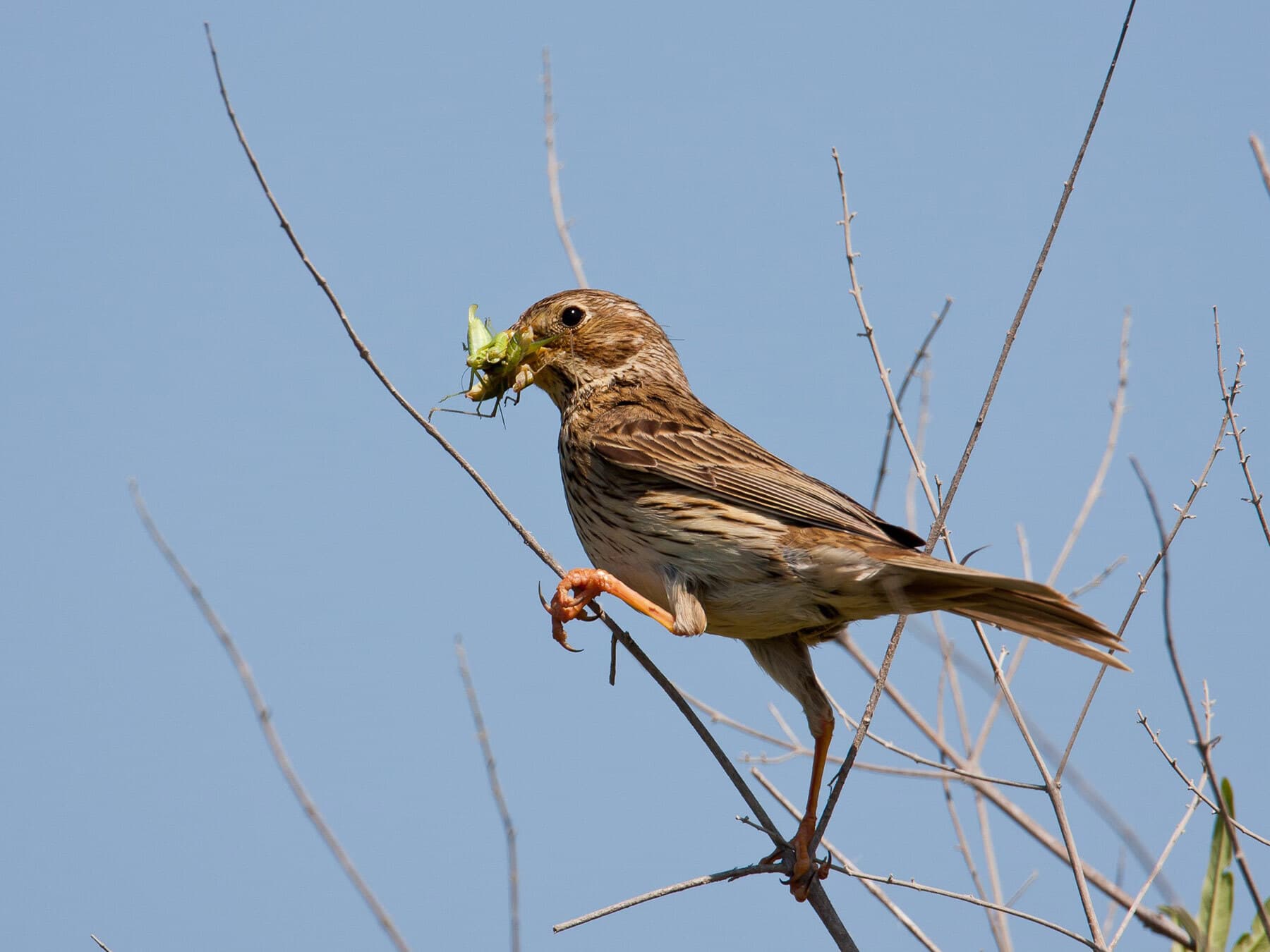
Corn Bunting
Emberiza calandraLC
An uncommon resident of open arable farmland, declining nationally. Essex's cereal fields remain an important area for this chunky bunting.
Year-round