


Rare Birds in Essex
Our list for Essex has 29 rare birds recorded regularly there: 5 residents, 4 winter visitors, 12 passage migrants and 8 scarce visitors
Most likely in October
GBIF · OctShare of all bird records in Essex in October, 2019–2024. Each month links to that month’s page.
All 29, most common first
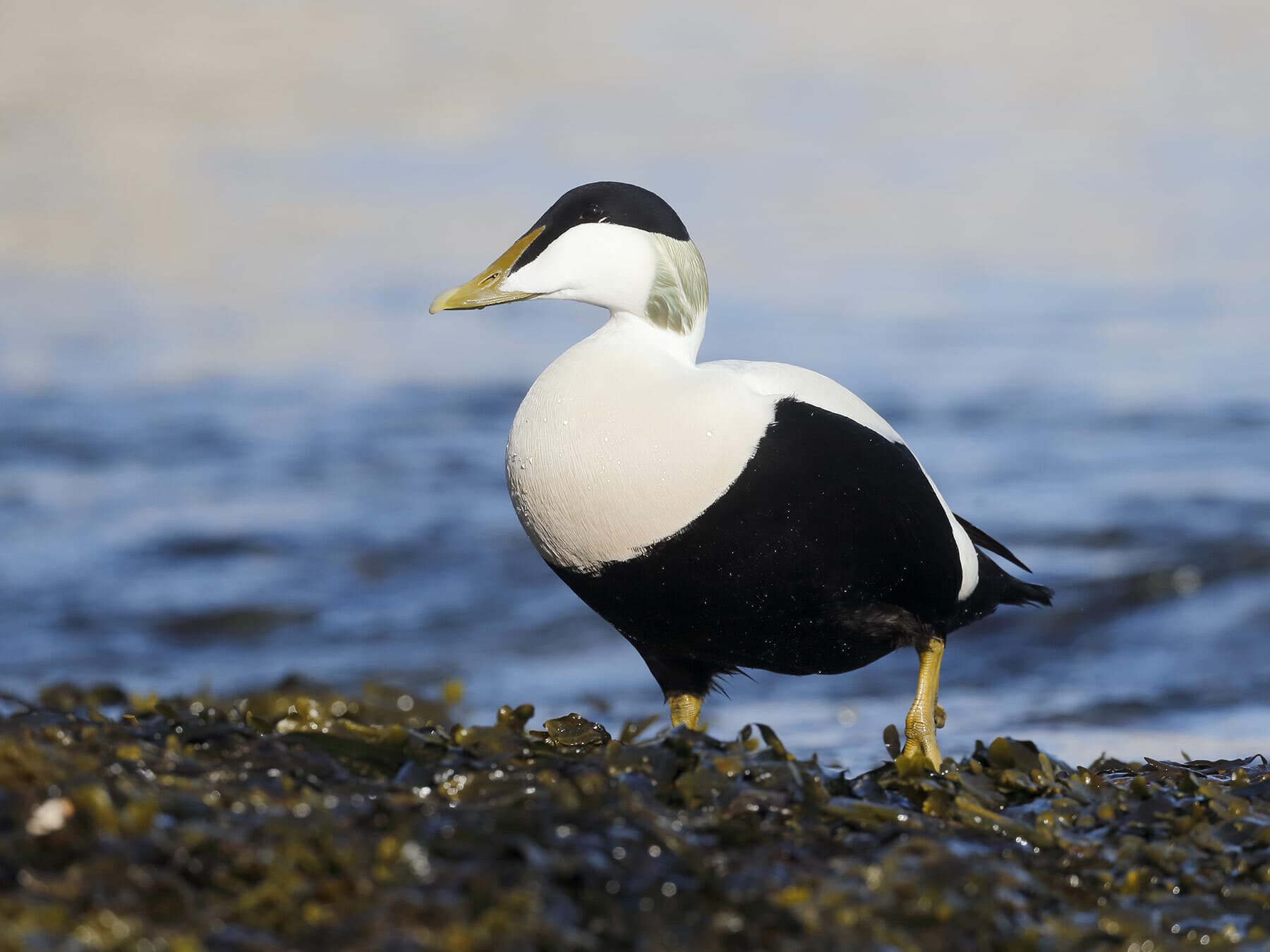 EiderSomateria mollissimaResidentRare50–71 cmRegularly Jun–Jan
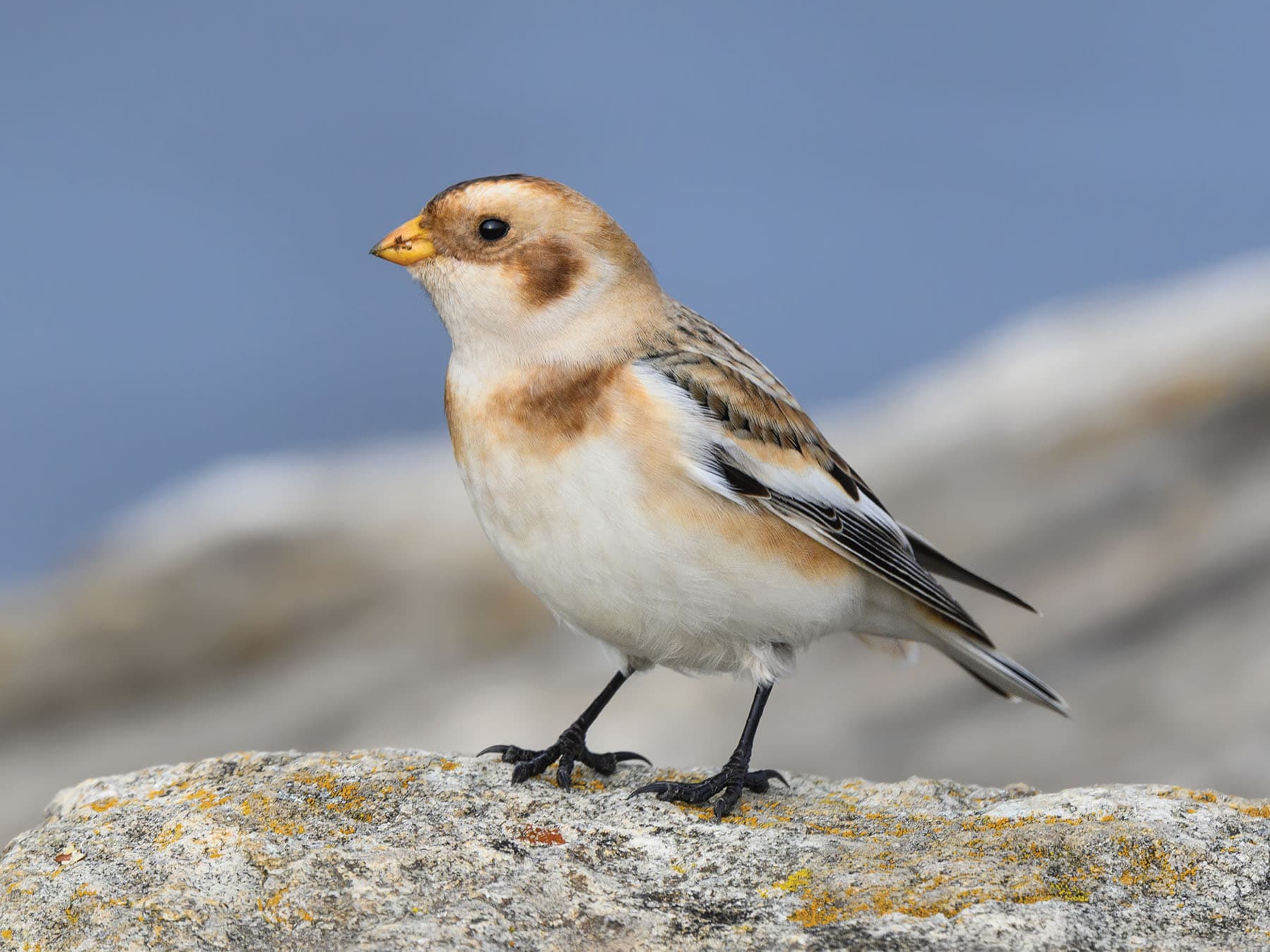 Snow BuntingPlectrophenax nivalisPassage migrantRare15–18 cmRegularly Dec–Jan
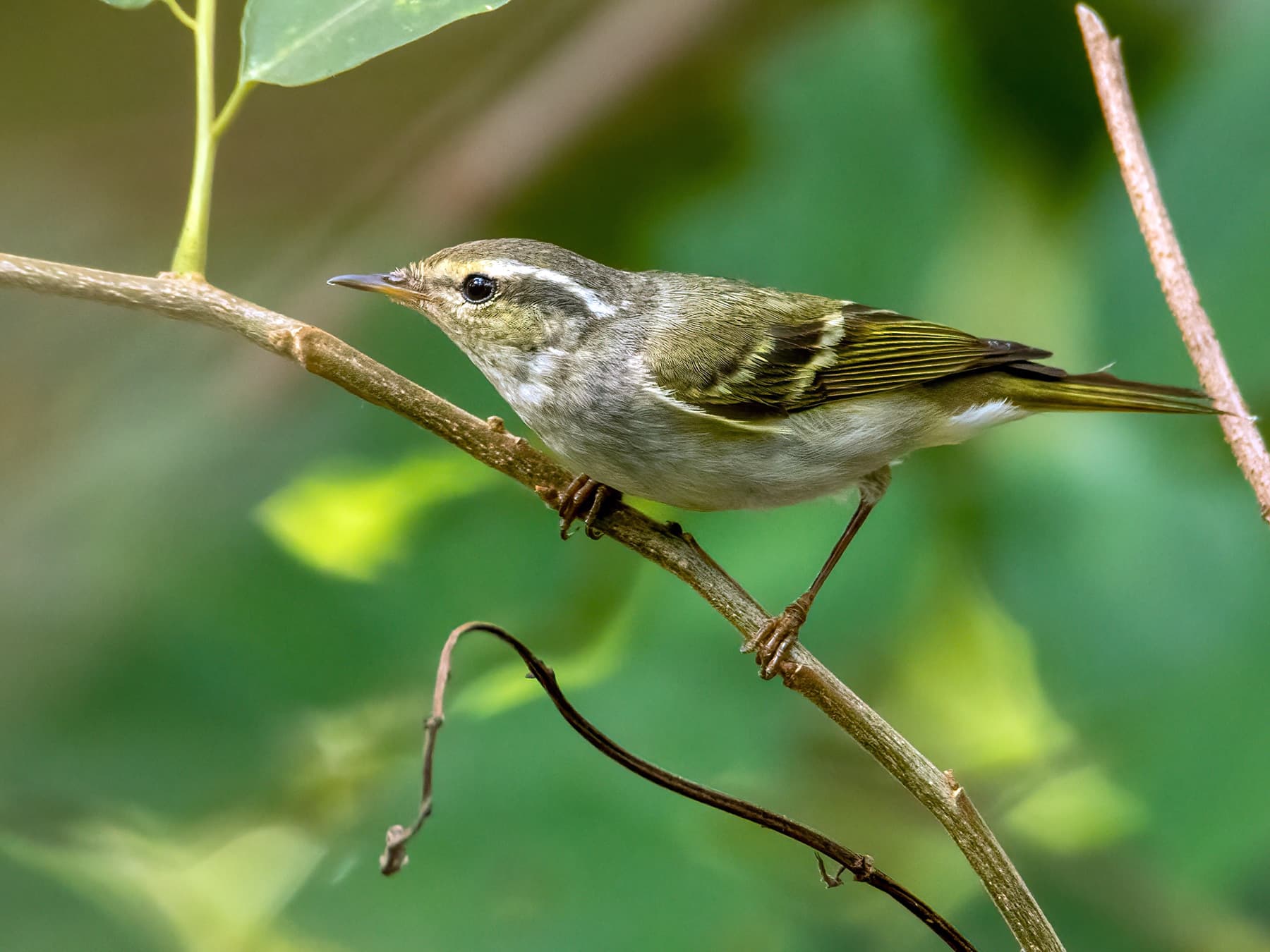 Yellow-browed WarblerPhylloscopus inornatusPassage migrantRare10–11 cmRegularly Sep–Oct
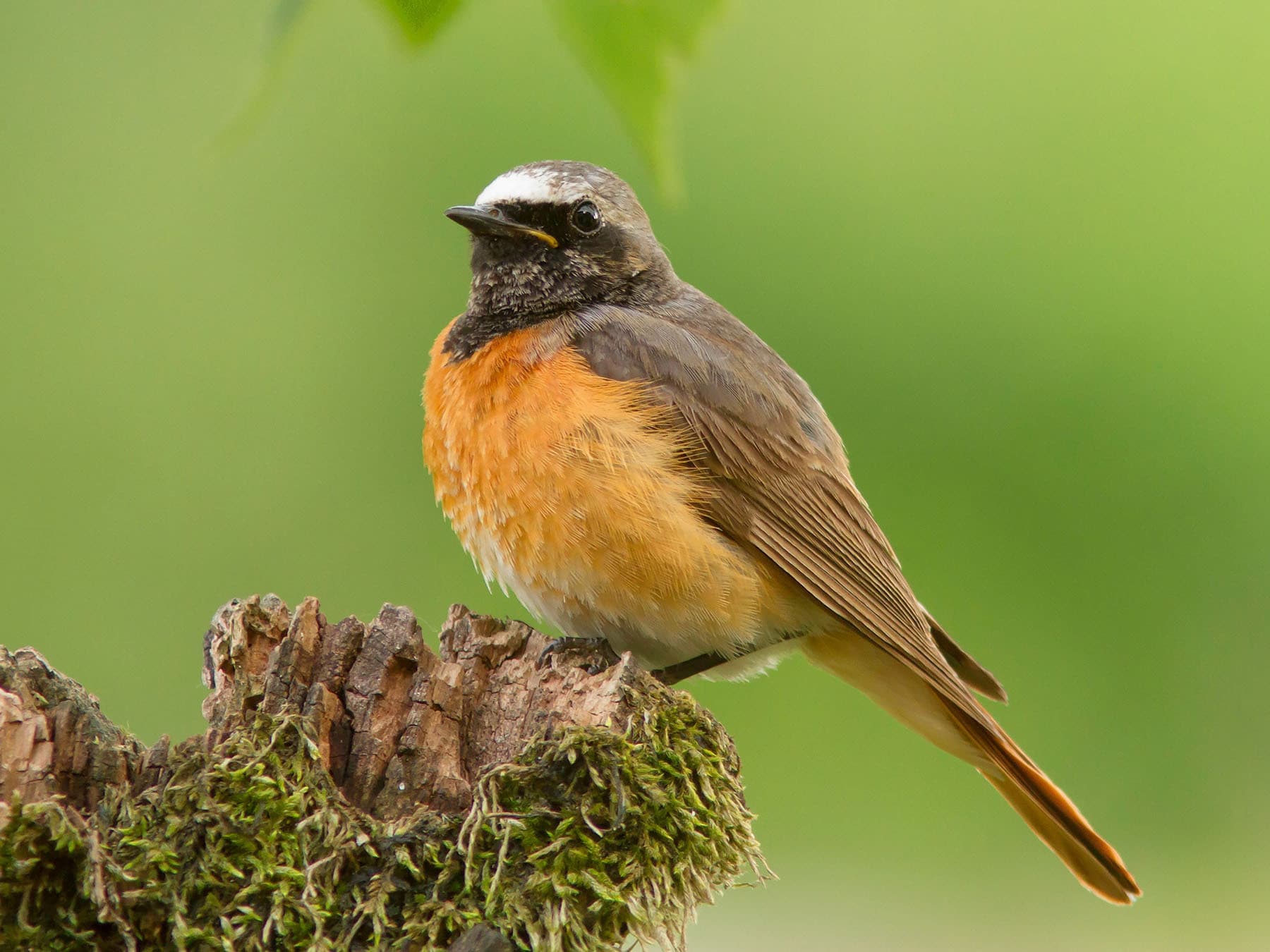 Common RedstartPhoenicurus phoenicurusPassage migrantRare13–15 cmRegularly Apr–Sep
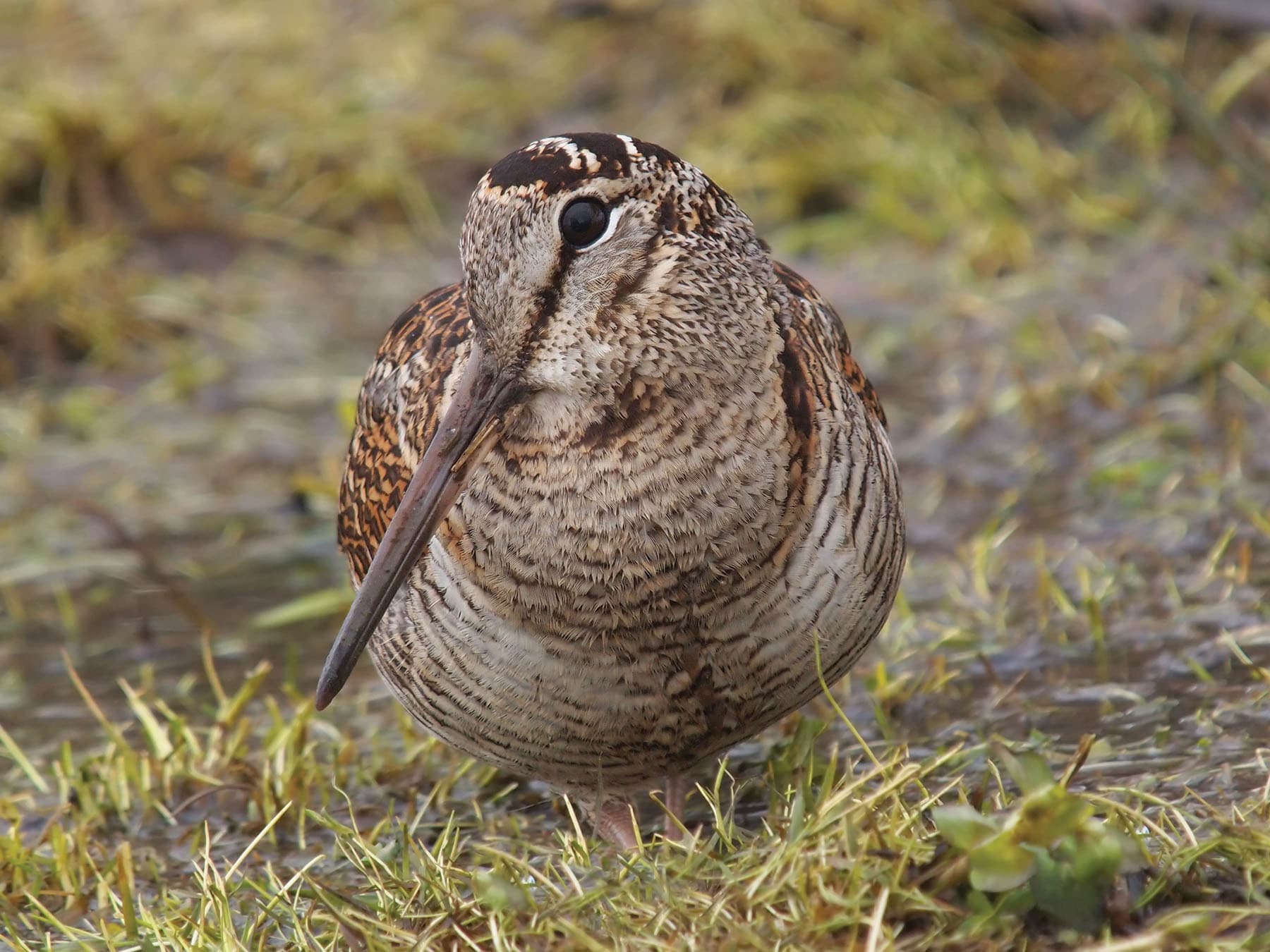 Eurasian WoodcockScolopax rusticolaWinter visitorRare33–38 cmRegularly Nov–Apr
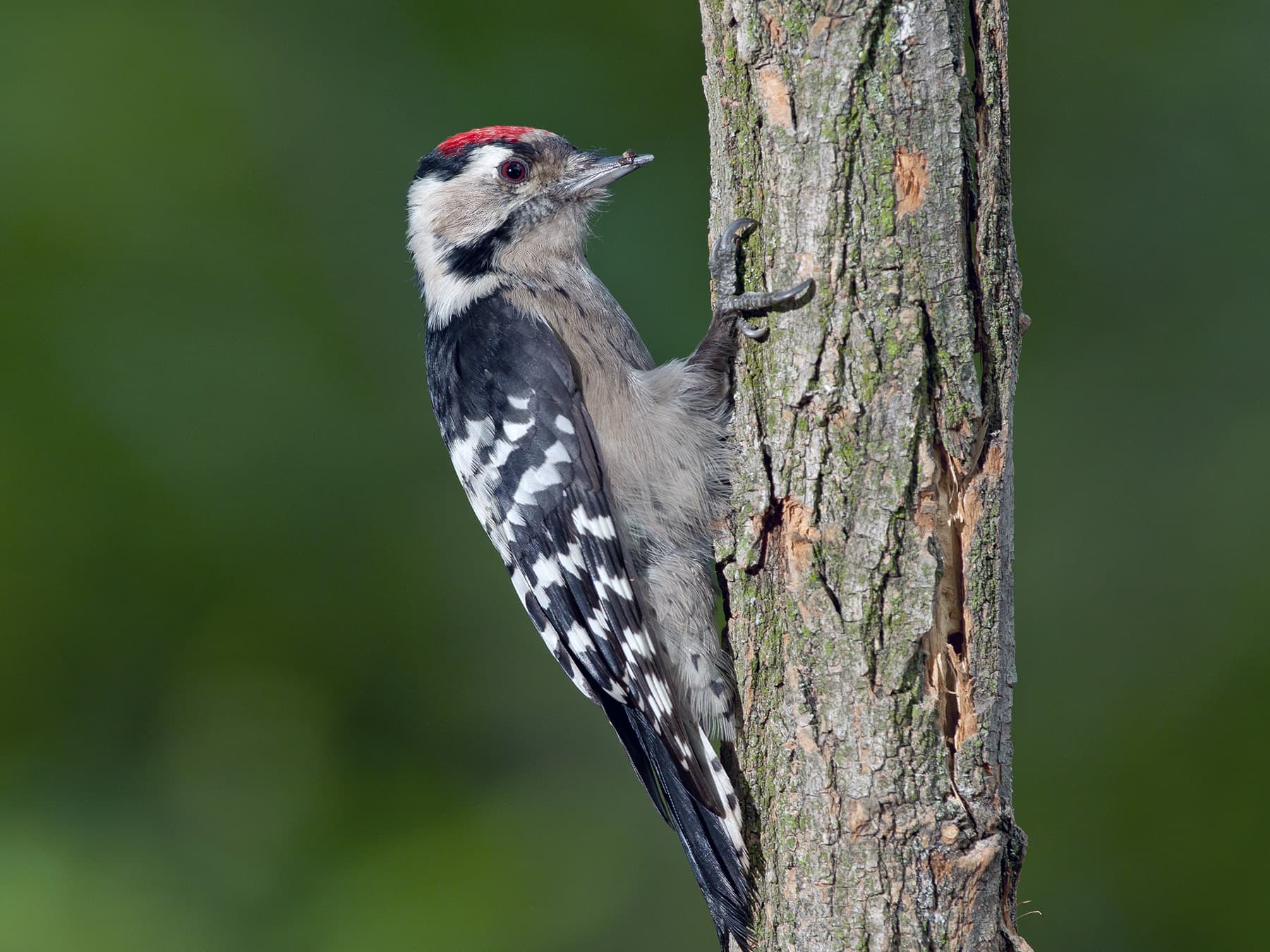 Lesser Spotted WoodpeckerDryobates minorPassage migrantRare14–16 cmRegularly Jan–May
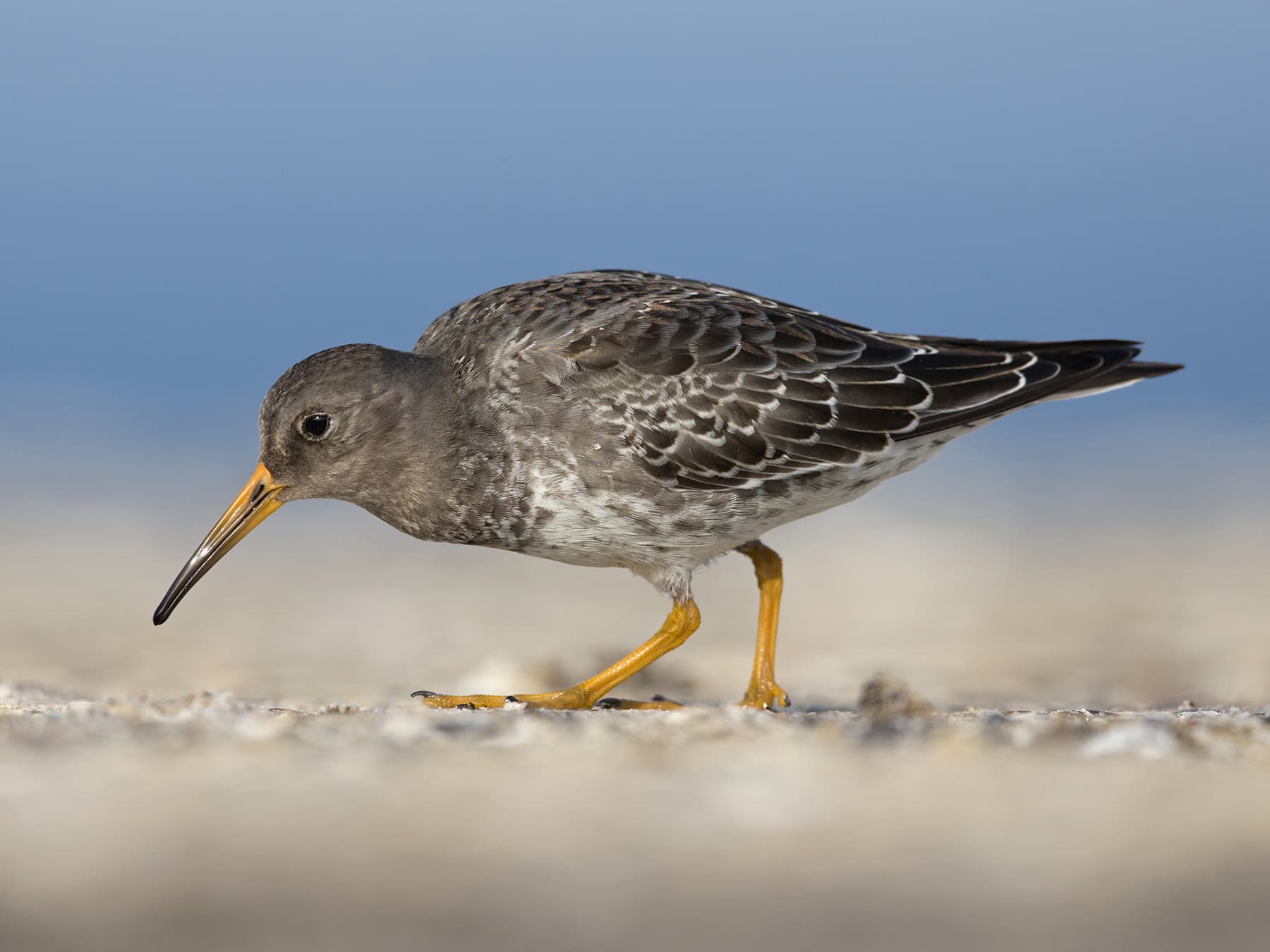 Purple SandpiperCalidris maritimaWinter visitorRare20–22 cmRegularly Oct–Apr
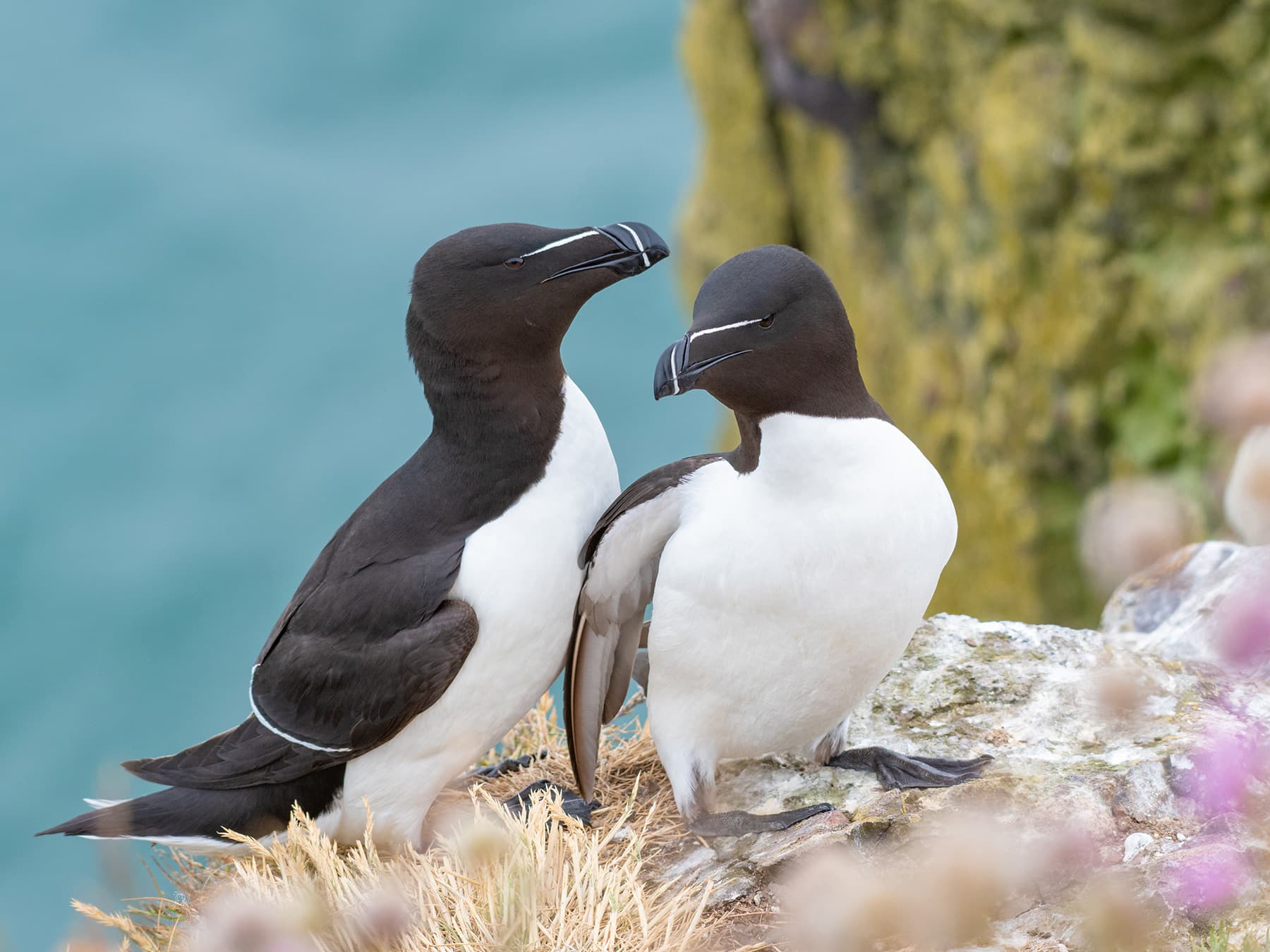 RazorbillAlca tordaResidentRare38–43 cmRegularly Nov
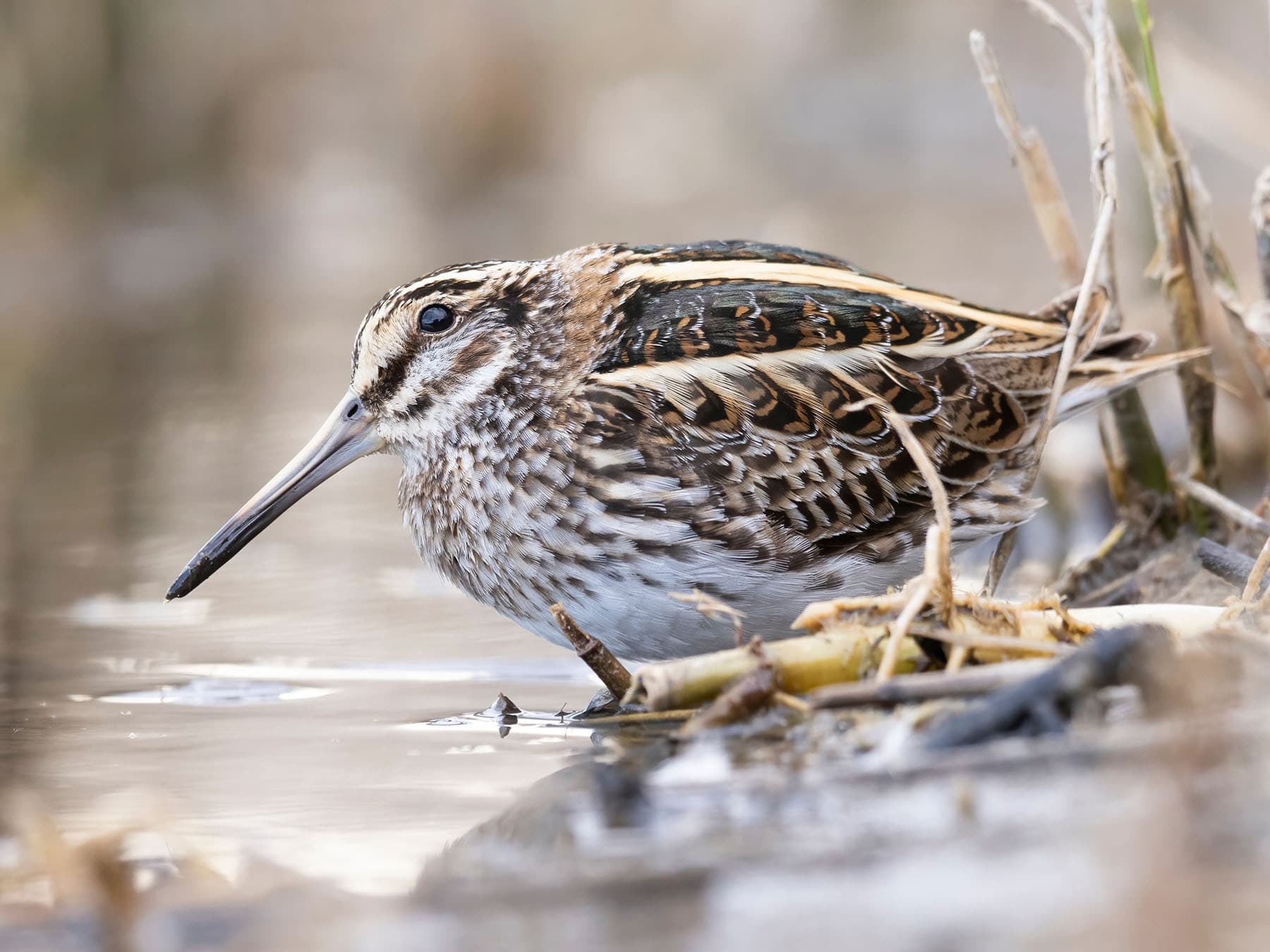 Jack SnipeLymnocryptes minimusWinter visitorRare17–19 cmRegularly Oct–Apr
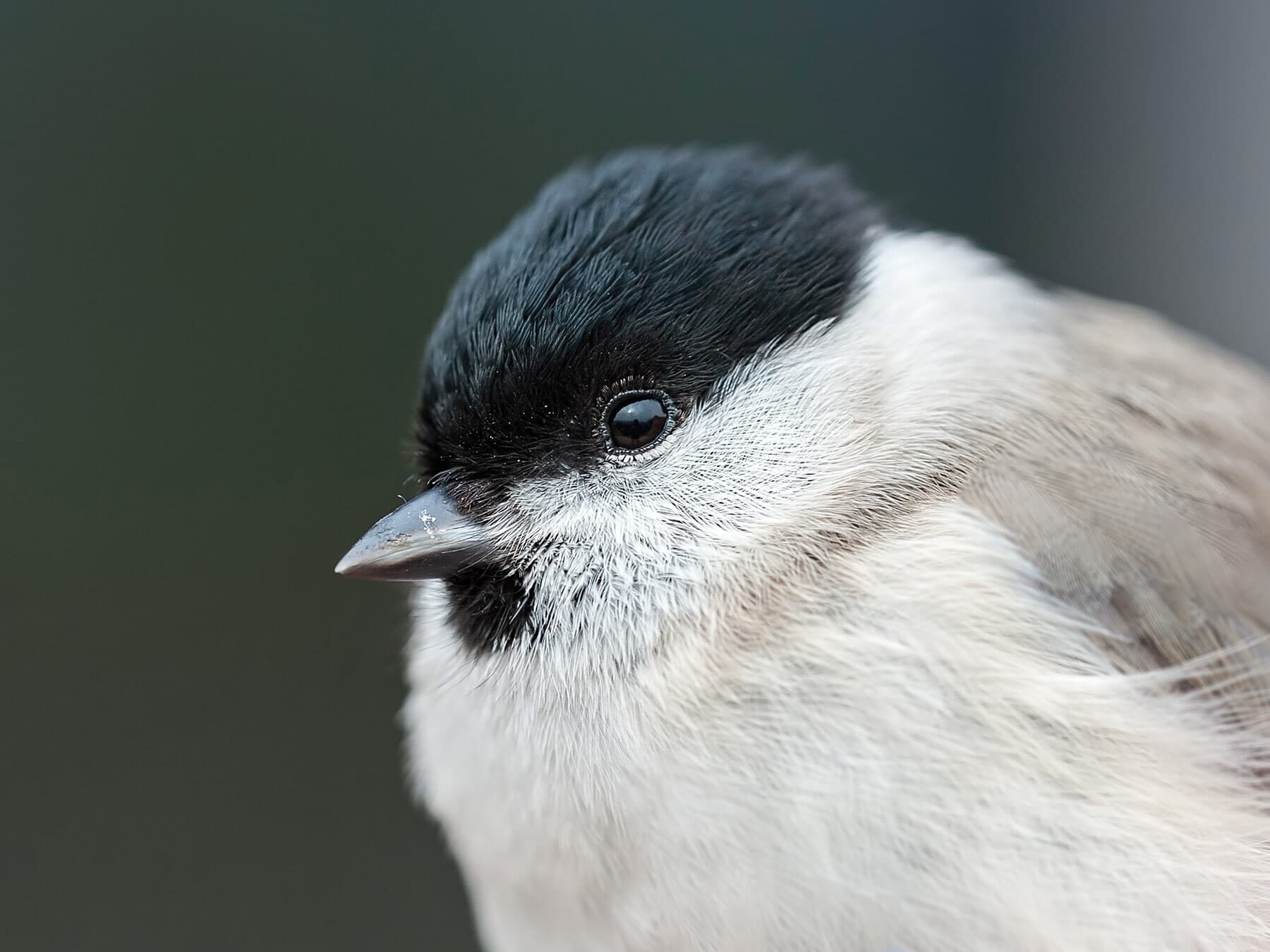 Marsh TitPoecile palustrisWinter visitorRare12–13 cmRegularly Jun–Apr
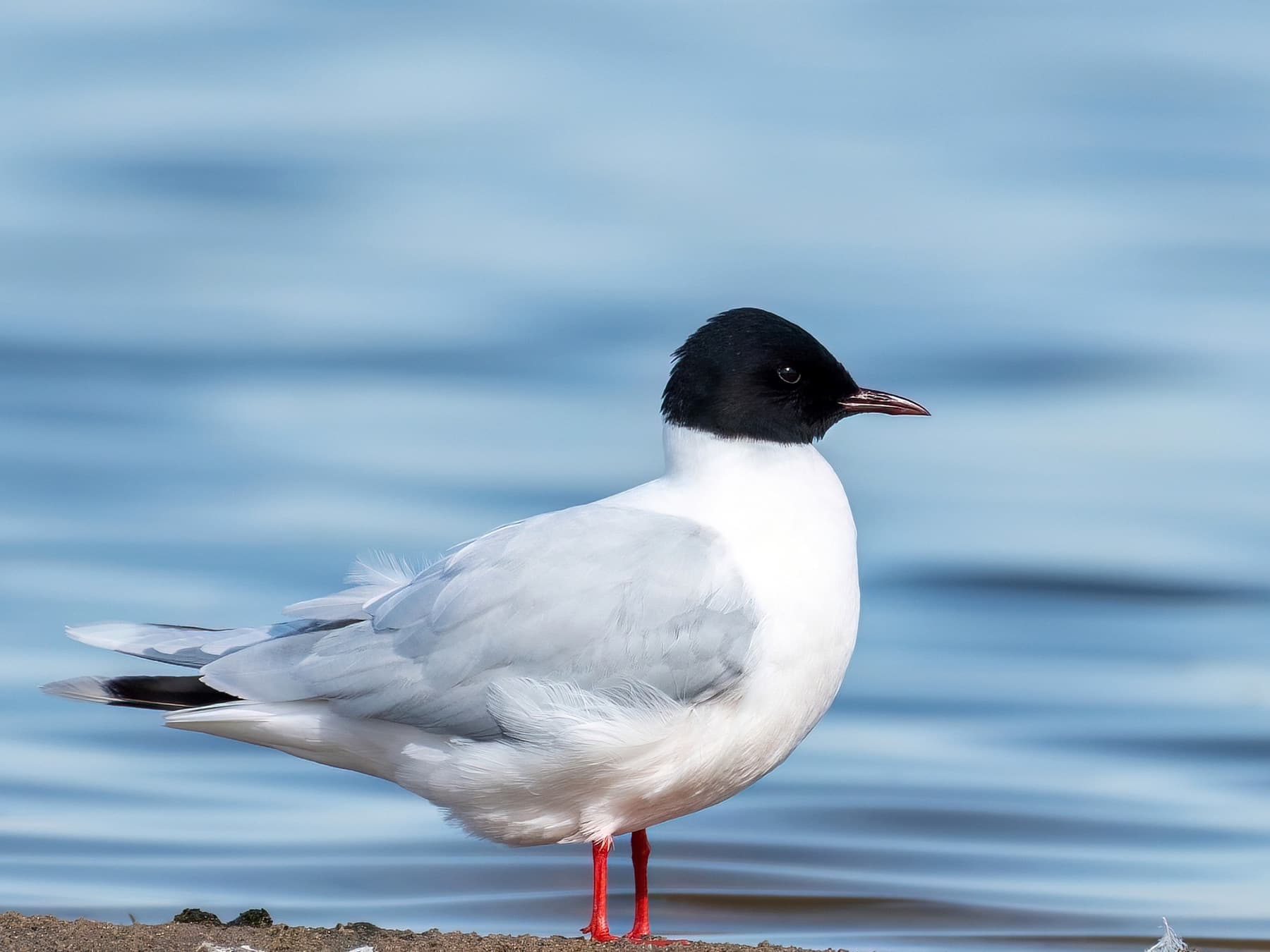 Little GullHydrocoloeus minutusPassage migrantRare25–30 cmRegularly Mar–Nov
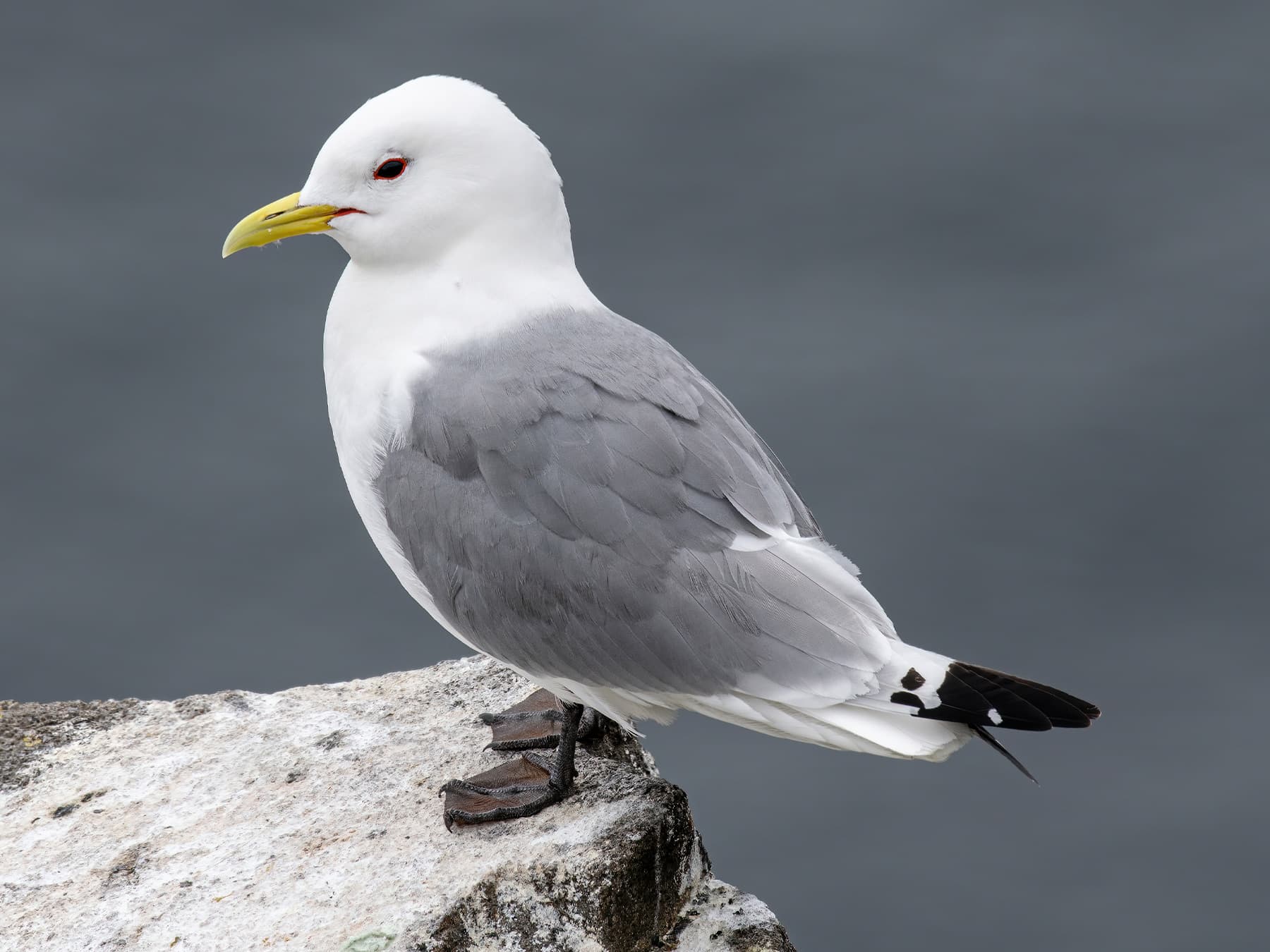 KittiwakeRissa tridactylaResidentRare37–41 cmRegularly Oct–May
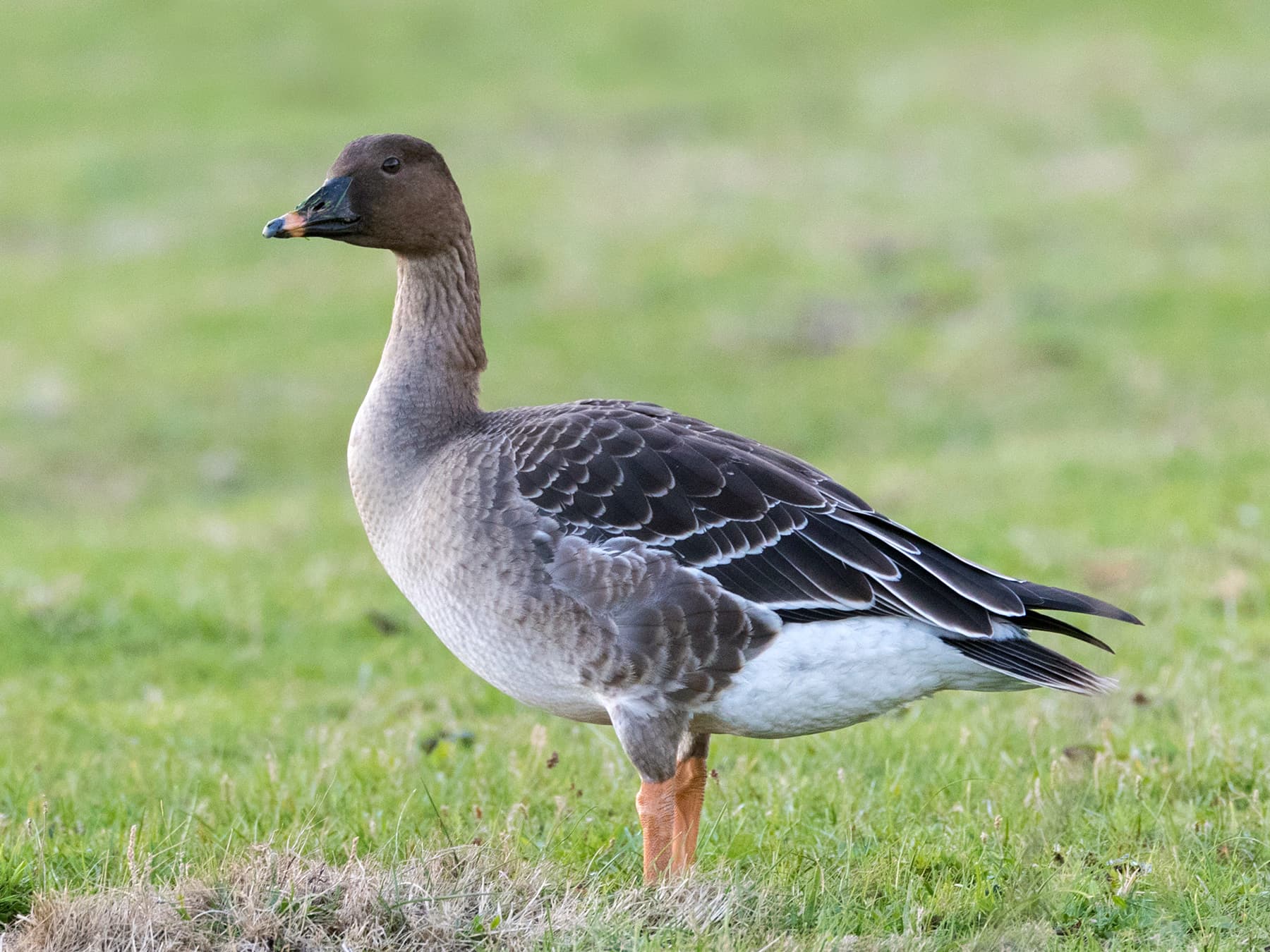 Tundra Bean GooseAnser serrirostrisScarceRare66–84 cm
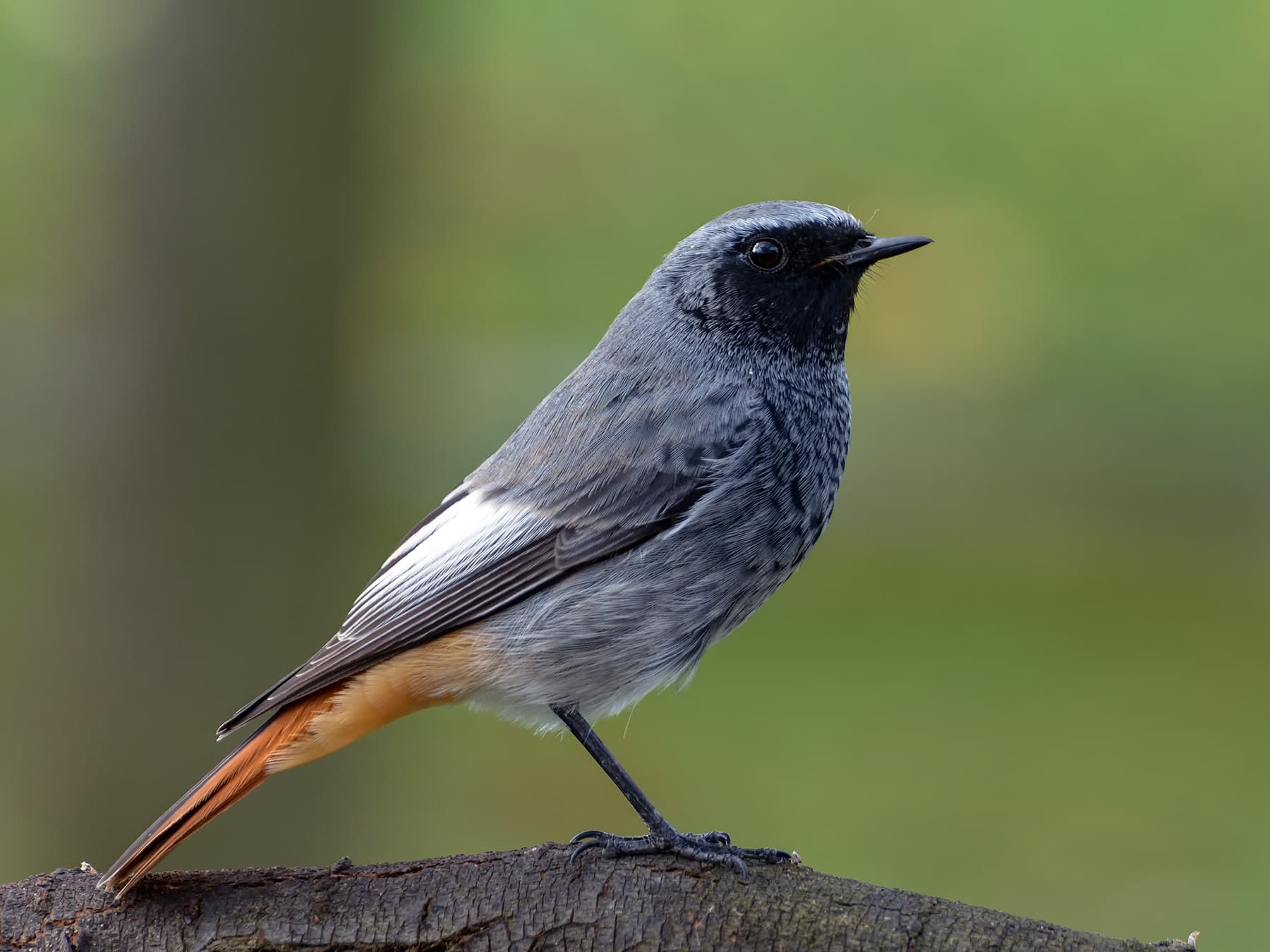 Black RedstartPhoenicurus ochrurosPassage migrantRare13–15 cmRegularly Jul–May
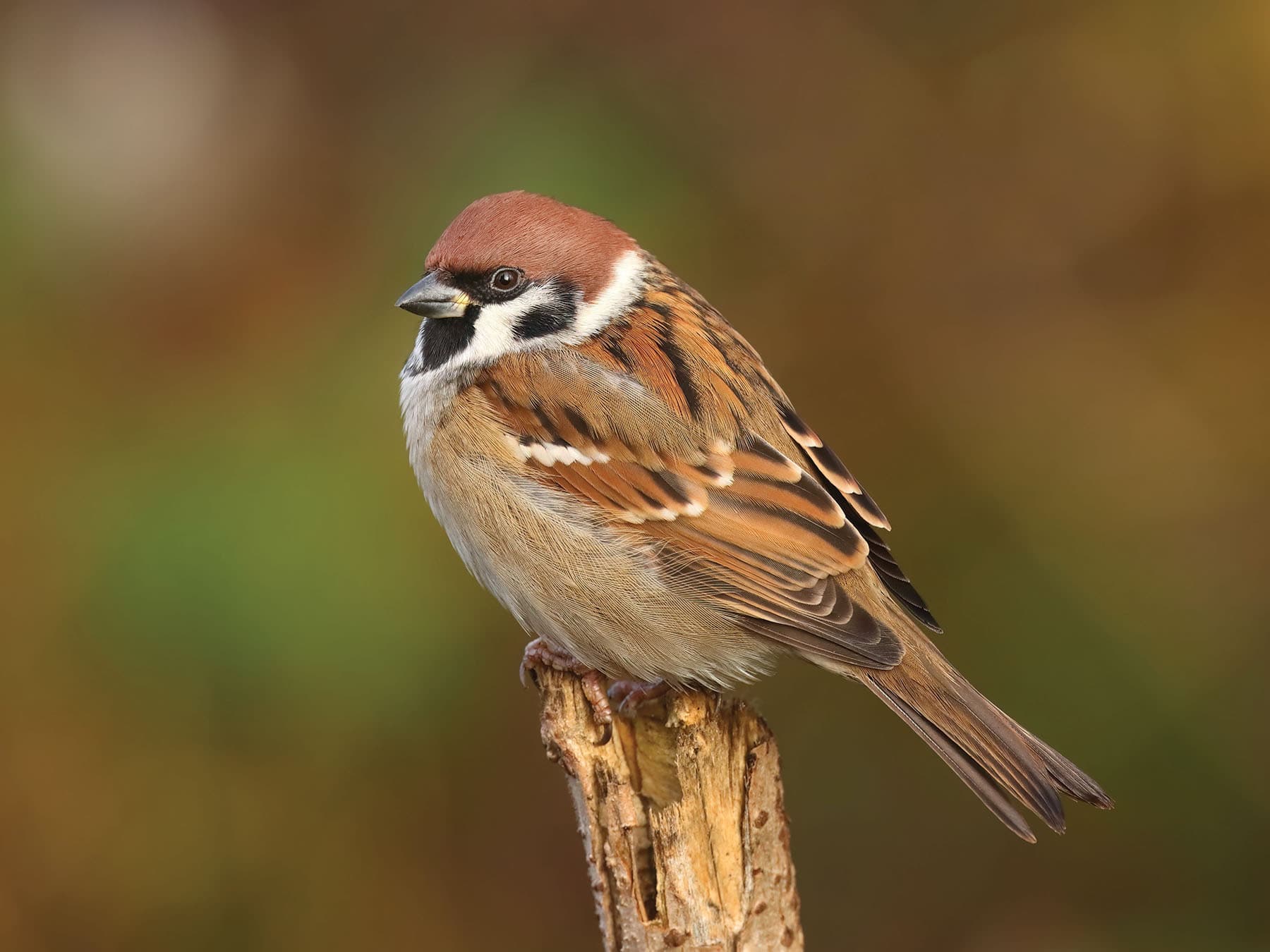 Eurasian Tree SparrowPasser montanusResidentRare13–14 cmRegularly Aug–Sep
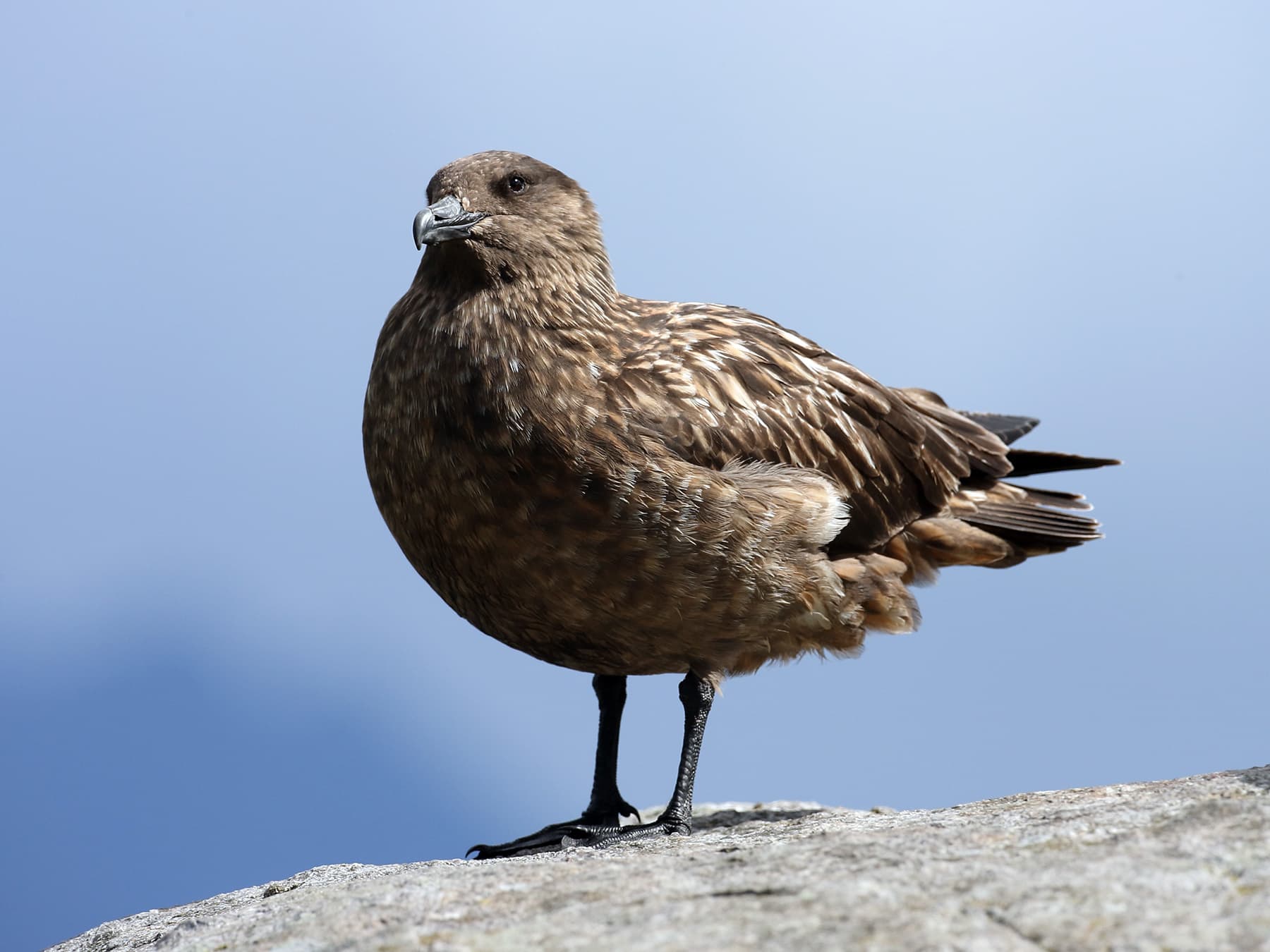 Great SkuaStercorarius skuaPassage migrantRare50–58 cmRegularly Aug–Oct
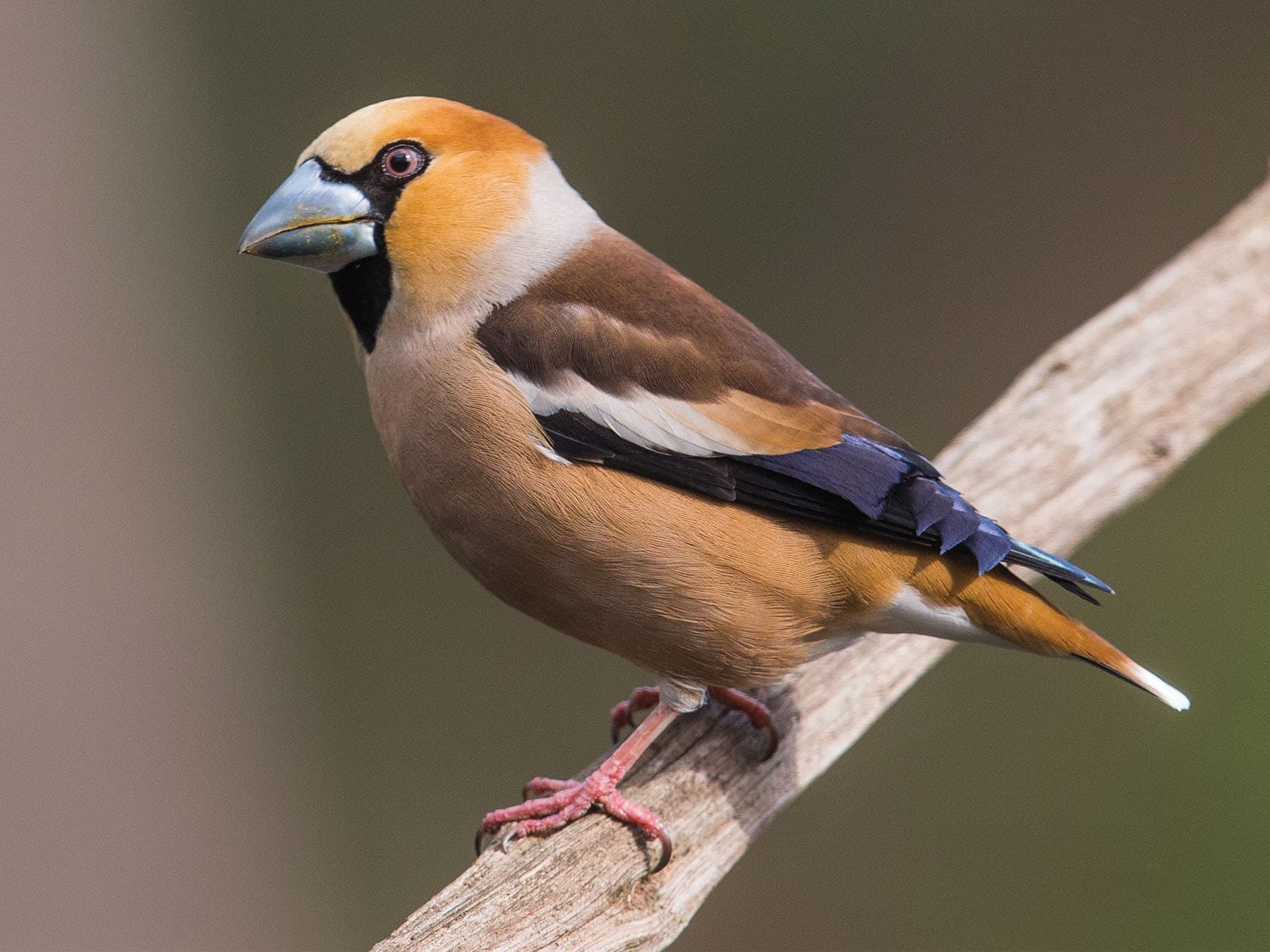 HawfinchCoccothraustes coccothraustesPassage migrantRare17–18 cmRegularly Oct–Jan
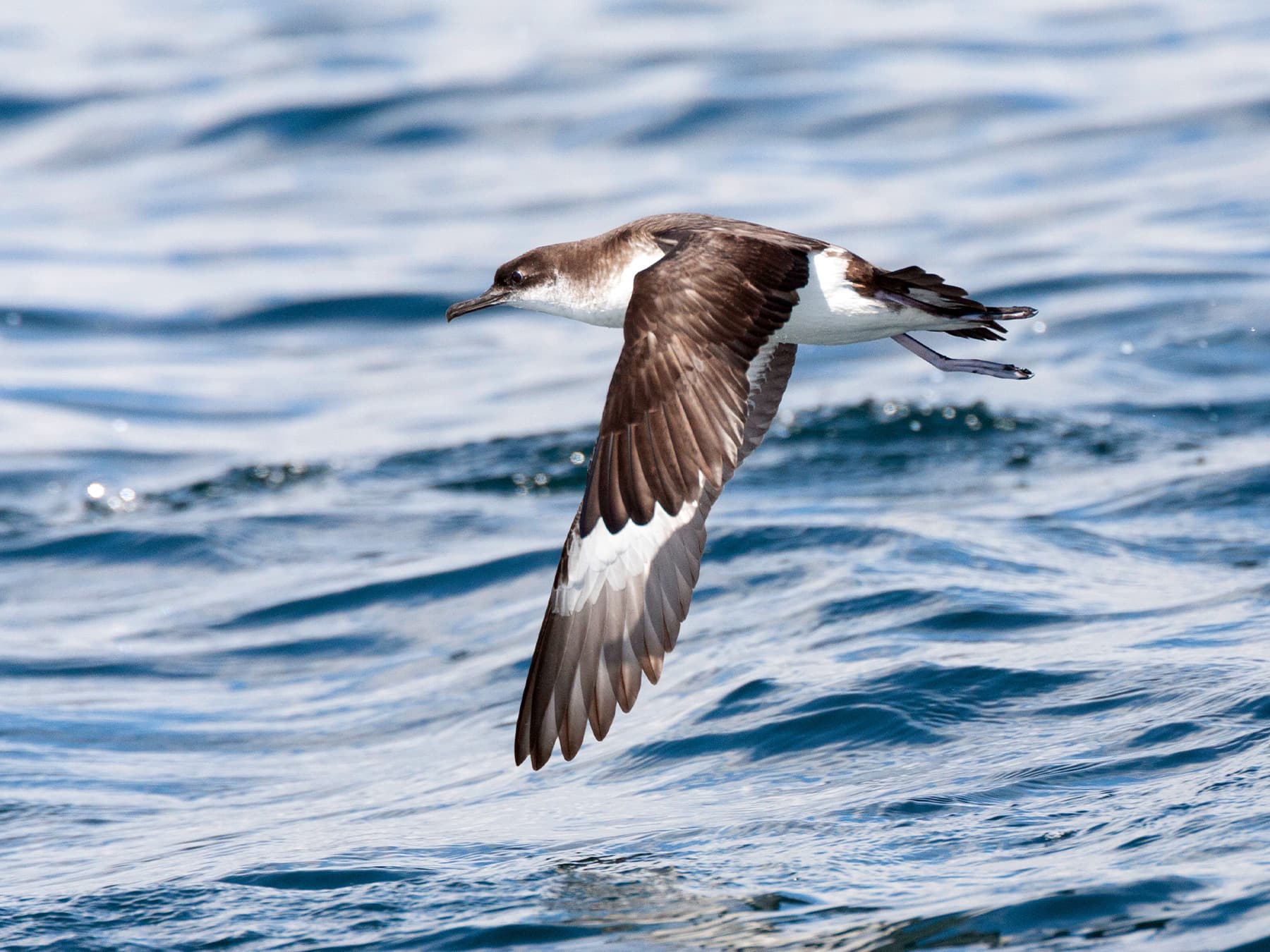 Manx ShearwaterPuffinus puffinusPassage migrantRare30–38 cmRegularly Sep
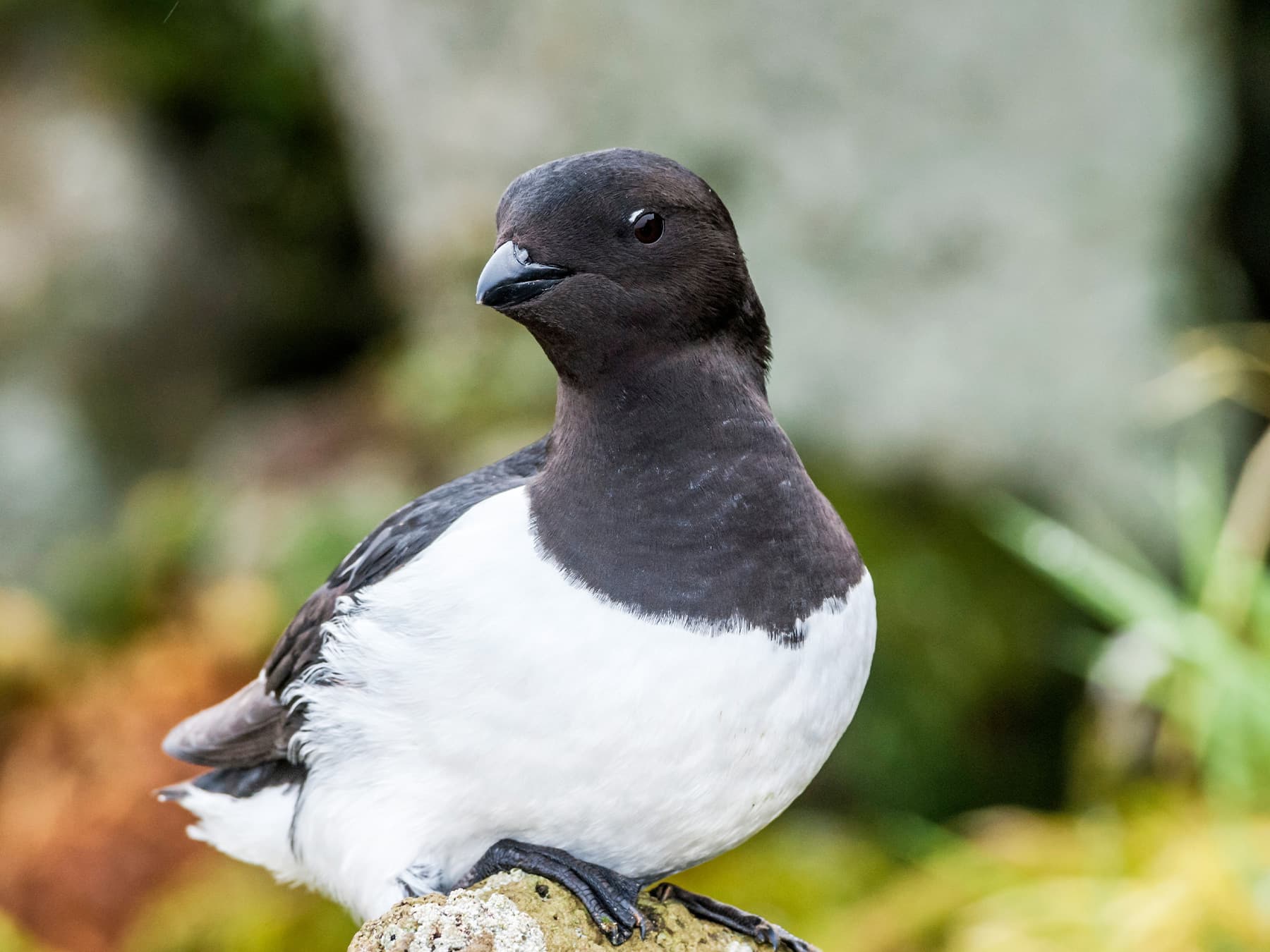 Little AukAlle alleScarceRare18–21 cmRegularly Nov
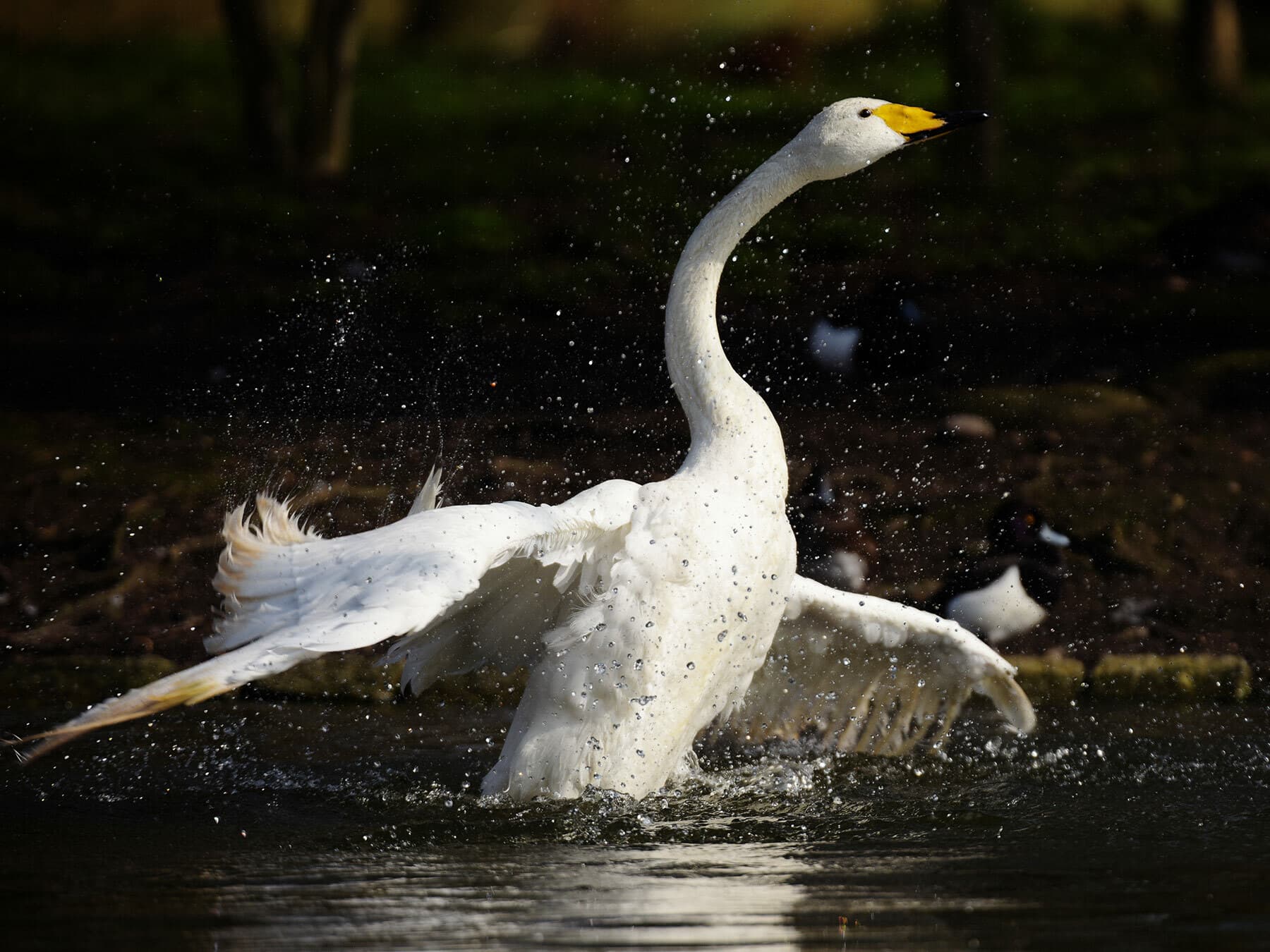 Whooper SwanCygnus cygnusPassage migrantRare140–165 cmRegularly Nov
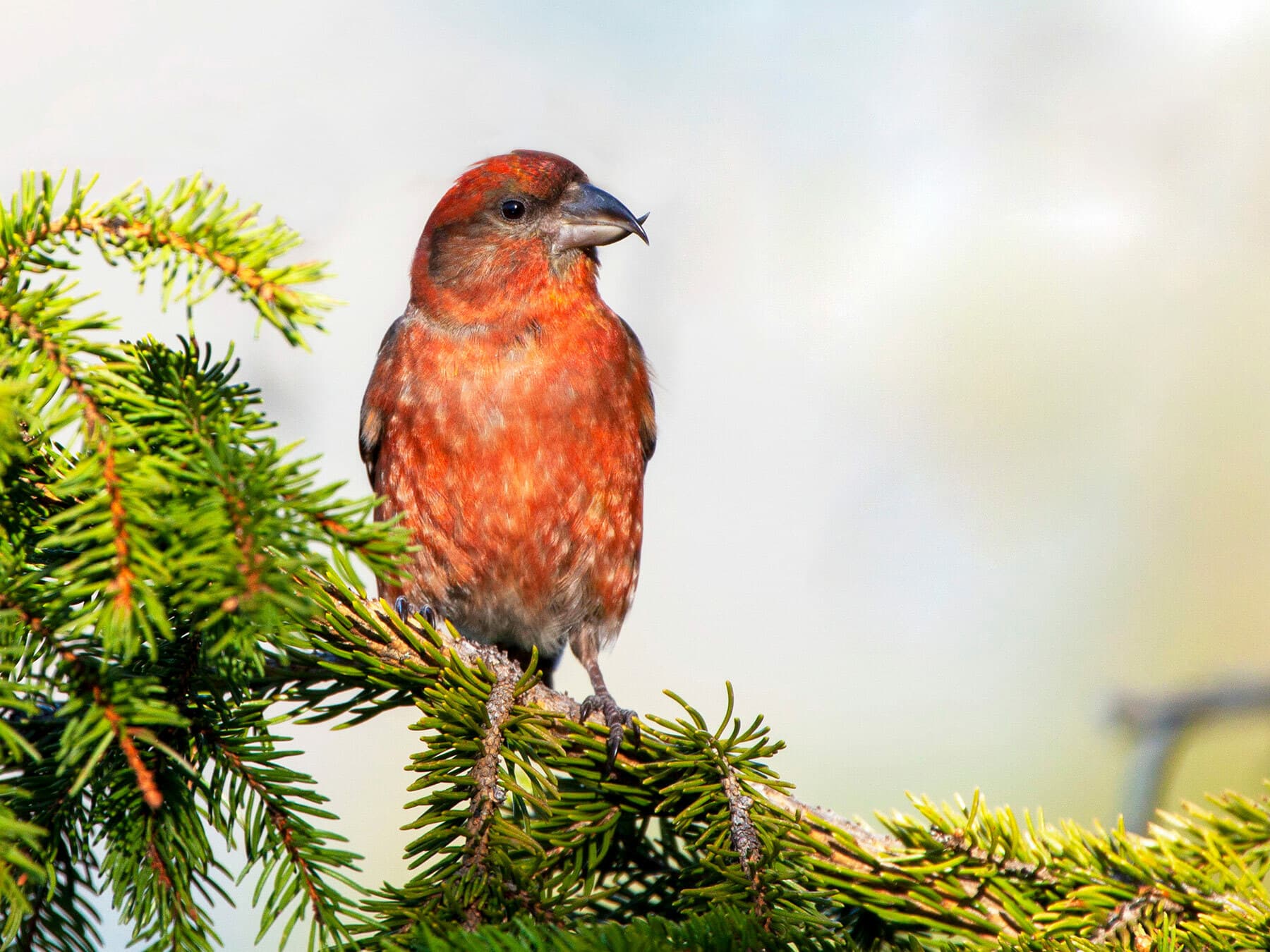 Red CrossbillLoxia curvirostraScarceRare15–17 cm
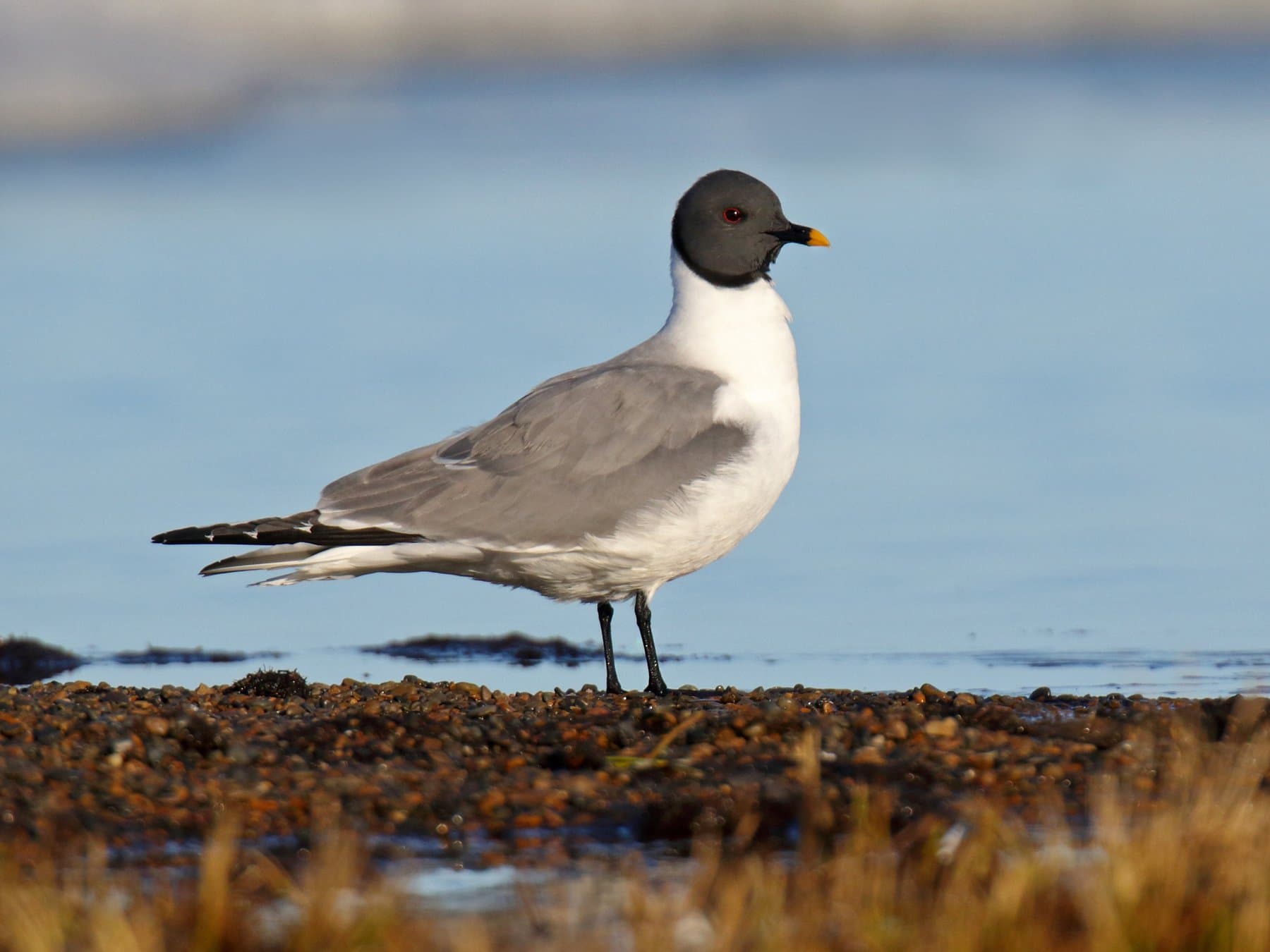 Sabine's GullXema sabiniScarceRare27–33 cm
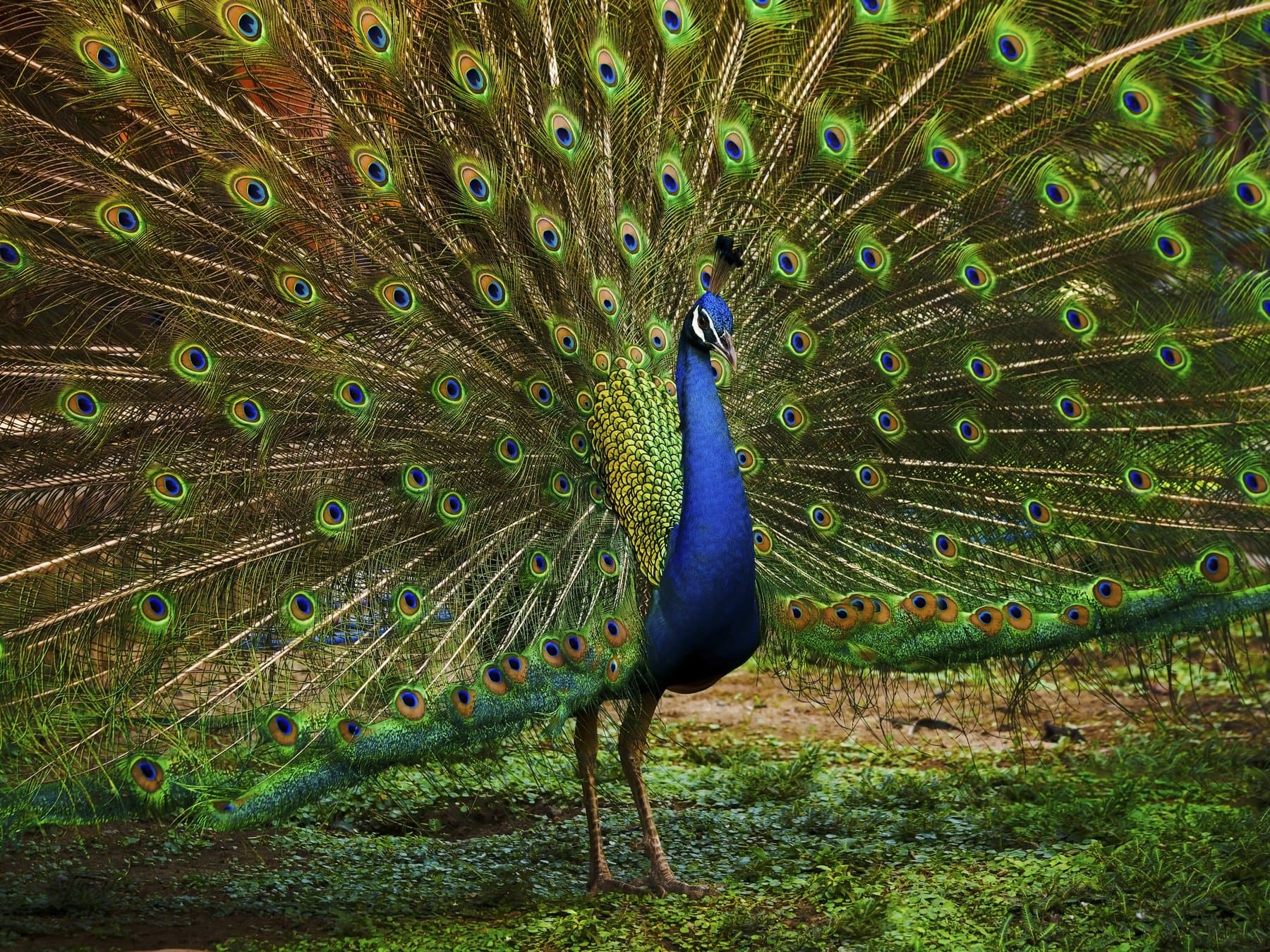 Indian PeafowlPavo cristatusResidentRare86–230 cmRegularly Apr–May
Smallest to largest
Length, cm- Yellow-browed Warbler 10–11 cm
- Wood Warbler 11–13 cm
- Marsh Tit 12–13 cm
- Eurasian Tree Sparrow 13–14 cm
- Twite 13–14 cm
- Common Redstart 13–15 cm
- Black Redstart 13–15 cm
- Lesser Spotted Woodpecker 14–16 cm
- Red Crossbill 15–17 cm
- Snow Bunting 15–18 cm
- Common Quail 16–18 cm
- Hawfinch 17–18 cm
- Jack Snipe 17–19 cm
- Little Auk 18–21 cm
- Purple Sandpiper 20–22 cm
- Little Gull 25–30 cm
- Sabine's Gull 27–33 cm
- Manx Shearwater 30–38 cm
- Eurasian Woodcock 33–38 cm
- Kittiwake 37–41 cm
- Razorbill 38–43 cm
- Fulmar 45–50 cm
- Wood Duck 47–54 cm
- Great Skua 50–58 cm
- Helmeted Guineafowl 53–63 cm
- Eider 50–71 cm
- Tundra Bean Goose 66–84 cm
- Whooper Swan 140–165 cm
- Indian Peafowl 86–230 cm
Body length, bill to tail. Rare birds in grey.
Data: EOD – eBird Observation Dataset (Cornell Lab of Ornithology), accessed via GBIF.org, CC BY 4.0. Records from 2019–2024, aggregated and filtered by Birdfact. How these lists are made