Birds in East Sussex
Explore 217 species found in this region.
East Sussex is home to an impressive diversity of birdlife, with 212 species recorded across its varied landscapes of chalk downland, ancient woodland, coastal marshes, and shingle beaches. From the iconic white cliffs at Beachy Head — a renowned migration hotspot — to the wetlands of Pevensey Levels and the reedbeds of Rye Harbour, the county offers outstanding birding opportunities year-round. Notable species include the Dotterel on passage, wintering Great Grey Shrike, breeding Northern Lapwing, and the elegant Eurasian Woodcock in the county's woodlands.
Visiting in September? Look out for American Golden-Plover and Arctic Jaeger arriving this month, and Cuckoo and European Honey-buzzard depart for the season.


Showing 70–92 of 217 species
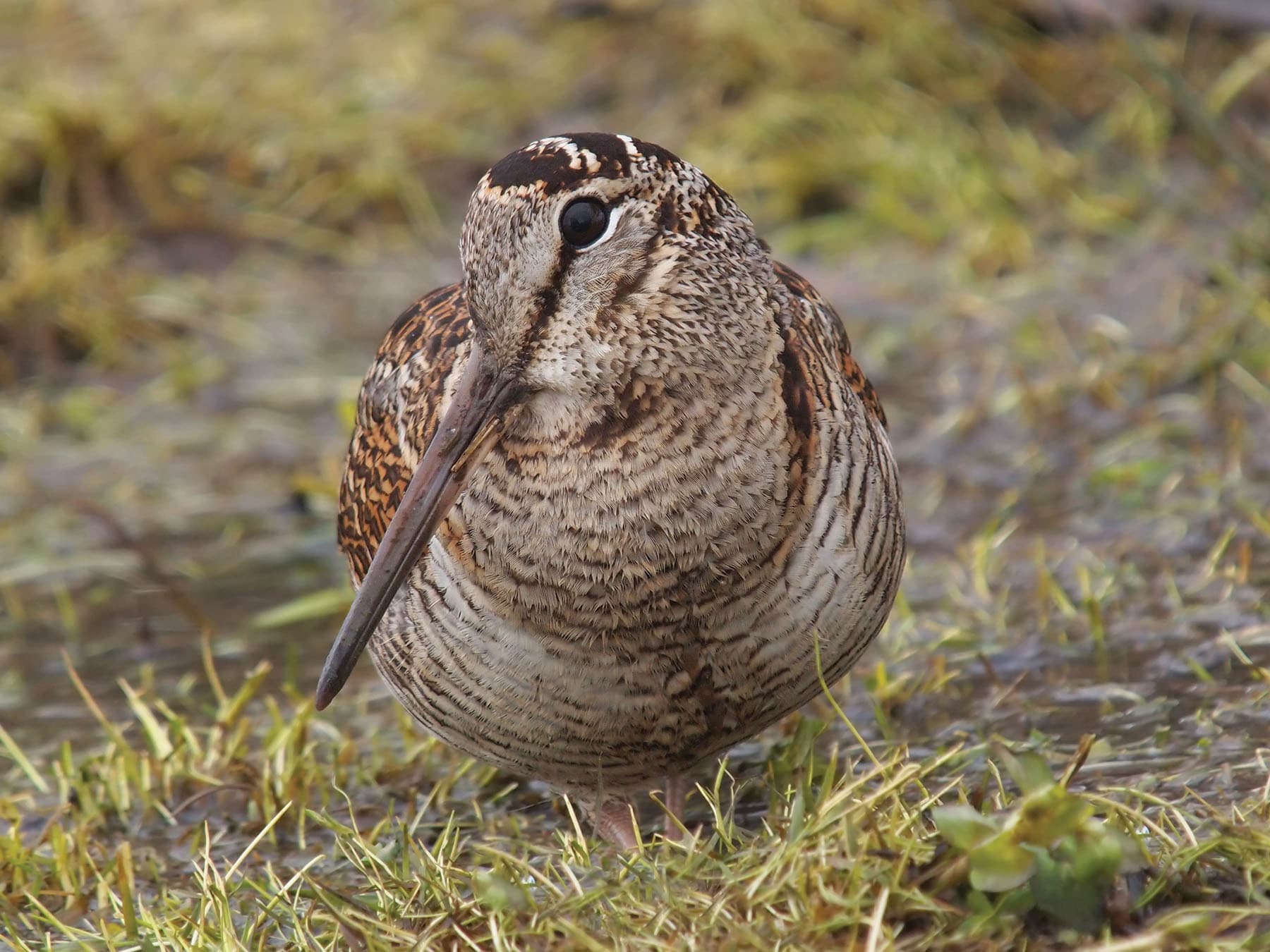
Eurasian Woodcock
Scolopax rusticolaLC
A secretive resident of damp woodland, most often flushed unexpectedly in winter. Breeds in small numbers in the county's larger woodlands.
Jan–Jun
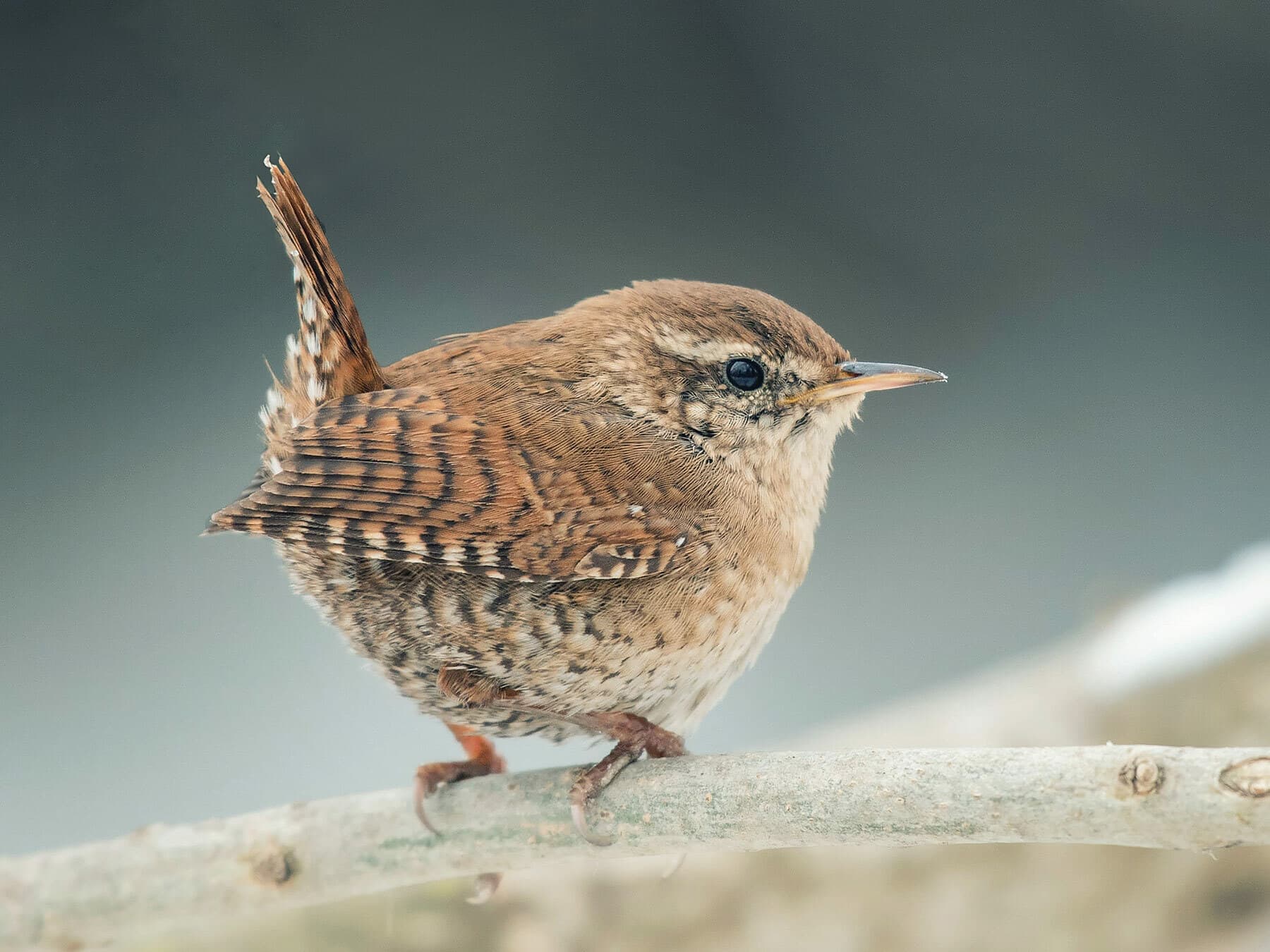
Eurasian Wren
Troglodytes troglodytesLC
One of the county's most abundant residents, its explosive song rings from hedgerows, gardens and undergrowth all year.
Year-round
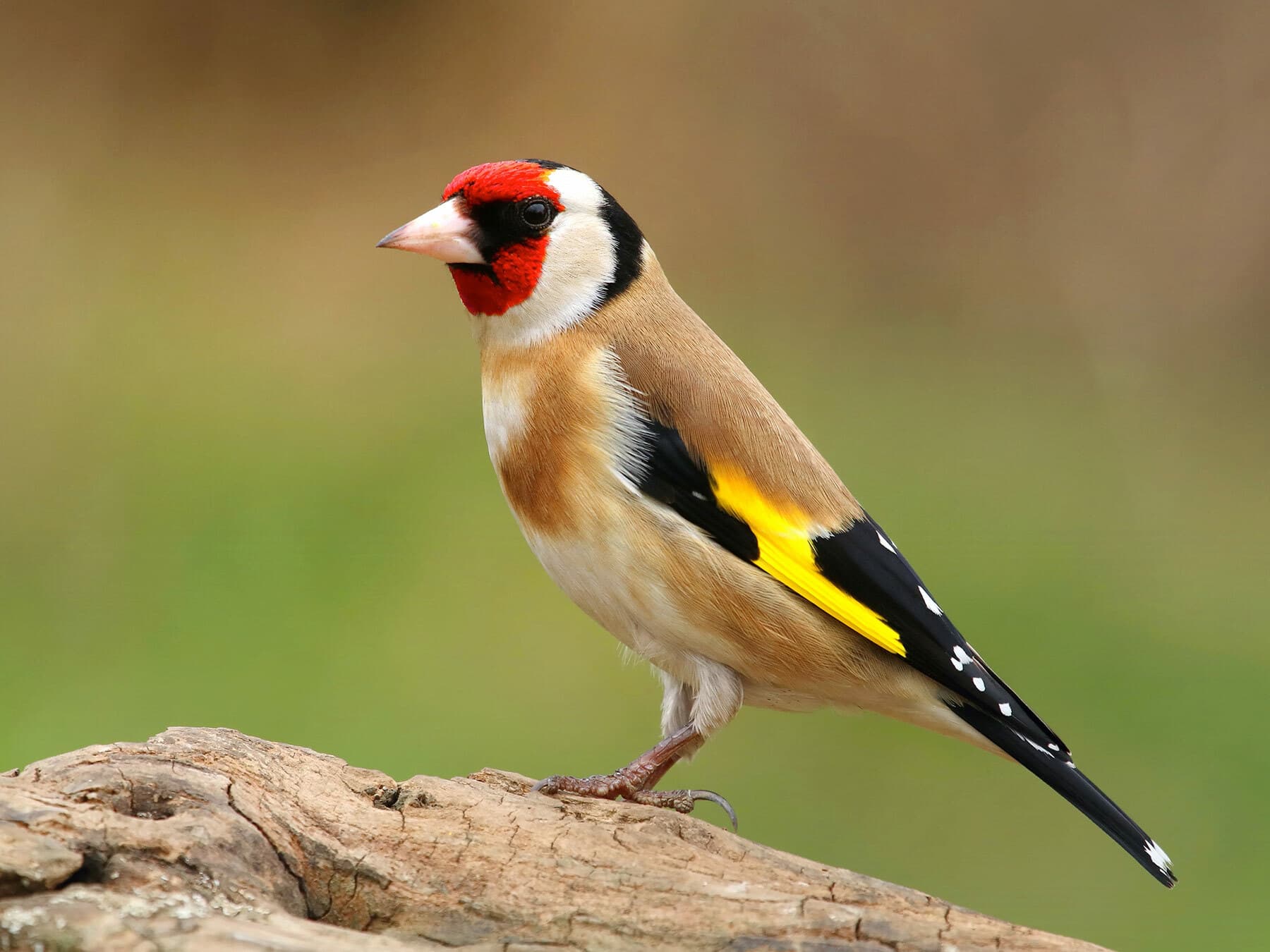
European Goldfinch
Carduelis carduelisLC
A common and colourful resident, frequently seen in flocks feeding on teasel and thistle heads across farmland, gardens, and downland margins.
Year-round
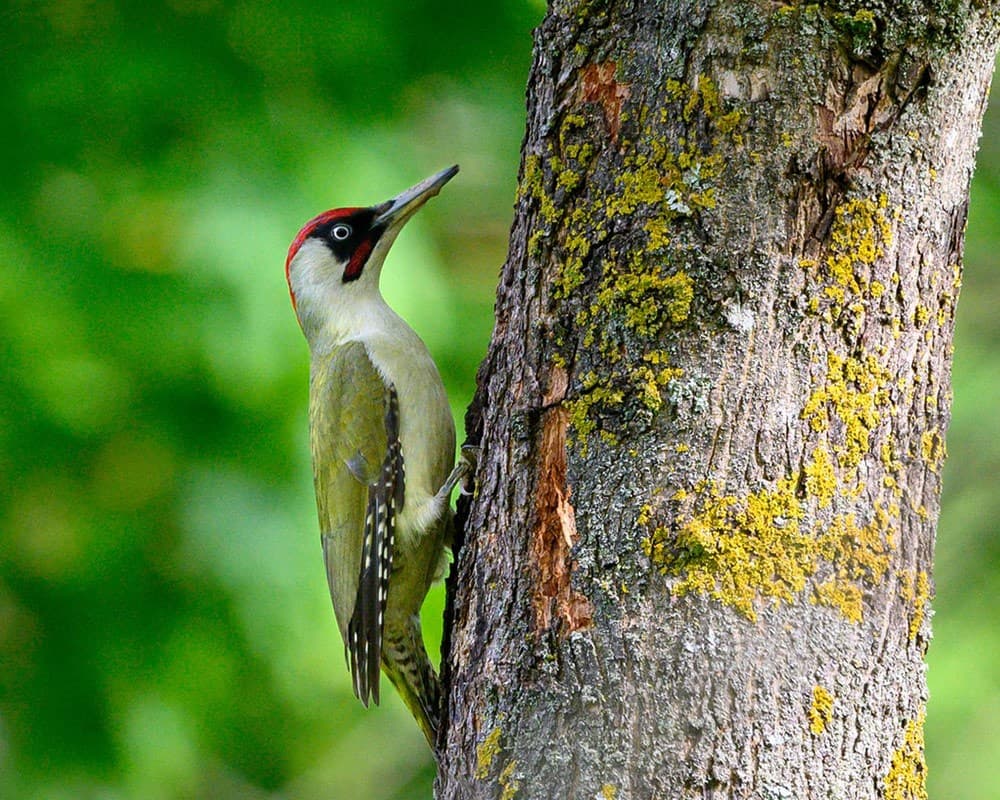
European Green Woodpecker
Picus viridisLC
Resident in open woodland and downland turf, where its loud laughing call carries far. Feeds mainly on ground-dwelling ants.
Year-round
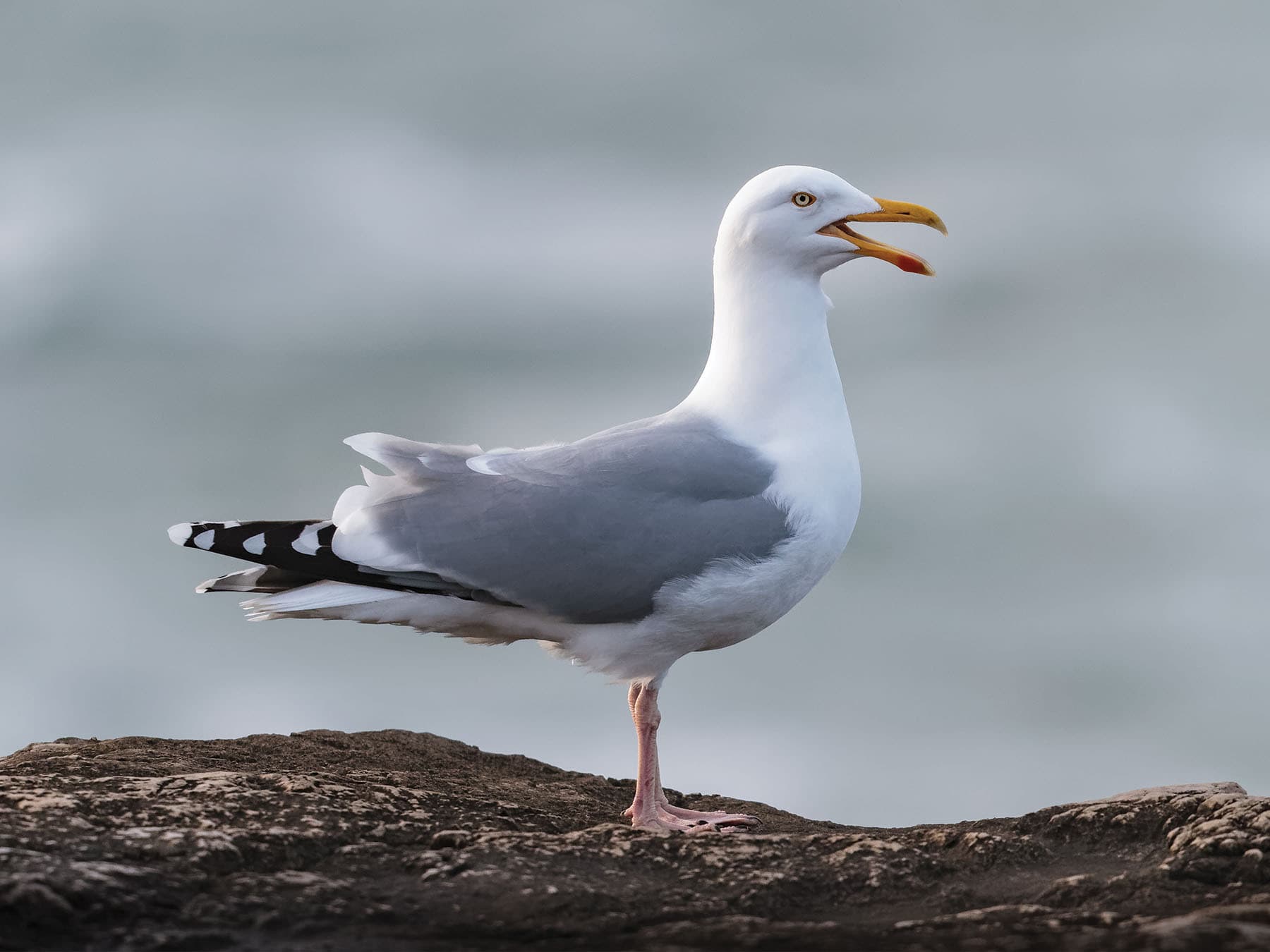
European Herring Gull
Larus argentatusLC
A familiar and noisy presence in coastal towns like Brighton and Hastings. Breeds on rooftops and cliffs, scavenging boldly year-round.
Year-round
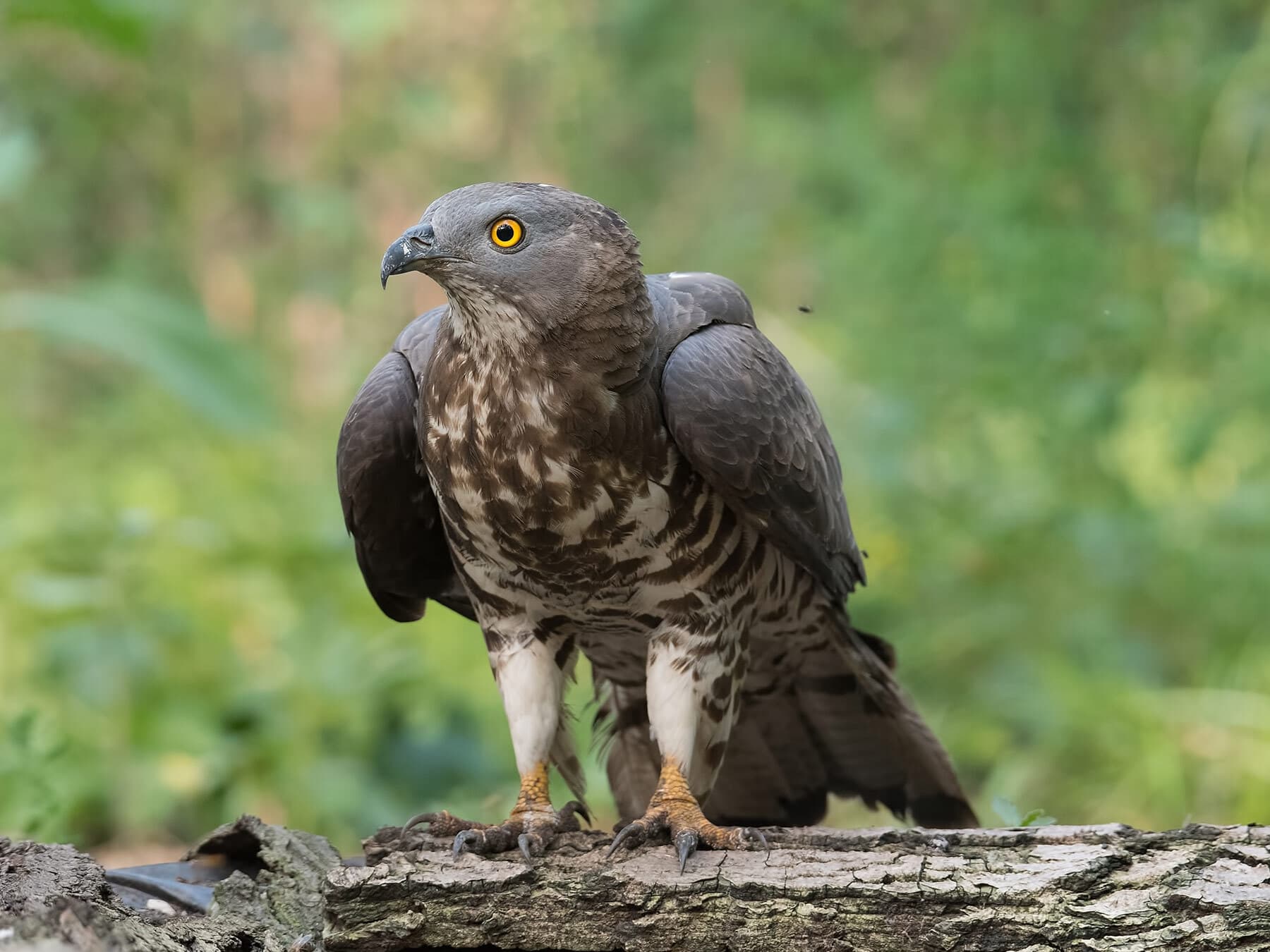
European Honey-buzzard
Pernis apivorusLC
A rare passage visitor in summer, sometimes seen soaring over the wooded Weald. Feeds on wasp and bee larvae unlike most raptors.
Jun–Aug
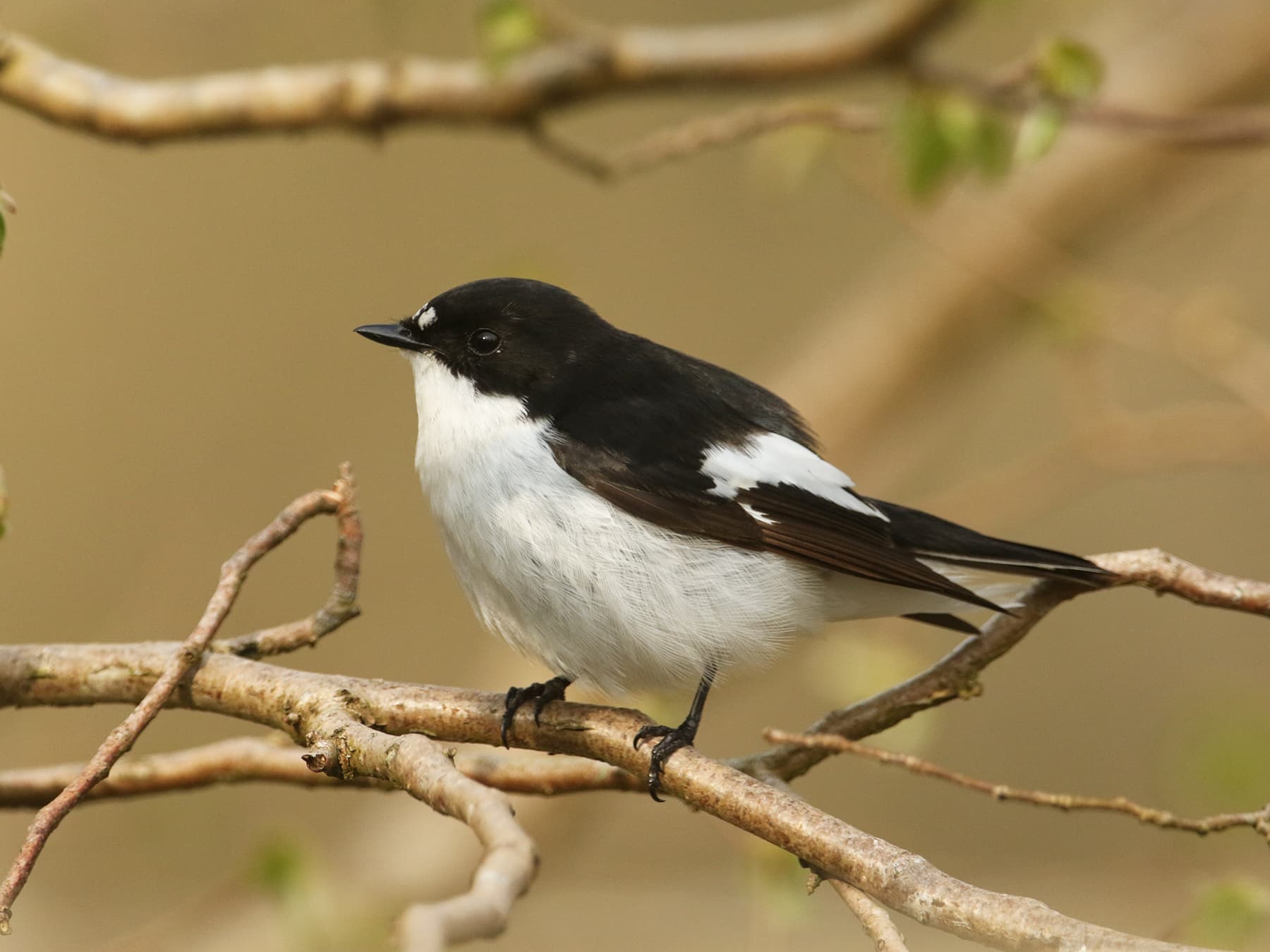
European Pied Flycatcher
Ficedula hypoleucaLC
A rare passage migrant seen mainly in August and September at coastal sites. Spring records in May are scarce but possible.
May–Sep
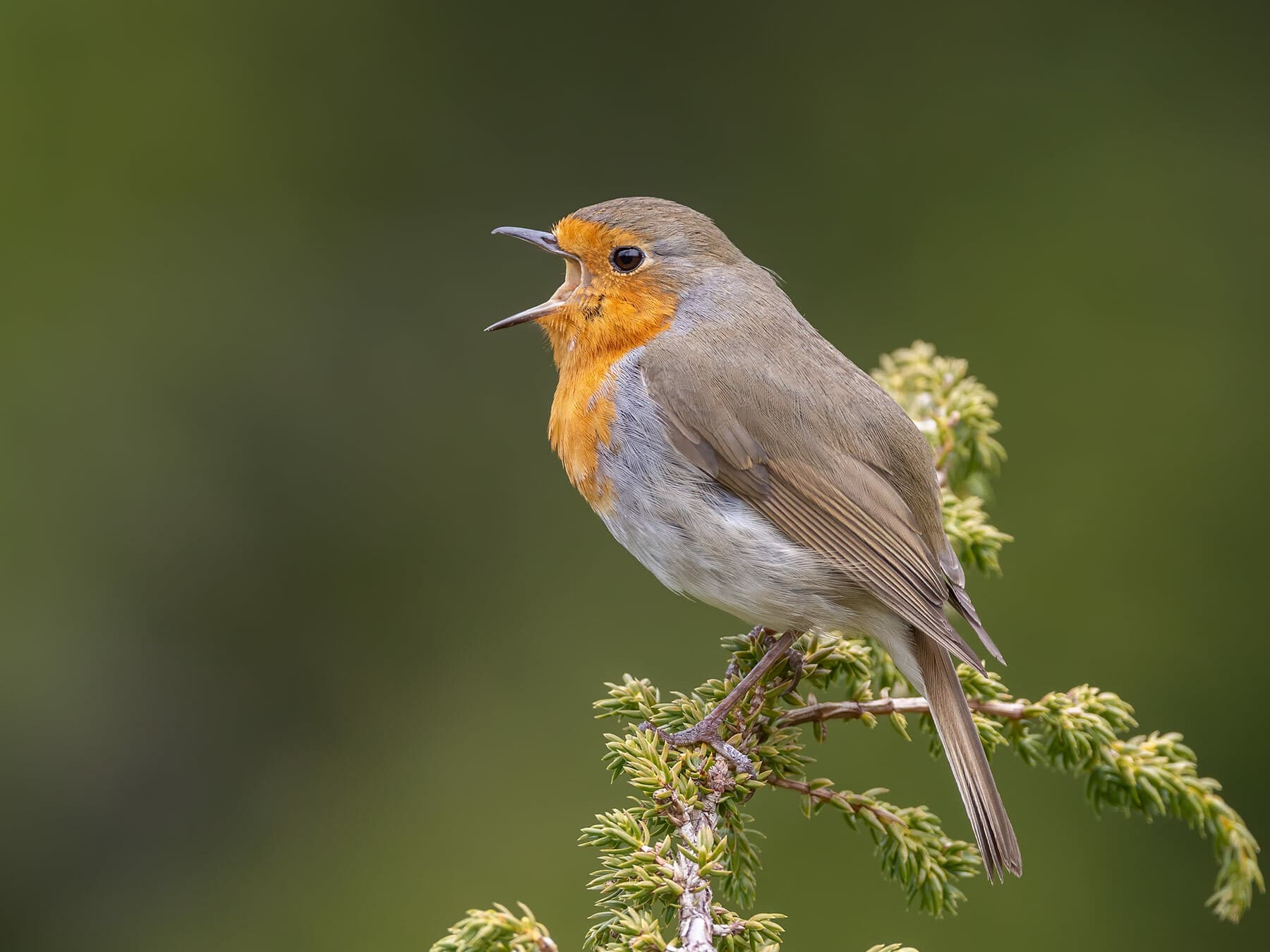
European Robin
Erithacus rubeculaLC
One of the most familiar year-round residents, found in gardens, hedgerows and woodland. Sings throughout winter across the county.
Year-round
Spotted something?
Upload a photo to identify it
Identify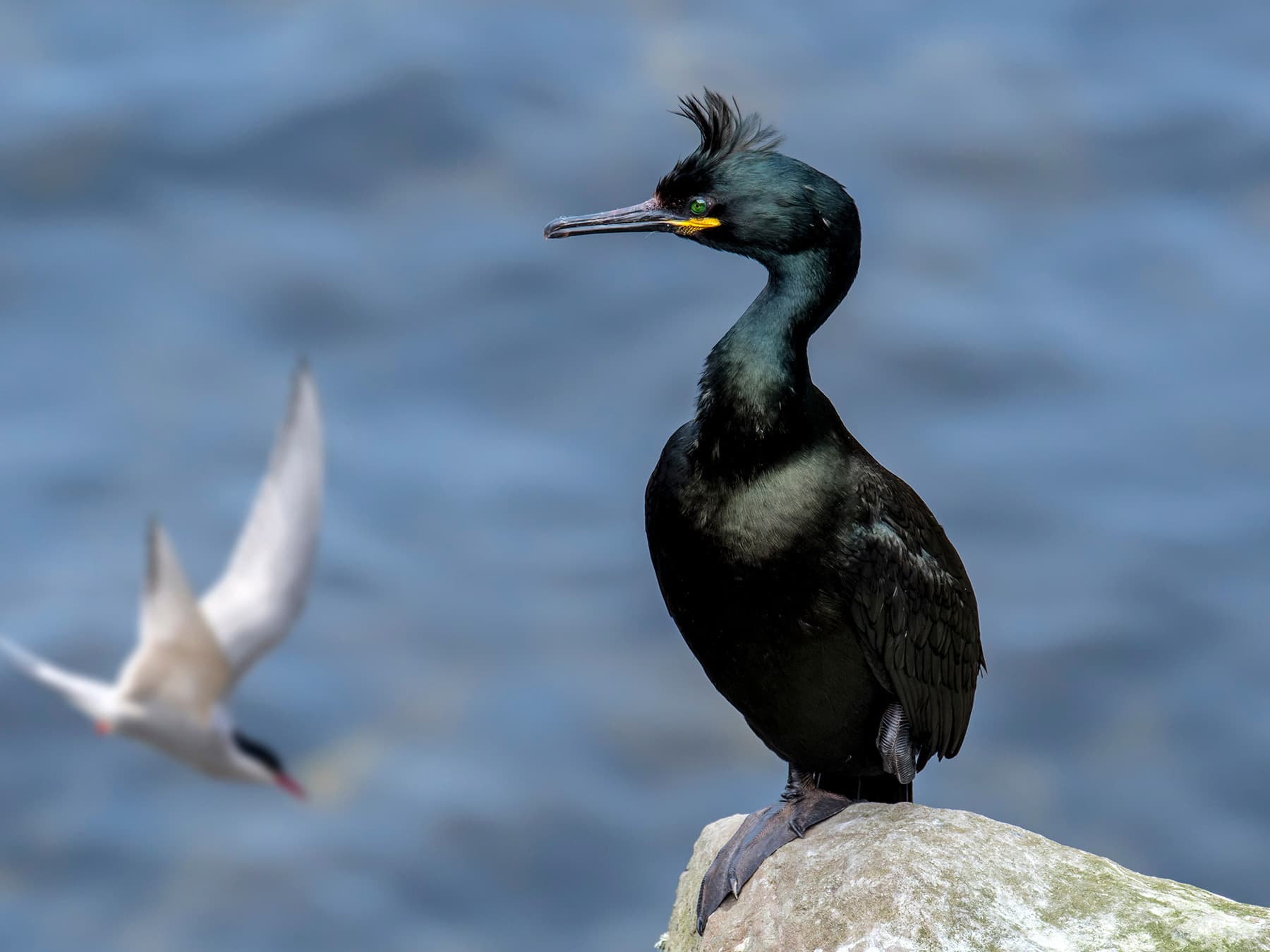
European Shag
Phalacrocorax aristotelisLC
A rare resident along the chalk cliffs and rocky shoreline, most visible in spring and late autumn near Beachy Head and Newhaven.
Nov–May
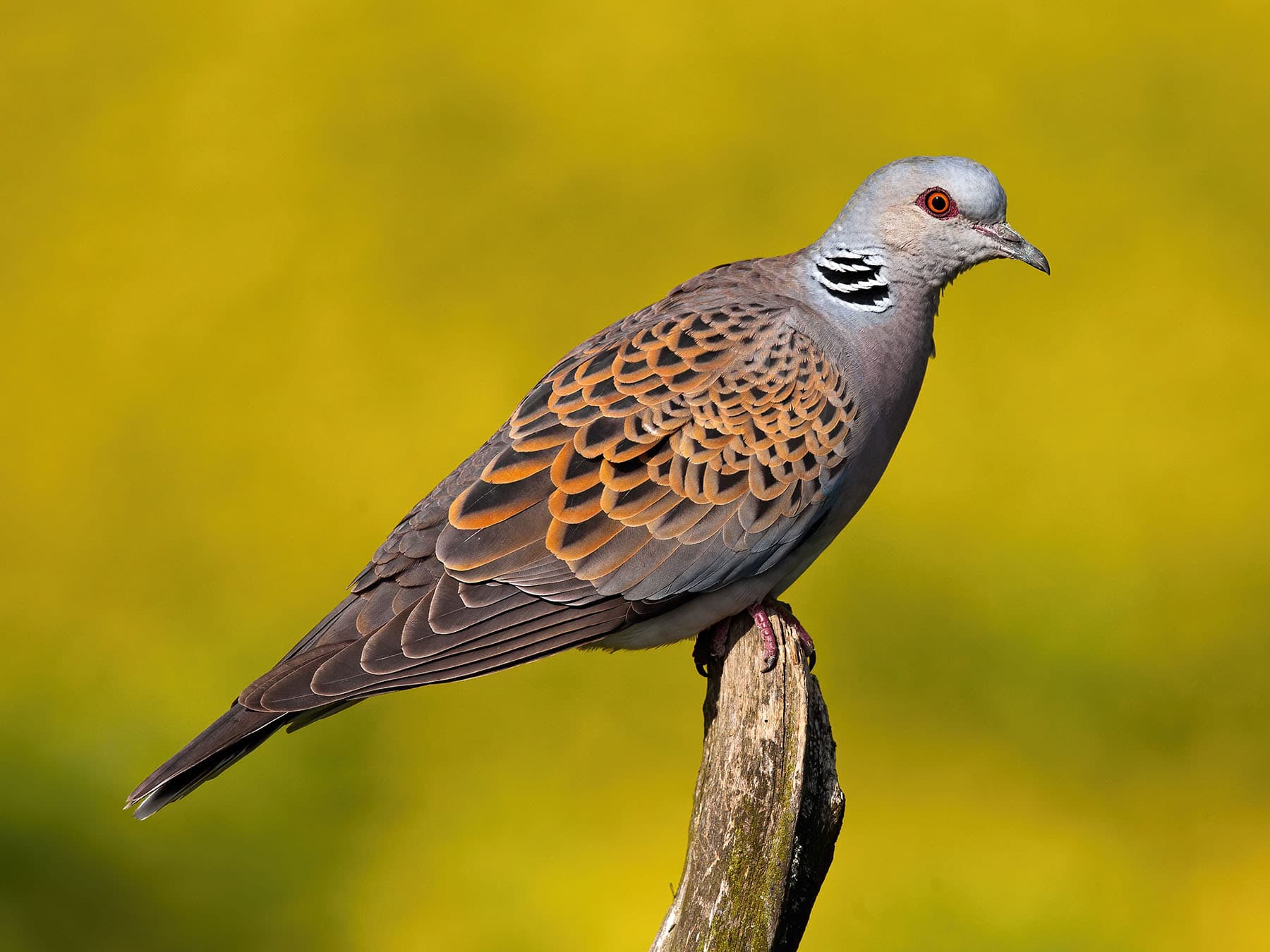
European Turtle-dove
Streptopelia turturVU
A rare and rapidly declining summer breeder, arriving in May. One of the UK's most threatened birds, clinging on in scrubby farmland hedgerows.
May–Sep
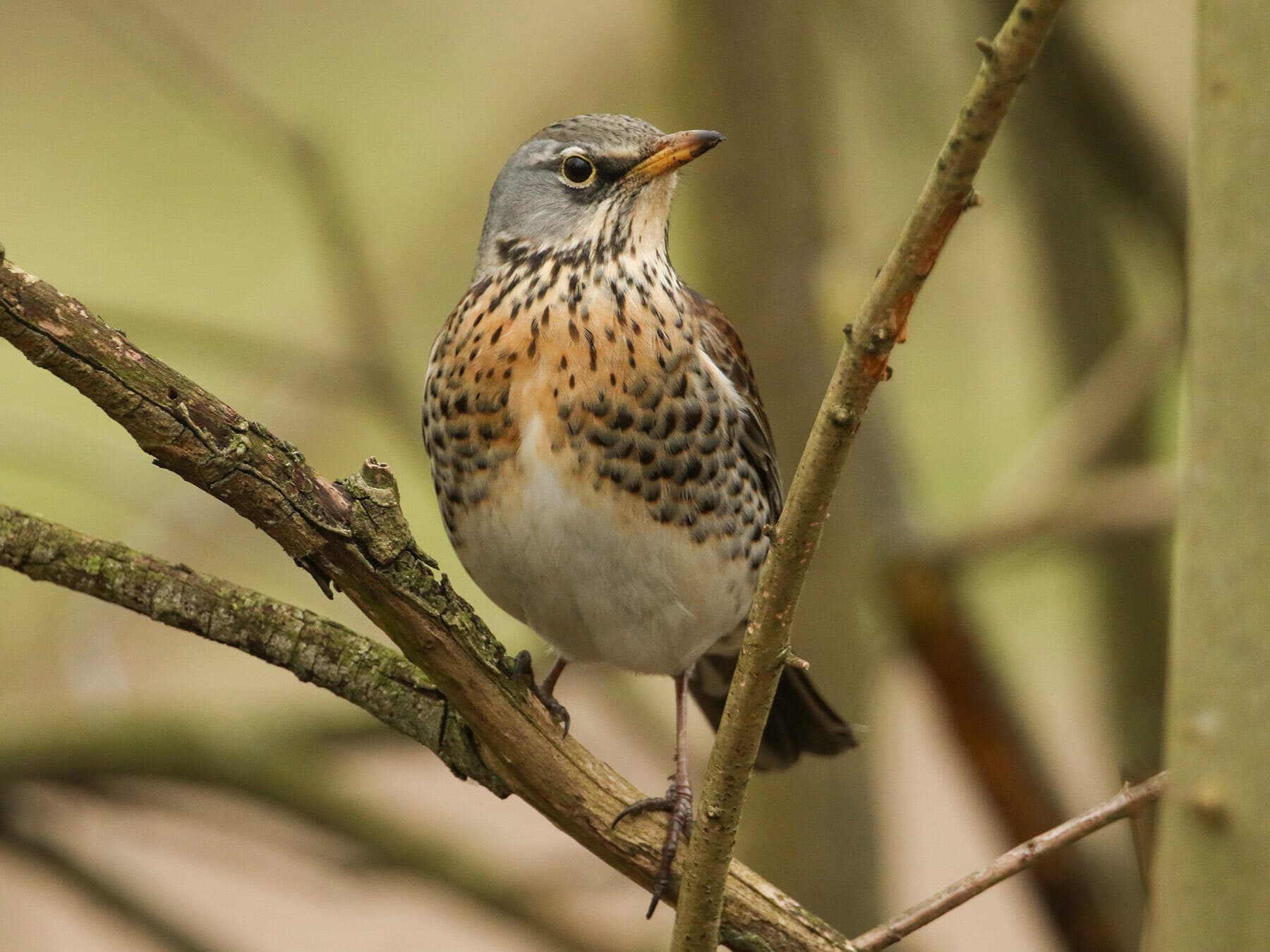
Fieldfare
Turdus pilarisLC
An uncommon winter visitor arriving from Scandinavia in October. Roving flocks feed on berries in hedgerows and open farmland across the Downs.
Oct–Mar
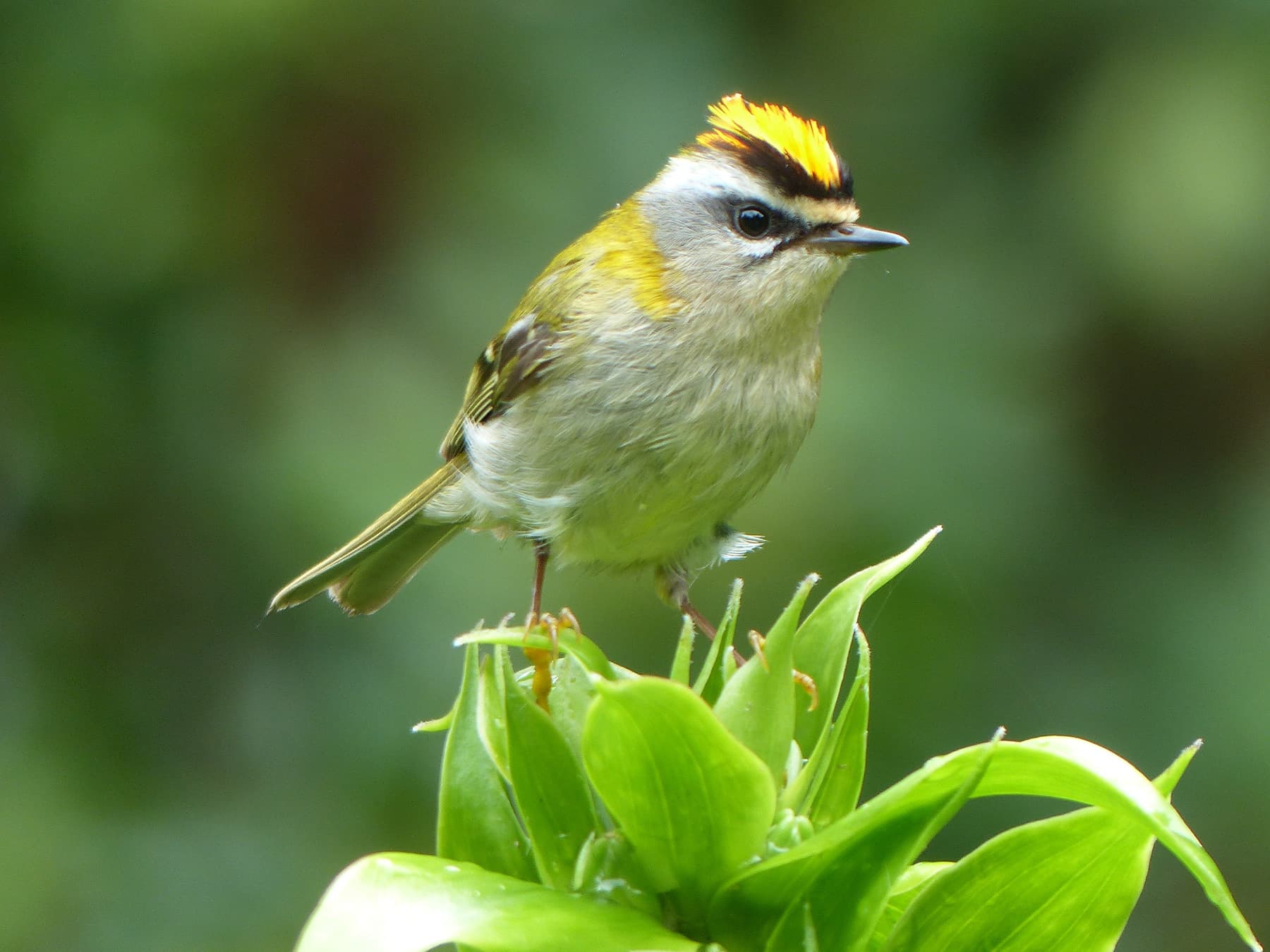
Firecrest
Regulus ignicapillaLC
An uncommon year-round resident, breeding in coniferous and mixed woodland. Numbers bolstered in autumn by Continental migrants along the coast.
Year-round
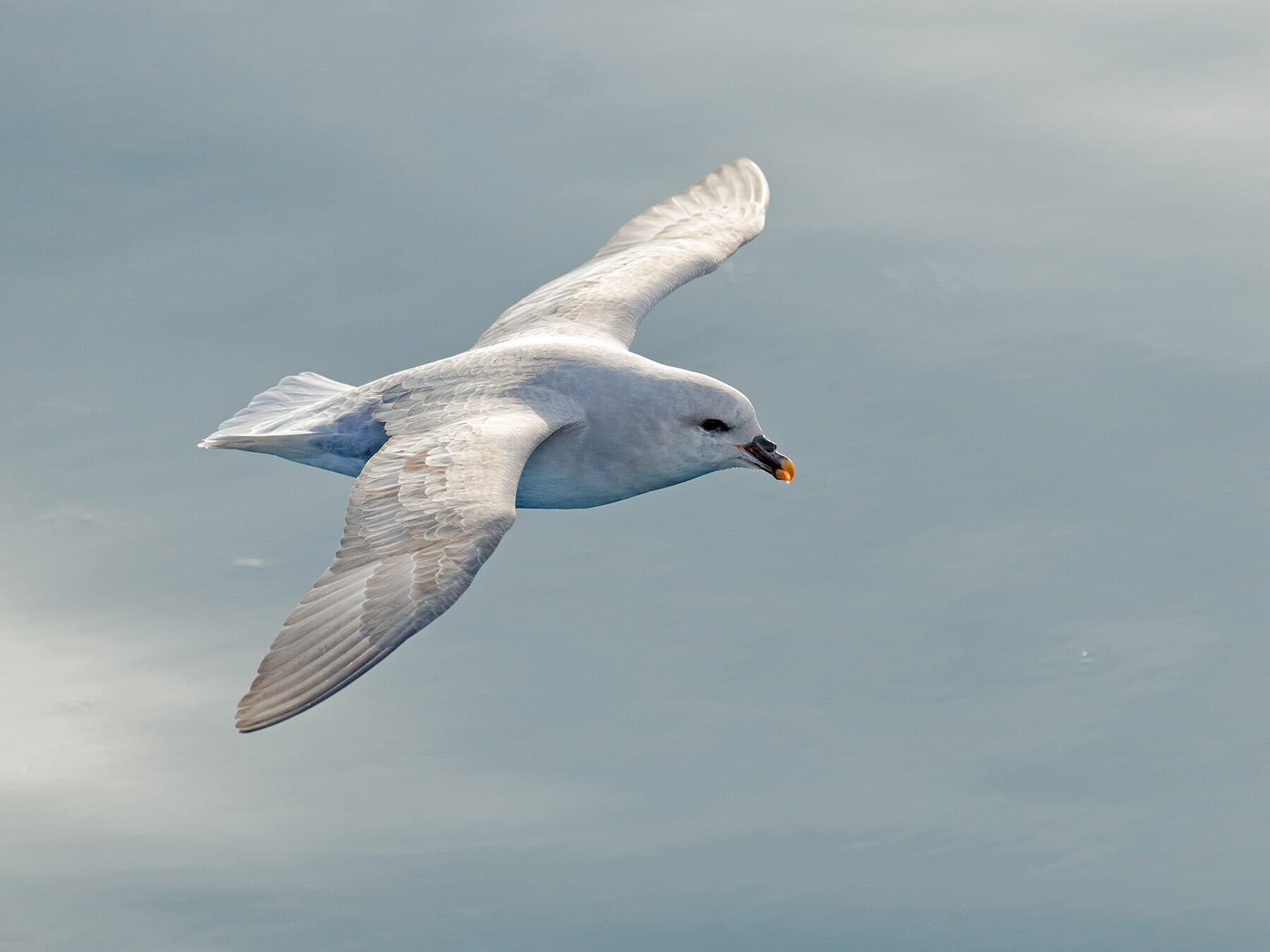
Fulmar
Fulmarus glacialisLC
Breeds on chalk cliffs at Beachy Head and Seaford Head. Present most of the year, gliding stiffly on ocean updrafts.
Nov–Sep
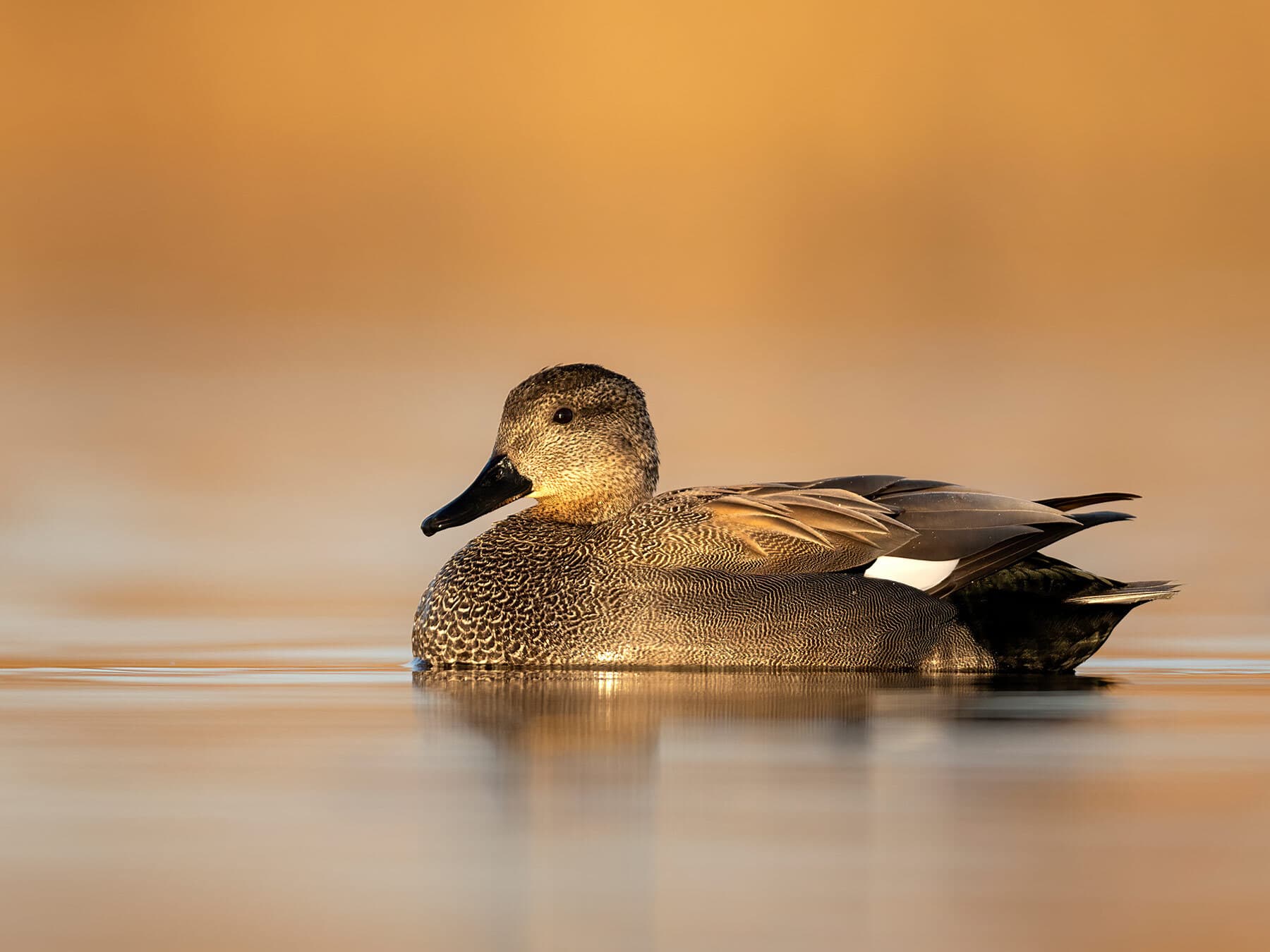
Gadwall
Mareca streperaLC
An uncommon year-round resident on reservoirs and gravel pits. Often overlooked among Mallards but breeds locally at sites like Arlington Reservoir.
Year-round
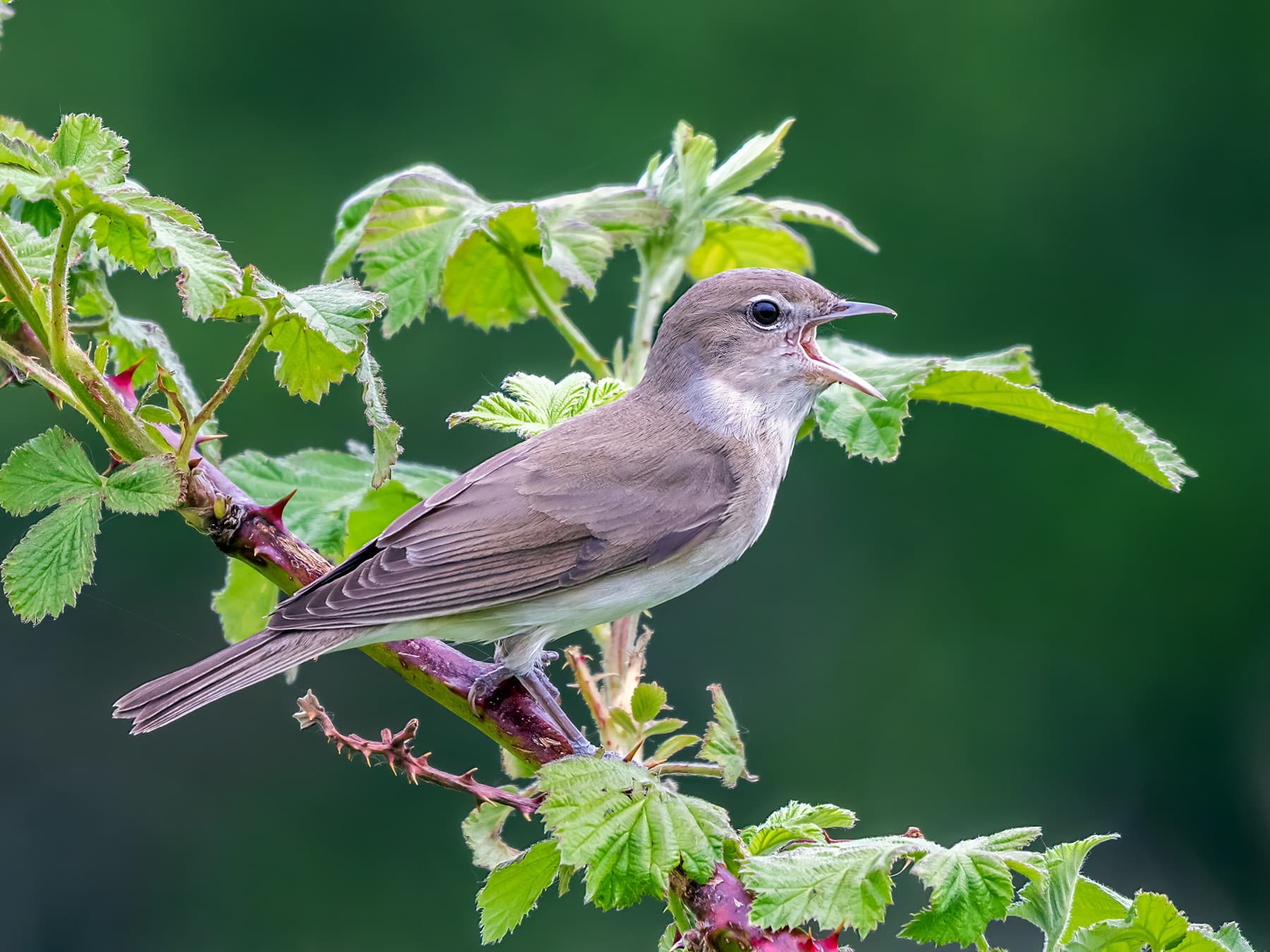
Garden Warbler
Sylvia borinLC
An uncommon summer breeder arriving in April, favouring dense deciduous woodland with thick understorey. Its rich warbling song lacks the Blackcap's clarity.
Apr–Sep
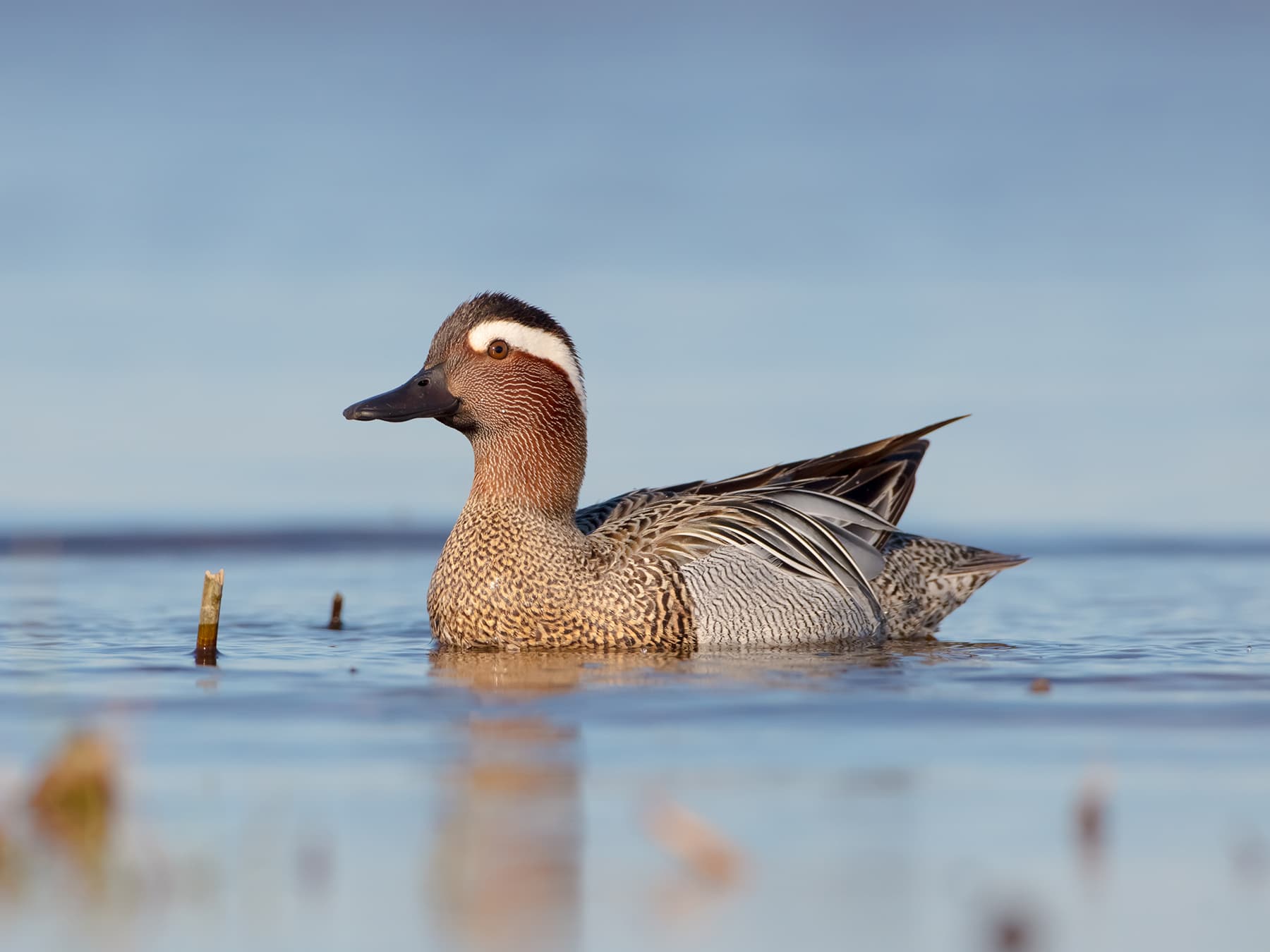
Garganey
Spatula querquedulaLC
A scarce summer breeder at wetland sites like the Pannel Valley. Arrives in spring and departs by early autumn, favouring shallow pools with emergent vegetation.
Mar–Sep
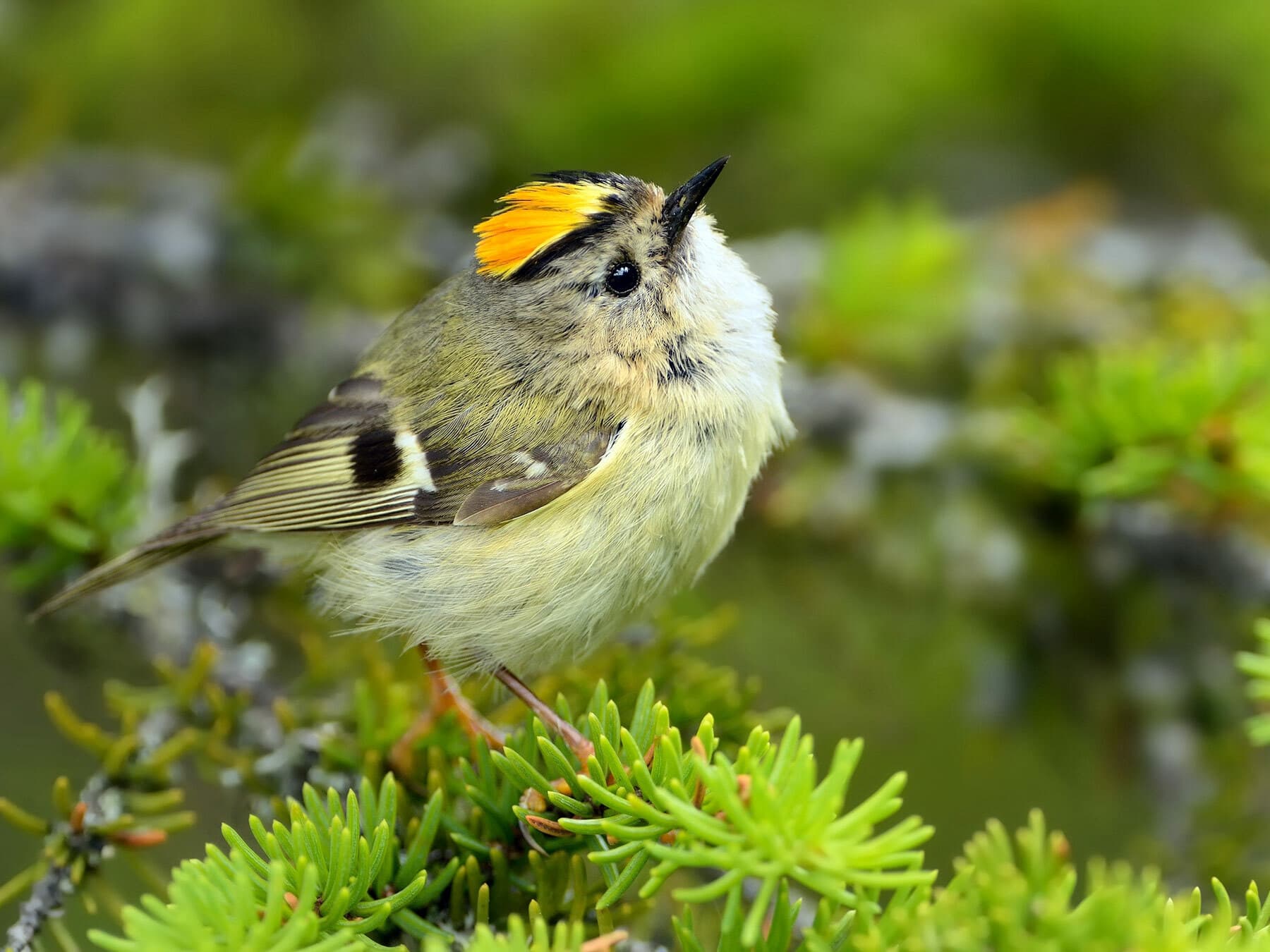
Goldcrest
Regulus regulusLC
Britain's smallest bird, common in coniferous and mixed woodland year-round. Numbers swell in autumn with continental migrants.
Year-round
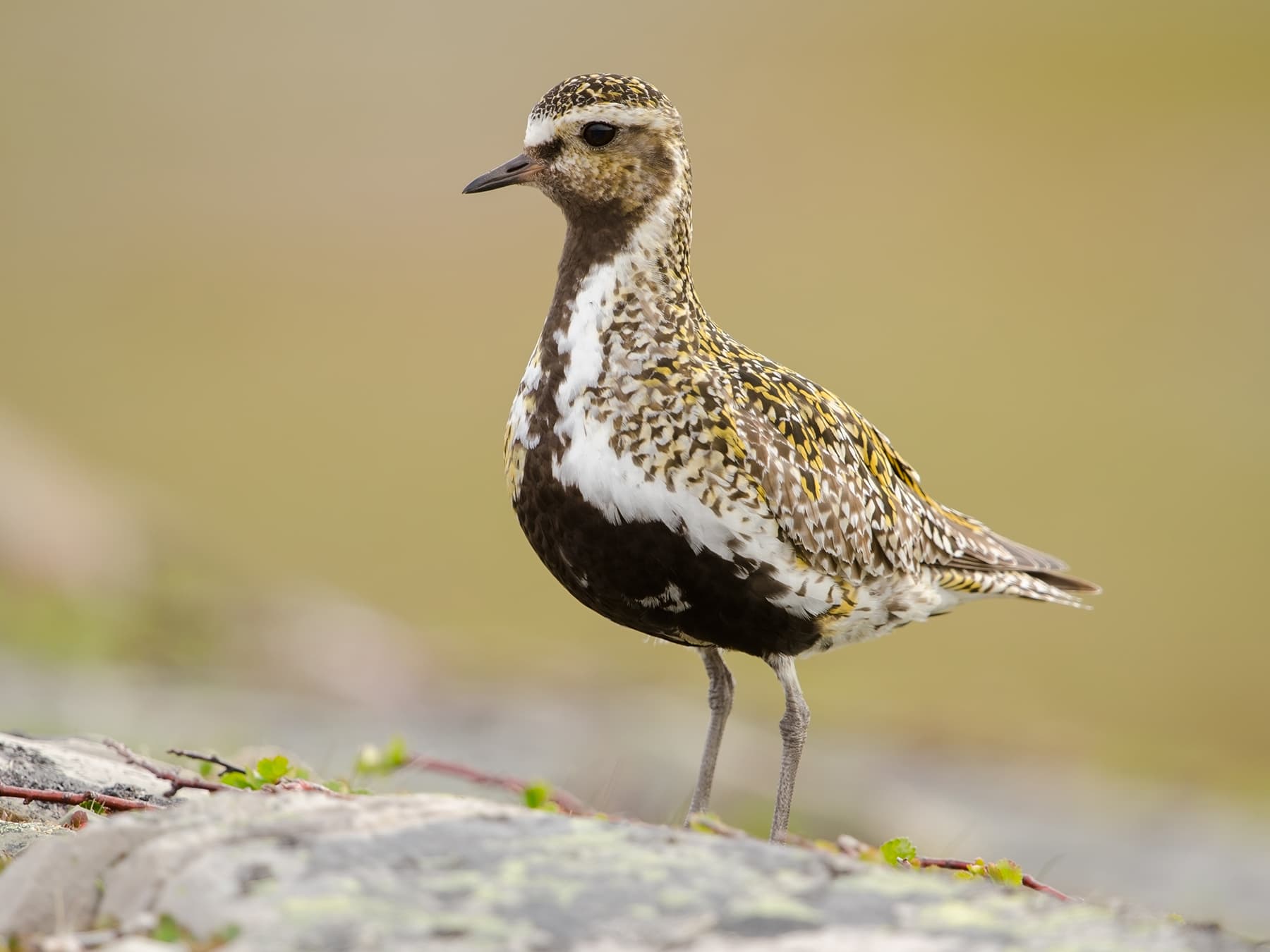
Golden Plover
Pluvialis apricariaLC
An uncommon non-breeding visitor to ploughed fields and coastal marshes. Flocks gather on the Pevensey Levels and downland from autumn through early spring.
Aug–Apr
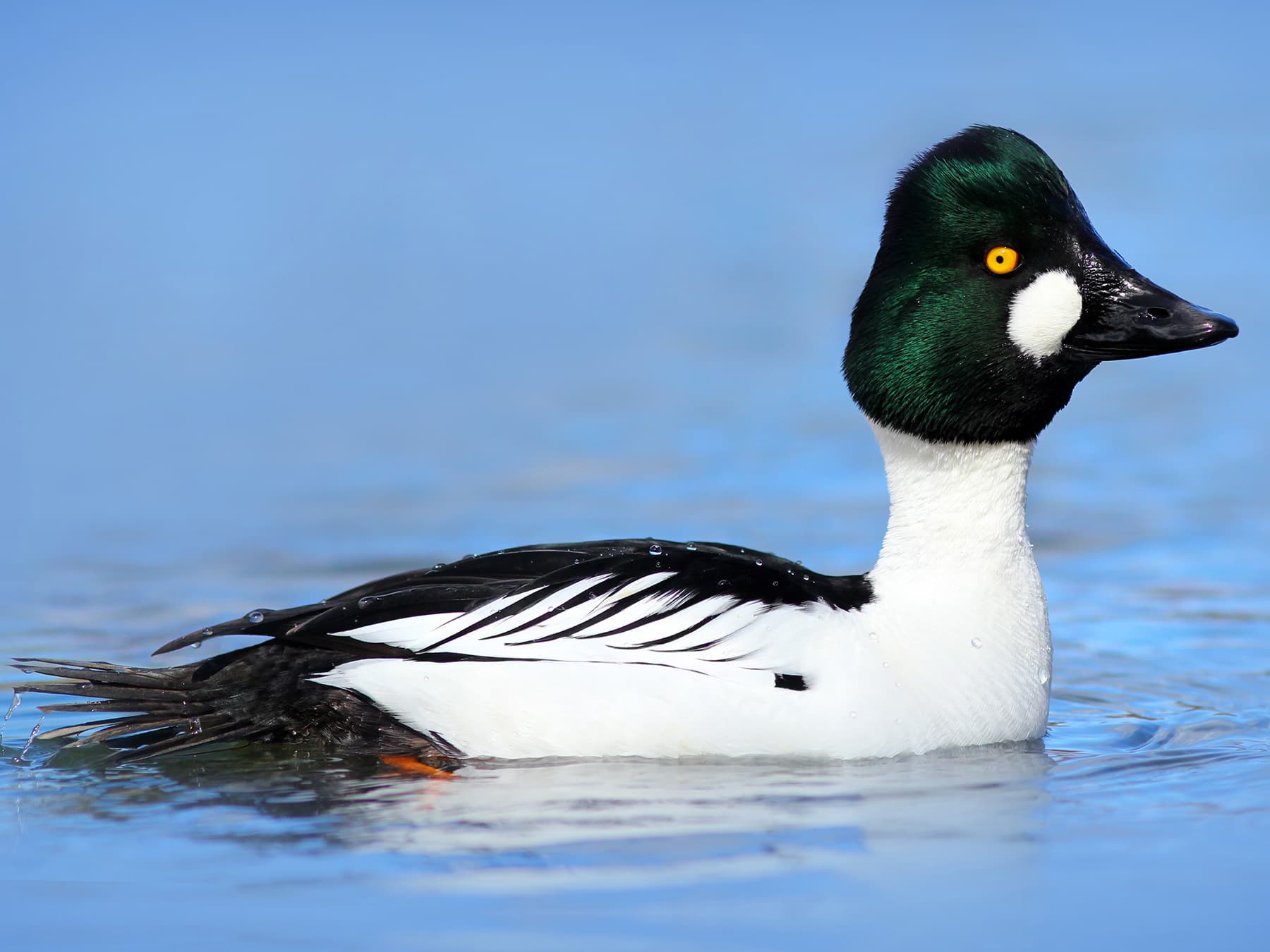
Goldeneye
Bucephala clangulaLC
A scarce winter visitor to reservoirs and sheltered coastal waters from November to March. Arlington Reservoir offers occasional sightings.
Nov–Mar
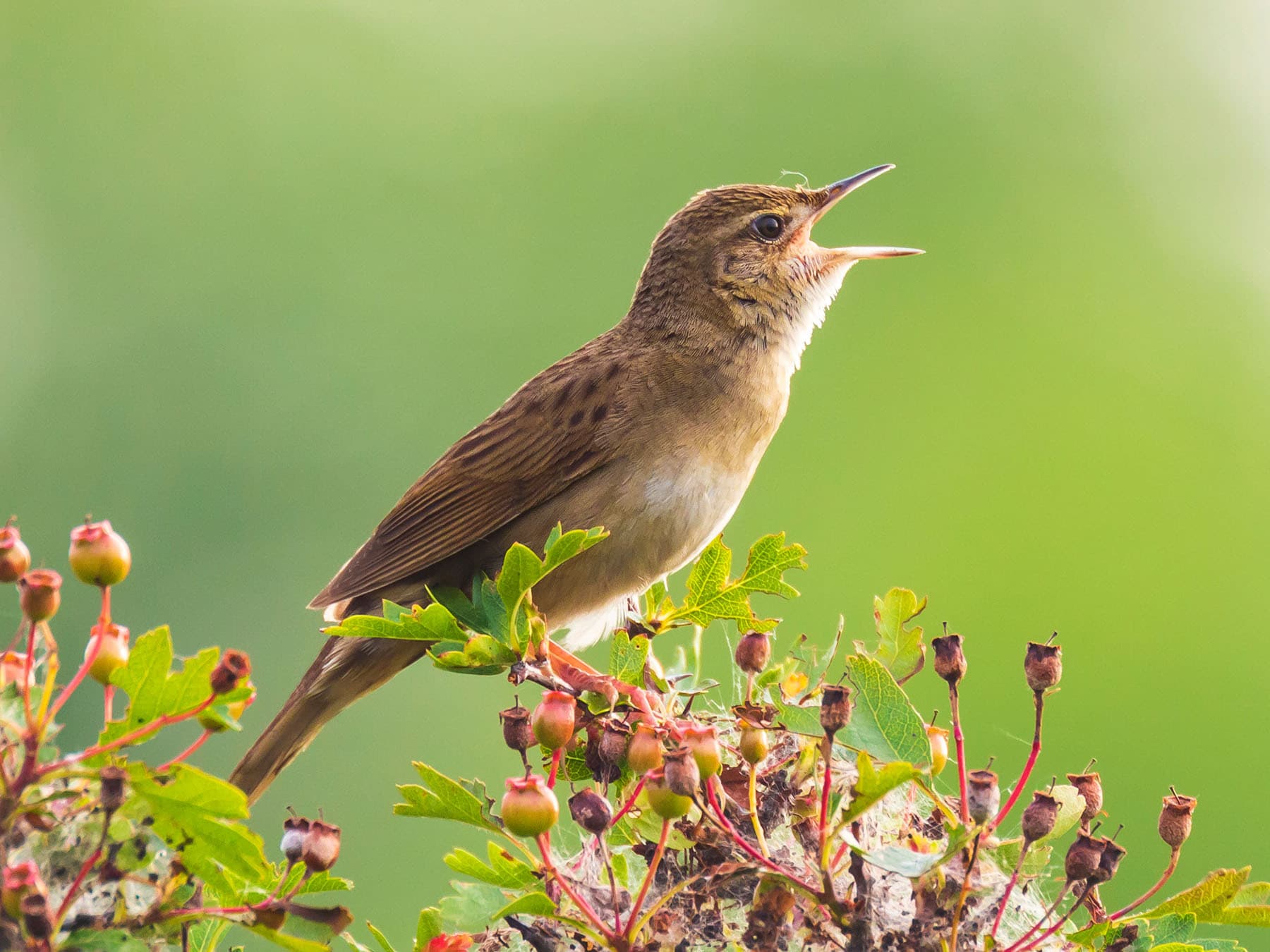
Grasshopper Warbler
Locustella naeviaLC
A rare passage visitor in late summer, more often heard than seen. Its insect-like reeling song carries far across scrubby wetland margins.
Jul–Sep
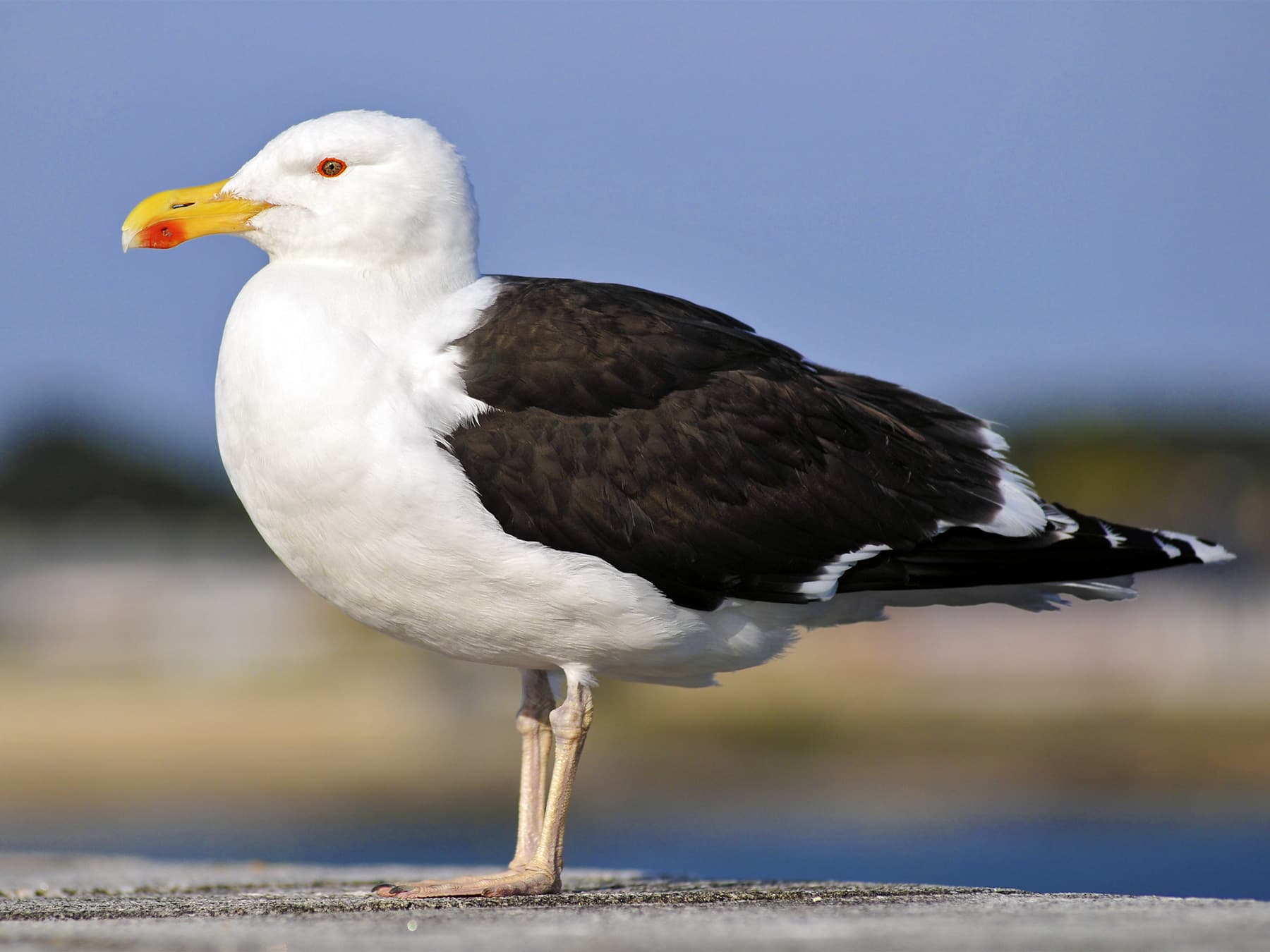
Great Black-backed Gull
Larus marinusLC
A common and imposing resident of the coast, often seen on beaches, harbour walls, and at gull roosts throughout the year.
Year-round
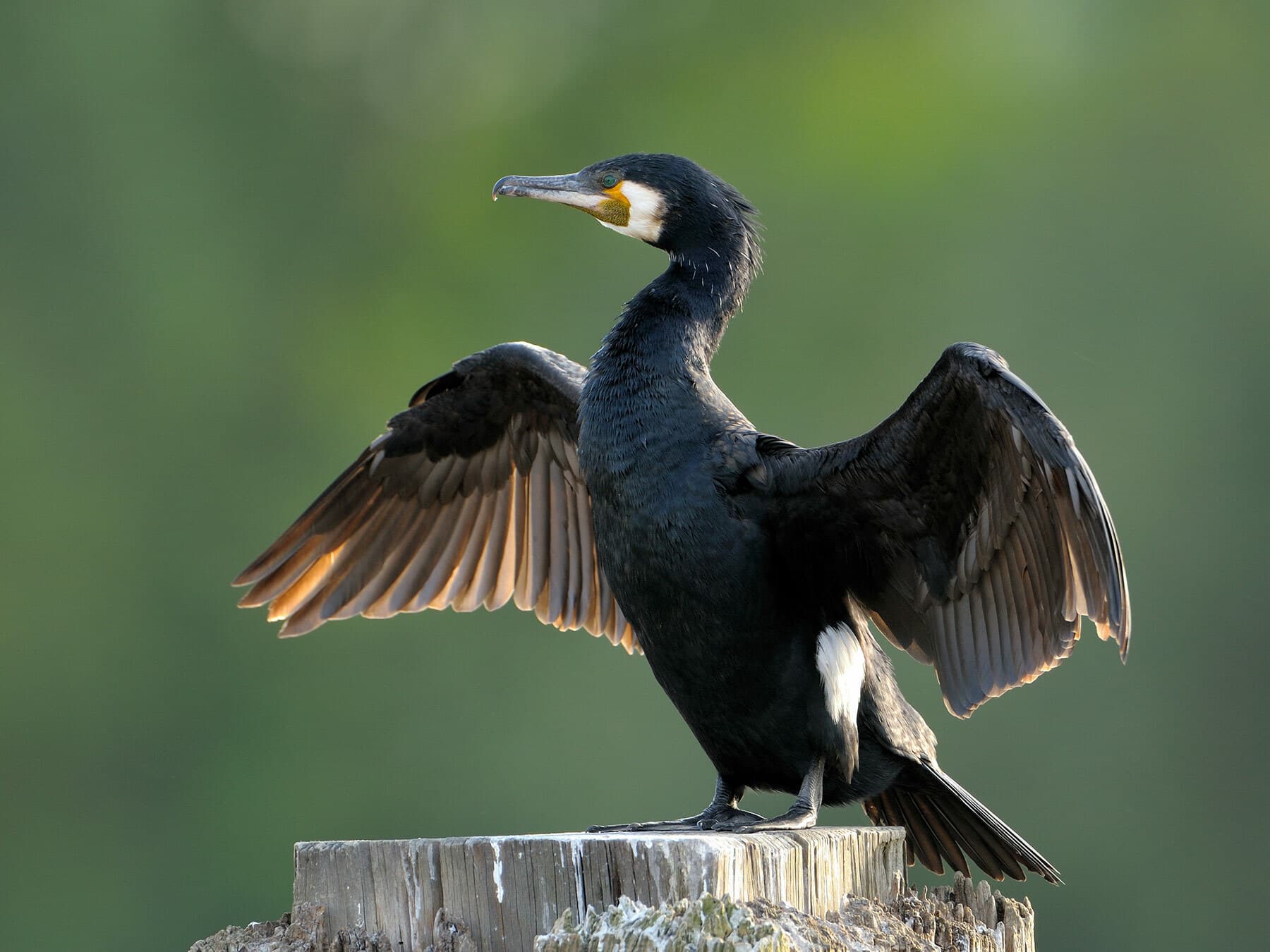
Great Cormorant
Phalacrocorax carboLC
A common year-round resident found along the coast, rivers, and at inland reservoirs. Often seen perched with wings outstretched.
Year-round
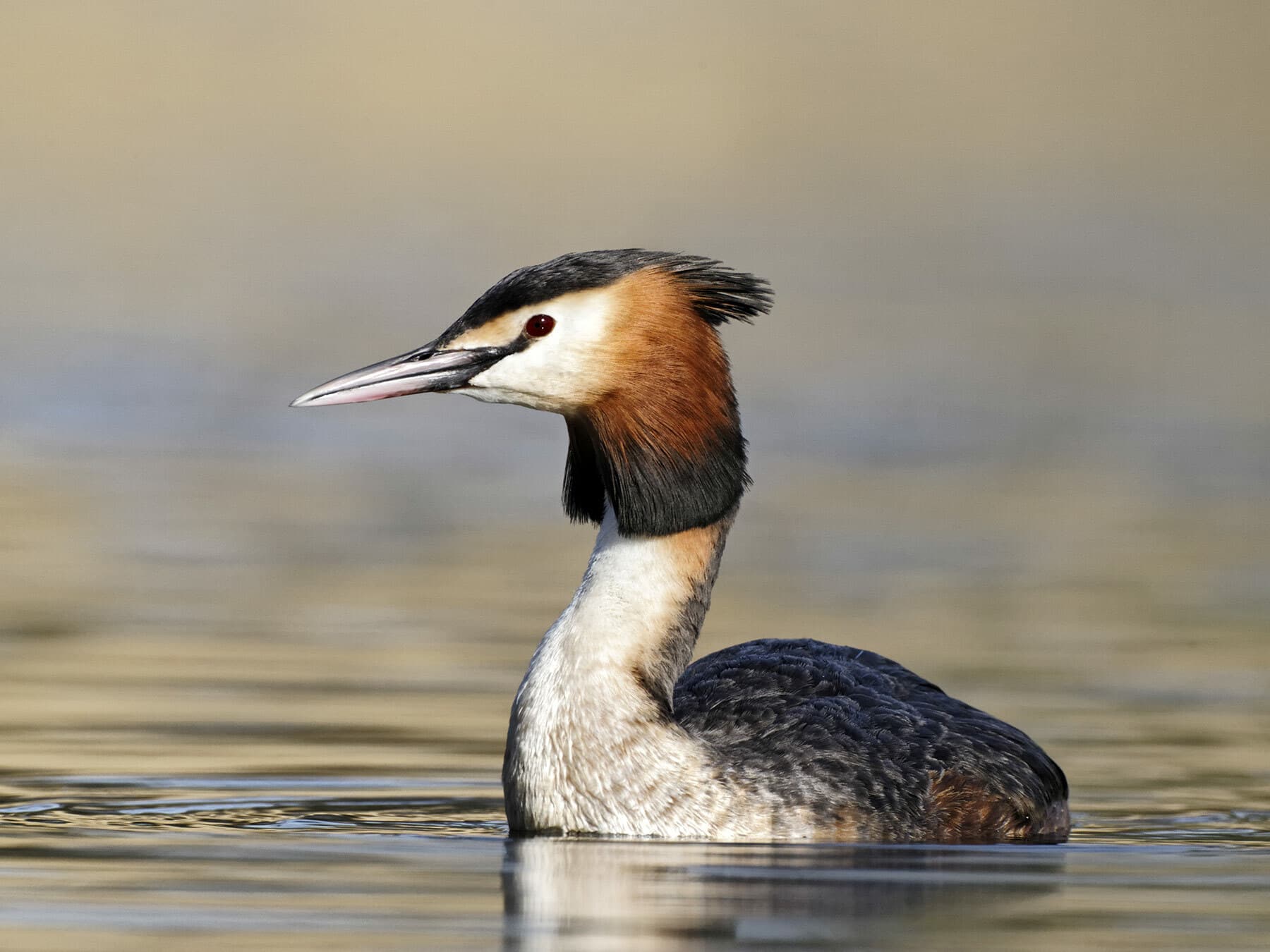
Great Crested Grebe
Podiceps cristatusLC
A common resident of larger lakes and reservoirs, also gathering offshore in winter. Elegant courtship displays begin in early spring.
Year-round