


Ducks, Geese & Swans in East Riding of Yorkshire
Our list for East Riding of Yorkshire has 34 ducks, geese & swans recorded regularly there: 13 residents, 4 summer visitors, 11 winter visitors and 6 passage migrants
Most likely in October
GBIF · OctShare of all bird records in East Riding of Yorkshire in October, 2019–2024. Each month links to that month’s page.
All 34, most common first
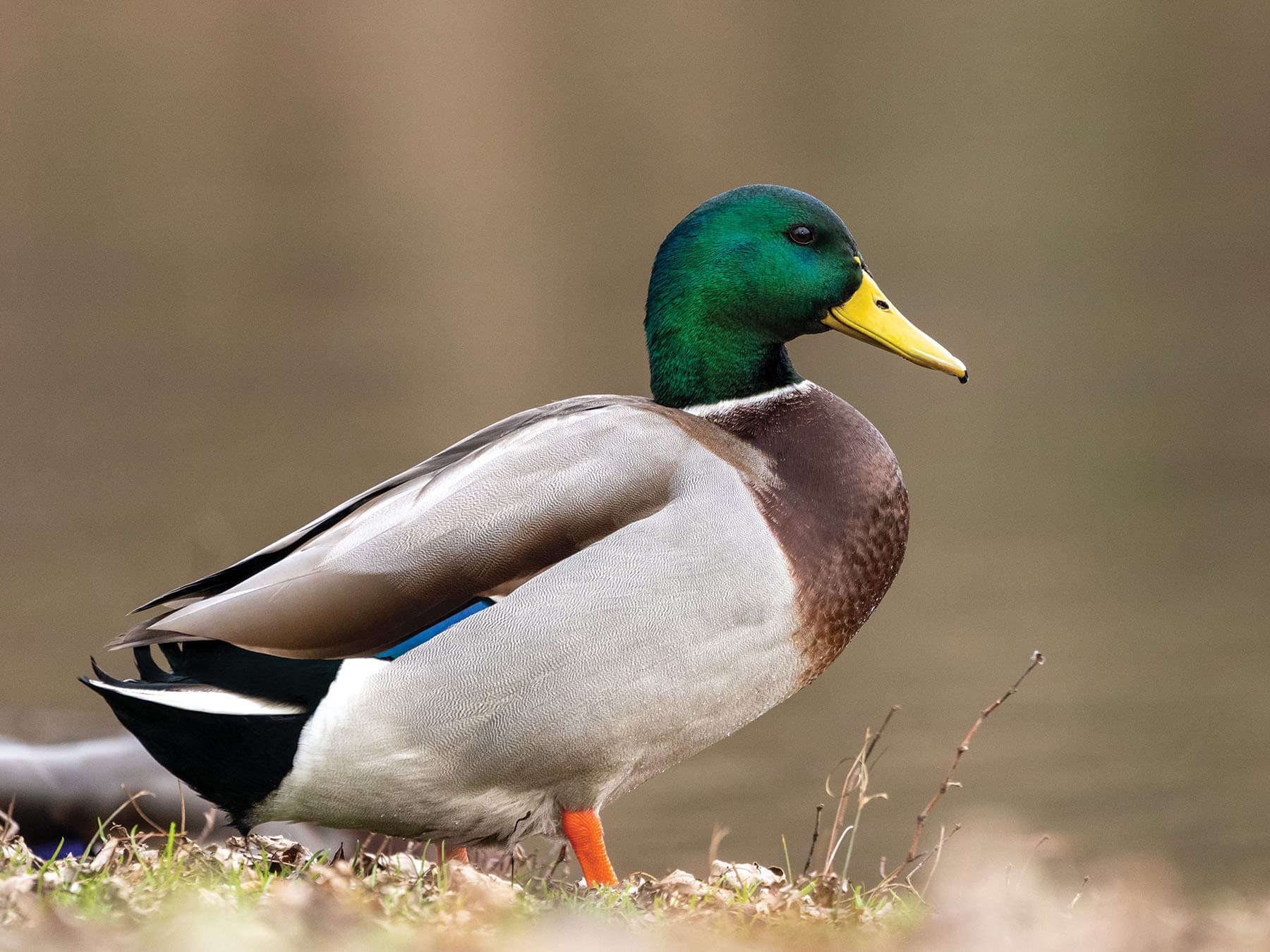 MallardAnas platyrhynchosResidentCommon50–65 cmRecorded all year
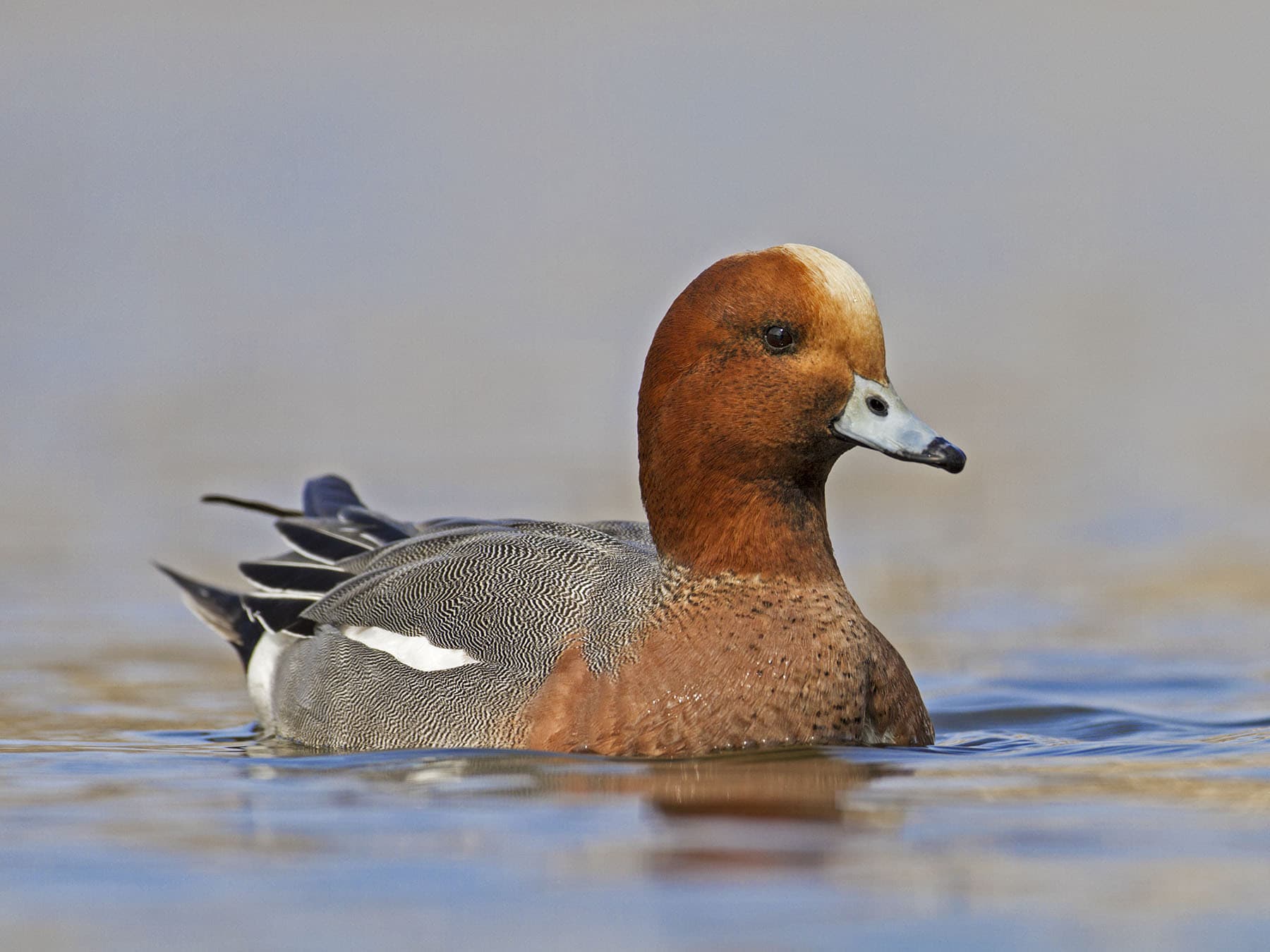 Eurasian WigeonMareca penelopeWinter visitorCommon42–51 cmRecorded all year
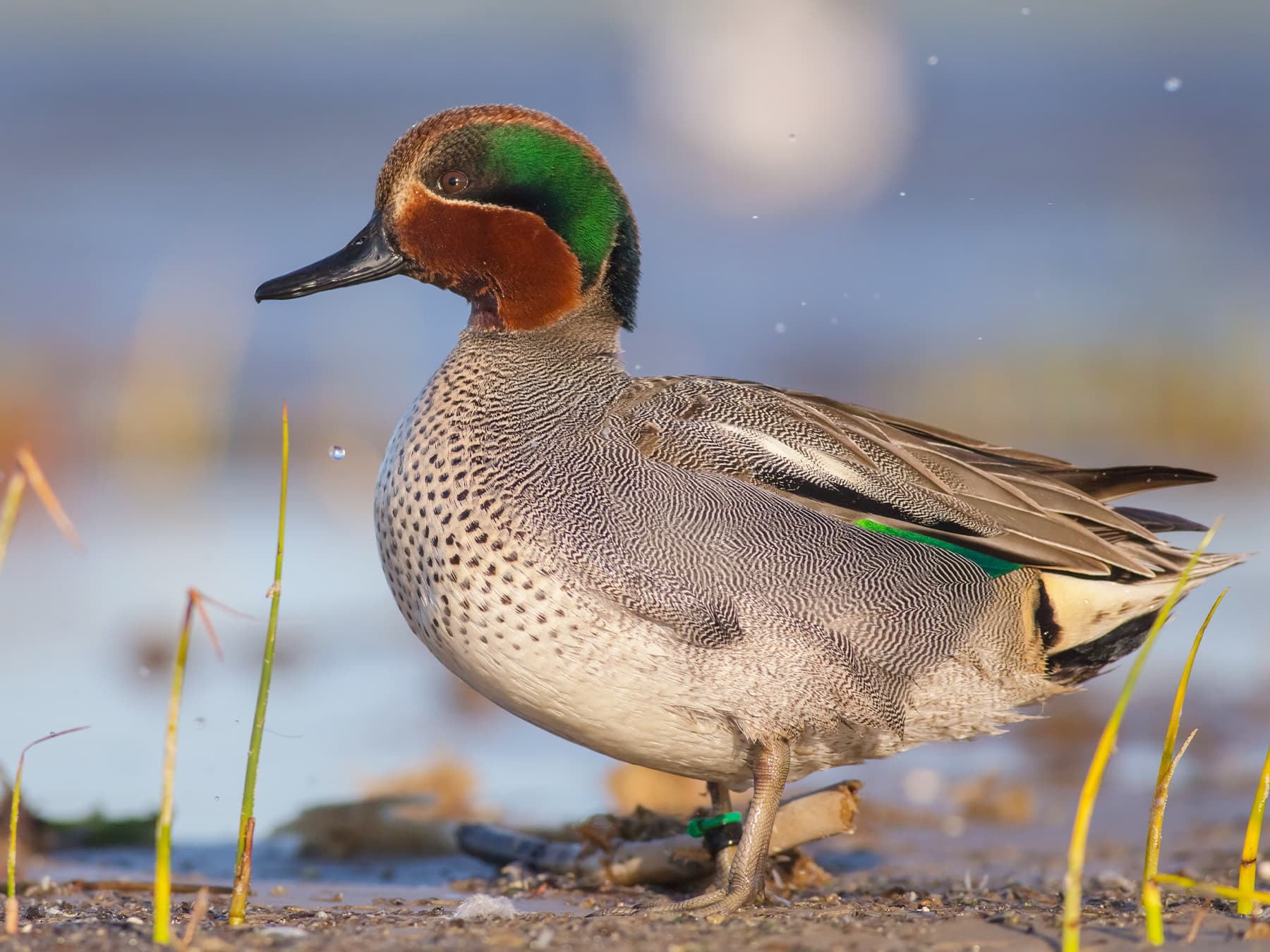 Eurasian TealAnas creccaResidentCommon34–38 cmRecorded all year
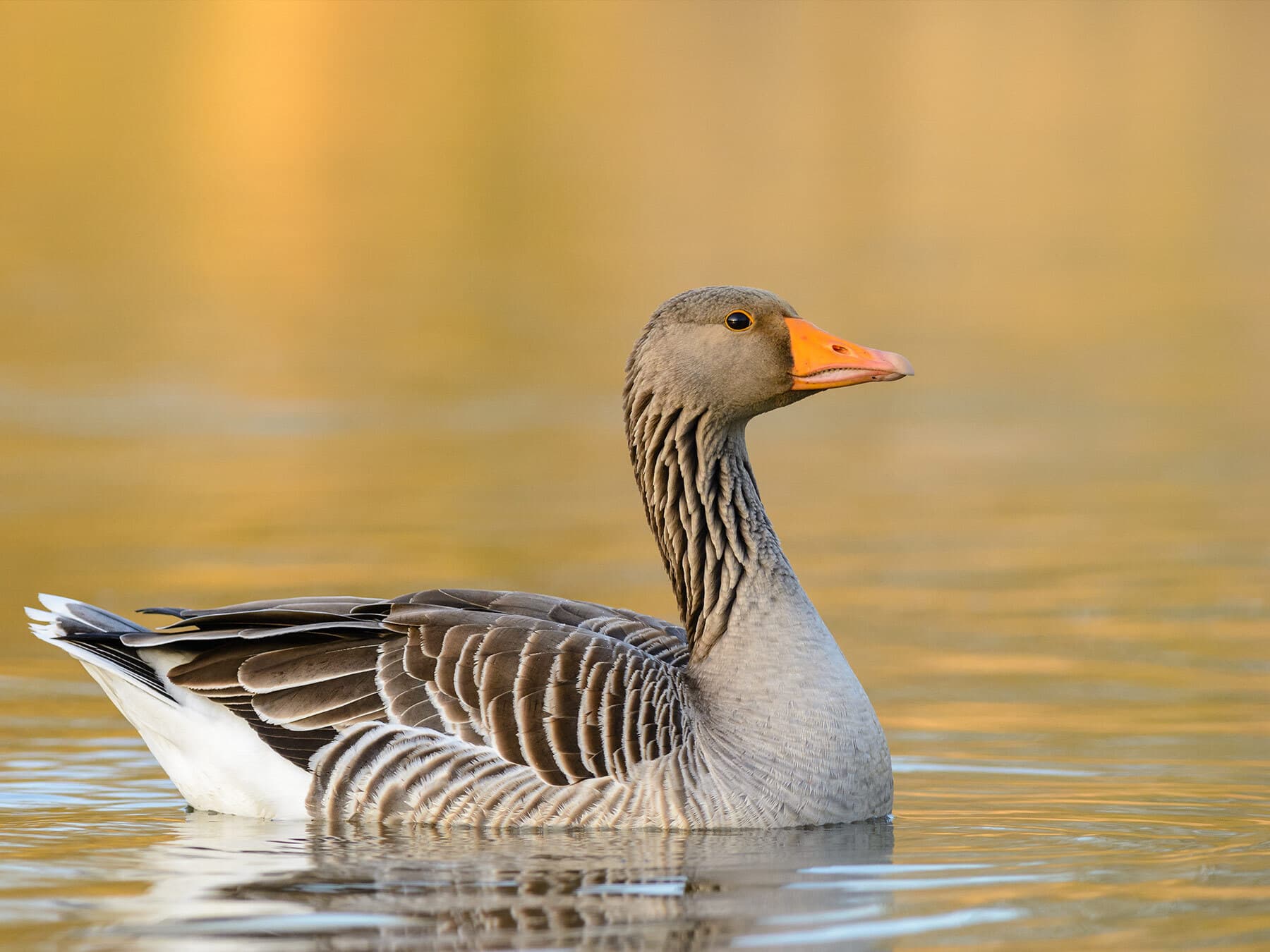 Greylag GooseAnser anserResidentCommon75–90 cmRecorded all year
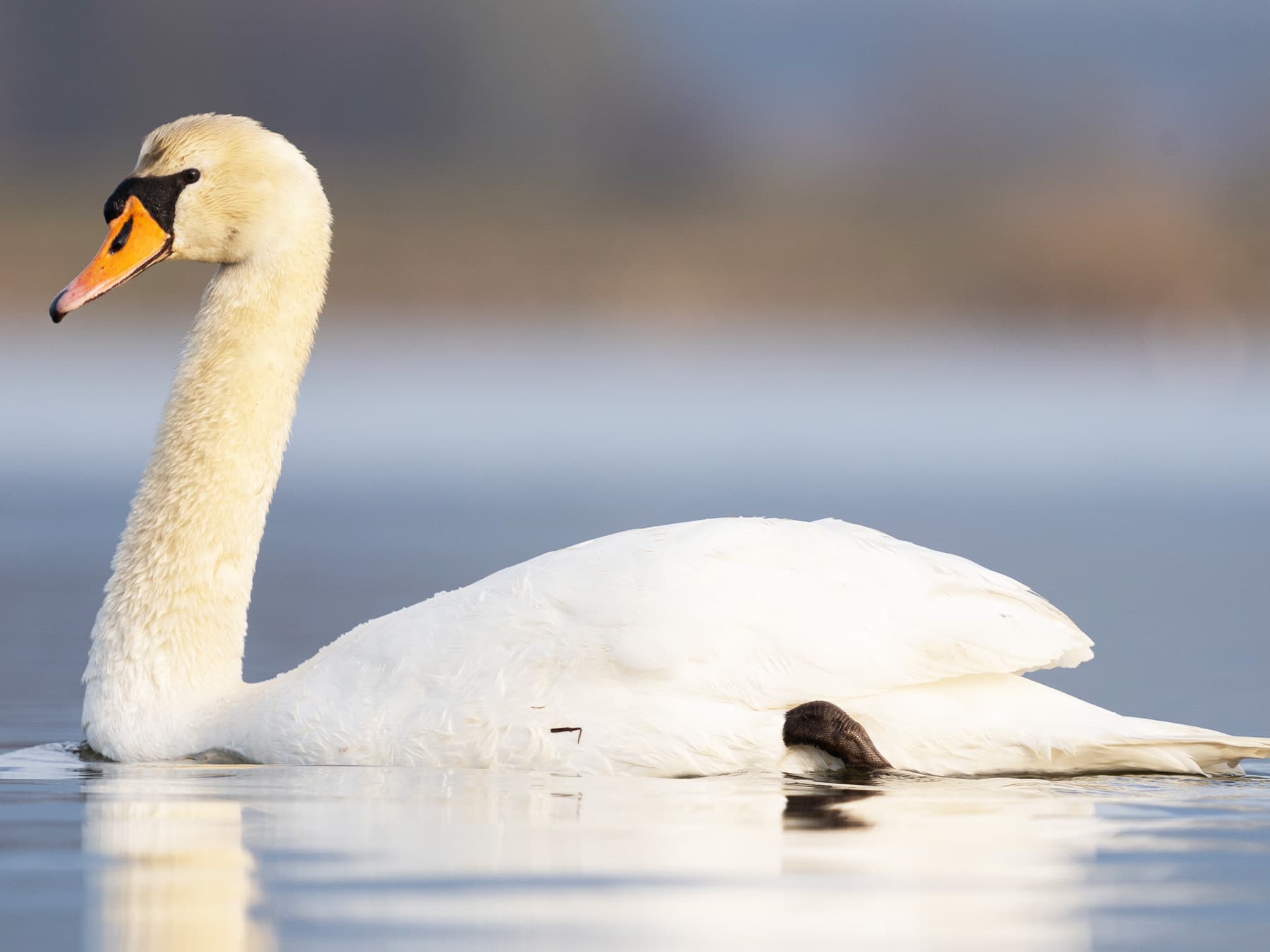 Mute SwanCygnus olorResidentCommon140–160 cmRecorded all year
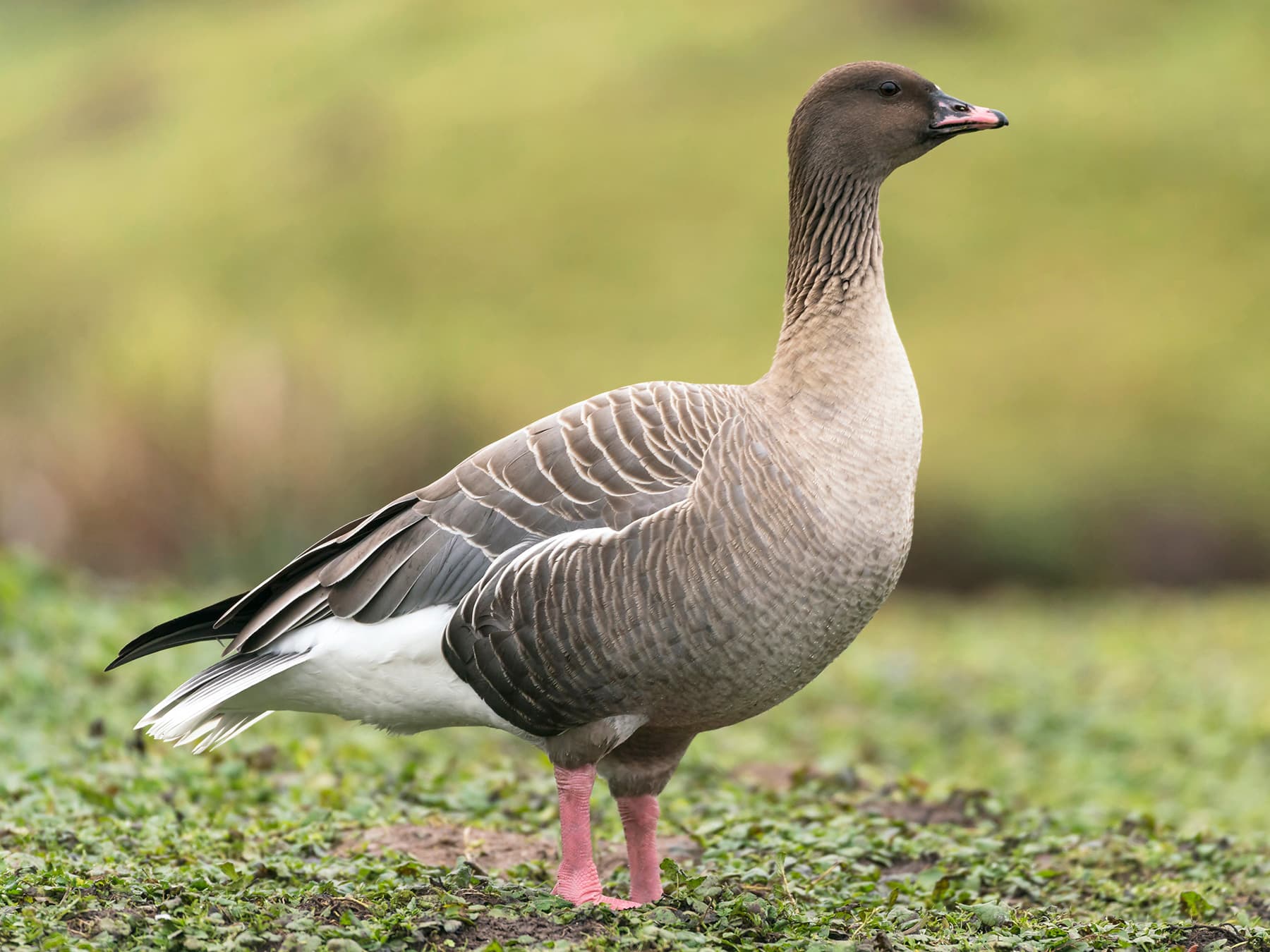 Pink-footed GooseAnser brachyrhynchusWinter visitorCommon60–75 cmRegularly Sep–Apr
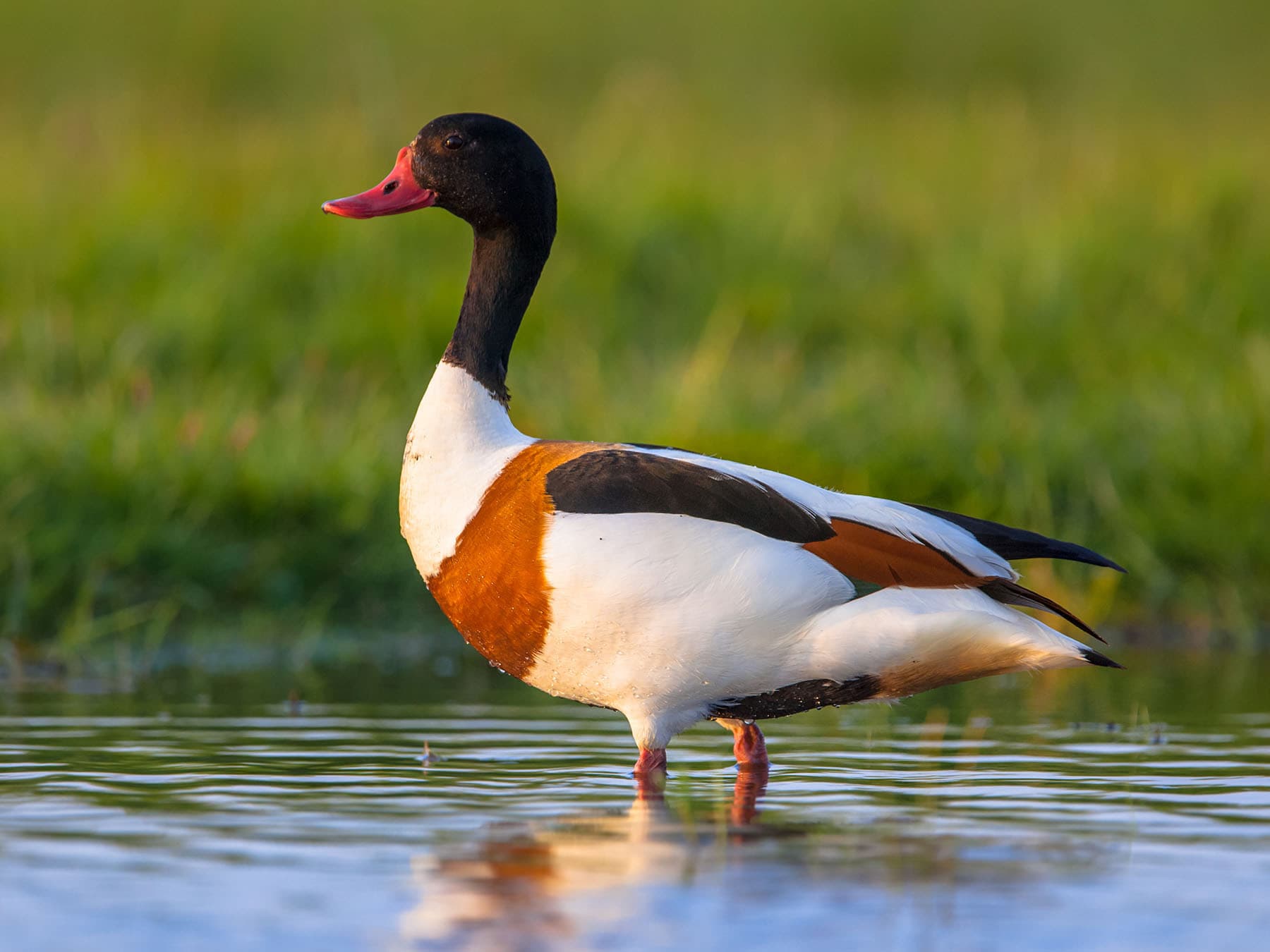 Common ShelduckTadorna tadornaResidentCommon58–67 cmRecorded all year
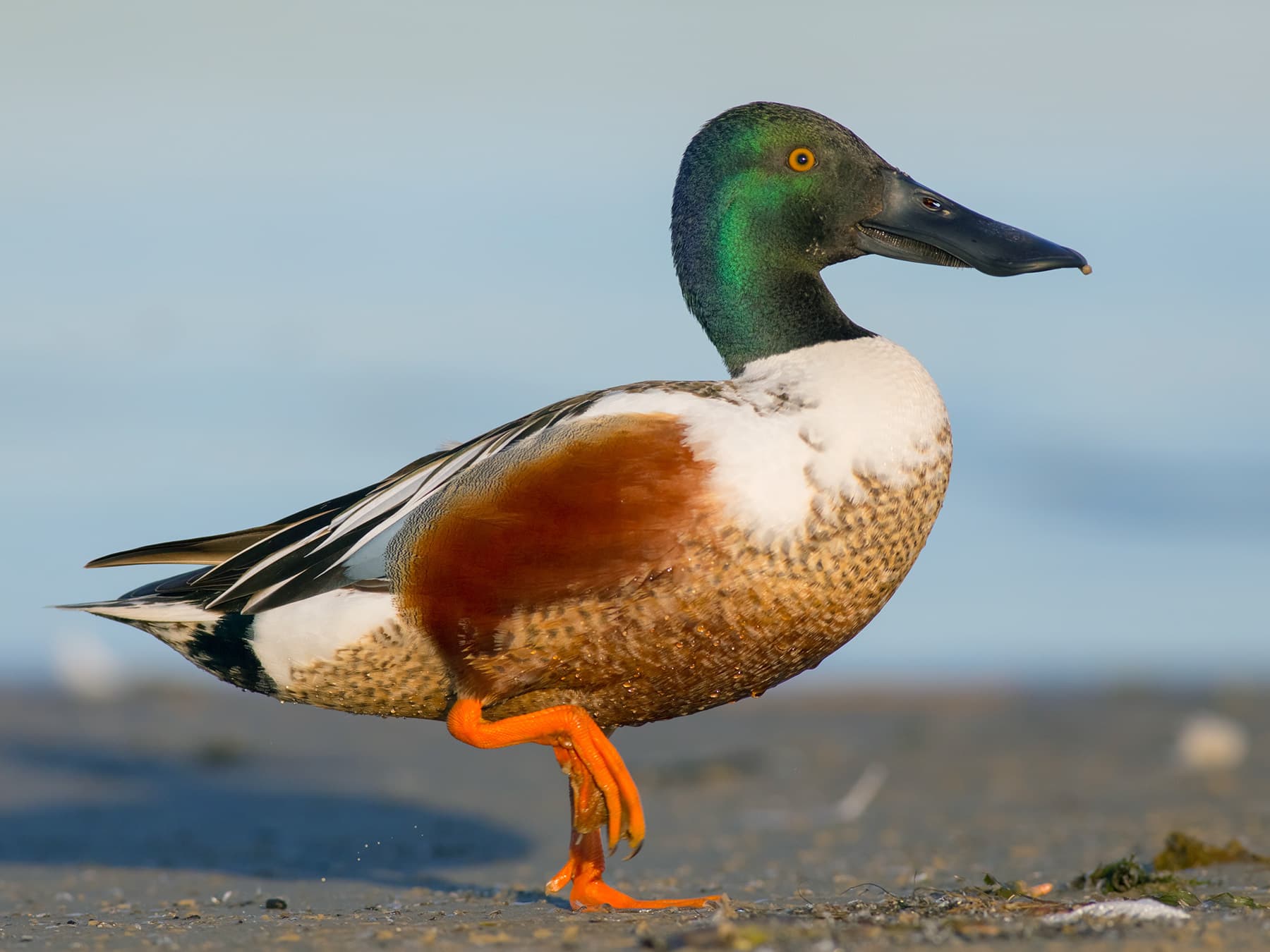 Northern ShovelerSpatula clypeataResidentCommon44–51 cmRecorded all year
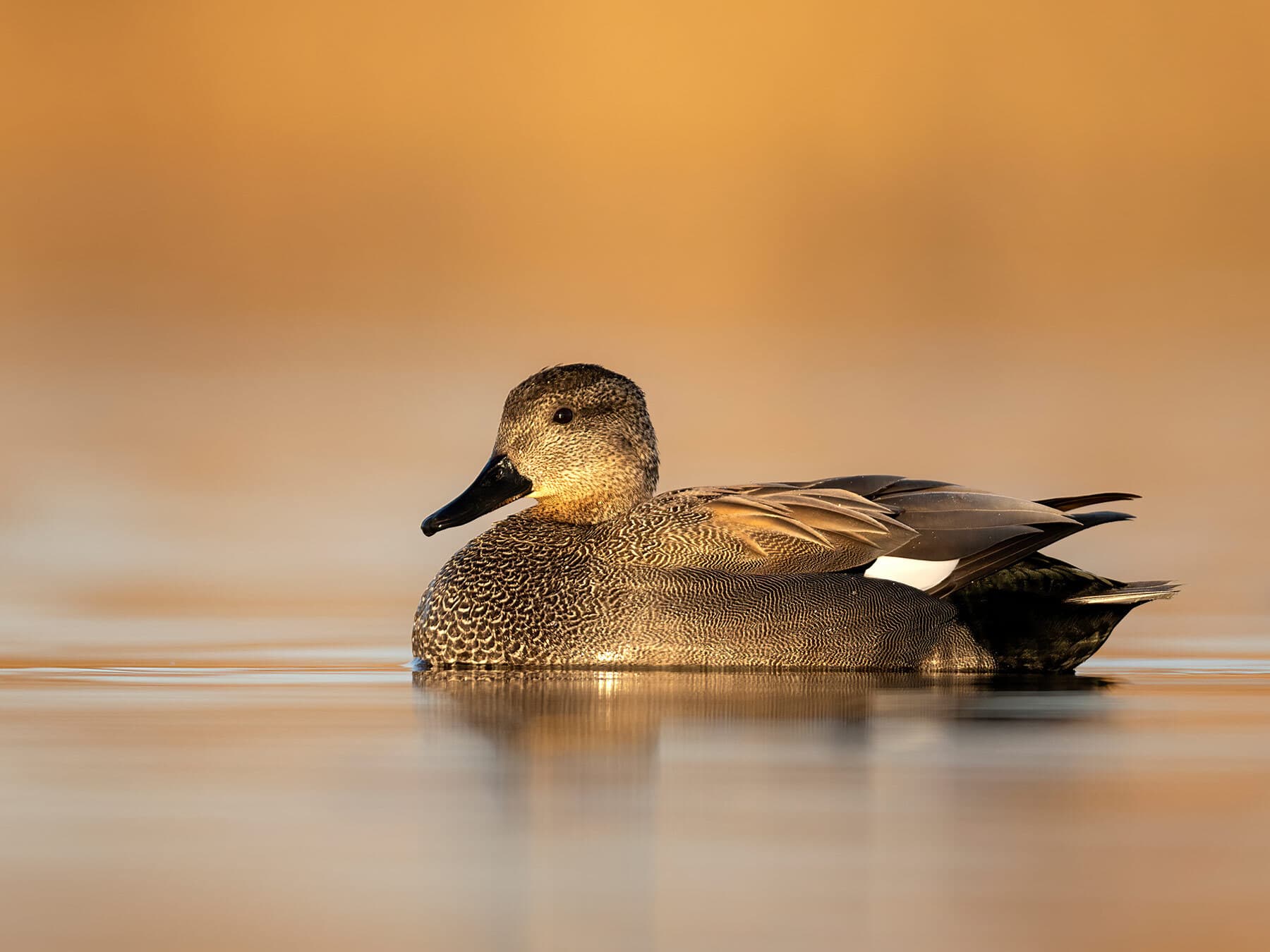 GadwallMareca streperaResidentCommon46–56 cmRecorded all year
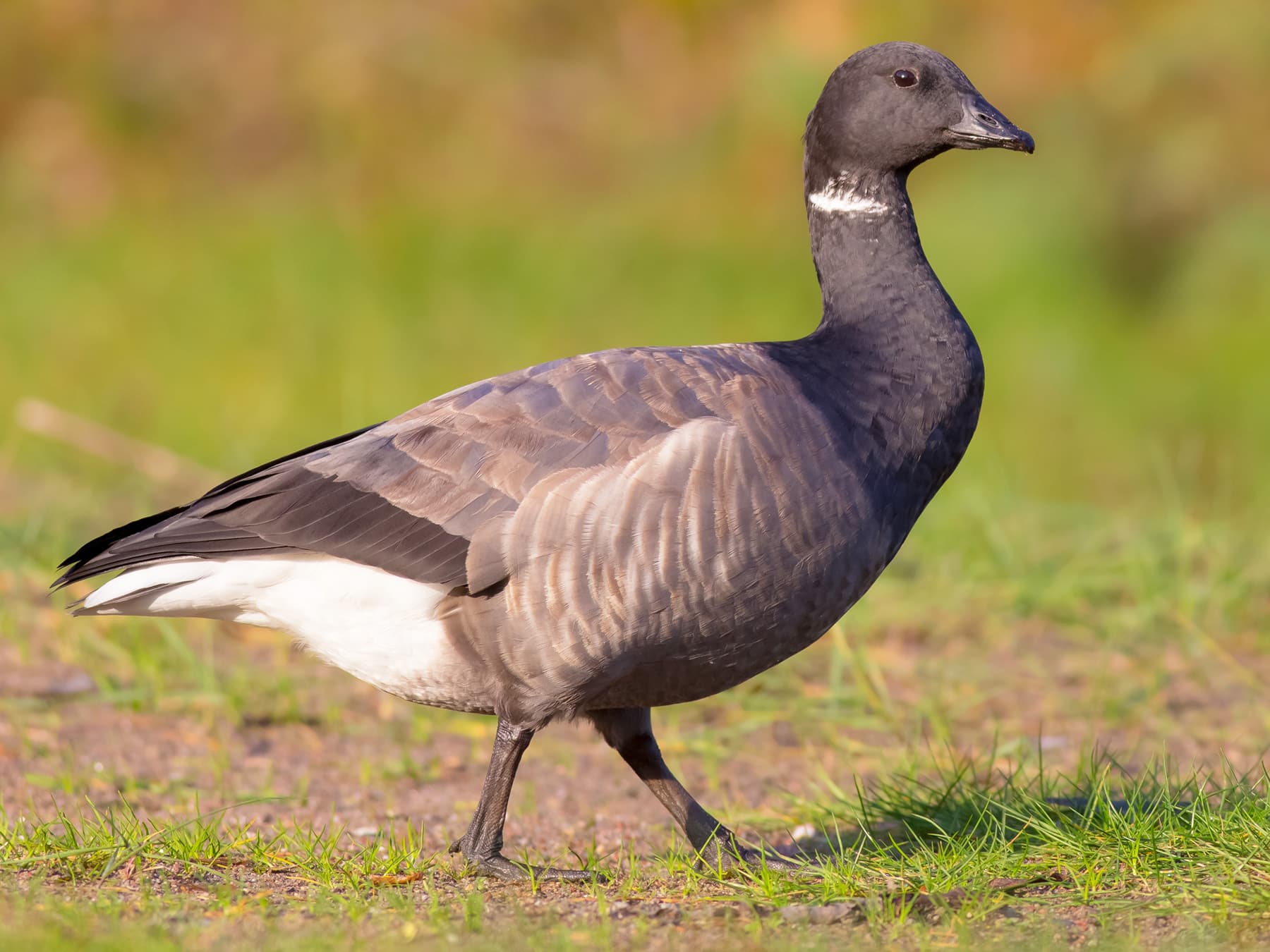 Brent GooseBranta berniclaWinter visitorCommon55–66 cmRegularly Sep–Jun
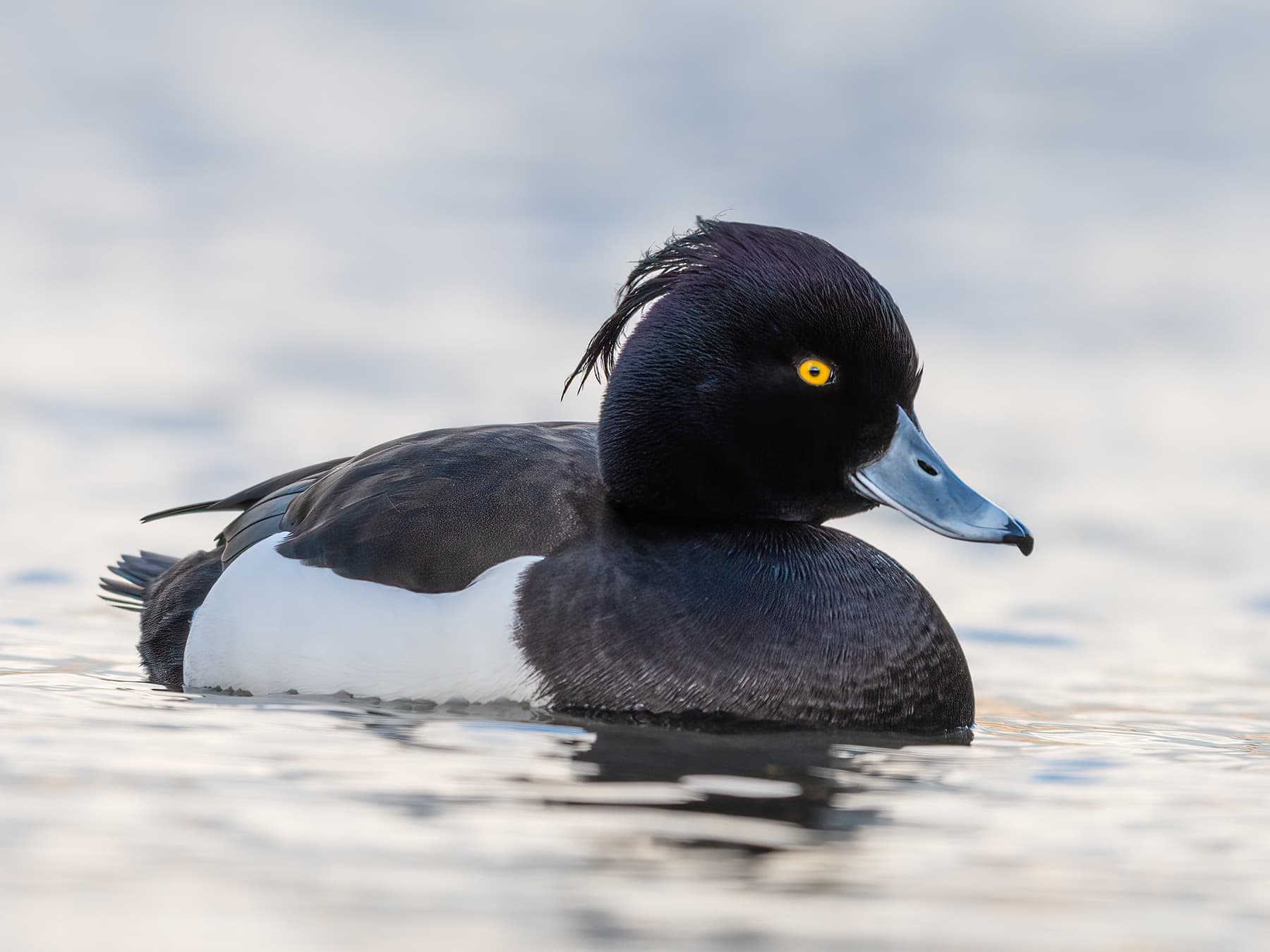 Tufted DuckAythya fuligulaResidentCommon40–47 cmRecorded all year
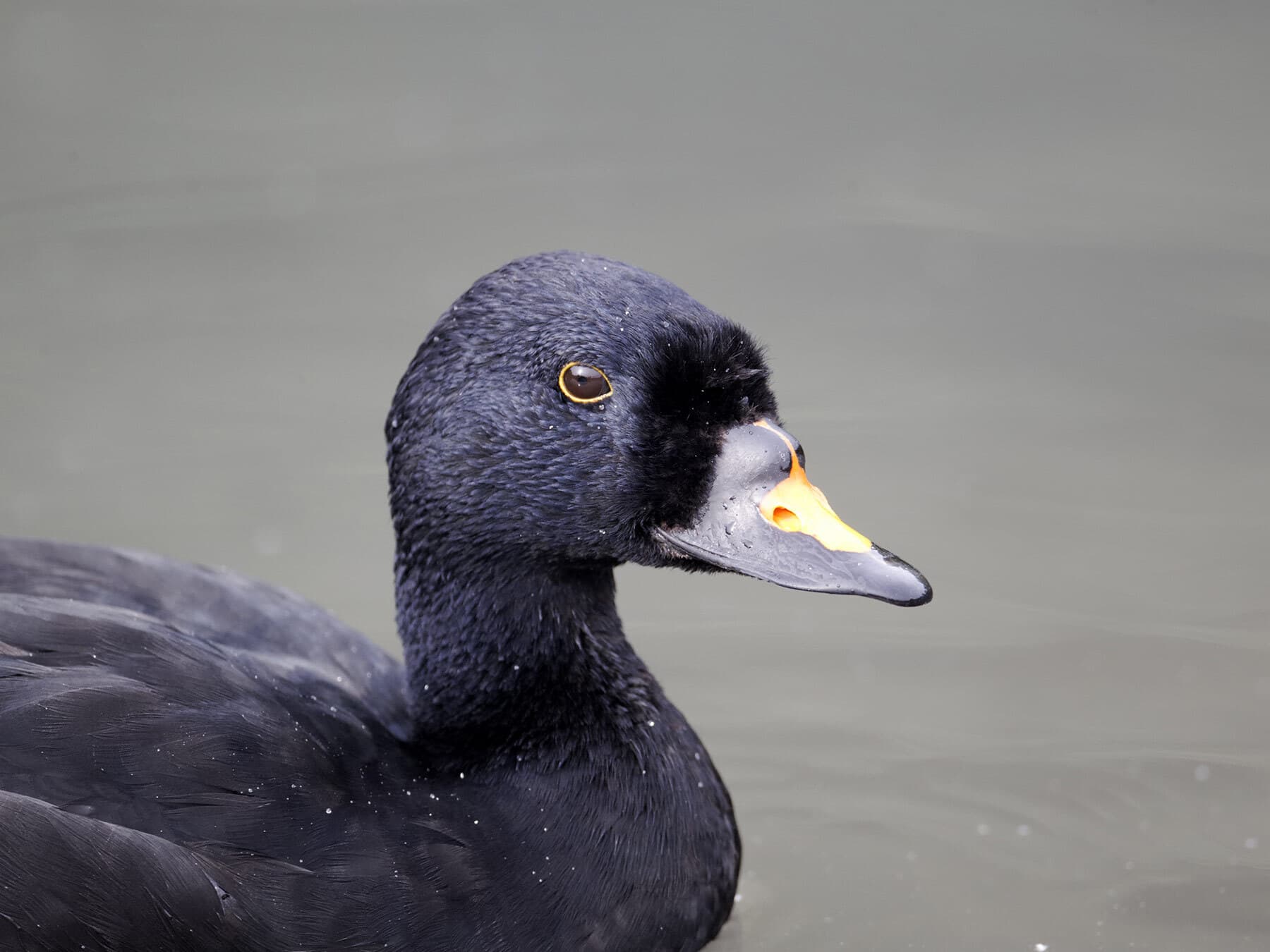 Common ScoterMelanitta nigraResidentCommon43–54 cmRecorded all year
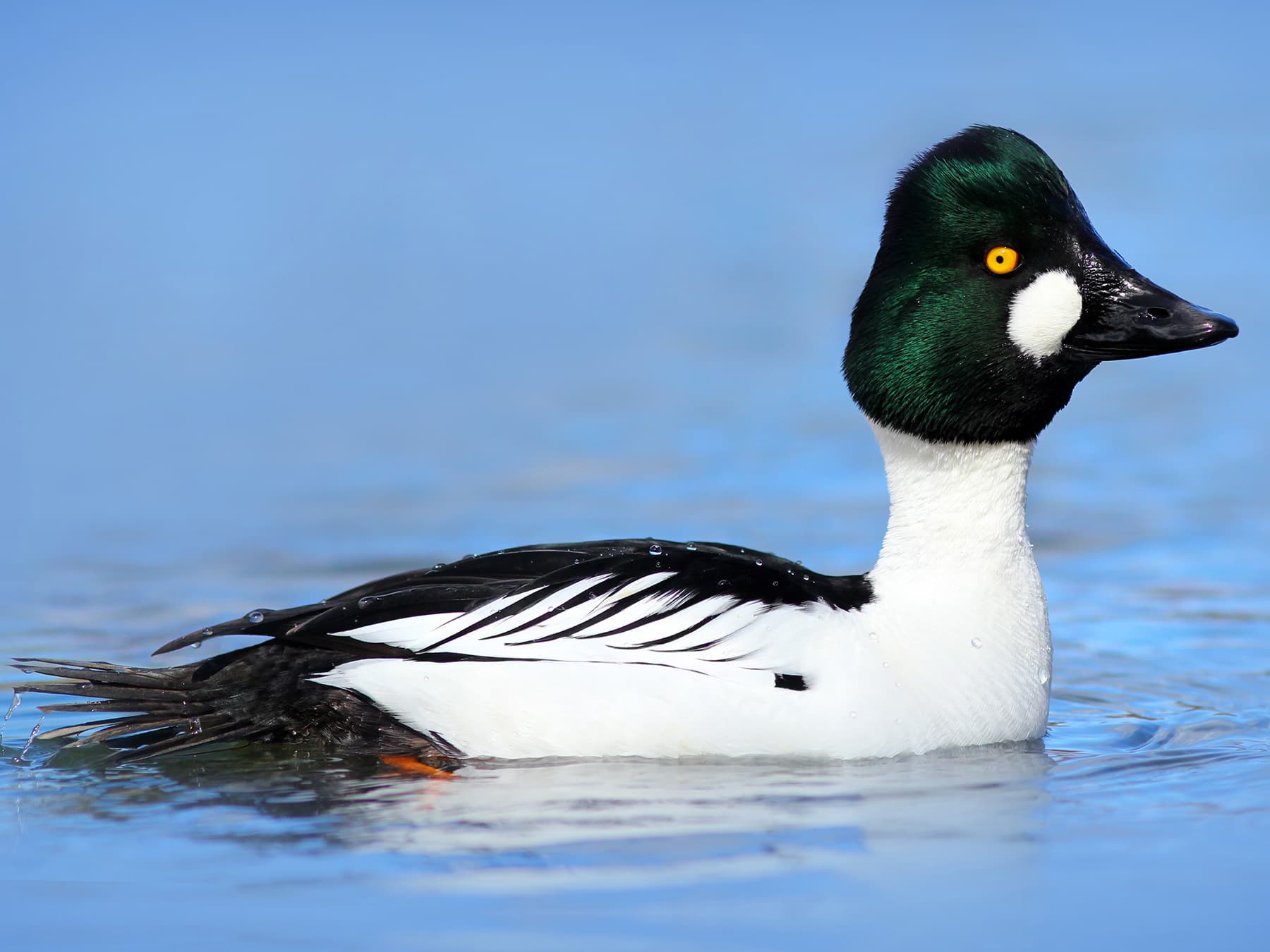 GoldeneyeBucephala clangulaWinter visitorCommon40–51 cmRegularly Oct–Mar
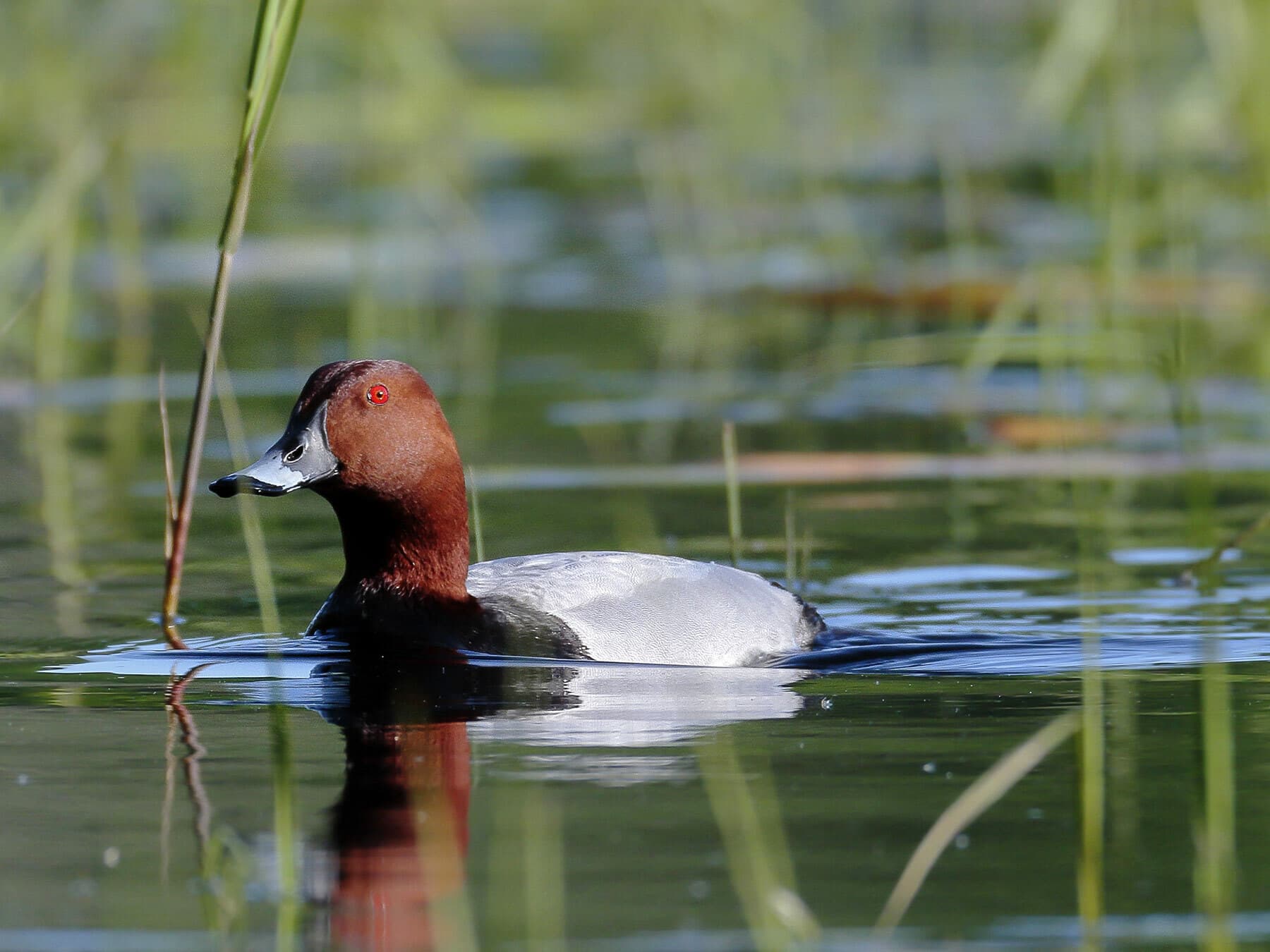 PochardAythya ferinaResidentCommon42–49 cmRecorded all year
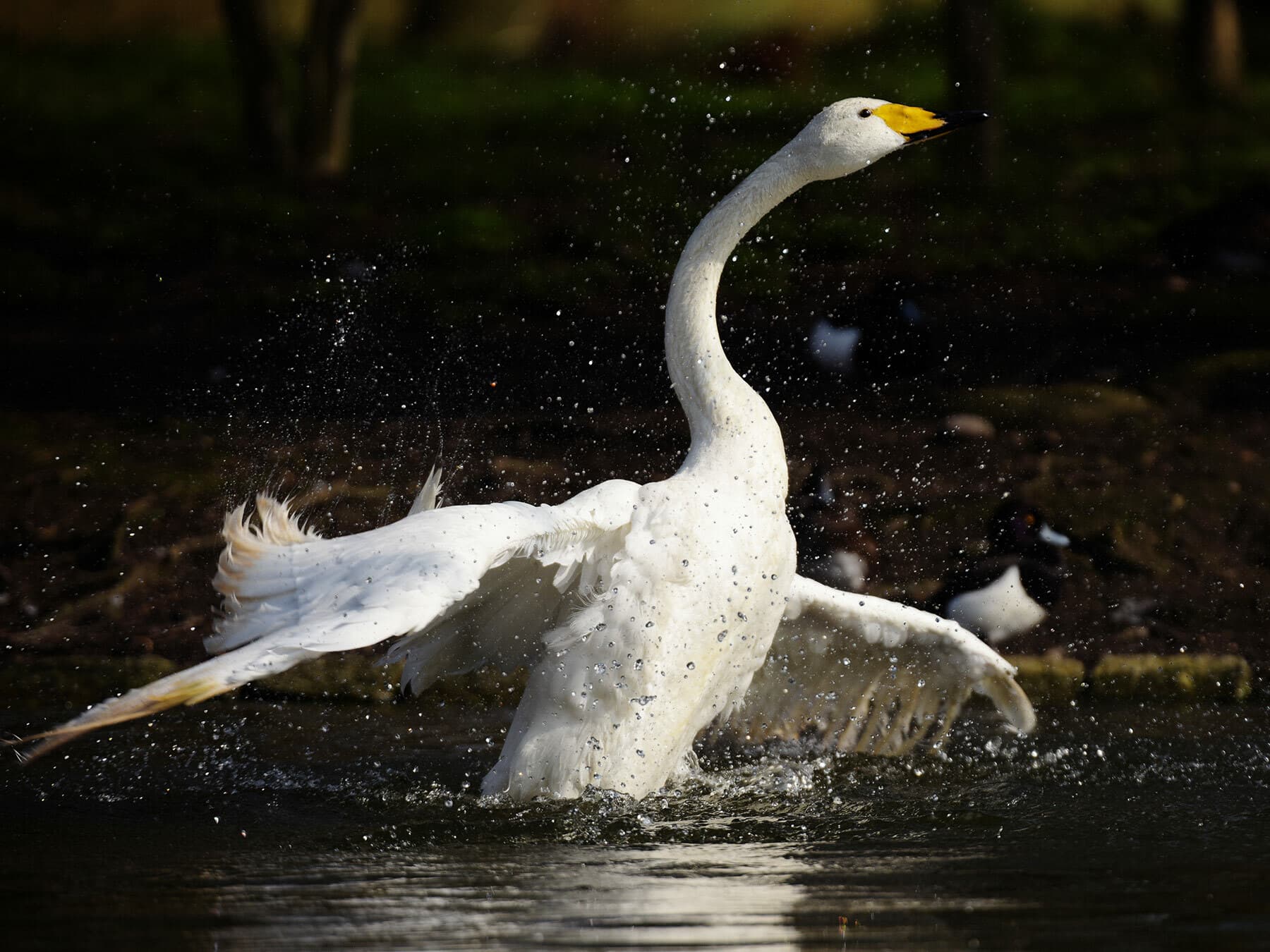 Whooper SwanCygnus cygnusWinter visitorCommon140–165 cmRegularly Oct–May
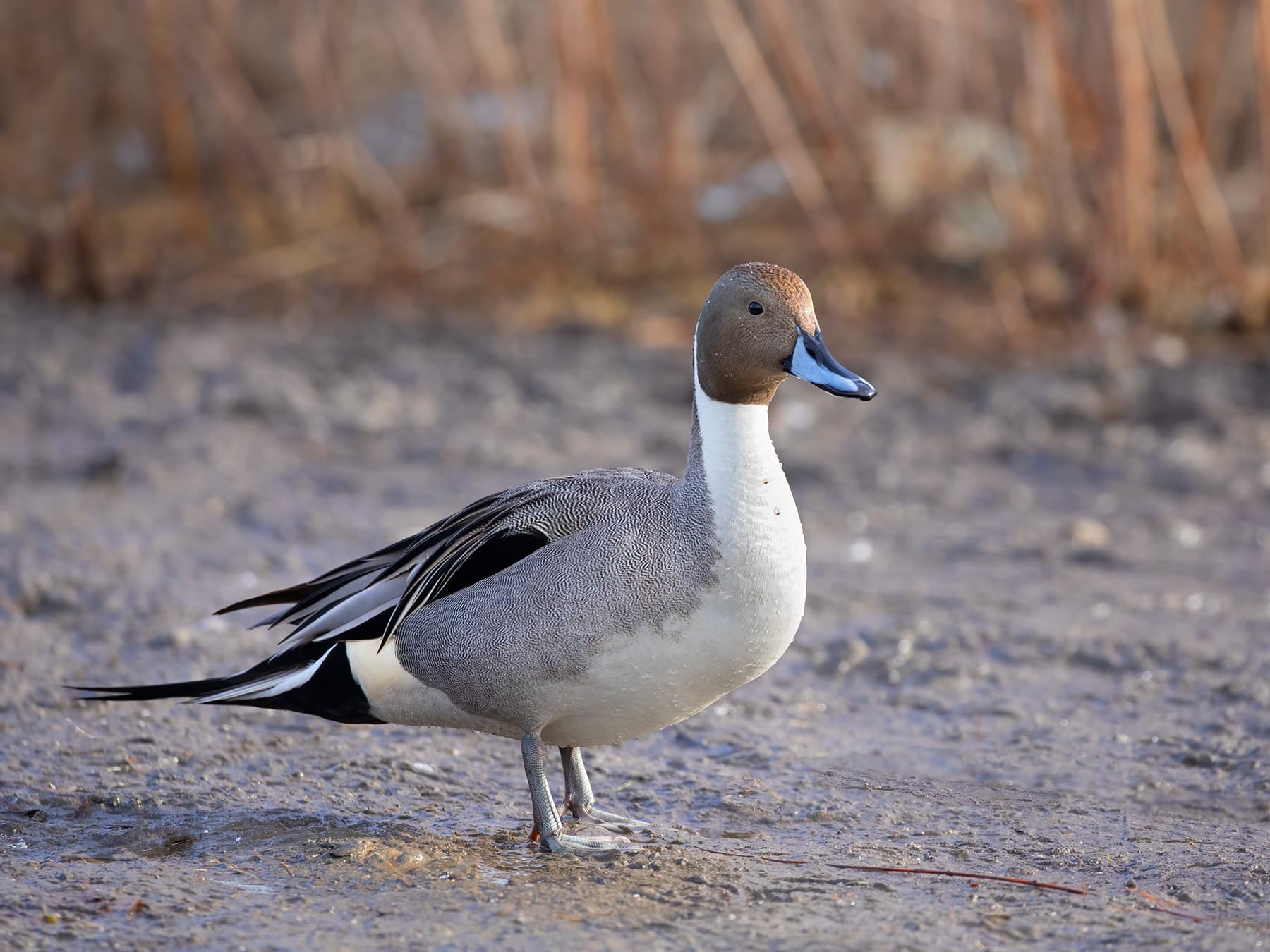 Northern PintailAnas acutaWinter visitorUncommon59–76 cmRegularly Aug–May
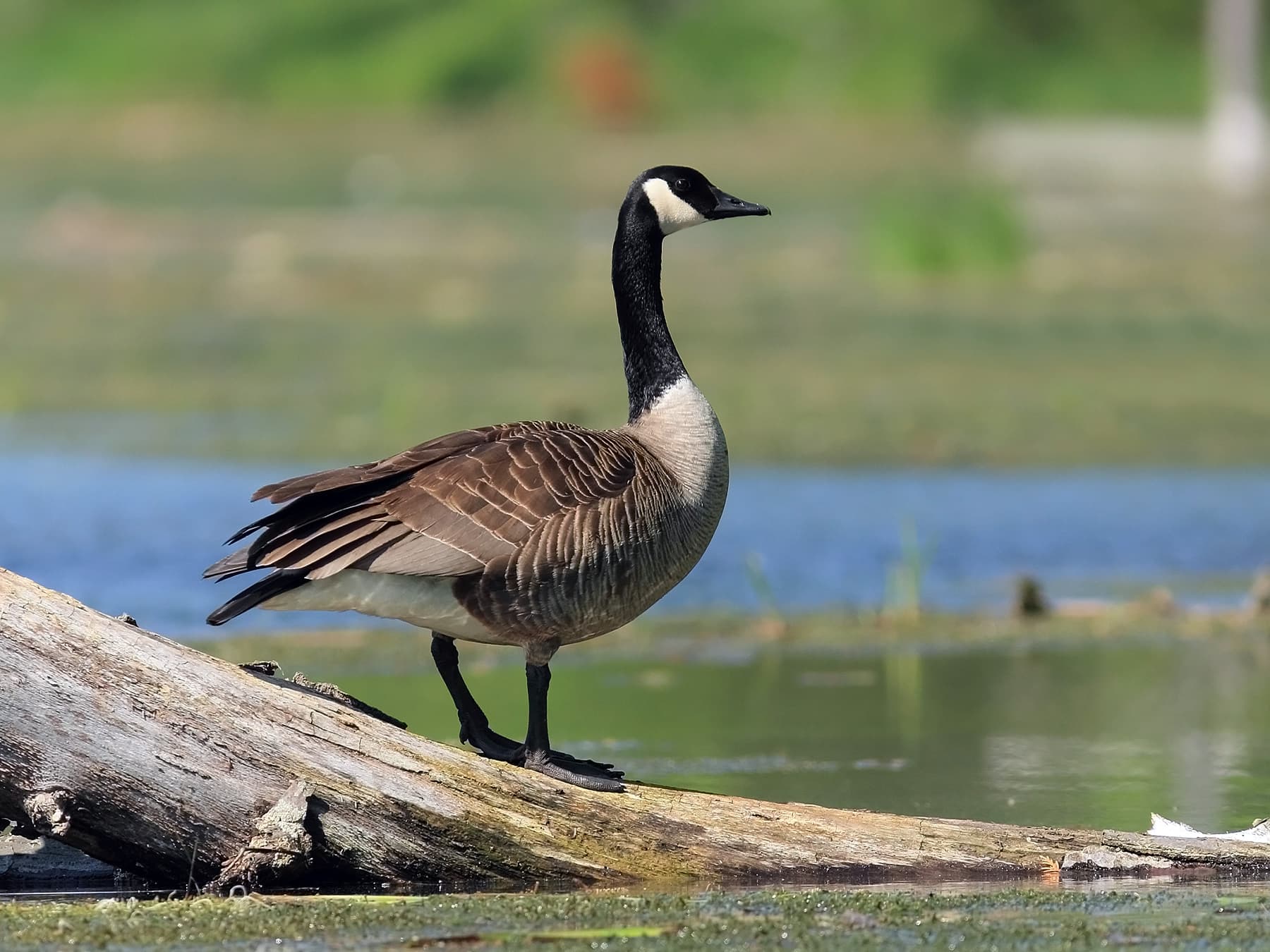 Canada GooseBranta canadensisResidentUncommon76–110 cmRecorded all year
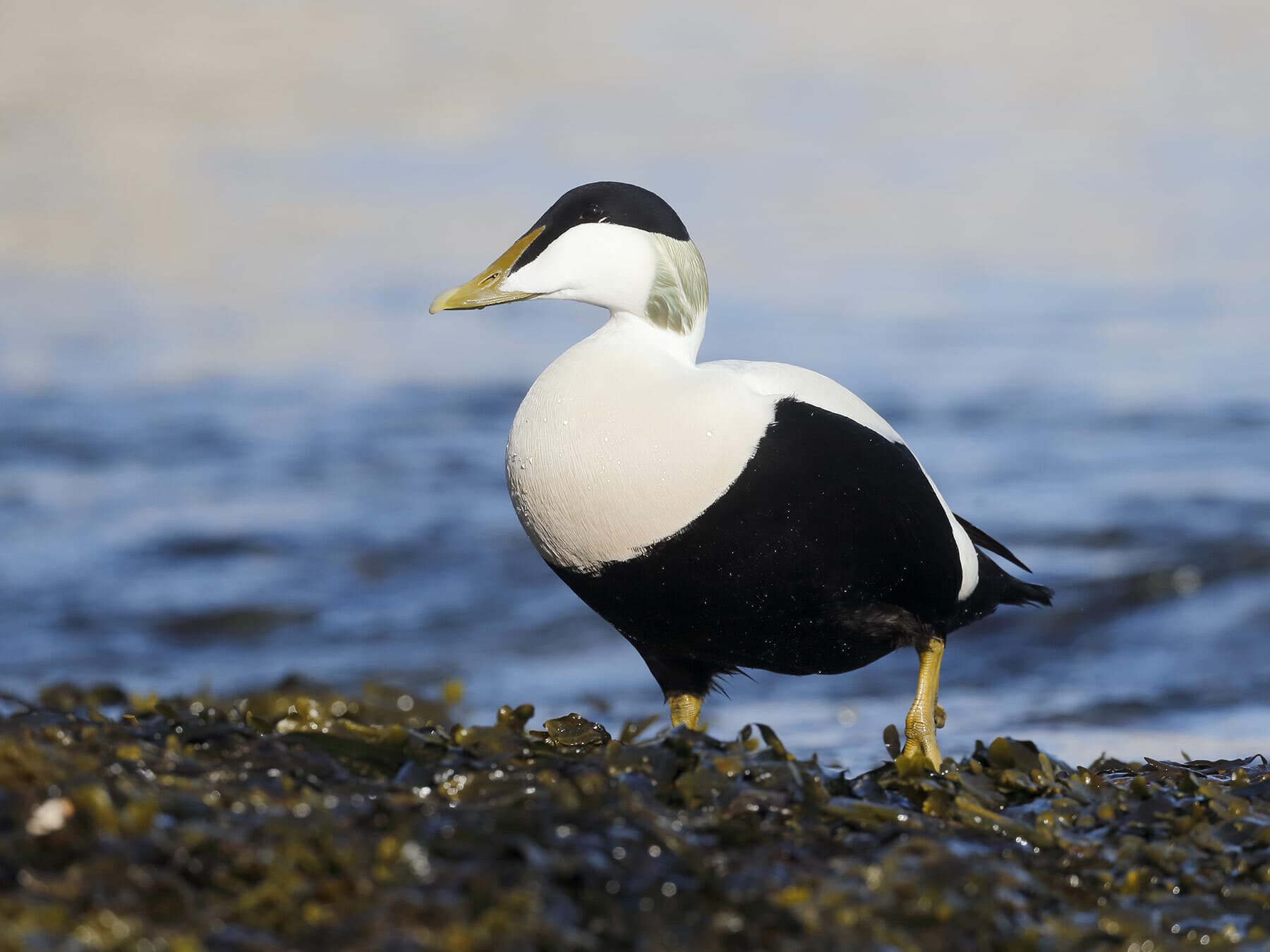 EiderSomateria mollissimaWinter visitorUncommon50–71 cmRecorded all year
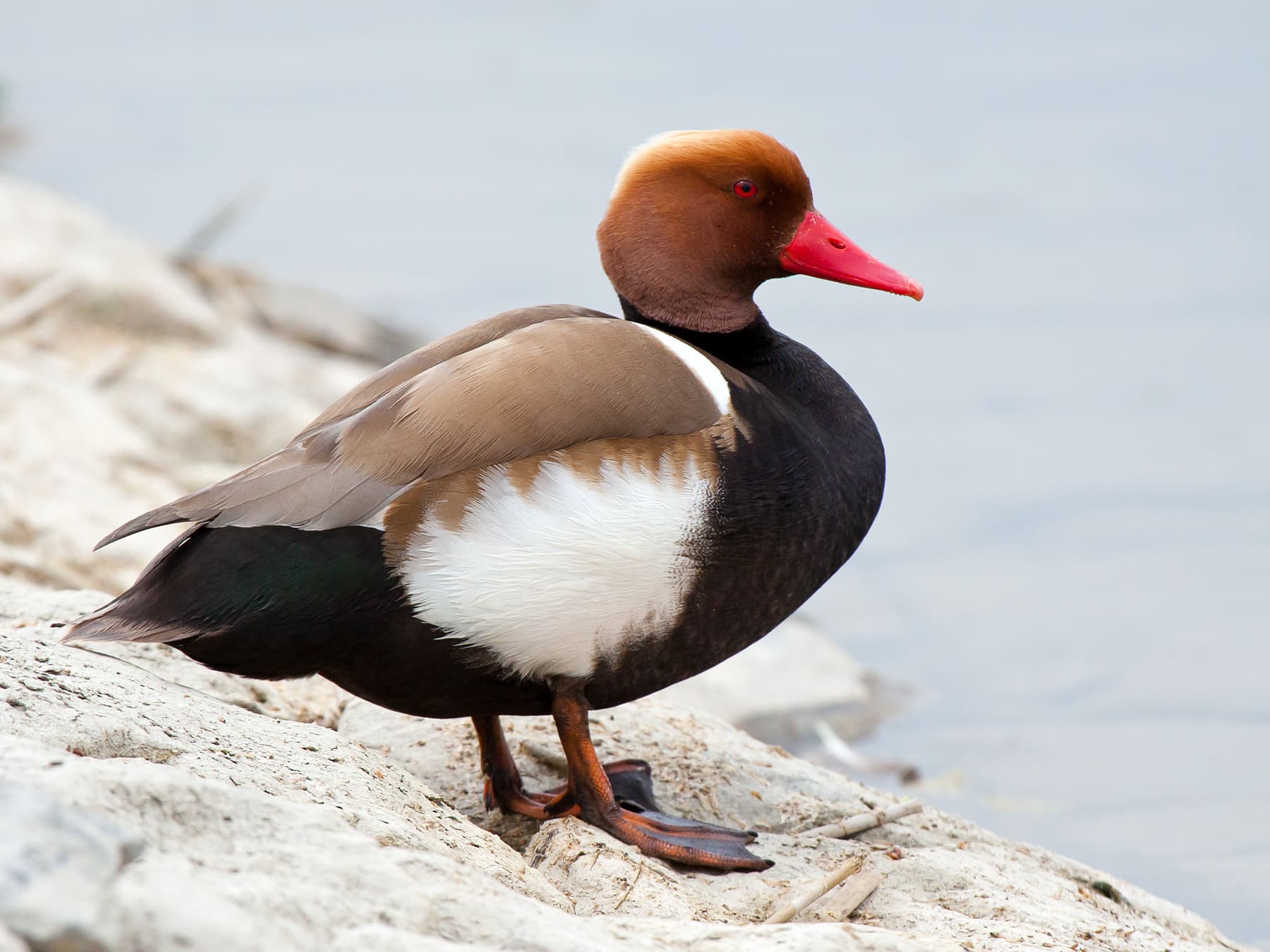 Red-crested PochardNetta rufinaResidentUncommon53–57 cmRegularly Nov–Jan
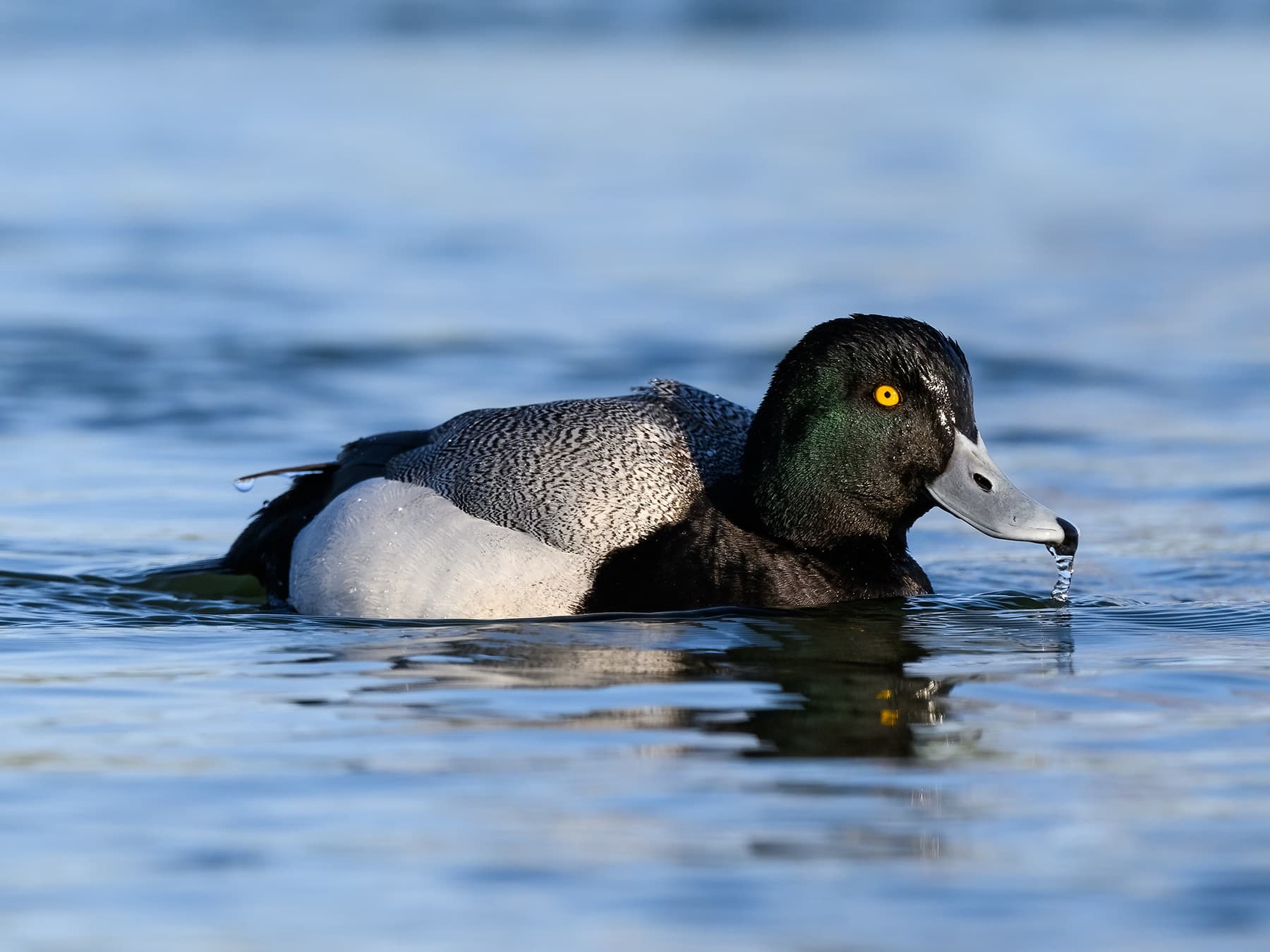 Greater ScaupAythya marilaWinter visitorUncommon39–56 cmRegularly Jul–Apr
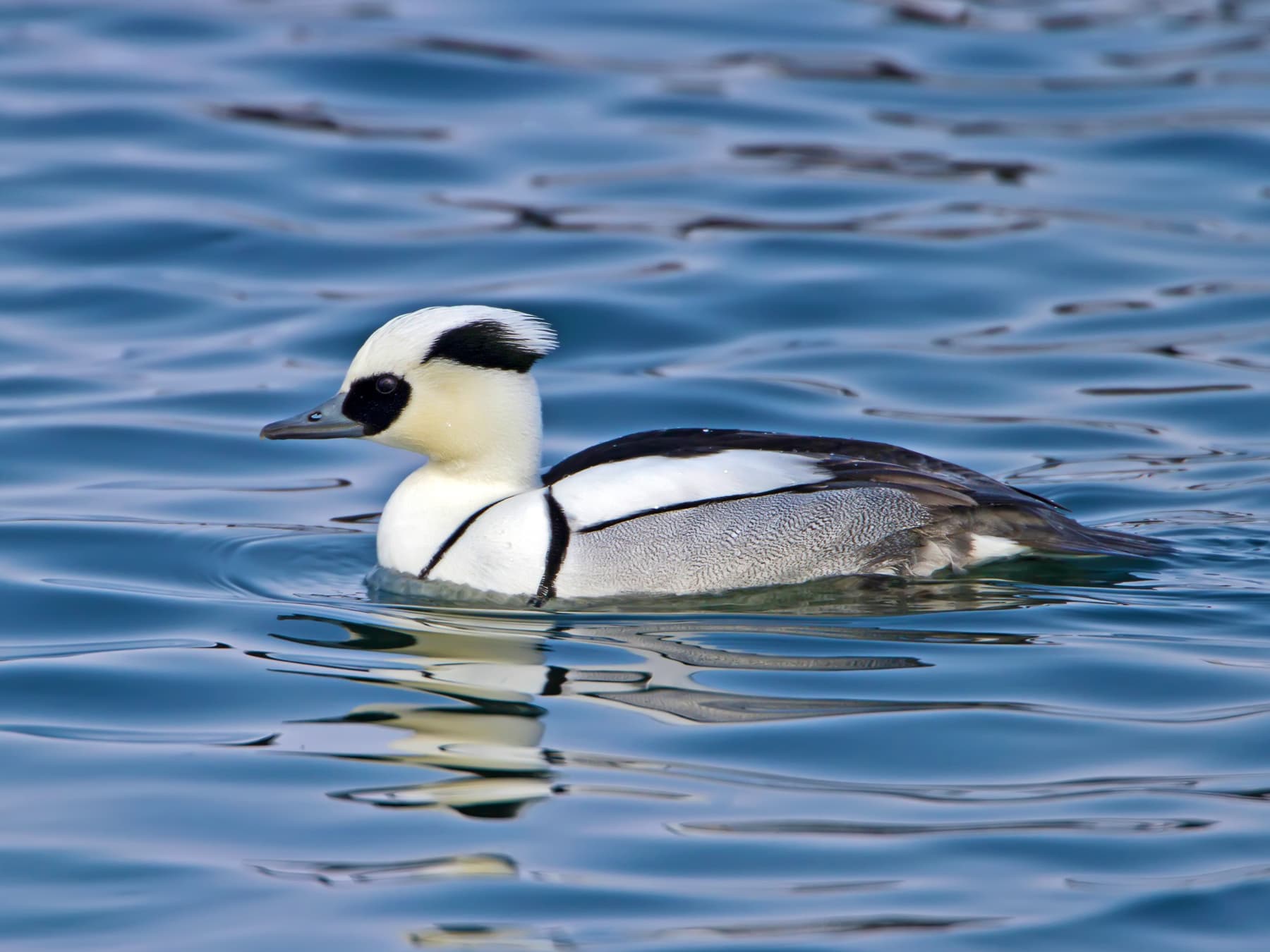 SmewMergellus albellusPassage migrantUncommon38–44 cmRegularly Dec–Mar
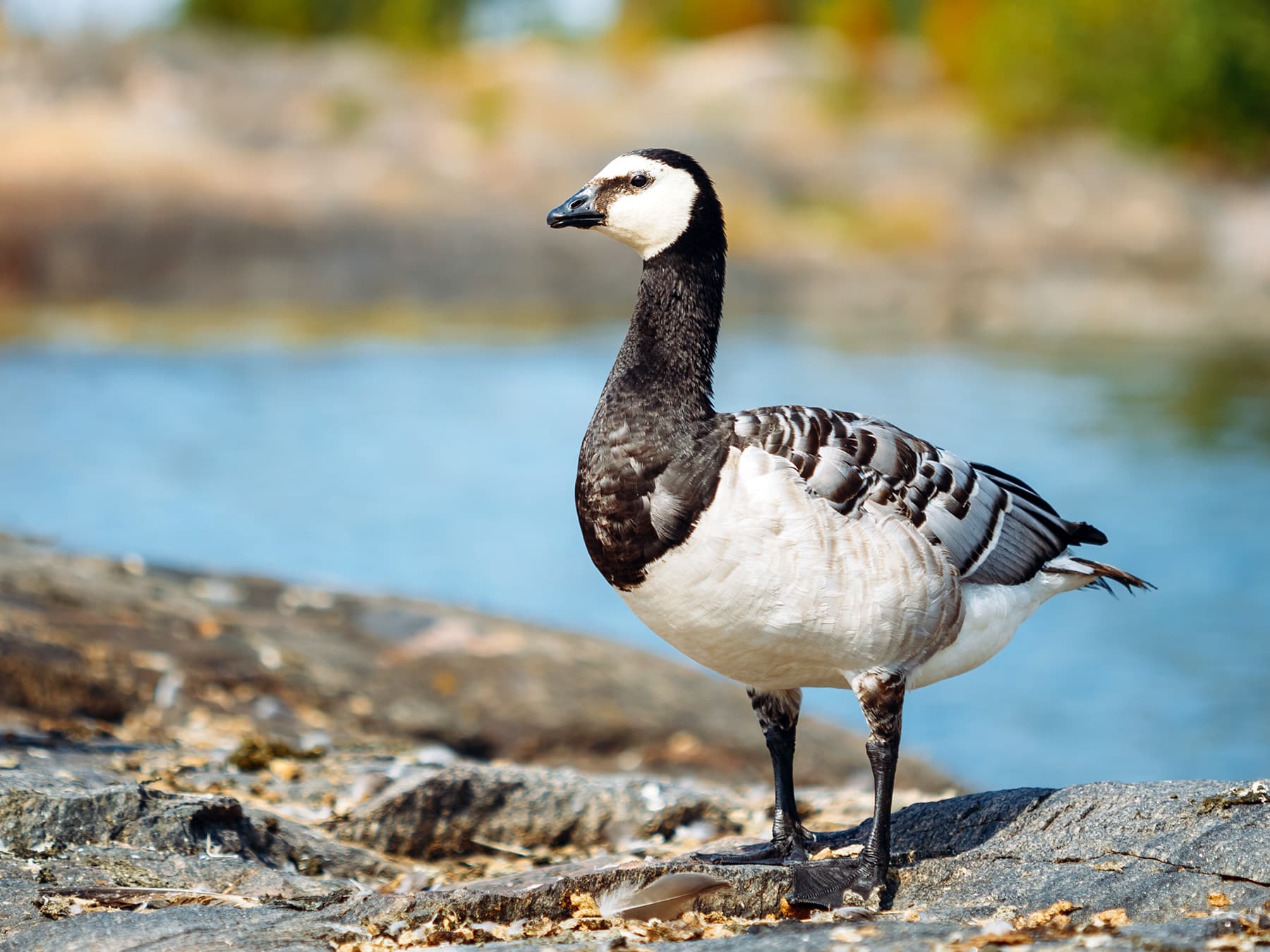 Barnacle GooseBranta leucopsisResidentUncommon58–70 cmRecorded all year
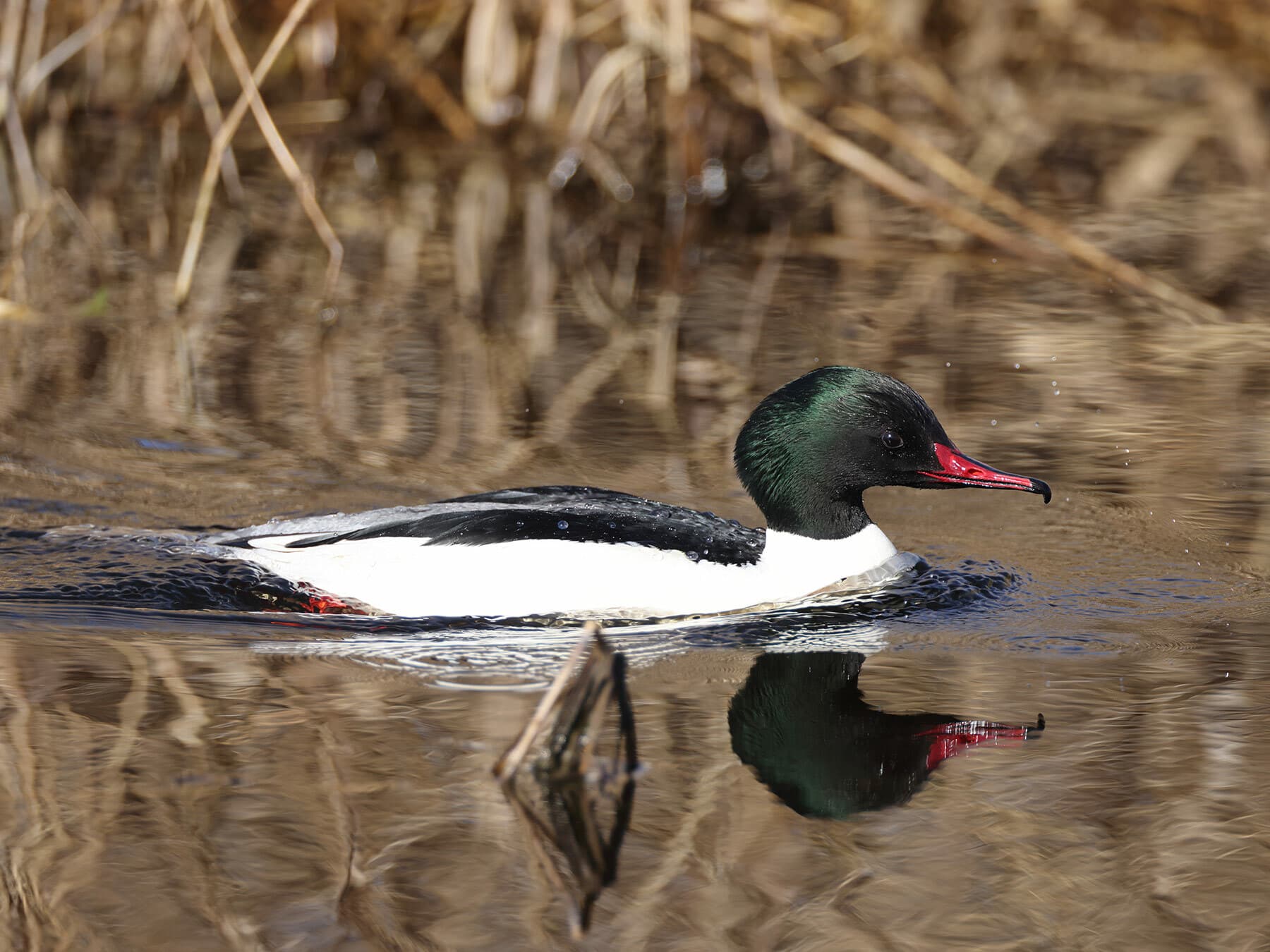 Common MerganserMergus merganserWinter visitorUncommon58–68 cmRegularly Oct–May
Data: EOD – eBird Observation Dataset (Cornell Lab of Ornithology), accessed via GBIF.org, CC BY 4.0. Records from 2019–2024, aggregated and filtered by Birdfact. How these lists are made