Uncommon Birds in Durham
63 species matching this filter.
Durham's diverse landscapes—from the North Pennines moorlands to the Heritage Coast and the river valleys of the Wear and Tees—support a rich variety of birdlife beyond the commonly seen species. Among the county's 63 uncommon birds, you can find rewarding sightings such as Blackcap, Buzzard, Bullfinch, and wintering Fieldfare, as well as waterbirds like Common Merganser, Gadwall, and Common Shelduck on the region's reservoirs and estuaries. These species, while not encountered on every outing, are regular enough to reward patient and well-timed birdwatching across Durham's varied habitats.


Showing 24–46 of 63 species
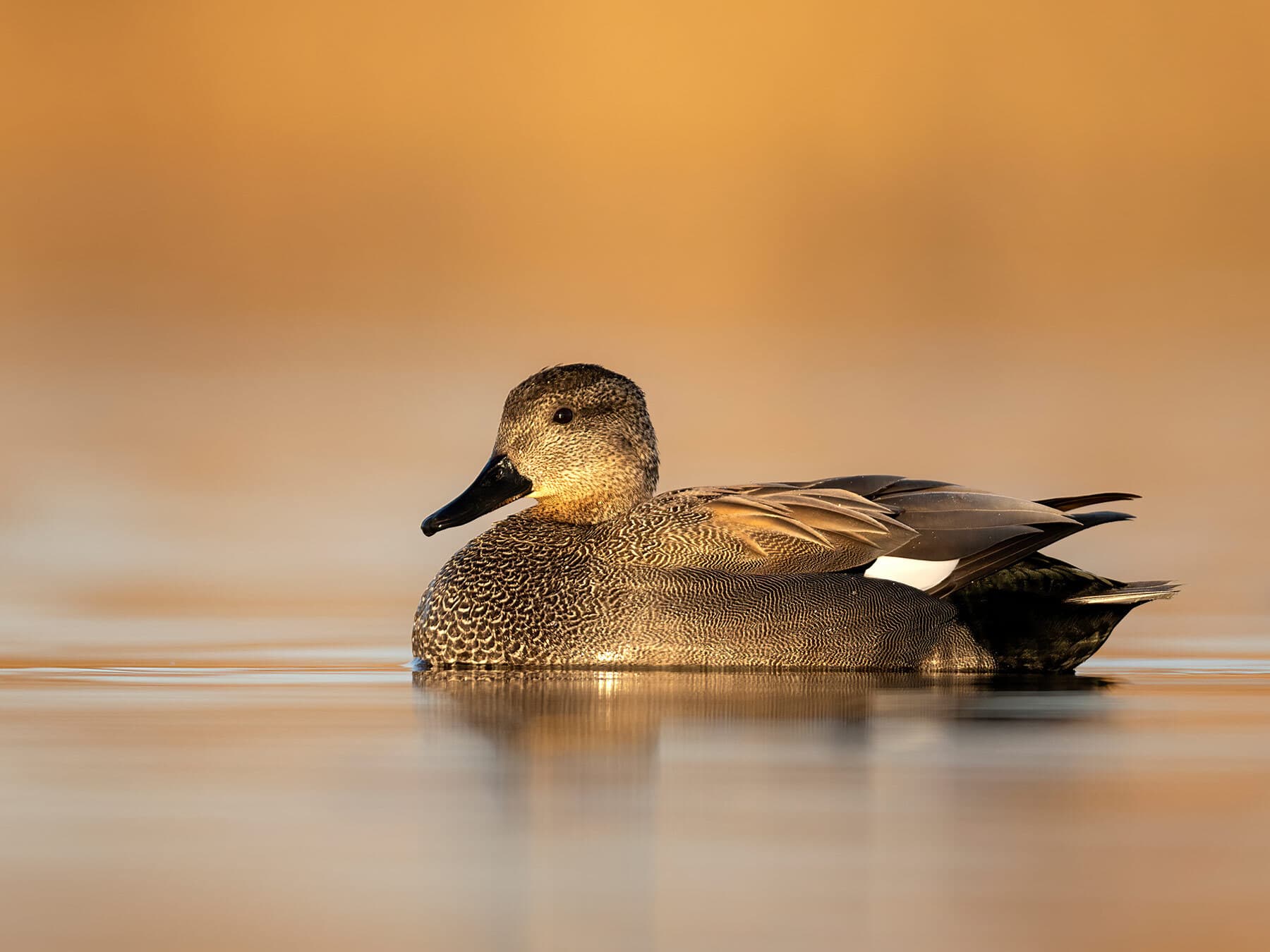
Gadwall
Mareca streperaLC
An uncommon year-round resident favouring lakes and reservoirs with vegetated margins. Has increased in recent decades across the region.
Year-round
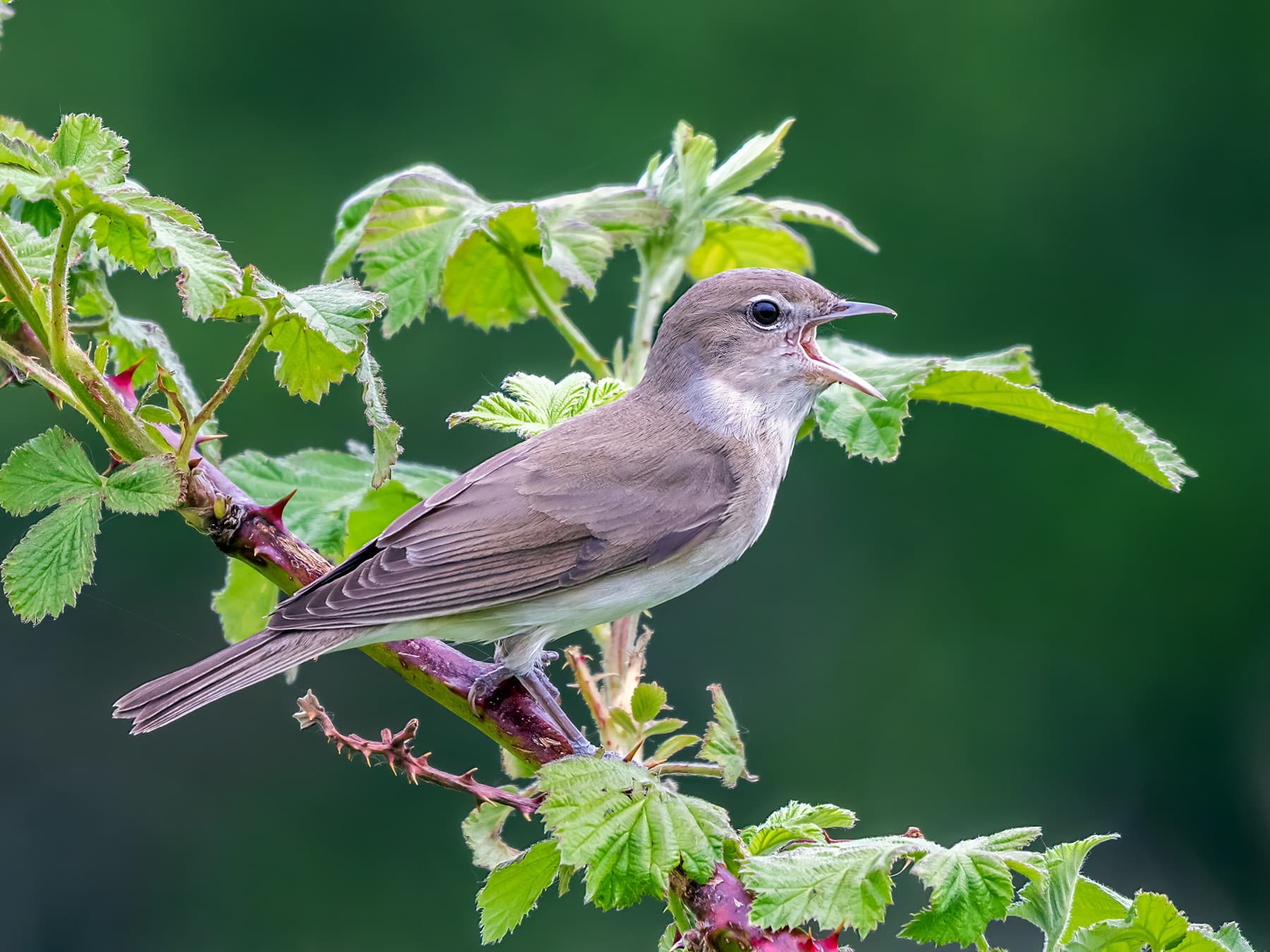
Garden Warbler
Sylvia borinLC
An uncommon summer visitor to dense woodland with thick undergrowth. Its rich warbling song can be heard from April, though the bird itself is often elusive.
Apr–Sep
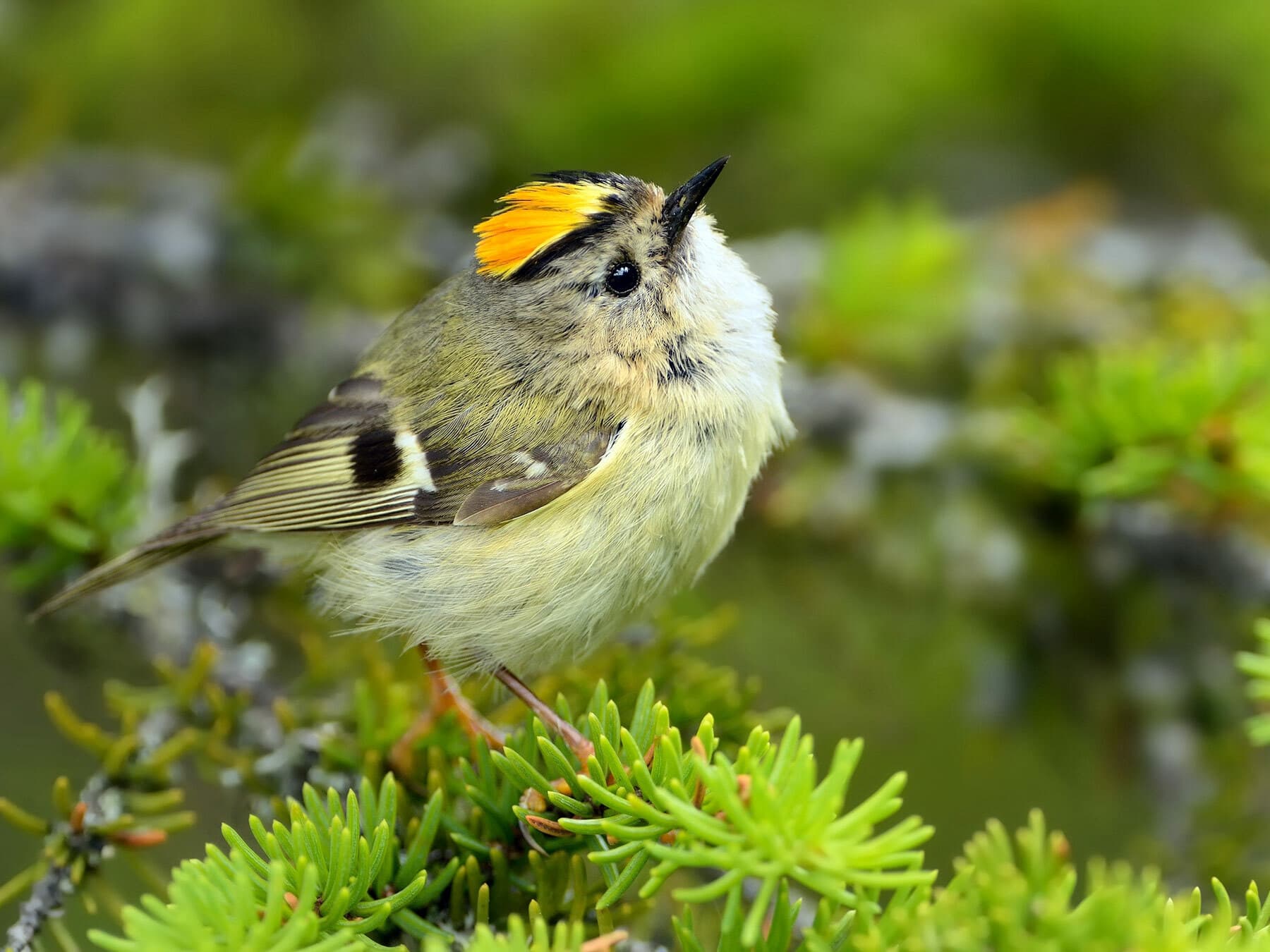
Goldcrest
Regulus regulusLC
A tiny resident of coniferous and mixed woodland, present year-round. Numbers swell in autumn with continental migrants arriving along the coast.
Year-round
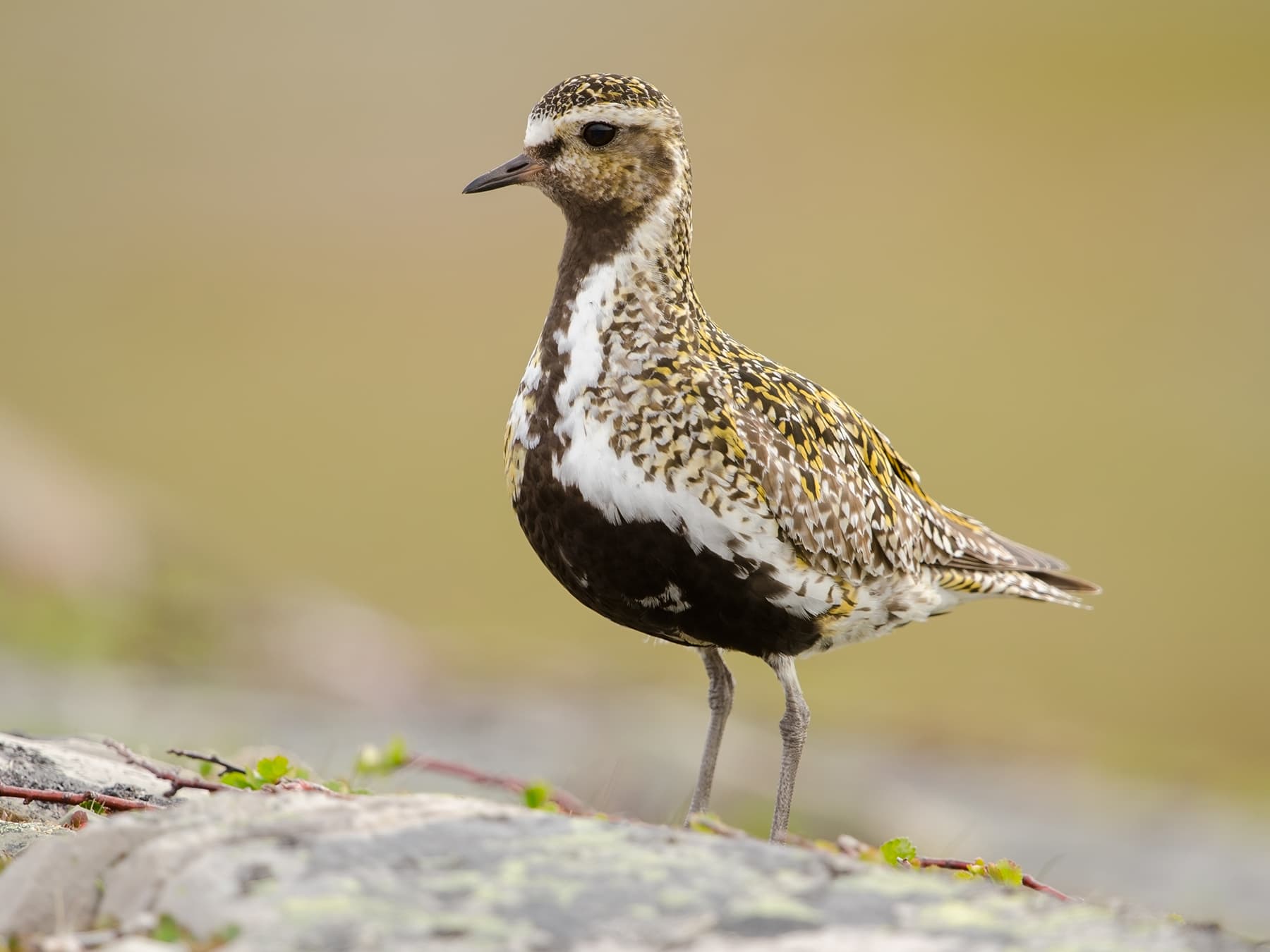
Golden Plover
Pluvialis apricariaLC
An uncommon resident breeding on upland moors in summer. Large flocks gather on lowland fields in autumn and winter.
Year-round
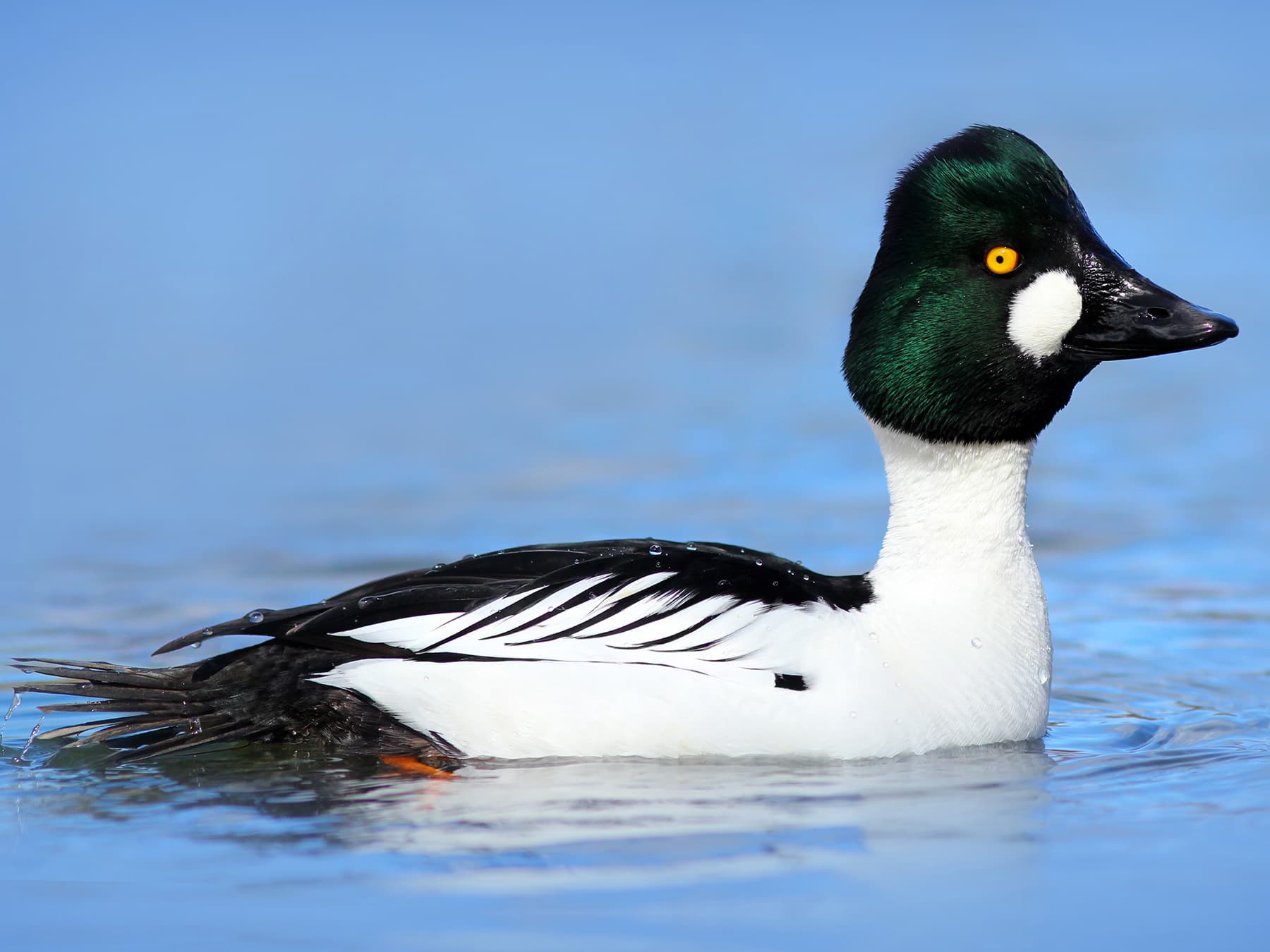
Goldeneye
Bucephala clangulaLC
An uncommon winter visitor found on reservoirs and rivers, often seen diving on the Wear or at upland waters from October to April.
Oct–Apr
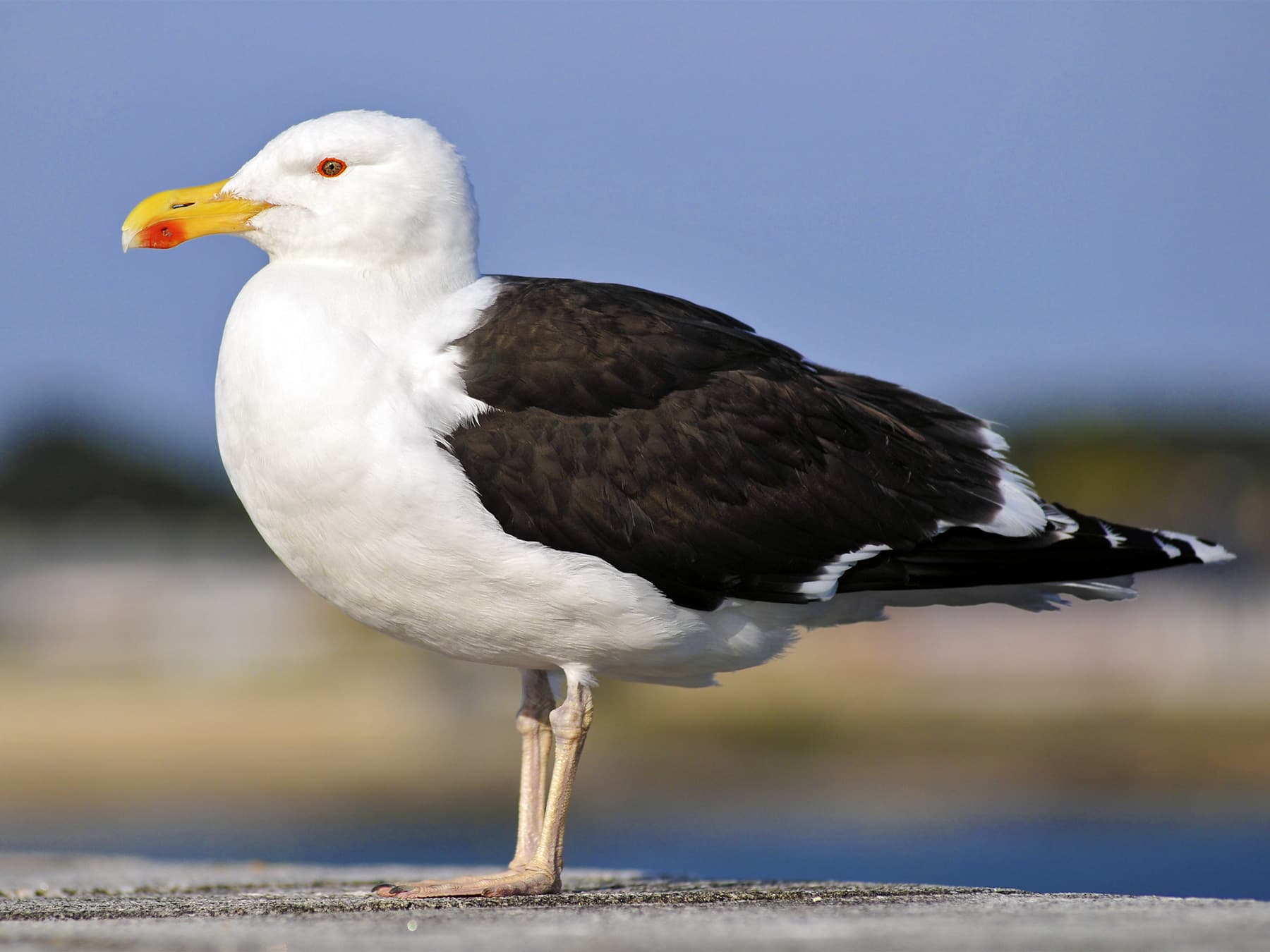
Great Black-backed Gull
Larus marinusLC
An uncommon but imposing resident, seen year-round along the coast and at reservoirs. The largest gull in the region.
Year-round
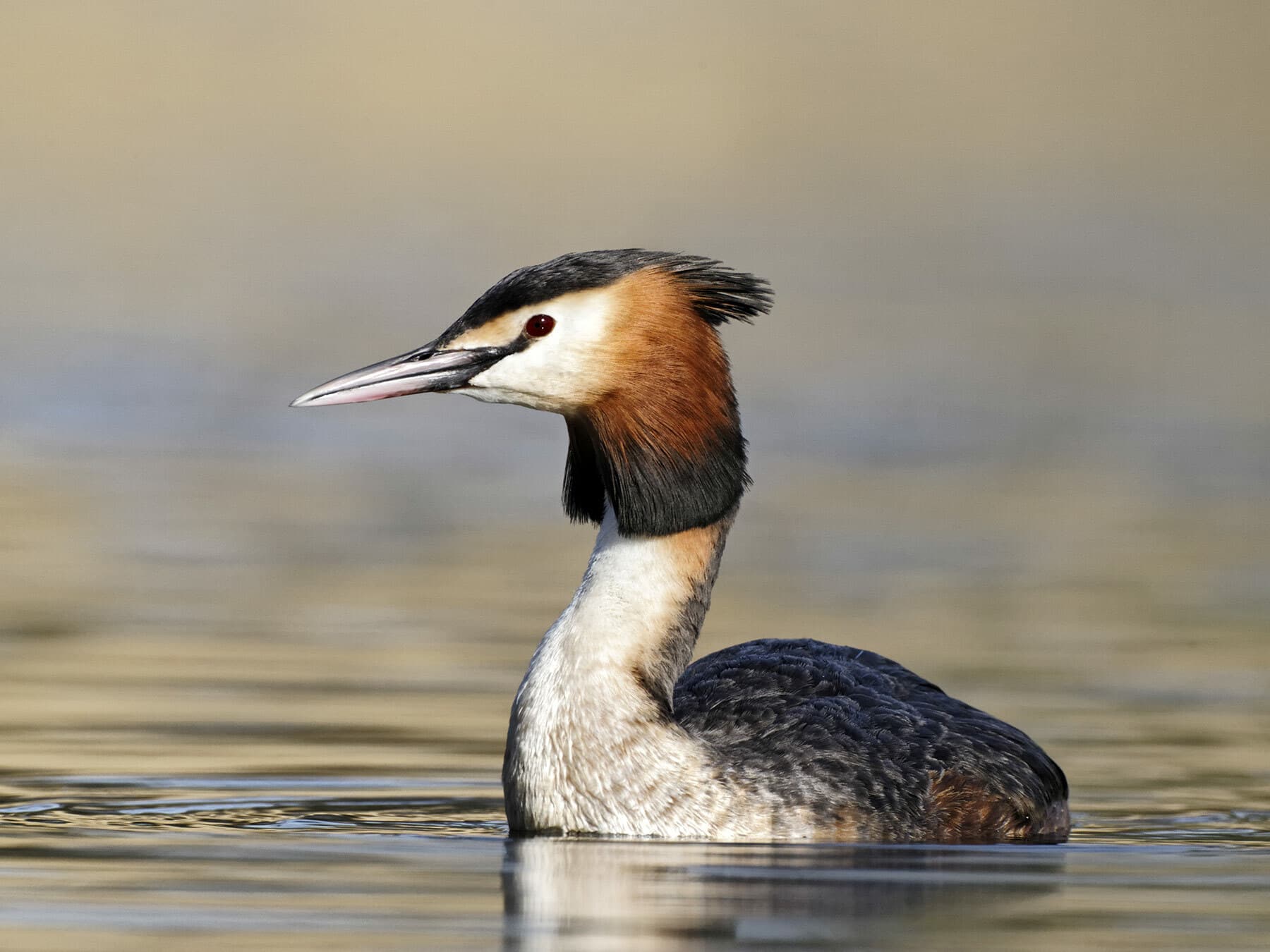
Great Crested Grebe
Podiceps cristatusLC
An uncommon resident breeding on larger lakes and reservoirs. Performs its elaborate courtship display in spring at sites across Durham.
Year-round
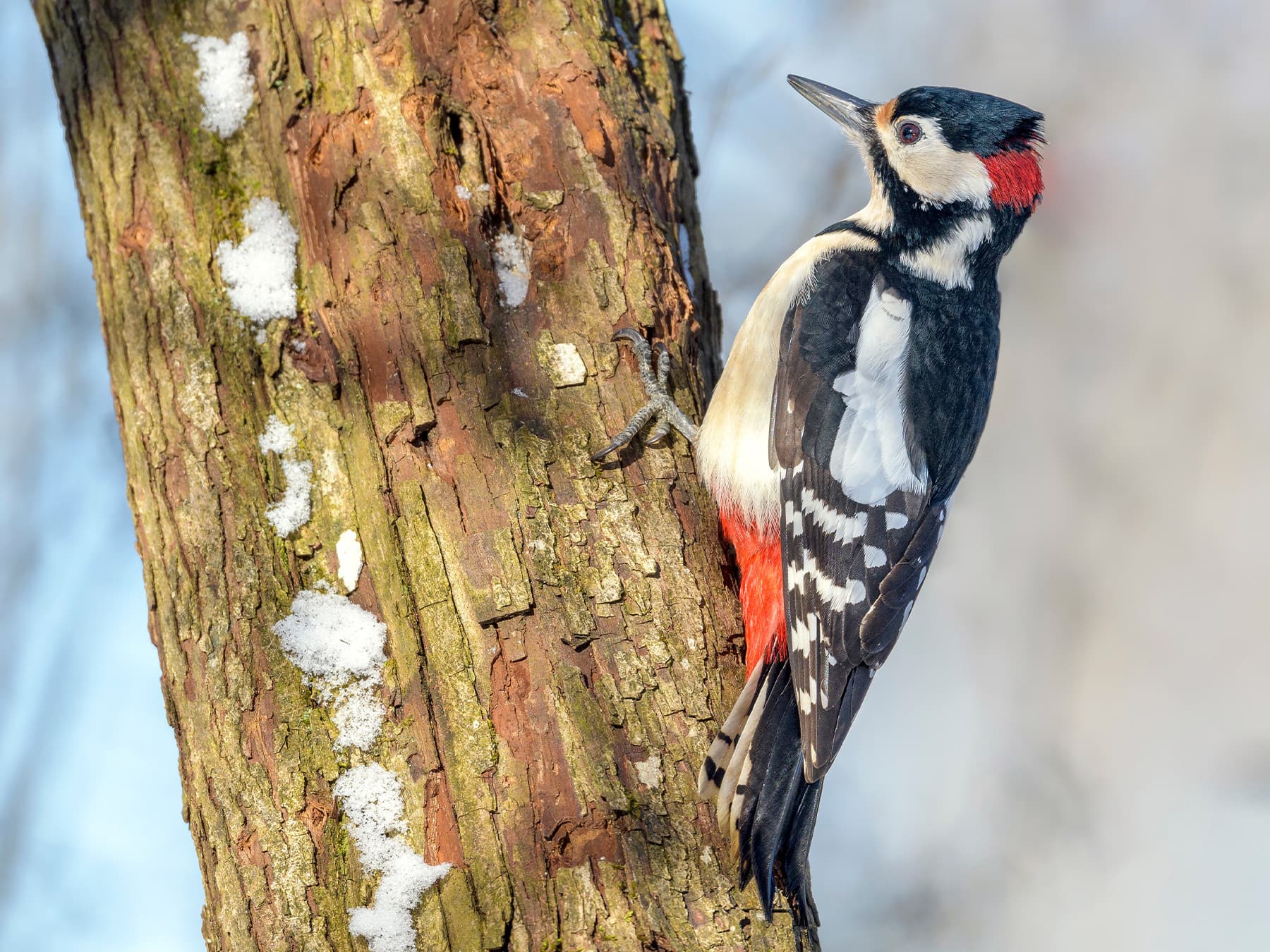
Great Spotted Woodpecker
Dendrocopos majorLC
An uncommon year-round resident of mature woodland and parks. Its loud drumming in spring echoes through Durham's deciduous woods.
Year-round
Spotted something?
Upload a photo to identify it
Identify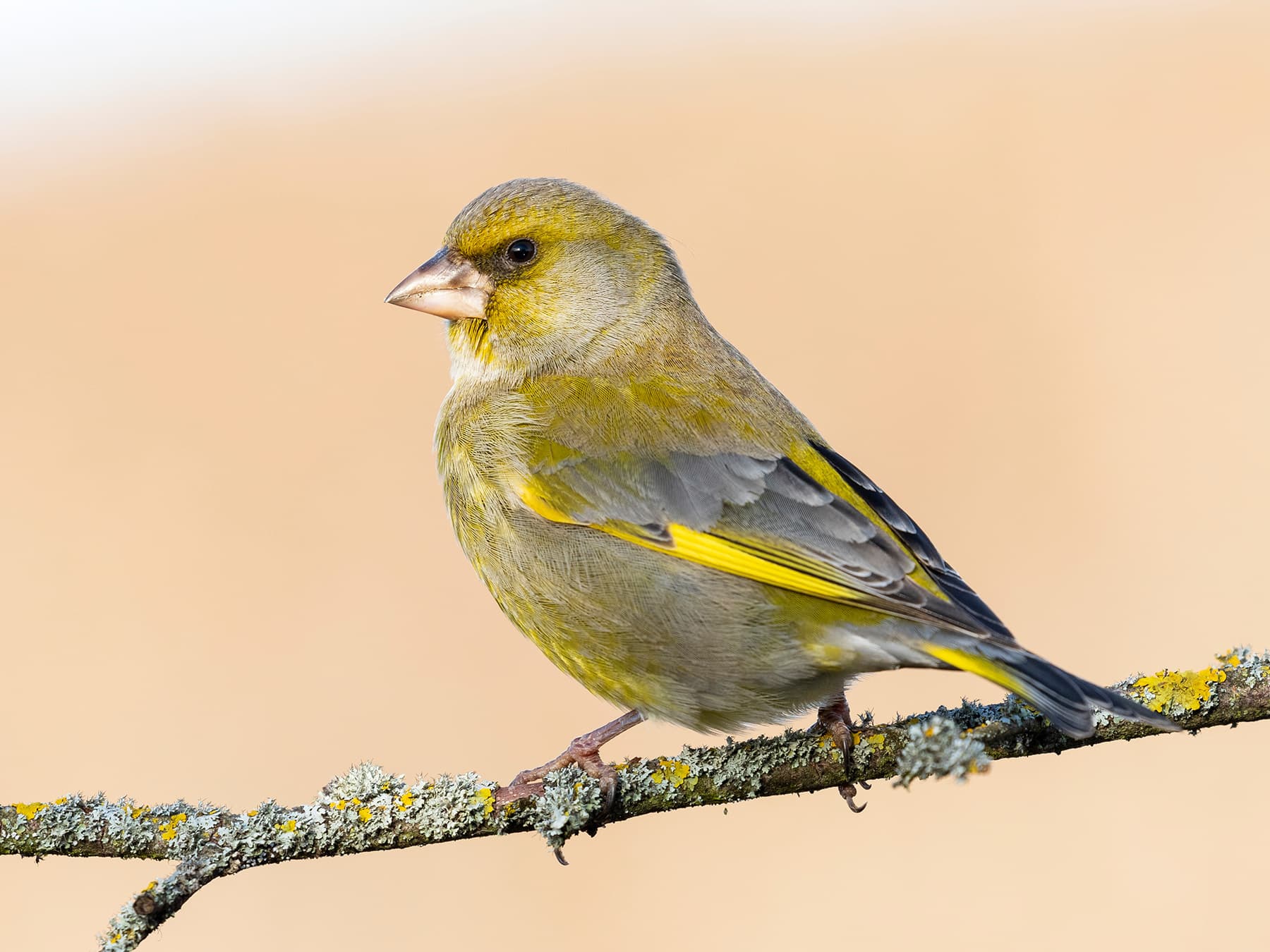
Greenfinch
Chloris chlorisLC
An uncommon resident visiting garden feeders, though numbers have declined sharply due to trichomonosis disease.
Year-round
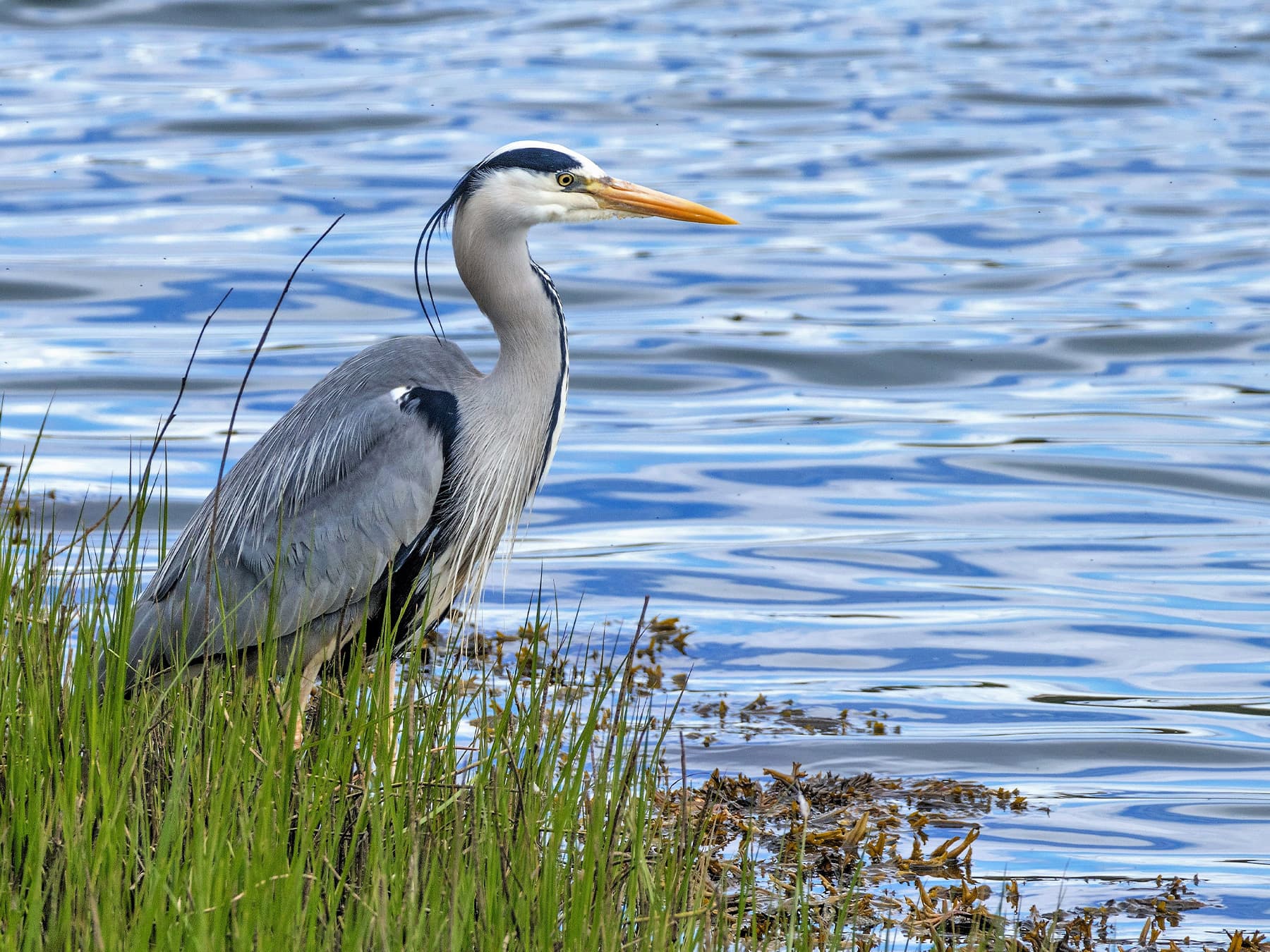
Grey Heron
Ardea cinereaLC
An uncommon but year-round resident, found along rivers, ponds, and wetlands. Often seen standing motionless at the water's edge.
Year-round
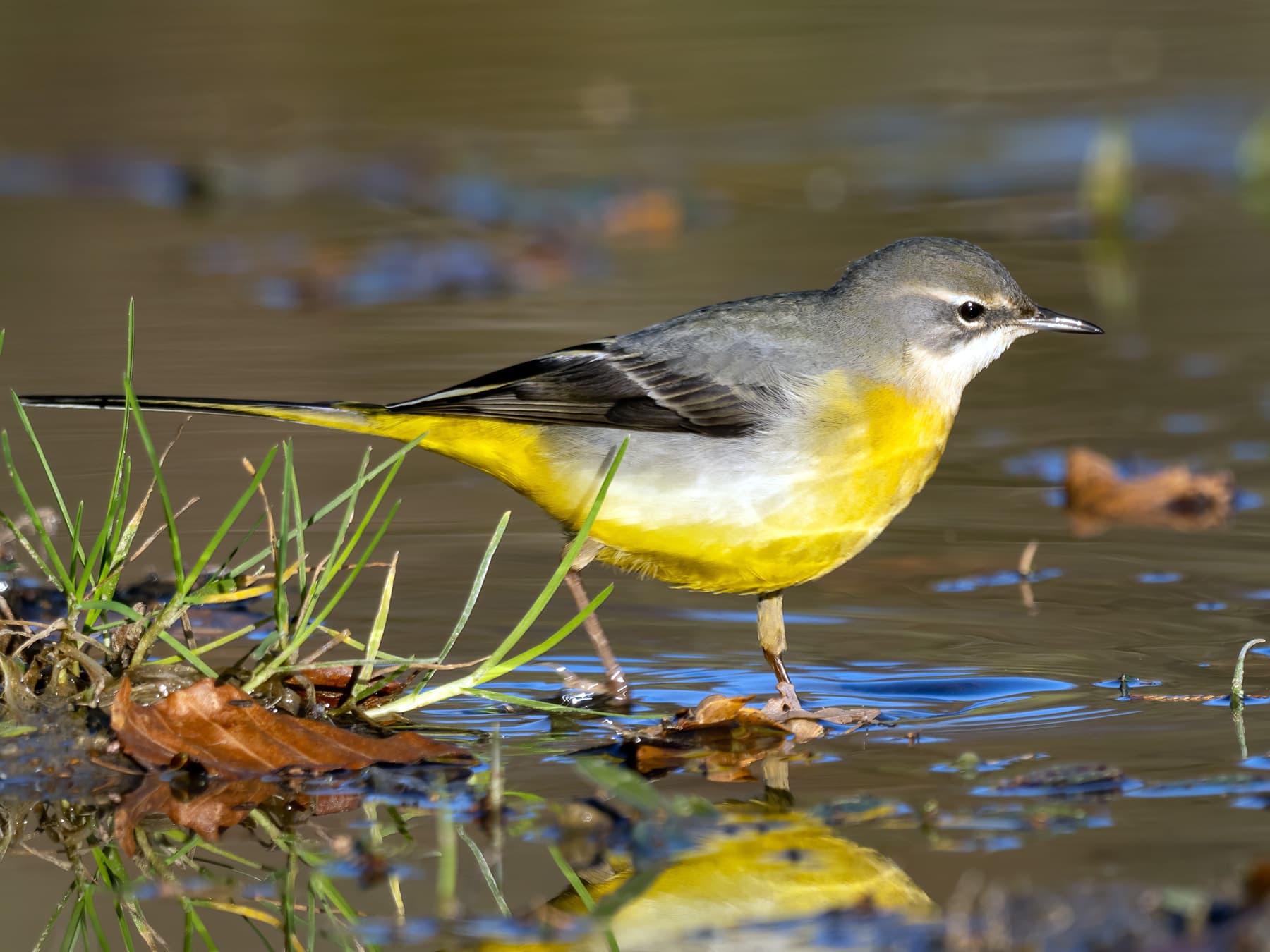
Grey Wagtail
Motacilla cinereaLC
An uncommon resident along Durham's fast-flowing rivers and streams, bobbing its long tail on rocks year-round.
Year-round
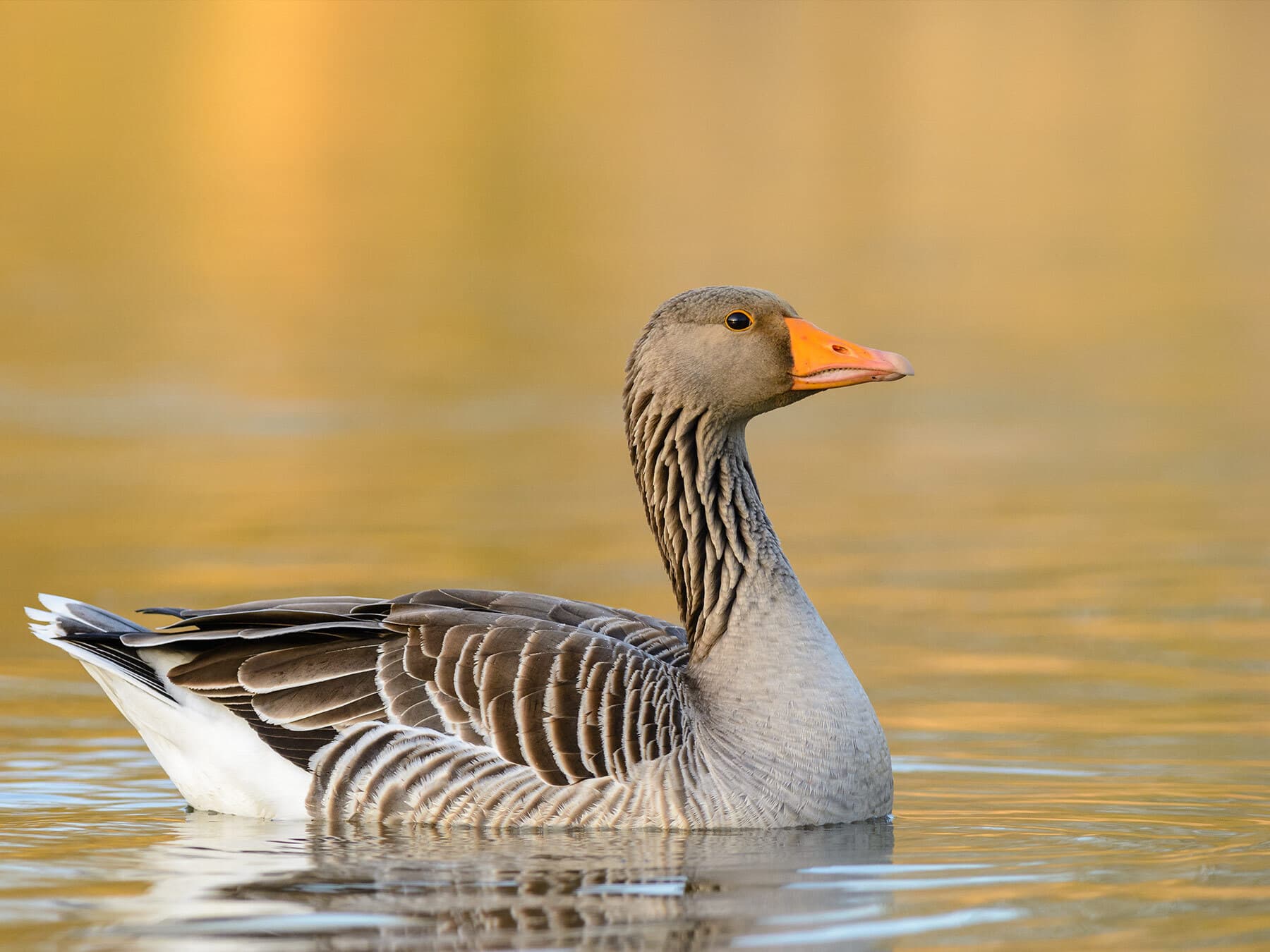
Greylag Goose
Anser anserLC
An uncommon year-round resident found on reservoirs, lakes and farmland. Feral populations breed locally alongside truly wild birds.
Year-round
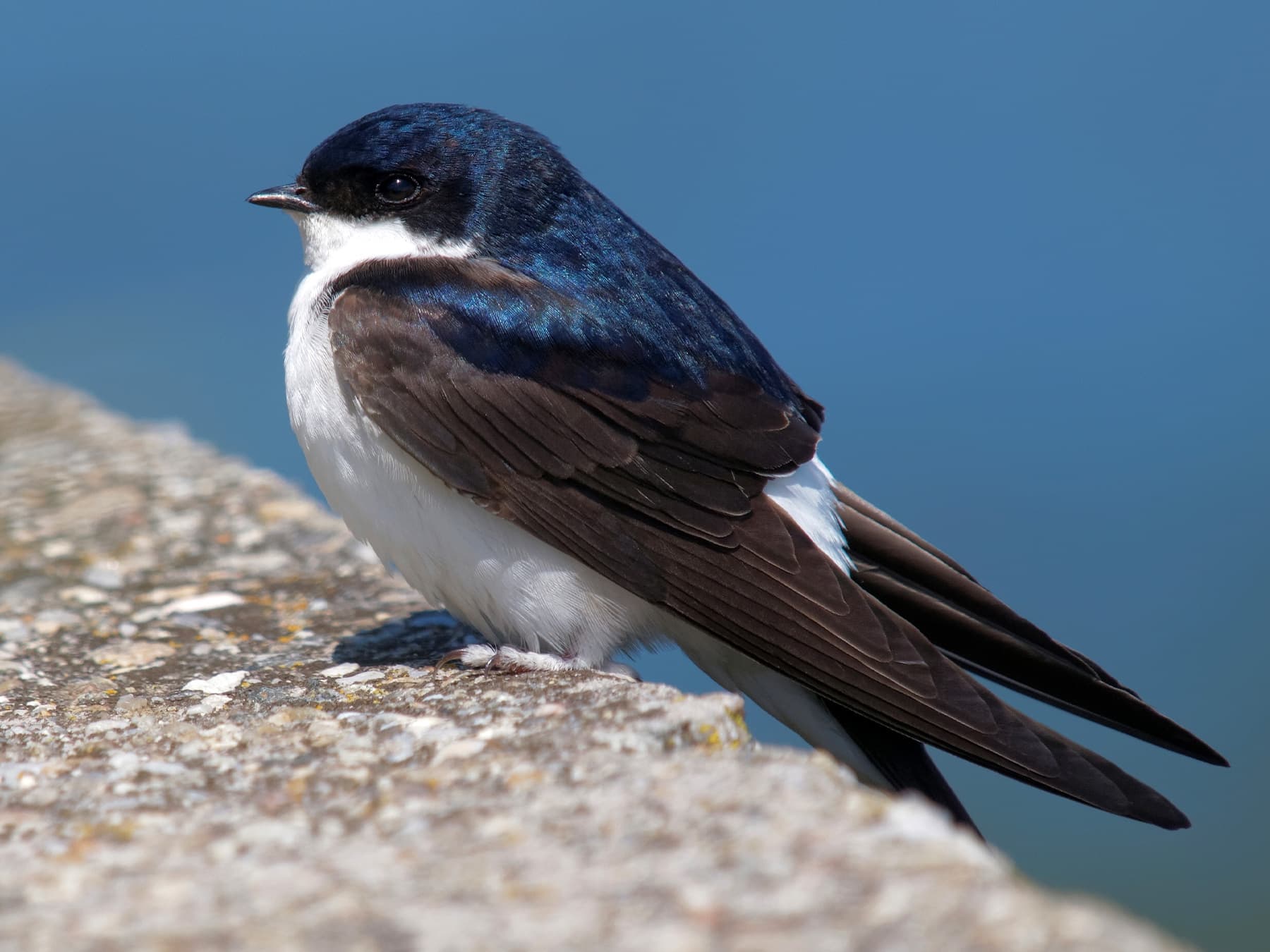
House Martin
Delichon urbicumLC
An uncommon summer visitor nesting under eaves in towns and villages. Numbers have declined notably in recent decades.
Apr–Oct
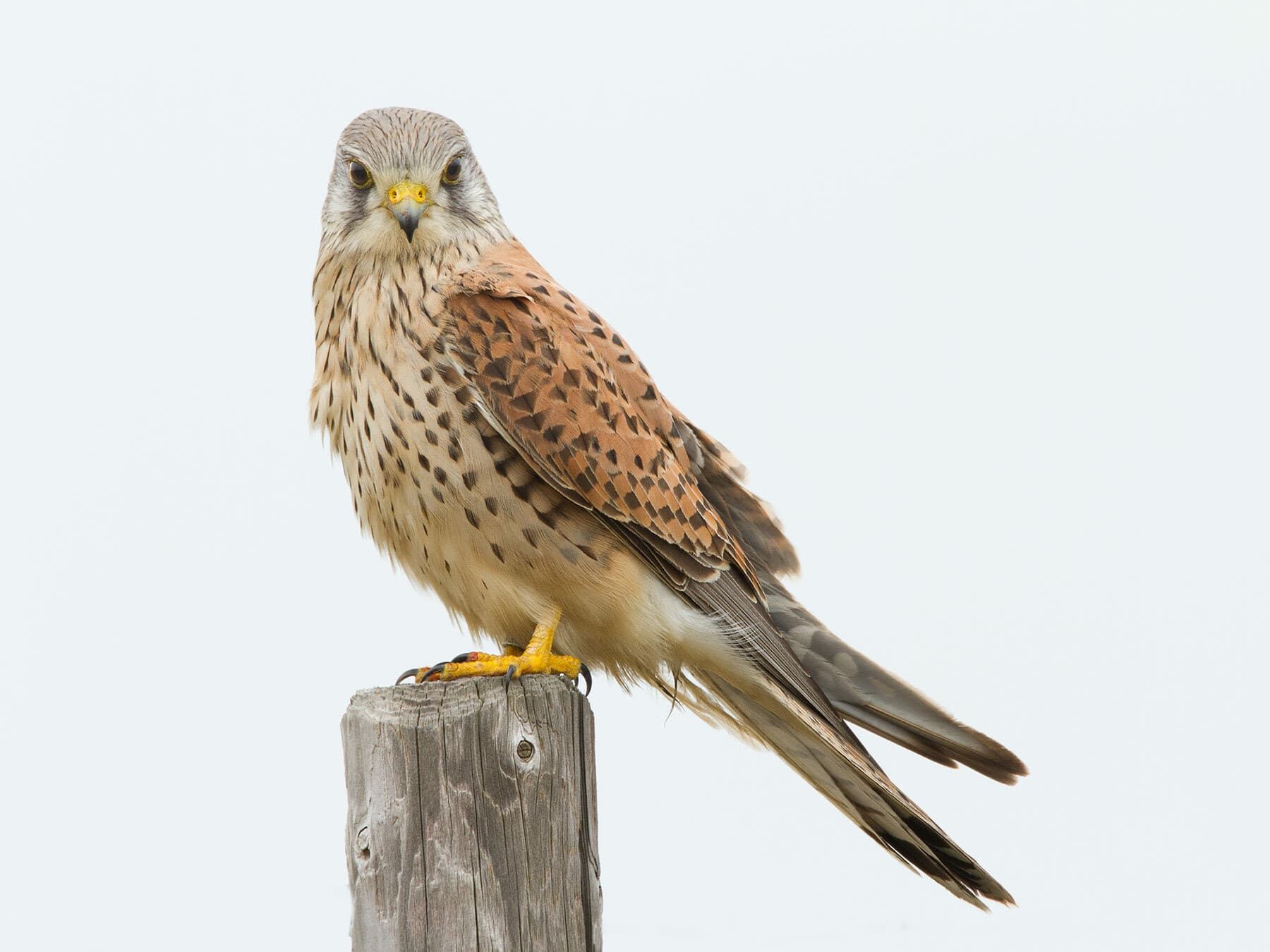
Kestrel
Falco tinnunculusLC
An uncommon year-round resident, hovering over roadside verges and open farmland. One of Durham's most visible birds of prey.
Year-round
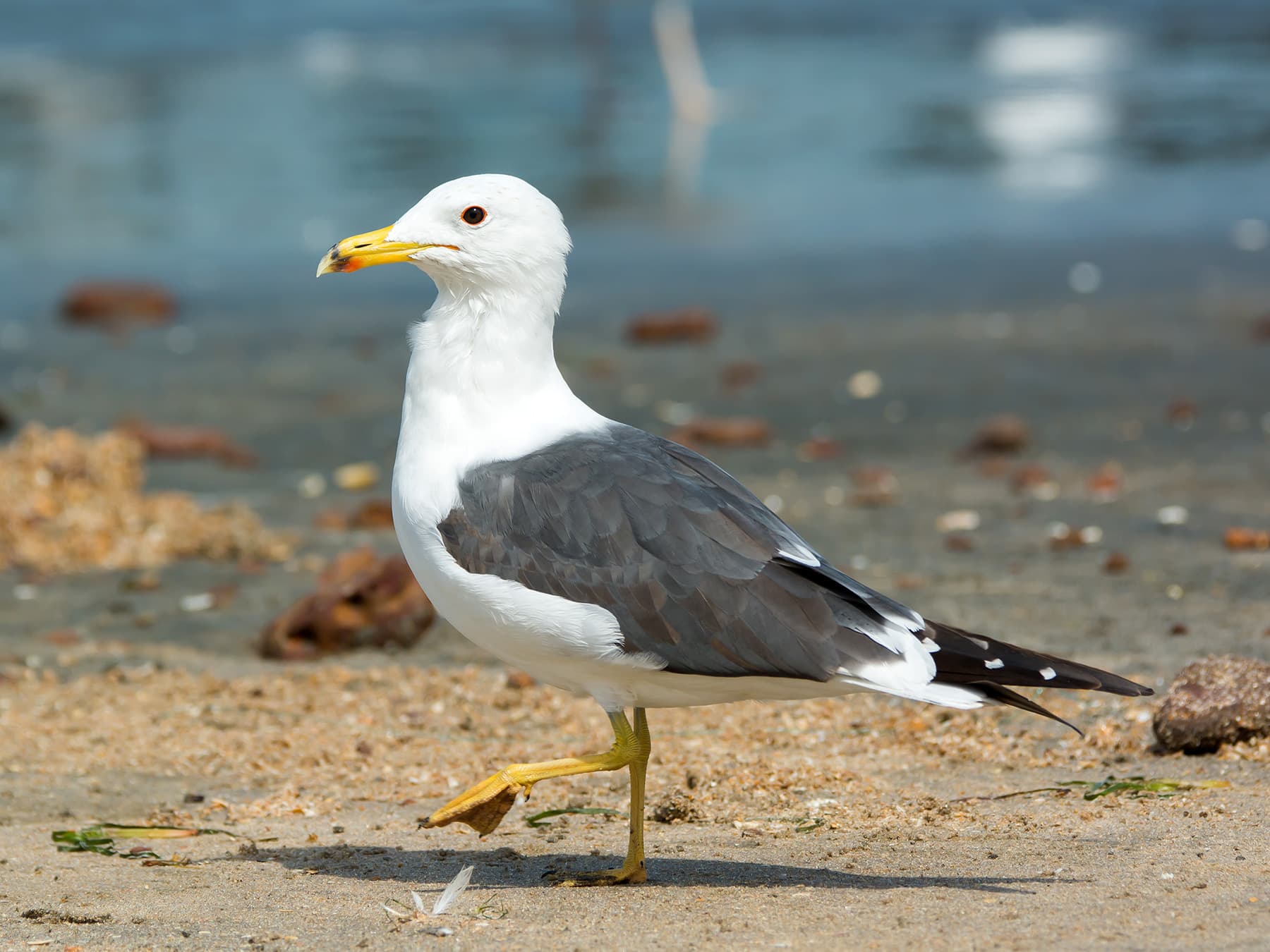
Lesser Black-backed Gull
Larus fuscusLC
Uncommon year-round resident, more numerous in summer. Frequents the coast, landfill sites, and inland water bodies.
Year-round
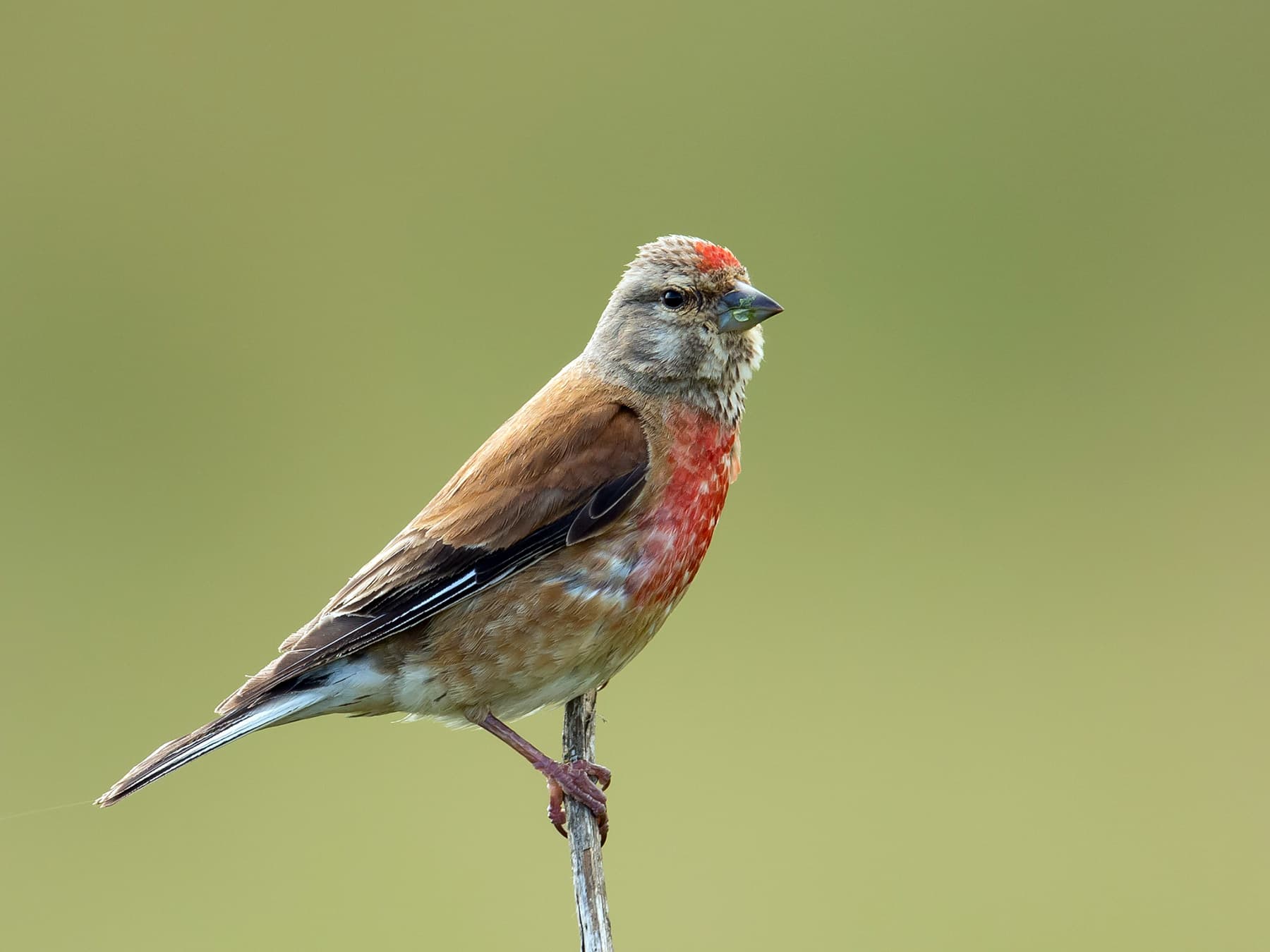
Linnet
Linaria cannabinaLC
An uncommon resident of Durham's gorse-covered commons and farmland hedgerows, declining due to loss of seed-rich habitats.
Year-round
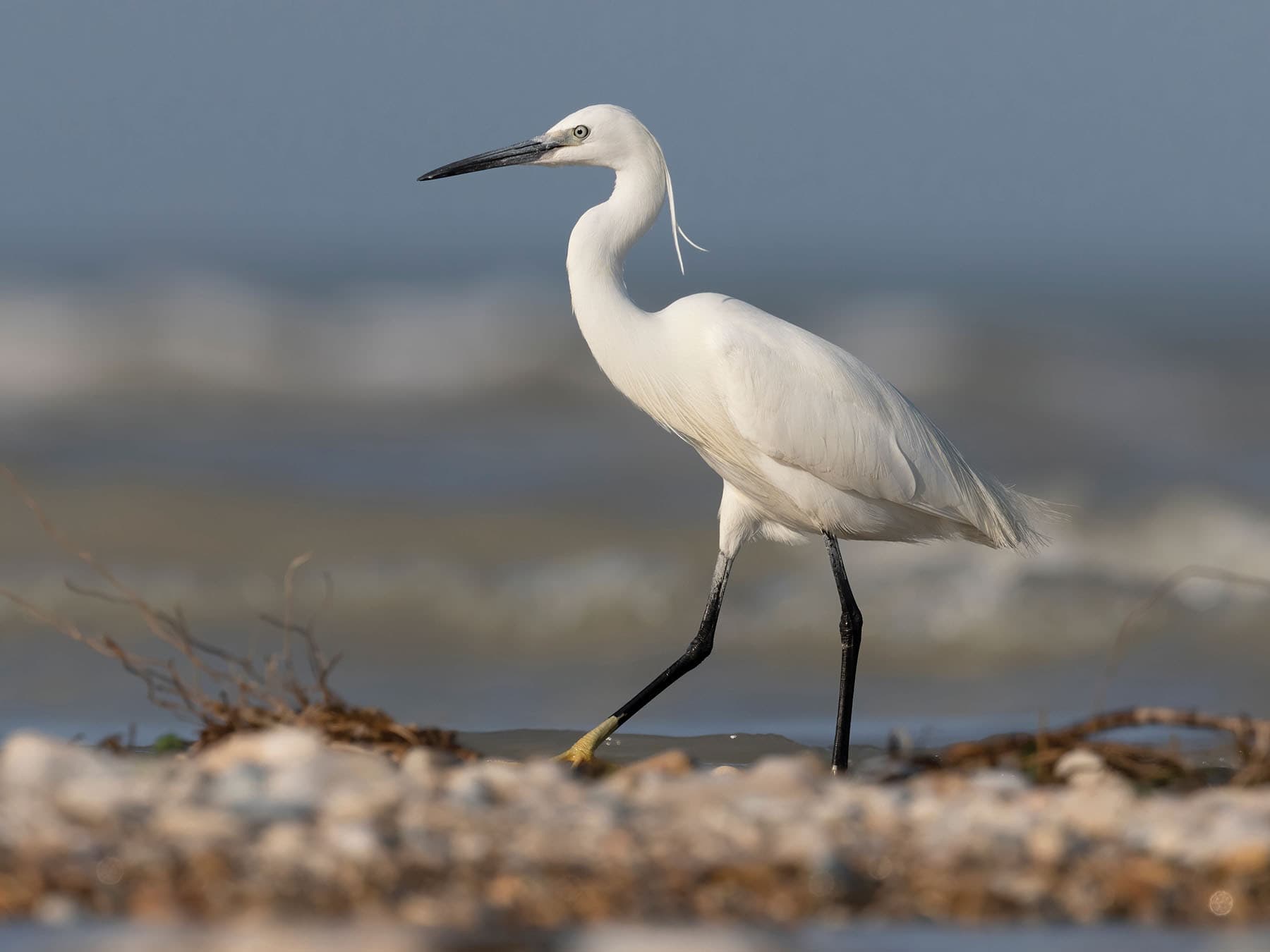
Little Egret
Egretta garzettaLC
A recent colonist now resident year-round, favouring the Wear and Tees estuaries and coastal pools. Still uncommon but increasingly established.
Year-round
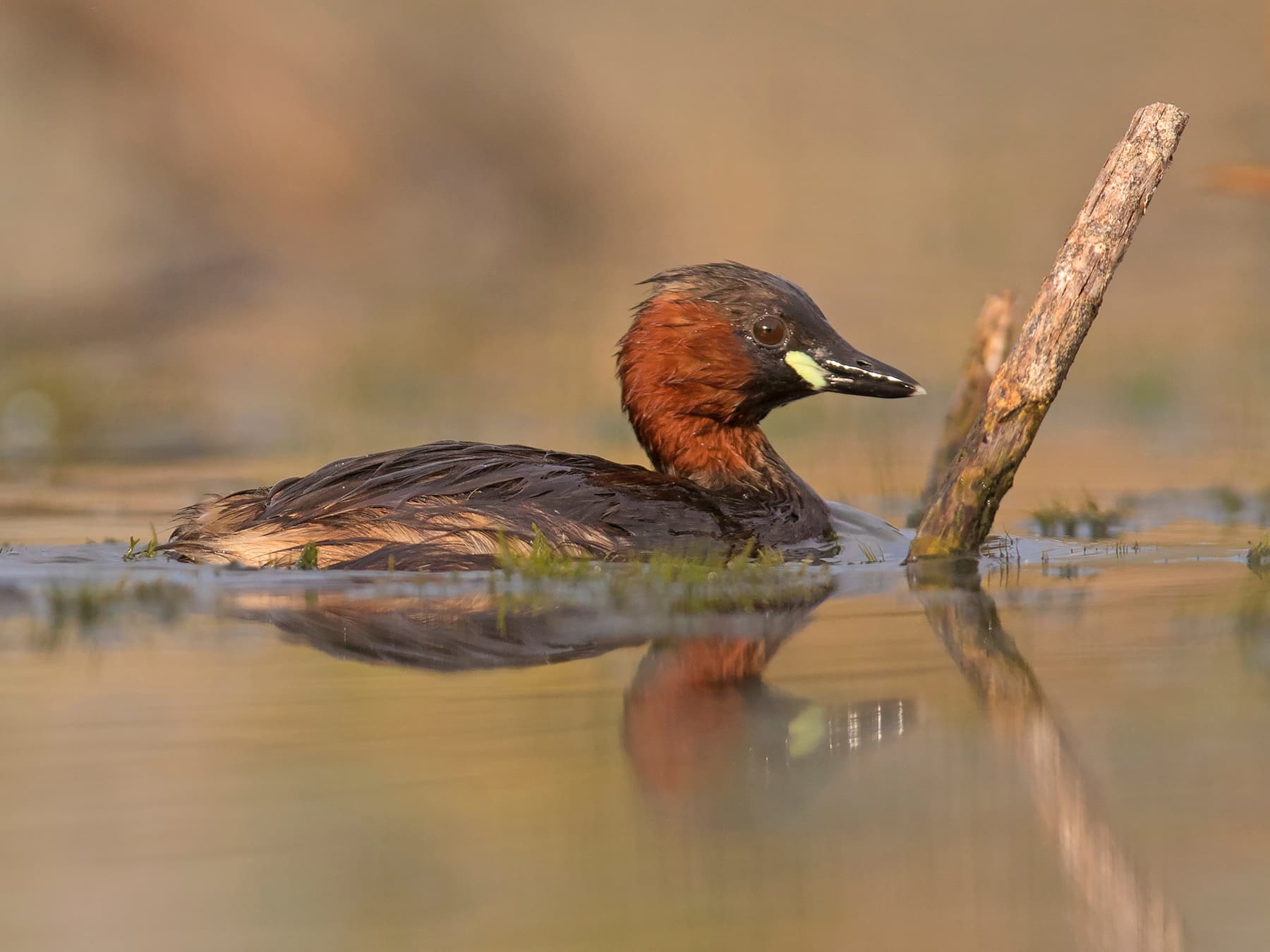
Little Grebe
Tachybaptus ruficollisLC
An uncommon year-round resident on sheltered ponds, lakes, and slow rivers. Often heard before seen, with a distinctive trilling call.
Year-round
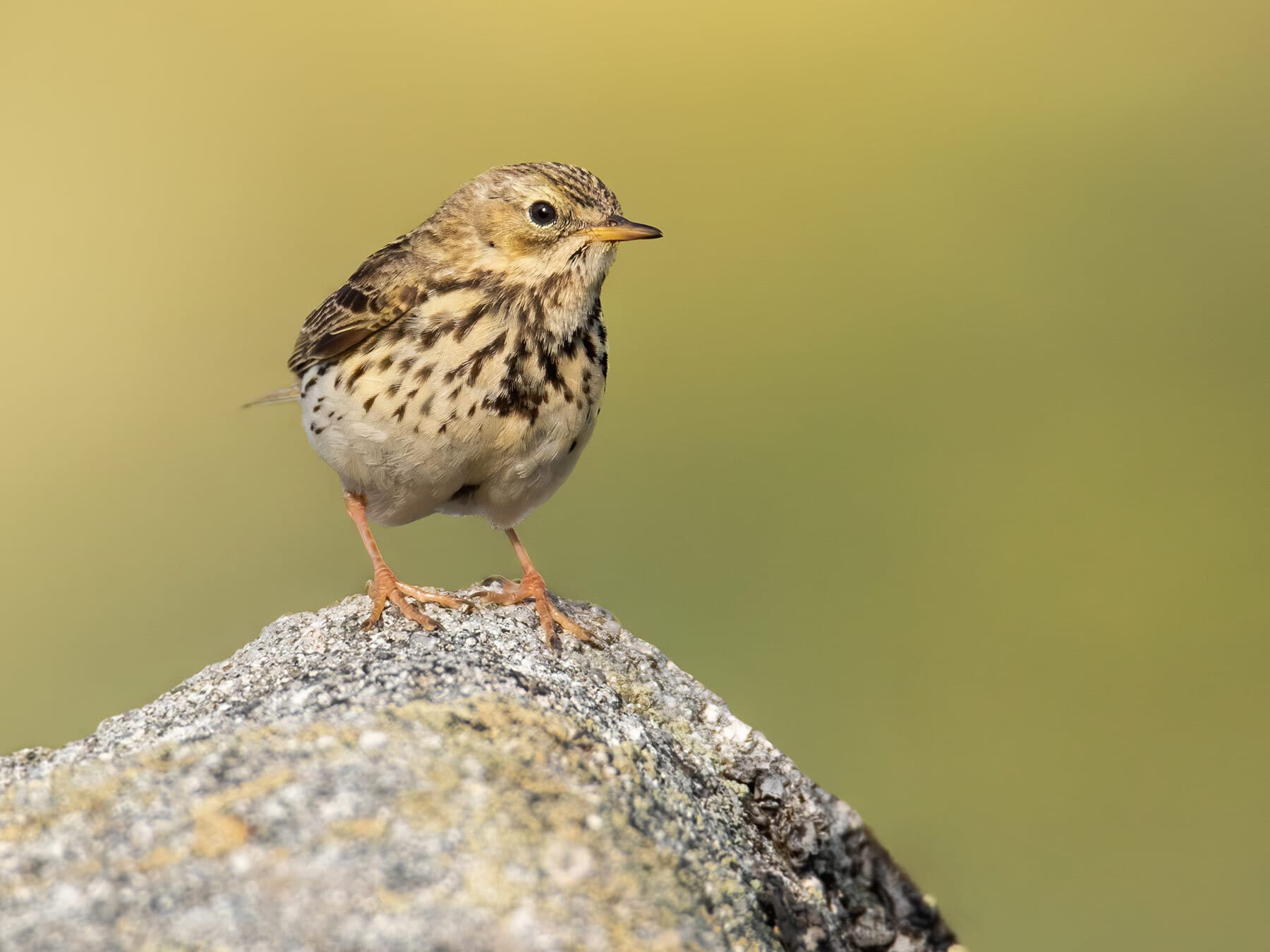
Meadow Pipit
Anthus pratensisLC
An uncommon resident of Durham's moorlands and rough grasslands, delivering its parachuting song flight over the Pennine fringes.
Year-round
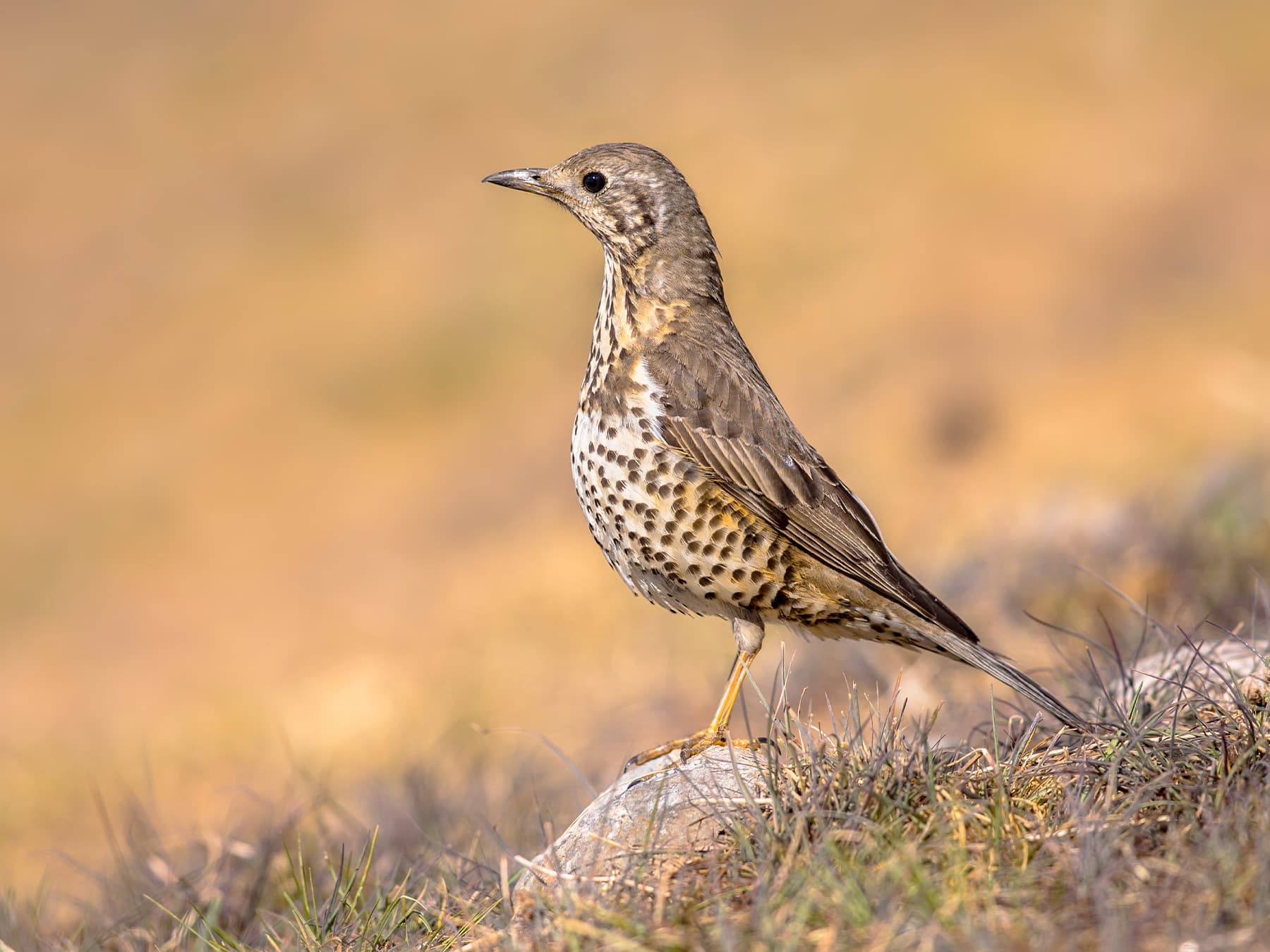
Mistle Thrush
Turdus viscivorusLC
An uncommon but widespread resident of parkland and open woodland. Often sings from exposed treetops even in midwinter.
Year-round
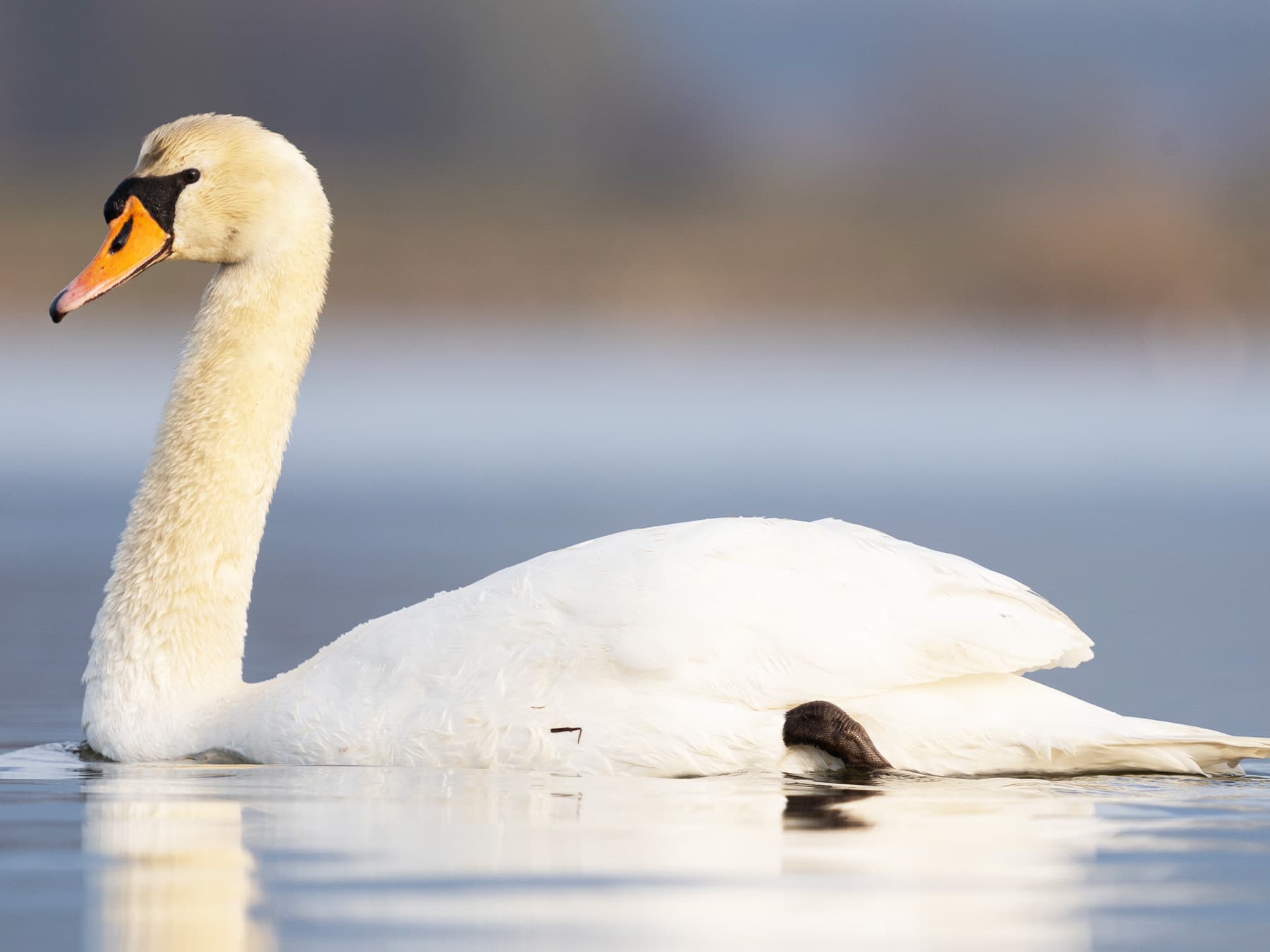
Mute Swan
Cygnus olorLC
An uncommon year-round resident gracing the River Wear and larger lakes. Pairs breed on sheltered waterways across the county.
Year-round
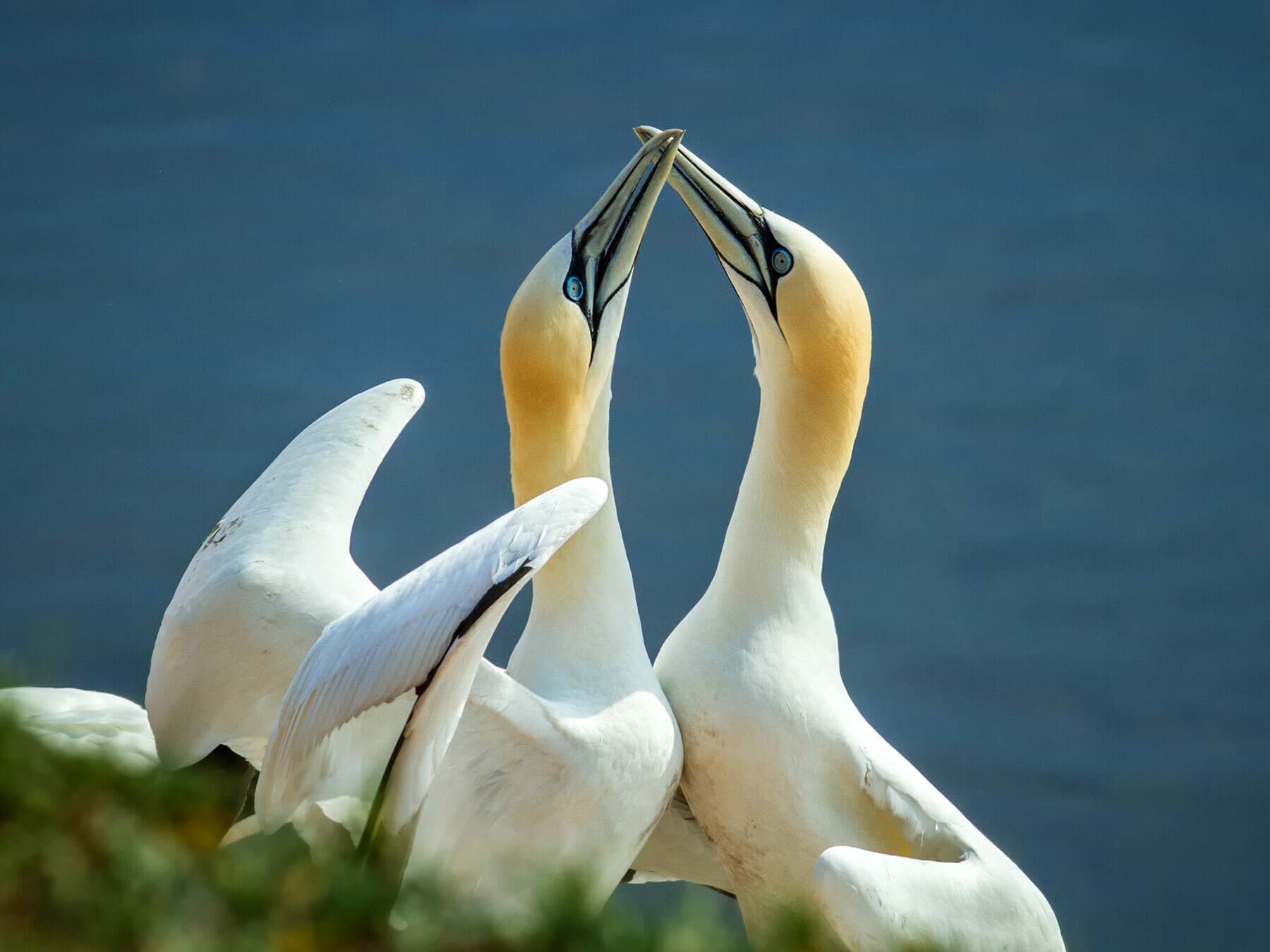
Northern Gannet
Morus bassanusLC
Uncommon but regularly seen offshore from late spring through autumn. Plunge-diving birds are a spectacular sight from Durham's coastline.
May–Nov
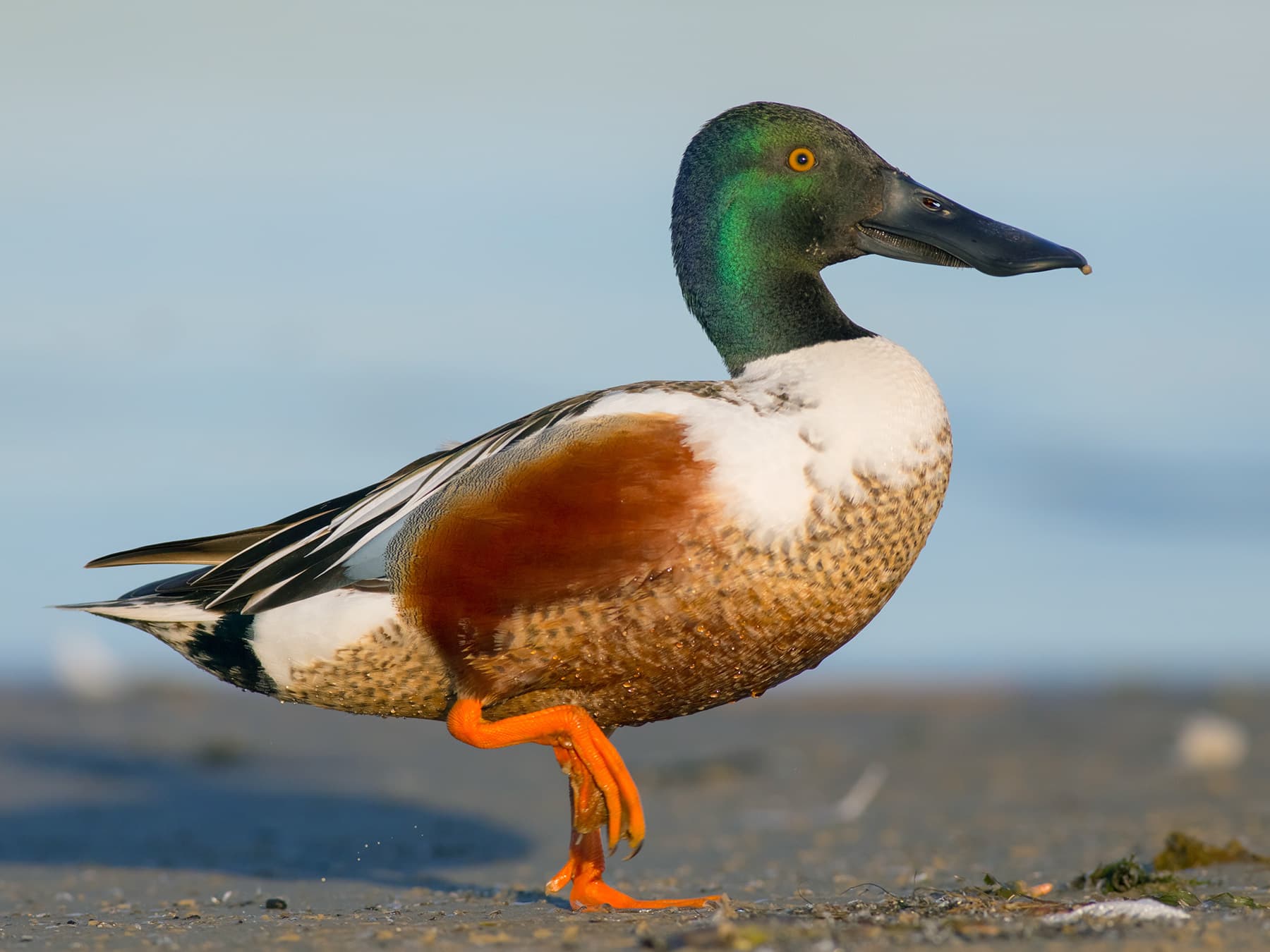
Northern Shoveler
Spatula clypeataLC
An uncommon resident on shallow wetlands and reservoirs. Numbers peak in autumn and winter when migrants bolster local birds.
Aug–Jun