Uncommon Birds in Durham
63 species matching this filter.
Durham's diverse landscapes—from the North Pennines moorlands to the Heritage Coast and the river valleys of the Wear and Tees—support a rich variety of birdlife beyond the commonly seen species. Among the county's 63 uncommon birds, you can find rewarding sightings such as Blackcap, Buzzard, Bullfinch, and wintering Fieldfare, as well as waterbirds like Common Merganser, Gadwall, and Common Shelduck on the region's reservoirs and estuaries. These species, while not encountered on every outing, are regular enough to reward patient and well-timed birdwatching across Durham's varied habitats.


Showing 47–63 of 63 species
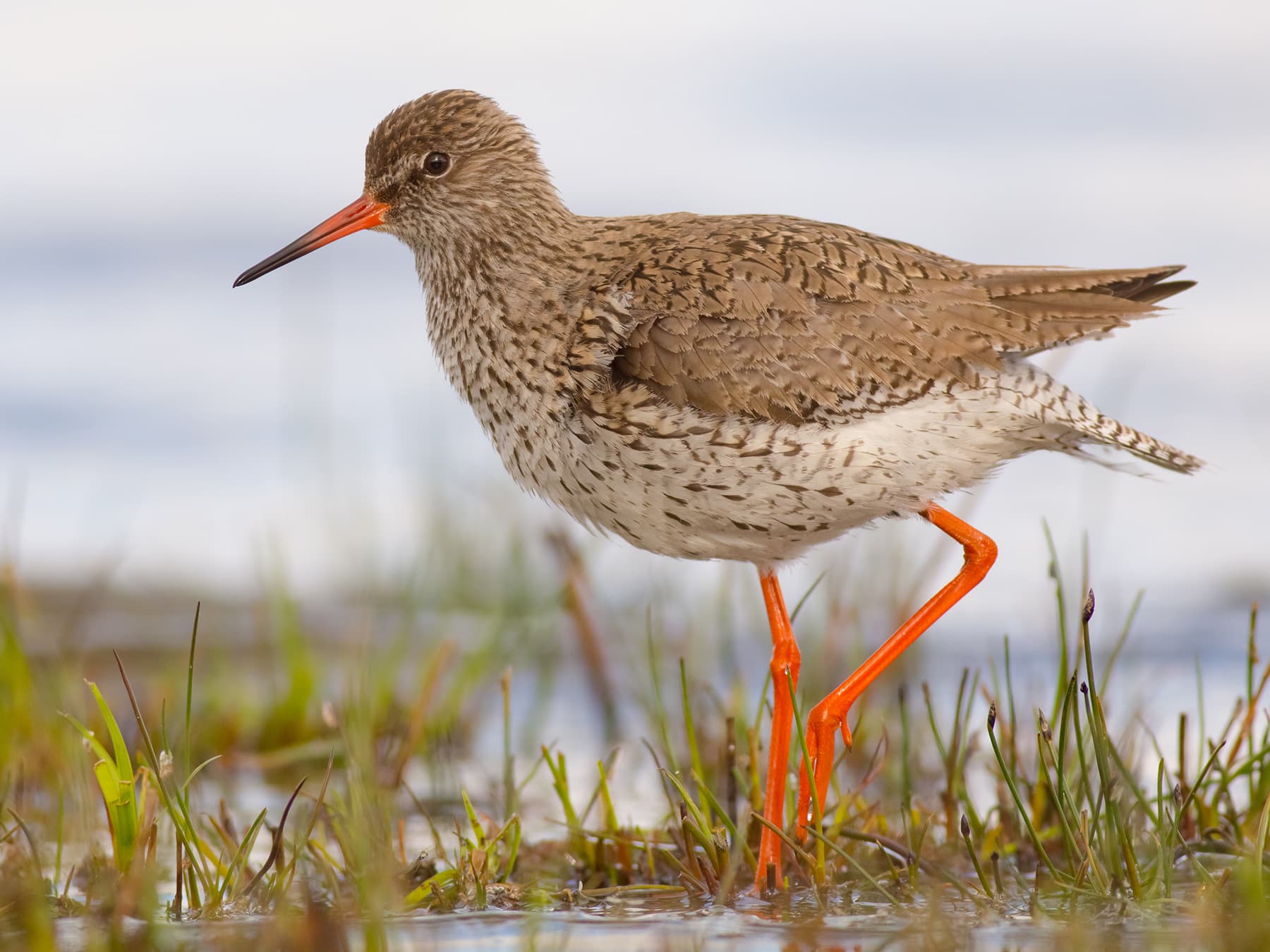
Redshank
Tringa totanusLC
An uncommon year-round resident found on coastal mudflats and inland wet grasslands. Its loud piping alarm call is distinctive at breeding sites.
Year-round
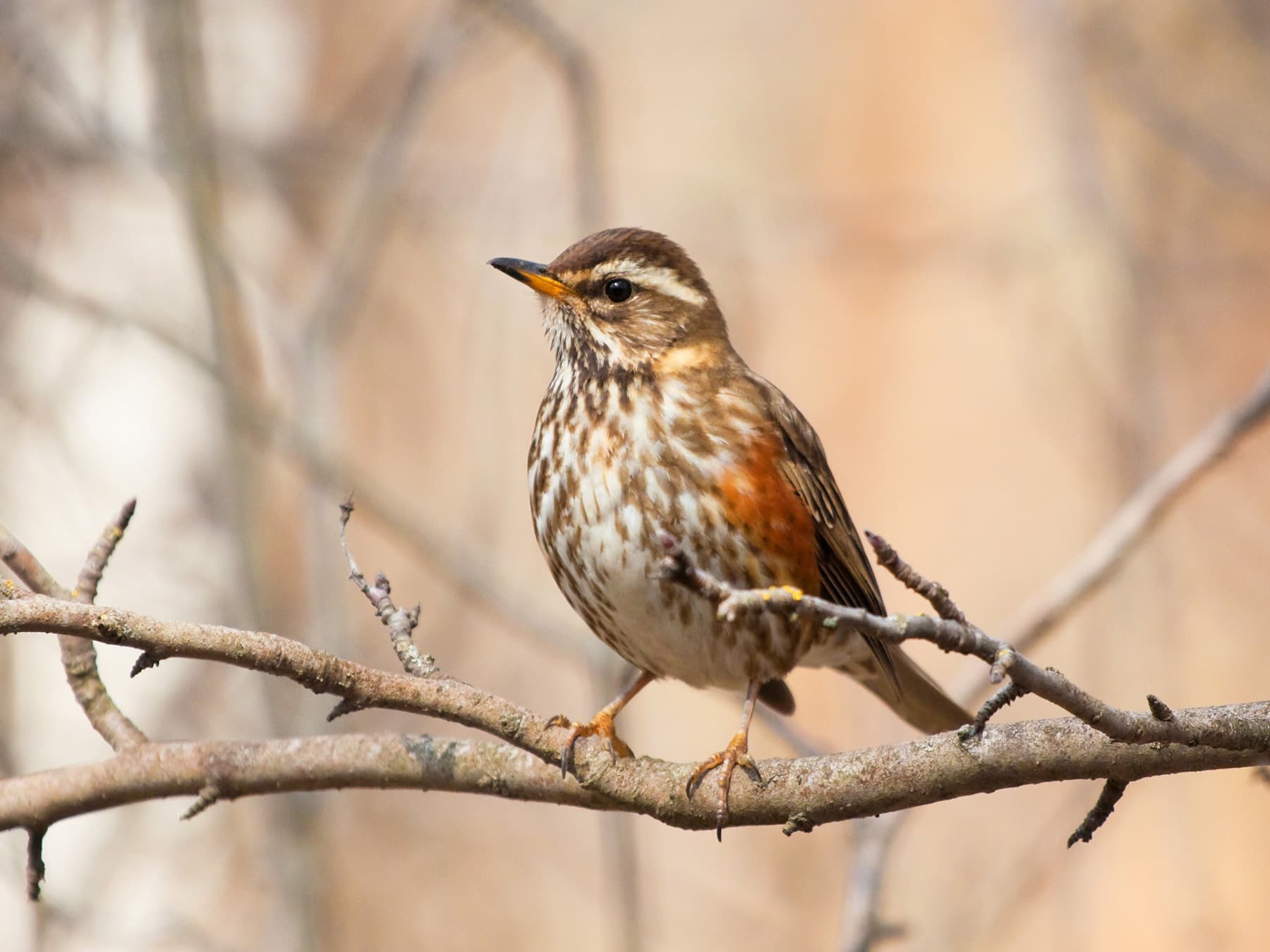
Redwing
Turdus iliacusNT
An uncommon winter visitor from Scandinavia, arriving from October and lingering into spring. Feeds on berries in hedgerows alongside fieldfares.
Sep–Apr
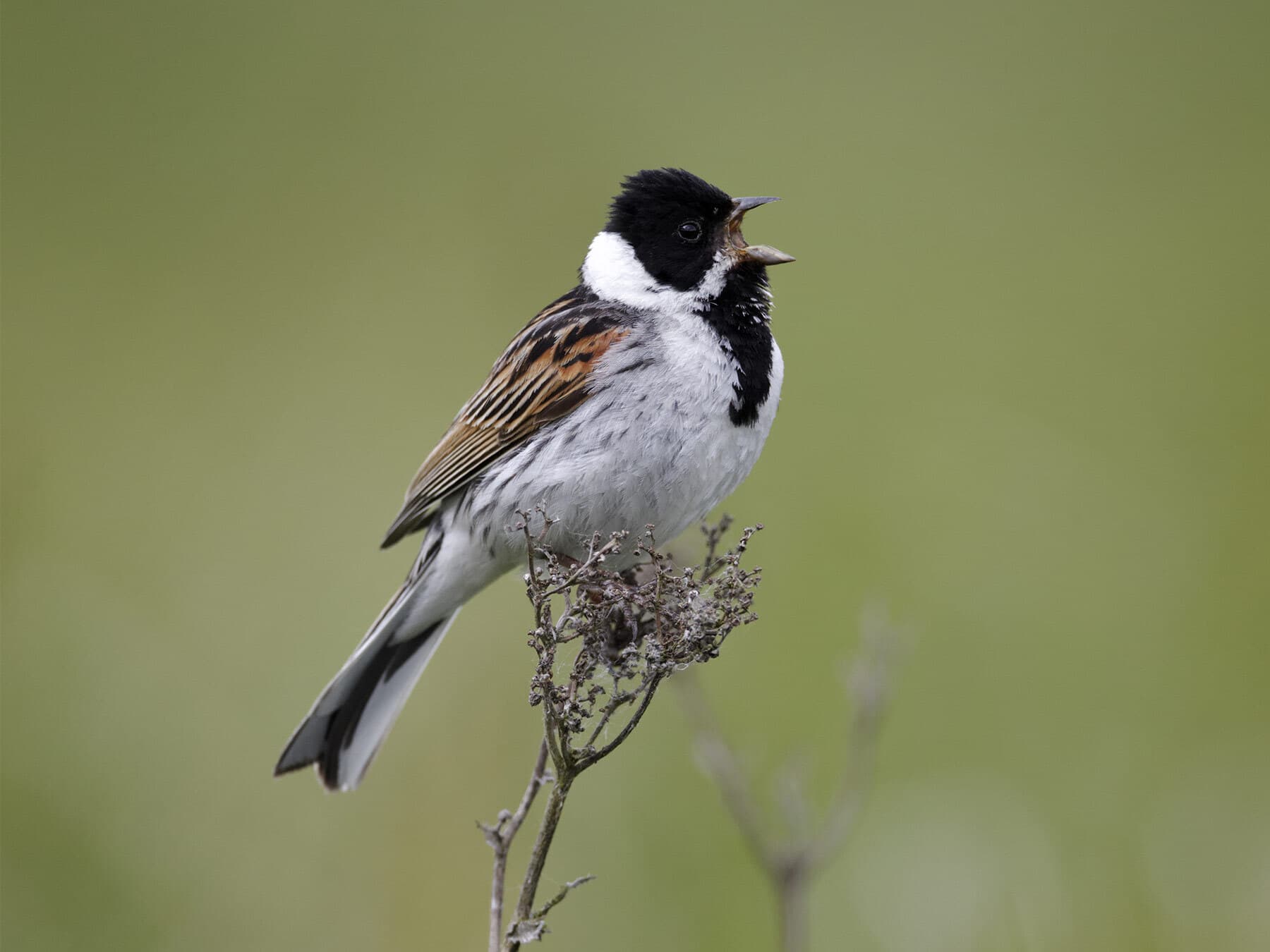
Reed Bunting
Emberiza schoeniclusLC
An uncommon year-round resident of wetlands, reedbeds, and damp ditches. Often seen at sites like Rainton Meadows and along river margins.
Year-round
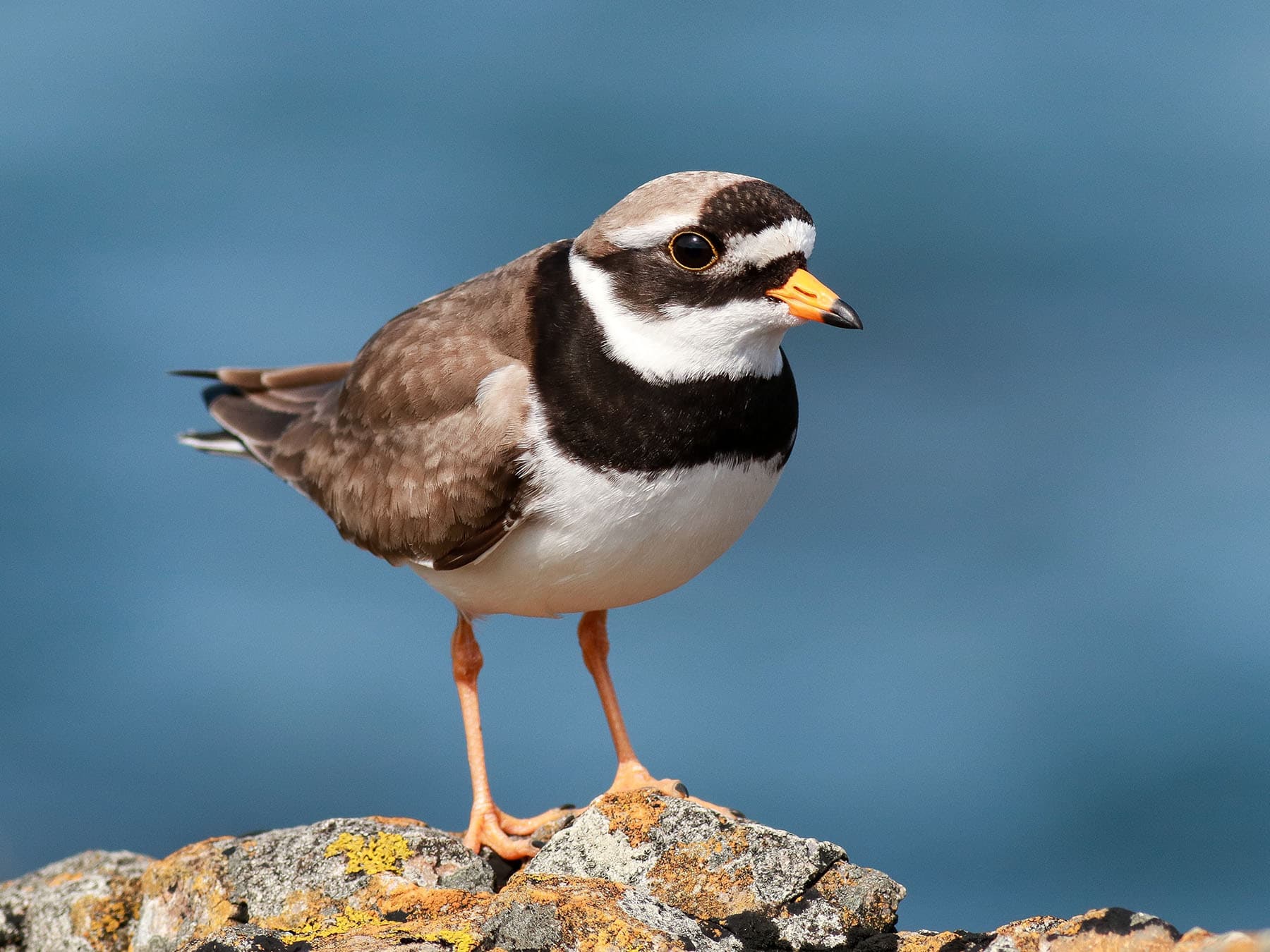
Ringed Plover
Charadrius hiaticulaLC
An uncommon resident nesting on shingle beaches and river gravels. Numbers bolstered by passage birds in spring and autumn.
Year-round
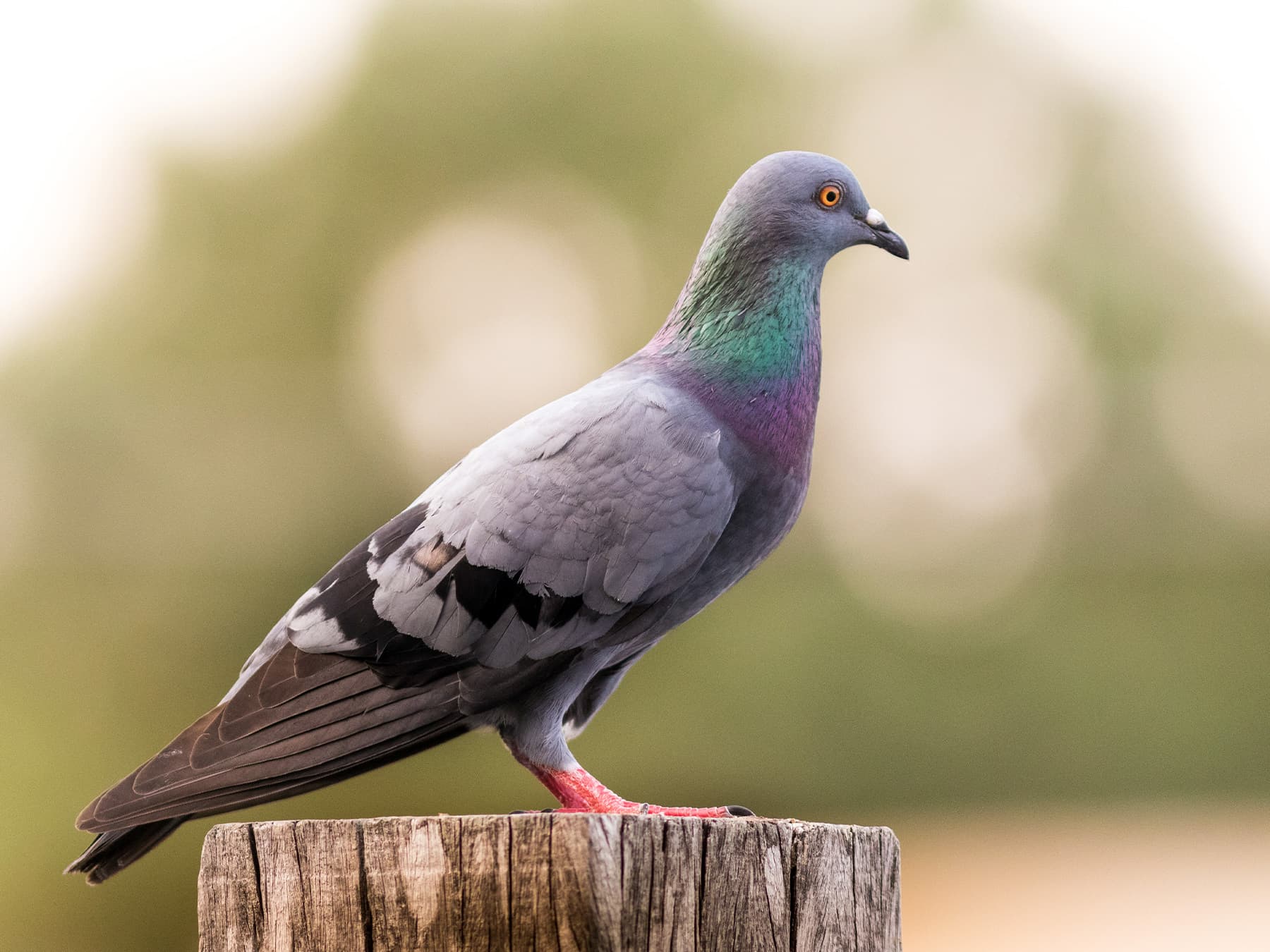
Rock Dove
Columba liviaLC
An uncommon resident; feral populations frequent towns and coastal cliffs. True wild-type birds may persist along the Durham coast.
Year-round
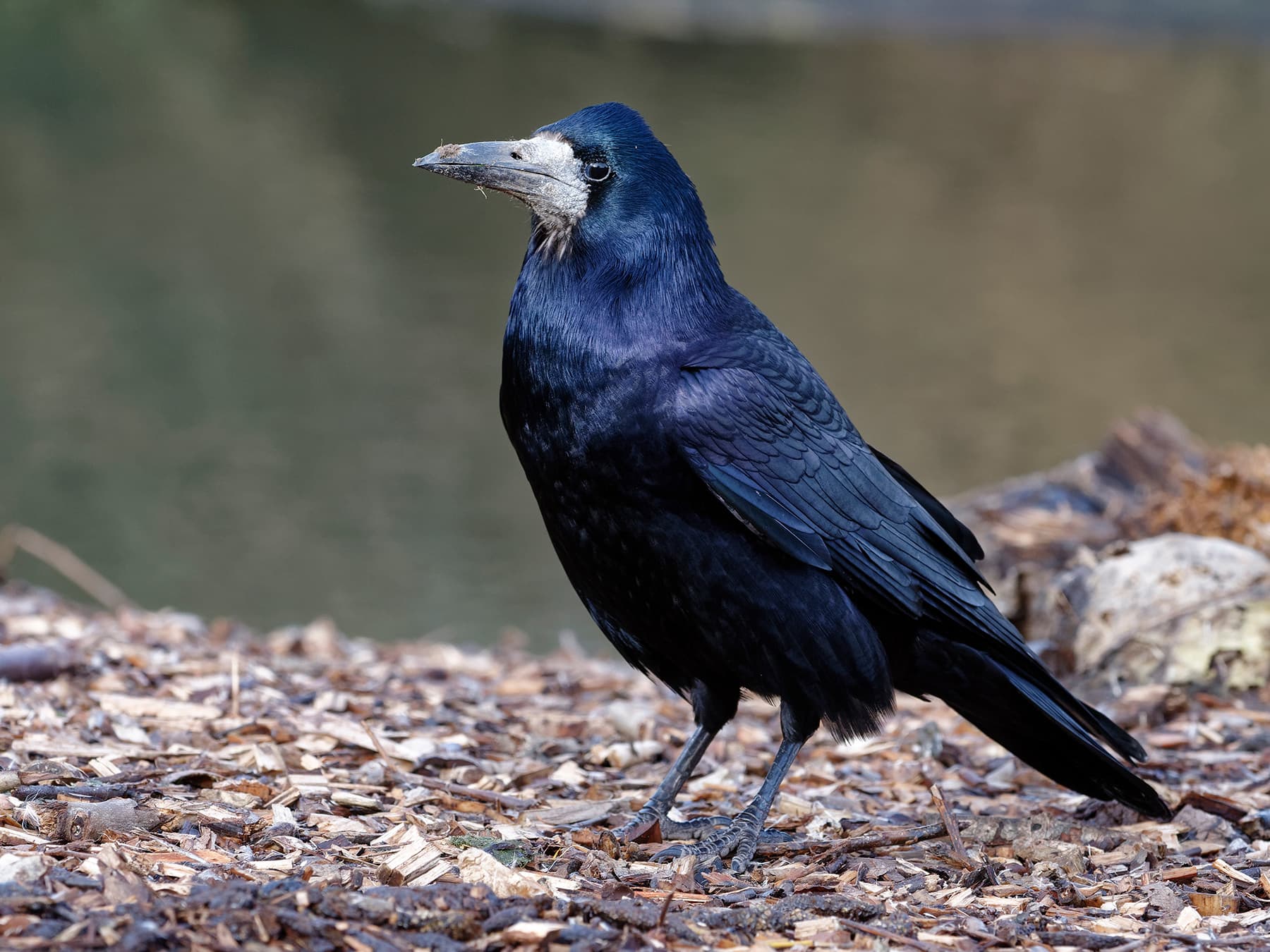
Rook
Corvus frugilegusLC
Uncommon resident found in farmland rookeries, though declining across the region. Gregarious, often feeding in ploughed fields.
Year-round
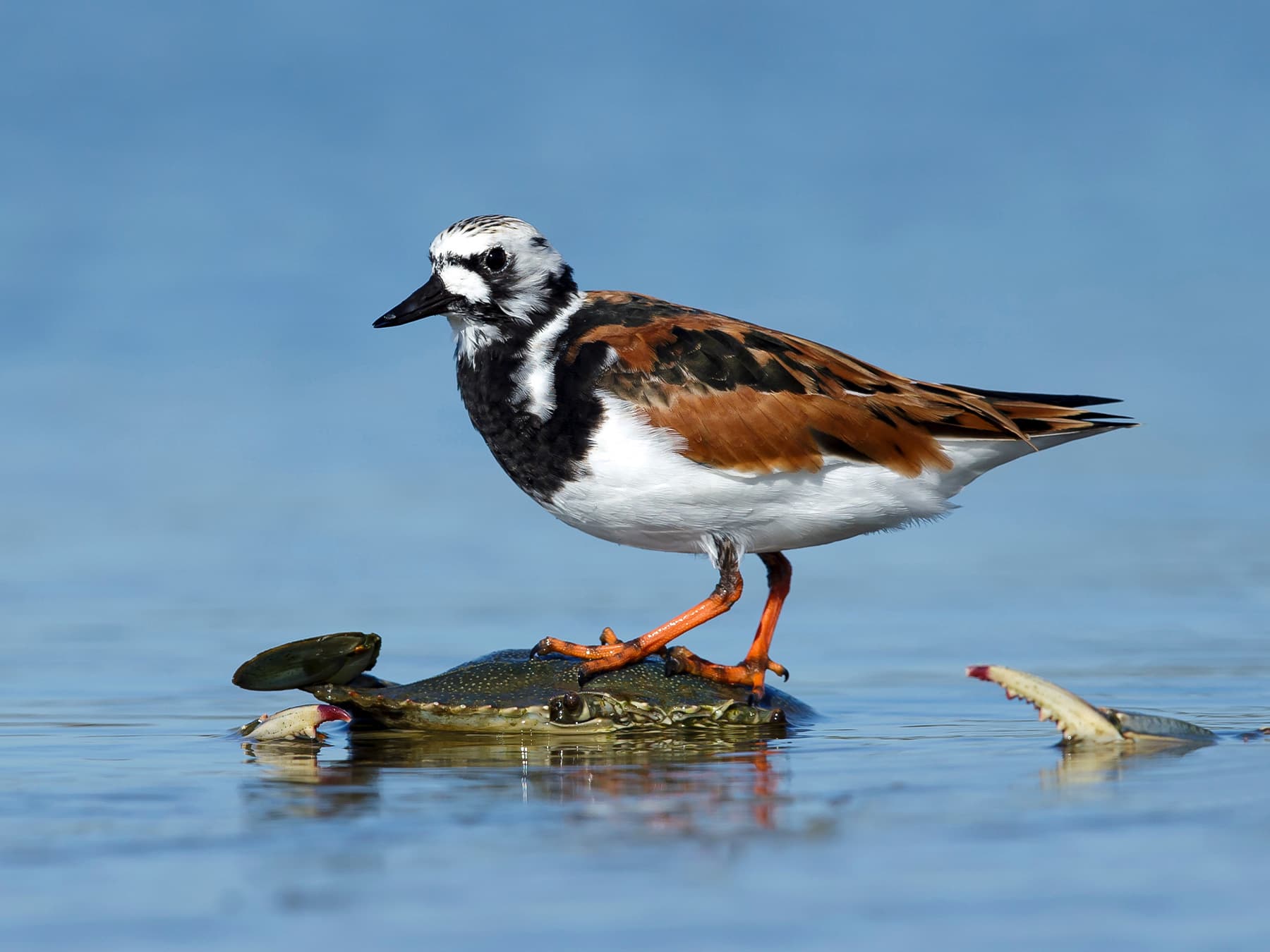
Ruddy Turnstone
Arenaria interpresLC
An uncommon but year-round presence on Durham's rocky shoreline, flipping stones and seaweed to find invertebrates. Most numerous outside summer.
Year-round
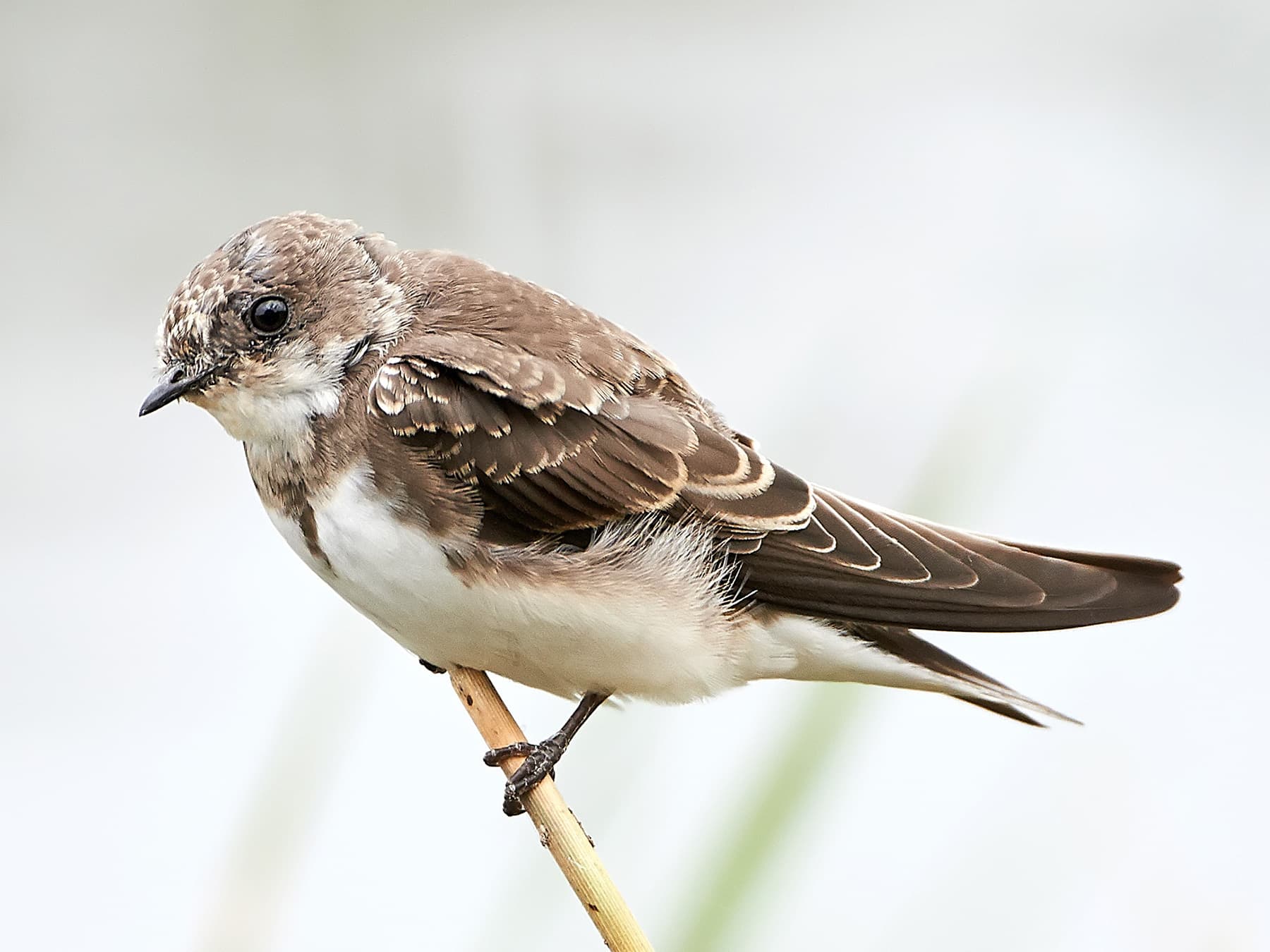
Sand Martin
Riparia ripariaLC
An uncommon summer visitor breeding in sandy riverbanks along the Wear and Tees. Arrives from March, departing by September.
Mar–Sep
Spotted something?
Upload a photo to identify it
Identify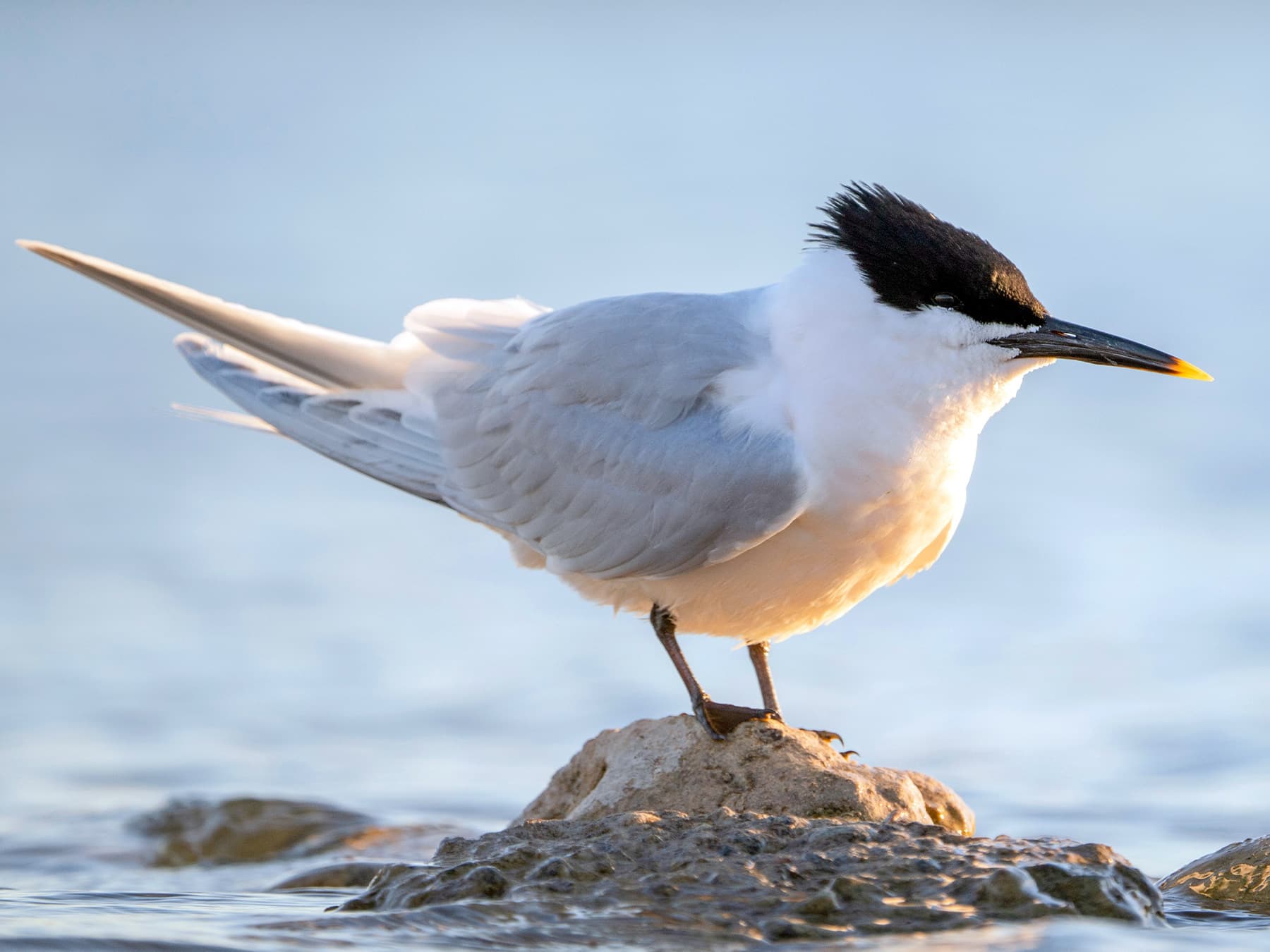
Sandwich Tern
Thalasseus sandvicensisLC
An uncommon breeder present from May to October. Plunge-dives for fish along the Durham coastline, often in noisy groups.
May–Oct
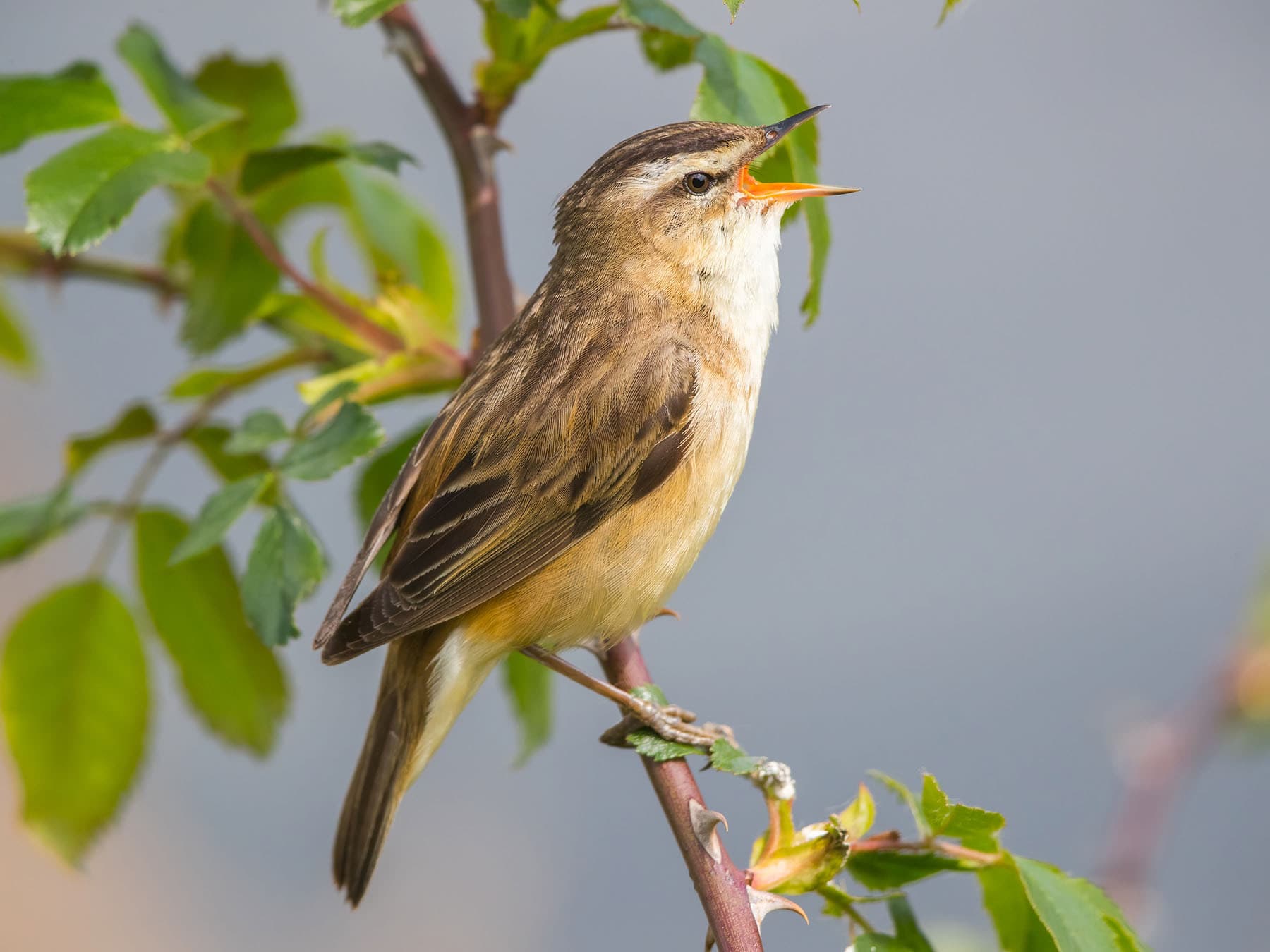
Sedge Warbler
Acrocephalus schoenobaenusLC
An uncommon summer breeder arriving in April, favouring reedbeds and waterside scrub along rivers and wetland margins.
Apr–Aug
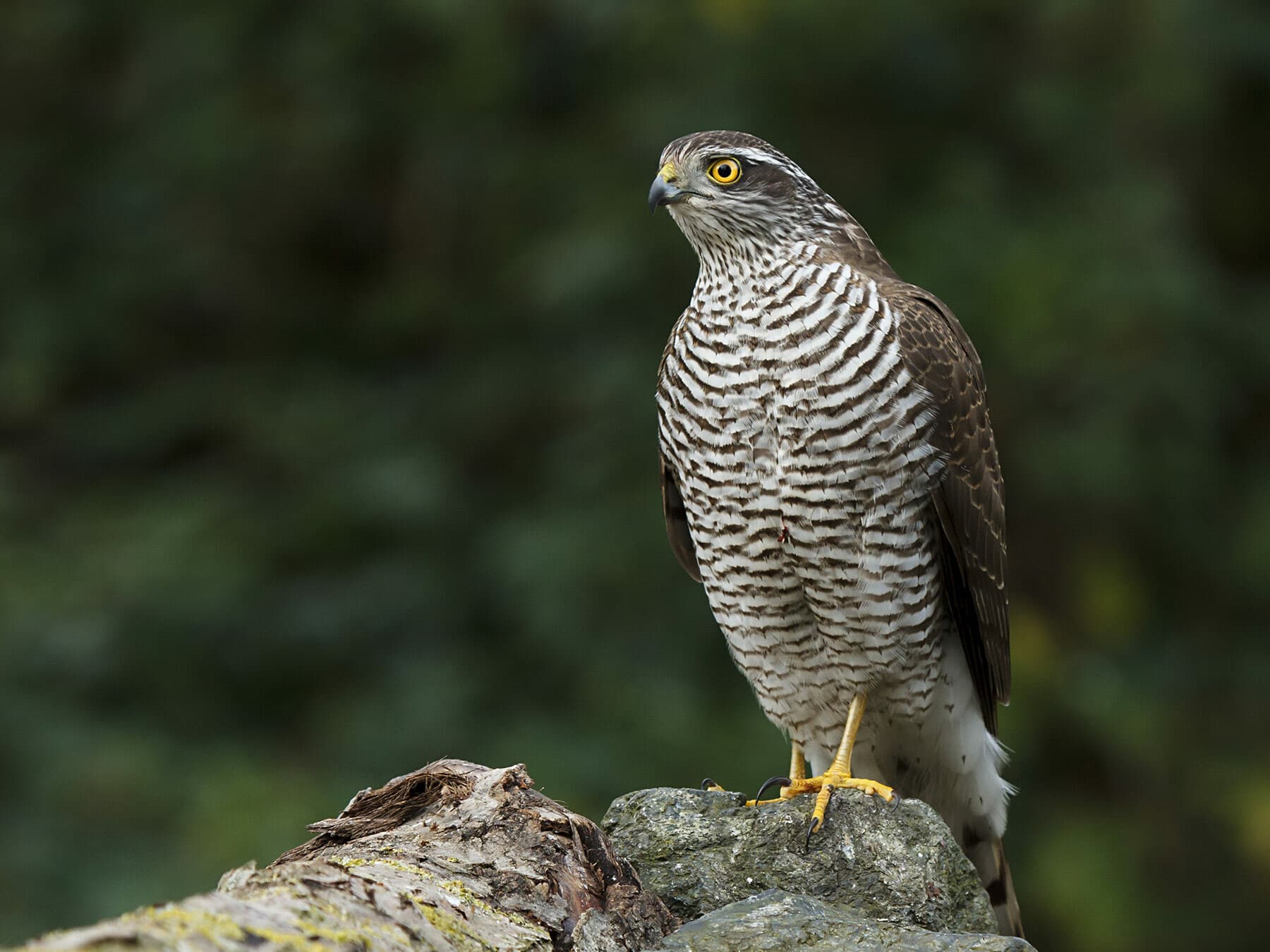
Sparrowhawk
Accipiter nisusLC
An uncommon year-round resident of woodlands and gardens. Dashes through hedgerows and along garden fences in pursuit of small birds.
Year-round
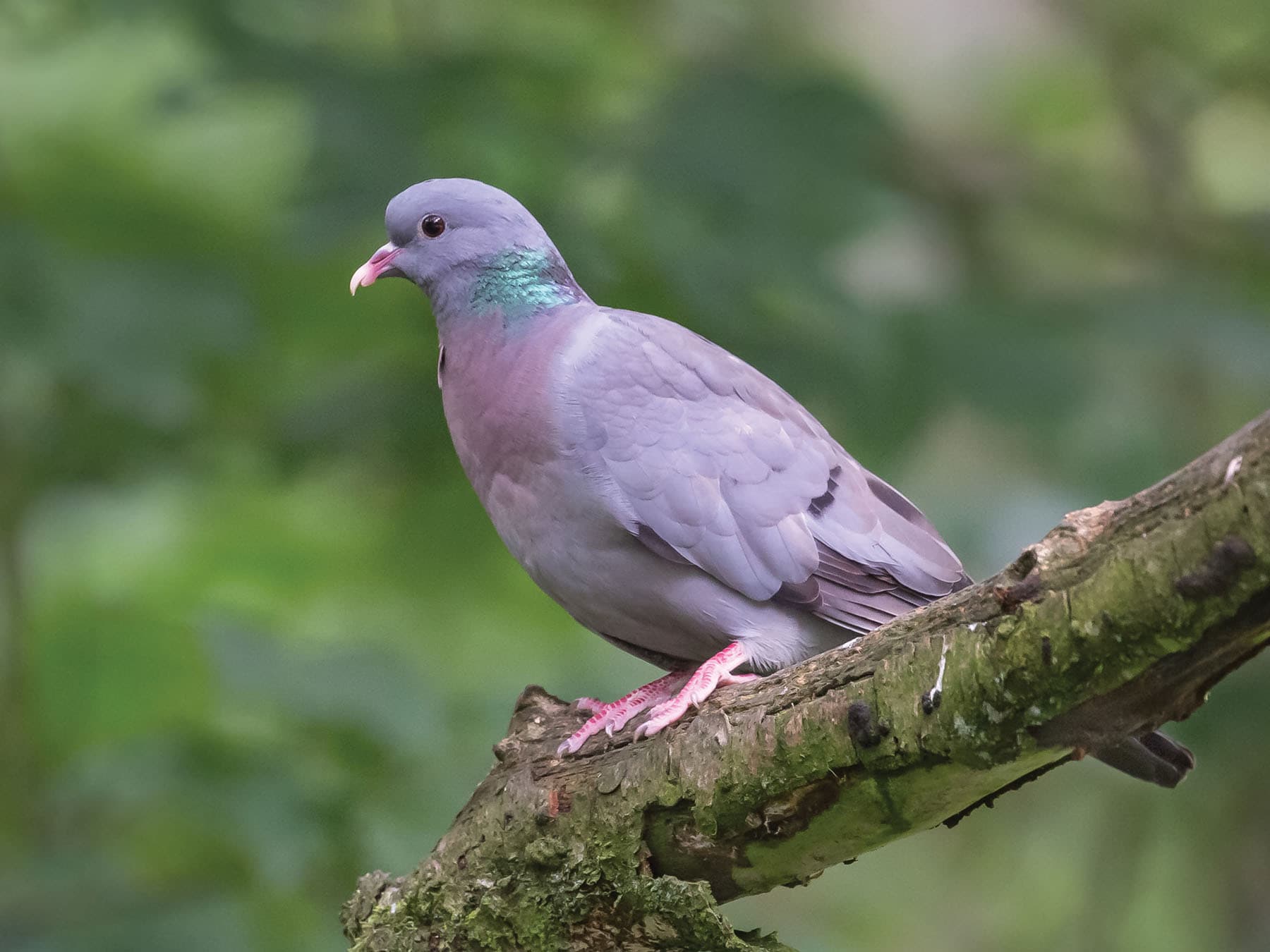
Stock Dove
Columba oenasLC
An uncommon but widespread resident of mature woodland and parkland, often nesting in tree holes across lowland Durham.
Year-round
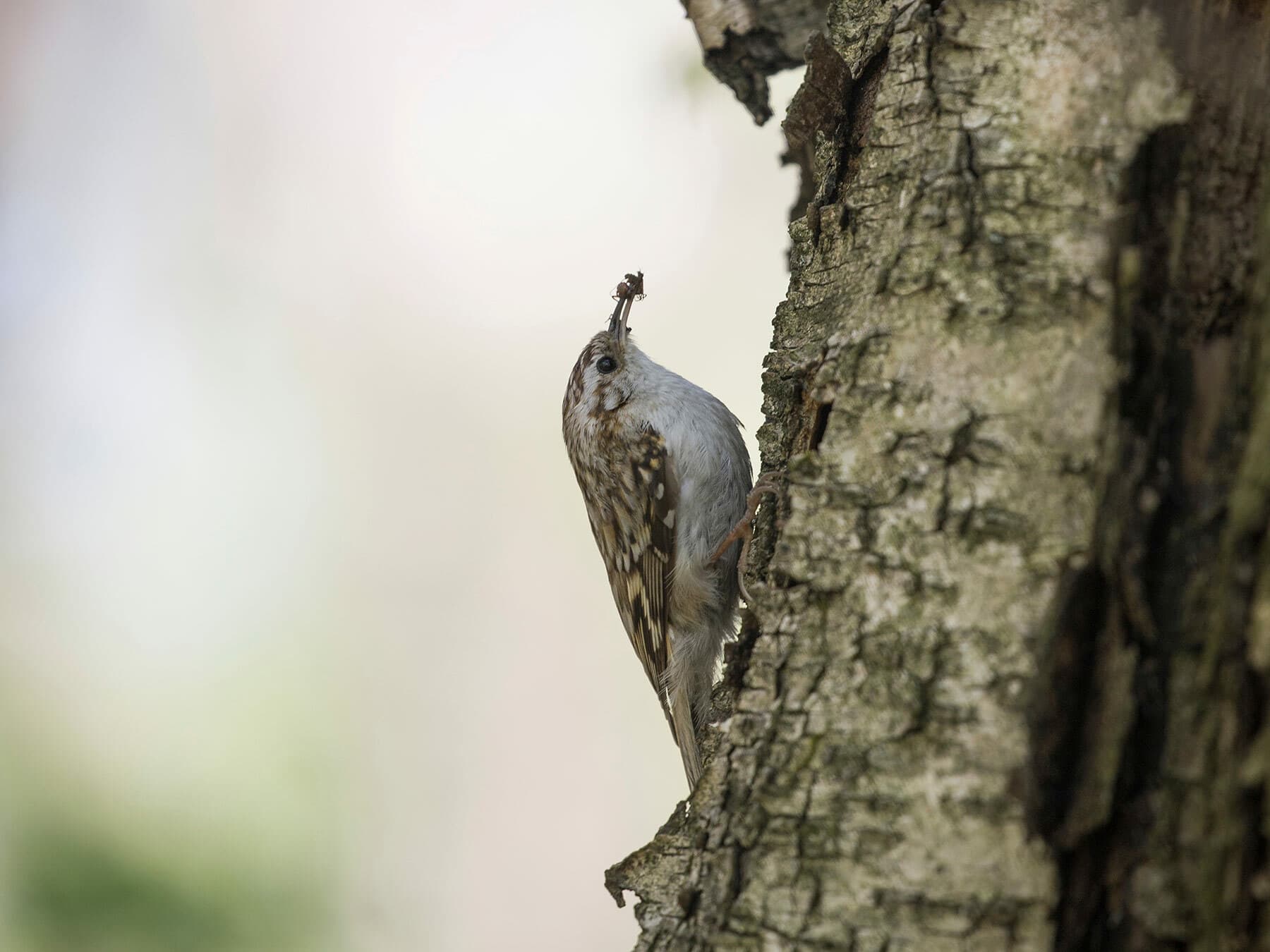
Treecreeper
Certhia familiarisLC
An unobtrusive resident that spirals up tree trunks in mature woodland and parkland. Present year-round but easily overlooked.
Year-round
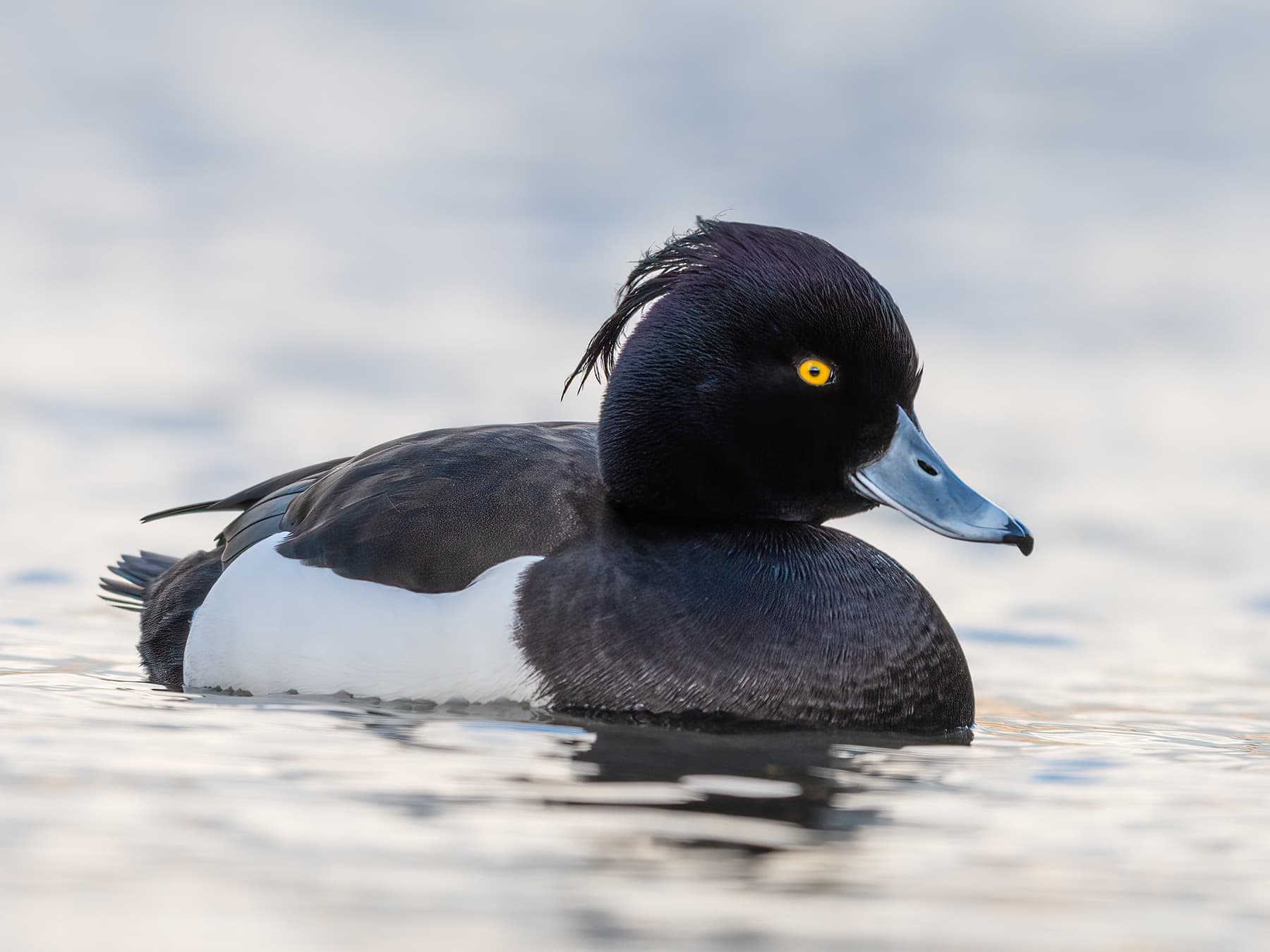
Tufted Duck
Aythya fuligulaLC
An uncommon year-round resident on lakes and reservoirs. Breeds locally and numbers increase in winter with Continental arrivals.
Year-round
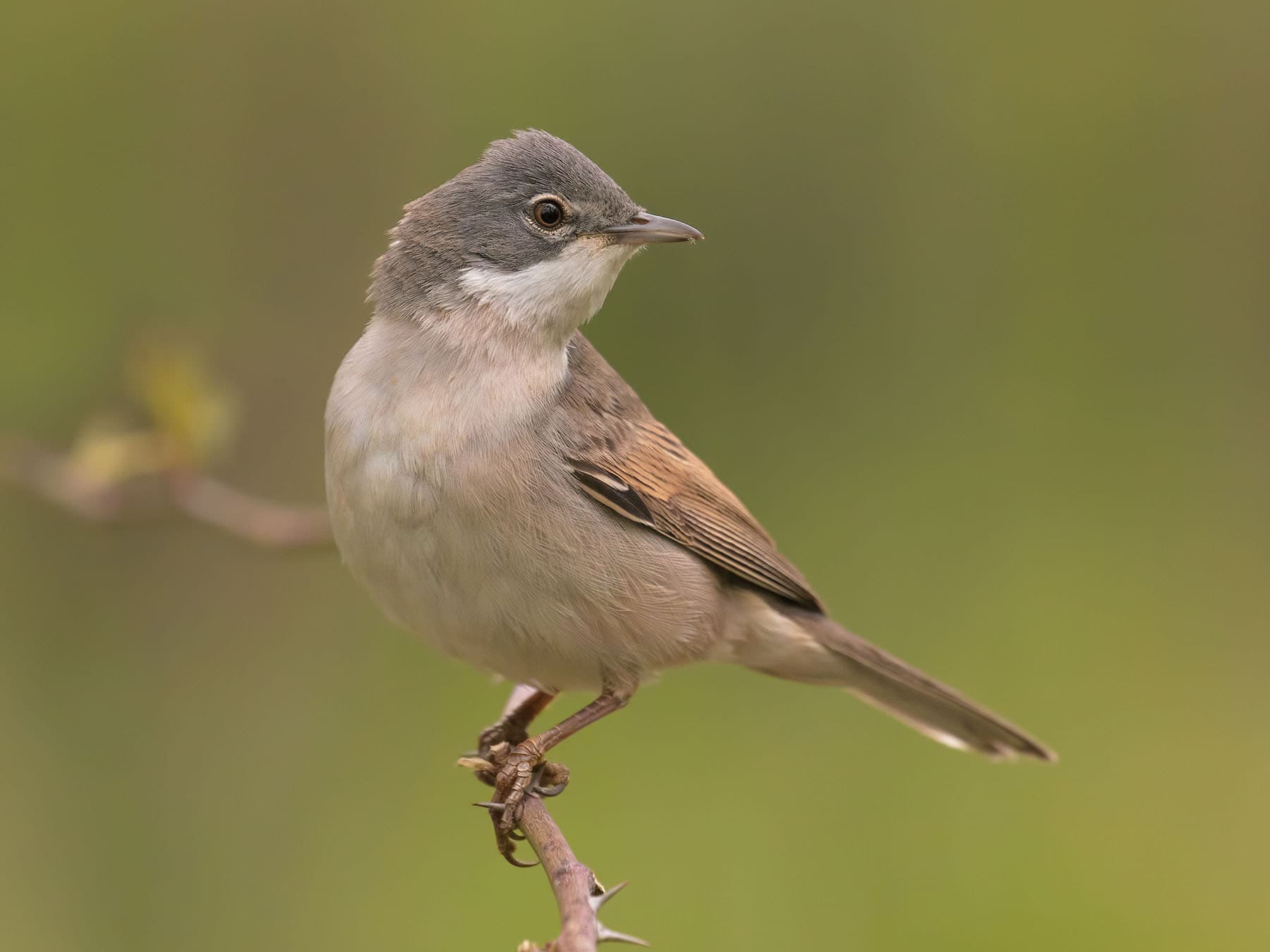
Whitethroat
Curruca communisLC
An uncommon summer breeder found in hedgerows, scrub and field margins. Its scratchy song carries across Durham's lowland farmland from April.
Apr–Sep
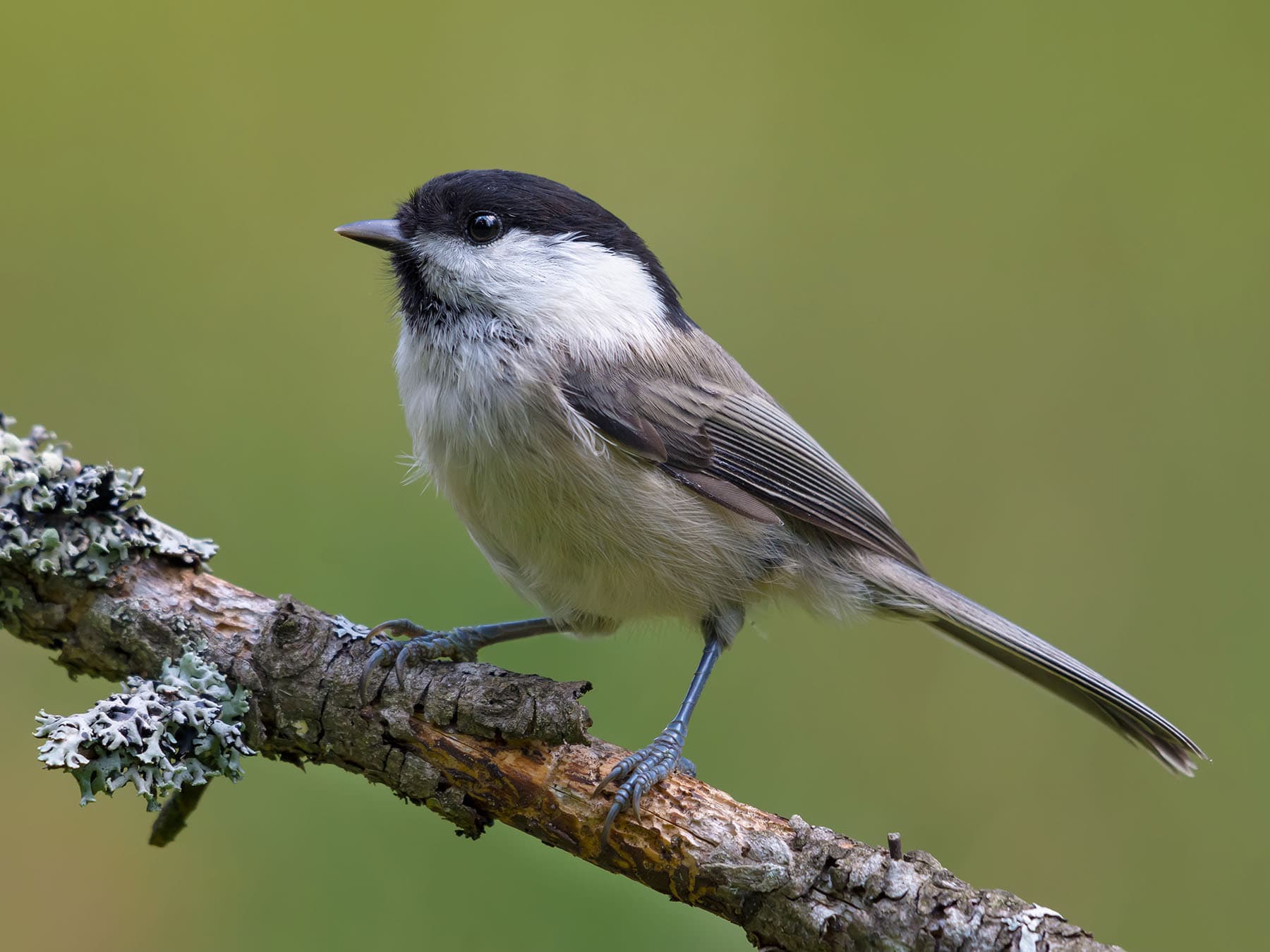
Willow Tit
Poecile montanusLC
Uncommon resident of damp woodland and scrubby hedgerows. A nationally declining species, Durham remains a relative stronghold.
Year-round
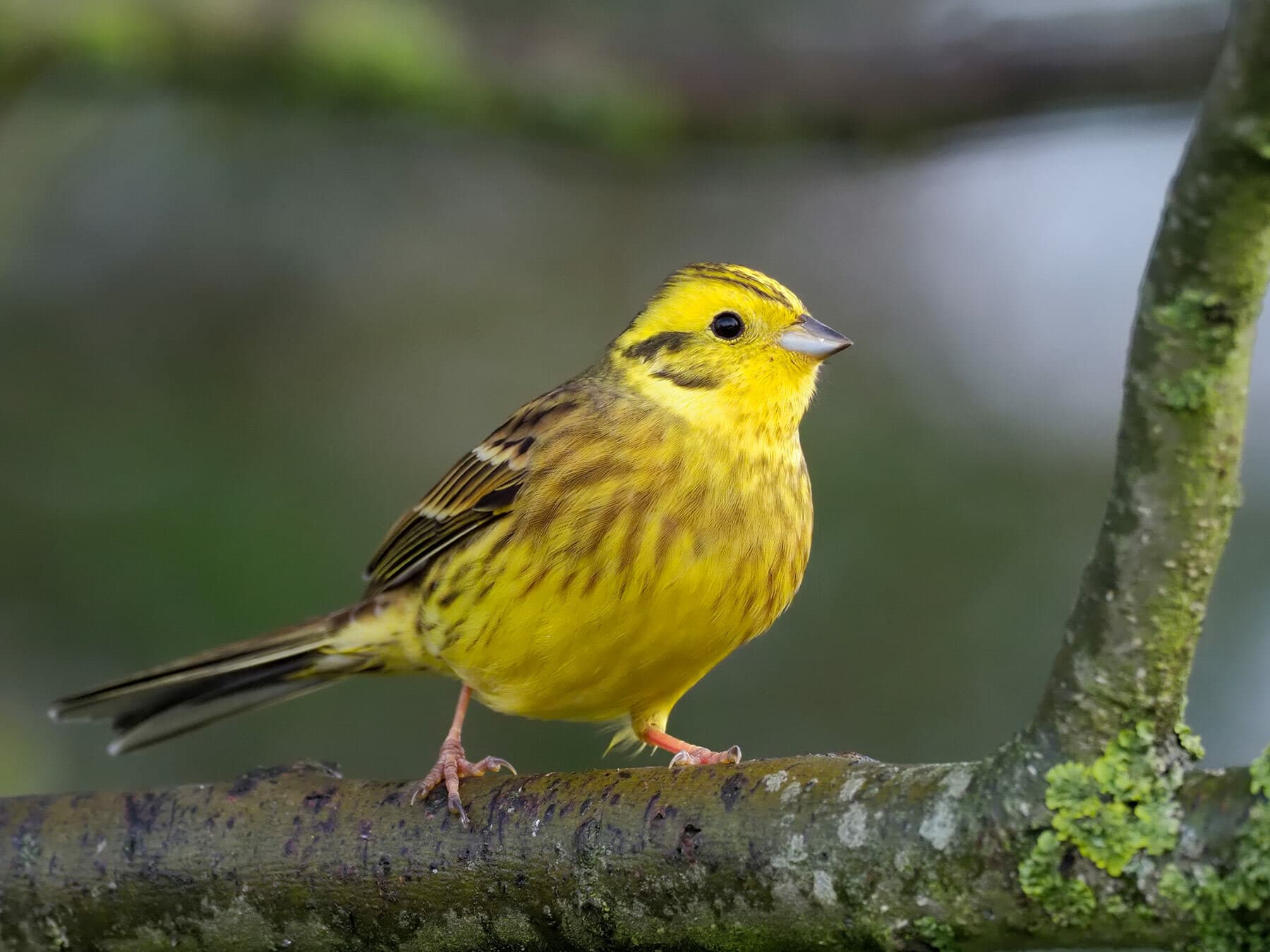
Yellowhammer
Emberiza citrinellaLC
An uncommon resident of hedgerows and farmland edges. Has declined significantly but still found year-round in lowland agricultural areas.
Year-round