Birds in Devon
Explore 204 species found in this region.
Devon is one of the most rewarding counties in England for birdwatching, with around 200 species recorded across its diverse landscapes. From the rugged coastlines of Exmoor and the South Devon cliffs to the estuaries of the Exe and Taw, the county supports an impressive range of birdlife including waders such as the Northern Lapwing and Common Sandpiper, wildfowl like the Common Shelduck and Mandarin Duck, and occasional rarities such as the Great Grey Shrike. Whether exploring Dartmoor's upland heaths or the sheltered reedbeds of the Exe Estuary, birders will find something to enjoy in every season.
Visiting in September? Look out for Black Tern and Brent Goose arriving this month, and Common Redpoll and Egyptian Goose depart for the season.


Showing 93–115 of 204 species
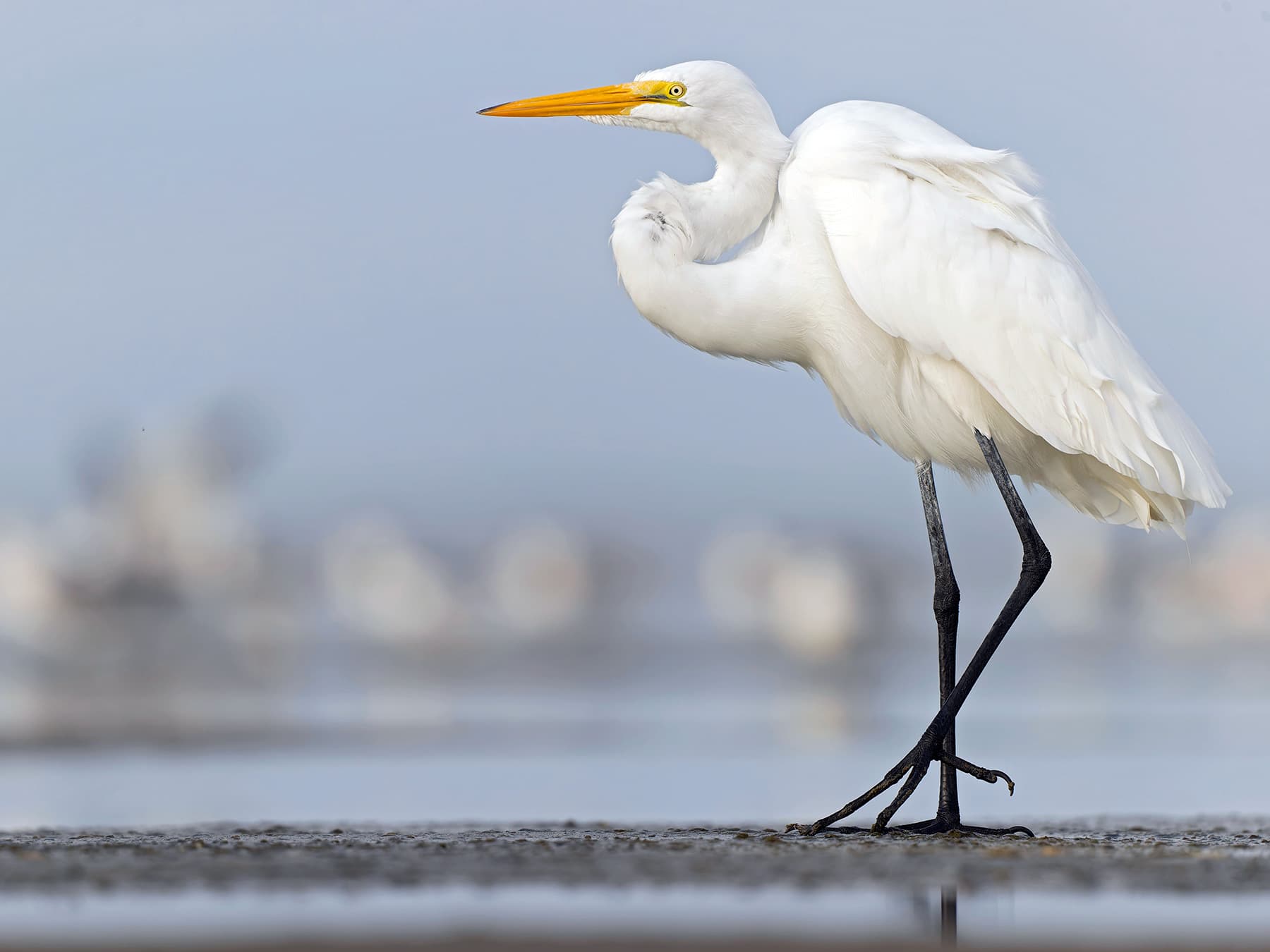
Great White Egret
Ardea albaLC
An increasingly regular rare visitor to Devon's wetlands and estuaries, reflecting the species' ongoing expansion across southern England.
Jun–Apr
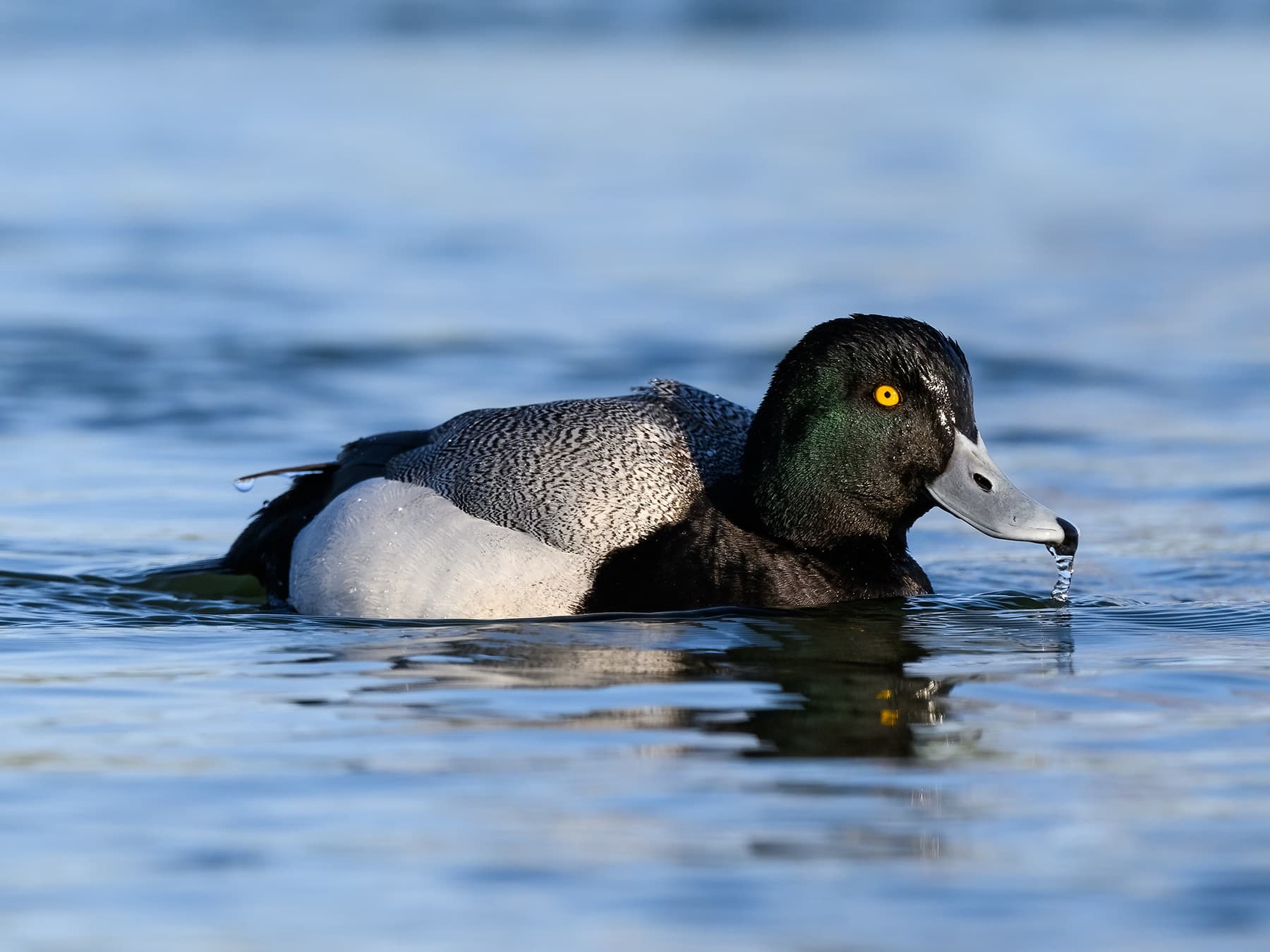
Greater Scaup
Aythya marilaLC
A rare winter visitor to Devon's estuaries and sheltered coastal waters, most likely between November and March.
Nov–Mar
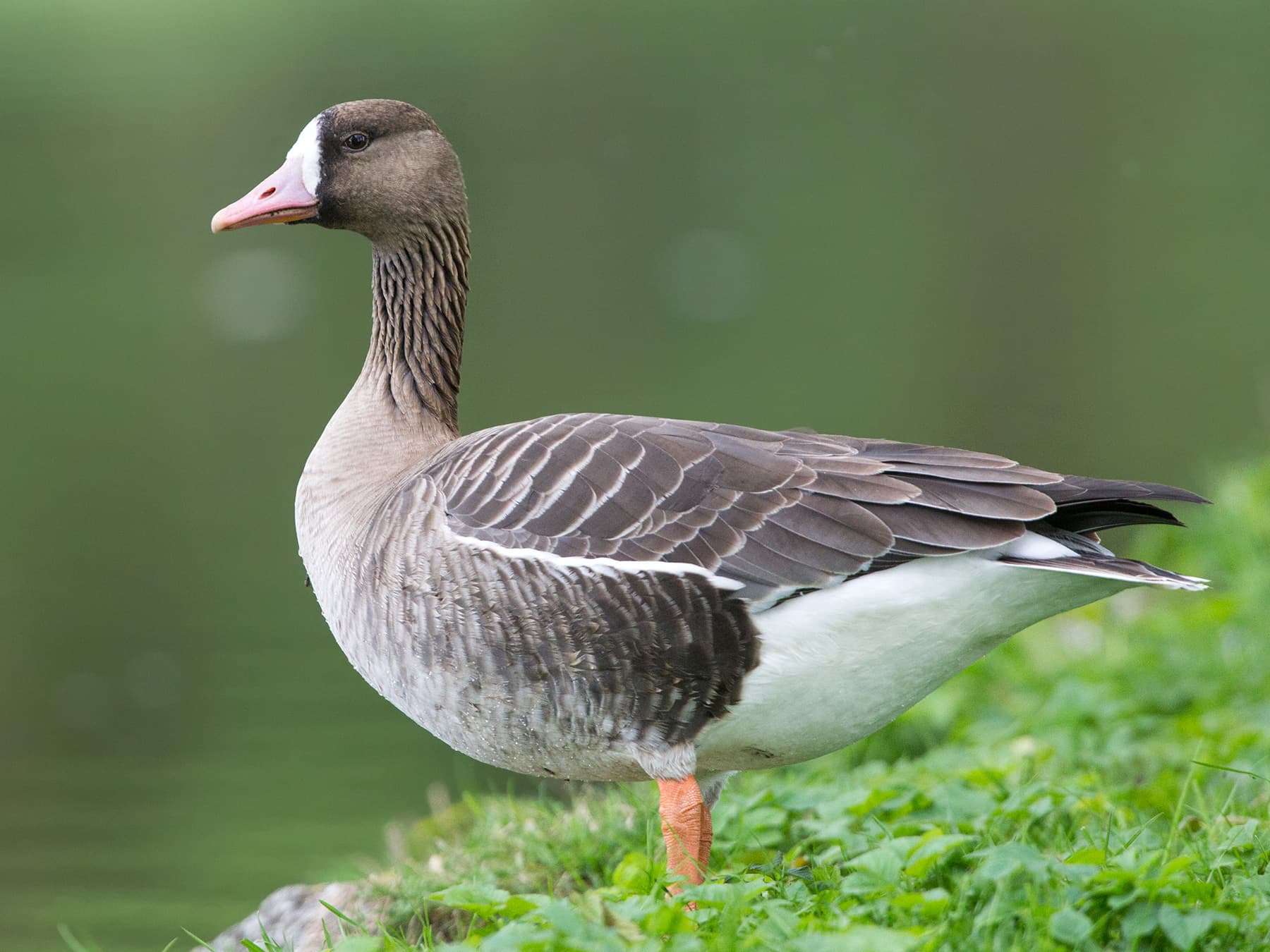
Greater White-fronted Goose
Anser albifronsLC
A rare winter visitor, occasionally turning up on Devon's estuaries and coastal grazing marshes in midwinter cold snaps.
Dec–Jan
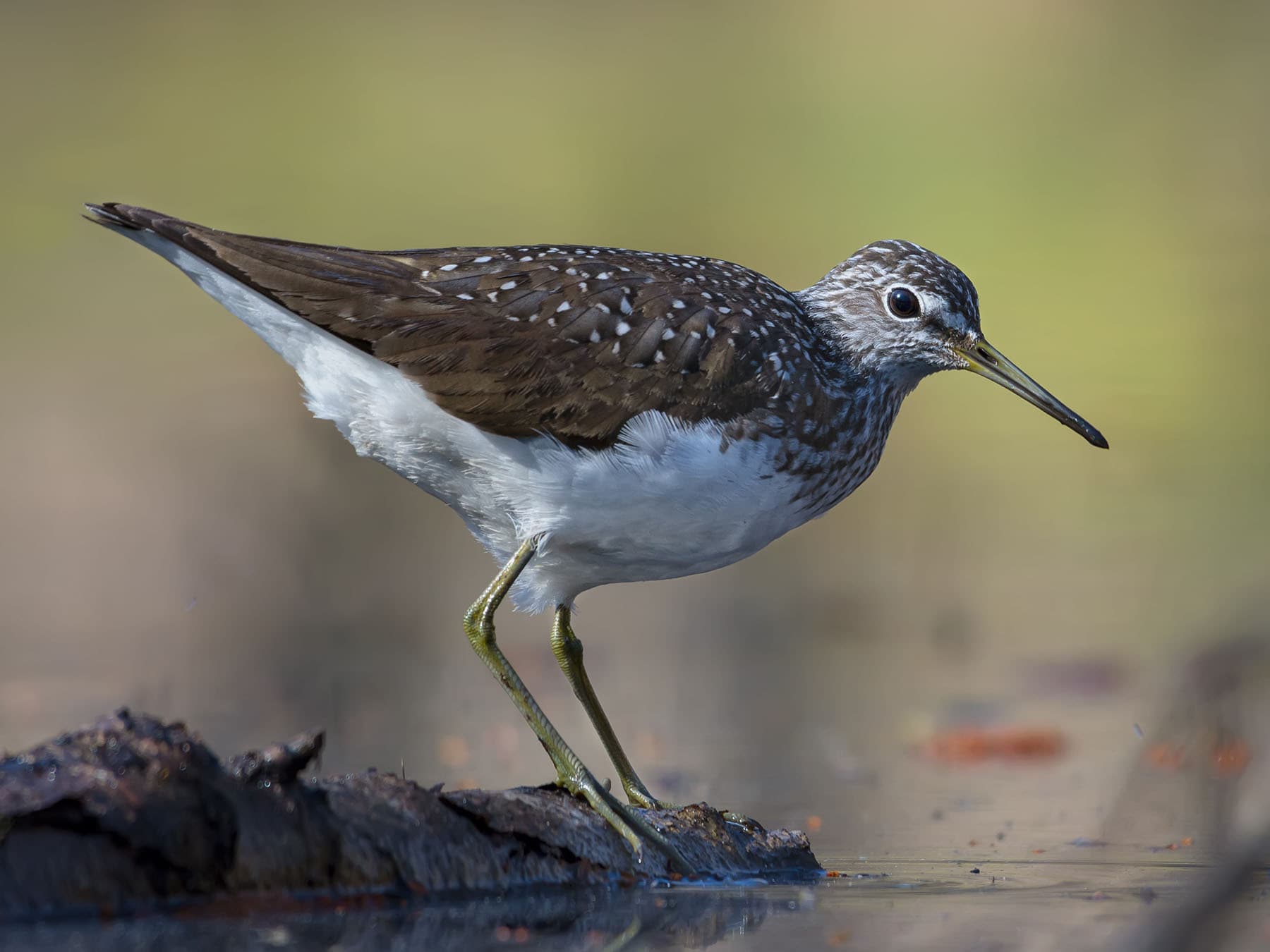
Green Sandpiper
Tringa ochropusLC
A scarce but regular visitor to freshwater pools, ditches and watercress beds. Most often seen during return migration in July–August and again in winter.
Jul–Apr
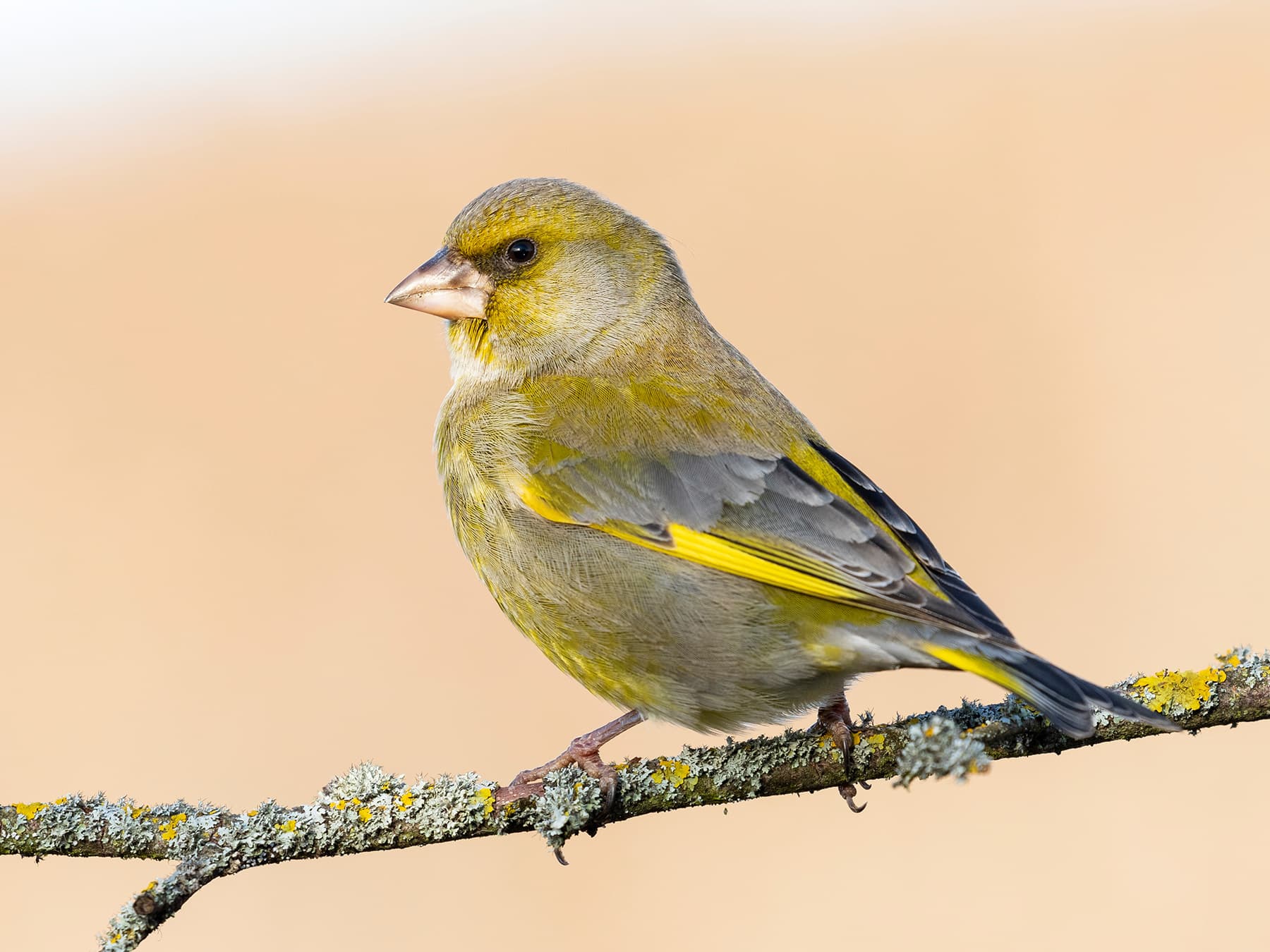
Greenfinch
Chloris chlorisLC
A common year-round resident, though numbers have declined due to trichomonosis. Frequents gardens, hedgerows, and farmland across the county.
Year-round
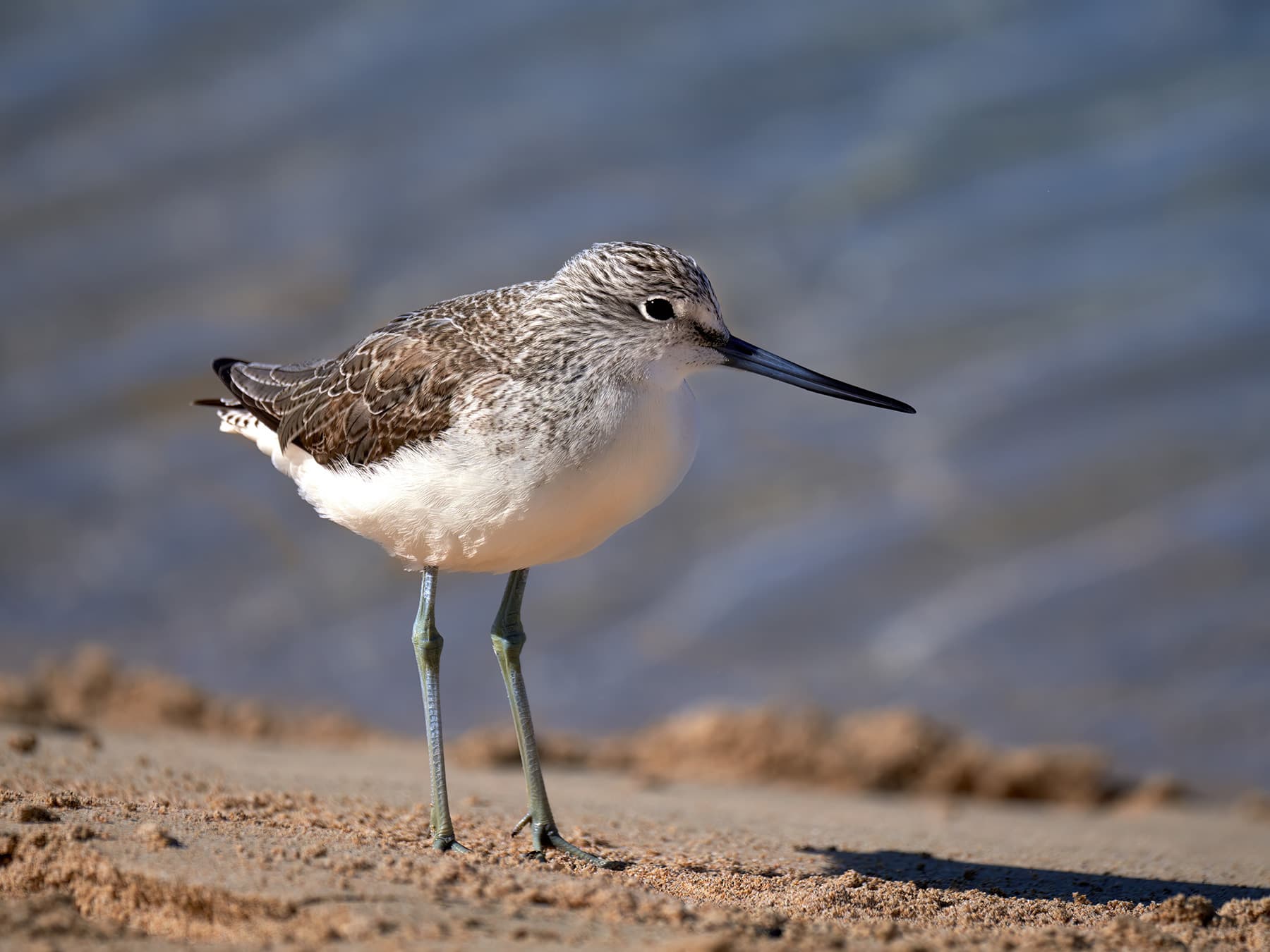
Greenshank
Tringa nebulariaLC
Present year-round on Devon's estuaries and coastal creeks, though never in large numbers. Elegant and long-legged, often seen wading in shallow tidal channels.
Year-round
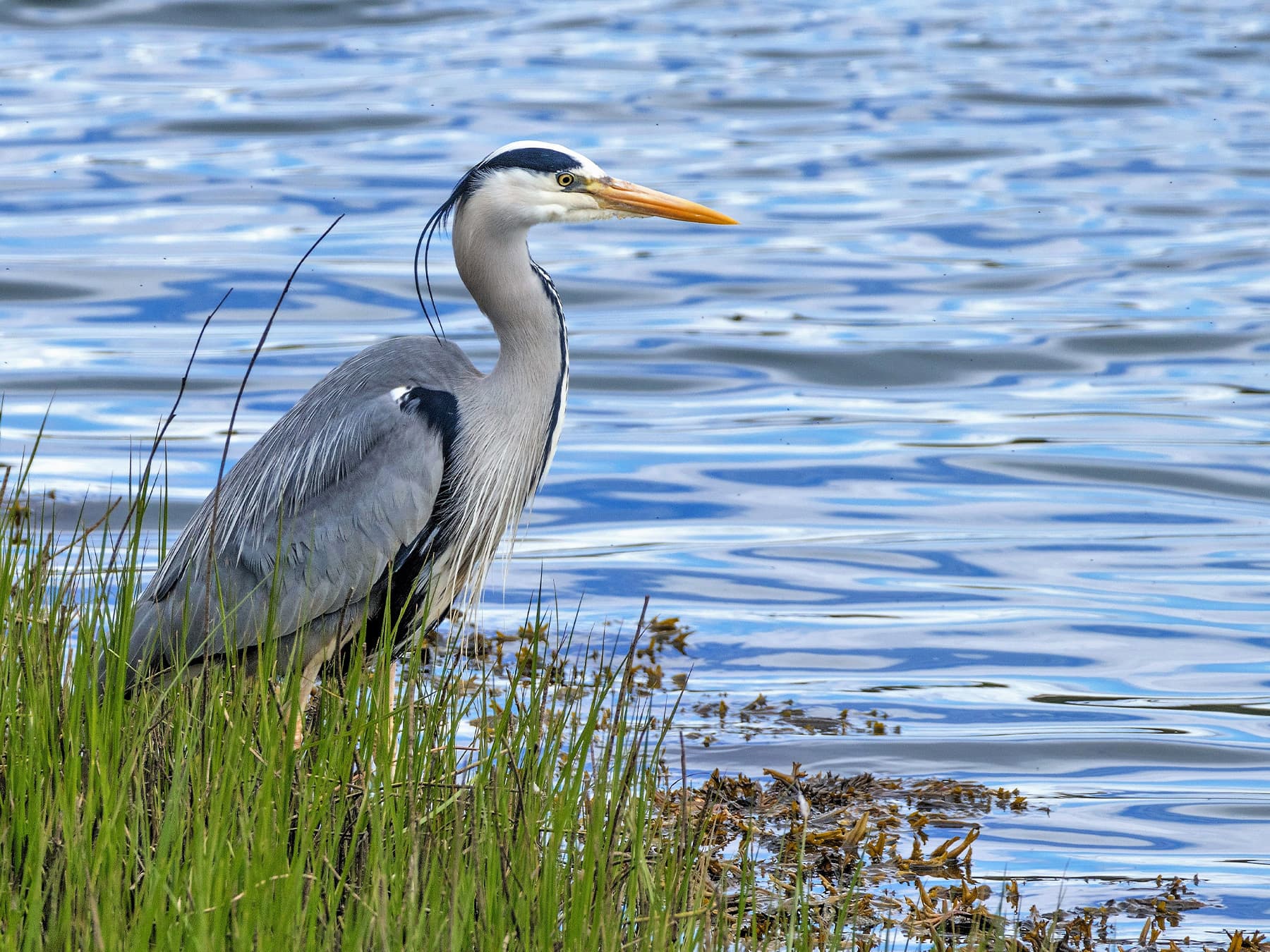
Grey Heron
Ardea cinereaLC
A familiar year-round resident on Devon's rivers, estuaries, and farmland ponds. Nests colonially in tall trees.
Year-round
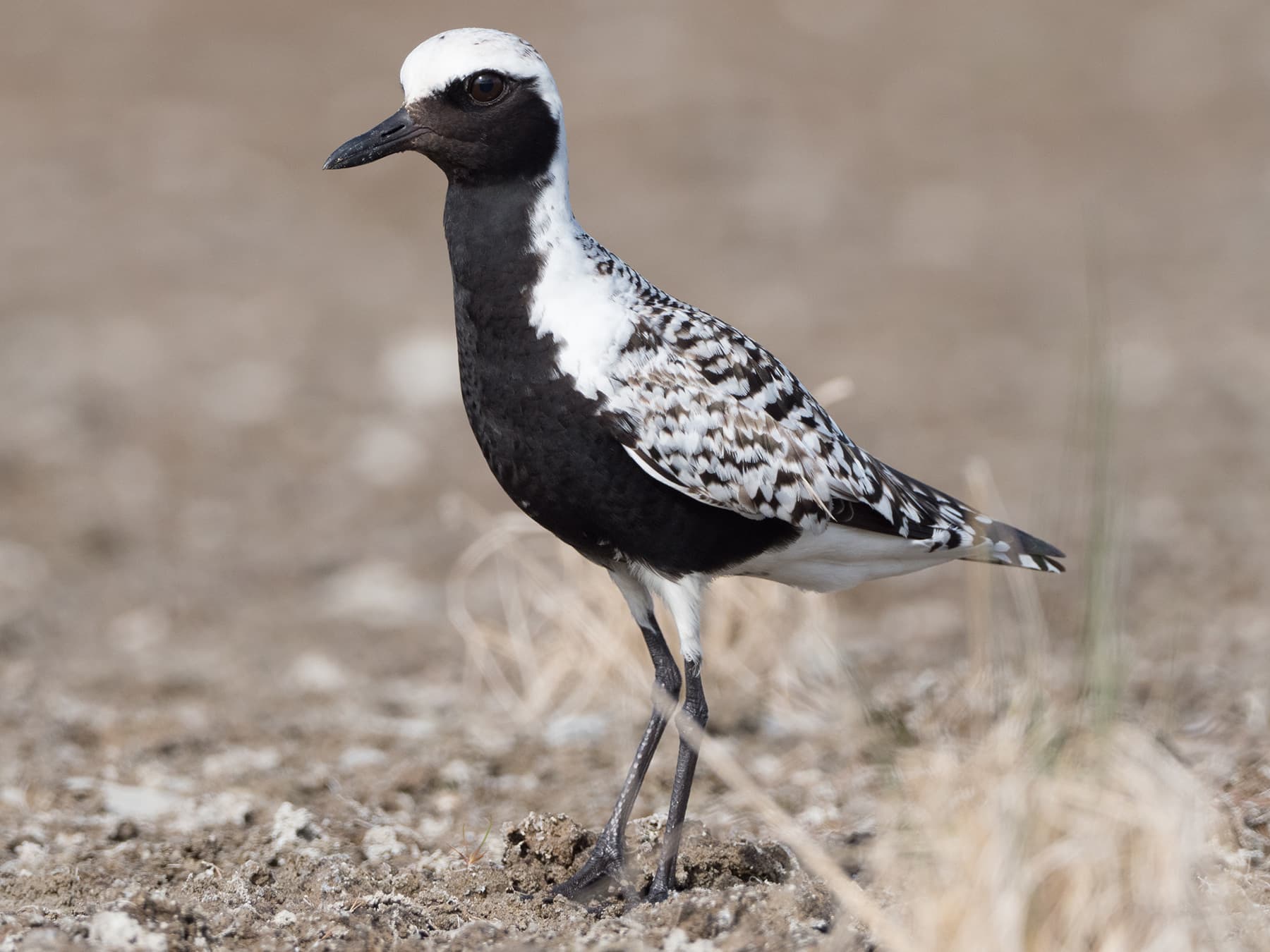
Grey Plover
Pluvialis squatarolaLC
Found on Devon's estuaries and mudflats for much of the year, with peak numbers in winter. The Exe Estuary is a favoured site.
Jul–May
Spotted something?
Upload a photo to identify it
Identify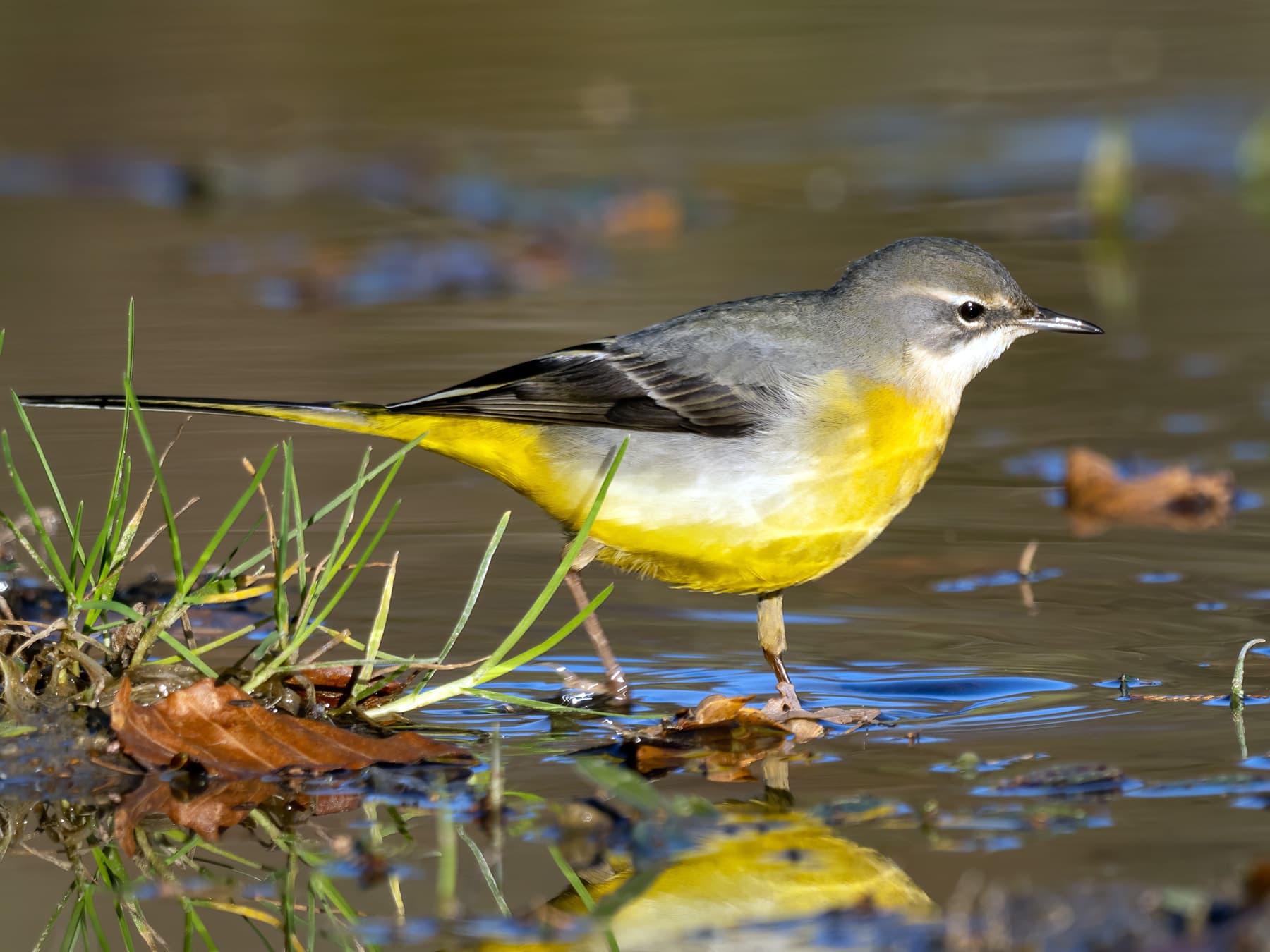
Grey Wagtail
Motacilla cinereaLC
An uncommon resident favouring Devon's fast-flowing streams and rivers, often seen bobbing on rocks. Moves to lowland areas in winter.
Year-round
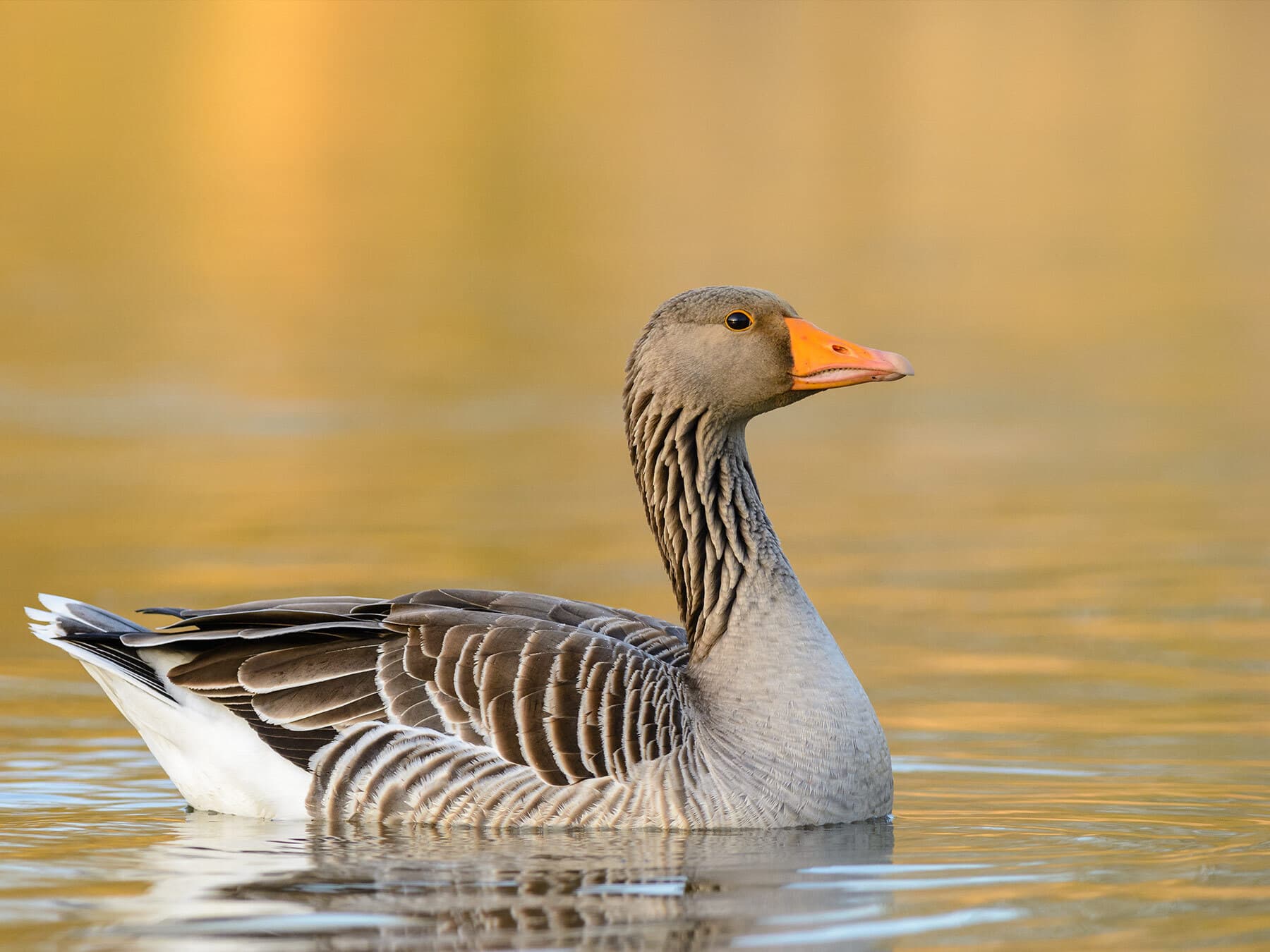
Greylag Goose
Anser anserLC
A rare year-round resident found on Devon's estuaries, lakes and farmland. Both feral and genuinely wild birds occur.
Year-round
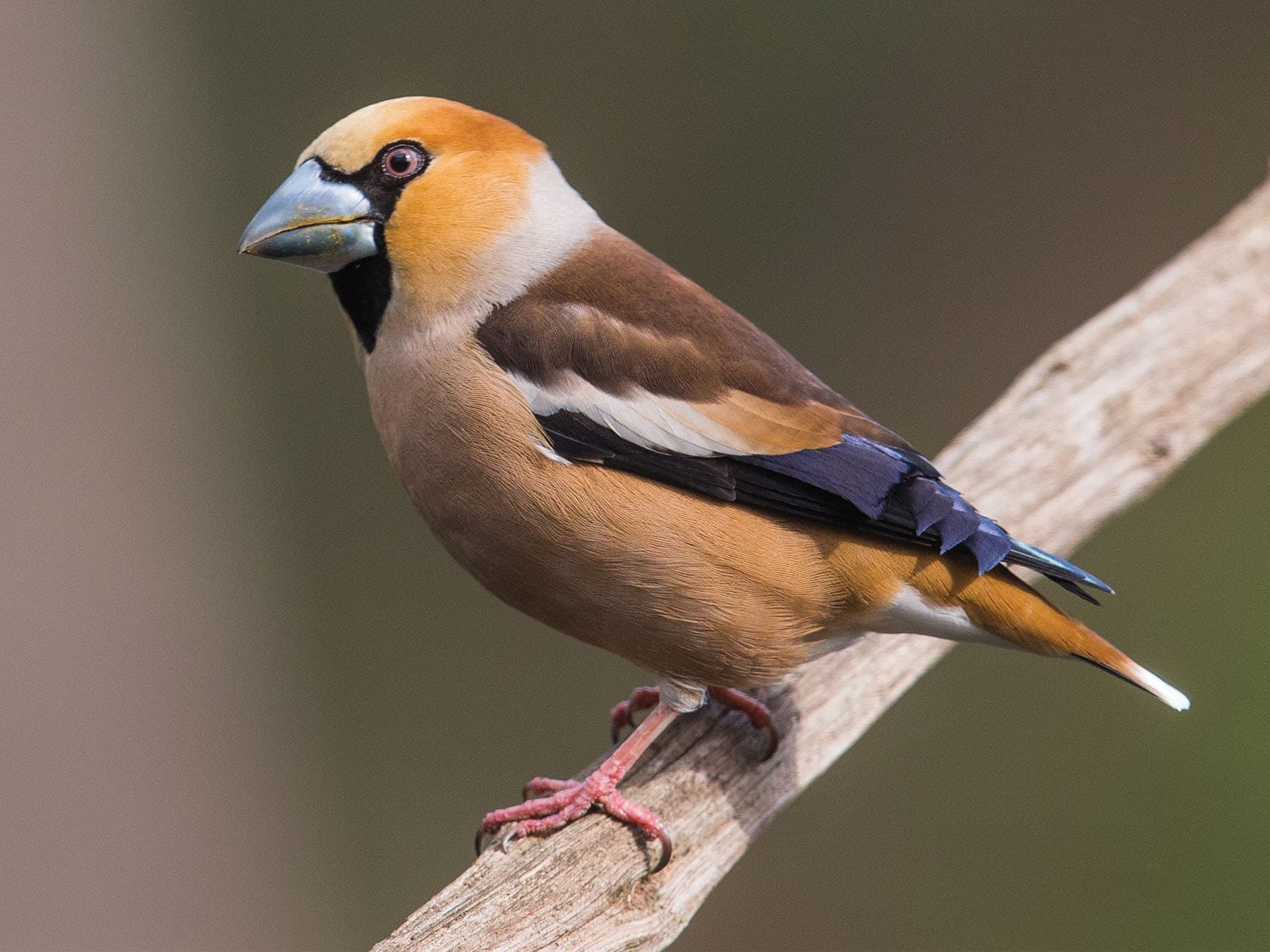
Hawfinch
Coccothraustes coccothraustesLC
A rare and elusive passage visitor, most likely recorded in November during continental irruptions into Devon's mature woodlands.
Nov
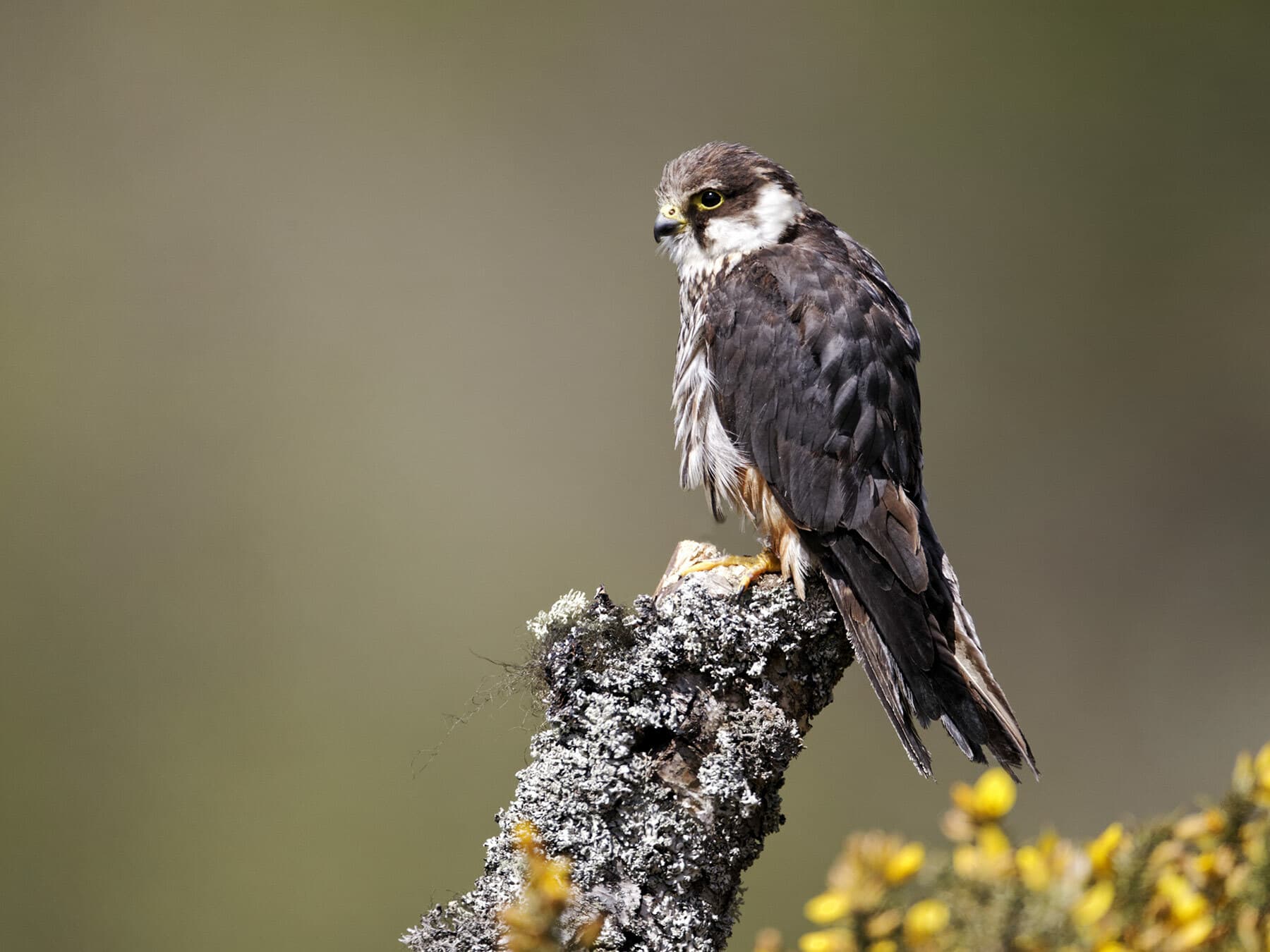
Hobby
Falco subbuteoLC
A rare summer breeder arriving in April, hunting dragonflies over Devon's heathlands and wetlands. Departs by October for African wintering grounds.
Apr–Oct
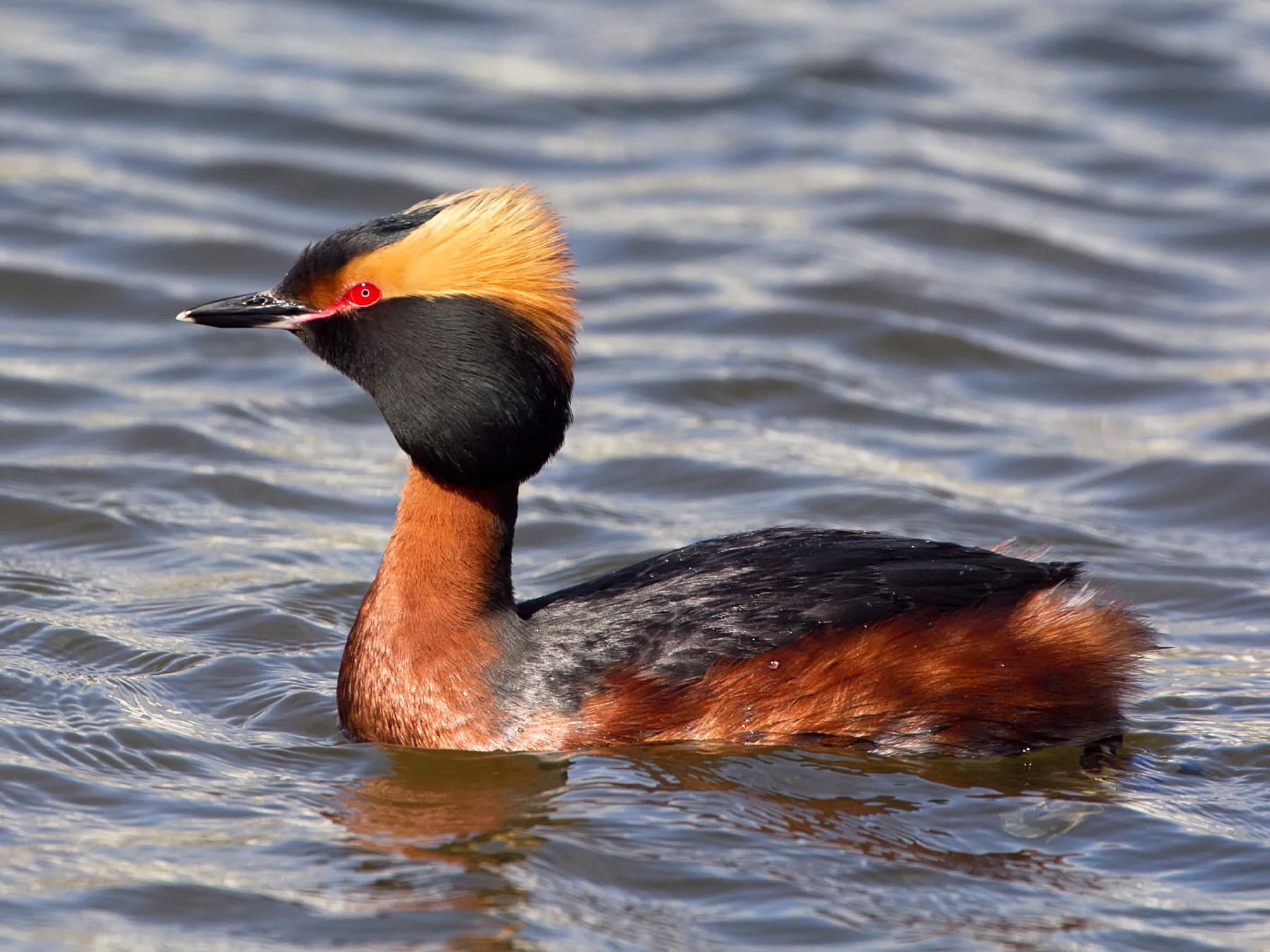
Horned Grebe
Podiceps auritusVU
A rare non-breeding visitor from November to March. Favours sheltered estuaries and coastal bays, often in winter plumage.
Nov–Mar
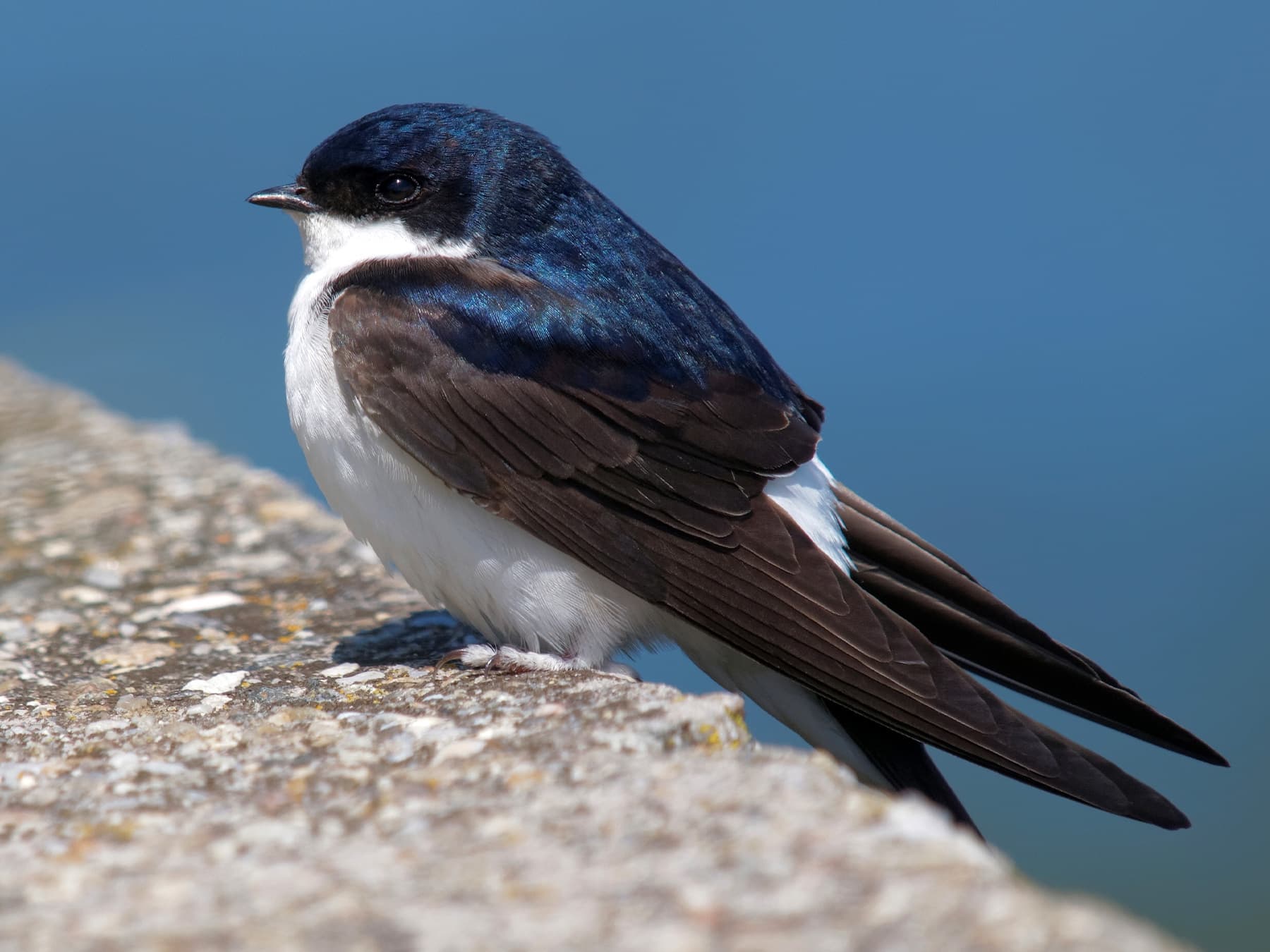
House Martin
Delichon urbicumLC
A common breeding visitor, building mud nests under the eaves of houses across Devon's towns and villages from April to October.
Apr–Oct
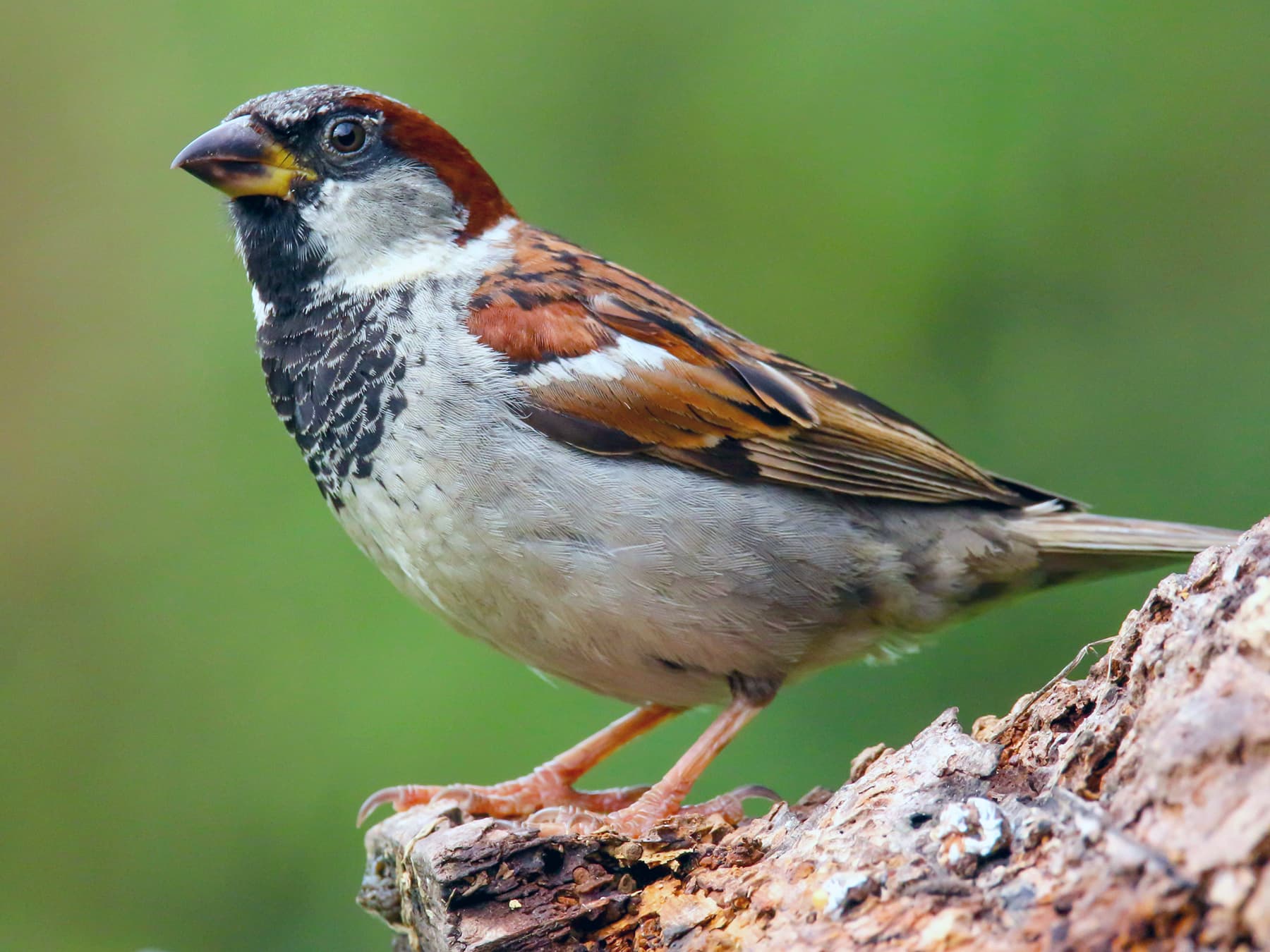
House Sparrow
Passer domesticusLC
A common resident closely tied to Devon's towns and villages, nesting in roof spaces. Numbers have declined but colonies persist.
Year-round
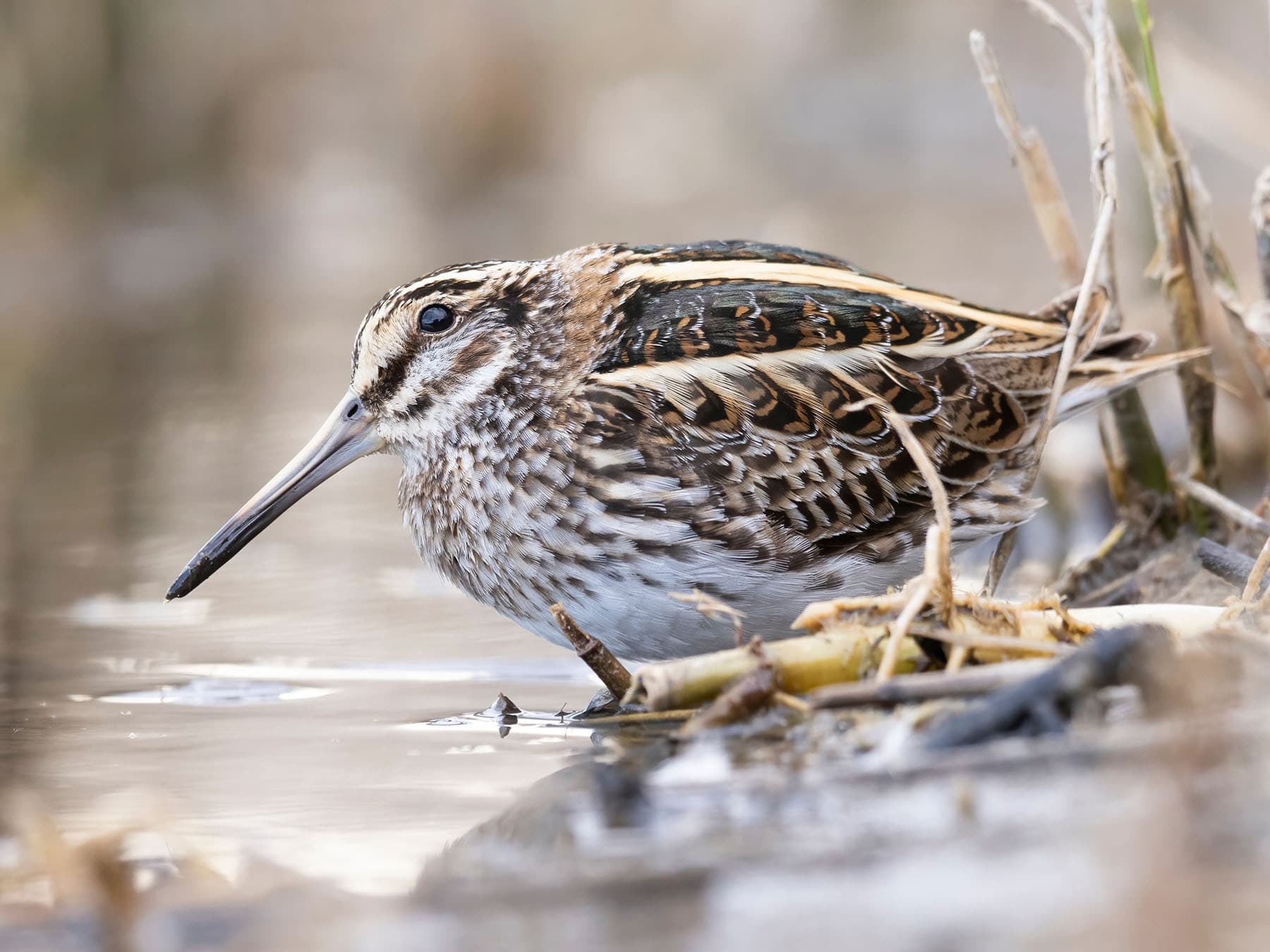
Jack Snipe
Lymnocryptes minimusLC
A secretive winter visitor to boggy marshes and wet meadows. Easily overlooked due to its skulking habits, typically flushing only at very close range.
Dec
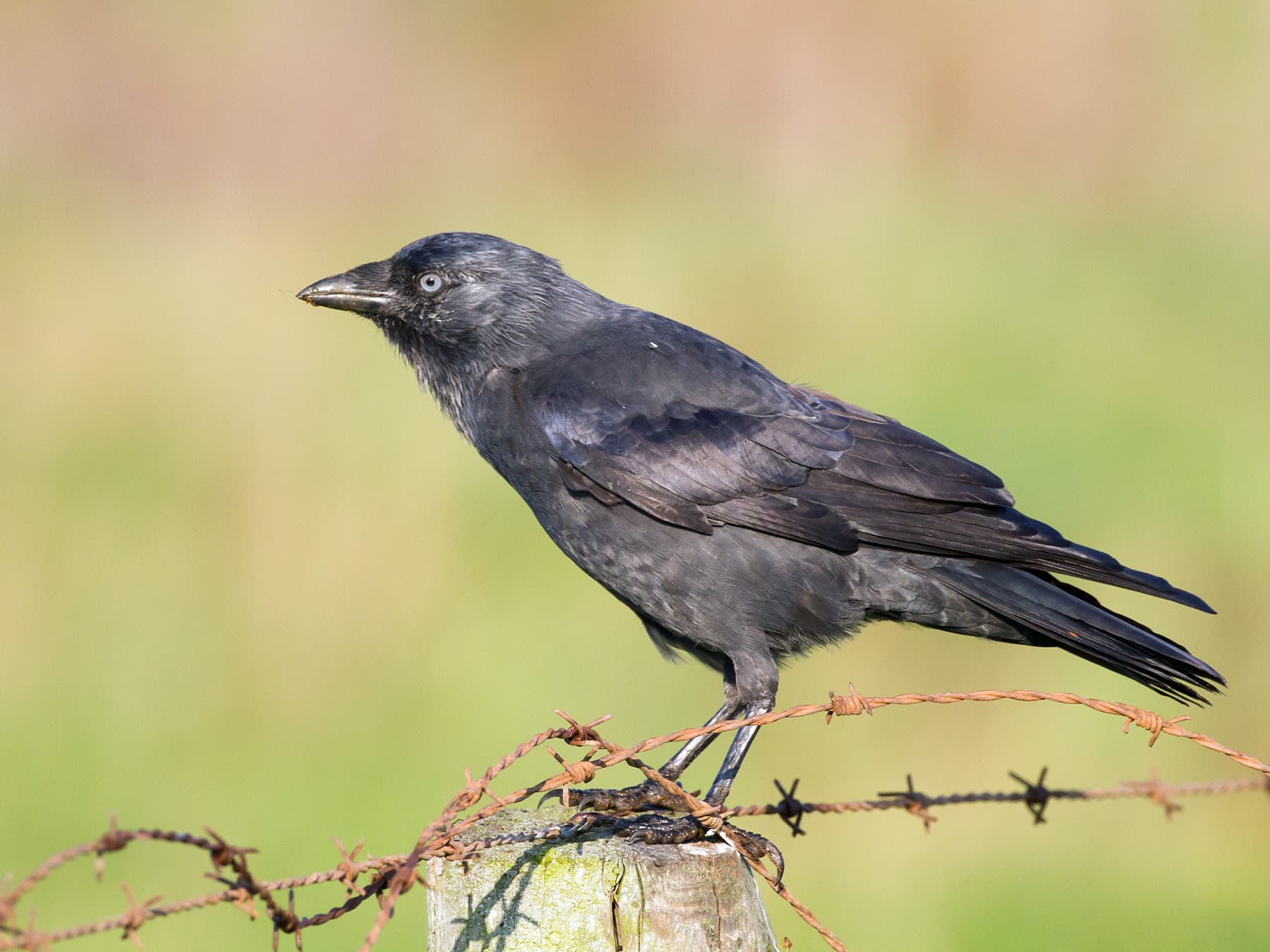
Jackdaw
Coloeus monedulaLC
A common and sociable resident, nesting in Devon's church towers, old buildings, and cliff faces. Often seen in noisy flocks with Rooks.
Year-round
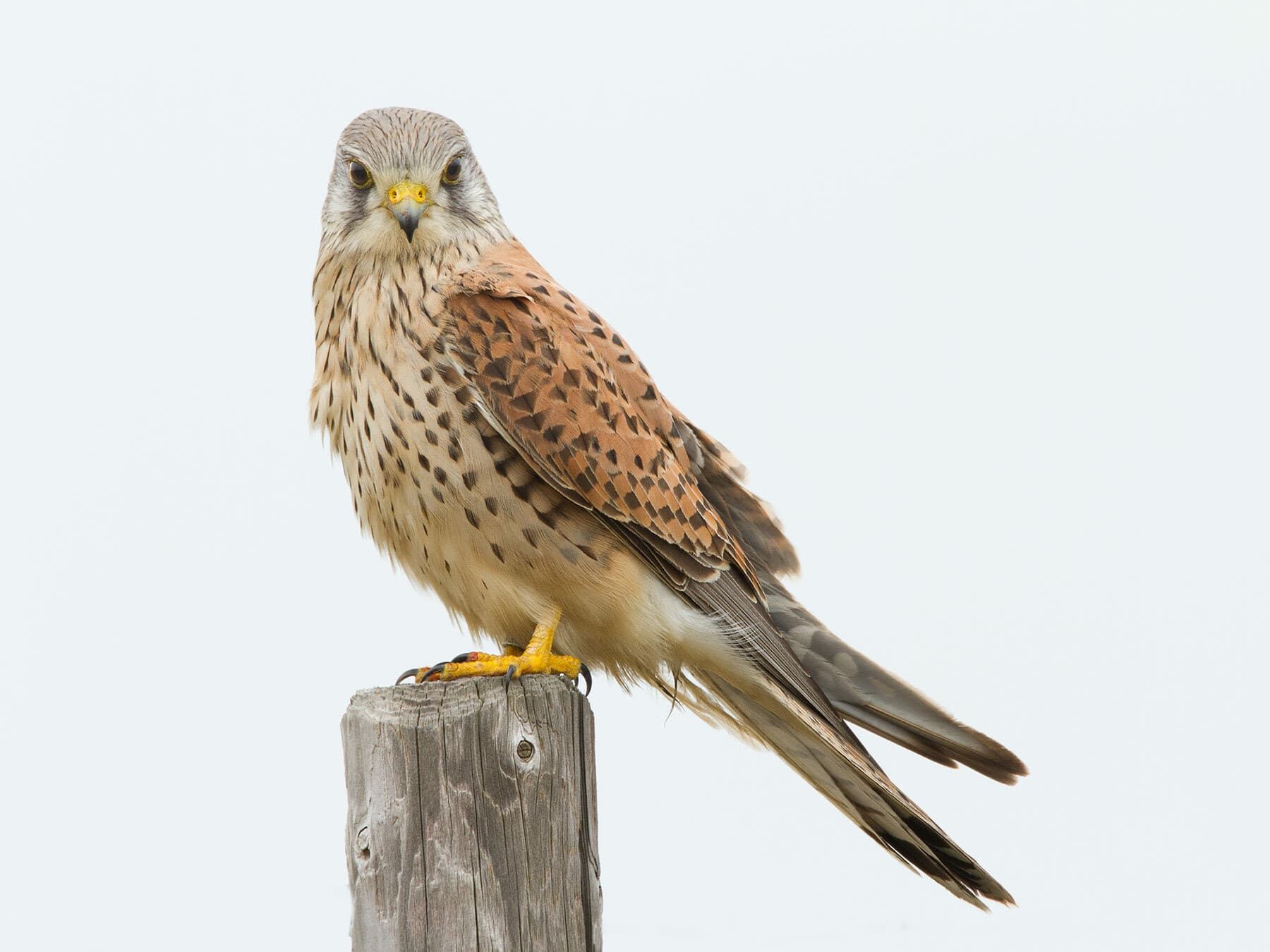
Kestrel
Falco tinnunculusLC
An uncommon resident, often seen hovering over Devon's roadside verges, farmland, and coastal grasslands while hunting for voles and small mammals.
Year-round
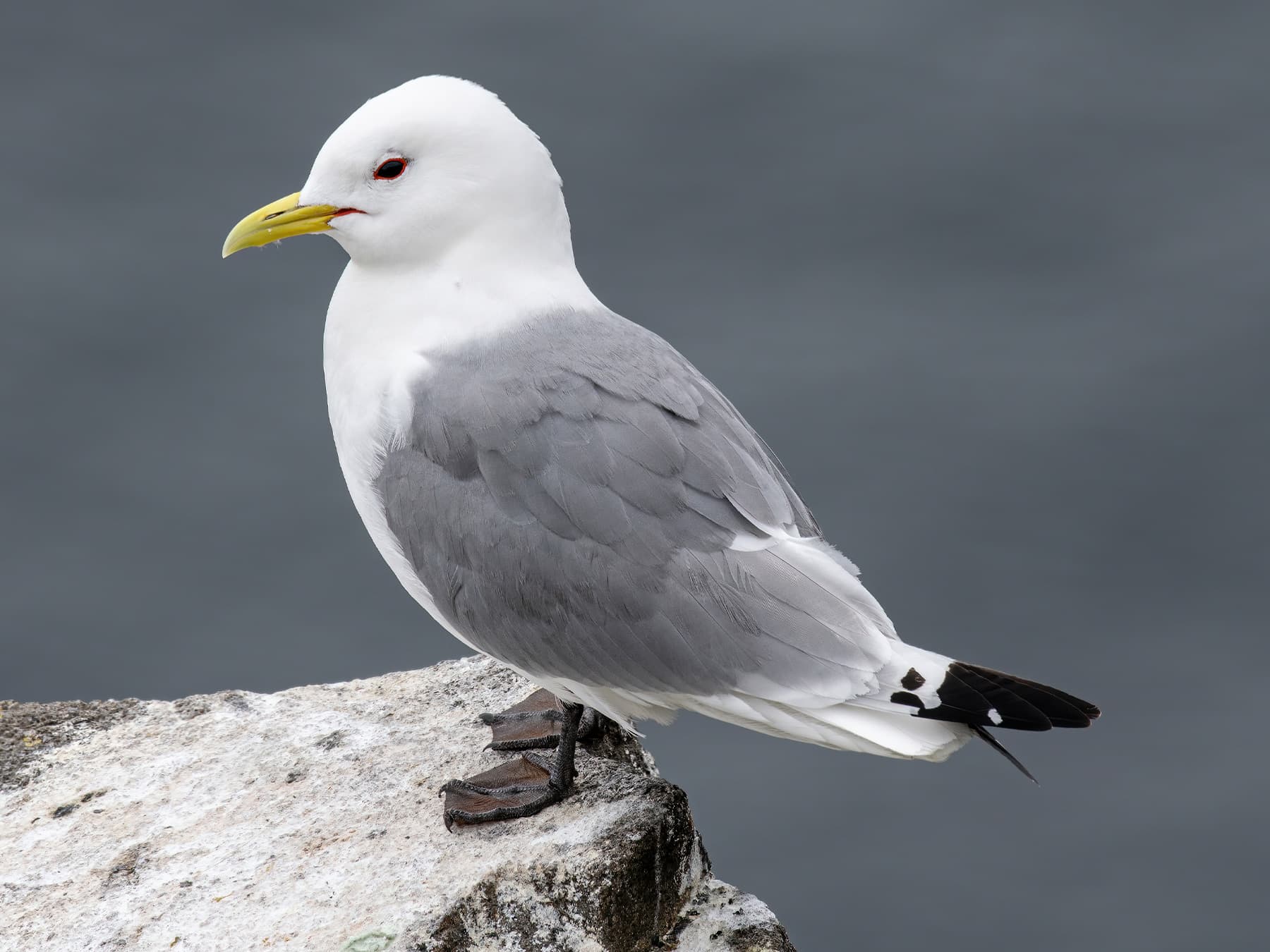
Kittiwake
Rissa tridactylaVU
Breeds on Devon's sea cliffs, notably at Lundy and Berry Head. Numbers are declining nationally, making local colonies increasingly important.
Year-round
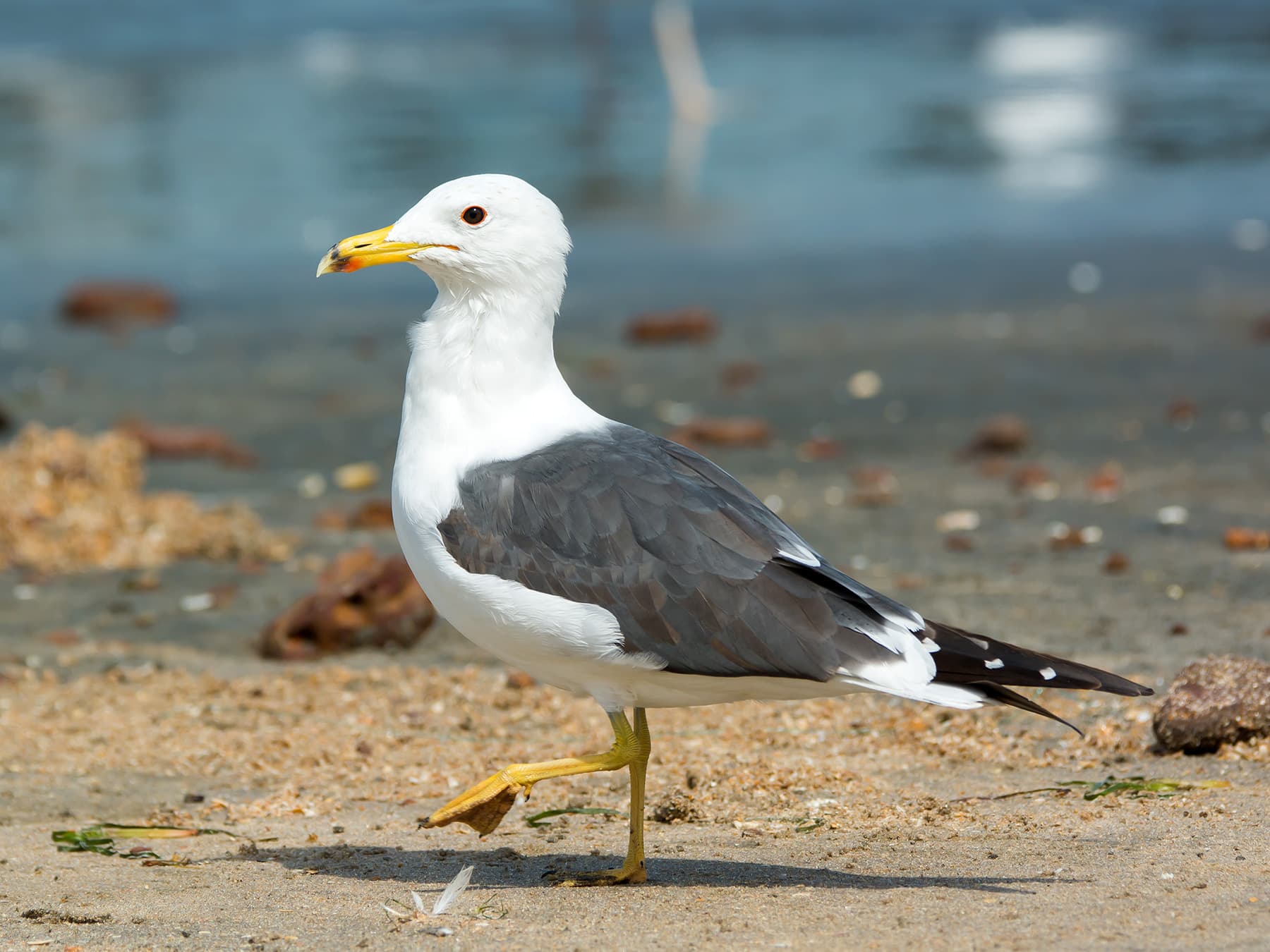
Lesser Black-backed Gull
Larus fuscusLC
Present year-round but most numerous from spring to autumn. Frequents estuaries, landfill sites, and coastal fields across Devon.
Year-round
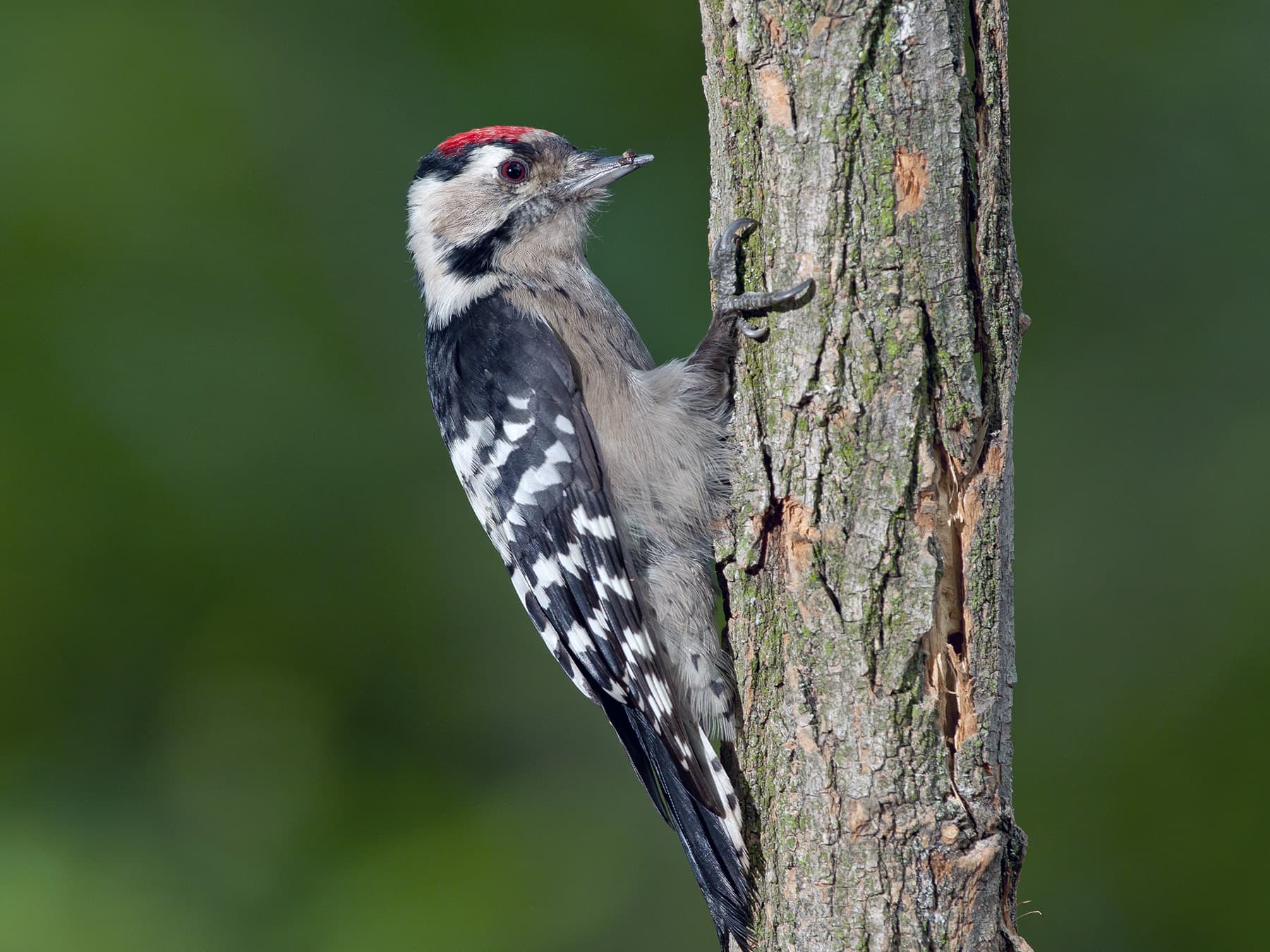
Lesser Spotted Woodpecker
Dryobates minorLC
A rare breeding visitor to Devon's mature broadleaf woodlands from March to June. Declining nationally, this sparrow-sized woodpecker is easily overlooked.
Mar–Jun
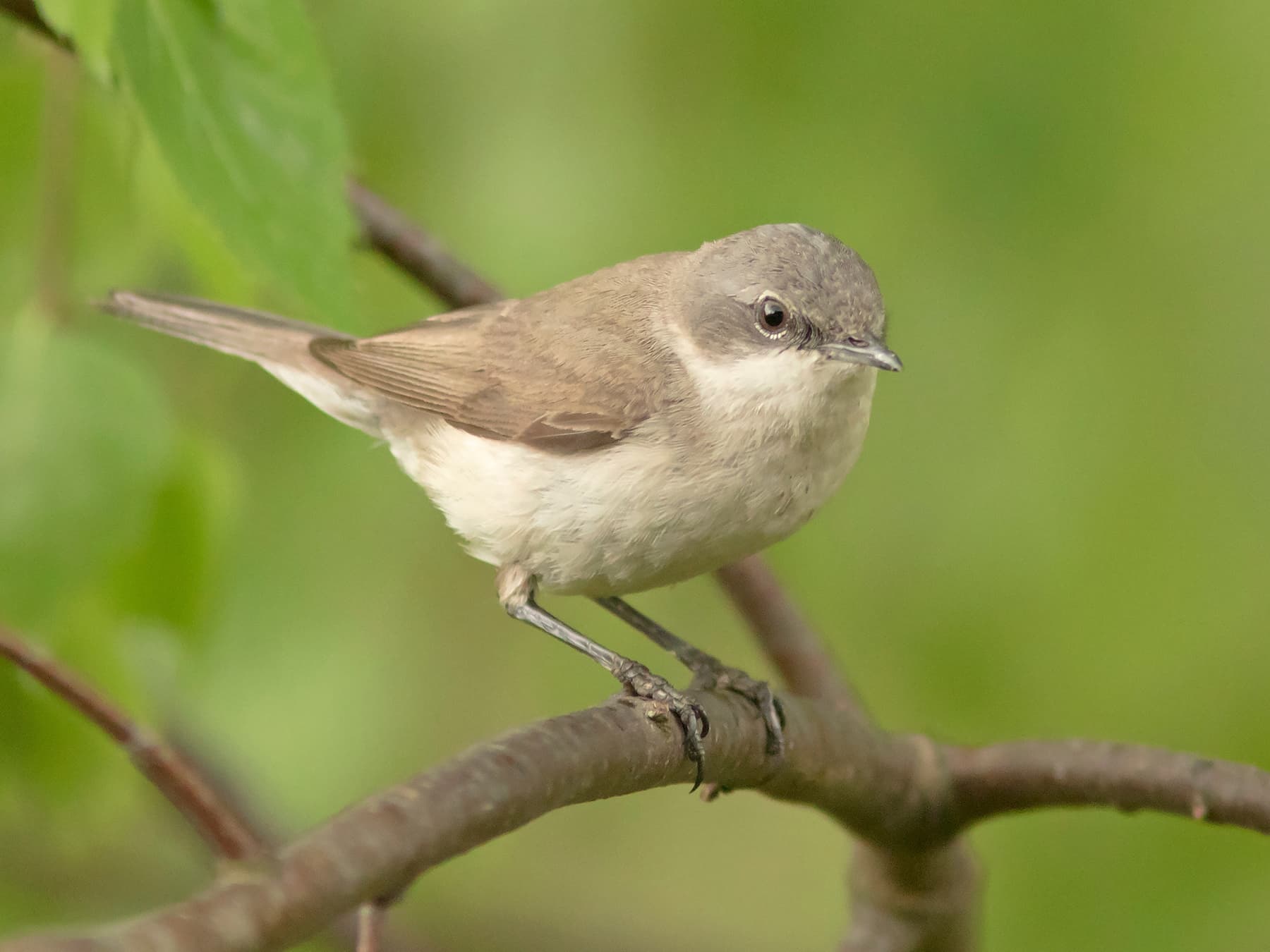
Lesser Whitethroat
Curruca currucaLC
A rare breeding visitor at the western edge of its range. Found in tall hedgerows and scrub, mainly from April to June.
Apr–Jun
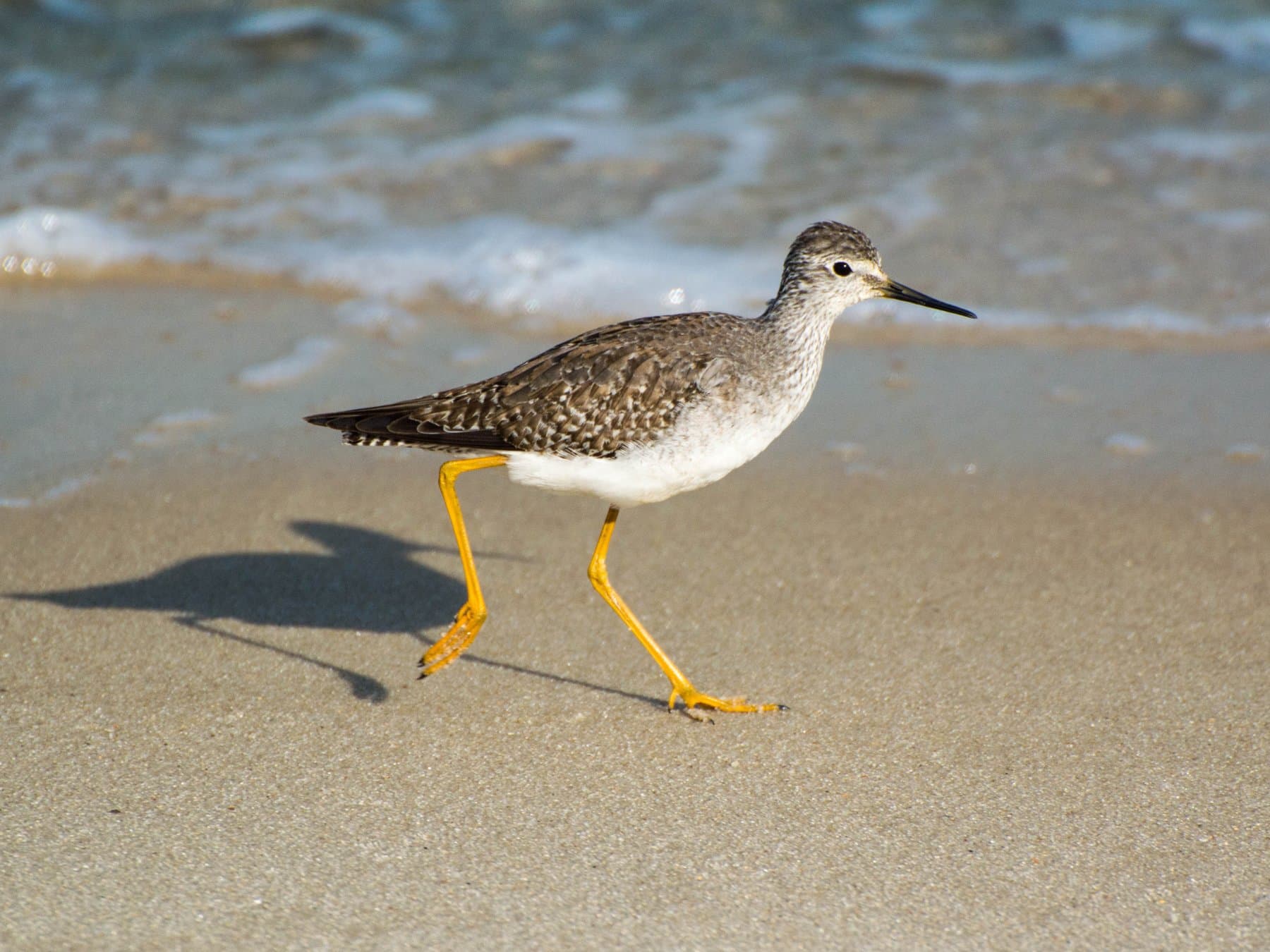
Lesser Yellowlegs
Tringa flavipesVU
A rare Nearctic wader occasionally turning up on spring passage. Any Devon record is exceptional and draws visiting birders to the county's coastal wetlands.
Apr