Rare Birds in Devon
95 species matching this filter.
Devon's diverse landscapes — from the rugged coastlines of Exmoor and the South Devon cliffs to the ancient woodlands of Dartmoor — provide occasional refuge for some of Britain's rarest bird species. With 91 rare species recorded in the county, patient observers may encounter elusive visitors such as the Great Grey Shrike, Arctic Jaeger, and Lesser Spotted Woodpecker. Devon's mix of estuaries, moorland, and sheltered valleys makes it a rewarding destination for birders hoping to add uncommon sightings to their lists.


Showing 24–46 of 95 species
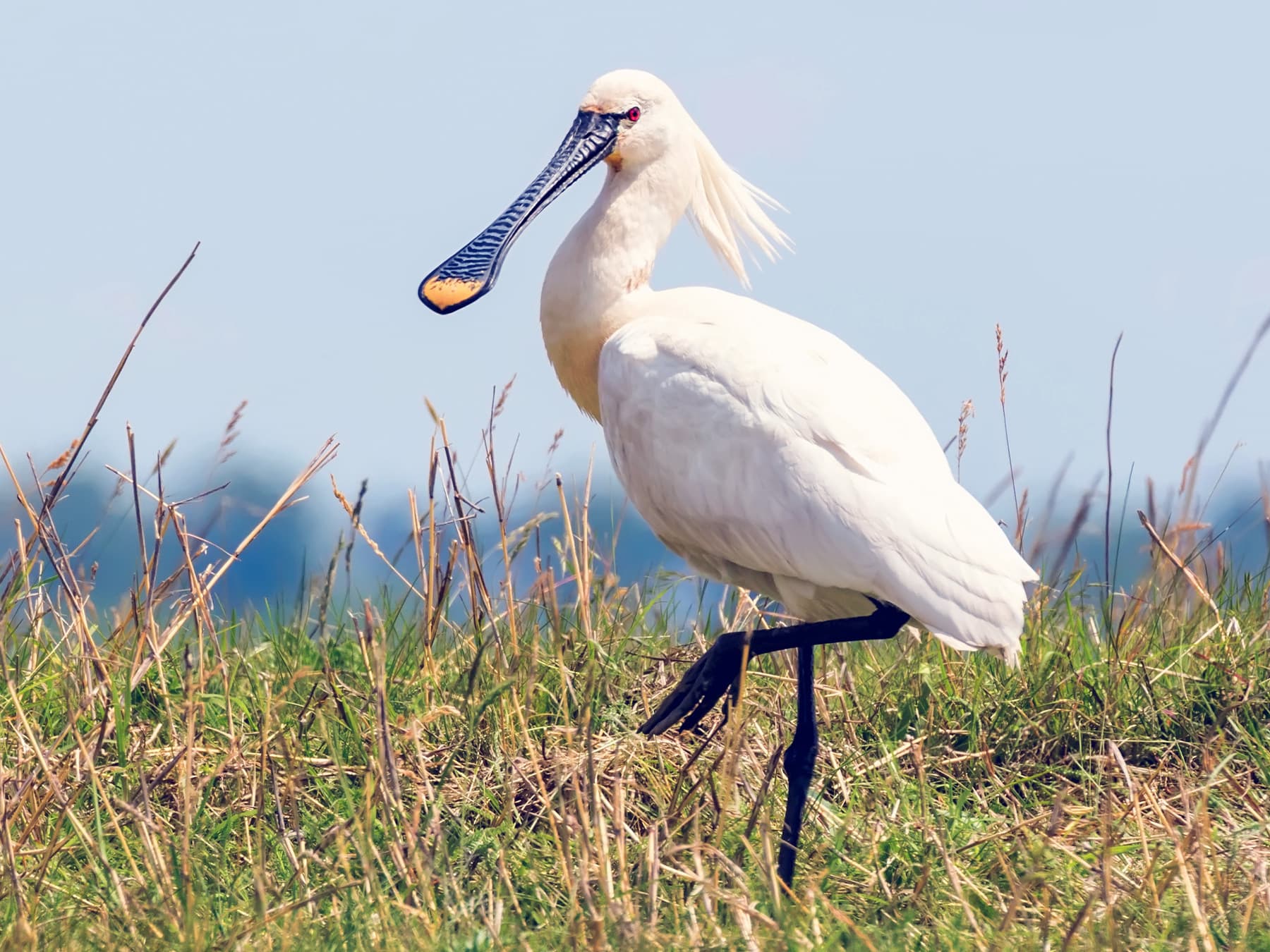
Eurasian Spoonbill
Platalea leucorodiaLC
A rare but increasingly regular visitor to Devon's estuaries, present in most months. Favours sites like the Exe Estuary.
Jun–Apr
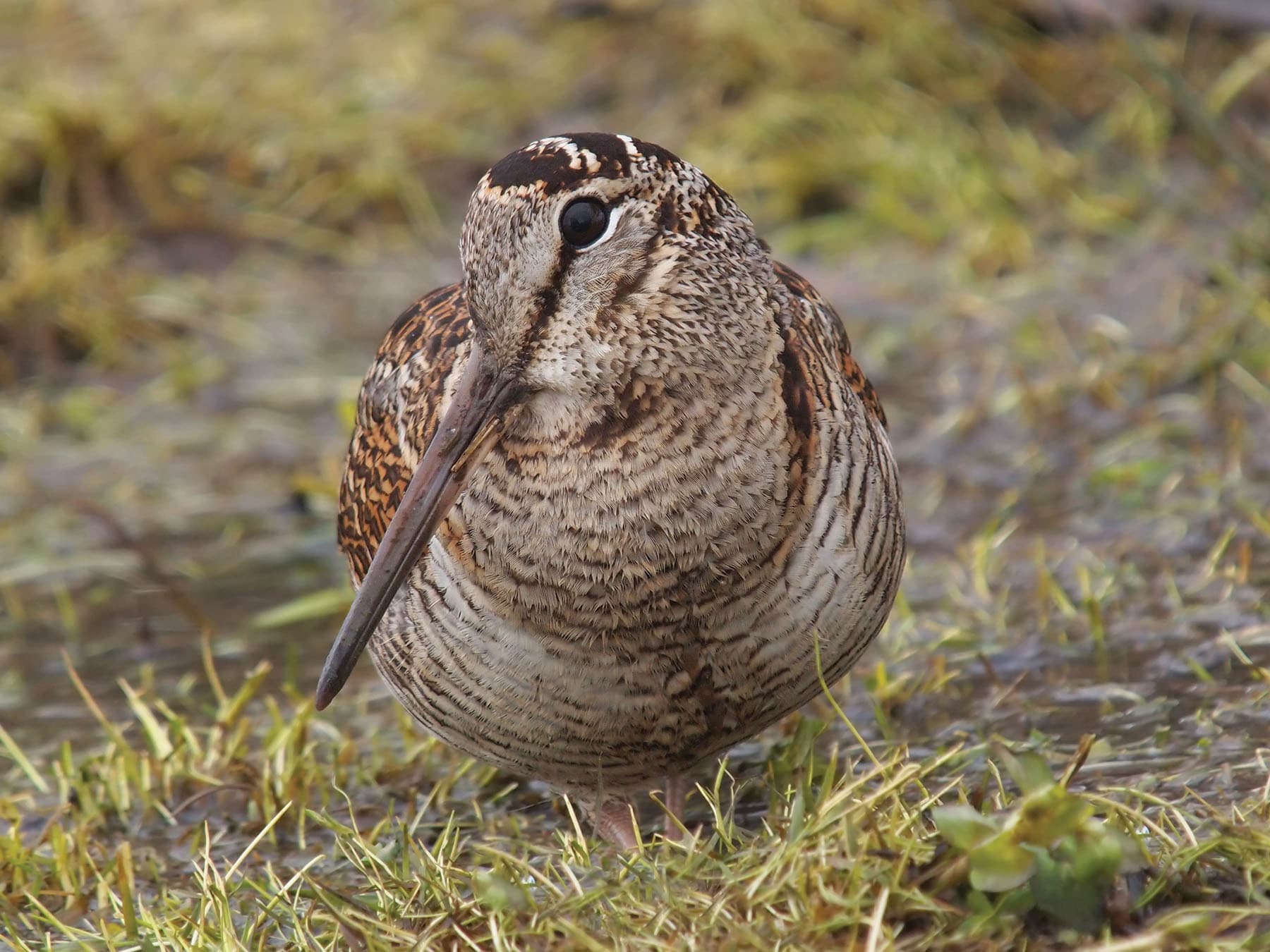
Eurasian Woodcock
Scolopax rusticolaLC
Winters in Devon's damp woodlands and hedgerows, often flushed unexpectedly from leaf litter. Most likely encountered during cold snaps from December to March.
Dec–Mar
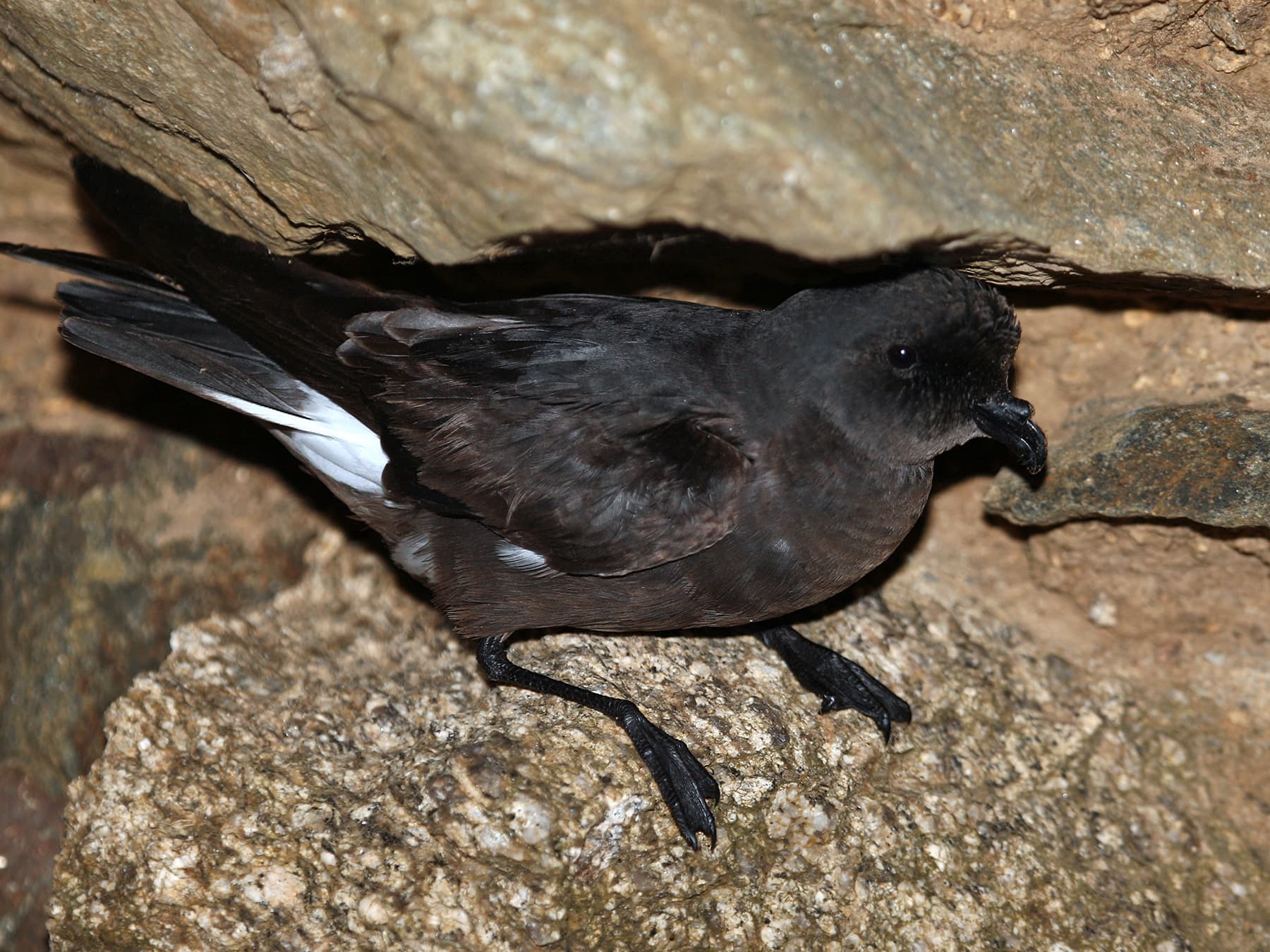
European Storm-petrel
Hydrobates pelagicusLC
A rare August passage visitor, occasionally seen from Devon's headlands during seawatches in stormy conditions off the south-west coast.
Aug
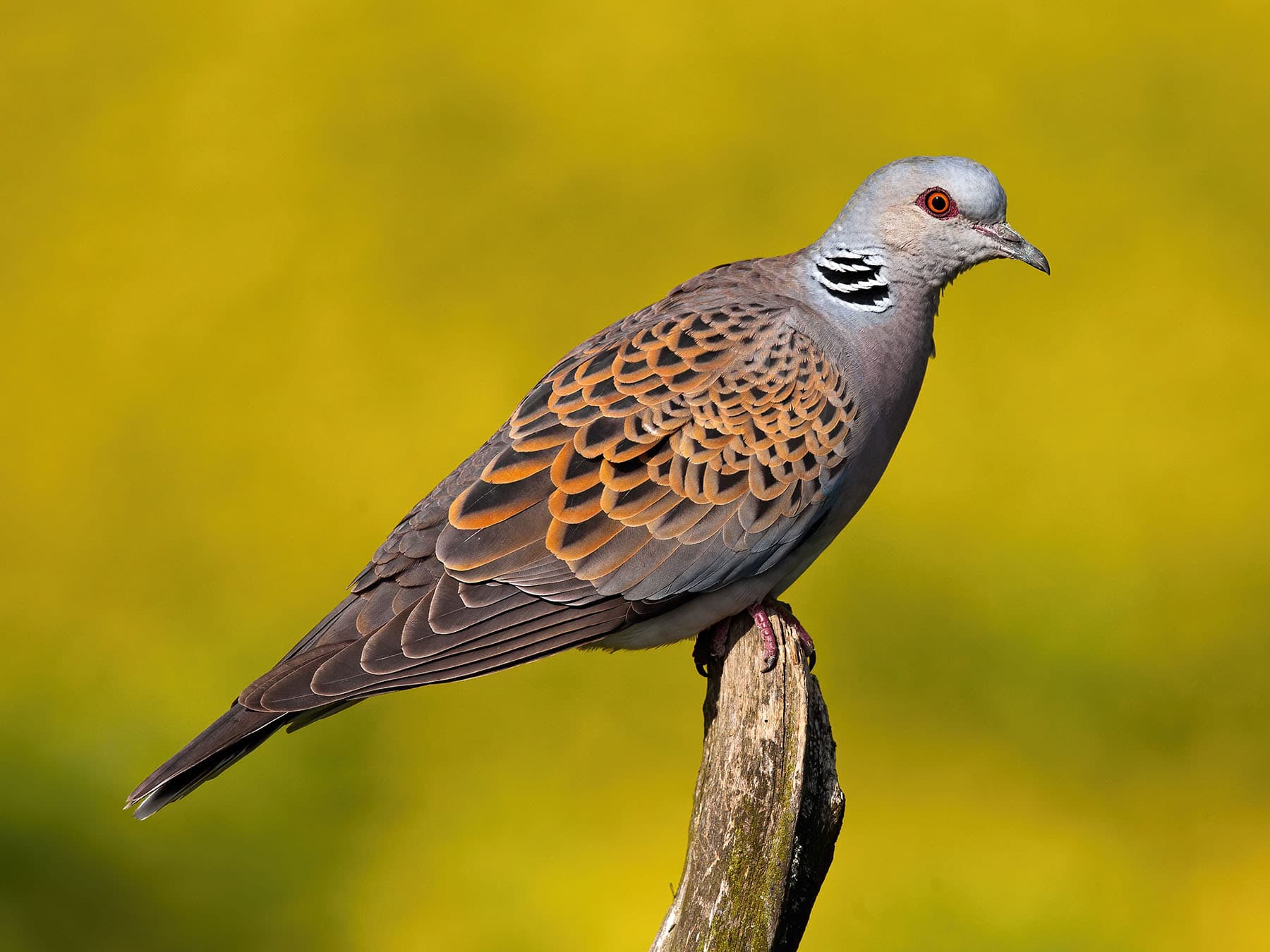
European Turtle-dove
Streptopelia turturVU
Now critically rare, occasionally recorded on spring passage in May. Devon lies on its declining migration route through southern England.
May
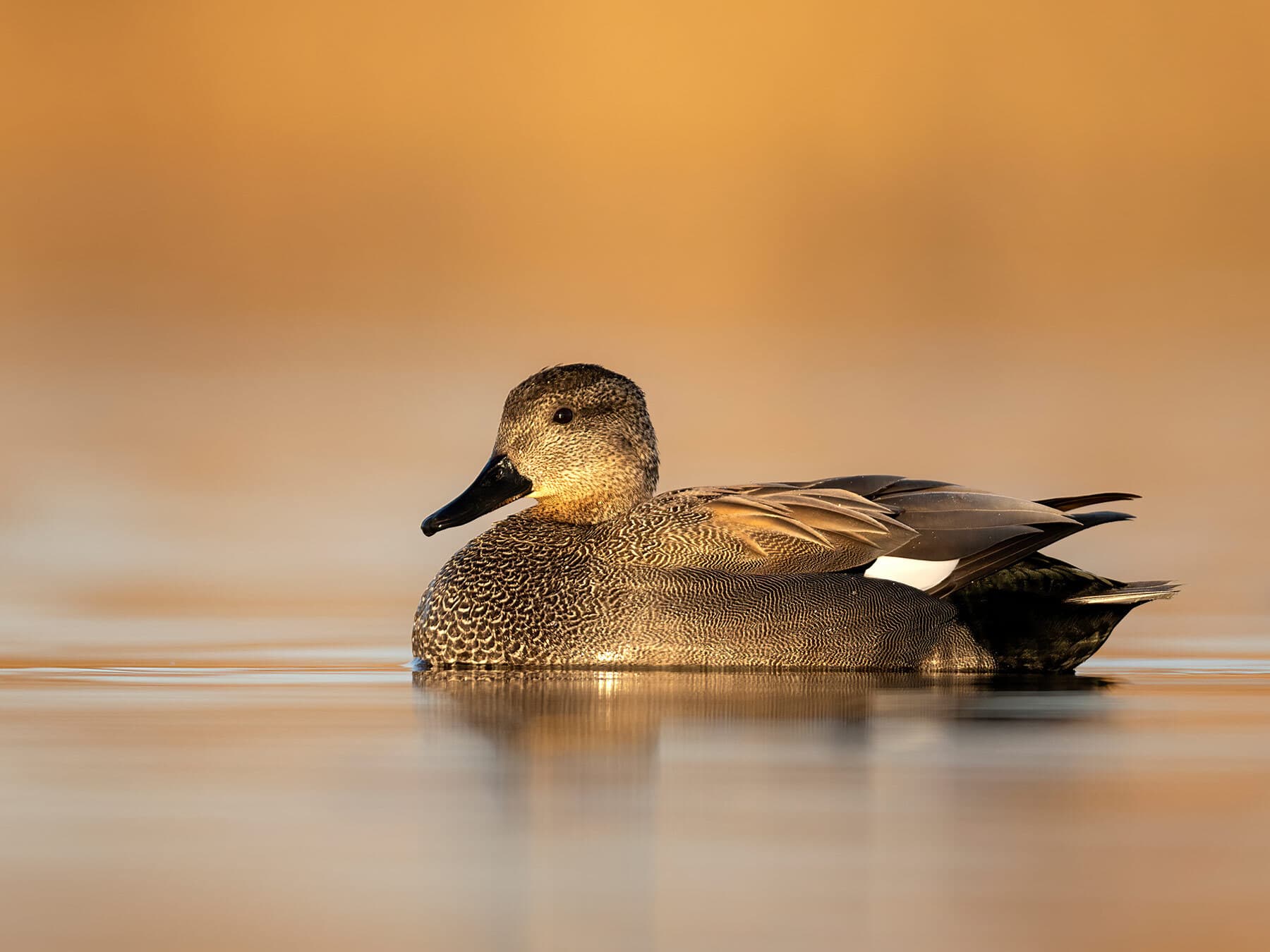
Gadwall
Mareca streperaLC
A rare year-round resident on Devon's freshwater lakes and marshes. Often overlooked among flocks of other dabbling ducks.
Year-round
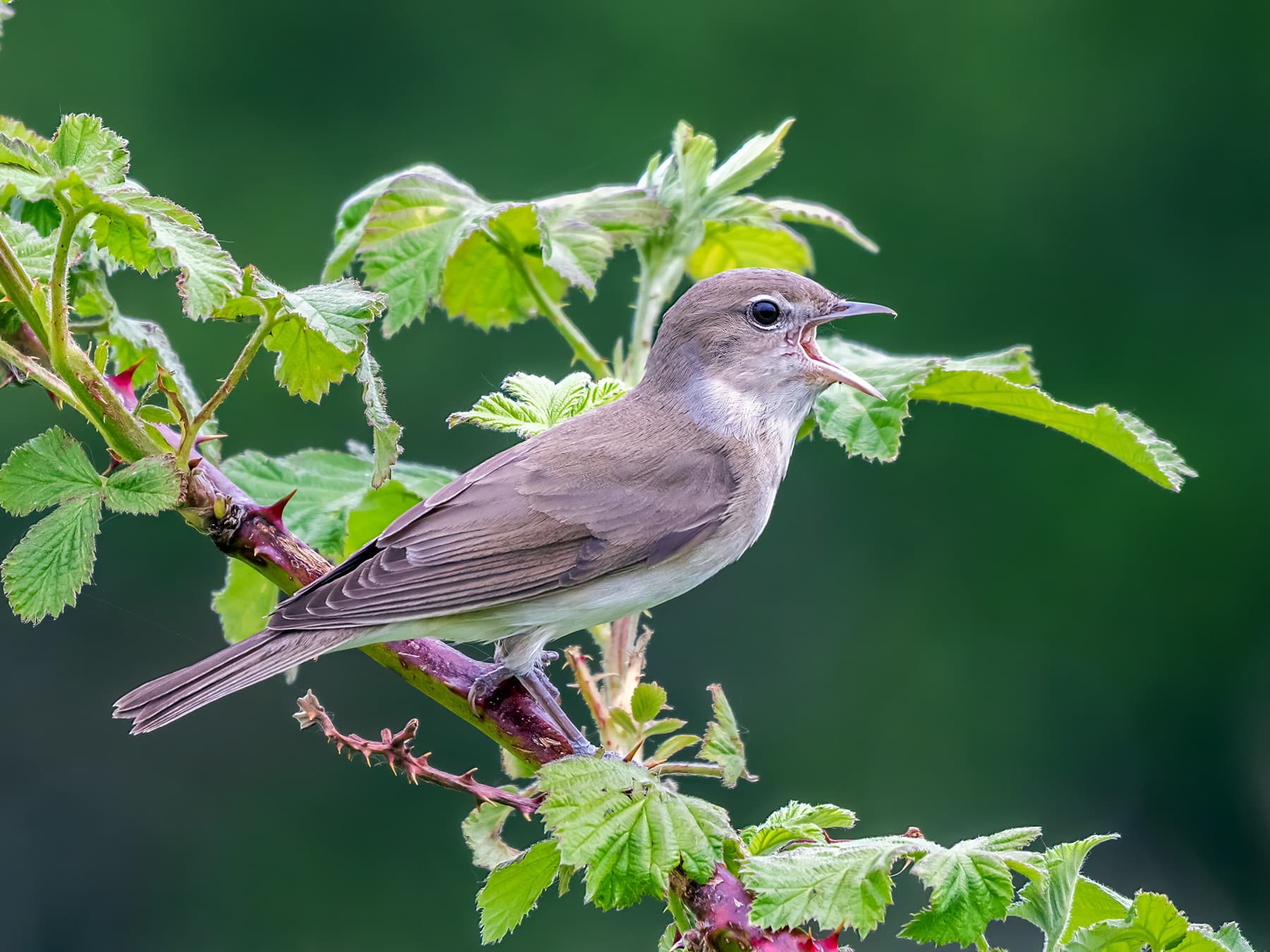
Garden Warbler
Sylvia borinLC
A rare and secretive summer breeder in dense scrubby woodland. Present from April to September, more often heard than seen.
Apr–Sep
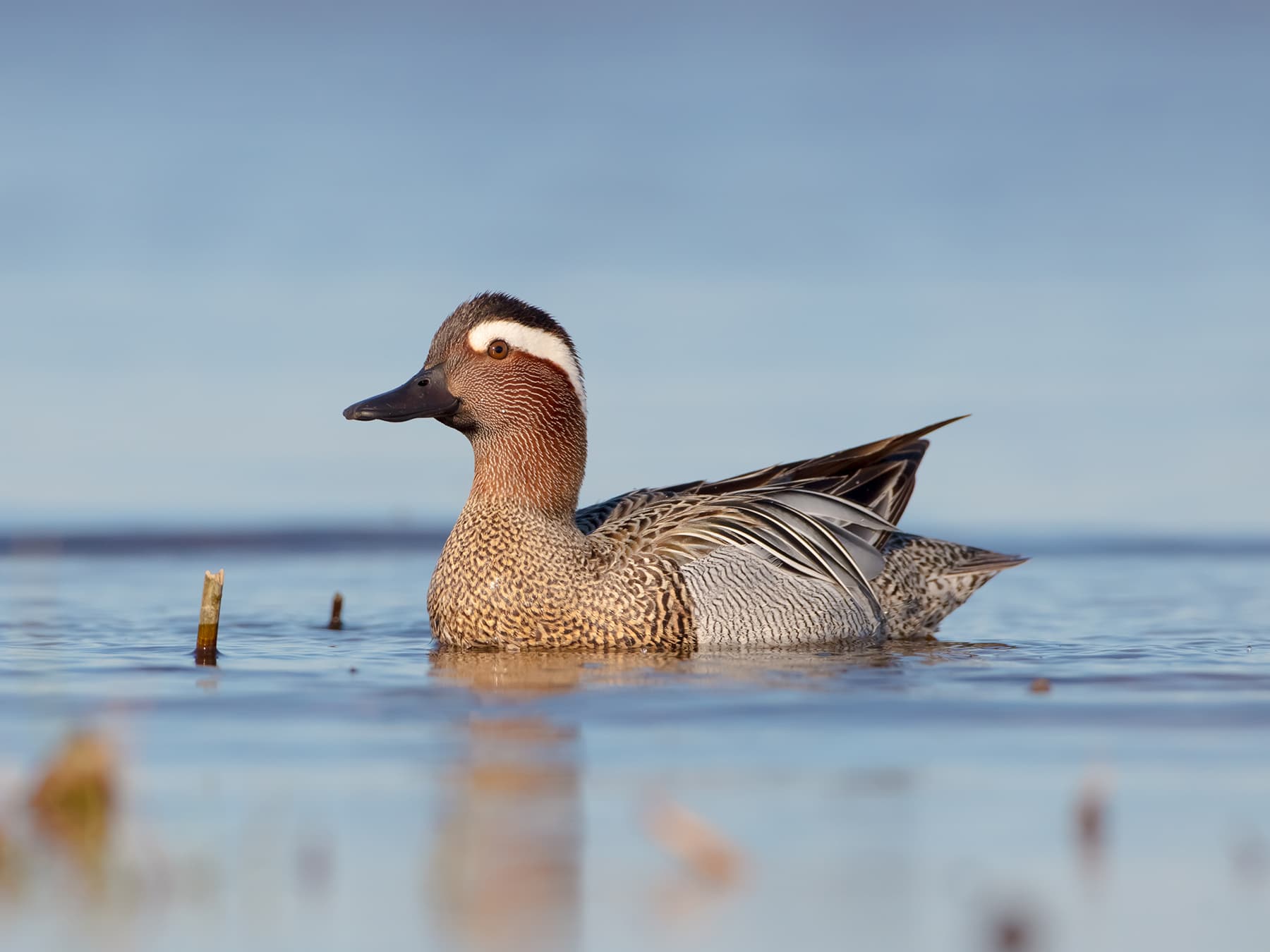
Garganey
Spatula querquedulaLC
A rare passage migrant, occasionally seen on Devon's freshwater marshes in spring and again in late summer.
Mar–Sep
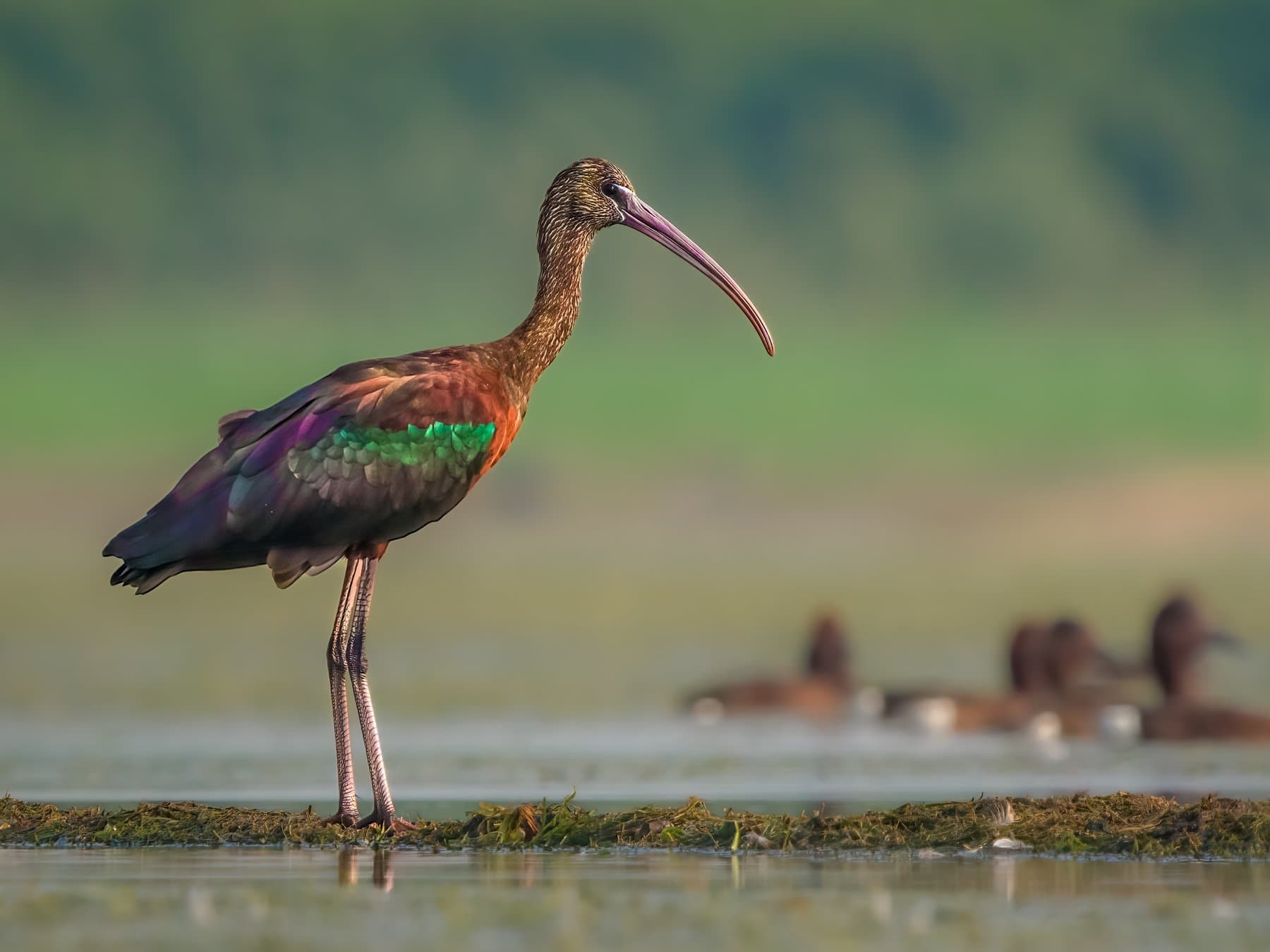
Glossy Ibis
Plegadis falcinellusLC
A rare non-breeding visitor to Devon's wetlands, appearing mainly in late summer and autumn on coastal marshes.
Aug–Feb
Spotted something?
Upload a photo to identify it
Identify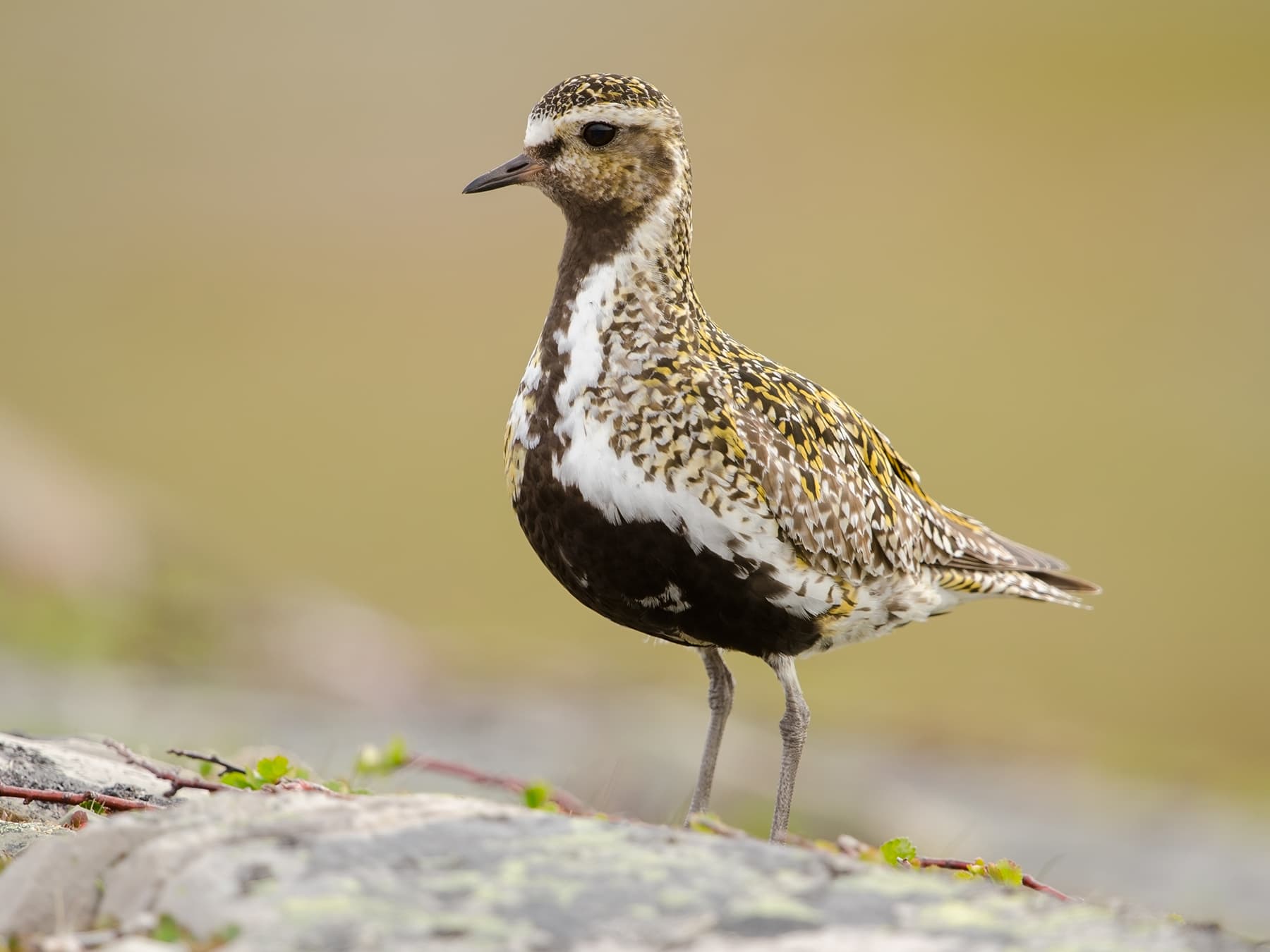
Golden Plover
Pluvialis apricariaLC
A rare non-breeding visitor to Devon's farmland and estuaries from autumn to spring. Flocks sometimes gather on wet pastures.
Sep–Mar
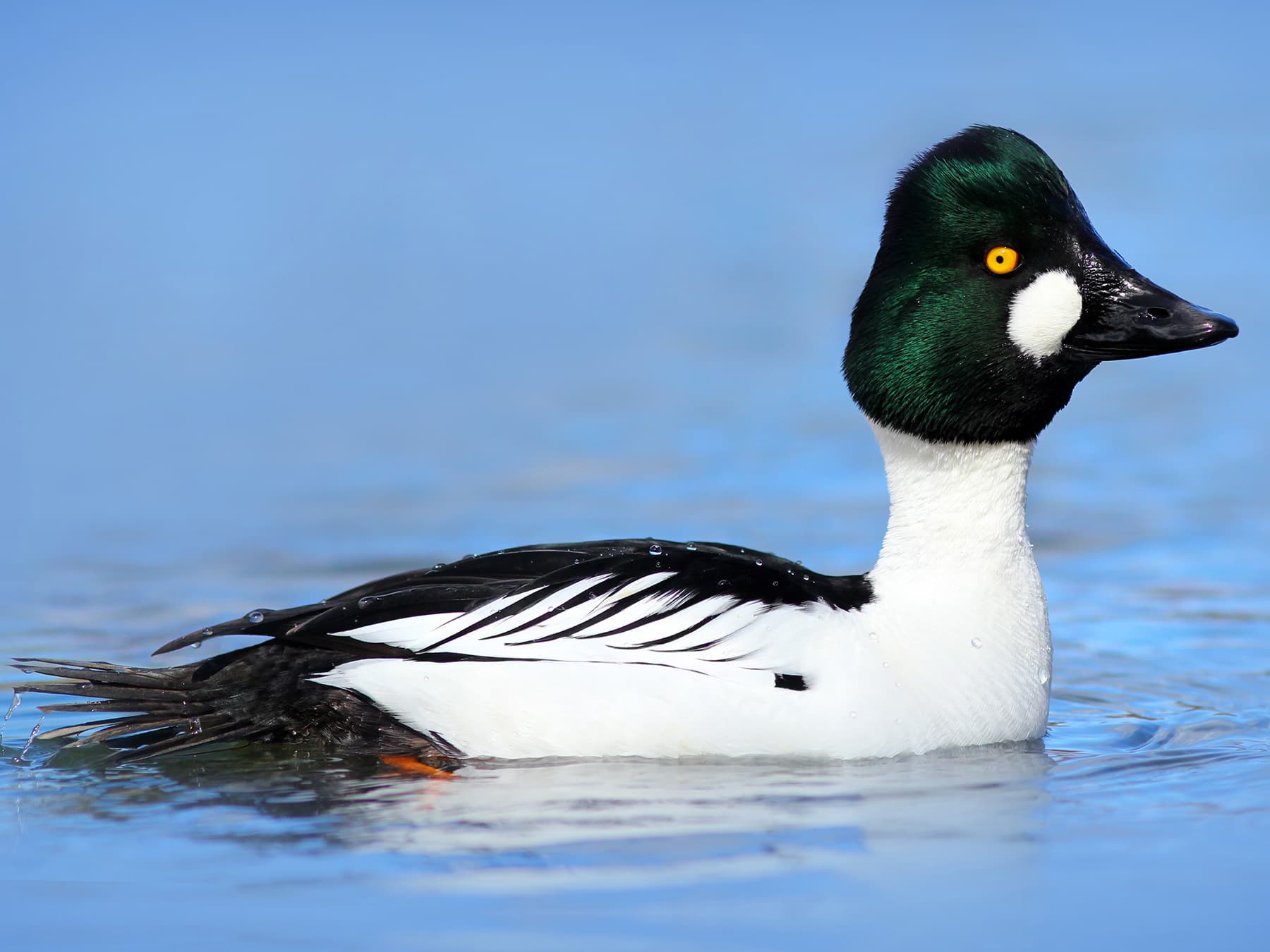
Goldeneye
Bucephala clangulaLC
Rare winter visitor to Devon's reservoirs and estuaries from November to March. The striking black-and-white males are easiest to spot.
Nov–Mar
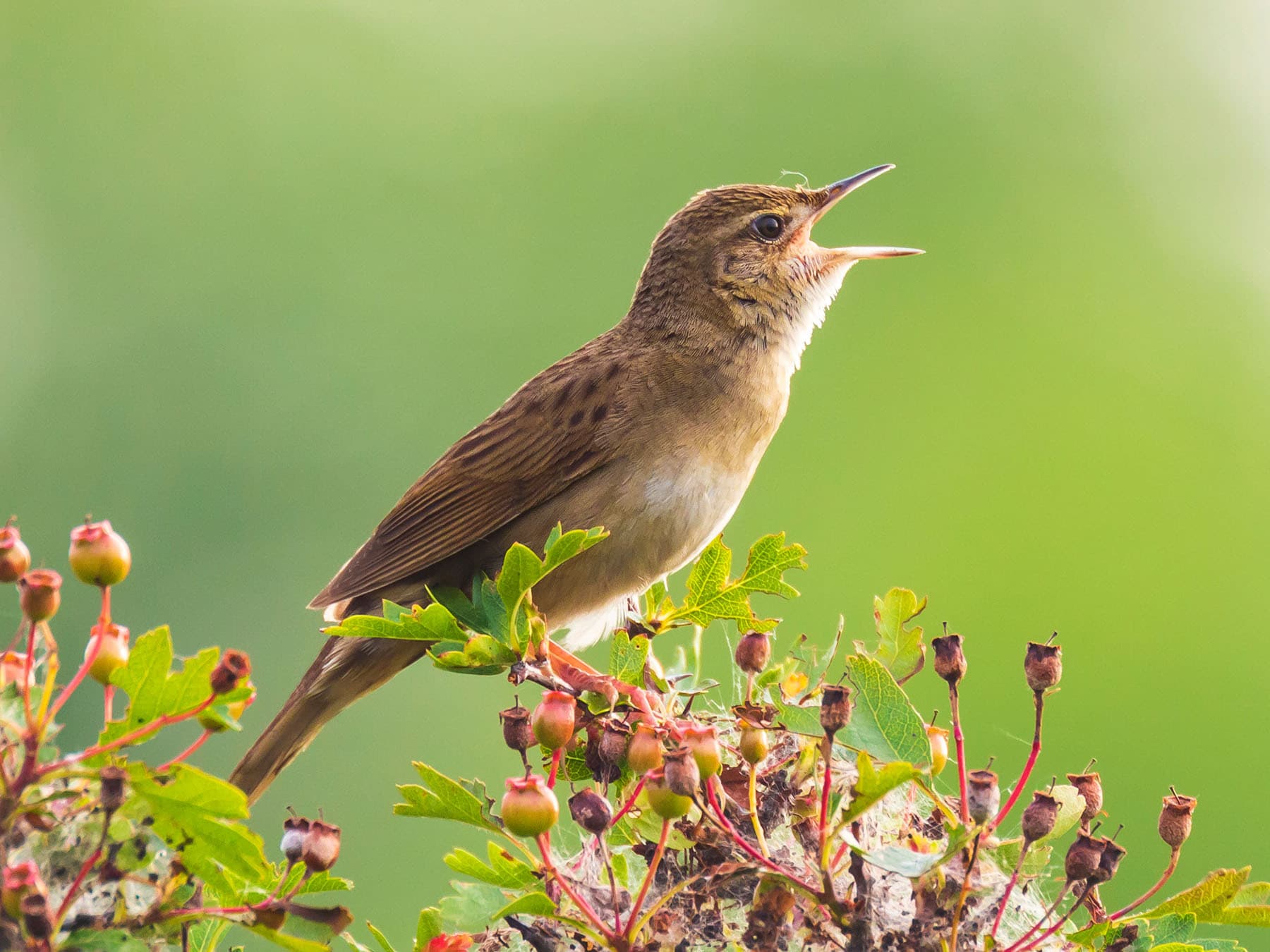
Grasshopper Warbler
Locustella naeviaLC
A rare passage visitor in spring, occasionally heard reeling from dense scrub on Devon's heathlands. Extremely skulking and difficult to observe.
Apr–May
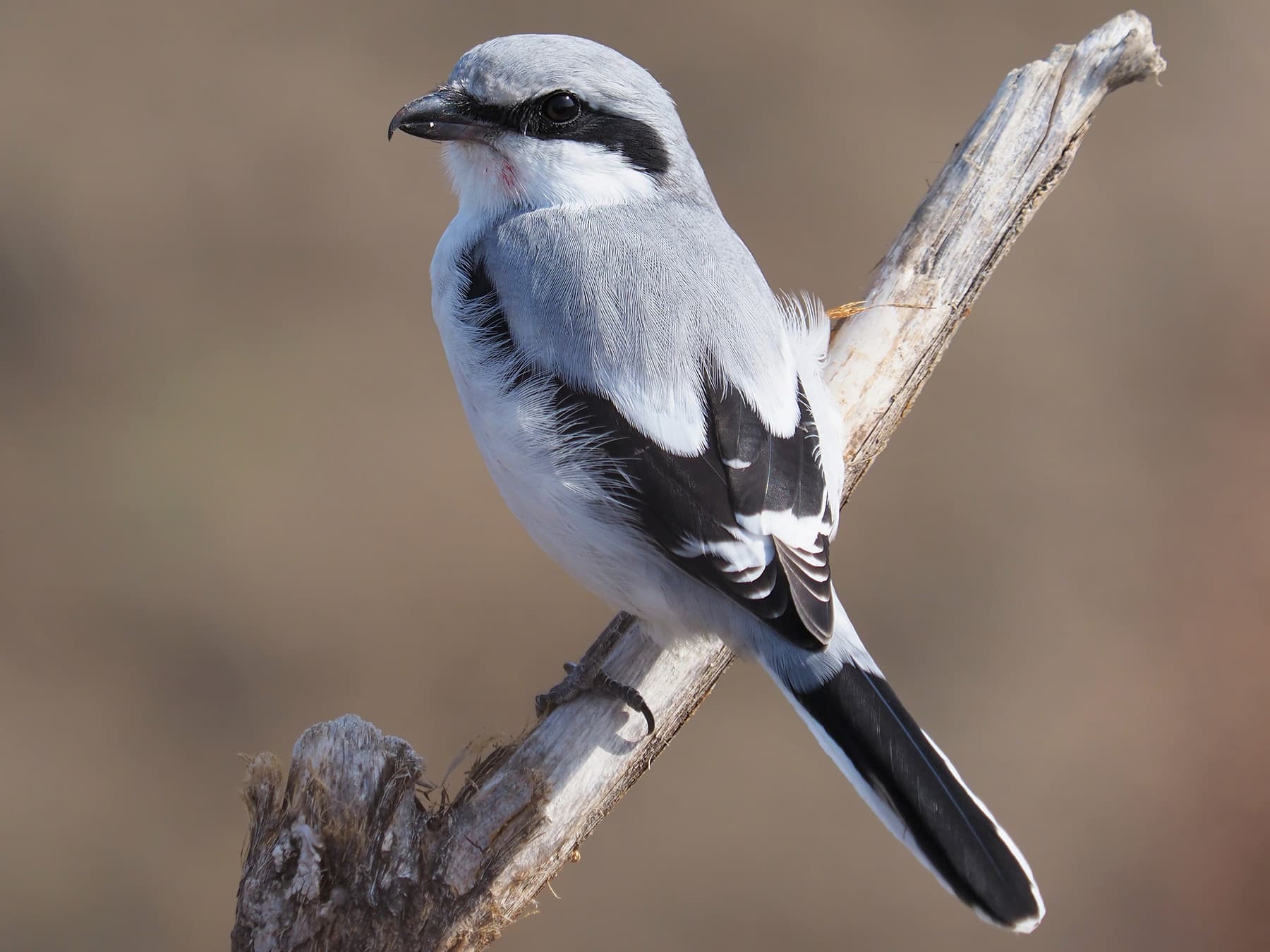
Great Grey Shrike
Lanius excubitorLC
A rare passage visitor, occasionally recorded on Devon's heathlands and open scrub in early spring. A scarce winter visitor to southern England.
Mar
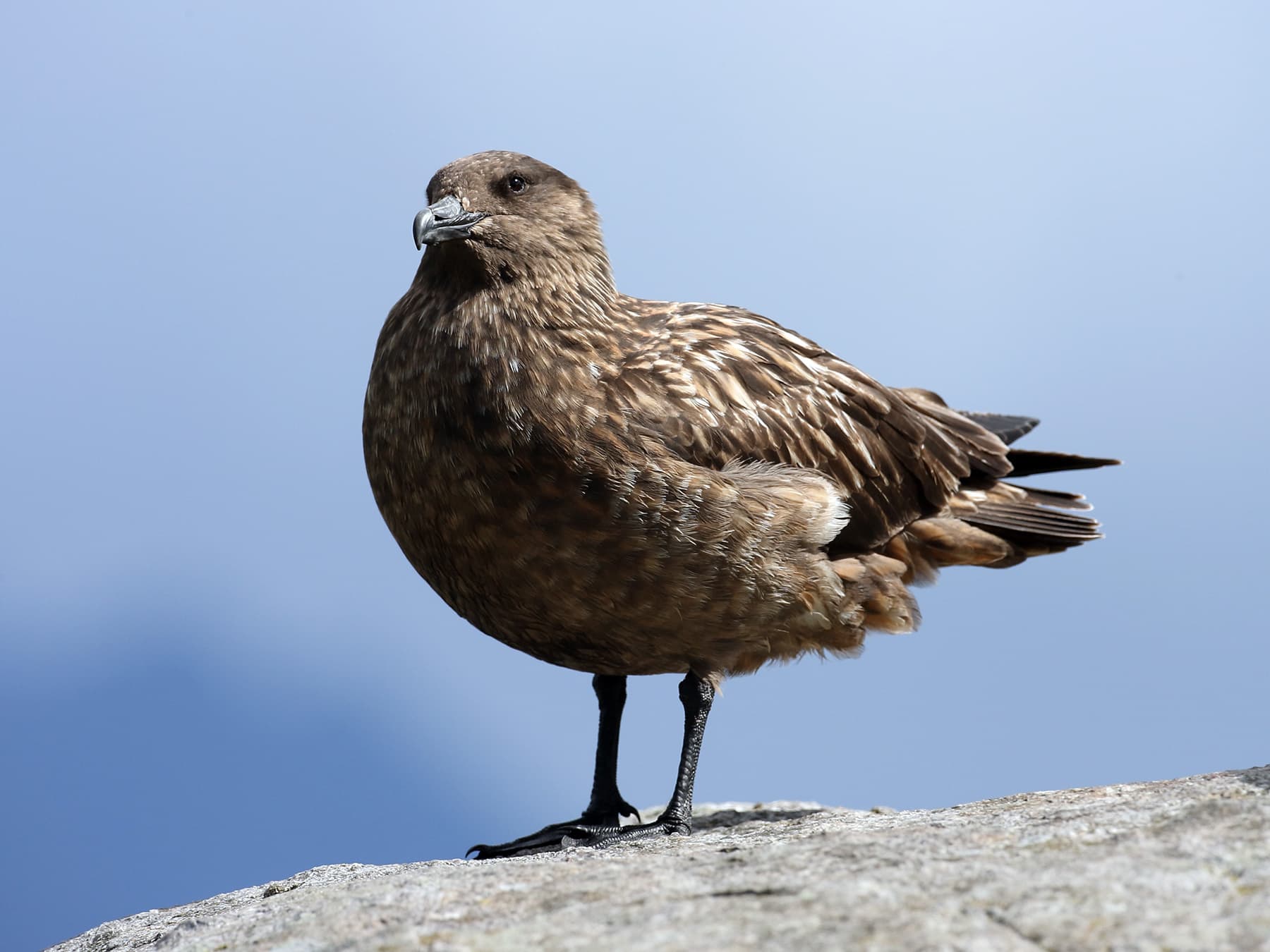
Great Skua
Catharacta skuaLC
Powerful and piratical, occasionally spotted from Devon headlands during autumn seawatches. Most likely in stormy conditions between August and October.
Aug–Oct
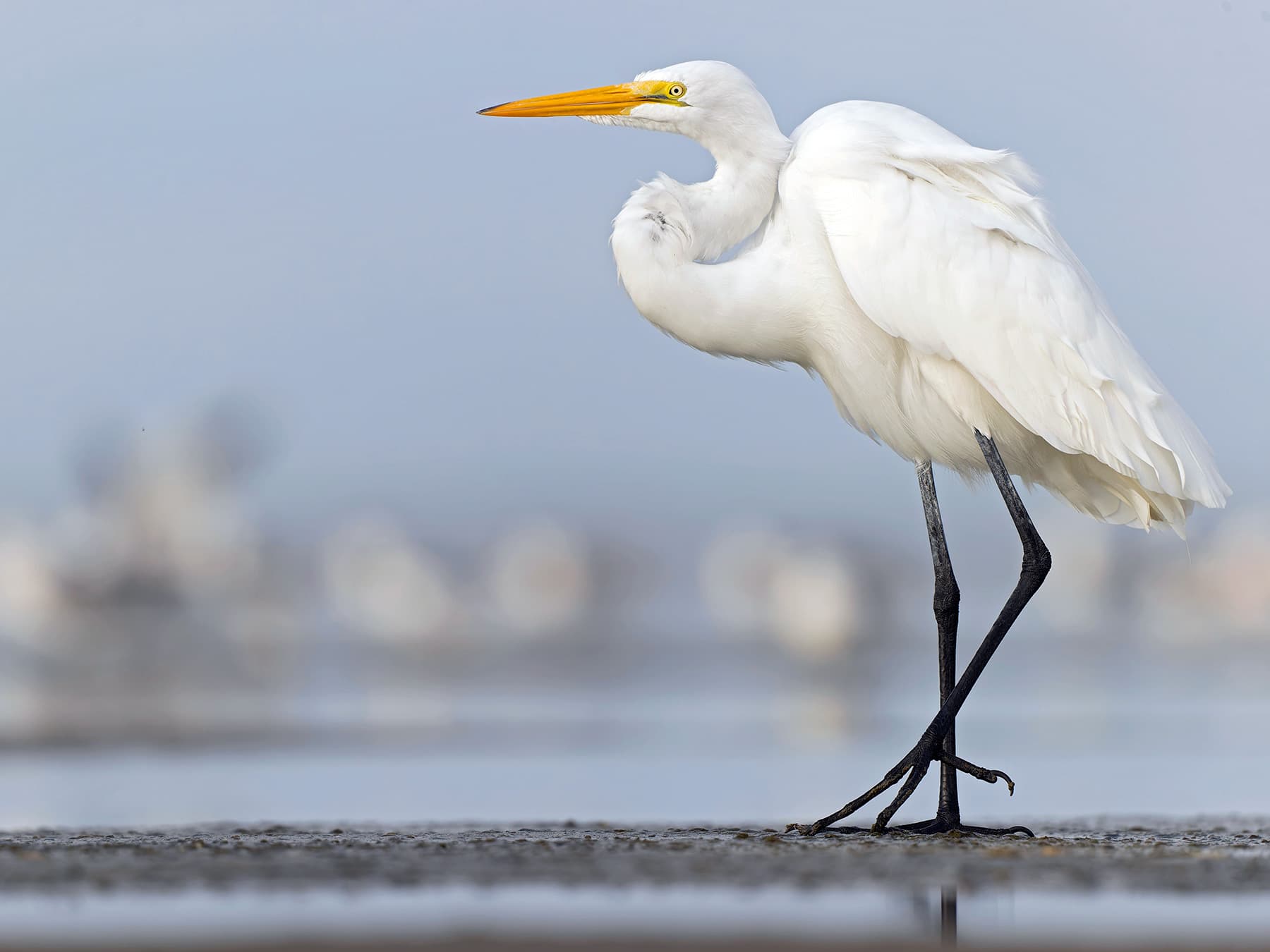
Great White Egret
Ardea albaLC
An increasingly regular rare visitor to Devon's wetlands and estuaries, reflecting the species' ongoing expansion across southern England.
Jun–Apr
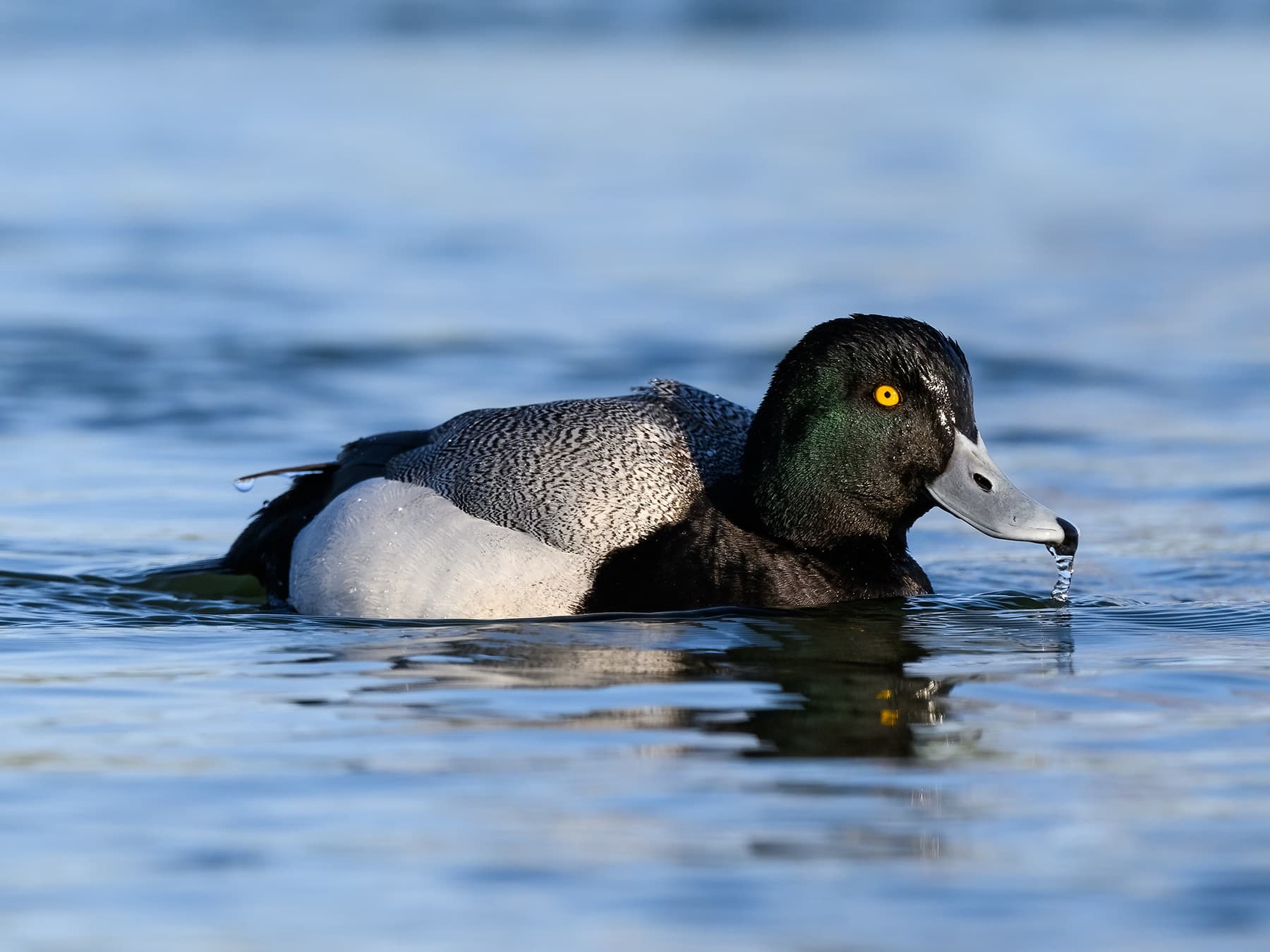
Greater Scaup
Aythya marilaLC
A rare winter visitor to Devon's estuaries and sheltered coastal waters, most likely between November and March.
Nov–Mar
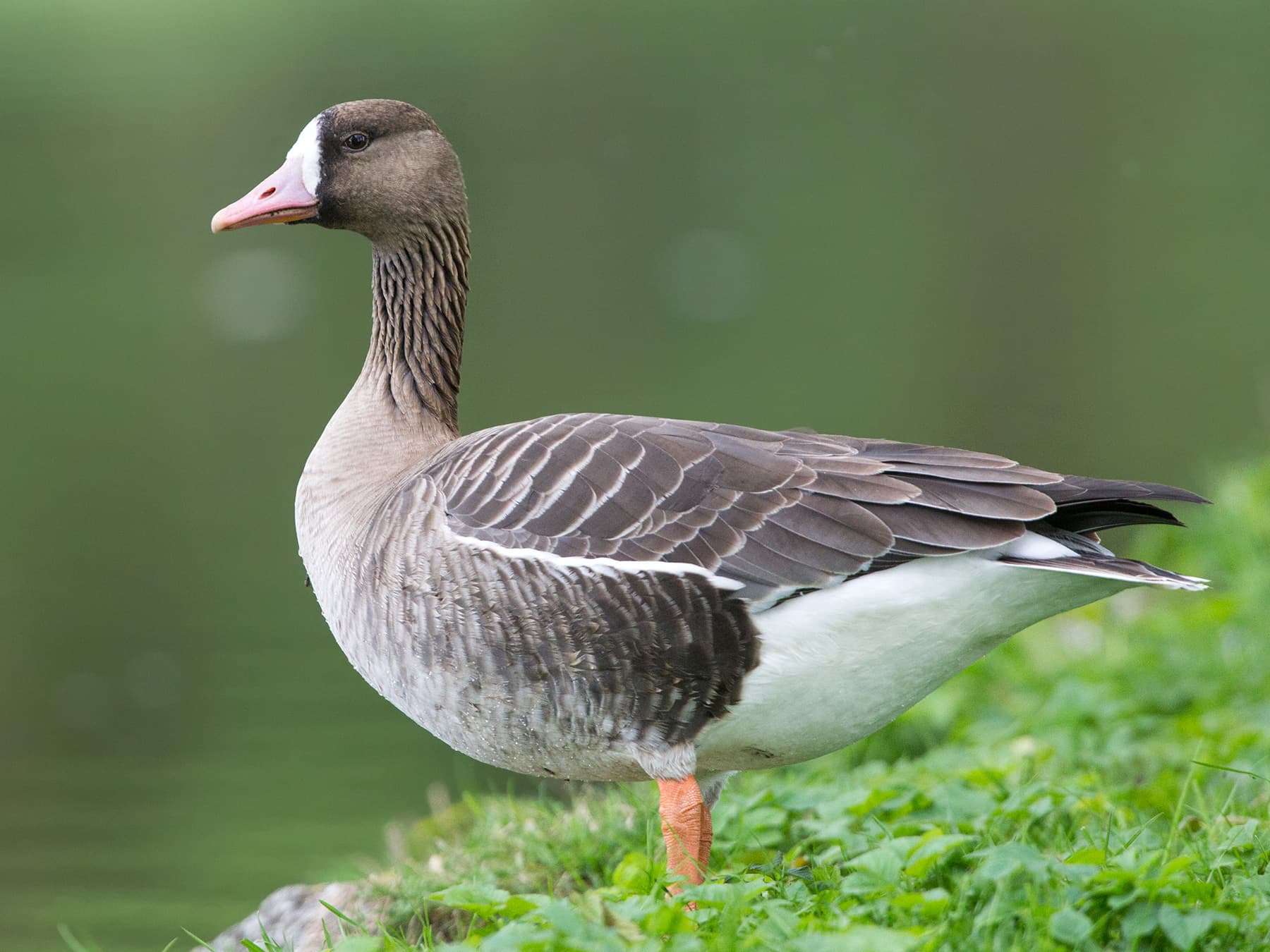
Greater White-fronted Goose
Anser albifronsLC
A rare winter visitor, occasionally turning up on Devon's estuaries and coastal grazing marshes in midwinter cold snaps.
Dec–Jan
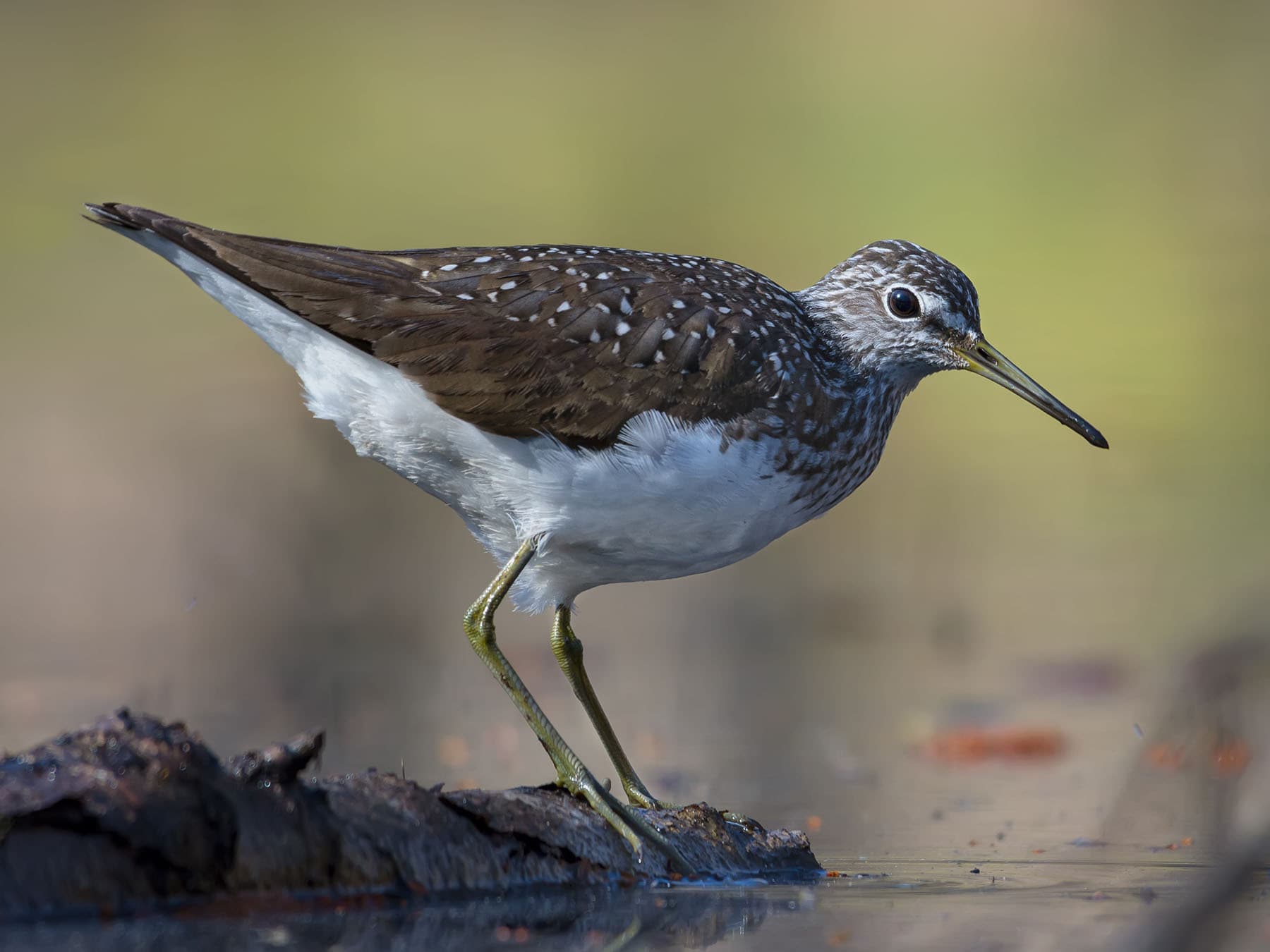
Green Sandpiper
Tringa ochropusLC
A scarce but regular visitor to freshwater pools, ditches and watercress beds. Most often seen during return migration in July–August and again in winter.
Jul–Apr
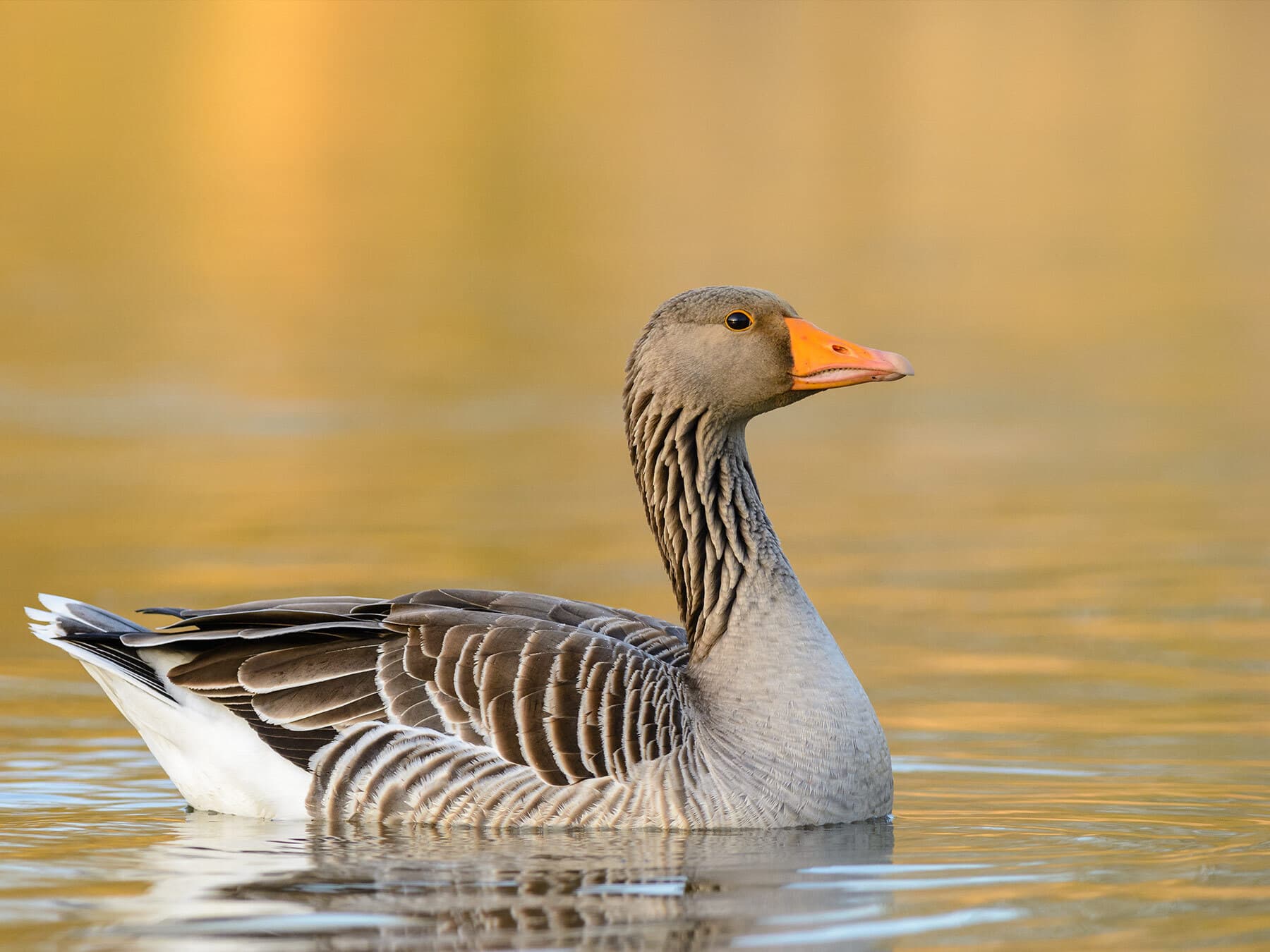
Greylag Goose
Anser anserLC
A rare year-round resident found on Devon's estuaries, lakes and farmland. Both feral and genuinely wild birds occur.
Year-round
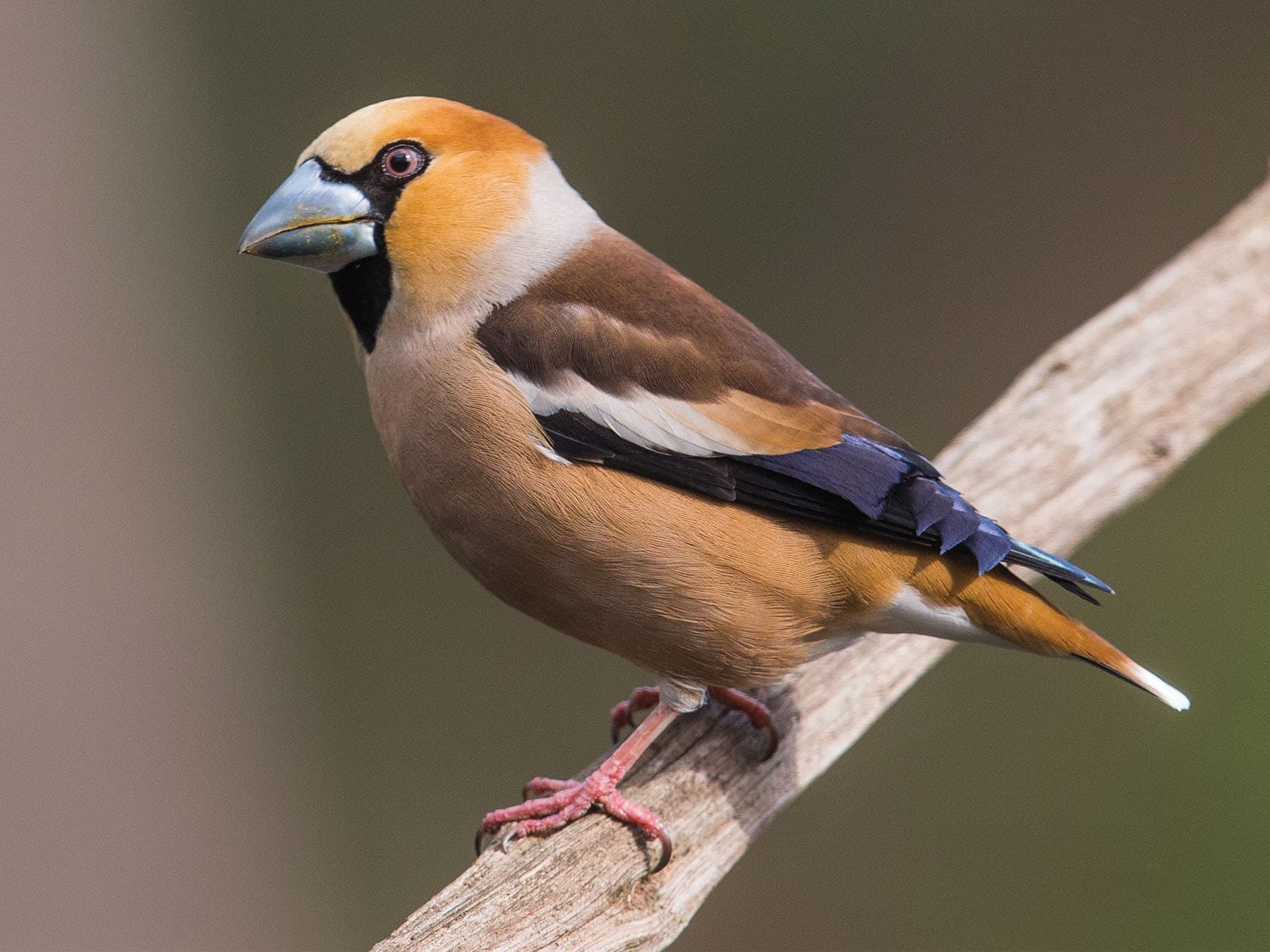
Hawfinch
Coccothraustes coccothraustesLC
A rare and elusive passage visitor, most likely recorded in November during continental irruptions into Devon's mature woodlands.
Nov
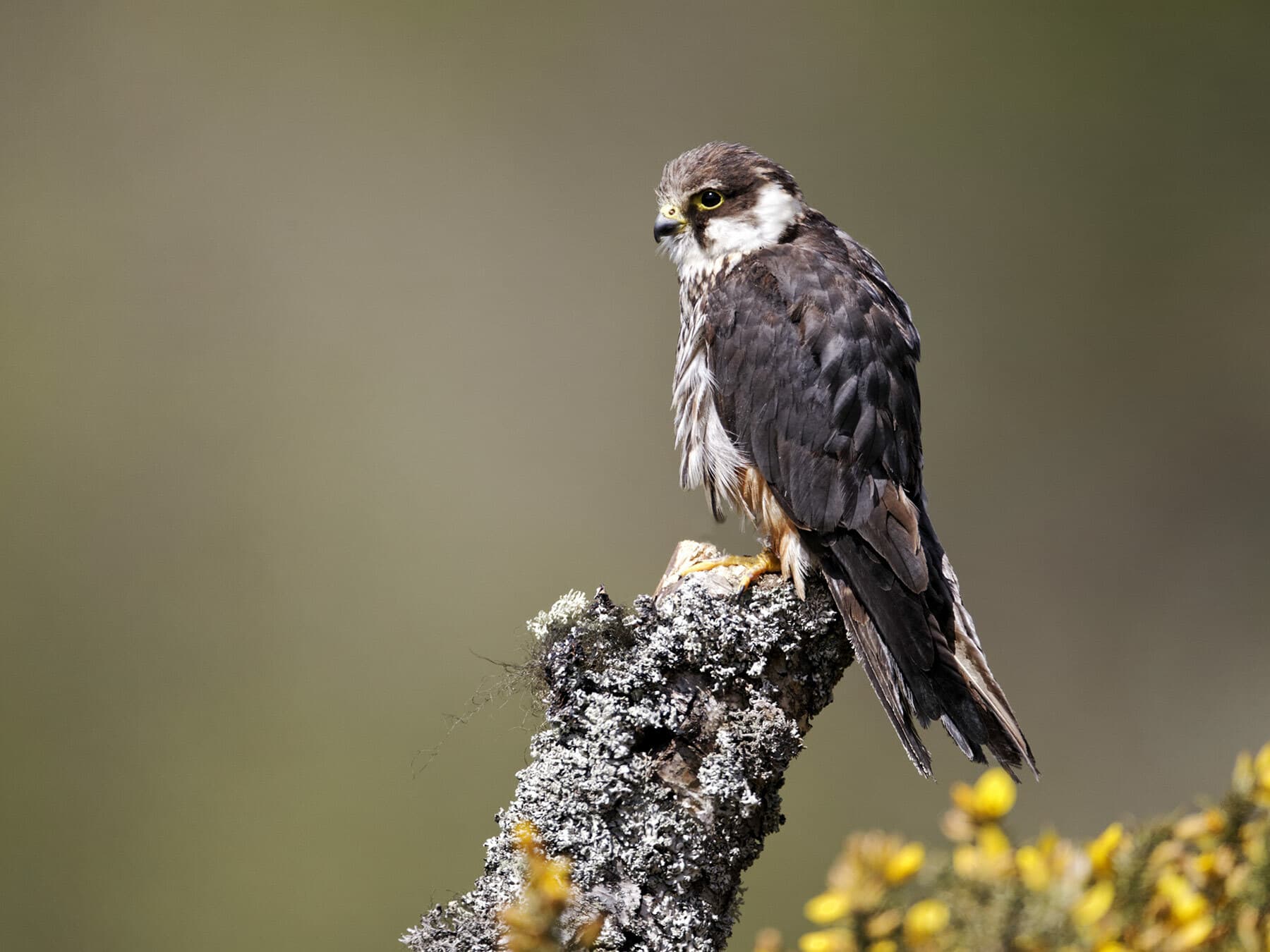
Hobby
Falco subbuteoLC
A rare summer breeder arriving in April, hunting dragonflies over Devon's heathlands and wetlands. Departs by October for African wintering grounds.
Apr–Oct
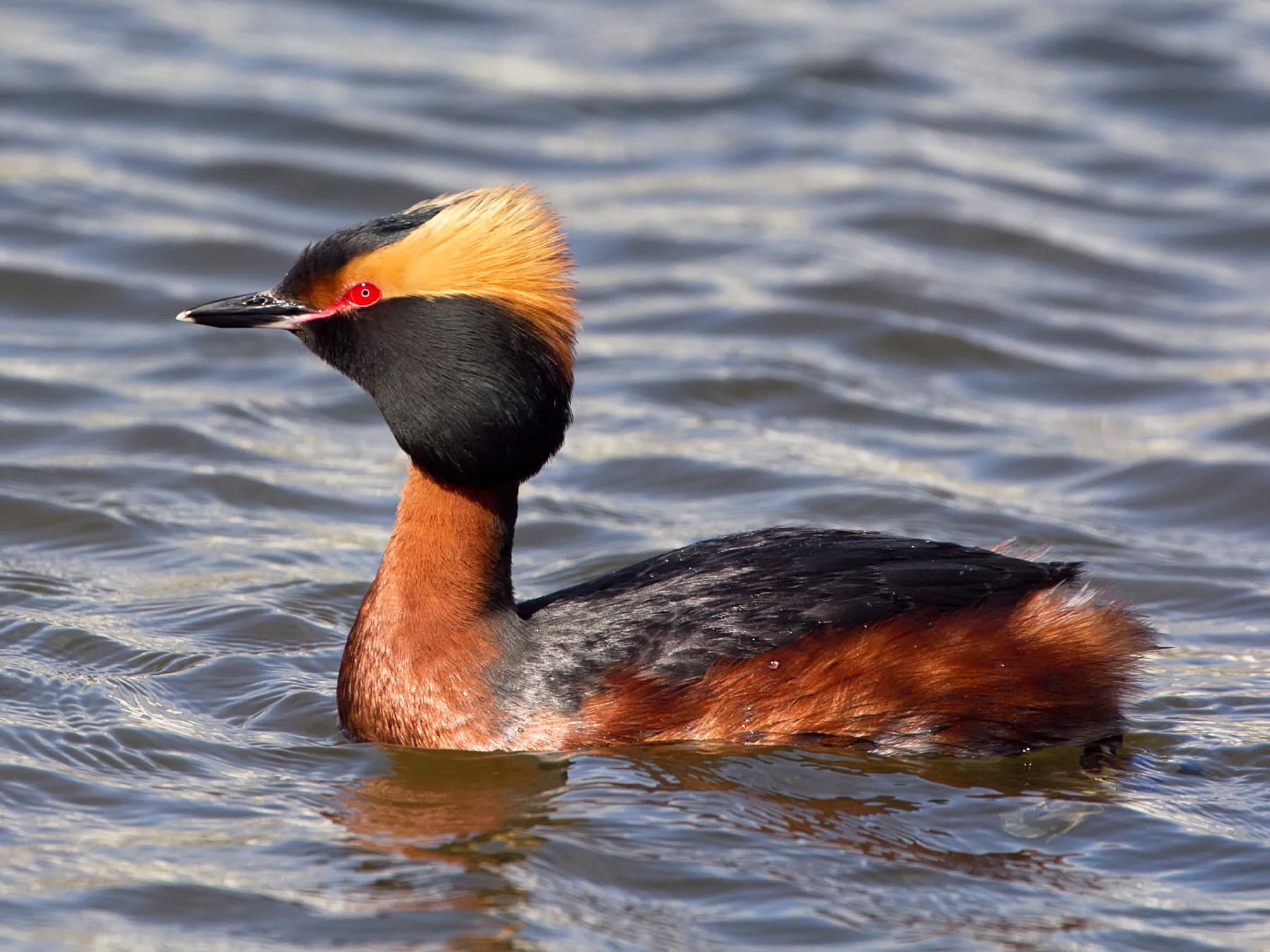
Horned Grebe
Podiceps auritusVU
A rare non-breeding visitor from November to March. Favours sheltered estuaries and coastal bays, often in winter plumage.
Nov–Mar
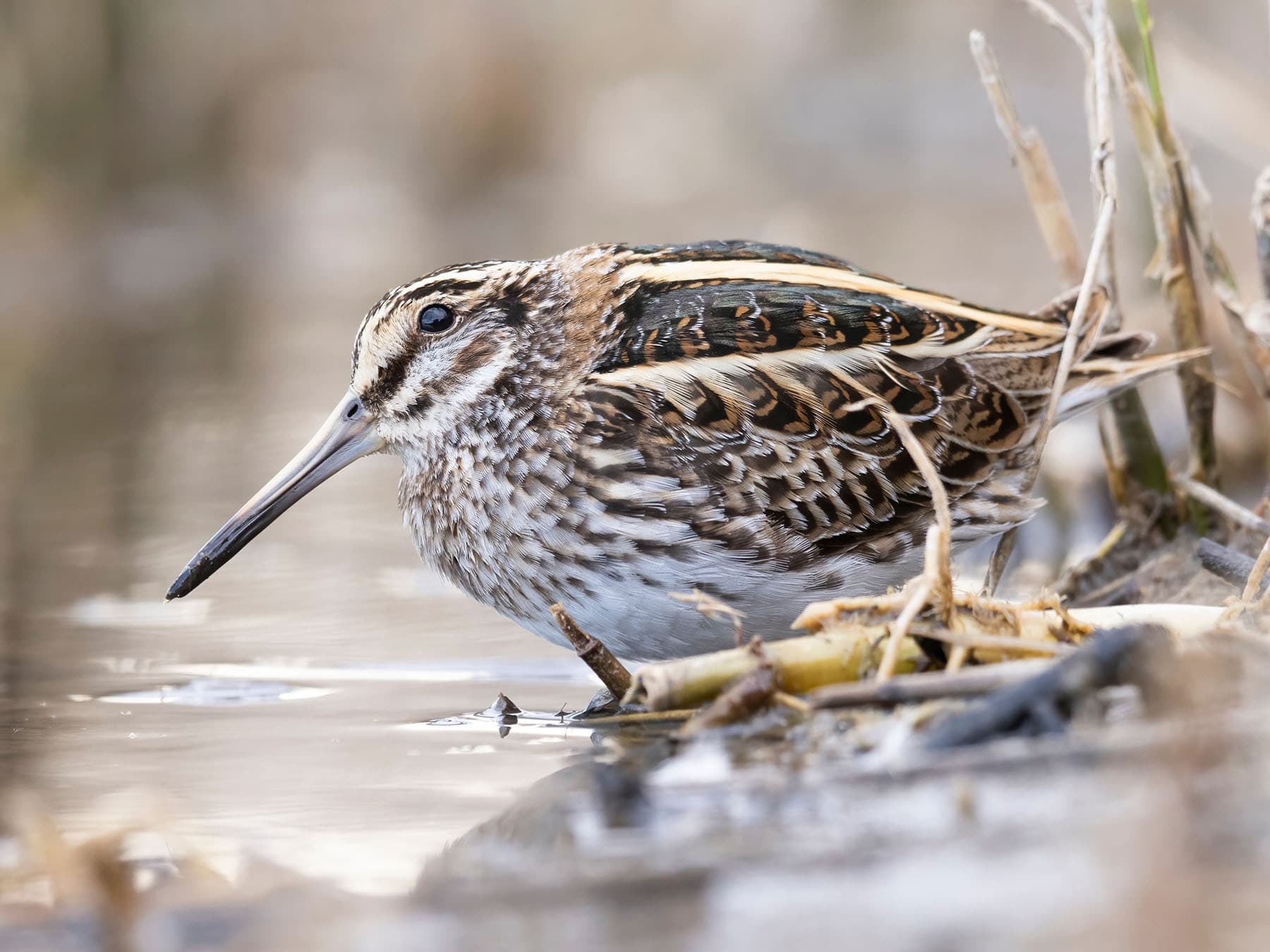
Jack Snipe
Lymnocryptes minimusLC
A secretive winter visitor to boggy marshes and wet meadows. Easily overlooked due to its skulking habits, typically flushing only at very close range.
Dec
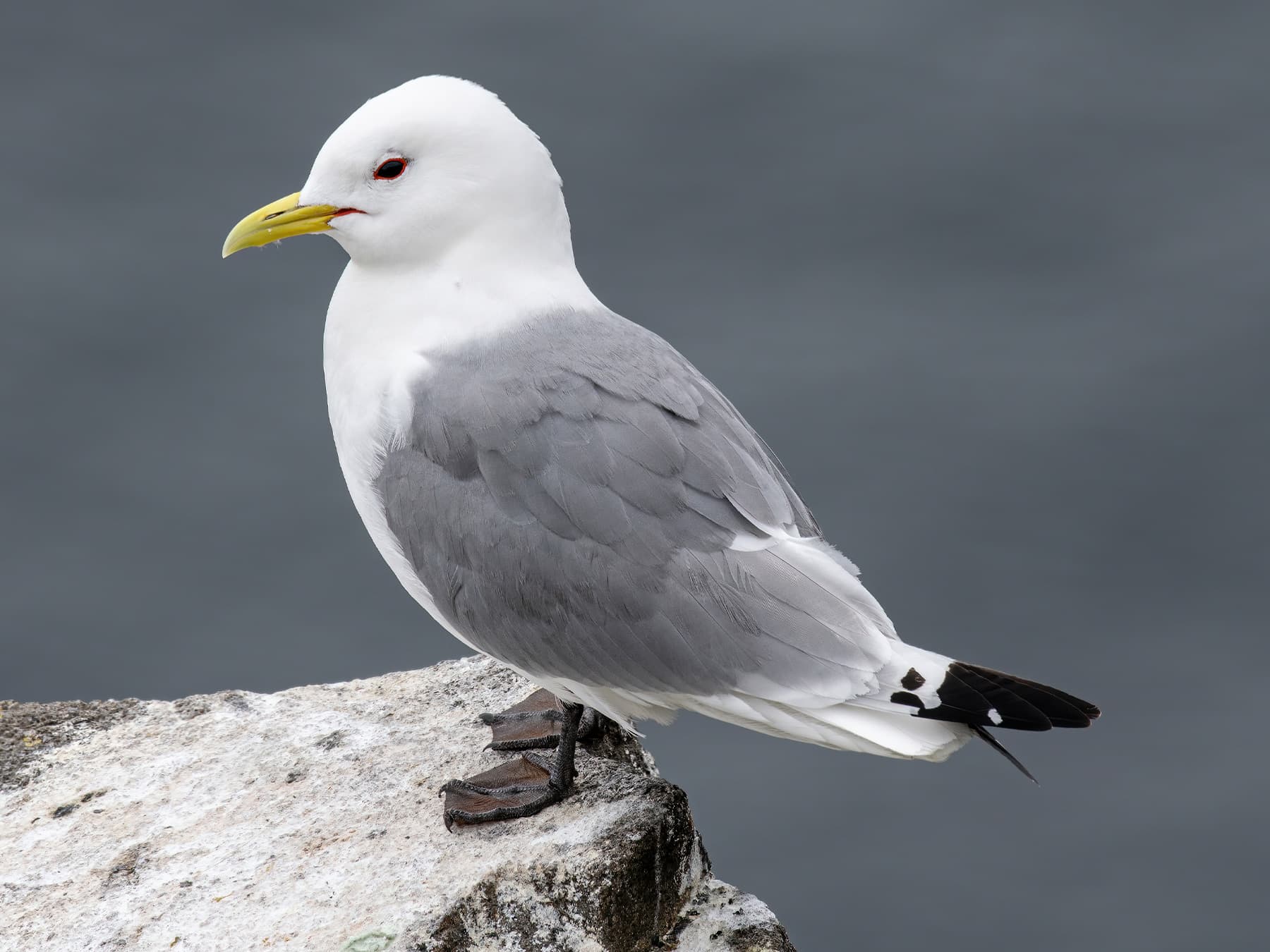
Kittiwake
Rissa tridactylaVU
Breeds on Devon's sea cliffs, notably at Lundy and Berry Head. Numbers are declining nationally, making local colonies increasingly important.
Year-round