Birds in Derbyshire
Explore 169 species found in this region.
Derbyshire is a wonderfully diverse county for birdwatching, with 168 species recorded across its varied landscapes of Peak District moorlands, limestone dales, reservoirs, and lowland farmland. From the elegant Northern Lapwing displaying over upland fields to the striking Great Grey Shrike on rare winter visits, the county offers rewarding birding throughout the year. Notable species include Eurasian Woodcock in its ancient woodlands, Common Merganser along its rivers, and the eye-catching Mandarin Duck, which has established a growing presence in the region.
Visiting in July? Look out for Barnacle Goose and Black-tailed Godwit arriving this month, and Common Quail and Long-eared Owl depart for the season.


Showing 93–115 of 169 species
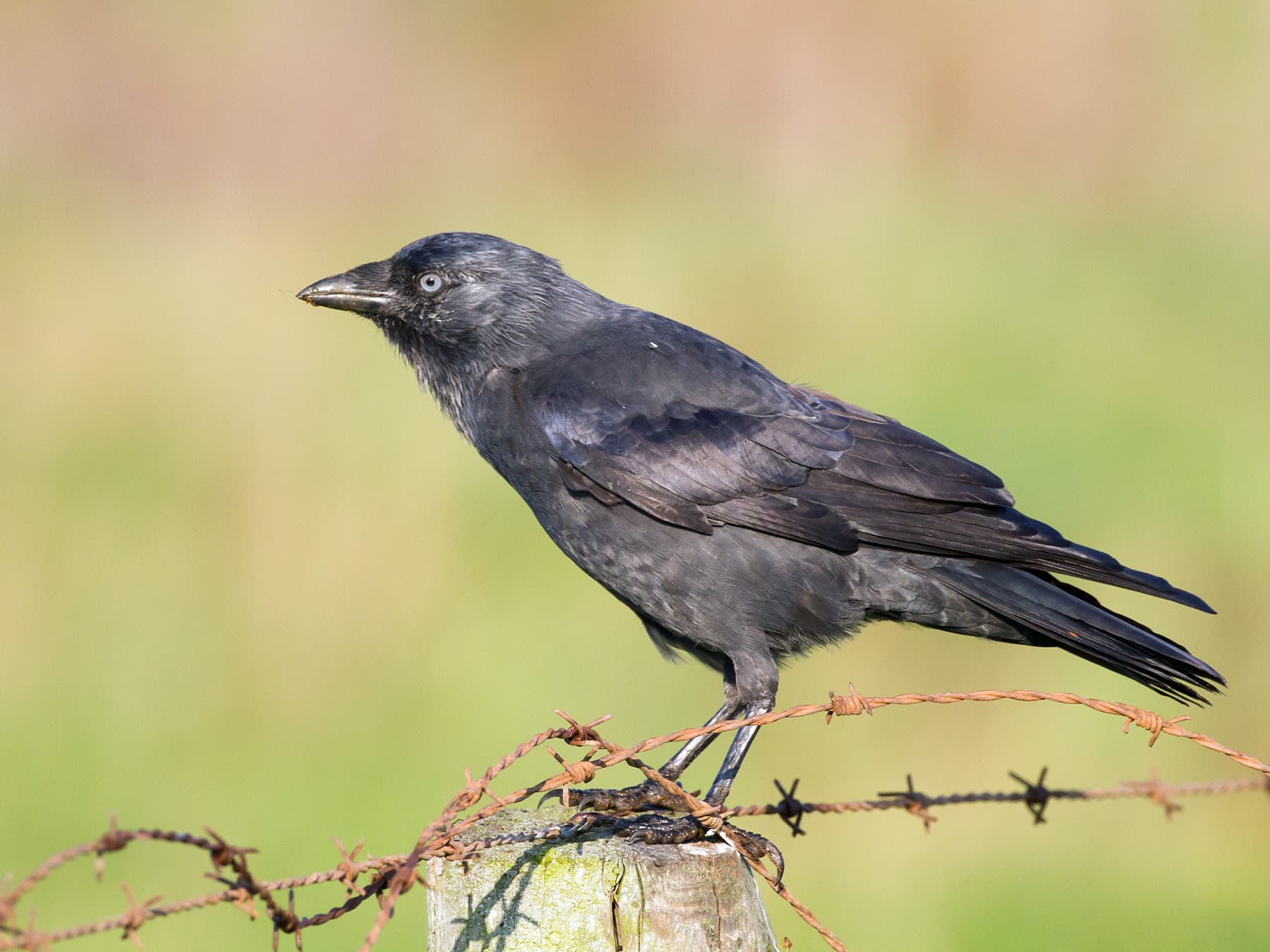
Jackdaw
Coloeus monedulaLC
A common and sociable resident, nesting in limestone crags, church towers and old buildings throughout Derbyshire.
Year-round
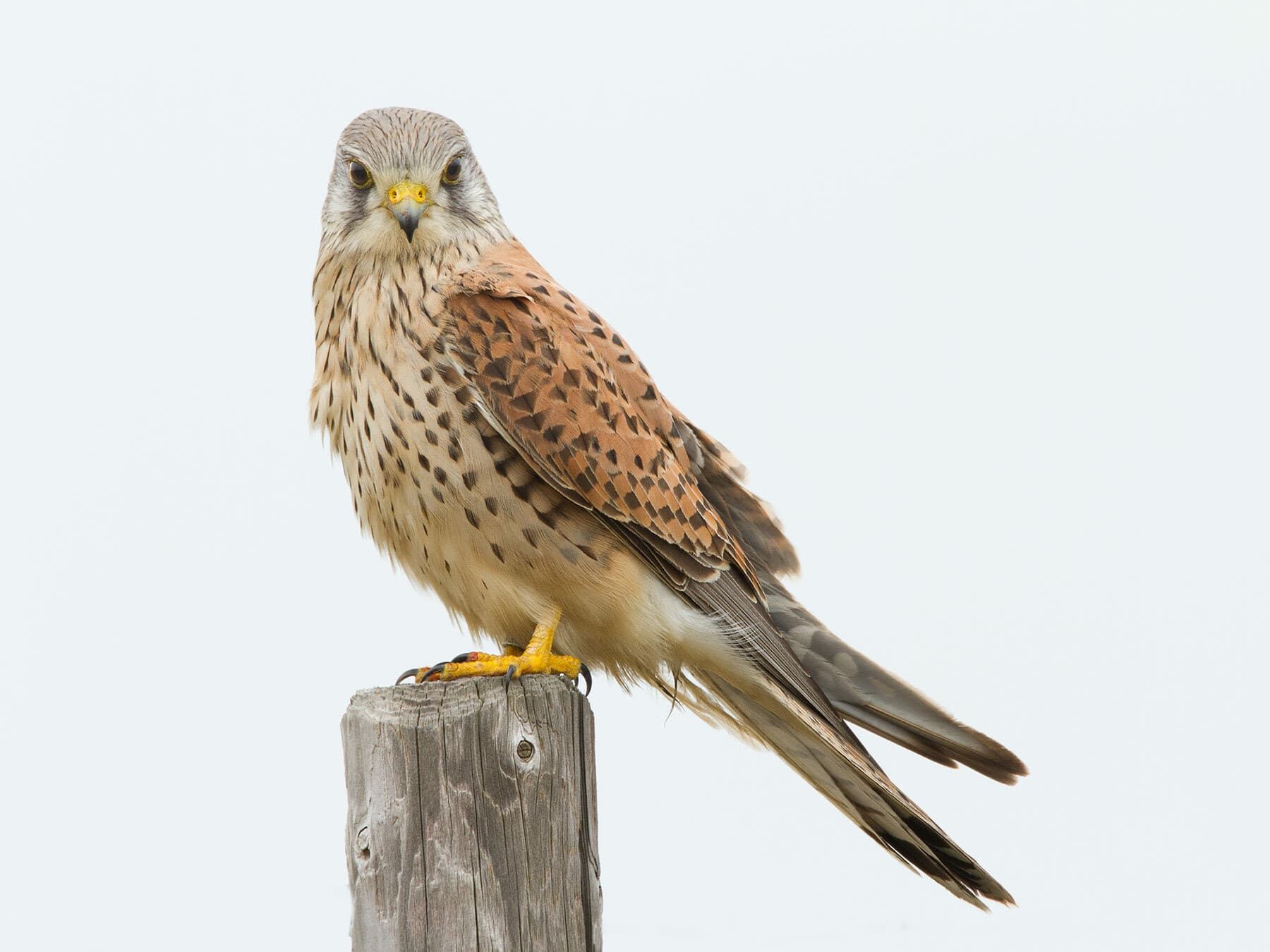
Kestrel
Falco tinnunculusLC
A common resident hovering over roadside verges, farmland and moorland edges throughout Derbyshire year-round.
Year-round
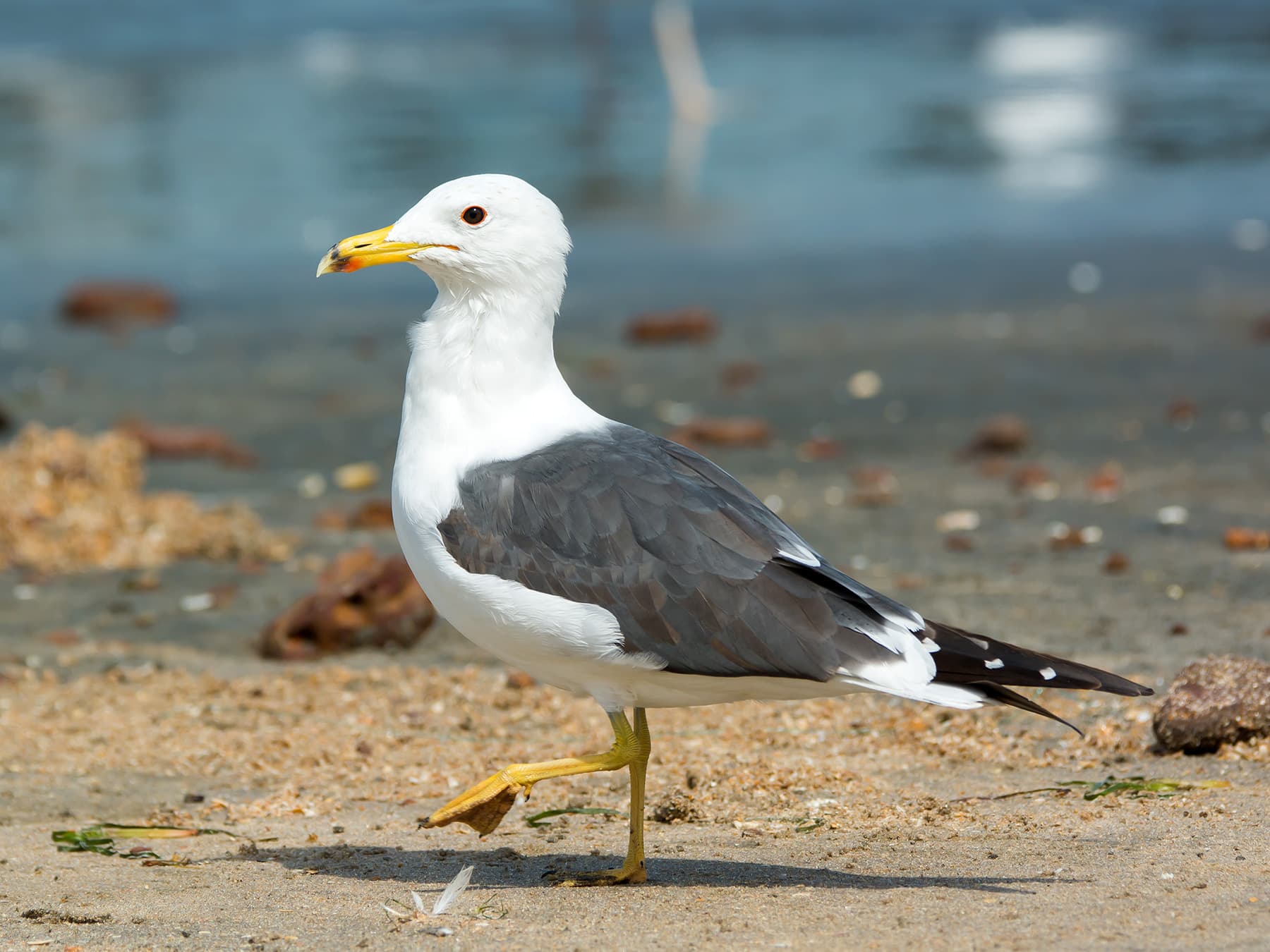
Lesser Black-backed Gull
Larus fuscusLC
A common resident at reservoirs, farmland, and tips throughout the year. Numbers peak in summer when breeding nearby.
Year-round
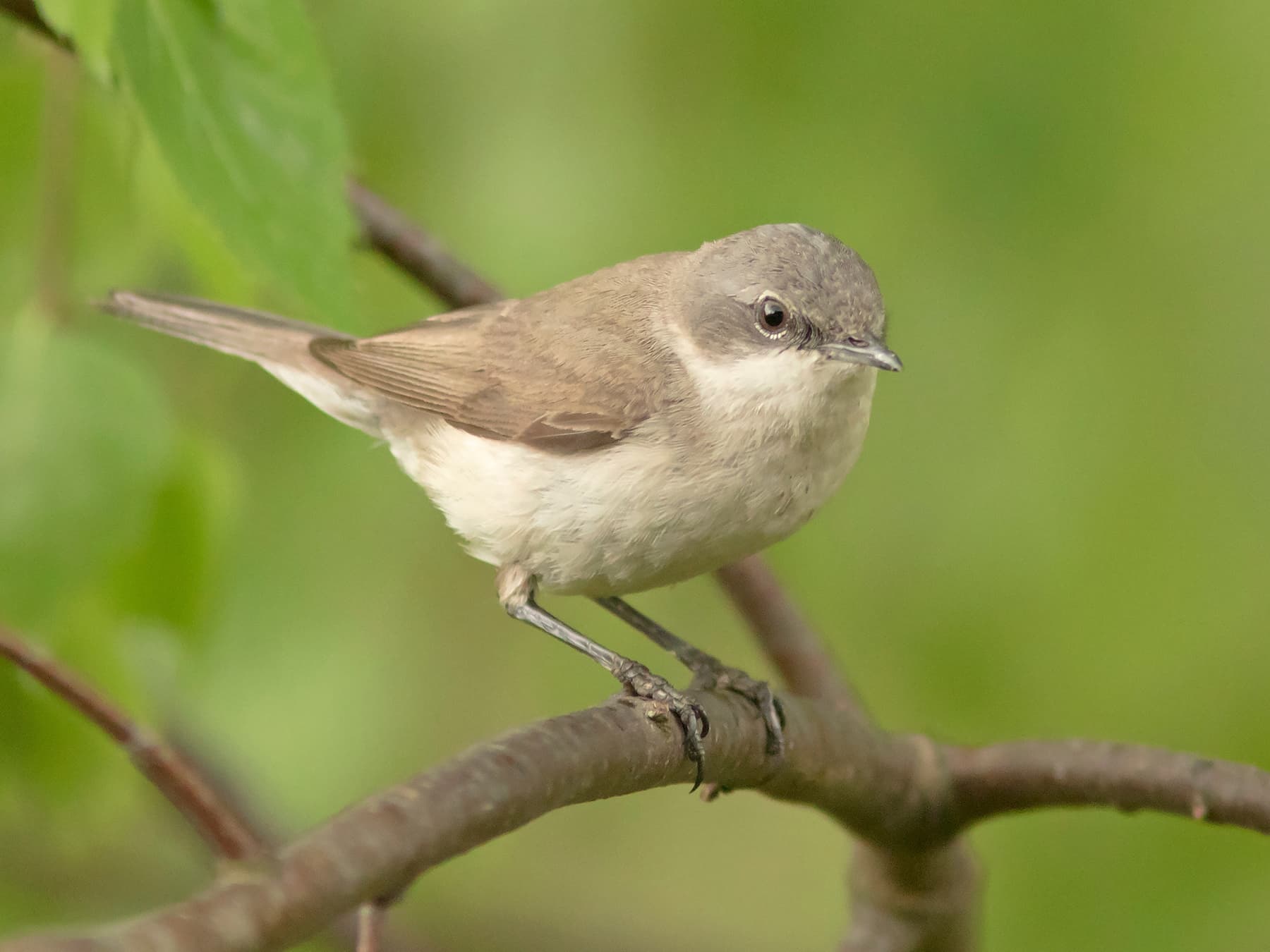
Lesser Whitethroat
Curruca currucaLC
A rare breeding visitor to tall hedgerows and scrub in lowland Derbyshire, arriving in April. Its rattling song is distinctive but localised.
Apr–Aug
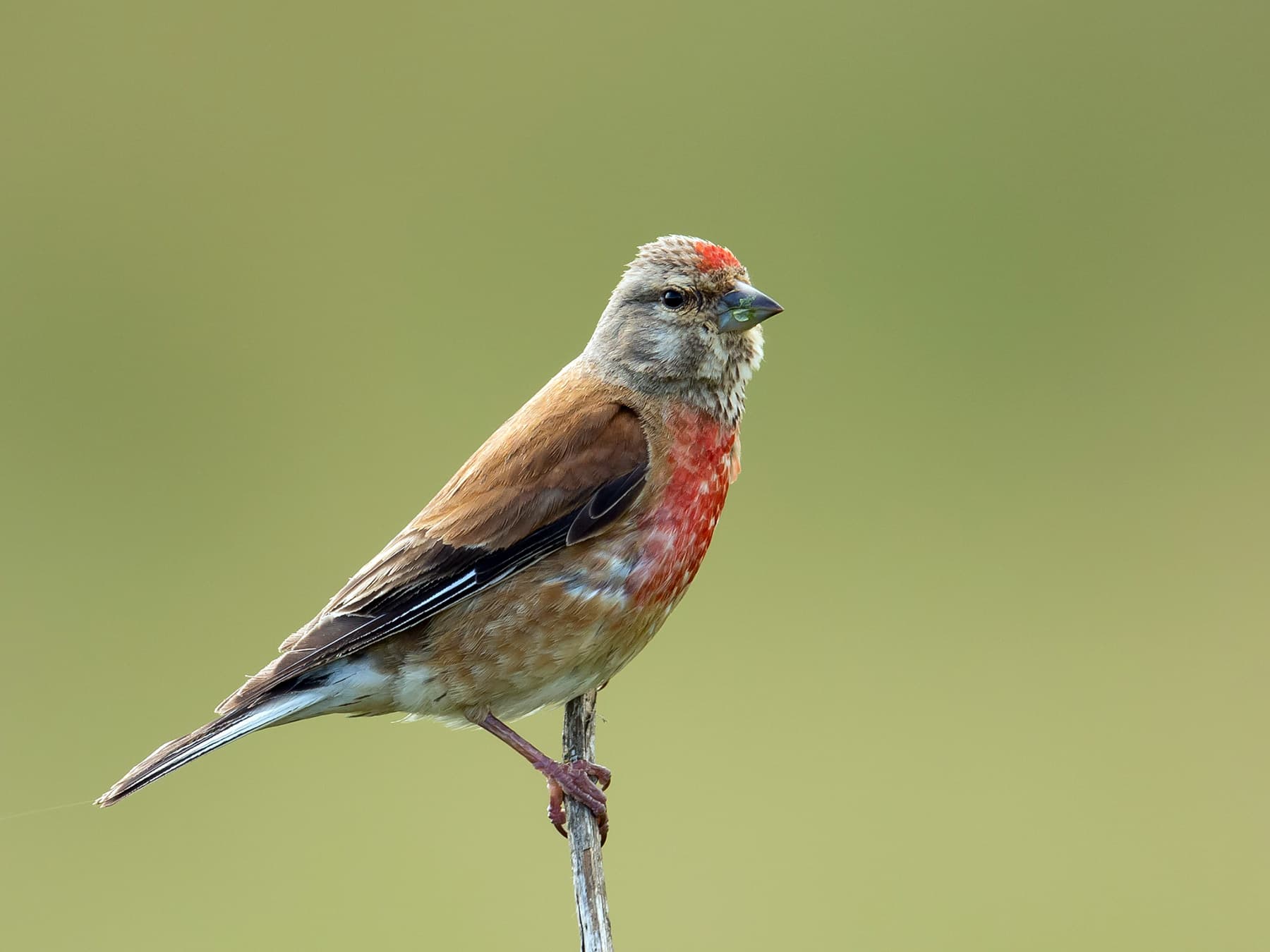
Linnet
Linaria cannabinaLC
An uncommon resident of farmland, heathland, and gorse-covered slopes, often forming flocks on stubble fields in winter.
Year-round
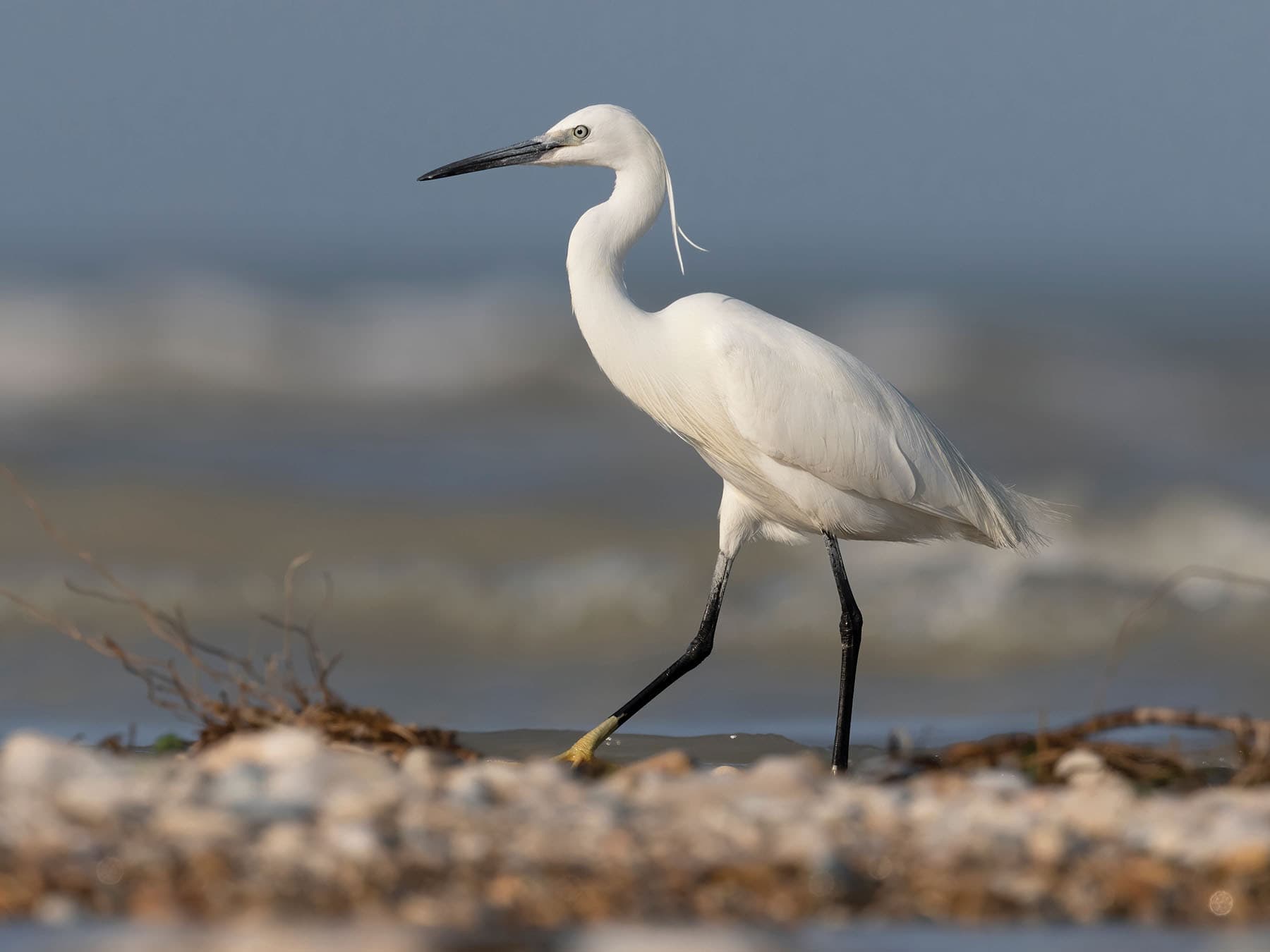
Little Egret
Egretta garzettaLC
An uncommon but increasing resident, found at reservoirs, river margins and wetlands across the county.
Year-round
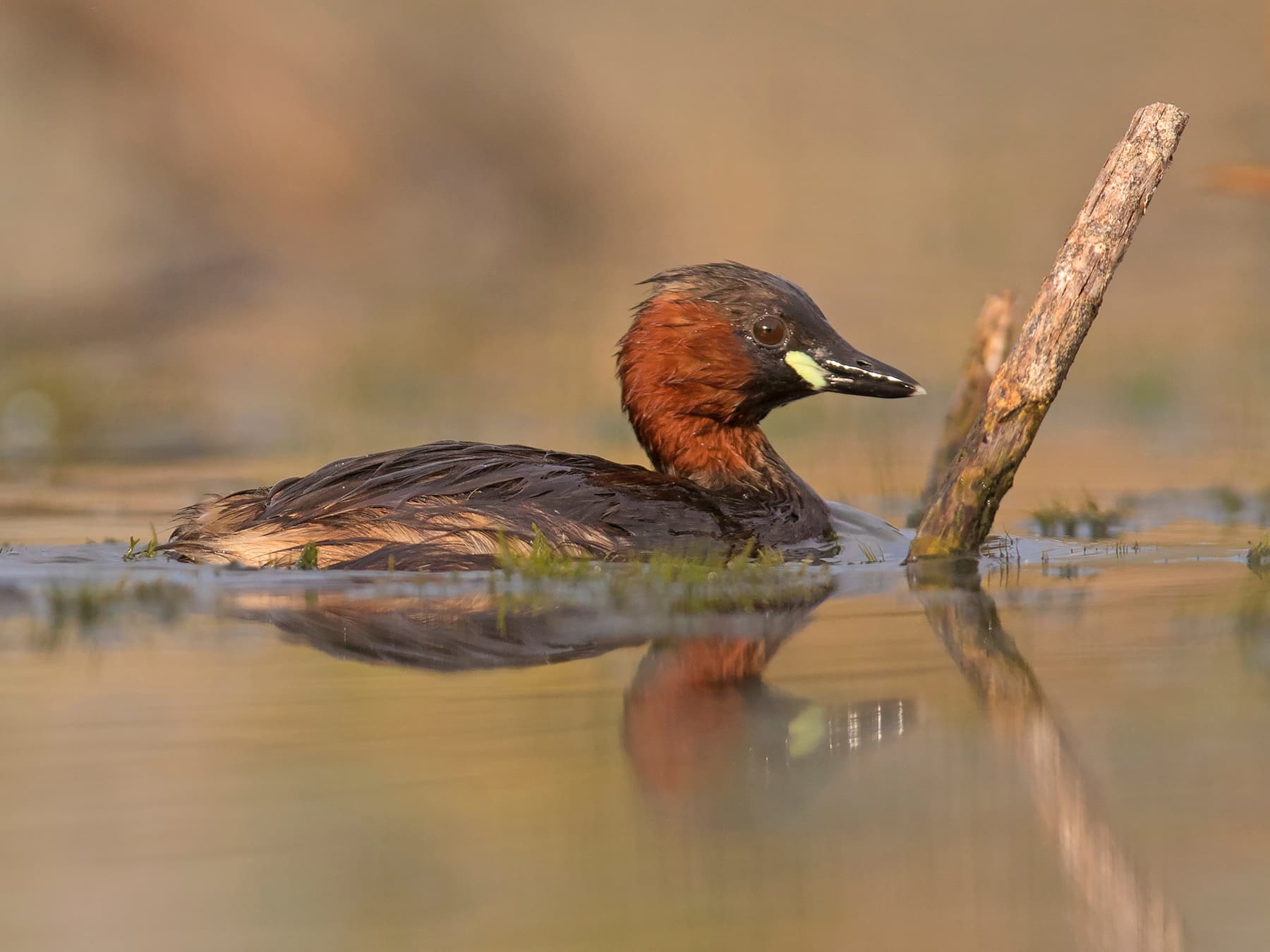
Little Grebe
Tachybaptus ruficollisLC
A year-round resident on ponds, canals, and sheltered reservoir bays. Its whinnying trill is often heard before the bird is seen.
Year-round
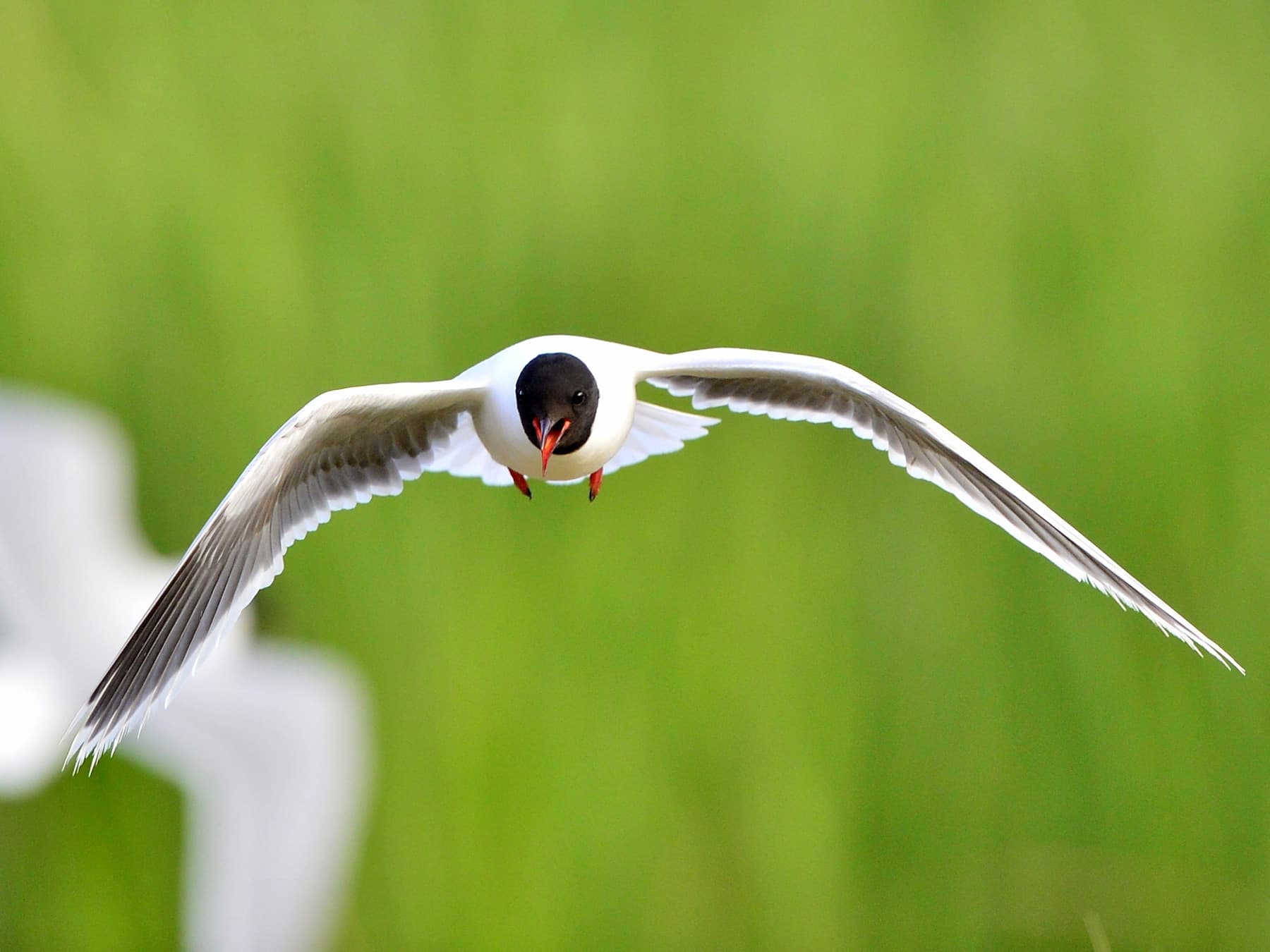
Little Gull
Hydrocoloeus minutusLC
A rare spring passage visitor, occasionally seen at larger reservoirs in April, often associating with Black-headed Gull flocks.
Apr
Spotted something?
Upload a photo to identify it
Identify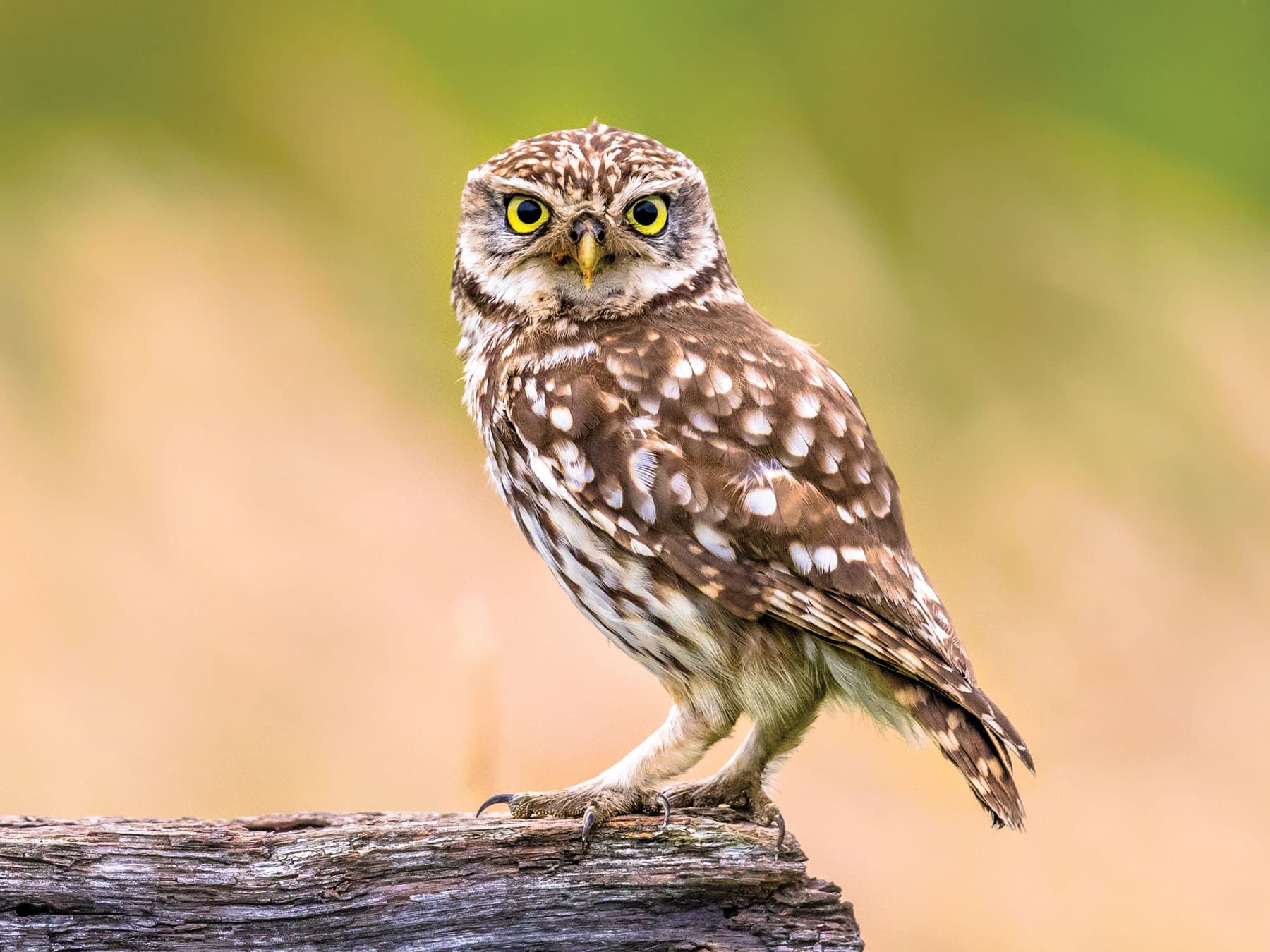
Little Owl
Athene noctuaLC
A rare resident of lowland farmland with old trees and stone walls, often heard giving its piercing call at dusk.
Year-round
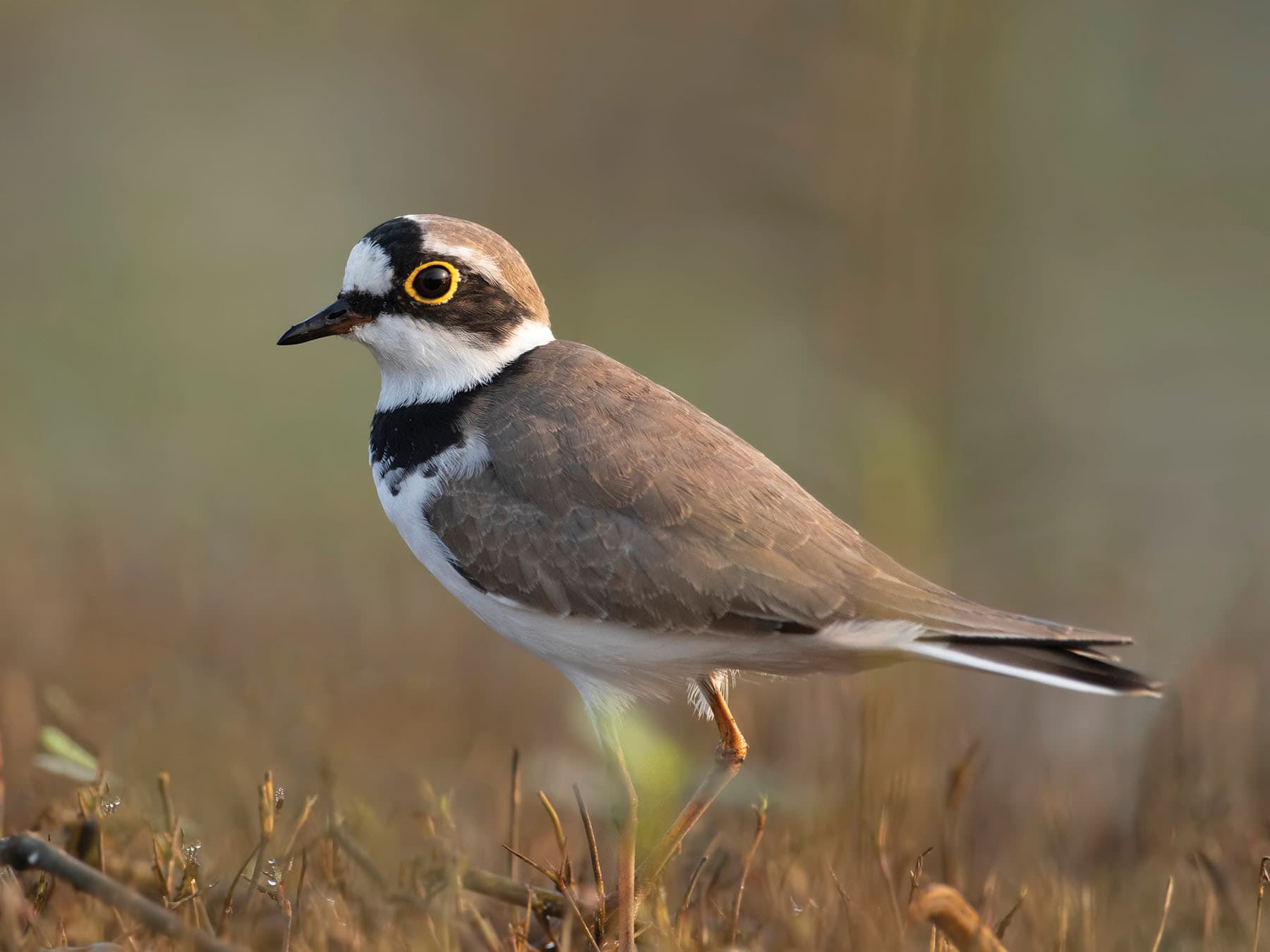
Little Ringed Plover
Charadrius dubiusLC
An uncommon summer breeder at gravel pits and reservoir margins, arriving in March. Often the first returning wader of spring.
Mar–Sep
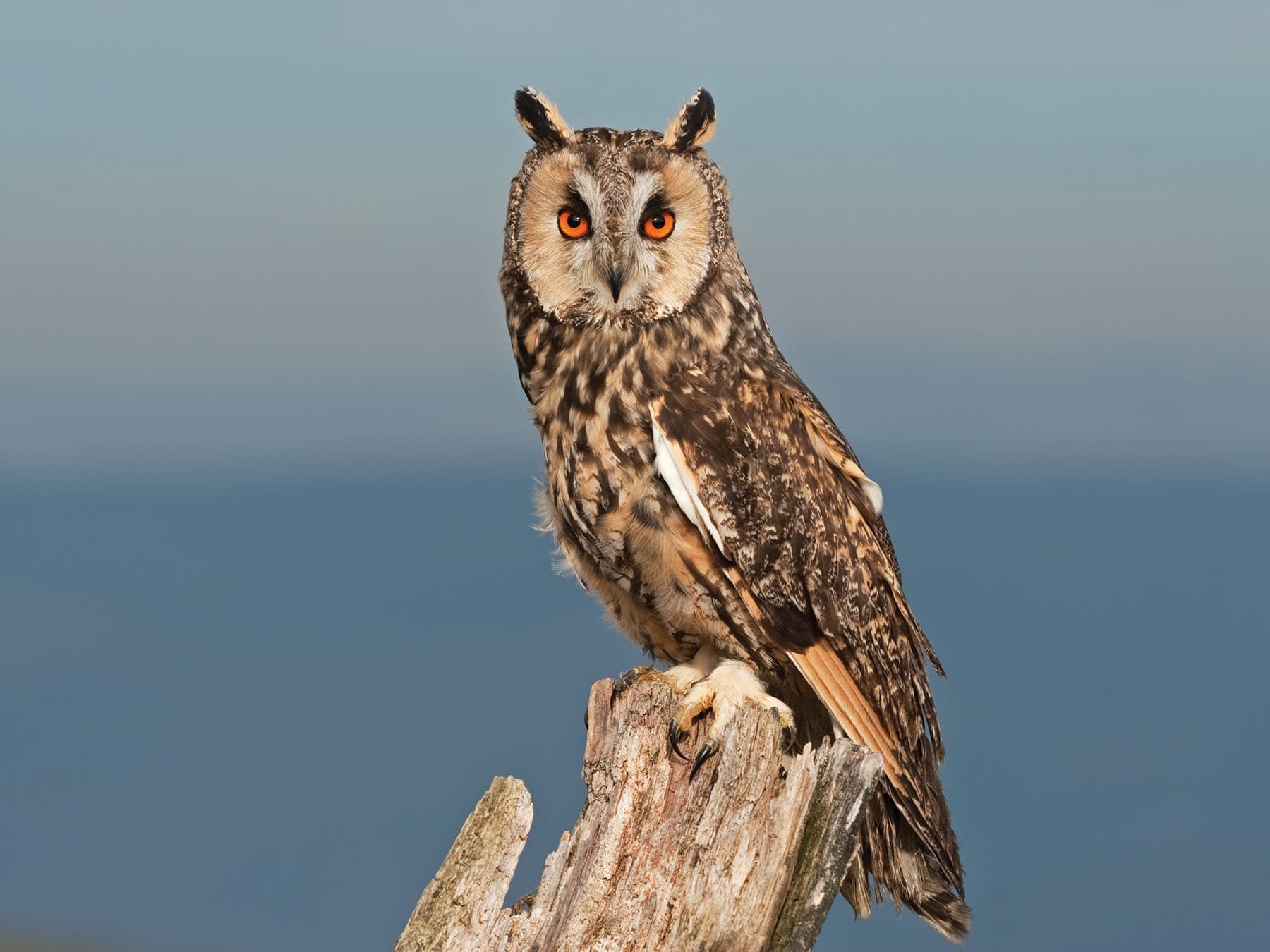
Long-eared Owl
Asio otusLC
A rare and elusive passage visitor, occasionally recorded in late spring around conifer plantations and moorland fringes.
May–Jun
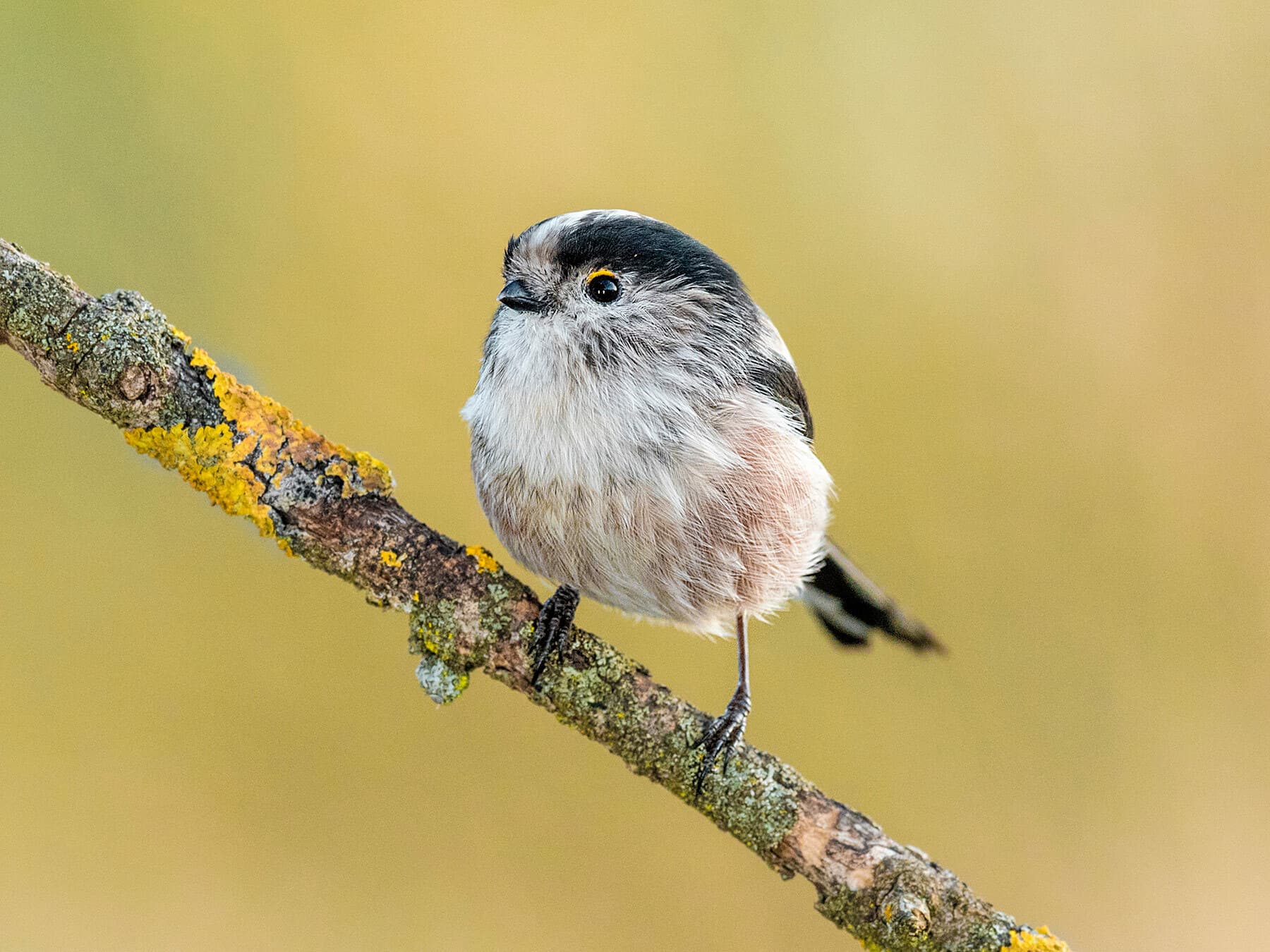
Long-tailed Tit
Aegithalos caudatusLC
Resident in woodlands, hedgerows and gardens, often seen in lively flocks moving acrobatically through trees with constant contact calls.
Year-round
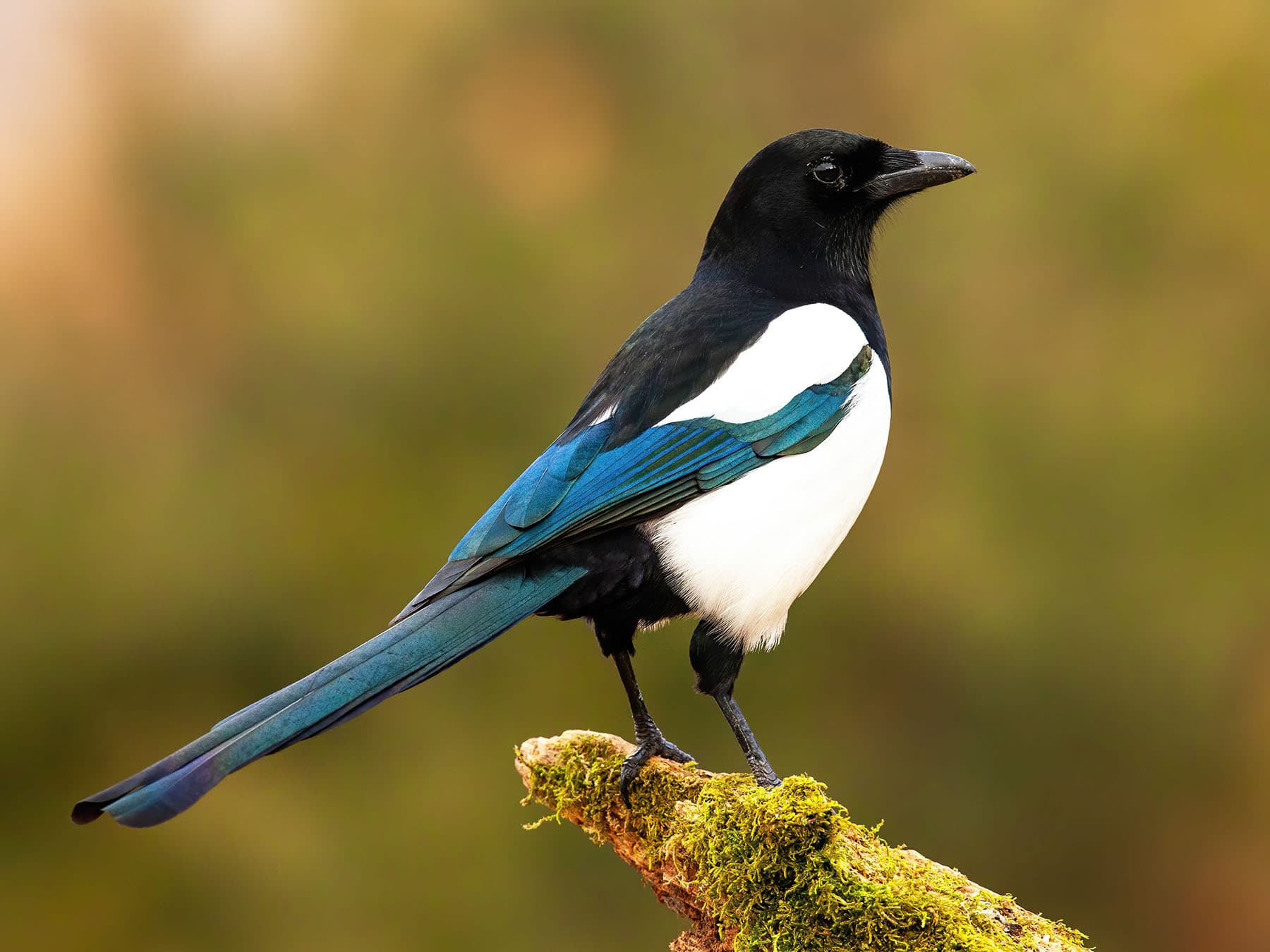
Magpie
Pica picaLC
A common and conspicuous resident found in gardens, farmland and urban areas throughout the county year-round.
Year-round
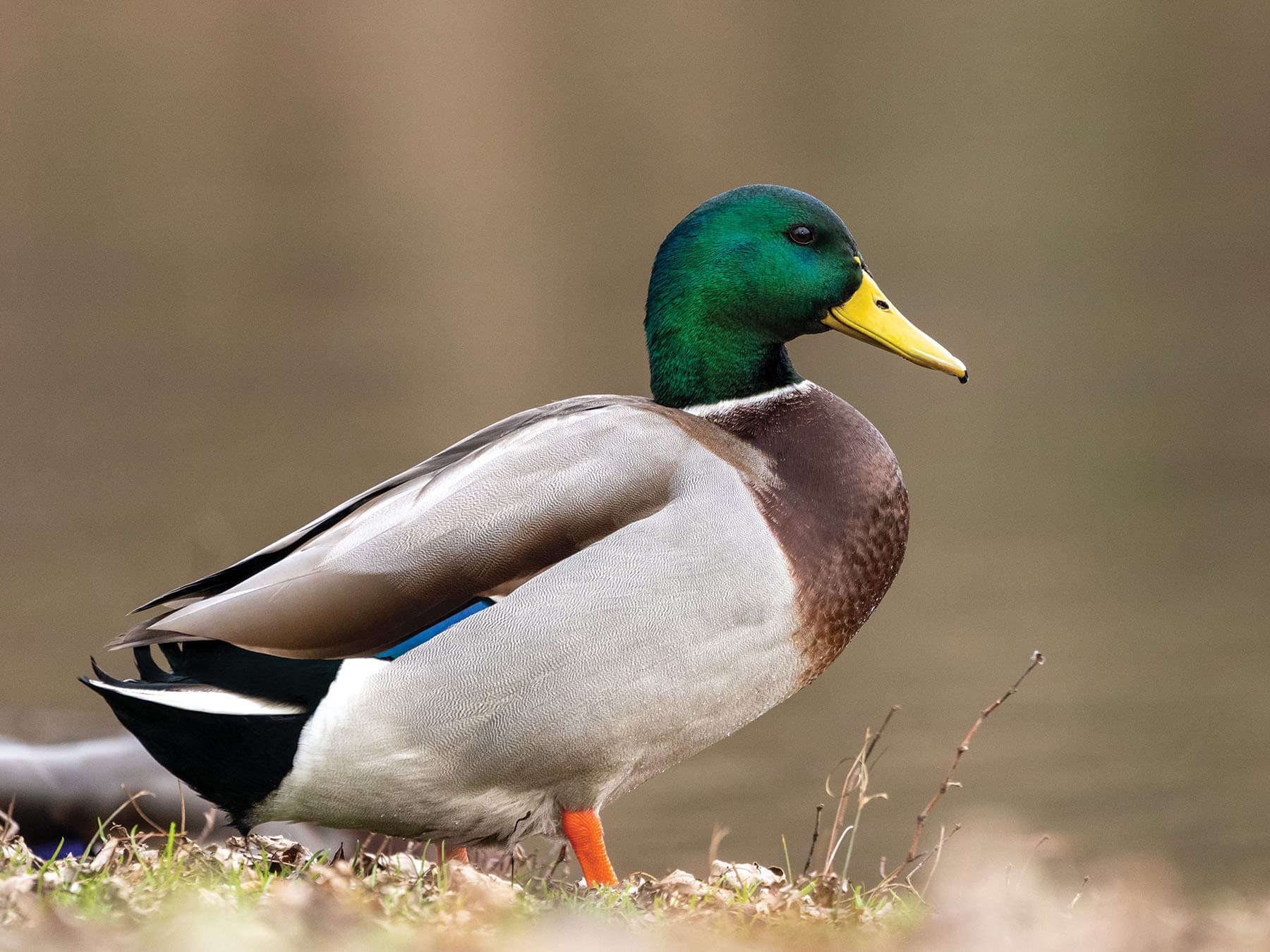
Mallard
Anas platyrhynchosLC
A common and widespread resident found on virtually any waterbody, from upland streams to urban park ponds.
Year-round
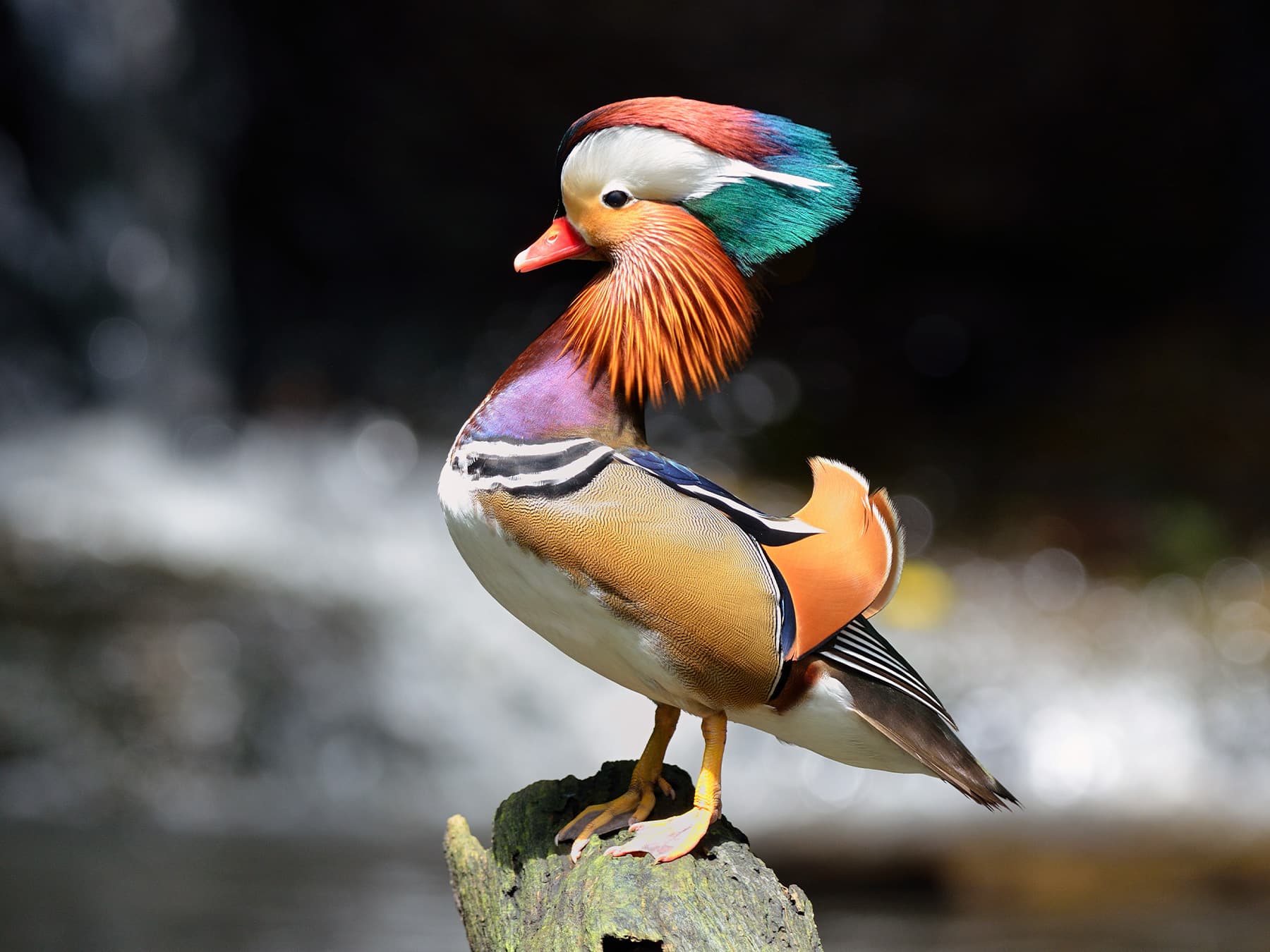
Mandarin Duck
Aix galericulataLC
An uncommon but established resident, favouring wooded rivers and lakes. Often secretive, nesting in tree holes near water.
Year-round
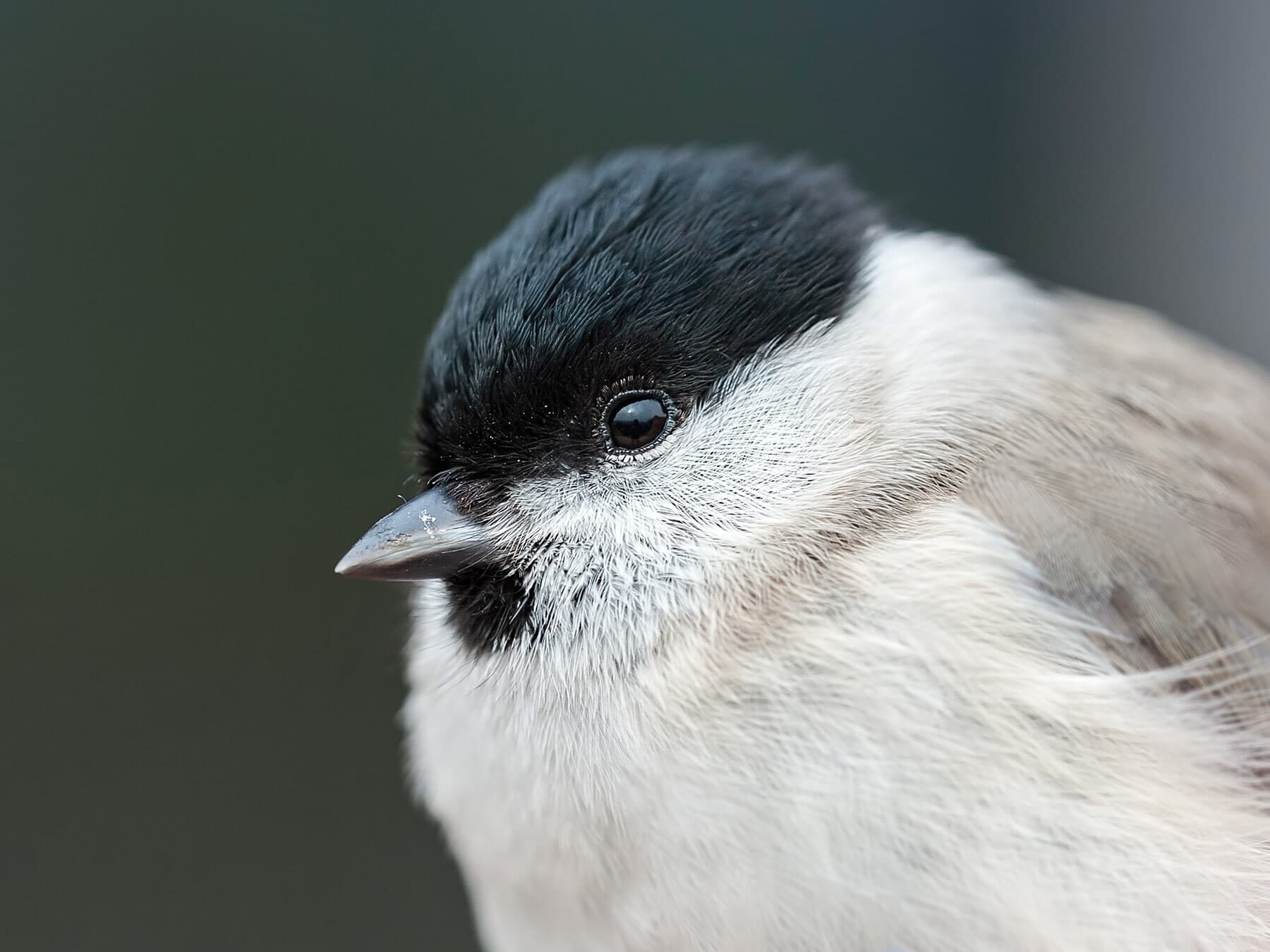
Marsh Tit
Poecile palustrisLC
A rare non-breeding visitor recorded in autumn and winter, occasionally found in mature broadleaved woodland.
Nov–Mar
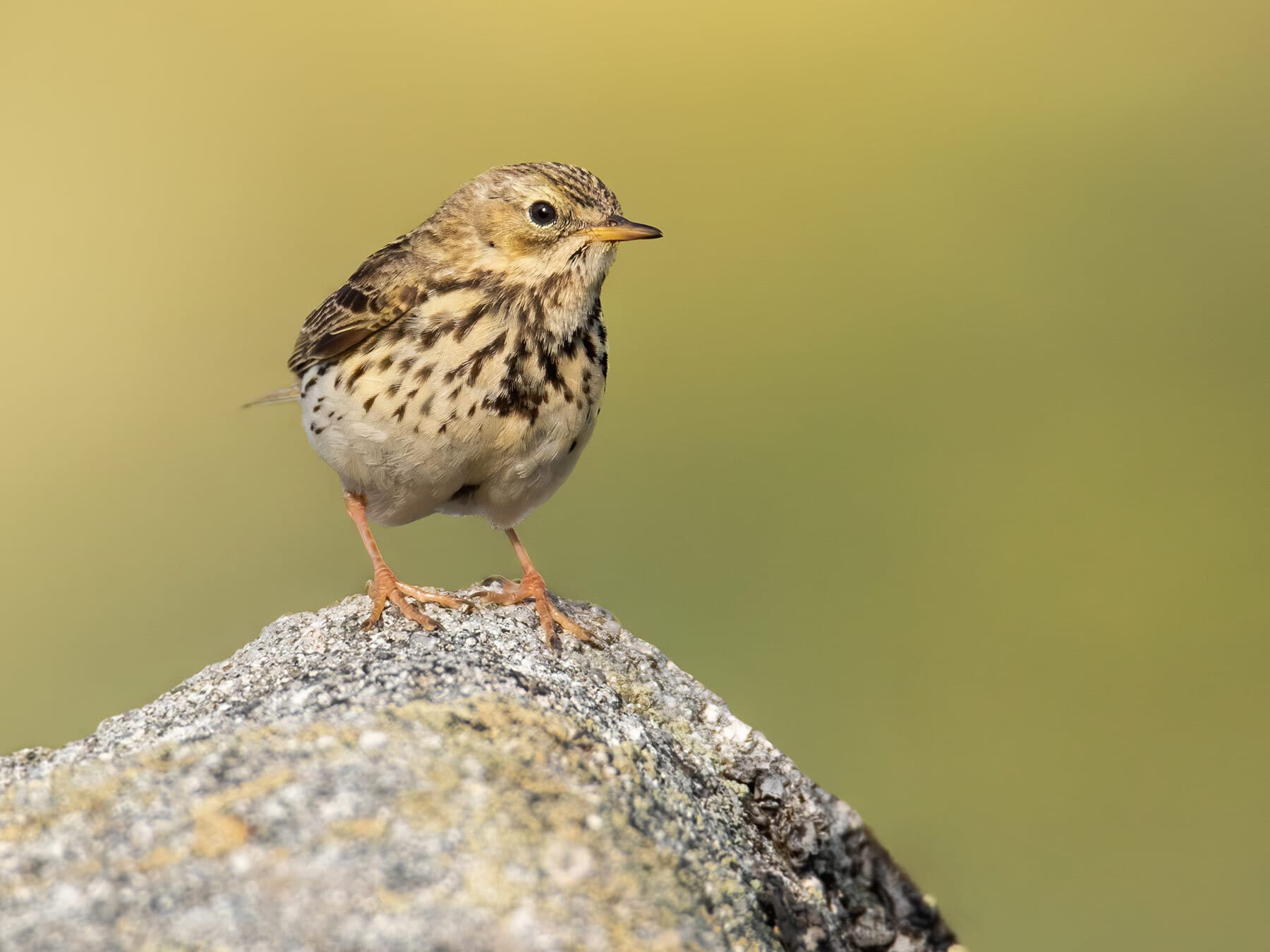
Meadow Pipit
Anthus pratensisLC
A common resident of the Peak District's moorlands and rough grasslands, delivering its parachuting song flight in spring.
Year-round
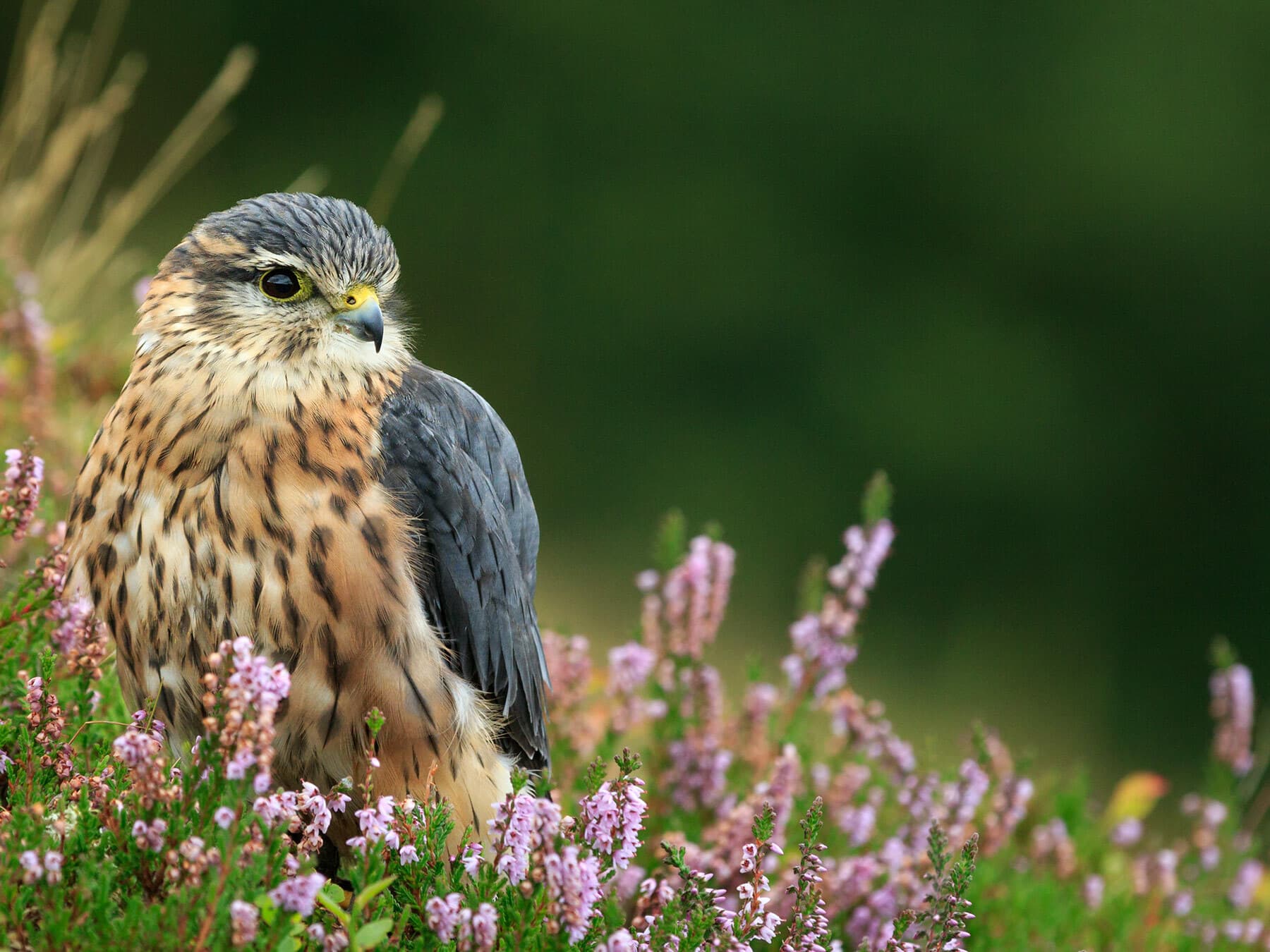
Merlin
Falco columbariusLC
A rare breeding bird of Peak District moorlands, dashing low over heather in pursuit of pipits and small birds.
Apr–Oct
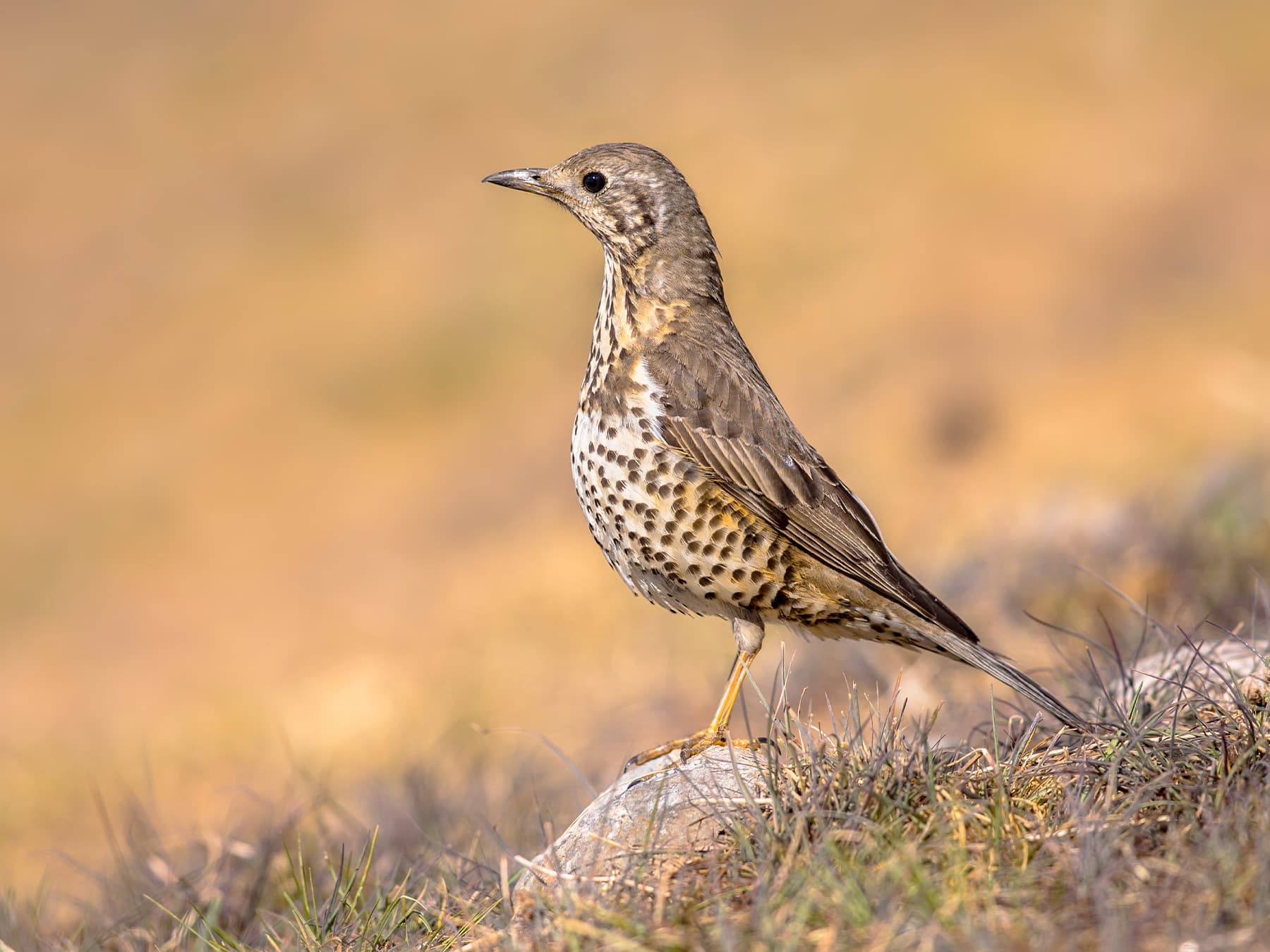
Mistle Thrush
Turdus viscivorusLC
A bold, early-singing thrush resident in parkland, open woodland and upland pastures. Often seen defending berry bushes aggressively in winter.
Year-round
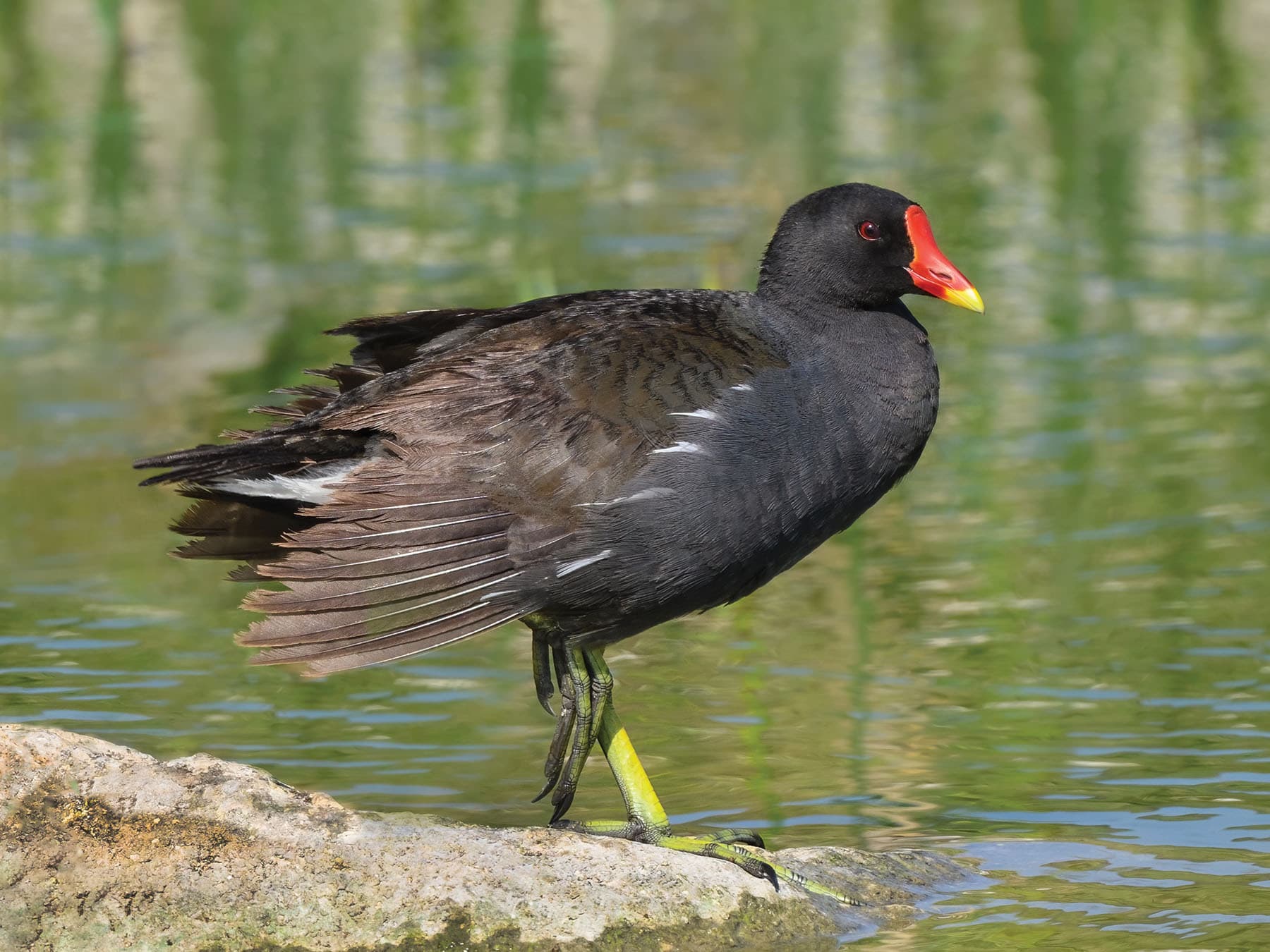
Moorhen
Gallinula chloropusLC
A common resident on ponds, canals, and waterways throughout the county. Readily seen in parks and gardens near water.
Year-round
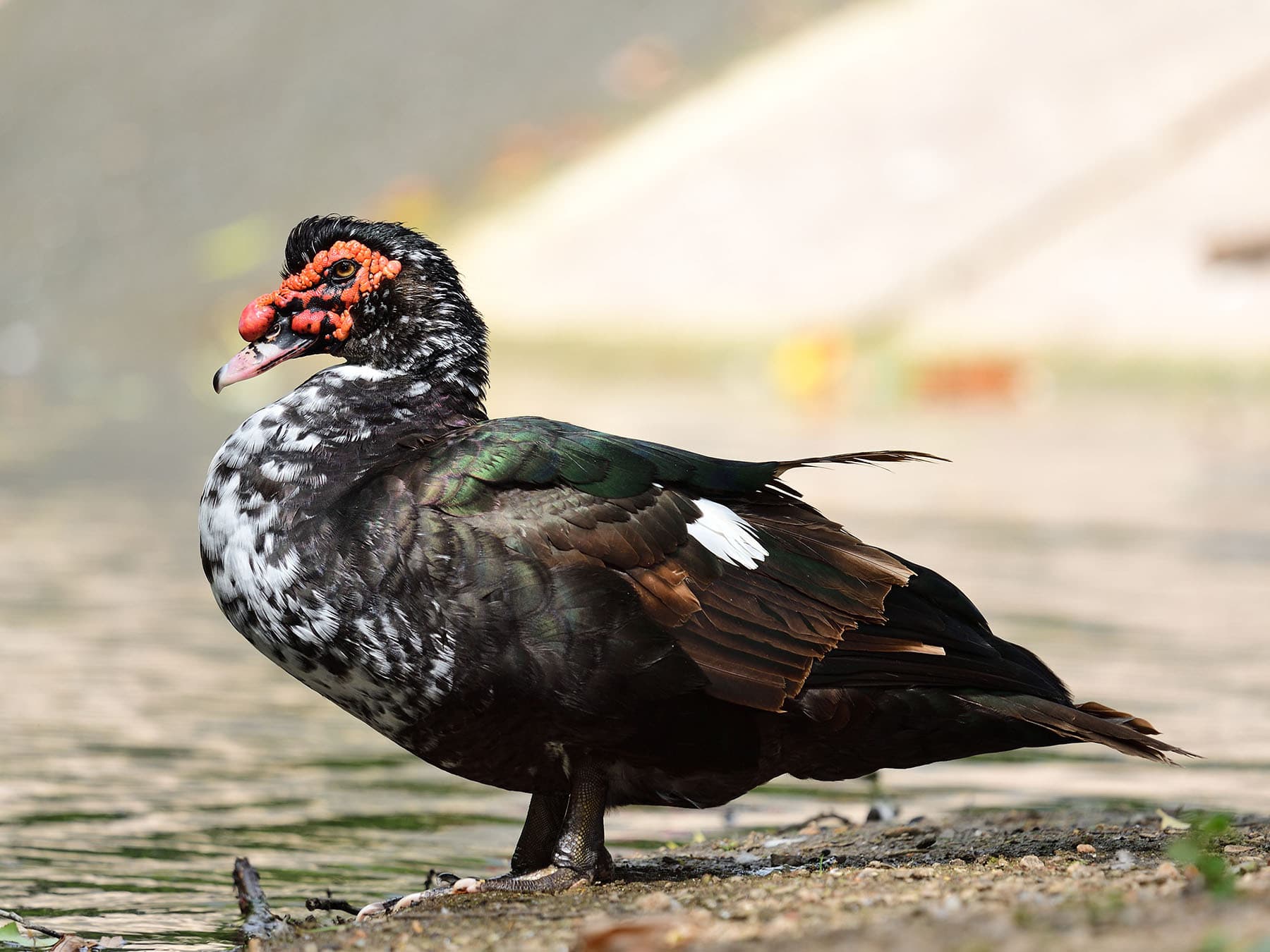
Muscovy Duck
Cairina moschataLC
A rare visitor of captive origin, occasionally recorded on park lakes and waterways in December.
Dec
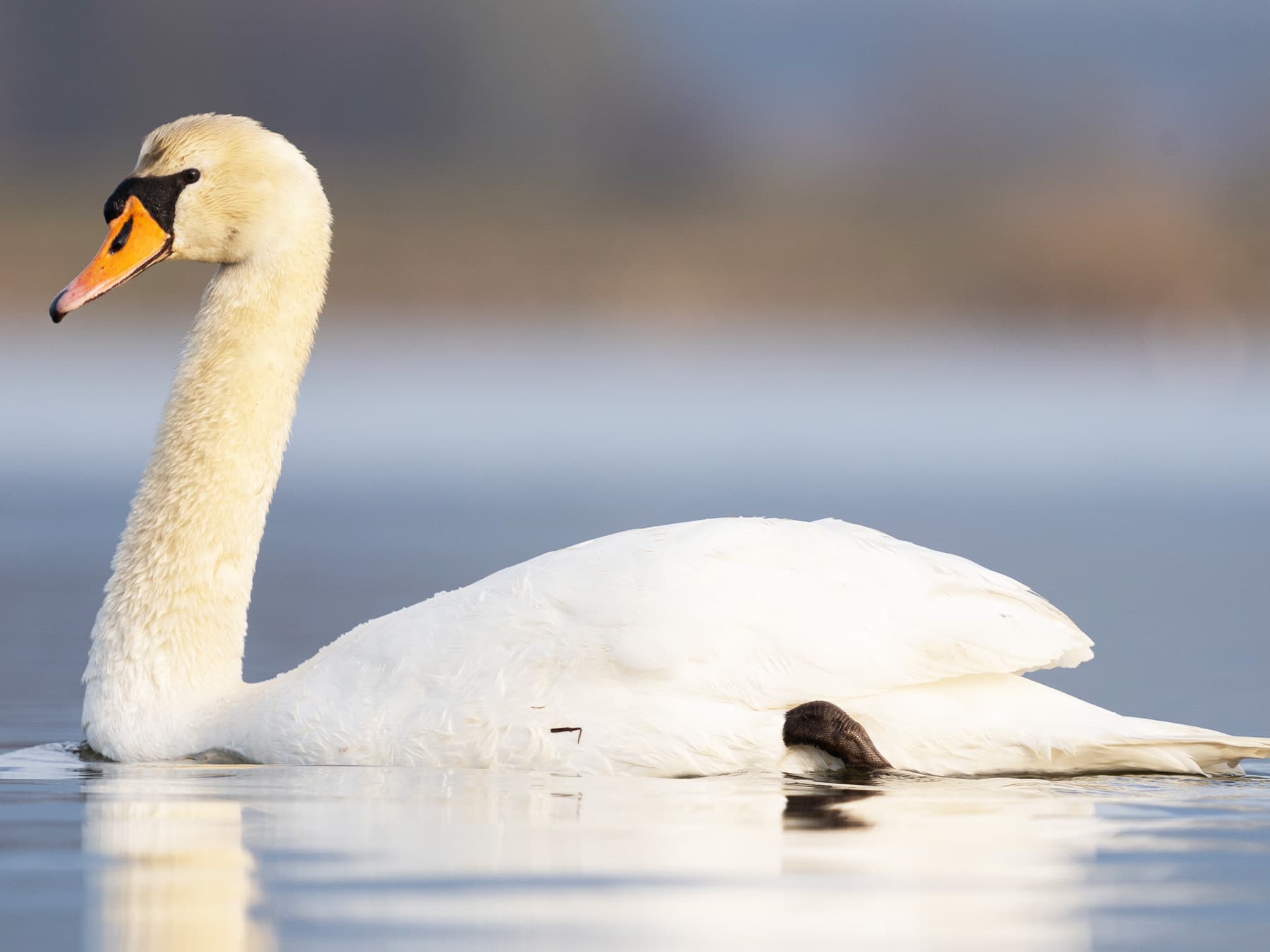
Mute Swan
Cygnus olorLC
A common resident gracing canals, rivers and park lakes throughout Derbyshire. Breeds widely and is present all year.
Year-round
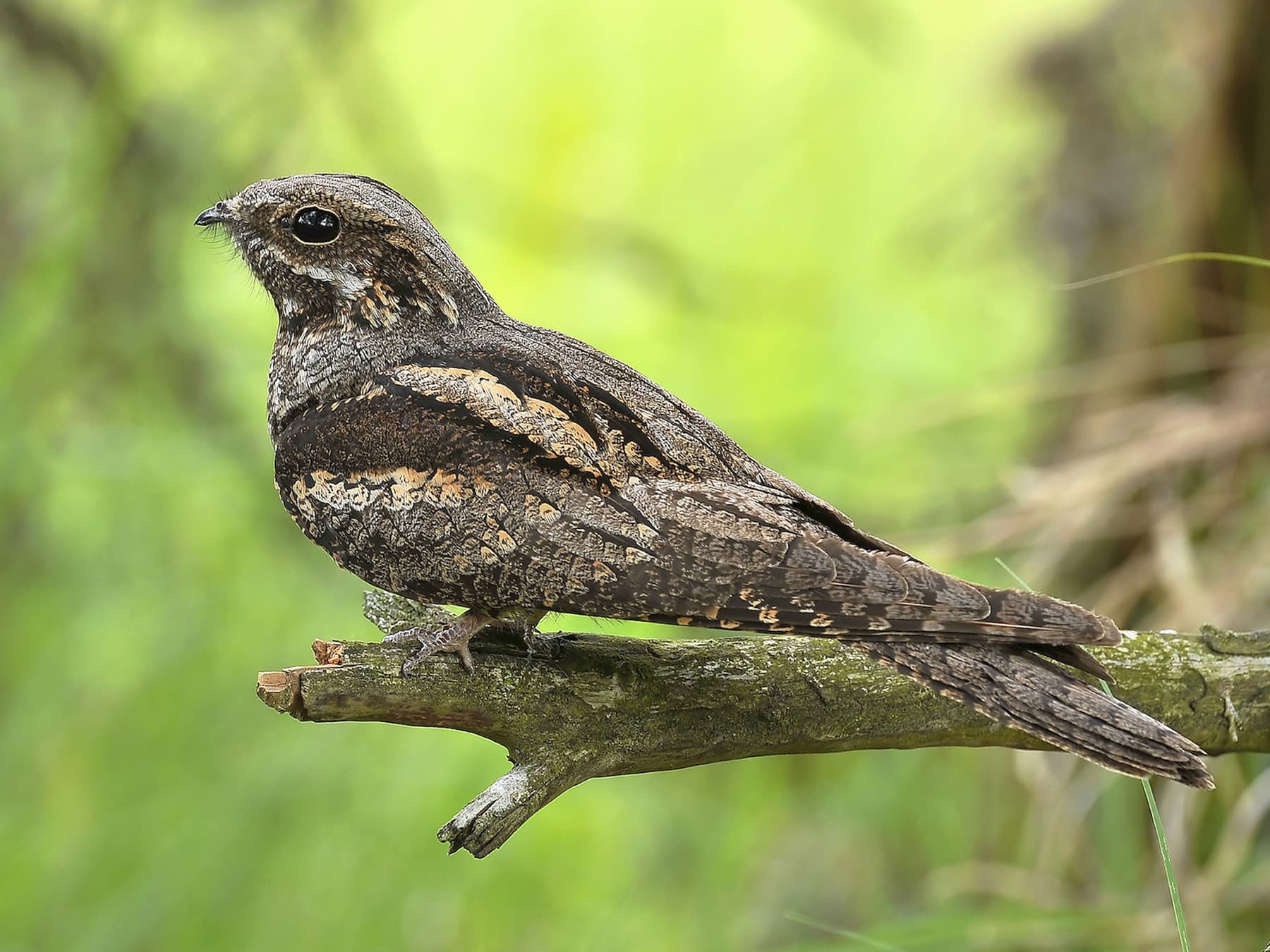
Nightjar
Caprimulgus europaeusLC
A rare breeding visitor to heathland and young conifer plantations, arriving in May. Best detected by its churring song at dusk.
May–Jul