Ducks, Geese & Swans in Cumbria
30 species matching this filter.
Cumbria's diverse wetland habitats — from the expansive Solway Firth and Morecambe Bay estuaries to the tranquil lakes and tarns of the Lake District — make it an outstanding county for ducks, geese and swans. With 28 species recorded, birdwatchers can enjoy sightings ranging from large wintering flocks of Barnacle Geese and Eurasian Wigeon to resident breeders such as Common Shelduck and Greylag Goose. Scarcer visitors including Bar-headed Goose and Hooded Merganser add an element of surprise for keen observers.


Showing 1–23 of 30 species
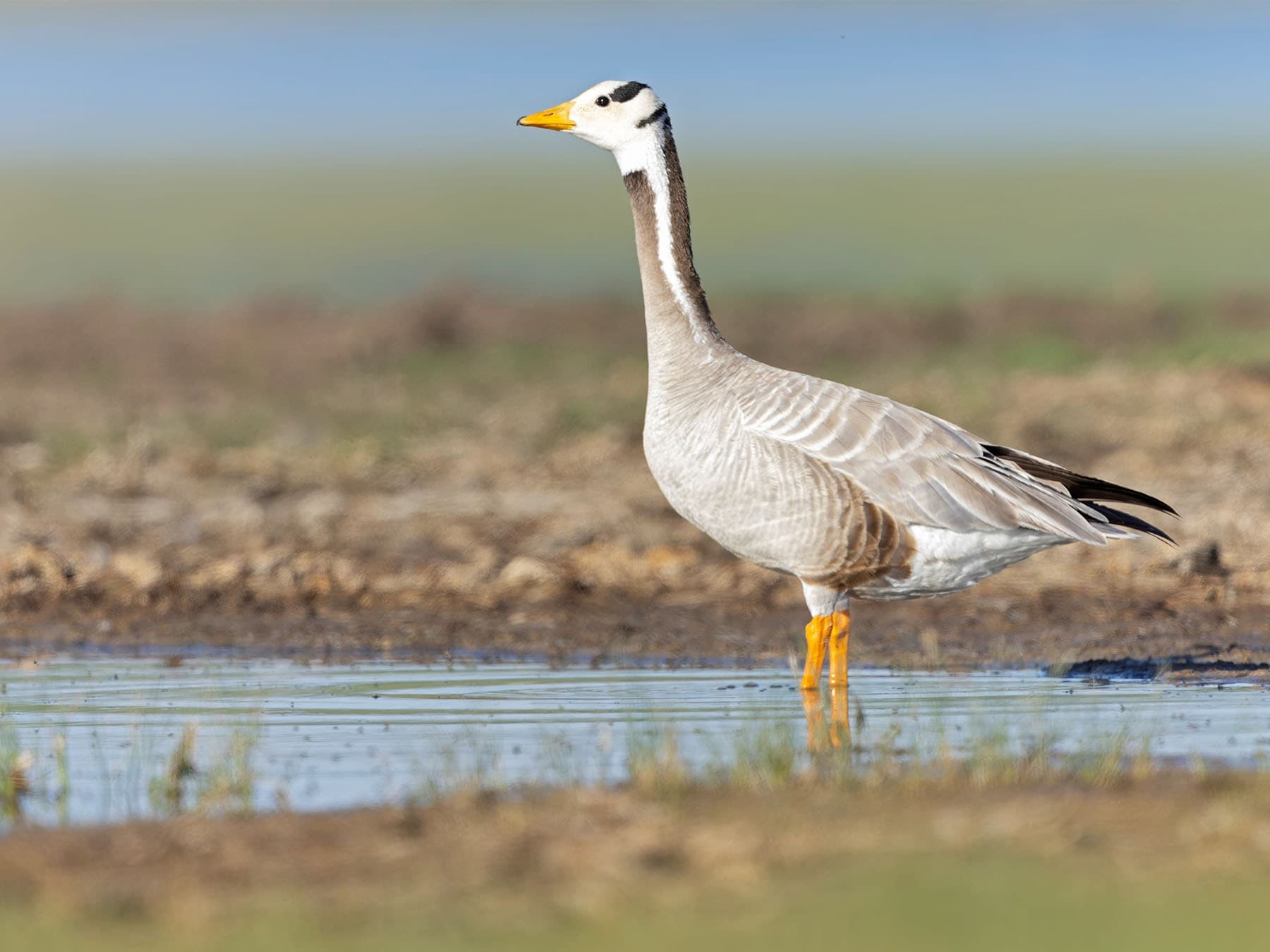
Bar-headed Goose
Anser indicusLC
A rare summer visitor, likely an escapee from wildfowl collections. Occasionally seen on lakes and wetlands in June and July.
Jun–Jul
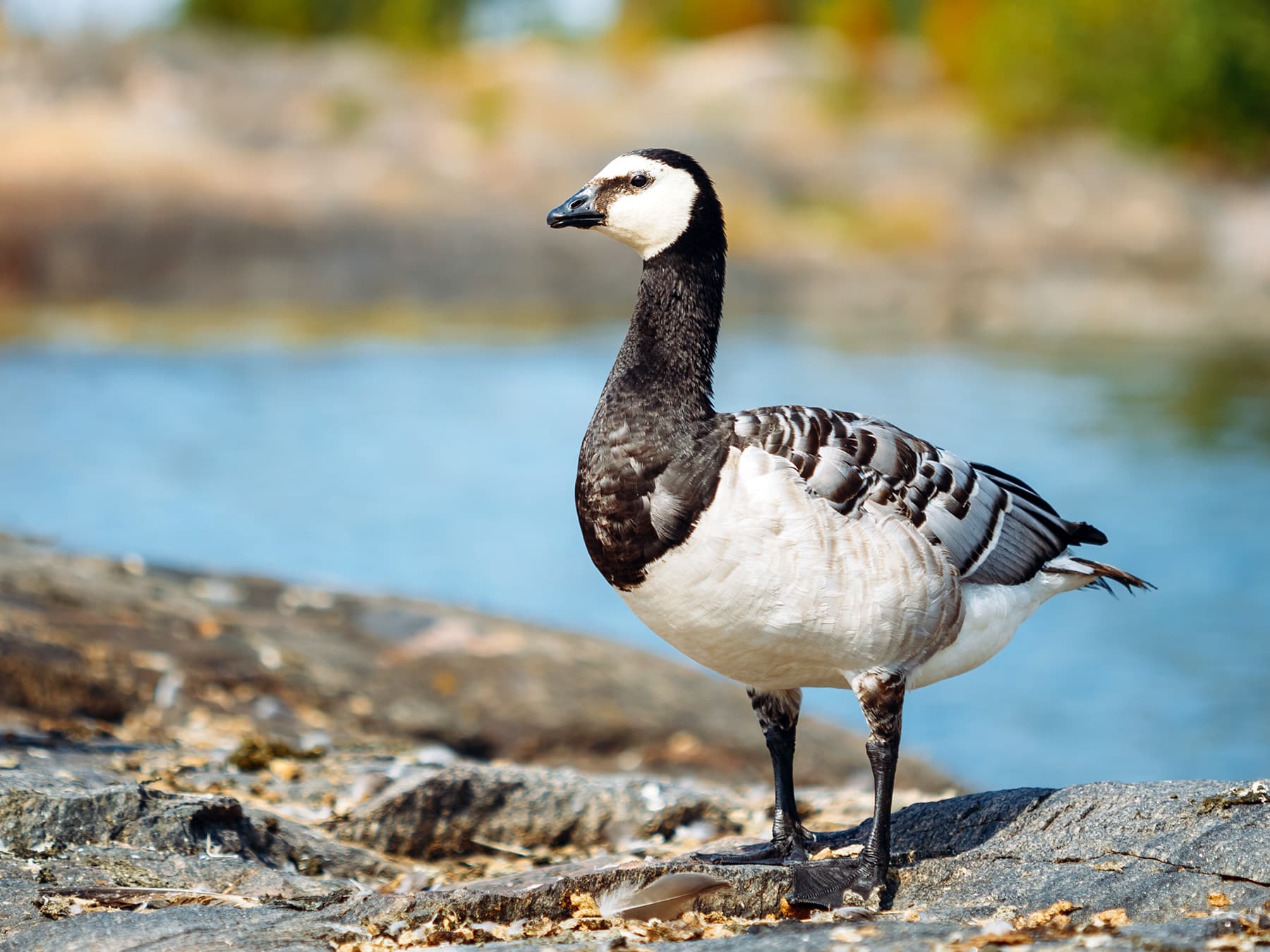
Barnacle Goose
Branta leucopsisLC
Present year-round, with Svalbard birds wintering on the Solway marshes alongside a small feral population.
Year-round
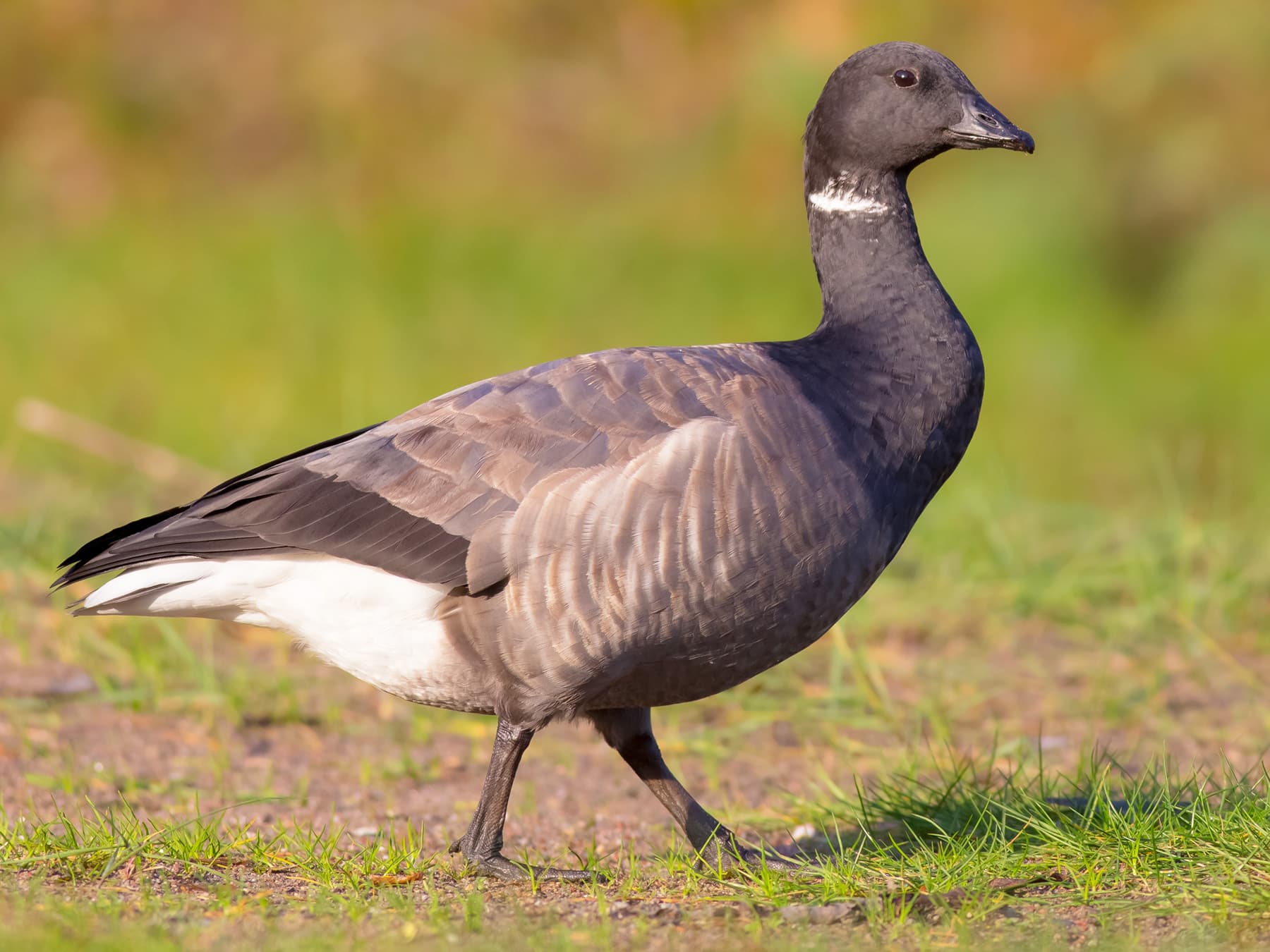
Brent Goose
Branta berniclaLC
A rare non-breeding visitor to Cumbrian estuaries, mainly around Morecambe Bay. Present from autumn through to spring.
Sep–Apr
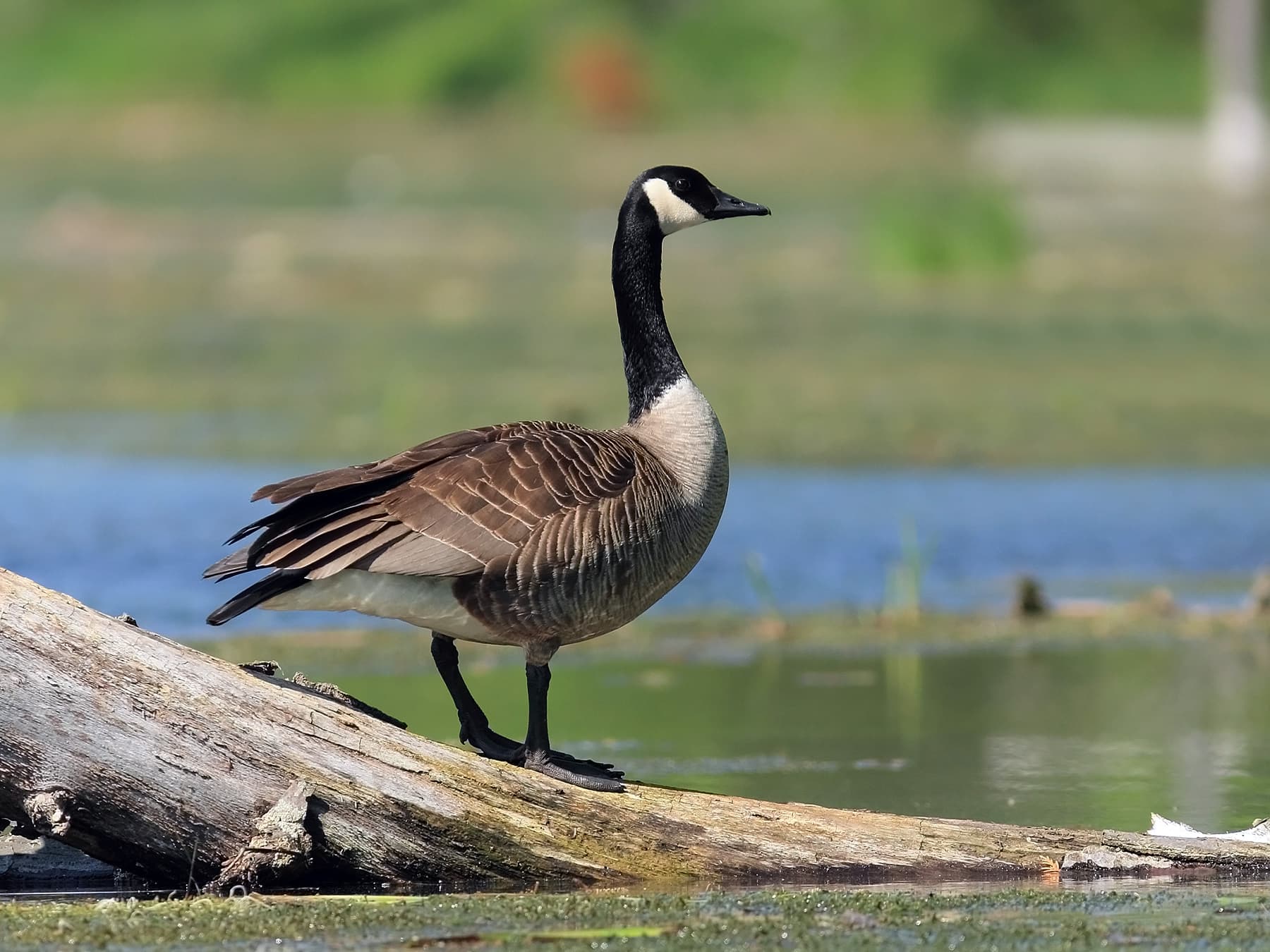
Canada Goose
Branta canadensisLC
A common resident on lakes, rivers and parkland throughout the county, breeding readily on Cumbrian waters.
Year-round
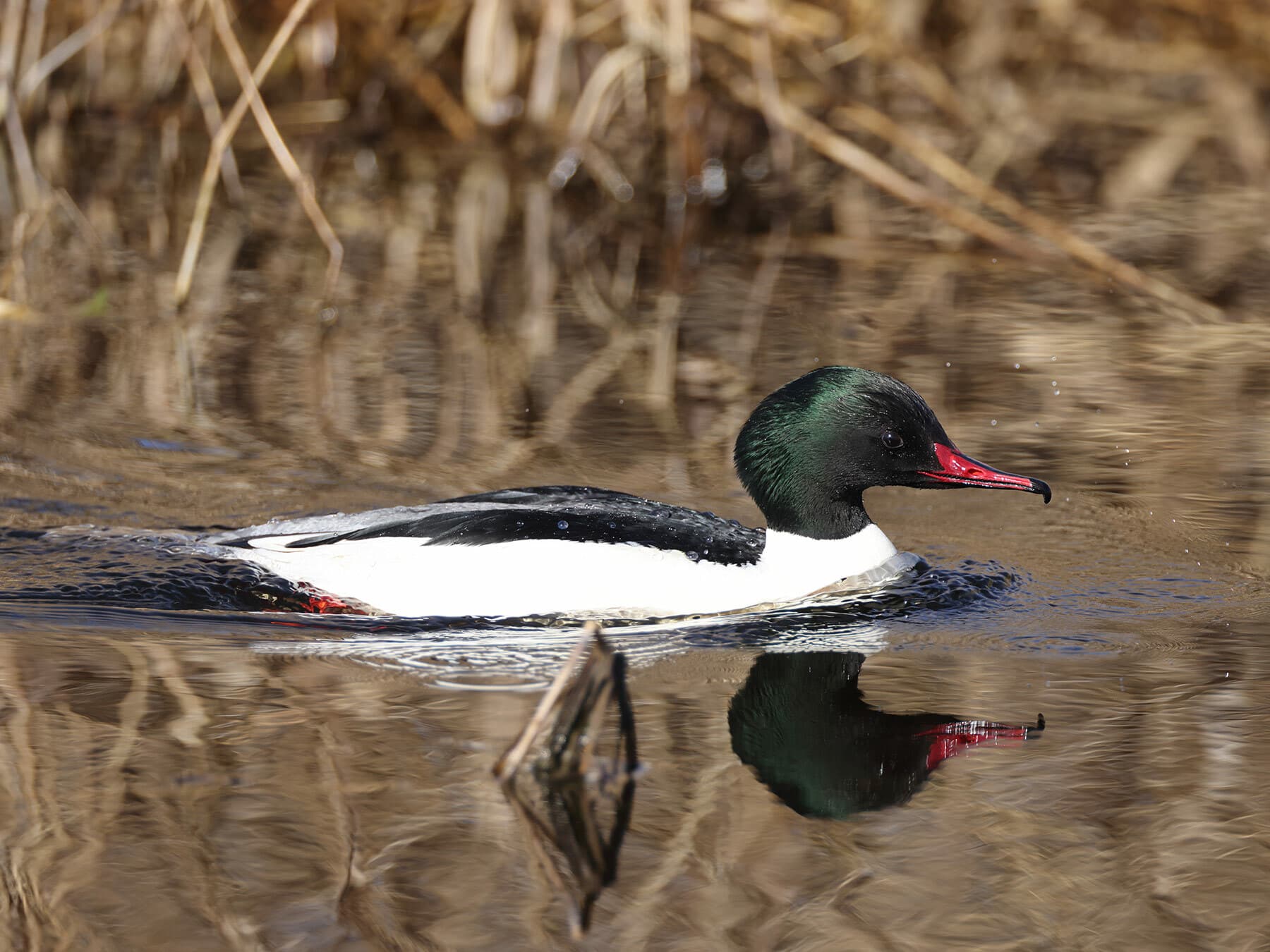
Common Merganser
Mergus merganserLC
An uncommon year-round resident of fast-flowing rivers and upland lakes. Often seen fishing on the Eden and other Cumbrian rivers.
Year-round
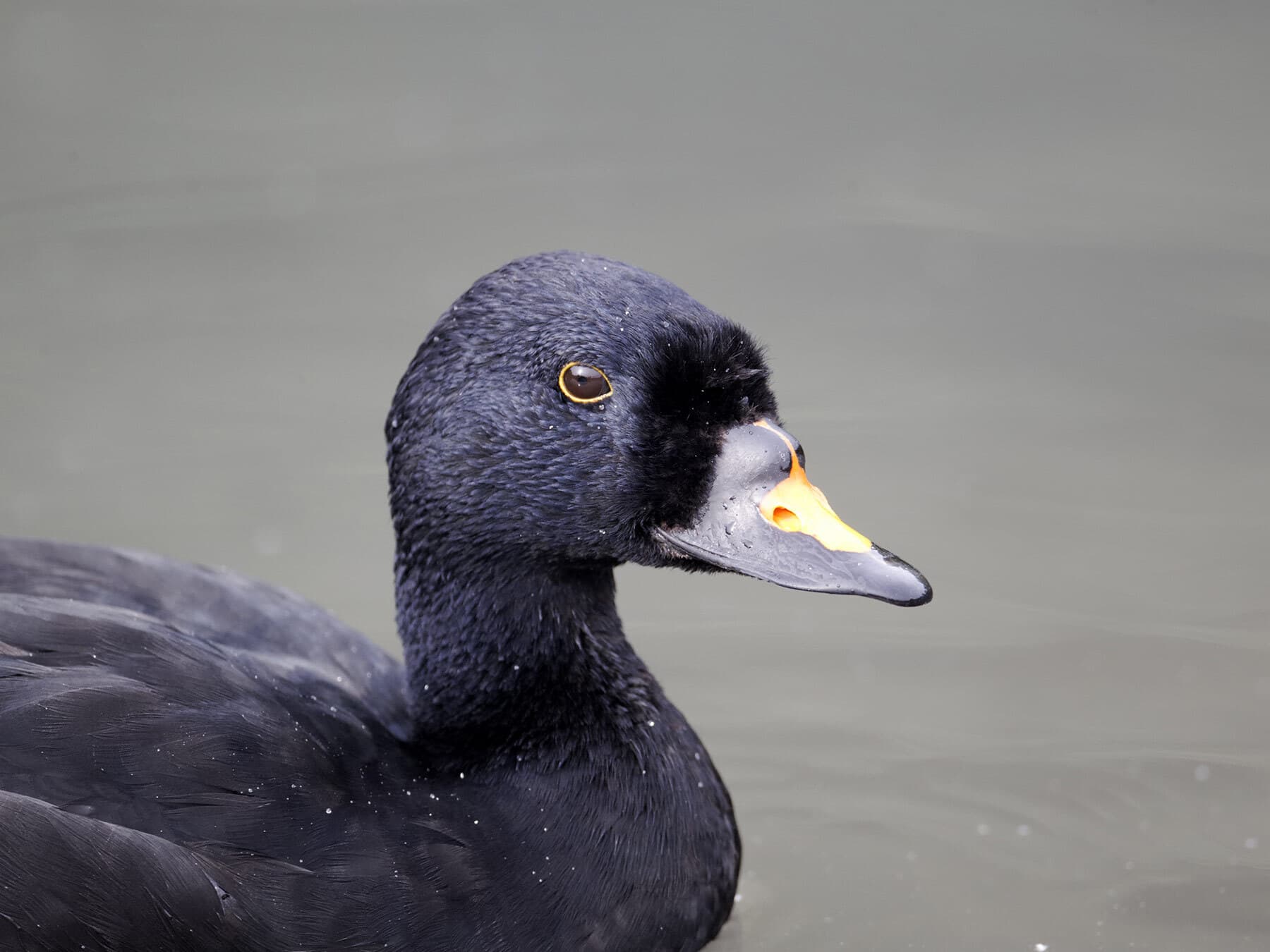
Common Scoter
Melanitta nigraLC
A rare resident seen in small numbers offshore, often in rafts on the Irish Sea off the Cumbrian coast.
Year-round
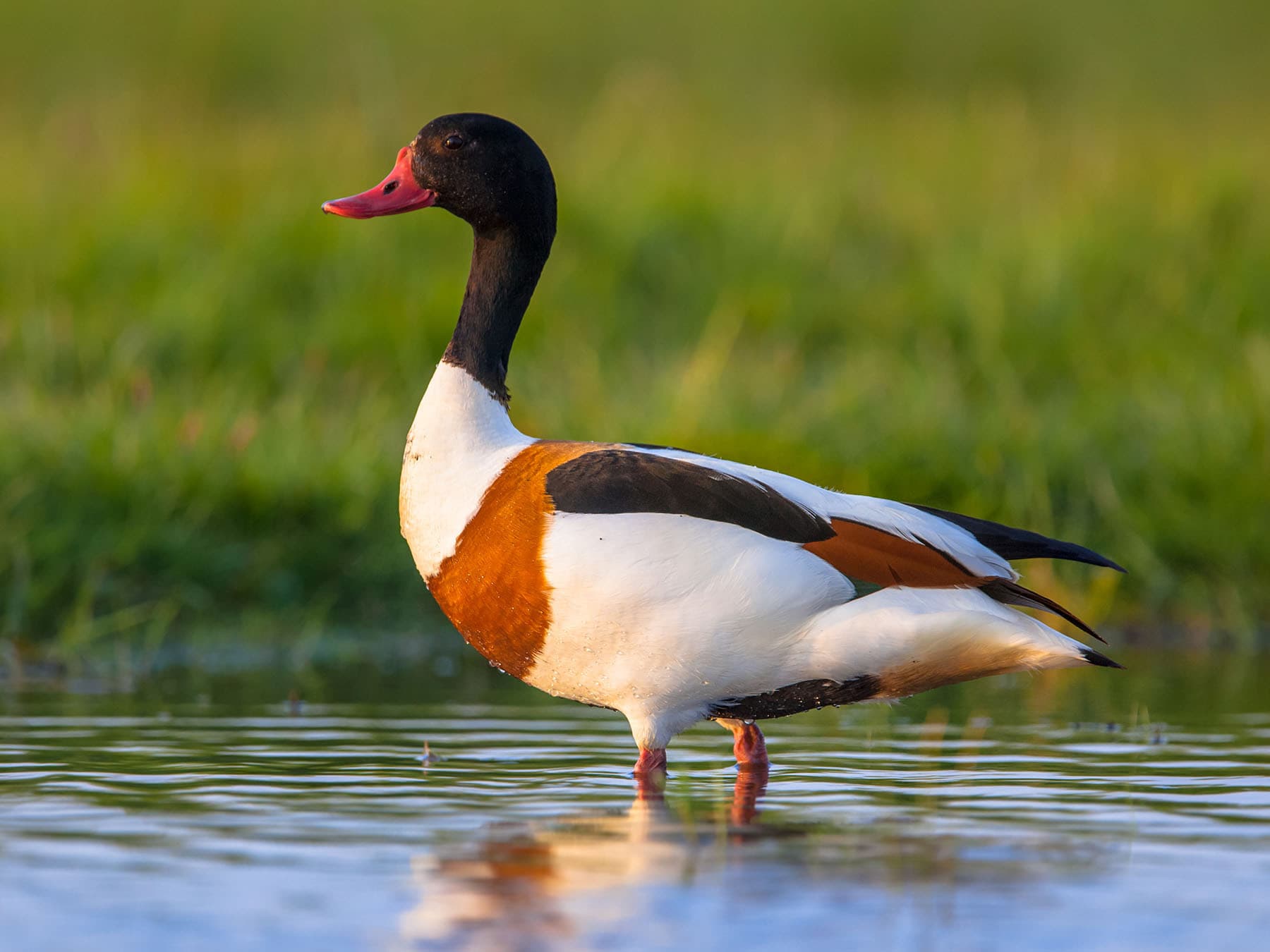
Common Shelduck
Tadorna tadornaLC
An uncommon resident favouring the Solway and Morecambe Bay estuaries, nesting in rabbit burrows nearby.
Year-round
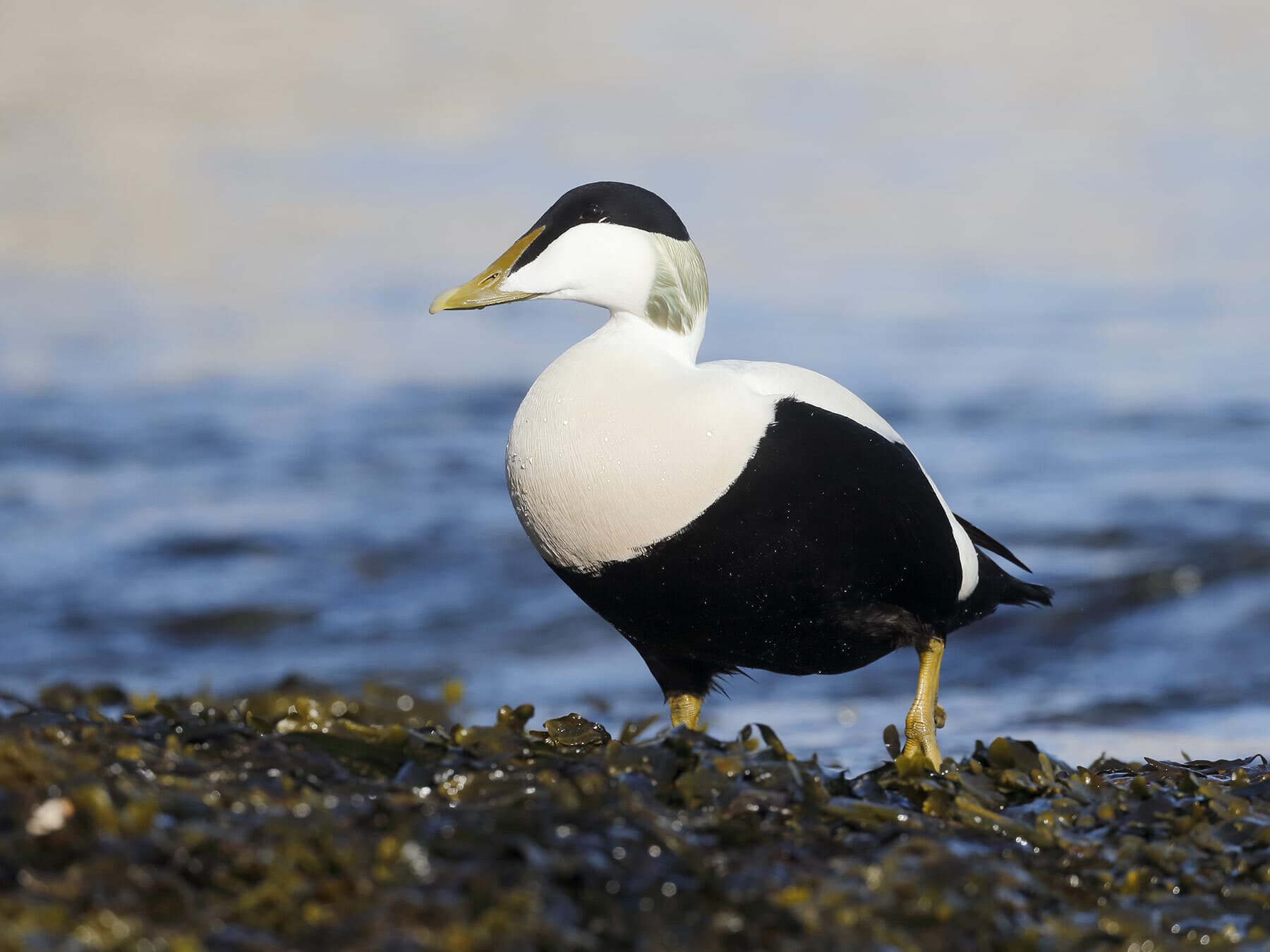
Eider
Somateria mollissimaNT
An uncommon coastal resident, most easily seen around the Solway Firth and Walney Island throughout the year.
Year-round
Spotted something?
Upload a photo to identify it
Identify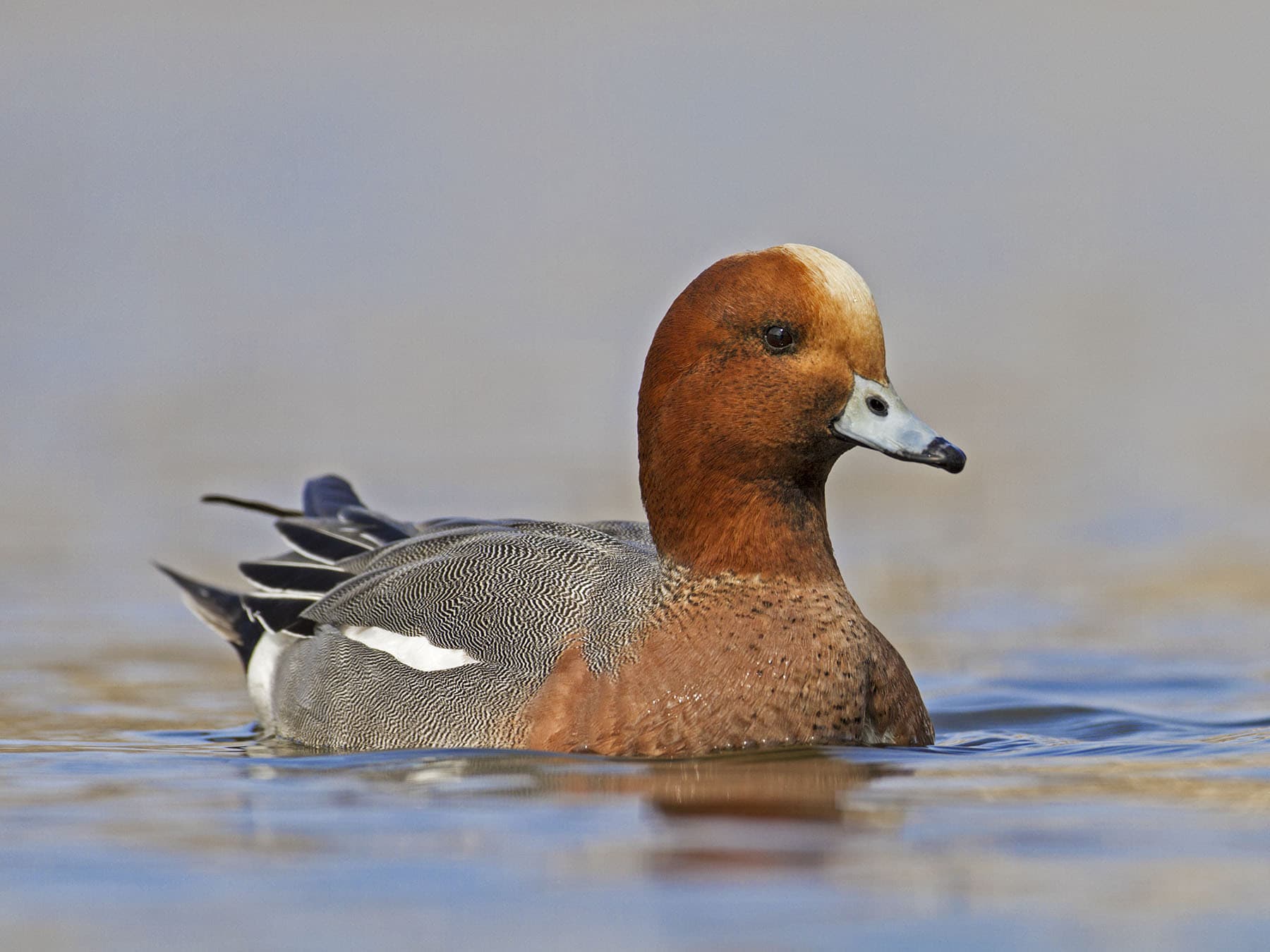
Eurasian Wigeon
Mareca penelopeLC
An uncommon year-round resident, with numbers swelling in winter on estuaries and flooded fields. Breeds sparingly on upland tarns.
Year-round
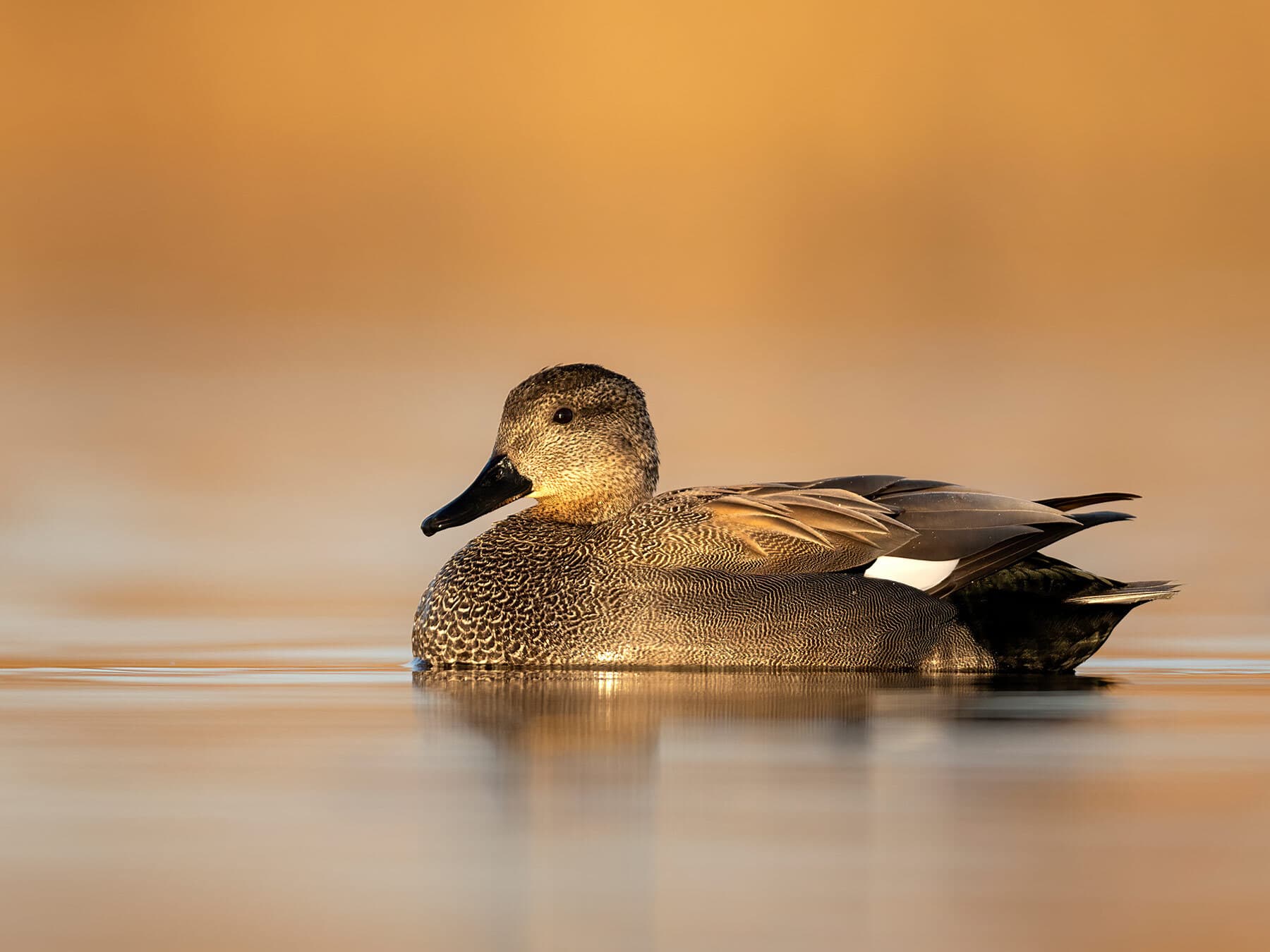
Gadwall
Mareca streperaLC
An uncommon resident on lowland lakes and reservoirs, often overlooked among larger flocks of dabbling ducks.
Year-round
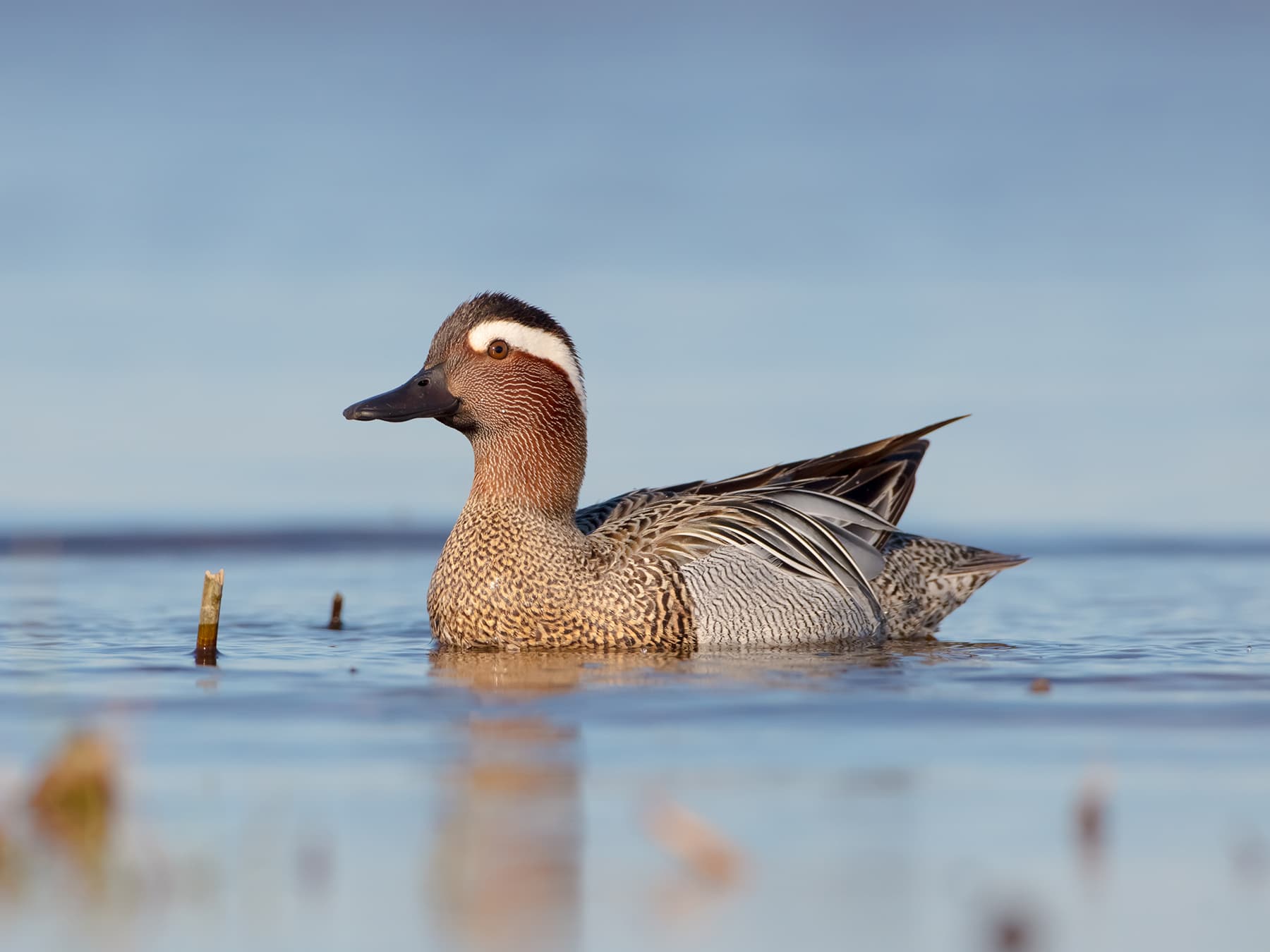
Garganey
Spatula querquedulaLC
A rare passage migrant glimpsed on freshwater pools in spring and again briefly in September.
Apr–Sep
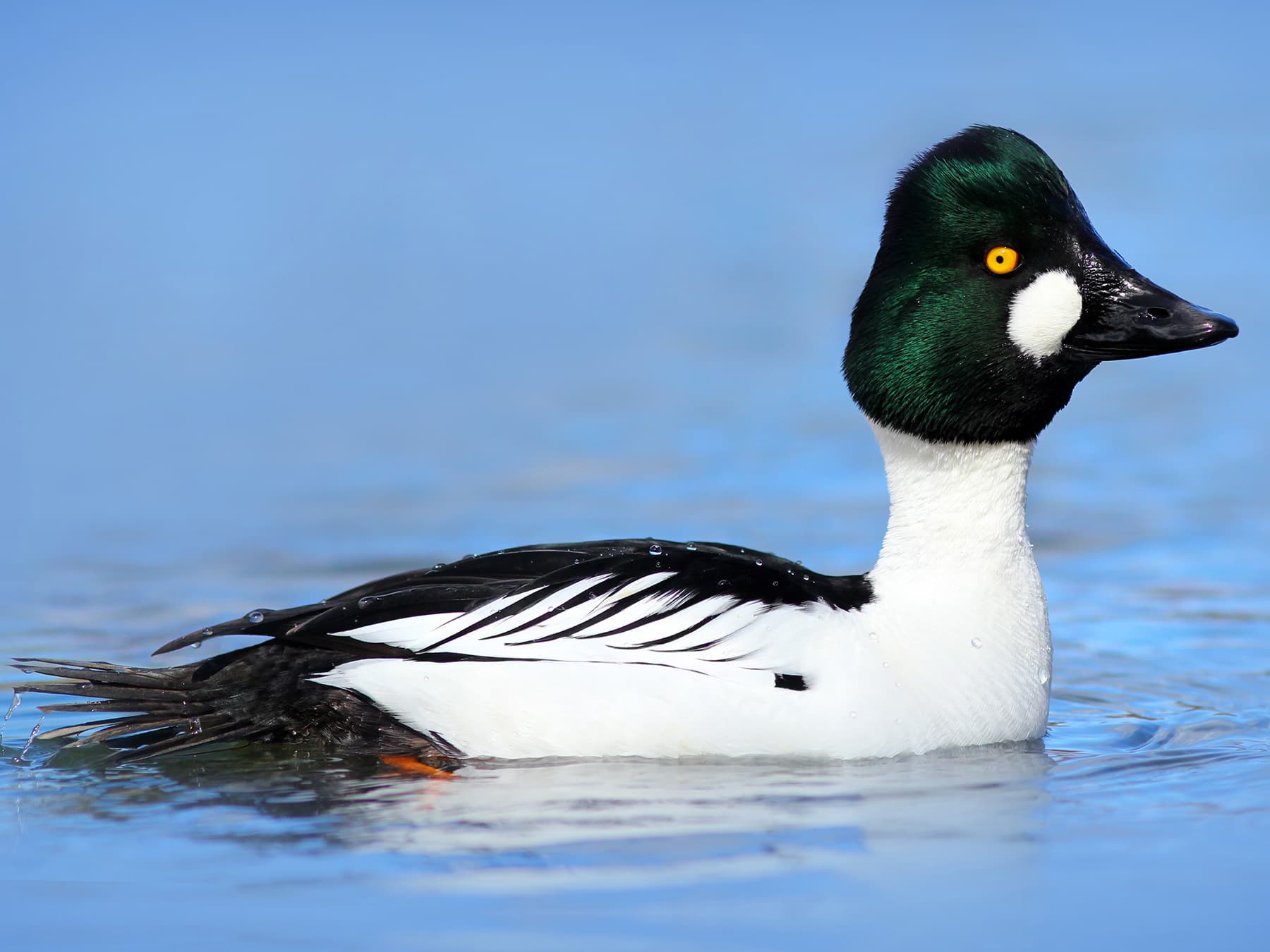
Goldeneye
Bucephala clangulaLC
An uncommon winter visitor to Cumbria's lakes and estuaries, arriving from autumn and lingering into spring.
Aug–Apr
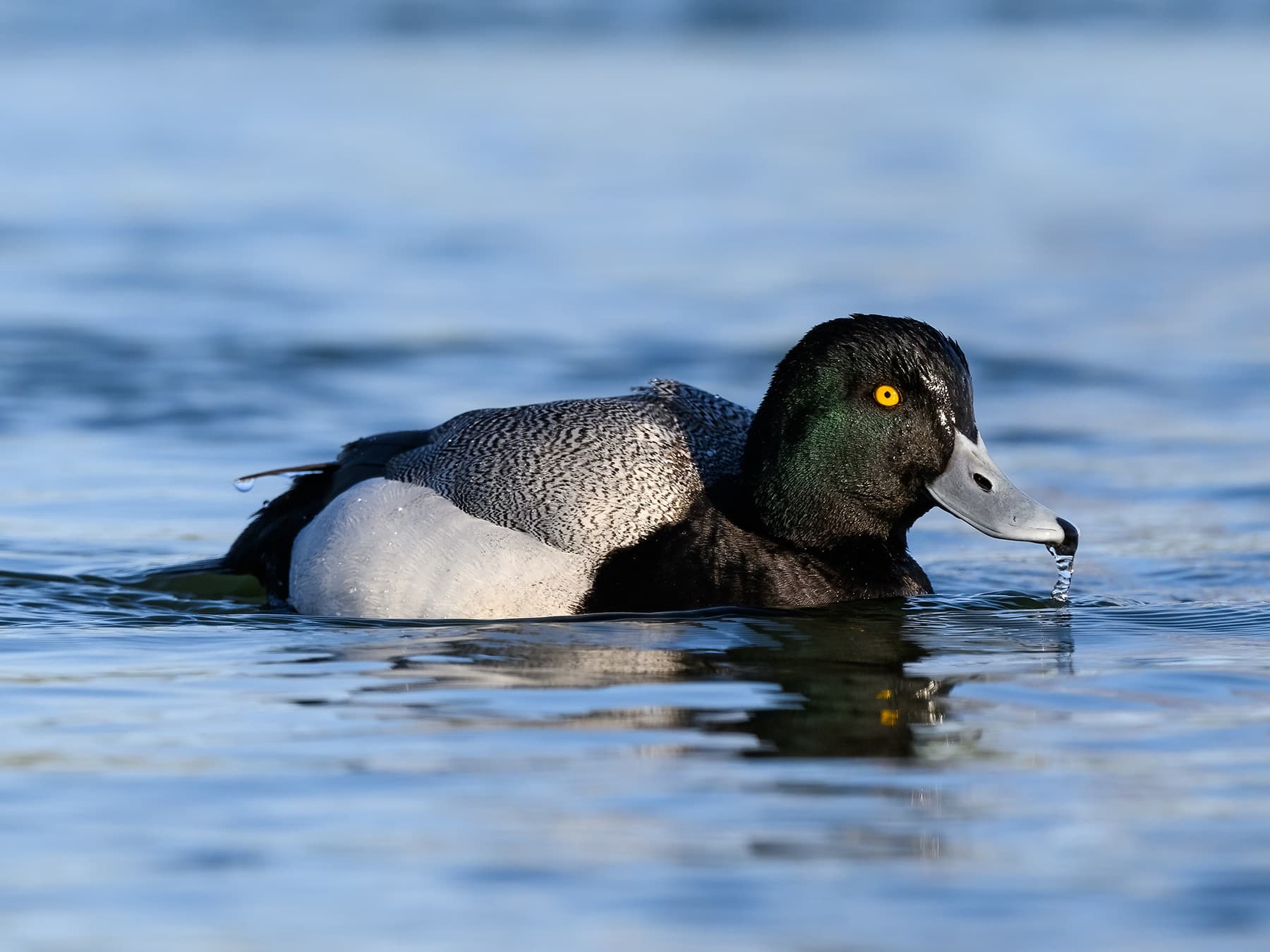
Greater Scaup
Aythya marilaLC
A rare winter visitor to coastal waters and sheltered bays. Small numbers may appear on the Solway Firth or Morecambe Bay.
Oct–Mar
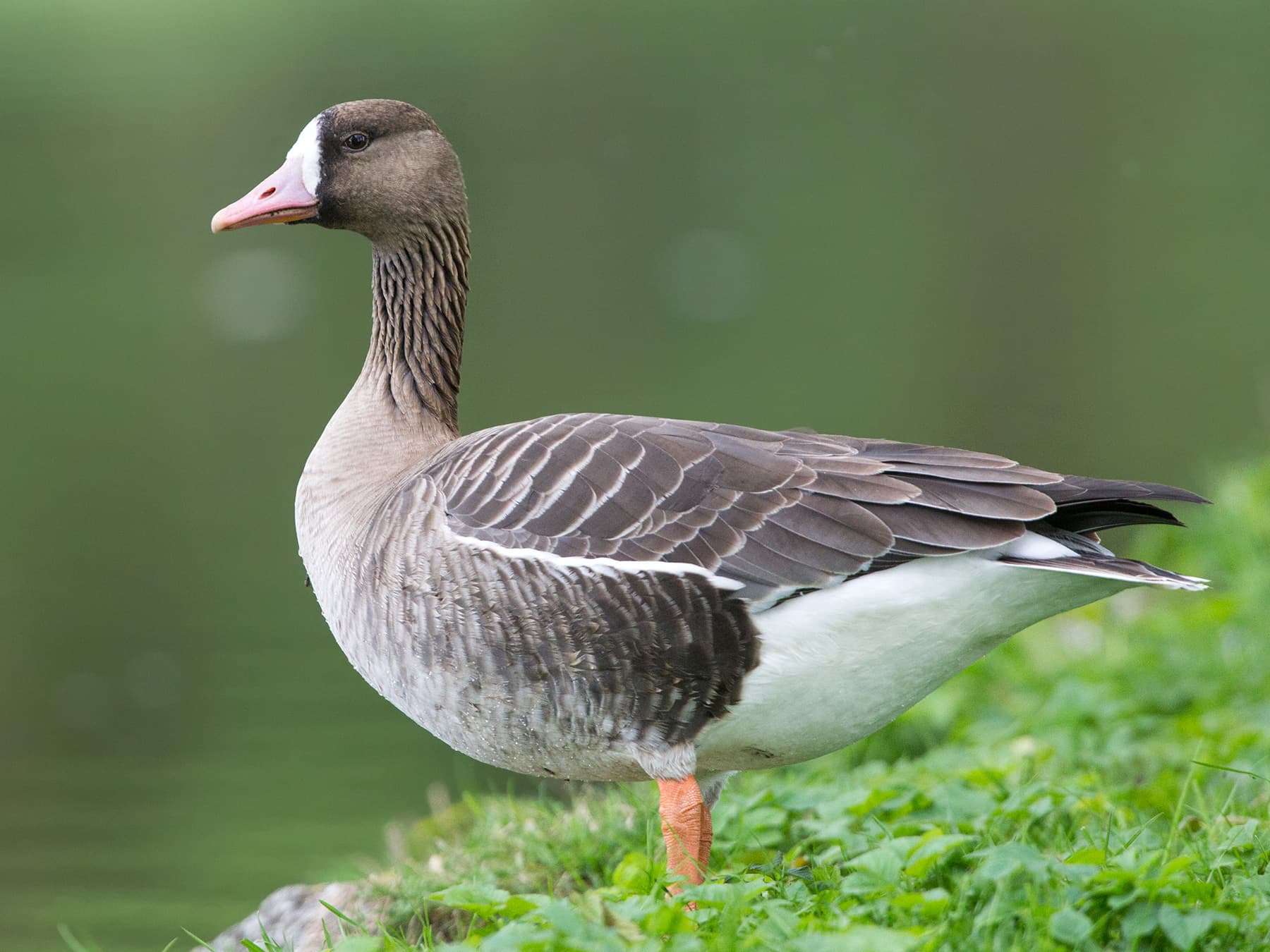
Greater White-fronted Goose
Anser albifronsLC
A rare winter passage visitor, occasionally seen in January and February on coastal marshes and estuarine fields.
Jan–Feb
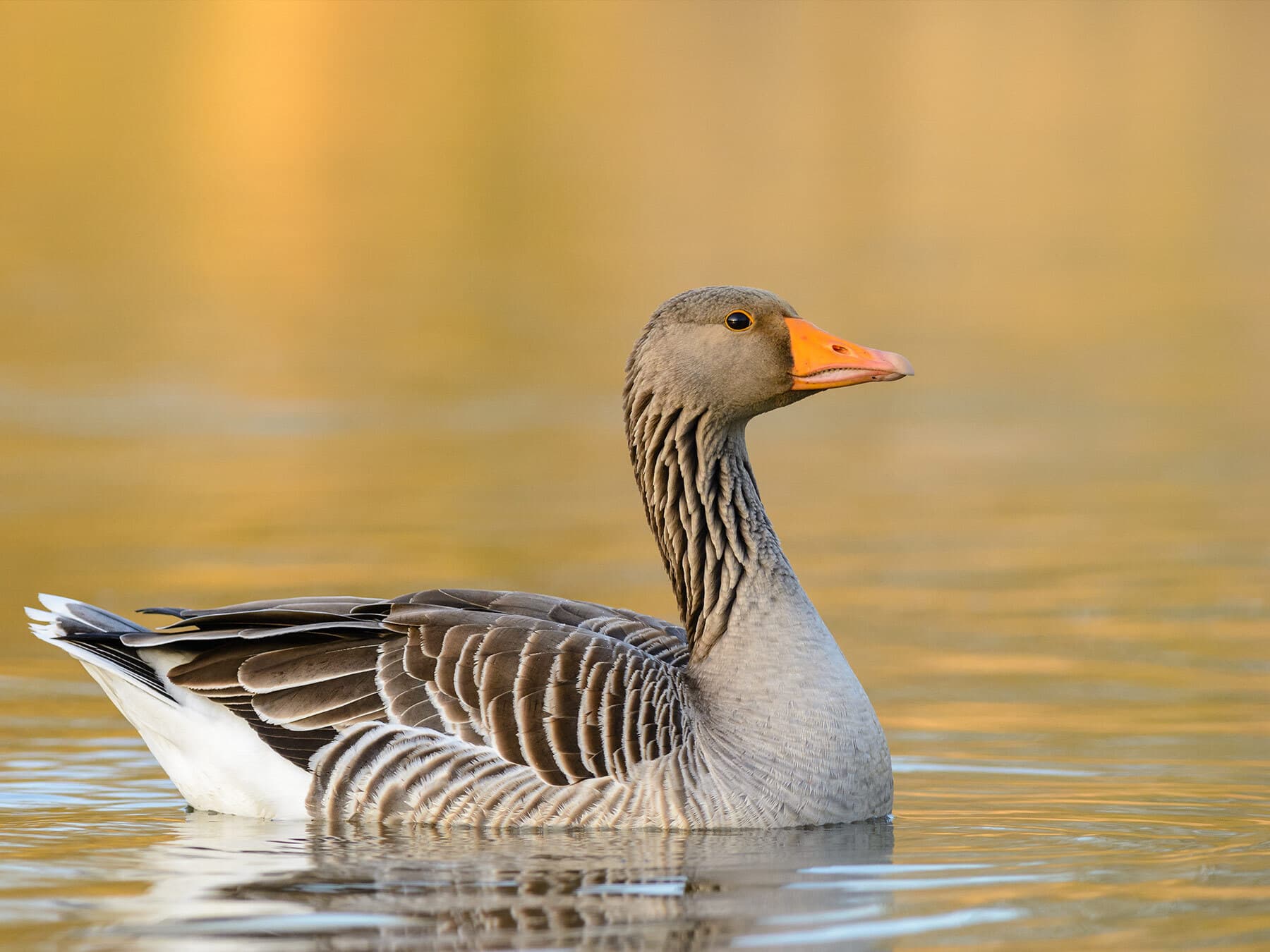
Greylag Goose
Anser anserLC
An uncommon year-round resident found on lakes, estuaries and farmland, with both feral and wild birds present.
Year-round
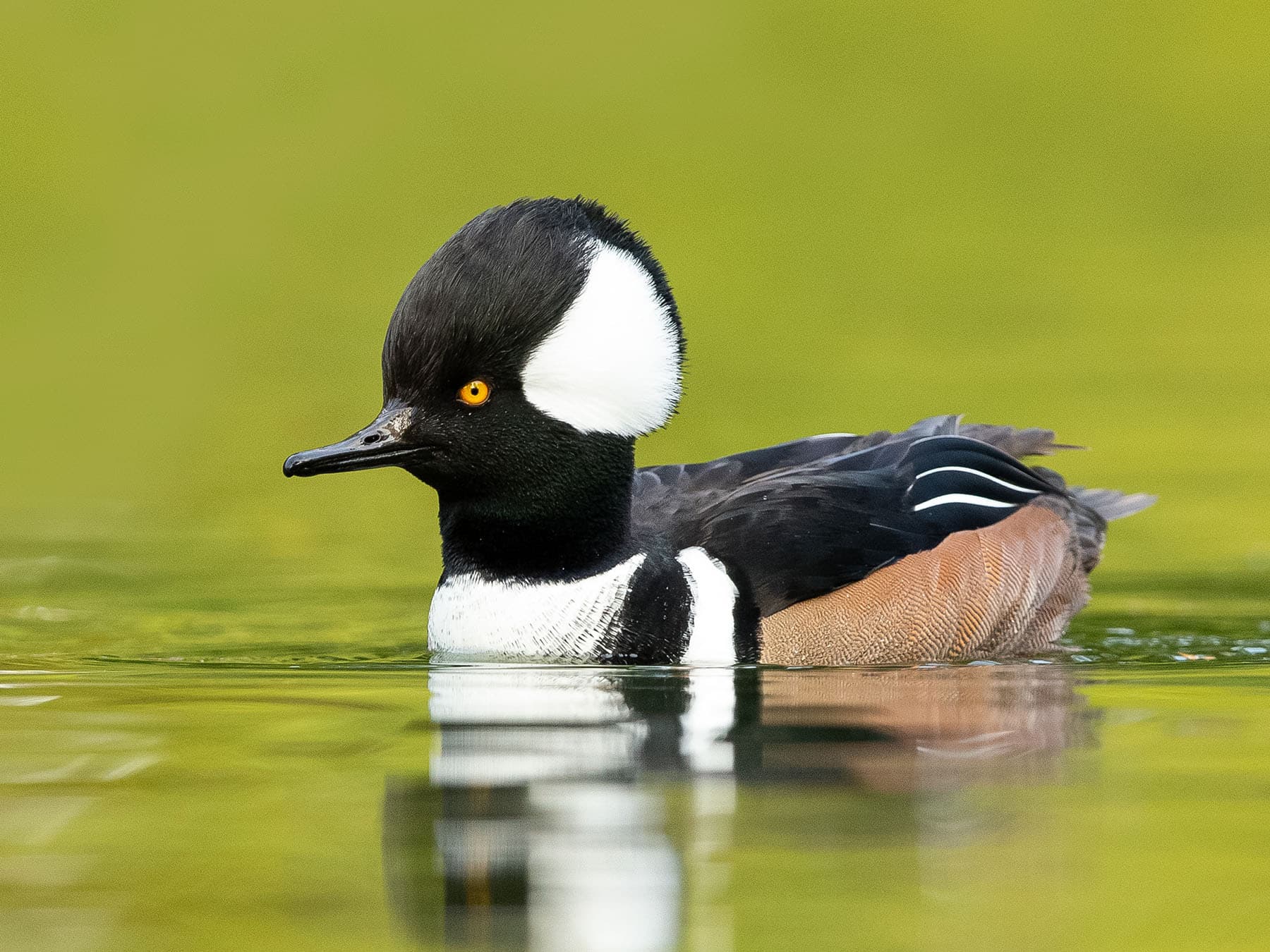
Hooded Merganser
Lophodytes cucullatusLC
A rare spring vagrant of uncertain origin, occasionally recorded on Cumbrian lakes in April and May.
Apr–May
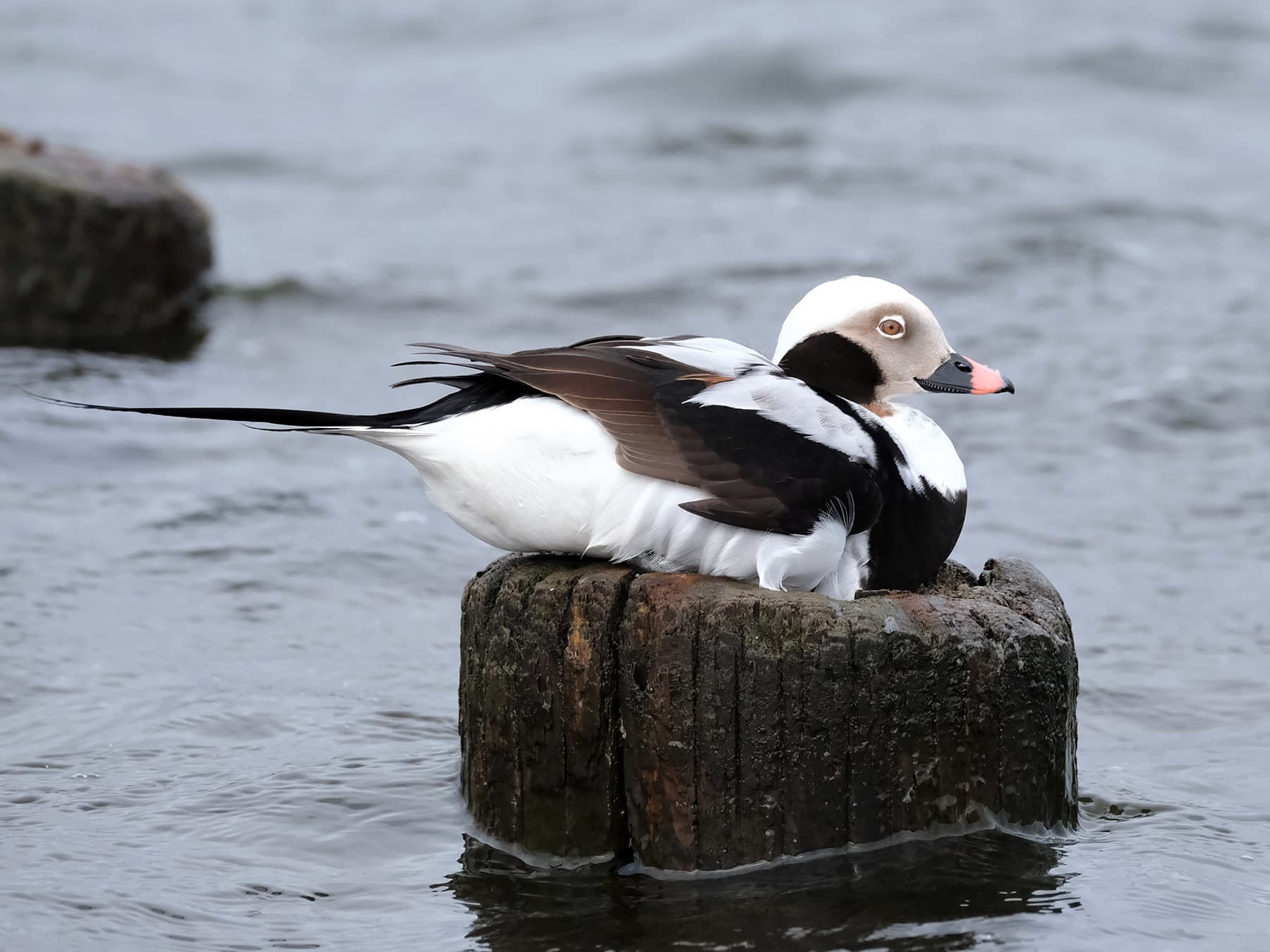
Long-tailed Duck
Clangula hyemalisVU
A rare midwinter visitor, occasionally seen on coastal waters or large inland lakes. A scarce but prized find for local birders.
Jan
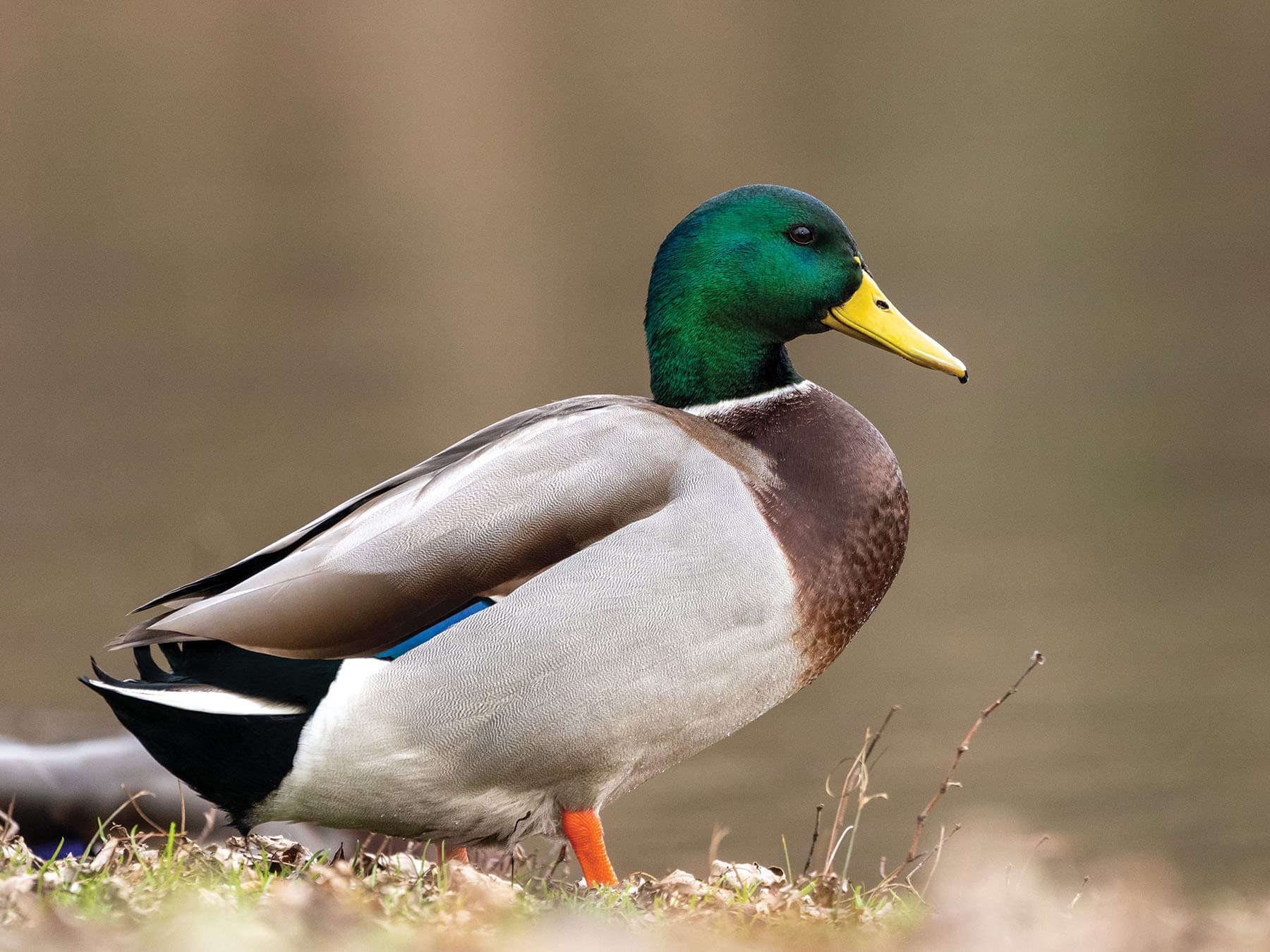
Mallard
Anas platyrhynchosLC
A common resident found on virtually any waterbody, from upland tarns to town park ponds. Present year-round across the county.
Year-round
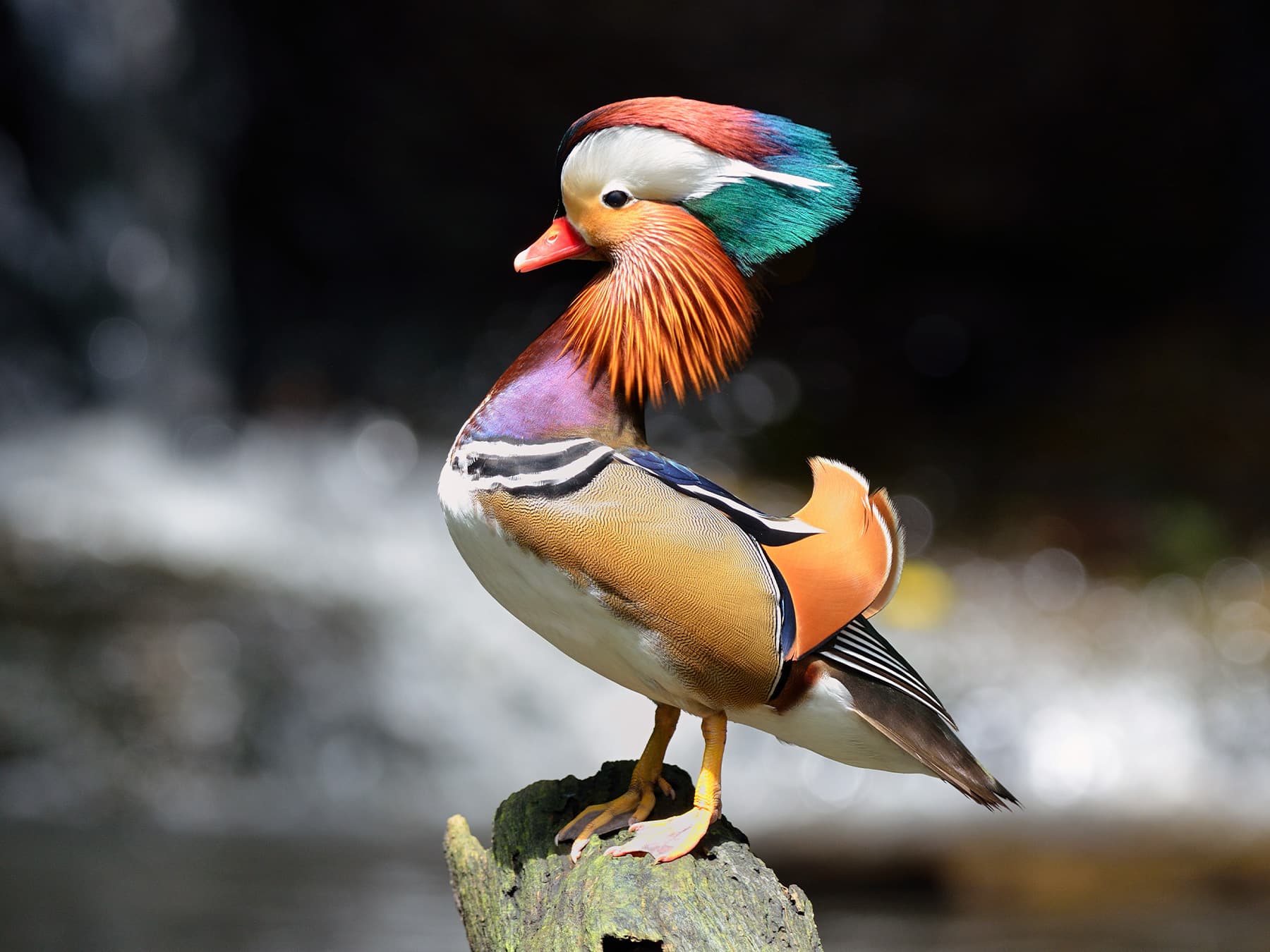
Mandarin Duck
Aix galericulataLC
A rare resident found on wooded lakes and rivers. Small feral populations persist, favouring sheltered waterways with overhanging trees.
Dec–Oct
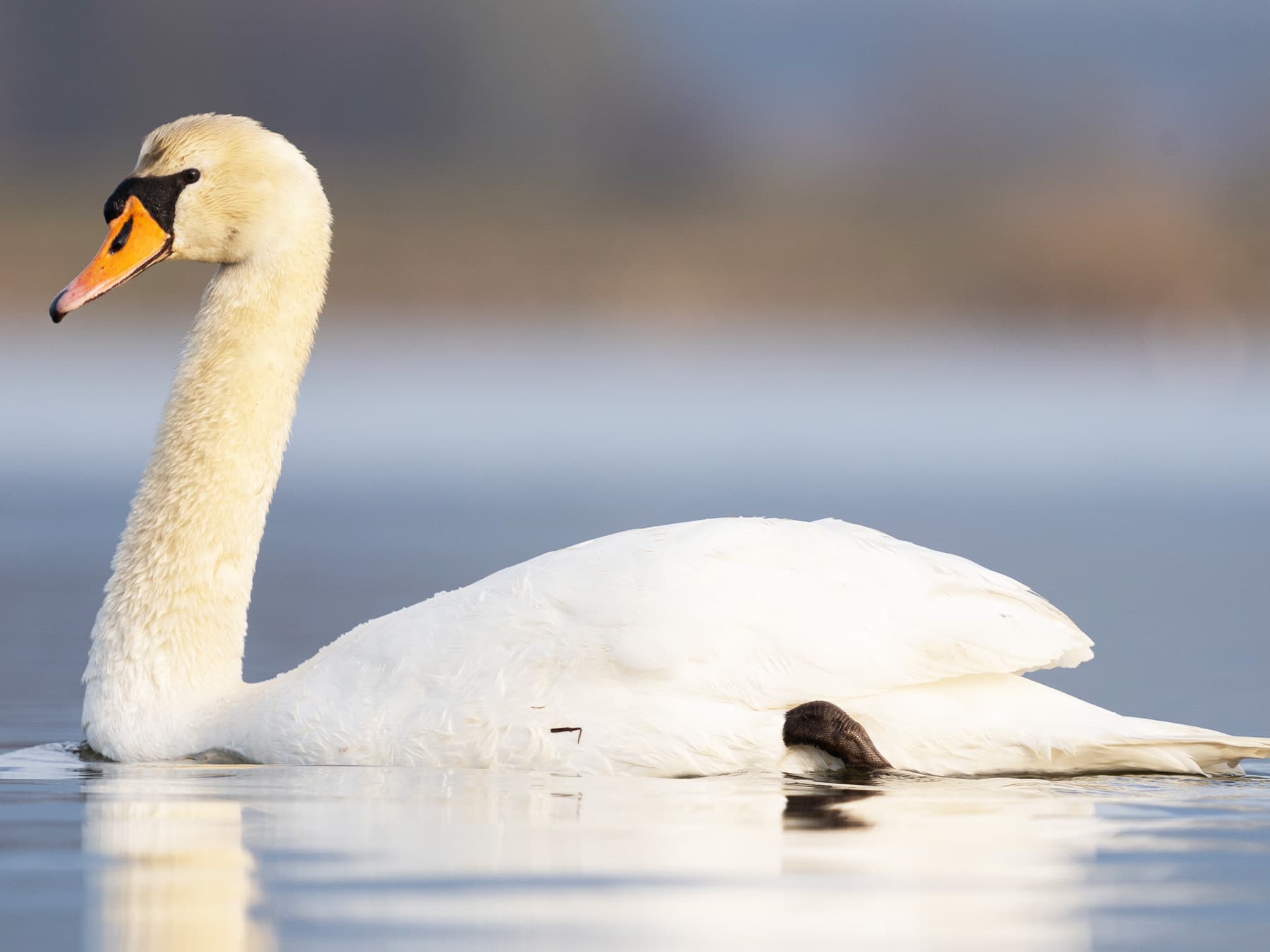
Mute Swan
Cygnus olorLC
A familiar sight on Cumbria's lakes and rivers year-round, nesting along waterways and in town centres.
Year-round
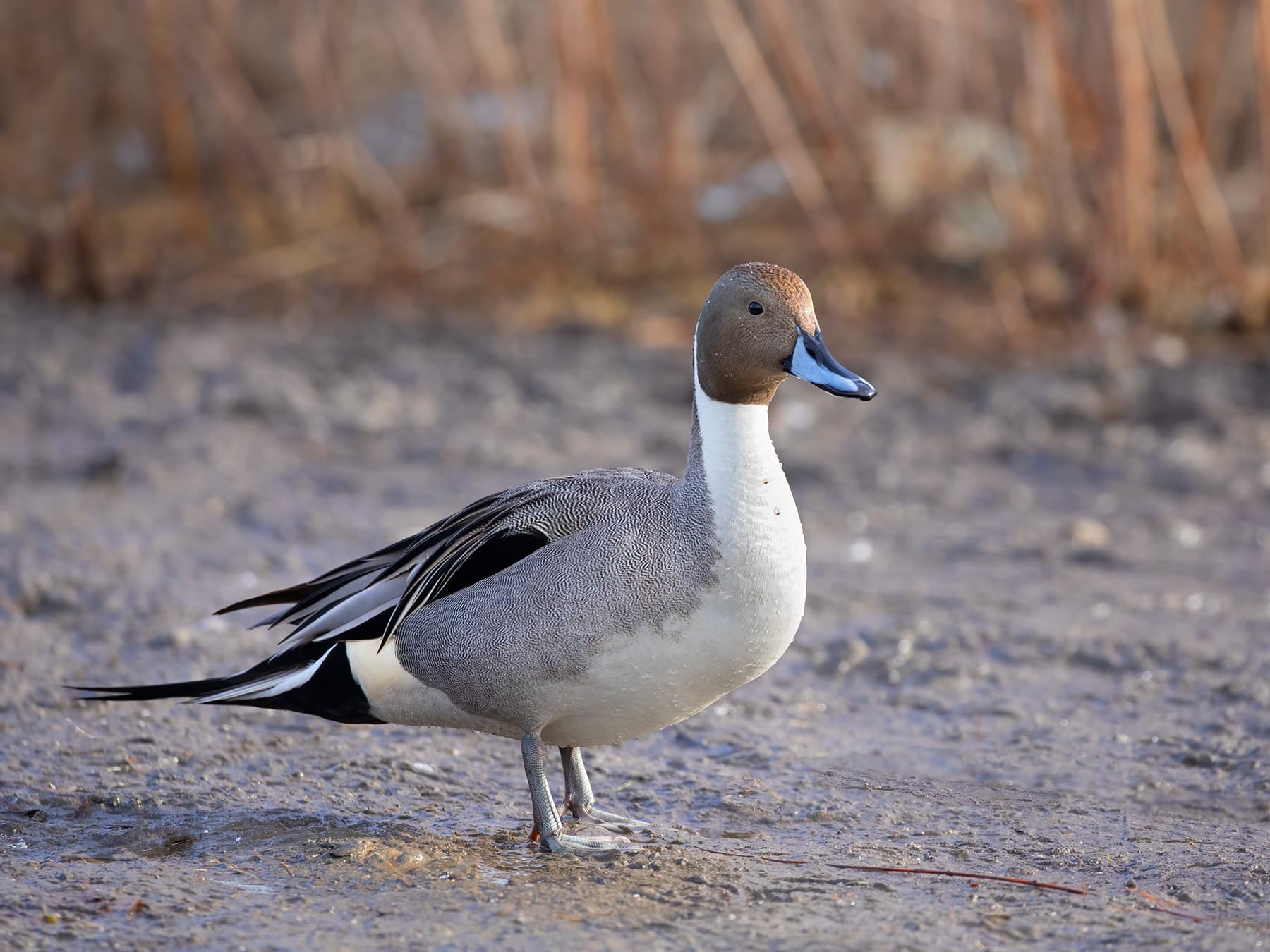
Northern Pintail
Anas acutaLC
A rare non-breeding visitor to estuaries and coastal marshes, mainly from autumn to spring. Morecambe Bay is a key site.
Sep–Apr
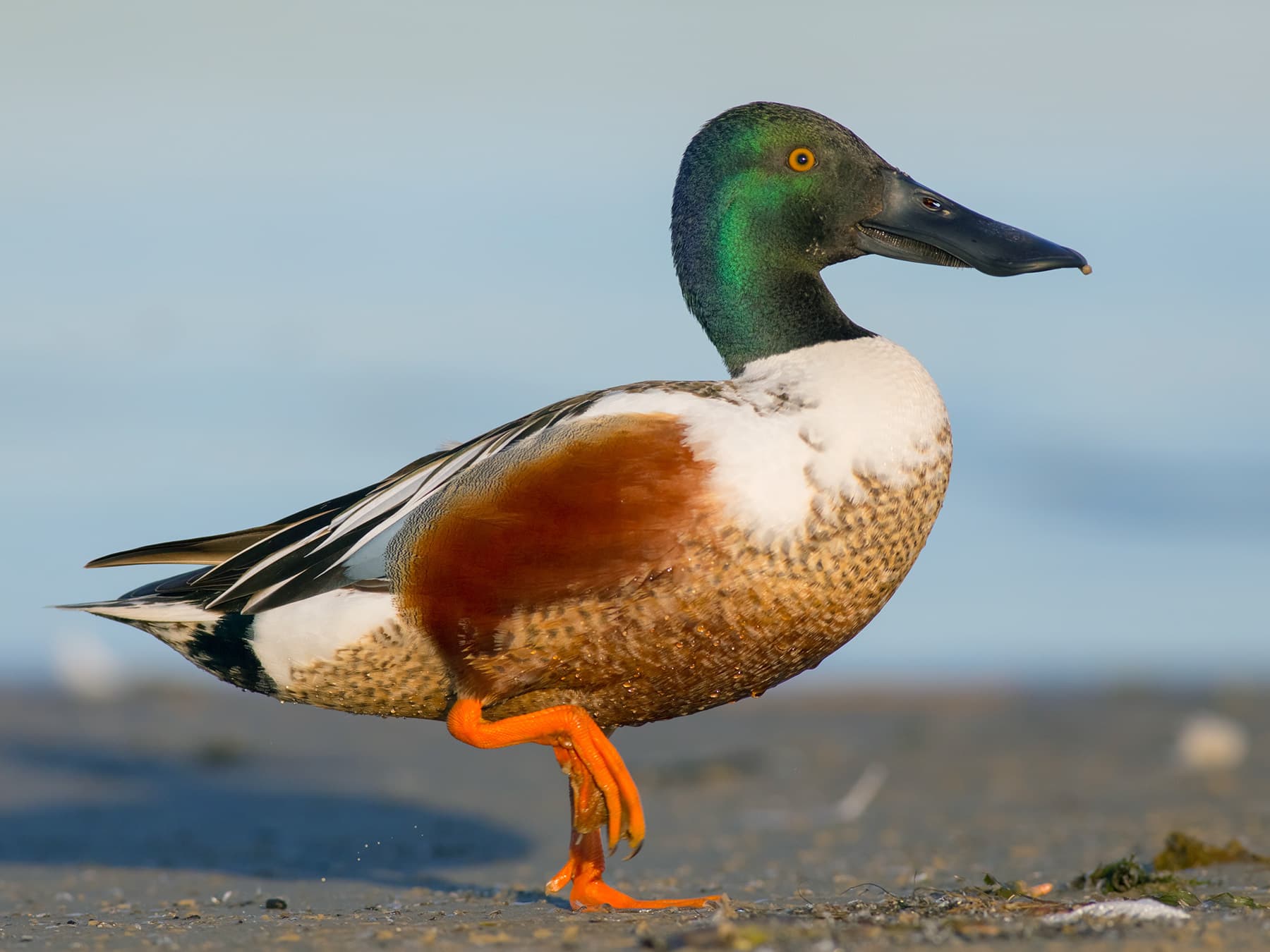
Northern Shoveler
Spatula clypeataLC
An uncommon resident on shallow lakes and marshes, with numbers boosted by winter visitors. Scarcer during midsummer.
Aug–May
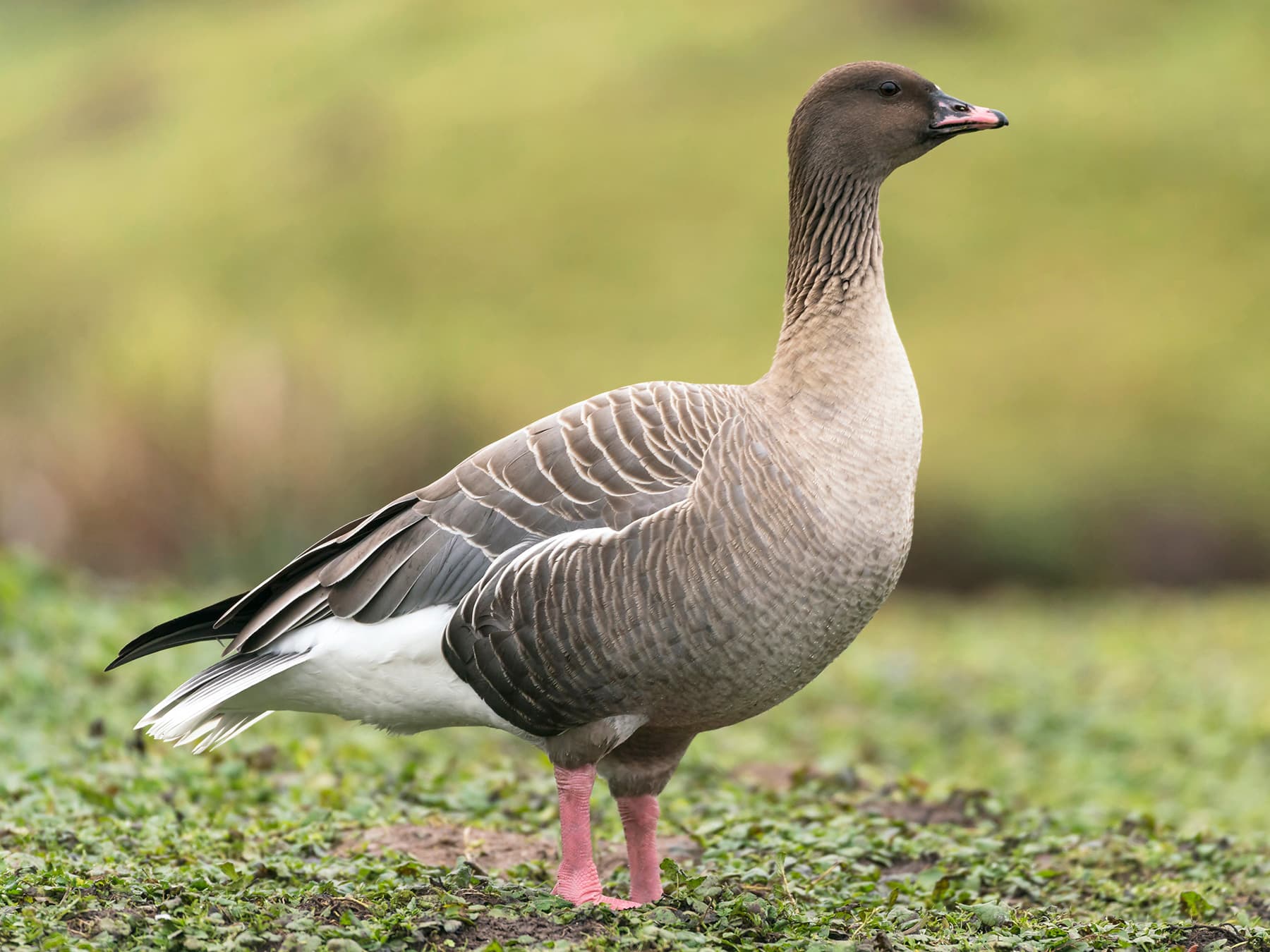
Pink-footed Goose
Anser brachyrhynchusLC
Winters on estuaries and farmland in large flocks, notably around Morecambe Bay, arriving from Iceland in autumn.
Sep–May