Uncommon Birds in Cambridgeshire
47 species matching this filter.
Cambridgeshire's diverse landscape of fenland, river valleys, and wetland reserves supports a fascinating array of uncommon bird species. With 47 species classified as uncommon in the county, birdwatchers can seek out rewarding sightings such as the striking Great White Egret, the elusive Cetti's Warbler, and elegant Black-tailed Godwits on passage. Sites like the Ouse Washes, Wicken Fen, and the gravel pits around the Nene Valley provide vital habitats for these less frequently encountered birds.


Showing 24–46 of 47 species
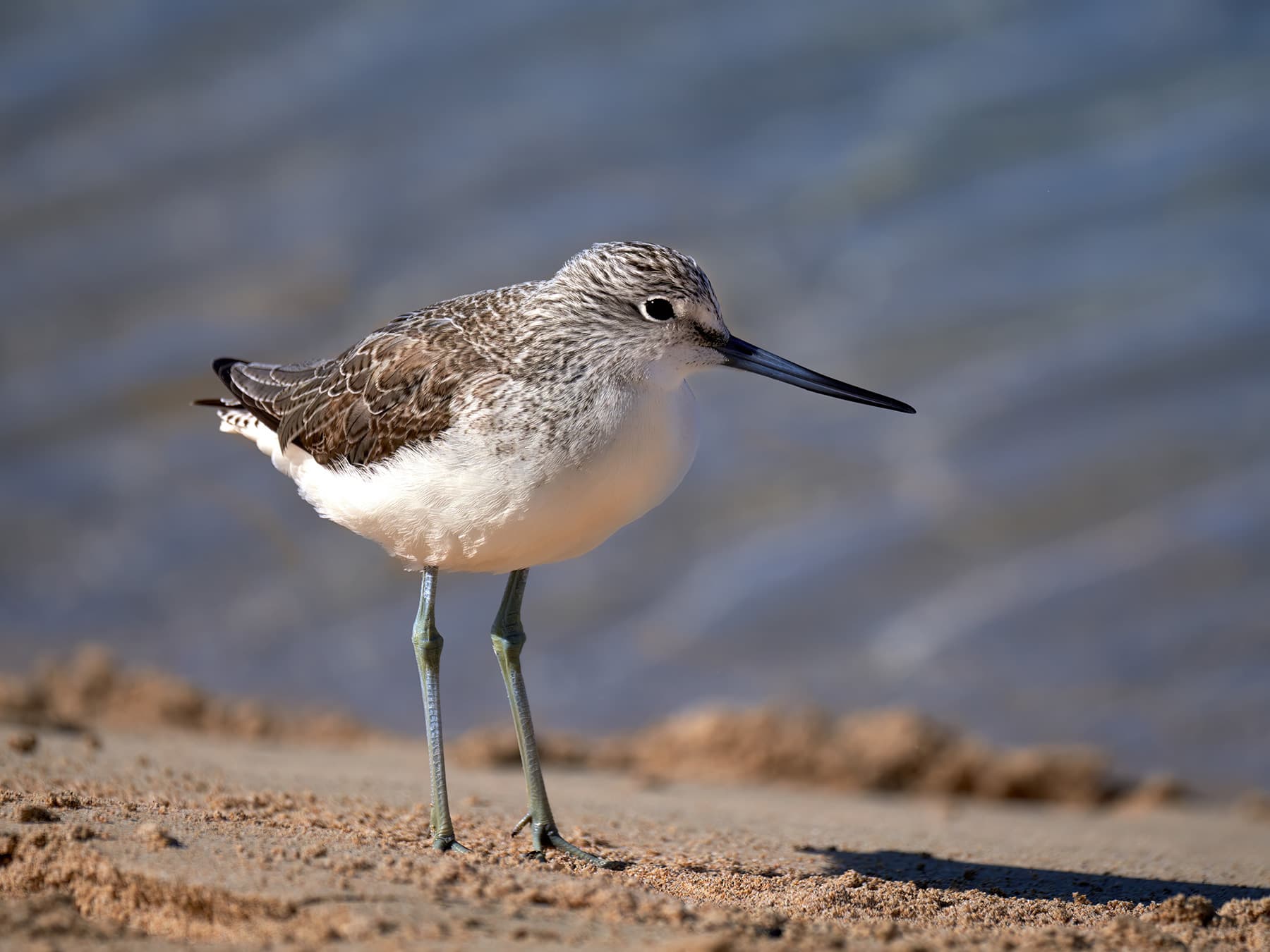
Greenshank
Tringa nebulariaLC
An uncommon visitor to gravel pits and washland scrapes from April to October, with peak passage in late summer.
Apr–Oct
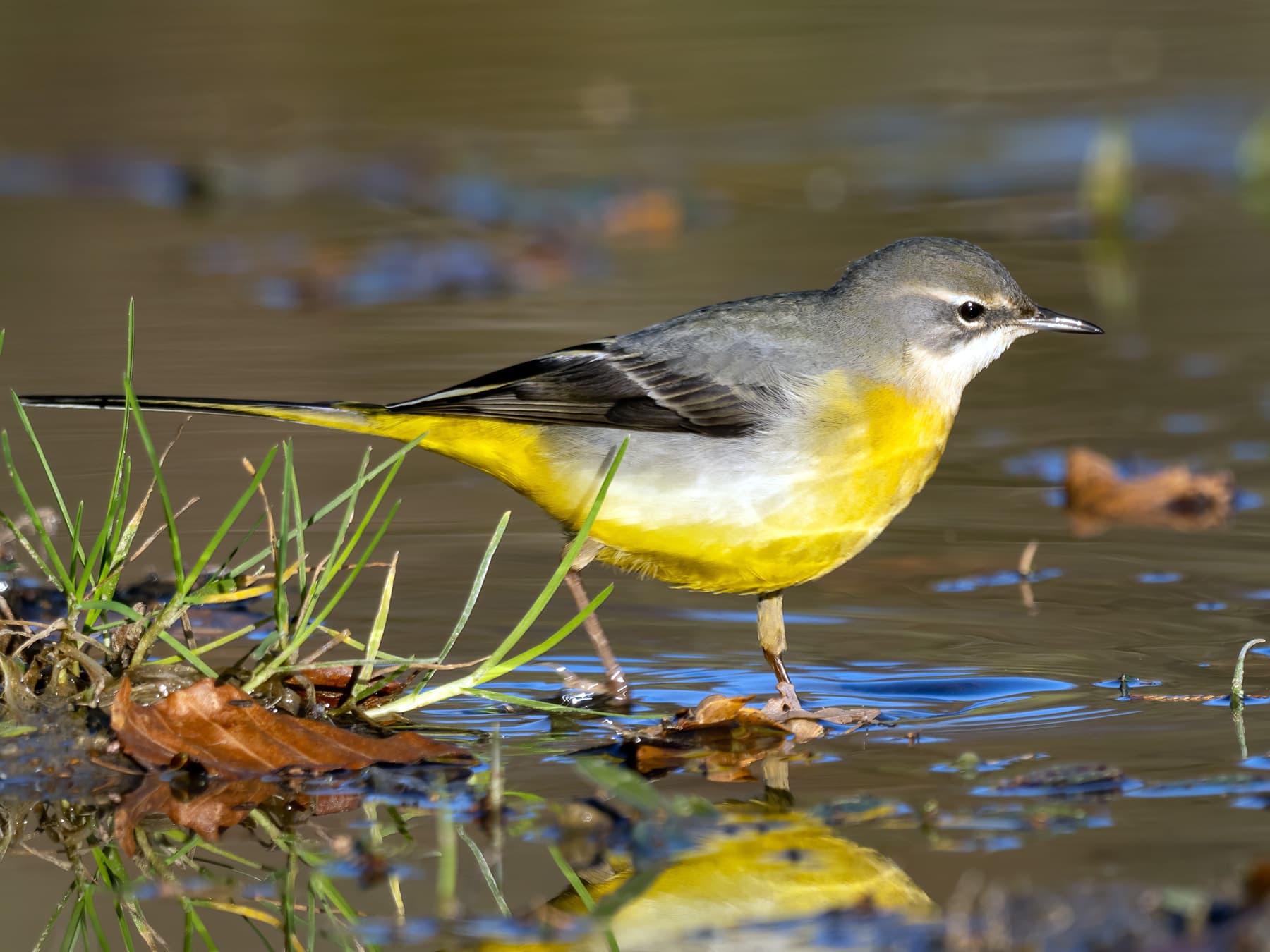
Grey Wagtail
Motacilla cinereaLC
An uncommon resident found along rivers and streams, bobbing its long tail on weirs and bridges throughout the county.
Year-round
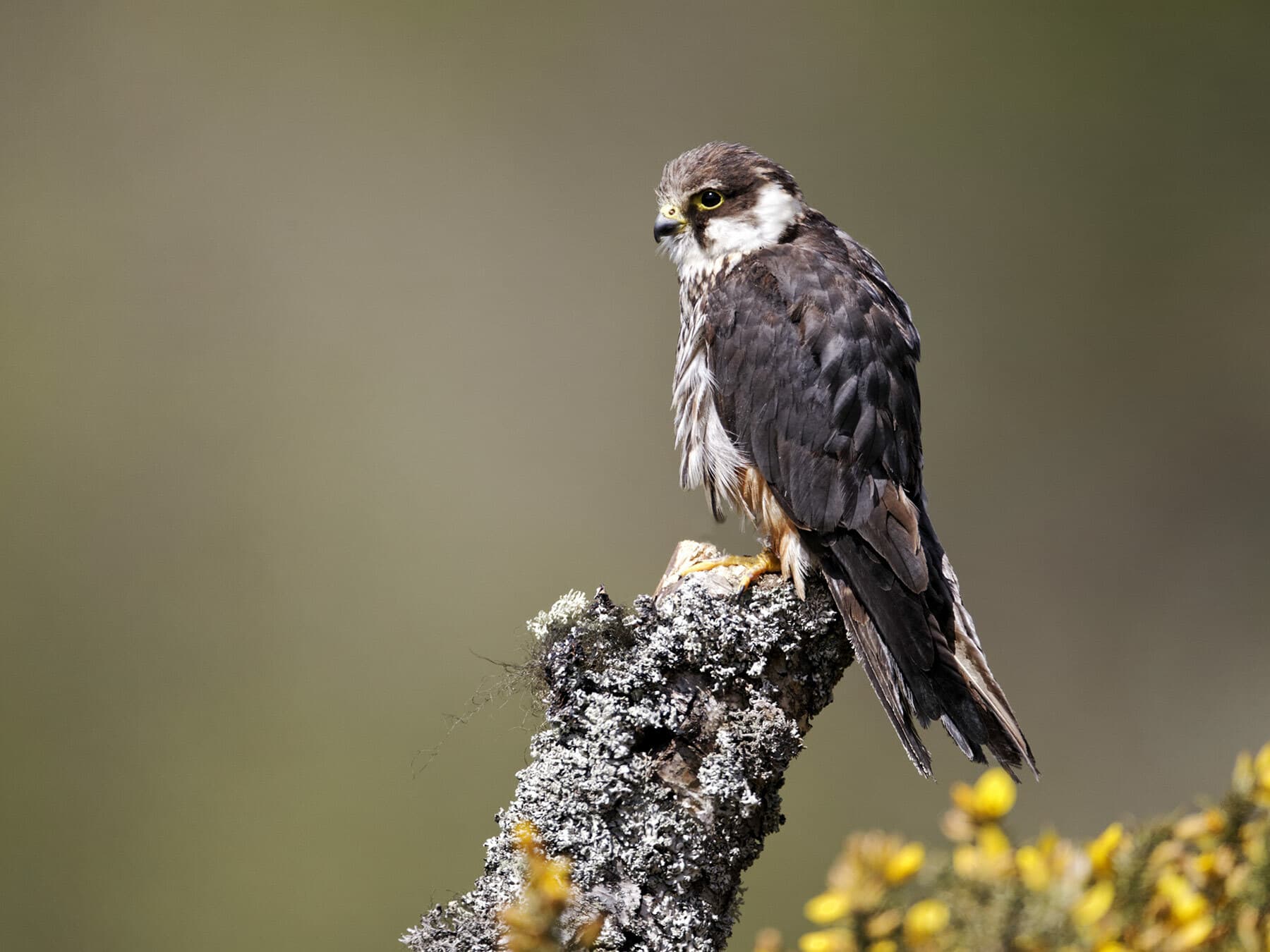
Hobby
Falco subbuteoLC
A graceful summer visitor, arriving in April and hunting dragonflies over Fenland waterways and gravel pits until autumn.
Apr–Oct
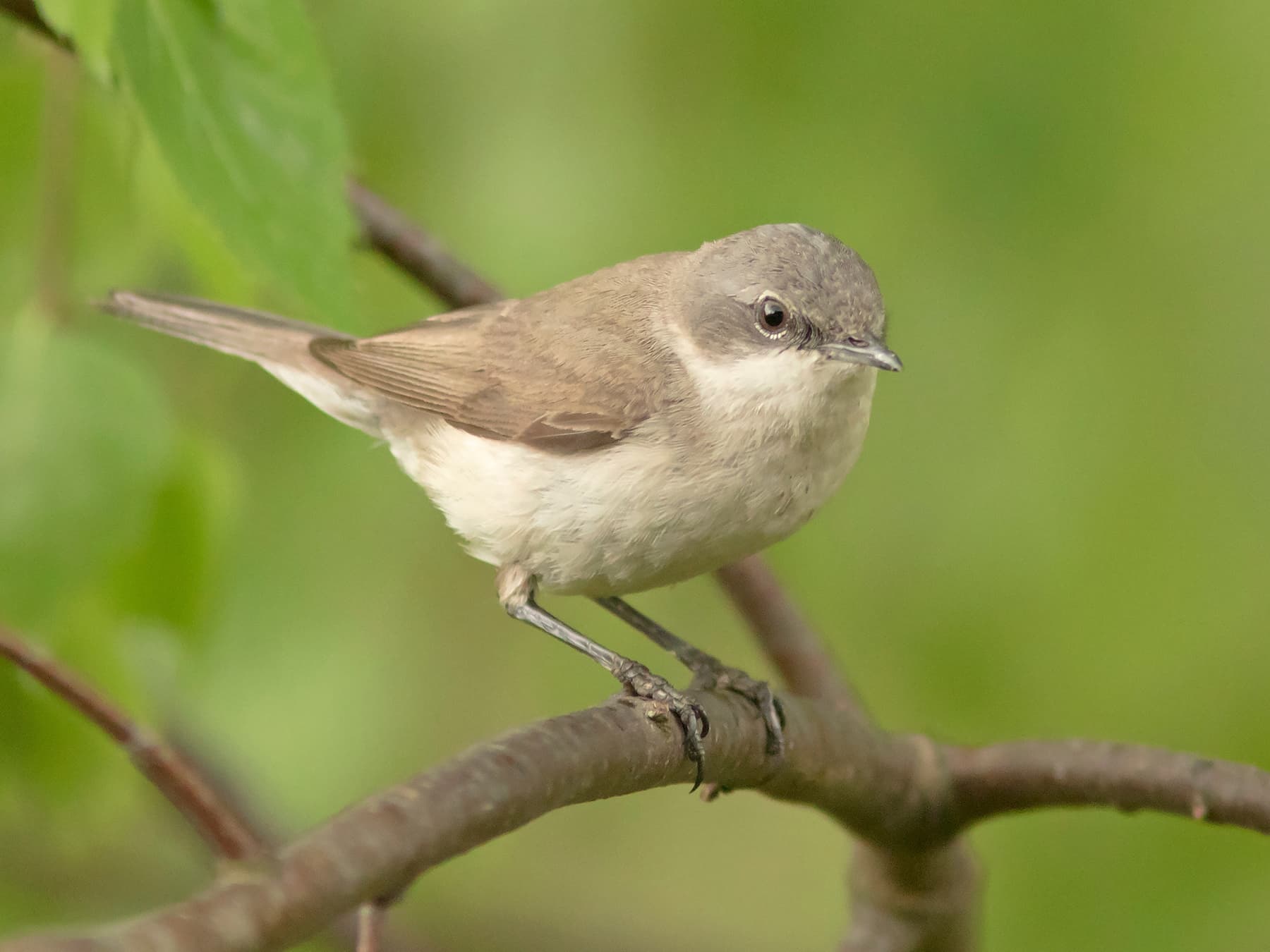
Lesser Whitethroat
Curruca currucaLC
An uncommon summer visitor breeding in tall, dense hedgerows across the county. Its brief rattling song is a characteristic sound of the Cambridgeshire countryside.
Apr–Sep
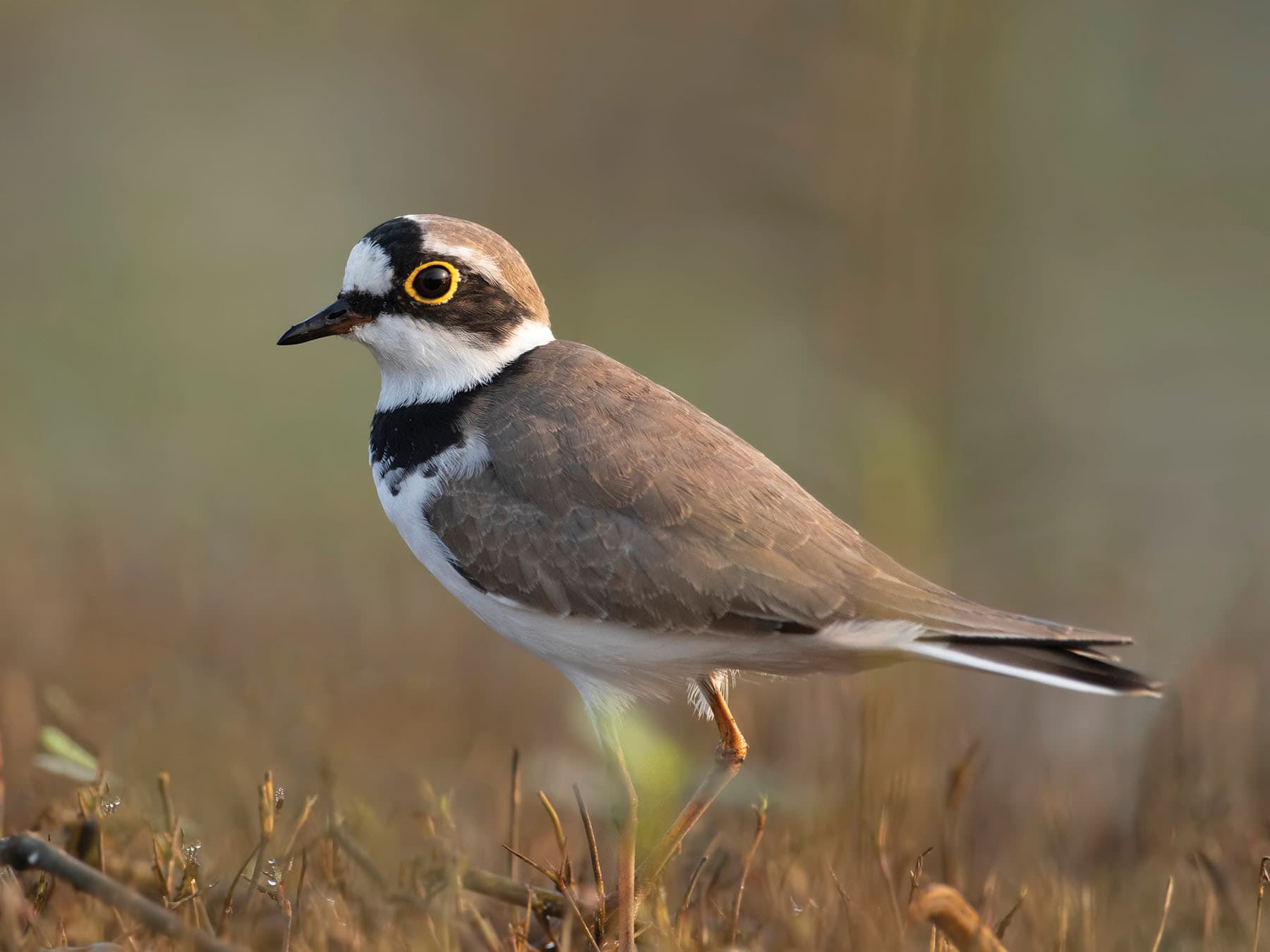
Little Ringed Plover
Charadrius dubiusLC
An uncommon summer breeder from March to September, favouring gravel pits, reservoir margins and bare ground near water.
Mar–Sep
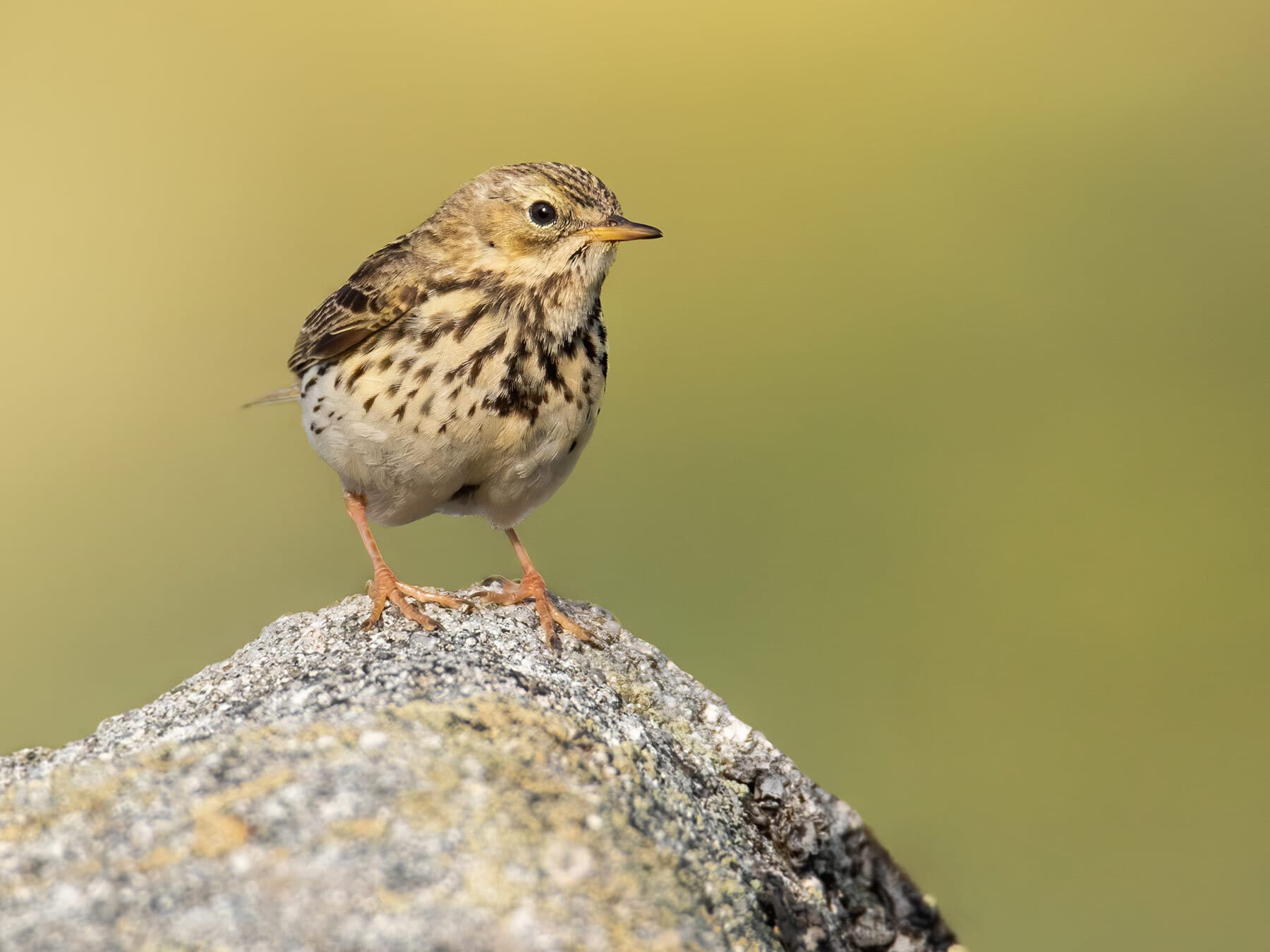
Meadow Pipit
Anthus pratensisLC
An uncommon year-round resident found on rough grassland, marshes and fen edges. Numbers increase in winter when birds from further north arrive.
Year-round
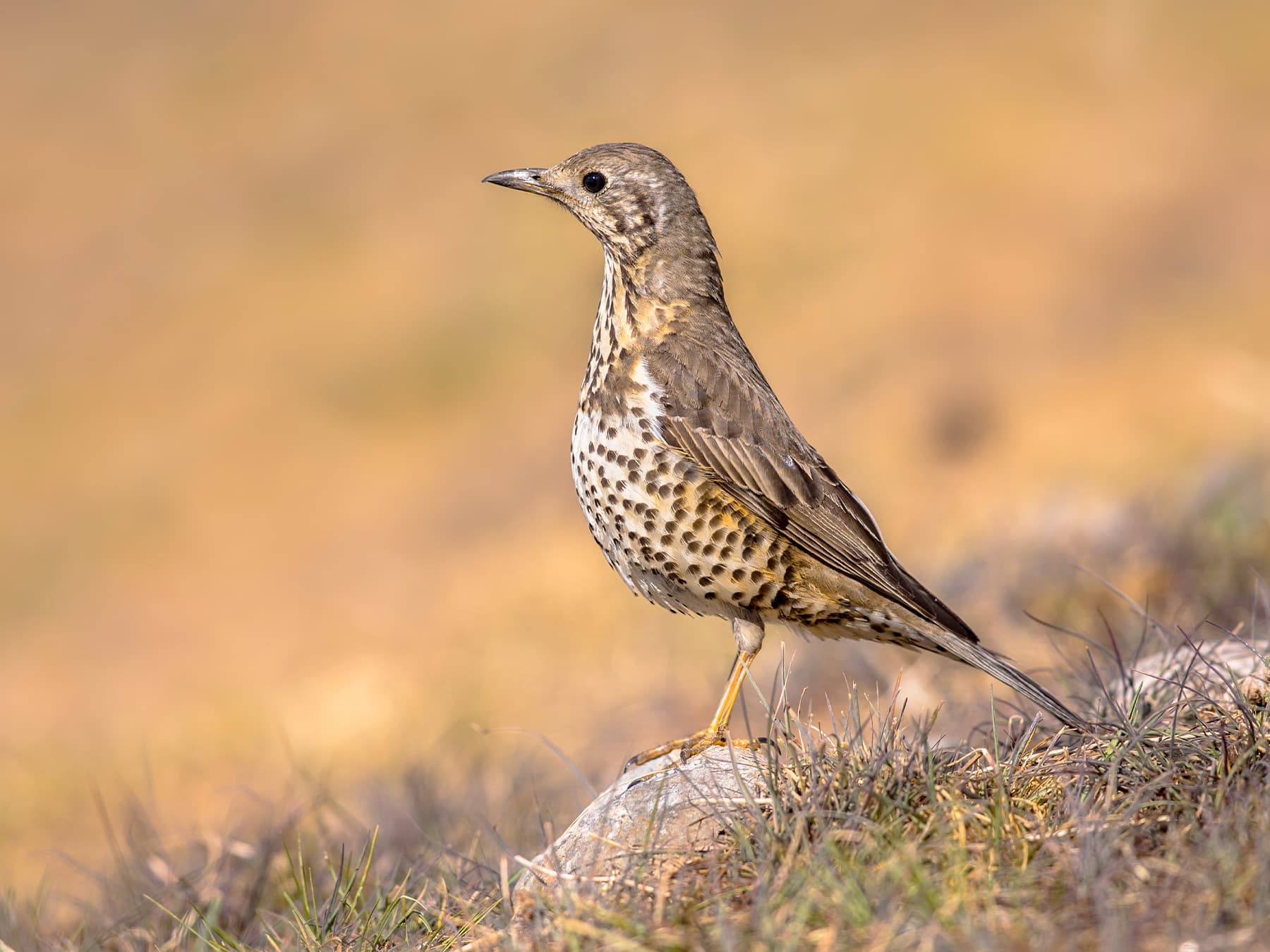
Mistle Thrush
Turdus viscivorusLC
An uncommon resident often heard singing from tall trees in parkland and churchyards, sometimes as early as January.
Year-round
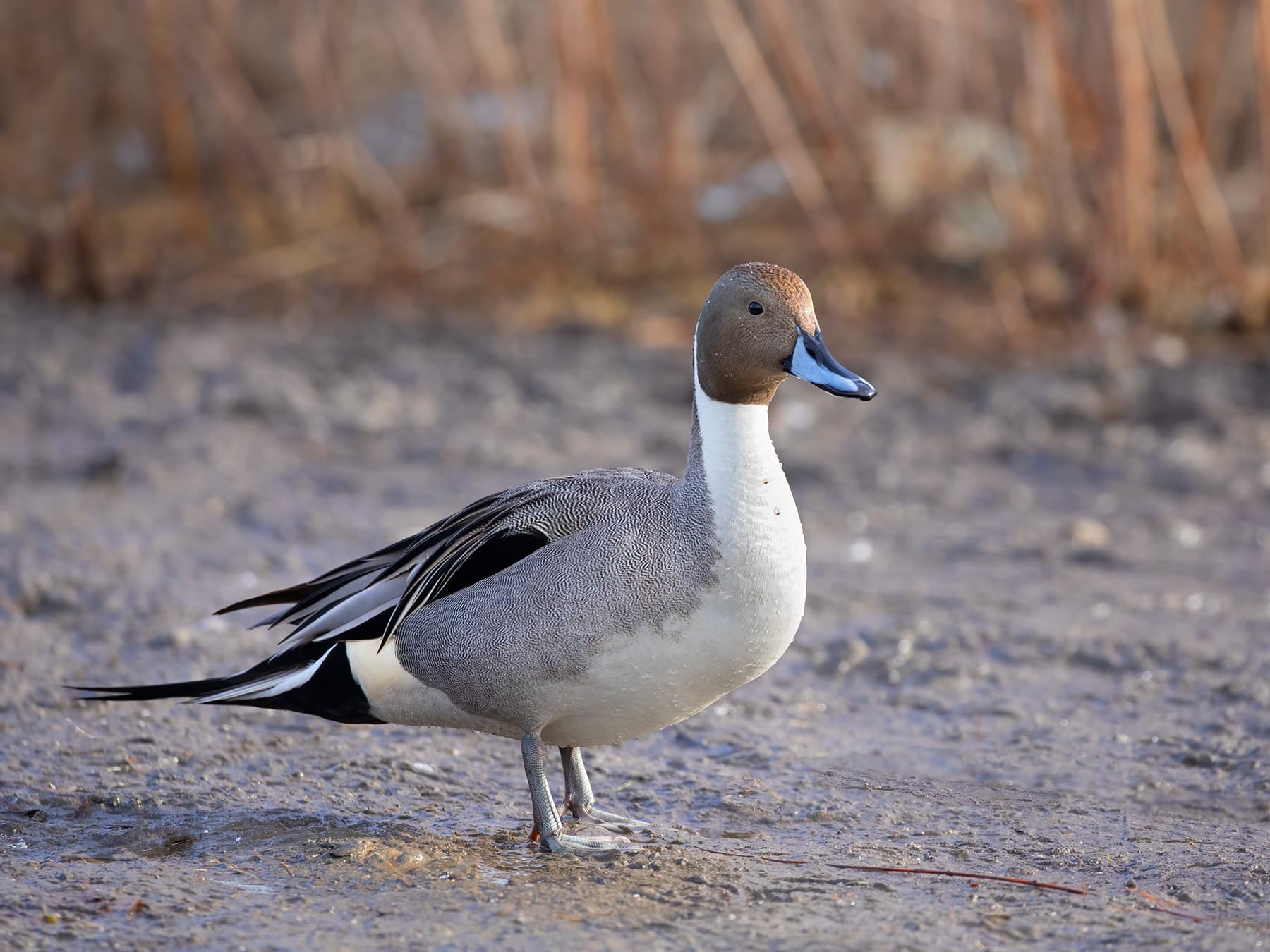
Northern Pintail
Anas acutaLC
An elegant dabbling duck found on the Ouse Washes and flooded fields, mainly in winter. Largely absent in midsummer.
Aug–May
Spotted something?
Upload a photo to identify it
Identify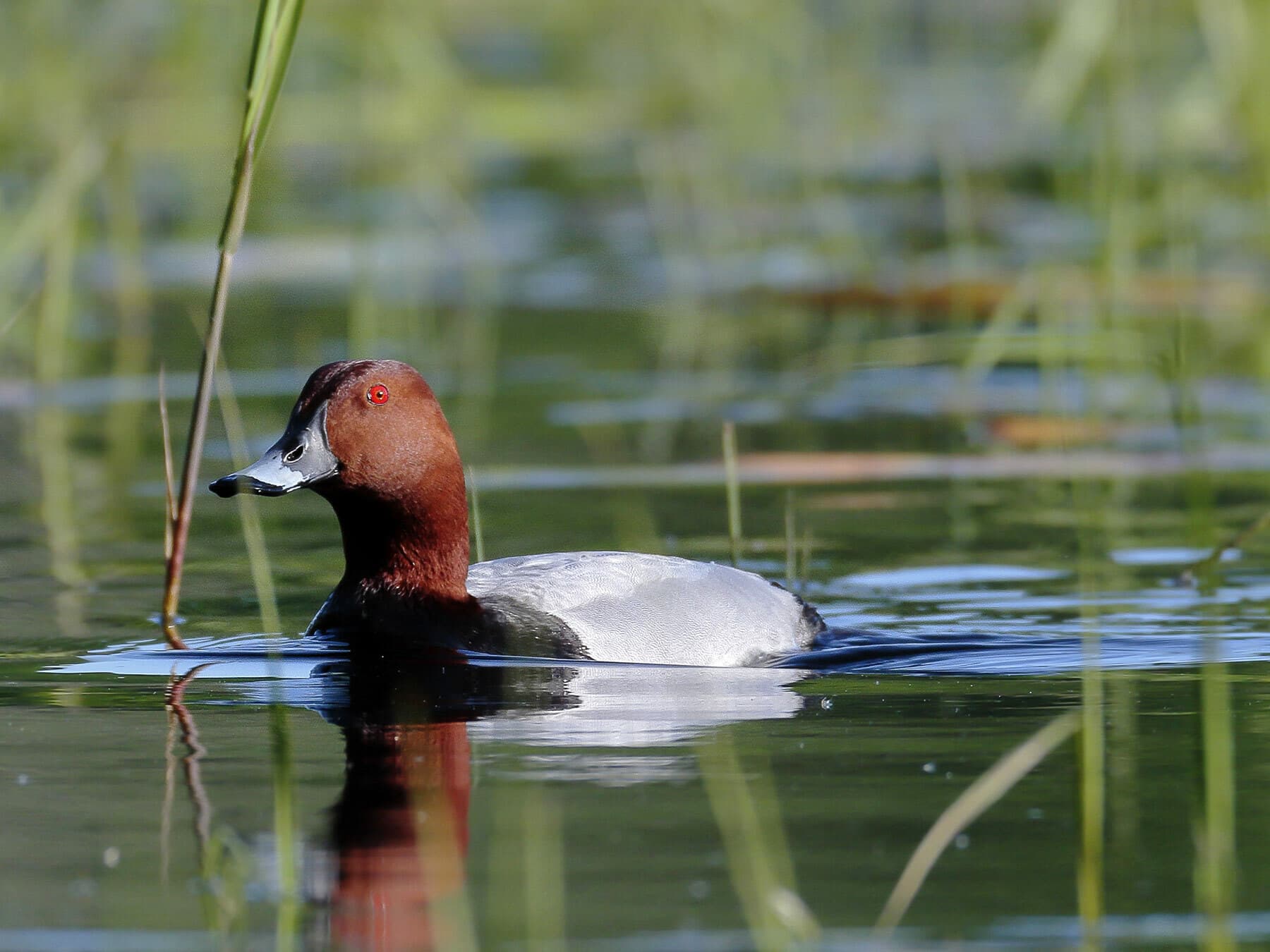
Pochard
Aythya ferinaVU
Present year-round on gravel pits and reservoirs but declining nationally. Winter flocks can gather on larger waterbodies.
Year-round
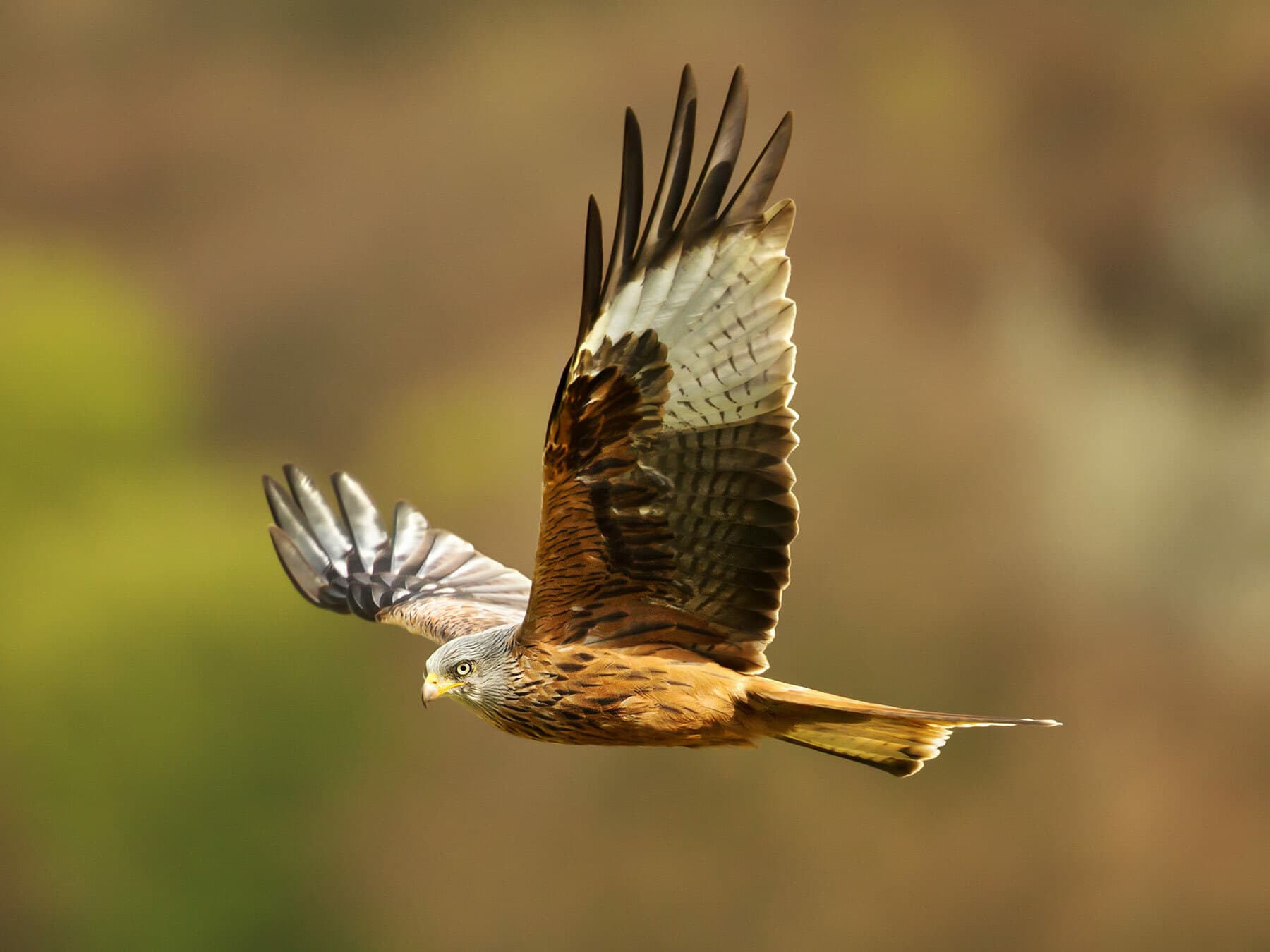
Red Kite
Milvus milvusLC
An increasingly familiar sight soaring over farmland and motorways. Part of the species' ongoing recolonisation of eastern England.
Year-round
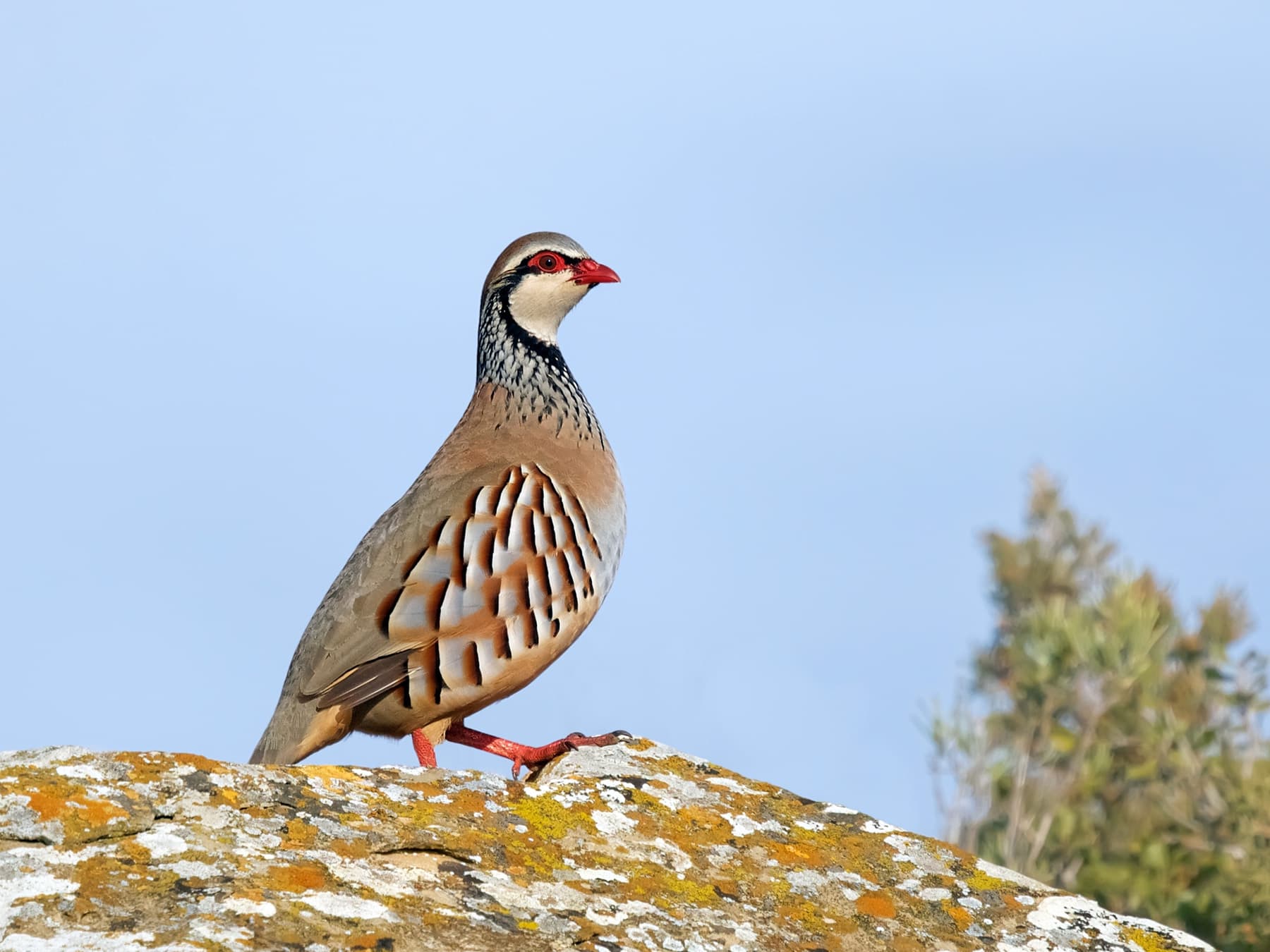
Red-legged Partridge
Alectoris rufaNT
An introduced resident found on arable farmland and field margins year-round, sustained partly by game releases.
Year-round
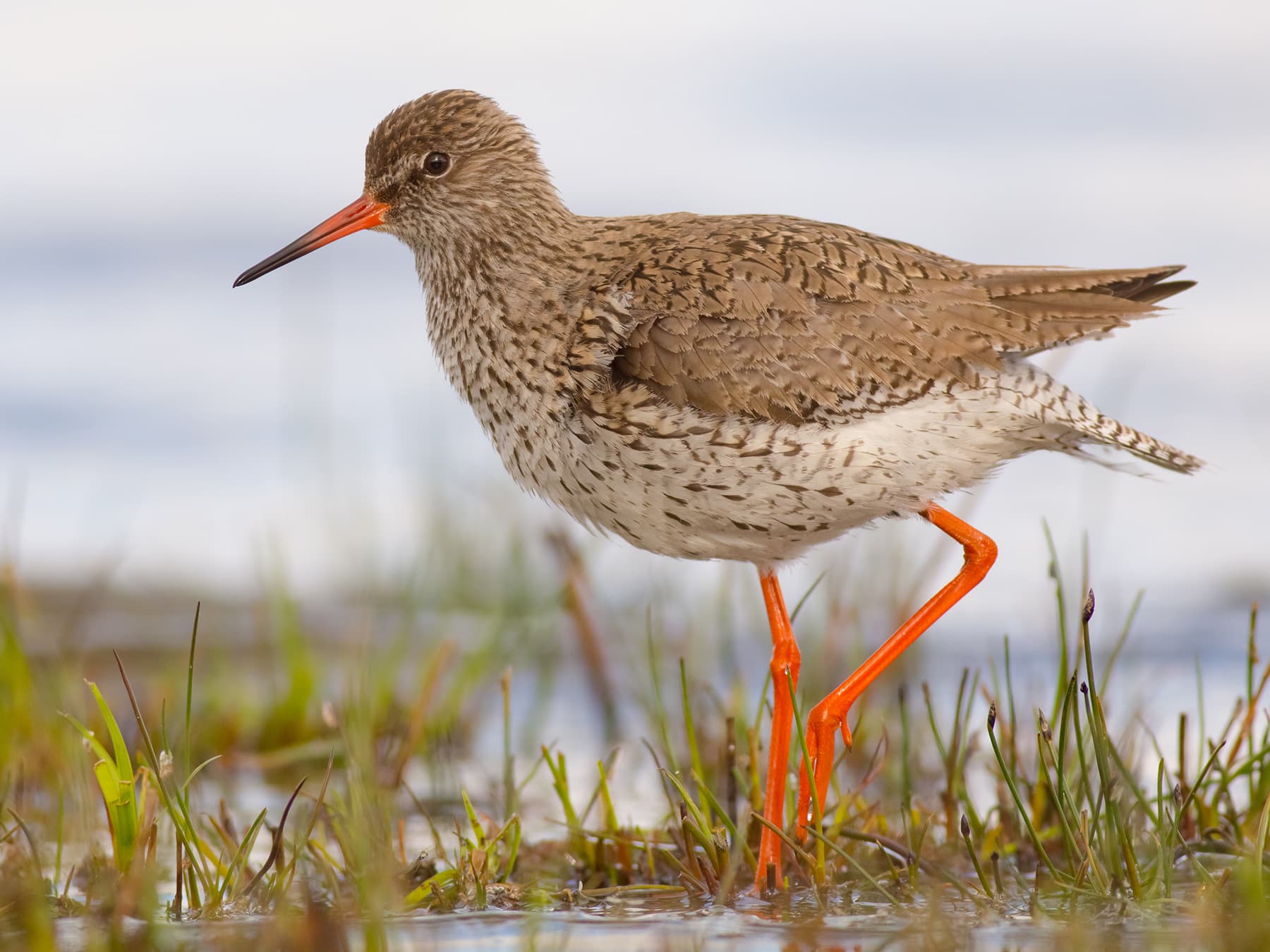
Redshank
Tringa totanusLC
An uncommon year-round resident breeding on wet grasslands and washlands, with numbers boosted by wintering birds.
Year-round
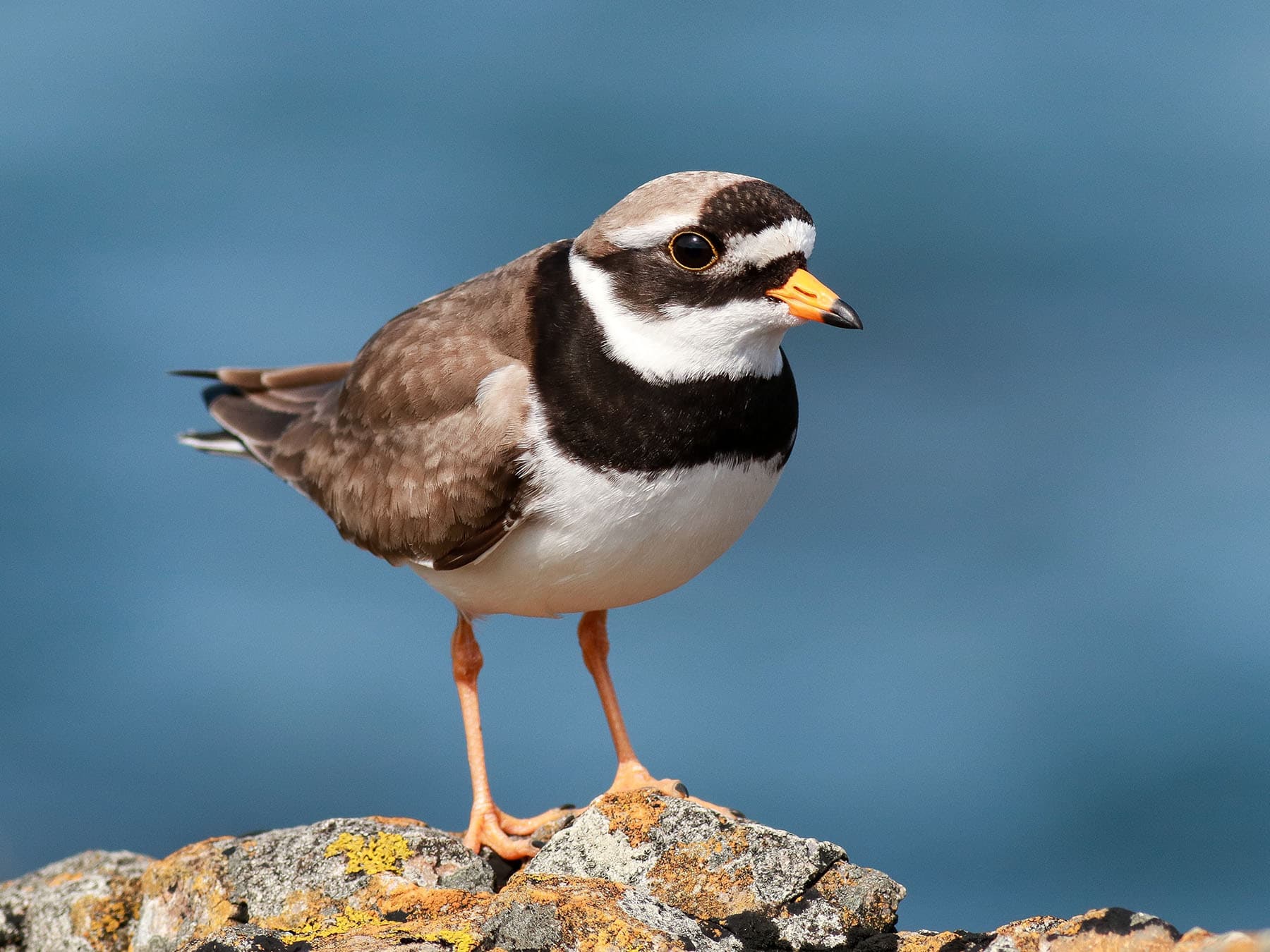
Ringed Plover
Charadrius hiaticulaLC
Breeds uncommonly at gravel pits and reservoir edges from spring into autumn, favouring bare shingle and sandy margins.
Mar–Oct
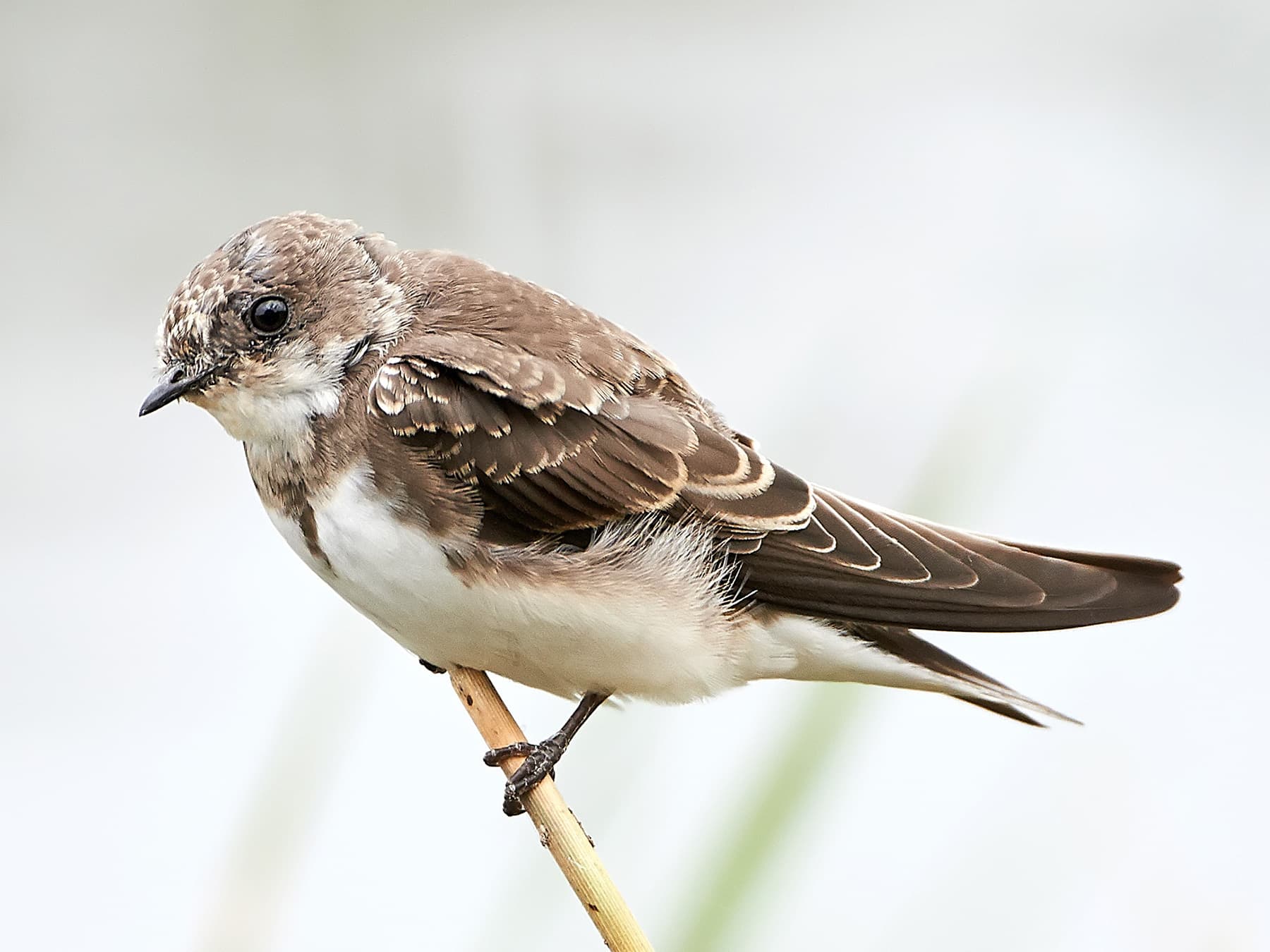
Sand Martin
Riparia ripariaLC
An uncommon summer visitor nesting colonially in sandy riverbanks and gravel pits. Arrives from March and gathers in pre-migration roosts by late summer.
Mar–Sep
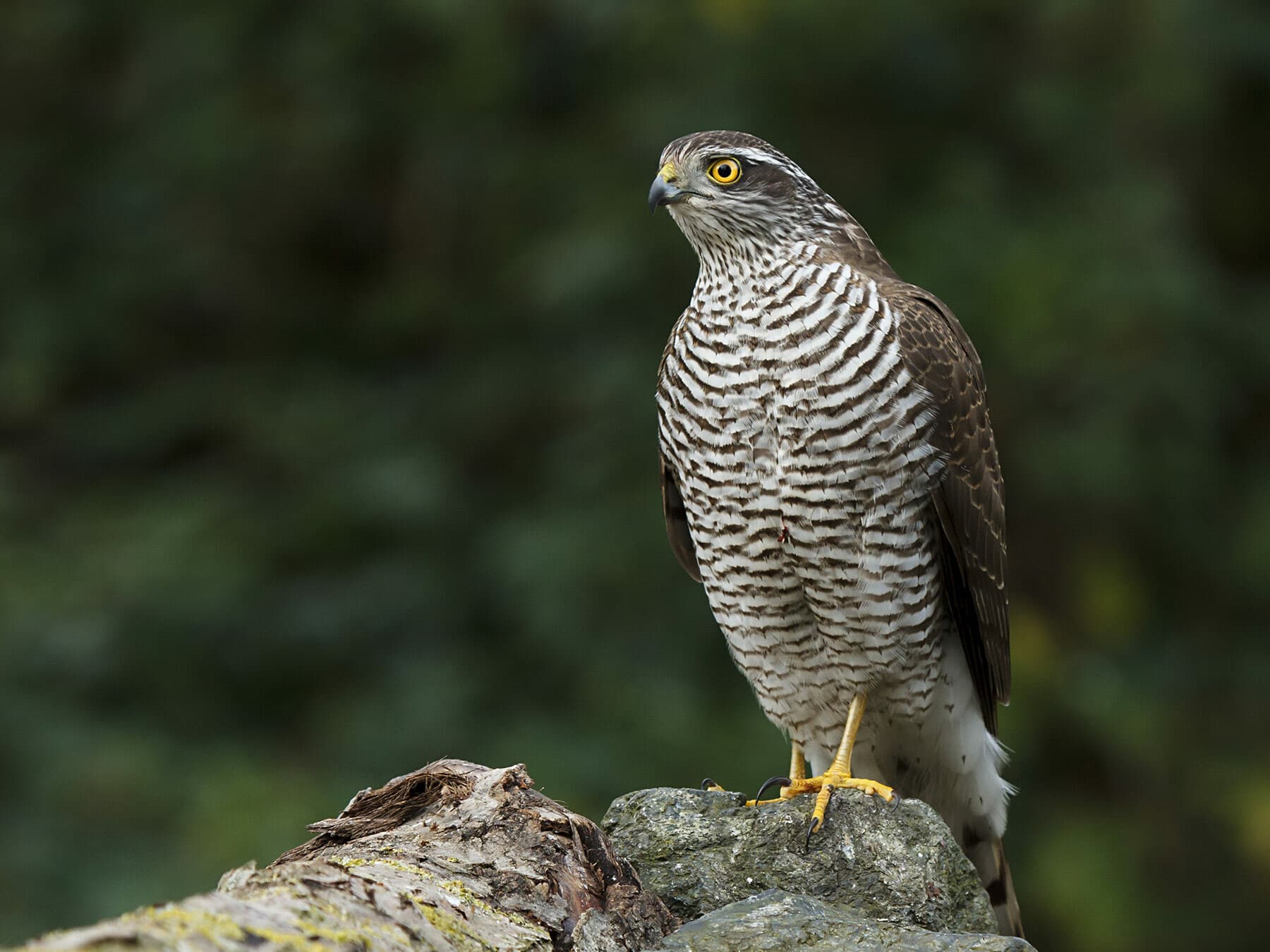
Sparrowhawk
Accipiter nisusLC
A year-round resident, often glimpsed dashing through gardens and along hedgerows. Breeds in woodland edges across the county.
Year-round
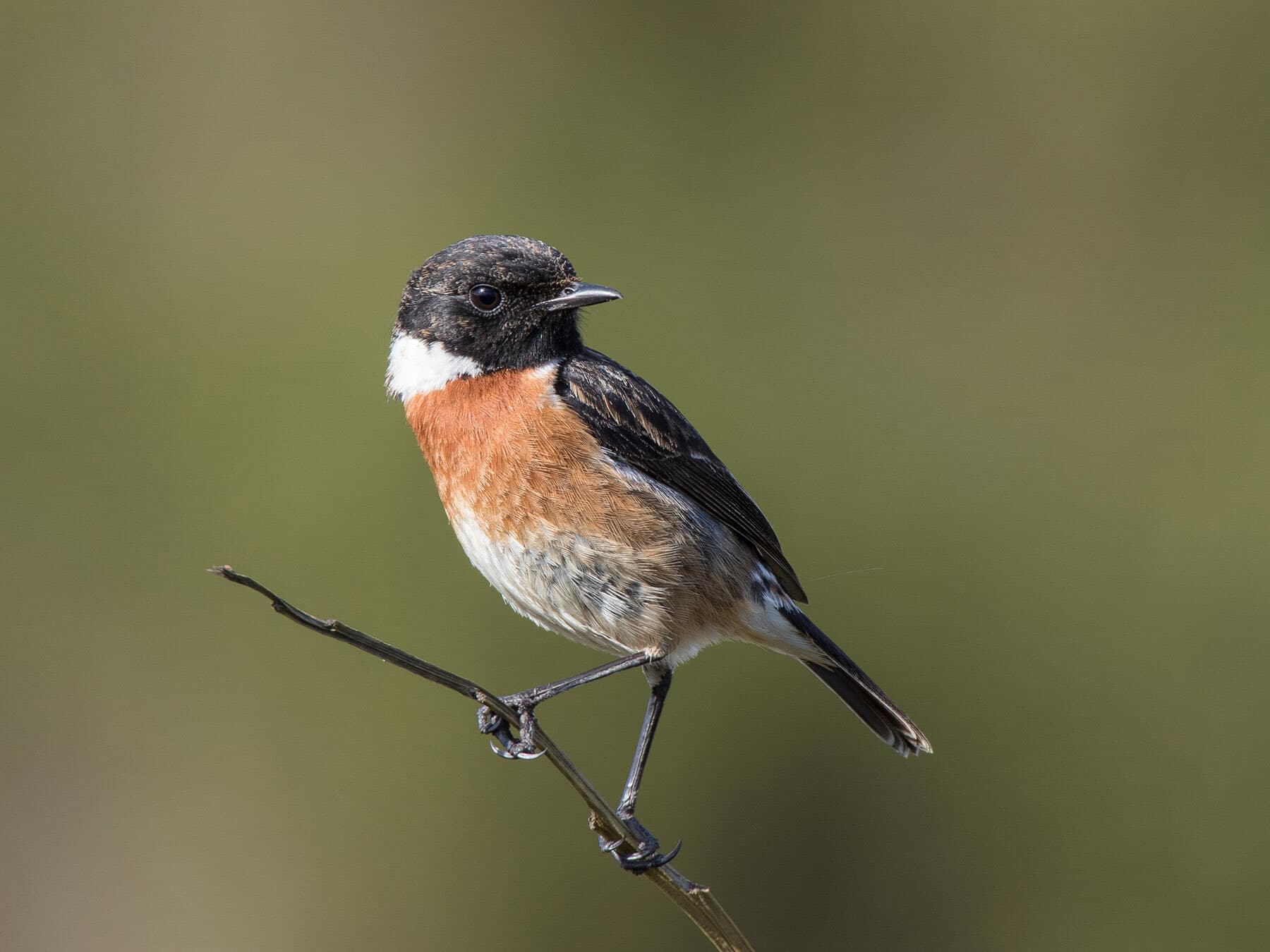
Stonechat
Saxicola torquatusLC
An uncommon resident favouring rough grassland, heathland fringes, and fen edges. More often seen in winter months.
Year-round
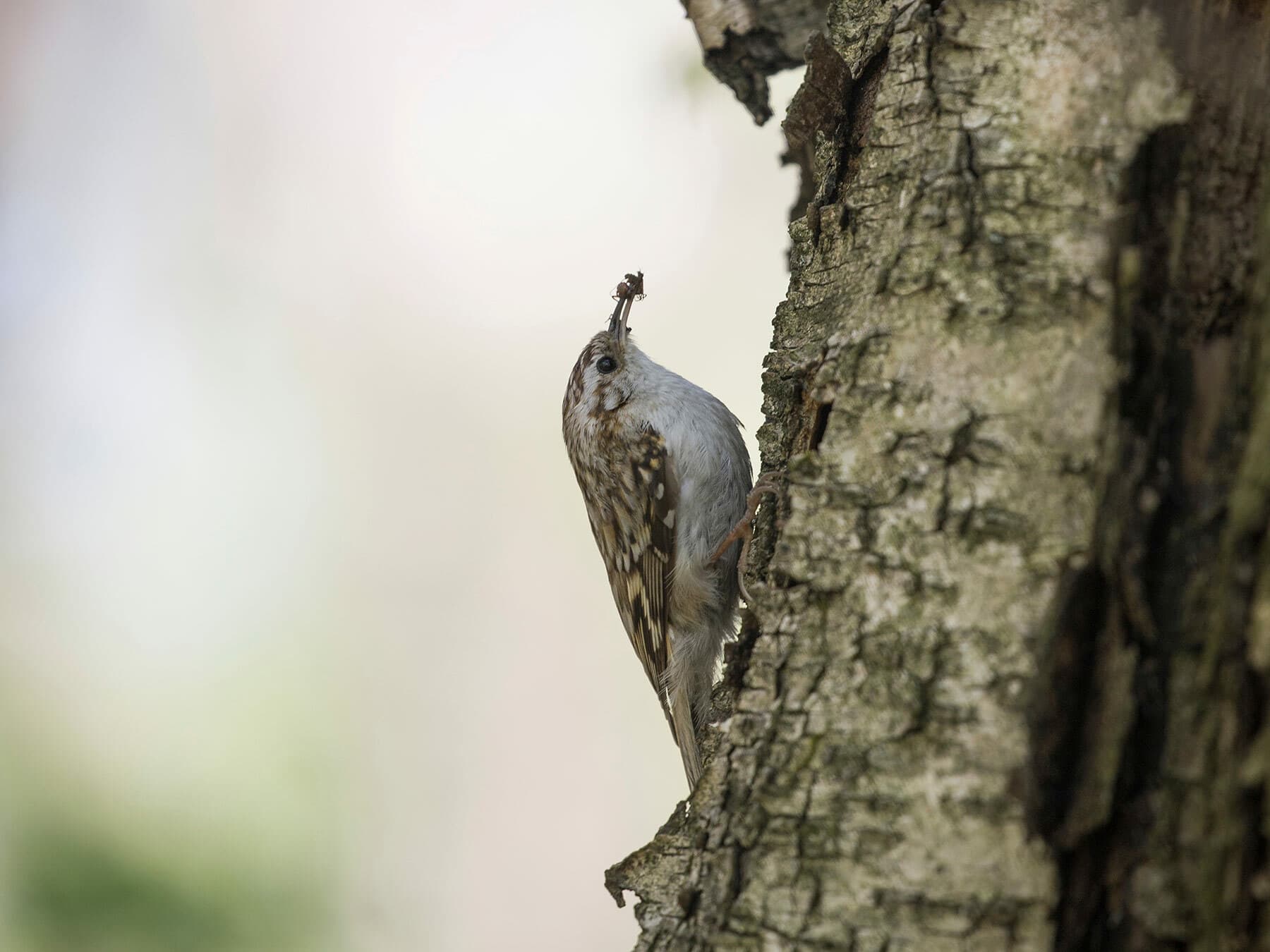
Treecreeper
Certhia familiarisLC
An uncommon but year-round resident of mature woodland, spiralling up tree trunks in search of insects. Quiet and easily overlooked.
Year-round
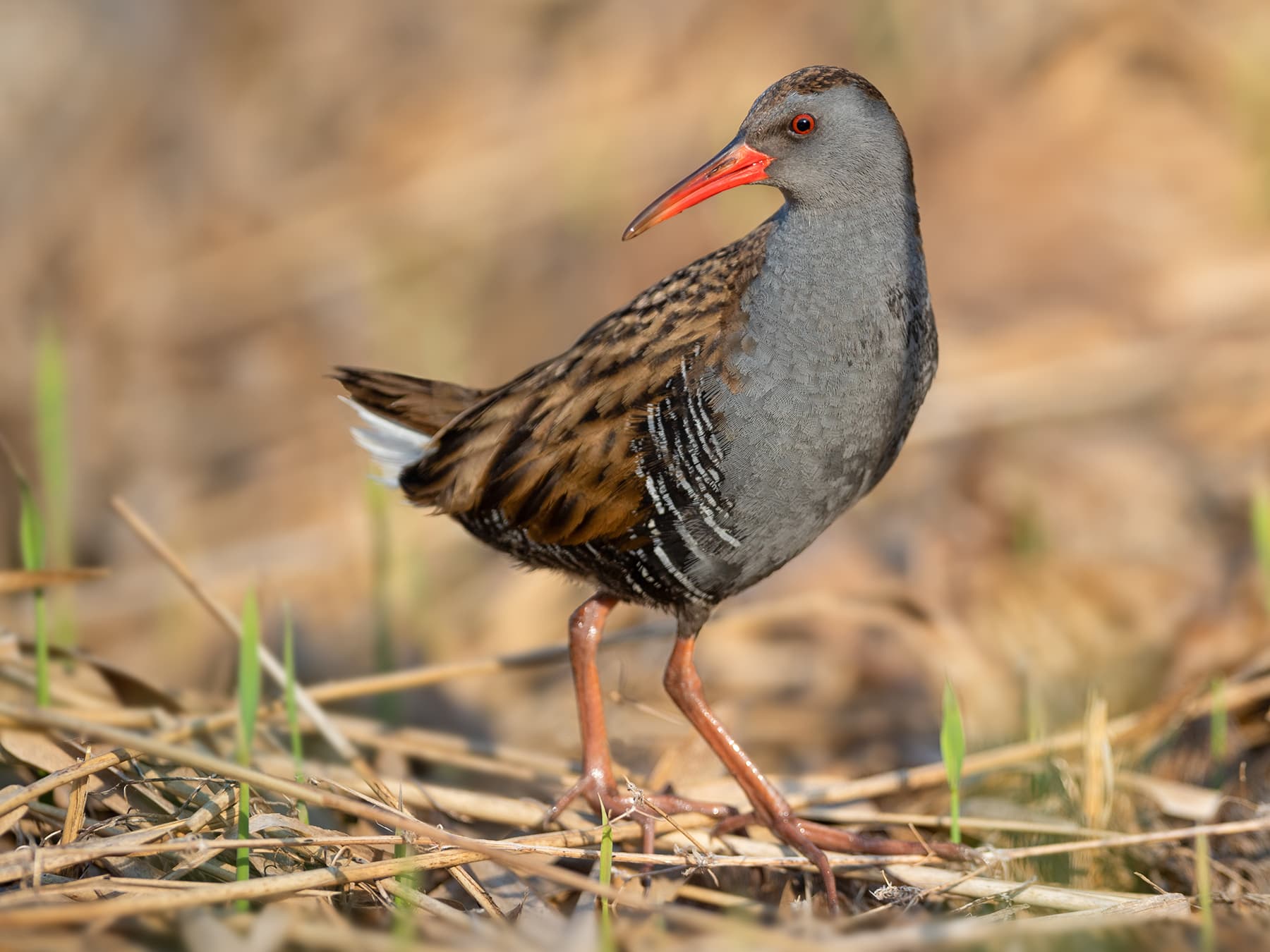
Water Rail
Rallus aquaticusLC
A secretive resident of reedbeds and marshy ditches, more often heard squealing than seen. Present year-round.
Year-round
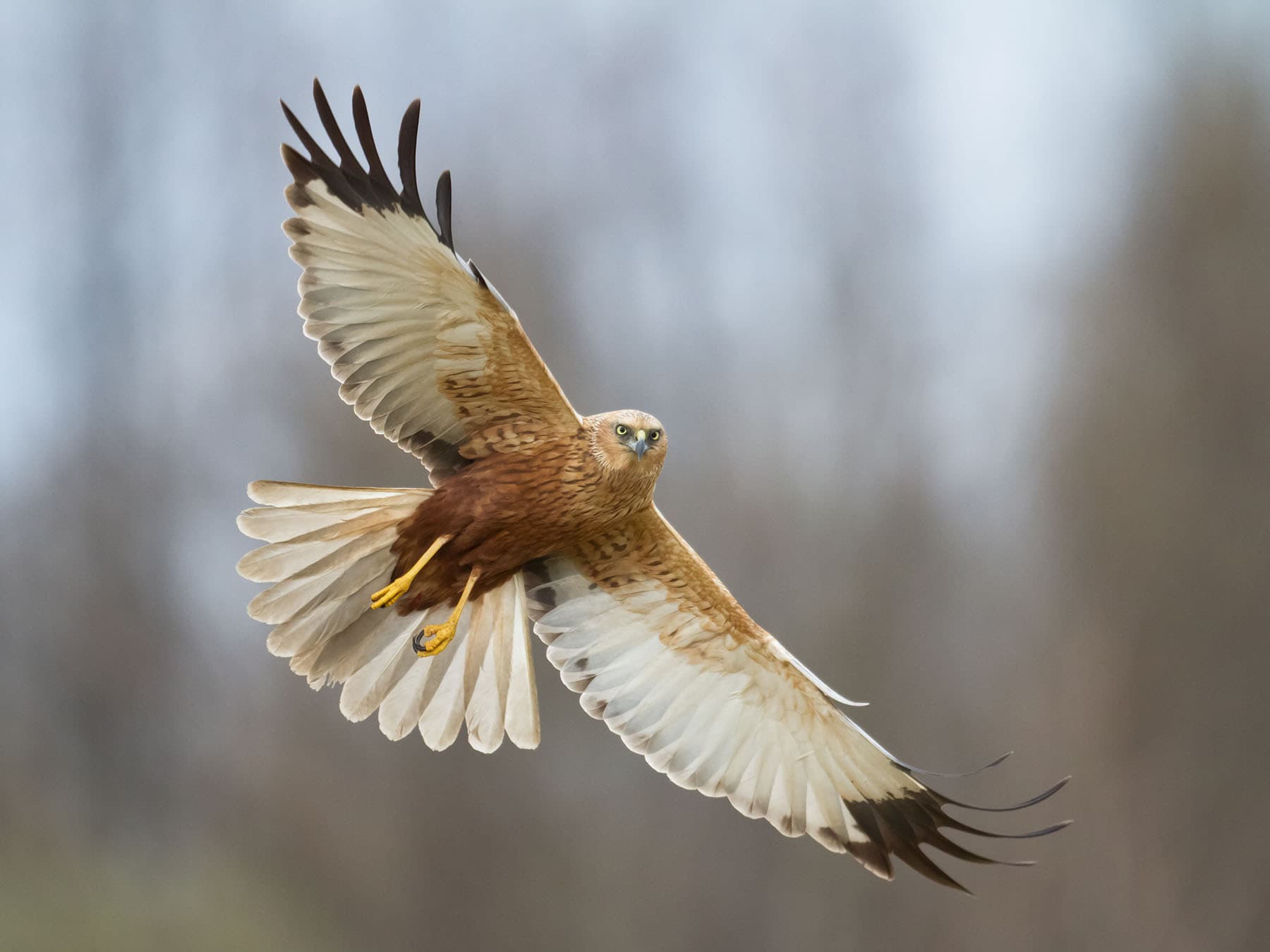
Western Marsh-harrier
Circus aeruginosusLC
Resident in the Fens, quartering over reedbeds and marshes year-round. The Ouse and Nene Washes are key strongholds.
Year-round
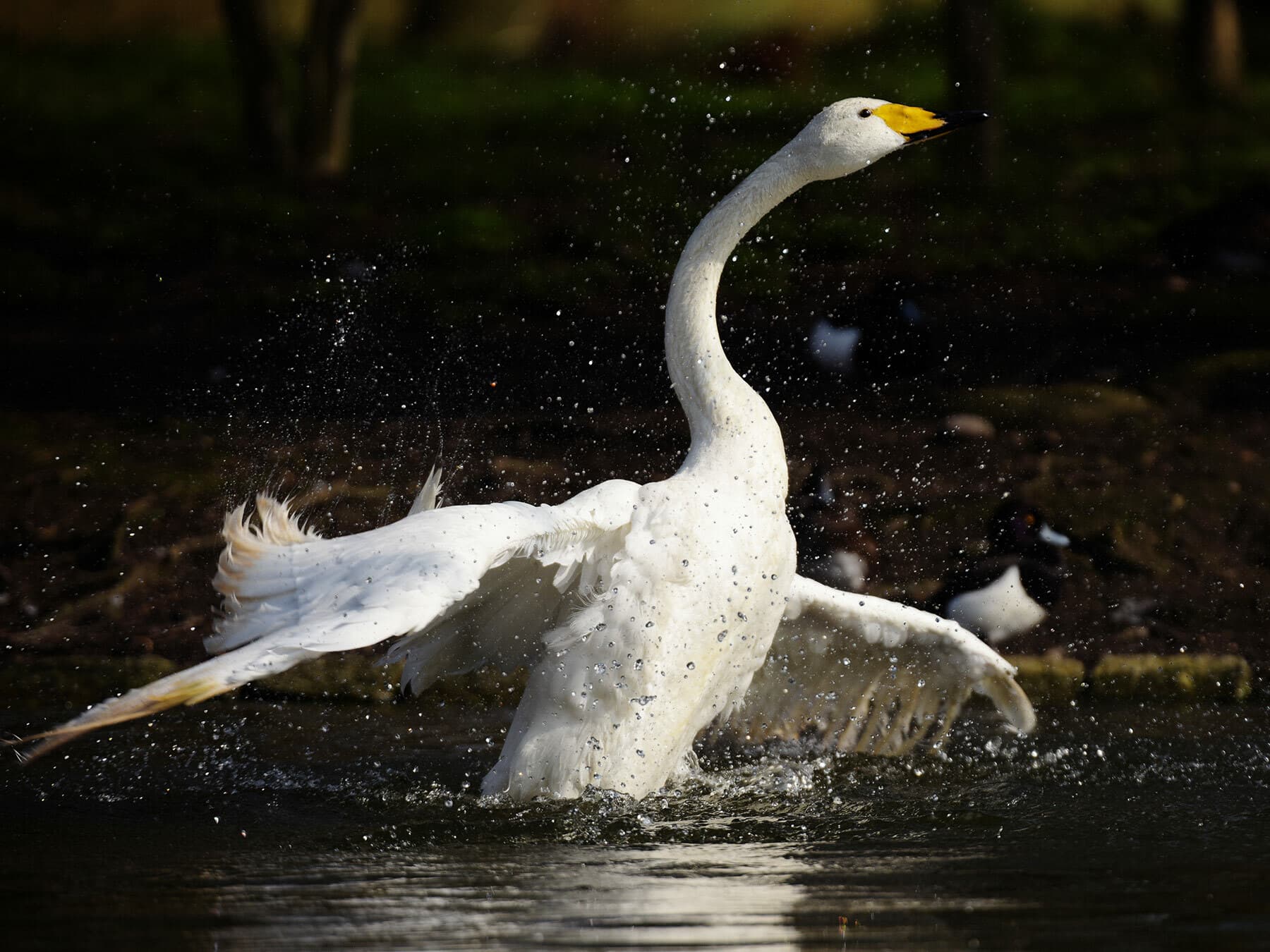
Whooper Swan
Cygnus cygnusLC
An uncommon year-round presence, with the Ouse Washes hosting a notable wintering herd. Some birds linger through summer at fenland wetland sites.
Year-round
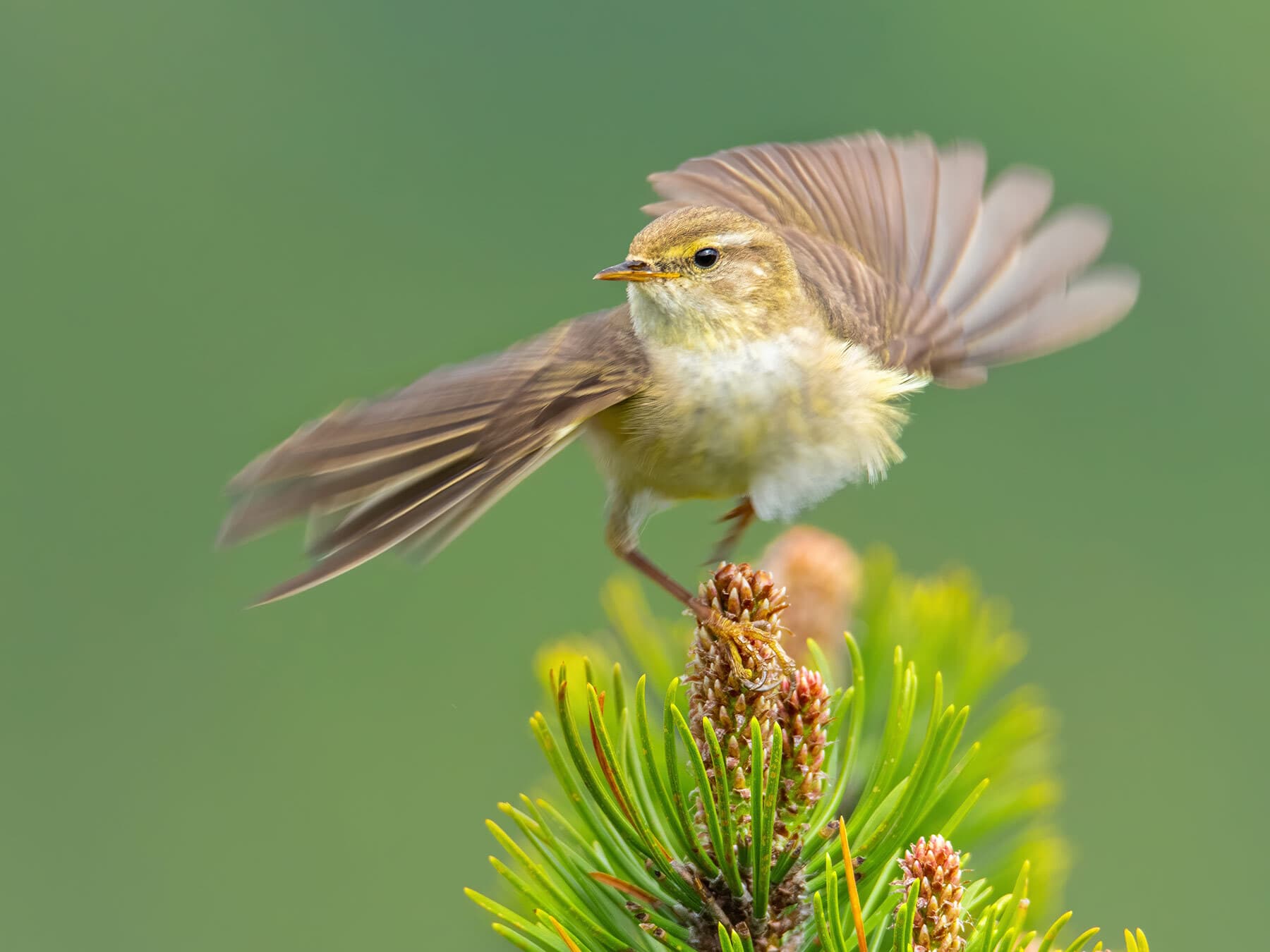
Willow Warbler
Phylloscopus trochilusLC
An uncommon breeding visitor to scrubby woodland edges and heathland patches. Has declined in lowland Cambridgeshire, now scarcer than the similar Chiffchaff.
Apr–Sep
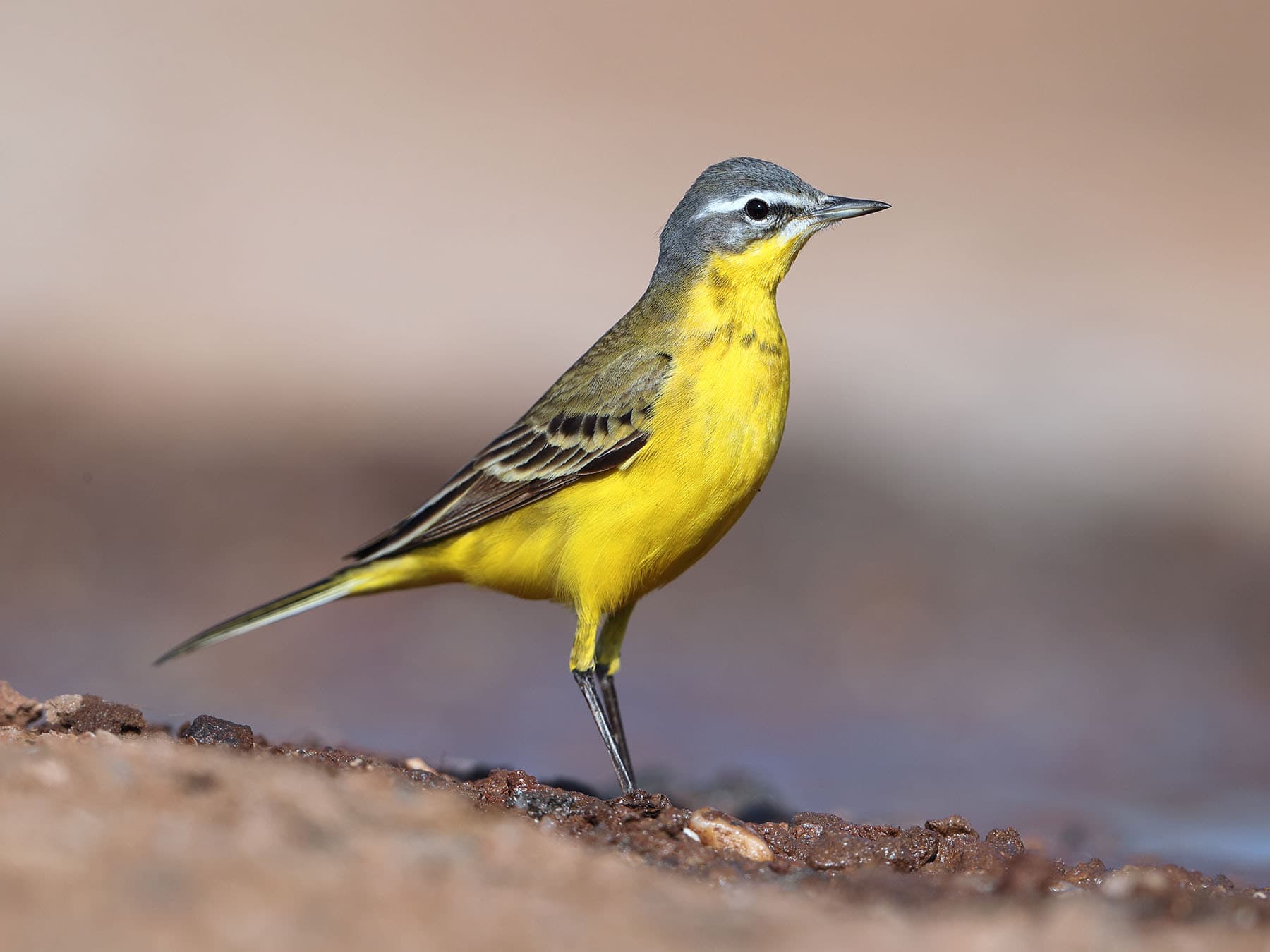
Yellow Wagtail
Motacilla flavaLC
An uncommon summer breeder on the Fens' wet grasslands and arable fields, arriving in April and departing by October. Numbers have declined significantly.
Apr–Oct
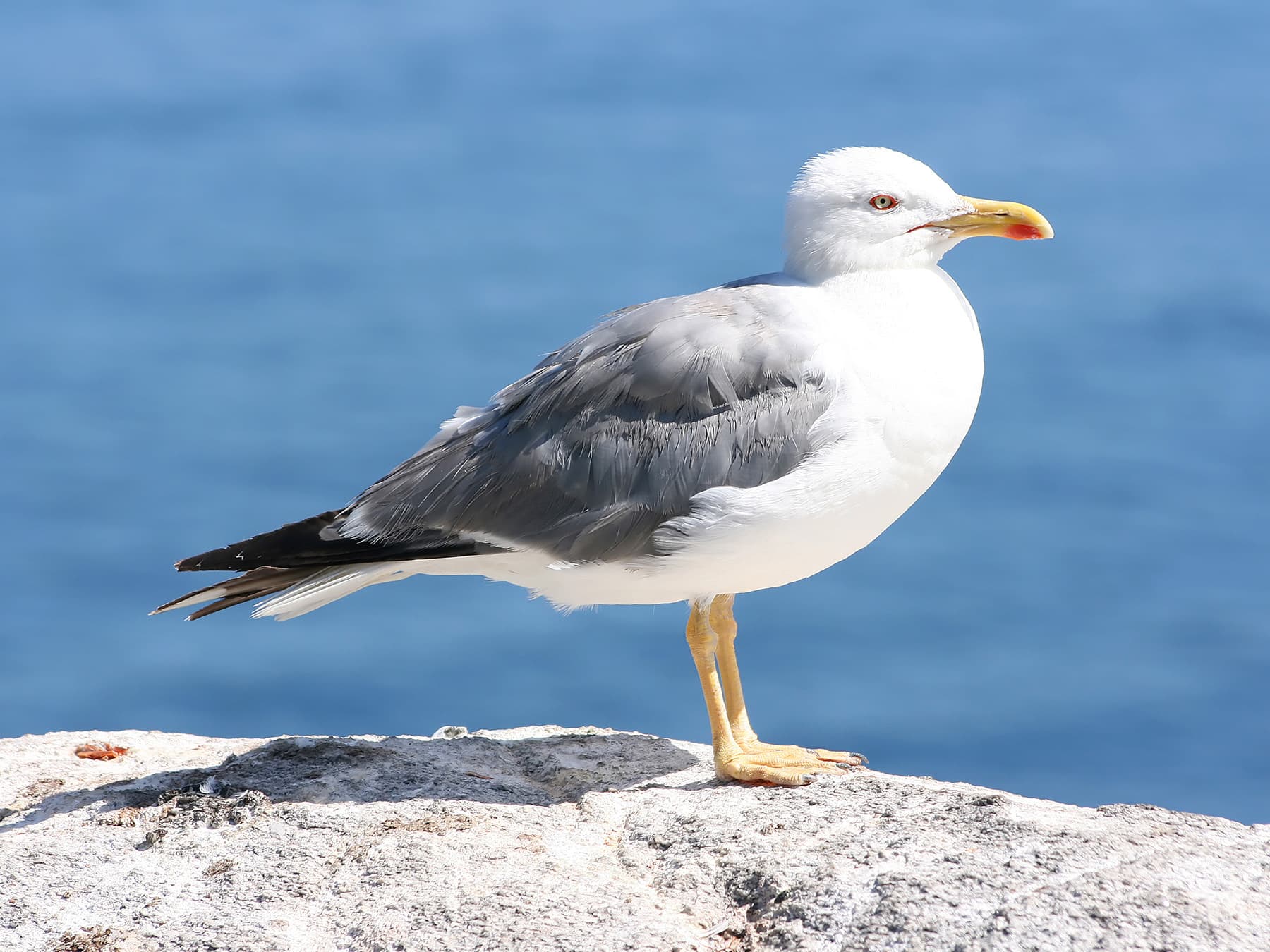
Yellow-legged Gull
Larus michahellisLC
Uncommon but present year-round, often mixed in with other large gulls at landfill sites, reservoirs, and gravel pits.
Year-round