Uncommon Birds in Cambridgeshire
47 species matching this filter.
Cambridgeshire's diverse landscape of fenland, river valleys, and wetland reserves supports a fascinating array of uncommon bird species. With 47 species classified as uncommon in the county, birdwatchers can seek out rewarding sightings such as the striking Great White Egret, the elusive Cetti's Warbler, and elegant Black-tailed Godwits on passage. Sites like the Ouse Washes, Wicken Fen, and the gravel pits around the Nene Valley provide vital habitats for these less frequently encountered birds.


Showing 1–23 of 47 species
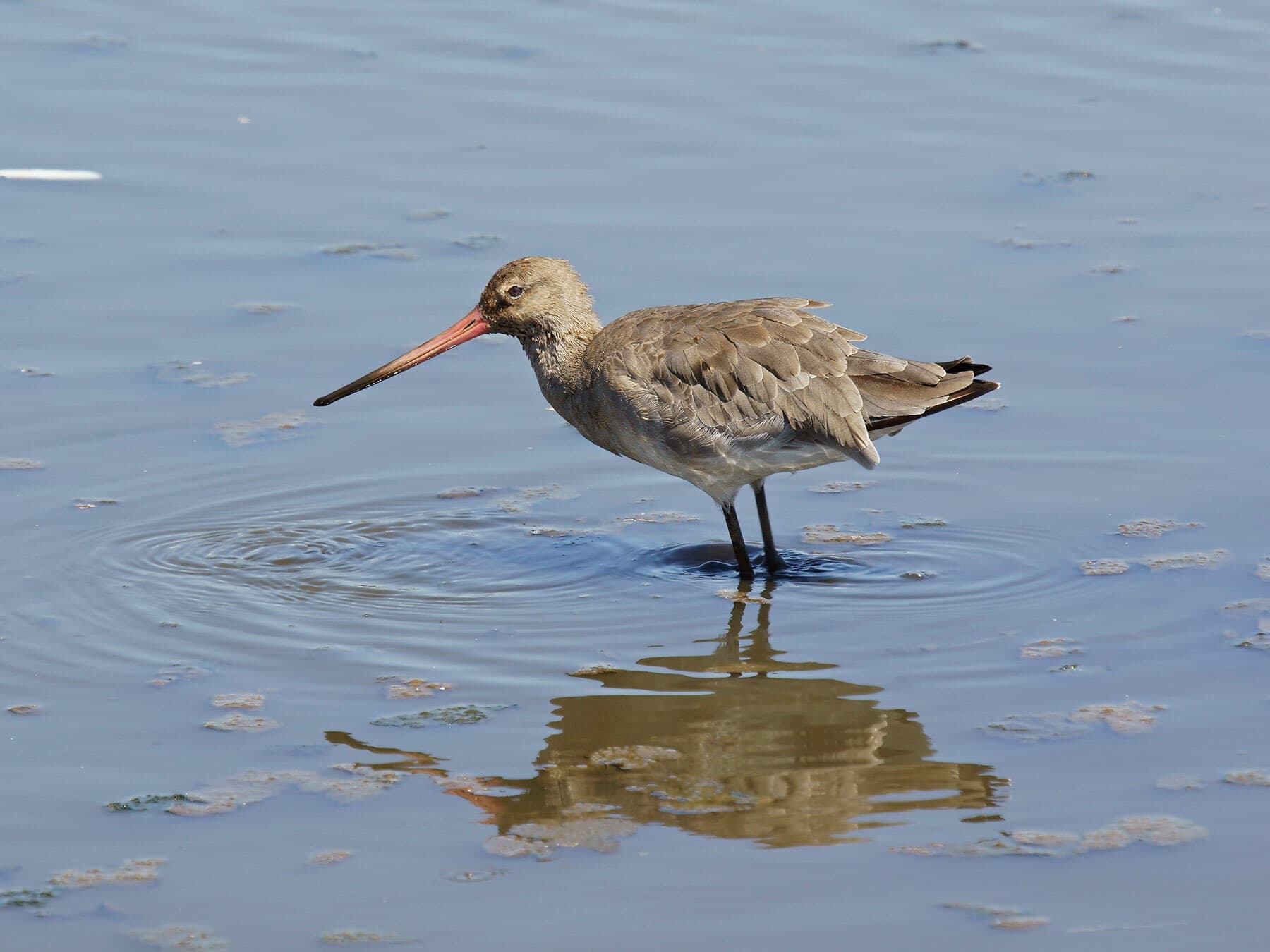
Black-tailed Godwit
Limosa limosaNT
Present year-round on the Ouse Washes and surrounding wet grasslands, an important site for this uncommon species nationally.
Year-round
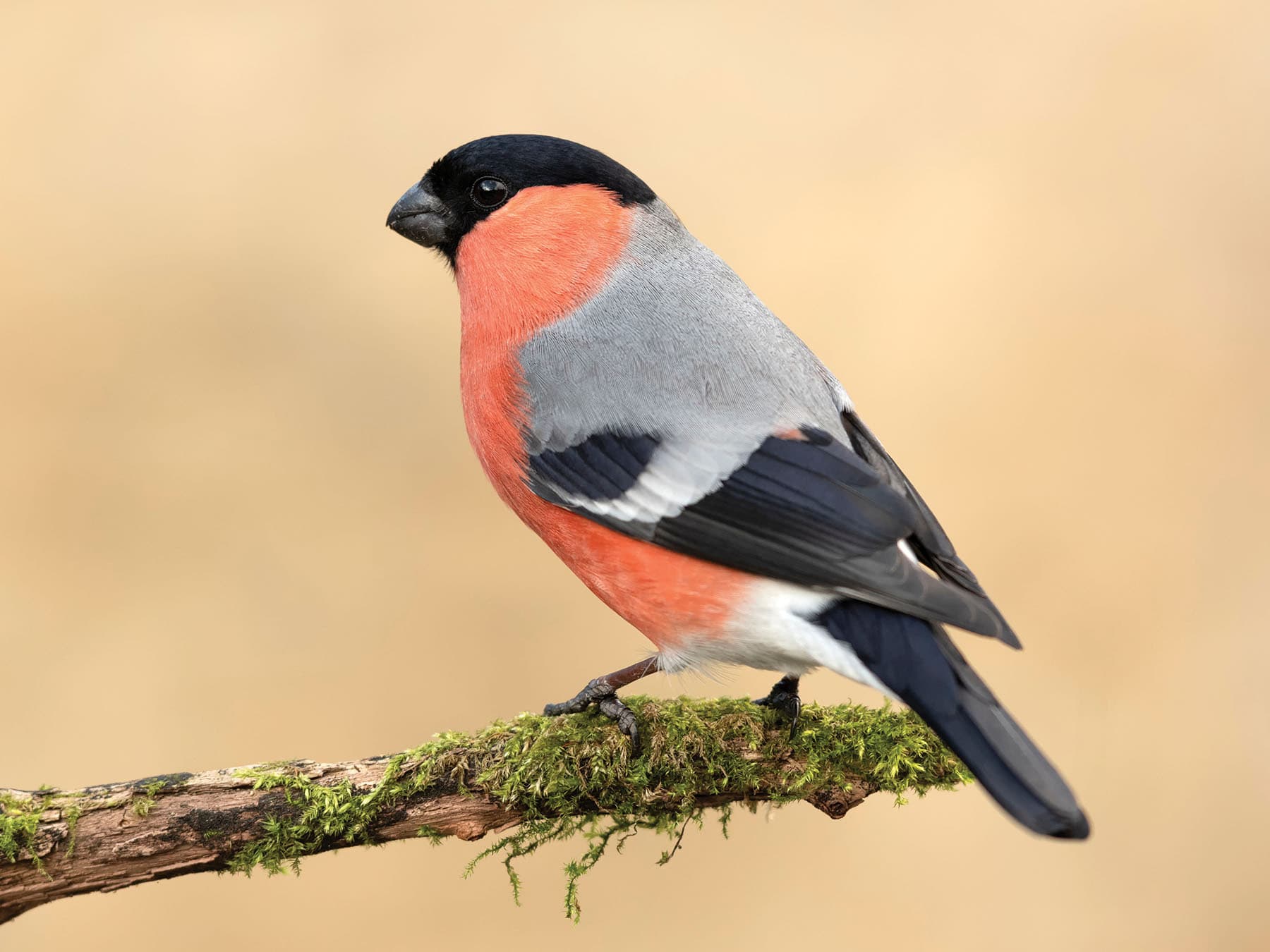
Bullfinch
Pyrrhula pyrrhulaLC
An uncommon but year-round resident, favouring thick hedgerows, scrubby woodland edges and orchards. Its soft piping call often betrays its presence.
Year-round
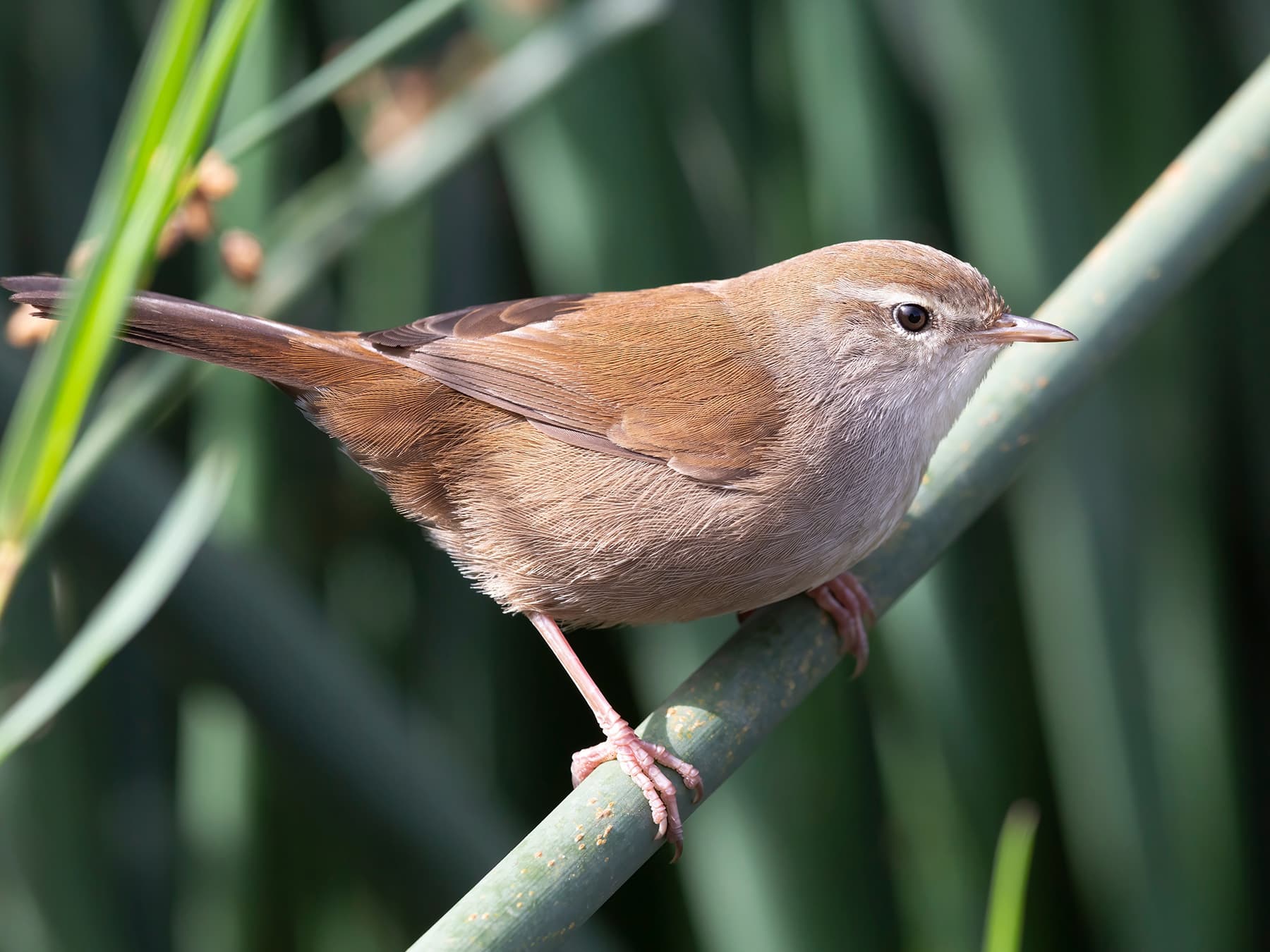
Cetti's Warbler
Cettia cettiLC
An uncommon but increasing resident of dense waterside scrub and reedbeds. Its explosive song bursts from cover at sites like Wicken Fen year-round.
Year-round
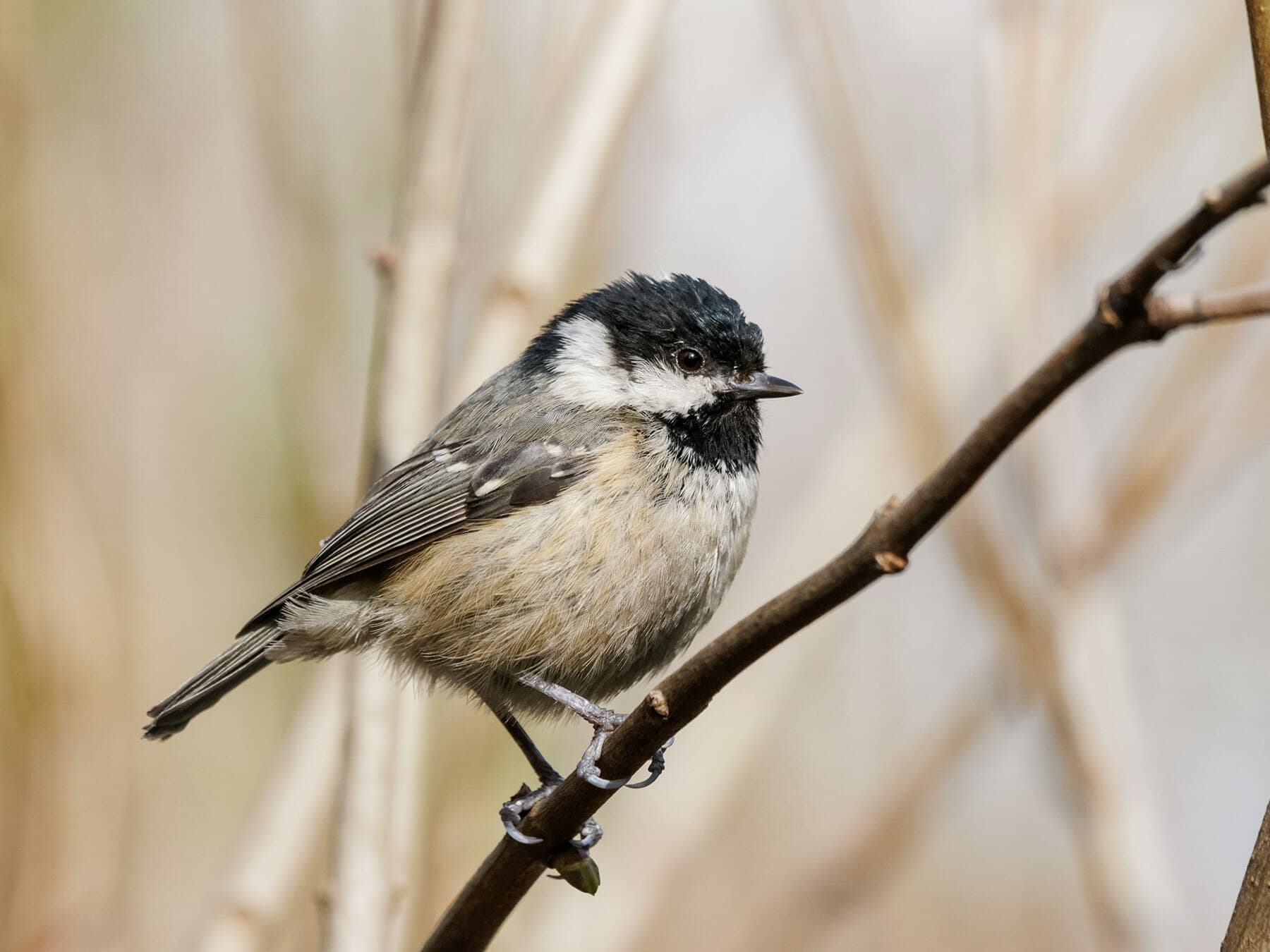
Coal Tit
Periparus aterLC
An uncommon resident preferring coniferous and mixed woodland. Less widespread than Blue or Great Tit in this largely lowland arable county.
Year-round
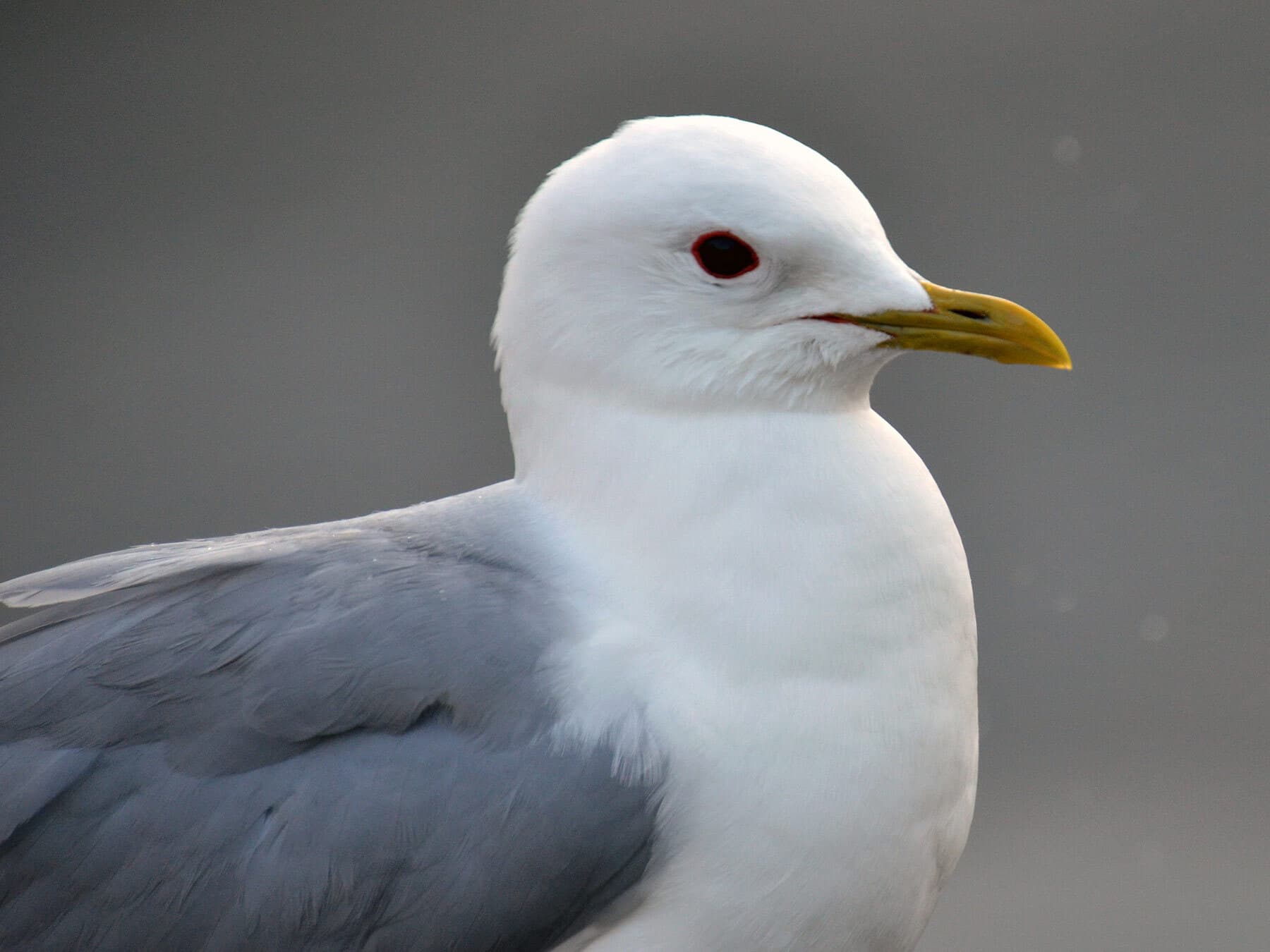
Common Gull
Larus canusLC
An uncommon year-round resident, frequenting playing fields, reservoirs and farmland, often mixed in with other gulls.
Year-round
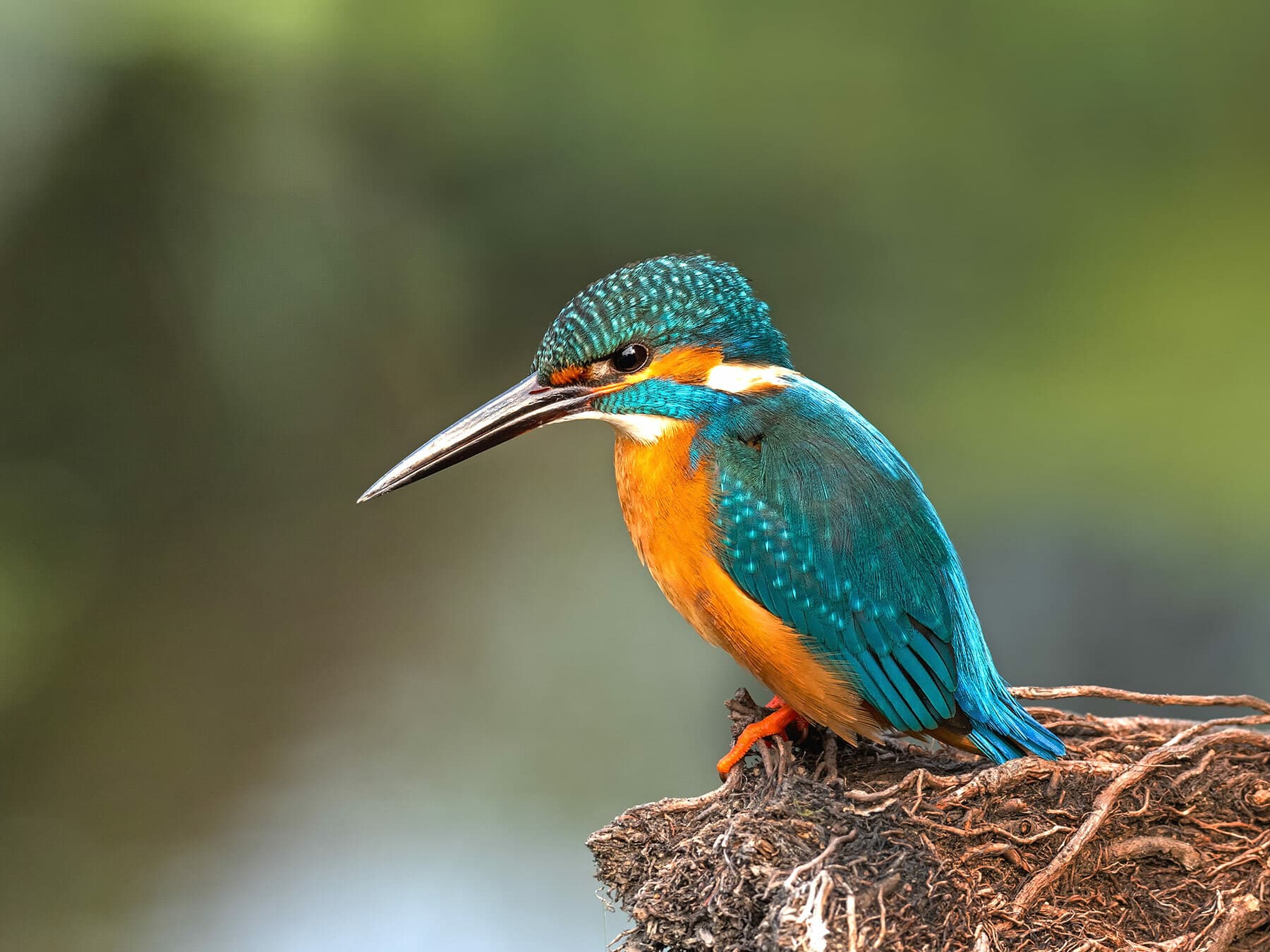
Common Kingfisher
Alcedo atthisLC
Found year-round along the county's rivers, lodes, and drainage channels. A flash of electric blue along the Cam or Great Ouse.
Year-round
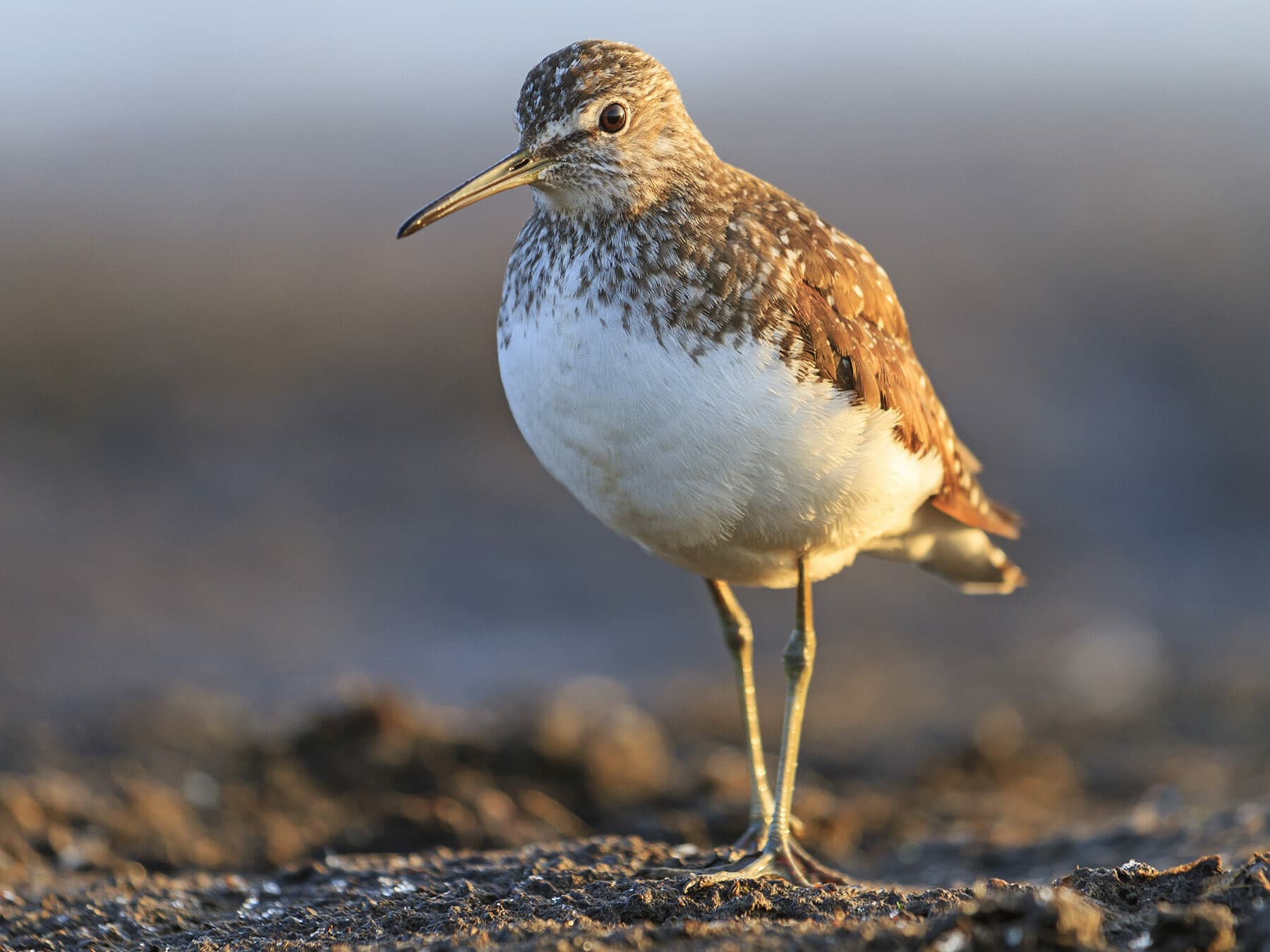
Common Sandpiper
Actitis hypoleucosLC
Bobs along reservoir edges and gravel pit shores, most regularly seen on passage from spring through autumn.
Apr–Dec
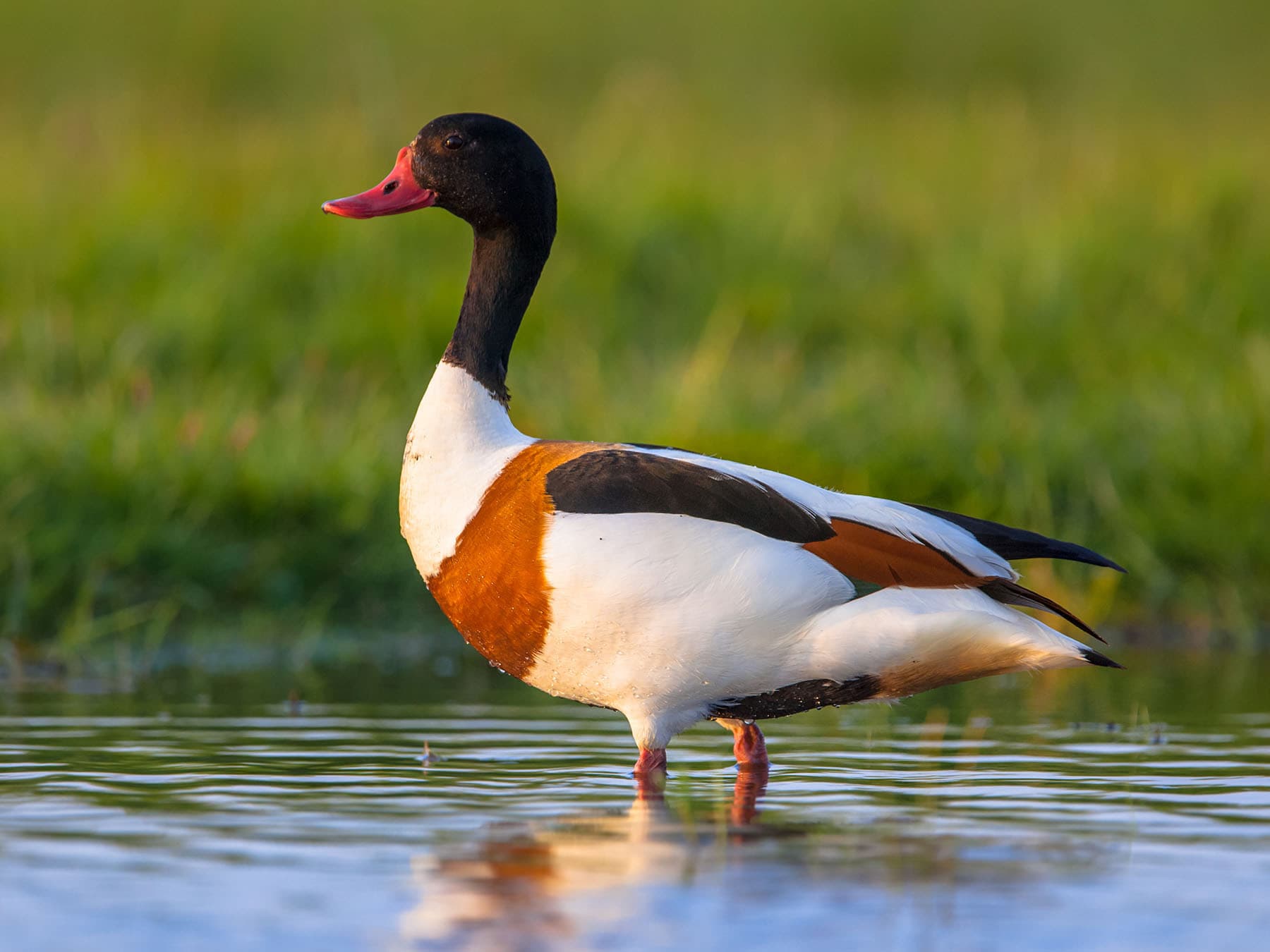
Common Shelduck
Tadorna tadornaLC
An uncommon resident breeding around gravel pits and fenland washes. More conspicuous in spring when pairs display along waterway margins.
Year-round
Spotted something?
Upload a photo to identify it
Identify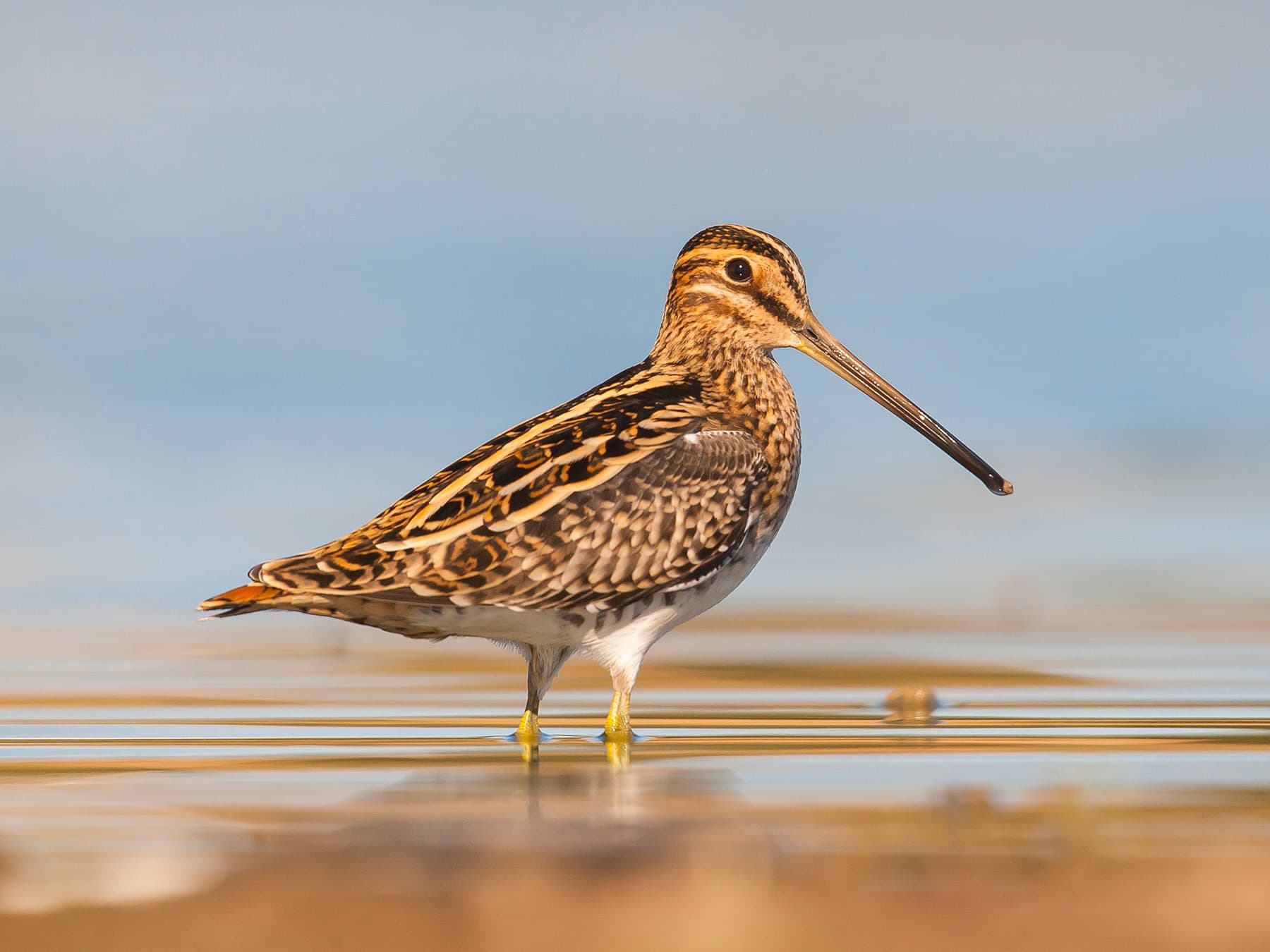
Common Snipe
Gallinago gallinagoLC
Resident in wet meadows and reedbeds year-round, more conspicuous in winter when 'drumming' display is absent.
Year-round
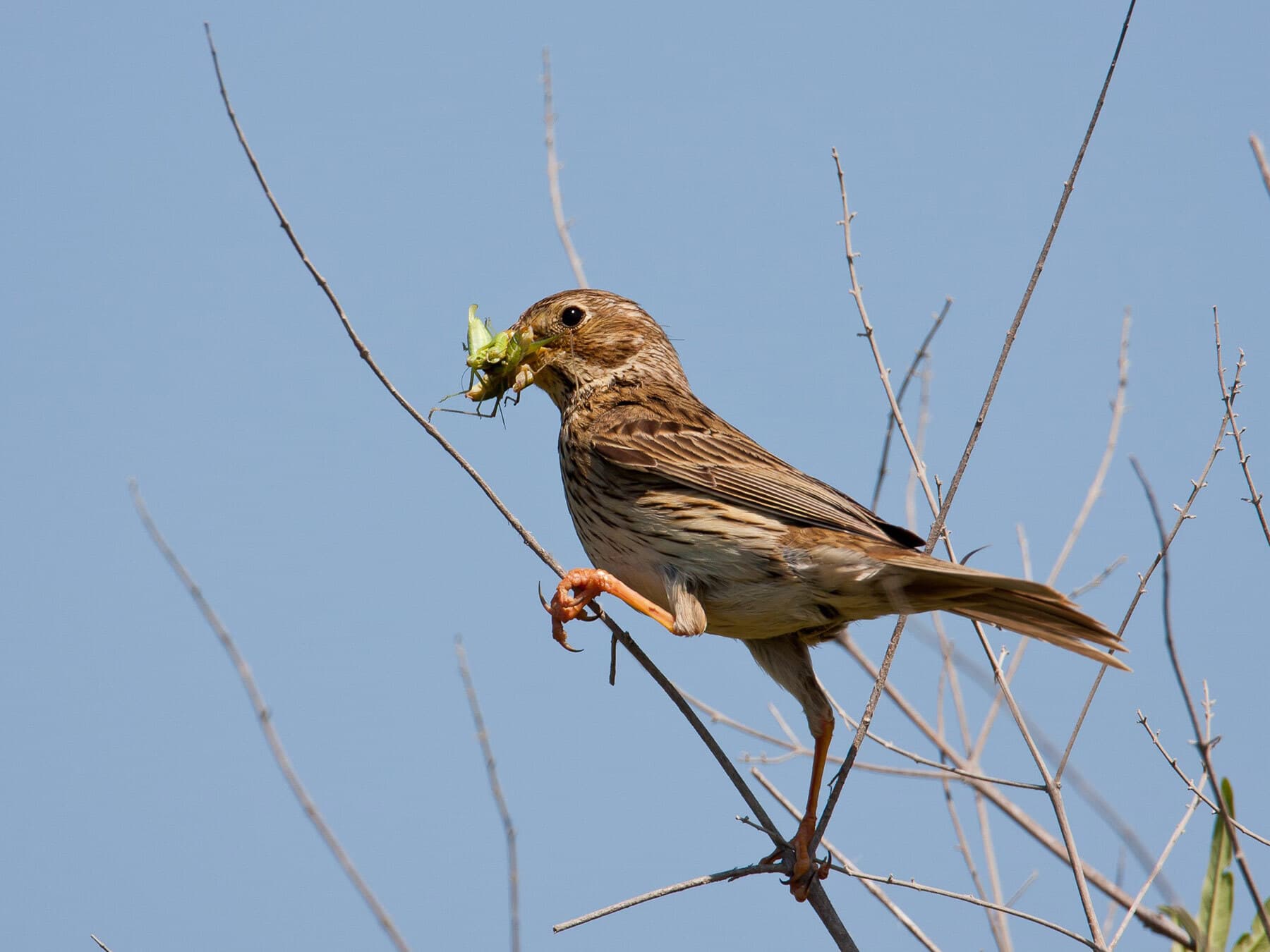
Corn Bunting
Emberiza calandraLC
An uncommon but characteristic resident of open arable farmland, delivering its jangling song from fence posts and wires.
Year-round
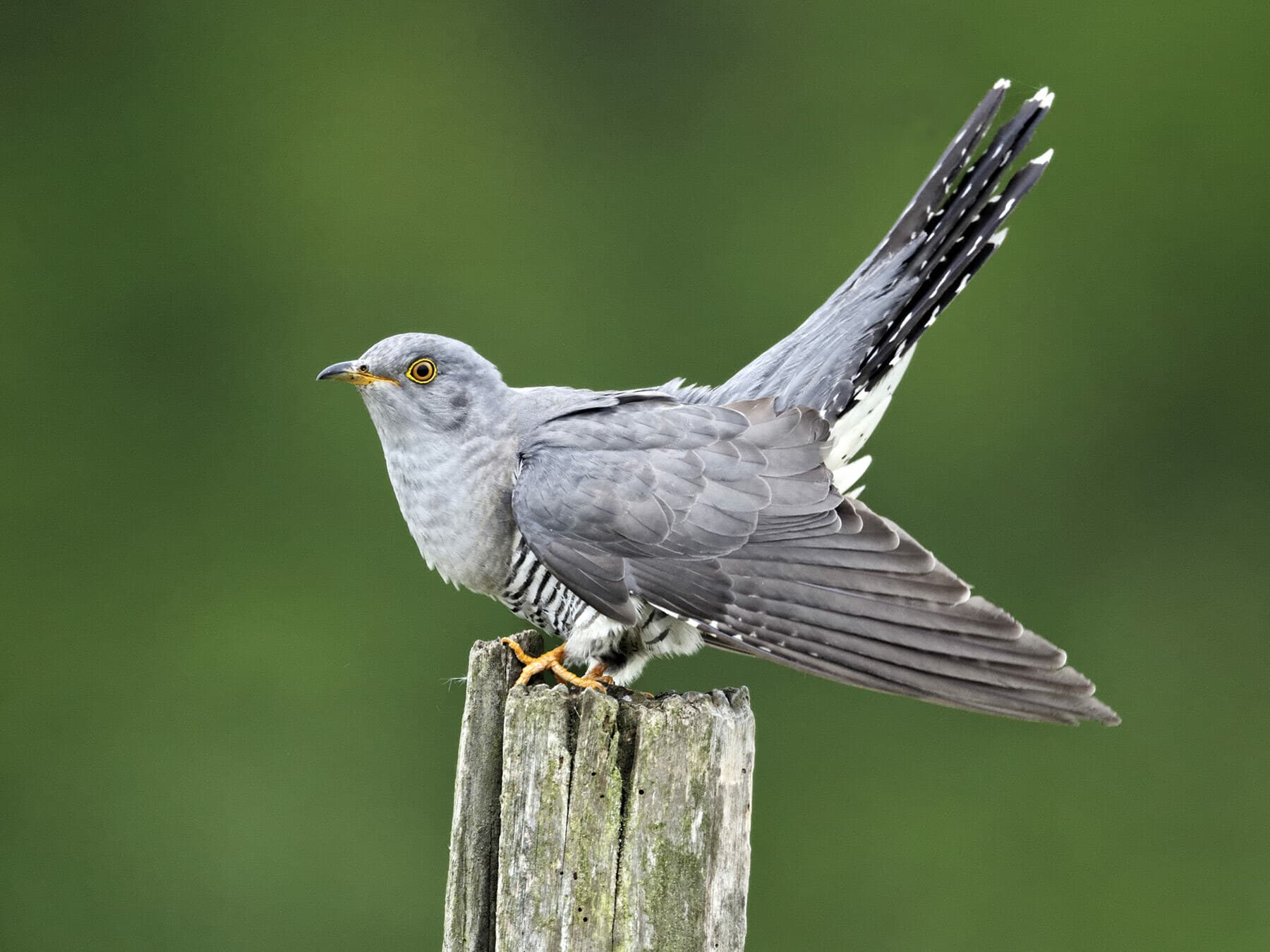
Cuckoo
Cuculus canorusLC
Arrives in April to breed, its distinctive call heard around reedbeds and fenland. Declining but still present locally.
Apr–Jul
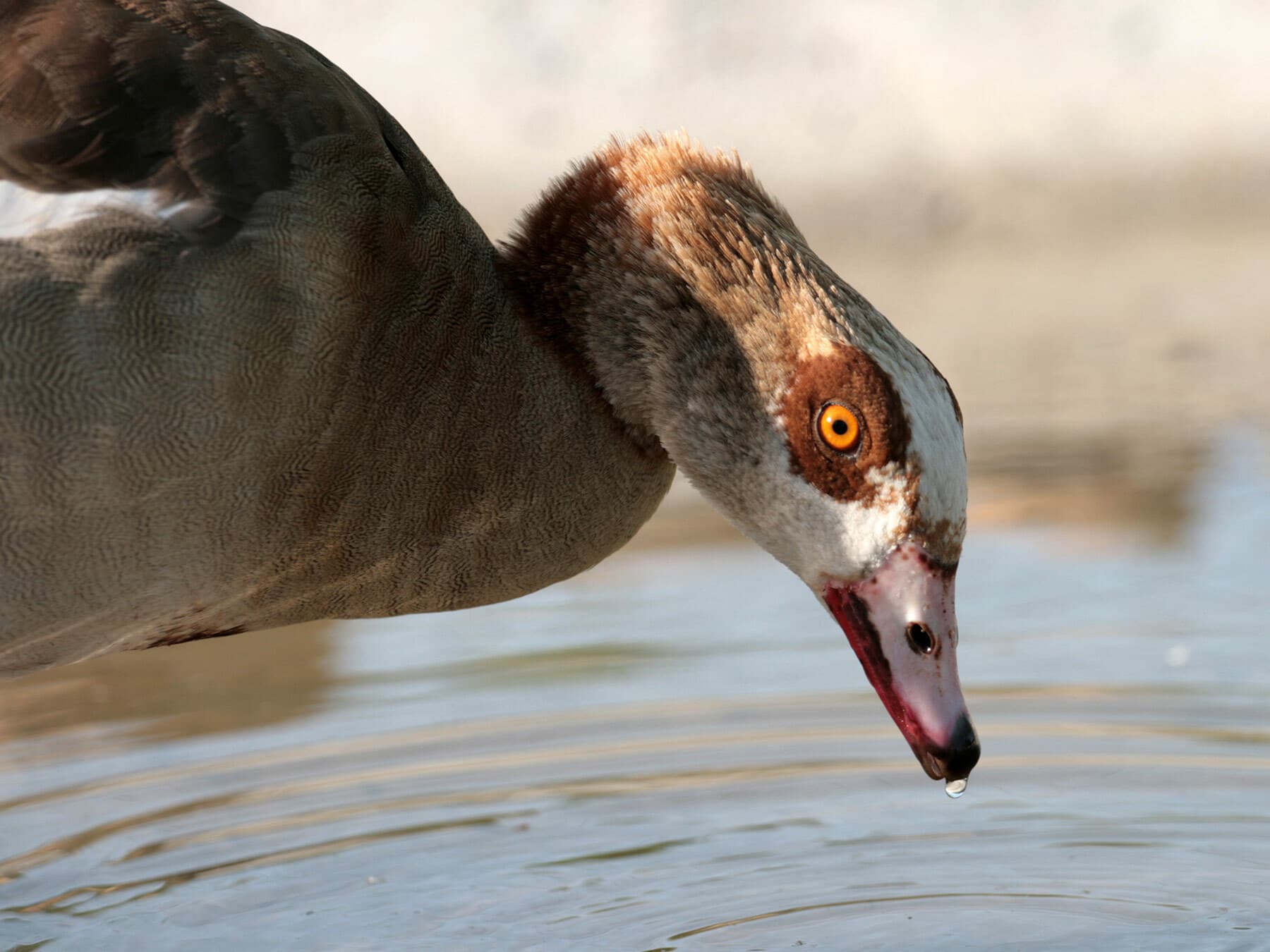
Egyptian Goose
Alopochen aegyptiacaLC
An uncommon but increasing resident, now breeding on gravel pits and park lakes. This naturalised African species is spreading steadily across the county.
Year-round
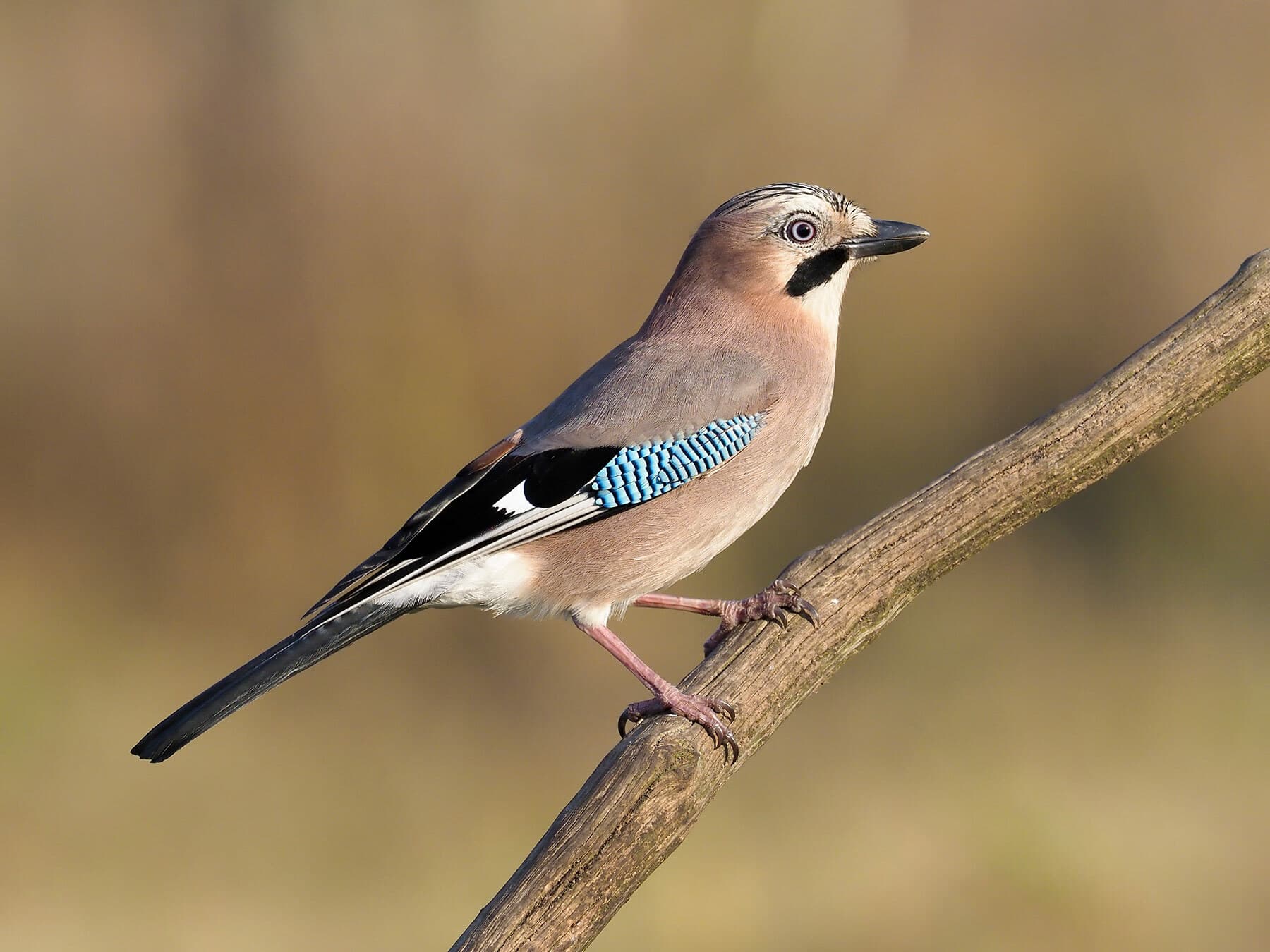
Eurasian Jay
Garrulus glandariusLC
An uncommon but year-round resident of broadleaved woodland and mature gardens. Less numerous here than in western counties.
Year-round
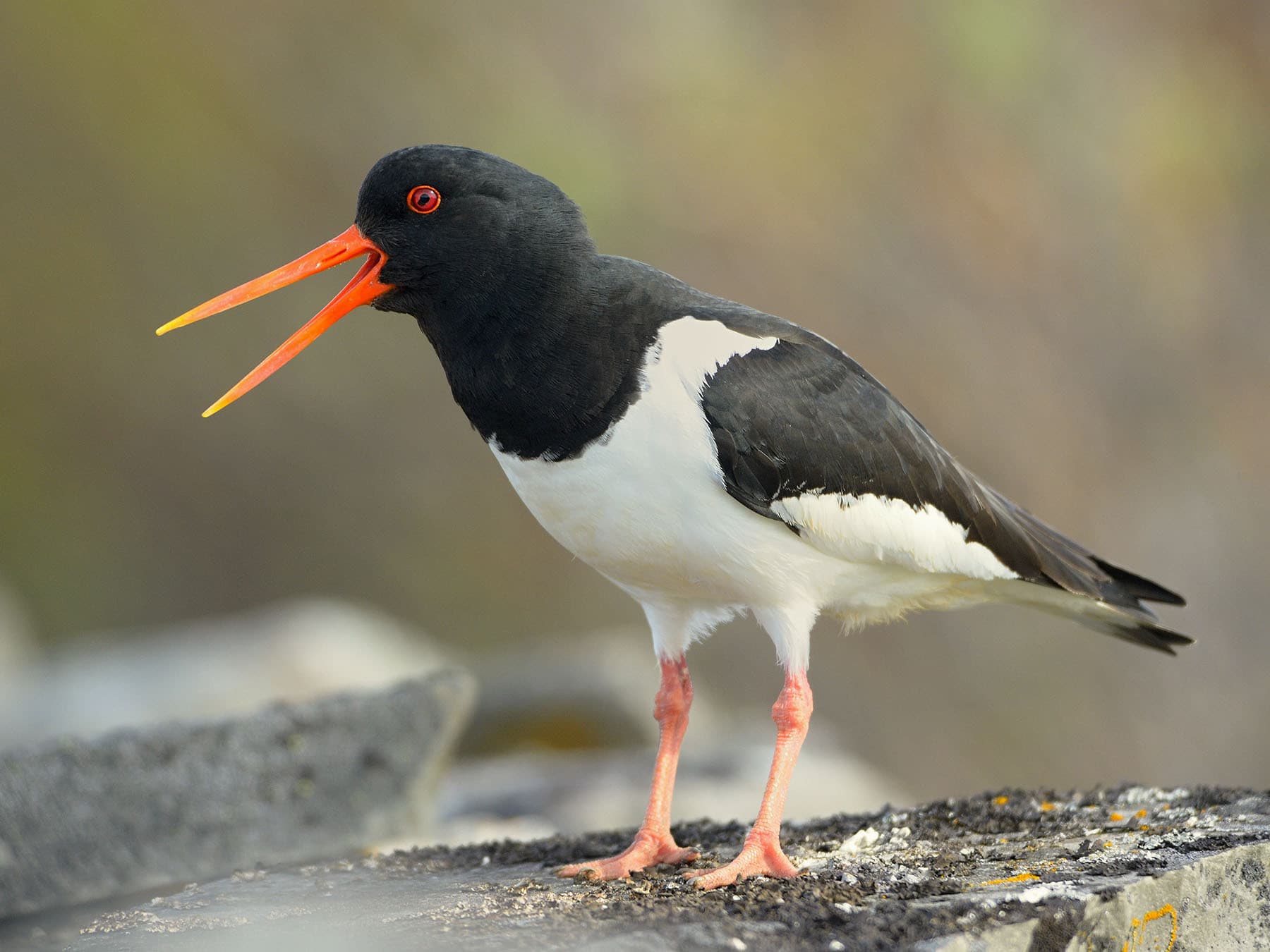
Eurasian Oystercatcher
Haematopus ostralegusNT
An uncommon breeder on fenland gravel pits and reservoir margins, arriving from February and departing by late summer.
Feb–Aug
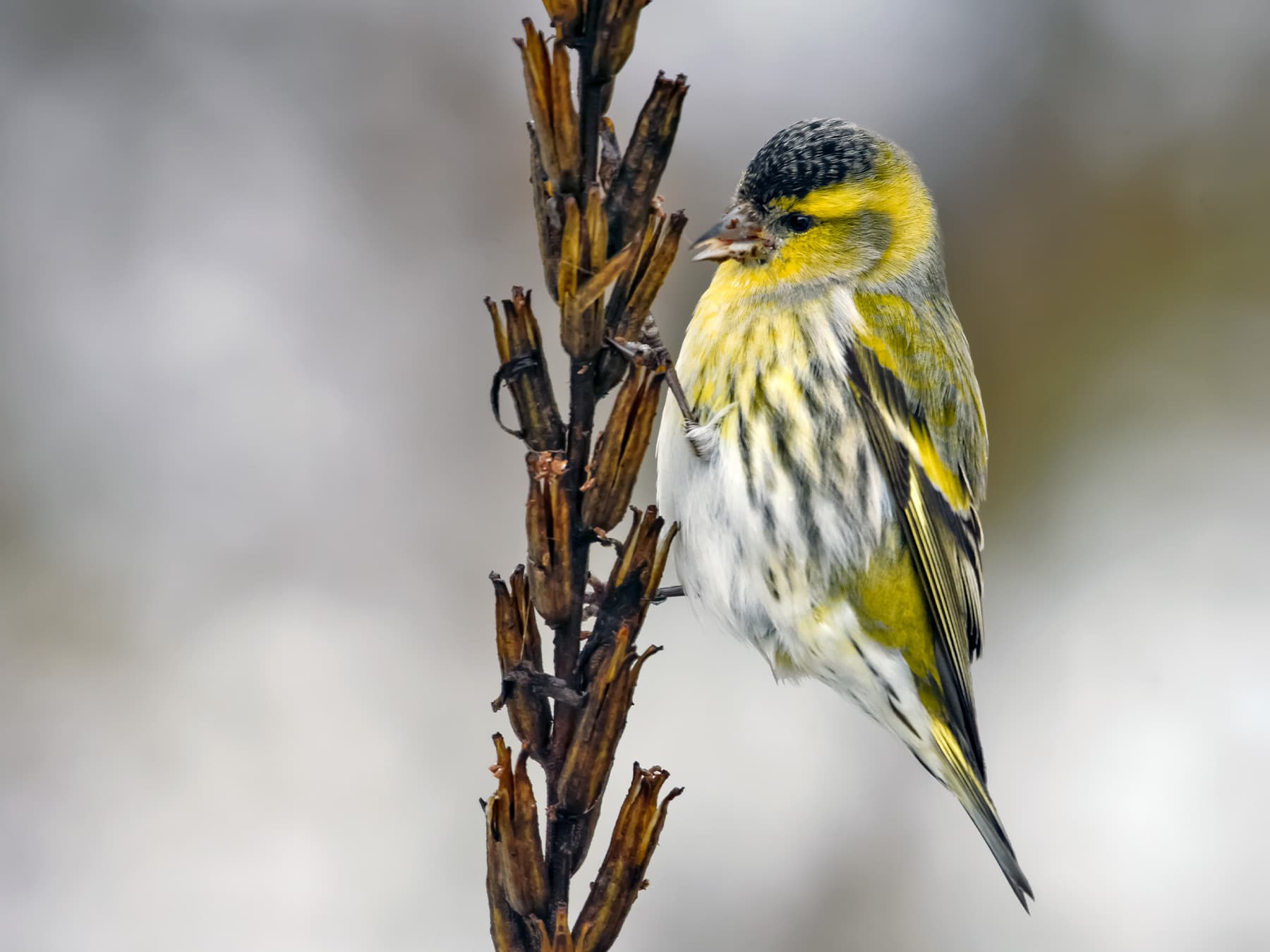
Eurasian Siskin
Spinus spinusLC
An uncommon non-breeding visitor from autumn to spring, favouring alder and birch along river corridors. Often detected by its tinkling flight call.
Sep–Apr
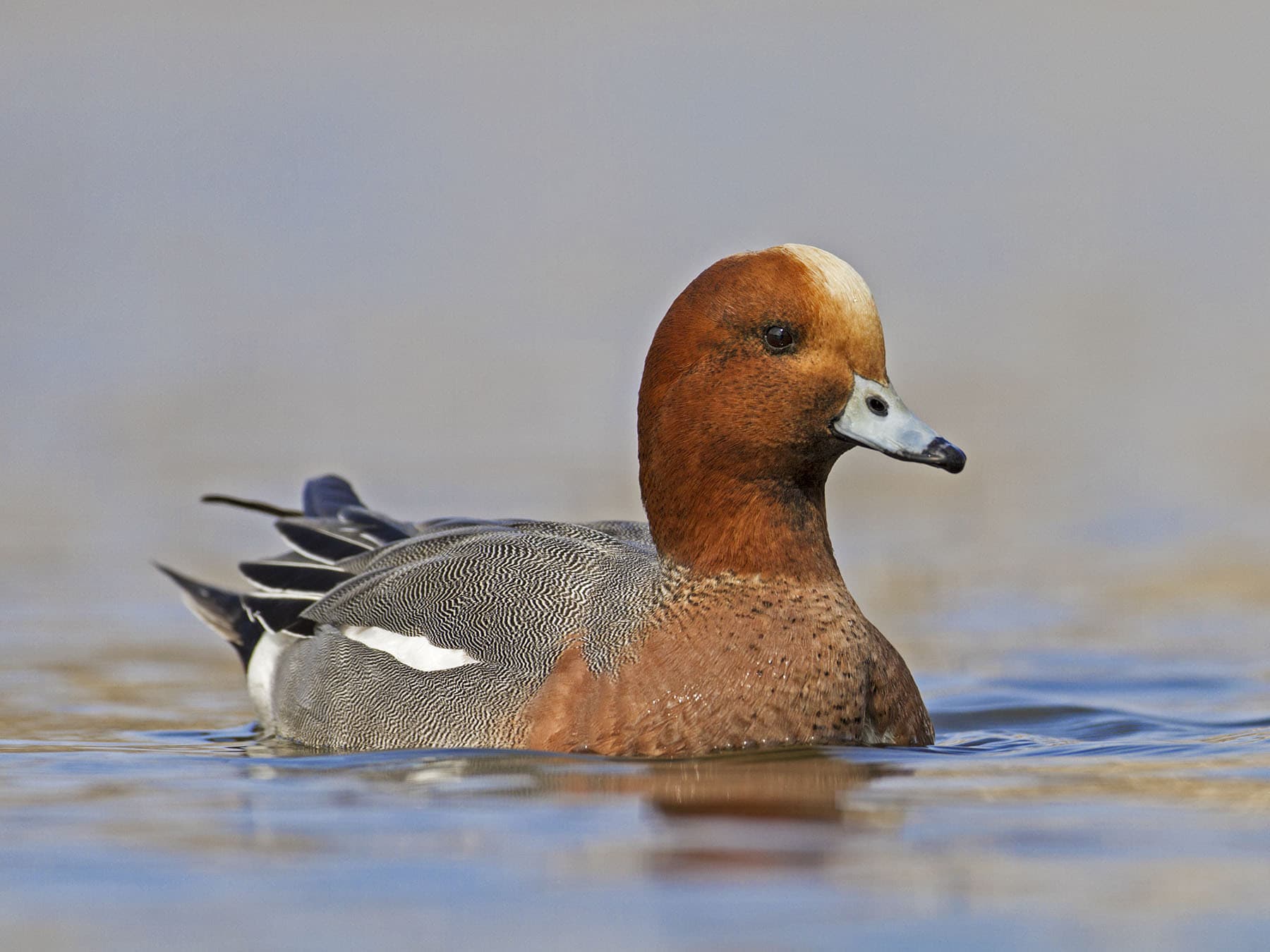
Eurasian Wigeon
Mareca penelopeLC
Present year-round but most conspicuous in winter when numbers swell on the Ouse Washes and flooded fenland fields.
Year-round
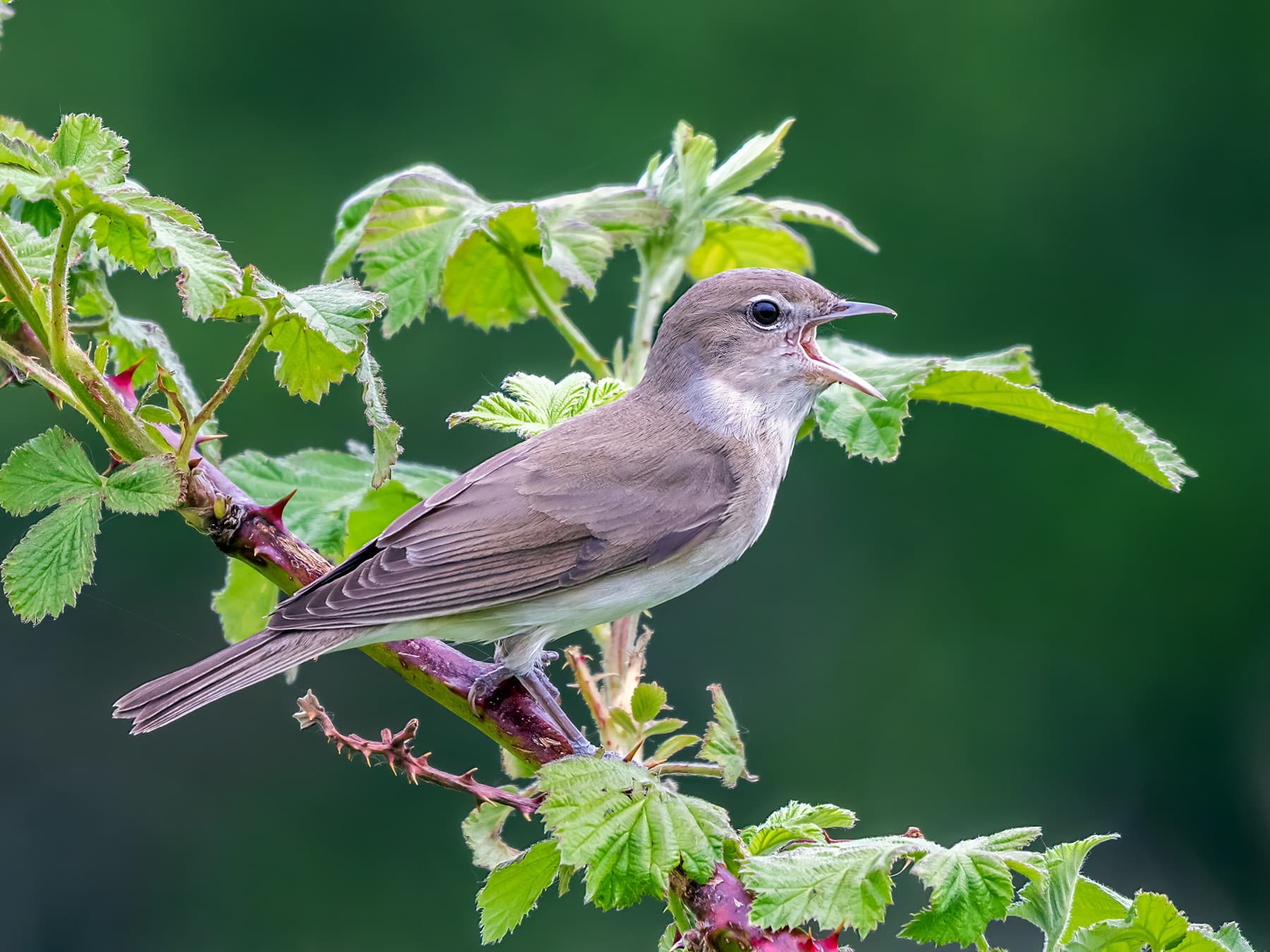
Garden Warbler
Sylvia borinLC
An uncommon summer breeder favouring dense scrub and woodland with thick undergrowth. Its rich warbling song lacks the Blackcap's fluting quality.
Apr–Sep
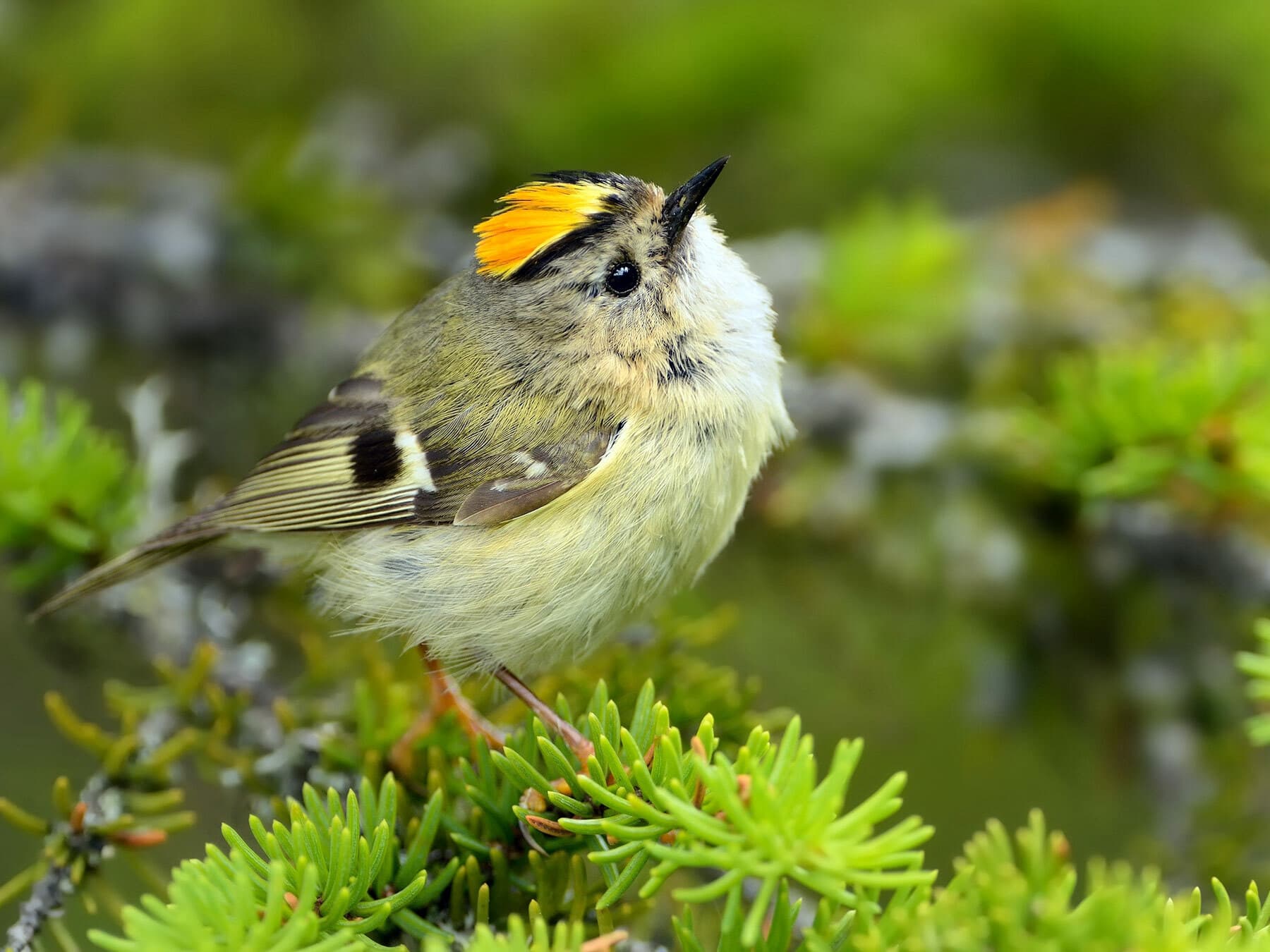
Goldcrest
Regulus regulusLC
An uncommon resident of coniferous and mixed woodland, often hard to spot despite its high-pitched call. Numbers swell with continental arrivals in autumn.
Year-round
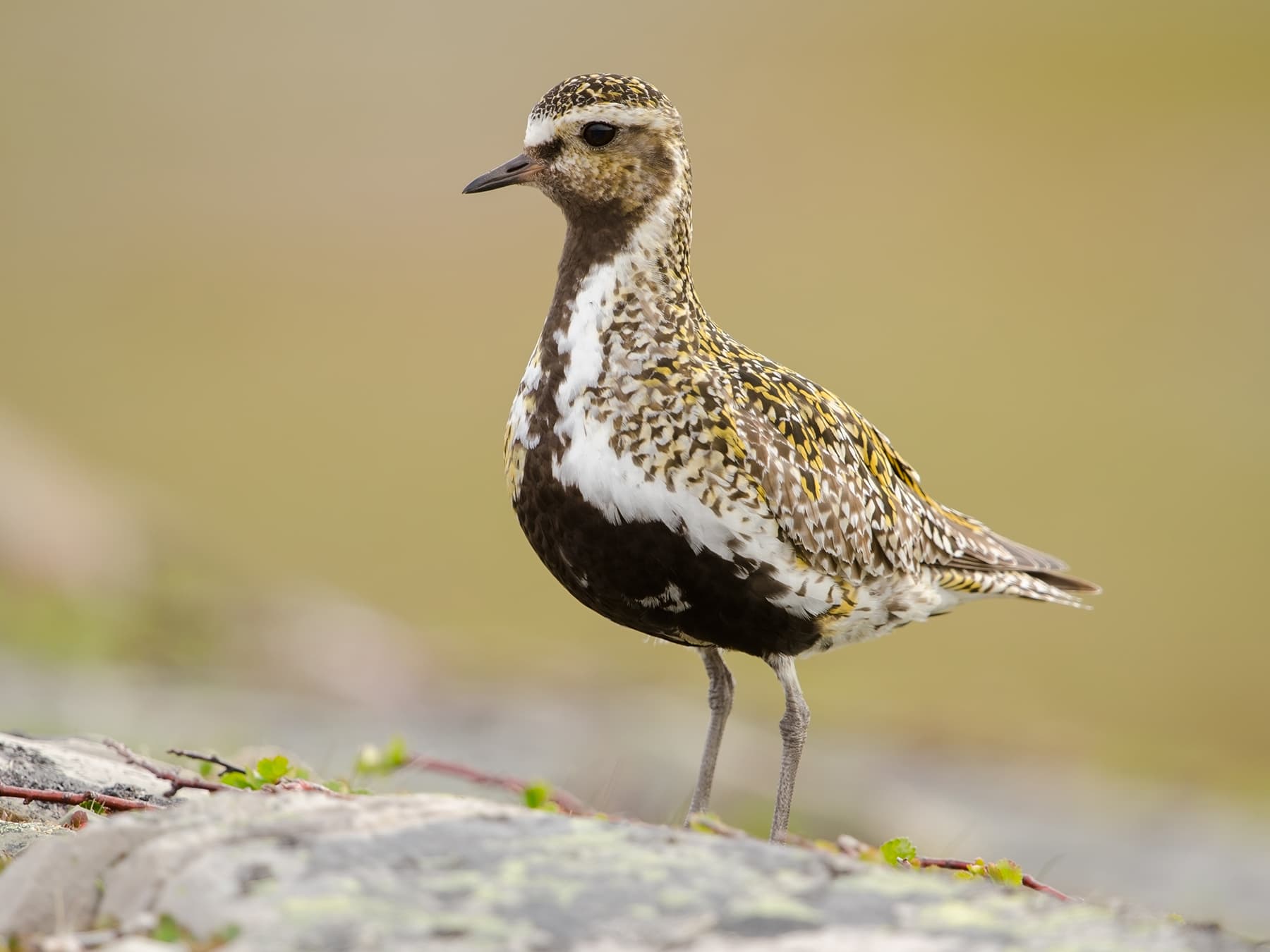
Golden Plover
Pluvialis apricariaLC
Winters in flocks on ploughed fenland fields, often alongside lapwings. Absent during the summer breeding months.
Aug–Apr
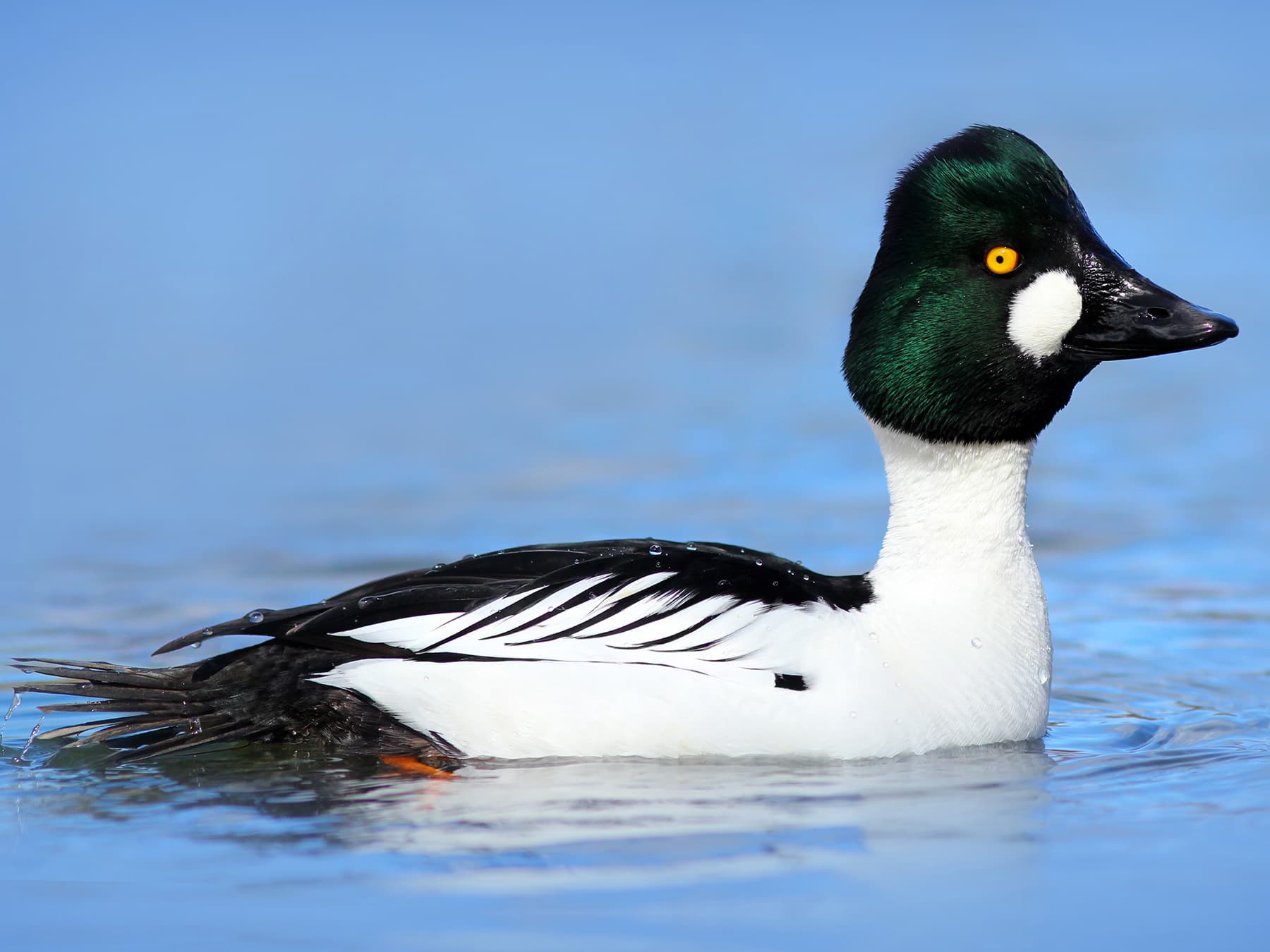
Goldeneye
Bucephala clangulaLC
Winters on gravel pits and reservoirs, with small numbers present from autumn to spring. Males show striking white plumage.
Aug–Apr
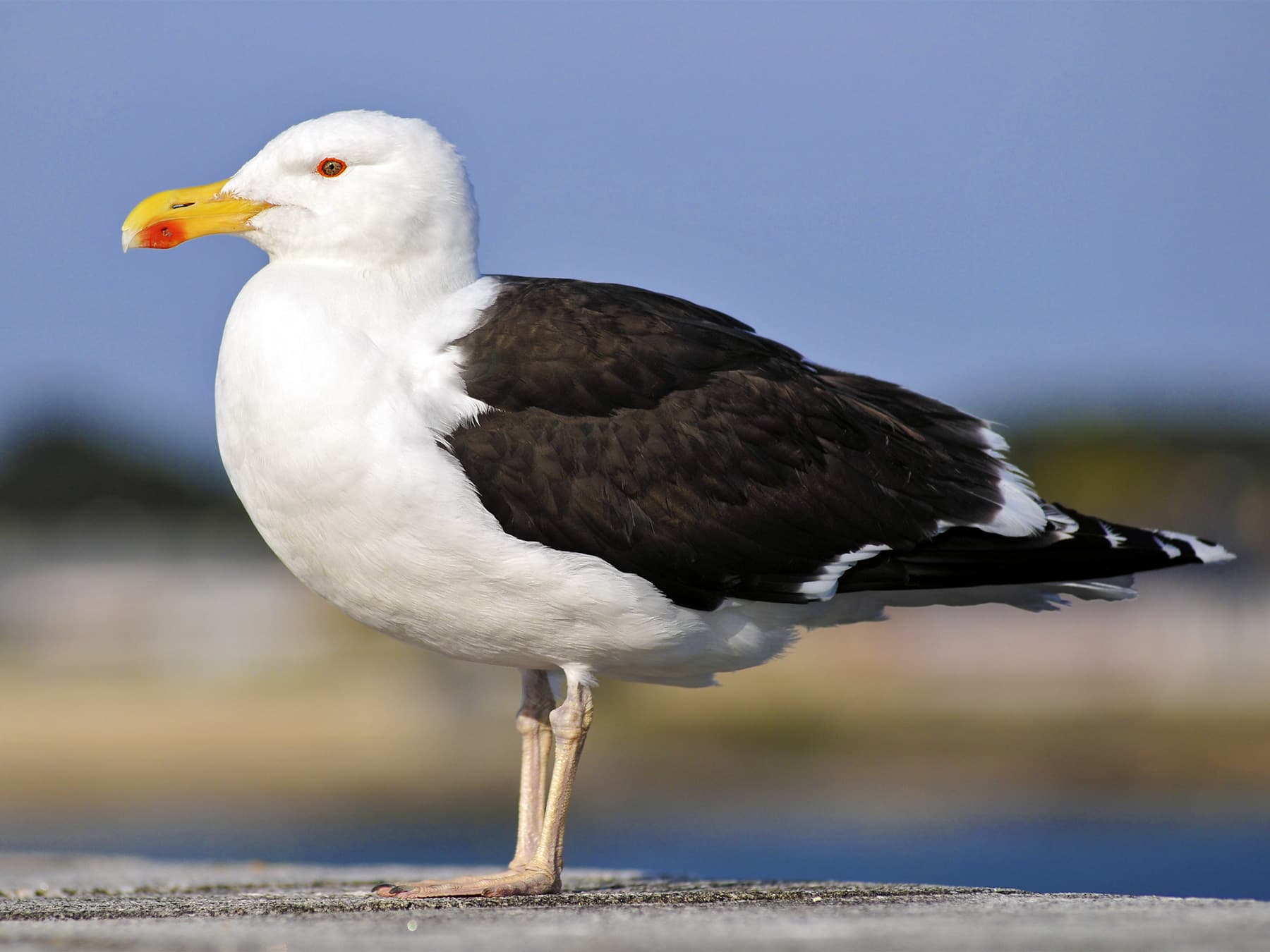
Great Black-backed Gull
Larus marinusLC
An uncommon but year-round presence, often seen at landfill sites and reservoirs, dwarfing other gulls in mixed flocks.
Year-round
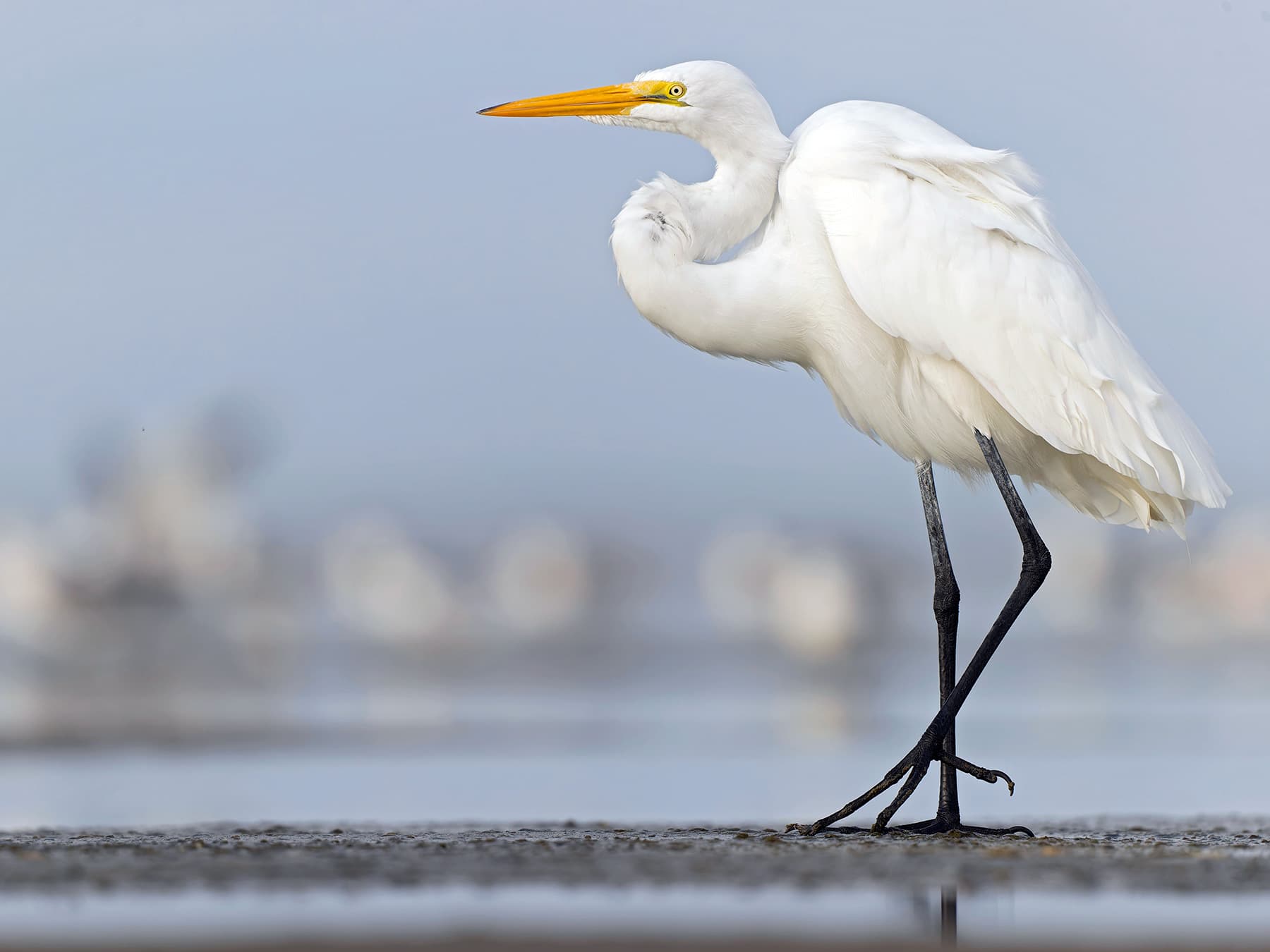
Great White Egret
Ardea albaLC
Now resident year-round, increasingly seen at Fen wetlands and flooded fields. A recent colonist whose numbers continue to grow.
Year-round
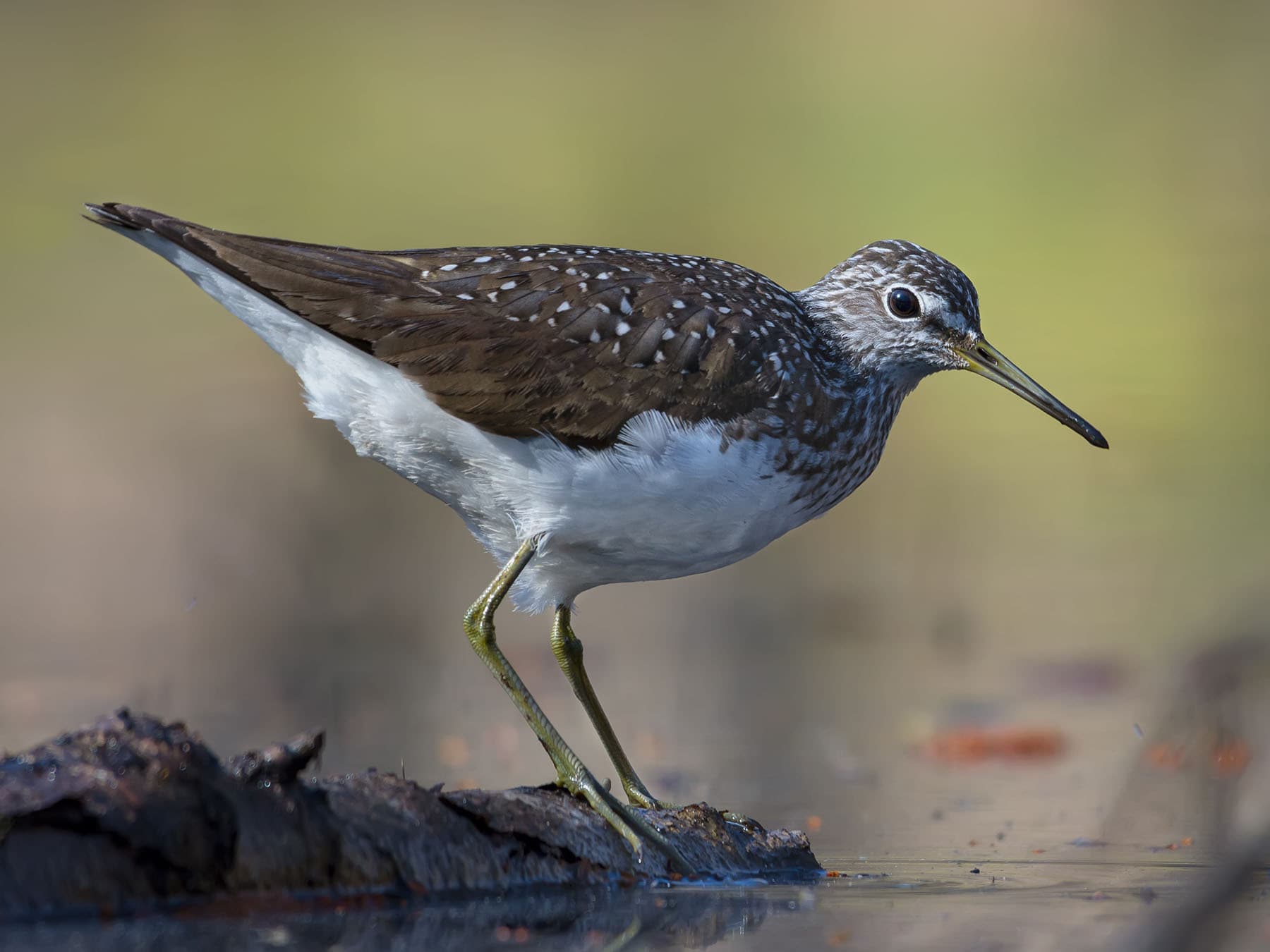
Green Sandpiper
Tringa ochropusLC
Found along ditches, watercress beds, and flooded fields almost year-round, often flushing with a distinctive call.
Jun–Apr