Birds in Buckinghamshire
Explore 134 species found in this region.
Buckinghamshire is home to an impressive 134 recorded bird species, reflecting the county's diverse mix of habitats including the Chiltern Hills, ancient woodlands, farmland, and river valleys such as the Thames and Great Ouse. From iconic species like the Barn Owl hunting over open fields to the striking Mandarin Duck found along wooded waterways, the county offers rewarding birdwatching throughout the year. Wetland areas and reservoirs also attract notable visitors such as the Common Merganser, Greenshank, and Common Sandpiper, particularly during migration seasons.
Visiting in August? Look out for Common Redstart and Common Snipe arriving this month, and Corn Bunting and Great Black-backed Gull depart for the season.


Showing 24–46 of 134 species
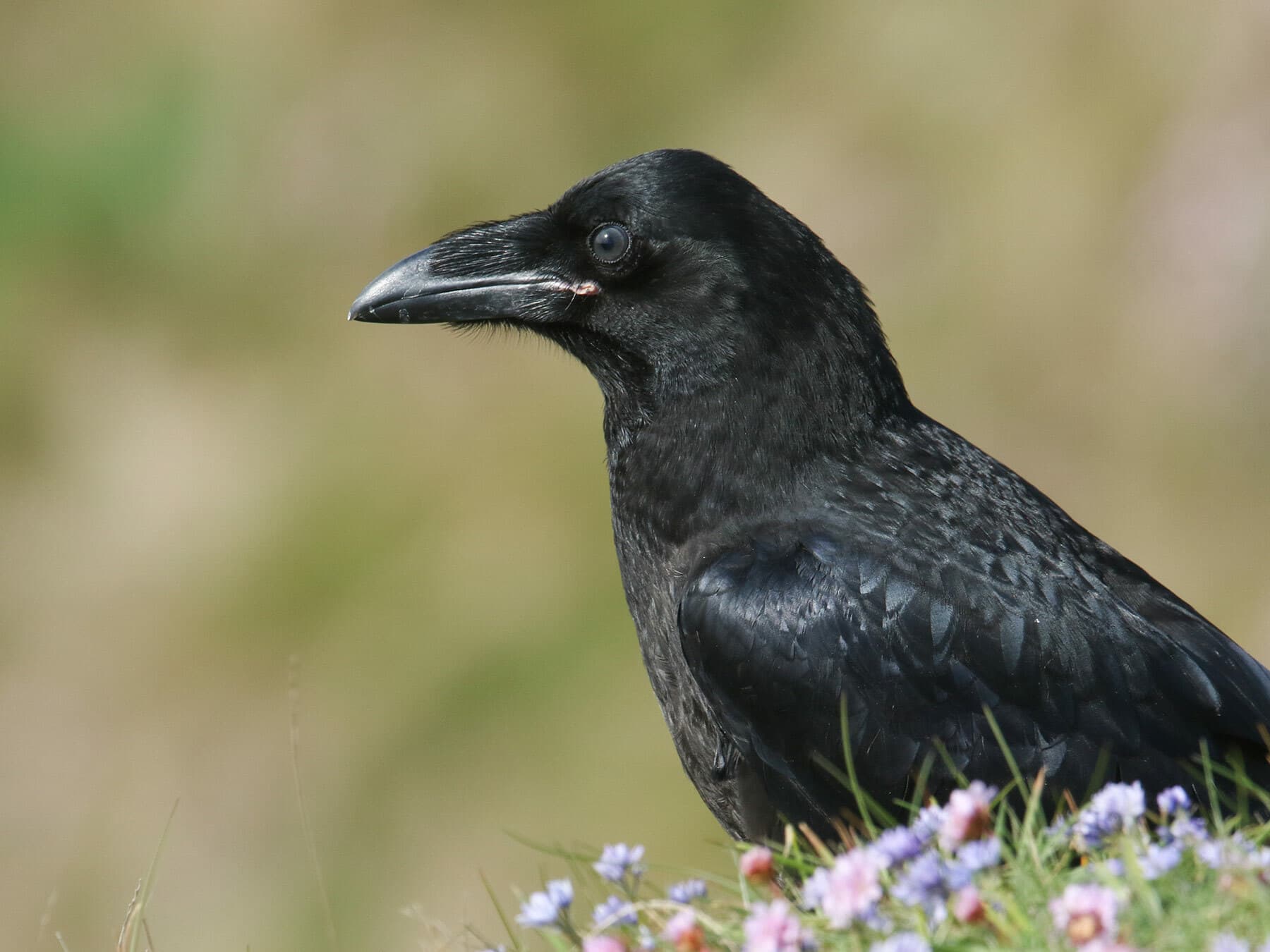
Common Raven
Corvus coraxLC
A rare but increasingly recorded resident, reflecting the species' ongoing range expansion south-eastward across England. Deep, resonant croaking calls may be heard over the Chiltern Hills.
Year-round
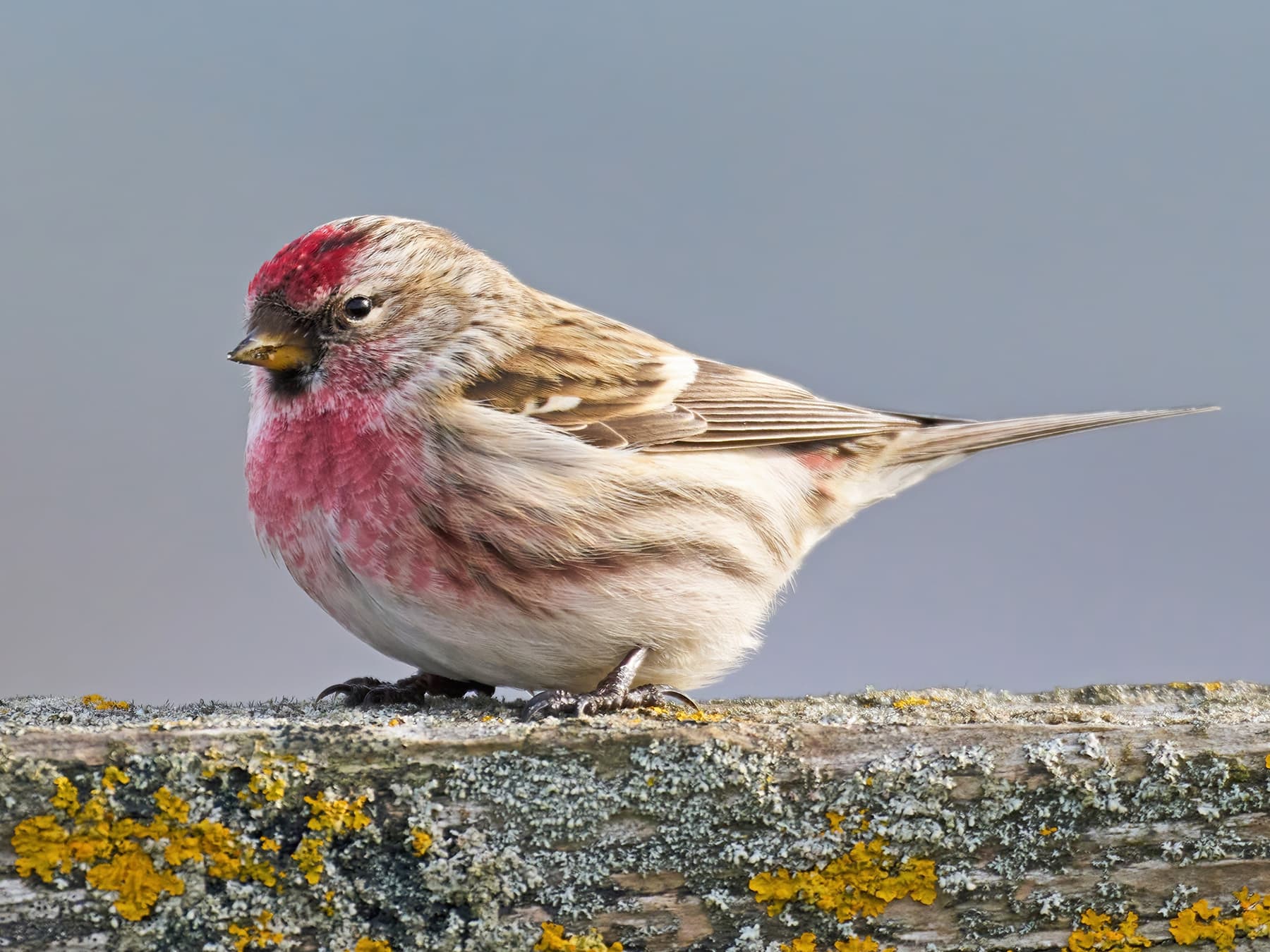
Common Redpoll
Acanthis flammeaLC
A rare non-breeding visitor from October to April, occasionally found in birch and alder woodland or visiting garden feeders alongside Lesser Redpolls.
Oct–Apr
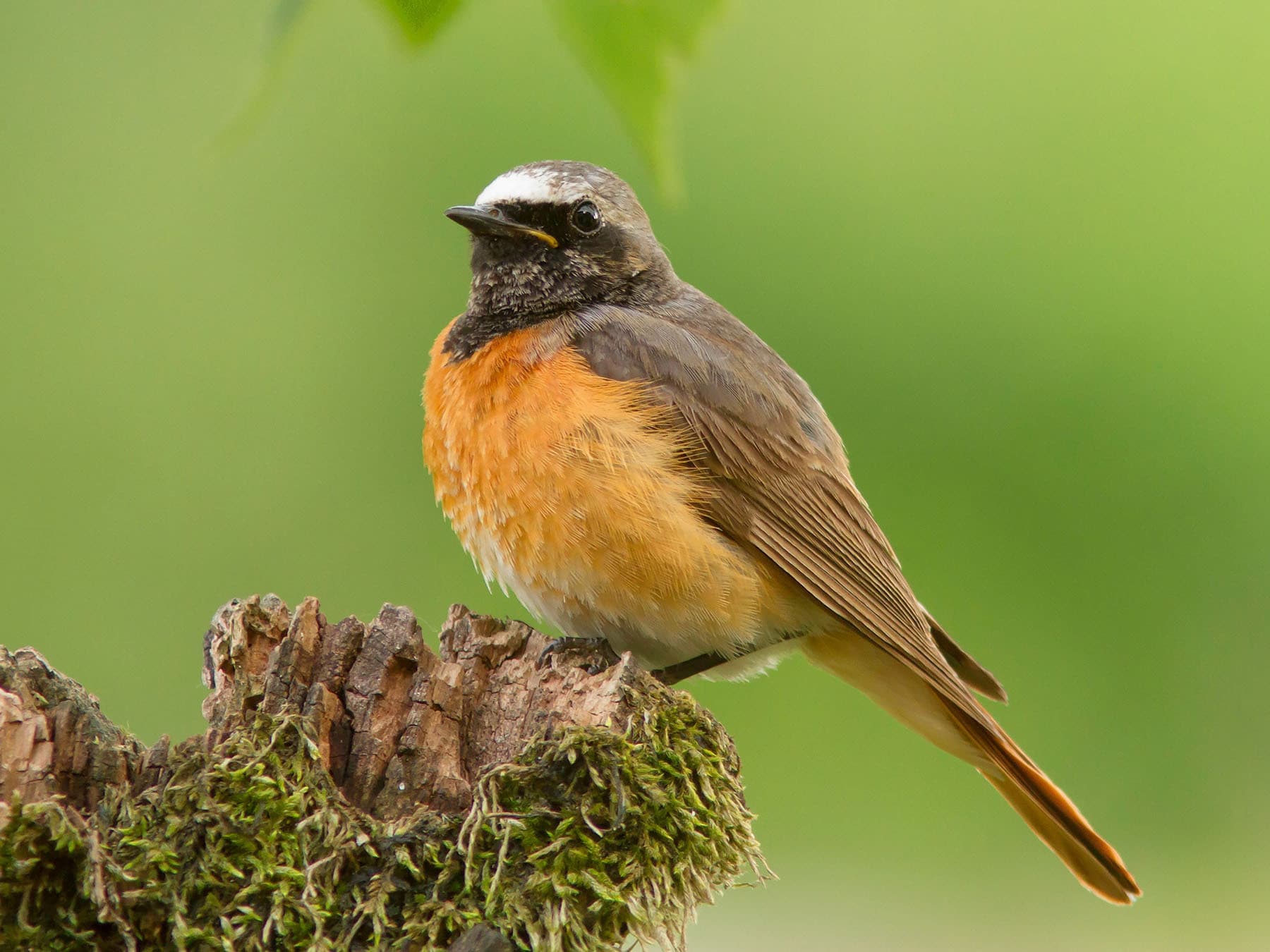
Common Redstart
Phoenicurus phoenicurusLC
A rare passage migrant glimpsed briefly in April and August, pausing in hedgerows and woodland edges on migration between African wintering grounds and northern breeding sites.
Apr–Aug
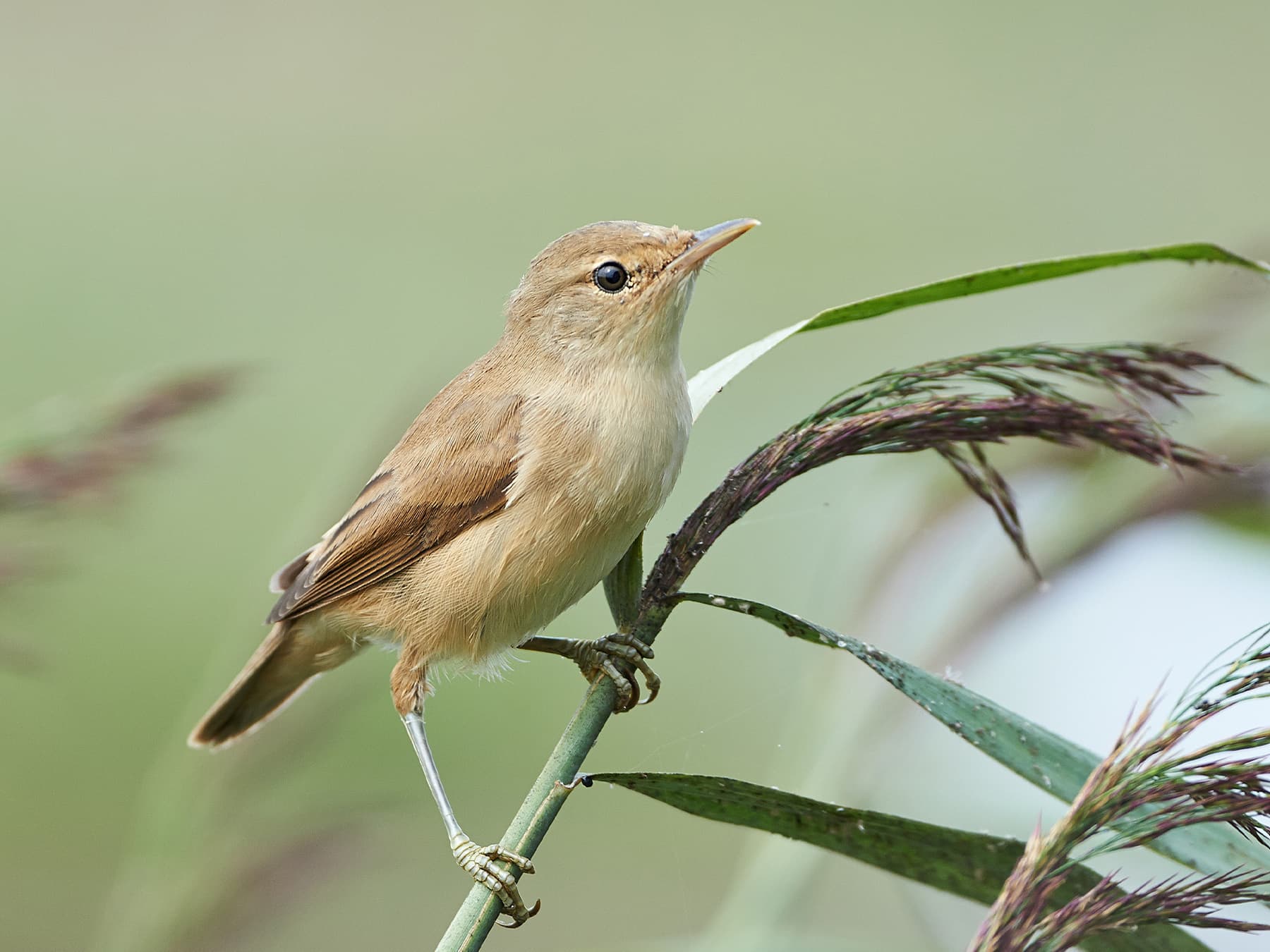
Common Reed-warbler
Acrocephalus scirpaceusLC
Breeds in reedbeds at sites such as College Lake and along the Thames corridor. A summer visitor arriving from Africa in late April, departing by September.
Apr–Sep
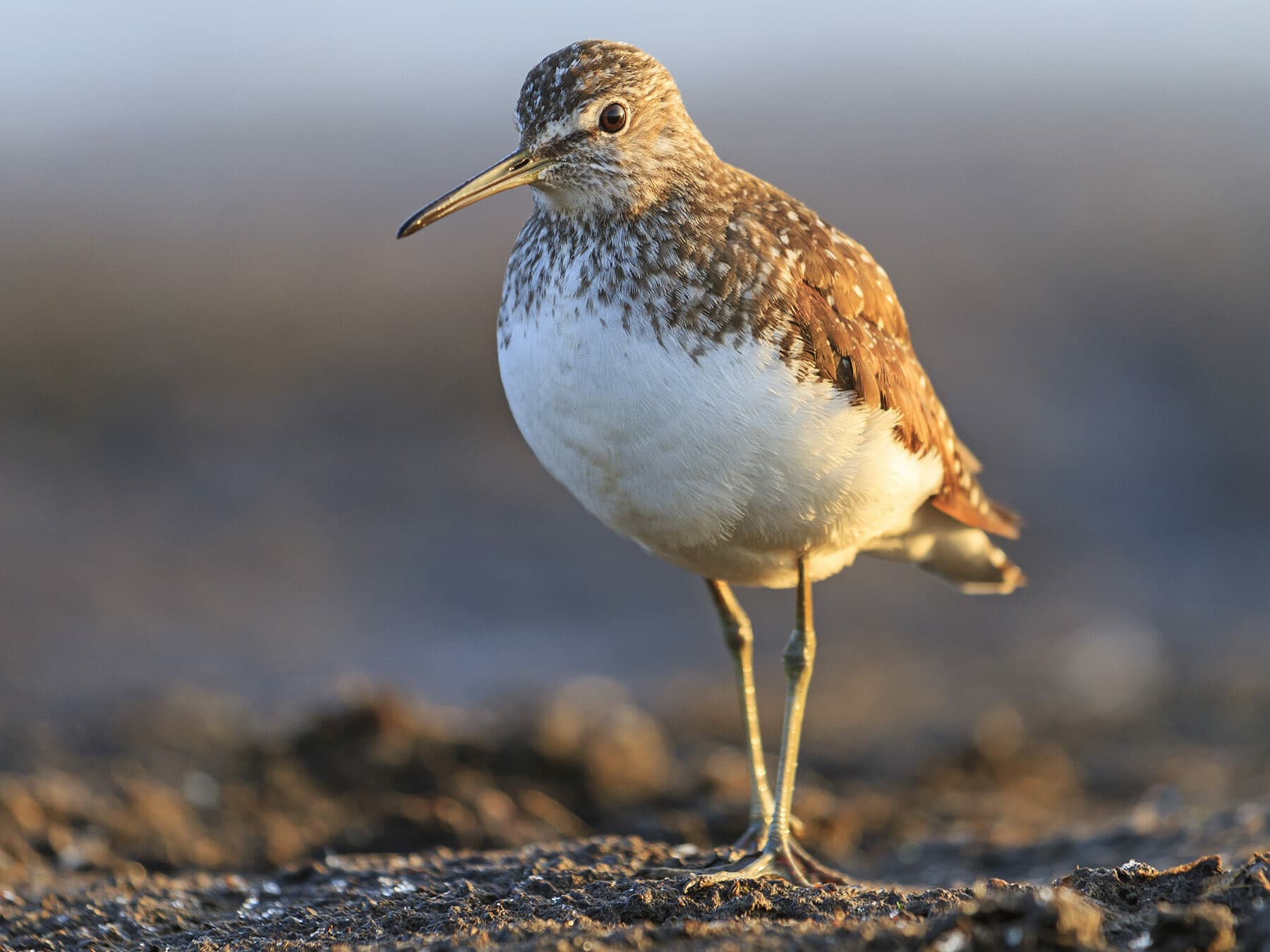
Common Sandpiper
Actitis hypoleucosLC
An uncommon visitor to reservoir edges and gravel pits, mainly on passage. Bobs its tail constantly along stony shores.
Apr–Oct
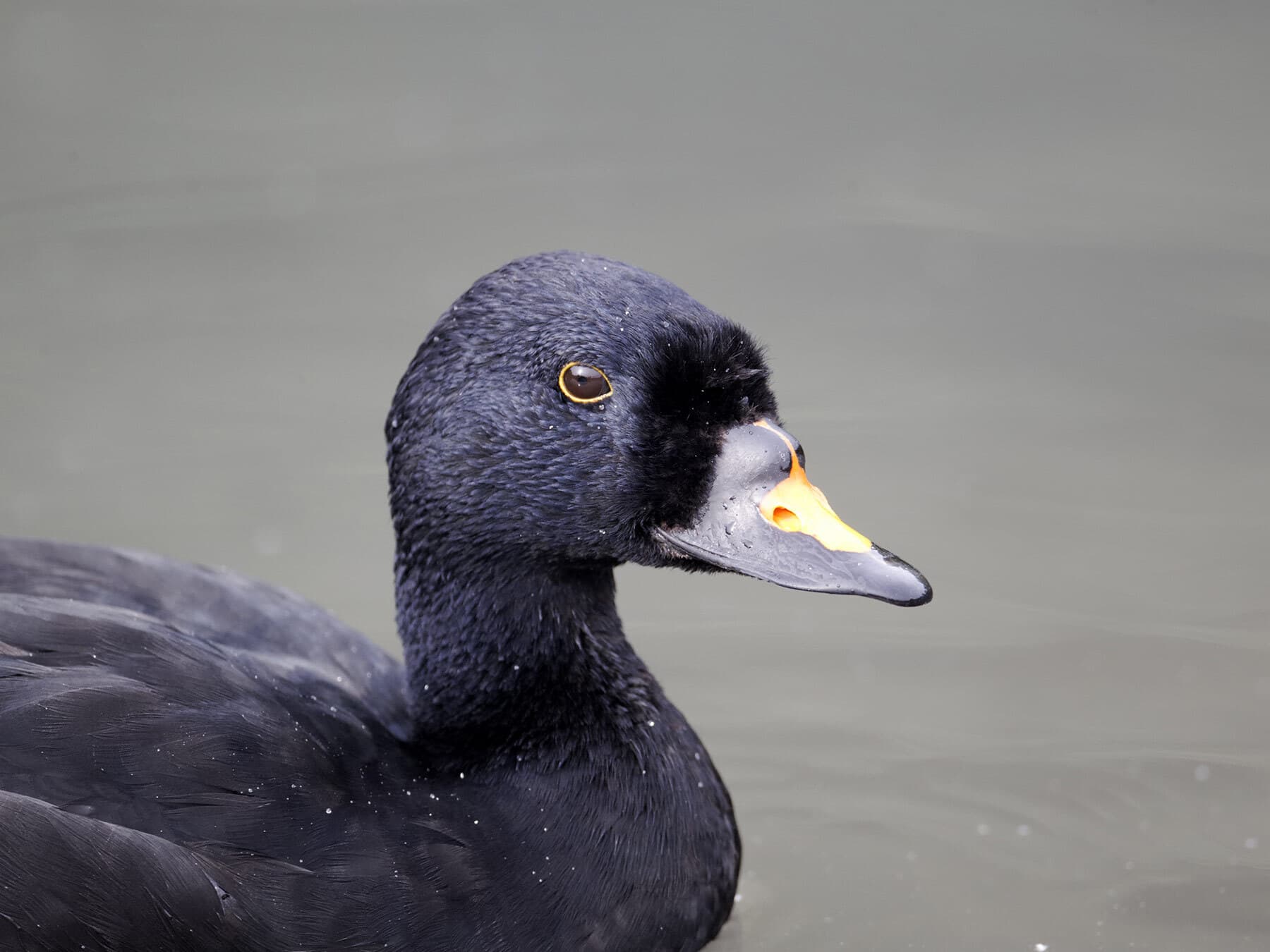
Common Scoter
Melanitta nigraLC
A rare November passage visitor, occasionally turning up on larger reservoirs. This sea duck is scarce inland.
Nov
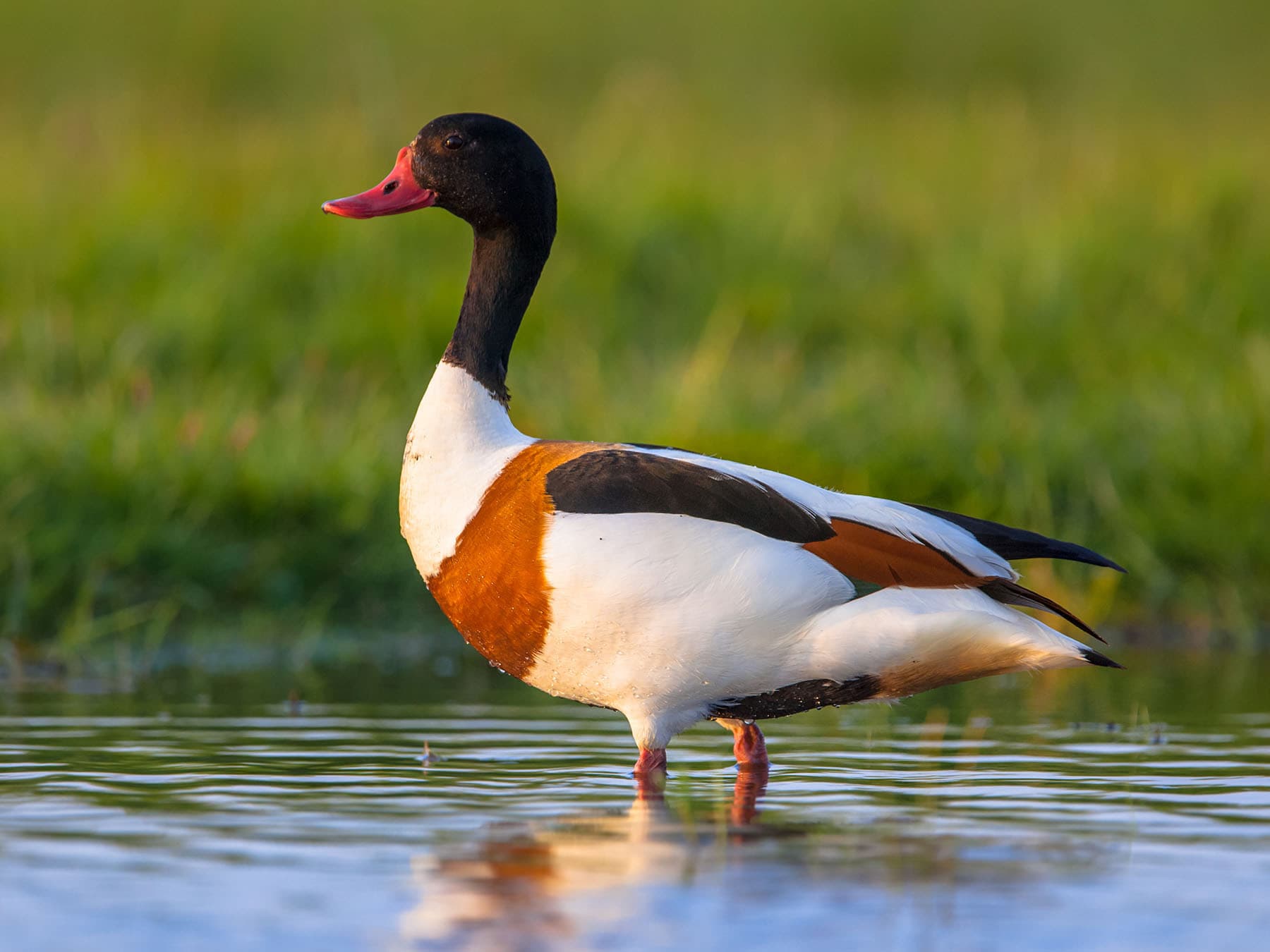
Common Shelduck
Tadorna tadornaLC
A rare resident, unusual this far inland. Small numbers occur on larger water bodies, with a gap in records during autumn.
Dec–Aug
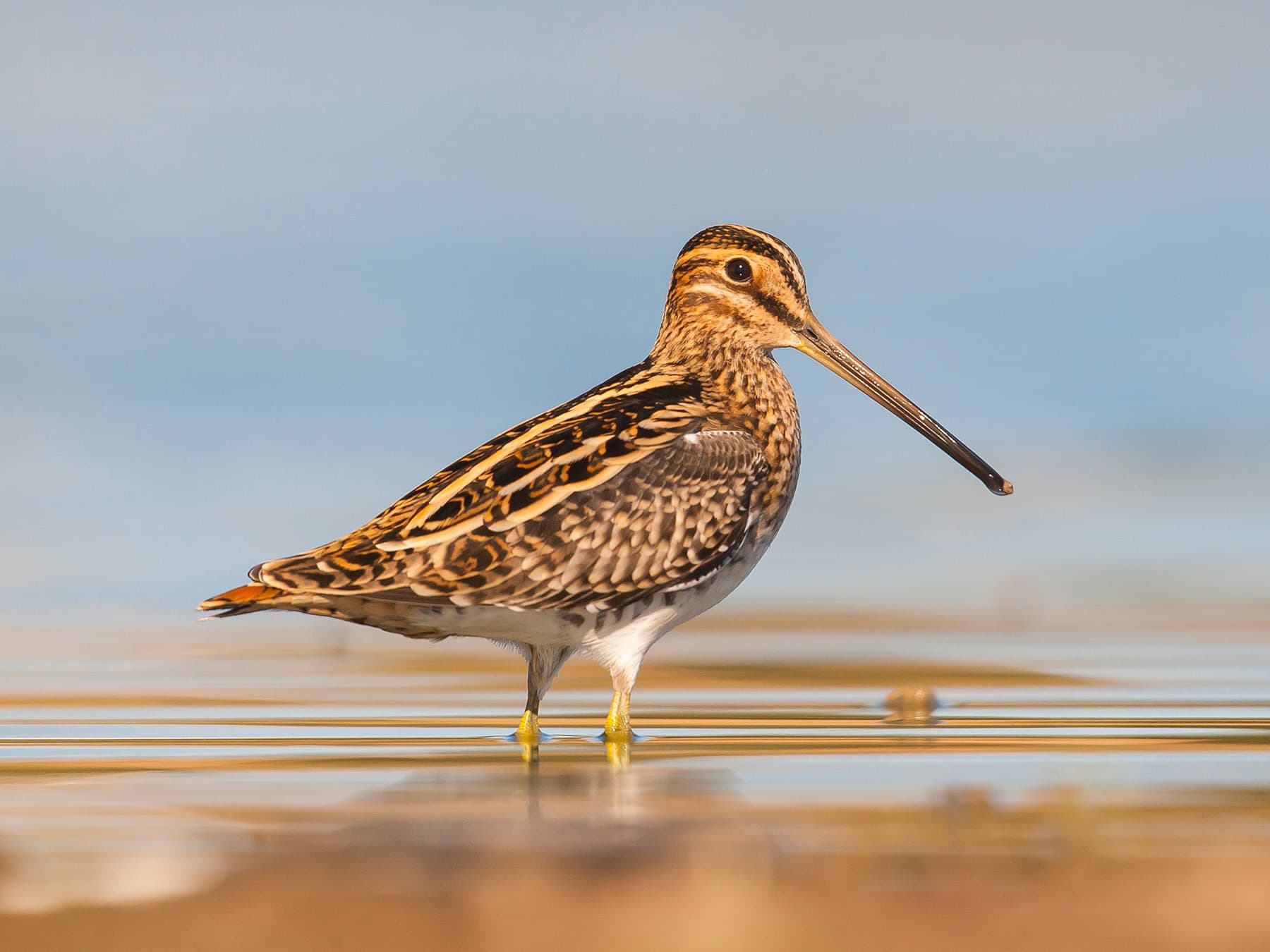
Common Snipe
Gallinago gallinagoLC
An uncommon non-breeding visitor to wet meadows and marshy margins, most numerous from autumn through to early spring.
Aug–Apr
Spotted something?
Upload a photo to identify it
Identify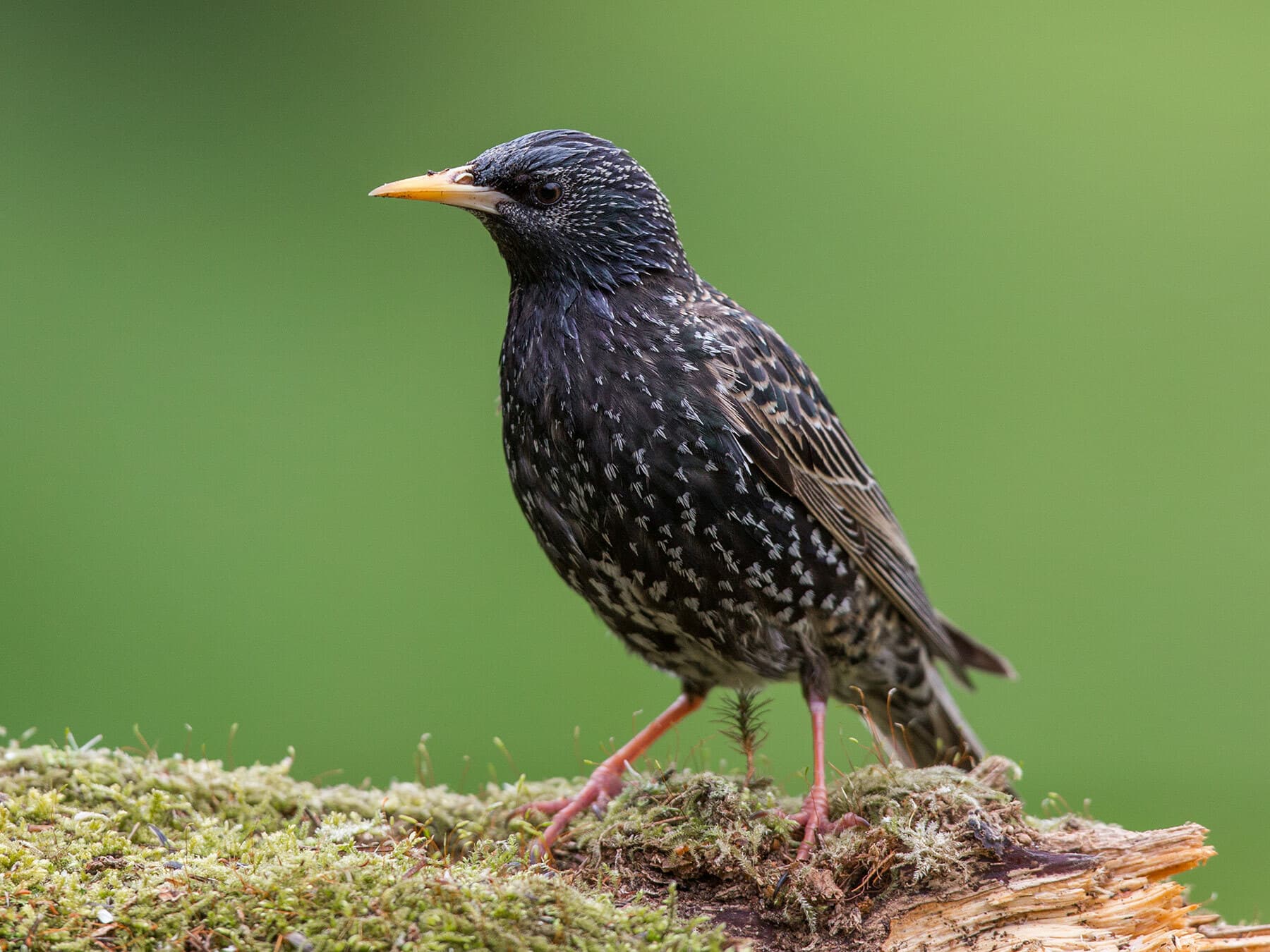
Common Starling
Sturnus vulgarisLC
A familiar resident of towns, gardens and farmland, though declining nationally. Winter flocks can be spectacular, with murmurations sometimes gathering at roost sites across the county.
Year-round
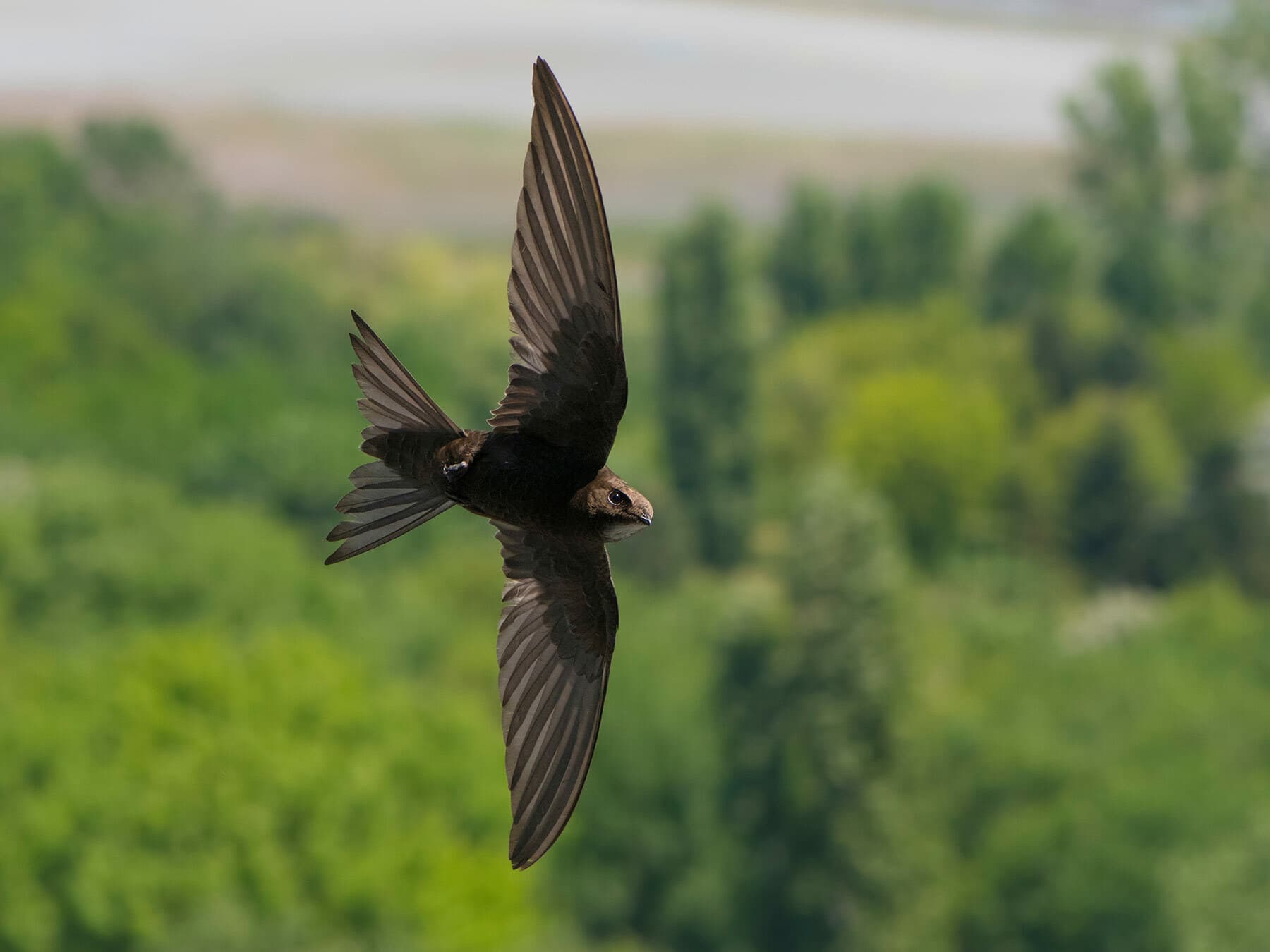
Common Swift
Apus apusLC
A common summer breeder screaming over towns and villages from April to August. Nests under eaves of older buildings.
Apr–Aug
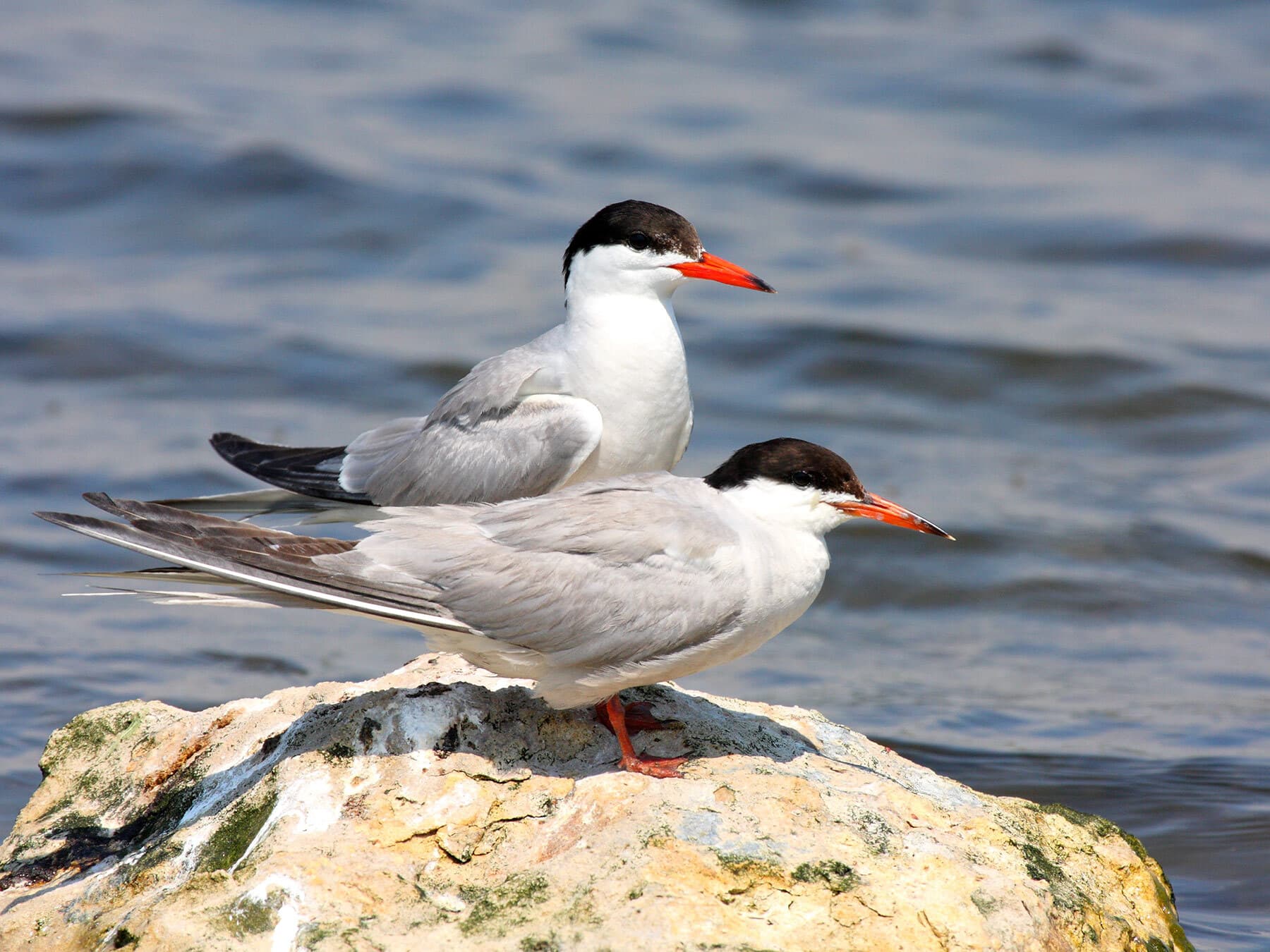
Common Tern
Sterna hirundoLC
An uncommon breeding visitor from April to September, nesting on islands and rafts at gravel pits and reservoirs.
Apr–Sep
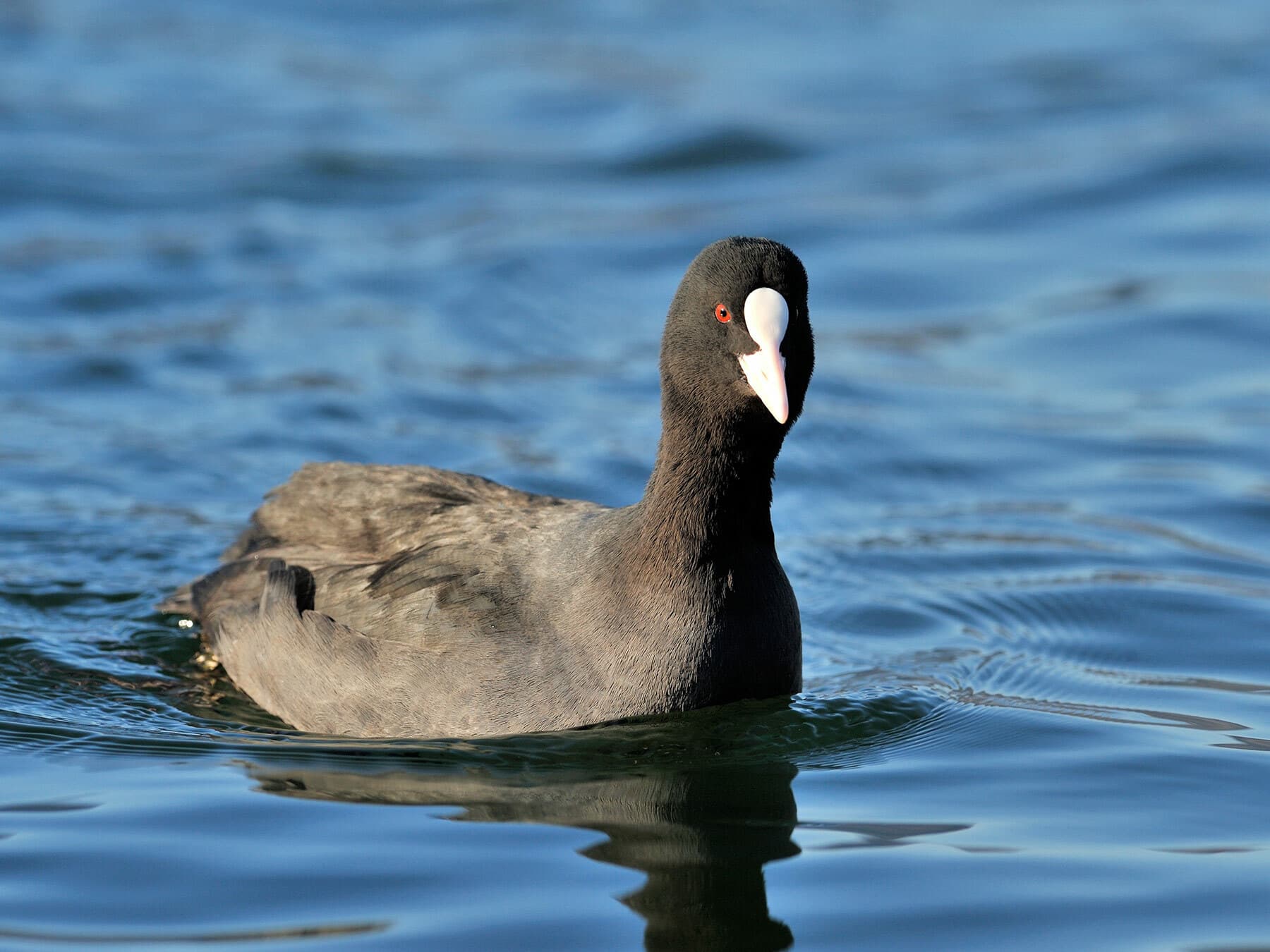
Coot
Fulica atraLC
A common year-round resident on lakes, reservoirs, and gravel pits. Large winter flocks gather at favoured sites.
Year-round
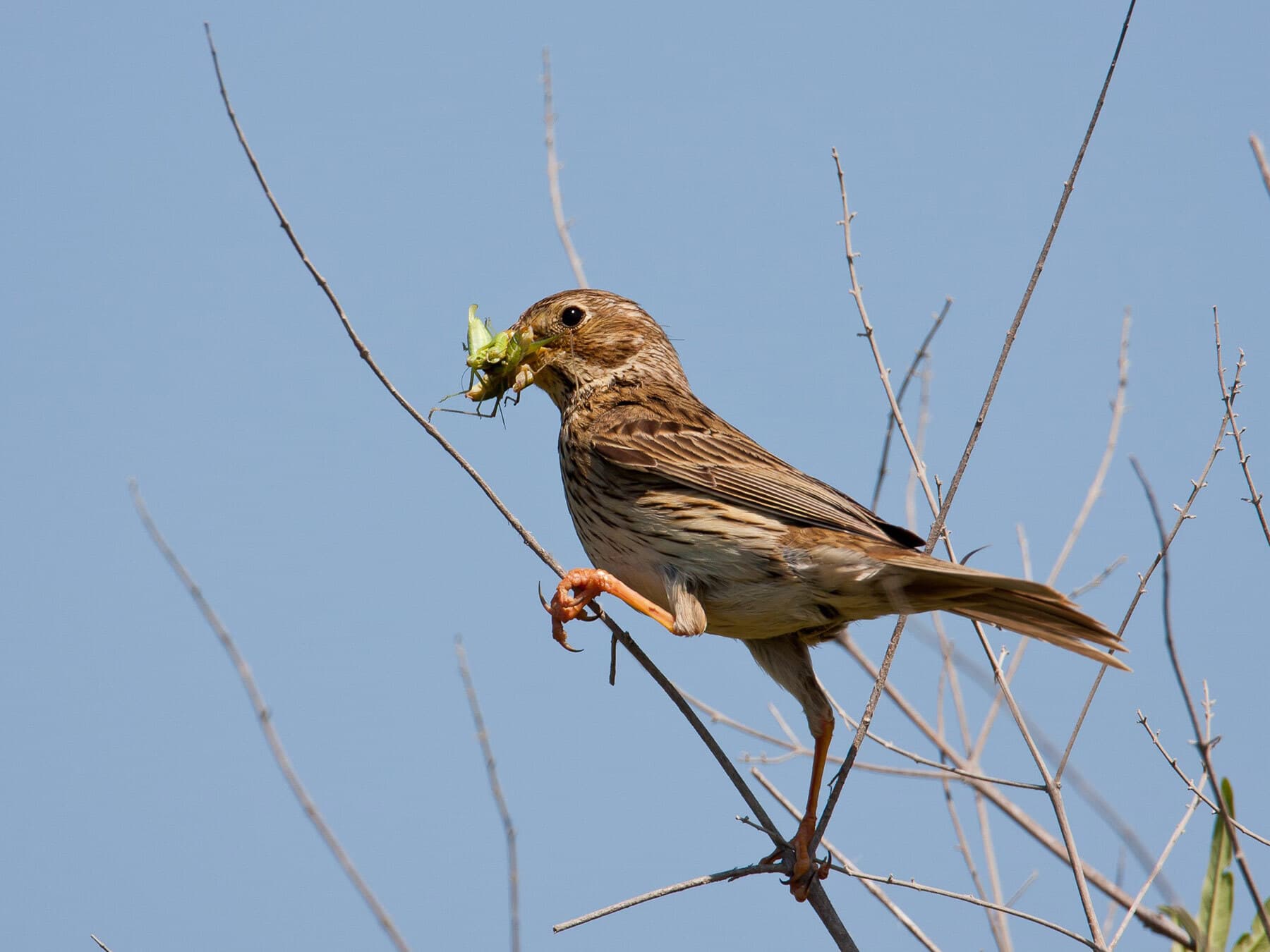
Corn Bunting
Emberiza calandraLC
A rare summer breeder on open arable farmland, singing its jangling song from fence posts. Severely declined and now a Red List species.
Apr–Jul
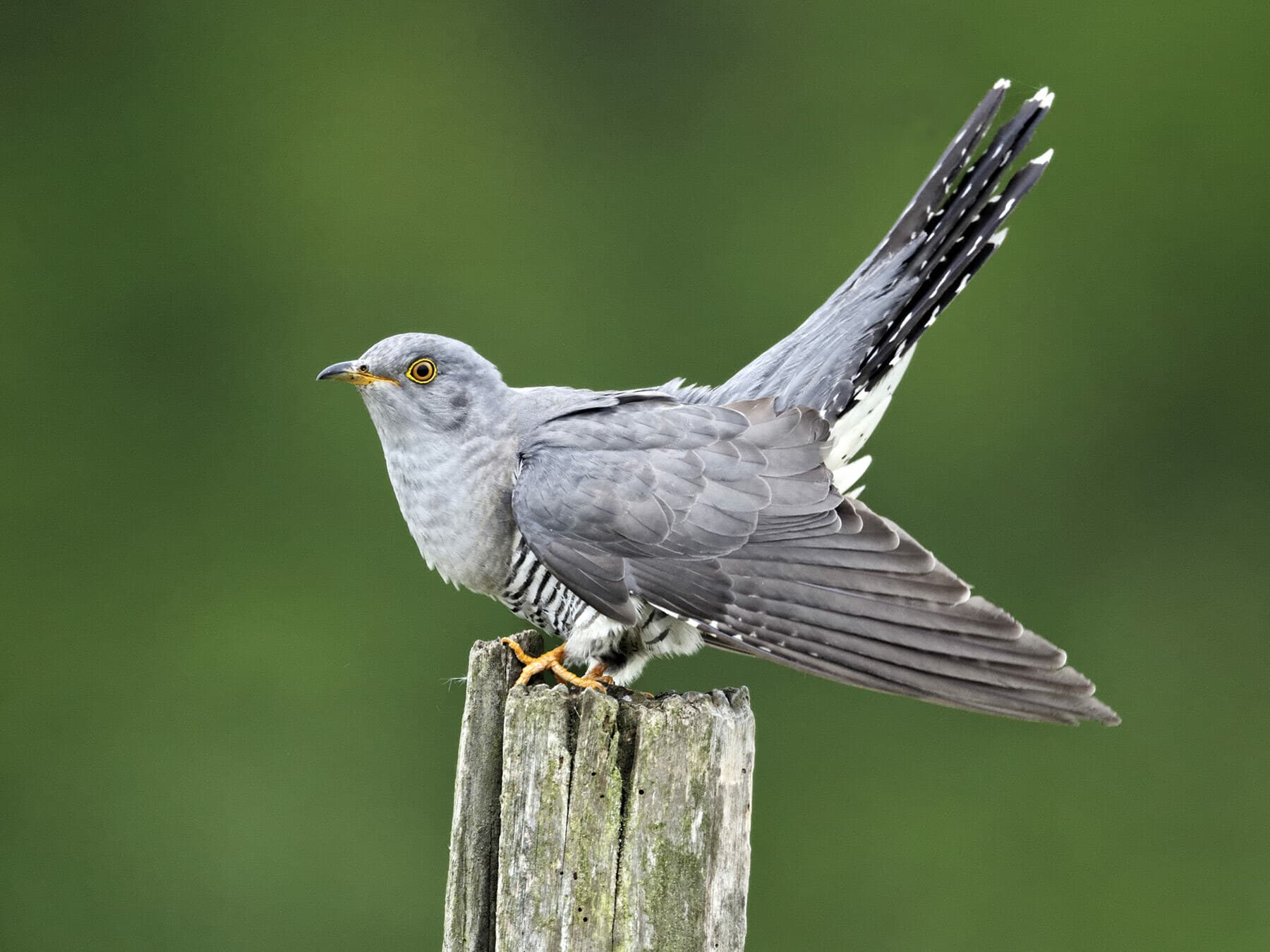
Cuckoo
Cuculus canorusLC
An uncommon and declining summer breeder arriving in April. Its distinctive call echoes from woodland edges and hedgerows.
Apr–Jun
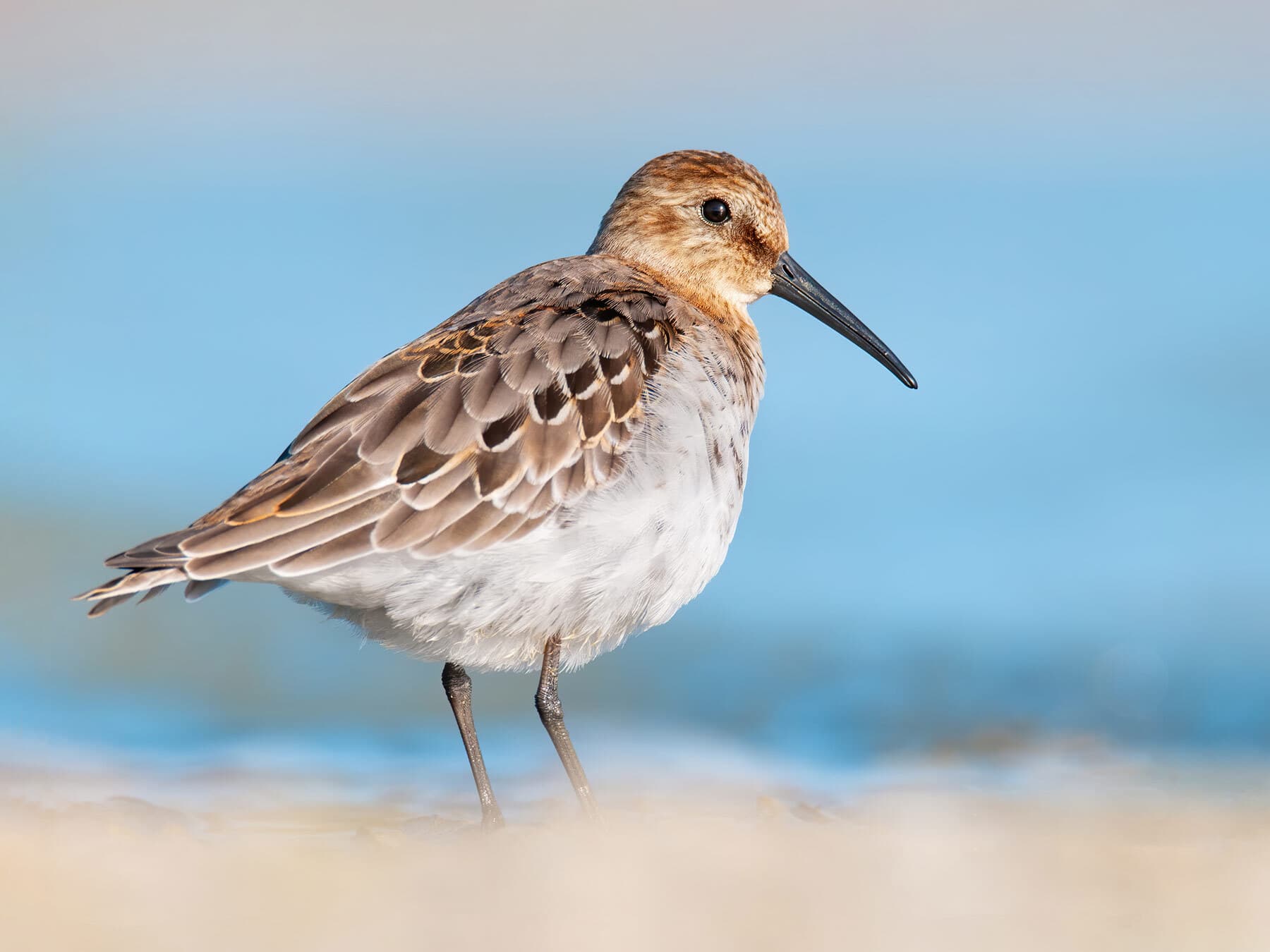
Dunlin
Calidris alpinaLC
A rare breeding wader present from April to August, favouring wet grassland and gravel pit margins. Inland breeding records are increasingly scarce.
Apr–Aug
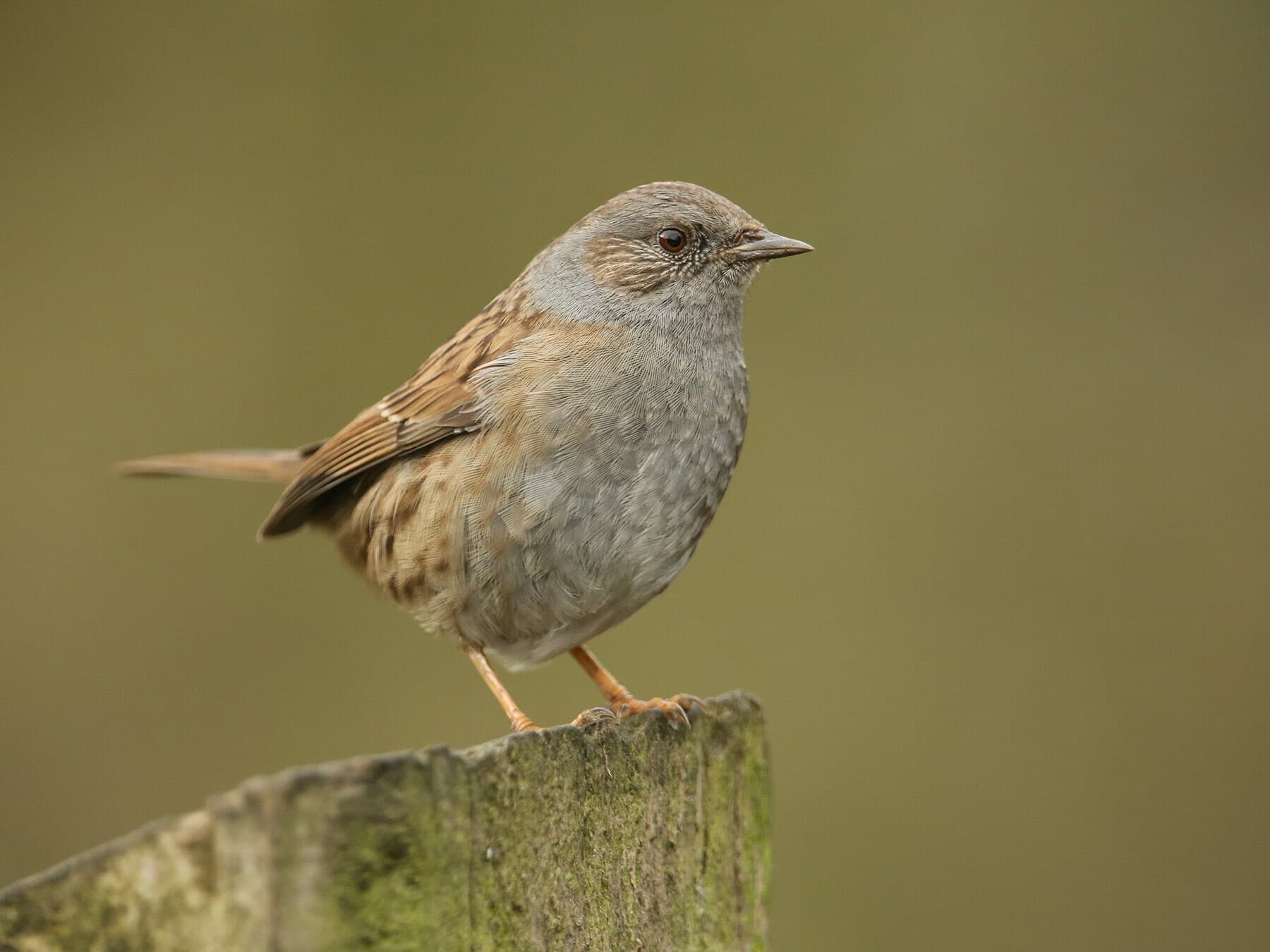
Dunnock
Prunella modularisLC
A common and widespread resident, quietly foraging beneath hedgerows and garden shrubs throughout the year. Often overlooked despite its abundance.
Year-round
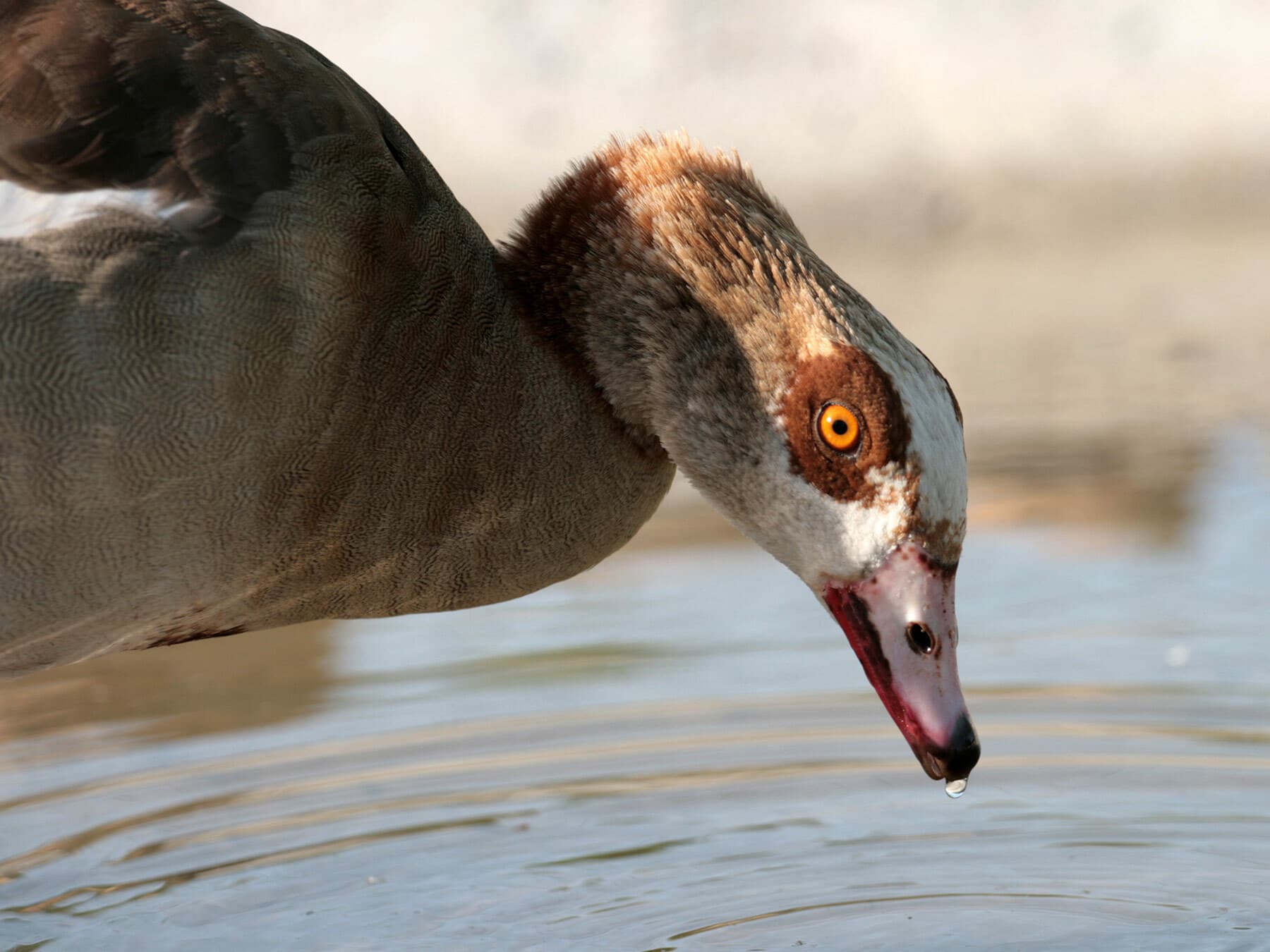
Egyptian Goose
Alopochen aegyptiacaLC
An uncommon but increasing resident, part of the expanding feral population in southern England. Nests near lakes and gravel pits.
Year-round
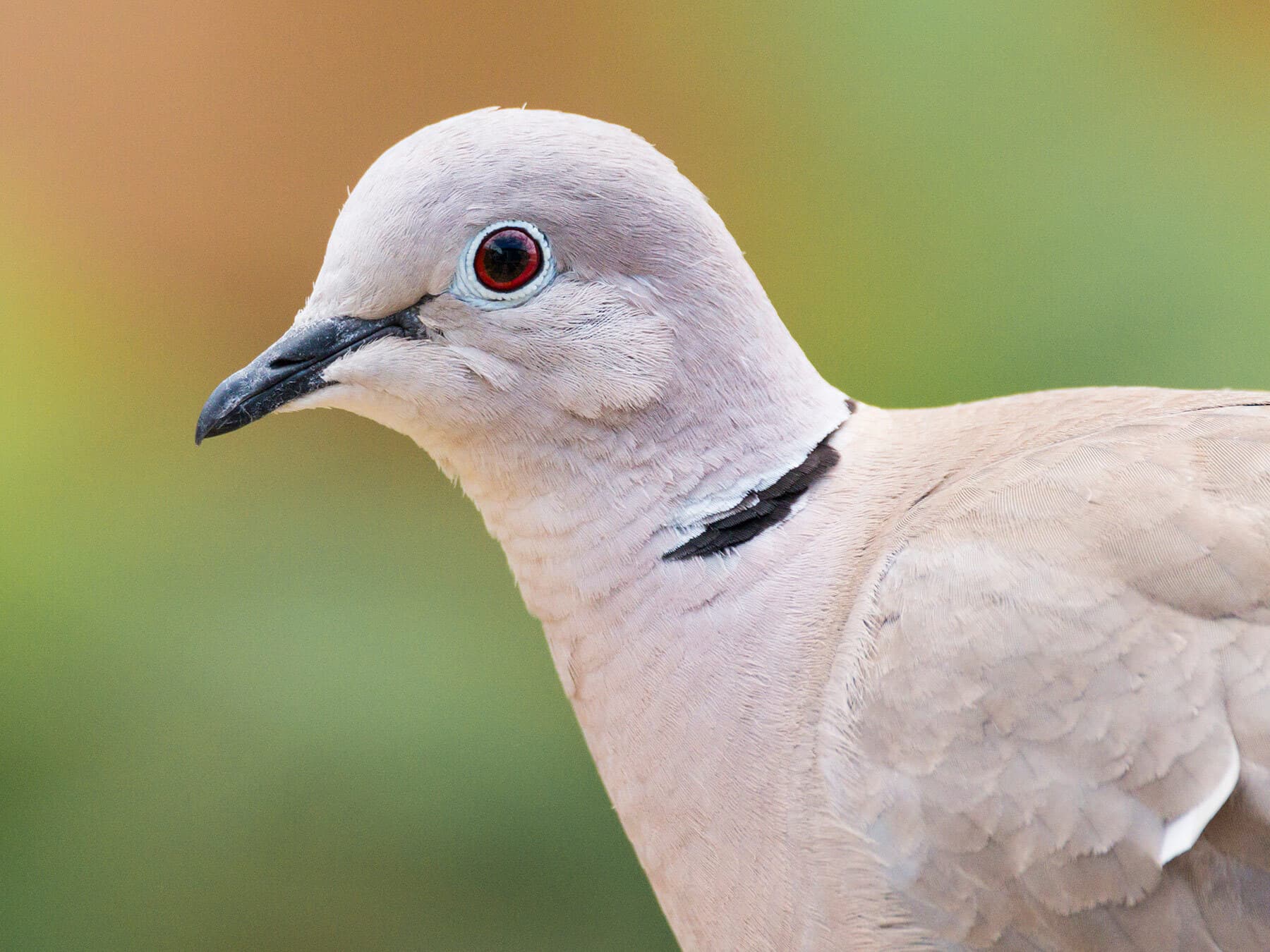
Eurasian Collared Dove
Streptopelia decaoctoLC
A common resident of gardens, farms and villages throughout the county. Its monotonous cooing call is a familiar suburban sound.
Year-round
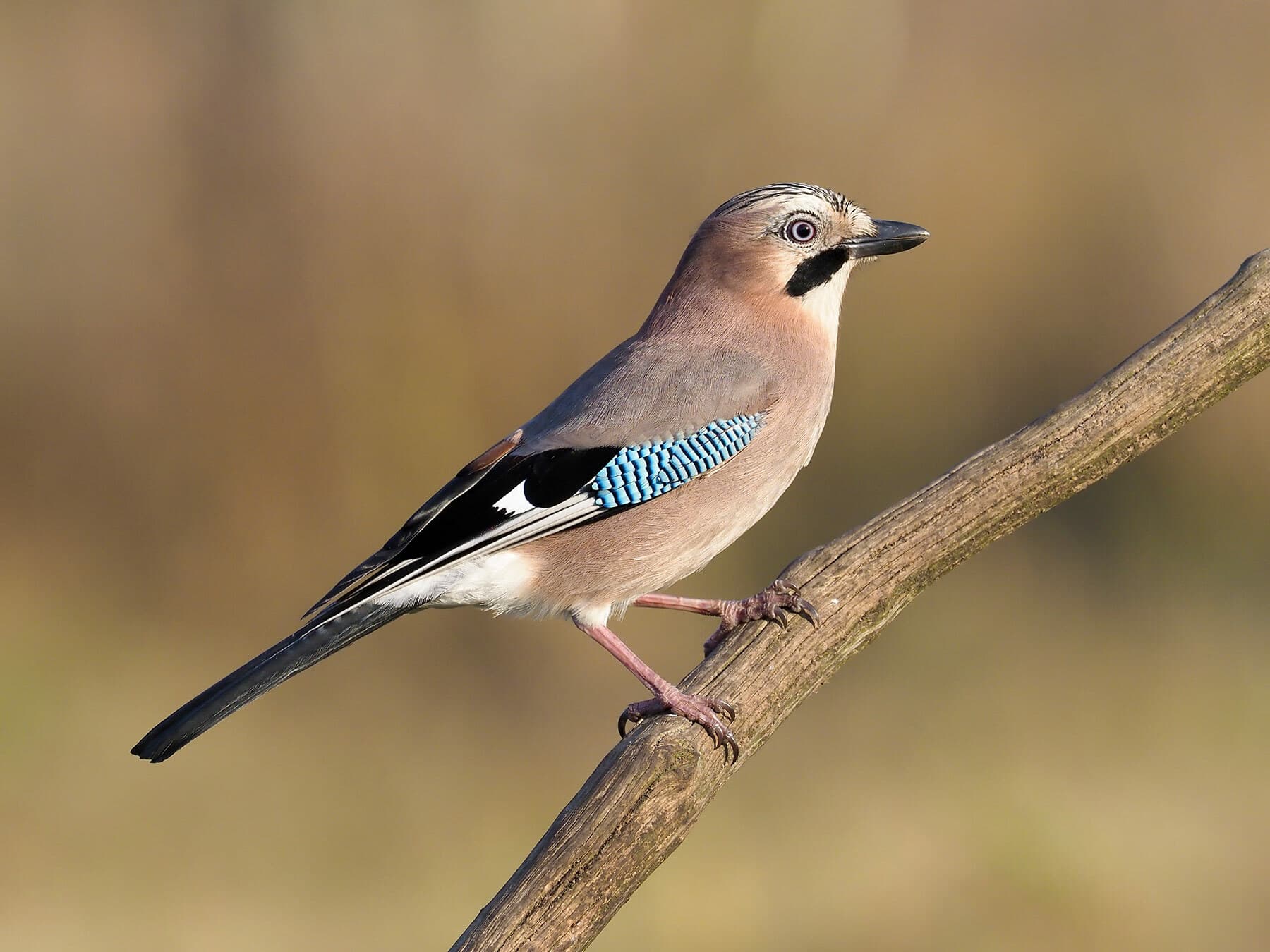
Eurasian Jay
Garrulus glandariusLC
A year-round resident of Buckinghamshire's mature woodlands, often detected by its harsh screeching call. Plays a key role in oak regeneration by caching acorns in autumn.
Year-round
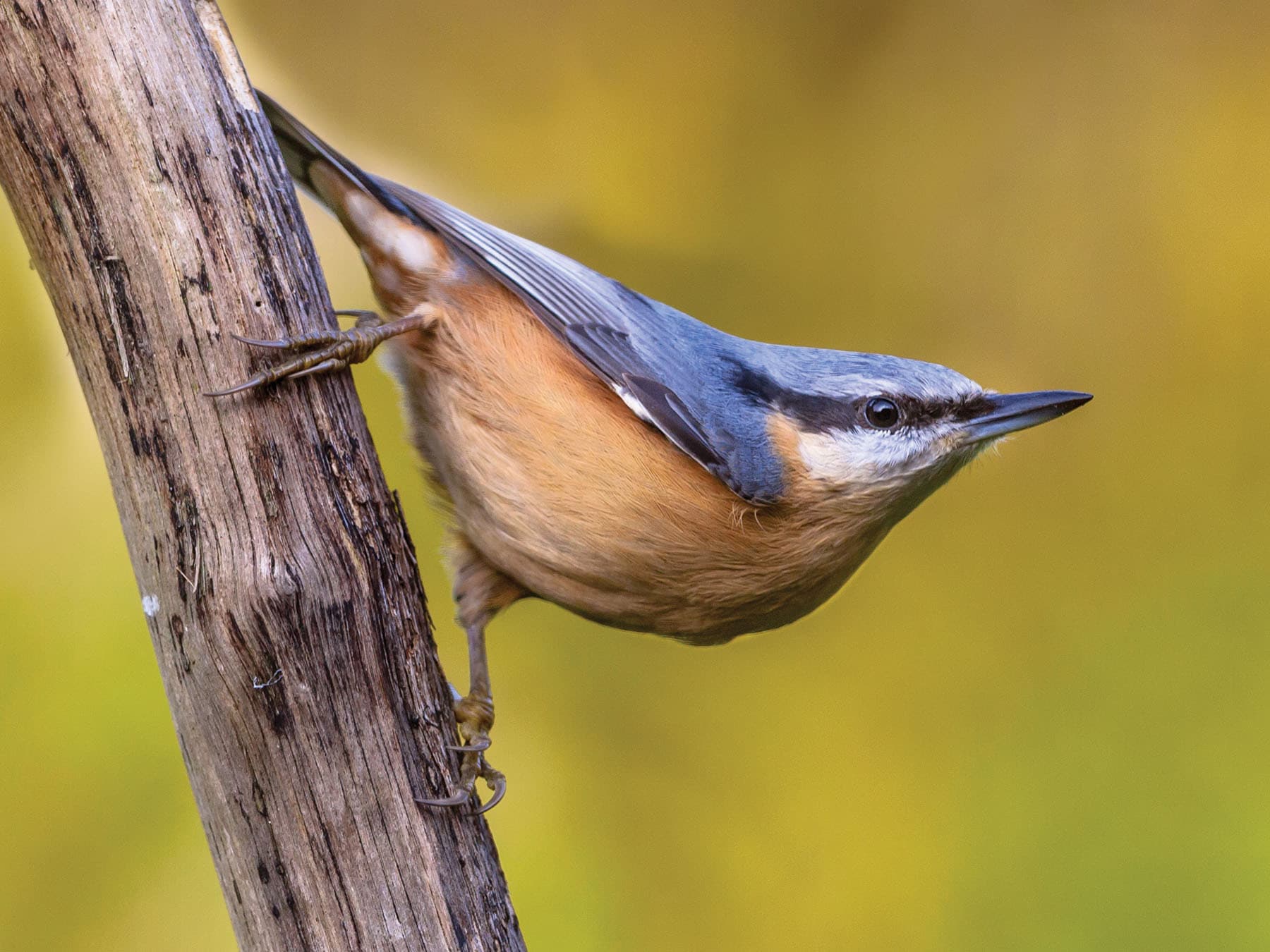
Eurasian Nuthatch
Sitta europaeaLC
A year-round resident of mature deciduous woodland, particularly the Chiltern beechwoods. Often heard giving its loud, ringing call as it spirals up tree trunks.
Year-round
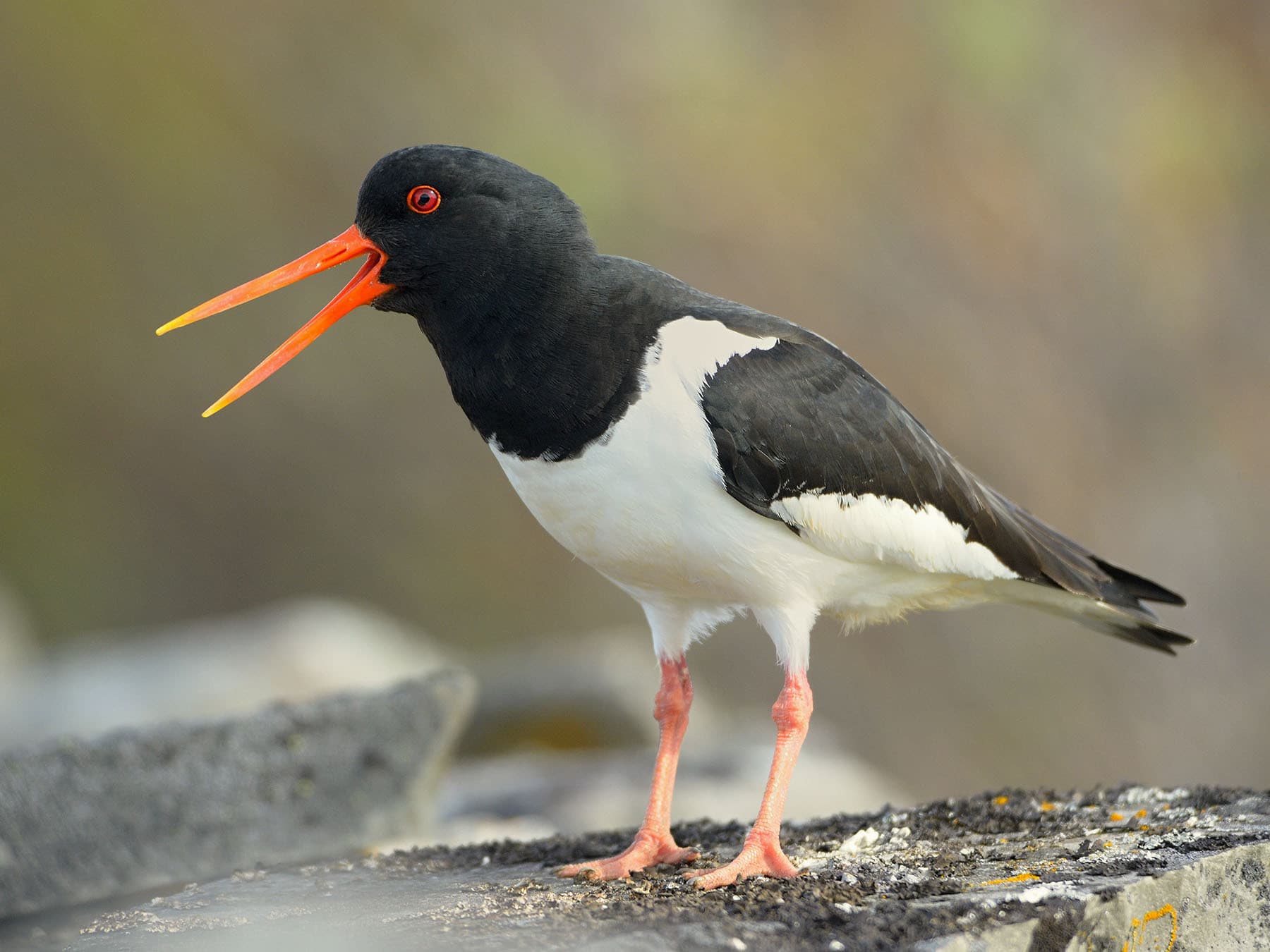
Eurasian Oystercatcher
Haematopus ostralegusNT
An uncommon breeder, increasingly nesting inland at gravel pits and reservoir margins from February to August.
Feb–Aug
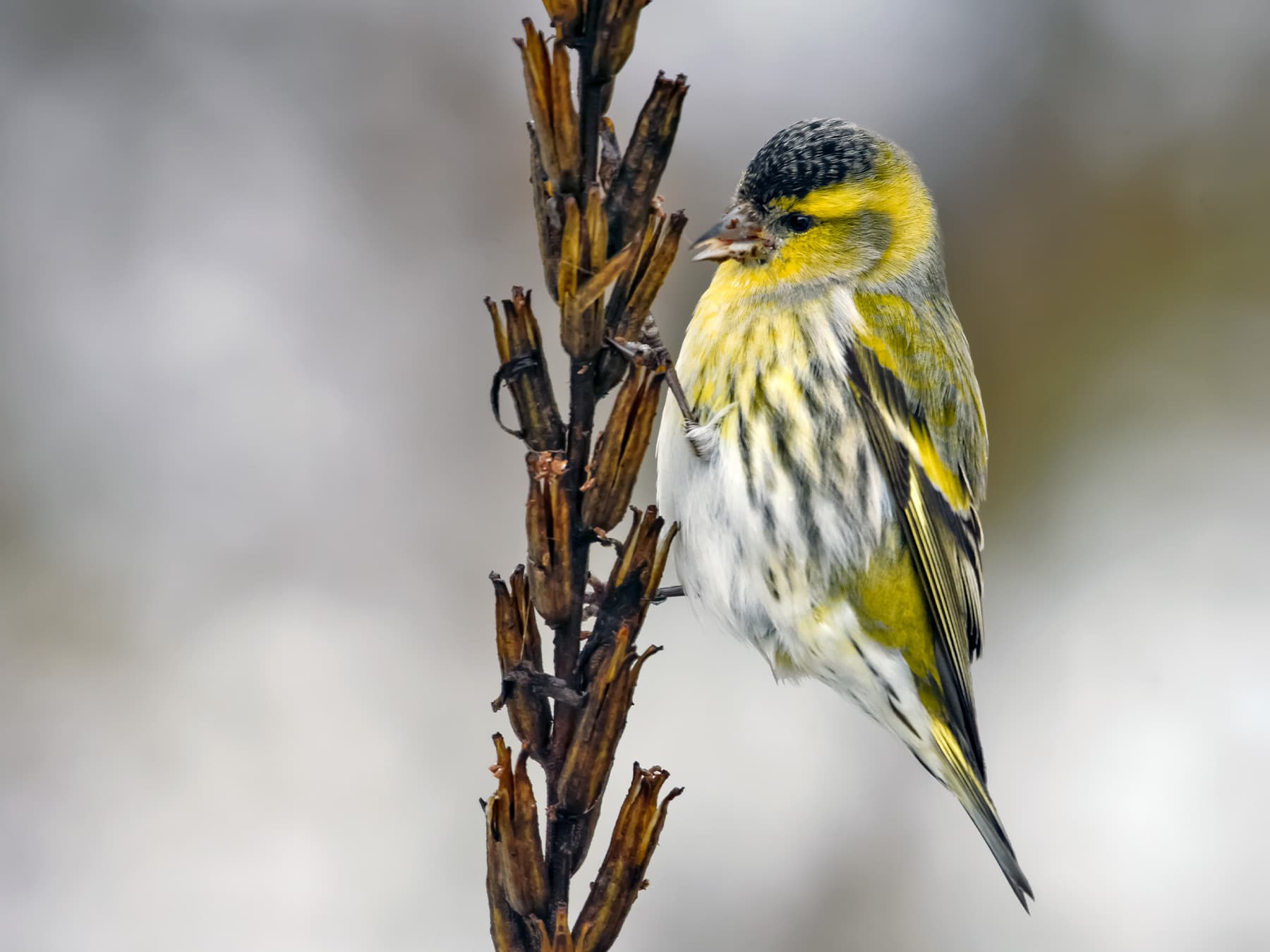
Eurasian Siskin
Spinus spinusLC
An uncommon winter visitor arriving from September, often seen in alder and birch trees along waterways or visiting nyjer seed feeders in gardens.
Sep–Mar
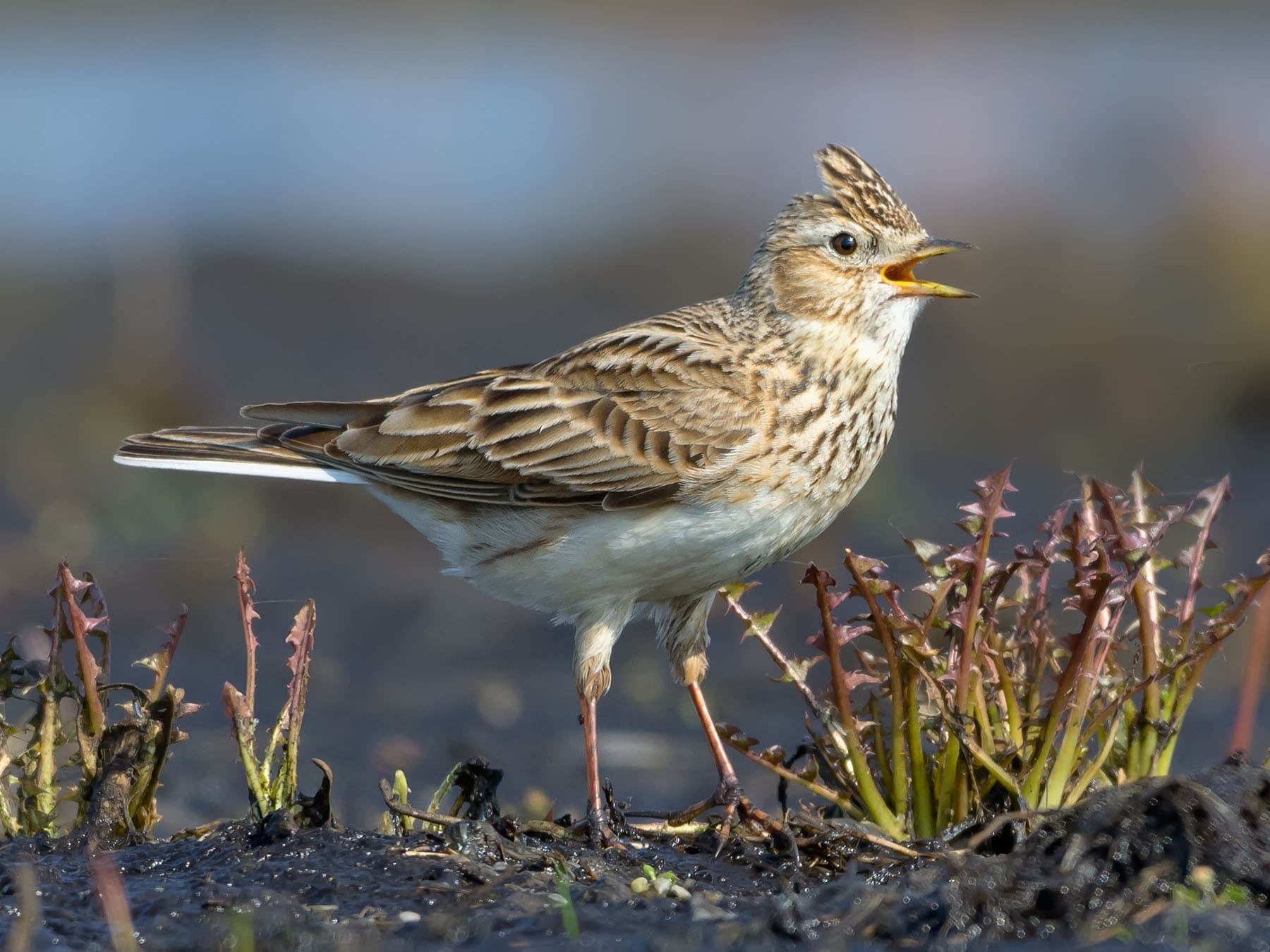
Eurasian Skylark
Alauda arvensisLC
Found on open farmland and grassland across the county, though declining due to agricultural intensification. Its soaring song flight is a characteristic sound of the Buckinghamshire countryside.
Year-round