Birds in Bristol
Explore 124 species found in this region.
Bristol's diverse landscapes, from the tidal mudflats of the Severn Estuary to the wooded gorges and urban parks, support an impressive array of birdlife. With 123 species recorded across the county, birders can enjoy sightings ranging from familiar garden visitors like Great Tits and Magpies to wetland specialists such as Common Shelduck and Common Reed-warbler. The region's mix of estuarine, woodland, and grassland habitats makes it a rewarding destination for birdwatching throughout the year.
Visiting in September? Look out for Cetti's Warbler and Eurasian Siskin arriving this month, and Bar-tailed Godwit and Common Gull depart for the season.


Showing 24–46 of 124 species
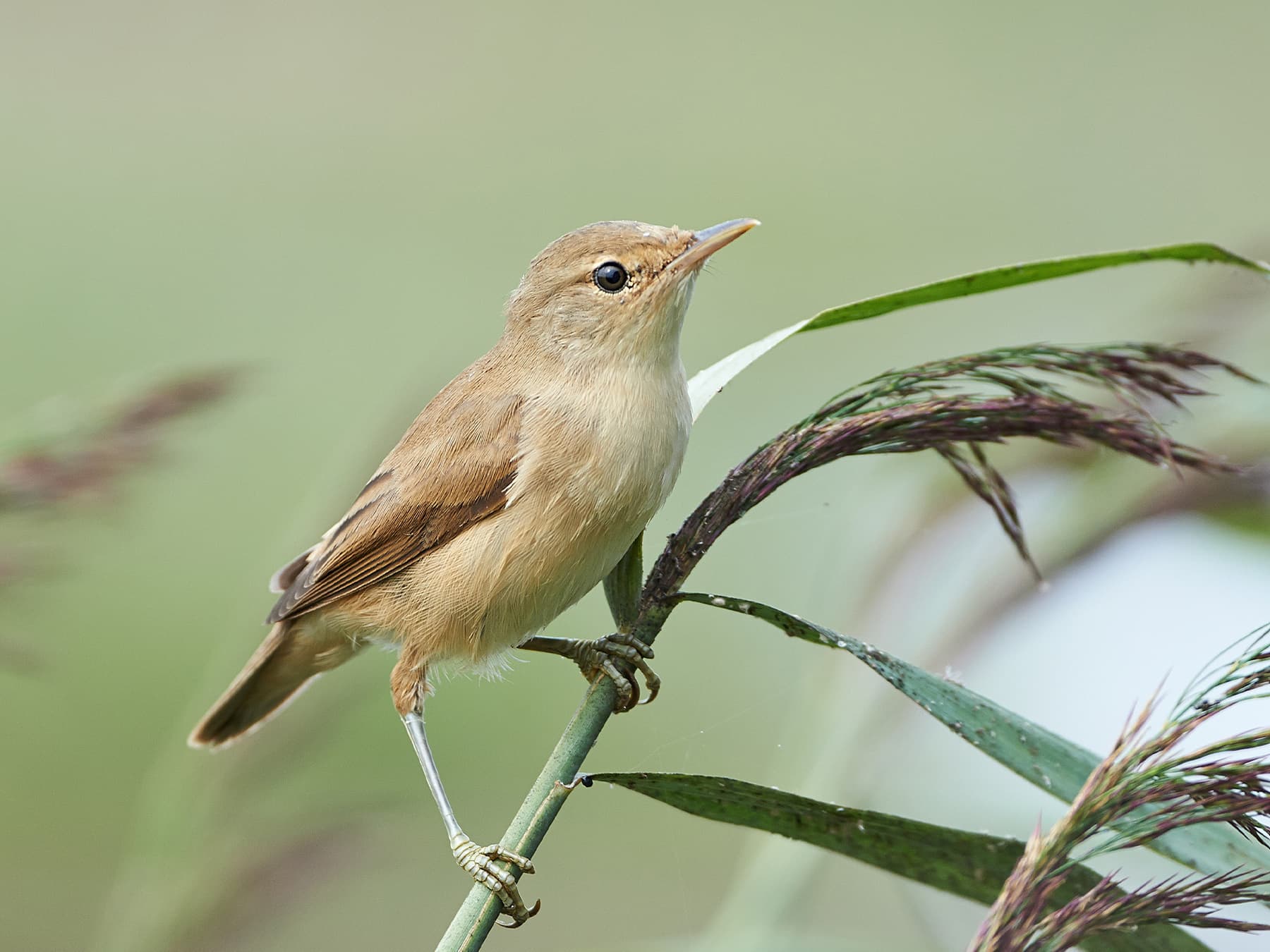
Common Reed-warbler
Acrocephalus scirpaceusLC
A summer breeder in Bristol's reedbeds from April to August. Its repetitive churring song drifts from dense Phragmites stands.
Apr–Aug
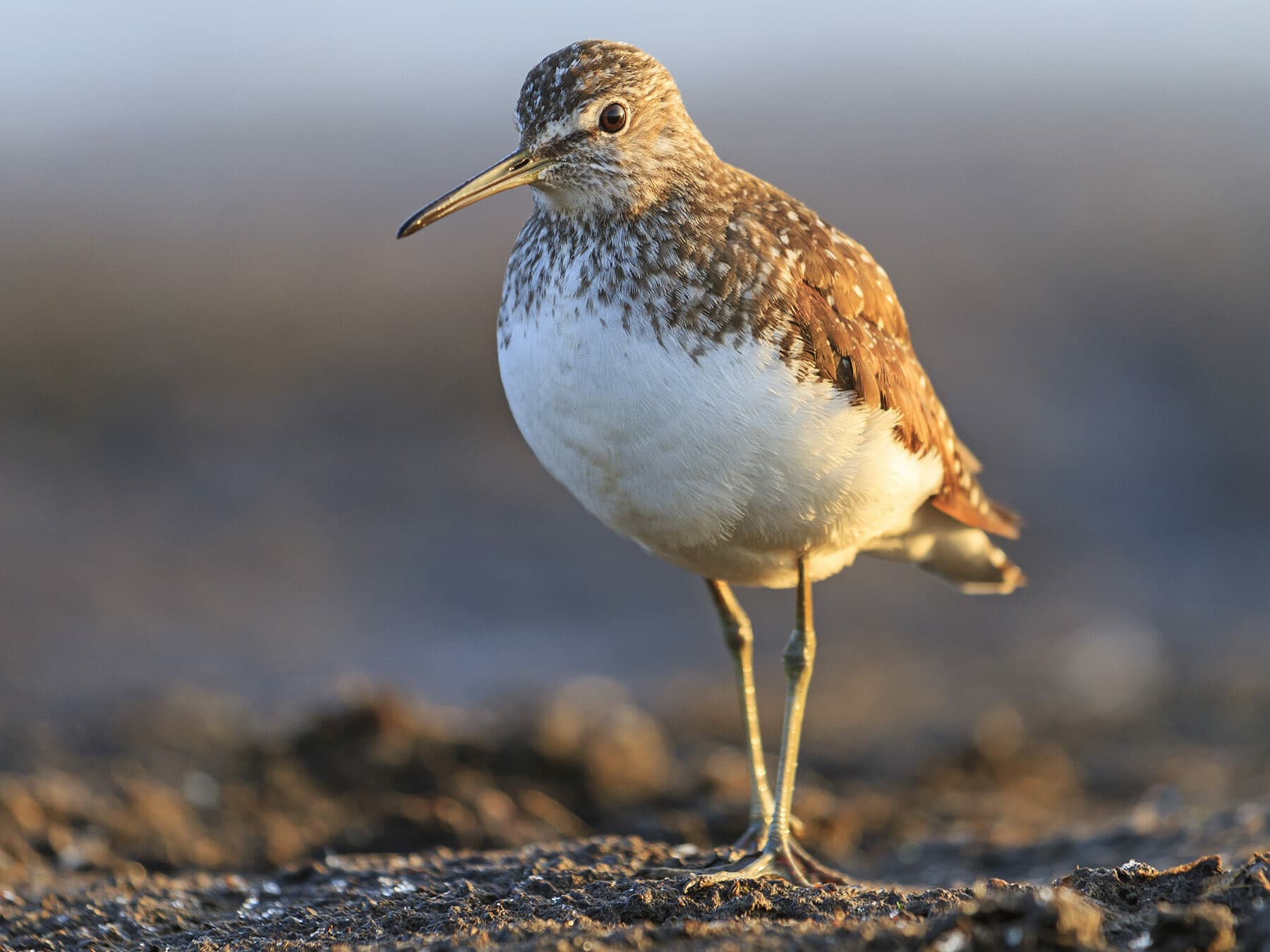
Common Sandpiper
Actitis hypoleucosLC
A rare resident along Bristol's rivers and reservoirs, bobbing its tail on rocky margins. Absent in June, likely dispersing to breed.
Jul–May
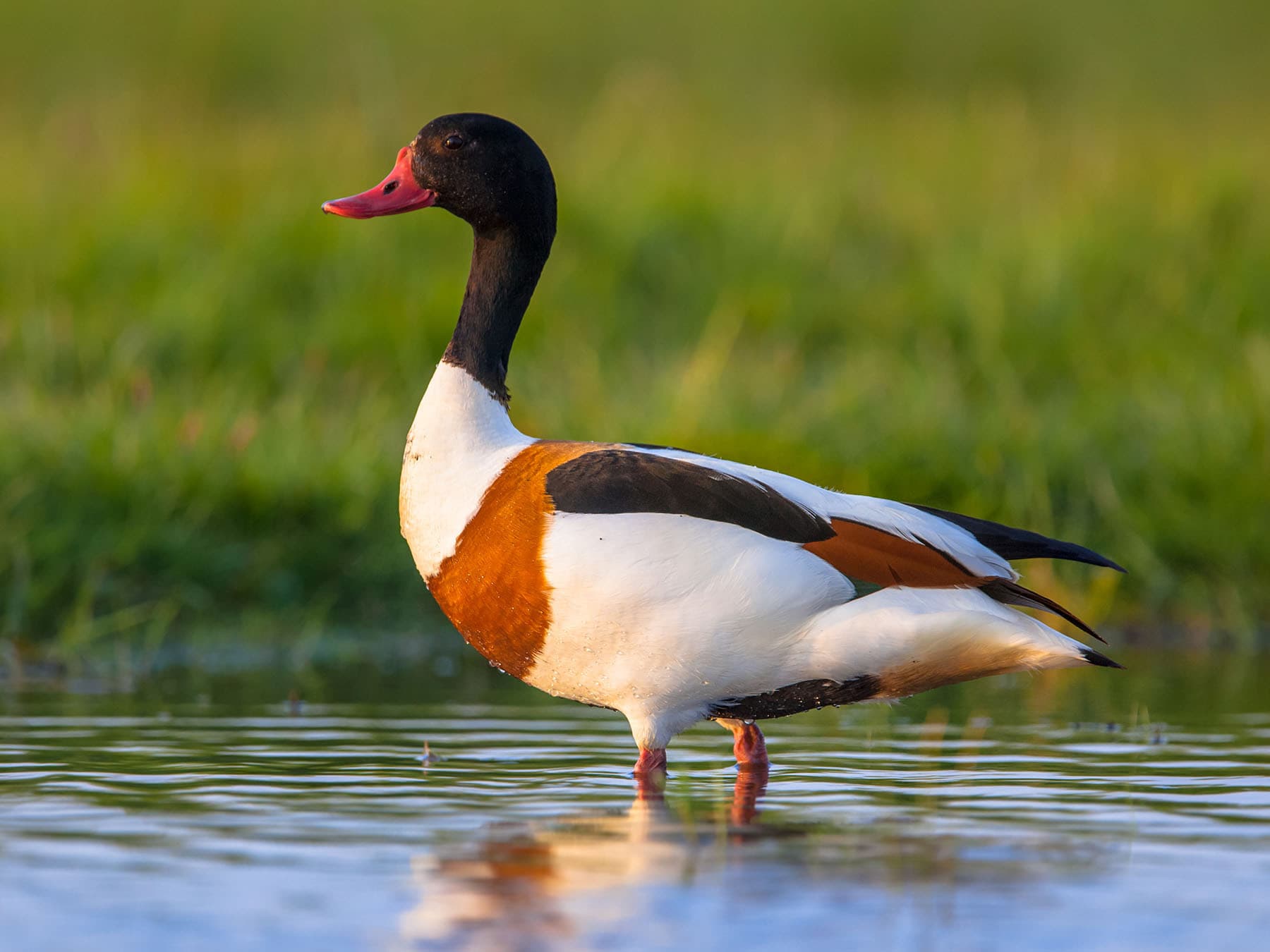
Common Shelduck
Tadorna tadornaLC
An uncommon resident, favouring the Severn Estuary mudflats and tidal stretches of the Avon throughout the year.
Year-round
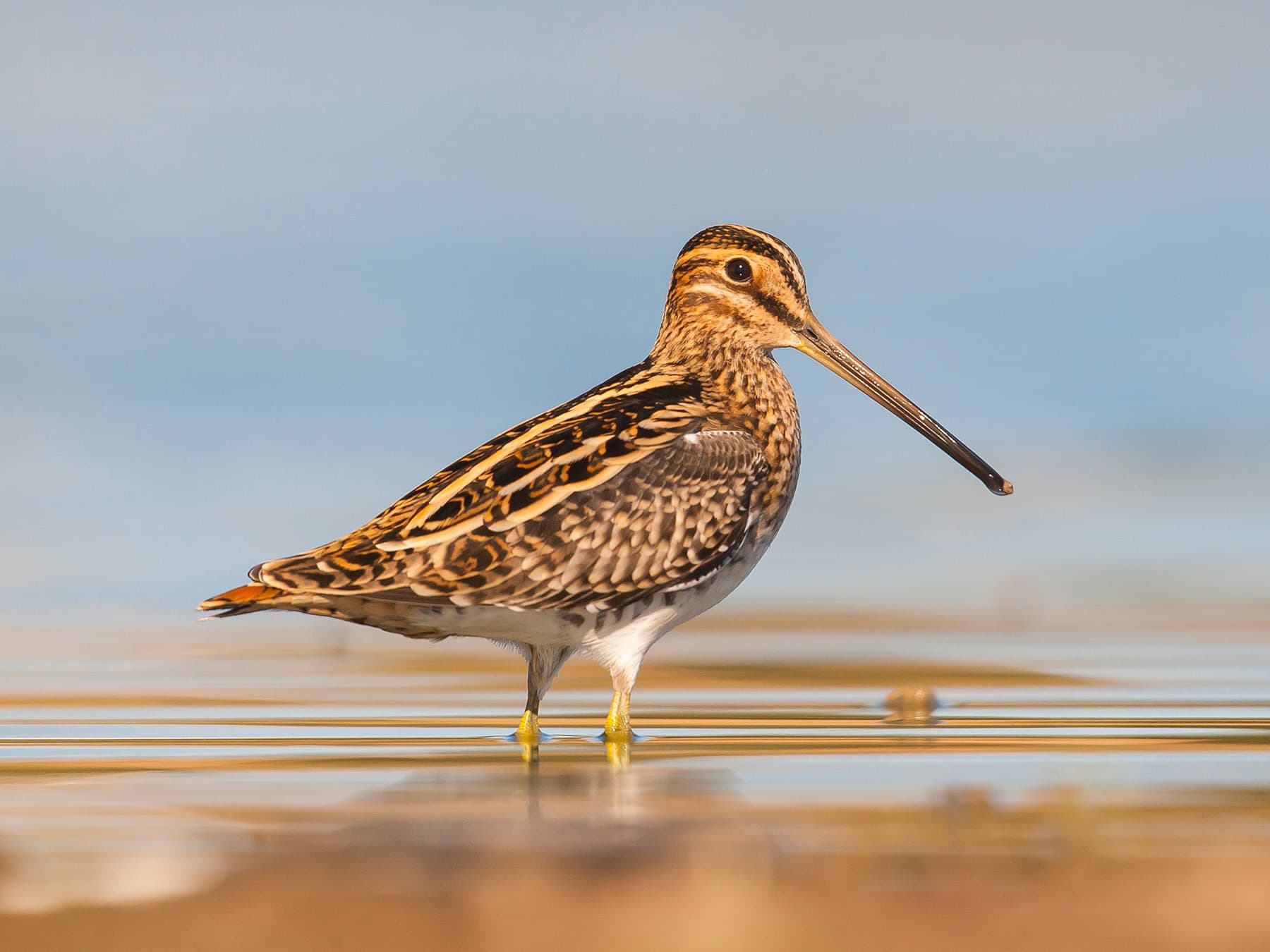
Common Snipe
Gallinago gallinagoLC
Winters in wet grasslands and marshy areas around the Avon valley. Listen for its rasping call when flushed from cover.
Oct–Apr
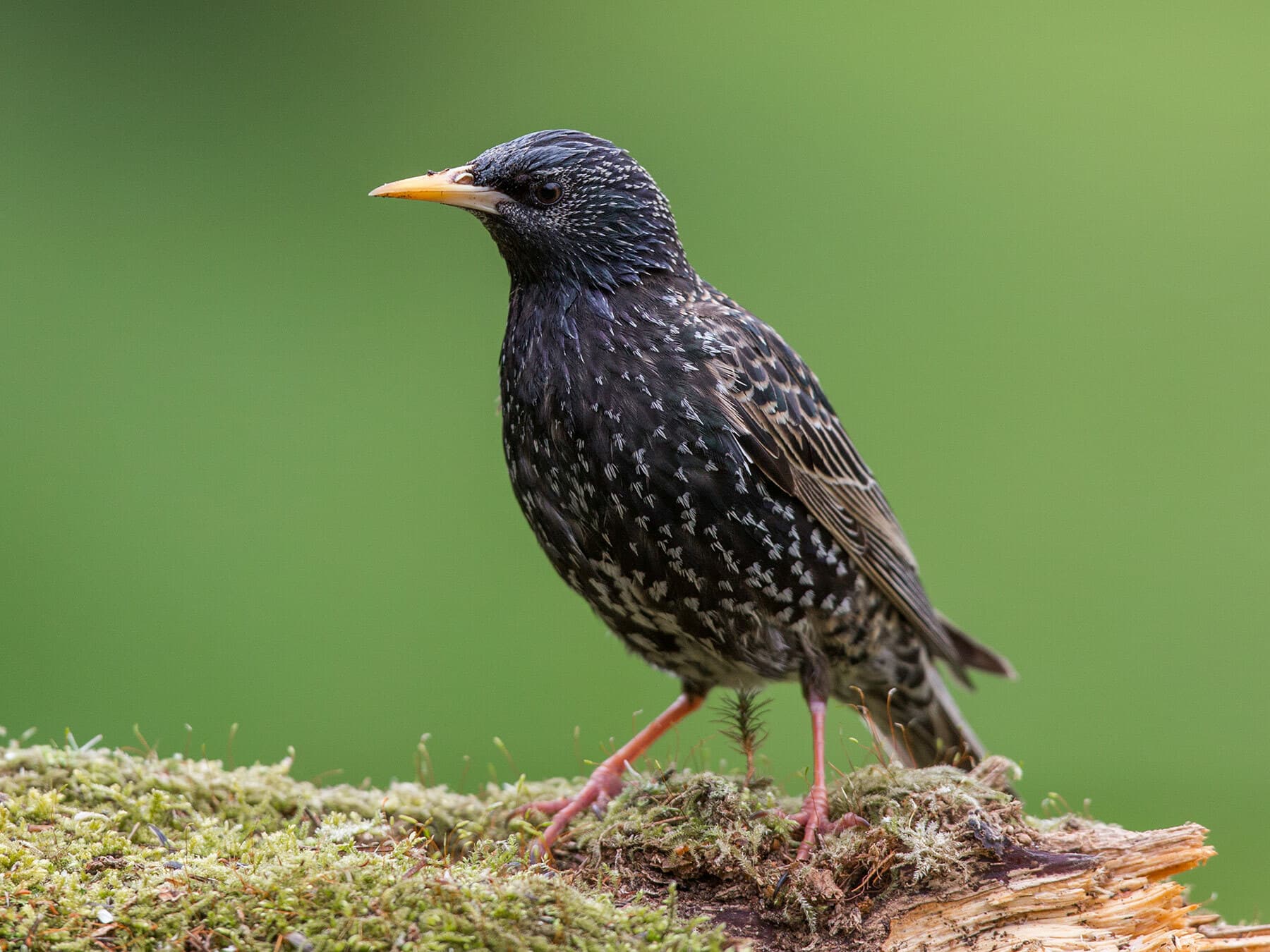
Common Starling
Sturnus vulgarisLC
A common resident, famous for spectacular winter murmurations over the city centre. Numbers are declining nationally despite local abundance.
Year-round
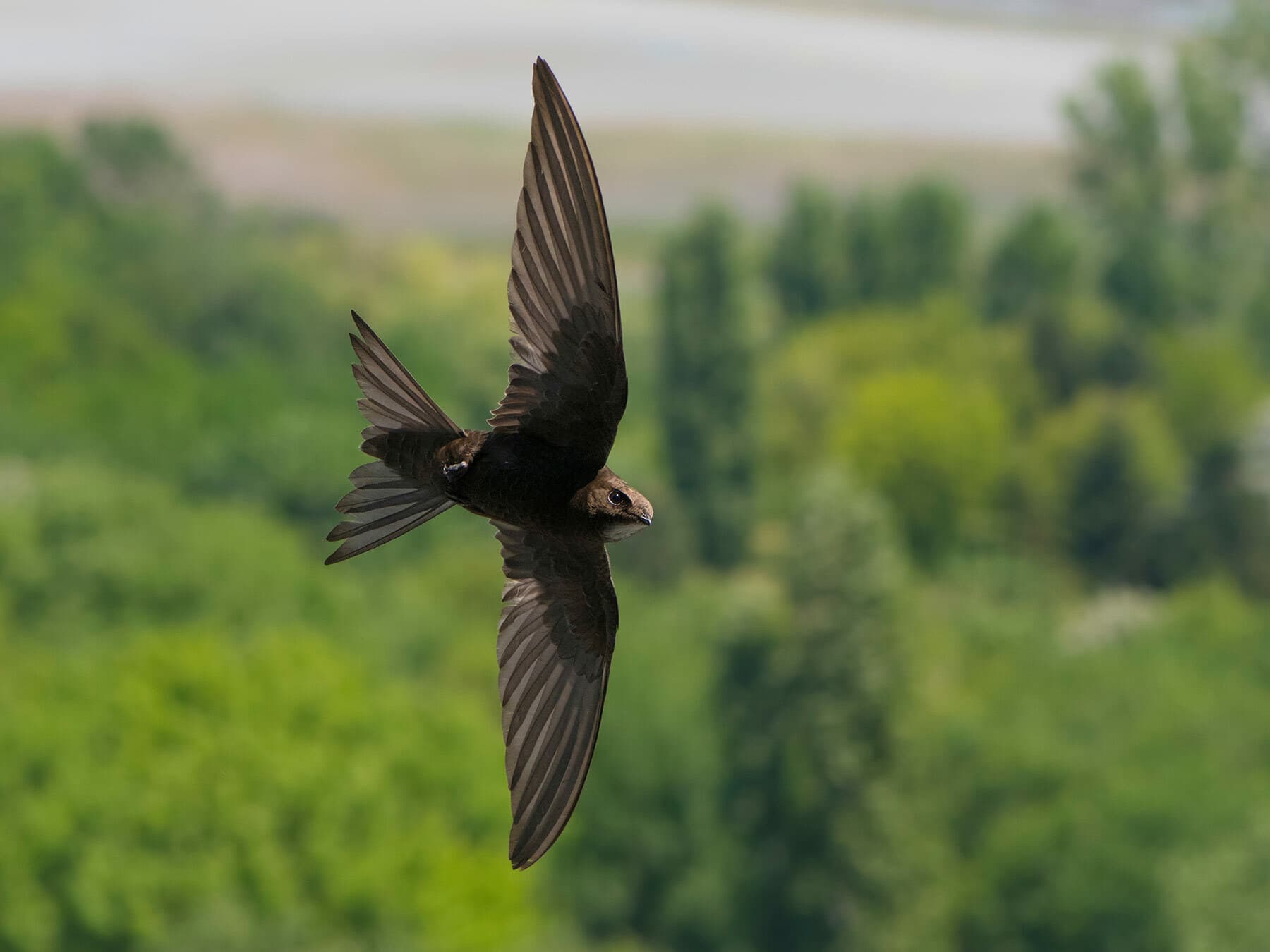
Common Swift
Apus apusLC
A common summer breeder, screaming over rooftops from May to August before departing for Africa in September.
Apr–Sep
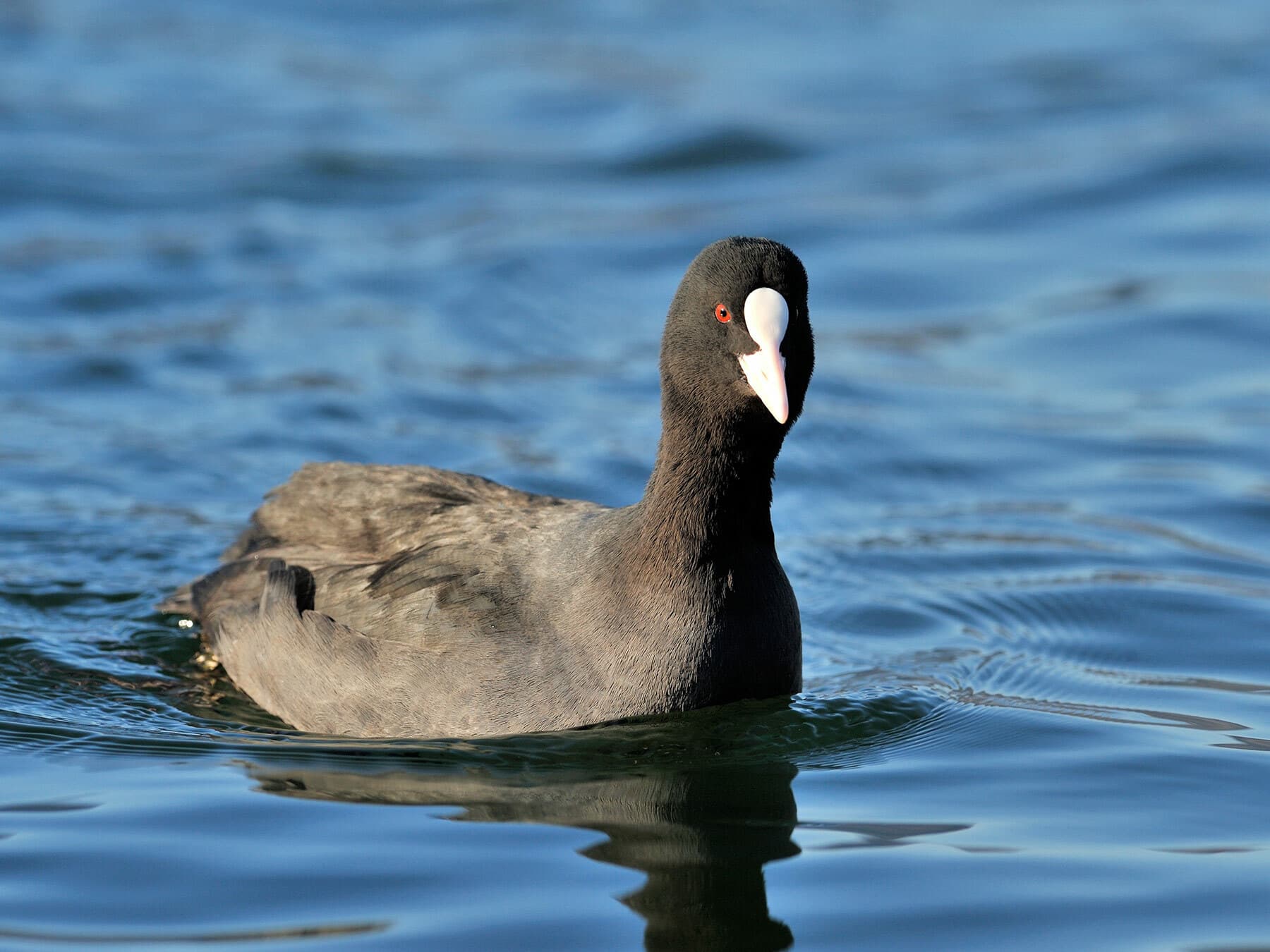
Coot
Fulica atraLC
An uncommon year-round resident on lakes and reservoirs, including Chew Valley Lake and urban park ponds.
Year-round
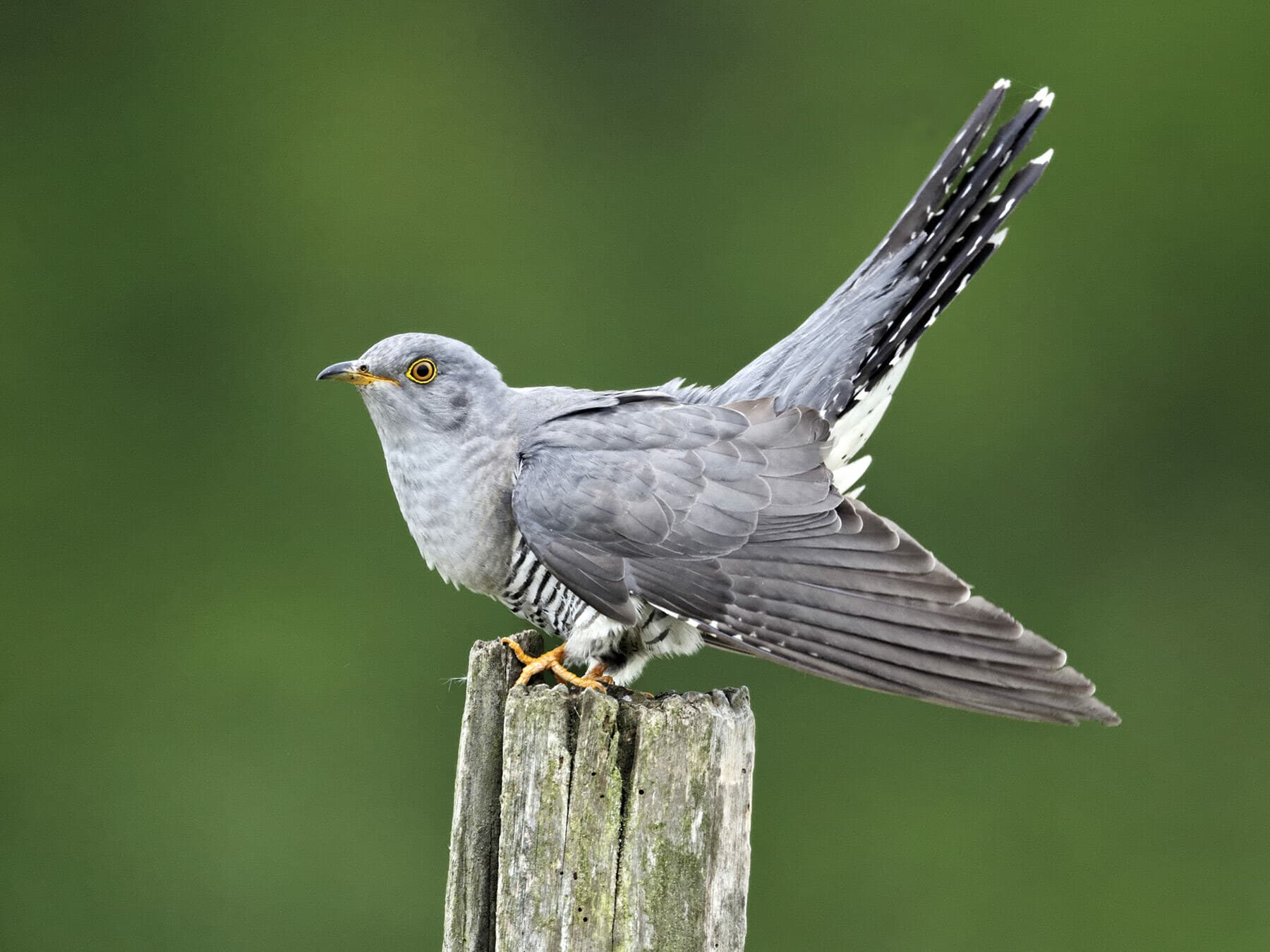
Cuckoo
Cuculus canorusLC
A rare summer breeder, arriving in April; its distinctive call may be heard on the wooded outskirts of Bristol.
Apr–Jul
Spotted something?
Upload a photo to identify it
Identify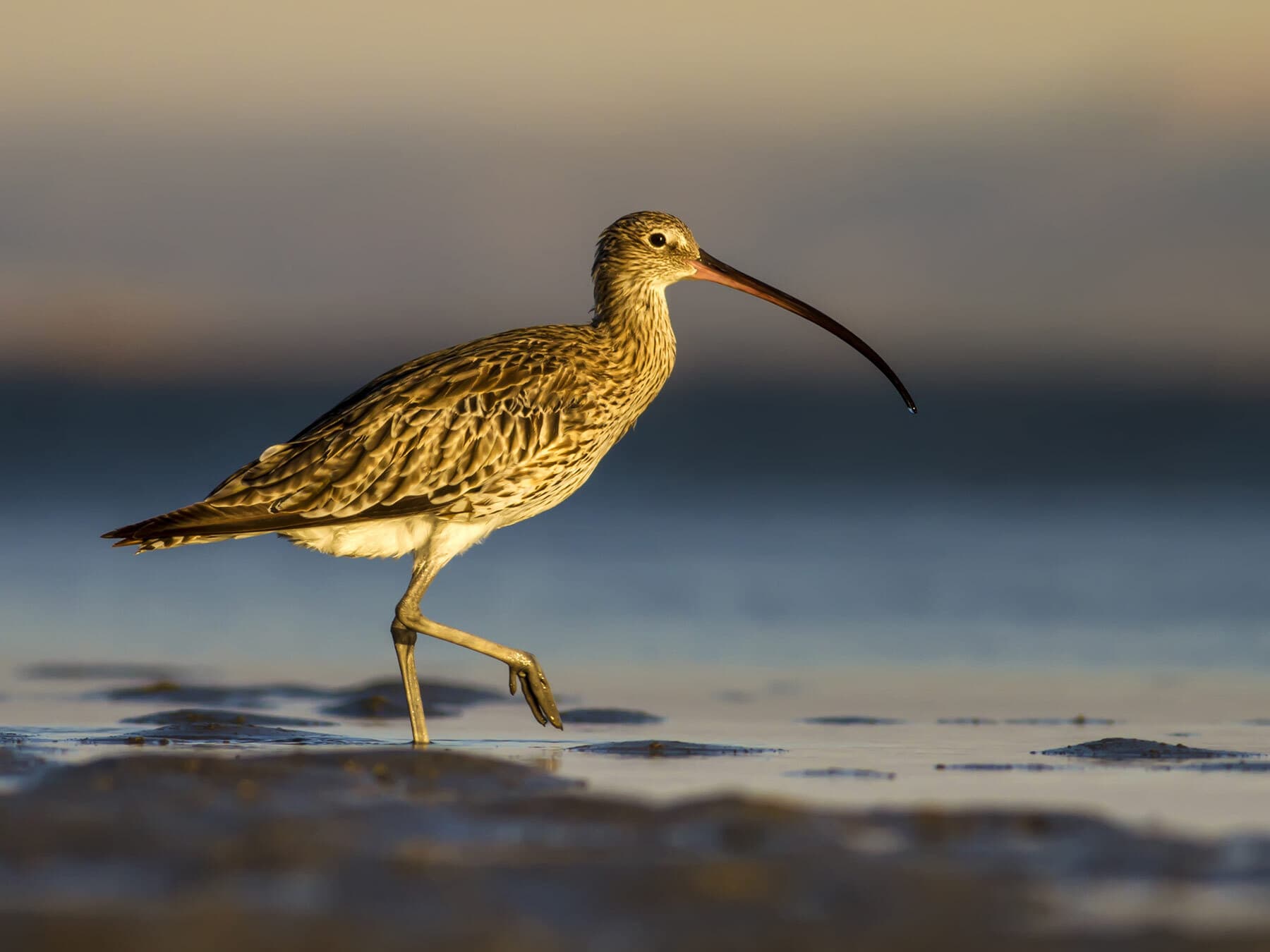
Curlew
Numenius arquataNT
An uncommon year-round presence, most often seen on the Severn Estuary with its evocative bubbling call.
Year-round
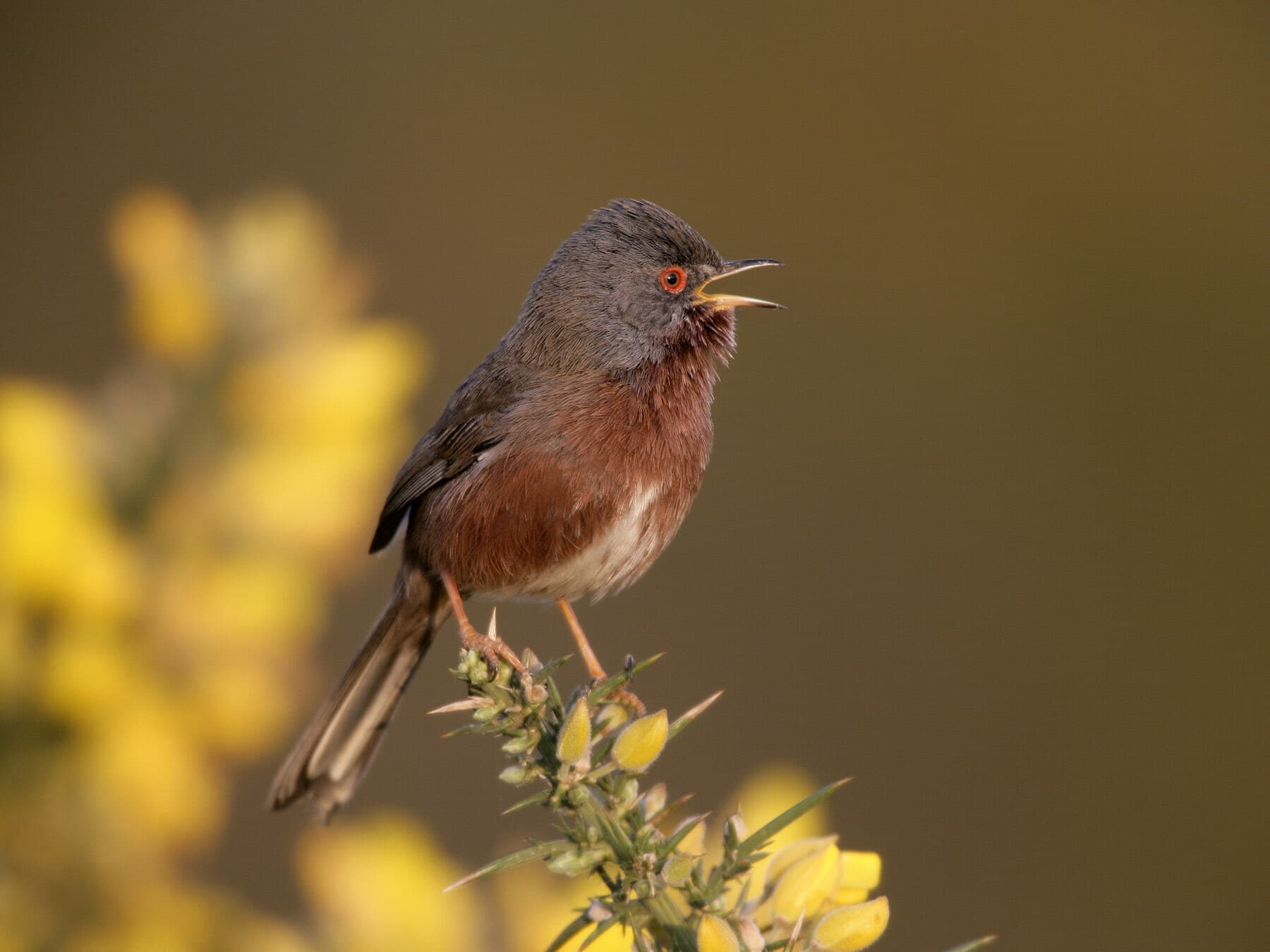
Dartford Warbler
Curruca undataNT
A rare passage visitor, occasionally recorded in February and November. Typically associated with lowland heathland on the nearby Mendips or Somerset Levels.
Nov–Feb
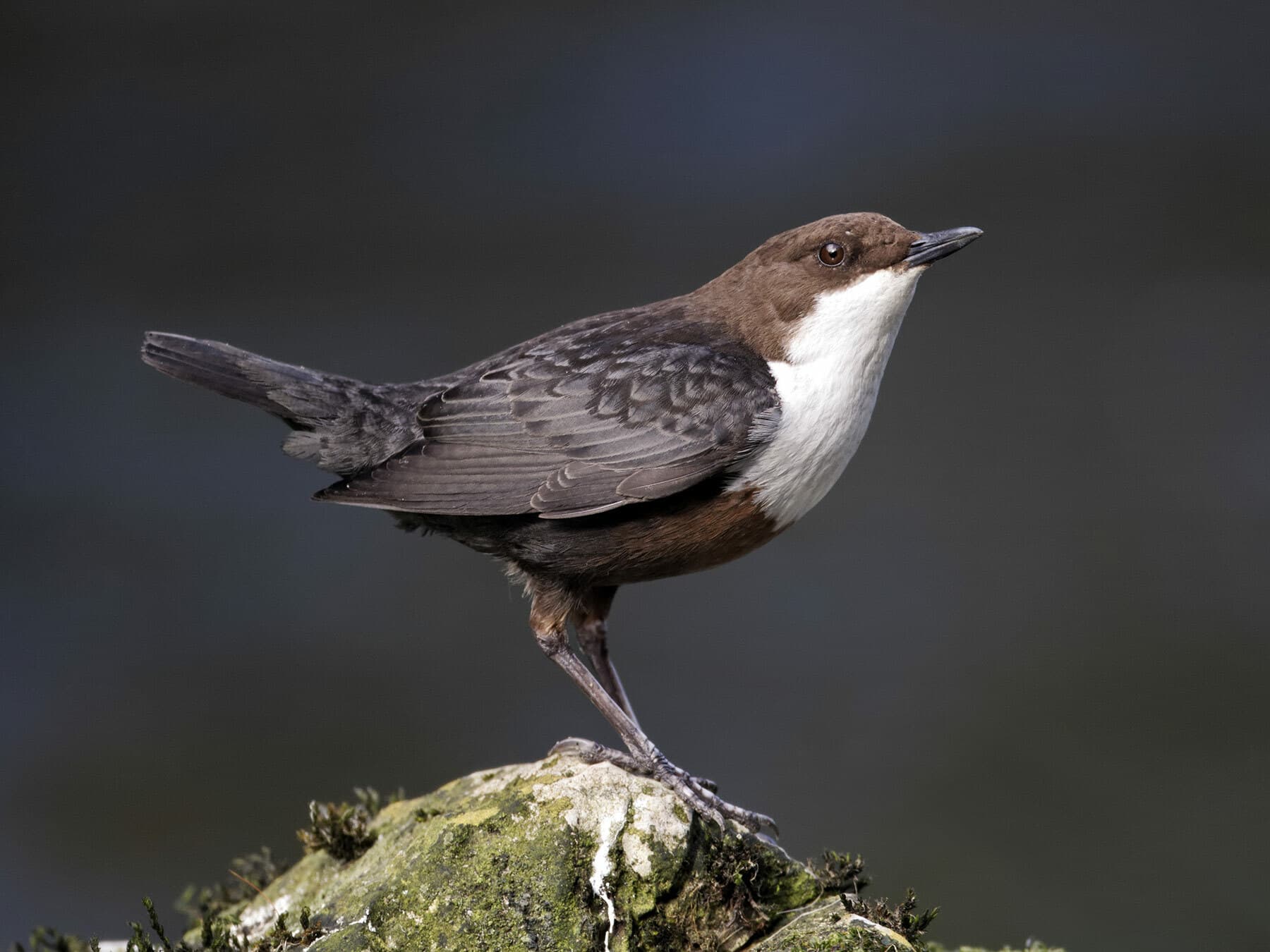
Dipper
Cinclus cinclusLC
A rare breeder found along fast-flowing stretches of the River Avon and its tributaries. Most reliably seen from spring through early autumn.
Jan–Sep
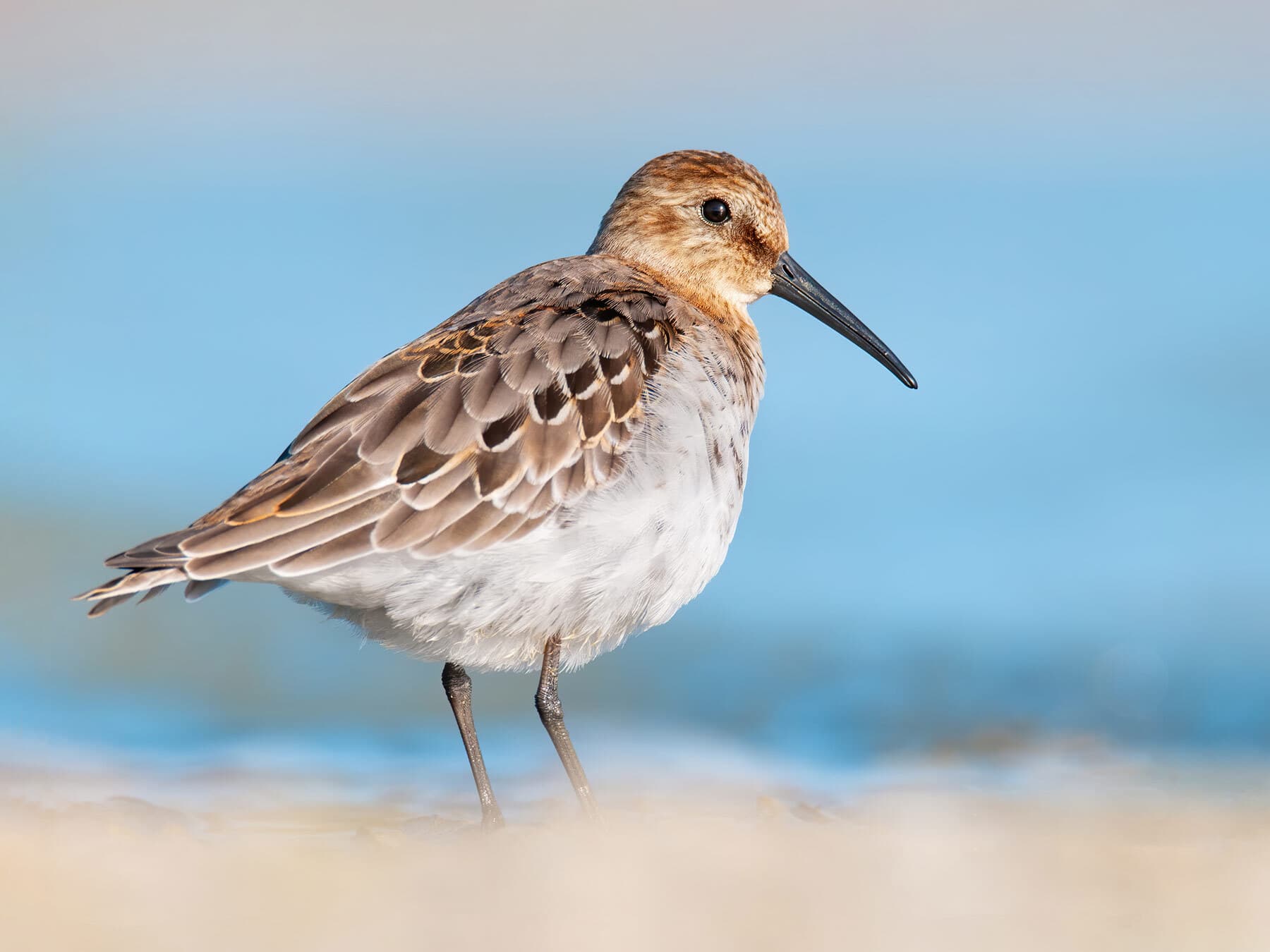
Dunlin
Calidris alpinaLC
Found on the Severn Estuary's mudflats in winter and passage periods. Scarce but regular, often in small flocks with other waders.
Jul–Apr
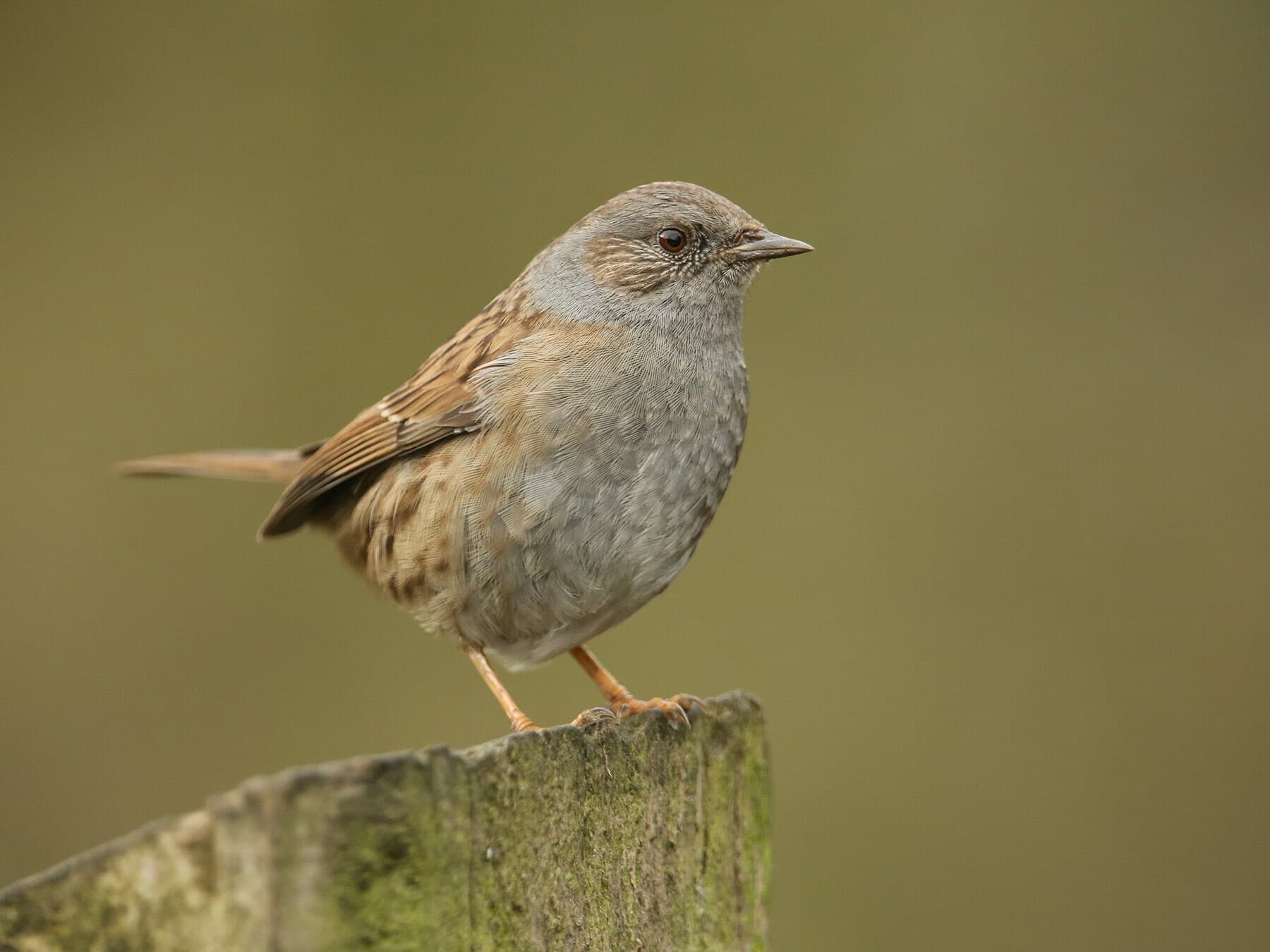
Dunnock
Prunella modularisLC
A common and unobtrusive resident of hedgerows and garden shrubberies. Often shuffles quietly beneath feeders across Bristol.
Year-round
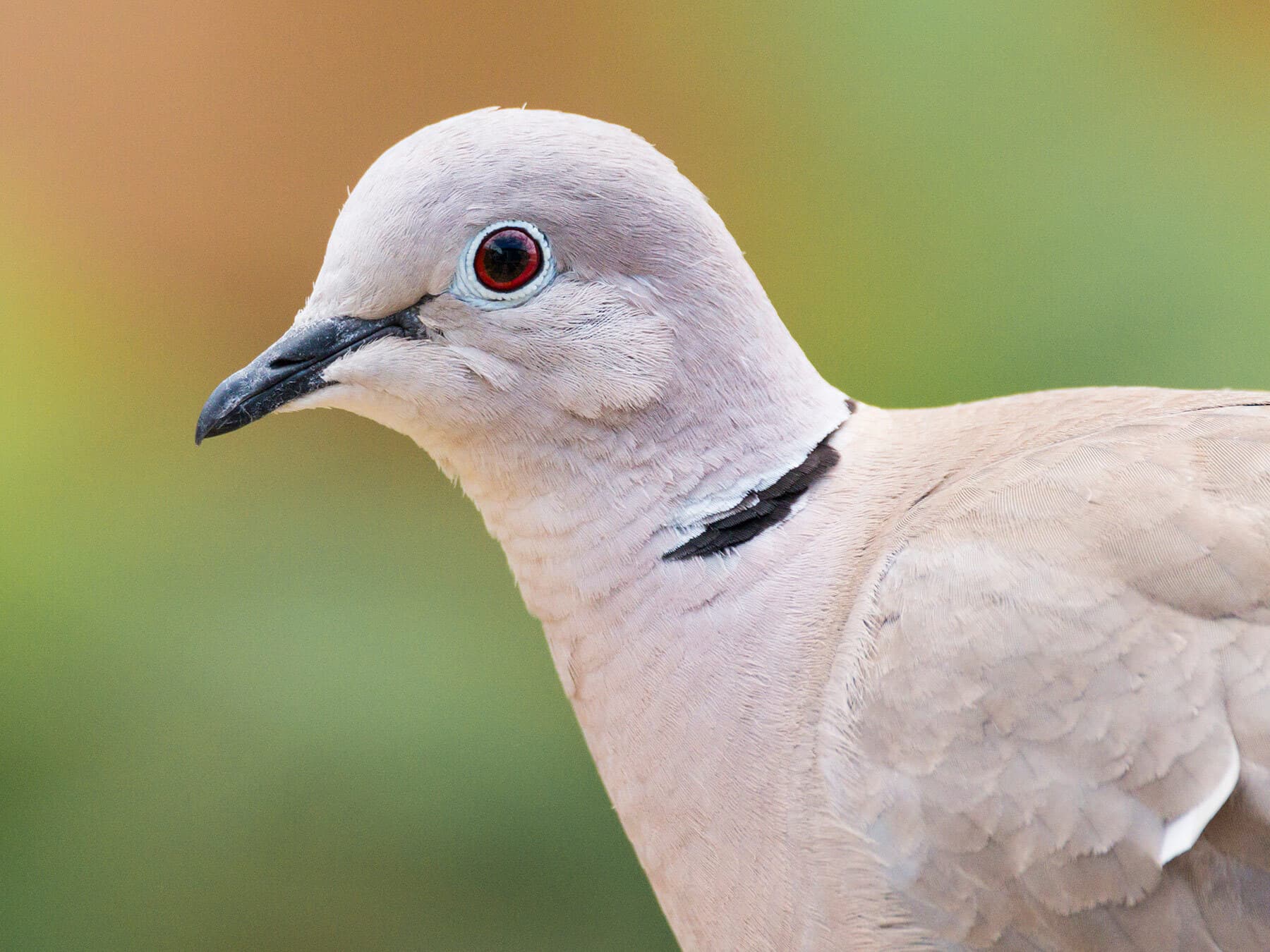
Eurasian Collared Dove
Streptopelia decaoctoLC
An uncommon resident in suburban gardens and allotments, its monotonous cooing a familiar sound year-round.
Year-round
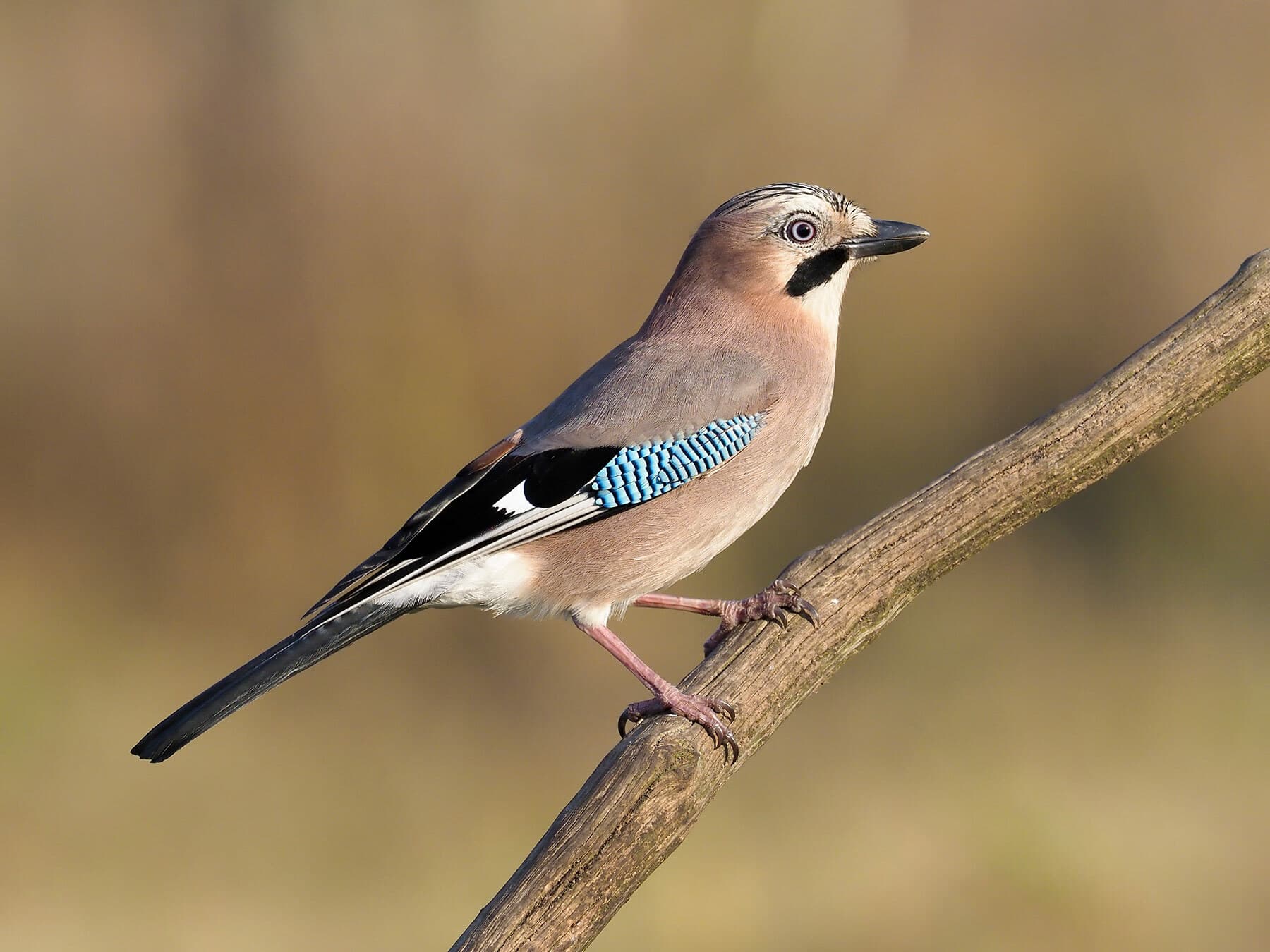
Eurasian Jay
Garrulus glandariusLC
A common resident of woodlands and mature gardens. Often seen burying acorns in autumn across Bristol's parks and green corridors.
Year-round
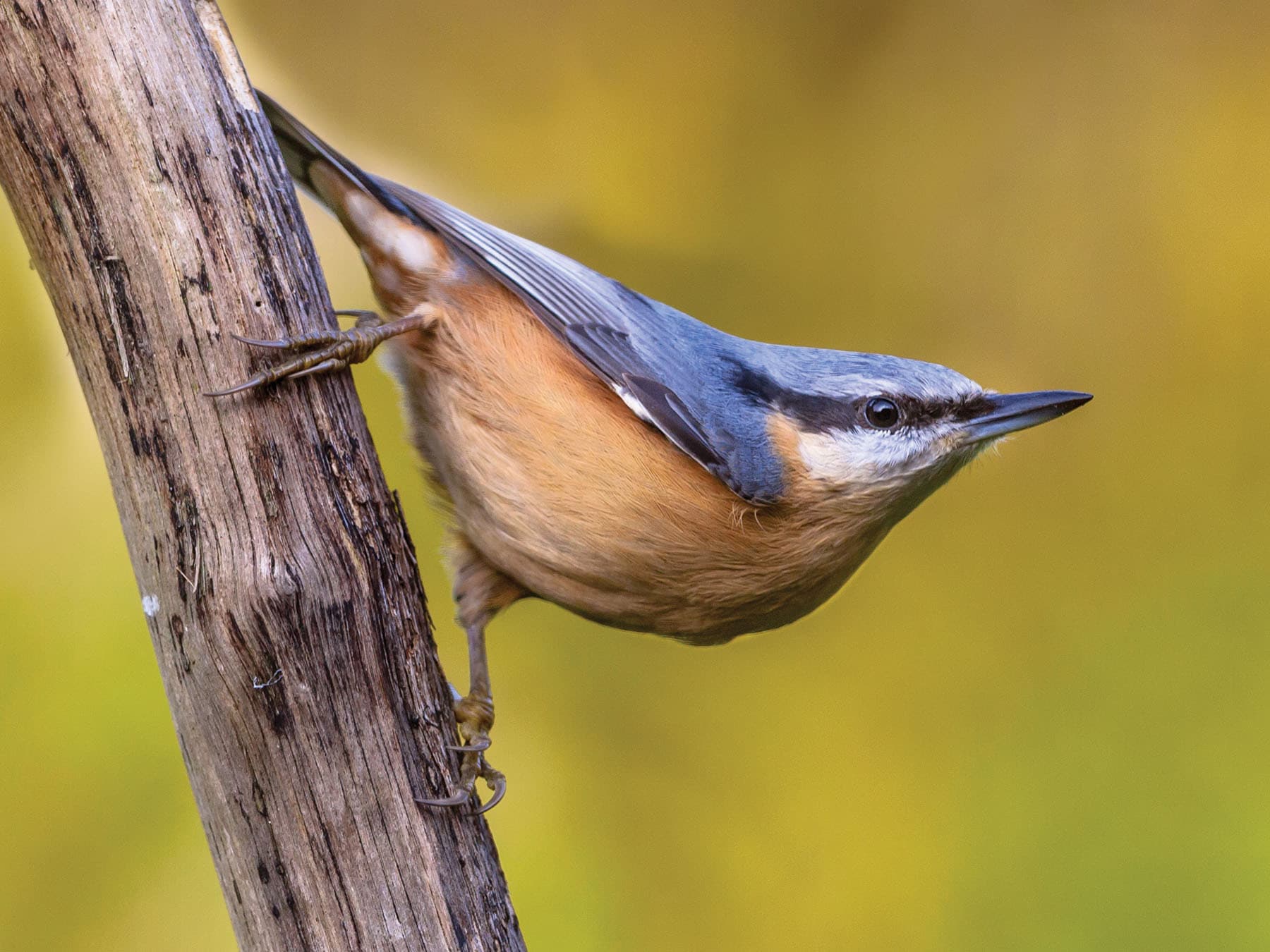
Eurasian Nuthatch
Sitta europaeaLC
An uncommon resident of mature deciduous woodland and large gardens. Climbs headfirst down tree trunks in Bristol's parks.
Year-round
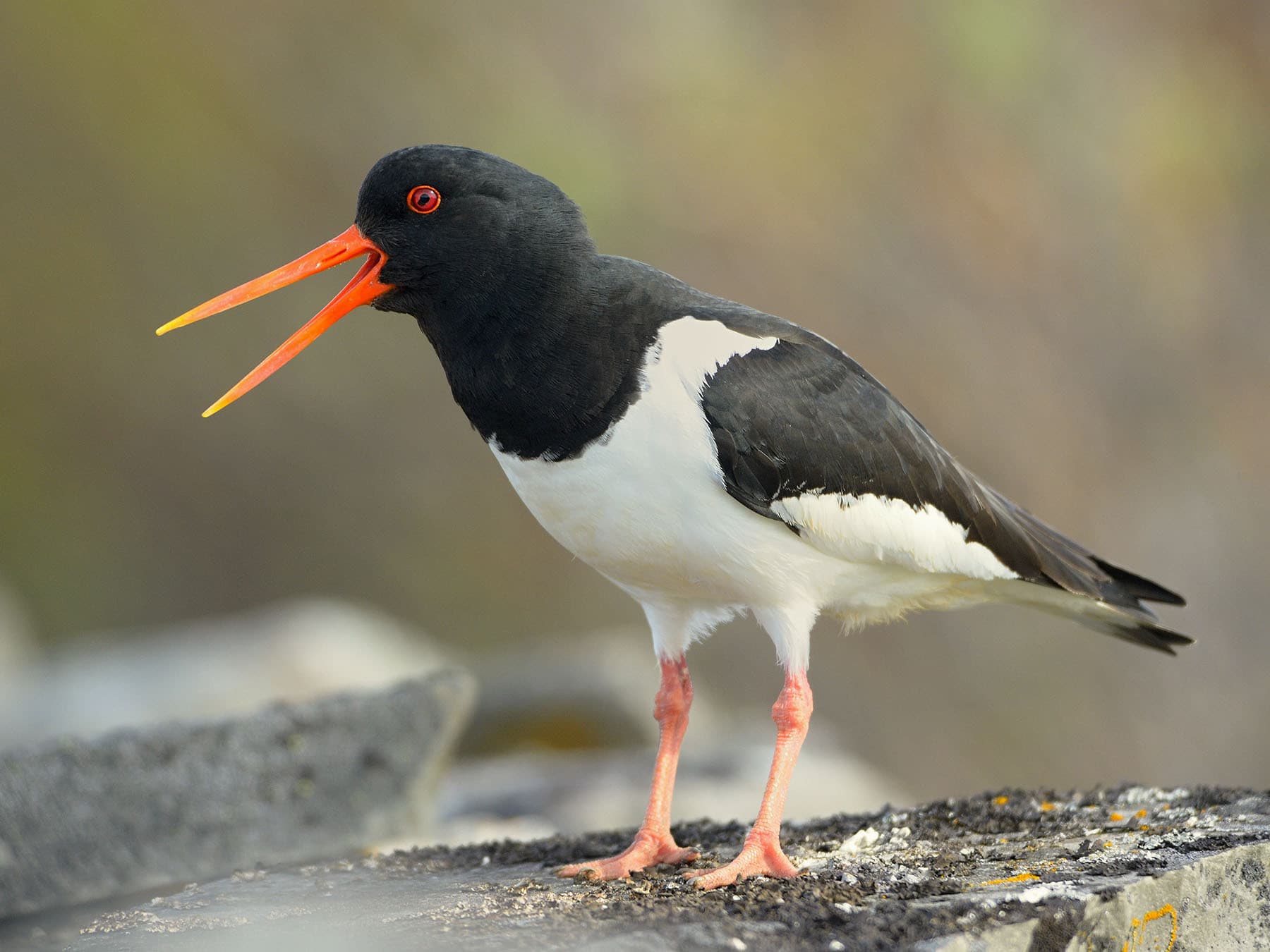
Eurasian Oystercatcher
Haematopus ostralegusNT
An uncommon resident, found along the Severn Estuary shores year-round. Its piping call is a familiar coastal sound.
Year-round
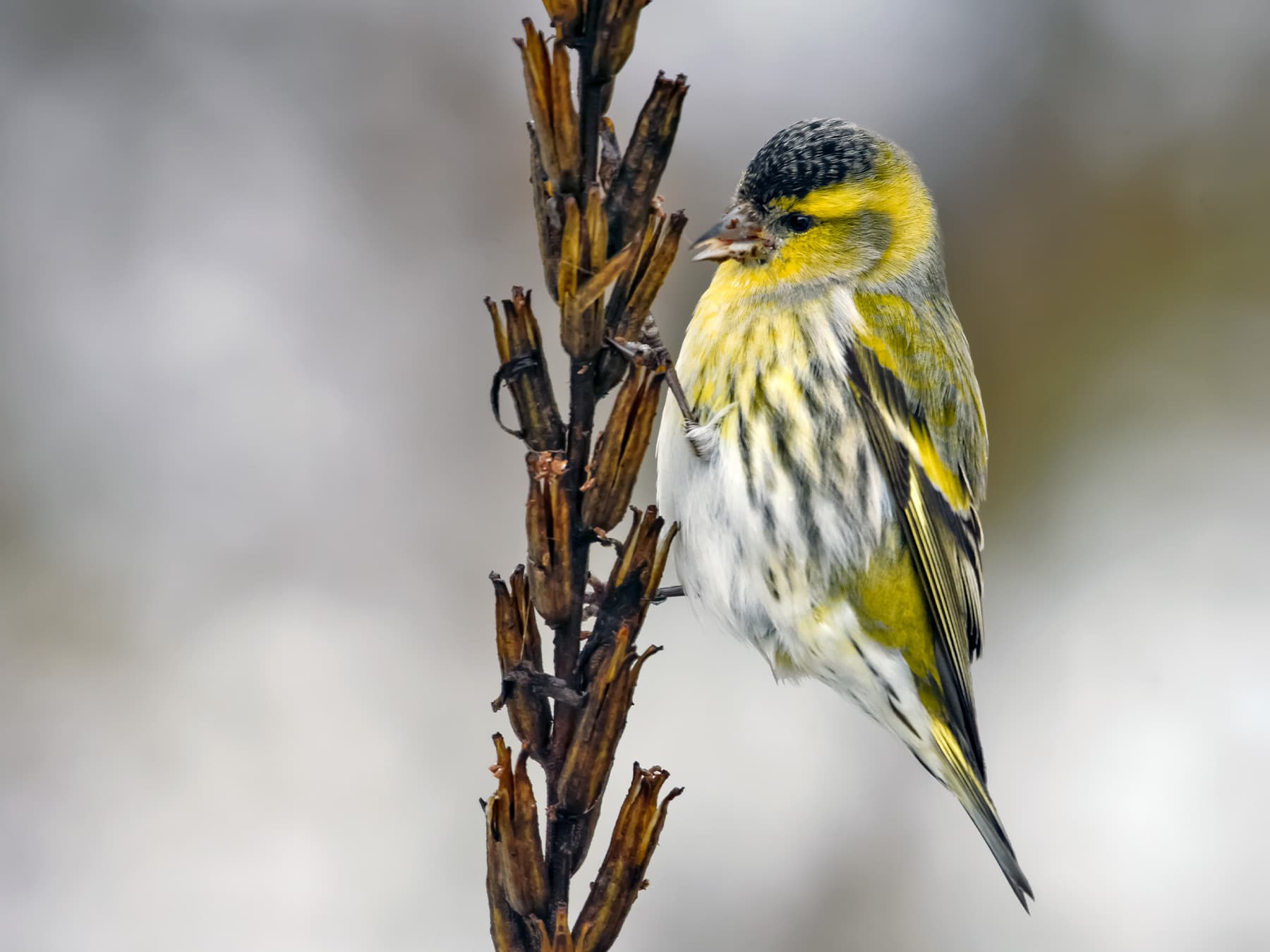
Eurasian Siskin
Spinus spinusLC
A rare non-breeding visitor, attracted to alders along waterways in winter. Small flocks sometimes visit garden nyjer feeders.
Sep–Apr
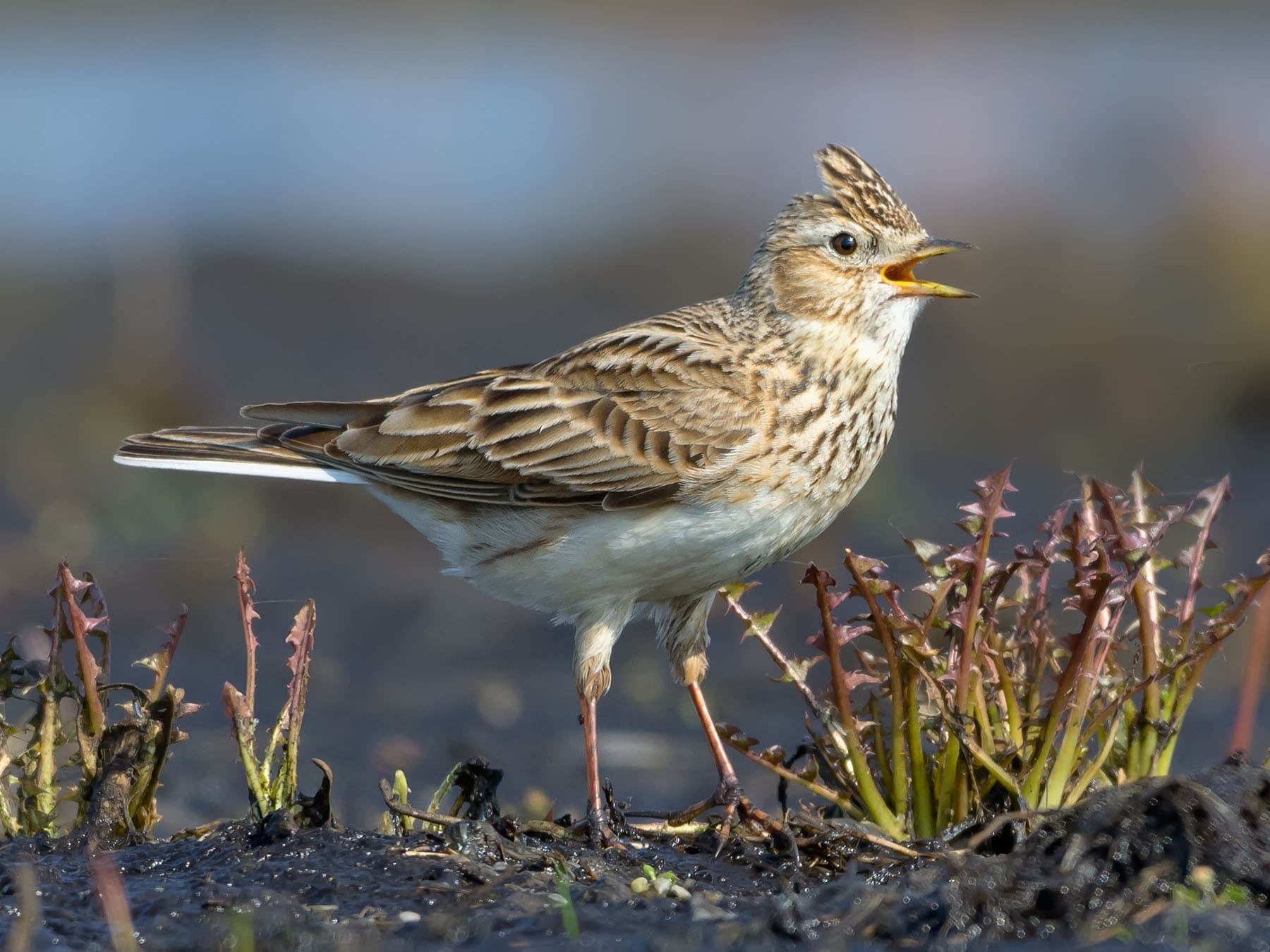
Eurasian Skylark
Alauda arvensisLC
An uncommon resident of open farmland and grassland at Bristol's edges. Its soaring song flight is a hallmark of spring.
Oct–Jul
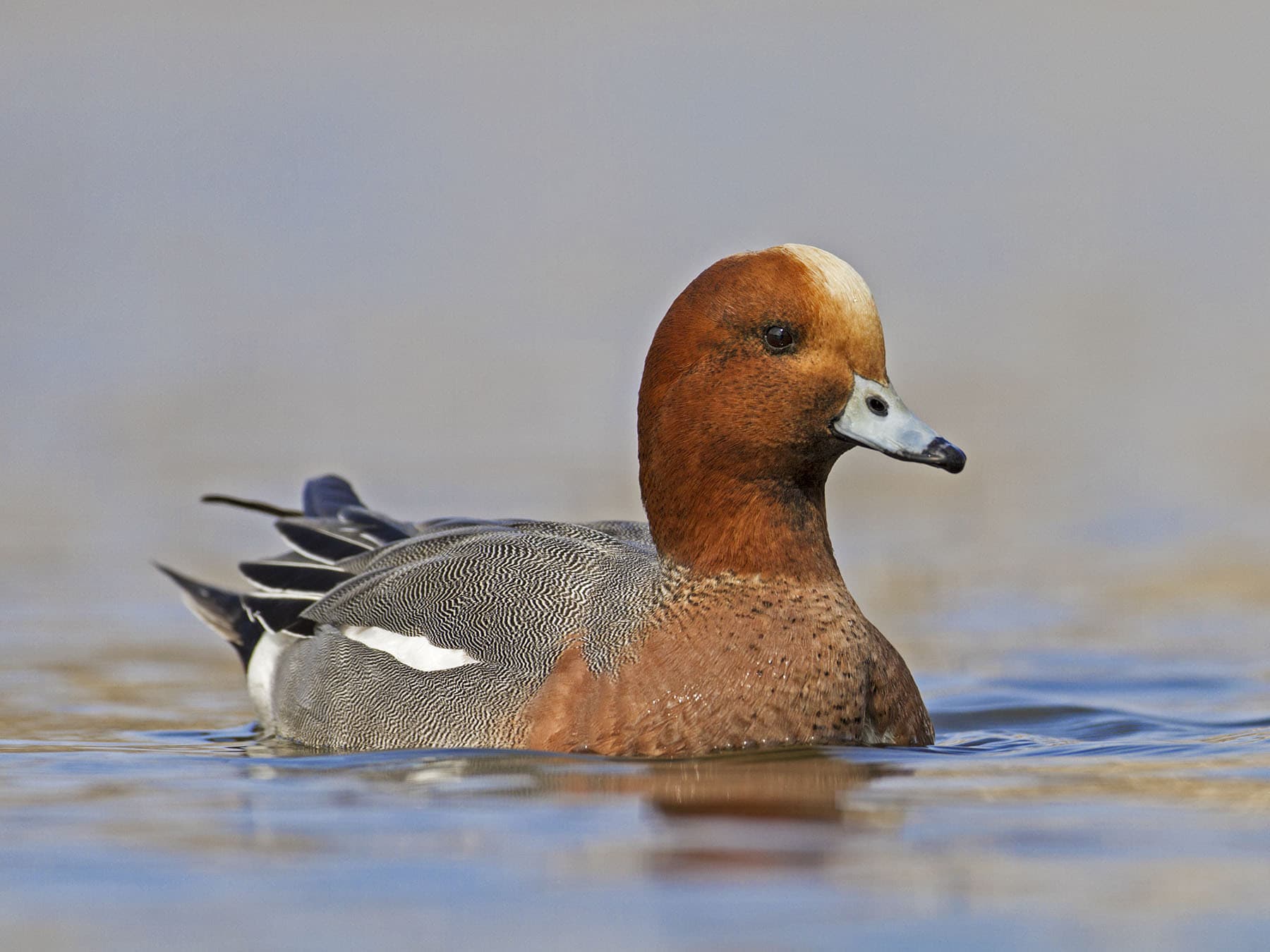
Eurasian Wigeon
Mareca penelopeLC
An uncommon winter visitor from October to March, favouring the Severn Estuary and nearby wetland sites.
Oct–Mar
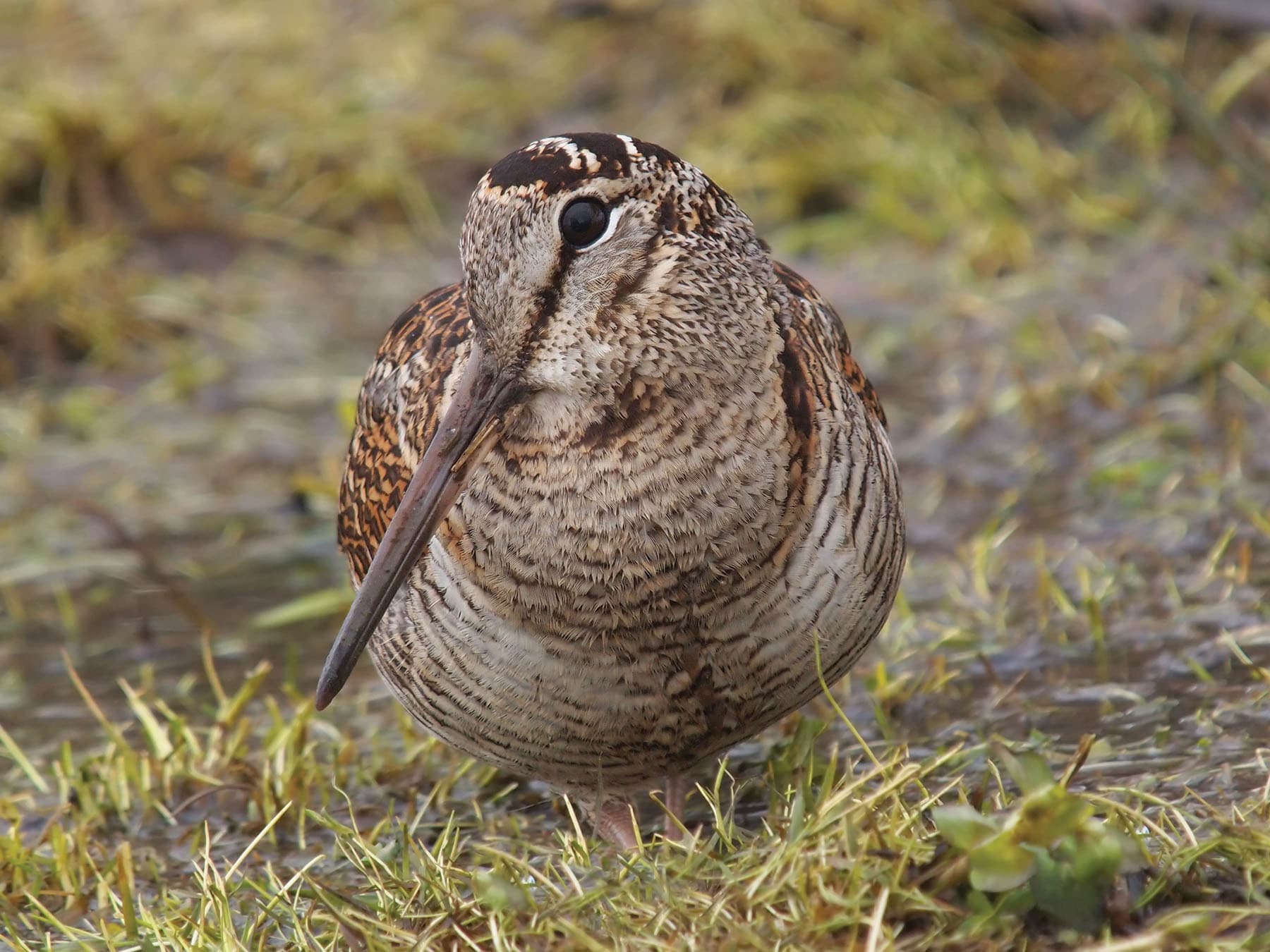
Eurasian Woodcock
Scolopax rusticolaLC
A rare November passage visitor, sometimes flushed from damp woodland floors on the outskirts of Bristol.
Nov
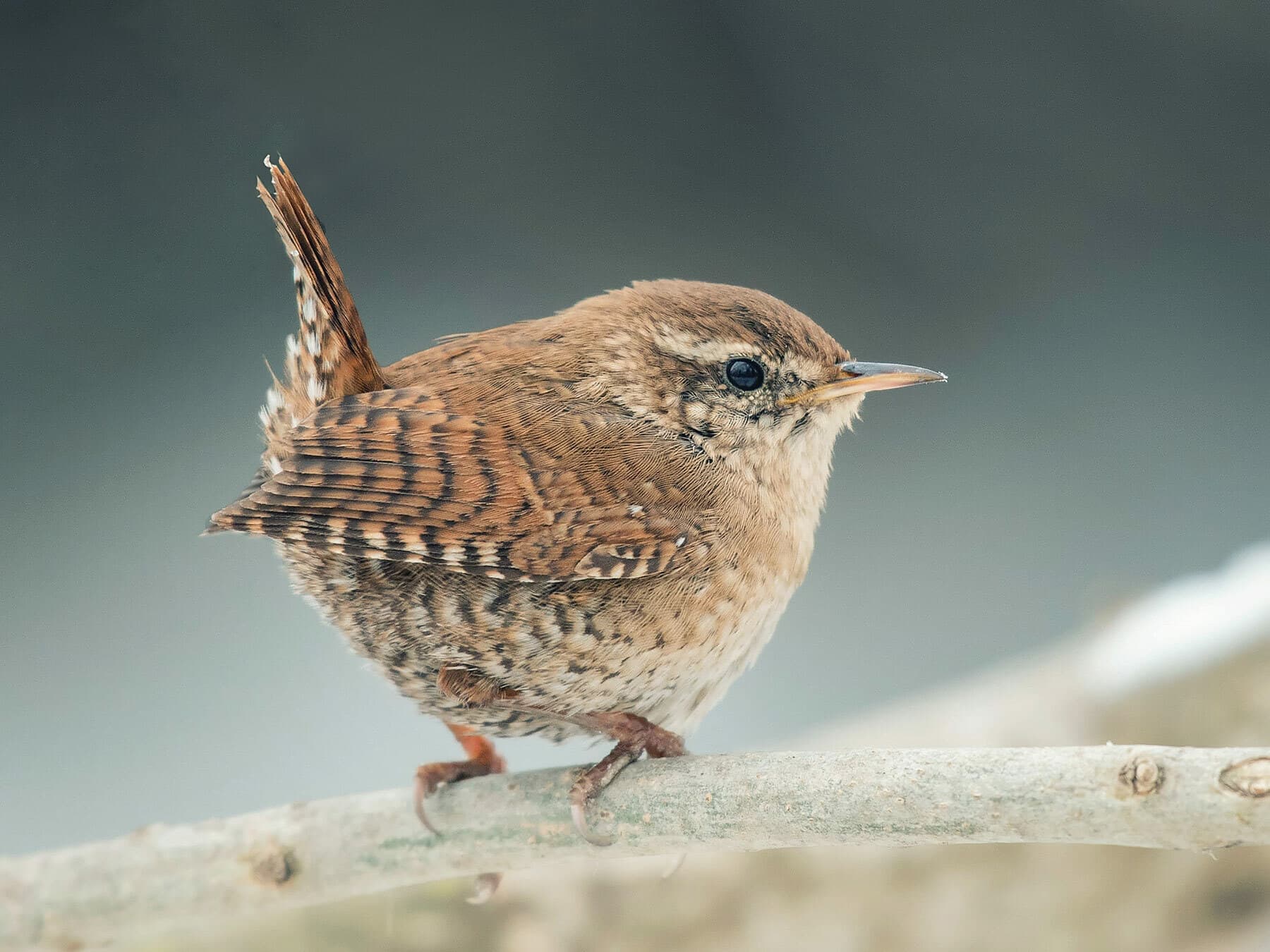
Eurasian Wren
Troglodytes troglodytesLC
One of Bristol's most common residents, found in virtually every garden and hedgerow. Its loud, explosive song belies its tiny size.
Year-round
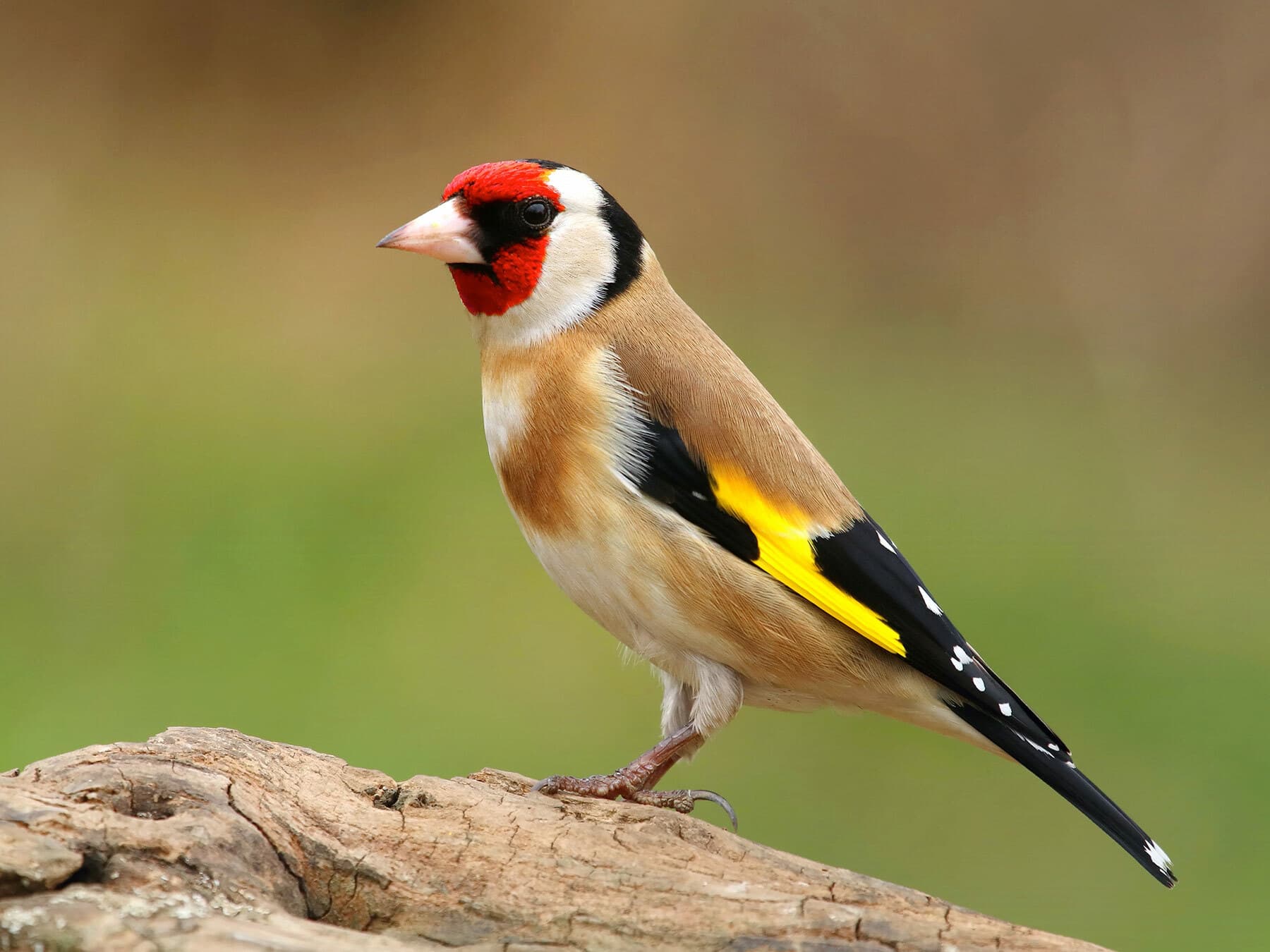
European Goldfinch
Carduelis carduelisLC
A common and colourful resident, often seen in chattering flocks on teasel and thistle heads in parks, allotments, and waste ground.
Year-round