


Birds to See in Northern Mariana Islands in November
20 bird species on our list for Northern Mariana Islands are recorded regularly in November
Of these, the most often recorded are Eurasian Tree Sparrow, Pacific Golden-Plover, Red Junglefowl, Ruddy Turnstone and Northern Pintail. New this month: Northern Shoveler, Tufted Duck, Eurasian Wigeon and Sanderling.
On the move in November
GBIF · NovArriving
At their peak
From Northern Mariana Islands’s bird records, 2019–2024: arriving birds are regular this month but not last; leaving birds are regular this month but not next.
Other months
All 20 birds in November
20 birds
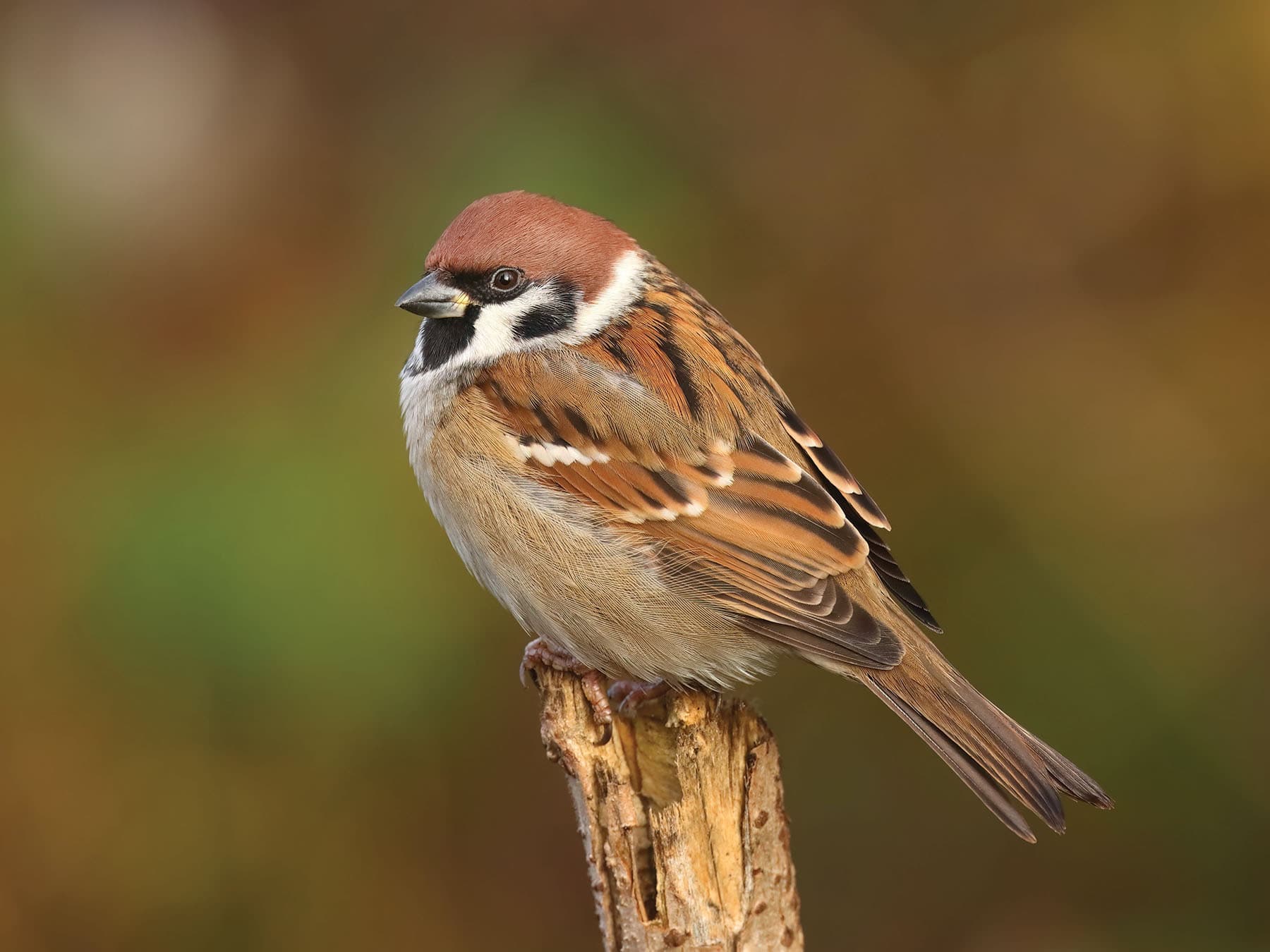 Eurasian Tree SparrowPasser montanusResidentCommon13–14 cmRecorded all year · 4.34% in Nov
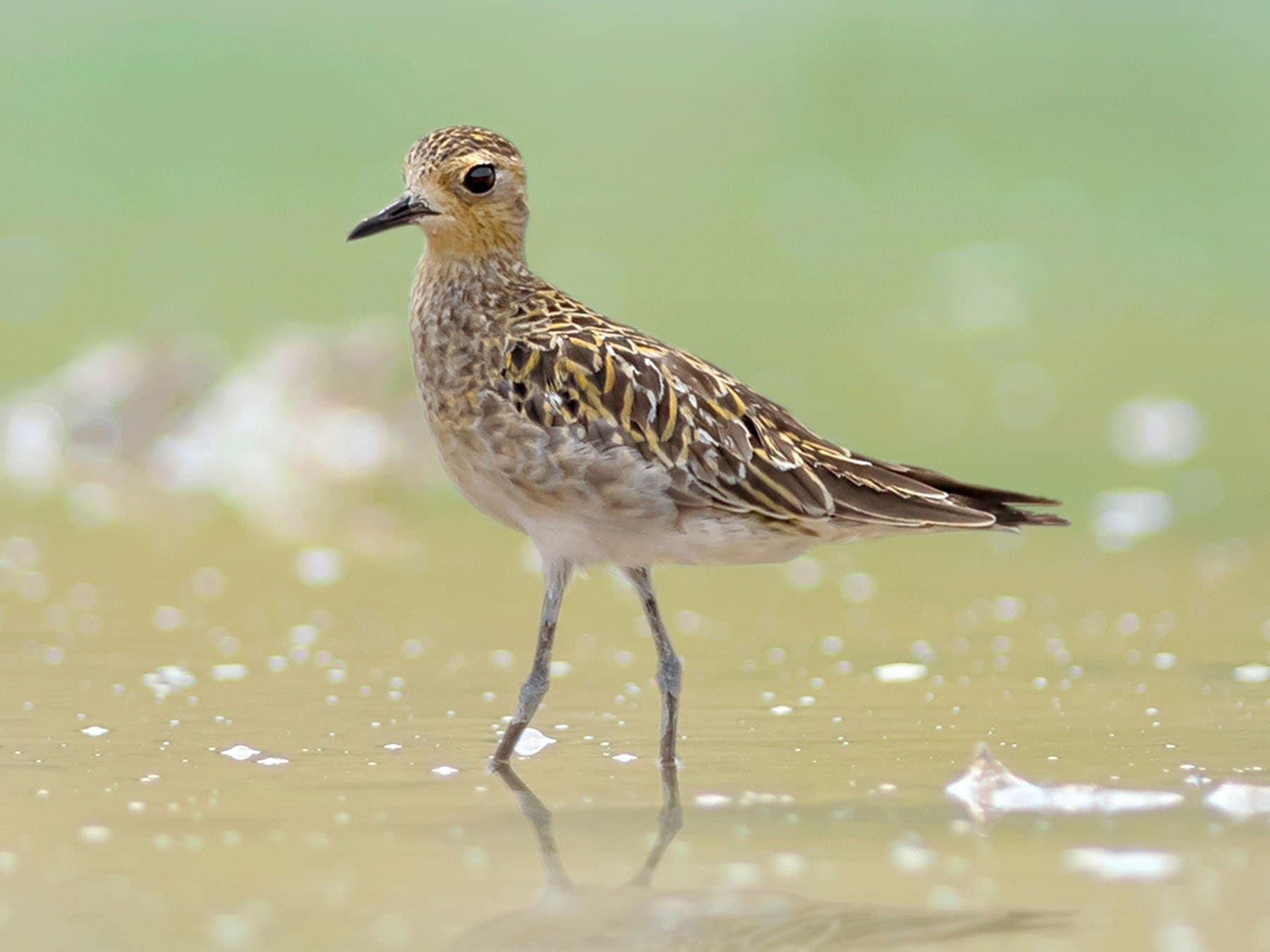 Pacific Golden-PloverPluvialis fulvaResidentCommon23–26 cmRecorded all year · 3.76% in Nov
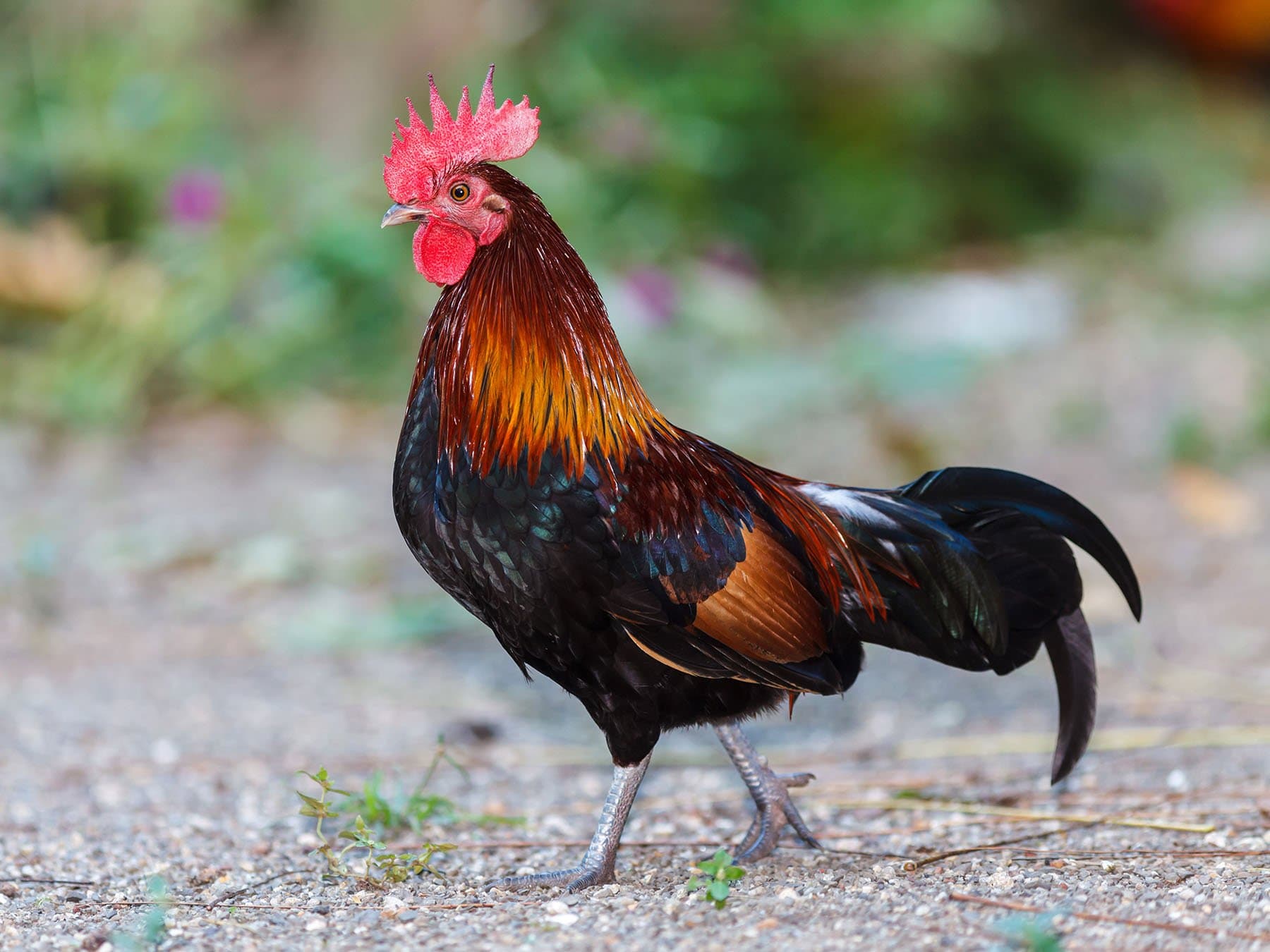 Red JunglefowlGallus gallusResidentCommon42–75 cmRecorded all year · 3.51% in Nov
 Ruddy TurnstoneArenaria interpresWinter visitorCommon21–24 cmRegularly Jul–May · 1.65% in Nov
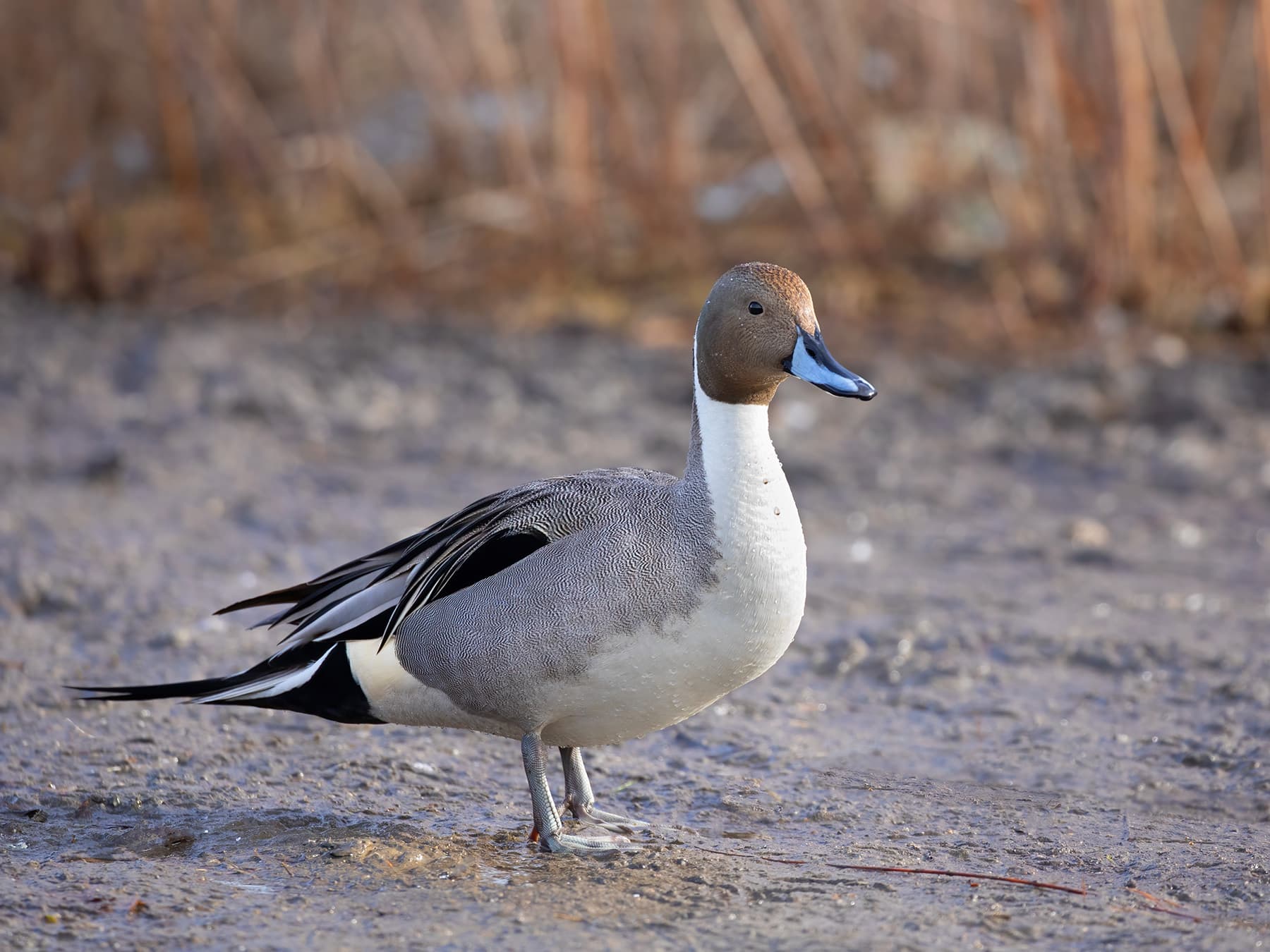 Northern PintailAnas acutaWinter visitorCommon59–76 cmRegularly Oct–Mar · 1.39% in Nov
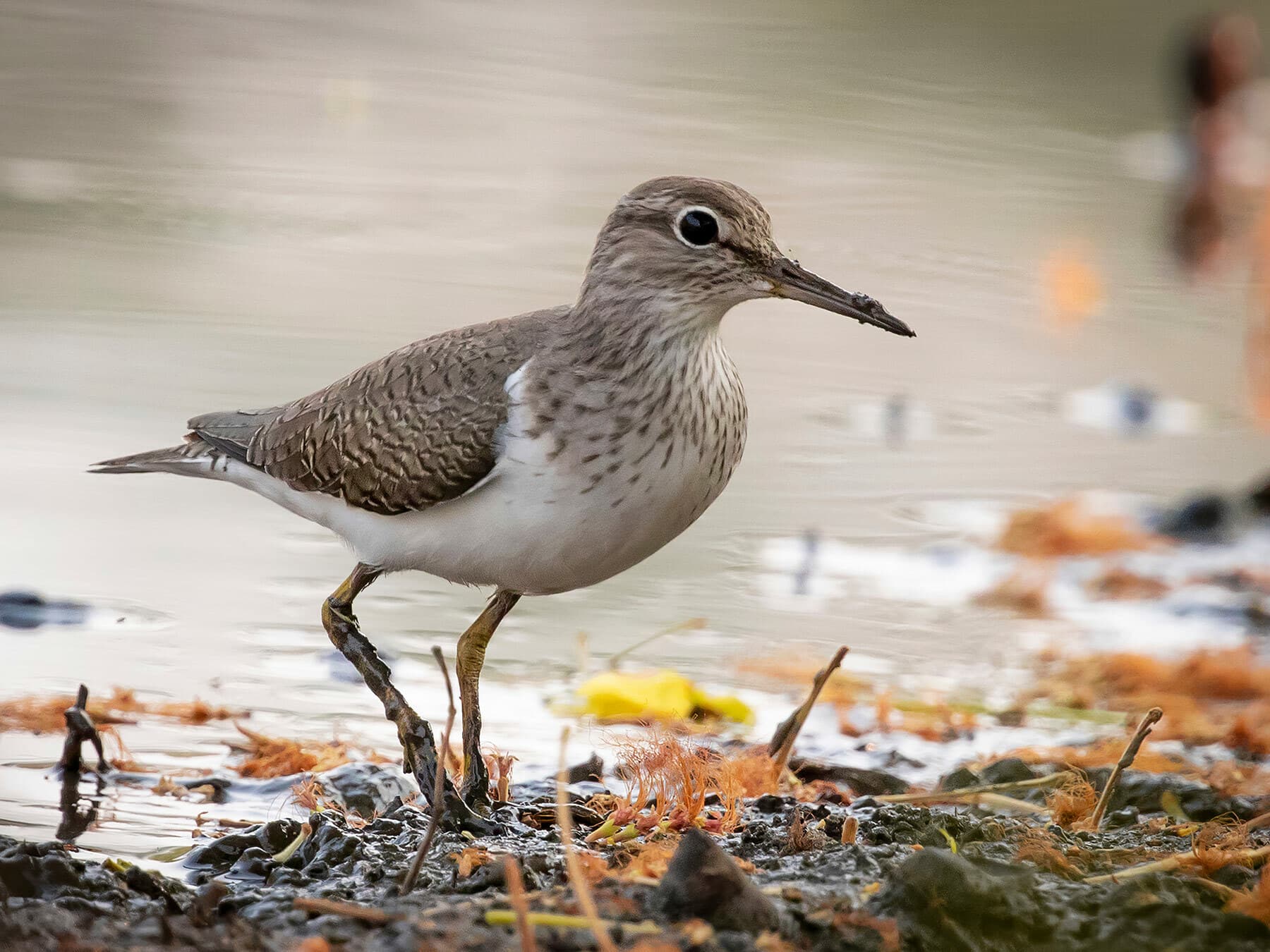 Common SandpiperActitis hypoleucosWinter visitorCommon18–20 cmRegularly Aug–May · 1.33% in Nov
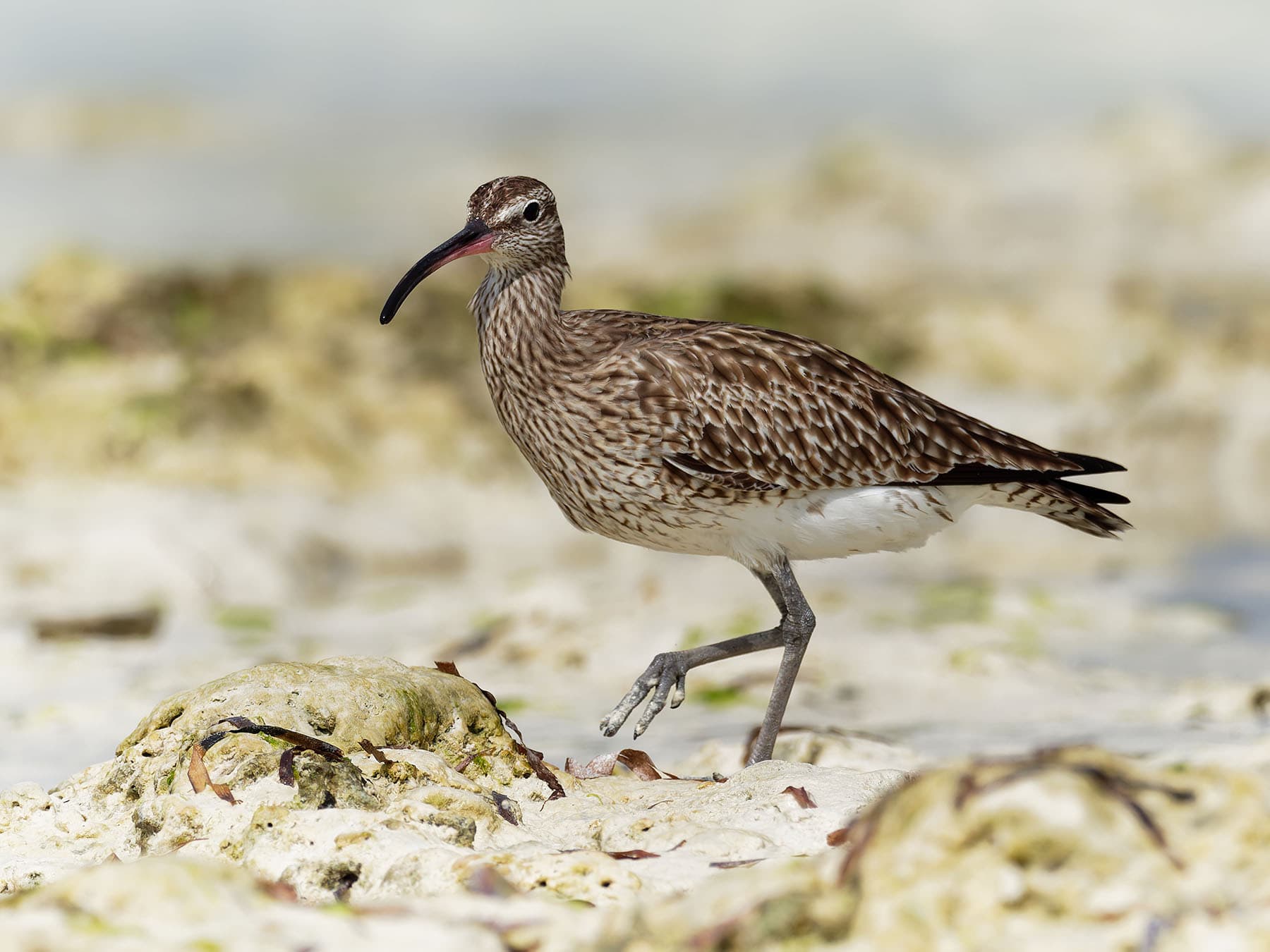 WhimbrelNumenius phaeopusResidentCommon40–46 cmRecorded all year · 1.28% in Nov
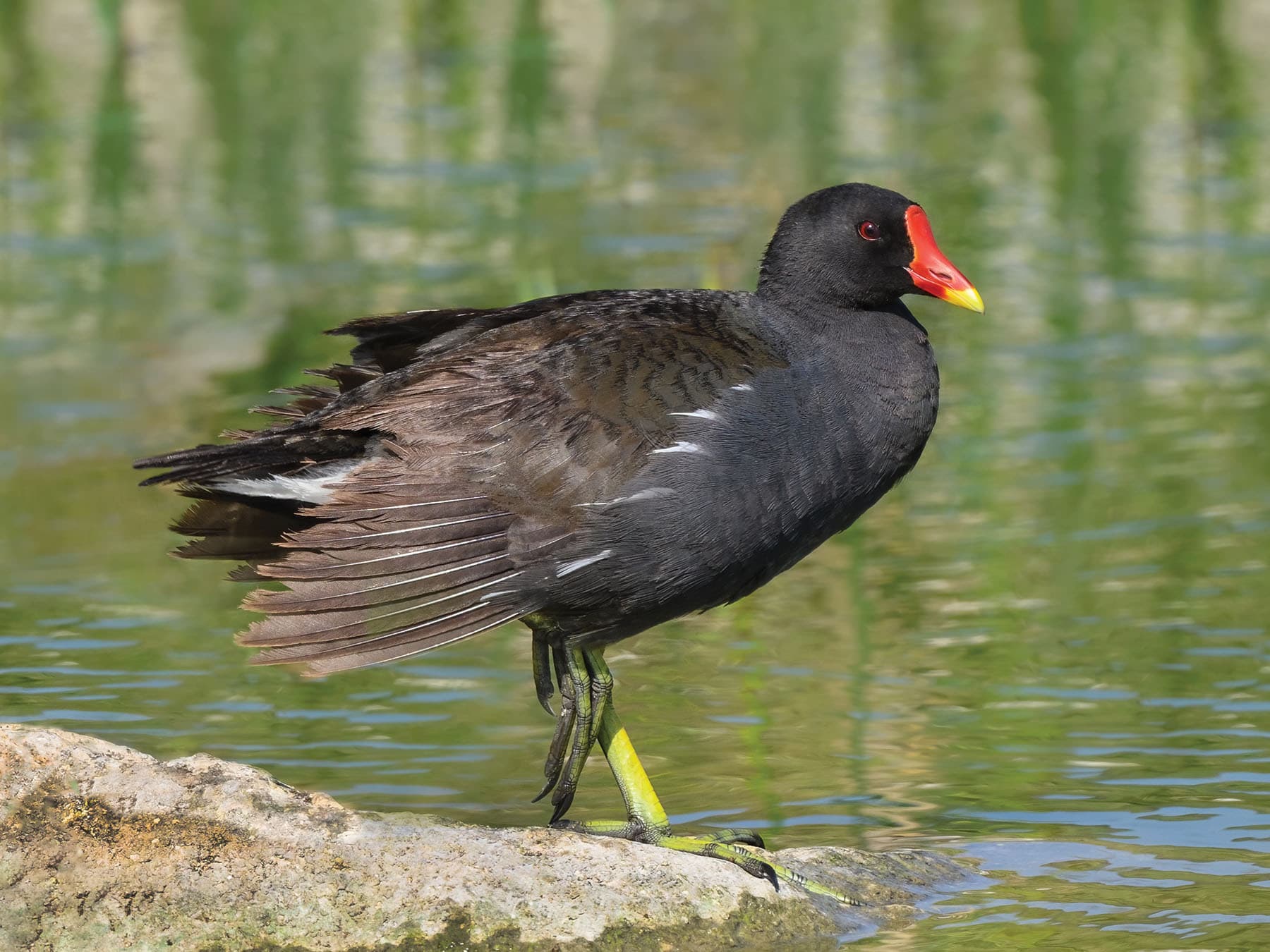 MoorhenGallinula chloropusResidentCommon30–38 cmRecorded all year · 1.18% in Nov
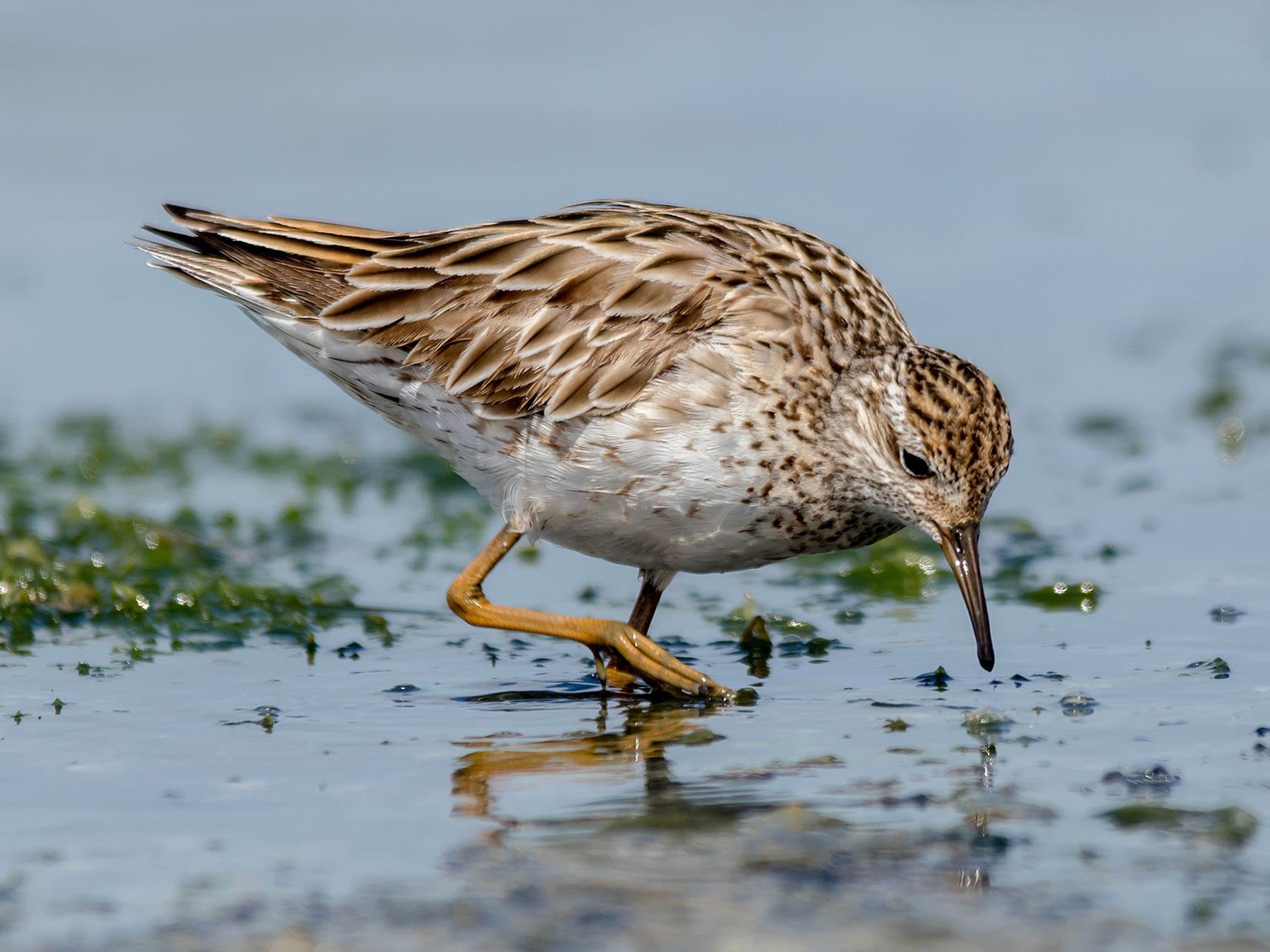 Sharp-tailed SandpiperCalidris acuminataPassage migrantCommon17–22 cmRegularly Oct–Jan · 0.98% in Nov
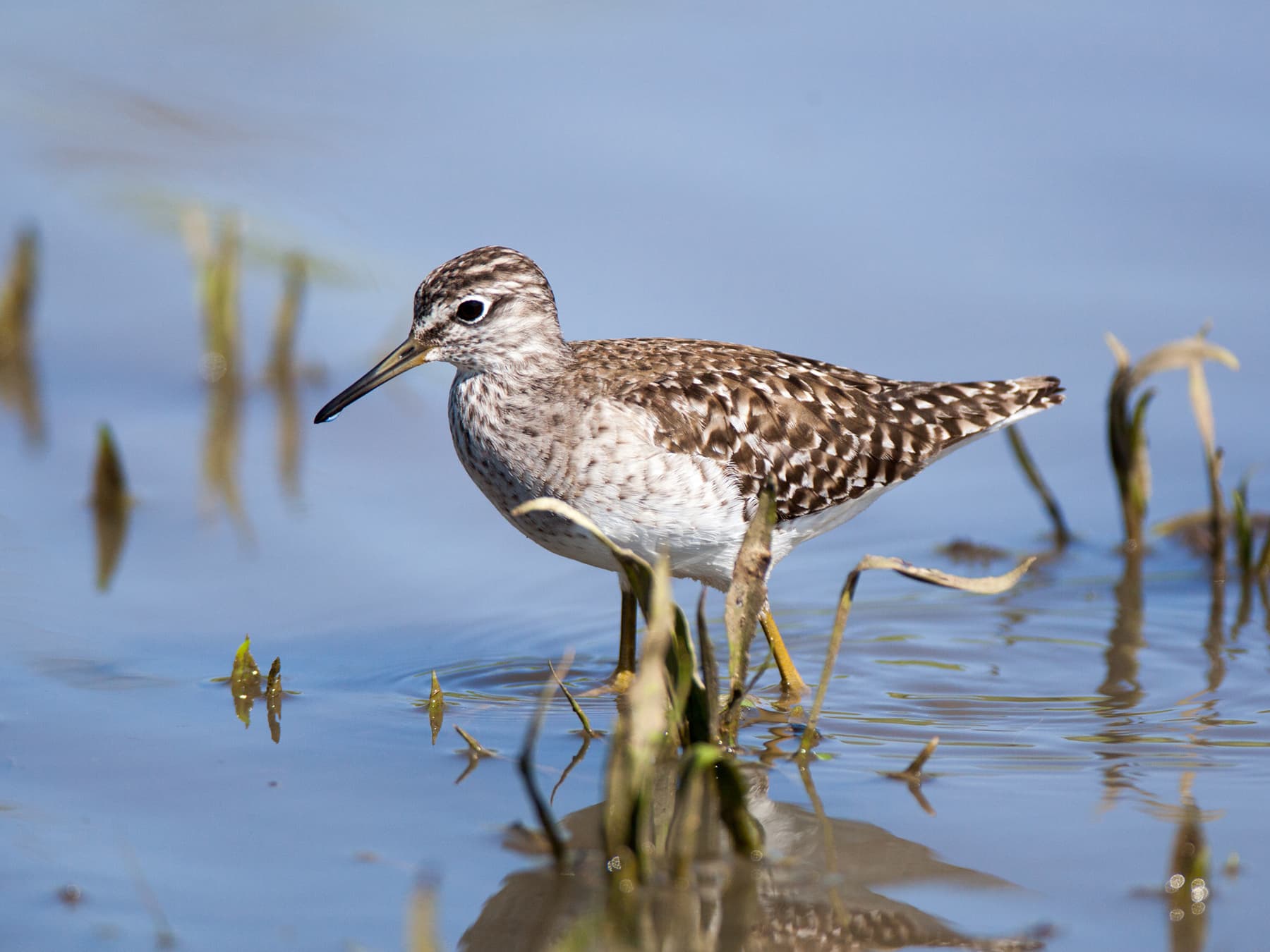 Wood SandpiperTringa glareolaWinter visitorCommon19–21 cmRegularly Aug–Apr · 0.73% in Nov
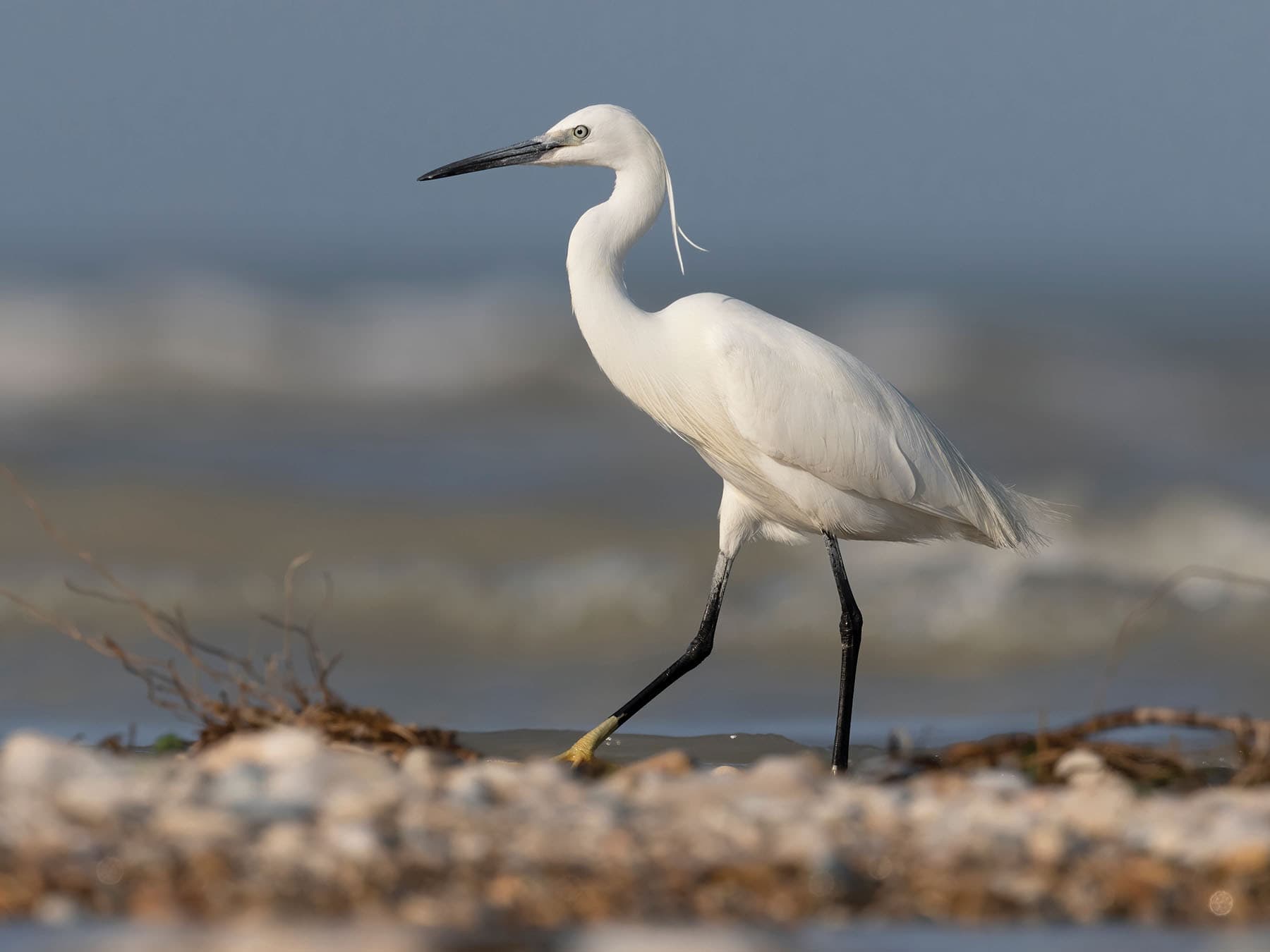 Little EgretEgretta garzettaWinter visitorCommon55–65 cmRegularly Aug–Apr · 0.68% in Nov
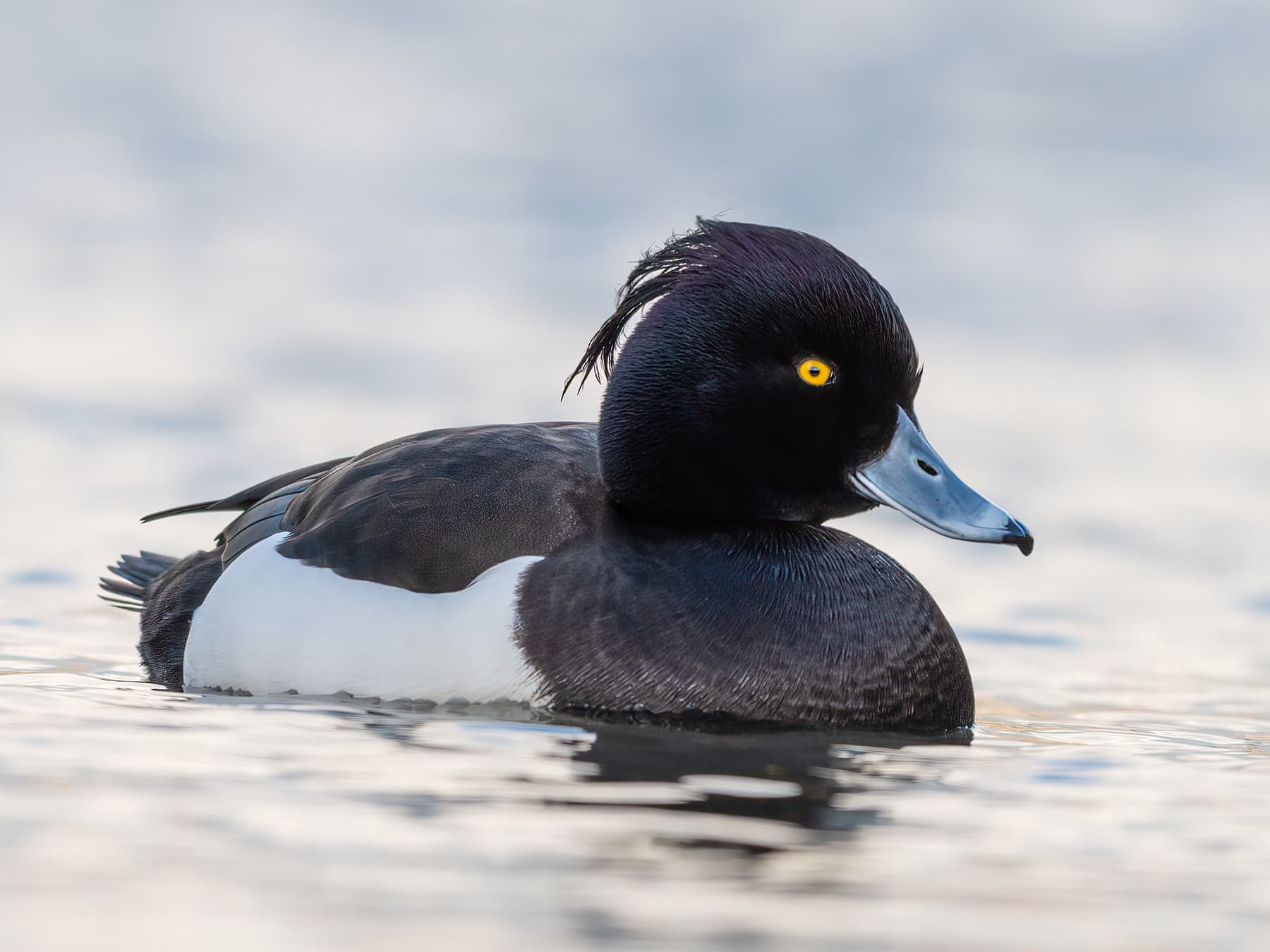 Tufted DuckAythya fuligulaPassage migrantUncommon40–47 cmRegularly Nov–Mar · 0.45% in Nov
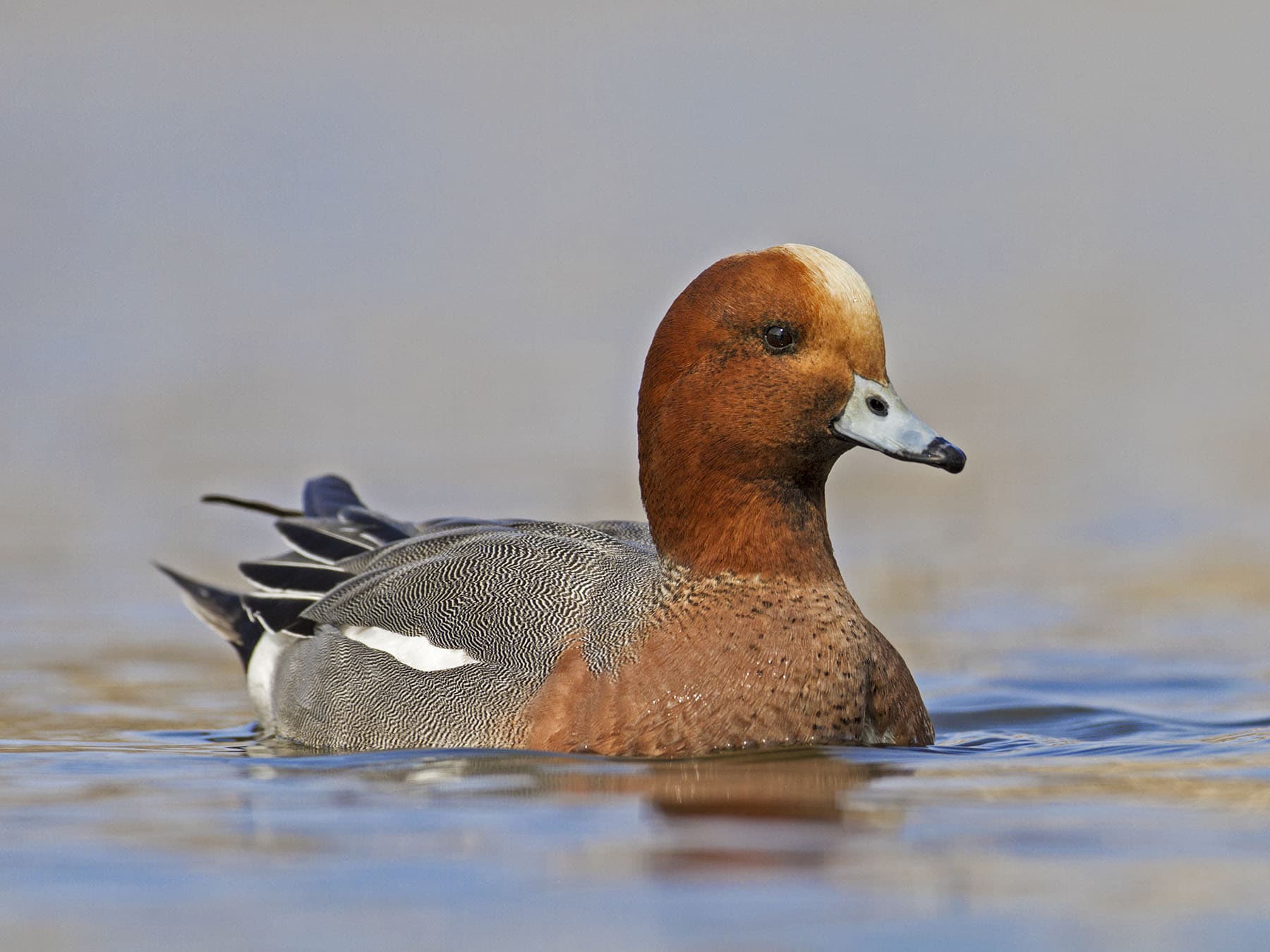 Eurasian WigeonMareca penelopePassage migrantUncommon42–51 cmRegularly Nov–Jan · 0.36% in Nov
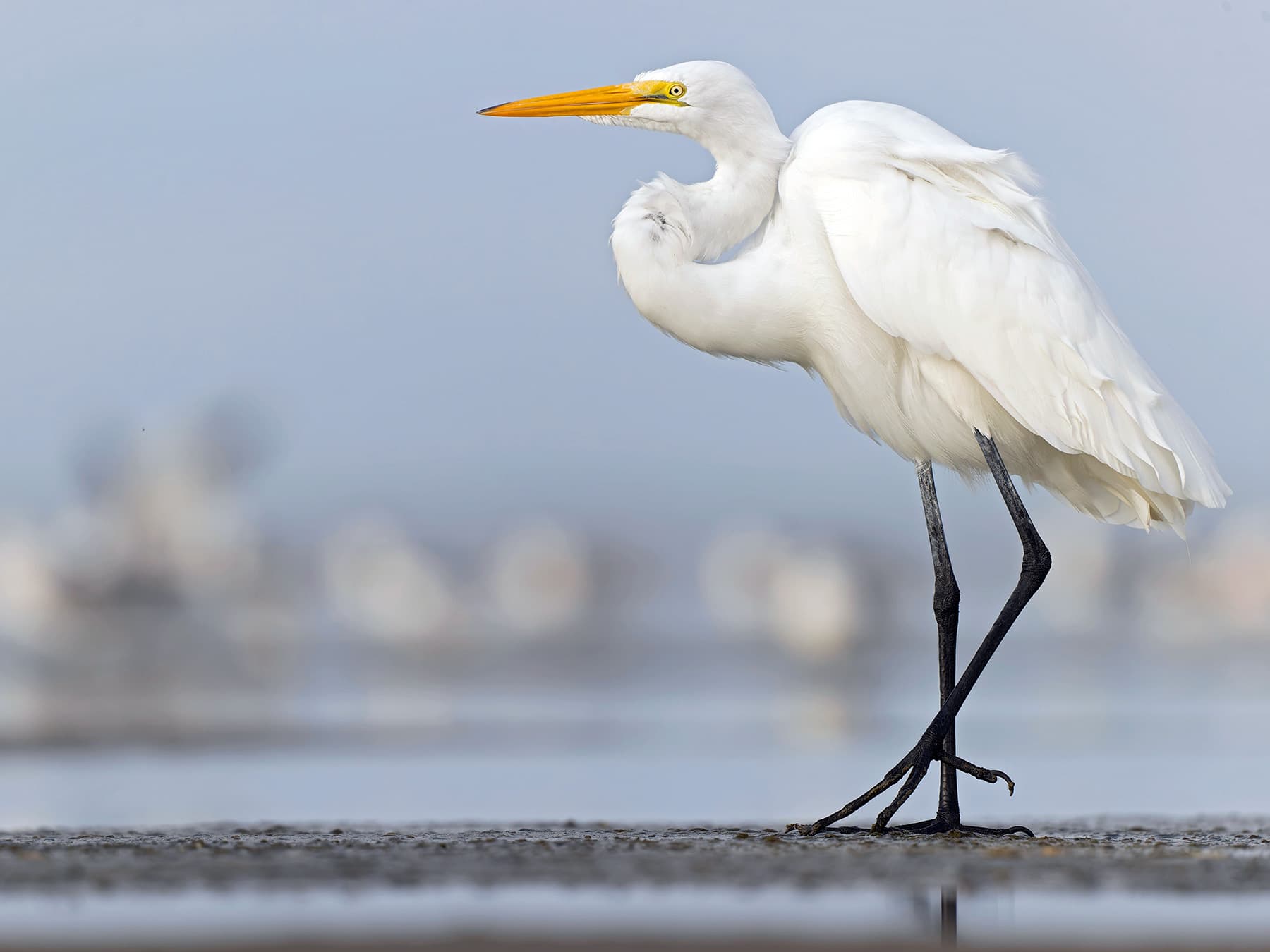 Great White EgretArdea albaPassage migrantCommon80–104 cmRegularly Oct–Apr · 0.34% in Nov
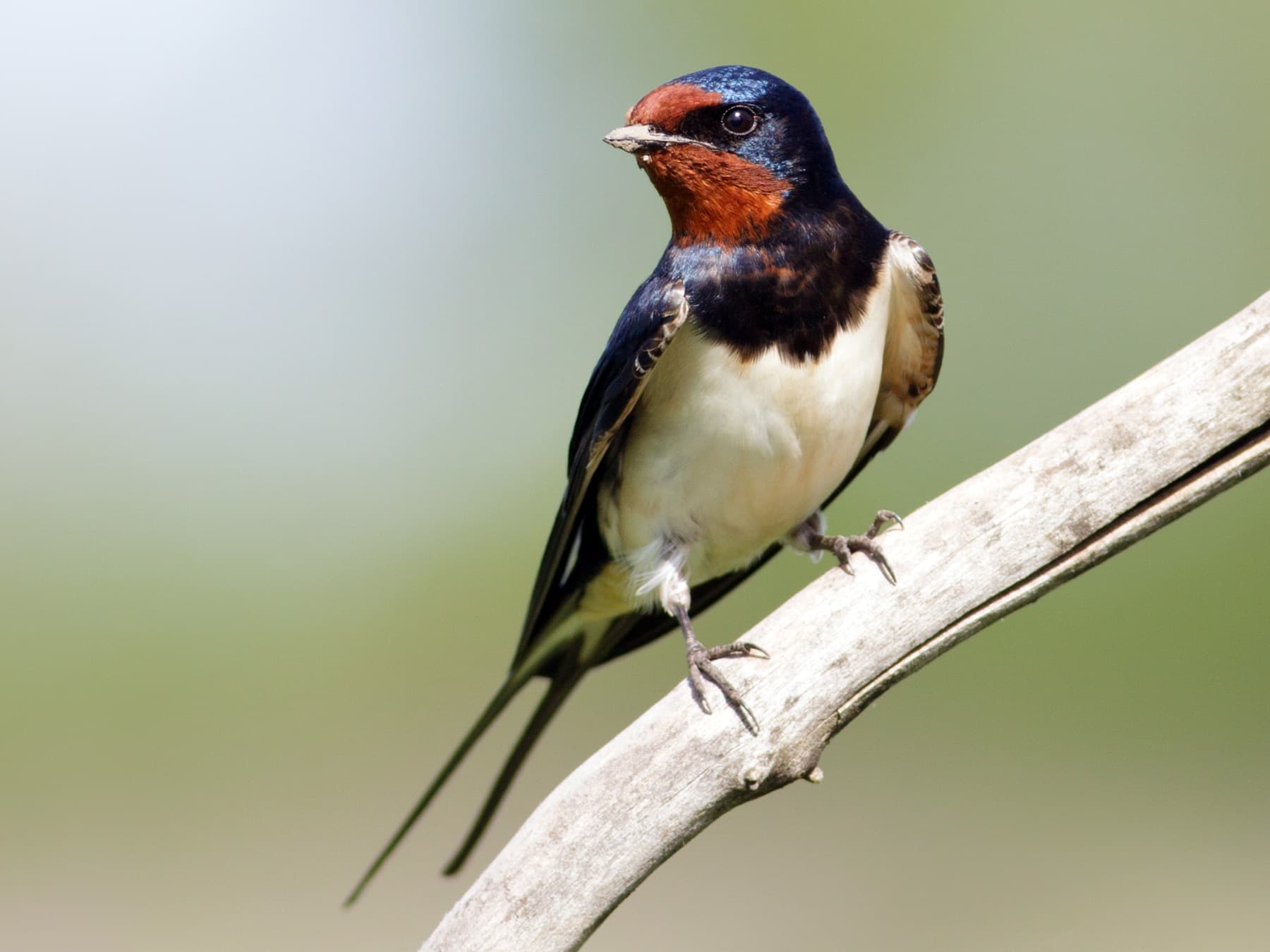 Barn SwallowHirundo rusticaPassage migrantCommon17–19 cmRegularly Aug–Dec · 0.28% in Nov
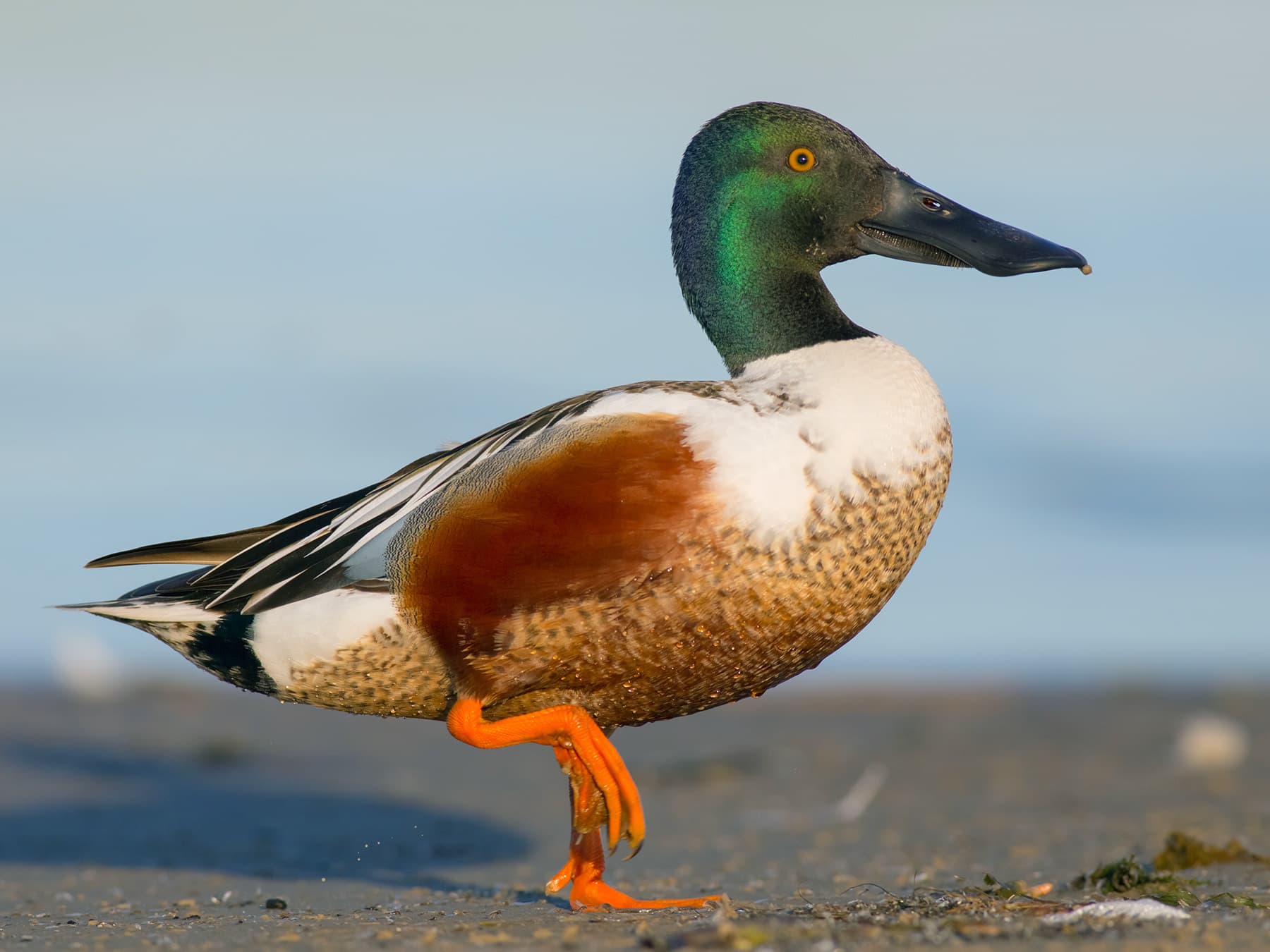 Northern ShovelerSpatula clypeataPassage migrantCommon44–51 cmRegularly Nov–Feb · 0.21% in Nov
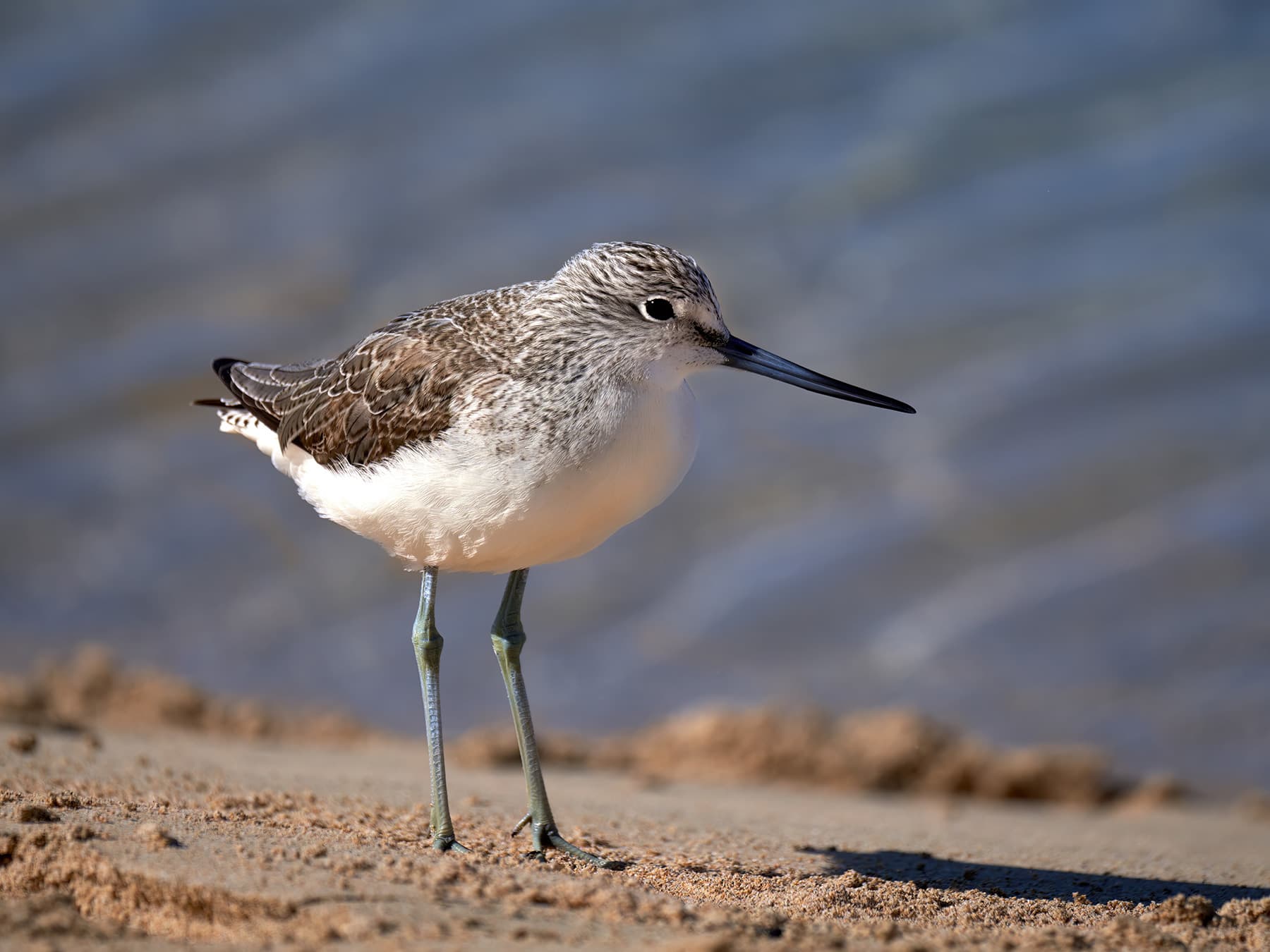 GreenshankTringa nebulariaPassage migrantUncommon30–35 cmRegularly Oct–Dec · 0.17% in Nov
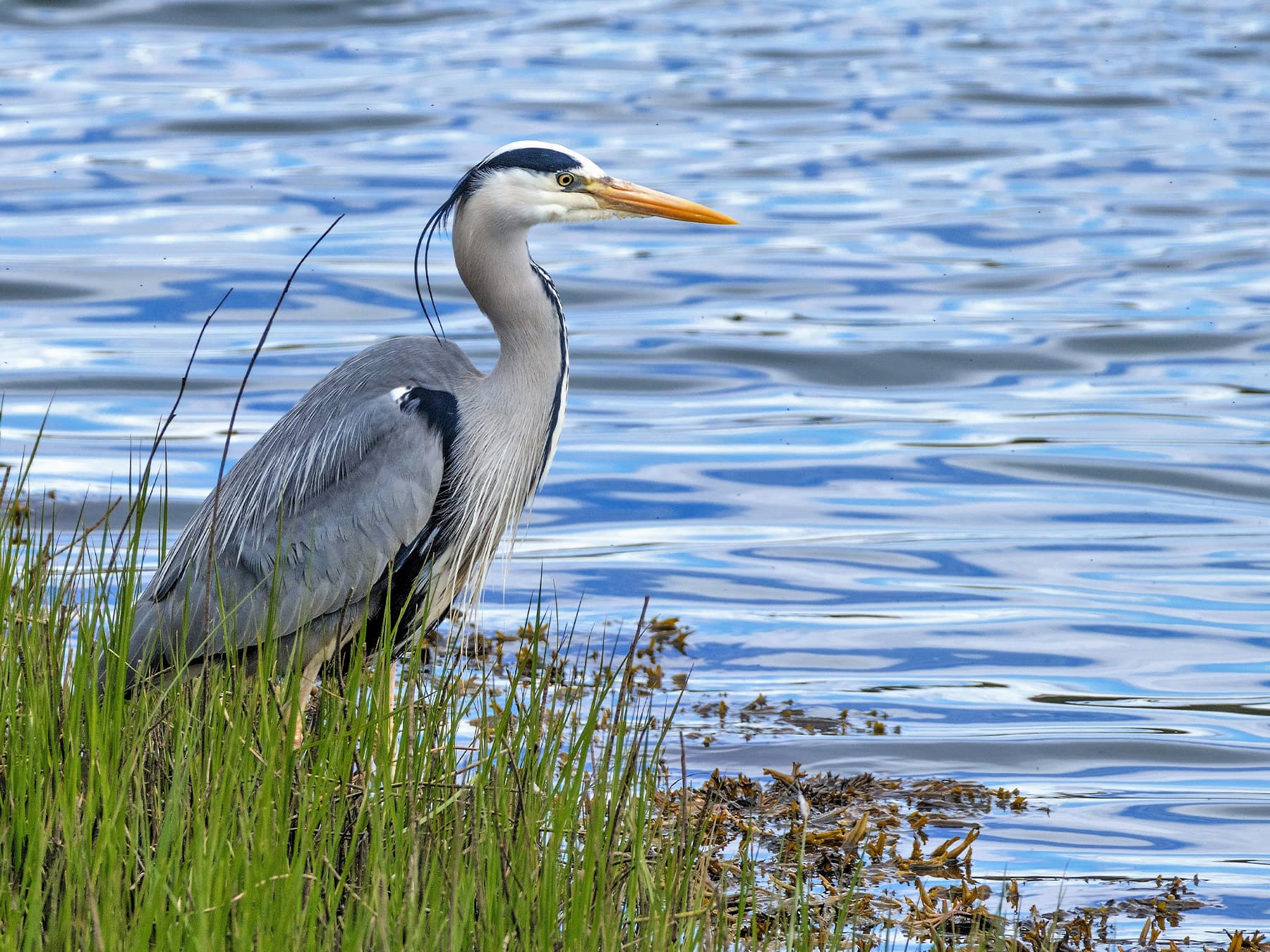 Grey HeronArdea cinereaPassage migrantUncommon90–98 cmRegularly Oct–Apr · 0.13% in Nov
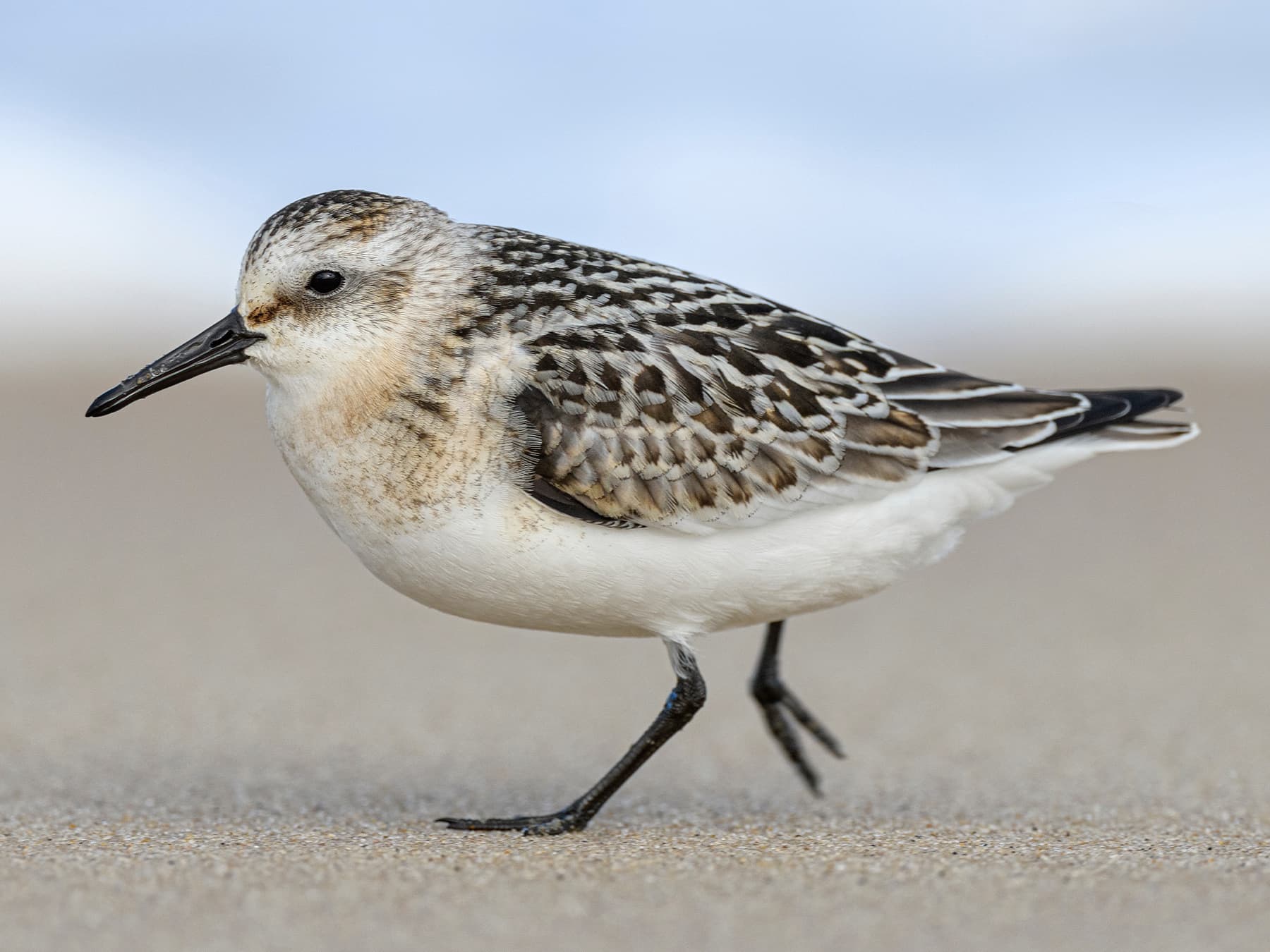 SanderlingCalidris albaPassage migrantUncommon18–20 cmRegularly Nov–May · 0.11% in Nov
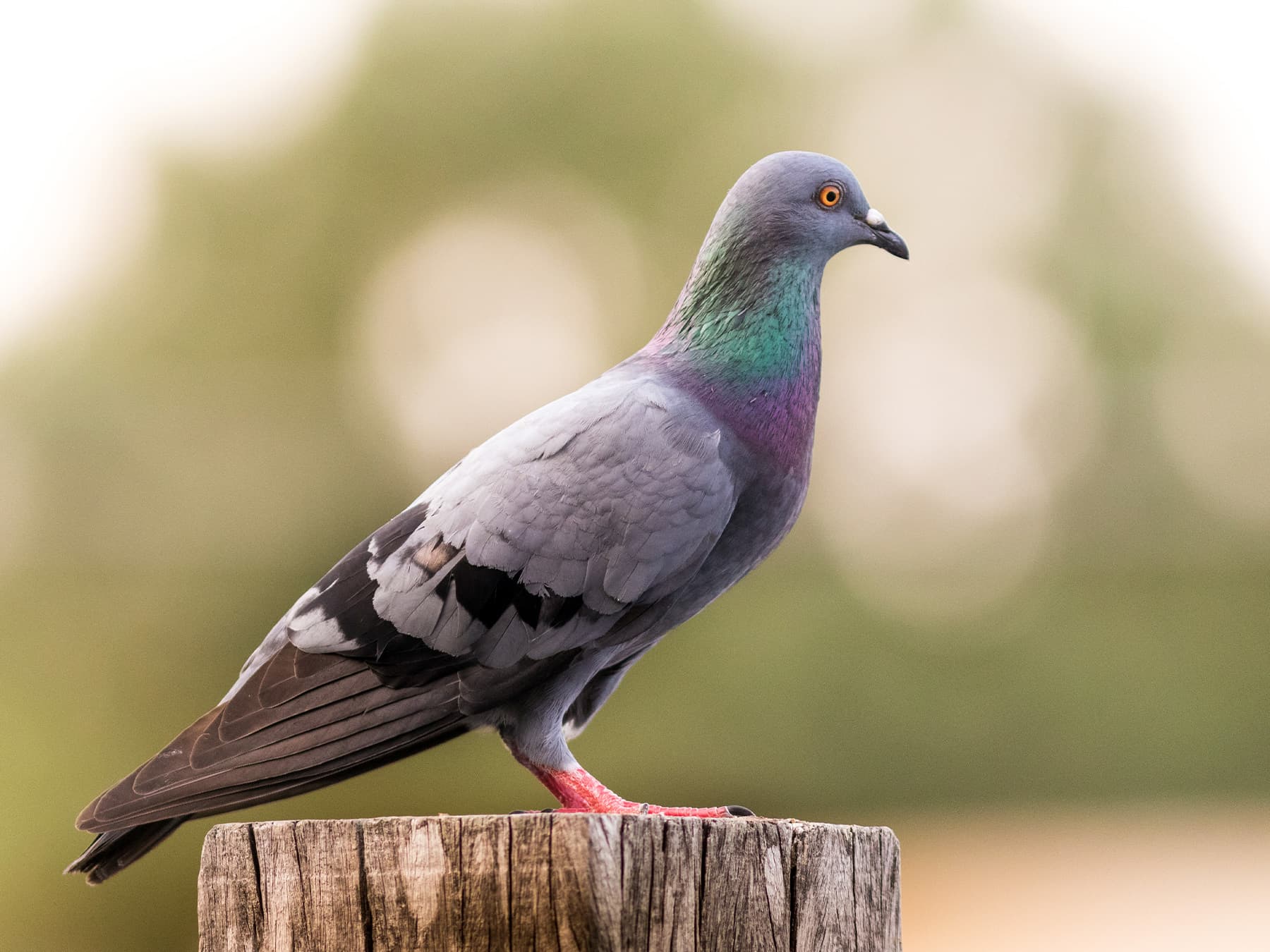 Rock DoveColumba liviaPassage migrantUncommon29–37 cmRegularly May–Nov · 0.09% in Nov
Smallest to largest
Length, cm- Eurasian Tree Sparrow 13–14 cm
- Barn Swallow 17–19 cm
- Common Sandpiper 18–20 cm
- Sanderling 18–20 cm
- Sharp-tailed Sandpiper 17–22 cm
- Wood Sandpiper 19–21 cm
- Ruddy Turnstone 21–24 cm
- Pacific Golden-Plover 23–26 cm
- Greenshank 30–35 cm
- Rock Dove 29–37 cm
- Moorhen 30–38 cm
- Whimbrel 40–46 cm
- Tufted Duck 40–47 cm
- Eurasian Wigeon 42–51 cm
- Northern Shoveler 44–51 cm
- Red Junglefowl 42–75 cm
- Little Egret 55–65 cm
- Northern Pintail 59–76 cm
- Great White Egret 80–104 cm
- Grey Heron 90–98 cm
Body length, bill to tail. Rare birds in grey.
Data: EOD – eBird Observation Dataset (Cornell Lab of Ornithology), accessed via GBIF.org, CC BY 4.0. Records from 2019–2024, aggregated and filtered by Birdfact. How these lists are made