Birds in Worcestershire
Explore 181 species found in this region.
Worcestershire is a rewarding county for birdwatchers, with 179 recorded species found across its diverse habitats, from the wetlands of the Severn and Avon river valleys to the wooded slopes of the Malvern Hills. The county supports an impressive range of birdlife throughout the year, including notable species such as Northern Lapwing, Eurasian Woodcock, and Mandarin Duck, alongside winter visitors like Pink-footed Goose and Common Merganser. Whether exploring farmland, reservoirs, or ancient woodland, birders will find plenty to discover in this quintessentially English landscape.
Visiting in August? Look out for Bar-headed Goose and Black Tern arriving this month, and Aquatic Warbler and Barn Owl depart for the season.


Showing 70–92 of 181 species
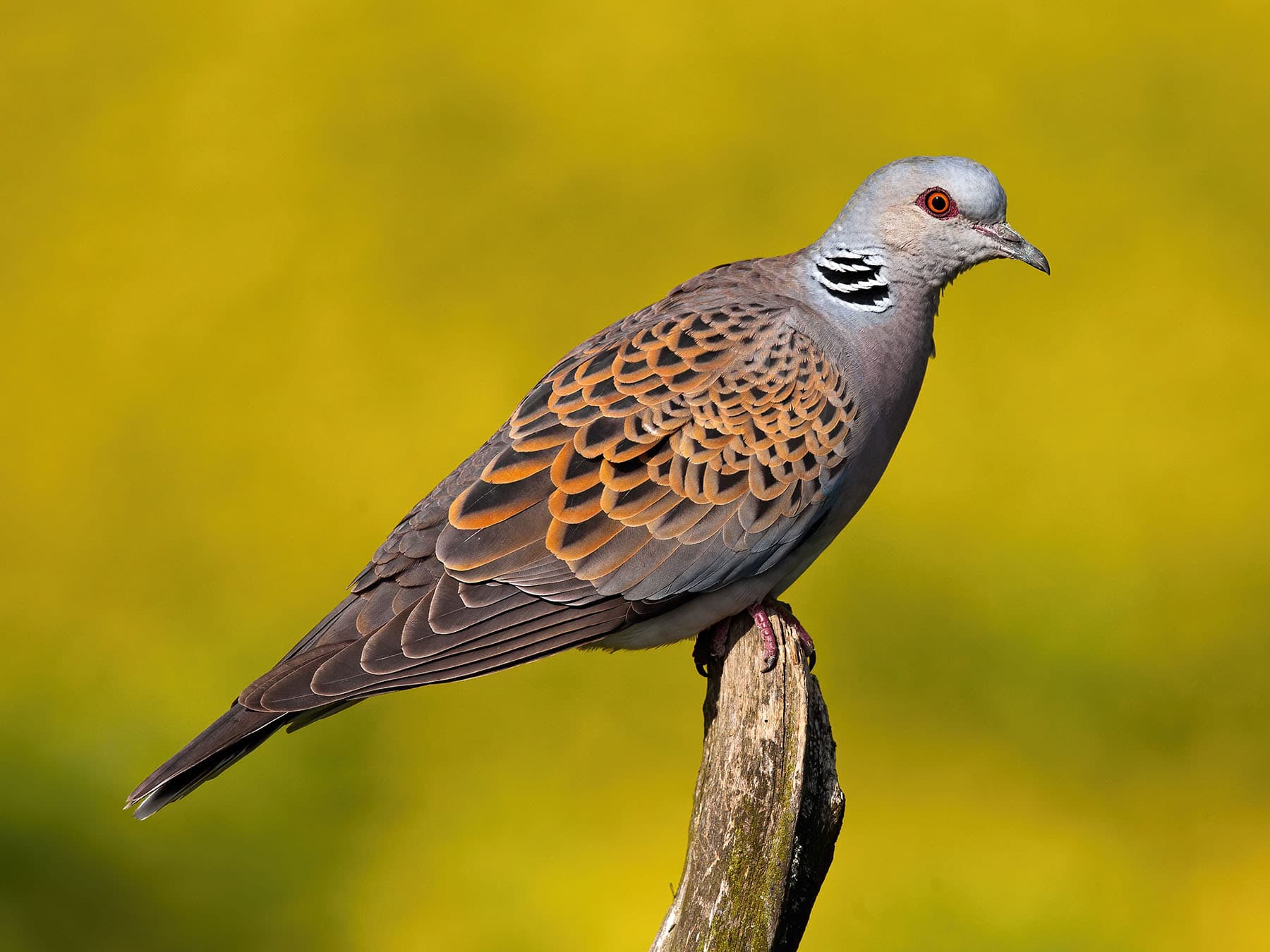
European Turtle-dove
Streptopelia turturVU
A rare and declining summer breeder, present May to August. One of Britain's fastest-declining birds, now very scarce.
May–Aug
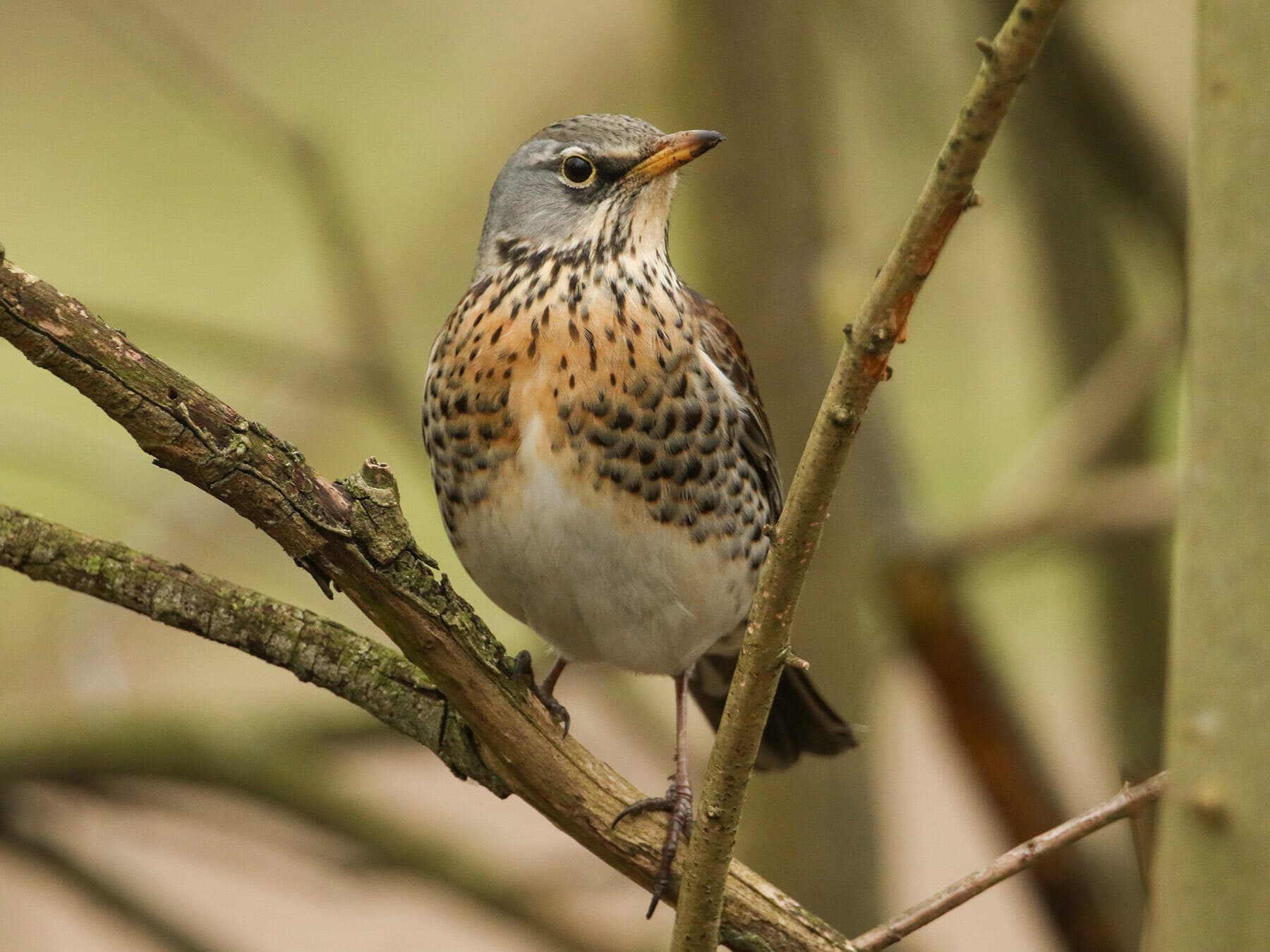
Fieldfare
Turdus pilarisLC
A common winter visitor from Scandinavia, arriving in October and feeding in hedgerow-rich farmland. Often seen alongside Redwings.
Oct–Apr
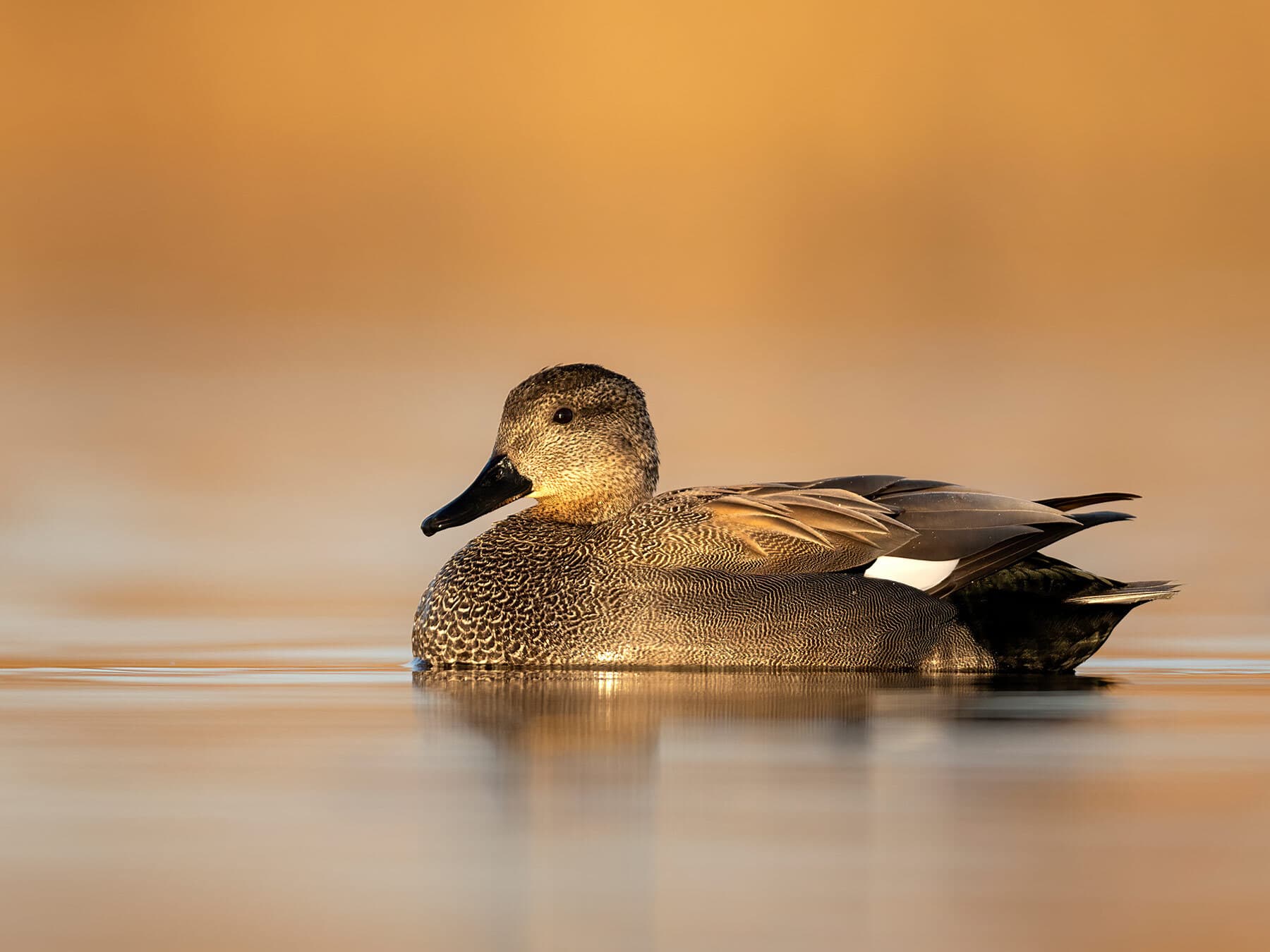
Gadwall
Mareca streperaLC
A common resident found year-round on lakes and reservoirs. Has increased significantly in recent decades across the county.
Year-round
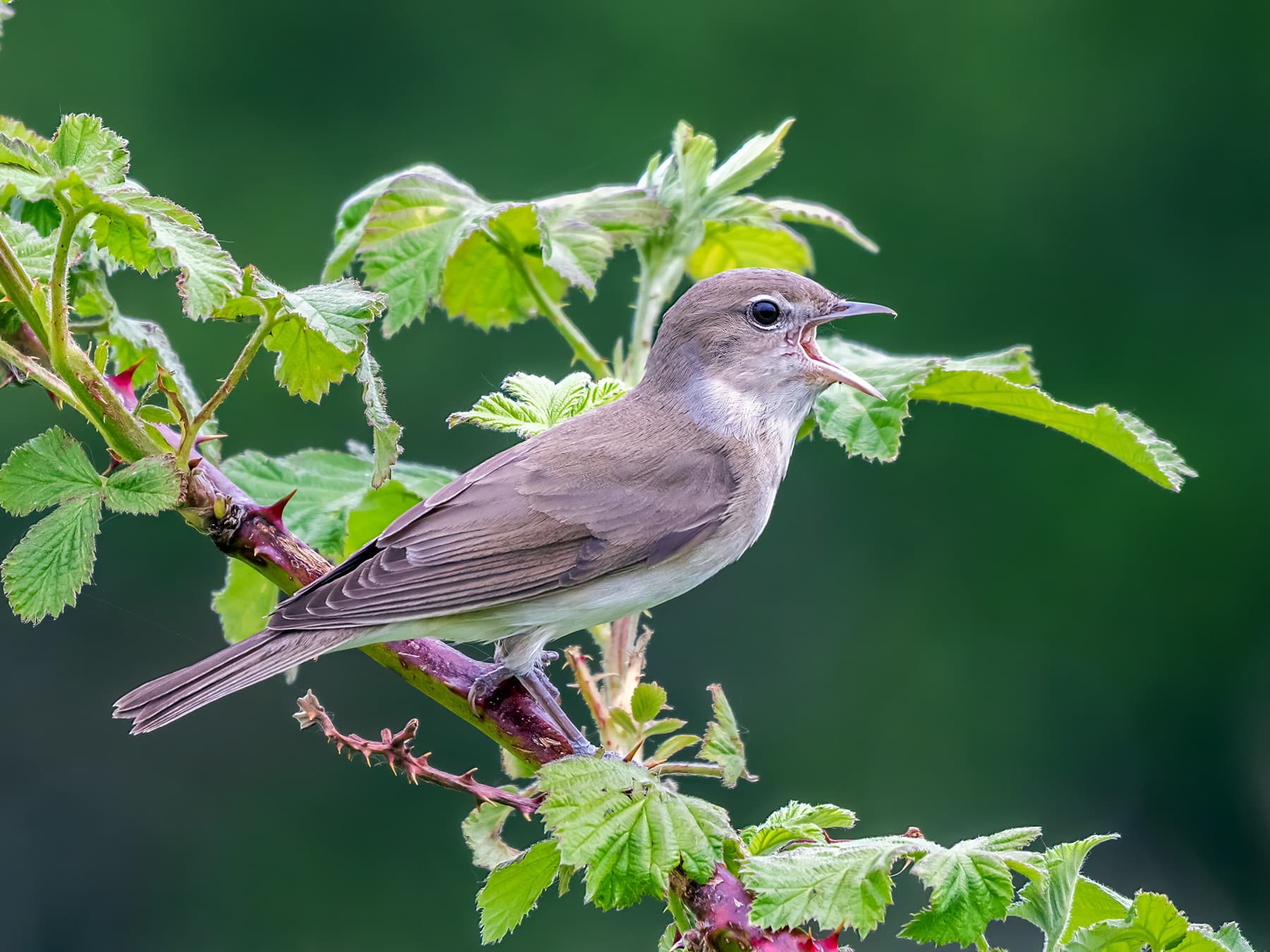
Garden Warbler
Sylvia borinLC
An unassuming summer visitor breeding in dense scrub and woodland edges from April to September. Lacks distinctive markings but has a rich, melodious song.
Apr–Sep
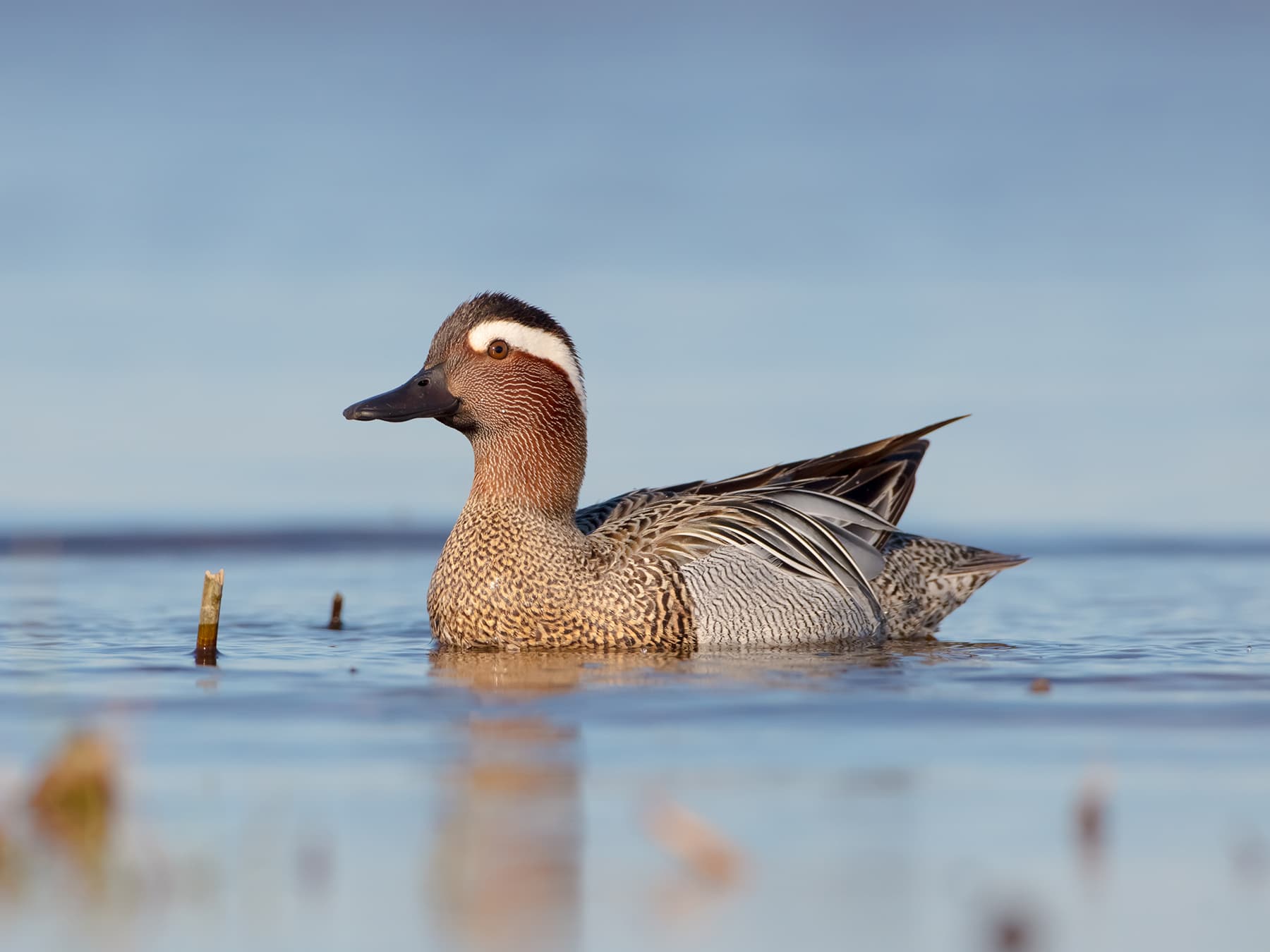
Garganey
Spatula querquedulaLC
A rare summer visitor breeding on shallow pools and marshes. Present from March to October, scarce nationally.
Mar–Oct
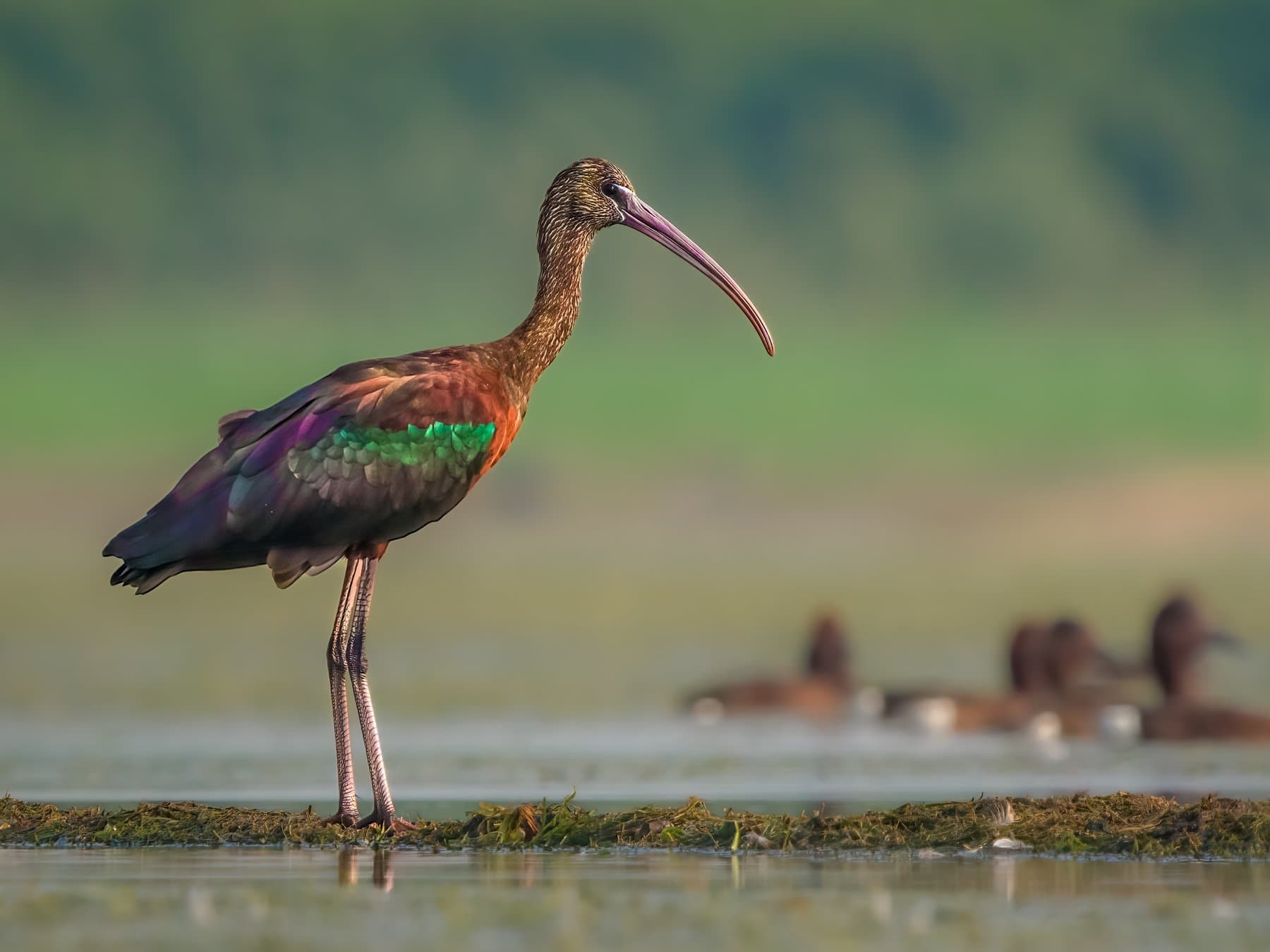
Glossy Ibis
Plegadis falcinellusLC
A rare passage visitor, occasionally turning up at wetland sites in summer and early autumn. A striking find reflecting the species' northward spread.
Jun–Sep
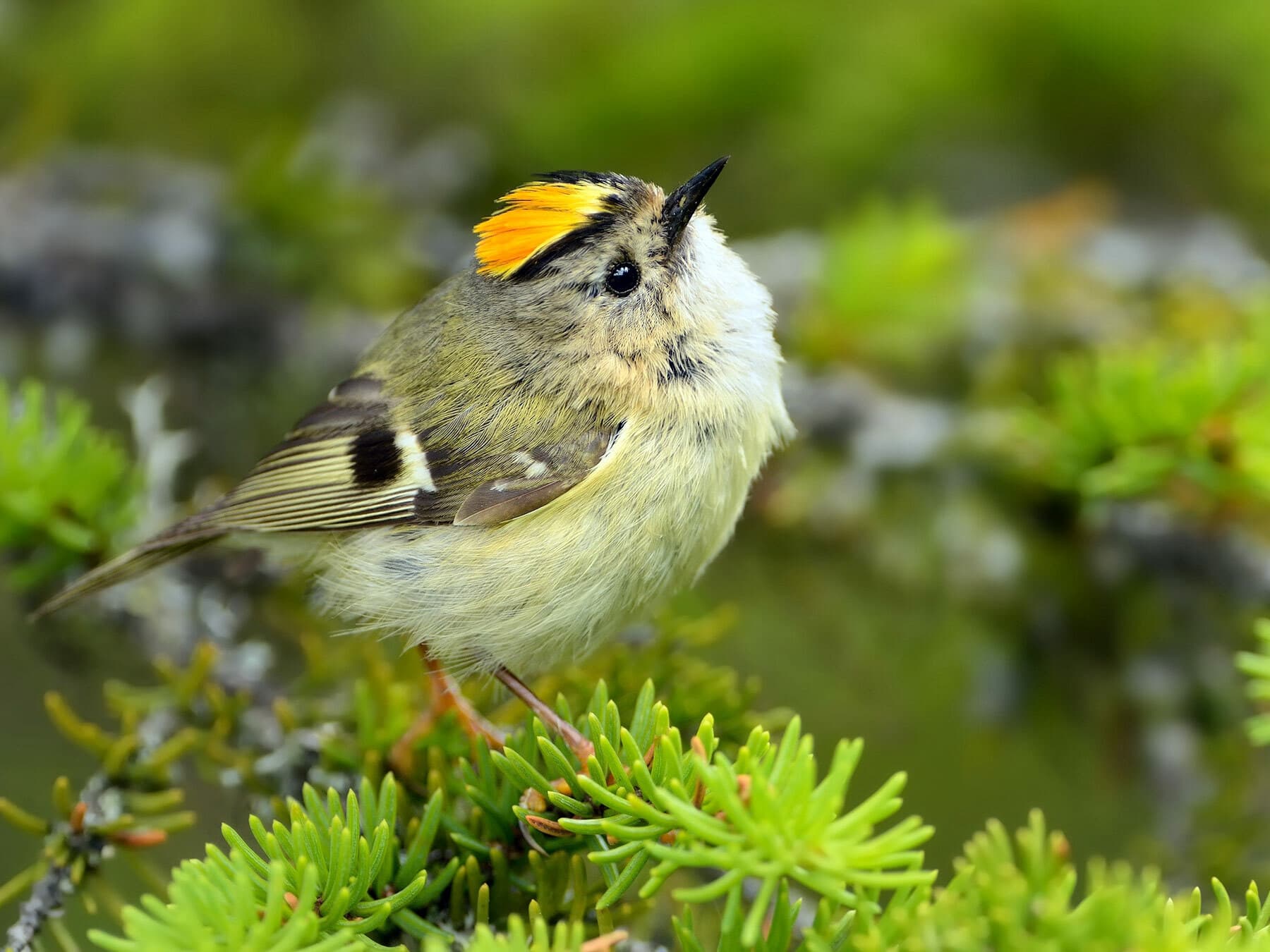
Goldcrest
Regulus regulusLC
Britain's smallest bird, a common resident in coniferous and mixed woodland. Numbers are boosted in autumn by Continental immigrants.
Year-round
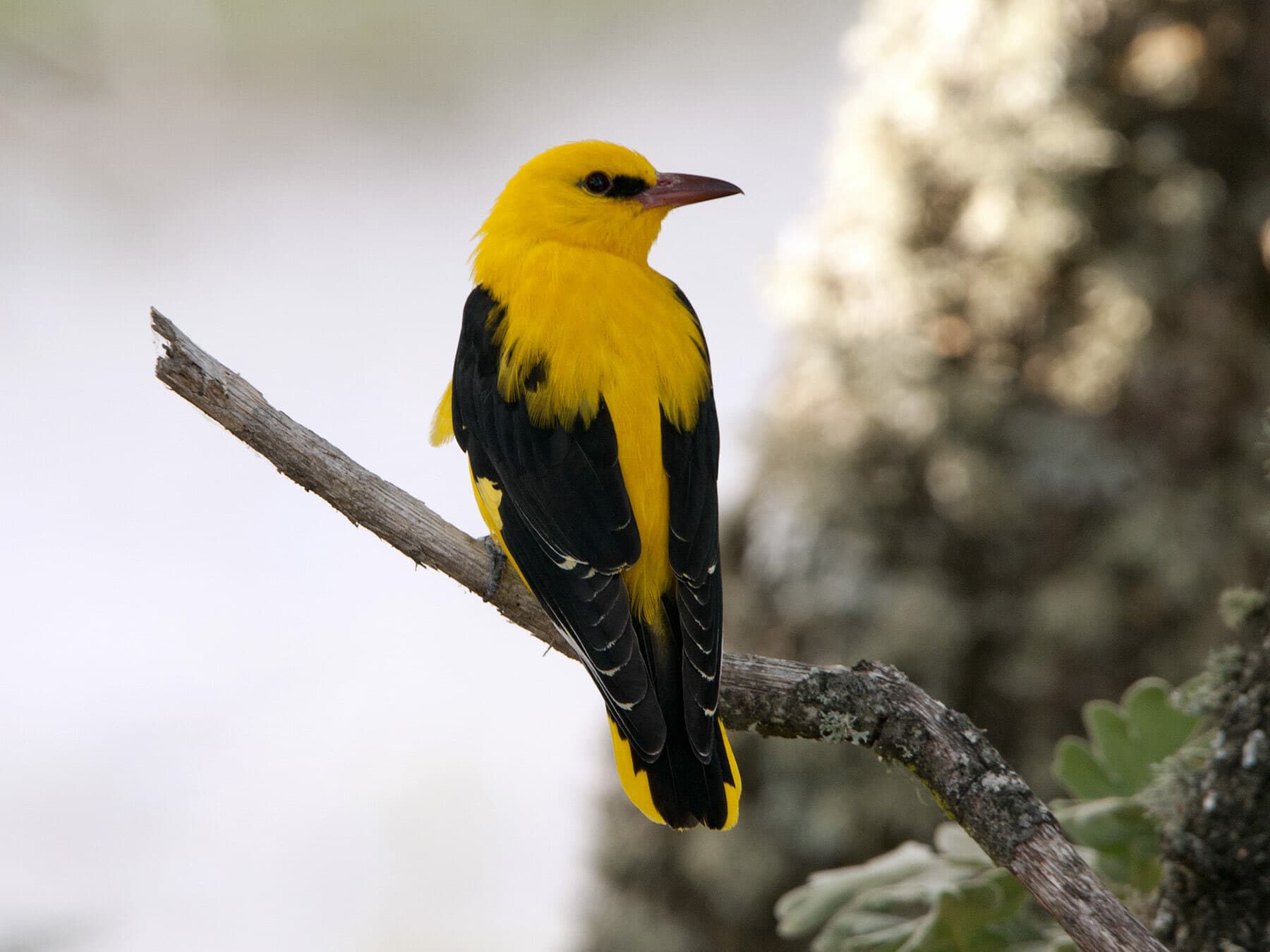
Golden Oriole
Oriolus oriolusLC
A very rare spring passage migrant, occasionally heard or glimpsed in mature woodland canopy in May.
May
Spotted something?
Upload a photo to identify it
Identify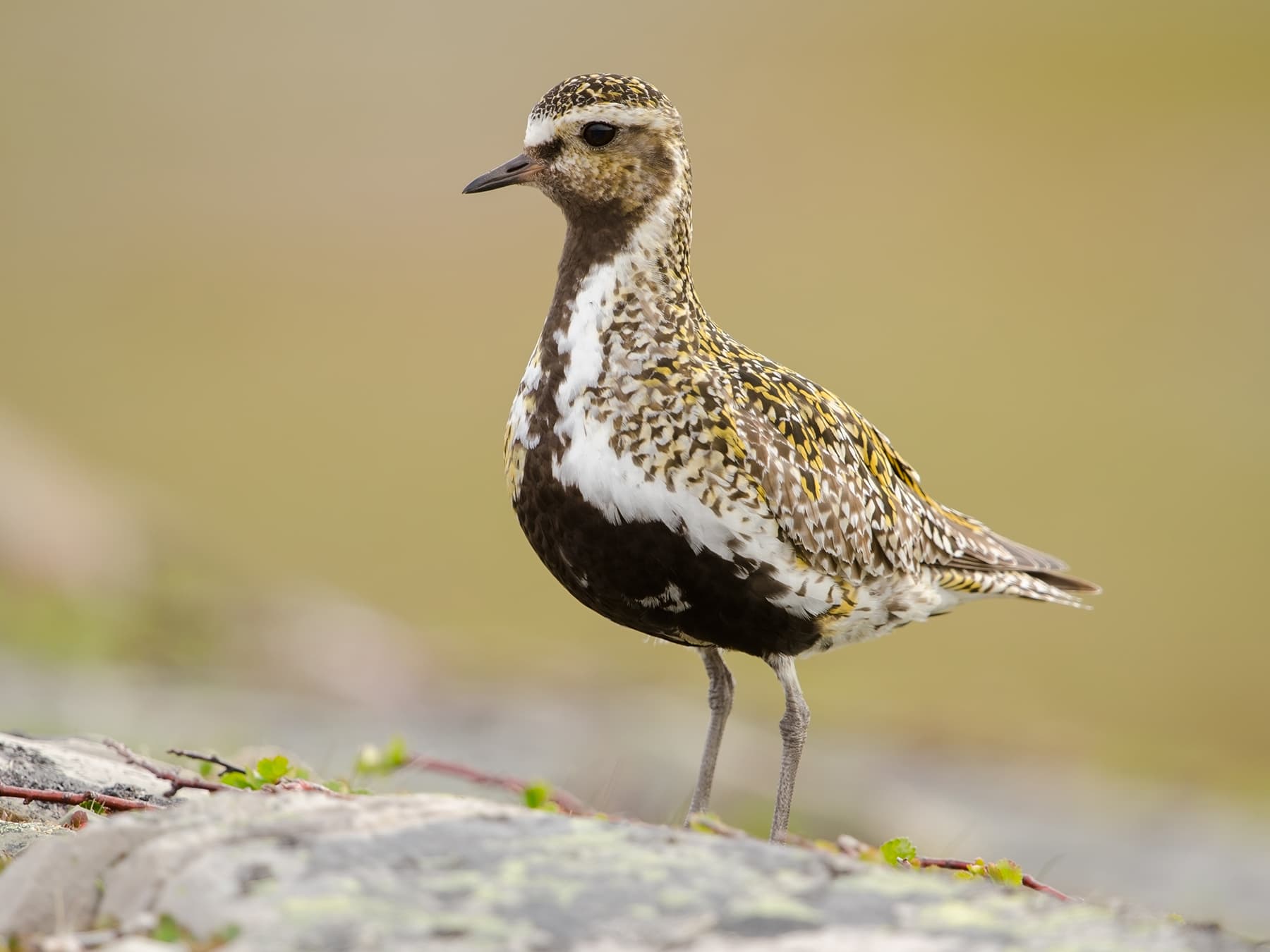
Golden Plover
Pluvialis apricariaLC
A rare non-breeding visitor to ploughed fields and floodplain grasslands, mainly seen in winter and early spring.
Sep–Apr
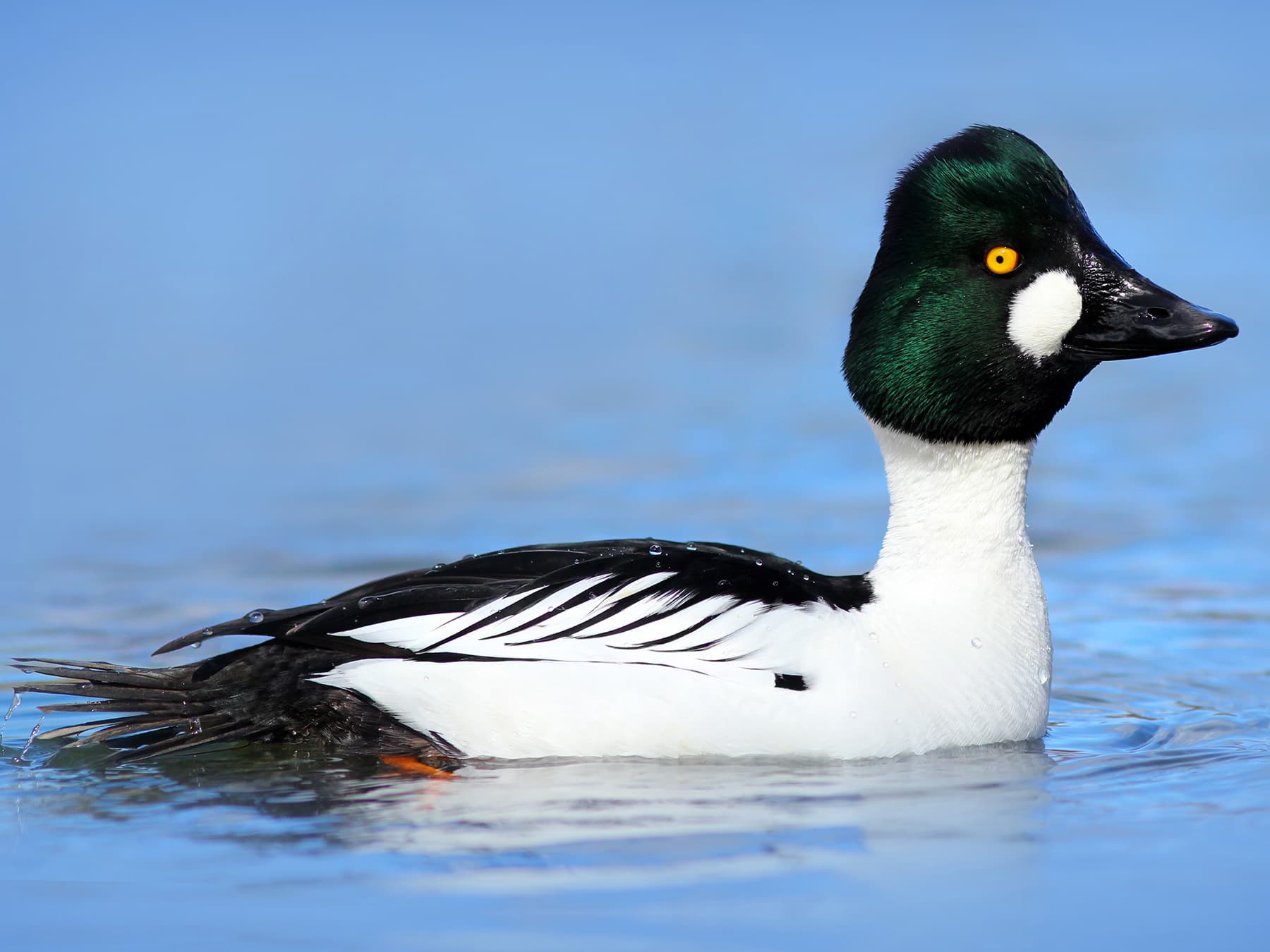
Goldeneye
Bucephala clangulaLC
An uncommon winter visitor to reservoirs and gravel pits from November to April. Males are striking in black and white.
Nov–Apr
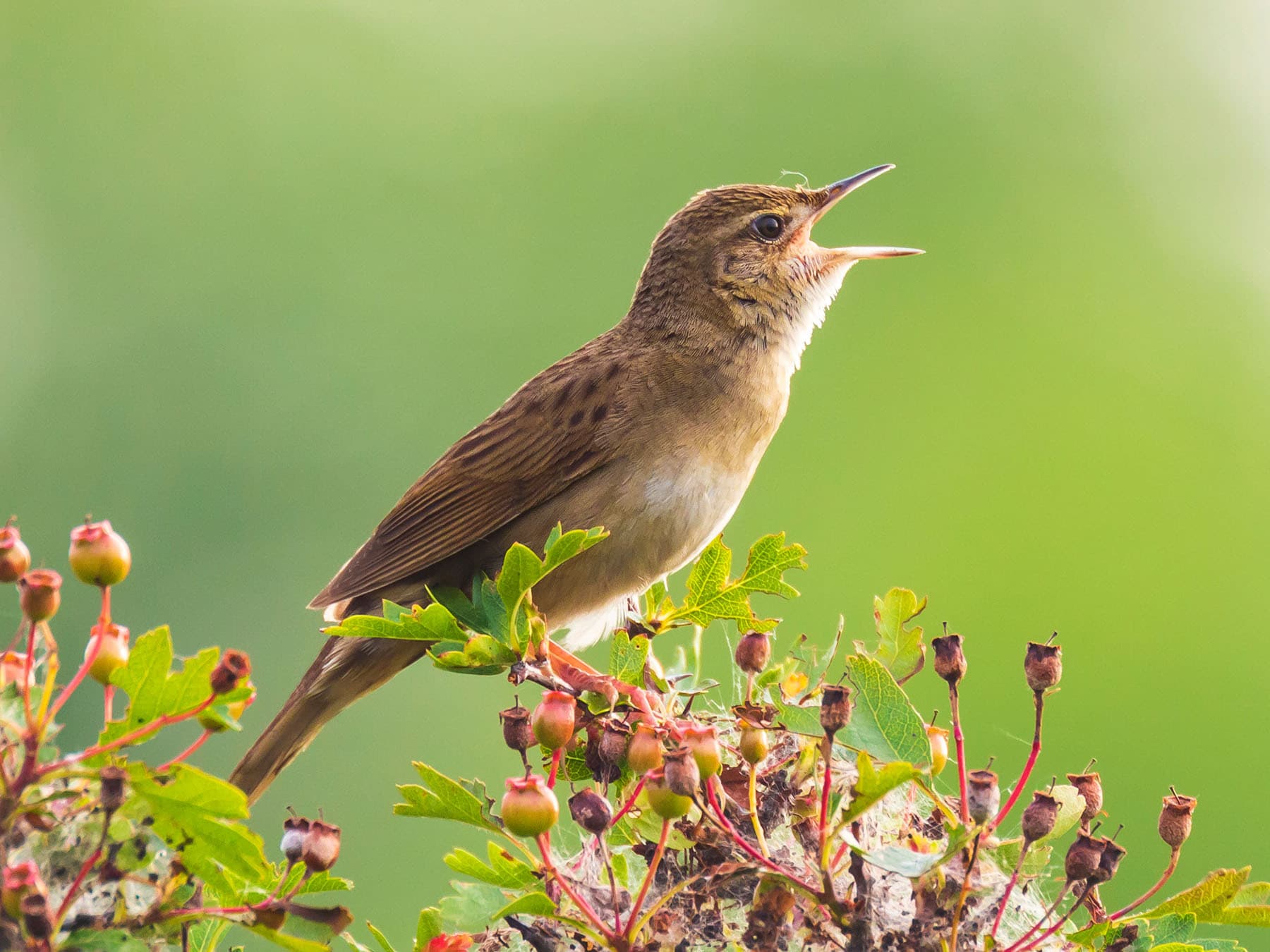
Grasshopper Warbler
Locustella naeviaLC
A rare and declining breeding visitor from April to July. Its insect-like reeling song is best heard at dawn in scrubby grassland and young plantations.
Apr–Jul
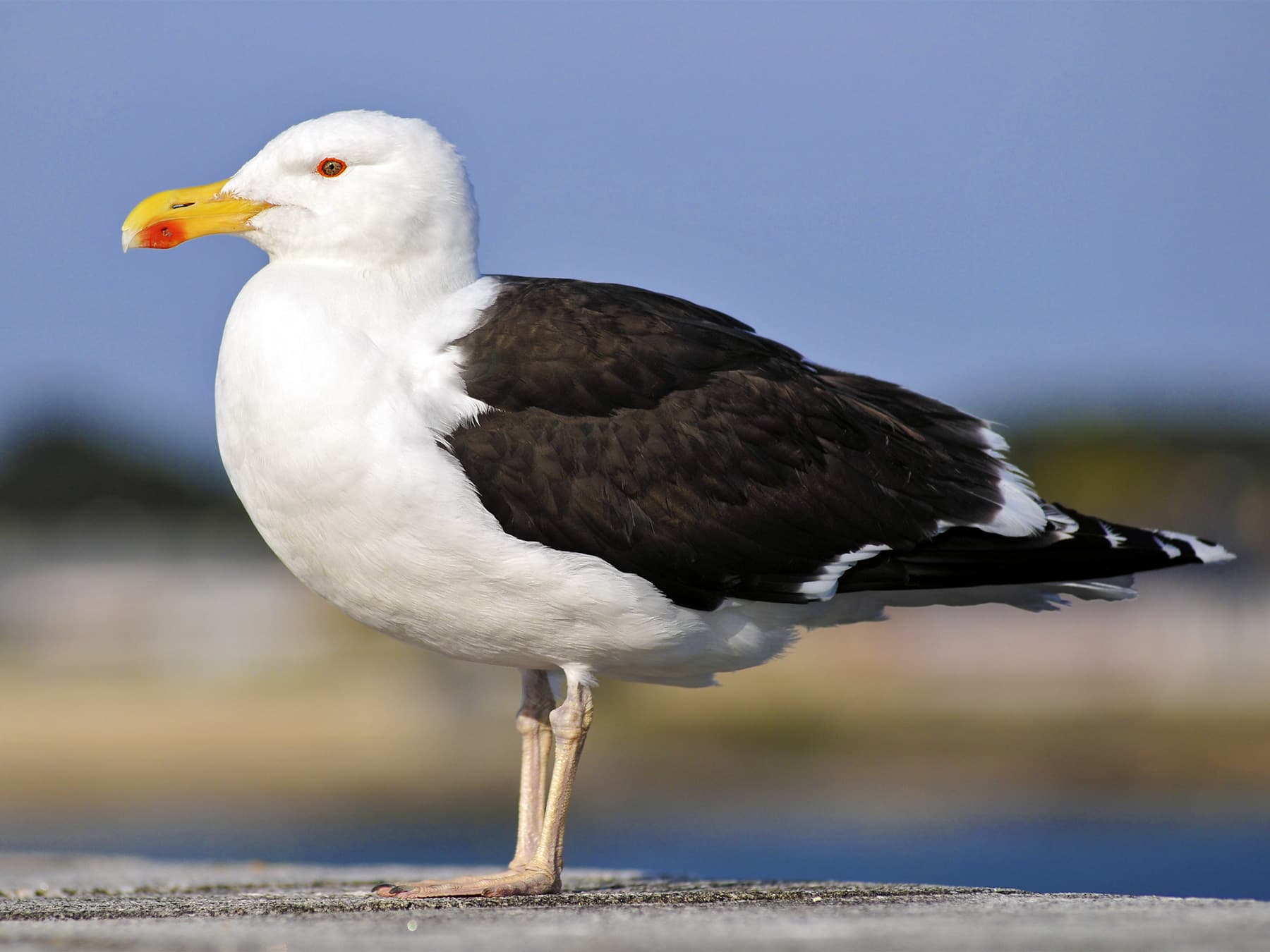
Great Black-backed Gull
Larus marinusLC
A scarce resident, occasionally seen at reservoirs and landfill sites, more frequent in winter months.
Dec–Sep
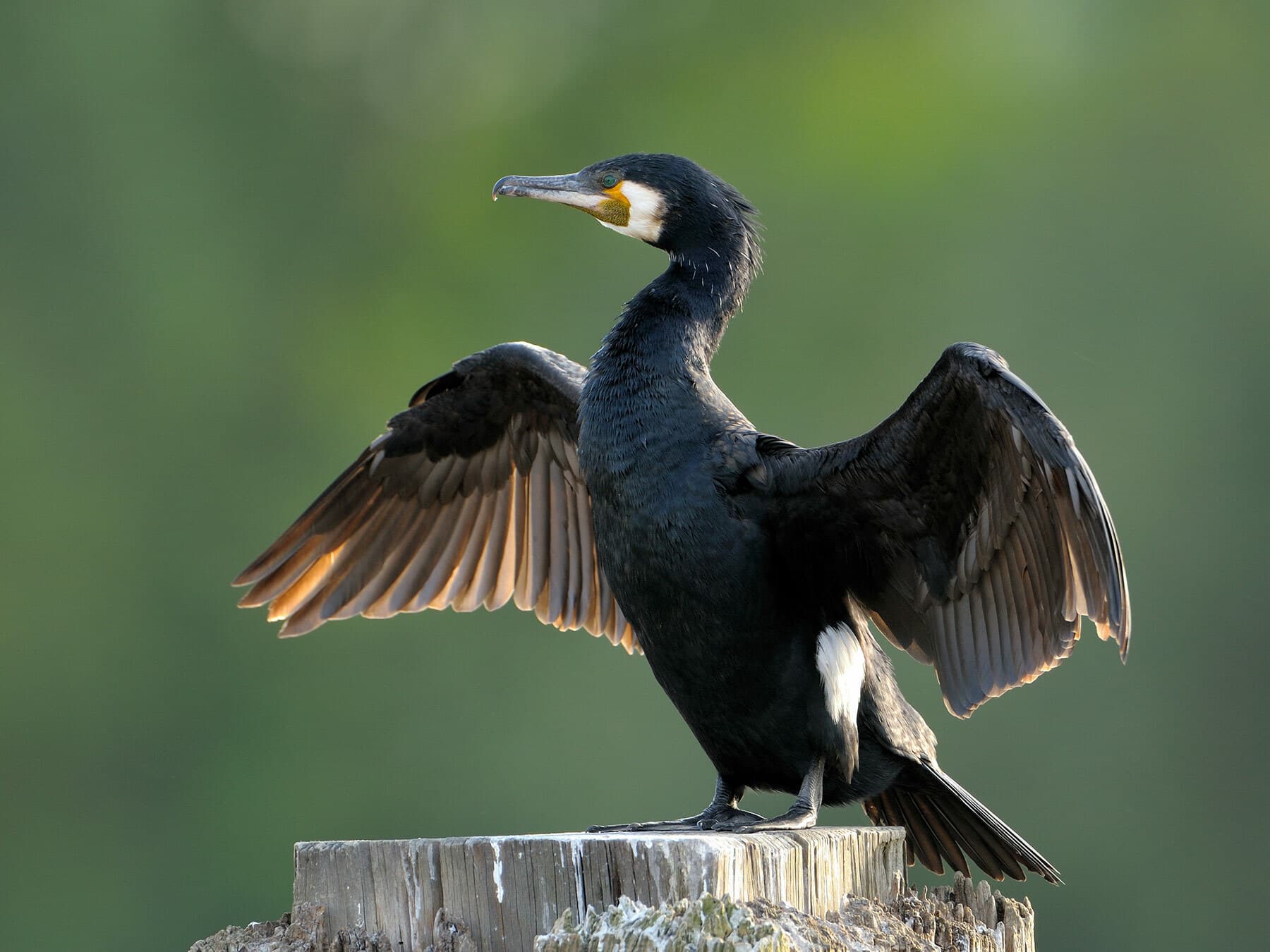
Great Cormorant
Phalacrocorax carboLC
Common along the River Severn and at reservoirs throughout the year. Often seen perched with wings outstretched on bankside trees and posts.
Year-round
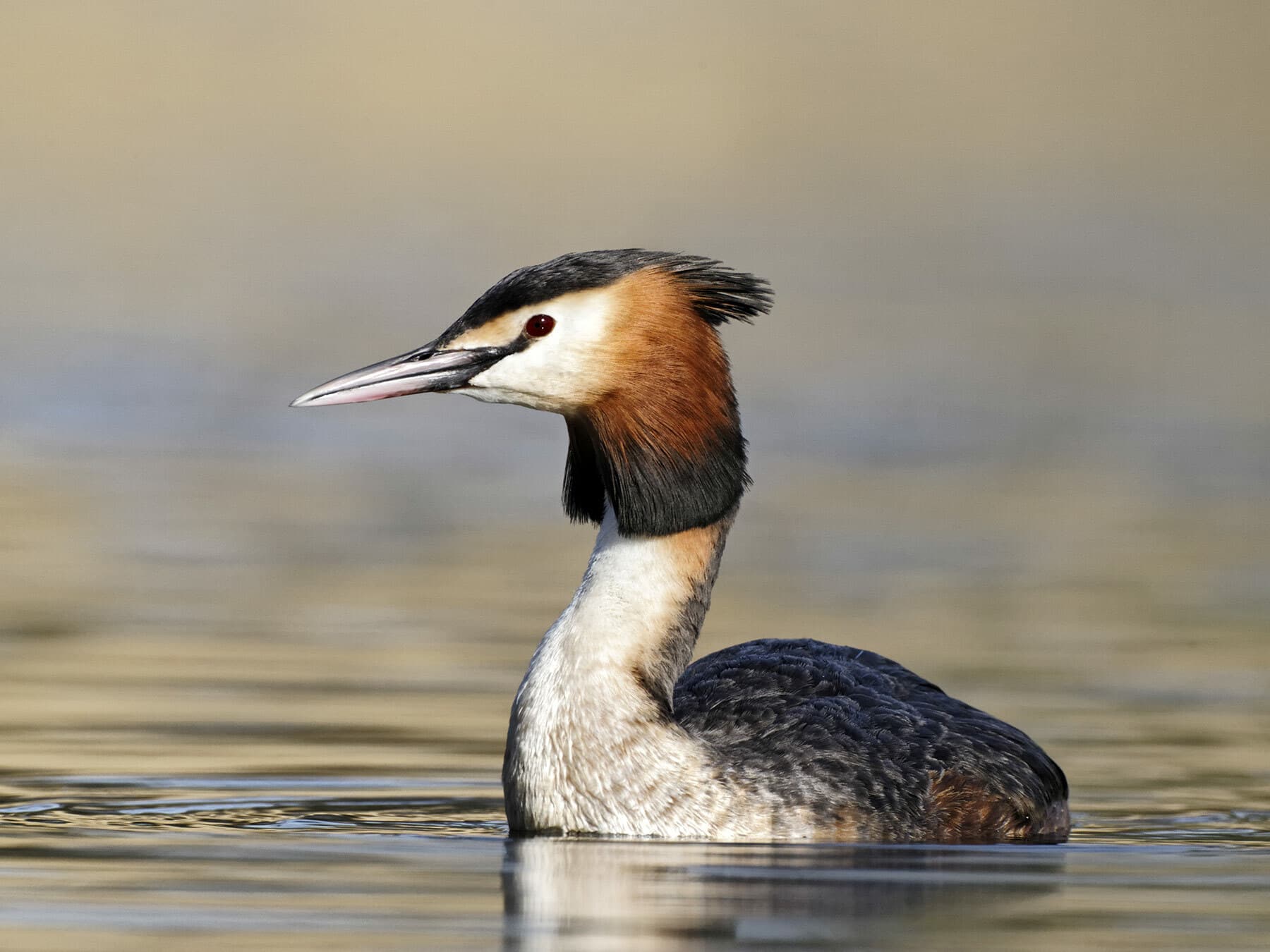
Great Crested Grebe
Podiceps cristatusLC
A common resident on larger pools, reservoirs, and gravel pits throughout the year. Elaborate courtship displays are a highlight in early spring.
Year-round
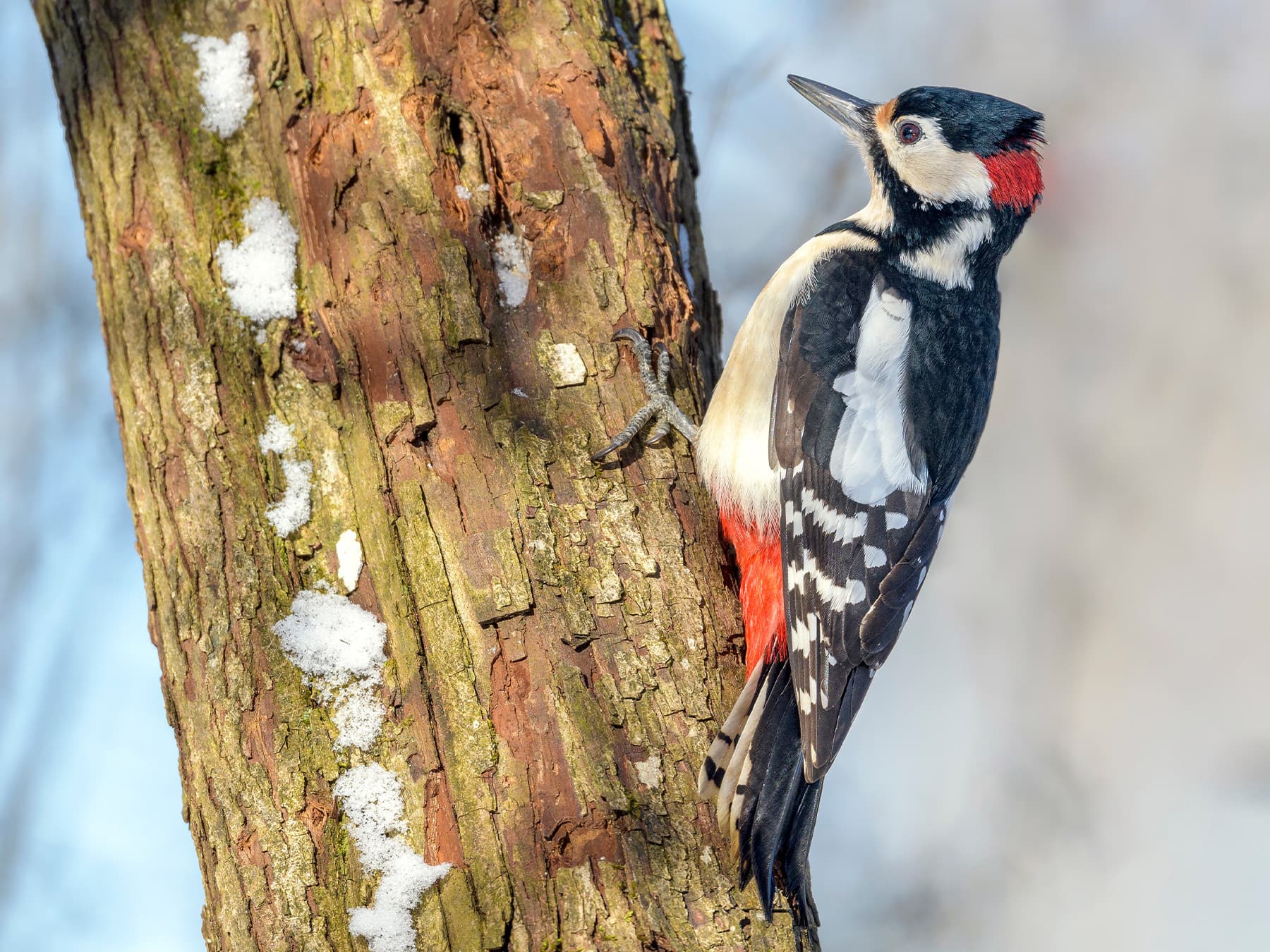
Great Spotted Woodpecker
Dendrocopos majorLC
Common in woodlands, parks and mature gardens year-round. Its loud drumming in late winter signals the start of the breeding season.
Year-round
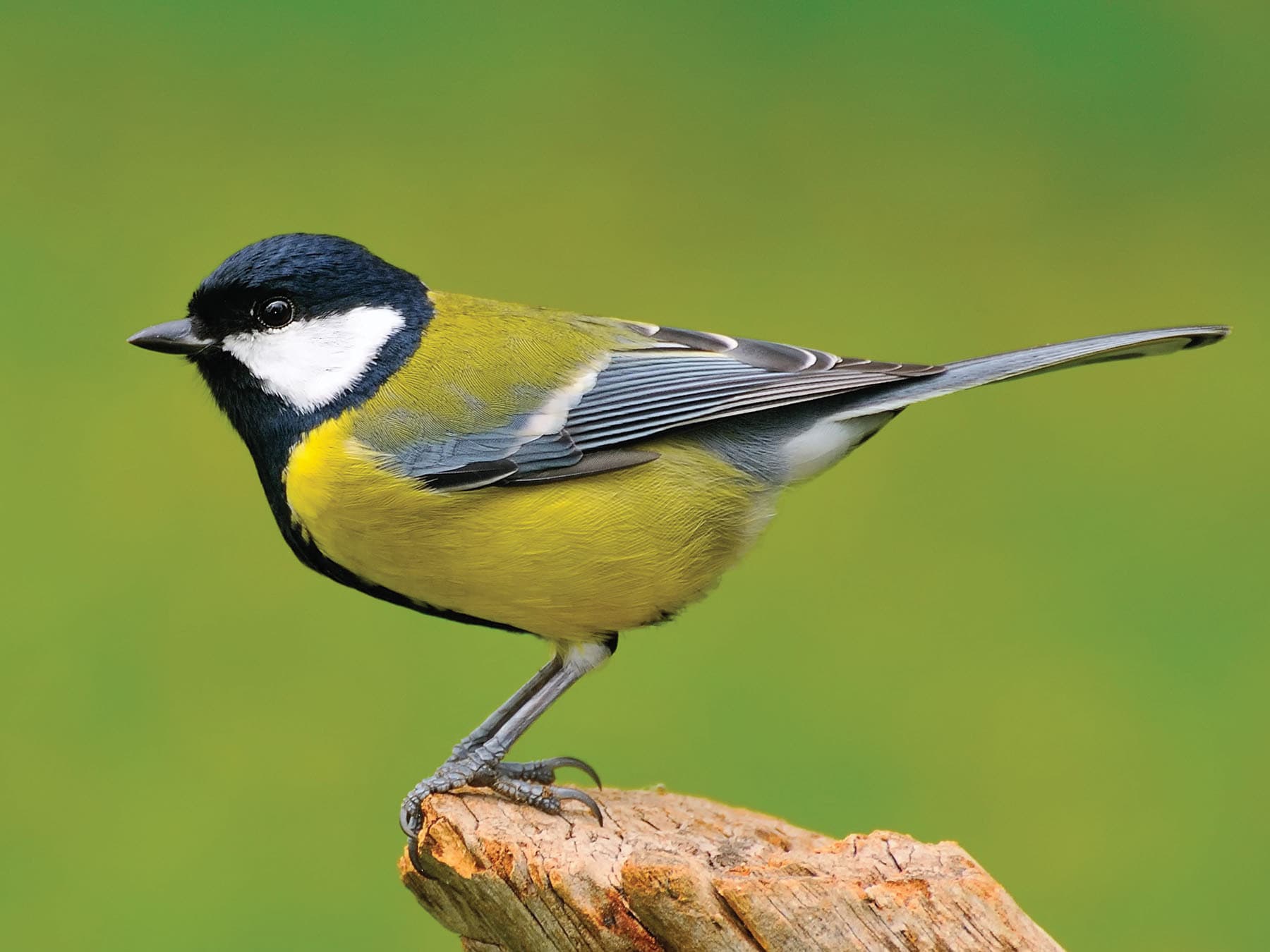
Great Tit
Parus majorLC
A bold and familiar garden visitor throughout the county all year. Its loud, ringing 'teacher-teacher' song is one of the earliest signs of spring.
Year-round
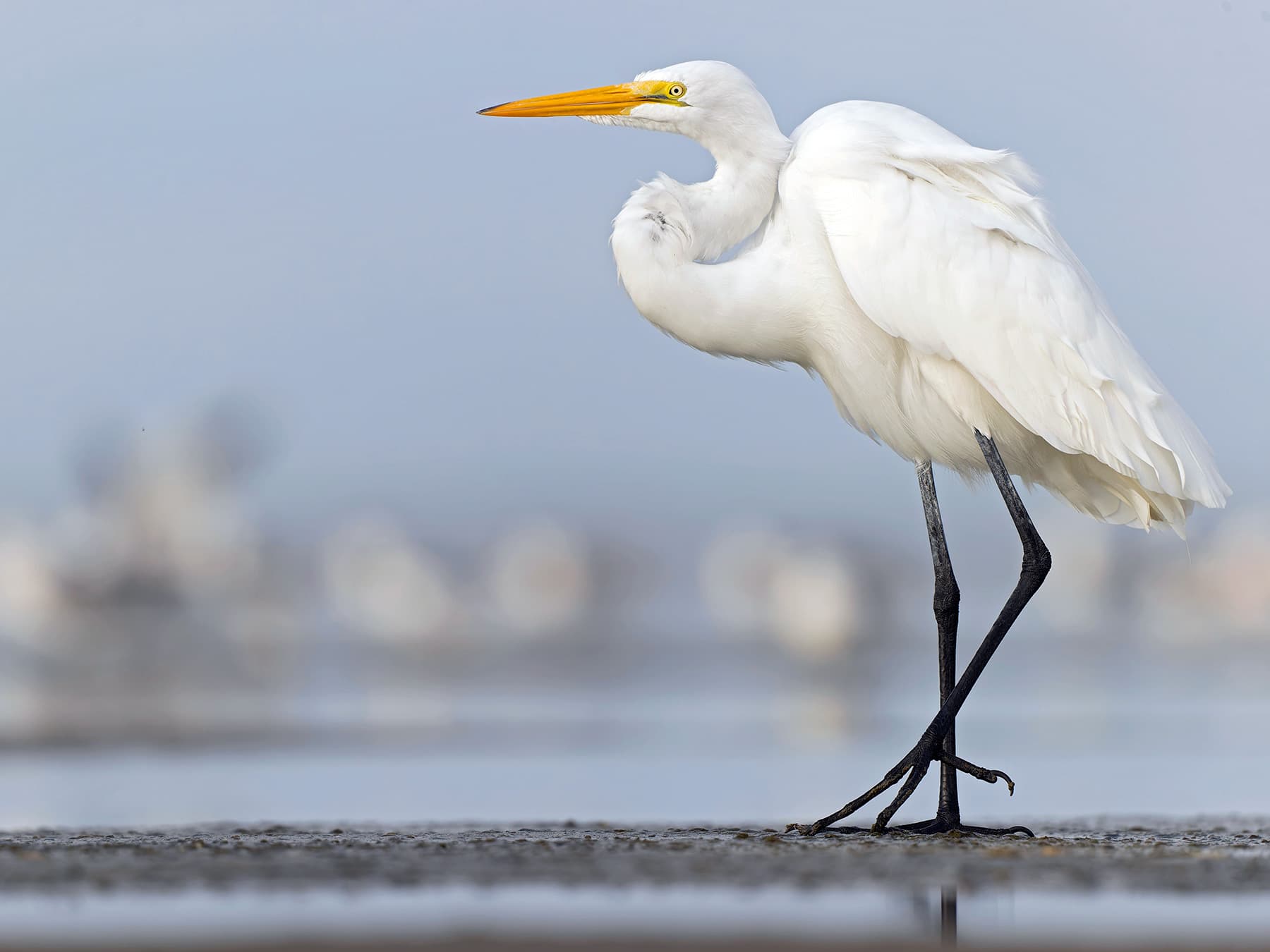
Great White Egret
Ardea albaLC
An increasingly regular sight at wetlands and river valleys year-round. Part of a wider UK colonisation, now seen at sites across the county.
Jul–May
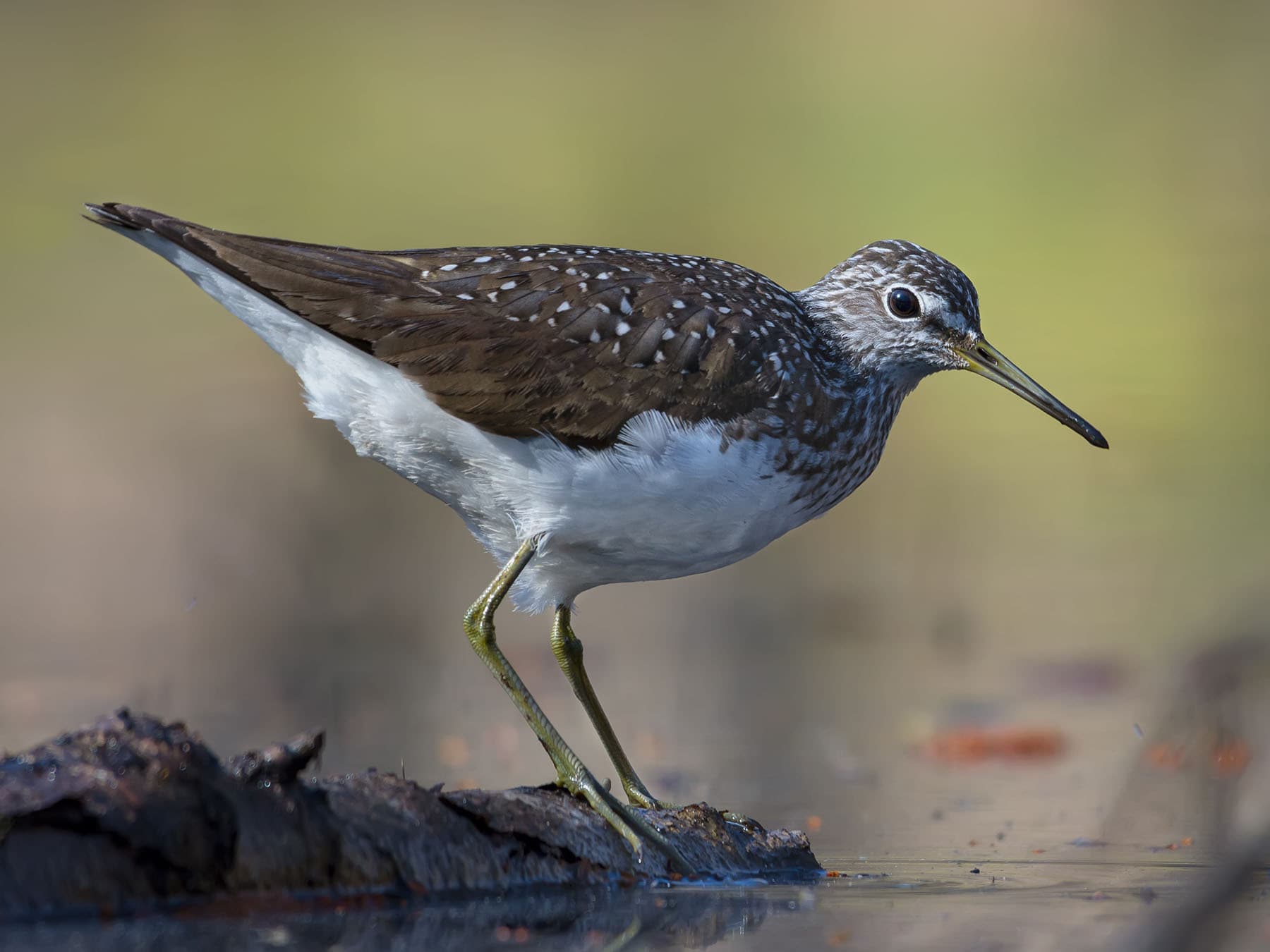
Green Sandpiper
Tringa ochropusLC
An uncommon visitor found at pools, ditches and waterlogged fields almost year-round. Often solitary and easily flushed from cover.
Jun–Apr
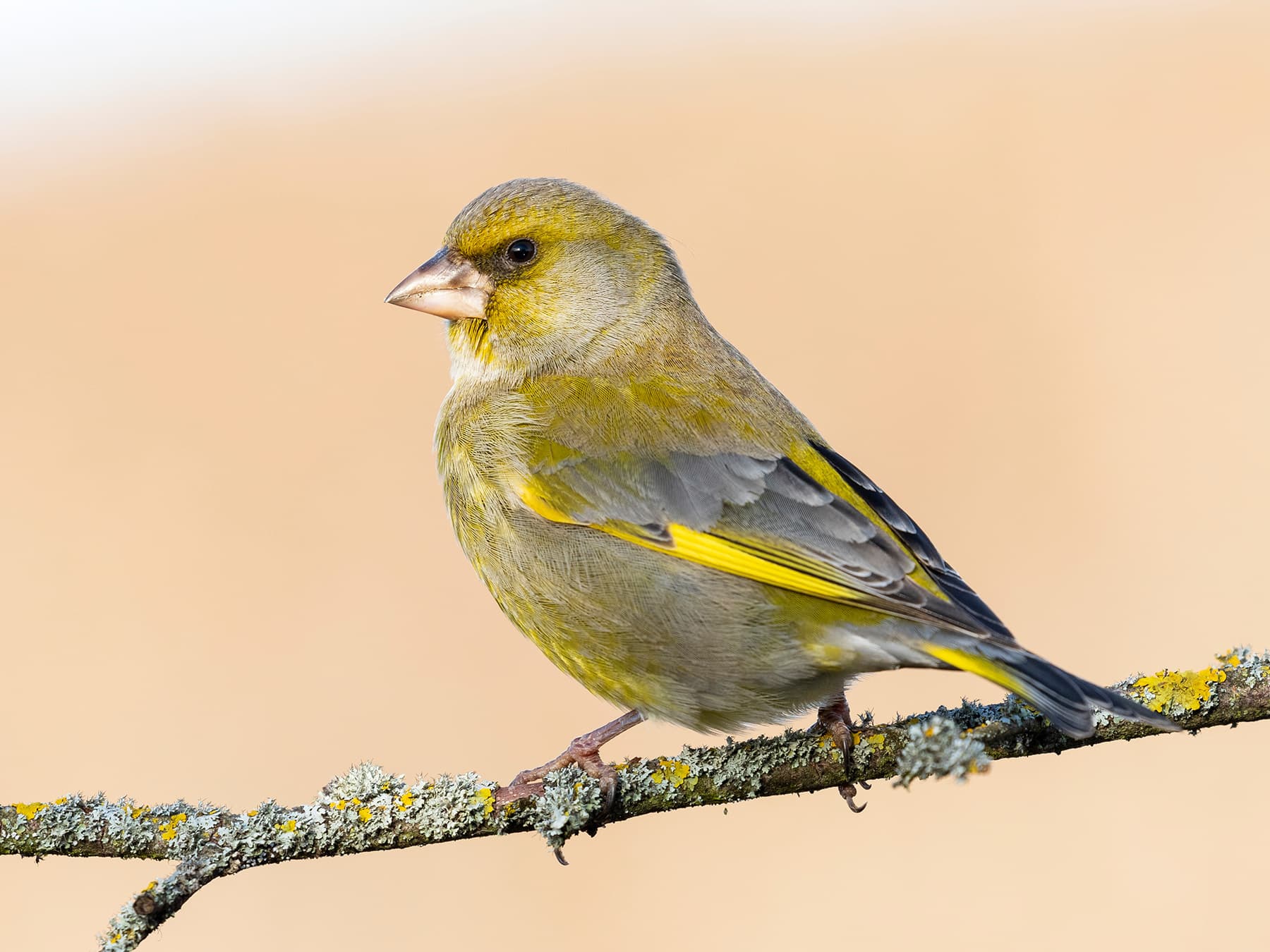
Greenfinch
Chloris chlorisLC
A common year-round resident of gardens, hedgerows and farmland. Numbers have declined significantly due to disease, though still regularly seen at feeders.
Year-round
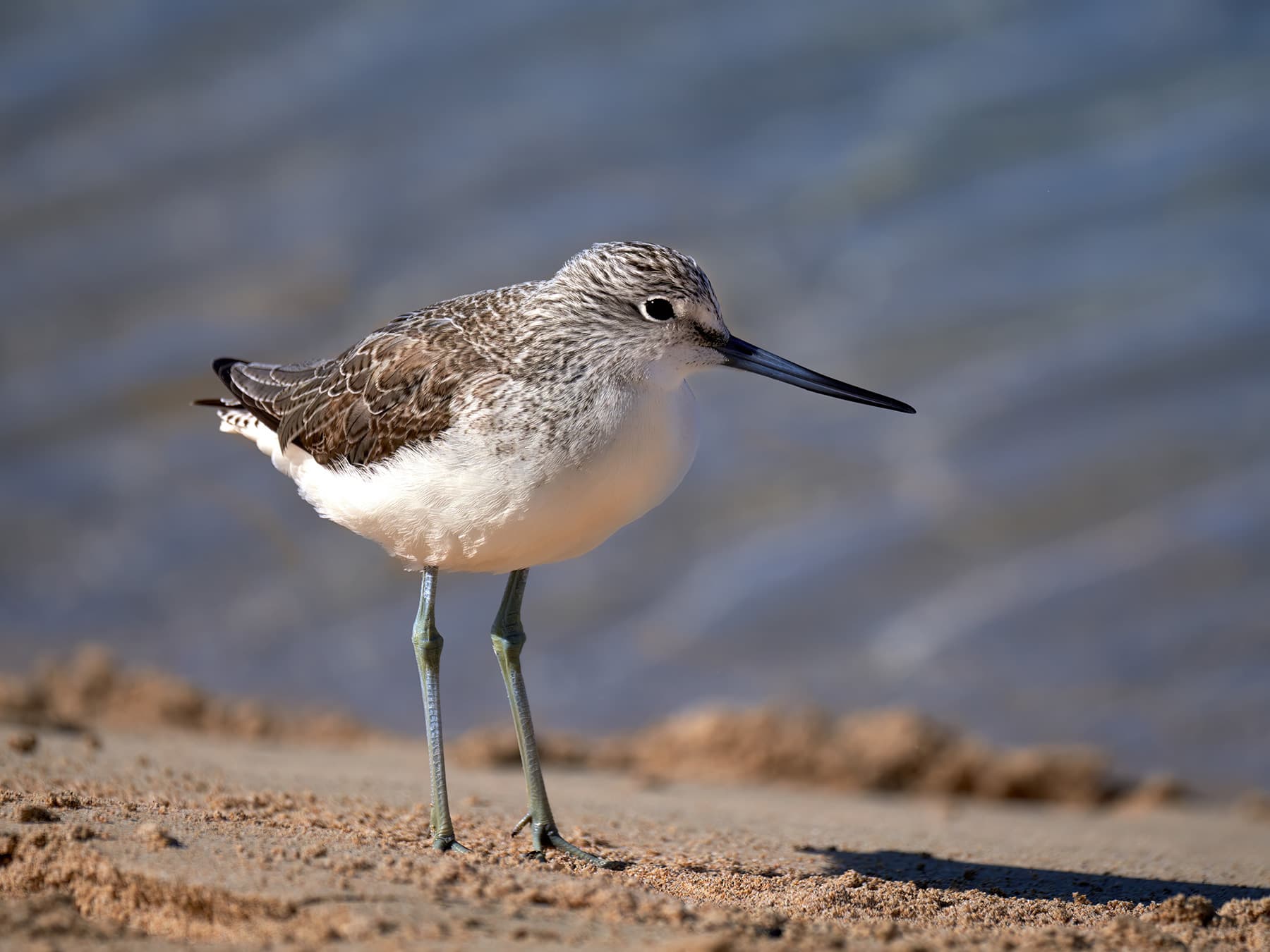
Greenshank
Tringa nebulariaLC
A rare breeder and passage bird, seen at reservoir edges and flooded gravel pits mainly from April to October. Distinctive ringing call in flight.
Apr–Oct
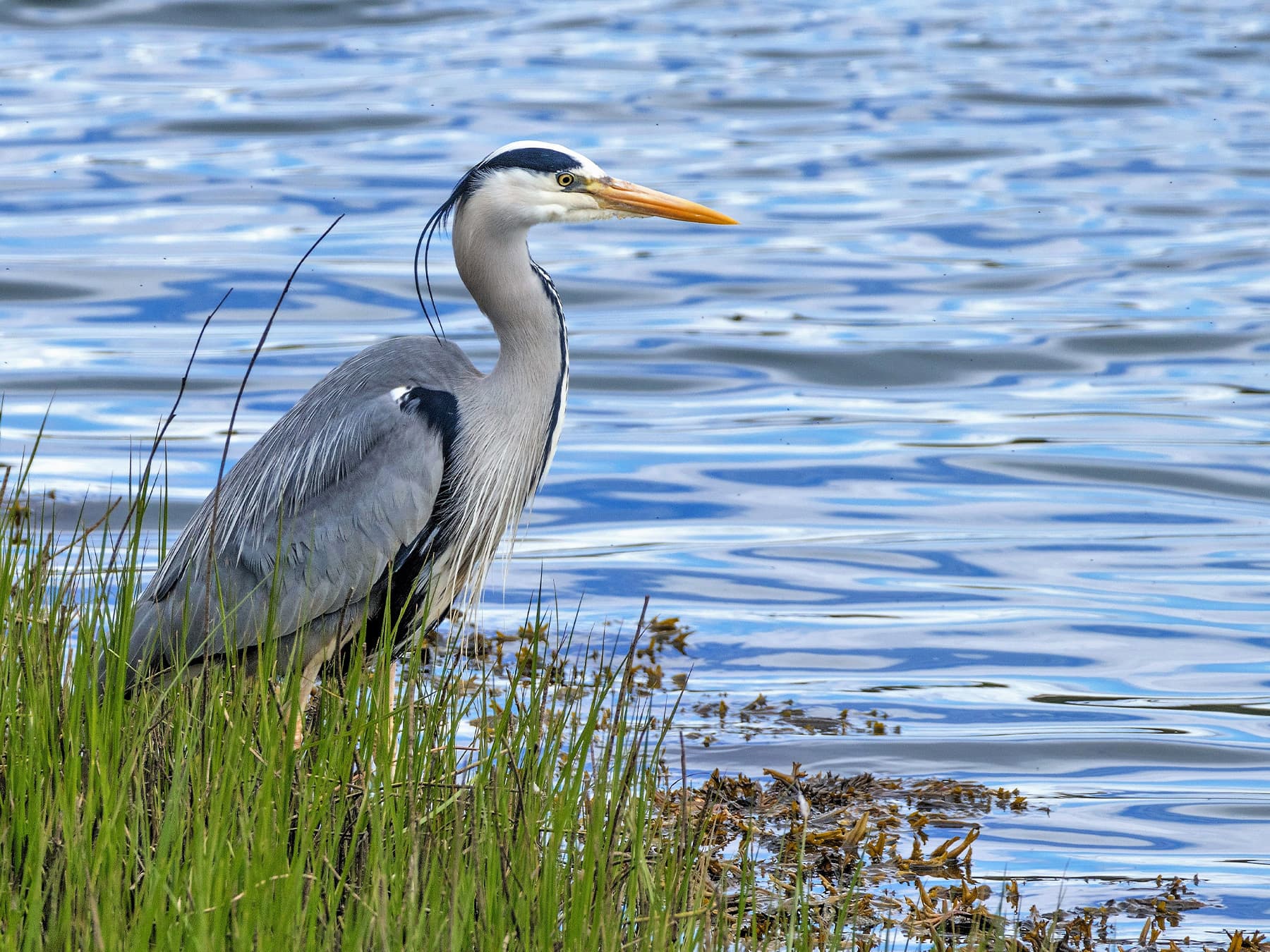
Grey Heron
Ardea cinereaLC
A familiar year-round resident, nesting in heronries along the Severn and Teme valleys. Readily seen stalking fish at pools and waterways countywide.
Year-round
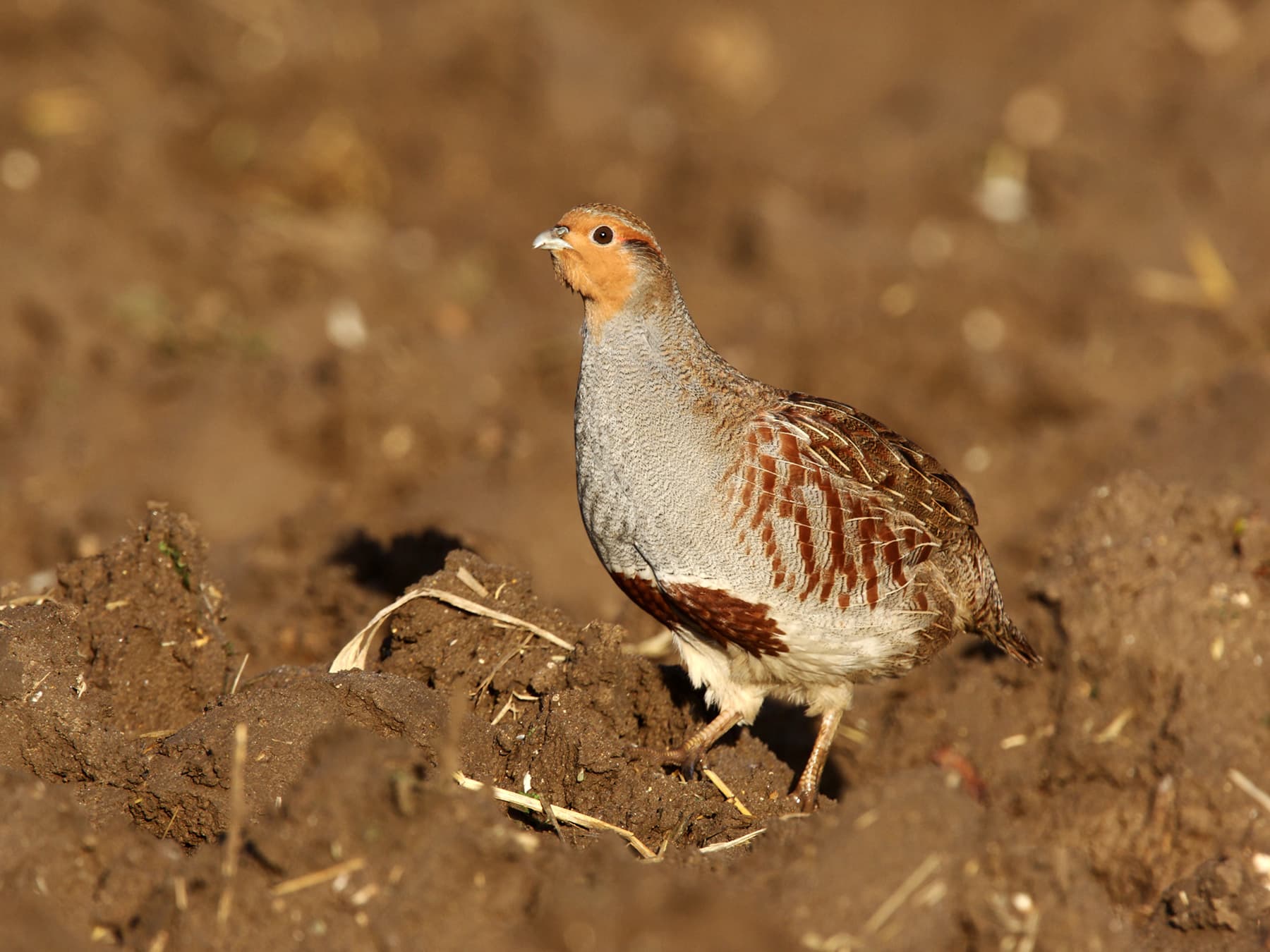
Grey Partridge
Perdix perdixLC
Now a rare bird in the county, reflecting severe national declines on farmland. Only occasionally recorded.
Dec
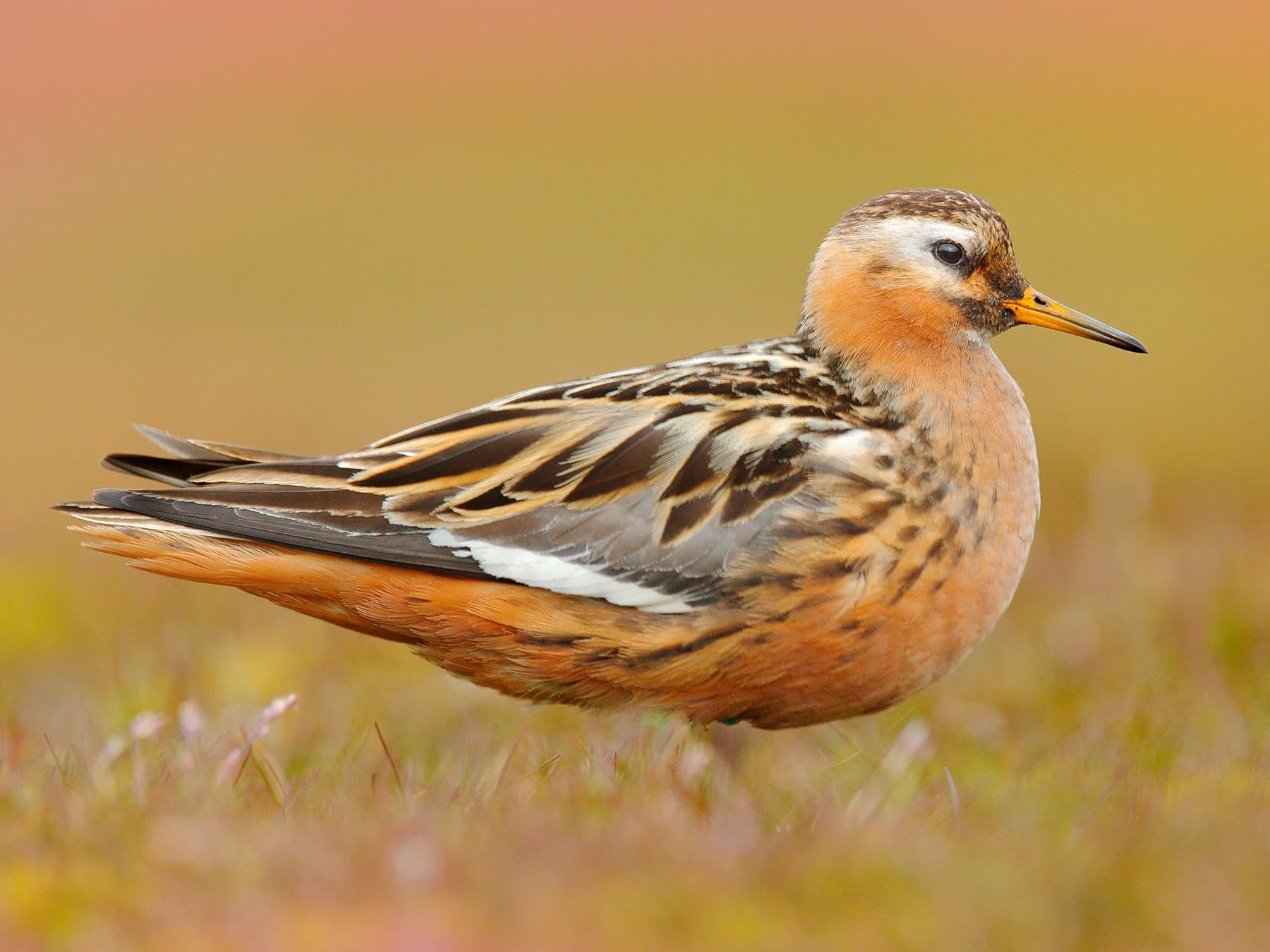
Grey Phalarope
Phalaropus fulicariusLC
A rare autumn vagrant, typically storm-driven inland to reservoirs and pools in September. A notable find for any Worcestershire birder.
Sep