Birds in West Yorkshire
Explore 185 species found in this region.
West Yorkshire supports a rich diversity of birdlife, with 182 species recorded across its varied landscapes of upland moorland, river valleys, reservoirs, and urban parklands. From the iconic Northern Lapwing displaying over farmland to wintering flocks of Pink-footed Geese and the striking Mandarin Duck found on sheltered waterways, the county offers rewarding birding throughout the year. Key habitats include the Pennine moorlands to the west, the Aire and Calder river corridors, and numerous reservoirs that attract both breeding and passage species.
Visiting in September? Look out for Black Tern and Common Redpoll arriving this month, and Avocet and Barnacle Goose depart for the season.


Showing 162–184 of 185 species
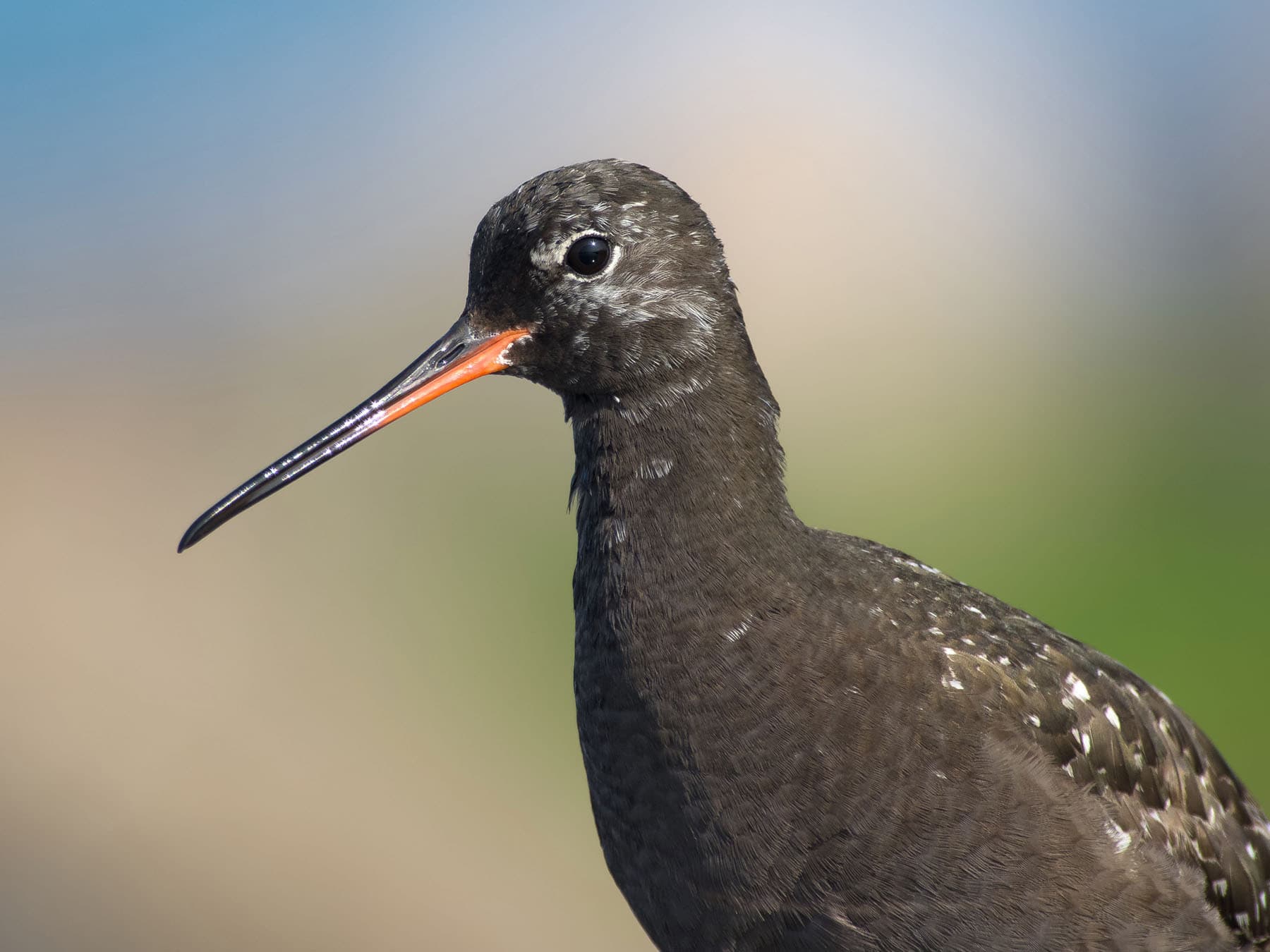
Spotted Redshank
Tringa erythropusLC
A rare autumn passage migrant, occasionally stopping at reservoirs and sewage works in September on its southward migration.
Sep
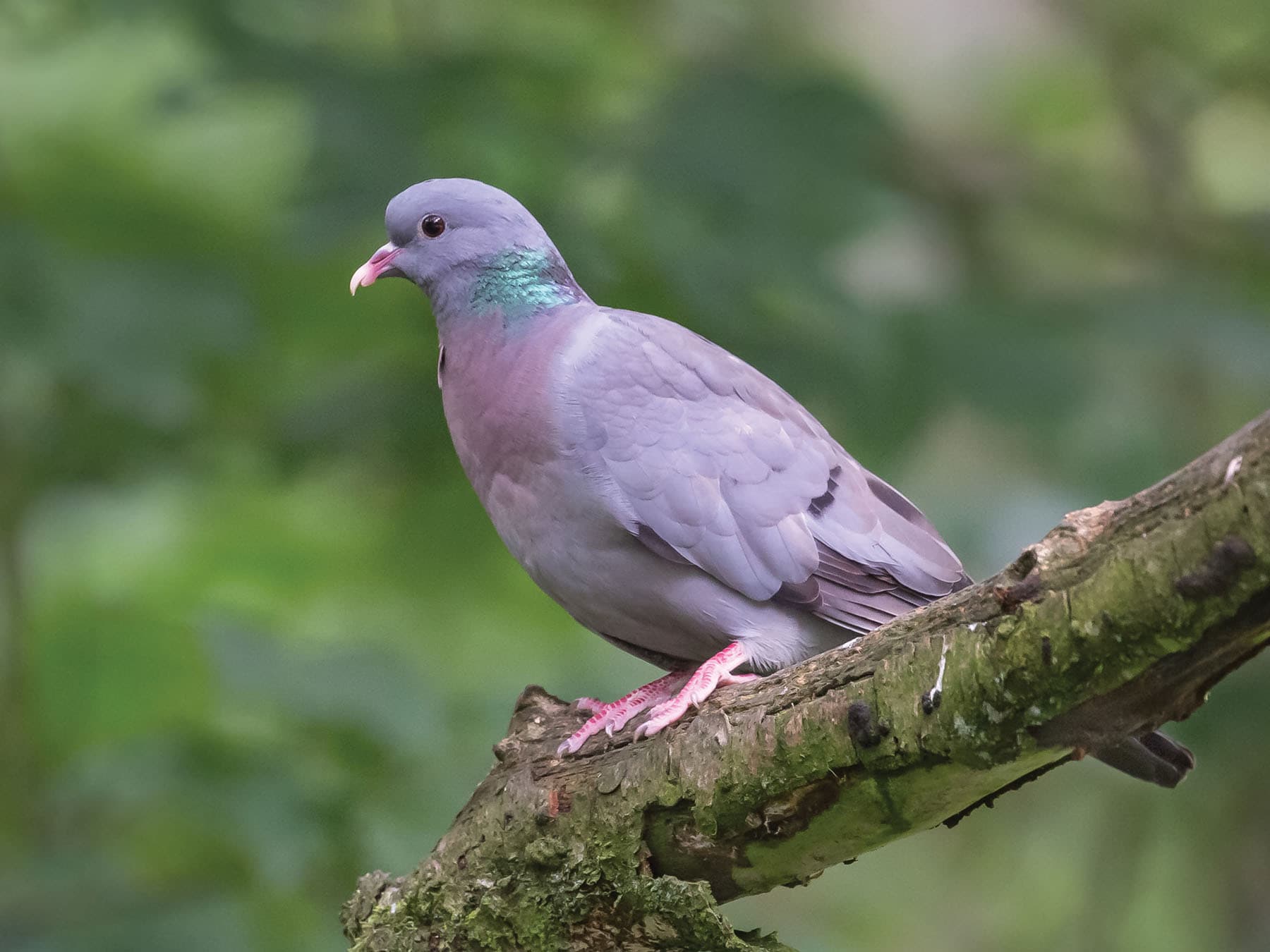
Stock Dove
Columba oenasLC
A common but often overlooked resident of farmland and parkland. Nests in tree holes and old buildings across the region year-round.
Year-round
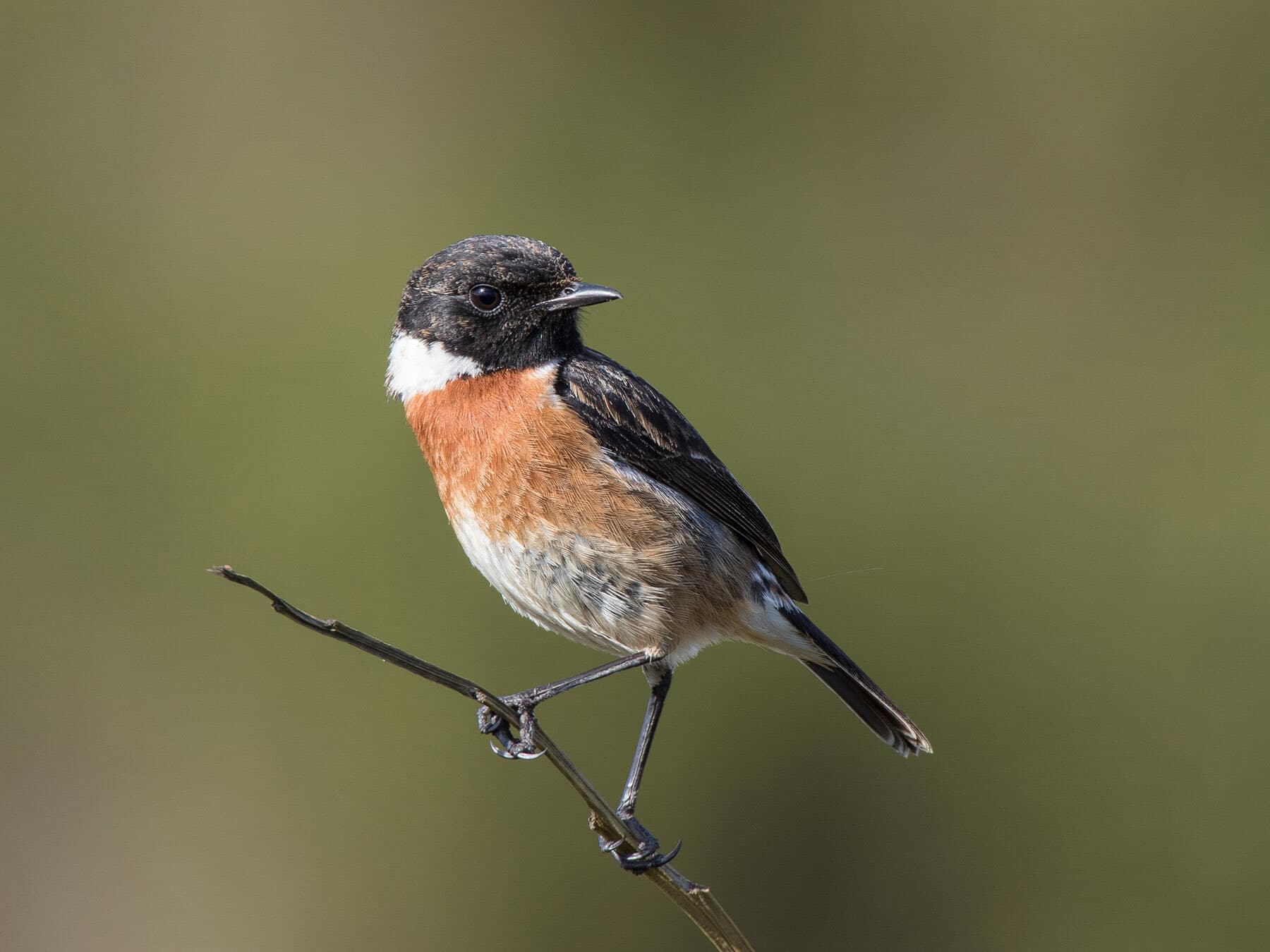
Stonechat
Saxicola torquatusLC
An uncommon resident of moorland edges and rough grassland, often perching prominently on gorse bushes and fence posts.
Year-round
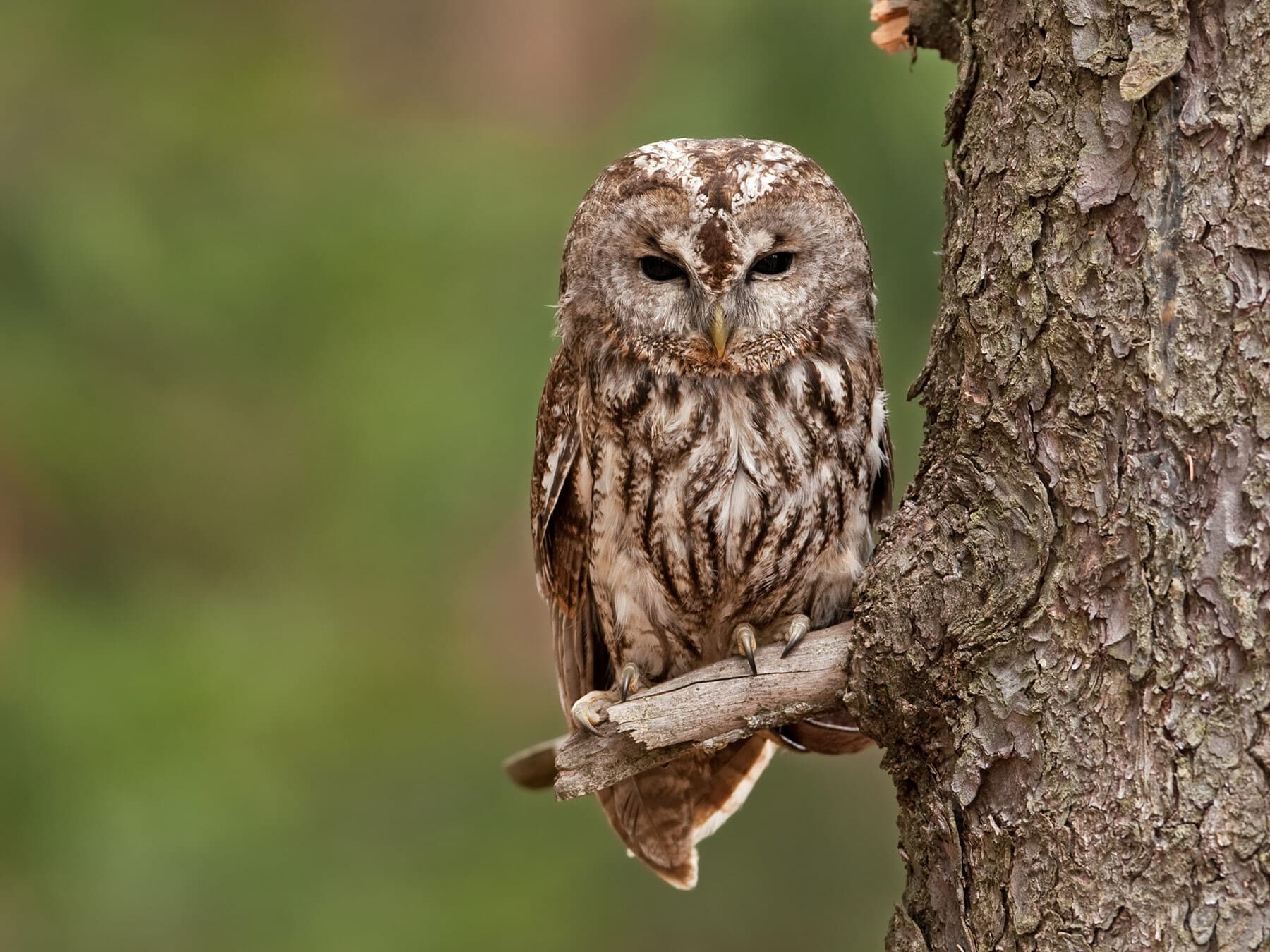
Tawny Owl
Strix alucoLC
A secretive resident of mature woodland and wooded parks, more often heard than seen. Its quavering hoot is a familiar night-time sound.
Year-round
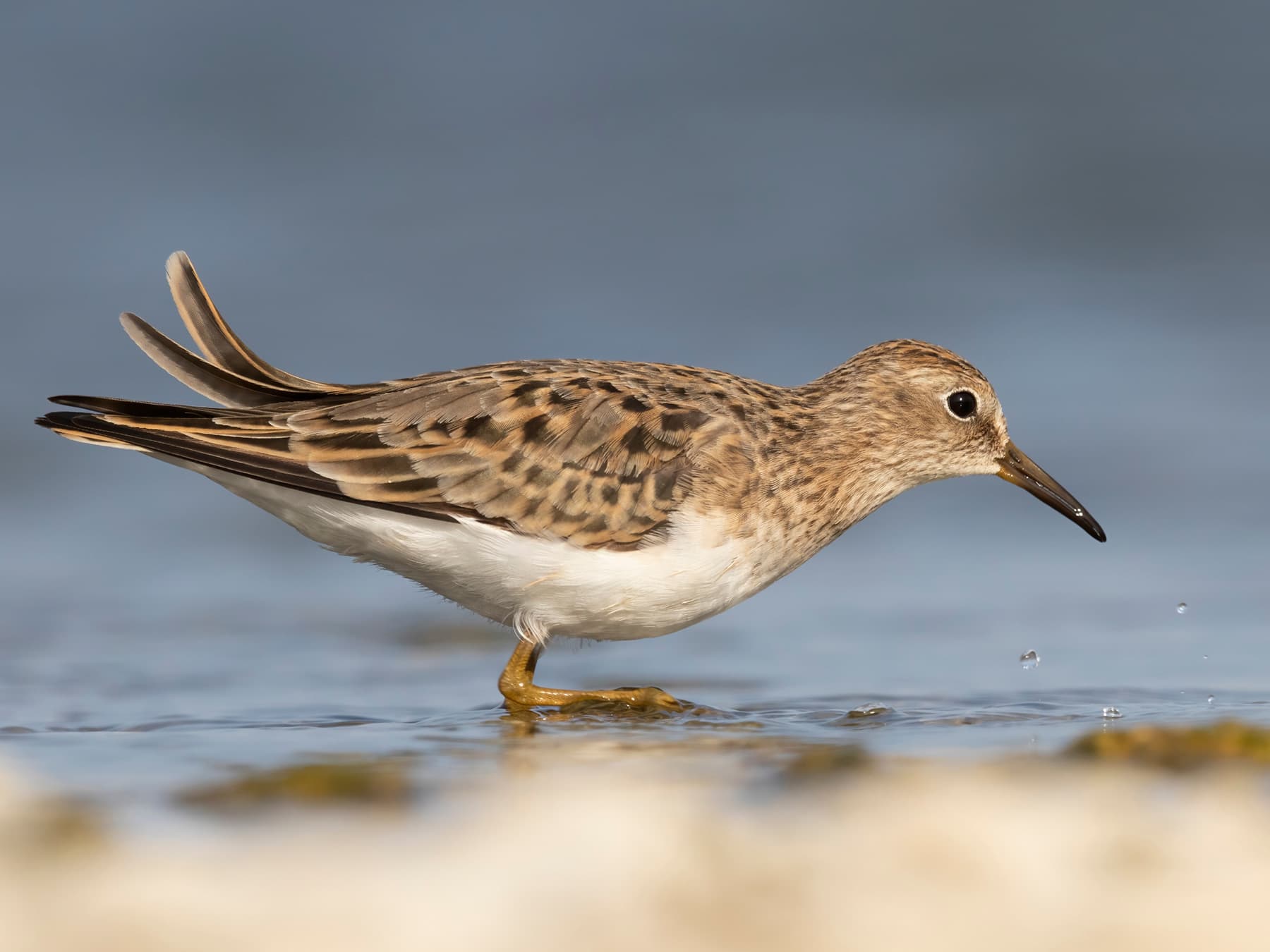
Temminck's Stint
Calidris temminckiiLC
A rare spring passage wader, very occasionally recorded at reservoir margins and muddy pools during May.
May
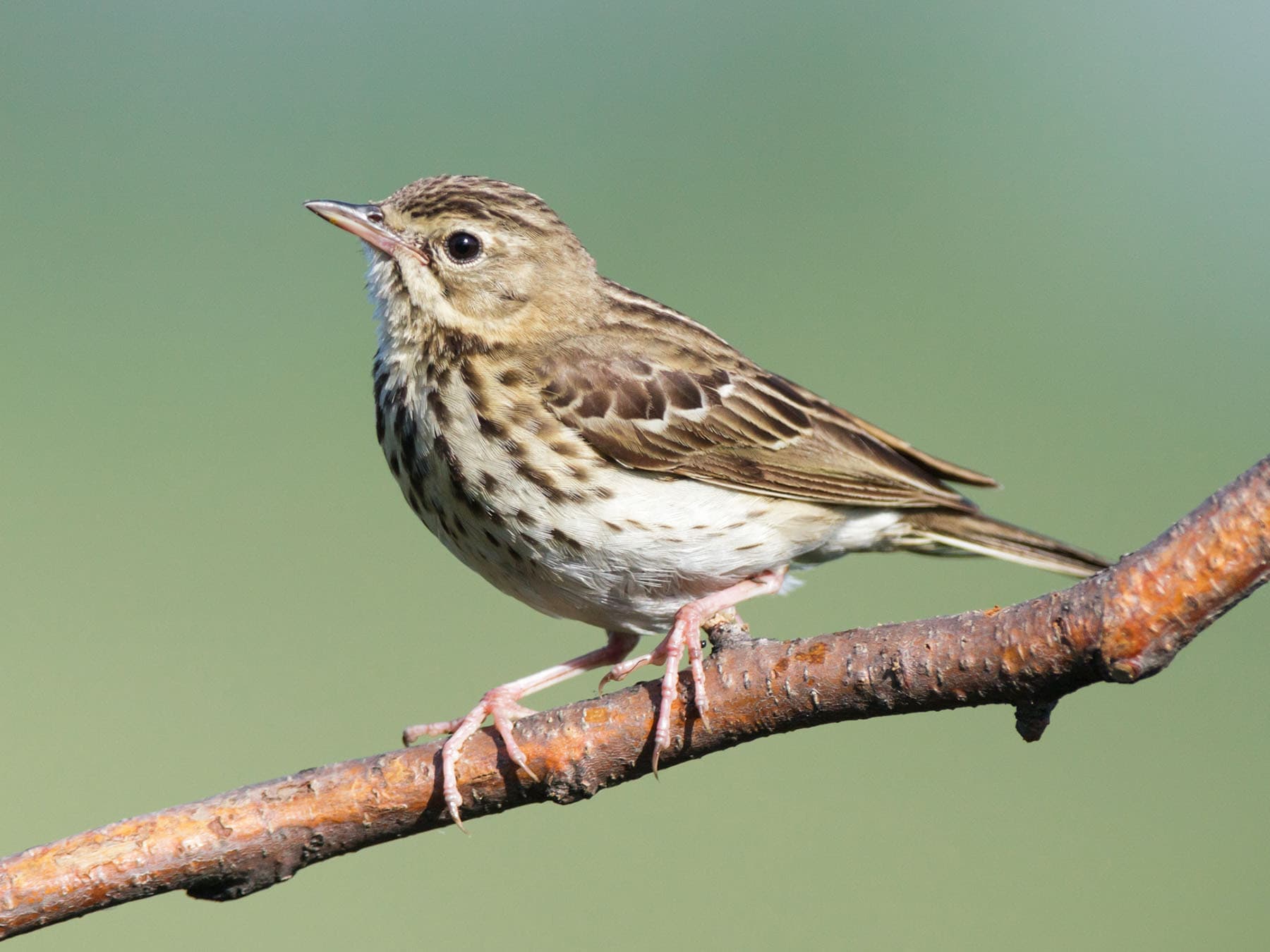
Tree Pipit
Anthus trivialisLC
A rare passage migrant noted in spring and autumn, pausing briefly on moorland fringes and open woodland during migration.
May–Sep
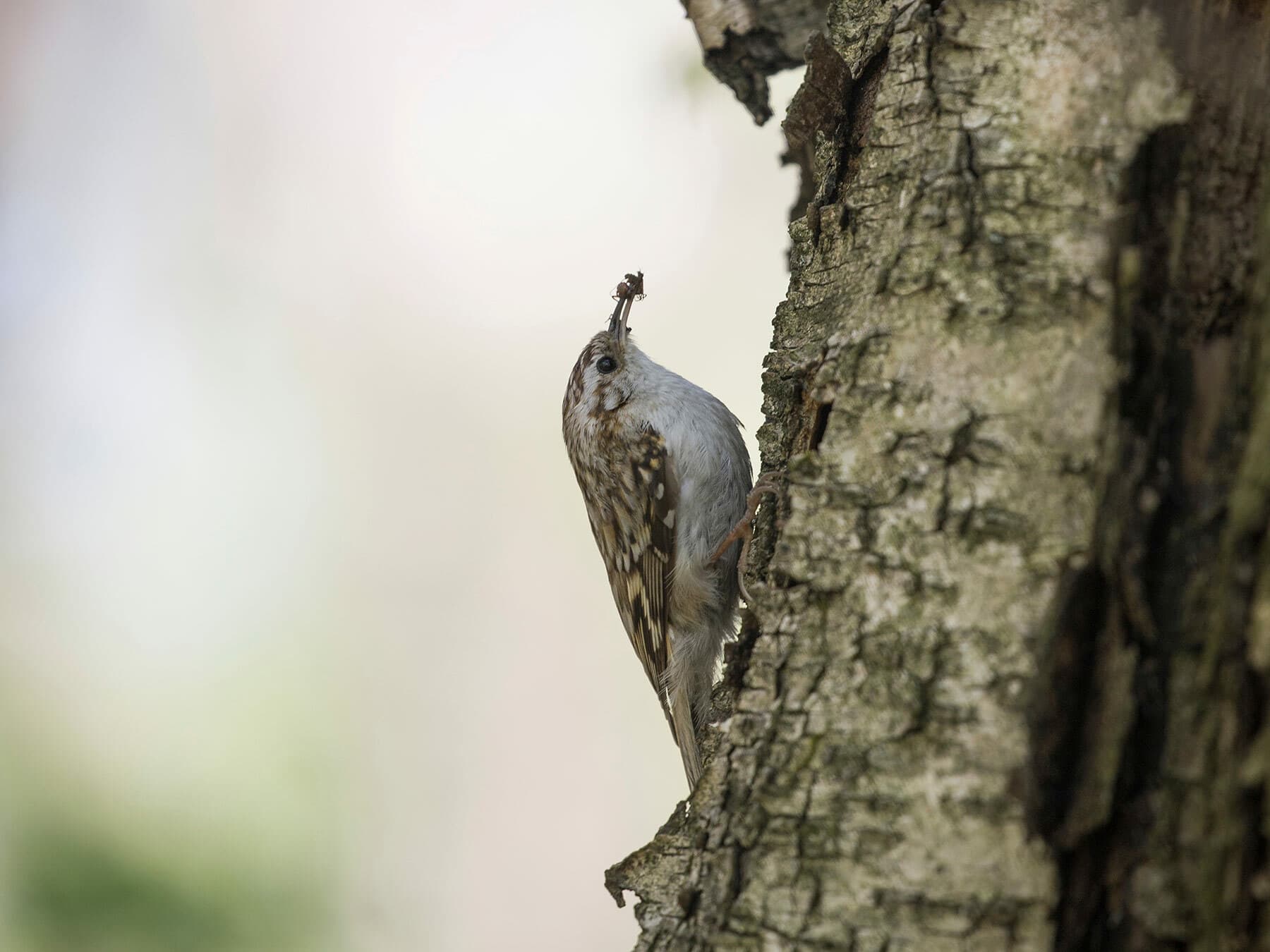
Treecreeper
Certhia familiarisLC
An uncommon resident that spirals up tree trunks in mature woodland, probing bark for insects with its curved bill.
Year-round
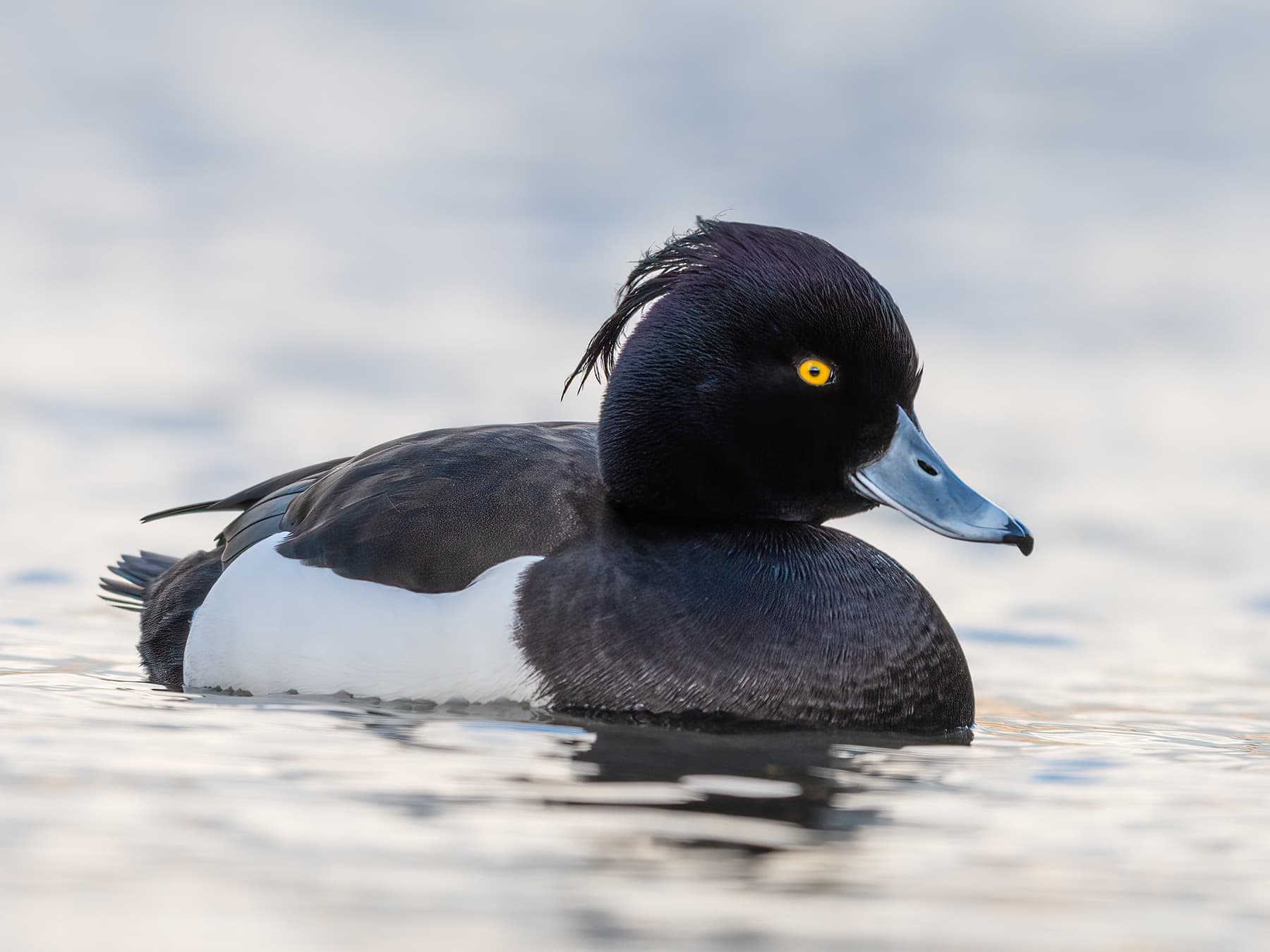
Tufted Duck
Aythya fuligulaLC
A common year-round resident on reservoirs, lakes and park ponds across the region. Males are striking black and white with a distinctive drooping head crest.
Year-round
Spotted something?
Upload a photo to identify it
Identify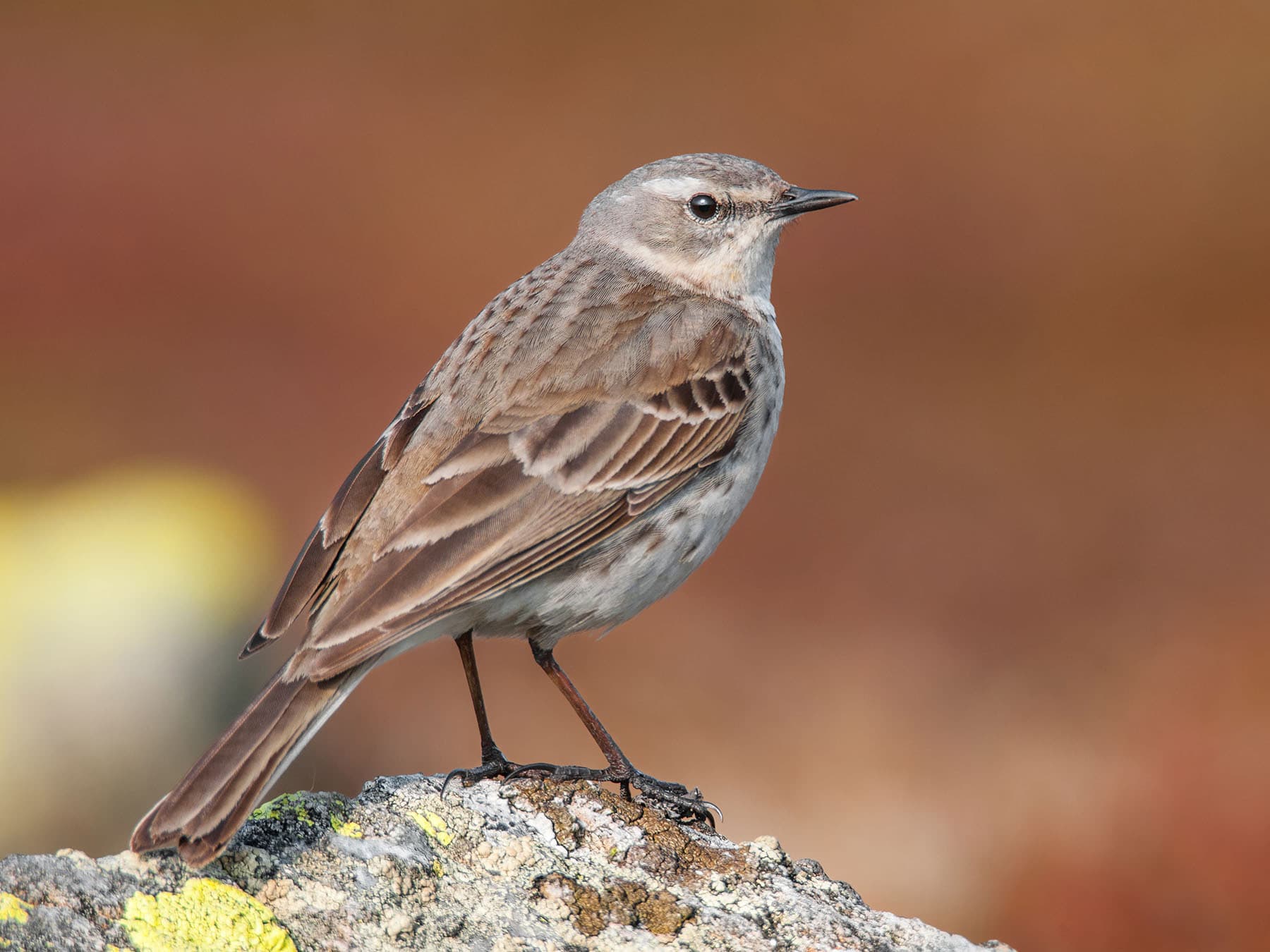
Water Pipit
Anthus spinolettaLC
A rare passage visitor recorded from January to March, favouring watercress beds and wet margins. Easily overlooked among the commoner Meadow Pipits.
Jan–Mar
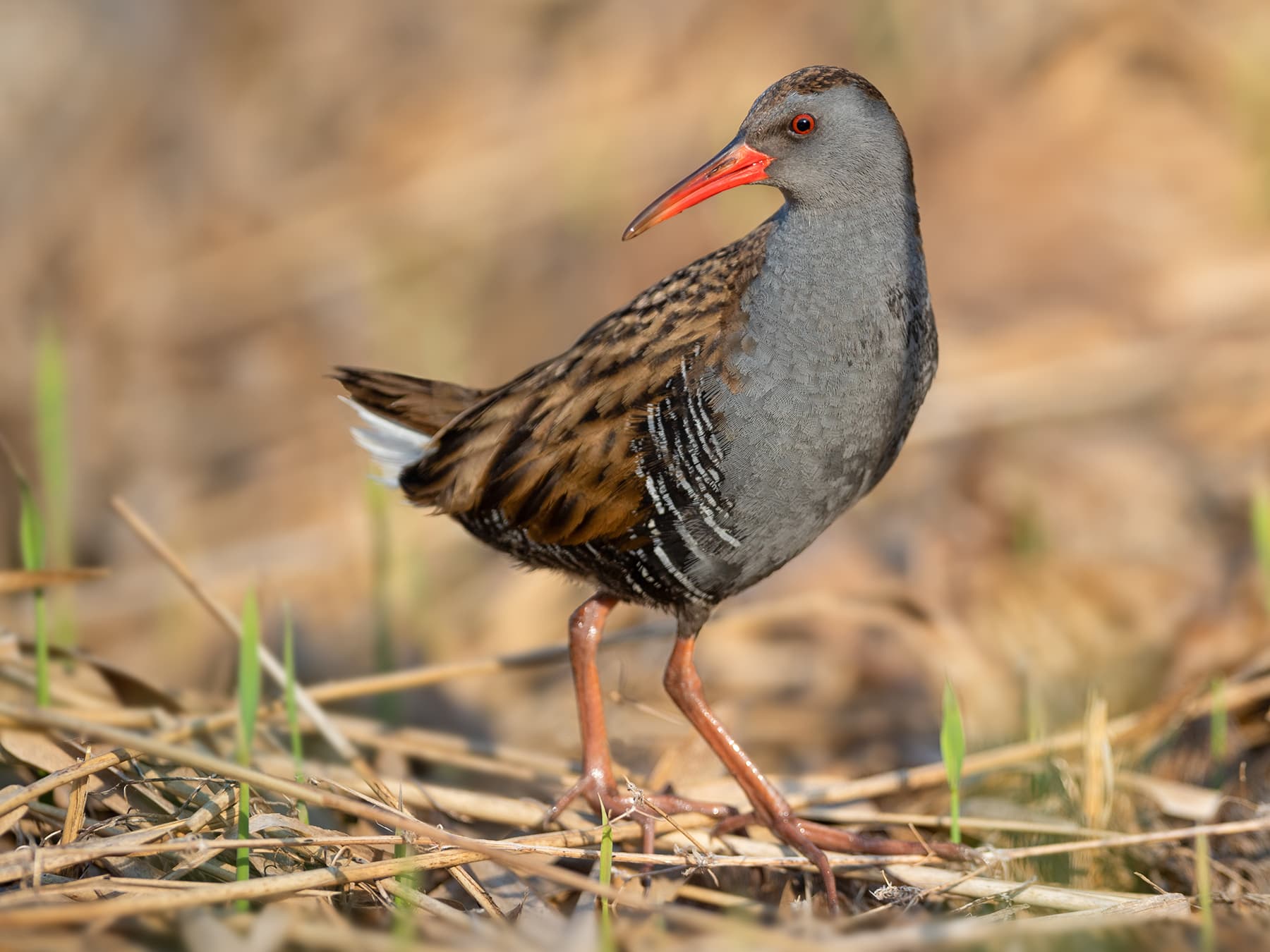
Water Rail
Rallus aquaticusLC
A rare but year-round resident, skulking in dense reedbeds and marshy vegetation. More often heard squealing than seen at wetland reserves.
Year-round
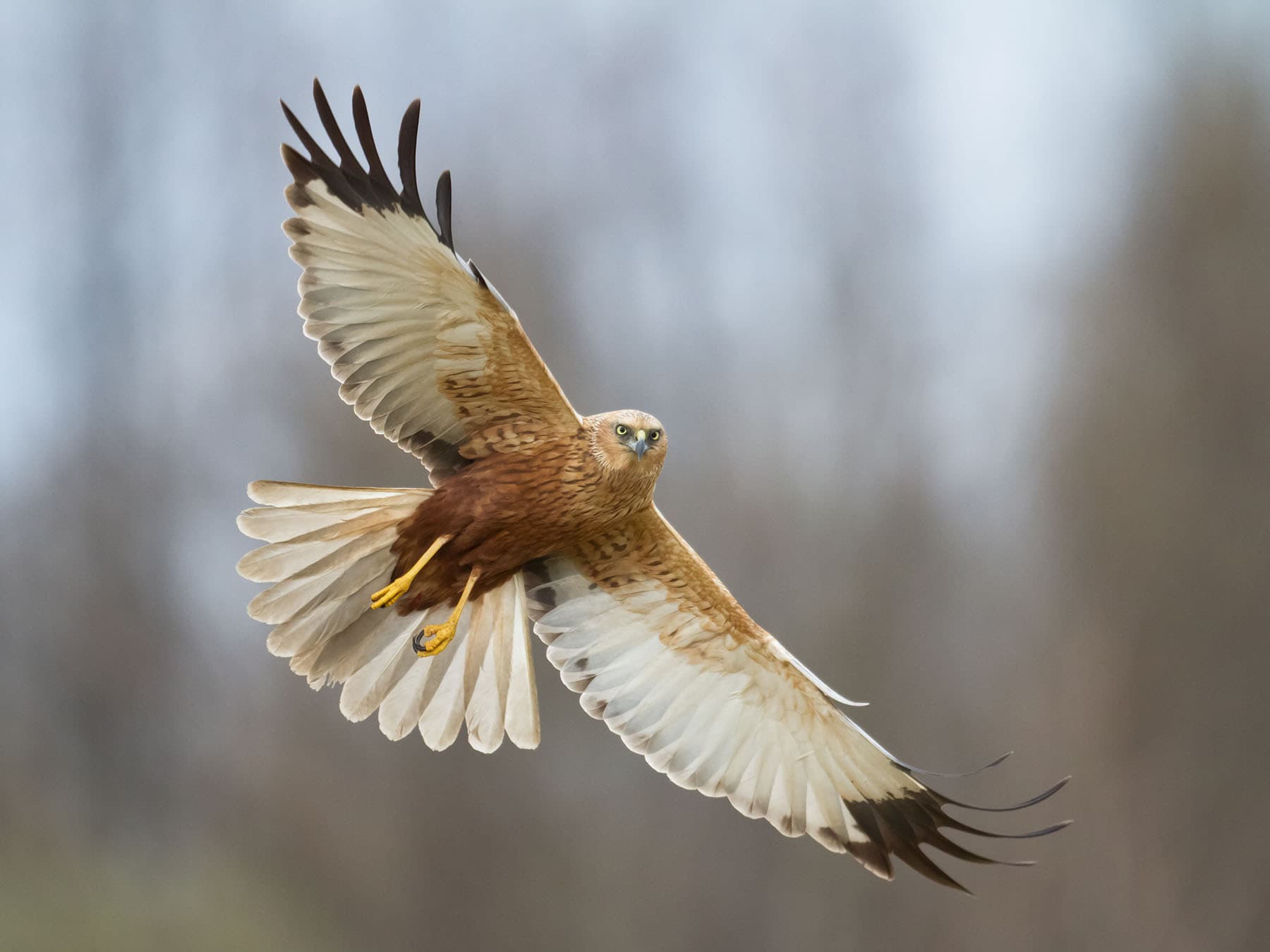
Western Marsh-harrier
Circus aeruginosusLC
An uncommon resident, increasingly seen quartering reedbeds and wetlands. Sites in the Aire and Calder valleys offer the best chances of sightings.
Year-round
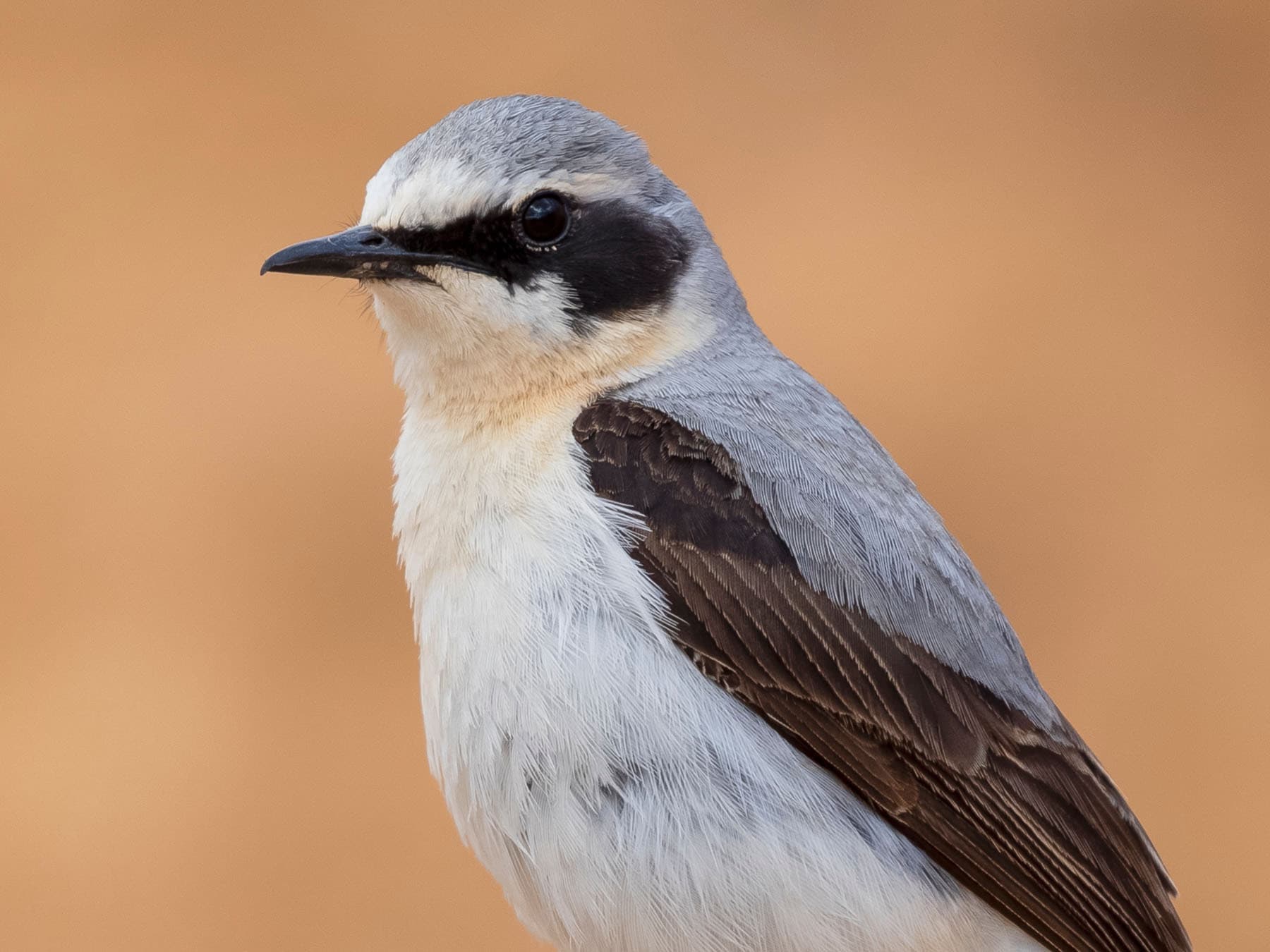
Wheatear
Oenanthe oenantheLC
An uncommon summer breeder on upland moorland and gritstone edges, arriving from March. Often seen perched on drystone walls.
Mar–Sep
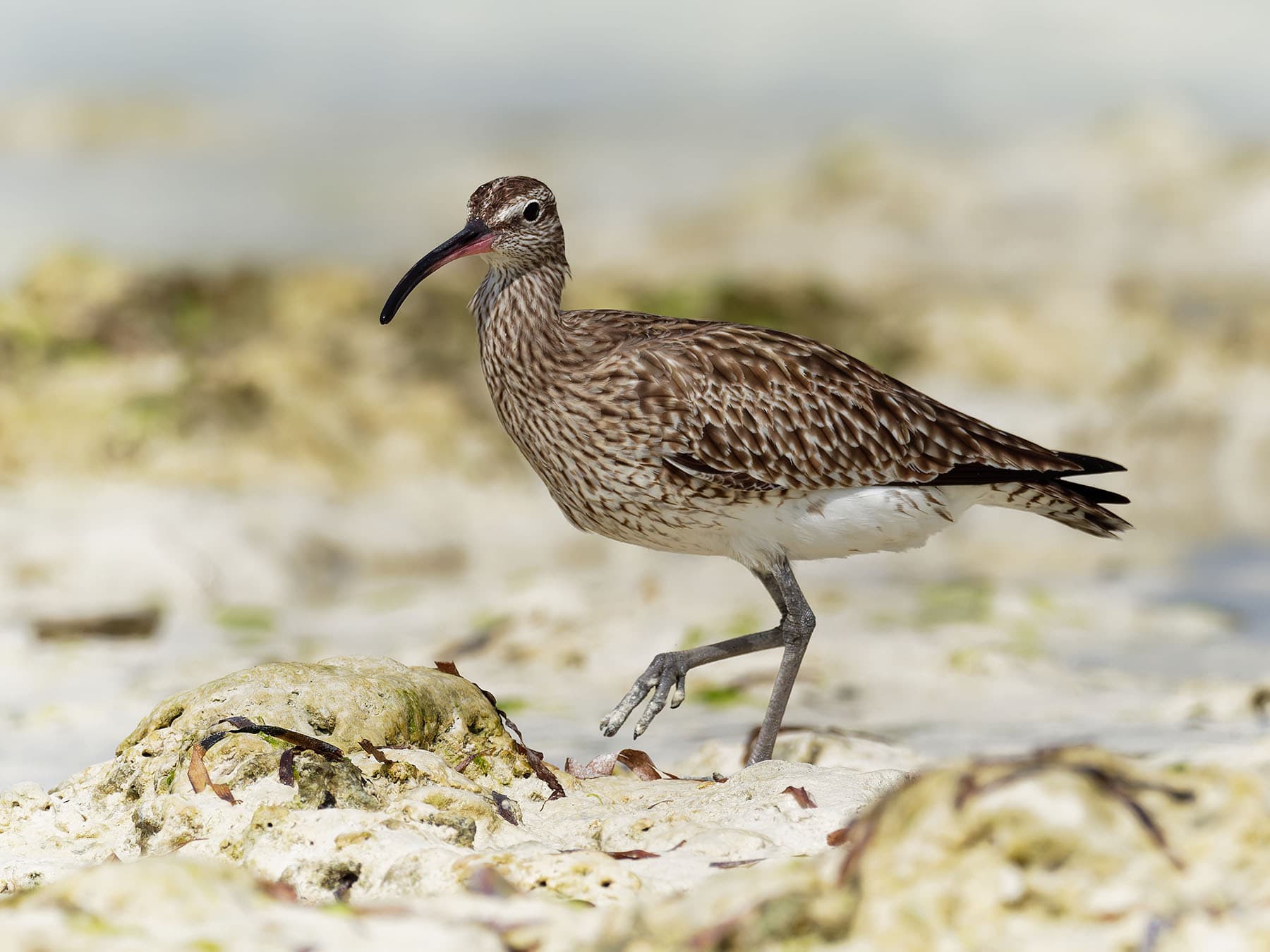
Whimbrel
Numenius phaeopusLC
A rare spring passage migrant, occasionally stopping at moorland and reservoir sites in April and May en route to northern breeding grounds.
Apr–May
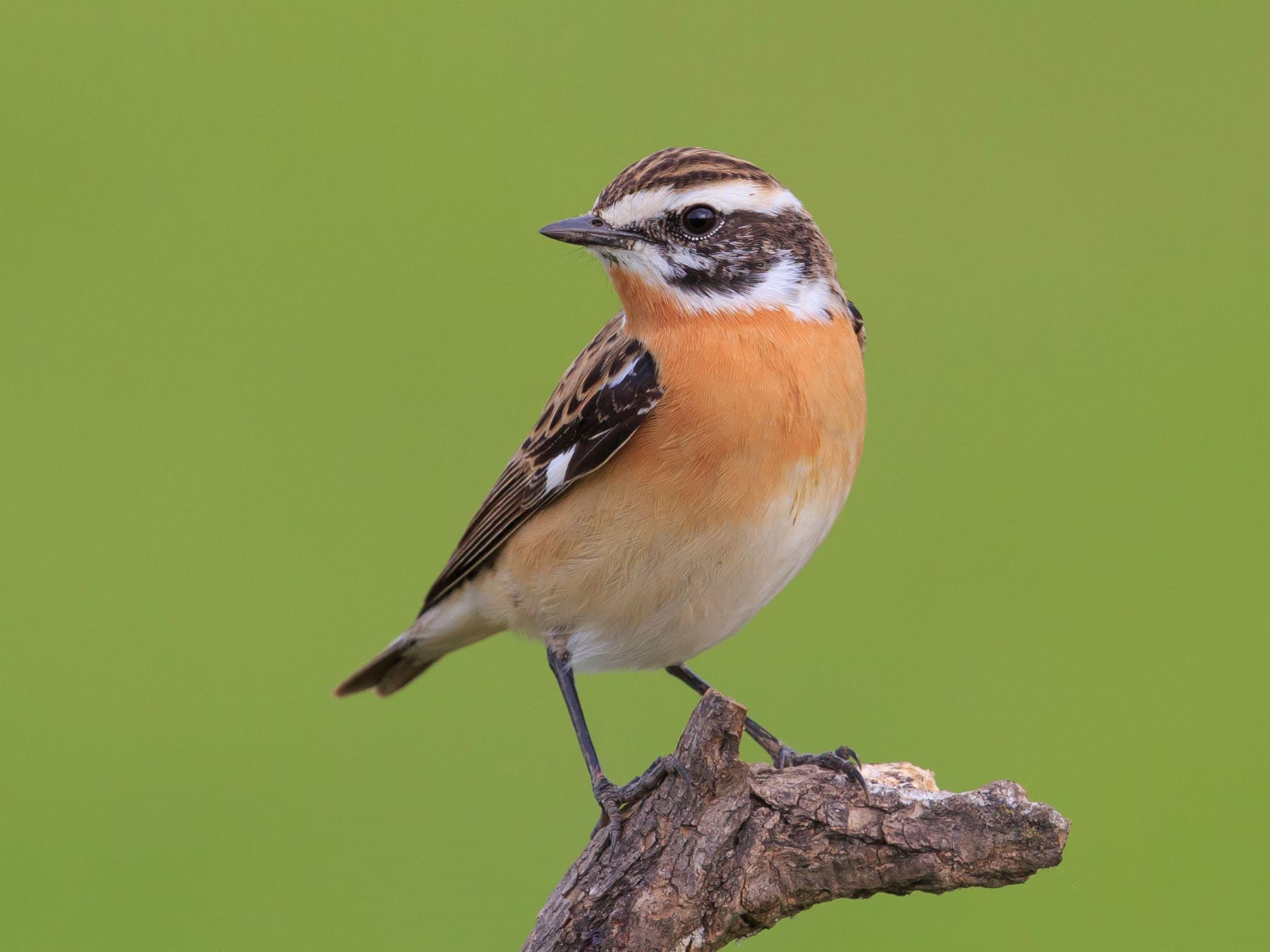
Whinchat
Saxicola rubetraLC
A rare passage visitor in spring and autumn, pausing briefly on moorland edges and rough grassland during migration.
Apr–Sep
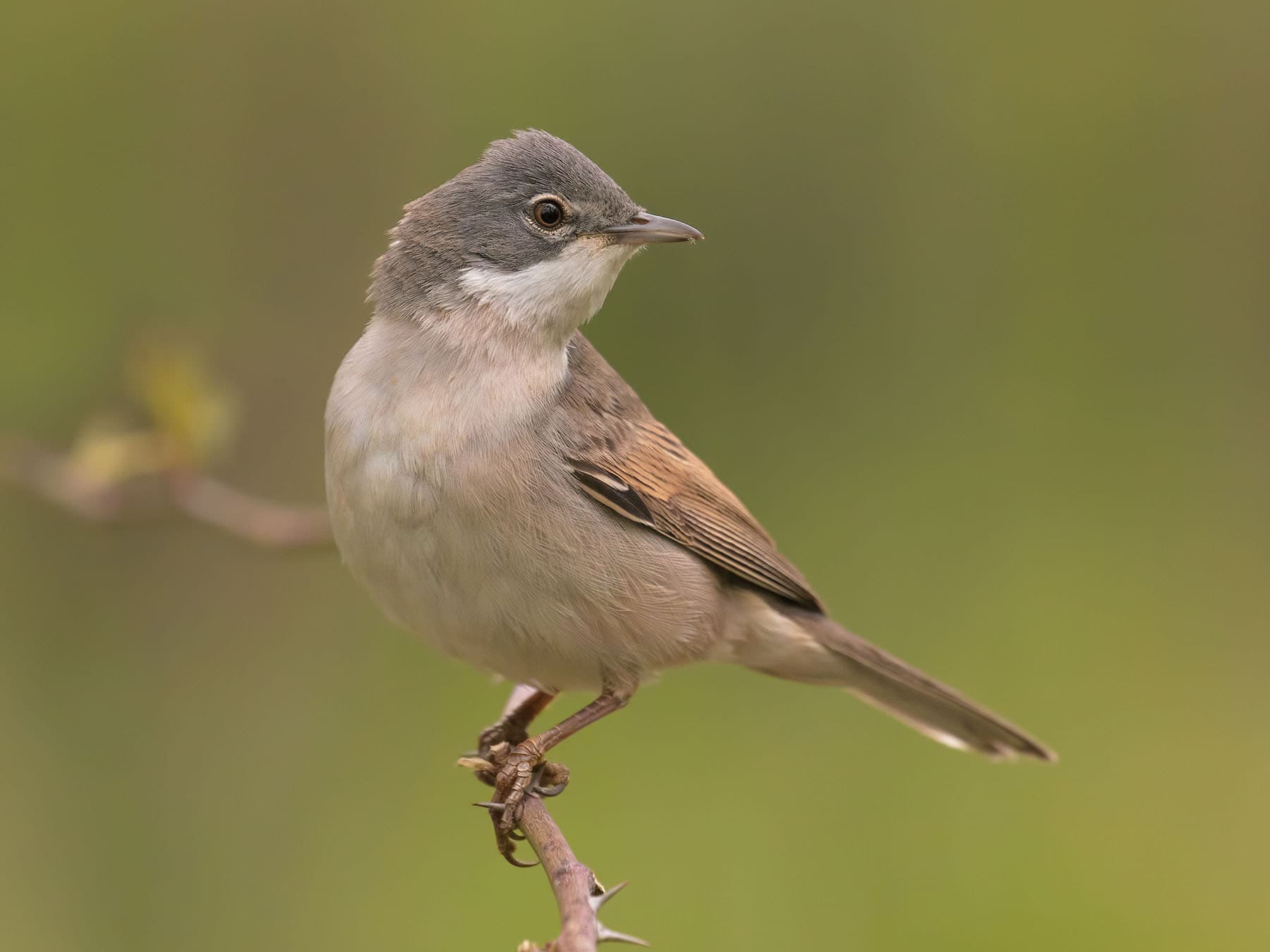
Whitethroat
Curruca communisLC
An uncommon summer visitor breeding in hedgerows and scrubby field margins. Its scratchy song is a feature of lowland farmland from late April.
Apr–Sep
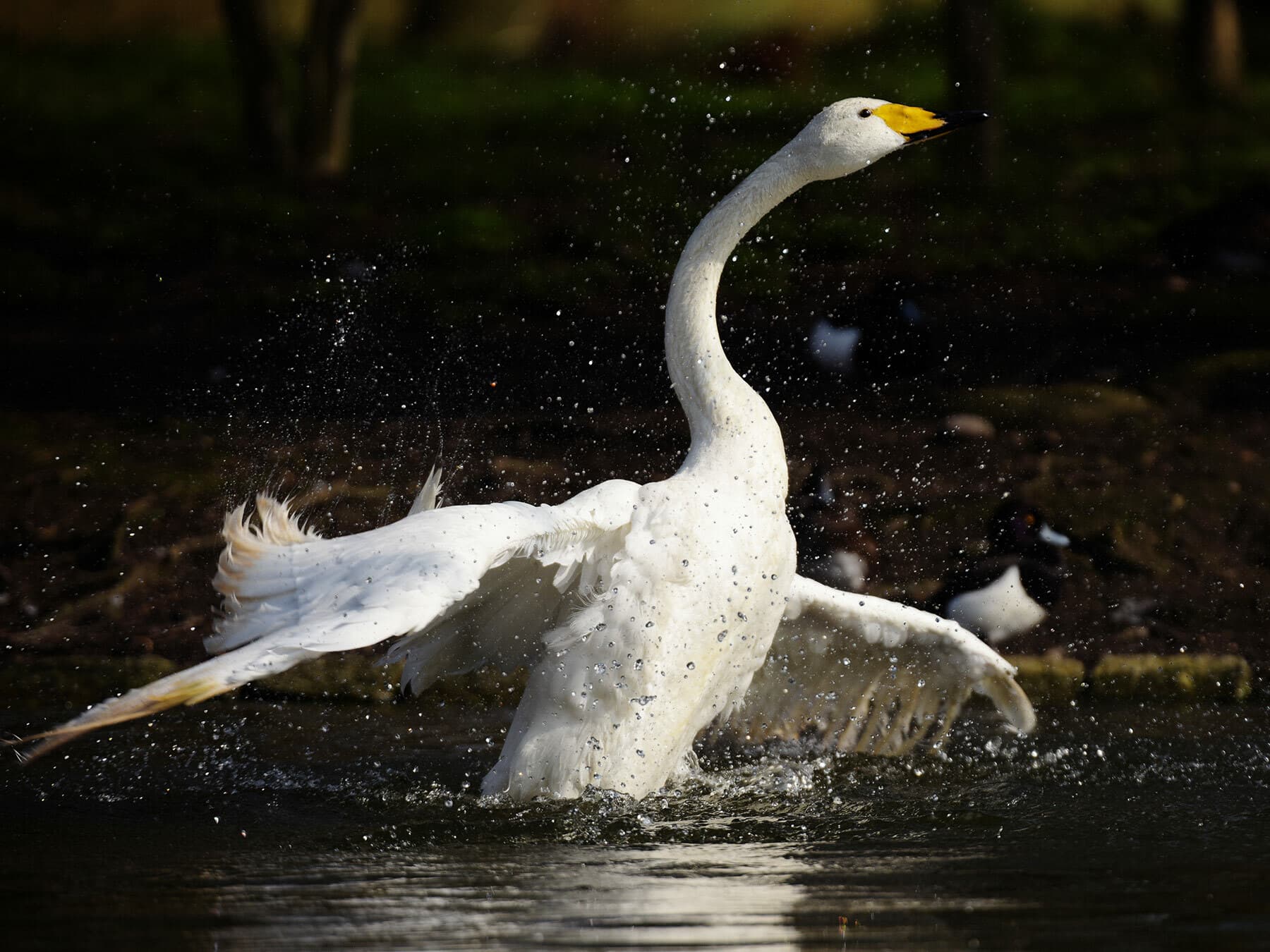
Whooper Swan
Cygnus cygnusLC
A rare winter visitor from Iceland, occasionally seen on reservoirs and flooded fields between October and April.
Oct–Apr
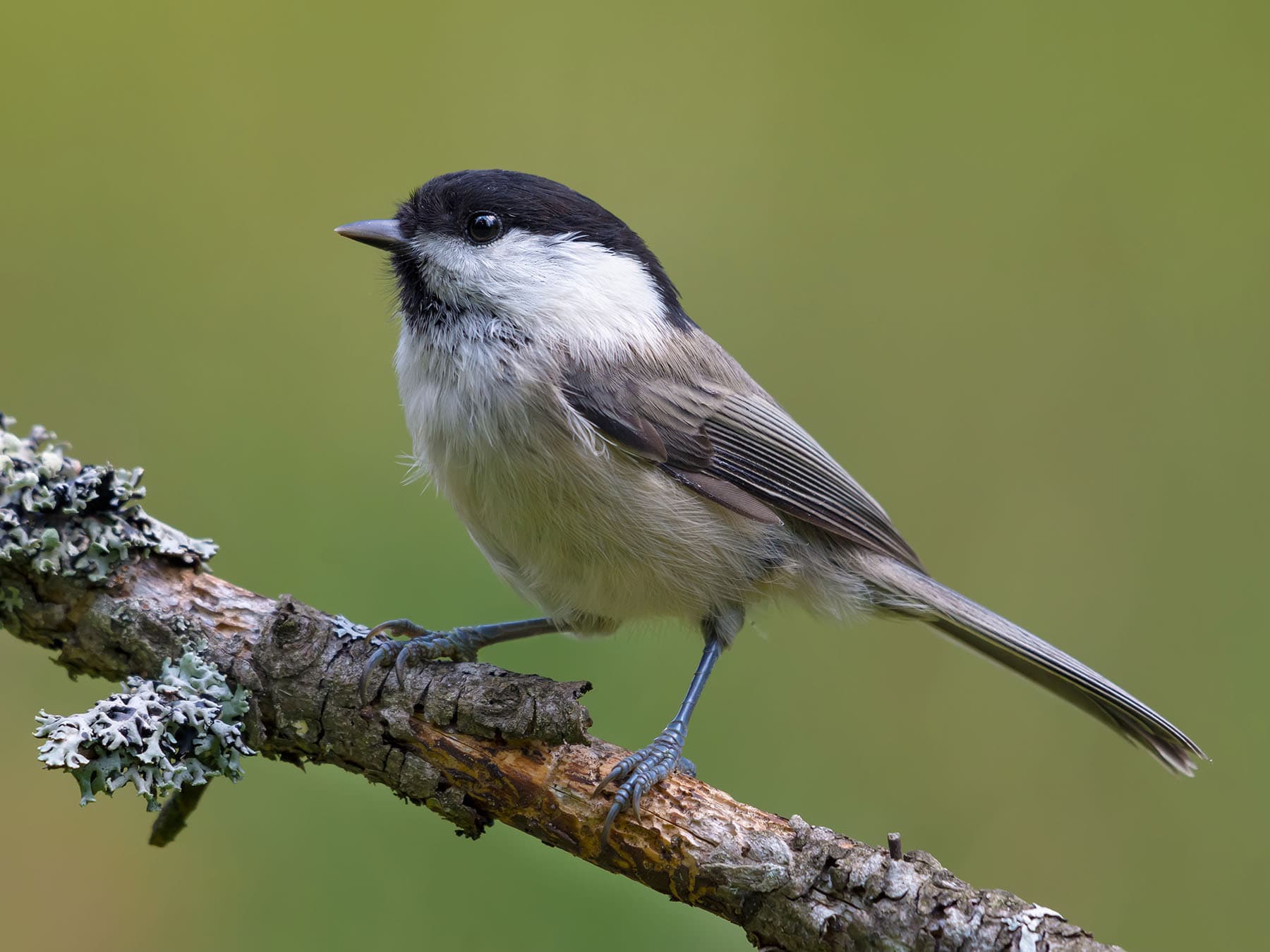
Willow Tit
Poecile montanusLC
A rare and declining resident, favouring damp woodland with decaying birch and willow. One of the UK's fastest-declining species, clinging on at scattered West Yorkshire sites.
Jul–May
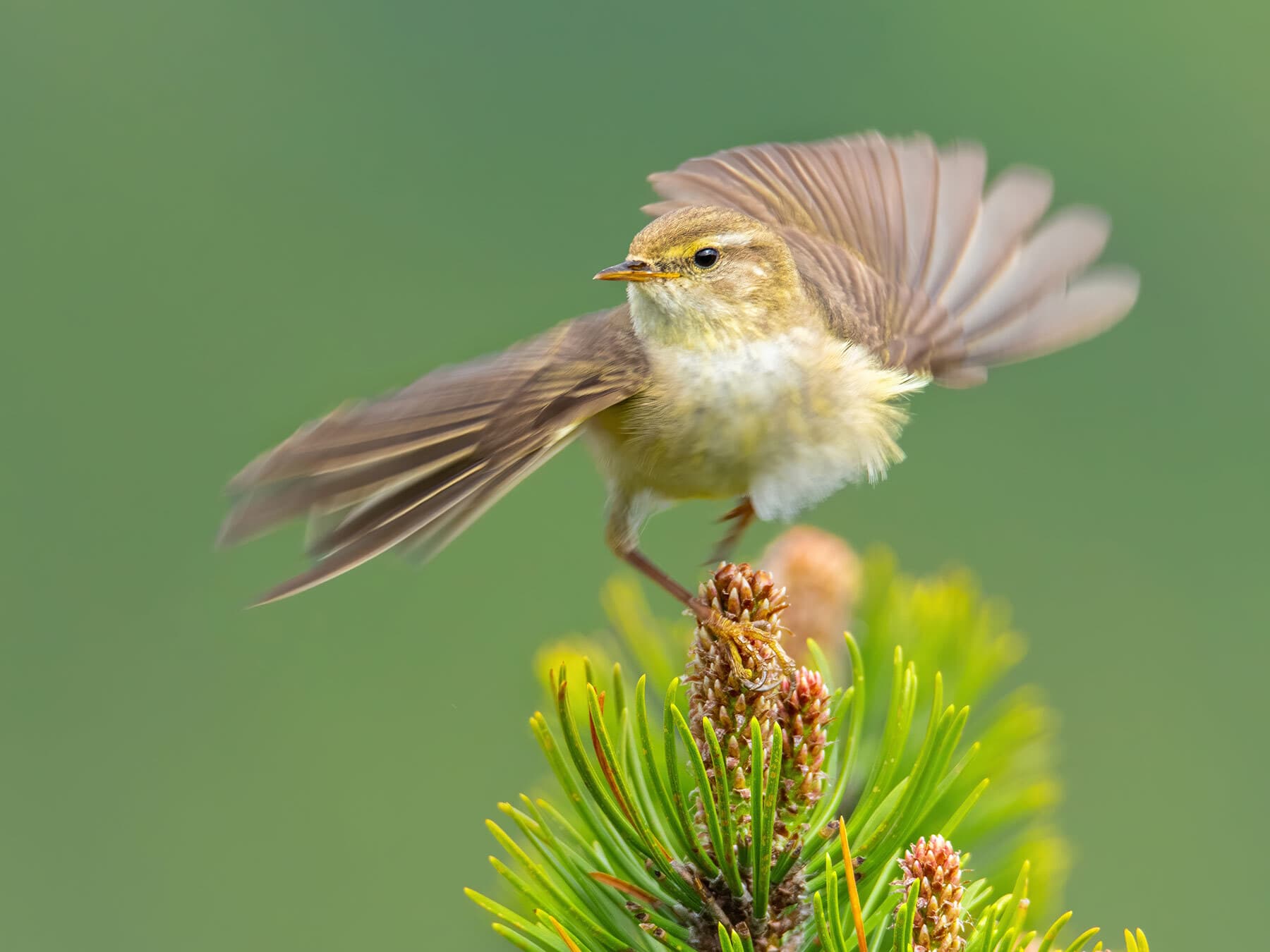
Willow Warbler
Phylloscopus trochilusLC
A common summer visitor breeding in woodland and moorland edges from March to September. Its descending song is a hallmark of spring.
Mar–Sep
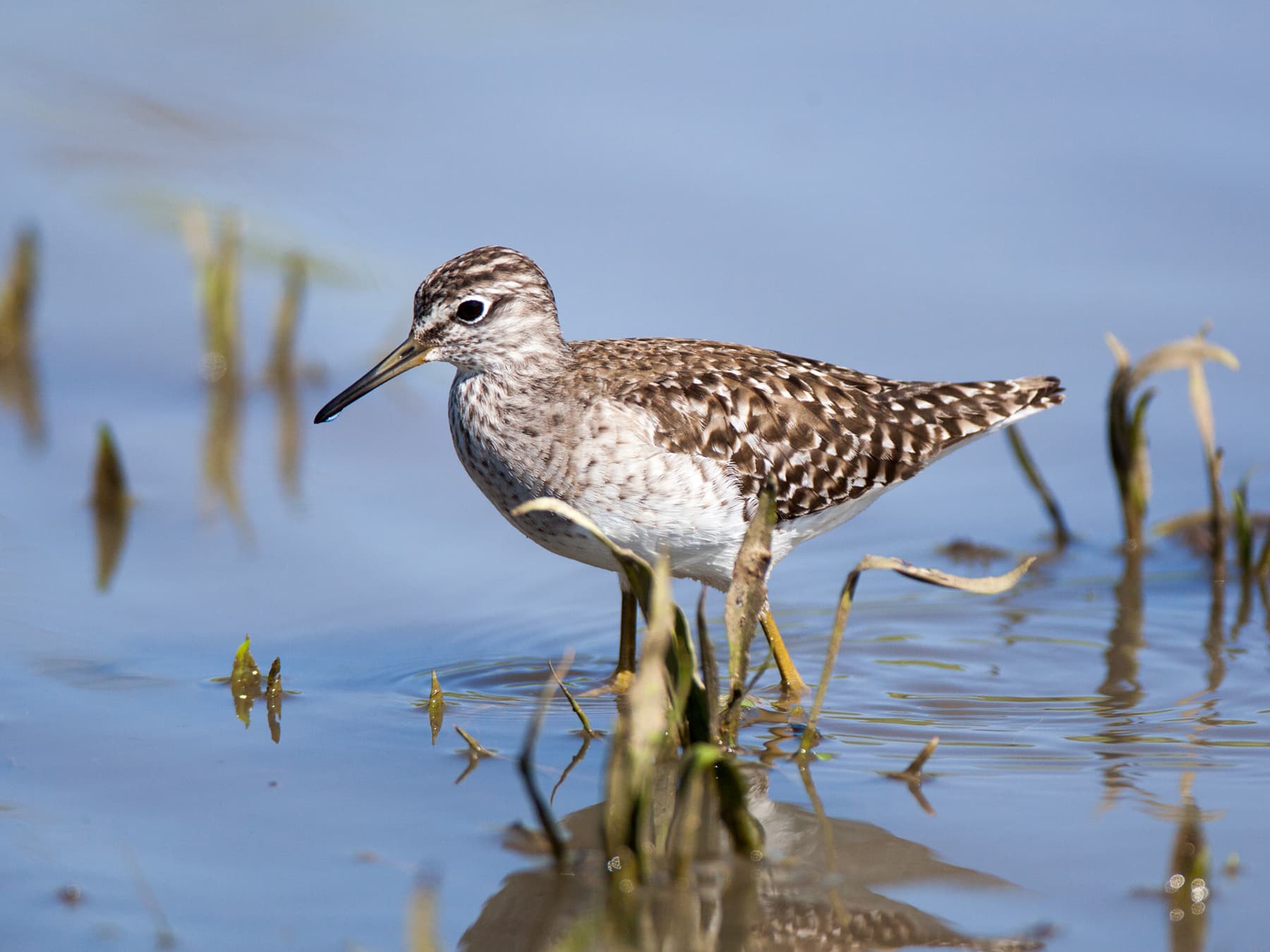
Wood Sandpiper
Tringa glareolaLC
A rare passage migrant appearing at freshwater margins in May and again in August–September. Favours muddy edges of reservoirs and sewage works.
May–Sep
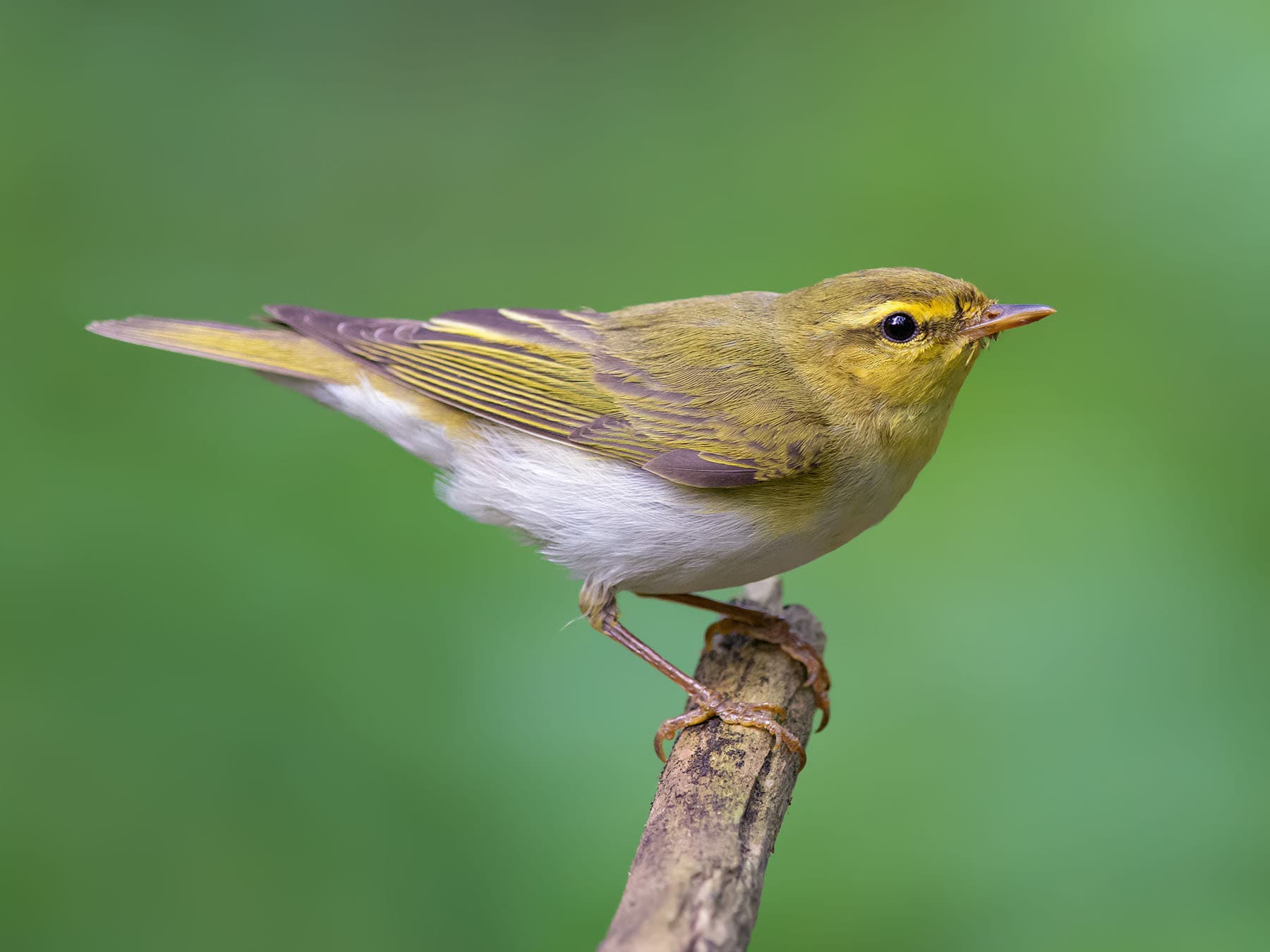
Wood Warbler
Phylloscopus sibilatrixLC
A rare passage migrant in May, occasionally noted in mature oak woodlands. Has declined sharply as a breeder across northern England.
May
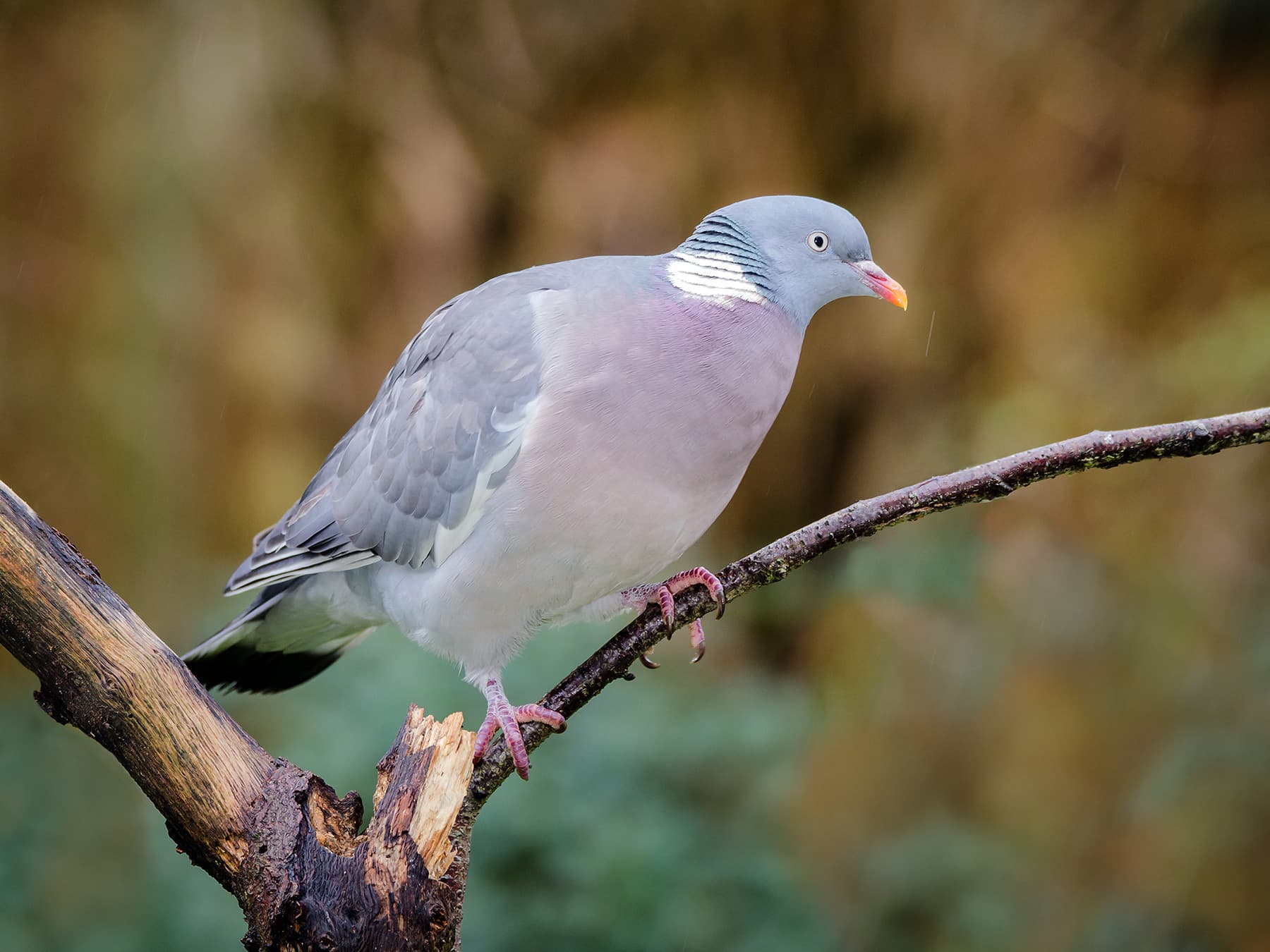
Woodpigeon
Columba palumbusLC
An abundant resident found in gardens, farmland, and woodland throughout the region. Large flocks gather on arable fields in winter.
Year-round
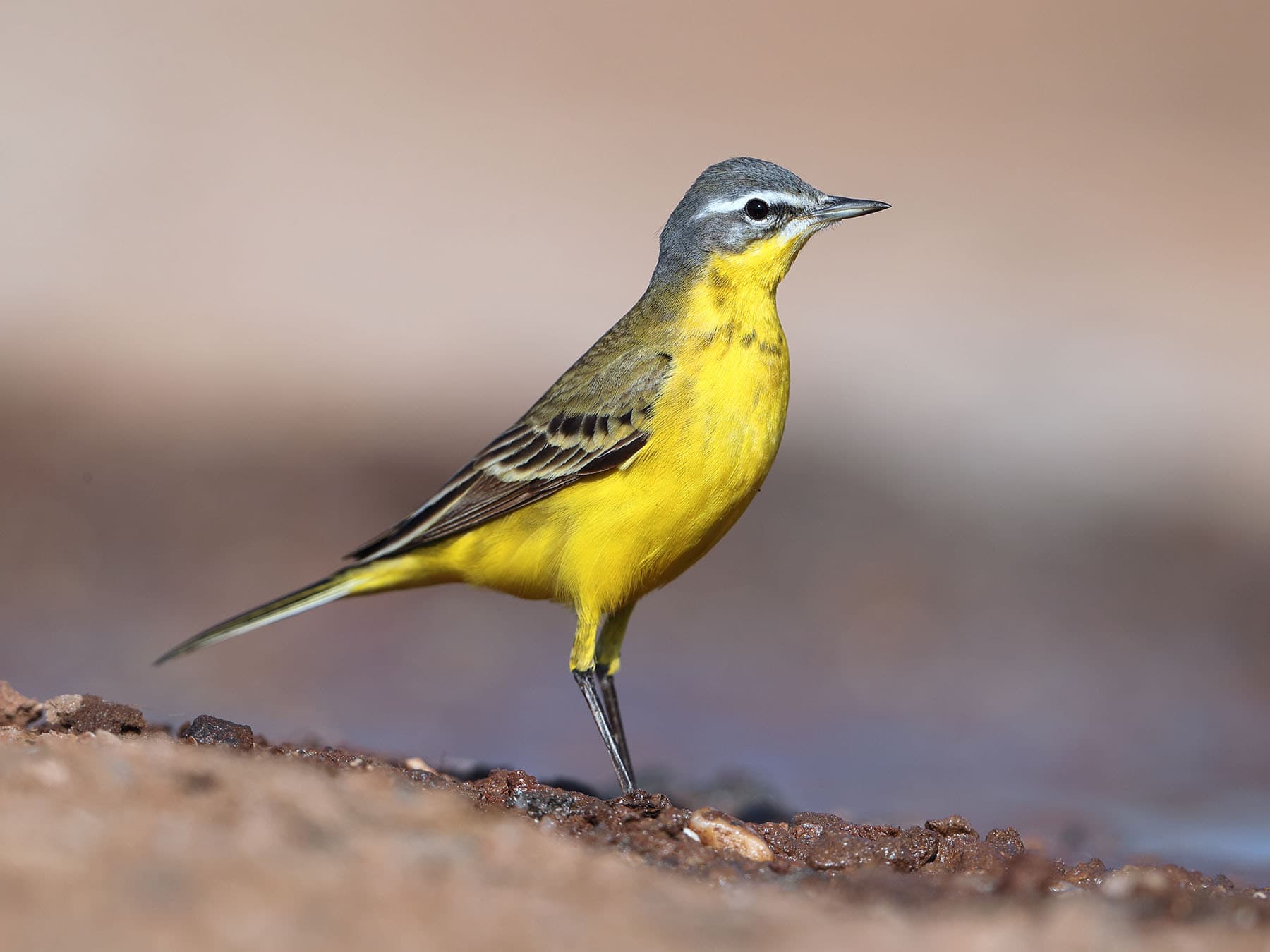
Yellow Wagtail
Motacilla flavaLC
A rare and declining summer breeder in lowland wet meadows and arable fields from April to September.
Apr–Sep
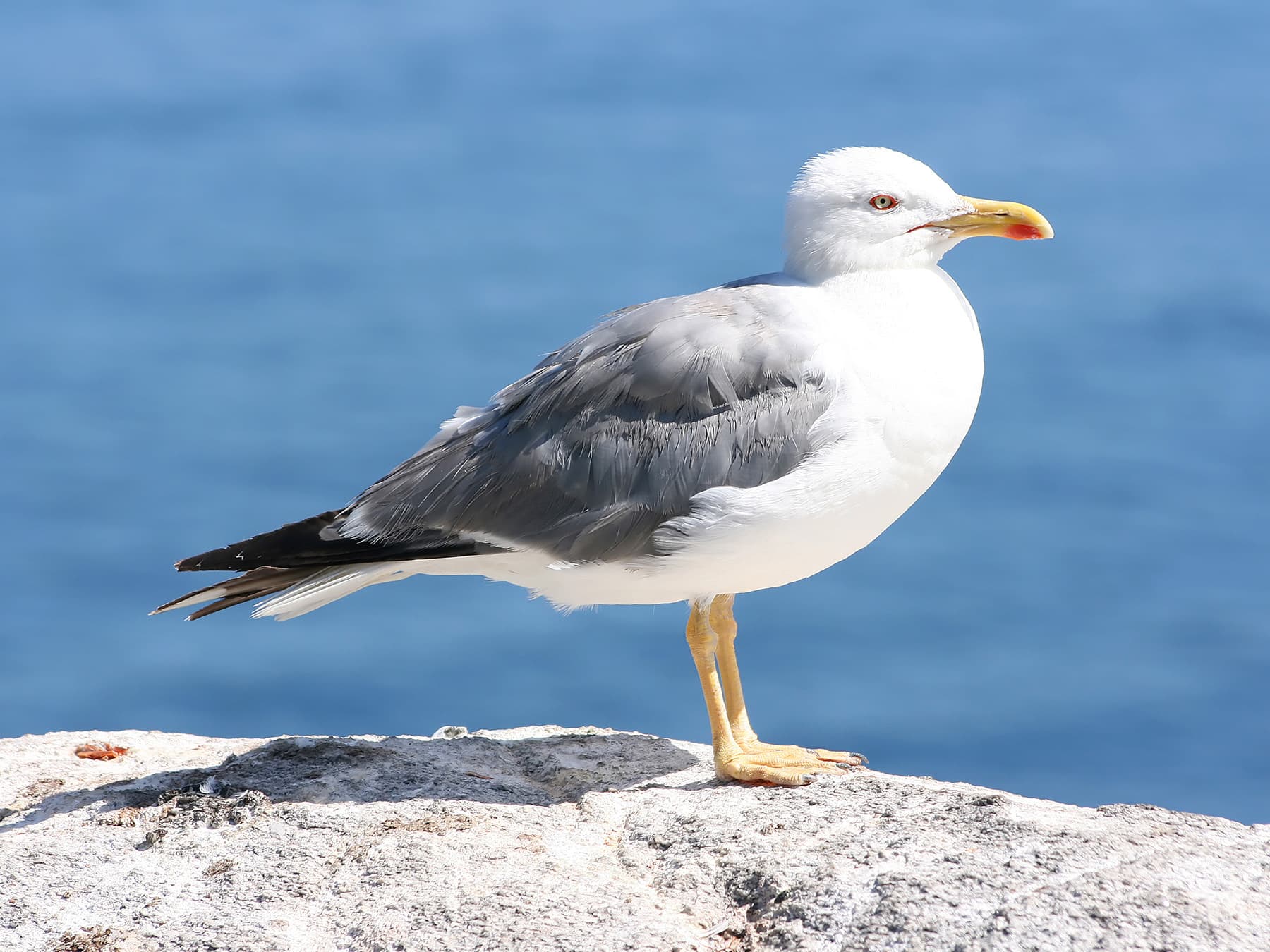
Yellow-legged Gull
Larus michahellisLC
A rare visitor, occasionally breeding in spring and summer and also noted on passage in September. Look for yellow legs and pale grey mantle among gull flocks.
Sep