Birds in South Yorkshire
Explore 189 species found in this region.
South Yorkshire supports an impressive diversity of birdlife, with 187 species recorded across its varied landscapes of moorland, river valleys, wetlands, and urban green spaces. From the upland edges of the Peak District to the lowland marshes of the Dearne Valley, birders can encounter everything from Dotterel on high moorland passes to Northern Lapwing on farmland and Mandarin Duck along wooded waterways. Notable species such as Common Merganser, Eurasian Woodcock, and Northern Pintail reflect the county's rich mosaic of aquatic and terrestrial habitats.
Visiting in July? Look out for Barnacle Goose and Common Crane arriving this month, and Common Quail and Corn Bunting depart for the season.


Showing 162–184 of 189 species
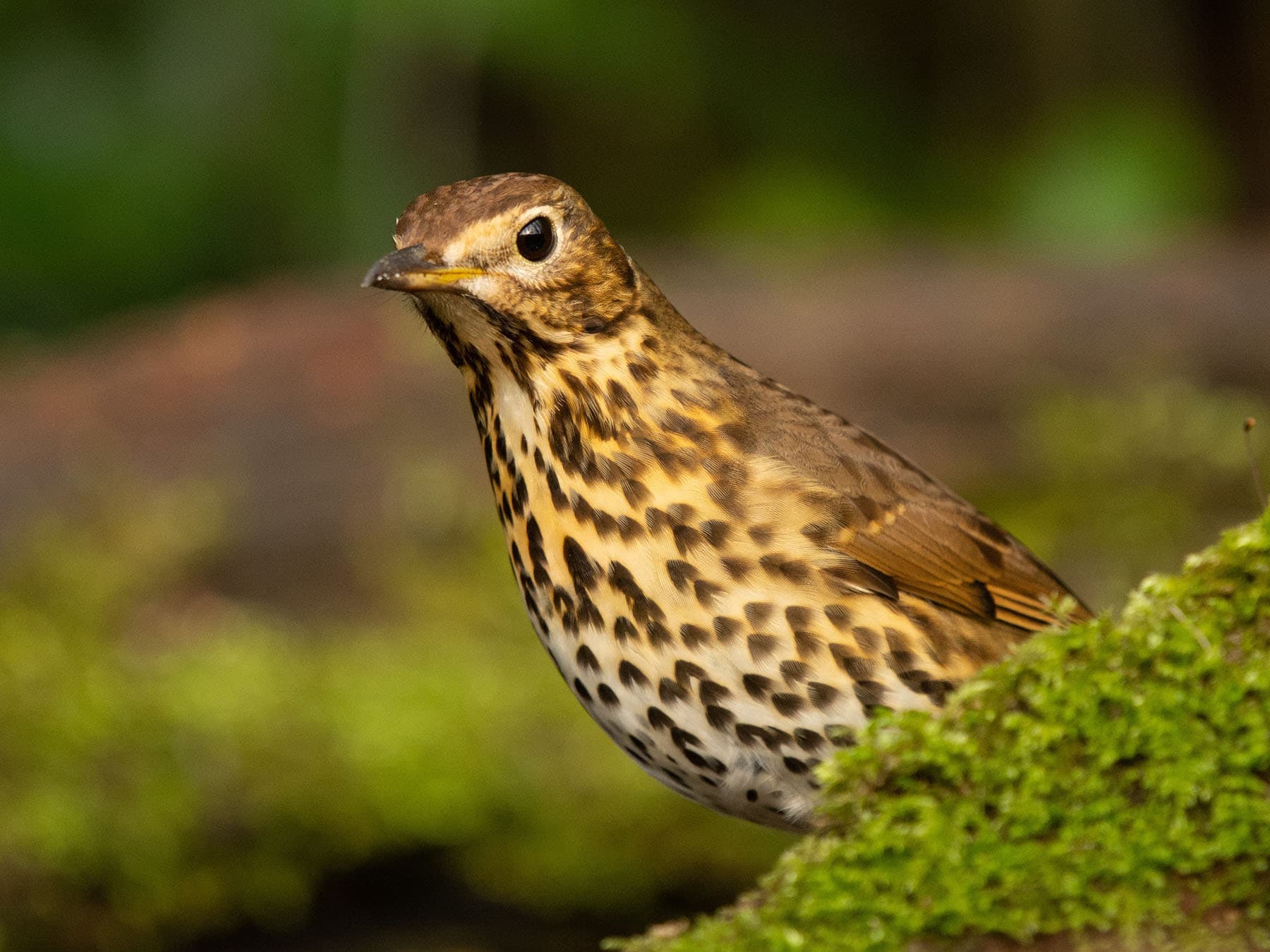
Song Thrush
Turdus philomelosLC
A common resident heard singing from gardens and woodlands year-round. Declining nationally but still widespread across South Yorkshire.
Year-round
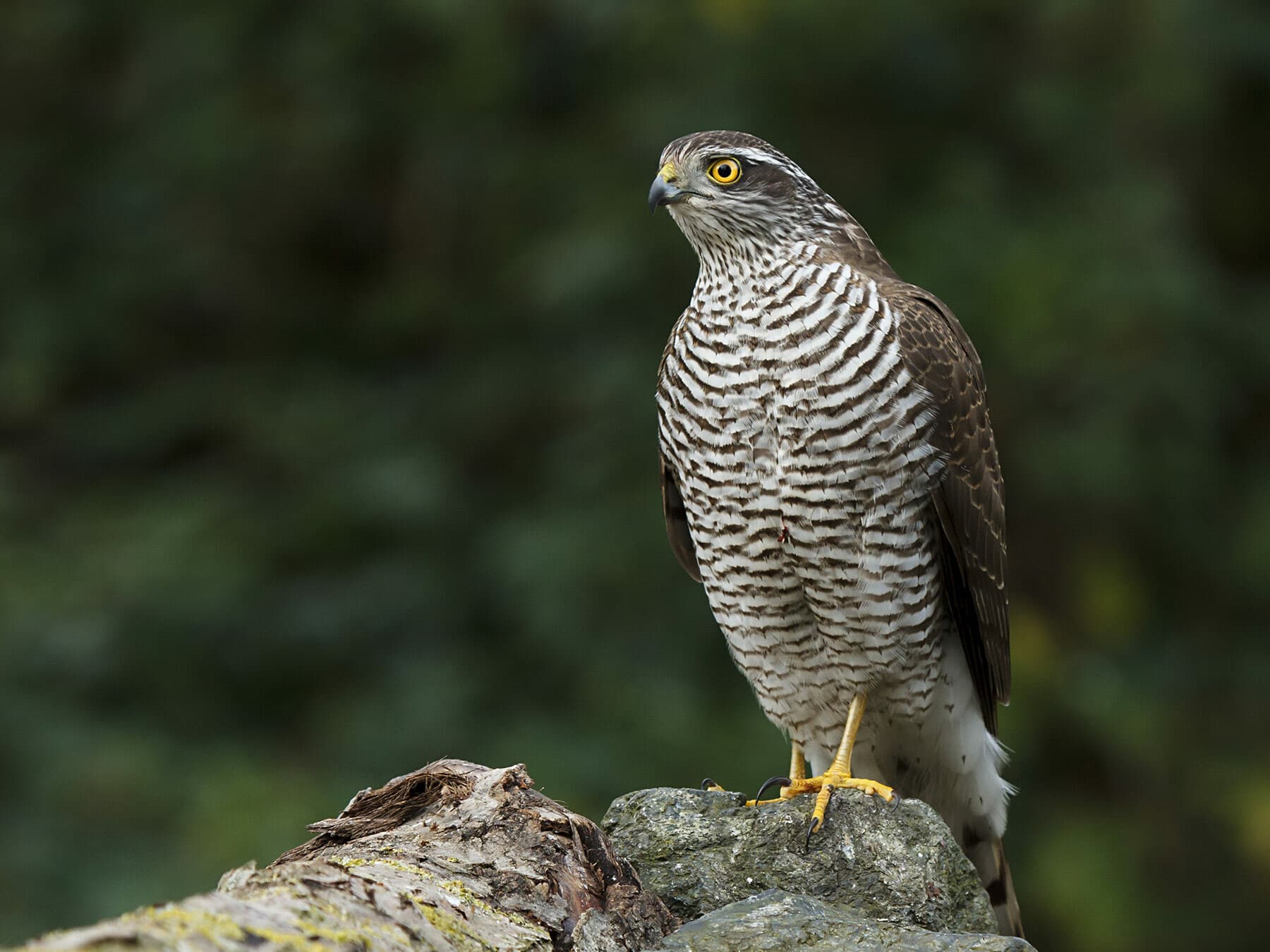
Sparrowhawk
Accipiter nisusLC
A widespread but unobtrusive resident, hunting small birds in gardens, woodland edges, and hedgerows. Often seen dashing low along hedgelines.
Year-round
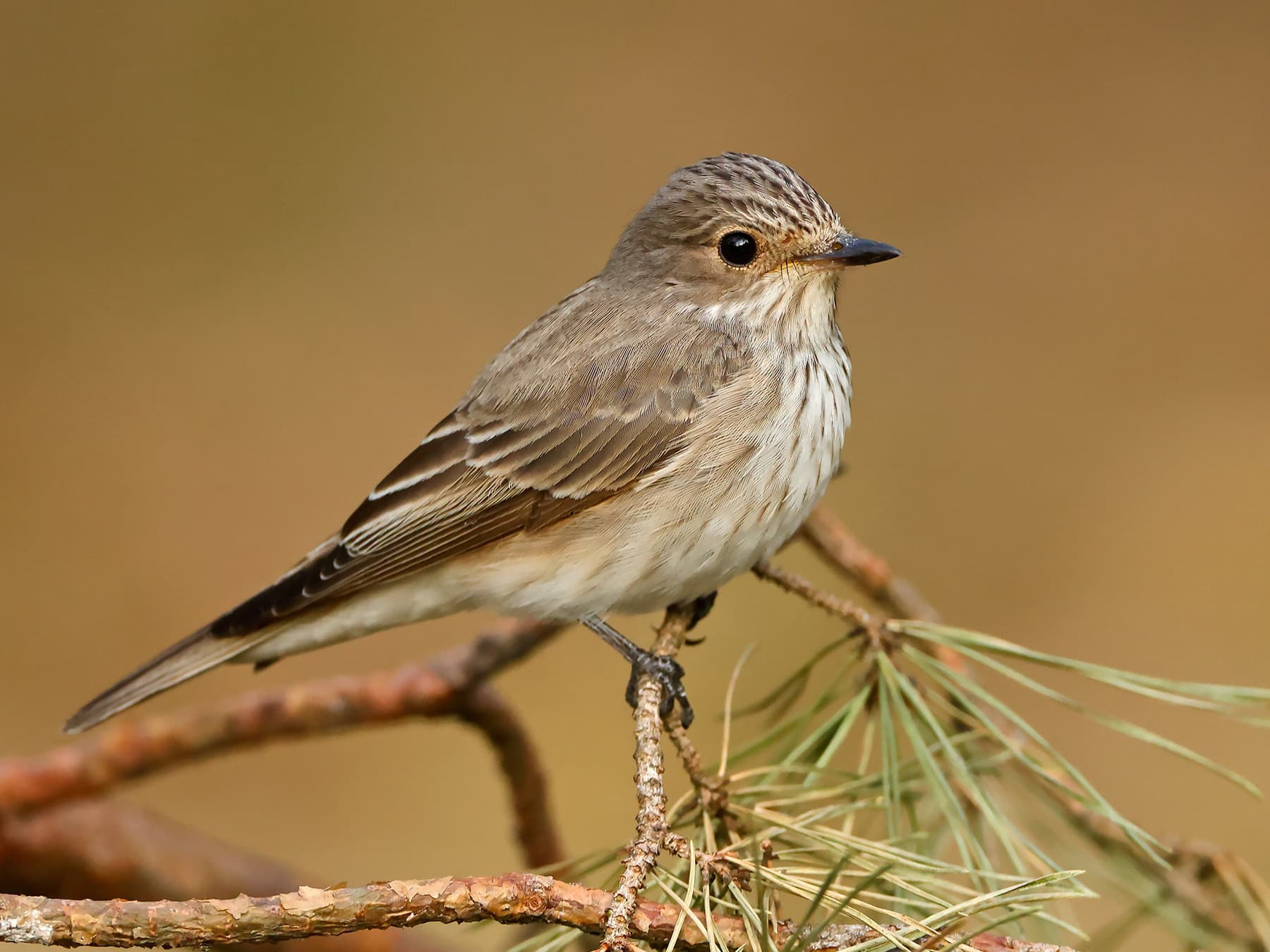
Spotted Flycatcher
Muscicapa striataLC
A rare and declining summer breeder from May to September, favouring woodland edges and mature gardens with open perches.
May–Sep
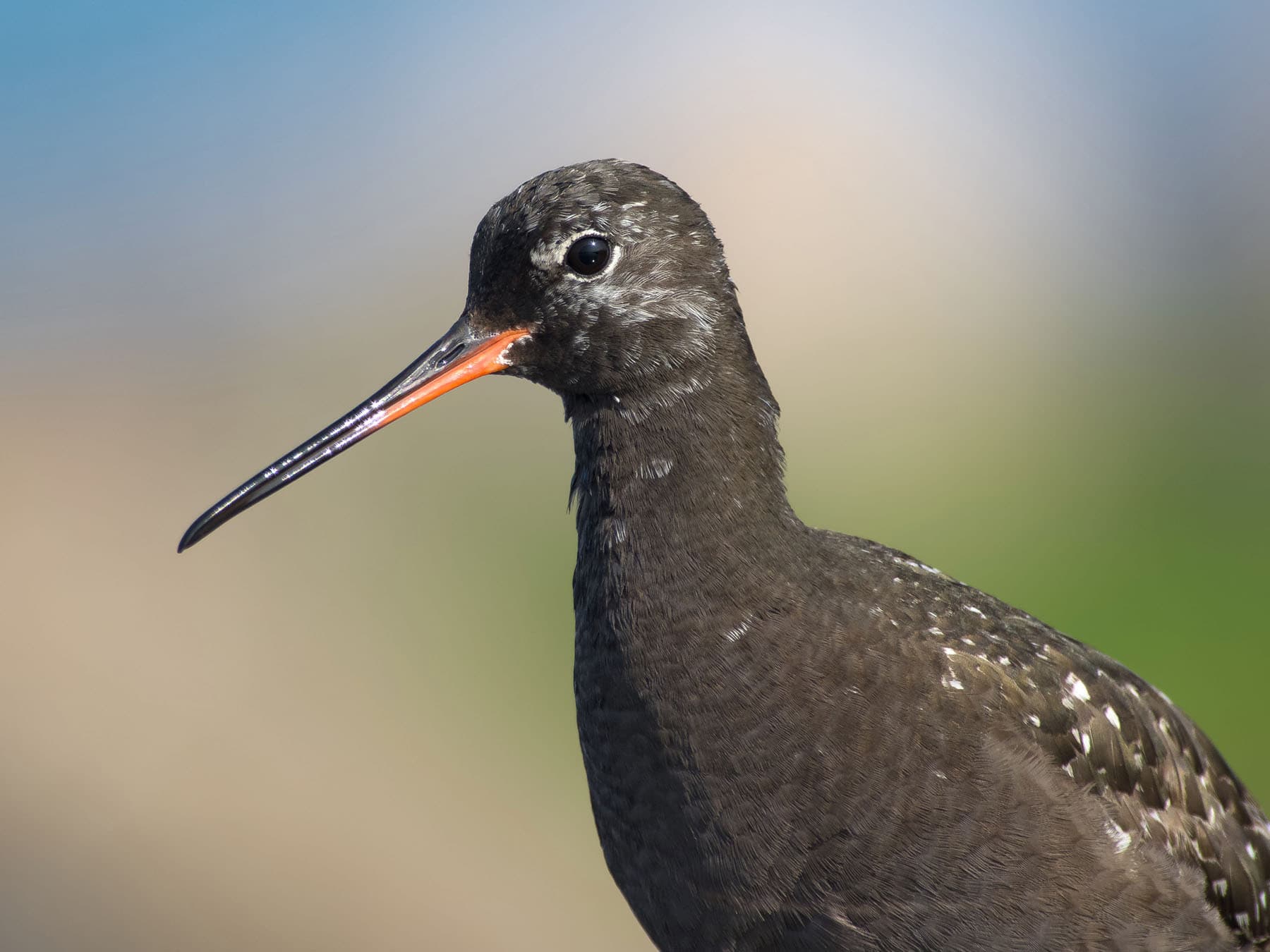
Spotted Redshank
Tringa erythropusLC
A rare autumn passage visitor from August to October, occasionally seen at Old Moor and other Dearne Valley wetlands.
Aug–Oct
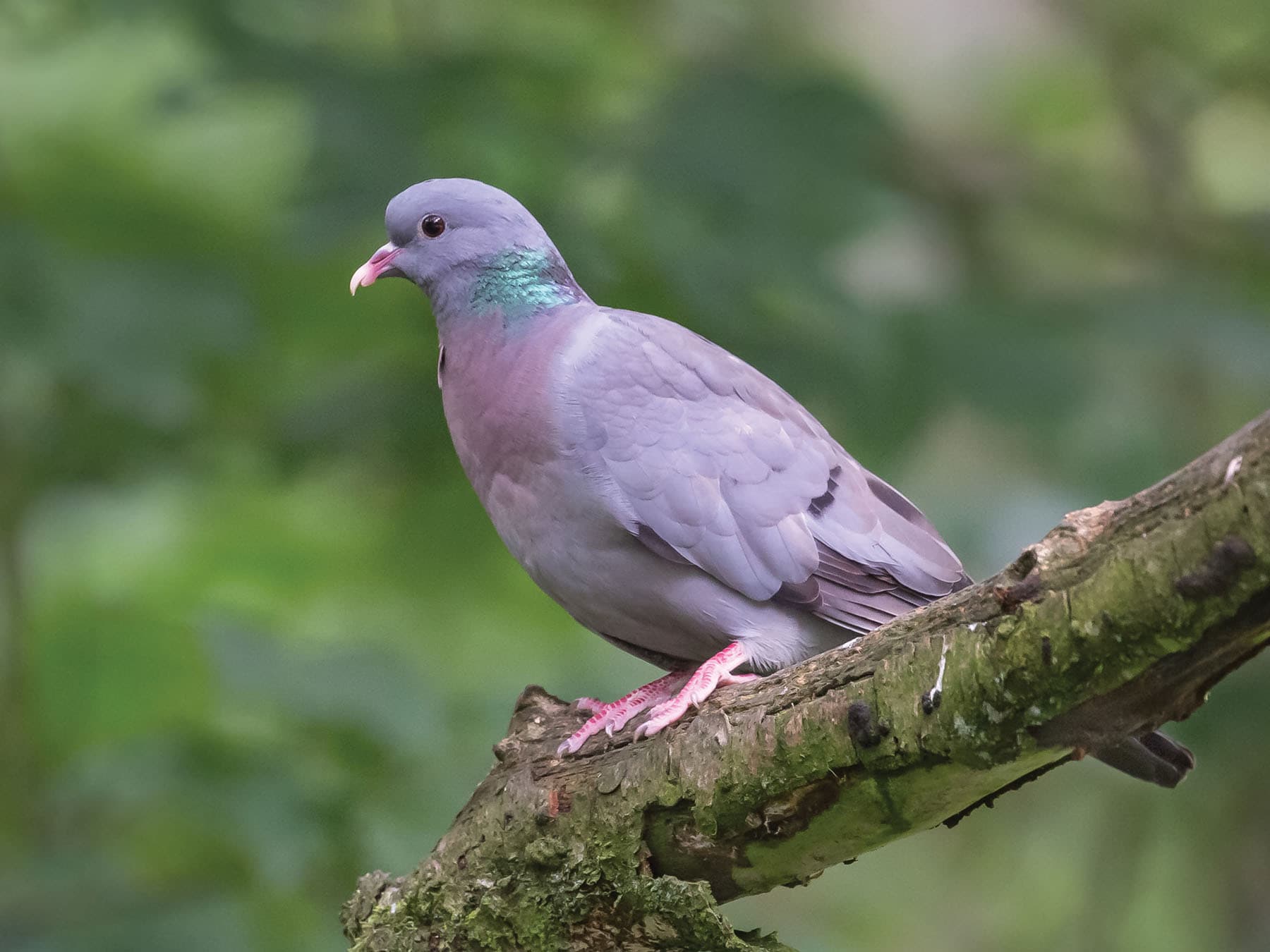
Stock Dove
Columba oenasLC
A common resident of farmland, parkland, and woodland, nesting in tree holes and old buildings. Often seen in small flocks feeding on stubble fields.
Year-round
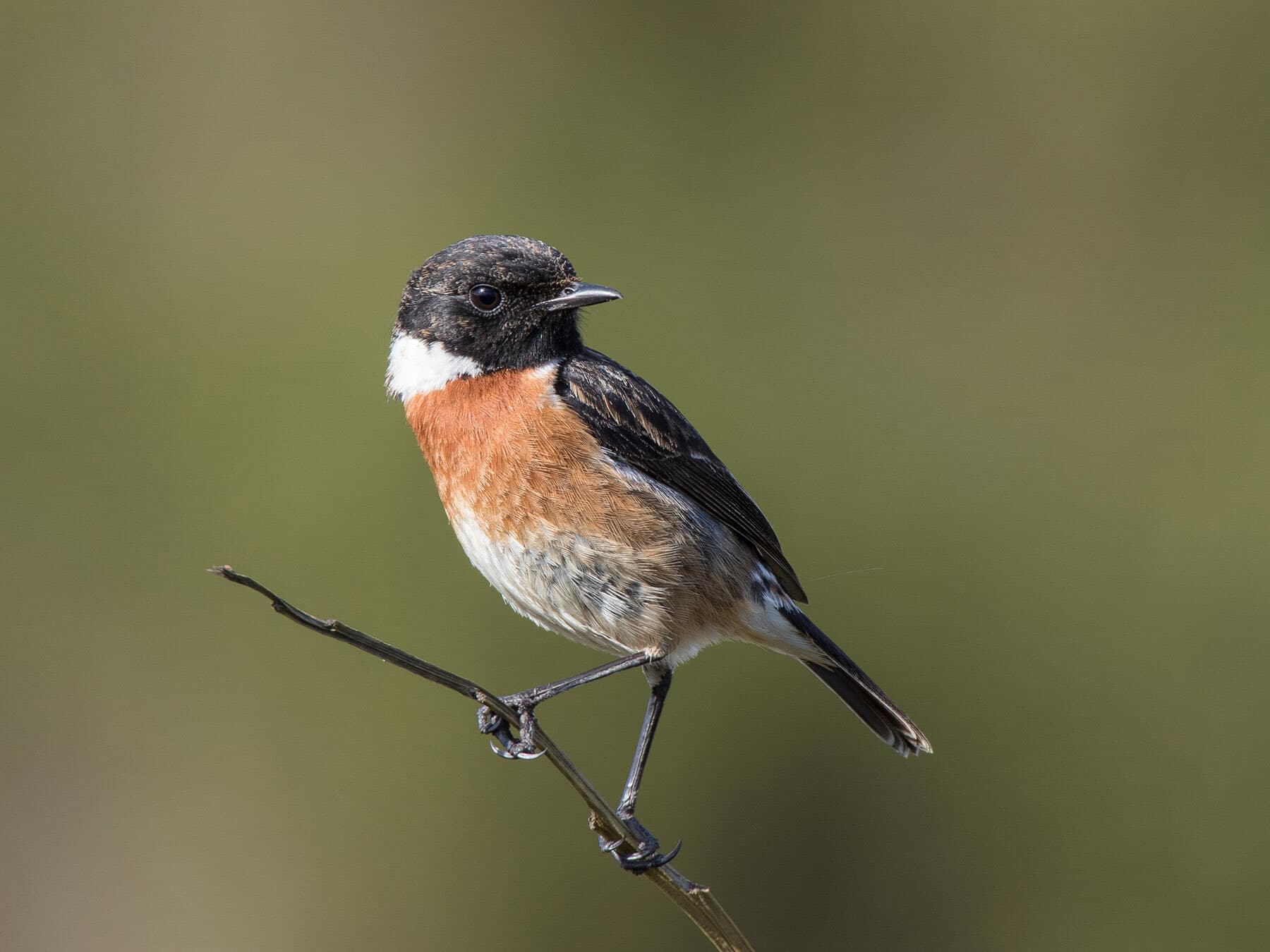
Stonechat
Saxicola torquatusLC
An uncommon resident of heathland and moorland edges in the Peak District fringe. Often perches prominently on gorse bushes year-round.
Year-round
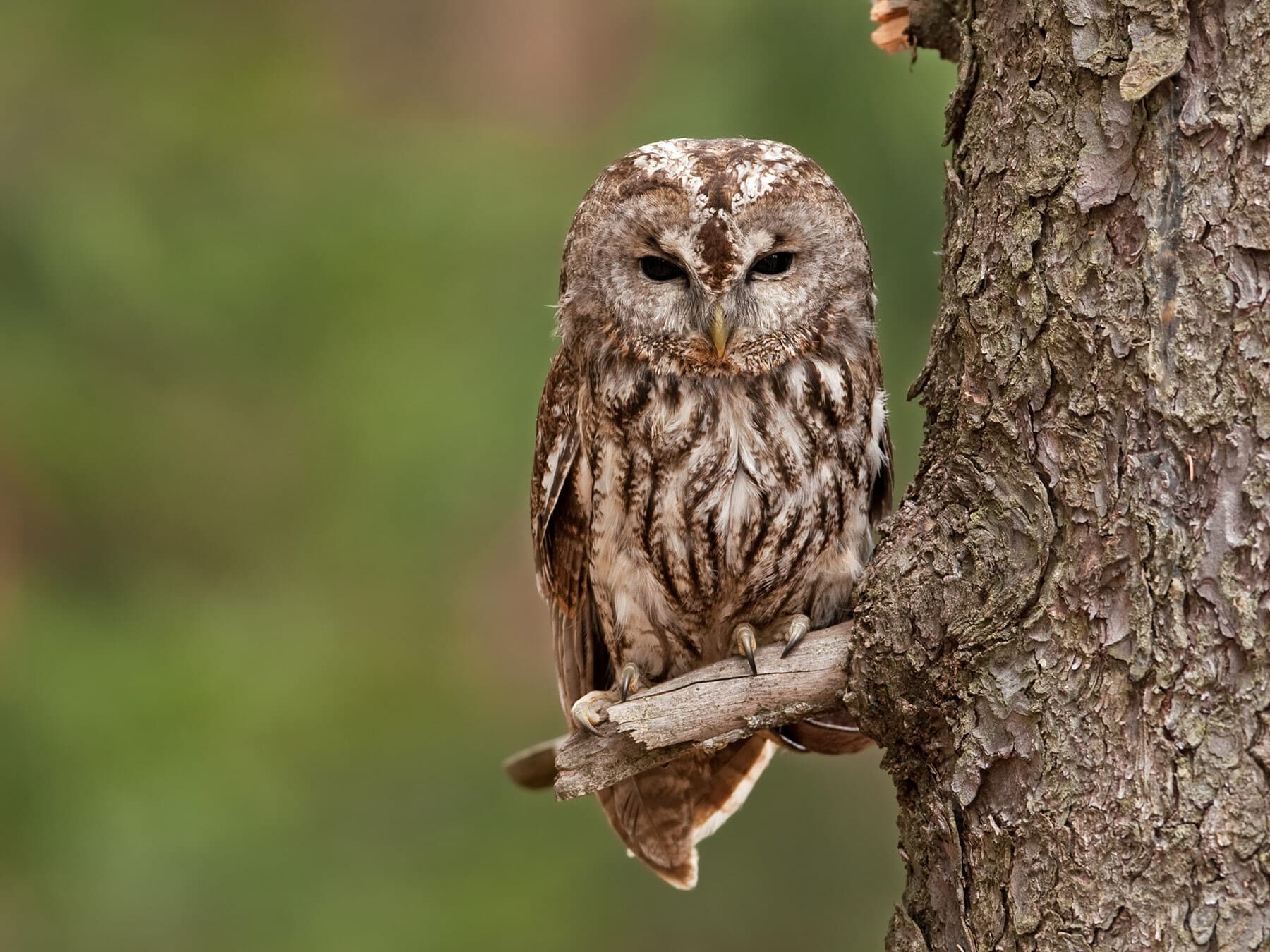
Tawny Owl
Strix alucoLC
A secretive resident of mature woodland, more often heard than seen. Under-recorded due to its nocturnal habits.
Year-round
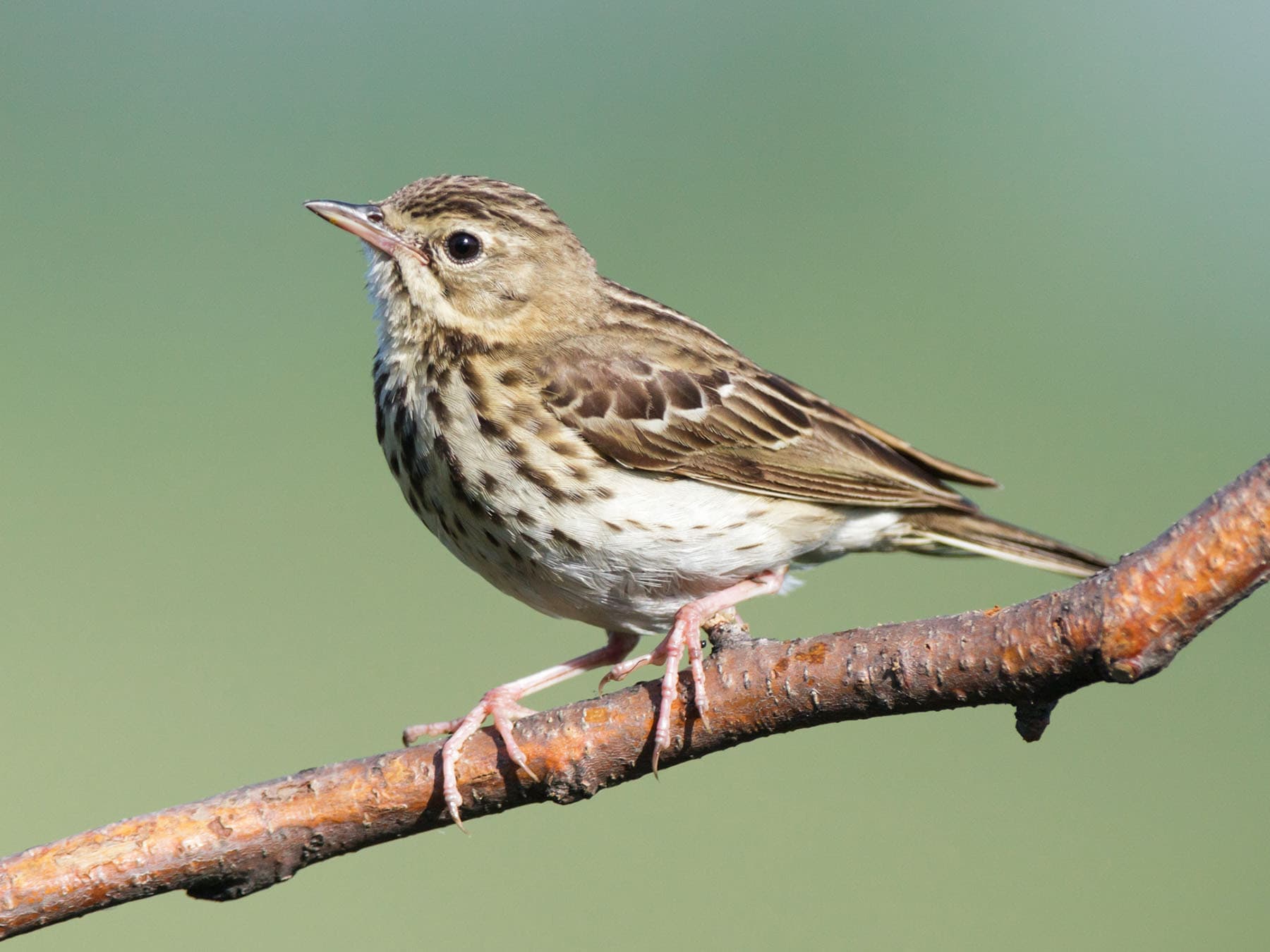
Tree Pipit
Anthus trivialisLC
A rare summer visitor breeding on wooded moorland fringes in the west, delivering its parachuting song flight from April to June.
Apr–Aug
Spotted something?
Upload a photo to identify it
Identify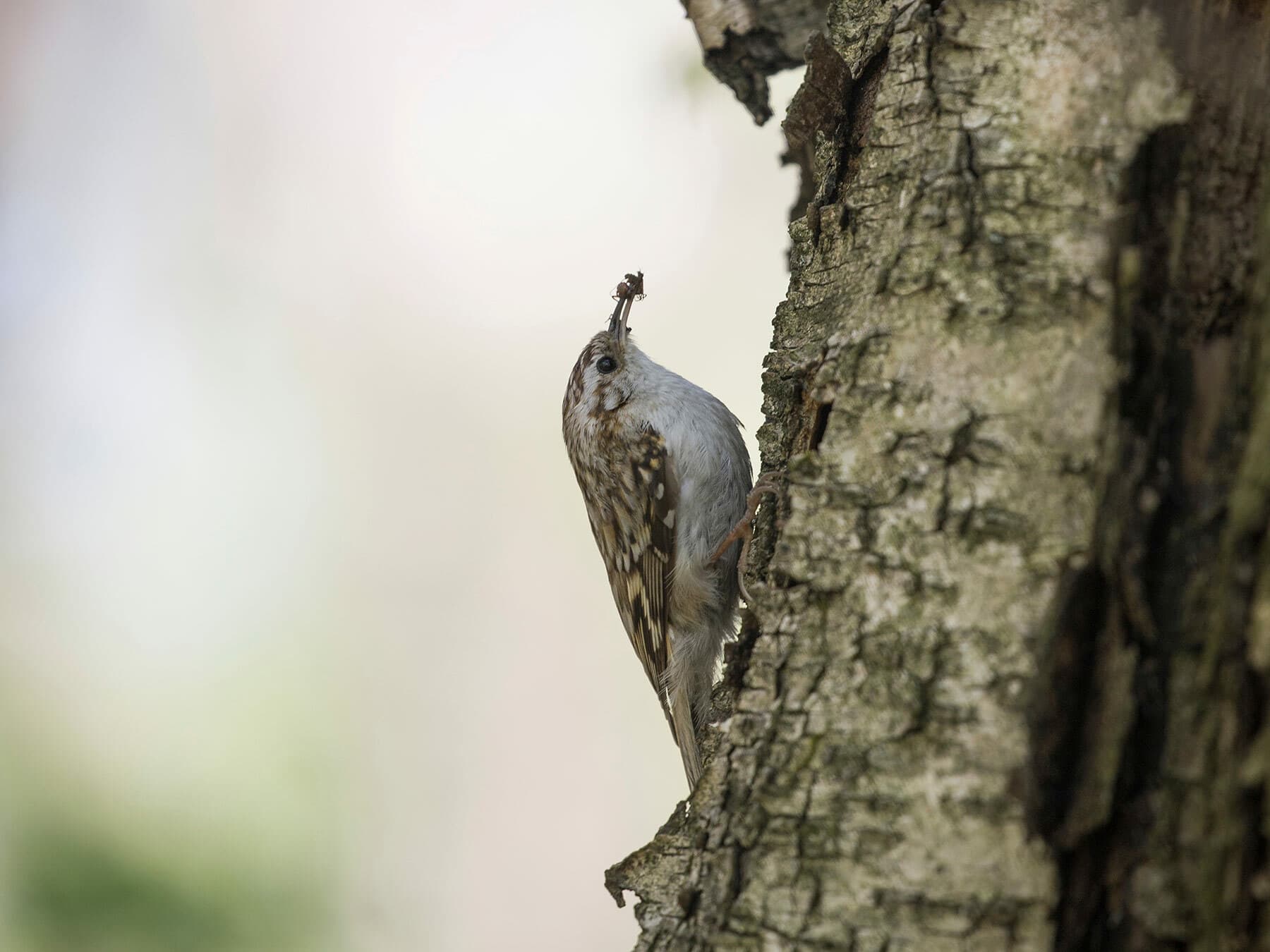
Treecreeper
Certhia familiarisLC
An uncommon resident of mature woodland, spiralling up tree trunks in parks and ancient woods throughout the year.
Year-round
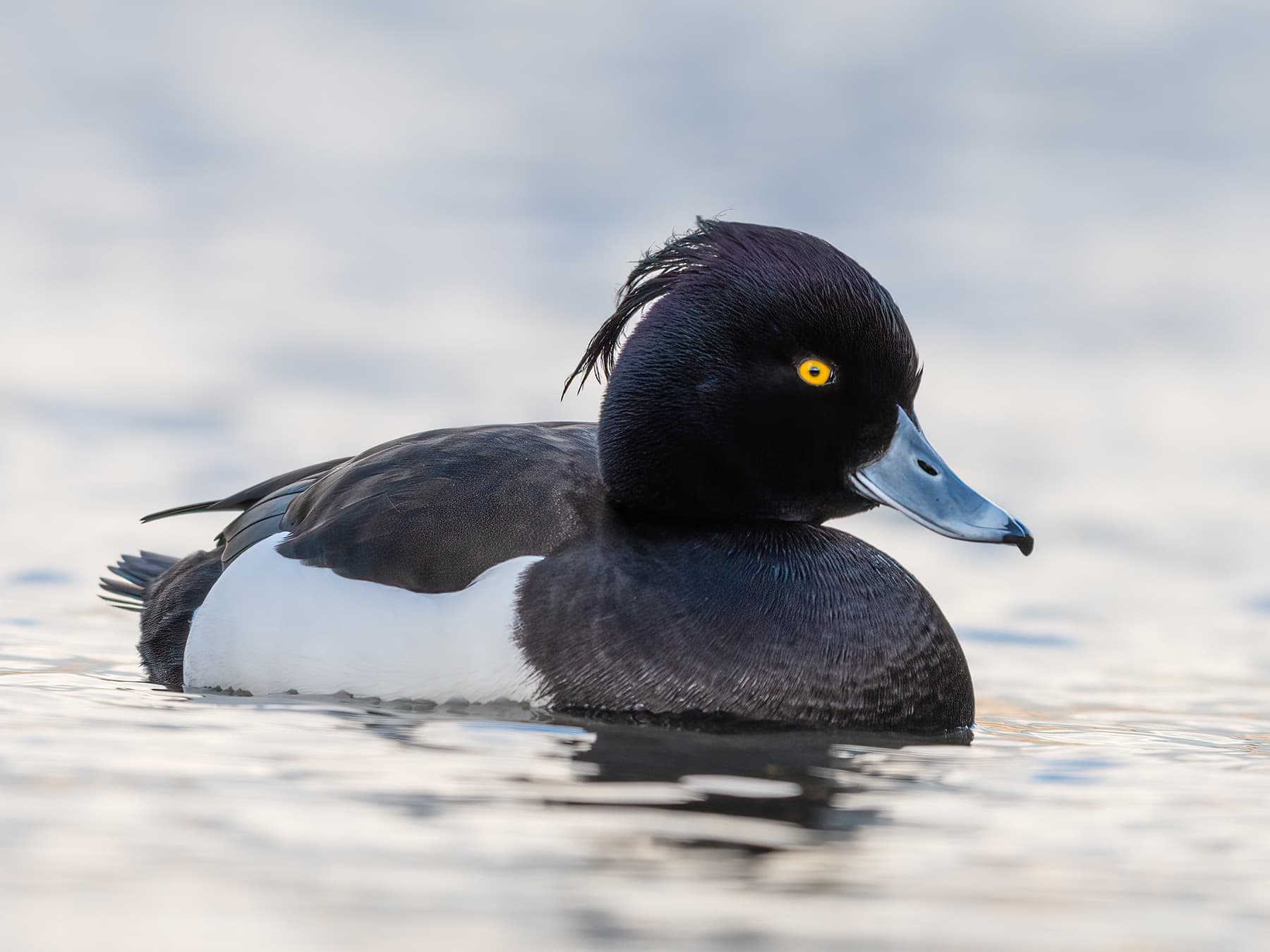
Tufted Duck
Aythya fuligulaLC
A common resident breeding on lakes and reservoirs throughout the region. Numbers increase in winter with continental arrivals.
Year-round
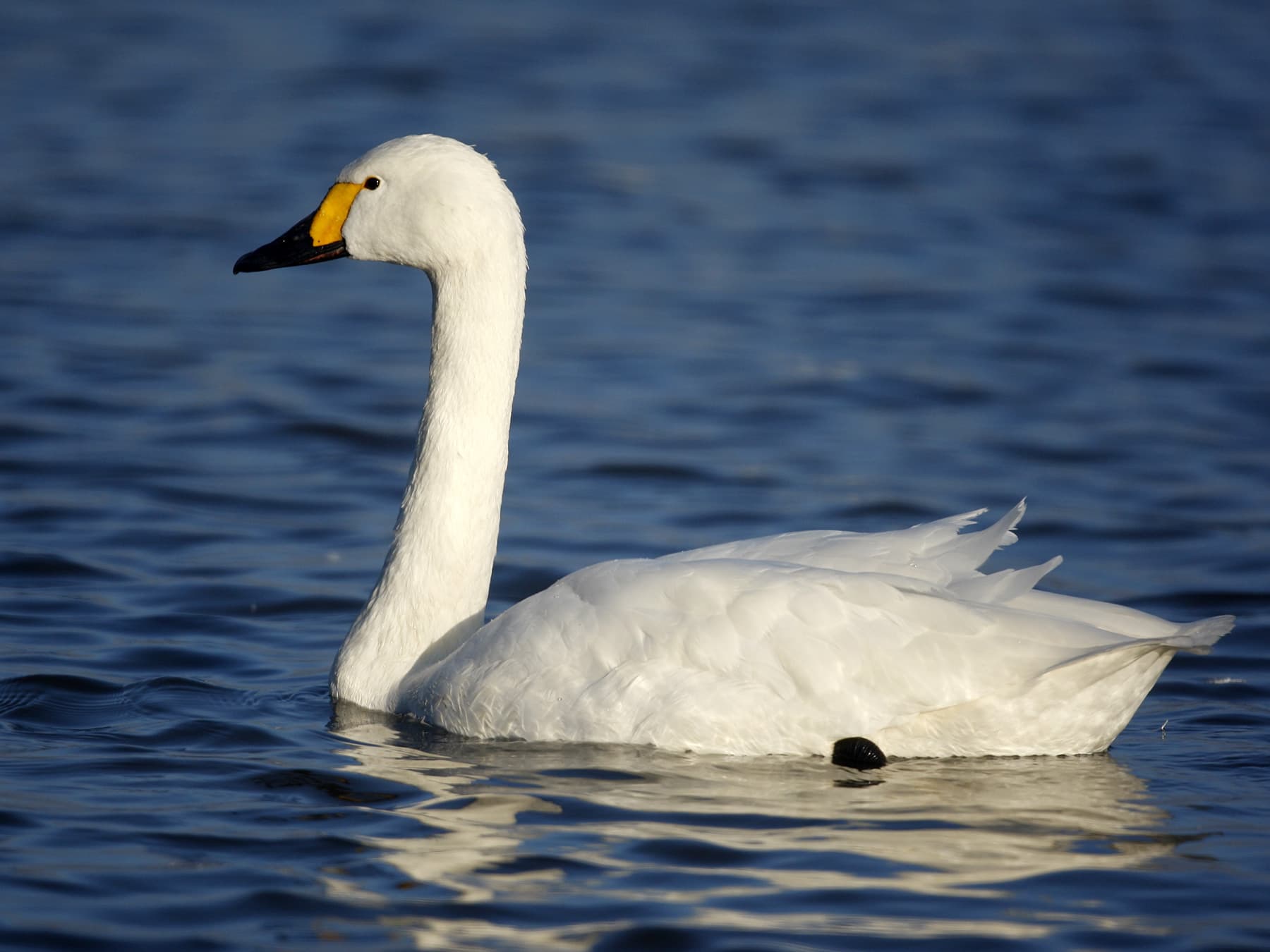
Tundra Swan
Cygnus columbianusLC
A rare winter passage visitor, occasionally seen on larger reservoirs and flooded fields during harsh cold spells in January and February.
Jan–Feb
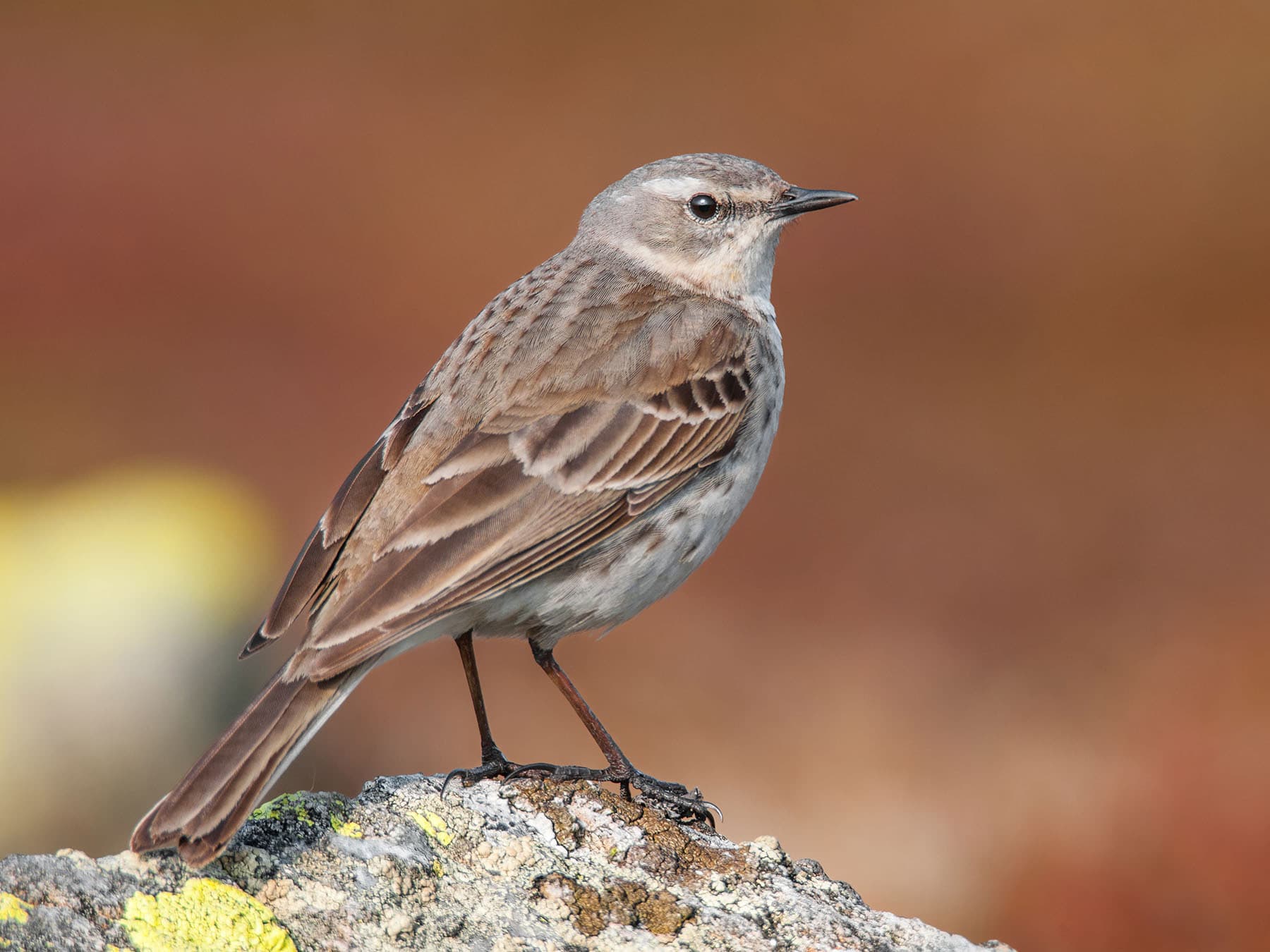
Water Pipit
Anthus spinolettaLC
A rare passage visitor in late autumn and early spring, occasionally found at watercress beds and marshy margins at lowland wetland reserves.
Nov–Mar
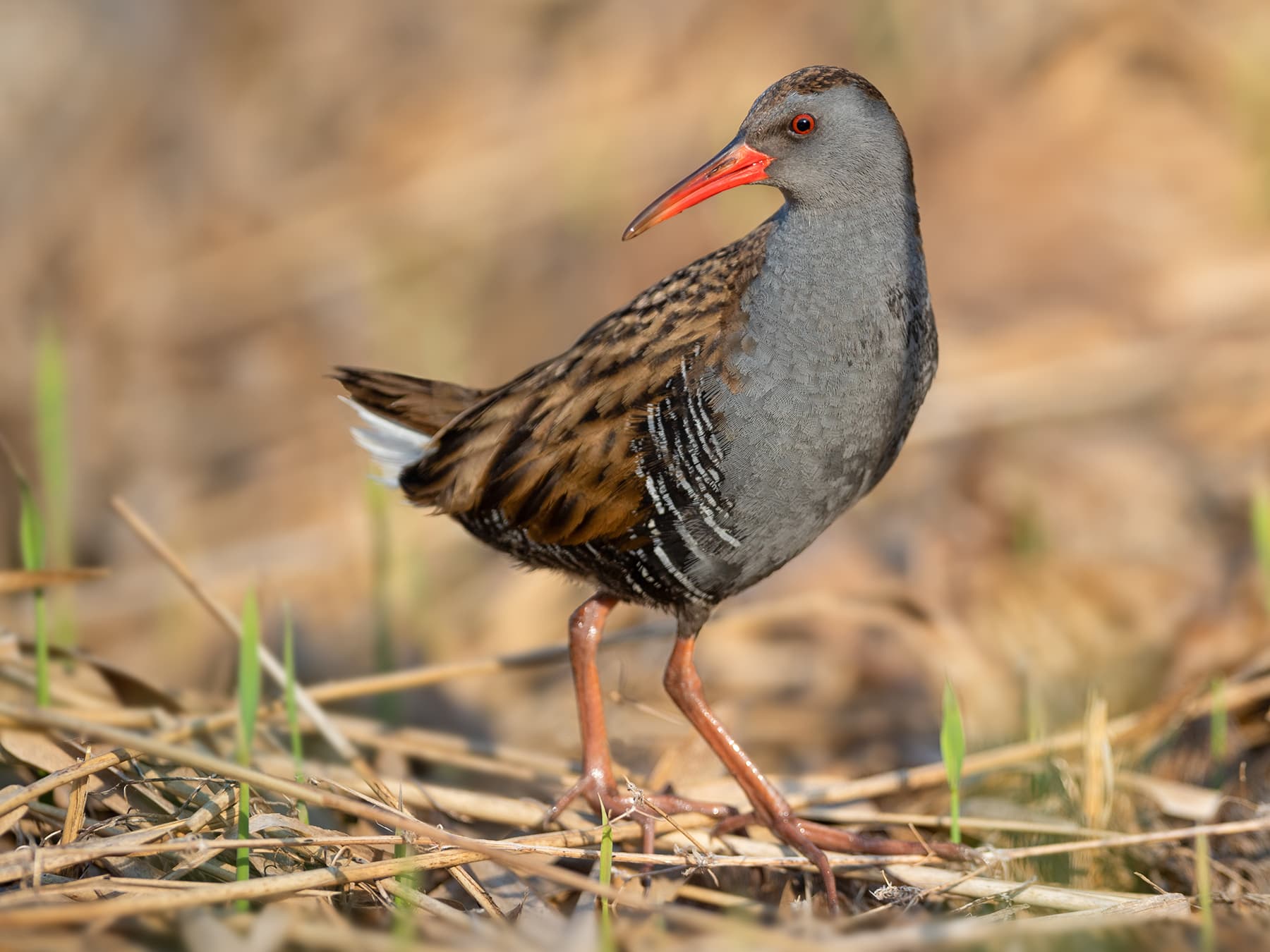
Water Rail
Rallus aquaticusLC
A secretive year-round resident of reedbeds and marshes, more often heard than seen. Listen for its pig-like squealing call at sites like Old Moor.
Year-round
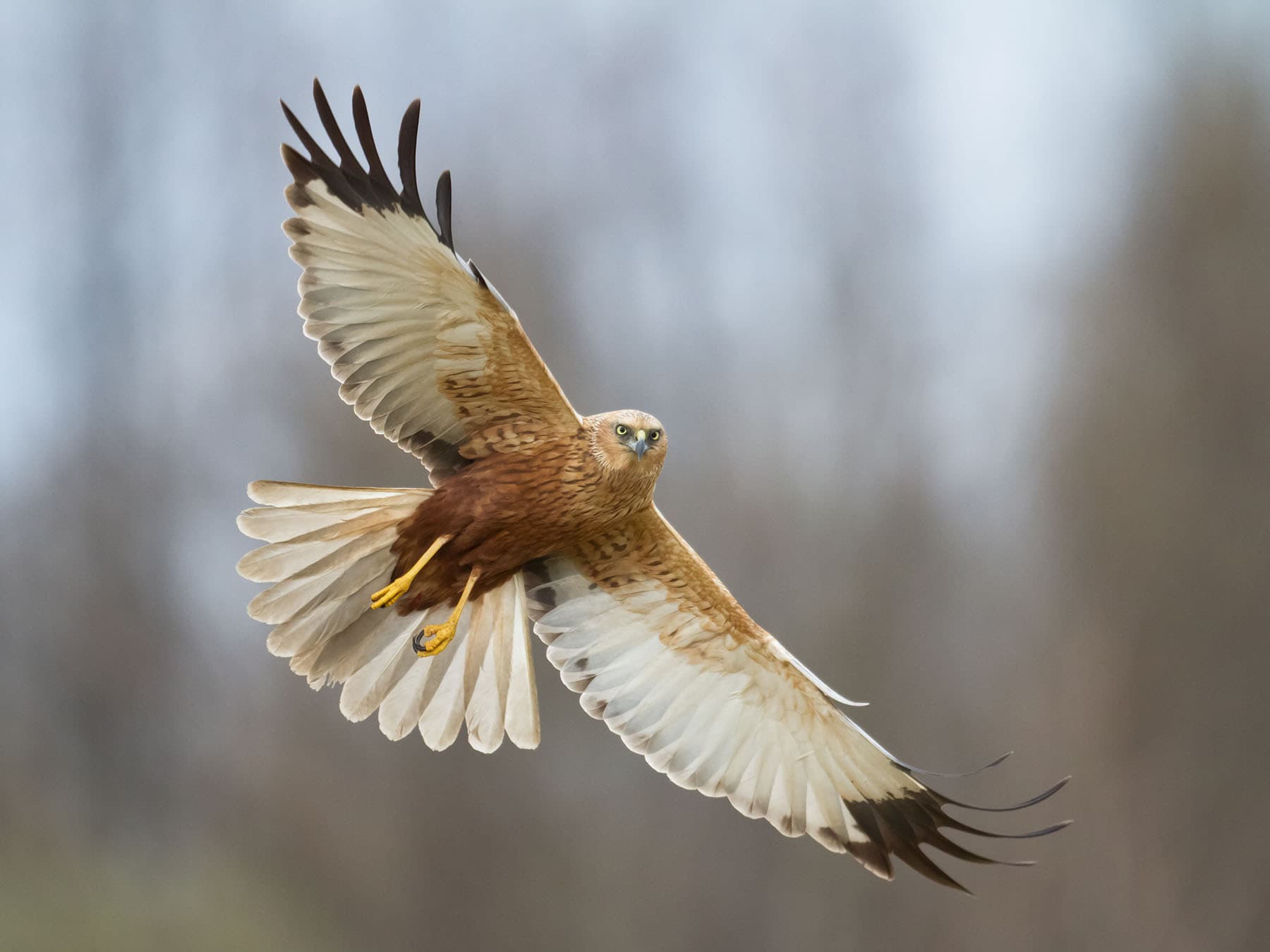
Western Marsh-harrier
Circus aeruginosusLC
An uncommon resident of reedbeds and marshes, now present year-round following successful recolonisation of the region's wetlands.
Year-round
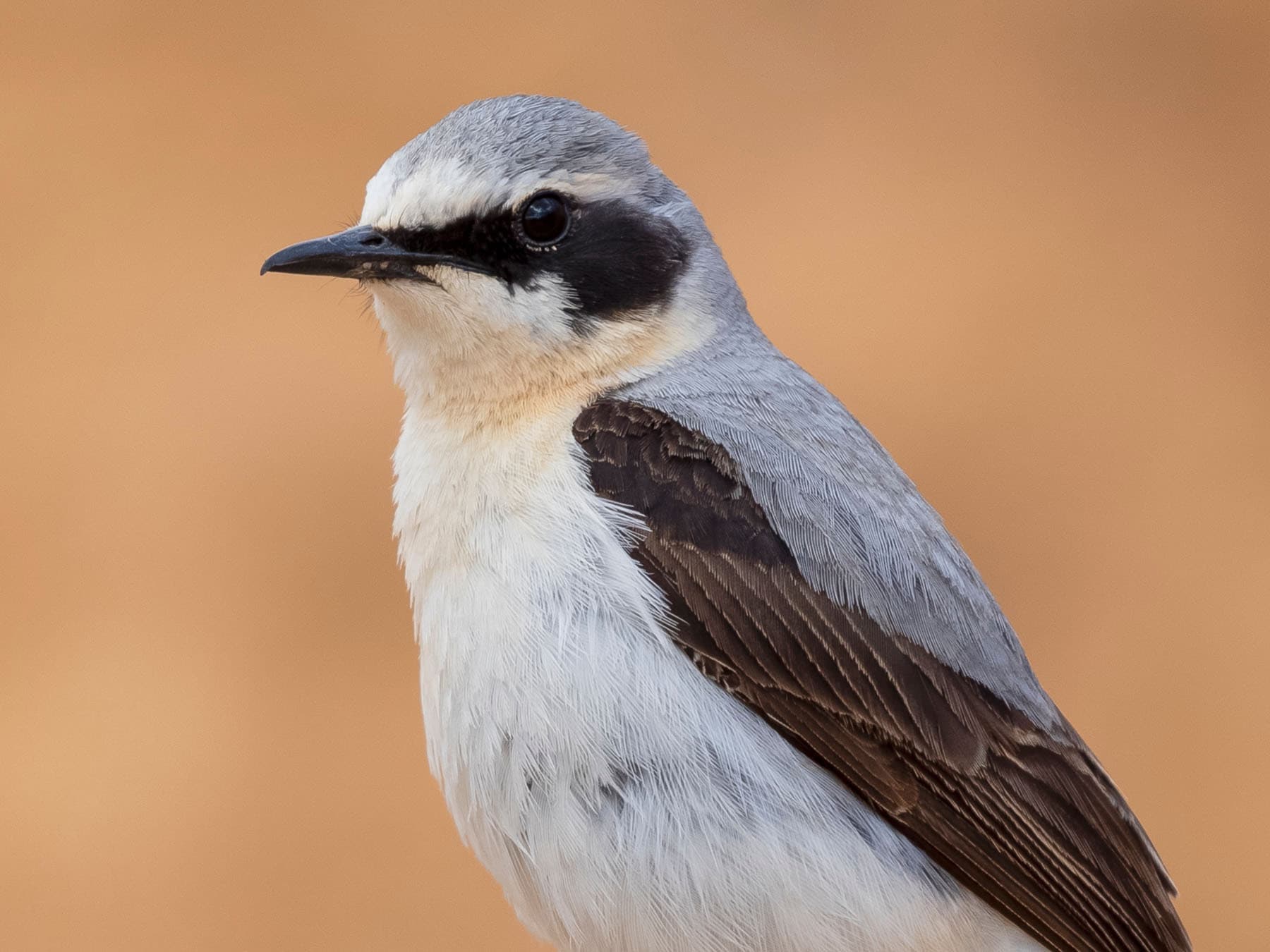
Wheatear
Oenanthe oenantheLC
A rare summer breeder on upland moorland edges in the western Peak District fringe, also seen on passage across lowland fields.
Mar–Sep
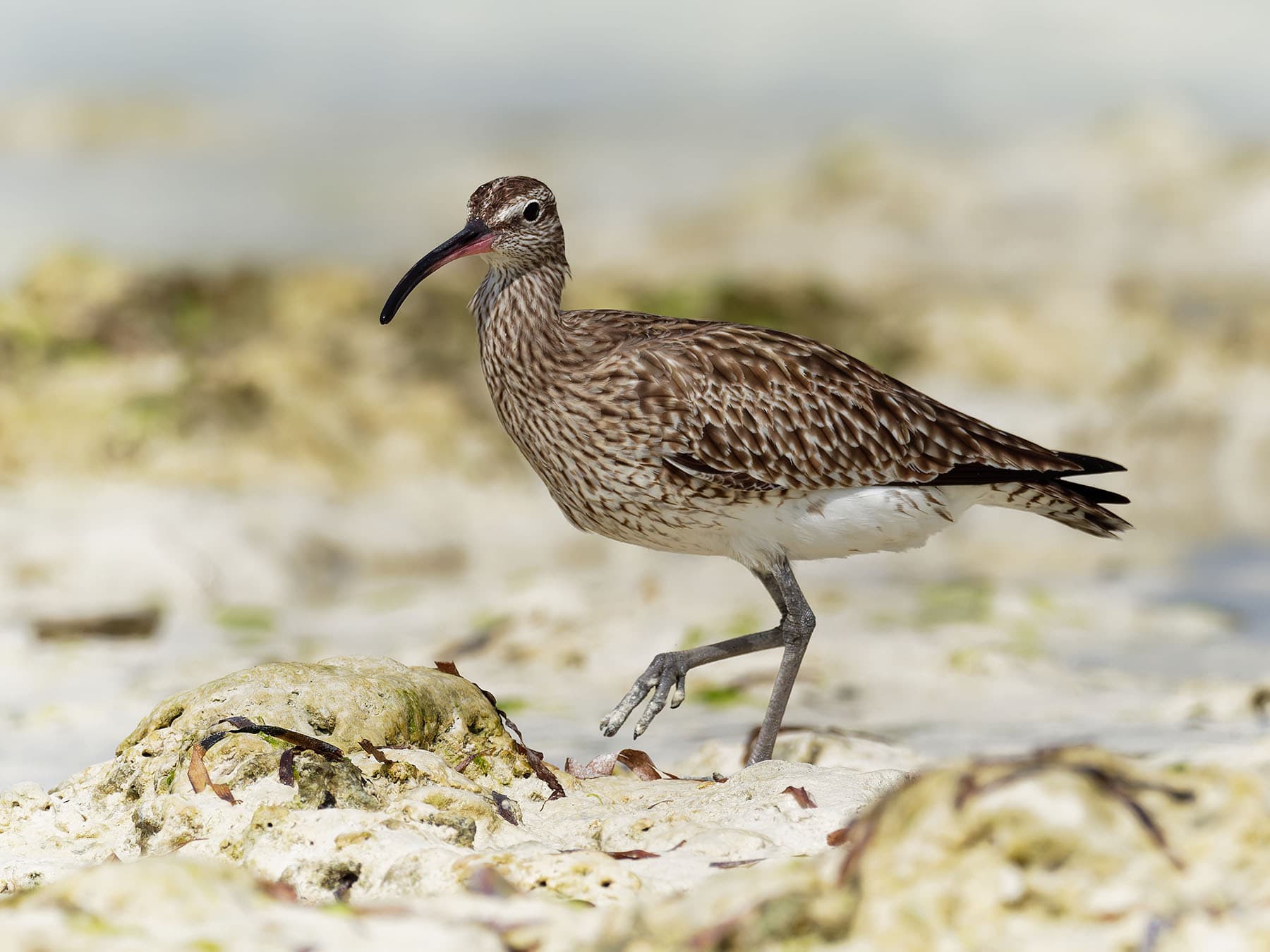
Whimbrel
Numenius phaeopusLC
A scarce passage migrant in spring and late summer, briefly stopping at wetlands en route to northern breeding grounds.
Apr–Aug
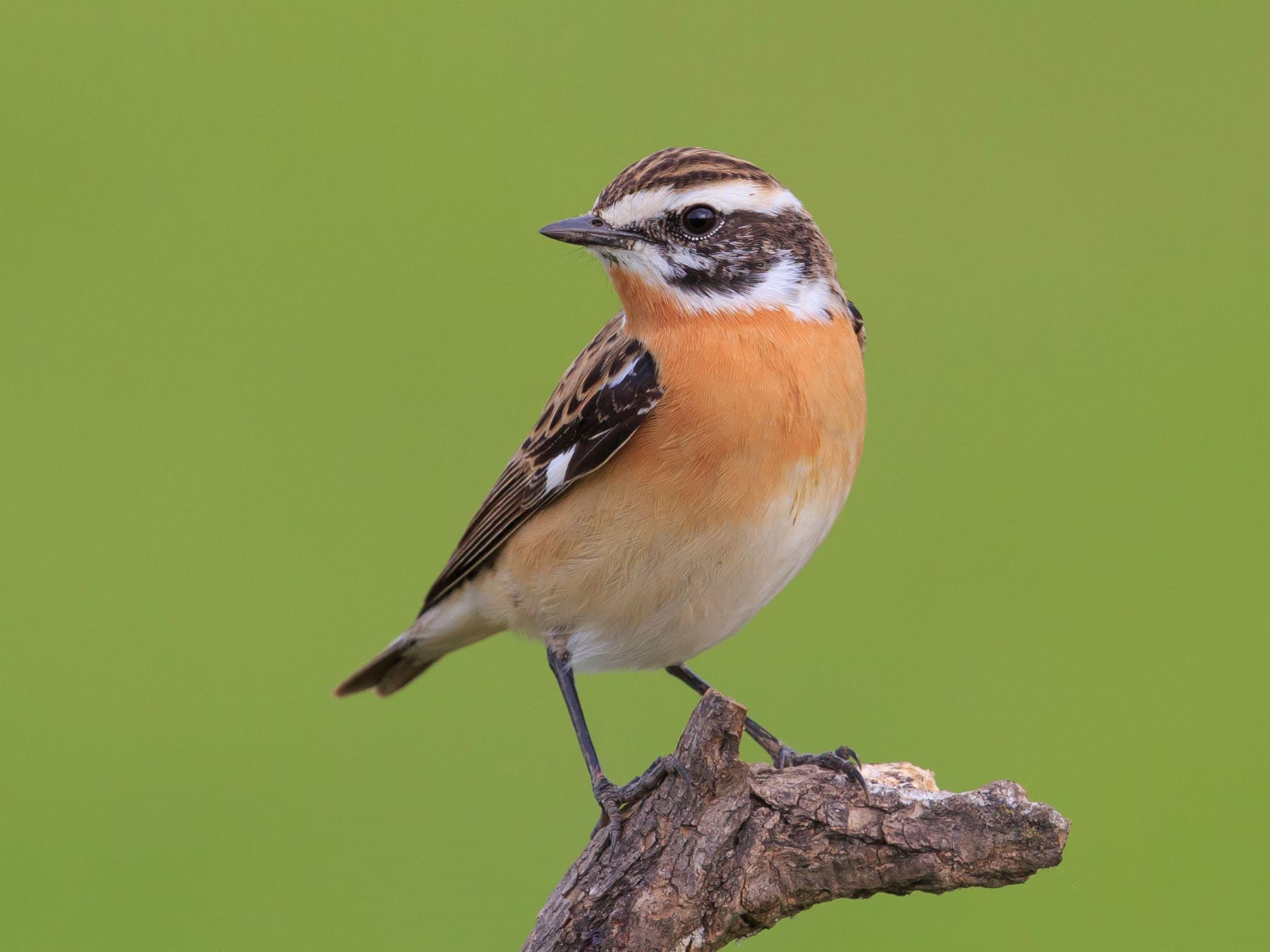
Whinchat
Saxicola rubetraLC
A rare breeding summer visitor to rough grassland and moorland edges in the west, present from May to September. Has declined significantly.
May–Sep
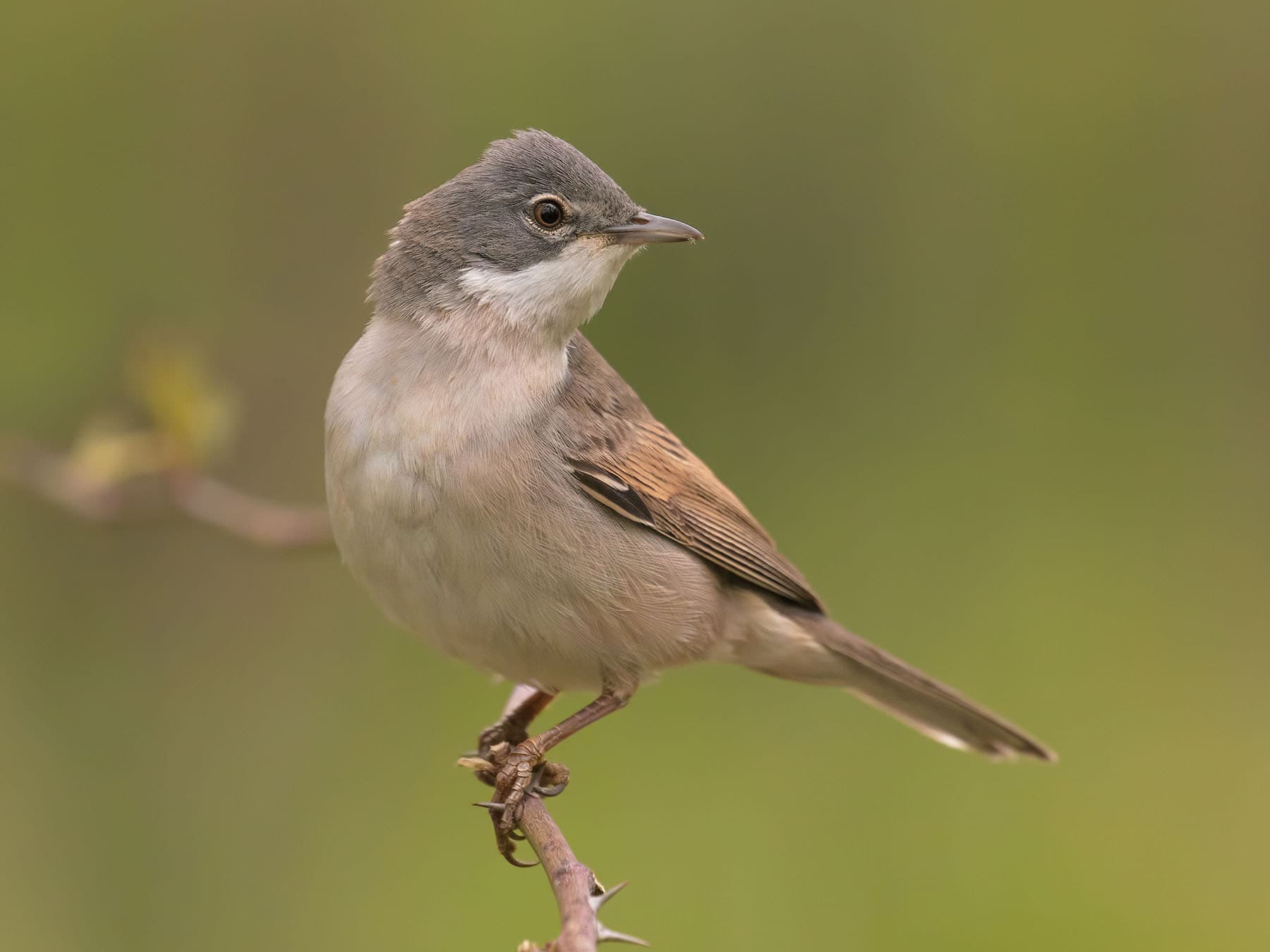
Whitethroat
Curruca communisLC
A common summer visitor from April to September, singing its scratchy song from hedgerows and scrubby field margins across the region.
Apr–Sep
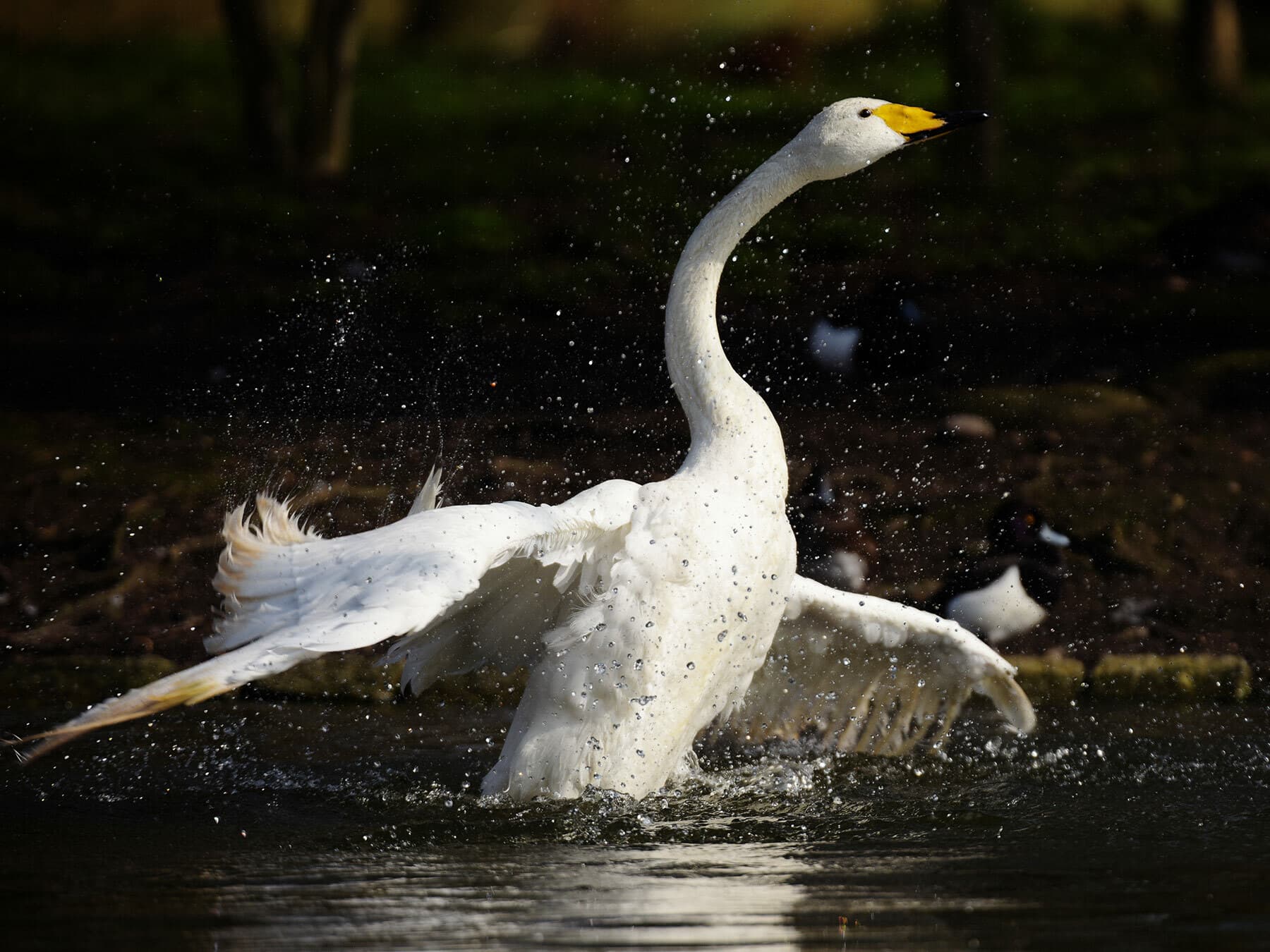
Whooper Swan
Cygnus cygnusLC
An uncommon winter visitor arriving from Iceland, found on flooded fields and larger water bodies. Its bugling calls distinguish it from the resident Mute Swan.
Sep–Apr
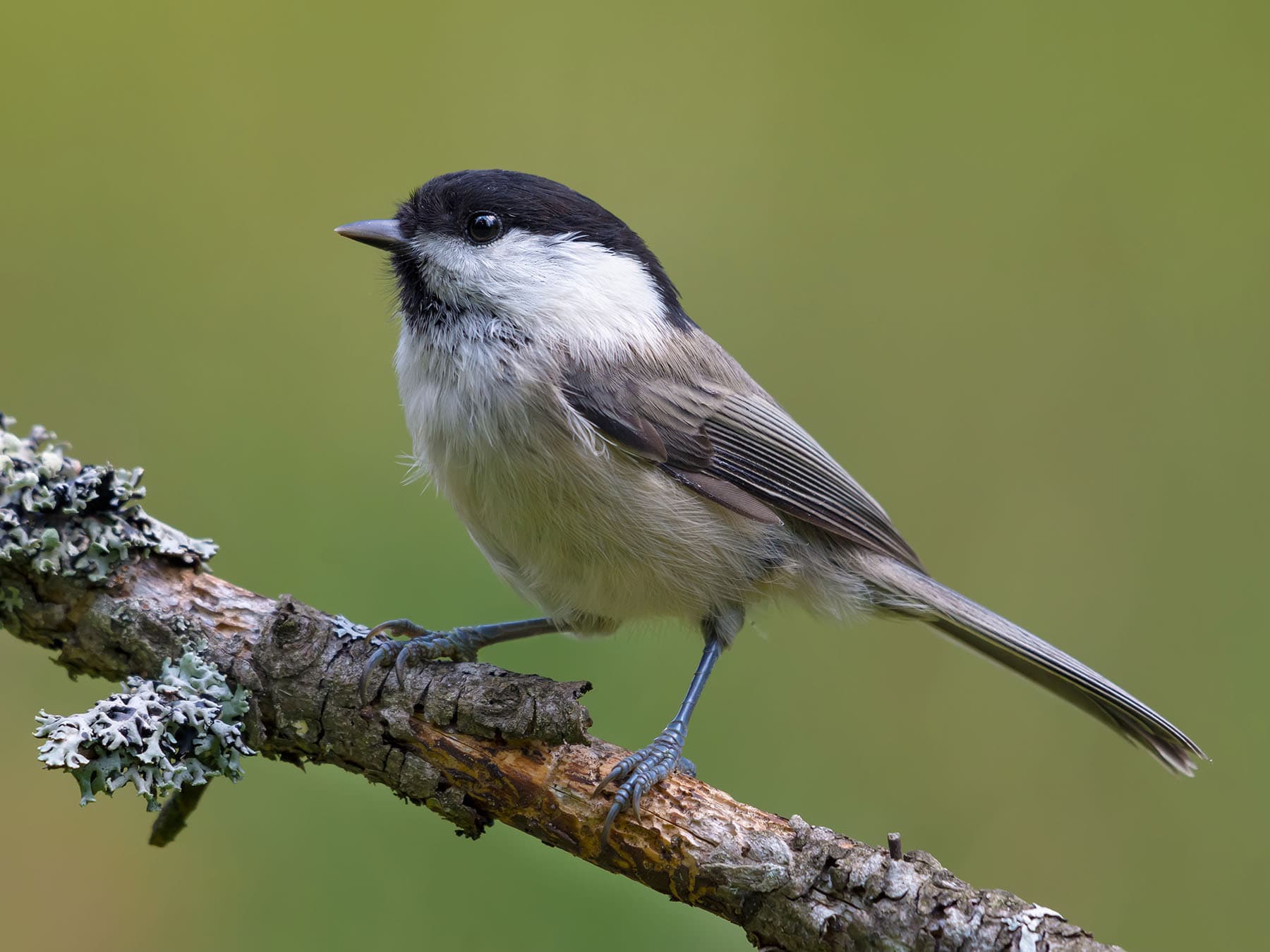
Willow Tit
Poecile montanusLC
A rare and rapidly declining resident, making South Yorkshire a key area for conservation. Favours damp woodland with decaying birch and willow.
Year-round
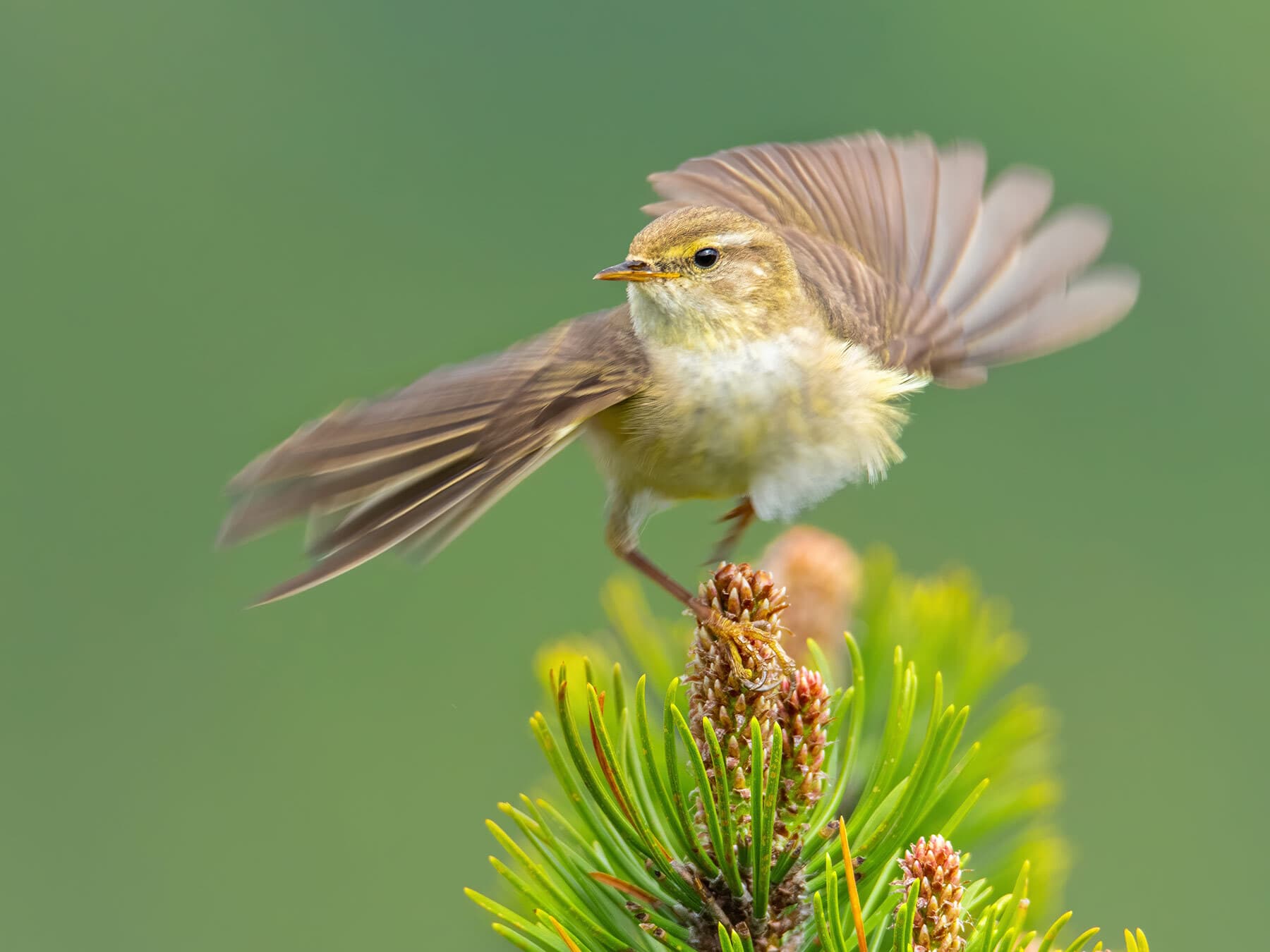
Willow Warbler
Phylloscopus trochilusLC
A common summer breeder arriving from March, favouring birch woodland and scrubby moorland edges across the western hills and lowland reserves.
Mar–Oct
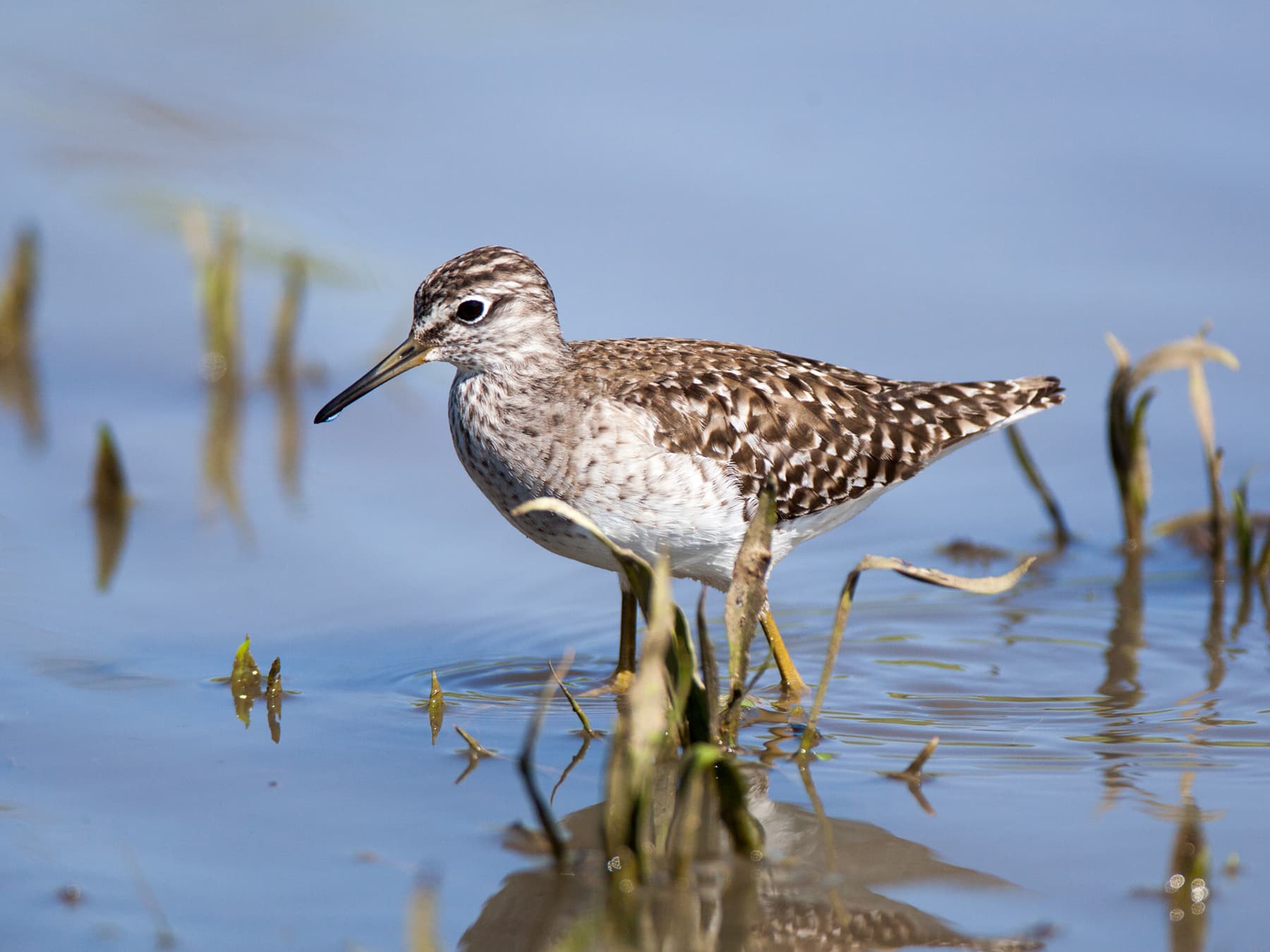
Wood Sandpiper
Tringa glareolaLC
A rare breeder and passage bird, occasionally recorded at shallow pools and marshes in spring and late summer.
Apr–Sep
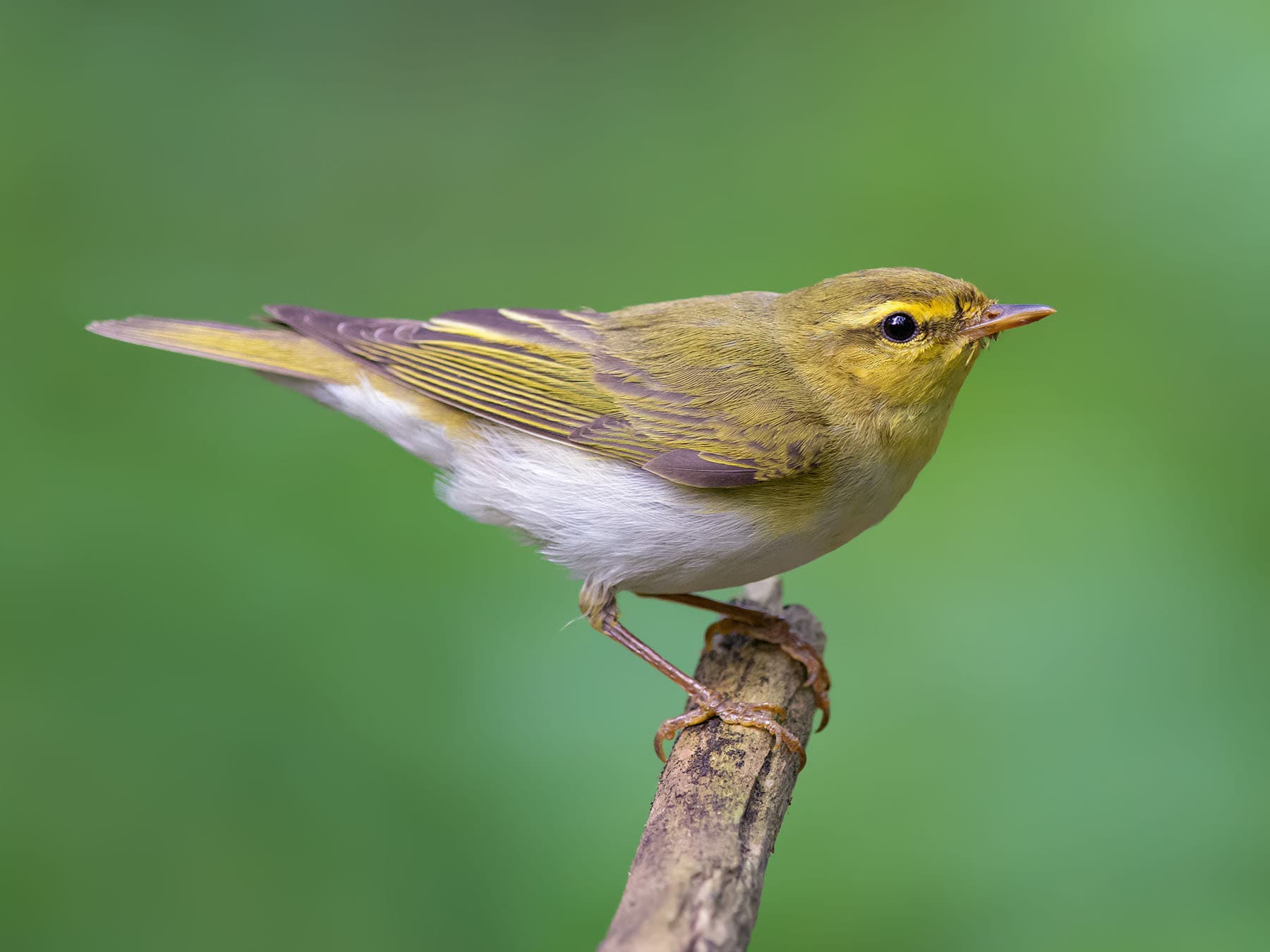
Wood Warbler
Phylloscopus sibilatrixLC
A rare passage migrant in May and June, occasionally heard singing in mature oak woodland on the western fringes of the region.
May–Jun