Birds in South Yorkshire
Explore 189 species found in this region.
South Yorkshire supports an impressive diversity of birdlife, with 187 species recorded across its varied landscapes of moorland, river valleys, wetlands, and urban green spaces. From the upland edges of the Peak District to the lowland marshes of the Dearne Valley, birders can encounter everything from Dotterel on high moorland passes to Northern Lapwing on farmland and Mandarin Duck along wooded waterways. Notable species such as Common Merganser, Eurasian Woodcock, and Northern Pintail reflect the county's rich mosaic of aquatic and terrestrial habitats.
Visiting in July? Look out for Barnacle Goose and Common Crane arriving this month, and Common Quail and Corn Bunting depart for the season.


Showing 70–92 of 189 species
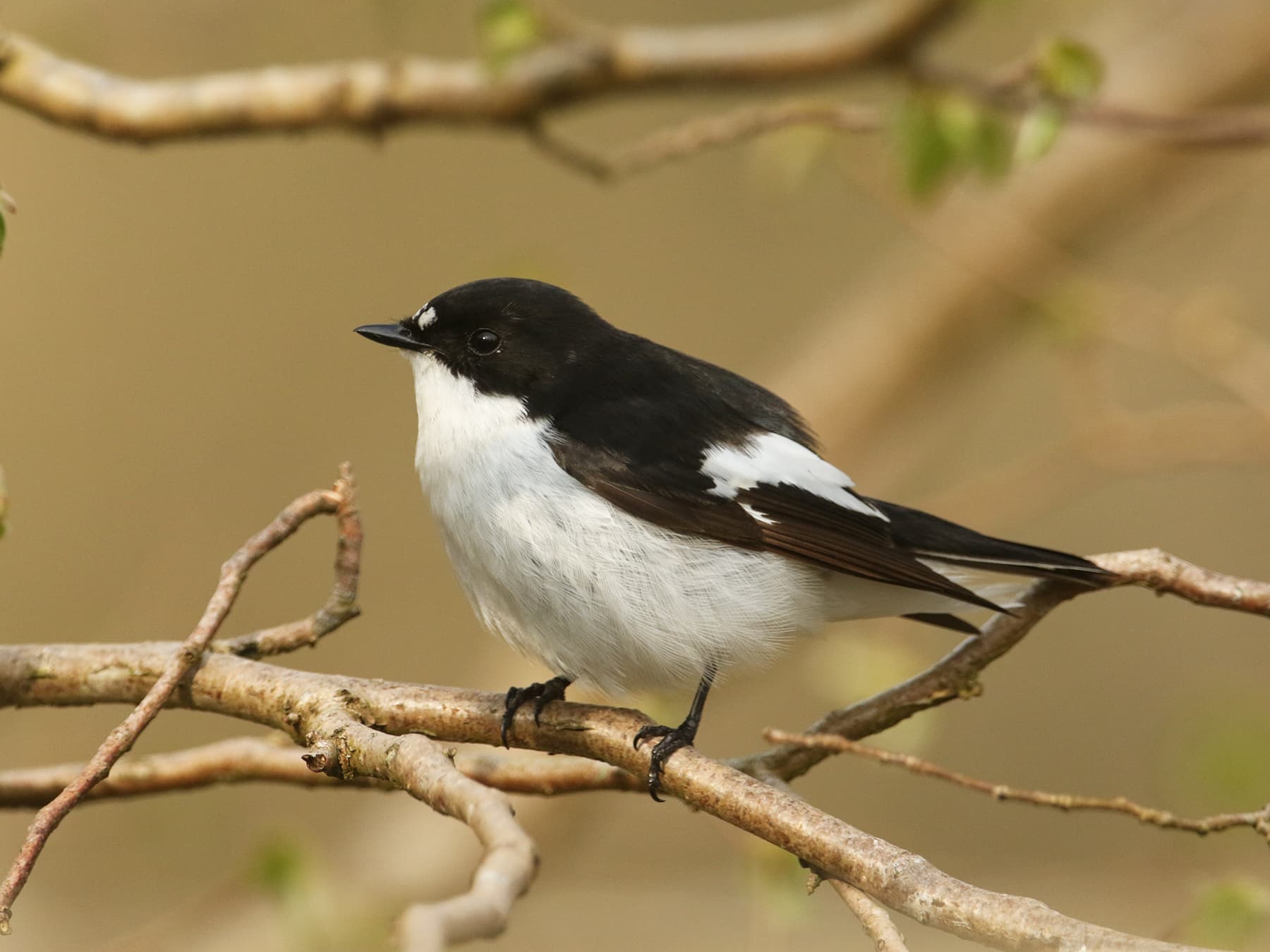
European Pied Flycatcher
Ficedula hypoleucaLC
A rare spring passage migrant in April and May, occasionally stopping at wooded sites. Breeds further west and north in upland oak woods.
Apr–May
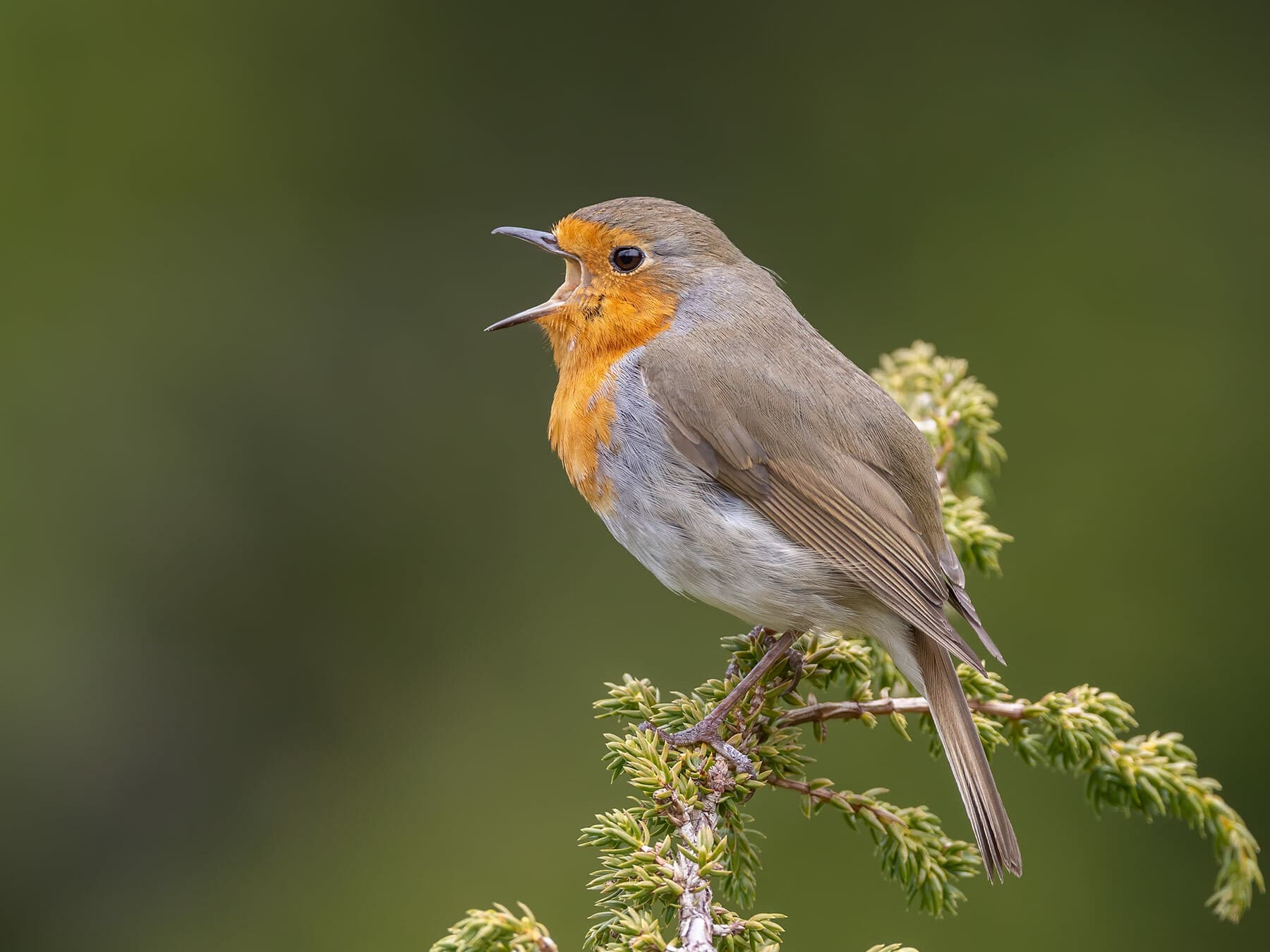
European Robin
Erithacus rubeculaLC
A common and familiar year-round resident of gardens, woodlands, and hedgerows. One of the region's most confiding and recognisable birds.
Year-round
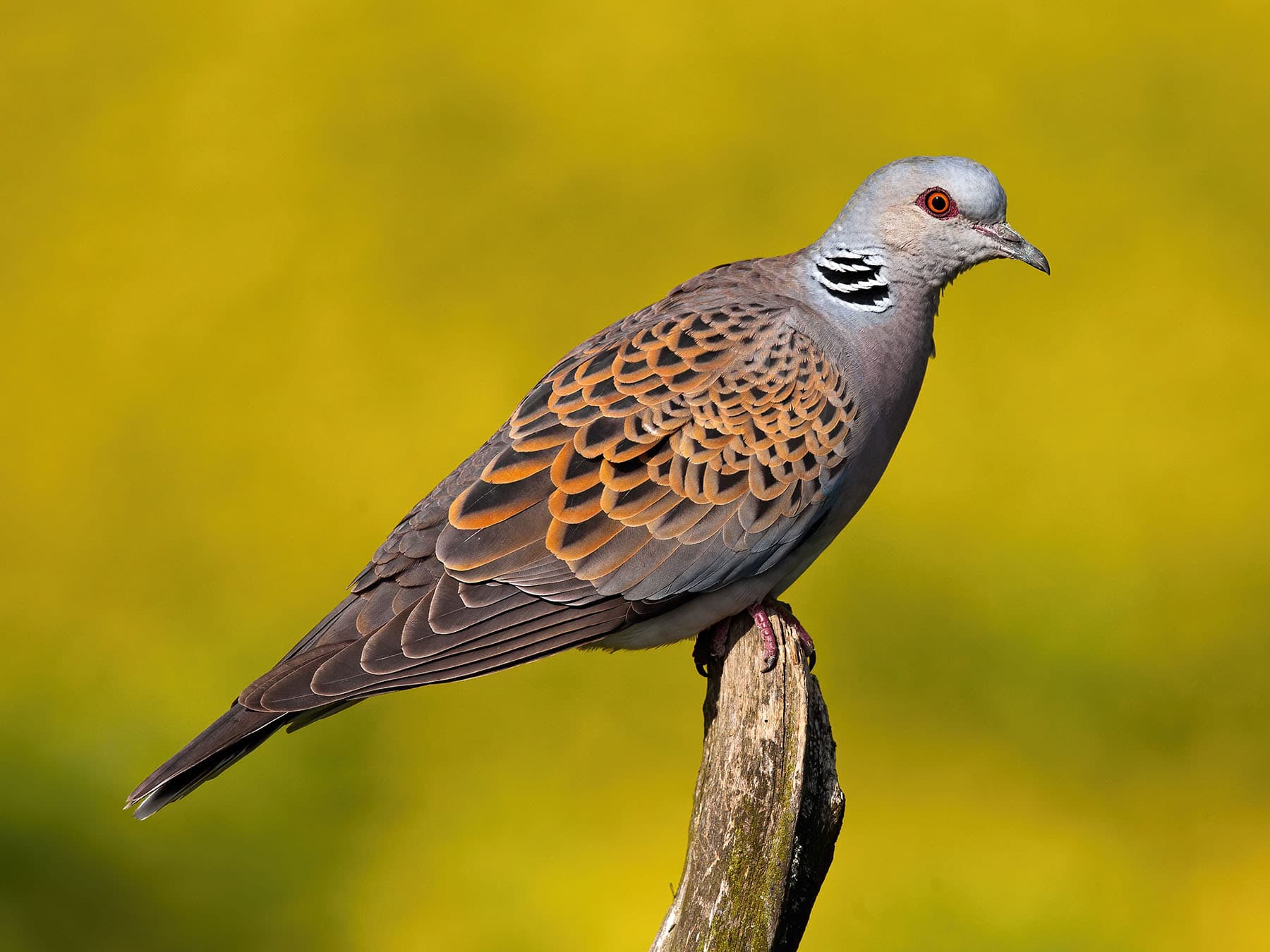
European Turtle-dove
Streptopelia turturVU
A rare and rapidly declining summer breeder, arriving in May. One of the UK's most threatened birds, now very scarce here.
May–Aug
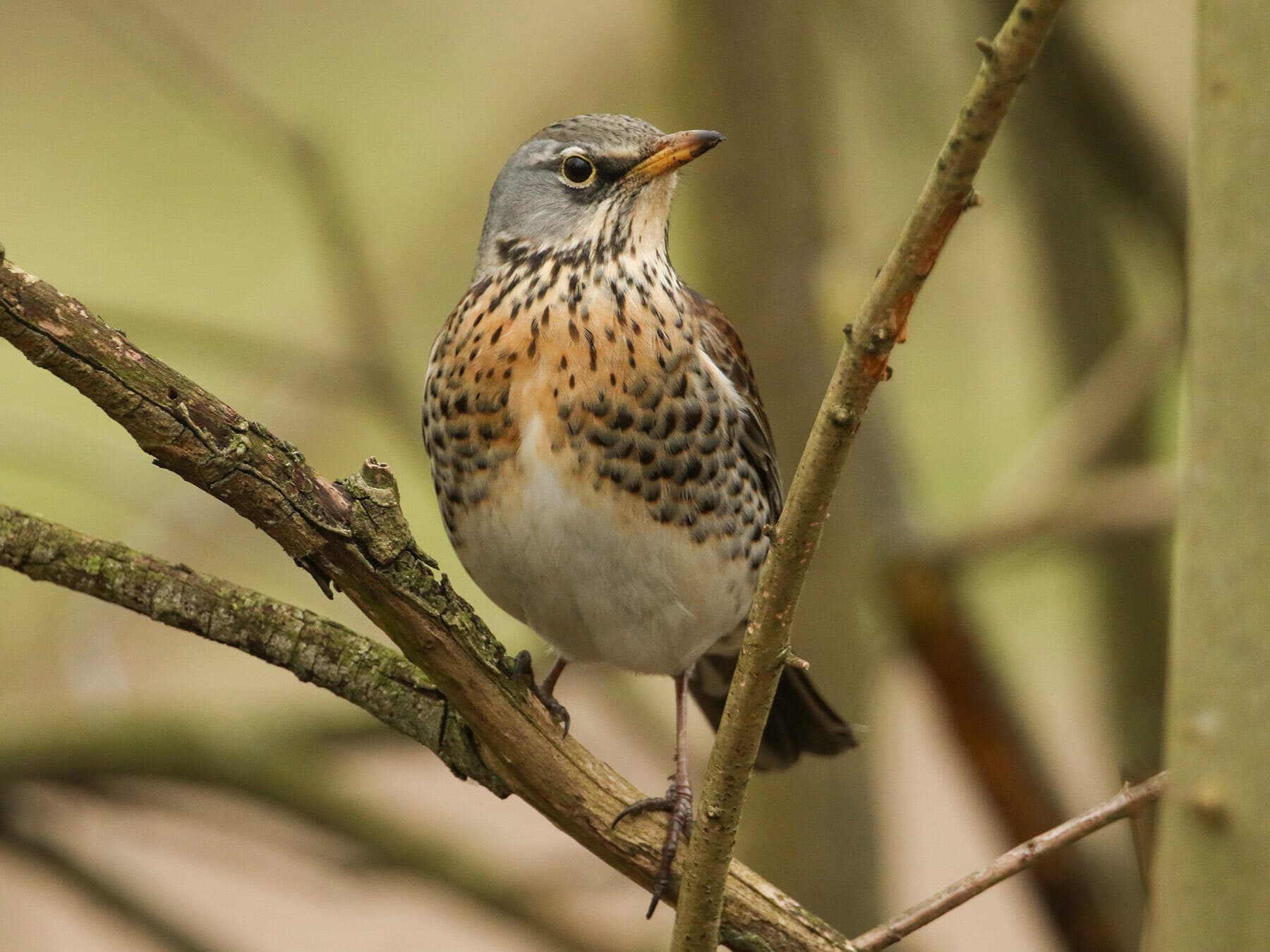
Fieldfare
Turdus pilarisLC
An uncommon winter visitor from Scandinavia, arriving from October and feeding in flocks on hedgerow berries across farmland.
Oct–Apr
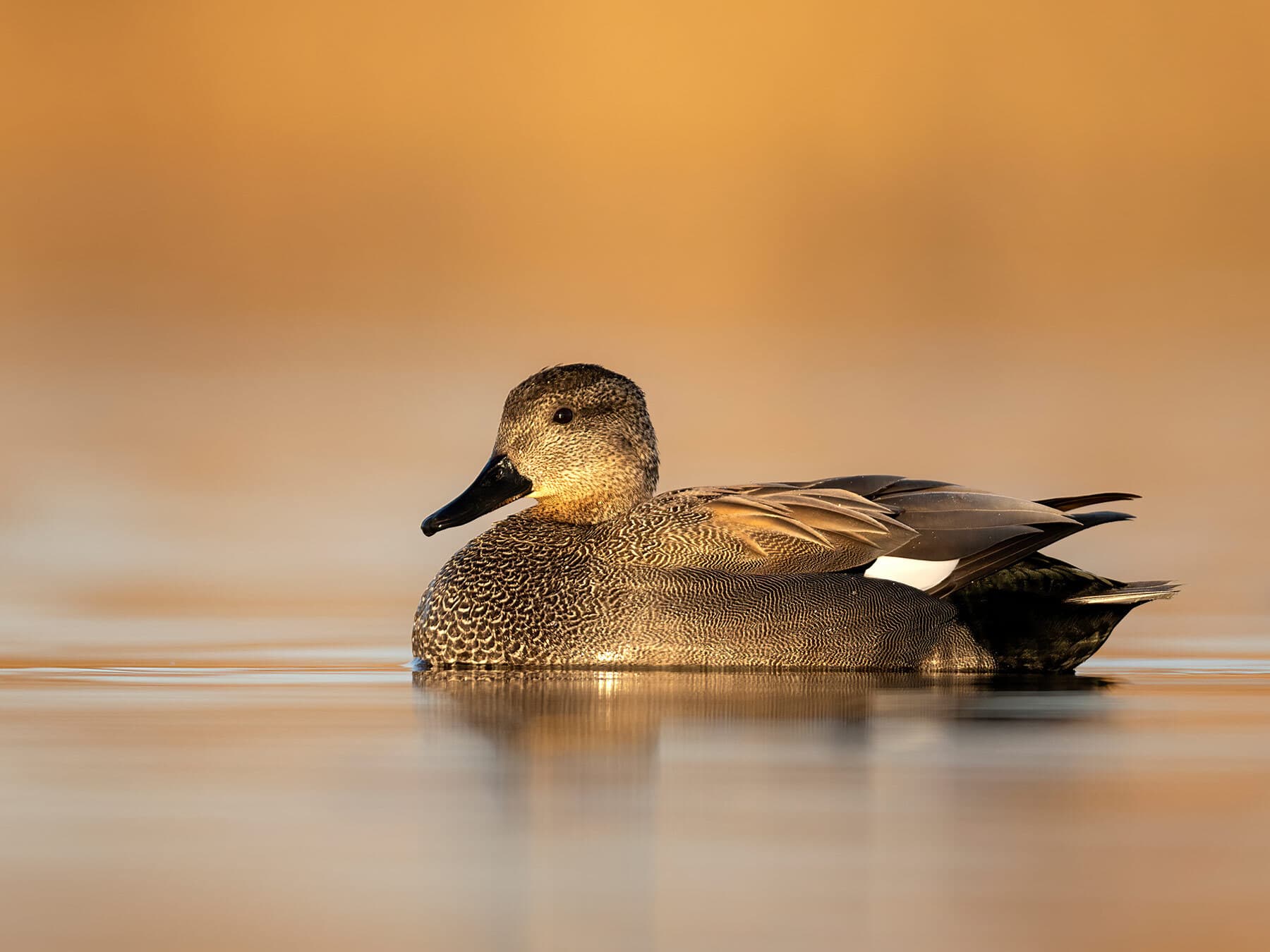
Gadwall
Mareca streperaLC
A common resident duck found on lakes, reservoirs, and marshes year-round. Often overlooked among Mallards but readily identified by its subtle plumage.
Year-round
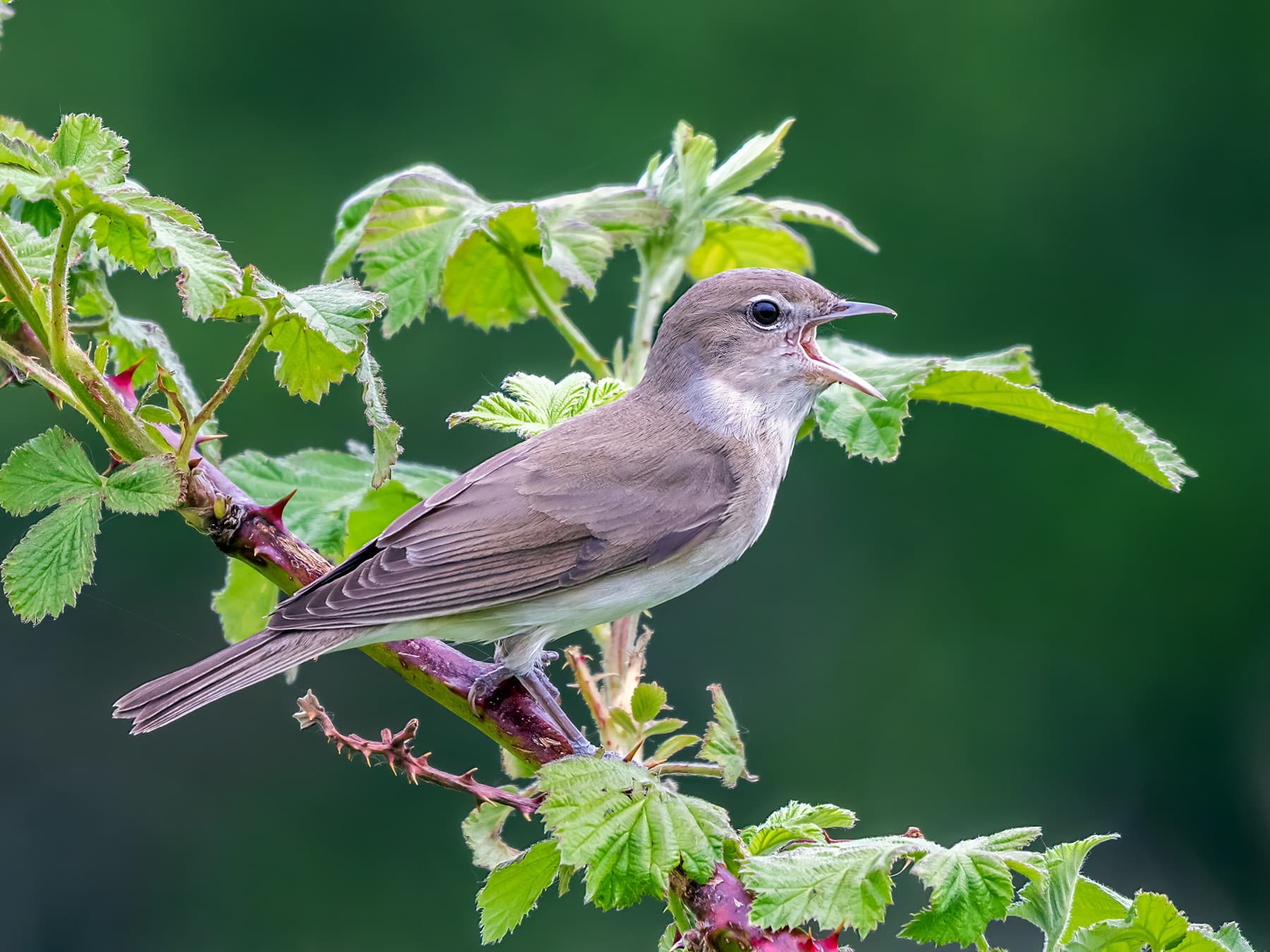
Garden Warbler
Sylvia borinLC
An uncommon summer breeder from April to August, favouring dense deciduous woodland with thick understorey. Skulking and best located by song.
Apr–Aug
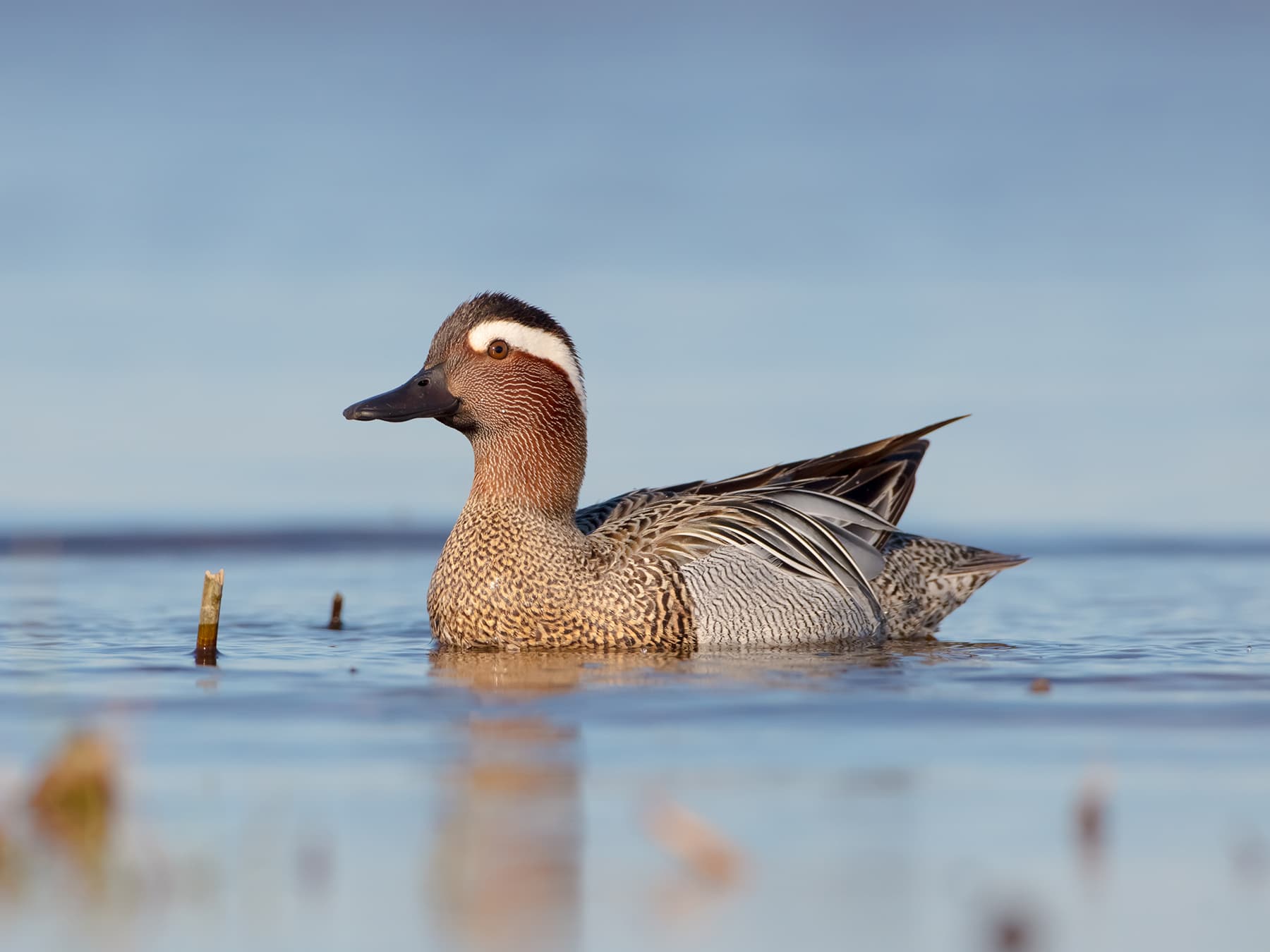
Garganey
Spatula querquedulaLC
A rare summer breeding visitor arriving in spring. Favours shallow wetlands and marshes at sites like the Dearne Valley.
Mar–Sep
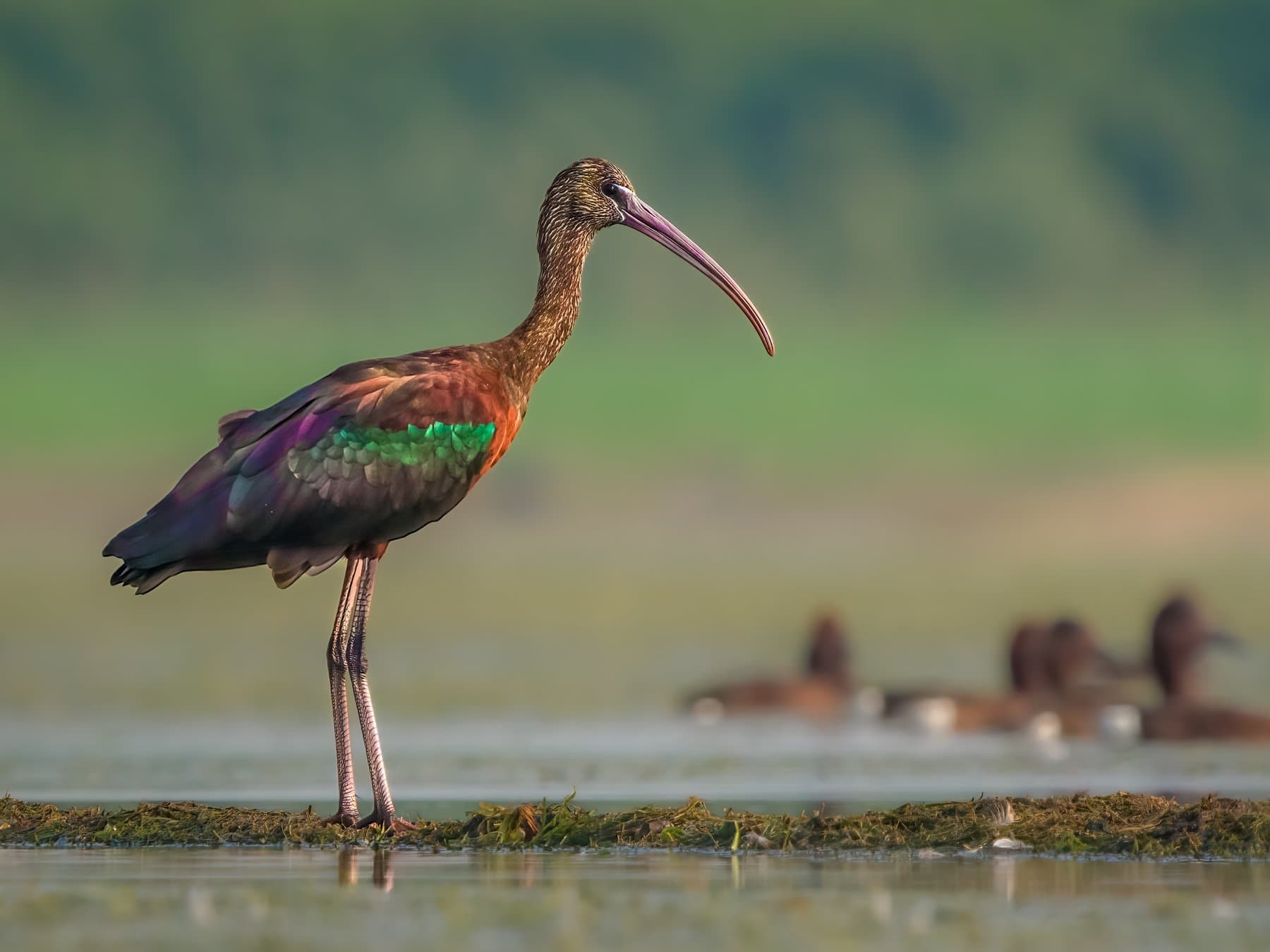
Glossy Ibis
Plegadis falcinellusLC
A rare September passage visitor, part of an increasing trend of overshooting vagrants from southern Europe reaching inland England.
Sep
Spotted something?
Upload a photo to identify it
Identify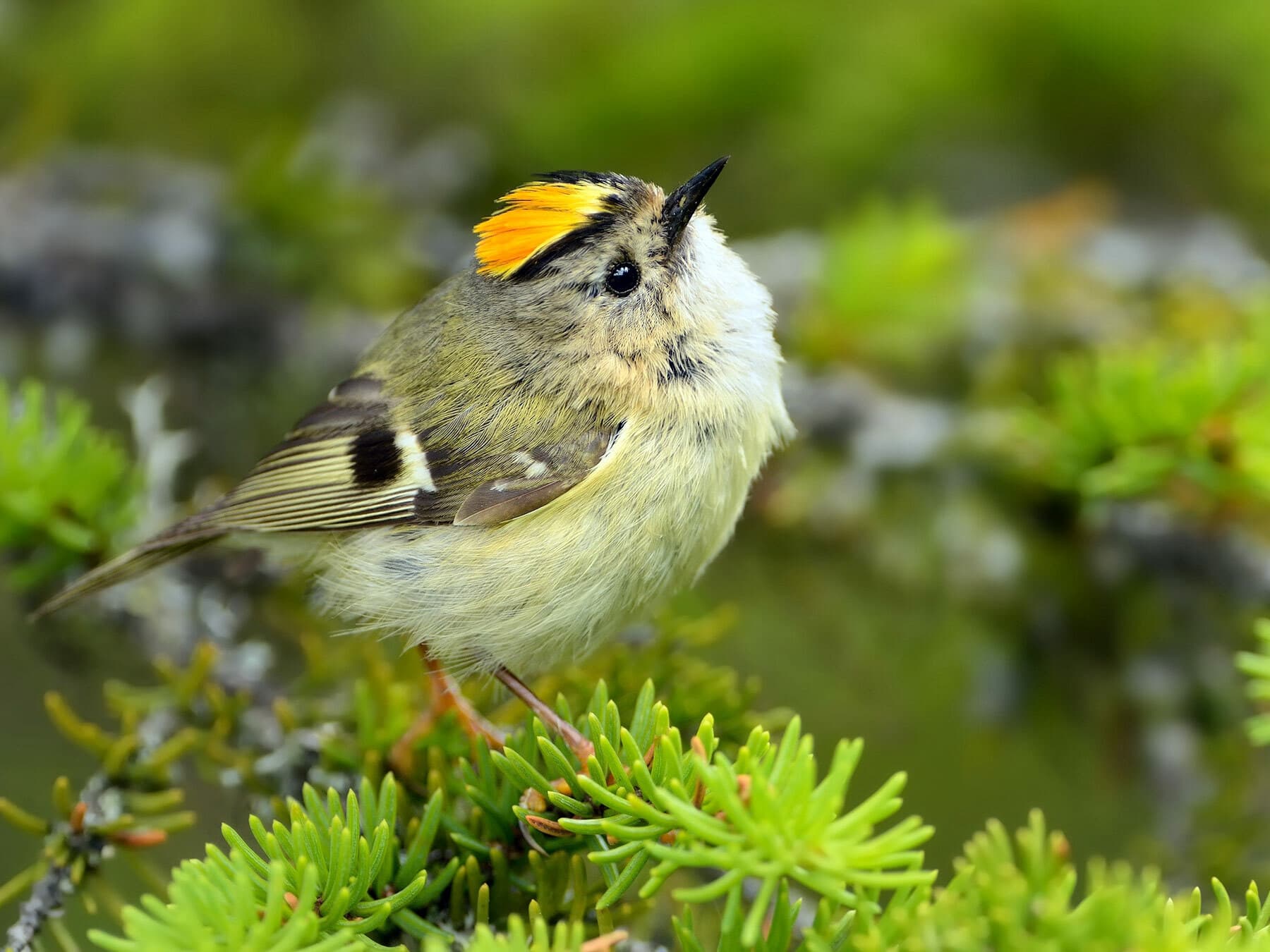
Goldcrest
Regulus regulusLC
Britain's smallest bird, resident year-round but uncommon, favouring conifer plantations and mature gardens with evergreen cover.
Year-round
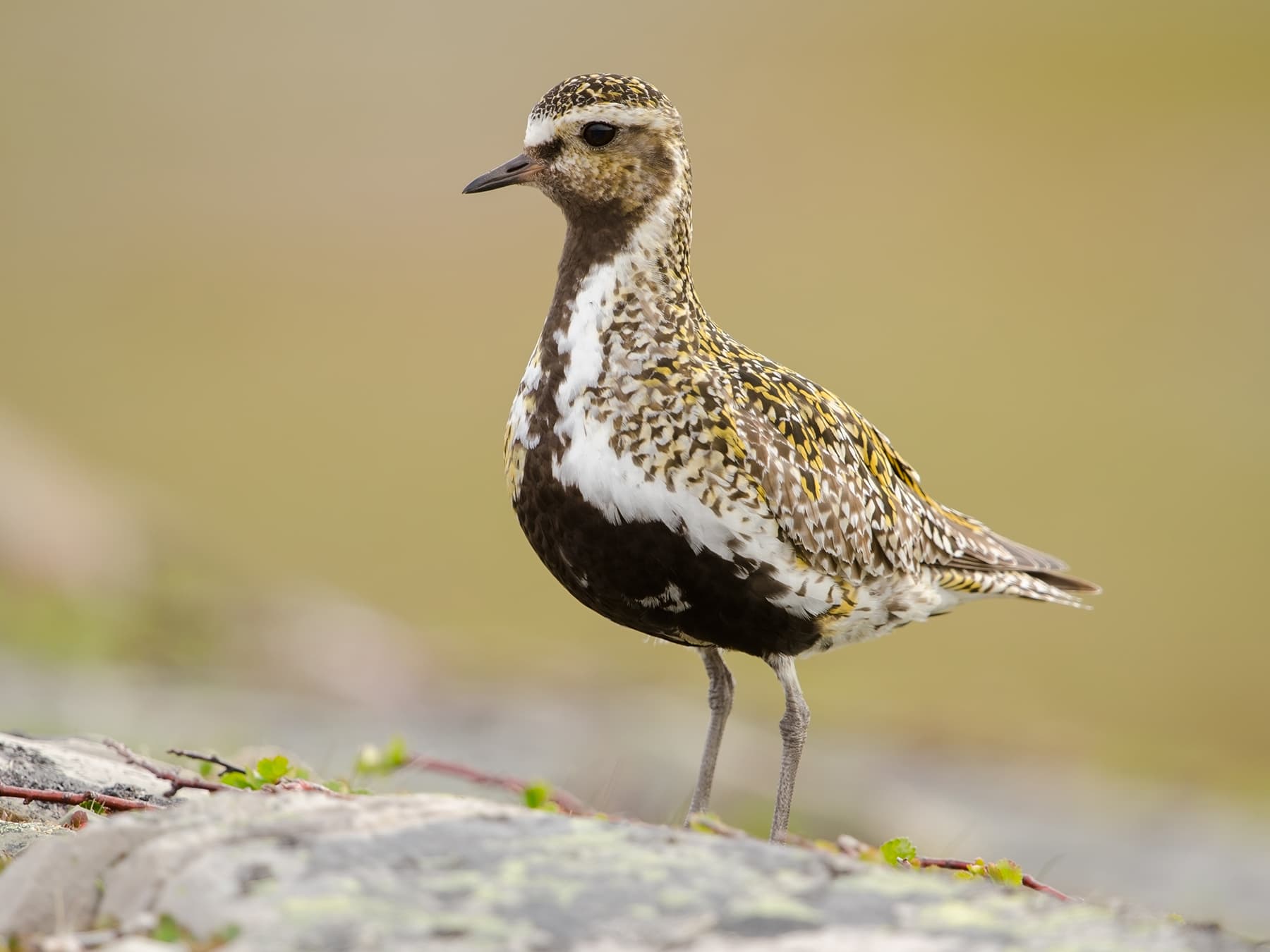
Golden Plover
Pluvialis apricariaLC
Breeds on Peak District moorlands in summer; winter flocks gather on lowland farmland across the region.
Year-round
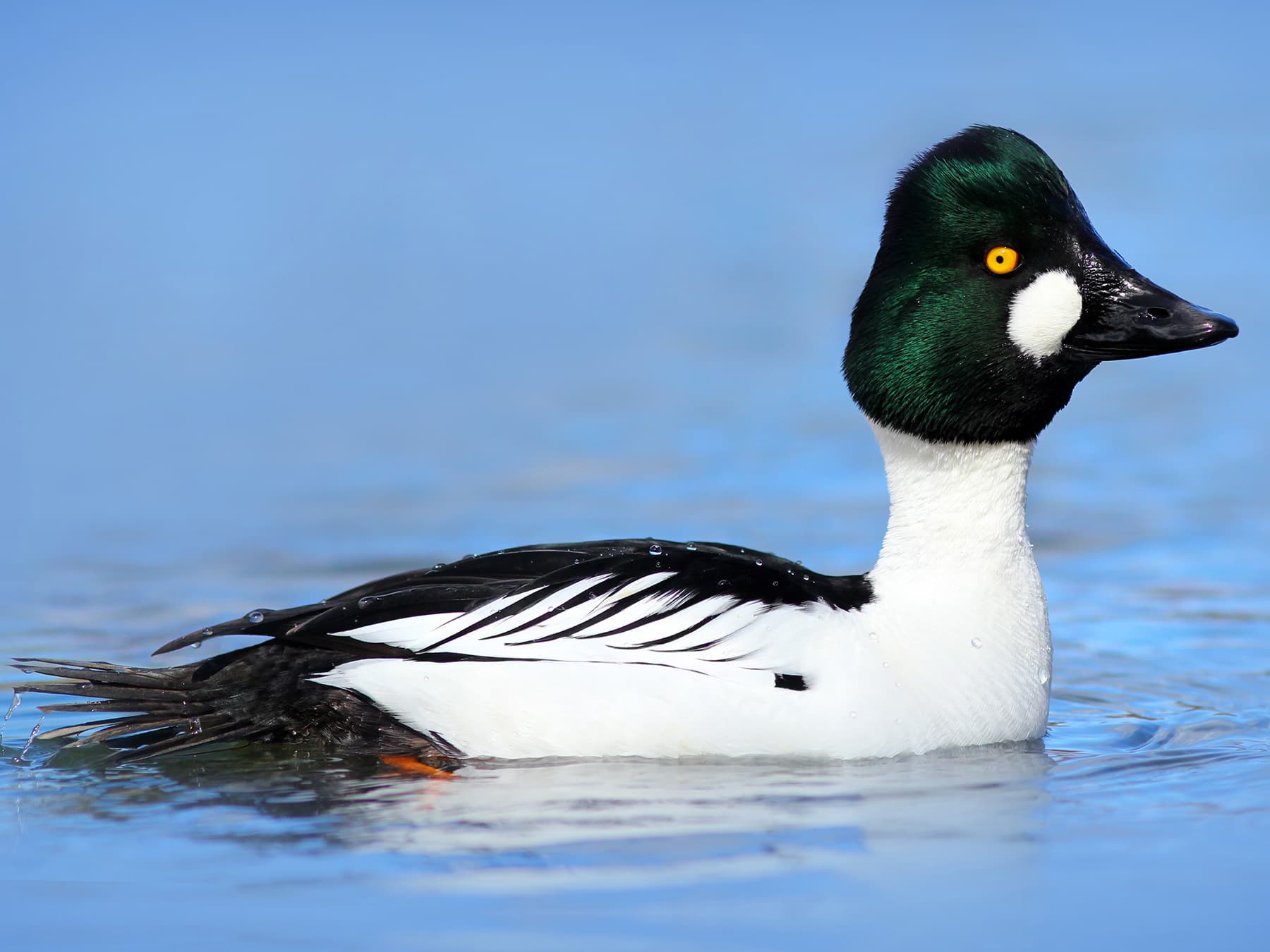
Goldeneye
Bucephala clangulaLC
An uncommon but regular winter visitor to reservoirs and gravel pits from October to April. Males are striking with their glossy green heads and white face patch.
Oct–Apr
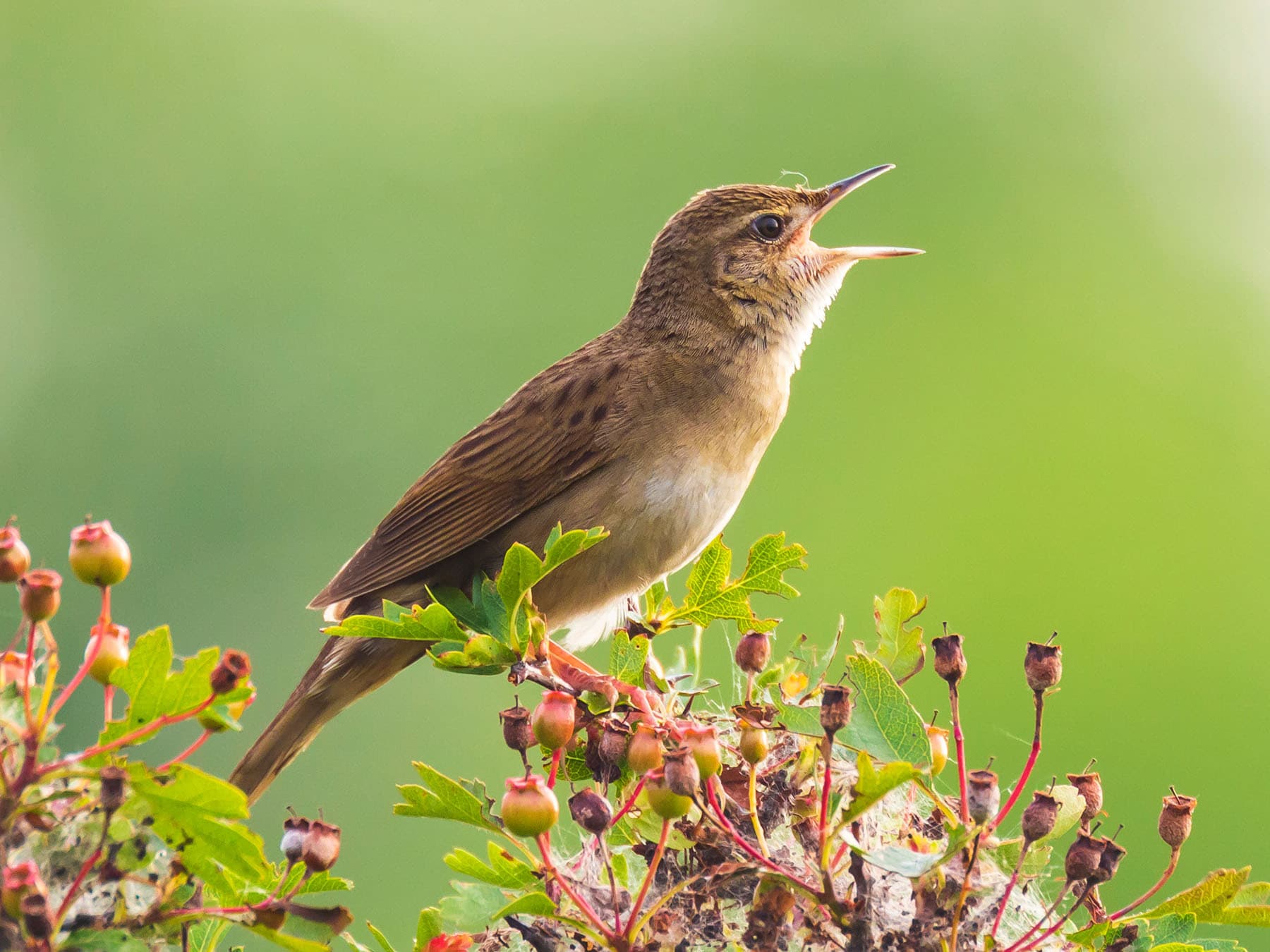
Grasshopper Warbler
Locustella naeviaLC
A rare summer breeder arriving in April, skulking in dense scrub and rough grassland. Its insect-like reeling song is easier to hear than the bird.
Apr–Jul
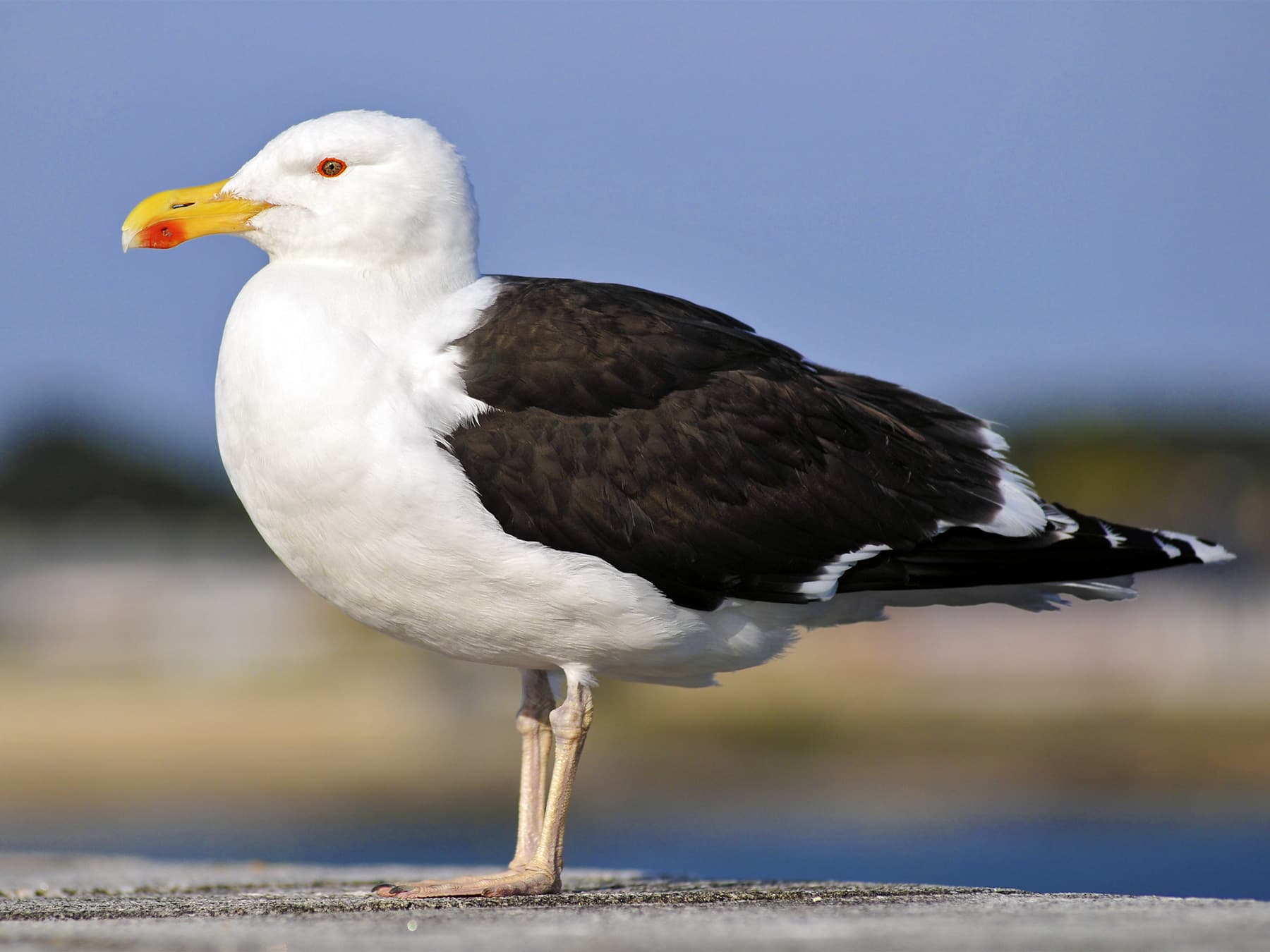
Great Black-backed Gull
Larus marinusLC
An uncommon year-round resident, often seen at reservoirs and landfill sites. Less numerous inland than other large gulls.
Year-round
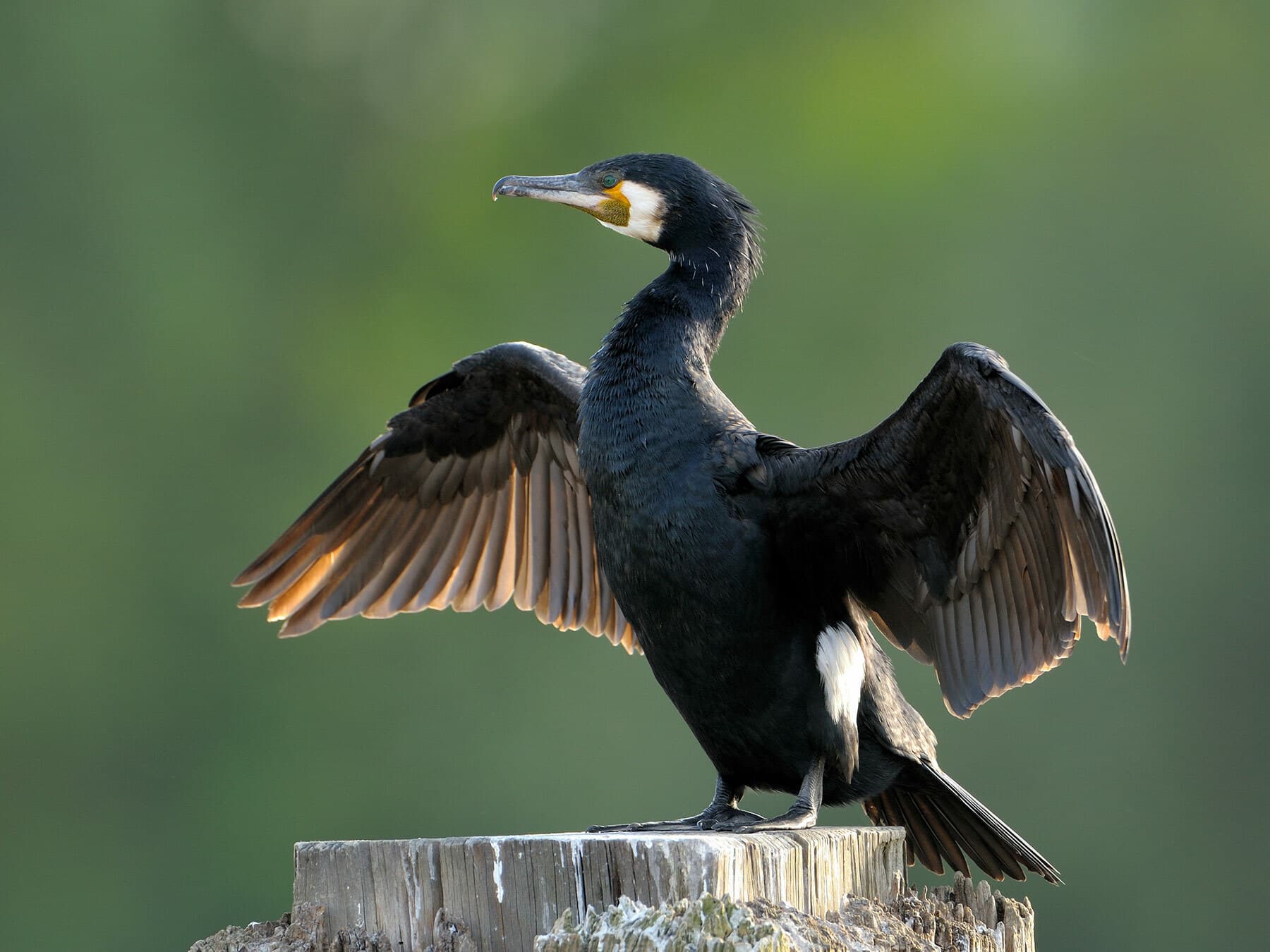
Great Cormorant
Phalacrocorax carboLC
A common resident found year-round on rivers, reservoirs, and lakes. Numbers have increased significantly in recent decades.
Year-round
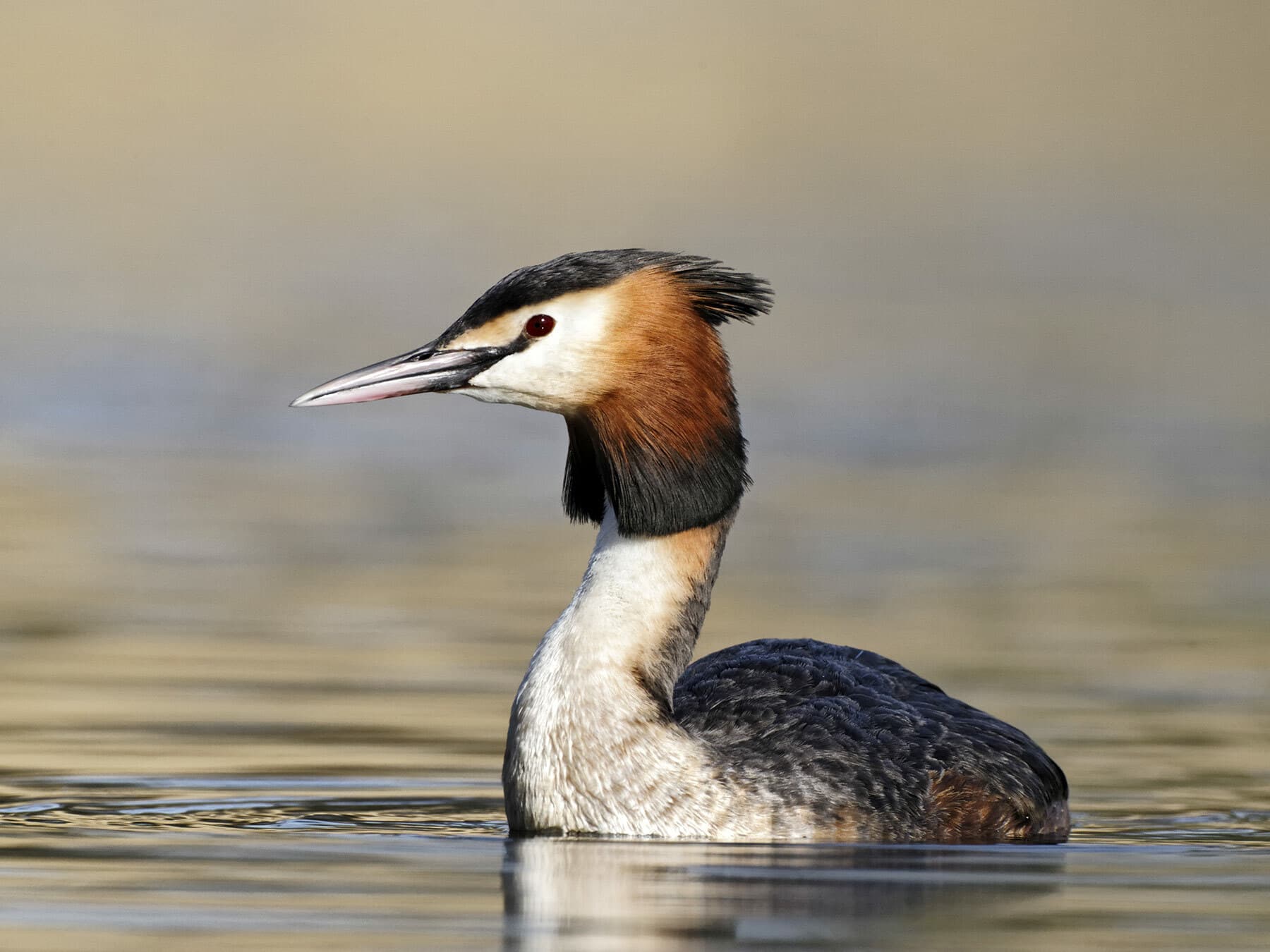
Great Crested Grebe
Podiceps cristatusLC
A common and elegant resident of larger lakes and reservoirs. Its elaborate courtship display can be seen from early spring onwards.
Year-round
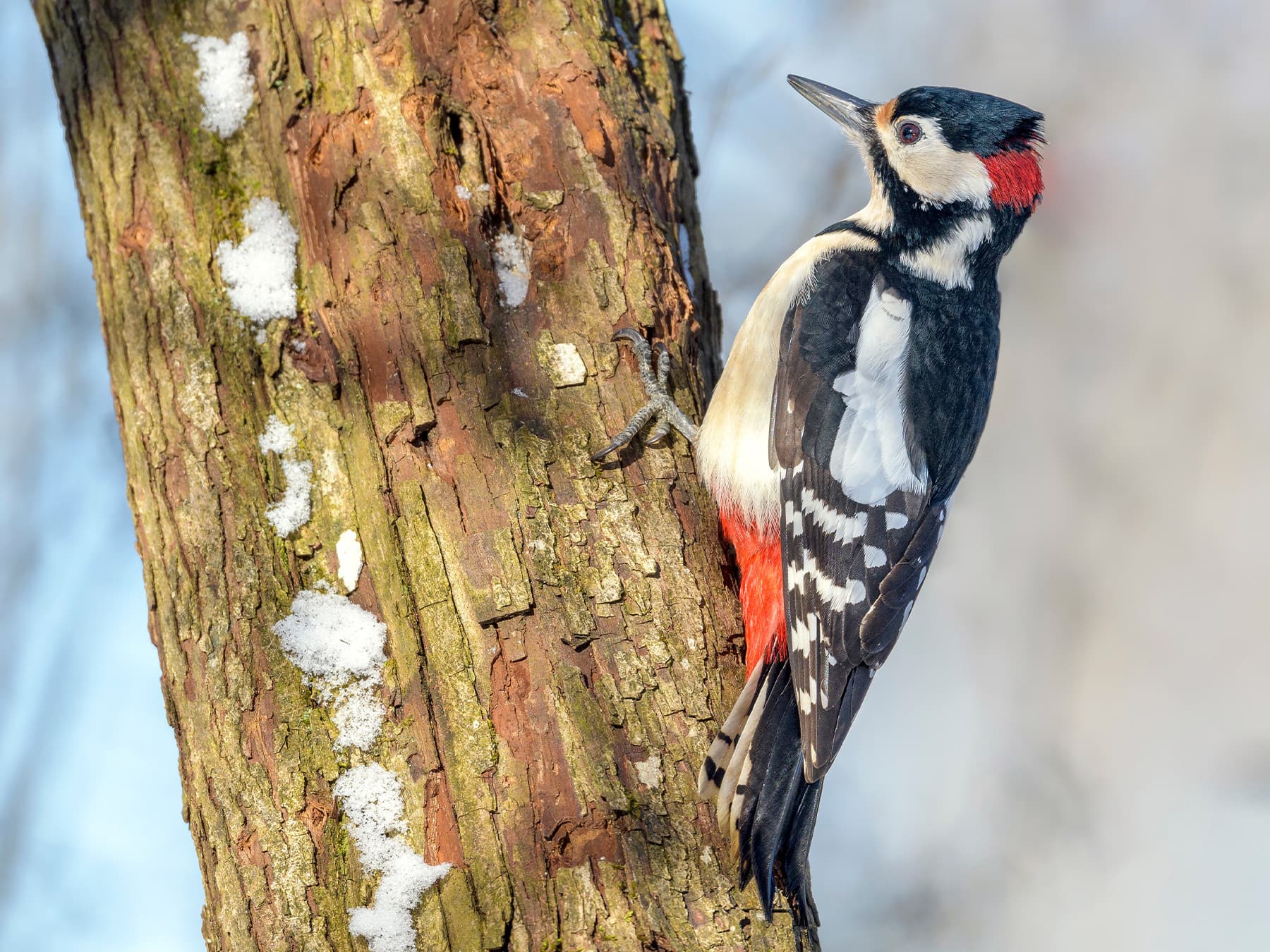
Great Spotted Woodpecker
Dendrocopos majorLC
An uncommon resident of broadleaved and mixed woodland, also visiting garden feeders. Drumming is heard from late winter.
Year-round
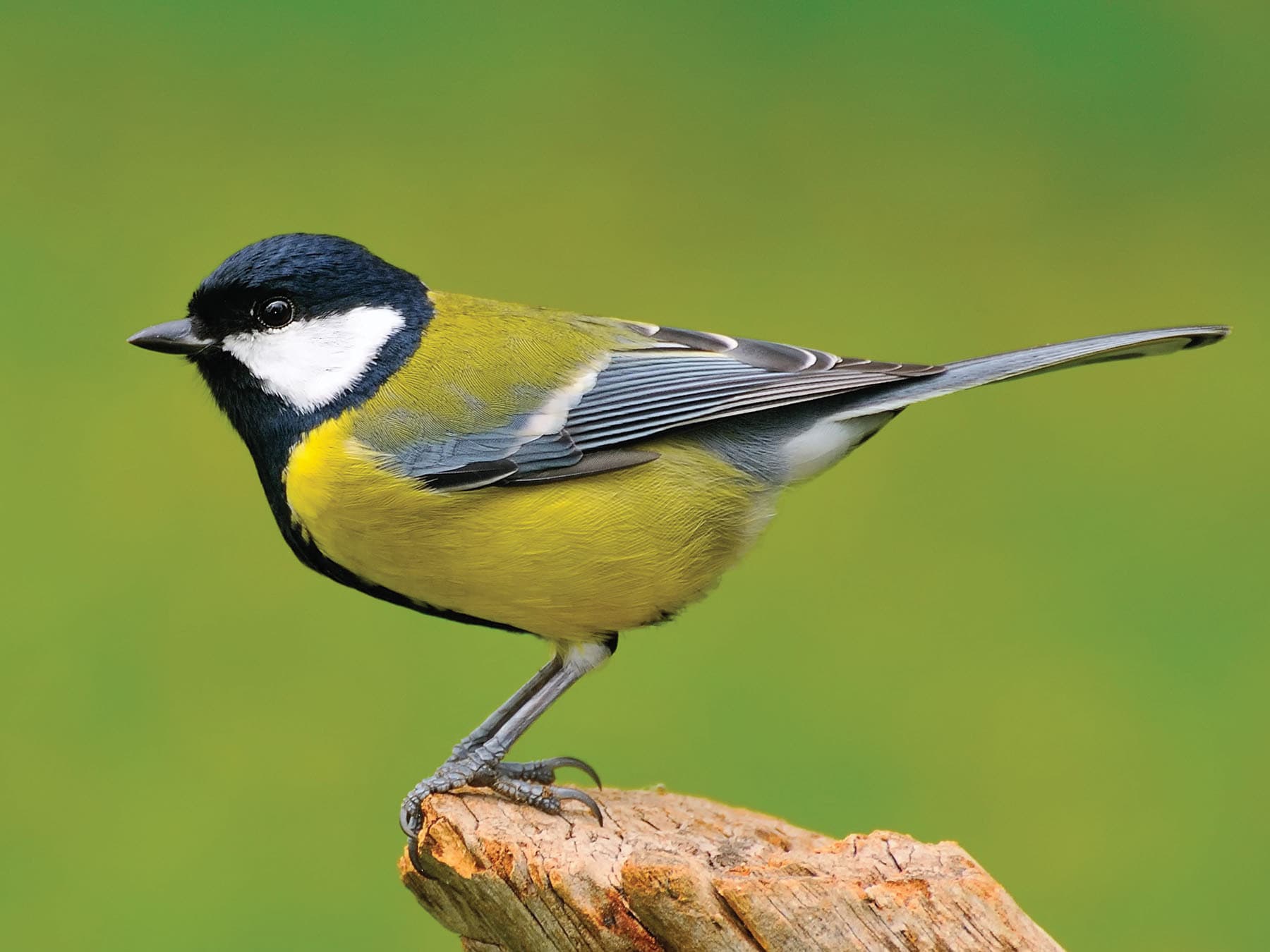
Great Tit
Parus majorLC
A common resident and familiar garden visitor year-round, readily using nest boxes in parks and woodland.
Year-round
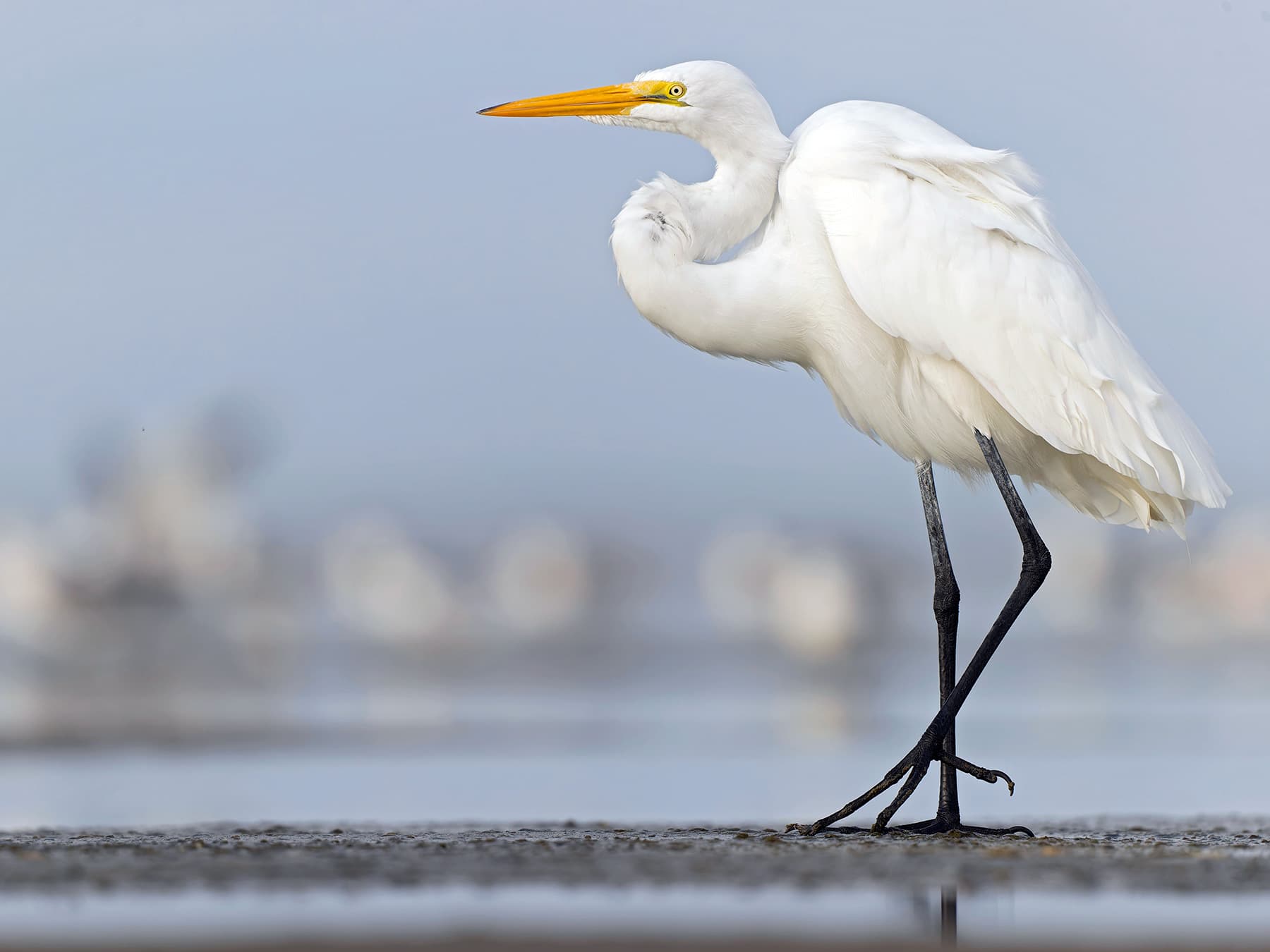
Great White Egret
Ardea albaLC
An increasingly regular sight at wetland reserves and river valleys, reflecting a national range expansion. Tall and striking, it stands out among Little Egrets.
Year-round
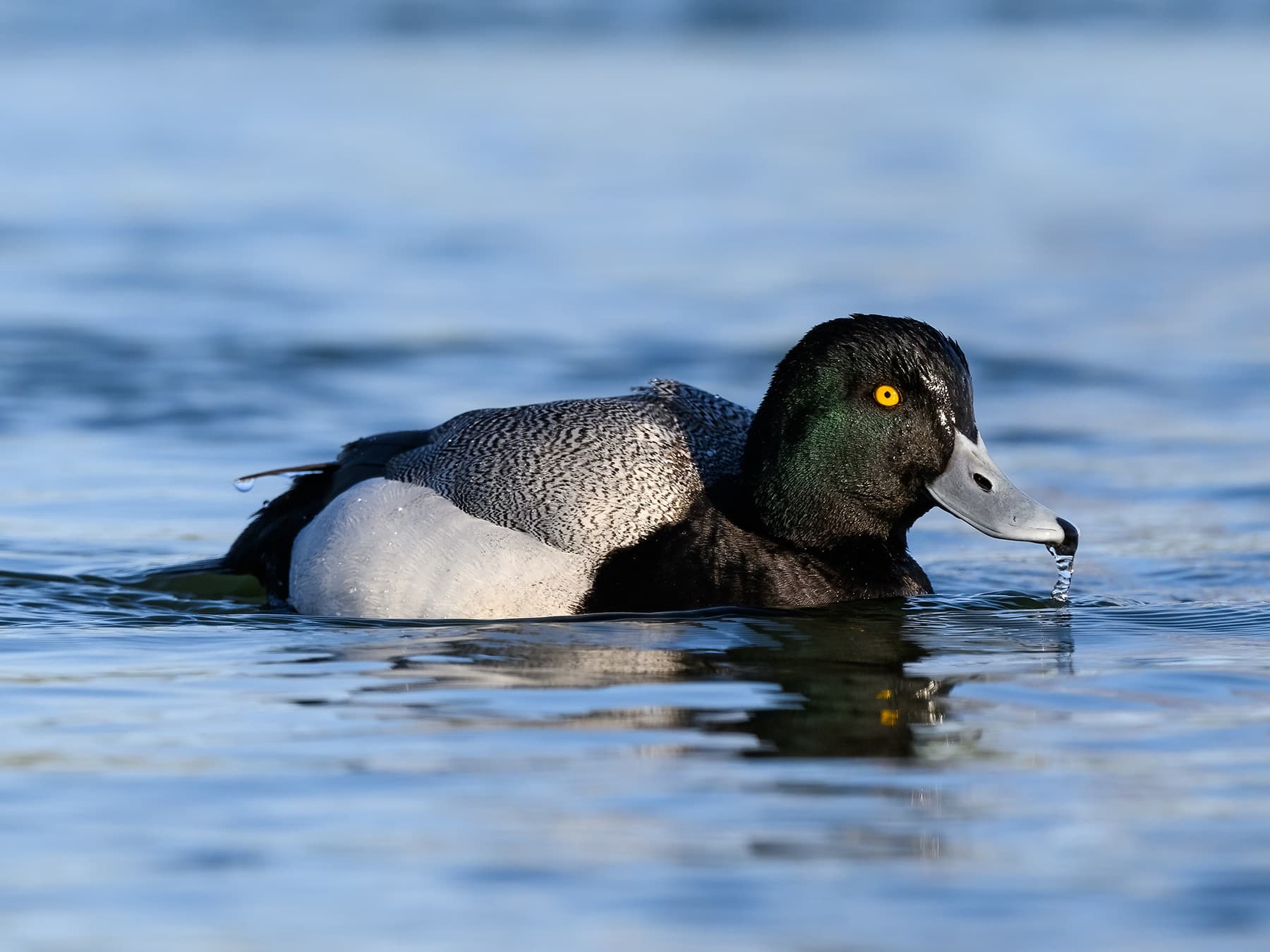
Greater Scaup
Aythya marilaLC
A rare winter visitor, occasionally appearing on larger reservoirs and gravel pits. Usually found singly among flocks of Tufted Duck.
Oct–Jan
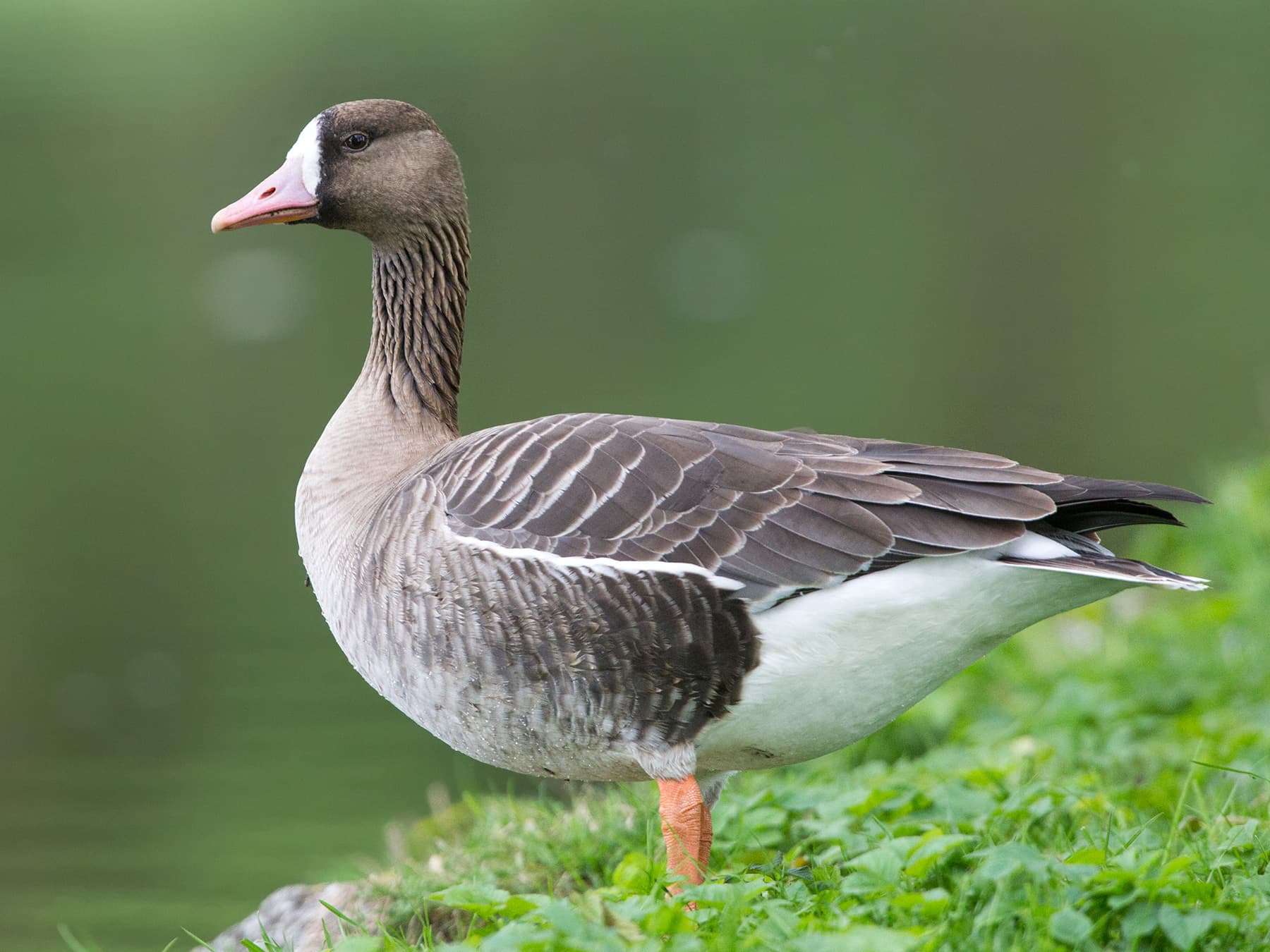
Greater White-fronted Goose
Anser albifronsLC
A rare winter visitor, occasionally turning up on flooded fields and reservoirs in the coldest months alongside other grazing geese.
Dec–Feb
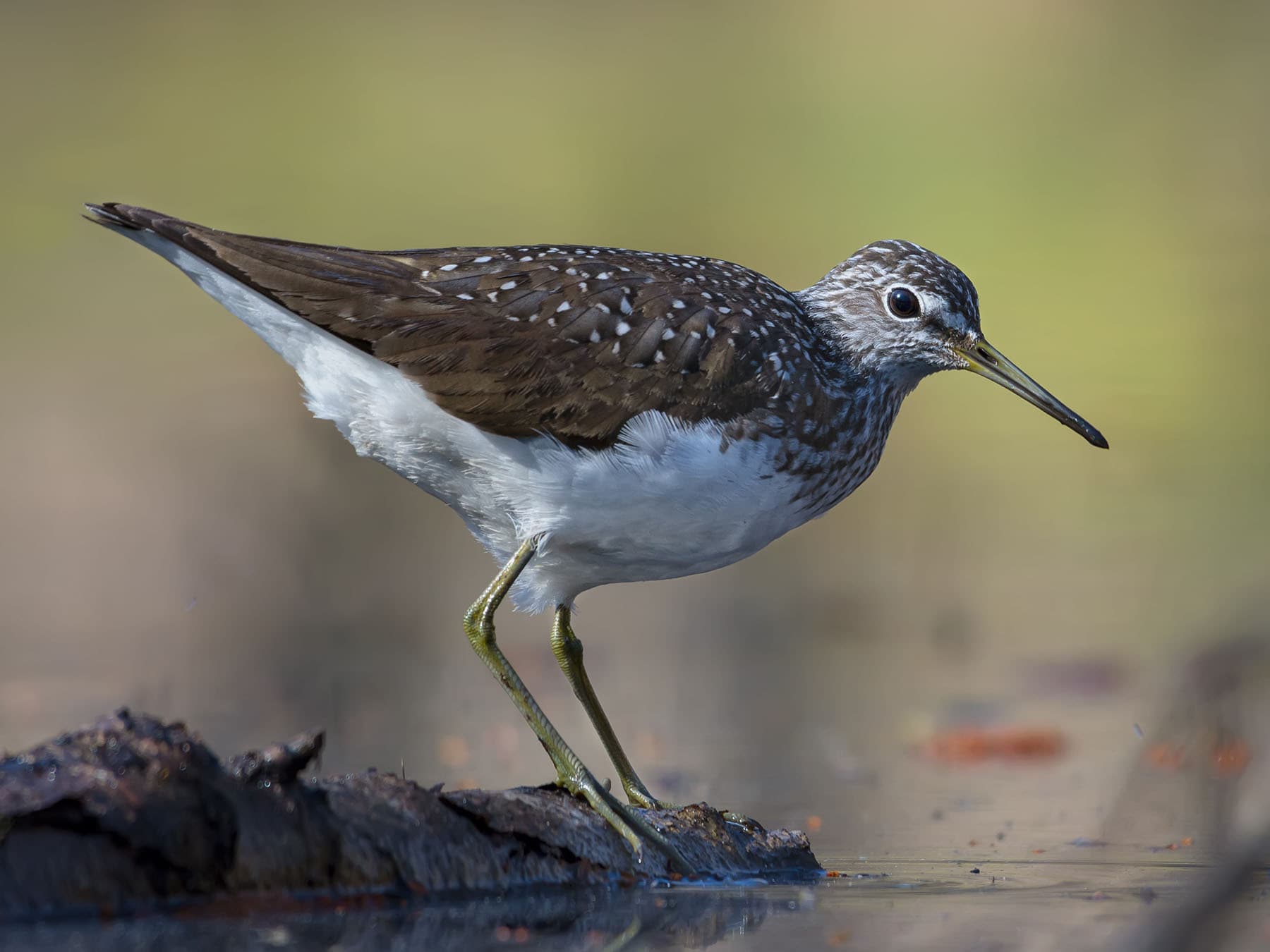
Green Sandpiper
Tringa ochropusLC
An uncommon but year-round resident, favouring muddy pool edges and ditches. Numbers increase in late summer with returning migrants.
Jun–Apr
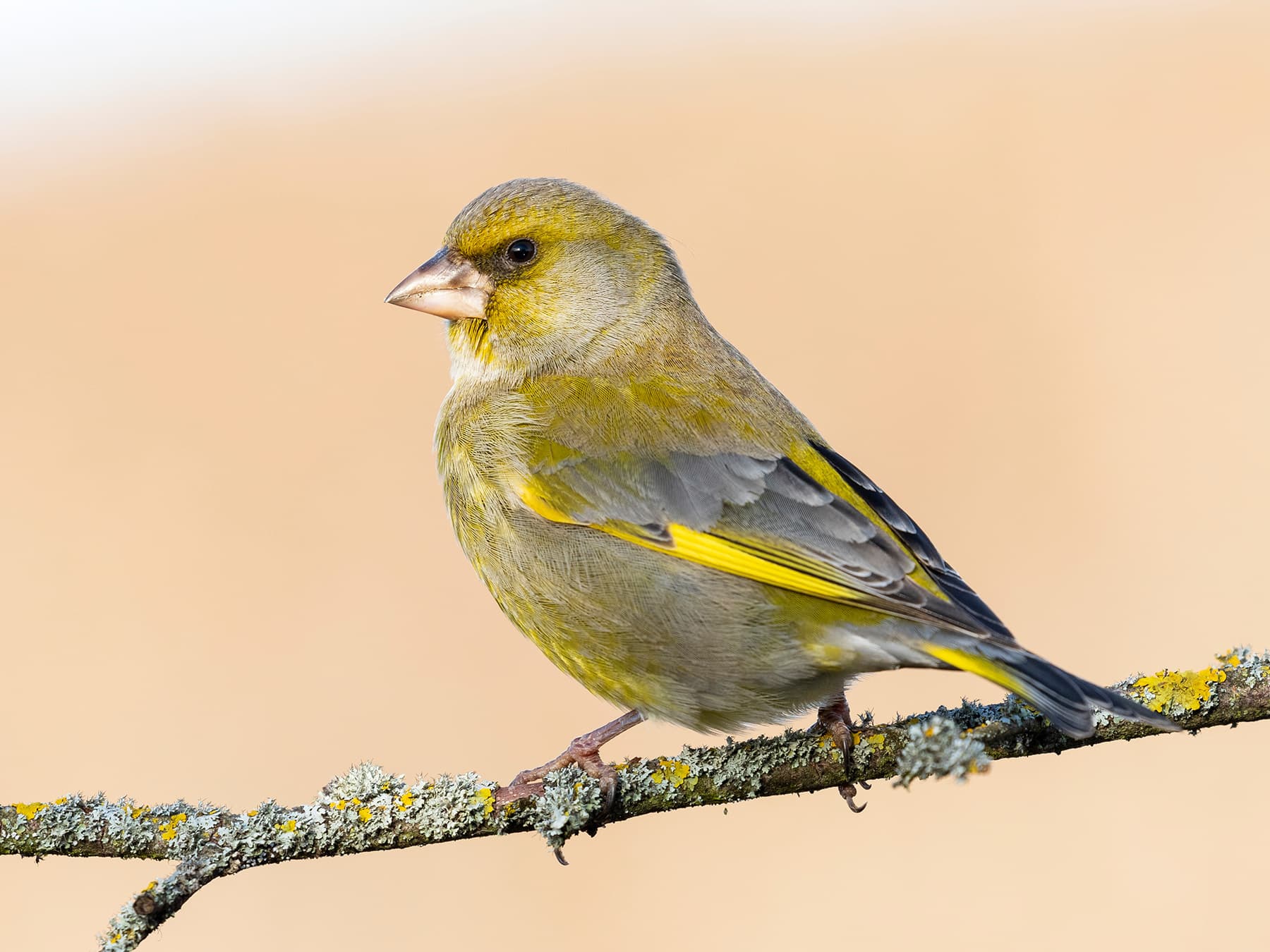
Greenfinch
Chloris chlorisLC
A common year-round resident of gardens, hedgerows, and woodland edges. Numbers have declined due to trichomonosis but it remains widespread.
Year-round
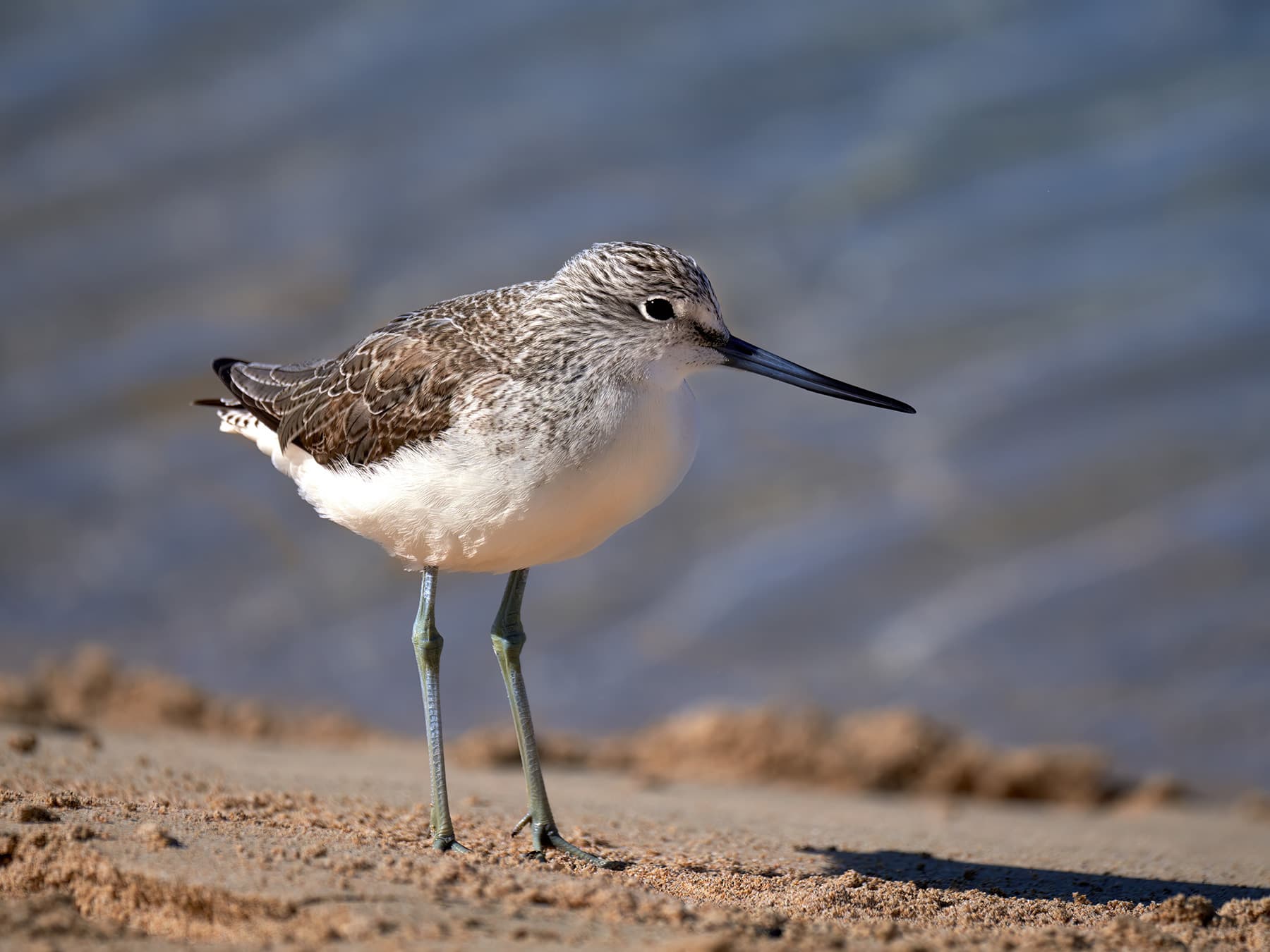
Greenshank
Tringa nebulariaLC
An uncommon passage wader seen at reservoirs and flooded fields from spring through autumn. Elegant and long-legged, often feeding alone at muddy pool edges.
Apr–Oct