Birds in Somerset
Explore 192 species found in this region.
Somerset is one of the most rewarding counties in England for birdwatching, with 187 recorded species across its diverse landscapes. The Somerset Levels and Moors, a vast area of wetland and grazing marsh, attract spectacular species such as Great White Egret, Cetti's Warbler and Hen Harrier, while the coastline and estuaries host waders and gulls including the scarce Kentish Plover. From the Quantock Hills to Chew Valley Lake, the county offers year-round birding opportunities for beginners and experienced observers alike.
Visiting in August? Look out for Bar-tailed Godwit and Black Swan arriving this month, and Barn Owl and Dipper depart for the season.


Showing 70–92 of 192 species
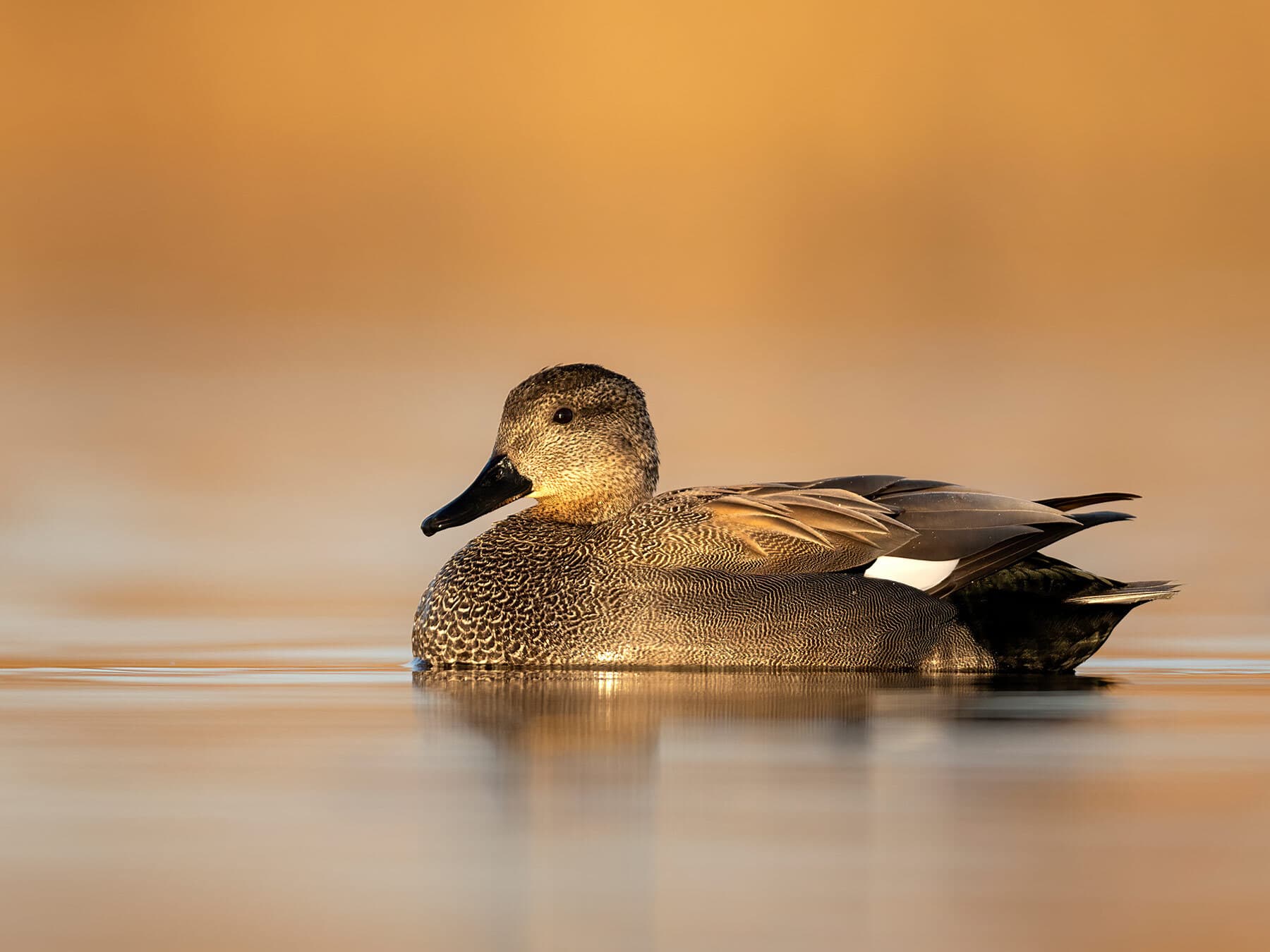
Gadwall
Mareca streperaLC
A common year-round resident on the Somerset Levels, favouring freshwater marshes, reservoirs, and flooded grasslands.
Year-round
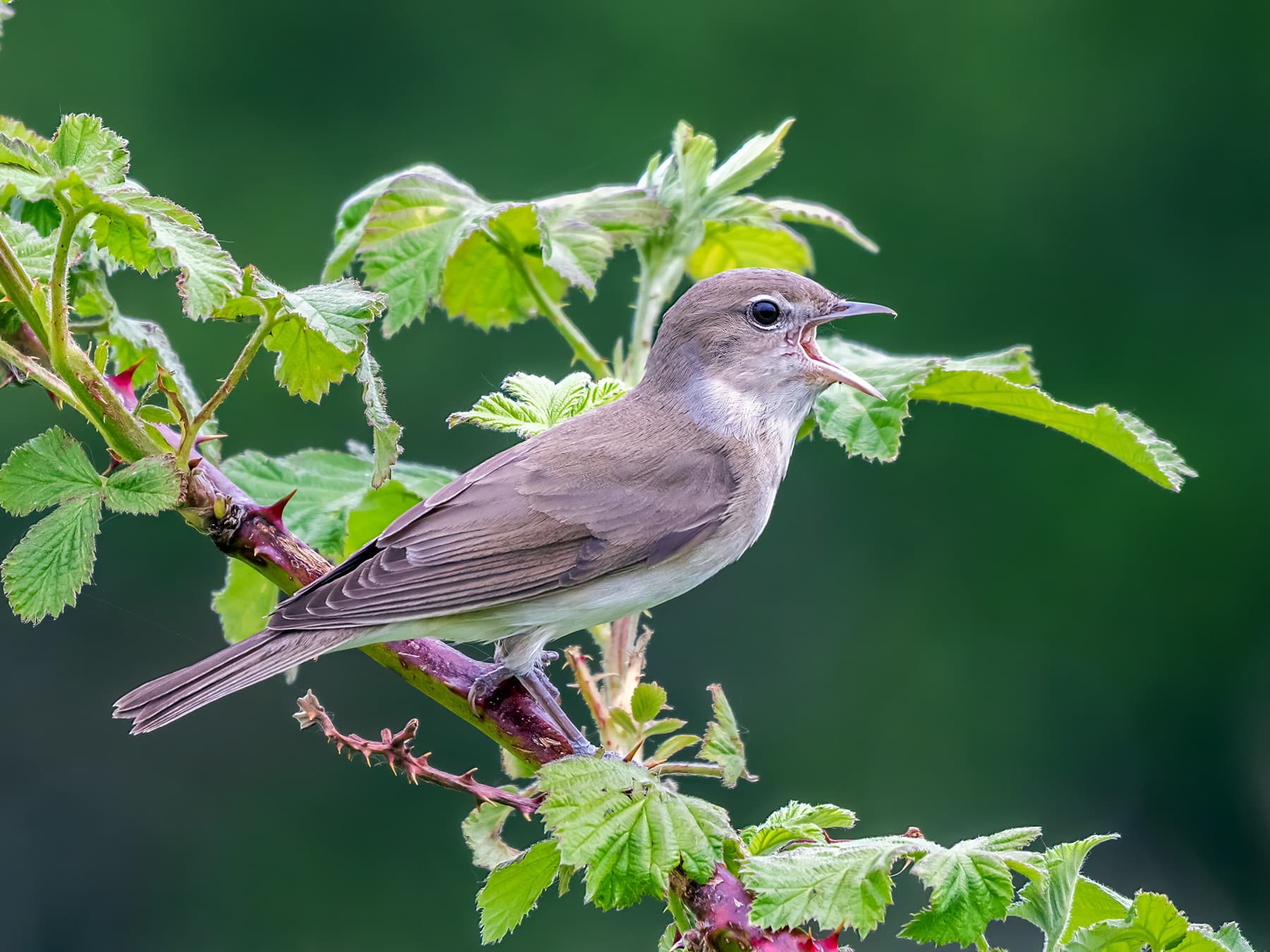
Garden Warbler
Sylvia borinLC
An uncommon summer breeder found in dense scrub and woodland with thick undergrowth from April to August. A skulking bird with a rich, even song.
Apr–Aug
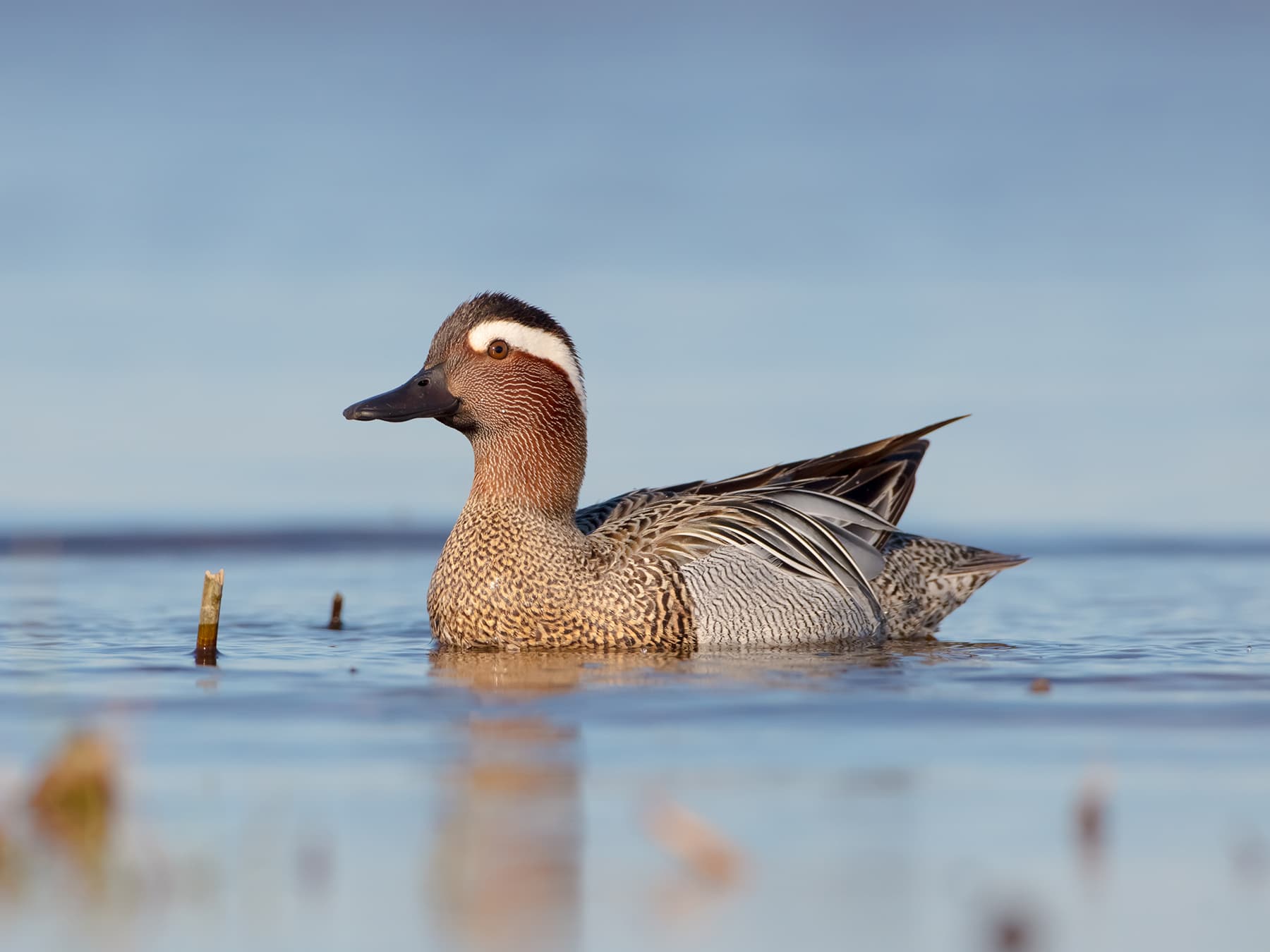
Garganey
Spatula querquedulaLC
A rare summer breeder on the Levels, arriving in spring and favouring shallow, well-vegetated wetlands for nesting.
Mar–Sep
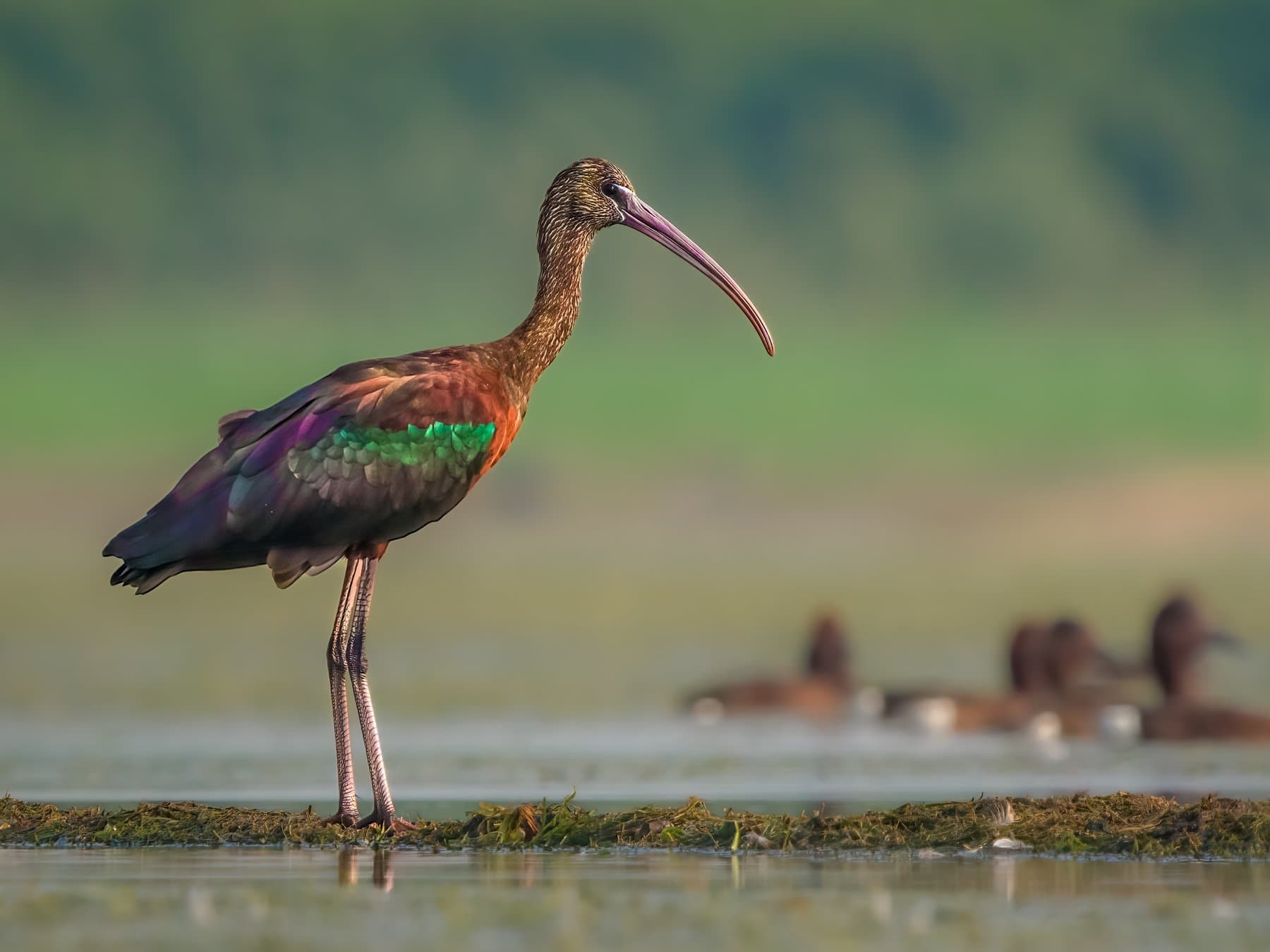
Glossy Ibis
Plegadis falcinellusLC
A rare but increasingly regular resident on the Somerset Levels, part of a growing UK trend. Favours marshy pools and ditches.
Sep–May
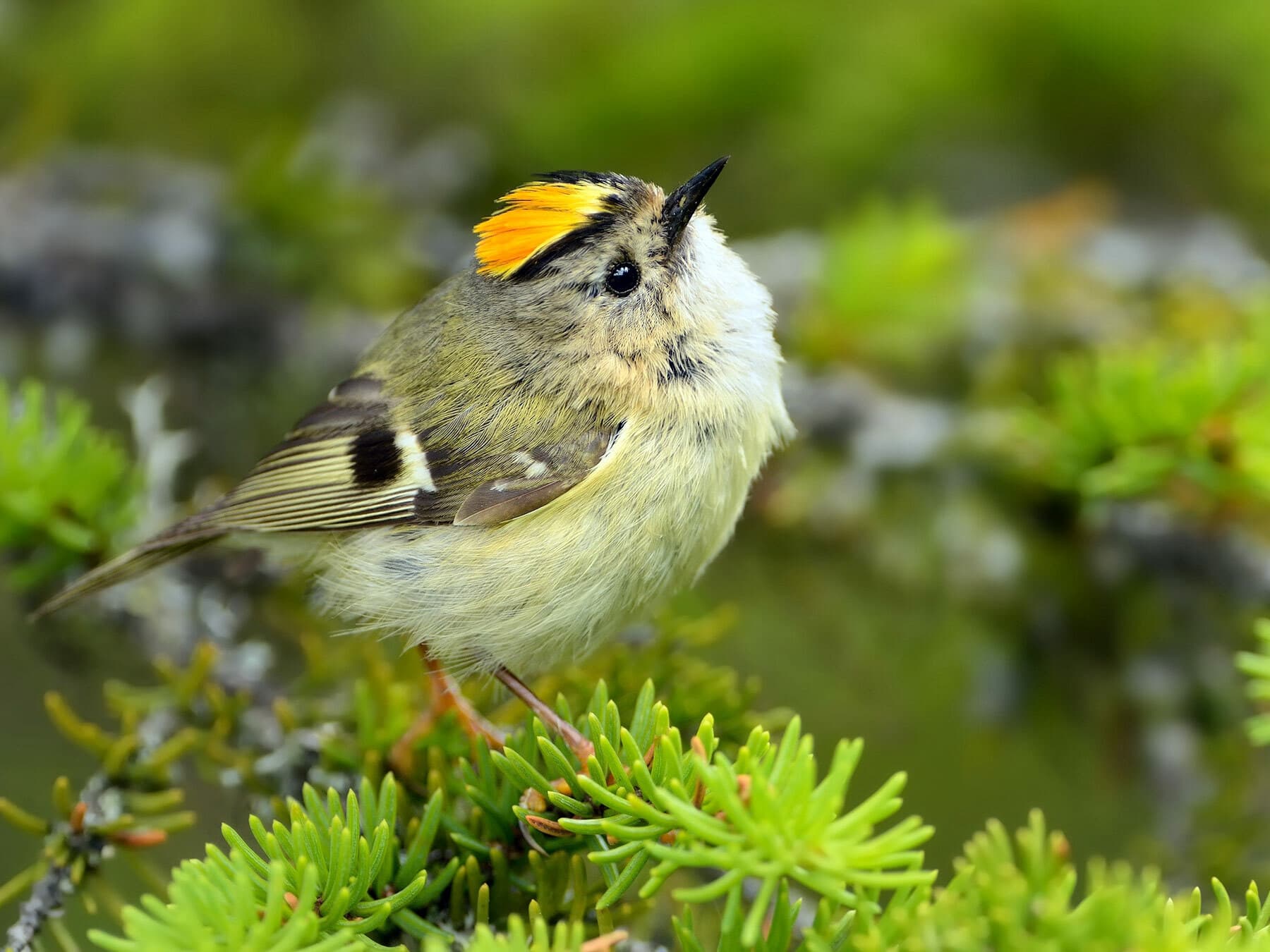
Goldcrest
Regulus regulusLC
An uncommon but year-round resident of coniferous and mixed woodland. Britain's smallest bird, often detected by its thin, high-pitched call.
Year-round
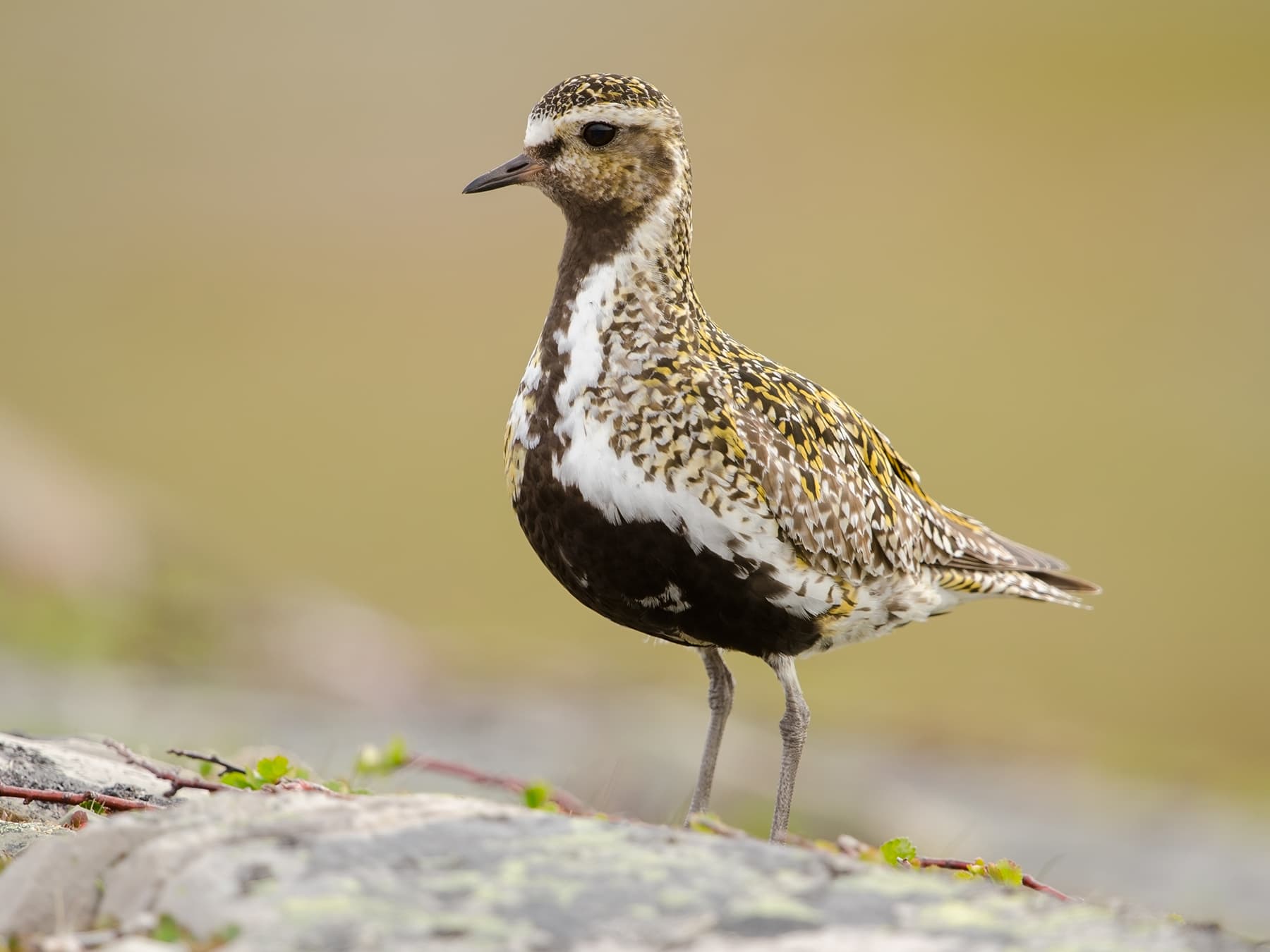
Golden Plover
Pluvialis apricariaLC
An uncommon winter visitor forming flocks on the Somerset Levels and surrounding farmland from autumn to early spring.
Sep–Mar
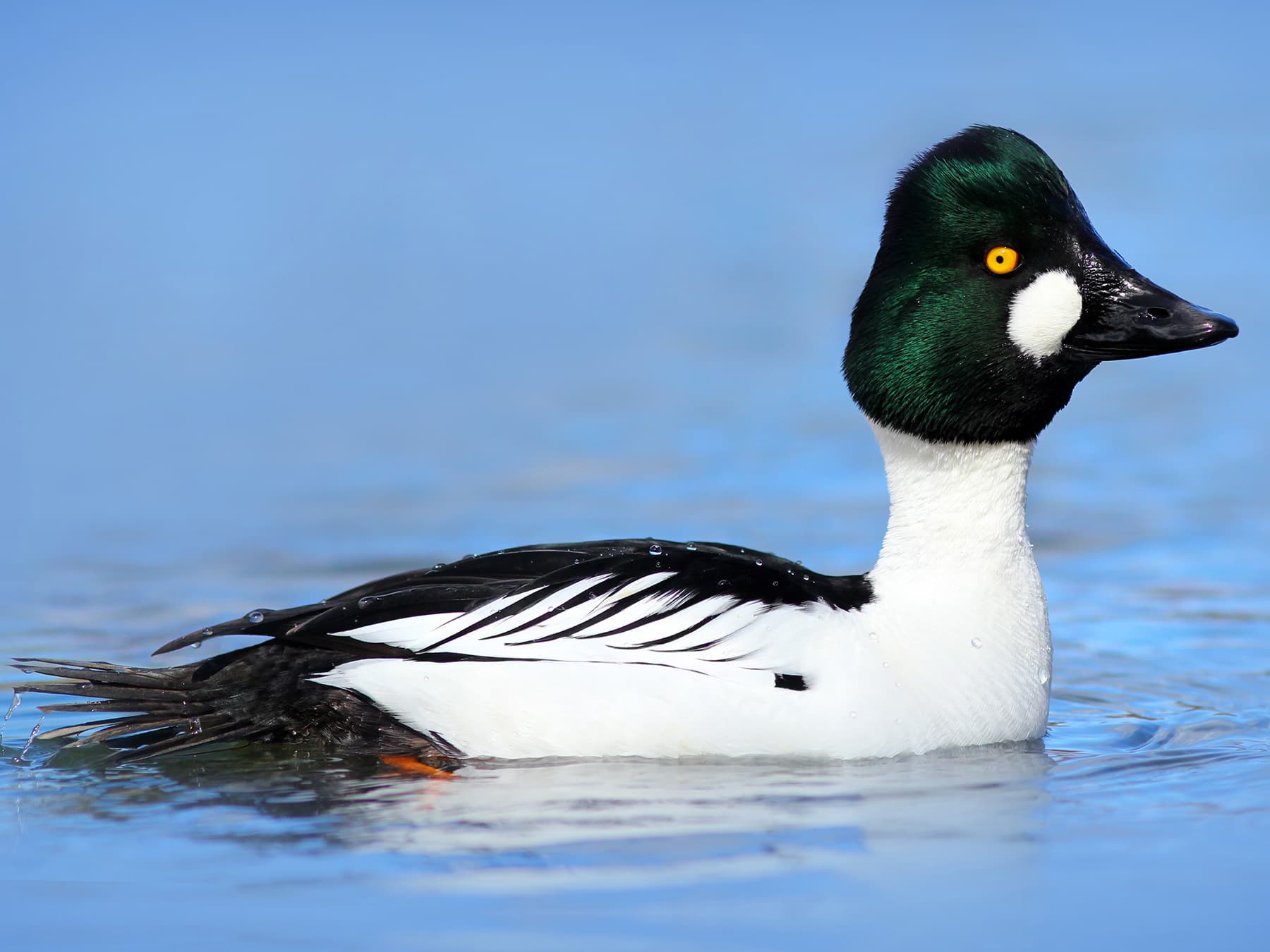
Goldeneye
Bucephala clangulaLC
An uncommon winter visitor to Somerset's larger lakes, especially Chew Valley and Blagdon. Males are striking with their black and white plumage.
Oct–Apr
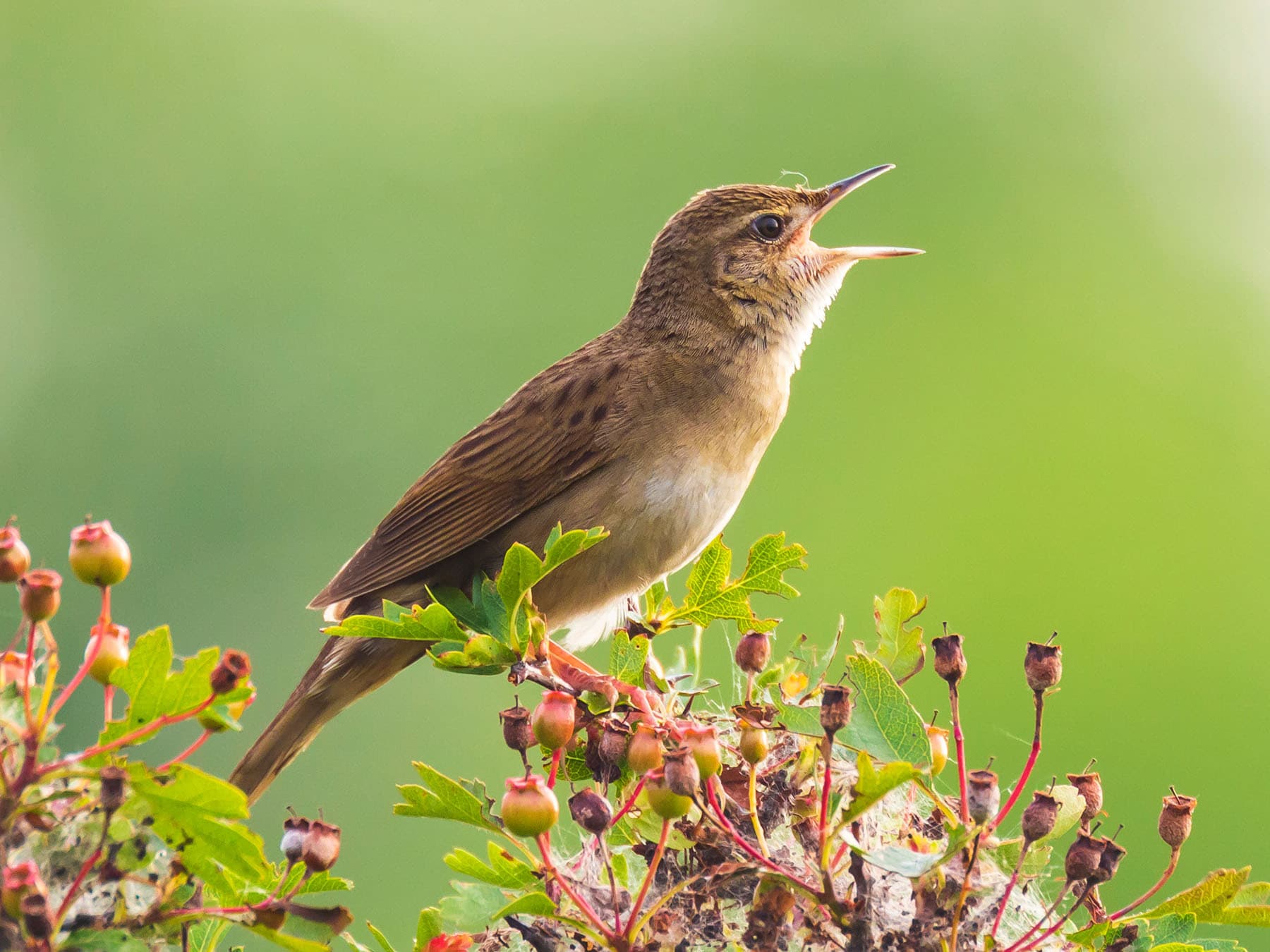
Grasshopper Warbler
Locustella naeviaLC
A scarce passage migrant in April and May, its insect-like reeling song heard from dense scrub and wetland margins.
Apr–May
Spotted something?
Upload a photo to identify it
Identify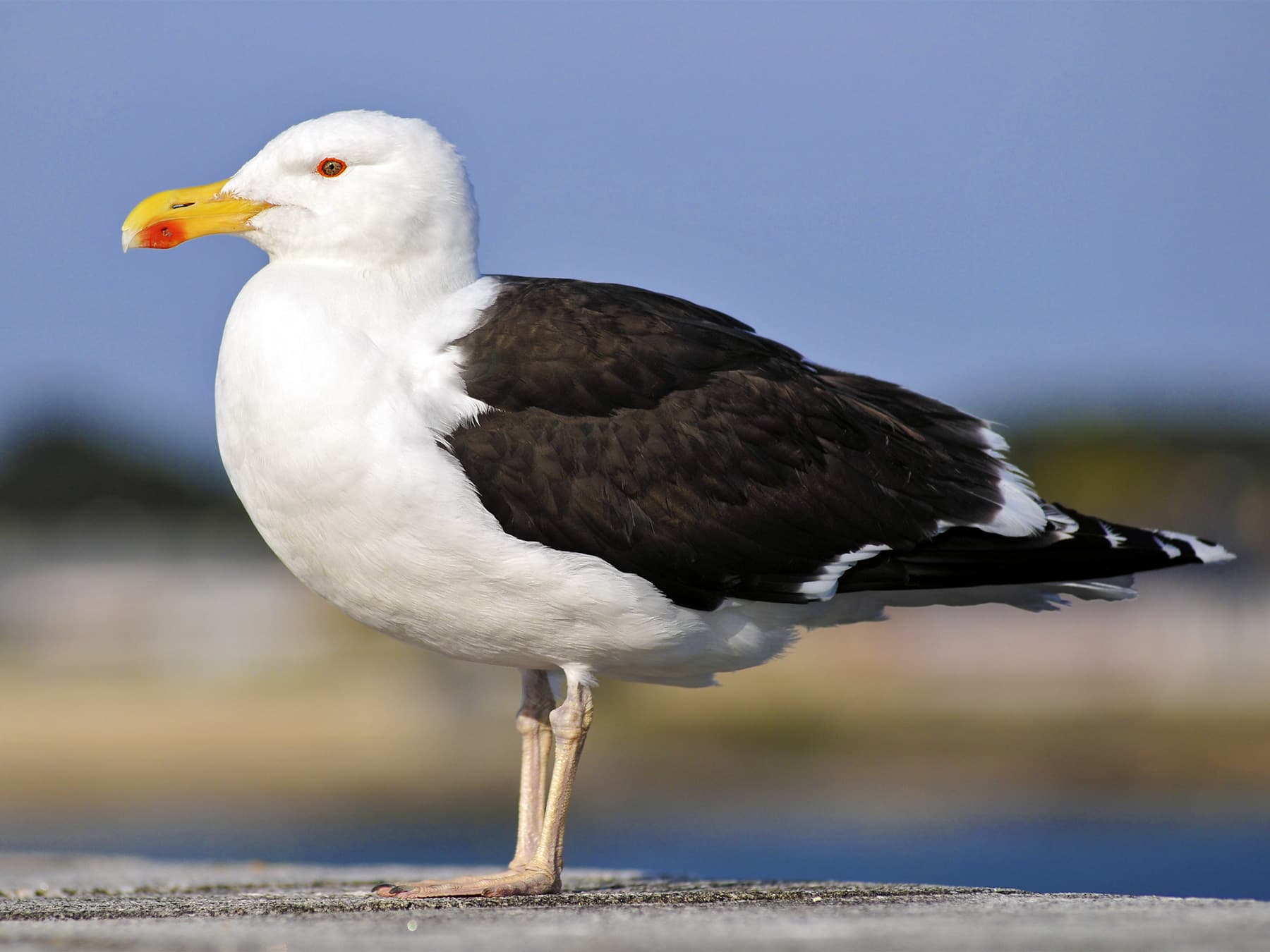
Great Black-backed Gull
Larus marinusLC
An uncommon year-round resident, seen along the coast and at inland reservoirs. The largest British gull, with a powerful build.
Year-round
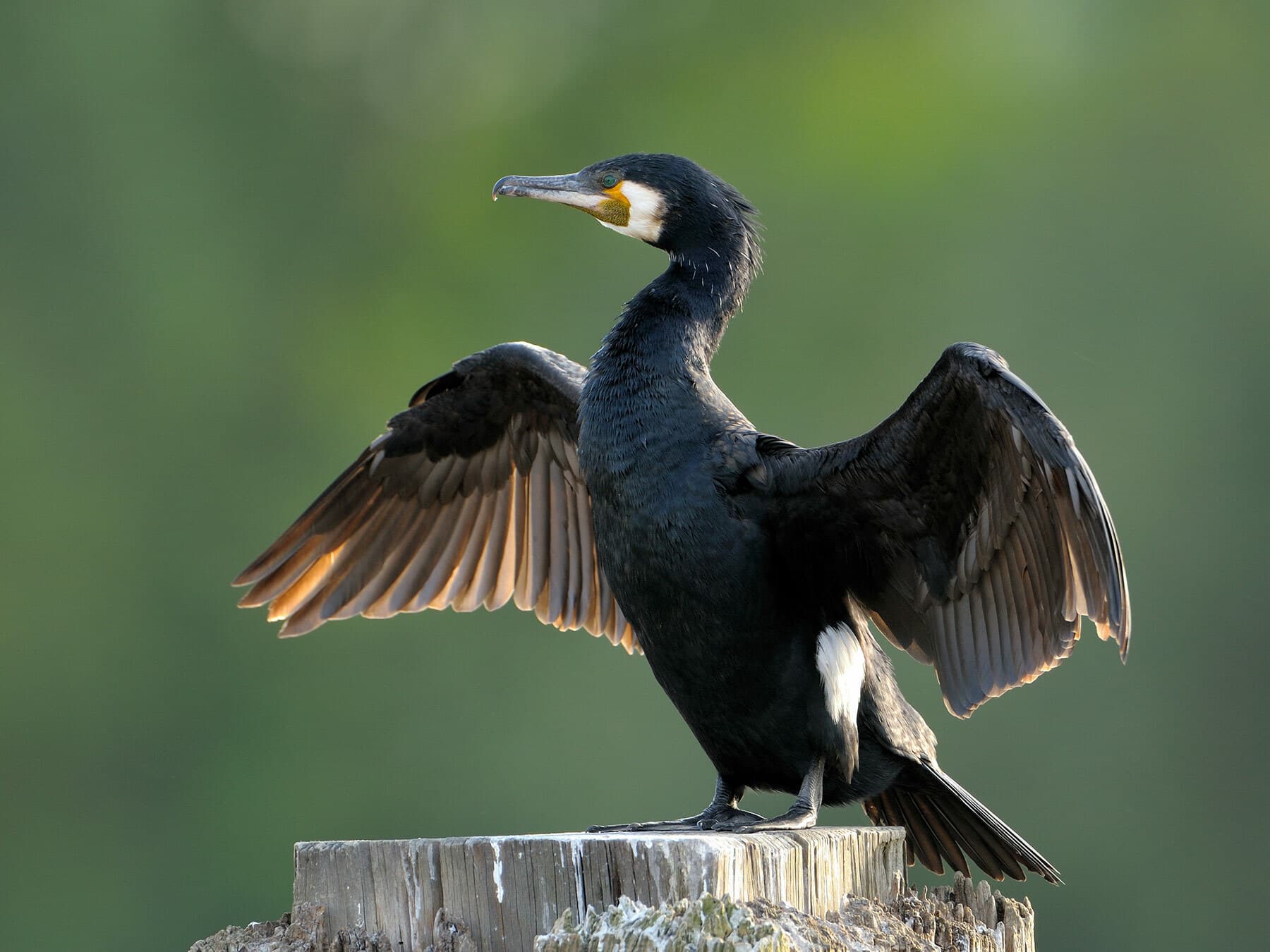
Great Cormorant
Phalacrocorax carboLC
Common throughout the year on rivers, reservoirs, and the coast, often seen perched with wings outstretched on posts across the Levels.
Year-round
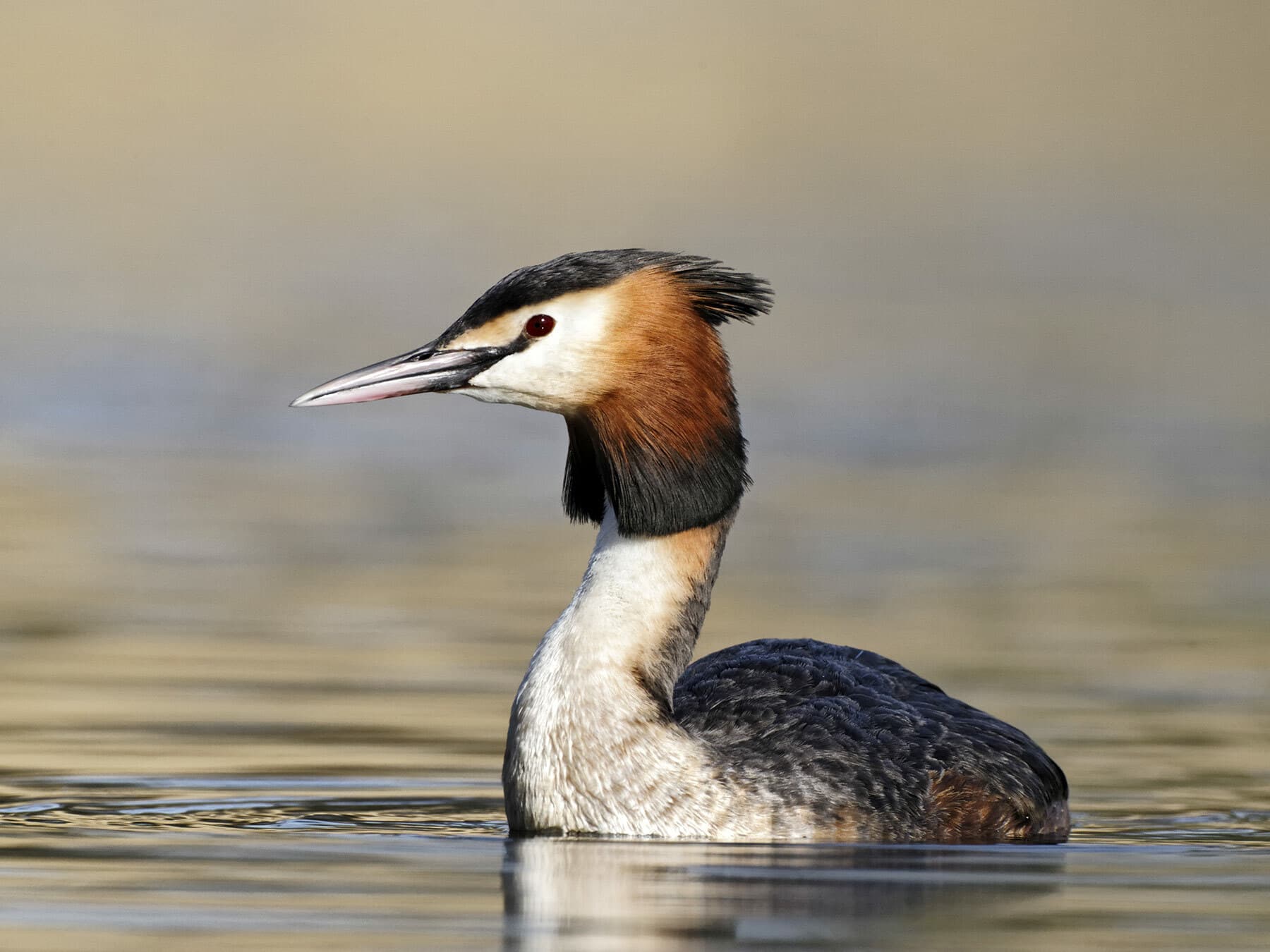
Great Crested Grebe
Podiceps cristatusLC
A common resident on lakes, reservoirs, and larger waterways throughout Somerset. Spectacular courtship displays can be seen from early spring.
Year-round
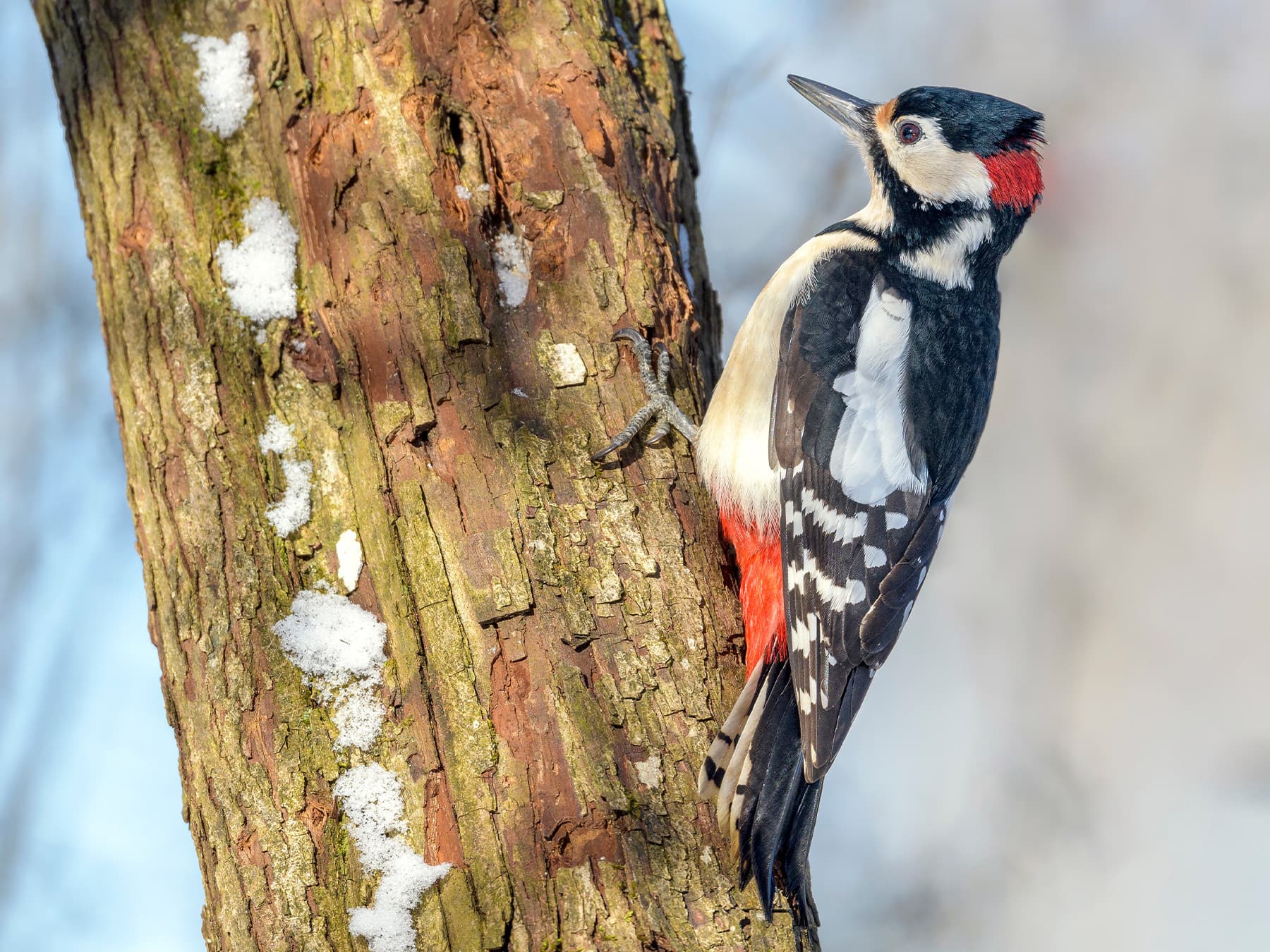
Great Spotted Woodpecker
Dendrocopos majorLC
Resident in woodlands and mature gardens, often betrayed by its loud drumming in spring and sharp 'kik' call.
Year-round
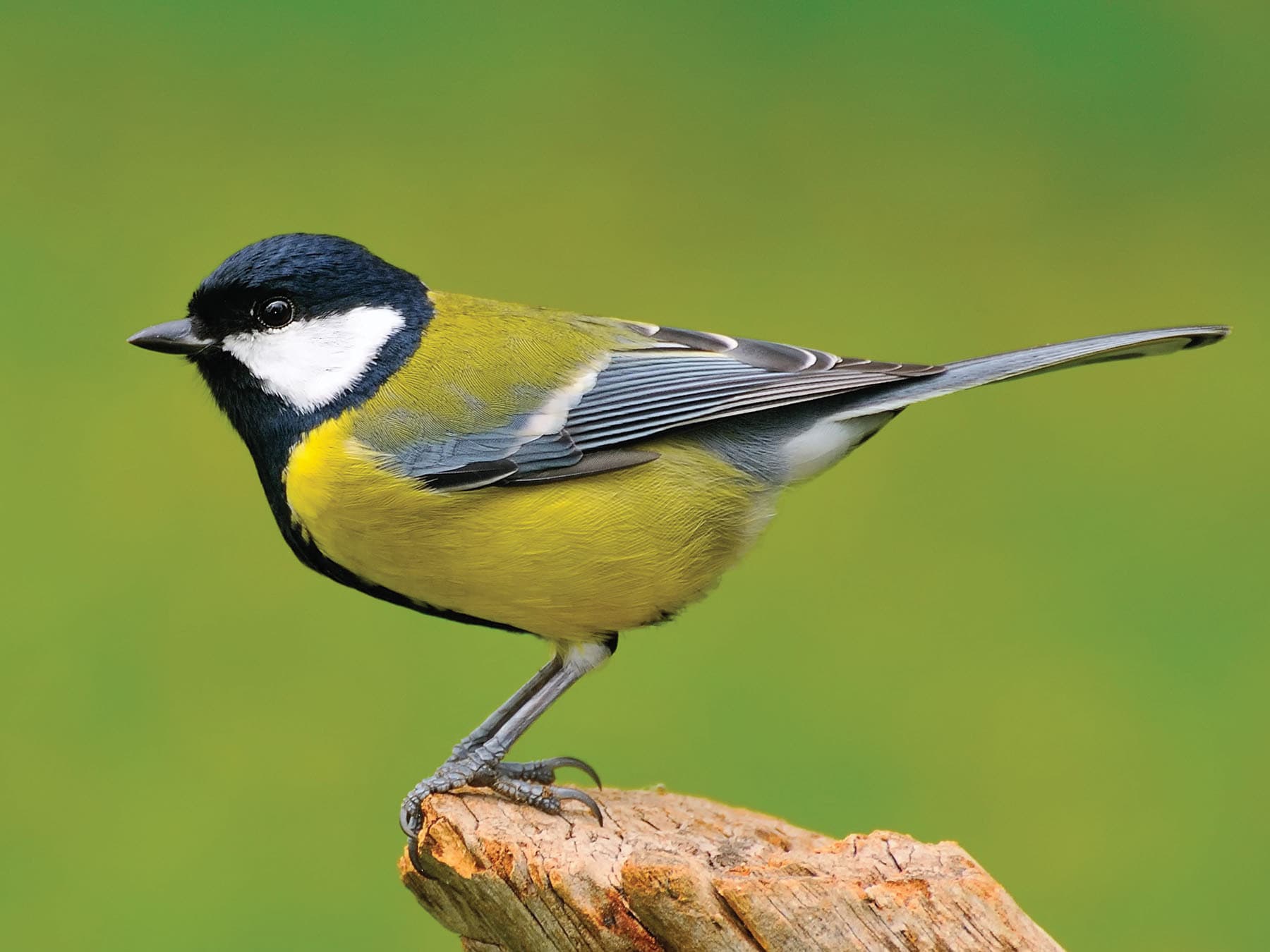
Great Tit
Parus majorLC
A common and familiar garden resident found throughout Somerset year-round. Its bold 'teacher-teacher' song is one of the first heard in spring.
Year-round
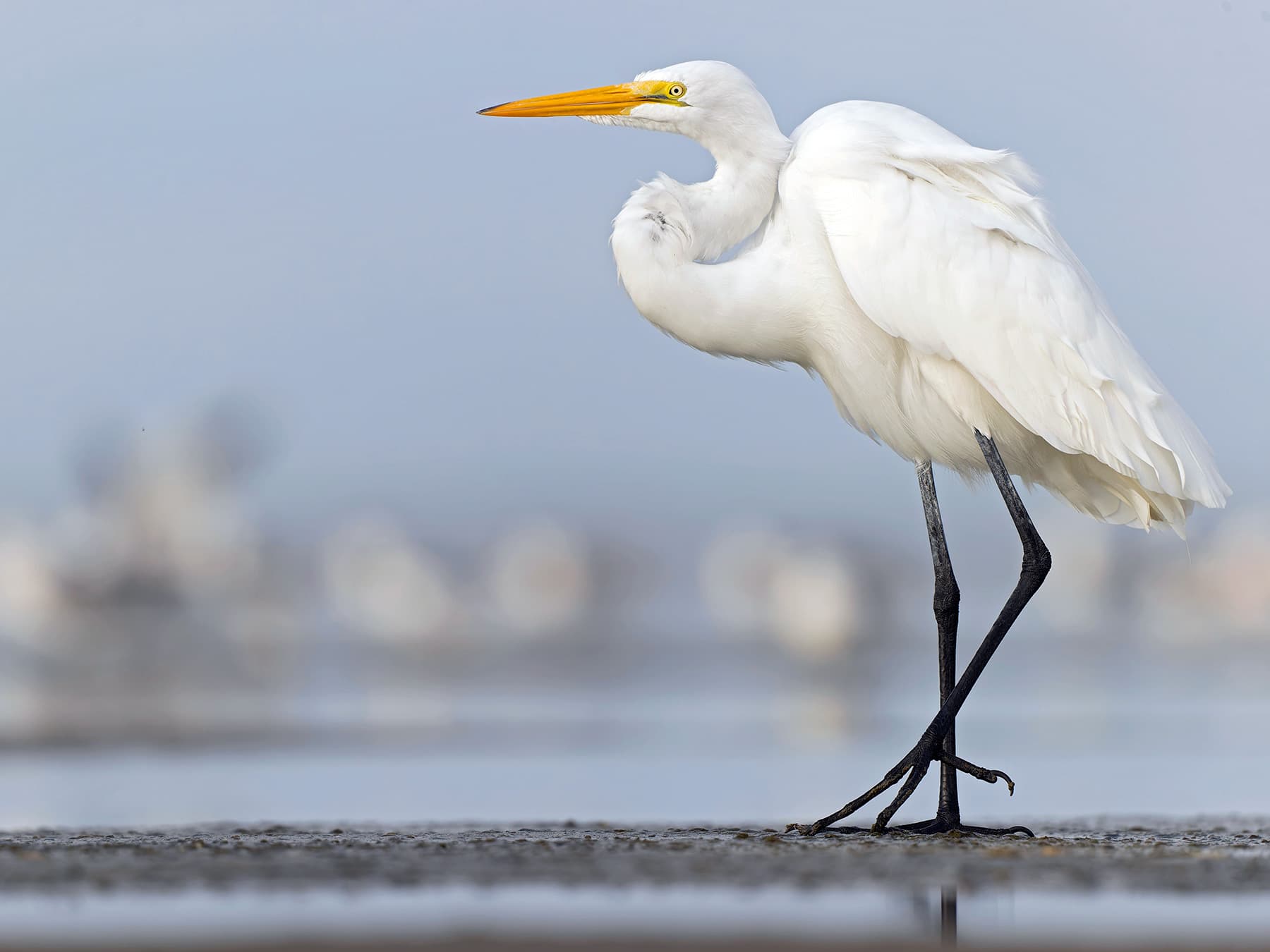
Great White Egret
Ardea albaLC
Now a common year-round resident, having colonised the Somerset Levels in recent years. A conservation success story for the region.
Year-round
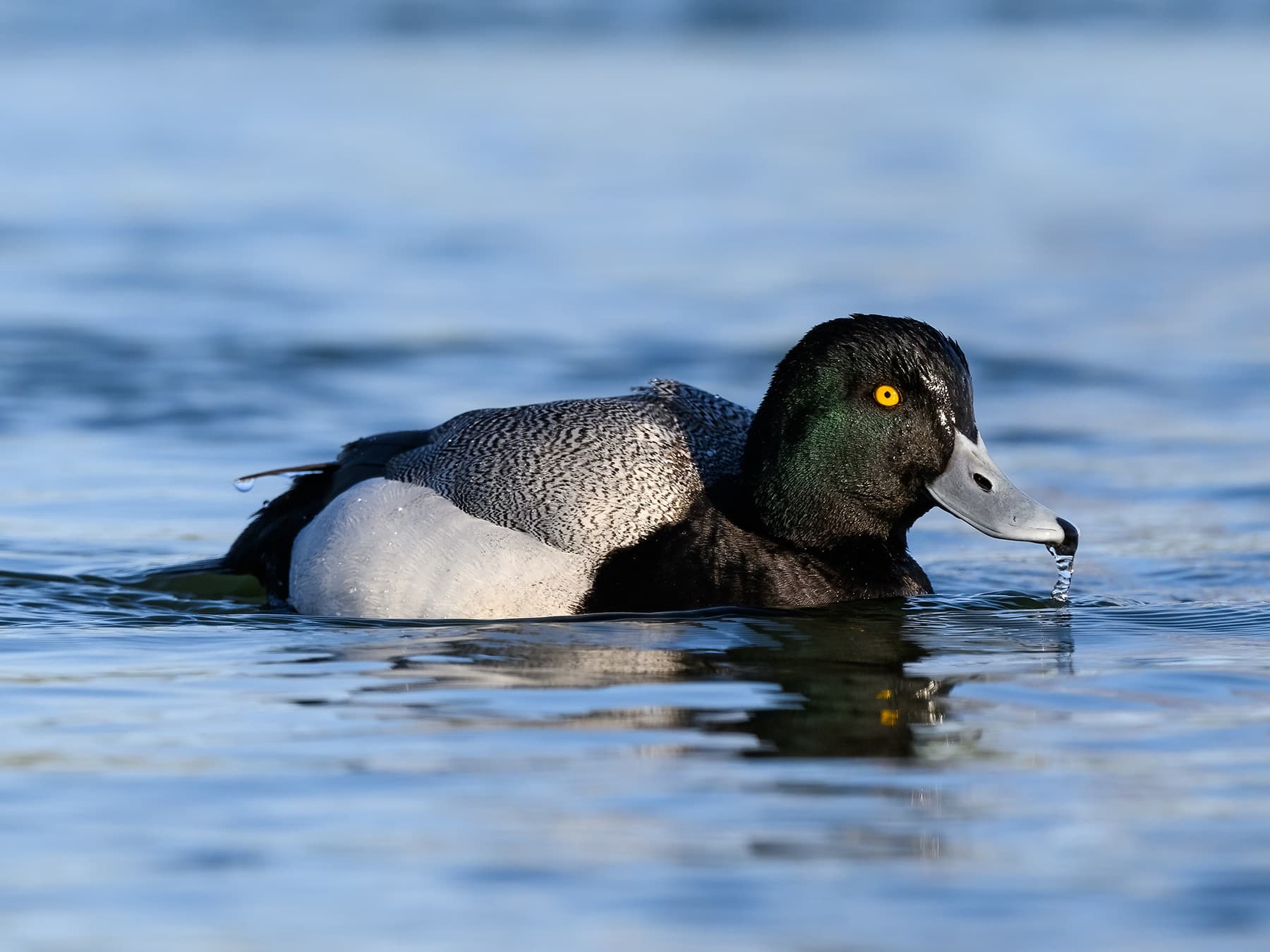
Greater Scaup
Aythya marilaLC
A rare winter visitor, occasionally found on larger reservoirs and lakes from late autumn through to early spring.
Nov–Apr
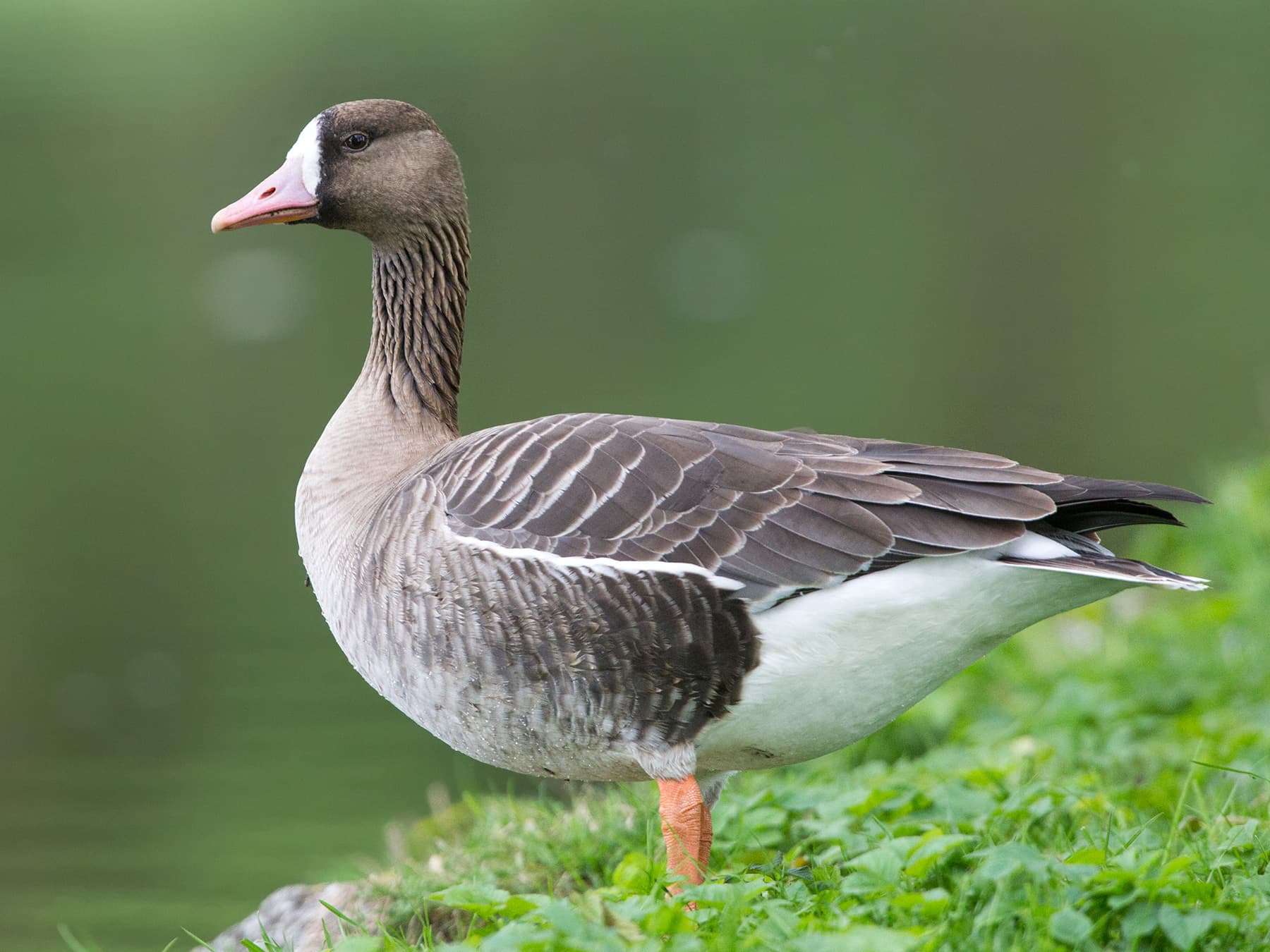
Greater White-fronted Goose
Anser albifronsLC
A rare winter visitor to the Somerset Levels, occasionally joining flocks of other grazing geese on flooded grasslands in January.
Jan
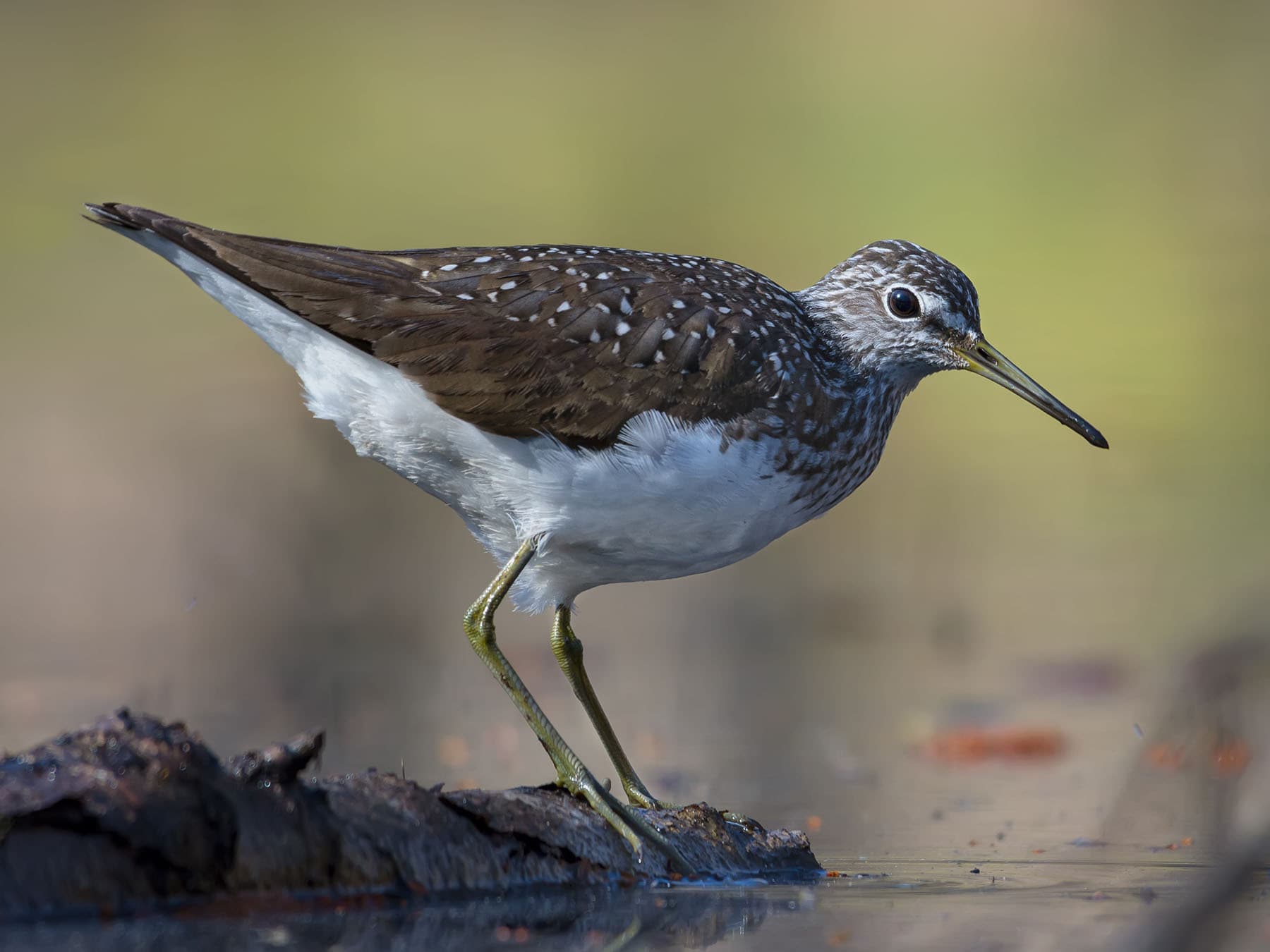
Green Sandpiper
Tringa ochropusLC
A scarce but regular visitor to ditches and pools on the Somerset Levels, present most months but typically elusive and solitary.
Apr–Feb
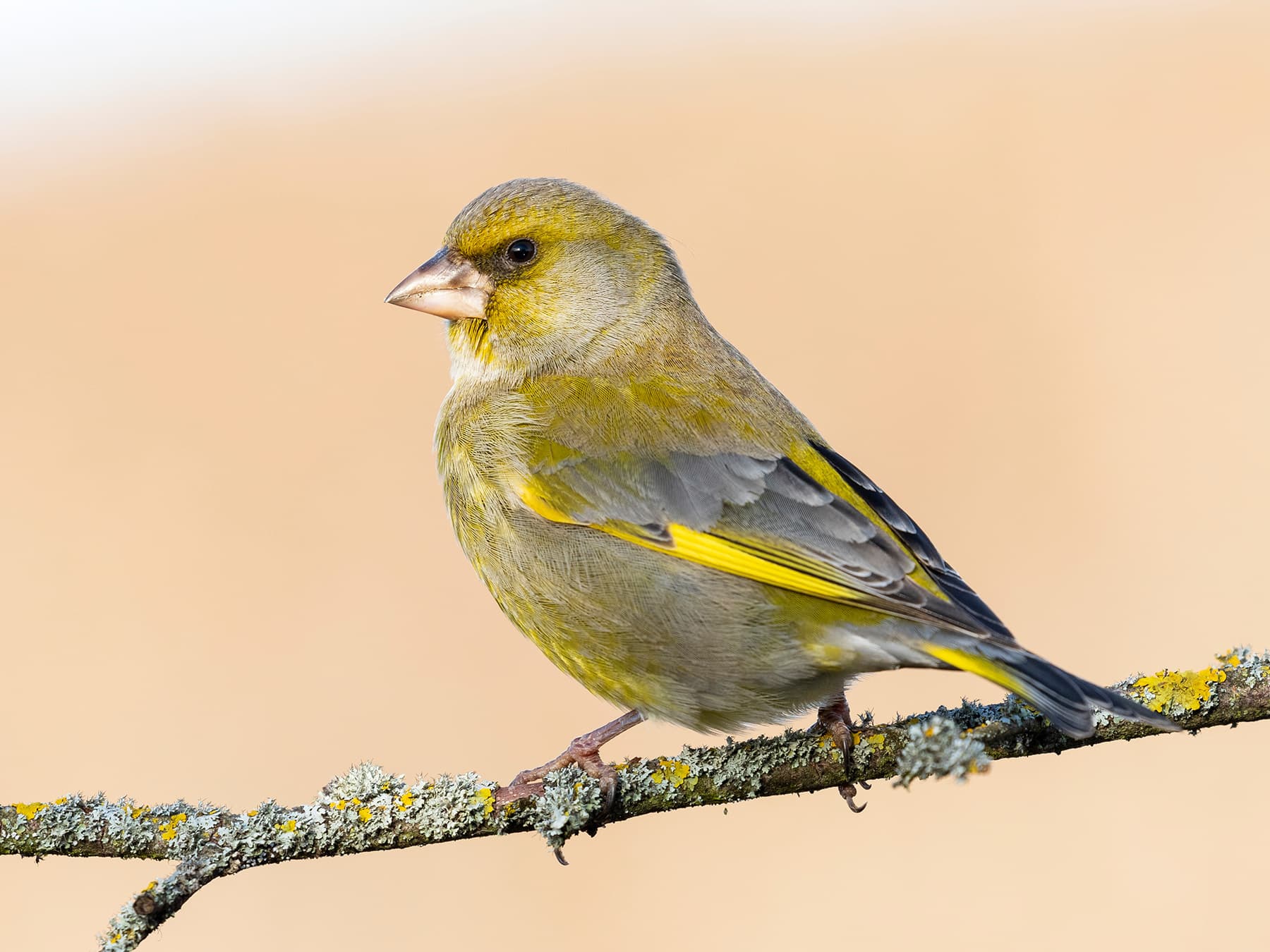
Greenfinch
Chloris chlorisLC
A year-round resident of hedgerows and gardens, though numbers have declined sharply in Somerset due to trichomonosis disease.
Year-round
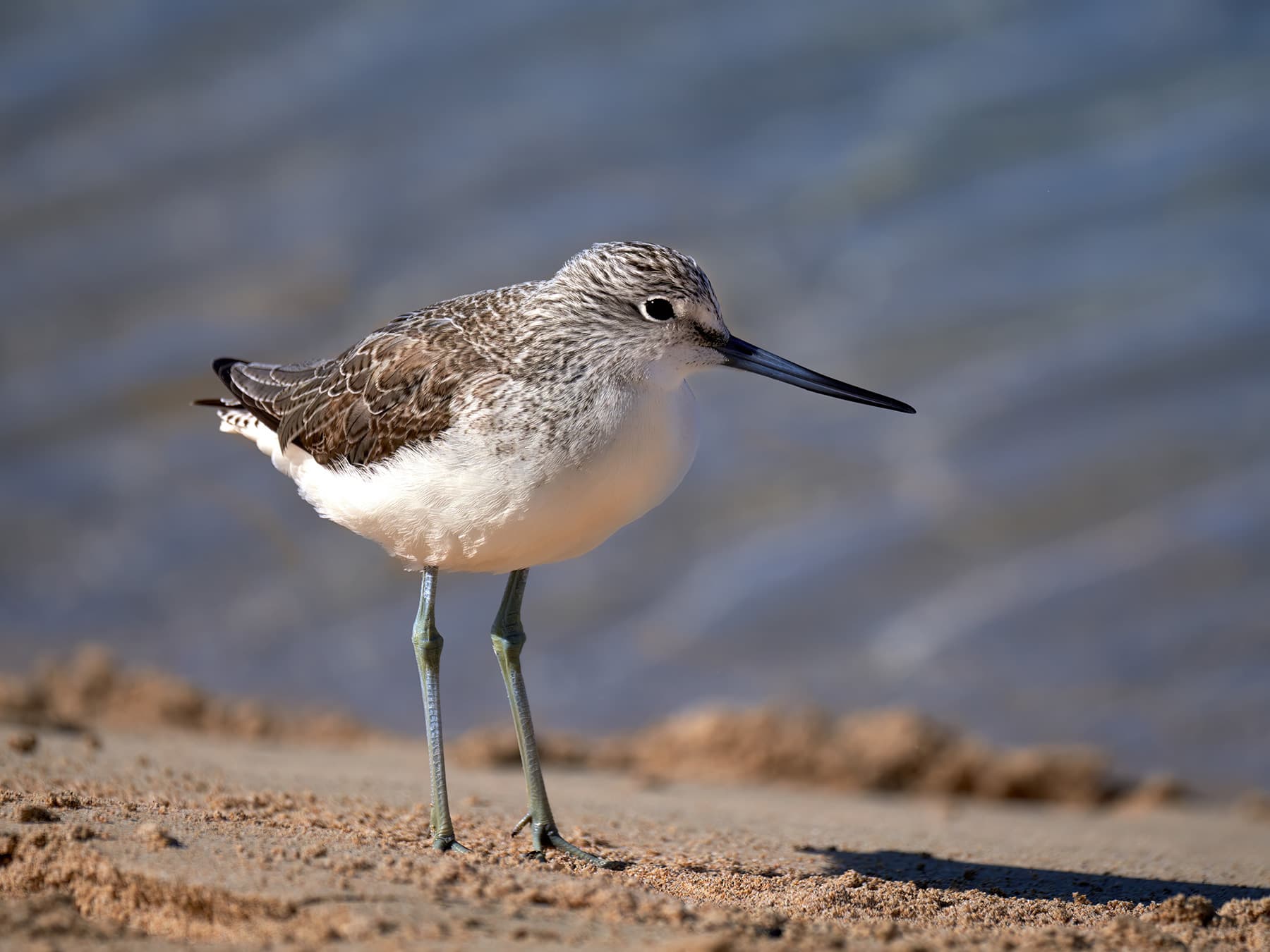
Greenshank
Tringa nebulariaLC
A rare breeder in Somerset, mainly noted on passage from late spring through autumn at wetland sites on the Levels and coast.
Apr–Oct
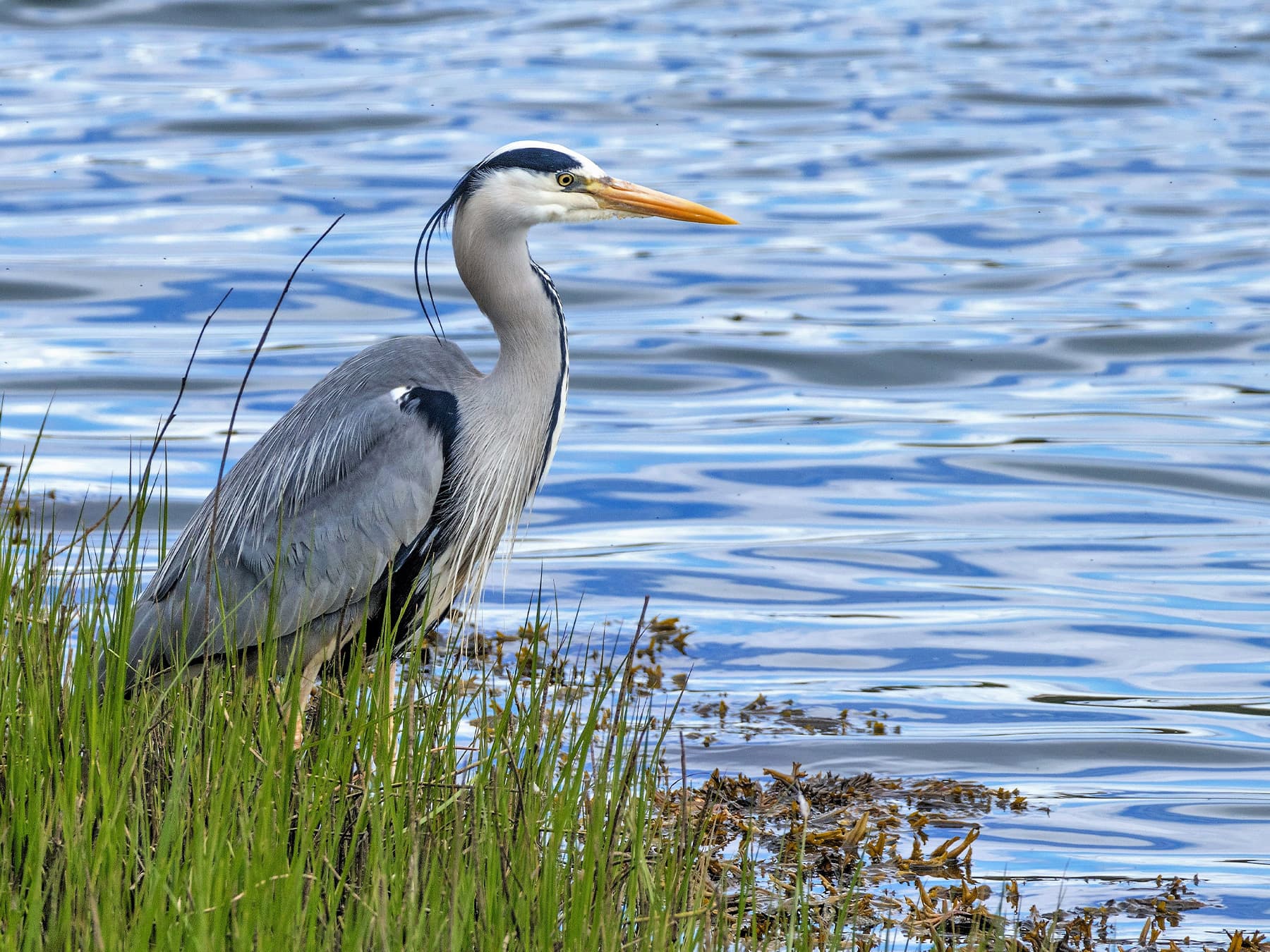
Grey Heron
Ardea cinereaLC
A familiar sight standing motionless in rhynes and flooded meadows across the Levels, present year-round and breeding in established heronries.
Year-round
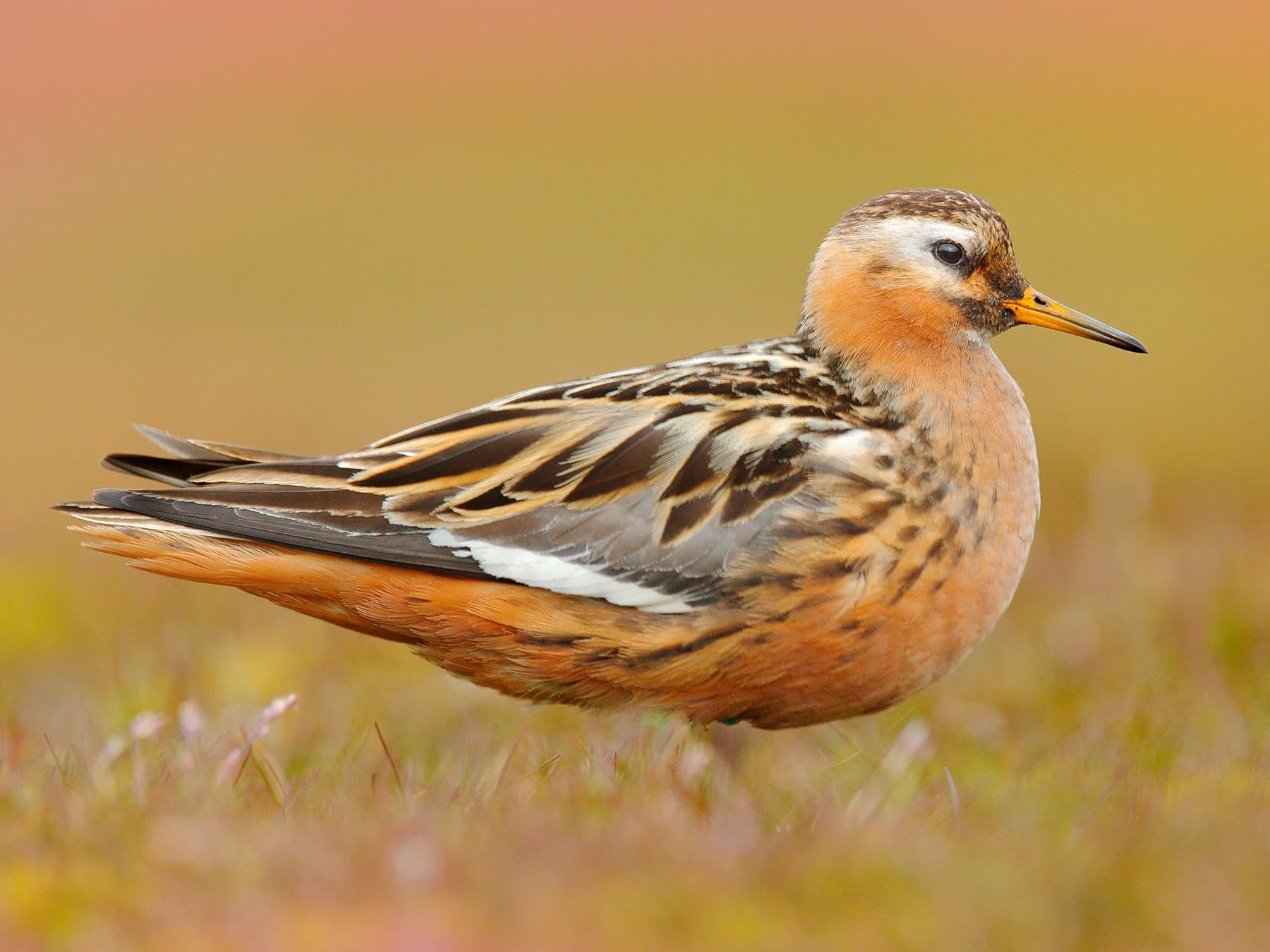
Grey Phalarope
Phalaropus fulicariusLC
A rare autumn passage visitor in September, typically storm-driven to Somerset's coast and occasionally found on inland pools on the Levels.
Sep
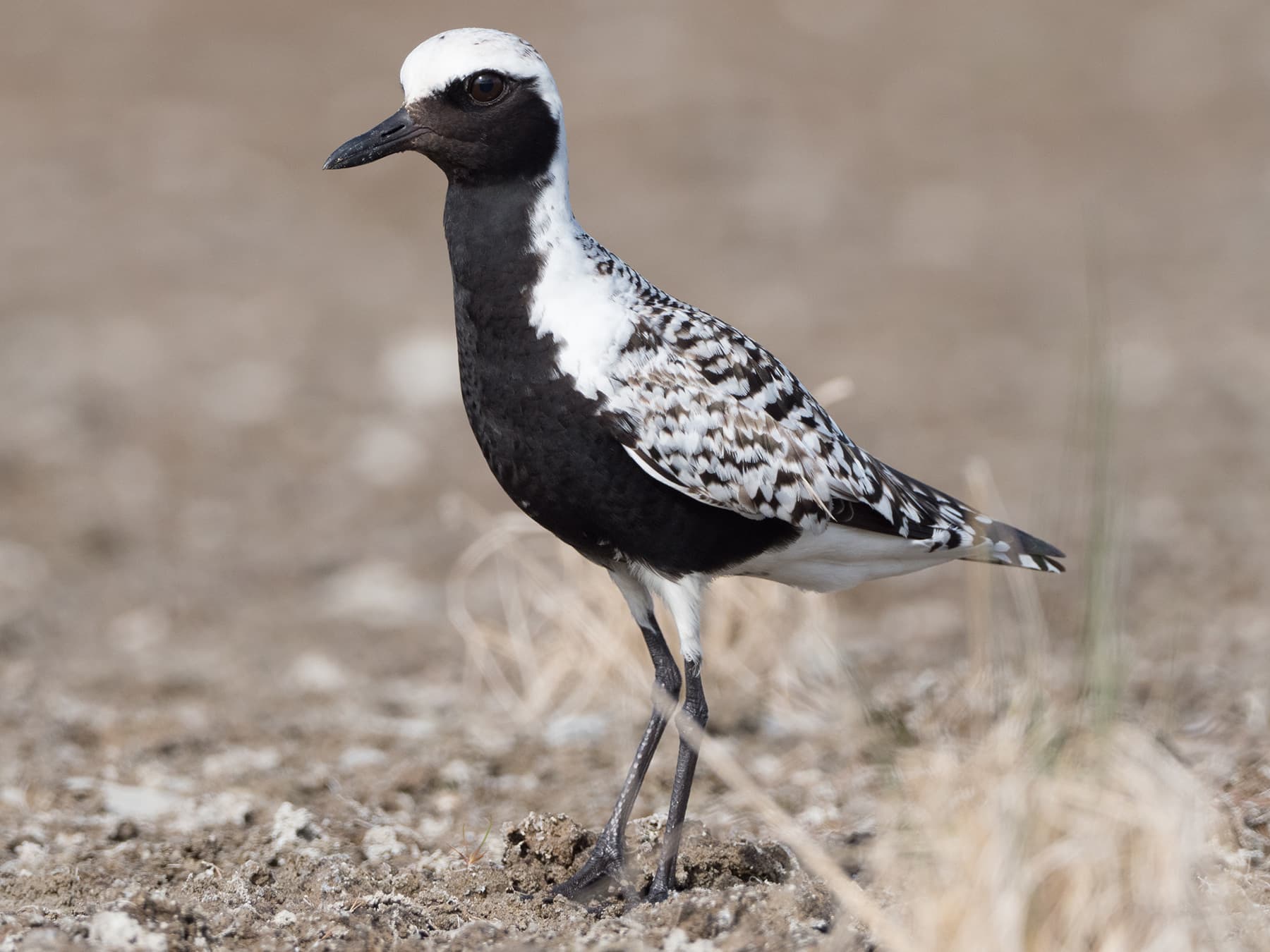
Grey Plover
Pluvialis squatarolaLC
A rare but near year-round visitor, found on the Severn Estuary mudflats and Bridgwater Bay, most scarce during midsummer months.
Aug–May
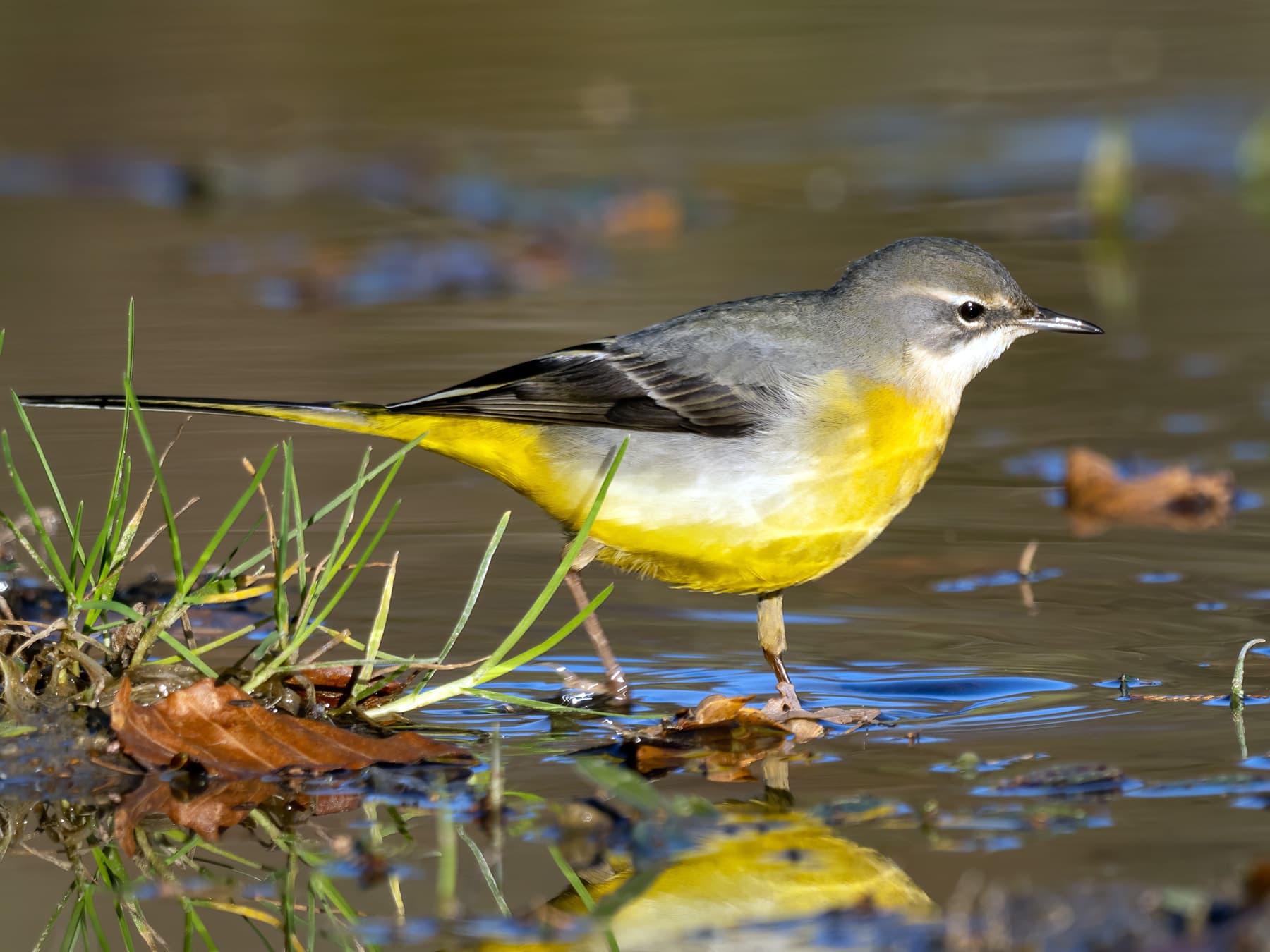
Grey Wagtail
Motacilla cinereaLC
Found year-round along Somerset's streams and rivers, bobbing its long tail on weedy rocks. Moves to lowland waterways in winter.
Year-round